
Multiple Sclerosis Management
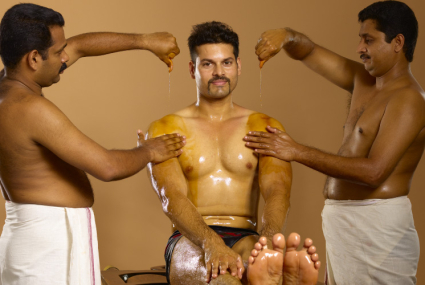
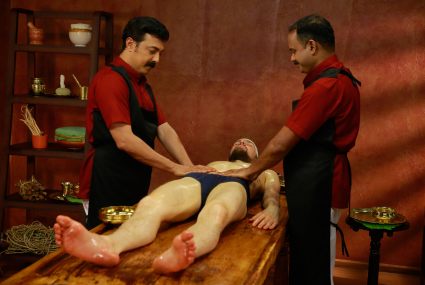
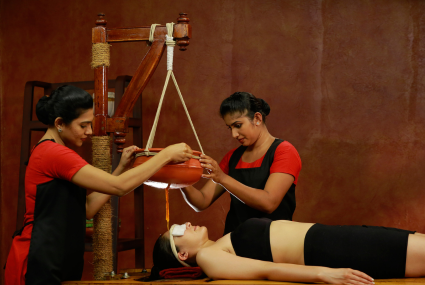
Multiple Sclerosis (MS) is a chronic neurological condition affecting the brain, spinal cord, and optic nerves, often leading to weakness, numbness, and coordination difficulties. Ayurveda views MS as a disorder involving imbalance in the Vata dosha, affecting nerve function and myelin health. Treatment focuses on restoring balance through Panchakarma therapies, herbal formulations, nourishing diets, and lifestyle guidance. Specialised therapies like Abhyanga (oil massage) and Shirodhara help improve nerve conduction, reduce stress, and support overall vitality. The holistic approach not only aims to ease symptoms but also nurtures long-term well-being by strengthening the body and calming the mind.
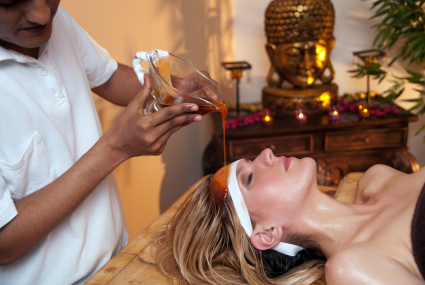
Epilepsy Management
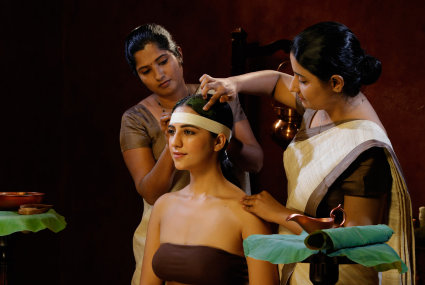
Epilepsy, known as Apasmara in Ayurveda, is a neurological condition characterized by recurrent seizures caused by abnormal brain activity and imbalance of Vata and Pitta doshas. Ayurveda approaches epilepsy holistically by focusing on stabilizing the nervous system, balancing doshas, nourishing brain tissues, and improving mental clarity. Treatments may include Panchakarma therapies such as Basti, Nasya, and Shirodhara, along with herbal support using Brahmi, Ashwagandha, and Shankhapushpi to support neurological health and cognitive function. Diet correction, yoga, pranayama, meditation, and structured lifestyle practices further help reduce stress, support nervous system stability, and promote long-term wellbeing naturally.
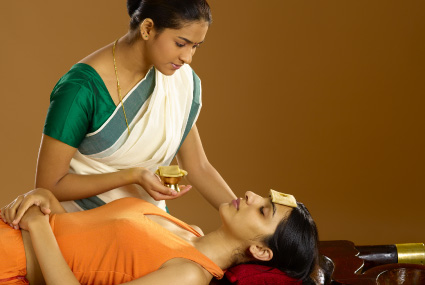
Treatment For Facial Paralysis
Ayurveda, an ancient Indian system of medicine, offers a holistic approach to address this condition. Ayurvedic treatments for facial paralysis typically involve a combination of therapies aimed at restoring balance to the body's doshas (bioenergies) and rejuvenating the affected nerves and muscles. Central to Ayurvedic treatment is the identification of the individual's unique constitution, or Prakriti, and the underlying imbalances contributing to the condition. Herbal remedies, such as Ashwagandha, Brahmi, and Shatavari, may be prescribed to strengthen nerves and promote healing. Additionally, specialized massages with medicated oils, known as Abhyanga, help improve blood circulation and stimulate nerve function. Panchakarma, a detoxification therapy, may also be recommended to eliminate toxins believed to exacerbate facial paralysis. This comprehensive approach addresses not only the physical symptoms but also the emotional and psychological aspects of the condition, promoting overall well-being and faster recovery. Furthermore, dietary and lifestyle modifications, including stress management techniques and yoga, are often integrated into the treatment plan to support long-term healing and prevent recurrence. While Ayurvedic treatments for facial paralysis offer promising outcomes, individual responses may vary, and it is crucial to consult with a qualified Ayurvedic practitioner for personalized care and guidance.
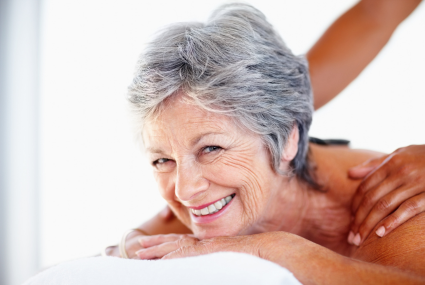
Parkinson’s Disease Management
Parkinson’s disease, known as Kampavata in Ayurveda, is a neurodegenerative disorder characterised by tremors, stiffness, slow movements, and impaired coordination, primarily caused by aggravated Vata dosha affecting the nervous system. Ayurveda offers a comprehensive treatment approach involving therapies such as Abhyanga (oil massage), Shirodhara (medicated oil streaming on the forehead), and Panchakarma therapy such as Basti (medicated enemas) to nourish nerves and balance Vata. Herbal formulations like ashwagandha, kapikacchu and brahmi support nerve regeneration and cognitive functions. Alongside therapies, a Vata-pacifying diet, yoga, and meditation are recommended to enhance motor control, reduce symptoms, and improve the patient’s quality of life.
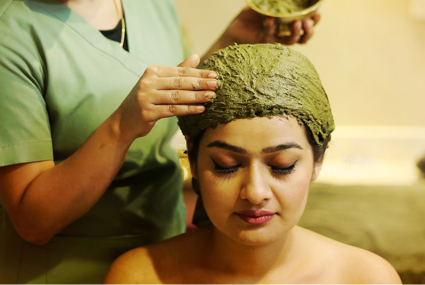
Motor Neuron Disease (MND) Treatment
MND involves progressive degeneration of motor neurons in the brain and spinal cord, resulting in impaired voluntary muscle function, stiffness, weakness, and atrophy. Symptoms gradually worsen over time and can affect daily activities and independence. Common symptoms include muscle weakness, twitching (fasciculations), slurred speech, difficulty swallowing, impaired hand or limb function, fatigue, and in advanced stages, respiratory muscle weakness. Risk factors include age, genetic predisposition, environmental factors, and autoimmune or metabolic triggers. In Ayurveda, MND is considered a Vata Vyadhi, where aggravated Vata dosha affects Majja Dhatu and Snayu, causing tissue degeneration (Dhatu Kshaya), impaired nerve function, and muscle wasting. Accumulation of Ama (toxins) further hampers nervous system function and delays recovery. Ayurvedic management focuses on: Balancing Vata – to reduce nerve degeneration and muscle wasting. Nourishing Majja Dhatu & Snayu – to strengthen nerves and muscles. Panchakarma therapies – to detoxify, restore tissue health, and improve circulation. Key Panchakarma therapies include: Vasti (Medicated Enema Therapy) – primary treatment for controlling aggravated Vata, improving nerve and muscle function, and supporting tissue regeneration. Abhyanga (medicated oil massage) – nourishes muscles and improves circulation. Pizhichil (oil dripping therapy) – strengthens muscles and calms the nervous system. Shashtika Shali Pinda Sweda (Njavarakizhi) – enhances muscular nourishment and reduces stiffness. Svedana (steam therapy) – alleviates muscle spasm and promotes relaxation. Internal herbal supportwhich help strengthen nerves, reduce degeneration, and enhance vitality. Diet should be warm, nourishing, and easy to digest, focusing on Vata-pacifying foods such as ghee, milk, whole grains, nuts, and soups. Avoid cold, dry, and processed foods. Lifestyle practices include gentle physiotherapy, assisted exercises, stress management, proper rest, and gradual strengthening routines to maintain mobility and functional independence. This holistic approach integrates Panchakarma, herbal therapies, diet, and lifestyle modifications to nourish nerves and muscles, reduce Vata imbalance, and support overall vitality and independence in individuals with MND.

Stroke Primary Stage Management
Stroke occurs when blood flow to a part of the brain is blocked (ischemic stroke) or a blood vessel ruptures (hemorrhagic stroke), causing brain tissue damage. Prompt care is essential to prevent permanent neurological deficits. Common symptoms include sudden weakness or numbness of the face, arm, or leg (usually on one side), difficulty speaking or understanding speech, loss of balance or coordination, sudden vision changes, severe headache in hemorrhagic cases, facial drooping, and difficulty swallowing. Risk factors include high blood pressure, diabetes, heart disease, high cholesterol, smoking, obesity, stress, and sedentary lifestyle. In Ayurveda, stroke is described as Pakshaghata, primarily caused by aggravated Vata dosha, which leads to impaired circulation and nerve function in Majja Dhatu and Snayu (muscles and tendons). Depletion of body tissues (Dhatu Kshaya) and accumulation of toxins (Ama) contribute to paralysis, loss of strength, and delayed recovery. Ayurvedic management focuses on pacifying Vata, nourishing nerves and muscles, and supporting functional restoration. Panchakarma therapies such as Vasti (medicated enema therapy), Abhyanga (medicated oil massage), Pizhichil (oil dripping therapy), Shashtika Shali Pinda Sweda (Njavarakizhi), and Svedana (steam therapy) help improve circulation, reduce stiffness, and strengthen muscles. Internal herbal supporting aids in nerve nourishment, cognitive recovery, and tissue strengthening. Diet should be warm, nourishing, and easy to digest, including ghee, milk, soups, whole grains, and light proteins, while avoiding cold, dry, and processed foods that aggravate Vata. Lifestyle practices such as gentle physiotherapy, assisted exercises, structured daily routines, stress management, proper sleep, and emotional support are crucial for rehabilitation. Stroke requires immediate medical intervention, and Ayurvedic therapies serve as supportive care to enhance recovery. This holistic approach integrating Panchakarma, herbal therapies, diet, and lifestyle modifications helps restore nerve and muscle function, improve mobility, reduce Vata imbalance, and enhance overall quality of life in stroke patients.
Bell's Palsy Treatment
Bell’s Palsy is a neurological condition characterized by sudden onset of facial muscle weakness or paralysis, often developing over hours or days. It may affect facial expressions, eye closure, speech, and swallowing on the affected side. Most cases recover fully with proper care, but early intervention is important. Common symptoms include drooping of one side of the face, inability to close the eye, loss of facial expressions, drooling, altered taste, increased sensitivity to sound, and mild pain around the jaw or behind the ear. Risk factors include viral infections (such as herpes simplex), stress, diabetes, hypertension, and immune system disturbances. In Ayurveda, Bell’s Palsy is understood as a Vata Vyadhi affecting Majja Dhatu and Snayu, leading to impaired nerve transmission and muscle dysfunction. Weak tissue strength (Dhatu Kshaya) and accumulation of toxins (Ama) may delay recovery. Ayurvedic management focuses on pacifying Vata, nourishing nerves and muscles, and promoting regeneration of facial nerve function. Brimhana (nourishing) therapy and Rasayana (rejuvenation therapy) support recovery. Vasti (Medicated Enema Therapy) is often recommended for controlling aggravated Vata and supporting nerve function. External therapies include: Abhyanga (medicated oil massage) of the face and neck to improve circulation and reduce stiffness Shirodhara with mild oils to calm the nervous system Facial exercises and gentle physiotherapy to maintain muscle tone Internal herbal support may include Ashwagandha, Bala, Shatavari, Guduchi, Dashamoola, and Tagara, which help in nerve nourishment, reducing inflammation, and promoting strength. Diet should be warm, nourishing, and easy to digest, emphasizing ghee, milk, whole grains, and light meals. Avoid dry, cold, and Vata-aggravating foods. Lifestyle practices include adequate rest, stress management, gentle facial exercises, and protecting the affected eye if eyelid closure is impaired. This holistic Ayurvedic approach helps in speeding recovery, restoring facial symmetry and nerve function, and improving overall quality of life in individuals with Bell’s Palsy.
Alzheimer' Disease Management
Alzheimer’s disease is a chronic condition that leads to progressive degeneration of brain cells, resulting in decline in memory, reasoning, language, and behavior. It typically begins with mild memory lapses and gradually worsens, affecting daily activities and independence. Common symptoms include forgetfulness (especially recent events), confusion, difficulty in communication, poor judgment, disorientation to time and place, mood changes, and behavioral disturbances. In later stages, individuals may have difficulty recognizing familiar people and performing basic tasks. Risk factors include aging, genetic predisposition, family history, cardiovascular diseases, diabetes, head injury, and unhealthy lifestyle habits. In Ayurveda, Alzheimer’s disease is understood as a condition involving Vata aggravation leading to degeneration of Majja Dhatu (nervous tissue) and impairment of Manovaha Srotas (mental channels). Depletion of Ojas (vital energy) and accumulation of Ama (toxins) further contribute to cognitive decline. Ayurvedic management focuses on nourishing and rejuvenating the brain, balancing Vata, and enhancing cognitive function. Rasayana (rejuvenation therapy) plays a key role in slowing degeneration and improving mental clarity. Internal herbal support includes Brahmi, Ashwagandha, Shankhapushpi, Guduchi, and Mandukaparni (Gotu Kola), which help improve memory, concentration, and overall brain function. External therapies such as Shirodhara, Abhyanga (oil massage), and Nasya (nasal therapy) are beneficial in calming the nervous system, improving circulation to the brain, and reducing stress. Diet should be nourishing and supportive of brain health, including foods rich in healthy fats (like ghee in moderation), nuts, fruits, and easily digestible meals. Avoid excessive dry, cold, and processed foods that may aggravate Vata. Lifestyle practices such as maintaining a structured daily routine, engaging in memory-stimulating activities, gentle yoga, meditation, proper sleep, and emotional support are essential for better management. This holistic Ayurvedic approach helps in improving quality of life, supporting cognitive function, and slowing the progression of Alzheimer’s disease.
Dementia Management
Dementia is a progressive neurological condition that affects memory, reasoning, behavior, and the ability to perform everyday activities. It is not a single disease but a term used for a range of cognitive impairments, including conditions like Alzheimer’s disease. Common symptoms include memory loss, confusion, difficulty in communication, poor judgment, mood changes, disorientation, and difficulty in performing routine tasks. As the condition progresses, individuals may become increasingly dependent on others for daily care. Risk factors include aging, genetic predisposition, cardiovascular diseases, diabetes, head injury, chronic stress, and unhealthy lifestyle habits. In Ayurveda, dementia can be correlated with conditions like Smriti Bhramsha or Majja Dhatu Kshaya, primarily due to aggravation of Vata dosha. This leads to degeneration of nervous tissue, impaired cognitive function, and reduced mental clarity. Accumulation of Ama (toxins) and weakened Ojas (vital energy) also contribute to the condition. Ayurvedic management focuses on nourishing the brain, calming Vata, and enhancing cognitive function. Rasayana (rejuvenation therapy) plays a key role in improving memory and slowing degeneration. Internal herbal support includes Brahmi, Ashwagandha, Shankhapushpi, Guduchi, and Mandukaparni (Gotu Kola), which help enhance memory, improve concentration, and support nervous system health. External therapies such as Shirodhara, Abhyanga (oil massage), and Nasya (nasal therapy) are beneficial in calming the mind, improving circulation to the brain, and reducing stress. Diet should be nourishing, warm, and supportive of brain health, including foods rich in healthy fats, nuts, fruits, and easily digestible meals. Avoid excessive dry, cold, and processed foods that aggravate Vata. Lifestyle practices such as maintaining a regular routine, engaging in mental activities, gentle yoga, meditation, adequate sleep, and emotional support are essential for better management. This holistic Ayurvedic approach helps in improving quality of life, supporting cognitive function, and slowing the progression of dementia.
Guillain-barre Syndrome Management
Guillain-Barré Syndrome is an acute autoimmune disorder where the immune system damages the protective covering of nerves, disrupting nerve signals. This leads to muscle weakness, loss of reflexes, and in severe cases, paralysis. The condition usually begins with tingling or weakness in the legs and can gradually spread to the upper body. Common symptoms include progressive muscle weakness, tingling or “pins and needles” sensation, difficulty in walking, loss of coordination, facial weakness, difficulty in speaking or swallowing, and in severe cases, breathing difficulty. Symptoms can progress rapidly over days to weeks. Risk factors include recent viral or bacterial infections, surgery, or immune system disturbances. Although it can affect any age group, it is more common in adults. In Ayurveda, GBS is understood as a condition of aggravated Vata dosha, particularly affecting the Majja Dhatu (nervous tissue) and Snayu (nerves and muscles). Depletion of body strength (Dhatu Kshaya) and obstruction in channels (Srotorodha) further contribute to impaired nerve function and movement. Ayurvedic management focuses on balancing Vata, nourishing the nervous system, and promoting gradual recovery. Brimhana (nourishing therapy) and Rasayana (rejuvenation therapy) are essential to restore strength and vitality. Vasti (Medicated Enema Therapy) plays a significant role as it is the most effective treatment for controlling aggravated Vata. It helps in improving nerve function, enhancing muscle strength, and supporting recovery. External therapies such as Abhyanga (medicated oil massage), Pizhichil, Shashtika Shali Pinda Sweda, and Njavarakizhi are beneficial in improving circulation, reducing stiffness, and strengthening muscles. Internal herbal support may include Ashwagandha, Bala, Guduchi, Dashamoola, and Shatavari, which help in nerve regeneration, reducing inflammation, and improving overall strength. Diet should be nourishing, warm, and easy to digest, with emphasis on strengthening foods like medicated ghee, milk (if suitable), and wholesome meals that support tissue rebuilding. Avoid dry, cold, and light foods that aggravate Vata. Lifestyle practices such as adequate rest, gentle physiotherapy, gradual mobilization, stress management, and emotional support are crucial for recovery. This integrative approach helps in enhancing recovery, improving strength, and restoring functional independence over time.

Radiculopathy Treatment
Radiculopathy occurs when a nerve root in the spine is compressed or irritated due to herniated discs, spinal degeneration, osteophytes (bone spurs), or inflammation. This leads to symptoms along the nerve’s distribution in the arms or legs. Common symptoms include sharp or shooting pain radiating from the neck or lower back to the arm or leg, numbness, tingling, muscle weakness, reduced reflexes, and difficulty performing certain movements. Pain may worsen with activity, prolonged sitting, or bending. Risk factors include aging, poor posture, heavy lifting, obesity, spinal injuries, repetitive stress, and sedentary lifestyle. In Ayurveda, radiculopathy is understood as a Vata Vyadhi affecting Majja Dhatu and Snayu, leading to nerve dysfunction, stiffness, and pain. Accumulation of Ama (toxins) and depletion of tissues (Dhatu Kshaya) contribute to chronic discomfort and impaired nerve conduction. Ayurvedic management focuses on balancing Vata, relieving nerve compression, nourishing nerves and muscles, and reducing inflammation. Vasti (Medicated Enema Therapy) is highly effective for pacifying aggravated Vata and supporting spinal and nerve health. External therapies include: Abhyanga (medicated oil massage) along the spine and limbs to improve circulation and reduce stiffness Pizhichil and Shashtika Shali Pinda Sweda (Njavarakizhi) for nourishment and pain relief Svedana (steam therapy) to reduce muscle spasm and inflammation Internal herbal support which help reduce inflammation, strengthen muscles, and support nerve regeneration. Diet should be warm, nourishing, and easy to digest, with emphasis on Vata-pacifying foods like ghee, milk, soups, and light meals. Avoid cold, dry, and processed foods that aggravate Vata. Lifestyle modifications include proper posture, gentle stretching, physiotherapy, avoidance of prolonged sitting or heavy lifting, stress management, and gradual strengthening exercises. This holistic Ayurvedic approach helps in reducing pain, improving mobility, nourishing nerves and muscles, and enhancing overall spinal and nerve health in radiculopathy patients.
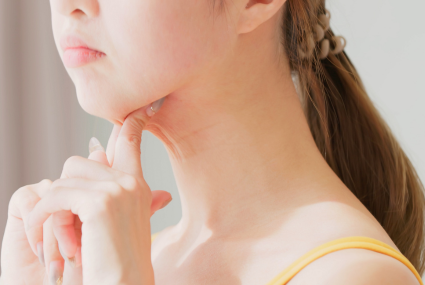
Myastenia Gravis Primary Stage
Myasthenia Gravis is a long-term autoimmune disorder in which communication between nerves and muscles becomes impaired. This leads to weakness in muscles that are responsible for voluntary movements. The condition commonly affects muscles that control eye movements, facial expressions, chewing, swallowing, and speaking, and in some cases the muscles of the arms and legs. Common symptoms include drooping eyelids, double vision, difficulty in speaking or swallowing, weakness in the arms or legs, and fatigue that worsens after activity. Muscle strength may temporarily improve with rest but can worsen again with repeated use. The severity of symptoms can vary from person to person. In Ayurveda, neuromuscular disorders like Myasthenia Gravis are often related to disturbances in Vata dosha, particularly affecting the Majja Dhatu (nervous tissue) and Mamsa Dhatu (muscle tissue). When Vata becomes aggravated, it can disturb nerve impulses and weaken muscle function. Ayurvedic management aims to balance Vata, nourish the nervous and muscular systems, and improve overall strength and vitality. Treatment may include a nourishing diet, strengthening herbal formulations, adequate rest, and stress management. Panchakarma therapies such as Abhyanga (medicated oil massage), Swedana (therapeutic sweating), Shirodhara, and Basti (medicated enema therapy) may be recommended to support nerve function and improve muscle strength. Gentle yoga, breathing
When the Nervous System Calls for Care: An Ayurvedic Path to Nerve Support and Functional Recovery
Neurological and neuro-muscular disorders represent some of the most complex and challenging conditions in medicine, affecting the brain, spinal cord, peripheral nerves, and muscles with substantial impact on movement, sensation, coordination, cognition, speech, memory, and overall functioning. The spectrum is broad — from acute conditions like stroke through progressive neurodegenerative diseases, demyelinating disorders, peripheral neuropathies, movement disorders, seizure disorders, and broader neuromuscular conditions.
Common neurological and neuro-muscular conditions include:
- Stroke (Pakshaghata) — Acute cerebrovascular events with substantial functional impact
- Parkinson's disease (Kampavata) — Progressive movement disorder
- Peripheral neuropathy — Including diabetic neuropathy and broader peripheral nerve conditions
- Multiple sclerosis (MS) — Demyelinating autoimmune condition
- Motor neuron disease / ALS — Progressive motor neuron degeneration
- Muscular dystrophies — Progressive genetic muscle conditions
- Epilepsy and seizure disorders (Apasmara)
- Migraine and chronic headache (Shirah Shoola)
- Sciatica (Gridhrasi) — Lumbar radiculopathy
- Bell's palsy and facial nerve disorders (Ardita)
- Vertigo and balance disorders (Bhrama)
- Cervical and lumbar radiculopathy
- Cerebral palsy (supportive care)
- Post-polio syndrome
- Peripheral facial palsy
- Myasthenia gravis (supportive care)
- Neurodegenerative conditions including Alzheimer's and dementia (supportive care)
- Post-stroke rehabilitation
- Post-traumatic neurological recovery
- Functional movement disorders
- Restless legs syndrome
- Chronic pain syndromes with neurological dimensions
Modern medical management has substantially advanced across neurological conditions with comprehensive evidence-based framework including specialized neurology evaluation and treatment, disease-specific medications (anti-Parkinson medications, disease-modifying therapies for MS, anti-epileptic medications, neuropathic pain medications, others), substantial recent advances in stroke care including thrombolysis and thrombectomy, comprehensive rehabilitation including physical therapy, occupational therapy, speech therapy, and neuropsychological support, and specialized multidisciplinary care.
Yet substantial therapeutic gaps remain for many patients seeking comprehensive integrative approaches alongside continued conventional care. Classical Ayurveda addresses neurological and neuro-muscular conditions primarily within the Vata Vyadhi (disorders caused by aggravated Vata Dosha) framework — recognition that Vata Dosha governs all movements, nerve impulses, sensory and motor functions, and that Vata aggravation produces the characteristic features of neurological dysfunction including dryness, degeneration, instability, and impaired nerve conduction. Majja Dhatu (nervous tissue) involvement and Ojas Kshaya (vital essence depletion) are central to chronic neurological condition progression.
The therapeutic framework centers on comprehensive Vata pacification, Majja Dhatu support, Ojas restoration, Basti therapy as cornerstone Vata Vyadhi intervention, Nasya for direct nervous system access, Shirodhara for mental wellness dimensions, Mahanarayana Taila Abhyanga and Pizhichil for intensive Vata pacification, Medhya Rasayana for cognitive support, and absolute coordination with continued neurology care including continued essential medications which must never be discontinued without specialist guidance.
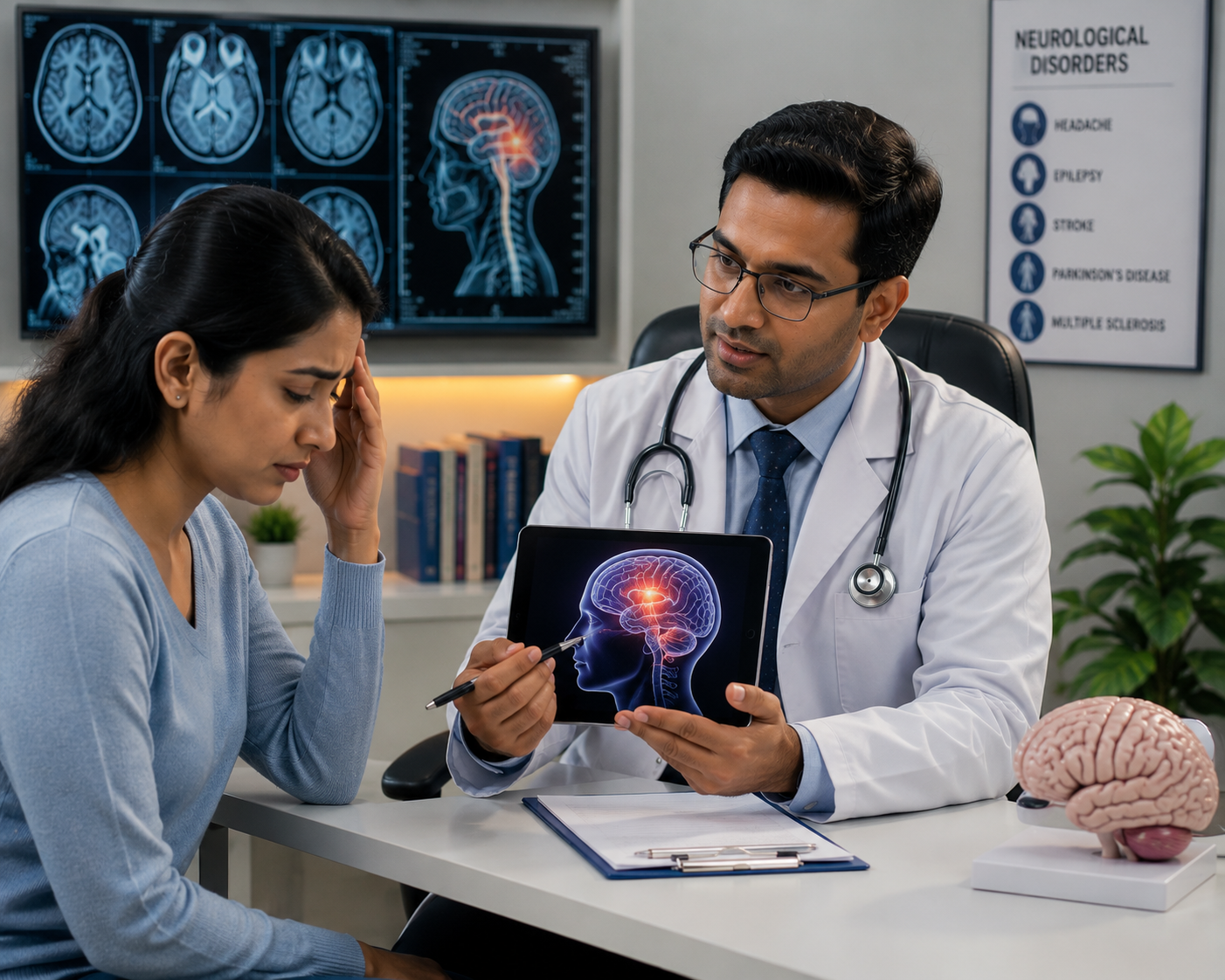
What is Neurological and Neuro-Muscular Health?
Neurological and neuro-muscular health encompasses the comprehensive functional integrity of the brain, spinal cord, peripheral nerves, neuromuscular junction, and muscles working together to produce movement, sensation, coordination, cognition, and broader nervous system function.
Definition and characteristics:
- Comprehensive health of nervous and neuro-muscular systems
- Includes brain, spinal cord, peripheral nerves, neuromuscular junction, muscles
- Affects movement, sensation, coordination, cognition, speech, memory
- Both acute conditions and chronic progressive conditions
- Substantial functional impact across condition spectrum
- Often requires comprehensive multidisciplinary care
Major condition categories:
Acute cerebrovascular conditions:
- Stroke (ischemic and hemorrhagic)
- TIA (transient ischemic attack)
- Post-stroke rehabilitation
Movement disorders:
- Parkinson's disease
- Essential tremor
- Dystonia
- Tics and tic disorders
- Restless legs syndrome
- Other movement disorders
Peripheral nerve conditions:
- Diabetic peripheral neuropathy
- Other peripheral neuropathies
- Carpal tunnel syndrome
- Bell's palsy
- Other focal neuropathies
- Radiculopathies (cervical, lumbar)
Demyelinating and autoimmune:
- Multiple sclerosis
- Guillain-Barré syndrome (supportive care)
- Myasthenia gravis (supportive care)
- Chronic inflammatory demyelinating polyneuropathy
Motor neuron and muscular:
- Motor neuron disease / ALS (supportive care)
- Muscular dystrophies (supportive care)
- Spinal muscular atrophy (supportive care)
Seizure disorders:
- Epilepsy
- Other seizure disorders
Headache and pain:
- Migraine
- Tension-type headache
- Cluster headache
- Chronic daily headache
- Neuropathic pain syndromes
Vestibular and balance:
- Vertigo
- Vestibular disorders
- Balance disorders
Cognitive and degenerative:
- Alzheimer's disease (supportive care)
- Other dementias (supportive care)
- Mild cognitive impairment
- Age-related cognitive concerns
Developmental and pediatric:
- Cerebral palsy (supportive care)
- Developmental delays (supportive care)
- Autism spectrum supportive care
- ADHD supportive care
Other neurological:
- Post-traumatic brain injury supportive care
- Post-spinal cord injury supportive care
- Chronic fatigue syndrome with neurological dimensions
- Functional neurological disorders
- Sleep-related neurological conditions
Common features across many conditions:
- Weakness or paralysis
- Tremors and involuntary movements
- Loss of coordination and balance
- Numbness, tingling, sensory changes
- Pain (neuropathic, headache, broader)
- Speech, swallowing, memory impairment
- Seizures (in some conditions)
- Substantial functional limitations
- Substantial quality of life impact
Comprehensive diagnosis:
- Specialized neurology evaluation
- Neurological examination
- Neuroimaging (MRI, CT)
- Nerve conduction studies and EMG
- EEG when indicated
- Blood tests and broader laboratory
- Specialized testing matched to condition
Modern medical management:
- Specialized neurology care
- Disease-specific medications
- Comprehensive rehabilitation (physical therapy, occupational therapy, speech therapy)
- Specialized multidisciplinary care
- Substantial recent therapeutic advances
Understanding Vata Vyadhi, Majja Dhatu, and Ojas: The Ayurvedic Framework for Neurological Health
The Ayurvedic understanding of neurological and neuro-muscular conditions sits primarily within the comprehensive Vata Vyadhi framework with substantial classical literature in Charaka Samhita's Vata Vyadhi chapter and broader classical texts providing detailed framework for nervous system conditions.
Key concepts:
Vata Dosha as Central: Vata Dosha governs all movements, nerve impulses, sensory and motor functions, communication between body parts, and broader physiological coordination — making Vata fundamental to all neurological function.
Five Sub-doshas of Vata with specific neurological relevance:
- Prana Vata — Governing head, brain, senses, breathing — central to cognitive and cranial nerve function
- Udana Vata — Governing speech, throat, upper body — relevant to speech and swallowing function
- Samana Vata — Governing digestive movements
- Apana Vata — Governing lower abdominal functions including elimination
- Vyana Vata — Governing circulation, movement, coordination — central to motor function
Vata Vyadhi Categories: Classical Ayurveda describes substantial spectrum of Vata Vyadhi conditions with sophisticated clinical observation including:
- Pakshaghata (hemiplegia/stroke)
- Kampavata (tremor/Parkinson's-like)
- Ardita (facial paralysis)
- Gridhrasi (sciatica)
- Apabahuka (frozen shoulder)
- Manyastambha (cervical conditions)
- Apasmara (epilepsy)
- Bhrama (vertigo)
- Smruti Bhramsha (memory impairment)
- Avabahuka and broader specific Vata Vyadhi conditions
Majja Dhatu (Nervous Tissue) Framework: Majja Dhatu represents the seventh and most refined tissue in classical Ayurveda — encompassing nervous tissue, bone marrow, and reproductive precursor materials. Substantial Majja Dhatu involvement in chronic neurological conditions producing:
- Majja Kshaya (nervous tissue depletion) — characteristic of degenerative conditions
- Majja Dushti (nervous tissue vitiation) — characteristic of inflammatory and obstructive conditions
Ojas as Central: Ojas (vital essence) represents the refined essence of all dhatus underlying immunity, vitality, and broader constitutional capacity — Ojas Kshaya central to chronic neurological condition progression.
Three Pathological Mechanisms: Classical Ayurveda recognizes three primary mechanisms in Vata Vyadhi:
- Dhatu Kshaya — Tissue depletion producing degenerative changes
- Marga Avarana — Channel obstruction with secondary Vata vitiation
- Combined Dhatu Kshaya and Marga Avarana — Common in complex chronic conditions
Srotodushti (Channel Dysfunction): Substantial classical recognition of channel dysfunction in neurological conditions including:
- Pranavaha Srotas affecting Prana flow
- Manovaha Srotas affecting mental function
- Majjavaha Srotas affecting nervous tissue
- Specific srotas matched to individual presentations
Manas (Mental) Dimensions: Substantial mental wellness emphasis recognizing that many neurological conditions involve mental dimensions requiring comprehensive Manasika Bhava integration.
Predisposing Factors Classical Ayurveda Identifies:
- Vata-aggravating factors — Dry, cold, light foods; excessive activity; inadequate rest; cold exposure
- Chronic stress and mental strain
- Irregular diet and lifestyle
- Trauma or injury
- Excessive physical or mental exertion
- Aging with natural progressive Vata aggravation
- Suppression of natural urges
- Genetic factors (Beejadushti)
- Specific causes by condition (vascular, autoimmune, metabolic, infectious)
This shapes the Ayurvedic approach to neurological and neuro-muscular conditions: comprehensive Vata pacification as foundational; Majja Dhatu support through nourishing therapies; Ojas restoration through Rasayana; Basti therapy as cornerstone Vata Vyadhi intervention; Nasya for direct nervous system access; Shirodhara for mental wellness; Pizhichil and Mahanarayana Taila Abhyanga for intensive Vata pacification; Medhya Rasayana for cognitive support; comprehensive nourishing therapies (Brimhana); absolute coordination with continued neurology care including continued essential medications.
The 3 Stages of Ayurvedic Treatment for Neurological and Neuro-Muscular Conditions
1. Preparation (Purva Karma) — Typically 3-7 days
Comprehensive assessment including detailed neurological history (specific condition, duration, current symptoms, functional status, prior treatments), current neurology evaluation and treatment context including all medications (anti-Parkinson medications, disease-modifying therapies, anti-epileptic medications, neuropathic pain medications, others), current rehabilitation involvement, cognitive status when relevant, comorbidities, mobility status, sleep impact, and constitutional profile.
Neurology coordination absolutely essential — current treatment confirmed, sharing of treatment approach, continued essential medications confirmed throughout.
Critical screening:
- Stable current condition without acute deterioration requiring urgent neurology attention
- No acute stroke or TIA within recent period requiring urgent care
- No acute seizures requiring urgent management
- No suspected new neurological emergencies
- No active severe complications requiring specialized management
- Continued essential medications confirmed throughout integrative care
Deepana-Pachana for digestive function. Initial Vata-pacifying constitutional support. Initial dietary modifications — warm, nourishing, Vata-pacifying patterns. Foundational lifestyle measures including Dinacharya establishment, sleep optimization, gentle exercise initiation, stress management.
2. Core Treatment (Pradhana Karma) — Typically 14-21 days
Primary therapies focus on five coordinated lines:
Comprehensive Vata Pacification with Majja Dhatu Support:
- Warm, moist, nourishing Vata-pacifying dietary patterns
- Adequate healthy fats including ghee
- Regular meal timing
- Specific Majja-supportive foods
Basti Therapy as Cornerstone:
- Matra Basti, Anuvasana Basti, Niruha Basti with Vata-pacifying preparations
- Yapana Basti specifically valuable for chronic Vata Vyadhi providing nourishing and supportive effects
- Yoga Basti (8-day) or Kala Basti (16-30 day) sequences for intensive intervention
- Specific oil preparations — Mahanarayana Taila, Sahacharadi Taila, Dhanwantharam Taila matched to individual conditions
- Substantial classical use for Vata Vyadhi as cornerstone treatment
Nasya Therapy for Direct Nervous System Access:
- Nasya considered particularly valuable for neurological conditions providing direct access to brain and nervous system
- Anu Taila as classical foundational Nasya
- Shadbindu Taila for specific applications
- Specific medicated Nasya preparations matched to individual needs
- Substantial classical use for neurological dimensions
Shirodhara and Specialized External Therapies:
- Shirodhara (continuous warm medicated oil pouring on forehead) for substantial mental wellness, sleep, and broader benefits
- Comprehensive Abhyanga with Mahanarayana Taila as foundational nervous system supportive oil
- Pizhichil (oil bath therapy) for intensive Vata pacification with substantial classical Vata Vyadhi use
- Kizhi (bolus therapies) — Patra Pinda Sweda, Shashtika Shali Pinda Sweda for tissue and muscle support
- Shirobasti for direct head support in selected cases
- Specific localized therapies matched to condition
Comprehensive Internal Herbal Therapy:
Nervous system-supportive herbs (Medhya Rasayana):
- Brahmi (Bacopa monnieri) for cognitive and nervous system support with substantial classical and modern evidence
- Mandukaparni (Centella asiatica) for cognitive and nervous system
- Shankhpushpi for mental balance
- Jatamansi for anxiety and broader nervous system
- Yashtimadhu for broader support
- Vacha in specific applications
Vata Vyadhi-supportive herbs:
- Ashwagandha for adaptogenic, Majja Dhatu support, broader Vata Vyadhi
- Bala (Sida cordifolia) classical Vata Vyadhi
- Rasna for Vata Vyadhi
- Shatavari for tissue support
- Guduchi for immune and adaptogenic support
Classical formulations:
- Saraswatarishtam — comprehensive nervous system formulation
- Brahmi preparations including Brahmi Ghrita, Brahma Rasayana
- Maharasnadi Kashayam, Dhanwantharam Kashayam for Vata Vyadhi
- Balarishtam, Ashwagandharishtam, Dashamoolarishtam
- Yogaraj Guggulu, Maharasnadi Guggulu
- Brihat Vata Chintamani Rasa in selected cases for severe Vata Vyadhi
- Ekangaveera Rasa for specific applications
- Specific Medhya Ghrita preparations including Brahmi Ghrita, Saraswata Ghrita, Kalyanaka Ghrita
Comprehensive Lifestyle Integration with Continued Neurology Care:
- Continued essential medications absolutely essential throughout
- Continued comprehensive rehabilitation including physical therapy, occupational therapy, speech therapy when applicable
- Continued specialist follow-up
- Comprehensive Dinacharya establishment
- Stress management as central element
- Sleep optimization essential
- Comprehensive nutritional support
- Gentle exercise appropriate to condition
3. Rejuvenation (Paschat Karma) — Continued home regimen
Sustained Vata pacification, continued Majja Dhatu support, comprehensive Rasayana approach for sustained constitutional support, continued lifestyle integration, periodic clinical follow-up, continued neurology coordination. Long-term framework — most neurological conditions require sustained care with comprehensive integrated approach providing ongoing supportive value alongside continued essential neurology care.
The 5 Core Therapies for Neurological and Neuro-Muscular Conditions Explained
1. Basti Therapy as Cornerstone Vata Vyadhi Intervention Basti (medicated enema) therapy represents the most clinically valuable Ayurvedic intervention for neurological and neuro-muscular conditions with substantial classical use as cornerstone treatment for Vata Vyadhi disorders. Direct Vata pacification through colon (seat of Vata in Ayurveda) provides foundational therapeutic mechanism with substantial benefits across nervous system conditions. Specific applications for neurological conditions: Matra Basti for sustained gentle therapy particularly valuable for chronic conditions; Anuvasana Basti with appropriate medicated oils providing comprehensive Vata pacification; Niruha Basti with specific decoctions for broader cleansing; Yapana Basti — particularly valuable nourishing Basti specifically for chronic Vata Vyadhi providing combined supportive and pacifying effects with substantial classical use for chronic neurological conditions; Yoga Basti sequence (8-day alternating) for intensive intervention; Kala Basti sequence (16-30 day extended) for substantial cumulative benefits in chronic conditions. Specific oil preparations: Mahanarayana Taila as foundational Vata Vyadhi oil; Sahacharadi Taila for comprehensive Vata pacification; Dhanwantharam Taila with substantial Vata Vyadhi applications; specific medicated oils matched to individual conditions. Mechanisms: direct Vata pacification, systemic effects through colonic absorption, nervous system supportive effects, broader constitutional benefits. Particularly valuable for stroke rehabilitation, peripheral neuropathy, Parkinson's disease supportive care, multiple sclerosis supportive care, sciatica, motor neuron disease supportive care, broader chronic Vata Vyadhi. WellnessLoka Kerala centres provide expert Basti capability.
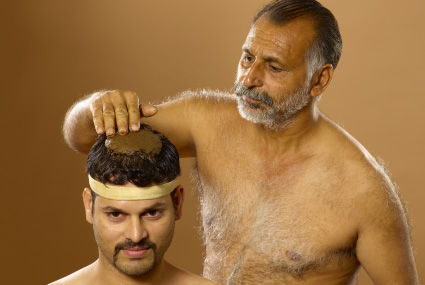
2. Nasya and Shirodhara for Direct Nervous System and Mental Wellness Support Nasya therapy (medicated nasal administration) and Shirodhara represent particularly valuable Ayurvedic interventions providing direct nervous system access with substantial classical use specifically for neurological dimensions. Nasya for direct nervous system access: Classical Ayurveda recognizes the nose as direct doorway to the brain — Nasya therapy provides direct access to head and nervous system through nasal route. Standard preparations: Anu Taila as classical foundational Nasya oil with substantial neurological and broader applications; Shadbindu Taila for specific applications; Brahmi Taila for cognitive support; specific medicated Nasya preparations matched to individual conditions. Mechanisms: direct action on nasal, sinus, and upper nervous system tissues; substantial effects on head and nervous system through nasal route; broader systemic effects. Specific indications: chronic headaches and migraines, neurological conditions affecting head and face, cognitive support, certain mental wellness applications, post-stroke rehabilitation, broader nervous system support. Shirodhara (continuous warm medicated oil pouring on forehead) provides substantial benefits for nervous system and mental wellness with substantial classical use and emerging modern evidence: deeply calms nervous system; reduces stress with documented cortisol-lowering effects; improves sleep quality substantially; supports anxiety dimensions; provides direct nervous system supportive effects. Specific applications: stress-related neurological conditions, anxiety dimensions, sleep disturbances, post-stroke rehabilitation, broader nervous system support, mental wellness integration. Specialized infrastructure required for both therapies. WellnessLoka centres provide expert capability.
3. Comprehensive Abhyanga with Mahanarayana Taila and Pizhichil Comprehensive Abhyanga and Pizhichil with Mahanarayana Taila as foundational nervous system and neuromuscular supportive oil represent the most clinically valuable external therapies for neurological and neuro-muscular conditions. Daily Abhyanga with Mahanarayana Taila providing comprehensive Vata pacification, nervous system support, circulation improvement, and broader constitutional support — substantial classical use specifically for Vata Vyadhi conditions. Combined oils for individualization: Ksheerabala Taila for Vata-Pitta combined patterns; Sahacharadi Taila for comprehensive Vata pacification; Bala Taila for tissue strengthening particularly valuable in conditions with substantial muscle involvement; Dhanwantharam Taila with substantial Vata Vyadhi applications. Pizhichil (oil bath therapy with continuous warm medicated oil pouring with simultaneous massage) providing intensive Vata pacification with substantial classical use for chronic Vata Vyadhi; particularly valuable for stroke rehabilitation, chronic peripheral neuropathy, Parkinson's supportive care, multiple sclerosis supportive care, post-traumatic neurological recovery, muscular dystrophy supportive care, broader chronic neurological conditions. Specialized external therapies (Kizhi/Bolus therapies): Patra Pinda Sweda (medicated leaf bolus) for inflammatory and Vata Vyadhi dimensions; Shashtika Shali Pinda Sweda (Navara rice bolus) particularly valuable for substantial muscle and tissue support especially in muscular dystrophy, motor neuron disease supportive care, and broader Mamsa Kshaya conditions; Jambeera Pinda Sweda for specific applications; Choorna Pinda Sweda for selected conditions. Shirobasti (medicated oil retention on head) for direct head and nervous system support in selected cases. Sustained therapy over 14-21 days providing substantial cumulative benefits.
4. Medhya Rasayana — Cognitive and Nervous System Rasayana Approach Medhya Rasayana represents the comprehensive classical cognitive and nervous system Rasayana approach with substantial classical literature in Charaka Samhita providing detailed framework for cognitive support, nervous system rejuvenation, memory enhancement, and broader mental wellness. Foundational Medhya Rasayana herbs: Brahmi (Bacopa monnieri) with substantial classical and modern evidence for cognitive support, memory enhancement, anxiety reduction, and broader nervous system benefits; Mandukaparni (Centella asiatica) for cognitive and nervous system support with substantial classical use; Shankhpushpi (Convolvulus pluricaulis) for mental balance and cognitive support; Jatamansi (Nardostachys jatamansi) for anxiety dimensions and nervous system calming; Yashtimadhu (Licorice) for broader nervous system support; Vacha (Acorus calamus) in specific applications with appropriate practitioner expertise. Adaptogenic-Rasayana support: Ashwagandha (Withania somnifera) for adaptogenic and broader nervous system support with substantial evidence; Guduchi for immune and adaptogenic support. Classical Medhya formulations: Saraswatarishtam as comprehensive classical nervous system formulation with substantial use for neurological conditions; Brahmi Ghrita medicated ghee with substantial cognitive applications; Saraswata Ghrita for cognitive and broader nervous system; Kalyanaka Ghrita for specific applications; Brahma Rasayana for comprehensive cognitive Rasayana; Brahmi preparations in various forms. Specific cognitive applications: post-stroke cognitive recovery, dementia supportive care, mild cognitive impairment, age-related cognitive concerns, ADHD supportive care, broader cognitive support. Critical medication interaction awareness essential for patients on neurological medications including anti-Parkinson medications, anti-epileptic medications, and others; coordination with treating neurologist essential. WellnessLoka centres provide authentic Medhya Rasayana preparations.
5. Comprehensive Lifestyle Integration and Absolute Coordination with Continued Neurology Care Comprehensive lifestyle integration with absolute coordination with continued neurology care provides foundation for sustained neurological condition management. Continued essential neurology medications absolutely essential: continued anti-Parkinson medications (levodopa-carbidopa, dopamine agonists, MAO-B inhibitors, others) for Parkinson's patients — never discontinued without neurology guidance; continued disease-modifying therapies for MS (interferons, glatiramer, fingolimod, ocrelizumab, others); continued anti-epileptic medications for seizure disorders — discontinuation creates substantial seizure risk; continued neuropathic pain medications (gabapentin, pregabalin, duloxetine, amitriptyline) for chronic pain syndromes; continued specific medications for individual conditions; never discontinued or modified without specialist guidance. Continued comprehensive rehabilitation: continued physical therapy with specific neurological rehabilitation expertise; continued occupational therapy for functional skills; continued speech therapy when applicable for stroke, Parkinson's, neurogenic communication disorders; continued cognitive rehabilitation when applicable; continued neuropsychological support when needed; Ayurvedic care strictly complements rather than replaces continued comprehensive rehabilitation which remains foundation of neurological care. Comprehensive Dinacharya integration with consistent routines essential for neurological wellness. Specific dietary integration: warm, nourishing, Vata-pacifying patterns; adequate healthy fats including ghee with classical Rasayana use; appropriate proteins; whole grains; abundant cooked vegetables; specific Medhya Rasayana foods; specific neurological condition-specific dietary considerations matched to individual needs. Comprehensive stress management essential — stress substantially impacts neurological conditions; meditation with substantial evidence for many neurological conditions; gentle yoga with appropriate adaptations; pranayama; broader stress reduction. Sleep optimization absolutely essential for nervous system health. Gentle appropriate exercise matched to specific condition with substantial neurological benefits. Fall prevention for patients with balance and mobility issues. Cognitive engagement for cognitive Rasayana. Family education and support essential given substantial family impact of neurological conditions. Continued specialist follow-up at appropriate intervals. Honest framing — recognition that integrative care provides meaningful supportive value but does not cure progressive neurodegenerative conditions; realistic expectations essential. Long-term framework: Neurological conditions typically require sustained lifelong care with comprehensive integrated approach providing ongoing supportive value within continued essential treatment framework.
How Long Should an Ayurvedic Treatment Program for Neurological Conditions Last?
| Duration | Therapeutic Benefit |
| 7–14 days | Initial protocols, established Basti and Nasya, foundational interventions |
| 14–21 days | Comprehensive constitutional support, extended Basti sequences, sustained therapy |
| 21–28 days | Extended program for substantial constitutional rebuilding and Majja Dhatu support |
| Continued home regimen | Sustained therapy with continued lifestyle integration and rehabilitation |
The exact duration is decided after consultation with the Ayurvedic doctor in coordination with continued neurology care, based on specific neurological condition, severity, current stability, treatment goals, and individual factors. Initial intensive retreat 14-28 days followed by sustained home regimen with periodic retreat visits. Recognition that most neurological conditions are chronic requiring sustained comprehensive integrated approach over years — Ayurvedic care provides ongoing supportive value within continued essential neurology care framework throughout life.
Book Consultation
Benefits of an Ayurvedic Treatment Retreat for Neurological and Neuro-Muscular Conditions
| Physical Benefits | Functional Benefits | Long-Term Impact | ||
| Better motor and sensory function | Better daily functional capacity | Sustained nervous system support | ||
| Reduced neuropathic symptoms | Better cognitive function | Foundation for sustained wellness | ||
| Better tissue strength and tone |
|
Better long-term outcomes | ||
| Better overall vitality | Better sleep quality | Comprehensive integrative care framework |
Why Kerala is the Best Place for Neurological and Neuro-Muscular Treatment
An Ayurvedic neurological and neuro-muscular treatment retreat in Kerala, India offers the most clinically authentic environment for comprehensive Vata Vyadhi care this complex condition spectrum fundamentally benefits from alongside continued essential neurology care.
- Experienced physicians with specific expertise in classical Vata Vyadhi framework and the comprehensive neurological Ayurveda tradition
- BAMS and MD Ayurveda-certified doctors with specialised training across the broad spectrum of neurological and neuro-muscular conditions
- Specialised practitioner training in Basti therapy essential for neurological conditions — including Matra Basti, Anuvasana Basti, Niruha Basti, Yapana Basti particularly valuable for chronic Vata Vyadhi, Yoga Basti sequence, and Kala Basti sequence
- Specialised practitioner training in Nasya therapy essential for direct nervous system access
- Specialised practitioner training in Shirodhara essential for nervous system and mental wellness applications
- Specialised practitioner training in Pizhichil with substantial Vata Vyadhi applications
- Specialised practitioner training in Kizhi (bolus therapies) including Patra Pinda Sweda and Shashtika Shali Pinda Sweda particularly valuable for muscle and tissue support in neuro-muscular conditions
- Shirobasti capability for direct head and nervous system support
- Authentic in-house preparation of Mahanarayana Taila — the foundational nervous system supportive oil — alongside Ksheerabala Taila, Sahacharadi Taila, Bala Taila, Dhanwantharam Taila using authentic methods and fresh herbs
- Authentic preparation of Anu Taila and Shadbindu Taila — foundational Nasya preparations
- Authentic preparation of classical Medhya Rasayana formulations — Saraswatarishtam, Brahmi Ghrita, Saraswata Ghrita, Kalyanaka Ghrita, Brahma Rasayana, broader Medhya preparations — using authentic methods and fresh herbs
- In-house preparation of classical Vata Vyadhi formulations — Maharasnadi Kashayam, Dhanwantharam Kashayam, Balarishtam, Ashwagandharishtam, Dashamoolarishtam, Yogaraj Guggulu, Maharasnadi Guggulu, Brihat Vata Chintamani Rasa, Ekangaveera Rasa — using authentic methods and fresh herbs
- Authentic preparation of medicated ghee preparations (Ghrita) essential for neurological conditions including Brahmi Ghrita, Saraswata Ghrita, Kalyanaka Ghrita, Mahatiktaka Ghrita, Phalaghrita
- Proper facilities for comprehensive Basti therapy with appropriate infrastructure
- Proper facilities for Nasya, Shirodhara, Pizhichil, Kizhi, and Shirobasti
- Accessibility-friendly infrastructure essential for patients with mobility limitations, balance difficulties, wheelchair access needs, and transfer support
- Senior-friendly accommodation for older patients
- Family-friendly accommodation essential given substantial family dimensions of neurological care
- Capacity for integrated rehabilitation coordination with continued physical therapy, occupational therapy, speech therapy when applicable
- Long-established Kerala tradition of comprehensive Vata Vyadhi and neurological Ayurveda
- Capacity for emergency medical escalation with clear protocols for any neurological concerns
- Capacity for monitoring appropriate to specific conditions
- Coordination capability with continued neurology care
- Capacity for sustained long-term care relationships through chronic neurological condition management
- Pediatric-friendly capability for pediatric neurological conditions including cerebral palsy supportive care
- Adult care capability across adult neurological condition spectrum
- Capacity for comprehensive lifestyle integration including adaptive physical therapy coordination, gentle exercise programs appropriate to condition, comprehensive nutritional support, stress management
- Honest framing throughout with appropriate counseling about supportive role for progressive conditions
- Discretion and sensitivity throughout treatment
Sri Lanka offers complementary tropical healing environment with Ayurvedic expertise in chronic conditions, while Bali provides wellness-oriented treatment retreats integrating Ayurvedic care with holistic wellness for stable maintenance phases and broader lifestyle integration. For specialised Vata Vyadhi Ayurveda with comprehensive Basti, Nasya, Shirodhara, Pizhichil, and Kizhi capability, authentic Medhya Rasayana preparations, and accessibility-friendly infrastructure essential for neurological patients, Kerala offers the deepest tradition.
Neurological and Neuro-Muscular Treatment Retreats by Location and Recommended Centres
Kerala, India — The most clinically authentic destination for classical Vata Vyadhi neurological Ayurvedic care with established tradition including comprehensive Basti therapy capability with Yapana Basti particularly valuable for chronic Vata Vyadhi, specialised Nasya expertise for direct nervous system access, specialised Shirodhara capability, specialised Pizhichil expertise, specialised Kizhi (bolus therapy) capability including Shashtika Shali Pinda Sweda for muscular support, Shirobasti capability, authentic Mahanarayana Taila preparation, authentic Medhya Rasayana preparations including Saraswatarishtam and Brahmi Ghrita, accessibility-friendly and senior-friendly infrastructure, family-friendly accommodation, capacity for integrated rehabilitation coordination, emergency medical escalation capability, and the deepest tradition of comprehensive Vata Vyadhi neurological Ayurveda.
Alleppey • Kovalam • Kumarakom • Wayanad • Palakkad
Sri Lanka — Coastal Ayurveda treatment retreats with comprehensive supportive care for neurological conditions in serene tropical environment. Wadduwa • Weligama • Sigiriya • Kosgoda • Bentota
Bali, Indonesia — Wellness treatment retreats integrating Ayurvedic care with holistic wellness restructuring, particularly valuable for stable maintenance phases and broader lifestyle integration. Ubud • Nusa Dua • Candidasa • Lovina
WellnessLoka connects you with verified centres across these destinations offering genuine Vata Vyadhi neurological expertise, comprehensive Basti capability essential for neurological conditions, specialised Nasya, Shirodhara, Pizhichil, Kizhi, and Shirobasti capability, authentic Mahanarayana Taila and Medhya Rasayana preparation, accessibility-friendly infrastructure, capacity for integrated rehabilitation coordination, emergency medical escalation capability, absolute commitment to coordination with continued neurology care including continued essential medications which must never be discontinued, and clear understanding of the integrative role.
Who Should Consider an Ayurvedic Neurological and Neuro-Muscular Treatment Retreat
Critical foundation: All candidates must have established continued comprehensive neurology care when applicable; integrative care is strictly complementary, never replacement for essential neurological treatment.
Post-stroke patients seeking rehabilitation support — Comprehensive integrative approach alongside continued conventional rehabilitation.
Patients with Parkinson's disease on continued treatment — Comprehensive integrative supportive approach alongside continued anti-Parkinson medications.
Patients with peripheral neuropathy — Including diabetic neuropathy with comprehensive integrative approach.
Patients with multiple sclerosis on continued treatment — Comprehensive supportive approach alongside continued disease-modifying therapy.
Patients with chronic headache and migraine — Comprehensive integrative approach including Nasya particularly valuable.
Patients with sciatica and chronic radiculopathy — Comprehensive Vata Vyadhi approach.
Patients with Bell's palsy and facial nerve disorders — Comprehensive Ardita approach.
Patients with vertigo and balance disorders — Comprehensive supportive approach.
Patients with motor neuron disease/ALS on continued treatment — Strictly supportive care alongside continued specialist management.
Patients with muscular dystrophy — Strictly supportive care alongside continued specialist management.
Patients with epilepsy on continued anti-epileptic therapy — Comprehensive supportive approach alongside continued medications which must never be discontinued.
Patients with chronic fatigue and lifestyle-related neurological dimensions — Comprehensive constitutional approach.
Patients with cognitive concerns including mild cognitive impairment — Comprehensive Medhya Rasayana approach.
Patients with chronic neuropathic pain syndromes — Comprehensive supportive approach alongside continued neuropathic pain medications.
Patients with restless legs syndrome — Comprehensive Vata Vyadhi approach.
Patients with neurodegenerative conditions in stable phases — Comprehensive supportive care.
Post-traumatic neurological recovery — Comprehensive rehabilitation support alongside continued rehabilitation.
Patients seeking constitutional approach — Comprehensive Vata Vyadhi framework for sustained neurological wellness.
Family members and caregivers — Comprehensive stress management and constitutional support (with appropriate framing).
Who Should Approach Treatment with Caution
Ayurvedic care for neurological and neuro-muscular conditions is genuinely valuable but appropriate medical evaluation and continued neurology coordination are essential. Ayurvedic retreat-based care should be deferred or replaced by urgent specialist care in cases involving:
Acute stroke or TIA — Requires urgent neurology emergency care.
Active seizures or status epilepticus — Requires urgent neurology emergency care.
Suspected acute neurological emergencies — Including suspected meningitis, encephalitis, acute spinal cord conditions, severe acute headache patterns requiring urgent evaluation.
Acute disease progression — Substantial new neurological symptoms require urgent neurology evaluation.
Active severe complications — Including swallowing difficulties with aspiration risk, severe respiratory compromise, severe autonomic dysfunction.
Patients planning to discontinue anti-epileptic medications — Absolutely strongly discouraged — substantial seizure risk.
Patients planning to discontinue anti-Parkinson medications — Strongly discouraged without neurology guidance.
Patients planning to discontinue disease-modifying therapy for MS or other essential medications — Strongly discouraged.
Patients with substantial unrealistic expectations for progressive conditions — Honest counseling essential; no claims of curing progressive neurodegenerative conditions through Ayurveda.
Patients seeking promised cures for progressive conditions — Centres claiming to cure Parkinson's, MS, ALS, muscular dystrophy, or other progressive neurodegenerative conditions through Ayurveda should be avoided — such claims are dangerous.
Patients without continued comprehensive neurology care — Integrative care must complement continued essential treatment.
Patients with severe untreated comorbidities — Significant medical conditions require stabilisation.
Patients with severe acute mental health emergencies — May require psychiatric stabilization given substantial mental health dimensions in many neurological conditions.
Pregnancy with neurological conditions — Requires specialized obstetric-neurology coordination.
Choosing the Right Treatment Retreat for Neurological and Neuro-Muscular Conditions
Qualified physicians with Vata Vyadhi expertise — BAMS or MD Ayurveda-credentialed doctors with specialised training across the broad spectrum of neurological and neuro-muscular conditions.
Specialised practitioner training in Basti therapy — Essential given centrality for Vata Vyadhi.
Specialised practitioner training in Nasya — Essential for direct nervous system access.
Specialised practitioner training in Shirodhara, Pizhichil, Kizhi, and Shirobasti — Essential for comprehensive neurological care.
Authentic in-house Mahanarayana Taila preparation — Following classical methodology.
Authentic in-house Medhya Rasayana preparations — Including Saraswatarishtam, Brahmi Ghrita.
Proper Panchakarma facilities with appropriate clinical infrastructure — For comprehensive interventions.
Accessibility-friendly infrastructure — Essential for mobility-limited patients.
Senior-friendly accommodation — For older patients.
Family-friendly accommodation — For family-centered care.
Capacity for integrated rehabilitation coordination — Essential for continued physical, occupational, speech therapy.
Capacity for emergency medical escalation — Clear protocols.
Coordination capability with continued neurology care — Essential including continued essential medications.
Capacity for sustained long-term care relationships — For chronic neurological conditions.
Honest framing — Centres clearly understanding supportive role for progressive conditions.
Clear continuity-of-care planning — Detailed home regimens and ongoing coordination.
How WellnessLoka Helps You Choose the Right Ayurveda Treatment Retreat for Neurological and Neuro-Muscular Conditions
Choosing the right treatment retreat for neurological and neuro-muscular conditions benefits enormously from genuine guidance. Neurological conditions span substantial spectrum from stable peripheral neuropathy through progressive neurodegenerative diseases requiring comprehensive long-term care, with substantial individual variation in condition, severity, comorbidities, and treatment context. The right program depends on accurate identification of the specific Vata Vyadhi pattern, matching to centres with genuine expertise across the comprehensive scope of classical neurological Ayurveda particularly Basti capability essential for Vata Vyadhi, and absolute coordination with continued essential neurology care including continued specialist medications which must never be discontinued. WellnessLoka exists to ensure that patients can make this decision with full information, genuine guidance, complete sensitivity, and appropriate framing about the strictly supportive complementary role of integrative care for many neurological conditions.
Access to Verified Retreat Centres Every centre listed on WellnessLoka for neurological treatment has been independently assessed for physician credentials, specific expertise in classical Vata Vyadhi framework across the broad neurological condition spectrum, depth of expertise in comprehensive Basti therapy including Matra Basti, Anuvasana Basti, Niruha Basti, Yapana Basti particularly valuable for chronic Vata Vyadhi, Yoga Basti sequence, and Kala Basti sequence — essential for Vata Vyadhi neurological conditions, specialised Nasya capability essential for direct nervous system access with substantial classical use for neurological dimensions, specialised Shirodhara capability essential for nervous system and mental wellness applications, specialised Pizhichil capability for intensive Vata pacification, specialised Kizhi capability including Patra Pinda Sweda and Shashtika Shali Pinda Sweda particularly valuable for muscular support in neuro-muscular conditions, Shirobasti capability for direct head and nervous system support, authentic Mahanarayana Taila preparation following classical methodology essential given cornerstone role as nervous system supportive oil, authentic preparation of foundational Nasya preparations including Anu Taila and Shadbindu Taila, authentic preparation of classical Medhya Rasayana formulations including Saraswatarishtam, Brahmi Ghrita, Saraswata Ghrita, Kalyanaka Ghrita, Brahma Rasayana, authentic preparation of classical Vata Vyadhi formulations including Maharasnadi Kashayam, Dhanwantharam Kashayam, Balarishtam, Ashwagandharishtam, Yogaraj Guggulu, Brihat Vata Chintamani Rasa, authentic preparation of medicated ghee preparations essential for neurological conditions, proper Panchakarma facilities with appropriate clinical infrastructure, accessibility-friendly infrastructure essential for patients with mobility limitations and balance difficulties including wheelchair accessibility and transfer support, senior-friendly accommodation, family-friendly accommodation essential given substantial family dimensions, capacity for integrated rehabilitation coordination with continued physical, occupational, and speech therapy when applicable, capacity for emergency medical escalation with clear protocols, pediatric-friendly capability when applicable, absolute commitment to coordination with continued neurology care including continued essential medications which must never be discontinued (anti-Parkinson medications, disease-modifying therapies, anti-epileptic medications, neuropathic pain medications, others), capacity for sustained long-term care relationships through chronic neurological condition management, and honest framing about the strictly supportive role of integrative care for progressive neurodegenerative conditions with absolutely no claims of curing such conditions. We list only centres where Vata Vyadhi neurological protocols are genuinely practised with classical depth, appropriate infrastructure, and clear understanding of the integrative role alongside continued essential neurology care.
Free Pre-Retreat Consultation with Our Ayurvedic Doctor Before you choose a retreat, WellnessLoka offers a complimentary consultation with our in-house Ayurvedic consultant approached with appropriate sensitivity. This consultation reviews your specific neurological context (specific condition, duration, current symptoms, functional status, prior treatments and response, current medications including all essential neurology medications, current rehabilitation involvement), prior neurology evaluation, current treatment management, cognitive status when relevant, comorbidities, mobility status with attention to accessibility needs, family situation, individual treatment goals, and constitutional profile. A critical part of this consultation is honest assessment of appropriateness — recognising that retreat-based integrative care is appropriate only for patients with stable neurological conditions engaged in continued comprehensive neurology care; screening for any features warranting urgent specialist attention including acute neurological emergencies, active seizures, suspected stroke/TIA, acute disease progression, or other concerning features; absolute honest counseling about realistic expectations — recognising that integrative care provides meaningful supportive value but does not cure progressive neurodegenerative conditions which require continued essential treatment. Based on the assessment, we either match you with the appropriate centre and program, or honestly recommend that retreat-based care is not currently appropriate. It is purely a guidance consultation.
Transparent Centre Comparison WellnessLoka provides clear, honest information about each listed centre — physician qualifications, comprehensive Vata Vyadhi expertise, Basti, Nasya, Shirodhara, Pizhichil, Kizhi capability, classical formulation preparation, accessibility infrastructure, accommodation features, program structure, and pricing — allowing comparison across Kerala, Sri Lanka, and Bali with full clarity.
Best Price Guarantee Through our strong, long-standing relationships with partner centres, you benefit from exclusive partner pricing that is always lower than booking directly. You receive the most authentic care without paying more for it.
Retreats for Every Budget From luxury wellness resorts to affordable, authentic healing centres, WellnessLoka helps you find a neurological treatment retreat that aligns perfectly with your comfort level and budget — without ever compromising on the specialised Vata Vyadhi expertise this condition spectrum fundamentally benefits from.
Treatment is in Expert Hands Once you arrive at your chosen retreat, your neurological treatment program is fully designed and managed by the qualified Ayurvedic physicians at that centre with deep training in classical Vata Vyadhi management and direct, hands-on familiarity with the specialised Basti, Nasya, Shirodhara, Pizhichil, Kizhi, and broader classical therapies your program involves. Treatment unfolds under continuous qualified supervision with appropriate sensitivity to neurological condition dimensions and unwavering coordination with your continued essential neurology care including continued specialist medications.
Local Support Team Our on-ground experts assist you at every step from first enquiry through retreat completion — resolving any issues and ensuring smooth, safe experience with appropriate sensitivity to neurological patient needs including accessibility and mobility considerations.
End-to-End Booking Support Full administrative and logistical support with appropriate sensitivity to neurological patient needs — ensuring smooth process so you focus entirely on preparing for your program.
Why Travellers Trust WellnessLoka WellnessLoka is rated 4.9? on Google, with verified reviews from wellness travellers from 28+ countries, backed by over a decade of expertise. Our dedicated support team is available 24×7 with appropriate sensitivity to neurological care complexity.
Begin Your Healing Journey
Neurological and neuro-muscular conditions represent some of the most complex and challenging conditions affecting movement, sensation, coordination, cognition, and overall function with substantial impact across condition spectrum. Modern neurology has substantially advanced with comprehensive evidence-based framework including disease-specific medications, substantial recent therapeutic advances, comprehensive rehabilitation, and specialized multidisciplinary care. Yet substantial therapeutic gaps remain for many patients seeking comprehensive integrative approaches alongside continued conventional care.
Classical Ayurvedic care offers genuinely meaningful integrative contributions through the Vata Vyadhi framework with substantial classical literature on neurological conditions and sophisticated clinical observation. The therapeutic framework centers on Basti therapy as cornerstone Vata Vyadhi intervention with substantial classical use; Nasya and Shirodhara for direct nervous system and mental wellness support; comprehensive Abhyanga with Mahanarayana Taila and Pizhichil; Medhya Rasayana for cognitive and nervous system Rasayana; comprehensive lifestyle integration and absolute coordination with continued neurology care.
Whether you choose a treatment retreat in Kerala, Sri Lanka, or Bali — with Kerala offering particular depth in classical Vata Vyadhi neurological Ayurveda — Ayurvedic care for neurological and neuro-muscular conditions offers a thoughtful, deeply integrative path to enhanced nervous system support, functional improvement, symptom relief, and substantial quality of life enhancement alongside continued essential neurology care.


