
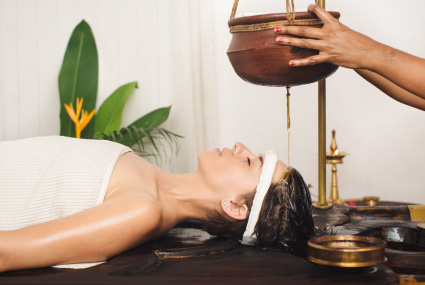
Panchakarma
A Panchakarma retreat is a deeply transformative Ayurvedic detox and healing program designed to eliminate accumulated toxins, restore internal balance, and rejuvenate the body and mind. Rooted in the ancient science of Ayurveda, Panchakarma meaning “five actions” is a medically guided process that works at a cellular level to remove toxins (Ama), strengthen digestion (Agni) and balance the three doshas: Vata, Pitta and Kapha. Unlike modern detox programs or wellness retreats that focus only on relaxation, a Panchakarma retreat is a structured therapeutic process aimed at long-term health, disease prevention and complete physiological reset. In today’s fast-paced lifestyle, the body is constantly exposed to stress, processed foods, environmental pollutants and irregular routines. These factors weaken digestion and lead to the accumulation of Ama, a toxic byproduct that obstructs bodily channels and disrupts normal functioning. Over time, this imbalance manifests as fatigue, weight gain, poor digestion, hormonal issues, joint pain, skin disorders, and mental stress. A Panchakarma retreat addresses these root causes by mobilising and eliminating toxins from deep tissues, allowing the body to restore its natural intelligence and healing capacity. A traditional Panchakarma treatment follows a carefully structured three-stage process to ensure safety and effectiveness. The first stage, known as preparation (Purva Karma), involves therapies such as Snehana (internal and external oiling) and Swedana (herbal steam therapy), which help loosen and mobilise toxins from the tissues. The second stage, the main detox phase (Pradhana Karma), includes specialised treatments such as Virechana (therapeutic purgation), Basti (medicated enemas), Nasya (nasal detox), and in specific cases, Vamana or Raktamokshana. These therapies are selected based on individual diagnosis and are performed under the supervision of qualified Ayurvedic doctors. The final stage, rejuvenation (Paschat Karma), focuses on restoring strength, rebuilding immunity, and stabilising the body through herbal medicines, a specialised Ayurvedic diet, and lifestyle guidance. A Panchakarma retreat offers a wide range of benefits that go beyond physical detoxification. It improves digestion and metabolism, supports sustainable weight management, enhances immunity, reduces stress and anxiety, improves sleep quality, and promotes clearer skin and increased energy levels. One of the most profound effects of Panchakarma is its impact on mental clarity and emotional balance. As toxins are eliminated from the body, the nervous system becomes more stable, allowing the mind to shift from a state of stress to a state of calm and focus. Many individuals experience a deep sense of reset, both physically and mentally, after completing a Panchakarma program. When choosing a Panchakarma retreat, location plays a crucial role in the effectiveness of the treatment. A Panchakarma retreat in Kerala, India is widely considered the most authentic and effective option due to its strong Ayurvedic lineage, ideal tropical climate, and access to medicinal herbs. Kerala is home to highly trained BAMS-certified Ayurvedic doctors who follow classical treatment protocols, ensuring a medically accurate and personalised approach. The warm and humid climate of Kerala supports detoxification by opening the body’s channels, making treatments more effective compared to colder regions. For this reason, Kerala has become the global centre for authentic Panchakarma therapy. Across India, Panchakarma retreats are available in various formats, ranging from traditional Ayurvedic hospitals to luxury wellness resorts. While India offers a wide range of options, the quality and authenticity of treatment can vary significantly, making it important to choose centres that provide personalised care and medical supervision. A Panchakarma retreat in Sri Lanka offers a similar tropical environment and is emerging as a destination for Ayurvedic healing, often combining traditional therapies with a more relaxed retreat experience. Meanwhile, a Panchakarma retreat in Bali is popular for its scenic beauty and luxury wellness offerings, although treatments may be adapted and may not always follow classical Ayurvedic protocols as practised in India. A typical Panchakarma retreat includes an initial consultation with an Ayurvedic doctor, personalised treatment planning, daily therapies, herbal medications, and a specialised Ayurvedic diet designed to support detoxification. Many retreats also incorporate yoga, meditation, and lifestyle guidance to enhance overall well-being. The duration of a Panchakarma program can vary depending on individual health goals, with 7-day programs offering mild detox, 14-day programs providing moderate cleansing, and 21 to 28-day programs delivering deep detoxification and long-term healing benefits. For chronic conditions and deeper imbalances, longer programs are generally recommended. Choosing the right Panchakarma retreat is essential for achieving safe and effective results. A genuine retreat should offer qualified Ayurvedic doctors, personalised treatment protocols, daily medical supervision, authentic Panchakarma therapies, and a structured dietary plan. It is important to understand that Panchakarma is not a spa treatment or a relaxation package—it is a medical healing process rooted in Ayurvedic science. A Panchakarma retreat is ultimately an investment in long-term health and well-being. It is ideal for individuals seeking to address chronic health issues, improve digestion, reduce stress, enhance immunity, or simply reset the body and mind. By removing deep-rooted toxins and restoring balance, Panchakarma allows the body to function optimally and maintain a state of natural harmony. Whether you choose a Panchakarma retreat in Kerala, India, Sri Lanka, or Bali, the experience offers a powerful opportunity to reconnect with your health, restore vitality, and experience true holistic healing.
.jpg)
Rasayana Chikitsa (Rejuvenation Therapy)
Rasayana Chikitsa occupies a unique place in Ayurveda as the branch dedicated to rejuvenation, regeneration, and longevity science. While commonly understood as a therapy, Rasayana is traditionally described as a discipline that enhances the quality of life by improving tissue integrity, cognitive function, and resistance to ageing. It operates through specialised protocols that support the renewal of body tissues (Dhatus) and optimise the flow of nutrients across physiological systems. One of the defining aspects of Rasayana therapy is its focus on tissue nourishment at successive levels. Ayurveda explains that the body is sustained through a chain of tissue formation—from plasma (Rasa) to reproductive tissue (Shukra). When this chain is disrupted, degeneration, fatigue, and premature ageing begin to appear. Rasayana Chikitsa works by improving this tissue transformation process, ensuring that each layer is properly nourished and regenerated. A key concept associated with Rasayana is Ojas, considered the essence of all bodily tissues and the foundation of immunity, vitality, and mental stability. Depletion of Ojas is linked to chronic fatigue, low immunity, emotional instability, and reduced resilience. Rasayana therapies are designed to rebuild Ojas through targeted herbal formulations, dietary regulation, and restorative treatments that strengthen both physical and psychological endurance. Rasayana Chikitsa is also closely connected to age management in Ayurveda. Classical texts describe different stages of life and recommend Rasayana interventions to slow down degeneration and maintain optimal function. This makes it particularly relevant for individuals seeking healthy ageing, improved cognitive performance, and sustained energy levels rather than symptomatic treatment alone. There are different approaches within Rasayana therapy, including Kutipraveshika Rasayana (a highly controlled and intensive rejuvenation protocol conducted in isolation) and Vatatapika Rasayana (a more practical, lifestyle-integrated approach suitable for retreat settings). While the former is rarely practised in modern environments due to its strict requirements, the latter forms the foundation of most Rasayana Chikitsa retreat programs today. Geographical context plays an important role in the effectiveness of Rasayana therapy. A Rasayana Chikitsa retreat in Kerala, India offers access to traditional Ayurvedic lineages, region-specific herbal preparations, and clinical expertise developed over generations. The natural humidity and temperature of Kerala are considered supportive for therapeutic absorption and tissue nourishment. In comparison, other parts of India offer varied approaches, ranging from clinical Ayurvedic hospitals to wellness-focused retreats. A Rasayana retreat in Sri Lanka shares similar climatic advantages and continues to grow as a complementary Ayurvedic destination. Meanwhile, a rejuvenation retreat in Bali is often positioned within a luxury wellness framework, where the emphasis may lean more towards relaxation and lifestyle enhancement rather than classical Ayurvedic methodology. Rasayana Chikitsa is particularly relevant in conditions involving degeneration and depletion, including low immunity, post-illness recovery, chronic fatigue syndromes, and age-related decline. It is also used to support mental performance, memory, and emotional stability, making it beneficial for individuals experiencing burnout or cognitive strain. A structured Rasayana program involves more than therapies alone. It includes strict adherence to dietary guidelines (Pathya), behavioural discipline, and routine alignment to maximise absorption and effectiveness. Seasonal considerations (Ritucharya) and daily routines (Dinacharya) are often integrated into the program to enhance long-term outcomes. The success of Rasayana therapy depends heavily on consistency, correct sequencing, and the individual’s ability to follow these guidelines. Another important aspect is that Rasayana Chikitsa is often recommended after detoxification therapies such as Panchakarma, as a cleansed body is more receptive to nourishment and regeneration. This sequencing significantly enhances the effectiveness of Rasayana interventions. Choosing the right Rasayana Chikitsa retreat requires attention to medical authenticity and program structure. Key factors include the presence of qualified Ayurvedic physicians, use of classical herbal formulations, personalised protocols, and a controlled environment that supports rest and recovery. Unlike general wellness programs, Rasayana therapy requires a methodical approach to deliver measurable and lasting results. Rasayana Chikitsa ultimately represents Ayurveda’s vision of sustained vitality rather than temporary wellness. By focusing on regeneration, tissue strength, and internal resilience, it provides a pathway to maintain health, delay ageing, and enhance overall quality of life in a structured and scientifically grounded manner.
.jpg)
Shodhana Chikitsa (Body Detoxification)
Shodhana Chikitsa represents the purificatory branch of Ayurveda, focusing on the systematic elimination of accumulated waste and restoring physiological balance. It is a clinically structured approach that works through specialised procedures designed to cleanse different systems of the body, including the digestive tract, circulatory pathways, and deeper tissue channels (Srotas). In Ayurveda, the body’s internal transport system plays a crucial role in maintaining health. When these channels become obstructed due to improper digestion, lifestyle factors, or environmental influences, it can lead to stagnation, inflammation, and the progression of disease. Shodhana therapies are designed to clear these pathways, allowing nutrients to circulate effectively and supporting the body’s natural regulatory functions. A core component of Shodhana Chikitsa is its integration with the classical detoxification framework commonly associated with Panchakarma. Depending on individual requirements, purification methods such as Virechana (therapeutic purgation), Vamana (controlled emesis), and Basti (medicated enema therapy) may be incorporated to target specific imbalances. These procedures are not applied uniformly but are carefully selected and sequenced based on the individual’s constitution and clinical condition. Before the main purification procedures, the body undergoes preparatory processes that enhance the effectiveness of detoxification. These include Snehana (internal and external oleation) to loosen deeply seated toxins and Swedana (herbal steam therapy) to mobilise them into the digestive tract for elimination. This preparatory phase ensures that the purification process is both effective and controlled. Following detoxification, a structured post-therapy phase is introduced to stabilise the body and restore digestive strength. This includes gradual dietary progression, digestive support, and lifestyle regulation to ensure that the system adapts smoothly after the cleansing process. Without this phase, the benefits of detoxification may not be sustained. A Shodhana Chikitsa retreat in Kerala, India offers a highly authentic setting for these therapies due to the region’s long-standing Ayurvedic tradition, availability of trained practitioners, and use of classical treatment protocols. Kerala’s climate supports sweating and metabolic activity, which enhances the efficiency of detoxification procedures. Across India, detox programs are available in both clinical and retreat formats, while destinations such as Sri Lanka and Bali provide alternative wellness-focused experiences that may combine Ayurvedic principles with broader spa and relaxation approaches. Shodhana Chikitsa is particularly relevant for individuals dealing with chronic imbalances, inflammatory conditions, metabolic disorders, and skin-related concerns, where toxin accumulation and channel obstruction play a significant role. It is also used as a preparatory step before deeper rejuvenation therapies, as a cleansed system responds more effectively to nourishment and restorative treatments. This form of Ayurvedic detoxification is not a general wellness trend but a medically guided process that requires precision, sequencing, and professional supervision. Its effectiveness lies in its ability to address the root level of imbalance, making it a foundational therapy within the broader Ayurvedic system of healing.

Weight Management
Ayurvedic weight management is based on the principle that sustainable weight balance is achieved through metabolic correction, hormonal regulation, and lifestyle alignment, rather than temporary calorie restriction. It focuses on restoring the body’s natural ability to process, absorb, and utilise nutrients efficiently, ensuring that weight loss occurs gradually and remains stable over time. One of the key factors addressed in Ayurvedic weight management is the role of metabolic toxins (Ama) and impaired digestive fire, which can lead to the accumulation of excess body fat and fluid retention. When metabolic pathways are inefficient, the body tends to store rather than utilise energy, resulting in persistent weight gain despite dietary control. Ayurvedic therapies are designed to stimulate these metabolic processes and improve the body’s ability to eliminate waste effectively. A structured weight management retreat in Kerala, India includes a combination of specialised therapies that actively support fat metabolism and circulation. Treatments such as Udwarthanam, a herbal powder massage, help break down subcutaneous fat and improve lymphatic drainage, while Swedana (therapeutic steam) enhances sweating and supports toxin elimination. In certain cases, detox-oriented procedures may also be incorporated to reset metabolic function and improve treatment outcomes. Diet plays a central role in the success of a weight management program. Rather than restrictive eating, Ayurveda emphasises digestive efficiency and food compatibility, prescribing meals that are easy to metabolise and aligned with the individual’s constitution. This approach helps regulate appetite, reduce cravings, and improve nutrient absorption without creating nutritional deficiencies. Lifestyle correction is another essential component. Daily routines (Dinacharya), sleep regulation, and physical activity such as yoga are integrated into the program to support metabolic balance and long-term weight stability. These practices ensure that the results achieved during the retreat can be maintained beyond the treatment period. A weight management retreat in Kerala offers a distinct advantage due to its combination of authentic Ayurvedic expertise, climate, and access to high-quality herbal preparations. Across India, programs may vary between clinical centres and wellness retreats, while destinations such as Sri Lanka and Bali offer similar experiences with a stronger emphasis on relaxation and wellness tourism rather than classical Ayurvedic protocols. This approach is particularly beneficial for individuals dealing with stubborn weight gain, metabolic slowdown, fluid retention, or post-diet weight rebound. It is also suitable for those seeking a structured and medically guided program that goes beyond conventional weight loss methods. Ayurvedic weight management ultimately focuses on retraining the body’s internal systems, allowing it to maintain balance naturally. By combining therapies, diet, and lifestyle practices, it provides a comprehensive and sustainable pathway to achieving optimal body weight and long-term metabolic health.

Stress Management
Ayurvedic stress management is centred on the understanding that mental strain and nervous system imbalance are closely linked to physiological disruption. When the body remains in a prolonged state of stimulation, it affects sleep patterns, digestion, hormonal balance, and cognitive function. Ayurveda approaches this condition by stabilising the nervous system, regulating internal rhythms, and restoring the body’s ability to shift between activity and recovery. A key factor in stress-related conditions is the imbalance of Vata dosha, which governs movement, nerve impulses, and mental activity. When aggravated, it can lead to restlessness, anxiety, irregular sleep, and mental fatigue. Ayurvedic therapies focus on grounding and stabilising this imbalance through consistent, rhythm-based treatments that calm the system and reduce overstimulation. A structured stress management retreat in Kerala, India incorporates therapies specifically designed to regulate the nervous system. Treatments such as Shirodhara, where warm medicated oil is poured over the forehead, help reduce mental hyperactivity and improve sleep patterns. Abhyanga (synchronised oil massage) supports circulation and induces a state of deep relaxation, while Nasya (nasal therapy) is used to clear the head region and improve mental clarity. These therapies work together to shift the body from a heightened stress response to a more stable and balanced state. In addition to treatments, herbal formulations are prescribed to support the nervous system and improve the body’s adaptive response to stress. These are combined with structured daily routines, breathing practices, and meditation techniques that help regulate mental activity and improve focus. The environment plays a significant role in the effectiveness of stress management programs. A stress management retreat in Kerala provides a setting that supports recovery through natural surroundings, consistent climate, and access to experienced Ayurvedic practitioners. Across India, programs may vary between clinical and retreat-based formats, while Sri Lanka offers a similar tropical setting with a growing focus on Ayurvedic relaxation therapies. In contrast, Bali positions stress management within a wellness tourism framework, often blending Ayurveda with yoga and spa-based experiences. This approach is particularly beneficial for individuals experiencing burnout, chronic stress, sleep disturbances, anxiety, or cognitive fatigue. It is also relevant for those whose work or lifestyle involves prolonged mental engagement, irregular routines, or high levels of responsibility. A typical program begins with a detailed consultation, followed by a personalised treatment plan that integrates therapies, diet, and daily routine adjustments. Emphasis is placed on consistency and gradual regulation rather than quick relief, ensuring that the nervous system stabilises over time. Ayurvedic stress management ultimately focuses on retraining the body’s response to stress, allowing it to function without constant overstimulation. By combining therapeutic interventions with lifestyle correction, it offers a structured and sustainable method to improve mental clarity, sleep quality, and overall cognitive function.
.jpg)
Kayakalpa Chikitsa (Anti-Aging Therapy)
Rooted in centuries-old Ayurvedic wisdom, our therapy harnesses the power of nature's healing properties to address the underlying factors contributing to aging. Through a meticulous assessment of each individual's unique constitution, lifestyle, and health goals, our experienced practitioners tailor a personalized treatment plan that encompasses a synergistic blend of herbal remedies, therapeutic massage techniques, dietary modifications, and rejuvenating practices. By promoting detoxification, cellular rejuvenation, and hormonal balance, our therapy not only diminishes the visible signs of aging but also enhances vitality, mental clarity, and emotional resilience. Clients emerge from the experience feeling revitalized, empowered, and equipped with the tools to cultivate long-lasting health and radiance from within. With a commitment to purity, sustainability, and holistic wellness, our anti-aging Ayurvedic therapy offers a timeless solution for those seeking to age with grace, vitality, and resilience.
.jpg)
Ayur Jeevanam (Ayurvedic Way of Life)
. Experience the essence of Ayurveda through personalized consultations with experienced practitioners, who will assess your unique constitution (dosha) and provide tailored recommendations for diet, lifestyle, and herbal therapies to restore balance and vitality. Indulge in daily yoga and meditation sessions, designed to enhance flexibility, strength, and inner peace. Delight your senses with Ayurvedic cooking classes, where you'll learn to prepare nourishing meals using seasonal ingredients and spices that promote digestion and vitality. Reconnect with nature through guided walks, exploring the serene surroundings of our retreat center. Treat yourself to traditional Ayurvedic treatments such as Abhyanga (oil massage), Shirodhara (oil pouring on the forehead), and Panchakarma detox therapies, which help cleanse toxins and rejuvenate the body. Whether you're seeking relief from specific health concerns, looking to deepen your understanding of Ayurveda, or simply craving a restorative escape, Ayur Jeevanam offers a holistic approach to wellness that will leave you feeling refreshed, renewed, and inspired to embrace the Ayurvedic way of life. Join us on this journey towards optimal health and vitality.
.jpg)
Soundarya Vardhini (Beauty Care)
This approach to beauty transcends mere cosmetic enhancement; it's about nurturing the body, mind, and soul in harmony with nature. Central to Ayurvedic beauty care is the belief that our external appearance is a reflection of our internal state of being. By understanding and balancing the three doshas—Vata, Pitta, and Kapha—individual constitutions in Ayurveda, one can tailor beauty routines to address specific needs and imbalances. Ayurvedic beauty rituals encompass a wide array of practices, from herbal skincare treatments and oil massages to dietary recommendations and meditation techniques. Herbal ingredients like turmeric, neem, sandalwood, and amla are prized for their rejuvenating properties and are commonly used in Ayurvedic skincare preparations. Massage, known as Abhyanga, is a cornerstone of Ayurvedic beauty care. It not only nourishes the skin but also stimulates the body's vital energy, promoting relaxation and overall well-being. Similarly, Ayurvedic dietary guidelines emphasize the importance of consuming fresh, whole foods that are in harmony with one's constitution. Unlike many mainstream beauty products that may contain harsh chemicals, Ayurvedic beauty care emphasizes natural, plant-based ingredients that work synergistically with the body's own healing mechanisms. This approach not only enhances physical beauty but also fosters a deeper connection to oneself and the natural world. In essence, Ayurvedic beauty care offers a holistic path to radiant health and timeless beauty, celebrating the interconnectedness of mind, body, and spirit. By embracing the principles of Ayurveda, individuals can cultivate beauty that emanates from a place of balance, vitality, and inner harmony.
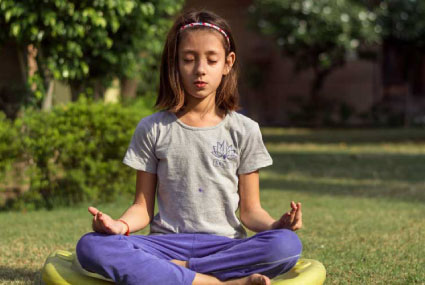
Wellness Retreats in Ayurveda: Renew, Rejuvenate, and Reset Your Body and Mind Naturally
What Is a Wellness Retreat in Ayurveda?
A wellness retreat is a preventive and rejuvenative Ayurvedic experience designed for individuals who want to maintain health, restore energy, and prevent imbalance before it becomes disease. It reflects Ayurveda's first and highest aim: "Swasthasya Swasthya Rakshanam" — preserving the health of the healthy.
Unlike a healing retreat, which addresses specific medical conditions, a wellness retreat focuses on the foundations of vitality: strong digestion (Agni), balanced doshas (Vata, Pitta, Kapha), healthy tissues (Dhatus), efficient elimination of toxins (Ama), and a calm, clear mind. It is ideal for those experiencing modern strains like stress, fatigue, poor sleep, sluggish metabolism, or simply the wear of a fast-paced lifestyle.
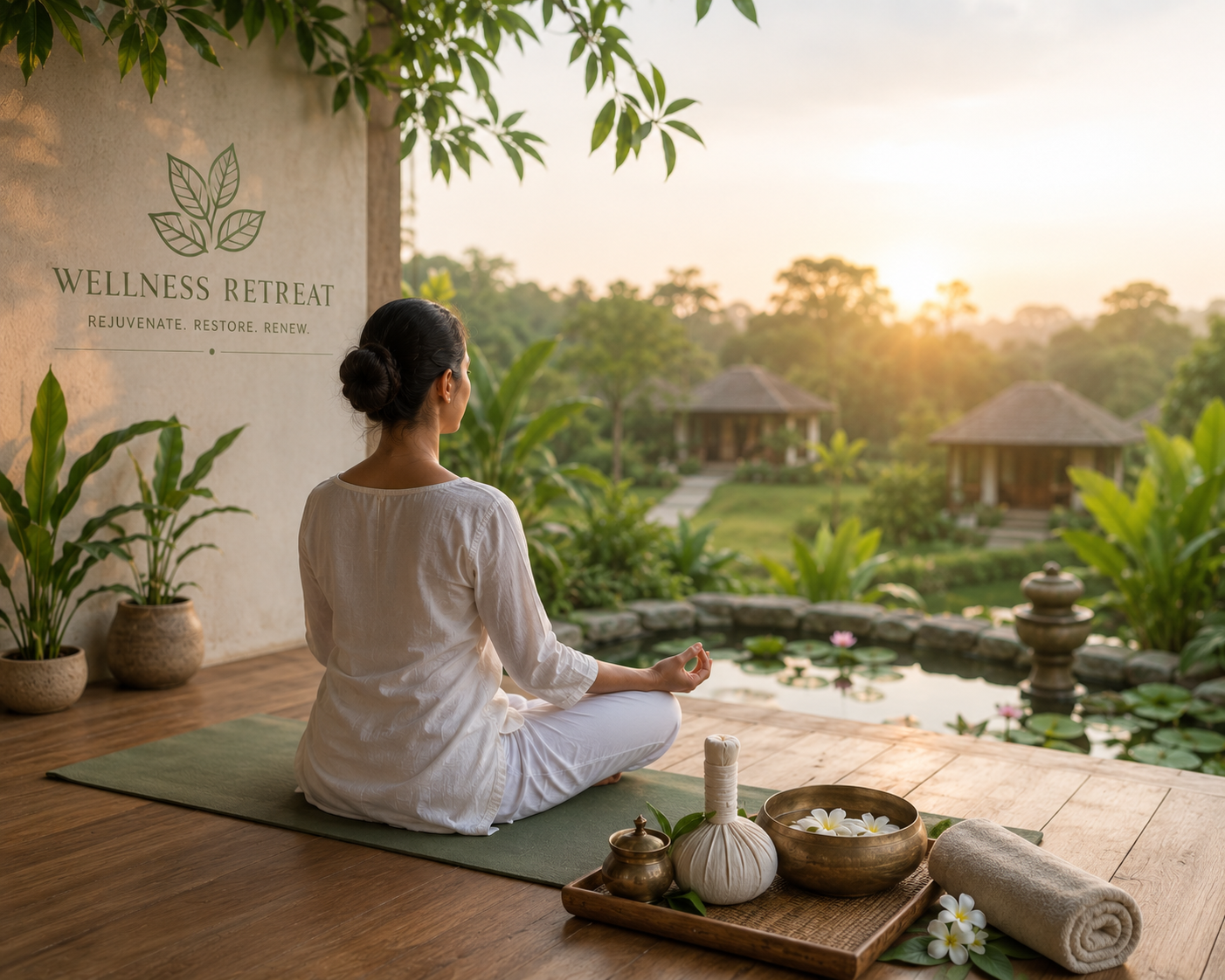
Why Modern Life Calls for a Wellness Reset
Continuous exposure to processed food, irregular routines, environmental toxins, and chronic stress gradually disturbs the body's natural balance. Over time, this shows up as low energy, weight gain, disturbed sleep, digestive discomfort, and mental restlessness — long before any diagnosed illness appears. A wellness retreat intervenes at this early stage, clearing accumulated toxins and re-establishing the body's natural intelligence.
What a Wellness Retreat Typically Includes
Wellness retreats bring together several complementary Ayurvedic disciplines under one umbrella:
- Panchakarma — structured detoxification to eliminate deep-rooted toxins and restore doshic balance
- Shodhana Chikitsa (Body Detoxification) — purification of the body's channels and systems
- Rasayana Chikitsa (Rejuvenation Therapy) — tissue nourishment, immunity, and healthy ageing
- Stress Management — nervous system regulation through Shirodhara, Abhyanga, and meditation
- Weight Management — metabolic correction rather than restrictive dieting
- Kayakalpa Chikitsa (Anti-Aging) and Soundarya Vardhini (Beauty Care) — vitality and radiance from within
- Ayur Jeevanam (Ayurvedic Way of Life) — diet, yoga, and routine to sustain results long after the retreat
Every program is preceded by consultation with an Ayurvedic doctor, who personalises the therapies, diet, and duration to your constitution and goals.
How a Wellness Retreat Works
Programs generally follow a structured arc: assessment of your constitution and current imbalance, preparatory therapies (Snehana and Swedana), the core therapeutic phase (detox or rejuvenation), and a stabilising phase of nourishing diet, herbal support, and lifestyle guidance. Duration is flexible — shorter programs offer a gentle reset, while 14–21 days allow for deeper detoxification and rejuvenation. The exact duration is decided after consultation with the Ayurvedic doctor.
Why Kerala for Your Wellness Retreat
Kerala is the global home of authentic Ayurveda, offering BAMS-certified physicians, classical treatment protocols, fresh medicinal herbs, and a warm, humid climate that naturally supports detoxification and rejuvenation. Its serene natural settings — backwaters, beaches, hills, and forests — provide the ideal environment for deep rest and renewal. And while Kerala remains the heartland of the practice, WellnessLoka also connects you to verified wellness retreats in Sri Lanka and Bali, so you can choose the destination and setting that best suit your journey.
Who Should Consider a Wellness Retreat
A wellness retreat suits anyone who feels stressed, fatigued, or out of balance; wants to prevent lifestyle disease; seeks weight or metabolic correction; or simply wants to reset body and mind. It is equally valuable as a periodic, seasonal practice to maintain vitality year-round.
Begin Your Wellness Journey
A wellness retreat is an investment in long-term health rather than a quick escape. By detoxifying, rejuvenating, and realigning your daily habits, it restores the body's natural capacity to thrive. Whether your goal is renewal, prevention, or simply deep rest, an authentic Ayurvedic wellness retreat offers a sustainable path to vitality and balance.


