Natural Ayurvedic Care for Bell’s Palsy

Bell’s Palsy is a neurological condition characterized by sudden weakness or paralysis of facial muscles, usually affecting one side of the face. In Ayurveda, it is correlated with Ardita, a Vata Vyadhi affecting Majja Dhatu and Snayu, leading to impaired nerve function and facial muscle weakness. Ayurvedic treatment focuses on balancing Vata, nourishing nerves, improving circulation, and restoring facial muscle function through Panchakarma therapies, herbal medicines, external oil therapies, facial exercises, and lifestyle correction. Therapies such as Abhyanga, Nasya, Shirodhara, and Basti help support nerve regeneration, improve facial symmetry, and promote long-term neurological wellness naturally.

Book Consultation
Search
Filter by:   
Sort by:   
Sorry! No packages found in this category.

No more packages to load.

Holistic Ayurvedic Treatment for Bell’s Palsy

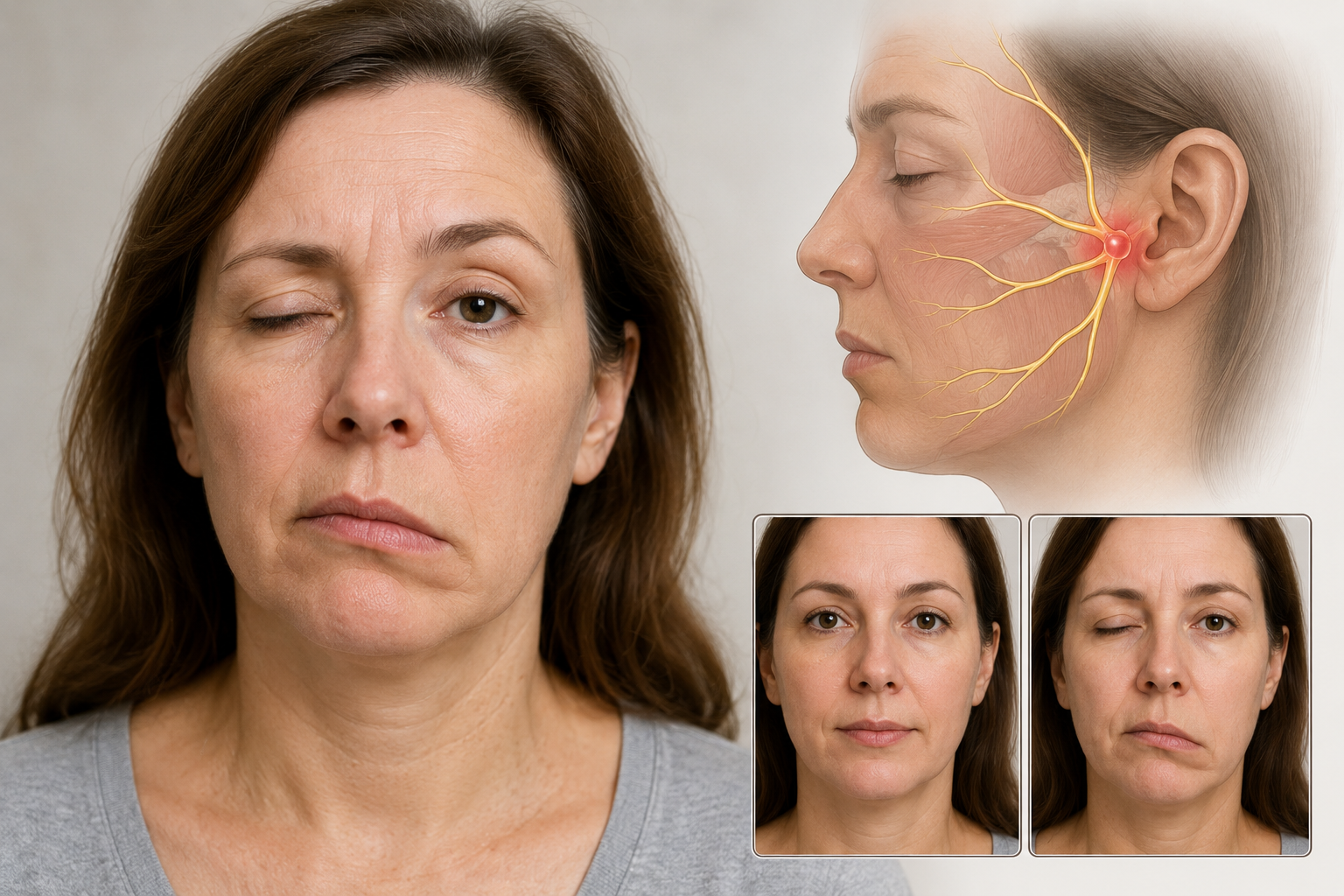
Bell’s Palsy is a sudden neurological condition that causes weakness or paralysis of the muscles on one side of the face due to dysfunction of the facial nerve. The condition can develop rapidly over hours or days and may affect facial expressions, eye closure, speech, swallowing, and overall facial symmetry.

Although many individuals recover completely with proper care, early treatment is important to improve recovery and reduce long-term complications.

In Ayurveda, Bell’s Palsy is correlated with Ardita, a disorder classified under Vata Vyadhi. Aggravated Vata dosha affects Majja Dhatu (nervous tissue) and Snayu (muscles and tendons), leading to impaired nerve transmission, stiffness, facial asymmetry, and muscular weakness.

Ayurvedic treatment focuses on pacifying Vata, removing obstruction, nourishing nerves and muscles, improving circulation, and restoring facial function naturally through a combination of Panchakarma therapies, herbal medicines, rejuvenation therapies, diet, and supportive lifestyle practices.

Understanding the Root Cause: Vata Imbalance and Nerve Dysfunction

According to Ayurveda, excessive Vata aggravation causes dryness, degeneration, instability, and impaired nerve conduction. Weak tissue nourishment (Dhatu Kshaya), stress, poor digestion, toxin accumulation (Ama), and immune imbalance may contribute to delayed recovery and worsening of symptoms.

Common symptoms may include:

  • Facial drooping on one side
  • Difficulty closing the eye
  • Loss of facial expressions
  • Drooling or difficulty swallowing
  • Altered taste sensation
  • Increased sensitivity to sound
  • Mild pain around the jaw or ear
  • Facial stiffness and weakness

Ayurvedic care therefore focuses on calming Vata, strengthening nerves and muscles, reducing stiffness, improving circulation, and promoting facial nerve regeneration.

The Ayurvedic Approach to Bell’s Palsy

Ayurvedic treatment is individualised based on symptom severity, dosha imbalance, muscle weakness, recovery stage, digestive strength, and overall vitality.

The approach combines Panchakarma therapies, Vata-balancing treatments, herbal medicines, external oil therapies, facial rehabilitation, diet correction, and supportive lifestyle practices.

Key Components of Ayurvedic Treatment for Bell’s Palsy

Panchakarma Therapies

Panchakarma therapies help remove toxins, improve circulation, calm aggravated Vata, and support nervous system healing.

Recommended therapies may include:

  • Basti (Medicated Enema Therapy)
  • Nasya Karma
  • Mild detoxification therapies
  • Virechana in selected conditions

These therapies help support nerve function, improve tissue nourishment, and accelerate recovery naturally.

Basti Chikitsa (Medicated Enema Therapy)

Basti is considered one of the most effective Ayurvedic therapies for neurological and Vata-related disorders.

Benefits may include:

  • Improved nerve nourishment
  • Better Vata balance
  • Reduced muscular stiffness
  • Improved circulation and mobility
  • Enhanced neuromuscular coordination

Nasya Karma

Nasya therapy involves administration of medicated oils through the nasal passages to support cranial nerves and facial muscle function.

Benefits may include:

  • Improved facial nerve stimulation
  • Better circulation to head and neck region
  • Enhanced facial muscle function
  • Reduced stiffness and dryness
  • Support for sensory and motor coordination

Abhyanga (Therapeutic Oil Massage)

Medicated oil massage over the face, head, neck, and body helps reduce Vata aggravation and improve circulation.

Benefits may include:

  • Improved muscle tone and flexibility
  • Reduced facial stiffness
  • Better blood circulation
  • Improved relaxation and nerve nourishment
  • Enhanced facial symmetry support

Shirodhara (Medicated Oil Streaming Therapy)

Shirodhara helps calm the nervous system and reduce stress-related aggravation of Vata.

Benefits may include:

  • Reduced anxiety and nervous tension
  • Better sleep quality
  • Improved emotional balance
  • Relaxation of facial muscles
  • Support for neurological recovery

Swedana (Therapeutic Fomentation)

Mild fomentation therapies help improve circulation and reduce stiffness.

Benefits may include:

  • Better muscular relaxation
  • Reduced rigidity and tightness
  • Improved circulation and tissue nourishment
  • Support for mobility and nerve function

Facial Rehabilitation and Physiotherapy

Facial exercises and gentle physiotherapy are often combined with Ayurvedic treatment to improve muscle coordination and maintain facial tone.

This may help:

  • Improve muscle activation
  • Support facial symmetry
  • Prevent muscular wasting
  • Enhance recovery of facial expressions

Herbal Medicines and Rasayana Therapy

Ayurvedic herbal support helps nourish nerves, strengthen muscles, reduce inflammation, and support long-term neurological recovery.

Treatment may focus on:

  • Nerve nourishment and regeneration
  • Reducing inflammation and stiffness
  • Improving strength and vitality
  • Supporting muscular coordination
  • Enhancing nervous system function naturally

Rasayana therapies are also used to rejuvenate tissues and improve long-term neurological wellness.

Diet & Lifestyle Correction

Diet and lifestyle measures are essential for balancing Vata and supporting recovery.

Recommended measures may include:

  • Warm, nourishing, freshly prepared meals
  • Ghee, milk, whole grains, and easy-to-digest foods
  • Adequate hydration and digestive support
  • Avoidance of dry, cold, stale, and processed foods
  • Regular sleep and daily routines
  • Protection of the affected eye if eyelid closure is impaired

These measures help improve digestion, tissue nourishment, circulation, and overall nervous system health.

Yoga, Relaxation & Stress Management

Supportive practices may include:

  • Gentle facial exercises
  • Relaxation techniques and meditation
  • Breathing exercises and pranayama
  • Gentle yoga and stretching
  • Emotional stress management

These practices help improve relaxation, circulation, emotional wellbeing, and recovery support.

Treatment Duration and Program Structure

Neurological recovery requires gradual and consistent care.

  • 7–14 days → Initial Vata balancing and symptom relief
  • 14–21 days → Improved facial muscle control and circulation
  • 21–28 days → Better nerve nourishment and facial coordination
  • 28+ days → Long-term recovery support and neurological rejuvenation

Longer wellness programs may offer deeper and more sustainable recovery benefits.

Benefits of Ayurvedic Treatment for Bell’s Palsy

Physical Benefits

  • Improved facial symmetry
  • Better nerve and muscle function
  • Reduced stiffness and facial weakness
  • Improved circulation and coordination
  • Enhanced facial mobility and strength

Mental & Emotional Benefits

  • Reduced stress and anxiety
  • Improved confidence and emotional wellbeing
  • Better sleep and relaxation
  • Enhanced quality of life

Long-Term Impact

  • Support for natural nerve regeneration
  • Reduced recurrence risk
  • Improved nervous system balance
  • Better overall vitality and wellbeing

Neurological Wellness Retreats by Location & Recommended Centres

Discover authentic Ayurvedic neurological wellness retreats across Asia offering specialised therapies focused on nerve health, Vata balancing, rehabilitation, stress reduction, and long-term recovery support.

Kerala

Known for its clinically structured and authentic Ayurvedic neurological programs, Kerala offers doctor-led therapies focused on Panchakarma, nerve rejuvenation, physiotherapy support, and Vata management.

Alleppey • Kovalam • Kumarakom • Wayanad • Thekkady

Sri Lanka

Offers coastal Ayurvedic retreats that combine traditional therapies with calming environments suitable for stress reduction and neurological recovery support.

Weligama • Bentota • Beruwala • Wadduwa • Sigiriya

Bali

Focuses on wellness-oriented recovery retreats integrating Ayurveda, yoga, meditation, and lifestyle-based healing programs.

Ubud • Nusa Dua • Candidasa • Lovina

Recommended Ayurvedic Centres for Bell’s Palsy Care

Kerala

  • Amal Tamara
  • Nattika Beach Ayurveda Resort
  • Kairali – The Ayurvedic Healing Village

Sri Lanka

  • Barberyn Reef Ayurveda Resort
  • Ayurvie Weligama
  • Suvarivi Ayurveda Boutique Hotel

Bali

  • Oneworld Ayurveda Ubud
  • Ayurvedagram Bali

Choosing the right neurological wellness retreat is important for achieving safe, structured, and long-term recovery outcomes. WellnessLoka connects you with verified Ayurvedic centres across these destinations, ensuring authentic doctor-guided programs tailored to individual neurological rehabilitation and recovery needs.

Who Should Consider This Treatment?

This program is ideal for individuals experiencing:

  • Sudden facial weakness or paralysis
  • Facial asymmetry and stiffness
  • Difficulty with facial movements or eye closure
  • Stress-related neurological imbalance
  • Facial nerve dysfunction and muscular weakness

Who Should Avoid Intensive Detox Therapies?

Medical consultation is advised for individuals with:

  • Severe acute illness
  • Unstable neurological conditions
  • Extreme weakness requiring supervision
  • Certain infectious conditions

Begin Your Healing Journey

Bell’s Palsy is not simply a facial weakness disorder—it reflects deeper imbalance involving the nervous system, Vata aggravation, tissue nourishment, circulation, and stress.

With the support of Ayurveda and personalised therapies, it is possible to support nerve regeneration, restore facial balance, improve muscle function, and enhance overall neurological wellbeing naturally.

A structured Ayurvedic healing program helps calm the nervous system, nourish tissues, restore facial coordination, and improve long-term quality of life through authentic holistic care.


Frequently Asked Questions

Bell’s Palsy is a sudden weakness or paralysis of facial muscles, often affecting one side of the face. It can impact expressions, speech, eye closure, and swallowing. Early intervention is essential for faster recovery and to prevent long-term complications.
Ayurveda attributes Bell’s Palsy to Vata imbalance affecting Majja Dhatu (nervous tissue) and Snayu (connective tissues), leading to impaired nerve transmission, muscle dysfunction, and delayed recovery due to toxin accumulation (Ama) or weakened tissue strength (Dhatu Kshaya).
Symptoms include drooping of one side of the face, inability to close the eye, loss of facial expression, drooling, altered taste, sensitivity to sound, and mild jaw or ear pain. Sudden onset over hours or days is typical.
Treatment focuses on pacifying Vata, nourishing nerves and muscles, and promoting regeneration. It includes Panchakarma therapies like Vasti, Brimhana and Rasayana treatments, herbal medicines, facial oil massage, Shirodhara, and facial exercises to restore nerve function and muscle tone.
Vasti (medicated enema) balances Vata and supports nerve health. Abhyanga (medicated oil massage) improves circulation and reduces stiffness. Shirodhara calms the nervous system, and gentle facial physiotherapy maintains muscle tone for effective recovery.
Ashwagandha, Bala, Shatavari, Guduchi, Dashamoola, and Tagara are used to nourish nerves, reduce inflammation, strengthen facial muscles, and promote nerve regeneration, supporting faster recovery.
Warm, nourishing, and easy-to-digest meals are ideal, including ghee, milk, light proteins, and whole grains. Avoid dry, cold, and Vata-aggravating foods. Proper hydration supports nerve and muscle health.
Adequate rest, stress management, gentle facial exercises, protecting the affected eye, and following a consistent daily routine enhance healing, reduce Vata aggravation, and improve nerve and muscle function.
Mild cases may improve in 7–14 days, moderate cases in 14–28 days, and severe cases may require 28+ days. Recovery is faster when therapy begins early and is guided by qualified Ayurvedic doctors.
Kerala, India (Amal Tamara, Kairali, Nattika Beach Ayurveda Resort), Sri Lanka (Barberyn Reef, Ayurvie Weligama), and Bali (Oneworld Ayurveda Ubud, Ayurvedagram Bali) provide verified Panchakarma and herbal therapy programs under expert supervision.
About WellnessLoka

WellnessLoka is established with the aim of making the world a happier and a healthier place. Based in Kerala, Gods' Own Country, WellnessLoka seeks to help wellness enthusiasts find and book different wellness options in a hassle free manner.

Read more >>


Join Our Network

Let us help you to get more guests to experience the unique wellness services provided at your property.

Join Now


Contact

WellnessLoka
Koozhampala Solutions Private Limited
Integrated Startup Complex
Kerala Startup Mission
Kerala Technology Innovation Zone
Kinfra Hi-Tech Park Main Rd
HMT Colony P.O
Kochi, Kerala - 683503
GSTIN: 32AAGCK3772L1ZB
+91 8086 040101
[email protected]

     
© 2016 - 2026 WellnessLoka. All Rights Reserved