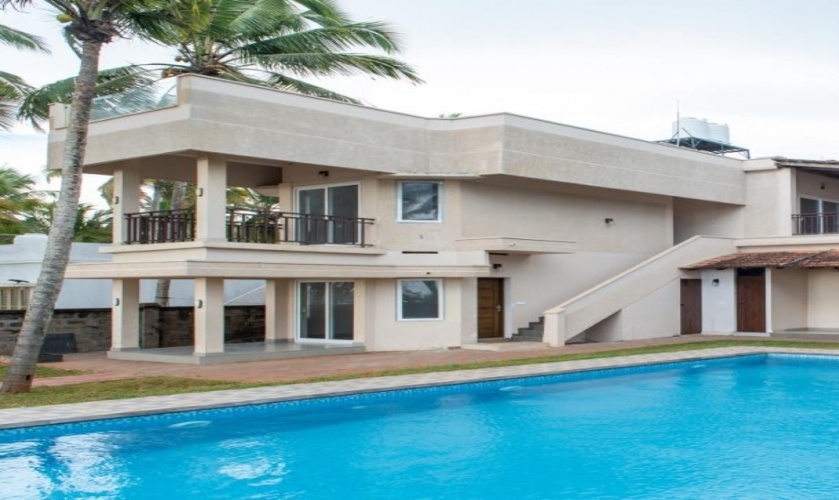
Muscular Dystrophy Retreat for Muscle Renewal and Strength Restoration

Muscular Dystrophy is a group of progressive genetic disorders marked by muscle weakness and degeneration. In Ayurveda, it is understood as Mamsa Dhatu Kshaya (muscle tissue depletion) driven by aggravated Vata dosha. Ayurvedic treatment focuses on strengthening muscles and nerves through Panchakarma, Rasayana therapies, medicated oils, herbal formulations, and a nourishing diet to slow progression and improve quality of life.

Book Consultation
Search
Filter by:   
Sort by:   

When the Body Fights Itself: Why Ayurveda Offers Hope for Muscular Dystrophy


Muscular Dystrophy is not a single condition — it is a group of more than 30 inherited genetic disorders, each defined by one relentless characteristic: the progressive weakening and breakdown of the muscles that move the human body. While modern medicine continues to advance in understanding its genetic roots, a permanent cure remains out of reach. This is where Ayurveda steps in — not with false promises, but with a comprehensive, time-tested system for slowing progression, rebuilding strength, and restoring a meaningful quality of life.

A Muscular Dystrophy retreat offers a structured and deeply personalised solution through medically guided Ayurvedic therapies that work at a tissue level — not just to manage symptoms, but to address the root causes of muscle degeneration.

Unlike modern symptomatic treatments or short-term rehabilitation programs, Ayurvedic treatment for Muscular Dystrophy is a classical, holistic approach designed to nourish, restore, and rebuild the body for long-term functional health.


What is Muscular Dystrophy?

Muscular Dystrophy arises from mutations in genes responsible for producing proteins that protect and maintain healthy muscle fibers. Over time, the absence or malfunction of these proteins causes muscle cells to weaken, break down, and become gradually replaced by fat and connective tissue.

The most common and severe form, Duchenne Muscular Dystrophy (DMD), primarily affects boys and typically manifests between the ages of 3 and 5. Other notable forms include Becker Muscular Dystrophy, Limb-Girdle Muscular Dystrophy, Facioscapulohumeral Dystrophy, and Myotonic Dystrophy — each differing in severity, age of onset, and the muscle groups affected.

Common signs across forms include:

  • Progressive proximal muscle weakness in the hips, thighs, and shoulders
  • Difficulty climbing stairs, rising from the floor, or raising arms overhead
  • Gower's sign — using the hands to push up along the body when rising from the ground
  • Calf pseudohypertrophy — enlarged calves due to fat and fibrotic tissue replacement
  • Reduced mobility and eventual loss of ambulation
  • Respiratory and cardiac complications in advanced stages

Diagnosis is confirmed through elevated Creatine Phosphokinase (CPK) levels, genetic testing, muscle biopsy, and electromyography (EMG).


Understanding Mamsa Kshaya: The Ayurvedic Root of Muscle Loss

In Ayurveda, Muscular Dystrophy finds a clear and well-reasoned correlation within classical texts. It is understood not as a single pathology but as a multi-dimensional condition arising from several interrelated causes working together over time.

Adibalapravritta Vyadhi — A disorder of genetic origin, arising from defects at the seed level known as Beejabhaga Dushti, carried through familial lineage across generations.

Mamsa Dhatu Kshaya — Progressive depletion and degeneration of Mamsa Dhatu, the muscle tissue, which is responsible for body structure, physical movement, and strength. When this tissue breaks down faster than it can be replenished, the condition advances.

Vata Prakopa — Aggravation of Vata dosha, the governing force behind all movement, nerve impulses, and tissue breakdown in the body. When Vata becomes excessive and uncontrolled, it accelerates the degeneration of both muscle and nervous tissue.

Dhatvagni Mandya — Impaired metabolic fire at the tissue level leads to improper formation and nourishment of successive Dhatus, resulting in structural weakness and accumulation of Ama, the toxic metabolic waste that obstructs channels and impairs cellular nutrition.

Srotorodha — Blockage of bodily channels prevents nutrients from reaching muscle cells, further accelerating tissue breakdown and weakening the entire musculoskeletal framework.

This layered pathogenesis is why Ayurvedic treatment of Muscular Dystrophy is never a single therapy — it is always a carefully orchestrated combination of purification, deep nourishment, and sustained regeneration tailored to the individual.


The 3 Stages of Ayurvedic Treatment for Muscular Dystrophy

An authentic Ayurvedic treatment program for Muscular Dystrophy follows a carefully sequenced three-stage approach to ensure safety, depth, and lasting results.

1. Preparation (Purva Karma) The body is prepared through Snehana — internal and external oleation using medicated ghee and oils — and Swedana, herbal steam therapy, which softens tissues, opens blocked channels, and mobilises accumulated Ama from deep within the musculature, making the body receptive to core therapies.

2. Core Treatment (Pradhana Karma) The primary Ayurvedic therapies are administered based on individual assessment and stage of disease. These include Abhyanga, Pizhichil, Shastika Shali Pinda Sweda, Vasti, and supporting treatments — each targeting muscle nourishment, Vata pacification, and neuromuscular support at a deep tissue level.

3. Rejuvenation (Paschat Karma) The body is rebuilt through Rasayana medicines, a structured Ayurvedic diet, and lifestyle guidance to stabilise results, consolidate the benefits of treatment, and build long-term resilience against further degeneration.


The 5 Core Therapies for Muscular Dystrophy Explained

Each Ayurvedic therapy for Muscular Dystrophy is selected to nourish depleted muscle tissue, calm aggravated Vata, open blocked channels, and restore neuromuscular function from the inside out.

1. Abhyanga (Therapeutic Oil Massage) Warm medicated oils — typically Mahanarayan Taila, Dhanwantharam Taila, or Bala Taila — are applied through a rhythmic, deep-tissue massage across the entire body. Abhyanga improves peripheral circulation, reduces stiffness, nourishes the skin and underlying tissues, calms aggravated Vata, and supports neuromuscular function. In Muscular Dystrophy, it forms the backbone of daily treatment and is applied consistently throughout the program.

2. Pizhichil (Thailadhara / Oil Bathing) Often called the treatment of kings, Pizhichil involves warm medicated oil being poured continuously over the body in a slow, rhythmic stream while therapists simultaneously perform a gentle, synchronised massage. It is deeply nourishing to muscle tissue, highly effective in calming Vata, and profoundly strengthening for the neuromuscular system. It is one of the most powerful therapies for managing progressive degenerative muscle conditions.

3. Shastika Shali Pinda Sweda (Njavarakizhi) Cooked Shastika Shali rice, prepared in a decoction of Bala and cow's milk, is packed into cotton boluses and applied in a rhythmic stamping motion over the body. This therapy simultaneously nourishes and strengthens muscles, improves muscle tone, increases bulk in wasted areas, stimulates nerve function, and provides gentle sudation to open channels. It is considered one of the most powerful Brimhana — deeply nourishing — therapies in Ayurveda and is almost universally included in Muscular Dystrophy treatment protocols.

4. Vasti (Medicated Enema Therapy) Considered the most important therapy for all Vata-dominant conditions, Vasti involves the administration of medicated oils and herbal decoctions through the rectum, directly addressing the seat of Vata in the body. Anuvasana Vasti using medicated oil nourishes deep tissues, while Niruha Vasti using herbal decoctions detoxifies and strengthens systemic function. A well-planned Vasti course is central to the Ayurvedic management of Muscular Dystrophy and delivers both purification and nourishment simultaneously.

5. Rasayana Therapy (Internal Rejuvenation) Rasayana is a unique pillar of Ayurvedic medicine that works at the cellular level to delay degeneration, regenerate tissues, strengthen immunity, and improve the functional capacity of every organ system. Key Rasayanas used include Ashwagandha, which builds physical and mental endurance; Amalaki, rich in antioxidants that support tissue regeneration; Medhya Rasayanas that support the nervous system; and medicated ghee preparations that nourish deep muscle and nerve tissue. Rasayana therapy is undertaken as a sustained course following the initial purification phase.

Supporting therapies such as Udvartana, Swedana, and Dhanyamla Dhara complement the core program to further reduce Vata-Kapha imbalance, stimulate metabolism, and improve overall tissue quality.


How Long Should an Ayurvedic Treatment Program for Muscular Dystrophy Last?

Duration plays a critical role in the depth and sustainability of results. A program that is too short addresses only the surface, while a properly sequenced longer program works through all three stages — preparation, core treatment, and rejuvenation — to deliver meaningful and lasting benefit.

Duration Therapeutic Benefit
7–14 days Initial muscle nourishment, stress and stiffness relief
14–21 days Moderate Vata correction, improved strength and mobility
21–28 days Complete treatment protocol — recommended for all cases
28+ days Advanced and chronic Muscular Dystrophy, deep tissue restoration

Shorter programs offer genuine benefit, but 21 days or more is required for full therapeutic impact. Periodic retreats — ideally twice a year — are recommended to maintain results and continuously slow disease progression.


Benefits of an Ayurvedic Retreat for Muscular Dystrophy

Physical Benefits Neurological and Functional Benefits Long-Term Impact
Improved muscle tone and strength Better nerve conduction and response Slowed rate of disease progression
Reduced stiffness and muscle discomfort Improved balance and coordination Sustained independence in daily activities
Nourishment of wasted muscle tissue Enhanced respiratory endurance Prevention of secondary complications
Improved circulation and metabolism Better sleep and appetite Improved overall quality of life

Why Kerala is the Best Place for Muscular Dystrophy Treatment

An Ayurvedic retreat for Muscular Dystrophy in Kerala, India is considered the most authentic and therapeutically effective due to a unique combination of factors that cannot be replicated elsewhere.

  • Deep Ayurvedic lineage rooted in classical Ashtavaidya traditions spanning centuries
  • Availability of trained BAMS and MD Ayurveda-certified physicians experienced in neuromuscular conditions
  • Access to fresh, locally sourced medicinal herbs used in authentic classical formulations
  • Warm, humid tropical climate that naturally supports oleation therapies, sudation, and tissue nourishment
  • Medicated oils and formulations prepared in-house according to classical texts, ensuring purity and potency

Across India, treatment quality varies significantly between centres, making careful selection essential. Sri Lanka offers a similar tropical environment with a growing Ayurvedic presence, while Bali leans more toward wellness tourism where classical protocols may not always be followed in their entirety.


Muscular Dystrophy Retreats by Location and Recommended Centres

Discover authentic Ayurvedic retreats for Muscular Dystrophy across leading wellness destinations in Asia, each offering a unique healing environment and a medically grounded approach to treatment.

Kerala, India — The gold standard for classical, medically supervised Ayurvedic treatment of neuromuscular conditions, rooted in authentic traditions and guided by experienced physicians.
Alleppey • Kovalam • Kumarakom • Wayanad • Palakkad

Sri Lanka — Offers coastal Ayurveda experiences combining traditional therapies with a serene beachfront healing environment.
Wadduwa • Weligama • Sigiriya • Kosgoda • Bentota

Bali, Indonesia — Wellness-oriented retreats set in scenic landscapes, often blending Ayurveda with broader holistic healing experiences.
Ubud • Nusa Dua • Candidasa • Lovina

Choosing the right retreat is essential for safe, effective, and long-lasting results. WellnessLoka connects you with verified centres across these destinations, ensuring authentic Ayurvedic treatment programs for Muscular Dystrophy guided by qualified doctors.


Who Should Consider an Ayurvedic Retreat for Muscular Dystrophy

An Ayurvedic retreat for Muscular Dystrophy is beneficial for individuals experiencing:

  • Early to moderate stage muscle weakness and wasting
  • Progressive loss of mobility and flexibility
  • Stiffness, fatigue, and reduced physical endurance
  • Respiratory weakness associated with advanced muscle degeneration
  • Families seeking holistic, integrative support alongside modern medical care
  • Those looking to slow disease progression and maintain functional independence

Who Should Approach Treatment with Caution

Ayurvedic treatment for Muscular Dystrophy is a powerful and deeply nourishing process, but it must be carefully calibrated in certain situations. Medical consultation is essential before beginning treatment in cases involving:

  • Severely advanced disease with critical respiratory or cardiac involvement
  • Acute infections or systemic illness
  • Children requiring age-specific protocol adjustments
  • Patients on complex pharmacological regimens requiring coordination between Ayurvedic and modern physicians

A detailed assessment with a qualified Ayurvedic doctor is always the essential first step before any program begins.


Choosing the Right Retreat for Muscular Dystrophy

To ensure safe, effective, and medically sound results for a condition as serious as Muscular Dystrophy, look for the following when selecting a retreat:

  • Qualified Ayurvedic doctors with BAMS or MD Ayurveda credentials and experience in neuromuscular conditions
  • Personalised treatment protocols based on individual constitution, stage, and type of Muscular Dystrophy
  • Daily medical supervision and ongoing assessment throughout the program
  • Authentic classical therapies including Pizhichil, Njavarakizhi, Abhyanga, and Vasti
  • In-house preparation of medicated oils and herbal formulations
  • Structured Ayurvedic diet and post-retreat lifestyle guidance

A genuine Ayurvedic retreat for Muscular Dystrophy is not a relaxation package — it is a medically grounded, deeply therapeutic healing process.


Why Book Through WellnessLoka

  • Access to verified Ayurvedic retreat centres experienced in managing neuromuscular conditions
  • Consultation guided by qualified BAMS and MD Ayurveda-certified doctors
  • Personalised programs matched to your specific type and stage of Muscular Dystrophy
  • Retreat options across Kerala, Sri Lanka and Bali
  • Transparent comparison of centres based on authenticity, clinical depth and treatment quality
  • End-to-end support from consultation to booking and post-retreat follow-up

Begin Your Healing Journey

Ayurvedic treatment for Muscular Dystrophy is not about chasing a cure that does not yet exist — it is about reclaiming as much strength, comfort, and independence as possible within the body you have today. By nourishing depleted muscle tissue, calming the forces driving degeneration, and rebuilding resilience from the inside out, Ayurveda offers something modern medicine currently cannot — a whole-person approach that treats the individual, not just the diagnosis.

Whether you choose a retreat in Kerala, Sri Lanka, or Bali, the experience offers a meaningful opportunity to slow progression, restore function, and live with greater dignity and well-being.

Frequently Asked Questions

Ayurveda classifies Muscular Dystrophy as a Yapya Vyadhi — a condition that is manageable but not fully curable. Through Panchakarma therapies, Rasayana medicines, herbal formulations, and a specialised diet, Ayurveda aims to slow muscle degeneration, improve strength and function, and significantly enhance quality of life.
In Ayurveda, Muscular Dystrophy is correlated with Mamsa Dhatu Kshaya (muscle tissue depletion), Vata Prakopa (aggravation of the governing dosha of movement and degeneration), and Adibalapravritta Vyadhi (a disorder of genetic origin). Treatment addresses all these dimensions simultaneously.
The most effective therapies include Pizhichil (continuous warm oil pouring), Shastika Shali Pinda Sweda or Njavarakizhi (medicated rice bolus massage), Abhyanga (therapeutic oil massage), Vasti (medicated enema), and Rasayana formulations such as Ashwagandha. These therapies nourish muscle tissue, calm Vata, and support neuromuscular function.
Njavarakizhi, also known as Shastika Shali Pinda Sweda, involves applying bundles of specially cooked medicinal rice over the body. It is one of the most powerful Brimhana (nourishing) therapies in Ayurveda. It improves muscle tone, increases bulk in wasted areas, stimulates nerve pathways, and is considered a cornerstone treatment for muscle-degenerative conditions.
For meaningful therapeutic benefit, a minimum of 21 to 28 days of intensive residential Ayurvedic treatment is recommended. Chronic and advanced cases benefit from longer programs, and periodic retreats — ideally twice yearly — are advised to maintain results and slow disease progression.
Yes. Kerala is globally recognised as the most authentic destination for classical Ayurvedic treatment. Its heritage of Ashtavaidya physicians, trained BAMS and MD Ayurveda doctors, access to fresh medicinal herbs, and warm humid climate make it the ideal environment for managing neuromuscular conditions like Muscular Dystrophy.
A Vata-balancing, high-protein, nourishing diet is recommended. This includes warm cow's milk, ghee, moong dal soups, seasonal vegetables, Shastika Shali rice, and soaked nuts. Cold, processed, fried, and stale foods are to be avoided as they aggravate Vata and impair tissue metabolism.
Yes, Ayurvedic treatment can be adapted for children with DMD. Therapies are carefully calibrated to the child's age, constitution, and stage of disease. Gentle Abhyanga, Njavarakizhi, mild Vasti, and age-appropriate Rasayana formulations form the core of paediatric management. Treatment must always be under the supervision of a qualified Ayurvedic physician.
Patients typically report improved muscle tone and strength within functional capacity, reduced stiffness and discomfort, better respiratory endurance, improved sleep and appetite, and an enhanced overall sense of well-being. Progression of weakness is often noticeably slowed. Results vary based on type of Muscular Dystrophy, age, and stage of disease.
Panchakarma removes accumulated metabolic toxins (Ama) from deep tissues, opens blocked bodily channels (Srotas), corrects Vata imbalance, and prepares the body to effectively absorb nourishing Rasayana therapies. It forms the essential detoxification foundation before rebuilding and regeneration therapies can work at their full potential.You said: give me titles that are short and simple
About WellnessLoka

WellnessLoka is established with the aim of making the world a happier and a healthier place. Based in Kerala, Gods' Own Country, WellnessLoka seeks to help wellness enthusiasts find and book different wellness options in a hassle free manner.

Read more >>


Join Our Network

Let us help you to get more guests to experience the unique wellness services provided at your property.

Join Now


Contact

WellnessLoka
Koozhampala Solutions Private Limited
Integrated Startup Complex
Kerala Startup Mission
Kerala Technology Innovation Zone
Kinfra Hi-Tech Park Main Rd
HMT Colony P.O
Kochi, Kerala - 683503
GSTIN: 32AAGCK3772L1ZB
+91 8086 040101
[email protected]

     
© 2016 - 2026 WellnessLoka. All Rights Reserved