
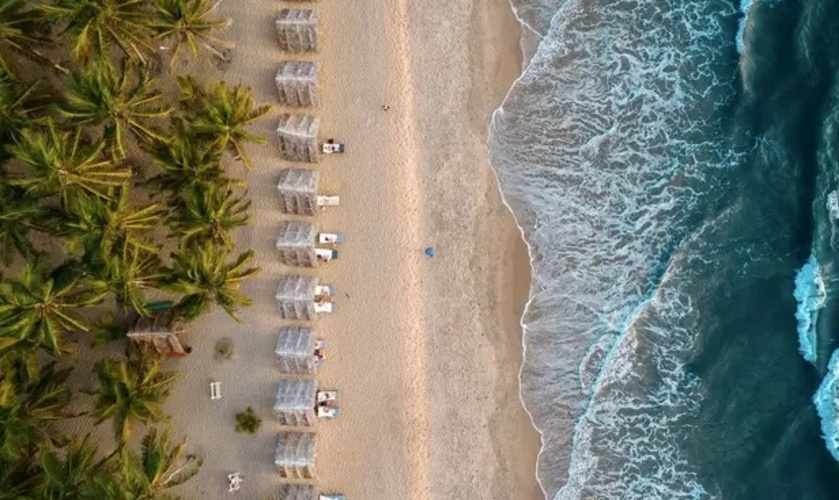
Nattika Beach Ayurveda Resort
India/Kerala/Thrissur
Starting Rate Per Night: ₹ 22,730
Spread across 16 acres of coconut groves alongside India's Malabar Coast is The Nattika Beach Ayurveda Resort is a physician-led Ayurveda wellness retreat located on the tranquil shores of Nattika Beach in Thrissur,...
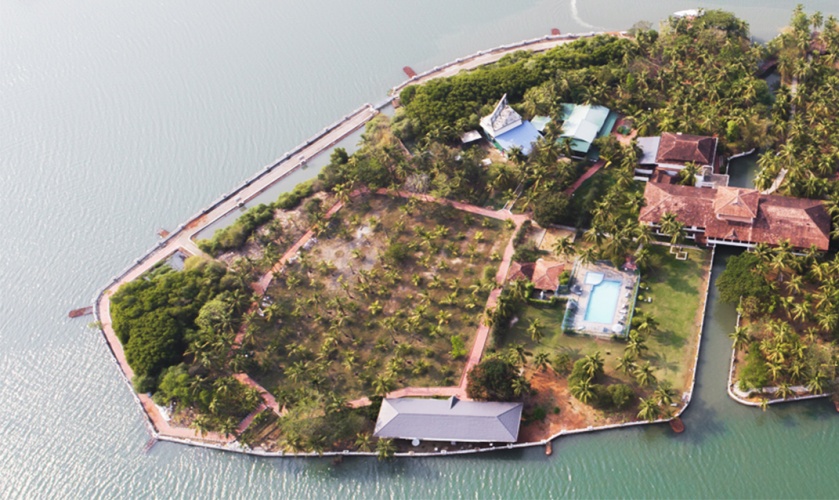
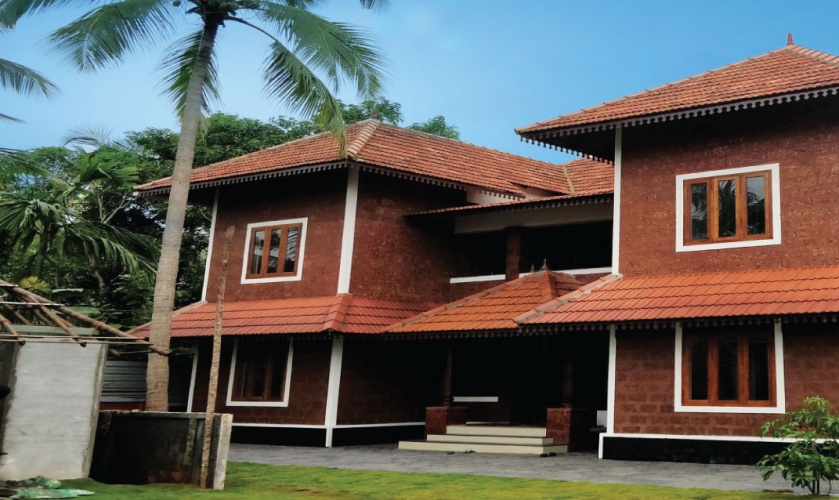
Sree Chithra Ayur Yoga Theeram
India/Kerala/Thrissur
Starting Rate Per Night: ₹ 13,295
Sree Chithra Ayur Yoga Theeram is a beachside Ayurveda and Yoga retreat at Manathala, Chavakkad, Thrissur, Kerala, near Guruvayur. Set beside the Chavakkad coast, it combines residential Ayurvedic care with Yoga, meditation...
Jeevess Ayurveda Hospital
India/Kerala/Wayanad
Starting Rate Per Night: ₹ 21,173
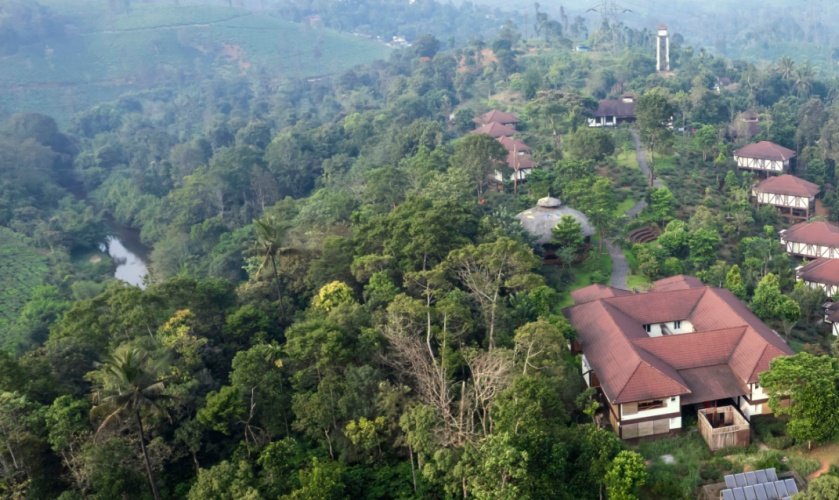
Jeevess Ayurveda Hospital is an integrated Ayurveda hospital, wellness retreat and luxury wellness resort located in Wayanad, Kerala, within approximately 30 acres of tea, coffee and medicinal plantations in the Western Ghats....
Sree Chithra Ayurhome
India/Kerala/Thrissur
Starting Rate Per Night: ₹ 0
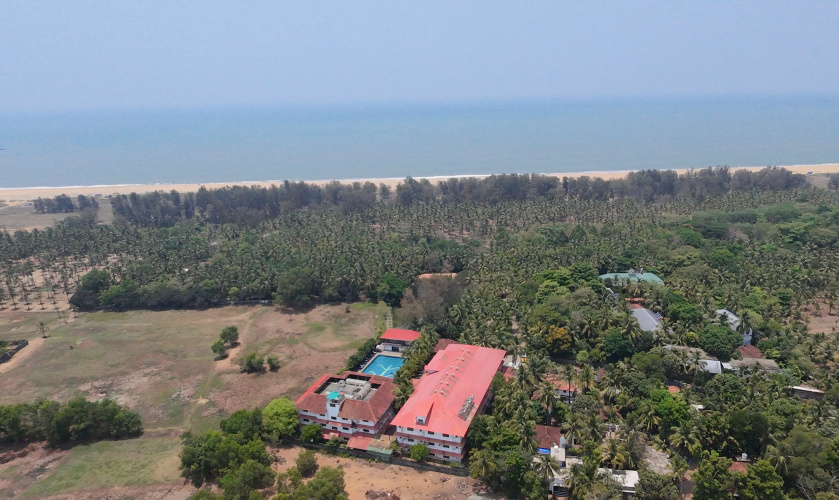
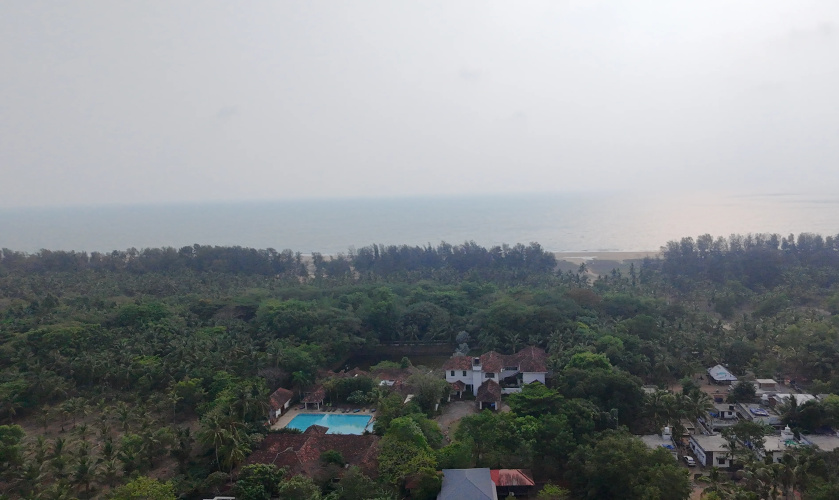
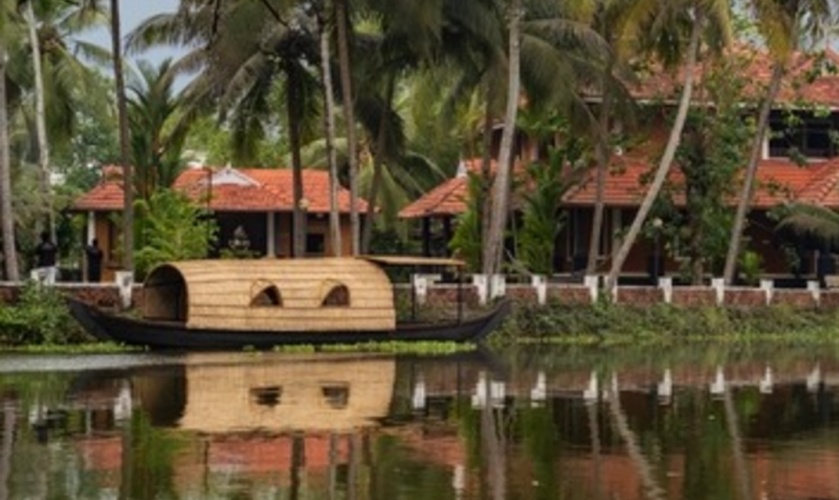
Sree Chithra Ayurhome is an Ayurvedic treatment and wellness centre located at Manathala, Chavakkad, Thrissur, Kerala, near Guruvayoor and beside the Canoli Canal. The centre was established in 1990 by Dr P. V. Madhusudhanan...
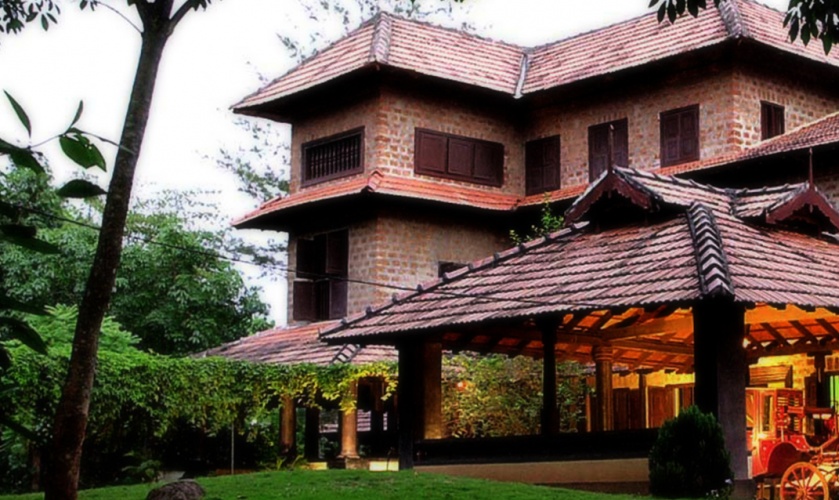
Rajah Healthy Acres
India/Kerala/Palakkad
Starting Rate Per Night: ₹ 6,710
Rajah Healthy Acres is an Ayurvedic hospital and residential treatment centre at Perumanoor, Chalissery, Koottanad, Palakkad, Kerala, established in 1996 as the first treatment centre of Rajah Ayurveda. The centre is situated...

When the Brain Begins to Heal: An Ayurvedic Path to Comprehensive Neurological Recovery
Stroke represents one of the most clinically devastating neurological events with substantial global impact — affecting an estimated 15 million people annually worldwide, ranking among leading causes of death and long-term disability, and with the primary recovery stage (typically 1-6 months post-stroke) representing the critical window where intensive rehabilitation produces the most substantial recovery outcomes. The condition involves brain tissue damage from either ischemic (87% — blood vessel blockage) or hemorrhagic (13% — bleeding) causes, with the resulting neurological deficits depending on the brain region affected and severity of damage producing the characteristic clinical syndrome of focal neurological deficits.
The clinical presentation involves multiple deficits depending on location and severity. Motor deficits: hemiparesis (weakness on one side), hemiplegia (paralysis on one side), facial droop, dysarthria (slurred speech), dysphagia (swallowing difficulty), gait disturbances. Sensory deficits: numbness, paresthesias, sensory loss. Speech/language: aphasia (multiple types — expressive, receptive, global), dysarthria. Cognitive: memory issues, attention problems, executive function difficulties, neglect (often hemispatial). Visual: hemianopia, diplopia, visual processing issues. Emotional: post-stroke depression (very common, 30-50%), anxiety, emotional lability, apathy. Functional: ADL impairment, mobility limitations, communication difficulties, social participation challenges.
Stroke recovery stages:
Acute stage (first days-weeks) — Conventional medical management primary Primary recovery stage (1-6 months post-stroke) — Most intensive rehabilitation period with maximum recovery potential — focus of this retreat program Subacute stage (6 months-1 year) — Continued rehabilitation Chronic stage (>1 year) — Sustained management, plateau and continued optimization
Recovery factors:
- Severity of initial stroke
- Age (younger generally better recovery)
- Pre-stroke health status
- Timely intervention
- Intensity of rehabilitation
- Comorbidity management
- Cognitive reserves
- Social support
- Comprehensive care quality
Modern medical management of stroke recovery is comprehensive. Continued medical management: secondary prevention (antiplatelets, anticoagulants for cardioembolic, statins, blood pressure control, diabetes management). Rehabilitation: physical therapy (substantial evidence base), occupational therapy, speech-language therapy, neuropsychology, swallowing therapy. Specialty interventions: constraint-induced movement therapy, mirror therapy, robotic rehabilitation, transcranial stimulation, virtual reality. Pharmacological adjuncts: SSRIs (potentially supporting motor recovery beyond depression), specific neurological medications. Comprehensive team approach with multidisciplinary involvement.
While conventional rehabilitation provides essential foundation, substantial therapeutic gaps exist where Ayurveda offers genuine value:
Patients in primary recovery stage — The window of maximum recovery potential where integrative care substantially supports outcomes.
Patients seeking comprehensive rehabilitation — Beyond standard outpatient rehabilitation.
Patients with multiple deficits — Holistic approach.
Patients with substantial fatigue — Comprehensive constitutional support.
Patients with post-stroke depression — Integrative mental health support.
Patients with cognitive difficulties — Comprehensive cognitive support.
Patients seeking constitutional rebuilding — Comprehensive Ayurvedic framework.
Patients with associated chronic conditions — Combined approach.
Patients with motor recovery plateau — Additional integrative interventions.
Patients with speech/language deficits — Comprehensive approach alongside speech therapy.
Classical Ayurveda addresses stroke patterns within the framework of Pakshaghata (literally "half-side affliction" — hemiplegia) within broader Vata Vyadhi category with substantial Mastishka (brain) and Majja Dhatu (nervous tissue) involvement. The classical understanding provides comprehensive supportive framework. The therapeutic approach includes comprehensive Vata-pacifying therapy; neurological support through specific Rasayana including Brahmi, Mandukaparni; comprehensive Abhyanga with neurological oils; Nasya for direct brain support; Shirodhara for nervous system regulation; specific neurological therapies including Mastishka Lepa, Shirobasti, and various Murdha Tailas; Basti therapy for Vata-related neurological conditions; integrated rehabilitation alongside conventional rehabilitation; comprehensive lifestyle integration; coordination with continued neurology and rehabilitation care essential.
A Stroke Recovery treatment retreat in primary stage is best understood as intensive comprehensive integrative rehabilitation during the critical recovery window — alongside continued neurology and conventional rehabilitation care.
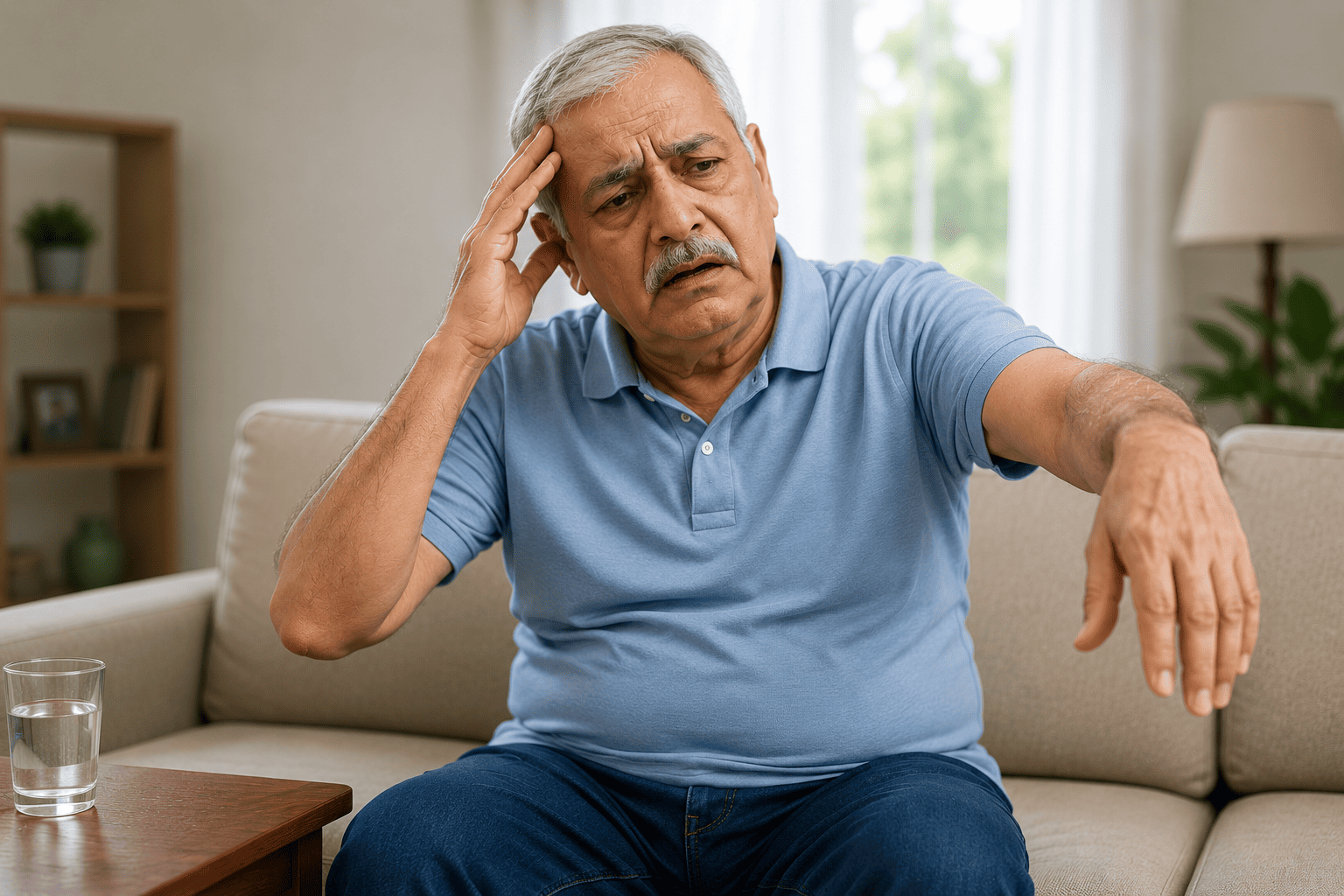
What is Stroke Recovery (Primary Stage)?
Stroke recovery in primary stage (1-6 months post-stroke) is the intensive rehabilitation period with maximum recovery potential through neuroplasticity-driven recovery.
Types of stroke:
- Ischemic (87%) — Blood vessel blockage
- Hemorrhagic (13%) — Bleeding
- TIA — Transient ischemic attack (warning event)
Common deficits: motor (hemiparesis, hemiplegia), sensory, speech/language, cognitive, visual, emotional, functional Recovery factors: severity, age, pre-stroke health, intervention timeliness, rehabilitation intensity Modern rehabilitation: PT/OT/ST, specialty interventions, pharmacological adjuncts, multidisciplinary care
Understanding Pakshaghata: The Ayurvedic Root of Stroke Recovery
The Ayurvedic understanding of stroke sits within the framework of Pakshaghata ("half-side affliction") within Vata Vyadhi category with substantial Mastishka (brain) and Majja Dhatu (nervous tissue) involvement.
Core concepts:
Pakshaghata — Classical hemiplegia framework:
- Direct correspondence to stroke-related hemiparesis/hemiplegia
- Comprehensive classical understanding
- Sophisticated therapeutic approach
Vata Vyadhi Framework:
- Vata-predominant pathology
- Multiple sub-types
- Comprehensive framework
Mastishka and Majja Dhatu Considerations:
- Brain and nervous tissue involvement
- Central to therapeutic approach
Vyana Vayu and Udana Vayu Dysfunction:
- Vyana Vayu — Governing musculoskeletal movement
- Udana Vayu — Governing speech and higher functions
- Both affected in stroke
Sahaja and Acquired Considerations:
- Constitutional vulnerabilities
- Acute event triggering chronic pattern
Predisposing factors:
- Hypertension (substantial classical recognition)
- Constitutional Vata-Pitta predominance
- Cardiovascular dimensions
- Diabetes
- Aging-related Vata aggravation
This shapes the comprehensive Vata-pacifying approach with substantial neurological support, comprehensive Abhyanga with neurological focus, specialized neurological therapies (Nasya, Shirodhara, Shirobasti), Basti therapy, integrated rehabilitation.
The 3 Stages of Ayurvedic Treatment for Stroke Recovery (Primary Stage)
1. Preparation (Purva Karma) Comprehensive assessment including stroke details (type, location, severity, timing), current deficits, current medications (secondary prevention essential), comorbidities (substantial impact), rehabilitation progress, family support, and constitutional profile. Neurology coordination essential. Coordination with rehabilitation team essential.
Critical recognition: Integrative care is complementary to comprehensive conventional rehabilitation — substantial physical therapy, occupational therapy, speech therapy continued.
Initial constitutional support, dietary modifications, lifestyle measures.
2. Core Treatment (Pradhana Karma) Five coordinated lines:
Comprehensive Vata-Pacifying Neurological Approach:
- Warm nourishing easily digestible foods
- Adequate ghee
- Brain-supportive foods (walnuts, almonds, etc.)
- Anti-inflammatory dietary patterns
- Regular meal timing
- Specific Vata-pacifying spices
Comprehensive Herbal Therapy:
Neurological Rasayana (Medhya Rasayana):
- Brahmi (Bacopa monnieri) — Foundational neurological Rasayana with substantial classical and modern evidence
- Mandukaparni (Centella asiatica) — Brain-supportive
- Shankhpushpi — Cognitive support
- Jatamansi — Nervous system support
- Vacha — Speech support
- Ashwagandha — Comprehensive Rasayana
Classical formulations:
- Saraswatarishtam — Comprehensive nervous system support
- Saraswata Churna — Memory and speech support
- Brahmi Ghrita — Foundational Medhya preparation
- Kalyanaka Ghrita — Specific neurological applications
- Mahakalyanaka Ghrita — More potent
- Manasamitra Vatakam — Comprehensive mental support
- Maharasnadi Kashayam — Vata pacification
- Dashamoolarishtam — Comprehensive support
- Ekangaveera Rasa — Specifically for Pakshaghata
Comprehensive Abhyanga and Specific Neurological Therapies:
Daily Abhyanga with:
- Ksheerabala Taila — Particularly valuable
- Mahanarayana Taila
- Bala Taila
- Mahamasha Taila — Specific Pakshaghata applications
- Karpasasthyadi Taila — Specific neurological applications
Specialized neurological therapies:
- Nasya (nasal medication) — Particularly valuable for brain support, includes Anu Taila, Shadbindu Taila, specific Ksheerabala-based preparations
- Shirodhara — Nervous system regulation, substantial value for post-stroke
- Shirobasti — Oil retention on head — particularly valuable specialized therapy
- Shiropichu — Cotton pad with medicated oil on head
- Mastishka Lepa — Specific medicated paste on head
- Murdha Taila applications
Basti Therapy:
- Particularly valuable for Vata-related neurological conditions
- Substantial classical use for Pakshaghata
- Anuvasana and Niruha Basti
- Yoga Basti or Kala Basti sequences
Integrated Rehabilitation Support:
- Coordination with conventional physical therapy
- Coordination with speech-language therapy
- Coordination with occupational therapy
- Specific yoga practices adapted to recovery stage
- Pranayama for cognitive and broader benefits
- Meditation for emotional support and recovery
Coordination with Continued Neurology and Rehabilitation Care:
- Continued secondary prevention medications essential
- Continued comprehensive rehabilitation essential
- Continued monitoring
- Coordination throughout integrative care
3. Rejuvenation (Paschat Karma) Sustained constitutional support, continued lifestyle modifications, continued neurological Rasayana, continued integrative care, periodic follow-up.
The 5 Core Therapies for Stroke Recovery (Primary Stage) Explained
1. Brahmi-Led Medhya Rasayana Therapy Brahmi (Bacopa monnieri) represents the most clinically valuable Ayurvedic herb for neurological support with substantial classical use and emerging modern clinical evidence for cognitive function, neurological recovery, and broader brain health. Mechanisms include enhanced cerebral circulation, neuroprotective effects, possible neurotrophic effects, memory enhancement. Standard administration includes Brahmi Churna 3-5g twice daily, Brahmi Ghrita 1-2 teaspoons twice daily, or in classical formulations. Combined Medhya Rasayana approach: Mandukaparni (Centella asiatica) for brain-supportive effects; Shankhpushpi for cognitive support; Jatamansi for nervous system regulation; Vacha for specific speech support; Ashwagandha for comprehensive Rasayana. Classical formulations: Saraswatarishtam as comprehensive nervous system support; Saraswata Churna; Brahmi Ghrita as foundational; Kalyanaka Ghrita for specific neurological applications; Manasamitra Vatakam; Ekangaveera Rasa specifically for Pakshaghata. Sustained therapy over months providing meaningful supportive benefits during the critical primary recovery window.
2. Comprehensive Abhyanga, Nasya, and Specialized Neurological Therapies Comprehensive Abhyanga with neurological focus combined with specialized therapies provides substantial supportive benefit for stroke recovery. Daily Abhyanga with: Ksheerabala Taila as foundational neurological oil providing substantial support; Mahamasha Taila specifically valuable for Pakshaghata; Mahanarayana Taila for musculoskeletal dimensions; Bala Taila for strength-building; Karpasasthyadi Taila for specific neurological applications. Nasya (nasal medication) — Particularly valuable for direct brain support given nasal route's direct access to neural structures; preparations include Anu Taila for general support, Shadbindu Taila for specific applications, Ksheerabala-based preparations for substantial neurological support. Specialized head therapies: Shirodhara for substantial nervous system regulation; Shirobasti — specialized therapy involving oil retention in cap structure on head — particularly valuable for neurological conditions including stroke recovery; Shiropichu — cotton pad with medicated oil on head; Mastishka Lepa — specific medicated paste applications. Sustained therapy providing cumulative substantial benefits during critical recovery window.
3. Basti Therapy and Specific Vata Vyadhi Interventions for Pakshaghata Basti (medicated enema) therapy provides powerful classical intervention for Vata-related neurological conditions including Pakshaghata with substantial classical experience. Anuvasana Basti (oil enema) providing direct Vata pacification through colon (seat of Vata); Niruha Basti (decoction enema) for specific situations; Yoga Basti sequence alternating over 8-day cycle for intensive intervention; Kala Basti sequence for extended treatment. Specific applications for stroke recovery: Substantial classical use for Pakshaghata; particularly valuable during primary recovery stage for comprehensive Vata pacification, neurological support, and broader constitutional benefits. Specific oil preparations for Anuvasana Basti including Sahacharadi Taila, Mahanarayana Taila, specific neurological preparations. Decoction preparations for Niruha Basti including Dashamoola Kashayam and others. WellnessLoka centres provide expert Basti capability for stroke recovery.
4. Integrated Rehabilitation with Yoga, Pranayama, and Meditation Integrated rehabilitation combining Ayurvedic interventions with comprehensive conventional rehabilitation provides foundation for optimal recovery. Continued comprehensive conventional rehabilitation essential — physical therapy, occupational therapy, speech-language therapy continue throughout integrative care providing the substantial evidence-based foundation. Specific yoga adapted to recovery stage: gentle initial practices progressing based on recovery; Surya Namaskar modifications for capable patients; specific asanas for affected sides; balance and coordination practices as appropriate; chair yoga for limited mobility. Pranayama: Anulom Vilom for hemispheric balance — particularly valuable for stroke; Bhramari for nervous system regulation; Nadi Shodhana for autonomic balance; specific breathing exercises supporting recovery. Meditation: mindfulness practices supporting cognitive recovery, emotional balance, motivation; simple meditation practices adapted to cognitive status; family involvement in meditation practices supporting both patient and caregivers. Constraint-induced approaches in coordination with rehabilitation team. Specific cognitive exercises alongside speech therapy. Substantial classical experience supports yoga and meditation integration for neurological recovery.
5. Comprehensive Lifestyle Integration and Coordination with Continued Care Comprehensive lifestyle integration addresses the substantial role of broader factors in stroke recovery and recurrence prevention. Secondary prevention essential: continued antiplatelets or anticoagulants as prescribed — never discontinued without neurology guidance; continued statins, blood pressure control, diabetes management; continued risk factor management. Comprehensive dietary integration: Mediterranean-pattern with substantial cardiovascular and neurological benefits; adequate omega-3 fatty acids; brain-supportive foods (berries, leafy greens, nuts, olive oil); appropriate hydration; avoiding excessive alcohol. Sleep optimization essential for recovery — addressing sleep disturbances common post-stroke. Stress management affecting recovery and recurrence. Smoking cessation absolutely essential — substantial cardiovascular risk impact. Comprehensive emotional support: Post-stroke depression (30-50%) requires recognition and support; integrative mental health approach; family involvement and education; counseling and psychiatric care when needed. Cognitive engagement: Mental stimulation supporting recovery; social engagement essential; structured cognitive activities. Physical activity appropriate to recovery: substantial benefits beyond just rehabilitation exercises; sustained activity programs. Family education and caregiver support: Essential for sustained outcomes; caregiver wellbeing considerations; family training in supportive care. Coordination with Continued Neurology and Rehabilitation Care: Continued multidisciplinary team involvement; continued specialty therapies; continued monitoring; treatment adjustments as recovery progresses. Recognition that primary recovery stage is critical window with intensive comprehensive approach producing substantial outcomes through neuroplasticity-driven recovery — integrative care substantially supports this critical period.
How Long Should an Ayurvedic Treatment Program for Stroke Recovery Last?
| Duration | Therapeutic Benefit | |
| 7–14 days | Initial assessment, established protocols, initial Abhyanga and Nasya course | |
| 14–21 days | Comprehensive constitutional support, Shirodhara, Shirobasti, integrated rehabilitation | |
| 21–28 days | Extended program for substantial constitutional rebuilding including Basti therapy | |
| 28–42 days |
|
Primary recovery stage (1-6 months post-stroke) represents critical window — intensive 3-6 week retreat highly valuable. Continued home regimen essential. Periodic retreats throughout recovery.
Book Consultation
Benefits of an Ayurvedic Treatment Retreat for Stroke Recovery
| Physical Benefits | Functional Benefits | Long-Term Impact | |
| Supported motor recovery | Improved functional capacity | Better long-term recovery outcomes | |
| Better muscle tone and control | Better speech and communication | Foundation for sustained neurological wellness | |
| Reduced spasticity | Better cognitive function | ||
| Better overall vitality |
|
Comprehensive recovery framework |
Why Kerala is the Best Place for Stroke Recovery Treatment
Kerala offers experienced physicians with Pakshaghata and neurological Ayurveda expertise, specialised practitioners in Nasya, Shirodhara, Shirobasti, and specialized neurological therapies, authentic preparation of neurological Rasayana formulations (Saraswatarishtam, Brahmi Ghrita, Kalyanaka Ghrita, Manasamitra Vatakam, Ekangaveera Rasa), authentic preparation of neurological oils (Ksheerabala Taila, Mahamasha Taila), comprehensive Panchakarma capability, coordination capability with continued neurology and rehabilitation care, family-friendly accommodation.
Stroke Recovery Treatment Retreats by Location
Kerala, India — The most clinically authentic destination for classical neurological Ayurvedic care during stroke primary recovery stage with established Pakshaghata tradition, specialised Shirobasti, Shirodhara, and Nasya capability essential for neurological recovery, comprehensive Basti therapy for Vata Vyadhi management, authentic preparation of Medhya Rasayana formulations including Saraswatarishtam, Brahmi Ghrita, Kalyanaka Ghrita, and Ekangaveera Rasa, integrated rehabilitation infrastructure with PT/OT/ST coordination, family-friendly accommodation for caregivers, and the deepest tradition of comprehensive neurological Ayurveda. Alleppey • Kovalam • Kumarakom • Wayanad • Palakkad
Sri Lanka — Coastal Ayurveda treatment retreats with comprehensive supportive care for neurological recovery in serene tropical environment, valuable for extended recovery phases and constitutional rebuilding. Wadduwa • Weligama • Sigiriya • Kosgoda • Bentota
Bali, Indonesia — Wellness treatment retreats integrating Ayurvedic care with holistic recovery restructuring, particularly valuable for later recovery stages and broader lifestyle integration. Ubud • Nusa Dua • Candidasa • Lovina
WellnessLoka connects you with verified centres across these destinations offering genuine neurological Ayurveda expertise, specialised Pakshaghata capability, comprehensive specialized head therapy capability (Shirobasti, Shirodhara, Nasya, Shiropichu), authentic Medhya Rasayana preparation, family-friendly accommodation essential for stroke recovery, integrated rehabilitation coordination, willingness to coordinate with continued neurology care and conventional rehabilitation (PT, OT, ST), and clear understanding of the integrative role alongside continued conventional management during the critical primary recovery window.
Who Should Consider an Ayurvedic Stroke Recovery Treatment Retreat (Primary Stage)
Patients in primary recovery stage (1-6 months post-stroke), patients seeking comprehensive rehabilitation, patients with multiple deficits, patients with substantial fatigue, patients with post-stroke depression, patients with cognitive difficulties, patients seeking constitutional rebuilding, patients with motor recovery plateau, patients with speech/language deficits.
Who Should Approach Treatment with Caution
Patients in acute stroke phase (first weeks) requiring continued acute medical management; patients with active complications requiring urgent care; patients medically unstable; patients with significant uncontrolled comorbidities; patients with severe communication/cognitive impairment requiring specialized inpatient care; patients planning to discontinue secondary prevention medications; patients without continued neurology care; patients with unrealistic expectations about full recovery.
Choosing the Right Treatment Retreat for Stroke Recovery
Qualified physicians with neurological Ayurveda expertise, specialised practitioners in Nasya/Shirodhara/Shirobasti/Basti, authentic in-house herbal preparations including Brahmi-led formulations, authentic neurological oils, proper infrastructure for specialized neurological therapies, capacity for integrated rehabilitation alongside Ayurvedic care, coordination capability with continued neurology care, family-friendly accommodation, honest framing.
How WellnessLoka Helps You Choose the Right Ayurveda Treatment Retreat for Stroke Recovery
Choosing the right treatment retreat for Stroke Recovery during the critical primary recovery window benefits enormously from genuine guidance. Stroke is a profoundly complex neurological event with substantial individual variation in deficits, recovery trajectories, comorbidities, rehabilitation needs, and response to treatment — and the right program depends on accurate identification of the specific Pakshaghata pattern and matching to centres with genuine neurological Ayurveda expertise and integrated rehabilitation capability. The primary recovery stage (1-6 months post-stroke) represents the critical neuroplasticity window where intensive comprehensive intervention substantially shapes long-term outcomes, making careful centre selection particularly important. WellnessLoka exists to ensure that patients and families can make this decision with full information, genuine guidance, and complete confidence.
Access to Verified Retreat Centres Every centre listed on WellnessLoka for Stroke Recovery treatment has been independently assessed for physician credentials, clinical experience with neurological recovery and Pakshaghata, depth of expertise in the full range of specialized neurological therapies including Nasya, Shirodhara, Shirobasti, Shiropichu, Mastishka Lepa, and Basti therapy for Vata Vyadhi management, authentic preparation of Medhya Rasayana formulations including Saraswatarishtam, Brahmi Ghrita, Kalyanaka Ghrita, Manasamitra Vatakam, and Ekangaveera Rasa specifically for Pakshaghata, proper infrastructure for Shirobasti requiring specific cap-construction capability essential for this specialized therapy, capacity for integrated rehabilitation coordination alongside Ayurvedic care including physical therapy, occupational therapy, and speech therapy, family-friendly accommodation essential for stroke recovery patients given caregiver involvement requirements, mobility accessibility for patients with motor deficits, integrated comorbidity management capability particularly for hypertension, diabetes, and cardiovascular conditions central to stroke risk factors, capacity for psychological support given substantial post-stroke depression dimensions, and clear understanding of the integrative role alongside continued neurology care including secondary prevention medication management. We list only centres where neurological recovery and Pakshaghata protocols are genuinely practised with classical depth and appropriate clinical infrastructure.
Free Pre-Retreat Consultation with Our Ayurvedic Doctor Before you choose a retreat, WellnessLoka offers a complimentary consultation with our in-house Ayurvedic consultant. This consultation reviews your specific stroke recovery context (stroke type — ischemic or hemorrhagic, location and territory affected, timing of stroke event, current recovery stage with attention to whether within optimal primary recovery window of 1-6 months), current neurological deficits (motor including hemiparesis or hemiplegia pattern, sensory, speech and language including aphasia type and dysarthria, cognitive including memory and executive function, visual, swallowing function), current secondary prevention medications (antiplatelets, anticoagulants, statins, blood pressure and diabetes management), current rehabilitation program (PT, OT, ST involvement and progress), comorbidities particularly cardiovascular and metabolic, post-stroke emotional and psychological dimensions including depression risk, family support and caregiver availability, mobility status, doshic profile with attention to Vata Vyadhi patterns, and overall health and recovery trajectory. A critical part of this consultation is screening for medical stability ensuring you are appropriate for retreat-based care versus requiring continued inpatient management, screening for any features warranting urgent neurology evaluation, and ensuring family preparedness for the comprehensive recovery program. Based on the assessment, we match you with the retreat centre and program duration best suited for your specific recovery context and family situation. It is purely a guidance consultation to help you make an informed decision before you travel.
Transparent Centre Comparison WellnessLoka provides clear, honest information about each listed centre — physician qualifications, therapy protocols including specialized neurological therapy capability, rehabilitation integration capacity, program structure, monitoring capabilities, accommodation including family accommodation and accessibility features, and pricing — allowing you to compare options across Kerala, Sri Lanka, and Bali with full clarity and confidence.
Best Price Guarantee Through our strong, long-standing relationships with partner centres, you benefit from exclusive partner pricing that is always lower than booking directly. You receive the most authentic care for your Stroke Recovery treatment program without paying more for it.
Retreats for Every Budget From luxury wellness resorts to affordable, authentic healing centres, WellnessLoka helps you find a Stroke Recovery treatment retreat that aligns perfectly with your comfort level and budget — without ever compromising on the specialised Pakshaghata and neurological Ayurveda expertise this critical recovery window benefits from.
Treatment is in Expert Hands Once you arrive at your chosen retreat, your Stroke Recovery treatment program is fully designed and managed by the qualified Ayurvedic physicians at that centre. From your first in-person consultation onwards, all clinical decisions, daily monitoring, therapeutic adaptation, and medical management are guided by experienced doctors on the ground — physicians with deep training in Pakshaghata and neurological Ayurveda management and direct, hands-on familiarity with the specialised classical neurological therapies your program involves including Nasya, Shirodhara, Shirobasti, and the broader specialized head therapies central to neurological recovery. Your treatment unfolds under continuous, qualified supervision with appropriate coordination with continued conventional rehabilitation and neurology care.
Local Support Team Our on-ground experts assist you and your family at every step, from your first enquiry through to the completion of your retreat — resolving any issues that arise and ensuring your entire Stroke Recovery healing journey runs smoothly and safely, with particular sensitivity to the complex needs of stroke recovery patients and caregivers.
End-to-End Booking Support From your first enquiry to confirmed booking, WellnessLoka provides full administrative and logistical support including family accommodation arrangements, accessibility considerations, and continued conventional care coordination — ensuring a smooth, stress-free process so that you and your family can focus entirely on preparing for your healing program during this critical recovery window.
Why Travellers Trust WellnessLoka WellnessLoka is rated 4.9? on Google, with verified reviews from wellness travellers who have experienced authentic Ayurveda healing through us. We are trusted by hundreds of travellers from 28+ countries across Europe, the Americas, Asia, Australia, and Africa, backed by over a decade of expertise in curating authentic Ayurveda retreats across trusted centres. Our dedicated support team is available 24×7 to assist you and your family before, during, and after your Stroke Recovery treatment retreat with appropriate sensitivity to the complex needs of neurological recovery.
Begin Your Healing Journey
Stroke represents one of the most clinically devastating neurological events with the primary recovery stage (1-6 months post-stroke) representing the critical window where intensive rehabilitation produces maximum recovery outcomes through neuroplasticity-driven recovery. Modern medicine provides substantial rehabilitation framework through multidisciplinary care including physical, occupational, and speech therapy. Yet substantial gaps remain for patients seeking comprehensive integrative approach addressing the multidimensional nature of stroke recovery, those wanting holistic philosophy informing rehabilitation, and those seeking constitutional rebuilding for long-term outcomes.
Within this clinical context, classical Ayurvedic care offers genuinely meaningful supportive contributions through the Pakshaghata framework within Vata Vyadhi with comprehensive Brahmi-led Medhya Rasayana therapy; comprehensive Abhyanga with Nasya and specialized neurological therapies including Shirodhara, Shirobasti, and Mastishka Lepa providing direct brain support; Basti therapy for Vata Vyadhi management with substantial classical use for Pakshaghata; integrated rehabilitation with specific yoga, pranayama, and meditation alongside continued conventional rehabilitation; comprehensive lifestyle integration with critical secondary prevention coordination. Particularly valuable during the primary recovery window where intensive comprehensive approach can substantially support recovery outcomes.


