
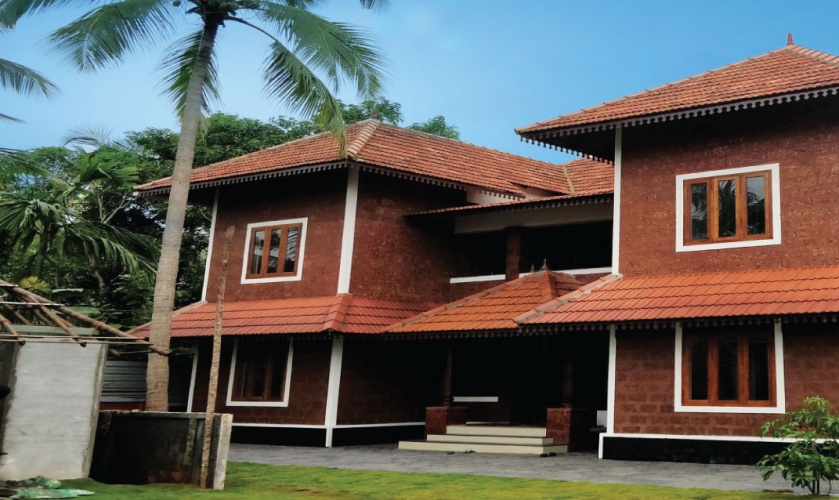
Sree Chithra Ayur Yoga Theeram
India/Kerala/Thrissur
Starting Rate Per Night: ₹ 13,714
Sree Chithra Ayur Yoga Theeram is a distinguished centre for authentic Ayurveda and holistic wellness, founded on a rich Ayurvedic heritage spanning more than 400 years. Rooted in the Perumbilissery family’s healing...
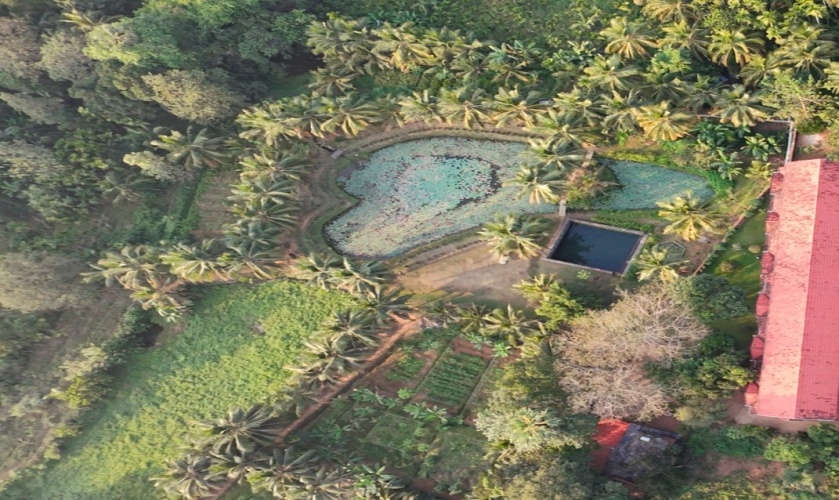
Poonthottam Ayurvedasram
India/Kerala/Palakkad
Starting Rate Per Night: ₹ 5,160
Poonthottam Ayurvedasram, nestled in the tranquil Kulakkad Hills of central Kerala, is a holistic healing sanctuary that embodies the profound science of Ayurveda. Surrounded by lush paddy fields and plantations of coconut,...
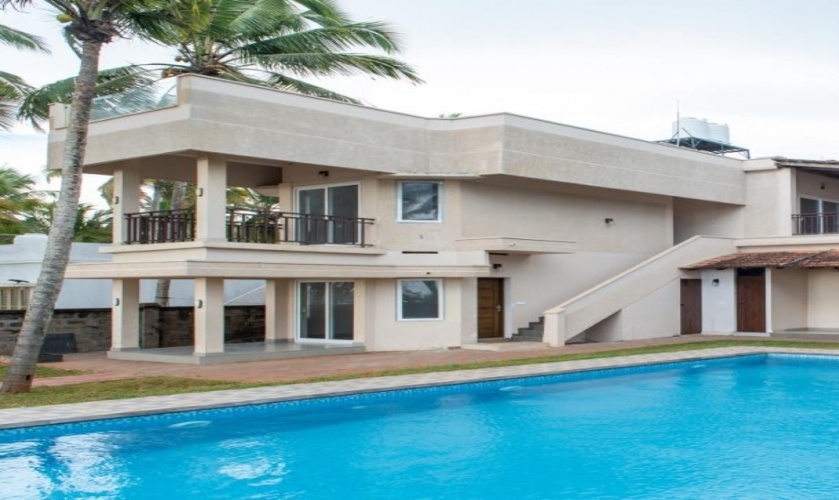
Streeshakti Ayurveda Beach Retreat
India/Kerala/Varkala
Starting Rate Per Night: ₹ 14,262
Streeshakti Ayurveda Beach Retreat sits along the shores of the Arabian Sea as India’s first Ayurveda beach retreat created exclusively for women. The retreat’s serene coastal setting, where sea spray drifts...
Ashtamgam Ayurveda Chikitsalayam
India/Kerala/Palakkad
Starting Rate Per Night: ₹ 3,000
Ashtamgam Ayurveda Chikitsalayam & Vidyapeedham is a distinguished centre for authentic Ayurvedic healing and classical education, located in the serene foothills of Nagalassery, Kerala. Established in 2011 under the...

When Movement Follows Its Own Path: A Classical Ayurvedic Path Through Vata Vyadhi Restoration, Mamsa-Majja Support, and Compassionate Family-Centred Care
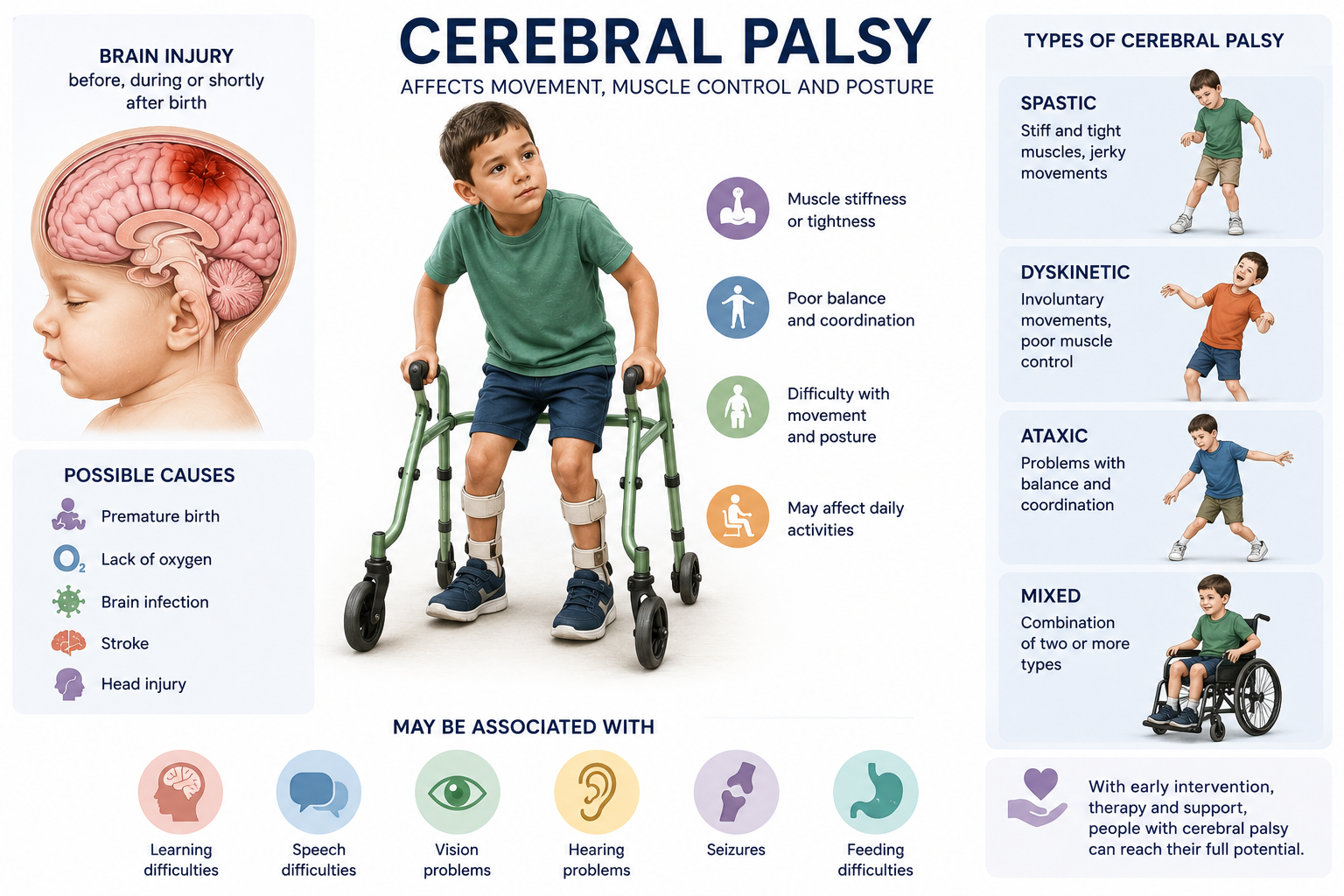
Cerebral palsy (CP) represents the most common physical disability of childhood globally with substantial documented prevalence — an estimated 2-3 per 1,000 live births — arising from non-progressive brain injury or malformation occurring during fetal development, birth, or early infancy with substantial impact on movement, posture, muscle tone, and often accompanied by cognitive, sensory, communication, feeding, and seizure considerations with substantial variation across individuals. Common types include spastic CP (most common, ~80% — increased muscle tone with stiffness), dyskinetic CP (involuntary movements), ataxic CP (balance and coordination), and mixed CP. Common distribution patterns include hemiplegia (one side), diplegia (both legs predominantly), and quadriplegia (all four limbs). Common comorbidities include intellectual disability in some individuals, epilepsy, visual impairment, hearing impairment, speech and language considerations, feeding difficulties, gastrointestinal issues, sleep disturbances, orthopedic considerations including hip dislocation risk and scoliosis, and mental health considerations. Critical considerations: substantial multidisciplinary specialist care essential lifelong including developmental pediatrics, neurology, physical medicine and rehabilitation, orthopedics, physical therapy, occupational therapy, speech-language therapy, educational support; evidence-based interventions essential; substantial family-centred care essential; substantial neurodiversity and disability-respecting approach essential.
What is Cerebral Palsy Care in Ayurveda?
Cerebral palsy care in Ayurveda represents the comprehensive classical Vata Vyadhi with substantial Majja Dhatu (nervous system) and Mamsa Dhatu (muscle) involvement, Balaroga (pediatric) considerations, and substantial constitutional factors framework — addressing cerebral palsy through integrated comprehensive specialised external therapies including gentle Abhyanga, Sweda, and Shashtika Shali Pinda Sweda with substantial care, comprehensive gentle Vata-pacifying and Mamsa-Majja-supportive internal formulations with age-appropriate dosing, comprehensive gentle Medhya support when applicable, comprehensive age-appropriate Rasayana approach, and substantial family-centred care as strictly supportive integrative care alongside continued essential multidisciplinary specialist care and evidence-based interventions. Scope encompasses: children with cerebral palsy on continued specialist care seeking comprehensive integrative supportive approach with substantial family-centred focus (most common context), adults with cerebral palsy on continued specialist care seeking comprehensive constitutional and supportive approach, individuals in post-orthopedic surgical recovery contexts on continued specialist care seeking comprehensive integrative approach, families seeking comprehensive integrative approach with substantial family-centred focus. Critical foundation: Ayurvedic care does not cure cerebral palsy which arises from established brain injury — Ayurvedic care provides supportive integrative approach for specific challenges, muscle tone support, quality of life, and constitutional wellness alongside continued multidisciplinary specialist care essential; substantial disability-respecting approach essential; continued specialist care essential lifelong. Core frameworks: comprehensive gentle specialised external therapies as cornerstone with substantial care, comprehensive gentle Vata-pacifying and Mamsa-Majja-supportive approach, comprehensive gentle Medhya support when applicable, substantial family-centred care essential, coordination with continued specialist care essential.
Understanding Vata Vyadhi, Majja-Mamsa Dhatu, and Balaroga Dynamics: The Ayurvedic Framework
The Ayurvedic understanding sits within comprehensive classical Vata Vyadhi framework with substantial classical sophistication providing relevant supportive framework — while recognising that classical Ayurvedic frameworks were developed without modern understanding of cerebral palsy as arising from established brain injury, contemporary integrative Ayurvedic approaches respect disability and neurodiversity while providing supportive care for specific challenges. Key concepts: comprehensive Vata Vyadhi as foundational framework with substantial classical sophistication regarding neuromuscular disorders — one of most extensively developed classical frameworks; substantial Majja Dhatu (nervous system) involvement with characteristic neurodevelopmental presentation; substantial Mamsa Dhatu (muscle) involvement with substantial classical sophistication regarding muscle tone considerations; comprehensive Balaroga (pediatric) considerations for pediatric contexts within Kaumarabhritya (pediatric Ayurveda) — one of eight branches of classical Ayurveda; comprehensive Sandhi (joint) considerations given musculoskeletal implications; comprehensive Kandara-Snayu considerations given ligamentous and tendinous involvement; substantial constitutional factors with substantial variation across individuals; comprehensive Ojas considerations for constitutional support; substantial classical recognition of specialised external therapies including Abhyanga, Sweda, and Shashtika Shali Pinda Sweda with substantial sophistication for musculoskeletal support; comprehensive Medhya considerations when applicable for cognitive support. Contemporary integrative approach: substantial recognition that Ayurvedic supportive care should be disability-respecting, family-centred, and integrated with continued multidisciplinary specialist care.
The 3 Stages of Ayurvedic Treatment for Cerebral Palsy
Stage 1 — Preparation and Comprehensive Assessment (5-7 days): comprehensive multidisciplinary specialist coordination essential — Ayurvedic care coordination with continued neurology and rehabilitation medicine, comprehensive family-centred assessment essential with substantial parental involvement for pediatric contexts, comprehensive history including age with substantial developmental awareness/type of CP with substantial detail (spastic/dyskinetic/ataxic/mixed)/distribution pattern (hemiplegia/diplegia/quadriplegia)/severity with GMFCS level when applicable/current interventions with substantial detail (physical therapy, occupational therapy, speech-language therapy, developmental pediatrics, neurology, orthopedic surgery when applicable, botulinum toxin injections when applicable)/comorbidities with substantial detail (epilepsy, intellectual disability, sensory impairments, feeding difficulties, GI issues, orthopedic considerations)/current medications including any anti-epileptic drugs which must never be discontinued/family goals with substantial disability-respecting focus/lifestyle factors, comprehensive Prakriti assessment with age-appropriate awareness, substantial care throughout essential with substantial disability-respecting approach, critical screening for warning signs, realistic expectations setting with honest framing that Ayurvedic care does not cure cerebral palsy. Stage 2 — Core Treatment (14-21 days with substantial care): comprehensive gentle specialised external therapies with substantial care, comprehensive gentle Vata-pacifying and Mamsa-Majja-supportive internal formulations with age-appropriate dosing, comprehensive gentle Medhya support when applicable, comprehensive age-appropriate Rasayana approach, comprehensive family education essential. Stage 3 — Sustained Family-Centred Support (Continued): comprehensive sustained family-centred home program essential, continued specialist coordination essential lifelong.
The 5 Core Therapies for Cerebral Palsy Explained
1. Comprehensive Gentle Specialised External Therapies with Substantial Care: specialised external therapies with substantial classical sophistication as cornerstone particularly valuable for musculoskeletal support in cerebral palsy — gentle Abhyanga (medicated oil massage) with Mahanarayana Taila as foundational Vata-pacifying oil particularly valuable, Ksheerabala Taila with substantial classical use for nervous system support particularly valuable in Majja Dhatu contexts, Bala Taila for gentle constitutional support with substantial classical pediatric use, Dhanwantharam Taila with substantial classical use; gentle Sweda applications with substantial care matched to individual tolerance; Shashtika Shali Pinda Sweda (medicated rice bolus fomentation) with substantial classical use for Mamsa Dhatu-supportive effects particularly valuable in CP contexts; specific specialised external therapies matched to individual with substantial care regarding age-appropriate application, sensory tolerance, and continued specialist coordination essential.
2. Comprehensive Gentle Vata-Pacifying and Mamsa-Majja-Supportive Internal Formulations: Ashwagandha (Withania somnifera) for comprehensive adaptogenic support with substantial documented Mamsa-supportive dimensions; Bala (Sida cordifolia) for substantial constitutional support with substantial classical use for Vata Vyadhi and Mamsa Dhatu support particularly valuable for pediatric contexts; Dashamoolarishtam with substantial care regarding age-appropriate dosing; Aswagandharishtam for sustained adaptogenic support; Yogaraj Guggulu with substantial care regarding age-appropriate contexts; Yashtimadhu for gentle supportive role with substantial classical pediatric use; substantial care regarding age-appropriate dosing essential; specific gentle Vata-pacifying and Mamsa-Majja-supportive formulations matched to individual with substantial coordination with continued specialist care essential.
3. Comprehensive Gentle Medhya Support When Applicable: Brahmi (Bacopa monnieri) as cornerstone classical Medhya Rasayana with substantial documented cognitive-supportive benefits with age-appropriate dosing essential for pediatric contexts particularly relevant when cognitive considerations present; Shankhapushpi (Convolvulus pluricaulis) for gentle Medhya support with substantial classical pediatric use; Mandukaparni (Centella asiatica) for gentle Medhya support; Saraswatarishtam for comprehensive Medhya benefits with substantial classical pediatric use; specific gentle Medhya formulations matched to individual with substantial care.
4. Comprehensive Age-Appropriate Rasayana Approach: Chyavanaprasha as cornerstone foundational Rasayana particularly valuable as Bala Rasayana for children with substantial classical use providing comprehensive Ojas and growth support with substantial documented immune-supportive benefits particularly valuable for constitutional wellness in CP contexts; Amalaki Rasayana for substantial Rasayana support; Ashwagandha Rasayana for adaptogenic support particularly valuable given documented Mamsa-supportive dimensions; specific Rasayana formulations matched to individual with age-appropriate dosing.
5. Comprehensive Family Education, Sensory-Respectful Approach, Nutritional Support, and Disability-Respecting Lifestyle Integration — Absolutely Essential: comprehensive family education absolutely essential as foundational — parents/caregivers are primary implementers of ongoing care; comprehensive sensory-respectful approach essential given common sensory considerations in CP; comprehensive nutritional support essential with substantial attention to feeding difficulties common in CP including appropriate food textures, adequate nutrition despite feeding challenges, appropriate consideration when tube feeding present with continued specialist coordination essential, coordination with speech-language pathology for feeding essential when applicable; comprehensive gentle sleep support given sleep disturbance common in CP; substantial disability-respecting approach essential throughout — CP is not a disease requiring cure but disability requiring supportive care and appropriate accommodations; comprehensive coordination with continued multidisciplinary specialist care and evidence-based interventions essential.
How Long Should an Ayurvedic Cerebral Palsy Program Last?
| Duration | Therapeutic Benefit | |
| 7–14 days | Initial protocols with substantial family education and gentle approach | |
| 14–21 days | Comprehensive integrative approach with sustained family education and continued specialist coordination | |
| 21–28 days |
|
|
| Continued home regimen | Sustained comprehensive family-centred home program essential |
The exact duration is decided after consultation with the Ayurvedic doctor with coordination with continued multidisciplinary specialist care based on specific CP context, age with substantial developmental awareness, type and severity of CP, current interventions, comorbidities, family goals, and individual factors. Substantial benefits typically develop gradually over months to years of sustained integrated approach with realistic expectations. Recognition that cerebral palsy is lifelong non-progressive disability requiring sustained supportive care and appropriate accommodations rather than cure. Continued multidisciplinary specialist care essential lifelong including physical therapy, occupational therapy, speech-language therapy, developmental pediatrics, neurology, orthopedic care when applicable, and mental health support. Realistic expectations essential — Ayurvedic supportive care may provide meaningful support for specific challenges including muscle tone considerations, constitutional wellness, sleep, and family-centred quality of life alongside continued evidence-based interventions. Centres claiming Ayurvedic cure of cerebral palsy or promising dramatic reversal of established brain injury should be absolutely avoided as CP arises from established non-progressive brain injury and such claims disrespect disability and can harm families through false hope.
Book Consultation
Benefits of an Ayurvedic Treatment Retreat for Cerebral Palsy
| Physical Benefits |
|
Long-Term Impact | ||
| Comprehensive gentle Mamsa-Majja-supportive support |
|
Sustained constitutional wellness foundation | ||
| Comprehensive gentle Vata-pacifying support |
|
|
||
| Comprehensive gentle Medhya support when applicable |
|
Better long-term quality of life | ||
| Comprehensive constitutional support |
|
Comprehensive integrative family lifestyle framework |
Why Kerala is the Best Place for Cerebral Palsy Supportive Care
An Ayurvedic cerebral palsy supportive care retreat in Kerala, India offers the most clinically authentic environment for comprehensive classical Vata Vyadhi with Majja-Mamsa Dhatu framework Ayurveda alongside continued multidisciplinary specialist care.
- Experienced physicians with specific expertise in classical Vata Vyadhi and Kaumarabhritya Ayurveda
- BAMS and MD Ayurveda-certified doctors with specialised training in classical Vata Vyadhi, Kaumarabhritya, and Majja-Mamsa Dhatu management with substantial care and disability-respecting approach
- Specialised practitioner training in comprehensive gentle specialised external therapies with substantial care including Shashtika Shali Pinda Sweda particularly valuable
- Specialised practitioner training in comprehensive gentle Vata-pacifying and Mamsa-Majja-supportive internal formulations with age-appropriate dosing
- Specialised practitioner training in comprehensive gentle Medhya support when applicable
- Specialised practitioner training in comprehensive age-appropriate Rasayana approach including Chyavanaprasha as Bala Rasayana
- Specialised practitioner training in comprehensive family-centred care essential
- Specialised practitioner training in comprehensive disability-respecting approach essential
- Specialised practitioner training in comprehensive sensory-respectful approach essential
- Specialised practitioner training in comprehensive nutritional support with substantial CP-specific awareness including feeding considerations
- Specialised practitioner training in comprehensive family education essential
- Substantial care principles throughout with substantial gentleness essential
- Coordination with continued multidisciplinary specialist care and evidence-based interventions essential
- Authentic preparation of cornerstone gentle specialised external therapies materials — Mahanarayana Taila, Ksheerabala Taila particularly valuable for Majja Dhatu support, Bala Taila for gentle pediatric use, Dhanwantharam Taila, Shashtika Shali Pinda Sweda materials particularly valuable for Mamsa-supportive effects
- Authentic in-house preparation of cornerstone gentle Vata-pacifying and Mamsa-Majja-supportive internal formulations — Ashwagandha with substantial documented Mamsa-supportive dimensions, Bala with substantial classical pediatric use for Vata Vyadhi and Mamsa Dhatu support, Dashamoolarishtam with age-appropriate care, Aswagandharishtam, Yashtimadhu, specific formulations
- Authentic in-house preparation of cornerstone gentle Medhya formulations when applicable — Brahmi with age-appropriate dosing, Shankhapushpi, Mandukaparni, Saraswatarishtam
- Authentic in-house preparation of cornerstone Rasayana formulations — Chyavanaprasha as cornerstone Bala Rasayana, Amalaki Rasayana, Ashwagandha Rasayana particularly valuable
- Authentic preparation of comprehensive supportive herbs matched to individual with age-appropriate preparations
- Capacity for comprehensive age-appropriate dietary preparation matched to individual with substantial CP-specific awareness including feeding considerations
- Capacity for qualified specialist gentle Yoga instruction with experienced teachers matched to functional capacity when appropriate
- Capacity for comprehensive family education essential
- Capacity for comprehensive sensory-respectful accommodation essential
- Capacity for comprehensive multidisciplinary specialist coordination essential including neurology, developmental pediatrics, physical medicine and rehabilitation, physical therapy, occupational therapy, speech-language therapy, orthopedic care
- Capacity for mental health coordination essential when applicable
- Calm Sattvic environment essential
- Family-friendly environment essential
- Accessible environment essential given mobility considerations in CP
- Sensory-considerate environment essential
- Substantial natural environment with comprehensive nature exposure benefits
- Capacity for emergency medical escalation essential
- Coordination with continued multidisciplinary specialist care essential lifelong
- Capacity for sustained care relationships through lifelong CP supportive care
- Long-established Kerala tradition representing the deepest preservation of authentic classical Vata Vyadhi and Kaumarabhritya Ayurveda
Sri Lanka offers complementary tropical healing environment particularly valuable for family programs, while Bali provides wellness-oriented treatment retreats integrating Ayurvedic care with holistic wellness particularly valuable for family lifestyle integration. For specialised classical Vata Vyadhi and Kaumarabhritya Ayurveda with comprehensive gentle specialised external therapies capability, comprehensive gentle Vata-pacifying and Mamsa-Majja-supportive capability, comprehensive family-centred care essential, substantial disability-respecting approach essential, and coordination with continued multidisciplinary specialist care, Kerala offers the deepest tradition globally.
Cerebral Palsy Supportive Care Retreats by Location and Recommended Centres
Kerala, India — The most clinically authentic destination globally for classical Vata Vyadhi with Majja-Mamsa Dhatu framework Ayurveda with the deepest preservation of authentic classical neuromuscular and pediatric care tradition including specialised comprehensive gentle specialised external therapies capability with substantial care with substantial classical sophistication particularly valuable for musculoskeletal support in cerebral palsy through localised targeted applications with substantial care regarding age-appropriate application, sensory tolerance, and continued specialist coordination using cornerstone approaches (gentle Abhyanga (medicated oil massage) with Mahanarayana Taila as foundational Vata-pacifying oil particularly valuable with substantial classical use, Ksheerabala Taila with substantial classical use for nervous system support particularly valuable in Majja Dhatu contexts common in CP, Bala Taila for gentle constitutional support with substantial classical pediatric use, Dhanwantharam Taila with substantial classical use for musculoskeletal support, specific medicated oils matched to individual, gentle Sweda applications with substantial care matched to individual tolerance, Shashtika Shali Pinda Sweda (medicated rice bolus fomentation) with substantial classical use for Dhatu-supportive effects particularly valuable for Mamsa Dhatu-supportive effects in CP contexts given classical recognition of specific benefits for muscle tissue nourishment, specific specialised external therapies matched to individual with substantial care regarding age-appropriate application, sensory tolerance, and continued specialist coordination essential), specialised comprehensive gentle Vata-pacifying and Mamsa-Majja-supportive internal formulations capability with substantial classical sophistication including cornerstone formulations (Ashwagandha (Withania somnifera) for comprehensive adaptogenic support with substantial documented Mamsa-supportive dimensions with substantial evidence base for musculoskeletal support, Bala (Sida cordifolia) for substantial constitutional support with substantial classical use for Vata Vyadhi and Mamsa Dhatu support particularly valuable for pediatric contexts given classical recognition of specific pediatric applications and Mamsa Dhatu-supportive effects with millennia of classical use specifically for constitutional strength restoration in pediatric contexts, Dashamoolarishtam with substantial care regarding age-appropriate dosing providing fermented formulation valuable for sustained Vata pacification, Aswagandharishtam for sustained adaptogenic support, Yogaraj Guggulu with substantial care regarding age-appropriate contexts, Yashtimadhu for gentle supportive role with substantial classical pediatric use, substantial care regarding age-appropriate dosing essential, specific gentle Vata-pacifying and Mamsa-Majja-supportive formulations matched to individual with substantial coordination with continued specialist care essential including awareness of any medication interactions particularly with anti-epileptic drugs), specialised comprehensive gentle Medhya support capability when applicable including cornerstone formulations (Brahmi (Bacopa monnieri) as cornerstone classical Medhya Rasayana with substantial documented cognitive-supportive benefits with age-appropriate dosing essential for pediatric contexts particularly relevant when cognitive considerations present, Shankhapushpi (Convolvulus pluricaulis) for gentle Medhya support with substantial classical pediatric use and comprehensive nervous system-calming effects, Mandukaparni (Centella asiatica) for gentle Medhya support with substantial classical use, Saraswatarishtam for comprehensive Medhya benefits with substantial classical pediatric use and comprehensive palatability supporting acceptance, specific gentle Medhya formulations matched to individual with substantial care), specialised comprehensive age-appropriate Rasayana approach capability including cornerstone formulations (Chyavanaprasha as cornerstone foundational Rasayana particularly valuable as Bala Rasayana for children with substantial classical use providing comprehensive Ojas and growth support with substantial documented immune-supportive and constitutional benefits particularly valuable for constitutional wellness in CP contexts and one of most classically renowned Rasayanas specifically for pediatric constitutional support with millennia of classical use, Amalaki Rasayana for substantial Rasayana support, Ashwagandha Rasayana for adaptogenic support particularly valuable given documented Mamsa-supportive dimensions specifically for musculoskeletal support, specific Rasayana formulations matched to individual with age-appropriate dosing, comprehensive Rasayana approach essential for sustained constitutional support), specialised comprehensive age-appropriate dietary integration capability with substantial CP-specific awareness including comprehensive age-appropriate nourishing focus, adequate quality protein essential for muscle support which is substantially increased requirement in CP contexts, adequate healthy fats including ghee particularly valuable for Ojas support, adequate essential nutrients including calcium and Vitamin D for musculoskeletal support given osteoporosis risk in some CP contexts particularly non-ambulatory, adequate iron and other micronutrients, adequate calorie support matched to individual metabolic needs with substantial care given wide variation in CP contexts, adequate hydration essential, specialised attention to feeding considerations essential including appropriate food textures matched to swallowing capacity with continued speech-language pathology coordination essential when applicable, appropriate consideration when tube feeding present with continued specialist coordination essential, appropriate positioning during feeding, appropriate feeding pace, coordination with speech-language pathology for feeding assessment essential when applicable given substantial documented feeding challenges common in CP, comprehensive whole-food emphasis when tolerated essential, appropriate meal timing, comprehensive family involvement in nutritional support essential, specialised comprehensive family-centred care capability absolutely essential with substantial parental education and involvement as foundational given lifelong nature of CP and central role of family in ongoing support, comprehensive parental confidence-building essential given substantial demands, comprehensive practical skill teaching for parents, comprehensive respite consideration for parents given substantial caregiving demands, comprehensive support for parental wellbeing given documented high rates of parental stress and depression in CP families, specialised comprehensive disability-respecting approach capability essential with fundamental commitment to respecting CP as disability requiring supportive care and appropriate accommodations rather than cure narrative, respecting individual identity and preferences, avoiding harmful "cure" narratives, prioritising quality of life and individual-led goals when possible, specialised comprehensive sensory-respectful approach capability essential given common sensory considerations in CP with careful attention to individual sensory processing profile, respecting sensory preferences and sensitivities, appropriate accommodations for sensory needs, careful assessment of tolerance for all interventions, specialised comprehensive gentle sleep support capability given sleep disturbance common in CP affecting substantial proportion, comprehensive sleep hygiene, appropriate positioning support essential, appropriate mattress and pillow considerations, comprehensive family education for sleep support essential, specialised comprehensive family education capability absolutely essential as foundational for sustained home management including comprehensive parental confidence-building, comprehensive practical skill teaching for parents including gentle formulation administration and gentle massage techniques, comprehensive dietary support education including feeding technique support when applicable, comprehensive integration with continued evidence-based interventions, comprehensive advocacy education for continued specialist care and educational support, comprehensive Dinacharya integration with age-appropriate approach, authentic preparation of cornerstone gentle specialised external therapies materials essential with substantial classical sophistication particularly Ksheerabala Taila and Bala Taila and Shashtika Shali Pinda Sweda materials, authentic in-house preparation of cornerstone gentle Vata-pacifying and Mamsa-Majja-supportive internal formulations essential particularly Ashwagandha and Bala with substantial classical pediatric use, authentic in-house preparation of cornerstone gentle Medhya formulations when applicable, authentic in-house preparation of cornerstone Rasayana formulations essential particularly Chyavanaprasha as Bala Rasayana, authentic preparation of comprehensive supportive herbs matched to individual with age-appropriate preparations, capacity for comprehensive age-appropriate dietary preparation matched to individual with substantial CP-specific awareness essential, capacity for qualified specialist gentle Yoga instruction with experienced teachers matched to functional capacity when appropriate with substantial disability-respecting approach and adaptive modifications, capacity for comprehensive family education essential, capacity for comprehensive sensory-respectful accommodation essential, capacity for comprehensive multidisciplinary specialist coordination essential including neurology coordination essential particularly given epilepsy comorbidity common in CP with continued anti-epileptic drugs which must never be discontinued without specialist guidance, developmental pediatrics coordination essential, physical medicine and rehabilitation coordination essential which is foundational, physical therapy coordination essential which is foundational evidence-based intervention with substantial evidence base for motor support, occupational therapy coordination essential which is foundational evidence-based intervention particularly for daily living skills, speech-language therapy coordination essential which is foundational evidence-based intervention particularly for communication and feeding, orthopedic coordination when applicable including post-surgical contexts, ophthalmology coordination when applicable given visual impairment common in CP, audiology coordination when applicable, dental coordination when applicable, capacity for comprehensive mental health coordination essential when applicable given documented mental health considerations, capacity for comprehensive educational support coordination essential for children, calm Sattvic environment essential, family-friendly environment essential with appropriate accommodations for parents/caregivers accompanying individual, accessible environment essential given mobility considerations in CP with appropriate physical accessibility including wheelchair accessibility, appropriate room configurations, appropriate bathroom accessibility, sensory-considerate environment essential given sensory considerations, substantial natural environment with comprehensive nature exposure benefits, capacity for emergency medical escalation essential for warning signs including seizure emergencies including status epilepticus requiring immediate emergency care, substantial worsening or new symptoms requiring urgent evaluation, substantial mental health deterioration, feeding emergencies with aspiration risk requiring urgent evaluation, substantial illness in vulnerable contexts — never delayed for retreat-based intervention, coordination with continued multidisciplinary specialist care essential lifelong including continued neurology care essential given epilepsy comorbidity common in CP, continued anti-epileptic drugs when prescribed which must never be discontinued without specialist guidance — can cause substantial harm including status epilepticus, continued developmental pediatrics or adult specialist care essential, continued physical therapy essential which is foundational evidence-based intervention, continued occupational therapy essential, continued speech-language therapy essential particularly for communication and feeding, continued orthopedic care when applicable including monitoring for hip dislocation risk and scoliosis common in CP, continued botulinum toxin injections when prescribed for focal spasticity management with evidence base, continued baclofen or other muscle tone medications when prescribed with substantial care regarding continuation, continued mental health care when applicable, continued educational support essential for children, continued specialist coordination essential for any concerning developments, capacity for sustained care relationships through lifelong CP supportive care with substantial family involvement, substantial care principles throughout with substantial gentleness and disability-respecting approach essential, and the deepest preservation of authentic classical Vata Vyadhi and Kaumarabhritya Ayurveda globally. Alleppey • Kovalam • Kumarakom • Wayanad • Palakkad
Sri Lanka — Coastal Ayurveda treatment retreats with comprehensive classical Vata Vyadhi and Kaumarabhritya Ayurveda in serene tropical environment particularly valuable for family programs. Wadduwa • Weligama • Sigiriya • Kosgoda • Bentota
Bali, Indonesia — Wellness treatment retreats integrating Ayurvedic care with holistic wellness, particularly valuable for family lifestyle integration. Ubud • Nusa Dua • Candidasa • Lovina
WellnessLoka connects you with verified centres offering genuine classical Vata Vyadhi and Kaumarabhritya Ayurvedic expertise, comprehensive gentle specialised external therapies capability with substantial care, comprehensive gentle Vata-pacifying and Mamsa-Majja-supportive capability with age-appropriate dosing, comprehensive gentle Medhya support capability when applicable, comprehensive age-appropriate Rasayana capability including Chyavanaprasha as Bala Rasayana, comprehensive family-centred care essential, comprehensive disability-respecting approach essential, comprehensive sensory-respectful approach essential, comprehensive nutritional support with substantial CP-specific awareness, comprehensive multidisciplinary specialist coordination essential, coordination with continued specialist care and evidence-based interventions essential lifelong, and clear understanding of integrative supportive role with substantial gentleness and disability-respecting approach throughout.
Who Should Consider an Ayurvedic Cerebral Palsy Supportive Care Retreat
Critical foundation: Ayurvedic care provides comprehensive supportive role alongside continued essential multidisciplinary specialist care and evidence-based interventions — Ayurvedic care does not cure cerebral palsy which arises from established non-progressive brain injury. Children with cerebral palsy on continued specialist care and families seeking comprehensive integrative supportive approach with substantial family-centred focus (most common context — comprehensive gentle Ayurvedic approach with substantial family focus). Adults with cerebral palsy on continued specialist care seeking comprehensive integrative supportive approach for constitutional wellness. Individuals in post-orthopedic surgical recovery contexts on continued specialist care seeking comprehensive integrative approach. Families seeking comprehensive integrative approach with substantial family-centred focus for family wellbeing and sustained support. Critical: the goal is supportive integrative care and quality of life enhancement, not "cure" of cerebral palsy which is inappropriate as CP arises from established brain injury.
Who Should Approach Treatment with Caution
Ayurvedic care for cerebral palsy requires substantial care with substantial disability-respecting approach essential. Retreat-based care should be deferred or replaced by specialist care for: families or centres seeking "cure" of cerebral palsy — inappropriate as CP arises from established non-progressive brain injury; families planning to discontinue prescribed anti-epileptic drugs — absolutely inappropriate as this can cause substantial harm including status epilepticus which is life-threatening; families planning to discontinue essential evidence-based interventions (physical therapy, occupational therapy, speech-language therapy) without appropriate specialist coordination — inappropriate; seizure emergencies including status epilepticus — require immediate emergency care; substantial worsening or new symptoms requiring urgent evaluation; substantial mental health deterioration; feeding emergencies with aspiration risk — require urgent evaluation; families with unrealistic expectations including expectations of Ayurvedic cure of CP or dramatic reversal of established brain injury — honest realistic framing essential; centres claiming Ayurvedic cure of cerebral palsy or promising dramatic reversal of established brain injury should be absolutely avoided as such claims disrespect disability, are not supported by evidence, and can harm families through false hope and financial exploitation.
Choosing the Right Treatment Retreat for Cerebral Palsy Supportive Care
Qualified physicians with Vata Vyadhi and Kaumarabhritya Ayurveda expertise with substantial disability-respecting approach — BAMS or MD Ayurveda-credentialed doctors with specialised training. Specialised practitioner training in comprehensive gentle specialised external therapies with substantial care, comprehensive gentle Vata-pacifying and Mamsa-Majja-supportive internal formulations with age-appropriate dosing, comprehensive gentle Medhya support when applicable, comprehensive age-appropriate Rasayana approach including Chyavanaprasha as Bala Rasayana, comprehensive family-centred care absolutely essential, comprehensive disability-respecting approach essential, comprehensive sensory-respectful approach essential, comprehensive nutritional support with substantial CP-specific awareness including feeding considerations, comprehensive family education essential. Authentic preparation of cornerstone gentle specialised external therapies materials, cornerstone gentle Vata-pacifying formulations, cornerstone Bala Rasayana particularly Chyavanaprasha. Capacity for comprehensive multidisciplinary specialist coordination essential. Capacity for neurology coordination essential. Capacity for physical therapy, occupational therapy, and speech-language therapy coordination essential. Capacity for mental health coordination essential when applicable. Calm Sattvic environment essential. Family-friendly environment essential. Accessible environment essential. Sensory-considerate environment essential. Substantial commitment to avoiding "cure" narratives essential.
How WellnessLoka Helps You Choose the Right Ayurveda Treatment Retreat for Cerebral Palsy Supportive Care
Choosing the right supportive care approach for cerebral palsy benefits enormously from genuine guidance with substantial care and disability-respecting approach essential given lifelong nature of condition, family-centred nature of care, and absolute commitment to substantial disability-respecting approach and continued multidisciplinary specialist care and evidence-based interventions essential lifelong. Cerebral palsy spans broad spectrum with substantial individual variation in type (spastic/dyskinetic/ataxic/mixed), distribution (hemiplegia/diplegia/quadriplegia), severity, cognitive considerations, communication considerations, comorbidities (particularly epilepsy which requires continued anti-epileptic drugs which must never be discontinued), current interventions, family context, and constitutional context — and given fundamental value of comprehensive integrative approach with substantial focus on family-centred care essential, substantial disability-respecting approach essential, substantial gentleness throughout, and coordination with continued multidisciplinary specialist care and evidence-based interventions essential lifelong, comprehensive integrative framework with substantial care principles is paramount. Critical importance of authentic classical Vata Vyadhi and Kaumarabhritya care with substantial disability-respecting approach: substantial variation in centre quality requires careful selection; recognition that authentic CP supportive care Ayurveda requires substantial classical expertise across Vata Vyadhi with Majja-Mamsa Dhatu framework and Kaumarabhritya with substantial classical sophistication combined with contemporary disability-respecting approach, comprehensive gentle specialised external therapies including Shashtika Shali Pinda Sweda particularly valuable for Mamsa Dhatu-supportive effects, comprehensive gentle Vata-pacifying and Mamsa-Majja-supportive internal formulations with Bala particularly valuable given substantial classical pediatric use and Ashwagandha with documented Mamsa-supportive dimensions, comprehensive gentle Medhya support when applicable, comprehensive age-appropriate Rasayana approach including Chyavanaprasha as Bala Rasayana, comprehensive family-centred care absolutely essential, comprehensive disability-respecting approach essential with fundamental commitment to respecting CP as disability rather than disease requiring cure, comprehensive sensory-respectful approach essential, comprehensive nutritional support with substantial CP-specific awareness including feeding considerations and speech-language pathology coordination essential when applicable, comprehensive family education essential, substantial care principles throughout with substantial gentleness essential, coordination with continued multidisciplinary specialist care and evidence-based interventions essential lifelong including continued neurology care with continued anti-epileptic drugs when applicable which must never be discontinued, continued physical therapy, continued occupational therapy, continued speech-language therapy, continued developmental pediatrics or adult specialist care, continued orthopedic care when applicable, continued treatment for comorbidities. The right approach depends on accurate assessment with substantial disability-respecting approach, appropriate intervention selection matched to individual with substantial gentleness, comprehensive gentle specialised external therapies, comprehensive gentle Vata-pacifying and Mamsa-Majja-supportive approach, comprehensive gentle Medhya support when applicable, comprehensive age-appropriate Rasayana approach, comprehensive family-centred care absolutely essential, comprehensive disability-respecting approach essential, comprehensive sensory-respectful approach essential, comprehensive nutritional support with substantial CP-specific awareness, comprehensive family education essential, coordination with continued multidisciplinary specialist care and evidence-based interventions essential, realistic expectations setting essential with honest framing that CP arises from established brain injury and Ayurvedic care does not reverse this, and sustained family-centred home program commitment. WellnessLoka exists to ensure that individuals and families with CP contexts can make informed decisions with full information, genuine guidance, honest disability-respecting realistic expectations, complete clinical safety awareness including absolute commitment to continued specialist care and continued anti-epileptic drugs when applicable, and substantial care principles throughout with substantial gentleness and disability-respecting approach essential.
Access to Verified Retreat Centres Every centre listed on WellnessLoka for cerebral palsy supportive care has been independently assessed for physician credentials, specific expertise in classical Vata Vyadhi and Kaumarabhritya Ayurveda with substantial care principles, substantial gentleness essential, and substantial disability-respecting approach essential with substantial classical literature providing relevant supportive framework including comprehensive Vata Vyadhi as foundational framework with substantial classical sophistication regarding neuromuscular disorders — one of most extensively developed classical frameworks, substantial Majja Dhatu (nervous system) involvement, substantial Mamsa Dhatu (muscle) involvement with substantial classical sophistication regarding muscle tone considerations, comprehensive Balaroga considerations for pediatric contexts within Kaumarabhritya (pediatric Ayurveda), comprehensive Sandhi (joint) considerations, comprehensive Kandara-Snayu considerations, substantial constitutional factors, comprehensive Ojas considerations, substantial classical recognition of specialised external therapies including Abhyanga, Sweda, and Shashtika Shali Pinda Sweda, comprehensive Medhya considerations when applicable, contemporary integrative approach with substantial disability-respecting focus, depth of expertise in comprehensive gentle specialised external therapies capability with substantial care using cornerstone approaches (gentle Abhyanga with Mahanarayana Taila and Ksheerabala Taila particularly valuable for Majja Dhatu contexts and Bala Taila for gentle pediatric use and Dhanwantharam Taila, gentle Sweda applications, Shashtika Shali Pinda Sweda with substantial classical use particularly valuable for Mamsa Dhatu-supportive effects in CP contexts, specific specialised external therapies matched to individual with substantial care regarding age-appropriate application, sensory tolerance, and continued specialist coordination essential), specialised comprehensive gentle Vata-pacifying and Mamsa-Majja-supportive internal formulations capability including cornerstone formulations (Ashwagandha with substantial documented Mamsa-supportive dimensions, Bala with substantial classical pediatric use for Vata Vyadhi and Mamsa Dhatu support, Dashamoolarishtam with age-appropriate care, Aswagandharishtam, Yogaraj Guggulu with substantial care regarding age-appropriate contexts, Yashtimadhu with substantial classical pediatric use, specific formulations with substantial care regarding age-appropriate dosing essential), specialised comprehensive gentle Medhya support capability when applicable including cornerstone formulations (Brahmi with age-appropriate dosing, Shankhapushpi with substantial classical pediatric use, Mandukaparni, Saraswatarishtam, specific gentle Medhya formulations), specialised comprehensive age-appropriate Rasayana approach capability including cornerstone formulations (Chyavanaprasha as cornerstone Bala Rasayana particularly valuable, Amalaki Rasayana, Ashwagandha Rasayana particularly valuable given documented Mamsa-supportive dimensions, specific Rasayana formulations matched to individual), specialised comprehensive age-appropriate dietary integration capability with substantial CP-specific awareness including adequate quality protein essential for muscle support, adequate healthy fats, adequate essential nutrients including calcium and Vitamin D for musculoskeletal support given osteoporosis risk in some CP contexts, adequate iron and other micronutrients, adequate calorie support matched to individual metabolic needs with substantial care, adequate hydration essential, specialised attention to feeding considerations essential including appropriate food textures matched to swallowing capacity with continued speech-language pathology coordination essential when applicable, appropriate consideration when tube feeding present with continued specialist coordination essential, appropriate positioning during feeding, coordination with speech-language pathology for feeding assessment essential when applicable, specialised comprehensive family-centred care capability absolutely essential, specialised comprehensive disability-respecting approach capability essential with fundamental commitment to respecting CP as disability requiring supportive care and appropriate accommodations rather than cure narrative, specialised comprehensive sensory-respectful approach capability essential, specialised comprehensive gentle sleep support capability given sleep disturbance common in CP, specialised comprehensive family education capability absolutely essential, comprehensive Dinacharya integration with age-appropriate approach, authentic preparation of cornerstone gentle specialised external therapies materials essential with substantial classical sophistication, authentic in-house preparation of cornerstone gentle Vata-pacifying and Mamsa-Majja-supportive internal formulations essential particularly Ashwagandha and Bala, authentic in-house preparation of cornerstone gentle Medhya formulations when applicable, authentic in-house preparation of cornerstone Rasayana formulations essential particularly Chyavanaprasha as Bala Rasayana, authentic preparation of comprehensive supportive herbs matched to individual with age-appropriate preparations, capacity for comprehensive age-appropriate dietary preparation matched to individual with substantial CP-specific awareness essential, capacity for qualified specialist gentle Yoga instruction with experienced teachers matched to functional capacity when appropriate with substantial disability-respecting approach and adaptive modifications, capacity for comprehensive family education essential, capacity for comprehensive sensory-respectful accommodation essential, capacity for comprehensive multidisciplinary specialist coordination essential including neurology coordination essential particularly given epilepsy comorbidity common in CP with continued anti-epileptic drugs which must never be discontinued without specialist guidance, developmental pediatrics coordination essential, physical medicine and rehabilitation coordination essential which is foundational, physical therapy coordination essential which is foundational evidence-based intervention, occupational therapy coordination essential which is foundational evidence-based intervention, speech-language therapy coordination essential which is foundational evidence-based intervention particularly for communication and feeding, orthopedic coordination when applicable, ophthalmology coordination when applicable, audiology coordination when applicable, capacity for comprehensive mental health coordination essential when applicable, capacity for comprehensive educational support coordination essential for children, calm Sattvic environment essential, family-friendly environment essential with appropriate accommodations for parents/caregivers, accessible environment essential given mobility considerations in CP with appropriate physical accessibility including wheelchair accessibility, sensory-considerate environment essential, substantial natural environment with comprehensive nature exposure benefits, capacity for emergency medical escalation essential for warning signs including seizure emergencies including status epilepticus requiring immediate emergency care, substantial worsening or new symptoms requiring urgent evaluation, substantial mental health deterioration, feeding emergencies with aspiration risk requiring urgent evaluation — never delayed for retreat-based intervention, coordination with continued multidisciplinary specialist care essential lifelong including continued neurology care essential given epilepsy comorbidity common in CP, continued anti-epileptic drugs when prescribed which must never be discontinued without specialist guidance — can cause substantial harm including status epilepticus, continued developmental pediatrics or adult specialist care essential, continued physical therapy essential, continued occupational therapy essential, continued speech-language therapy essential particularly for communication and feeding, continued orthopedic care when applicable including monitoring for hip dislocation risk and scoliosis common in CP, continued botulinum toxin injections when prescribed for focal spasticity management with evidence base, continued baclofen or other muscle tone medications when prescribed with substantial care regarding continuation, continued mental health care when applicable, continued educational support essential for children, continued specialist coordination essential for any concerning developments, capacity for sustained care relationships through lifelong CP supportive care with substantial family involvement, substantial care principles throughout with substantial gentleness and disability-respecting approach essential, and clear understanding of integrative supportive role recognising that cerebral palsy is lifelong non-progressive disability requiring supportive care and appropriate accommodations rather than cure with integrative Ayurvedic care providing meaningful supportive value alongside continued multidisciplinary specialist care — never replacement for evidence-based specialist care — comprehensive gentle Mamsa-Majja-supportive care, comprehensive gentle Vata-pacifying support, comprehensive gentle Medhya support when applicable, comprehensive constitutional support, comprehensive family-centred lifestyle support, and quality of life enhancement often achievable with sustained integrated approach with substantial disability-respecting focus. We list only centres where authentic Vata Vyadhi and Kaumarabhritya Ayurveda is genuinely practised with classical depth, substantial care principles, substantial gentleness essential, and substantial disability-respecting approach essential — centres claiming Ayurvedic cure of cerebral palsy or promising dramatic reversal of established brain injury are absolutely avoided as CP arises from established non-progressive brain injury and such claims disrespect disability and can harm families through false hope and financial exploitation.
Free Pre-Retreat Consultation with Our Ayurvedic Doctor Before you choose a retreat, WellnessLoka offers a complimentary consultation with our in-house Ayurvedic consultant with substantial care and disability-respecting approach throughout. This consultation reviews specific CP context (individual with substantial developmental awareness, type of CP with substantial detail — spastic/dyskinetic/ataxic/mixed, distribution pattern — hemiplegia/diplegia/quadriplegia, severity with GMFCS level when applicable, current interventions with substantial detail including physical therapy/occupational therapy/speech-language therapy/developmental pediatrics/neurology/orthopedic surgery when applicable/botulinum toxin injections when applicable, comorbidities with substantial detail including epilepsy which requires continued anti-epileptic drugs, intellectual disability, sensory impairments, feeding difficulties requiring speech-language pathology coordination when applicable, GI issues, orthopedic considerations, current medications including any anti-epileptic drugs which must never be discontinued, family goals with substantial disability-respecting focus, lifestyle factors) and comprehensive age-appropriate Prakriti (constitutional) assessment through classical frameworks with substantial pediatric awareness when applicable. A critical part of this consultation is screening for warning signs warranting urgent specialist evaluation including families seeking "cure" of CP which is inappropriate as CP arises from established brain injury, families planning to discontinue prescribed anti-epileptic drugs which is absolutely inappropriate as this can cause substantial harm including status epilepticus, families planning to discontinue essential evidence-based interventions which is inappropriate, seizure emergencies including status epilepticus requiring immediate emergency care, substantial worsening or new symptoms, substantial mental health deterioration, feeding emergencies with aspiration risk — that require urgent specialist care and appropriate coordination. Realistic expectations setting essential with substantial disability-respecting focus: comprehensive discussion of realistic expectations regarding CP supportive care role with honest framing that CP arises from established non-progressive brain injury and Ayurvedic care does not reverse this or cure CP, absolute fundamental requirement for continued multidisciplinary specialist care and evidence-based interventions essential lifelong, substantial disability-respecting approach throughout essential, substantial family-centred nature emphasising parental role in sustained home management essential, comprehensive family lifestyle integration requirements, recognition that CP supportive care benefits from sustained integrative approach with continued specialist care and evidence-based interventions, substantial care principles essential throughout. Based on the assessment, we match with the retreat centre and program duration best suited for specific CP context. It is purely a guidance consultation.
Transparent Centre Comparison WellnessLoka provides clear, honest information about each listed centre — physician qualifications including specialised training in Vata Vyadhi and Kaumarabhritya Ayurveda, comprehensive gentle specialised external therapies capability with substantial care, comprehensive gentle Vata-pacifying and Mamsa-Majja-supportive capability with age-appropriate dosing, comprehensive gentle Medhya support capability when applicable, comprehensive age-appropriate Rasayana capability including Chyavanaprasha as Bala Rasayana, comprehensive family-centred care essential, comprehensive disability-respecting approach essential, comprehensive sensory-respectful approach essential, comprehensive age-appropriate dietary capability with substantial CP-specific awareness including feeding considerations, comprehensive family education essential, comprehensive multidisciplinary specialist coordination capability essential, neurology coordination capability essential, physical therapy and occupational therapy and speech-language therapy coordination capability essential, orthopedic coordination capability when applicable, mental health coordination capability essential when applicable, environment quality with particular attention to calm Sattvic environment, family-friendly environment essential, accessible environment essential, sensory-considerate environment essential, accommodation features suitable for families with appropriate accessibility, program structure with appropriate CP-friendly adaptation, and pricing — allowing comparison across Kerala, Sri Lanka, and Bali with full clarity.
Best Price Guarantee Through our strong, long-standing relationships with partner centres, you benefit from exclusive partner pricing that is always lower than booking directly. You receive the most authentic care without paying more for it.
Retreats for Every Budget From luxury wellness resorts to affordable, authentic healing centres, WellnessLoka helps you find a cerebral palsy supportive care retreat that aligns perfectly with your family's comfort level and budget — without ever compromising on the authentic classical expertise, substantial care principles, and disability-respecting approach this care fundamentally benefits from.
Treatment is in Expert Hands Once you arrive at your chosen retreat, your program is fully designed and managed by the qualified Ayurvedic physicians at that centre with deep training in classical Vata Vyadhi and Kaumarabhritya Ayurveda and direct, hands-on familiarity with comprehensive gentle specialised external therapies with substantial care including Ksheerabala Taila and Bala Taila and Shashtika Shali Pinda Sweda particularly valuable, comprehensive gentle Vata-pacifying and Mamsa-Majja-supportive internal formulations with Ashwagandha and Bala particularly valuable, comprehensive gentle Medhya support when applicable, comprehensive age-appropriate Rasayana approach including Chyavanaprasha as Bala Rasayana, comprehensive family-centred care essential, comprehensive disability-respecting approach essential, comprehensive sensory-respectful approach essential, comprehensive age-appropriate dietary integration with substantial CP-specific awareness including feeding considerations, comprehensive family education essential, comprehensive gentle sleep support, comprehensive Dinacharya integration, substantial care principles throughout with substantial gentleness and disability-respecting approach essential, and broader classical Vata Vyadhi and Kaumarabhritya therapies your program involves. Treatment unfolds under continuous qualified supervision with coordination with your continued multidisciplinary specialist care and evidence-based interventions including continued anti-epileptic drugs when applicable which must never be discontinued.
Local Support Team Our on-ground experts assist you at every step from first enquiry through retreat completion — with substantial sensitivity and disability-respecting approach throughout including accessibility considerations, sensory considerations, family accommodations, communication accommodations, and substantial care considerations.
End-to-End Booking Support Full administrative and logistical support — ensuring smooth process so you focus entirely on preparing for your family's transformative healing program.
Why Travellers Trust WellnessLoka WellnessLoka is rated 4.9? on Google, with verified reviews from wellness travellers from 28+ countries, backed by over a decade of expertise. Our dedicated support team is available 24×7 with substantial sensitivity appropriate to cerebral palsy supportive care.
Begin Your Healing Journey
Cerebral palsy represents the most common physical disability of childhood globally arising from non-progressive brain injury or malformation occurring during fetal development, birth, or early infancy with substantial impact on movement, posture, muscle tone, and often accompanied by cognitive, sensory, communication, feeding, and seizure considerations — with substantial variation across individuals and substantial disability considerations. Modern medicine has substantially advanced with comprehensive evidence-based framework including comprehensive multidisciplinary specialist care essential lifelong, comprehensive early intervention with substantial documented benefits, comprehensive physical therapy as foundational evidence-based intervention with substantial evidence base for motor support, comprehensive occupational therapy as foundational evidence-based intervention particularly for daily living skills, comprehensive speech-language therapy as foundational evidence-based intervention particularly for communication and feeding, comprehensive developmental pediatrics or adult specialist care essential lifelong, comprehensive neurology care essential particularly given epilepsy comorbidity common in CP with continued anti-epileptic drugs when applicable which must never be discontinued, comprehensive orthopedic care when applicable including monitoring for hip dislocation risk and scoliosis, comprehensive botulinum toxin injections when applicable for focal spasticity management with evidence base, comprehensive baclofen or other muscle tone medications when applicable, comprehensive appropriate assistive technology including mobility aids and communication devices when applicable, comprehensive educational support essential for children including IEP/504 plans, comprehensive mental health support when needed, comprehensive social support and accommodations essential, comprehensive disability-respecting approach essential. Classical Ayurvedic care offers meaningful integrative supportive contributions through the comprehensive Vata Vyadhi with Majja-Mamsa Dhatu, Balaroga, and constitutional framework including comprehensive gentle specialised external therapies with substantial care using Ksheerabala Taila and Bala Taila and Shashtika Shali Pinda Sweda particularly valuable for Mamsa-supportive effects, comprehensive gentle Vata-pacifying and Mamsa-Majja-supportive internal formulations with Bala particularly valuable given substantial classical pediatric use and Ashwagandha with documented Mamsa-supportive dimensions, comprehensive gentle Medhya support when applicable, comprehensive age-appropriate Rasayana approach including Chyavanaprasha as Bala Rasayana, comprehensive family-centred care essential, comprehensive disability-respecting approach essential, comprehensive sensory-respectful approach essential, comprehensive nutritional support with substantial CP-specific awareness including feeding considerations, comprehensive family education essential. Coordination with continued multidisciplinary specialist care and evidence-based interventions essential lifelong with substantial care principles throughout and substantial gentleness essential. Cerebral palsy is lifelong non-progressive disability requiring supportive care and appropriate accommodations rather than cure. Whether in Kerala, Sri Lanka, or Bali, Ayurvedic care offers thoughtful integrative path to comprehensive supportive family-centred care alongside continued evidence-based multidisciplinary specialist care with substantial disability-respecting approach throughout.


