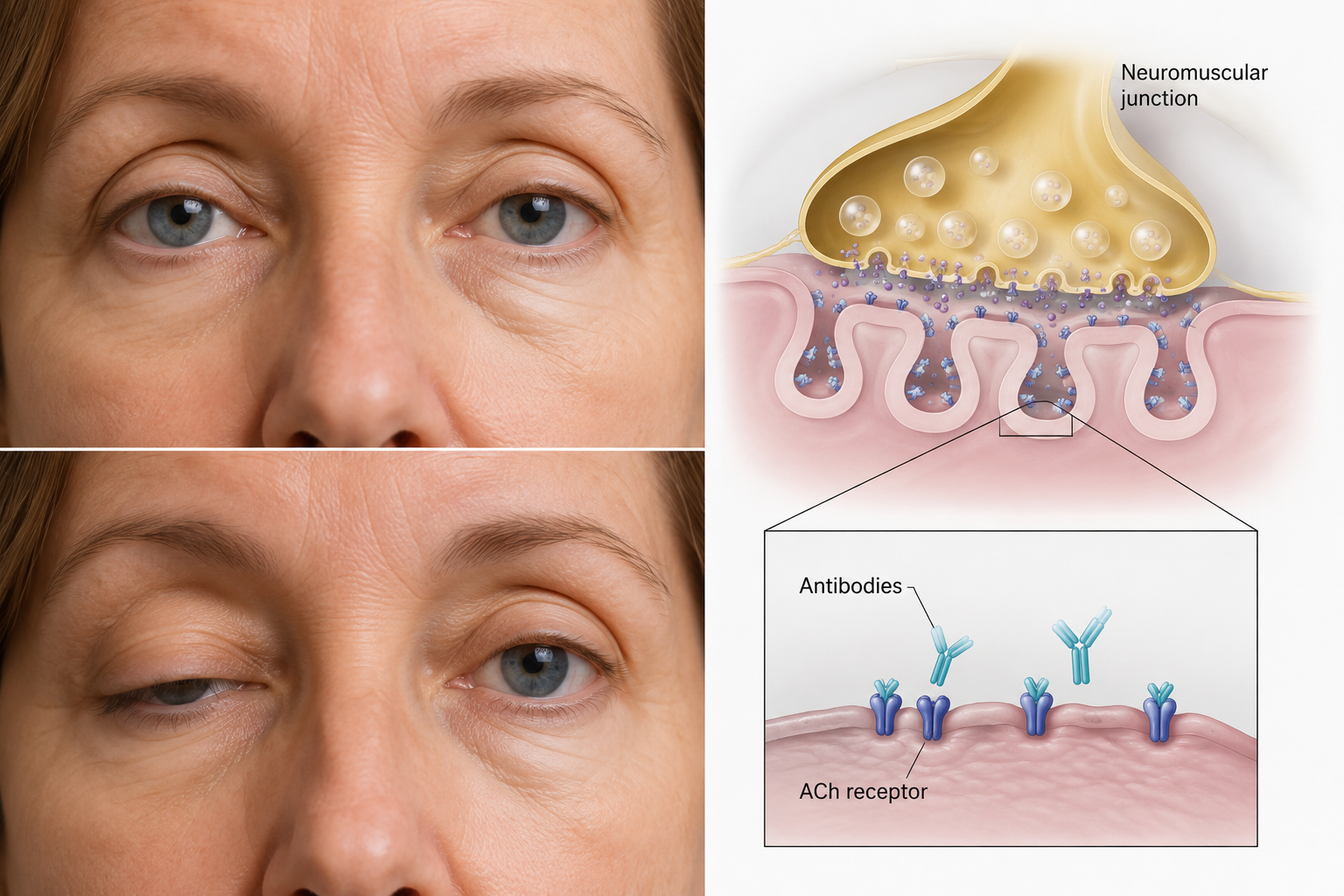
Ayurvedic Care for Myasthenia Gravis and Neuromuscular Strength

Myasthenia Gravis is a chronic autoimmune neuromuscular disorder that weakens communication between nerves and muscles, leading to fatigue, muscle weakness, drooping eyelids, difficulty swallowing, and impaired coordination. In Ayurveda, it is understood as a Vata imbalance affecting Majja Dhatu (nervous tissue) and Mamsa Dhatu (muscle tissue), resulting in weakened nerve impulses and reduced muscular strength. Ayurvedic treatment focuses on balancing Vata, nourishing nerves and muscles, and improving vitality through Panchakarma therapies such as Abhyanga, Swedana, Shirodhara, and Basti. Herbal support, nourishing diets, yoga, breathing exercises, and lifestyle guidance further help improve muscle strength, nerve-muscle coordination, energy levels, and overall quality of life naturally.

Book Consultation
Search
Filter by:   
Sort by:   
Sorry! No packages found in this category.

No more packages to load.

Ayurvedic Rehabilitation Programs for Myasthenia Gravis

Myasthenia Gravis is a chronic autoimmune disorder that affects communication between nerves and muscles, leading to progressive muscle weakness and fatigue. The condition commonly affects muscles responsible for eye movements, facial expressions, chewing, swallowing, speaking, and in some cases movement of the arms and legs.

Symptoms often fluctuate throughout the day and may worsen with physical activity while temporarily improving with rest. The condition can affect daily functioning, energy levels, and overall quality of life.

In Ayurveda, neuromuscular disorders such as Myasthenia Gravis are understood as Vata Vyadhi involving disturbance of Vata dosha affecting Majja Dhatu (nervous tissue) and Mamsa Dhatu (muscle tissue). Aggravated Vata weakens nerve impulses, reduces muscular coordination, and causes fatigue and instability within the neuromuscular system.

Ayurvedic treatment focuses on balancing Vata, nourishing tissues, strengthening nerves and muscles, improving vitality, and supporting long-term neuromuscular stability through a holistic and personalised approach.

Understanding the Root Cause: Vata Imbalance and Neuromuscular Weakness

According to Ayurveda, aggravated Vata disrupts normal nerve conduction and muscular activity. Tissue depletion (Dhatu Kshaya), impaired nourishment, toxin accumulation (Ama), stress, and poor digestion may further weaken muscular strength and nervous system function.

Common symptoms may include:

  • Drooping eyelids
  • Double vision
  • Muscle fatigue and weakness
  • Difficulty chewing or swallowing
  • Slurred speech or weak voice
  • Weakness in the arms and legs
  • Reduced endurance and coordination
  • Symptoms worsening after exertion

Ayurvedic management therefore aims to calm Vata, strengthen tissues, nourish the nervous system, improve circulation, and restore balance naturally.

The Ayurvedic Approach to Myasthenia Gravis

Ayurveda combines Panchakarma therapies, nourishing treatments, herbal medicines, dietary correction, rehabilitation practices, yoga, breathing techniques, and lifestyle management to improve neuromuscular coordination and overall vitality.

Treatment plans are personalised based on symptom severity, muscular weakness, digestion, energy levels, nervous system involvement, and overall health condition.

Key Components of Ayurvedic Treatment for Myasthenia Gravis

Panchakarma Therapies

Panchakarma therapies help balance Vata, nourish tissues, improve circulation, reduce fatigue, and support neuromuscular function.

Recommended therapies may include:

  • Abhyanga
  • Swedana
  • Shirodhara
  • Basti Chikitsa
  • Pizhichil
  • Njavarakizhi

These therapies help improve flexibility, muscular nourishment, circulation, and nervous system balance.

Basti Chikitsa (Medicated Enema Therapy)

Basti is considered one of the most important Ayurvedic therapies for Vata disorders and neurological conditions.

Benefits may include:

  • Better Vata balance
  • Improved nerve nourishment
  • Enhanced muscular coordination
  • Reduced fatigue and weakness
  • Better nervous system support

Abhyanga (Therapeutic Oil Massage)

Warm medicated oil massage helps relax muscles, nourish tissues, and improve circulation.

Benefits may include:

  • Reduced muscular stiffness and fatigue
  • Improved circulation and flexibility
  • Better muscular nourishment
  • Relaxation of the nervous system
  • Improved overall vitality

Swedana (Therapeutic Fomentation)

Herbal steam and fomentation therapies help improve circulation and reduce muscular heaviness and stiffness.

Benefits may include:

  • Better circulation and flexibility
  • Reduced muscle fatigue and stiffness
  • Improved movement and comfort
  • Enhanced relaxation and tissue nourishment

Shirodhara (Medicated Oil Streaming Therapy)

Shirodhara helps calm the nervous system and reduce mental and physical stress associated with chronic neuromuscular disorders.

Benefits may include:

  • Reduced stress and nervous exhaustion
  • Better sleep and mental calmness
  • Improved nervous system relaxation
  • Enhanced emotional wellbeing

Pizhichil & Njavarakizhi

These nourishing therapies provide deep muscular and nervous system support.

Benefits may include:

  • Better muscle strength and flexibility
  • Enhanced circulation and nourishment
  • Reduced fatigue and weakness
  • Improved physical recovery and comfort

Herbal Medicines and Rasayana Therapy

Ayurvedic herbal support focuses on strengthening nerves and muscles, improving energy, and nourishing tissues naturally.

Treatment may focus on:

  • Nervous system nourishment
  • Improved muscular strength and endurance
  • Reduction of fatigue and weakness
  • Better immunity and vitality
  • Long-term tissue rejuvenation

Rasayana therapies may also be recommended to support recovery, strength, and neuromuscular stability.

Diet & Lifestyle Correction

Diet and lifestyle play an important role in maintaining strength and supporting nervous system function.

Recommended measures may include:

  • Warm, nourishing, freshly prepared meals
  • Easy-to-digest strengthening foods
  • Medicated ghee and wholesome nutrition
  • Adequate hydration and digestive support
  • Avoidance of dry, cold, stale, and processed foods
  • Proper rest and stress management
  • Structured daily routines

These measures help improve digestion, energy production, tissue nourishment, and overall vitality.

Yoga, Breathing Practices & Rehabilitation Support

Supportive rehabilitation practices may include:

  • Gentle yoga and stretching exercises
  • Breathing exercises and pranayama
  • Relaxation and meditation techniques
  • Physiotherapy support and gradual strengthening exercises
  • Emotional wellbeing and stress management

These practices help improve flexibility, endurance, muscular control, and mental wellbeing.

Treatment Duration and Program Structure

Neuromuscular strengthening and rehabilitation require gradual and consistent care.

  • 7–14 days → Initial Vata balancing and supportive care
  • 14–21 days → Improved muscular strength and reduced fatigue
  • 21–28 days → Better coordination and nervous system support
  • 28+ days → Long-term strengthening and rehabilitation support

Longer wellness programs may provide deeper rejuvenation and more sustainable benefits.

Benefits of Ayurvedic Treatment for Myasthenia Gravis

Physical Benefits

  • Improved muscle strength and endurance
  • Better nerve-muscle coordination
  • Reduced fatigue and weakness
  • Improved flexibility and mobility
  • Enhanced circulation and nourishment

Mental & Emotional Benefits

  • Reduced stress and nervous exhaustion
  • Better emotional wellbeing
  • Improved sleep and relaxation
  • Enhanced confidence and energy levels

Long-Term Impact

  • Better neuromuscular stability
  • Improved daily functioning and vitality
  • Long-term nervous system support
  • Enhanced quality of life and wellbeing

Neuromuscular Wellness Retreats by Location & Recommended Centres

Discover authentic Ayurvedic neuromuscular wellness retreats across Asia offering specialised therapies focused on nervous system balance, muscle strengthening, rehabilitation support, Panchakarma, and long-term vitality.

Kerala

Known for its clinically structured and authentic Ayurvedic neurological rehabilitation programs, Kerala offers doctor-led therapies focused on Panchakarma, Vata balancing, muscular strengthening, and rejuvenation.

Alleppey • Kovalam • Kumarakom • Wayanad • Thekkady

Sri Lanka

Offers coastal Ayurvedic wellness retreats combining traditional therapies with calming healing environments ideal for stress reduction and long-term rehabilitation support.

Weligama • Bentota • Beruwala • Wadduwa • Sigiriya

Bali

Focuses on holistic wellness programs integrating Ayurveda, yoga, restorative therapies, and lifestyle-based rehabilitation experiences.

Ubud • Nusa Dua • Candidasa • Lovina

Recommended Ayurvedic Centres for Myasthenia Gravis Care

Kerala

  • Amal Tamara
  • Nattika Beach Ayurveda Resort
  • Kairali – The Ayurvedic Healing Village

Sri Lanka

  • Barberyn Reef Ayurveda Resort
  • Ayurvie Weligama
  • Suvarivi Ayurveda Boutique Hotel

Bali

  • Oneworld Ayurveda Ubud
  • Ayurvedagram Bali

Choosing the right wellness retreat is important for safe, structured, and long-term neuromuscular rehabilitation. WellnessLoka connects you with verified Ayurvedic centres across these destinations, ensuring authentic doctor-guided programs tailored to individual recovery and wellness needs.

Who Should Consider This Treatment?

This program may be suitable for individuals experiencing:

  • Muscle weakness and fatigue
  • Neuromuscular coordination difficulties
  • Difficulty swallowing or speaking
  • Reduced stamina and endurance
  • Nervous system imbalance and chronic fatigue

Who Should Avoid Intensive Detox Therapies?

Medical consultation is advised for individuals with:

  • Severe unstable medical conditions
  • Acute infections or respiratory distress
  • Extreme weakness requiring intensive supervision
  • Pregnancy or medical emergencies

Begin Your Healing Journey

Myasthenia Gravis is not simply a muscular disorder—it reflects deeper imbalance involving the nervous system, muscular strength, tissue nourishment, energy levels, and overall vitality.

With the support of Ayurveda and personalised therapies, it is possible to improve strength, support neuromuscular balance, reduce fatigue, and enhance overall wellbeing naturally.

A structured Ayurvedic wellness program helps nourish nerves and muscles, restore balance, improve vitality, and support long-term recovery through authentic holistic care.


Frequently Asked Questions

Myasthenia Gravis is understood as a neuromuscular disorder caused by Vata dosha imbalance affecting Majja Dhatu (nervous tissue) and Mamsa Dhatu (muscle tissue). This disrupts communication between nerves and muscles, leading to weakness, fatigue, and impaired voluntary movements over time.
Symptoms include drooping eyelids, double vision, difficulty speaking or swallowing, muscle weakness in arms and legs, and fatigue that worsens with activity. Muscle strength may temporarily improve with rest but declines again with repeated use, affecting daily functioning and coordination.
Ayurveda attributes it to aggravated Vata disrupting nerve impulses and weakening muscle function. Contributing factors include stress, poor nutrition, weak tissue strength (Dhatu Kshaya), and toxin accumulation (Ama), which impair neuromuscular coordination and energy flow.
Treatment focuses on balancing Vata, nourishing nerves and muscles, and improving strength. It includes Panchakarma therapies, herbal formulations, dietary support, rest, and lifestyle practices to enhance neuromuscular coordination and reduce fatigue.
Abhyanga (oil massage), Swedana (therapeutic sweating), Shirodhara, and Basti (medicated enemas) help improve circulation, reduce stiffness, nourish tissues, and balance Vata, supporting nerve and muscle function effectively.
Ashwagandha, Bala, Shatavari, Guduchi, and Dashamoola are commonly used to strengthen muscles, support nerve regeneration, reduce fatigue, and improve overall vitality in neuromuscular disorders.
A nourishing, warm, and easy-to-digest diet supports muscle strength and nerve health. Foods like ghee, milk, whole grains, and light proteins help rebuild tissues, while avoiding dry, cold, and processed foods prevents Vata aggravation.
Yes. Adequate rest, stress management, gentle yoga, breathing exercises, and maintaining a consistent routine help improve energy levels, reduce fatigue, and support neuromuscular coordination.
Mild cases may improve within a few weeks, while moderate to chronic conditions may require 21–28 days or longer of consistent therapy, dietary support, and lifestyle adjustments for sustained benefits.
Ayurvedic treatment can be safely integrated with conventional care under expert supervision. A qualified Ayurvedic doctor can design a personalized plan that complements existing treatments while supporting nerve and muscle health naturally.
About WellnessLoka

WellnessLoka is established with the aim of making the world a happier and a healthier place. Based in Kerala, Gods' Own Country, WellnessLoka seeks to help wellness enthusiasts find and book different wellness options in a hassle free manner.

Read more >>


Join Our Network

Let us help you to get more guests to experience the unique wellness services provided at your property.

Join Now


Contact

WellnessLoka
Koozhampala Solutions Private Limited
Integrated Startup Complex
Kerala Startup Mission
Kerala Technology Innovation Zone
Kinfra Hi-Tech Park Main Rd
HMT Colony P.O
Kochi, Kerala - 683503
GSTIN: 32AAGCK3772L1ZB
+91 8086 040101
[email protected]

     
© 2016 - 2026 WellnessLoka. All Rights Reserved