

Nattika Beach Ayurveda Resort
India/Kerala/Thrissur
Starting Rate Per Night: ₹ 22,730
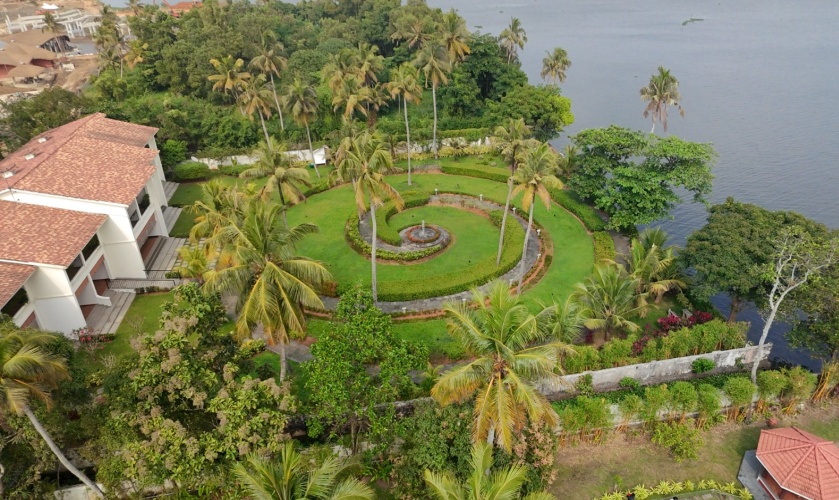
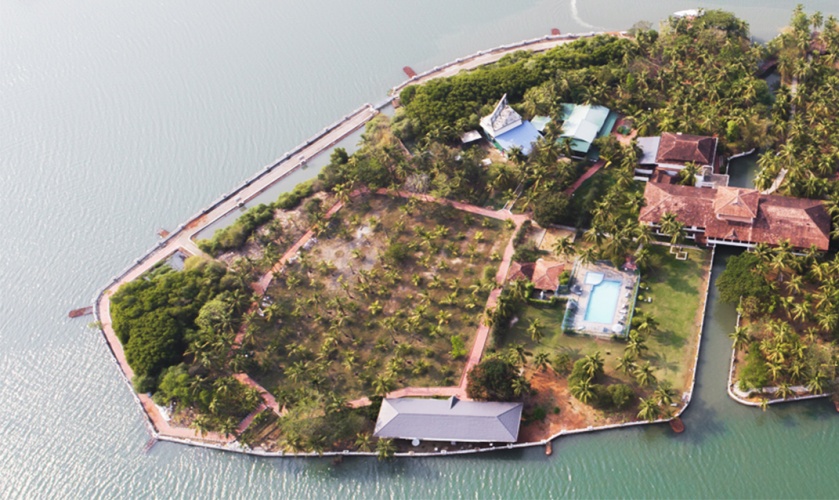
Spread across 16 acres of coconut groves alongside India's Malabar Coast is The Nattika Beach Ayurveda Resort is a physician-led Ayurveda wellness retreat located on the tranquil shores of Nattika Beach in Thrissur,...
Sree Chithra Ayur Yoga Theeram
India/Kerala/Thrissur
Starting Rate Per Night: ₹ 13,295
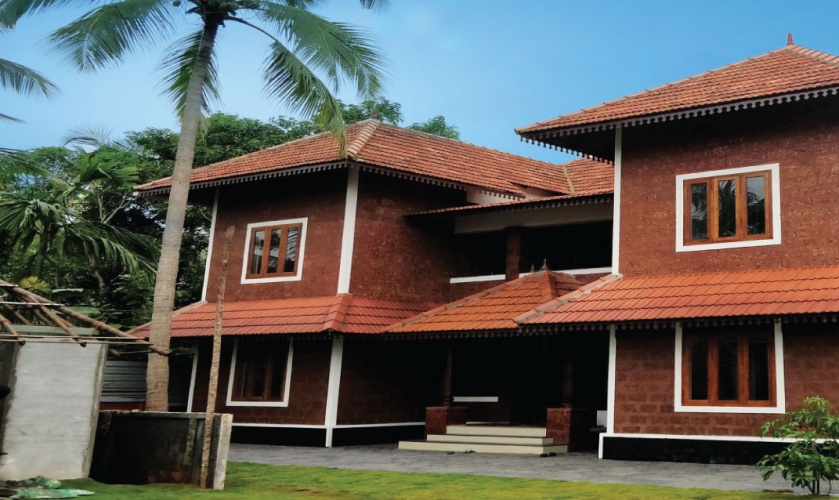
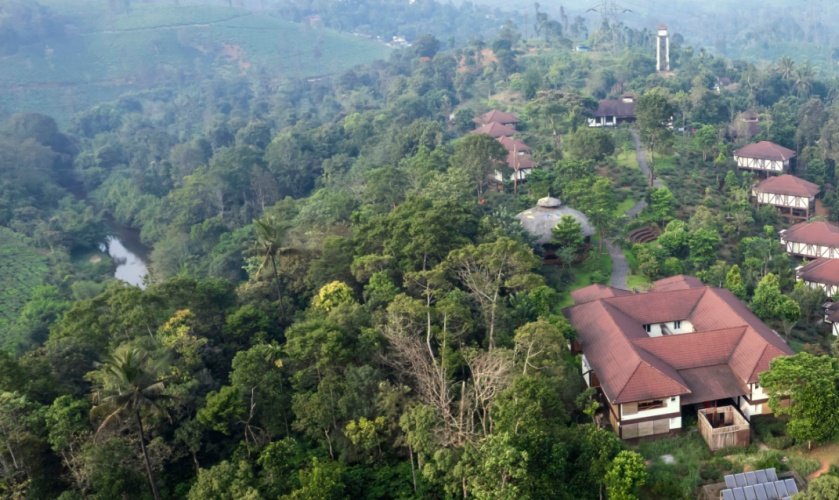
Sree Chithra Ayur Yoga Theeram is a beachside Ayurveda and Yoga retreat at Manathala, Chavakkad, Thrissur, Kerala, near Guruvayur. Set beside the Chavakkad coast, it combines residential Ayurvedic care with Yoga, meditation...
Jeevess Ayurveda Hospital
India/Kerala/Wayanad
Starting Rate Per Night: ₹ 21,173
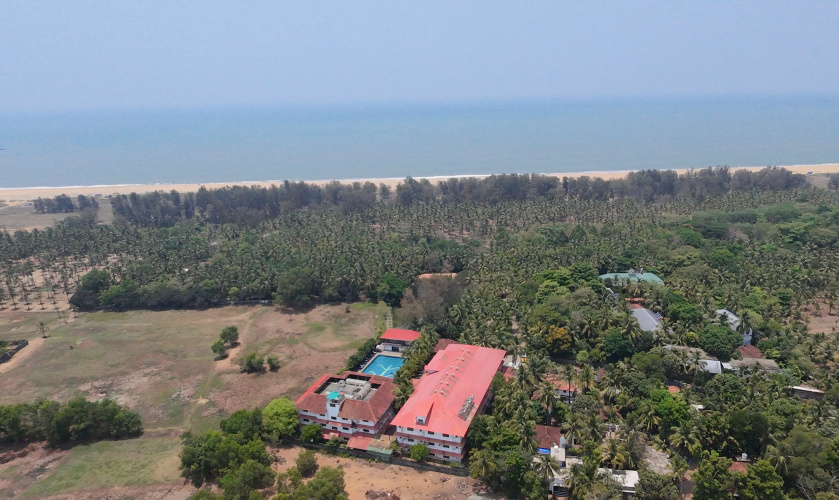
Jeevess Ayurveda Hospital is an integrated Ayurveda hospital, wellness retreat and luxury wellness resort located in Wayanad, Kerala, within approximately 30 acres of tea, coffee and medicinal plantations in the Western Ghats....
Sree Chithra Ayurhome
India/Kerala/Thrissur
Starting Rate Per Night: ₹ 0
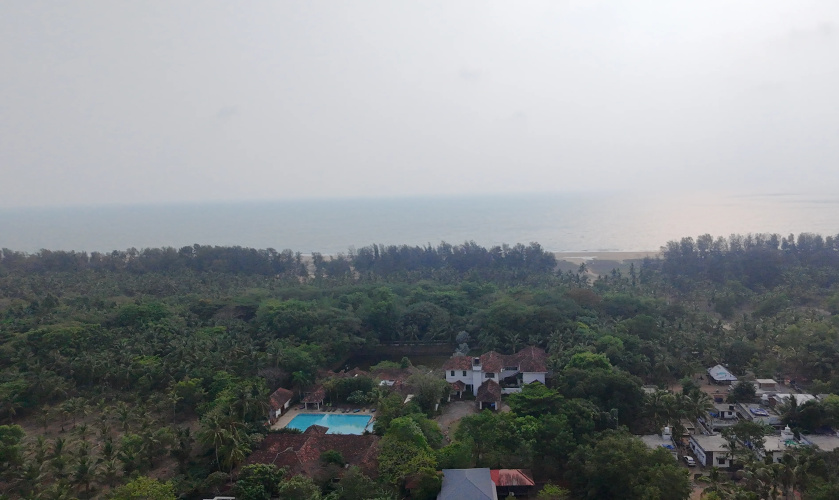
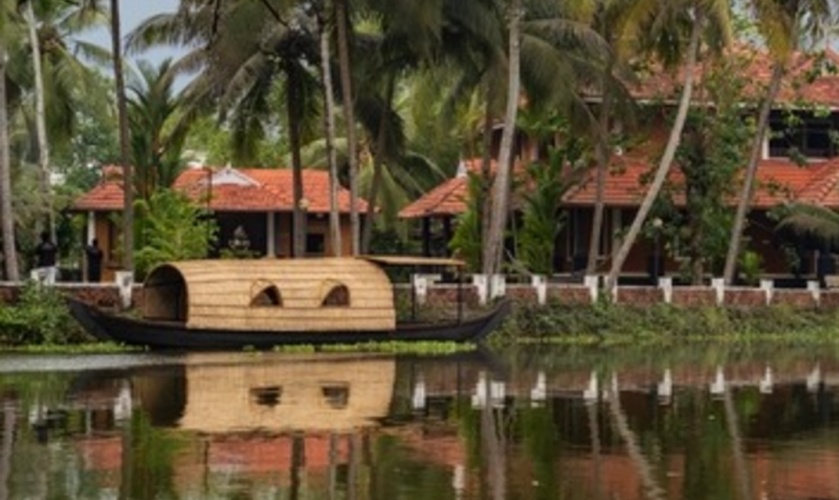
Sree Chithra Ayurhome is an Ayurvedic treatment and wellness centre located at Manathala, Chavakkad, Thrissur, Kerala, near Guruvayoor and beside the Canoli Canal. The centre was established in 1990 by Dr P. V. Madhusudhanan...

When Movement Becomes Its Own Quiet Struggle: A Classical Ayurvedic Path Through Kampavata, Vata Vyadhi Restoration, and Compassionate Daily Support
Parkinson's disease represents one of the most clinically significant chronic progressive neurological conditions globally with substantial documented prevalence affecting an estimated 1% of people over 60 — substantial proportion experiencing progressive impact on every dimension of daily functioning, mobility, mood, sleep, autonomic function, cognitive function, and quality of life over years to decades. Characterised by classic motor features including resting tremor often unilateral at onset, rigidity (muscle stiffness), bradykinesia (slowness of movement and progressive reduction in amplitude), postural instability (typically later feature), and broader motor dysfunction; substantial non-motor features including sleep disturbance, mood changes including substantial depression and anxiety dimensions, cognitive changes, autonomic dysfunction (constipation, orthostatic hypotension, urinary symptoms), substantial pain, fatigue, hyposmia (reduced sense of smell often early), and broader systemic involvement. Critical considerations: continued neurology specialist care including levodopa-based therapy when prescribed is absolutely essential and never to be discontinued; substantial mental health deterioration with suicidal ideation requires urgent care; new neurological deterioration requires urgent evaluation.
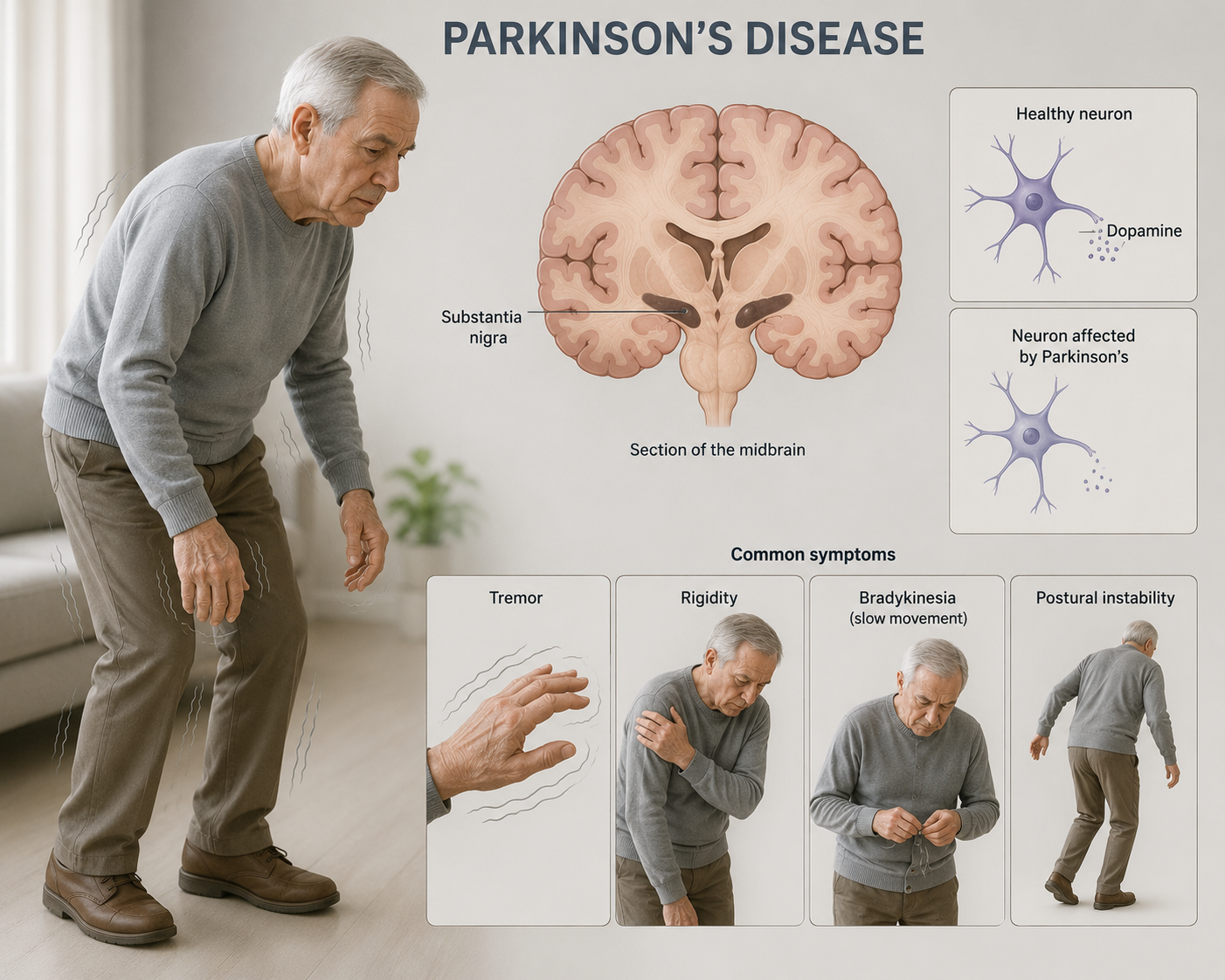
What is Parkinson's Disease Care in Ayurveda?
Parkinson's disease care in Ayurveda represents the comprehensive classical Kampavata, substantial Vata Vyadhi, Majja Dhatu Kshaya, and Manas Vikara dimensions framework — addressing chronic progressive neurological dysfunction through integrated comprehensive Vata-pacifying internal formulations including Kapikacchu as classically recognised dopaminergic source, comprehensive nourishing external therapies, comprehensive Medhya support, and sustained gentle integration strictly as supportive integrative care alongside continued neurology specialist care. Scope encompasses: early to moderate Parkinson's disease on continued neurology specialist care, Parkinson's disease with substantial motor symptoms seeking comprehensive integrative support, Parkinson's disease with substantial non-motor symptoms including sleep disturbance and mood and autonomic dysfunction, Parkinson's disease with substantial cognitive dimensions, advanced Parkinson's disease seeking quality of life support, Parkinson's disease in continued levodopa-based therapy contexts, post-deep brain stimulation contexts with surgical clearance, Critical foundation: never replacement for continued essential neurology care including levodopa-based therapy.
Understanding Kampavata, Vata Vyadhi, and Majja Dhatu Dynamics: The Ayurvedic Framework
The Ayurvedic understanding sits within comprehensive classical framework providing remarkably apt understanding of progressive neurological dysfunction. Kampavata (literally "tremor-Vata") represents dedicated classical framework specifically describing tremor-predominant Vata Vyadhi with substantial classical sophistication remarkably anticipating modern understanding of Parkinson's disease by millennia. Key concepts: substantial Vata aggravation as central with characteristic Vyana Vata dysfunction causing motor symptoms; comprehensive Majja Dhatu Kshaya (nervous tissue depletion) as central with substantial classical sophistication; comprehensive Majjavaha Srotas dushti (nervous channel dysfunction); substantial Ojas Kshaya as condition progresses; comprehensive Manas Vikara dimensions with substantial recognition of substantial cognitive and mood involvement common in Parkinson's; substantial Agni dysfunction common; comprehensive recognition of autonomic dimensions with substantial constipation classically recognised; classical recognition of Kapikacchu (Mucuna pruriens) as natural source of L-DOPA with substantial classical use for Vata Vyadhi remarkably anticipating modern neurology by millennia. Modern validation: substantial recent advances validating classical recognition including documented L-DOPA content in Mucuna pruriens.
The 3 Stages of Ayurvedic Treatment for Parkinson's Disease
Stage 1 — Preparation and Assessment (5-7 days): comprehensive Parkinson's disease history including specific symptom patterns (motor and non-motor) with substantial detail/duration since diagnosis/current Hoehn and Yahr stage when documented/current Unified Parkinson's Disease Rating Scale assessment when applicable/current levodopa-based therapy regimen with substantial detail including dosing schedule and timing of on-off fluctuations/other current Parkinson's medications including dopamine agonists and MAO-B inhibitors and COMT inhibitors and anticholinergics/prior treatments and response/comorbidities including substantial mental health dimensions and cognitive dimensions and autonomic dimensions/lifestyle factors with substantial attention to physical activity patterns and dietary patterns and sleep patterns, comprehensive Prakriti assessment, substantial sensitivity throughout assessment essential, critical screening for warning signs warranting urgent specialist evaluation, realistic expectations setting with absolute commitment to continued specialist coordination essential. Stage 2 — Core Treatment (14-21 days with substantial care): comprehensive Vata-pacifying internal formulations including Kapikacchu as classically valuable with substantial care for L-DOPA interaction considerations, comprehensive Medhya support, comprehensive nourishing external therapies including Pizhichil and Shashtika Shali Pinda Sweda particularly valuable, Shirodhara for substantial Manas Vikara dimensions, substantial gentle integration with absolute respect for individual capacity essential, absolute coordination with continued neurology specialist care including continued levodopa-based therapy which must never be discontinued. Stage 3 — Sustained Constitutional Support (Continued): continued comprehensive Vata-pacifying approach, continued comprehensive lifestyle integration, continued neurology specialist coordination absolutely essential.
The 5 Core Therapies for Parkinson's Disease Explained
1. Comprehensive Vata-Pacifying Internal Formulations Including Kapikacchu as Classically Valuable: Kapikacchu (Mucuna pruriens) as classically valuable Vata Vyadhi herb with substantial classical use specifically for tremor and motor dysfunction — classically recognised natural source of L-DOPA remarkably anticipating modern Parkinson's neurology, requires substantial care for L-DOPA interaction with prescribed levodopa-based therapy with absolute neurology coordination essential for any introduction; Dashamoolarishtam for comprehensive Vata-pacifying support; Mahamasha Taila internal formulations when applicable for substantial Vata Vyadhi with neurological dimensions; Saraswatarishtam for substantial Medhya and nervous system support; Aswagandharishtam for sustained adaptogenic support; Bala (Sida cordifolia) for substantial constitutional support; specific Vata-pacifying formulations matched to individual presentation; comprehensive medication interaction awareness absolutely essential.
2. Comprehensive Medhya Support for Cognitive and Mental Dimensions: comprehensive Brahmi-led Medhya approach for cognitive support including Brahmi (Bacopa monnieri) as cornerstone classical Medhya Rasayana with substantial documented cognitive benefits; Shankhapushpi (Convolvulus pluricaulis) for substantial Medhya support; Mandukaparni (Centella asiatica) for substantial Medhya support; Saraswatarishtam for comprehensive Medhya and nervous system benefits; Manasamitra Vatakam for substantial mental dimensions; comprehensive Medhya approach essential given substantial cognitive and mental health comorbidity common in Parkinson's.
3. Comprehensive Nourishing External Therapies — Pizhichil, Shashtika Shali Pinda Sweda, Abhyanga: Pizhichil with substantial classical use particularly valuable for chronic Vata depletion and Dhatu Kshaya in Vata Vyadhi providing continuous warm medicated oil bathing with comprehensive Vata pacification and substantial Dhatu nourishment — one of most clinically valuable specialised therapies for Vata Vyadhi contexts; Shashtika Shali Pinda Sweda particularly valuable for comprehensive Mamsa-Asthi-Majja Dhatu support given substantial Majja Dhatu Kshaya characteristic of Parkinson's; comprehensive Abhyanga with substantial Vata-pacifying use using Mahamasha Taila and Mahanarayana Taila particularly valuable for Vata Vyadhi; substantial care with intensity matched to individual capacity essential.
4. Shirodhara, Comprehensive Stress Management, and Sleep Optimization: Shirodhara with substantial classical use particularly valuable for substantial Manas Vikara dimensions and sleep disturbance common in Parkinson's using Ksheerabala Taila as foundational and Brahmi Taila for Medhya benefits; comprehensive stress management essential including comprehensive meditation, specific gentle Pranayamas matched to capacity, Yoga Nidra particularly valuable; comprehensive sleep optimization absolutely essential given substantial sleep disturbance characteristic of Parkinson's.
5. Comprehensive Gentle Integration with Yoga and Lifestyle — Absolutely Essential: comprehensive gentle therapeutic Yoga matched to individual capacity with substantial documented benefits for Parkinson's including balance and flexibility and quality of life improvements; comprehensive constitutional dietary integration with substantial nourishing focus, substantial protein timing awareness essential given documented levodopa-protein interaction (protein particularly relevant at evening rather than around levodopa doses), adequate fiber for constipation management (universally significant in Parkinson's); comprehensive sleep optimization; absolute coordination with continued neurology specialist care including continued physical therapy and occupational therapy when prescribed as foundational evidence-based interventions for Parkinson's.
How Long Should an Ayurvedic Parkinson's Disease Program Last?
| Duration | Therapeutic Benefit |
| 7–14 days | Initial protocols, established Vata-pacifying foundation |
| 14–21 days | Comprehensive constitutional support with full integration |
| 21–28 days | Extended comprehensive program with substantial constitutional foundation |
| Continued home regimen | Sustained comprehensive Vata-pacifying approach and gentle integration absolutely essential |
The exact duration is decided after consultation with the Ayurvedic doctor based on specific Parkinson's disease context, current stage, current medication regimen, predominant symptom patterns, individual capacity, comorbidities, and individual factors with substantial care principles essential throughout. Substantial benefits typically develop very gradually over 3-6 months of sustained integrated approach with realistic expectations regarding gradual sustained improvement in quality of life and symptom management rather than reversal of disease progression. Critical recognition that Parkinson's disease is chronic progressive condition fundamentally requiring continued neurology specialist coordination including continued levodopa-based therapy which must never be discontinued — Ayurvedic care provides supportive integrative value alongside continued specialist care, never replacement. New neurological deterioration, substantial fall, substantial mental health deterioration require urgent specialist care. Centres claiming Ayurvedic cure of Parkinson's disease should be absolutely avoided.
Book Consultation
Benefits of an Ayurvedic Treatment Retreat for Parkinson's Disease
| Physical Benefits | Functional Benefits | Long-Term Impact |
| Comprehensive Vata-pacifying support | Better daily functional capacity within capacity | Sustained constitutional wellness foundation |
| Comprehensive Majja Dhatu nourishment | Better mood and emotional balance | Foundation for sustained management |
| Sleep quality support | Better cognitive function support | Better long-term quality of life |
| Constipation management support | Better stress resilience | Comprehensive integrative lifestyle framework |
Why Kerala is the Best Place for Parkinson's Disease Treatment
An Ayurvedic Parkinson's disease retreat in Kerala, India offers the most clinically authentic environment for comprehensive classical Kampavata and Vata Vyadhi Ayurveda alongside continued neurology specialist care.
- Experienced physicians with specific expertise in classical Kampavata and Vata Vyadhi Ayurveda
- BAMS and MD Ayurveda-certified doctors with specialised training in classical neurological condition management with substantial care principles
- Specialised practitioner training in comprehensive Vata-pacifying internal formulations including Kapikacchu with substantial L-DOPA interaction awareness
- Specialised practitioner training in comprehensive Medhya support for cognitive dimensions
- Specialised practitioner training in comprehensive nourishing external therapies including Pizhichil and Shashtika Shali Pinda Sweda
- Specialised practitioner training in Shirodhara for substantial Manas Vikara dimensions and sleep
- Specialised practitioner training in comprehensive Abhyanga with appropriate Vata-pacifying oils
- Specialised practitioner training in comprehensive gentle Yoga integration with substantial Parkinson's-specific expertise
- Specialised practitioner training in comprehensive stress management integration
- Specialised practitioner training in comprehensive constitutional dietary integration with substantial Parkinson's-specific sophistication including protein timing
- Specialised practitioner training in comprehensive lifestyle integration
- Substantial care principles throughout with absolute respect for individual capacity and comprehensive medication interaction awareness
- Absolute commitment to continued neurology specialist coordination essential
- Authentic in-house preparation of cornerstone Vata-pacifying internal formulations — Kapikacchu (Mucuna pruriens) preparations as classically valuable Vata Vyadhi herb with substantial care for L-DOPA interaction considerations, Dashamoolarishtam for comprehensive Vata-pacifying support, Mahamasha Taila internal formulations for substantial Vata Vyadhi with neurological dimensions, Saraswatarishtam for substantial Medhya and nervous system support, Aswagandharishtam for sustained adaptogenic support, Bala (Sida cordifolia) preparations for substantial constitutional support, specific Vata-pacifying formulations matched to individual presentation
- Authentic in-house preparation of cornerstone Medhya formulations — Brahmi (Bacopa monnieri) as cornerstone classical Medhya Rasayana, Shankhapushpi (Convolvulus pluricaulis) for substantial Medhya support, Mandukaparni (Centella asiatica) for substantial Medhya support, Saraswatarishtam for comprehensive Medhya benefits, Manasamitra Vatakam for substantial mental dimensions
- Authentic in-house preparation of cornerstone Shirodhara preparations — Ksheerabala Taila as foundational, Brahmi Taila for Medhya benefits, specific Dhara preparations
- Authentic in-house preparation of cornerstone Vata-pacifying medicated oils — Mahamasha Taila particularly valuable for Vata Vyadhi, Mahanarayana Taila for substantial Vata-pacifying use, Ksheerabala Taila, specific constitutional oils
- Authentic preparation of Shashtika Shali Pinda Sweda materials particularly valuable for comprehensive Majja Dhatu nourishing
- Authentic preparation of comprehensive supportive herbs matched to individual presentation
- Capacity for comprehensive constitutional dietary preparation matched to individual Prakriti with substantial Parkinson's-specific sophistication including protein timing awareness for levodopa interaction
- Capacity for qualified specialist Yoga instruction with experienced teachers specifically trained in Parkinson's applications including gentle therapeutic Yoga with substantial Parkinson's evidence base
- Capacity for comprehensive gentle Pranayama instruction matched to current capacity
- Capacity for comprehensive meditation and mindfulness instruction
- Capacity for Yoga Nidra instruction particularly valuable
- Capacity for comprehensive physical therapy coordination essential
- Capacity for occupational therapy coordination when applicable
- Capacity for speech therapy coordination when applicable for substantial speech and swallowing dimensions
- Capacity for comprehensive neurology specialist coordination essential
- Capacity for mental health coordination when applicable for substantial mental health comorbidity
- Proper specialised Shirodhara facilities essential
- Proper specialised external therapy facilities for Pizhichil and Shashtika Shali Pinda Sweda
- Calm Sattvic environment absolutely essential
- Substantial natural environment with comprehensive nature exposure benefits
- Comprehensive accessibility considerations absolutely essential given motor symptoms
- Capacity for emergency medical escalation when relevant for falls, neurological deterioration, mental health deterioration
- Absolute commitment to continued neurology specialist coordination essential including continued levodopa-based therapy which must never be discontinued
- Capacity for sustained long-term care relationships through chronic Parkinson's management
- Long-established Kerala tradition representing the deepest preservation of authentic classical Kampavata Ayurveda
Sri Lanka offers complementary tropical healing environment particularly valuable for sustained constitutional programs, while Bali provides wellness-oriented treatment retreats integrating Ayurvedic care with holistic wellness particularly valuable for sustainable lifestyle integration. For specialised classical Kampavata and Vata Vyadhi Ayurveda with comprehensive Vata-pacifying capability, authentic Kapikacchu preparation with substantial L-DOPA interaction awareness, comprehensive nourishing external therapy capability including Pizhichil and Shashtika Shali Pinda Sweda, substantial gentle integration capability, and absolute commitment to continued neurology specialist coordination, Kerala offers the deepest tradition globally.
Parkinson's Disease Treatment Retreats by Location and Recommended Centres
Kerala, India — The most clinically authentic destination globally for classical Kampavata, Vata Vyadhi, and Majja Dhatu Kshaya Ayurveda with the deepest preservation of authentic classical Vata Vyadhi tradition including specialised comprehensive Vata-pacifying internal formulations capability with substantial classical sophistication including cornerstone formulations — Kapikacchu (Mucuna pruriens) as classically valuable Vata Vyadhi herb with substantial classical use specifically for tremor and motor dysfunction as classically recognised natural source of L-DOPA remarkably anticipating modern Parkinson's neurology by millennia with substantial documented evidence base specifically on Parkinson's disease parameters including substantial clinical research on Mucuna pruriens for Parkinson's, requires substantial care for L-DOPA interaction with prescribed levodopa-based therapy with absolute neurology coordination essential for any introduction — comprehensive medication interaction awareness absolutely essential, Dashamoolarishtam for comprehensive Vata-pacifying support providing fermented formulation valuable for sustained Vata pacification with substantial classical use for Vata Vyadhi, Mahamasha Taila internal formulations when applicable for substantial Vata Vyadhi with neurological dimensions with substantial classical sophistication, Saraswatarishtam for substantial Medhya and nervous system support particularly valuable given substantial cognitive comorbidity common in Parkinson's, Aswagandharishtam for sustained adaptogenic support providing fermented formulation valuable for sustained constitutional support, Bala (Sida cordifolia) for substantial constitutional support with substantial classical Mamsa Dhatu-supportive use, specific Vata-pacifying formulations matched to individual presentation, specialised comprehensive Medhya support capability for cognitive and mental dimensions including cornerstone formulations (Brahmi (Bacopa monnieri) as cornerstone classical Medhya Rasayana with substantial documented cognitive benefits particularly valuable for cognitive dimensions in Parkinson's, Shankhapushpi (Convolvulus pluricaulis) for substantial Medhya support, Mandukaparni (Centella asiatica) for substantial Medhya support, Saraswatarishtam for comprehensive Medhya and nervous system benefits, Manasamitra Vatakam for substantial mental dimensions), comprehensive Medhya approach essential given substantial cognitive and mental health comorbidity common in Parkinson's, specialised comprehensive nourishing external therapies capability including Pizhichil with substantial classical use particularly valuable for chronic Vata depletion and Majja Dhatu Kshaya in Vata Vyadhi providing continuous warm medicated oil bathing with comprehensive Vata pacification and substantial Dhatu nourishment as one of most clinically valuable specialised therapies for Vata Vyadhi contexts, Shashtika Shali Pinda Sweda particularly valuable for comprehensive Mamsa-Asthi-Majja Dhatu support given substantial Majja Dhatu Kshaya characteristic of Parkinson's providing comprehensive Dhatu-supportive bolus fomentation using sixty-day rice with specific medicinal preparations as one of most clinically valuable specialised therapies for Majja Dhatu support, comprehensive Abhyanga with substantial Vata-pacifying use using Mahamasha Taila particularly valuable for Vata Vyadhi and Mahanarayana Taila for substantial Vata-pacifying use as cornerstone Vata-pacifying oils with substantial classical use for Vata Vyadhi, substantial care with intensity matched to individual capacity essential given Parkinson's-related considerations, specialised Shirodhara capability particularly valuable for substantial Manas Vikara dimensions and sleep disturbance common in Parkinson's using Ksheerabala Taila as foundational and Brahmi Taila for Medhya benefits, specific Dhara preparations matched to needs, specialised comprehensive stress management and sleep optimization capability including comprehensive meditation, specific gentle Pranayamas matched to capacity (Anulom Vilom particularly valuable), Yoga Nidra particularly valuable for substantial stress and sleep dimensions, comprehensive sleep optimization absolutely essential given substantial sleep disturbance characteristic of Parkinson's including REM sleep behavior disorder common, specialised comprehensive gentle Yoga capability with substantial Parkinson's-specific expertise providing gentle therapeutic Yoga matched to individual capacity with substantial documented benefits for Parkinson's including balance and flexibility and quality of life improvements with substantial recent evidence base, specific gentle poses valuable for Parkinson's, comprehensive integration with continued physical therapy as foundational evidence-based intervention for Parkinson's, specialised comprehensive constitutional dietary integration capability with substantial Parkinson's-specific sophistication including comprehensive nourishing focus with warm cooked foods essential matched to constitution, adequate quality protein with substantial protein timing awareness essential given documented levodopa-protein interaction (protein particularly relevant at evening rather than around levodopa doses to avoid amino acid competition with levodopa absorption — this is critical for medication efficacy), adequate healthy fats including ghee, adequate fiber for constipation management universally significant in Parkinson's including specific high-fiber foods (whole grains, legumes, fruits, vegetables, prunes particularly valuable for constipation), specific anti-inflammatory spices including turmeric, comprehensive whole-food emphasis essential, avoiding processed foods, comprehensive easy-to-digest foods given Agni dysfunction common, eating with attention without distraction essential, adequate hydration essential for constipation management, adequate meal timing, comprehensive Dinacharya integration essential including consistent sleep schedule with substantial recognition of sleep-Parkinson's connection, comprehensive sleep hygiene given substantial sleep disturbance, appropriate gentle morning practices matched to capacity, comprehensive lifestyle integration, authentic in-house preparation of cornerstone Vata-pacifying internal formulations essential using authentic methods and sourcing standards including Kapikacchu with substantial care, authentic in-house preparation of cornerstone Medhya formulations essential particularly Brahmi and Saraswatarishtam, authentic in-house preparation of cornerstone Shirodhara preparations including Ksheerabala Taila and Brahmi Taila, authentic in-house preparation of cornerstone Vata-pacifying medicated oils including Mahamasha Taila and Mahanarayana Taila particularly valuable for Vata Vyadhi, authentic preparation of Shashtika Shali Pinda Sweda materials particularly valuable for comprehensive Majja Dhatu nourishing, authentic preparation of comprehensive supportive herbs matched to individual presentation, capacity for comprehensive constitutional dietary preparation matched to individual Prakriti with substantial Parkinson's-specific sophistication essential including protein timing awareness for levodopa interaction, capacity for qualified specialist Yoga instruction essential with experienced teachers specifically trained in Parkinson's applications including gentle therapeutic Yoga with substantial Parkinson's evidence base, capacity for comprehensive gentle Pranayama instruction matched to current capacity, capacity for comprehensive meditation and mindfulness instruction, capacity for Yoga Nidra instruction particularly valuable, capacity for comprehensive physical therapy coordination essential as physical therapy represents foundational evidence-based intervention for Parkinson's with substantial documented benefits, capacity for occupational therapy coordination when applicable for activities of daily living support, capacity for speech therapy coordination when applicable for substantial speech and swallowing dimensions common in Parkinson's including specific LSVT LOUD program with substantial evidence base, capacity for comprehensive neurology specialist coordination absolutely essential as Ayurvedic care complements rather than replaces continued neurology care which is foundational for Parkinson's management, capacity for mental health coordination when applicable for substantial mental health comorbidity including substantial depression and anxiety common in Parkinson's, proper specialised Shirodhara facilities with appropriate clinical infrastructure essential, proper specialised external therapy facilities for Pizhichil and Shashtika Shali Pinda Sweda, calm Sattvic environment absolutely essential for sustained constitutional support, substantial natural environment with comprehensive nature exposure benefits, comprehensive accessibility considerations absolutely essential given motor symptoms in Parkinson's including accessible accommodations, accessible therapy facilities, fall prevention environment, capacity for emergency medical escalation when relevant absolutely essential for warning signs including substantial fall with injury, new neurological deterioration including substantial worsening of motor symptoms or cognitive symptoms, substantial mental health deterioration with suicidal ideation requiring urgent mental health evaluation (substantial mental health comorbidity common in Parkinson's), substantial autonomic crisis, suspected serotonin syndrome with selegiline contexts — never delayed for retreat-based intervention, absolute commitment to coordination with continued neurology specialist care including continued levodopa-based therapy which must never be discontinued — Ayurvedic care never replaces essential dopaminergic therapy, integration with continued evidence-based interventions including continued levodopa-carbidopa therapy when prescribed which represents foundational treatment for Parkinson's and must continue throughout retreat with appropriate timing maintenance, continued dopamine agonists when prescribed, continued MAO-B inhibitors when prescribed with substantial interaction awareness, continued COMT inhibitors when prescribed, continued amantadine when prescribed, continued anticholinergics when prescribed with substantial care given cognitive impact, continued physical therapy when prescribed as foundational evidence-based intervention, continued mental health care when applicable given substantial mental health comorbidity, comprehensive medication interaction awareness absolutely essential for any herbal additions particularly given Kapikacchu L-DOPA content requiring neurology coordination and substantial interaction considerations across multiple Parkinson's medications, continued specialist coordination essential for any treatment adjustments, capacity for sustained long-term care relationships through chronic progressive Parkinson's management, substantial care principles throughout, and the deepest preservation of authentic classical Kampavata and Vata Vyadhi Ayurveda globally. Alleppey • Kovalam • Kumarakom • Wayanad • Palakkad
Sri Lanka — Coastal Ayurveda treatment retreats with comprehensive classical Vata Vyadhi Ayurveda in serene tropical environment particularly valuable for sustained immersive constitutional programs and comprehensive constitutional rebuilding. Wadduwa • Weligama • Sigiriya • Kosgoda • Bentota
Bali, Indonesia — Wellness treatment retreats integrating Ayurvedic care with holistic wellness, particularly valuable for sustainable lifestyle integration for chronic Parkinson's management. Ubud • Nusa Dua • Candidasa • Lovina
WellnessLoka connects you with verified centres offering genuine classical Kampavata and Vata Vyadhi Ayurvedic expertise, comprehensive Vata-pacifying capability essential, authentic Kapikacchu preparation with substantial L-DOPA interaction awareness, comprehensive Medhya capability for cognitive dimensions, comprehensive nourishing external therapy capability including Pizhichil and Shashtika Shali Pinda Sweda particularly valuable, Shirodhara capability for substantial Manas Vikara dimensions and sleep, comprehensive gentle Yoga capability with substantial Parkinson's-specific expertise essential, comprehensive physical therapy coordination capability essential, comprehensive accessibility considerations essential, capacity for mental health coordination when applicable, capacity for emergency medical escalation absolutely essential, absolute commitment to coordination with continued neurology specialist care including continued levodopa-based therapy which must never be discontinued, and clear understanding of integrative supportive role.
Who Should Consider an Ayurvedic Parkinson's Disease Treatment Retreat
Critical foundation: Ayurvedic care is strictly supportive integrative role alongside continued essential neurology specialist care — never replacement for continued levodopa-based therapy or other prescribed Parkinson's medications which must continue throughout. Patients with early to moderate Parkinson's disease on continued neurology specialist care seeking comprehensive integrative supportive approach (most common context — comprehensive Vata-pacifying approach with substantial care). Patients with Parkinson's disease with substantial motor symptoms seeking comprehensive integrative motor support with substantial care. Patients with Parkinson's disease with substantial non-motor symptoms including sleep disturbance and mood and autonomic dysfunction — comprehensive integrative approach. Patients with Parkinson's disease with substantial cognitive dimensions — comprehensive Medhya integration. Patients with advanced Parkinson's disease seeking quality of life support with substantial care. Patients with Parkinson's disease on continued levodopa-based therapy with absolute neurology coordination for any Kapikacchu introduction given L-DOPA interaction. Patients with post-deep brain stimulation contexts with surgical clearance seeking comprehensive constitutional support. Patients seeking comprehensive lifestyle transformation for sustained quality of life with realistic expectations.
Who Should Approach Treatment with Caution
Ayurvedic care for Parkinson's disease requires substantial care given chronic progressive neurological condition and substantial medication interaction considerations. Retreat-based care should be deferred or replaced by urgent specialist care for: substantial new neurological deterioration including substantial worsening of motor or cognitive symptoms — requires urgent neurology evaluation; substantial fall with injury — requires urgent medical evaluation; substantial mental health deterioration with suicidal ideation — requires urgent mental health evaluation; suspected serotonin syndrome with selegiline contexts — medical emergency; substantial autonomic crisis — requires urgent evaluation; substantial pneumonia risk with severe dysphagia — requires urgent evaluation; patients planning to discontinue prescribed levodopa-based therapy or other Parkinson's medications without specialist guidance — absolutely contraindicated and potentially life-threatening; patients with unrealistic expectations including expectations of Ayurvedic cure of Parkinson's disease — honest framing essential about supportive integrative role with continued specialist care as foundational; patients in advanced disease require continued specialist coordination with substantial care for any retreat-based intervention; centres claiming Ayurvedic cure of Parkinson's disease or recommending discontinuation of essential neurology care should be absolutely avoided.
Choosing the Right Treatment Retreat for Parkinson's Disease
Qualified physicians with Kampavata and Vata Vyadhi Ayurveda expertise — BAMS or MD Ayurveda-credentialed doctors with specialised training. Specialised practitioner training in comprehensive Vata-pacifying internal formulations including Kapikacchu with substantial L-DOPA interaction awareness, comprehensive Medhya support including Brahmi and Saraswatarishtam, comprehensive nourishing external therapies including Pizhichil and Shashtika Shali Pinda Sweda particularly valuable for Majja Dhatu Kshaya, Shirodhara for substantial Manas Vikara dimensions and sleep, comprehensive Abhyanga with appropriate Vata-pacifying oils including Mahamasha Taila and Mahanarayana Taila, comprehensive gentle Yoga integration with substantial Parkinson's-specific expertise essential, comprehensive constitutional dietary integration with substantial Parkinson's-specific sophistication including protein timing for levodopa interaction. Authentic in-house preparation of cornerstone Vata-pacifying internal formulations including Kapikacchu and Dashamoolarishtam and Mahamasha Taila and Saraswatarishtam, Medhya formulations including Brahmi and Shankhapushpi, Shirodhara preparations, Vata-pacifying oils including Mahamasha Taila and Mahanarayana Taila. Capacity for qualified specialist Yoga instruction with Parkinson's-specific expertise essential. Capacity for comprehensive physical therapy coordination essential. Capacity for comprehensive neurology specialist coordination absolutely essential. Capacity for mental health coordination when applicable. Comprehensive accessibility considerations essential. Proper specialised Shirodhara and external therapy facilities essential. Calm Sattvic environment essential. Absolute commitment to coordination with continued neurology specialist care including continued levodopa-based therapy which must never be discontinued.
How WellnessLoka Helps You Choose the Right Ayurveda Treatment Retreat for Parkinson's Disease
Choosing the right treatment retreat for Parkinson's disease benefits enormously from genuine guidance with substantial sensitivity given chronic progressive neurological condition and absolute commitment to continued neurology specialist coordination essential with absolute respect for the foundational role of levodopa-based therapy and other prescribed Parkinson's medications which must never be discontinued. Parkinson's disease spans broad spectrum with substantial individual variation in stage (early to advanced), dominant symptom patterns (motor vs non-motor predominance), current medication regimen, prior treatments including any deep brain stimulation, comorbidities including substantial mental health and cognitive comorbidity common, individual capacity, and constitutional context — and given fundamental requirement for continued neurology specialist coordination essential with absolute coordination with continued levodopa-based therapy and substantial medication interaction awareness for any herbal additions particularly Kapikacchu given L-DOPA content, comprehensive integrative framework with substantial care principles is paramount. Critical importance of authentic classical Kampavata and Vata Vyadhi care with absolute neurology coordination and never replacement of essential medication: substantial variation in centre quality requires careful selection; recognition that authentic Parkinson's disease Ayurveda requires substantial classical expertise across comprehensive Vata-pacifying internal formulations including Kapikacchu as classically recognised natural source of L-DOPA with substantial care for L-DOPA interaction with prescribed levodopa-based therapy with absolute neurology coordination essential, comprehensive Medhya support including Brahmi-led approach for cognitive dimensions, comprehensive nourishing external therapies including Pizhichil and Shashtika Shali Pinda Sweda particularly valuable for Majja Dhatu Kshaya, Shirodhara for substantial Manas Vikara dimensions and sleep, comprehensive Abhyanga with Mahamasha Taila and Mahanarayana Taila particularly valuable for Vata Vyadhi, comprehensive gentle Yoga integration with substantial Parkinson's evidence base, comprehensive constitutional dietary integration with substantial Parkinson's-specific sophistication including protein timing awareness essential for levodopa interaction, comprehensive lifestyle integration, substantial care principles throughout, absolute commitment to coordination with continued neurology specialist care including continued levodopa-based therapy which must never be discontinued. The right program depends on accurate assessment, appropriate intervention selection matched to individual stage and dominant symptoms with substantial care, comprehensive Vata-pacifying internal formulations matched to constitution with substantial medication interaction awareness, comprehensive Medhya support for cognitive dimensions, comprehensive nourishing external therapies, Shirodhara for substantial Manas Vikara dimensions, comprehensive gentle Yoga integration matched to capacity, comprehensive constitutional dietary integration with substantial Parkinson's-specific sophistication including protein timing absolutely essential, comprehensive physical therapy coordination essential, absolute coordination with continued neurology specialist care including continued levodopa-based therapy which must never be discontinued, comprehensive mental health coordination when applicable, and sustained integration commitment which is fundamental for sustainable quality of life support in this chronic progressive condition. WellnessLoka exists to ensure that Parkinson's disease patients can make this decision with full information, genuine guidance, realistic expectations, complete clinical safety awareness, and substantial care principles throughout including absolute commitment to continued specialist coordination.
Access to Verified Retreat Centres Every centre listed on WellnessLoka for Parkinson's disease has been independently assessed for physician credentials, specific expertise in classical Kampavata, Vata Vyadhi, and Majja Dhatu Kshaya Ayurveda with substantial care principles with substantial classical literature providing remarkably apt framework for progressive neurological dysfunction including substantial classical recognition of Kampavata (literally "tremor-Vata") as dedicated classical framework specifically describing tremor-predominant Vata Vyadhi with substantial classical sophistication remarkably anticipating modern understanding of Parkinson's disease by millennia, substantial Vata aggravation as central with characteristic Vyana Vata dysfunction causing motor symptoms, comprehensive Majja Dhatu Kshaya (nervous tissue depletion) as central with substantial classical sophistication, comprehensive Majjavaha Srotas dushti (nervous channel dysfunction), substantial Ojas Kshaya as condition progresses, comprehensive Manas Vikara dimensions with substantial recognition of substantial cognitive and mood involvement common in Parkinson's, substantial Agni dysfunction common, comprehensive recognition of autonomic dimensions with substantial constipation classically recognised, classical recognition of Kapikacchu (Mucuna pruriens) as natural source of L-DOPA with substantial classical use for Vata Vyadhi remarkably anticipating modern neurology by millennia, depth of expertise in comprehensive Vata-pacifying internal formulations capability with substantial classical sophistication including cornerstone formulations (Kapikacchu (Mucuna pruriens) as classically valuable Vata Vyadhi herb with substantial classical use specifically for tremor and motor dysfunction as classically recognised natural source of L-DOPA with substantial documented evidence base specifically on Parkinson's disease parameters — requires substantial care for L-DOPA interaction with prescribed levodopa-based therapy with absolute neurology coordination essential for any introduction, Dashamoolarishtam for comprehensive Vata-pacifying support with substantial classical use for Vata Vyadhi, Mahamasha Taila internal formulations when applicable for substantial Vata Vyadhi with neurological dimensions, Saraswatarishtam for substantial Medhya and nervous system support particularly valuable given substantial cognitive comorbidity common in Parkinson's, Aswagandharishtam for sustained adaptogenic support, Bala (Sida cordifolia) for substantial constitutional support with substantial classical Mamsa Dhatu-supportive use, specific Vata-pacifying formulations matched to individual presentation), specialised comprehensive Medhya support capability for cognitive and mental dimensions including Brahmi as cornerstone classical Medhya Rasayana with substantial documented cognitive benefits particularly valuable for cognitive dimensions in Parkinson's, Shankhapushpi for substantial Medhya support, Mandukaparni for substantial Medhya support, Saraswatarishtam for comprehensive Medhya benefits, Manasamitra Vatakam for substantial mental dimensions, comprehensive Medhya approach essential given substantial cognitive and mental health comorbidity common in Parkinson's, specialised comprehensive nourishing external therapies capability including Pizhichil with substantial classical use particularly valuable for chronic Vata depletion and Majja Dhatu Kshaya in Vata Vyadhi as one of most clinically valuable specialised therapies for Vata Vyadhi contexts, Shashtika Shali Pinda Sweda particularly valuable for comprehensive Mamsa-Asthi-Majja Dhatu support given substantial Majja Dhatu Kshaya characteristic of Parkinson's, comprehensive Abhyanga with substantial Vata-pacifying use using Mahamasha Taila particularly valuable for Vata Vyadhi and Mahanarayana Taila as cornerstone Vata-pacifying oils, substantial care with intensity matched to individual capacity essential, specialised Shirodhara capability particularly valuable for substantial Manas Vikara dimensions and sleep disturbance common in Parkinson's using Ksheerabala Taila as foundational and Brahmi Taila for Medhya benefits, specialised comprehensive stress management and sleep optimization capability including comprehensive meditation, specific gentle Pranayamas matched to capacity, Yoga Nidra particularly valuable, comprehensive sleep optimization absolutely essential given substantial sleep disturbance characteristic of Parkinson's, specialised comprehensive gentle Yoga capability with substantial Parkinson's-specific expertise providing gentle therapeutic Yoga with substantial documented benefits for Parkinson's including balance and flexibility and quality of life improvements with substantial recent evidence base, comprehensive integration with continued physical therapy as foundational evidence-based intervention for Parkinson's, specialised comprehensive constitutional dietary integration capability with substantial Parkinson's-specific sophistication including comprehensive nourishing focus with warm cooked foods essential, adequate quality protein with substantial protein timing awareness essential given documented levodopa-protein interaction (protein particularly relevant at evening rather than around levodopa doses to avoid amino acid competition with levodopa absorption — critical for medication efficacy), adequate healthy fats including ghee, adequate fiber for constipation management universally significant in Parkinson's, specific anti-inflammatory spices including turmeric, comprehensive whole-food emphasis essential, avoiding processed foods, comprehensive easy-to-digest foods given Agni dysfunction common, adequate hydration essential for constipation management, comprehensive Dinacharya integration essential including consistent sleep schedule with substantial recognition of sleep-Parkinson's connection, comprehensive sleep hygiene given substantial sleep disturbance, authentic in-house preparation of cornerstone Vata-pacifying internal formulations essential using authentic methods and sourcing standards including Kapikacchu with substantial care, authentic in-house preparation of cornerstone Medhya formulations essential, authentic in-house preparation of cornerstone Shirodhara preparations, authentic in-house preparation of cornerstone Vata-pacifying medicated oils including Mahamasha Taila and Mahanarayana Taila particularly valuable for Vata Vyadhi, authentic preparation of Shashtika Shali Pinda Sweda materials, authentic preparation of comprehensive supportive herbs matched to individual presentation, capacity for comprehensive constitutional dietary preparation matched to individual Prakriti with substantial Parkinson's-specific sophistication essential including protein timing awareness, capacity for qualified specialist Yoga instruction essential with experienced teachers specifically trained in Parkinson's applications, capacity for comprehensive gentle Pranayama instruction matched to current capacity, capacity for comprehensive meditation and mindfulness instruction, capacity for Yoga Nidra instruction particularly valuable, capacity for comprehensive physical therapy coordination essential as foundational evidence-based intervention for Parkinson's, capacity for occupational therapy coordination when applicable, capacity for speech therapy coordination when applicable, capacity for comprehensive neurology specialist coordination absolutely essential, capacity for mental health coordination when applicable, proper specialised Shirodhara facilities with appropriate clinical infrastructure essential, proper specialised external therapy facilities, calm Sattvic environment absolutely essential, substantial natural environment with comprehensive nature exposure benefits, comprehensive accessibility considerations absolutely essential given motor symptoms, capacity for emergency medical escalation when relevant absolutely essential for substantial fall with injury, new neurological deterioration, substantial mental health deterioration with suicidal ideation, suspected serotonin syndrome with selegiline contexts, substantial autonomic crisis — never delayed for retreat-based intervention, absolute commitment to coordination with continued neurology specialist care including continued levodopa-based therapy which must never be discontinued — Ayurvedic care never replaces essential dopaminergic therapy which is foundational for Parkinson's management, integration with continued evidence-based interventions including continued levodopa-carbidopa therapy which represents foundational treatment for Parkinson's and must continue throughout retreat with appropriate timing maintenance, continued dopamine agonists when prescribed, continued MAO-B inhibitors when prescribed with substantial interaction awareness, continued COMT inhibitors when prescribed, continued amantadine when prescribed, continued anticholinergics when prescribed with substantial care given cognitive impact, continued physical therapy when prescribed as foundational evidence-based intervention, continued mental health care when applicable, comprehensive medication interaction awareness absolutely essential for any herbal additions particularly given Kapikacchu L-DOPA content requiring neurology coordination, continued specialist coordination essential for any treatment adjustments, capacity for sustained long-term care relationships through chronic progressive Parkinson's management, substantial care principles throughout, and clear understanding of integrative supportive role recognising that Parkinson's disease is chronic progressive condition fundamentally requiring sustained neurology specialist coordination including continued levodopa-based therapy which must never be discontinued with integrative Ayurvedic care providing meaningful supportive value alongside continued specialist care — never replacement for evidence-based dopaminergic therapy — comprehensive Vata-pacifying support, comprehensive Majja Dhatu nourishment, comprehensive Medhya support, sleep quality support, constipation management support, comprehensive stress regulation, and quality of life enhancement often achievable with sustained integrated approach combining continued specialist care with comprehensive lifestyle integration. We list only centres where authentic Kampavata Ayurveda is genuinely practised with classical depth and absolute commitment to substantial care principles and continued essential specialist coordination — centres claiming Ayurvedic cure of Parkinson's disease or recommending discontinuation of essential neurology care including levodopa-based therapy are absolutely avoided as dangerous.
Free Pre-Retreat Consultation with Our Ayurvedic Doctor Before you choose a retreat, WellnessLoka offers a complimentary consultation with our in-house Ayurvedic consultant with substantial sensitivity throughout given chronic progressive neurological condition. This consultation reviews your specific Parkinson's disease context (specific symptom patterns with substantial detail across motor and non-motor dimensions, duration since diagnosis, current Hoehn and Yahr stage when documented, current UPDRS assessment when applicable, current levodopa-based therapy regimen with substantial detail including dosing schedule and timing of on-off fluctuations which is critical for retreat planning given protein-levodopa timing considerations, other current Parkinson's medications including dopamine agonists and MAO-B inhibitors and COMT inhibitors and amantadine and anticholinergics, prior treatments and response, any deep brain stimulation history, comorbidities including substantial mental health dimensions and cognitive dimensions and autonomic dimensions, lifestyle factors with substantial attention to physical activity patterns and dietary patterns and sleep patterns) and comprehensive Prakriti (constitutional) assessment through classical frameworks. A critical part of this consultation is screening for warning signs warranting urgent specialist evaluation — particularly important in Parkinson's context — including substantial new neurological deterioration, substantial fall risk requiring urgent evaluation, substantial mental health deterioration with suicidal ideation requiring urgent mental health evaluation (substantial mental health comorbidity common in Parkinson's), suspected serotonin syndrome with selegiline contexts which is medical emergency, substantial autonomic crisis, substantial pneumonia risk with severe dysphagia, patients planning to discontinue prescribed levodopa-based therapy or other Parkinson's medications without specialist guidance which is absolutely contraindicated and potentially life-threatening — that require urgent specialist care rather than retreat-based intervention. Realistic expectations setting essential: comprehensive discussion of realistic expectations regarding Parkinson's disease integrative supportive role with honest framing about chronic progressive nature, absolute fundamental requirement for continued neurology specialist care including continued levodopa-based therapy which must never be discontinued, substantial medication interaction awareness essential for any herbal additions particularly Kapikacchu given L-DOPA content requiring neurology coordination, sustained integration requirements particularly comprehensive Vata-pacifying approach and lifestyle integration essential, comprehensive lifestyle transformation requirements including protein timing awareness for levodopa interaction, recognition that Parkinson's disease is chronic progressive condition requiring sustained management with integrative Ayurveda providing meaningful supportive value alongside continued specialist care, substantial care principles essential throughout. Based on the assessment, we match you with the retreat centre and program duration best suited for your specific Parkinson's disease context with substantial sensitivity. It is purely a guidance consultation.
Transparent Centre Comparison WellnessLoka provides clear, honest information about each listed centre — physician qualifications, comprehensive Vata-pacifying capability essential, authentic Kapikacchu preparation with substantial L-DOPA interaction awareness, comprehensive Medhya capability for cognitive dimensions, comprehensive nourishing external therapy capability including Pizhichil and Shashtika Shali Pinda Sweda, Shirodhara capability for substantial Manas Vikara dimensions and sleep, comprehensive gentle Yoga capability with substantial Parkinson's-specific expertise essential, comprehensive physical therapy coordination capability essential, comprehensive constitutional dietary capability with substantial Parkinson's-specific sophistication including protein timing for levodopa interaction, mental health coordination capability when applicable, environment quality with particular attention to calm Sattvic environment and comprehensive accessibility considerations essential, accommodation features with appropriate accessibility considerations, program structure with substantial flexibility matched to capacity, and pricing — allowing comparison across Kerala, Sri Lanka, and Bali with full clarity.
Best Price Guarantee Through our strong, long-standing relationships with partner centres, you benefit from exclusive partner pricing that is always lower than booking directly. You receive the most authentic care without paying more for it.
Retreats for Every Budget From luxury wellness resorts to affordable, authentic healing centres, WellnessLoka helps you find a Parkinson's disease retreat that aligns perfectly with your comfort level and budget — without ever compromising on the authentic classical expertise and substantial care principles this care fundamentally benefits from.
Treatment is in Expert Hands Once you arrive at your chosen retreat, your Parkinson's disease program is fully designed and managed by the qualified Ayurvedic physicians at that centre with deep training in classical Kampavata and Vata Vyadhi Ayurveda and direct, hands-on familiarity with comprehensive Vata-pacifying internal formulations including Kapikacchu with substantial L-DOPA interaction awareness, comprehensive Medhya support including Brahmi-led approach for cognitive dimensions, comprehensive nourishing external therapies including Pizhichil and Shashtika Shali Pinda Sweda particularly valuable for Majja Dhatu Kshaya, Shirodhara for substantial Manas Vikara dimensions and sleep, comprehensive Abhyanga with Mahamasha Taila and Mahanarayana Taila particularly valuable for Vata Vyadhi, comprehensive gentle Yoga integration with substantial Parkinson's evidence base, comprehensive constitutional dietary integration with substantial Parkinson's-specific sophistication including protein timing absolutely essential for levodopa interaction, comprehensive Dinacharya integration essential, substantial care principles throughout including absolute respect for medication interactions, and broader classical Kampavata therapies your program involves. Treatment unfolds under continuous qualified supervision with unwavering coordination with your continued neurology specialist care including continued levodopa-based therapy which must never be discontinued.
Local Support Team Our on-ground experts assist you at every step from first enquiry through retreat completion — with appropriate sensitivity to Parkinson's disease care complexity including comprehensive accessibility considerations essential, mobility accommodations, medication timing considerations (critical for levodopa effectiveness), dietary timing requirements (critical for protein-levodopa interaction), and substantial care considerations.
End-to-End Booking Support Full administrative and logistical support — ensuring smooth process so you focus entirely on preparing for your transformative healing program.
Why Travellers Trust WellnessLoka WellnessLoka is rated 4.9? on Google, with verified reviews from wellness travellers from 28+ countries, backed by over a decade of expertise. Our dedicated support team is available 24×7 with appropriate sensitivity to Parkinson's disease care complexity and substantial care principles.
Begin Your Healing Journey
Parkinson's disease represents one of the most clinically significant chronic progressive neurological conditions globally with substantial impact on every dimension of daily functioning, mobility, mood, sleep, autonomic function, cognitive function, and quality of life over years to decades — affecting an estimated 1% of people over 60. Modern medicine has substantially advanced with comprehensive evidence-based framework including comprehensive neurology specialist care, comprehensive levodopa-based therapy (levodopa-carbidopa) as foundational evidence-based treatment with documented substantial benefits, comprehensive dopamine agonists when applicable, comprehensive MAO-B inhibitors when applicable, comprehensive COMT inhibitors when applicable, comprehensive amantadine when applicable, comprehensive physical therapy as foundational evidence-based intervention with substantial documented benefits, comprehensive occupational therapy when applicable, comprehensive speech therapy when applicable including LSVT LOUD program, comprehensive deep brain stimulation when appropriate in selected patients, comprehensive mental health support when needed. Classical Ayurvedic care offers meaningful integrative supportive contributions through the comprehensive Kampavata, Vata Vyadhi, Majja Dhatu Kshaya, and Manas Vikara framework including comprehensive Vata-pacifying internal formulations with Kapikacchu as classically recognised natural source of L-DOPA with substantial care for L-DOPA interaction with prescribed therapy, comprehensive Medhya support including Brahmi-led approach for cognitive dimensions, comprehensive nourishing external therapies including Pizhichil and Shashtika Shali Pinda Sweda particularly valuable for Majja Dhatu Kshaya, Shirodhara for substantial Manas Vikara dimensions and sleep, comprehensive gentle Yoga integration with substantial Parkinson's evidence base, comprehensive constitutional dietary integration with substantial protein timing awareness essential for levodopa interaction. Continued neurology specialist coordination essential including continued levodopa-based therapy which must never be discontinued — Ayurvedic care complements rather than replaces continued essential specialist care. Whether in Kerala, Sri Lanka, or Bali, Ayurvedic care offers thoughtful integrative path to comprehensive supportive care alongside continued evidence-based specialist care with substantial care principles throughout.


