

Nattika Beach Ayurveda Resort
India/Kerala/Thrissur
Starting Rate Per Night: ₹ 22,730
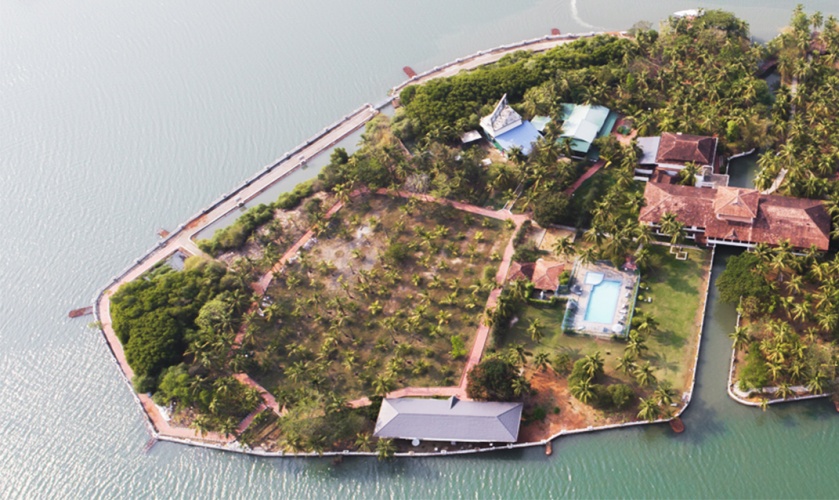
Spread across 16 acres of coconut groves alongside India's Malabar Coast is The Nattika Beach Ayurveda Resort is a physician-led Ayurveda wellness retreat located on the tranquil shores of Nattika Beach in Thrissur,...
Indimasi Healing Village
India/Kerala/Trivandrum
Starting Rate Per Night: ₹ 15,191
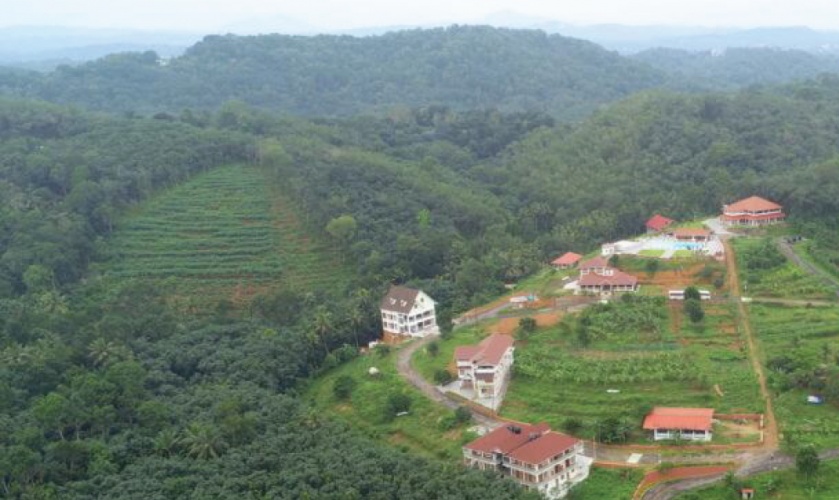
Indimasi Healing Village is an Ayurveda and Siddha healing centre in Poovathoor, Nedumangad, Thiruvananthapuram, Kerala, India, developed as a nature-integrated wellness environment combining traditional healthcare,...
Shivani Ayurveda
India/Himachal Pradesh/Dharamshala
Starting Rate Per Night: ₹ 10,636
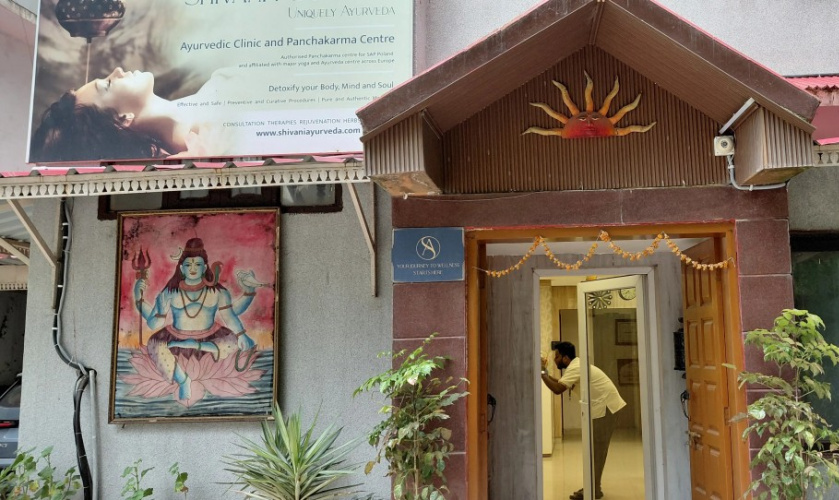
Nestled in the tranquil hills of McLeod Ganj, Dharamshala, Shivani Ayurveda is a premium residential Ayurvedic clinic that combines authentic Panchakarma with comfortable hospitality in the Himalayan foothills. Rather than...

When Motor Function Declines: An Ayurvedic Path to Supportive Care and Enhanced Quality of Life
Motor Neuron Disease (MND) is a progressive neurological condition affecting the motor neurons — the nerve cells responsible for voluntary muscle movement. The most common form, Amyotrophic Lateral Sclerosis (ALS), affects approximately 2 per 100,000 people annually, with other forms including Progressive Bulbar Palsy, Progressive Muscular Atrophy, and Primary Lateral Sclerosis. The condition produces progressive muscle weakness, wasting, fasciculations, and eventual functional decline affecting movement, speech, swallowing, and breathing.
The clinical presentation varies based on type and progression stage but commonly includes progressive limb weakness (often starting asymmetrically), muscle wasting and fasciculations, difficulty with fine motor tasks, gradual involvement of bulbar muscles (speech and swallowing difficulties), respiratory muscle weakness in later stages, and preserved cognition in most cases (though some patients develop frontotemporal cognitive changes). The progression is generally relentless with substantial variation in rate — some patients progressing rapidly over months while others have slower progression over years.
Modern medical management is centered on supportive care given the absence of curative treatments. Riluzole and edaravone provide modest disease-modifying benefits. Multidisciplinary care including neurology, physical therapy, occupational therapy, speech therapy, respiratory therapy, nutrition support, mental health support, and palliative care provides comprehensive supportive framework. Various symptomatic treatments address specific issues — muscle cramps, spasticity, sialorrhea, pseudobulbar affect, sleep disturbances, and others.
Within this clinical context, Ayurveda offers genuinely valuable supportive role rather than curative claims:
Patients seeking comprehensive supportive care — Those wanting integrative approach complementing continued neurology care with attention to quality of life dimensions, symptom management, and constitutional support.
Patients with mild to moderate progression — Those at earlier disease stages where integrative supportive care provides substantial value for quality of life and broader wellbeing.
Patients with associated symptoms — Sleep disturbances, anxiety, pain, muscle cramps, constipation, fatigue inadequately addressed by conventional approaches.
Patients seeking comprehensive constitutional support — Those wanting Ayurvedic Rasayana approach for general vitality alongside continued conventional care.
Patients seeking meaningful supportive approach — Recognition that comprehensive integrative care provides dignity, attention to whole-person needs, and quality of life support important during chronic progressive illness.
Classical Ayurveda addresses MND-pattern conditions within the framework of Mamsa-Majja Dhatu Kshaya (muscle and nervous tissue depletion) with substantial Vata-predominant pathology. The classical understanding of progressive neurological decline through this framework provides therapeutic approach through Vata-pacifying therapy, neuroprotective Rasayana, comprehensive Abhyanga, Basti therapy for Vata management, supportive constitutional care, and attention to broader quality of life dimensions — all undertaken alongside continued comprehensive neurological care.
A Motor Neuron Disease treatment retreat is best understood as supportive integrative care complementing continued neurological management — providing constitutional support, symptom management, quality of life enhancement, and comprehensive attention to whole-person wellbeing throughout the disease journey. WellnessLoka centres provide honest framing: Ayurveda does not cure MND, but integrative care provides meaningful supportive role alongside conventional care.
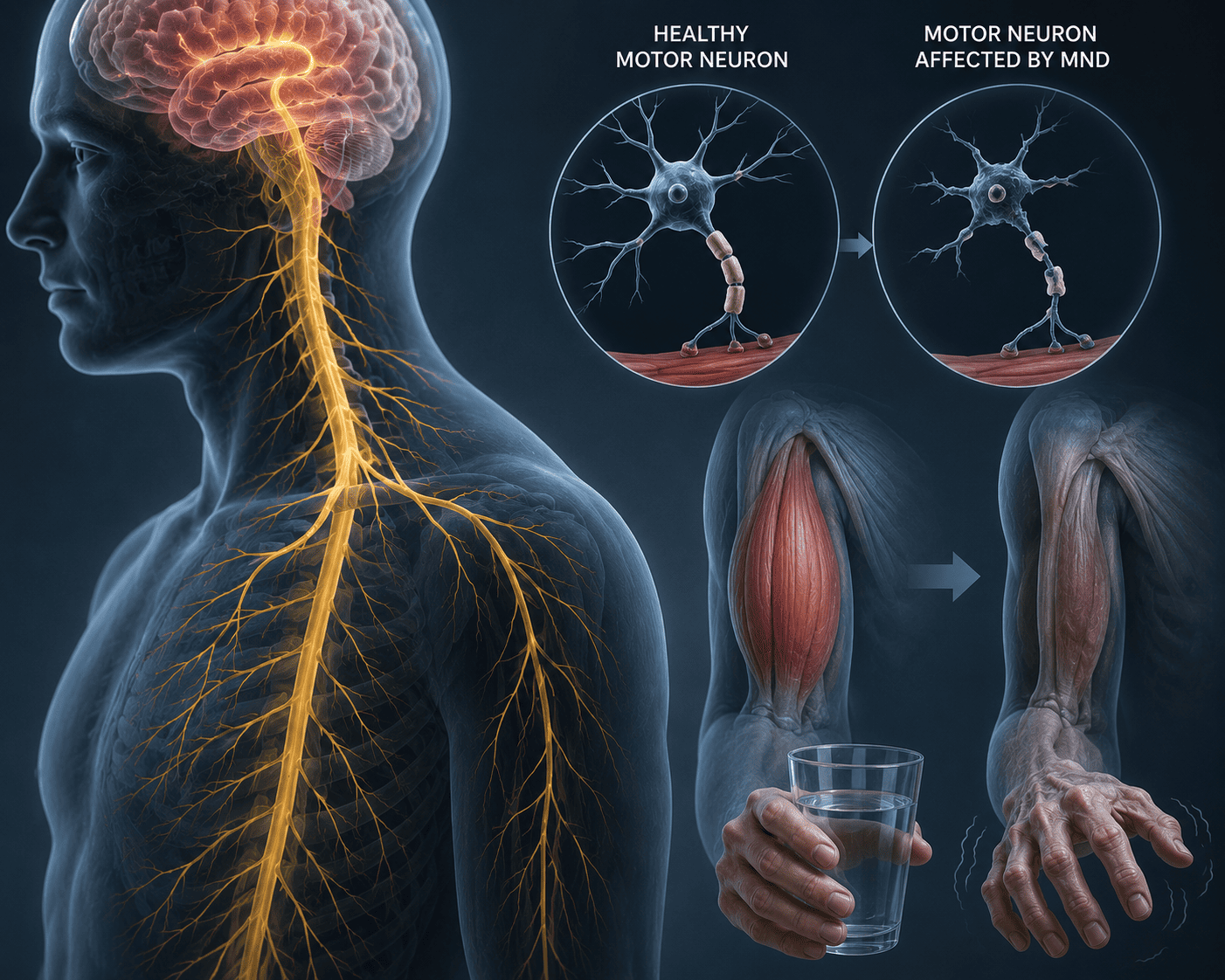
What is Motor Neuron Disease?
Motor Neuron Disease (MND) is a group of progressive neurological conditions affecting motor neurons — the nerve cells controlling voluntary muscle movement. The most common form is Amyotrophic Lateral Sclerosis (ALS), affecting both upper and lower motor neurons.
Main types:
- Amyotrophic Lateral Sclerosis (ALS) — Most common (60-70% of MND), affecting both upper and lower motor neurons
- Progressive Bulbar Palsy — Primarily affecting bulbar muscles (speech, swallowing)
- Progressive Muscular Atrophy — Primarily lower motor neuron involvement
- Primary Lateral Sclerosis — Primarily upper motor neuron involvement, slower progression
Pathophysiology:
- Progressive motor neuron degeneration through complex mechanisms
- Glutamate excitotoxicity contributions
- Oxidative stress
- Mitochondrial dysfunction
- Protein aggregation (TDP-43 particularly)
- Neuroinflammation
- Genetic factors in 10-15% (SOD1, C9orf72, TARDBP, FUS, others)
- Most cases sporadic with unclear etiology
Common symptoms:
- Progressive muscle weakness (often asymmetric onset)
- Muscle wasting and atrophy
- Fasciculations (muscle twitching)
- Muscle cramps
- Difficulty with fine motor tasks
- Gait difficulties and falls
- Bulbar symptoms (slurred speech, swallowing difficulties)
- Respiratory muscle weakness (later stages)
- Sialorrhea (excessive saliva)
- Pseudobulbar affect (emotional lability) in some
- Generally preserved cognition (some develop frontotemporal changes)
- Fatigue
- Sleep disturbances
- Constipation
- Pain (multifactorial)
Diagnosis:
- Clinical evaluation by neurologist
- Electromyography (EMG) and nerve conduction studies
- MRI to exclude other conditions
- Blood tests
- Genetic testing in selected cases
- Diagnostic criteria (El Escorial, Awaji)
Understanding Mamsa-Majja Dhatu Kshaya: The Ayurvedic Root of Motor Neuron Disease
The Ayurvedic understanding sits within the framework of Mamsa Dhatu Kshaya (muscle tissue depletion) and Majja Dhatu Kshaya (nervous tissue depletion) with substantial Vata-predominant pathology.
Core concepts:
Vata vitiation as central mechanism — The progressive nature, dryness, atrophy, and tremor patterns reflect substantial Vata vitiation affecting nervous and muscle tissues.
Mamsa Dhatu Kshaya — Muscle tissue depletion producing the characteristic muscle wasting and weakness, corresponding to the muscle atrophy of MND.
Majja Dhatu Kshaya — Nervous tissue depletion producing the progressive neurological decline, corresponding to the motor neuron degeneration.
Ojas Kshaya — Substantial depletion of vital essence affecting overall vitality, recovery capacity, and immune function.
Specific dosha sub-types in classical Vata Vyadhi framework — MND-pattern conditions may correspond to various classical patterns including:
- Pakshaghata patterns (paralysis-related conditions)
- Aaakshepaka (convulsive patterns)
- Specific Vata Vyadhi presentations based on individual features
Manovaha Srotas considerations — Substantial mental-emotional impact of progressive disease requiring comprehensive support.
Predisposing factors classical Ayurveda identifies:
- Severe constitutional Vata vitiation
- Substantial Dhatu Kshaya patterns
- Various contributing factors
- Constitutional vulnerabilities
The classical framework guides therapeutic approach: comprehensive Vata pacification, Mamsa-Majja support through appropriate Rasayana, Ojas restoration, comprehensive supportive care addressing symptoms and quality of life dimensions, alongside recognition that this is progressive condition where supportive role rather than cure is realistic objective.
The 3 Stages of Ayurvedic Treatment for Motor Neuron Disease
1. Preparation (Purva Karma) Comprehensive assessment including disease stage, current symptoms, functional status, prior treatments, comorbidities, family support system, and treatment goals (recognising supportive rather than curative framework). Coordination with continued neurology care essential — sharing treatment plans with neurologist, ensuring no interactions with current medications (riluzole, edaravone, symptomatic treatments), and maintaining continued specialist care throughout.
Gentle constitutional support initiation with appropriate Rasayana preparations and Vata-pacifying approach.
Foundational dietary modifications supporting nourishment, Vata pacification, and addressing specific symptoms (swallowing modifications if bulbar involvement).
Comprehensive supportive care framework establishment including attention to comfort, dignity, family involvement, and quality of life prioritization.
2. Core Treatment (Pradhana Karma) Primary therapies focus on supportive care with constitutional and symptomatic dimensions:
Comprehensive Vata-pacifying approach through:
- Warm, nourishing, easily digestible diet with adequate ghee
- Regular routine emphasis
- Warming environment
- Self-care emphasis
- Gentle activity within tolerance
Neuroprotective Rasayana:
- Ashwagandha (Withania somnifera) — Foundational adaptogen with potential neuroprotective effects
- Brahmi (Bacopa monnieri) — Nervous system support
- Shankhpushpi — Brain tonic effects
- Mandukaparni (Centella asiatica) — Neuroprotective traditional use
- Jatamansi — Calming and supportive
- Yashtimadhu — Anti-inflammatory and supportive
- Specific classical preparations including Brahma Rasayana, Saraswatarishtam, Manasamitra Vatakam for various indications
Comprehensive Abhyanga (Oil Massage):
- Daily gentle systematic Abhyanga with Vata-pacifying oils
- Mahanarayana Taila — Comprehensive Vata-pacifying
- Ksheerabala Taila — Particularly valuable for neurological support
- Bala Taila — Strength-building
- Dhanwantharam Taila — Classical neurological support
- Gentle technique appropriate to muscle strength
- Substantial benefit for circulation, comfort, stiffness, sleep, mental wellbeing
Basti Therapy — Particularly valuable for Vata-predominant neurological conditions:
- Anuvasana Basti (oil enema) providing Vata pacification
- Niruha Basti (decoction enema) for specific situations
- Performed with appropriate medical supervision adapted to individual capacity
- Substantial classical use for Vata-related neurological conditions
Symptom-Specific Support:
- Muscle cramps — Magnesium-rich approaches, specific Vata-pacifying oils, gentle stretching, classical formulations
- Spasticity — Appropriate Abhyanga, gentle physical therapy coordination
- Sleep disturbances — Saraswatarishtam, Manasamitra Vatakam, Brahmi preparations, foot massage with appropriate oils
- Anxiety and mood — Comprehensive psychological support, Jatamansi, Brahmi, stress management
- Constipation — Triphala, Avipattikara Churna, dietary fiber
- Sialorrhea — Specific herbs and approaches
- Fatigue — Constitutional support, energy conservation strategies
- Pain management — Multimodal approach combining classical and conventional
Lifestyle Integration:
- Regular gentle exercise within tolerance (range of motion, gentle stretching)
- Adequate rest and sleep
- Stress management for both patient and family
- Specific dietary support with attention to swallowing if affected
- Family involvement and education
- Continued physical therapy, occupational therapy, speech therapy as indicated
Psychological and Family Support:
- Recognition of substantial emotional dimensions of progressive disease
- Mental health support for patient
- Family caregiver support
- Spiritual/existential dimensions attention
- Quality of life prioritization throughout
3. Rejuvenation (Paschat Karma) Sustained supportive care approach:
Continued constitutional support with appropriate formulations.
Continued lifestyle modifications with adaptations as disease progresses.
Continued comprehensive supportive care.
Continued neurology and multidisciplinary care coordination.
Periodic integrative care visits providing ongoing support.
Family education and caregiver support essential throughout.
Continuity-of-care planning with appropriate progression considerations.
Recognition that this is progressive condition requiring sustained supportive approach with attention to changing needs over time and integration with palliative care frameworks as appropriate.
The 5 Core Therapies for Motor Neuron Disease Explained
1. Comprehensive Vata-Pacifying Approach with Neuroprotective Rasayana The cornerstone of supportive Ayurvedic care for MND involves comprehensive Vata pacification addressing the central pathophysiological pattern combined with neuroprotective Rasayana therapy. Foundational Rasayana: Ashwagandha providing adaptogenic and potential neuroprotective effects; Brahmi (Bacopa monnieri) with substantial classical and emerging modern evidence for nervous system support; Mandukaparni (Centella asiatica) with traditional neuroprotective use; Shankhpushpi for cognitive and broader nervous system support; Jatamansi for calming effects valuable given anxiety often associated; Yashtimadhu for anti-inflammatory support. Classical formulations: Brahma Rasayana providing comprehensive Rasayana support; Saraswatarishtam for nervous system support; Manasamitra Vatakam for specific neurological indications including anxiety, sleep disturbances; Ashwagandharishtam for sustained adaptogenic support; Chyawanprash (1-2 teaspoons daily) for broader Rasayana effects. Comprehensive Vata pacification through dietary patterns (warm nourishing oily foods, adequate ghee), lifestyle measures (regular routine, warmth, adequate rest), and lifestyle integration. Sustained therapy over months providing constitutional support and potential modest benefits for symptom management and quality of life. Honest framing: these approaches provide supportive role rather than disease modification — used appropriately alongside continued neurology care including riluzole/edaravone where prescribed.
2. Daily Comprehensive Abhyanga with Specific Oils Daily comprehensive Abhyanga provides substantial supportive benefit for MND patients through multiple mechanisms valuable for this condition. Therapeutic effects include circulation support beneficial for compromised muscle tissue, Vata pacification central to symptom management, muscle stiffness relief, comfort and quality of life enhancement, sleep support, mental-emotional wellbeing support, family bonding when partner-administered. Oil selection: Mahanarayana Taila (comprehensive Vata-pacifying); Ksheerabala Taila (particularly valuable for neurological support); Bala Taila (strength-building); Dhanwantharam Taila (classical neurological applications); Sahacharadi Taila for specific musculoskeletal aspects. Technique adaptations: Gentle technique appropriate to individual muscle strength and tolerance; comprehensive whole-body application with attention to affected areas; foot massage (Padabhyanga) for nervous system regulation and sleep; head massage (Shiroabhyanga) for stress and mental wellbeing; family member training for home administration providing both therapeutic and bonding benefits. Daily practice continued throughout disease course providing sustained supportive value.
3. Basti Therapy for Vata Management Basti therapy provides one of the most powerful classical interventions for Vata-predominant neurological conditions, with substantial classical use across various Vata Vyadhi (Vata-related diseases) including MND-pattern conditions. Anuvasana Basti (oil enema with appropriate medicated oils) providing direct Vata pacification through the seat of Vata (lower colon); Niruha Basti (decoction enema with appropriate medicated decoctions) for specific situations; Yoga Basti sequence (alternating Anuvasana and Niruha over 8-day cycle) for intensive intervention; Kala Basti sequence for extended treatment. Therapeutic adaptations for MND: Gentle approach appropriate to disease stage and individual capacity; performed with appropriate medical supervision; specific oils and decoctions matched to individual needs. Substantial classical experience supporting Basti role in Vata-related neurological conditions including symptom management, constitutional support, and broader quality of life. Performed during retreat with home regimen continuation as appropriate.
4. Comprehensive Symptom-Specific Support Comprehensive symptom-specific support addresses the multiple symptom dimensions of MND providing meaningful quality of life enhancement. Sleep disturbances through Saraswatarishtam, Manasamitra Vatakam, Brahmi preparations, foot massage with appropriate oils, sleep hygiene integration. Anxiety and mood support through Jatamansi, Brahmi, Ashwagandha, comprehensive stress management, meditation, pranayama (Bhramari particularly valuable), psychological support, family education. Muscle cramps and spasticity through specific Vata-pacifying oils for local application, gentle stretching, physical therapy coordination, classical formulations. Constipation through Triphala, Avipattikara Churna, dietary fiber adjustment, adequate hydration. Sialorrhea (excessive saliva) through specific approaches. Fatigue through constitutional support, energy conservation strategies, appropriate rest. Pain management through multimodal approach combining classical Ayurvedic and conventional care. Bulbar symptoms (speech and swallowing) — Coordination with speech therapy, dietary modifications, swallowing strategies. Respiratory support in later stages — Coordination with respiratory therapy and palliative care. Cognitive support where frontotemporal changes present through specific approaches.
5. Comprehensive Psychological, Family, and Quality of Life Support Comprehensive psychological, family, and quality of life support is absolutely central given the substantial impact of MND on patients and families. Patient psychological support addressing anxiety, depression, grief, existential concerns; integrative approaches with continued mental health care where indicated; meditation and pranayama practices adapted to capacity; spiritual/existential dimensions attention. Family caregiver support essential — caregivers experiencing substantial burden requiring attention; caregiver education about disease and care; respite considerations; mental health support for caregivers; family system support. Quality of life prioritization throughout — Recognition that quality of life over disease duration is the primary objective; comfort, dignity, meaningful activity, relationships, spiritual dimensions all attended to. Multidisciplinary coordination with continued neurology, physical therapy, occupational therapy, speech therapy, respiratory therapy, nutrition support, mental health, palliative care as appropriate. Honest communication about disease progression, treatment limitations, and realistic expectations throughout — neither false hope nor despair, but realistic supportive framework. Bridge to palliative care integration as appropriate — recognition that palliative care is supportive throughout, not just end-of-life. Family education and involvement providing comprehensive support framework. Cultural and spiritual considerations respected throughout. Recognition that comprehensive integrative supportive care provides meaningful value through dignity, attention, quality of life, family support, and whole-person care even within the framework of progressive incurable disease.
How Long Should an Ayurvedic Treatment Program for Motor Neuron Disease Last?
| Duration | Therapeutic Benefit | |
| 7–14 days |
|
|
| 14–21 days | Comprehensive supportive program with Basti therapy course, family education | |
| 21–28 days | Extended program for substantial supportive intervention and constitutional rebuilding | |
| Continued home regimen | Sustained supportive care throughout disease course |
The exact duration of your Motor Neuron Disease treatment program is decided after consultation with the Ayurvedic doctor in coordination with continued neurology care, based on disease stage, individual capacity, treatment goals (recognising supportive rather than curative framework), comorbidities, family support, and individual circumstances. Treatment approach is fundamentally supportive — providing comprehensive integrative care throughout disease course rather than time-limited curative intervention. The home regimen of continued Rasayana, daily Abhyanga (often family-administered), continued dietary patterns, symptom-specific support, and family involvement is what genuinely supports quality of life throughout the disease journey. Periodic retreat visits provide reassessment, treatment adjustment, family respite, and continued comprehensive supportive care.
Benefits of an Ayurvedic Treatment Retreat for Motor Neuron Disease
| Physical Benefits | Functional and Quality Benefits | Long-Term Impact | |||
| Reduced muscle stiffness and cramps |
|
Sustained quality of life throughout disease course | |||
| Improved circulation and comfort |
|
|
|||
| Symptom-specific improvements (constipation, fatigue) |
|
Comprehensive supportive care framework | |||
| Enhanced overall comfort | Enhanced relationships and meaning | Dignity and whole-person care throughout |
Why Kerala is the Best Place for Motor Neuron Disease Treatment
An Ayurvedic Motor Neuron Disease treatment retreat in Kerala, India offers the most clinically authentic environment for comprehensive classical supportive care this condition benefits from.
- Experienced physicians with specific expertise in Vata Vyadhi (Vata-related diseases) framework and neurological conditions, with depth in supportive care for progressive neurological diseases
- BAMS and MD Ayurveda-certified doctors trained in classical neurological Ayurveda
- Specialised practitioner training in neurological condition Abhyanga and Basti therapy
- In-house preparation of classical neurological formulations — Brahma Rasayana, Saraswatarishtam, Manasamitra Vatakam, Ashwagandharishtam, various Brahmi preparations, classical neuroprotective combinations — using authentic methods and fresh herbs
- Authentic in-house preparation of neurological oils — Mahanarayana Taila, Ksheerabala Taila, Bala Taila, Dhanwantharam Taila — using classical methodology
- Proper facilities for comprehensive care including Basti therapy with appropriate medical supervision
- Capacity for integrated supportive care addressing the multidimensional needs of MND patients
- Long-established Kerala tradition of comprehensive neurological Ayurveda
- Family-friendly environment supporting family involvement essential for MND care
- Coordination capability with continued neurology and multidisciplinary care
- Capacity for sustained long-term care relationships through the chronic progressive nature of MND
- Capacity for psychological and spiritual support important for chronic progressive illness
- Recognition of palliative care framework appropriate for MND
Sri Lanka offers complementary tropical healing environment, while Bali provides wellness-oriented treatment retreats. For specialised neurological Ayurveda with comprehensive Basti capability, Kerala offers the deepest tradition.
Motor Neuron Disease Treatment Retreats by Location and Recommended Centres
Kerala, India — The most clinically authentic destination for classical neurological Ayurvedic care with established tradition of comprehensive Vata Vyadhi management including specialized programs for progressive neurological conditions. Alleppey • Kovalam • Kumarakom • Wayanad • Palakkad
Sri Lanka — Coastal Ayurveda treatment retreats offering supportive care in serene environment. Wadduwa • Weligama • Sigiriya • Kosgoda • Bentota
Bali, Indonesia — Wellness treatment retreats integrating Ayurvedic supportive care with holistic wellness particularly valuable for earlier disease stages. Ubud • Nusa Dua • Candidasa • Lovina
WellnessLoka connects you with verified centres offering genuine neurological expertise, comprehensive supportive care capability, appropriate medical supervision, coordination with continued neurology care, and clear understanding of the supportive (rather than curative) role.
Who Should Consider an Ayurvedic Motor Neuron Disease Treatment Retreat
Patients seeking comprehensive supportive care alongside continued neurology — Those wanting integrative approach complementing conventional care.
Patients with mild to moderate disease progression — Where integrative supportive care provides substantial value for quality of life.
Patients with significant associated symptoms — Sleep disturbances, anxiety, muscle cramps, constipation, fatigue benefiting from comprehensive approach.
Patients seeking constitutional support and Rasayana — Those wanting Ayurvedic approach for general vitality and supportive value.
Patients with anxiety or mood symptoms — Comprehensive approach addressing psychological dimensions.
Patients with sleep disturbances — Substantial benefit possible through integrative approach.
Patients seeking comprehensive supportive framework — Recognition that integrative care provides dignity, attention, quality of life support.
Patients with family support for retreat care — Family involvement particularly valuable.
Patients wanting attention to whole-person needs — Beyond purely medical management.
Patients in earlier disease stages preferring proactive supportive care — Maximizing quality of life early.
Patients with constitutional vulnerabilities — Individual patterns benefiting from constitutional support.
Patients seeking comprehensive integrative philosophy — Those wanting classical Ayurvedic depth informing care approach.
Patients with family caregivers needing support — Family caregiver education and respite valuable.
Patients seeking palliative care integration framework — Recognition that palliative care is supportive throughout, not just end-of-life.
Who Should Approach Treatment with Caution
Ayurvedic care for Motor Neuron Disease provides supportive role rather than curative treatment, with important considerations:
Patients with unrealistic expectations about cure — Honest counseling essential; Ayurveda does not cure MND but provides meaningful supportive role alongside continued neurology care.
Patients in advanced disease stages with significant respiratory compromise — Require careful consideration of retreat travel feasibility; some advanced patients better suited to home-based care.
Patients without continued neurology care — Comprehensive integrative approach complements rather than replaces continued specialist care including riluzole/edaravone where appropriate.
Patients with significant bulbar involvement affecting swallowing — Require specific dietary modifications and swallowing safety considerations.
Patients with significant respiratory compromise — Require careful evaluation of treatment safety and appropriate adaptations.
Patients with significant cognitive impairment — May limit some integrative approaches; family involvement essential.
Patients with active depression with suicidal ideation — Require appropriate mental health care alongside any integrative approach.
Patients with significant comorbidities — Require careful coordination and adaptation.
Patients on multiple medications — Require careful coordination regarding potential interactions.
Patients with bleeding disorders — Require careful coordination for any procedures.
Patients without family support — May benefit from additional support arrangements.
Patients unable to commit to comprehensive approach — Brief interventions less effective than comprehensive integrated care.
Patients seeking promised outcomes — Honest counseling about supportive nature of integrative care; centres claiming cures should be approached with extreme caution.
Patients without proper diagnostic confirmation — Should have established neurological diagnosis before retreat-based care.
Choosing the Right Treatment Retreat for Motor Neuron Disease
Qualified physicians with neurological Ayurveda expertise — BAMS or MD Ayurveda-credentialed doctors with specialised training in Vata Vyadhi (neurological Ayurveda) framework.
Specialised practitioners trained in neurological condition therapies — Including therapists trained in appropriate Abhyanga and Basti techniques for neurological conditions.
Proper infrastructure for comprehensive care — Including appropriate medical supervision, Basti therapy capability, accessible facilities for patients with mobility considerations, family-friendly accommodation.
Authentic in-house neurological herbal preparations — Including specific neurological formulations with authentic preparation methodology.
Authentic neurological oil preparations — Including appropriate oils for Abhyanga and Basti applications.
Capacity for comprehensive supportive care — Multidimensional approach addressing physical, emotional, family, and spiritual dimensions.
Coordination capability with continued neurology care — Essential for proper integration with conventional treatment.
Capacity for family involvement — Essential for MND care; family education, support, respite considerations.
Honest framing of integrative role — Centres clearly understanding supportive rather than curative role; avoid centres claiming cures for MND.
Recognition of palliative care framework — Appropriate integration with palliative care principles.
Privacy and dignity — Essential for the sensitive nature of progressive disease care.
Capacity for sustained long-term care relationships — Recognising MND management as requiring sustained supportive approach.
Clear continuity-of-care planning — Centres providing detailed written guidance, home regimens adaptable to progression, family education.
How WellnessLoka Helps You Choose the Right Ayurveda Treatment Retreat for Motor Neuron Disease
Choosing the right treatment retreat for Motor Neuron Disease benefits from specialised guidance given the sensitive nature of progressive disease care and the importance of honest supportive framework. WellnessLoka exists to ensure that patients and families can make this decision with full information, genuine guidance, complete honesty about the supportive (rather than curative) role of integrative care, and absolute discretion.
Access to Verified Retreat Centres Every centre listed on WellnessLoka for Motor Neuron Disease treatment has been independently assessed for physician credentials, specialised neurological Ayurveda expertise, comprehensive supportive care capability, honest framing of integrative role (avoiding centres claiming cures), coordination capability with continued neurology care, capacity for family involvement, recognition of palliative care framework, and clear understanding of the supportive role this condition requires. We list only centres practising authentic care with appropriate honesty about realistic expectations.
Free Pre-Retreat Consultation with Our Ayurvedic Doctor Before you choose a retreat, WellnessLoka offers a complimentary consultation with our in-house Ayurvedic consultant. This consultation is conducted with sensitivity appropriate to chronic progressive illness. The consultation reviews disease stage and progression, current symptoms and concerns, prior treatments, family situation, and treatment goals with honest framing about realistic expectations — recognising that comprehensive integrative care provides meaningful supportive value rather than disease cure. We provide guidance about appropriate retreat options matching individual situation and supportive care needs.
Transparent Centre Comparison WellnessLoka provides clear, honest information about each listed centre — physician qualifications, neurological expertise, therapy protocols, program structure, accessibility considerations, family accommodations, and pricing.
Best Price Guarantee Through our strong partner relationships, you benefit from exclusive partner pricing always lower than booking directly.
Retreats for Every Budget From luxury wellness resorts to authentic healing centres, WellnessLoka helps you find programs appropriate to your situation and budget without compromising on specialised expertise.
Treatment is in Expert Hands Once you arrive at your chosen retreat, your program is fully managed by qualified Ayurvedic physicians with specialised training in neurological Ayurveda and direct familiarity with progressive disease supportive care. Your treatment unfolds under continuous, qualified supervision with appropriate family involvement throughout.
Local Support Team Our on-ground experts assist you at every step with sensitivity to the challenges of caring for patients with progressive illness.
End-to-End Booking Support From your first enquiry to confirmed booking, WellnessLoka provides full support including accessibility considerations and family arrangements.
Why Travellers Trust WellnessLoka WellnessLoka is rated 4.9? on Google, with verified reviews from wellness travellers. We are trusted by hundreds of travellers from 28+ countries, backed by over a decade of expertise. Our dedicated support team is available 24×7 with appropriate sensitivity for families navigating chronic progressive illness.
Begin Your Healing Journey
Motor Neuron Disease represents one of the most challenging neurological conditions, with progressive course producing substantial impact on patients, families, and care systems. Modern medical management provides supportive framework through riluzole, edaravone, multidisciplinary care, and symptomatic management — recognising the current limitations of disease-modifying treatment while emphasizing comprehensive supportive care.
Within this clinical context, classical Ayurvedic care offers genuinely meaningful supportive contribution — not as cure, but as comprehensive integrative approach addressing quality of life, symptom management, constitutional support, family involvement, and whole-person care throughout the disease journey. The classical framework of Vata Vyadhi with Mamsa-Majja Dhatu Kshaya provides therapeutic approach through comprehensive Vata-pacifying therapy with sustained Rasayana including Ashwagandha, Brahmi, Mandukaparni, and classical formulations; daily comprehensive Abhyanga with carefully selected oils providing substantial supportive value; Basti therapy for Vata management; comprehensive symptom-specific support addressing the multiple dimensions of MND; psychological, family, and quality of life support absolutely central to care of this challenging condition; coordination with continued neurology and multidisciplinary care essential for comprehensive management.
Whether you choose a treatment retreat in Kerala, Sri Lanka, or Bali — with Kerala offering particular depth in classical neurological Ayurveda — Ayurvedic supportive care for Motor Neuron Disease offers a thoughtful, deeply integrative path to enhanced quality of life and comprehensive supportive care. The integrative approach is undertaken in close coordination with continued conventional neurology care, recognising that comprehensive MND care includes both classical Ayurvedic supportive depth and modern medical management where each genuinely benefits the patient.
The journey with Motor Neuron Disease is profoundly challenging for patients and families, requiring comprehensive supportive frameworks addressing physical, emotional, spiritual, and practical dimensions throughout. Classical Ayurvedic supportive care provides one meaningful component of this comprehensive framework — offering dignity, attention, quality of life support, and whole-person care alongside the continued conventional medical management essential for this condition.


