
Irritable Bowel Syndrome Treatment
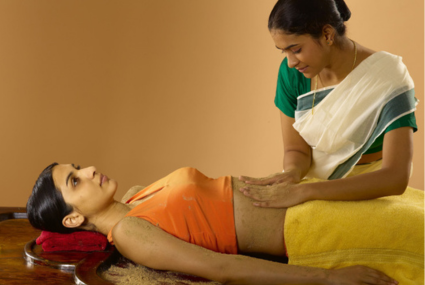
Irritable Bowel Syndrome (IBS) is a common, long-term condition affecting how the gut works, causing recurrent abdominal pain, bloating, and changes in bowel habits: constipation, diarrhoea, or an alternating mix of both. It's what's called a functional disorder: the symptoms are genuine and can be very disruptive, but the bowel itself isn't damaged or diseased, which is reassuring and shapes how it's best managed. IBS is now understood as a disorder of the gut–brain interaction, which is why stress, diet, and lifestyle affect it so strongly and its close link to Agni, the digestive fire. With the right individualised care, most people find their symptoms genuinely improve. The one essential first step is a proper diagnosis, since IBS is confirmed by ruling out other conditions.


Kidney Disease
Kidney diseases often result from toxin accumulation, poor metabolism, or chronic conditions like diabetes and hypertension. Ayurveda identifies imbalances in the body's doshas, particularly Kapha and Vata, as contributing factors to renal dysfunction. Treatments focus on cleansing therapies such as Panchakarma to eliminate toxins, along with herbal formulations like Punarnava, Gokshura, and Varuna to strengthen kidney function and reduce fluid retention. A kidney-friendly Ayurvedic diet and lifestyle adjustments are prescribed to minimise stress on the kidneys. These integrative therapies help slow disease progression, alleviate symptoms, and improve overall vitality and well-being

Chronic Liver Disease
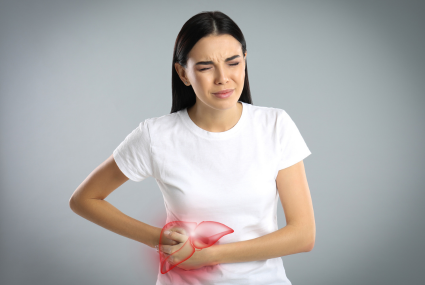
Chronic Liver Disease (CLD) encompasses a range of progressive liver disorders that impair liver function over time, often caused by alcohol abuse, hepatitis, or metabolic imbalances. In Ayurveda, the liver is linked to the Pitta dosha, and liver diseases arise from its aggravation. Treatment involves Panchakarma therapies like Virechana (therapeutic purgation) and Basti to eliminate toxins. Herbal formulations such as Bhumyamalaki, Kalmegh, and Katuki are used to rejuvenate liver cells, improve digestion, and enhance metabolism. A Pitta-pacifying diet, along with lifestyle corrections, helps reduce stress on the liver, restore its health, and prevent further damage.

Gut Health
Gut health involves the healthy functioning of the digestive system, gut microbiome, intestinal barrier, and nutrient absorption processes, supporting efficient digestion, regular bowel movements, and overall digestive well-being. Common digestive concerns include acidity, indigestion, bloating, excessive gas, constipation, diarrhoea, irregular bowel movements, and abdominal discomfort. In Ayurveda, digestive health is closely associated with Agni (digestive fire), Ama (incompletely processed substances), and the balance of Vata, Pitta, and Kapha Doshas. Impaired digestive capacity, known as Mandagni, may contribute to digestive discomfort, heaviness, reduced appetite, and irregular digestion. Ayurvedic assessment considers an individual's Prakriti (natural constitution), Vikriti (current imbalance), digestive symptoms, appetite, dietary habits, and bowel patterns to identify suitable therapeutic approaches. The aim is to support healthy digestion, improve digestive efficiency, promote regular elimination, and maintain a balanced digestive system through personalised Ayurvedic care. An integrated Ayurvedic Gut Health Program combines individualised dietary guidance, traditional therapies, herbal support, and lifestyle modifications to promote long-term digestive wellness. Treatments may include Deepana and Pachana to support digestive function, along with suitable herbal preparations such as Triphala, Amalaki, Haritaki, Bibhitaki, and ginger, selected according to individual requirements and clinical suitability. Traditional Panchakarma therapies, including Virechana and Basti, may be recommended following an Ayurvedic physician's assessment, while Rasayana therapies may support subsequent restorative care. The program also emphasises freshly prepared meals, appropriate meal timings, adequate hydration, dietary fibre, and personalised Ayurvedic nutrition, supported by yoga, Pranayama, meditation, regular physical activity, and Dinacharya (daily routines). This comprehensive approach aims to improve digestive comfort, support bowel regularity, encourage healthy dietary habits, and promote sustainable gut health, with treatment plans tailored to individual digestive conditions, constitution, and wellness objectives. Persistent or severe digestive symptoms require appropriate medical evaluation.


Peptic Ulcers Treatment
A peptic ulcer is an open sore in the lining of the stomach (a gastric ulcer) or the first part of the small intestine (a duodenal ulcer), caused when the protective mucous lining is worn down and stomach acid damages the tissue beneath. It typically causes a burning or gnawing pain in the upper abdomen, along with indigestion, and can be genuinely uncomfortable. An honest and important point up front: most peptic ulcers are caused by a common bacterial infection called H. pylori, or by regular use of anti-inflammatory painkillers (NSAIDs). This matters, because these causes need proper medical treatment for the ulcer to heal and stay healed. The good news is that, treated correctly, peptic ulcers usually heal well. Ayurveda has a genuine tradition here, understanding the condition as Parinama Shoola and Annadrava Shoola, and offers real supportive care to soothe the stomach and support healing. IMPORTANT: A peptic ulcer can bleed or perforate, which is a medical emergency. Seek urgent medical care for black, tarry stools, vomiting blood (or material like coffee grounds), sudden severe or spreading abdominal pain, or feeling faint. This page describes supportive care alongside medical treatment, never in place of it.

Dueodenal Ulcers Treatment
A duodenal ulcer is an open sore in the lining of the duodenum — the first part of the small intestine, just beyond the stomach — where stomach acid has eroded the protective lining. It's the most common type of peptic ulcer, and it has a distinctive signature: a burning or gnawing upper-abdominal pain that is often eased by eating and then returns a few hours later, and that classically wakes people at night. The honest and important point, as with all ulcers, is that most duodenal ulcers are caused by a common bacterial infection called H. pylori (even more so than stomach ulcers) or by anti-inflammatory painkillers (NSAIDs) — not simply by stress or spicy food — and these causes need proper medical treatment for the ulcer to heal and stay healed. The reassuring news is that, treated correctly, duodenal ulcers heal very well and are rarely serious in nature. Ayurveda understands the condition as Parinama Shoola — "pain during digestion" — and offers genuine soothing, supportive care alongside that essential medical treatment.
When the Gut Calls for Care: An Ayurvedic Path to Digestive Healing and Sustained Whole-Body Wellness
The digestive system represents one of the most fundamental dimensions of overall health — modern medicine increasingly recognizes what classical Ayurveda has emphasized for millennia: digestive health underlies whole-body health. The substantial recent advances in understanding the gut microbiome, gut-brain axis, gut-immune axis, and broader gut connections have validated the central importance of digestive wellness with substantial implications across mental health, immune function, metabolic health, skin health, autoimmune conditions, and broader dimensions.
Common digestive and gut health concerns include:
- Functional dyspepsia and chronic indigestion (Ajirna)
- IBS (Irritable Bowel Syndrome) — Substantial global prevalence
- GERD (Gastroesophageal Reflux Disease) (Amlapitta)
- Peptic ulcer disease (Parinama Shoola)
- Gastritis including chronic gastritis
- Chronic constipation (Vibandha)
- Chronic diarrhea (Atisara)
- Inflammatory bowel disease (IBD) — Crohn's, ulcerative colitis (supportive)
- Microscopic colitis (supportive)
- SIBO (Small Intestinal Bacterial Overgrowth)
- Leaky gut syndrome patterns
- Food intolerances and sensitivities
- Lactose intolerance
- Gluten sensitivity and celiac disease (supportive)
- H. pylori infection (supportive)
- Chronic liver conditions including fatty liver (covered in Lifestyle & Metabolic page)
- Hepatitis (supportive)
- Liver cirrhosis (supportive)
- Gallbladder conditions including gallstones (supportive)
- Hemorrhoids (Arsha)
- Anal fissures (Parikartika)
- Fistula-in-ano (Bhagandara) (supportive)
- Diverticular disease (supportive)
- Chronic pancreatitis (supportive)
- Bloating and gas patterns
- Stress-related digestive dysfunction
- Gut-brain axis dysfunction
- Microbiome imbalances
Modern medical management has substantially advanced with comprehensive evidence-based framework including specialized gastroenterology evaluation, proton pump inhibitors with substantial outcomes evidence, H2 blockers, comprehensive IBD management including biologics with substantial recent advances, eradication therapy for H. pylori, specialized antimicrobials for SIBO, probiotic considerations, comprehensive endoscopic and colonoscopic evaluation with substantial outcomes value, surgical interventions when indicated, and substantial recent therapeutic advances.
Classical Ayurveda places digestive health at the absolute center of all health with the foundational principle "Roganam Sarveshamapi Nidanam Kupita Mala" — recognition that virtually all disease originates from disturbed Agni (digestive fire) and accumulated Ama (digestive toxins). Substantial classical literature provides sophisticated framework anticipating modern gut-brain, gut-immune, and gut-microbiome understanding.
The therapeutic framework provides comprehensive approach through comprehensive Agni restoration as absolutely foundational; Ama Pachana as essential; Nidana Parivarjana with detailed dietary attention; Shodhana through appropriate Panchakarma with Virechana particularly valuable for Pitta-predominant conditions and Basti as cornerstone for Vata-predominant; comprehensive classical Shamana with sophisticated formulations; comprehensive Rasayana approach including specific gut-supportive Rasayana; substantial dietary integration which is fundamental; gut-brain axis integration with substantial stress management; comprehensive lifestyle integration; and absolute coordination with continued gastroenterology care including continued essential medications which must never be discontinued without specialist guidance.
What is Digestive System & Gut Health Care in Ayurveda?
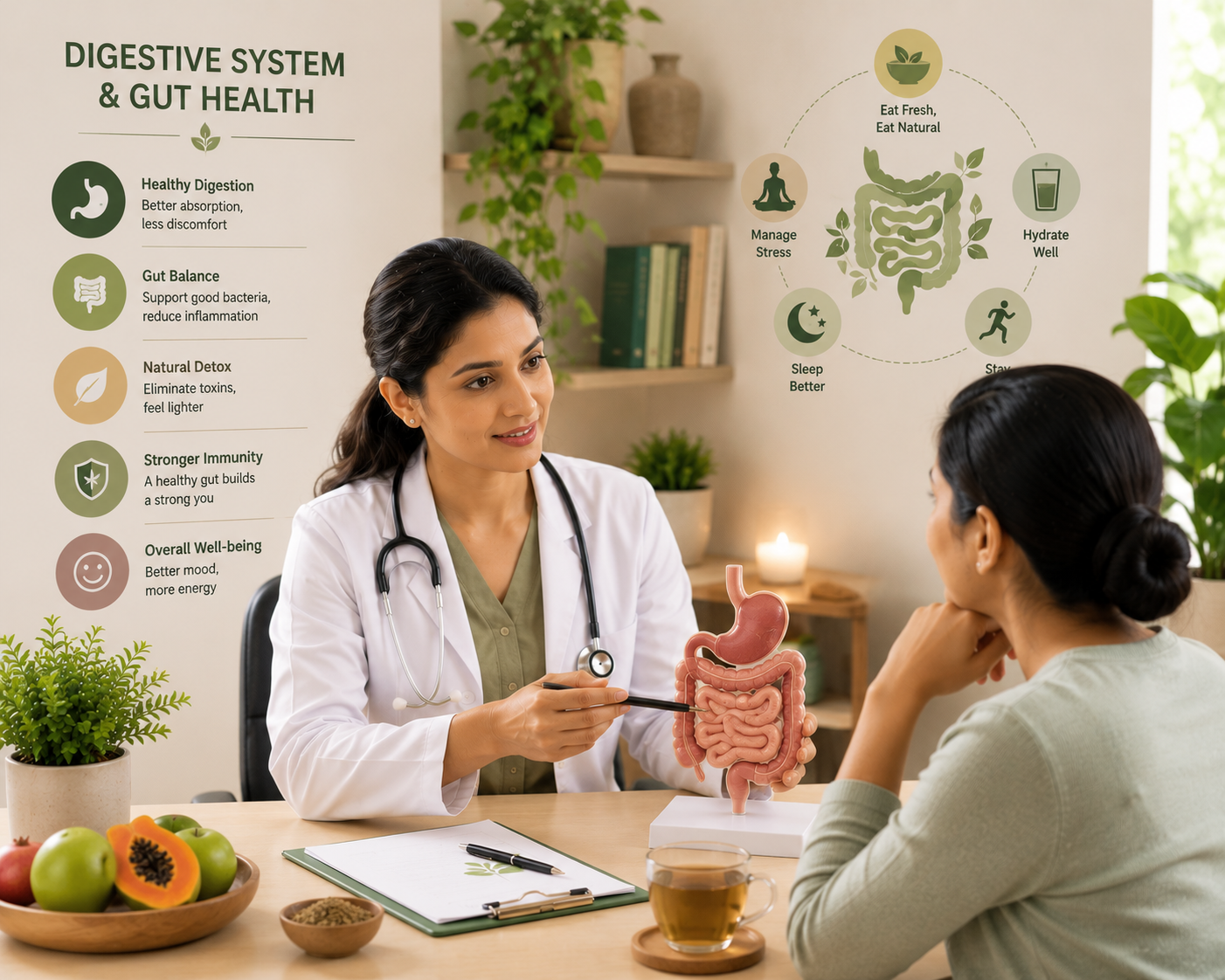
Digestive and gut health care in Ayurveda represents the foundational classical framework recognizing digestion as central to all health through comprehensive Agni, Ama, Srotas, and broader integrative dimensions.
Definition and characteristics:
- Foundational classical framework
- Centered on Agni, Ama, Srotas, Dhatu progression
- Substantial classical literature foundation
- Both preventive and therapeutic applications
- Integration with continued conventional gastroenterology care
- Recognition of digestion as central to all health
Scope encompasses:
Upper GI:
- Functional dyspepsia and chronic indigestion (Ajirna)
- GERD (Amlapitta)
- Peptic ulcer disease (Parinama Shoola)
- Gastritis including chronic
- H. pylori infection (supportive)
- Hiatal hernia considerations
- Esophageal motility concerns
Lower GI:
- IBS with all subtypes
- Chronic constipation (Vibandha)
- Chronic diarrhea (Atisara)
- IBD — Crohn's, ulcerative colitis (supportive)
- Microscopic colitis (supportive)
- SIBO
- Leaky gut syndrome patterns
- Diverticular disease (supportive)
- Functional bowel disorders
Hepatobiliary (also see Lifestyle & Metabolic page for NAFLD):
- Chronic liver conditions (supportive)
- Hepatitis (supportive)
- Liver cirrhosis (supportive)
- Gallbladder conditions (supportive)
Anorectal (Guda Roga):
- Hemorrhoids (Arsha)
- Anal fissures (Parikartika)
- Fistula-in-ano (Bhagandara) (supportive)
- Chronic anorectal concerns
Pancreatic:
- Chronic pancreatitis (supportive)
- Pancreatic insufficiency (supportive)
Broader gut-related:
- Food intolerances and sensitivities
- Lactose intolerance
- Gluten sensitivity and celiac disease (supportive)
- Microbiome imbalances
- Gut-brain axis dysfunction
- Stress-related digestive dysfunction
- Bloating and gas
Core therapeutic frameworks:
- Comprehensive Agni restoration
- Ama Pachana
- Nidana Parivarjana with substantial dietary attention
- Shodhana with Virechana and Basti particularly valuable
- Comprehensive classical Shamana
- Comprehensive Rasayana including gut-supportive
- Substantial dietary integration
- Gut-brain axis integration
- Comprehensive lifestyle integration
- Coordination with continued gastroenterology care
Understanding Agni, Ama, and Srotas: The Foundational Ayurvedic Framework for Digestive Health
The Ayurvedic understanding of digestive health sits at the absolute foundation of classical Ayurveda with substantial sophisticated literature.
Key concepts:
Agni as Absolutely Central:
Agni (digestive and metabolic fire) considered fundamental to all health with substantial classical recognition that "Agnau Sthitam Hi Sharirinaam Balam" — strength resides in Agni.
Four states of Agni:
- Sama Agni (balanced) — optimal digestion and broader metabolism
- Vishama Agni (irregular) — typically Vata-related with variable digestion
- Tikshna Agni (excessive) — typically Pitta-related with hyperacidity tendencies
- Manda Agni (sluggish) — typically Kapha-related with poor digestion
Comprehensive Agni assessment central to all gastroenterology Ayurveda.
Ama Formation and Pathology:
Ama (toxins from inadequate digestion) considered fundamental cause of substantial disease — recognition anticipating modern understanding of intestinal permeability, microbiome dysbiosis, and broader gut dysfunction.
Ama characteristics:
- Forms from incomplete digestion
- Heavy, sticky, malodorous qualities
- Blocks Srotas (channels)
- Substantial systemic effects
- Underlying cause of multiple chronic conditions
Comprehensive Ama clearing essential.
Srotas Framework — Digestive Channels:
Multiple specific Srotas relevant to digestive health:
- Annavaha Srotas — food channels with mouth-stomach-small intestine
- Udakavaha Srotas — water channels
- Purishavaha Srotas — fecal channels
- Rasavaha Srotas — plasma channels (formed from digested food)
- Raktavaha Srotas — blood channels including liver as primary
Comprehensive Srotas approach essential for digestive health.
Specific Classical Conditions:
Ajirna (Indigestion):
- Four classical types based on doshic patterns
- Comprehensive classical framework
- Sophisticated treatment approach
Amlapitta (Acid Disorders):
- Classical framework for GERD-like conditions
- Multiple classical subtypes
- Comprehensive treatment
Grahani Roga (Sprue/Malabsorption-like):
- Detailed classical framework
- Substantial classical literature
- Anticipates modern IBS understanding
Atisara (Diarrhea):
- Six classical types
- Detailed framework
Vibandha (Constipation):
- Comprehensive classical framework
- Substantial Vata predominance
Arsha (Hemorrhoids):
- Detailed classical framework
- Substantial classical surgical and medical approaches
Parikartika (Fissure):
- Classical framework
- Sophisticated management
Bhagandara (Fistula):
- Classical framework
- Substantial classical surgical approach including Kshara Sutra
Pancreatic and Liver Conditions:
- Yakrit Vikara — Multiple classical liver conditions
- Kamala — Jaundice
- Pliha — Spleen conditions
Three Phases of Digestion (Avastha Paka):
Classical recognition of three sequential digestion phases:
- Madhura Avastha — Initial sweet phase
- Amla Avastha — Acid phase
- Katu Avastha — Pungent final phase
Sophisticated framework with specific implications for understanding digestive function.
Five Bhutagnis:
Classical recognition of five elemental digestive processes at deepest cellular level.
Seven Dhatu Agnis:
Sequential tissue-level metabolic processes — recognition that digestive Agni is just the first of substantial metabolic dimensions.
Specific Doshic-Digestive Patterns:
Vata-predominant:
- IBS-C with substantial constipation
- Bloating and gas patterns
- Functional dyspepsia Vata
- Anxiety-related digestive
- Hemorrhoids Vata pattern
Pitta-predominant:
- GERD and acid reflux
- Peptic ulcer
- Inflammatory conditions
- IBD inflammatory dimensions
- H. pylori-related conditions
- Loose stools Pitta pattern
Kapha-predominant:
- Sluggish digestion
- Mucus-related conditions
- Specific congestive patterns
- Heavy meal effects
Tridoshic:
- Complex chronic conditions
- IBD long-standing
- Combined patterns
Predisposing Factors Classical Ayurveda Identifies:
Aharaja (Dietary):
- Junk and processed foods
- Viruddha Ahara (incompatible food combinations) with substantial classical recognition
- Excessive cold/raw foods
- Overeating
- Eating without hunger
- Irregular meal timing
- Excessive caffeine, alcohol
- Late heavy meals
Viharaja (Lifestyle):
- Sedentary lifestyle
- Suppression of natural urges (substantial classical recognition)
- Inadequate sleep
- Eating during emotional disturbance
- Screen-meal eating
Manasika (Mental):
- Chronic stress with substantial gut-brain axis impact
- Anxiety affecting Agni
- Emotional suppression
Specific Conditions:
- Antibiotic use affecting microbiome
- NSAID use affecting gut
- Food intolerances
This shapes the Ayurvedic approach to digestive health: comprehensive Nidana Parivarjana with substantial dietary attention; comprehensive Agni restoration as foundational; comprehensive Ama Pachana; dosha-specific approach; Virechana for Pitta-predominant; Basti as cornerstone for Vata-predominant; comprehensive classical formulations; comprehensive Rasayana including gut-supportive; substantial dietary integration; gut-brain axis integration; substantial stress management; coordination with continued gastroenterology care.
The 3 Stages of Ayurvedic Treatment for Digestive System & Gut Health
1. Preparation (Purva Karma) — Typically 3-7 days
Comprehensive assessment including detailed digestive history (specific conditions, duration, current symptoms with substantial detail about meal timing, food triggers, bowel patterns, prior treatments and response, current medications), current gastroenterology evaluation including recent endoscopy/colonoscopy when applicable, comorbidities, dietary patterns with substantial detail, lifestyle factors, stress levels with substantial gut-brain awareness, and constitutional profile.
Gastroenterology coordination essential.
Critical screening:
- Stable current condition
- No acute GI emergency (severe bleeding, suspected perforation, severe pain)
- No suspected GI malignancy requiring urgent evaluation
- No active acute hepatitis with severe transaminitis
- No active severe IBD flare
- No suspected acute appendicitis or cholecystitis
- Baseline assessment completed
Initial Deepana-Pachana. Initial dietary modifications matched to specific condition. Foundational lifestyle measures including meal timing optimization, eating mindfulness, stress management initiation.
2. Core Treatment (Pradhana Karma) — Typically 14-21 days
Comprehensive Agni Restoration — Absolutely Foundational:
- Trikatu for foundational Agni support
- Ginger as cornerstone
- Panchakola for deeper digestive
- Hingu (Asafoetida) for digestive support
- Chitrakadi Vati
- Specific Agni-supportive preparations matched to patterns
Comprehensive Ama Pachana:
- Light, warm, easily digestible diet
- Specific Pachana herbs
- Intermittent fasting principles
- Specific cleansing approaches
Condition-Specific Approaches:
For functional dyspepsia and Ajirna:
- Comprehensive Agni approach
- Hingvastaka Churna
- Ajamodadi Churna
- Specific dyspepsia formulations
For GERD and Amlapitta:
- Avipattikar Churna as cornerstone classical
- Kamadudha Rasa for substantial classical use
- Yashtimadhu for mucosal support
- Shatavari for cooling effects
- Comprehensive Pitta-pacifying approach
- Continued PPIs when prescribed
For peptic ulcer:
- Yashtimadhu as cornerstone with substantial classical use
- Shatavari
- Avipattikar Churna
- Kamadudha Rasa
- Comprehensive mucosal support
- Continued conventional therapy
For IBS:
- Comprehensive Agni and Vata regulation
- Specific IBS formulations matched to subtype (IBS-C, IBS-D, IBS-M)
- Basti with substantial value
- Comprehensive stress management central
For chronic constipation (Vibandha):
- Triphala as foundational
- Trivrit Lehyam for selected applications
- Avipattikar Churna
- Basti with substantial value
- Specific constipation formulations
For chronic diarrhea (Atisara):
- Kutaja (Holarrhena antidysenterica) as cornerstone with substantial classical use
- Bilva (Aegle marmelos)
- Specific diarrhea formulations
- Kutajarishta
For IBD (supportive):
- Comprehensive Pitta-Vata approach
- Specific IBD-supportive formulations
- Kutaja preparations
- Bilva preparations
- Yashtimadhu
- Continued biologics and other therapy absolutely essential
For hemorrhoids (Arsha):
- Arshakuthar Rasa
- Triphala for foundational support
- Specific hemorrhoid formulations
- Kshara Sutra for specific applications
For liver conditions (also see Lifestyle & Metabolic for NAFLD):
- Bhumyamalaki (Phyllanthus niruri) with substantial hepatoprotective use
- Kalmegh (Andrographis paniculata)
- Arogyavardhini Vati as cornerstone classical liver formulation
- Punarnava
Shodhana Therapy When Indicated:
Virechana particularly valuable for:
- GERD and Amlapitta with substantial classical use
- Peptic ulcer disease (with substantial caution)
- Liver conditions with substantial classical use
- Pitta-predominant IBS
- Inflammatory bowel conditions (with substantial care)
Basti as cornerstone for:
- IBS with substantial value
- Chronic constipation
- Vata-predominant digestive conditions
- Functional bowel disorders
- Diverticular disease supportive
- Hemorrhoids Vata pattern
Comprehensive Rasayana Approach:
- Triphala Rasayana as foundational gut-supportive Rasayana
- Chyavanaprasha for comprehensive Rasayana
- Specific gut-supportive Rasayana
Substantial Dietary Integration — Fundamental:
- Warm, freshly prepared meals essential
- Easily digestible foods
- Specific meal timing
- Mindful eating practices
- Specific foods for each condition
Foods to avoid:
- Junk and processed foods
- Viruddha Ahara absolutely
- Cold/raw foods
- Late heavy meals
- Specific food triggers
Gut-Brain Axis Integration:
- Substantial stress management
- Meditation
- Pranayama
- Shirodhara for substantial classical and emerging modern gut-brain value
Comprehensive Lifestyle Integration:
- Regular meal timing
- Adequate sleep
- Regular gentle exercise
- Avoiding suppression of natural urges
- Comprehensive stress management
Coordination with Continued Care:
- Continued essential medications
- Continued specialist follow-up
3. Rejuvenation (Paschat Karma) — Continued home regimen
Sustained gut-supportive Rasayana, continued constitutional approach, continued dietary and lifestyle integration, periodic clinical follow-up. Long-term framework — sustained digestive wellness requires sustained integrated approach.
The 5 Core Therapies for Digestive System & Gut Health Explained
1. Comprehensive Agni Restoration as Absolute Foundation Comprehensive Agni restoration represents the absolute foundational therapeutic approach for all digestive and gut health conditions — recognition that disturbed Agni underlies virtually all digestive dysfunction and that genuine sustainable healing requires fundamental Agni restoration rather than just symptom management. Comprehensive Agni-supportive approach: Trikatu (ginger, pippali, black pepper) for foundational Agni support; Ginger as cornerstone Agni-supportive with substantial classical and modern evidence including documented benefits for gastric motility, nausea, broader digestive support; Panchakola Churna for deeper digestive support; Hingu (Asafoetida) with substantial classical digestive applications particularly for Vata-related digestive concerns; Chitrakadi Vati for digestive enhancement; Hingvastaka Churna for specific applications; Ajamodadi Churna for IBS and broader applications; specific Agni-supportive preparations matched to individual patterns and primary doshic predominance. Comprehensive Ama Pachana: appropriate Pachana herbs; light, warm, easily digestible diet during Pachana phase essential; specific Pachana approaches including specific yusha preparations, light kichdi, broader; intermittent fasting principles with classical recognition providing comprehensive digestive rest. Tissue-level Agni restoration: classical recognition of Dhatu Agni dimensions; comprehensive approach. Critical recognition: this foundational stage often produces substantial improvement on its own — restored Agni naturally supports better digestion, absorption, elimination, and broader wellness; without addressing fundamental Agni dysfunction, other interventions provide limited sustainable benefit. Combined with comprehensive dietary integration providing foundational support. WellnessLoka centres emphasize comprehensive foundational Agni approach.
2. Comprehensive Condition-Specific Classical Formulations Comprehensive condition-specific classical formulations provide substantial value across the digestive and gut health spectrum with substantial classical use. For GERD and Amlapitta: Avipattikar Churna as cornerstone classical formulation with substantial classical and emerging modern use; Kamadudha Rasa with substantial classical use; Yashtimadhu (Licorice) for substantial mucosal support with comprehensive evidence including DGL (deglycyrrhizinated licorice) modern applications; Shatavari for cooling effects; comprehensive Pitta-pacifying approach. For peptic ulcer: Yashtimadhu as cornerstone with substantial classical use providing comprehensive mucosal protection and healing support; Shatavari for cooling nourishing effects; Avipattikar Churna; Kamadudha Rasa; comprehensive mucosal support; continues alongside continued PPI and H. pylori eradication therapy when prescribed. For IBS: comprehensive approach matched to subtype with specific formulations for IBS-C, IBS-D, IBS-M; Basti therapy with substantial value for Vata-predominant patterns; Hingvastaka Churna for specific applications; comprehensive stress management central given substantial gut-brain axis impact in IBS. For chronic constipation: Triphala as foundational with substantial classical and modern evidence for gentle effective constipation support; Trivrit Lehyam for selected stronger applications; Avipattikar Churna; Basti with substantial classical and modern value; specific constipation-supportive preparations. For chronic diarrhea: Kutaja (Holarrhena antidysenterica) as cornerstone with substantial classical and emerging modern evidence; Bilva (Aegle marmelos) for substantial classical use; Kutajarishta; specific diarrhea-supportive preparations. For IBD supportive: comprehensive Pitta-Vata approach; specific IBD-supportive formulations including Kutaja preparations, Bilva, Yashtimadhu; continues alongside continued biologics, mesalamine, broader IBD therapy which remain essential and cannot be replaced. For hemorrhoids (Arsha): Arshakuthar Rasa with substantial classical use; Triphala for foundational support; Pilex-type preparations; Kshara Sutra for specific surgical applications with substantial classical use. For liver conditions: Bhumyamalaki (Phyllanthus niruri) with substantial hepatoprotective evidence; Arogyavardhini Vati as cornerstone classical liver formulation; Kalmegh for liver support; Punarnava. Sustained therapy essential for substantial benefits. Continues alongside continued gastroenterology care. WellnessLoka centres provide authentic preparations.
3. Virechana and Basti — Cornerstone Panchakarma for Digestive Conditions Virechana (therapeutic purgation) and Basti (medicated enema) represent the cornerstone Panchakarma procedures specifically valuable for digestive and gut health applications with substantial classical use. Virechana for Pitta-Predominant Digestive Conditions: substantial classical use as gold-standard Shodhana for Pitta-predominant digestive conditions including GERD and Amlapitta with substantial classical applications providing comprehensive Pitta clearing from gastrointestinal tract, hepatobiliary system, and broader; liver conditions with substantial classical use; inflammatory bowel patterns with substantial care; Pitta-predominant IBS; broader Pitta-related digestive applications. Procedure: comprehensive Purva Karma with Snehana and Swedana; specific medicated purgative preparations; conducted under direct medical supervision. Mechanisms: direct elimination of vitiated Pitta and Ama from gastrointestinal tract with substantial digestive benefits including substantial mucosal healing support, comprehensive metabolic effects, broader systemic Pitta clearing. Basti as Cornerstone for Vata-Predominant Digestive Conditions: considered the most universally applicable Panchakarma procedure with substantial classical use for digestive applications including IBS with substantial value particularly IBS-C and IBS-M patterns; chronic constipation (Vibandha) with substantial classical and emerging modern value; Vata-predominant digestive conditions broadly; functional bowel disorders; diverticular disease supportive; hemorrhoids Vata pattern; broader Vata-related digestive applications. Comprehensive Basti approach: Niruha Basti with appropriate decoctions; Anuvasana Basti with appropriate medicated oils; Matra Basti for sustained gentle therapy; Yapana Basti for chronic conditions. Mechanisms: direct Apana Vata pacification through colon with substantial digestive benefits; comprehensive constitutional support; broader systemic effects. Critical requirements: comprehensive Purva Karma preparation; appropriate practitioner expertise; appropriate sterile clinical infrastructure for Basti; appropriate Paschat Karma. Continues alongside continued gastroenterology care. WellnessLoka Kerala centres provide expert Virechana and Basti capability.
4. Gut-Brain Axis Integration with Substantial Stress Management Gut-brain axis integration with substantial stress management provides foundational dimension for digestive and gut health with substantial classical and modern recognition of the profound bidirectional gut-brain connection. Classical recognition: substantial classical literature recognizing the profound mind-digestive interconnection — "Mano Hi Hetu?" applied to digestive conditions; comprehensive Manasika Bhava integration with digestive care. Modern validation: substantial recent advances in understanding the gut-brain axis with comprehensive bidirectional signaling through vagus nerve, enteric nervous system (often called "second brain"), gut microbiome-brain signaling, immune-mediated pathways, substantial impact of stress on digestive function and broader. Comprehensive stress management integration: Shirodhara with substantial documented cortisol-lowering effects particularly valuable for gut-brain axis dysfunction with emerging modern evidence for digestive applications including stress-related IBS, functional dyspepsia, broader applications; comprehensive meditation practice with substantial evidence for digestive applications; Yoga Nidra for deep relaxation with substantial gut-brain benefits; specific Pranayama including Anulom Vilom, Bhramari with substantial calming effects; mindfulness-based stress reduction with substantial evidence for IBS and broader digestive applications; comprehensive Yoga practice with specific digestive-supportive asanas including Vajrasana (after meals), Pavanamuktasana, Marjaryasana-Bitilasana (cat-cow), specific twists. Mindful eating practices: substantial classical recognition with comprehensive modern validation; eating without distraction; adequate chewing; eating with awareness; avoiding eating during emotional disturbance; avoiding screen-meal eating with substantial impact. Sleep optimization: substantial impact on digestive function through gut-brain mechanisms. Comprehensive lifestyle integration: regular routine; adequate exercise; nature exposure; broader supportive elements. Specific gut-brain applications: substantial value for IBS with substantial gut-brain dimensions; functional dyspepsia; GERD with substantial stress contribution; stress-related digestive dysfunction; chronic constipation with anxiety dimensions; broader functional gastrointestinal disorders. Critical recognition: in many functional digestive conditions, addressing gut-brain axis through comprehensive stress management is essential for sustainable improvement.
5. Substantial Dietary Integration and Coordination with Continued Gastroenterology Care Substantial dietary integration represents the central element of digestive wellness with substantial classical recognition that "Ahara is the first medicine" — and comprehensive coordination with continued gastroenterology care provides essential clinical safety. Comprehensive digestive-supportive dietary integration: warm, freshly prepared meals essential for digestive health; easily digestible foods matched to current Agni status; specific Yusha preparations (mung dal soup) with substantial classical use; kichdi as foundational easily digestible meal with substantial classical use; whole grains appropriate to constitution including rice for many digestive conditions; specific spices including ginger, cumin, fenugreek, ajwain, hing — substantial classical and modern evidence for digestive support; adequate hydration including warm water; specific cooked vegetables; specific easily digestible proteins; adequate fiber balanced to specific condition. Specific dietary approaches matched to conditions: bland diet for active gastritis and peptic ulcer; low FODMAP considerations for IBS in selected applications; specific dietary modifications for IBD including alongside continued conventional therapy; gluten avoidance for celiac disease absolutely; lactose modification for lactose intolerance. Foods to absolutely avoid: Viruddha Ahara (incompatible food combinations) with substantial classical recognition including fish-milk, hot-cold combinations, fermented-fresh, broader specific combinations; junk and processed foods with substantial impact on Agni; excessive cold and raw foods affecting Agni; late heavy meals with substantial digestive impact; eating without hunger affecting Agni; excessive caffeine affecting digestive function; alcohol with substantial digestive impact. Comprehensive meal timing: regular meal times with substantial classical recognition; avoiding late heavy meals; largest meal at midday when Agni strongest with substantial classical recognition; adequate gap between meals typically 3-4 hours for adequate digestion before next meal; light evening meals with substantial classical recognition. Mindful eating practices: substantial classical and modern recognition; eating without distraction; adequate chewing; eating with awareness. Comprehensive lifestyle integration: avoiding suppression of natural urges with substantial classical recognition; adequate physical activity; adequate sleep; comprehensive stress management. Comprehensive coordination with continued gastroenterology care: continued essential medications absolutely essential including continued PPIs when prescribed (with appropriate consideration of long-term use and potential transition to integrative approaches under specialist guidance), continued IBD biologics and mesalamine which provide substantial outcomes evidence, continued specialist-prescribed medications; never discontinued without specialist guidance. Continued endoscopic and colonoscopic monitoring as scheduled essential. Continued cancer screening essential per guidelines. Continued specialist follow-up at appropriate intervals. Critical safety: immediate medical care for acute concerns including suspected severe bleeding, severe pain, suspected perforation; never delaying urgent care for retreat-based intervention. Centres claiming Ayurvedic cures for substantial GI conditions or that biologics/PPIs are unnecessary should be avoided as dangerous. WellnessLoka programs require continued essential care throughout.
How Long Should an Ayurvedic Treatment Program for Digestive & Gut Health Last?
| Duration | Therapeutic Benefit |
| 7–14 days | Initial protocols, established Agni restoration, foundational interventions |
| 14–21 days | Comprehensive constitutional support, established condition-specific therapy |
| 21–28 days | Extended program with Virechana or Basti when indicated |
| Continued home regimen | Sustained Agni support and dietary integration essential |
The exact duration is decided after consultation with the Ayurvedic doctor in coordination with continued gastroenterology care, based on specific conditions, severity, current treatment, and individual factors. Substantial benefits typically develop over 2-6 months of sustained integrated approach. Critical recognition that digestive wellness is sustained foundation — Ayurvedic integration valuable as lifelong approach given centrality of digestion to all health.
Book Consultation
Benefits of an Ayurvedic Treatment Retreat for Digestive & Gut Health
| Physical Benefits | Functional Benefits | Long-Term Impact | ||
| Better digestive function | Better energy and vitality | Sustained digestive wellness | ||
| Better elimination | Better mood and emotional balance | Foundation for whole-body health | ||
| Better mucosal healing support |
|
Better long-term outcomes | ||
| Better overall vitality |
|
Comprehensive integrative care framework |
Why Kerala is the Best Place for Digestive System & Gut Health Treatment
An Ayurvedic digestive and gut health retreat in Kerala, India offers the most clinically authentic environment for comprehensive digestive Ayurveda alongside continued essential gastroenterology care.
- Experienced physicians with specific expertise in classical digestive Ayurveda
- BAMS and MD Ayurveda-certified doctors with specialised training across the broad digestive health spectrum
- Specialised practitioner training in comprehensive Agni restoration as absolute foundation for digestive care
- Specialised practitioner training in Virechana as cornerstone Panchakarma for Pitta-predominant digestive conditions
- Specialised practitioner training in Basti as cornerstone for Vata-predominant digestive conditions
- Specialised practitioner training in condition-specific classical Ayurvedic gastroenterology across upper GI, lower GI, hepatobiliary, anorectal applications
- Specialised practitioner training in Kshara Sutra for specific anorectal applications including fistula-in-ano with substantial classical use
- Authentic in-house preparation of cornerstone digestive formulations — Avipattikar Churna for GERD, Kamadudha Rasa, Hingvastaka Churna, Ajamodadi Churna, Yashtimadhu preparations for ulcer support, Shatavari, Triphala preparations, Kutaja preparations, Bilva, Kutajarishta, Arshakuthar Rasa, Arogyavardhini Vati, Bhumyamalaki preparations using authentic methods and fresh herbs
- Authentic preparation of Agni-supportive preparations — Trikatu, Panchakola, Hingu preparations
- Authentic preparation of Rasayana formulations — Triphala Rasayana, Chyavanaprasha
- Authentic preparation of medicated oils for Basti and Abhyanga
- Proper Panchakarma facilities for Virechana
- Proper Basti facilities with appropriate sterile infrastructure essential
- Proper Kshara Sutra facilities when applicable
- Capacity for comprehensive digestive-supportive meal preparation with substantial dietary integration essential
- Capacity for individualized dietary approaches including warm freshly prepared meals, specific Yusha and kichdi preparation, easily digestible foods matched to condition, mindful eating culture
- Capacity for comprehensive monitoring and coordination with continued specialist care
- Calm healing environment essential
- Capacity for emergency medical escalation with clear protocols
- Long-established Kerala tradition of comprehensive digestive Ayurveda
- Coordination capability with continued gastroenterology care including continued essential medications
- Capacity for sustained long-term care relationships
- Qualified yoga and meditation instruction with experienced teachers specifically trained in digestive applications
- Capacity for comprehensive lifestyle integration including digestive-supportive dietary preparation, exercise programs appropriate to digestive condition, comprehensive stress management
- Discretion and sensitivity throughout treatment
Sri Lanka offers complementary tropical healing environment, while Bali provides wellness-oriented treatment retreats integrating Ayurvedic care with holistic wellness. For specialised digestive Ayurveda with comprehensive Virechana and Basti capability, authentic preparation of cornerstone digestive formulations, and comprehensive dietary integration capability, Kerala offers the deepest tradition.
Digestive System & Gut Health Treatment Retreats by Location and Recommended Centres
Kerala, India — The most clinically authentic destination for classical digestive Ayurveda with established tradition including specialised Agni restoration capability, specialised Virechana capability as cornerstone for Pitta-predominant conditions, specialised Basti capability as cornerstone for Vata-predominant conditions, specialised condition-specific classical gastroenterology Ayurveda, specialised Kshara Sutra capability for anorectal applications, authentic in-house preparation of cornerstone digestive formulations (Avipattikar Churna, Kamadudha Rasa, Yashtimadhu, Triphala, Kutaja, Arogyavardhini Vati, broader), comprehensive digestive-supportive meal preparation capability essential, capacity for emergency medical escalation, and the deepest tradition of comprehensive digestive Ayurveda. Alleppey • Kovalam • Kumarakom • Wayanad • Palakkad
Sri Lanka — Coastal Ayurveda treatment retreats with comprehensive supportive care for digestive health in serene tropical environment. Wadduwa • Weligama • Sigiriya • Kosgoda • Bentota
Bali, Indonesia — Wellness treatment retreats integrating Ayurvedic care with holistic wellness, particularly valuable for stable maintenance phases. Ubud • Nusa Dua • Candidasa • Lovina
WellnessLoka connects you with verified centres offering genuine digestive Ayurvedic expertise, comprehensive Virechana and Basti capability, authentic preparation of cornerstone digestive formulations, comprehensive dietary integration capability, capacity for emergency medical escalation, absolute commitment to coordination with continued gastroenterology care including continued essential medications, and clear understanding of the integrative role.
Who Should Consider an Ayurvedic Digestive & Gut Health Treatment Retreat
Critical foundation: All candidates should have established baseline gastroenterology evaluation for substantial conditions; integrative care is strictly complementary.
Patients with functional dyspepsia and chronic indigestion — Comprehensive Agni and constitutional approach.
Patients with GERD on continued treatment — Comprehensive Pitta-pacifying approach alongside continued PPIs.
Patients with peptic ulcer disease — Comprehensive mucosal support alongside continued conventional treatment.
Patients with chronic gastritis — Comprehensive integrative approach.
Patients with IBS (all subtypes) — Comprehensive Agni, Vata, and gut-brain axis approach.
Patients with chronic constipation — Comprehensive Vata-pacifying approach including Basti.
Patients with chronic diarrhea — Comprehensive Agni and constitutional approach.
Patients with IBD on continued treatment (supportive) — Comprehensive supportive approach alongside continued biologics and mesalamine.
Patients with SIBO — Comprehensive Agni approach.
Patients with leaky gut syndrome patterns — Comprehensive integrative approach.
Patients with food intolerances and sensitivities — Comprehensive constitutional approach.
Patients with chronic liver conditions (supportive) — Comprehensive supportive approach alongside continued hepatology.
Patients with gallbladder conditions (supportive) — Comprehensive supportive approach.
Patients with hemorrhoids — Comprehensive integrative approach including specific therapies.
Patients with anal fissures — Comprehensive integrative approach.
Patients with fistula-in-ano (supportive) — Comprehensive integrative approach including Kshara Sutra when applicable.
Patients with diverticular disease (supportive) — Comprehensive integrative approach.
Patients with chronic pancreatitis (supportive) — Comprehensive supportive approach.
Patients with stress-related digestive dysfunction — Comprehensive gut-brain axis approach.
Patients seeking constitutional digestive wellness — Comprehensive framework.
Patients seeking long-term integrative digestive wellness philosophy — Holistic foundational approach.
Who Should Approach Treatment with Caution
Ayurvedic care for digestive and gut health is genuinely valuable but appropriate medical evaluation and continued specialist coordination are essential. Ayurvedic retreat-based care should be deferred or replaced by urgent specialist care in cases involving:
Acute GI emergencies — Severe bleeding, suspected perforation, severe acute abdominal pain require urgent care.
Suspected GI malignancy — Requires urgent oncology evaluation.
Active acute hepatitis with severe transaminitis — Requires hepatology evaluation.
Active severe IBD flare — Requires gastroenterology management.
Suspected acute appendicitis or cholecystitis — Requires urgent surgical evaluation.
Acute pancreatitis — Requires urgent management.
Severe acute GI bleeding — Requires urgent endoscopic evaluation.
Suspected bowel obstruction — Requires urgent evaluation.
Patients with significant unexplained GI symptoms — Requires appropriate evaluation including endoscopy/colonoscopy as indicated before retreat-based care.
Patients planning to skip cancer screening — Strongly discouraged — colon cancer screening provides substantial outcomes evidence.
Patients planning to discontinue essential medications — Strongly discouraged without specialist guidance.
Patients planning to discontinue IBD biologics — Absolutely strongly discouraged without specialist guidance given substantial relapse risk.
Patients with substantial unrealistic expectations — Honest counseling essential.
Patients seeking promised cures — Centres claiming to cure IBD, GERD, or substantial conditions through Ayurveda alone should be avoided as dangerous.
Patients without continued specialist care for substantial conditions — Integrative care must complement continued essential treatment.
Choosing the Right Treatment Retreat for Digestive & Gut Health
Qualified physicians with digestive Ayurveda expertise — BAMS or MD Ayurveda-credentialed doctors with specialised training.
Specialised practitioner training in Agni restoration — Essential.
Specialised practitioner training in Virechana — Essential for Pitta-predominant care.
Specialised practitioner training in Basti — Essential for Vata-predominant care.
Specialised practitioner training in Kshara Sutra — Essential when applicable for anorectal applications.
Authentic in-house preparation of cornerstone digestive formulations — Across conditions.
Authentic preparation of Agni-supportive preparations — With quality assurance.
Proper Virechana and Basti facilities — Essential infrastructure.
Proper Kshara Sutra facilities — When applicable.
Capacity for comprehensive digestive-supportive meal preparation — Absolutely essential.
Capacity for individualized dietary approaches — Essential.
Capacity for emergency medical escalation — Clear protocols.
Coordination capability with continued gastroenterology care — Essential including continued essential medications.
Capacity for sustained long-term care relationships — For sustained digestive wellness.
Honest framing — Centres clearly understanding integrative role.
Clear continuity-of-care planning — Detailed home regimens.
How WellnessLoka Helps You Choose the Right Ayurveda Treatment Retreat for Digestive & Gut Health
Choosing the right treatment retreat for digestive and gut health benefits enormously from genuine guidance. Digestive health spans substantial spectrum with substantial individual variation in conditions, severity, treatment context, and individual factors — and given digestion sits at the absolute center of all health in classical Ayurveda, this care is foundational. The right program depends on accurate identification of specific digestive conditions, appropriate intervention selection particularly comprehensive Agni restoration, Virechana when applicable for Pitta-predominant patterns, Basti for Vata-predominant patterns, substantial dietary integration which is fundamental, gut-brain axis integration with comprehensive stress management, and absolute coordination with continued essential gastroenterology care including continued essential medications which must never be discontinued. WellnessLoka exists to ensure that patients can make this decision with full information, genuine guidance, and complete confidence.
Access to Verified Retreat Centres Every centre listed on WellnessLoka for digestive and gut health has been independently assessed for physician credentials, specific expertise in classical digestive Ayurveda across the broad spectrum including upper GI conditions (functional dyspepsia, GERD, peptic ulcer, gastritis, H. pylori supportive), lower GI conditions (IBS all subtypes, chronic constipation, chronic diarrhea, IBD supportive, SIBO, leaky gut patterns, diverticular disease supportive), hepatobiliary conditions (chronic liver conditions supportive, hepatitis supportive, gallbladder conditions supportive), anorectal conditions (hemorrhoids/Arsha, anal fissures/Parikartika, fistula-in-ano/Bhagandara supportive), pancreatic conditions supportive, broader gut-related concerns including food intolerances, microbiome imbalances, gut-brain axis dysfunction, stress-related digestive dysfunction, depth of expertise in comprehensive Agni restoration as absolute foundation given classical recognition that disturbed Agni underlies virtually all digestive dysfunction — with comprehensive Agni-supportive approach including Trikatu, ginger as cornerstone with substantial evidence, Panchakola Churna, Hingu, Chitrakadi Vati, Hingvastaka Churna, Ajamodadi Churna, specific Agni-supportive preparations matched to patterns, specialised Virechana capability as cornerstone Panchakarma for Pitta-predominant digestive conditions with substantial classical use for GERD and Amlapitta, liver conditions, inflammatory bowel patterns with substantial care, Pitta-predominant IBS, broader applications, specialised Basti capability as cornerstone for Vata-predominant digestive conditions considered most universally applicable Panchakarma with substantial classical use for IBS particularly IBS-C and IBS-M, chronic constipation, Vata-predominant digestive conditions broadly, functional bowel disorders, diverticular disease supportive, hemorrhoids Vata pattern, broader applications — including comprehensive Niruha Basti, Anuvasana Basti, Matra Basti, Yapana Basti capability, specialised condition-specific classical gastroenterology Ayurveda with sophisticated formulations for each condition, specialised Kshara Sutra capability for specific anorectal applications including fistula-in-ano with substantial classical surgical use, authentic in-house preparation of cornerstone digestive formulations including Avipattikar Churna as cornerstone for GERD with substantial classical use, Kamadudha Rasa, Hingvastaka Churna, Ajamodadi Churna, Yashtimadhu preparations for substantial mucosal support, Shatavari, Triphala preparations with substantial classical and modern evidence for constipation, Kutaja preparations as cornerstone for diarrhea with substantial classical use, Bilva, Kutajarishta, Arshakuthar Rasa for hemorrhoids, Arogyavardhini Vati as cornerstone liver formulation, Bhumyamalaki preparations with substantial hepatoprotective use, authentic preparation of Agni-supportive preparations using authentic methods and fresh herbs, authentic preparation of Rasayana formulations including Triphala Rasayana, Chyavanaprasha, authentic preparation of medicated oils for Basti and Abhyanga, proper Panchakarma facilities for Virechana, proper Basti facilities with appropriate sterile infrastructure essential, proper Kshara Sutra facilities when applicable, comprehensive digestive-supportive meal preparation capability absolutely essential as dietary integration is central to digestive Ayurveda — including warm freshly prepared meals, specific Yusha (mung dal soup) preparation with substantial classical use, kichdi as foundational easily digestible meal, easily digestible foods matched to condition, specific spices integration (ginger, cumin, fenugreek, ajwain, hing), mindful eating culture, regular meal timing with largest meal at midday following classical recognition, comprehensive meal timing optimization, gut-brain axis integration capability with comprehensive stress management including Shirodhara with substantial documented cortisol-lowering and emerging modern evidence for digestive applications, meditation, Pranayama, mindfulness practices, capacity for emergency medical escalation with clear protocols for any acute GI concerns, calm healing environment, absolute commitment to coordination with continued gastroenterology care including continued essential medications (continued PPIs, IBD biologics and mesalamine which provide substantial outcomes evidence, broader specialist-prescribed medications) which must never be discontinued without specialist guidance, continued endoscopic and colonoscopic monitoring as scheduled, continued cancer screening per guidelines essential, continued specialist follow-up, capacity for sustained long-term care relationships, and clear understanding of the integrative role. We list only centres where authentic digestive Ayurveda is genuinely practised with classical depth and appropriate clinical infrastructure.
Free Pre-Retreat Consultation with Our Ayurvedic Doctor Before you choose a retreat, WellnessLoka offers a complimentary consultation with our in-house Ayurvedic consultant. This consultation reviews your specific digestive context (specific conditions, duration, current symptoms with substantial detail about meal timing, food triggers, bowel patterns, prior treatments and response, current medications), current gastroenterology evaluation including recent endoscopy/colonoscopy when applicable, comorbidities, dietary patterns with substantial detail, lifestyle factors, stress levels with substantial gut-brain awareness, and constitutional profile. A critical part of this consultation is screening for any features warranting urgent specialist evaluation including acute GI emergencies, suspected malignancy, severe acute hepatitis, active severe IBD flare, suspected acute appendicitis or cholecystitis, acute pancreatitis, significant unexplained GI symptoms requiring evaluation, or other concerning features. Absolute confirmation of continued essential medications essential before retreat consideration. Based on the assessment, we match you with the retreat centre and program duration best suited for your specific clinical context. It is purely a guidance consultation.
Transparent Centre Comparison WellnessLoka provides clear, honest information about each listed centre — physician qualifications, Virechana and Basti capability, condition-specific expertise, classical formulation preparation, dietary integration capability, Kshara Sutra capability when applicable, emergency capability, accommodation features, program structure, and pricing — allowing comparison across Kerala, Sri Lanka, and Bali with full clarity.
Best Price Guarantee Through our strong, long-standing relationships with partner centres, you benefit from exclusive partner pricing that is always lower than booking directly. You receive the most authentic care without paying more for it.
Retreats for Every Budget From luxury wellness resorts to affordable, authentic healing centres, WellnessLoka helps you find a digestive and gut health retreat that aligns perfectly with your comfort level and budget — without ever compromising on the specialised expertise this foundational care benefits from.
Treatment is in Expert Hands Once you arrive at your chosen retreat, your treatment program is fully designed and managed by the qualified Ayurvedic physicians at that centre with deep training in classical digestive Ayurveda and direct, hands-on familiarity with Agni restoration, Virechana, Basti, condition-specific classical formulations, comprehensive dietary integration, Kshara Sutra when applicable, and broader classical digestive therapies your program involves. Treatment unfolds under continuous qualified supervision with substantial sensitivity to digestive dimensions and unwavering coordination with your continued essential gastroenterology care including continued essential medications.
Local Support Team Our on-ground experts assist you at every step from first enquiry through retreat completion — with substantial sensitivity to digestive patient needs.
End-to-End Booking Support Full administrative and logistical support — ensuring smooth process so you focus entirely on preparing for your healing program.
Why Travellers Trust WellnessLoka WellnessLoka is rated 4.9? on Google, with verified reviews from wellness travellers from 28+ countries, backed by over a decade of expertise. Our dedicated support team is available 24×7 with appropriate sensitivity to digestive care complexity.
Begin Your Healing Journey
Digestive and gut health represent one of the most foundational dimensions of overall wellness with substantial impact across whole-body health — modern medicine increasingly validates what classical Ayurveda has emphasized for millennia about the centrality of digestion to all health. Modern gastroenterology has substantially advanced with comprehensive evidence-based framework including substantial recent therapeutic advances. Yet substantial therapeutic gaps remain for many patients seeking comprehensive integrative approaches alongside continued conventional care.
Classical Ayurvedic care offers genuinely meaningful integrative contributions through comprehensive framework centered on Agni, Ama, and Srotas with substantial classical literature. The therapeutic framework centers on comprehensive Agni restoration as absolute foundation; comprehensive condition-specific classical formulations across upper GI, lower GI, hepatobiliary, anorectal applications; Virechana and Basti as cornerstone Panchakarma for Pitta-predominant and Vata-predominant patterns respectively; gut-brain axis integration with substantial stress management; substantial dietary integration and coordination with continued gastroenterology care.
Ayurvedic care complements rather than replaces continued essential gastroenterology care. Continued essential medications absolutely essential throughout integrative care — PPIs when prescribed, IBD biologics and mesalamine which provide substantial outcomes evidence, and other essential medications must never be discontinued without specialist guidance. Continued cancer screening absolutely essential per guidelines. Integrative Ayurvedic care provides meaningful supportive complementary value.
Whether you choose a treatment retreat in Kerala, Sri Lanka, or Bali — with Kerala offering particular depth in classical digestive Ayurveda — Ayurvedic care for digestive and gut health offers a thoughtful, deeply integrative path to enhanced Agni, sustained digestive wellness, gut healing, and substantial whole-body health benefits alongside continued essential gastroenterology care.


