Liver Cirrhosis Early Stage Treatment Retreat for Hepatic Support, Disease Progression Slowing, and Constitutional Balance

Liver cirrhosis early stage (compensated cirrhosis) involves progressive scarring of liver tissue from various chronic liver diseases, with substantial potential to slow progression through comprehensive management. In Ayurveda, it relates to Yakrit Vikara framework with substantial Pitta-Rakta-Pliha involvement. Ayurvedic care provides comprehensive integrative approach through Bhumyamalaki and Kalmegh-led hepatoprotective herbs, Arogyavardhini Vati, Liv-supportive Rasayana, and constitutional rebuilding alongside continued hepatology care.

Book Consultation
Search
Filter by:   
Sort by:   
Sorry! No packages found in this category.

No more packages to load.

When the Liver Begins to Scar: An Ayurvedic Path to Hepatic Support and Disease Stabilization

Liver cirrhosis represents one of the most clinically significant chronic liver conditions globally, affecting an estimated 100+ million people worldwide and ranking among the leading causes of liver-related morbidity and mortality. The condition involves progressive replacement of normal liver tissue with fibrotic scar tissue and abnormal regenerative nodules, fundamentally disrupting hepatic architecture and function. Early stage cirrhosis (compensated cirrhosis) — the focus of this page — represents the clinically critical window when liver function remains largely preserved despite established cirrhosis, providing substantial opportunity for intervention to slow progression, prevent decompensation, and in some cases produce meaningful improvement.

The clinical picture in early stage cirrhosis is often substantially asymptomatic or minimally symptomatic — distinguishing this critical window from decompensated cirrhosis which involves ascites, variceal bleeding, hepatic encephalopathy, or jaundice. Many patients are diagnosed incidentally during imaging or laboratory evaluation for other reasons, or through specific screening in at-risk populations. Common subtle features when present include fatigue, mild upper abdominal discomfort, decreased appetite, mild weight loss, easy bruising, and various non-specific symptoms.

Major causes of cirrhosis:

  • Non-alcoholic fatty liver disease (NAFLD/MASLD) — Increasingly common globally with substantial association with metabolic syndrome
  • Alcohol-related liver disease
  • Chronic viral hepatitis (Hepatitis B, Hepatitis C — Hepatitis C now substantially treatable with DAAs)
  • Autoimmune hepatitis
  • Primary biliary cholangitis (PBC) and primary sclerosing cholangitis (PSC)
  • Hereditary conditions (hemochromatosis, Wilson disease, alpha-1 antitrypsin deficiency)
  • Drug-induced liver injury
  • Cryptogenic cirrhosis

Diagnosis and staging:

  • Clinical evaluation with detailed history
  • Liver function tests, complete blood count
  • FibroScan/transient elastography — Non-invasive fibrosis assessment
  • Imaging (ultrasound, CT, MRI)
  • Liver biopsy in selected cases (gold standard for histology)
  • Child-Pugh classification and MELD score for severity assessment
  • HCC screening with regular imaging
  • Variceal screening with upper endoscopy

Modern hepatology management has substantially evolved with comprehensive evidence-based framework including treatment of underlying cause (DAAs for Hepatitis C with substantial cure rates, antiviral therapy for Hepatitis B, immunosuppression for autoimmune hepatitis, alcohol cessation absolutely essential for alcoholic cirrhosis, comprehensive metabolic management for NAFLD/MASLD), HCC surveillance with regular imaging (substantial increased risk requires screening), variceal screening and management, vaccination (Hepatitis A and B, pneumococcal, influenza), nutritional optimization, comorbidity management, and consideration of liver transplantation evaluation in advanced disease.

Yet substantial therapeutic gaps and complementary roles exist where Ayurveda offers genuine value for early stage cirrhosis — patients with NAFLD/MASLD-related cirrhosis seeking comprehensive metabolic and hepatic support, those with stable chronic liver disease seeking sustained hepatoprotection, patients seeking to optimize hepatic recovery alongside continued etiology-specific treatment, and patients across the spectrum seeking comprehensive integrative approaches.

Classical Ayurveda addresses liver conditions within the comprehensive Yakrit Vikara (liver disorders) framework with substantial classical literature describing hepatic conditions with sophisticated clinical observation. The classical understanding involves substantial Pitta vitiation (Yakrit being primarily Pitta-related organ), Rakta Dhatu dysfunction (liver being central to Rakta), Pliha (spleen) involvement in chronic disease, and broader constitutional impact. The therapeutic approach centers on Bhumyamalaki and Kalmegh-led hepatoprotective herbs with substantial classical use and emerging modern evidence; comprehensive Pitta pacification; Arogyavardhini Vati as cornerstone classical liver formulation; Rakta-shodhaka approach; comprehensive dietary integration; coordination with continued hepatology care including continued etiology-specific treatment which must be absolutely maintained.


What is Liver Cirrhosis (Early Stage)?

Liver cirrhosis is progressive scarring of liver tissue producing replacement of normal hepatic architecture with fibrosis and regenerative nodules, fundamentally disrupting liver structure and function.

Early stage (compensated) cirrhosis characteristics:

  • Established cirrhosis with largely preserved liver function
  • Often asymptomatic or minimally symptomatic
  • Critical window for intervention
  • Substantial potential to slow progression
  • May allow meaningful improvement in some cases

Major causes:

  • NAFLD/MASLD (increasing prevalence globally)
  • Alcohol-related liver disease
  • Hepatitis C (now substantially treatable with DAAs)
  • Hepatitis B
  • Autoimmune hepatitis
  • PBC and PSC
  • Hereditary (hemochromatosis, Wilson disease, alpha-1 antitrypsin deficiency)
  • Drug-induced
  • Cryptogenic

Common symptoms when present (often minimal in early stage):

  • Fatigue
  • Mild upper abdominal discomfort
  • Decreased appetite
  • Mild weight loss
  • Easy bruising
  • Various non-specific symptoms

Concerning signs requiring urgent evaluation (suggest decompensation):

  • Ascites
  • Jaundice
  • Variceal bleeding
  • Hepatic encephalopathy
  • Substantial worsening

Diagnosis:

  • Clinical evaluation
  • Liver function tests, CBC
  • FibroScan/transient elastography
  • Imaging (ultrasound, CT, MRI)
  • Liver biopsy in selected cases
  • Child-Pugh and MELD scoring
  • HCC screening with regular imaging
  • Variceal screening with endoscopy

Modern medical management:

  • Treat underlying cause:
    • DAAs for Hepatitis C with substantial cure rates
    • Antiviral therapy for Hepatitis B
    • Immunosuppression for autoimmune hepatitis
    • Alcohol cessation absolutely essential for alcoholic cirrhosis
    • Comprehensive metabolic management for NAFLD/MASLD
  • HCC surveillance with regular imaging
  • Variceal screening and management
  • Vaccination (Hepatitis A and B, pneumococcal, influenza)
  • Nutritional optimization
  • Comorbidity management
  • Avoiding hepatotoxic medications
  • Alcohol cessation absolutely essential
  • Liver transplantation evaluation in advanced disease

Understanding Yakrit Vikara: The Ayurvedic Root of Liver Cirrhosis

The Ayurvedic understanding of liver disease sits within the comprehensive Yakrit Vikara (liver disorders) framework with substantial classical literature in Charaka Samhita, Sushruta Samhita, and Ashtanga Hridaya describing hepatic conditions.

Key concepts:

Yakrit (Liver) as Primarily Pitta-Related Organ: Classical Ayurveda recognizes Yakrit (liver) as primary seat of Ranjaka Pitta (the Pitta sub-type responsible for blood formation and color) and central organ for Rakta Dhatu (blood) production. Liver pathology fundamentally involves Pitta and Rakta dimensions.

Specific Classical Liver Conditions:

  • Kamala — Corresponds to jaundice and broader hepatic conditions
  • Pandu — Anemia with hepatic dimensions
  • Yakrit Vridhi — Hepatomegaly
  • Pliha Vridhi — Splenomegaly often associated with chronic liver disease
  • Halimaka — Chronic conditions with hepatic dimensions
  • Various other Yakrit Vikara presentations

Pitta-Predominant Pathology:

  • Pitta vitiation central to hepatic pathology
  • Ranjaka Pitta specifically affected
  • Inflammatory dimensions through Pitta
  • Metabolic dysfunction through Pitta

Rakta Dhatu Considerations:

  • Rakta Vaha Srotas dysfunction central to chronic liver disease
  • Rakta Dushti with substantial implications
  • Comprehensive Rakta-shodhaka therapy foundational

Pliha (Spleen) Involvement: Classical recognition of spleen involvement in chronic liver disease — anticipating modern understanding of portal hypertension dimensions affecting spleen in cirrhosis.

Combined Pitta-Rakta-Pliha Pathology: Liver cirrhosis typically involves:

  • Pitta vitiation centrally
  • Rakta dysfunction
  • Pliha involvement in chronic disease
  • Tridoshic dimensions in advanced cases

Ama (Toxic Accumulations) Considerations: Classical recognition of toxic accumulations from impaired digestion and metabolism — anticipating modern understanding of various hepatotoxins and metabolic toxin accumulation.

Ojas Considerations: Substantial Ojas Kshaya (vital essence depletion) in chronic liver disease with implications for overall constitutional resilience.

Predisposing Nidana (Causes) Classical Ayurveda Identifies:

  • Pitta-aggravating dietary factors — spicy, sour, salty, oily foods
  • Excessive alcohol consumption (classically recognized)
  • Excessive heat exposure
  • Toxic exposures through various means
  • Chronic stress affecting Pitta
  • Inappropriate dietary patterns
  • Specific incompatible foods (Viruddha Ahara)
  • Constitutional predisposition (particularly Pitta predominance)
  • Specific infections (classical recognition of various dimensions)

This comprehensive understanding shapes the Ayurvedic approach: comprehensive Pitta pacification; Yakrit-supportive (hepatoprotective) approach with Bhumyamalaki and Kalmegh leadership; comprehensive Rakta-shodhaka approach; Pliha-supportive considerations; Ama-clearing approach; comprehensive constitutional rebuilding; strict avoidance of hepatotoxic exposures including alcohol absolutely essential; coordination with continued hepatology care including continued etiology-specific treatment which must be absolutely maintained (continued DAAs for Hepatitis C, antivirals for Hepatitis B, immunosuppression for autoimmune hepatitis, comprehensive metabolic management for NAFLD/MASLD).


The 3 Stages of Ayurvedic Treatment for Liver Cirrhosis (Early Stage)

1. Preparation (Purva Karma) Comprehensive assessment including detailed liver disease context (underlying cause, duration, fibrosis stage via FibroScan or biopsy, Child-Pugh and MELD scores, current treatment), current hepatology management including any specific therapy (DAAs for HCV history, antivirals for HBV, immunosuppression for autoimmune, others), recent imaging including HCC surveillance status, variceal screening status, current medications with attention to any hepatotoxic considerations, comorbidities particularly diabetes and metabolic syndrome (substantial for NAFLD/MASLD), alcohol history, dietary patterns, and constitutional profile.

Hepatology coordination absolutely essential — confirmed early stage compensated cirrhosis status, current treatment, recent imaging including HCC screening, sharing of treatment approach.

Critical screening:

  • Confirmed compensated (early stage) cirrhosis — Decompensated cirrhosis requires different approach with specialized hepatology management
  • No active variceal bleeding or recent bleeding requiring urgent management
  • No ascites suggesting decompensation
  • No hepatic encephalopathy requiring urgent management
  • No active HCC requiring specialized oncology management
  • No active acute liver failure
  • HCC screening up to date
  • Variceal screening completed
  • Etiology-specific treatment optimal when applicable

Deepana-Pachana for digestive function commonly affected. Initial constitutional support with Pitta-pacifying approach. Initial dietary modifications — anti-inflammatory, liver-supportive patterns. Foundational lifestyle measuresalcohol cessation absolutely essential, smoking cessation, weight management initiation if applicable, avoidance of hepatotoxic substances including over-the-counter pain medications and supplements without hepatology guidance.

2. Core Treatment (Pradhana Karma) Primary therapies focus on five coordinated lines:

Bhumyamalaki and Kalmegh-Led Hepatoprotective Herbal Therapy: Bhumyamalaki (Phyllanthus niruri/amarus) — Foundational hepatoprotective with substantial classical use and substantial modern clinical evidence for liver support including specific evidence for various viral and non-viral liver conditions. Provides comprehensive hepatoprotection, anti-inflammatory effects, antioxidant action, and broader liver-supportive properties.

Kalmegh (Andrographis paniculata) — Substantial classical and modern use for liver support with hepatoprotective, anti-inflammatory, and immunomodulatory effects.

Other hepatoprotective herbs:

  • Bhringaraj (Eclipta alba) with classical liver applications
  • Punarnava (Boerhavia diffusa) for fluid balance and liver support
  • Kutki (Picrorhiza kurroa) with substantial classical and modern hepatoprotective evidence
  • Triphala for foundational support
  • Guduchi (Tinospora cordifolia) for immunomodulatory and hepatoprotective effects
  • Sharapunkha (Tephrosia purpurea) for liver and spleen support
  • Amalaki (Emblica officinalis) for antioxidant and Pitta pacification

Classical formulations:

  • Arogyavardhini Vati — Cornerstone classical liver formulation with substantial hepatoprotective evidence
  • Liv-52 and similar classical-based modern preparations
  • Phalatrikadi Kashayam for liver support
  • Drakshadi Kashayam for hepatic and digestive support
  • Bhumyamalaki Churna preparations
  • Kalmegh Churna preparations
  • Punarnavadi Mandura for fluid balance and iron deficiency dimensions
  • Rohitaka Lehyam for hepatic conditions
  • Specific combinations matched to underlying cause and presentation

Comprehensive Pitta Pacification:

  • Cooling, mild dietary patterns
  • Reduced spicy, sour, salty foods
  • Pitta-pacifying spices (fennel, coriander, cardamom)
  • Adequate cooling foods
  • Avoiding excessive heat
  • Cool environment when possible

Comprehensive Rakta-Shodhaka Approach:

  • Manjishtha for blood purification
  • Sariva for classical Rakta-shodhaka
  • Neem for antimicrobial and blood-supportive effects
  • Mahamanjishthadi Kashayam for comprehensive support

Comprehensive Dietary Integration:

  • Mediterranean-pattern integration with substantial evidence for NAFLD/MASLD particularly
  • Anti-inflammatory dietary pattern
  • Adequate protein essential (1.0-1.5g/kg) — recognising classical view of protein supporting Rakta production
  • Adequate complex carbohydrates — whole grains, vegetables
  • Healthy fats in moderation
  • Adequate vegetables and fruits
  • Specific hepato-supportive foods: amla (substantial vitamin C and antioxidant), garlic, turmeric, leafy greens, beetroot, cruciferous vegetables, berries, green tea in moderation
  • Foods to avoid: alcohol absolutely essential to avoid, excessive saturated fats, processed foods, excessive simple sugars (substantial impact in NAFLD/MASLD), excessive iron-rich foods if hemochromatosis-related, excessive copper-containing foods if Wilson disease

Comprehensive Lifestyle Integration and Coordination with Continued Hepatology Care:

  • Continued etiology-specific treatment absolutely essential — DAAs for HCV history, antivirals for HBV, immunosuppression for autoimmune hepatitis, comprehensive metabolic management for NAFLD/MASLD
  • Alcohol cessation absolutely essential — particularly critical for any liver disease regardless of etiology
  • Smoking cessation with liver and broader benefits
  • Weight management with substantial NAFLD/MASLD benefits
  • Regular gentle exercise with documented benefits
  • Avoiding hepatotoxic medications and supplements without hepatology guidance
  • Diabetes management when present
  • Continued HCC surveillance essential
  • Continued variceal screening as indicated
  • Vaccination as appropriate
  • Stress management
  • Sleep optimization

3. Rejuvenation (Paschat Karma) Sustained hepatoprotective herbal therapy with continued Bhumyamalaki, Arogyavardhini Vati, and constitutional support; continued lifestyle modifications particularly absolute alcohol avoidance and dietary integration; continued hepatology coordination with regular monitoring including HCC surveillance; periodic clinical follow-up; and recognition that cirrhosis management is lifelong requiring sustained comprehensive approach.


The 5 Core Therapies for Liver Cirrhosis (Early Stage) Explained

1. Bhumyamalaki and Kalmegh-Led Hepatoprotective Herbal Therapy Bhumyamalaki (Phyllanthus niruri/amarus) represents one of the most clinically valuable Ayurvedic herbs for liver support with substantial classical use specifically for hepatic conditions and substantial modern clinical evidence for liver support including evidence in viral hepatitis, NAFLD, and broader liver conditions. Mechanisms include hepatoprotective effects through multiple pathways, anti-inflammatory action, antioxidant effects, anti-viral effects in some contexts, and broader liver-supportive properties. Standard administration: Bhumyamalaki Churna 3-6g daily; or in classical formulations and combinations. Kalmegh (Andrographis paniculata) with substantial classical and modern hepatoprotective use providing hepatoprotective, anti-inflammatory, and immunomodulatory effects. Combined hepatoprotective approach: Bhringaraj (Eclipta alba) with classical liver applications; Kutki (Picrorhiza kurroa) with substantial classical and modern hepatoprotective evidence; Guduchi (Tinospora cordifolia) for immunomodulatory and hepatoprotective effects; Sharapunkha (Tephrosia purpurea) for liver and spleen support; Punarnava for fluid balance dimensions; Triphala for foundational support; Amalaki for antioxidant and Pitta pacification. Classical formulations: Arogyavardhini Vati as cornerstone classical liver formulation with substantial hepatoprotective evidence — used 250-500mg twice daily typically; Phalatrikadi Kashayam for liver support; Drakshadi Kashayam for hepatic and digestive support; Bhumyamalaki Churna preparations; Kalmegh Churna preparations; Punarnavadi Mandura for fluid balance and iron deficiency dimensions; Rohitaka Lehyam for hepatic conditions; Mahamanjishthadi Kashayam for combined Rakta-shodhaka. Critical coordination with continued hepatology care essential — Ayurvedic herbs complement but never replace continued etiology-specific treatment (DAAs for HCV, antivirals for HBV, immunosuppression for autoimmune). WellnessLoka centres provide authentic in-house preparations.

2. Comprehensive Pitta Pacification and Rakta-Shodhaka Approach Comprehensive Pitta pacification with parallel Rakta-shodhaka (blood purification) approach addresses the foundational doshic dimensions of liver pathology. Pitta pacification: cool to moderate temperature foods; reduced spicy, sour, salty foods that aggravate Pitta; Pitta-pacifying spices — fennel, coriander, cardamom, mint; adequate cooling foods including coconut, cucumber, leafy greens, sweet ripe fruits in moderation; adequate ghee in moderate quantities for Pitta-pacifying properties; avoiding excessive heat exposure; cool environment when possible; alcohol absolutely essential to avoid (substantial Pitta aggravation plus direct hepatotoxicity); avoiding excessive caffeine. Rakta-shodhaka approach: Manjishtha (Rubia cordifolia) for foundational blood purification; Sariva (Hemidesmus indicus) for classical Rakta-shodhaka; Neem (Azadirachta indica) for antimicrobial and blood-supportive effects; Khadira (Acacia catechu) for chronic conditions; Mahamanjishthadi Kashayam for comprehensive support. Combined approach providing: substantial liver support through addressing fundamental doshic dimensions; comprehensive systemic constitutional support; reduction in inflammatory dimensions; support for healthy blood quality; broader cardiovascular and skin benefits. Sustained therapy over months with substantial cumulative benefits.

3. Comprehensive Dietary Integration with Mediterranean and Anti-inflammatory Patterns Comprehensive dietary integration represents fundamental element of cirrhosis management with substantial evidence base for dietary patterns affecting liver outcomes particularly important for NAFLD/MASLD-related cirrhosis. Mediterranean-pattern dietary integration with substantial evidence specifically for NAFLD/MASLD and broader liver outcomes — emphasizes olive oil, fatty fish, abundant fruits and vegetables, whole grains, legumes, nuts, moderate dairy, limited red meat. Adequate protein essential (1.0-1.5g/kg body weight) — counter to historical recommendation of protein restriction which is now recognized as inappropriate for compensated cirrhosis; adequate protein supports tissue maintenance and recognises classical view of protein supporting Rakta production; protein restriction only indicated in specific decompensated scenarios with hepatic encephalopathy under specialized hepatology guidance. Adequate complex carbohydrates — whole grains, vegetables. Healthy fats in moderation — olive oil, nuts, fatty fish for omega-3. Adequate vegetables and fruits for antioxidants and fiber. Specific hepato-supportive foods: Amla with substantial vitamin C, antioxidant, and classical hepatoprotective properties; Garlic for hepatic and broader benefits; Turmeric for substantial anti-inflammatory and hepatoprotective effects; Leafy greens for broad nutritional support; Beetroot for liver support; Cruciferous vegetables for liver detoxification pathway support; Berries for antioxidant; Green tea in moderation for hepatoprotective effects; Coffee in moderation with substantial evidence for liver benefits. Foods to avoid absolutely: Alcohol absolutely essential to avoid regardless of cirrhosis etiology — even small amounts substantially harmful in cirrhosis; excessive saturated fats; processed foods with multiple negative impacts; excessive simple sugars with substantial NAFLD/MASLD impact; excessive iron-rich foods if hemochromatosis-related; excessive copper-containing foods if Wilson disease; raw or undercooked seafood given substantial infection risk in cirrhosis. Adequate hydration (2-3 liters daily) unless fluid restriction indicated for ascites. Regular meal timing important. WellnessLoka programs integrate comprehensive liver-supportive meal preparation.

4. Comprehensive Constitutional Approach with Ama-Clearing Integration Comprehensive constitutional approach with Ama-clearing integration addresses the fundamental Ayurvedic understanding of toxic accumulations affecting liver function — concept anticipating modern understanding of various hepatotoxins, metabolic toxins, and oxidative stress affecting liver. Ama-clearing approach: Deepana-Pachana with digestive supportive herbs — ginger, black pepper, pippali in appropriate amounts; Triphala for foundational gentle elimination; light easily digestible meals during initial phase; adequate hydration; regular meal timing; fasting periods between meals (3-4 hours) supporting digestive completion. Comprehensive constitutional support: Daily Abhyanga with appropriate cooling oils — Chandanadi Taila for Pitta pacification, Ksheerabala Taila for comprehensive support, gentle oils rather than heating; gentle yoga appropriate to fatigue and energy level; adequate rest balanced with appropriate activity; stress management essential given stress-liver interactions. Comprehensive Rasayana for liver and constitutional support: Chyavanaprasha in moderate quantities (amla-based with substantial Rasayana benefits); Amalaki Rasayana for sustained antioxidant and Pitta-pacifying support; Brahma Rasayana for selected applications; Triphala Rasayana for foundational support; specific liver-focused Rasayana combinations. Lifestyle constitutional integration: regular daily routine essential providing stability; adequate quality sleep with sleep hygiene practices; outdoor time and nature connection when accessible; meaningful engagement; alcohol absolutely essential to avoid; smoking cessation; weight management as appropriate to underlying etiology. Sattvic lifestyle integration providing calm supportive environment. WellnessLoka programs provide comprehensive constitutional integration.

5. Comprehensive Lifestyle Integration and Absolute Coordination with Continued Hepatology Care Comprehensive lifestyle integration with absolute coordination with continued hepatology care provides foundation for sustained cirrhosis management. Continued etiology-specific treatment absolutely essential — this is the most critical element with substantial impact on outcomes: continued DAAs treatment courses for Hepatitis C when applicable (now substantially curable with DAAs); continued antiviral therapy for Hepatitis B typically lifelong; continued immunosuppression for autoimmune hepatitis with careful monitoring; comprehensive metabolic management for NAFLD/MASLD — diabetes optimization, weight management, lipid management; specific management for hereditary conditions (chelation for Wilson, phlebotomy for hemochromatosis); never discontinued or modified without hepatology guidance. Alcohol cessation absolutely essential — substantial impact regardless of cirrhosis etiology; complete abstinence required; addiction support when needed. Smoking cessation with liver and broader benefits. Weight management with substantial NAFLD/MASLD benefits — modest sustained weight loss producing meaningful improvements; bariatric surgery consideration in selected cases. Regular gentle exercise: documented liver and broader benefits; walking, gentle yoga, swimming as appropriate; avoiding excessive exertion. Avoiding hepatotoxic substances: many over-the-counter medications and supplements have hepatotoxic potential; consultation with hepatologist before any new medications or supplements; specific awareness of acetaminophen limits, certain herbal supplements requiring caution. Diabetes management when present with substantial impact. Stress management affecting liver through autonomic and inflammatory dimensions. Sleep optimization essential. Coordination with Continued Hepatology Care: continued hepatology appointments at appropriate intervals; HCC surveillance with regular imaging (typically 6-monthly ultrasound, sometimes with AFP) essential — substantial HCC risk in cirrhosis; variceal screening and management as indicated; vaccination appropriate (Hepatitis A and B if not immune, pneumococcal, influenza, others); monitoring for decompensation signs with prompt attention; coordination for liver transplantation evaluation if disease progresses. Long-term framework: Cirrhosis management is lifelong requiring sustained comprehensive care; early stage compensated cirrhosis represents critical window for intervention to potentially slow progression and prevent decompensation; integrative Ayurvedic care provides ongoing supportive value through periodic retreat visits and continued home regimens alongside continued hepatology management.


How Long Should an Ayurvedic Treatment Program for Liver Cirrhosis (Early Stage) Last?

 
Duration Therapeutic Benefit
7–14 days Initial protocols, established hepatoprotective therapy, foundational interventions
14–21 days Comprehensive constitutional support, sustained therapy, integrated practices
21–28 days Extended program for substantial constitutional rebuilding
Continued home regimen Sustained hepatoprotective therapy and lifestyle integration

The exact duration is decided after consultation with the Ayurvedic doctor in coordination with continued hepatology care, based on cirrhosis etiology, current status, comorbidities, and individual factors. Initial intensive retreat 14-28 days followed by sustained home regimen with continued hepatoprotective therapy. Periodic retreat visits annually. Recognition that cirrhosis management is lifelong with sustained comprehensive care.
Book Consultation


Benefits of an Ayurvedic Treatment Retreat for Liver Cirrhosis (Early Stage)

Physical Benefits Functional Benefits Long-Term Impact
Improved liver function support Better energy and reduced fatigue Potentially slowed disease progression
Reduced inflammation Better digestive function Foundation for sustained liver health
Better overall vitality Better sleep quality Better long-term outcomes
Better metabolic health Better quality of life Comprehensive integrative care framework


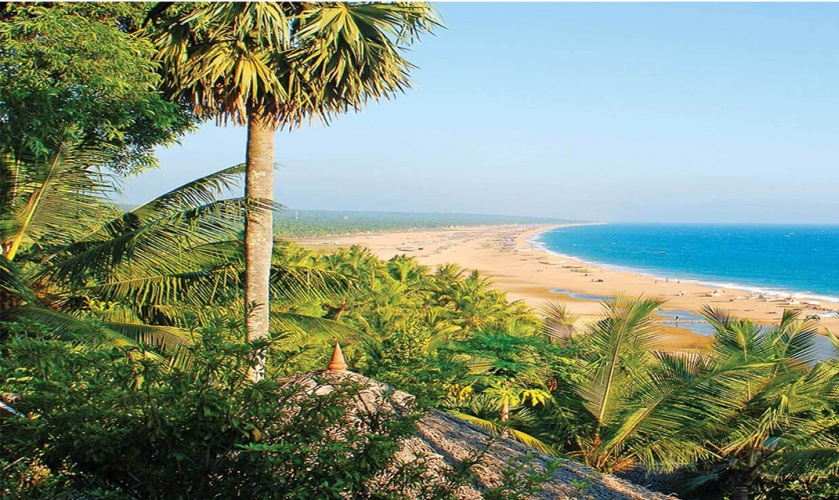
Why Kerala is the Best Place for Liver Cirrhosis (Early Stage) Treatment

An Ayurvedic Liver Cirrhosis Early Stage treatment retreat in Kerala, India offers the most clinically authentic environment for comprehensive Yakrit Vikara care this important critical-window condition fundamentally benefits from.

  • Experienced physicians with specific expertise in Yakrit Vikara framework and the classical hepatic Ayurveda tradition
  • BAMS and MD Ayurveda-certified doctors with specialised training in chronic liver conditions and Pitta-Rakta-Pliha disorders
  • Specialised practitioner expertise in hepatoprotective therapy including comprehensive Bhumyamalaki and Kalmegh therapy with appropriate protocols
  • Authentic in-house preparation of Arogyavardhini Vati — the cornerstone classical liver formulation following classical methodology with appropriate quality control
  • Authentic in-house preparation of classical hepatoprotective formulations — Bhumyamalaki Churna preparations, Kalmegh Churna preparations, Bhringaraj preparations, Kutki preparations, Phalatrikadi Kashayam, Drakshadi Kashayam, Punarnavadi Mandura, Rohitaka Lehyam, Mahamanjishthadi Kashayam, Chyavanaprasha, Amalaki Rasayana — using authentic methods and fresh herbs
  • Authentic in-house preparation of constitutional supportive oils — Chandanadi Taila for Pitta pacification, Ksheerabala Taila for comprehensive support — using classical methodology
  • Proper facilities for comprehensive Pitta-pacifying and constitutional therapies with appropriate clinical infrastructure
  • Capacity for liver-specific monitoring during treatment essential for cirrhosis patients
  • Capacity for integrated diabetes management essential given substantial NAFLD/MASLD-cirrhosis associations
  • Capacity for integrated metabolic syndrome management
  • Long-established Kerala tradition of comprehensive Yakrit Vikara and hepatic Ayurveda
  • Calm, supportive environment essential for chronic liver disease patients
  • Capacity for hepatology emergency escalation with clear protocols for any decompensation signs requiring urgent specialist care
  • Coordination capability with continued hepatology care including continued etiology-specific treatment management (DAAs, antivirals, immunosuppression) — recognition that integrative care strictly complements rather than replaces essential hepatology treatment
  • Capacity for sustained long-term care relationships through chronic liver condition management
  • Senior-friendly accommodation for older cirrhosis patients
  • Capacity for comprehensive lifestyle integration including Mediterranean-pattern dietary protocols, exercise programs appropriate to liver status, absolute alcohol cessation support, weight management, smoking cessation, and stress management
  • Capacity for comprehensive vegetarian and special dietary preparation including liver-supportive foods (amla, turmeric, garlic, leafy greens, beetroot, cruciferous vegetables, berries integration)
  • Discretion and sensitivity throughout treatment

Sri Lanka offers complementary tropical healing environment with Ayurvedic expertise in chronic liver conditions, while Bali provides wellness-oriented treatment retreats integrating Ayurvedic care with holistic wellness particularly valuable for early stage liver disease and broader lifestyle integration phases. For specialised Yakrit Vikara Ayurveda with comprehensive Bhumyamalaki therapy capability and authentic Arogyavardhini Vati preparation, Kerala offers the deepest tradition.


Liver Cirrhosis (Early Stage) Treatment Retreats by Location and Recommended Centres

Kerala, India — The most clinically authentic destination for classical hepatic Ayurvedic care with established Yakrit Vikara tradition including specialised Bhumyamalaki and Kalmegh therapy expertise, authentic Arogyavardhini Vati and classical hepatoprotective formulation preparation, capacity for liver-specific monitoring throughout treatment, calm supportive environment essential for chronic liver disease, integrated diabetes and metabolic syndrome management given substantial NAFLD/MASLD prevalence, hepatology emergency escalation capability, and the deepest tradition of comprehensive hepatic Ayurveda. Alleppey • Kovalam • Kumarakom • Wayanad • Palakkad

Sri Lanka — Coastal Ayurveda treatment retreats with comprehensive supportive care for chronic liver conditions in serene tropical environment. Wadduwa • Weligama • Sigiriya • Kosgoda • Bentota
 

Bali, Indonesia — Wellness treatment retreats integrating Ayurvedic care with holistic wellness restructuring, particularly valuable for early liver disease, maintenance phases, and broader lifestyle integration. Ubud • Nusa Dua • Candidasa • Lovina

WellnessLoka connects you with verified centres across these destinations offering genuine Yakrit Vikara expertise, comprehensive Bhumyamalaki and Kalmegh therapy capability essential for liver cirrhosis integrative care, authentic Arogyavardhini Vati and classical hepatoprotective formulation preparation, capacity for liver-specific monitoring, calm supportive environment, senior-friendly accommodation, integrated diabetes and metabolic management, hepatology emergency escalation capability, absolute commitment to coordination with continued hepatology care including continued etiology-specific treatment (DAAs, antivirals, immunosuppression) which must never be discontinued, absolute alcohol cessation support, and clear understanding of the integrative role alongside continued conventional hepatology management.


Who Should Consider an Ayurvedic Liver Cirrhosis (Early Stage) Treatment Retreat

Critical foundation: All candidates must be in early stage compensated cirrhosis with confirmed stability under continued hepatology care; decompensated cirrhosis with ascites, variceal bleeding, hepatic encephalopathy, or substantial jaundice requires specialized hepatology management and not retreat-based care.

Patients with NAFLD/MASLD-related early cirrhosis — Combined metabolic and hepatic integrative approach particularly valuable given substantial NAFLD/MASLD prevalence and substantial lifestyle dimensions.

Patients post-Hepatitis C DAA treatment — Those who have completed DAA treatment with viral cure seeking comprehensive hepatic recovery support and reduced progression risk.

Patients with stable Hepatitis B on antiviral therapy — Comprehensive integrative support alongside continued antiviral treatment.

Patients with stable autoimmune hepatitis on immunosuppression — Comprehensive integrative supportive approach alongside continued immunosuppression.

Patients with stable PBC or PSC on continued specialist management — Comprehensive integrative supportive approach.

Patients with hereditary conditions on appropriate management — Wilson disease on chelation, hemochromatosis with appropriate phlebotomy management, with comprehensive integrative support.

Patients with alcohol-related cirrhosis in sustained sobriety — Comprehensive constitutional rebuilding alongside continued sobriety support and hepatology care.

Patients seeking comprehensive integrative approach for sustained hepatoprotection — Combined conventional and Ayurvedic care for chronic liver disease management.

Patients with combined cirrhosis and diabetes — Combined Madhumeha-aware approach given substantial associations.

Patients with combined cirrhosis and metabolic syndrome — Holistic integrative approach.

Patients seeking constitutional approach — Comprehensive Ayurvedic framework for liver health and broader constitutional wellness.

Patients with substantial Pitta predominance — Constitutional approach matched to individual patterns.

Patients with chronic stress contributing to symptoms — Comprehensive stress management integration.

Patients seeking long-term integrative philosophy — Holistic approach for sustained liver health management.


Who Should Approach Treatment with Caution

Ayurvedic care for Liver Cirrhosis is genuinely valuable in early stage but appropriate medical evaluation and continued hepatology coordination are essential. A thorough consultation is essential, and Ayurvedic retreat-based care should be deferred or replaced by urgent specialist care in cases involving:

Decompensated cirrhosis with ascites — Requires specialized hepatology management with diuretics, paracentesis, and broader management.

Active or recent variceal bleeding — Requires urgent specialized management; not appropriate for retreat-based care.

Hepatic encephalopathy — Requires specialized management with lactulose, rifaximin, dietary modifications; cognitive symptoms suggesting encephalopathy require urgent attention.

Substantial jaundice or rising bilirubin — Suggests decompensation requiring specialist evaluation.

Active hepatocellular carcinoma (HCC) — Requires specialized oncology management; not appropriate for retreat-based primary care.

Acute liver failure — Requires urgent specialized care.

Active untreated viral hepatitis — Should be on appropriate antiviral treatment before retreat-based care.

Active alcohol use — Sobriety with appropriate addiction support essential before retreat-based care.

Active autoimmune flare — Requires specialized immunosuppression management.

Severe untreated comorbidities — Significant medical conditions require stabilisation.

Patients planning to discontinue etiology-specific treatmentAbsolutely strongly discouraged to discontinue DAAs courses, antivirals, immunosuppression, or other prescribed liver treatments to pursue Ayurveda alone.

Patients with substantial unrealistic expectations — Honest counselling about realistic outcomes; cirrhosis involves structural changes with limited reversal; integrative goal is slowing progression and supporting function.

Patients without baseline hepatology evaluation — Should have appropriate evaluation including FibroScan, imaging, HCC screening, and variceal screening before retreat-based care.

Patients with severe untreated psychiatric conditions — May require mental health stabilization.

Patients using hepatotoxic medications without alternatives — Should consult hepatology for medication review.


Choosing the Right Treatment Retreat for Liver Cirrhosis (Early Stage)

Qualified physicians with Yakrit Vikara expertise — BAMS or MD Ayurveda-credentialed doctors with specialised training in chronic liver conditions.

Specialised practitioner expertise in hepatoprotective therapy — Including comprehensive Bhumyamalaki and Kalmegh therapy protocols.

Authentic in-house Arogyavardhini Vati preparation — Following classical methodology essential given cornerstone role.

Authentic in-house hepatoprotective formulations — Bhumyamalaki, Kalmegh, broader liver formulations with quality assurance.

Proper infrastructure — Including capacity for liver-specific monitoring throughout treatment.

Capacity for hepatology emergency escalation — Clear protocols for any decompensation signs.

Capacity for integrated comorbidity management — Particularly diabetes and metabolic syndrome given NAFLD/MASLD associations.

Calm, supportive environment — Essential for chronic liver disease patients.

Senior-friendly accommodation — For older cirrhosis patients.

Absolute alcohol cessation support — Critical for cirrhosis management regardless of etiology.

Coordination capability with continued hepatology care — Essential including continued etiology-specific treatment (DAAs, antivirals, immunosuppression) which must never be discontinued.

Capacity for sustained long-term care relationships — Recognising chronic nature.

Honest framing — Centres clearly understanding integrative role; avoid centres claiming to cure cirrhosis through Ayurveda or suggesting etiology-specific treatment discontinuation.

Clear continuity-of-care planning — Detailed home regimens, follow-up timing, ongoing coordination.


How WellnessLoka Helps You Choose the Right Ayurveda Treatment Retreat for Liver Cirrhosis (Early Stage)

Choosing the right treatment retreat for Liver Cirrhosis Early Stage benefits enormously from genuine guidance. Early stage compensated cirrhosis represents critical window for intervention with substantial individual variation in underlying etiology (NAFLD/MASLD, viral hepatitis, alcohol-related, autoimmune, hereditary, others), fibrosis stage, comorbidities, and current treatment context — and the right program depends on accurate identification of the specific Yakrit Vikara pattern and matching to centres with genuine hepatic Ayurveda expertise particularly hepatoprotective therapy capability with appropriate safety considerations and absolute coordination with continued hepatology care. WellnessLoka exists to ensure that patients can make this decision with full information, genuine guidance, complete sensitivity to chronic liver disease dimensions, and complete confidence.

Access to Verified Retreat Centres Every centre listed on WellnessLoka for Liver Cirrhosis Early Stage treatment has been independently assessed for physician credentials, clinical experience with chronic liver conditions and Yakrit Vikara, depth of expertise in hepatic Ayurveda particularly Bhumyamalaki and Kalmegh therapy with substantial classical and modern evidence, authentic in-house Arogyavardhini Vati preparation following classical methodology essential given cornerstone role of this classical liver formulation, authentic preparation of broader hepatoprotective formulations including Bhumyamalaki Churna preparations, Kalmegh Churna preparations, Kutki preparations, Punarnavadi Mandura, Rohitaka Lehyam, Phalatrikadi Kashayam, Drakshadi Kashayam, Mahamanjishthadi Kashayam, and supportive constitutional formulations, capacity for liver-specific monitoring throughout treatment essential for cirrhosis patients, capacity for hepatology emergency escalation with clear protocols for any decompensation signs requiring urgent specialist care, capacity for integrated diabetes and metabolic syndrome management given substantial NAFLD/MASLD-cirrhosis associations, calm supportive environment essential for chronic liver disease patients, senior-friendly accommodation, absolute alcohol cessation support critical for cirrhosis management regardless of etiology, willingness to coordinate with continued hepatology care including continued etiology-specific treatment (DAAs for Hepatitis C history, antivirals for Hepatitis B, immunosuppression for autoimmune hepatitis, comprehensive metabolic management for NAFLD/MASLD), and clear understanding of the integrative role alongside continued conventional hepatology management. We list only centres where Yakrit Vikara protocols are genuinely practised with classical depth and appropriate clinical infrastructure.

Free Pre-Retreat Consultation with Our Ayurvedic Doctor Before you choose a retreat, WellnessLoka offers a complimentary consultation with our in-house Ayurvedic consultant. This consultation reviews your specific cirrhosis context (underlying etiology — NAFLD/MASLD, viral hepatitis, alcohol-related, autoimmune, hereditary, other; duration; current Child-Pugh and MELD scores; recent FibroScan or biopsy findings; HCC surveillance status; variceal screening status; current symptoms and functional capacity), current hepatology management including all etiology-specific treatments (DAAs treatment history for HCV, current antiviral therapy for HBV, immunosuppression for autoimmune, others), comorbidities particularly diabetes and metabolic syndrome (substantial for NAFLD/MASLD), alcohol history with attention to sobriety status, dietary patterns, lifestyle factors, current medications with attention to hepatotoxic considerations, and constitutional profile with attention to Pitta predominance. A critical part of this consultation is screening for any features warranting urgent hepatology evaluation including signs of decompensation (ascites, variceal bleeding, hepatic encephalopathy, jaundice), suspected HCC, active untreated viral hepatitis, active alcohol use, or other concerning features that may make retreat-based care inappropriate currently. Based on the assessment, we either match you with the retreat centre and program duration best suited for your specific clinical context, or honestly recommend that retreat-based supportive care is not currently appropriate with guidance about alternative resources. It is purely a guidance consultation to help you make an informed decision before you travel.

Transparent Centre Comparison WellnessLoka provides clear, honest information about each listed centre — physician qualifications, hepatoprotective therapy expertise, classical formulation preparation, liver monitoring capability, hepatology emergency escalation capability, accommodation including senior-friendly features, therapy protocols, program structure, and pricing — allowing you to compare options across Kerala, Sri Lanka, and Bali with full clarity and confidence.

Best Price Guarantee Through our strong, long-standing relationships with partner centres, you benefit from exclusive partner pricing that is always lower than booking directly. You receive the most authentic care for your Liver Cirrhosis treatment program without paying more for it.

Retreats for Every Budget From luxury wellness resorts to affordable, authentic healing centres, WellnessLoka helps you find a Liver Cirrhosis Early Stage treatment retreat that aligns perfectly with your comfort level and budget — without ever compromising on the specialised Yakrit Vikara and hepatoprotective therapy expertise this condition fundamentally benefits from.

Treatment is in Expert Hands Once you arrive at your chosen retreat, your Liver Cirrhosis treatment program is fully designed and managed by the qualified Ayurvedic physicians at that centre. From your first in-person consultation onwards, all clinical decisions, daily monitoring, therapeutic adaptation, and medical management are guided by experienced doctors on the ground — physicians with deep training in Yakrit Vikara management and direct, hands-on familiarity with hepatoprotective therapy and the broader classical hepatic therapies your program involves. Your treatment unfolds under continuous, qualified supervision with appropriate sensitivity to chronic liver disease dimensions and absolute coordination with your continued hepatology care.

Local Support Team Our on-ground experts assist you at every step, from your first enquiry through to the completion of your retreat — resolving any issues that arise and ensuring your entire Liver Cirrhosis healing journey runs smoothly and safely, with appropriate sensitivity to chronic liver disease complexity.

End-to-End Booking Support From your first enquiry to confirmed booking, WellnessLoka provides full administrative and logistical support with appropriate sensitivity to chronic liver disease patient needs — ensuring a smooth, stress-free process so that you can focus entirely on preparing for your healing program.

Why Travellers Trust WellnessLoka WellnessLoka is rated 4.9? on Google, with verified reviews from wellness travellers who have experienced authentic Ayurveda healing through us. We are trusted by hundreds of travellers from 28+ countries across Europe, the Americas, Asia, Australia, and Africa, backed by over a decade of expertise in curating authentic Ayurveda retreats across trusted centres. Our dedicated support team is available 24×7 to assist you before, during, and after your Liver Cirrhosis treatment retreat with appropriate sensitivity to chronic liver disease complexity.


Begin Your Healing Journey

Liver cirrhosis early stage (compensated cirrhosis) represents the clinically critical window when liver function remains largely preserved despite established cirrhosis, providing substantial opportunity for intervention to slow progression, prevent decompensation, and in some cases produce meaningful improvement. Modern hepatology has substantially advanced with comprehensive evidence-based framework including curative DAA treatment for Hepatitis C, antiviral therapy for Hepatitis B, immunosuppression for autoimmune hepatitis, comprehensive metabolic management for NAFLD/MASLD, HCC surveillance, variceal screening, and broader specialized care.

Classical Ayurvedic care offers genuinely meaningful integrative contributions through the Yakrit Vikara framework with substantial classical literature describing hepatic conditions. The therapeutic framework centers on Bhumyamalaki and Kalmegh-led hepatoprotective herbal therapy with substantial classical use and emerging modern evidence; comprehensive Pitta pacification and Rakta-shodhaka approach; comprehensive dietary integration with Mediterranean and anti-inflammatory patterns particularly important for NAFLD/MASLD; comprehensive constitutional approach with Ama-clearing integration; comprehensive lifestyle integration and absolute coordination with continued hepatology care including continued etiology-specific treatment (DAAs, antivirals, immunosuppression) which must never be discontinued.

Whether you choose a treatment retreat in Kerala, Sri Lanka, or Bali — with Kerala offering particular depth in classical Yakrit Vikara Ayurveda and authentic Arogyavardhini Vati preparation — Ayurvedic care for Liver Cirrhosis Early Stage offers a thoughtful, deeply integrative path to hepatic support, disease progression slowing, constitutional balance, and improved quality of life alongside continued hepatology management.

Frequently Asked Questions

Ayurveda does not fully reverse established cirrhosis as this involves chronic structural fibrotic changes, but provides substantial integrative value for early stage compensated cirrhosis when used alongside continued hepatology care. Bhumyamalaki and Kalmegh-led hepatoprotective therapy with Arogyavardhini Vati, comprehensive Pitta pacification, Mediterranean-pattern dietary integration, and constitutional rebuilding can slow progression, support liver function, and in some cases produce meaningful improvement particularly when underlying etiology is well-controlled. Some early fibrosis may show partial regression with sustained comprehensive management. Continued hepatology care essential including etiology-specific treatment. WellnessLoka centres provide honest framing.
Yes, Bhumyamalaki (Phyllanthus niruri/amarus) is one of the most clinically valuable Ayurvedic herbs for liver support with substantial classical use specifically for hepatic conditions and substantial modern clinical evidence for liver support including evidence in viral hepatitis, NAFLD, and broader liver conditions. Mechanisms include hepatoprotective effects through multiple pathways, anti-inflammatory action, antioxidant effects, anti-viral effects in some contexts, and broader liver-supportive properties. Used as Bhumyamalaki Churna 3-6g daily or in classical formulations. Strictly complements continued hepatology treatment — never replaces etiology-specific therapy. WellnessLoka centres provide authentic Bhumyamalaki preparations.
Arogyavardhini Vati is the cornerstone classical Ayurvedic formulation specifically for liver conditions with substantial classical use across centuries and emerging modern hepatoprotective evidence. The formulation contains multiple hepatoprotective herbs and minerals providing comprehensive liver support, anti-inflammatory effects, metabolic support, and broader hepatic benefits. Standard administration 250-500mg twice daily under appropriate practitioner supervision. Used as core part of integrative cirrhosis management alongside Bhumyamalaki, Kalmegh, and broader hepatoprotective approach. Coordination with continued hepatology care essential. WellnessLoka centres provide authentic in-house Arogyavardhini Vati preparation.
Yes, Ayurveda provides particularly valuable approach for NAFLD/MASLD-related cirrhosis through combined metabolic and hepatic integrative framework. Comprehensive approach includes: Bhumyamalaki and Kalmegh hepatoprotective therapy with substantial NAFLD evidence; Arogyavardhini Vati; comprehensive metabolic management including diabetes optimization, weight management, lipid management; Mediterranean-pattern dietary integration with substantial NAFLD evidence; regular exercise with substantial NAFLD benefits; comprehensive lifestyle integration. Substantial benefits achievable with sustained comprehensive approach. Coordination with continued hepatology and metabolic care essential. WellnessLoka centres provide NAFLD/MASLD-aware integrative care.
Absolutely not — continue all etiology-specific treatments (DAAs treatment courses for Hepatitis C, antivirals for Hepatitis B, immunosuppression for autoimmune hepatitis, chelation for Wilson disease, phlebotomy management for hemochromatosis, others) throughout Ayurvedic integrative care without modification. These treatments are foundational with substantial outcome benefits. Discontinuation substantially worsens outcomes including disease progression and complications. Any medication changes must be discussed with hepatologist — never made unilaterally. Centres claiming Ayurvedic alternatives to etiology-specific treatment should be avoided as potentially dangerous. WellnessLoka programs explicitly require continued etiology-specific treatment.
Foods supporting liver cirrhosis include Mediterranean-pattern integration with substantial evidence — olive oil, fatty fish, abundant vegetables, whole grains, legumes, nuts; adequate protein (1.0-1.5g/kg) — counter to outdated protein restriction recommendations now recognized as inappropriate for compensated cirrhosis; specific hepato-supportive foods: amla with substantial vitamin C and classical hepatoprotective properties, garlic, turmeric for substantial anti-inflammatory effects, leafy greens, beetroot, cruciferous vegetables for detoxification support, berries for antioxidants, green tea in moderation, coffee in moderation with substantial liver evidence. Foods to avoid absolutely: alcohol absolutely essential to avoid regardless of etiology, excessive saturated fats, processed foods, excessive simple sugars (particularly NAFLD/MASLD), raw or undercooked seafood given infection risk. WellnessLoka programs integrate comprehensive liver-supportive meal preparation.
No, alcohol is absolutely contraindicated in cirrhosis regardless of underlying etiology — complete abstinence essential. Even small amounts of alcohol substantially worsen cirrhosis through direct hepatotoxicity, accelerated progression, increased complications including variceal bleeding and hepatocellular carcinoma risk, and worsened outcomes. No safe threshold exists for alcohol in cirrhosis. This applies to all causes — alcoholic cirrhosis (where this is most obvious) but equally to NAFLD/MASLD, viral hepatitis-related cirrhosis, autoimmune cirrhosis, and all other etiologies. Comprehensive alcohol cessation support including addiction services when needed essential. WellnessLoka programs require absolute alcohol cessation throughout and after treatment.
Yes, comprehensive Ayurvedic integrative approach can meaningfully contribute to slowing cirrhosis progression and preventing decompensation when used alongside continued hepatology care. Mechanisms: Hepatoprotective herbs with substantial evidence supporting liver function; anti-inflammatory effects reducing ongoing liver injury; comprehensive lifestyle integration addressing modifiable factors; metabolic optimization particularly for NAFLD/MASLD; comprehensive constitutional support; absolute alcohol cessation with substantial impact regardless of etiology; continued etiology-specific treatment as foundation. Sustained comprehensive approach over years substantially impacts long-term outcomes. Critical to continue hepatology monitoring including HCC surveillance. WellnessLoka programs emphasize comprehensive progression prevention.
Initial signs of benefit typically apparent within 4-8 weeks of comprehensive integrative approach including Bhumyamalaki therapy, Arogyavardhini Vati, dietary integration, and constitutional support — often including improvements in fatigue, energy, digestive function, and subjective wellbeing. Liver function tests may show improvements over 3-6 months in many patients. Structural improvements when achievable typically over 6-12+ months. Sustained long-term approach essential given chronic nature with cirrhosis management being lifelong. Initial intensive retreat 14-28 days followed by sustained home regimen with periodic retreat visits annually. WellnessLoka programs structure realistic timeline expectations.
Kerala, India offers the most clinically authentic destination for liver cirrhosis Ayurvedic care with the deepest tradition of Yakrit Vikara management, experienced physicians with specific hepatic Ayurveda expertise, established Bhumyamalaki and Kalmegh therapy expertise, authentic Arogyavardhini Vati preparation following classical methodology, capacity for liver-specific monitoring throughout treatment, calm supportive environment essential for chronic liver disease, integrated diabetes and metabolic syndrome management given substantial NAFLD/MASLD prevalence, hepatology emergency escalation capability, absolute alcohol cessation support, and absolute commitment to coordination with continued hepatology care including continued etiology-specific treatment. WellnessLoka verified centres in Alleppey, Kovalam, Kumarakom, Wayanad, and Palakkad provide specialised liver cirrhosis early stage care.
About WellnessLoka

WellnessLoka is established with the aim of making the world a happier and a healthier place. Based in Kerala, Gods' Own Country, WellnessLoka seeks to help wellness enthusiasts find and book different wellness options in a hassle free manner.

Read more >>


Join Our Network

Let us help you to get more guests to experience the unique wellness services provided at your property.

Join Now


Contact

WellnessLoka
Koozhampala Solutions Private Limited
Integrated Startup Complex
Kerala Startup Mission
Kerala Technology Innovation Zone
Kinfra Hi-Tech Park Main Rd
HMT Colony P.O
Kochi, Kerala - 683503
GSTIN: 32AAGCK3772L1ZB
+91 8086 040101
[email protected]

     
© 2016 - 2026 WellnessLoka. All Rights Reserved