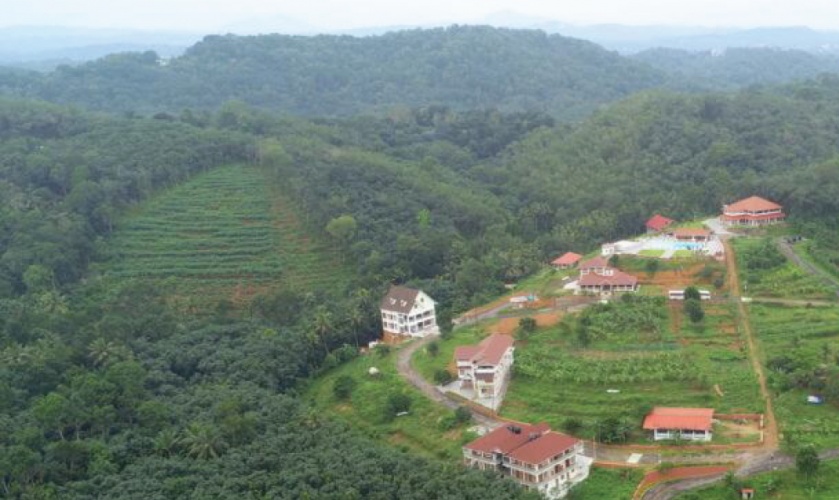
Healing the Gut Naturally Through Ayurveda & Panchakarma

Irritable bowel syndrome (IBS) is a chronic functional gut disorder characterised by abdominal pain, altered bowel habits (diarrhoea, constipation, or mixed), bloating, and substantial impact on quality of life with substantial gut-brain axis dimensions. In Ayurveda, IBS correlates with Grahani Roga, Agni dysfunction, and Vata-Pitta-Kapha imbalance patterns. Ayurvedic care provides comprehensive integrative approach through Agni restoration, comprehensive Basti, classical Grahani formulations, Shirodhara for gut-brain dimensions, and sustained lifestyle integration.

Book Consultation
Search
Filter by:   
Sort by:   

When the Gut Calls for Comprehensive Care: An Ayurvedic Path to Gut-Brain Restoration and Sustained Digestive Wellness

Irritable bowel syndrome represents one of the most common and impactful chronic functional gastrointestinal conditions affecting an estimated 10-15% of adults globally with substantial impact on chronic abdominal symptoms, bowel habits, daily functioning, work productivity, social engagement, and quality of life. Characterised by chronic functional gastrointestinal dysfunction with substantial gut-brain axis dimensions including chronic abdominal pain, altered bowel habits (diarrhoea-predominant, constipation-predominant, or mixed), bloating, distension, and broader functional dimensions, IBS involves complex multi-factor pathophysiology with substantial individual variation in presentation, severity, predominant symptoms, and functional impact.

Common IBS presentations and contexts include:

  • IBS-D (diarrhoea-predominant) with characteristic features
  • IBS-C (constipation-predominant) with characteristic features
  • IBS-M (mixed pattern) with alternating presentations
  • IBS-U (unspecified) with variable patterns
  • Chronic IBS with substantial abdominal pain dimensions
  • Chronic IBS with substantial bloating and distension
  • Post-infectious IBS following acute gastrointestinal infection
  • IBS with substantial gut-brain axis dimensions including substantial stress correlation
  • IBS with substantial food sensitivity dimensions including FODMAP-related patterns
  • IBS with substantial small intestinal bacterial overgrowth (SIBO) dimensions requiring specialist coordination
  • IBS with substantial anxiety and depression comorbidity common across patterns
  • IBS with substantial sleep disturbance dimensions common
  • IBS with substantial chronic fatigue dimensions
  • IBS with substantial menstrual cycle correlation in women
  • Post-antibiotic IBS with substantial dysbiosis dimensions
  • Stress-triggered IBS flares with substantial modern relevance
  • IBS with substantial work-related triggers including travel and irregular patterns

Clinical features: characteristic chronic abdominal pain with substantial individual variation including cramping and discomfort; substantial altered bowel habits matched to specific IBS subtype; substantial bloating and distension common across patterns; substantial gut-brain axis dimensions with substantial stress-symptom correlation; substantial functional impact on daily activities, work productivity, social engagement, sleep; substantial quality of life impact with substantial individual variation; symptom variability with characteristic flare-remission patterns.

Critical warning signs requiring urgent specialist evaluation — important to distinguish from IBS: substantial gastrointestinal bleeding including blood in stool or melena — requires urgent gastroenterology evaluation; substantial unintentional weight loss — requires urgent evaluation; substantial nocturnal symptoms with significant nighttime diarrhoea or pain disturbing sleep — requires evaluation; substantial anemia — requires evaluation; substantial fever with persistent gastrointestinal symptoms — requires evaluation; family history of inflammatory bowel disease, colorectal cancer, or coeliac disease — warrants specialist evaluation; new onset after age 50 — warrants comprehensive evaluation; substantial abdominal massrequires urgent evaluation; substantial dysphagia — requires evaluation.

Modern medical management includes comprehensive gastroenterology evaluation when applicable for accurate IBS diagnosis and exclusion of other conditions, comprehensive dietary interventions including low-FODMAP diet with substantial evidence base, dietary trigger identification, soluble fiber optimization, specific pharmacological interventions matched to predominant symptoms including antispasmodics, specific anti-diarrhoeal agents for IBS-D, specific laxatives for IBS-C, specific IBS-targeted medications including rifaximin in specific applications, cognitive behavioral therapy (CBT) and gut-directed hypnotherapy with substantial evidence base for substantial gut-brain axis dimensions, mindfulness-based interventions, comprehensive lifestyle interventions, specialised care for comorbid conditions including mental health care when applicable. Yet substantial therapeutic gaps remain for many IBS patients seeking comprehensive integrative approaches addressing whole-person and substantial gut-brain axis dimensions alongside continued conservative management.

Classical Ayurveda addresses IBS through comprehensive Grahani Roga, Agni dysfunction, and Vata-Pitta-Kapha imbalance framework — substantial classical literature with sophisticated framework providing remarkably apt classical understanding of functional gastrointestinal dysfunction predating modern recognition. The classical understanding centres on substantial Grahani Roga as comprehensive classical framework specifically for functional gut disorders, comprehensive Agni dysfunction as foundational with substantial classical sophistication regarding Agni (digestive fire) impairment as root cause, substantial Vata aggravation affecting bowel function with substantial classical sophistication, comprehensive Pitta dimensions in inflammatory and IBS-D patterns, substantial Kapha dimensions in mucus-related and IBS-C patterns, comprehensive Manas Vikara dimensions with substantial classical recognition of gut-mind connection predating modern gut-brain axis recognition, substantial Ama formation from impaired Agni with comprehensive systemic implications, and substantial classical recognition of comprehensive lifestyle disruption as central to chronic Grahani patterns.

The therapeutic framework provides comprehensive approach through comprehensive Agni restoration as cornerstone with substantial classical use; comprehensive Basti as cornerstone Vata-pacifying Panchakarma with substantial classical use for chronic bowel conditions; classical Grahani formulations including Kutaja, Bilwa, Hingvashtak Churna, Avipattikar Churna; comprehensive constitutional dietary approach matched to IBS subtype and individual Prakriti; Shirodhara for substantial gut-brain axis and stress dimensions characteristic of IBS; comprehensive Vata-pacifying approach with substantial sophistication for substantial Vata-related IBS patterns; comprehensive stress management integration essential given substantial gut-brain axis dimensions; comprehensive lifestyle integration including substantial Dinacharya optimization; and coordination with continued gastroenterology care when applicable.


What is IBS Care in Ayurveda?

IBS care in Ayurveda represents the comprehensive classical Grahani Roga, Agni dysfunction, and Vata-Pitta-Kapha imbalance framework addressing chronic functional gastrointestinal dysfunction through integrated Agni restoration, comprehensive Vata-Pitta-Kapha pacification, Manas-supportive, and comprehensive lifestyle dimensions with substantial classical sophistication.

Definition and characteristics:

  • Comprehensive classical Grahani Roga framework specifically for chronic functional gut disorders
  • Substantial classical literature with remarkably apt framework
  • Centered on comprehensive Agni restoration, Vata-Pitta-Kapha pacification, Manas support
  • Integration with continued gastroenterology care when applicable
  • Recognition of substantial gut-brain axis dimensions predating modern recognition

Scope encompasses:

Common IBS presentations:

  • IBS-D (diarrhoea-predominant)
  • IBS-C (constipation-predominant)
  • IBS-M (mixed pattern)
  • IBS-U (unspecified)
  • Chronic IBS with substantial abdominal pain
  • Chronic IBS with substantial bloating
  • Post-infectious IBS

Specific contexts:

  • Mild stable IBS seeking comprehensive integrative approach
  • Moderate IBS on continued treatment
  • Severe IBS with substantial functional impact seeking comprehensive integrative approach
  • Chronic recurrent IBS patterns
  • IBS with substantial gut-brain axis dimensions with substantial stress correlation
  • IBS with substantial food sensitivity dimensions
  • IBS with substantial SIBO dimensions requiring specialist coordination
  • Stress-triggered IBS flares with substantial modern relevance
  • IBS with substantial work-related triggers

Comorbidity contexts:

  • IBS with substantial anxiety and depression comorbidity
  • IBS with substantial sleep disturbance (also see Insomnia page)
  • IBS with substantial chronic fatigue dimensions
  • IBS with substantial menstrual cycle correlation
  • IBS with substantial fibromyalgia comorbidity (also see Fibromyalgia page)
  • Post-antibiotic IBS with substantial dysbiosis

Constitutional applications:

  • Vata-predominant IBS-D patterns (most common for diarrhoea-predominant)
  • Kapha-predominant IBS-C patterns (common for constipation-predominant)
  • Pitta-predominant IBS patterns with substantial inflammatory dimensions
  • Constitutional approach matched to individual Prakriti

Core therapeutic frameworks:

  • Comprehensive Agni restoration as cornerstone
  • Comprehensive Basti as cornerstone Vata-pacifying Panchakarma
  • Classical Grahani formulations
  • Comprehensive constitutional dietary approach matched to IBS subtype
  • Shirodhara for gut-brain axis and stress dimensions
  • Comprehensive Vata-Pitta-Kapha pacification matched to predominance
  • Comprehensive stress management integration essential
  • Comprehensive lifestyle integration including Dinacharya optimization
  • Coordination with continued gastroenterology care when applicable

Understanding Grahani Roga, Agni Dysfunction, Vata-Pitta-Kapha Dynamics, and the Gut-Brain Connection: The Ayurvedic Framework

The Ayurvedic understanding of IBS sits within comprehensive classical framework with substantial literature providing remarkably apt classical understanding of functional gastrointestinal dysfunction.

Key concepts:

Grahani Roga as Central Framework:
Grahani Roga comprehensive classical framework specifically for functional gut disorders with substantial sophistication:

  • Substantial dedicated classical literature for chronic functional bowel conditions
  • Comprehensive systematic approach for chronic Grahani patterns
  • Sophisticated classical understanding predating modern functional gastrointestinal disorder recognition
  • Substantial recognition of Grahani (small intestine) as central to digestive health

Comprehensive Agni Dysfunction — Foundational:

  • Comprehensive Agni (digestive fire) dysfunction as foundational cause with substantial classical sophistication
  • Substantial classical recognition of Agni impairment as root cause of Grahani Roga and broader digestive conditions
  • Specific Agni dysfunction patterns: Mandagni (sluggish Agni) common in IBS-C, Vishamagni (irregular Agni) characteristic of IBS-M and Vata-predominant patterns, Tikshnagni (sharp Agni) in some IBS-D patterns
  • Specific therapeutic implications requiring comprehensive Agni restoration as foundational

Substantial Vata Aggravation Affecting Bowel Function:

  • Comprehensive Vata pathophysiology affecting bowel function with substantial classical sophistication
  • Particularly central to IBS-D and substantial abdominal pain dimensions
  • Comprehensive Apana Vata dimensions specifically for elimination patterns
  • Specific therapeutic implications

Comprehensive Pitta Dimensions in Inflammatory Patterns:

  • Substantial Pitta dimensions in inflammatory IBS-D patterns
  • Comprehensive Pachaka Pitta dimensions for digestive Pitta
  • Specific therapeutic implications

Substantial Kapha Dimensions in IBS-C Patterns:

  • Substantial Kapha dimensions in IBS-C with substantial mucus-related patterns
  • Comprehensive Kledaka Kapha dimensions
  • Specific therapeutic implications

Comprehensive Manas Vikara Dimensions — Gut-Brain Connection:

  • Substantial Manas (mind) involvement with comprehensive classical recognition of gut-mind connection
  • Substantial classical sophistication anticipating modern gut-brain axis recognition by millennia
  • Specific therapeutic implications requiring Manas-supportive approach

Substantial Ama Formation:

  • Substantial Ama (toxic metabolic byproduct) formation from impaired Agni
  • Comprehensive systemic implications of Ama
  • Specific therapeutic implications requiring Ama-pacifying approach

Comprehensive Lifestyle Disruption:

  • Substantial classical recognition of comprehensive lifestyle disruption as central to chronic Grahani patterns
  • Comprehensive Dinacharya disruption with substantial modern relevance
  • Specific therapeutic implications

Specific Predisposing Factors Classical Ayurveda Identifies:

Aharaja (Dietary):

  • Irregular eating patterns with substantial classical recognition
  • Excessive processed foods with substantial modern relevance
  • Excessive cold raw foods aggravating Vata
  • Excessive heating foods aggravating Pitta in susceptible patterns
  • Excessive heavy mucus-forming foods aggravating Kapha
  • Substantial Viruddha Ahara (incompatible combinations) with substantial classical recognition
  • Inadequate adequate meal spacing
  • Eating during stress with substantial Agni impact
  • Specific subtype-aggravating patterns

Viharaja (Lifestyle):

  • Sedentary lifestyle with substantial classical recognition
  • Irregular sleep schedule with substantial classical recognition
  • Excessive stress with substantial Grahani impact
  • Travel and time zone changes with substantial gut impact
  • Cold exposure
  • Suppression of natural urges with substantial classical recognition particularly bowel urges
  • Inadequate physical activity
  • Inadequate Dinacharya alignment

Manasika (Mental):

  • Chronic stress with substantial gut-brain impact
  • Substantial anxiety with substantial Vata-aggravating gut impact
  • Substantial overthinking and rumination
  • Substantial unresolved emotional patterns

Specific Conditions:

  • Post-infectious onset following acute gastrointestinal infection
  • Post-antibiotic patterns with substantial dysbiosis
  • Constitutional Vata predominance for IBS-D
  • Constitutional Kapha predominance for IBS-C
  • Constitutional Pitta predominance for inflammatory patterns
  • Specific occupational factors including high-stress roles, travel demands, irregular schedules
  • Hormonal patterns including menstrual cycle correlation
  • Specific medication factors

Specific Constitutional Patterns:

Vata-predominant individuals:

  • Higher susceptibility to IBS-D and Vata-aggravation patterns
  • Specific Vata-pacifying approach essential
  • Comprehensive constitutional support

Kapha-predominant individuals:

  • Higher susceptibility to IBS-C patterns
  • Specific Kapha-pacifying approach
  • Comprehensive constitutional support

Pitta-predominant individuals:

  • Susceptibility to inflammatory patterns
  • Specific Pitta-pacifying approach

Modern Validation:
Substantial recent advances in functional gastrointestinal disorder research documenting comprehensive understanding of complex gut-brain axis, microbiome dimensions, visceral hypersensitivity, post-infectious mechanisms, food sensitivity patterns — substantial validation of classical Ayurvedic recognition of comprehensive multi-factor functional gut framework and substantial gut-brain connection predating modern recognition by millennia.

This shapes the Ayurvedic approach to IBS: comprehensive Agni restoration as cornerstone; comprehensive Basti as cornerstone Vata-pacifying Panchakarma; classical Grahani formulations including Kutaja, Bilwa, Hingvashtak Churna, Avipattikar Churna; comprehensive constitutional dietary approach matched to IBS subtype and individual Prakriti; Shirodhara for substantial gut-brain axis and stress dimensions; comprehensive Vata-Pitta-Kapha pacification matched to predominance; comprehensive Abhyanga with substantial Vata-pacifying use; comprehensive stress management integration essential; comprehensive lifestyle integration including substantial Dinacharya optimization; constitutional approach matched to individual Prakriti; coordination with continued gastroenterology care when applicable.


The 3 Stages of Ayurvedic Treatment for IBS

1. Preparation and Assessment (Purva Karma) — Typically 3-7 days

Comprehensive assessment including detailed IBS history (specific IBS subtype, onset, duration, severity, specific symptom patterns including pain location/character, bowel habit patterns, bloating and distension, triggers including specific food triggers and stress correlation, functional impact, current gastroenterology evaluation when applicable, prior treatments and response, current medications, comorbidities including substantial mental health dimensions and substantial sleep disturbance, lifestyle factors with substantial attention to dietary patterns, stress patterns, sleep patterns, exercise patterns) and comprehensive Prakriti (constitutional) assessment through classical frameworks identifying constitutional predominance matched to IBS subtype.

Continued gastroenterology coordination when applicable.

Comprehensive constitutional and Grahani assessment:

  • Prakriti with specific attention to constitutional predominance
  • Vikriti with current aggravation patterns
  • Comprehensive Agni assessment central to IBS
  • Comprehensive Vata-Pitta-Kapha balance assessment
  • Comprehensive Manas Vikara assessment
  • Comprehensive Ama assessment

Critical screening — Important for IBS:

  • Critical screening for warning signs warranting urgent gastroenterology evaluation including substantial gastrointestinal bleeding, substantial unintentional weight loss, substantial nocturnal symptoms, substantial anemia, substantial fever with persistent gastrointestinal symptoms, family history of inflammatory bowel disease/colorectal cancer/coeliac disease, new onset after age 50, substantial abdominal mass — urgent specialist evaluation absolutely essential rather than retreat-based care for these red flags
  • Suspected inflammatory bowel disease — requires gastroenterology evaluation (also see Ulcerative Colitis page)
  • Suspected coeliac diseaserequires gastroenterology evaluation
  • Suspected SIBO with substantial features — requires specialist evaluation
  • Suspected substantial malabsorption — requires evaluation
  • Substantial depression with suicidal ideation — requires urgent mental health evaluation

Realistic expectations setting: comprehensive discussion of realistic expectations regarding IBS improvement, sustained integration requirements particularly comprehensive lifestyle integration and stress management essential, comprehensive dietary integration requirements, recognition that IBS often involves chronic recurrent patterns with sustained management approach, recognition that integrative approach complements rather than replaces continued specialist care when applicable.

Initial gentle constitutional support. Initial dietary modifications with substantial Agni-supportive emphasis matched to subtype. Foundational lifestyle measures including initial Dinacharya awareness, initial stress management, initial bowel regulation support.

2. Core Treatment (Pradhana Karma) — Typically 14-21 days

Comprehensive Agni Restoration as Cornerstone:

Substantial classical use:

  • Comprehensive Agni restoration as cornerstone with substantial classical sophistication regarding Agni dysfunction as foundational to Grahani Roga
  • Substantial therapeutic priority given Agni as root cause

Specific Agni restoration approach matched to dysfunction pattern:

  • For Mandagni (sluggish Agni) common in IBS-C: comprehensive Deepana (Agni-kindling) and Pachana (Ama-digesting) approach with specific herbs and dietary integration
  • For Vishamagni (irregular Agni) characteristic of IBS-M and Vata-predominant: comprehensive Vata-pacifying with sustained Agni regulation
  • For Tikshnagni (sharp Agni) in some IBS-D: comprehensive Pitta-pacifying with appropriate Agni modulation

Comprehensive Basti as Cornerstone Vata-Pacifying Panchakarma:

Substantial classical Vata Vyadhi use:

  • Cornerstone Vata-pacifying Panchakarma with substantial classical recognition specifically for chronic bowel conditions
  • Comprehensive Vata pacification through colon with direct gut effects
  • Substantial classical evidence for chronic Grahani conditions

Multiple Basti sub-categories matched to needs:

  • Anuvasana Basti (nourishing oil enema) with appropriate oils for sustained nourishing therapy particularly valuable in chronic IBS
  • Niruha Basti (cleansing decoction enema) with appropriate decoctions matched to predominance
  • Matra Basti (smaller oil enema) for sustained gentle therapy providing substantial accessibility for ongoing chronic management
  • Yapana Basti as nourishing Basti for sustained chronic constitutional support particularly valuable in chronic IBS with substantial Dhatu Kshaya dimensions
  • Kala Basti following 16-day classical schedule
  • Karma Basti with comprehensive 30-day sequence for substantial conditions

Specific Basti formulations matched to IBS subtype:

  • For IBS-D with substantial Vata-Pitta dimensions: appropriate decoctions and oils with substantial Vata-Pitta pacifying emphasis
  • For IBS-C with substantial Vata-Kapha dimensions: appropriate Anuvasana Basti emphasis with substantial Vata-pacifying and gentle Kapha-pacifying integration
  • For IBS-M: comprehensive integrated approach
  • For substantial Apana Vata dysfunction: specific Apana-supportive Basti

Comprehensive Classical Grahani Formulations:

Cornerstone Grahani formulations:

  • Kutaja (Holarrhena antidysenterica) with substantial classical use specifically for IBS-D and diarrhoea-predominant Grahani patterns providing comprehensive astringent and antimicrobial-supportive effects
  • Bilwa (Aegle marmelos) with substantial classical use specifically for IBS-D providing comprehensive Grahani-supportive effects
  • Hingvashtak Churna with substantial classical use specifically for Vata-related Grahani patterns providing comprehensive Vata-pacifying digestive support
  • Avipattikar Churna with substantial classical use specifically for Pitta-related digestive patterns providing comprehensive Pitta-pacifying digestive support
  • Triphala for sustained gentle bowel support
  • Specific Grahani formulations matched to predominance and subtype

For IBS-D specifically:

  • Kutajarishta for comprehensive IBS-D support
  • Bilwadi formulations for substantial Grahani support
  • Pippali in specific applications
  • Specific anti-diarrhoeal classical formulations

For IBS-C specifically:

  • Triphala as cornerstone gentle support
  • Avipattikar Churna with substantial use
  • Specific gentle laxative formulations
  • Specific Kapha-pacifying integration when applicable

For substantial bloating and distension:

  • Hingvashtak Churna with substantial use
  • Specific Vata-pacifying digestive support
  • Specific carminative integration

Comprehensive Constitutional Dietary Approach — Foundational:

Substantial classical recognition:

  • Comprehensive constitutional dietary approach matched to IBS subtype and individual Prakriti absolutely foundational for IBS management
  • Substantial classical sophistication regarding dietary integration as central to Grahani Roga management

Specific dietary integration matched to subtype:

  • For IBS-D with substantial Vata dimensions: warm grounding cooked foods, specific Vata-pacifying integration, adequate healthy fats including ghee with substantial classical use, specific astringent foods, avoiding raw cold foods, avoiding excessive spicy foods, adequate meal timing
  • For IBS-C with substantial Vata-Kapha dimensions: warm cooked foods with appropriate moisture, specific gentle laxative foods, adequate hydration, specific Vata-pacifying integration with gentle Kapha-pacifying
  • For IBS-M: comprehensive integrated approach matched to current predominance
  • For substantial Pitta-related inflammatory patterns: cooling foods, specific Pitta-pacifying integration, avoiding spicy and acidic foods, adequate cooling herbs

Comprehensive trigger identification:

  • Comprehensive trigger identification essential matched to individual presentation
  • Integration with low-FODMAP approach when applicable with substantial evidence base
  • Specific food sensitivity addressing

Comprehensive dietary integration principles:

  • Eating with attention without distraction with substantial classical recognition essential
  • Adequate meal timing with substantial classical recognition
  • Light dinner with adequate gap before sleep essential
  • Avoiding Viruddha Ahara with substantial classical recognition

Shirodhara for Substantial Gut-Brain Axis and Stress Dimensions:

Substantial classical use:

  • Shirodhara with substantial classical use for nervous system regulation particularly valuable for substantial gut-brain axis dimensions characteristic of IBS
  • Profound nervous system regulation with substantial benefits for IBS through gut-brain axis modulation

Standard preparations:

  • Ksheerabala Taila as foundational with substantial classical nervous system use
  • Brahmi Taila for substantial Medhya benefits
  • Specific Dhara preparations matched to needs

Comprehensive Abhyanga and Vata-Pitta-Kapha Pacification Matched to Predominance:

Comprehensive Abhyanga:

  • Daily comprehensive Abhyanga essential with appropriate oils matched to constitution
  • Substantial Vata-pacifying use central given substantial Vata dimensions in most IBS patterns
  • Specific oils matched to needs

Standard preparations:

  • Mahanarayana Taila for substantial Vata pacification
  • Ksheerabala Taila for nervous system applications
  • Chandanadi Taila for substantial Pitta-pacifying when applicable
  • Specific constitutional oils

Comprehensive Stress Management Integration — Essential:

Substantial gut-brain axis recognition:

  • Comprehensive stress management absolutely essential given substantial gut-brain axis dimensions of IBS
  • Substantial classical recognition of Manas Vikara dimensions predating modern gut-brain axis recognition

Specific stress management integration:

  • Comprehensive meditation with substantial documented gut-brain benefits
  • Specific Pranayama including Anulom Vilom, Bhramari particularly valuable
  • Yoga Nidra as sophisticated classical practice with substantial benefits
  • Integration with CBT and gut-directed hypnotherapy when accessible with substantial evidence base

Comprehensive Lifestyle Integration:

Comprehensive Dinacharya optimization essential:

  • Consistent meal timing with substantial classical recognition
  • Consistent sleep schedule with substantial classical recognition
  • Appropriate physical activity matched to current state
  • Comprehensive sleep hygiene

Specific bowel regulation support:

  • Avoiding suppression of natural urges with substantial classical recognition essential
  • Appropriate bowel timing integration
  • Specific abdominal massage when appropriate

Coordination with Continued Care When Applicable:

  • Continued gastroenterology coordination when applicable
  • Continued mental health care when relevant including CBT integration when applicable with substantial evidence base
  • Continued essential medications when prescribed
  • Substantial care with medication interactions

3. Sustained Digestive Wellness (Paschat Karma) — Continued home regimen

Sustained Agni-supportive approach, continued comprehensive Dinacharya optimization essential, continued home Abhyanga with constitution-specific oils, continued constitutional dietary approach absolutely essential, continued comprehensive stress management essential, continued lifestyle integration, periodic clinical follow-up, periodic preventive retreats for sustained digestive wellness support. Long-term framework — chronic IBS often requires sustained integrated approach; sustainable lifestyle integration essential including continued dietary integration, continued stress management, continued Dinacharya optimization, continued constitutional support; periodic Basti reinforcement valuable for sustained gut wellness.


The 5 Core Therapies for IBS Explained

1. Comprehensive Agni Restoration as Cornerstone for IBS Management Comprehensive Agni restoration as cornerstone for IBS management represents the most fundamental Ayurvedic approach for IBS with substantial classical use centred on Agni (digestive fire) as foundational to Grahani Roga — substantial classical sophistication recognising Agni dysfunction as root cause of chronic functional gut disorders. Substantial classical recognition: comprehensive classical sophistication regarding Agni as foundational to all digestive health with substantial recognition that "Roga Sarve Api Mandagni" (all diseases arise from impaired Agni); substantial classical literature with sophisticated framework for Agni assessment and restoration; substantial therapeutic priority given Agni as root cause of Grahani Roga and broader digestive conditions. Specific Agni dysfunction patterns and matched approaches: for Mandagni (sluggish Agni) common in IBS-C and substantial bloating patterns: comprehensive Deepana (Agni-kindling) approach with Trikatu (combination of Pippali, Maricha, Shunthi) with substantial classical Deepana use, Hingvashtak Churna providing comprehensive Vata-pacifying digestive support, specific Pachana herbs for Ama digestion, gentle Agni stimulation; for Vishamagni (irregular Agni) characteristic of IBS-M and Vata-predominant patterns: comprehensive Vata-pacifying with sustained Agni regulation through Hingvashtak Churna as cornerstone, specific Vata-pacifying digestive support, consistent meal timing essential, sustained dietary regulation; for Tikshnagni (sharp Agni) in some IBS-D patterns: comprehensive Pitta-pacifying with appropriate Agni modulation through cooling Pitta-pacifying herbs including specific bitter herbs, Avipattikar Churna, appropriate dietary cooling. Comprehensive Ama-pacifying approach: when substantial Ama dimensions present (common in chronic IBS): comprehensive Ama-pacifying with specific Pachana herbs, appropriate dietary integration, comprehensive lifestyle integration; substantial classical sophistication regarding Ama as central to chronic conditions. Specific Agni-restorative formulations: Hingvashtak Churna as cornerstone Vata-pacifying digestive support with substantial classical use providing comprehensive digestive and carminative effects; Trikatu as cornerstone Agni-stimulant with substantial classical Deepana use; Avipattikar Churna for Pitta-pacifying digestive support with substantial classical use; Pippali in specific applications; Shatapushpa-Shatahva combinations for substantial bloating; specific Agni-restorative formulations matched to individual presentation. Comprehensive dietary integration as central: comprehensive constitutional dietary approach matched to Agni dysfunction pattern and IBS subtype absolutely essential — dietary integration cannot be separated from Agni restoration; warm freshly prepared foods matched to constitution and current state; appropriate meal timing with substantial classical recognition; adequate meal spacing; eating with attention without distraction with substantial classical recognition essential; avoiding cold raw foods aggravating Vata-related patterns; avoiding excessive heating foods aggravating Pitta-related patterns; avoiding excessive heavy mucus-forming foods aggravating Kapha-related patterns; comprehensive trigger identification; integration with low-FODMAP approach when applicable. Comprehensive lifestyle integration essential: comprehensive Dinacharya optimization absolutely essential with substantial classical sophistication; consistent meal timing absolutely foundational; consistent sleep schedule essential; appropriate physical activity matched to current state; comprehensive stress management essential given substantial Agni-stress connection. For specific clinical contexts: for chronic IBS-C with substantial Mandagni: comprehensive Deepana-Pachana approach with substantial Trikatu and Hingvashtak integration; for chronic IBS-D with substantial Vishamagni: comprehensive Vata-pacifying with sustained Agni regulation; for chronic IBS-M: comprehensive integrated approach matched to current predominance; for substantial Ama dimensions: comprehensive Ama-pacifying integration; for post-infectious IBS: comprehensive Agni restoration with appropriate constitutional support. Critical coordination with continued gastroenterology care when applicable essential — comprehensive Agni restoration complements rather than replaces any prescribed treatments. Combined with comprehensive Basti as cornerstone Vata-pacifying Panchakarma, classical Grahani formulations, comprehensive constitutional dietary approach matched to subtype, Shirodhara for gut-brain axis dimensions, comprehensive Abhyanga, comprehensive stress management essential, comprehensive lifestyle integration including substantial Dinacharya optimization, and coordination with continued care. Kerala centres provide expert Agni restoration approach essential for comprehensive IBS care.

2. Comprehensive Basti as Cornerstone Vata-Pacifying Panchakarma for Chronic IBS Comprehensive Basti as cornerstone Vata-pacifying Panchakarma for chronic IBS provides substantial value with substantial classical use specifically for chronic bowel conditions including chronic IBS — considered the cornerstone Vata-pacifying Panchakarma approach with substantial classical sophistication providing direct colonic effects relevant to IBS management. Substantial classical recognition: comprehensive Basti as cornerstone Vata-pacifying Panchakarma with substantial classical sophistication; substantial classical literature with sophisticated framework specifically for chronic bowel conditions; substantial classical evidence for chronic Grahani conditions and broader Vata Vyadhi affecting bowel function; comprehensive framework anticipating modern recognition of direct colonic therapeutic effects and broader gut benefits. Multiple Basti sub-categories matched to IBS subtype and needs: Anuvasana Basti (nourishing oil enema) with appropriate oils for sustained nourishing therapy particularly valuable in chronic IBS with substantial Vata dimensions providing comprehensive Vata pacification and nourishing colonic effects; Niruha Basti (cleansing decoction enema) with appropriate decoctions matched to predominance providing comprehensive cleansing and balancing effects; Matra Basti (smaller oil enema) for sustained gentle therapy that can be administered without strict preparatory protocols providing substantial accessibility for ongoing chronic IBS management with substantial value; Yapana Basti as nourishing Basti for sustained chronic constitutional support particularly valuable in chronic IBS given substantial Dhatu Kshaya dimensions that can develop in chronic IBS providing comprehensive long-term Dhatu support; Kala Basti following classical 16-day schedule providing comprehensive structured approach; Karma Basti with comprehensive 30-day sequence for substantial conditions requiring intensive Vata-pacifying management. Specific Basti formulations matched to IBS subtype: for IBS-D with substantial Vata-Pitta dimensions: appropriate decoctions and oils with substantial Vata-Pitta pacifying emphasis providing comprehensive support; for IBS-C with substantial Vata-Kapha dimensions: appropriate Anuvasana Basti emphasis with substantial Vata-pacifying and gentle Kapha-pacifying integration; for IBS-M with mixed patterns: comprehensive integrated approach matched to current predominance with substantial flexibility; for substantial Apana Vata dysfunction (downward-moving Vata dimensions specifically): specific Apana-supportive Basti with substantial classical sophistication; for substantial bloating and distension: comprehensive carminative-integrated approach. Substantial documented benefits for IBS: comprehensive Vata pacification through colon with direct gut effects central to IBS-D and substantial pain-predominant patterns; comprehensive bowel regulation essential across IBS subtypes; comprehensive Grahani support with substantial classical sophistication; substantial gut-brain axis benefits through comprehensive nervous system effects of colonic intervention; broader IBS benefits including improved overall functional digestive capacity, comprehensive constitutional support; substantial cumulative benefits over course of comprehensive Basti program. Mechanisms: comprehensive direct colonic therapeutic effects through sustained therapeutic preparation contact; profound Vata pacification through specific oil and herb properties; substantial classical local action with sophisticated framework; broader integrative effects including emerging modern understanding of gut microbiome and broader benefits. Particularly valuable for: chronic IBS across all subtypes, chronic IBS with substantial abdominal pain dimensions, chronic IBS with substantial Vata aggravation patterns, chronic IBS with substantial Dhatu Kshaya dimensions, chronic recurrent IBS patterns, broader chronic Grahani conditions on continued specialist care when applicable. Critical requirements: substantial practitioner expertise essential; appropriate clinical infrastructure essential; comprehensive supervision throughout; appropriate selection matched to individual presentation and IBS subtype; continued specialist coordination when applicable. Combined with comprehensive Agni restoration as cornerstone, classical Grahani formulations, comprehensive constitutional dietary approach matched to subtype absolutely essential, Shirodhara for substantial gut-brain axis dimensions, comprehensive Abhyanga, comprehensive stress management essential, comprehensive lifestyle integration. Kerala centres provide expert comprehensive Basti capability with substantial Vata-pacifying expertise essential for comprehensive IBS care.

3. Comprehensive Classical Grahani Formulations and Constitutional Dietary Approach Matched to IBS Subtype Comprehensive classical Grahani formulations and constitutional dietary approach matched to IBS subtype provide substantial value for IBS with substantial classical use specifically for chronic functional gut conditions providing comprehensive subtype-matched support. Cornerstone Classical Grahani Formulations: substantial classical sophistication regarding specific Grahani formulations providing comprehensive subtype-matched support; cornerstone formulations including Kutaja (Holarrhena antidysenterica) with substantial classical use specifically for IBS-D and diarrhoea-predominant Grahani patterns providing comprehensive astringent and antimicrobial-supportive effects with substantial classical recognition as cornerstone for diarrhoea-predominant conditions; Bilwa (Aegle marmelos) with substantial classical use specifically for IBS-D and chronic diarrhoea providing comprehensive Grahani-supportive effects — Bilwa particularly recognised for chronic IBS-D applications with substantial classical sophistication; Hingvashtak Churna with substantial classical use specifically for Vata-related Grahani patterns providing comprehensive Vata-pacifying digestive support central to many IBS presentations; Avipattikar Churna with substantial classical use specifically for Pitta-related digestive patterns providing comprehensive Pitta-pacifying digestive support; Triphala for sustained gentle bowel support with substantial classical use particularly valuable for IBS-C and sustained gentle regulation; specific Grahani formulations matched to predominance and subtype. For IBS-D specifically: Kutajarishta for comprehensive IBS-D support providing fermented Kutaja preparation with substantial classical use; Bilwadi formulations for substantial Grahani support; Pippali in specific applications; Dadimashtak Churna providing pomegranate-based support; specific anti-diarrhoeal classical formulations with substantial sophistication including specific astringent-cooling integration. For IBS-C specifically: Triphala as cornerstone gentle support with substantial classical use; Avipattikar Churna with substantial use particularly when Pitta dimensions present; Haritaki preparations for gentle laxative effects with substantial classical use; specific gentle laxative formulations matched to constitution; specific Kapha-pacifying integration when applicable including specific spice integration. For substantial bloating and distension: Hingvashtak Churna with substantial use as cornerstone; Shatapushpa-Shatahva combinations; specific Vata-pacifying digestive support; specific carminative integration including fennel, cumin, ajwain. For substantial Manas Vikara dimensions: integration with Medhya support including Brahmi, Ashwagandha, Saraswatarishtam when applicable for substantial gut-brain axis dimensions. Comprehensive Constitutional Dietary Approach — Foundational: substantial classical recognition regarding comprehensive constitutional dietary approach matched to IBS subtype and individual Prakriti absolutely foundational for IBS management with substantial classical sophistication regarding dietary integration as central to Grahani Roga management. Specific dietary integration matched to subtype: for IBS-D with substantial Vata dimensions: warm grounding cooked foods with substantial classical emphasis, specific Vata-pacifying integration, adequate healthy fats including ghee with substantial classical use, specific astringent foods (pomegranate, apple, banana — ripe), avoiding raw cold foods aggravating Vata, avoiding excessive spicy foods, adequate meal timing essential, specific cooked rice preparations valuable, adequate hydration with warm water; for IBS-C with substantial Vata-Kapha dimensions: warm cooked foods with appropriate moisture, specific gentle laxative foods including soaked dates, prunes, figs, adequate hydration essential, specific Vata-pacifying integration with gentle Kapha-pacifying, adequate fiber from cooked vegetables, specific ghee integration for sustained gentle support, avoiding excessive dry hard foods aggravating Vata-Kapha constipation; for IBS-M: comprehensive integrated approach matched to current predominance with substantial flexibility and ongoing adjustment; for substantial Pitta-related inflammatory patterns: cooling foods, specific Pitta-pacifying integration, avoiding spicy and acidic foods, adequate cooling herbs (coriander, fennel), avoiding excessive heating foods. Comprehensive trigger identification: comprehensive trigger identification essential matched to individual presentation; integration with low-FODMAP approach when applicable with substantial evidence base providing complementary value — low-FODMAP can substantially help substantial proportion of IBS patients with appropriate guided implementation; specific food sensitivity addressing matched to individual; comprehensive food diary approach valuable. Comprehensive dietary integration principles: eating with attention without distraction with substantial classical recognition essential — this principle alone provides substantial benefit; adequate meal timing with substantial classical recognition essential including consistent meal times; adequate meal spacing typically 4-5 hours between meals; light dinner with adequate gap before sleep essential ideally 3 hours; avoiding Viruddha Ahara (incompatible combinations) with substantial classical recognition; adequate hydration matched to constitution typically warm water; specific anti-inflammatory spices including turmeric with substantial evidence, ginger, cumin, coriander, fennel; comprehensive whole-food emphasis with substantial whole-food integration essential. Critical coordination with continued specialist care when applicable essential — formulations and dietary approach complement rather than replace any prescribed treatments; comprehensive medication interaction awareness essential for any herbal additions particularly given common use of IBS-specific medications. Combined with comprehensive Agni restoration as cornerstone, comprehensive Basti as cornerstone Vata-pacifying Panchakarma, Shirodhara for substantial gut-brain axis dimensions, comprehensive Abhyanga, comprehensive stress management essential, comprehensive lifestyle integration including substantial Dinacharya optimization absolutely essential. Kerala centres provide authentic preparations and comprehensive constitutional dietary capability.

4. Shirodhara for Substantial Gut-Brain Axis Dimensions and Comprehensive Stress Management Integration — Essential Shirodhara for substantial gut-brain axis dimensions and comprehensive stress management integration — essential provide substantial value for IBS given substantial classical recognition of gut-mind connection predating modern gut-brain axis recognition by millennia. Substantial classical recognition of Gut-Brain Connection: comprehensive classical sophistication regarding Manas (mind) involvement in Grahani Roga with substantial recognition of gut-mind connection — substantial classical sophistication anticipating modern gut-brain axis recognition by millennia; substantial classical evidence for chronic stress-related Grahani patterns; comprehensive framework anticipating modern understanding of complex gut-brain bidirectional connections including HPA axis dimensions, vagal connections, broader neuroimmune connections. Shirodhara for Substantial Gut-Brain Axis and Stress Dimensions: substantial classical use of Shirodhara for nervous system regulation particularly valuable for substantial gut-brain axis dimensions characteristic of IBS providing profound nervous system regulation with substantial benefits through gut-brain axis modulation; standard procedure: continuous warm medicated liquid pouring over forehead in specific rhythm and pattern over 30-45 minute session with substantial classical sophistication; standard preparations: Ksheerabala Taila as foundational with substantial classical nervous system use providing comprehensive nervous system regulation, Brahmi Taila for substantial Medhya benefits particularly valuable for substantial gut-brain dimensions, Chandanadi Taila for cooling effects particularly valuable in Pitta-related stress patterns; substantial documented benefits for IBS: substantial stress reduction central to IBS gut-brain axis management with documented HPA modulation, comprehensive nervous system calming, substantial gut-brain axis modulation central to IBS, broader benefits including improved sleep, mood support; standard course: 7-14 daily sessions providing substantial cumulative benefits. Comprehensive Stress Management Integration — Absolutely Essential: comprehensive stress management absolutely essential given substantial gut-brain axis dimensions of IBS with substantial impact of stress on IBS symptoms — stress is one of most consistently identified IBS triggers and stress management one of most valuable IBS interventions. Specific stress management integration: comprehensive meditation with substantial documented gut-brain benefits — meditation has substantial evidence base for IBS specifically with documented symptom improvement; specific Pranayama including Anulom Vilom with substantial documented benefits particularly valuable for IBS, Bhramari particularly valuable for substantial calming, gentle deep breathing practices; Yoga Nidra as sophisticated classical practice with substantial documented benefits for IBS providing comprehensive nervous system restoration; integration with CBT and gut-directed hypnotherapy when accessible with substantial evidence base for IBS specifically — CBT and gut-directed hypnotherapy represent first-line evidence-based interventions for IBS with substantial benefits; mindfulness practices with substantial evidence base for IBS. Comprehensive Abhyanga with Vata-Pitta Pacification: daily comprehensive Abhyanga essential with appropriate oils matched to constitution providing comprehensive Vata pacification central to IBS gut-brain dimensions; standard preparations: Mahanarayana Taila for substantial Vata pacification, Ksheerabala Taila particularly valuable for nervous system applications, specific constitutional oils; sustained home practice essential. Comprehensive Yoga and Movement Integration: gentle therapeutic Yoga with appropriate constitution-matched selection providing comprehensive benefits including substantial gut-brain benefits; specific asanas valuable for IBS including specific abdominal-supportive postures with appropriate qualified guidance; specific gentle abdominal-supportive movements; gradual progression essential. Comprehensive Sleep Optimization: comprehensive sleep optimization essential given substantial sleep-gut connection in IBS and substantial sleep disturbance common in IBS; consistent sleep schedule essential; comprehensive sleep hygiene; integration with Shirodhara providing sleep benefits valuable. Comprehensive Lifestyle Boundary-Setting: substantial work-life boundary-setting valuable given substantial work-stress impact on IBS; comprehensive lifestyle integration with substantial stress reduction emphasis; comprehensive nature exposure providing substantial stress reduction benefits. For specific clinical contexts: for chronic stress-triggered IBS flares comprehensive Shirodhara-led approach with sustained stress management integration; for IBS with substantial anxiety comorbidity comprehensive integrated approach with comprehensive Medhya support; for IBS with substantial sleep disturbance comprehensive sleep-supportive integration (also see Insomnia page); for IBS with substantial depression comorbidity comprehensive integrated approach with continued mental health care coordination essential; for IBS with substantial work-related triggers comprehensive lifestyle transformation approach. Critical coordination with continued mental health care when applicable essential — continued CBT or gut-directed hypnotherapy integration when applicable provides substantial complementary value with substantial evidence base; continued mental health medications when prescribed which must never be discontinued without specialist guidance; comprehensive medication interaction awareness essential. Combined with comprehensive Agni restoration as cornerstone, comprehensive Basti as cornerstone Vata-pacifying Panchakarma, classical Grahani formulations, comprehensive constitutional dietary approach matched to subtype, comprehensive lifestyle integration including substantial Dinacharya optimization, and coordination with continued specialist care when applicable. Kerala centres provide expert Shirodhara capability and comprehensive stress management integration essential for comprehensive IBS care.

5. Comprehensive Lifestyle Integration with Dinacharya Optimization and Sustained Approach — Foundational for Sustained IBS Wellness Comprehensive lifestyle integration with Dinacharya optimization and sustained approach — foundational for sustained IBS wellness provides essential foundation for sustained IBS management given fundamental nature of IBS as chronic functional condition requiring sustained integration. Critical recognition — Foundational Principle: chronic IBS often requires sustained integrated approach rather than time-limited intervention; sustainable lifestyle integration essential for sustained results; retreat-based programs provide substantial foundation but sustained results require sustained integration commitment. Comprehensive Dinacharya Optimization — Absolutely Essential: substantial classical Dinacharya framework providing comprehensive sophistication regarding daily routine optimization absolutely essential for IBS; comprehensive integration essential. Specific Dinacharya integration: consistent meal timing absolutely foundational for IBS with substantial classical recognition — irregular meal timing substantially aggravates IBS across subtypes; adequate meal spacing typically 4-5 hours between meals; consistent sleep schedule with substantial classical recognition; appropriate physical activity matched to current state with substantial benefits for IBS — both inadequate exercise and excessive intense exercise can aggravate IBS, appropriate moderate activity beneficial; avoiding suppression of natural urges with substantial classical recognition particularly bowel urges essential for IBS; appropriate bowel timing integration with substantial classical sophistication regarding regular morning bowel habits; specific morning practices including gentle warm water with lemon when appropriate, gentle abdominal self-massage, gentle Yoga; light dinner with adequate gap before sleep essential ideally 3 hours; comprehensive sleep hygiene absolutely essential. Sustained Constitutional Dietary Approach Essential: continued comprehensive constitutional dietary approach matched to IBS subtype absolutely essential for sustained wellness — dietary integration is one of most powerful sustained IBS interventions; sustained trigger identification and avoidance; continued integration with low-FODMAP approach when applicable; continued whole-food emphasis; continued eating with attention. Continued Comprehensive Stress Management Essential: continued comprehensive stress management absolutely essential given fundamental gut-brain axis nature of IBS; continued meditation practice essential; continued specific Pranayama practice; continued Yoga Nidra when accessible; continued mindfulness integration; continued integration with CBT and gut-directed hypnotherapy when accessible with substantial evidence base; continued comprehensive lifestyle stress reduction. Continued Home Abhyanga: continued daily home Abhyanga essential with constitution-specific oils for sustained Vata pacification; sustained home practice with substantial classical and modern recognition; specific abdominal Abhyanga valuable for IBS providing direct beneficial effects. Continued Gentle Yoga Integration: continued gentle therapeutic Yoga practice with appropriate constitution-matched selection providing sustained benefits; specific asanas valuable for IBS with sustained practice. Comprehensive Sleep Optimization: sustained comprehensive sleep optimization essential given substantial sleep-gut connection; sustained consistent sleep schedule; sustained sleep hygiene; integration with Shirodhara periodically valuable. Comprehensive Environmental and Lifestyle Considerations: calm restorative environment valuable; comprehensive nature exposure providing substantial stress reduction and broader benefits; comprehensive digital boundaries valuable particularly given substantial stress impact of digital lifestyle on gut-brain axis (also see Occupational and Lifestyle Disorders page); comprehensive boundary-setting with substantial work-life boundary integration valuable. Periodic Retreat-Based Reinforcement: periodic preventive retreats valuable annually or biannually for sustained reinforcement; periodic Basti reinforcement valuable; periodic Shirodhara reinforcement valuable for sustained nervous system support. Coordination with Continued Specialist Care When Applicable: continued gastroenterology care when applicable for any specific conditions or substantial symptom changes; continued mental health care when relevant including continued CBT integration when applicable; continued essential medications when prescribed which must never be discontinued without specialist guidance — many IBS patients benefit from comprehensive integrated approach combining continued medications with sustained Ayurvedic integration; comprehensive medication interaction awareness essential for any herbal additions. Honest framing: comprehensive integrative approach provides substantial sustainable value for chronic IBS while sustained lifestyle integration commitment is fundamental — Ayurveda provides meaningful comprehensive support but cannot replace fundamental commitment to sustainable lifestyle integration including sustained Dinacharya optimization, sustained constitutional dietary approach, sustained stress management; substantial symptom improvement, functional improvement, quality of life enhancement often achievable with sustained integrated approach; recognition that chronic IBS often involves chronic recurrent patterns with sustained management approach providing sustained foundation for sustainable wellness despite occasional flares.


How Long Should an Ayurvedic IBS Program Last?
 

Duration Therapeutic Benefit
7–14 days Initial protocols, established Agni restoration foundation
14–21 days Comprehensive constitutional support with Basti and comprehensive integration
21–28 days Extended program with comprehensive sustained transformation foundation
Continued home regimen Sustained Agni-supportive approach and constitutional dietary integration absolutely essential


The exact duration is decided after consultation with the Ayurvedic doctor based on specific IBS context, subtype, severity, chronicity, prior treatment response, and individual factors. Substantial benefits typically develop over 2-6 months of sustained integrated approach with initial benefits often noted within first 1-2 weeks of comprehensive Basti course and constitutional dietary integration. Critical recognition that chronic IBS often requires sustained integrated approach — retreat-based programs provide substantial foundation but sustained results fundamentally require comprehensive integration including continued home Abhyanga, sustained Dinacharya optimization absolutely essential, continued constitutional dietary approach absolutely essential, continued comprehensive stress management essential, continued sustained integration; periodic retreats valuable for sustained reinforcement. Warning signs including substantial gastrointestinal bleeding, substantial unintentional weight loss require urgent gastroenterology evaluation, never retreat-based intervention.
Book Consultation

Benefits of an Ayurvedic Treatment Retreat for IBS


Physical Benefits Functional Benefits Long-Term Impact
Substantial symptom relief Better daily functional capacity Sustained digestive wellness foundation
Better bowel regulation Better energy and reduced fatigue Foundation for sustained flare prevention
Better Agni and digestive function Better mood and emotional balance Better long-term outcomes
Better overall vitality Better quality of life Comprehensive integrative lifestyle framework


Why Kerala is the Best Place for IBS Treatment

An Ayurvedic IBS retreat in Kerala, India offers the most clinically authentic environment for comprehensive classical Grahani Roga Ayurveda alongside continued care when applicable.

  • Experienced physicians with specific expertise in classical Grahani Roga Ayurveda
  • BAMS and MD Ayurveda-certified doctors with specialised training in classical Grahani and Agni restoration
  • Specialised practitioner training in comprehensive Agni restoration as cornerstone
  • Specialised practitioner training in comprehensive Basti as cornerstone Vata-pacifying Panchakarma
  • Specialised practitioner training in classical Grahani formulations matched to subtype
  • Specialised practitioner training in comprehensive constitutional dietary approach
  • Specialised practitioner training in Shirodhara for gut-brain axis dimensions
  • Specialised practitioner training in comprehensive Abhyanga with substantial Vata-pacifying use
  • Specialised practitioner training in comprehensive stress management integration
  • Specialised practitioner training in comprehensive constitutional approach
  • Specialised practitioner training in comprehensive lifestyle integration including substantial Dinacharya optimization
  • Authentic in-house preparation of cornerstone Grahani formulationsKutaja preparations including Kutajarishta, Bilwa preparations, Hingvashtak Churna, Avipattikar Churna, Triphala preparations, specific Grahani formulations
  • Authentic in-house preparation of cornerstone Agni-restorative formulations Trikatu preparations, specific Deepana-Pachana herbs
  • Authentic in-house preparation of cornerstone Shirodhara preparationsKsheerabala Taila as foundational, Brahmi Taila for Medhya benefits, specific Dhara preparations
  • Authentic in-house preparation of cornerstone Vata-pacifying medicated oils Mahanarayana Taila, Ksheerabala Taila, Bala Taila, specific constitutional oils
  • Authentic in-house preparation of Basti materials including comprehensive Basti oils and decoctions matched to subtype
  • Authentic preparation of comprehensive supportive herbs matched to individual presentation
  • Capacity for comprehensive constitutional dietary preparation matched to IBS subtype with substantial classical sophistication
  • Capacity for low-FODMAP integration when applicable with comprehensive guidance
  • Capacity for qualified specialist Yoga instruction with experienced teachers
  • Capacity for comprehensive meditation and Pranayama instruction
  • Capacity for Yoga Nidra instruction with substantial benefits for IBS
  • Capacity for CBT-aware integration when applicable for substantial gut-brain axis dimensions
  • Proper specialised Shirodhara facilities with appropriate clinical infrastructure essential
  • Proper Panchakarma facilities with appropriate clinical infrastructure for comprehensive Basti essential
  • Proper specialised external therapy facilities
  • Calm Sattvic environment supporting sustained transformation
  • Substantial natural environment with comprehensive nature exposure benefits
  • Capacity for emergency medical escalation when relevant for substantial deterioration
  • Coordination with continued gastroenterology care when applicable
  • Capacity for sustained long-term care relationships through chronic IBS management
  • Long-established Kerala tradition representing the deepest preservation of authentic classical Grahani Roga Ayurveda
  • Discretion and sensitivity throughout treatment

Sri Lanka offers complementary tropical healing environment particularly valuable for sustained immersive IBS programs, while Bali provides wellness-oriented treatment retreats integrating Ayurvedic care with holistic wellness particularly valuable for sustainable lifestyle integration and stable phase maintenance programs. For specialised classical Grahani Roga Ayurveda with comprehensive Agni restoration capability, comprehensive Basti capability essential, authentic Grahani formulation preparation including Kutaja and Bilwa, comprehensive constitutional dietary capability, Shirodhara capability, and comprehensive constitutional and sustainable lifestyle integration capability, Kerala offers the deepest tradition globally.


IBS Treatment Retreats by Location and Recommended Centres

Kerala, India — The most clinically authentic destination globally for classical Grahani Roga Ayurveda with the deepest preservation of authentic classical Grahani and Agni restoration tradition including specialised comprehensive Agni restoration capability as cornerstone with substantial classical sophistication regarding Agni dysfunction as foundational, specialised comprehensive Basti capability as cornerstone Vata-pacifying Panchakarma with substantial classical use specifically for chronic bowel conditions including all sub-categories (Niruha, Anuvasana, Matra, Yapana, Kala Basti, Karma Basti) with specific subtype-matched approach, specialised classical Grahani formulation capability including cornerstone formulations matched to subtype (Kutaja with substantial classical use specifically for IBS-D as cornerstone for diarrhoea-predominant conditions, Bilwa with substantial classical use specifically for IBS-D, Hingvashtak Churna with substantial classical use for Vata-related Grahani patterns central to many IBS presentations, Avipattikar Churna for Pitta-related digestive patterns, Triphala for sustained gentle bowel support particularly valuable for IBS-C, specific Grahani formulations matched to predominance), specialised comprehensive constitutional dietary capability matched to IBS subtype with substantial classical sophistication regarding dietary integration as central to Grahani Roga management, specialised Shirodhara capability for substantial gut-brain axis and stress dimensions characteristic of IBS providing profound nervous system regulation through Ksheerabala Taila as foundational and Brahmi Taila for Medhya benefits, specialised comprehensive Abhyanga capability with substantial Vata-pacifying use central given substantial Vata dimensions, specialised comprehensive stress management integration capability essential given substantial gut-brain axis dimensions, specialised comprehensive constitutional approach, authentic in-house preparation of cornerstone Grahani formulations essential (Kutaja preparations including Kutajarishta, Bilwa preparations, Hingvashtak Churna, Avipattikar Churna, Triphala preparations, specific Grahani formulations matched to subtype), authentic in-house preparation of cornerstone Agni-restorative formulations essential (Trikatu preparations as cornerstone Agni-stimulant, specific Deepana-Pachana herbs matched to dysfunction pattern), authentic in-house preparation of cornerstone Shirodhara preparations (Ksheerabala Taila as foundational, Brahmi Taila for Medhya benefits, Chandanadi Taila for cooling effects when Pitta dimensions present, specific Dhara preparations), authentic in-house preparation of cornerstone Vata-pacifying medicated oils (Mahanarayana Taila as foundational, Ksheerabala Taila particularly valuable for nervous system applications, Bala Taila for constitutional support, Chandanadi Taila for Pitta-pacifying when applicable, specific constitutional oils), authentic preparation of comprehensive Basti materials including oils and decoctions matched to IBS subtype, authentic preparation of comprehensive supportive herbs matched to individual presentation, capacity for comprehensive constitutional dietary preparation matched to IBS subtype with substantial classical sophistication including for IBS-D with substantial Vata dimensions (warm grounding cooked foods, adequate healthy fats including ghee, specific astringent foods, avoiding raw cold foods, adequate meal timing, specific cooked rice preparations valuable, adequate hydration with warm water), for IBS-C with substantial Vata-Kapha dimensions (warm cooked foods with appropriate moisture, specific gentle laxative foods including soaked dates/prunes/figs, adequate hydration, specific Vata-pacifying with gentle Kapha-pacifying), for IBS-M (comprehensive integrated approach matched to current predominance), for substantial Pitta-related inflammatory patterns (cooling foods, specific Pitta-pacifying integration), comprehensive trigger identification, integration with low-FODMAP approach when applicable with substantial evidence base, eating with attention without distraction essential, adequate meal timing and spacing essential, capacity for qualified specialist Yoga instruction with experienced teachers including specific asanas valuable for IBS, capacity for comprehensive meditation and Pranayama instruction including Anulom Vilom particularly valuable for IBS, capacity for Yoga Nidra instruction with substantial documented benefits for IBS, capacity for CBT-aware integration when applicable for substantial gut-brain axis dimensions with substantial evidence base, comprehensive Dinacharya integration absolutely essential with substantial classical sophistication including consistent meal timing absolutely foundational for IBS, adequate meal spacing typically 4-5 hours between meals, consistent sleep schedule essential, appropriate physical activity matched to current state, avoiding suppression of natural urges essential particularly bowel urges, appropriate bowel timing integration, light dinner with adequate gap before sleep essential, comprehensive sleep hygiene, proper specialised Shirodhara facilities with appropriate clinical infrastructure essential, proper Panchakarma facilities with appropriate clinical infrastructure for comprehensive Basti essential, proper specialised external therapy facilities, calm Sattvic environment supporting sustained transformation, substantial natural environment, capacity for emergency medical escalation when relevant for substantial deterioration including substantial gastrointestinal bleeding or substantial weight loss requiring urgent evaluation, coordination with continued gastroenterology care when applicable, capacity for sustained long-term care relationships through chronic IBS management, and the deepest preservation of authentic classical Grahani Roga Ayurveda globally. Alleppey • Kovalam • Kumarakom • Wayanad • Palakkad

Sri LankaCoastal Ayurveda treatment retreats with comprehensive classical Grahani Roga Ayurveda in serene tropical environment particularly valuable for sustained immersive IBS programs and comprehensive constitutional rebuilding. Wadduwa • Weligama • Sigiriya • Kosgoda • Bentota

Bali, Indonesia — Wellness treatment retreats integrating Ayurvedic care with holistic wellness, particularly valuable for sustainable lifestyle integration and stable phase maintenance programs for chronic IBS. Ubud • Nusa Dua • Candidasa • Lovina

WellnessLoka connects you with verified centres offering genuine classical Grahani Roga Ayurvedic expertise, comprehensive Agni restoration capability essential, comprehensive Basti capability essential, authentic classical Grahani formulation preparation including Kutaja and Bilwa essential, comprehensive constitutional dietary capability matched to IBS subtype, Shirodhara capability, comprehensive Abhyanga capability, capacity for comprehensive stress management integration essential including Yoga Nidra, capacity for comprehensive Dinacharya integration absolutely essential, capacity for emergency medical escalation when relevant, coordination with continued gastroenterology care when applicable, and clear understanding of integrative role recognising that Ayurveda provides meaningful comprehensive value alongside continued evidence-based care when applicable.


Who Should Consider an Ayurvedic IBS Treatment Retreat

Patients with chronic IBS-D (diarrhoea-predominant) seeking comprehensive integrative approach — Comprehensive Vata-Pitta pacifying with Kutaja and Bilwa-led approach.

Patients with chronic IBS-C (constipation-predominant) seeking comprehensive integrative approach — Comprehensive Vata-Kapha pacifying with Triphala-led approach.

Patients with chronic IBS-M (mixed pattern) seeking comprehensive integrative approach — Comprehensive integrated approach matched to current predominance.

Patients with chronic IBS with substantial abdominal pain dimensionsComprehensive Vata-pacifying approach with substantial Basti emphasis.

Patients with chronic IBS with substantial bloating and distensionComprehensive Hingvashtak-led approach with substantial Agni restoration.

Patients with post-infectious IBS following acute gastrointestinal infection — Comprehensive Agni restoration approach with appropriate constitutional support.

Patients with IBS with substantial gut-brain axis dimensions with substantial stress correlation — Comprehensive Shirodhara-led approach with substantial stress management.

Patients with IBS with substantial food sensitivity dimensions including FODMAP-related patterns — Comprehensive integrative approach with low-FODMAP integration when applicable.

Patients with IBS with substantial SIBO dimensions on continued specialist coordination — Comprehensive supportive approach.

Patients with IBS with substantial anxiety and depression comorbidityComprehensive integrated approach with continued mental health care coordination.

Patients with IBS with substantial sleep disturbance (also see Insomnia page) — Comprehensive integrated approach with Shirodhara cornerstone.

Patients with IBS with substantial chronic fatigue dimensionsComprehensive constitutional approach with Rasayana support.

Patients with IBS with substantial menstrual cycle correlation in women — Comprehensive constitutional approach with appropriate timing considerations.

Patients with post-antibiotic IBS with substantial dysbiosis — Comprehensive Agni restoration approach.

Patients with stress-triggered IBS flares with substantial modern relevance — Comprehensive stress management approach.

Patients with IBS with substantial work-related triggers including travel and irregular patterns — Comprehensive lifestyle transformation approach.

Patients with IBS with substantial fibromyalgia comorbidity (also see Fibromyalgia page) — Comprehensive integrated approach.

Patients seeking comprehensive lifestyle transformation for sustained IBS management — Holistic approach.

Patients with Vata-predominant constitutional patterns — Constitutional comprehensive approach.

Patients seeking long-term integrative IBS wellness philosophySustainable lifelong approach.

Patients seeking complementary integration with CBT or gut-directed hypnotherapy when applicable — Integrated evidence-based approach.
 

Who Should Approach Treatment with Caution

Ayurvedic care for IBS is broadly accessible and genuinely valuable but appropriate considerations are essential. IBS retreat-based care should be deferred or replaced by urgent specialist care in cases involving:

Substantial gastrointestinal bleeding including blood in stool or melena — Requires urgent gastroenterology evaluation rather than retreat-based intervention.

Substantial unintentional weight lossRequires urgent evaluation.

Substantial nocturnal symptoms with significant nighttime diarrhoea or pain disturbing sleep — Requires evaluation.

Substantial anemia — Requires evaluation.

Substantial fever with persistent gastrointestinal symptoms — Requires evaluation.

Family history of inflammatory bowel disease, colorectal cancer, or coeliac disease with concerning symptoms — Warrants specialist evaluation rather than retreat-based intervention as primary approach.

New onset after age 50 — Warrants comprehensive evaluation.

Substantial abdominal mass — Requires urgent evaluation.

Substantial dysphagia — Requires evaluation.

Suspected inflammatory bowel disease — Requires gastroenterology evaluation (also see Ulcerative Colitis page).

Suspected coeliac disease — Requires gastroenterology evaluation.

Suspected substantial SIBO with significant features — Requires specialist evaluation.

Suspected substantial malabsorption — Requires evaluation.

Substantial depression with suicidal ideation — Requires urgent mental health evaluation.

Patients planning to discontinue essential medications without specialist guidance — Strongly discouraged.

Patients with substantial unrealistic expectations — Honest counseling essential about realistic gradual nature of improvement.

Patients expecting dramatic transformation in single retreat — Honest framing essential about sustained integration requirements.

Patients unwilling to commit to sustained lifestyle integration — Honest framing essential about sustained integration as fundamental.

Pregnancy with IBS — Specific obstetric coordination essential.


Choosing the Right Treatment Retreat for IBS

Qualified physicians with Grahani Roga Ayurveda expertise — BAMS or MD Ayurveda-credentialed doctors with specialised training.

Specialised practitioner training in comprehensive Agni restoration — Essential cornerstone for IBS management.

Specialised practitioner training in comprehensive Basti — Essential cornerstone Vata-pacifying Panchakarma.

Specialised practitioner training in classical Grahani formulations matched to subtype — Essential.

Specialised practitioner training in comprehensive constitutional dietary approach matched to subtype — Essential.

Specialised practitioner training in Shirodhara — Essential for gut-brain axis dimensions.

Specialised practitioner training in comprehensive stress management integration — Essential.

Specialised practitioner training in comprehensive constitutional approach — Essential.

Specialised practitioner training in comprehensive lifestyle integration including Dinacharya optimization — Absolutely essential.

Authentic in-house preparation of cornerstone Grahani formulations — Essential including Kutaja, Bilwa, Hingvashtak Churna, Avipattikar Churna, Triphala.

Authentic in-house preparation of cornerstone Agni-restorative formulations — Essential including Trikatu and Deepana-Pachana herbs.

Authentic in-house preparation of cornerstone Shirodhara preparations — Essential including Ksheerabala Taila and Brahmi Taila.

Authentic in-house preparation of cornerstone Vata-pacifying medicated oils — Essential.

Authentic preparation of Basti materials matched to subtype — Essential.

Capacity for comprehensive constitutional dietary preparation matched to IBS subtype — Essential.

Capacity for low-FODMAP integration when applicable — Essential with comprehensive guidance.

Capacity for qualified specialist Yoga instruction — Essential including Yoga Nidra.

Capacity for CBT-aware integration — Essential when applicable for substantial gut-brain axis dimensions.

Proper specialised Shirodhara facilities — Essential infrastructure.

Proper Panchakarma facilities — Essential infrastructure for comprehensive Basti.

Proper specialised external therapy facilities — Essential.

Capacity for emergency medical escalation — Critical when relevant for substantial deterioration.

Coordination with continued gastroenterology care when applicable — Essential.

Capacity for sustained long-term care relationships — For chronic IBS management.

Honest framing — Centres clearly understanding sustainable integration as foundational.

Clear continuity planning — Detailed home regimens for sustained lifestyle integration.


How WellnessLoka Helps You Choose the Right Ayurveda Treatment Retreat for IBS

Choosing the right treatment retreat for IBS benefits enormously from genuine guidance. IBS spans broad spectrum with substantial individual variation in subtype (IBS-D, IBS-C, IBS-M), severity, contributing factors, comorbidities, and constitutional context — and given substantial gut-brain axis dimensions and fundamental requirement for sustained lifestyle integration, comprehensive integrative approach with substantial constitutional dietary and stress management focus is paramount. Critical importance of authentic classical Grahani Roga care: substantial variation in centre quality requires careful selection; recognition that authentic IBS Ayurveda requires substantial classical expertise across comprehensive Agni restoration as cornerstone, comprehensive Basti as cornerstone Vata-pacifying Panchakarma, classical Grahani formulations matched to subtype, comprehensive constitutional dietary approach matched to IBS subtype, Shirodhara for substantial gut-brain axis dimensions, comprehensive Abhyanga, comprehensive stress management integration essential, comprehensive lifestyle integration including substantial Dinacharya optimization absolutely essential, and coordination with continued gastroenterology care when applicable. The right program depends on accurate assessment with appropriate warning sign screening, appropriate intervention selection matched to specific IBS subtype and individual presentation, comprehensive Agni restoration as cornerstone, comprehensive Basti as cornerstone Vata-pacifying Panchakarma matched to subtype, classical Grahani formulations matched to subtype, comprehensive constitutional dietary approach matched to IBS subtype absolutely essential, Shirodhara for substantial gut-brain axis dimensions, comprehensive stress management integration essential, comprehensive lifestyle integration including substantial Dinacharya optimization absolutely essential, integration with continued gastroenterology and mental health care when applicable including CBT and gut-directed hypnotherapy integration when accessible, and sustained lifestyle integration commitment which is fundamental for sustainable IBS wellness given chronic recurrent nature of IBS. WellnessLoka exists to ensure that IBS patients can make this decision with full information, genuine guidance, realistic expectations, and complete clinical safety awareness.

Access to Verified Retreat Centres Every centre listed on WellnessLoka for IBS has been independently assessed for physician credentials, specific expertise in classical Grahani Roga Ayurveda with substantial classical literature providing remarkably apt framework for chronic functional gastrointestinal dysfunction including substantial classical recognition of Grahani (small intestine) as central to digestive health, comprehensive Agni dysfunction as foundational cause, substantial recognition of gut-mind connection predating modern gut-brain axis recognition by millennia, depth of expertise in comprehensive Agni restoration as cornerstone with substantial classical sophistication regarding Agni dysfunction as foundational with substantial therapeutic priority — specific Agni dysfunction patterns including Mandagni (sluggish Agni) common in IBS-C requiring Deepana approach with Trikatu and Hingvashtak Churna, Vishamagni (irregular Agni) characteristic of IBS-M and Vata-predominant requiring sustained Agni regulation, Tikshnagni (sharp Agni) in some IBS-D requiring Pitta-pacifying with appropriate Agni modulation, specialised comprehensive Basti capability as cornerstone Vata-pacifying Panchakarma with substantial classical use specifically for chronic bowel conditions including all sub-categories matched to IBS subtype (Anuvasana Basti with appropriate oils particularly valuable in chronic IBS with substantial Vata dimensions, Niruha Basti with appropriate decoctions matched to predominance, Matra Basti for sustained gentle therapy providing accessibility for ongoing chronic management, Yapana Basti particularly valuable in chronic IBS with substantial Dhatu Kshaya dimensions providing comprehensive long-term Dhatu support, Kala Basti following classical 16-day schedule, Karma Basti with comprehensive 30-day sequence for substantial conditions) with specific subtype-matched formulations, specialised classical Grahani formulation capability including cornerstone formulations matched to subtype — Kutaja (Holarrhena antidysenterica) with substantial classical use specifically for IBS-D as cornerstone for diarrhoea-predominant conditions, Bilwa (Aegle marmelos) with substantial classical use specifically for IBS-D providing comprehensive Grahani-supportive effects particularly recognised for chronic IBS-D applications, Hingvashtak Churna with substantial classical use specifically for Vata-related Grahani patterns central to many IBS presentations providing comprehensive Vata-pacifying digestive support, Avipattikar Churna with substantial classical use specifically for Pitta-related digestive patterns, Triphala for sustained gentle bowel support particularly valuable for IBS-C, Kutajarishta for comprehensive IBS-D support, Bilwadi formulations, Pippali in specific applications, Dadimashtak Churna providing pomegranate-based support, specific anti-diarrhoeal classical formulations, Haritaki preparations for gentle laxative effects in IBS-C, specific Grahani formulations matched to predominance, specialised comprehensive constitutional dietary capability matched to IBS subtype with substantial classical sophistication regarding dietary integration as central to Grahani Roga management — for IBS-D with substantial Vata dimensions (warm grounding cooked foods, specific Vata-pacifying integration, adequate healthy fats including ghee with substantial classical use, specific astringent foods including pomegranate/apple/ripe banana, avoiding raw cold foods, avoiding excessive spicy foods, adequate meal timing essential, specific cooked rice preparations valuable, adequate hydration with warm water), for IBS-C with substantial Vata-Kapha dimensions (warm cooked foods with appropriate moisture, specific gentle laxative foods including soaked dates/prunes/figs, adequate hydration essential, specific Vata-pacifying with gentle Kapha-pacifying, adequate fiber from cooked vegetables, specific ghee integration), for IBS-M (comprehensive integrated approach matched to current predominance with substantial flexibility), for substantial Pitta-related inflammatory patterns (cooling foods, specific Pitta-pacifying integration, avoiding spicy and acidic foods, adequate cooling herbs including coriander/fennel), comprehensive trigger identification, integration with low-FODMAP approach when applicable with substantial evidence base providing complementary value, eating with attention without distraction essential, adequate meal timing absolutely foundational, adequate meal spacing typically 4-5 hours, light dinner with adequate gap before sleep essential, avoiding Viruddha Ahara, specific anti-inflammatory spices including turmeric, ginger, cumin, coriander, fennel, comprehensive whole-food emphasis, specialised Shirodhara capability for substantial gut-brain axis and stress dimensions characteristic of IBS providing profound nervous system regulation with substantial benefits through gut-brain axis modulation using Ksheerabala Taila as foundational, Brahmi Taila for substantial Medhya benefits particularly valuable for substantial gut-brain dimensions, Chandanadi Taila for cooling effects particularly valuable in Pitta-related stress patterns, specific Dhara preparations matched to needs with 7-14 daily sessions providing substantial cumulative benefits including substantial stress reduction central to IBS gut-brain axis management with documented HPA modulation, comprehensive nervous system calming, substantial gut-brain axis modulation central to IBS, broader benefits including improved sleep and mood support, specialised comprehensive Abhyanga capability with substantial Vata-pacifying use central given substantial Vata dimensions using Mahanarayana Taila for substantial Vata pacification, Ksheerabala Taila particularly valuable for nervous system applications, Chandanadi Taila for substantial Pitta-pacifying when applicable, specific constitutional oils, specialised comprehensive stress management integration capability essential given substantial gut-brain axis dimensions of IBS including comprehensive meditation with substantial documented gut-brain benefits and evidence base for IBS specifically with documented symptom improvement, specific Pranayama including Anulom Vilom with substantial documented benefits particularly valuable for IBS and Bhramari particularly valuable for substantial calming, Yoga Nidra as sophisticated classical practice with substantial documented benefits for IBS providing comprehensive nervous system restoration, integration with CBT and gut-directed hypnotherapy when accessible with substantial evidence base for IBS specifically as first-line evidence-based interventions for IBS with substantial benefits, mindfulness practices with substantial evidence base for IBS, authentic in-house preparation of cornerstone Grahani formulations essential using authentic methods and fresh herbs, authentic in-house preparation of cornerstone Agni-restorative formulations essential including Trikatu, authentic in-house preparation of cornerstone Shirodhara preparations including Ksheerabala Taila and Brahmi Taila, authentic in-house preparation of cornerstone Vata-pacifying medicated oils including Mahanarayana Taila and Ksheerabala Taila, authentic preparation of comprehensive Basti materials matched to IBS subtype, authentic preparation of comprehensive supportive herbs matched to individual presentation, capacity for comprehensive constitutional dietary preparation matched to IBS subtype essential with substantial classical sophistication, capacity for low-FODMAP integration when applicable with comprehensive guidance, capacity for qualified specialist Yoga instruction essential with experienced teachers including specific asanas valuable for IBS and Yoga Nidra with substantial documented benefits for IBS, capacity for comprehensive meditation and Pranayama instruction essential, capacity for CBT-aware integration essential when applicable for substantial gut-brain axis dimensions with substantial evidence base, comprehensive Dinacharya integration absolutely essential with substantial classical sophistication including consistent meal timing absolutely foundational for IBS, adequate meal spacing typically 4-5 hours, consistent sleep schedule essential, appropriate physical activity matched to current state, avoiding suppression of natural urges essential with substantial classical recognition particularly bowel urges, appropriate bowel timing integration with substantial classical sophistication regarding regular morning bowel habits, specific morning practices including gentle warm water with lemon when appropriate, gentle abdominal self-massage, light dinner with adequate gap before sleep essential ideally 3 hours, comprehensive sleep hygiene absolutely essential, proper specialised Shirodhara facilities with appropriate clinical infrastructure essential, proper Panchakarma facilities with appropriate clinical infrastructure for comprehensive Basti essential, proper specialised external therapy facilities, calm Sattvic environment supporting sustained transformation, substantial natural environment with comprehensive nature exposure benefits valuable for substantial stress reduction relevant to gut-brain axis, capacity for emergency medical escalation when relevant for substantial deterioration including substantial gastrointestinal bleeding, substantial unintentional weight loss, substantial fever with persistent symptoms — never delayed for retreat-based intervention, coordination with continued gastroenterology care when applicable, continued mental health care when relevant including continued CBT and gut-directed hypnotherapy integration when applicable with substantial evidence base, continued essential medications when prescribed which must never be discontinued without specialist guidance including many IBS patients benefit from comprehensive integrated approach combining continued medications with sustained Ayurvedic integration, comprehensive medication interaction awareness essential for any herbal additions, capacity for sustained long-term care relationships through chronic IBS management, and clear understanding of integrative role recognising that Ayurveda provides meaningful comprehensive value alongside continued evidence-based care when applicable while substantial symptom improvement, functional improvement, quality of life enhancement often achievable with sustained integrated approach. We list only centres where authentic Grahani Roga Ayurveda is genuinely practised with classical depth.

Free Pre-Retreat Consultation with Our Ayurvedic Doctor Before you choose a retreat, WellnessLoka offers a complimentary consultation with our in-house Ayurvedic consultant. This consultation reviews your specific IBS context (specific IBS subtype, onset, duration, severity, specific symptom patterns including pain location/character, bowel habit patterns, bloating and distension, triggers including specific food triggers and stress correlation, functional impact, current gastroenterology evaluation when applicable, prior treatments and response, current medications, comorbidities including substantial mental health dimensions and substantial sleep disturbance, lifestyle factors with substantial attention to dietary patterns, stress patterns, sleep patterns, exercise patterns) and comprehensive Prakriti (constitutional) assessment through classical frameworks. A critical part of this consultation is screening for warning signs warranting urgent specialist evaluation including substantial gastrointestinal bleeding (requires urgent gastroenterology evaluation), substantial unintentional weight loss (requires urgent evaluation), substantial nocturnal symptoms, substantial anemia, substantial fever with persistent gastrointestinal symptoms, family history of inflammatory bowel disease/colorectal cancer/coeliac disease with concerning symptoms, new onset after age 50, substantial abdominal mass, substantial dysphagia, suspected inflammatory bowel disease, suspected coeliac disease, suspected substantial SIBO, substantial depression with suicidal ideation — that require urgent specialist care rather than retreat-based intervention. Realistic expectations setting: comprehensive discussion of realistic expectations regarding IBS improvement, sustained integration requirements particularly comprehensive constitutional dietary approach and stress management essential, comprehensive lifestyle integration requirements, recognition that IBS often involves chronic recurrent patterns with sustained management approach, recognition that integrative approach complements rather than replaces continued specialist care when applicable. Based on the assessment, we match you with the retreat centre and program duration best suited for your specific IBS context. It is purely a guidance consultation.

Transparent Centre Comparison WellnessLoka provides clear, honest information about each listed centre — physician qualifications, comprehensive Agni restoration capability essential, comprehensive Basti capability essential, authentic Grahani formulation preparation capability matched to subtype, comprehensive constitutional dietary capability matched to IBS subtype, Shirodhara capability, comprehensive stress management integration capability, Yoga and meditation instruction quality including Yoga Nidra, Dinacharya integration capability, environment quality, accommodation features, program structure, and pricing — allowing comparison across Kerala, Sri Lanka, and Bali with full clarity.

Best Price Guarantee Through our strong, long-standing relationships with partner centres, you benefit from exclusive partner pricing that is always lower than booking directly. You receive the most authentic care without paying more for it.

Retreats for Every Budget From luxury wellness resorts to affordable, authentic healing centres, WellnessLoka helps you find an IBS retreat that aligns perfectly with your comfort level and budget — without ever compromising on the authentic classical expertise this care fundamentally benefits from.

Treatment is in Expert Hands Once you arrive at your chosen retreat, your IBS program is fully designed and managed by the qualified Ayurvedic physicians at that centre with deep training in classical Grahani Roga Ayurveda and direct, hands-on familiarity with comprehensive Agni restoration as cornerstone, comprehensive Basti as cornerstone Vata-pacifying Panchakarma matched to subtype, classical Grahani formulations including Kutaja and Bilwa-led approach for IBS-D and Triphala-led approach for IBS-C, comprehensive constitutional dietary approach matched to IBS subtype, Shirodhara for substantial gut-brain axis dimensions, comprehensive Abhyanga, comprehensive stress management integration including Yoga Nidra, comprehensive Dinacharya integration absolutely essential, and broader classical IBS therapies your program involves. Treatment unfolds under continuous qualified supervision with coordination with your continued gastroenterology care when applicable.

Local Support Team Our on-ground experts assist you at every step from first enquiry through retreat completion — with appropriate sensitivity to IBS-related functional and dietary considerations.

End-to-End Booking Support Full administrative and logistical support — ensuring smooth process so you focus entirely on preparing for your transformative healing program.

Why Travellers Trust WellnessLoka WellnessLoka is rated 4.9? on Google, with verified reviews from wellness travellers from 28+ countries, backed by over a decade of expertise. Our dedicated support team is available 24×7.


Begin Your Healing Journey

Irritable bowel syndrome represents one of the most common and impactful chronic functional gastrointestinal conditions with substantial impact on chronic abdominal symptoms, bowel habits, daily functioning, work productivity, social engagement, and quality of life. Modern medicine has substantially advanced with comprehensive evidence-based framework including comprehensive gastroenterology evaluation, comprehensive dietary interventions including low-FODMAP diet with substantial evidence base, specific pharmacological interventions matched to predominant symptoms, cognitive behavioral therapy (CBT) and gut-directed hypnotherapy with substantial evidence base for substantial gut-brain axis dimensions, mindfulness-based interventions, comprehensive lifestyle interventions, specialised care for comorbid conditions. Yet substantial therapeutic gaps remain for many IBS patients seeking comprehensive integrative approaches addressing whole-person and substantial gut-brain axis dimensions alongside continued conservative management.

Classical Ayurvedic care offers genuinely meaningful integrative contributions through the comprehensive Grahani Roga, Agni dysfunction, and Vata-Pitta-Kapha imbalance framework with substantial classical literature providing remarkably apt classical understanding of functional gastrointestinal dysfunction including substantial classical recognition of gut-mind connection predating modern gut-brain axis recognition by millennia. The therapeutic framework centres on comprehensive Agni restoration as cornerstone with substantial classical sophistication regarding Agni dysfunction as foundational; comprehensive Basti as cornerstone Vata-pacifying Panchakarma with substantial classical use specifically for chronic bowel conditions; classical Grahani formulations including Kutaja and Bilwa-led approach for IBS-D, Triphala-led approach for IBS-C, Hingvashtak Churna for substantial Vata-related patterns, Avipattikar Churna for Pitta-related patterns; comprehensive constitutional dietary approach matched to IBS subtype absolutely essential; Shirodhara for substantial gut-brain axis and stress dimensions characteristic of IBS; comprehensive Vata-Pitta-Kapha pacification matched to predominance; comprehensive Abhyanga; comprehensive stress management integration essential including Yoga Nidra given substantial gut-brain axis dimensions; comprehensive lifestyle integration including substantial Dinacharya optimization absolutely essential; and coordination with continued gastroenterology care when applicable.

The integrative framing is essential: Ayurvedic IBS care complements rather than replaces evidence-based care when applicable. Continued gastroenterology care when applicable. Continued mental health care when relevant including CBT and gut-directed hypnotherapy integration when accessible providing substantial complementary value with substantial evidence base. Continued essential medications when applicable throughout integrative care — never discontinue without specialist guidance. Warning signs including substantial gastrointestinal bleeding require urgent gastroenterology evaluation, never retreat-based intervention. Sustained lifestyle integration essential for sustained IBS wellness given chronic recurrent nature — sustainable integration including continued comprehensive constitutional dietary approach, sustained Dinacharya optimization, sustained stress management is fundamental. Integrative Ayurvedic care provides meaningful comprehensive value alongside evidence-based care with particular strength in comprehensive Agni restoration, comprehensive Basti, classical Grahani formulations matched to subtype, comprehensive constitutional dietary approach, Shirodhara for substantial gut-brain axis dimensions, and comprehensive constitutional and lifestyle integration.

Whether you choose a treatment retreat in Kerala, Sri Lanka, or Bali — with Kerala offering unmatched depth in classical Grahani Roga Ayurveda — Ayurvedic care for IBS offers a thoughtful, deeply integrative path to substantial symptom relief, better bowel regulation, better Agni and digestive function, comprehensive constitutional support, sustained digestive wellness foundation, and substantial quality of life enhancement alongside continued evidence-based care when applicable.

Frequently Asked Questions

Irritable Bowel Syndrome (IBS) is a functional digestive disorder characterised by abdominal pain, bloating, gas, constipation, diarrhea, or alternating bowel habits. It is a chronic condition that affects gut function and is often influenced by diet, stress, and lifestyle factors.
IBS is commonly triggered by stress, poor diet, irregular eating habits, and gut sensitivity. In Ayurveda, it is linked to impaired digestion (Agni), toxin accumulation (Ama), and imbalance in Vata, Pitta, or Kapha doshas.
In Ayurveda, IBS is known as Grahani, a condition caused by weak digestive fire (Agni) and improper assimilation of food. This leads to toxin buildup, irregular bowel movements, and digestive discomfort.
Ayurveda provides meaningful integrative value for chronic IBS through the comprehensive classical Grahani Roga and Agni dysfunction framework with sophisticated approach — though "cure" is not the right framing for chronic IBS which often involves sustained management. Comprehensive approach: comprehensive Agni restoration as cornerstone; comprehensive Basti as cornerstone Vata-pacifying Panchakarma; classical Grahani formulations matched to subtype — Kutaja and Bilwa for IBS-D, Triphala for IBS-C, Hingvashtak Churna for Vata-related patterns; comprehensive constitutional dietary approach absolutely essential; Shirodhara for substantial gut-brain axis dimensions; comprehensive stress management essential. Substantial symptom improvement often achievable. WellnessLoka verified centres provide expert comprehensive Grahani Roga care across Kerala, Sri Lanka, and Bali.
Panchakarma is a medically guided Ayurvedic detox program that eliminates accumulated toxins (Ama), restores dosha balance, and improves overall health. It includes personalised therapies, herbal treatments, and a specialised diet under the supervision of qualified Ayurvedic doctors.
Herbs like Bilva and Musta are commonly used to improve digestion, reduce bloating, regulate bowel movements, and strengthen the digestive system, providing relief from IBS symptoms.
A warm, light, and easily digestible diet is recommended, including cooked foods, soups, and herbal drinks. Avoid raw, processed, spicy, and heavy foods that can weaken digestion and aggravate symptoms.
Yes, stress plays a significant role in IBS by affecting gut function and digestion. Ayurvedic practices like yoga, meditation, and breathing exercises help reduce stress and improve digestive health.
The duration depends on symptom severity and individual health, typically ranging from a few weeks to a few months. Consistency in diet, therapy, and lifestyle is essential for long-term relief.
Kerala, India offers the most clinically authentic destination for IBS Ayurvedic care with the deepest preservation of authentic classical Grahani Roga tradition globally. Experienced BAMS and MD Ayurveda physicians provide specialised comprehensive Agni restoration capability as cornerstone, specialised comprehensive Basti capability as cornerstone Vata-pacifying Panchakarma, specialised classical Grahani formulation capability including Kutaja and Bilwa for IBS-D, Triphala for IBS-C, Hingvashtak Churna, Avipattikar Churna, specialised constitutional dietary capability matched to IBS subtype with substantial classical sophistication, specialised Shirodhara capability for gut-brain axis dimensions, capacity for qualified specialist Yoga and Yoga Nidra instruction with substantial benefits for IBS, comprehensive Dinacharya integration absolutely essential, and coordination with continued gastroenterology care when applicable. WellnessLoka verified centres in Alleppey, Kovalam, Kumarakom, Wayanad, and Palakkad provide specialised IBS care across 160+ audited properties spanning Kerala, Sri Lanka, and Bali with customers from 25+ countries.
Yes, Ayurveda provides substantial subtype-matched value for both IBS-D and IBS-C through classical Grahani Roga framework with comprehensive subtype-specific approaches. For IBS-D: Kutaja (Holarrhena antidysenterica) as cornerstone with substantial classical use specifically for diarrhoea-predominant patterns providing comprehensive astringent and antimicrobial-supportive effects; Bilwa (Aegle marmelos) providing comprehensive Grahani-supportive effects; comprehensive Vata-Pitta pacifying approach; warm grounding cooked foods with adequate ghee. For IBS-C: Triphala as cornerstone gentle support with substantial classical use; comprehensive Vata-Kapha pacifying approach; warm cooked foods with appropriate moisture, soaked dates/prunes/figs, adequate hydration. Continued specialist coordination when applicable. WellnessLoka verified centres provide expert subtype-matched IBS care.
About WellnessLoka

WellnessLoka is established with the aim of making the world a happier and a healthier place. Based in Kerala, Gods' Own Country, WellnessLoka seeks to help wellness enthusiasts find and book different wellness options in a hassle free manner.

Read more >>


Join Our Network

Let us help you to get more guests to experience the unique wellness services provided at your property.

Join Now


Contact

WellnessLoka
Koozhampala Solutions Private Limited
Integrated Startup Complex
Kerala Startup Mission
Kerala Technology Innovation Zone
Kinfra Hi-Tech Park Main Rd
HMT Colony P.O
Kochi, Kerala - 683503
GSTIN: 32AAGCK3772L1ZB
+91 8086 040101
[email protected]

     
© 2016 - 2026 WellnessLoka. All Rights Reserved