Chronic Kidney Disease (CKD) Supportive Care for Comfort, Strength and Quality of Life

Chronic kidney disease (CKD) is a progressive condition in which the kidneys gradually lose their ability to filter waste, balance fluids and minerals, regulate blood pressure, and support healthy blood and bones. It develops slowly over months to years, often with few symptoms in the early stages, and is most commonly linked to diabetes, high blood pressure, and long-standing lifestyle and metabolic conditions. In Ayurveda, CKD is understood as a disorder of the Mutravaha Srotas with Vata-Kapha predominance, Srotorodha (channel obstruction), and Dhatu Kshaya (tissue depletion), and Ayurvedic care works alongside medical care as a gentle, supportive layer: supporting digestion and metabolism, easing fatigue, swelling, and discomfort, and encouraging rest, calm, and overall wellbeing.

Book Consultation
Search
Filter by:   
Sort by:   

No more packages to load.

What Is Chronic Kidney Disease?

Your kidneys work quietly around the clock. They filter waste from the blood, balance water and salts, help control blood pressure, make the hormone that tells your body to produce red blood cells, and activate vitamin D for healthy bones. In CKD, the tiny filtering units gradually become damaged and scarred. As fewer of them keep working, waste and excess fluid build up in the body. It is a bit like a water filter that slowly clogs: it still works, but each year it has to do the job with less capacity.

CKD is defined as abnormalities of kidney structure or function lasting at least three months, shown by a reduced filtration rate (eGFR below 60) and/or signs of kidney damage such as protein (albumin) in the urine. It is described in five stages, from Stage 1 (kidney damage with normal function) to Stage 5 (kidney failure, with eGFR below 15), when dialysis or a kidney transplant is usually needed.

The course differs for each person. Many people in the early stages feel completely well, and CKD is often found only through routine blood and urine tests. That is why regular screening matters for anyone with diabetes, high blood pressure, or a family history. There is currently no way to restore lost kidney function, and that is important to say honestly. But there is a great deal that can be done. Controlling the underlying causes, protecting the kidneys from harm, and following a kidney-friendly lifestyle can slow progression significantly, ease symptoms, and protect quality of life. Care that starts early makes a real difference.

Signs and Symptoms

CKD tends to be silent at first and become noticeable as kidney function declines:

Early stage

  • Fatigue and weakness
  • Loss of appetite
  • Mild swelling of the feet or around the eyes
  • Needing to pass urine more often at night
  • Mildly raised blood pressure

As it progresses

  • Reduced urine output
  • Swelling that becomes more generalised
  • Nausea and vomiting
  • Breathlessness
  • Muscle cramps
  • Itching of the skin
  • Poor sleep

Advanced stage

  • Anaemia and marked tiredness
  • Bone pain
  • Weight loss
  • Build-up of waste products in the blood (uraemia), causing confusion, a metallic taste, or persistent nausea

Because these symptoms can have many causes, persistent swelling, fatigue, changes in urination, or raised blood pressure deserve a prompt review. A simple blood and urine test can bring clarity and allow care to begin early.

Causes, Risk Factors and Diagnosis

CKD usually develops over many years, and often more than one factor is involved:

Diabetes. A leading cause, as long-standing high blood sugar damages the kidney’s filters.
High blood pressure. Raised pressure damages the small blood vessels of the kidneys, and kidney damage in turn raises blood pressure further.
Kidney conditions. Chronic glomerulonephritis, polycystic kidney disease, recurrent kidney infections, and blockage of the urinary tract.
Medicines and toxins. Long-term use of painkillers (especially NSAIDs) and other kidney-harming drugs.
Other risk factors. Obesity, heart disease, smoking, older age, family history, autoimmune conditions, and metabolic syndrome.

CKD is not caused by a single meal or a short period of stress, and it is not contagious. Diagnosis is made by a doctor and is based on blood tests (serum creatinine, urea, eGFR, electrolytes, haemoglobin), urine tests (routine examination, albumin, protein-creatinine ratio), blood sugar and lipid tests, and an ultrasound scan of the kidneys, with other imaging when needed. An accurate diagnosis and staging open the door to the right treatment and monitoring.

The Conventional Medical Approach

Modern medicine is the essential foundation of CKD care. A coordinated approach can slow progression and improve comfort and safety:

Treating the cause. Tight control of blood pressure and blood sugar, usually with medicines that also protect the kidneys, as prescribed by your doctor.
Regular monitoring. Periodic blood and urine tests to track kidney function, anaemia, minerals, and acid balance.
Managing complications. Treatment for anaemia, bone and mineral disorders, fluid overload, high potassium, and acidosis.
Diet guidance. Individual advice from a doctor or renal dietitian on salt, protein, potassium, phosphorus, and fluids, as these needs change with the stage of CKD.
Avoiding kidney-harming substances. Painkillers such as NSAIDs, certain herbal and unregulated products, and other nephrotoxic drugs.
Kidney replacement therapy. In Stage 5, dialysis or kidney transplantation, ideally planned well in advance.
Emotional and practical support. Counselling and support for the person and their family.

A vital point: your nephrologist’s treatment plan, medicines, and monitoring protect your kidneys and should be followed and reviewed regularly. Ayurvedic care works as a gentle, supportive complement to this, never as a replacement, and never a reason to delay or change your medical care.

How Ayurveda Understands Chronic Kidney Disease

Ayurveda does not describe CKD as a single disease. Its features correspond to disorders of the Mutravaha Srotas, the channels of urine formation and elimination, described under conditions such as Mutrakshaya, Mutraghata, and Vrikka Roga. CKD is generally understood as a Tridoshaja condition with predominant involvement of Vata and Kapha. Kapha leads to obstruction in the fine channels (Srotorodha), Vata brings degeneration and loss of renal tissue (Dhatu Kshaya), and Pitta contributes inflammation and metabolic disturbance, especially in later stages. Weak digestion and metabolism (Mandagni) and the build-up of Ama (undigested metabolic waste) are seen as part of the process, gradually impairing urine formation and allowing toxins to accumulate. Diet, lifestyle, chronic stress, and long-term medical conditions such as diabetes and hypertension are seen as contributing factors. Because this is a picture of deep tissue depletion, the emphasis is on gentle support, nourishment, and protecting the body’s strength, rather than strong cleansing. The aim is to support comfort, vitality, and wellbeing, always alongside medical care.

The Ayurvedic Supportive Approach

For appropriate patients, and always alongside nephrology care:

Gentle therapies. Abhyanga (gentle medicated oil massage) and mild Swedana where suitable can ease heaviness, cramps, and fatigue and encourage relaxation. A mild, carefully supervised Basti (such as Matra Basti) may be considered by the physician only in selected, stable patients. Strong Panchakarma procedures are avoided in advanced CKD. All therapies are adapted to your stage, strength, fluid status, and blood pressure.

Supportive herbs and formulations. Punarnava, Gokshura, Varuna, Guduchi, and Amalaki are traditionally valued for supporting urinary function and reducing swelling, and formulations such as Punarnavadi Kashaya and Varunadi Kashaya are classical choices. Because CKD changes how the body handles medicines, minerals, and herbs, every formulation must be chosen by a physician who has seen your latest reports and coordinated with your nephrologist. Some products (including certain mineral and metal-based preparations, and some herbs high in potassium) can be unsafe in CKD, so nothing should be taken on your own.

Diet. Warm, freshly prepared, easily digestible food such as rice, green gram, bottle gourd, ash gourd, and ridge gourd, with enough calories. Salt, protein, potassium, phosphorus, and fluids should follow your nephrologist’s or dietitian’s advice, as they differ for each person and stage. Pickles, processed and junk foods, carbonated drinks, alcohol, smoking, and protein supplements should be avoided.

Lifestyle. Healthy blood pressure and blood sugar, moderate regular exercise, maintaining a healthy weight, good sleep, avoiding painkillers and other nephrotoxic medicines, and stress-reducing practices such as gentle yoga (Tadasana, Vajrasana, Makarasana, Shavasana), Anulom Vilom, Bhramari Pranayama, and meditation.

What Treatment Involves

Duration What it supports
7–14 days Kidney-friendly diet and routine set, gentle Abhyanga and relaxation therapies, review of reports and medicines
14–21 days Gentle, supportive care for digestion, swelling, and fatigue (as appropriate and tolerated)
21–28 days Gentle Rasayana and rest to support strength, energy, and wellbeing
Ongoing at home Kidney-friendly diet, gentle movement, rest, regular monitoring, and continued nephrology care

Your programme is decided with the Ayurvedic doctor based on your stage of CKD, kidney function tests, blood pressure, fluid status, and medications, in coordination with your nephrologist, whose guidance takes priority.

What Ayurveda Can and Cannot Do

Ayurveda has a genuine supportive role. Its gentle therapies, supportive diet, stress-reducing practices, and rest can help ease fatigue, heaviness, and discomfort, support appetite, sleep, and overall wellbeing, and contribute to emotional calm, alongside medical care.

It does not cure CKD, it cannot restore lost kidney function, and it cannot replace dialysis or a kidney transplant in kidney failure. The treatments that protect your kidneys, such as blood pressure and blood sugar control, regular monitoring, and renal replacement therapy when needed, come from your medical team. Never stop, reduce, or delay your medicines, dialysis, or specialist follow-up to pursue Ayurveda. Because the kidneys clear medicines and minerals from the body, herbal and mineral products can accumulate and cause harm, so strong cleansing therapies are not appropriate, therapies must be gentle and closely supervised, and every internal medicine must be physician-guided.

Is This Right for You?

Ayurvedic supportive care may suit you if your CKD has been diagnosed and staged by a nephrologist, you are under regular specialist care, your condition is stable, and you want gentle, comforting support for wellbeing alongside your treatment, with realistic expectations and your latest reports in hand.

Prioritise medical care first, and set a retreat aside for now, if:

You have reduced urine output, marked swelling, breathlessness, or persistent nausea and vomiting. These need prompt medical attention.
You have confusion, severe drowsiness, chest pain, or an irregular heartbeat. Please seek emergency care.
Your kidney function, potassium, or blood pressure is unstable or has recently worsened.
You are in Stage 5 or on dialysis and have not arranged safe dialysis access for the duration of your stay.
You are considering stopping or reducing your medicines, dialysis, or specialist care. We strongly discourage this.

A responsible centre will review your reports with your nephrologist, plan gently around your stage, diet, and fluid limits, ensure you continue your medical care, and refer you promptly for any warning signs.

Where to Go: Kerala

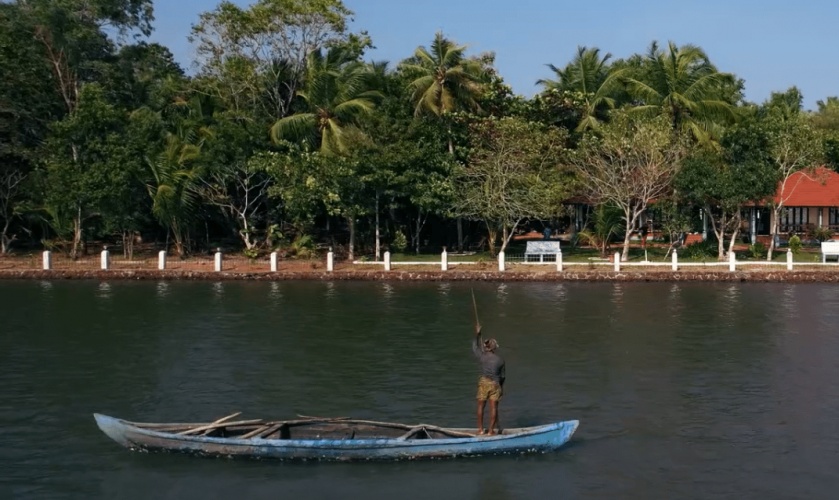
Kerala has a long tradition of gentle nourishing and supportive care, including Abhyanga and mild, supervised therapies, with authentic in-house formulations and physicians experienced in supporting chronic conditions alongside medical care. Recommended areas: Alleppey, Kovalam, Kumarakom, Wayanad, Palakkad.

How WellnessLoka Helps

Verified centres. Every centre we list has been independently assessed for physician credentials, experience with chronic kidney and metabolic conditions, authentic in-house formulations, awareness of herb–medication interactions and kidney safety, and a firm commitment to working alongside medical care.

A free consultation with our Ayurvedic doctor. They will review your diagnosis, latest reports, and medications, then design an appropriate, gentle programme, or tell you honestly when medical care must come first. Purely guidance, no obligation.

Transparent comparison and support. Clear information on credentials, programmes, accommodation, and pricing across Kerala, with partner pricing lower than booking directly and support from first enquiry to the end of your programme.

Begin Your Healing Journey

A diagnosis of CKD can feel worrying, for you and for the people who love you. You do not have to face it alone, and there is a lot that can be done to protect your kidneys and live as well as possible. Your nephrologist and care team are the foundation, and Ayurveda adds a gentle supportive layer: easing, nourishing, calming, and helping you find strength and rest along the way.

Book Free Consultation

Frequently Asked Questions

Kidney disease is a condition in which the kidneys lose their ability to filter waste and excess fluids from the blood effectively. It can be acute or chronic and may lead to toxin buildup, fluid imbalance, and reduced overall health.
Kidney disease can be caused by diabetes, high blood pressure, infections, medications, and lifestyle factors. In Ayurveda, it is linked to imbalance in Vata and Kapha doshas along with toxin accumulation (Ama).
Ayurveda considers kidney disease as a disorder of fluid metabolism and toxin buildup caused by dosha imbalance and impaired digestion (Agni). This leads to reduced filtration and accumulation of waste in the body.
Yes, Ayurveda provides meaningful integrative supportive value for chronic kidney disease through the comprehensive classical Vrukka Vikara and Mutravaha Srotas framework with substantial classical sophistication — strictly supportive alongside continued essential nephrology care, particularly appropriate for early-stage CKD (stages 1-3) on continued care. Comprehensive approach: Punarnava (Boerhavia diffusa) as cornerstone classical renal-supportive herb with substantial emerging modern evidence base; Gokshura, Varuna, Pashanabheda, Gokshuradi Guggulu for comprehensive support; comprehensive constitutional approach; comprehensive CKD stage-matched dietary integration with protein-potassium-phosphorus-sodium awareness essential; comprehensive blood pressure management essential. Continued essential medications (ACE inhibitors, ARBs, SGLT2 inhibitors) absolutely essential. WellnessLoka verified centres provide expert integrative supportive care across Kerala, Sri Lanka, and Bali.
Therapies like Basti (medicated enema) and gentle detox procedures are used to balance doshas, improve fluid metabolism, and support kidney function.
A light, balanced, and kidney-friendly diet is recommended, including easily digestible foods and controlled fluid intake. Avoid excessive salt, processed foods, and heavy meals that strain the kidneys.
Yes, maintaining proper hydration, reducing stress, following a balanced diet, and adopting a healthy routine can significantly support kidney function and prevent progression.
Kerala, India offers the most clinically authentic destination for kidney disease Ayurvedic supportive care with the deepest preservation of authentic classical Vrukka Vikara tradition globally with substantial care principles throughout. Experienced BAMS and MD Ayurveda physicians provide specialised Punarnava-led renal-supportive formulation capability with substantial care regarding altered renal clearance, specialised comprehensive constitutional capability matched to predominance, specialised comprehensive constitutional dietary capability with substantial CKD stage-specific sophistication absolutely essential including protein-potassium-phosphorus-sodium awareness, specialised Shirodhara capability for stress dimensions, capacity for renal function monitoring coordination essential, capacity for comprehensive blood pressure monitoring essential, capacity for emergency medical escalation absolutely essential, and absolute commitment to coordination with continued nephrology care and continued essential medications. WellnessLoka verified centres in Alleppey, Kovalam, Kumarakom, Wayanad, and Palakkad provide specialised kidney care across 160+ audited properties spanning Kerala, Sri Lanka, and Bali with customers from 25+ countries.
About WellnessLoka

WellnessLoka is established with the aim of making the world a happier and a healthier place. Based in Kerala, Gods' Own Country, WellnessLoka seeks to help wellness enthusiasts find and book different wellness options in a hassle free manner.

Read more >>


Join Our Network

Let us help you to get more guests to experience the unique wellness services provided at your property.

Join Now


Contact

WellnessLoka
Koozhampala Solutions Private Limited
Integrated Startup Complex
Kerala Startup Mission
Kerala Technology Innovation Zone
Kinfra Hi-Tech Park Main Rd
HMT Colony P.O
Kochi, Kerala - 683503
GSTIN: 32AAGCK3772L1ZB
+91 8086 040101
[email protected]

     
© 2016 - 2026 WellnessLoka. All Rights Reserved