
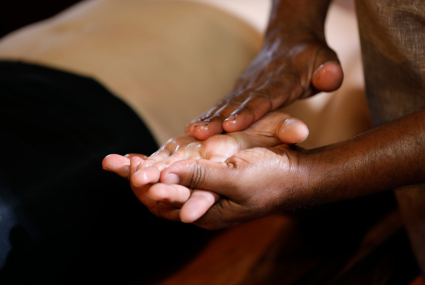
Eczema Treatment (Vicharchika)
Eczema (also called dermatitis) is a common, chronic inflammatory skin condition that makes the skin dry, itchy, red, and inflamed, often in a relapsing pattern of flare-ups and calmer periods. The most common form, atopic eczema, frequently begins in childhood and tends to run in families alongside asthma and hay fever. It isn't contagious, and while it can be genuinely distressing, it is very manageable, and many children improve or outgrow it as they age. It's honest to say that eczema is a tendency rather than a one-off illness: it can be controlled and soothed, but not simply "cured" for good, and good everyday skincare remains its foundation. Ayurveda has one of the world's deepest traditions of skin care, understanding conditions like eczema as Vicharchika within the broader group of Kushta (skin disorders), and offers genuine supportive care to calm flares, ease the itch, and support healthier skin.
Psoriatic Arthritis
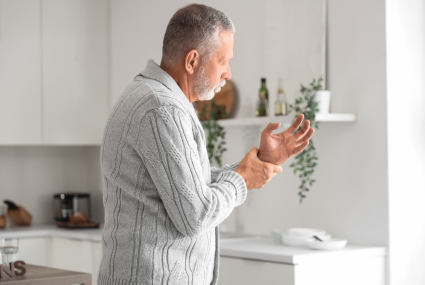
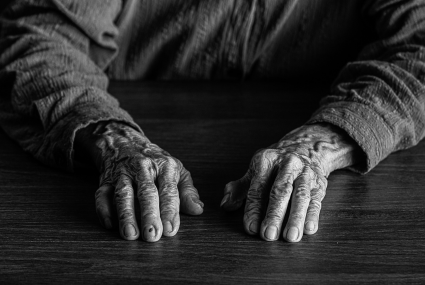
Psoriatic arthritis (PsA) is a chronic autoimmune condition in which the immune system drives inflammation in both the joints and the skin. It is linked with psoriasis, the skin condition of red, scaly plaques, and combines that with an inflammatory arthritis causing joint pain, swelling, and stiffness. It ranges from mild to severe, and this matters: left untreated, the joint inflammation can cause permanent damage over time. That single fact shapes honest care. Modern medicine now has treatments that not only relieve symptoms but can genuinely slow the disease and protect the joints, and starting them early makes a real difference so these are the foundation, and Ayurveda must never delay or replace them. Ayurveda understands PsA through Vatarakta (its deep, Gambhira form) combined with Kushta, involving disturbed Vata, Pitta, and the blood (Rakta).
Skin Allergy Management
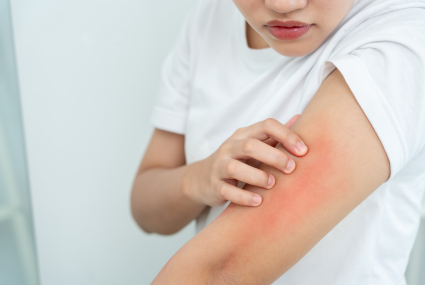
"Skin allergy" is a broad spectrum of hypersensitivity reactions, in which the skin over-reacts to substances or stimuli that most skin tolerates quietly: metals, fragrances, cosmetics, preservatives, latex, plants, medications, foods, sunlight, and many more. It shows up as itching, redness, rashes, swelling, blistering, dryness, and chronic sensitivity. Modern medicine manages this well and is the essential foundation. Identifying and avoiding triggers, calming flares, and treating emergencies. But for many people with chronic hypersensitivity, a deeper question goes unanswered: not "how do I calm today's reaction," but "why has my skin become so reactive, and can I make it less so over time?" This is where Ayurveda offers a genuinely distinctive contribution. It described Asatmya; individual incompatibility. Working through Twak Vikara (skin disorders) and Pitta-Rakta Dushti (blood vitiation), Ayurvedic care aims to calm reactivity, purify the blood, restore the skin barrier, and rebuild tolerance over time.
Urticaria Treatment
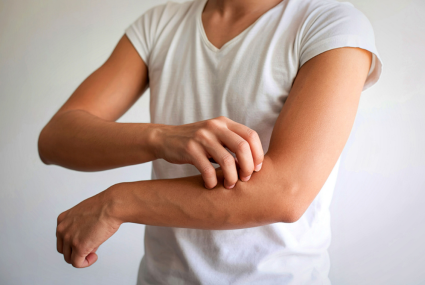
Urticaria is a skin reaction of raised, itchy welts (wheals), often with surrounding redness, that can appear anywhere on the body. A hallmark is that individual welts come and go, often within hours, sometimes moving around the body. It's caused by the release of histamine and other chemicals from cells in the skin, and it can be short-lived (acute) or persistent over weeks or months (chronic). For ordinary urticaria, modern antihistamines control it very effectively and are the foundation of care. Ayurveda understands hives as Sheetapitta (along with Udarda and Kotha), involving disturbed Vata, Kapha, Pitta, and the blood, and offers genuine supportive care. ? IMPORTANT: Hives can occasionally be part of a severe, life-threatening allergic reaction (anaphylaxis). If hives appear with any difficulty breathing, wheezing, swelling of the lips, tongue, throat, or face, difficulty swallowing, dizziness or faintness, or a rapid pulse, call emergency services immediately.
Rosacea Management
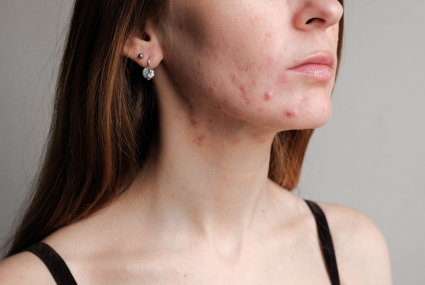
Rosacea is a common, chronic skin condition that mainly affects the central face causing redness, flushing, visible small blood vessels, and, in some people, acne-like bumps. It tends to come and go, flaring in response to individual triggers and settling in between. It's honest to say rosacea is a long-term tendency rather than a one-off problem: it can be very well managed and calmed, but not simply "cured" for good, and identifying your triggers, protecting your skin from the sun, and using gentle skincare are the foundations of keeping it settled. Ayurveda offers a genuinely fitting perspective here, because rosacea is fundamentally a condition of heat and redness which Ayurveda understands as aggravated Pitta and vitiated Rakta (blood) rising to the facial skin.
Dermatitis Treatment
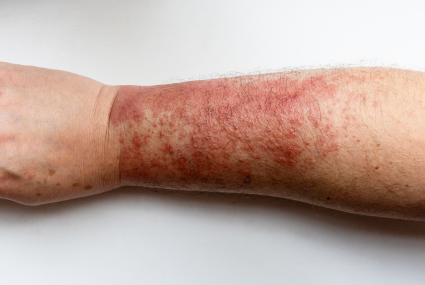
Dermatitis refers to inflammation of the skin that can present as redness, itching, dryness, swelling, or rashes. It may occur in different forms such as contact dermatitis, atopic dermatitis (eczema), or seborrheic dermatitis. Symptoms can vary from mild irritation to severe discomfort, sometimes with oozing or crusting. Common triggers include allergens, chemicals, soaps, cosmetics, weather changes, stress, and certain foods. Repeated exposure to irritants or underlying sensitivity can worsen the condition. According to Ayurveda, dermatitis is caused by aggravation of Pitta dosha (leading to redness, heat, and inflammation) and Kapha dosha (causing itching, swelling, and discharge). It also involves Rakta Dhatu Dushti, which affects skin health. When digestion (Agni) is weak, it leads to formation of Ama (toxins), which circulate in the body and manifest through the skin. Unhealthy dietary habits, incompatible food combinations, irregular routines, and emotional stress can aggravate the condition further. Management focuses on treating the root cause by improving digestion, eliminating toxins, and balancing doshas. A simple, clean, and easily digestible diet helps reduce toxin formation and supports healing. Avoiding known triggers and maintaining proper skin hygiene are essential. Detoxification therapies play a key role in long-term management. Snehapanam (internal oleation therapy) helps loosen toxins from deeper tissues, followed by Virechanam (therapeutic purgation), which is effective in eliminating excess Pitta and purifying the blood, thereby reducing inflammation and skin reactions. Supportive therapies such as Abhyanga (medicated oil application) help nourish and protect the skin, while local applications reduce itching, dryness, and irritation. Stress management through yoga, meditation, and proper sleep is also important, as stress can trigger flare-ups. With a consistent Ayurvedic approach focusing on detoxification, diet, and lifestyle correction, dermatitis can be effectively managed, improving skin health and reducing recurrence.
.jpg)
Psoriasis Treatment Program (Sidhma Chikilsa)
While conventional treatments aim to manage symptoms, Ayurveda offers a distinct approach, rooted in ancient wisdom and personalized care. Our Ayurvedic treatment program for psoriasis is tailored to each individual's unique constitution and imbalances. Through careful assessment, we identify the root causes of the condition, often linked to imbalances in the body's doshas—Vata, Pitta, and Kapha. By addressing these imbalances through a combination of dietary modifications, herbal supplements, detoxification techniques, and lifestyle adjustments, we strive to restore harmony within the body. Central to our approach is the use of specific herbs renowned for their anti-inflammatory, detoxifying, and immune-modulating properties. These natural remedies, combined with therapeutic massages and specialized skin treatments, target the underlying pathology of psoriasis while providing relief from symptoms such as itching, scaling, and redness. Moreover, our program emphasizes stress management techniques such as meditation, yoga, and breathing exercises, recognizing the intricate connection between mental well-being and skin health. By promoting relaxation and reducing stress levels, we aim to prevent flare-ups and support long-term healing. Our goal is not merely to alleviate symptoms but to foster holistic wellness, empowering individuals to take control of their health and lead fulfilling lives free from the constraints of psoriasis. Through our comprehensive Ayurvedic approach, we offer hope and healing to those seeking an alternative path to skin rejuvenation and overall well-being.
When Skin Calls for Care: An Ayurvedic Path to Healthy Skin and Sustained Dermatological Wellness
The skin (Twak) represents the largest organ of the body and substantial indicator of internal health. Skin conditions affect substantial proportion of the global population with conditions ranging from common acne affecting most adolescents and many adults through chronic conditions like psoriasis (affecting 2-3% of population globally), eczema/atopic dermatitis (affecting 10-20% of children and 1-3% of adults), vitiligo (affecting 1-2% globally), to broader dermatological conditions with substantial impact on appearance, comfort, self-confidence, and quality of life.
Common skin conditions include:
- Psoriasis (Kitibha/Ekakushtha) — Chronic inflammatory condition
- Atopic dermatitis/Eczema (Vicharchika) — Common chronic inflammatory
- Acne vulgaris (Yauvan Pidika) — Substantial adolescent and adult condition
- Vitiligo (Shvitra) — Pigmentation condition
- Fungal infections — Various tinea infections
- Allergic dermatitis — Contact and atopic
- Seborrheic dermatitis
- Urticaria (Sheetapitta) — Acute and chronic
- Rosacea
- Dermatitis various forms
- Lichen planus (supportive care)
- Dandruff (Darunaka)
- Hair conditions — Alopecia, hair fall
- Skin pigmentation — Melasma, hyperpigmentation
- Photoaging and sun damage
- Post-inflammatory hyperpigmentation
- Hidradenitis suppurativa (supportive care)
- Chronic skin allergies
- Stress-related skin conditions
- Chronic itching (Kandu)
Modern medical management has substantially advanced with comprehensive evidence-based framework including specialized dermatology evaluation and treatment, topical corticosteroids and broader topicals, systemic medications for severe conditions, biologics for severe psoriasis and eczema with substantial recent advances, antifungals for fungal infections, comprehensive acne management, phototherapy for selected conditions, and substantial recent therapeutic advances.
Classical Ayurveda addresses skin conditions through the comprehensive Kushtha Chikitsa framework with substantial classical literature describing detailed framework. The classical understanding centers on the recognition that skin is formed from Rakta Dhatu (blood tissue) and influenced mainly by Pitta Dosha along with Vata and Kapha — with skin conditions reflecting internal doshic imbalance, Rakta vitiation, channel dysfunction, and broader systemic factors rather than being merely surface-level concerns.
The therapeutic framework provides comprehensive approach through Nidana Parivarjana; comprehensive Shodhana with Virechana as cornerstone for skin conditions and Raktamokshana (bloodletting) for selected chronic conditions; comprehensive Shamana with classical formulations; specialized external therapies including Lepa, Takradhara, Kashayadhara; Rasayana approach for sustained skin wellness; comprehensive lifestyle integration; and coordination with continued dermatology care.
What is Skin Health Care in Ayurveda?
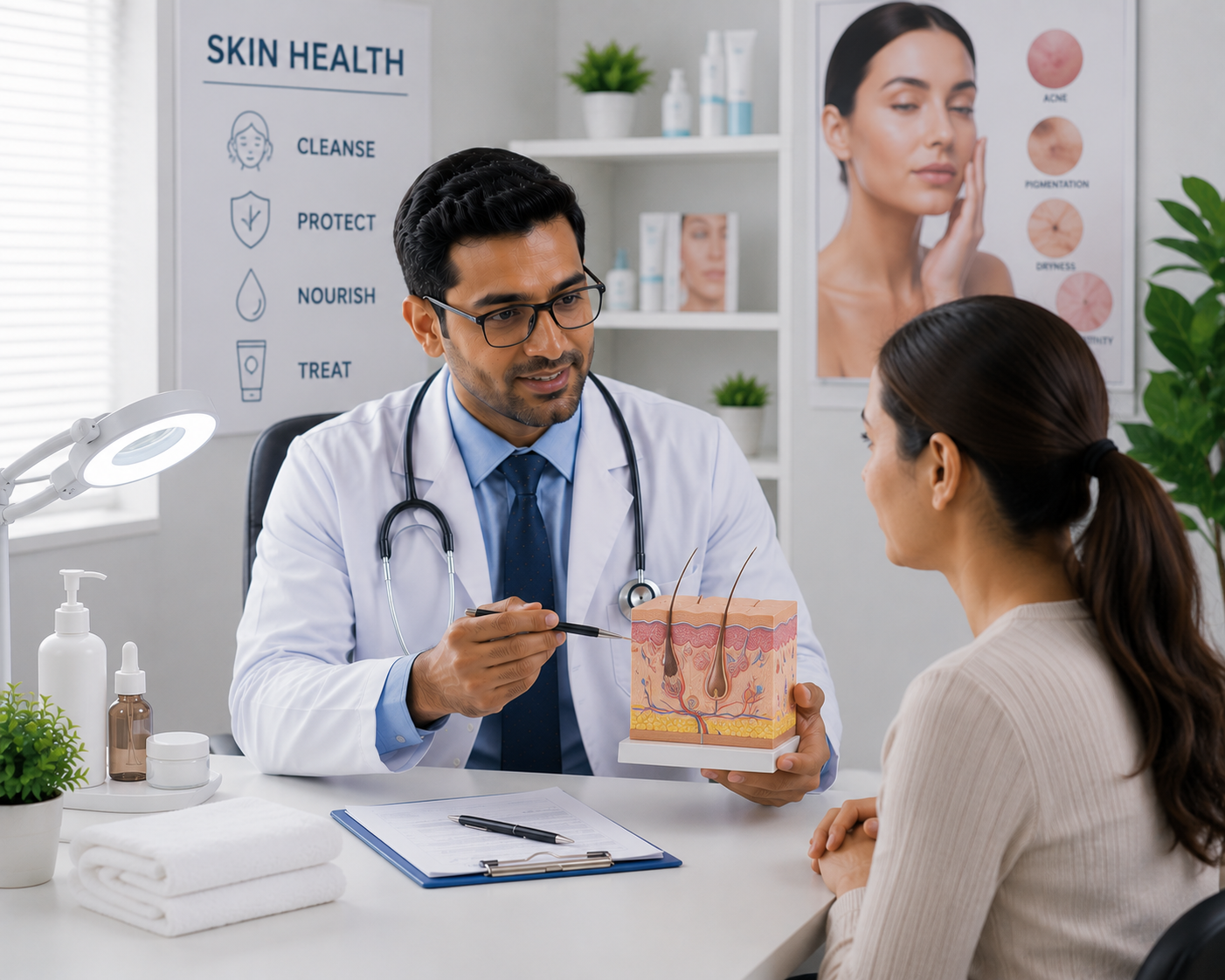
Skin health care in Ayurveda — provided through Kushtha Chikitsa and broader Twak Roga management — represents the comprehensive Ayurvedic framework for skin wellness and management of skin conditions.
Definition and characteristics:
- Comprehensive classical framework
- Centered on Twak, Rakta Dhatu, Pitta Dosha
- Substantial classical literature foundation
- Root-cause approach addressing internal factors
- Both preventive and therapeutic applications
- Integration with continued dermatology care
Conditions addressed:
Inflammatory conditions:
- Psoriasis (Kitibha/Ekakushtha)
- Atopic dermatitis/Eczema (Vicharchika)
- Seborrheic dermatitis
- Contact dermatitis
Inflammatory/infectious:
- Acne (Yauvan Pidika)
- Folliculitis
- Fungal infections
Pigmentation conditions:
- Vitiligo (Shvitra)
- Melasma
- Hyperpigmentation
- Post-inflammatory pigmentation
Allergic conditions:
- Urticaria (Sheetapitta)
- Allergic skin reactions
- Chronic skin allergies
Other:
- Rosacea
- Lichen planus supportive
- Dandruff and scalp conditions
- Hair fall and alopecia
- Photoaging
- Chronic itching (Kandu)
- Hidradenitis suppurativa supportive
Core therapeutic frameworks:
- Nidana Parivarjana
- Comprehensive Shodhana with Virechana cornerstone
- Raktamokshana for selected conditions
- Comprehensive Shamana with classical herbs
- Specialized external therapies
- Rasayana approach
- Lifestyle integration
- Coordination with continued dermatology
Understanding Twak, Rakta Dhatu, and Pitta: The Ayurvedic Framework for Skin Health
The Ayurvedic understanding of skin health sits within comprehensive classical framework with substantial literature providing sophisticated framework.
Key concepts:
Twak (Skin) as Reflection of Internal Health:
Classical recognition of skin as outermost reflection of internal physiology — "Twak Prasannata" (skin clarity) as sign of Swasthya (health). Healthy skin reflects balanced doshas, pure Rakta, proper Agni, clean Srotas, strong Ojas.
Seven Layers of Skin (Sapta Twacha):
Classical recognition of seven distinct skin layers with specific functions — sophisticated anatomical observation.
Rakta Dhatu as Central:
Skin formed from Rakta Dhatu (blood tissue) — substantial classical recognition that skin conditions fundamentally involve Rakta dimensions; Rakta Dushti (blood vitiation) central to many chronic skin conditions.
Pitta Dosha as Primary:
Pitta Dosha primary in skin regulation:
- Bhrajaka Pitta specifically governing skin complexion and absorption
- Excess Pitta produces inflammation, redness, burning, pigmentation
- Substantial classical recognition
Specific Doshic Patterns in Skin Conditions:
Pitta-predominant:
- Inflammation, redness, burning
- Acne with substantial inflammatory dimensions
- Rosacea
- Inflammatory dermatitis
Kapha-predominant:
- Itching, oiliness, heaviness
- Chronic eczema with substantial mucus
- Fungal infections
- Seborrheic conditions
Vata-predominant:
- Dryness, cracking, scaling
- Chronic psoriasis dry patterns
- Senile pruritus
- Atopic dermatitis dry patterns
Tridoshic/Combined:
- Complex chronic conditions
- Psoriasis (often combined)
- Chronic atopic dermatitis
Kushtha Classical Framework:
Detailed classical framework with:
- Maha Kushtha (7 major types) — Including conditions resembling psoriasis, severe chronic conditions
- Kshudra Kushtha (11 minor types) — Various less severe conditions
- Sophisticated classical observation
Predisposing Factors Classical Ayurveda Identifies:
Aharaja (Dietary):
- Excess spicy, sour, fermented foods
- Excess salt
- Incompatible food combinations (Viruddha Ahara)
- Junk and processed foods
- Excess oily and fried foods
Viharaja (Lifestyle):
- Stress
- Inadequate sleep
- Poor hygiene
- Excess heat/sun exposure
- Sedentary lifestyle
Manasika (Mental):
- Stress with substantial impact on many skin conditions
- Emotional disturbances
Genetic/Constitutional:
- Family predisposition recognized classically
This shapes the Ayurvedic approach to skin health: Nidana Parivarjana; Virechana as cornerstone Shodhana; Raktamokshana for chronic blood-involved conditions; comprehensive Shamana with Pitta and Rakta-pacifying focus; external therapies; Rasayana; lifestyle integration; coordination with continued dermatology.
The 3 Stages of Ayurvedic Treatment for Skin Conditions
1. Preparation (Purva Karma) — Typically 3-7 days
Comprehensive assessment including detailed skin history, current dermatology evaluation, current medications, comorbidities, dietary patterns, lifestyle factors, stress levels, and constitutional profile.
Critical screening:
- Stable current condition
- No acute severe infection requiring antimicrobial
- No suspected skin malignancy requiring biopsy
- No severe systemic involvement
Deepana-Pachana. Initial dietary modifications. Foundational lifestyle measures.
2. Core Treatment (Pradhana Karma) — Typically 14-21 days
Virechana as Cornerstone Shodhana:
- Virechana considered most clinically valuable Shodhana for skin conditions
- Substantial classical use specifically for skin disorders
- Clears Pitta and Rakta toxins
- Substantial improvement in chronic skin conditions
- Requires expert practitioner
Raktamokshana for selected applications:
- Bloodletting therapy for chronic blood-involved conditions
- Particularly valuable for chronic psoriasis, chronic eczema, certain inflammatory conditions
- Jalauka (leech therapy) with substantial classical use
- Specialized practitioner expertise essential
Vamana in selected Kapha-predominant cases.
Comprehensive Shamana Therapy:
- Neem (Nimba) as foundational with substantial classical use
- Manjistha (Rubia cordifolia) as cornerstone blood purifier
- Khadira (Acacia catechu) for chronic skin
- Haridra (Turmeric) with substantial anti-inflammatory
- Guduchi for immune modulation
- Sariva for blood purification
- Bakuchi for vitiligo
- Classical formulations: Mahatiktaka Ghrita with substantial classical use, Manjisthadi Kashayam, Khadirarishtam, Mahamanjishthadi Kashayam, Aragwadhadi Kashayam, Gandhaka Rasayana with substantial classical applications, Patolakaturohinyadi Kashayam
Specialized External Therapies:
- Lepa (herbal paste) — Neem, turmeric, sandalwood applications
- Takradhara (buttermilk pouring) for substantial skin benefits
- Kashayadhara (decoction pouring)
- Abhyanga with appropriate oils
- Specific medicated oils including Eladi Taila, Karanja Taila, Nimba Taila for various applications
Comprehensive Lifestyle Integration.
3. Rejuvenation (Paschat Karma) — Continued home regimen
Sustained skin support, continued Rasayana with Manjishtha Rasayana, Amla, Chyavanaprasha, continued lifestyle integration. Long-term framework — recognition that chronic skin conditions require sustained care.
The 5 Core Therapies for Skin Conditions Explained
1. Virechana as Cornerstone Shodhana for Skin Conditions Virechana (therapeutic purgation) represents the most clinically valuable Shodhana intervention specifically for skin conditions with substantial classical use as cornerstone treatment. Following Purva Karma, medicated purgative preparations are administered. Mechanisms: substantial elimination of vitiated Pitta and Rakta toxins from gastrointestinal tract with substantial systemic skin benefits; liver and broader detoxification effects; substantial skin clearing effects. Specific indications: chronic psoriasis with substantial classical use, chronic eczema, acne with substantial inflammatory dimensions, urticaria, broader Pitta-predominant skin conditions. Continues alongside continued dermatology. WellnessLoka Kerala centres provide expert Virechana.
2. Raktamokshana (Bloodletting Therapy) for Selected Conditions Raktamokshana (bloodletting therapy) represents substantial classical intervention for chronic blood-involved skin conditions. Multiple methods: Jalauka (leech therapy) with substantial classical use and substantial recognition; Siravedha (venesection); Pracchana (scarification); specific specialized techniques. Particularly valuable for: chronic psoriasis with substantial classical use, chronic eczema with substantial blood involvement, varicose ulcers, certain inflammatory conditions, broader Rakta Dushti conditions. Requires substantial specialized practitioner expertise and appropriate sterile technique. Continues alongside continued dermatology. WellnessLoka Kerala centres provide expert Raktamokshana.
3. Comprehensive Shamana with Classical Skin Formulations Comprehensive Shamana therapy with classical formulations provides substantial value. Foundational skin herbs: Manjishtha as cornerstone blood purifier with substantial classical use; Neem with substantial classical antimicrobial and anti-inflammatory applications; Khadira for chronic skin; Haridra with substantial anti-inflammatory; Guduchi for immune modulation; Sariva for blood purification; Bakuchi for vitiligo. Classical formulations: Mahatiktaka Ghrita with substantial classical use particularly for chronic psoriasis and severe skin conditions; Manjisthadi Kashayam; Khadirarishtam; Mahamanjishthadi Kashayam; Aragwadhadi Kashayam; Gandhaka Rasayana with substantial classical applications; Patolakaturohinyadi Kashayam for Pitta dimensions. Combined with continued dermatology. WellnessLoka centres provide authentic preparations.
4. Specialized External Therapies — Lepa, Takradhara, and Kashayadhara Comprehensive specialized external therapies provide substantial value. Lepa (herbal paste applications): Neem-based, Turmeric-based, Sandalwood-based, specific medicated pastes matched to conditions. Takradhara (continuous buttermilk pouring): substantial classical use for chronic skin conditions, scalp conditions, psoriasis, broader applications providing cooling, soothing effects. Kashayadhara (medicated decoction pouring): for inflammatory conditions. Abhyanga with specific medicated oils including Eladi Taila, Karanja Taila, Nimba Taila, specific oils matched to condition. Specialized techniques for various conditions. WellnessLoka centres provide expert external therapies.
5. Comprehensive Rasayana Approach and Lifestyle Integration Comprehensive Rasayana approach for sustained skin wellness: Manjishtha Rasayana for blood purification; Amla for antioxidant; Chyavanaprasha for comprehensive Rasayana; Ghrita-based formulations with substantial classical use. Comprehensive dietary integration: fresh fruits and vegetables; bitter vegetables; coconut water; adequate hydration; ghee in moderation; avoiding spicy, fermented, junk, processed foods; avoiding incompatible food combinations (Viruddha Ahara). Comprehensive stress management — substantial impact on skin conditions. Adequate sleep. Daily hygiene. Sun protection. Coordination with continued dermatology including continued essential medications which must never be discontinued without specialist guidance — biologics, systemic medications, essential topicals.
How Long Should an Ayurvedic Treatment Program for Skin Conditions Last?
| Duration | Therapeutic Benefit |
| 7–14 days | Initial protocols, established external therapies |
| 14–21 days | Comprehensive constitutional support, Virechana with comprehensive Paschat Karma |
| 21–28 days | Extended program with Raktamokshana when indicated |
| Continued home regimen | Sustained therapy with continued lifestyle integration |
The exact duration is decided after consultation with the Ayurvedic doctor in coordination with continued dermatology care.
Book Consultation
Benefits of an Ayurvedic Treatment Retreat for Skin Conditions
| Physical Benefits |
|
Long-Term Impact | ||
| Better skin clarity and texture | Reduced symptoms | Sustained skin wellness | ||
| Reduced inflammation | Better daily comfort | Foundation for recurrence prevention | ||
| Better skin hydration | Better self-confidence | Better long-term outcomes | ||
| Better overall vitality | Better quality of life | Comprehensive integrative care framework |
Why Kerala is the Best Place for Skin Health Treatment
An Ayurvedic skin health retreat in Kerala, India offers the most clinically authentic environment for comprehensive Kushtha Chikitsa alongside continued essential dermatology care.
- Experienced physicians with specific expertise in classical Kushtha Chikitsa and Twak Roga management
- BAMS and MD Ayurveda-certified doctors with specialised training across the broad skin condition spectrum
- Specialised practitioner training in Virechana as cornerstone Shodhana for skin conditions
- Specialised practitioner training in Raktamokshana including Jalauka (leech therapy) requiring substantial expertise
- Specialised practitioner training in specialized external therapies including Takradhara, Kashayadhara, Lepa
- Authentic in-house preparation of Mahatiktaka Ghrita with substantial classical use
- Authentic in-house preparation of classical skin formulations including Manjisthadi Kashayam, Khadirarishtam, Mahamanjishthadi Kashayam, Aragwadhadi Kashayam, Gandhaka Rasayana, Patolakaturohinyadi Kashayam
- Authentic preparation of foundational skin herbs — Manjishtha, Neem, Khadira, Haridra, Sariva, Bakuchi preparations
- Authentic preparation of specialized skin oils including Eladi Taila, Karanja Taila, Nimba Taila
- Proper Panchakarma facilities for Virechana with comprehensive Paschat Karma
- Proper Raktamokshana facilities with appropriate sterile technique
- Proper Takradhara and Kashayadhara facilities with appropriate infrastructure
- Authentic Triphala and Manjishtha preparations for Rasayana
- Capacity for comprehensive lifestyle integration including dietary preparation matched to skin conditions
- Long-established Kerala tradition of comprehensive skin Ayurveda
- Coordination capability with continued dermatology care
- Capacity for sustained long-term care relationships
- Discretion throughout treatment
Sri Lanka offers complementary tropical healing environment, while Bali provides wellness-oriented treatment retreats integrating Ayurvedic care with holistic wellness. For specialised Kushtha Chikitsa with comprehensive Virechana and Raktamokshana capability, Kerala offers the deepest tradition.
Skin Health Treatment Retreats by Location and Recommended Centres
Kerala, India — The most clinically authentic destination for classical Kushtha Chikitsa with established tradition including specialised Virechana capability as cornerstone, specialised Raktamokshana capability including Jalauka, specialised external therapies (Takradhara, Kashayadhara, Lepa), authentic Mahatiktaka Ghrita preparation, authentic preparation of classical skin formulations and external therapy preparations, and the deepest tradition of comprehensive skin Ayurveda. Alleppey • Kovalam • Kumarakom • Wayanad • Palakkad
Sri Lanka — Coastal Ayurveda treatment retreats with comprehensive supportive care for skin conditions. Wadduwa • Weligama • Sigiriya • Kosgoda • Bentota
Bali, Indonesia — Wellness treatment retreats integrating Ayurvedic care with holistic wellness. Ubud • Nusa Dua • Candidasa • Lovina
WellnessLoka connects you with verified centres offering genuine Kushtha Chikitsa expertise, comprehensive Virechana capability, Raktamokshana capability, specialised external therapies, authentic classical formulation preparation, absolute commitment to coordination with continued dermatology care including continued essential medications which must never be discontinued, and clear understanding of the integrative role.
Who Should Consider an Ayurvedic Skin Health Treatment Retreat
Critical foundation: All candidates should have established baseline dermatology evaluation for substantial conditions; integrative care is strictly complementary.
Patients with chronic psoriasis — Comprehensive integrative approach including Virechana and Raktamokshana.
Patients with chronic eczema/atopic dermatitis — Comprehensive integrative approach.
Patients with chronic acne — Comprehensive Pitta-Rakta approach.
Patients with vitiligo — Comprehensive supportive approach.
Patients with chronic urticaria — Comprehensive integrative approach.
Patients with chronic fungal infections — Comprehensive integrative approach.
Patients with allergic skin conditions — Comprehensive constitutional approach.
Patients with rosacea — Comprehensive Pitta-pacifying approach.
Patients with seborrheic dermatitis — Comprehensive integrative approach.
Patients with chronic dandruff — Comprehensive scalp and constitutional approach.
Patients with hair fall and alopecia — Comprehensive integrative approach.
Patients with pigmentation conditions — Comprehensive integrative approach.
Patients with photoaging concerns — Comprehensive Rasayana approach.
Patients with stress-related skin conditions — Comprehensive stress management.
Patients with chronic itching (Kandu) — Comprehensive constitutional approach.
Patients seeking constitutional skin wellness approach — Comprehensive Kushtha Chikitsa framework.
Patients seeking sustained Rasayana for skin aging — Comprehensive approach.
Who Should Approach Treatment with Caution
Acute severe skin infection — Requires urgent antimicrobial care.
Suspected skin malignancy — Requires urgent dermatology evaluation and biopsy.
Active severe systemic involvement — Requires specialized management.
Severe acute drug reactions — Including Stevens-Johnson syndrome requiring urgent care.
Active severe autoimmune conditions — Requires continued rheumatology/dermatology management.
Patients planning to discontinue biologics — Strongly discouraged without dermatology guidance.
Patients planning to discontinue essential systemic medications — Strongly discouraged.
Patients with substantial unrealistic expectations — Honest counseling essential.
Pregnancy with severe skin conditions — Requires specialized coordination.
Patients without baseline dermatology evaluation for substantial conditions — Should have appropriate evaluation.
Choosing the Right Treatment Retreat for Skin Conditions
Qualified physicians with Kushtha Chikitsa expertise — BAMS or MD Ayurveda-credentialed doctors.
Specialised practitioner training in Virechana — Essential as cornerstone.
Specialised practitioner training in Raktamokshana — Essential for chronic blood-involved conditions.
Specialised training in external therapies — Takradhara, Kashayadhara, Lepa.
Authentic in-house Mahatiktaka Ghrita and classical formulation preparation — Essential.
Authentic preparation of specialized skin oils — With quality assurance.
Proper Panchakarma and external therapy facilities — Essential.
Coordination capability with continued dermatology care — Essential.
Capacity for sustained long-term care relationships — For chronic conditions.
Honest framing — Centres clearly understanding integrative role.
Clear continuity-of-care planning.
How WellnessLoka Helps You Choose the Right Ayurveda Treatment Retreat for Skin Health
Choosing the right treatment retreat for skin conditions benefits enormously from genuine guidance. Skin conditions span substantial spectrum with substantial individual variation in condition, severity, and treatment context. The right program depends on accurate identification of specific conditions, appropriate Shodhana selection particularly Virechana as cornerstone and Raktamokshana when indicated, and absolute coordination with continued essential dermatology care including continued essential medications. WellnessLoka exists to ensure that patients can make this decision with full information, genuine guidance, and complete confidence.
Access to Verified Retreat Centres Every centre listed on WellnessLoka for skin health has been independently assessed for physician credentials, specific expertise in classical Kushtha Chikitsa across the broad skin condition spectrum, depth of expertise in Virechana as cornerstone Shodhana for skin conditions with substantial classical use particularly for chronic psoriasis, chronic eczema, acne with substantial inflammatory dimensions, urticaria, broader Pitta-predominant skin conditions, specialised Raktamokshana capability including Jalauka (leech therapy) for chronic blood-involved skin conditions requiring substantial specialized expertise and appropriate sterile technique, specialised external therapy capability including Takradhara (buttermilk pouring) for chronic skin conditions and scalp conditions, Kashayadhara for inflammatory conditions, Lepa with neem-based, turmeric-based, sandalwood-based, and specific medicated paste applications, Abhyanga with appropriate medicated oils, authentic in-house preparation of Mahatiktaka Ghrita with substantial classical use particularly for chronic psoriasis and severe skin conditions, authentic in-house preparation of classical skin formulations including Manjisthadi Kashayam, Khadirarishtam, Mahamanjishthadi Kashayam, Aragwadhadi Kashayam, Gandhaka Rasayana with substantial classical applications, Patolakaturohinyadi Kashayam for Pitta dimensions, authentic preparation of foundational skin herbs including Manjishtha as cornerstone blood purifier, Neem with substantial classical antimicrobial use, Khadira, Haridra, Sariva, Bakuchi preparations, authentic preparation of specialized skin oils including Eladi Taila, Karanja Taila, Nimba Taila, authentic Triphala and Manjishtha Rasayana preparations for sustained skin wellness, proper Panchakarma facilities for Virechana with comprehensive Paschat Karma, proper Raktamokshana facilities with appropriate sterile technique, proper Takradhara and Kashayadhara facilities with appropriate infrastructure, capacity for comprehensive lifestyle integration including dietary preparation matched to skin conditions avoiding spicy/fermented/incompatible foods, absolute commitment to coordination with continued dermatology care including continued biologics, systemic medications, essential topicals which must never be discontinued, capacity for sustained long-term care relationships through chronic skin condition management, and clear understanding of the integrative role. We list only centres where Kushtha Chikitsa protocols are genuinely practised with classical depth.
Free Pre-Retreat Consultation with Our Ayurvedic Doctor Before you choose a retreat, WellnessLoka offers a complimentary consultation with our in-house Ayurvedic consultant. This consultation reviews your specific skin context (specific conditions, duration, severity, current symptoms, prior treatments and response, current medications), prior dermatology evaluation, comorbidities, dietary patterns, lifestyle factors, stress levels, and constitutional profile. A critical part of this consultation is screening for any features warranting urgent specialist evaluation including acute severe skin infection, suspected skin malignancy, severe acute drug reactions, or other concerning features. Based on the assessment, we match you with the retreat centre and program duration best suited for your specific clinical context. It is purely a guidance consultation.
Transparent Centre Comparison WellnessLoka provides clear, honest information about each listed centre — physician qualifications, Virechana and Raktamokshana capability, external therapy capability, classical formulation preparation, accommodation features, program structure, and pricing — allowing comparison across Kerala, Sri Lanka, and Bali with full clarity.
Best Price Guarantee Through our strong, long-standing relationships with partner centres, you benefit from exclusive partner pricing that is always lower than booking directly. You receive the most authentic care without paying more for it.
Retreats for Every Budget From luxury wellness resorts to affordable, authentic healing centres, WellnessLoka helps you find a skin health retreat that aligns perfectly with your comfort level and budget — without ever compromising on the specialised Kushtha Chikitsa expertise this condition spectrum fundamentally benefits from.
Treatment is in Expert Hands Once you arrive at your chosen retreat, your skin treatment program is fully designed and managed by the qualified Ayurvedic physicians at that centre with deep training in classical Kushtha Chikitsa and direct, hands-on familiarity with the specialised Virechana, Raktamokshana when applicable, external therapies, and broader classical skin therapies your program involves. Treatment unfolds under continuous qualified supervision with appropriate sensitivity to skin condition dimensions and unwavering coordination with your continued essential dermatology care.
Local Support Team Our on-ground experts assist you at every step from first enquiry through retreat completion.
End-to-End Booking Support Full administrative and logistical support — ensuring smooth process.
Why Travellers Trust WellnessLoka WellnessLoka is rated 4.9? on Google, with verified reviews from wellness travellers from 28+ countries, backed by over a decade of expertise. Our dedicated support team is available 24×7.
Begin Your Healing Journey
Skin conditions affect substantial proportion of the global population with substantial impact on appearance, comfort, self-confidence, and quality of life. Modern dermatology has substantially advanced with comprehensive evidence-based framework. Yet substantial therapeutic gaps remain for many patients seeking comprehensive integrative approaches alongside continued conventional care.
Classical Ayurvedic care offers genuinely meaningful integrative contributions through the comprehensive Kushtha Chikitsa framework. The therapeutic framework centers on Virechana as cornerstone Shodhana for skin conditions with substantial classical use; Raktamokshana for chronic blood-involved conditions; comprehensive Shamana with classical skin formulations; specialized external therapies including Lepa, Takradhara, Kashayadhara; comprehensive Rasayana approach and lifestyle integration.
Ayurvedic care complements rather than replaces continued essential dermatology care. Continued essential medications absolutely essential throughout integrative care — biologics, systemic medications, and essential topicals must never be discontinued without specialist guidance.
Whether you choose a treatment retreat in Kerala, Sri Lanka, or Bali — with Kerala offering particular depth in classical Kushtha Chikitsa — Ayurvedic care for skin conditions offers a thoughtful, deeply integrative path to enhanced skin health, symptom relief, sustained dermatological wellness, and substantial quality of life enhancement alongside continued essential dermatology care.


