Psoriatic Arthritis Ayurvedic Care

Book Consultation
Search
Filter by:   
Sort by:   

What Is Psoriatic Arthritis

Psoriatic arthritis is an autoimmune inflammatory condition, meaning the immune system, which should defend the body, instead drives inflammation in the person's own tissues. In PsA, that inflammation affects both the joints (causing an inflammatory arthritis) and the skin (as psoriasis). Most people develop the skin psoriasis first, though the arthritis can sometimes come first or alone.

It's a "multisystem" condition, which is why it can affect the joints, the skin, the nails, and sometimes the tendons and other areas. It varies enormously and its course tends to flare and settle over time. The most important thing to understand is that PsA is not just about symptoms in the moment: the ongoing inflammation can, if left unchecked, damage the joints permanently.

Signs and Symptoms

  • Joint pain, swelling, and stiffness which can affect the fingers, toes, spine, and larger joints
  • Stiffness that is typically worse in the morning or after rest
  • Swollen fingers or toes (sometimes sausage-like called dactylitis)
  • Pain where tendons attach to bone (such as the heel)
  • Psoriatic skin plaques red, scaly patches
  • Nail changes pitting, ridging, or discolouration

Causes and Risk Factors

The exact cause isn't known, but PsA arises from a combination of genetic susceptibility and an immune system that becomes dysregulated, sometimes set off by triggers such as stress, infection, or physical trauma. It's more common in people who have psoriasis, and often runs in families.

Underlying it is an over-active immune response: immune cells and inflammatory messengers (cytokines) drive inflammation in the joint lining and an overproduction of skin cells, producing the joint and skin features together. Diagnosis is made by a specialist (usually a rheumatologist, often with a dermatologist), through examination, blood tests, and imaging and getting that diagnosis early is genuinely valuable, because it allows treatment to begin before joint damage occurs.

The Conventional Medical Approach

Modern medicine is the essential foundation of PsA care, and it has advanced significantly importantly, from just relieving symptoms to actually controlling the disease and protecting the joints. Treatment is tailored to severity and may include:

  • Anti-inflammatory medication (NSAIDs) for pain and stiffness in milder cases.

  • Disease-modifying drugs (DMARDs) that calm the underlying immune process and help prevent joint damage.

  • Biologic and targeted therapies that block the specific immune pathways driving PsA — a major advance, often highly effective for both joints and skin.

  • Physiotherapy and joint care to maintain movement and function.

Like all effective medicines, these can have side effects, which your specialist monitors and weighs against the very real benefit of preventing permanent joint damage.

How Ayurveda Understands Psoriatic Arthritis

The joint involvement is understood through Vatarakta, particularly its deep (Gambhira) form the same framework Ayurveda uses for inflammatory joint disease, in which vitiated Rakta (blood) and aggravated Vata (with Pitta's heat) settle in the joints to cause pain, swelling, and inflammation. The skin involvement is understood through Kushta, Ayurveda's category for skin disorders, reflecting the psoriatic plaques.

Underlying both, Ayurveda identifies a common root: impaired digestion (Agnimandya) producing Ama (metabolic toxins), which obstructs the channels (Srotas) and drives inflammation in both the joints and the skin. This shared root is why Ayurveda's approach addresses digestion, the blood, and the doshas together, aiming to calm the inflammation at its source.

The Ayurvedic Supportive Approach

Correcting digestion and clearing Ama first. Because impaired digestion and Ama are seen as the shared root, care often begins with digestive support and lightening measures to clear the toxins feeding the inflammation.

Gentle purification for suitable, stable patients. Classical purification may be used by experienced physicians to clear the underlying vitiation. This is intensive, suits only stable, well-controlled patients, is avoided during active flares, and is always coordinated with medical care.

Blood-purifying, anti-inflammatory, and skin-and-joint herbs. Ayurveda draws on herbs with actions its tradition describes as Vataraktahara (for the joint-blood disorder), Kushtahara (for the skin), Shothahara (anti-inflammatory), and Raktaprasadana (blood-purifying) selected individually, and always checked for interactions with medication.

Soothing external care. Cooling, soothing applications for the skin plaques, and gentle, appropriate therapies for the joints chosen to the individual and kept gentle, especially where the skin or joints are inflamed.

Diet, lifestyle, and Rasayana. Warm, light, easily digested food; avoiding incompatible (Viruddha Ahara) and inflammatory foods; a regular routine; good sleep; and stress management (a genuine trigger). Gentle Rasayana (rejuvenation) supports resilience during stable periods.

What Treatment Involves

 
Duration What it achieves
7–14 days Digestive correction, soothing joint and skin care, symptom support begun
14–21 days Deeper blood-purifying and dosha-calming care (as appropriate and stable)
21–28 days Extended programme for constitutional balance and gentle Rasayana
Ongoing at home Diet, routine, stress management, herbal support, and continued medical treatment
 

Because PsA is driven by ongoing inflammation, keeping the disease controlled medically is what most protects your joints long-term.

What Ayurveda Can and Cannot Do

Ayurveda has a genuine supportive role. Its framework fits PsA well, drawing on both its joint (Vatarakta) and skin (Kushta) traditions, and its emphasis on digestion, the blood, and constitution. For appropriate patients, alongside medical treatment, it can help ease joint discomfort and stiffness, soothe skin symptoms, support digestion and wellbeing, and improve quality of life. This complementary contribution is real and worthwhile.

Ayurveda does not cure PsA, does not replace disease-controlling treatment. PsA is a chronic autoimmune condition, and no Ayurvedic therapy cures it or stops the underlying immune process the way modern disease-modifying and biologic treatments can.Delaying or stopping them to rely on Ayurveda risks irreversible harm to the joints. Never stop or reduce your medication to pursue Ayurveda; any change is solely your specialist's decision.

Early, effective treatment protects your joints. Because untreated inflammation damages joints over time, the single most important thing is to be under specialist care and treated effectively and early. Ayurvedic care is a companion to that, not an alternative to it.

Watch the skin and general health too. Infected or rapidly worsening skin, or significant new symptoms, need medical attention, and psoriasis and PsA are associated with other health risks (such as cardiovascular and metabolic ones) that specialist care helps monitor.

Is This Right for You?

Ayurvedic supportive care may suit you well if your psoriatic arthritis is stable and well-controlled, you are under specialist care, and you want to ease joint and skin symptoms, support your digestion and constitution, and improve wellbeing alongside your treatment .

Prioritise specialist care, and set a retreat aside for now, if:

  • You have new or worsening joint symptoms (especially with psoriasis) that haven't been assessed.
  • Your disease is active, flaring, or not well-controlled, this needs medical optimisation first.
  • You have infected or rapidly worsening skin, or significant new symptoms needing medical attention.

Where to Go: Kerala

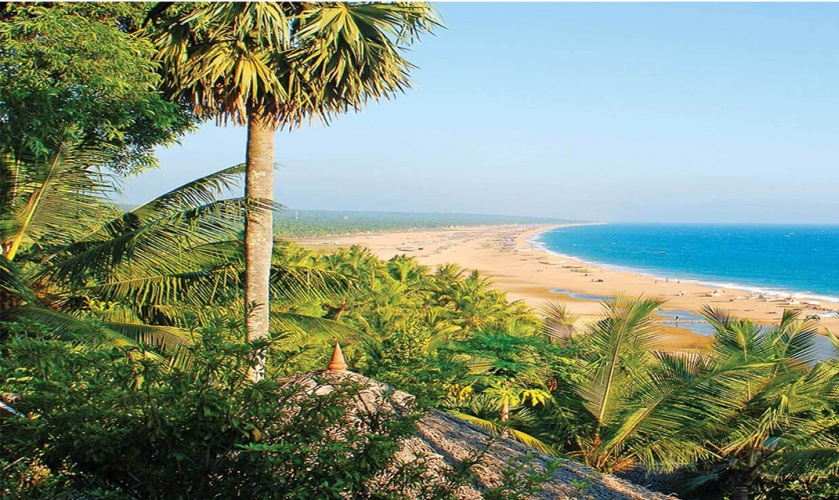
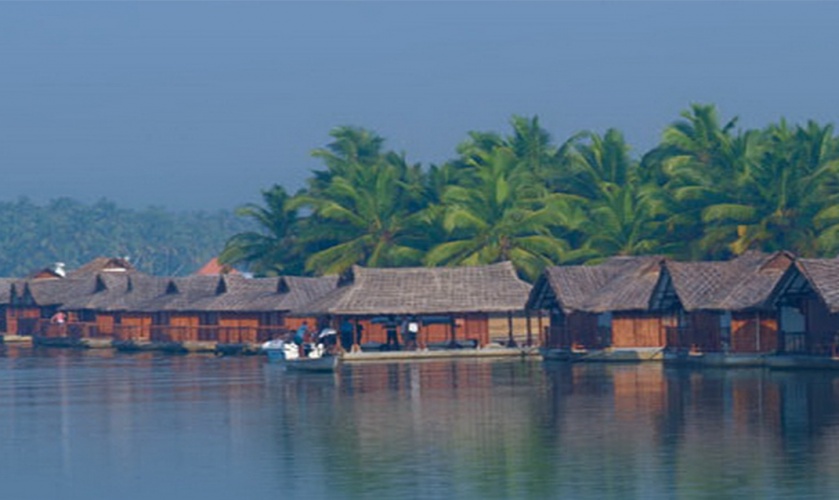
Kerala, India offers the deepest tradition for both Vatarakta and Kushta, uniquely suited to a condition affecting both joints and skin — with genuine expertise in blood-purifying and dosha-calming therapy, appropriate gentle purification for stable patients, authentic in-house formulations for joints and skin, dietary expertise, and the judgement to keep care gentle and coordinated with specialist treatment.

Recommended areas: Alleppey, Kovalam, Kumarakom, Wayanad, Palakkad.

How WellnessLoka Helps

Verified centres. Every centre we list has been independently assessed for physician credentials and genuine expertise in both Vatarakta (joint) and Kushta (skin) care, appropriate and gentle purification only for suitable stable patients, authentic in-house formulations, the judgement to avoid intensive therapies and "immune-boosting" in active autoimmune disease, checking for herb–drug interactions, and an absolute commitment to working alongside.

A free consultation with our Ayurvedic doctor. Before you choose anything, speak with our in-house consultant. They'll review your disease activity, joint and skin involvement, your full medication list, and your stability and design a gentle, appropriate programme.

Transparent comparison and support. Clear, honest information on every centre credentials, joint- and skin-care capability, dietary expertise, programme structure, accommodation, and pricing across Kerala.

Begin Your Healing Journey

Psoriatic arthritis asks you to care for two things at once and to do so with an eye on the future, because the inflammation beneath both is what matters most to control. The encouraging truth is that modern medicine can now do exactly that: not just soothe symptoms, but calm the disease and protect your joints, especially when treatment starts early.

That treatment is the foundation, and it should stay at the centre of your care. Alongside it, Ayurveda offers something genuinely fitting for a condition of both joints and skin.

Book Free Consulatation


Frequently Asked Questions

Psoriatic arthritis is a chronic autoimmune inflammatory condition affecting joints and skin, commonly associated with psoriasis.
Ayurveda correlates psoriatic arthritis with Vatarakta, Kushta, Rakta Dushti, and Ama-related inflammatory disorders.
Yes, Ayurveda provides meaningful integrative supportive value for psoriatic arthritis through the comprehensive classical combined Kushta and Vata Vyadhi framework with substantial Ama-Rakta dushti, Pitta, and Ojas Kshaya considerations — strictly supportive alongside continued essential rheumatology specialist care and evidence-based interventions. Comprehensive approach: comprehensive Guduchi-led Ama-pacifying with substantial care; comprehensive Manjishtha particularly valuable for dual skin-joint; comprehensive Chyavanaprasha-led Rasayana essential with substantial care; comprehensive Takradhara for Kushta and Mahanarayana Taila for musculoskeletal; comprehensive lifestyle integration essential with smoking cessation absolutely essential. Continued rheumatology specialist coordination absolutely essential — DMARDs and biologic therapies which have substantial documented benefits must never be discontinued. WellnessLoka verified centres provide expert integrative supportive care across Kerala, Sri Lanka, and Bali.
Snehapanam, Virechanam, and Vata-balancing therapies are commonly recommended for detoxification and inflammation management.
Guduchi, Neem, Manjishta, Guggulu, Turmeric, and Khadira are commonly used for skin and joint support.
Ayurvedic therapies may help reduce inflammation, improve digestion, balance immunity, and support long-term skin health.
Light, warm, easily digestible foods with reduced processed, oily, and inflammatory foods are recommended.
Yes, stress is considered an important trigger that may worsen autoimmune flare-ups and inflammation.
Ayurvedic detox and Vata-balancing therapies help improve circulation, flexibility, and joint comfort naturally.
Kerala, India offers the most clinically authentic destination for psoriatic arthritis Ayurvedic supportive care with the deepest preservation of authentic classical combined Kushta and Vata Vyadhi tradition globally with substantial autoimmune-aware sophistication throughout. Experienced BAMS and MD Ayurveda physicians provide specialised comprehensive Ama-pacifying and Pitta-Rakta-pacifying capability with substantial care, specialised comprehensive Ojas-supportive Rasayana capability essential with substantial care, comprehensive specialised external therapies capability for both dimensions with Takradhara particularly valuable, comprehensive lifestyle integration essential with smoking cessation absolutely essential, comprehensive medication interaction awareness essential, coordination with continued rheumatology specialist care essential. WellnessLoka verified centres in Alleppey, Kovalam, Kumarakom, Wayanad, and Palakkad provide specialised psoriatic arthritis supportive care across 160+ audited properties spanning Kerala, Sri Lanka, and Bali with customers from 25+ countries.
Yes, Manjishtha is particularly valuable for psoriatic arthritis with substantial classical use as classical Rakta-shodhana (blood-cleansing) with substantial classical use for Kushta-Pitta-Rakta contexts — particularly valuable given dual skin-joint involvement in psoriatic arthritis where classical Rakta considerations apply to both dimensions. Comprehensive benefits: comprehensive Pitta-Rakta-pacifying effects addressing both skin and joint inflammation dimensions, comprehensive integration with broader Ama-pacifying approach with Guduchi and Haridra, comprehensive constitutional support. Substantial care essential in autoimmune contexts with continued specialist coordination essential — DMARDs and biologic therapies must never be discontinued. WellnessLoka verified centres provide authentic Manjishtha preparations essential for comprehensive psoriatic arthritis integrative supportive care.
About WellnessLoka

WellnessLoka is established with the aim of making the world a happier and a healthier place. Based in Kerala, Gods' Own Country, WellnessLoka seeks to help wellness enthusiasts find and book different wellness options in a hassle free manner.

Read more >>


Join Our Network

Let us help you to get more guests to experience the unique wellness services provided at your property.

Join Now


Contact

WellnessLoka
Koozhampala Solutions Private Limited
Integrated Startup Complex
Kerala Startup Mission
Kerala Technology Innovation Zone
Kinfra Hi-Tech Park Main Rd
HMT Colony P.O
Kochi, Kerala - 683503
GSTIN: 32AAGCK3772L1ZB
+91 8086 040101
[email protected]

     
© 2016 - 2026 WellnessLoka. All Rights Reserved