
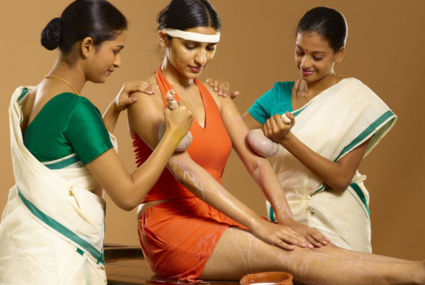
Polycystic Ovarian Disease (PCOD) Treatment
Polycystic Ovarian Disease (PCOD) is a common hormonal disorder affecting women, often leading to irregular periods, weight gain, acne, and fertility challenges. Ayurveda approaches PCOD holistically by identifying underlying imbalances in the doshas, especially Kapha and Vata. Treatments focus on detoxification through Panchakarma, correcting metabolic dysfunction, and restoring hormonal balance with customised herbal medicines and therapies. Dietary guidance, yoga, and lifestyle adjustments are integral to managing insulin resistance and promoting regular ovulation. This comprehensive approach not only alleviates symptoms but also enhances overall reproductive health and well-being, offering a sustainable and natural path to healing.
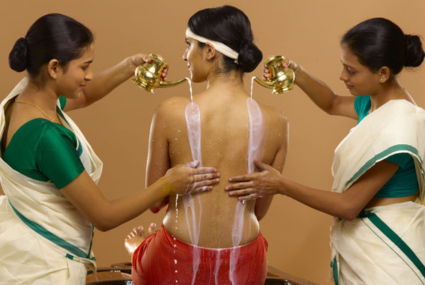
Polycystic Ovary Syndrome (PCOS) Treatment
Polycystic Ovary Syndrome (PCOS) is a hormonal disorder that affects menstrual cycles, metabolism, and overall reproductive health, often leading to irregular periods, weight gain, acne, and hormonal imbalance. In Ayurveda, PCOS is associated with imbalance in Kapha and Vata doshas along with impaired digestion (Agni), resulting in toxin accumulation (Ama) and disrupted hormonal function. Ayurvedic treatment focuses on restoring balance through detoxification with Panchakarma, along with herbal support, a personalised diet, yoga, and lifestyle modifications. This holistic approach helps regulate hormones, improve metabolism, and support long-term reproductive health.
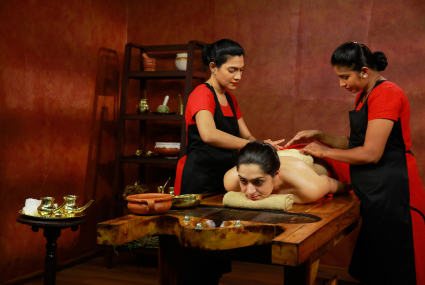
Endometriosis Treatment
Endometriosis is a painful condition where endometrial tissue grows outside the uterus, leading to chronic pelvic pain, heavy periods, and fertility issues. Ayurveda identifies this as a result of aggravated Vata and Pitta doshas disrupting the reproductive tissues. Treatment includes Panchakarma therapies like Virechana (purification) and Basti (medicated enema) to detoxify the body. Herbal medicines such as Ashokarishta, Shatavari, and Lodhra help regulate hormones and reduce inflammation. Diet and lifestyle modifications play a crucial role in pacifying the doshas. Yoga and meditation are also recommended to manage stress, enhancing overall reproductive health and reducing the severity of Endometriosis symptoms
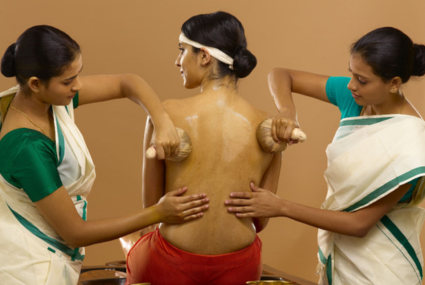
Adenomyosis Management
Adenomyosis is a gynaecological condition where endometrial tissue grows into the uterine muscle, causing painful periods, heavy bleeding, and bloating. In Ayurveda, it is often associated with an imbalance in Vata and Pitta doshas leading to disturbed menstrual health. Treatment involves Panchakarma therapies like Virechana (purification), Basti (medicated enema), and local treatments to detoxify the body and reduce inflammation. Herbal formulations such as Ashokarishta, Shatavari, and Lodhra help balance hormones and strengthen reproductive tissues. A tailored diet, yoga, and stress management techniques are integrated to restore hormonal equilibrium and improve uterine health, providing natural and long-term relief from adenomyosis symptoms
Infertility
Infertility, the inability to conceive after prolonged attempts, can stem from factors like hormonal disorders, lifestyle stress, or imbalances in reproductive health. Ayurveda views infertility as an imbalance in doshas, primarily Vata and Pitta, affecting the Shukra Dhatu (reproductive tissues). Treatments involve Panchakarma detox therapies to cleanse toxins, improve metabolism, and rejuvenate the reproductive system. Herbal medicines such as Ashwagandha, Shatavari, and Gokshura support hormonal regulation and vitality. A customized diet, yoga, and stress-relief practices further enhance fertility. This holistic approach helps optimize reproductive function, increasing the chances of natural conception.

Women’s Health Issues
Women’s Health Issues involve various health concerns that can influence a woman’s physical, hormonal, reproductive, and emotional well-being at different stages of life. These concerns may arise from natural physiological changes, hormonal fluctuations, individual health conditions, and lifestyle-related factors. Ayurveda approaches women’s health through the traditional principles of Streeroga Chikitsa, focusing on the relationship between Dosha balance, Agni (digestive and metabolic function), Dhatus (body tissues), and Artava (female reproductive physiology). According to Ayurvedic principles, disturbances in Vata, Pitta, and Kapha Doshas may influence normal physiological functions and contribute to various women’s health concerns. An individualised assessment considers Prakriti (natural constitution), Vikriti (current imbalance), age, menstrual and reproductive history, lifestyle habits, and overall health status to develop a suitable approach to women's wellness. Ayurvedic Women’s Health Management emphasises personalised therapeutic care, appropriate nutrition, and sustainable lifestyle practices to support women’s well-being throughout different life stages. Depending on individual requirements and clinical suitability, treatment may incorporate Panchakarma procedures, Abhyanga (therapeutic oil massage), Basti therapies, traditional herbal formulations, and Rasayana (rejuvenative care) under qualified Ayurvedic medical supervision. These approaches may be complemented by individualised Ayurvedic diets, gentle yoga, Pranayama, meditation, adequate rest, and Dinacharya (daily lifestyle routines). Particular attention is given to supporting menstrual comfort, reproductive wellness, healthy ageing, physical vitality, and overall quality of life. The integrated approach aims to encourage long-term women’s wellness through personalised Ayurvedic care, preventive lifestyle practices, and appropriate conventional medical support when necessary.
Cervicitis And Vaginitis Treatment
Cervicitis and Vaginitis are inflammations of the cervix and vaginal lining, often caused by infections, hormonal imbalances, or poor hygiene. Ayurveda views these conditions as an imbalance of Pitta and Kapha doshas, resulting in excess heat, discharge, and discomfort. Treatment involves detoxification through Panchakarma, herbal douches, and internal medicines like Triphala, Ashoka, and Lodhra that have antimicrobial and anti-inflammatory properties. Personalized diets and lifestyle changes are advised to strengthen immunity and reproductive health. Ayurvedic practices also emphasize maintaining genital hygiene naturally, promoting long-term vaginal and cervical health while preventing recurrent infections.


Female Infertility Treatment
Female infertility is a condition in which a woman is unable to conceive despite regular attempts over a significant period of time. It can be caused by various factors such as irregular ovulation, hormonal imbalances, polycystic ovarian syndrome (PCOS), thyroid disorders, blocked fallopian tubes, uterine abnormalities, or age-related decline in fertility. Common signs may include irregular menstrual cycles, absence of ovulation, hormonal disturbances, or no obvious symptoms in some cases. Emotional stress, poor nutrition, lack of physical activity, and unhealthy lifestyle habits can also contribute to infertility. In Ayurveda, female infertility is understood as a disorder involving imbalance of doshas, especially Vata (affecting movement and ovulation), Pitta (affecting hormonal balance and metabolism), and Kapha (causing blockages in reproductive channels). Proper functioning of Artava Dhatu (reproductive tissue) and balanced Agni (digestive fire) are essential for conception. Ayurvedic management focuses on correcting the root cause by balancing doshas, improving reproductive health, and preparing the body for conception. Treatment may include a nourishing and fertility-supportive diet, herbal medicines that regulate hormones and ovulation, and lifestyle practices that reduce stress and improve overall well-being. Therapies such as Abhyanga (medicated oil massage) help relax the body, while Basti (medicated enema therapy) is important for balancing Vata and improving reproductive function. Uttara Basti (specialized intrauterine therapy) may be recommended in certain cases under expert supervision. Detoxification therapies like Virechana may also be advised to balance Pitta and improve metabolism. Practices such as yoga, meditation, and maintaining a healthy routine play a vital role in enhancing fertility and increasing the chances of conception.


Pregnancy Health Programs
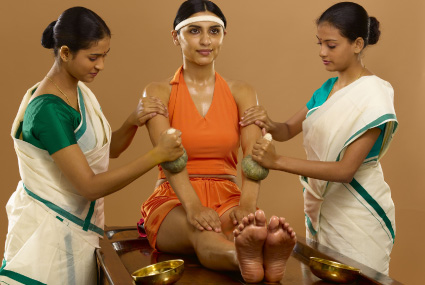
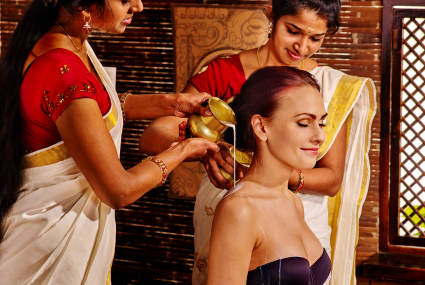
Pregnancy is a crucial and transformative phase in a woman’s life, requiring special care to ensure the health of both the mother and the developing baby. Pregnancy Health Programmes aim to provide holistic support during each stage of pregnancy, focusing on proper nutrition, emotional well-being, and physical comfort. Common concerns during pregnancy include nausea, fatigue, back pain, swelling, mood changes, sleep disturbances, and digestive issues. Proper care during this period helps in reducing these discomforts and supports smooth progression of pregnancy. In Ayurveda, pregnancy care is described under Garbhini Paricharya, which provides month-wise guidelines for diet, lifestyle, and behavior to support fetal growth and maternal health. It emphasizes a nourishing diet, proper digestion (Agni), balanced doshas, and a calm mental state for healthy development. These programmes typically include a customized diet plan rich in essential nutrients, herbal support (when appropriate), and lifestyle recommendations such as adequate rest, gentle exercise, and stress management. Supportive therapies such as Abhyanga (gentle medicated oil massage) help improve circulation, reduce body aches, and promote relaxation. Local Abhyanga may be used to reduce localized inflammation and discomfort in specific areas like the back or joints. Shirodhara is beneficial in calming the mind, reducing stress, and helping to balance hormonal changes during pregnancy. Gentle yoga, breathing exercises (pranayama), and meditation further support physical flexibility and emotional stability. Regular monitoring, proper sleep, and maintaining a positive environment are also key aspects of the programme. This holistic approach helps ensure a comfortable pregnancy, supports the baby’s development, and prepares the mother for a smooth delivery and postpartum recovery.

When Women's Wellness Calls for Care: An Ayurvedic Path to Hormonal Balance and Sustained Reproductive Health
Women's health encompasses substantial dimensions of wellness throughout life — from menstrual health through fertility, pregnancy, postpartum recovery, menopause, and broader gynecological care across reproductive years and beyond. Modern lifestyle factors including chronic stress, sedentary habits, processed dietary patterns, environmental factors, sleep disturbances, and broader factors have substantially affected women's reproductive health with substantial increases in menstrual disorders, PCOS, infertility, and broader concerns.
Common women's health concerns include:
- Menstrual disorders (Artava Vyapad)
- Dysmenorrhea (Kashtartava) — Painful periods
- Amenorrhea (Anartava) — Absent periods
- Menorrhagia — Heavy bleeding
- Oligomenorrhea — Infrequent periods
- PCOS (Polycystic Ovary Syndrome) — Common reproductive endocrine
- Endometriosis (supportive care)
- Uterine fibroids (supportive care)
- Female infertility — Substantial dimensions
- Recurrent pregnancy loss (supportive)
- Pregnancy support — Antenatal Ayurvedic care
- Postpartum recovery (Sutika Paricharya)
- Lactation support
- Post-miscarriage recovery
- Post-IVF support
- Menopause — Comprehensive support
- Perimenopause concerns
- Hormonal imbalances
- Leucorrhea (Shweta Pradara)
- Pelvic pain conditions
- PMS and PMDD
- Hot flashes and menopausal symptoms
- Postpartum depression (supportive)
- Vaginal health concerns
- Recurrent UTIs in women
- Pelvic floor concerns
- Sexual wellness concerns
Modern medical management has substantially advanced with comprehensive evidence-based framework including specialized gynecology and obstetric care, comprehensive menstrual disorder management, PCOS management (lifestyle, metformin, hormonal therapy, fertility treatments), comprehensive endometriosis management with substantial recent advances, assisted reproductive technologies (IUI, IVF, ICSI) with substantial outcomes evidence, comprehensive antenatal care with substantial outcomes, hormone replacement therapy for menopause when appropriate, comprehensive postpartum care, and substantial recent therapeutic advances.
Classical Ayurveda addresses women's health through comprehensive Stri Roga (gynecological conditions) and Prasuti Tantra (obstetrics) frameworks with substantial classical literature describing sophisticated framework. The classical understanding centers on Artava (menstrual element/female reproductive), Shukra Dhatu dimensions, Apana Vata governing menstruation, ovulation, and childbirth, and the comprehensive framework for women's reproductive wellness across life stages.
The therapeutic framework provides comprehensive approach through comprehensive Artava and reproductive tissue support; Apana Vata regulation essential; Agni correction; Vasti as cornerstone for Apana Vata; Uttarabasti for specific gynecological applications; comprehensive Shamana with Shatavari-led approach; classical Stri Roga formulations; Sutika Paricharya for comprehensive postpartum care; Garbhini Paricharya for pregnancy support; comprehensive lifestyle integration; and absolute coordination with continued gynecology and obstetric care including continued essential medications which must never be discontinued without specialist guidance.
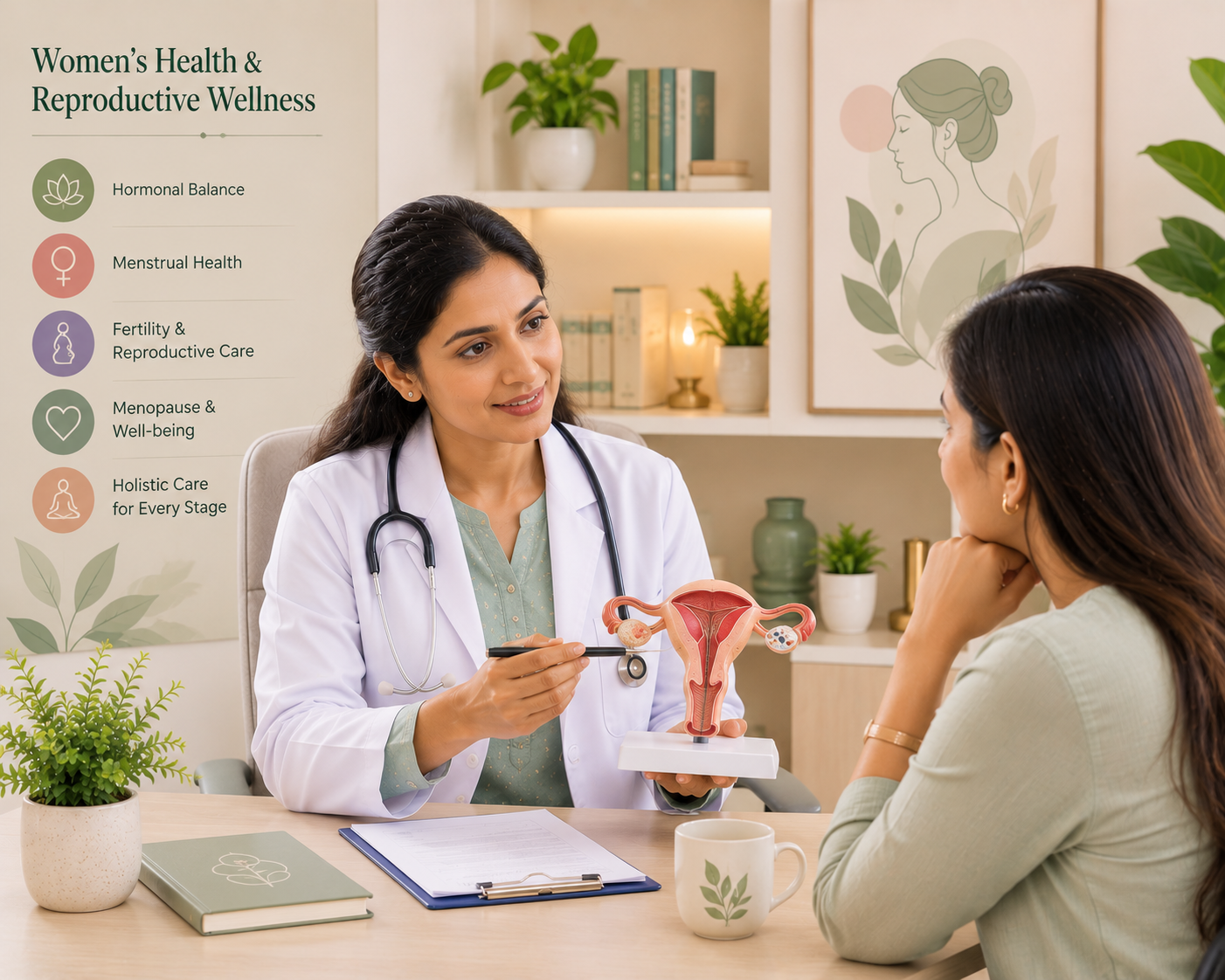
What is Women's Health & Reproductive Wellness in Ayurveda?
Women's health and reproductive wellness in Ayurveda represents the comprehensive classical framework through Stri Roga and Prasuti Tantra addressing women's health across reproductive years and beyond.
Definition and characteristics:
- Comprehensive women's health framework
- Centered on Artava, Apana Vata, Shukra Dhatu dimensions
- Substantial classical literature foundation
- Both preventive and therapeutic applications
- Lifecycle approach from menstruation through menopause
- Integration with continued conventional gynecology and obstetric care
Scope encompasses:
Menstrual health (Artava Vyapad):
- Dysmenorrhea (Kashtartava)
- Amenorrhea (Anartava)
- Menorrhagia
- Oligomenorrhea
- PMS and PMDD
- Premenstrual concerns
Reproductive endocrine:
- PCOS (Polycystic Ovary Syndrome)
- Endometriosis (supportive)
- Uterine fibroids (supportive)
- Hormonal imbalances
Fertility:
- Female infertility comprehensive approach
- Recurrent pregnancy loss (supportive)
- Pre-conception preparation
- Post-IVF support
- Post-miscarriage recovery
Pregnancy and postpartum (Prasuti Tantra):
- Garbhini Paricharya (Antenatal Ayurvedic care)
- Pregnancy support through trimesters
- Sutika Paricharya (Postnatal care)
- Postpartum recovery
- Lactation support
- Post-cesarean recovery
Menopause:
- Menopausal symptoms comprehensive
- Perimenopause concerns
- Hot flashes and night sweats
- Mood dimensions
- Bone health considerations
- Cardiovascular considerations
Other gynecological:
- Leucorrhea (Shweta Pradara)
- Pelvic pain conditions
- Vaginal health
- Recurrent UTIs
- Pelvic floor dysfunction
- Sexual wellness
Core therapeutic frameworks:
- Artava and reproductive tissue support
- Apana Vata regulation
- Agni correction
- Vasti as cornerstone
- Uttarabasti for specific applications
- Shatavari-led Shamana
- Classical Stri Roga formulations
- Sutika Paricharya postnatal care
- Garbhini Paricharya antenatal support
- Comprehensive lifestyle integration
- Coordination with continued gynecology and obstetrics
Understanding Artava, Apana Vata, and Stri Roga Framework: The Ayurvedic Framework for Women's Health
The Ayurvedic understanding of women's health sits within comprehensive classical framework with substantial literature.
Key concepts:
Artava — The Female Reproductive Element:
Artava represents the female reproductive element with substantial classical recognition encompassing:
- Menstrual blood
- Reproductive tissue (Shukra Dhatu in women)
- Ovarian function
- Comprehensive reproductive dimensions
Apana Vata — Central to Women's Health:
Apana Vata governs:
- Menstruation
- Ovulation
- Childbirth
- Postpartum elimination
- Comprehensive lower abdominal functions
Substantial classical recognition that Apana Vata regulation is fundamental to women's reproductive wellness.
Artavavaha Srotas:
Classical female reproductive channels carrying menstrual and reproductive function.
Rasa Dhatu Centrality:
Rasa Dhatu (plasma/lymph) particularly important in women's health as foundation for Artava production — substantial Rasa support central to women's wellness.
Specific Classical Conditions:
Artava Vyapad (Menstrual Disorders):
Detailed classical framework with eight subtypes based on doshic patterns providing sophisticated understanding of menstrual irregularities.
Yoni Vyapad (Gynecological Conditions):
Twenty classical types of Yoni Vyapad providing comprehensive classical framework for gynecological conditions.
Vandhyatva (Infertility):
Classical framework with substantial recognition of multiple causes.
Kashtartava (Dysmenorrhea):
Detailed classical framework for painful menstruation.
Sutika Paricharya — Postnatal care framework with substantial classical literature.
Garbhini Paricharya — Antenatal care framework with substantial classical literature for pregnancy support across trimesters.
Specific Doshic Patterns:
Vata-predominant:
- Dysmenorrhea Vata patterns
- Irregular cycles
- Infertility Vata dimensions
- Menopause Vata symptoms
- Anxiety-related menstrual concerns
Pitta-predominant:
- Heavy bleeding (Pitta dimensions)
- Inflammatory conditions
- Endometriosis Pitta dimensions
- Hot flashes
- PMS irritability
Kapha-predominant:
- PCOS substantial Kapha patterns
- Uterine fibroids Kapha dimensions
- Cyst formation
- Lethargic dimensions
Tridoshic:
- Complex chronic conditions
- Combined patterns
Stages of Women's Life:
Classical recognition of distinct life stages requiring specific approach:
- Childhood
- Puberty and adolescence
- Reproductive years
- Pregnancy and postpartum
- Perimenopause and menopause
- Post-menopause
Predisposing Factors Classical Ayurveda Identifies:
Aharaja (Dietary):
- Inadequate nourishment
- Excessive Vata-aggravating foods
- Specific dietary patterns
- Processed foods
- Excessive cold foods
Viharaja (Lifestyle):
- Sedentary lifestyle
- Inadequate sleep
- Suppression of natural urges
- Excessive exercise
- Inadequate rest
Manasika (Mental):
- Chronic stress with substantial impact
- Anxiety
- Emotional suppression
Specific Conditions:
- PCOS, thyroid disorders
- Diabetes
- Cardiovascular conditions
Aging:
- Natural progressive changes
- Menopause transition
This shapes the Ayurvedic approach to women's health: comprehensive Artava and reproductive support; Apana Vata regulation; dosha-specific approach; Vasti as cornerstone; Uttarabasti for specific gynecological applications; Shatavari-led Shamana; classical formulations matched to specific conditions; Sutika and Garbhini Paricharya for life stage-specific care; comprehensive lifestyle integration; stress management; coordination with continued gynecology and obstetric care.
The 3 Stages of Ayurvedic Treatment for Women's Health & Reproductive Wellness
1. Preparation (Purva Karma) — Typically 3-7 days
Comprehensive assessment with appropriate sensitivity including detailed reproductive history (specific concerns, menstrual history, obstetric history, current symptoms, prior treatments and response, current medications), current gynecology/obstetric evaluation, recent specialist visits, comorbidities particularly thyroid, diabetes, hypertension with substantial reproductive impact, dietary patterns, lifestyle factors, stress levels, life stage context, and constitutional profile.
Gynecology/obstetric coordination essential.
Critical screening:
- Stable current condition
- No acute gynecological emergency
- No suspected gynecological malignancy
- No active acute infection
- No acute pregnancy concerns when applicable
- No suspected ectopic pregnancy
- Pregnancy considerations when applicable
Deepana-Pachana. Initial dietary modifications. Foundational lifestyle measures.
2. Core Treatment (Pradhana Karma) — Typically 14-21 days
Comprehensive Apana Vata Regulation:
- Vasti therapy as cornerstone
Vasti Therapy:
- Matra Basti for sustained gentle therapy
- Anuvasana Basti with appropriate medicated oils
- Niruha Basti with appropriate decoctions
- Yapana Basti for chronic conditions
- Substantial classical use for Apana Vata regulation
Uttarabasti for Specific Gynecological Applications:
- Specialized uterine administration of medicated oils or decoctions
- Substantial classical use for infertility, chronic gynecological conditions, PCOS, broader
- Substantial specialized practitioner expertise required
Comprehensive Shamana Therapy:
Foundational women's health herbs:
- Shatavari (Asparagus racemosus) as cornerstone with substantial classical and modern evidence for women's health across life stages
- Ashoka (Saraca asoca) with substantial classical use for menstrual conditions
- Lodhra (Symplocos racemosa) for menstrual and broader
- Kumari (Aloe vera) for hormonal support
- Manjishtha for blood and reproductive
- Ashwagandha for adaptogenic and broader
- Haritaki for digestive and broader support
Condition-specific classical formulations:
For menstrual disorders:
- Ashokarishta with substantial classical use
- Rajapravartini Vati for amenorrhea
- Dashamoolarishtam for foundational support
- Pushyanuga Churna for menorrhagia and leucorrhea
- Specific menstrual formulations
For PCOS:
- Kanchanara Guggulu with substantial classical use for cysts
- Shatavari preparations
- Saptasaram Kashayam
- Phala Ghrita for fertility dimensions
- Kumaryasava
For fertility:
- Shatavari Kalpa as foundational
- Phala Ghrita with substantial classical use
- Ashwagandha Lehyam
- Specific fertility formulations
- Garbhachintamani Rasa in selected applications
For menopause:
- Shatavari preparations as cornerstone
- Ashwagandha for adaptogenic support
- Amalaki for antioxidant
- Specific menopause formulations
For leucorrhea:
- Pushyanuga Churna
- Lodhrasava
- Pradarantaka Lauha
For pregnancy support (when applicable):
- Specific safe Ayurvedic interventions with substantial caution
- Phala Ghrita in classical use
- Specific Garbhini Paricharya approach
Specialized External Therapies:
- Abhyanga with appropriate oils — Dhanwantaram Taila with substantial classical women's health applications
- Shirodhara for stress and hormonal dimensions
- Yoni Pichu — medicated tampon therapy
- Yoni Dhavana — vaginal wash
- Udwarthana for PCOS and metabolic dimensions
- Specific localized therapies
Sutika Paricharya (Postnatal Care) when applicable:
- Substantial classical comprehensive framework
- 6-week (45-day) structured care
- Specific nourishing dietary integration
- Specific herbal Rasayana
- Daily Abhyanga
- Comprehensive lactation support
- Mental wellness integration
Garbhini Paricharya (Antenatal Support) when applicable:
- Trimester-specific approach
- Specific safe Ayurvedic support
- Comprehensive nutritional integration
- Coordination with continued obstetric care
Comprehensive Yoga and Pranayama:
- Specific asanas for women's wellness
- Baddha Konasana, Malasana
- Bhujangasana, Setu Bandhasana
- Mula Bandha practices
- Specific Pranayama
Comprehensive Dietary Integration:
- Warm, nourishing foods
- Iron-rich foods for menstrual support
- Shatavari-supportive foods
- Adequate protein
- Specific reproductive-supportive foods
Foods to avoid:
- Excess junk food
- Cold and processed foods
- Excess caffeine
- Excess spicy/sour foods in Pitta patterns
Comprehensive Lifestyle Integration:
- Adequate sleep absolutely essential
- Comprehensive stress management
- Regular gentle exercise
- Menstrual hygiene
- Avoiding suppression of natural urges
Coordination with Continued Care:
- Continued essential medications
- Continued specialist follow-up
3. Rejuvenation (Paschat Karma) — Continued home regimen
Sustained Shatavari-led Rasayana, continued constitutional approach, continued lifestyle integration, periodic clinical follow-up. Long-term framework — sustained women's wellness requires sustained integrated approach.
The 5 Core Therapies for Women's Health & Reproductive Wellness Explained
1. Comprehensive Shatavari-Led Rasayana — The Cornerstone for Women's Health Comprehensive Shatavari-led Rasayana represents the cornerstone classical Ayurvedic approach for women's health across life stages with substantial classical literature and substantial modern evidence base. Shatavari (Asparagus racemosus) as foundational women's Rasayana with substantial classical use — name literally meaning "she who has 100 husbands" reflecting classical recognition of comprehensive female reproductive support; substantial documented benefits: comprehensive hormonal balance support with phytoestrogenic properties; substantial fertility support; lactation support with substantial classical and modern recognition; menstrual cycle regulation; menopausal symptom support; PCOS supportive value; broader reproductive wellness; antioxidant and adaptogenic effects. Standard administration: Shatavari Kalpa as classical preparation; Shatavari Churna; Shatavari Ghrita; fresh Shatavari preparations. Comprehensive supportive Rasayana approach: Ashoka (Saraca asoca) with substantial classical menstrual applications particularly for heavy bleeding; Lodhra for menstrual and broader gynecological; Kumari (Aloe vera) for hormonal support; Manjishtha for blood and reproductive support; Ashwagandha for adaptogenic and broader applications; Amalaki for antioxidant. Classical formulations across conditions: Ashokarishta as foundational menstrual support with substantial classical use; Dashamoolarishtam for foundational support across women's wellness applications; Kumaryasava for menstrual support; Pushyanuga Churna for leucorrhea and menorrhagia; Phala Ghrita with substantial classical use for fertility; Kanchanara Guggulu for PCOS and cyst support; Saptasaram Kashayam for PCOS; Rajapravartini Vati for amenorrhea. Specific applications: menstrual irregularities, PCOS, fertility support, menopause comprehensive support, postpartum recovery, lactation support, broader women's wellness. Sustained therapy essential — Rasayana benefits develop over months with sustained integration. Continues alongside continued gynecology care — Ayurvedic care complements rather than replaces continued specialist care including continued hormonal therapy, fertility treatments when prescribed. WellnessLoka centres provide authentic Shatavari-led preparations.
2. Vasti and Uttarabasti for Apana Vata and Gynecological Wellness Vasti and Uttarabasti provide substantial value for women's health with substantial classical use as cornerstone Apana Vata interventions. Comprehensive Vasti approach: Matra Basti for sustained gentle Apana Vata support; Anuvasana Basti with appropriate medicated oils; Niruha Basti with appropriate decoctions; Yapana Basti for chronic conditions with substantial classical use; specific Vasti types matched to individual patterns. Mechanisms: direct Apana Vata pacification with substantial reproductive wellness effects; comprehensive constitutional support. Particularly valuable for: menstrual disorders, PCOS, infertility, chronic gynecological conditions, postpartum recovery, menopause support, broader Apana Vata dysfunction. Uttarabasti as specialized gynecological therapy: substantial classical use as specialized uterine/cervical administration of medicated oils or decoctions providing direct local therapeutic access; substantial classical use specifically for: infertility with substantial classical use including for unexplained infertility, certain tubal factor concerns, broader; chronic gynecological conditions including chronic PID supportive, broader; PCOS supportive; endometriosis supportive; specific reproductive applications. Procedure: specialized cervical/uterine administration under expert practitioner guidance; specific medicated preparations matched to needs; appropriate cycle timing; substantial monitoring throughout. Critical requirements: substantial specialized practitioner expertise essential — Uttarabasti requires expert clinical skill; appropriate sterile clinical infrastructure essential; appropriate patient selection with appropriate evaluation; clear contraindications including active pregnancy, active infection, broader specific contraindications. Continues alongside continued gynecology and reproductive medicine — Uttarabasti complements rather than replaces continued specialist care including continued ART when applicable. WellnessLoka Kerala centres provide expert Vasti and Uttarabasti capability.
3. Sutika Paricharya and Garbhini Paricharya — Comprehensive Pregnancy and Postpartum Care Sutika Paricharya (postnatal care) and Garbhini Paricharya (antenatal care) represent substantial classical Ayurvedic frameworks for pregnancy and postpartum support with comprehensive sophistication. Sutika Paricharya (Postnatal Care): substantial classical comprehensive 6-week (typically 45-day) structured framework providing comprehensive postpartum support; comprehensive nourishing dietary integration: substantial emphasis on Rasa Dhatu rebuilding through warm nourishing foods, specific lactation-supportive foods including methi (fenugreek) with substantial classical and modern evidence for lactation, ginger, Shatavari-supportive foods, ghee with substantial classical use, milk in appropriate selection, specific nourishing preparations; specific herbal Rasayana: Shatavari as cornerstone with substantial classical and modern lactation evidence; Dashamoolarishtam for foundational postnatal support; specific postnatal preparations; Methika (Fenugreek) with substantial lactation support; Specific Ksheerapaka (medicated milk) preparations; Lehyam preparations for sustained support. Daily Abhyanga: with specific oils including Dhanwantaram Taila with substantial classical postpartum applications providing comprehensive Vata pacification, tissue support, circulation; substantial classical recognition of daily Abhyanga importance for postnatal recovery. Specific localized care: appropriate techniques for postpartum body recovery. Comprehensive lactation support: substantial classical framework. Mental wellness integration: substantial classical recognition of postpartum mental wellness with comprehensive support. Family integration: classical recognition of family role in postpartum care. Substantial classical wisdom preventing postnatal complications and supporting lifelong wellness. Garbhini Paricharya (Antenatal Care): substantial classical framework providing trimester-specific support; safe Ayurvedic interventions appropriate during pregnancy with substantial caution; specific dietary integration matched to pregnancy stages; specific Rasayana safe during pregnancy; Phala Ghrita with substantial classical pregnancy use; comprehensive lifestyle integration with appropriate adaptations; stress management; avoiding contraindicated interventions during pregnancy. Continues alongside continued comprehensive obstetric care — Ayurvedic care complements rather than replaces continued essential obstetric care, prenatal vitamins, broader. WellnessLoka Kerala centres provide expert Sutika Paricharya and Garbhini Paricharya.
4. Specialized External Therapies — Yoni Pichu, Yoni Dhavana, and Comprehensive External Care Comprehensive specialized external therapies provide substantial value for women's reproductive wellness with substantial classical use. Yoni Pichu (medicated tampon therapy): substantial classical use for chronic gynecological conditions, leucorrhea, broader applications; standard preparations including specific medicated oils matched to conditions; appropriate cycle timing; substantial classical recognition. Yoni Dhavana (medicated vaginal wash): substantial classical use; specific medicated decoctions; particularly valuable for leucorrhea, vaginal health, specific conditions. Comprehensive Abhyanga: with Dhanwantaram Taila as substantial classical women's health oil providing comprehensive Vata pacification and broader women's wellness benefits; Ksheerabala Taila for Vata-Pitta combined; specific oils matched to needs. Shirodhara: substantial value for stress and hormonal dimensions — chronic stress substantially affects women's hormonal balance with substantial documented mechanisms; specific applications for PCOS stress dimensions, menopause mental wellness, PMS, infertility stress dimensions, broader. Udwarthana (powder massage): particularly valuable for PCOS and metabolic dimensions providing comprehensive Kapha-Medas mobilization with substantial benefits. Specific localized therapies: Pichu Therapy for specific applications; lower back and pelvic care; specific Basti applications including Kati Basti for back support during pregnancy and postpartum, broader specific therapies. Lepa applications: for specific applications including skin dimensions during pregnancy and postpartum. Combined approach: specialized external therapies combined with internal Shamana, Vasti and Uttarabasti when applicable, comprehensive lifestyle integration providing comprehensive women's wellness care. Sustained therapy with appropriate cycle timing for menstruation-related applications.
5. Comprehensive Lifestyle Integration and Coordination with Continued Gynecology and Obstetric Care Comprehensive lifestyle integration with absolute coordination with continued gynecology and obstetric care provides foundation for sustained women's wellness. Comprehensive women's wellness-supportive dietary integration: warm, freshly prepared foods essential; iron-rich foods for menstrual support including pomegranate, dates, leafy greens, broader; Shatavari-supportive foods with substantial reproductive benefits; adequate quality protein; milk and ghee in appropriate selection; specific spices including cumin, fennel, coriander, saffron in selected applications; abundant vegetables and fruits; specific lactation-supportive foods when applicable including methi, ginger, broader; adequate hydration. Foods to avoid: junk and processed foods; excess caffeine with substantial impact on hormonal balance; cold and refrigerated foods affecting Apana Vata; excess spicy/sour foods in Pitta patterns; alcohol substantially affecting reproductive health. Regular structured exercise with substantial women's wellness benefits: appropriate intensity matched to life stage; walking with substantial benefits; specific Yoga practices including Baddha Konasana (bound angle pose) for substantial reproductive wellness, Malasana (squat pose) for pelvic floor and bowel support, Bhujangasana for energizing effects, Setu Bandhasana for thyroid and broader benefits, Mula Bandha practices with substantial reproductive wellness applications; gentle exercise during menstruation with appropriate selection; pregnancy-appropriate exercise when applicable. Sleep optimization absolutely essential with substantial impact on hormonal balance — specific sleep cycle considerations including circadian rhythm impact on menstrual cycle. Comprehensive stress management as central element — chronic stress substantially affects women's hormonal balance through HPA axis dysregulation with documented impact on menstrual cycle, fertility, PCOS, menopause; comprehensive integration including meditation, Pranayama, Yoga Nidra, mindfulness. Menstrual hygiene with appropriate practices. Avoiding suppression of natural urges with substantial classical recognition. Comprehensive coordination with continued gynecology and obstetric care: continued essential medications absolutely essential including continued hormonal therapy when prescribed, continued fertility medications when prescribed, continued specific medications for PCOS/endometriosis/broader conditions, continued thyroid hormone when prescribed; never discontinued without specialist guidance. Continued comprehensive antenatal care when pregnant — substantial outcomes evidence; Ayurvedic care complements rather than replaces continued obstetric care which remains foundation of pregnancy care. Continued assisted reproductive technologies when applicable: continued IUI, IVF, ICSI when prescribed with substantial outcomes evidence — Ayurvedic care provides supportive complementary value alongside ART. Continued cancer screening including cervical (Pap), breast (mammography), broader per guidelines absolutely essential — never compromised. Continued specialist follow-up at appropriate intervals. Critical safety: immediate gynecological care for acute concerns including suspected ectopic pregnancy, severe pelvic pain, severe bleeding, suspected miscarriage, broader; never delaying urgent care for retreat-based intervention. Pregnancy considerations: substantial caution with any Ayurvedic interventions during pregnancy requiring specialized obstetric coordination. Centres claiming Ayurvedic cures for substantial gynecological conditions or that fertility treatments are unnecessary should be avoided as dangerous. WellnessLoka programs require continued essential care throughout.
How Long Should an Ayurvedic Treatment Program for Women's Health Last?
| Duration | Therapeutic Benefit | |
| 7–14 days | Initial protocols, established interventions, foundational support | |
| 14–21 days | Comprehensive constitutional support, established Shatavari Rasayana | |
| 21–28 days |
|
|
| Continued home regimen | Sustained Shatavari-led Rasayana and lifestyle integration |
The exact duration is decided after consultation with the Ayurvedic doctor in coordination with continued gynecology and obstetric care, based on specific concerns, life stage, treatment goals, and individual factors. Substantial benefits for fertility, menstrual regulation, and broader women's wellness typically develop over 3-6 months of sustained integrated approach matching menstrual cycles. Long-term framework through life stages — Ayurvedic integration valuable across reproductive years and beyond.
Book Consultation
Benefits of an Ayurvedic Treatment Retreat for Women's Health & Reproductive Wellness
| Physical Benefits | Functional Benefits | Long-Term Impact | ||
| Better hormonal balance support | Better reproductive wellness | Sustained women's wellness | ||
| Better menstrual regulation | Better daily energy and vitality |
|
||
| Better fertility parameters support |
|
Better long-term outcomes | ||
| Better overall vitality |
|
Comprehensive integrative care framework |
Why Kerala is the Best Place for Women's Health & Reproductive Wellness Treatment
An Ayurvedic women's health retreat in Kerala, India offers the most clinically authentic environment for comprehensive Stri Roga and Prasuti Tantra Ayurveda alongside continued essential gynecology and obstetric care.
- Experienced physicians with specific expertise in classical Stri Roga and Prasuti Tantra
- BAMS and MD Ayurveda-certified doctors with specialised training across the broad women's health spectrum
- Specialised practitioner training in Apana Vata regulation essential for women's wellness
- Specialised practitioner training in Vasti essential for women's reproductive health
- Specialised practitioner training in Uttarabasti with substantial expertise for gynecological applications including infertility, chronic gynecological conditions, PCOS
- Specialised practitioner training in Sutika Paricharya — the classical comprehensive postnatal care framework
- Specialised practitioner training in Garbhini Paricharya — antenatal Ayurvedic support
- Specialised practitioner training in Yoni Pichu, Yoni Dhavana and broader specialized external therapies
- Specialised practitioner training in Shatavari-led Rasayana prescribing
- Authentic in-house preparation of Shatavari Kalpa — the cornerstone women's Rasayana preparation
- Authentic preparation of Phala Ghrita with substantial classical fertility applications
- Authentic preparation of classical women's health formulations — Ashokarishta, Kumaryasava, Pushyanuga Churna, Lodhrasava, Pradarantaka Lauha, Rajapravartini Vati, Kanchanara Guggulu, Saptasaram Kashayam, Dashamoolarishtam
- Authentic preparation of Dhanwantaram Taila with substantial classical women's health applications
- Authentic preparation of cornerstone women's health herbs — Shatavari, Ashoka, Lodhra, Kumari, Manjishtha preparations
- Authentic preparation of medicated oils for Vasti, Uttarabasti, Abhyanga
- Authentic preparation of Ksheerapaka (medicated milk) for lactation support
- Proper Panchakarma facilities for comprehensive Vasti
- Proper Uttarabasti facilities with appropriate sterile technique
- Proper Yoni Pichu and Yoni Dhavana facilities with appropriate infrastructure
- Comprehensive postnatal care infrastructure for Sutika Paricharya
- Discreet and sensitive environment essential for women's reproductive care
- Family-friendly accommodation essential for postnatal care and broader applications
- Capacity for emergency gynecological/obstetric escalation with clear protocols
- Long-established Kerala tradition of comprehensive women's health Ayurveda
- Coordination capability with continued gynecology and obstetric care including continued essential medications and ART
- Capacity for sustained long-term care relationships through life stages
- Qualified Yoga instruction with experienced teachers specifically trained in women's wellness applications
- Capacity for comprehensive lifestyle integration including women's wellness-supportive dietary preparation, exercise programs, stress management
- Discretion and sensitivity throughout treatment
Sri Lanka offers complementary tropical healing environment, while Bali provides wellness-oriented treatment retreats integrating Ayurvedic care with holistic wellness. For specialised Stri Roga and Prasuti Tantra with comprehensive Vasti, Uttarabasti, Sutika Paricharya capability, and authentic Shatavari-led preparation, Kerala offers the deepest tradition.
Women's Health & Reproductive Wellness Treatment Retreats by Location and Recommended Centres
Kerala, India — The most clinically authentic destination for classical Stri Roga and Prasuti Tantra with established tradition including specialised Apana Vata regulation, specialised Vasti capability, specialised Uttarabasti capability with substantial expertise, specialised Sutika Paricharya capability for comprehensive postnatal care, specialised Garbhini Paricharya for antenatal support, specialised Yoni Pichu and Yoni Dhavana capability, authentic Shatavari-led Rasayana preparation, authentic preparation of classical women's health formulations (Ashokarishta, Kumaryasava, Pushyanuga Churna, Phala Ghrita, Kanchanara Guggulu), authentic Dhanwantaram Taila preparation, discreet and family-friendly environment, capacity for emergency escalation, and the deepest tradition of comprehensive women's health Ayurveda. Alleppey • Kovalam • Kumarakom • Wayanad • Palakkad
Sri Lanka — Coastal Ayurveda treatment retreats with comprehensive supportive care for women's health in serene tropical environment. Wadduwa • Weligama • Sigiriya • Kosgoda • Bentota
Bali, Indonesia — Wellness treatment retreats integrating Ayurvedic care with holistic wellness restructuring, particularly valuable for sustained wellness maintenance. Ubud • Nusa Dua • Candidasa • Lovina
WellnessLoka connects you with verified centres offering genuine Stri Roga and Prasuti Tantra expertise, comprehensive Vasti and Uttarabasti capability, Sutika Paricharya capability, authentic Shatavari-led preparation, classical formulation preparation, discreet environment, capacity for emergency escalation, absolute commitment to coordination with continued gynecology and obstetric care including continued essential medications and ART which must never be compromised, and clear understanding of the integrative role.
Who Should Consider an Ayurvedic Women's Health Treatment Retreat
Critical foundation: All candidates should have established baseline gynecology and obstetric evaluation when applicable; integrative care is strictly complementary.
Women with menstrual irregularities — Comprehensive Artava Vyapad approach.
Women with dysmenorrhea (painful periods) — Comprehensive Vata-pacifying approach.
Women with PCOS — Comprehensive Kapha-Medas approach with substantial classical use.
Women with endometriosis (supportive) — Comprehensive supportive integrative approach alongside continued specialist care.
Women with uterine fibroids (supportive) — Comprehensive supportive approach.
Women with infertility — Comprehensive Vandhyatva approach including Uttarabasti when applicable alongside continued reproductive medicine.
Women post-IVF for sustained support — Comprehensive constitutional approach.
Women post-miscarriage seeking recovery — Comprehensive Sutika-like approach alongside continued specialist follow-up.
Women planning pregnancy seeking preparation — Comprehensive pre-conception approach.
Women during pregnancy seeking Garbhini Paricharya support (with substantial obstetric coordination) — Comprehensive antenatal integration.
Women postpartum seeking Sutika Paricharya — Comprehensive 6-week classical postnatal care.
Women seeking lactation support — Shatavari-led approach with substantial classical and modern evidence.
Women in perimenopause — Comprehensive integrative approach.
Women in menopause — Comprehensive Shatavari-led approach.
Women with PMS and PMDD — Comprehensive integrative approach.
Women with leucorrhea — Comprehensive integrative approach.
Women with recurrent UTIs — Comprehensive Mutravaha and constitutional approach.
Women with hormonal imbalances — Comprehensive constitutional approach.
Women with pelvic floor concerns — Comprehensive integrative approach.
Women seeking constitutional women's wellness — Comprehensive framework.
Women seeking long-term integrative women's wellness philosophy — Holistic life-stage approach.
Who Should Approach Treatment with Caution
Ayurvedic care for women's health is genuinely valuable but appropriate medical evaluation and continued specialist coordination are essential. Ayurvedic retreat-based care should be deferred or modified in cases involving:
Suspected gynecological malignancy — Requires urgent oncology evaluation.
Acute gynecological emergencies — Including suspected ectopic pregnancy, severe pelvic pain, severe bleeding requiring urgent care.
Suspected miscarriage during pregnancy — Requires urgent obstetric evaluation.
Active acute infection — Including PID, severe UTI requiring antimicrobial.
Substantial pregnancy with limited Ayurvedic appropriateness — Many Ayurvedic interventions contraindicated during pregnancy; substantial obstetric coordination essential.
Acute hypertensive disorders of pregnancy — Requires urgent obstetric care.
Suspected gestational diabetes — Requires obstetric evaluation.
Patients planning to discontinue essential hormonal therapy — Strongly discouraged without specialist guidance.
Patients planning to discontinue fertility treatments — Strongly discouraged.
Patients planning to discontinue ART — Strongly discouraged.
Patients planning to skip cancer screening — Absolutely strongly discouraged — substantial outcomes evidence; centres encouraging screening avoidance should be avoided as dangerous.
Patients with substantial unrealistic expectations — Honest counseling essential.
Patients seeking promised cures for substantial conditions — Centres claiming Ayurvedic cures for substantial gynecological conditions or that fertility treatments are unnecessary should be avoided as dangerous.
Patients without continued specialist care — Integrative care must complement continued essential treatment.
Choosing the Right Treatment Retreat for Women's Health
Qualified physicians with Stri Roga and Prasuti Tantra expertise — BAMS or MD Ayurveda-credentialed doctors with specialised training.
Specialised practitioner training in Vasti — Essential.
Specialised practitioner training in Uttarabasti — Essential for substantial specialized capability.
Specialised practitioner training in Sutika Paricharya — Essential for postnatal care.
Specialised practitioner training in Garbhini Paricharya — Essential for antenatal support.
Authentic in-house Shatavari Kalpa and Phala Ghrita preparation — Essential.
Authentic preparation of classical women's health formulations — With quality assurance.
Proper Vasti, Uttarabasti, Yoni Pichu, Yoni Dhavana facilities — Essential infrastructure.
Discreet and sensitive environment — Essential.
Family-friendly accommodation — Essential for postnatal care.
Capacity for emergency gynecological/obstetric escalation — Clear protocols.
Coordination capability with continued gynecology and obstetric care — Essential including continued essential medications and ART.
Capacity for sustained long-term care relationships — Through life stages.
Honest framing — Centres clearly understanding integrative role.
Clear continuity-of-care planning — Detailed home regimens.
How WellnessLoka Helps You Choose the Right Ayurveda Treatment Retreat for Women's Health & Reproductive Wellness
Choosing the right treatment retreat for women's health benefits enormously from genuine guidance with substantial sensitivity to women's reproductive context. Women's health spans substantial spectrum with substantial individual variation in concerns, life stage, treatment context, and individual factors. The right program depends on accurate identification of specific concerns and life stage, appropriate intervention selection including comprehensive Shatavari-led Rasayana, Vasti for Apana Vata regulation, Uttarabasti when applicable for specific gynecological applications, Sutika Paricharya for postnatal care, and absolute coordination with continued essential gynecology and obstetric care including continued essential medications and ART when applicable. WellnessLoka exists to ensure that women can make this decision with full information, genuine guidance, and complete confidence with appropriate discretion.
Access to Verified Retreat Centres Every centre listed on WellnessLoka for women's health has been independently assessed for physician credentials, specific expertise in classical Stri Roga (gynecology) and Prasuti Tantra (obstetrics) with substantial classical literature, depth of expertise in comprehensive Apana Vata regulation essential for women's wellness across reproductive years and beyond, specialised Vasti capability essential for women's reproductive health with multiple Vasti types including Matra Basti, Anuvasana Basti, Niruha Basti, Yapana Basti, specialised Uttarabasti capability with substantial specialized expertise essential as specialized uterine/cervical administration with substantial classical use specifically for infertility including unexplained infertility and certain tubal factor concerns, chronic gynecological conditions, PCOS supportive, endometriosis supportive — requiring substantial specialized practitioner expertise and appropriate sterile clinical infrastructure, specialised Sutika Paricharya capability — the classical comprehensive 6-week (45-day) structured postnatal care framework with comprehensive nourishing dietary integration including methi for lactation, specific herbal Rasayana with Shatavari as cornerstone with substantial lactation evidence, daily Abhyanga with Dhanwantaram Taila, specific localized care, comprehensive lactation support, mental wellness integration, family integration, specialised Garbhini Paricharya capability for antenatal Ayurvedic support with trimester-specific approach and substantial caution, specialised Yoni Pichu and Yoni Dhavana capability for specialized external therapies, specialised Shatavari-led Rasayana prescribing, authentic in-house preparation of Shatavari Kalpa as cornerstone women's Rasayana with substantial classical use and modern evidence base for women's health across life stages with documented benefits for hormonal balance through phytoestrogenic properties, fertility, lactation, menstrual cycle regulation, menopausal symptom support, PCOS supportive value, authentic preparation of Phala Ghrita with substantial classical fertility applications, authentic preparation of classical women's health formulations including Ashokarishta as foundational menstrual support with substantial classical use, Kumaryasava for menstrual support, Pushyanuga Churna for leucorrhea and menorrhagia, Lodhrasava, Pradarantaka Lauha, Rajapravartini Vati for amenorrhea, Kanchanara Guggulu for PCOS with substantial classical use, Saptasaram Kashayam for PCOS, Dashamoolarishtam for foundational support, authentic preparation of Dhanwantaram Taila with substantial classical women's health applications particularly for postnatal care, authentic preparation of cornerstone women's health herbs including Shatavari, Ashoka, Lodhra, Kumari, Manjishtha preparations using authentic methods, authentic preparation of medicated oils for Vasti, Uttarabasti, Abhyanga, authentic preparation of Ksheerapaka (medicated milk) for lactation support, proper Panchakarma facilities for comprehensive Vasti, proper Uttarabasti facilities with appropriate sterile technique essential, proper Yoni Pichu and Yoni Dhavana facilities, comprehensive postnatal care infrastructure for Sutika Paricharya including specific nourishing meal preparation, lactation-supportive environment, family-friendly accommodation, discreet and sensitive environment essential for women's reproductive care, family-friendly accommodation essential for postnatal care and broader applications, capacity for emergency gynecological/obstetric escalation with clear protocols, qualified Yoga instruction with experienced teachers specifically trained in women's wellness applications, absolute commitment to coordination with continued gynecology and obstetric care including continued essential medications (hormonal therapy, fertility medications, PCOS medications, broader) which must never be discontinued without specialist guidance, continued comprehensive antenatal care when pregnant with substantial outcomes evidence, continued assisted reproductive technologies when applicable with substantial outcomes evidence, continued cancer screening including cervical and breast per guidelines absolutely essential never compromised, continued specialist follow-up, capacity for sustained long-term care relationships through life stages, and clear understanding of the integrative role with appropriate discretion. We list only centres where authentic Stri Roga and Prasuti Tantra protocols are genuinely practised with classical depth and appropriate clinical infrastructure.
Free Pre-Retreat Consultation with Our Ayurvedic Doctor Before you choose a retreat, WellnessLoka offers a complimentary consultation with our in-house Ayurvedic consultant approached with substantial discretion and sensitivity. This consultation reviews your specific reproductive context (specific concerns, menstrual history, obstetric history, current symptoms, prior treatments and response, current medications), current gynecology/obstetric evaluation, comorbidities particularly thyroid, diabetes, hypertension with substantial reproductive impact, dietary patterns, lifestyle factors with attention to stress/sleep, life stage context, and constitutional profile. A critical part of this consultation is screening for any features warranting urgent specialist evaluation including suspected gynecological emergencies, suspected malignancy, acute pregnancy concerns, suspected miscarriage, or other concerning features. Absolute confirmation of continued essential gynecology/obstetric care including continued essential medications and continued cancer screening essential. Based on the assessment, we match you with the retreat centre and program duration best suited for your specific clinical context with appropriate discretion. It is purely a guidance consultation.
Transparent Centre Comparison WellnessLoka provides clear, honest information about each listed centre — physician qualifications, Vasti and Uttarabasti capability, Sutika Paricharya capability, classical formulation preparation, environment quality, accommodation features, program structure, and pricing — allowing comparison across Kerala, Sri Lanka, and Bali with full clarity.
Best Price Guarantee Through our strong, long-standing relationships with partner centres, you benefit from exclusive partner pricing that is always lower than booking directly. You receive the most authentic care without paying more for it.
Retreats for Every Budget From luxury wellness resorts to affordable, authentic healing centres, WellnessLoka helps you find a women's health retreat that aligns perfectly with your comfort level and budget — without ever compromising on the specialised Stri Roga and Prasuti Tantra expertise this care fundamentally benefits from.
Treatment is in Expert Hands Once you arrive at your chosen retreat, your treatment program is fully designed and managed by the qualified Ayurvedic physicians at that centre with deep training in classical Stri Roga and Prasuti Tantra and direct, hands-on familiarity with Shatavari-led Rasayana, Vasti, Uttarabasti when applicable, Sutika Paricharya when applicable, and broader classical women's health therapies your program involves. Treatment unfolds under continuous qualified supervision with substantial discretion and sensitivity to women's reproductive wellness dimensions and unwavering coordination with your continued essential gynecology and obstetric care.
Local Support Team Our on-ground experts assist you at every step from first enquiry through retreat completion — with substantial discretion and sensitivity.
End-to-End Booking Support Full administrative and logistical support with substantial discretion — ensuring smooth process so you focus entirely on preparing for your wellness program.
Why Travellers Trust WellnessLoka WellnessLoka is rated 4.9? on Google, with verified reviews from wellness travellers from 28+ countries, backed by over a decade of expertise. Our dedicated support team is available 24×7 with appropriate discretion.
Begin Your Healing Journey
Women's health and reproductive wellness represent substantial dimensions of overall wellness throughout life with profound impact on quality of life, fertility, family planning, and overall vitality across life stages. Modern gynecology, obstetrics, and reproductive medicine have substantially advanced with comprehensive evidence-based framework including substantial recent therapeutic advances. Yet substantial therapeutic gaps remain for many women seeking comprehensive integrative approaches alongside continued conventional care.
Classical Ayurvedic care offers genuinely meaningful integrative contributions through the comprehensive Stri Roga and Prasuti Tantra framework with substantial classical literature describing sophisticated framework across women's life stages. The therapeutic framework centers on comprehensive Shatavari-led Rasayana as cornerstone for women's health with substantial classical and modern evidence; Vasti and Uttarabasti for Apana Vata and specialized gynecological wellness; Sutika Paricharya and Garbhini Paricharya for comprehensive pregnancy and postpartum care; specialized external therapies including Yoni Pichu, Yoni Dhavana; comprehensive lifestyle integration and coordination with continued gynecology and obstetric care.
Ayurvedic care complements rather than replaces continued essential gynecology and obstetric care. Continued essential medications absolutely essential throughout integrative care — hormonal therapy, fertility medications, and other essential treatments must never be discontinued without specialist guidance. Continued comprehensive antenatal care when pregnant absolutely essential with substantial outcomes evidence. Continued ART when applicable essential. Continued cancer screening including cervical and breast absolutely essential — never compromised. Integrative Ayurvedic care provides meaningful supportive complementary value.
Whether you choose a treatment retreat in Kerala, Sri Lanka, or Bali — with Kerala offering particular depth in classical Stri Roga and Prasuti Tantra — Ayurvedic care for women's health and reproductive wellness offers a thoughtful, deeply integrative path to enhanced hormonal balance, reproductive wellness, sustained wellness across life stages, and substantial quality of life enhancement alongside continued essential gynecology and obstetric care.


