Calm the Inner Tide of Pain: An Ayurvedic Treatment Retreat for Endometriosis, Pelvic Restoration, and Sustained Comfort Through the Cycle

Endometriosis is a chronic gynaecological condition where endometrial-like tissue grows outside the uterus — causing painful periods, chronic pelvic pain, painful intercourse, substantial menstrual disturbance, fertility considerations, and significant impact on quality of life — affecting an estimated 10% of women of reproductive age. In Ayurveda, endometriosis correlates with Artava Dushti, Vata-Pitta Rakta dushti, Apana Vata vitiation, and Pittaja Yoni Vyapad patterns. Ayurvedic care provides comprehensive integrative supportive approach alongside continued gynaecology coordination.

Book Consultation
Search
Filter by:   
Sort by:   

No more packages to load.

Endometriosis – Ayurvedic Treatment and Holistic Management

Quick answer: Endometriosis is a chronic condition where tissue like the uterine lining grows outside the uterus. It causes painful periods, pelvic pain, heavy bleeding, painful sex, and sometimes infertility. Gynaecology care comes first. Ayurveda understands it as Artava Dushti and Pittaja Yoni Vyapad. Cooling, Vata-Pitta-balancing therapies can support pain relief and quality of life, alongside gynaecology care.

Endometriosis affects about 10% of women of reproductive age. Many wait 7–10 years for a diagnosis. It affects work, relationships, sleep, and fertility, and is often dismissed as "normal period pain."

It takes three main forms:

  • Superficial — lesions on the pelvic lining and organ surfaces.

  • Ovarian endometriomas — blood-filled ovarian cysts ("chocolate cysts").

  • Deep infiltrating — deeper lesions that may involve the bowel or bladder.

Ayurveda has no single classical name for endometriosis. It draws on two women's health (Stree Roga) frameworks:

  • Artava Dushti — disorders of menstrual blood and reproductive tissue.

  • Pittaja Yoni Vyapad — the inflammatory uterine pattern, the closest match.

Endometriosis is managed long-term, not cured.

Signs and Symptoms: The Distinctive Pattern

Symptoms usually follow the cycle. In Ayurveda, Vata drives the pain and Pitta drives the inflammation.

  • Painful periods — worse than typical cramps, often worsening over time. 

  • Chronic pelvic pain — persists between periods.

  • Heavy or irregular bleeding — clots or heavy flow, reflecting Pitta and Rakta.

  • Painful sex — deep pelvic pain during or after.

  • Bowel or bladder pain — around periods; suggests deep disease.

  • Difficulty conceiving — common with endometriosis.

  • Fatigue, low mood, anxiety — linked to long-term pain and the stress-pain cycle.

The Warning Signs to Never Ignore

Seek emergency care if you have:

  • Sudden, severe one-sided pelvic pain with nausea. This may be ovarian torsion.

  • Severe pain with fever, dizziness, or fainting. This may be a ruptured cyst.

  • Pain far worse than usual that painkillers don't touch.

  • Thoughts of self-harm. Contact emergency services or a crisis helpline.

These need a hospital, not a retreat.

Causes

The exact cause is unknown. Hormonal, immune, inflammatory, and genetic factors all play a part.

Modern/clinical causes: retrograde menstruation (blood flowing back into the pelvis), oestrogen-driven tissue growth, immune dysfunction, and family history.

Ayurvedic contributing factors: vitiated Apana Vata from irregular bowels and meals, a Pitta-aggravating diet (spicy, sour, alcohol, caffeine), and chronic Ama (metabolic residue).

Lifestyle aggravators: chronic stress, poor sleep, processed food, and frequent red meat.

Diagnosis is medical: pelvic exam, transvaginal ultrasound, MRI for deep disease, and laparoscopy to confirm.

The Conventional Medical Approach

Gynaecology care controls pain, slows the disease, and protects fertility.

  • Pain relief — anti-inflammatories and prescribed pain care.

  • Hormonal therapy — contraceptives, progestins, or GnRH agonists to suppress lesions.

  • Surgery — laparoscopic removal of lesions or cysts.

  • Fertility treatment — where conception is a goal.

  • Pain and mental health support — for long-term impact.

Ayurveda supports this care. It does not replace it.

How Ayurveda Understands Endometriosis

Ayurveda sees endometriosis as Vata-Pitta Rakta Dushti: Vata and Pitta imbalance affecting blood and reproductive tissue.

  • Apana Vata governs downward menstrual flow. Vitiated, it reverses flow and causes pain.

  • Pitta drives the inflammation.

  • Rakta carries the disturbance into blood and tissue.

  • Ama sustains long-term inflammation.

  • Manas (mind) feeds the stress-pain cycle.

The disease process (Samprapti): poor habits and a heating diet disturb Apana Vata and Pitta in the Artavavaha Srotas (reproductive channels). Flow reverses, tissues inflame, and pain and abnormal bleeding follow. This mirrors the modern view of retrograde menstruation plus chronic inflammation.

Treatment aims to cool Pitta and Rakta, regulate Apana Vata, clear Ama, and calm the mind.

The Ayurvedic Supportive Approach

Care combines cooling herbs, Apana Vata regulation, Uttara Basti where suitable, calming therapies, and a cooling diet. A physician plans it with your gynaecologist.

Avoiding causes (Nidana Parivarjana). Cut spicy, sour, and heating foods, alcohol, and caffeine. Keep regular meals, bowels, and sleep.

Uttara Basti, only when suitable. Medicated oil is instilled into the reproductive tract, using cooling oils for endometriosis. It is given only by trained physicians in clinical settings, coordinated with your gynaecologist.

External therapies:

  • Cooling Abhyanga — oil massage with Chandanadi Taila to pacify Pitta.

  • Shirodhara — Ksheerabala or Chandanadi Taila over the forehead, for chronic pain and stress.

  • Ksheera Dhara — Shirodhara with medicated milk, for cooling.

Herbs for cooling Pitta and Rakta: Manjishtha (the cornerstone blood-cooling herb), Sariva, Yashtimadhu, Lodhra, Ashoka (Ashokarishta), Shatavari, and Praval Pishti.

Herbs for Apana Vata: Dashamoolarishtam, Hingvashtak Churna, and Kumaryasava.

Your physician must check every herb against any hormonal therapy. Never self-prescribe.

Diet (Ahara): cooling vegetables (bottle gourd, ash gourd, cucumber, leafy greens), plant protein and fish over red meat, omega-3 fats, and turmeric, coriander, and fennel. Avoid alcohol, spicy and processed food, and excess caffeine. Eat a light, early dinner.

Lifestyle (Vihara): cooling pranayama (Sheetali, Sheetkari, Chandra Bhedana), Anulom Vilom, Bhramari, Yoga Nidra, meditation, and gentle yoga matched to your pain. Rest during painful periods.

What Treatment Involves

The exact duration is decided after consultation with the Ayurvedic doctor. It depends on severity, surgical history, fertility goals, and constitution.

Duration What It Achieves
7–14 days Assessment, trigger reduction, cooling foundation
14–21 days Core Pitta-Rakta and Apana Vata care, Shirodhara, Uttara Basti if suitable
21–28 days Deeper constitutional foundation
Ongoing at home Cooling diet, practices, prescribed herbs, gynaecology care
 
Benefits typically build over 3–6 months, with pain changes often seen across 2–4 cycles. Prescribed hormonal therapy continues throughout.

What Ayurveda Can and Cannot Do

Ayurveda has genuine strengths here. It can support pain relief, healthier flow, better sleep, and steadier mood. It also gives a sustainable routine for a lifelong condition.

But it cannot cure endometriosis. It does not remove lesions or cysts. It does not replace hormonal therapy, surgery, or fertility treatment. Never stop hormonal therapy without your specialist.

A reassuring note, and a caution. Many women gain real relief with integrated care. Avoid any centre that claims a cure or says to stop gynaecology care.

Is This Right for You?

Ayurvedic care may suit you if:

  • You are diagnosed and under gynaecology care.

  • You are recovering from surgery, with your surgeon's clearance.

  • Your condition is stable on hormonal therapy.

  • You are preparing for conception, with your gynaecologist's input.

Seek medical care first, and set a retreat aside for now, if:

  • You have any warning sign above. This is an emergency.

  • Your symptoms are not yet evaluated.

  • You are mid-fertility cycle, unless your specialist agrees.

  • You have deep disease still needing surgical review.

  • You plan to stop hormonal therapy. We strongly discourage this.

Where to Go: Kerala

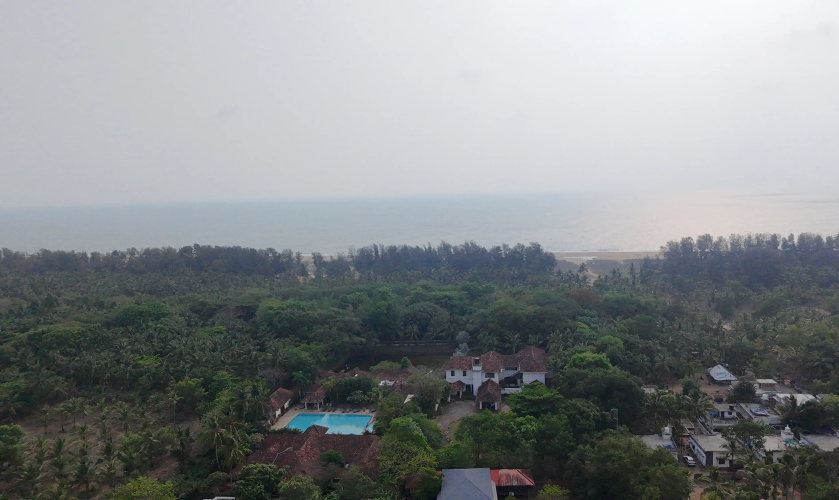
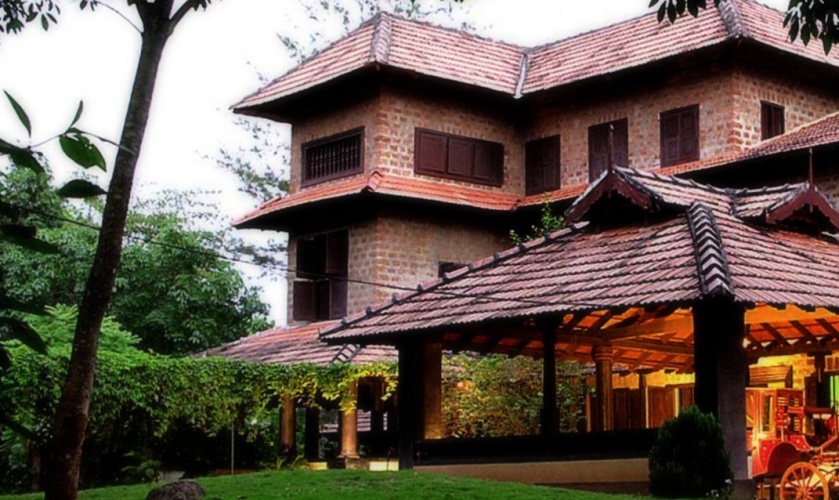
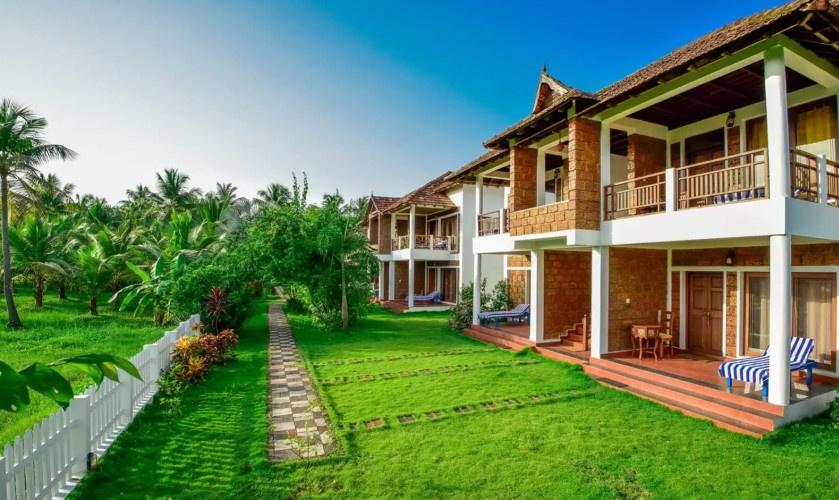
Kerala is the strongest choice for Ayurvedic endometriosis care. It holds the deepest classical Stree Roga (women's health) tradition. Established centres offer Stree Roga-trained physicians, Uttara Basti facilities, and in-house cooling formulations.

Kerala: Alleppey, Kovalam, Kumarakom, Wayanad, Palakkad.

Sri Lanka suits longer, immersive coastal programmes: Wadduwa, Weligama, Sigiriya, Kosgoda, Bentota.

Bali suits lifestyle-focused wellness retreats: Ubud, Nusa Dua, Candidasa, Lovina.

How WellnessLoka Helps

Verified centres. We independently assess every centre for Stree Roga expertise, Uttara Basti facilities, authentic formulations, privacy, and emergency escalation.

A free consultation with our Ayurvedic doctor. Our in-house consultant reviews your diagnosis, surgery, medication, and fertility goals, then suggests a suitable programme. If you need gynaecology care first, we will say so plainly. No obligation.

Transparent comparison and support. Compare centres across Kerala, Sri Lanka, and Bali side by side. Our partner pricing is lower than booking direct, and our team supports you throughout

Begin Your Healing Journey

Endometriosis organises life around the calendar. You plan around the worst days and push through pain others can't see. Gynaecology care keeps the condition monitored and treated.

Ayurveda adds cooling therapies, relief from the stress-pain cycle, and a rhythm that supports you month after month. Together, they can help you reclaim your days.

Book Free Consultation

Frequently Asked Questions

Endometriosis is a condition where tissue similar to the uterine lining grows outside the uterus, causing pelvic pain, heavy periods, and fertility issues. It is a chronic condition that can affect overall reproductive health.
A balanced, anti-inflammatory diet with easily digestible foods is recommended. Avoid spicy, processed, and heavy foods that can aggravate Pitta and worsen symptoms
No. Ayurveda cannot cure endometriosis or remove lesions. It offers cooling, Vata-Pitta-balancing care to support pain and quality of life, alongside gynaecology care. Avoid any centre that claims a cure.

Ayurveda has no single name for endometriosis. It is understood through Artava Dushti and Pittaja Yoni Vyapad. The imbalance is described as Vata-Pitta Rakta Dushti with vitiated Apana Vata.
Key herbs include Manjishtha, Sariva, Yashtimadhu, Lodhra, Ashokarishta, and Shatavari. Dashamoolarishtam and Hingvashtak Churna regulate Apana Vata. A physician must prescribe them and check them against hormonal therapy.
Yes, and you should. Hormonal therapy continues throughout unless your gynaecologist advises otherwise. WellnessLoka's verified centres coordinate with your gynaecologist and review every herb for interactions.
A cooling, Pitta-pacifying diet: bottle gourd, ash gourd, cucumber, leafy greens, plant protein, and fish over red meat. Use turmeric, coriander, and fennel. Avoid alcohol, spicy and processed food, and excess caffeine.
Ayurveda can offer constitutional support for women planning conception, coordinated with a fertility specialist. It does not replace fertility treatment. During an active IVF cycle, start only with your specialist's agreement.
About WellnessLoka

WellnessLoka is established with the aim of making the world a happier and a healthier place. Based in Kerala, Gods' Own Country, WellnessLoka seeks to help wellness enthusiasts find and book different wellness options in a hassle free manner.

Read more >>


Join Our Network

Let us help you to get more guests to experience the unique wellness services provided at your property.

Join Now


Contact

WellnessLoka
Koozhampala Solutions Private Limited
Integrated Startup Complex
Kerala Startup Mission
Kerala Technology Innovation Zone
Kinfra Hi-Tech Park Main Rd
HMT Colony P.O
Kochi, Kerala - 683503
GSTIN: 32AAGCK3772L1ZB
+91 8086 040101
[email protected]

     
© 2016 - 2026 WellnessLoka. All Rights Reserved