

Chamundi Hill Palace Ayurvedic Centre / 14 Nights Post Cancer Recovery Support Treatment Program
Premium Hospital in a Resort Setting | Healing & Wellness Property
India / Kerala / Kumarakom - Country side | Hills
Year of Establishment: 1999
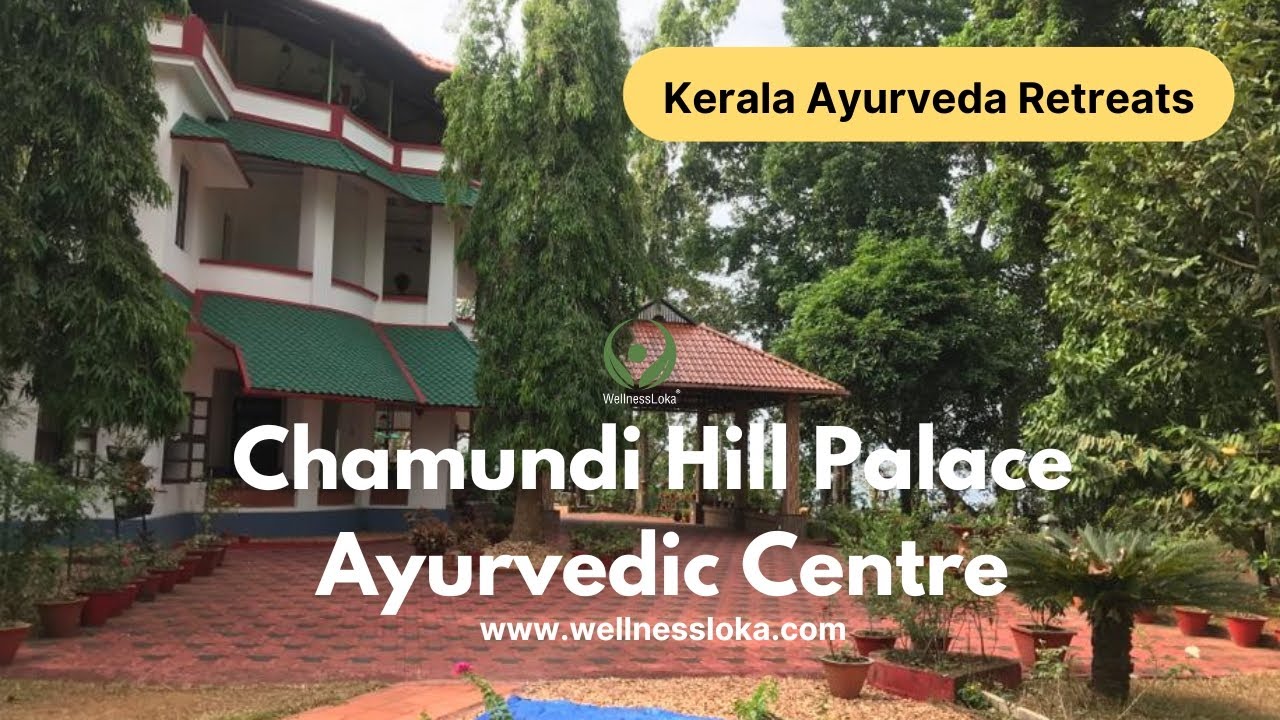
Chamundi Hill Palace Ayurvedic Centre is a traditional Ayurveda retreat situated on the Nadukani Hills near Kanjirapally in Kerala’s Kottayam district. Set within a historic family estate surrounded by tropical vegetation, cultivated gardens and hillside landscapes, the retreat combines residential Ayurvedic care with a peaceful natural environment. Its approach centres on classical Kerala Ayurveda, personalised treatment planning, Panchakarma, rejuvenation, Ayurvedic nutrition, yoga and meditation.
The retreat developed from the ancestral residence of the Thampi family through the vision of Mrs Saroja Thampi, whose personal experience with Ayurveda inspired the establishment of a residential healing centre. The institution has developed over more than 25 years, welcoming domestic and international guests seeking structured Ayurvedic care, restorative stays and traditional wellness experiences.
Medical care is guided by resident Ayurvedic physicians, with treatment recommendations based on each guest’s body constitution, health history, lifestyle and therapeutic requirements. The residential experience incorporates doctor-supervised Ayurvedic treatments, vegetarian meals, accommodation, guided wellness activities and individual dietary advice. Its setting, traditional hospitality and emphasis on continuity of care support a stay centred on Ayurveda rather than conventional resort recreation.
Design and Landscape
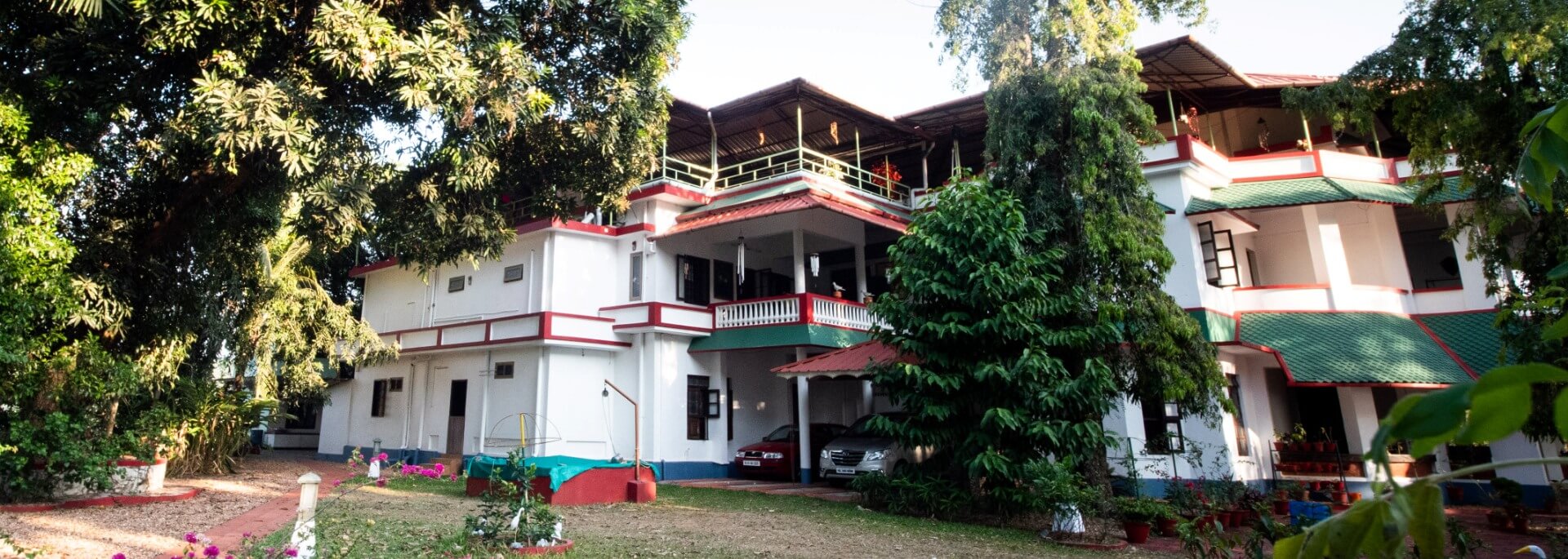
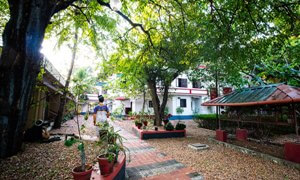
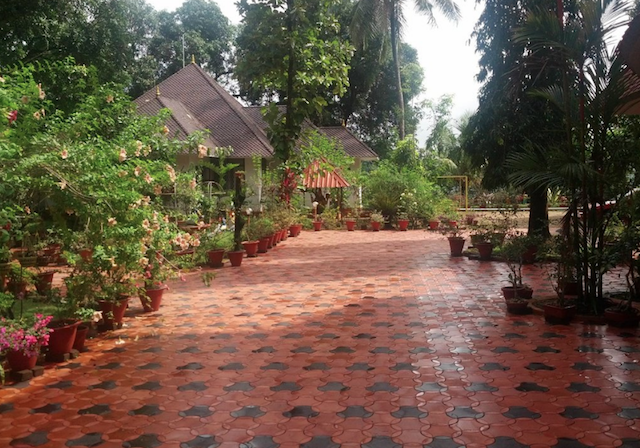
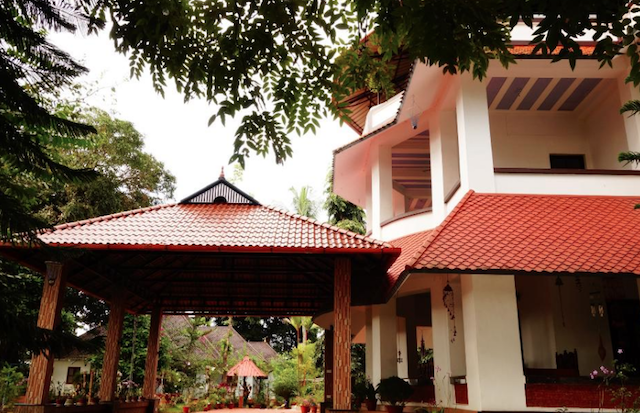
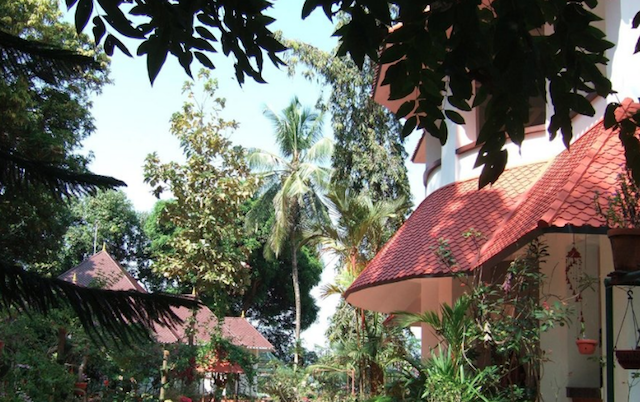
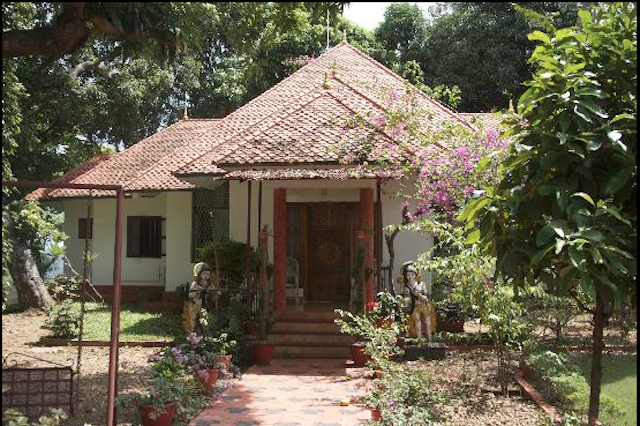
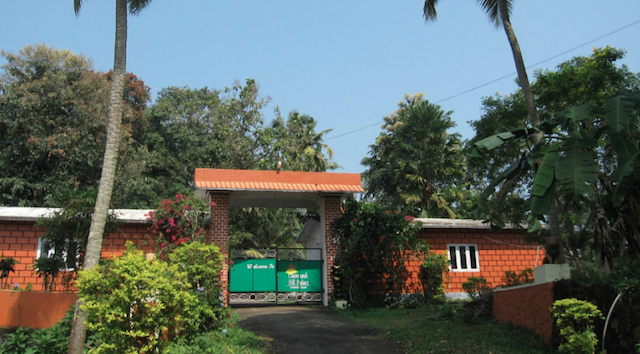
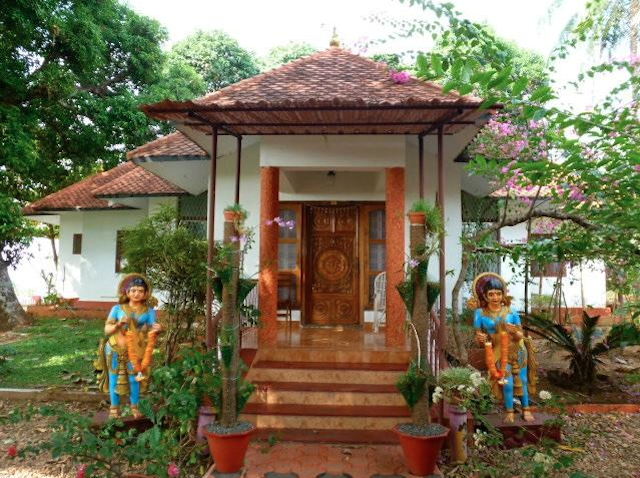
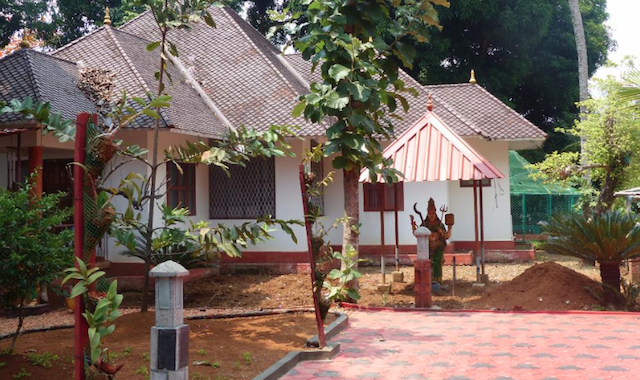
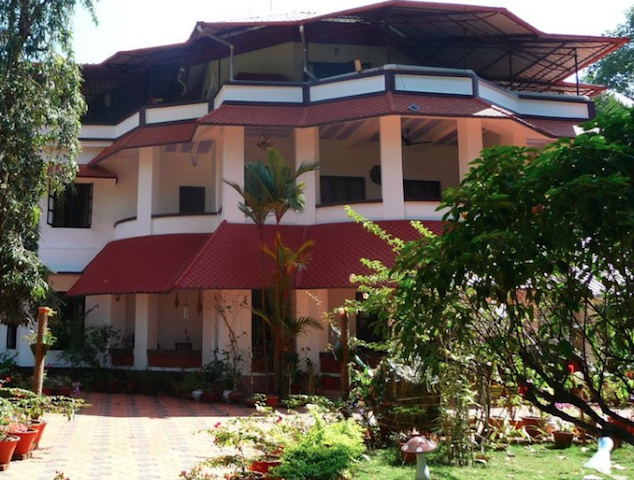
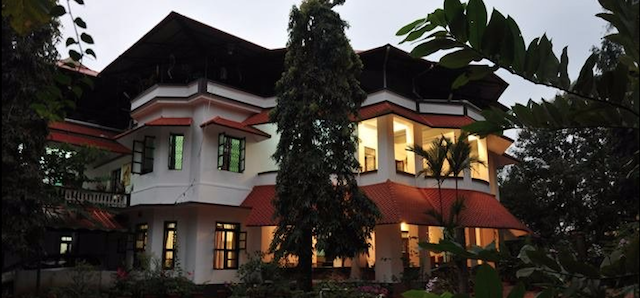
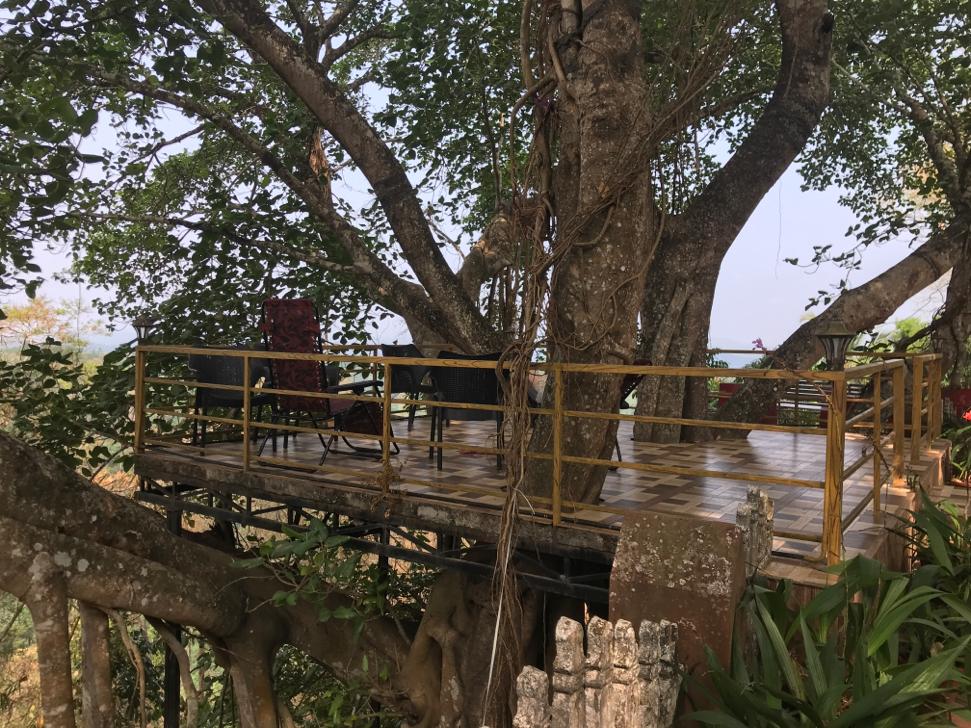
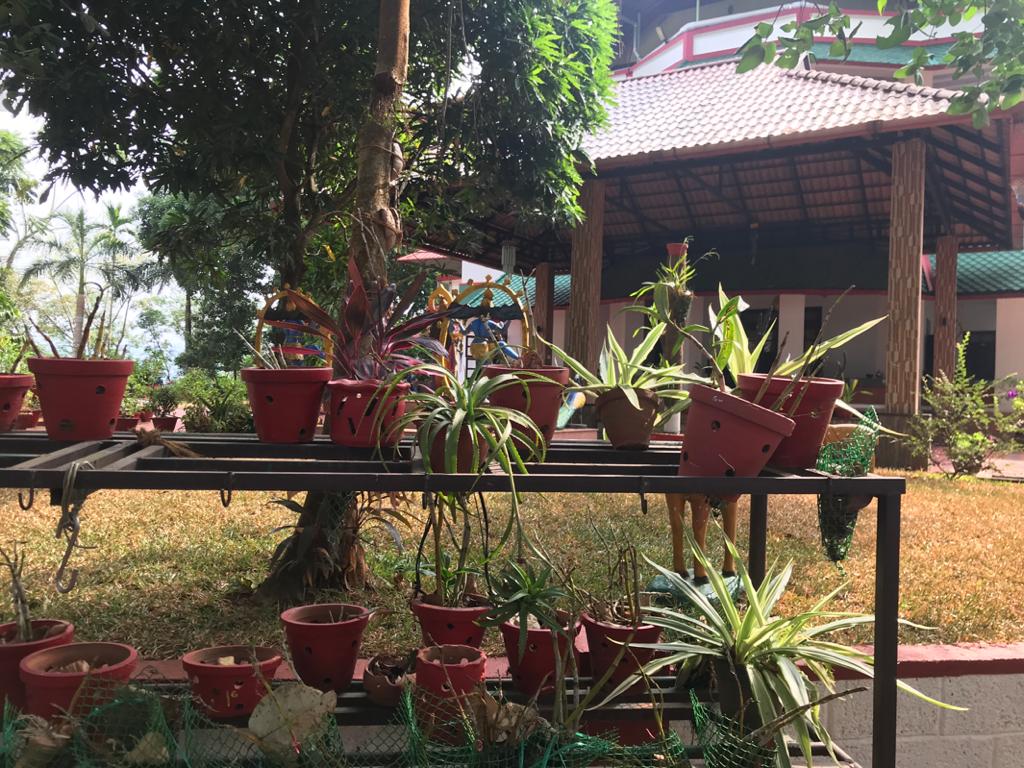
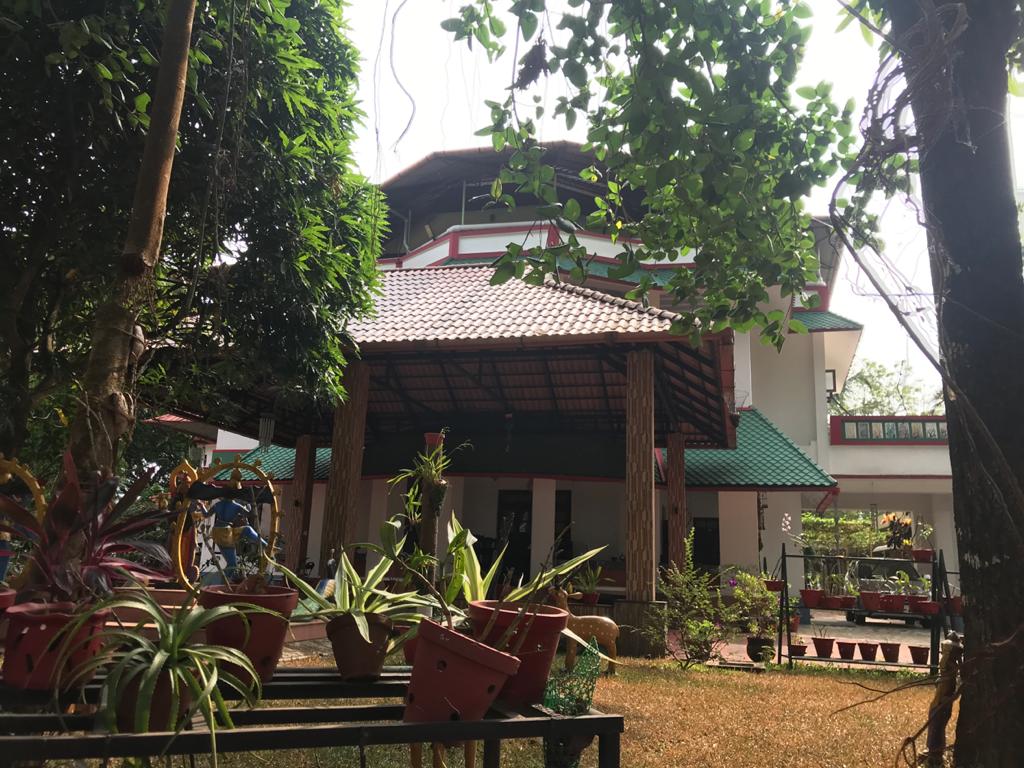
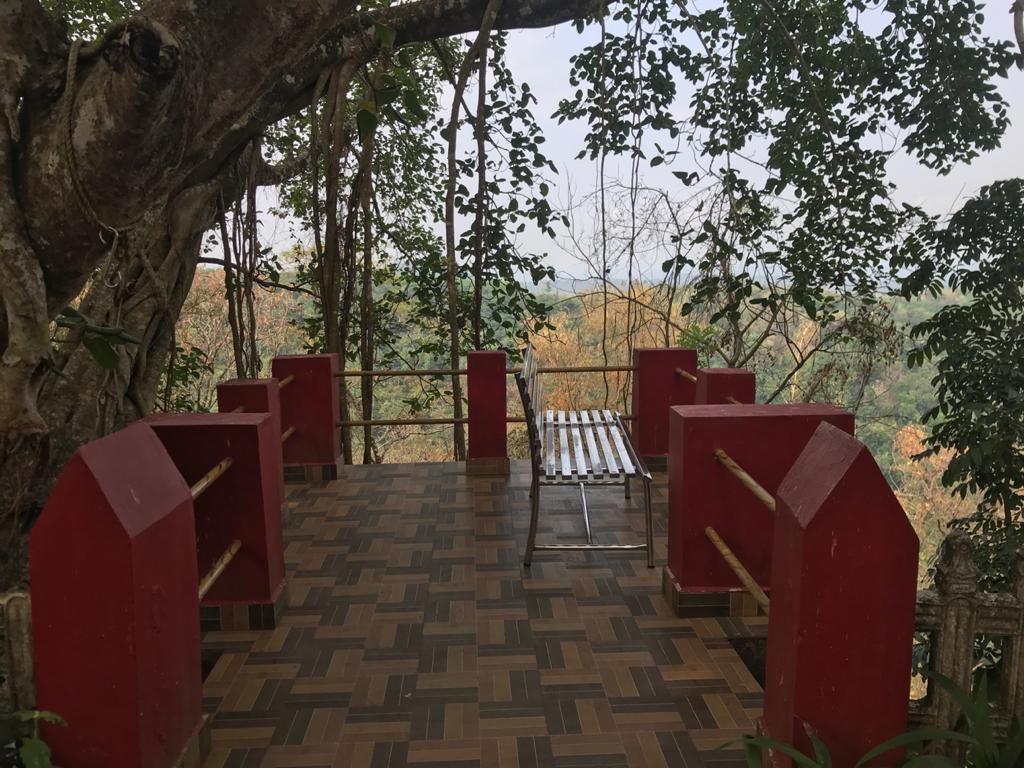
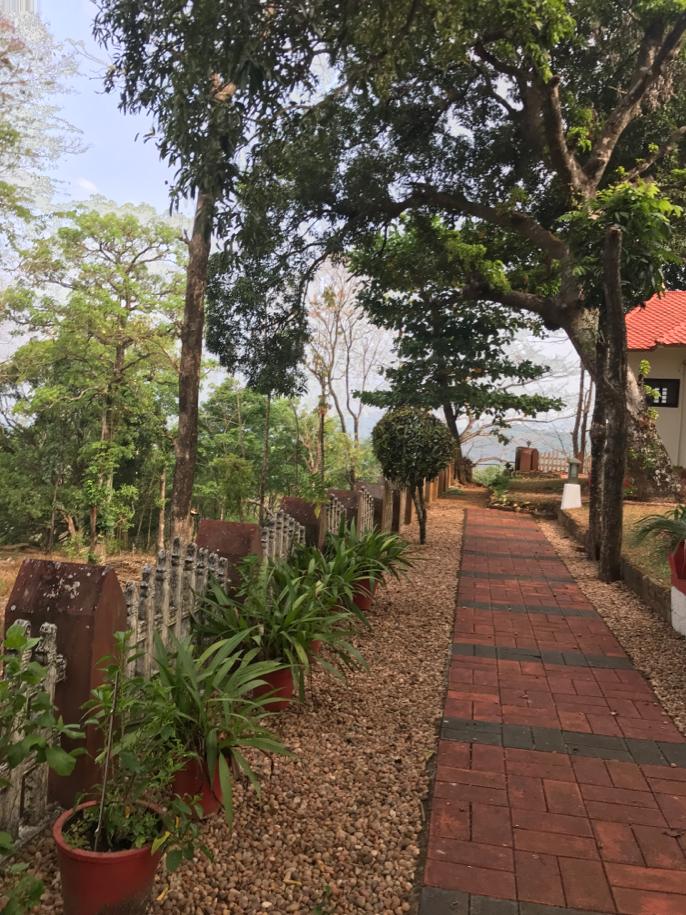
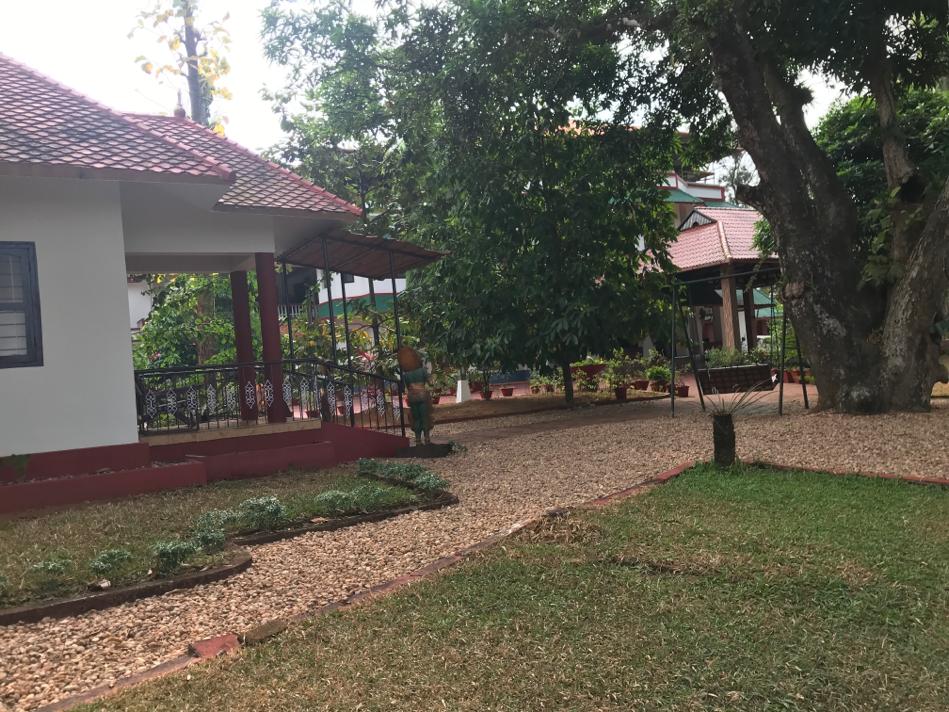
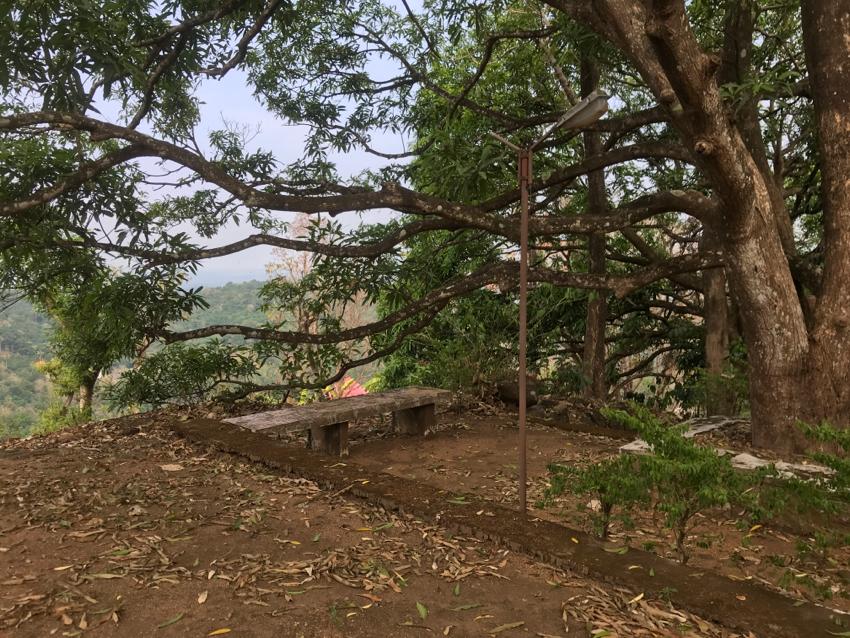
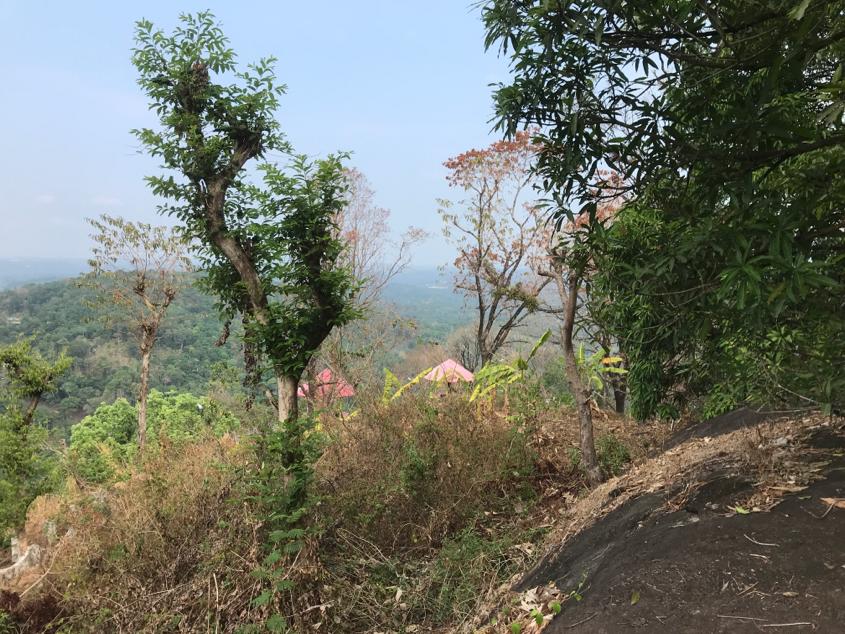
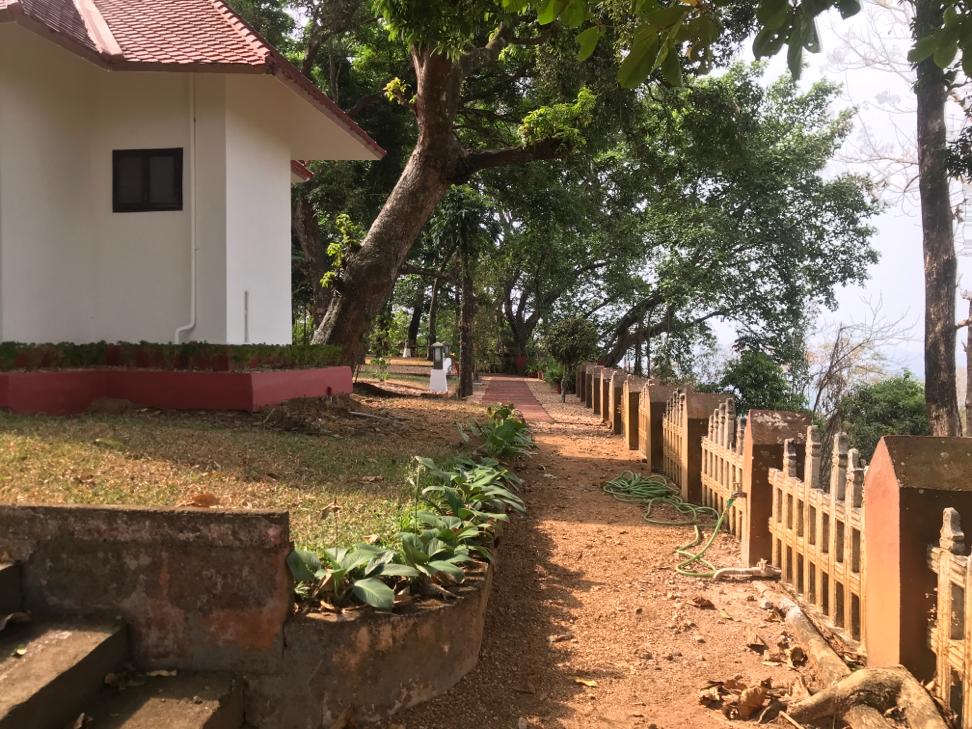
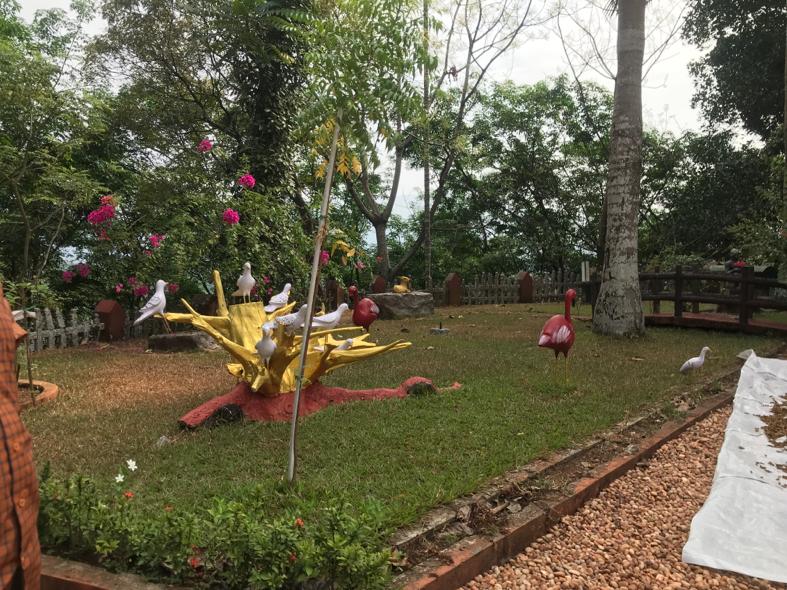
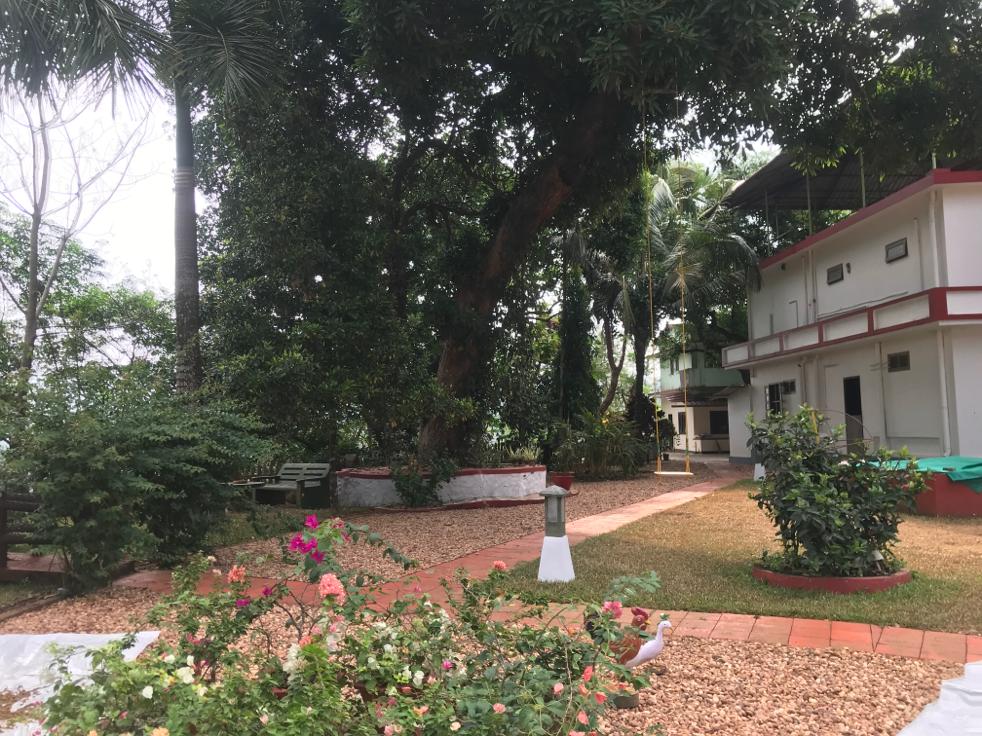
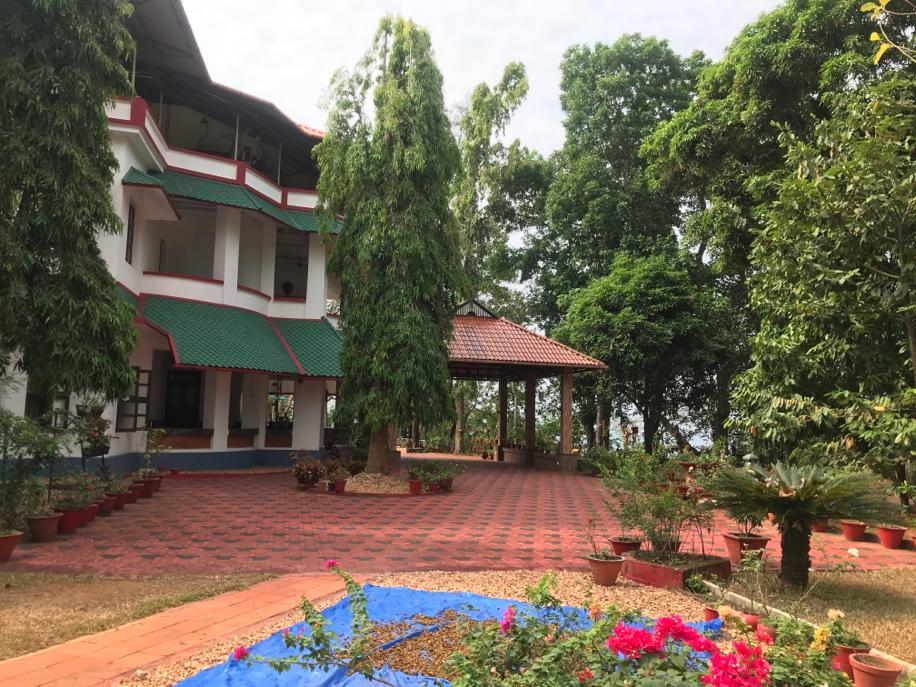
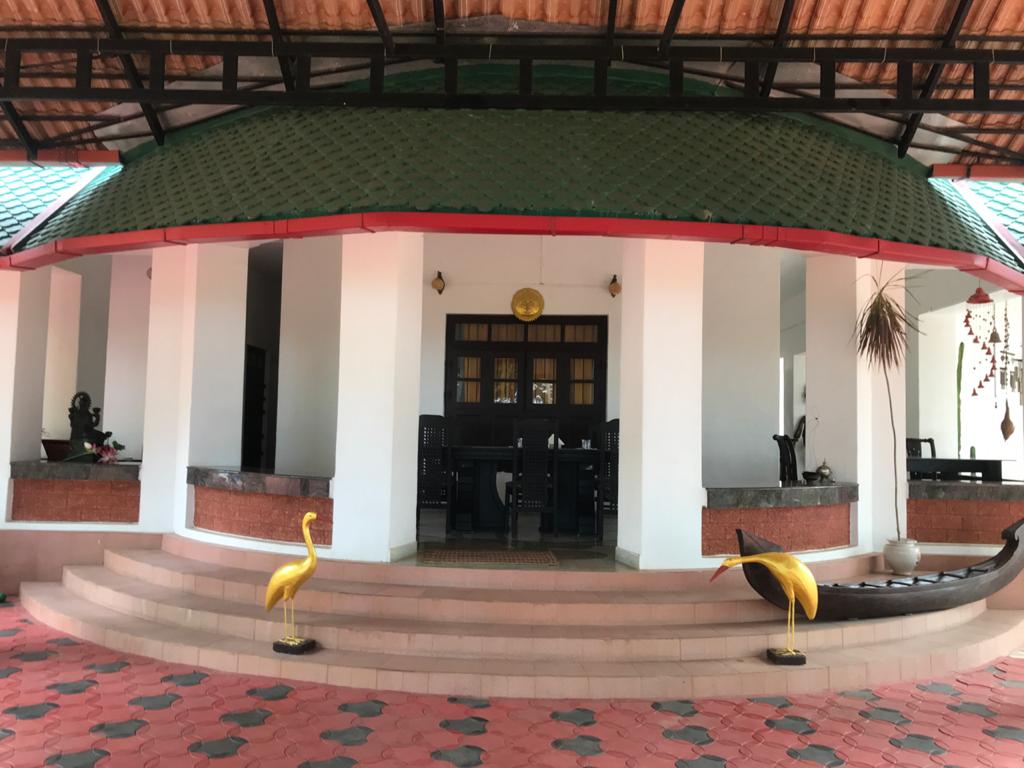
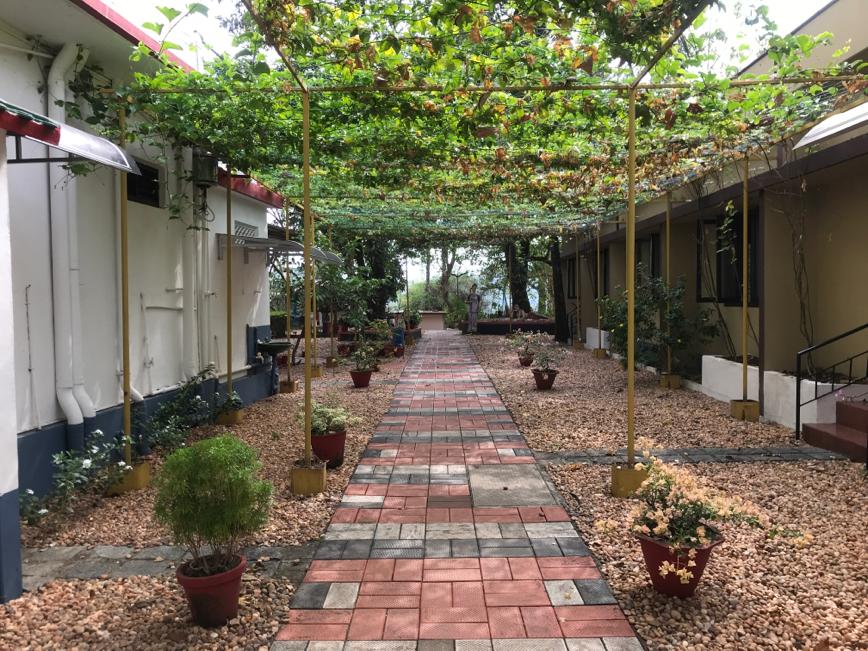
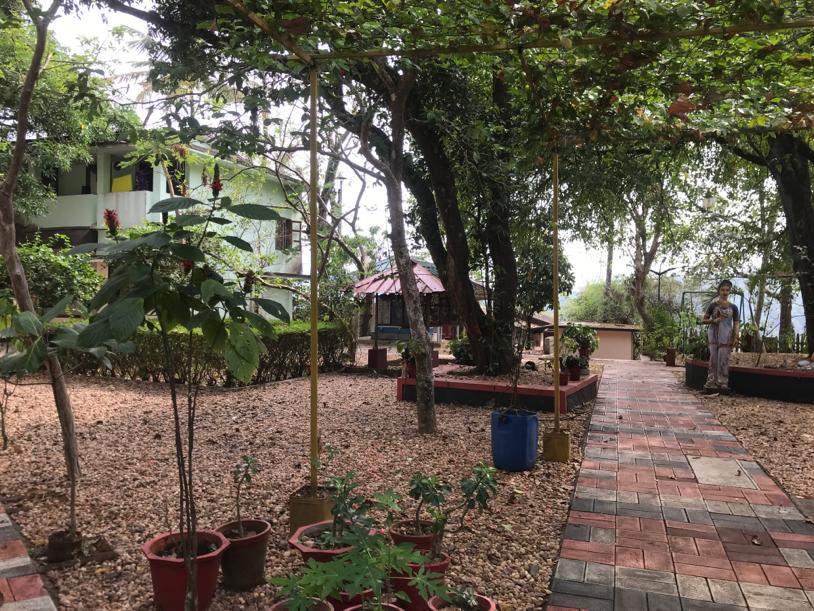
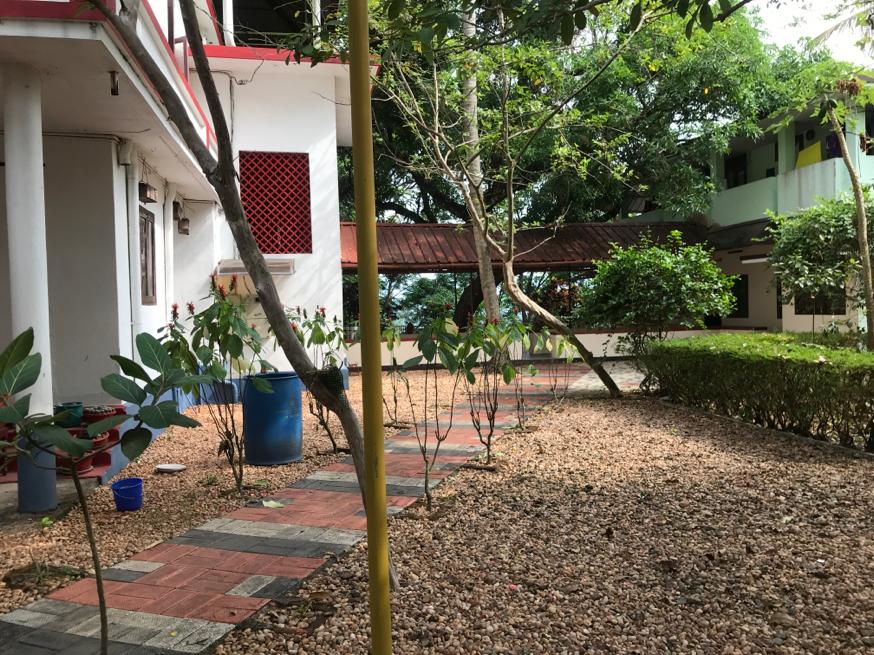
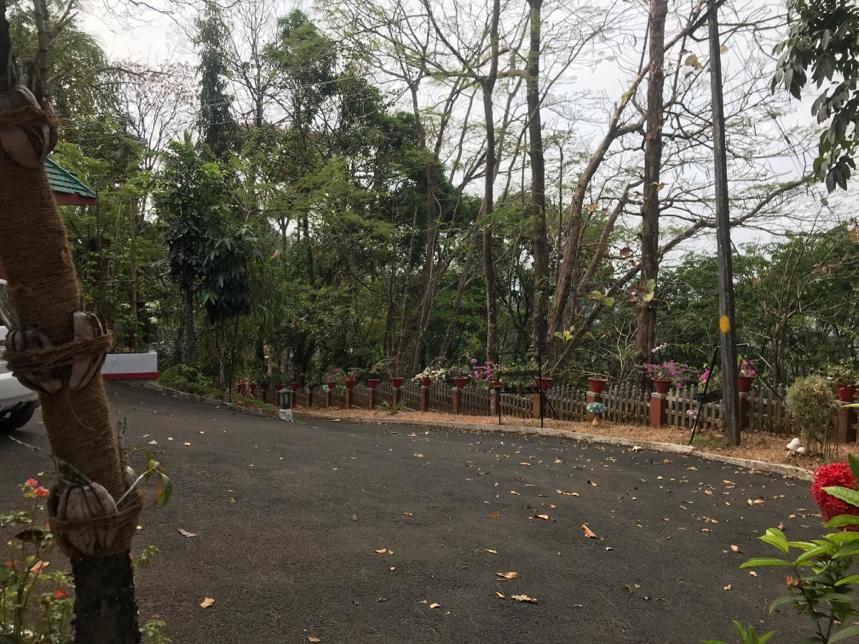
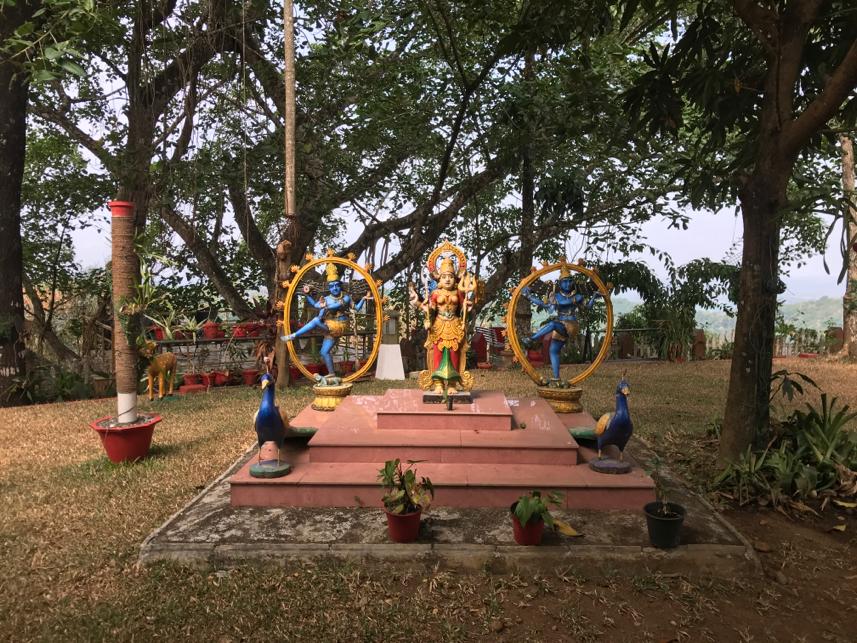
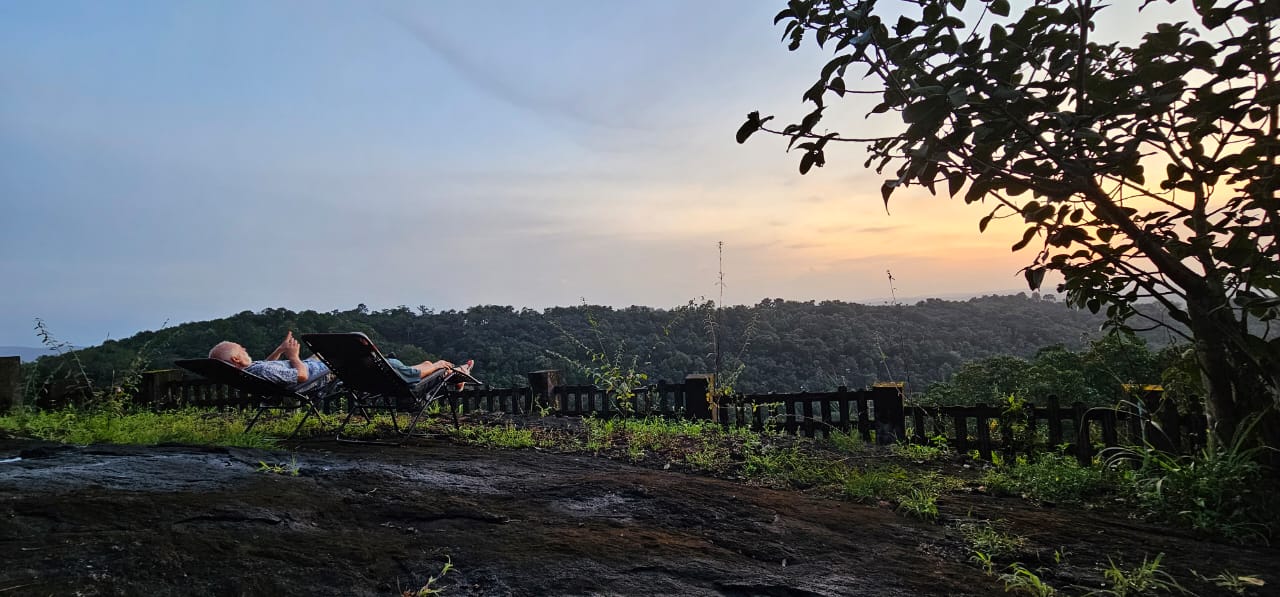
Chamundi Hill Palace Ayurvedic Centre occupies a historic hilltop estate in the Nadukani Hills, where traditional Kerala architecture is integrated with extensive natural surroundings. The landscape features tropical greenery, hillside vegetation, gardens, spice cultivation and agricultural areas, creating an environment closely connected to the retreat’s Ayurvedic philosophy.
The original palace was developed by G. N. Thampi and his brother, who undertook substantial work to make the elevated site accessible. The estate’s early development included levelling parts of the hill and constructing an approach road through rocky terrain. The property subsequently evolved from a family residence into a dedicated Ayurvedic retreat while retaining its connection to the original estate.
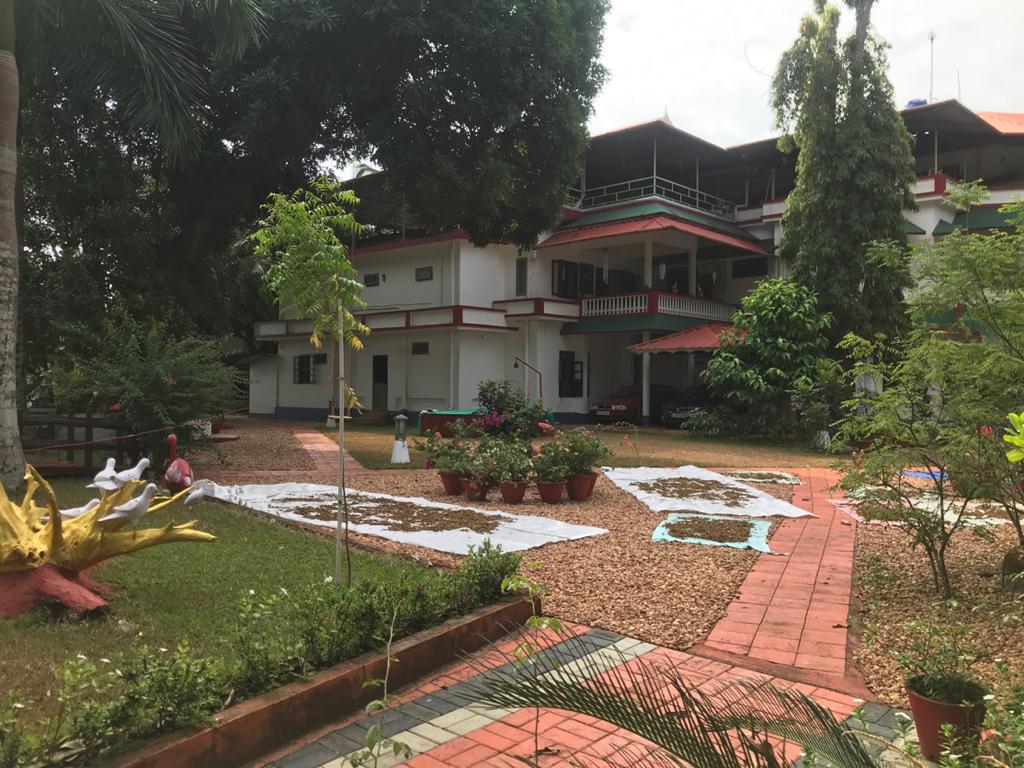
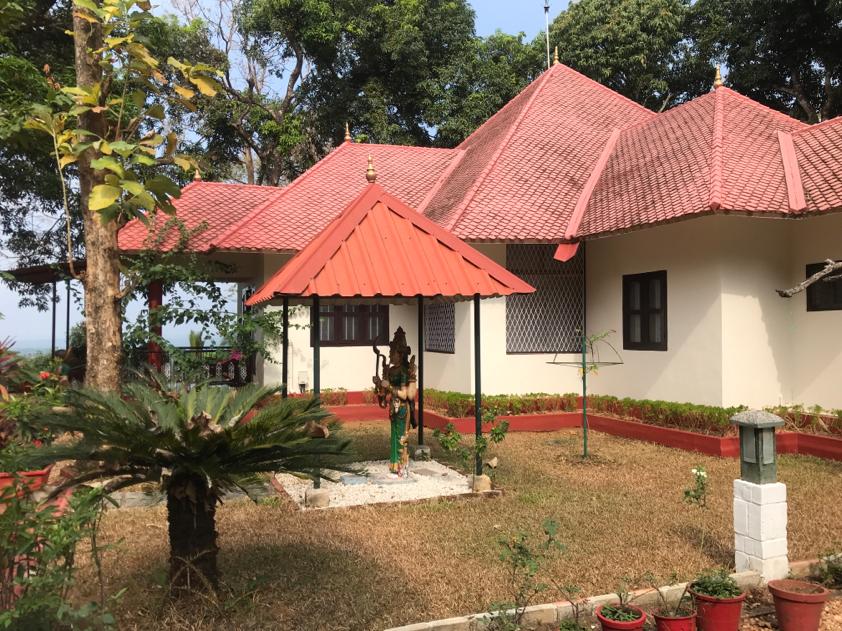
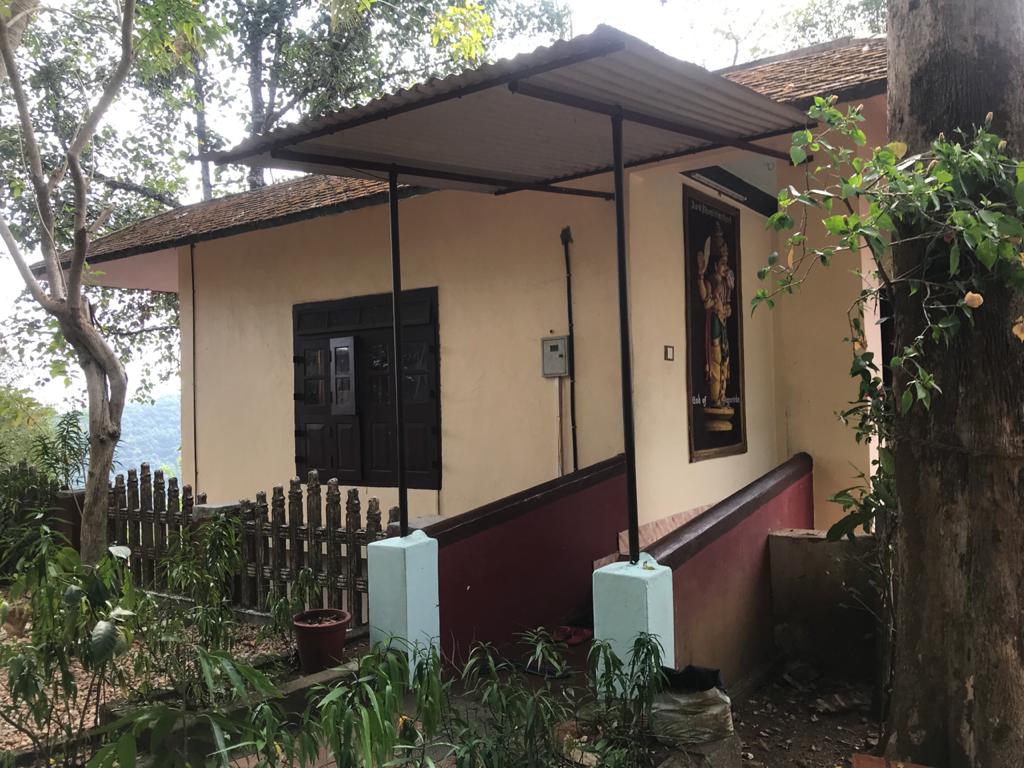
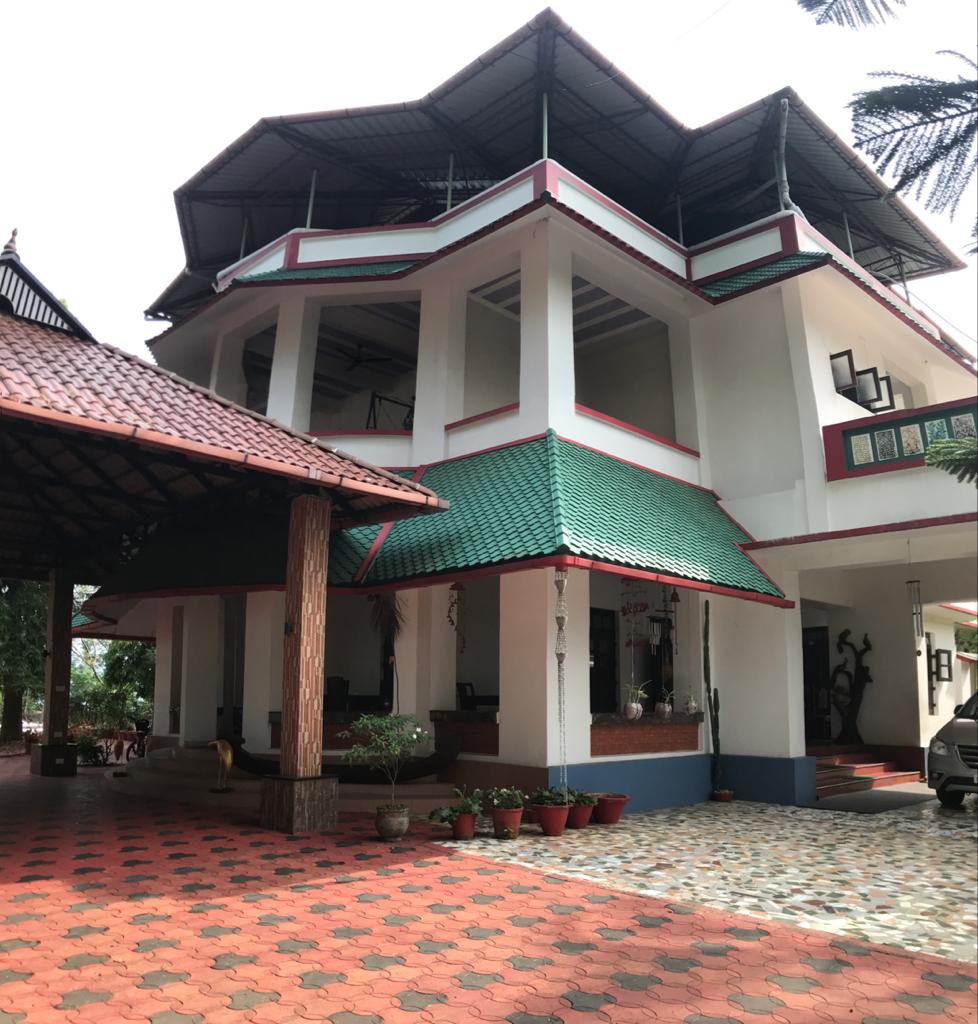
Accommodation is distributed between the main heritage building and more secluded hillside settings. Traditional timber details, natural ventilation, verandas, balconies and views towards the gardens or surrounding hills contribute to the architectural character. The retreat’s cultivated landscape also includes organic vegetables, fruits, spices and medicinal plants, supporting its emphasis on nature, traditional nutrition and a quieter residential environment.
Founders and Ayurvedic Heritage
The origins of Chamundi Hill Palace Ayurvedic Centre are closely associated with the Thampi family and the personal vision of Mrs Saroja Thampi, who transformed the family’s ancestral hilltop residence into an Ayurvedic retreat. The palace was originally established through the efforts of G. N. Thampi and his brother, with its development forming an important part of the family’s history in the Nadukani Hills.
Mrs Saroja Thampi became deeply attached to the estate and its natural surroundings after joining the family. Her subsequent experience with serious illness and Ayurvedic care influenced her decision to make the residence accessible to others seeking traditional healing and wellness. Her spiritual devotion to Goddess Chamundi, the family deity, also shaped the retreat’s name and founding vision.
With family support, the residence was adapted to accommodate Ayurvedic physicians, treatment facilities and residential guests. The retreat formally inaugurated its Ayurvedic operations in November 1999 and has since developed into an established destination for traditional Kerala Ayurveda. Its heritage combines the family’s historic residence, Mrs Thampi’s founding philosophy, and a continuing emphasis on personalised Ayurvedic care and hospitality.
Ayurveda Philosophy and Approach
The Ayurvedic philosophy at Chamundi Hill Palace Ayurvedic Centre is based on classical Ayurvedic principles, with particular attention to the individual’s constitution, present health concerns and overall physiological balance. Rather than treating every guest through an identical program, the retreat adopts a personalised approach in which the Ayurvedic physician assesses the guest’s health history, lifestyle and body constitution before recommending care.
The centre’s principal treatment objectives include rejuvenation, traditional Ayurvedic purification, Dosha balance, stress relief and general wellness support. Its approach draws upon established Ayurvedic concepts, including Prakriti, the individual’s constitutional characteristics, and the balance of Vata, Pitta and Kapha. Panchakarma is a significant component of the retreat’s traditional treatment offering, particularly for guests undertaking longer purification-oriented stays.
Ayurvedic care is supported by dietary regulation, appropriate rest and lifestyle guidance. The retreat also incorporates yoga and meditation into its wider wellness philosophy, recognising the relationship between physical wellbeing, mental relaxation and daily routines. Treatment decisions remain under the supervision of the resident Ayurvedic physician, with the nature and intensity of care adapted to individual requirements.
Personalised Treatment Planning
Personalised Ayurvedic treatment planning begins with a detailed consultation conducted by the retreat’s resident Ayurvedic physician upon arrival. The assessment considers the guest’s body constitution, health history, existing concerns, lifestyle and individual wellness objectives, allowing the physician to recommend an appropriate course of care.
The consultation helps determine the suitability of available treatment programs, their duration and the treatments prescribed during the residential stay. Individual recommendations may be adjusted according to the guest’s physical condition, response to care and medical assessment. This physician-led approach is particularly relevant to Panchakarma, rejuvenation, stress management and weight management, where personal health requirements influence the treatment plan.
The resident doctor remains available throughout the stay to address concerns and review progress. Ayurvedic dietary recommendations are also incorporated into the individual care plan, ensuring that meals complement the guest’s treatment requirements. On departure, the physician provides a personalised diet chart, supporting continuity of appropriate dietary practices after the residential program.
Treatment Programs
Chamundi Hill Palace Ayurvedic Centre offers residential Ayurvedic treatment programs centred on rejuvenation, Panchakarma, stress relief and weight management. These programs follow traditional Ayurvedic principles while allowing the resident physician to adapt care to the guest’s constitution, health concerns and individual objectives.
The Rejuvenation Program is available in 7-, 14-, 21- and 28-day formats. Rooted in the traditional Rasayana approach, it addresses rejuvenation, vitality and restoration of general physical and mental balance. The program is suitable for guests seeking a structured period of Ayurvedic wellness care, with the final recommendations determined through medical consultation.
The Stress Relief Program, offered in 14- and 21-day formats, addresses concerns associated with tension, anxiety, fatigue and reduced relaxation. Its broader objectives include supporting mental calm, physical wellbeing and healthier rest patterns within a residential Ayurvedic setting.
The 28 Days Panchakarma Program provides an extended course of traditional Ayurvedic purification and rejuvenation. It centres on the classical Ayurvedic objective of restoring Dosha balance through physician-supervised care, with individual suitability and treatment recommendations established during consultation.
The 28 Days Weight Loss Program combines traditional Ayurvedic weight-management principles with balanced nutrition and healthier lifestyle practices. Its objectives include supporting sustainable weight management, overall vitality and long-term wellness habits. Across the treatment portfolio, the retreat emphasises individual medical assessment rather than uniform treatment protocols.
Doctors and Wellness Experts
The Ayurvedic medical team at Chamundi Hill Palace Ayurvedic Centre is led by Dr Sheela V. G. (BAMS), identified as the retreat’s Chief Vaidya and Chief Doctor. Her professional responsibilities include guiding Ayurvedic treatment planning, overseeing traditional therapeutic care and supporting the personalisation of treatment programs for residential guests. The retreat identifies her association with the institution as extending over approximately 23 years.
The centre’s medical approach includes an initial consultation with a resident Ayurvedic physician, ongoing supervision and individual treatment recommendations. Physicians assess each guest’s constitution, health history, lifestyle and wellness requirements before determining the course of care.
Ayurvedic therapists provide treatments prescribed by the physician, while experienced yoga instructors conduct guided sessions suited to participants’ capabilities. The retreat’s yoga activities are adapted to individual fitness levels and the doctor’s recommendations, supporting coordination between medical care and wellness practices.
Operational leadership includes Jibu C. Joseph, identified as the General Manager, whose long association with the retreat includes responsibility for guest services and day-to-day operations.
Post Treatment Care
Post-treatment guidance at Chamundi Hill Palace Ayurvedic Centre includes personalised dietary recommendations intended to help guests maintain appropriate wellness practices after completing their residential stay. On the final day, the resident Ayurvedic physician provides a specific diet chart suited to the guest’s individual requirements.
This guidance extends the retreat’s emphasis on the relationship between food, lifestyle and Ayurvedic care. Dietary recommendations are informed by the guest’s constitution, health concerns and the treatment course undertaken, providing a practical reference for continued self-care at home.
The retreat also introduces guests to aspects of Ayurvedic food preparation through periodic cooking demonstrations, helping them become familiar with suitable ingredients and traditional Kerala cooking practices. These educational experiences complement the physician’s dietary advice and encourage greater awareness of food choices beyond the treatment period.
Accommodation
Accommodation at Chamundi Hill Palace Ayurvedic Centre combines the character of a traditional Kerala heritage residence with the practical requirements of a residential Ayurveda retreat. Guest rooms are located within the main palace building and in quieter hillside settings, with natural surroundings contributing to a restful atmosphere.
The Room with Balcony, approximately 340 sq. ft., provides a king-size bed, private balcony and views towards the surrounding hills. Natural light and ventilation form important elements of this room category, while complimentary Wi-Fi adds a modern convenience.
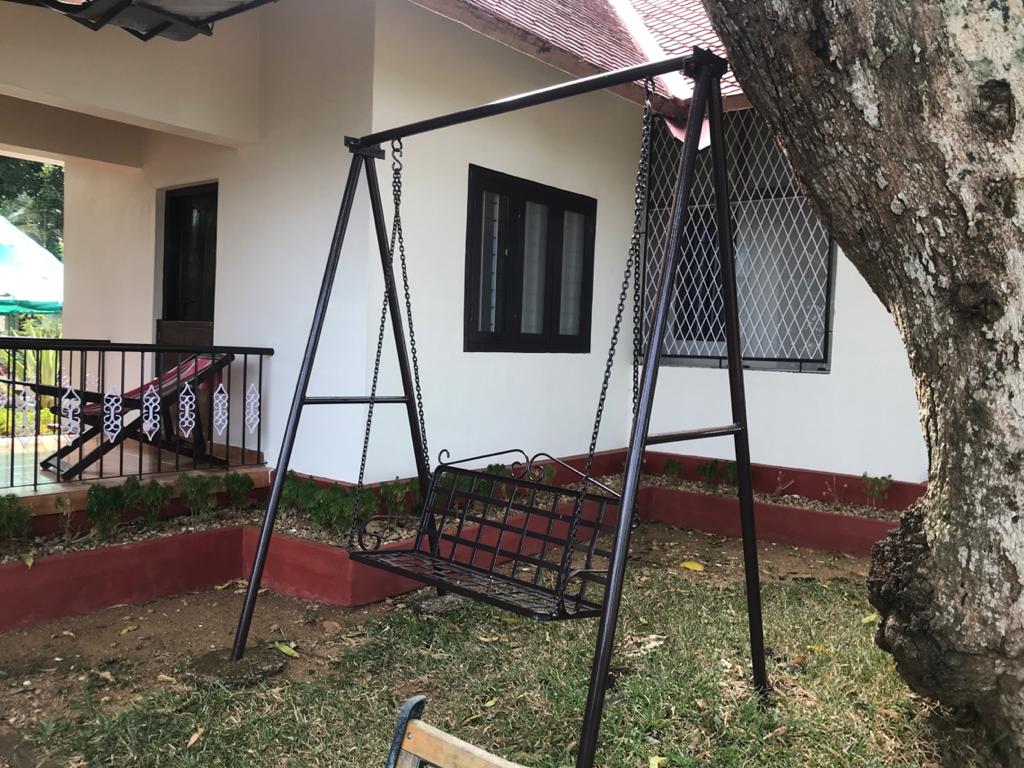
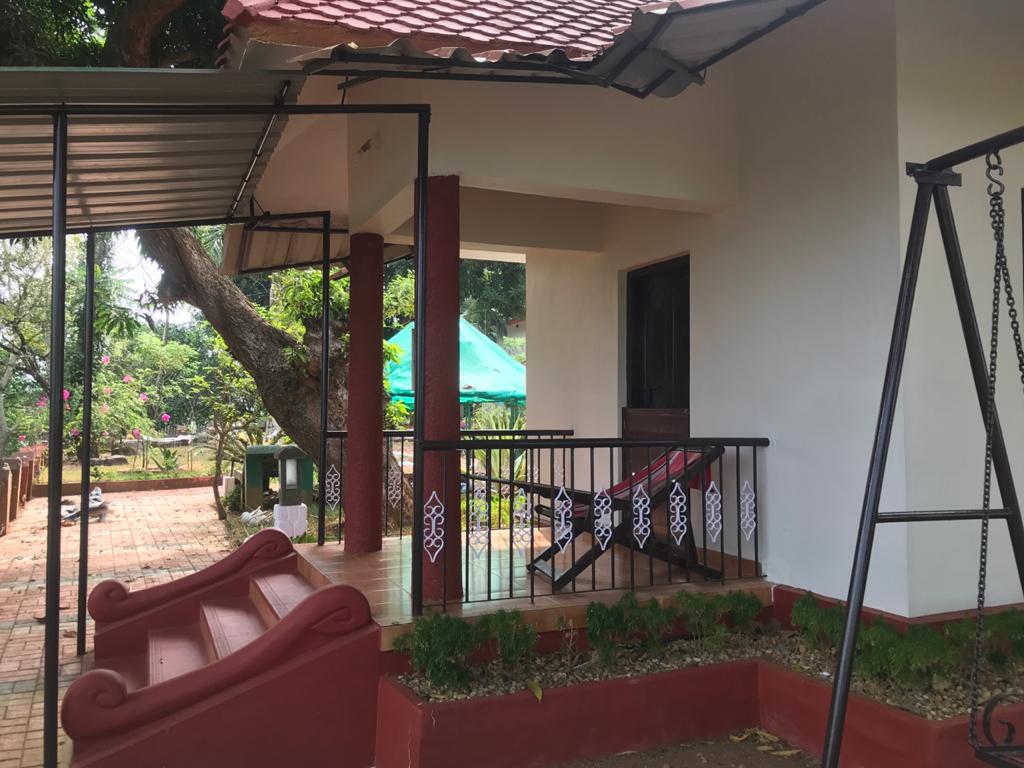
The Garden Cottage, approximately 420 sq. ft., is a standalone accommodation option surrounded by tropical vegetation. Its private veranda and more secluded location offer additional privacy and direct connection to the estate’s natural landscape. A king-size bed is provided.
The Anex Room, approximately 280 sq. ft., incorporates traditional Kerala timber craftsmanship with essential contemporary amenities. It includes a twin or double bed, an attached bathroom and complimentary Wi-Fi, with views towards the garden or estate.
Accommodation throughout the retreat is intended to provide a comfortable environment for guests undergoing Ayurvedic treatment. Private bathrooms, housekeeping, fresh linen and staff assistance support the residential experience, while the quiet surroundings complement periods of rest between treatments.
Diet and Dining
Diet and dining at Chamundi Hill Palace Ayurvedic Centre are closely integrated with its traditional Ayurvedic healthcare approach. The retreat serves freshly prepared vegetarian Kerala cuisine, with meals adjusted to individual dietary requirements under the guidance of the resident Ayurvedic physician. Food is treated as an important component of residential wellness care, particularly during purification and rejuvenation programs.
Meals are prepared using vegetables, fruits and spices sourced in part from the estate’s organic gardens and agricultural cultivation. The retreat also maintains cows that supply fresh dairy products, including milk, ghee, curd and paneer. This connection between food cultivation and meal preparation supports the retreat’s emphasis on fresh ingredients and traditional nutrition.
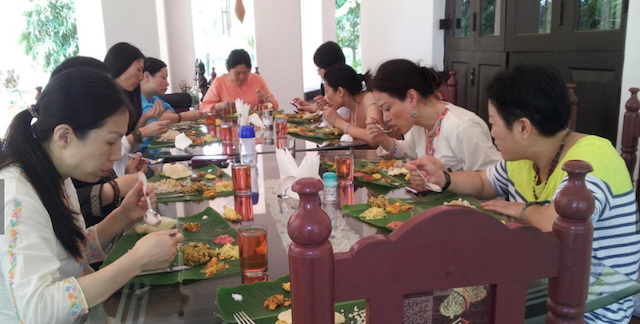
Guests dine in a shared communal dining area, where meals are generally served at the table in a simple, relaxed setting. The daily meal arrangement includes breakfast, lunch and dinner, together with morning and evening tea or coffee. Ayurvedic herbal water is available throughout the day.
Dietary choices are aligned with the individual treatment plan, allowing the physician to recommend suitable meals and dietary restrictions where necessary. Periodic Ayurvedic cooking demonstrations, generally organised once every fifteen days, introduce guests to traditional food preparation and healthier eating practices that can be continued after the stay.
Wellness Activities
Wellness activities at Chamundi Hill Palace Ayurvedic Centre combine guided yoga, meditation, nature experiences and opportunities to explore local Kerala culture. These activities complement the retreat’s residential Ayurvedic approach while allowing guests to spend time in its natural surroundings.
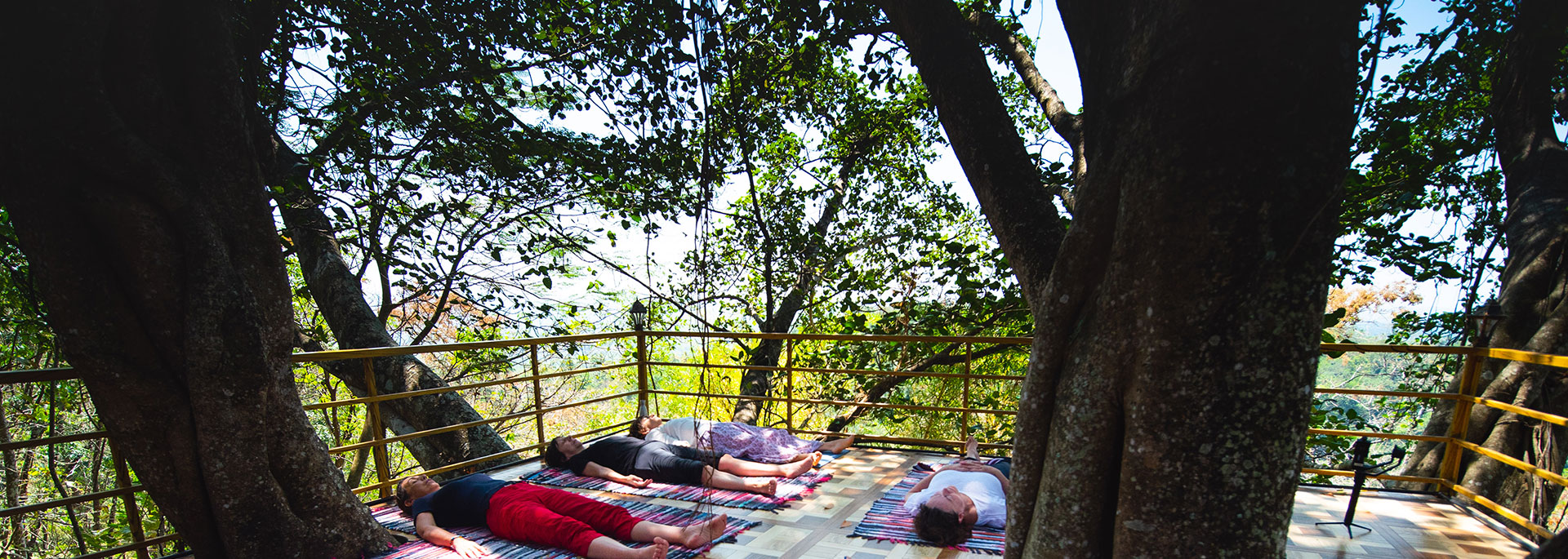
Morning and evening yoga sessions are arranged six days a week for resident guests. Practices may include Hatha Yoga, asanas, pranayama and guided meditation, with participation and intensity adapted to individual fitness levels and the resident physician’s recommendations. The retreat also offers a more extensive Hatha Yoga training course for participants interested in developing their understanding of yoga.
Within the estate, guests can join spice tours introducing locally cultivated cardamom, pepper and other plants. Rubber plantation visits provide an opportunity to learn about an important aspect of the region’s agricultural landscape. Cultural activities include visits to a nearby historic Hindu temple, while periodic cooking demonstrations introduce traditional Ayurvedic and Kerala cuisine.
Additional excursions may be arranged to Thekkady, including its plantation and nature attractions, and to the Kumarakom backwaters. These experiences provide opportunities for sightseeing beyond the retreat, subject to the guest’s treatment commitments and individual arrangements.
Facilities and Services
Chamundi Hill Palace Ayurvedic Centre provides facilities and guest services organised around residential Ayurvedic treatment and comfortable extended stays. Its principal healthcare facilities support doctor-supervised Ayurvedic treatments, traditional Panchakarma care, medical consultations and individual wellness programs.
A dedicated setting for yoga and meditation supports regular guided sessions, while the retreat’s gardens, spice-growing areas and natural surroundings provide space for quiet recreation. Guest accommodation includes private bathrooms and essential amenities, with complimentary Wi-Fi available across the premises.
The retreat provides three daily vegetarian meals, Ayurvedic dietary support and access to herbal drinking water. Resident doctors remain available to address health concerns, while staff assistance is provided throughout the day and night.
Airport transfer arrangements are linked to the length of stay. The retreat provides complimentary one-way airport transfer for stays of at least one week and complimentary return transfers for stays of at least two weeks. Assistance with travel planning before and after the visit is also available.
Additional services include housekeeping, fresh linen, local activity arrangements and opportunities to participate in guided cultural or nature experiences.
Sustainability and Guest Guidelines
The natural environment and agricultural practices of Chamundi Hill Palace Ayurvedic Centre form an important part of its residential wellness setting. The estate includes organic cultivation of vegetables, fruits, spices and medicinal plants, with produce used in the preparation of meals for guests.
The retreat maintains a close relationship between its food-growing areas and kitchen operations. Its farm-to-table approach incorporates locally cultivated ingredients, while cows maintained on the estate provide fresh milk and dairy products used in food preparation.
The wider landscape includes spice gardens, tropical vegetation and agricultural areas that contribute to the retreat’s rural character. Guided spice tours and plantation visits provide opportunities for guests to understand aspects of local cultivation and traditional agricultural practices.
During Ayurvedic treatment programs, guests are encouraged to follow physician-prescribed dietary recommendations, appropriate rest and individual treatment guidance. Yoga participation is adapted to physical capability and medical advice, while dietary instructions may continue beyond departure through the personalised diet chart provided by the physician.
Guest Experience and Stay Approach
A stay at Chamundi Hill Palace Ayurvedic Centre combines structured Ayurvedic healthcare with the quieter atmosphere of a traditional Kerala hilltop residence. Guests experience a residential routine centred on personalised treatment, physician supervision, vegetarian Ayurvedic meals, yoga, meditation and rest, with time available to enjoy the surrounding natural environment.
The retreat’s approach begins with a medical consultation, allowing individual treatment recommendations to be established before the residential course proceeds. Doctor availability throughout the stay supports ongoing assessment and communication about health concerns, while the treatment plan and dietary recommendations remain connected to each guest’s needs.
Shared dining encourages interaction between residents, while private accommodation, hillside views and garden surroundings provide opportunities for quiet personal time. Cultural visits, plantation experiences and cooking demonstrations add variety without changing the retreat’s principal emphasis on Ayurvedic care.
The retreat has welcomed international guests for more than 25 years, combining its Thampi family heritage with a residential model of traditional Ayurveda. Its guest experience places importance on personal attention, a calm environment and the integration of medical guidance with everyday wellness practices.
-
 Ayurvedic Dosha Meals
 -
 Exclusive Ayurveda Property
 -
 Free Wifi
 -
 Green Leaf
 -
 Hill View
 -
 Property Constellation : Mixed
 -
 Retreat Size- Small
More about Chamundi Hill Palace Ayurvedic Centre
Dining at Chamundi Hill Palace Ayurvedic Centre is closely integrated with its Ayurvedic residential approach, with food prepared to support the guest’s treatment, digestion and overall wellbeing. The centre provides freshly prepared vegetarian Kerala cuisine, with three meals served daily. During Ayurvedic treatment, meals are adapted to an Ayurvedic dietary regimen in accordance with the guest’s treatment plan and the resident doctor’s recommendations. Morning and evening tea or coffee are provided, while Ayurvedic herbal water is available throughout the day. The dining experience is intentionally simple and health-oriented rather than structured around conventional resort-style dining.
A distinctive feature is the centre’s connection with its organic farm and traditional food-production system. Vegetables, spices and fruits are cultivated on the property and used in the kitchen, while five cows are reported to provide fresh milk and dairy products including ghee, curd and paneer. This farm-to-kitchen approach supports the centre’s emphasis on fresh, locally produced ingredients and complements its Ayurvedic dietary philosophy. Meals are traditionally served in a shared dining environment, encouraging a communal residential atmosphere among guests undergoing treatments together. A cooking demonstration is also offered periodically, providing guests with an opportunity to learn about aspects of Kerala and Ayurvedic cooking.
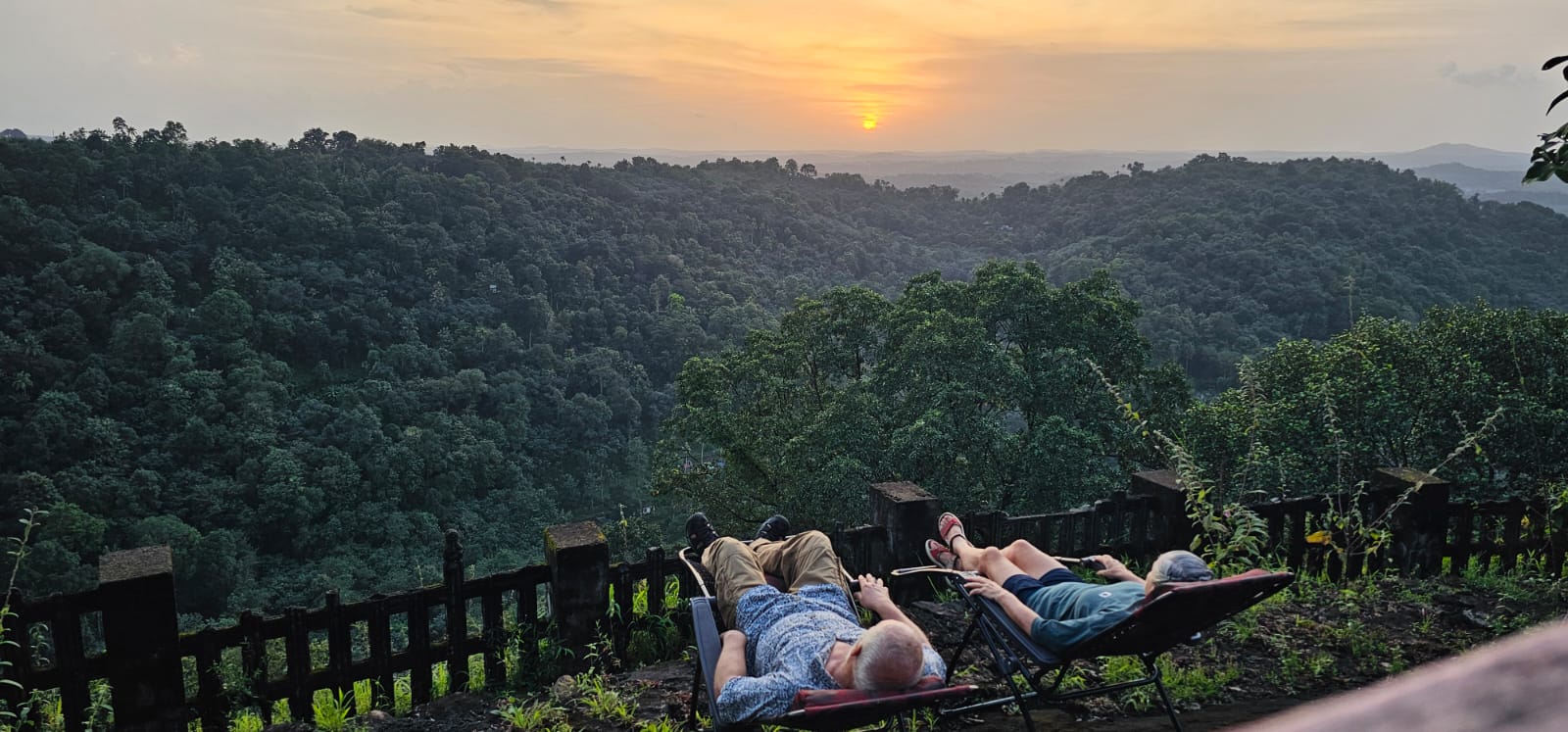
Leisure at Chamundi Hill Palace Ayurvedic Centre is centred on quiet recreation, nature immersion and cultural experiences rather than conventional resort entertainment. The hilltop setting within the Rajkumar Estate provides opportunities for relaxed walks and time spent among rubber plantations, fruit trees, flowering plants, spices and surrounding greenery. Guests can explore the natural environment of the property and enjoy elevated views across the surrounding hills and valleys. The centre also organises a spice tour within the estate, offering an introduction to the plants and spices associated with Kerala’s traditional agricultural landscape. A visit to the estate’s rubber plantation provides another opportunity to experience the property’s plantation environment.
Cultural and local excursions complement the onsite leisure experience. Guests can visit a historic Hindu temple reported to be more than 100 years old, while longer excursions can include Thekkady, approximately 75 kilometres from the centre, where activities may include visiting tea plantations and factories, spice gardens, an elephant experience, boating and local shopping. A half-day excursion to Kumarakom provides an opportunity to experience Kerala’s backwater landscape. The property also periodically offers a Kerala cooking demonstration, giving guests a more hands-on cultural experience. These activities are intended to complement the retreat’s therapeutic schedule while maintaining its emphasis on rest, nature and gentle engagement rather than intensive recreational programming
Ayurveda is the central therapeutic focus of Chamundi Hill Palace Ayurvedic Centre, with care based on classical Ayurvedic principles and personalised according to each guest’s constitution, health history, lifestyle and treatment requirements. Guests undergo a detailed consultation with the resident Ayurvedic doctor on arrival, after which an individual treatment plan is established. Ayurvedic therapies are generally provided twice daily, with the specific combination and duration determined according to the doctor’s assessment. Treatments may include traditional therapies such as Abhyanga, Shirodhara, herbal steam and, within the 28-day Panchakarma program when clinically indicated, procedures such as Vamana, Virechana, Nasya, Basti and Raktamokshana. Ayurvedic medicines, dietary guidance and periodic abdominal cleansing form part of the centre’s broader therapeutic approach. The centre offers Rejuvenation, Stress Relief, Panchakarma and Weight Loss programs of varying durations.
Yoga and meditation form an integral part of the daily wellness routine and are designed to complement Ayurvedic treatment. Guided yoga sessions are offered in the morning and evening on six days a week, with practices adapted to the guest’s fitness level and medical recommendations. Sessions can incorporate asanas, pranayama, breathing practices and guided meditation. The centre also offers a structured four-week Hatha Yoga course, covering yoga postures, pranayama, mindfulness, meditation, yoga philosophy, anatomy and physiology, and yoga therapy. The course includes practical exploration of numerous asanas and traditional breathing techniques such as Kapalbhati, Nadi Shodhana, Bhastrika, Bhramari, Ujjayi, Shitali and Shitkari. Meditation practices include breath awareness, mantra, visualisation, body scanning, walking meditation and chakra awareness. Together, Ayurveda, yoga and meditation create an integrated residential approach combining therapeutic treatment, movement, breath regulation, mental relaxation and lifestyle awareness.
- Panchakarma
- Rasayana Chikitsa (Rejuvenation Therapy)
- Stress Management
- Weight Management
Chamundi Hill Palace Ayurvedic Centre has earned esteemed accolades and recognition on TripAdvisor. The center proudly boasts the distinguished TripAdvisor 2018 certification of excellence and the TripAdvisor Travelers' Choice Best of the Best 2022 award. Additionally, it holds the green leaf and bravo certifications, highlighting the center's commitment to excellence and quality in ayurvedic wellness. These accolades attest to Chamundi Hill Palace Ayurvedic Centre's dedication to providing exceptional experiences and quality care to its guests.
-
Description
The 14 Nights Post Cancer Recovery Support Treatment Program at Chamundi Hill Palace Ayurvedic Centre is intended as supportive Ayurvedic care for individuals seeking wellbeing support after completing cancer-related treatment. Its purpose is to provide a personalised residential setting in which overall health, strength and recovery-related wellbeing can be addressed according to the individual’s condition. The Program is described within the verified scope of individualised Ayurvedic supportive care without attributing unsupported mechanisms or therapeutic claims.
The emphasis is on supporting general wellbeing during recovery and encouraging appropriate dietary and lifestyle practices that may be continued after the residential stay. It should not be presented as a treatment for cancer, a substitute for oncology care, or as providing guaranteed recovery, recurrence prevention or disease-modifying effects. Following a comprehensive consultation and clinical assessment, the Ayurvedic physician can individualise the care approach according to the guest’s Prakriti (body constitution), Vikriti (current imbalance), health condition, age, physical strength and therapeutic goals, while recognising the individual requirements of the post-treatment recovery period.
Note:
All treatments and program components are personalised following the initial consultation with the retreat's Ayurveda doctor and the guest's health condition. Therapy protocols may vary accordingly.
-
Daily Schedule
Items From To Yoga Session 6:30 AM 7:30 AM Breakfast 08:30 AM 10:00 AM Walk through the plantation ,to the village ,reading, enjoy the nature etc 10:30 AM 12:45 PM Lunch 01:00 PM 02:00 PM Evening Yoga 6:00 PM 7:00 PM Dinner 07:00 PM 08:00 PM Consultation Time 09:00 AM 05:00 PM Treatment Session 09:00 AM 06:00 PM *: Please note that this is a general outline. Programmes will be offered based on an expert Ayurvedic physician’s assessment of the guest and clinical conditions. Specifics may vary from case to case. -
Treatment Methodology
Treatment is customized based on the patient’s disease condition, skin involvement, neurological status, and overall health.
-
Major Benefits
- Supports Post-Treatment Wellbeing: Provides a personalised residential setting to support overall wellbeing during the period following cancer-related treatment.
- Personalised Ayurvedic Support: Individual care is planned according to the guest’s health condition, constitution and specific recovery-related requirements.
- Encourages Healthy Dietary Practices: Supports appropriate dietary habits during the stay, helping guests maintain a balanced approach to nutrition as part of their broader wellness routine.
- Promotes Healthy Lifestyle Habits: Encourages sustainable lifestyle practices that can contribute to better general wellbeing and continued self-care after the residential stay.
- Supports Overall Vitality and Wellbeing: Provides a calm, structured environment where individual health needs and general wellness can be addressed during post-treatment recovery.
- Physician-Guided Individual Care: Care is personalised following consultation and assessment by the resident Ayurvedic physician, with consideration of Prakriti, Vikriti, health condition, age, physical strength and therapeutic goals.
-
Retreat Experience
Program Overview
Medical Guidance
- Detailed Ayurvedic consultation on arrival
- Daily physician interactions and health monitoring during the stay
Ayurvedic Therapies
- 2 Personalised ayurvedic therapy sessions per day (60 minutes and 60 minutes )
Yoga & Meditation
• 1 guided group yoga sessions per day (60 minutes each)
Additional Elements
• Personalised detox therapies prescribed by Ayurvedic physicians
• Daily group yoga and meditation practices
• Herbal medicines prepared by traditional Ayurvedic practitioners with GMP certification
• Dietary and lifestyle guidance to support continued detoxification after the stayDuring Treatment- Your Ayurvedic physician monitors progress and adjusts treatments as your body responds.Treatments run approximately 120 minutes daily, customised throughout to the physician's recommendations.
-
Inclusions
- Airport Transfers: Pick-up from Cochin International Airport is included for stays of a minimum of 7 nights; return drop-off is included for stays of a minimum of 14 days, or transfers within a 100 km radius.
- Accommodation: Accommodation for the duration of the stay.
- Taxes: All applicable taxes are included in the package.
- Ayurvedic Meals: All meals are included, featuring Ayurvedic organic Kerala dishes prepared in accordance with the centre’s dietary approach.
- Daily Doctor Consultation: Daily consultation with the Ayurvedic physician throughout the treatment period.
- Ayurvedic Treatments: Two treatments daily, with each treatment provided by two therapists.
- Internal Medicine: Ayurvedic internal medicines prescribed during the treatment period are included.
- Yoga and Meditation: Two yoga and meditation sessions daily, with no classes conducted on Sundays.
- Laundry: Free laundry service is included during the stay.
- Meditation and Chanting: A weekly meditation and chanting session is conducted at 8:00 pm.
- Temple Visit: Visit to a 100-year-old temple.
- Organic Garden and Plantation Visits: Visits to the centre’s organic spice, vegetable and fruit gardens, along with a rubber plantation visit.
-
Starting Rate
₹ 148906 -
Airport Transfers
Yes -
Duration Of Therapy
120 Minutes per day -
Treatment Sessions Per Day
2 -
Number of Days
15 Days -
Languages
English, Malayalam -
Food
Dining at Chamundi Hill Palace Ayurvedic Centre is centred on strictly Ayurvedic meals, prepared to complement the centre’s traditional Ayurvedic treatment approach. The cuisine is vegetarian, freshly prepared and based on Kerala culinary traditions, with vegetables, fruits and spices sourced in part from the property’s own organic cultivation. Fresh dairy products, including milk, ghee, curd and paneer, are also produced from the centre’s cows. Meals are served at a shared dining table, creating a simple communal dining environment rather than a conventional restaurant-style setting. The daily dining routine includes three main meals, with morning and evening tea or coffee, while Ayurvedic herbal water is available throughout the day. Food is treated as an integral part of the wellness experience, with dietary choices aligned with Ayurvedic care and the guest’s treatment requirements. A periodic cooking demonstration also introduces guests to aspects of traditional Kerala and Ayurvedic food preparation.
-
Exclusions
- Telephone
- Trips
- Lab test (if advised)
- Medicines to be taken home
Experts
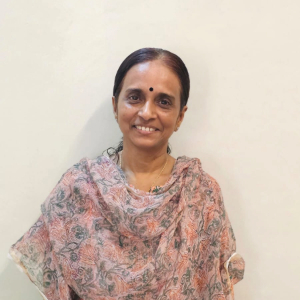
Ayurveda Doctor | Under Graduate | 23 years of experience
Availablilty 24 X7 Within Property : Yes
About
Qualification
23 years of experience as an Ayurvedic Physician
Expertise in classical Ayurvedic diagnosis and personalised treatment planning
Walk-Through Video
Stay
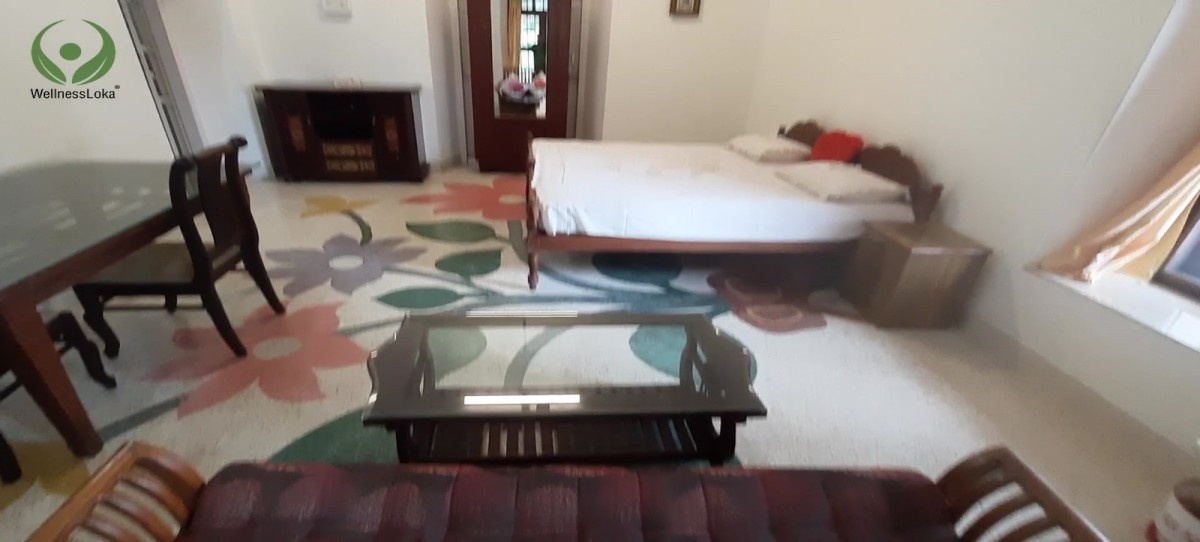
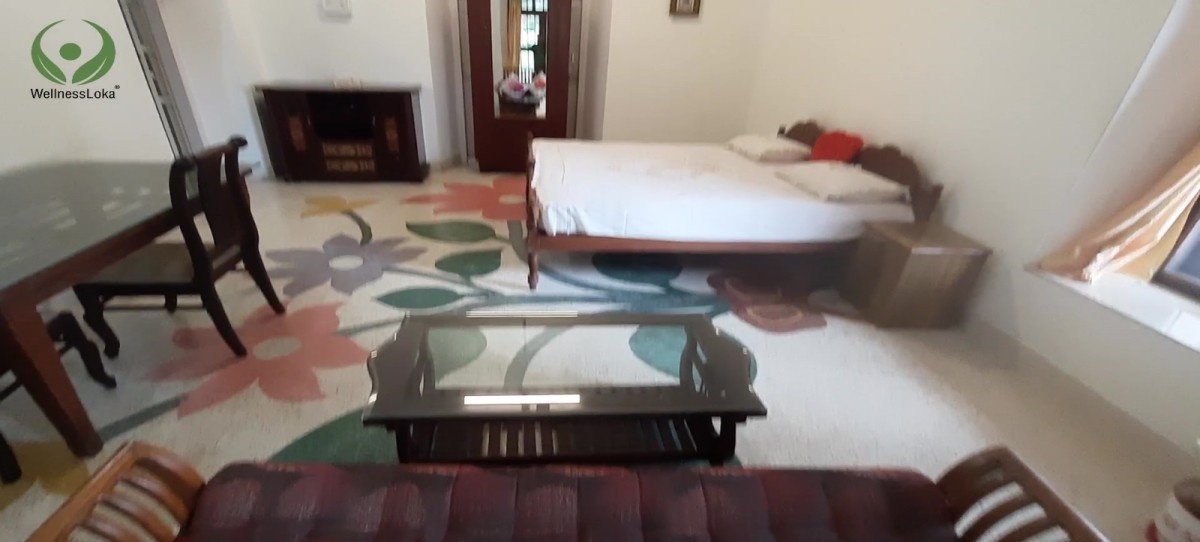
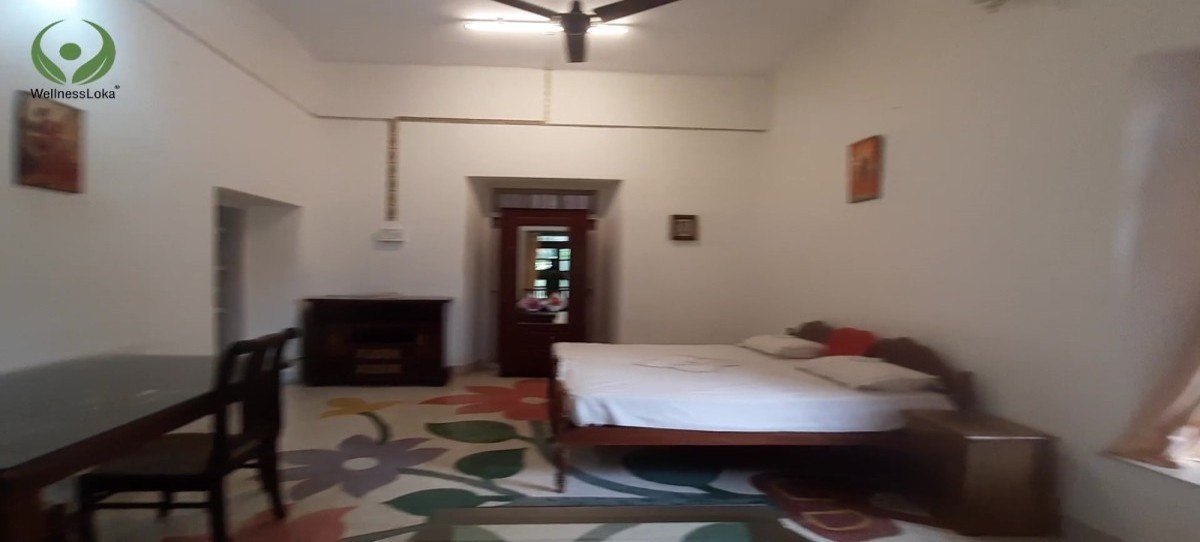
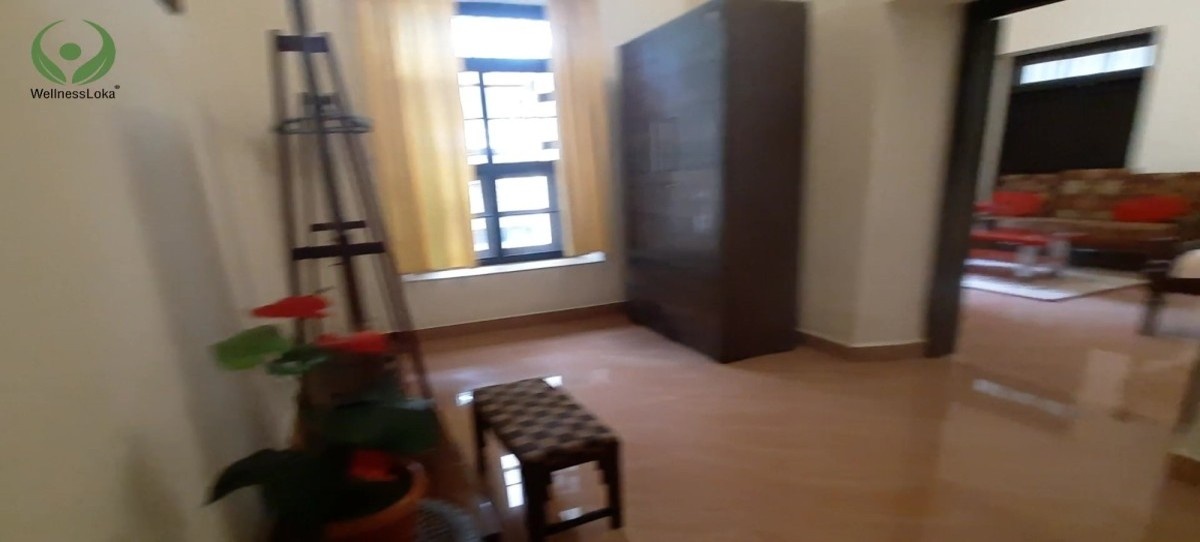
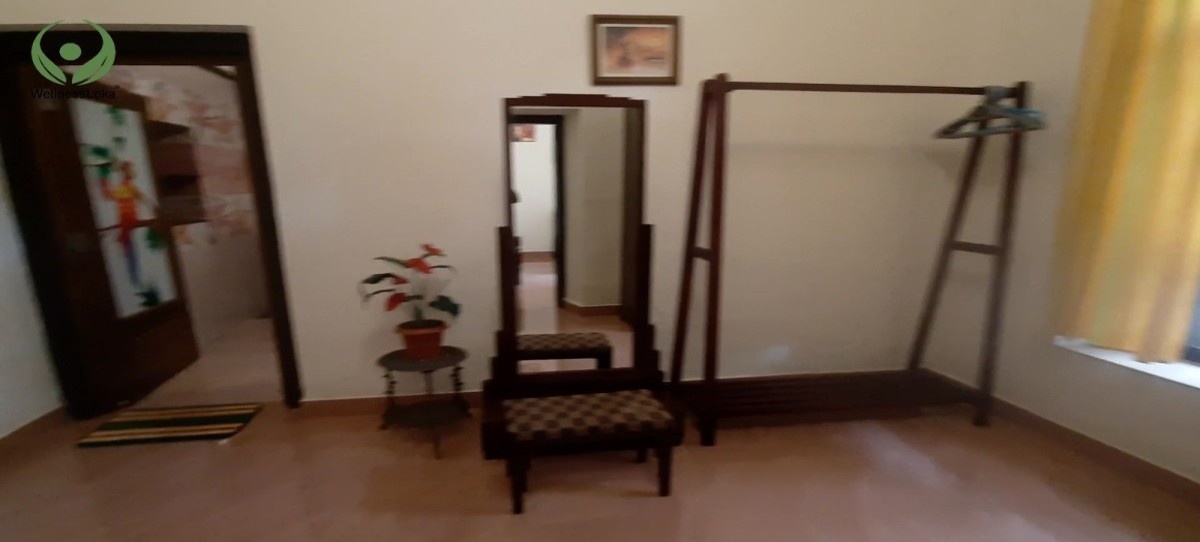
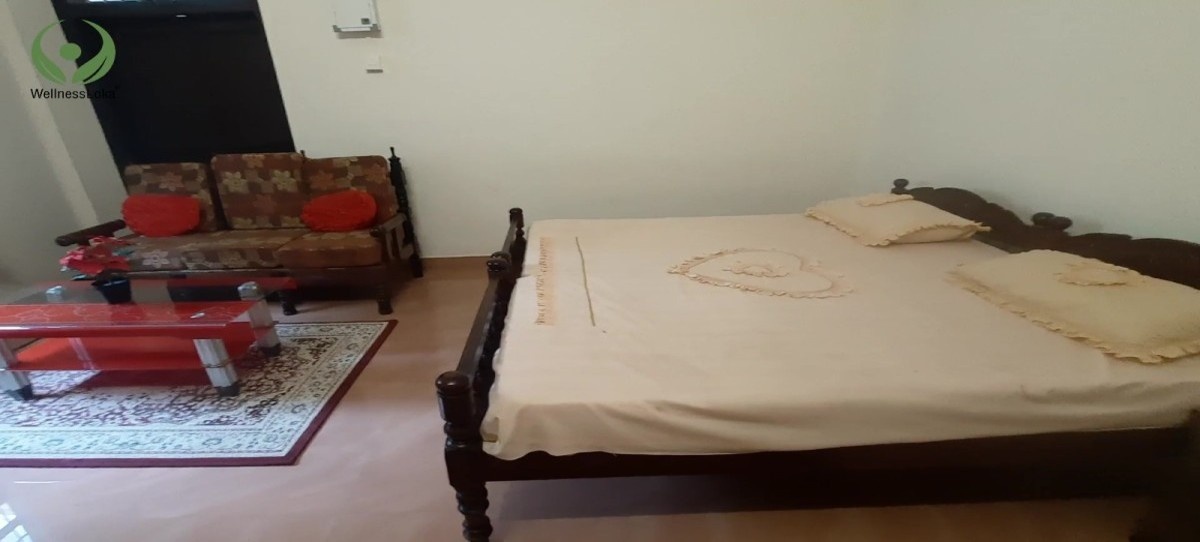
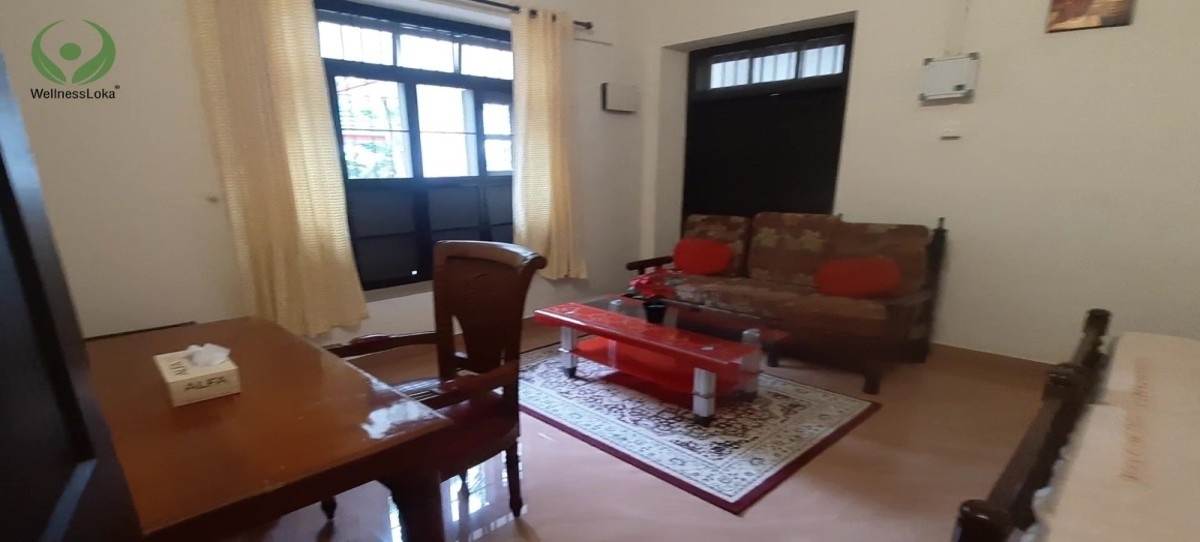
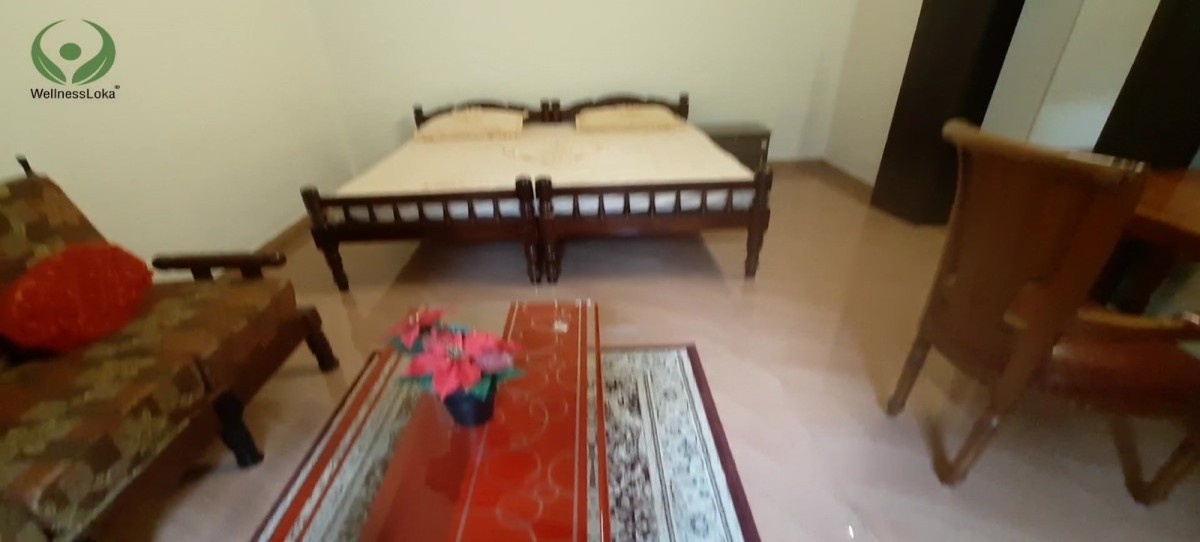
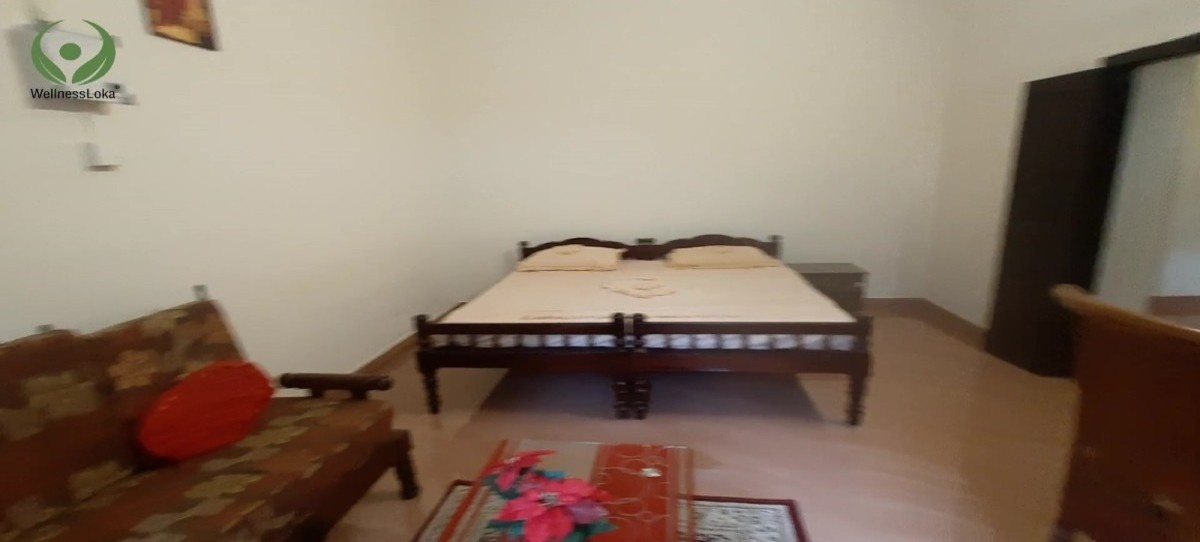
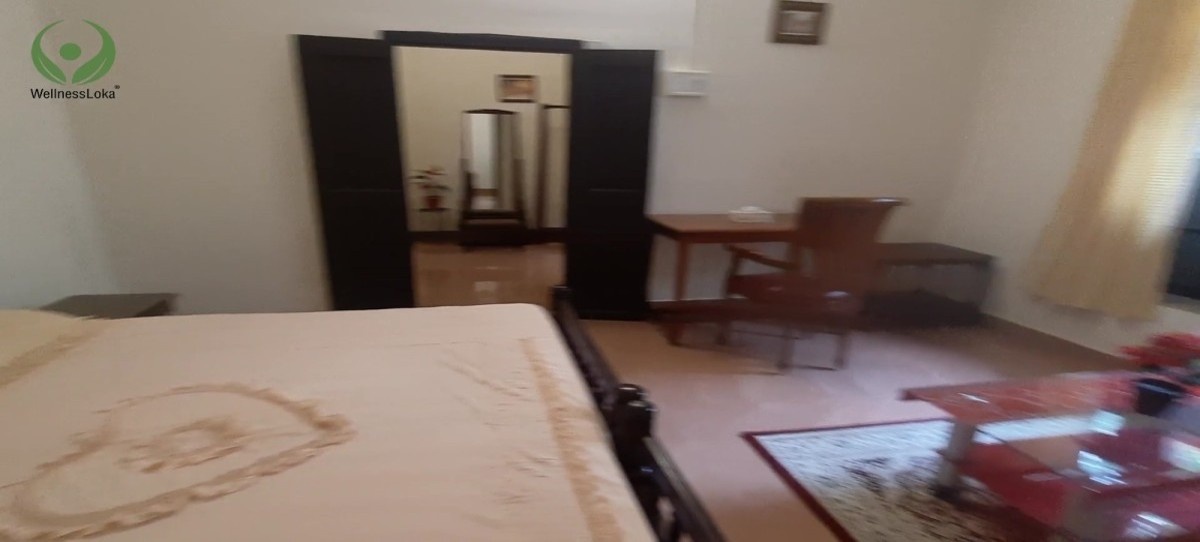
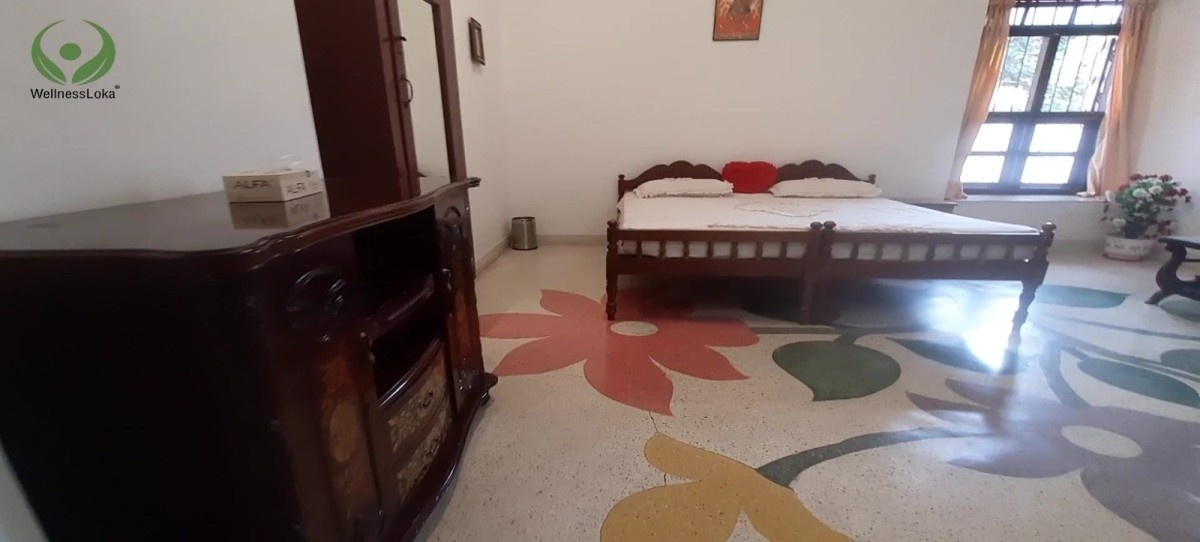
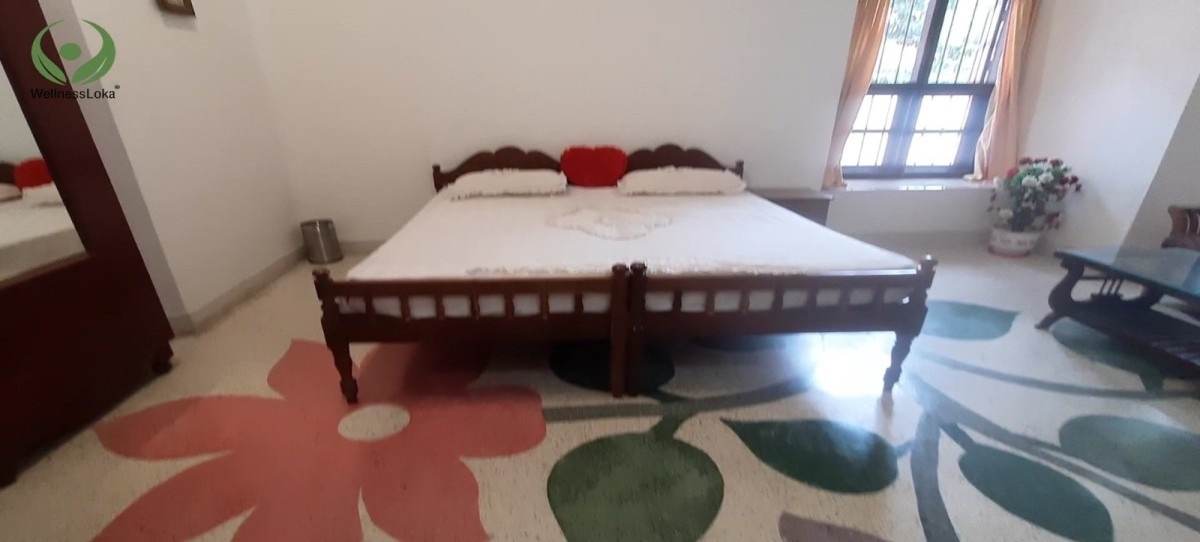
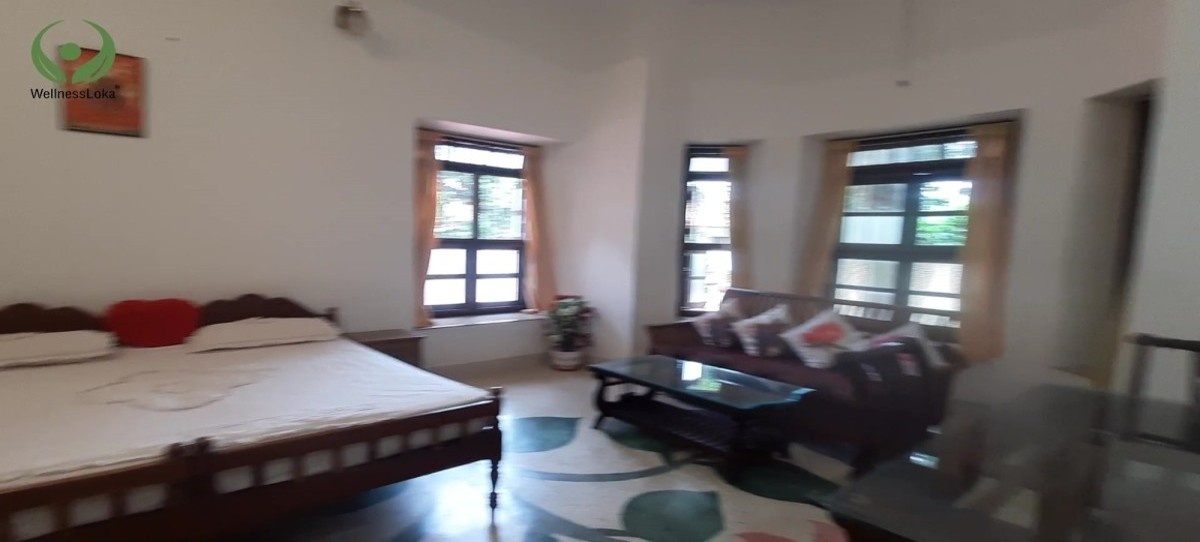
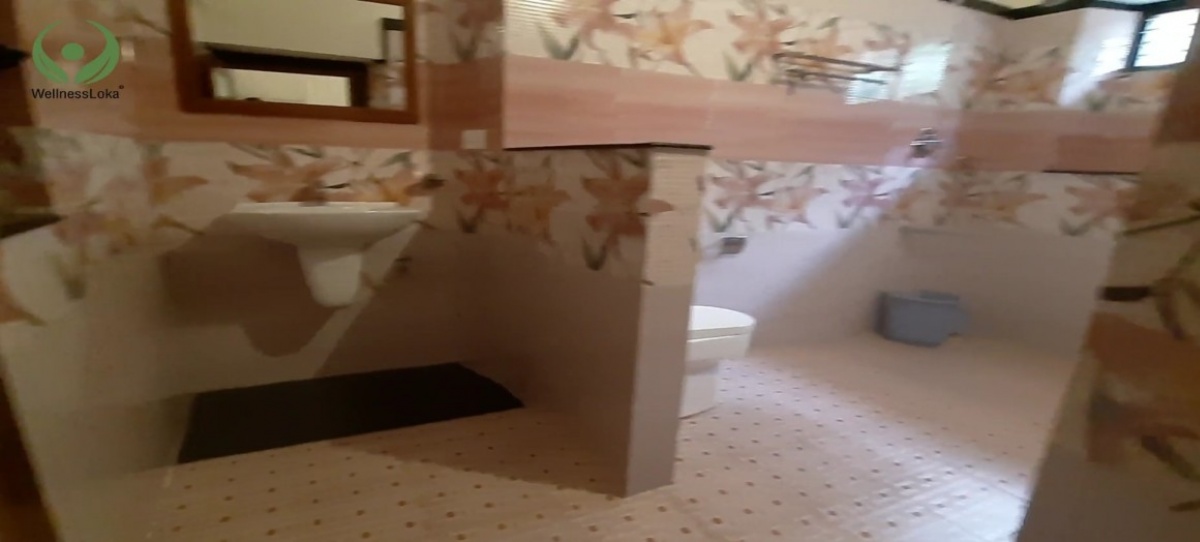
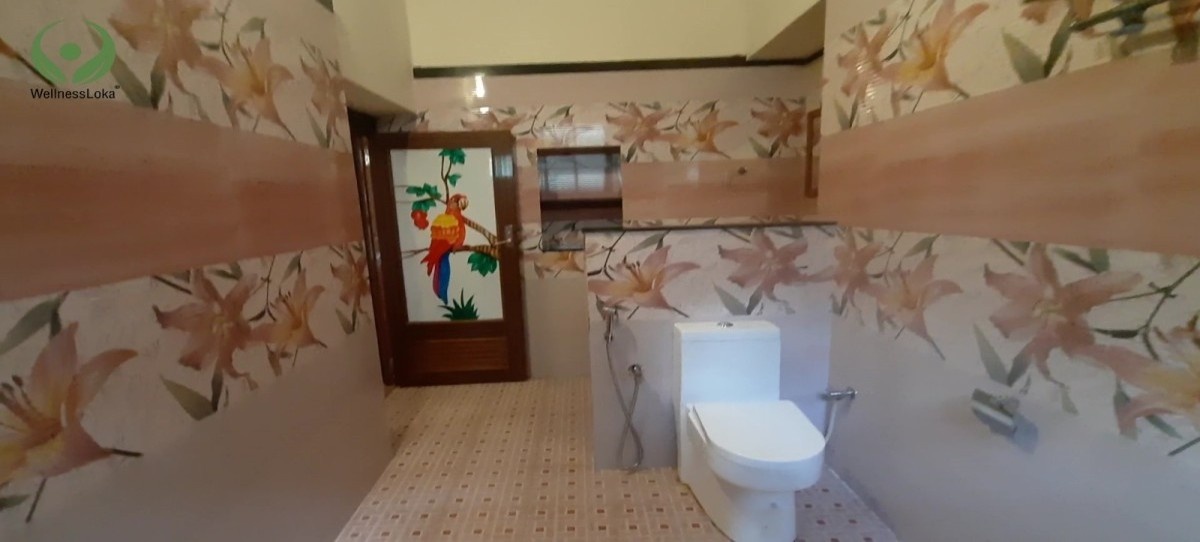
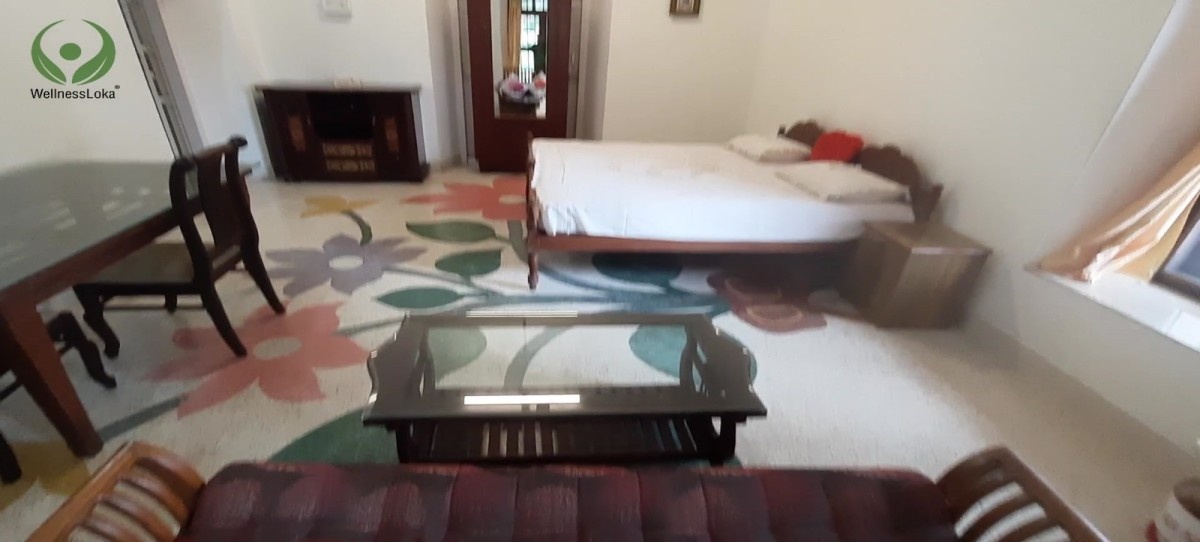
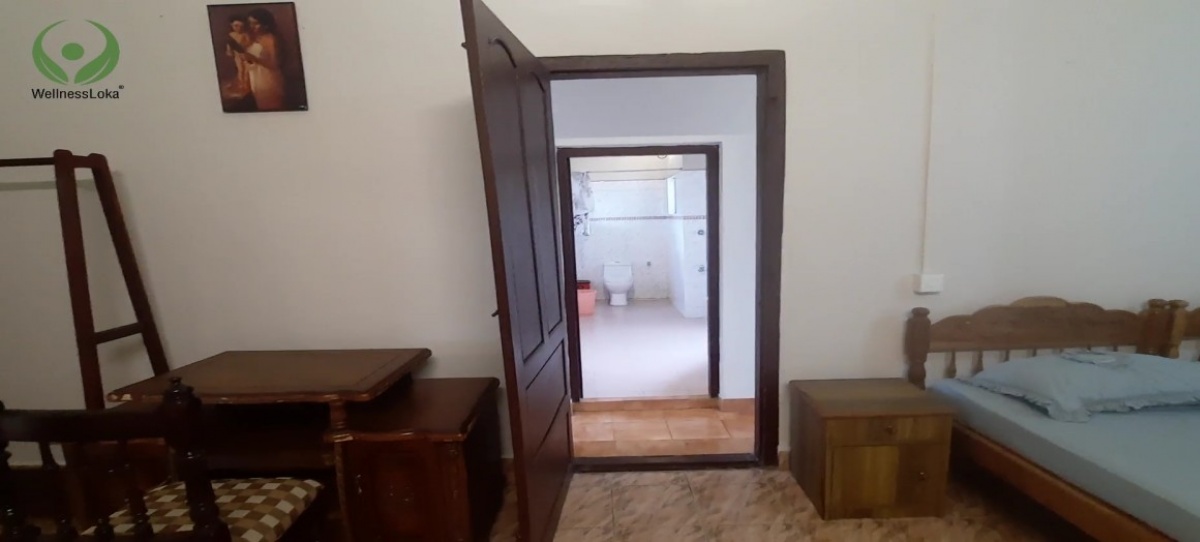
Standard Rooms at Chamundi Hill Palace Ayurvedic Centre provide a comfortable and inviting stay, featuring well-appointed interiors and a calm, cozy ambiance. Each room includes a private bathroom, ensuring both convenience and privacy throughout your wellness retreat.
Some rooms are located within the main building, while others offer a quieter escape, accompanied by picturesque views of the lush surroundings. Designed with simplicity and comfort in mind, Standard Rooms offer a restful atmosphere, allowing guests to unwind and fully embrace the healing experience.
-
Digital Safety Locker
-
 Electric Kettle
 -
 Air Conditioner
 -
Free Wifi
-
Mattress Size- Medium
-
Bathroom Floor Type - Anti Slip Tiles
-
 Geyser And Hot Water
 -
Room Constellation - Multi-storeyed Block
-
Room Type - Regular Room
-
Twin Bed In Rooms
-
 Work Space
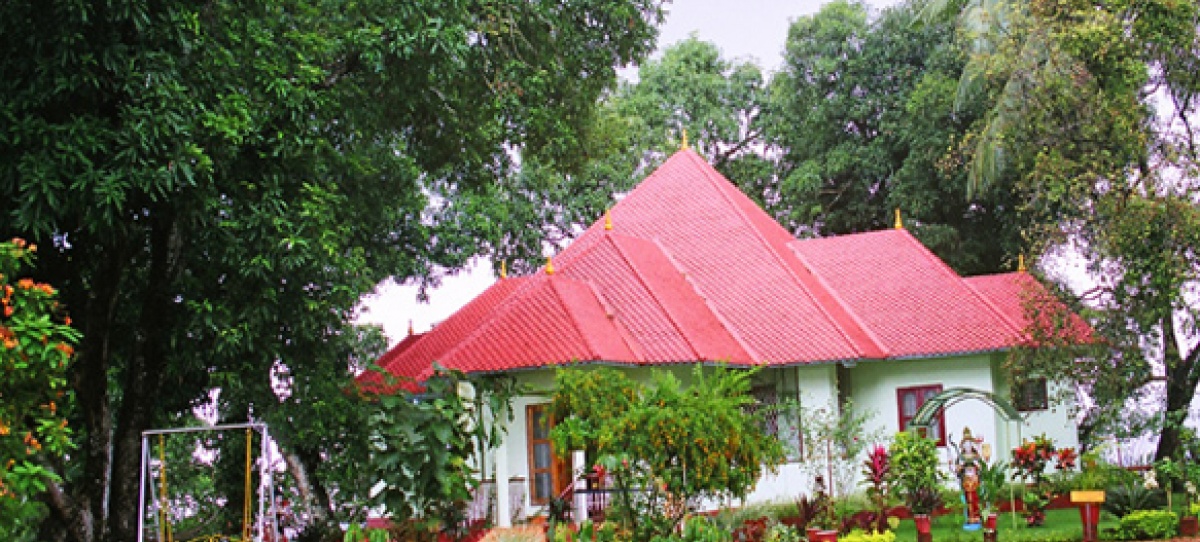
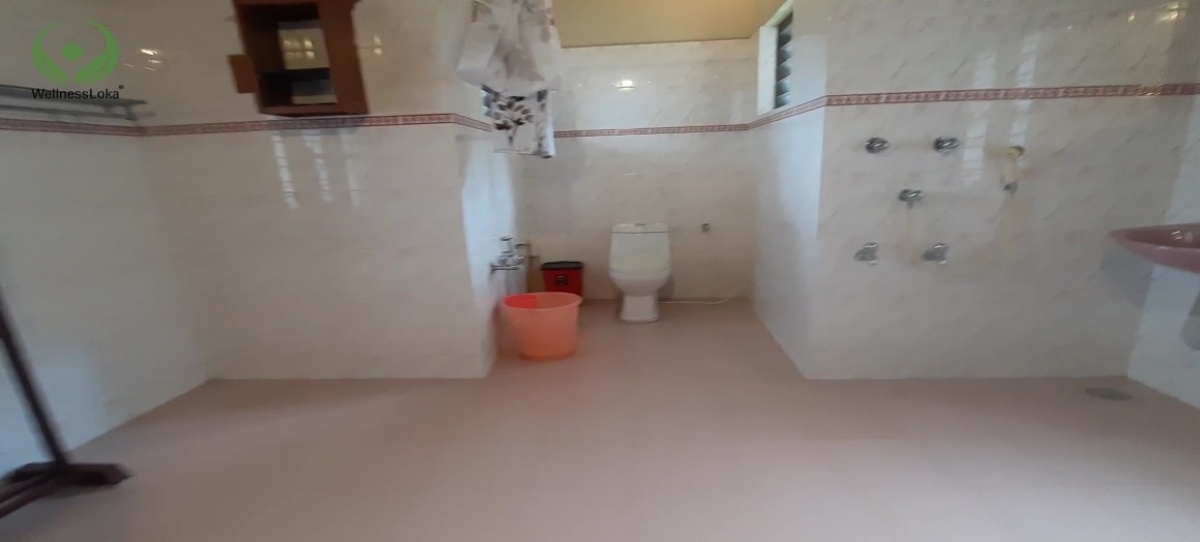
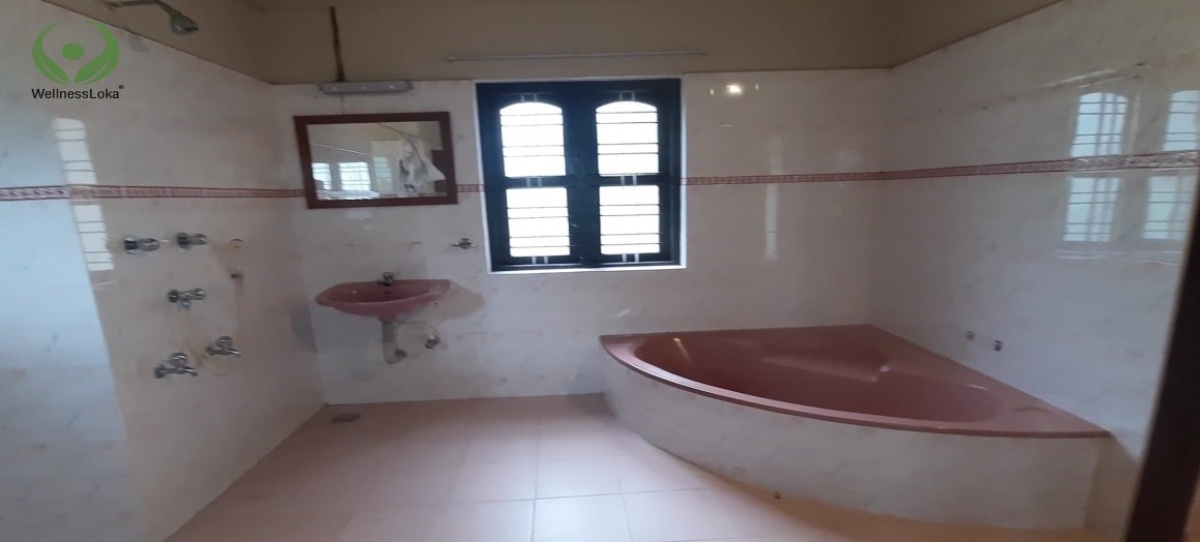
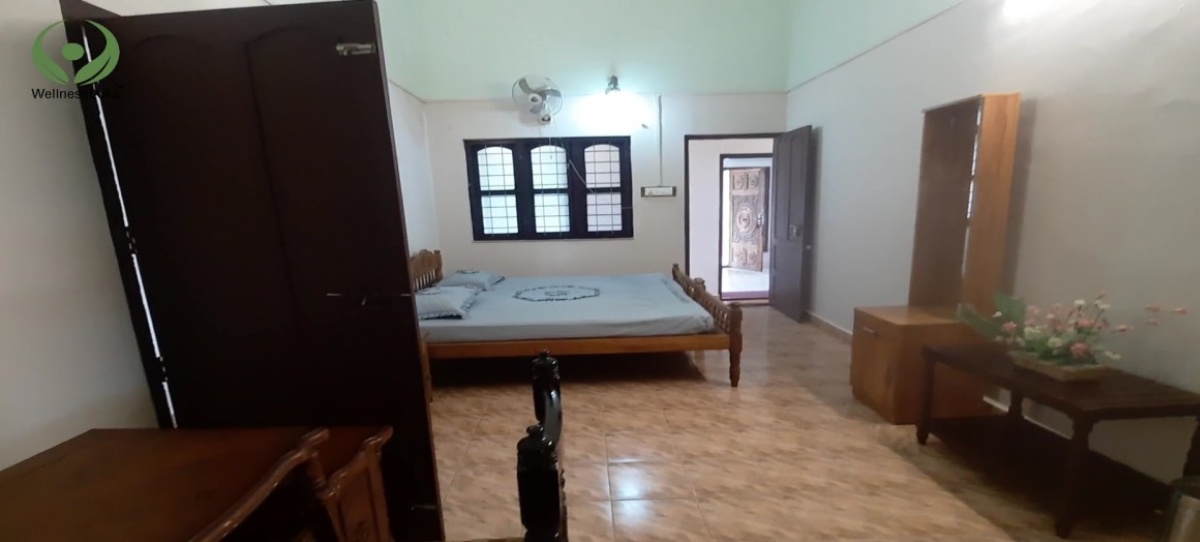
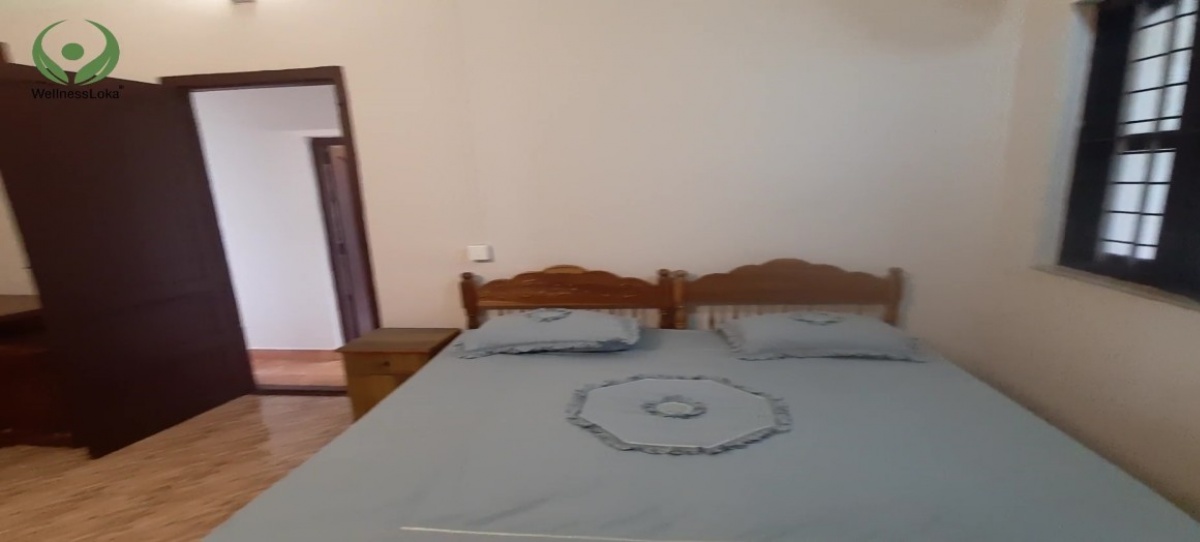
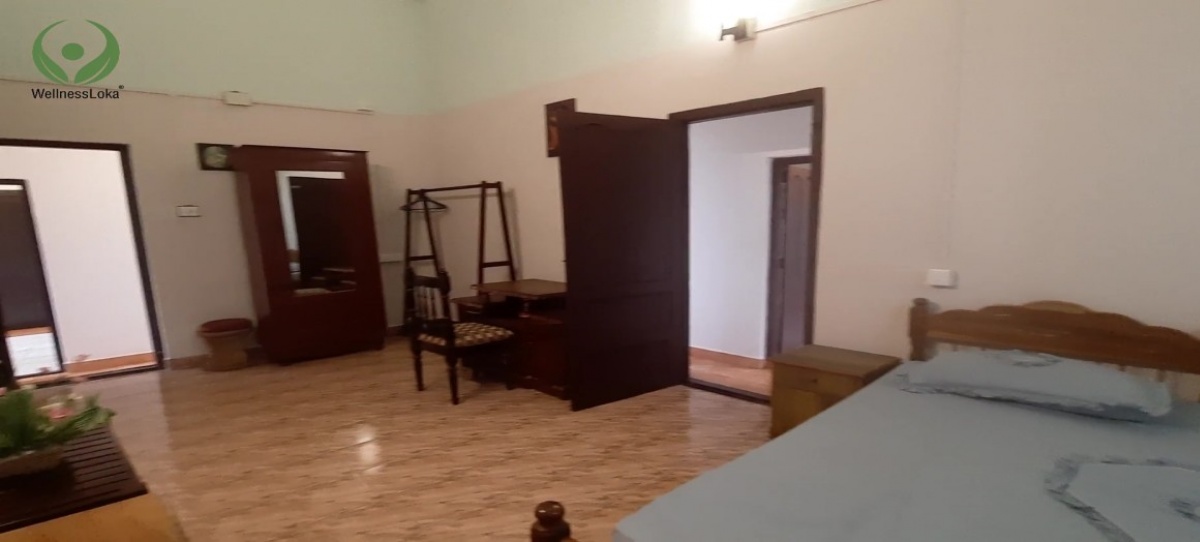
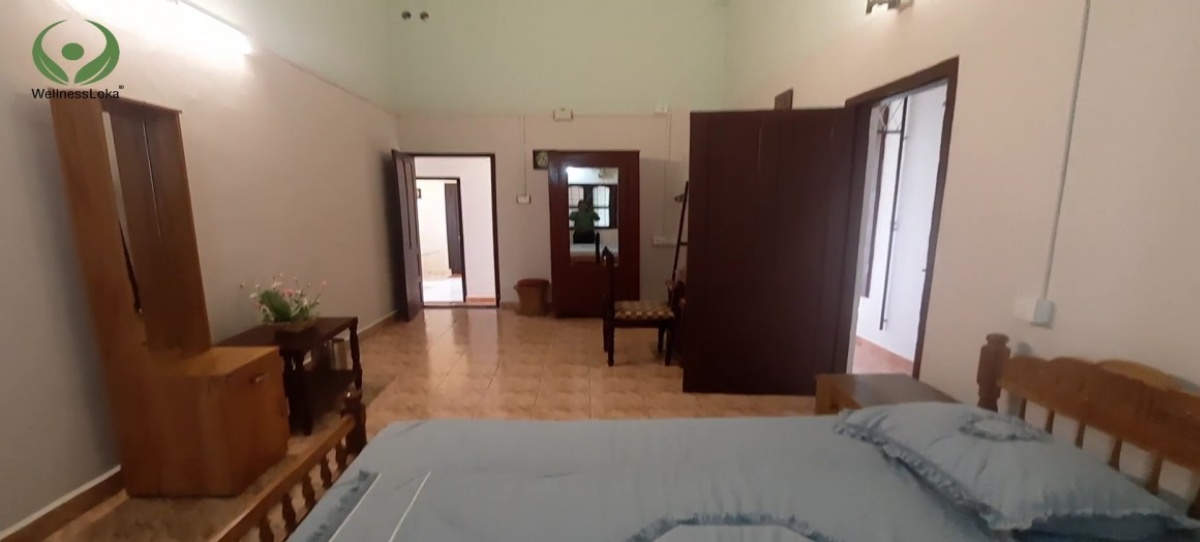
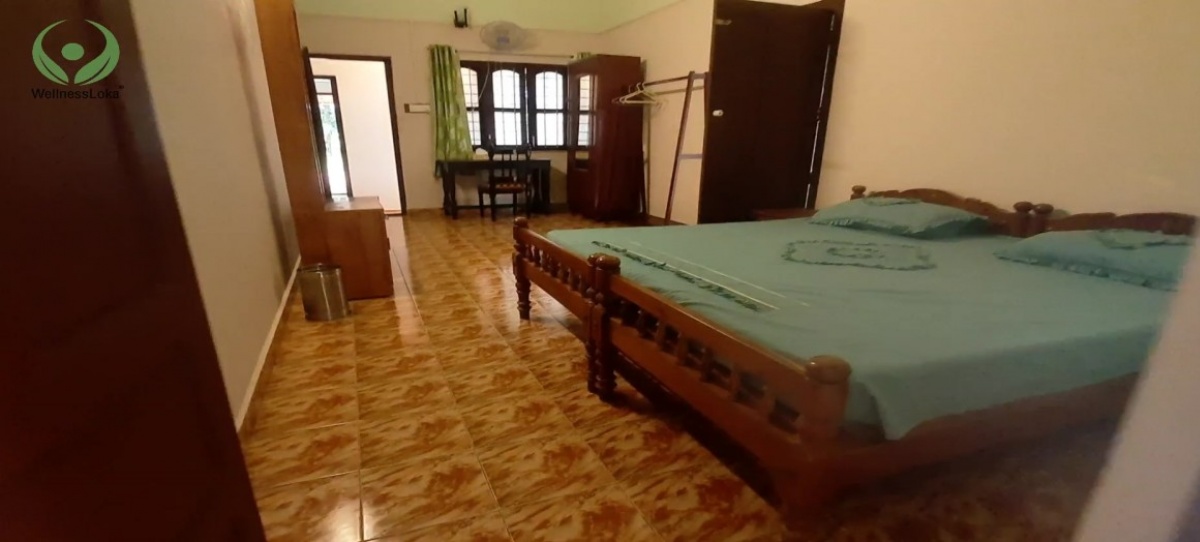
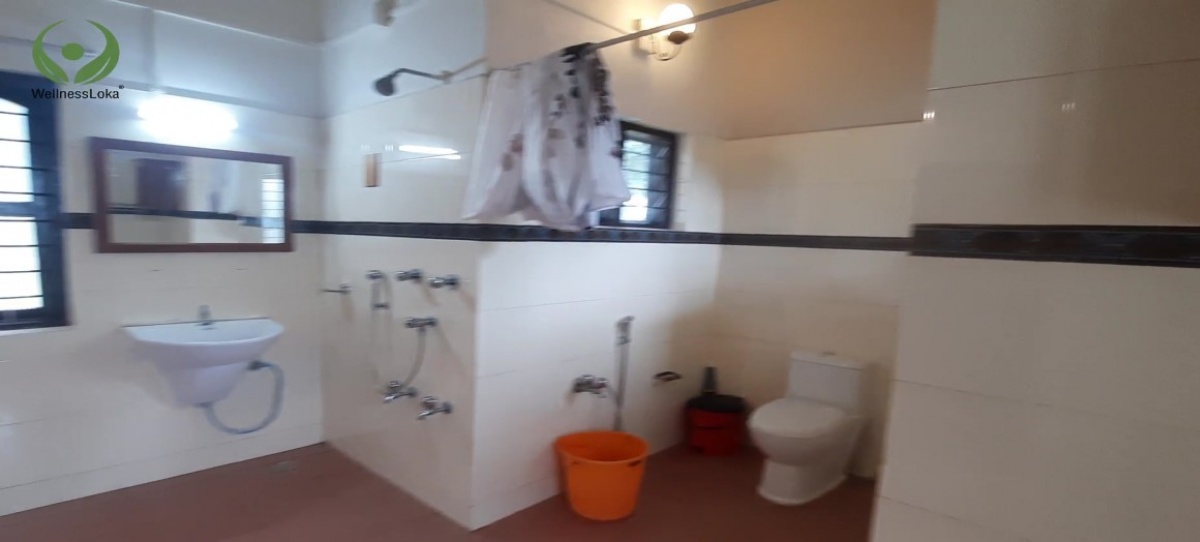
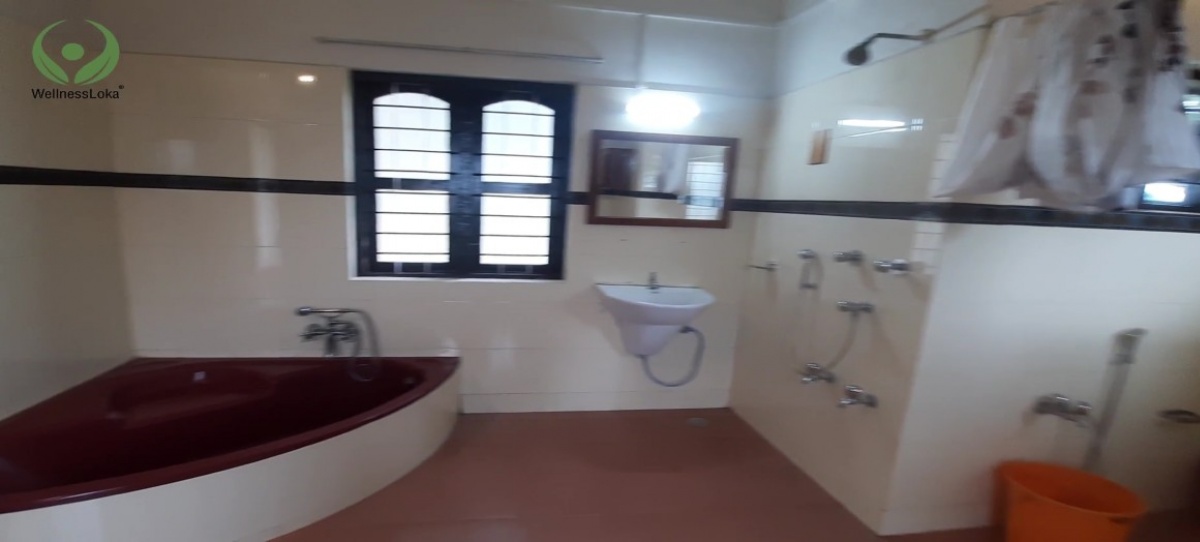
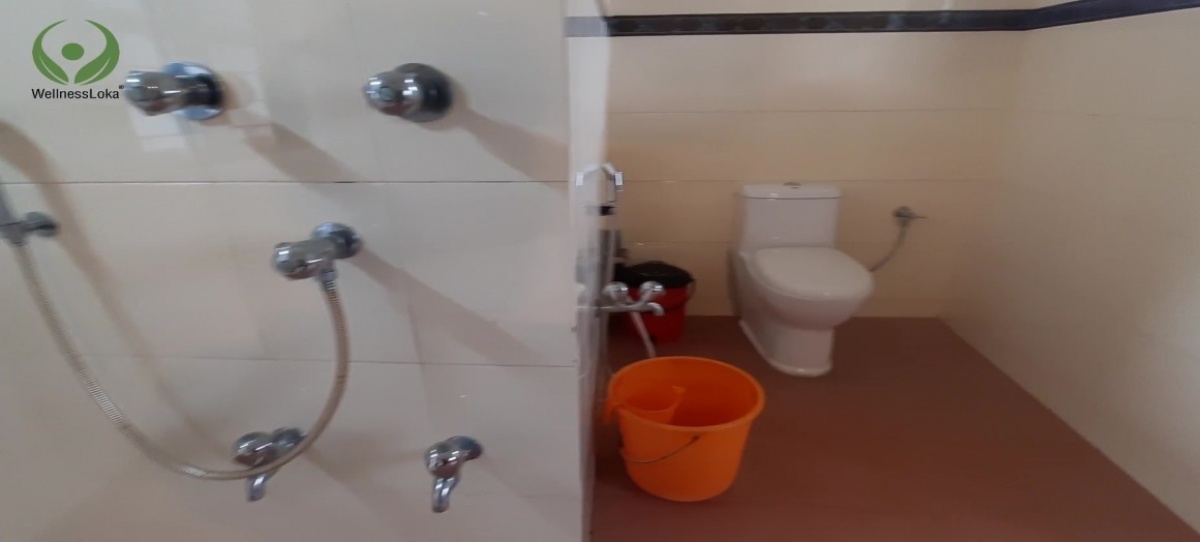
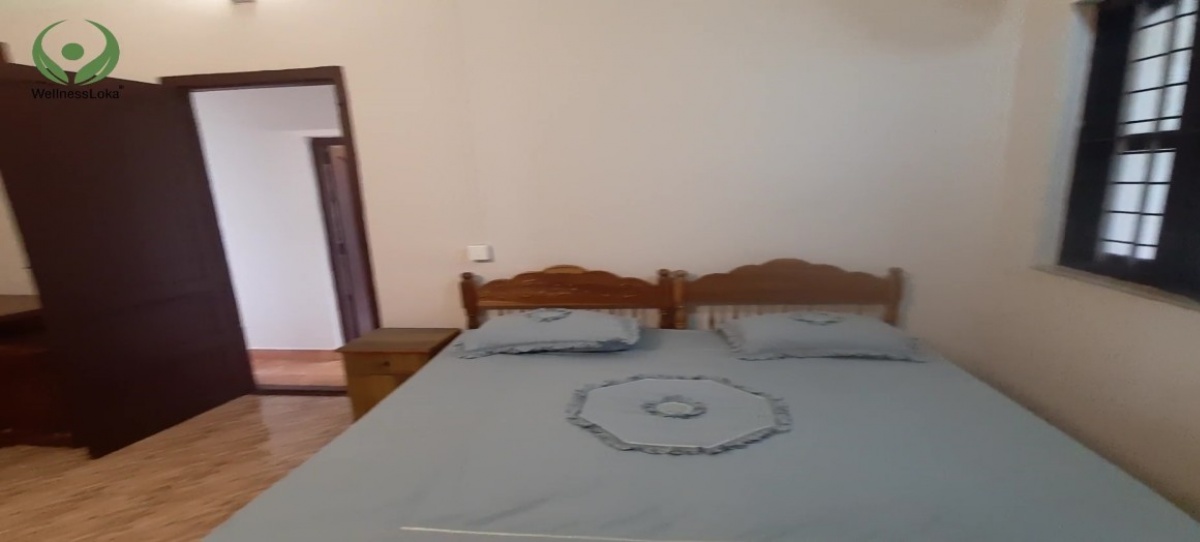
Cottage Rooms at Chamundi Hill Palace Ayurvedic Centre provide a serene and private retreat, perfect for those seeking peace amidst nature. Spacious and well-appointed, each room features a private bathroom and is designed to offer maximum comfort during your wellness stay.
Nestled either within the main building or in more secluded, nature-rich spots, these rooms open up to picturesque views of the surrounding landscape. Blending traditional charm with natural tranquillity, Cottage Rooms offer a relaxing and restorative environment, ideal for a truly immersive Ayurvedic experience.
-
Digital Safety Locker
-
Electric Kettle
-
Air Conditioner
-
Free Wifi
-
Mattress Size- Medium
-
 Bath Tub
 -
Bathroom Floor Type - Anti Slip Tiles
-
Geyser And Hot Water
-
Room Constellation - Twin
-
Room Type - Cottage
-
Twin Bed In Rooms
-
Work Space
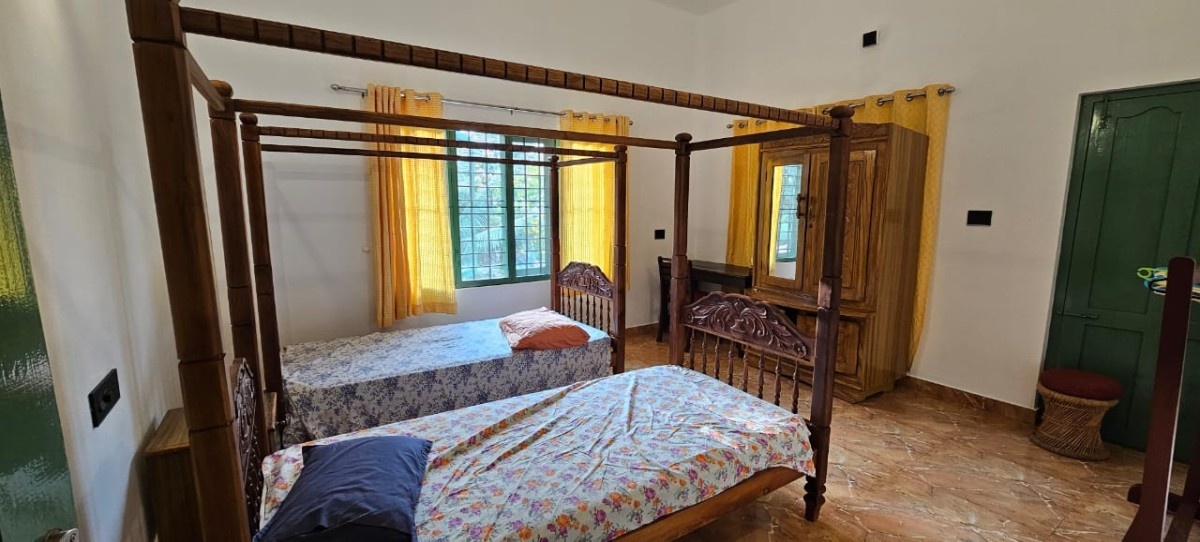


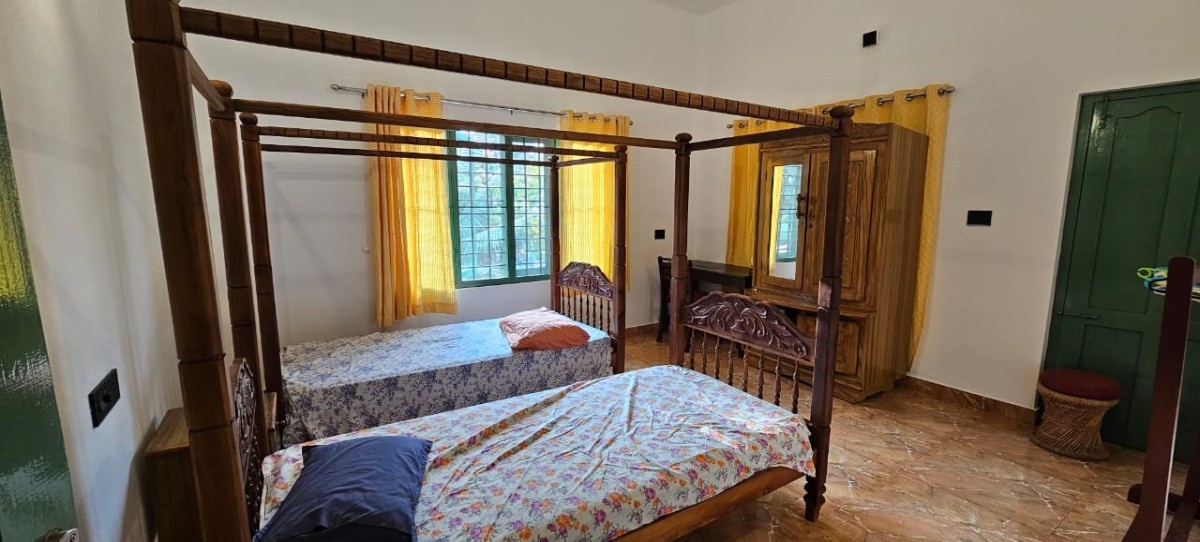
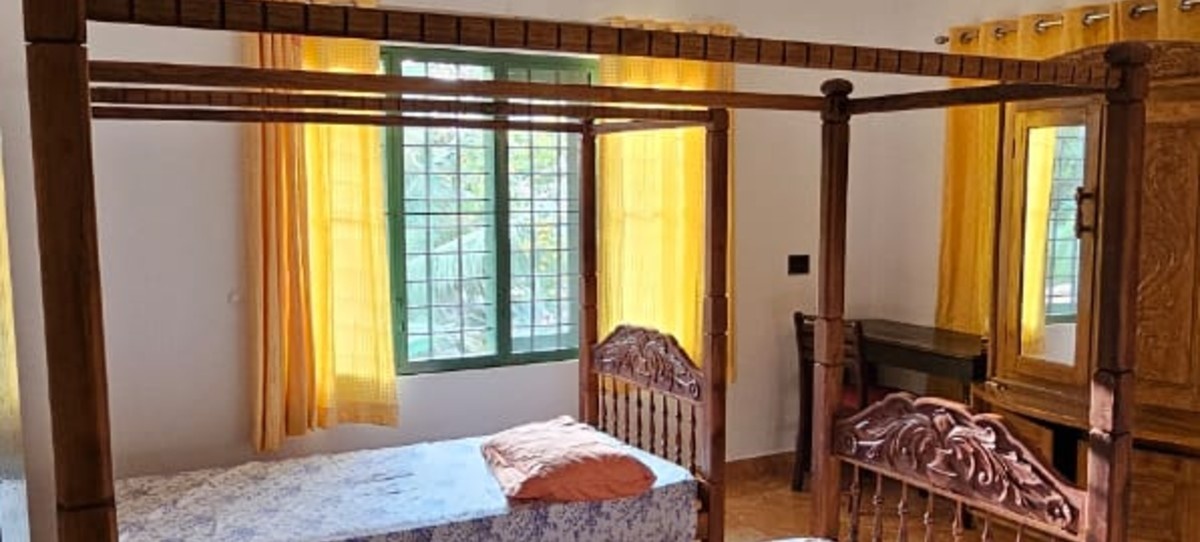
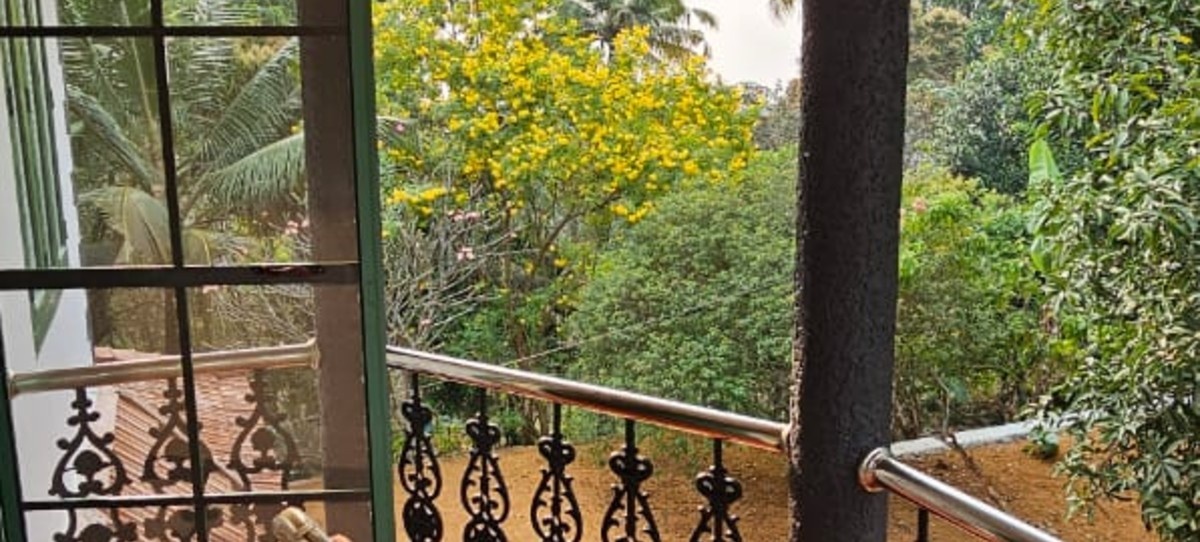
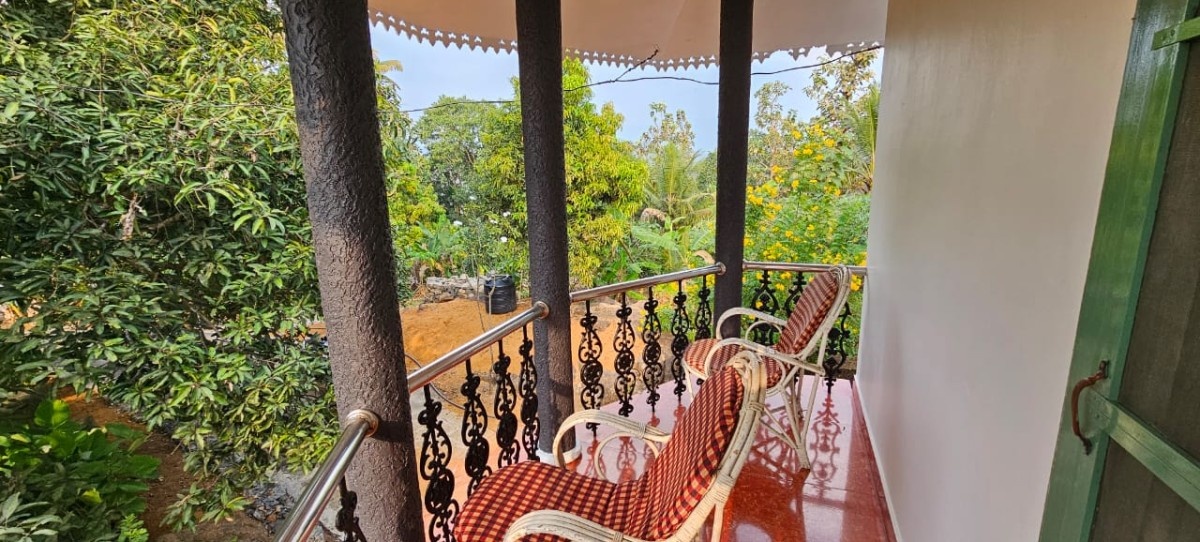
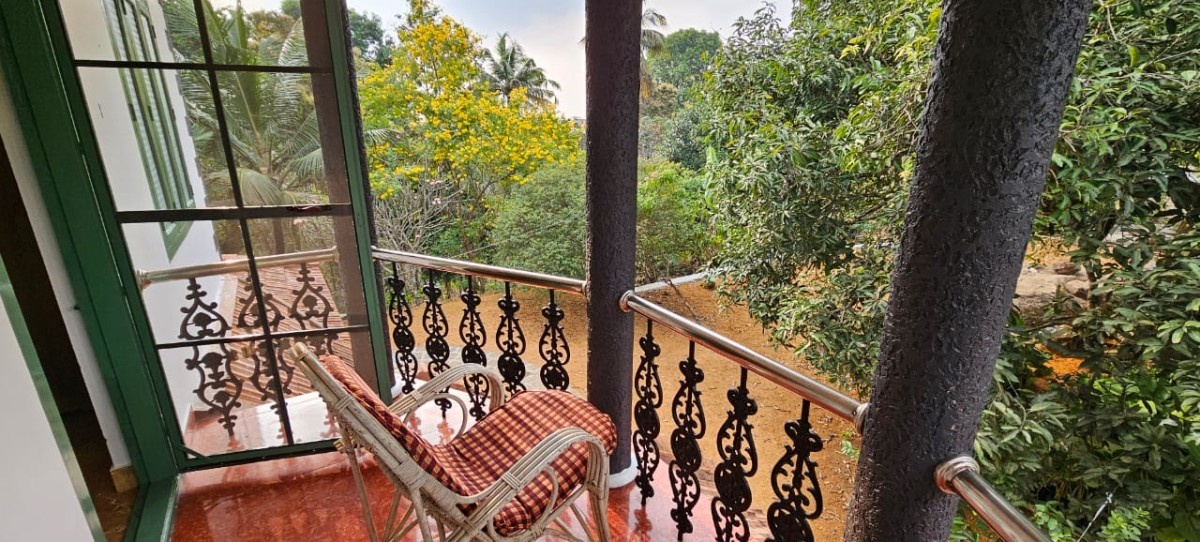
Rooms With Balcony at Chamundi Hill Palace Ayurvedic Centre offer a perfect blend of comfort and scenic beauty. Spacious and thoughtfully designed, each room features a private bathroom and a charming balcony that opens up to panoramic views of the surrounding landscape.
Located either within the main building or in quieter corners of the property, these rooms provide a serene setting for rest and rejuvenation. The balcony adds a special touch—ideal for enjoying the natural beauty and peaceful atmosphere that define the centre.
-
Geyser And Hot Water
-
Digital Safety Locker
-
Electric Kettle
-
Air Conditioner
-
Free Wifi
-
Mattress Size- Medium
-
 Balcony
 -
Room Constellation - Multi-storeyed Block
-
Room Type - Regular Room
-
Twin Bed In Rooms
-
Work Space
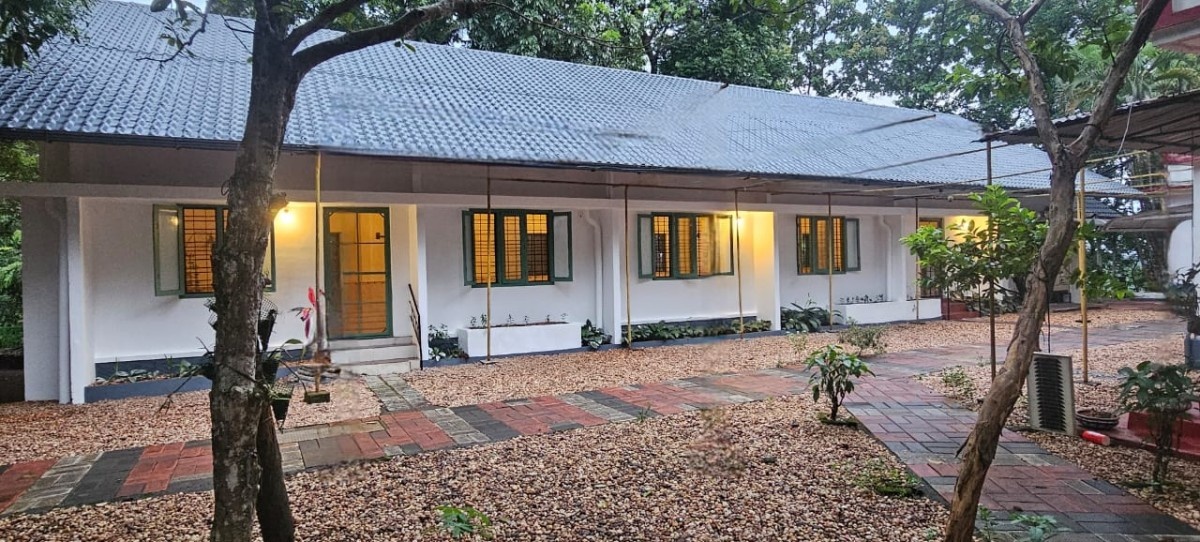


The Annex Rooms at Chamundi Hill Palace Ayurvedic Centre offer a comfortable and peaceful stay, ideal for guests seeking simplicity with thoughtful details. Each room is well-appointed, featuring inviting interiors, a private bathroom, and a soothing ambiance that supports rest and rejuvenation.
Some Annex Rooms are located near the entrance, providing easy access, while others are set in quieter corners of the property, offering picturesque views of the surrounding natural landscape. Regardless of their location, all rooms are designed to ensure a relaxing and enjoyable experience, blending comfort with the serene spirit of the centre.
-
Electric Kettle
-
Geyser And Hot Water
-
Digital Safety Locker
-
Room Constellation - Multi-storeyed Block
-
Room Type - Regular Room
-
Twin Bed In Rooms
-
Work Space
-
Air Conditioner
-
Free Wifi
-
Mattress Size- Medium
WellnessLoka Gallery
Wellness Slots
Ayurveda Treatment Room : Ayurveda Treatment Room
Wellness Room Type: Closed
Capacity : 4
Opening Time: 7:00 AM
Closing Time: 6:00 PM
Treatment Room Size : Small
Total Units : 4
 Lanittha MNH
10-08-2025
- Overall Rating
- 4.9
 Amaljith Ks
21-07-2025
- Overall Rating
- 4.9
 Jean-Marie Devaux
15-06-2025
- Overall Rating
- 4.8
 isabelle bonfanti
04-05-2025
- Overall Rating
- 4.7
Location & Map
Location
Landmark
Rajkumar Estate
Nearby Attractions
Nestled on the banks of Vembanad Lake in Kerala's Kumarakom, this 14-hectare bird sanctuary is a vibrant home to rare avian species. It's a renowned spot for migratory birds in the tranquil Kerala Backwaters.
Vembanad Lake
Kerala's and India's largest lake, is a prime backwater tourism destination, notably in Kumarakom and Alleppey.
Pathiramanal
A 10-acre island in Kerala's Alappuzha district, is a bird lover's paradise. Situated in the middle of Lake Vembanad, this enchanting island is home to numerous rare migratory bird species from around the world. Accessible by boat, it's a must-visit for bird enthusiasts.
Kumarakom
Famous for backwaters and bird sanctuary, part of Kuttanad near Kottayam.Visitors can explore canals via houseboats and enjoy birdwatching at the Kumarakom Bird Sanctuary.
Malarikkal
A charming destination in Kottayam, Kerala, boasts vast paddy fields adorned with water lilies and lotus flowers. Don't miss the enchanting season between September and October when these blooms flourish.
Illikkal Kallu
At 3500 feet above sea level, Illickal Kallu in Thalanadu, Kottayam district, is a renowned tourist spot. It sits atop Illickal Malaa and is a popular destination, about 57 km from Kottayam railway station.
Marmala Waterfall
Marmala Waterfall, one of Kottayam's finest, stands tall at 200 feet. Best visited in October, it's a few kilometers from Erattupetta, Kottayam district, Kerala, India, around 8 km from Teekoy. The road from Mangalagiri to Marmala Waterfall is currently under construction.
Elaveezhapoonchira
Elaveezhapoonchira, a stunning viewpoint in Kottayam, offers breathtaking sunset and sunrise views. Accessible via trekking or a jeep ride for Rs 500, it's located about 55 km from Kottayam district in Kerala, specifically in Melukavu village near Kanjar.
Edakkunnam Jn : 500 MTR
Railway Connectivity
Kottayam Railway Station : 45 KM
Airway Connectivity
Cochin International Airport : 104 KM
Total Area Of Property (acres)
120.00
Building Free Area (acres)
2.00
Actual Area Of Property (acres)
4.00
Check-in & Check-out
Check-in: 1:00 PM Check-out: 12:00 PM
Program Details
- The Ayurvedic Treatment Packages include Consultation with the Ayurvedic doctor and daily check-ups and Accommodation.
- Accommodation with all meals, an Ayurveda Program, and complimentary experiences during your stay.
- Pick up (minimum 7 nights stay) and drop(minimum of 14 days) at Cochin airport or 100 km, accommodation, all tax, all food ( Ayurveda – organic Kerala dishes), daily doctor consultation, daily two treatments with two therapists, internal medicine during the treatment period, daily two yoga and meditation class - no class on Sunday, free laundry, meditation and chanting once in a week at 8 pm,100 years of temple visit, organic spices, veg., and fruits garden visit and rubber plantation visit.
Pre-Arrival Guidelines
- You are requested to produce the following information along with the health declaration form:
- Recent medical history for each guest
- Valid ID and address proof
- Carry breathable and flexible clothes for Yoga
ID Card Type
- Indian nationals are requested to provide photo identity proof through a driver’s license, voter’s ID, or passport. This is mandatory for completing the registration process at the time of check-in.
- Foreign nationals are requested to produce their passport with a valid entry visa. For those on employment or permanent residence, passports must include a residential permit.
Child Policy
Children are allowed.
Pet Policy
Pets are not allowed in the retreat.
Visitors Policy
The right to admission of visitors into the retreat premises and guest areas remains solely with the management.
Alcohol Policy
Alcohol, smoking, and tobacco chewing are not permitted during your Ayurveda program and are strictly prohibited across the premises.
- Free cancellation is permitted only if it is made before 30 days prior to the date of arrival. If not, the full amount of reservation will be charged.
- Even if the booking is cancelled within the grace period and qualifies for a refund, payment gateway charges will be deducted from the refunded amount.
| Extra Amenities | Rate |
|---|---|
| Price for Pick-up- Innova Vehicle : From Cochin Airport | ₹ 5744 |
| Price for Drop-off - Innova Vehicle : From Cochin Airport | ₹ 5744 |
| Bystander ( Extra-person without treatment ) Per Night Rate | ₹ 2234 |
| Pick-up & Drop-off - Innova Vehicle : From Cochin Airport | ₹ 11487 |


