
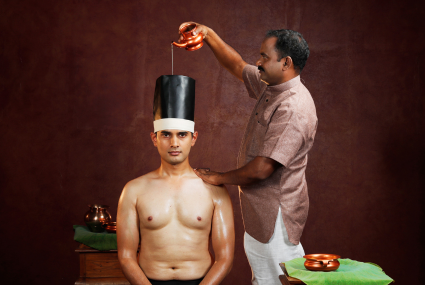
Insomnia Healing Treatment
Insomnia, characterized by difficulty falling or staying asleep, often stems from imbalances in the Vata and Pitta doshas, heightened stress, or poor sleep hygiene. Ayurveda treats insomnia by pacifying these imbalances using herbal formulations like Ashwagandha, Brahmi, and Tagara, which calm the mind and nerves. Therapies like Shirodhara (continuous oil pouring on the forehead), Abhyanga (full body oil massage), and Nasya (nasal treatments) are employed to soothe the nervous system. Personalized dietary changes, meditation, and yoga further enhance relaxation and promote deep, restorative sleep without dependency on medications.
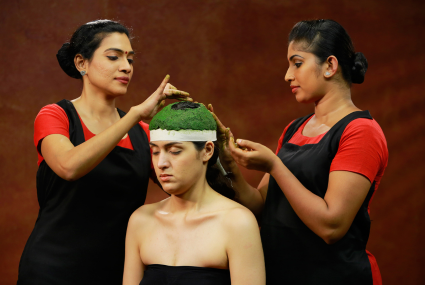
Anxiety Management
Anxiety and stress, common byproducts of modern living, disturb the body's doshic balance, especially Vata. Ayurveda addresses these conditions holistically by combining therapies that soothe the nervous system and calm the mind. Panchakarma therapies to cleanse the body and mind,treatments like Shirodhara (oil pouring on the forehead), Abhyanga (herbal oil massage), and Nasya (nasal administration) are used to pacify Vata and Pitta. Herbal formulations like Ashwagandha, Brahmi, and Jatamansi support mental clarity and reduce anxiety. Yoga, meditation, and pranayama are integrated to promote mindfulness and relaxation. Dietary adjustments also ensure sattvic nourishment, collectively creating lasting mental peace and emotional resilience.


Personality Disorder Management
A personality disorder is a mental health condition involving long-standing, deeply-rooted patterns of thinking, feeling, and relating to others that cause genuine distress and difficulty in a person's life and relationships. Professional psychological care is the essential foundation, and Ayurveda is not a substitute for it. Where Ayurveda offers a gentle, genuine role is in supporting emotional balance, calm, and wellbeing through its understanding of the mind's qualities (the Trigunas) and its calming, restorative therapies for a person who is engaged in professional care, always alongside it and never in its place.

Schizophrenia Management
Schizophrenia is a serious, long-term mental health condition that affects how a person thinks, feels, perceives, and relates to the world. It can involve hallucinations, delusions, disorganised thinking, emotional withdrawal, and difficulties with motivation and concentration. It is a genuine medical illness. The most important thing to understand is that schizophrenia is treatable, and that psychiatric care is the essential foundation that helps people manage the condition and live full lives. This medication is protective, and often life-saving, and must never be stopped to pursue any alternative. Within that firm frame, Ayurveda has a gentle, supportive role to offer for wellbeing, sleep, calm, and quality of life for a person who is stable and under psychiatric care, always alongside and never in place of their treatment.

De-addiction & Rehabilitation From Alcohol, Drugs And Tobacco
Addiction is a chronic, relapsing condition affecting the brain and body, in which a person comes to depend on a substance (such as alcohol, tobacco, or drugs) or a behaviour despite the harm it causes. Recovery is absolutely possible, and countless people achieve it. But there's an essential safety truth to state first: stopping certain substances — especially alcohol and sedatives — can cause dangerous, even fatal, withdrawal, so detoxing safely requires medical supervision, not a wellness retreat. Recovery has two broad phases: getting free of the substance safely (medical detox), and then the long, real work of rebuilding and staying well (rehabilitation). Ayurveda's genuine, valuable role lies in restoring a depleted body and mind, easing cravings and stress, and supporting sustained recovery alongside medical and psychological care, and only after safe withdrawal. Ayurveda understands addiction through the mind's imbalance (excess Rajas and Tamas) and the depletion it causes, and offers restorative, rejuvenating support for the journey of recovery.
When Mind and Body Call for Care: An Ayurvedic Path to Mental Wellness and Sustained Mind-Body Health
Mental health and psychosomatic conditions represent substantial public health concerns globally — anxiety affecting approximately 4-5% of the global population, depression affecting over 280 million people globally, and broader stress-related and psychosomatic conditions affecting substantially more. The complex interplay between mind and body produces conditions where mental dimensions substantially affect physical health and physical conditions substantially affect mental wellbeing, often creating substantial impact on quality of life, work, relationships, and overall functioning.
Common psychosomatic and mental health conditions include:
- Generalized anxiety disorder (Chittodvega)
- Panic disorder
- Social anxiety
- Specific phobias
- Major depression (Vishada-like state) — Supportive care
- Persistent depressive disorder
- Bipolar disorder (supportive care)
- Chronic stress and adjustment disorders
- Burnout syndrome
- Post-traumatic stress dimensions (supportive)
- OCD (supportive)
- Sleep disorders (Anidra) — Insomnia, sleep maintenance
- Stress-related physical conditions
- Stress-related digestive conditions (IBS, functional dyspepsia)
- Stress-related skin conditions
- Tension headaches and stress-related headaches
- Stress-related cardiovascular dimensions
- Chronic fatigue with mental dimensions
- Fibromyalgia (supportive care)
- Chronic pain syndromes with mental dimensions
- Somatic symptom conditions
- Functional gastrointestinal conditions with stress dimensions
- Hypertension with substantial stress contribution
- Diabetes with substantial stress contribution
- Eating concerns (supportive — never as primary treatment for eating disorders)
- Substance use recovery supportive
- Memory and cognitive concerns with stress contribution
- Existential and life transition concerns
- Relationship and family stress dimensions
Modern medical management has substantially advanced with comprehensive evidence-based framework including specialized psychiatry and psychology evaluation, evidence-based psychotherapy (CBT, DBT, ACT, psychodynamic, broader) with substantial outcomes evidence, SSRIs, SNRIs, and broader antidepressants, anxiolytics for specific applications, mood stabilizers for bipolar conditions, antipsychotics when indicated, sleep medications when appropriate, specialized trauma therapies (EMDR, broader), and substantial recent therapeutic advances.
Classical Ayurveda addresses psychosomatic and mental health conditions through comprehensive framework recognizing the profound interconnection of mind (Manas) and body (Sharira) with substantial classical literature describing sophisticated framework. The classical understanding centers on the principle "Mano Hi Hetu? Sarve??m Rog???m" (Mind is the root cause of many diseases) — recognition that mental dimensions substantially affect physical health requiring comprehensive integrated approach.
The therapeutic framework provides comprehensive approach through Satvavajaya Chikitsa (psychotherapy and mind discipline); Medhya Rasayana for nervous system and cognitive support; Daivavyapashraya Chikitsa (spiritual therapy when meaningful); specialized therapies including Shirodhara with substantial mental wellness applications, Nasya for direct nervous system access, Abhyanga for sustained Vata pacification; comprehensive Yoga, Pranayama, and meditation integration; comprehensive lifestyle integration; and absolute coordination with continued psychiatric and psychological care including continued essential medications which must never be discontinued without specialist guidance.

What is Psychosomatic Health Care in Ayurveda?
Psychosomatic health care in Ayurveda represents the comprehensive classical framework addressing the profound mind-body interconnection with substantial classical literature recognizing both mental and physical dimensions of health.
Definition and characteristics:
- Comprehensive mind-body framework
- Centered on Manas (mind), Satva, Doshas, Ojas
- Substantial classical literature foundation
- Integration of mental, physical, and spiritual dimensions
- Both preventive and therapeutic applications
- Integration with continued conventional psychiatric and psychological care
Conditions addressed:
Anxiety spectrum:
- Generalized anxiety disorder (Chittodvega)
- Panic disorder
- Social anxiety
- Specific phobias
- Stress-related anxiety
Depression spectrum (supportive):
- Major depression (Vishada-like state)
- Persistent depressive disorder
- Reactive depression
- Seasonal mood concerns
Bipolar conditions (supportive)
Stress and adjustment:
- Chronic stress
- Burnout syndrome
- Adjustment disorders
- Acute stress reactions
Trauma-related (supportive):
- PTSD supportive
- Complex trauma supportive
Sleep disorders (Anidra):
- Insomnia
- Sleep maintenance concerns
- Sleep quality concerns
- Sleep-related anxiety
Psychosomatic and stress-related physical:
- Stress-related IBS and functional digestive
- Tension headaches and stress headaches
- Stress-related skin conditions
- Stress-related cardiovascular dimensions
- Hypertension with stress contribution
- Diabetes with stress contribution
- Chronic pain syndromes with mental dimensions
- Fibromyalgia (supportive)
- Chronic fatigue syndrome with mental dimensions
Cognitive and behavioral:
- OCD (supportive)
- ADHD adult (supportive)
- Memory concerns with stress contribution
- Cognitive concerns
Broader:
- Existential and life transition concerns
- Relationship and family stress dimensions
- Substance use recovery supportive
- Eating concerns supportive
Core therapeutic frameworks:
- Satvavajaya Chikitsa — Psychotherapy and mind discipline
- Medhya Rasayana — Nervous system and cognitive support
- Daivavyapashraya Chikitsa — Spiritual therapy when meaningful
- Yuktivyapashraya Chikitsa — Rational evidence-based therapy
- Specialized therapies — Shirodhara, Nasya, Abhyanga
- Comprehensive Yoga and meditation integration
- Lifestyle integration
- Coordination with continued psychiatric and psychological care
Understanding Manas, Satva, and Mind-Body Connection: The Ayurvedic Framework
The Ayurvedic understanding of psychosomatic health sits within comprehensive classical framework with substantial literature providing sophisticated mind-body integration.
Key concepts:
Manas (Mind) as Central:
Manas (mind) considered fundamental in Ayurveda — "Mano Hi Hetu? Sarve??m Rog???m" (Mind is the root cause of many diseases). Substantial classical framework recognizes the profound mind-body interconnection.
Three Gunas of Mind:
- Satva — Mental clarity, balance, harmony, awareness
- Rajas — Activity, agitation, restlessness (excess produces anxiety, agitation)
- Tamas — Inertia, dullness, confusion (excess produces depression, lethargy)
Comprehensive mental health requires Satva dominance with balanced Rajas and Tamas.
Manas and Doshas Connection:
While Vata, Pitta, Kapha are primarily physical, they have substantial mental correspondences:
- Vata-predominant mental patterns — Anxiety, fear, restlessness, insomnia
- Pitta-predominant mental patterns — Anger, irritability, frustration, aggression
- Kapha-predominant mental patterns — Lethargy, depression, attachment, hoarding
Specific Classical Conditions:
Chittodvega (Anxiety Spectrum):
- Detailed classical framework with substantial recognition
- Specific anxiety patterns described
- Comprehensive approach
Vishada (Depression-like State):
- Classical framework for despondency
- Substantial Kapha-Tamas patterns
- Sophisticated treatment approach
Unmada (Psychosis Spectrum):
- Six classical types based on doshic patterns
- Comprehensive framework
- Substantial classical observation
Apasmara (Epilepsy/Dissociative):
- Four classical types
- Detailed framework
Anidra (Sleep Disorders):
- Comprehensive classical framework
- Substantial Vata dimensions
Manovaha Srotas:
Classical mental channels carrying mental function — Manovaha Srotas dysfunction central to many psychosomatic conditions.
Ojas as Mental Resilience:
Ojas (vital essence) substantially affects mental resilience — Ojas Kshaya producing reduced mental strength, increased vulnerability, broader concerns.
Agni and Mental Health:
Classical recognition that Agni dysfunction with Ama accumulation substantially affects mental health — sophisticated mind-body integration anticipating modern understanding of gut-brain axis.
Medhya (Cognitive) Framework:
Comprehensive framework for cognitive function including:
- Dhi (cognitive function)
- Dhriti (retention/stability)
- Smruti (memory)
- Buddhi (intellect)
Sattvavajaya Framework:
Classical psychotherapy framework with substantial sophistication.
Predisposing Factors Classical Ayurveda Identifies:
Dosha Imbalance:
- Vata aggravation → anxiety, fear, insomnia
- Pitta aggravation → anger, irritability
- Kapha aggravation → depression, lethargy
Raja-Tama Dominance:
- Excess Rajas → agitation, overthinking
- Excess Tamas → depression, confusion
Agni Dysfunction:
- Impaired digestion leading to Ama
- Substantial gut-brain dimensions
Ojas Depletion:
- Reduced mental resilience
- Increased vulnerability
Lifestyle Factors:
- Irregular sleep
- Excess screen time
- Stressful environment
- Inadequate nature exposure
Manasika (Mental) Factors:
- Emotional trauma
- Substance use
- Prolonged stress
- Suppressed emotions
This shapes the Ayurvedic approach to psychosomatic health: Satvavajaya Chikitsa as foundational; Medhya Rasayana for nervous system support; specialized therapies including Shirodhara as cornerstone, Nasya, Abhyanga; comprehensive Yoga, Pranayama, meditation integration; comprehensive lifestyle integration; absolute coordination with continued psychiatric and psychological care.
The 3 Stages of Ayurvedic Treatment for Psychosomatic Health
1. Preparation (Purva Karma) — Typically 3-7 days
Comprehensive assessment with substantial sensitivity to mental health context including detailed history (specific conditions, duration, current symptoms, prior treatments and response, current medications including all antidepressants/anxiolytics/mood stabilizers/sleep medications, current psychotherapy involvement), current psychiatric care context, comorbidities particularly physical conditions with mental dimensions, life stressors, social support, family situation, sleep patterns, dietary patterns, and constitutional profile.
Psychiatric and psychological coordination essential — current treating psychiatrist and therapist confirmed, sharing of treatment approach, continued essential medications confirmed throughout.
Critical screening:
- Stable current status without acute crisis
- No acute suicidal ideation requiring urgent psychiatric care
- No acute homicidal ideation requiring urgent management
- No acute psychotic decompensation requiring urgent management
- No acute severe manic episode requiring urgent psychiatric care
- No acute substance withdrawal requiring specialized management
- No acute severe eating disorder requiring specialized eating disorder treatment
- No active severe self-harm
Initial gentle constitutional support. Initial dietary modifications focused on Satva-promoting foods. Foundational lifestyle measures including sleep hygiene, gentle activity, stress management initiation.
2. Core Treatment (Pradhana Karma) — Typically 14-21 days
Satvavajaya Chikitsa (Psychotherapy and Mind Discipline):
- Counseling and reassurance with substantial classical framework
- Cognitive redirection
- Behavioral modification
- Mind discipline training
- Family integration
- Sustained therapeutic relationship
Comprehensive Medhya Rasayana Approach:
- Brahmi (Bacopa monnieri) with substantial classical and modern evidence for cognitive support, anxiety, depression
- Shankhpushpi for mental balance and cognitive support
- Mandukaparni (Centella asiatica) for cognitive and nervous system
- Jatamansi (Nardostachys jatamansi) with substantial classical use for anxiety
- Ashwagandha (Withania somnifera) as cornerstone adaptogen with substantial evidence for stress, anxiety, sleep
- Yashtimadhu for broader support
- Tagara (Valeriana wallichii) for sleep
- Classical formulations: Saraswatarishtam as comprehensive nervous system formulation; Brahmi Ghrita with substantial cognitive applications; Saraswata Ghrita; Kalyanaka Ghrita; Ashwagandhadi Lehyam; Brahma Rasayana
Specialized Therapies:
Shirodhara — Cornerstone Mental Wellness Therapy:
- Substantial classical use and substantial modern evidence for mental wellness applications
- Continuous warm medicated oil pouring on forehead
- Standard oils: Ksheerabala Taila for Vata-Pitta, Mahanarayana Taila for Vata, specific oils matched to needs
- Substantial benefits: deeply calms nervous system; substantial cortisol-lowering effects documented; substantial anxiety reduction; substantial sleep improvement; substantial depression supportive value
- Particularly valuable for: anxiety, depression, insomnia, chronic stress, burnout, PTSD supportive, broader mental wellness applications
- Standard course: 7-14 daily sessions
Nasya for Direct Nervous System Access:
- Substantial classical use for mental wellness applications
- Anu Taila as foundational
- Specific medicated Nasya matched to needs
- Particularly valuable for sustained mental wellness, cognitive support, broader applications
Abhyanga for Sustained Vata Pacification:
- Daily Abhyanga with substantial mental wellness benefits
- Standard oils: Ksheerabala Taila, Mahanarayana Taila, Bala Taila
- Substantial benefits for anxiety, stress, broader mental wellness
Shirobasti for selected applications:
- Medicated oil retention on head
- Substantial classical use for chronic mental wellness applications
Comprehensive Yoga, Pranayama, and Meditation Integration:
Yoga:
- Specific asanas with mental wellness benefits
- Surya Namaskar for sustained energy
- Vajrasana after meals
- Bhujangasana, Sarvangasana for specific benefits
- Yoga Nidra with substantial deep relaxation benefits
- Restorative yoga
- Specific therapeutic yoga
Pranayama:
- Anulom Vilom (alternate nostril breathing) with substantial documented mental wellness benefits
- Bhramari for substantial relaxation and anxiety reduction
- Ujjayi for sustained calming
- Specific Pranayama matched to needs
Meditation:
- Substantial evidence for mental wellness benefits
- Mindfulness practices
- Specific Ayurvedic meditation approaches
- Mantra-based practices when meaningful
Daivavyapashraya Chikitsa (When Meaningful):
- Spiritual practices when meaningful to patient
- Mantra chanting
- Specific spiritual practices
- Respecting individual beliefs
Comprehensive Dietary Integration:
- Satvic foods — fresh, light, nourishing
- Warm meals
- Milk with appropriate spices (nutmeg, cardamom) for calming
- Ghee in moderation
- Fresh fruits
- Foods to avoid: excess caffeine, alcohol, processed foods, fermented foods (Rajasic/Tamasic), spicy/junk foods
Comprehensive Lifestyle Integration:
- Sleep optimization — absolutely central to mental health
- Consistent daily routine (Dinacharya)
- Digital detox
- Nature exposure with substantial mental wellness benefits
- Gentle exercise
- Social connection support
Coordination with Continued Psychiatric and Psychological Care:
- Continued essential medications absolutely essential
- Continued psychotherapy
- Continued specialist appointments
- Comprehensive medication interaction awareness
3. Rejuvenation (Paschat Karma) — Continued home regimen
Sustained Medhya Rasayana, continued lifestyle integration, continued meditation and yoga practice, continued psychiatric/psychological coordination, periodic clinical follow-up. Long-term framework — sustained integration valuable for sustained mental wellness with substantial periodic support value.
The 5 Core Therapies for Psychosomatic Health Explained
1. Shirodhara — The Cornerstone Specialized Mental Wellness Therapy Shirodhara (continuous warm medicated oil pouring on forehead) represents the most clinically valuable specialized Ayurvedic intervention for mental wellness with substantial classical use and substantial modern evidence base. Procedure: continuous gentle stream of warm medicated oil poured on the forehead (Ajna marma point) over 30-60 minutes with sustained rhythmic application providing comprehensive nervous system and mental wellness effects. Standard preparations: Ksheerabala Taila for Vata-Pitta predominant patterns; Mahanarayana Taila for Vata-predominant; specific oils matched to individual needs; buttermilk-based (Takradhara) for substantial Pitta and stress applications; medicated milk (Ksheeradhara) for specific applications. Substantial documented mechanisms and benefits: substantial cortisol-lowering effects documented in clinical studies; substantial parasympathetic activation; deep nervous system calming; substantial reduction in anxiety symptoms; substantial sleep improvement with substantial classical and modern evidence; substantial depression supportive value with emerging evidence; substantial stress reduction; broader autonomic nervous system regulation. Specific indications: anxiety disorders with substantial classical and modern use; depression supportive care with substantial value; chronic stress and burnout with substantial classical and modern recognition; insomnia and sleep disorders with substantial benefits; PTSD supportive care with emerging evidence; chronic headaches with mental dimensions; psychosomatic conditions broadly; substance use recovery supportive; menopause-related mental wellness; broader mental wellness applications. Standard course: typically 7-14 daily sessions with substantial cumulative benefits; substantial classical recognition that sustained course produces substantial sustained benefits. Continues alongside continued psychiatric and psychological care — Shirodhara complements rather than replaces continued essential treatment including continued medications and continued psychotherapy. WellnessLoka Kerala centres provide expert Shirodhara capability.
2. Comprehensive Medhya Rasayana — Cognitive and Nervous System Support Comprehensive Medhya Rasayana represents substantial classical framework for cognitive and nervous system support with substantial classical literature in Charaka Samhita's dedicated Medhya Rasayana chapter and substantial modern evidence base. Foundational Medhya Rasayana herbs: Brahmi (Bacopa monnieri) with substantial classical and modern evidence for cognitive support, memory enhancement, anxiety reduction, depression supportive value, broader nervous system benefits — one of the most extensively studied Ayurvedic herbs; Shankhpushpi (Convolvulus pluricaulis) for mental balance, cognitive support, anxiety with substantial classical use; Mandukaparni (Centella asiatica) for cognitive and nervous system support with substantial classical use; Jatamansi (Nardostachys jatamansi) with substantial classical and emerging modern evidence specifically for anxiety, panic, broader nervous system calming; Yashtimadhu (Glycyrrhiza glabra) for broader nervous system support; Tagara (Valeriana wallichii) with substantial classical and modern evidence for sleep and broader applications; Vacha (Acorus calamus) in specific applications with appropriate practitioner expertise. Adaptogenic-Medhya support: Ashwagandha (Withania somnifera) as cornerstone classical adaptogen with substantial classical and modern evidence for stress, anxiety, sleep, broader nervous system support — one of the most extensively studied Ayurvedic herbs; Guduchi (Tinospora cordifolia) for immune and adaptogenic support. Classical Medhya formulations: Saraswatarishtam as comprehensive classical nervous system formulation with substantial use for cognitive and mental wellness applications; Brahmi Ghrita medicated ghee with substantial cognitive and broader applications; Saraswata Ghrita for comprehensive nervous system; Kalyanaka Ghrita for specific applications; Brahma Rasayana for comprehensive cognitive Rasayana; Ashwagandhadi Lehyam for adaptogenic and broader support; Manasamitra Vati with substantial classical use for mental wellness applications. Specific applications: anxiety disorders, depression supportive care, chronic stress, sleep disorders, ADHD supportive, cognitive concerns, post-stroke cognitive recovery, dementia supportive care, broader cognitive and mental wellness applications. Critical medication interaction awareness essential for patients on psychiatric medications. Sustained therapy essential — Medhya Rasayana benefits develop over time with sustained integration. WellnessLoka centres provide authentic Medhya Rasayana preparations.
3. Satvavajaya Chikitsa and Comprehensive Yoga-Meditation Integration Satvavajaya Chikitsa (Ayurvedic psychotherapy and mind discipline) represents substantial classical framework specifically for mental wellness with comprehensive approach predating modern psychotherapy by millennia. Core Satvavajaya approach: counseling and reassurance with substantial classical framework; cognitive redirection anticipating modern cognitive therapy; fear and anxiety control techniques; mind discipline training; behavioral correction; emotional regulation; sustained therapeutic relationship; family integration when appropriate. Comprehensive Yoga integration with substantial mental wellness benefits: specific asanas with documented benefits; Surya Namaskar for sustained energy and broader benefits; Vajrasana for digestive and grounding support after meals; Bhujangasana for energizing effects; Sarvangasana for circulation and thyroid benefits; Balasana for restorative comfort; Yoga Nidra with substantial documented deep relaxation benefits — particularly valuable for anxiety, insomnia, PTSD supportive, broader applications; restorative yoga for sustained relaxation; specific therapeutic yoga matched to individual needs. Comprehensive Pranayama integration: Anulom Vilom (alternate nostril breathing) with substantial documented benefits for anxiety, stress, broader mental wellness — one of the most extensively studied breathing practices; Bhramari (humming bee breath) with substantial documented benefits for anxiety, panic, broader calming applications; Ujjayi for sustained calming; Sheetali and Sheetkari for cooling and Pitta calming; specific Pranayama matched to individual needs. Comprehensive meditation integration with substantial evidence base: mindfulness practices with substantial documented benefits across mental wellness applications including substantial evidence base; specific Ayurvedic meditation approaches; mantra-based practices when meaningful to patient; breath-based meditation; specific therapeutic meditation. Daivavyapashraya Chikitsa (spiritual therapy) when meaningful to patient: respecting individual beliefs; mantra chanting; specific spiritual practices when meaningful. Combined approach — Satvavajaya Chikitsa, Yoga, Pranayama, meditation provide comprehensive mind-body integration. Combined with continued conventional psychotherapy when prescribed — Ayurvedic approaches complement rather than replace evidence-based psychotherapy.
4. Comprehensive Lifestyle Integration for Mental Wellness Comprehensive lifestyle integration provides foundational dimension of mental wellness with substantial classical framework recognizing the central importance of daily routine, sleep, environment, and broader lifestyle factors. Sleep optimization absolutely central: substantial classical and modern recognition that adequate quality sleep is foundational to mental wellness; consistent sleep schedule; adequate duration typically 7-9 hours; appropriate sleep environment; specific sleep-supportive Ayurvedic approaches including Brahmi, Jatamansi, Tagara when appropriate, evening Shirodhara, foot massage with appropriate oils; avoiding screen use before sleep with substantial documented impact. Dinacharya (daily routine) establishment with substantial classical recognition of routine importance for mental wellness: early waking when possible; consistent meal times; regular exercise with substantial mental wellness benefits; adequate rest; consistent sleep. Digital detox with substantial recent recognition: limited screen time; specific screen-free periods; avoiding morning screen use with substantial impact; avoiding evening screen use affecting sleep. Nature exposure with substantial documented mental wellness benefits: regular outdoor time; specific forest/green space exposure when possible; nature-based practices. Comprehensive Satvic dietary integration: fresh, light, nourishing foods with substantial Satva-promoting properties; warm meals essential; milk with appropriate spices (nutmeg, cardamom, saffron) with substantial classical use for calming; ghee in moderation; fresh seasonal fruits and vegetables; adequate hydration; specific Medhya foods including almonds, walnuts, sesame seeds in appropriate selection. Foods to avoid: excess caffeine with substantial documented mental wellness impact; alcohol with substantial impact; processed and junk foods; fermented foods (Rajasic/Tamasic) in selected mental wellness applications; excess spicy foods for Pitta-predominant patterns; late heavy meals affecting sleep and digestion. Comprehensive stress management as central element: meditation; Pranayama; Yoga; specific stress reduction techniques; adequate downtime; work-life balance. Social connection support with substantial mental wellness impact: family engagement; community involvement when possible; avoiding isolation. Comprehensive coordination with continued conventional care: continued essential medications absolutely essential throughout — SSRIs, SNRIs, anxiolytics, mood stabilizers, sleep medications must never be discontinued without psychiatrist guidance given substantial outcomes evidence and substantial risks of abrupt discontinuation; continued psychotherapy with continued evidence-based approaches; continued specialist appointments; comprehensive medication interaction awareness for any herbal additions to medication regimen — substantial considerations including serotonin syndrome risk with certain combinations. WellnessLoka programs structure comprehensive lifestyle integration alongside continued essential mental health care.
5. Absolute Coordination with Continued Psychiatric and Psychological Care Absolute coordination with continued psychiatric and psychological care represents fundamental principle for safe effective integrative mental wellness care. Critical principles: Ayurvedic care complements rather than replaces continued essential psychiatric and psychological treatment; substantial outcomes evidence supports continued evidence-based mental health care; integrative approaches add supportive value within comprehensive treatment framework. Continued essential medications absolutely essential: continued antidepressants (SSRIs, SNRIs, atypicals) — never discontinued without psychiatrist guidance given substantial outcomes evidence and substantial risk of relapse and withdrawal syndromes with abrupt discontinuation; continued anxiolytics when prescribed for specific applications; continued mood stabilizers (lithium, valproate, broader) for bipolar conditions — substantial outcomes evidence; continued antipsychotics when prescribed — substantial outcomes evidence; continued sleep medications when appropriate; continued ADHD medications when prescribed; continued specific medications matched to individual needs; comprehensive medication interaction awareness essential for any herbal additions. Comprehensive medication interaction considerations: serotonin syndrome risk with certain herb-medication combinations requiring substantial practitioner awareness; CNS depression potentiation considerations; specific interactions with lithium, MAOIs, broader medications; substantial caution and coordination essential. Continued evidence-based psychotherapy: continued CBT when prescribed with substantial outcomes evidence; continued DBT for specific applications; continued ACT and broader approaches; continued specific therapy matched to individual needs. Continued specialized therapies when applicable: continued EMDR for PTSD; continued specialized trauma therapies; continued substance use treatment when applicable. Continued specialist follow-up at appropriate intervals essential. Honest framing absolutely essential: integrative care provides meaningful supportive value but does not cure serious mental health conditions which require continued essential treatment; realistic expectations; continued safety monitoring essential. Critical safety considerations: immediate psychiatric care for acute crisis including suicidal ideation; never delaying urgent psychiatric care for retreat-based intervention; clear emergency planning. Centres claiming Ayurvedic alternatives to essential psychiatric medications should be avoided as dangerous and could lead to serious harm. WellnessLoka programs require continued essential psychiatric and psychological care throughout.
How Long Should an Ayurvedic Treatment Program for Psychosomatic Health Last?
| Duration | Therapeutic Benefit |
| 7–14 days | Initial protocols, established Shirodhara course, foundational interventions |
| 14–21 days | Comprehensive constitutional support, sustained therapy, established Medhya Rasayana |
| 21–28 days | Extended program for substantial constitutional support |
| Continued home regimen | Sustained Medhya Rasayana and lifestyle integration essential |
The exact duration is decided after consultation with the Ayurvedic doctor in coordination with continued psychiatric and psychological care. Shirodhara course typically 7-14 daily sessions for substantial cumulative benefits. Substantial benefits typically develop over 3-6 months of sustained integrated approach. Critical recognition that mental health is lifelong dimension requiring sustained comprehensive care — Ayurvedic supportive care provides ongoing complementary value.
Book Consultation
Benefits of an Ayurvedic Treatment Retreat for Psychosomatic Health
| Physical Benefits | Functional Benefits | Long-Term Impact | ||||
| Better stress regulation | Better mood and emotional balance | Sustained mental wellness | ||||
| Better sleep quality |
|
|
||||
| Reduced physical stress symptoms | Better daily functioning |
|
||||
| Better overall vitality | Better quality of life | Comprehensive integrative care framework |
Why Kerala is the Best Place for Psychosomatic Health Treatment
An Ayurvedic psychosomatic health retreat in Kerala, India offers the most clinically authentic environment for comprehensive mental wellness Ayurveda alongside continued essential psychiatric and psychological care.
- Experienced physicians with specific expertise in classical Manas Roga and Manas Chikitsa
- BAMS and MD Ayurveda-certified doctors with specialised training across the broad psychosomatic and mental health spectrum
- Specialised practitioner training in Satvavajaya Chikitsa — the classical Ayurvedic psychotherapy framework
- Specialised practitioner training in Shirodhara — the cornerstone mental wellness therapy requiring substantial expertise in oil temperature, flow rate, technique, and sustained application
- Specialised practitioner training in Nasya for mental wellness applications
- Specialised practitioner training in Medhya Rasayana prescribing
- Specialised practitioner training in Shirobasti for selected chronic applications
- Qualified Yoga and meditation instruction with experienced teachers specifically trained in therapeutic applications
- Authentic in-house preparation of Saraswatarishtam — the comprehensive classical nervous system formulation
- Authentic in-house preparation of Medhya Ghrita preparations — Brahmi Ghrita, Saraswata Ghrita, Kalyanaka Ghrita
- Authentic preparation of foundational Medhya Rasayana herbs — Brahmi, Shankhpushpi, Jatamansi, Mandukaparni preparations
- Authentic preparation of adaptogenic preparations — Ashwagandhadi Lehyam, Ashwagandharishtam
- Authentic preparation of Manasamitra Vati for mental wellness applications
- Authentic preparation of specialized Shirodhara oils — Ksheerabala Taila as cornerstone, Mahanarayana Taila, specific Pitta-pacifying preparations
- Proper Shirodhara facilities with appropriate clinical infrastructure including dedicated calm rooms, appropriate equipment, trained practitioners
- Calm, healing environment essential for mental wellness with appropriate quiet, low-stress atmosphere
- Capacity for digital detox support with substantial mental wellness benefits
- Nature exposure with substantial classical and modern documented mental wellness benefits
- Comfortable accommodation matched to mental wellness needs
- Long-established Kerala tradition of comprehensive mental wellness Ayurveda
- Capacity for emergency psychiatric escalation with clear protocols for any acute concerns
- Coordination capability with continued psychiatric and psychological care including continued essential medications
- Capacity for sustained long-term care relationships
- Family-friendly accommodation when applicable
- Capacity for comprehensive lifestyle integration including dietary integration matched to mental wellness, qualified yoga and meditation instruction, sleep optimization
- Discretion and sensitivity throughout treatment
Sri Lanka offers complementary tropical healing environment, while Bali provides wellness-oriented treatment retreats integrating Ayurvedic care with holistic wellness particularly valuable for stable maintenance phases. For specialised mental wellness Ayurveda with comprehensive Shirodhara capability and authentic Saraswatarishtam, Brahmi Ghrita, and broader Medhya Rasayana preparation, Kerala offers the deepest tradition.
Psychosomatic Health Treatment Retreats by Location and Recommended Centres
Kerala, India — The most clinically authentic destination for classical mental wellness Ayurveda with established tradition including specialised Satvavajaya Chikitsa capability, specialised Shirodhara capability as cornerstone mental wellness therapy, specialised Medhya Rasayana capability, specialised Nasya capability, qualified Yoga and meditation instruction, authentic Saraswatarishtam preparation, authentic Medhya Ghrita preparation, calm healing environment essential, capacity for emergency psychiatric escalation, and the deepest tradition of comprehensive mental wellness Ayurveda. Alleppey • Kovalam • Kumarakom • Wayanad • Palakkad
Sri Lanka — Coastal Ayurveda treatment retreats with comprehensive supportive care for mental wellness in serene tropical environment. Wadduwa • Weligama • Sigiriya • Kosgoda • Bentota
Bali, Indonesia — Wellness treatment retreats integrating Ayurvedic care with holistic wellness restructuring, particularly valuable for stable maintenance phases. Ubud • Nusa Dua • Candidasa • Lovina
WellnessLoka connects you with verified centres offering genuine mental wellness Ayurvedic expertise, comprehensive Shirodhara capability essential for mental wellness, specialised Medhya Rasayana expertise, qualified Yoga and meditation instruction, authentic classical formulation preparation, calm healing environment, capacity for emergency psychiatric escalation, absolute commitment to coordination with continued psychiatric and psychological care including continued essential medications which must never be discontinued, and clear understanding of the integrative role.
Who Should Consider an Ayurvedic Psychosomatic Health Treatment Retreat
Critical foundation: All candidates must have established stable mental health status with continued comprehensive psychiatric and psychological care when applicable; integrative care is strictly complementary.
Patients with anxiety disorders on continued treatment — Comprehensive integrative supportive approach alongside continued medications and therapy.
Patients with depression on continued treatment — Comprehensive supportive approach alongside continued antidepressants and psychotherapy.
Patients with chronic stress — Comprehensive integrative approach.
Patients with burnout syndrome — Comprehensive constitutional rebuilding approach.
Patients with insomnia and sleep disorders — Comprehensive integrative approach including Shirodhara particularly valuable.
Patients with stress-related physical conditions — IBS, headaches, skin conditions with substantial stress dimensions.
Patients with PTSD on continued treatment — Comprehensive supportive approach alongside continued specialized therapy.
Patients with OCD on continued treatment — Comprehensive supportive approach.
Patients with bipolar conditions in stable phases — Comprehensive supportive approach alongside continued mood stabilizers.
Patients with chronic pain syndromes with mental dimensions — Comprehensive integrative approach.
Patients with chronic fatigue with mental dimensions — Comprehensive constitutional approach.
Patients with fibromyalgia (supportive) — Comprehensive integrative approach.
Patients with adjustment disorders — Comprehensive integrative support.
Patients in substance use recovery (supportive) — Comprehensive supportive approach alongside continued addiction treatment.
Patients with menopause-related mental wellness concerns — Comprehensive integrative approach.
Patients with stress-related cardiovascular dimensions — Comprehensive integrative approach.
Patients with cognitive concerns with stress contribution — Comprehensive Medhya Rasayana.
Patients seeking constitutional approach to mental wellness — Comprehensive framework.
Caregivers and family members with substantial caregiver stress — Comprehensive supportive approach.
Patients seeking long-term integrative mental wellness philosophy — Holistic approach.
Who Should Approach Treatment with Caution
Ayurvedic care for psychosomatic health is genuinely valuable but appropriate medical evaluation and continued psychiatric/psychological coordination are essential. Ayurvedic retreat-based care should be deferred or modified in cases involving:
Acute suicidal ideation — Requires urgent psychiatric care, never delayed for retreat-based intervention.
Acute homicidal ideation — Requires urgent psychiatric management.
Acute psychotic decompensation — Requires urgent psychiatric care.
Acute severe manic episode — Requires urgent psychiatric stabilization.
Acute substance withdrawal — Requires specialized medical management.
Acute severe eating disorder — Requires specialized eating disorder treatment.
Active self-harm — Requires urgent psychiatric care.
Substance use without recovery support — Comprehensive integrative care benefits from concurrent specialized addiction treatment.
Patients planning to discontinue antidepressants — Absolutely strongly discouraged without psychiatrist guidance given substantial relapse risk and withdrawal syndrome risk.
Patients planning to discontinue mood stabilizers — Absolutely strongly discouraged without psychiatrist guidance given substantial decompensation risk.
Patients planning to discontinue antipsychotics — Absolutely strongly discouraged without psychiatrist guidance given substantial relapse risk.
Patients with substantial unrealistic expectations — Honest counseling essential.
Patients without continued psychiatric/psychological care — Integrative care must complement continued essential treatment.
Patients seeking promised cures for serious mental health conditions — Centres claiming to cure serious mental illness through Ayurveda should be avoided as dangerous.
Active psychiatric emergencies — Require psychiatric care, never retreat-based intervention.
Pregnancy with mental health conditions — Requires specialized perinatal mental health coordination.
Choosing the Right Treatment Retreat for Psychosomatic Health
Qualified physicians with mental wellness Ayurveda expertise — BAMS or MD Ayurveda-credentialed doctors with specialised training.
Specialised practitioner training in Satvavajaya Chikitsa — Essential.
Specialised practitioner training in Shirodhara — Essential as cornerstone mental wellness therapy.
Specialised practitioner training in Nasya and broader specialized therapies — Essential.
Qualified Yoga and meditation instruction — Essential with substantial therapeutic experience.
Authentic in-house Saraswatarishtam preparation — Following classical methodology.
Authentic in-house Medhya Ghrita preparation — Brahmi Ghrita, Saraswata Ghrita, Kalyanaka Ghrita.
Authentic preparation of specialized Shirodhara oils — With quality assurance.
Authentic Medhya Rasayana herbal preparation — Brahmi, Shankhpushpi, Jatamansi, Ashwagandha.
Proper Shirodhara facilities — With appropriate calm clinical infrastructure.
Calm, healing environment — Essential for mental wellness.
Capacity for emergency psychiatric escalation — Critical for safety.
Coordination capability with continued psychiatric/psychological care — Essential including continued essential medications.
Capacity for sustained long-term care relationships — For sustained mental wellness.
Honest framing — Centres clearly understanding integrative role and realistic expectations.
Clear continuity-of-care planning — Detailed home regimens.
How WellnessLoka Helps You Choose the Right Ayurveda Treatment Retreat for Psychosomatic Health
Choosing the right treatment retreat for psychosomatic health benefits enormously from genuine guidance with substantial sensitivity to mental wellness context. Psychosomatic conditions span substantial spectrum with substantial individual variation in condition, severity, treatment context, and individual factors. The right program depends on accurate identification of specific conditions, appropriate intervention selection particularly Shirodhara as cornerstone mental wellness therapy and Medhya Rasayana approach, comprehensive Yoga and meditation integration, and absolute coordination with continued essential psychiatric and psychological care including continued essential medications which must never be discontinued. WellnessLoka exists to ensure that patients can make this decision with full information, genuine guidance, and complete sensitivity to mental wellness context.
Access to Verified Retreat Centres Every centre listed on WellnessLoka for psychosomatic health has been independently assessed for physician credentials, specific expertise in classical Manas Roga and Manas Chikitsa, depth of expertise in Satvavajaya Chikitsa as classical Ayurvedic psychotherapy framework, specialised Shirodhara capability as cornerstone mental wellness therapy requiring substantial expertise in oil temperature, flow rate, technique, sustained application, and condition-specific oil selection — with substantial documented mechanisms and benefits including substantial cortisol-lowering effects, substantial parasympathetic activation, deep nervous system calming, substantial anxiety reduction, substantial sleep improvement, depression supportive value, substantial benefits across anxiety, depression supportive care, chronic stress, burnout, insomnia, PTSD supportive, psychosomatic conditions broadly, specialised Nasya capability for mental wellness applications, specialised Medhya Rasayana capability including authentic preparation and prescribing of Brahmi as cornerstone Medhya Rasayana with substantial classical and modern evidence, Shankhpushpi, Mandukaparni, Jatamansi with substantial classical use for anxiety, Ashwagandha as cornerstone adaptogen with substantial evidence, qualified Yoga and meditation instruction with experienced teachers specifically trained in therapeutic applications including Yoga Nidra, restorative yoga, specific Pranayama (Anulom Vilom, Bhramari, Ujjayi), mindfulness practices, specialised Shirobasti capability for selected chronic applications, authentic in-house preparation of Saraswatarishtam as comprehensive classical nervous system formulation, authentic in-house preparation of Medhya Ghrita preparations including Brahmi Ghrita with substantial cognitive applications, Saraswata Ghrita, Kalyanaka Ghrita, authentic preparation of foundational Medhya Rasayana herbs including Brahmi, Shankhpushpi, Jatamansi, Mandukaparni preparations using authentic methods, authentic preparation of adaptogenic preparations including Ashwagandhadi Lehyam, Ashwagandharishtam, authentic preparation of Manasamitra Vati for mental wellness applications, authentic preparation of specialized Shirodhara oils including Ksheerabala Taila as cornerstone, Mahanarayana Taila, specific Pitta-pacifying preparations, proper Shirodhara facilities with appropriate clinical infrastructure including dedicated calm rooms, appropriate equipment, trained practitioners, calm healing environment essential for mental wellness with appropriate quiet, low-stress atmosphere — fundamental for therapeutic effectiveness, capacity for digital detox support with substantial mental wellness benefits, nature exposure with substantial documented benefits, family-friendly accommodation when applicable, capacity for emergency psychiatric escalation with clear protocols — absolutely critical for mental wellness care, absolute commitment to coordination with continued psychiatric and psychological care including continued essential medications (antidepressants, anxiolytics, mood stabilizers, antipsychotics, sleep medications, ADHD medications) which must never be discontinued without psychiatrist guidance given substantial outcomes evidence and substantial risks of abrupt discontinuation, continued psychotherapy, continued specialized therapies, comprehensive medication interaction awareness essential for any herbal additions including serotonin syndrome considerations with certain combinations, capacity for sustained long-term care relationships through chronic mental health condition management, and clear understanding of the integrative role with absolute honesty about supportive complementary role. We list only centres where authentic mental wellness Ayurveda is genuinely practised with classical depth, appropriate clinical safety infrastructure, and absolute commitment to coordination with continued essential mental health care.
Free Pre-Retreat Consultation with Our Ayurvedic Doctor Before you choose a retreat, WellnessLoka offers a complimentary consultation with our in-house Ayurvedic consultant approached with substantial sensitivity to mental wellness context. This consultation reviews your specific mental health context (specific conditions, duration, current symptoms, prior treatments and response, current medications including all psychiatric medications, current psychotherapy involvement), current psychiatric care context including treating psychiatrist and therapist when applicable, comorbidities, life stressors, social support, family situation, sleep patterns, dietary patterns, and constitutional profile. A critical part of this consultation is honest screening for any features warranting urgent psychiatric care including acute suicidal ideation, acute homicidal ideation, acute psychotic decompensation, acute severe manic episode, acute substance withdrawal, acute severe eating disorder, active self-harm, or other concerning features that require urgent psychiatric intervention rather than retreat-based care; absolute confirmation of continued essential psychiatric medications and psychotherapy throughout integrative care. Based on the assessment, we match you with the retreat centre and program duration best suited for your specific clinical context with appropriate sensitivity. It is purely a guidance consultation.
Transparent Centre Comparison WellnessLoka provides clear, honest information about each listed centre — physician qualifications, Shirodhara capability and experience, Medhya Rasayana expertise, Yoga and meditation instruction quality, classical formulation preparation, environment quality, emergency psychiatric escalation capability, accommodation features, program structure, and pricing — allowing comparison across Kerala, Sri Lanka, and Bali with full clarity.
Best Price Guarantee Through our strong, long-standing relationships with partner centres, you benefit from exclusive partner pricing that is always lower than booking directly. You receive the most authentic care without paying more for it.
Retreats for Every Budget From luxury wellness resorts to affordable, authentic healing centres, WellnessLoka helps you find a psychosomatic health retreat that aligns perfectly with your comfort level and budget — without ever compromising on the specialised expertise this complex condition spectrum fundamentally benefits from.
Treatment is in Expert Hands Once you arrive at your chosen retreat, your treatment program is fully designed and managed by the qualified Ayurvedic physicians at that centre with deep training in classical mental wellness Ayurveda and direct, hands-on familiarity with Satvavajaya Chikitsa, Shirodhara, Medhya Rasayana, qualified Yoga and meditation instruction, and broader classical mental wellness therapies your program involves. Treatment unfolds under continuous qualified supervision with substantial sensitivity to mental wellness dimensions and unwavering coordination with your continued essential psychiatric and psychological care including continued essential medications.
Local Support Team Our on-ground experts assist you at every step from first enquiry through retreat completion — with substantial sensitivity to mental wellness needs.
End-to-End Booking Support Full administrative and logistical support with substantial sensitivity to mental wellness context — ensuring smooth process so you focus entirely on preparing for your healing program.
Why Travellers Trust WellnessLoka WellnessLoka is rated 4.9? on Google, with verified reviews from wellness travellers from 28+ countries, backed by over a decade of expertise. Our dedicated support team is available 24×7 with substantial sensitivity to mental wellness care complexity.
Begin Your Healing Journey
Psychosomatic conditions and mental wellness represent substantial dimensions of overall health with profound impact on quality of life, relationships, work, and overall functioning. Modern psychiatry and psychology have substantially advanced with comprehensive evidence-based framework including evidence-based psychotherapy with substantial outcomes evidence, comprehensive psychopharmacology with substantial recent advances, specialized trauma therapies, and broader specialist mental health care. Yet substantial therapeutic gaps remain for many patients seeking comprehensive integrative approaches alongside continued conventional care.
Classical Ayurvedic care offers genuinely meaningful integrative contributions through the comprehensive Manas Roga and Manas Chikitsa framework with substantial classical literature recognizing the profound mind-body interconnection. The therapeutic framework centers on Shirodhara as cornerstone specialized mental wellness therapy with substantial classical use and substantial modern evidence; comprehensive Medhya Rasayana for cognitive and nervous system support with substantial classical and modern evidence base; Satvavajaya Chikitsa and comprehensive Yoga-meditation integration; comprehensive lifestyle integration for mental wellness; absolute coordination with continued psychiatric and psychological care.
Ayurvedic care complements rather than replaces continued essential psychiatric and psychological care. Continued essential medications absolutely essential — antidepressants, mood stabilizers, antipsychotics, and other essential psychiatric medications must never be discontinued without specialist guidance given substantial outcomes evidence and substantial risks. Continued evidence-based psychotherapy absolutely essential when prescribed. Acute psychiatric crises require urgent psychiatric care, never retreat-based intervention. Integrative Ayurvedic care provides meaningful supportive complementary value.
Whether you choose a treatment retreat in Kerala, Sri Lanka, or Bali — with Kerala offering particular depth in classical mental wellness Ayurveda — Ayurvedic care for psychosomatic health offers a thoughtful, deeply integrative path to enhanced mental wellness, stress recovery, sustained mind-body health, and substantial quality of life enhancement alongside continued essential psychiatric and psychological care.
| Foundation for mental resilience |


