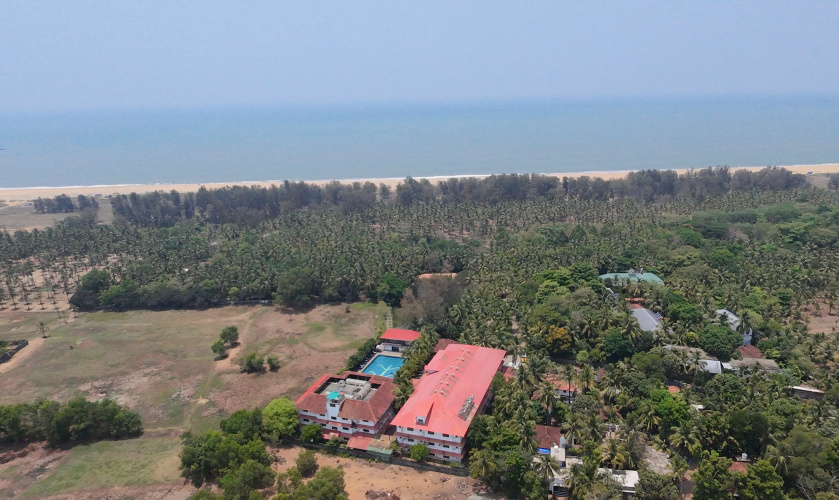
De-addiction and Rehabilitation Retreat for Recovery, Renewal, and Lasting Freedom

De-addiction and Rehabilitation supports recovery from substance use disorders including alcohol, opioids, cannabis, stimulants, sedatives, tobacco, and behavioural addictions, addressing the medical, psychological, and constitutional dimensions of addiction and recovery. In Ayurveda, it relates to Madatyaya, Dhumrapana, and related conditions with substantial Vata-Pitta dysregulation, Ojas Kshaya, and Manasika Bhava disturbance. Ayurvedic care provides integrative supportive rehabilitation through Panchakarma, Medhya Rasayana, and structured lifestyle restoration alongside essential medical addiction treatment.

Book Consultation
Search
Filter by:   
Sort by:   

When the Body and Mind Need to Heal: An Ayurvedic Path to Recovery and Lasting Freedom

Addiction is one of the most pervasive and devastating health conditions of our time, affecting an estimated 35 million people globally with substance use disorders and many millions more with behavioural addictions, with the broader human and societal toll extending far beyond these statistics to encompass damaged relationships, lost careers, fractured families, premature deaths, and the deep personal suffering that defines the lived experience of addiction. For the person caught in addiction, the experience is qualitatively different from ordinary substance use or recreational behaviour — the loss of control over use despite escalating consequences; the compulsive return to the substance or behaviour even in the face of severe damage to health, relationships, finances, and life direction; the physical and psychological dependence that makes cessation feel impossible; the cycle of resolution, relapse, shame, and renewed resolution that wears down hope; the gradual narrowing of life as the addiction consumes increasing time, energy, and attention; and the sense of being progressively trapped in a pattern the person did not choose and cannot seem to escape. Addiction is fundamentally a disease — recognised as such by all major medical and psychiatric authorities — with neurobiological, psychological, social, and constitutional dimensions that require comprehensive treatment matching this complexity.

The substances and behaviours involved span a wide spectrum, each with its own pattern, withdrawal profile, and treatment considerations. Alcohol use disorder is perhaps the most prevalent worldwide, affecting hundreds of millions of people with substantial social acceptance of alcohol use complicating recognition and treatment, producing significant medical morbidity (liver disease, cardiovascular effects, neurological complications, certain cancers), and carrying serious withdrawal risks (alcohol withdrawal can be life-threatening with delirium tremens producing seizures, autonomic instability, and death without proper medical management). Opioid use disorder has produced devastating public health crises in many countries, with prescription opioid misuse, heroin use, and synthetic opioids including fentanyl driving substantial overdose mortality; medical management with opioid agonist therapy (methadone, buprenorphine) has transformed treatment outcomes for many patients. Cannabis use disorder — increasingly recognised as a genuine disorder despite social acceptance of cannabis use in many regions — produces dependence patterns, motivational and cognitive impacts, and psychiatric comorbidities particularly in adolescent-onset users. Stimulant use disorders including cocaine, methamphetamine, and prescription stimulants produce intense psychological dependence, cardiovascular and neurological complications, and substantial psychiatric comorbidity. Sedative-hypnotic use disorders including benzodiazepines and barbiturates carry serious withdrawal risks similar to alcohol withdrawal and complex treatment patterns. Tobacco use disorder affecting over a billion people globally is the leading preventable cause of death worldwide. Hallucinogen use disorders with their own specific patterns. Inhalant use disorders particularly in adolescent populations. Behavioural addictions including gambling disorder, internet and gaming disorder, compulsive sexual behaviour, and food addiction patterns sharing common neurobiological mechanisms with substance addictions.

The neurobiological understanding of addiction has advanced substantially over recent decades. Addiction is now recognised as fundamentally a brain disease involving disturbances in the brain's reward circuitry (mesolimbic dopamine pathways), executive function and decision-making (prefrontal cortex), stress response (HPA axis), memory and learning (hippocampus and amygdala), and habit formation (basal ganglia). The progressive nature of addiction reflects neuroadaptations occurring with repeated substance use or compulsive behaviour, with the addicted brain functioning differently from the non-addicted brain in ways that explain the loss of control, craving, and continued use despite consequences that define the disorder. This neurobiological understanding is crucial because it both explains why addiction is so difficult to overcome through willpower alone and supports the treatment approaches that work — addiction is a medical condition requiring medical and comprehensive treatment, not a moral failing requiring shame and punishment.

The recovery process is fundamentally comprehensive and long-term, requiring more than just abstinence from the substance. Acute detoxification addresses the immediate withdrawal phase, which varies dramatically by substance — alcohol and benzodiazepine withdrawal can be life-threatening requiring medical supervision; opioid withdrawal is intensely uncomfortable but rarely directly life-threatening; stimulant withdrawal involves significant depression and dysphoria; cannabis withdrawal is generally milder but real; tobacco withdrawal manageable but persistent. Acute stabilisation addresses immediate medical and psychiatric needs. Rehabilitation involves the comprehensive medical, psychological, and lifestyle work of building recovery — typically taking 28-90 days in residential treatment, followed by ongoing outpatient care. Long-term recovery is the sustained work of years and decades, with relapse prevention, lifestyle integration, psychological healing, and community support sustaining ongoing recovery.

Modern addiction medicine offers genuinely effective evidence-based treatment. Medical management of withdrawal with appropriate pharmacological support — benzodiazepines for alcohol withdrawal, opioid agonists or alpha-2 agonists for opioid withdrawal, tapering protocols for sedative withdrawal, supportive care across substances. Medication-assisted treatment (MAT) for sustained recovery — particularly transformative for opioid use disorder with buprenorphine and methadone, naltrexone for alcohol and opioid use disorder, acamprosate and disulfiram for alcohol use disorder, varenicline and nicotine replacement for tobacco. Psychotherapy including cognitive-behavioural therapy, motivational interviewing, contingency management, and 12-step facilitation. Mutual support groups including Alcoholics Anonymous, Narcotics Anonymous, SMART Recovery, and others providing community support central to long-term recovery for many people. Family therapy and family involvement recognising the family system dimensions of addiction. Treatment of psychiatric comorbidities which affect a substantial majority of people with substance use disorders. Treatment of medical complications of substance use. Social and vocational rehabilitation addressing the broader life dimensions of recovery.

These approaches are absolutely cornerstone, often life-saving, and form the essential foundation of addiction treatment. This bears particular emphasis given the genuine risks of inadequately managed withdrawal (particularly alcohol and sedative withdrawal which can be fatal), the medical and psychiatric complications of addiction, and the well-documented efficacy of comprehensive evidence-based treatment. Anyone with a substance use disorder considering integrative or alternative approaches must understand absolutely clearly that evidence-based addiction treatment is the foundation, that acute withdrawal requires medical management with appropriate medical supervision particularly for alcohol and sedative dependence, that medication-assisted treatment is genuinely transformative for many forms of addiction and should not be deferred for unproven alternatives, and that continued specialist care including aftercare is essential for sustained recovery.

Within this clear framing, where might integrative Ayurvedic care fit? The role for integrative Ayurvedic rehabilitation is genuinely meaningful for the right patient at the right phase, with substantial classical Ayurvedic literature dedicated to the conditions of addiction and the recovery process. Classical Ayurvedic texts including Charaka Samhita, Sushruta Samhita, and Ashtanga Hridaya describe Madatyaya (alcohol-related disorders, the most extensively addressed in classical literature given the prominence of alcohol in classical society), Dhumrapana-related conditions (tobacco/smoking-related disorders), Madya Sevana effects (effects of intoxicant use), and the broader framework of substance-related Roga with substantial clinical detail about the body-mind effects, withdrawal patterns, and recovery processes. The classical understanding of Madatyaya in particular — with its detailed descriptions of the stages of alcohol intoxication and dependence, the various medical complications, the withdrawal phenomena, and the comprehensive treatment approach — represents some of the most sophisticated ancient medical literature on substance use disorders.

The classical framework identifies addiction as involving substantial Vata-Pitta dysregulation (with the chronic Vata aggravation reflecting nervous-system depletion and the Pitta aggravation reflecting the inflammatory-toxic dimensions), profound Ojas Kshaya (depletion of vital essence — perhaps the single most important classical concept for understanding chronic addiction, with the depleted, fragile, vulnerable state of chronic substance users mapping precisely onto the Ojas-depleted clinical picture), Ama accumulation (metabolic and toxic burden from years of substance exposure and inflammatory dysfunction), Manasika Bhava disturbance (the substantial mental-emotional dimensions of addiction including chronic stress, trauma, depression, anxiety), Rajas-Tamas predominance with Sattva disturbance (the mental-quality framework explaining the agitation, restlessness, and inability to maintain peace that drives substance use along with the heavy, dull, depressed states that follow), and Manovaha Srotas Dushti (vitiation of mind channels underlying the broader mental health dimensions). This comprehensive framework provides clear rationale for the integrative approach: address the systemic toxic-inflammatory burden through gentle Panchakarma; rebuild Ojas through sustained Rasayana therapy with the substantial classical pharmacology developed specifically for tissue depletion and constitutional rebuilding; support nervous-system recovery through Shirodhara and Medhya Rasayana; address the Manasika Bhava through Manasika Chikitsa, meditation, and spiritual practice; establish the structured Dinacharya that supports recovery; and provide the comprehensive constitutional rehabilitation that complements medical addiction treatment.

A De-addiction and Rehabilitation retreat is best understood as integrative supportive rehabilitation in the post-acute phase of recovery — undertaken after appropriate medical detoxification has been completed, alongside continued addiction medicine including any medication-assisted treatment, alongside continued psychotherapy and mutual support group participation, particularly valuable in the rehabilitation phase for the comprehensive constitutional, nervous-system, and lifestyle rebuilding that addiction recovery requires. The retreat is not a substitute for acute medical detoxification which requires appropriate medical setting particularly for alcohol and sedative withdrawal, and not a substitute for ongoing addiction medicine which provides foundational treatment.


What is De-addiction and Rehabilitation?

De-addiction and Rehabilitation is the comprehensive process of supporting recovery from substance use disorders and behavioural addictions, encompassing acute medical management of withdrawal, the rehabilitation phase of building recovery, and the long-term work of sustained recovery. The process addresses the medical, psychological, social, behavioural, and constitutional dimensions of addiction, recognising that addiction is a chronic relapsing brain disease requiring comprehensive long-term treatment.

Substance use disorders typically encompassed:

Alcohol Use Disorder — The most prevalent globally, with diagnostic criteria spanning mild to severe based on number of features present. Medical complications include liver disease (steatosis, hepatitis, cirrhosis), cardiovascular disease, pancreatic disease, neurological complications (Wernicke-Korsakoff syndrome, peripheral neuropathy, cerebellar degeneration), gastrointestinal complications, and increased cancer risk. Alcohol withdrawal can be life-threatening with delirium tremens producing seizures, autonomic instability, and significant mortality without proper medical management.

Opioid Use Disorder — Including prescription opioid misuse, heroin use, and synthetic opioids including fentanyl. Driving substantial overdose mortality globally. Medical complications include overdose risk, infectious complications from injection use (hepatitis C, HIV, endocarditis), hormonal effects, and various others. Medication-assisted treatment with methadone, buprenorphine, or naltrexone is transformative for many patients.

Cannabis Use Disorder — Increasingly recognised despite social acceptance of cannabis use. Adolescent-onset use particularly concerning given developing brain vulnerability. Complications include motivational and cognitive impacts, increased risk of psychosis particularly in vulnerable individuals, anxiety and panic disorders, and progression to other substance use.

Stimulant Use Disorders — Cocaine, methamphetamine, prescription stimulants. Producing intense psychological dependence, cardiovascular complications (hypertension, arrhythmias, myocardial infarction, stroke), neurological complications, and substantial psychiatric comorbidity.

Sedative-Hypnotic Use Disorders — Benzodiazepines and barbiturates. Carrying serious withdrawal risks similar to alcohol requiring careful medical management with tapering protocols.

Tobacco Use Disorder — Affecting over a billion people globally. The leading preventable cause of death worldwide. Effective evidence-based treatments include nicotine replacement therapy, varenicline, and bupropion.

Hallucinogen Use Disorders — Including LSD, psilocybin, MDMA, and others.

Inhalant Use Disorders — Particularly affecting adolescent populations with substantial neurological toxicity.

Polysubstance Use — Multiple substances simultaneously, very common in clinical practice and complicating treatment.

Behavioural addictions:

Gambling Disorder — Recognised in DSM-5 as a behavioural addiction sharing neurobiological mechanisms with substance addictions.

Internet and Gaming Disorder — Increasingly recognised, particularly in adolescent and young adult populations.

Compulsive Sexual Behaviour — With ongoing clinical and diagnostic discussion.

Food Addiction Patterns — Particularly with hyperpalatable processed foods, sharing some neurobiological mechanisms with substance addictions.

The recovery process phases:

Acute Detoxification (Days to 2 Weeks) — Medical management of the immediate withdrawal phase. Severity and risk vary dramatically by substance — alcohol and benzodiazepine withdrawal potentially life-threatening requiring inpatient medical management; opioid withdrawal intensely uncomfortable but rarely directly life-threatening, manageable with medication-assisted treatment; stimulant withdrawal involving significant depression; cannabis withdrawal generally milder; tobacco withdrawal manageable.

Acute Stabilisation (Days to Weeks) — Immediate medical and psychiatric stabilisation, initial treatment planning, assessment of co-occurring conditions.

Rehabilitation (Weeks to Months) — The comprehensive medical, psychological, and lifestyle work of building recovery. Typically 28-90 days in residential treatment, with extensive outpatient programs as alternative. The integrative Ayurvedic retreat is appropriate in this phase after acute detoxification has been completed.

Aftercare and Long-Term Recovery (Months to Years) — Sustained recovery work with ongoing therapy, mutual support, relapse prevention, lifestyle integration, and the long-term work that sustains recovery over decades.

Common features across addictions:

Loss of control over use despite intentions to limit or stop.

Continued use despite consequences — to health, relationships, finances, work, and life direction.

Compulsive use patterns with substantial time spent obtaining, using, and recovering from substance use.

Tolerance — needing more of the substance to achieve same effect.

Withdrawal when stopping or reducing use, varying dramatically by substance.

Craving — intense desire or urge to use the substance.

Failed attempts to cut down or stop despite genuine intention.

Neglect of other life areas as the addiction consumes increasing resources.

Comorbid psychiatric conditions — affecting the substantial majority of people with substance use disorders. Depression, anxiety disorders, PTSD, bipolar disorder, ADHD, and personality disorders all show elevated rates.

Comorbid medical conditions — varying by substance but substantial across addictions.

Family and social dimensions — affecting family systems, relationships, and broader social context.


Understanding Madatyaya, Ojas Kshaya, and the Classical Ayurvedic Framework for Addiction

The Ayurvedic understanding of addiction sits within substantial classical literature including detailed treatment of Madatyaya (alcohol-related disorders being the most extensively addressed given the prominence of alcohol use in classical society), Dhumrapana (smoking-related conditions), Madya Vyasana (alcohol dependence as a behavioural pattern), and the broader framework of substance-related Roga with detailed clinical observations and treatment approaches. The classical texts of Charaka Samhita, Sushruta Samhita, and Ashtanga Hridaya provide remarkably sophisticated descriptions of substance use disorders that align with much of modern addiction medicine understanding while offering distinctive integrative therapeutic approaches.

Madatyaya is the most fully developed classical category, with detailed descriptions of:

The stages of alcohol effect including Prathama Mada (first stage — pleasurable effect), Dwitiya Mada (second stage — moderate intoxication with reduced inhibition), and Tritiya Mada (third stage — severe intoxication with significant impairment) — corresponding remarkably to modern understanding of dose-related alcohol effects.

The pathology of chronic alcohol use with descriptions of various medical complications affecting liver, heart, nervous system, digestive function, and overall constitution — corresponding to modern understanding of alcohol-related liver disease, cardiomyopathy, neurological complications, and other medical sequelae.

The classification of Madatyaya types based on dominant dosha involvement — Vataja Madatyaya (Vata-predominant — tremor, anxiety, restlessness, autonomic features), Pittaja Madatyaya (Pitta-predominant — anger, irritability, inflammation, gastrointestinal features), Kaphaja Madatyaya (Kapha-predominant — lethargy, weight gain, congestion, dullness), and Sannipataja Madatyaya (tridoshic — severe complex presentations). This classification supports doshic-specific therapeutic approach.

The withdrawal phenomena with descriptions of tremor, anxiety, agitation, and autonomic features that correspond to modern alcohol withdrawal syndrome.

The comprehensive treatment approach including detoxification, supportive care, dietary management, herbal therapy, and constitutional rebuilding.

The core pathophysiological concepts in classical Ayurvedic addiction understanding:

Vata-Pitta Dysregulation — The principal doshic pattern in chronic addiction. The chronic substance exposure produces sustained Vata aggravation (with the nervous-system depletion, anxiety, sleep disturbance, and autonomic instability characteristic of chronic users) and Pitta aggravation (with the inflammatory effects, irritability, gastrointestinal effects, and metabolic disturbances of substance exposure). Different substances produce different doshic emphasis — alcohol primarily Pitta-Kapha with chronic Vata vitiation, cannabis primarily Vata-Tamas, stimulants primarily Vata-Pitta, opioids primarily Vata-Kapha with Tamas predominance.

Profound Ojas Kshaya — Perhaps the single most clinically important classical concept for chronic addiction. Ojas is the refined essence of all the Dhatus (body tissues), the substrate of immunity, vitality, and resilience. Chronic substance use produces profound Ojas Kshaya — the depleted, fragile, vulnerable constitutional state characterising chronic substance users. The clinical picture of chronic addiction — reduced immune function, poor wound healing, susceptibility to infections, fatigue, low resilience, reduced sleep quality, sexual dysfunction, premature aging — maps directly onto the Ojas Kshaya framework. This classical concept provides perhaps the clearest theoretical framework for the Rasayana therapy central to integrative addiction rehabilitation: the systematic rebuilding of Ojas through sustained therapy with the classical Ojas-building herbs and preparations.

Ama Accumulation — Metabolic and inflammatory toxin accumulation from chronic substance exposure, dysfunctional digestion, and inflammatory dysfunction. The classical Ama framework provides rationale for the systematic clearance and metabolic rebuilding central to integrative rehabilitation.

Mandagni — Weakened digestive fire characteristic of chronic addiction, contributing to nutritional deficiencies, malabsorption, and broader constitutional decline.

Dhatu Kshaya — Progressive tissue depletion across the seven Dhatus — Rasa (plasma/lymph), Rakta (blood), Mamsa (muscle), Meda (fat tissue), Asthi (bone), Majja (bone marrow/nervous system), and Shukra (reproductive tissue). Chronic addiction produces depletion across multiple Dhatus, requiring systematic Rasayana rebuilding.

Manasika Bhava Disturbance — The substantial mental-emotional dimensions of addiction including chronic stress, trauma, depression, anxiety, anger, fear, and unresolved emotional patterns. Classical Ayurveda recognises Chinta (worry), Shoka (grief), Bhaya (fear), Krodha (anger), and other Manasika Bhava as both contributing causes and consequences of addiction patterns.

Rajas-Tamas Predominance with Sattva Disturbance — The three Manasika Gunas (mental qualities) framework provides sophisticated understanding of addiction's mental dimensions. Rajas (activity, agitation, restlessness) drives the substance-seeking behaviour and the inability to maintain peace; Tamas (heaviness, dullness, darkness) characterises both the substance-induced states and the depressed, hopeless states of addiction; Sattva (clarity, balance, harmony) is substantially disturbed in chronic addiction. The recovery process involves cultivating Sattva while reducing Rajas-Tamas predominance.

Manovaha Srotas Dushti — Vitiation of mind channels underlying the broader mental health dimensions of addiction and the psychiatric comorbidities that affect the majority of addiction patients.

Specific Predisposing Nidana (Causes) for Addiction — Classical texts identify factors producing substance use disorders: dietary indiscretions particularly Tamasic and Rajasic foods; suppression of natural urges (Vegavarodha); chronic stress and emotional disturbances; trauma and life crises; environmental factors and peer influences; constitutional predisposition (Prakriti-based vulnerability with certain constitutional types more vulnerable to specific addictions); inadequate sleep and disrupted daily routine; spiritual emptiness and lack of meaning; and exposure to substances themselves with their addictive potential. The overlap with modern risk factor identification is substantial.

This comprehensive understanding shapes the Ayurvedic integrative approach to addiction rehabilitation: address the systemic toxic-inflammatory burden through gentle Panchakarma in the post-acute phase; rebuild Ojas systematically through sustained Rasayana therapy with the classical Ojas-building herbs and preparations — this is perhaps the most important and distinctive contribution Ayurveda offers to addiction rehabilitation; support nervous-system recovery through Shirodhara and sustained Medhya Rasayana; address Dhatu Kshaya through systematic tissue-rebuilding therapy; clear Ama and address Mandagni through Deepana-Pachana and dietary correction; address Manasika Bhava through Manasika Chikitsa, meditation, pranayama, and spiritual practice; cultivate Sattva while reducing Rajas-Tamas through Sattvic dietary patterns, lifestyle alignment, and consciousness-supportive practices; establish structured Dinacharya providing the routine framework recovery requires; family support and education; integrative coordination with continued addiction medicine — always alongside essential evidence-based addiction treatment including medication-assisted treatment where indicated, never as substitute for these foundational interventions, with appropriate medical supervision and clear protocols for any acute medical or psychiatric needs that arise.


The 3 Stages of Ayurvedic Treatment for De-addiction and Rehabilitation

Ayurvedic care for De-addiction and Rehabilitation follows a carefully sequenced three-stage approach, adapted at every step to the specific substance(s) involved, current recovery phase (the retreat being appropriate in the post-acute rehabilitation phase, never replacing acute medical detoxification), current medical and psychiatric treatment including any medication-assisted treatment, comorbidities, family circumstances, and overall constitutional state. The integrative retreat is undertaken after appropriate medical detoxification has been completed — typically at least 2-4 weeks after acute withdrawal management and stabilisation, with active medical and psychiatric care continuing throughout.

1. Preparation (Purva Karma) The preparatory stage begins with comprehensive integrated assessment requiring clear coordination with the patient's addiction medicine specialist and any other treating physicians: detailed substance use history (substances, duration, patterns, last use), recovery phase confirmation (post-acute detoxification status confirmed), current addiction medicine treatment including any medication-assisted treatment (buprenorphine, methadone, naltrexone, acamprosate, disulfiram, varenicline as relevant), psychotherapy participation, mutual support group involvement, comorbid psychiatric conditions and their treatment, medical complications and ongoing management, family circumstances and support systems, current motivation and recovery commitment, and constitutional profile.

Explicit coordination with treating physicians is essential — confirming appropriate post-acute phase, understanding continuing medical and psychiatric treatment which continues unchanged, establishing monitoring during retreat, and clear pathways for management of any acute medical or psychiatric needs.

Initial Deepana-Pachana addresses the substantial Ama and metabolic burden of chronic substance use, with particular attention to liver function, digestive recovery, and the inflammatory background. Internal Snehana (oleation) with appropriate medicated ghees: Brahmi Ghrita as foundational for nervous-system support; Kalyanaka Ghrita for broad neurological-mental support; Mahatiktaka Ghrita for Pitta-dominant presentations particularly important in alcohol-related conditions with liver involvement; Triphala Ghrita for general systemic support. Ghee-based therapy is administered with attention to liver function and overall metabolic state. External Abhyanga with appropriate medicated oils provides systemic nervous-system support, Vata pacification, and the structured tactile care that supports recovery — this becomes a foundational daily practice continuing throughout the retreat.

Sleep restoration begins immediately as foundational priority — given the substantial sleep disturbance common in early-to-mid recovery and the central importance of sleep to overall recovery. Structured sleep hygiene with consistent bedtime and wake time, evening Pitta-pacifying practices including Padabhyanga, cooling Pitta-pacifying environment, and any prescribed sleep support medications continuing as directed by physicians.

Nutritional rehabilitation addresses the substantial nutritional deficiencies common in chronic addiction — thiamine deficiency in alcohol use disorder being particularly important and often requiring continued supplementation; broader B-vitamin deficiencies; magnesium deficiency; protein-energy malnutrition; and the broader nutritional rebuilding needs of constitutional recovery.

Safety and motivation framework including agreed monitoring, clear protocols for any acute medical or psychiatric needs, recognition that craving and emotional intensity are normal in early-to-mid recovery requiring appropriate response, and clear commitment to the integrative recovery work the retreat involves.

2. Core Treatment (Pradhana Karma) Primary therapies focus on three coordinated lines: systematic Panchakarma for the substantial toxic-inflammatory clearance addiction requires, sustained Rasayana therapy for the Ojas rebuilding central to constitutional recovery, and Manasika Chikitsa with structured lifestyle integration.

Gentle Panchakarma for Systematic Clearance — In the post-acute rehabilitation phase, gentle Panchakarma provides systematic clearance of the toxic-inflammatory burden of chronic substance use. The selection and intensity of Panchakarma procedures must be carefully matched to the patient's current state, with emphasis on gentle, well-tolerated, well-supported procedures rather than aggressive cleansing protocols inappropriate for recovering patients.

Virechana (gentle therapeutic purgation) is particularly valuable for chronic substance use, addressing the systemic Pitta-Kapha-Ama burden of years of substance exposure; supporting liver function recovery which is substantially affected in many addictions particularly alcohol; clearing the inflammatory mediator burden; and creating an optimised systemic background for subsequent therapy. Performed with classical preparations carefully selected for the individual's constitution and current state, with particular attention to liver function, nutritional status, and overall recovery phase. Dosing is gentle rather than aggressive — recovering patients require careful, supportive Panchakarma rather than the more vigorous protocols appropriate for robust patients.

Basti (medicated enema therapy) is particularly valuable for the chronic Vata vitiation underlying addiction's nervous-system effects and for the constitutional rebuilding the recovery process requires. Yapana Basti — the nourishing rejuvenative form — is particularly valued in addiction rehabilitation, providing Vata pacification and Rasayana benefit simultaneously. Anuvasana Basti with appropriate medicated oils provides nourishing deep therapy.

Shirodhara is a cornerstone therapy in addiction rehabilitation, providing profound nervous-system regulation that directly addresses the chronic Vata-Pitta dysregulation, autonomic instability, sleep disturbance, anxiety, and broader nervous-system effects of chronic substance use. The continuous rhythmic pouring of medicated oil over the forehead produces sustained regulation with documented effects on autonomic balance, HPA-axis function, and overall neurological state. Oil selection adapted to constitutional pattern and substance history: Ksheerabala Taila for foundational Vata-Pitta balance; Brahmi Taila for chronic presentations with cognitive components; Chandanadi Taila for Pitta-dominant patterns with irritability; Mahanarayana Taila for tension components. Course typically 14 sessions during the retreat.

Nasya with appropriate medicated oils supports the broader head-channel and nervous-system care.

Sustained Rasayana Therapy for Ojas Rebuilding — This is perhaps the most clinically important contribution Ayurvedic care offers for addiction recovery. The classical Rasayana approach to chronic substance-induced Ojas Kshaya provides systematic constitutional rebuilding that addresses the depleted, fragile, vulnerable state characteristic of chronic addiction. The principal Rasayana herbs and preparations work over months to systematically rebuild Ojas, restore tissue function across the Dhatus, support immune recovery, rebuild reproductive function, restore sleep quality, and provide the broader constitutional resilience that sustains long-term recovery.

Chyawanprash — The premier classical Rasayana, with substantial herbal preparation including Amalaki as principal ingredient. Daily consumption provides systemic Rasayana benefit and is particularly valuable in recovery.

Brahma Rasayana — Specifically formulated for nervous-system and Medhya support alongside broader Rasayana benefit.

Amalaki Rasayana — Sustained antioxidant and Rasayana support.

Ashwagandha (Withania somnifera) — The premier adaptogenic and Ojas-building herb, particularly valuable in chronic addiction for the substantial Ojas Kshaya, adrenal-fatigue patterns, sleep disturbance, and broader constitutional depletion. Used as Ashwagandha Churna, Ashwagandharishtam, or in combination preparations.

Brahmi (Bacopa monnieri) — Foundational nervous-system support with substantial evidence for cognitive recovery, anxiety reduction, and Medhya support — particularly valuable given the cognitive effects of chronic substance use.

Mandukaparni (Centella asiatica) — Nervous-system regenerative properties supporting cognitive and neurological recovery.

Shankhpushpi (Convolvulus pluricaulis) — Sedative and Medhya support particularly valuable for sleep disturbance.

Jatamansi (Nardostachys jatamansi) — Premier anxiolytic herb with substantial modern evidence, particularly valuable for the chronic stress and dysregulation dimensions.

Yashtimadhu (Glycyrrhiza glabra) — Cooling Pitta-pacifying and adrenal support.

Substance-specific additional herbs:

For alcohol-related conditions: Punarnava for liver support; Kutki (Picrorhiza kurroa) as the premier classical hepatic herb; Bhumi Amalaki for hepatoprotection; Kalmegh (Andrographis paniculata) for liver support; Kanchanara for thyroid and immune support; classical liver-supportive formulations including Liv-52-type preparations and Arogyavardhini Vati.

For tobacco-related conditions: Pippali for respiratory support and Vata pacification; Yashtimadhu for respiratory and adrenal support; Vasaka for respiratory function; Tulsi for broader respiratory and adaptogenic effect; specific anti-craving preparations.

For opioid-related conditions: Sleep and pain management herbs addressing the protracted withdrawal features; digestive support for the substantial gastrointestinal effects; constitutional rebuilding with emphasis on the substantial Ojas Kshaya patterns.

For stimulant-related conditions: Cardiovascular support with Arjuna; nervous-system rebuilding with the Medhya Rasayana; sleep restoration given substantial post-acute insomnia patterns.

For cannabis-related conditions: Medhya Rasayana addressing the substantial cognitive and motivational effects; lung support where smoked use is involved.

Classical formulations integrating these herbs include Saraswatarishtam, Ashwagandharishtam, Drakshasava, Kumaryasava (with classical use in alcoholic liver disease), Arogyavardhini Vati, Brahma Rasayana, Chyawanprash, Manasamitra Vatakam (for chronic mental health conditions), and various other classical preparations prescribed individually.

Manasika Chikitsa and Structured Lifestyle Integration runs throughout the core treatment as essential complement. Daily Routine (Dinacharya) establishment with rigorous consistency providing the structural framework recovery requires. Sattvic dietary patterns with warm freshly-cooked foods, regular meal timing, adequate nutrition addressing the substantial nutritional rebuilding needs, avoidance of Tamasic and excessively Rajasic foods, avoidance of all stimulants and substances. Meditation practice with classical Dhyana, mindfulness, or other approaches matched to capacity — meditation is particularly valuable in recovery for the substantial Manasika Bhava dimensions, the practice of being with discomfort without acting on it, and the cultivation of the witness-consciousness that supports recovery. Pranayama with Bhramari for autonomic regulation, Anulom Vilom for balance, Sheetali for cooling, with structured daily practice. Yoga practice adapted to current state. Spiritual practice matched to the patient's belief system — recognising the substantial spiritual dimensions of recovery and the role of meaning-making in sustained sobriety. Family education and support addressing the family system dimensions of addiction. Mutual support group continuation where the patient is engaged with AA, NA, or other groups — these continue uninterrupted as essential foundation. Trauma processing where childhood adversity or significant trauma contributes (substantial overlap between trauma and addiction), in coordination with continued psychotherapy.

Continued medical and psychiatric care runs throughout — all medication-assisted treatment continues unchanged; all psychiatric medications continue unchanged; psychotherapy continues if ongoing; medical care for any complications continues; immediate medical attention for any acute concerns.

3. Rejuvenation (Paschat Karma) The final stage focuses on long-term integrated supportive care over the years that sustained recovery requires. Sustained Rasayana therapy with continued Ashwagandha, Brahmi, Chyawanprash, and constitutional support over months and years — the long-term constitutional rebuilding that addiction recovery requires extends well beyond any single retreat. Continued addiction medicine care — absolutely essential and continuing without interruption, with regular addiction medicine specialist follow-up, continued medication-assisted treatment as prescribed, continued psychotherapy, continued mutual support group participation, and regular monitoring. Daily Routine (Dinacharya) as integrated life practice. Sattvic dietary patterns as sustained life integration. Continued meditation and pranayama practice as daily routine. Trigger identification and management with structured relapse prevention work. Stress management with structured practices. Strict substance avoidance — continued absolute avoidance of all addictive substances and recognition that many recovering individuals also avoid alcohol even if it was not their primary substance, given cross-addiction risks. Family support and engagement. Continued spiritual practice and meaning-making. Periodic integrative retreat visits annually or biannually for ongoing support and constitutional renewal. Home maintenance regimen designed to integrate seamlessly with continued addiction medicine, psychotherapy, mutual support, and the broader recovery framework for the long-term integrated care that sustains recovery over years and decades.


The 5 Core Therapies for De-addiction and Rehabilitation Explained

1. Sustained Rasayana Therapy for Systematic Ojas Rebuilding Rasayana therapy is perhaps the single most clinically important contribution Ayurvedic care offers for addiction rehabilitation, providing systematic constitutional rebuilding that addresses the profound Ojas Kshaya characterising chronic substance use. The classical understanding that chronic addiction produces deep depletion of vital essence — manifesting as reduced immunity, poor wound healing, susceptibility to illness, fatigue, low resilience, sleep dysfunction, sexual dysfunction, premature aging, and broader constitutional decline — provides clear framework for the sustained therapeutic approach. Chyawanprash as premier classical Rasayana provides comprehensive systemic Rasayana benefit through its herbal complex with Amalaki as principal ingredient. Brahma Rasayana specifically supports nervous-system and Medhya recovery alongside broader Rasayana effect. Amalaki Rasayana provides sustained antioxidant and Rasayana action. Ashwagandha — perhaps the single most important herb for chronic addiction recovery — provides adaptogenic action, Ojas-building effect, adrenal support, sleep restoration, and the broader constitutional rebuilding the depleted recovery state requires; administered as Ashwagandha Churna, Ashwagandharishtam, or in combination preparations. Brahmi, Mandukaparni, Shankhpushpi, and Jatamansi provide Medhya Rasayana support for nervous-system recovery. Yashtimadhu provides cooling Pitta-pacifying and adrenal support. Substance-specific additional herbs are integrated. The Rasayana therapy is sustained over months and years — addiction recovery operates on long timescales, with constitutional rebuilding developing over the years that sustained recovery requires. This is qualitatively different from short-term interventions and represents the depth Ayurveda offers for the long-term recovery work.

2. Gentle Panchakarma for Post-Acute Systematic Clearance Gentle Panchakarma in the post-acute rehabilitation phase provides systematic clearance of the toxic-inflammatory burden of chronic substance use, addressing the Ama accumulation, Pitta-Kapha vitiation, and metabolic dysfunction characteristic of addiction. Critical distinction: Panchakarma in addiction rehabilitation is performed in the post-acute phase only — after appropriate medical detoxification has been completed (typically at least 2-4 weeks after acute withdrawal management), with intensity calibrated to the recovering patient's state which requires gentle, well-supported procedures rather than aggressive cleansing protocols. Virechana (gentle therapeutic purgation) addresses the systemic Pitta-Kapha-Ama burden; supports liver function recovery particularly important in alcohol-related conditions; clears inflammatory mediator burden; and creates an optimised systemic background. Dosing is gentle and supportive. Basti (medicated enema therapy) — particularly Yapana Basti (the nourishing rejuvenative form) — provides Vata pacification and Rasayana benefit simultaneously, particularly valuable for the chronic Vata vitiation underlying addiction's nervous-system effects. Nasya with appropriate medicated oils supports head-channel and nervous-system care. Caution about aggressive Panchakarma: Vamana (therapeutic emesis), aggressive Virechana, and large-volume Bastis are typically not appropriate for the post-acute addiction recovery phase given the constitutional fragility of recovering patients. Selection of Panchakarma procedures is matched to the individual's current state, recovery phase, substance history, and constitutional pattern.

3. Shirodhara for Nervous-System Recovery Shirodhara provides profound nervous-system regulation directly addressing the chronic dysregulation, autonomic instability, sleep disturbance, anxiety, irritability, and broader nervous-system effects of chronic substance use. The continuous rhythmic pouring of medicated oil over the forehead at precise temperature and rate produces sustained nervous-system regulation with documented effects on autonomic balance, HPA-axis function, deep relaxation response, and overall neurological state — directly relevant to the dysregulated state characteristic of post-acute recovery. For addiction recovery specifically, Shirodhara addresses the protracted withdrawal features many recovering patients experience for weeks to months after acute withdrawal resolution, the chronic stress reactivity that drives relapse risk, the sleep dysfunction common in early-to-mid recovery, and the anxiety-irritability complex that complicates recovery. Oil selection adapted to constitutional pattern: Ksheerabala Taila for foundational Vata-Pitta balance; Brahmi Taila for chronic presentations with cognitive components and the substantial Medhya support recovery requires; Chandanadi Taila for Pitta-dominant patterns with irritability and anger common in alcohol and stimulant recovery; Mahanarayana Taila for tension components. Course typically 14 sessions during the retreat. The therapy is particularly valuable when combined with sustained Medhya Rasayana, providing both procedural and pharmacological nervous-system support.

4. Manasika Chikitsa, Meditation, and Spiritual Practice Integration The fourth therapeutic dimension addresses the substantial mental-emotional-spiritual dimensions of addiction through structured Manasika Chikitsa, meditation, pranayama, and spiritual practice integration — recognising that recovery is fundamentally a process involving cognitive, emotional, and spiritual transformation alongside physical and constitutional rebuilding. Sattvavajaya Chikitsa — the classical "mind-control therapy" — provides structured psychological-spiritual intervention through meditation practice with classical Dhyana, mindfulness, or other approaches; spiritual practice matched to the patient's belief system; value clarification and goal-setting for recovery; acceptance work addressing the realities of chronic addiction; forgiveness processes addressing the substantial guilt, shame, and emotional baggage of addiction; and gratitude practices. Daiva Vyapashraya Chikitsa through prayer, ritual, mantra, and spiritual community matched to faith tradition. Yukti Vyapashraya Chikitsa integrating the rational therapeutic interventions. Pranayama practice with Bhramari (humming-bee breath) for autonomic regulation, Anulom Vilom for balance, Sheetali for cooling, with structured daily practice. Yoga practice adapted to current state with appropriate gentle practices. Trauma processing where childhood adversity or significant trauma contributes substantially to addiction patterns (substantial overlap between trauma and addiction with PTSD comorbidity affecting 30-50% of substance use disorder patients in many populations), in coordination with continued psychotherapy. Mutual support group integration — recognising that 12-step programs (AA, NA, others) and SMART Recovery provide community-based recovery support that is profoundly valuable and continues uninterrupted alongside the integrative care. Family education and support addressing the family system dimensions of addiction including codependency, enabling, and the need for family healing alongside individual healing. Meaning-making work addressing the spiritual dimensions of recovery including the broader questions of purpose, values, and life direction that often emerge as central to sustained recovery.

5. Daily Routine (Dinacharya), Lifestyle Integration, and Long-Term Recovery Framework The fifth therapeutic dimension establishes the comprehensive lifestyle framework that supports recovery long-term — recognising that addiction recovery is fundamentally a lifestyle transformation requiring sustained behavioural, dietary, social, and constitutional change. Daily Routine (Dinacharya) with rigorous consistency provides the structural framework recovery requires: consistent bedtime and wake time (sleep regulation being particularly important in recovery); regular meal timing; structured daily activities with appropriate balance; morning meditation and pranayama practice; regular gentle exercise; outdoor time and natural light exposure; evening wind-down routine; avoidance of unstructured time which can drive relapse; consistent Abhyanga and Padabhyanga as structured care. Sattvic dietary patterns with warm freshly-cooked foods, adequate nutrition addressing the substantial nutritional rebuilding needs (thiamine and other B-vitamins particularly important for alcohol-related conditions; broader nutritional support across substances), regular meal timing, hydration, avoidance of Tamasic and excessively Rajasic foods, and strict avoidance of all addictive substances including alcohol even if not the primary substance (cross-addiction risk being substantial). Substance avoidance strictly — complete avoidance of the substance(s) of addiction and typically of all addictive substances given cross-addiction risks; awareness of inadvertent exposure through medications (some cough syrups, certain medications), foods (alcohol in some preparations), and other sources; structured response to craving and trigger exposure. Trigger identification and management with structured relapse prevention work — identification of personal triggers (people, places, situations, emotions), structured strategies for managing each trigger type, and the broader awareness practices that support sustained recovery. Stress management with structured practices recognising chronic stress as major relapse risk factor. Social and environmental restructuring — addressing relationships, environments, and activities that may have been intertwined with substance use; building recovery-supportive social networks; engaging recovery community. Continued addiction medicine care absolutely essential and continuing without interruption. Continued psychotherapy where ongoing. Continued mutual support participation for those engaged with these groups. Periodic integrative retreat visits annually or biannually for ongoing support, constitutional renewal, and treatment refinement. Long-term Rasayana therapy continuing for months and years aligned with the sustained constitutional rebuilding addiction recovery requires.


How Long Should an Ayurvedic De-addiction and Rehabilitation Program Last?

 
Duration  
Therapeutic Benefit
14–21 days  
Initial constitutional rebuilding, established Shirodhara course, foundational Rasayana, sleep restoration
21–28 days Moderate Panchakarma clearance, established daily routine, lifestyle integration, family education
28–42 days Comprehensive rehabilitation protocol — recommended for most addiction recovery patients
42+ days Severe long-standing addictions, complex multi-comorbid presentations, extensive constitutional rebuilding

The exact duration of your De-addiction and Rehabilitation treatment is decided after consultation with the Ayurvedic doctor in clear coordination with your addiction medicine specialist, based on the specific substance(s) involved and duration of use, current recovery phase (post-acute confirmed — typically at least 2-4 weeks after acute detoxification), current addiction medicine treatment including any medication-assisted treatment, comorbid psychiatric and medical conditions, family circumstances, support systems, and treatment goals. As a general guide, 21 to 42 days supports meaningful integrative rehabilitation care, with longer programs of 42 days or more recommended for severe long-standing addictions with substantial constitutional depletion and complex multi-comorbid presentations. Critical timing note: the integrative retreat is undertaken in the post-acute rehabilitation phase, not as substitute for acute medical detoxification which requires appropriate medical setting particularly for alcohol and sedative dependence. Because addiction recovery is fundamentally a long-term process requiring years of sustained work, the home regimen of prescribed Rasayana medicines, daily routine maintenance, dietary discipline, continued meditation and pranayama practice, continued addiction medicine and psychotherapy, mutual support group participation, family engagement, and lifestyle integration after the retreat is what genuinely supports sustained recovery over the years that follow. Periodic retreat visits annually or biannually support ongoing integrative care.
Book Consultation


Benefits of an Ayurvedic De-addiction and Rehabilitation Retreat
 

Physical Benefits Recovery and Mental Benefits Long-Term Impact
Substantial constitutional rebuilding through Rasayana Improved sleep quality and stability Sustained Ojas restoration over recovery years
     
Reduced inflammatory and metabolic burden
Reduced craving and reactivity Better resilience supporting sustained recovery
Improved liver and digestive function  
Enhanced cognitive recovery
Comprehensive lifestyle transformation
Better energy and vitality  
Stronger spiritual and meaning dimensions

Reduced relapse risk through integrated approach


Why Kerala is the Best Place for De-addiction and Rehabilitation

An Ayurvedic De-addiction and Rehabilitation retreat in Kerala, India offers the most clinically authentic environment for the integrative supportive rehabilitation chronic addiction recovery requires.

  • Experienced physicians with specific expertise in Madatyaya, substance-related Roga, and the integrative management of addiction recovery
  • BAMS and MD Ayurveda-certified doctors trained in classical Rasayana protocols, gentle post-acute Panchakarma, Shirodhara, and Manasika Chikitsa approaches that addiction rehabilitation depends upon
  • In-house preparation of classical Rasayana formulations — Chyawanprash, Brahma Rasayana, Amalaki Rasayana, Ashwagandharishtam, Saraswatarishtam, Drakshasava, Kumaryasava, Arogyavardhini Vati, Manasamitra Vatakam — using authentic methods and quality assurance
  • Substance-specific therapeutic expertise across alcohol-related conditions (with classical Madatyaya as one of the most fully developed classical categories), tobacco-related conditions, and the broader spectrum of substance use disorders
  • Capacity for structured Daily Routine (Dinacharya) establishment in residential setting that genuinely supports the routine-regularity recovery requires
  • Long-established Kerala tradition of comprehensive constitutional rebuilding through sustained Rasayana that addresses the Ojas Kshaya central to chronic addiction
  • Capacity for family education and support recognising the substantial family role in recovery
  • Substance-free environment with appropriate boundaries supporting the strict abstinence recovery requires
  • Clear understanding that addiction medicine treatment including medication-assisted treatment is foundational and willingness to coordinate openly with the patient's addiction medicine specialist
  • Capacity for long-term care relationships sustaining the multi-year work recovery requires
  • Spiritual and contemplative tradition supporting the meaning-making dimensions of recovery

Sri Lanka offers a comparable tropical healing environment with growing Ayurvedic expertise in addiction recovery and chronic mental health support, while Bali provides wellness-oriented treatment retreats integrating Ayurvedic rehabilitation with holistic meditation, lifestyle correction, and the broader spiritual dimensions of recovery. For specialised Madatyaya expertise, comprehensive Rasayana preparation capability, and the structured rehabilitation tradition Kerala embodies, Kerala remains the destination of choice.


De-addiction and Rehabilitation Retreats by Location and Recommended Centres

Kerala, India — The most clinically authentic destination for Ayurvedic De-addiction and Rehabilitation, with experienced physicians and the rich Kerala tradition of comprehensive constitutional rebuilding through sustained Rasayana, gentle Panchakarma, Shirodhara, and Manasika Chikitsa. Alleppey • Kovalam • Kumarakom • Wayanad • Palakkad

Sri Lanka — Coastal Ayurveda treatment retreats offering systemic recovery care and structured rehabilitation in serene environment supporting the constitutional rebuilding chronic addiction recovery requires. Wadduwa • Weligama • Sigiriya • Kosgoda • Bentota

Bali, Indonesia — Wellness treatment retreats integrating Ayurvedic rehabilitation with holistic meditation, lifestyle correction, and the spiritual dimensions of recovery in scenic tropical surroundings. Ubud • Nusa Dua • Candidasa • Lovina

WellnessLoka connects you with verified centres across these destinations — with particular care to match patients with centres that have genuine Madatyaya and addiction recovery expertise, capacity for comprehensive Rasayana, structured Dinacharya support, substance-free environment, family support capacity, and clear understanding that addiction medicine treatment continues alongside the integrative care.


Who Should Consider an Ayurvedic De-addiction and Rehabilitation Retreat

Patients in the post-acute rehabilitation phase of recovery — Those who have completed acute medical detoxification (typically at least 2-4 weeks prior) and are now in the rehabilitation phase, seeking comprehensive integrative care addressing the constitutional, nervous-system, mental-emotional, and lifestyle dimensions of recovery alongside continued addiction medicine.

Patients on medication-assisted treatment seeking integrative support — Those on buprenorphine, methadone, naltrexone, acamprosate, disulfiram, varenicline, or other medication-assisted treatment seeking integrative care to address the broader rehabilitation dimensions alongside continued medication-assisted treatment.

Patients in early-to-mid recovery seeking comprehensive constitutional rebuilding — Those in the months following acute detoxification seeking systematic Rasayana-based constitutional rebuilding to address the substantial Ojas Kshaya and Dhatu Kshaya chronic addiction produces.

Patients with substantial protracted withdrawal features — Those experiencing persistent post-acute withdrawal features (sleep disturbance, anxiety, irritability, dysphoria, cognitive impairment) extending weeks to months after acute withdrawal resolution, seeking integrative supportive care for these dimensions.

Patients with significant comorbid psychiatric conditions — Recognising the substantial psychiatric comorbidity in addiction (depression, anxiety, PTSD particularly common), seeking integrative care addressing both dimensions alongside continued psychiatric and addiction medicine care.

Patients with substantial nutritional and medical rebuilding needs — Those with significant nutritional deficiencies (particularly thiamine in alcohol-related conditions), liver dysfunction, immune compromise, and the broader medical rebuilding chronic addiction produces.

Patients seeking spiritual and meaning dimensions of recovery — Those drawn to the contemplative and spiritual dimensions of recovery, recognising the substantial role of meaning-making, values clarification, and spiritual practice in sustained recovery.

Patients seeking comprehensive lifestyle transformation — Those recognising that recovery requires fundamental lifestyle restructuring, seeking the structured residential setting that supports establishing the daily routine, dietary patterns, and broader life transformation recovery requires.

Patients with strong family system support — Those with engaged families wanting to participate in education and support during the retreat, building the family healing alongside individual healing.

Patients in long-term recovery seeking periodic constitutional renewal — Those with extended periods of sobriety (months or years) seeking periodic integrative retreats for ongoing support, constitutional rebuilding, and recovery deepening — annually or biannually for many patients.

Patients with cross-addiction recovery needs — Those addressing multiple addictive patterns simultaneously, benefiting from comprehensive integrative care.

Patients with tobacco use seeking integrative cessation support — Those wishing to address tobacco use through structured integrative care alongside conventional smoking cessation interventions.


Who Should Approach Treatment with Caution

Ayurvedic care for De-addiction and Rehabilitation is genuinely valuable in the post-acute phase but requires careful matching to recovery phase and clinical context. The absolute clinical priority is appropriate medical care for the serious medical and psychiatric dimensions of addiction. A thorough consultation is essential, and Ayurvedic retreat-based care should be deferred or replaced by urgent medical care in cases involving:

Active acute intoxication or substance use — Requires immediate medical and addiction medicine attention, not retreat-based care. Patients must be confirmed abstinent before retreat entry.

Active acute withdrawal — Requires medical detoxification in appropriate medical setting, not retreat-based care. Alcohol and sedative-hypnotic withdrawal can be life-threatening and absolutely requires medical management. Opioid withdrawal, while less directly dangerous, requires medical management with appropriate medication-assisted treatment. Retreat-based care can be considered in the post-acute phase only.

Patients who have not completed appropriate acute medical detoxification — Should complete acute detoxification with appropriate medical supervision before considering retreat-based care.

Active suicidal ideation — Requires immediate psychiatric crisis intervention, not retreat-based care.

Active untreated psychiatric crisis — Severe depression, mania, psychosis, or other active psychiatric crisis requires immediate psychiatric attention.

Patients without appropriate ongoing addiction medicine care — Should establish continuing addiction medicine specialist care as the foundation; retreat-based care complements but does not substitute for this.

Patients considering Ayurveda as alternative to medication-assisted treatment — Should be clearly counselled that medication-assisted treatment (buprenorphine, methadone for opioid use disorder; naltrexone, acamprosate, disulfiram for alcohol use disorder) is genuinely transformative for many patients and that stopping or avoiding medication-assisted treatment for unproven alternatives carries substantial risks including relapse and overdose mortality.

Patients with serious untreated medical complications — Severe liver disease, cardiovascular complications, neurological complications, infectious complications, and other serious medical complications of addiction require appropriate medical management.

Patients with acute hepatitis or severe liver dysfunction — Particularly important for alcohol-related conditions where liver function affects metabolism of any medications including herbal therapy. Requires medical assessment and stabilisation before retreat-based care.

Pregnant patients with addiction history — Require specialised perinatal addiction medicine care; certain medications and Ayurvedic herbs are deferred or modified in pregnancy.

Recently relapsed patients without re-stabilisation — Patients who have experienced recent relapse should re-engage with addiction medicine for re-stabilisation before retreat-based care.

Patients with active acute medical complications — Including delirium tremens, hepatic encephalopathy, severe infection, or other acute medical emergencies requiring immediate medical care.

Patients with unrealistic expectations — Particularly important given the chronic relapsing nature of addiction and the role of integrative care as supportive rather than curative. Honest counselling about the long-term nature of recovery and the supportive role of integrative care alongside ongoing addiction medicine is essential.

Patients without family or social support for recovery — Those without any support system may benefit from initial residential addiction treatment with structured aftercare before considering retreat-based integrative care.


Choosing the Right Treatment Retreat for De-addiction and Rehabilitation

Qualified physicians with Madatyaya and addiction recovery expertise — BAMS or MD Ayurveda-credentialed doctors with specific experience in substance use disorders and integrative rehabilitation, not generalists applying standard wellness protocols.

Clear understanding of recovery phases — Centres whose physicians clearly understand that retreat-based care is appropriate in the post-acute rehabilitation phase, not as substitute for acute medical detoxification.

Clear understanding of medical and psychiatric foundations — Centres whose physicians explicitly understand that addiction medicine including medication-assisted treatment provides foundational treatment and that integrative care complements rather than substitutes.

Active coordination with addiction medicine specialists — Including communication with the patient's addiction medicine specialist before, during, and after the retreat.

Comprehensive Rasayana capability — Centres with deep expertise in sustained Rasayana protocols and the broad range of classical formulations addiction rehabilitation requires.

Capacity for gentle post-acute Panchakarma — With appropriate calibration for recovering patients rather than aggressive protocols.

Authentic in-house herbal preparations — Including Chyawanprash, Brahma Rasayana, Ashwagandharishtam, Saraswatarishtam, Arogyavardhini Vati, Manasamitra Vatakam, substance-specific formulations, and quality-assured preparations addressing concerns about heavy metal contamination.

Substance-free environment — Strict alcohol and substance-free setting with appropriate boundaries.

Capacity for structured Dinacharya establishment — Residential setting genuinely supporting the rigorous daily routine recovery requires.

Mutual support group integration where applicable — Recognising and supporting continued AA, NA, or other group participation.

Family support capacity — Including family education and engagement opportunities.

Knowledge of herb-medication interactions — Centres whose physicians understand interactions with medication-assisted treatment, psychiatric medications, and other prescriptions.

Clear emergency protocols — Including agreed protocols for any acute medical or psychiatric needs.

Realistic expectation setting — Honest counselling about the supportive role of integrative care, the long-term nature of recovery, and the absolute necessity of continued addiction medicine.

Capacity for long-term care relationships — Recognising that recovery operates on long timescales requiring sustained support over years.

Clear continuity-of-care planning — Including detailed written guidance on continued Rasayana, daily routine, dietary patterns, continued addiction medicine, continued mutual support, and lifestyle measures for the post-retreat period.


How WellnessLoka Helps You Choose the Right Ayurveda De-addiction and Rehabilitation Retreat

Choosing the right retreat for De-addiction and Rehabilitation benefits from clear, honest guidance — particularly because this is a serious health condition where the integrative role of Ayurveda must be honestly framed alongside the essential evidence-based addiction medicine, and where unfortunately patients are exposed to claims of "cures" that exploit the desperate hope of those struggling with addiction and their families. WellnessLoka exists to ensure that patients and families can make this decision with full information, genuine guidance, and complete confidence.

Access to Verified Retreat Centres Every centre listed on WellnessLoka for De-addiction and Rehabilitation has been independently assessed for physician credentials, Madatyaya and addiction recovery expertise, clear understanding of recovery phases (post-acute appropriate, not acute detoxification), capacity for comprehensive Rasayana, substance-free environment, family support capacity, knowledge of herb-medication interactions, clear emergency protocols, and realistic expectation setting. We list only centres where the integrative role of Ayurvedic care is clearly understood alongside continued addiction medicine treatment.

Free Pre-Retreat Consultation with Our Ayurvedic Doctor Before you choose a retreat, WellnessLoka offers a complimentary consultation with our in-house Ayurvedic consultant. This consultation reviews your specific substance use history, current recovery phase (with verification that you are in appropriate post-acute phase), current addiction medicine treatment including any medication-assisted treatment, comorbid psychiatric and medical conditions, family circumstances and support, recovery commitment, and constitutional profile. A critical part of this consultation is honest framing of what integrative care can and cannot offer — clear explanation that integrative care complements rather than substitutes for addiction medicine, that medication-assisted treatment continues unchanged, and that retreat-based care is appropriate in the post-acute rehabilitation phase rather than as substitute for acute medical detoxification. Based on the assessment, we match you with the retreat centre and program duration best suited for your specific clinical context. It is purely a guidance consultation to help you make an informed, medically sound decision before you travel.

Transparent Centre Comparison WellnessLoka provides clear, honest information about each listed centre — physician qualifications, therapy protocols, program structure, monitoring capabilities, accommodation, and pricing — allowing you to compare options across Kerala, Sri Lanka, and Bali with full clarity and confidence.

Best Price Guarantee Through our strong, long-standing relationships with partner centres, you benefit from exclusive partner pricing that is always lower than booking directly. You receive the most authentic care for your De-addiction and Rehabilitation program without paying more for it.

Retreats for Every Budget From luxury wellness resorts to affordable, authentic healing centres, WellnessLoka helps you find a rehabilitation retreat that aligns perfectly with your comfort level and budget — without ever compromising on the specialised expertise this condition benefits from.

Treatment is in Expert Hands Once you arrive at your chosen retreat, your De-addiction and Rehabilitation program is fully designed and managed by the qualified Ayurvedic physicians at that centre, in coordination with your addiction medicine specialist. From your first in-person consultation onwards, all clinical decisions, daily monitoring, therapeutic adaptation, and management are guided by experienced doctors on the ground — physicians with specific Madatyaya and addiction recovery expertise, deep familiarity with the comprehensive rehabilitation requirements, and direct experience with the specialised classical therapies and Rasayana protocols your program involves.

Local Support Team Our on-ground experts assist you at every step, from your first enquiry through to the completion of your retreat — resolving any issues that arise and ensuring your entire healing journey runs smoothly and safely.

End-to-End Booking Support From your first enquiry to confirmed booking, WellnessLoka provides full administrative and logistical support — ensuring a smooth, stress-free process so that you can focus entirely on preparing for your healing program.

Why Travellers Trust WellnessLoka WellnessLoka is rated 4.9? on Google, with verified reviews from wellness travellers who have experienced authentic Ayurveda healing through us. We are trusted by hundreds of travellers from 28+ countries across Europe, the Americas, Asia, Australia, and Africa, backed by over a decade of expertise in curating authentic Ayurveda retreats across trusted centres. Our dedicated support team is available 24×7 to assist you before, during, and after your De-addiction and Rehabilitation retreat.


Begin Your Healing Journey

Addiction recovery is among the most profound work a human being can undertake — the recovery of one's own life from the grip of a chronic relapsing disease that has medical, psychological, social, spiritual, and constitutional dimensions extending across years of substance use. The modern evidence-based addiction medicine has substantially transformed outcomes — medication-assisted treatment for opioid use disorder, alcohol use disorder pharmacotherapy, comprehensive psychotherapy approaches, mutual support communities, and the broader specialty care that provides foundation for sustained recovery. None of this can be substituted by Ayurveda or any other integrative approach. The patient considering integrative care must understand absolutely clearly that addiction medicine continues uninterrupted, that medication-assisted treatment continues as prescribed, that mutual support participation continues, that psychotherapy continues, and that any acute medical or psychiatric concerns require immediate medical attention.

Within this clear and honest framing, the Ayurvedic contribution to addiction rehabilitation is genuinely meaningful and represents one of the more thoughtful integrative offerings: providing systematic constitutional rebuilding through sustained Rasayana that addresses the profound Ojas Kshaya chronic addiction produces — a contribution that the classical literature was uniquely positioned to develop given Ayurveda's deep engagement with chronic depletion and rejuvenation; offering gentle post-acute Panchakarma for the systematic clearance the recovery process benefits from; providing profound nervous-system regulation through Shirodhara for the chronic dysregulation underlying protracted withdrawal and recovery; supporting nervous-system recovery through Medhya Rasayana with Brahmi, Ashwagandha, Jatamansi, and the classical preparations; establishing the rigorous Daily Routine (Dinacharya) and Sattvic lifestyle that supports sustained recovery; integrating Manasika Chikitsa through meditation, pranayama, spiritual practice, and the meaning-making dimensions central to long-term sobriety; and providing structured family support recognising the family system dimensions of recovery. Whether you choose a treatment retreat in Kerala, Sri Lanka, or Bali, Ayurvedic supportive care for De-addiction and Rehabilitation offers a thoughtful, deeply integrative path to comprehensive constitutional rebuilding, sustained nervous-system recovery, and the lifestyle transformation that supports recovery for years and decades — always undertaken as complement to, never replacement for, the evidence-based addiction medicine and recovery support that remain the foundation of treatment for this complex chronic condition.

Frequently Asked Questions

No, Ayurveda cannot cure addiction, which is a chronic relapsing brain disease requiring lifelong management. However, Ayurvedic care provides genuinely meaningful supportive complement in the post-acute rehabilitation phase through sustained Rasayana addressing the profound Ojas Kshaya chronic addiction produces, Shirodhara for nervous-system recovery, gentle Panchakarma for systematic clearance, and structured Dinacharya supporting long-term recovery. Evidence-based addiction medicine including medication-assisted treatment remains essential foundation — Ayurveda complements rather than substitutes for this.
The most clinically valuable Ayurvedic approach for addiction recovery combines sustained Rasayana therapy with Ashwagandha, Chyawanprash, Brahma Rasayana, and substance-specific herbs for systematic Ojas rebuilding; gentle post-acute Panchakarma (Virechana, Yapana Basti) for systemic clearance; Shirodhara with Ksheerabala or Brahmi Taila for nervous-system regulation; sustained Medhya Rasayana with Brahmi, Jatamansi, and Mandukaparni; and structured Dinacharya with Manasika Chikitsa. Treatment is undertaken in the post-acute rehabilitation phase alongside continued addiction medicine.
Seek immediate medical help for acute substance withdrawal (particularly alcohol and benzodiazepine withdrawal which can be life-threatening), active intoxication or recent substance use, active suicidal ideation, psychiatric crisis, severe medical complications, or any acute medical emergency. Ayurvedic retreat-based care is appropriate in the post-acute rehabilitation phase typically 2-4 weeks after completion of medical detoxification, not as substitute for acute medical management. Medication-assisted treatment continues unchanged during integrative care.
Initial Ayurvedic de-addiction treatment typically requires 21 to 42 days in residential retreat for comprehensive integrative rehabilitation including Rasayana, gentle Panchakarma, Shirodhara, and lifestyle integration. However, addiction recovery is a multi-year process requiring sustained Rasayana over months and years, continued addiction medicine, continued mutual support participation, and periodic integrative retreat visits annually or biannually. The retreat initiates the integrative care; sustained recovery develops through the long-term work that follows including continued home regimens.
Ayurvedic care is not appropriate for acute alcohol withdrawal, which can be life-threatening with delirium tremens producing seizures and serious medical complications. Acute alcohol withdrawal requires medical management in appropriate medical setting with benzodiazepine support and medical monitoring. Ayurvedic care becomes valuable in the post-acute phase (typically 2-4 weeks after detoxification) for protracted withdrawal features including sleep disturbance, anxiety, irritability, and cognitive symptoms through Shirodhara, Medhya Rasayana, and sustained Rasayana for constitutional rebuilding.
Yes, when properly coordinated. Medication-assisted treatment (buprenorphine, methadone, naltrexone, acamprosate, disulfiram, varenicline) continues unchanged during Ayurvedic rehabilitation — the integrative care works on different complementary layers including constitutional rebuilding, nervous-system recovery, and lifestyle transformation. WellnessLoka requires patients to share complete medication information during pre-retreat consultation so that any potential herb-medication interactions are carefully assessed and medication-assisted treatment continues as prescribed by the addiction medicine specialist.
Ojas is the classical Ayurvedic concept of vital essence — the refined substrate of all body tissues responsible for immunity, vitality, and resilience. Chronic substance use produces profound Ojas Kshaya (depletion) — the depleted, fragile state characterising chronic addiction with reduced immunity, poor sleep, fatigue, low resilience, and premature aging. The Rasayana therapy central to integrative addiction rehabilitation systematically rebuilds Ojas through Ashwagandha, Chyawanprash, and classical preparations, providing constitutional restoration that conventional addiction medicine alone does not address.
Many WellnessLoka partner centres provide family-supportive accommodation and structured family education programs recognising the substantial family system dimensions of addiction recovery. Family involvement during the retreat — through education about addiction as disease, codependency awareness, communication skills, and the family healing alongside individual healing — supports both the patient's recovery and broader family wellbeing. Specific family participation arrangements vary by centre and are addressed during the pre-retreat consultation matching families to appropriate options.
Tobacco use disorder responds well to integrative Ayurvedic care alongside evidence-based smoking cessation interventions (nicotine replacement therapy, varenicline, bupropion). The Ayurvedic approach includes specific anti-craving herbs (Pippali, Yashtimadhu), respiratory support (Tulsi, Vasaka), broader Vata pacification, Medhya Rasayana for the substantial neurological effects, and lifestyle integration. The integrative care addresses both the physical dependence and the broader habitual-behavioural dimensions of tobacco use alongside continued conventional cessation support which substantially improves outcomes.
Meditation provides profound supportive contribution to addiction recovery through multiple mechanisms: cultivating the witness-consciousness that allows recognising urges without acting on them; reducing chronic stress reactivity that drives relapse; addressing the substantial Manasika Bhava dimensions of addiction including chronic anxiety, depression, and emotional reactivity; building the spiritual and meaning dimensions central to sustained recovery; and supporting the cognitive recovery from substance-induced impairment. Daily meditation practice integrated with pranayama and yoga is foundational to long-term recovery alongside addiction medicine and mutual support.
About WellnessLoka

WellnessLoka is established with the aim of making the world a happier and a healthier place. Based in Kerala, Gods' Own Country, WellnessLoka seeks to help wellness enthusiasts find and book different wellness options in a hassle free manner.

Read more >>


Join Our Network

Let us help you to get more guests to experience the unique wellness services provided at your property.

Join Now


Contact

WellnessLoka
Koozhampala Solutions Private Limited
Integrated Startup Complex
Kerala Startup Mission
Kerala Technology Innovation Zone
Kinfra Hi-Tech Park Main Rd
HMT Colony P.O
Kochi, Kerala - 683503
GSTIN: 32AAGCK3772L1ZB
+91 8086 040101
[email protected]

     
© 2016 - 2026 WellnessLoka. All Rights Reserved