Bipolar Disorder Treatment Retreat for Mood Stability and Lasting Mental Wellbeing

Bipolar Disorder is a chronic mental health condition characterised by alternating episodes of mania or hypomania and depression, substantially affecting mood, energy, sleep, judgement, and daily functioning. In Ayurveda, it relates to Unmada with Vata-Pitta predominance and Manovaha Srotas Dushti. Ayurvedic care supports mood stabilisation through Shirodhara, Medhya Rasayana, structured routine, and Manasika Chikitsa alongside essential psychiatric treatment including mood stabilisers and continued specialist care.

Book Consultation
Search
Filter by:   
Sort by:   
Sorry! No packages found in this category.

No more packages to load.

When the Mind Moves Between Extremes: An Ayurvedic Path to Mood Stability and Wellbeing

Bipolar Disorder is one of the most clinically significant and personally devastating mental health conditions, affecting an estimated 40 to 50 million people globally and disproportionately affecting young adults during the years when career, relationships, and life direction are being established. The condition is characterised by alternating episodes of elevated mood states (mania or hypomania) and depressed mood states, with the mood disturbances substantially affecting energy, sleep, thinking, judgement, behaviour, and functional capacity in ways that fundamentally disrupt the person's relationship with daily life. For the person living with Bipolar Disorder, the experience is qualitatively different from ordinary mood fluctuation — the manic episode may bring days or weeks of reduced sleep need, racing thoughts, expansive energy, grandiose plans, impulsive decisions with serious consequences, and at the severe end psychotic features that mark complete loss of reality contact; the depressive episode brings profound low mood, anhedonia (loss of capacity to experience pleasure), severe fatigue, hopelessness, suicidal thinking, and the genuine inability to perform ordinary daily functions. Between episodes, many people with Bipolar Disorder experience euthymic periods of reasonable functioning, though residual symptoms and the ongoing cognitive impact of the condition are increasingly recognised even in apparently well periods.

The diagnostic spectrum is well-defined but substantially heterogeneous. Bipolar I Disorder is defined by the occurrence of at least one manic episode (an elevated, expansive, or irritable mood state lasting at least 7 days or requiring hospitalisation, with marked impairment of functioning, often with psychotic features in severe presentations), typically alternating with depressive episodes. Bipolar II Disorder is characterised by hypomanic episodes (similar to manic but less severe, typically lasting at least 4 days, without psychotic features and without requiring hospitalisation) alternating with depressive episodes that are often more frequent and prolonged than the hypomanic episodes — Bipolar II is sometimes mistakenly considered "milder" than Bipolar I but actually carries substantial burden through its depression-dominant pattern. Cyclothymic Disorder involves chronic mood fluctuations between hypomanic and depressive symptoms that don't meet full episode criteria, lasting at least 2 years. Bipolar Disorder with Mixed Features involves co-occurring manic and depressive symptoms simultaneously — a particularly distressing and dangerous presentation associated with higher suicide risk. Rapid Cycling Bipolar Disorder involves four or more mood episodes per year. Bipolar Disorder due to Another Medical Condition and Substance-Induced Bipolar Disorder complete the spectrum.

The clinical reality of Bipolar Disorder extends well beyond the mood episodes themselves. Sleep disturbance is central to the condition — both as a feature of episodes (reduced sleep need in mania, hypersomnia or insomnia in depression) and as a major trigger of episodes (sleep deprivation can precipitate mania in vulnerable individuals). Cognitive impairment is increasingly recognised as a persistent feature even between mood episodes, affecting attention, executive function, memory, and processing speed in ways that contribute substantially to functional impairment. Comorbid conditions are the rule rather than exception — anxiety disorders, substance use disorders, ADHD, eating disorders, and personality disorders all show substantially elevated rates in Bipolar Disorder populations. Medical comorbidity including cardiovascular disease, metabolic syndrome, diabetes, and obesity contributes to reduced life expectancy in Bipolar Disorder populations, partly from the conditions themselves and partly from medication side effects, lifestyle factors, and inadequate medical care for psychiatric populations. Suicide risk is among the highest of any psychiatric condition — Bipolar Disorder carries lifetime suicide attempt rates of 25-50% and lifetime completed suicide rates of 10-15%, making the condition one of the most lethal in mental health.

The cause of Bipolar Disorder is multifactorial and incompletely understood despite substantial research over decades. Genetic factors are clearly central — Bipolar Disorder is among the most heritable psychiatric conditions, with heritability estimates of 60-85% in twin studies and substantially elevated risk in first-degree relatives of affected individuals (10-fold increase). Multiple genes contribute, with no single "Bipolar gene" but rather a complex polygenic pattern interacting with environmental factors. Neurobiological factors include disturbances in neurotransmitter systems (serotonin, dopamine, noradrenaline, glutamate, GABA), circadian rhythm dysregulation that may be particularly central, neuroinflammation, mitochondrial dysfunction, and structural and functional brain changes documented in neuroimaging studies. Environmental and psychosocial factors including life stress, sleep disruption, substance use, certain medications (including antidepressants in undiagnosed Bipolar Disorder), and seasonal patterns can precipitate episodes in genetically vulnerable individuals. The classical Ayurvedic recognition that mental disorders involve substantial constitutional, environmental, lifestyle, and emotional dimensions aligns conceptually with this multifactorial modern understanding.

Modern psychiatric management has substantially advanced over the past several decades and provides genuinely effective treatment for the majority of patients with Bipolar Disorder when properly implemented. Mood stabilisers form the cornerstone of treatment, with lithium being the longest-established and remaining among the most effective treatments — particularly for prevention of suicide and reduction of overall suicide mortality, an effect not matched by other medications. Anticonvulsants with mood-stabilising properties (valproate, lamotrigine, carbamazepine) are widely used, with lamotrigine particularly effective for depression prevention and valproate effective for mania. Atypical antipsychotics (quetiapine, olanzapine, risperidone, aripiprazole, lurasidone, cariprazine, others) are extensively used for acute mania, acute depression in Bipolar Disorder, and maintenance treatment. Antidepressants are used cautiously and typically only with concurrent mood stabiliser, given the risk of inducing mania or mixed states. Combination treatments are common given the chronic nature of the condition. Psychotherapy including cognitive-behavioural therapy, family-focused therapy, interpersonal and social rhythm therapy (with particular emphasis on regular routines and sleep), and psychoeducation substantially improves outcomes when combined with medication. Electroconvulsive therapy (ECT) remains valuable for severe acute episodes, particularly depression with psychotic features, mixed states, and treatment-resistant presentations. Transcranial magnetic stimulation (TMS) has emerging evidence for Bipolar depression. Hospitalisation is required for severe acute episodes, particularly with safety concerns, psychotic features, or treatment-resistant presentations.

These approaches are absolutely cornerstone, often life-saving, and must never be delayed or substituted by anything else. This bears particular emphasis for Bipolar Disorder given the substantial suicide risk, the potential for catastrophic outcomes from untreated mania (financial ruin, legal consequences, relationship destruction, physical harm to self or others), and the well-documented efficacy of modern psychiatric treatment. The patient considering integrative care must understand absolutely clearly that integrative care complements psychiatric treatment, never replaces it, that all psychiatric medications must continue uninterrupted unless changed by the prescribing psychiatrist, and that continued specialist psychiatric care including regular monitoring is essential throughout any integrative care.

Within this clear framing, where might integrative Ayurvedic care offer meaningful contribution? Several real therapeutic gaps exist for patients with Bipolar Disorder even with optimal psychiatric treatment. Medication side effects are substantial in Bipolar Disorder — weight gain, metabolic effects, sedation, cognitive effects, kidney and thyroid effects of lithium, and various other effects that affect quality of life and treatment adherence. Residual symptoms between mood episodes — subsyndromal mood symptoms, anxiety, sleep disturbance, cognitive impairment, fatigue — continue to affect functioning even when full mood episodes are controlled. Lifestyle dimensions including sleep regulation, daily routine, stress management, dietary patterns, and physical activity are central to outcomes but often inadequately addressed in pharmacology-focused treatment. Family burden is substantial, with caregivers experiencing high rates of stress, depression, and burnout. Quality-of-life dimensions beyond symptom control — meaning, purpose, relationships, work satisfaction, spiritual life — often remain underserved by standard psychiatric care that focuses on symptomatic stabilisation.

This is where Ayurvedic care offers a thoughtful, clinically grounded supportive contribution. The classical Ayurvedic understanding of mental disorders sits within Unmada (the broad classical category encompassing severe mental disorders) and Manovaha Srotas Dushti (vitiation of mind channels), with sophisticated classical descriptions in Charaka Samhita, Sushruta Samhita, and Madhava Nidana of conditions matching modern Bipolar presentations. The classical recognition of Vata-Pitta as the principal doshic combination underlying many mental disorders — with Vata contributing the racing-thought, dysregulation, and instability dimensions and Pitta contributing the irritability, intensity, and impulsivity dimensions — aligns conceptually with modern neurobiological understanding of dopamine, serotonin, and noradrenaline dysregulation in Bipolar Disorder. Manasika Chikitsa (treatment of mental conditions) as a distinct therapeutic branch with specific approaches including Daiva Vyapashraya Chikitsa (spiritual-based therapy), Yukti Vyapashraya Chikitsa (rational therapy including herbs and procedures), and Sattvavajaya Chikitsa (psychological treatment) provides classical framework for integrative mental health care. The sustained Medhya Rasayana therapy with Brahmi, Mandukaparni, Jatamansi, Ashwagandha, and Shankhpushpi offers genuine supportive pharmacology for nervous-system regulation and chronic stress recovery alongside conventional medications. Shirodhara as the cornerstone Ayurvedic therapy for nervous-system regulation provides what may be one of the most clinically meaningful complementary interventions for the chronic dysregulation underlying Bipolar Disorder.

A Bipolar Disorder treatment retreat is best understood as integrative supportive care alongside continued psychiatric treatment — particularly valuable in euthymic (stable) phases for chronic supportive care, for patients with significant medication side effects seeking integrative support for quality of life, for those with sleep disturbance and residual symptoms between episodes, and for the broader family and lifestyle dimensions that complement medication-based psychiatric care.


What is Bipolar Disorder?

Bipolar Disorder is a chronic mental health condition characterised by alternating episodes of elevated mood states (mania or hypomania) and depressed mood states, with the mood disturbances substantially affecting energy, sleep, thinking, judgement, behaviour, and functional capacity. The condition is fundamentally a brain disorder involving neurobiological, genetic, and environmental factors, with the mood episodes representing acute exacerbations of an underlying chronic vulnerability.

Diagnostic classification (DSM-5):

Bipolar I Disorder — Defined by at least one manic episode — an elevated, expansive, or irritable mood state lasting at least 7 days (or any duration requiring hospitalisation), with at least 3 (or 4 if mood is only irritable) of: inflated self-esteem or grandiosity, decreased need for sleep, more talkative than usual or pressure to keep talking, flight of ideas or racing thoughts, distractibility, increased goal-directed activity or psychomotor agitation, excessive involvement in activities with potential for painful consequences. Marked impairment of functioning or psychotic features. Often alternating with depressive episodes (though depressive episodes are not required for diagnosis).

Bipolar II Disorder — Characterised by at least one hypomanic episode (similar to manic but typically lasting at least 4 days, less severe, without psychotic features, without requiring hospitalisation, but observable to others) and at least one major depressive episode. Often misperceived as "milder" but actually substantially burdensome through the depression-dominant pattern, with significant suicide risk.

Cyclothymic Disorder — Chronic mood fluctuations between hypomanic symptoms and depressive symptoms that don't meet full episode criteria, lasting at least 2 years (1 year in children and adolescents).

Bipolar Disorder with Mixed Features — Co-occurring manic and depressive symptoms simultaneously, associated with higher suicide risk and treatment complexity.

Rapid Cycling Bipolar Disorder — Four or more mood episodes in 12 months, often associated with antidepressant use, hypothyroidism, or particular pathophysiological patterns.

Bipolar Disorder due to Another Medical Condition — Mood episodes resulting from medical conditions (hyperthyroidism, certain neurological conditions, brain injury, others).

Substance-Induced Bipolar Disorder — Mood episodes resulting from substance use or medication effects.

Common clinical features beyond mood episodes:

Sleep disturbance — Central to the condition. Reduced sleep need in mania (the patient may sleep 2-3 hours and feel rested), hypersomnia or insomnia in depression. Sleep deprivation is a major trigger of manic episodes in vulnerable individuals.

Cognitive impairment — Increasingly recognised as persistent feature even between mood episodes, affecting attention, executive function, memory, and processing speed. Contributes substantially to functional impairment and is often underaddressed in treatment.

Comorbid psychiatric conditions — The rule rather than exception. Anxiety disorders (60% comorbidity), substance use disorders (40% comorbidity, often used to self-medicate), ADHD particularly in early-onset Bipolar Disorder, eating disorders, personality disorders.

Comorbid medical conditions — Cardiovascular disease, metabolic syndrome, diabetes, obesity — partly from the conditions themselves, partly from medication side effects (particularly atypical antipsychotics and some mood stabilisers), partly from lifestyle factors, and partly from inadequate medical care for psychiatric populations. Contributes to reduced life expectancy in Bipolar populations.

Suicide risk — Among the highest of any psychiatric condition. Lifetime suicide attempt rates 25-50%, lifetime completed suicide rates 10-15%. Risk highest during depressive and mixed episodes, with substance use and previous attempts as major risk factors.

Functional impairment — Substantial impact on work, education, relationships, finances, and overall life trajectory. Many patients experience significant functional impairment even between mood episodes.

Epidemiology:

Prevalence — Lifetime prevalence approximately 1-3% for Bipolar I, 0.4-2% for Bipolar II, total bipolar spectrum approximately 4-5% of population.

Age of onset — Typically late adolescence to early adulthood (mean age 18-25), though onset can occur across the lifespan. Early-onset Bipolar Disorder (before age 18) often more severe with greater treatment resistance.

Sex distribution — Bipolar I roughly equal in men and women; Bipolar II somewhat more common in women.

Family history — Strong genetic component with 10-fold increased risk in first-degree relatives.

Causes — multifactorial:

Genetic factors — Heritability 60-85% in twin studies. Multiple genes contribute, with complex polygenic pattern. No single "Bipolar gene."

Neurobiological factors — Neurotransmitter dysregulation (serotonin, dopamine, noradrenaline, glutamate, GABA), circadian rhythm dysregulation (particularly central), neuroinflammation, mitochondrial dysfunction, structural and functional brain changes on neuroimaging.

Environmental factors — Stress, sleep disruption, substance use, certain medications (antidepressants in undiagnosed Bipolar Disorder, corticosteroids, dopamine agonists), seasonal patterns.

Trauma history — Childhood adversity and trauma increase Bipolar Disorder risk and influence course.

Diagnosis is fundamentally clinical, based on detailed history (often requiring collateral information from family given the variable insight in mood episodes), psychiatric examination, ICD-10 or DSM-5 criteria application, screening for medical causes through investigations (thyroid function, complete blood count, comprehensive metabolic panel, vitamin B12 and folate, urine drug screen, others as indicated), and ongoing assessment over time as the diagnosis may evolve with new episodes. Brain imaging is generally not required for typical presentations but may be indicated for atypical features, late-onset presentations, or neurological signs.


Understanding Unmada, Manovaha Srotas Dushti, and Vata-Pitta in Mental Disorders: The Ayurvedic Root of Bipolar Disorder

The Ayurvedic understanding of mental health is remarkable for its early recognition that mental disorders are genuine medical conditions requiring sophisticated clinical care, not moral failings or supernatural afflictions — a stance that places classical Ayurveda among the more advanced ancient medical traditions in its mental health framework. Classical Ayurvedic texts including Charaka Samhita, Sushruta Samhita, Madhava Nidana, and Ashtanga Hridaya describe mental disorders with substantial clinical detail, recognising specific patterns, identifying constitutional and environmental contributing factors, and providing detailed therapeutic approaches through the broad category of Unmada and the related Manasa Roga (mental diseases) framework.

Unmada is the principal classical category for severe mental disorders, with detailed descriptions of various Unmada subtypes based on dominant dosha involvement and clinical features. Vata-Pittaja Unmada — with both Vata and Pitta involvement — provides perhaps the closest classical analog to modern Bipolar Disorder, with descriptions encompassing the alternation between elevated, irritable, agitated states (corresponding to mania) and depressed, withdrawn, slow states (corresponding to depression). The classical recognition that the same patient could experience both pictures alternately — and that this pattern itself constitutes a specific disorder requiring particular therapeutic approach — represents sophisticated clinical observation.

The core pathophysiological concepts include:

Vata as the Nervous-System and Mood-Dysregulation Driver — Vata governs nervous-system function, movement, and the integrative function of mind. Aggravated Vata produces the characteristic features of Bipolar Disorder's dysregulation dimensions: racing thoughts, mood instability, sleep dysregulation, impulsivity, restlessness, and the unpredictable cycling between extreme states. Modern neurobiological understanding of circadian rhythm dysregulation in Bipolar Disorder aligns conceptually with Vata-driven nervous-system rhythmic instability.

Pitta as the Intensity and Irritability Driver — Pitta contributes the heat, intensity, irritability, impulsivity, anger, and goal-directed agitation that characterise manic episodes. The fire-like quality of mania — burning energy, expansive grandiosity, intense focus alternating with intense distraction, anger and irritability — aligns precisely with classical Pitta description. The depression dimension also involves Pitta in the irritable depression pattern common in Bipolar depression.

Vata-Pitta Combined Vitiation — The defining doshic pattern of Bipolar Disorder, with the combined Vata-Pitta vitiation producing the alternating intense states characteristic of the condition. This Vata-Pitta framework distinguishes Bipolar Disorder from pure Vata disorders (with their predominantly anxiety and depressive features) and pure Pitta disorders (with their predominantly irritability and anger features), recognising the combined pattern as a distinct clinical entity.

Manovaha Srotas Dushti — Vitiation of the mind channels — the channels through which mental processes occur. Manovaha Srotas Dushti is the fundamental pathological process underlying all mental disorders in classical Ayurvedic understanding, with the specific clinical pattern determined by the dominant doshic involvement, severity, and contributing factors. For Bipolar Disorder, Manovaha Srotas Dushti with Vata-Pitta predominance and substantial Sattva (mental clarity) disturbance characterises the pathological pattern.

Rajas-Tamas Predominance with Sattva Disturbance — The three Manasika Gunas (mental qualities) — Sattva (clarity, balance, harmony), Rajas (activity, agitation, restlessness), and Tamas (heaviness, dullness, darkness) — provide a sophisticated classical framework for mental states. Bipolar Disorder involves substantial disturbance of Sattva with alternating predominance of Rajas (mania — corresponding to the rajasic activity and agitation) and Tamas (depression — corresponding to the tamasic heaviness and darkness). This Rajas-Tamas alternation with Sattva disturbance represents the classical Ayurvedic framework for the mood swings of Bipolar Disorder.

Manasika Bhava (Mental-Emotional) Drivers — Classical Ayurveda explicitly recognises mental-emotional factors as central to mental disorders: Chinta (chronic worry), Shoka (grief), Bhaya (fear), Krodha (anger), Lobha (greed and unfulfilled desire), Moha (delusion), and Irshya (envy). For Bipolar Disorder, these Manasika Bhava factors interact with constitutional vulnerability to produce the disorder, with chronic stress, unresolved trauma, and emotional disturbance being substantial contributing factors.

Ojas Kshaya and Bala Kshaya — Years of mood episodes, sleep disturbance, medication burden, and chronic disorder produce substantial Ojas Kshaya (depletion of vital essence) and Bala Kshaya (reduced strength and resilience). Many patients with chronic Bipolar Disorder show this constitutional depletion in their reduced overall vitality, immune function, sleep quality, and resilience.

Ama and Mandagni in Systemic Background — Metabolic toxin accumulation and weak digestive fire contributing to systemic background. The gut-brain axis dimensions modern research increasingly identifies in Bipolar Disorder align with classical recognition of digestive function's importance to mental health.

Sleep as Central to Bipolar Pathology — Classical Ayurveda recognises Nidra (sleep) as one of the three pillars (Trayopastambha) of life along with food and balanced living, with sleep disturbance producing substantial Vata aggravation and broader disorder. The modern recognition that sleep dysregulation is central to Bipolar Disorder — both as feature and trigger of episodes — aligns precisely with classical understanding.

Specific Predisposing Nidana (Causes) for Unmada and Manasa Roga — Classical texts identify factors producing mental disorders: dietary indiscretions particularly Viruddha Ahara and Tamasic food; sleep disturbance and disruption of natural rhythm; suppression of natural urges; emotional disturbances including chronic Chinta, Shoka, and Krodha; trauma and life crises; substance use (alcohol, intoxicants); environmental factors; constitutional predisposition (Prakriti-based vulnerability); and Daiva (constitutional-karmic factors corresponding to genetic predisposition). The overlap with modern risk factor identification is substantial.

This comprehensive understanding shapes the Ayurvedic supportive approach to Bipolar Disorder: address the Vata-Pitta combined vitiation through systemic doshic balancing therapy; support Manovaha Srotas function through Medhya Rasayana and Shirodhara — the central pillars of Ayurvedic mental health care; address the Rajas-Tamas alternation and Sattva disturbance through Sattvic dietary and lifestyle patterns and Manasika Chikitsa; regulate sleep and circadian rhythm as foundational priority; provide structured Daily Routine (Dinacharya) and Seasonal Routine (Ritucharya) that supports the rhythmic regularity Bipolar Disorder substantially benefits from; address Ojas Kshaya through sustained Rasayana over months to years; provide Manasika Chikitsa through structured psychological-spiritual support, meditation, pranayama, and lifestyle intervention; family support and education through classical Ayurvedic recognition of family role in mental health care; integrative coordination that explicitly complements rather than substitutes for psychiatric treatment — always alongside essential mood stabilisers and other psychiatric medications, never as replacement for them, with continued specialist psychiatric care including regular monitoring, with absolute clarity about emergency psychiatric care including hospitalisation when needed for severe episodes or suicide risk.


The 3 Stages of Ayurvedic Treatment for Bipolar Disorder

Ayurvedic care for Bipolar Disorder — undertaken in clear coordination with the patient's psychiatrist and alongside continued psychiatric treatment — follows a carefully sequenced three-stage approach, adapted at every step to the specific Bipolar pattern (Bipolar I, II, cyclothymic, mixed features), current mood state (with the absolute priority of stabilising any active mood episode through psychiatric care before any retreat-based intervention), current medication regimen, comorbidities including anxiety, substance use, and medical conditions, and overall constitutional state. The retreat must be timed when the patient is in a stable euthymic phase — active manic, depressed, or mixed episodes require psychiatric management first.

1. Preparation (Purva Karma) The preparatory stage begins with comprehensive integrated assessment requiring active psychiatric coordination: detailed psychiatric history including specific Bipolar subtype, episode history (frequency, severity, triggers, treatment response), current mood state confirmed to be stable euthymic phase, current medications and treatment regimen, psychotherapy participation, suicide risk assessment, substance use assessment, comorbidities, family history, support systems, current functioning, and constitutional profile. Explicit coordination with the patient's psychiatrist is essential — confirming the patient is in stable phase appropriate for retreat, understanding the medication regimen which will continue unchanged, agreeing on monitoring during retreat, and establishing pathways for return to acute psychiatric care if needed.

Deepana-Pachana addresses metabolic background and digestive function — particularly relevant given the substantial gut-brain axis dimensions in mood disorders and the metabolic effects of many psychiatric medications. Internal Snehana (oleation) with appropriate medicated ghees: Brahmi Ghrita as the foundational Medhya ghrita with specific indication for mental disorders; Kalyanaka Ghrita for broad neurological-mental support; Mahakalyanaka Ghrita for more complex presentations; Saraswata Ghrita for cognitive-language dimensions where these are affected. Ghee-based therapy is administered in stable phase only, with careful dosing in patients on medications affecting metabolism. External Abhyanga with Vata-pacifying medicated oils provides gentle systemic support.

Sleep stabilisation begins immediately as foundational priority — given sleep's central role in Bipolar Disorder both as feature and trigger of episodes. Structured sleep hygiene with consistent bedtime and wake time, evening Pitta-pacifying practices, Abhyanga and Padabhyanga in the evening, cooling Pitta-pacifying environment, and any prescribed sleep medications continuing as directed by psychiatrist.

Stress and trigger management identification including life stressors, sleep disruption patterns, substance use if present (requiring specific psychiatric coordination), seasonal patterns, and individual trigger identification.

Establishing safety framework — including agreed monitoring during retreat, clear protocols for any mood instability arising during retreat with immediate psychiatric coordination, suicide safety planning if there is any historical suicide risk, and clear understanding that any deterioration during retreat will trigger return to acute psychiatric care.

2. Core Treatment (Pradhana Karma) Primary therapies focus on three coordinated lines: nervous-system regulation through Shirodhara as cornerstone, sustained Medhya Rasayana herbal therapy, and Manasika Chikitsa with lifestyle-routine integration.

Shirodhara is the cornerstone Ayurvedic therapy for Bipolar Disorder in stable phase — providing profound nervous-system regulation that directly addresses the chronic Vata-Pitta dysregulation underlying the condition. The continuous rhythmic pouring of medicated oil over the forehead produces sustained nervous-system regulation with documented effects on autonomic balance, stress reactivity, and overall neurological function. Oil selection is clinically critical and adapted to current state: Ksheerabala Taila for foundational Vata-Pitta balance most commonly used in stable Bipolar Disorder; Brahmi Taila for chronic presentations with significant cognitive dimensions; Chandanadi Taila for Pitta-dominant patterns with irritability and intensity; Mahanarayana Taila for patterns with significant physical-tension components. Course typically 14 sessions during the retreat, each 30-45 minutes. Important consideration: Shirodhara is performed in stable euthymic phase only — not during active manic episodes (where it may not be tolerated and where psychiatric stabilisation takes priority) or active depressive episodes with significant suicide risk (where psychiatric crisis management takes priority). Patients on lithium and other mood stabilisers continue these unchanged during Shirodhara courses.

Sustained Medhya Rasayana herbal therapy is the foundational pharmacological supportive backbone for Bipolar Disorder integrative care, providing supportive herbal therapy alongside (never replacing) prescribed mood stabilisers and other psychiatric medications. The classical Medhya herbs work over months to support nervous-system regulation, reduce chronic stress reactivity, support sleep, and provide constitutional rebuilding. Brahmi (Bacopa monnieri) is foundational, with substantial modern research evidence for cognitive support, anxiolytic action, and nervous-system stabilisation. Mandukaparni (Centella asiatica) supports nervous-system regeneration and Vata-Pitta balance. Shankhpushpi (Convolvulus pluricaulis) provides sedative and Medhya properties particularly valuable for sleep disturbance. Jatamansi (Nardostachys jatamansi) is the premier classical anxiolytic herb with substantial modern evidence for HPA-axis modulation, stress hormone reduction, and sleep support — particularly valuable for Bipolar Disorder given the chronic stress and dysregulation dimensions. Ashwagandha (Withania somnifera) provides adaptogenic action supporting chronic stress recovery and the substantial Ojas Kshaya patients develop over years of illness. Yashtimadhu (Glycyrrhiza glabra) provides cooling Pitta-pacifying and adrenal support. Vacha (Acorus calamus) in small doses provides Medhya support — used carefully given activating properties. Classical formulations: Saraswatarishtam (particularly valuable for the cognitive-anxiety components), Brahmi Ghrita, Kalyanaka Ghrita, Mahakalyanaka Ghrita, Brahma Rasayana, Ashwagandharishtam, Smruti Sagar Rasa, and Vatakulantaka Rasa for specific applications. Critical coordination point: all herbal therapy must be discussed with the patient's psychiatrist for potential interactions with prescribed medications — particularly important interactions to be aware of include those with lithium (some herbs affecting renal function or electrolyte balance), with serotonergic medications, and with carbamazepine. Quality-assured preparations from reputable manufacturers are essential.

Manasika Chikitsa and lifestyle-routine integration runs throughout core treatment as essential complement to herbal and procedural therapy. Daily Routine (Dinacharya) establishment with rigorous consistency — recognising that regular routine and circadian rhythm regulation are among the most important non-pharmacological interventions for Bipolar Disorder. Specific elements include consistent bedtime and wake time (the single most important behavioural intervention), consistent meal timing, structured daily activities with appropriate balance, evening wind-down routine, morning meditation and pranayama practice, regular gentle exercise, outdoor time and natural light exposure (particularly morning light for circadian regulation), and Sattvic activities aligned with classical mental health support. Sattvic dietary patterns with warm freshly-cooked foods, regular meal timing, adequate hydration, avoidance of Tamasic and excessively Rajasic foods, avoidance of stimulants (caffeine excess, alcohol, recreational substances), and individual dietary considerations matched to constitutional pattern. Structured meditation practice with classical Dhyana practices, mindfulness, or other approaches matched to the patient's capacity — recognising that meditation in active episodes may not be appropriate but in stable phase provides substantial supportive benefit. Pranayama with Bhramari (humming-bee breath) particularly valuable for autonomic regulation, Anulom Vilom (alternate nostril breathing) for broader balance, Sheetali for Pitta cooling, with appropriate caution about more activating pranayamas in Bipolar Disorder. Yoga adapted to current state with appropriate gentle practices, avoiding excessively stimulating practices. Spiritual practice matched to the patient's belief system providing the meaning and purpose dimensions that pharmacology alone cannot reach. Family education and support addressing the substantial family burden and the family role in supporting recovery — particularly important given Bipolar Disorder's impact on family system.

Continued psychiatric coordination runs throughout — all medications continue unchanged unless modified by the prescribing psychiatrist; psychiatric appointments continue as scheduled including during retreat where coordination allows; psychotherapy continues if ongoing; immediate psychiatric coordination required for any signs of mood instability.

3. Rejuvenation (Paschat Karma) The final stage focuses on long-term integrated supportive care over the years and decades that Bipolar Disorder management requires. Sustained Medhya Rasayana with continued Brahmi, Jatamansi, Ashwagandha, and Mandukaparni-based therapy providing ongoing nervous-system support — sustained over years rather than weeks. Continued psychiatric care — absolutely essential and continuing without interruption, with regular psychiatrist appointments, continued medications as prescribed, continued psychotherapy, regular monitoring, and immediate access to acute psychiatric care if needed. Daily Routine (Dinacharya) as integrated life practice with the rigorous consistency that genuinely supports mood stability — this is among the most clinically important lifestyle interventions for Bipolar Disorder. Sleep hygiene maintenance as non-negotiable foundation. Dietary discipline with Sattvic patterns. Continued meditation and pranayama practice as daily routine. Stress management with structured practices. Substance avoidance — alcohol, recreational drugs, and stimulants strictly avoided given their substantial impact on mood stability. Family support with continued family education, support, and engagement in care. Mood tracking with structured mood diary supporting early recognition of emerging episodes. Early warning sign recognition with clear plans for response to any prodromal features. Continued integrative care with periodic retreat visits annually or biannually for ongoing support, and integration of daily Ayurvedic practices into long-term life. Home maintenance regimen with prescribed Medhya Rasayana medicines, daily practices, and lifestyle measures designed to integrate seamlessly with continued psychiatric care for the long-term integrated management Bipolar Disorder requires.


The 5 Core Therapies for Bipolar Disorder Explained

1. Shirodhara (The Cornerstone Therapy for Mood Stability) Shirodhara is the most clinically valuable Ayurvedic therapy for Bipolar Disorder in stable euthymic phase, providing profound nervous-system regulation that directly addresses the chronic Vata-Pitta dysregulation underlying the condition. The continuous rhythmic pouring of medicated oil over the forehead at precise temperature and rate produces sustained nervous-system regulation with documented effects including reduction in sympathetic nervous-system outflow, modulation of HPA axis and cortisol-driven physiology, deep relaxation response, and progressive recalibration of chronic hyperreactive nervous-system states. For Bipolar Disorder specifically, Shirodhara addresses the chronic stress reactivity, sleep dysregulation, anxiety dimensions, and broader autonomic instability that persist between mood episodes and contribute to recurrence risk. Oil selection adapted to current state and constitutional pattern: Ksheerabala Taila for foundational Vata-Pitta balance most commonly used; Brahmi Taila for chronic presentations with cognitive components; Chandanadi Taila for Pitta-dominant patterns with irritability; Mahanarayana Taila for tension-component patterns. Course typically 14 sessions over the retreat, each 30-45 minutes. Critical timing consideration: Shirodhara is performed in stable euthymic phase only — not during active mood episodes where psychiatric crisis management takes priority. Patients continue all psychiatric medications unchanged during Shirodhara courses. Many patients with chronic Bipolar Disorder describe Shirodhara as deeply restorative for the underlying nervous-system state.

2. Sustained Medhya Rasayana Herbal Therapy Medhya Rasayana therapy is the foundational pharmacological supportive backbone of Ayurvedic Bipolar Disorder integrative care, providing classical herbal support alongside — never replacing — prescribed mood stabilisers and other psychiatric medications. The classical Medhya herbs work over sustained administration to support nervous-system regulation, reduce chronic stress reactivity, support quality sleep, address the substantial Ojas Kshaya that develops over years of illness, and provide constitutional rebuilding. Brahmi (Bacopa monnieri) provides foundational nervous-system support with substantial modern evidence for cognitive function, anxiolytic action, and stress reduction. Mandukaparni (Centella asiatica) supports nervous-system regeneration. Shankhpushpi (Convolvulus pluricaulis) addresses sleep disturbance. Jatamansi (Nardostachys jatamansi) — the premier classical anxiolytic herb — provides HPA-axis modulation particularly relevant given the chronic stress dimensions of Bipolar Disorder. Ashwagandha (Withania somnifera) provides adaptogenic action for chronic stress recovery. Yashtimadhu provides cooling Pitta-pacifying support. Classical formulations: Saraswatarishtam, Brahmi Ghrita, Kalyanaka Ghrita, Mahakalyanaka Ghrita, Brahma Rasayana, Ashwagandharishtam, and Smruti Sagar Rasa. All herbal therapy requires coordination with the patient's psychiatrist for potential interactions with prescribed medications — particularly important for patients on lithium (where some herbs affect renal function), serotonergic medications, and certain anticonvulsants used as mood stabilisers. Quality-assured preparations from reputable manufacturers with transparent ingredient verification are essential given concerns about heavy metal contamination in some Ayurvedic preparations. Sustained administration over months and years aligned with the chronic nature of Bipolar Disorder.

3. Daily Routine (Dinacharya) and Circadian Rhythm Regulation The third therapeutic dimension — establishing rigorous daily routine and circadian rhythm regulation — is arguably the most clinically important non-pharmacological intervention for Bipolar Disorder, with substantial modern research supporting the central role of regular routines and sleep-wake regularity in mood stability. The classical Dinacharya framework provides structured guidance: consistent bedtime and wake time (the single most important behavioural intervention for Bipolar Disorder — variation in sleep timing is a major trigger of mood episodes); consistent meal timing with regular breakfast, lunch, and dinner; morning practices including meditation, pranayama, and gentle exercise; outdoor time and natural light exposure particularly morning bright light (with documented effects on circadian regulation, supplementing the classical recommendation of morning sunlight); structured work and activity schedule with appropriate balance; evening wind-down routine with cessation of stimulating activities, screen reduction, and Pitta-pacifying practices; regular Abhyanga and Padabhyanga providing structured tactile support; avoidance of late nights, irregular schedules, shift work, and circadian disruption; and seasonal awareness (Ritucharya) with attention to seasonal patterns common in Bipolar Disorder (spring mania risk, winter depression risk in some patients). This Dinacharya integration becomes the framework within which all other interventions operate — without rigorous daily routine, the benefits of Shirodhara, Medhya Rasayana, and other interventions are substantially limited. Family education on the importance of routine and structured environmental support helps sustain these practices long-term.

4. Manasika Chikitsa (Mental-Spiritual Treatment) and Family Support The fourth therapeutic dimension addresses the mental-spiritual dimensions of Bipolar Disorder through classical Manasika Chikitsa approaches and the substantial family role in mental health care. Sattvavajaya Chikitsa — the classical "mind-control therapy" — involves structured psychological-spiritual interventions including meditation practice with classical Dhyana, mindfulness, or other approaches matched to capacity; spiritual practice matched to the patient's belief system providing meaning and purpose dimensions; value clarification and goal-setting; acceptance of the chronic nature of the condition; forgiveness and emotional processing; and gratitude practices. Daiva Vyapashraya Chikitsa — spiritually-based therapy through prayer, ritual, mantra, and spiritual community engagement matched to the patient's faith tradition. Yukti Vyapashraya Chikitsa integrating the rational therapeutic interventions of herbs, procedures, and lifestyle. Pranayama practice with Bhramari (humming-bee breath) particularly valuable for autonomic regulation and parasympathetic activation, Anulom Vilom for autonomic balance, Sheetali for Pitta cooling, with appropriate caution about excessively activating pranayamas. Yoga practice adapted to constitutional pattern and current state. Trauma processing where childhood adversity or significant trauma contributes to Bipolar pattern, in coordination with psychiatric and psychological care. Substance avoidance strictly — alcohol, recreational drugs, and stimulants substantially destabilise mood. Family education and support addressing the substantial family burden in Bipolar Disorder care — recognising the family role in supporting routine, recognising early warning signs, and providing the broader environment that supports stability. Family members may benefit from their own structured support given the high rates of caregiver stress, depression, and burnout. Community and social support integration recognising the substantial role of broader social context in mental health.

5. Sleep, Stress, and Substance Management as Foundational Priorities The fifth therapeutic dimension is the rigorous management of the three factors most consistently linked to mood episode triggers in Bipolar Disorder: sleep, stress, and substance use. Sleep management is non-negotiable foundation — consistent sleep-wake schedule (variation of more than 1 hour increases mood instability risk), 7-9 hours nightly target, sleep hygiene with cool dark quiet bedroom, evening Pitta-pacifying practices, Padabhyanga before bed, and any prescribed sleep medications continuing as directed by psychiatrist. Sleep disruption is a major trigger of manic episodes and must be addressed proactively. Stress management through structured practices including meditation, pranayama, Yoga, regular exercise, recreational activities, and stress-reduction strategies — recognising that chronic stress is a major trigger and contributor to episodes. Identification and modification of stress sources where possible. Substance avoidance strictly — alcohol, recreational drugs, stimulants (excess caffeine), and any substances with mood-altering properties substantially destabilise Bipolar Disorder. Patients with substance use comorbidity (40% of Bipolar Disorder patients) require integrated substance use treatment alongside psychiatric and integrative care. Light management with morning bright light exposure for circadian regulation, evening light reduction, and seasonal light considerations for patients with seasonal mood patterns. Stimulant medication caution — including avoidance of inappropriate caffeine excess and recognition that some medications including corticosteroids can trigger manic episodes. Travel and time-zone management for patients who travel given the substantial impact of time zone changes on Bipolar Disorder. Seasonal awareness with proactive management of seasonal risk periods. Early warning sign recognition with structured mood tracking and clear protocols for response to any prodromal features — including immediate contact with psychiatrist for early intervention that can prevent full episode development.


How Long Should an Ayurvedic Treatment Program for Bipolar Disorder Last?
 

Duration  
Therapeutic Benefit
   
7–14 days
 
Initial Vata-Pitta calming, established Shirodhara course, improved sleep, foundational Medhya Rasayana
14–21 days Moderate integrated care, established daily routine, family education, lifestyle integration
21–28 days  
Complete initial treatment protocol — recommended for most stable-phase Bipolar Disorder patients
28+ days Complex multi-comorbid presentations, structured Dinacharya establishment, extensive family work

The exact duration of your Bipolar Disorder treatment is decided after consultation with the Ayurvedic doctor in clear coordination with your psychiatrist, based on the specific Bipolar subtype, current stable euthymic phase confirmation, current medication regimen, comorbidities including anxiety, substance use, and medical conditions, family circumstances, and treatment goals. The retreat must be timed when you are in stable euthymic phase — active manic, depressed, or mixed episodes require psychiatric management first. As a general guide, 14 to 28 days supports meaningful integrative care, with longer programs of 28 days or more recommended for complex multi-comorbid presentations and extensive lifestyle restructuring. Because Bipolar Disorder is fundamentally a chronic lifelong condition requiring long-term integrated management, the home regimen of prescribed Medhya Rasayana medicines, rigorous daily routine (Dinacharya), sleep hygiene maintenance, dietary discipline, continued meditation and pranayama practice, substance avoidance, family support, mood tracking, and continued psychiatric care after the retreat is what genuinely supports long-term mood stability over the years that follow. Periodic retreat visits annually or biannually support ongoing integrative care.
Book Consultation


Benefits of an Ayurvedic Treatment Retreat for Bipolar Disorder
 

Physical Benefits Mental and Mood Benefits Long-Term Impact
Improved sleep quality and stability Reduced chronic stress reactivity Better mood stability through routine integration
Better metabolic status and weight management Reduced anxiety and improved baseline mood Reduced episode frequency through lifestyle support
Reduced medication side effects through lifestyle support Improved cognitive clarity between episodes Sustained Medhya Rasayana support over years
Improved general energy and vitality Enhanced family relationships and support Better quality of life alongside psychiatric care


Why Kerala is the Best Place for Bipolar Disorder Treatment

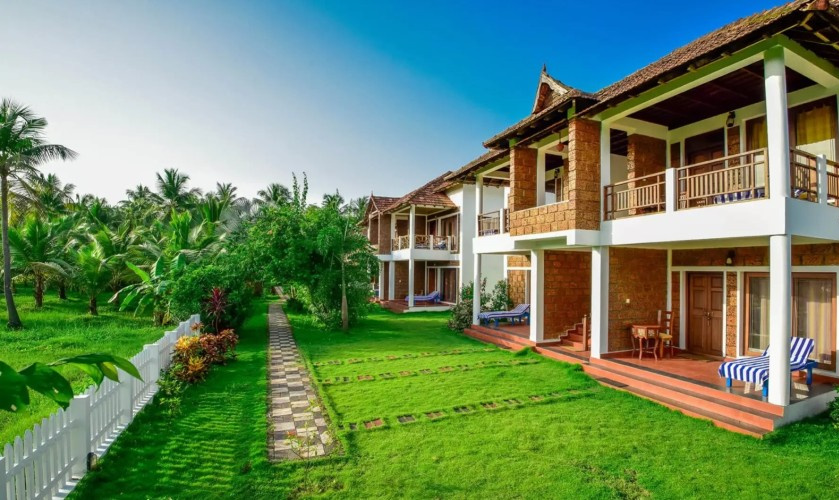
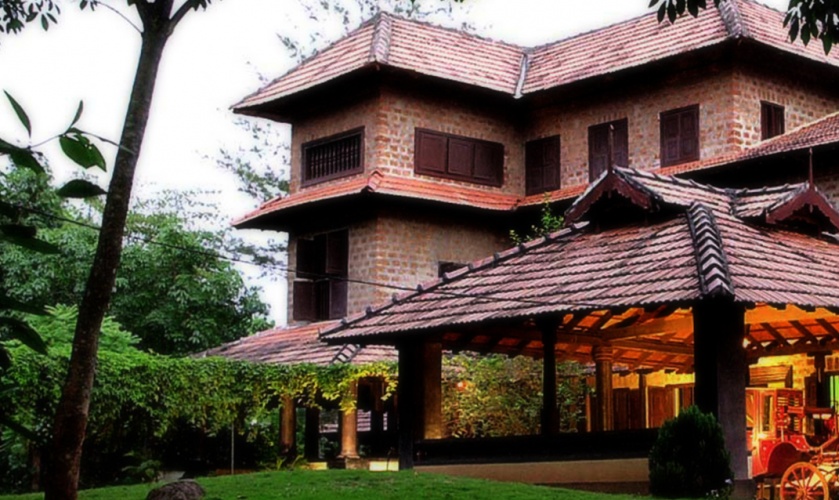
An Ayurvedic Bipolar Disorder integrative supportive treatment retreat in Kerala, India offers the most clinically authentic environment for the structured care chronic mood disorder management benefits from.

  • Experienced physicians with specific expertise in Unmada and Manasa Roga framework and the integrative management of chronic mental health conditions
  • BAMS and MD Ayurveda-certified doctors trained in classical Shirodhara, Medhya Rasayana protocols, and Manasika Chikitsa approaches that mental health integrative care depends upon
  • In-house preparation of classical mental-health-relevant formulations — Brahmi Ghrita, Kalyanaka Ghrita, Mahakalyanaka Ghrita, Saraswatarishtam, Ksheerabala Taila, Brahmi Taila, Chandanadi Taila, Brahma Rasayana, Ashwagandharishtam, Smruti Sagar Rasa — using authentic methods, quality-assured preparations, and rigorous classical standards

Frequently Asked Questions

No, Ayurveda cannot cure Bipolar Disorder, which is a chronic lifelong mental health condition requiring sustained psychiatric treatment including mood stabilisers like lithium. Ayurvedic care provides genuine supportive complement through Shirodhara, Medhya Rasayana with Brahmi-Jatamansi-Ashwagandha, structured Dinacharya, and Manasika Chikitsa — addressing residual symptoms, medication side effects, sleep, and quality of life alongside continued psychiatric care. Ayurveda never replaces psychiatric medications, which remain essential and substantially reduce suicide mortality.
Bipolar I Disorder is defined by manic episodes lasting at least 7 days with marked impairment, often with psychotic features and requiring hospitalisation, typically alternating with depression. Bipolar II Disorder involves hypomanic episodes (similar but less severe, lasting at least 4 days, without psychotic features) with major depressive episodes that are often more frequent and prolonged. Bipolar II is sometimes misperceived as milder but actually carries substantial burden through the depression-dominant pattern with significant suicide risk requiring full psychiatric treatment.
No, Bipolar Disorder typically cannot be effectively treated without psychiatric medications. Mood stabilisers (particularly lithium) substantially reduce suicide mortality, prevent serious episode consequences, and provide foundational treatment that lifestyle interventions and integrative care alone cannot match. Attempting to manage Bipolar Disorder without psychiatric medication is medically dangerous and not recommended. Integrative Ayurvedic care including Shirodhara, Medhya Rasayana, and Dinacharya provides supportive complement to medication-based psychiatric treatment, never substitute for it.
Bipolar episode triggers include sleep deprivation and circadian rhythm disruption (major trigger of manic episodes), life stress and trauma, substance use (alcohol, stimulants, recreational drugs), certain medications (antidepressants in undiagnosed Bipolar, corticosteroids, dopamine agonists), seasonal changes, travel and time-zone changes, and missed psychiatric medications. Hormonal fluctuations including pregnancy and postpartum, irregular meal timing, and intense emotional events also contribute. Classical Ayurvedic Nidana identifies similar factors including suppression of natural urges, dietary indiscretions, and emotional disturbances.
Pitta dysregulation underlying Bipolar Disorder in stable euthymic phase. The continuous rhythmic oil pouring produces sustained autonomic regulation, HPA-axis modulation, deep relaxation response, and recalibration of the chronic hyperreactive nervous-system state that persists between mood episodes. Shirodhara is performed in stable phase only — not during active mood episodes — and supports sleep, reduces anxiety, and improves baseline mood alongside continued psychiatric medications which remain unchanged throughout.
Yes, sleep is central to Bipolar Disorder both as a feature of episodes and as a major trigger. Reduced sleep need is characteristic of manic episodes; sleep deprivation can precipitate manic episodes in vulnerable individuals. Classical Ayurveda recognises Nidra (sleep) as foundational to mental health. Consistent sleep-wake schedule (variation under 1 hour), 7-9 hours nightly, and sleep hygiene maintenance are among the most important behavioural interventions for Bipolar Disorder, alongside continued psychiatric medications.
Yes, alcohol significantly worsens Bipolar Disorder through multiple mechanisms — disrupting sleep, interacting with psychiatric medications, triggering mood episodes, increasing suicide risk, and worsening overall course. Approximately 40% of Bipolar Disorder patients have co-occurring substance use disorder, often using alcohol to self-medicate, which substantially worsens outcomes. Strict alcohol avoidance is recommended for Bipolar Disorder patients. WellnessLoka centres provide substance-free environments supporting this essential dimension of comprehensive Bipolar Disorder care.
Medhya Rasayana provides supportive herbal therapy alongside (never replacing) psychiatric medications for Bipolar Disorder. The classical Medhya herbs — Brahmi, Mandukaparni, Shankhpushpi, Jatamansi, Ashwagandha — work over sustained administration to support nervous-system regulation, reduce chronic stress reactivity, improve sleep, address Ojas Kshaya from years of illness, and provide constitutional rebuilding. All herbal therapy requires coordination with the psychiatrist for potential interactions with prescribed medications, particularly lithium and serotonergic medications. Quality-assured preparations are essential.
Daily Routine (Dinacharya) regularity is among the most important non-pharmacological interventions for Bipolar Disorder. Consistent bedtime and wake time, regular meal timing, structured daily activities, morning bright light exposure, and predictable rhythms provide the circadian regulation that modern research and classical Ayurveda both identify as central to mood stability. Variation in sleep timing of more than 1 hour increases mood instability risk. WellnessLoka retreats provide residential setting that genuinely supports establishing rigorous Dinacharya for sustained home practice.
No, absolutely not. Psychiatric medications including mood stabilisers continue unchanged during any Ayurvedic retreat — and any medication changes must come only from your treating psychiatrist, never from retreat-based decisions. Stopping mood stabilisers (particularly lithium) substantially increases episode and suicide risk. WellnessLoka requires patients to be in stable phase on appropriate psychiatric treatment with their psychiatrist's coordination before retreat-based care, with explicit understanding that integrative care complements rather than substitutes for psychiatric medications which remain the essential foundation of treatment.
About WellnessLoka

WellnessLoka is established with the aim of making the world a happier and a healthier place. Based in Kerala, Gods' Own Country, WellnessLoka seeks to help wellness enthusiasts find and book different wellness options in a hassle free manner.

Read more >>


Join Our Network

Let us help you to get more guests to experience the unique wellness services provided at your property.

Join Now


Contact

WellnessLoka
Koozhampala Solutions Private Limited
Integrated Startup Complex
Kerala Startup Mission
Kerala Technology Innovation Zone
Kinfra Hi-Tech Park Main Rd
HMT Colony P.O
Kochi, Kerala - 683503
GSTIN: 32AAGCK3772L1ZB
+91 8086 040101
[email protected]

     
© 2016 - 2026 WellnessLoka. All Rights Reserved