
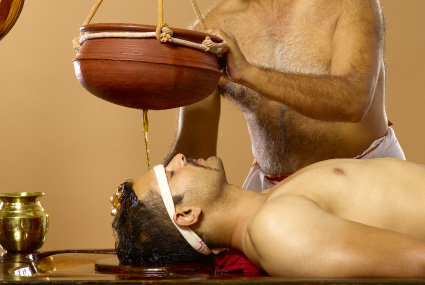
Hypertension Management
Ayurvedic treatment for hypertension emphasizes lifestyle modifications, dietary changes, herbal remedies, and stress management techniques. In Ayurveda, hypertension is understood as an imbalance of the doshas, particularly Vata and Pitta. Treatment aims to restore harmony within the body and mind. Dietary recommendations include reducing intake of salty, spicy, and oily foods while favoring fresh fruits, vegetables, whole grains, and herbs like garlic, ginger, and turmeric. Herbal remedies play a significant role in Ayurvedic treatment for hypertension. Commonly used herbs include Arjuna, Brahmi, Ashwagandha, Shankhpushpi, and Jatamansi, known for their calming and blood pressure-regulating properties. These herbs are often prescribed in formulations tailored to individual needs. Ayurveda also emphasizes lifestyle modifications such as regular exercise, yoga, and meditation to reduce stress and promote overall well-being. Adequate rest and proper sleep are considered essential for maintaining healthy blood pressure levels. Additionally, Ayurvedic therapies like Shirodhara (pouring of medicated oils on the forehead), Abhyanga (therapeutic massage), and Nasya (nasal administration of herbal oils) may be recommended to alleviate stress and enhance relaxation. It's important to note that Ayurvedic treatment for hypertension should be undertaken under the guidance of a qualified Ayurvedic practitioner, in conjunction with regular monitoring of blood pressure levels and consultation with a healthcare provider. Integrating Ayurvedic principles into one's lifestyle can complement conventional medical approaches and contribute to the management of hypertension effectively.
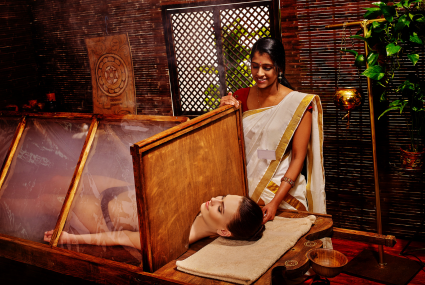
Occupational & Lifestyle Disorders
Occupational and Lifestyle Disorders arise from sedentary habits, poor posture, stress, irregular diets, and overexposure to screens. Conditions like obesity, hypertension, diabetes, back pain, and insomnia are common outcomes. Ayurveda addresses these by identifying aggravated doshas and implementing Panchakarma therapies for detoxification. Herbal formulations, along with individualized diets based on body constitution, help correct metabolic issues. Yoga and meditation practices are prescribed to improve flexibility, posture, and mental resilience. Lifestyle counselling encourages sustainable habits, ensuring long-term relief and prevention. This comprehensive approach not only treats existing disorders but also promotes a balanced, healthier way of living.
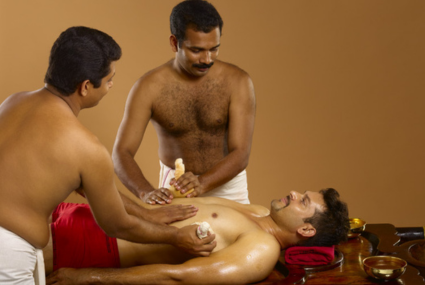
Diabetes Mellitus
Diabetes Mellitus, known as "Madhumeha" in Ayurveda, is a metabolic disorder characterised by elevated blood sugar levels due to impaired insulin function or secretion. Ayurveda attributes this condition to imbalances in Kapha and Vata doshas and poor digestive fire (Agni), leading to toxin accumulation. Treatment focuses on detoxifying the body with Panchakarma therapies, including Vamana (emesis) and Virechana (purgation). Herbal remedies like Gudmar, Vijaysar, and turmeric help regulate glucose metabolism. A customised diet, low in sugar and carbohydrates, alongside yoga and pranayama, supports insulin sensitivity and weight management. This comprehensive approach helps prevent complications and promotes overall health and vitality
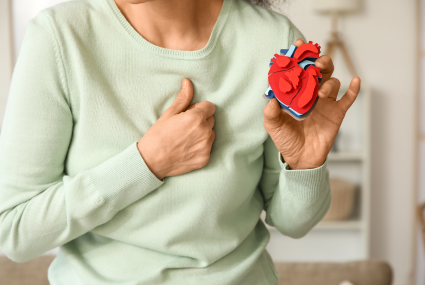
High Cholestrol Management
High cholesterol refers to increased levels of lipids, especially low-density lipoprotein (LDL), in the blood. Over time, this excess cholesterol can deposit along the walls of arteries, forming plaques and narrowing the blood vessels, which may lead to serious conditions like heart disease, stroke, and hypertension. Most people with high cholesterol do not experience noticeable symptoms, which is why it is often called a “silent condition.” However, it may be associated with signs like heaviness in the body, fatigue, shortness of breath on exertion, and in severe cases, chest discomfort. Common risk factors include unhealthy eating habits (high intake of fried and processed foods), lack of physical activity, obesity, smoking, alcohol consumption, stress, and family history. In Ayurveda, high cholesterol is understood as a disorder of Kapha dosha along with impaired digestion (Agni) and accumulation of Ama (toxins). This leads to blockage of channels (Srotorodha), affecting proper circulation and metabolism of fats in the body. Ayurvedic management aims at correcting metabolism, reducing excess fat, and clearing channel blockages. Treatment includes Deepana-Pachana (improving digestion and metabolism), mild Shodhana (detoxification) such as Virechana, and use of herbs that support lipid metabolism. Commonly used herbs include Guggulu, Triphala, Arjuna, Garlic, and Fenugreek, which help in reducing cholesterol levels and improving heart health. Diet plays a crucial role—light, warm, and easily digestible foods are recommended, while oily, fried, heavy, and processed foods should be avoided. Including fiber-rich foods, whole grains, fruits, and vegetables helps in maintaining healthy lipid levels. Lifestyle changes such as regular exercise, yoga, stress management, maintaining healthy weight, and proper sleep are essential for long-term control. This holistic approach helps in balancing the body, preventing complications, and promoting overall cardiovascular health.
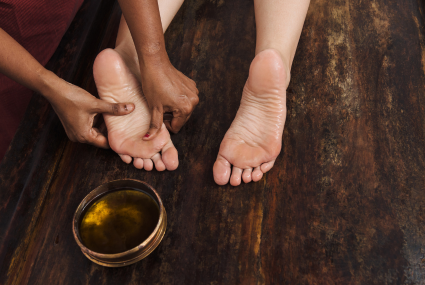

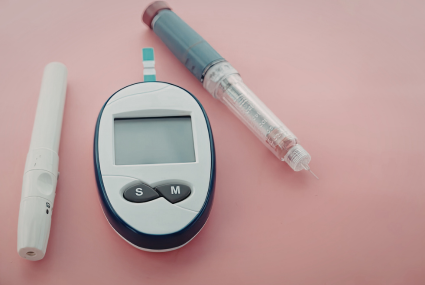
When Modern Life Disturbs Metabolism: An Ayurvedic Path to Sustained Metabolic Balance and Wellness
Lifestyle and metabolic disorders represent some of the most pressing health challenges of the modern era, affecting hundreds of millions globally with substantial impact on quality of life, productivity, and long-term outcomes. The convergence of sedentary lifestyles, ultra-processed food patterns, chronic stress, irregular sleep, and broader modern lifestyle factors has produced a substantial epidemic of interconnected conditions including type 2 diabetes (now affecting over 537 million adults globally), obesity (affecting over 650 million adults globally), metabolic syndrome (substantial prevalence), thyroid disorders, PCOS (affecting 8-13% of reproductive-age women), hypertension, dyslipidemia, and fatty liver disease.
Common lifestyle and metabolic conditions include:
- Type 2 Diabetes Mellitus (Madhumeha) — Substantial global prevalence
- Type 1 Diabetes (Madhumeha) — Supportive care
- Prediabetes — Increasingly common
- Obesity (Sthoulya) — Substantial global prevalence
- Overweight — Pre-obesity stage
- Metabolic Syndrome — Combined metabolic dysfunction
- Insulin resistance
- Hypothyroidism — Substantial prevalence particularly in women
- Hyperthyroidism — Including Graves' disease
- Hashimoto's thyroiditis (supportive)
- PCOS (Polycystic Ovary Syndrome) — Common reproductive endocrine disorder
- Hypertension (Rakta Gata Vata) — Substantial global prevalence
- Dyslipidemia — High cholesterol and triglycerides
- Non-alcoholic fatty liver disease (NAFLD/NASH) — Substantial prevalence
- Diabetic complications including diabetic neuropathy, diabetic nephropathy
- Cardiovascular risk factors
- Stress-related metabolic dysfunction
- Sleep-related metabolic dimensions
- Chronic fatigue with metabolic dimensions
- Weight-related joint and musculoskeletal issues
Modern medical management has substantially advanced with comprehensive evidence-based framework including specialized endocrinology and metabolic care, comprehensive diabetes management (metformin, sulfonylureas, DPP-4 inhibitors, SGLT2 inhibitors, GLP-1 agonists, insulin) with substantial recent advances, comprehensive obesity management (lifestyle interventions, GLP-1 agonists with substantial recent advances including semaglutide and tirzepatide, bariatric surgery for appropriate candidates), thyroid hormone replacement for hypothyroidism, antithyroid medications and definitive treatments for hyperthyroidism, PCOS management (lifestyle, metformin, hormonal therapy, fertility treatments when needed), comprehensive blood pressure control with ACE inhibitors/ARBs and broader medications, statins and lipid management, comprehensive cardiovascular risk reduction.
Classical Ayurveda addresses lifestyle and metabolic disorders through comprehensive framework centered on Agni (digestive and metabolic fire), Ama (accumulated toxins), and doshic balance — with substantial classical literature in Charaka Samhita and broader texts providing detailed framework. The classical understanding centers on the principle that lifestyle and metabolic disorders are primarily due to Agni dysfunction + Ama accumulation + Dosha imbalance (particularly Kapha and Vata, sometimes Pitta) leading to impaired tissue metabolism — providing comprehensive root-cause framework addressing fundamental factors rather than just symptoms.
The therapeutic framework provides comprehensive approach through Nidana Parivarjana (avoiding causative factors); Agni Deepana and Ama Pachana as foundational; Shodhana through appropriate Panchakarma including Vamana as gold-standard for Kapha-predominant conditions like obesity, Virechana for Pitta-predominant patterns, and Basti for Vata-predominant patterns; specialized external therapies including Udwarthana (powder massage) particularly valuable for obesity with substantial classical use; comprehensive herbal therapy with classical formulations; comprehensive Rasayana approach for metabolic and immune support; substantial lifestyle transformation which is central to sustainable management; and absolute coordination with continued specialist care including continued essential medications which must never be discontinued without specialist guidance.

What is Lifestyle & Metabolic Disorder Management in Ayurveda?
Lifestyle and metabolic disorder management in Ayurveda represents the comprehensive classical framework for addressing the substantial cluster of modern conditions arising from disturbed metabolism, accumulated toxins, doshic imbalance, and lifestyle factors.
Definition and characteristics:
- Comprehensive framework for lifestyle-related metabolic conditions
- Centered on Agni, Ama, and doshic balance
- Substantial classical literature foundation
- Root-cause approach addressing fundamental factors
- Both preventive and therapeutic applications
- Integration with continued conventional specialist care
- Emphasis on substantial lifestyle transformation as central
Conditions addressed:
Diabetes spectrum (Prameha/Madhumeha):
- Type 2 Diabetes Mellitus (Madhumeha)
- Type 1 Diabetes (supportive care)
- Prediabetes
- Gestational diabetes (supportive)
- Diabetic complications — diabetic neuropathy, diabetic nephropathy, diabetic retinopathy supportive
Weight-related (Sthoulya):
- Obesity (Sthoulya)
- Overweight
- Metabolic syndrome
- Visceral adiposity
- Weight-related joint issues
Thyroid conditions:
- Hypothyroidism (supportive care alongside continued thyroid hormone)
- Hyperthyroidism including Graves' disease supportive
- Hashimoto's thyroiditis (supportive)
- Subclinical thyroid dysfunction
Reproductive endocrine:
- PCOS (Polycystic Ovary Syndrome)
- Metabolic dimensions of PCOS
- PCOS-related infertility (supportive)
- Hormonal imbalances
Cardiovascular metabolic:
- Hypertension (Rakta Gata Vata)
- Dyslipidemia — High cholesterol, triglycerides
- Metabolic syndrome cardiovascular dimensions
- Insulin resistance with cardiovascular implications
Hepatic metabolic:
- Non-alcoholic fatty liver disease (NAFLD)
- Non-alcoholic steatohepatitis (NASH)
- Liver metabolic dysfunction
Broader metabolic:
- Insulin resistance
- Hyperinsulinemia
- Metabolic inflammation
- Chronic fatigue with metabolic dimensions
- Stress-related metabolic dysfunction
Core therapeutic frameworks:
- Nidana Parivarjana — Avoiding causes
- Agni Deepana and Ama Pachana — Foundational metabolism restoration
- Shodhana Panchakarma — Vamana, Virechana, Basti matched to patterns
- Specialized external therapies — Udwarthana particularly valuable
- Comprehensive Shamana herbal therapy
- Comprehensive Rasayana approach
- Substantial lifestyle transformation — central to all sustainable management
- Coordination with continued conventional care
Understanding Agni, Ama, and Doshic Imbalance: The Ayurvedic Framework for Metabolic Health
The Ayurvedic understanding of lifestyle and metabolic disorders sits within comprehensive classical framework with substantial literature providing sophisticated framework for metabolic function and dysfunction.
Key concepts:
Agni as Foundational:
Agni (digestive and metabolic fire) is foundational to all metabolism in Ayurveda with substantial classical framework:
Four states of Agni:
- Sama Agni (balanced) — optimal metabolism
- Vishama Agni (irregular) — typically Vata-related
- Tikshna Agni (excessive) — typically Pitta-related
- Manda Agni (sluggish) — typically Kapha-related, substantially relevant to most metabolic disorders
Mandagni (sluggish digestive fire) particularly central to lifestyle metabolic disorders — substantial classical recognition that disturbed metabolism underlies these conditions.
Dhatu Agni:
Beyond central Agni, classical Ayurveda describes seven Dhatu Agnis (tissue-specific metabolic processes) — Dhatu Agni Mandya (tissue-level metabolic dysfunction) central to metabolic disorder progression.
Bhuta Agni:
Five elemental Agnis recognized at deepest cellular level.
Comprehensive Agni framework essential for understanding and treating all metabolic disorders.
Ama as Central Pathology:
Ama (toxins from inadequate digestion) considered fundamental cause of lifestyle and metabolic disorders:
- Forms from disturbed Agni
- Blocks Srotas (channels) producing Srotorodha
- Disturbs tissue metabolism
- Underlies multiple chronic conditions
- Central to disease pathogenesis in Ayurvedic framework
Comprehensive approach to Ama clearing essential.
Doshic Imbalance Patterns:
Kapha-predominant patterns particularly common in lifestyle metabolic disorders:
- Obesity (Sthoulya) — Substantially Kapha-Medas Dushti
- Hypothyroidism — Substantial Kapha pattern
- Insulin resistance — Often Kapha-Medovaha Srotas Dushti
- Sluggish metabolism patterns
- Lethargy and heaviness
Vata-predominant patterns in:
- Hormonal imbalances including aspects of PCOS
- Hyperthyroidism with Vata-Pitta dimensions
- Irregular metabolic patterns
- Type 1 diabetes with Vata-predominant Madhumeha
- Metabolic dysfunction with anxiety dimensions
Pitta-predominant patterns in:
- Inflammatory metabolic dimensions
- Some hyperthyroid patterns
- Metabolic syndrome with inflammatory dimensions
- NAFLD/NASH with Pitta dimensions
Combined Tridoshic patterns in:
- Complex chronic conditions
- Long-standing metabolic syndrome
- Advanced complications
Prameha Classical Framework:
Detailed classical framework for Prameha (urinary metabolic disorders including diabetes) with:
- 20 classical subtypes based on doshic predominance (10 Kapha, 6 Pitta, 4 Vata)
- Madhumeha as most serious form corresponding to modern diabetes
- Sophisticated classical observation anticipating modern understanding
- Detailed treatment framework
Sthoulya Classical Framework:
Detailed classical framework for obesity with:
- Substantial classical literature
- Comprehensive understanding of complications
- Detailed treatment approach
Medovaha Srotas Dysfunction:
Classical fat-tissue channels with substantial relevance to metabolic disorders — Medovaha Srotas Dushti central to obesity and metabolic syndrome.
Rasavaha Srotas Dysfunction:
Classical lymph-plasma channels relevant to broader metabolic dysfunction.
Predisposing Factors Classical Ayurveda Identifies:
Aharaja (Dietary):
- Overeating with substantial classical recognition
- Heavy, oily, sugary foods
- Processed foods (modern recognition)
- Excessive dairy for some patterns
- Cold heavy foods
- Irregular eating habits
- Excessive sweet, sour, salty tastes
- Inadequate physical activity following meals
Viharaja (Lifestyle):
- Sedentary lifestyle with substantial classical recognition
- Daytime sleeping (Divasvapna) — substantial classical recognition with specific metabolic impact
- Inadequate physical activity
- Irregular sleep patterns
- Suppression of natural urges
Manasika (Mental):
- Mental stress and emotional disturbances
- Chronic worry
- Inadequate mental rest
Beejadushti (Genetic):
- Genetic predisposition recognized classically
Aging:
- Natural metabolic changes
- Increasing Vata with aging
This shapes the Ayurvedic approach to lifestyle and metabolic disorders: comprehensive Nidana Parivarjana; Agni Deepana and Ama Pachana as absolutely foundational; dosha-specific approach matched to predominant patterns; Shodhana through appropriate Panchakarma with Vamana as gold-standard for Kapha-predominant; specialized external therapies including Udwarthana; comprehensive Shamana therapy; comprehensive Rasayana approach; substantial lifestyle transformation as central — this is fundamental because lifestyle disorders fundamentally require lifestyle solutions; coordination with continued specialist care including continued essential medications.
The 3 Stages of Ayurvedic Treatment for Lifestyle and Metabolic Disorders
1. Preparation (Purva Karma) — Typically 3-7 days
Comprehensive assessment including detailed metabolic history (specific conditions, duration, current parameters including HbA1c, lipid profile, thyroid panel, BMI, blood pressure), current specialist evaluation and treatment context including all medications (diabetes medications, thyroid hormones, antihypertensives, statins, GLP-1 agonists, others), prior treatments and response, comorbidities, dietary patterns, lifestyle factors with detailed attention to sedentary patterns, sleep patterns, stress levels, family history of metabolic conditions, and constitutional profile.
Specialist coordination essential — endocrinology, cardiology, gynecology (for PCOS), hepatology (for NAFLD) as applicable — current treatment confirmed, sharing of treatment approach, continued essential medications confirmed throughout.
Critical screening:
- Stable current condition without acute deterioration
- No diabetic ketoacidosis or hyperglycemic emergency requiring urgent endocrinology
- No severe hypoglycemia patterns requiring evaluation
- No acute thyroid storm or severe thyrotoxicosis requiring urgent management
- No hypertensive emergency
- No acute decompensated heart failure
- No acute pancreatitis
- No acute hepatitis with substantial transaminitis
- No suspected ovarian neoplasm in PCOS context requiring evaluation
- Baseline laboratory assessment completed
Initial constitutional support matched to specific patterns. Initial dietary modifications matched to predominant dosha. Foundational lifestyle measures including activity initiation, sleep hygiene, stress management foundation, smoking cessation absolutely essential when applicable.
2. Core Treatment (Pradhana Karma) — Typically 14-21 days
Primary therapies focus on five coordinated lines:
Agni Deepana and Ama Pachana — Absolutely Foundational:
- Trikatu for foundational Agni support
- Ginger as foundational Agni-supportive
- Panchakola for deeper digestive
- Musta (Cyperus rotundus) with substantial metabolic applications
- Chitrakadi Vati for digestive enhancement
- Light, warm, easily digestible diet
- Comprehensive Pachana approach
Shodhana Therapy Matched to Doshic Patterns:
Vamana for Kapha-predominant disorders — Gold-standard for:
- Obesity (Sthoulya) — substantial classical use
- Insulin resistance with substantial Kapha
- Hypothyroidism Kapha-predominant patterns
- Substantial Kapha-Medas patterns
Virechana for Pitta-predominant — Substantial value for:
- NAFLD/NASH — substantial classical and emerging modern use
- Metabolic inflammation
- Hyperthyroidism with Pitta dimensions
- Pitta-predominant dyslipidemia
Basti for Vata-predominant — Particularly valuable for:
- Type 1 diabetes supportive care
- PCOS with substantial Vata dimensions
- Hormonal irregularities
- Metabolic dysfunction with anxiety dimensions
Combined Shodhana approaches for complex patterns.
Specialized External Therapies:
Udwarthana (Powder Massage) — Particularly valuable for obesity:
- Substantial classical use
- Specific medicated powder massage
- Standard preparations: Triphala Churna, Kolakulathadi Churna, specific Udwarthana preparations
- Substantial benefits: reduces fat, improves circulation, reduces cellulite, mobilizes Kapha-Medas, substantial weight loss support
- Particularly valuable for obesity, metabolic syndrome, lymphatic congestion
- Daily for 14-21 days
Other specialized therapies:
- Abhyanga with specific oils
- Swedana (sudation therapy) for fat mobilization
- Patra Pinda Sweda for specific applications
- Specific localized therapies
Comprehensive Shamana Therapy (Internal Medicines):
For diabetes (Madhumeha):
- Methi (Fenugreek) with substantial diabetes evidence
- Karela (Bitter melon) for glucose support
- Jamun (Eugenia jambolana) classical Madhumeha herb
- Gudmar (Gymnema sylvestre) with substantial diabetes use
- Vijaysar (Pterocarpus marsupium) classical Madhumeha herb
- Saptaranga (Salacia) for diabetes support
- Turmeric for broader metabolic benefits
- Classical formulations: Madhumehari Churna, Vasant Kusumakara Rasa in selected cases, Nishamalaki Churna, Triphala
For obesity (Sthoulya):
- Guggulu preparations — substantial classical weight management
- Triphala for foundational support
- Medohara Vidangadi Lauha
- Garcinia/Vrikshamla in appropriate selection
- Specific Medohara formulations
For thyroid conditions:
- Kanchanara Guggulu with substantial classical use for thyroid
- Punarnava for fluid balance
- Specific thyroid-supportive preparations
- Coordination with continued thyroid hormone absolutely essential
For PCOS:
- Shatavari for hormonal support
- Ashwagandha for adaptogenic and stress support
- Kanchanara Guggulu for cyst support
- Saptasaram Kashayam
- Phala Ghrita for fertility dimensions
- Specific hormonal-supportive preparations
For hypertension:
- Sarpagandha with substantial classical use (with appropriate practitioner expertise)
- Arjuna for cardiovascular support
- Punarnava for broader support
- Specific cardiovascular formulations
For dyslipidemia:
- Guggulu preparations — substantial cholesterol-lowering evidence
- Garlic for broader benefits
- Triphala for foundational support
- Arjuna for cardiovascular support
For NAFLD/NASH:
- Bhumyamalaki (Phyllanthus niruri) with substantial hepatoprotective use
- Kalmegh (Andrographis paniculata) for liver support
- Arogyavardhini Vati as cornerstone classical liver formulation
- Punarnava
Comprehensive Rasayana Approach:
- Amalaki for antioxidant and Rasayana benefits
- Guduchi for immune and metabolic Rasayana
- Chyavanaprasha for comprehensive Rasayana
- Triphala for foundational support
- Specific metabolic Rasayana matched to patterns
Substantial Lifestyle Transformation — Central to Sustainable Management:
- Comprehensive dietary integration essential
- Regular structured exercise with substantial impact
- Yoga practice with specific benefits for metabolic conditions
- Stress management as central element
- Sleep optimization — substantial metabolic impact
- Behavioral change support
Coordination with Continued Specialist Care:
- Continued essential medications absolutely essential throughout
- Continued specialist appointments
- Continued laboratory monitoring
3. Rejuvenation (Paschat Karma) — Continued home regimen
Sustained Agni support, continued constitutional approach, continued Rasayana, continued substantial lifestyle integration — recognizing that sustainable management fundamentally requires sustained lifestyle change, continued specialist coordination, periodic clinical follow-up. Long-term framework with substantial emphasis on lifestyle sustainability.
The 5 Core Therapies for Lifestyle and Metabolic Disorders Explained
1. Comprehensive Agni Restoration and Ama Pachana — The Foundational Approach Comprehensive Agni restoration with Ama Pachana represents the absolute foundational therapeutic approach for all lifestyle and metabolic disorders — recognition that disturbed metabolism (Mandagni) underlies these conditions and that genuine sustainable management requires fundamental metabolic restoration rather than just symptom management. Comprehensive Agni-supportive approach: Trikatu (ginger, pippali, black pepper) for foundational Agni support; Ginger as cornerstone Agni-supportive with substantial classical use; Panchakola Churna for deeper digestive support; Musta (Cyperus rotundus) with substantial metabolic and Ama-clearing applications; Chitrakadi Vati for digestive enhancement; Hingvastaka Churna for specific applications; specific Agni-supportive preparations matched to individual patterns and primary doshic predominance. Comprehensive Ama Pachana: appropriate Pachana herbs matched to individual; light, warm, easily digestible diet during Pachana phase; intermittent fasting principles with classical recognition; avoiding Ama-promoting factors. Tissue-level Agni (Dhatu Agni) restoration: classical recognition that comprehensive metabolic restoration requires tissue-level Agni optimization; specific approaches matched to tissue patterns including substantial focus on Medovaha Srotas (fat tissue channels) for obesity and metabolic syndrome. Critical recognition: this foundational stage often produces substantial improvement on its own — improved Agni naturally supports better metabolism, weight management, blood sugar regulation, and broader metabolic dimensions; without addressing fundamental Agni dysfunction, other interventions provide limited sustainable benefit. WellnessLoka centres emphasize comprehensive foundational approach.
2. Vamana as Gold-Standard Panchakarma for Kapha-Predominant Metabolic Disorders Vamana (therapeutic emesis) represents the most clinically valuable Ayurvedic intervention specifically for Kapha-predominant metabolic disorders with substantial classical use as gold-standard Shodhana for obesity, Kapha-predominant diabetes patterns, insulin resistance with substantial Kapha, hypothyroidism Kapha patterns, and broader Kapha-predominant metabolic conditions. Following appropriate Purva Karma preparation (Pachana, Snehana with Ghrita Pana, Swedana), the patient receives specific medicated emetic preparations classically based on Madanaphala (Randia dumetorum) combined with other supportive substances. The therapy is conducted in morning under direct medical supervision with monitoring throughout. Mechanisms: direct elimination of vitiated Kapha and Ama from upper gastrointestinal tract with substantial metabolic benefits through clearing of accumulated Kapha that contributes to obesity, insulin resistance, and broader Kapha-predominant metabolic dysfunction; substantial metabolic reset effects with long-lasting improvements documented following authentic Vamana. Specific metabolic indications: substantial obesity (Sthoulya) with Kapha predominance — substantial classical use; insulin resistance with substantial Kapha; Kapha-predominant type 2 diabetes patterns; metabolic syndrome with substantial Kapha; hypothyroidism Kapha patterns (with substantial coordination with continued thyroid hormone). Critical contraindications: pregnancy, severe weakness, cardiovascular conditions, severe hypertension (without optimization), recent surgery, certain specific conditions. Requires substantial practitioner expertise and appropriate clinical infrastructure with emergency capability. Continues alongside continued essential medications including continued diabetes medications, thyroid hormone, antihypertensives. WellnessLoka Kerala centres provide expert Vamana capability with appropriate metabolic-aware modifications.
3. Udwarthana (Powder Massage) and Specialized External Therapies for Metabolic Conditions Udwarthana (medicated powder massage) represents one of the most clinically valuable specialized Ayurvedic external therapies for metabolic conditions with substantial classical use particularly for obesity and broader Kapha-Medas conditions. Procedure: vigorous upward massage with specific medicated powders applied to entire body or specific regions providing substantial mechanical and pharmacological effects through powder absorption and friction stimulation. Standard preparations: Triphala Churna for foundational use; Kolakulathadi Churna with substantial classical Udwarthana use including specific Kapha-reducing herbs; specific Udwarthana powder formulations matched to individual patterns. Mechanisms: substantial fat reduction effects through mechanical mobilization and pharmacological action; improved lymphatic circulation; reduced cellulite; mobilization of Kapha-Medas; substantial weight loss support; improved skin tone; reduced metabolic accumulation. Particularly valuable for: obesity (Sthoulya) as cornerstone external therapy; metabolic syndrome; insulin resistance with substantial Kapha; lymphatic congestion; stubborn fat patterns; post-pregnancy weight management (with appropriate timing); broader Kapha-Medas conditions. Standard course: daily Udwarthana for 14-21 days providing substantial cumulative benefits. Combined with internal Agni restoration, herbal therapy, and comprehensive lifestyle integration for substantial metabolic transformation. Other specialized external therapies: Abhyanga with specific oils (Triphala Taila, Sahacharadi Taila for various applications); Swedana (sudation therapy) for fat mobilization and detoxification; Patra Pinda Sweda for specific applications; specific localized therapies. Requires specialized practitioner expertise and appropriate infrastructure. WellnessLoka Kerala centres provide expert Udwarthana capability.
4. Comprehensive Condition-Specific Shamana Therapy with Classical Formulations Comprehensive Shamana therapy with classical formulations specifically matched to individual conditions provides substantial value across the lifestyle and metabolic disorder spectrum with substantial classical use and emerging modern evidence. For diabetes (Madhumeha): Methi (Fenugreek) with substantial diabetes evidence including documented glycemic control benefits; Karela (Bitter melon) with traditional and emerging modern diabetes support; Jamun (Eugenia jambolana) classical Madhumeha herb; Gudmar (Gymnema sylvestre) with substantial diabetes use and documented effects on glucose regulation; Vijaysar (Pterocarpus marsupium) classical Madhumeha herb; Saptaranga (Salacia) with substantial diabetes support; Turmeric for broader metabolic benefits; classical formulations: Madhumehari Churna, Vasant Kusumakara Rasa in selected cases with substantial classical use, Nishamalaki Churna, Triphala for foundational support. For obesity (Sthoulya): Guggulu preparations with substantial classical weight management use and modern evidence; Medohara Vidangadi Lauha; Triphala Guggulu for comprehensive support; Varanadi Kashayam for metabolism; specific Medohara formulations. For thyroid conditions: Kanchanara Guggulu with substantial classical use specifically for thyroid conditions and broader gland support; Punarnava for fluid balance; specific thyroid-supportive preparations. For PCOS: Shatavari preparations for hormonal support with substantial classical use; Ashwagandha for adaptogenic and stress support with substantial PCOS evidence; Kanchanara Guggulu for cyst support; Saptasaram Kashayam; Phala Ghrita for fertility dimensions; specific PCOS-supportive preparations. For hypertension: Sarpagandha with substantial classical use (with appropriate practitioner expertise given specific considerations); Arjuna for cardiovascular support with substantial classical and modern evidence; Punarnava for broader cardiovascular support; specific cardiovascular formulations. For dyslipidemia: Guggulu preparations with substantial cholesterol-lowering evidence including modern clinical studies; Garlic for broader benefits; Triphala for foundational support; Arjuna. For NAFLD/NASH: Bhumyamalaki (Phyllanthus niruri) with substantial hepatoprotective use; Kalmegh (Andrographis paniculata) for liver support; Arogyavardhini Vati as cornerstone classical liver formulation; Punarnava. Comprehensive individualized selection essential. Critical coordination with continued specialist medications — herbs complement rather than replace prescribed treatments; comprehensive medication interaction awareness essential. WellnessLoka centres provide authentic preparations.
5. Substantial Lifestyle Transformation and Coordination with Continued Specialist Care Substantial lifestyle transformation represents the central element for sustainable management of lifestyle and metabolic disorders — recognition that these are fundamentally lifestyle-driven conditions requiring lifestyle-based solutions for sustainable management. Comprehensive dietary transformation: Light, warm, easily digestible foods as foundation; whole grains with appropriate portion control — barley, oats, millets with substantial classical use for metabolic conditions; abundant vegetables particularly bitter and astringent foods (bitter melon, methi leaves, leafy greens, cruciferous vegetables); green gram (mung) with substantial classical metabolic use; legumes with broader benefits; specific spices (ginger, turmeric, cumin, fenugreek, cinnamon with substantial diabetes evidence); fresh seasonal fruits in appropriate quantities; adequate quality protein; healthy fats in moderation including olive oil, ghee in appropriate amounts; Mediterranean-pattern integration with substantial evidence for metabolic conditions; adequate hydration. Foods to avoid: sugary and processed foods; fried and oily food; excessive dairy for some patterns; cold heavy meals; late evening heavy meals with substantial metabolic impact; refined carbohydrates; sweetened beverages; alcohol with substantial considerations. Regular structured exercise with substantial evidence: 150 minutes weekly moderate aerobic exercise as baseline; resistance training with substantial metabolic benefits; walking with substantial impact; appropriate intensity matched to individual; yoga practice with substantial metabolic benefits including specific asanas (Surya Namaskar, twists, Mandukasana, Ardha Matsyendrasana); avoiding daytime sleeping with substantial classical recognition. Comprehensive stress management as central element — chronic stress substantially affects metabolic function through HPA axis dysfunction; meditation with substantial evidence; Pranayama; mindfulness practices. Sleep optimization essential — sleep deprivation substantially affects metabolism, weight, insulin sensitivity; consistent sleep schedule; adequate duration (7-9 hours); sleep environment optimization. Behavioral change support essential for sustainable transformation. Comprehensive coordination with continued specialist care: continued essential medications absolutely essential including continued diabetes medications (metformin, SGLT2 inhibitors, GLP-1 agonists with substantial recent advances, insulin when needed) — never discontinued without endocrinology guidance given substantial outcomes evidence; continued thyroid hormone replacement when prescribed — substantial considerations; continued antihypertensives with substantial outcomes evidence; continued statins when prescribed; continued PCOS-specific medications when prescribed; comprehensive medication interaction awareness; continued specialist appointments with appropriate monitoring; HbA1c, lipid profile, thyroid panel, blood pressure monitoring as scheduled. Recurrence prevention essential — substantial recognition that without sustained lifestyle integration, conditions tend to recur or worsen.
How Long Should an Ayurvedic Treatment Program for Lifestyle and Metabolic Disorders Last?
| Duration | Therapeutic Benefit | |||
|
Initial protocols, established Agni restoration, foundational interventions, dietary establishment | |||
| 14–21 days | Comprehensive constitutional support, established Udwarthana course, sustained therapy | |||
| 21–28 days | Extended program including complete Panchakarma when indicated with comprehensive Paschat Karma | |||
| Continued home regimen | Sustained lifestyle integration essential for sustainable management |
The exact duration is decided after consultation with the Ayurvedic doctor in coordination with continued specialist care, based on specific conditions, severity, current parameters, comorbidities, and individual factors. Vamana-inclusive programs for substantial obesity and Kapha-predominant patterns typically require 21-28 days for adequate Purva Karma preparation, the procedure, and comprehensive Paschat Karma. Critical recognition that lifestyle metabolic disorders fundamentally require sustained lifestyle integration — retreat-based intensive treatment provides foundation but sustainable management requires ongoing commitment to lifestyle transformation; periodic retreat visits annually with seasonal Vamana appropriate for Kapha-predominant conditions provide substantial ongoing support.
Book Consultation
Benefits of an Ayurvedic Treatment Retreat for Lifestyle and Metabolic Disorders
| Physical Benefits | Functional Benefits | Long-Term Impact | ||
| Better metabolic parameters | Better energy and vitality | Sustained metabolic wellness | ||
| Weight management support | Better daily functional capacity | Foundation for disease prevention | ||
| Better hormonal balance |
|
Better long-term outcomes | ||
| Better overall vitality |
|
Comprehensive lifestyle transformation |
Why Kerala is the Best Place for Lifestyle and Metabolic Disorder Treatment
An Ayurvedic lifestyle and metabolic disorder treatment retreat in Kerala, India offers the most clinically authentic environment for comprehensive integrative care this complex condition spectrum fundamentally benefits from alongside continued essential specialist care.
- Experienced physicians with specific expertise in classical lifestyle and metabolic disorder Ayurveda
- BAMS and MD Ayurveda-certified doctors with specialised training across the broad spectrum of metabolic conditions including diabetes, obesity, thyroid disorders, PCOS, hypertension, dyslipidemia, NAFLD
- Specialised practitioner training in Agni restoration and Ama Pachana as absolute foundation for metabolic care
- Specialised practitioner training in Vamana as gold-standard Panchakarma for Kapha-predominant metabolic conditions with appropriate clinical capability for safe expert practice with metabolic-aware modifications
- Specialised practitioner training in Virechana essential for Pitta-predominant patterns including NAFLD
- Specialised practitioner training in Basti for Vata-predominant patterns including PCOS
- Specialised practitioner training in Udwarthana — the substantial classical powder massage therapy particularly valuable for obesity and metabolic conditions
- Authentic in-house preparation of classical metabolic formulations — Madhumehari Churna, Vasant Kusumakara Rasa, Nishamalaki Churna, broader diabetes preparations; Guggulu preparations including Triphala Guggulu, Medohara Vidangadi Lauha for obesity; Kanchanara Guggulu for thyroid; Shatavari preparations, Saptasaram Kashayam, Phala Ghrita for PCOS; Sarpagandha (with appropriate expertise), Arjuna preparations for hypertension; Guggulu cholesterol formulations; Arogyavardhini Vati, Bhumyamalaki preparations for liver — using authentic methods and fresh herbs
- Authentic preparation of classical Udwarthana powder preparations including Triphala Churna, Kolakulathadi Churna, specific medicated powders
- Authentic preparation of classical Rasayana formulations including Chyavanaprasha, Amalaki Rasayana, Triphala
- Authentic preparation of medicated oils for various external applications
- Comprehensive blood sugar, blood pressure, and other monitoring capability essential for metabolic patients
- Capacity for diabetes-specific dietary preparation with low glycemic load patterns
- Capacity for comprehensive weight management programs with sustainable approach
- Capacity for qualified yoga and Pranayama instruction with experienced teachers specifically trained in metabolic applications
- Proper Panchakarma facilities for comprehensive Vamana, Virechana, Basti
- Proper Udwarthana facilities with appropriate infrastructure
- Long-established Kerala tradition of comprehensive lifestyle and metabolic disorder Ayurveda
- Capacity for behavioral change support with substantial recognition of lifestyle transformation requirements
- Coordination capability with continued endocrinology, cardiology, gynecology, hepatology, and broader specialist care
- Capacity for sustained long-term care relationships through chronic condition management
- Family-friendly accommodation when lifestyle change involves family
- Capacity for emergency medical escalation with clear protocols
- Discretion and sensitivity throughout treatment
Sri Lanka offers complementary tropical healing environment with Ayurvedic expertise in metabolic conditions, while Bali provides wellness-oriented treatment retreats integrating Ayurvedic care with holistic wellness particularly valuable for preventive lifestyle integration. For specialised lifestyle and metabolic disorder Ayurveda with comprehensive Vamana, Udwarthana, and Panchakarma capability and authentic classical formulation preparation, Kerala offers the deepest tradition.
Lifestyle and Metabolic Disorder Treatment Retreats by Location and Recommended Centres
Kerala, India — The most clinically authentic destination for classical lifestyle and metabolic disorder Ayurveda with established tradition including specialised Vamana capability as gold-standard Panchakarma for Kapha-predominant metabolic conditions, specialised Udwarthana capability particularly valuable for obesity, comprehensive Panchakarma capability, authentic preparation of classical metabolic formulations across diabetes, obesity, thyroid, PCOS, hypertension, dyslipidemia, and NAFLD conditions, comprehensive monitoring capability for metabolic parameters, diabetes-specific dietary preparation capability, qualified yoga and Pranayama instruction, capacity for behavioral change support, emergency medical escalation capability, and the deepest tradition of comprehensive metabolic Ayurveda. Alleppey • Kovalam • Kumarakom • Wayanad • Palakkad
Sri Lanka — Coastal Ayurveda treatment retreats with comprehensive supportive care for metabolic conditions in serene tropical environment. Wadduwa • Weligama • Sigiriya • Kosgoda • Bentota
Bali, Indonesia — Wellness treatment retreats integrating Ayurvedic care with holistic wellness restructuring, particularly valuable for preventive lifestyle integration and stable maintenance phases. Ubud • Nusa Dua • Candidasa • Lovina
WellnessLoka connects you with verified centres across these destinations offering genuine lifestyle and metabolic disorder expertise, comprehensive Vamana and Udwarthana capability essential for substantial metabolic care, comprehensive Panchakarma capability, authentic classical formulation preparation, comprehensive monitoring capability for metabolic parameters, capacity for diabetes-specific dietary preparation, qualified yoga instruction, capacity for behavioral change support, capacity for emergency medical escalation, absolute commitment to coordination with continued specialist care including continued essential medications which must never be discontinued, and clear understanding of the integrative role.
Who Should Consider an Ayurvedic Lifestyle and Metabolic Disorder Treatment Retreat
Critical foundation: All candidates must have established continued comprehensive specialist care when applicable; integrative care is strictly complementary, never replacement for essential conventional treatment.
Patients with prediabetes — Comprehensive integrative approach for prevention.
Patients with type 2 diabetes on continued treatment — Comprehensive integrative supportive approach alongside continued diabetes medications.
Patients with type 1 diabetes — Strictly supportive integrative care alongside continued insulin therapy.
Patients with obesity (Sthoulya) — Comprehensive integrative approach including Vamana when appropriate and Udwarthana particularly valuable.
Patients with overweight seeking sustainable weight management — Comprehensive integrative approach.
Patients with metabolic syndrome — Comprehensive integrative approach addressing all dimensions.
Patients with insulin resistance — Comprehensive integrative approach.
Patients with hypothyroidism on thyroid hormone — Comprehensive supportive approach alongside continued thyroid hormone.
Patients with hyperthyroidism on continued treatment — Comprehensive supportive approach.
Patients with PCOS — Comprehensive integrative approach addressing metabolic and hormonal dimensions.
Patients with hypertension on continued treatment — Comprehensive supportive approach.
Patients with dyslipidemia — Comprehensive integrative approach.
Patients with NAFLD/NASH — Comprehensive integrative approach including Virechana valuable.
Patients with combined metabolic conditions — Comprehensive integrative approach.
Patients with substantial lifestyle factors contributing — Comprehensive lifestyle transformation.
Patients with stress-related metabolic dysfunction — Comprehensive stress management.
Patients with family history seeking prevention — Comprehensive preventive approach.
Patients seeking constitutional approach — Comprehensive Ayurvedic framework.
Patients seeking long-term integrative metabolic wellness philosophy — Holistic sustained approach.
Who Should Approach Treatment with Caution
Ayurvedic care for lifestyle and metabolic disorders is genuinely valuable but appropriate medical evaluation and continued specialist coordination are essential. Ayurvedic retreat-based care should be deferred or replaced by urgent specialist care in cases involving:
Diabetic ketoacidosis or hyperglycemic emergency — Requires urgent endocrinology care.
Severe hypoglycemia patterns — Require endocrinology evaluation.
Acute thyroid storm or severe thyrotoxicosis — Requires urgent endocrinology management.
Hypertensive emergency — Requires urgent cardiology management.
Acute decompensated heart failure — Requires urgent cardiology.
Acute pancreatitis — Requires urgent management.
Acute hepatitis with substantial transaminitis — Requires hepatology evaluation.
Suspected ovarian neoplasm in PCOS context — Requires urgent gynecologic evaluation.
Severe uncontrolled diabetes (HbA1c >10%) without optimization — Benefits from initial endocrinology optimization.
Patients planning to discontinue diabetes medications — Strongly discouraged — substantial complication risk.
Patients planning to discontinue thyroid hormone — Absolutely strongly discouraged without endocrinology guidance.
Patients planning to discontinue antihypertensives — Strongly discouraged without specialist guidance.
Patients planning to discontinue statins or other essential medications — Strongly discouraged.
Pregnancy with metabolic conditions — Requires specialized coordination.
Patients with substantial unrealistic expectations — Honest counseling about realistic outcomes; no claims of curing diabetes through Ayurveda.
Patients seeking promised cures — Centres claiming to cure diabetes through Ayurveda should be avoided as dangerous and could lead to discontinuation of essential medications.
Patients without continued specialist care — Integrative care must complement continued essential treatment.
Choosing the Right Treatment Retreat for Lifestyle and Metabolic Disorders
Qualified physicians with metabolic disorder Ayurveda expertise — BAMS or MD Ayurveda-credentialed doctors with specialised training across condition spectrum.
Specialised practitioner training in Vamana — Essential for Kapha-predominant gold-standard care.
Specialised practitioner training in Udwarthana — Essential for obesity and metabolic care.
Specialised practitioner training in comprehensive Panchakarma — For full procedural capability.
Authentic in-house classical metabolic formulation preparation — Across diabetes, obesity, thyroid, PCOS, cardiovascular, liver conditions.
Comprehensive monitoring capability — Blood sugar, blood pressure, broader parameters essential.
Capacity for diabetes-specific dietary preparation — Low glycemic load patterns.
Capacity for comprehensive weight management programs — Sustainable approach.
Qualified yoga and Pranayama instruction — Essential for metabolic care.
Capacity for behavioral change support — Essential for sustainability.
Capacity for emergency medical escalation — Clear protocols.
Coordination capability with continued specialist care — Essential including continued essential medications.
Capacity for sustained long-term care relationships — Recognising chronic nature.
Honest framing — Centres clearly understanding integrative role.
Clear continuity-of-care planning — Detailed home regimens and ongoing coordination.
How WellnessLoka Helps You Choose the Right Ayurveda Treatment Retreat for Lifestyle and Metabolic Disorders
Choosing the right treatment retreat for lifestyle and metabolic disorders benefits enormously from genuine guidance. This condition spectrum represents some of the most pressing modern health challenges with substantial individual variation in condition, severity, comorbidities, treatment context, and lifestyle factors. The right program depends on accurate identification of specific conditions, primary doshic predominance, appropriate Shodhana selection (particularly Vamana when indicated for Kapha-predominant patterns), comprehensive monitoring capability, and absolute coordination with continued essential specialist care including continued essential medications. Critical importance of substantial lifestyle transformation — these are fundamentally lifestyle-driven conditions requiring genuine commitment to lifestyle change for sustainable management. WellnessLoka exists to ensure that patients can make this decision with full information, genuine guidance, and complete confidence.
Access to Verified Retreat Centres Every centre listed on WellnessLoka for lifestyle and metabolic disorder treatment has been independently assessed for physician credentials, specific expertise in metabolic disorder Ayurveda across the broad spectrum including diabetes, obesity, thyroid, PCOS, hypertension, dyslipidemia, NAFLD, specialised practitioner training in Vamana as gold-standard Panchakarma for Kapha-predominant metabolic conditions including obesity, insulin resistance, hypothyroidism patterns with appropriate metabolic-aware modifications, specialised Udwarthana capability particularly valuable for obesity and metabolic conditions with substantial classical use, specialised Virechana expertise for Pitta-predominant patterns including NAFLD, specialised Basti expertise for Vata-predominant patterns including PCOS, authentic in-house preparation of classical metabolic formulations across diabetes (Madhumehari Churna, Vasant Kusumakara Rasa, Nishamalaki Churna), obesity (Guggulu preparations, Medohara Vidangadi Lauha, Triphala Guggulu), thyroid (Kanchanara Guggulu), PCOS (Shatavari preparations, Saptasaram Kashayam, Phala Ghrita), hypertension (Arjuna preparations, Sarpagandha with appropriate expertise), dyslipidemia (Guggulu cholesterol formulations), and NAFLD (Arogyavardhini Vati, Bhumyamalaki preparations), authentic preparation of Udwarthana powder preparations including Triphala Churna, Kolakulathadi Churna, specific medicated powders, authentic preparation of classical Rasayana formulations for sustained metabolic support, comprehensive blood sugar, blood pressure, and other parameter monitoring capability throughout treatment essential for metabolic patients, capacity for diabetes-specific dietary preparation with low glycemic load patterns and metabolic-aware meal preparation, capacity for comprehensive weight management programs with sustainable approach, qualified yoga and Pranayama instruction with experienced teachers specifically trained in metabolic applications including Surya Namaskar adaptations, twists, specific asanas for metabolic conditions, proper Panchakarma facilities essential for Vamana with emergency capability, proper Udwarthana facilities, capacity for behavioral change support recognizing substantial lifestyle transformation requirements, family-friendly accommodation when applicable, capacity for emergency medical escalation with clear protocols, absolute commitment to coordination with continued specialist care including continued essential medications (diabetes medications including metformin/SGLT2 inhibitors/GLP-1 agonists/insulin, thyroid hormone, antihypertensives, statins) which must never be discontinued, capacity for sustained long-term care relationships, and clear understanding of the integrative role. We list only centres where authentic metabolic protocols are genuinely practised with classical depth and appropriate clinical infrastructure.
Free Pre-Retreat Consultation with Our Ayurvedic Doctor Before you choose a retreat, WellnessLoka offers a complimentary consultation with our in-house Ayurvedic consultant. This consultation reviews your specific metabolic context (specific conditions, duration, current parameters including HbA1c, lipid profile, thyroid panel, BMI, blood pressure, prior treatments and response, current medications), current specialist evaluation across endocrinology, cardiology, gynecology, hepatology as applicable, comorbidities, dietary patterns, lifestyle factors with detailed attention to sedentary patterns and sleep, stress levels, family history, and constitutional profile with attention to primary doshic predominance. A critical part of this consultation is screening for any features warranting urgent specialist evaluation including diabetic ketoacidosis, severe hypoglycemia, thyroid storm, hypertensive emergency, acute pancreatitis, suspected ovarian neoplasm, or other concerning features that may make retreat-based care inappropriate currently. Based on the assessment, we match you with the retreat centre and program duration best suited for your specific clinical context with particular attention to whether Vamana-inclusive program is appropriate for your specific Kapha-predominant pattern. It is purely a guidance consultation.
Transparent Centre Comparison WellnessLoka provides clear, honest information about each listed centre — physician qualifications, Vamana and Udwarthana capability, classical formulation preparation across condition spectrum, monitoring capability, yoga instruction quality, behavioral change support, accommodation features, program structure, and pricing — allowing comparison across Kerala, Sri Lanka, and Bali with full clarity.
Best Price Guarantee Through our strong, long-standing relationships with partner centres, you benefit from exclusive partner pricing that is always lower than booking directly. You receive the most authentic care without paying more for it.
Retreats for Every Budget From luxury wellness resorts to affordable, authentic healing centres, WellnessLoka helps you find a lifestyle and metabolic disorder treatment retreat that aligns perfectly with your comfort level and budget — without ever compromising on the comprehensive expertise this condition spectrum fundamentally benefits from.
Treatment is in Expert Hands Once you arrive at your chosen retreat, your treatment program is fully designed and managed by the qualified Ayurvedic physicians at that centre with deep training in classical metabolic disorder Ayurveda and direct, hands-on familiarity with Vamana when applicable, Udwarthana, comprehensive Panchakarma, and broader classical therapies your program involves. Treatment unfolds under continuous qualified supervision with appropriate sensitivity to metabolic patient needs and unwavering coordination with your continued essential specialist care including continued essential medications.
Local Support Team Our on-ground experts assist you at every step from first enquiry through retreat completion — ensuring smooth, safe experience with appropriate sensitivity to metabolic patient needs.
End-to-End Booking Support Full administrative and logistical support — ensuring smooth process so you focus entirely on preparing for your healing program.
Why Travellers Trust WellnessLoka WellnessLoka is rated 4.9? on Google, with verified reviews from wellness travellers from 28+ countries, backed by over a decade of expertise. Our dedicated support team is available 24×7 with appropriate sensitivity to metabolic care complexity.
Begin Your Healing Journey
Lifestyle and metabolic disorders represent some of the most pressing health challenges of the modern era with substantial impact on quality of life, productivity, and long-term outcomes. Modern medicine has substantially advanced with comprehensive evidence-based framework including substantial recent advances in diabetes management with GLP-1 agonists and SGLT2 inhibitors, comprehensive obesity management with substantial recent therapeutic advances, comprehensive thyroid management, and broader specialized care. Yet substantial therapeutic gaps remain for many patients seeking comprehensive integrative approaches alongside continued conventional care.
Classical Ayurvedic care offers genuinely meaningful integrative contributions through comprehensive framework centered on Agni, Ama, and doshic balance with substantial classical literature. The therapeutic framework centers on comprehensive Agni restoration and Ama Pachana as absolute foundation; Vamana as gold-standard Panchakarma for Kapha-predominant metabolic conditions with substantial classical use; Udwarthana and specialized external therapies particularly valuable for obesity; comprehensive condition-specific Shamana therapy with classical formulations across diabetes, obesity, thyroid, PCOS, hypertension, dyslipidemia, NAFLD; substantial lifestyle transformation and coordination with continued specialist care — recognition that these are fundamentally lifestyle-driven conditions requiring substantial sustained lifestyle change for sustainable management.
Ayurvedic care does not cure diabetes, substantial thyroid conditions, or other essential conditions requiring continued specialist treatment. Continued essential medications absolutely essential throughout integrative care — diabetes medications, thyroid hormone, antihypertensives, statins, and other essential medications must never be discontinued without specialist guidance. Substantial lifestyle transformation is fundamental to sustainable management. Integrative Ayurvedic care provides meaningful supportive complementary value.
Whether you choose a treatment retreat in Kerala, Sri Lanka, or Bali — with Kerala offering particular depth in classical metabolic Ayurveda — Ayurvedic care for lifestyle and metabolic disorders offers a thoughtful, deeply integrative path to enhanced metabolic balance, weight management, hormonal balance, cardiovascular wellness, and substantial quality of life enhancement alongside continued essential specialist care.


