

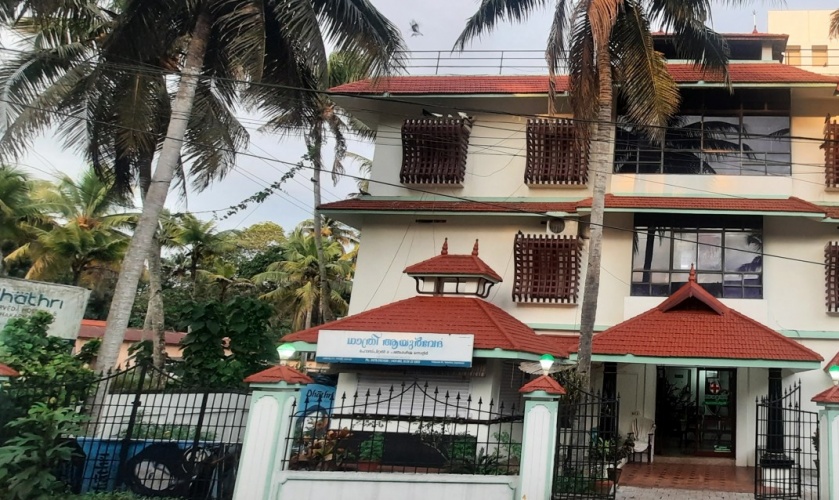
Dhathri Ayurveda Hospital & Panchakarma Centre
India/Kerala/Alleppey
Starting Rate Per Night: ₹ 5,300
Dhathri Ayurveda Hospital & Panchakarma Centre is a residential Ayurveda hospital in Puthiyavila, Velanchira, Kayamkulam, Alappuzha, Kerala, combining a long family tradition of Ayurvedic practice with a structured...
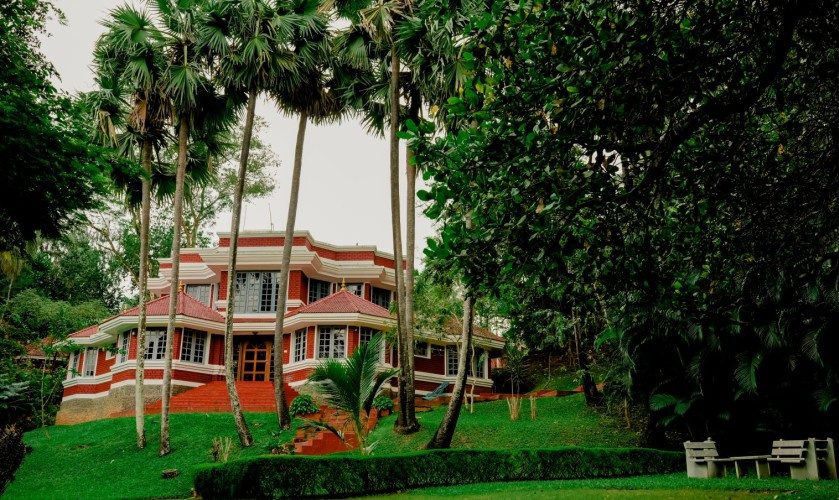
Nilayoram Ayurveda Retreat
India/Kerala/Thrissur
Starting Rate Per Night: ₹ 9,495
Nilayoram Ayurveda Retreat is a riverside Ayurveda property at Painkulam, near Cheruthuruthy in Thrissur district, Kerala. The retreat occupies approximately two acres on the banks of the Bharathapuzha, or Nila River, about 34...
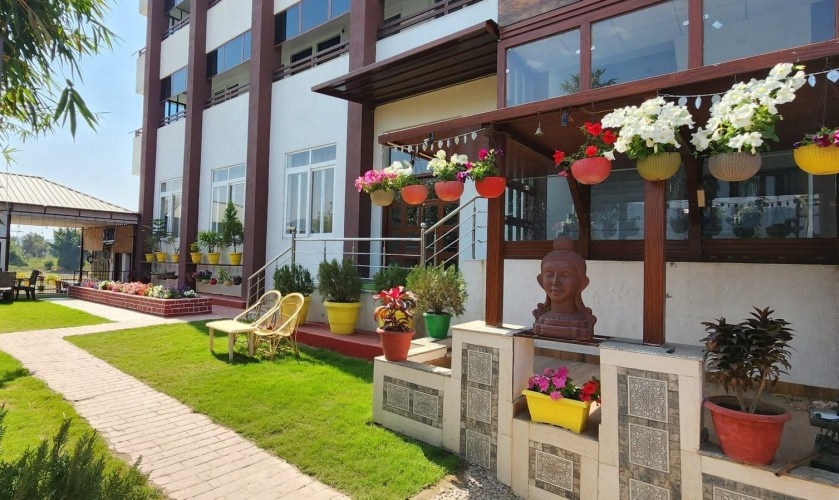
Yan Cure Yoga Retreat & Ayurveda Centre
India/Uttarakhand/Rishikesh
Starting Rate Per Night: ₹ 11,500
YAN Cure Yoga Retreat & Ayurveda Centre is a treatment-first Ayurveda and Naturopathy healing centre located in a quiet, village-like neighbourhood on the outskirts of Rishikesh, Uttarakhand, close to the sacred River...

When Lipid Levels Stay Elevated: An Ayurvedic Path to Restored Metabolic and Cardiovascular Health
High Cholesterol is among the most common metabolic conditions worldwide, affecting an estimated 39% of adults globally with substantial implications for cardiovascular health extending across decades. The condition is typically asymptomatic in early stages, with implications emerging through accumulated cardiovascular risk — making proactive management essential despite the absence of immediate symptoms. The substantial cardiovascular impact includes increased risk of coronary artery disease, heart attack, stroke, peripheral arterial disease, and other atherosclerotic complications — making lipid management one of the most impactful interventions in cardiovascular prevention.
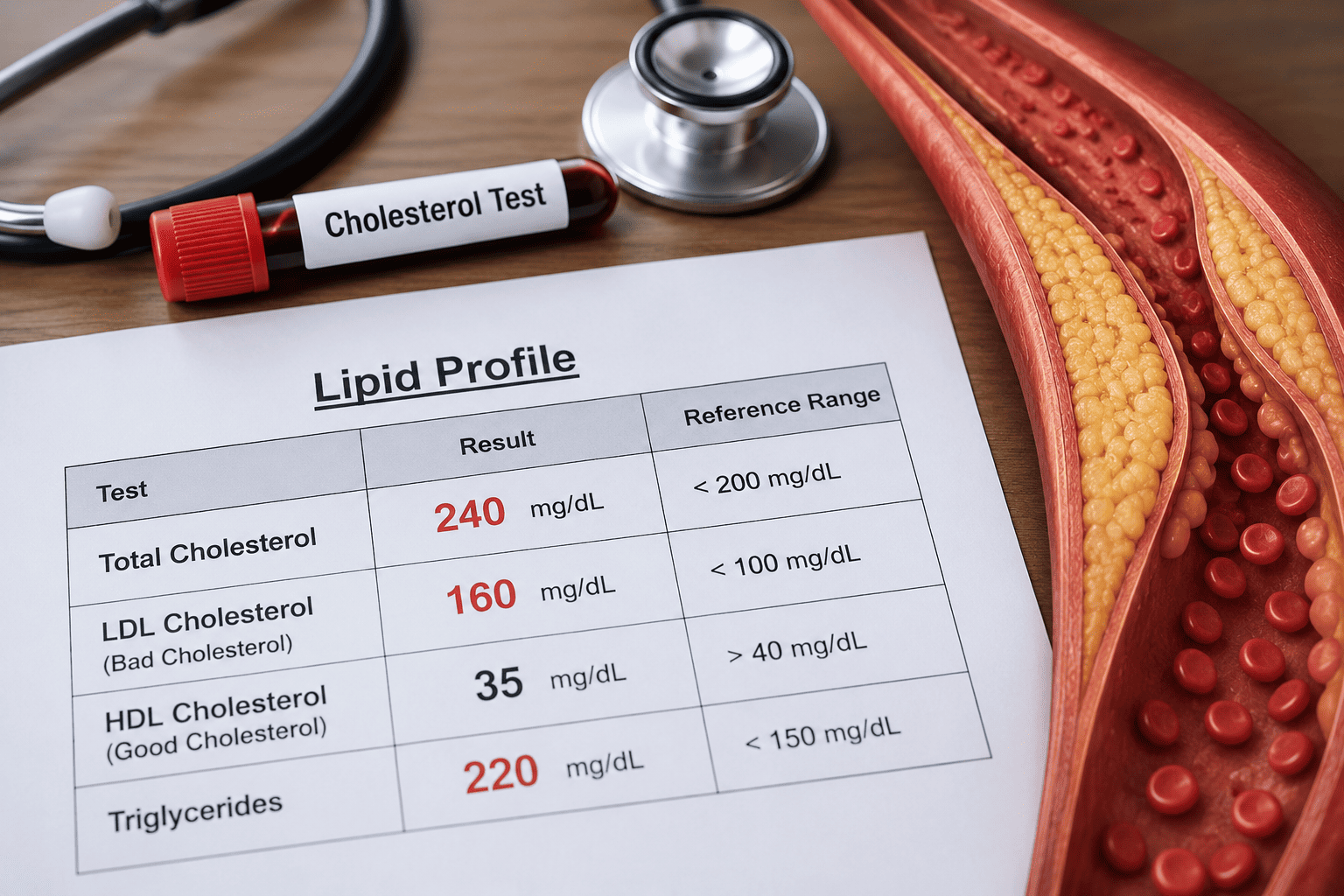
The clinical presentation is typically asymptomatic until cardiovascular complications develop, with diagnosis based on lipid profile testing. Components include Total Cholesterol (ideally <200 mg/dL); LDL Cholesterol ("bad cholesterol," ideally <100 mg/dL, <70 for high-risk patients); HDL Cholesterol ("good cholesterol," ideally >40 men, >50 women); Triglycerides (ideally <150 mg/dL); Non-HDL Cholesterol as comprehensive risk marker. Modern classification considers individual cardiovascular risk profile with treatment thresholds adjusted accordingly.
Modern management combines lifestyle modifications (Mediterranean or DASH dietary patterns, weight management, regular exercise, smoking cessation, alcohol moderation) with pharmacological treatment when appropriate (statins as primary therapy, ezetimibe, PCSK9 inhibitors, fibrates, omega-3 preparations, bile acid sequestrants). While conventional treatment is effective for most patients, substantial therapeutic gaps and complementary roles exist where Ayurveda offers genuine value:
Patients with mild to moderate dyslipidemia — Those seeking comprehensive lifestyle and constitutional approach before or alongside pharmacological treatment.
Patients with statin intolerance — Those experiencing muscle pain, liver effects, or other statin side effects seeking alternatives or complementary approaches.
Patients with metabolic syndrome dimensions — Combined dyslipidemia, hypertension, diabetes, obesity benefiting from comprehensive metabolic approach.
Patients seeking comprehensive cardiovascular wellness — Those wanting holistic approach to long-term cardiovascular health.
Patients with Kapha-Medo constitutional patterns — Those whose dyslipidemia reflects substantial Kapha-Medo vitiation benefiting from comprehensive constitutional approach.
Patients with familial hyperlipidemia — Alongside continued conventional treatment, comprehensive integrative approach providing supportive value.
Patients seeking integrative philosophy — Those wanting classical Ayurvedic depth informing broader cardiovascular wellness approach.
Classical Ayurveda addresses high cholesterol within the framework of Medo Dushti (vitiation of fat tissue) and Rasa-Rakta Dushti (vitiation of plasma and blood) with substantial Kapha-predominant pathology. The classical understanding of dyslipidemia through Medo-Rasa-Rakta framework anticipates much of modern understanding of lipid metabolism and atherosclerosis. The therapeutic approach includes Guggulu (Commiphora mukul) as foundational lipid-management herb with substantial classical use and modern evidence; Arjuna for cardiovascular Rasayana support; Triphala and Trikatu for digestive-metabolic support; comprehensive Kapha-Medo pacifying approach; lifestyle integration with substantial impact; coordination with continued cardiology care for appropriate management.
A High Cholesterol treatment retreat is best understood as comprehensive integrative care undertaken for patients across the dyslipidemia spectrum seeking constitutional optimization, alongside continued cardiology care including lipid monitoring and pharmacological management as appropriate.
What is High Cholesterol?
High Cholesterol (dyslipidemia) is an abnormal lipid profile with elevated LDL cholesterol, elevated triglycerides, reduced HDL cholesterol, or combinations thereof, with substantial cardiovascular risk implications.
Lipid components and target levels:
- Total Cholesterol — Ideally <200 mg/dL
- LDL Cholesterol ("bad") — Ideally <100 mg/dL (<70 for high-risk patients)
- HDL Cholesterol ("good") — Ideally >40 mg/dL (men), >50 mg/dL (women)
- Triglycerides — Ideally <150 mg/dL
- Non-HDL Cholesterol — Comprehensive risk marker
- Lipoprotein(a) — Genetic risk marker
Types of dyslipidemia:
- Hypercholesterolemia — Elevated total/LDL cholesterol
- Hypertriglyceridemia — Elevated triglycerides
- Mixed dyslipidemia — Combined abnormalities (most common)
- Low HDL — Reduced protective cholesterol
- Familial hypercholesterolemia — Genetic condition with substantial elevations
Pathophysiology:
- Complex interaction of genetic, dietary, lifestyle, metabolic factors
- Hepatic lipid metabolism dysregulation
- Insulin resistance contributions
- Inflammatory dimensions
- Atherogenic process through LDL oxidation and vascular deposition
- Genetic factors in some cases (familial patterns)
Clinical presentation:
- Typically asymptomatic
- May have associated conditions (xanthomas with severe genetic forms, arcus cornealis)
- Implications emerging through cardiovascular complications
- Diagnosis through lipid profile testing
Complications and risks:
- Coronary artery disease
- Heart attack
- Stroke
- Peripheral arterial disease
- Carotid artery disease
- Atherosclerosis
- Pancreatitis (with severe hypertriglyceridemia)
- Fatty liver disease
Risk factors:
- Family history
- Diet high in saturated/trans fats
- Sedentary lifestyle
- Obesity (particularly abdominal)
- Diabetes and insulin resistance
- Smoking
- Excessive alcohol
- Age
- Hormonal factors
- Hypothyroidism
- Specific medications
- Metabolic syndrome
Diagnosis:
- Fasting lipid profile
- Non-fasting lipid profile (acceptable in many cases)
- Cardiovascular risk assessment
- Evaluation for secondary causes (hypothyroidism, kidney disease, others)
- Family screening when familial pattern suspected
- Specialized testing in selected cases (apolipoproteins, particle size analysis, lipoprotein(a))
Understanding Medo Dushti and Rasa-Rakta Dushti: The Ayurvedic Root of High Cholesterol
The Ayurvedic understanding of high cholesterol sits within the framework of Medo Dushti (vitiation of fat tissue/Meda Dhatu) and Rasa-Rakta Dushti (vitiation of plasma and blood) with substantial Kapha-predominant pathology. The classical recognition of disordered fat metabolism with implications for broader Dhatu function anticipates much of modern understanding of lipid metabolism and atherosclerosis.
Core concepts:
Medo Dhatu Dushti — The classical concept of Meda Dhatu (adipose/fat tissue) vitiation directly addresses lipid abnormalities. Excessive or abnormal Meda Dhatu corresponds to dyslipidemia patterns, with classical understanding of disordered fat metabolism producing broader systemic implications.
Kapha-Predominant Pathology — Most dyslipidemia presentations involve substantial Kapha vitiation:
- Kapha's "heavy, oily, slow" qualities producing lipid accumulation
- Slow metabolic function
- Tissue heaviness and accumulation patterns
- Often associated with Kapha-related conditions (obesity, diabetes, sedentary patterns)
Rasa-Rakta Dushti — Vitiation of plasma (Rasa) and blood (Rakta) with classical understanding of impaired fluid quality affecting broader circulatory function — corresponding to modern understanding of lipid effects on vascular health.
Agni Mandya (Reduced Digestive Fire) — Central to classical understanding:
- Reduced Agni (digestive/metabolic fire) producing incomplete digestion and metabolism
- Ama (metabolic toxins) formation
- Disordered Dhatu formation including abnormal Medo Dhatu
- Foundational to Kapha-Medo pathology
Ama Accumulation — Classical concept of metabolic toxins from incomplete digestion:
- Corresponds to oxidized LDL and inflammatory dimensions
- Substrate for atherosclerotic process
- Central therapeutic target
Sub-types based on doshic predominance:
- Kapha-predominant — Most common; obesity, sluggishness, heaviness, slow metabolism
- Kapha-Pitta — Inflammatory dimensions, metabolic syndrome patterns
- Vata-Kapha — Variable patterns with anxiety dimensions
- Constitutional considerations essential
Hridaya (Heart) Considerations — Classical recognition of heart as central organ requiring specific cardiotonic support given the cardiovascular implications of dyslipidemia.
Predisposing Nidana classical Ayurveda identifies:
- Excessive consumption of heavy, oily, sweet foods
- Excessive dairy and dairy products
- Sedentary lifestyle (Avyayama)
- Daytime sleep (Diwaswapna)
- Excessive consumption of fried foods
- Obesity (Sthaulya)
- Constitutional Kapha predominance
- Aging-related metabolic changes
- Family history considerations
- Inadequate physical activity
This comprehensive understanding shapes the Ayurvedic approach: address Medo Dhatu Dushti through specific lipid-management herbs (particularly Guggulu); strengthen Agni through digestive support; eliminate Ama through cleansing approaches; comprehensive Kapha pacification through dietary and lifestyle modifications; support Hridaya function through cardiovascular Rasayana (particularly Arjuna); address contributing lifestyle factors comprehensively; coordinate with continued cardiology care for monitoring and management.
The 3 Stages of Ayurvedic Treatment for High Cholesterol
1. Preparation (Purva Karma) Comprehensive assessment including lipid profile (current and historical), current medications, cardiovascular risk profile, comorbidities (diabetes, hypertension, obesity, sleep apnea), lifestyle factors, family history, and constitutional profile with attention to Kapha-Medo pattern identification. Cardiology coordination for ongoing monitoring and any prescribed medications.
Initial constitutional support with foundational Kapha-pacifying approach:
Deepana-Pachana addressing Agni Mandya — strengthening digestive fire through appropriate spices and herbs (ginger, black pepper, long pepper combinations including Trikatu).
Initial dietary modifications — Beginning Kapha-pacifying patterns with reduced heavy oily foods, increased vegetables, appropriate spices.
Foundational lifestyle measures — Initial exercise integration, sleep optimization (avoiding daytime sleep particularly important for Kapha), stress management.
2. Core Treatment (Pradhana Karma) Primary therapies focus on four coordinated lines:
Comprehensive Kapha-Medo Pacifying Constitutional Approach:
- Light, warm, dry dietary patterns
- Reduced heavy oily foods
- Reduced dairy (particularly heavy preparations)
- Reduced sweet, salty, sour emphasis
- Increased pungent, bitter, astringent tastes
- Vegetable emphasis with appropriate spices
- Whole grains in moderation
- Adequate protein
- Specific cholesterol-lowering foods (oats, barley, legumes, garlic)
Comprehensive Herbal Therapy:
Foundational lipid-management herbs:
- Guggulu (Commiphora mukul) — Foundational with substantial classical use and modern evidence for lipid management; contains guggulsterones with documented effects on cholesterol metabolism
- Arjuna (Terminalia arjuna) — Cardiovascular Rasayana with cardiotonic, antioxidant, and lipid-balancing effects
- Garlic (Lashuna) — Substantial evidence for lipid effects
- Triphala — Comprehensive metabolic support
- Trikatu — Digestive fire stimulation
- Cinnamon — Metabolic support
- Fenugreek (Methi) — Lipid and glucose effects
Classical formulations:
- Triphala Guggulu — Combined Triphala and Guggulu providing comprehensive metabolic effects
- Medohara Guggulu — Specifically for Medo Dhatu management
- Kanchanara Guggulu — Broader metabolic applications
- Arjunarishta — Arjuna preparation with sustained cardiovascular benefits
- Lekhaniya Mahakashaya — Classical formulations for tissue reduction
- Navaka Guggulu — Comprehensive Guggulu preparation
Specific Therapies:
Udvartana (medicated powder massage) — Particularly valuable for Kapha-Medo conditions providing tissue stimulation, lipid mobilization, and metabolic support; typically 7-14 day course.
Abhyanga with specific oils appropriate to Kapha-Medo patterns (lighter oils, sometimes alternated with Udvartana).
Swedana (steam therapy) for Kapha mobilization.
Comprehensive Lifestyle Integration:
- Mediterranean/DASH dietary integration with Ayurvedic principles
- Regular vigorous exercise (substantial impact on lipids)
- Weight management as appropriate
- Smoking cessation absolutely essential
- Alcohol moderation
- Sleep optimization
- Stress management
Coordination with Cardiology Care:
- Continued prescribed medications throughout (never discontinue statins without cardiology guidance)
- Regular lipid profile monitoring (typically every 3-6 months during integrative care)
- Potential medication adjustment with cardiologist as integrative care produces benefits
- Recognition that some patients may reduce medication dependence through comprehensive approach
- Particular value for statin-intolerant patients
3. Rejuvenation (Paschat Karma) Sustained constitutional support, continued lifestyle modifications, continued cardiovascular Rasayana (particularly Arjuna), periodic lipid monitoring, continued cardiology coordination, and recognition that dyslipidemia management is lifelong commitment requiring sustained approach.
The 5 Core Therapies for High Cholesterol Explained
1. Guggulu-Led Comprehensive Lipid Management Therapy Guggulu (Commiphora mukul) represents the foundational Ayurvedic herb for lipid management with substantial classical use across millennia and rigorous modern clinical evidence supporting effects on cholesterol metabolism. The resin contains guggulsterones (E and Z isomers) with documented mechanisms including farnesoid X receptor antagonism affecting bile acid synthesis, LDL receptor upregulation, and thyroid hormone modulation. Modern clinical studies have documented LDL reductions of 10-20% and triglyceride reductions of 15-25% with appropriate Guggulu preparations. Combined with comprehensive herbal therapy: Triphala Guggulu combining Guggulu with Triphala providing synergistic metabolic effects; Medohara Guggulu specifically formulated for Medo Dhatu (lipid) management; Navaka Guggulu comprehensive preparation; Kanchanara Guggulu for broader metabolic applications; Arjuna preparations including Arjunarishta for cardiovascular Rasayana benefits; Garlic with substantial evidence for lipid effects; Cinnamon and Fenugreek for combined lipid-glucose support. Standard administration typically 250-500mg Guggulu twice daily of authentic preparations, continued 3-6+ months for sustained benefits. Quality considerations important — authentic Shuddha (purified) Guggulu essential given preparation requirements. WellnessLoka centres employ in-house Guggulu preparation following classical methodology.
2. Comprehensive Kapha-Medo Pacifying Dietary and Lifestyle Integration Comprehensive Kapha-Medo pacifying dietary and lifestyle integration provides substantial impact on lipid profiles often comparable to medication effects in many cases. Dietary integration combining classical Ayurvedic Kapha-Medo pacification with modern evidence-based approaches: Mediterranean dietary pattern with substantial cardiovascular evidence; DASH pattern with documented benefits; Specific cholesterol-lowering foods including oats and barley (soluble fiber substantial impact), legumes, nuts in moderation, fatty fish where consumed, olive oil; Kapha-Medo pacifying patterns with light warm dry foods, reduced heavy oily foods, reduced sweet/salty emphasis, increased pungent/bitter/astringent tastes; Specific spices including turmeric, ginger, black pepper, cinnamon, fenugreek, garlic; Adequate vegetables; Whole grains in moderation; Reduced refined carbohydrates particularly important for triglyceride management; Adequate protein. Lifestyle integration: Regular vigorous exercise with substantial impact on lipid profiles — 150+ minutes moderate or 75+ minutes vigorous weekly with substantial lipid effects; Weight management with significant lipid benefits from even modest weight loss; Smoking cessation absolutely essential; Alcohol moderation; Sleep optimization; Stress management. Avoiding daytime sleep particularly important for Kapha-Medo pacification per classical understanding.
3. Udvartana and Specific External Therapies Udvartana (medicated powder massage) provides one of the most valuable specific external therapies for Kapha-Medo conditions including high cholesterol. The therapy involves vigorous application of specific herbal powders (typically including Kolakulathadi Churna or similar Kapha-Medo formulations) to the body in upward strokes, providing tissue stimulation, lipid mobilization, circulation enhancement, and metabolic activation. Therapeutic effects include direct effects on subcutaneous adipose tissue, improved circulation, lymphatic drainage, metabolic stimulation, and Kapha-Medo pacification. Standard course typically 7-14 consecutive daily sessions providing cumulative benefits when combined with comprehensive integrative approach. Combined with supportive therapies: Swedana (steam therapy) for further Kapha mobilization; Abhyanga with appropriate lighter oils alternated as appropriate for individual; Specific dietary support during therapy course; Comprehensive lifestyle integration maintained throughout.
4. Cardiovascular Rasayana with Arjuna and Comprehensive Cardioprotection Cardiovascular Rasayana with Arjuna provides comprehensive cardioprotection extending beyond just lipid management to broader cardiovascular wellness. Arjuna (Terminalia arjuna) as foundational cardiovascular Rasayana with substantial classical use and modern evidence — Arjunarishta 15-30ml twice daily, Arjuna Ksheerapaka (milk decoction with classical preparation), Arjuna Churna; provides comprehensive cardiotonic effects, antioxidant support, lipid-balancing effects, and broader cardiovascular protection. Combined with supportive cardiovascular herbs: Brahmi and Mandukaparni for cognitive and broader nervous system support important given dyslipidemia's cognitive implications; Punarnava for sustained cardiovascular and renal support; Ashwagandha for adaptogenic support. Comprehensive metabolic support through Triphala for sustained metabolic balance; Chyawanprash in appropriate quantities (2 teaspoons daily — note ghee content); Specific Rasayana matched to individual constitutional needs. Long-term cardiovascular wellness framework recognising dyslipidemia management as part of broader cardiovascular health spanning decades.
5. Coordination with Continued Cardiology Care and Long-Term Framework Coordination with continued cardiology care is essential for comprehensive dyslipidemia management given the substantial cardiovascular implications and the central role of conventional treatment for many patients. Continued prescribed medications essential — never discontinue statins or other cholesterol medications without cardiology guidance; recognition that statins provide substantial cardiovascular event reduction beyond just cholesterol effects through pleiotropic effects. Regular lipid monitoring during integrative care (typically every 3-6 months) tracking response to comprehensive approach. Potential medication adjustment with cardiologist as integrative care produces benefits — some patients may reduce medication burden through comprehensive lifestyle and integrative approach, but always with cardiologist guidance and continued monitoring. Particular value for statin-intolerant patients — those experiencing muscle pain, liver effects, or other statin side effects often substantially benefiting from comprehensive integrative approach as alternative or complementary therapy. Comprehensive cardiovascular risk management including blood pressure management, diabetes care, weight management, smoking cessation, stress management. Long-term framework recognising dyslipidemia as lifelong management condition requiring sustained attention with integrative approach providing meaningful contribution alongside continued conventional care. Periodic integrative care visits supporting ongoing optimization with continued cardiology coordination.
How Long Should an Ayurvedic Treatment Program for High Cholesterol Last?
| Duration | Therapeutic Benefit | ||
| 7–14 days |
|
||
| 14–21 days |
|
||
| 21–28 days | Extended program for substantial constitutional rebuilding and metabolic optimization | ||
|
Sustained therapy with measurable lipid improvements |
The exact duration is decided after consultation with the Ayurvedic doctor in coordination with continued cardiology care, based on dyslipidemia severity, comorbidities, current medications, treatment goals, and individual factors. Initial intensive retreat 14-28 days establishing protocols including Guggulu therapy, Udvartana course, and lifestyle foundation. Continued home regimen 3-6+ months minimum with sustained herbal therapy and lifestyle integration. Lipid profile follow-up typically at 3 and 6 months to assess response. Recognition that dyslipidemia management is lifelong with sustained comprehensive approach providing best outcomes.
Book Consultation
Benefits of an Ayurvedic Treatment Retreat for High Cholesterol
| Physical Benefits | Cardiovascular and Functional Benefits | Long-Term Impact | ||
| Improved lipid profile measurements |
|
|
||
| Better weight management | Improved cardiovascular function | Potential medication reduction (cardiologist-guided) | ||
| Improved digestive and metabolic function | Better exercise capacity | Better long-term cardiovascular outcomes | ||
| Enhanced overall vitality | Better quality of life |
|
Why Kerala is the Best Place for High Cholesterol Treatment
An Ayurvedic High Cholesterol treatment retreat in Kerala, India offers the most clinically authentic environment for comprehensive metabolic and cardiovascular Ayurvedic care.
- Experienced physicians with specific expertise in Medo Roga (lipid disorders) and Hridya Roga (cardiovascular Ayurveda)
- BAMS and MD Ayurveda-certified doctors with metabolic and cardiovascular training
- Specialised practitioner training in Udvartana — particularly valuable for Kapha-Medo conditions
- In-house preparation of classical lipid-management formulations — Triphala Guggulu, Medohara Guggulu, Navaka Guggulu, Kanchanara Guggulu, Arjunarishta, various Guggulu preparations — using authentic Shuddha Guggulu preparation methodology
- Authentic in-house preparation of Udvartana powders and supportive oils
- Proper facilities for comprehensive Udvartana therapy with appropriate medical supervision
- Capacity for integrated metabolic care including coordination with continued cardiology
- Long-established Kerala tradition of comprehensive metabolic and cardiovascular Ayurveda
- Capacity for sustained long-term care relationships
- Coordination capability with continued cardiology and broader specialist care
- Integrated meal preparation following lipid-management dietary protocols
Sri Lanka offers complementary tropical healing environment, while Bali provides wellness-oriented treatment retreats integrating Ayurvedic care with holistic wellness. For specialised Medo Roga care with comprehensive Udvartana capability, Kerala offers the deepest tradition.
High Cholesterol Treatment Retreats by Location and Recommended Centres
Kerala, India — The most clinically authentic destination for classical metabolic and cardiovascular Ayurvedic care with established Udvartana expertise. Alleppey • Kovalam • Kumarakom • Wayanad • Palakkad
Sri Lanka — Coastal Ayurveda treatment retreats with comprehensive supportive care. Wadduwa • Weligama • Sigiriya • Kosgoda • Bentota
Bali, Indonesia — Wellness treatment retreats integrating Ayurvedic care with holistic wellness. Ubud • Nusa Dua • Candidasa • Lovina
WellnessLoka connects you with verified centres offering genuine metabolic and cardiovascular Ayurveda expertise, Udvartana capability, authentic Guggulu preparation, willingness to coordinate with continued cardiology care, and clear understanding of integrative role.
Who Should Consider an Ayurvedic High Cholesterol Treatment Retreat
Patients with mild to moderate dyslipidemia — Seeking comprehensive natural management before or alongside medication.
Patients with statin intolerance — Those experiencing muscle pain, liver effects, or other statin side effects.
Patients seeking to minimize medication burden — Wanting comprehensive lifestyle and integrative approach.
Patients with metabolic syndrome — Combined dyslipidemia, hypertension, diabetes, obesity.
Patients with familial hypercholesterolemia — Alongside continued conventional treatment.
Patients with Kapha-Medo constitutional patterns — Substantial constitutional dimensions.
Patients with associated obesity — Combined dyslipidemia and overweight benefiting from comprehensive approach.
Patients with fatty liver disease — Combined hepatic and lipid management.
Patients with high cardiovascular risk — Seeking comprehensive risk reduction alongside conventional care.
Patients after cardiovascular events — Comprehensive rehabilitation and prevention support.
Patients with diabetes and dyslipidemia — Combined metabolic management.
Patients seeking comprehensive cardiovascular wellness — Long-term holistic approach.
Patients with prediabetes and dyslipidemia — Early intervention preventing progression.
Patients with mixed dyslipidemia — Combined elevated LDL and triglycerides.
Patients seeking integrative philosophy — Classical Ayurvedic depth informing cardiovascular health approach.
Who Should Approach Treatment with Caution
Ayurvedic care for High Cholesterol is genuinely valuable for most patients, but appropriate medical evaluation and continued cardiology coordination are essential:
Patients with severe familial hypercholesterolemia — Require specialized lipid clinic management; integrative care provides supportive role.
Patients with recent cardiovascular events — Recent heart attack, stroke require continued specialist care; integrative care after stabilization.
Patients with severe hypertriglyceridemia (>500 mg/dL) — Pancreatitis risk requiring urgent medical attention.
Patients with active liver disease — Require careful coordination given some Ayurvedic preparations including Guggulu have liver considerations.
Patients with bleeding disorders or on anticoagulation — Require careful coordination as Guggulu may have effects on platelet function.
Patients with thyroid disorders — Guggulu may affect thyroid hormone metabolism requiring careful coordination.
Patients on multiple cardiac medications — Require careful coordination regarding potential interactions.
Patients with hyperacidity or peptic ulcer disease — Guggulu may cause GI irritation requiring careful selection.
Patients with active inflammatory bowel disease — Require careful preparation selection.
Patients planning to discontinue statins without supervision — Statins should not be discontinued without cardiology guidance given substantial cardiovascular event reduction benefits.
Patients with severe comorbidities — Require careful coordination.
Patients with unrealistic expectations — Honest counseling about realistic expectations and continued importance of cardiology care.
Patients without continued cardiology care — Integrative care complements rather than replaces continued specialist management.
Patients considering self-prescription of Guggulu — Authentic Shuddha (purified) Guggulu essential; quality varies substantially in commercial preparations.
Choosing the Right Treatment Retreat for High Cholesterol
Qualified physicians with metabolic and cardiovascular Ayurveda expertise — BAMS or MD Ayurveda-credentialed doctors with specific training in Medo Roga and Hridya Roga.
Specialised practitioners trained in Udvartana — Including proper technique with appropriate powders for Kapha-Medo conditions.
Authentic in-house Guggulu preparations — Essential given quality variations in commercial preparations; centres preparing Shuddha Guggulu following classical methodology.
Authentic Udvartana powder preparations — Including specific Kapha-Medo formulations.
Proper infrastructure — Including appropriate facilities for Udvartana therapy and comprehensive metabolic care.
Capacity for integrated dietary support — Essential given the substantial impact of dietary integration; meal preparation following lipid-management protocols.
Coordination capability with continued cardiology — Essential for ongoing management and medication coordination.
Capacity for sustained long-term care relationships — Recognising lifelong nature of dyslipidemia management.
Honest framing — Centres clearly understanding integrative supportive role; avoid centres promising medication elimination or unrealistic outcomes.
Clear continuity-of-care planning — Detailed home regimens, follow-up timing, lipid monitoring guidance.
Capacity for psychological dimensions integration — Stress management and broader wellness components.
How WellnessLoka Helps You Choose the Right Ayurveda Treatment Retreat for High Cholesterol
Choosing the right treatment retreat for High Cholesterol benefits from specialised guidance. WellnessLoka exists to ensure that patients can make this decision with full information, genuine guidance, and complete confidence.
Access to Verified Retreat Centres Every centre listed on WellnessLoka for High Cholesterol treatment has been independently assessed for physician credentials, specialised Medo Roga expertise, authentic Guggulu preparation capability, Udvartana therapy infrastructure, comprehensive integrative care infrastructure, willingness to coordinate with continued cardiology care, and clear understanding of the integrative role alongside continued conventional management. We list only centres practising authentic care with appropriate honesty about realistic expectations.
Free Pre-Retreat Consultation with Our Ayurvedic Doctor Before you choose a retreat, WellnessLoka offers a complimentary consultation with our in-house Ayurvedic consultant. This consultation reviews your specific dyslipidemia context (current lipid profile, medications, cardiovascular risk profile, comorbidities, lifestyle factors, treatment goals) and matches you with the appropriate centre. Honest framing about realistic expectations and continued cardiology care importance.
Transparent Centre Comparison Clear, honest information about each listed centre — physician qualifications, metabolic and cardiovascular expertise, therapy protocols including Udvartana capability, program structure, dietary support, and pricing.
Best Price Guarantee Through our strong partner relationships, exclusive partner pricing always lower than booking directly.
Retreats for Every Budget From luxury wellness resorts to authentic healing centres without compromising on specialised expertise.
Treatment is in Expert Hands Your program is fully managed by qualified Ayurvedic physicians with specialised metabolic and cardiovascular training and direct familiarity with dyslipidemia management approaches.
Local Support Team Our on-ground experts assist you at every step ensuring smooth treatment journey.
End-to-End Booking Support From enquiry to confirmed booking, full administrative and logistical support.
Why Travellers Trust WellnessLoka WellnessLoka is rated 4.9? on Google, with verified reviews. Trusted by hundreds of travellers from 28+ countries, backed by over a decade of expertise. Dedicated support team available 24×7.
Begin Your Healing Journey
High Cholesterol represents one of the most prevalent and clinically significant metabolic conditions affecting nearly 40% of adults globally, with substantial implications extending across cardiovascular health spanning decades. Modern medical management provides effective options through evidence-based pharmacological treatment (particularly statins) and lifestyle modifications — recognising that comprehensive long-term management requires sustained attention to multiple dimensions.
Within this clinical context, classical Ayurvedic care offers meaningful integrative contributions through the Medo Dushti and Rasa-Rakta Dushti framework and comprehensive Kapha-Medo pacifying approach. The therapeutic framework includes Guggulu-led comprehensive lipid management therapy combining substantial classical use with rigorous modern clinical evidence including documented LDL reductions of 10-20% and triglyceride reductions of 15-25%; Arjuna as foundational cardiovascular Rasayana providing comprehensive cardiotonic and lipid-balancing effects; Udvartana (medicated powder massage) as Kerala's signature therapy for Kapha-Medo conditions providing tissue stimulation and metabolic activation; comprehensive Kapha-Medo pacifying dietary integration combining Mediterranean/DASH patterns with Ayurvedic principles; comprehensive lifestyle integration with substantial impact often comparable to single medication effects; coordination with continued cardiology care essential for medication management and ongoing monitoring particularly given statins' substantial cardiovascular event reduction benefits beyond just cholesterol effects.
Whether you choose a treatment retreat in Kerala, Sri Lanka, or Bali — with Kerala offering particular depth in classical Medo Roga care and authentic Guggulu preparation tradition — Ayurvedic care for High Cholesterol offers a thoughtful, deeply integrative path to comprehensive cardiovascular wellness. The integrative approach is undertaken in close coordination with continued conventional cardiology care, recognising that comprehensive dyslipidemia management includes both classical Ayurvedic depth and modern medical expertise where each genuinely benefits the patient. Investment in comprehensive integrative care for high cholesterol represents investment in broader cardiovascular and metabolic health — addressing not just immediate lipid numbers but the underlying constitutional, lifestyle, and broader factors determining cardiovascular health spanning decades.
The journey to sustained lipid balance and broader cardiovascular wellness extends beyond just medication management — encompassing comprehensive attention to constitutional factors, lifestyle dimensions, dietary patterns, weight management, exercise integration, stress management, and the foundation for sustained cardiovascular health across the lifespan.
| Initial protocols established, Udvartana course, foundational lifestyle integration |


