
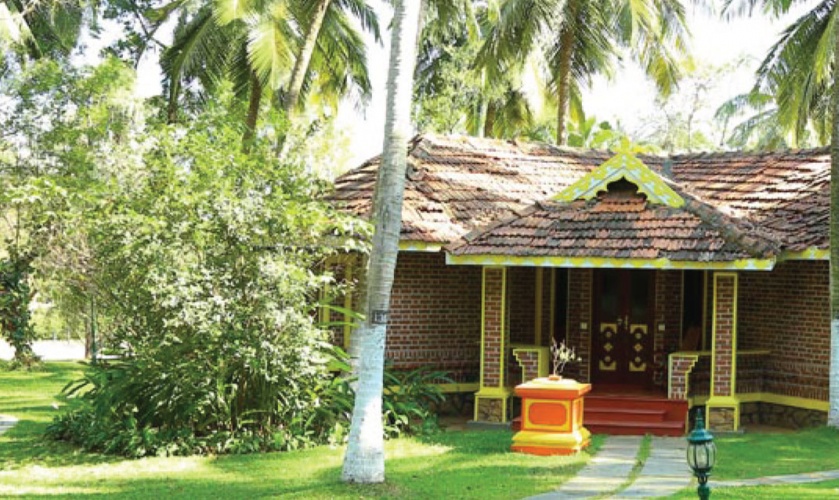
Kairali The Ayurvedic Healing Village
India/Kerala/Palakkad
Starting Rate Per Night: ₹ 16,264

Nestled in the verdant heart of Kerala, Kairali Ayurvedic Group presents the world’s first Ayurvedic Health Farm, acclaimed as Asia’s leading Ayurvedic retreat. Recipient of the World Luxury Spa Award for a record...

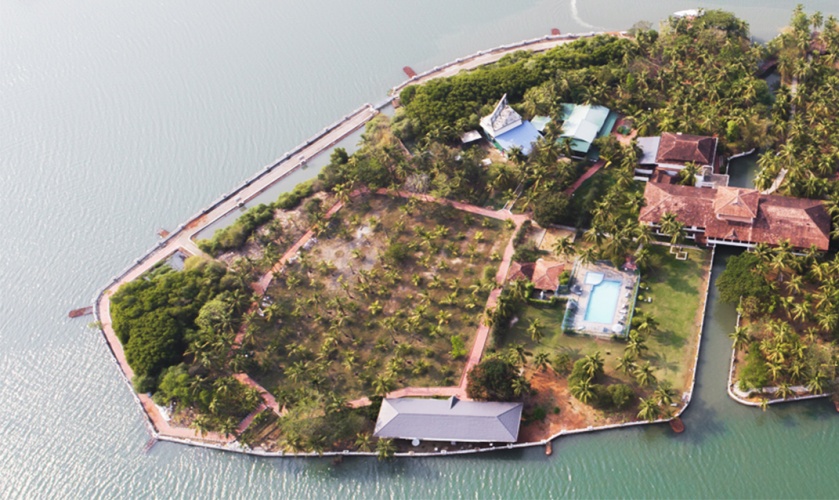
Nattika Beach Ayurveda Resort
India/Kerala/Thrissur
Starting Rate Per Night: ₹ 22,730
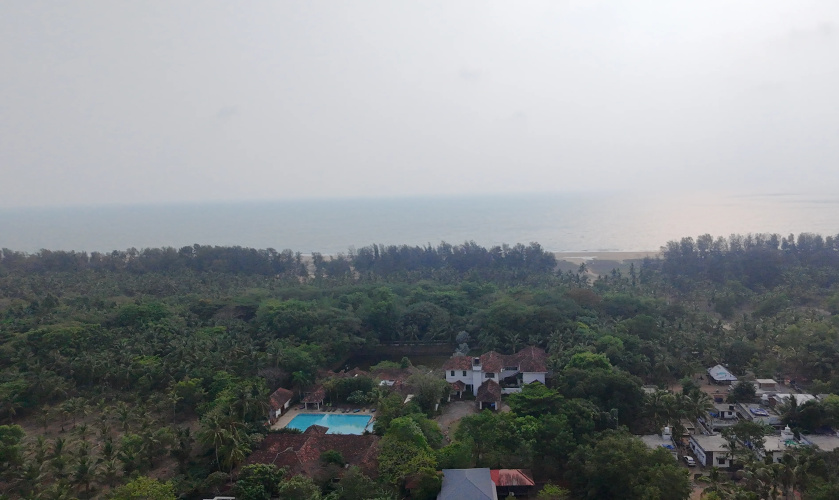
Spread across 16 acres of coconut groves alongside India's Malabar Coast is The Nattika Beach Ayurveda Resort is a physician-led Ayurveda wellness retreat located on the tranquil shores of Nattika Beach in Thrissur,...
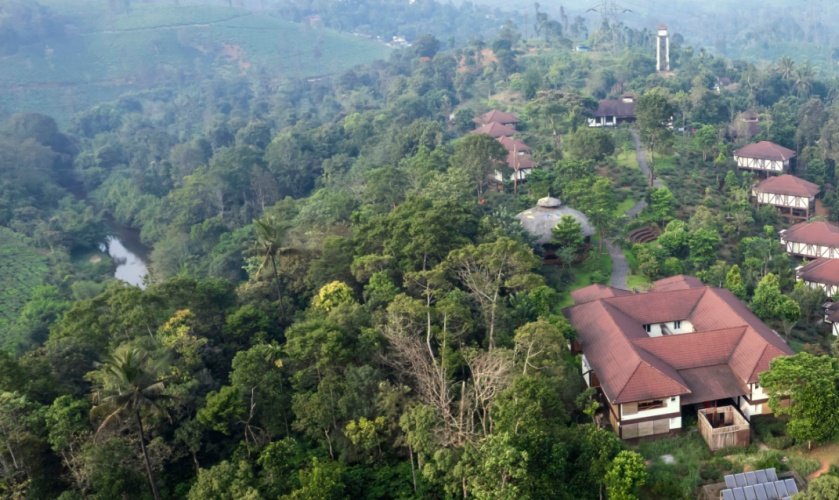
Jeevess Ayurveda Hospital
India/Kerala/Wayanad
Starting Rate Per Night: ₹ 21,173
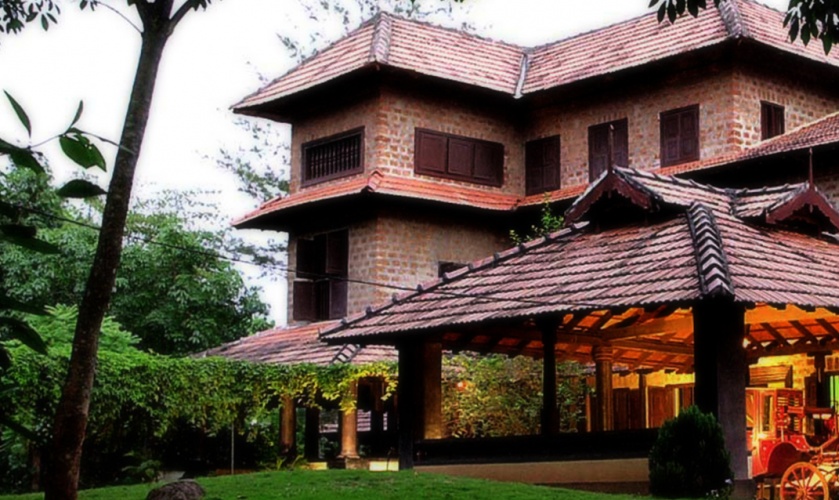
Jeevess Ayurveda Hospital is an integrated Ayurveda hospital, wellness retreat and luxury wellness resort located in Wayanad, Kerala, within approximately 30 acres of tea, coffee and medicinal plantations in the Western Ghats....
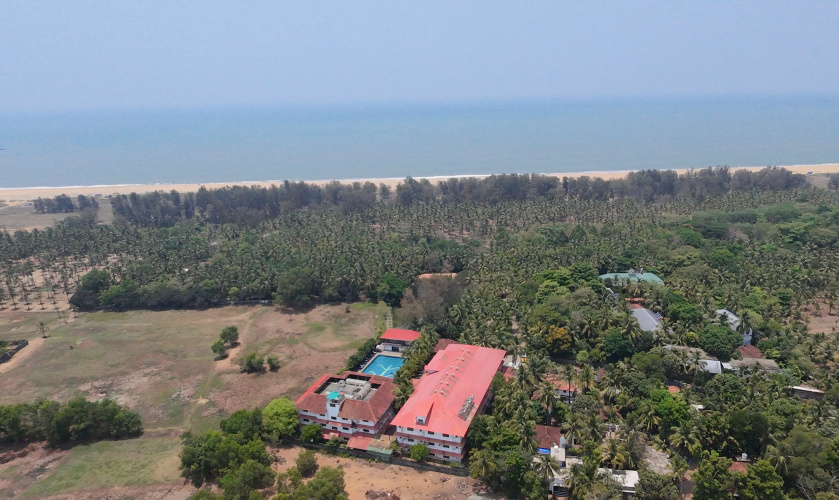
Rajah Healthy Acres
India/Kerala/Palakkad
Starting Rate Per Night: ₹ 6,710
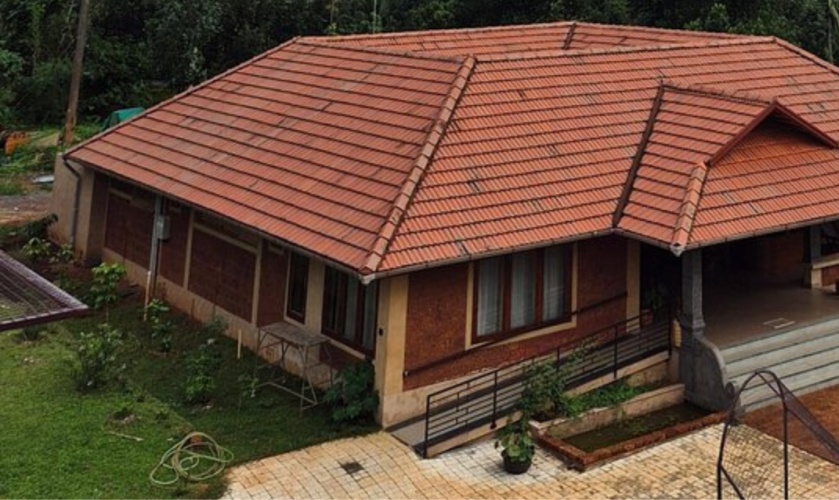
Rajah Healthy Acres is an Ayurvedic hospital and residential treatment centre at Perumanoor, Chalissery, Koottanad, Palakkad, Kerala, established in 1996 as the first treatment centre of Rajah Ayurveda. The centre is situated...

When Blood Pressure Stays Elevated: An Ayurvedic Path to Sustained Control and Cardiovascular Health
Hypertension is among the most prevalent chronic conditions worldwide, affecting an estimated 1.28 billion adults globally with substantial implications extending across cardiovascular, cerebrovascular, renal, and broader systemic health. The condition is often called the "silent killer" because it typically produces no symptoms until significant organ damage has occurred — making proactive management essential despite the absence of immediate symptoms. The substantial implications include increased risk of heart attack, stroke, heart failure, kidney disease, peripheral arterial disease, vision loss, cognitive decline, and overall mortality — making blood pressure control one of the most impactful interventions in preventive medicine.
The clinical presentation is typically asymptomatic in early stages, with symptoms emerging only in severe or advanced cases (headaches, dizziness, vision changes, chest discomfort). Classification by current guidelines includes Normal (<120/80), Elevated (120-129/<80), Stage 1 (130-139/80-89), Stage 2 (≥140/90), and Hypertensive Crisis (>180/120 requiring urgent attention). Approximately 90-95% of cases represent primary (essential) hypertension without identifiable specific cause, while 5-10% represent secondary hypertension from identifiable causes including kidney disease, endocrine disorders, sleep apnea, medication effects, and various others.
Modern management combines lifestyle modifications (DASH diet, sodium reduction, weight management, regular exercise, alcohol moderation, stress management, smoking cessation) with pharmacological treatment (ACE inhibitors, ARBs, calcium channel blockers, diuretics, beta-blockers, others) for most patients. While conventional treatment is effective for blood pressure control in most patients, substantial therapeutic gaps and complementary roles exist where Ayurveda offers genuine value:
Patients seeking comprehensive natural management — Those with mild hypertension or prehypertension wanting comprehensive lifestyle and constitutional approach before or alongside pharmacological treatment.
Patients with stress-related hypertension — Those whose substantial stress significantly contributes to elevated blood pressure benefiting from comprehensive stress management.
Patients seeking to minimize medication burden — Those wanting to reduce dependence on multiple antihypertensive medications through comprehensive lifestyle and integrative approach.
Patients with constitutional dimensions — Those whose hypertension reflects substantial Vata-Pitta vitiation benefiting from comprehensive constitutional approach.
Patients with associated symptoms — Sleep disturbances, anxiety, headaches, palpitations benefiting from comprehensive approach.
Patients with metabolic syndrome dimensions — Those with combined hypertension, diabetes, dyslipidemia, obesity benefiting from comprehensive metabolic approach.
Patients seeking integrative philosophy — Those wanting classical Ayurvedic depth informing broader cardiovascular wellness approach.
Classical Ayurveda addresses hypertension within the framework of Rakta Gata Vata (Vata vitiation in blood) with substantial Vata-Pitta vitiation and Rakta Vaha Srotas (channels of blood) involvement. While hypertension doesn't have a single direct classical equivalent (recognising it as modern disease entity), classical Ayurveda provides comprehensive framework through this Rakta Gata Vata understanding alongside related concepts. The therapeutic approach includes Sarpagandha (Rauwolfia serpentina) as classical antihypertensive herb with substantial use; Punarnava for fluid balance and cardiovascular support; Arjuna as foundational cardiovascular Rasayana; Brahmi and Jatamansi for stress dimensions; Shirodhara as signature Kerala therapy for stress and Vata-Pitta pacification; comprehensive Vata-Pitta pacifying approach addressing constitutional dimensions; comprehensive lifestyle integration with substantial impact; coordination with continued cardiology care essential for medication management.
A Hypertension treatment retreat is best understood as comprehensive integrative care undertaken for patients across the spectrum from prehypertension through controlled hypertension seeking constitutional optimization, alongside continued cardiology care including blood pressure monitoring and medication management as needed.
What is Hypertension?
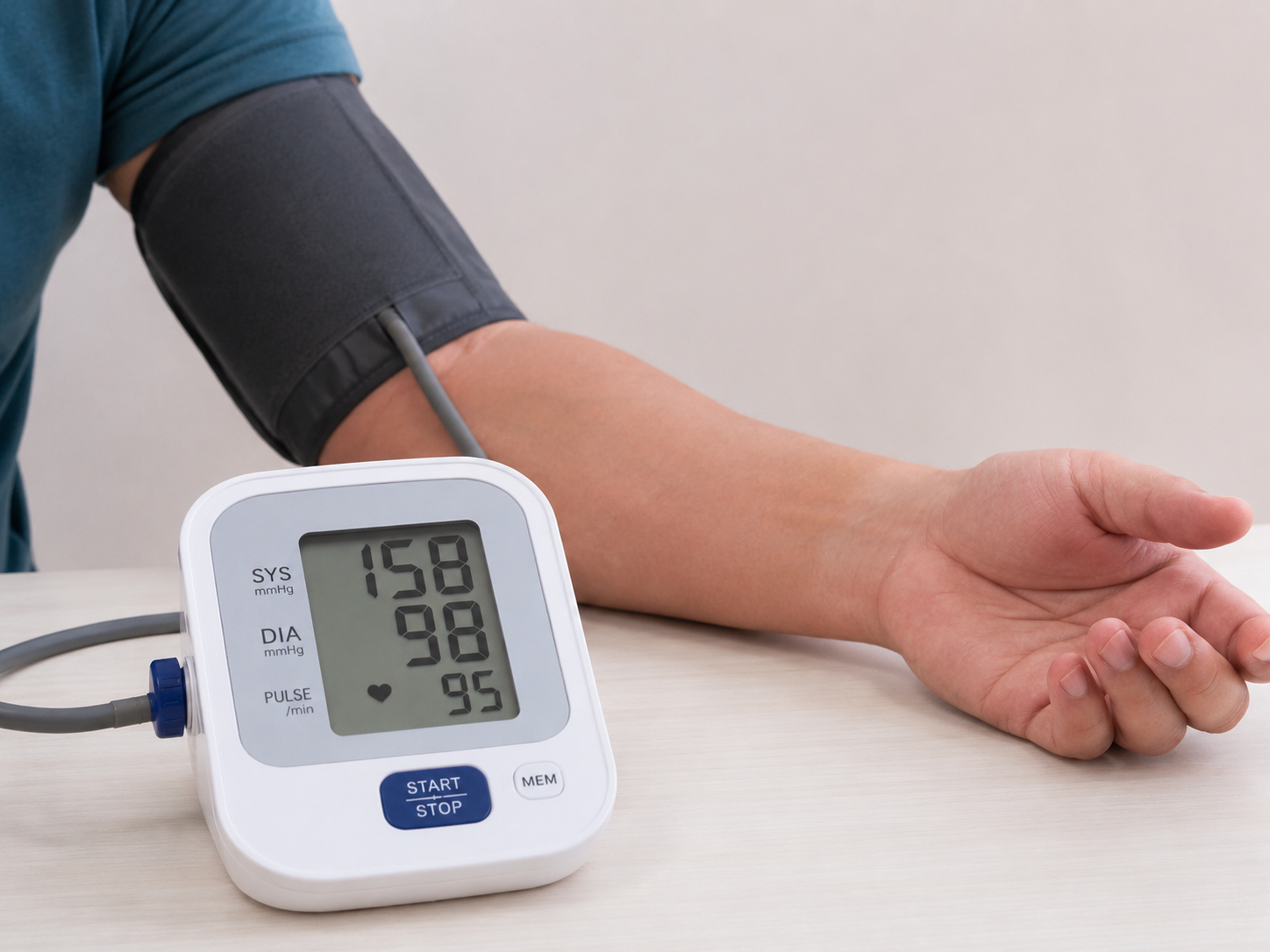
Hypertension is persistently elevated blood pressure in the arteries, defined by current guidelines as systolic blood pressure ≥130 mmHg or diastolic ≥80 mmHg measured on multiple occasions.
Classification:
- Normal: <120/80 mmHg
- Elevated: 120-129/<80 mmHg
- Stage 1 Hypertension: 130-139/80-89 mmHg
- Stage 2 Hypertension: ≥140/90 mmHg
- Hypertensive Crisis: >180/120 mmHg (requires urgent attention)
Types:
- Primary (Essential) Hypertension — 90-95% of cases, multifactorial without specific identifiable cause
- Secondary Hypertension — 5-10% of cases, from identifiable causes (kidney disease, endocrine disorders, sleep apnea, medications, others)
Pathophysiology:
- Complex interaction of genetic, environmental, lifestyle factors
- Increased cardiac output and/or peripheral vascular resistance
- Renin-angiotensin-aldosterone system involvement
- Sympathetic nervous system activation
- Endothelial dysfunction
- Insulin resistance contributions
- Vascular remodeling over time
Common symptoms (typically asymptomatic until advanced):
- Often no symptoms in early stages ("silent killer")
- Headaches (occipital, morning)
- Dizziness
- Vision changes
- Chest discomfort or palpitations
- Shortness of breath
- Fatigue
- Anxiety
- Sleep disturbances
Complications and risks:
- Cardiovascular: heart attack, heart failure, atrial fibrillation
- Cerebrovascular: stroke, cognitive decline, dementia
- Renal: chronic kidney disease, kidney failure
- Vascular: peripheral arterial disease, aortic aneurysm
- Vision: hypertensive retinopathy
- Overall: increased mortality
Risk factors:
- Age (increasing risk with age)
- Family history
- Obesity
- High sodium intake
- Low potassium intake
- Excessive alcohol
- Sedentary lifestyle
- Chronic stress
- Smoking
- Diabetes
- Sleep apnea
- Specific medications
- Certain ethnicities (higher risk)
Diagnosis:
- Multiple blood pressure measurements
- Ambulatory blood pressure monitoring
- Home blood pressure monitoring
- Laboratory evaluation (kidney function, electrolytes, glucose, lipids, urinalysis)
- ECG for cardiac assessment
- Evaluation for secondary causes when indicated
Understanding Rakta Gata Vata: The Ayurvedic Root of Hypertension
The Ayurvedic understanding of hypertension sits within the framework of Rakta Gata Vata (Vata vitiation in the blood) with substantial Vata-Pitta vitiation and Rakta Vaha Srotas (channels of blood) involvement. While hypertension doesn't have a single direct classical equivalent (recognizing it as modern disease entity), classical Ayurveda provides comprehensive framework through this understanding.
Core concepts:
Rakta Gata Vata — The classical concept of Vata vitiation specifically affecting Rakta (blood) describes the dynamic abnormalities in blood circulation including the elevated pressure pattern, vascular tension, and associated symptoms.
Vata-Pitta-Predominant Pathology — Most hypertension presentations involve substantial Vata-Pitta vitiation:
- Vata contributing the dynamic, mobile, tension dimensions
- Pitta contributing inflammatory, heat, intensity dimensions
- Combined patterns producing characteristic presentations
Rakta Vaha Srotas Dushti — Vitiation of blood channels with implications for vascular function.
Manasika Bhava (Mental-Emotional) Considerations — Substantial recognition of stress, anxiety, and broader emotional dimensions affecting blood pressure.
Sub-types based on doshic predominance:
- Vata-predominant patterns — Anxiety, restlessness, irregular pulse, often associated with stress and sleep disturbances
- Pitta-predominant patterns — Type-A personality, irritability, inflammatory dimensions, heat-related symptoms
- Kapha-predominant patterns — Often associated with obesity, sluggishness, metabolic dimensions
- Mixed patterns — Most common in practice
Predisposing Nidana classical Ayurveda identifies:
- Excessive consumption of salty, sour, spicy foods
- Excessive alcohol
- Smoking and tobacco
- Chronic stress (Chinta) and anger (Krodha)
- Sedentary lifestyle
- Obesity (Sthaulya)
- Inadequate sleep
- Suppression of natural urges
- Constitutional Vata-Pitta predominance
- Aging-related changes
- Family history considerations
Hridaya (Heart) Considerations — Classical recognition of heart as central organ requiring specific therapeutic attention through cardiotonic herbs and supportive approaches.
This comprehensive understanding shapes the Ayurvedic approach: address Vata-Pitta vitiation through comprehensive pacification; support Rakta Vaha Srotas function through specific herbs; manage Manasika Bhava through comprehensive stress reduction; support cardiovascular function through cardiotonic Rasayana; address contributing lifestyle factors comprehensively; coordinate with continued cardiology care essential for medication management and monitoring.
The 3 Stages of Ayurvedic Treatment for Hypertension
1. Preparation (Purva Karma) Comprehensive assessment including blood pressure pattern (home monitoring data, ambulatory if available), current medications, prior treatments, lifestyle factors (diet, exercise, stress, sleep, substance use), comorbidities (diabetes, dyslipidemia, kidney disease, sleep apnea), psychological factors, family history, and constitutional profile with attention to doshic pattern identification. Cardiology coordination essential — sharing treatment approach with cardiologist, continuing prescribed medications throughout, monitoring blood pressure regularly, and ensuring continued specialist care.
Initial constitutional support with gentle Vata-Pitta pacifying approach including foundational dietary modifications.
Foundational lifestyle measures initiated: Stress management, sleep optimization, dietary modifications including sodium reduction and DASH-pattern integration.
2. Core Treatment (Pradhana Karma) Primary therapies focus on four coordinated lines:
Comprehensive Vata-Pitta Pacifying Constitutional Approach — Cooling, calming, nourishing dietary patterns; regular routine emphasis; stress reduction prioritization; appropriate physical activity balance.
Comprehensive Herbal Therapy:
Foundational antihypertensive herbs:
- Sarpagandha (Rauwolfia serpentina) — Classical antihypertensive with substantial classical use and modern evidence; contains reserpine and related alkaloids with documented blood pressure effects; used with appropriate physician guidance given pharmacological activity and potential interactions with conventional antihypertensives
- Arjuna (Terminalia arjuna) — Foundational cardiovascular Rasayana with substantial cardiotonic effects, supporting cardiac function and broader cardiovascular health
- Punarnava (Boerhaavia diffusa) — Diuretic and cardiovascular support with fluid balance effects
- Brahmi (Bacopa monnieri) — Cognitive and stress support
- Jatamansi (Nardostachys jatamansi) — Calming effects valuable for stress-related dimensions
- Ashwagandha — Adaptogenic support for stress
Classical formulations:
- Sarpagandha Ghan Vati — Classical antihypertensive preparation
- Arjuna preparations including Arjunarishta and Arjuna Ksheerapaka
- Brahmi Ghrita for nervous system support
- Saraswatarishtam for stress dimensions
- Punarnavadi Guggulu for combined effects
- Mukta Vati (in appropriate situations) — Classical blood pressure preparation
Shirodhara as Signature Therapy: Shirodhara (continuous medicated oil pouring on forehead) — Kerala's signature therapy particularly valuable for hypertension management through stress reduction, autonomic regulation, and Vata-Pitta pacification; substantial documented benefits for blood pressure reduction through stress and nervous system effects; typically 7-14 day course providing meaningful benefits.
Abhyanga and Supportive Therapies:
- Daily Abhyanga with appropriate oils (Ksheerabala Taila, Chandanadi Taila, Pinda Taila for Pitta-predominant) providing stress reduction and constitutional support
- Padabhyanga (foot massage) for stress reduction
- Steam therapy in selected cases (with appropriate blood pressure considerations)
- Specific medicated bath preparations
Comprehensive Stress Management:
- Meditation (substantial evidence for blood pressure benefits)
- Yoga adapted to needs
- Pranayama (Bhramari particularly valuable, Anulom Vilom, Sheetali for cooling)
- Avoidance of intense pranayama (Kapalabhati, Bhastrika) for severe hypertension
- Structured stress reduction
Lifestyle Integration:
- DASH-pattern diet integration
- Sodium reduction (below 2300mg daily, ideally below 1500mg)
- Potassium-rich foods emphasis
- Weight management as appropriate
- Regular exercise (150+ minutes moderate weekly)
- Alcohol moderation or elimination
- Smoking cessation absolutely essential
- Sleep optimization with sleep apnea evaluation if indicated
- Caffeine moderation
Coordination with Cardiology Care:
- Continued prescribed antihypertensive medications throughout treatment
- Regular blood pressure monitoring
- Potential medication adjustment with cardiologist as integrative care produces benefits
- Recognition that medication reduction (if appropriate) should be cardiologist-guided
- Specific interaction considerations particularly for Sarpagandha-containing preparations
3. Rejuvenation (Paschat Karma) Sustained constitutional support, continued lifestyle modifications, continued Rasayana including Arjuna preparations, periodic clinical follow-up, sustained blood pressure monitoring, continued cardiology coordination, and potential gradual medication reduction with cardiologist guidance where appropriate. Recognition that hypertension management is lifelong commitment requiring sustained approach.
The 5 Core Therapies for Hypertension Explained
1. Sarpagandha-Led Antihypertensive Herbal Therapy Sarpagandha (Rauwolfia serpentina) represents one of the most clinically significant Ayurvedic herbs for hypertension with substantial classical use across millennia and rigorous modern pharmacological understanding — the herb contains reserpine and related alkaloids with documented blood pressure-lowering effects through specific mechanisms including catecholamine depletion. Modern antihypertensive medication reserpine was actually derived from Sarpagandha, reflecting its substantial pharmacological activity. Critical safety consideration: Given Sarpagandha's substantial pharmacological activity, it requires careful physician guidance, attention to potential interactions with conventional antihypertensives (could produce additive hypotensive effects), and monitoring particularly during initial therapy. Combined with comprehensive cardiovascular herbal approach: Arjuna (Terminalia arjuna) as foundational cardiovascular Rasayana with substantial cardiotonic, antioxidant, and supportive effects through Arjunarishta, Arjuna Ksheerapaka, and Arjuna Churna preparations; Punarnava (Boerhaavia diffusa) for diuretic effects and cardiovascular support; Brahmi and Jatamansi for stress dimensions; Ashwagandha for adaptogenic support; classical formulations including Sarpagandha Ghan Vati, Mukta Vati (in appropriate situations), Punarnavadi Guggulu. Sustained therapy provides meaningful benefits when combined with comprehensive integrative approach.
2. Shirodhara as Signature Therapy for Hypertension Shirodhara (continuous medicated oil pouring on the forehead) represents one of Kerala's signature therapies with particular value for hypertension management through stress reduction, autonomic regulation, and Vata-Pitta pacification. The therapy involves continuous gentle pouring of warm medicated oil onto the forehead in a specific rhythmic pattern, typically 45-60 minutes per session for 7-14 consecutive sessions providing substantial cumulative benefits. Therapeutic effects include substantial stress reduction with documented blood pressure effects, autonomic nervous system regulation (parasympathetic activation, sympathetic reduction), deep relaxation, sleep improvement, anxiety reduction, and broader Vata-Pitta pacification. Oil selection matched to individual needs — Ksheerabala Taila, Chandanadi Taila, Brahmi Taila, and various others. Modern research has documented substantial physiological effects including blood pressure reduction, heart rate variability improvement, and stress hormone reduction. Particularly valuable for stress-related hypertension and hypertension with substantial anxiety dimensions.
3. Comprehensive Stress Management with Meditation, Yoga, and Pranayama Comprehensive stress management is absolutely central to hypertension management given the substantial role of stress in both initial development and ongoing control. Meditation with rigorous modern evidence for blood pressure benefits — multiple randomized trials demonstrating substantial reductions in both systolic and diastolic blood pressure through regular meditation practice; transcendental meditation, mindfulness-based stress reduction, and other approaches all showing benefits. Yoga adapted to hypertension with substantial evidence for cardiovascular benefits — specific programs combining gentle physical practice, pranayama, and meditation showing blood pressure improvements; Avoidance of inverted poses (headstand, shoulderstand) during active hypertension management. Pranayama practices: Bhramari (humming bee breath) particularly valuable with documented effects on blood pressure and vagal tone; Anulom Vilom (alternate nostril breathing) for autonomic balance; Sheetali (cooling breath) valuable for Pitta-predominant patterns; Avoidance of intense pranayama (Kapalabhati, Bhastrika) for severe hypertension. Sustained regular practice over months providing substantial cumulative benefits.
4. Comprehensive Lifestyle Integration with Substantial Cardiovascular Impact Comprehensive lifestyle integration provides substantial cardiovascular impact often comparable to single medication effects. DASH-pattern dietary integration with substantial evidence for blood pressure benefits — emphasis on vegetables, fruits, whole grains, lean proteins, low-fat dairy, nuts, seeds; Sodium reduction below 2300mg daily (ideally below 1500mg) with substantial impact for many patients; Potassium-rich foods emphasis (bananas, leafy greens, beans, sweet potatoes); Specific Ayurvedic dietary patterns integrated with DASH including appropriate spices (turmeric, ginger, cumin, fennel), Vata-Pitta-pacifying patterns, adequate ghee in moderation, warm cooked foods. Weight management with even modest weight loss (5-10% body weight) producing substantial blood pressure benefits. Regular exercise with 150+ minutes moderate weekly producing substantial benefits — walking, swimming, cycling, yoga particularly valuable. Alcohol moderation (men ≤2 drinks daily, women ≤1) or elimination. Smoking cessation absolutely essential. Sleep optimization including sleep apnea evaluation and treatment if present. Caffeine moderation.
5. Cardiovascular Rasayana and Coordination with Continued Cardiology Care Comprehensive cardiovascular Rasayana provides sustained cardiovascular support extending beyond just blood pressure management. Arjuna as foundational cardiovascular Rasayana with substantial classical use and modern evidence — Arjunarishta 15-30ml twice daily, Arjuna Ksheerapaka (milk decoction), Arjuna Churna; provides cardiotonic effects, antioxidant support, cholesterol benefits, and broader cardiovascular protection. Punarnava for sustained cardiovascular and renal support. Brahmi and Mandukaparni for cognitive and broader nervous system support important given hypertension's cognitive implications. Comprehensive integrative care alongside continued cardiology: Continued prescribed medications essential throughout integrative care — never discontinue antihypertensive medications without cardiology guidance; Regular blood pressure monitoring (home monitoring particularly valuable); Potential medication adjustment with cardiologist as integrative care produces sustained benefits — recognition that some patients may reduce medication burden through comprehensive approach but always with cardiologist guidance; Comprehensive cardiovascular risk management including lipid management, diabetes care, weight management, smoking cessation; Long-term framework recognising hypertension as lifelong management condition requiring sustained attention; Periodic integrative care visits supporting ongoing optimization.
How Long Should an Ayurvedic Treatment Program for Hypertension Last?
|
Therapeutic Benefit | ||||
|
|
||||
| 14–21 days | Comprehensive constitutional support, extended Shirodhara, established protocols | ||||
| 21–28 days |
|
||||
| 3–6 months home regimen |
|
Book Consultation
Benefits of an Ayurvedic Treatment Retreat for Hypertension
| Physical Benefits | Cardiovascular and Functional Benefits | Long-Term Impact | ||||||||||
|
|
|
||||||||||
| Improved stress management and sleep |
|
Foundation for sustained cardiovascular wellness | ||||||||||
| Better weight management | Better quality of life |
|
||||||||||
| Enhanced overall vitality |
|
Better long-term outcomes through comprehensive approach |
Why Kerala is the Best Place for Hypertension Treatment
An Ayurvedic Hypertension treatment retreat in Kerala, India offers the most clinically authentic environment for comprehensive cardiovascular Ayurvedic care.
- Experienced physicians with specific expertise in Hridya Roga (cardiovascular Ayurveda) and Rakta Gata Vata framework
- BAMS and MD Ayurveda-certified doctors with cardiovascular Ayurveda training
- Specialised practitioner training in Shirodhara — Kerala's signature therapy particularly valuable for hypertension
- In-house preparation of classical cardiovascular formulations — Sarpagandha Ghan Vati, Arjunarishta, Arjuna Ksheerapaka, Punarnavadi Guggulu, Mukta Vati, Brahmi preparations, Saraswatarishtam — using authentic methods
- Authentic in-house preparation of Shirodhara oils — Ksheerabala Taila, Chandanadi Taila, Brahmi Taila
- Proper facilities for comprehensive Shirodhara therapy with appropriate medical supervision
- Capacity for integrated cardiovascular care including coordination with continued cardiology
- Long-established Kerala tradition of comprehensive cardiovascular Ayurveda
- Capacity for sustained long-term care relationships
- Coordination capability with continued cardiology and broader specialist care
Hypertension Treatment Retreats by Location and Recommended Centres
Kerala, India — The most clinically authentic destination for classical cardiovascular Ayurvedic care with established Shirodhara expertise. Alleppey • Kovalam • Kumarakom • Wayanad • Palakkad
Sri Lanka — Coastal Ayurveda treatment retreats with comprehensive supportive care. Wadduwa • Weligama • Sigiriya • Kosgoda • Bentota
Bali, Indonesia — Wellness treatment retreats integrating Ayurvedic care with holistic wellness. Ubud • Nusa Dua • Candidasa • Lovina
WellnessLoka connects you with verified centres offering genuine cardiovascular Ayurveda expertise, Shirodhara capability, willingness to coordinate with continued cardiology care, and clear understanding of integrative role.
Who Should Consider an Ayurvedic Hypertension Treatment Retreat
Patients with prehypertension or Stage 1 hypertension — Seeking comprehensive natural management before or alongside medication.
Patients with controlled hypertension — Seeking constitutional optimization and potential medication reduction (cardiologist-guided).
Patients with stress-related hypertension — Substantial stress contributing significantly.
Patients with sleep-related hypertension — Sleep apnea or sleep disturbances contributing.
Patients with metabolic syndrome dimensions — Combined hypertension, diabetes, dyslipidemia, obesity.
Patients seeking comprehensive lifestyle integration — Wanting structured approach to dietary, exercise, stress modifications.
Patients with persistent symptoms despite medication — Headaches, fatigue, anxiety, sleep issues continuing despite controlled BP.
Patients with medication intolerance — Side effects from antihypertensive medications.
Patients seeking integrative cardiovascular wellness — Comprehensive approach to long-term cardiovascular health.
Patients with constitutional dimensions — Vata-Pitta vitiation patterns benefiting from constitutional approach.
Patients preparing for or recovering from cardiac events — Comprehensive integrative support alongside continued cardiology.
Patients with hypertension and anxiety — Combined approach addressing both.
Patients seeking comprehensive long-term framework — Recognition that hypertension is lifelong management condition.
Who Should Approach Treatment with Caution
Ayurvedic care for Hypertension is genuinely valuable for most patients, but appropriate medical evaluation and continued cardiology coordination are essential:
Patients with hypertensive crisis (>180/120) — Require urgent medical attention, not retreat-based care.
Patients with secondary hypertension requiring specific treatment — Should have evaluation for treatable secondary causes.
Patients with acute cardiovascular events — Recent heart attack, stroke, severe heart failure require stabilization before retreat.
Patients on multiple antihypertensives requiring careful monitoring — Particularly when considering integrative care including Sarpagandha which may have additive effects.
Patients with significant kidney disease — Require nephrology coordination.
Patients with severe heart failure — Require cardiology coordination.
Patients planning to discontinue medications without supervision — Should never discontinue antihypertensives without cardiology guidance.
Patients with bleeding disorders or on anticoagulation — Require careful coordination.
Patients with significant comorbidities — Require careful coordination.
Patients with unrealistic expectations — Honest counseling about realistic expectations including the supportive integrative role and continued importance of medication for many patients.
Patients without continued cardiology care — Integrative care complements rather than replaces continued specialist management.
Patients with severe sleep apnea — Require appropriate sleep apnea treatment alongside any integrative approach.
Choosing the Right Treatment Retreat for Hypertension
Qualified physicians with cardiovascular Ayurveda expertise — BAMS or MD Ayurveda-credentialed doctors with specific training in Hridya Roga.
Specialised practitioners trained in Shirodhara — Including proper technique and oil selection for cardiovascular applications.
Proper infrastructure — Including blood pressure monitoring capability, appropriate medical supervision, Shirodhara facilities.
Authentic in-house cardiovascular herbal preparations — Including Sarpagandha preparations with appropriate quality control, Arjunarishta, and various classical formulations.
Capacity for medication coordination — Recognition that integrative care complements rather than replaces conventional medications; coordination with cardiology essential particularly given potential interactions.
Coordination capability with continued cardiology — Essential for ongoing management.
Capacity for psychological dimensions integration — Stress management central to hypertension care.
Capacity for sustained long-term care relationships — Recognising lifelong nature of hypertension management.
Honest framing — Centres clearly understanding integrative supportive role rather than promising cures or unrealistic medication elimination.
Clear continuity-of-care planning — Detailed home regimens, follow-up timing, monitoring guidance.
How WellnessLoka Helps You Choose the Right Ayurveda Treatment Retreat for Hypertension
Choosing the right treatment retreat for Hypertension benefits from specialised guidance. WellnessLoka exists to ensure that patients can make this decision with full information, genuine guidance, and complete confidence.
Access to Verified Retreat Centres Every centre listed on WellnessLoka for Hypertension treatment has been independently assessed for physician credentials, specialised cardiovascular Ayurveda expertise, Shirodhara capability, comprehensive integrative care infrastructure, willingness to coordinate with continued cardiology care, capacity for medication coordination, and clear understanding of the integrative role alongside continued conventional management. We list only centres practising authentic care with appropriate honesty about realistic expectations.
Free Pre-Retreat Consultation with Our Ayurvedic Doctor Before you choose a retreat, WellnessLoka offers a complimentary consultation with our in-house Ayurvedic consultant. This consultation reviews your specific hypertension context (current blood pressure pattern, medications, comorbidities, lifestyle factors, prior treatments, treatment goals) and matches you with the appropriate centre. Honest framing about realistic expectations including continued importance of cardiology care.
Transparent Centre Comparison Clear, honest information about each listed centre — physician qualifications, cardiovascular expertise, therapy protocols, program structure, monitoring capabilities, and pricing.
Best Price Guarantee Through our strong partner relationships, exclusive partner pricing always lower than booking directly.
Retreats for Every Budget From luxury wellness resorts to authentic healing centres without compromising on specialised expertise.
Treatment is in Expert Hands Your program is fully managed by qualified Ayurvedic physicians with specialised cardiovascular training and direct familiarity with hypertension management approaches.
Local Support Team Our on-ground experts assist you at every step ensuring smooth treatment journey.
End-to-End Booking Support From enquiry to confirmed booking, full administrative and logistical support.
Why Travellers Trust WellnessLoka WellnessLoka is rated 4.9? on Google, with verified reviews. Trusted by hundreds of travellers from 28+ countries, backed by over a decade of expertise. Dedicated support team available 24×7.
Begin Your Healing Journey
Hypertension represents one of the most prevalent and clinically significant chronic conditions affecting billions globally, with substantial implications extending across cardiovascular, cerebrovascular, renal, and broader systemic health. Modern medical management provides effective options through evidence-based pharmacological treatment and lifestyle modifications — recognising that comprehensive long-term management requires sustained attention to multiple dimensions.
Within this clinical context, classical Ayurvedic care offers meaningful integrative contributions through the Rakta Gata Vata framework and comprehensive Vata-Pitta pacifying approach. The therapeutic framework includes Sarpagandha-led antihypertensive herbal therapy combining substantial classical use with documented pharmacological activity (used with appropriate physician guidance given interaction considerations); Arjuna as foundational cardiovascular Rasayana providing comprehensive cardiotonic support; Shirodhara as Kerala's signature therapy with substantial evidence for blood pressure benefits through stress reduction and autonomic regulation; comprehensive stress management through meditation, yoga, and pranayama with rigorous modern evidence; comprehensive lifestyle integration including DASH-pattern dietary integration, sodium reduction, weight management, exercise, and broader factors; coordination with continued cardiology care absolutely essential for medication management and ongoing monitoring.
Whether you choose a treatment retreat in Kerala, Sri Lanka, or Bali — with Kerala offering particular depth in cardiovascular Ayurveda and Shirodhara tradition — Ayurvedic care for Hypertension offers a thoughtful, deeply integrative path to comprehensive cardiovascular wellness. The integrative approach is undertaken in close coordination with continued conventional cardiology care, recognising that comprehensive hypertension management includes both classical Ayurvedic depth and modern medical expertise where each genuinely benefits the patient.
The journey to sustained blood pressure control and broader cardiovascular wellness extends beyond just medication management — encompassing comprehensive attention to constitutional factors, lifestyle dimensions, stress management, and the foundation for sustained cardiovascular health across decades.


