
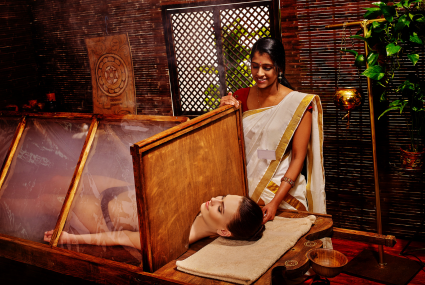
Occupational & Lifestyle Disorders
Occupational and Lifestyle Disorders arise from sedentary habits, poor posture, stress, irregular diets, and overexposure to screens. Conditions like obesity, hypertension, diabetes, back pain, and insomnia are common outcomes. Ayurveda addresses these by identifying aggravated doshas and implementing Panchakarma therapies for detoxification. Herbal formulations, along with individualized diets based on body constitution, help correct metabolic issues. Yoga and meditation practices are prescribed to improve flexibility, posture, and mental resilience. Lifestyle counselling encourages sustainable habits, ensuring long-term relief and prevention. This comprehensive approach not only treats existing disorders but also promotes a balanced, healthier way of living.
Post Covid Care
Post-COVID recovery often leaves individuals fatigued, with lingering respiratory issues, weakened immunity, and mental stress. Ayurveda addresses these through a holistic healing approach that revitalizes the body and mind. Treatments include Rasayana therapies to boost immunity and restore vitality, Panchakarma detoxification to eliminate toxins, and breathing techniques like Pranayama to enhance lung function. Herbal formulations such as Ashwagandha, Guduchi, and Chyawanprash help rebuild strength. Tailored diets, yoga, and meditation further support emotional well-being and energy restoration, ensuring complete rehabilitation and protection against future illnesses.
Long COVID Symptoms Management
Long COVID occurs when individuals continue to experience symptoms weeks or months after initial recovery from COVID-19. It can affect multiple systems, including respiratory, nervous, musculoskeletal, and digestive systems, leading to significant impact on quality of life. Common symptoms include fatigue, breathlessness, dry cough, chest heaviness, body and joint pains, brain fog, memory issues, sleep disturbances, digestive complaints, and emotional imbalance such as anxiety or low mood. In Ayurveda, Long COVID is understood as Vata-Kapha imbalance with weakened Agni (digestive fire) and accumulation of Ama (toxins), resulting in reduced immunity, impaired tissue function, and delayed recovery. Ojas depletion contributes to fatigue, weakness, and susceptibility to infections. Ayurvedic management focuses on detoxification, strengthening the body, and restoring immunity. Panchakarma therapies such as Virechana (therapeutic purgation), Vasti (medicated enema therapy), and gentle Swedana (steam therapy) help eliminate toxins, balance doshas, and rejuvenate tissues. Abhyanga (medicated oil massage) and Pizhichil (oil dripping therapy) improve circulation, reduce muscle stiffness, and enhance overall strength. Internal herbal support, which help boost immunity, reduce inflammation, and improve respiratory and nervous system function. Diet should be warm, light, and nourishing, emphasizing soups, easily digestible grains, cooked vegetables, and herbal decoctions. Avoid cold, heavy, processed, and oily foods that can aggravate Kapha and Vata. Adequate hydration is essential. Lifestyle practices include gentle breathing exercises and pranayama, light yoga, gradual physical activity, sufficient rest, stress management, and maintaining a daily routine to support recovery. Emotional support and mindfulness practices are also important for mental well-being. This holistic Ayurvedic approach integrating Panchakarma, herbal therapies, diet, and lifestyle modifications aims to restore strength, improve immunity, relieve lingering symptoms, and enhance overall quality of life in individuals recovering from Long COVID.
Chronic Fatigue Syndrome Treatment
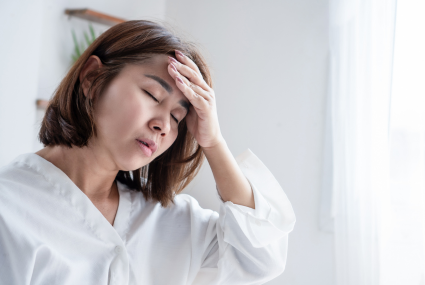
Chronic Fatigue Syndrome is a long-term condition marked by extreme fatigue, muscle and joint pain, sleep disturbances, brain fog, headaches, and post-exertional malaise. Symptoms persist for months or years and are often triggered or worsened by physical or mental stress. In Ayurveda, CFS is viewed as Ojas depletion caused by aggravated Vata and Pitta doshas and impaired Agni (digestive fire). The accumulation of Ama (toxins) further hampers metabolism, tissue nourishment, and energy production, resulting in persistent fatigue, weakness, and poor immunity. Ayurvedic management focuses on pacifying Vata and Pitta, nourishing tissues, and improving vitality. Panchakarma therapies such as Vasti (medicated enema therapy), Abhyanga (medicated oil massage), Pizhichil (oil dripping therapy), and Shirodhara help balance doshas, reduce stress, enhance circulation, and restore strength. Swedana (steam therapy) may relieve muscle stiffness and improve energy flow. Internal herbal support which help boost stamina, improve immunity, support the nervous system, and reduce fatigue. Rasayana therapies like Chyawanprash or Medhya Rasayanas may be used for long-term rejuvenation. Diet should be warm, nourishing, and easily digestible, including ghee, milk, soups, whole grains, and light proteins. Avoid cold, dry, processed, and heavy foods that can aggravate Vata and impair digestion. Adequate hydration is important. Lifestyle practices include gentle yoga, pranayama, stress management, adequate sleep, pacing of physical activity, and maintaining a consistent daily routine. Mental relaxation and meditation help improve energy and reduce fatigue. This holistic Ayurvedic approach integrating Panchakarma, herbal therapies, diet, and lifestyle modifications helps in reducing fatigue, improving stamina, nourishing tissues, and restoring overall physical and mental balance in individuals with Chronic Fatigue Syndrome.
Geriatric Care
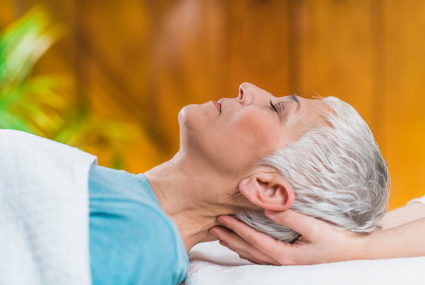
Geriatric care in Ayurveda focuses on supporting the health and well-being of the elderly by addressing age-related physical, mental, and emotional changes. The approach emphasizes Rasayana therapies, which rejuvenate tissues, improve immunity, and slow down the aging process. Treatments include herbal formulations, gentle Panchakarma detoxification, and therapies to manage joint pain, memory decline, digestion issues, and sleep disturbances. Customized diets, yoga, and meditation are integral in enhancing mobility, cognitive functions, and overall vitality. Ayurveda’s holistic approach helps seniors maintain independence, improve quality of life, and age gracefully with better resilience.
Vitiligo Management ( Not Cure)
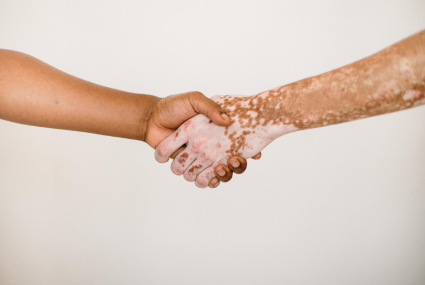
Vitiligo is a condition where the skin loses its natural color due to destruction or dysfunction of pigment-producing cells (melanocytes). It appears as white patches on the skin and may gradually spread. It can affect any part of the body, including face, hands, feet, and even hair. Common features include: White or depigmented patches on the skin Premature greying of hair in affected areas Sensitivity to sunlight The exact cause is not fully known but may involve autoimmune factors, genetic predisposition, stress, and environmental triggers. In Ayurveda, vitiligo is described as Shwitra or Kilasa, mainly due to imbalance of Pitta dosha (affecting skin pigmentation) along with involvement of Rakta Dhatu (blood tissue). Improper diet, especially incompatible food combinations (like milk with sour or salty foods), weak digestion (Agni imbalance), and accumulation of Ama (toxins) play a major role. These toxins affect the quality of blood and skin tissues, leading to loss of pigmentation. Management focuses on correcting the root cause. Improving digestion and metabolism is the first step. A balanced diet avoiding incompatible foods and maintaining proper eating habits is essential. Detoxification therapies play an important role. Snehapanam (internal oleation therapy) helps mobilize toxins, followed by Virechanam (therapeutic purgation) to eliminate excess Pitta and purify the blood. Supportive therapies and external applications help stimulate pigmentation and improve skin health. Sunlight exposure in a controlled manner may also support repigmentation. Stress management through yoga, meditation, and proper sleep is important, as stress can worsen the condition. Long-term care includes Rasayana (rejuvenation therapy) to improve immunity and support skin health.
Varicose Ulcers
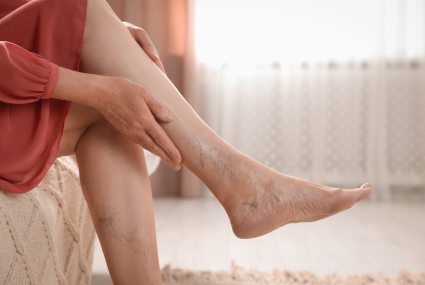
Varicose ulcers are open sores that develop on the skin, usually around the ankles or lower legs, due to improper functioning of the veins. When the valves in the veins fail to work properly, blood tends to pool in the lower limbs, leading to increased pressure, swelling, and eventually breakdown of the skin, forming ulcers. Common symptoms include a slow-healing wound on the leg, pain, swelling, itching, skin discoloration (darkening around the affected area), and a feeling of heaviness in the legs. The skin around the ulcer may become dry, thickened, or inflamed, and in some cases, there may be discharge from the wound. Risk factors include prolonged standing or sitting, obesity, aging, history of varicose veins, previous leg injuries, and poor circulation. Without proper care, these ulcers may take a long time to heal and can recur. In Ayurveda, varicose ulcers are understood as a condition involving Rakta Dushti (vitiation of blood) along with imbalance of Vata and Pitta doshas, leading to poor circulation and impaired tissue healing. Accumulation of toxins (Ama) and weak tissue nourishment also contribute to delayed healing. Ayurvedic management focuses on improving blood circulation, purifying the blood, and promoting wound healing. Treatment may include internal herbal medicines, a diet that supports blood purification, and proper wound care. External therapies such as Vrana Chikitsa (wound care management), medicated dressings, and local applications help in faster healing. Therapies that improve circulation and reduce swelling may also be recommended. Along with treatment, lifestyle modifications such as leg elevation, avoiding prolonged standing, gentle exercise, and maintaining proper hygiene are important to support healing and prevent recurrence.

Hypertensive Heart Disease Management
Hypertensive heart disease develops when high blood pressure (hypertension) persists over a long period, putting extra strain on the heart. This can lead to thickening of heart muscles, reduced efficiency of the heart, and increased risk of complications. Common symptoms may include: Headache and dizziness Chest discomfort or heaviness Shortness of breath Fatigue Palpitations In some cases, symptoms may not be noticeable until the condition progresses. Risk factors include stress, unhealthy diet (high salt and processed foods), obesity, lack of physical activity, smoking, and family history. Poor lifestyle habits and emotional stress play a major role in worsening the condition. In Ayurveda, this condition is understood as an imbalance of Vata dosha (affecting circulation and heart function) and Pitta dosha (causing heat, pressure, and intensity in blood flow), along with vitiation of Rakta Dhatu. Weak digestion (Agni imbalance) and accumulation of Ama (toxins) can further affect blood vessels and heart health. Management focuses on reducing strain on the heart, improving circulation, and maintaining stable blood pressure. A balanced diet low in salt, oily, and processed foods is recommended. Fresh, light, and easily digestible meals support heart health. Stress management is very important. Practices like yoga, meditation, and breathing exercises (pranayama) help calm the mind and regulate blood pressure. Supportive therapies such as Abhyanga (medicated oil massage) help improve circulation and relaxation. Shirodhara is beneficial in reducing stress and calming the nervous system, which plays a key role in hypertension. Gentle detoxification therapies may be advised in suitable individuals to remove toxins and improve metabolic balance. Regular physical activity, proper sleep, and maintaining a disciplined routine are essential.
Beyond Symptoms: An Ayurvedic Path to Root-Cause Healing and Sustainable Wellness
General Medicine in Ayurveda — known classically as Kayachikitsa — represents the foundational and largest branch of the comprehensive eight-branch Ayurvedic medical system (Ashtanga Ayurveda). Rooted in the timeless classical principle "Swasthasya Swasthya Rakshanam, Aturasya Vikara Prashamanam" — meaning "preserving the health of the healthy and treating diseases of the sick" — Ayurvedic general medicine addresses comprehensive health management across the lifespan with substantial classical literature in Charaka Samhita, Sushruta Samhita, and Ashtanga Hridaya providing detailed framework for both preventive health and disease treatment.
Unlike modern general medicine that often focuses primarily on symptom management, Ayurvedic Kayachikitsa addresses the root cause of disease through holistic understanding of the body, mind, environment, and individual constitution. According to Ayurveda, comprehensive health depends on:
- Balanced Doshas (Vata, Pitta, Kapha) — the three fundamental physiological energies
- Proper Agni (digestive fire) — central to all health
- Healthy Dhatus (body tissues — Rasa, Rakta, Mamsa, Meda, Asthi, Majja, Shukra/Artava)
- Efficient Malas (waste elimination — urine, stool, sweat)
- Clear Srotas (body channels)
- Robust Ojas (vital essence underlying immunity and vitality)
- Balanced Manas (mental wellbeing)
Any disturbance in these fundamental factors leads to disease — making Ayurvedic general medicine a comprehensive system covering a wide spectrum:
- Digestive disorders — chronic indigestion, IBS, peptic conditions, fatty liver
- Respiratory conditions — asthma, chronic bronchitis, sinusitis
- Metabolic disorders — diabetes, obesity, dyslipidemia, metabolic syndrome
- Cardiovascular conditions — hypertension, supportive cardiac care
- Skin diseases — psoriasis, eczema, vitiligo
- Musculoskeletal disorders — arthritis, frozen shoulder, sciatica, chronic back pain
- Neurological conditions — chronic headache, migraine, peripheral neuropathy
- Hormonal imbalances — thyroid conditions, menstrual disorders, menopause
- Lifestyle disorders — stress, chronic fatigue, sleep disturbances
- Immune and chronic inflammatory conditions
- Mental wellness conditions — anxiety, depression supportive care
- Preventive health and rejuvenation
The therapeutic framework centers on Nidana Parivarjana (avoiding causative factors), Agni Deepana and Ama Pachana (kindling digestion and clearing toxins), Shamana Chikitsa (palliative herbal therapy), Shodhana Chikitsa (Panchakarma purification therapy), Brimhana and Balya (nourishing and strengthening therapy), Rasayana Chikitsa (rejuvenation therapy), comprehensive dietary and lifestyle integration, and coordination with continued conventional care when underlying medical conditions are present.

What is General Medicine in Ayurveda?
General Medicine in Ayurveda (Kayachikitsa) is the foundational and largest branch of classical Ayurveda addressing comprehensive health management, disease prevention, and treatment of conditions across body systems.
Definition and characteristics:
- Classical Sanskrit term: Kayachikitsa ("Kaya" = body/Agni, "Chikitsa" = treatment)
- Foundational branch of Ashtanga Ayurveda (eight branches of classical Ayurveda)
- Largest branch covering broadest disease spectrum
- Substantial classical literature foundation
- Comprehensive preventive and therapeutic framework
Scope of conditions addressed:
Digestive system:
- Chronic indigestion (Ajirna)
- IBS (Grahani)
- Peptic ulcer (Parinama Shoola)
- Constipation (Vibandha)
- Liver conditions (Yakrit Vikara) including fatty liver
- Hemorrhoids, fissures, fistulas
- Gallbladder conditions
Respiratory system:
- Asthma (Tamaka Shwasa)
- Chronic bronchitis (Kasa)
- Sinusitis and chronic rhinitis (Pratishyaya)
- COPD supportive care
- Allergic respiratory conditions
Metabolic and endocrine:
- Diabetes mellitus (Madhumeha)
- Obesity (Sthaulya)
- Dyslipidemia
- Thyroid disorders
- Metabolic syndrome
- Hypothyroidism, hyperthyroidism supportive
Cardiovascular:
- Hypertension (Rakta Gata Vata)
- Coronary artery disease supportive
- Heart failure supportive
- Dyslipidemia management
Skin (Kushta):
- Psoriasis
- Eczema
- Vitiligo (Shvitra)
- Allergic skin conditions
- Chronic dermatitis
Musculoskeletal (Vata Vyadhi):
- Osteoarthritis (Sandhivata)
- Rheumatoid arthritis (Amavata)
- Ankylosing spondylitis (Asthi Majjagata Vata)
- Frozen shoulder (Apabahuka)
- Chronic back pain, sciatica (Gridhrasi)
- Tendinitis
Neurological:
- Chronic headache and migraine (Shirah Shoola)
- Peripheral neuropathy
- Stroke supportive care
- Parkinson's supportive (Kampavata)
- Multiple sclerosis supportive
Hormonal and reproductive:
- Menstrual disorders (Artava Vikara)
- PCOS supportive care
- Menopause (Rajonivritti)
- Male and female infertility supportive
- Sexual health concerns
Lifestyle and mental wellness:
- Stress and chronic fatigue
- Sleep disturbances (Anidra)
- Anxiety and depression supportive
- Burnout
- Lifestyle-related disorders
Preventive and rejuvenative:
- Periodic constitutional cleansing
- Rasayana for vitality and graceful aging
- Immune support
- Mental wellness
Core therapeutic frameworks:
- Nidana Parivarjana — Avoiding causative factors
- Agni Deepana and Ama Pachana — Digestive fire and toxin clearing
- Shamana Chikitsa — Palliative herbal therapy
- Shodhana Chikitsa — Panchakarma purification
- Brimhana and Balya — Nourishing and strengthening
- Rasayana Chikitsa — Rejuvenation therapy
- Dietary and lifestyle integration
- Coordination with continued conventional care
Understanding the Classical Foundation: The Ayurvedic Framework for General Medicine
The Ayurvedic understanding of general medicine sits within comprehensive classical framework with substantial literature in Charaka Samhita (particularly the comprehensive Chikitsa Sthana dedicated to general medicine), Sushruta Samhita, and Ashtanga Hridaya providing detailed disease descriptions, diagnostic frameworks, treatment protocols, and preventive guidance.
Key concepts:
Tridosha Theory: The three fundamental physiological energies governing all bodily functions:
- Vata — Movement, nervous system, elimination, sensory function
- Pitta — Metabolism, digestion, transformation, temperature
- Kapha — Structure, immunity, lubrication, stability
Dosha-Specific Disease Patterns:
- Vata-predominant conditions: neurological disorders, joint conditions, pain conditions, anxiety, insomnia, degenerative changes
- Pitta-predominant conditions: inflammatory disorders, liver/gallbladder conditions, hyperacidity, certain skin conditions, anger-related dimensions
- Kapha-predominant conditions: respiratory conditions, obesity, lethargy, congestion-related disorders, depression-related dimensions
- Combined Doshic patterns common in complex chronic conditions
Agni Concept Central: Agni (digestive fire) is foundational — substantial classical literature on:
- Vishama Agni (irregular) — typically Vata-related
- Tikshna Agni (excessive) — typically Pitta-related
- Manda Agni (sluggish) — typically Kapha-related
- Sama Agni (balanced) — optimal health Agni assessment and optimization central to all Kayachikitsa.
Ama Concept: Ama (toxins from inadequate digestion) considered fundamental cause of many chronic diseases. Comprehensive approach to Ama clearing through digestive optimization, dietary modification, and Shodhana when indicated.
Disease Process (Samprapti): The classical six stages of disease development:
- Sanchaya (accumulation) — Initial dosha accumulation
- Prakopa (aggravation) — Dosha vitiation
- Prasara (spread) — Spreading through channels
- Sthana Samshraya (localization) — Settling in weak tissues
- Vyakti (manifestation) — Clinical disease
- Bheda (differentiation) — Complications
Sophisticated framework allowing intervention at any stage with substantial preventive emphasis on early stages.
Dhatu (Tissue) Framework: Sequential tissue formation with health depending on proper Dhatu nutrition:
- Rasa (plasma/lymph)
- Rakta (blood)
- Mamsa (muscle)
- Meda (fat)
- Asthi (bone)
- Majja (nervous tissue/marrow)
- Shukra/Artava (reproductive) Disease processes often involve specific Dhatu Dushti (vitiation).
Srotas (Channel) Framework: Body channels carrying nutrients, wastes, and information. Comprehensive Srotas framework including:
- Pranavaha Srotas (respiratory)
- Annavaha Srotas (digestive)
- Udakavaha Srotas (fluid)
- Rasavaha, Raktavaha, Mamsavaha, Medovaha, Asthivaha, Majjavaha, Shukravaha Srotas (tissue channels)
- Mutravaha Srotas (urinary)
- Purishavaha Srotas (excretory)
- Swedavaha Srotas (sweat)
- Manovaha Srotas (mental) Srotas blockage (Srotorodha) central to many disease processes.
Manas (Mental) Framework: Substantial classical emphasis on mental wellness integration with physical health — recognition that comprehensive health includes mental dimensions; Manasika Bhava (mental states) integration with treatment.
Predisposing Factors Classical Ayurveda Identifies:
Ahara (Diet):
- Junk food and processed foods
- Incompatible food combinations (Viruddha Ahara)
- Excessive spicy, oily, processed foods
- Irregular meals
- Overeating
Vihara (Lifestyle):
- Sedentary habits
- Excessive physical exertion
- Irregular sleep patterns
- Disturbed daily routine (Dinacharya disturbance)
Manasika (Mental factors):
- Stress, anxiety, emotional disturbances
- Chronic anger, grief, fear
- Excessive mental work
Seasonal and environmental:
- Climate changes (Ritu Vikriti)
- Pollution and allergens
- Inappropriate seasonal regimen (Ritucharya disturbance)
Agni disturbance:
- Weak digestion leading to Ama accumulation
- Irregular eating patterns
- Inappropriate food combinations
This shapes the Ayurvedic approach to general medicine: comprehensive individualized assessment through classical diagnostic frameworks; Nidana Parivarjana as foundational therapeutic principle; Agni Deepana and Ama Pachana as essential preparation; doshic and constitutional approach with treatment matched to individual; Shamana for milder conditions; Shodhana through Panchakarma for substantial chronic conditions; Brimhana and Rasayana for restoration; comprehensive lifestyle integration; coordination with continued conventional medical care when underlying conditions are present.
The 3 Stages of Ayurvedic General Medicine Treatment
1. Preparation and Comprehensive Assessment (Purva Karma) — Typically 3-7 days
Comprehensive Roga Pareeksha (Disease Diagnosis) through classical diagnostic frameworks:
Trividha Pareeksha (Three-Fold Examination):
- Darshana (inspection — visual examination of complexion, build, eyes, tongue, posture, gait)
- Sparshana (palpation — including pulse, abdomen, joints, skin)
- Prashna (history-taking — detailed symptoms, history, lifestyle, family history)
Dashavidha Pareeksha (Ten-Fold Examination):
- Prakriti (individual constitution)
- Vikriti (current disease state)
- Sara (tissue quality)
- Samhanana (body build)
- Pramana (proportions)
- Satmya (suitability/tolerance)
- Sattva (mental strength)
- Ahara Shakti (digestive capacity)
- Vyayama Shakti (exercise capacity)
- Vaya (age)
Nadi Pareeksha (Pulse diagnosis) — Sophisticated classical approach assessing doshic patterns through pulse characteristics.
Specific assessments:
- Agni status (Vishama, Tikshna, Manda, Sama)
- Ama presence
- Dosha dominance and specific vitiation
- Dhatu Sara assessment
- Srotas involvement
- Manas Pareeksha (mental assessment)
Preparatory interventions:
- Agni Deepana with digestive supportive herbs (ginger, pippali, chitraka, Trikatu, Panchakola)
- Ama Pachana with appropriate herbs and dietary adjustments
- Initial constitutional support
- Lifestyle foundation establishment (Dinacharya, dietary patterns)
- Coordination with continued conventional care when applicable
2. Core Treatment (Pradhana Karma) — Typically 14-21 days
Primary therapies selected based on individual diagnosis along multiple coordinated lines:
Nidana Parivarjana (Avoiding Causes):
- Eliminating identified causative factors
- Dietary corrections
- Lifestyle modifications
- Stress trigger management
Shamana Chikitsa (Palliative Treatment) for milder conditions:
Dosha-specific herbal approaches:
- Vata-pacifying: Ashwagandha, Bala, Dashamoola, Rasna
- Pitta-pacifying: Guduchi, Amalaki, Yashtimadhu, Shatavari
- Kapha-pacifying: Pippali, Ginger, Trikatu, Vacha
Classical formulations matched to condition:
- Specific Kashayam (decoctions), Arishta (fermented), Churna (powders), Vati (tablets), Lehyam (semi-solid), Bhasma (purified mineral), Rasa preparations (herbo-mineral) — comprehensive classical pharmacopeia matched to individual diagnosis
Shodhana Chikitsa (Panchakarma) for substantial chronic conditions when indicated:
- Vamana for Kapha-predominant conditions
- Virechana for Pitta-predominant conditions
- Basti for Vata-predominant conditions (most universally applicable)
- Nasya for upper body conditions
- Raktamokshana for blood-related conditions
Brimhana and Balya (Nourishing and Strengthening) for depleted conditions:
- Medicated ghee preparations (Ghrita)
- Milk-based preparations
- Rasayana herbs
- Specific tissue-strengthening approaches
Comprehensive External Therapies:
- Abhyanga with appropriate medicated oils
- Pizhichil for intensive support
- Shirodhara for stress and mental wellness
- Specific localized therapies matched to condition
Comprehensive Lifestyle Integration:
- Dinacharya (daily routine) establishment
- Ritucharya (seasonal regimen)
- Dietary integration matched to dosha
- Stress management through yoga, meditation, pranayama
- Sleep optimization
Coordination with Continued Conventional Care:
- Continued essential medications throughout when applicable
- Comprehensive medication interaction awareness
- Coordination with treating specialists
3. Rejuvenation and Prevention (Paschat Karma) — Continued home regimen
Sustained framework through:
Rasayana Chikitsa:
- Comprehensive rejuvenation following treatment
- Chyavanaprasha and broader classical Rasayana
- Sustained constitutional rebuilding
Continued Lifestyle Integration:
- Continued home regimen
- Sustained Dinacharya practices
- Continued dietary patterns
- Sustained stress management
Periodic Preventive Care:
- Seasonal Panchakarma (Ritushodhana)
- Periodic retreat visits
- Continued constitutional support
Long-term Wellness Framework:
- Lifelong integration of Ayurvedic principles
- Sustained doshic balance
- Continued health optimization
The 5 Core Therapeutic Approaches in Ayurvedic General Medicine Explained
1. Nidana Parivarjana and Agni Deepana — The Foundational Approach Nidana Parivarjana (avoiding causative factors) represents the first and most foundational therapeutic principle in Ayurvedic general medicine — classical recognition that genuine healing requires removing the causes of disease, not just managing symptoms. Comprehensive approach involves identification of specific causative factors through detailed history and assessment, then systematic elimination or modification — dietary corrections (eliminating Viruddha Ahara, processed foods, inappropriate combinations), lifestyle corrections (establishing Dinacharya, appropriate sleep patterns, regular meals), stress management (identifying and addressing chronic stressors), environmental modifications when relevant. Combined with Agni Deepana and Ama Pachana as essential preparation — recognition that healing requires optimal digestive fire and clearing of accumulated toxins (Ama). Classical Agni-supportive herbs: Trikatu (ginger, pippali, black pepper) for foundational Agni support; Panchakola (Pippali, Pippalimoola, Chitraka, Chavya, Nagara) for deeper digestive enhancement; Chitraka (Plumbago zeylanica) for substantial Agni support; Hingu (Asafoetida) for digestive support; specific digestive formulations matched to individual Agni patterns. Ama-clearing approach: appropriate digestive herbs; light, warm, easily digestible diet; specific Pachana herbs; gentle cleansing approaches when appropriate. This foundational stage often produces substantial improvement on its own, while preparing the body for more specific therapeutic interventions. WellnessLoka centres emphasize comprehensive foundational approach.
2. Shamana Chikitsa — Palliative Herbal Treatment with Doshic Specificity Shamana Chikitsa represents the comprehensive palliative herbal approach matched to specific doshic patterns and individual diagnosis, particularly valuable for milder conditions, early-stage diseases, and as continued treatment for chronic conditions. Comprehensive doshic-specific approach: Vata-pacifying herbs and formulations including Ashwagandha for adaptogenic and Mamsa support, Bala (Sida cordifolia) classical Vata Vyadhi herb, Dashamoola for comprehensive Vata pacification, Rasna (Pluchea lanceolata) for Vata Vyadhi, with classical formulations including Dashamoolarishtam, Ashwagandharishtam, Maharasnadi Kashayam, Dhanwantharam Kashayam, Yogaraj Guggulu; Pitta-pacifying herbs and formulations including Guduchi (Tinospora cordifolia) for immune and Pitta support, Amalaki (Indian gooseberry) for cooling antioxidant effects, Yashtimadhu (Licorice) for broader support, Shatavari (Asparagus racemosus) for cooling nourishing effects, with classical formulations including Guduchyadi Kashayam, Drakshadi Kashayam, Kamadudha Rasa, Avipattikar Churna; Kapha-pacifying herbs and formulations including Pippali (Long pepper) for digestive and respiratory effects, Ginger as foundational Kapha pacifier, Trikatu for comprehensive Kapha effects, Vacha (Acorus calamus) for specific applications, with classical formulations including Trikatu Churna, Sitopaladi Churna, Talisadi Churna, Triphala Guggulu. Comprehensive classical pharmacopeia: Ayurveda has substantial classical pharmacopeia with thousands of formulations including various dosage forms — Kashayam (decoctions), Arishta and Asava (fermented), Churna (powders), Vati and Gutika (tablets), Lehyam (semi-solid preparations including Chyavanaprasha), Bhasma (purified mineral preparations), Rasa preparations (herbo-mineral combinations) — selected through expert practitioner matching to individual diagnosis. WellnessLoka centres provide authentic preparations.
3. Shodhana Chikitsa — Panchakarma Purification Therapy Shodhana Chikitsa through Panchakarma represents the classical comprehensive purification approach particularly valuable for substantial chronic conditions, accumulated dosha conditions, and substantial Ama-laden states where palliative approach alone is insufficient. The classical five procedures provide systematic doshic clearing: Vamana (therapeutic emesis) for Kapha-predominant conditions including chronic respiratory conditions (asthma, COPD), Kapha-predominant skin conditions (chronic eczema, psoriasis), obesity with Kapha predominance, certain mental health conditions; Virechana (therapeutic purgation) for Pitta-predominant conditions including liver conditions (fatty liver, hepatitis supportive), inflammatory skin conditions (psoriasis, eczema), hypertension-related applications, certain inflammatory conditions; Basti (medicated enema) considered the most universally applicable Panchakarma procedure for Vata-predominant conditions including neurological conditions (peripheral neuropathy, sciatica), musculoskeletal Vata Vyadhi (arthritis, frozen shoulder), chronic urinary conditions, broader applications; Nasya (medicated nasal administration) for upper body and head conditions including chronic sinusitis, chronic headaches and migraines, certain neurological conditions, sleep apnea, hair and scalp conditions; Raktamokshana (therapeutic bloodletting including Jalaukavacharana/leech therapy) for blood-related conditions including chronic skin conditions, varicose veins and ulcers, gout arthritis. Three-stage framework: Purva Karma (preparation with Pachana, Snehana, Swedana), Pradhana Karma (main procedures), Paschat Karma (aftercare with critical Sansarjana Krama graduated diet and Rasayana). Authentic Panchakarma requires qualified practitioner expertise and appropriate clinical infrastructure — typically 14-21 days minimum for adequate completion. WellnessLoka Kerala centres provide authentic comprehensive Panchakarma capability.
4. Brimhana, Balya, and Rasayana — Nourishing, Strengthening, and Rejuvenating Approaches Brimhana (nourishing), Balya (strengthening), and Rasayana (rejuvenating) approaches address depleted conditions, post-illness recovery, age-related concerns, and broader constitutional rebuilding needs — recognition that comprehensive Ayurvedic medicine includes substantial restorative and rejuvenative dimensions beyond just disease treatment. Brimhana approaches: comprehensive nourishing therapy for substantially depleted patients; appropriate dietary patterns with adequate nourishment; specific Brimhana herbs including Ashwagandha, Bala, Shatavari, Yashtimadhu; medicated ghee preparations (Ghrita) including Mahatiktaka Ghrita, Phalaghrita, Brahmi Ghrita for substantial nourishing effects; milk-based preparations with substantial classical use; specific tissue-strengthening approaches matched to depleted Dhatus. Balya approaches: comprehensive strengthening therapy; specific Balya herbs including Bala (Sida cordifolia) with substantial classical use; classical Bala-based preparations including Balarishtam, Bala Taila; tissue-strengthening external therapies including Pizhichil, Shashtika Shali Pinda Sweda for substantial tissue support. Rasayana Chikitsa: comprehensive rejuvenation following treatment with Chyavanaprasha as foundational classical Rasayana preparation; broader classical Rasayana formulations including Brahma Rasayana, Amalaki Rasayana, Ashwagandha Rasayana; foundational Rasayana herbs including Ashwagandha, Amalaki, Brahmi, Shatavari, Guduchi; Achara Rasayana (behavioral/lifestyle rejuvenation) integration; sustained Rasayana approach providing comprehensive constitutional benefits over time. Particularly valuable applications: post-illness recovery, post-Panchakarma rejuvenation, age-related rejuvenation, substantial constitutional depletion, cancer survivorship supportive care (with appropriate oncology coordination), broader rejuvenation goals. WellnessLoka centres provide comprehensive Brimhana, Balya, and Rasayana capability.
5. Comprehensive Lifestyle Integration and Coordination with Continued Conventional Care Comprehensive lifestyle integration with coordination with continued conventional care when applicable provides foundation for sustained Ayurvedic general medicine benefits. Comprehensive Dinacharya (Daily Routine): classical daily routine with substantial wellness benefits — consistent sleep-wake times in harmony with natural rhythms (early rising), oil pulling (Gandusha/Kavala), self-oil massage (Abhyanga), gentle exercise appropriate to constitution, appropriate meal timing, evening wind-down practices. Ritucharya (Seasonal Regimen): seasonal dietary and lifestyle adaptations matched to natural cycles — recognition that different seasons require different approaches for optimal health; specific seasonal dietary patterns; seasonal Panchakarma (Ritushodhana) consideration. Comprehensive Aharaja (Dietary) integration: foundational Sattvic dietary patterns; fresh, warm, easily digestible foods; appropriate doshic dietary adaptations matched to individual constitution; whole grains, vegetables, fruits as foundation; appropriate ghee in moderation; avoiding: processed foods, excessive cold/raw foods, incompatible food combinations (Viruddha Ahara), overeating, late heavy meals. Comprehensive stress management: yoga practice with appropriate constitutional selection; meditation with substantial evidence for diverse health benefits; Pranayama with specific applications; mindfulness practices; adequate quality sleep essential for all health. Regular gentle exercise appropriate to age, constitution, and condition. Mental wellness integration with comprehensive Manasika Bhava approach. Coordination with continued conventional care: continued essential medications throughout — never discontinued without specialist guidance; comprehensive medication interaction awareness; appropriate continued specialist follow-up; honest framing about integrative role — Ayurvedic care complements rather than replaces conventional medical care for specific serious conditions; substantial value of integrated approach. Sustained long-term framework: Ayurvedic general medicine is best understood as lifelong consideration; periodic retreat visits for sustained support; continued home regimens; sustained lifestyle integration. WellnessLoka programs structure comprehensive lifestyle integration alongside continued conventional care.
How Long Should an Ayurvedic General Medicine Treatment Program Last?
| Duration | Therapeutic Benefit |
| 7–14 days | Initial assessment, foundational interventions, established protocols, lifestyle establishment |
| 14–21 days | Comprehensive treatment with established Shamana or modified Shodhana, sustained therapy |
| 21–28 days | Extended program including complete Panchakarma when indicated with comprehensive Paschat Karma |
| Continued home regimen | Sustained therapy with continued lifestyle integration |
The exact duration is decided after consultation with the Ayurvedic doctor based on individual diagnosis, conditions present, treatment goals, severity considerations, and individual factors. General preventive and constitutional programs typically 7-21 days; substantial therapeutic programs including Panchakarma typically 21-28 days minimum; complex chronic conditions may require longer programs or multiple visits over time. Sustained home regimen and lifestyle integration essential for genuine long-term benefits. Periodic retreat visits annually or seasonally for sustained Ayurvedic support.
Book Consultation
Benefits of an Ayurvedic General Medicine Treatment Retreat
| Physical Benefits | Functional Benefits | Long-Term Impact | |||
| Comprehensive condition-specific improvement | Better energy and vitality | Sustained constitutional health | |||
| Better digestive function | Better daily functional capacity | Foundation for disease prevention | |||
| Better metabolic and immune health |
|
|
|||
| Better overall vitality | Better sleep quality | Comprehensive wellness framework |
Why Kerala is the Best Place for Ayurvedic General Medicine Treatment
An Ayurvedic general medicine treatment retreat in Kerala, India offers the most clinically authentic environment for classical Kayachikitsa this comprehensive medical system fundamentally benefits from — with the deepest tradition globally.
- Experienced physicians with specific expertise in classical Kayachikitsa across the comprehensive scope of general medicine
- BAMS (Bachelor of Ayurveda Medicine and Surgery) and MD Ayurveda-certified doctors with specialised training across condition spectrum — digestive, respiratory, metabolic, cardiovascular, musculoskeletal, neurological, hormonal, skin, mental wellness, and broader Kayachikitsa
- Specialised practitioner expertise across Shamana, Shodhana (full Panchakarma), Brimhana, Balya, and Rasayana approaches
- Comprehensive Panchakarma capability across all five procedures — Vamana, Virechana, Basti, Nasya, Raktamokshana — essential for substantial Shodhana applications
- Authentic in-house preparation of comprehensive classical Ayurvedic pharmacopeia — Kashayam (decoctions), Arishta and Asava (fermented preparations), Churna (powders), Vati and Gutika (tablets), Lehyam (semi-solid preparations including Chyavanaprasha), Bhasma (purified mineral preparations), Rasa preparations (herbo-mineral combinations) — using authentic methods, fresh herbs, and traditional processes
- Authentic in-house preparation of medicated oils essential for general medicine — Mahanarayana Taila, Ksheerabala Taila, Sahacharadi Taila, Bala Taila, Dhanwantharam Taila, Chandanadi Taila, broader specialty oils — using authentic methods and fresh herbs
- Authentic preparation of classical medicated ghee preparations (Ghrita) — Mahatiktaka Ghrita, Phalaghrita, Brahmi Ghrita, Triphala Ghrita, broader Ghrita preparations
- Authentic preparation of classical Rasayana formulations — Chyavanaprasha (foundational), Brahma Rasayana, Amalaki Rasayana, Triphala Rasayana, Ashwagandha Rasayana preparations
- Authentic preparation of classical Bhasma preparations with appropriate Shodhana (purification) and Marana (incineration) processes following classical methodology
- Proper facilities for comprehensive treatments with appropriate clinical infrastructure including Panchakarma rooms, Pizhichil tables, Shirodhara facilities, Basti facilities, and broader therapeutic capacity
- Sophisticated diagnostic capability including Nadi Pareeksha (pulse diagnosis), comprehensive Trividha and Dashavidha Pareeksha, classical doshic assessment
- Integration of modern diagnostic capability including basic laboratory testing, blood pressure monitoring, blood sugar monitoring when needed
- Long-established Kerala tradition representing the deepest preservation of classical Kayachikitsa globally
- Classical Gurukula tradition of Ayurvedic medicine training producing physicians with authentic comprehensive expertise
- Capacity for individualized programs matched to specific conditions across the broad scope of general medicine
- Capacity for comprehensive lifestyle integration including Dinacharya education, Ritucharya guidance, dietary patterns, yoga and meditation instruction, stress management
- Capacity for emergency medical escalation with clear protocols for any urgent concerns
- Capacity for integrated coordination with continued conventional medical care when underlying conditions are present
- Capacity for sustained long-term care relationships through periodic visits across lifetime
- Calm, Sattvic environment essential for healing
- Discretion and sensitivity throughout treatment
- Family-friendly accommodation when applicable
Sri Lanka offers complementary tropical healing environment with Ayurvedic Kayachikitsa expertise in serene coastal settings, while Bali provides wellness-oriented retreats integrating Ayurvedic general medicine principles with holistic wellness particularly valuable for preventive applications and broader lifestyle integration. For authentic comprehensive classical Kayachikitsa with full diagnostic capability, complete therapeutic capacity across Shamana through Rasayana, authentic preparation of comprehensive classical Ayurvedic pharmacopeia, and the deepest preservation of the classical tradition, Kerala offers unmatched authenticity.
Ayurvedic General Medicine Treatment Retreats by Location and Recommended Centres
Kerala, India — The most clinically authentic destination globally for authentic comprehensive Kayachikitsa with the deepest classical tradition, experienced BAMS and MD Ayurveda physicians with specialised training across the comprehensive scope of general medicine, specialised practitioner expertise across all therapeutic approaches.
Alleppey • Kovalam • Kumarakom • Wayanad • Palakkad
Sri Lanka — Coastal Ayurveda treatment retreats with comprehensive Kayachikitsa expertise in serene tropical environment. Wadduwa • Weligama • Sigiriya • Kosgoda • Bentota
Bali, Indonesia — Wellness treatment retreats integrating Ayurvedic general medicine with holistic wellness, particularly valuable for preventive applications and broader lifestyle integration. Ubud • Nusa Dua • Candidasa • Lovina
WellnessLoka connects you with verified centres across these destinations offering genuine authentic Kayachikitsa expertise, comprehensive therapeutic capability across the full classical scope, authentic preparation of comprehensive classical pharmacopeia, sophisticated diagnostic capability, proper clinical infrastructure, capacity for individualized programs, capacity for emergency medical escalation, absolute commitment to coordination with continued conventional care when applicable, and clear understanding of integrative role.
Who Should Consider an Ayurvedic General Medicine Treatment Retreat
Individuals with chronic conditions seeking comprehensive integrative approach across:
Digestive conditions — Chronic indigestion, IBS, peptic conditions, fatty liver, broader Annavaha Srotas disorders.
Respiratory conditions — Asthma, chronic bronchitis, sinusitis, COPD supportive care.
Metabolic conditions — Diabetes (Madhumeha), obesity (Sthaulya), dyslipidemia, metabolic syndrome, thyroid disorders.
Cardiovascular conditions — Hypertension (with appropriate cardiology coordination), supportive cardiac care.
Skin conditions — Psoriasis, eczema, vitiligo, allergic skin conditions, chronic dermatitis.
Musculoskeletal conditions — Osteoarthritis, rheumatoid arthritis supportive care, ankylosing spondylitis supportive, frozen shoulder, chronic back pain, sciatica, tendinitis.
Neurological conditions — Chronic headache, migraine, peripheral neuropathy, supportive neurological care.
Hormonal conditions — Menstrual disorders, PCOS supportive, menopause, infertility supportive care.
Mental wellness conditions — Anxiety, depression, stress, chronic fatigue, sleep disturbances (with appropriate coordination with mental health care when needed).
Individuals with lifestyle disorders — Stress-related conditions, sedentary lifestyle effects, burnout.
Individuals seeking preventive constitutional care — Periodic constitutional cleansing, Rasayana, sustained wellness.
Individuals seeking comprehensive lifestyle transformation — Holistic integration of Ayurvedic principles.
Individuals seeking constitutional approach to chronic conditions — Comprehensive Ayurvedic framework alongside continued conventional care.
Adults entering middle age seeking preventive Rasayana foundation.
Older adults seeking age-related supportive care and graceful aging support.
Individuals seeking long-term integrative wellness philosophy — Holistic approach with classical Ayurvedic framework.
Who Should Approach Treatment with Caution
Ayurvedic general medicine treatment is genuinely valuable for substantial spectrum of conditions but appropriate medical evaluation and coordination with continued conventional care essential. Ayurvedic retreat-based care should be deferred or replaced by appropriate conventional medical care in cases involving:
Acute medical emergencies — Heart attack, stroke, acute appendicitis, severe trauma, acute respiratory distress, and other emergencies require urgent conventional emergency care.
Active infections requiring antimicrobial therapy — Bacterial pneumonia, severe UTI, sepsis, and similar conditions require appropriate antimicrobial treatment.
Active malignancy requiring oncology treatment — Cancer requires evidence-based oncology; Ayurveda provides supportive care for cancer survivors, not primary cancer treatment.
Acute coronary syndromes — Requires emergency cardiology.
Severe uncontrolled diabetes (HbA1c >10%) with complications — Requires endocrinology optimization.
Acute psychiatric emergencies — Active suicidal ideation, acute psychosis, severe mania require psychiatric care.
Pregnancy with complications — Requires specialized obstetric care.
Active autoimmune flares requiring specialized management.
Patients planning to discontinue essential medications — Strongly discouraged — continued essential medications throughout integrative care.
Patients with substantial unrealistic expectations — Honest counseling about Ayurveda's role alongside continued conventional care.
Patients seeking magical cures — Centres claiming to cure serious conditions through Ayurveda alone should be avoided.
Patients with severe untreated medical conditions — Require appropriate conventional medical evaluation and management first.
Patients without baseline medical evaluation — Substantial conditions benefit from appropriate conventional medical assessment before retreat-based care.
Choosing the Right Treatment Retreat for Ayurvedic General Medicine
Qualified physicians with substantial Kayachikitsa expertise — BAMS or MD Ayurveda-credentialed doctors with comprehensive training across the broad scope of general medicine.
Specialised practitioner expertise across therapeutic approaches — Shamana, full Panchakarma, Brimhana, Balya, Rasayana.
Comprehensive Panchakarma capability — Essential for substantial Shodhana applications.
Authentic in-house preparation of comprehensive classical pharmacopeia — All classical dosage forms.
Authentic medicated oil, ghee, and Rasayana preparation — Following classical methodology.
Sophisticated diagnostic capability — Including Nadi Pareeksha and comprehensive classical assessment.
Integration of modern diagnostic capability when needed — Basic laboratory testing, monitoring capability.
Proper clinical infrastructure — For comprehensive treatments.
Capacity for individualized programs — Matched to specific conditions across spectrum.
Capacity for emergency medical escalation — Clear protocols for any urgent concerns.
Coordination capability with continued conventional medical care — Essential.
Calm Sattvic environment — Essential for healing.
Capacity for sustained long-term care relationships — Recognising chronic nature.
Honest framing — Centres clearly understanding integrative role.
Clear continuity-of-care planning — Detailed home regimens and ongoing coordination.
How WellnessLoka Helps You Choose the Right Ayurveda Treatment Retreat for General Medicine
Choosing the right treatment retreat for Ayurvedic general medicine benefits enormously from genuine guidance. Kayachikitsa is the foundational and largest branch of classical Ayurveda covering substantial spectrum of conditions across body systems — digestive, respiratory, metabolic, cardiovascular, musculoskeletal, neurological, hormonal, skin, mental wellness, and broader applications. The right program depends on accurate identification of specific condition, doshic patterns, and individual factors, with matching to centres offering genuine expertise across the comprehensive scope of Kayachikitsa. The challenge in choosing general medicine care: substantial variation in centre quality and authenticity; recognition that comprehensive Ayurvedic medicine requires substantial classical depth across multiple therapeutic approaches; integration with continued conventional care often essential. WellnessLoka exists to ensure individuals can make this decision with full information, genuine guidance, complete confidence, and appropriate framing.
Access to Verified Retreat Centres Every centre listed on WellnessLoka for general medicine treatment has been independently assessed for physician credentials including BAMS and MD Ayurveda qualifications with specialised training across the comprehensive scope of Kayachikitsa, specialised practitioner expertise across all therapeutic approaches including Shamana with comprehensive doshic-specific herbal therapy, full Panchakarma Shodhana with capability across Vamana, Virechana, Basti, Nasya, and Raktamokshana, Brimhana and Balya, and comprehensive Rasayana, authentic in-house preparation of comprehensive classical Ayurvedic pharmacopeia including Kashayam, Arishta and Asava, Churna, Vati and Gutika, Lehyam including Chyavanaprasha, Bhasma with appropriate Shodhana and Marana processes, Rasa preparations with appropriate purification, authentic in-house preparation of comprehensive medicated oils including Mahanarayana Taila, Ksheerabala Taila, Sahacharadi Taila, Bala Taila, Dhanwantharam Taila, and broader specialty oils, authentic preparation of classical medicated ghee preparations including Mahatiktaka Ghrita, Phalaghrita, Brahmi Ghrita, Triphala Ghrita, authentic preparation of classical Rasayana formulations including foundational Chyavanaprasha, Brahma Rasayana, Amalaki Rasayana, sophisticated diagnostic capability including Nadi Pareeksha and comprehensive classical Trividha and Dashavidha Pareeksha, integration of modern diagnostic capability including basic laboratory testing and monitoring capability when needed, proper clinical infrastructure including Panchakarma rooms, Pizhichil tables, Shirodhara facilities, Basti facilities, and broader therapeutic capacity, capacity for individualized programs matched to specific conditions across the broad spectrum of general medicine, capacity for emergency medical escalation with clear protocols, absolute commitment to coordination with continued conventional medical care when underlying conditions are present, calm Sattvic environment essential for healing, capacity for sustained long-term care relationships, and clear understanding of integrative role. We list only centres where authentic comprehensive Kayachikitsa protocols are genuinely practised with classical depth and appropriate clinical infrastructure.
Free Pre-Retreat Consultation with Our Ayurvedic Doctor Before you choose a retreat, WellnessLoka offers a complimentary consultation with our in-house Ayurvedic consultant. This consultation reviews your specific health context (current health conditions across body systems, current symptoms, prior treatments and response, current medications, recent specialist evaluations, comorbidities, family history), current conventional medical management, dietary patterns, lifestyle factors, stress levels, sleep patterns, mental wellness considerations, and constitutional profile through classical Ayurvedic assessment frameworks. A critical part of this consultation is screening for any features warranting urgent conventional medical care before retreat-based Ayurvedic treatment — including active acute medical emergencies, active infections requiring antimicrobial therapy, active malignancy requiring oncology, acute coronary syndromes, severe uncontrolled conditions, acute psychiatric concerns, or other situations where conventional medical care must be priority. Based on the assessment, we match you with the retreat centre and program best suited for your specific clinical context across the comprehensive scope of Kayachikitsa. It is purely a guidance consultation to help you make an informed decision.
Transparent Centre Comparison WellnessLoka provides clear, honest information about each listed centre — physician qualifications, expertise across condition spectrum, therapeutic capability, classical formulation preparation, diagnostic capability, clinical infrastructure, emergency capability, accommodation, program structure, and pricing — allowing you to compare options across Kerala, Sri Lanka, and Bali with full clarity and confidence.
Best Price Guarantee Through our strong, long-standing relationships with partner centres, you benefit from exclusive partner pricing that is always lower than booking directly. You receive the most authentic Kayachikitsa care without paying more for it.
Retreats for Every Budget From luxury wellness resorts to affordable, authentic healing centres, WellnessLoka helps you find an Ayurvedic general medicine retreat that aligns perfectly with your comfort level and budget — without ever compromising on the comprehensive classical Kayachikitsa expertise this requires.
Treatment is in Expert Hands Once you arrive at your chosen retreat, your treatment program is fully designed and managed by the qualified Ayurvedic physicians at that centre. From your first in-person consultation onwards, all clinical decisions including comprehensive diagnosis through classical Ayurvedic frameworks, individualized treatment selection across Shamana, Shodhana, Brimhana, Balya, and Rasayana approaches, daily monitoring, therapeutic adaptation, and medical management are guided by experienced BAMS and MD Ayurveda doctors on the ground — physicians with deep training across the comprehensive scope of classical Kayachikitsa. Your treatment unfolds under continuous qualified supervision with appropriate coordination with your continued conventional medical care when applicable.
Local Support Team Our on-ground experts assist you at every step from first enquiry through retreat completion — ensuring your entire healing journey runs smoothly and safely.
End-to-End Booking Support Full administrative and logistical support ensuring smooth, stress-free process so you can focus entirely on preparing for your healing program.
Why Travellers Trust WellnessLoka WellnessLoka is rated 4.9? on Google, with verified reviews from wellness travellers from 28+ countries, backed by over a decade of expertise. Our dedicated support team is available 24×7 with appropriate sensitivity to comprehensive general medicine needs.
Begin Your Healing Journey
General Medicine in Ayurveda — Kayachikitsa — represents the foundational and largest branch of classical Ayurveda providing comprehensive health management across the lifespan. Rooted in the timeless principle of preserving health and treating disease through root-cause approach, Ayurvedic general medicine offers genuinely meaningful integrative contributions across substantial spectrum of conditions — digestive, respiratory, metabolic, cardiovascular, musculoskeletal, neurological, hormonal, skin, mental wellness, lifestyle disorders, and broader applications.
The therapeutic framework centers on Nidana Parivarjana and Agni Deepana as foundational approach; Shamana Chikitsa through comprehensive doshic-specific herbal therapy; Shodhana Chikitsa through Panchakarma purification when indicated; Brimhana, Balya, and Rasayana for nourishing, strengthening, and rejuvenating dimensions; comprehensive lifestyle integration through Dinacharya, Ritucharya, dietary patterns, stress management, and broader Achara Rasayana; coordination with continued conventional care when underlying conditions are present.
Whether you choose a treatment retreat in Kerala, Sri Lanka, or Bali — with Kerala offering unmatched depth in classical Kayachikitsa representing the deepest preservation of the tradition globally — Ayurvedic general medicine offers a thoughtful, deeply integrative path to comprehensive health, sustained wellness, disease prevention, and quality of life across the lifespan.
| Better long-term outcomes |


