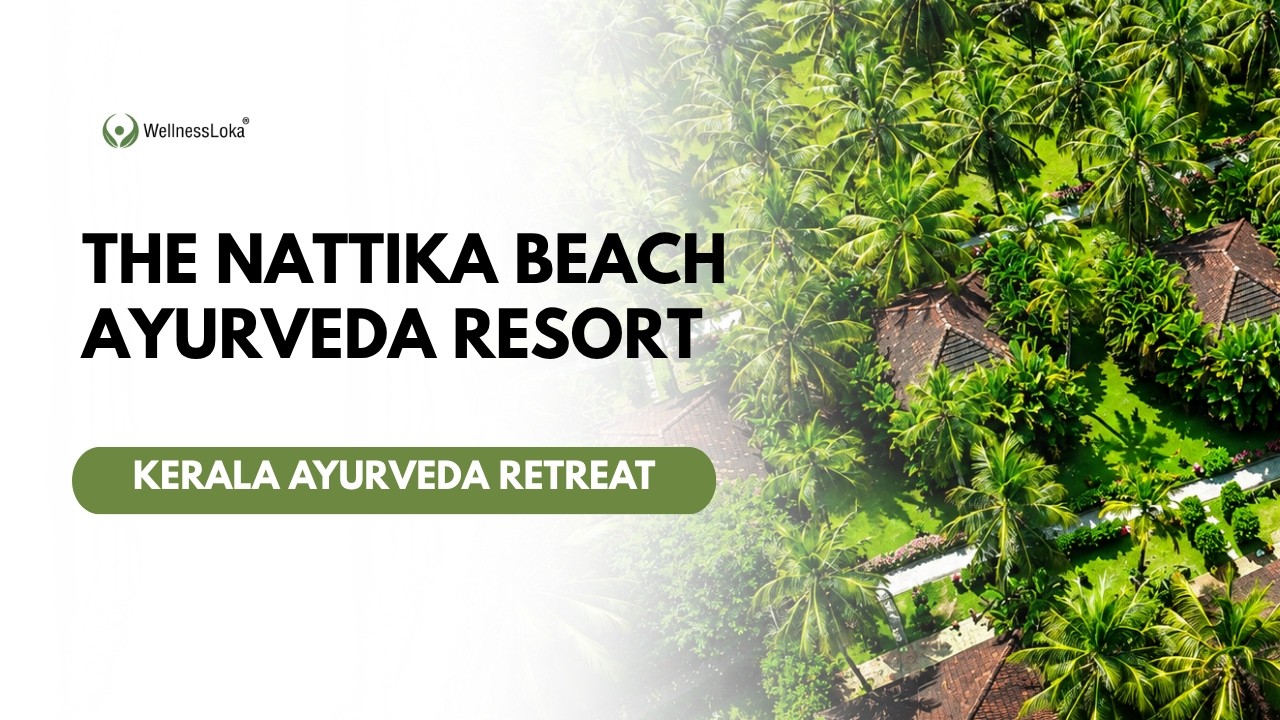
The Nattika Beach Ayurveda Resort
Nattika Beach, Thrissur District, Kerala.
About the Retreat
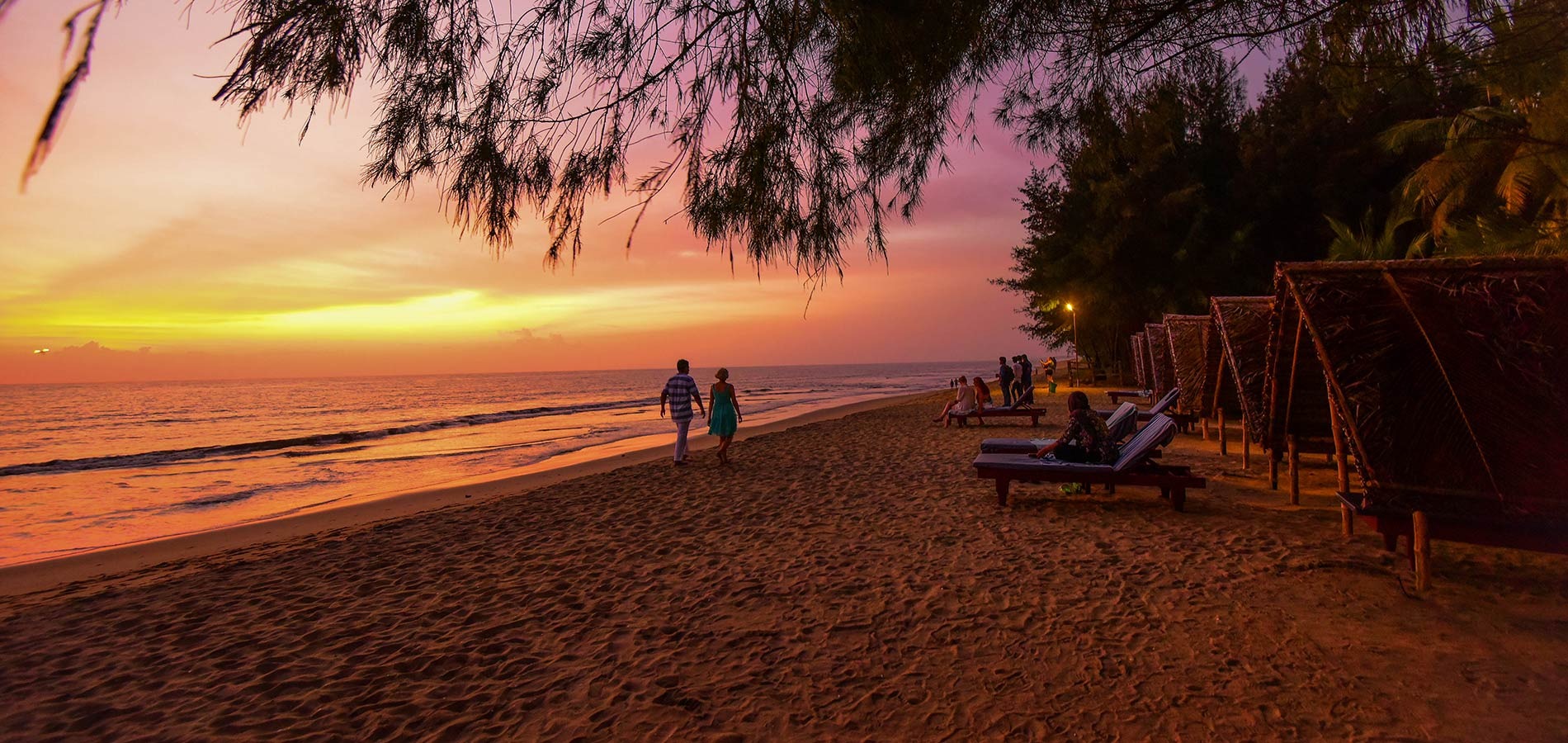
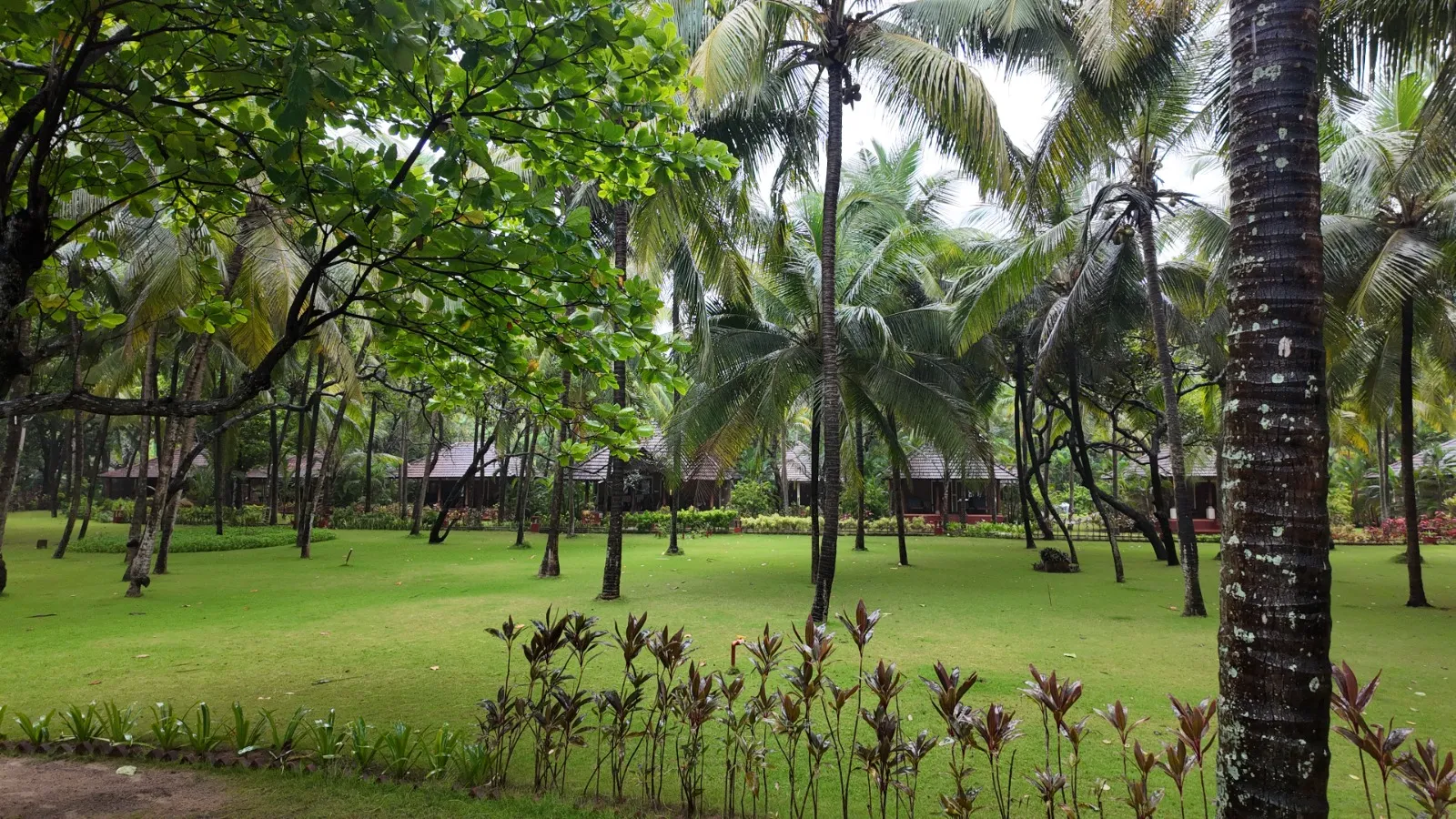
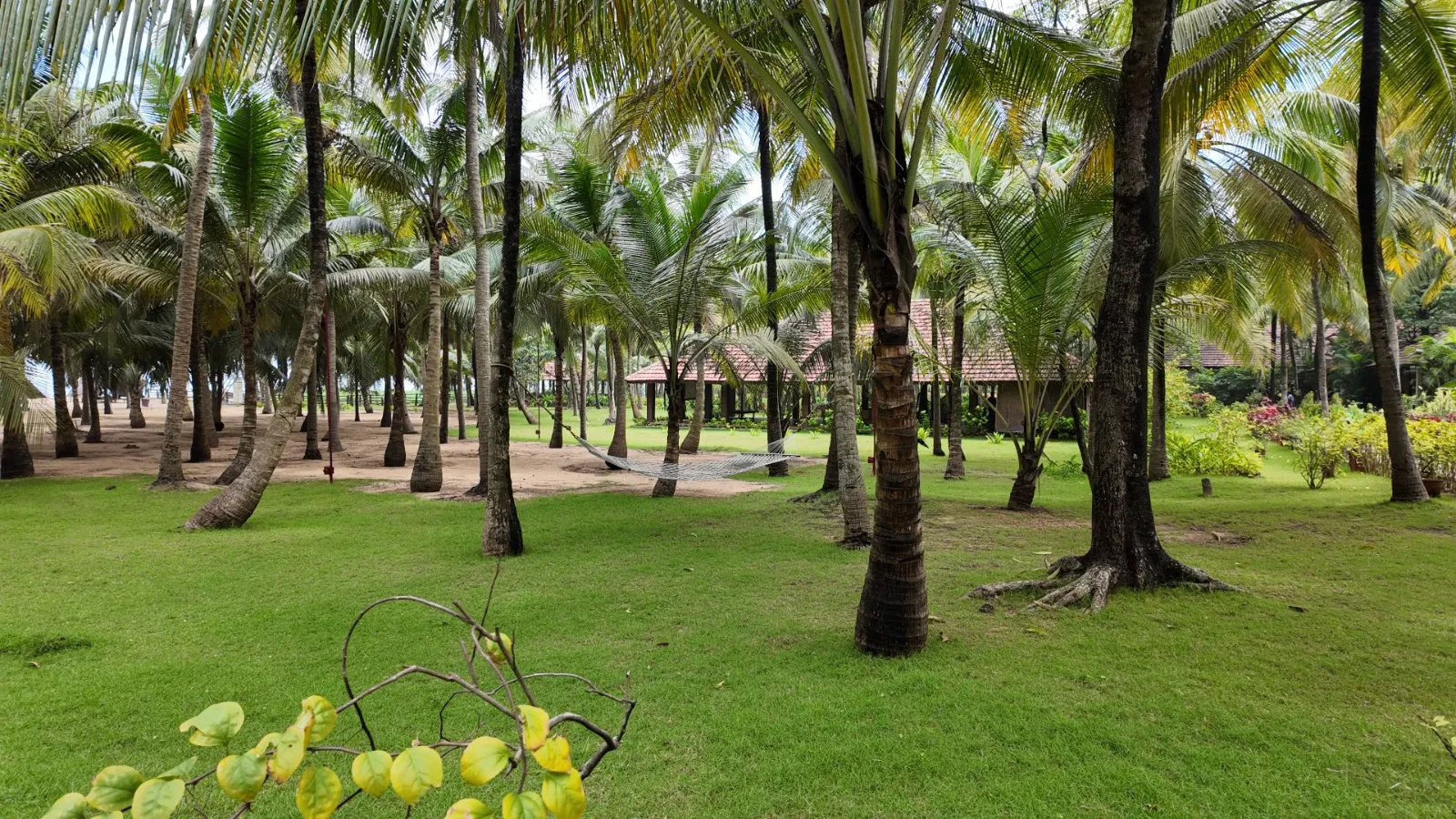
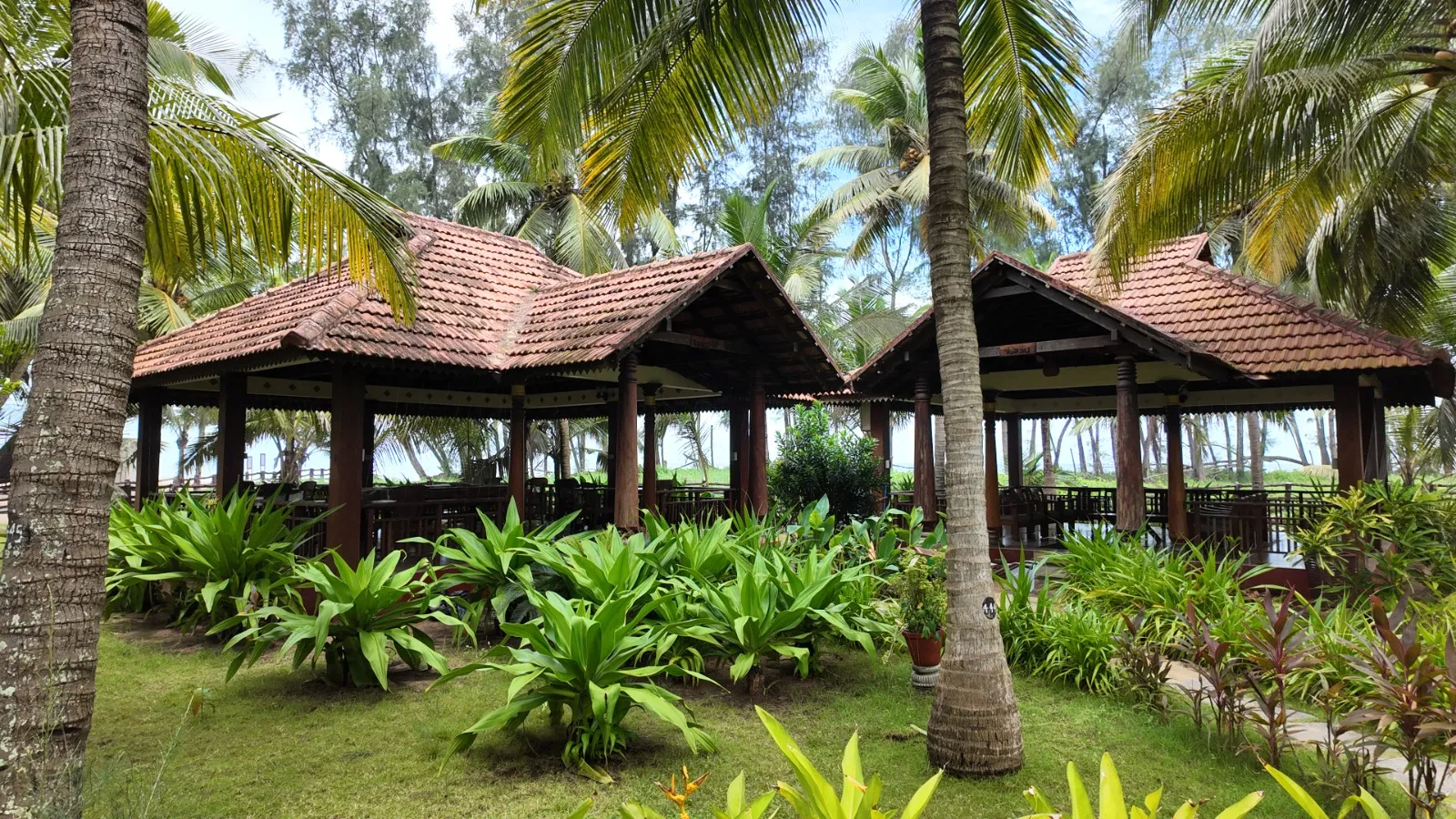
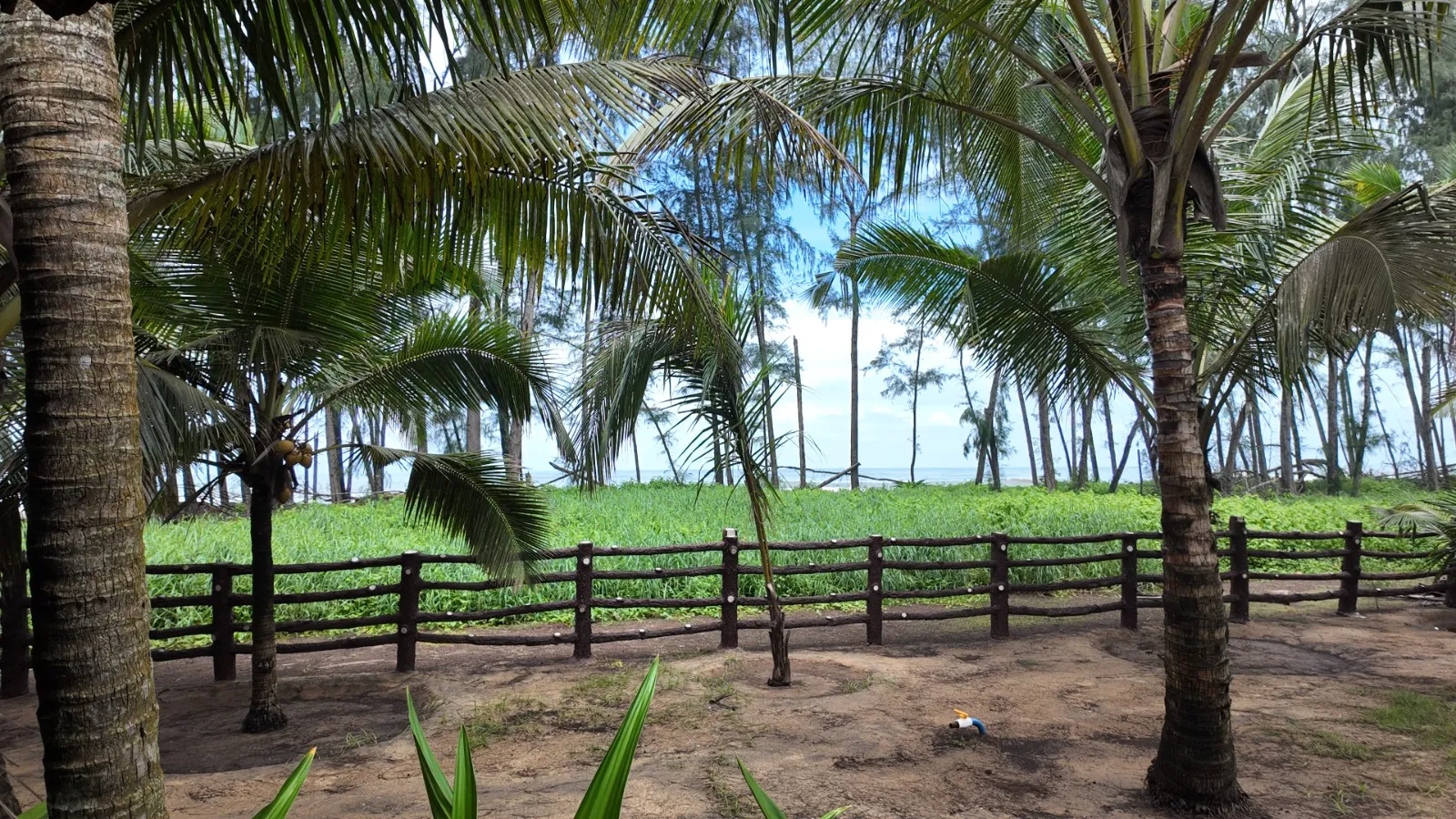
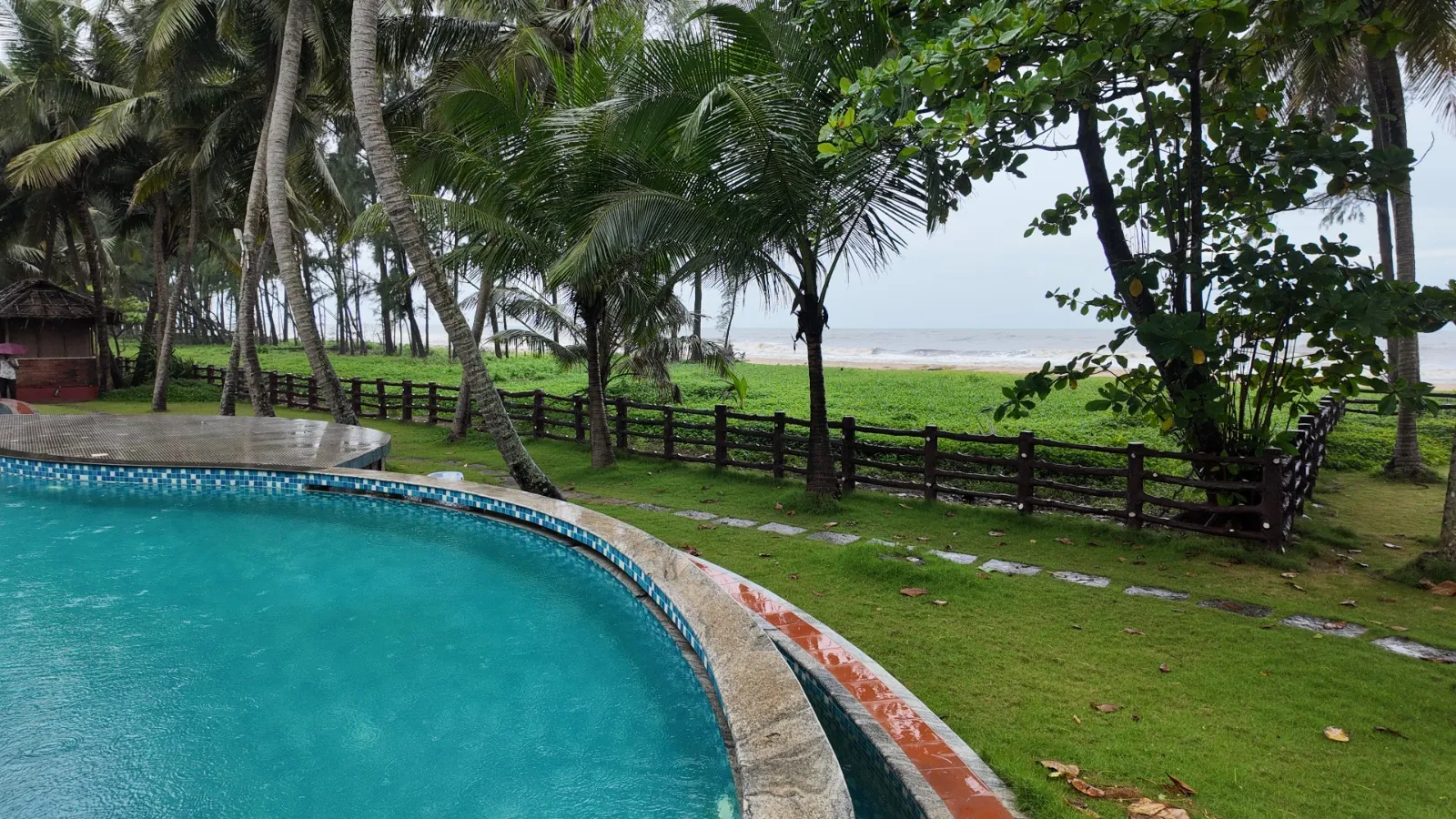
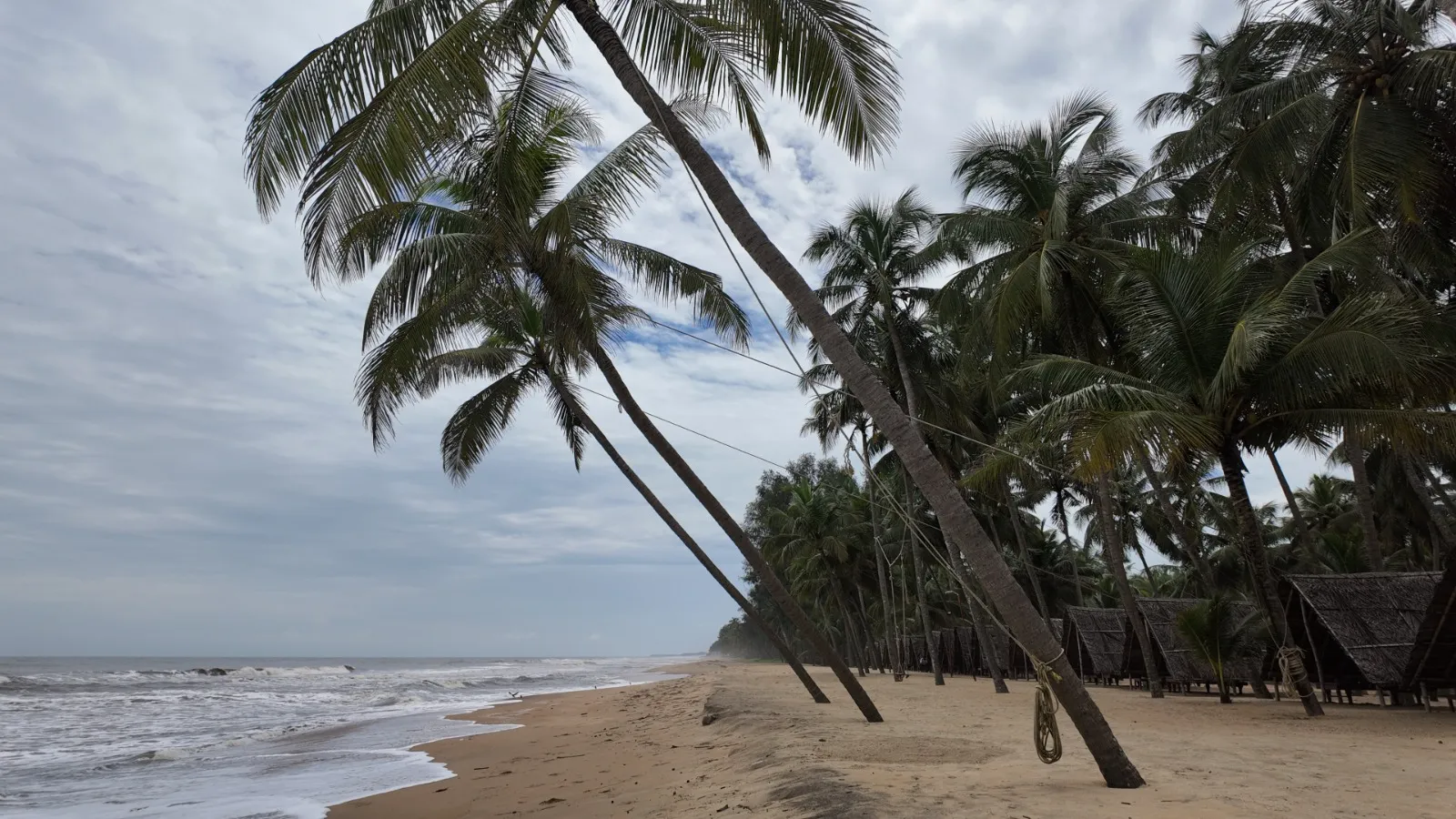
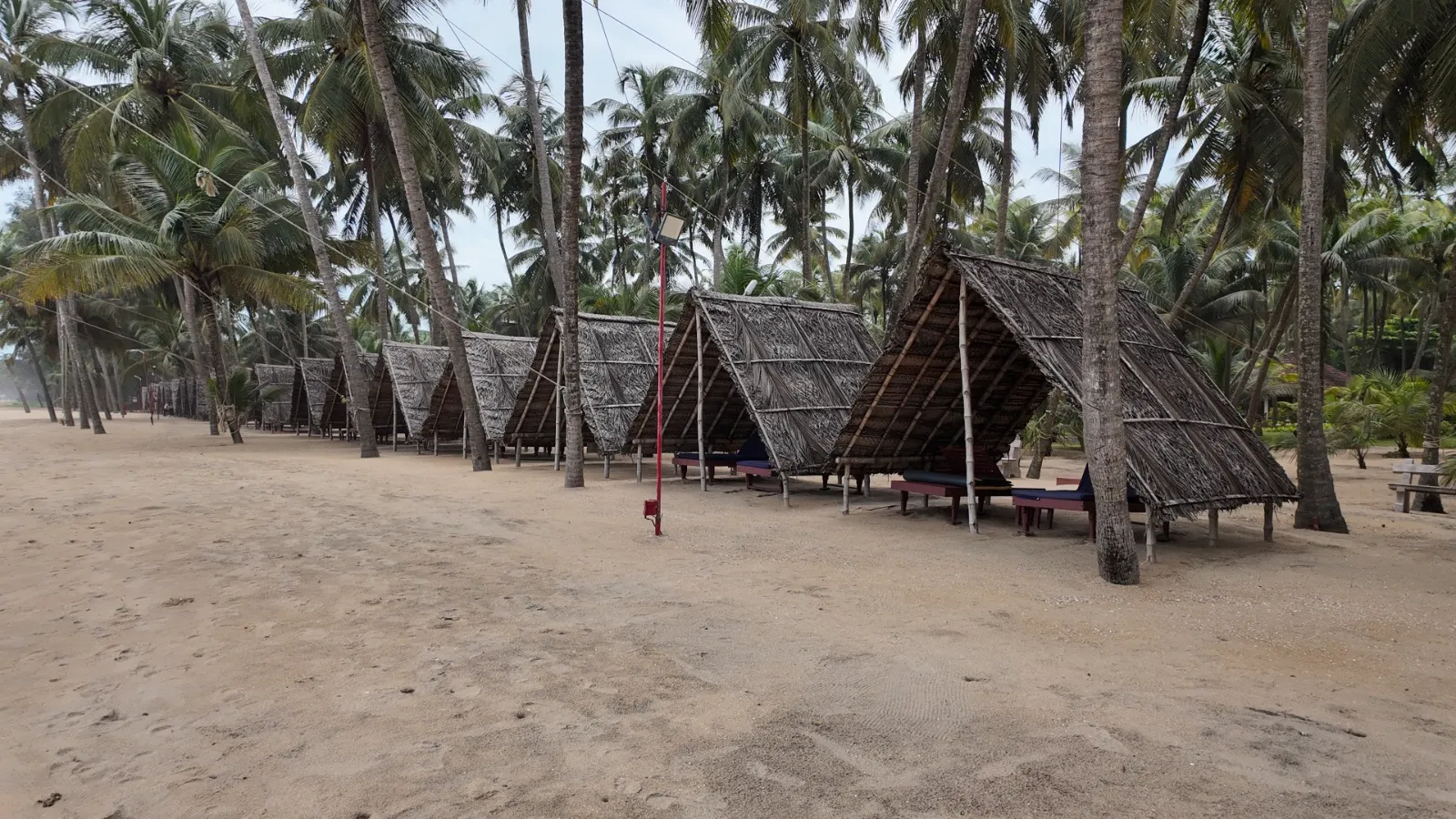
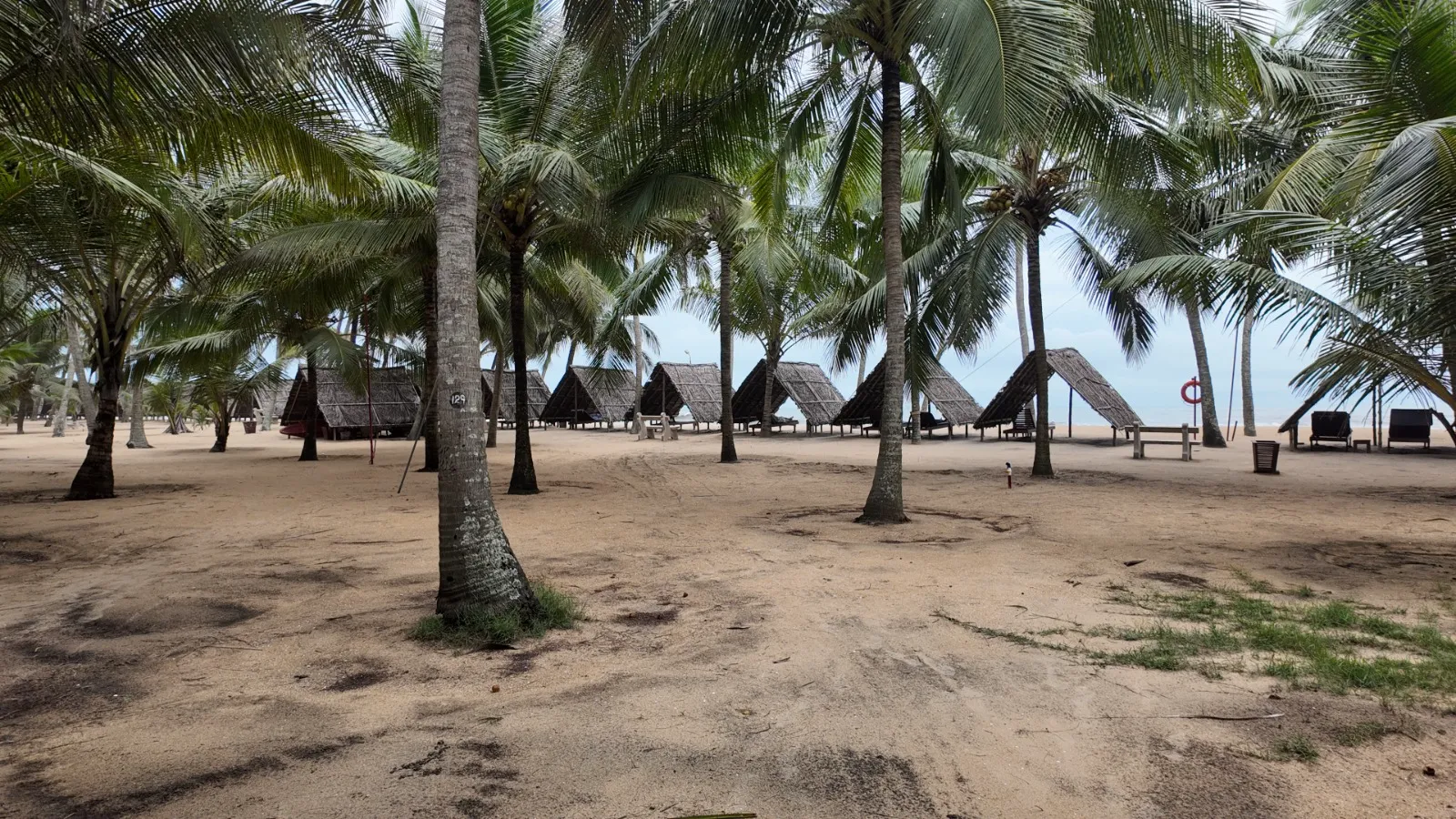
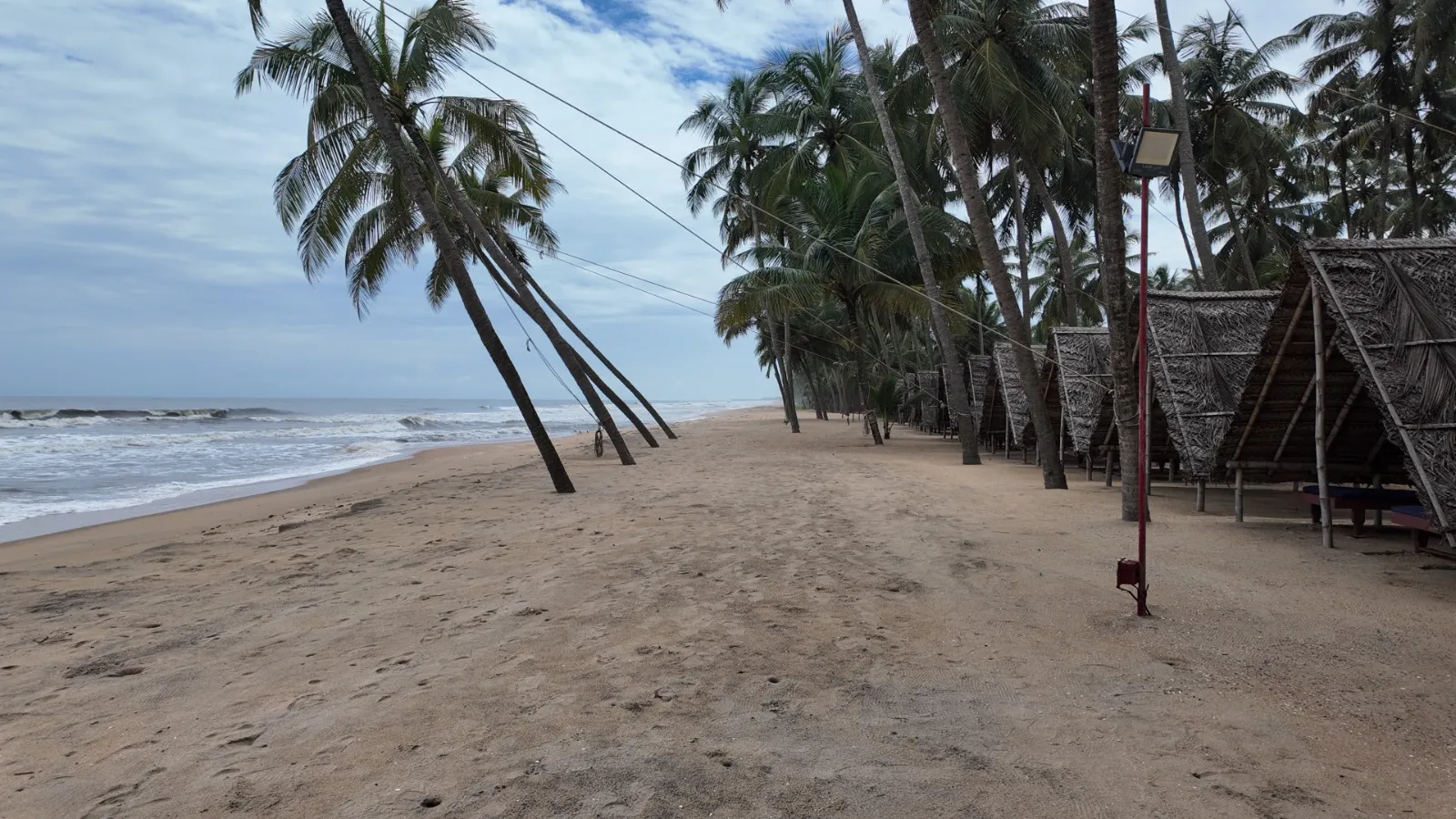
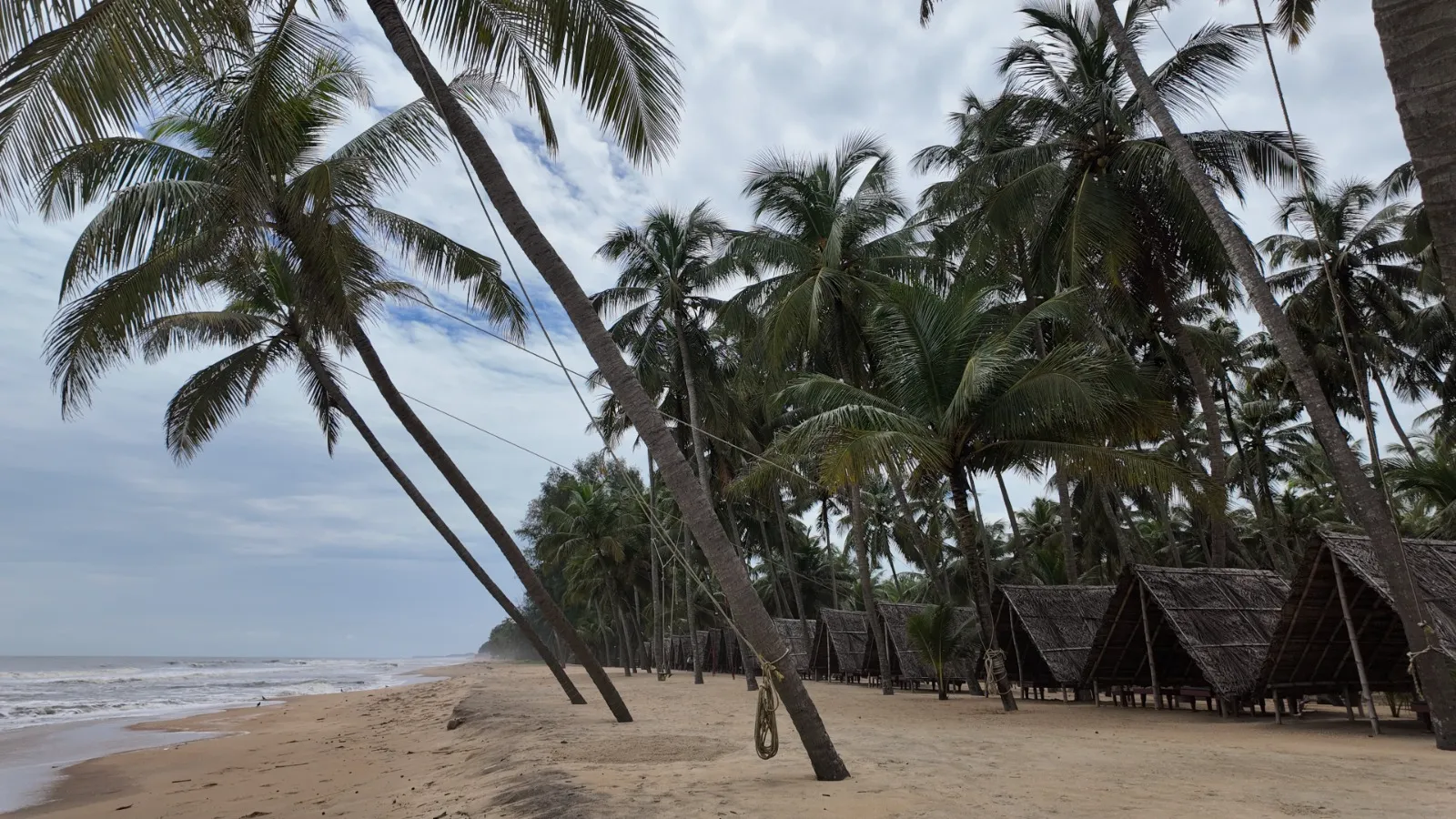
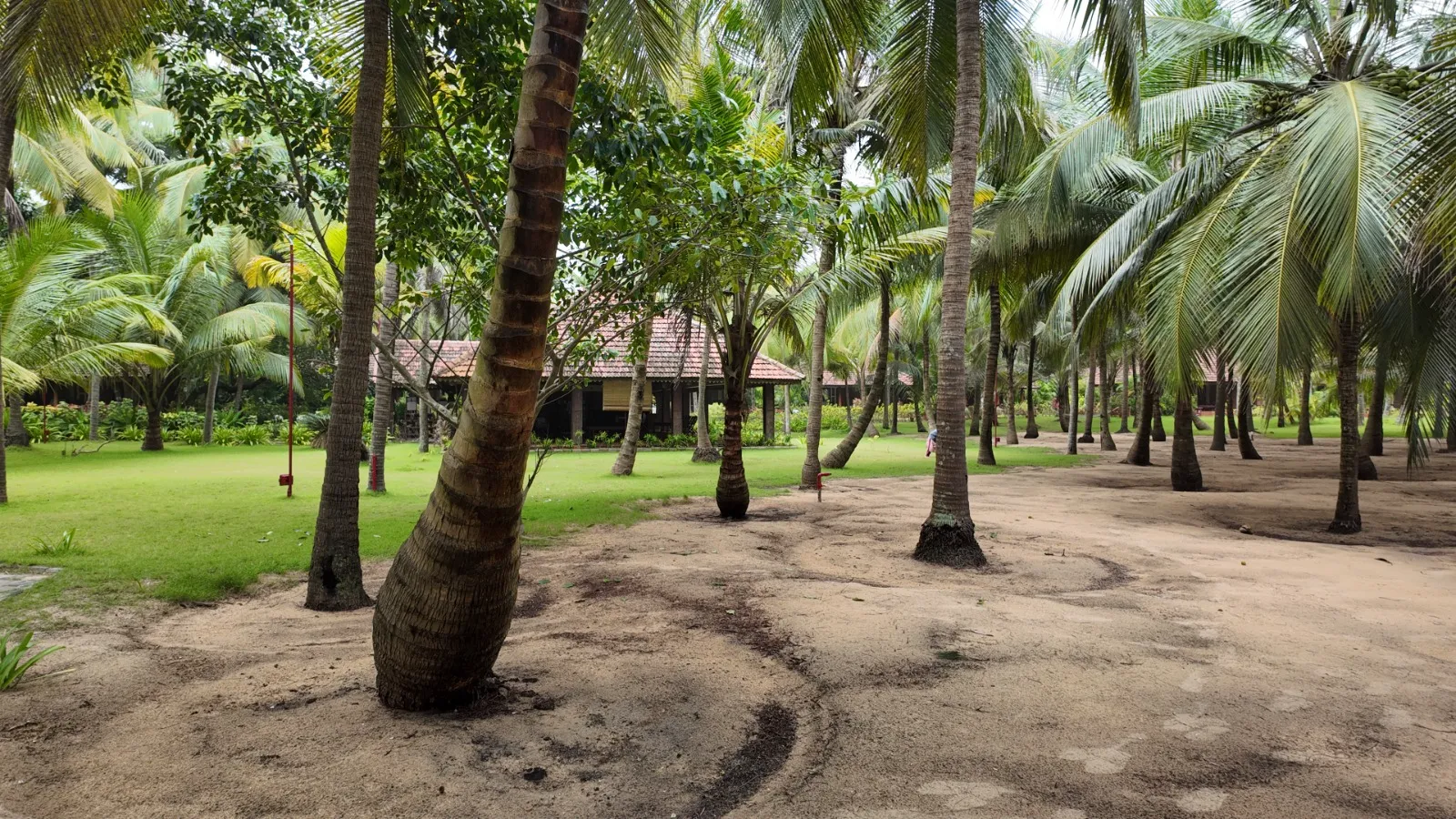
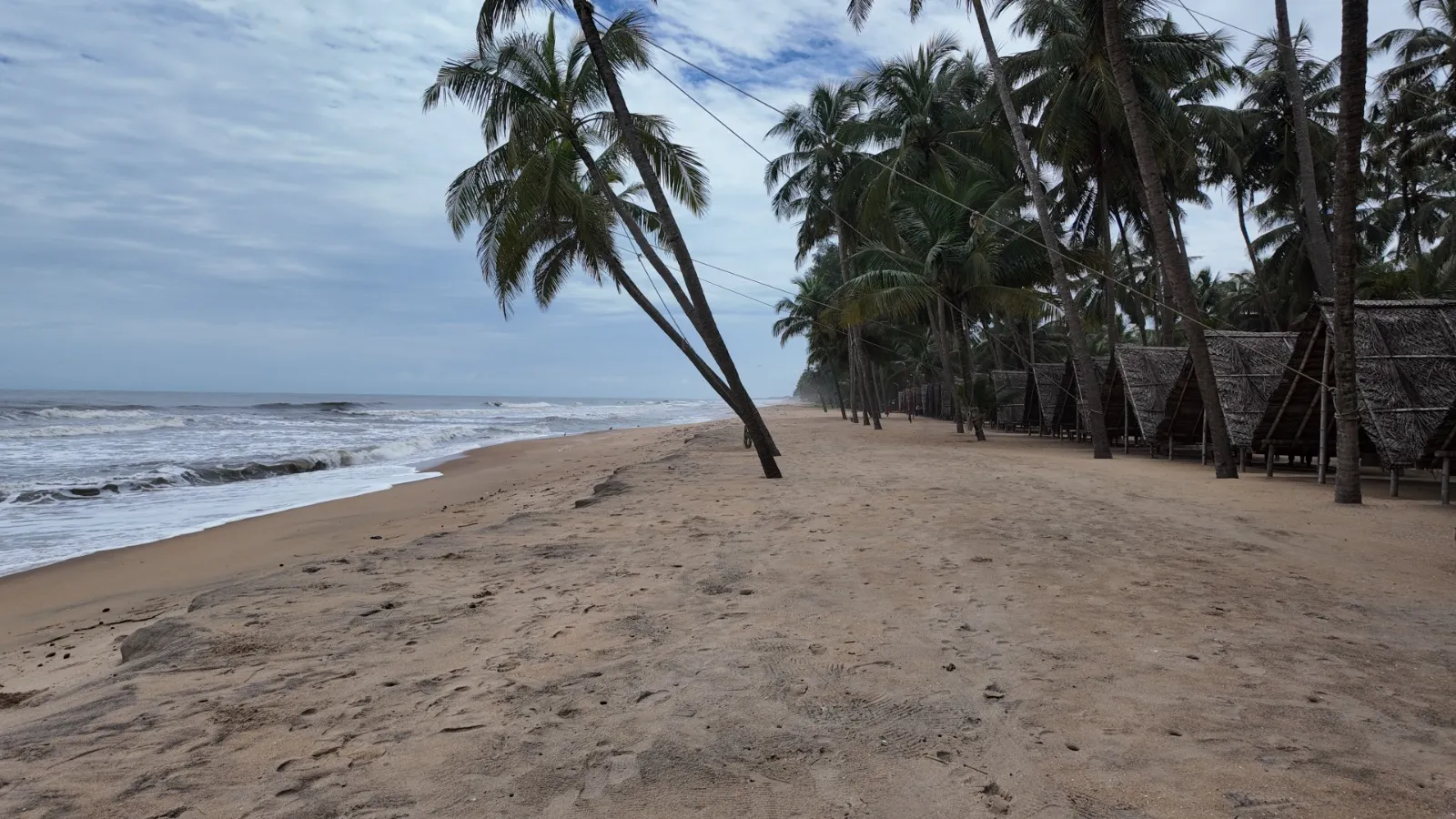
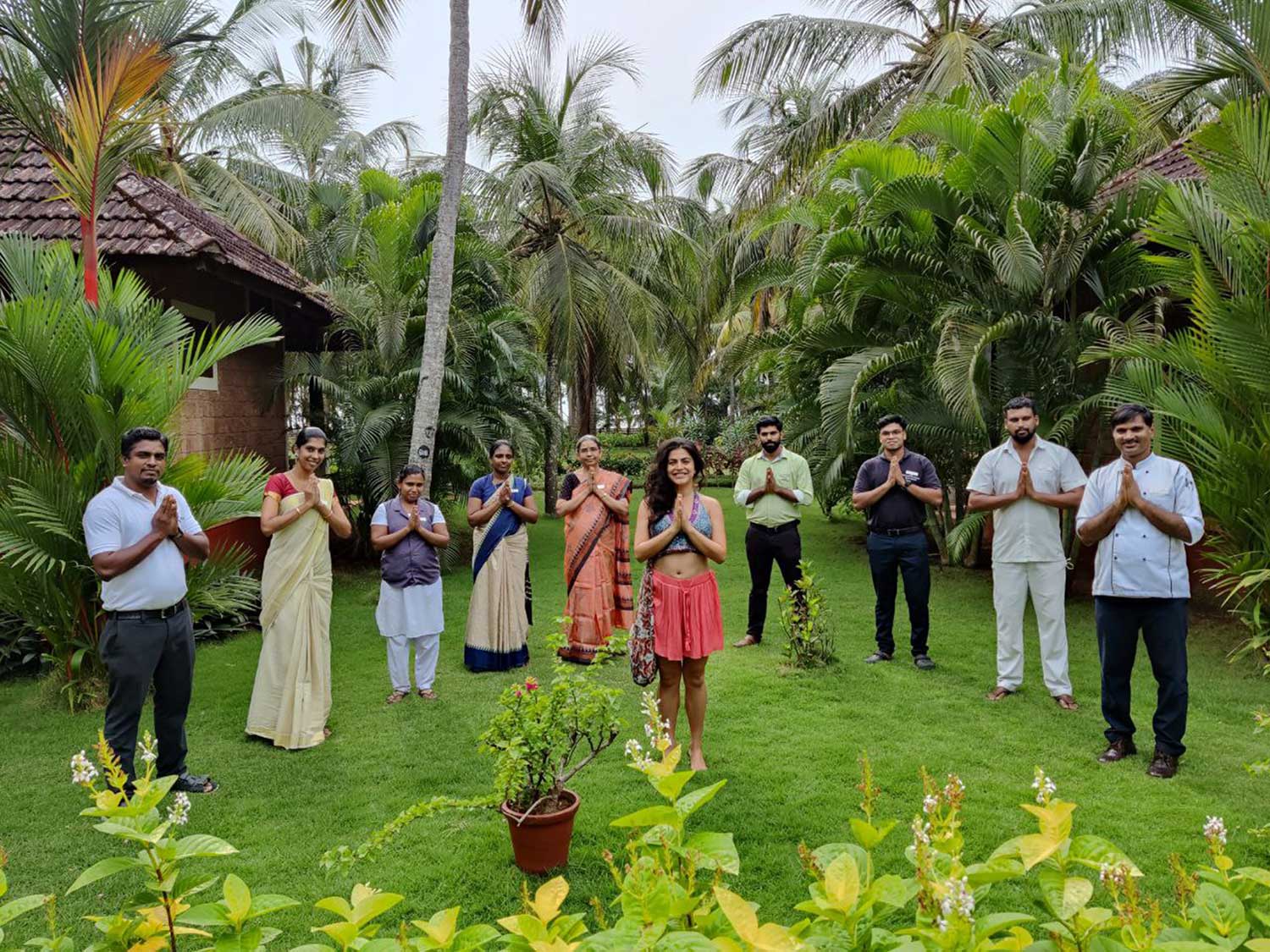
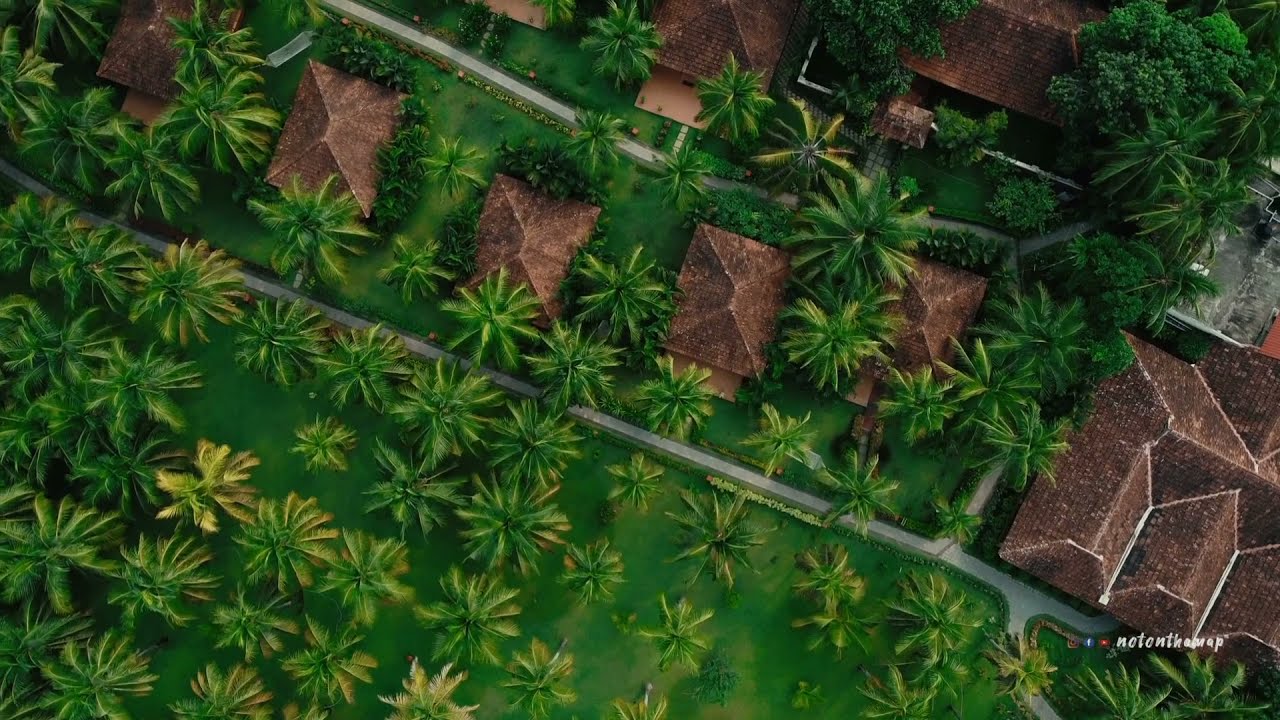
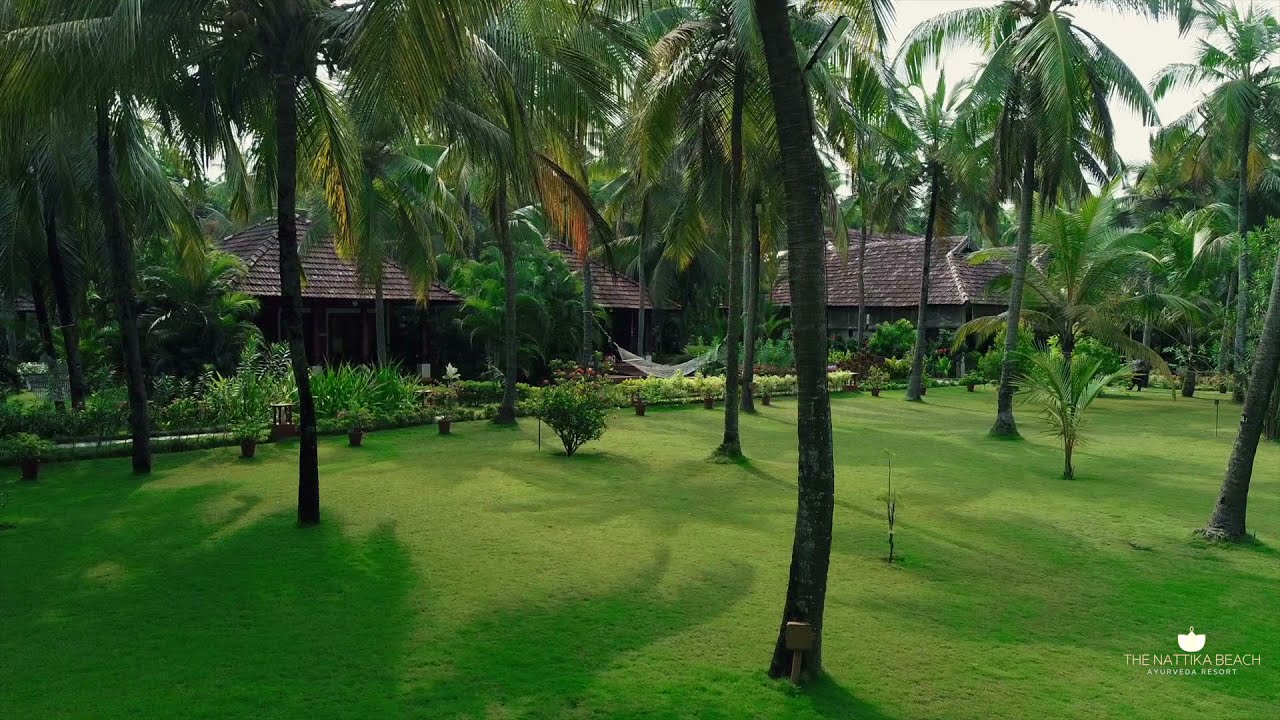
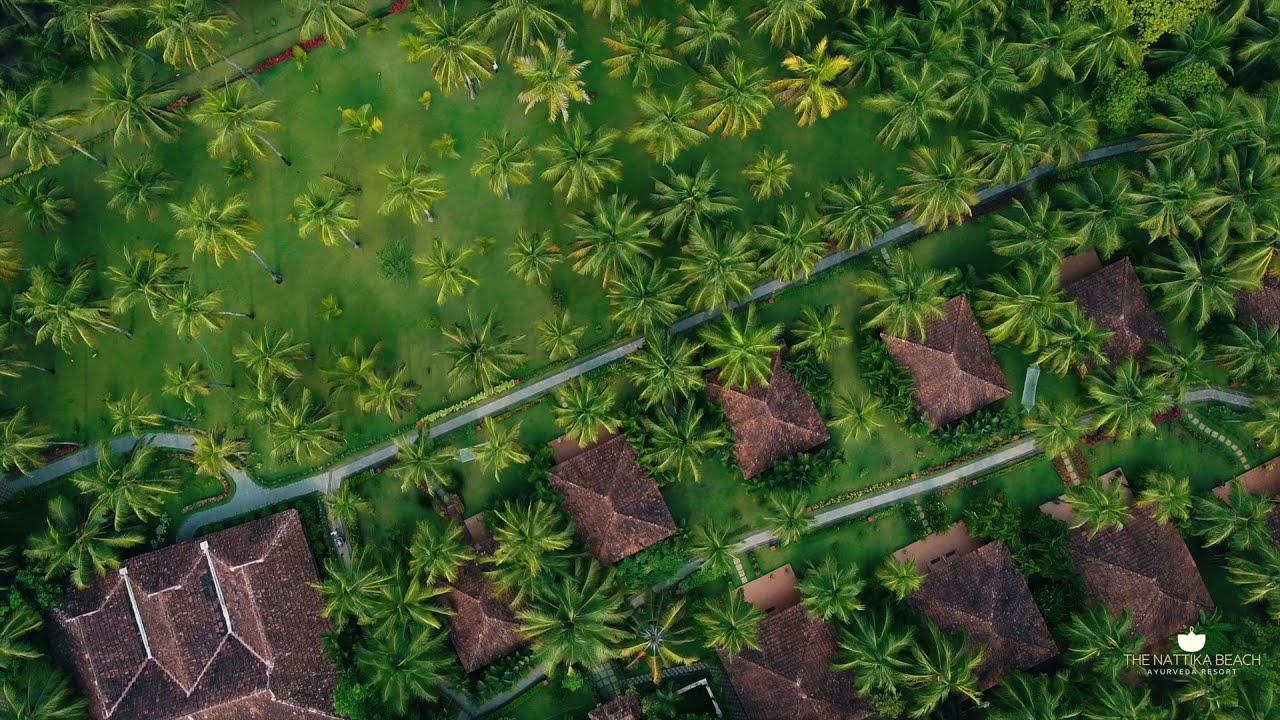
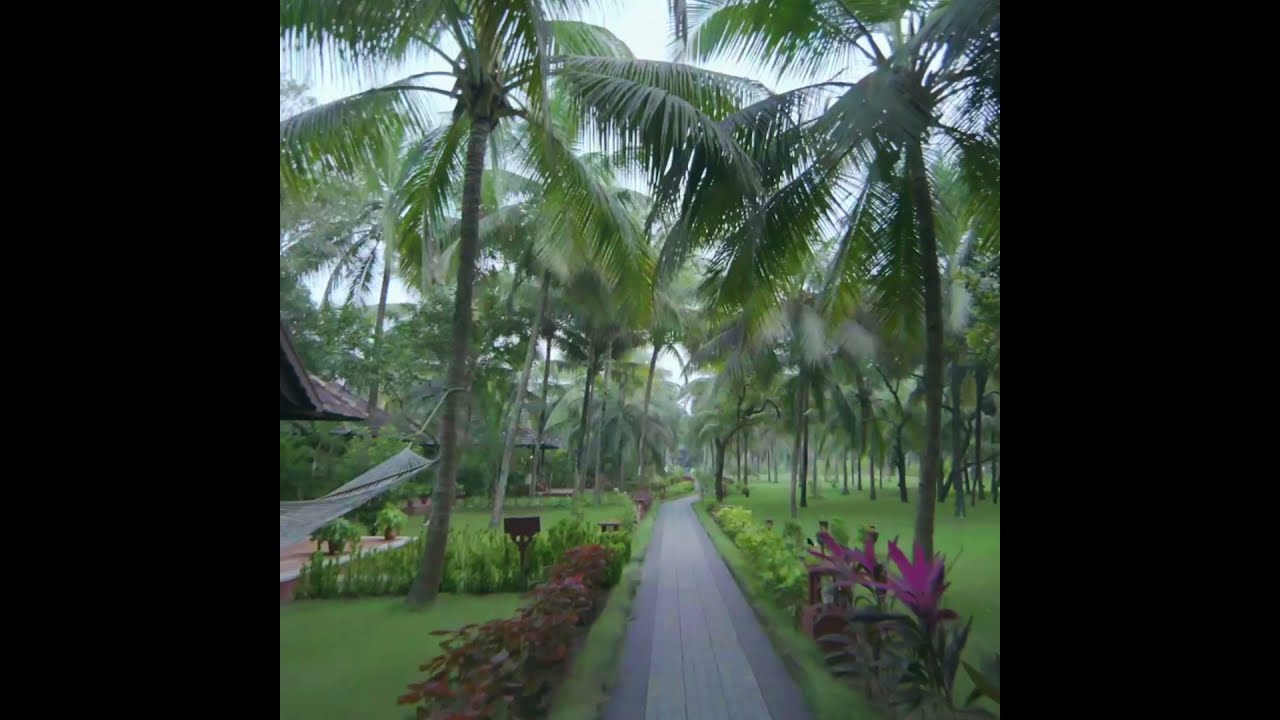
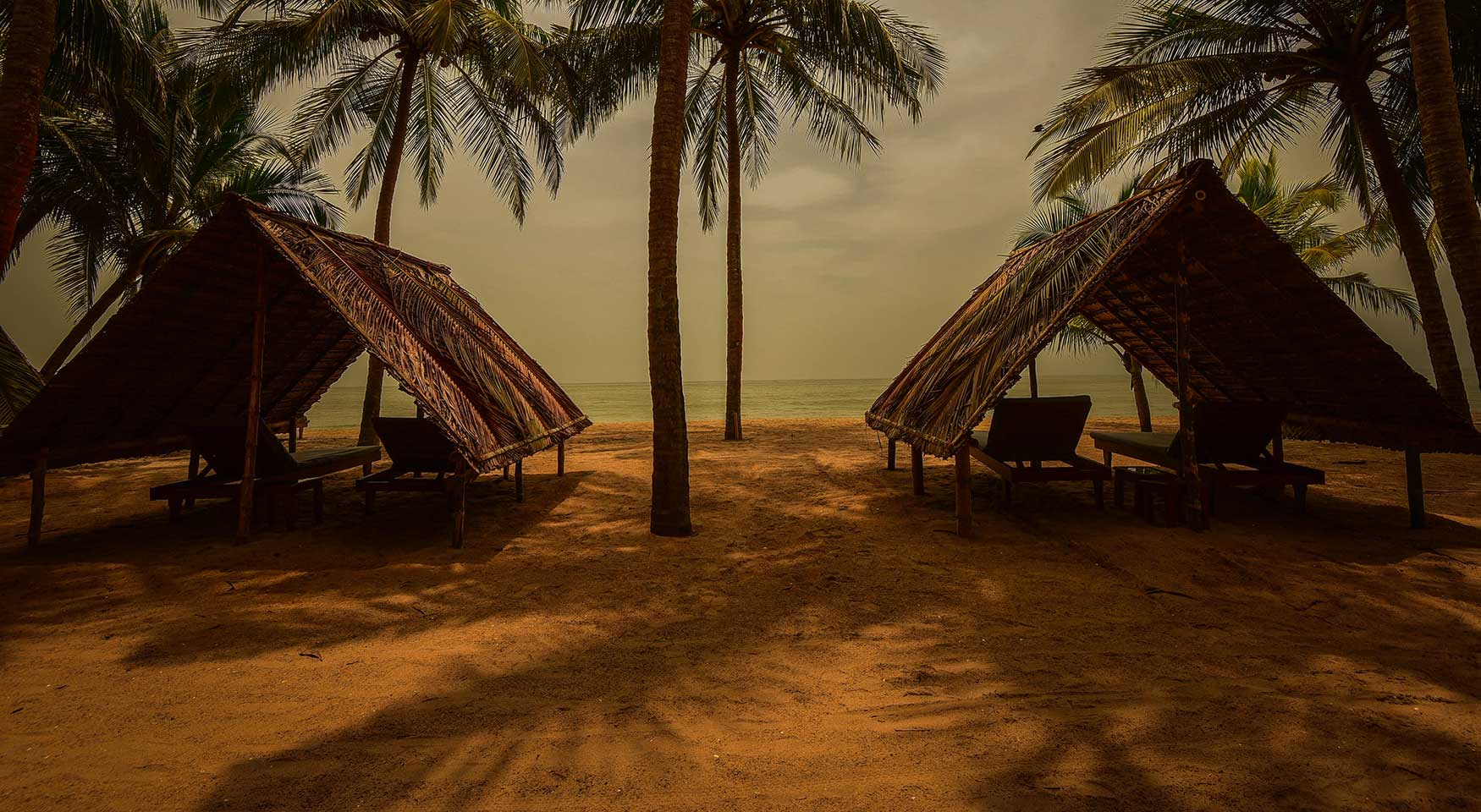
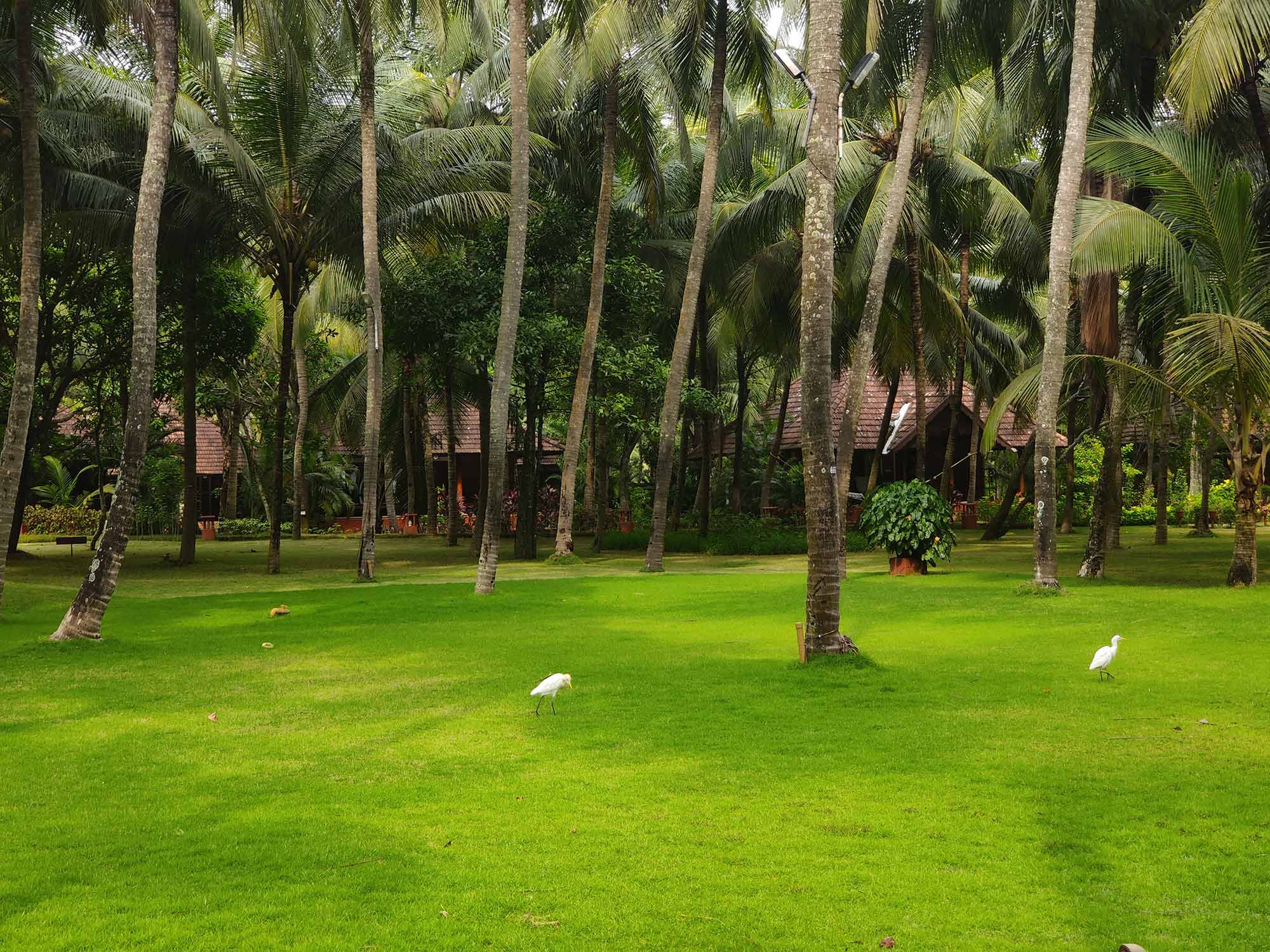
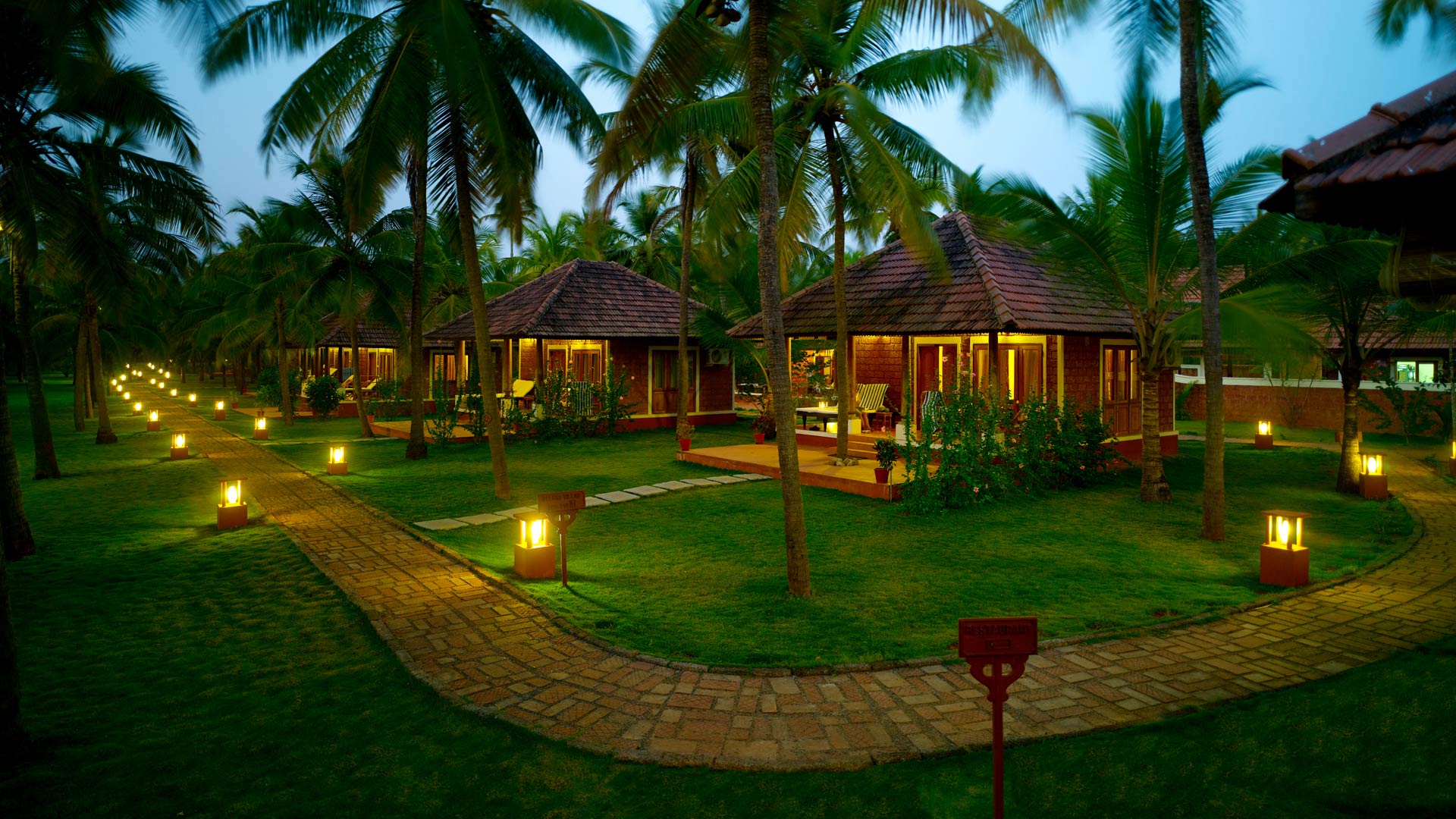
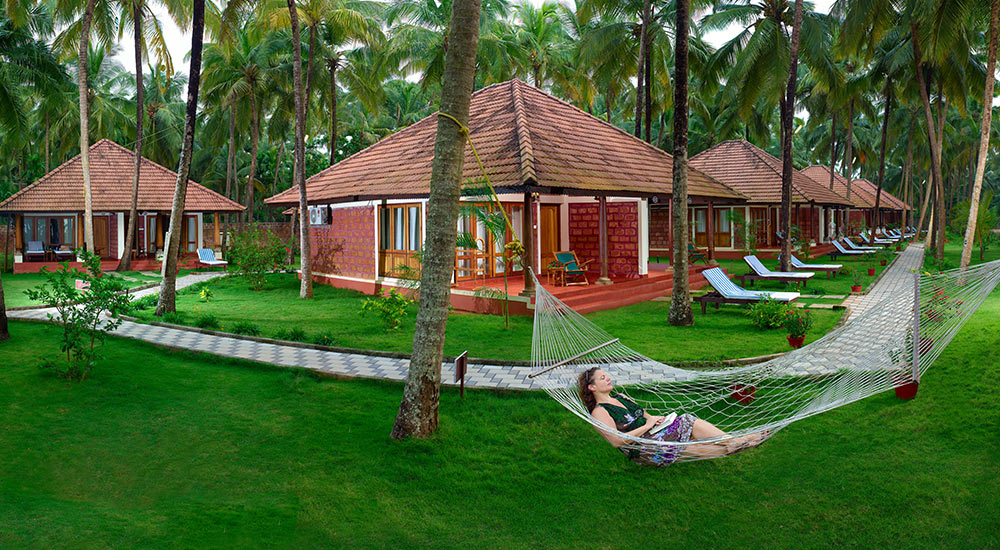
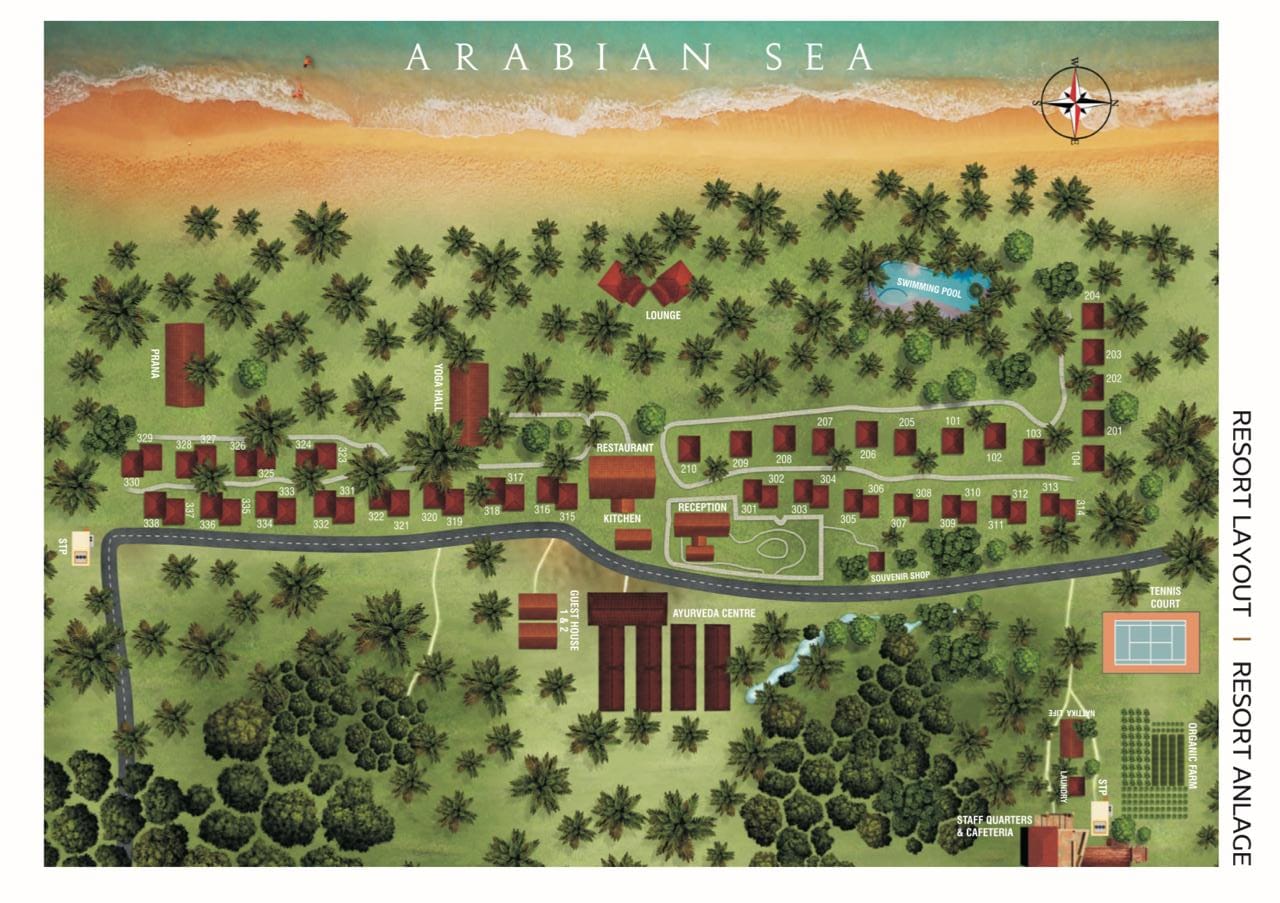
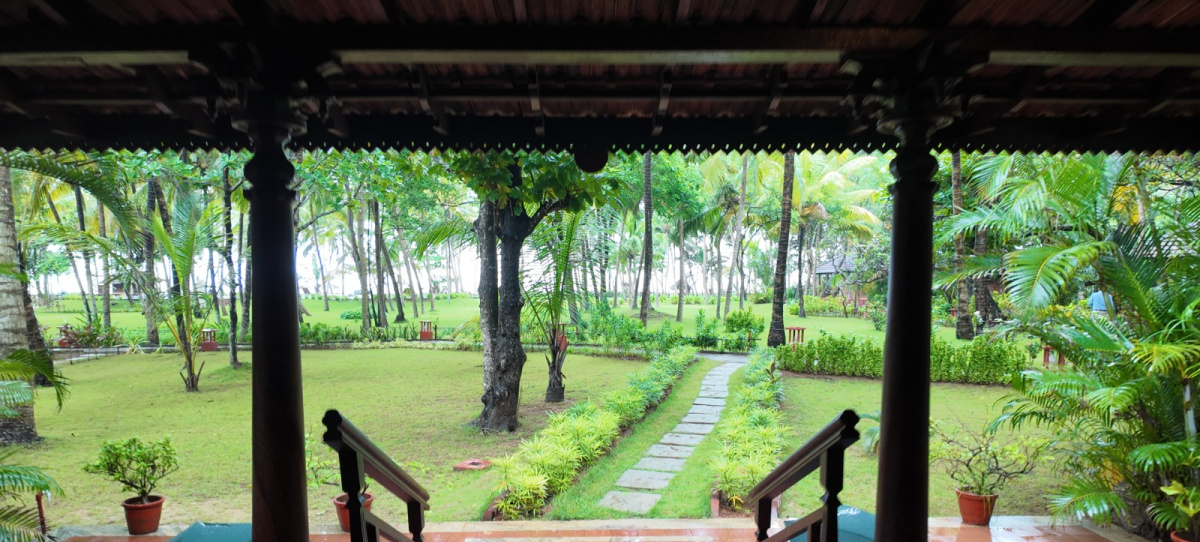
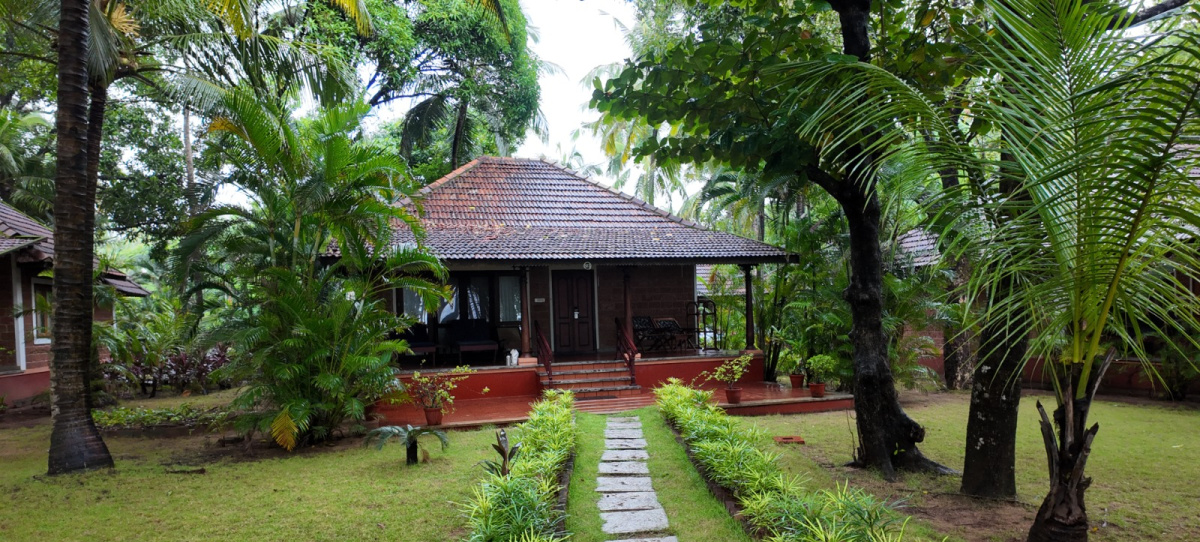
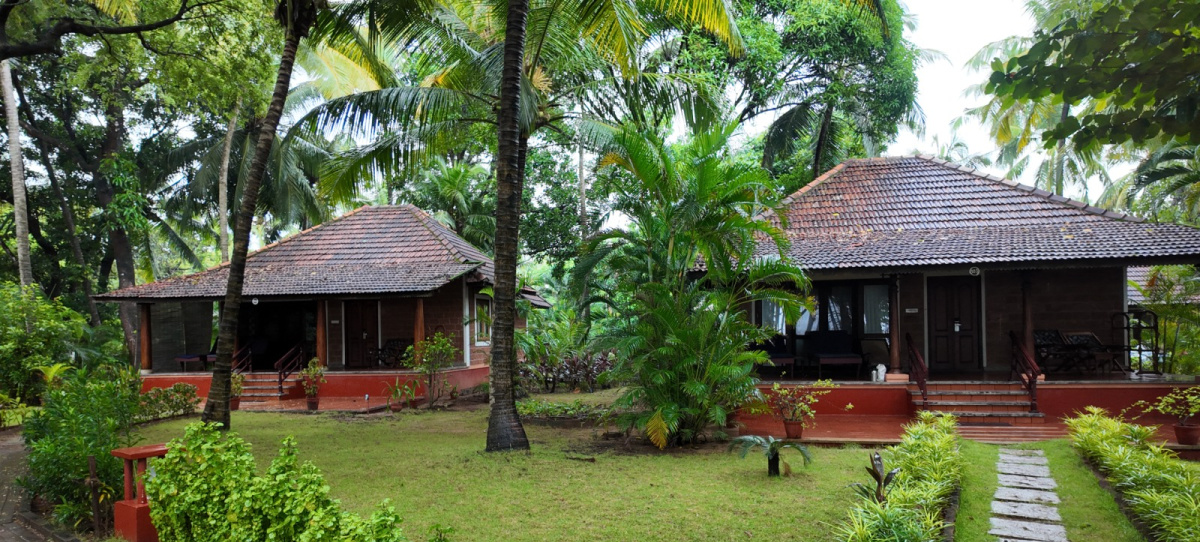
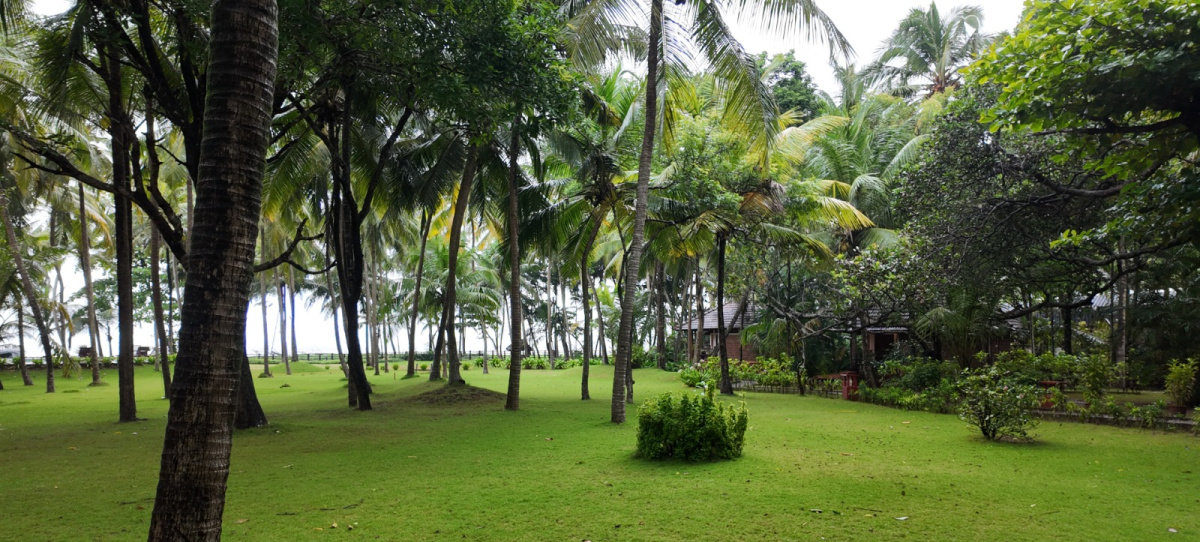
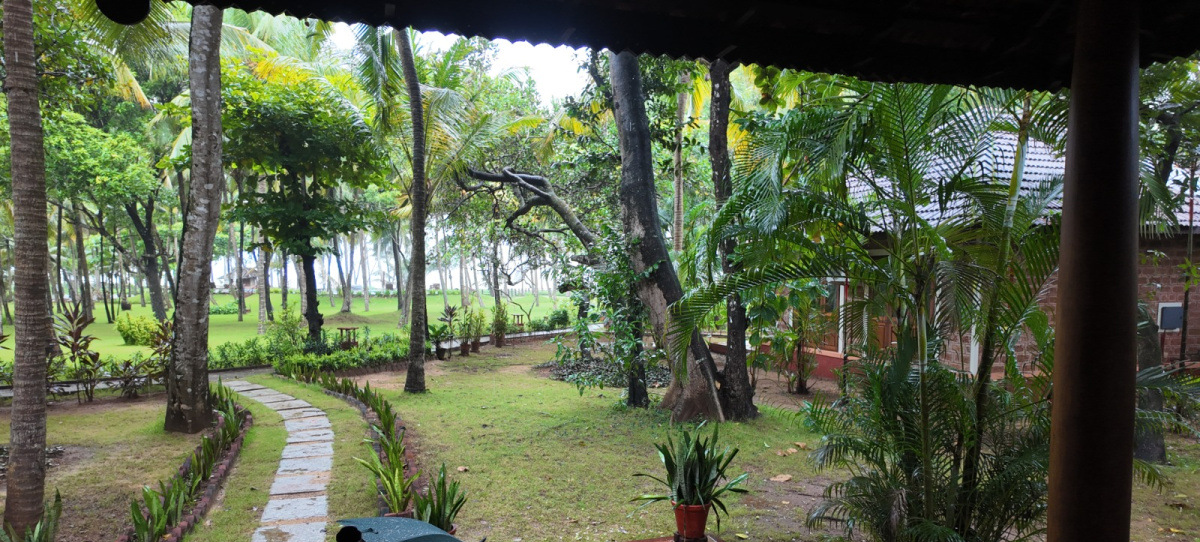
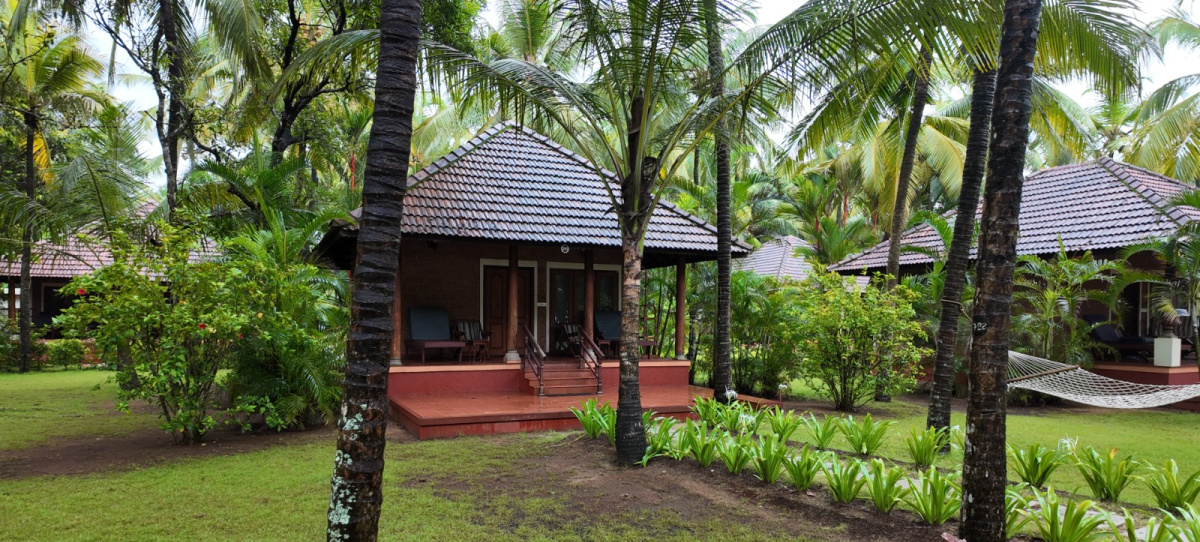
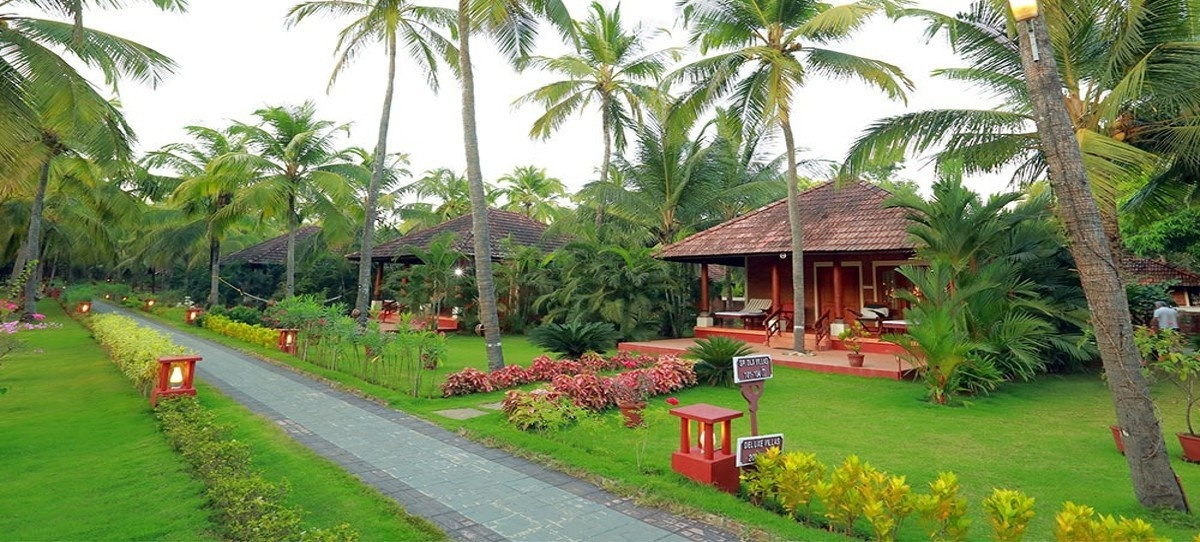
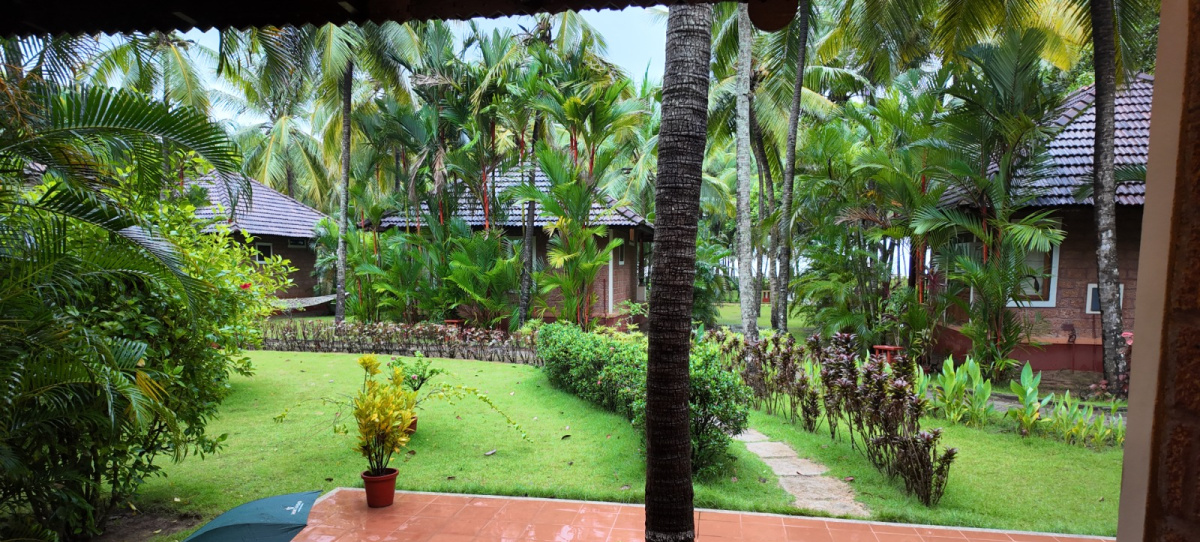
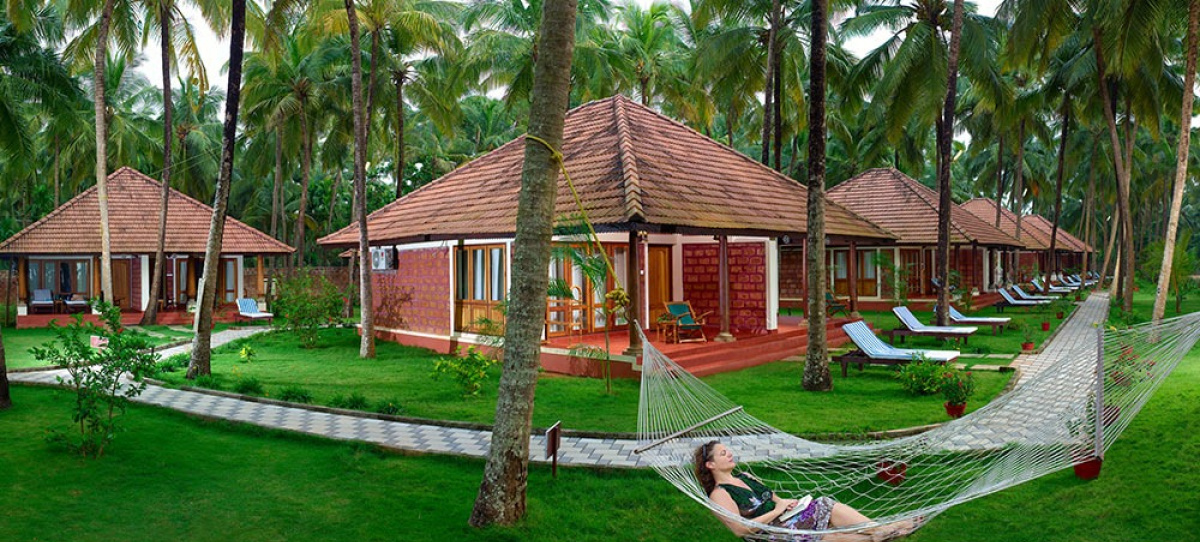
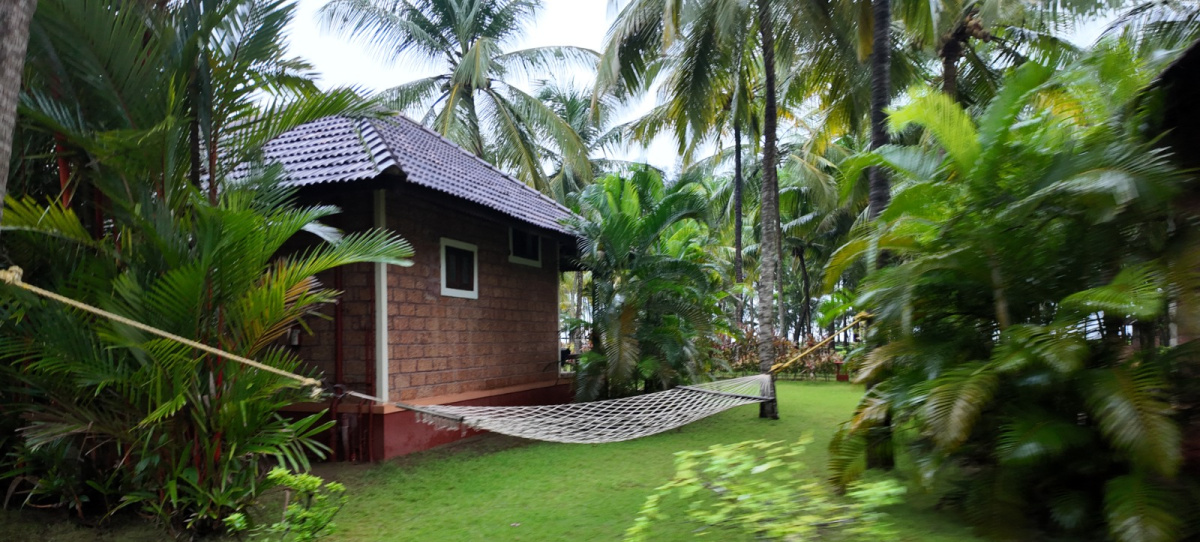
Set among 16 acres of coconut palms on Kerala’s Malabar Coast, Nattika has the feel of a village set back from the sea, with individual villas scattered through the grove. From the villas, the property opens out towards its private stretch of beach, with coconut trees lining the area between the accommodation and the sea.
The property is family-run, owned and operated by the Kodath family under Nattika Beach Resorts Private Limited and Nattika Beach Ayurveda and Yoga Centre Private Limited. Ranjit Mathew Kodath is the Managing Director, and several members of the senior team have been with Nattika since its establishment.
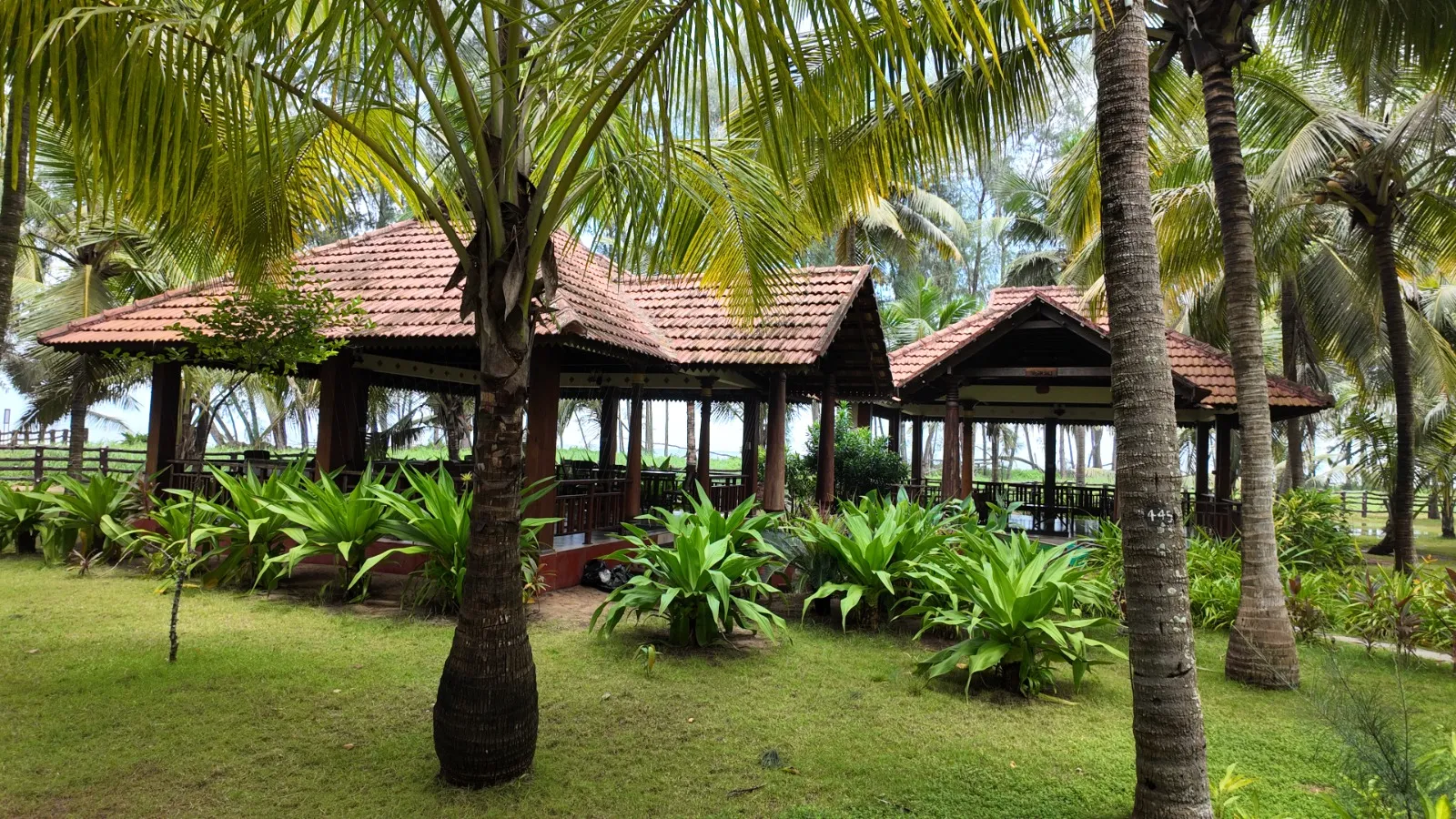
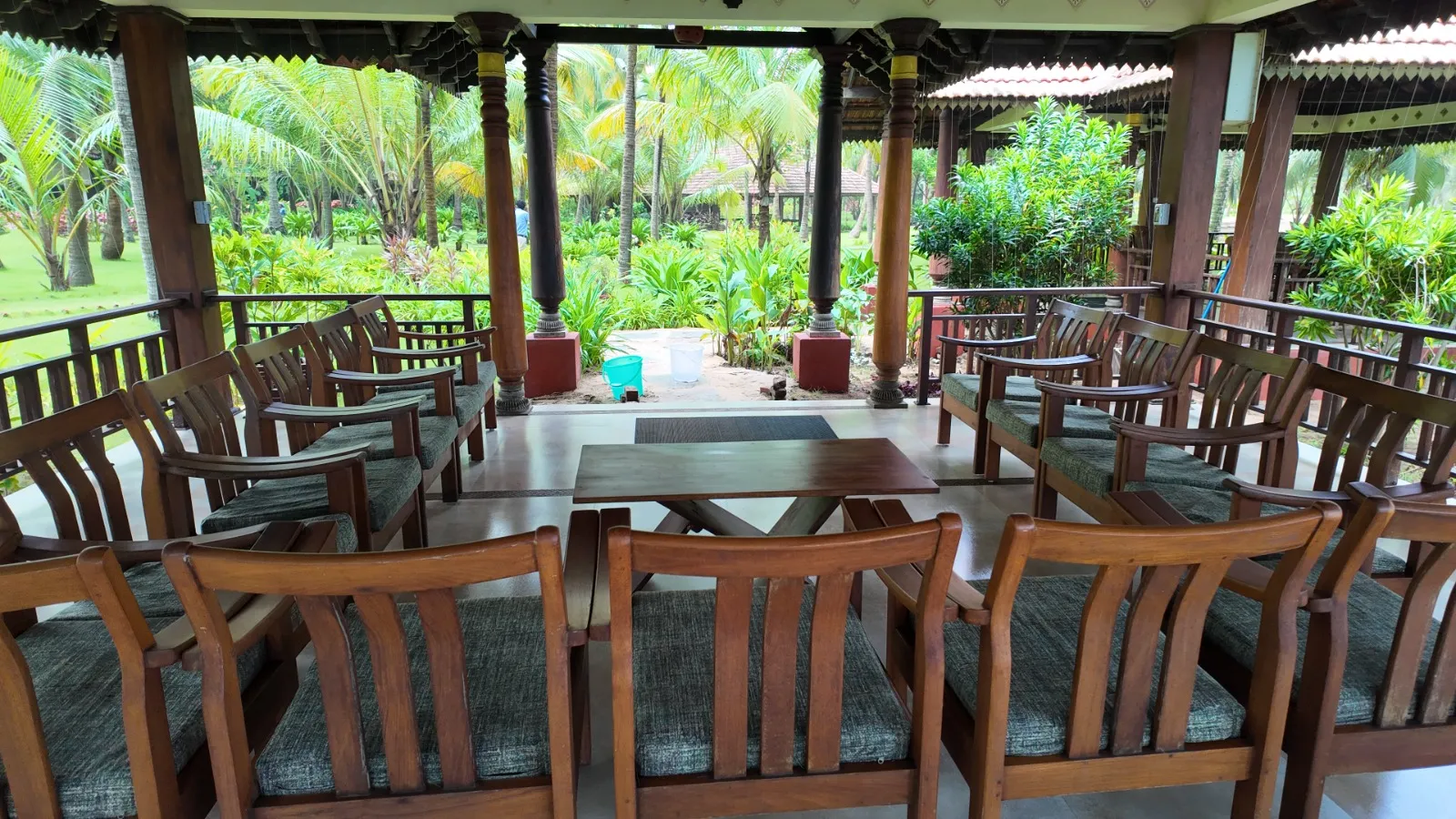
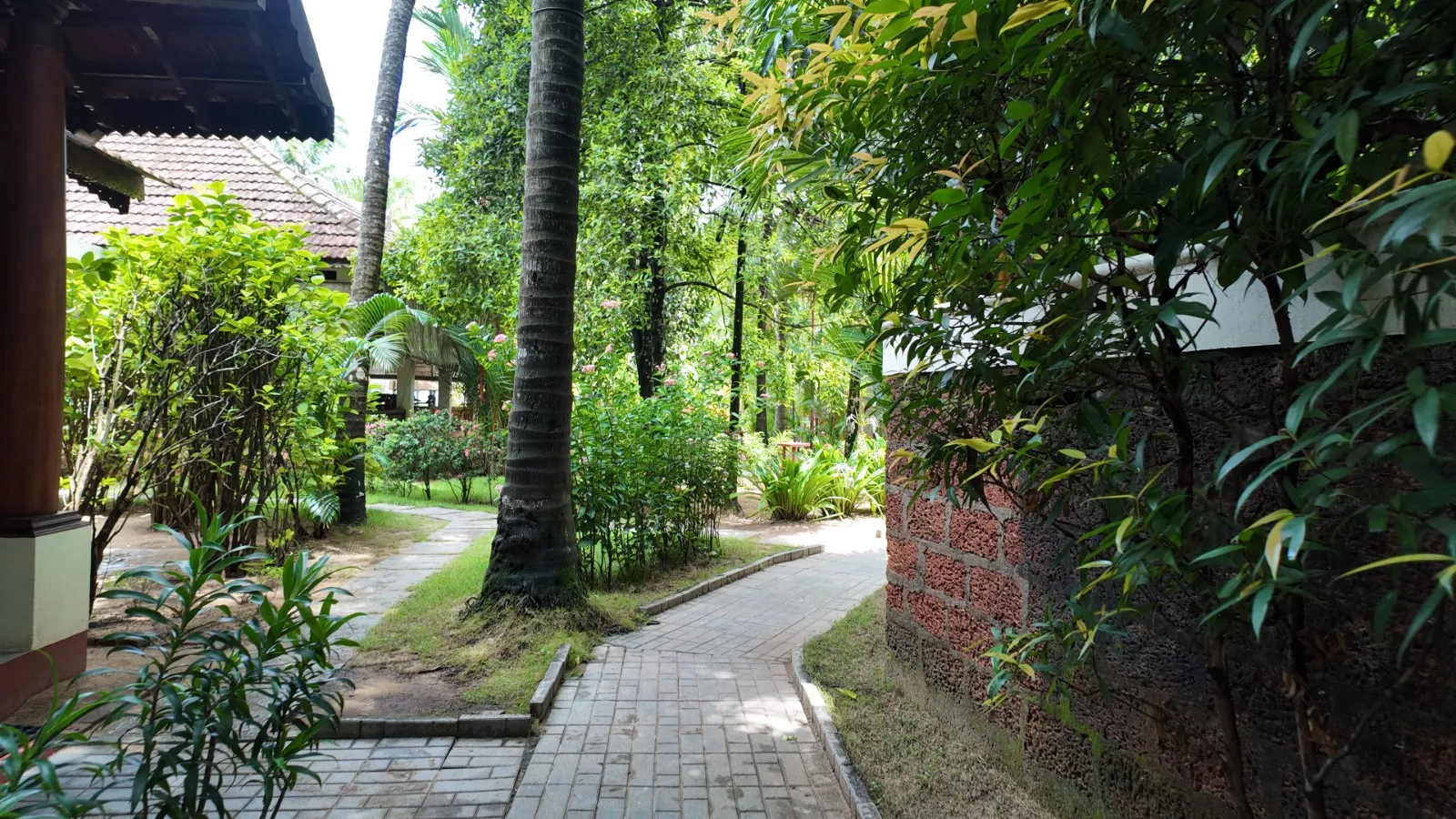
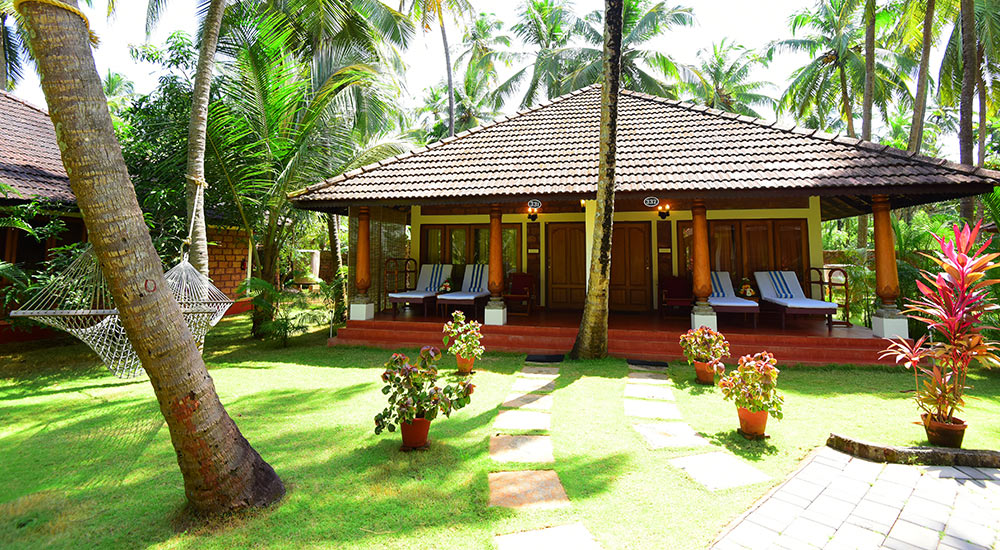
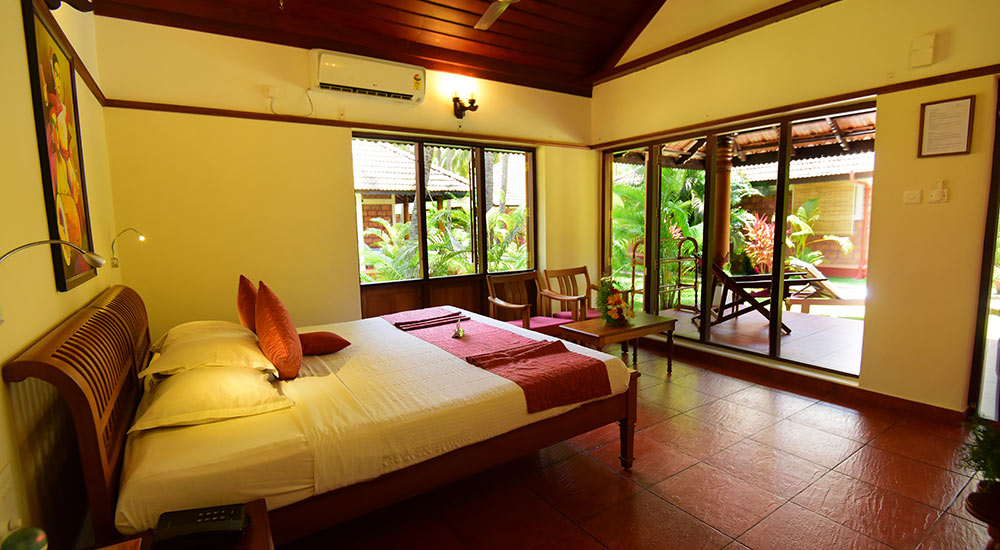
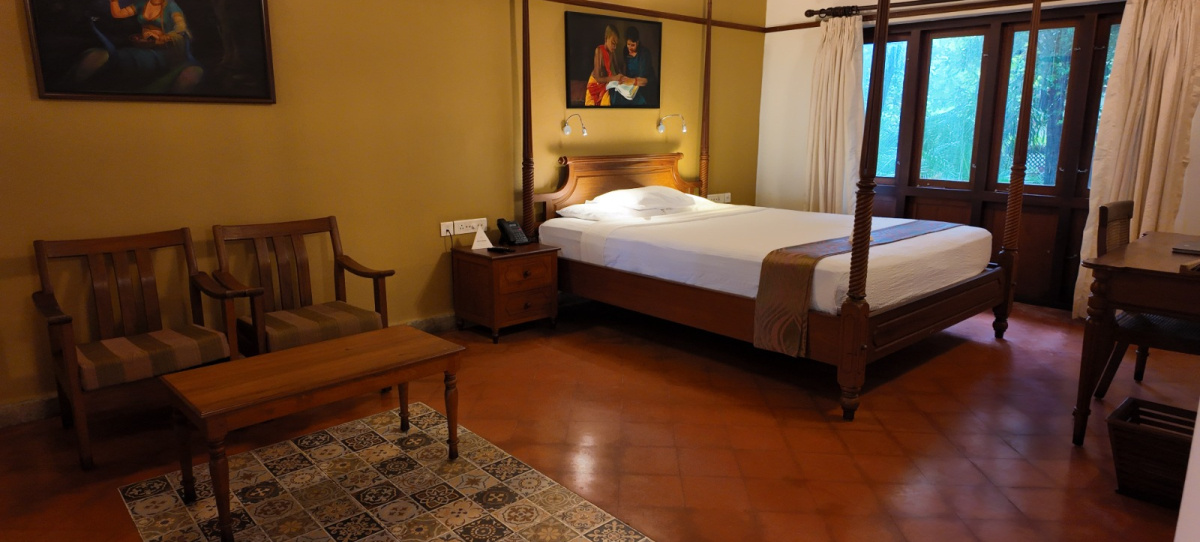
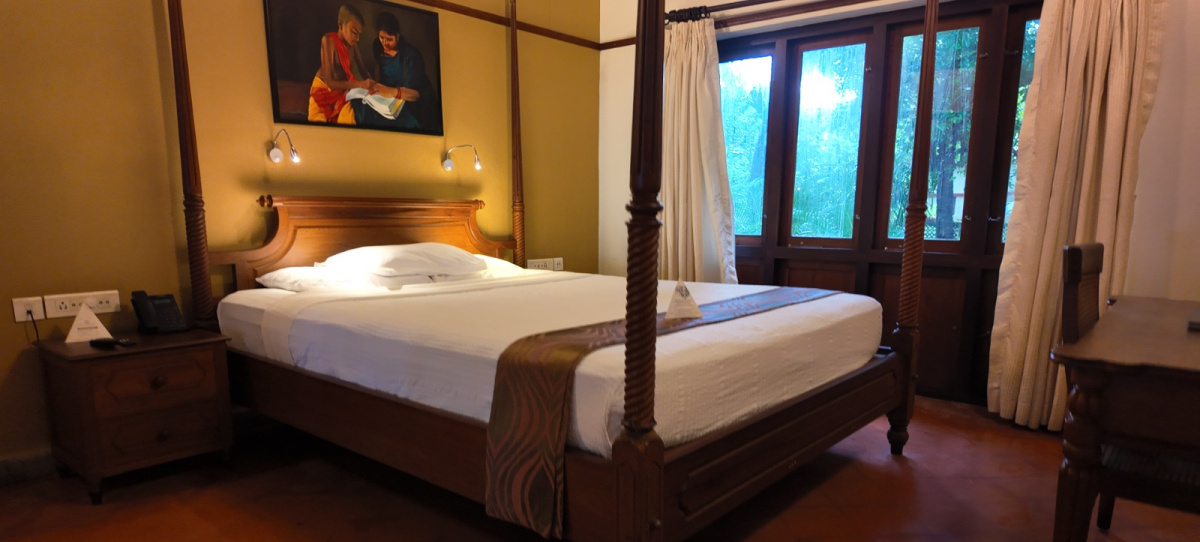
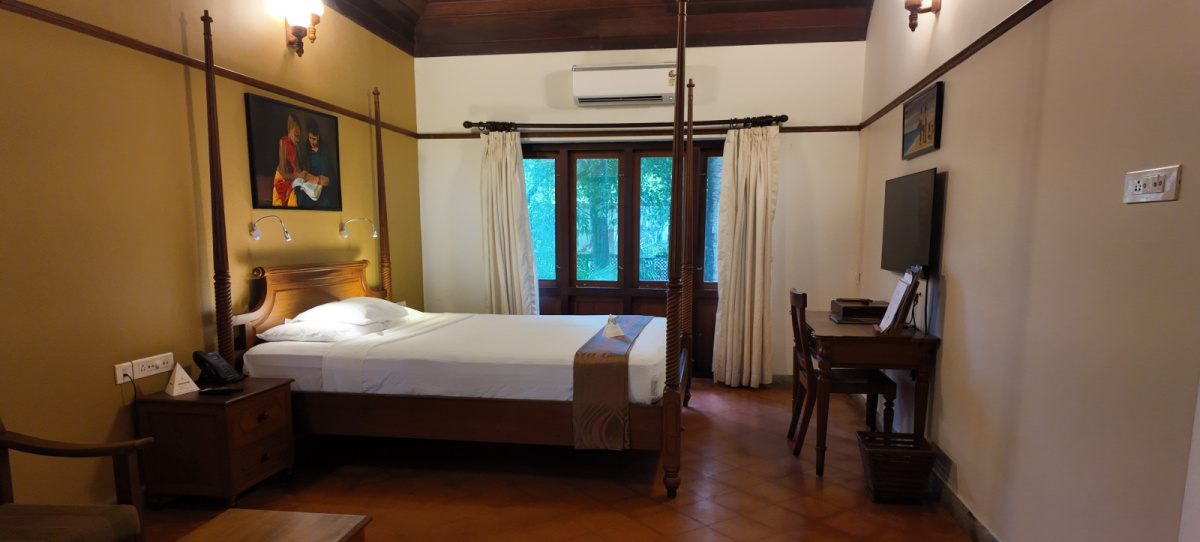
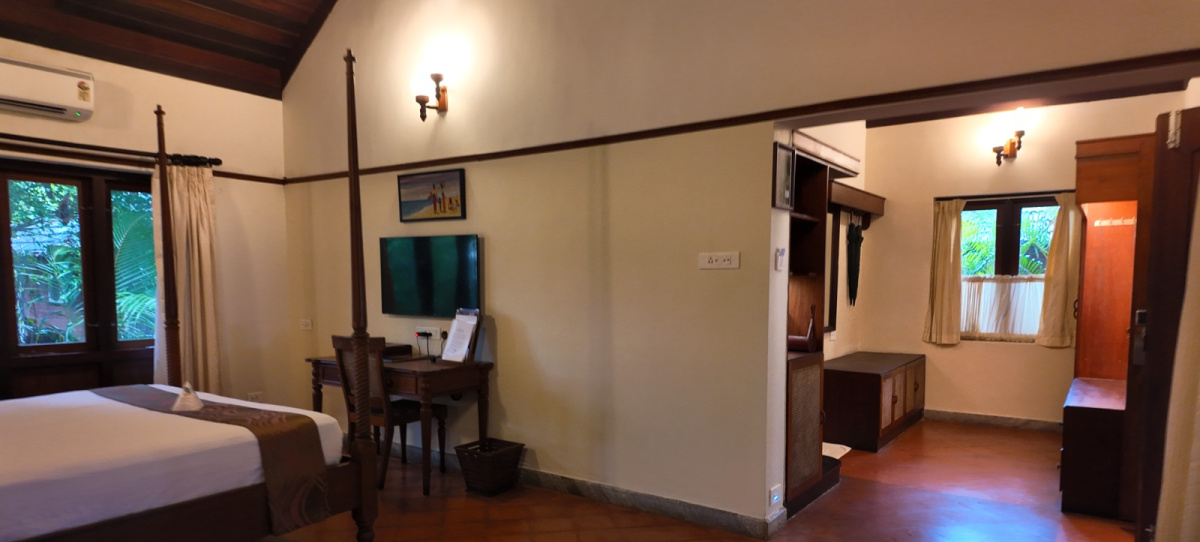
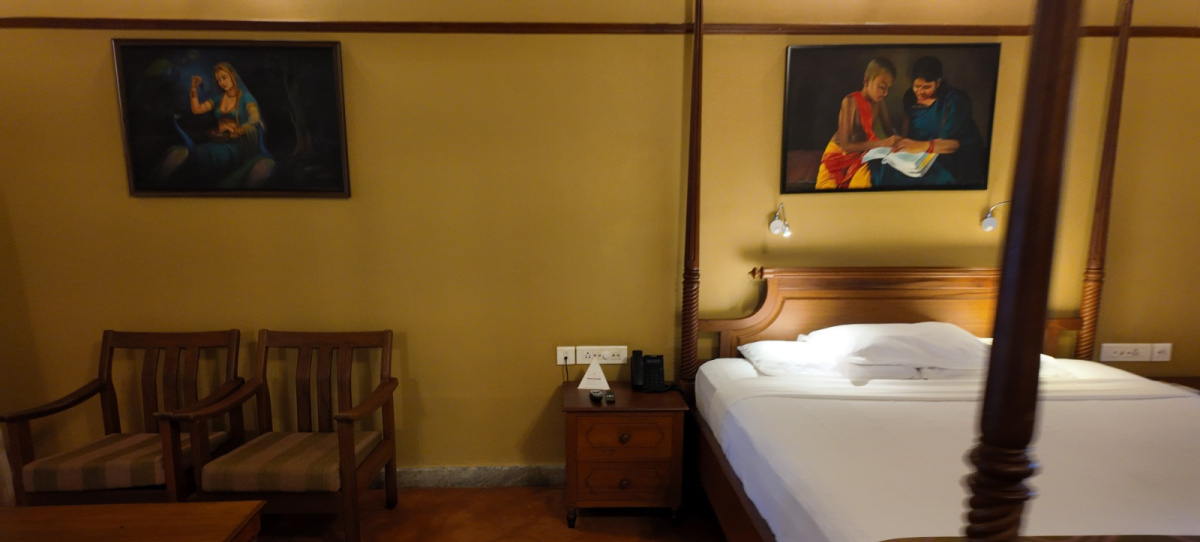
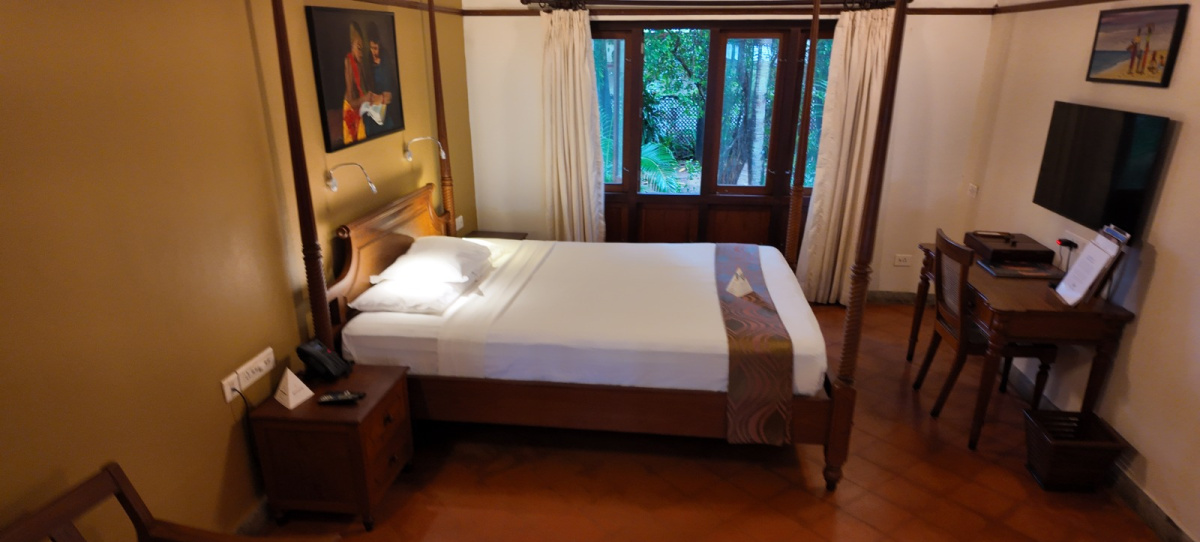
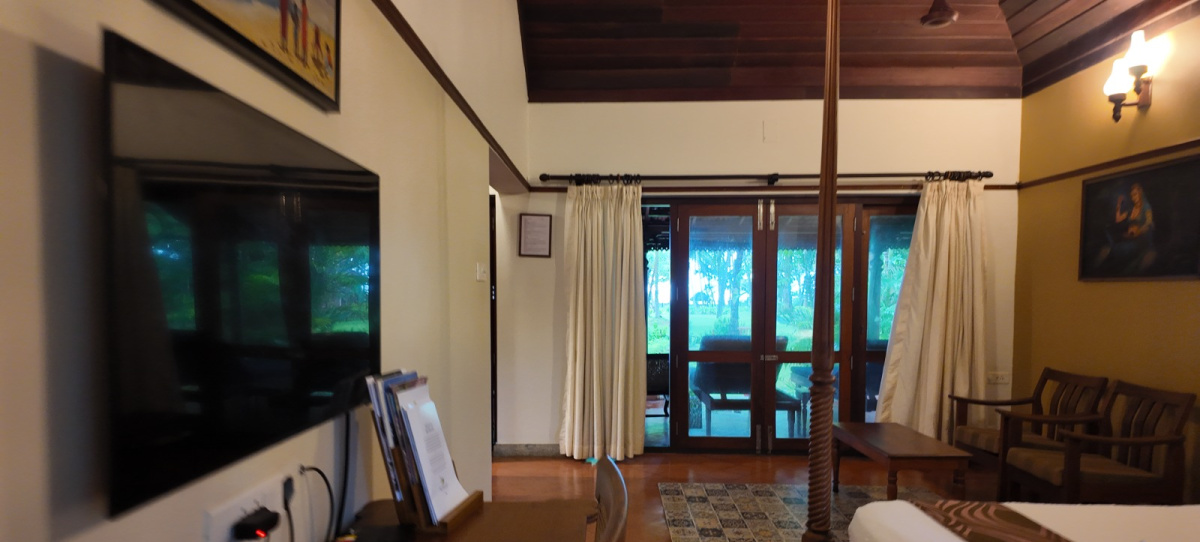
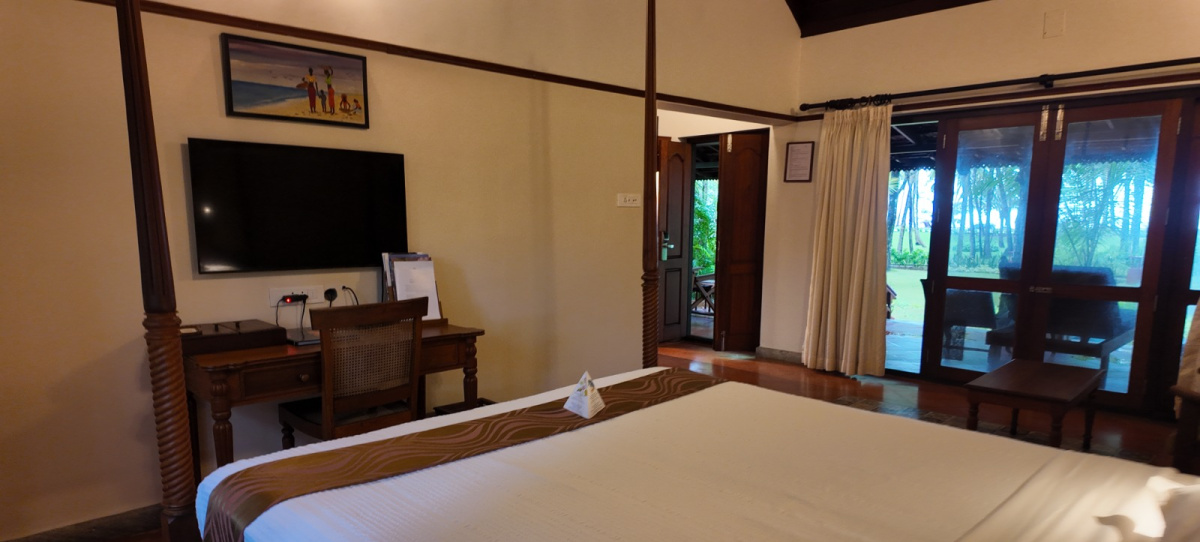
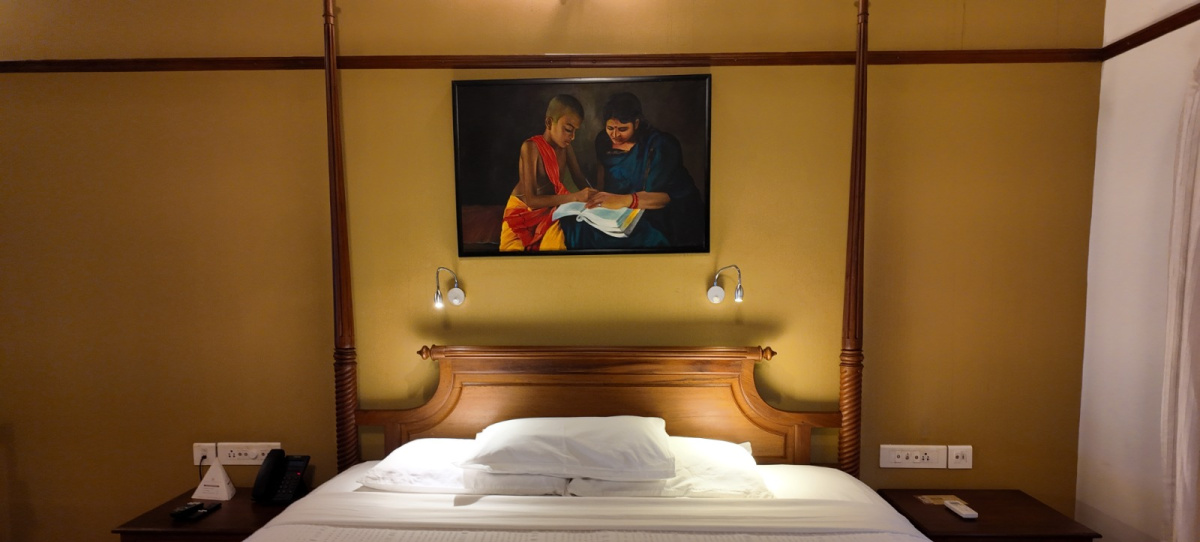
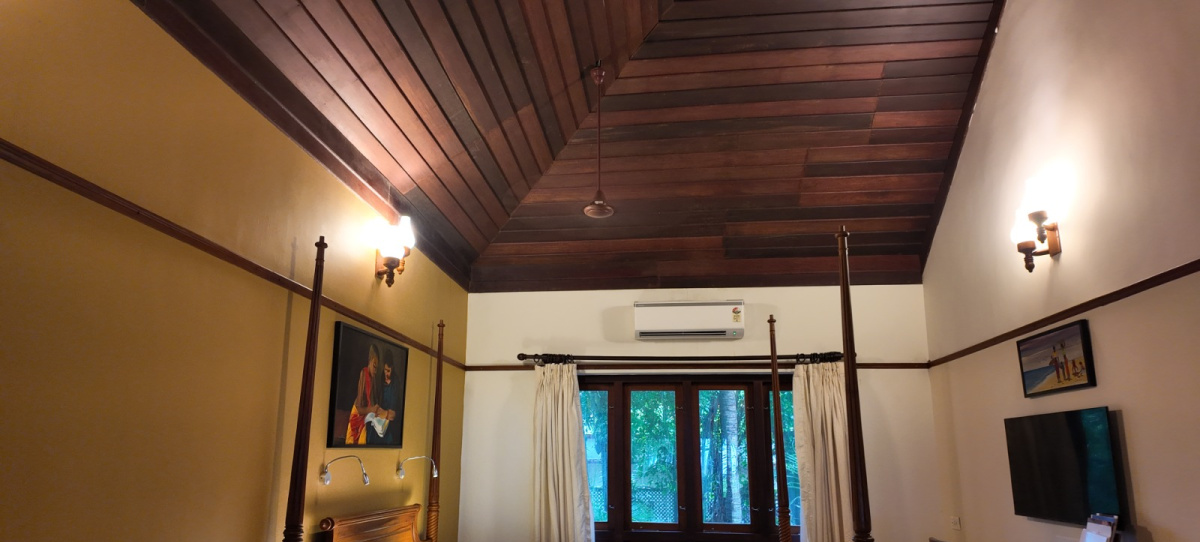
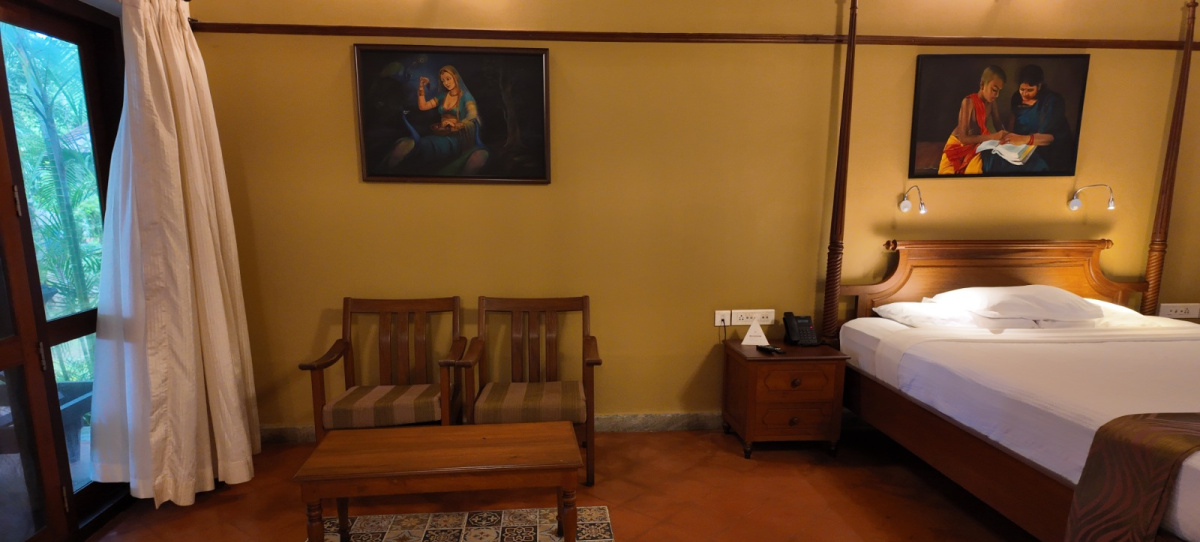
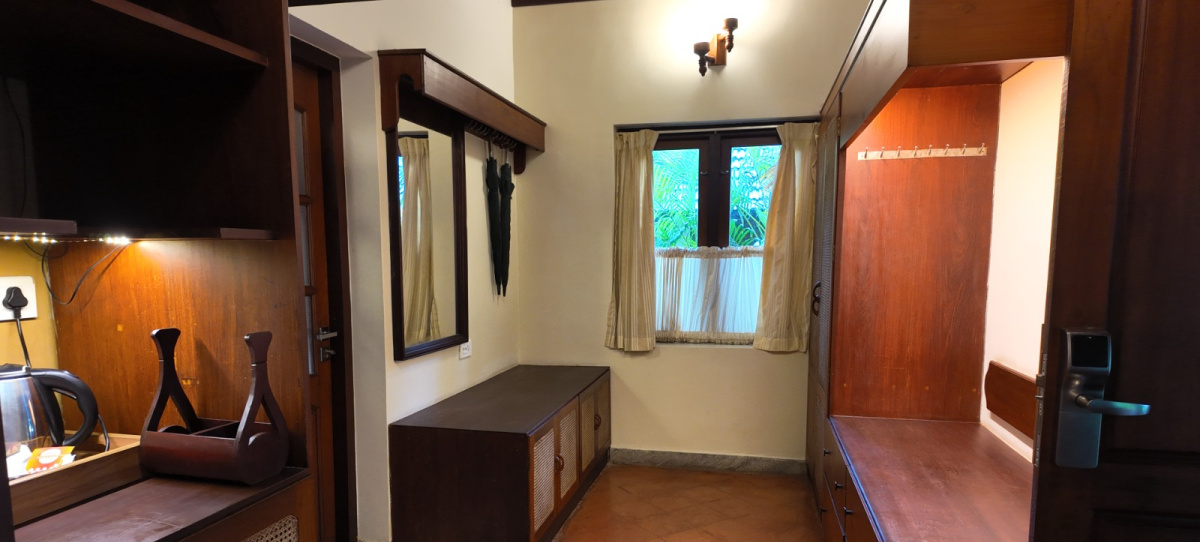
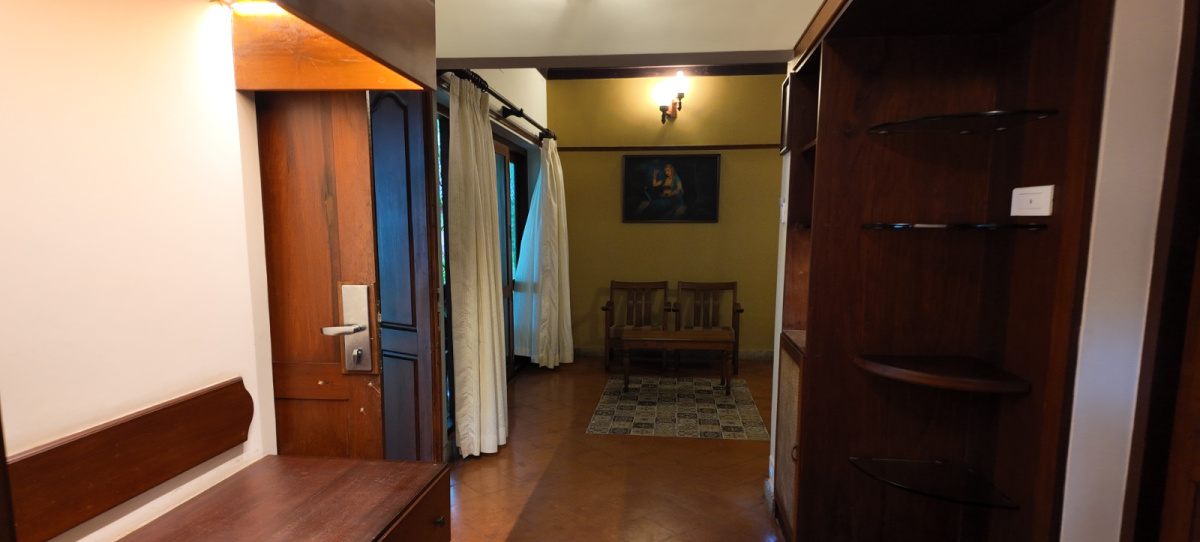
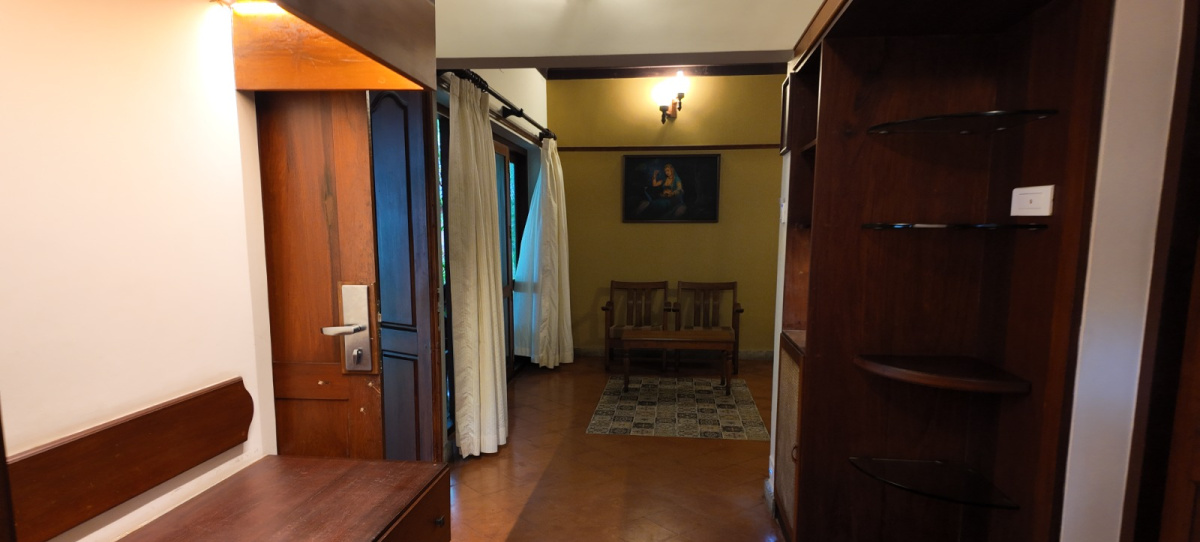
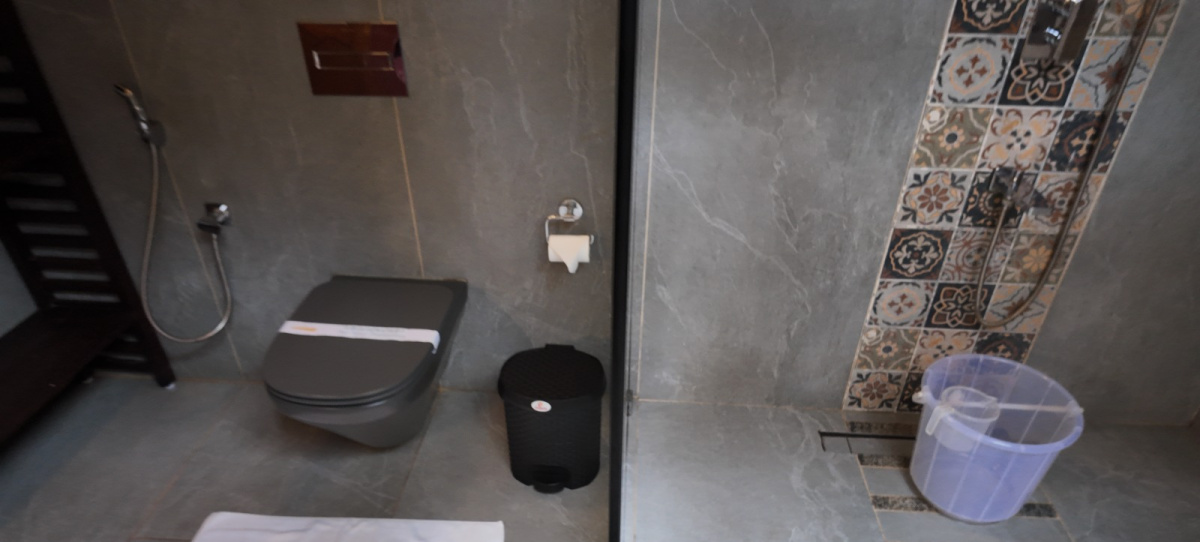
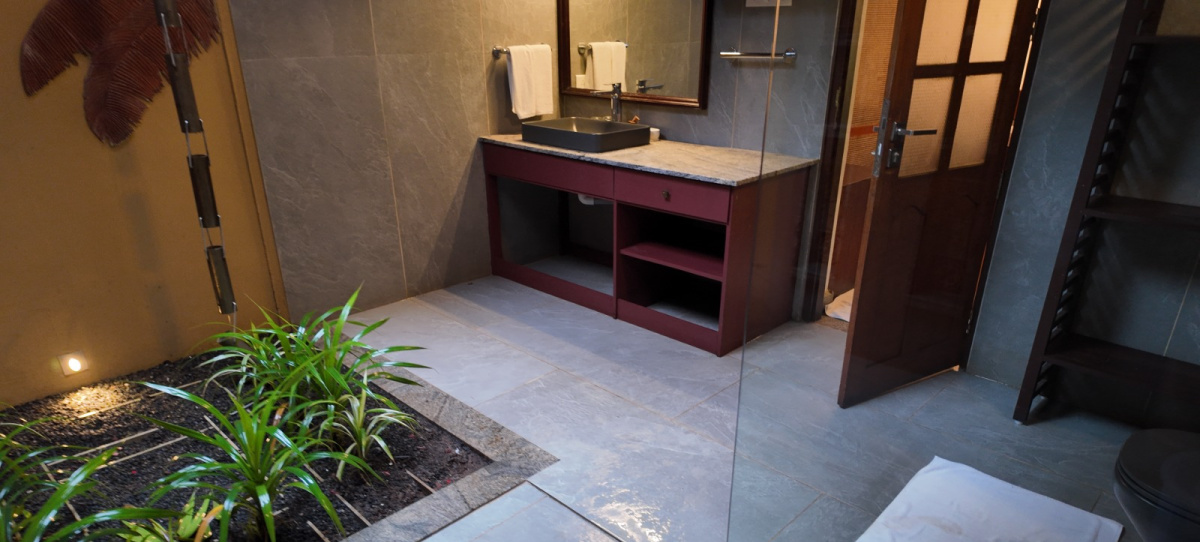
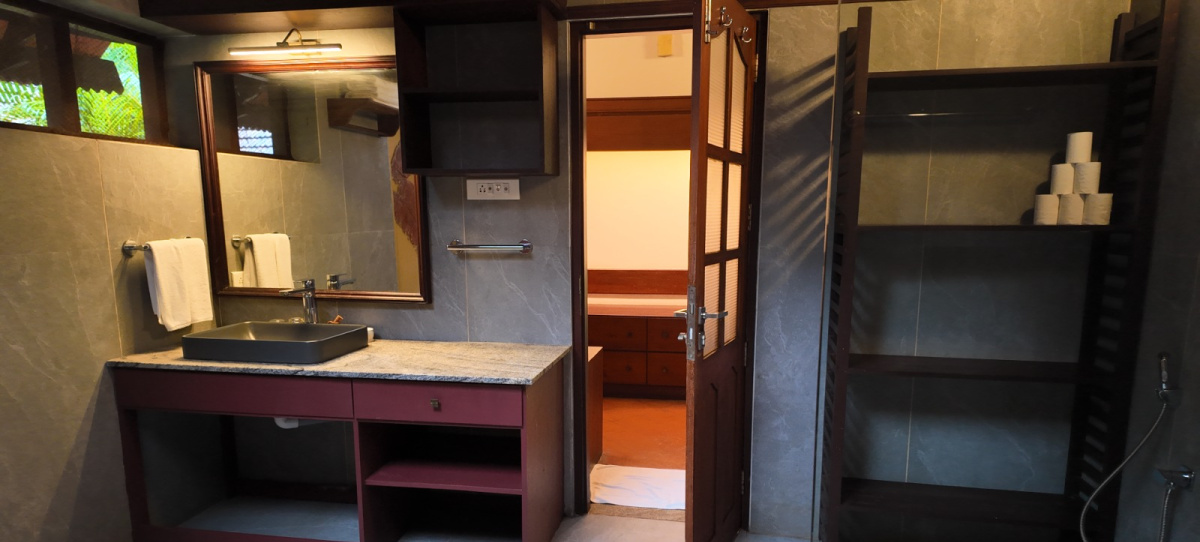
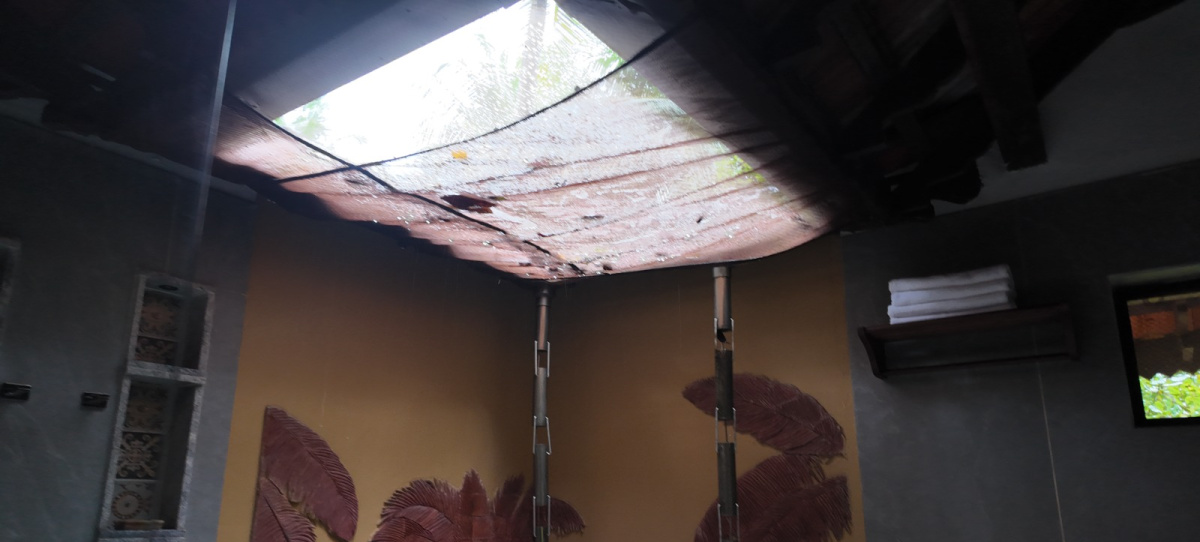
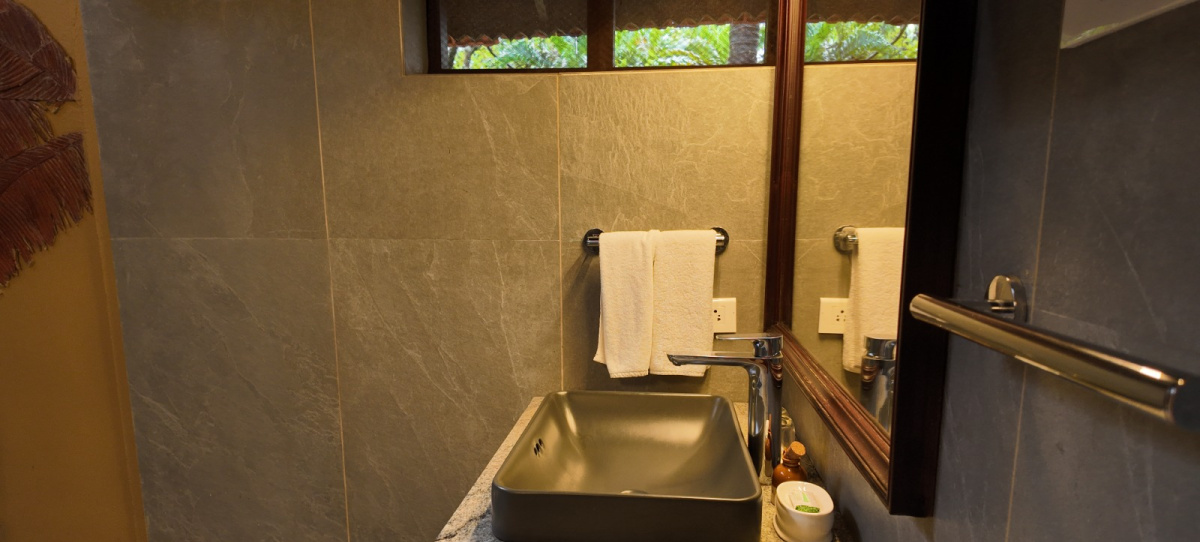
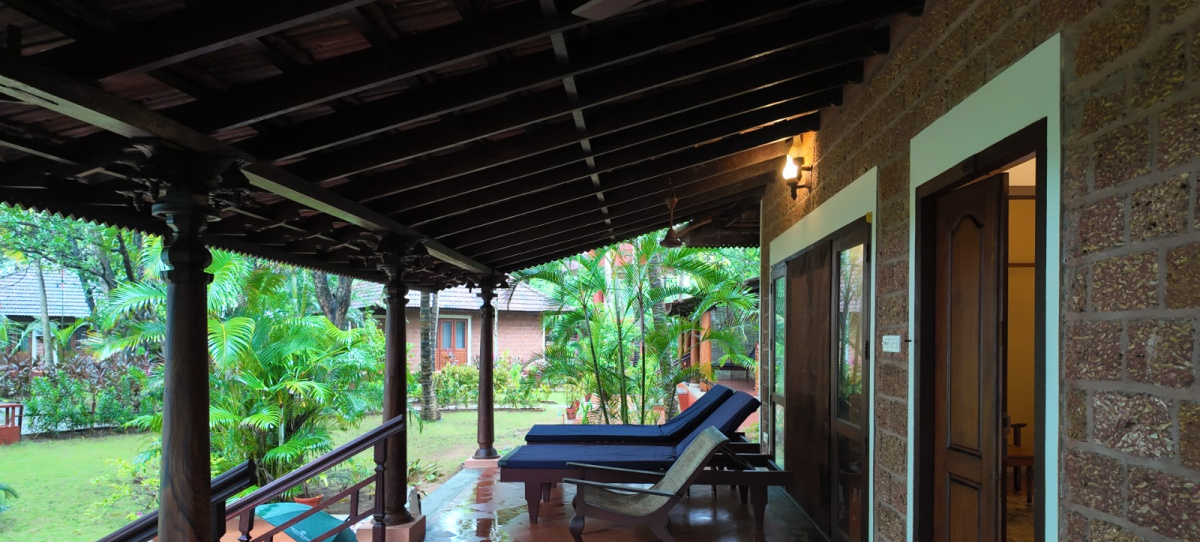
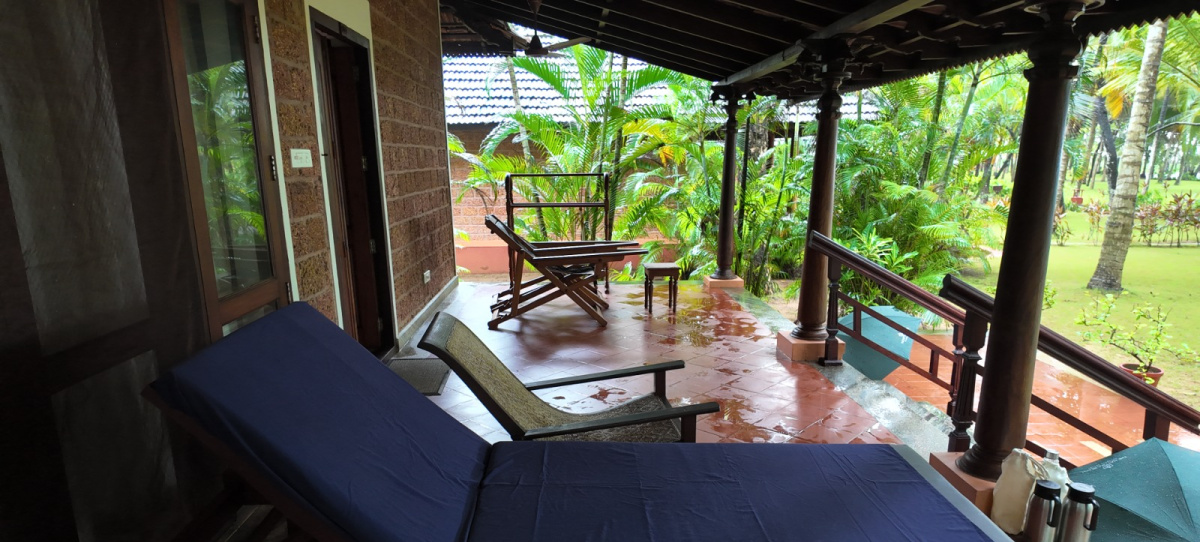
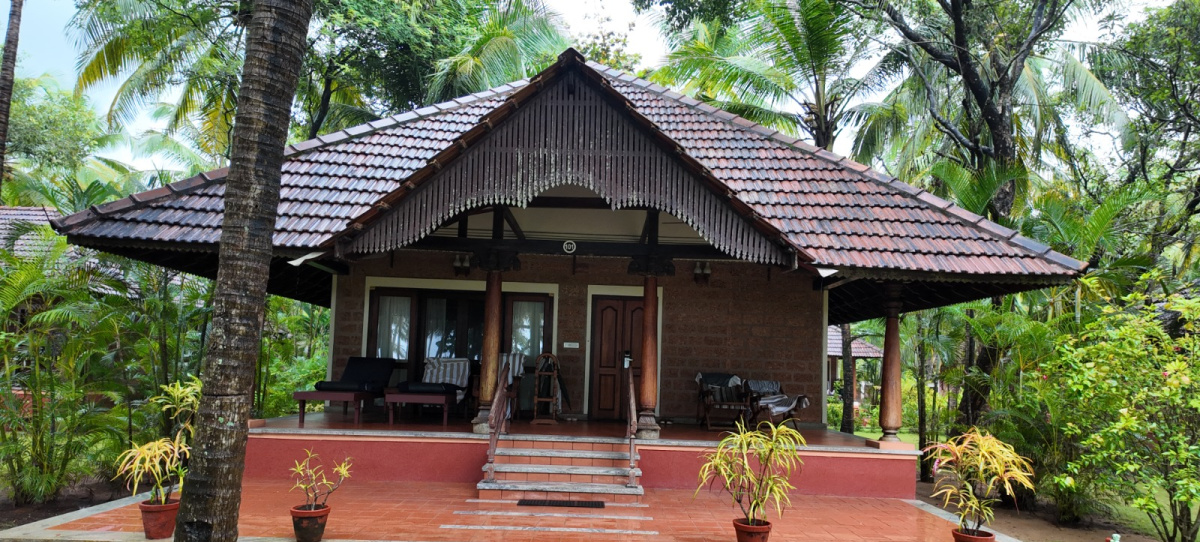
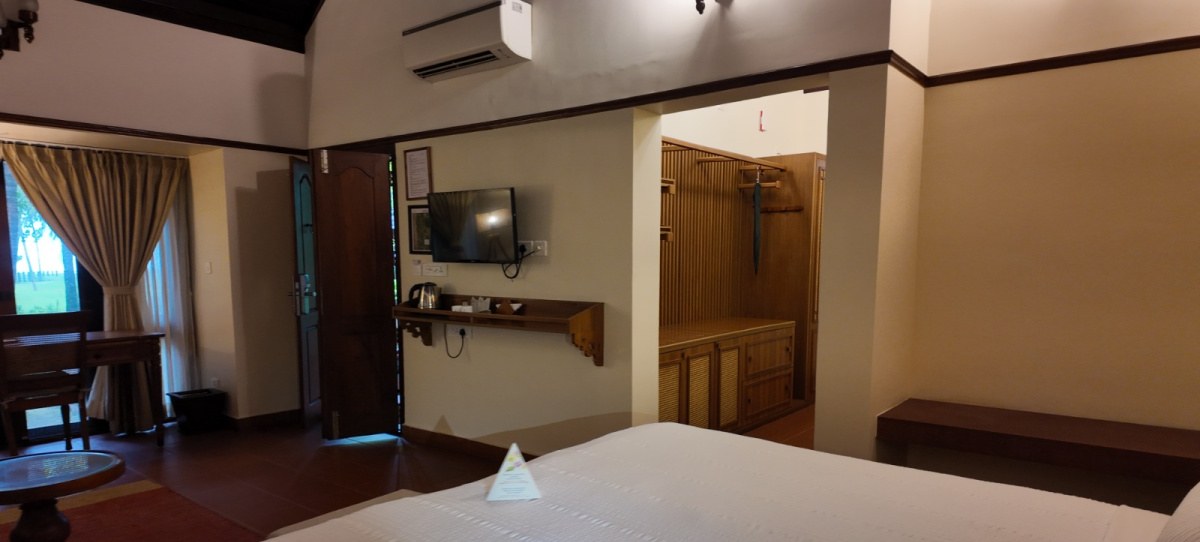
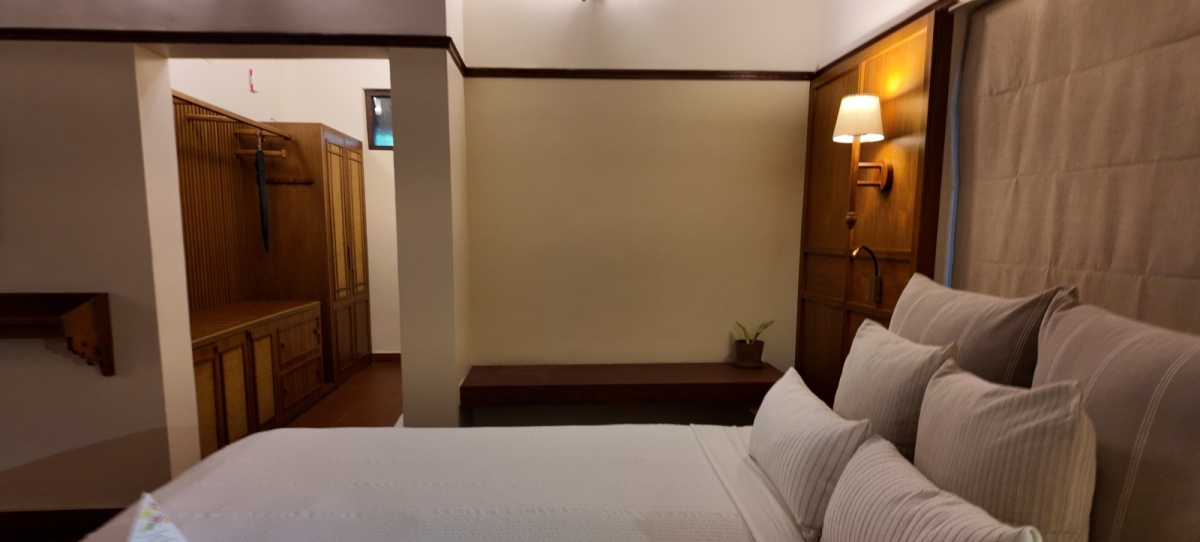
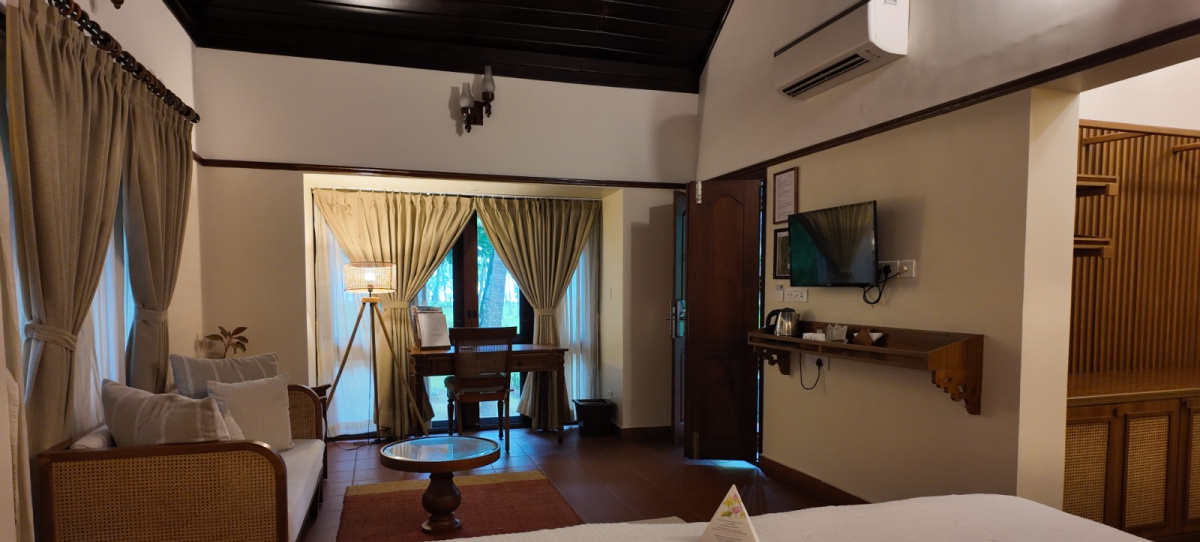
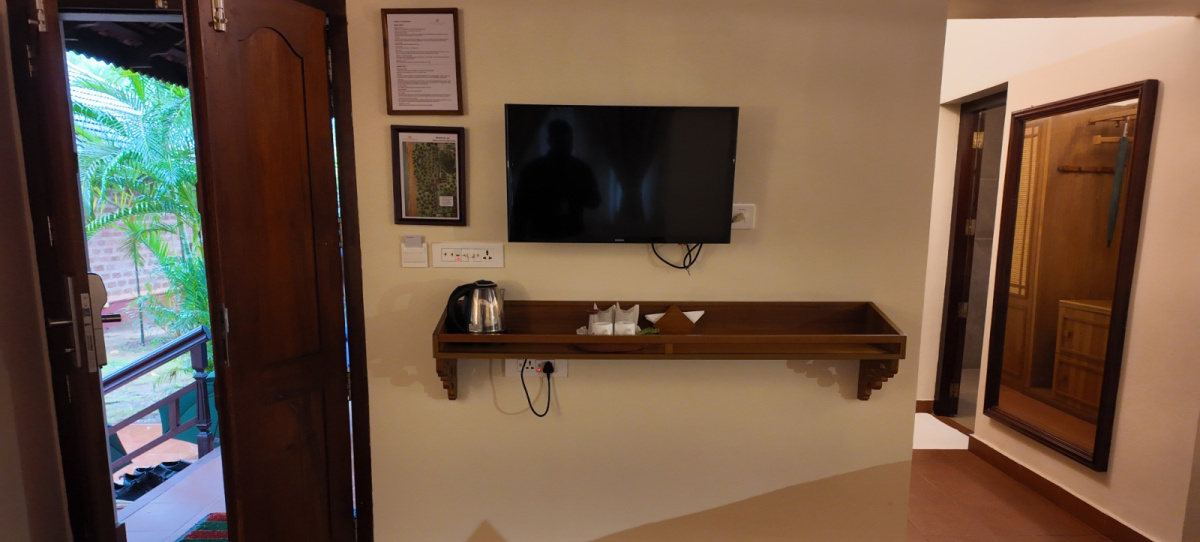
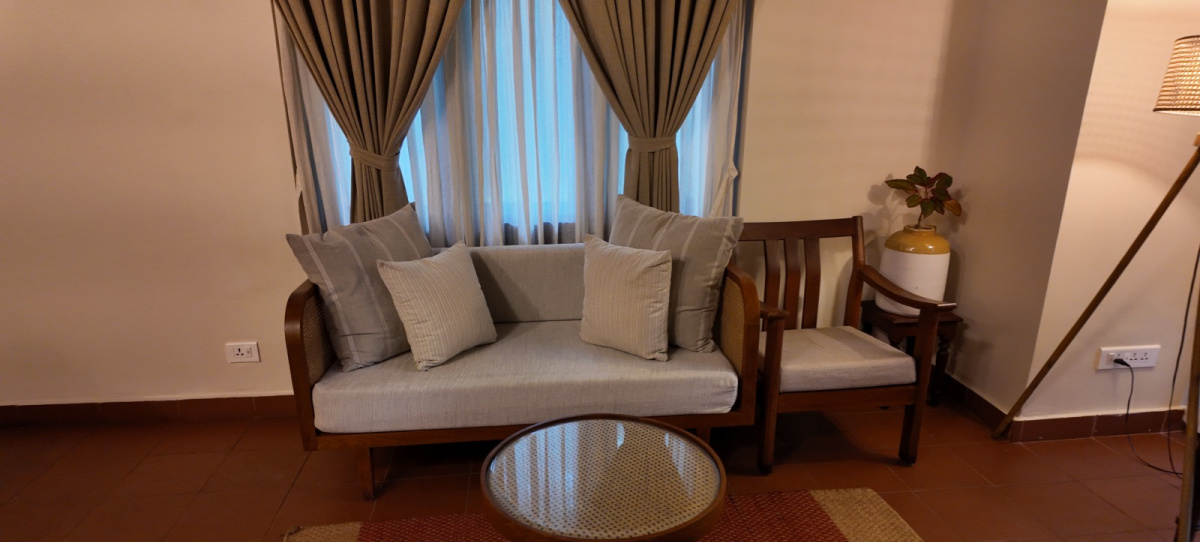
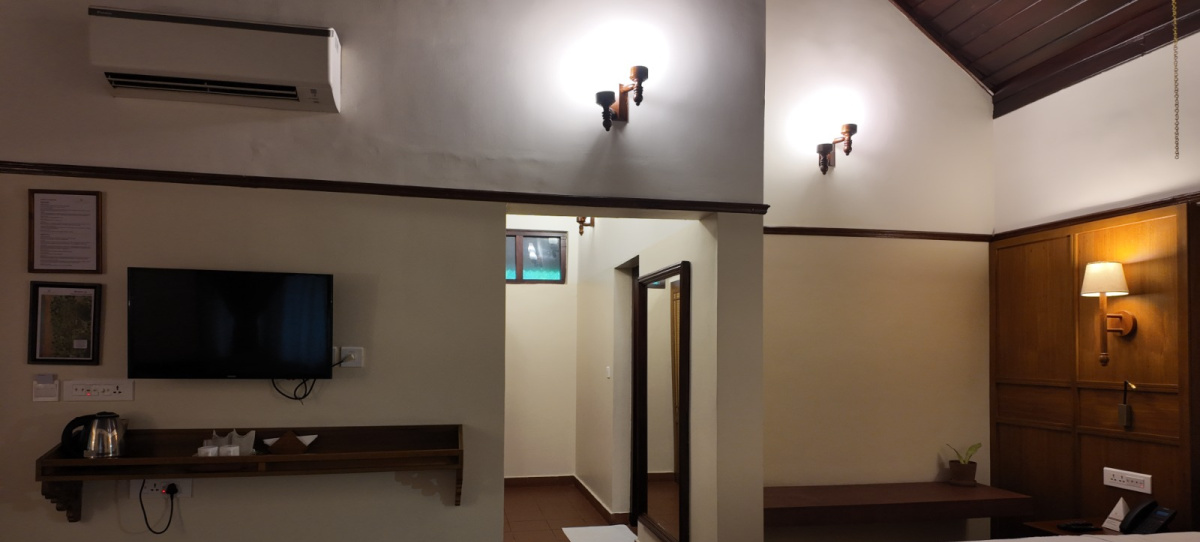
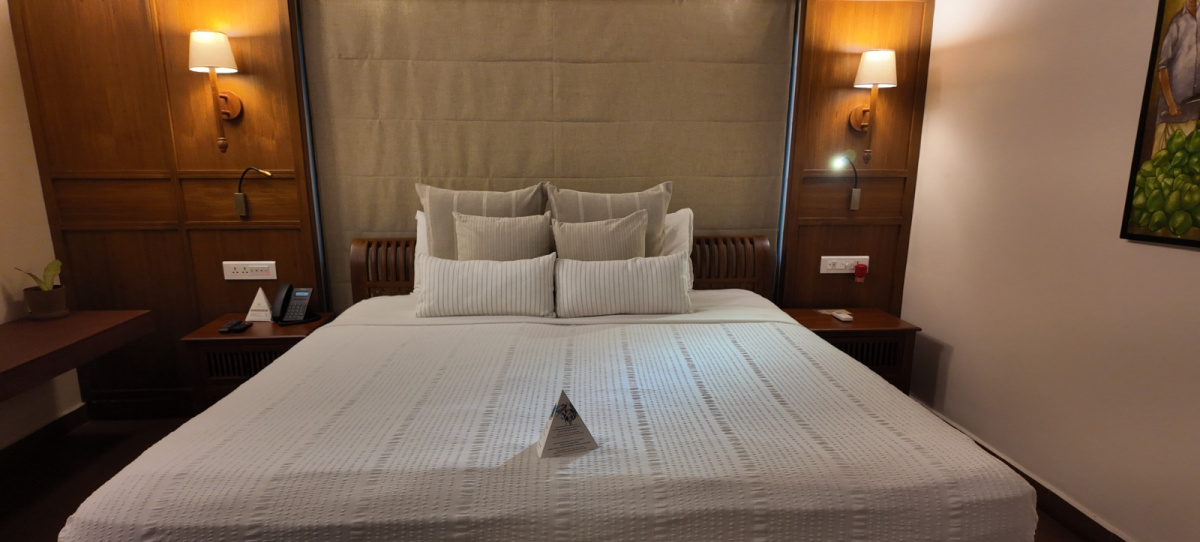
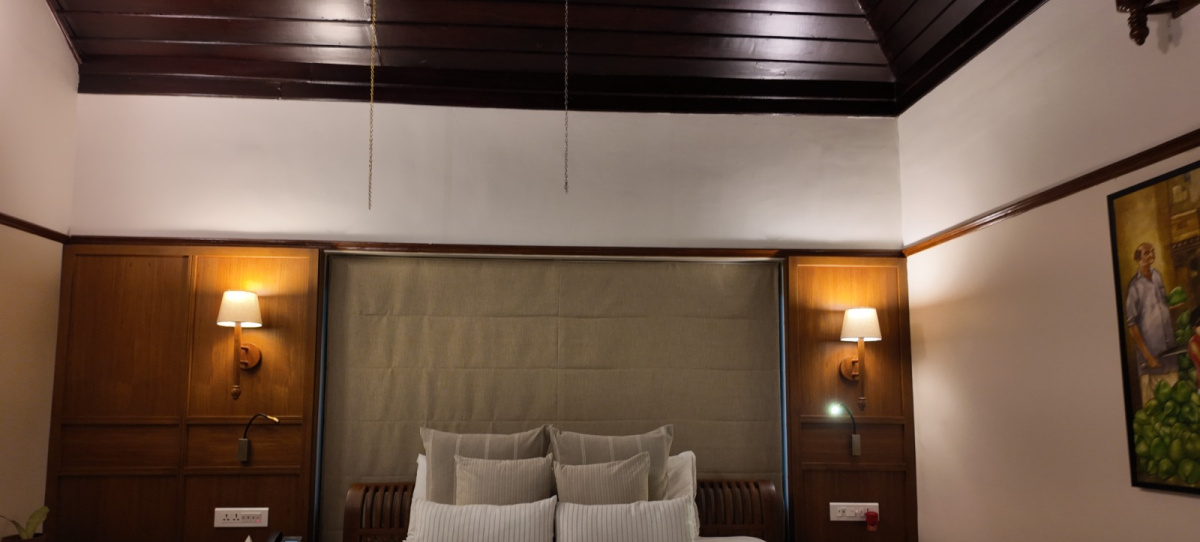
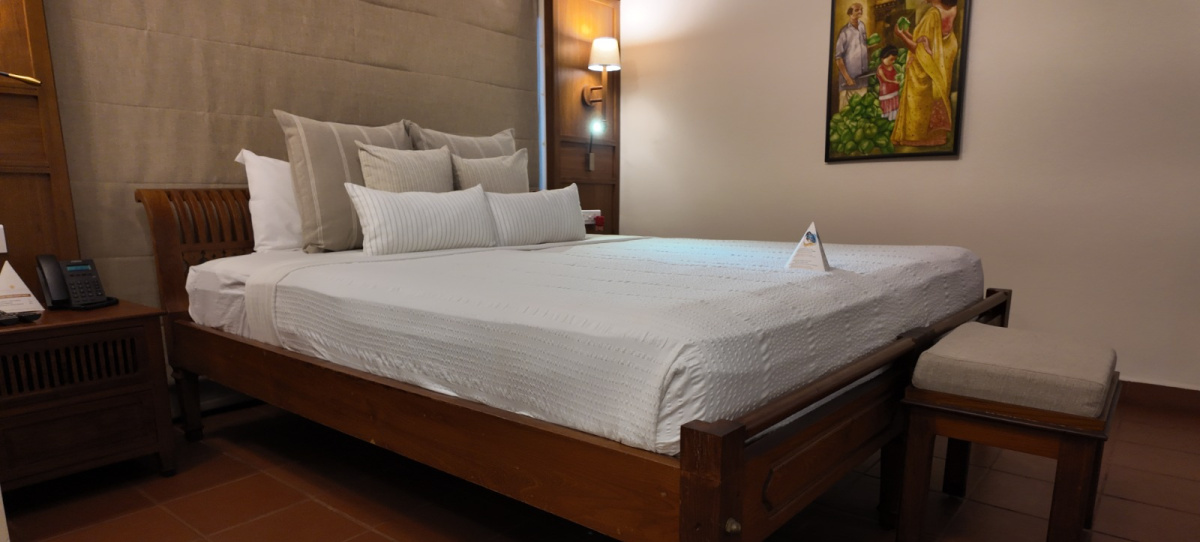
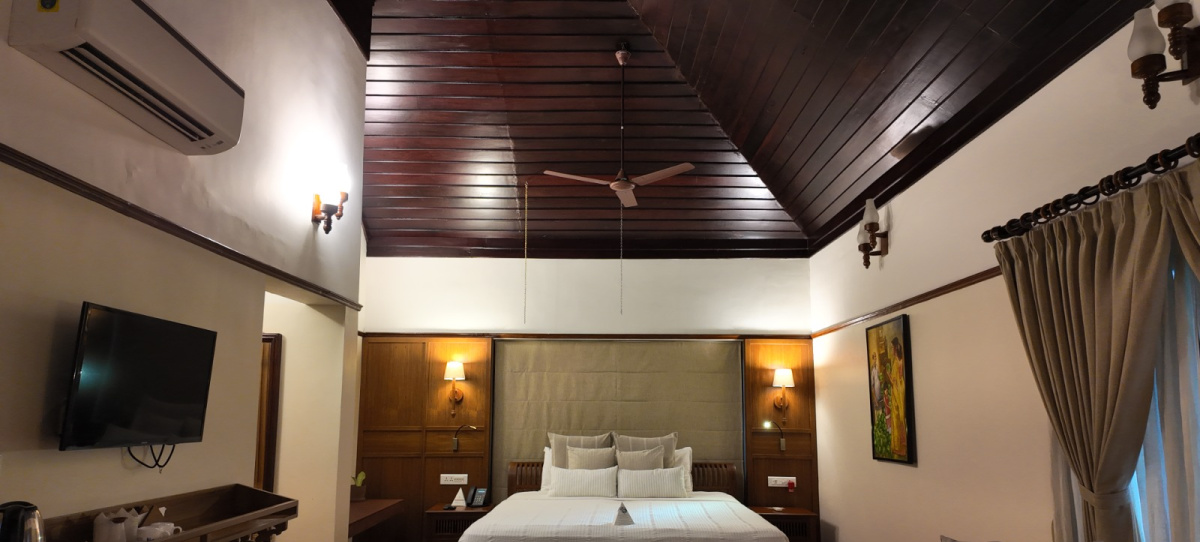
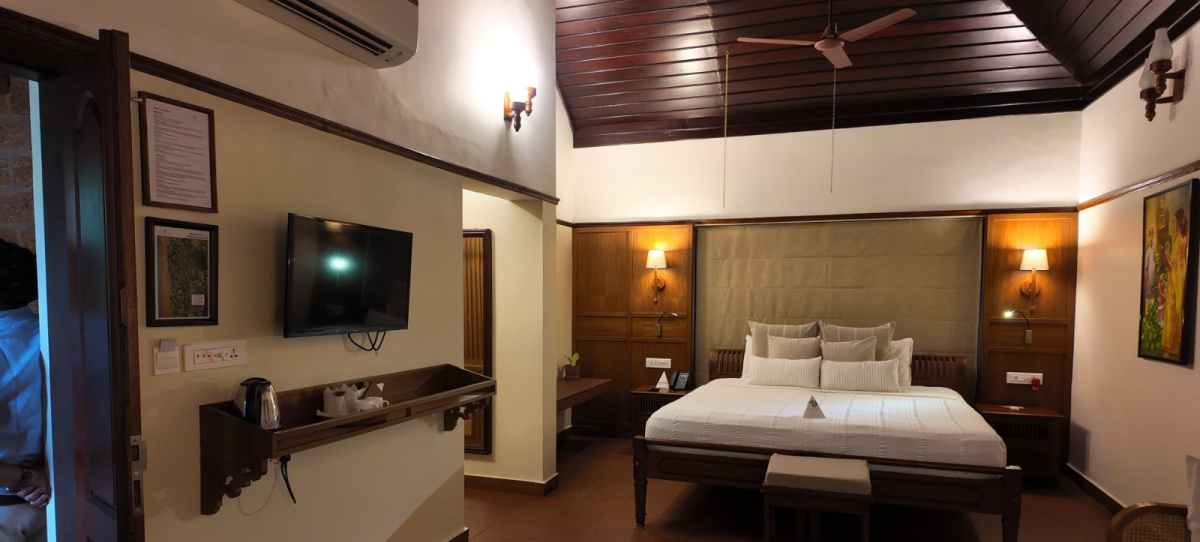
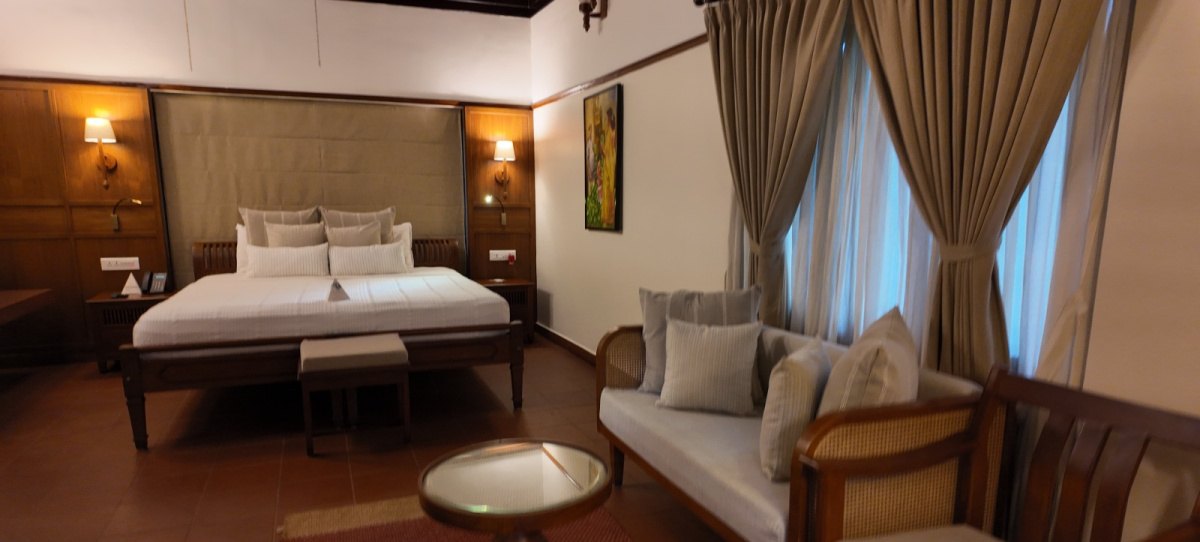
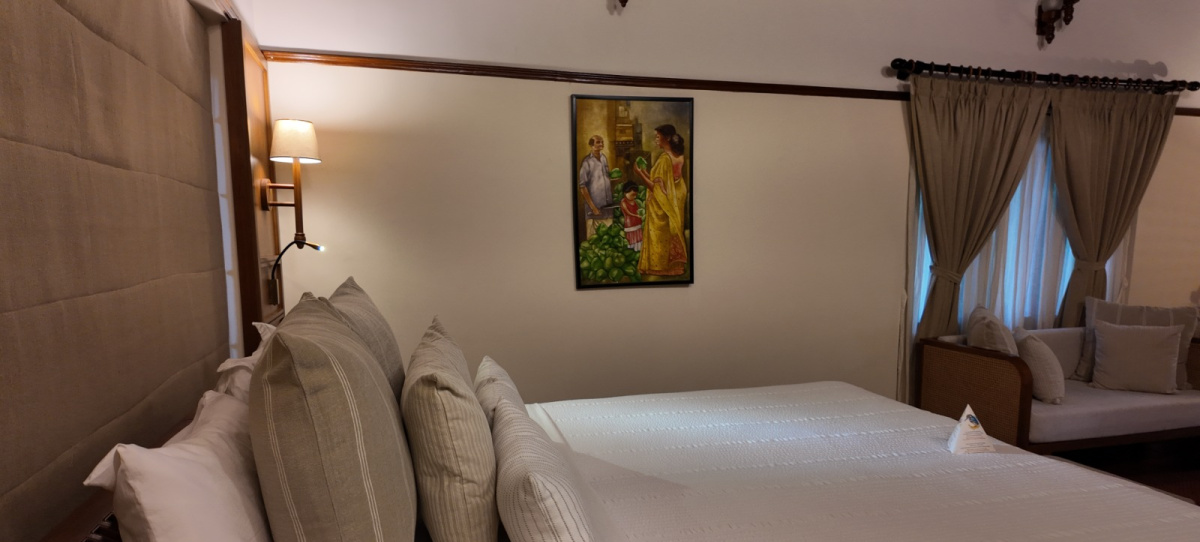
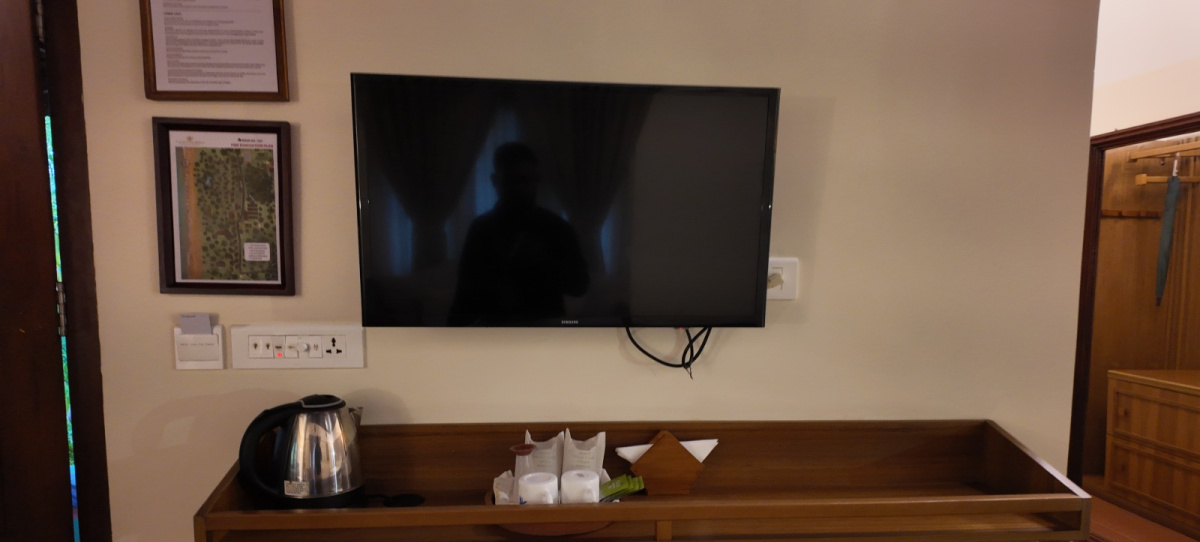
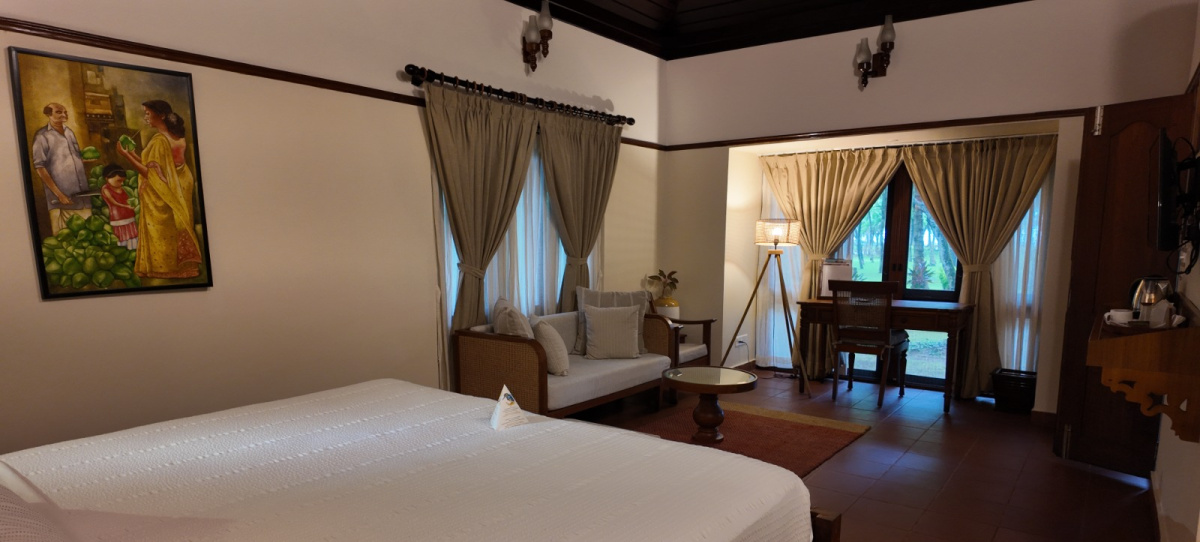
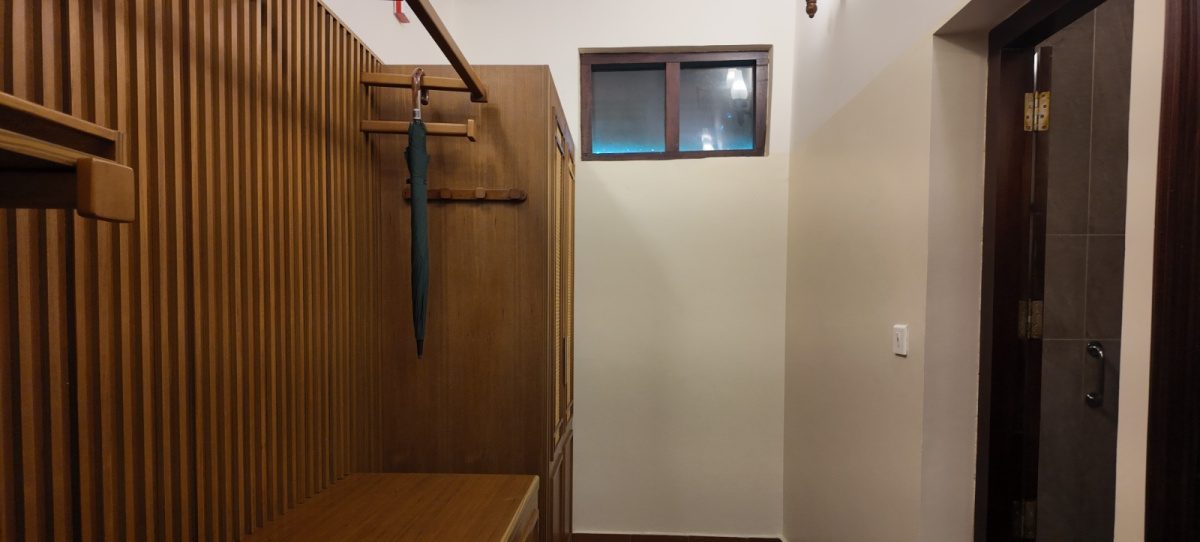
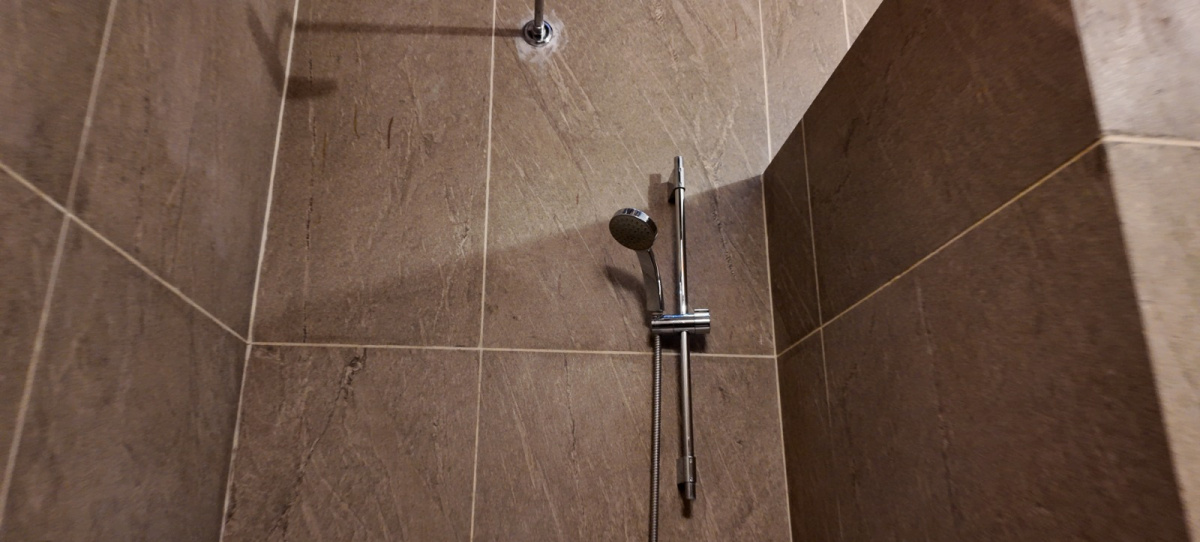
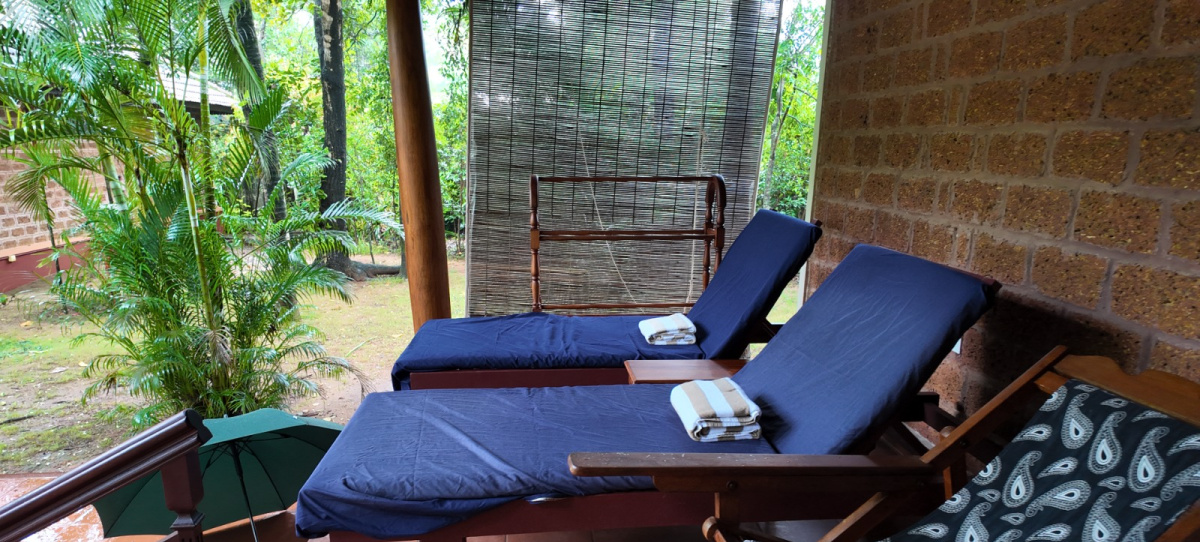
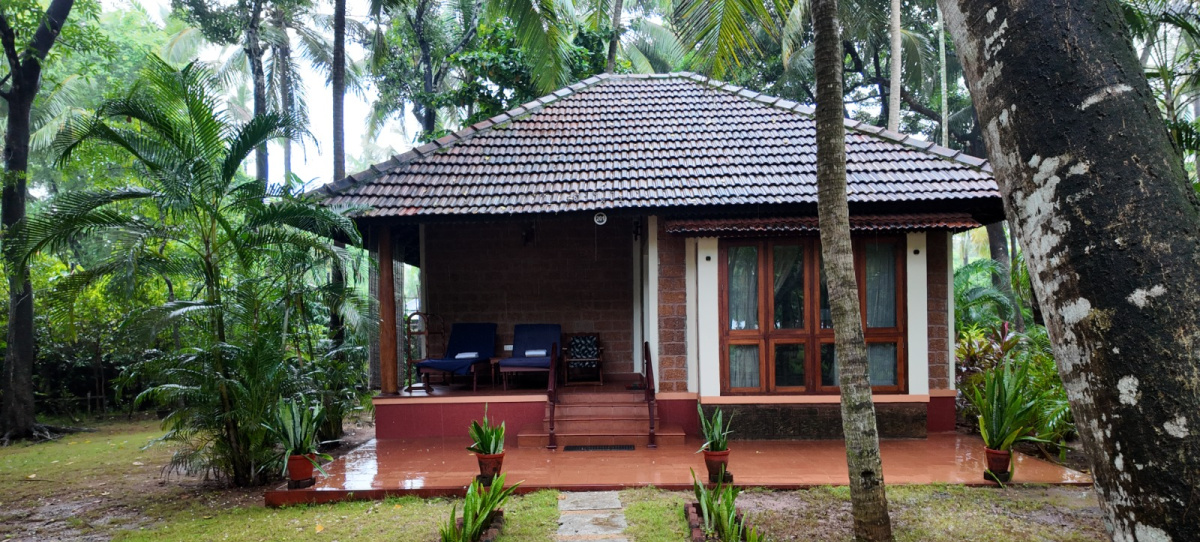
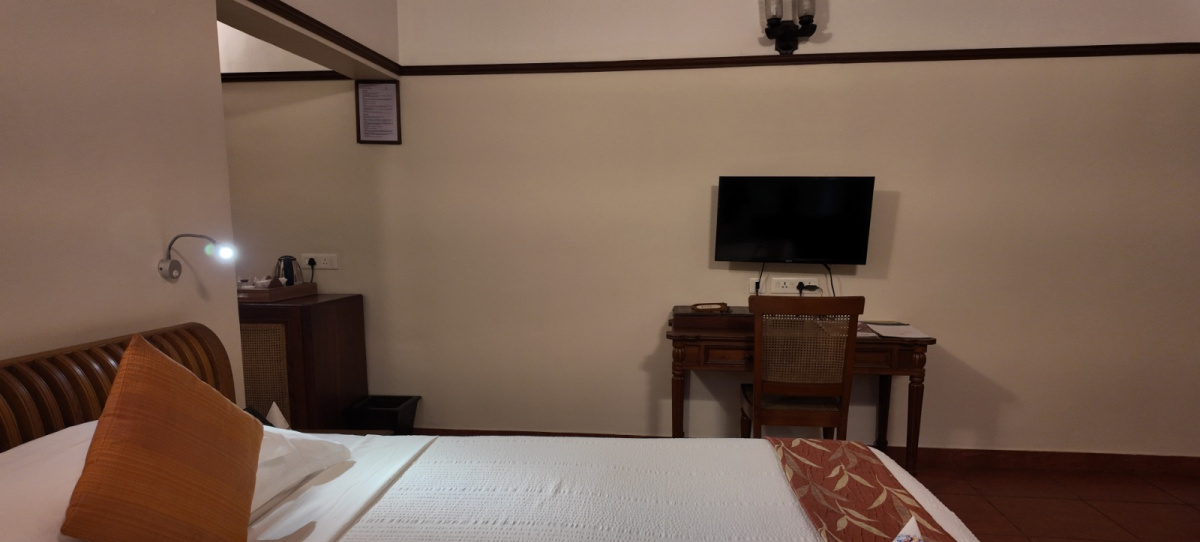
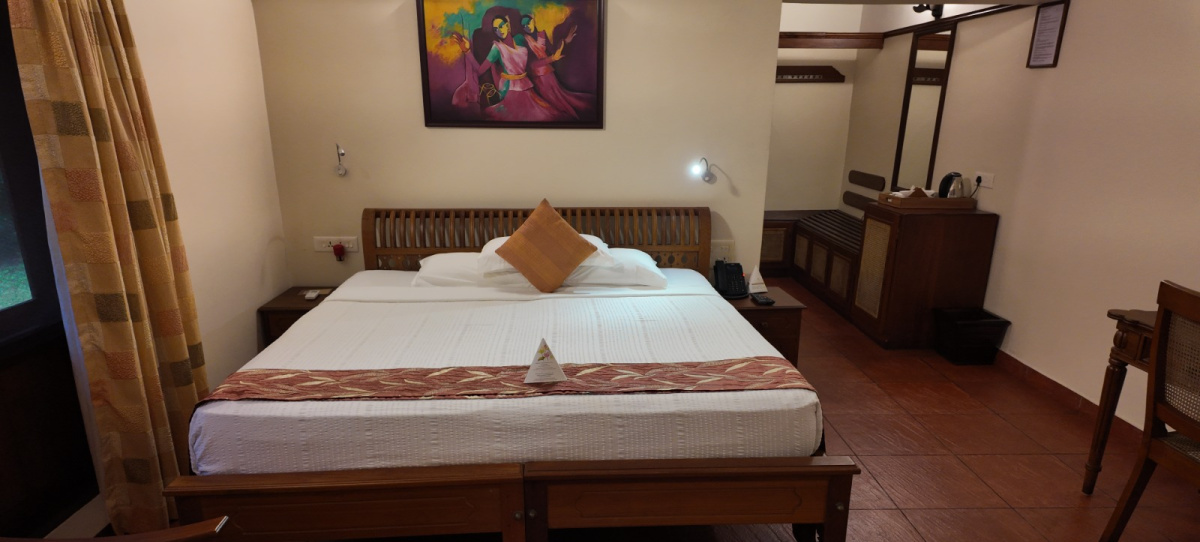
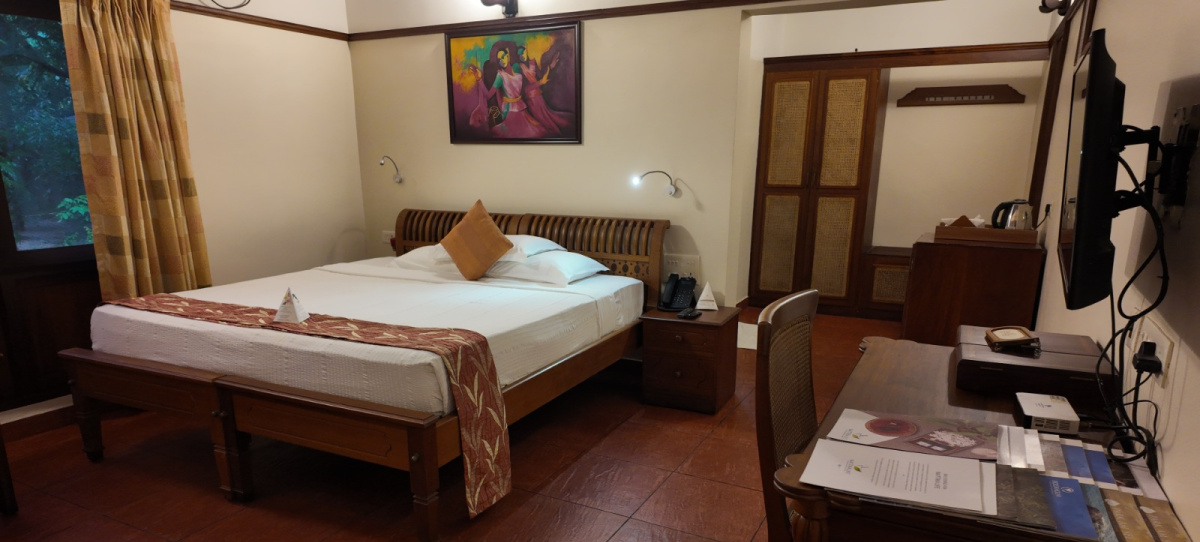
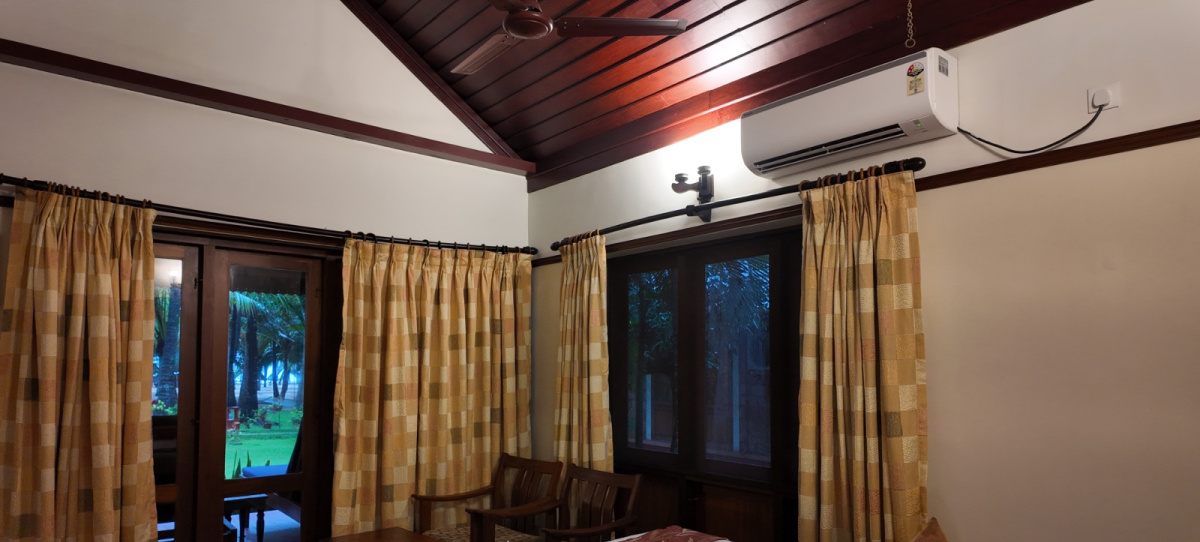
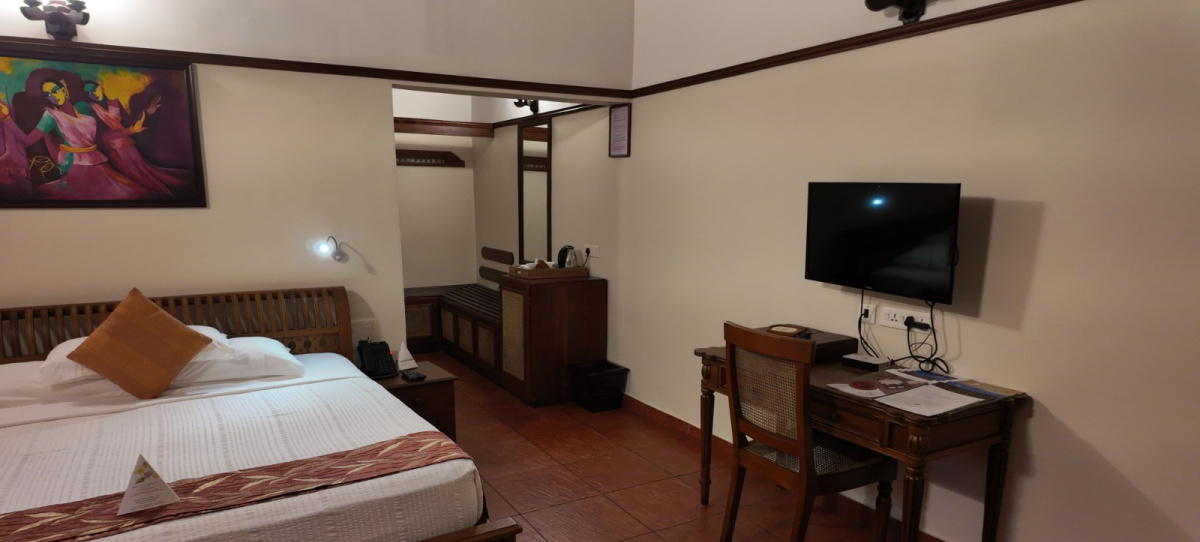
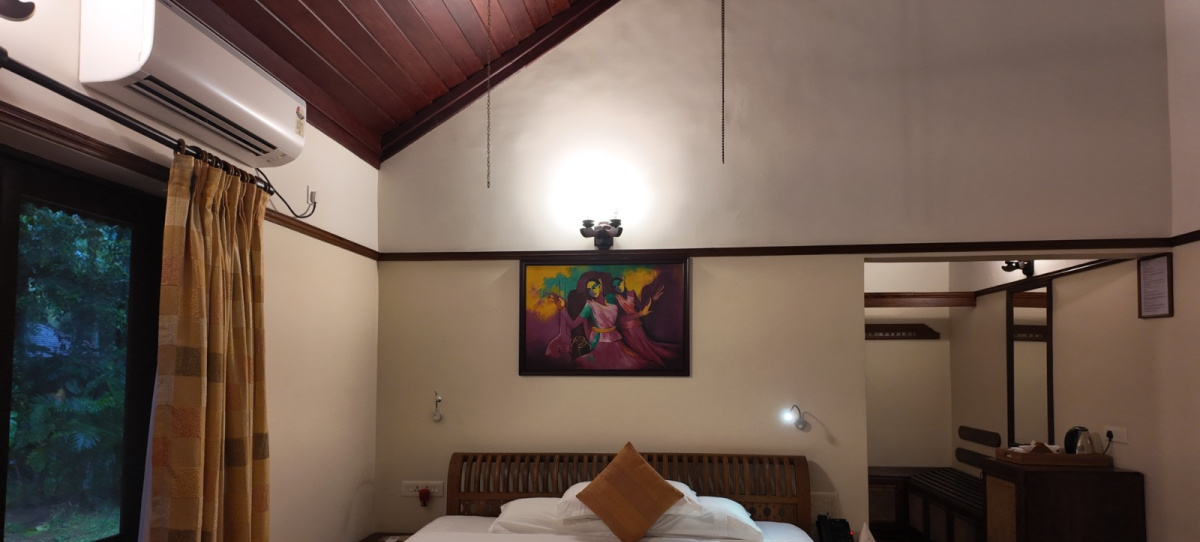
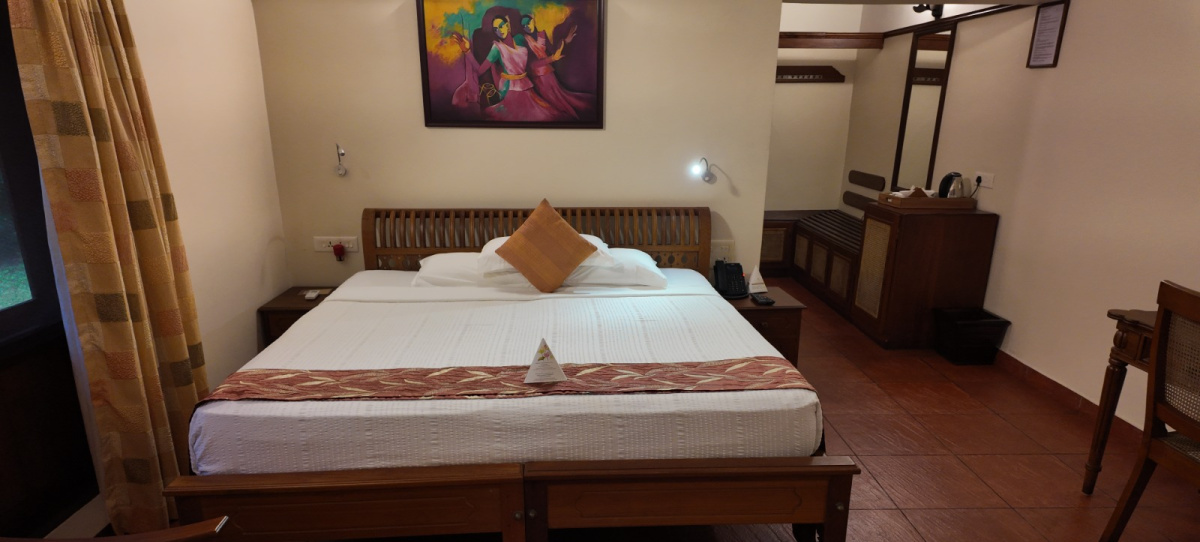
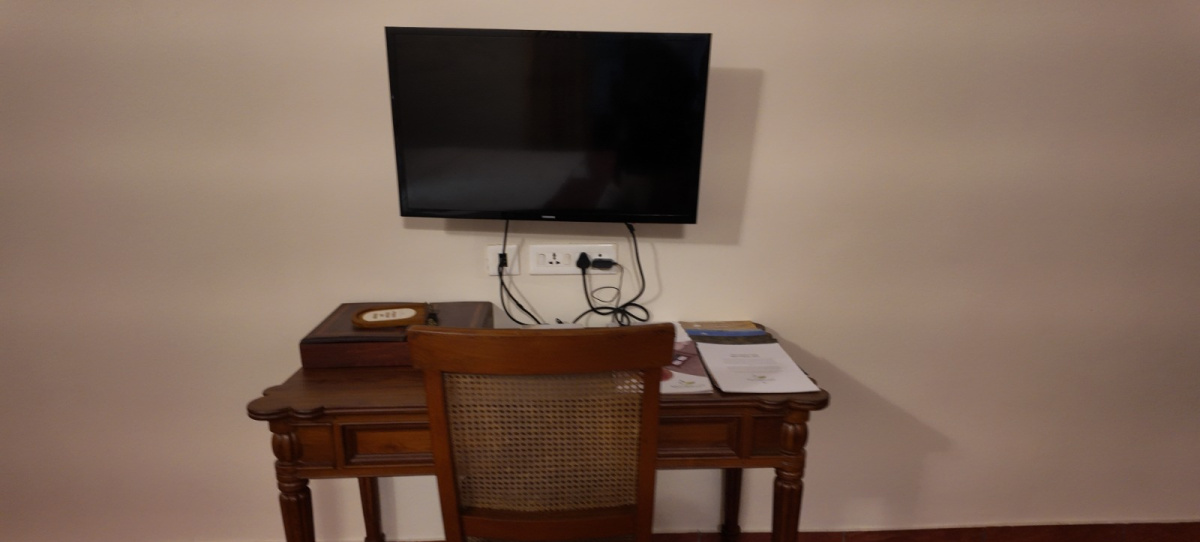
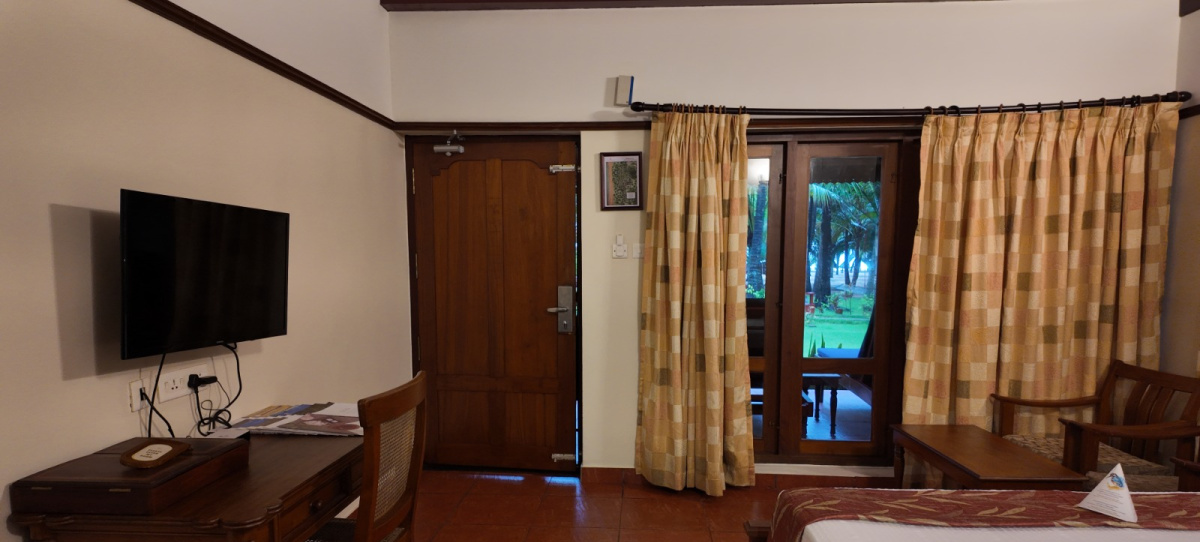
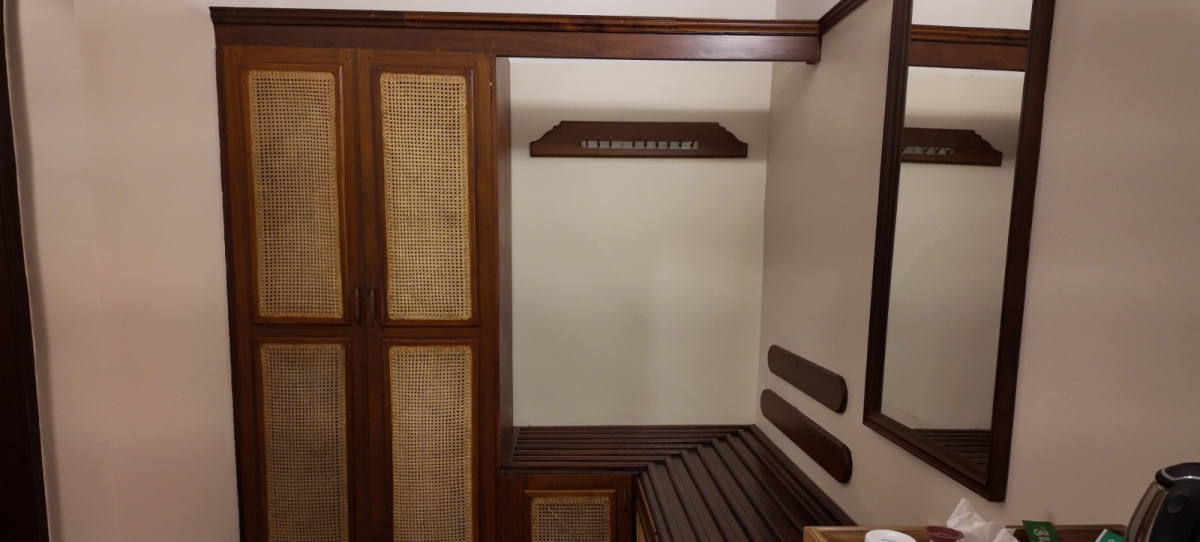
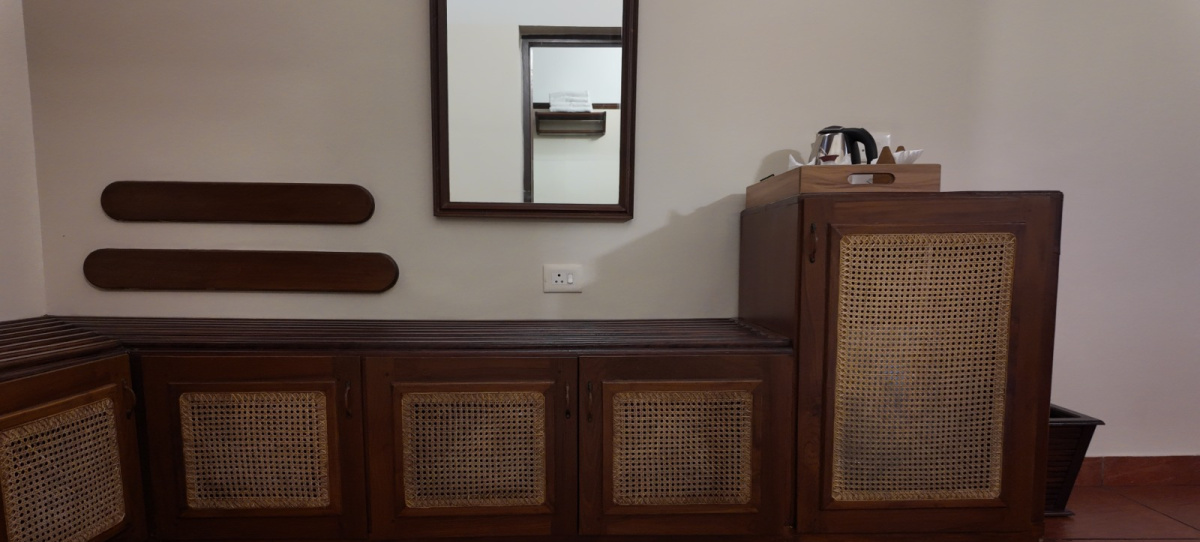
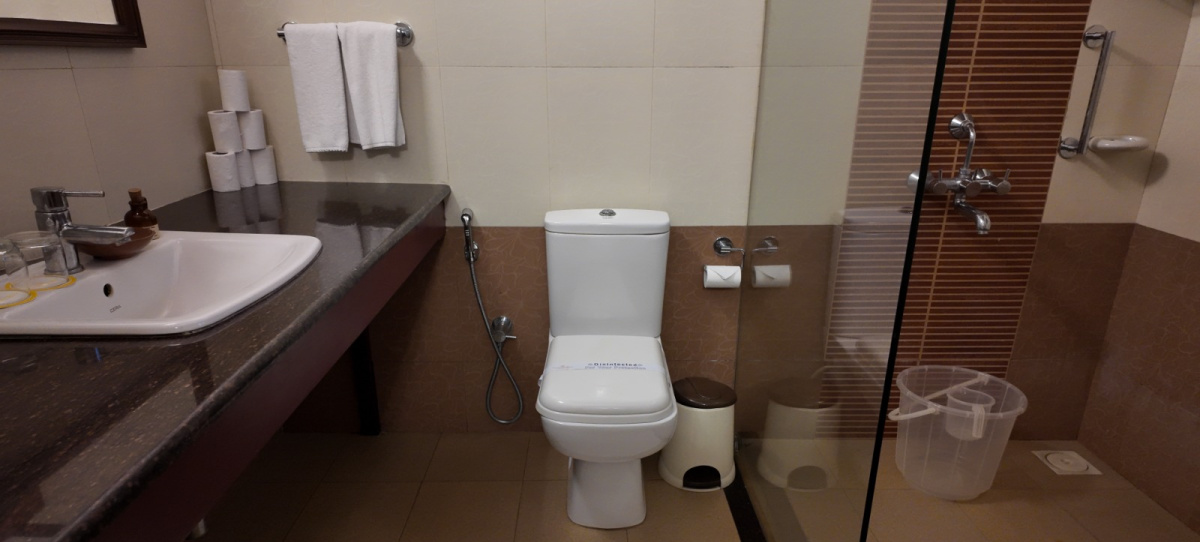
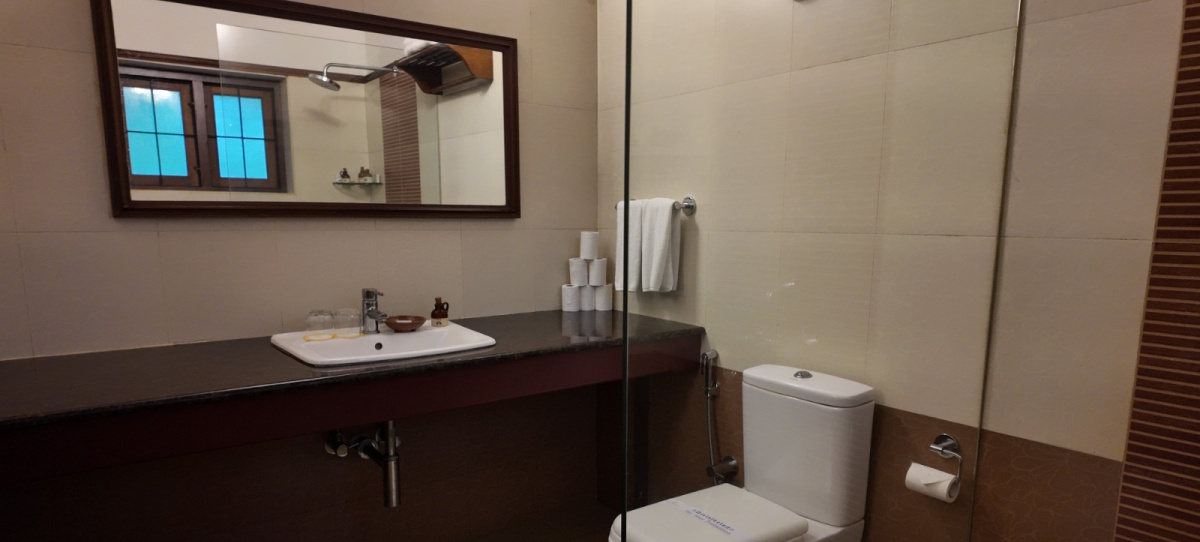
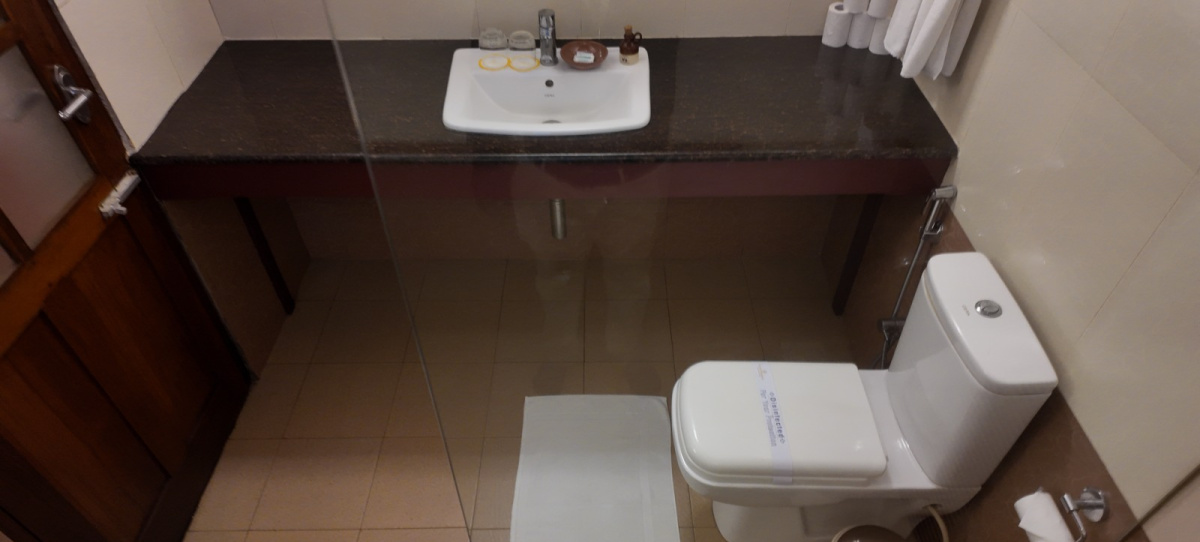
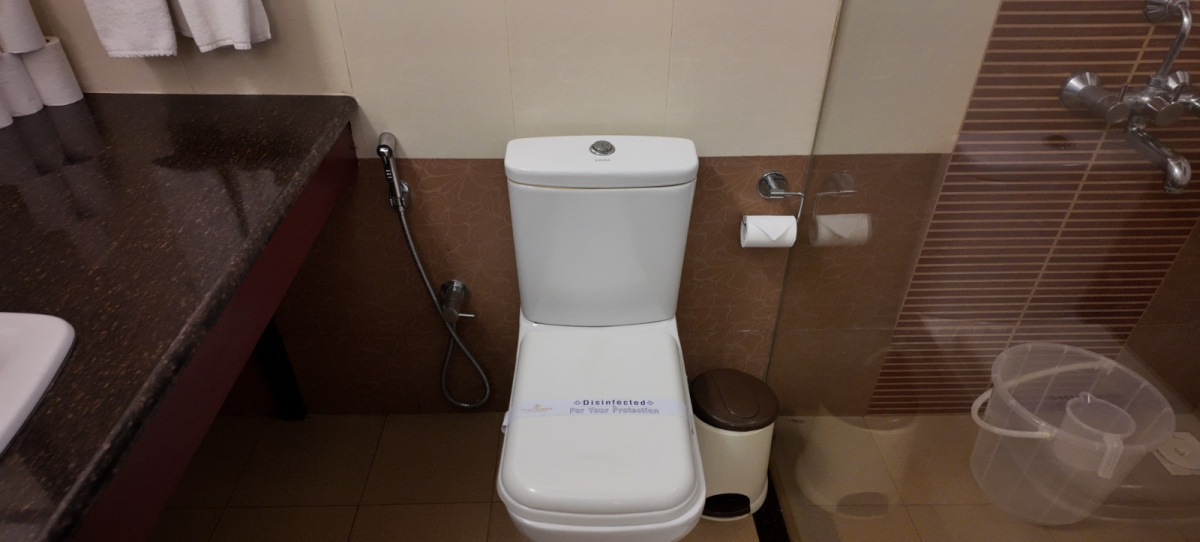
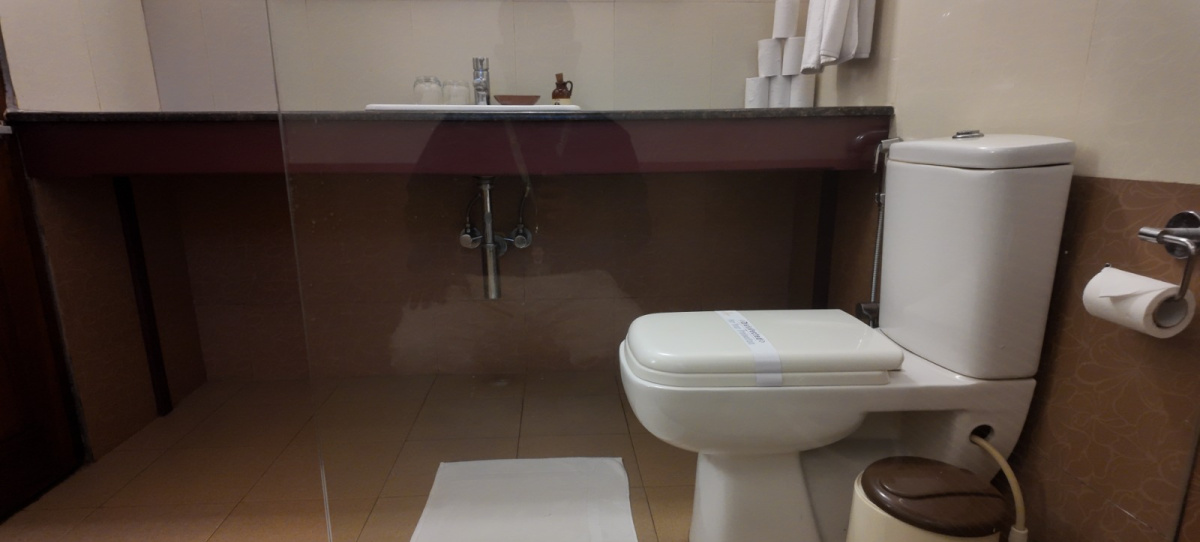
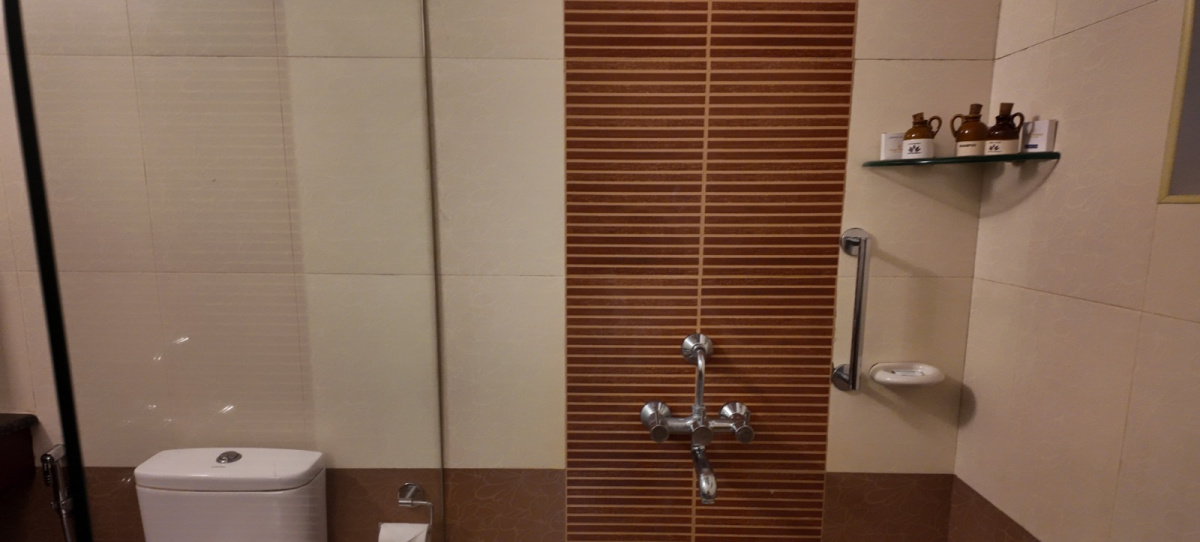
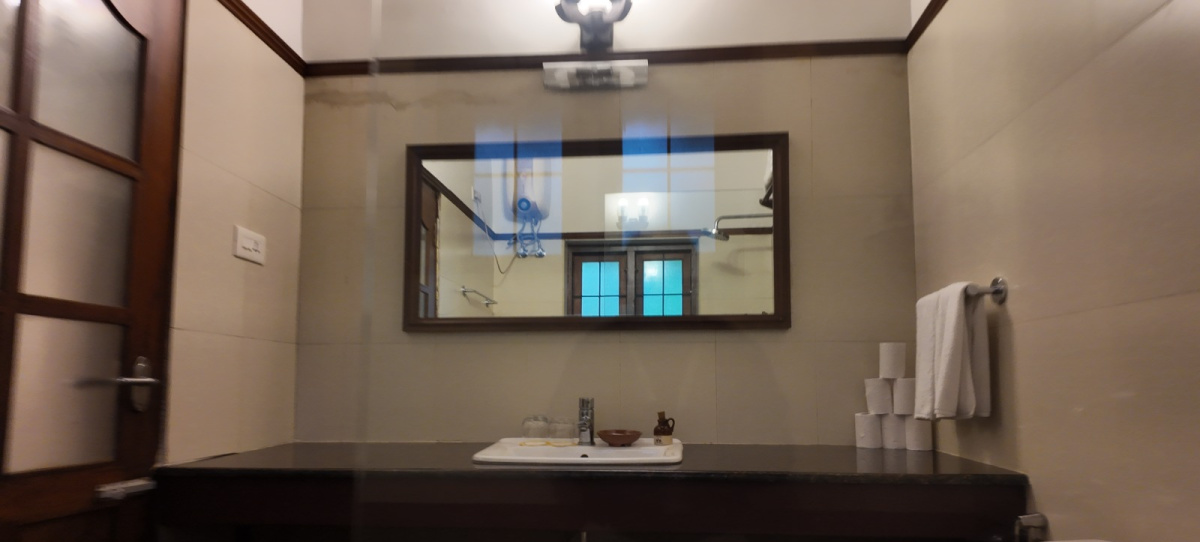
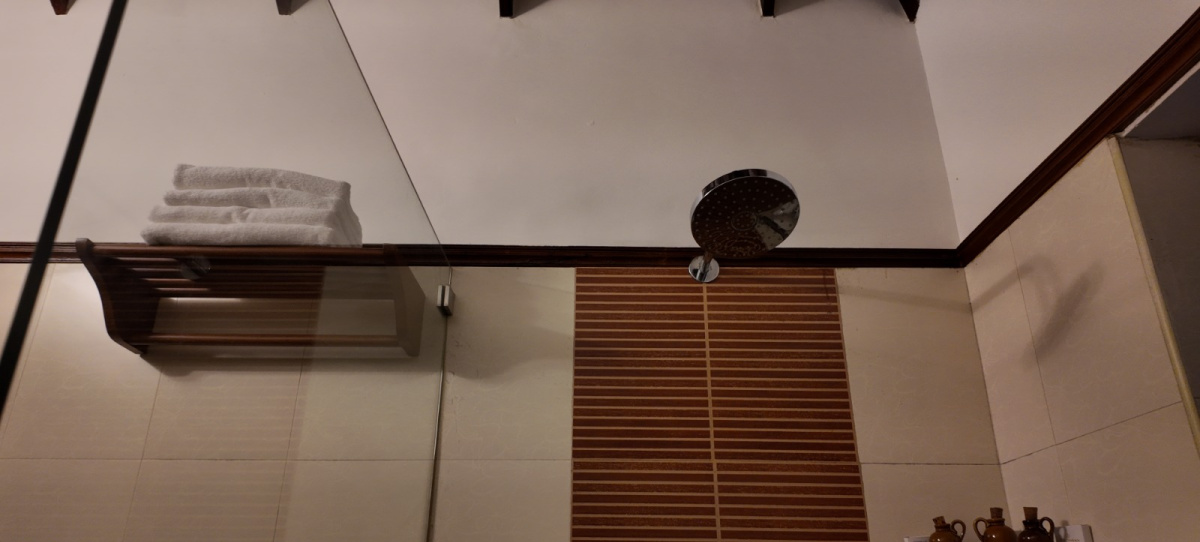
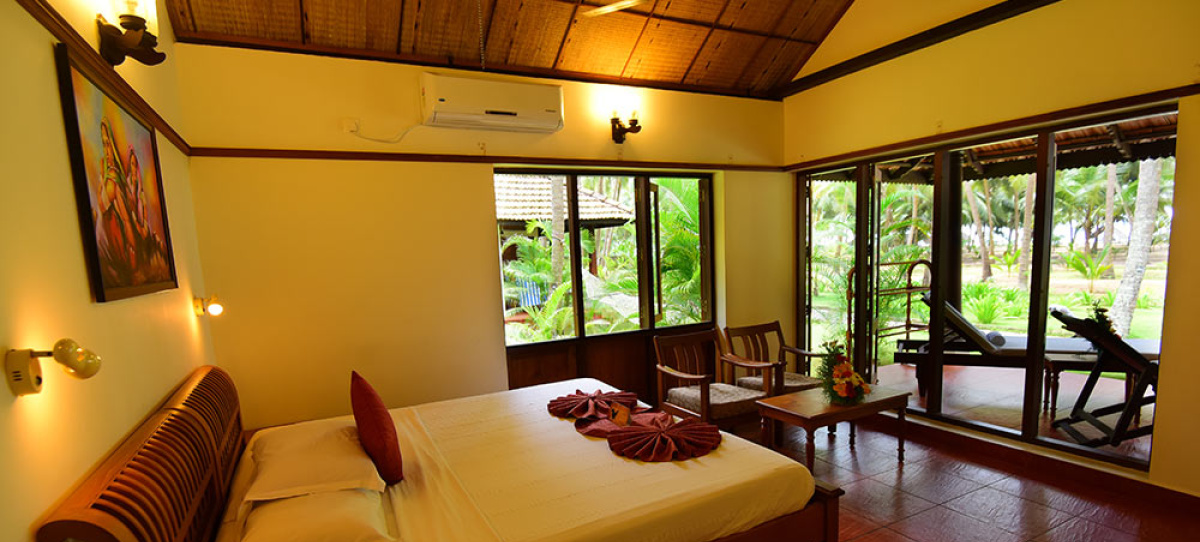
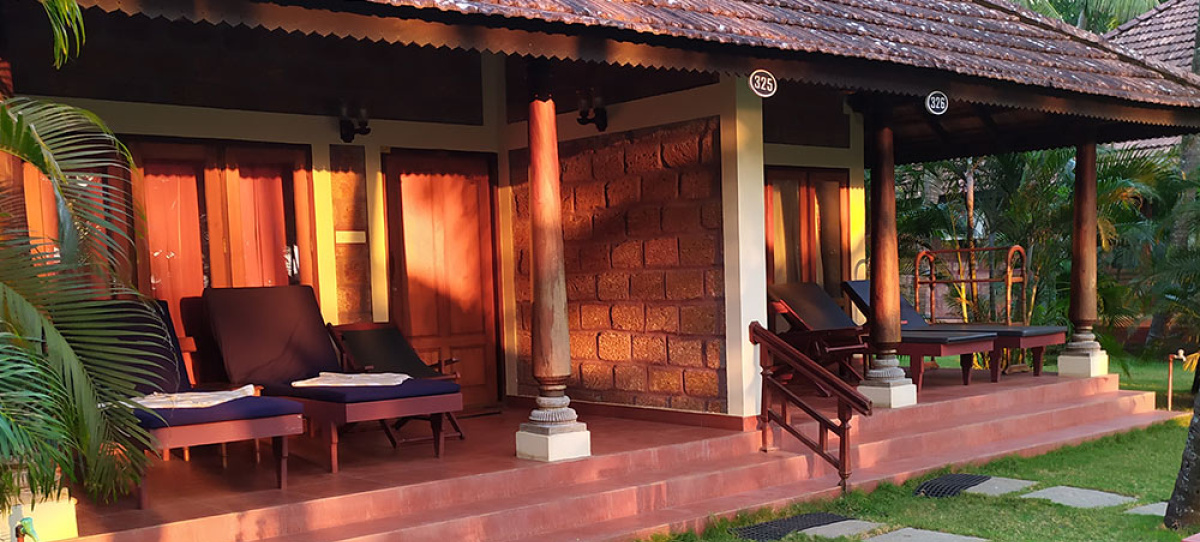
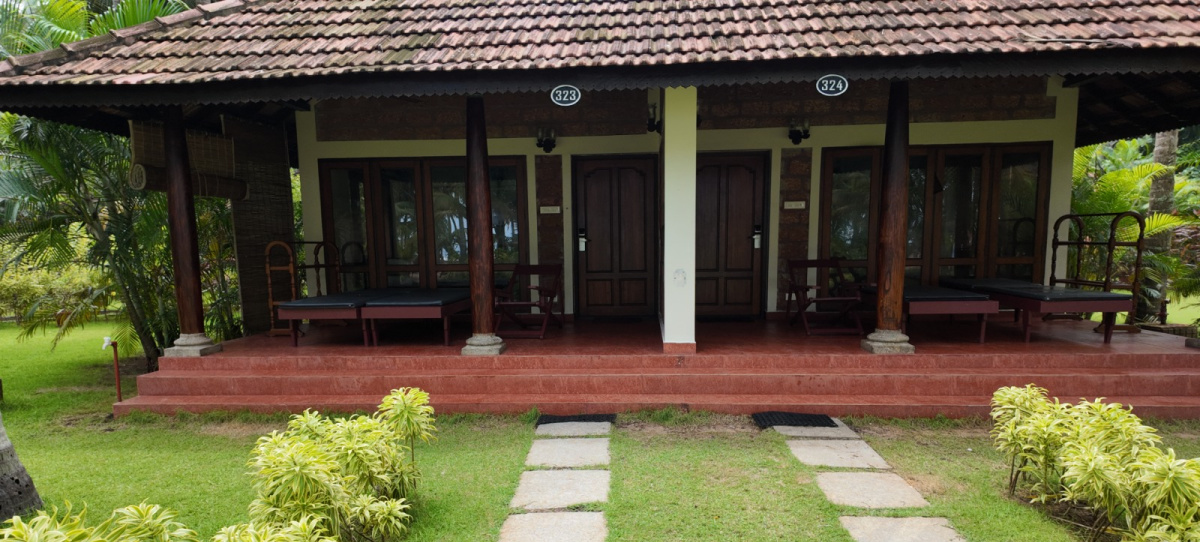
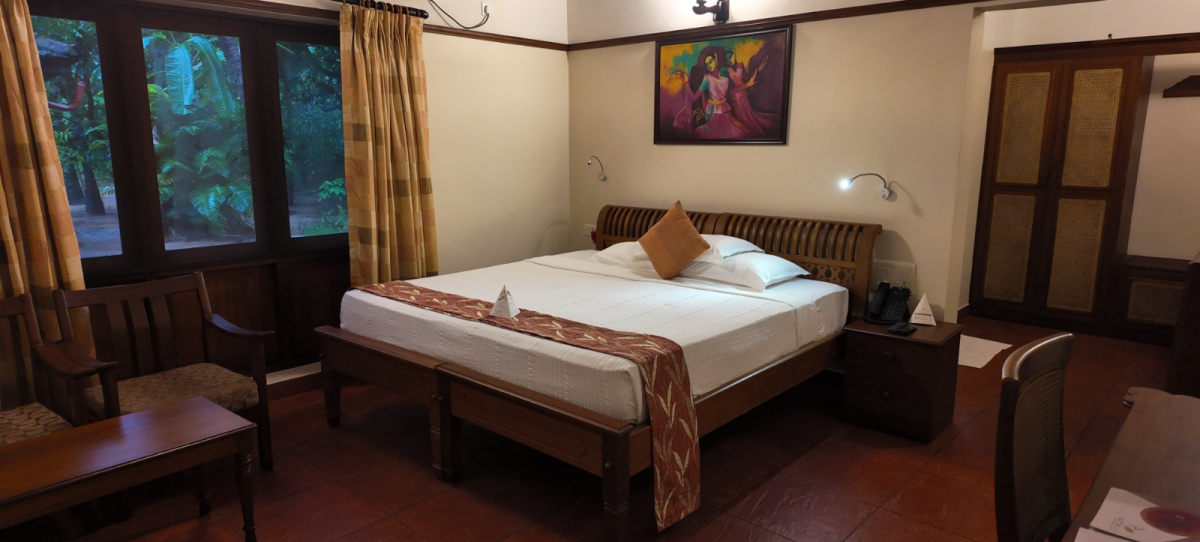
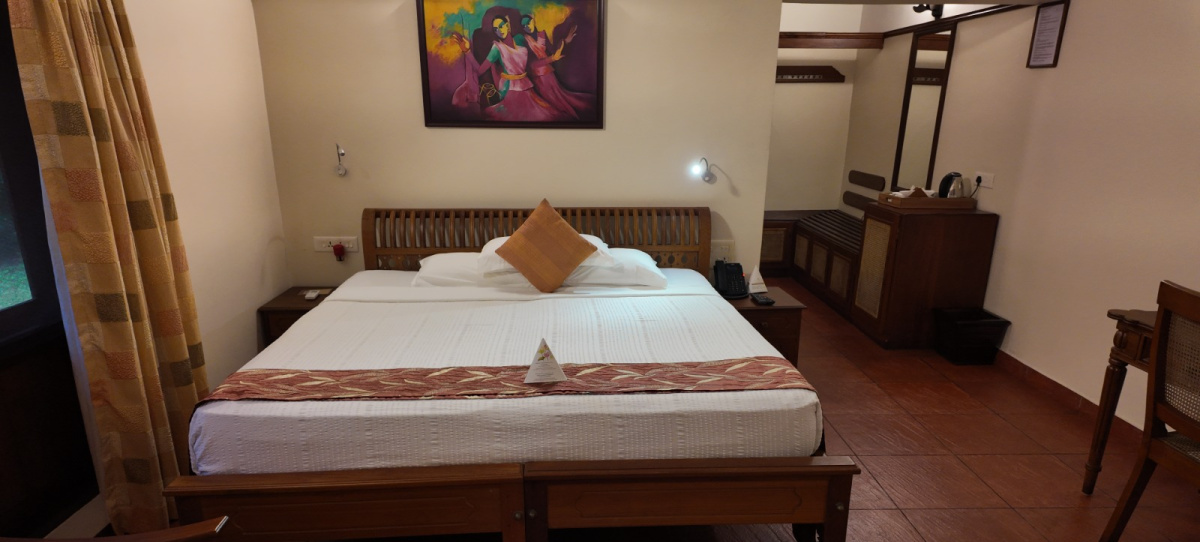
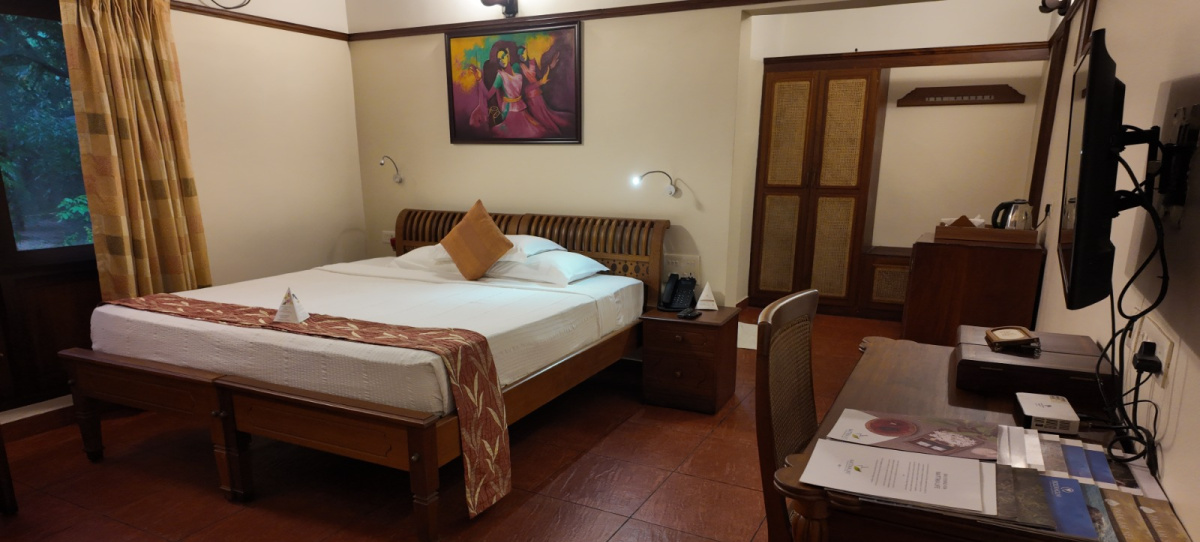
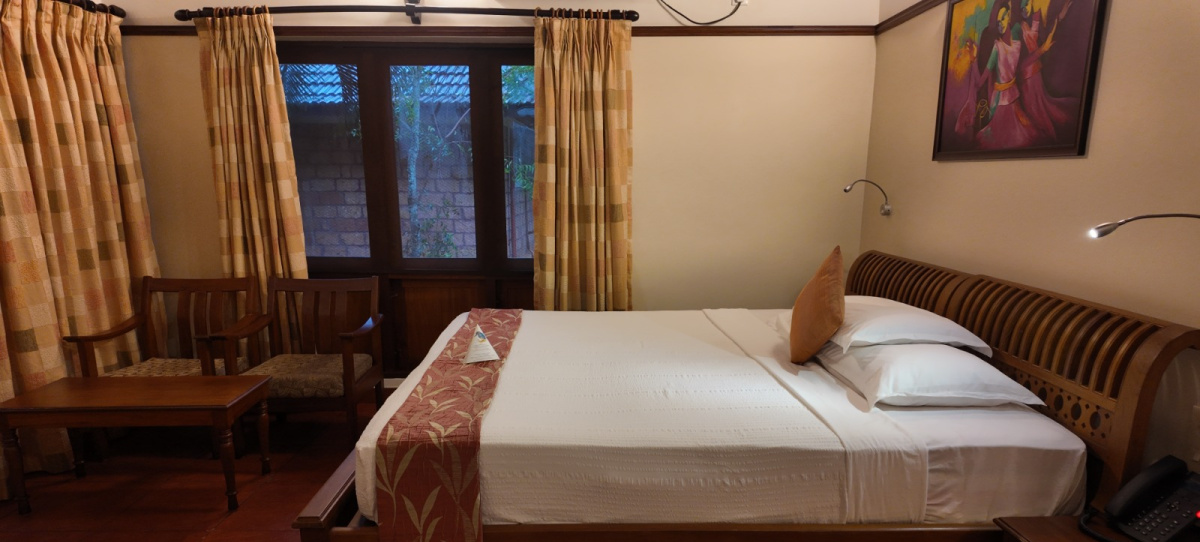
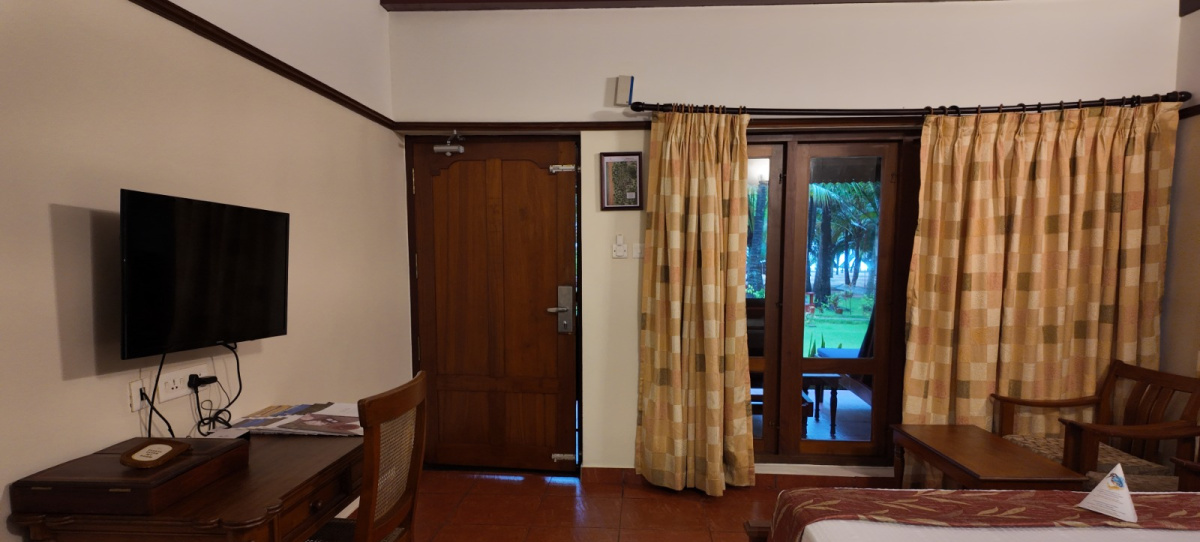
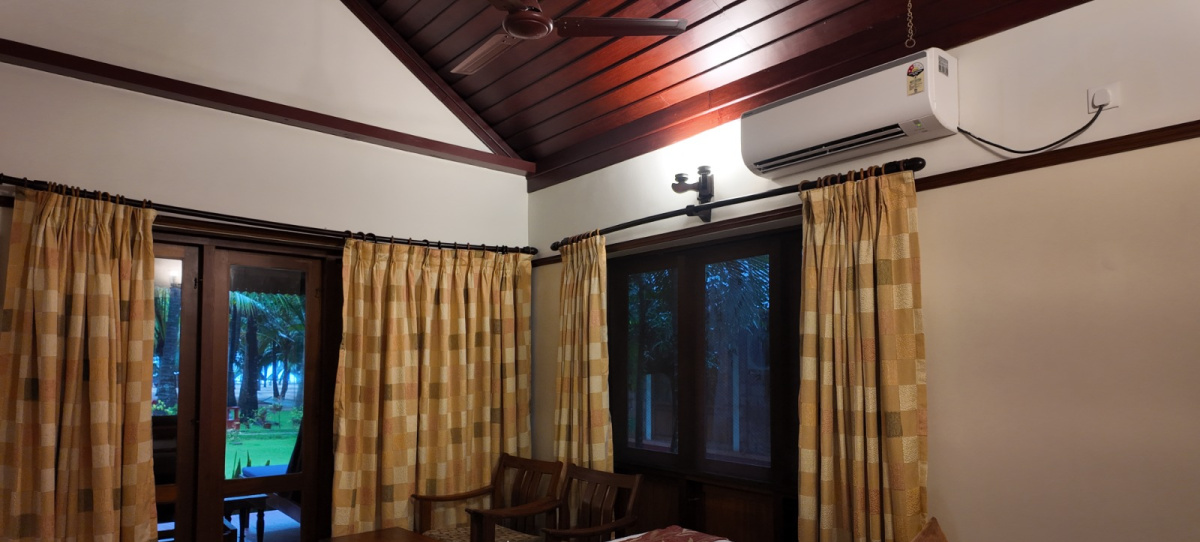
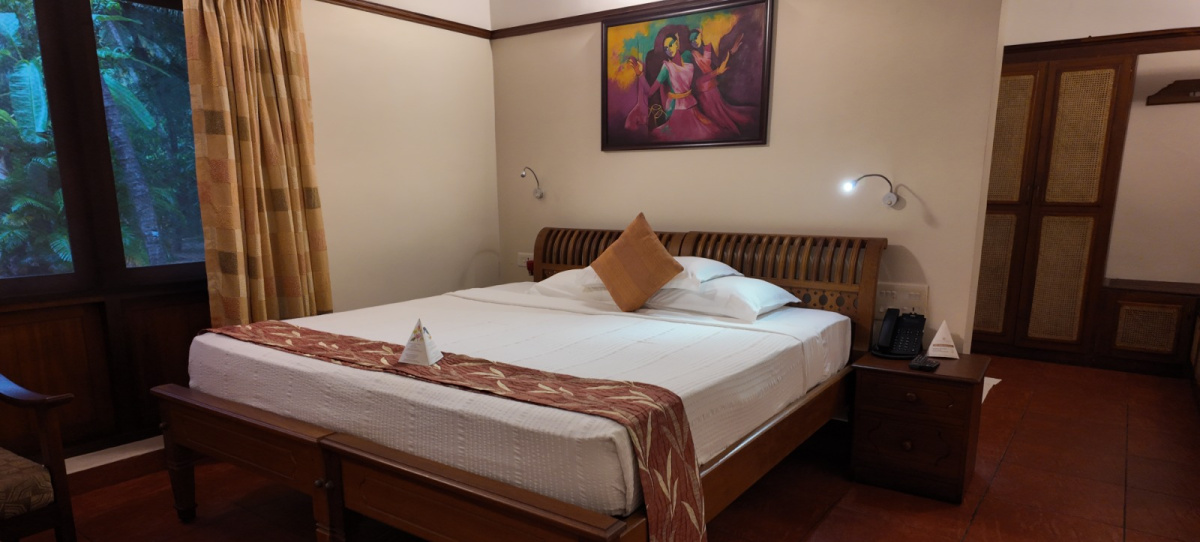
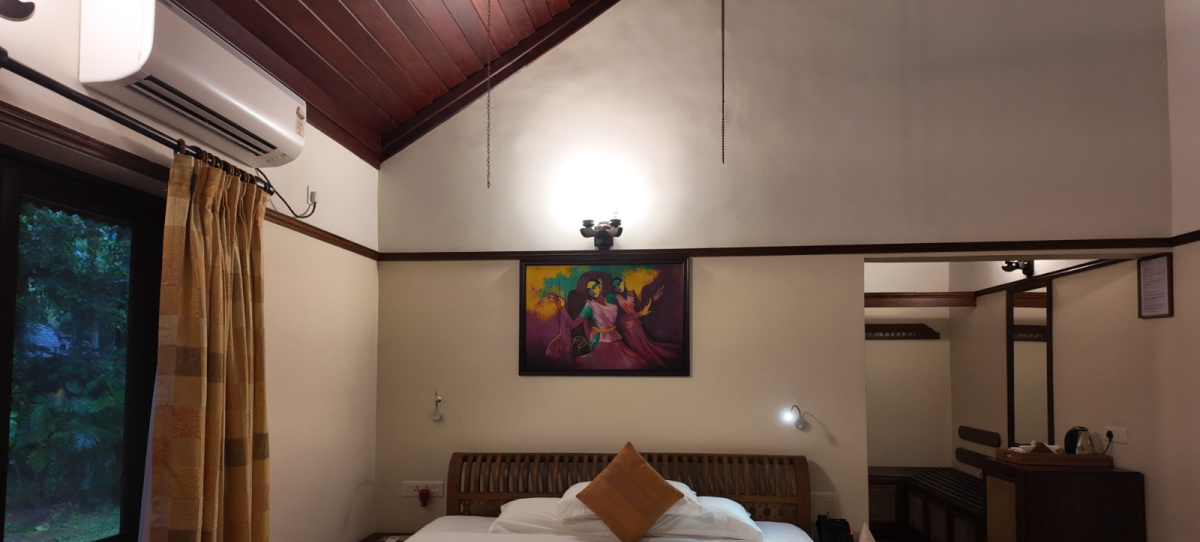
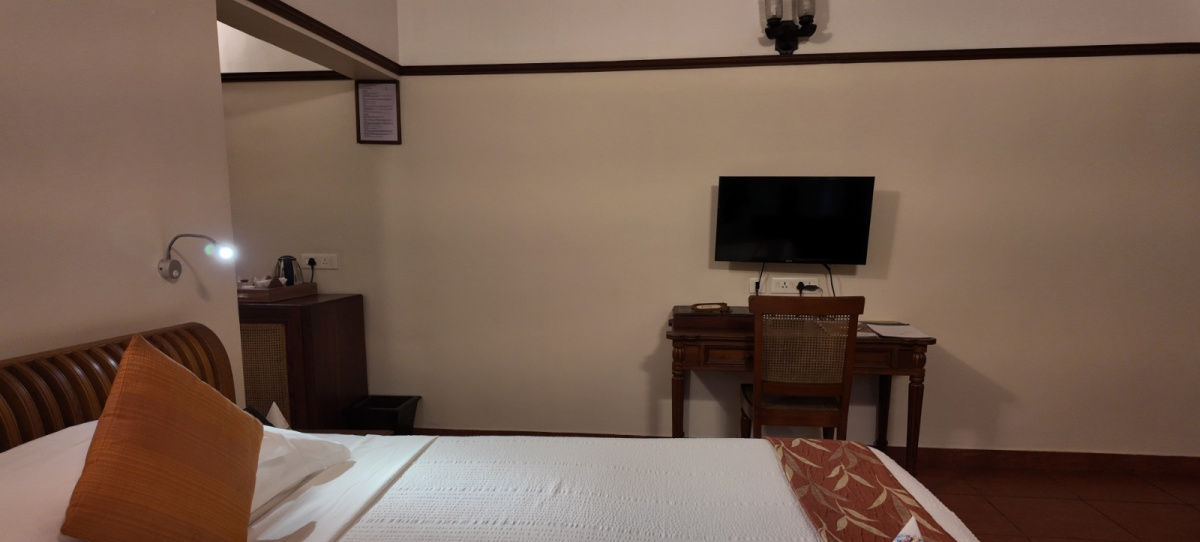
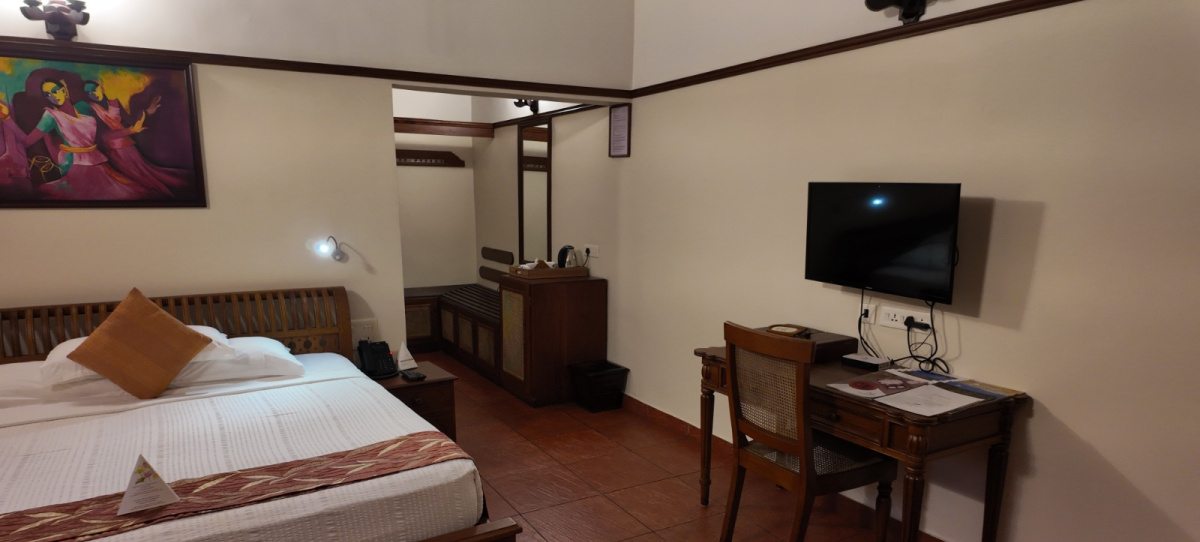
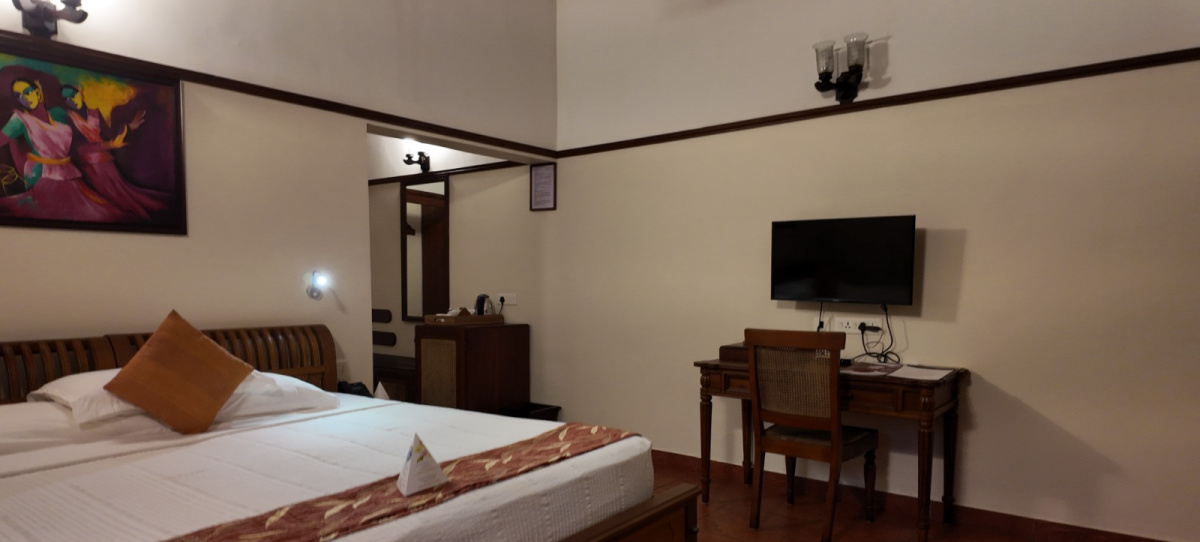
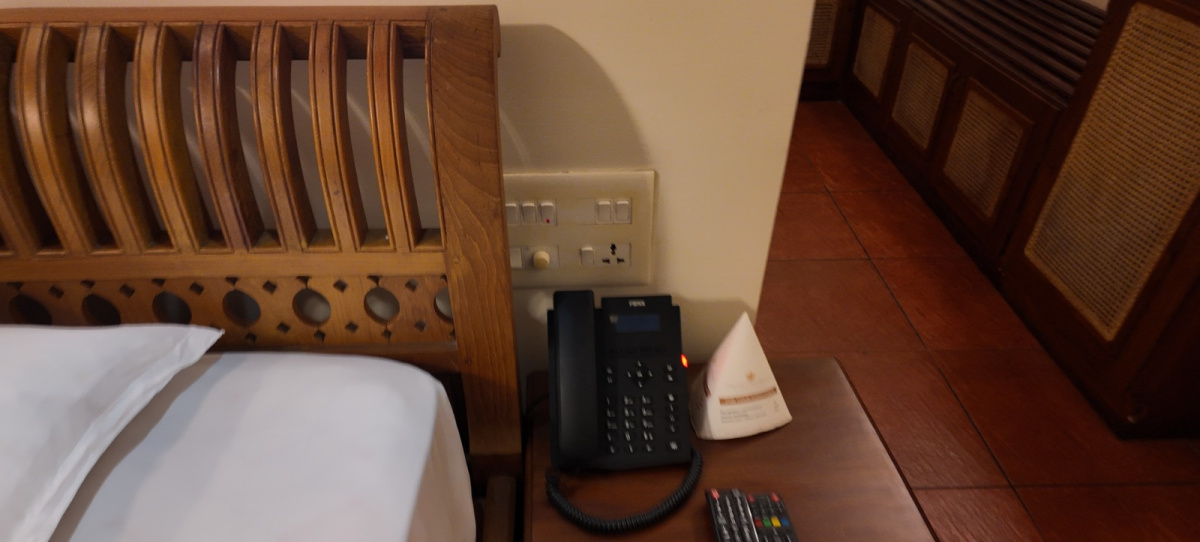
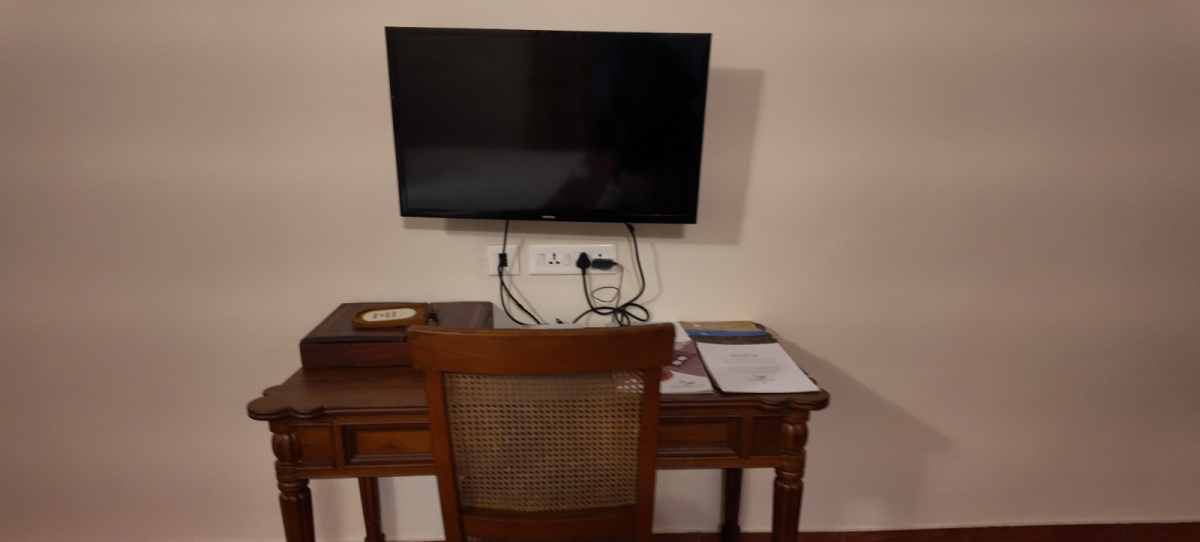
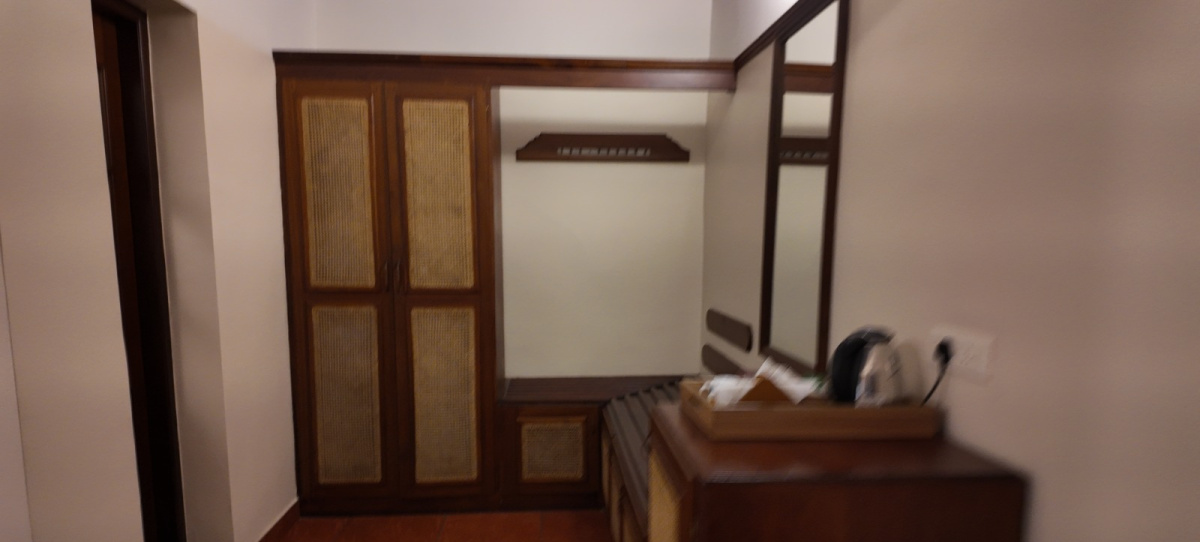
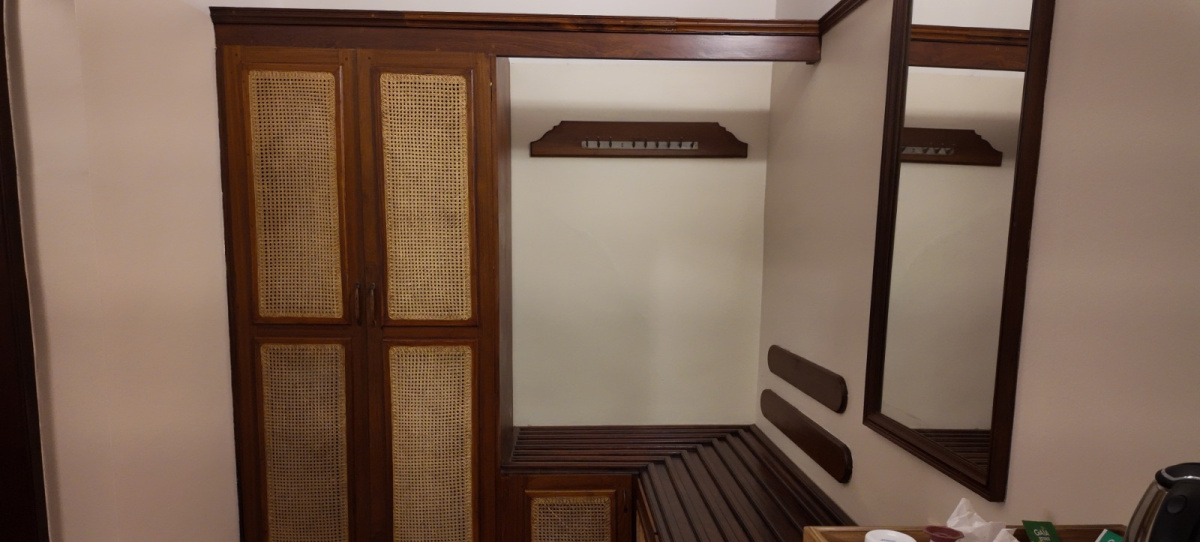
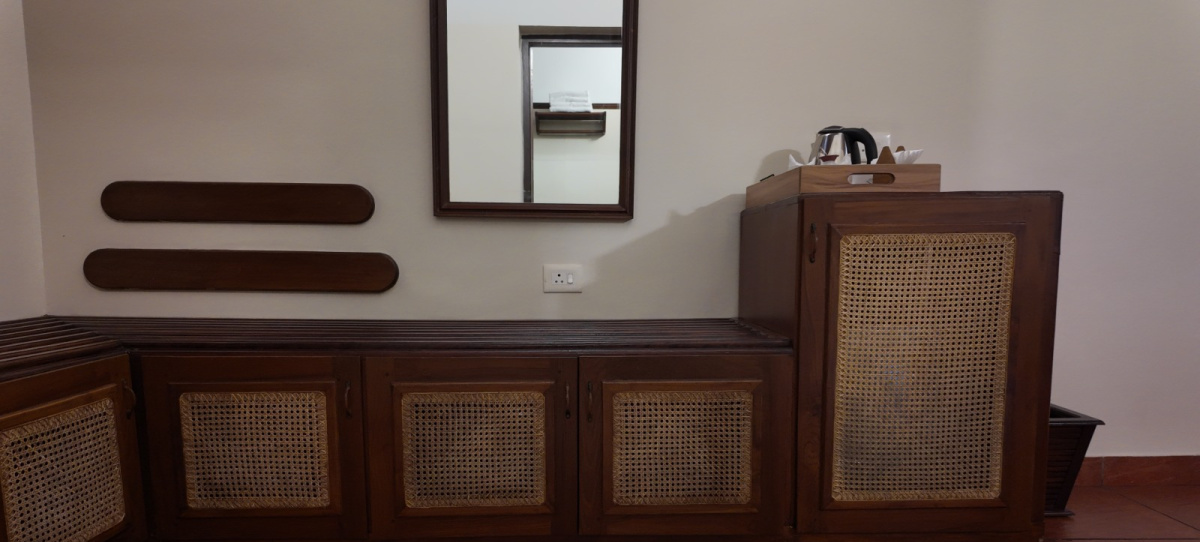
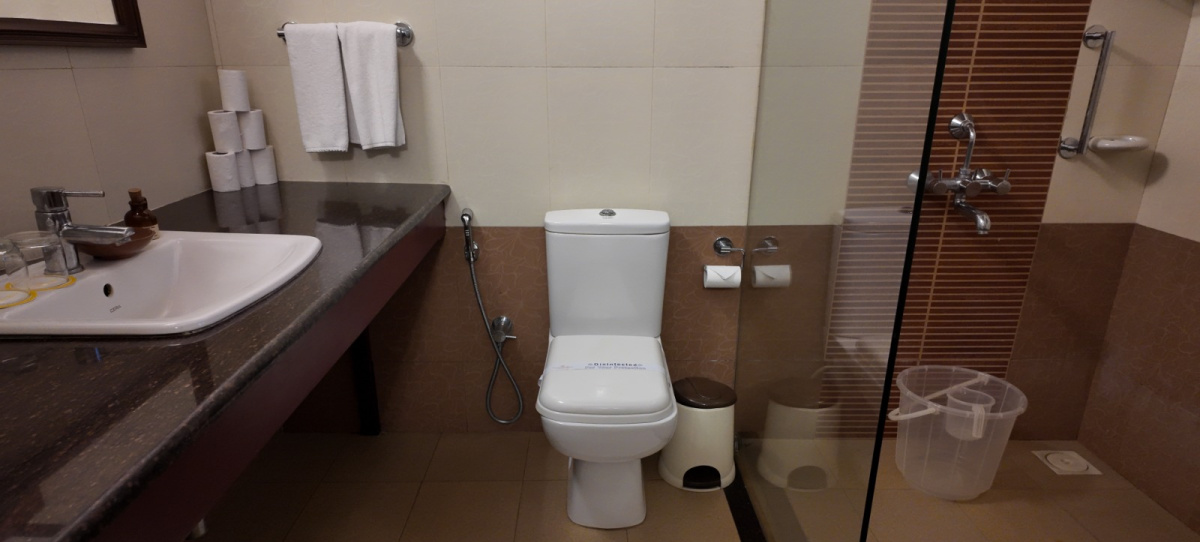
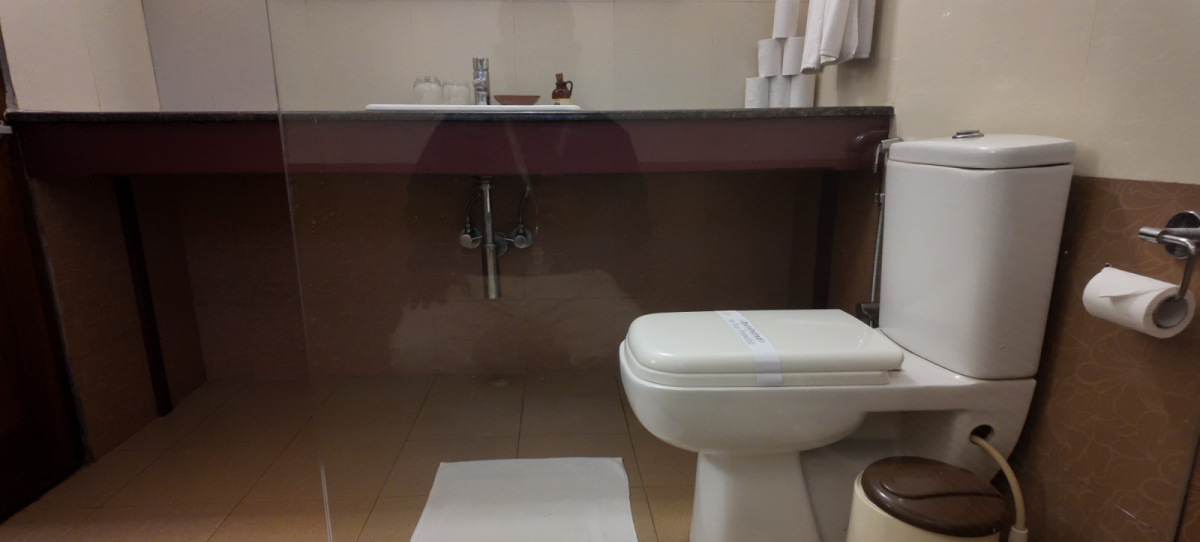
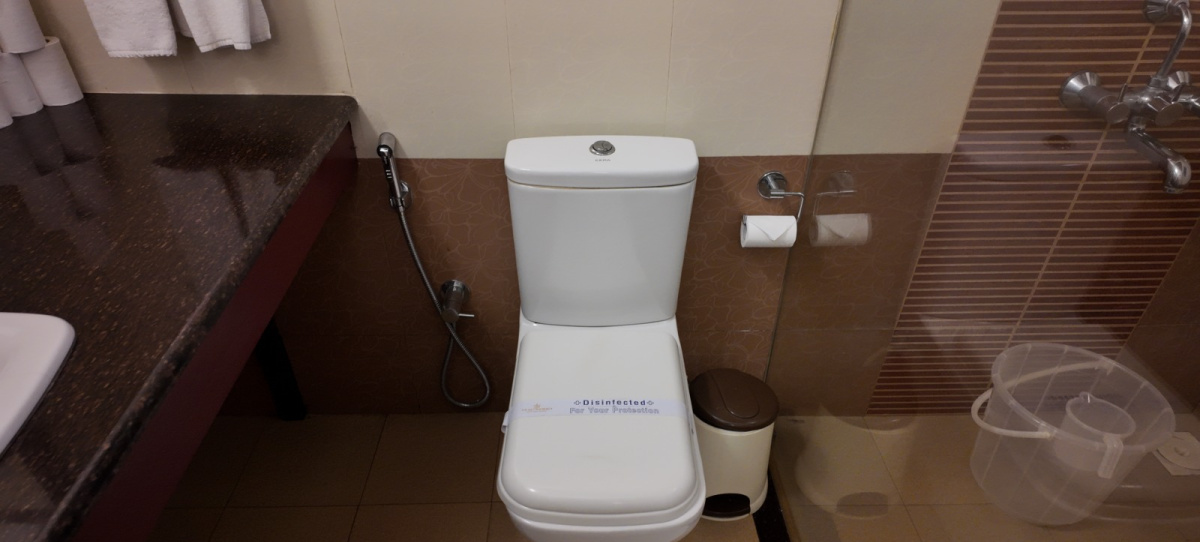
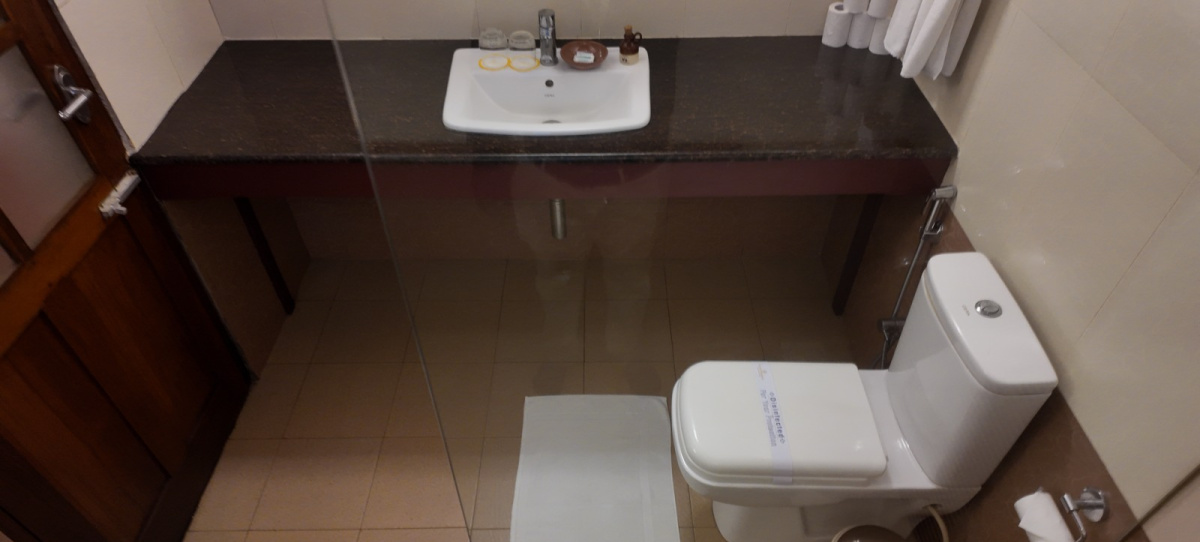
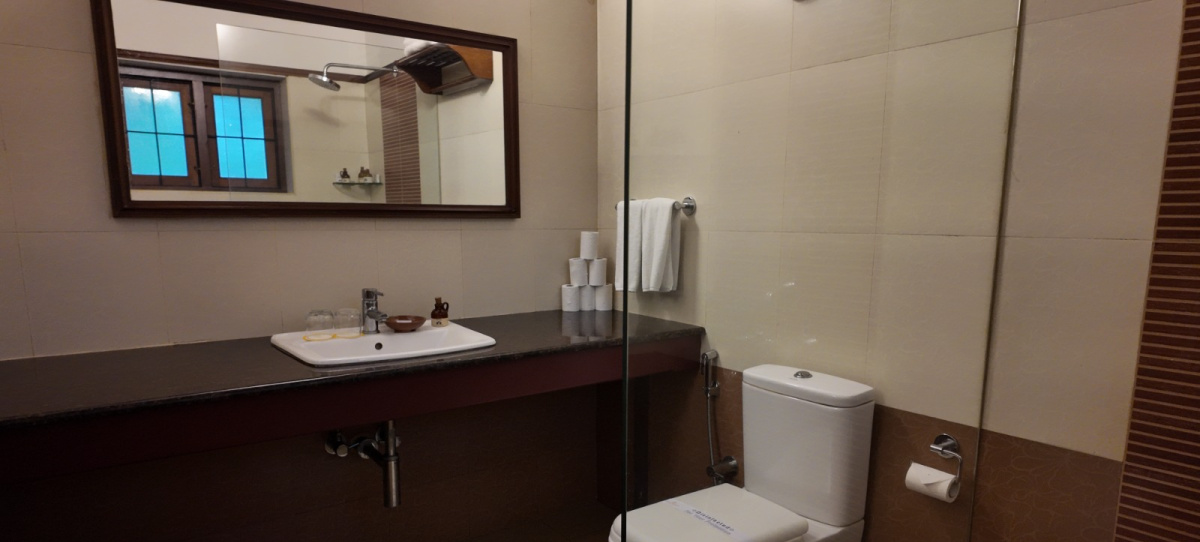
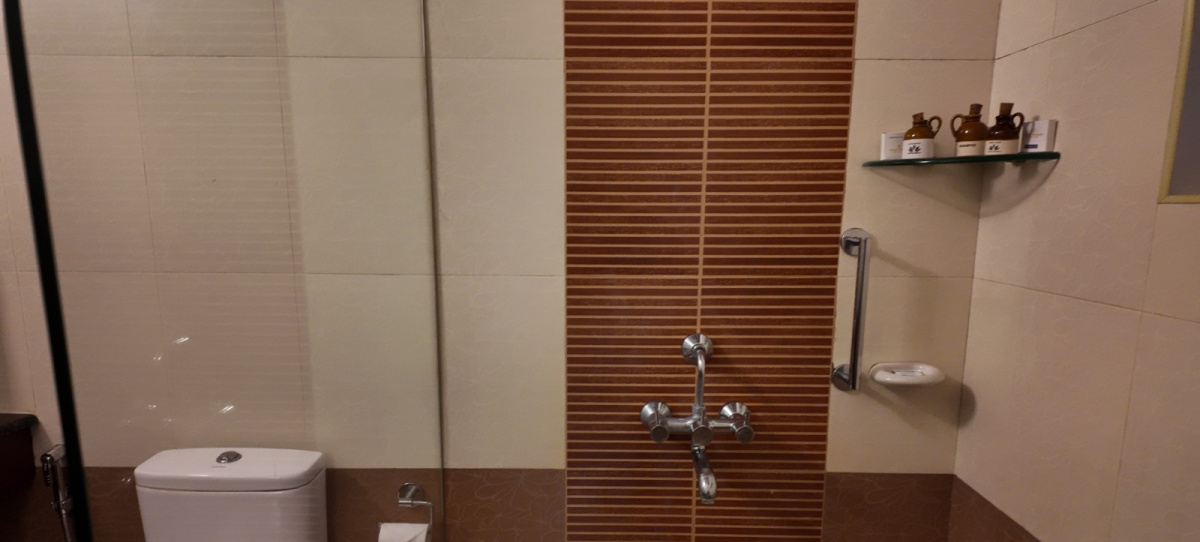
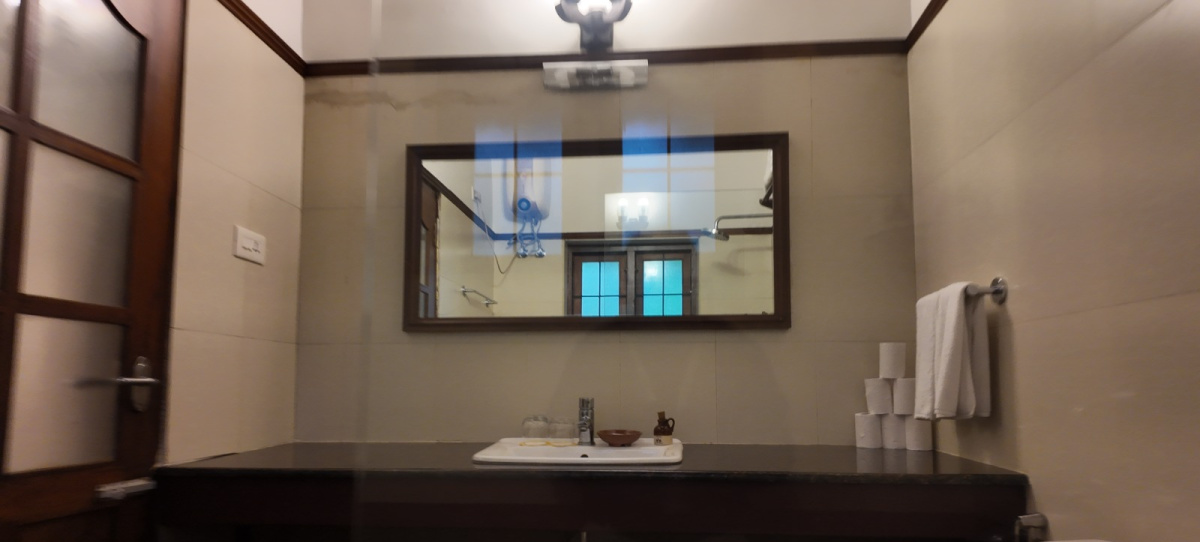
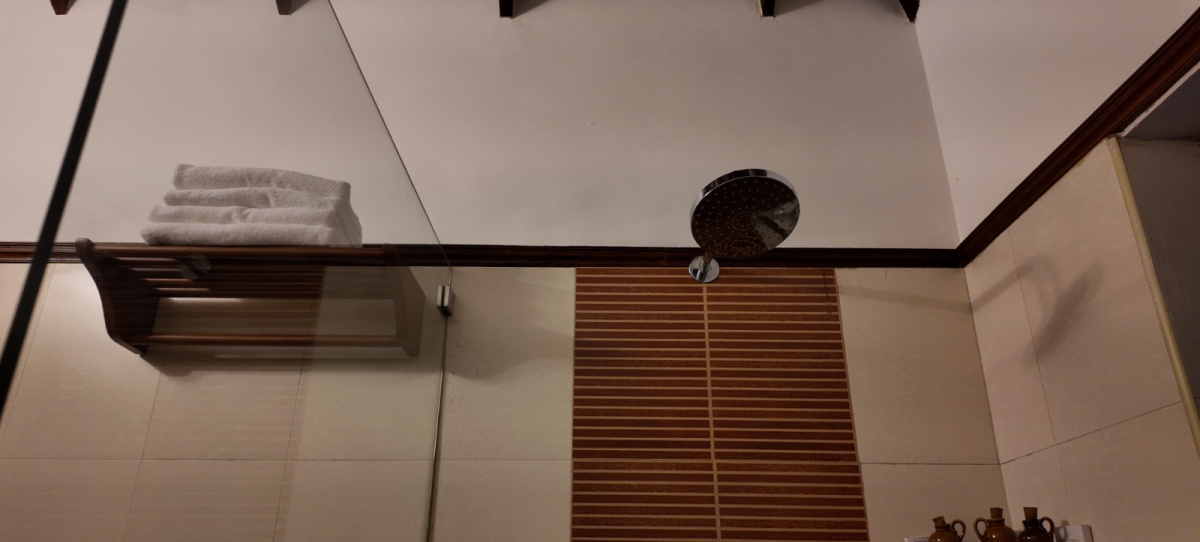
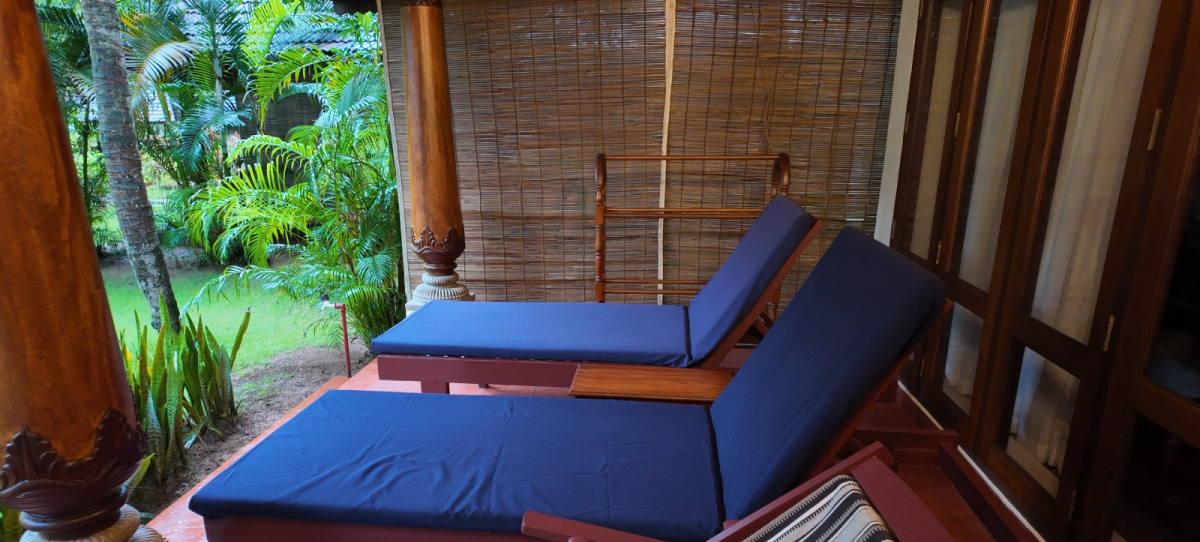
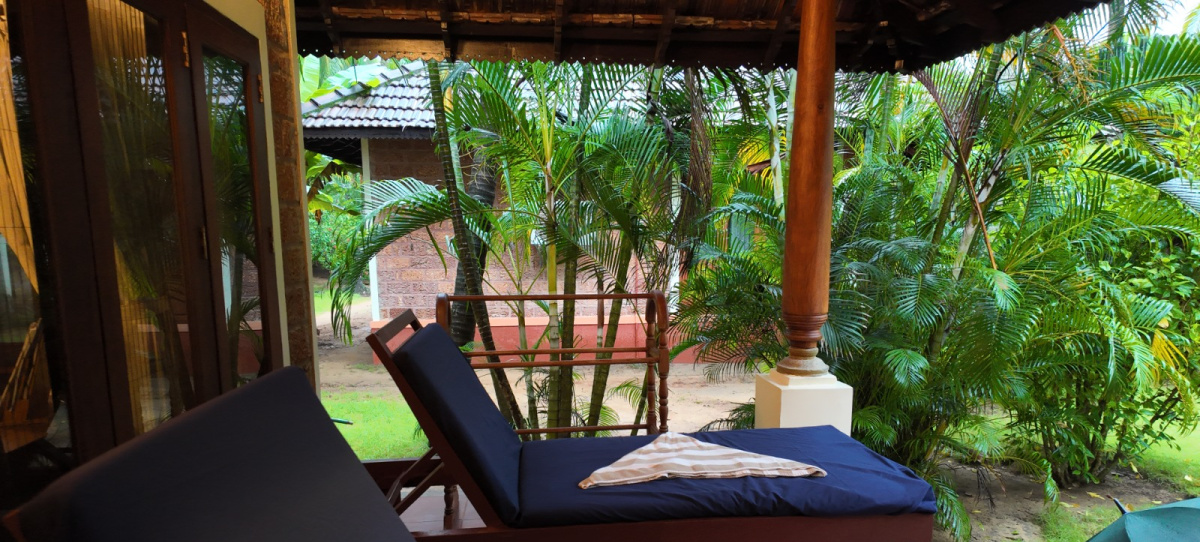
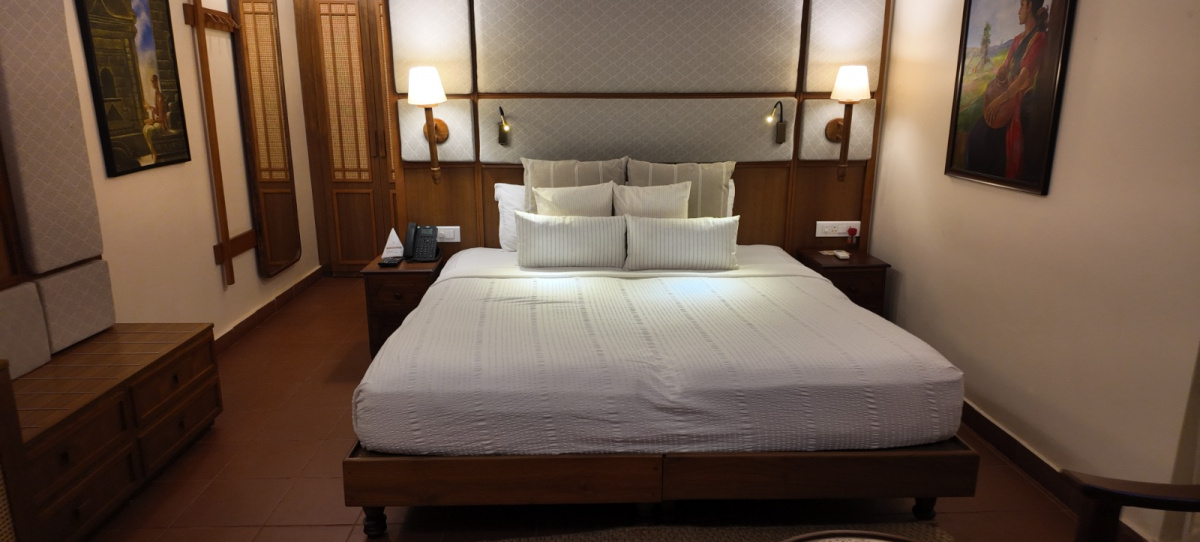
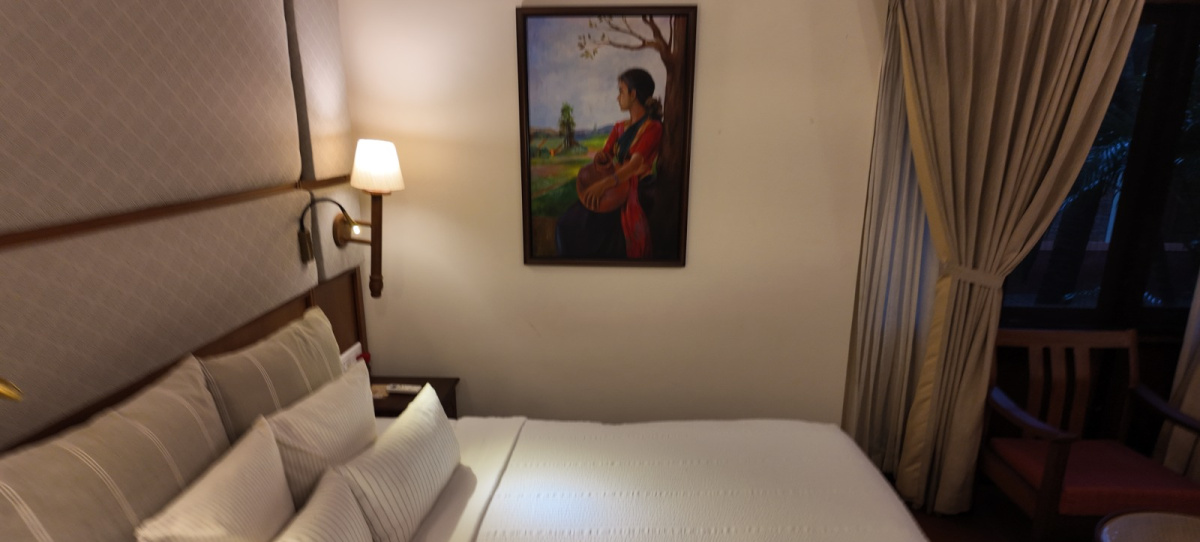
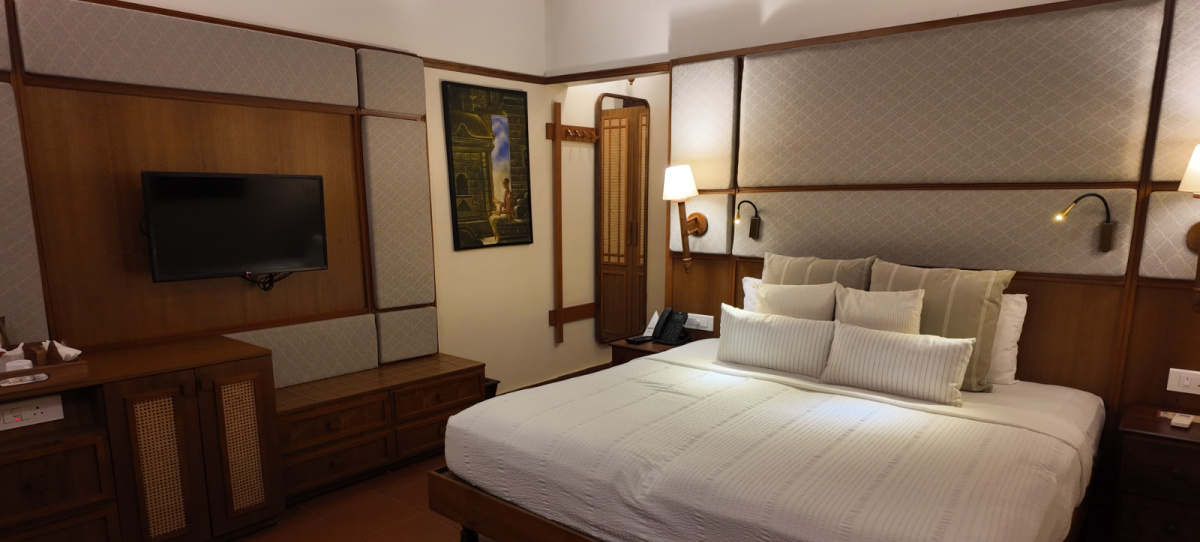
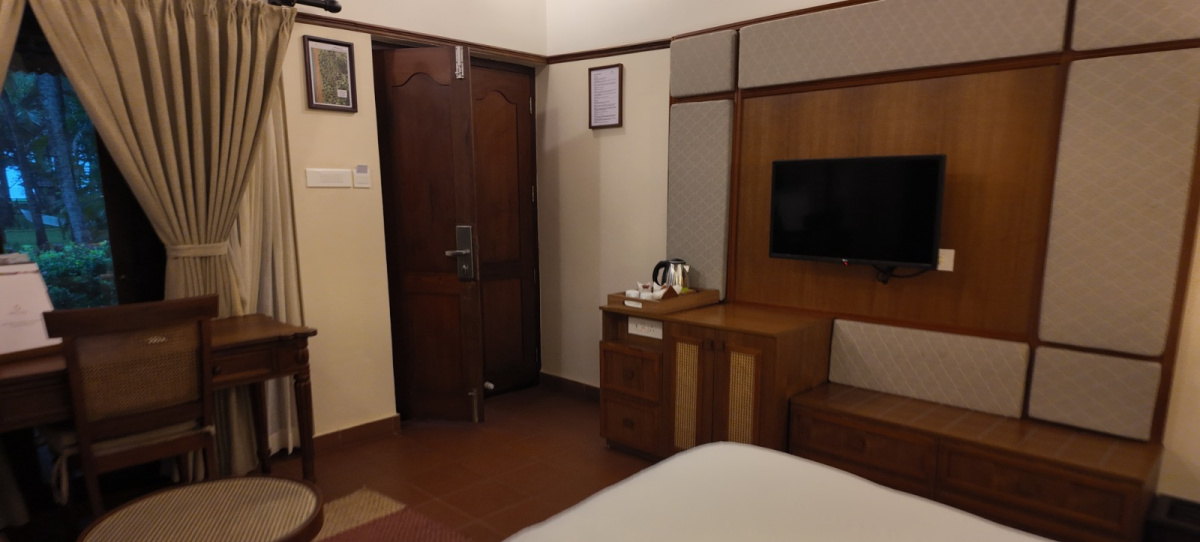
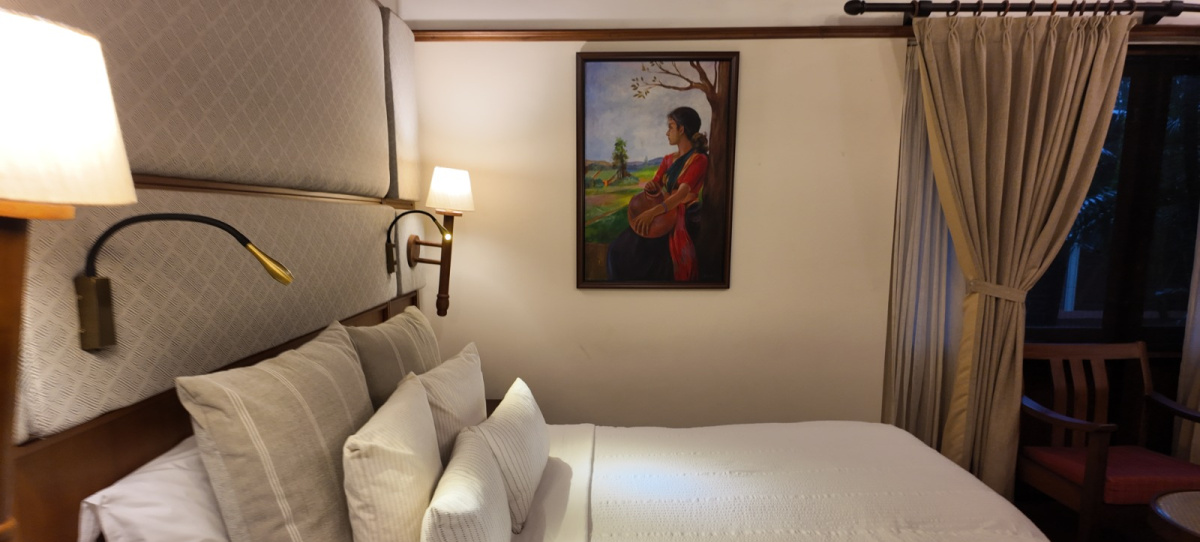
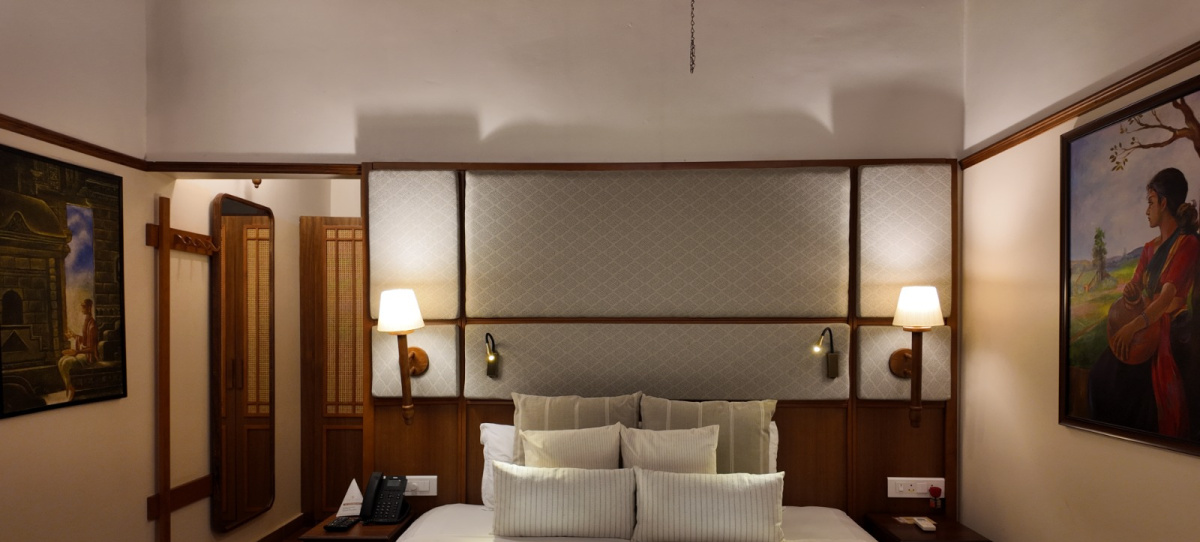
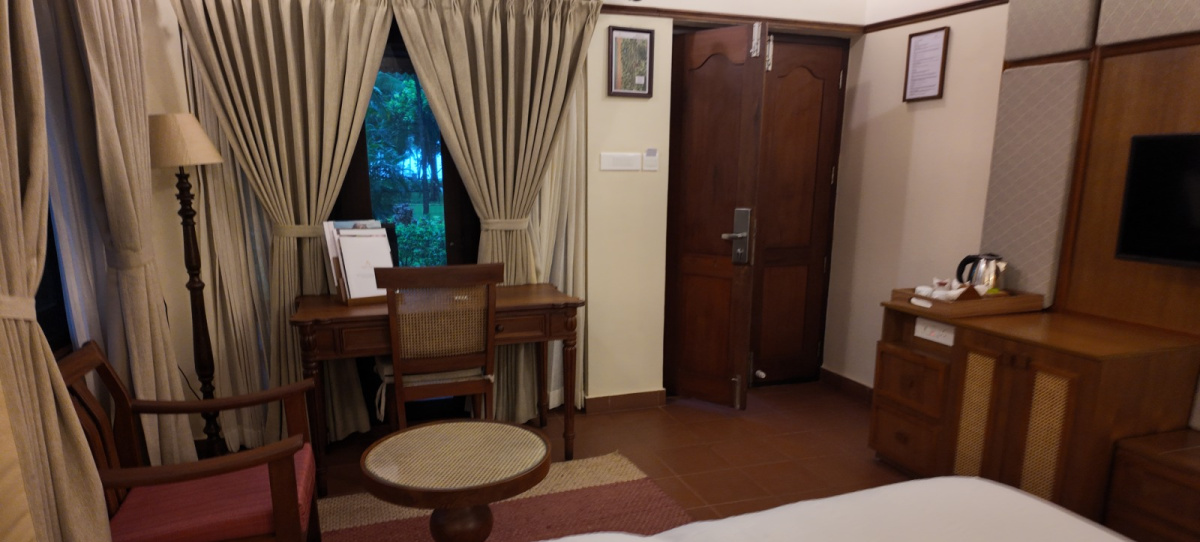
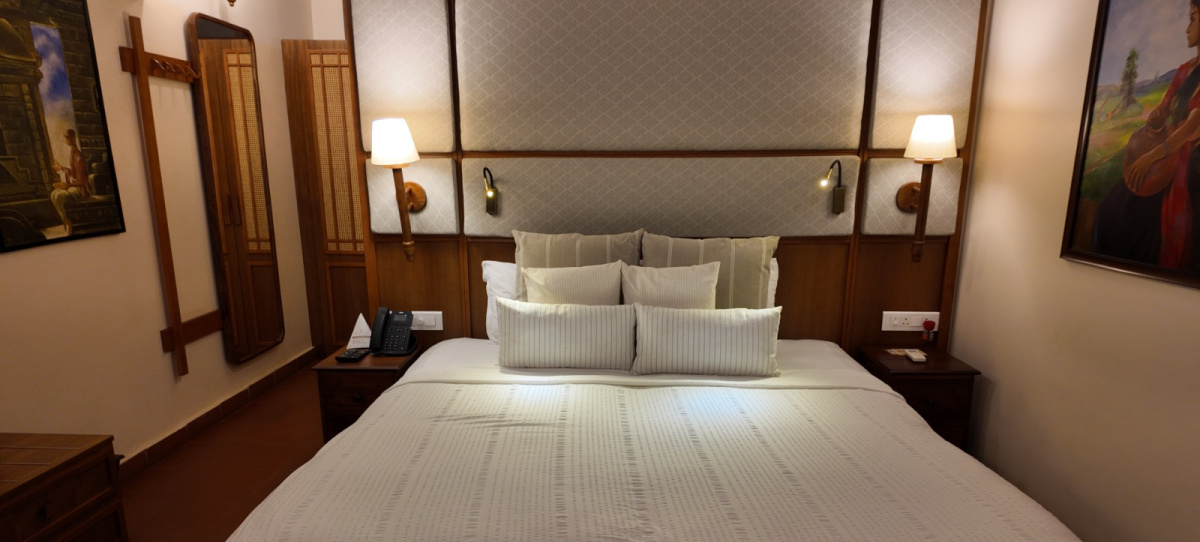
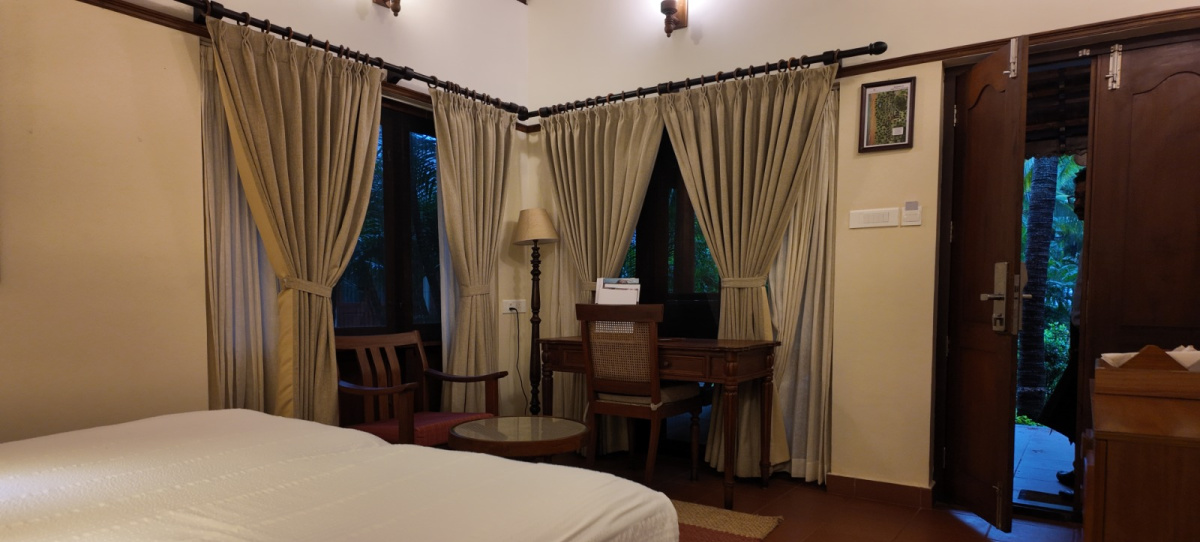
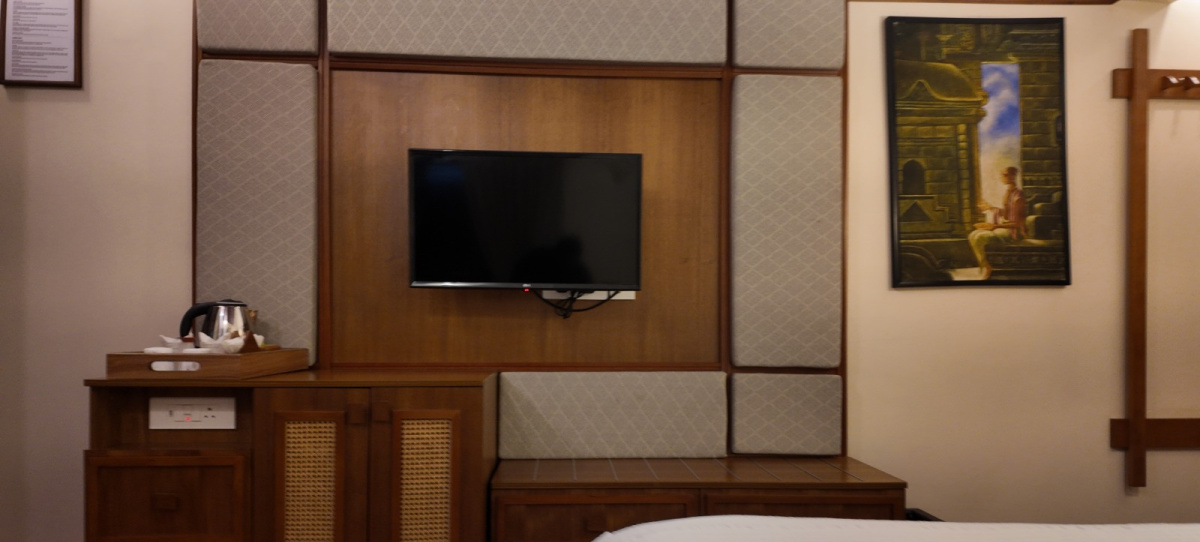
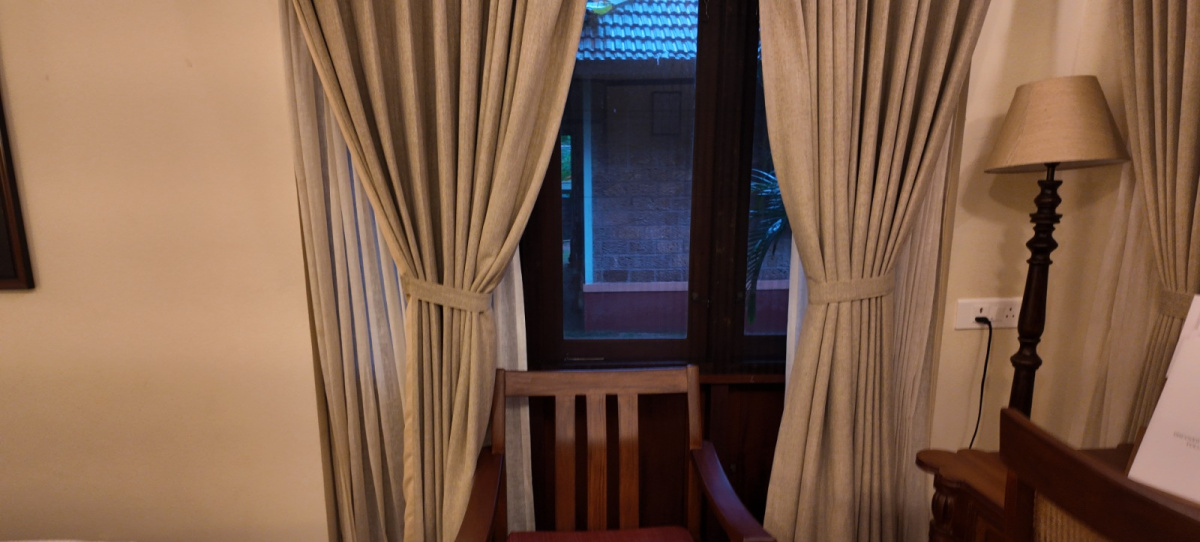
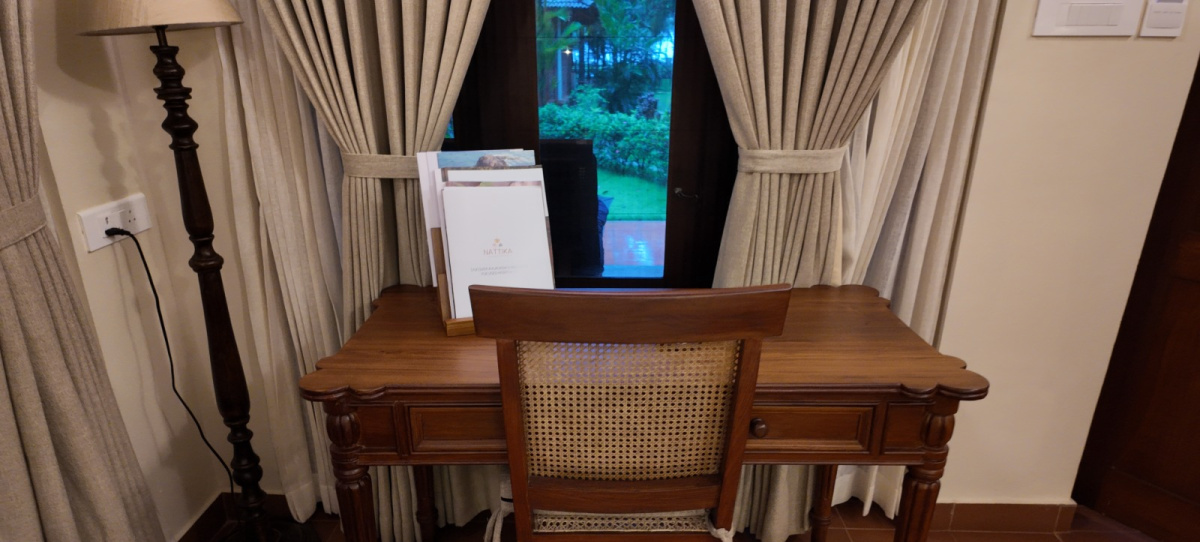
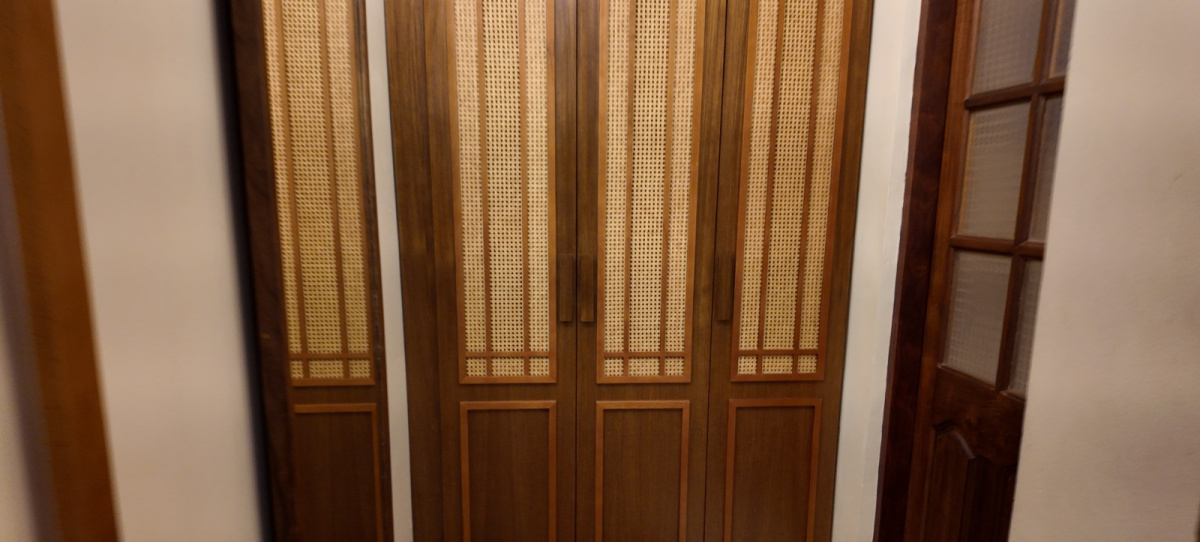
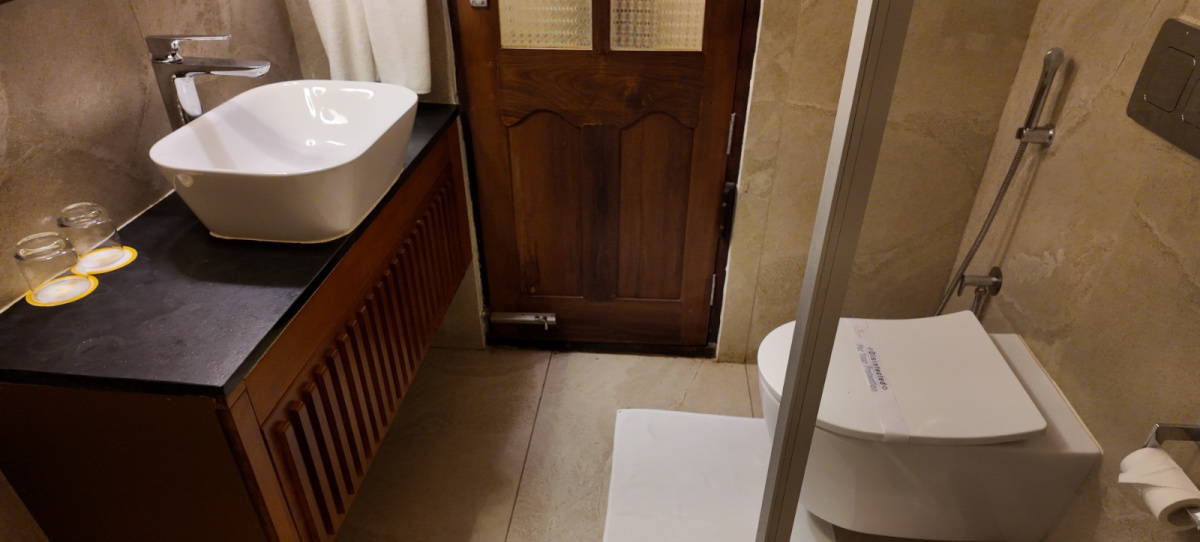
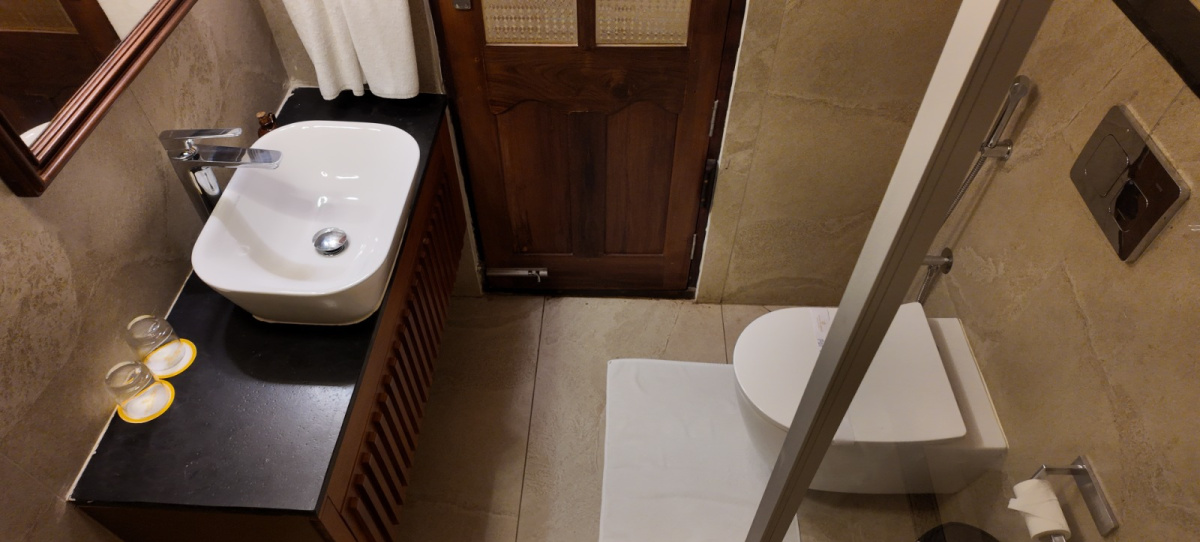
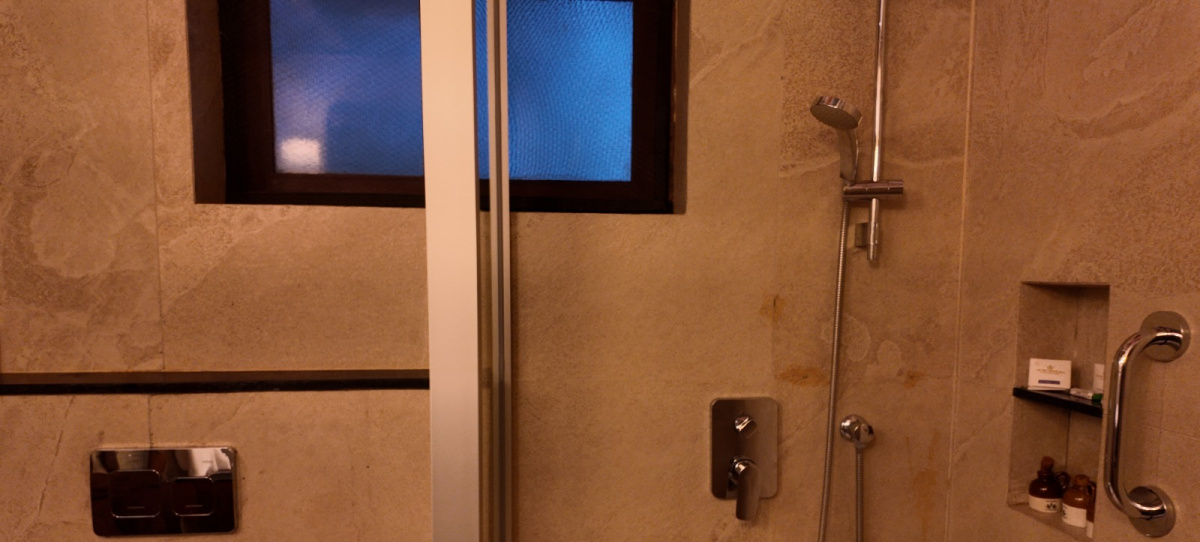
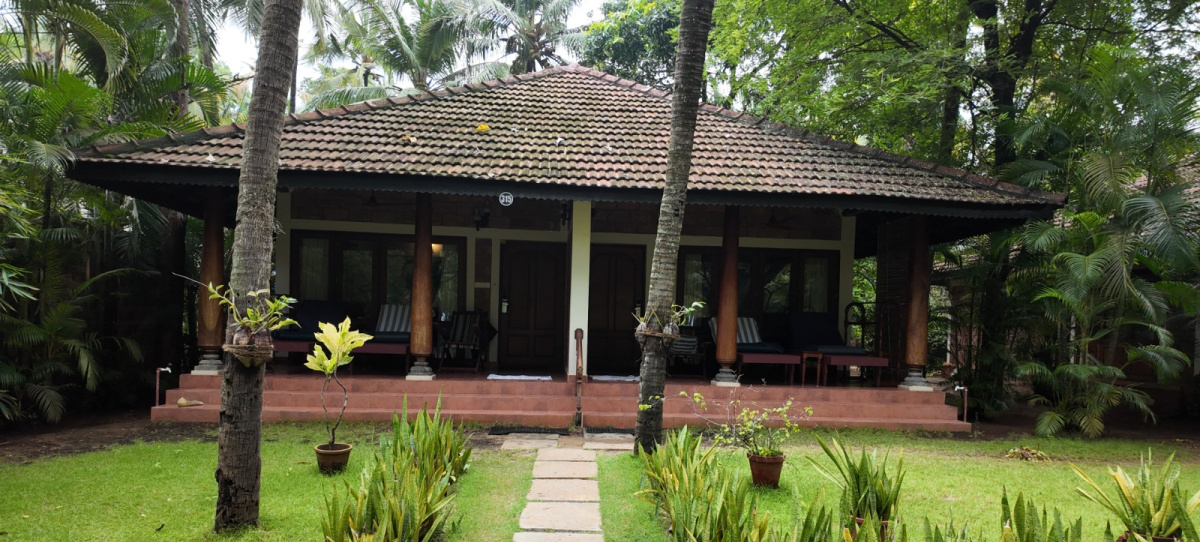
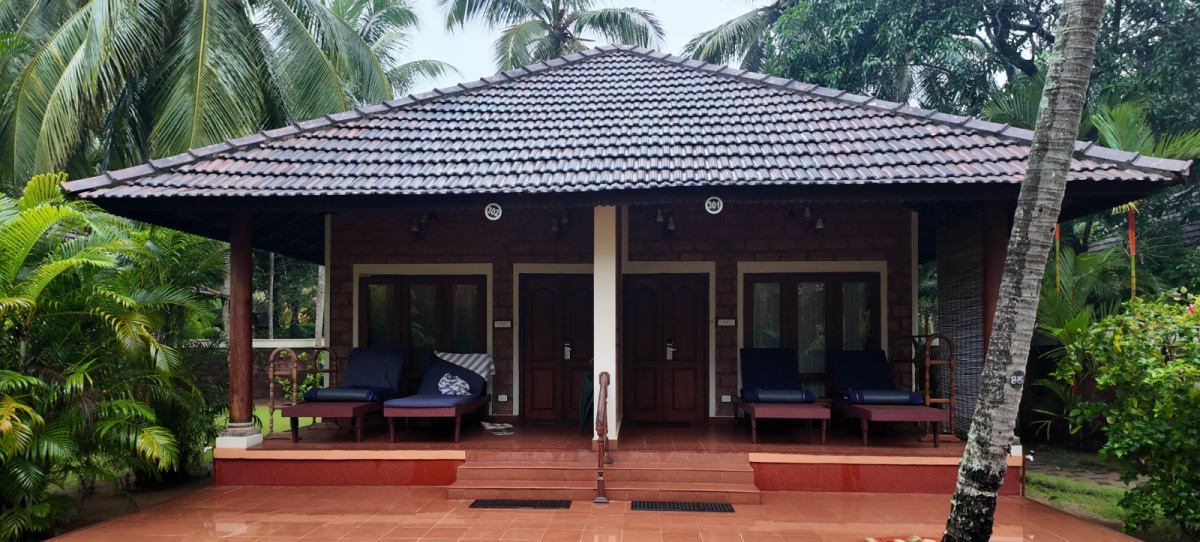
The Nattika Beach Ayurveda Resort opened in 2009 in Thrissur district. The resort has 52 stand-alone, single-storey villas in traditional Kerala style, each with its own verandah. There are four villa categories: Superior Deluxe, Deluxe, Deluxe Twin and Twin. All villas are air-conditioned and have 24-hour hot and cold water. Nattika also offers Nattika Life, a wellness product line inspired by the resort’s Ayurvedic philosophy, extending elements of its approach beyond the property.
Two accreditations underpin Nattika’s medical operation: The Ayurveda centre has renewed the NABH ( National Accreditation Board for Hospitals & Healthcare Providers) accreditation for 2025 to 2028, awarded by the Quality Council of India. NABH accreditation is an independent verification of the clinical systems behind the treatment involving external assessment of healthcare standards and which is renewed through periodic reassessment. The centre also holds Ayur Diamond certification from the Government of Kerala, the state’s highest classification for Ayurveda centres.
The 16-acre property also includes a modest vegetable farm supplying the resort’s kitchen in limited quantity, along with a small-scale medicinal plant garden maintained by one of the senior physicians, and a tennis academy. Waste management follows eco-friendly systems, while the family’s charitable arm, the Kodath Foundation, works at the grassroots in Kerala to support marginalized communities, with a primary focus on youth and adults with disabilities.
Location
The resort sits on a stretch of sand on the Arabian Sea, framed inland by coconut groves and the coastal lanes off Nattika Beach Road. This stretch of coastline is home to several Ayurveda retreats, with Kadappuram Beach Resorts and Sitaram Beach Retreat bordering Nattika, Ahalia Ayurvedic Hospital Valapad and Ayur On the Beach are also located nearby along the coast, giving this part of Thrissur a notable concentration of beachfront and near-beach Ayurveda stays.
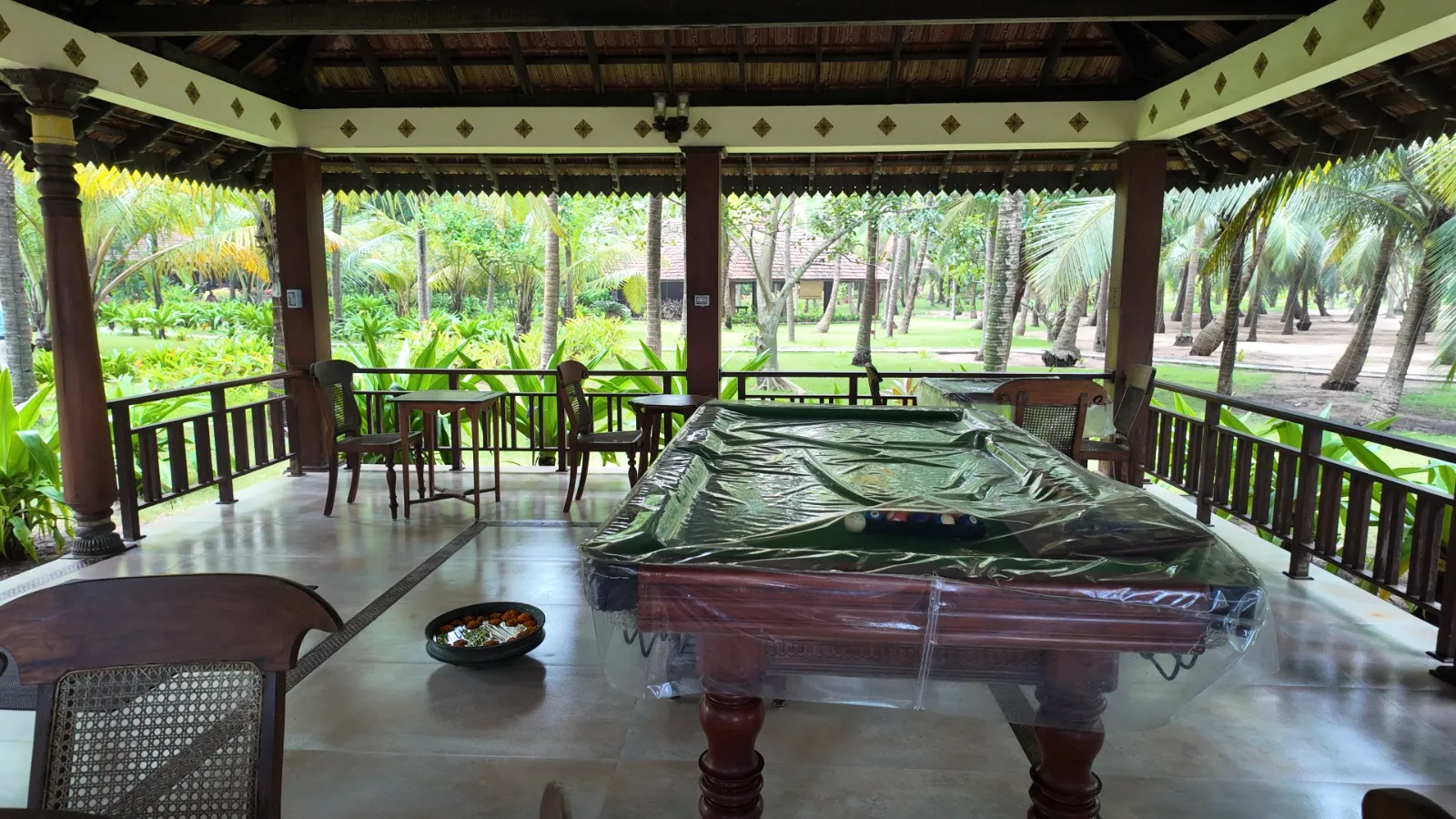
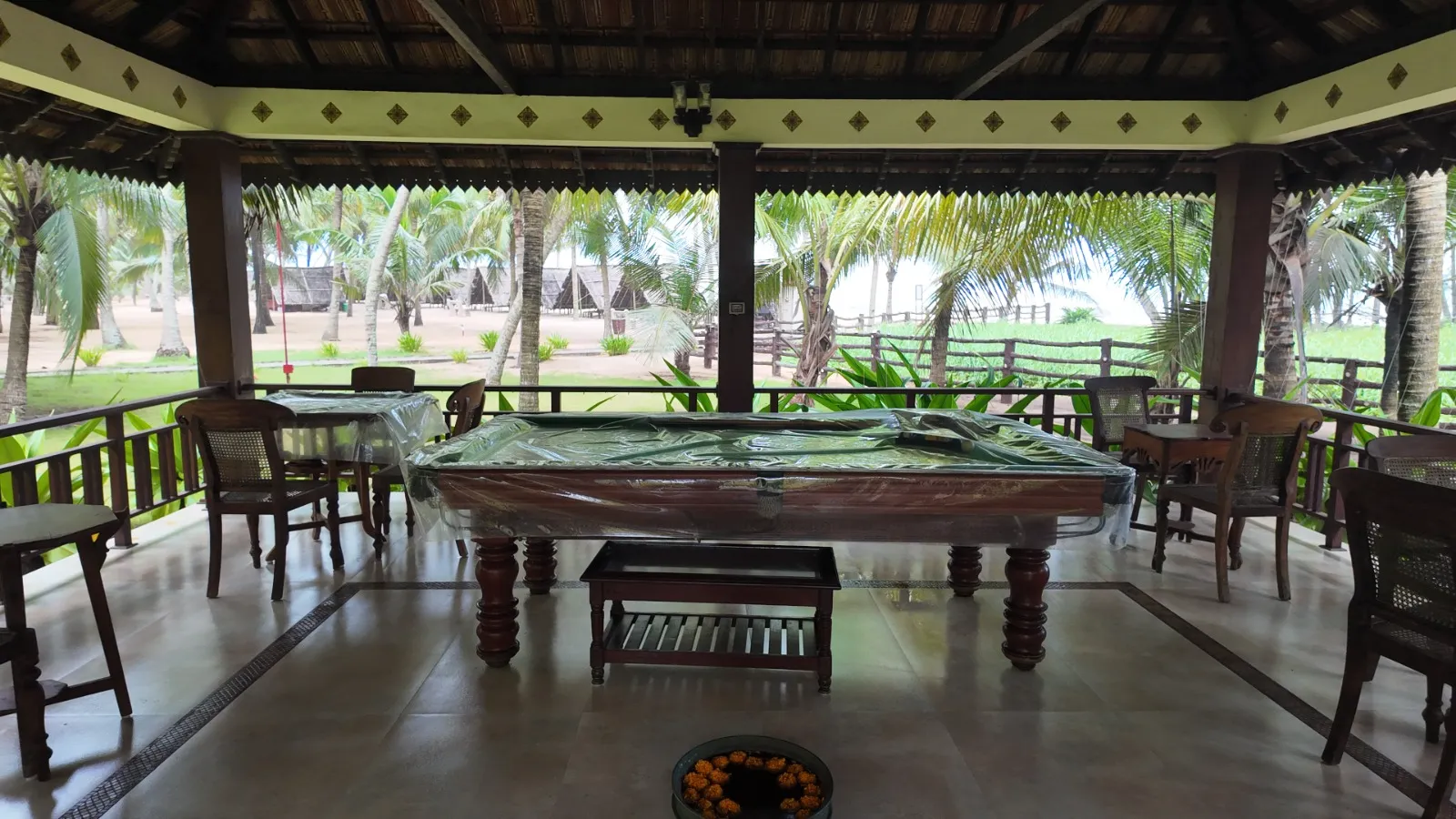
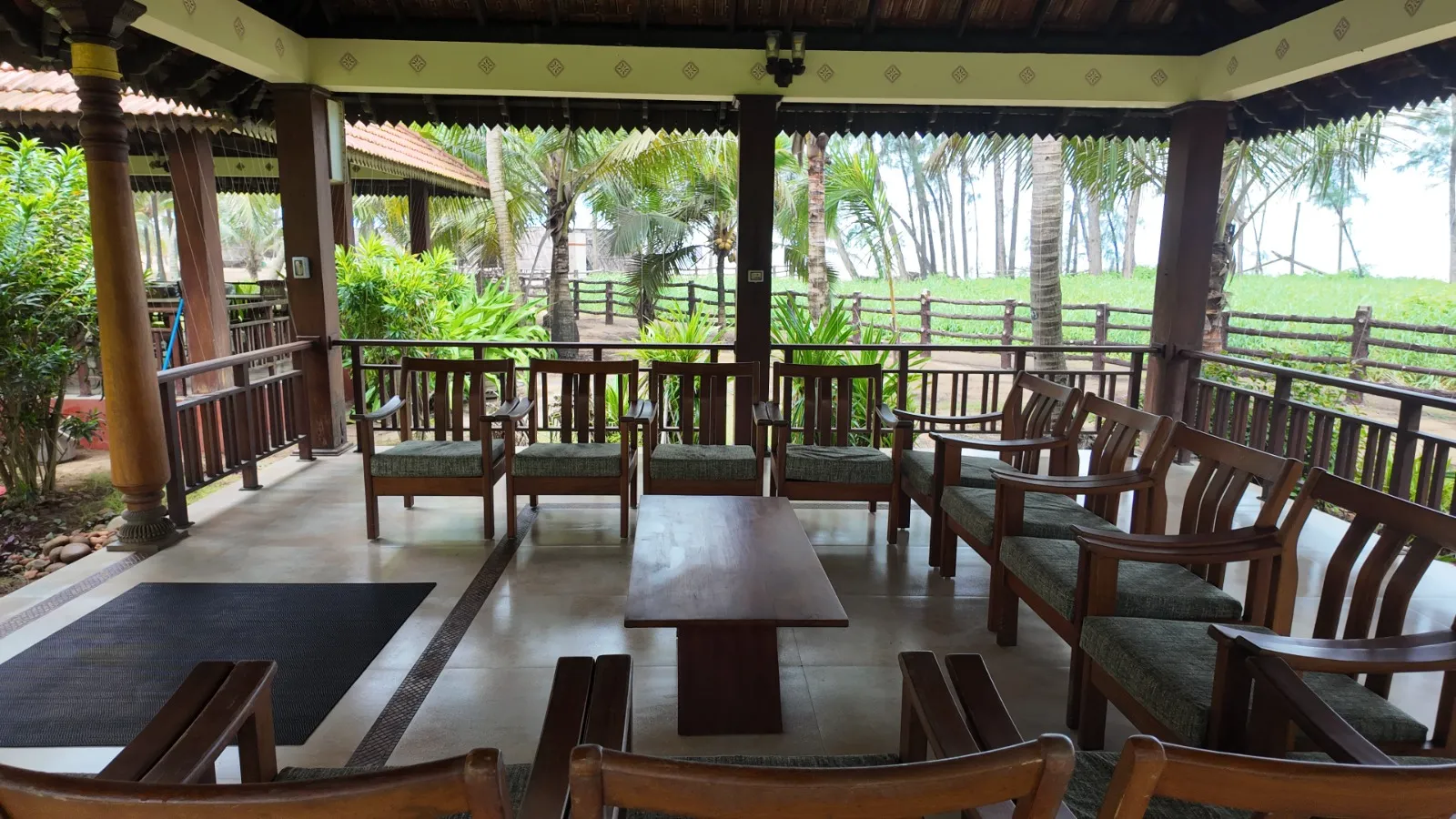
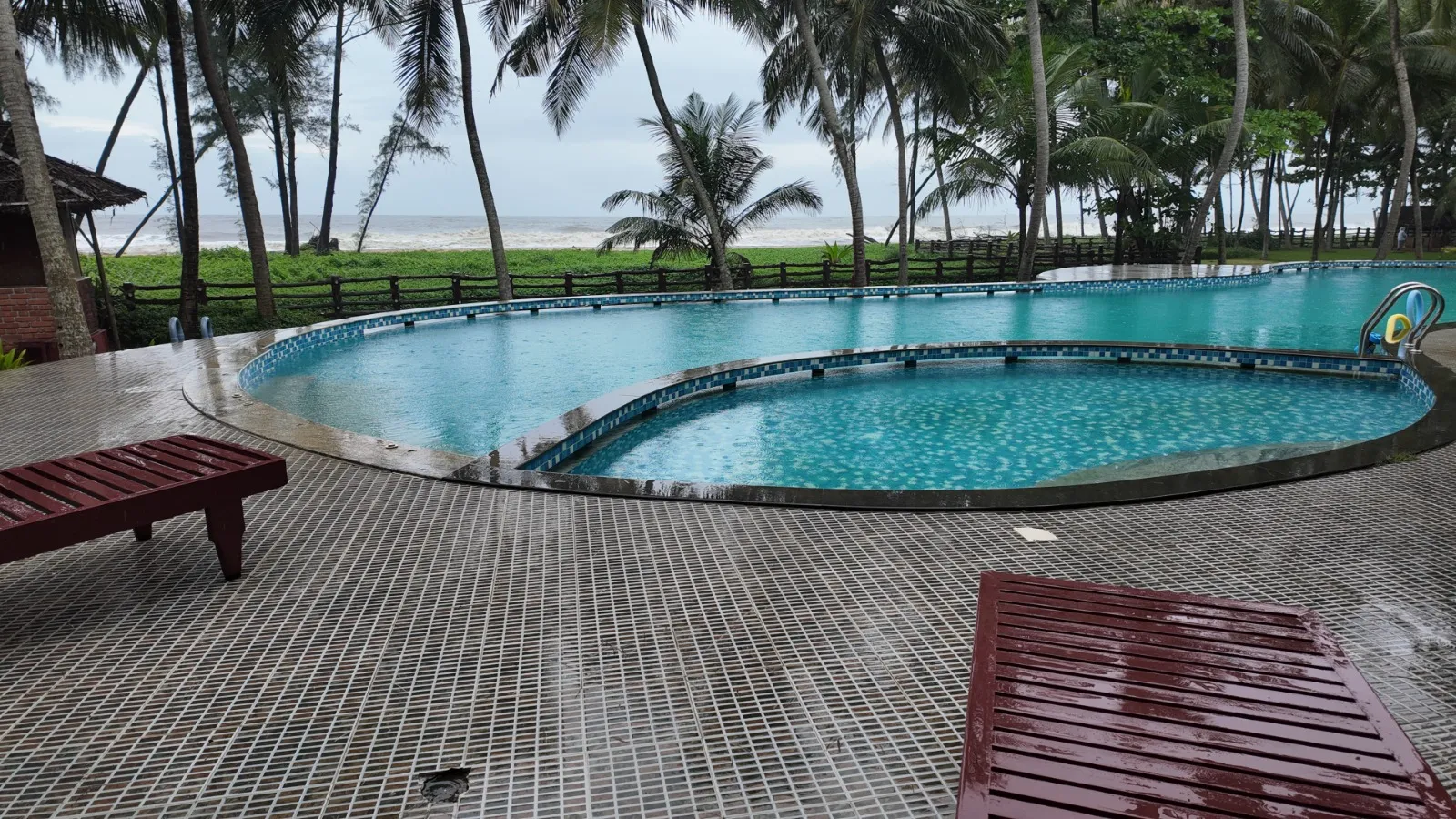
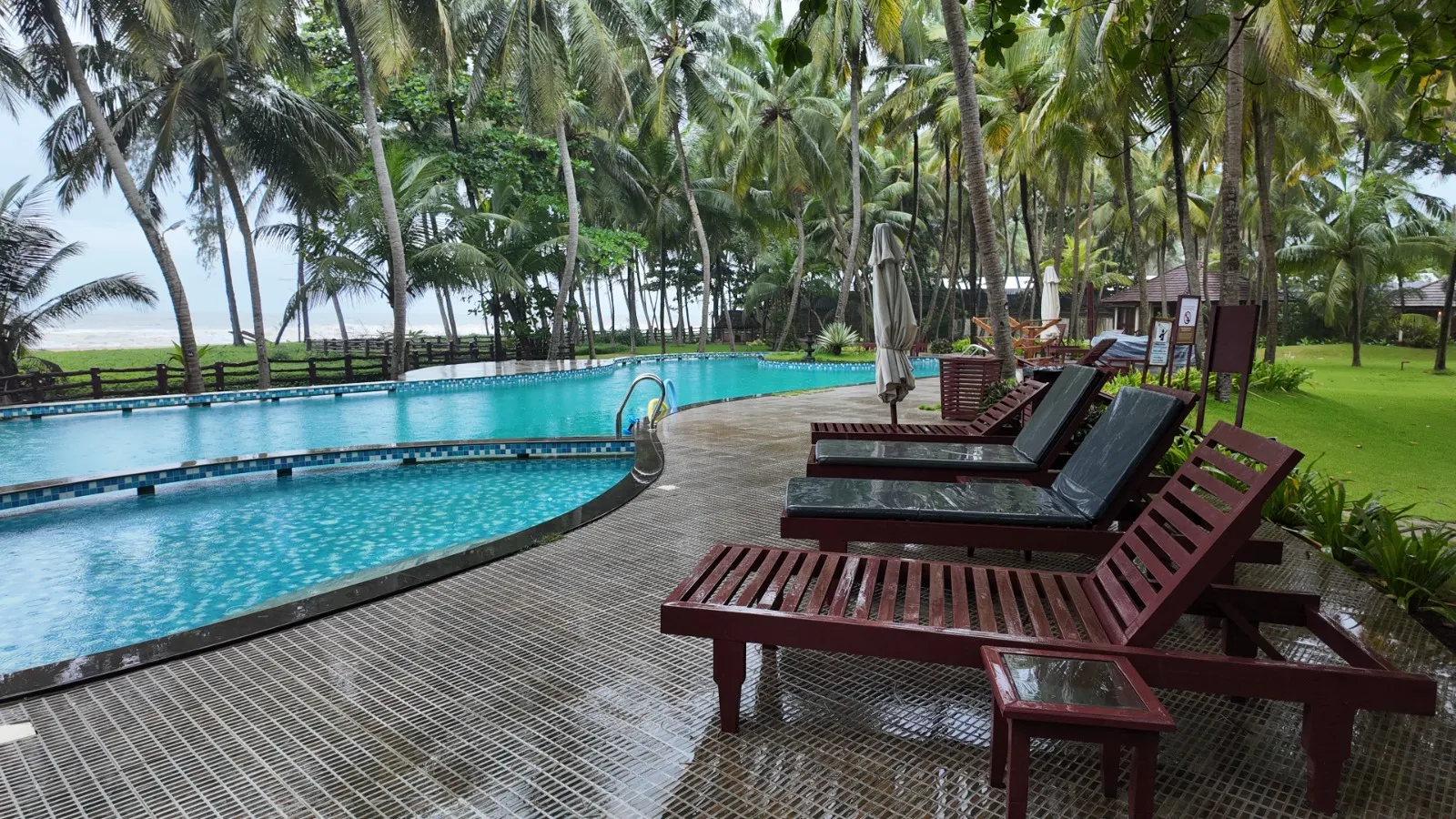
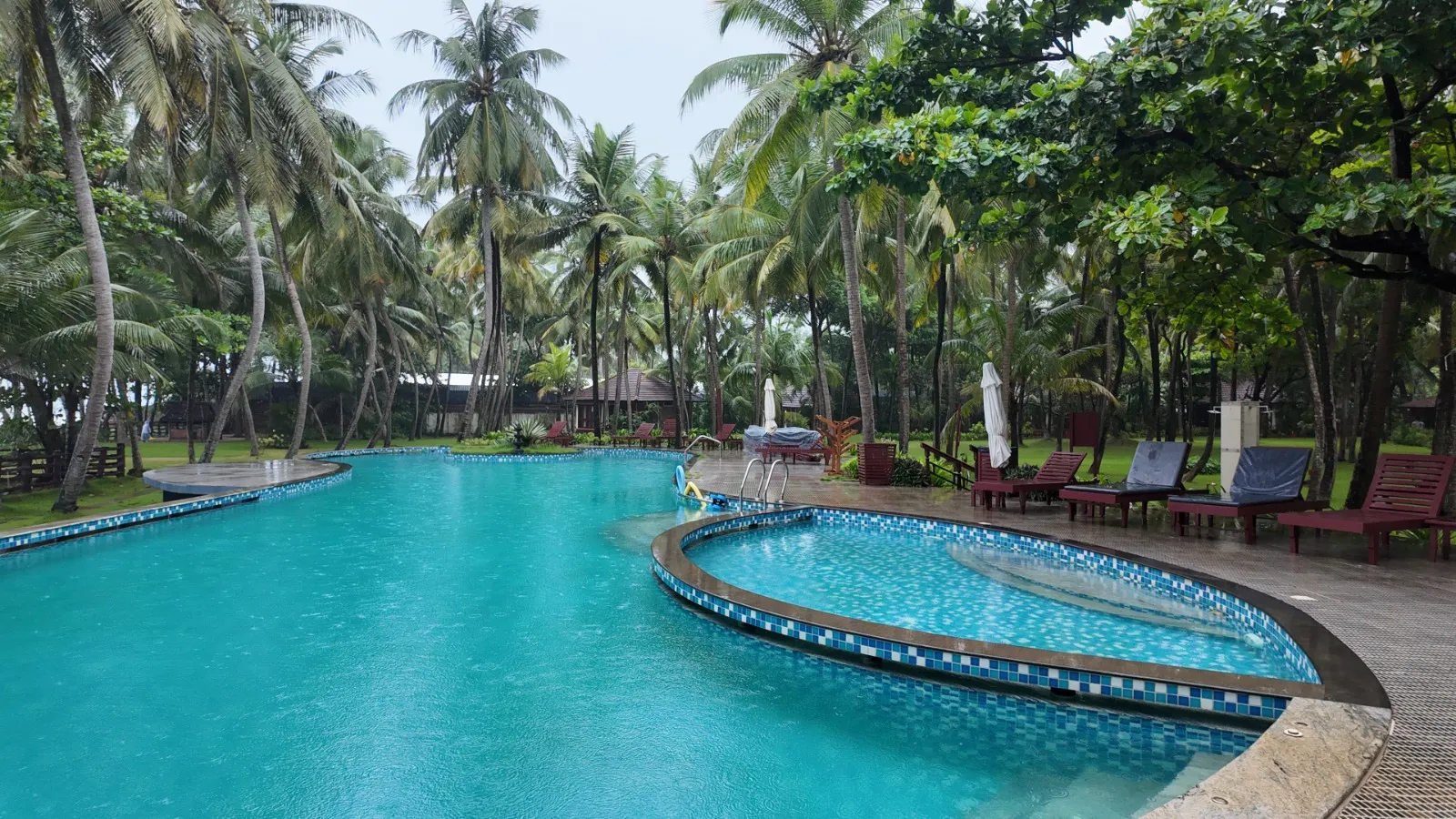
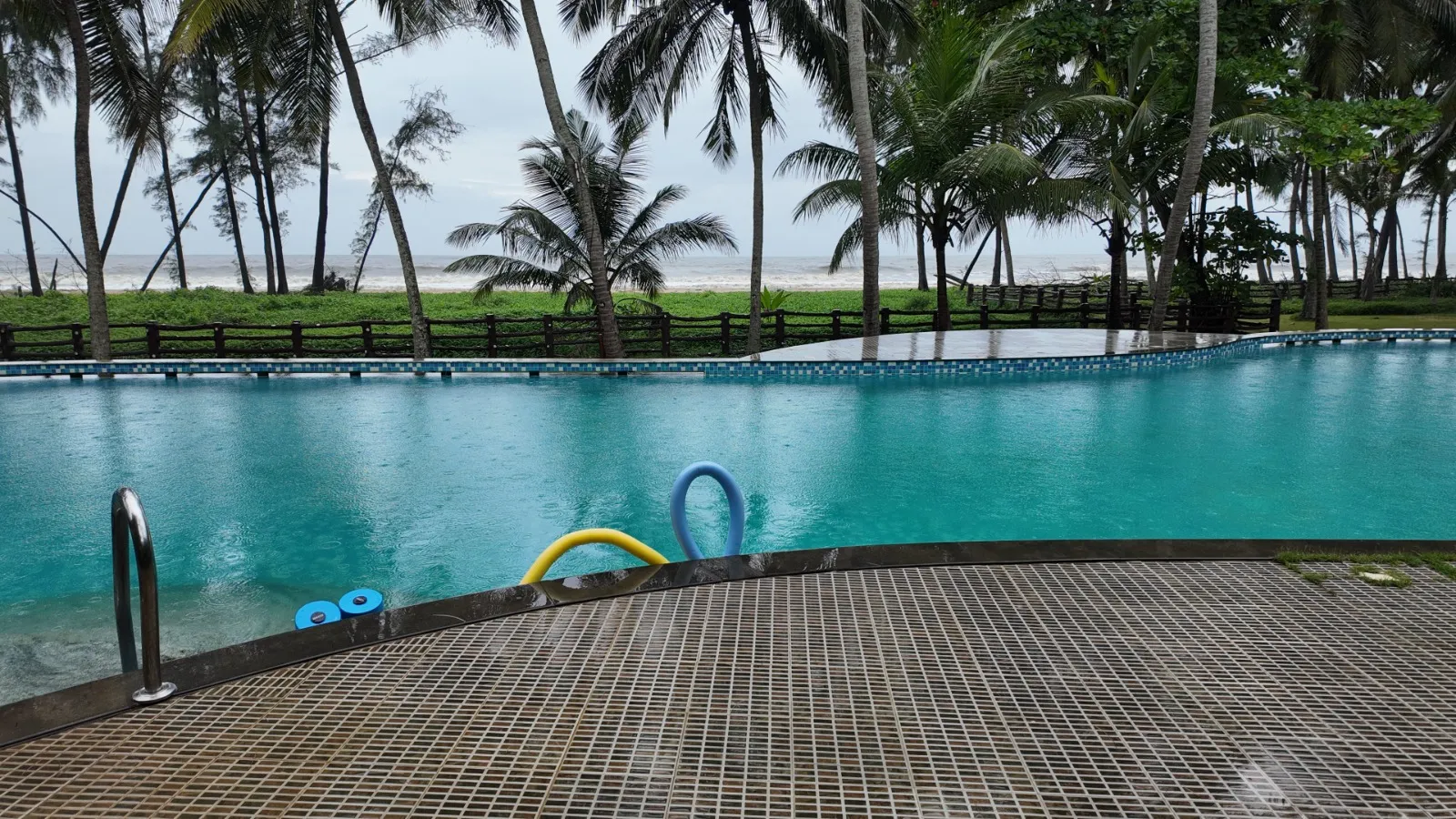
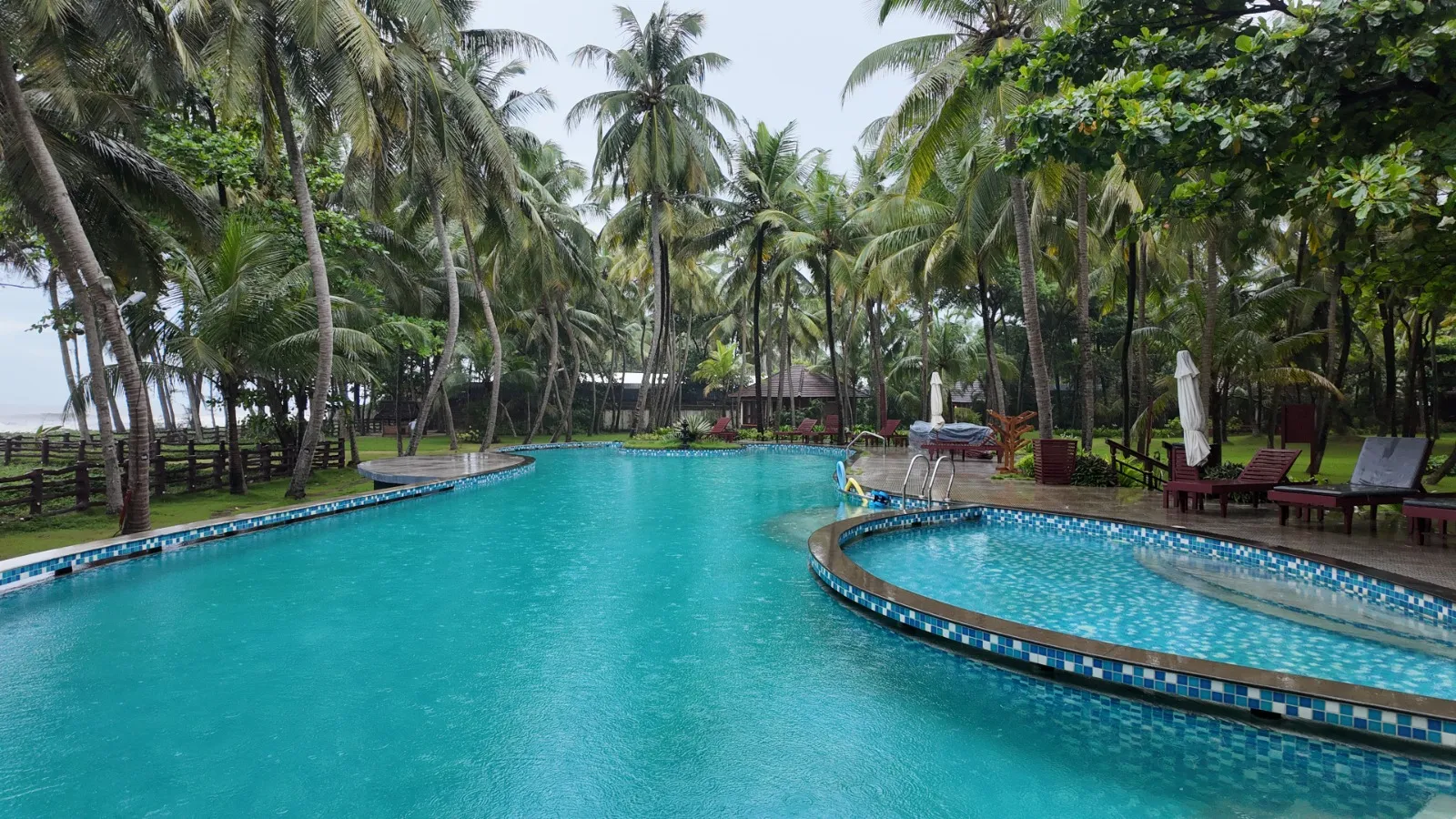
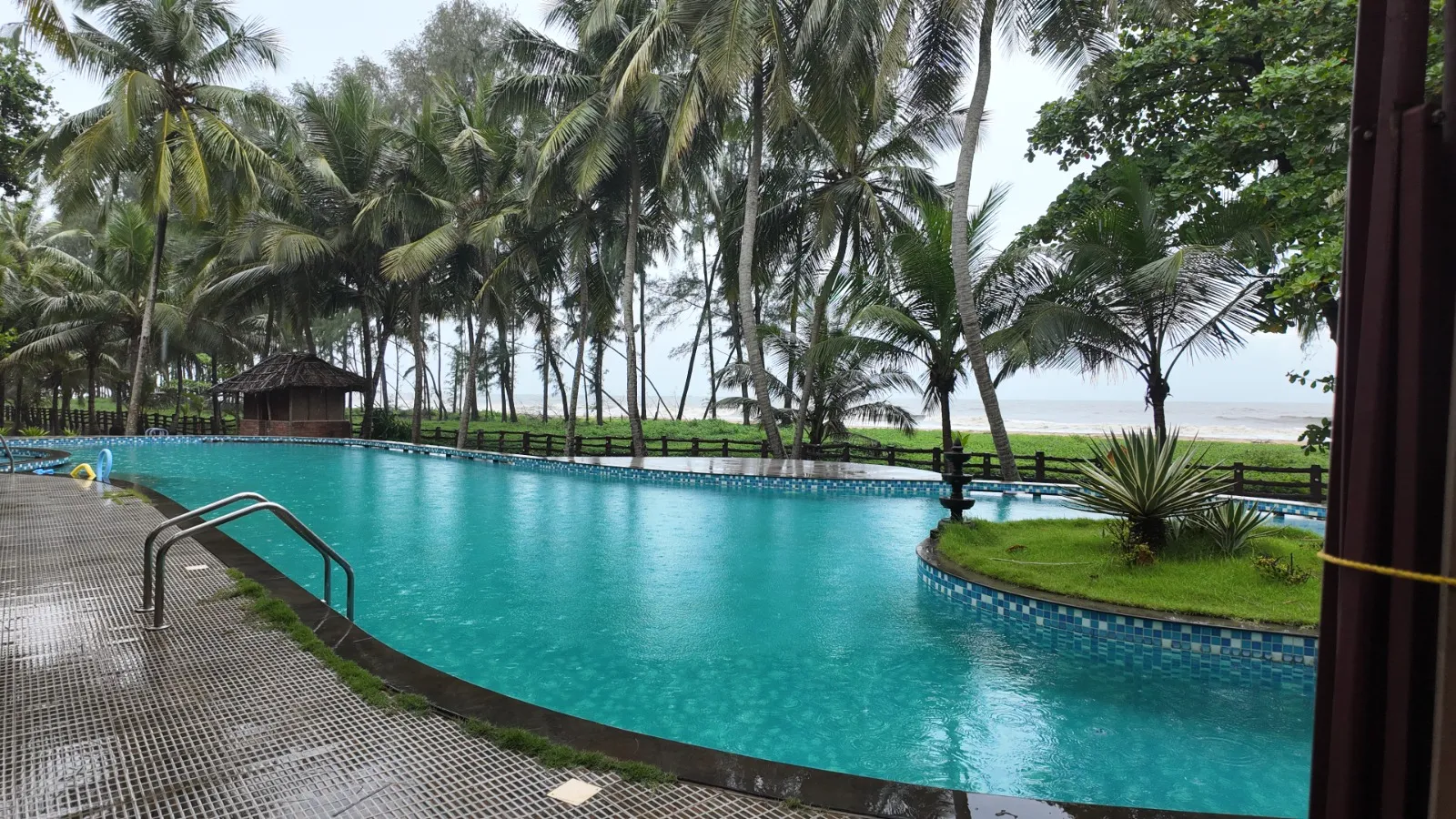
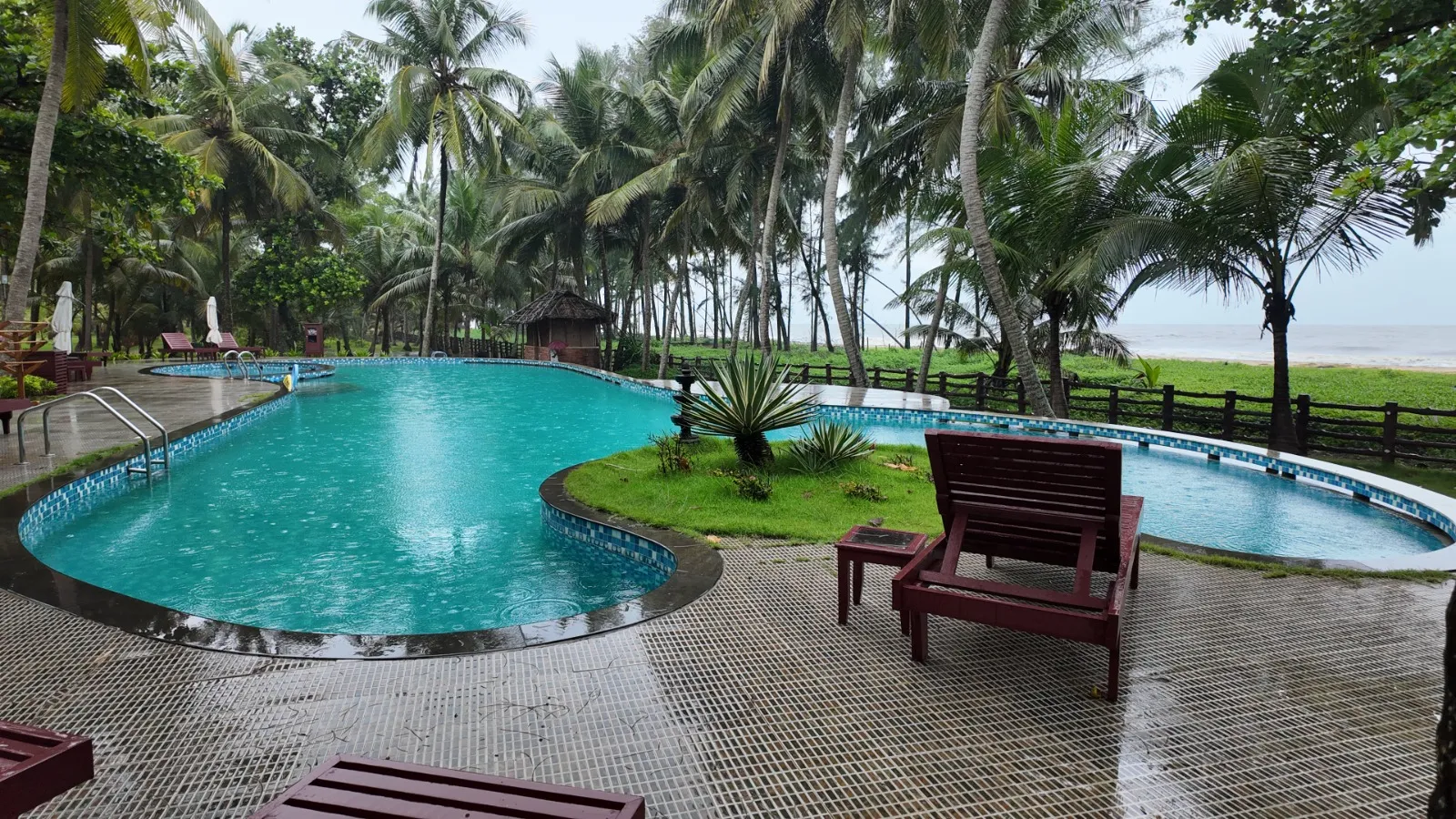
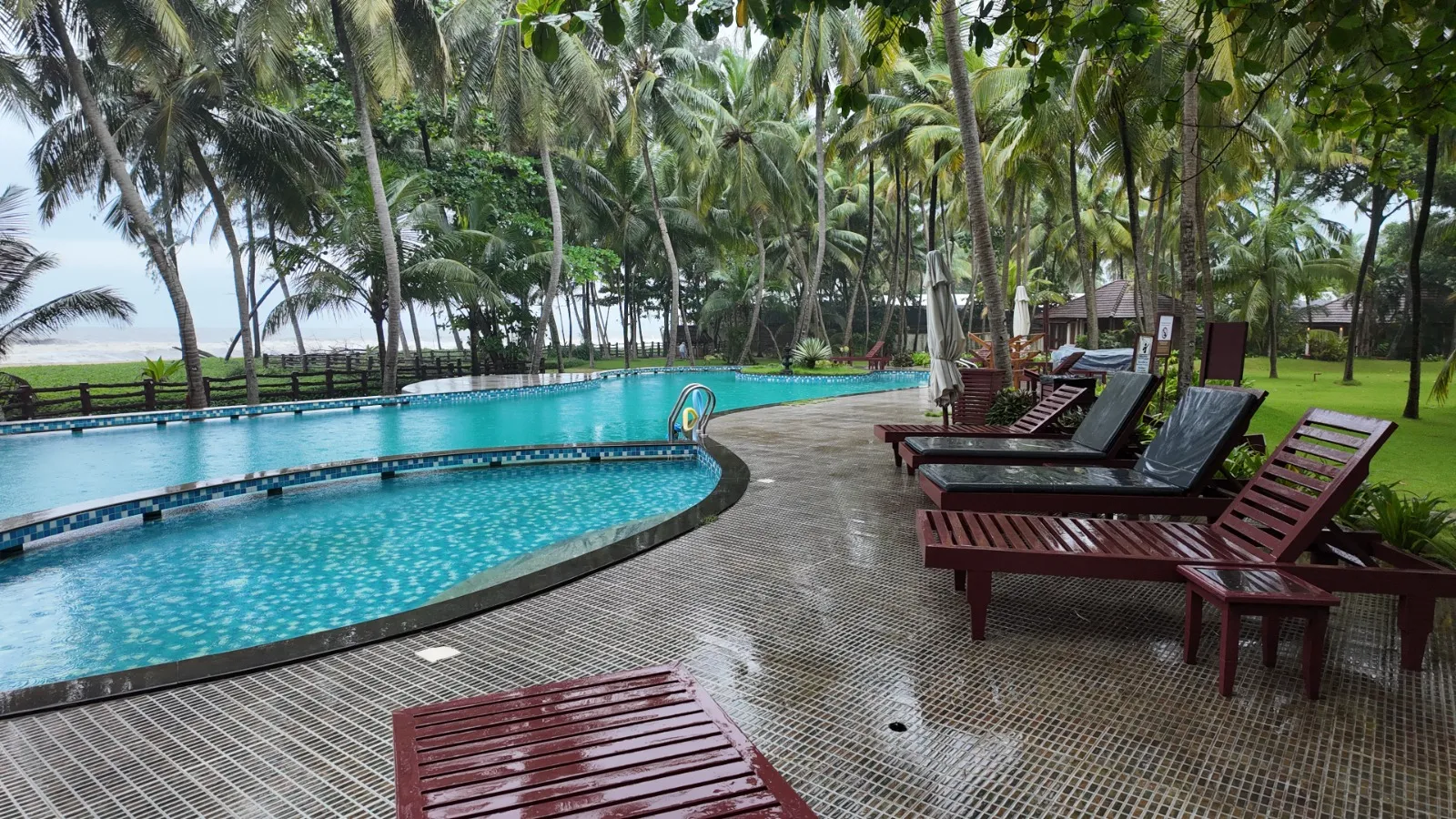
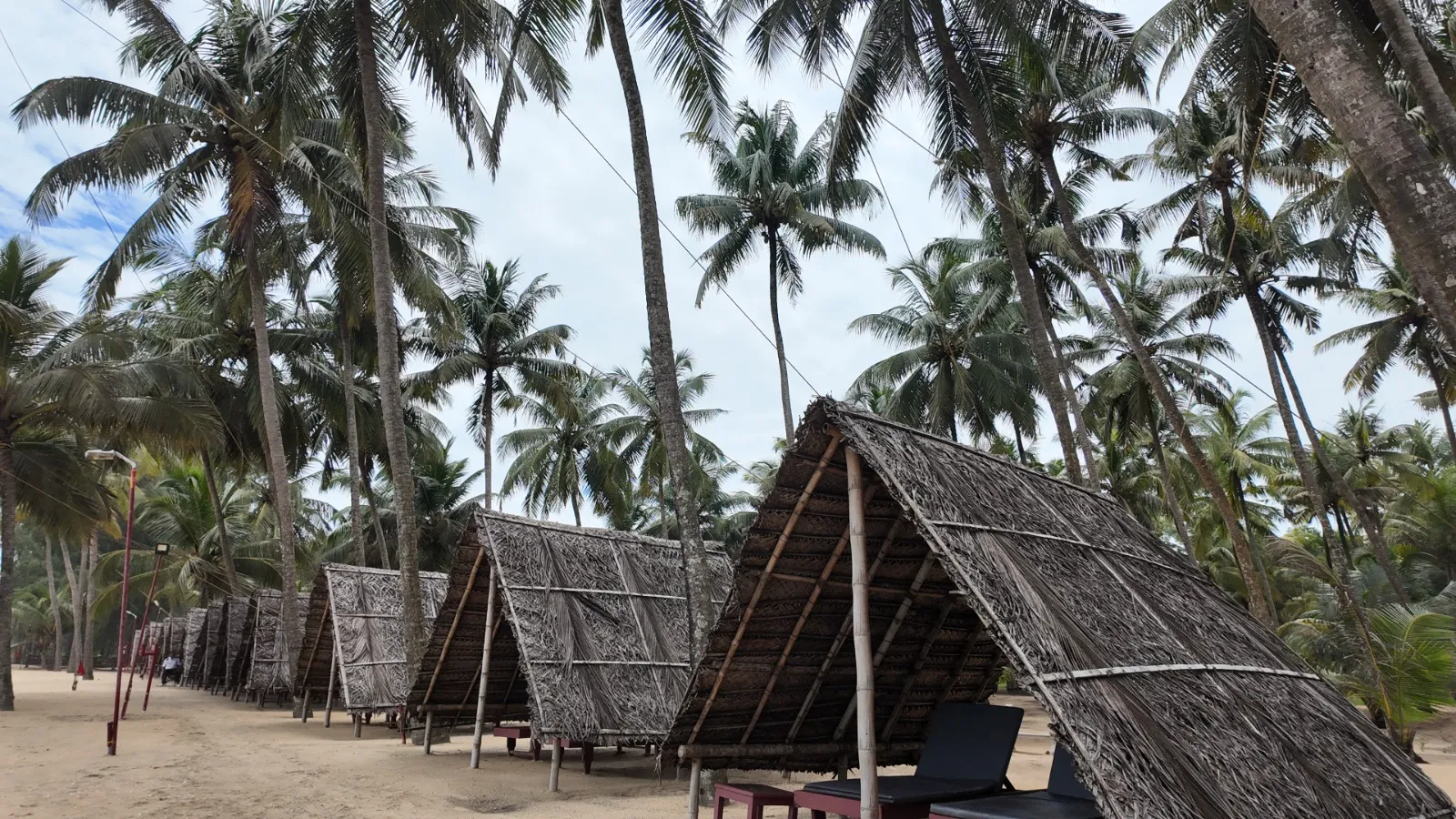
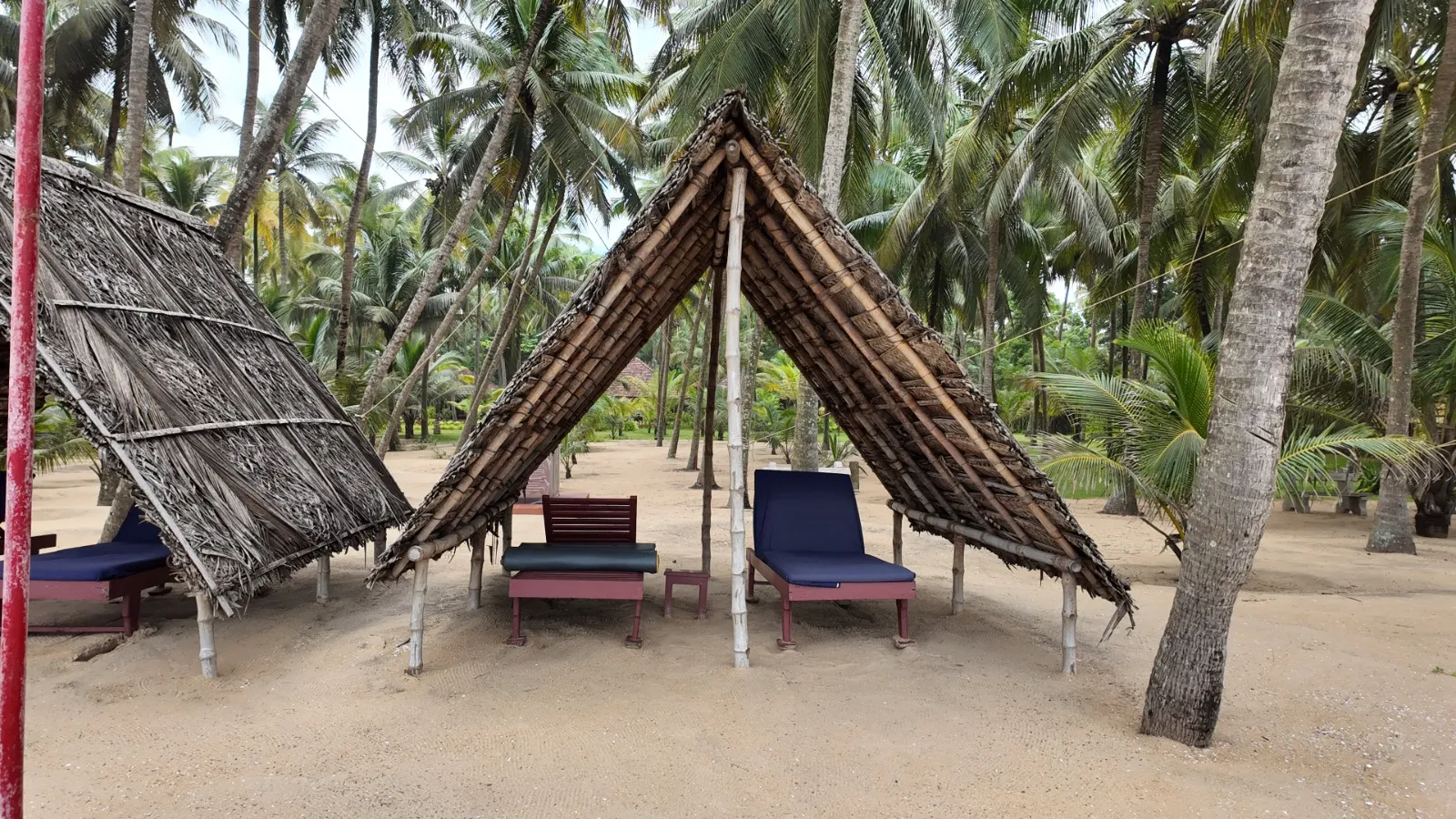
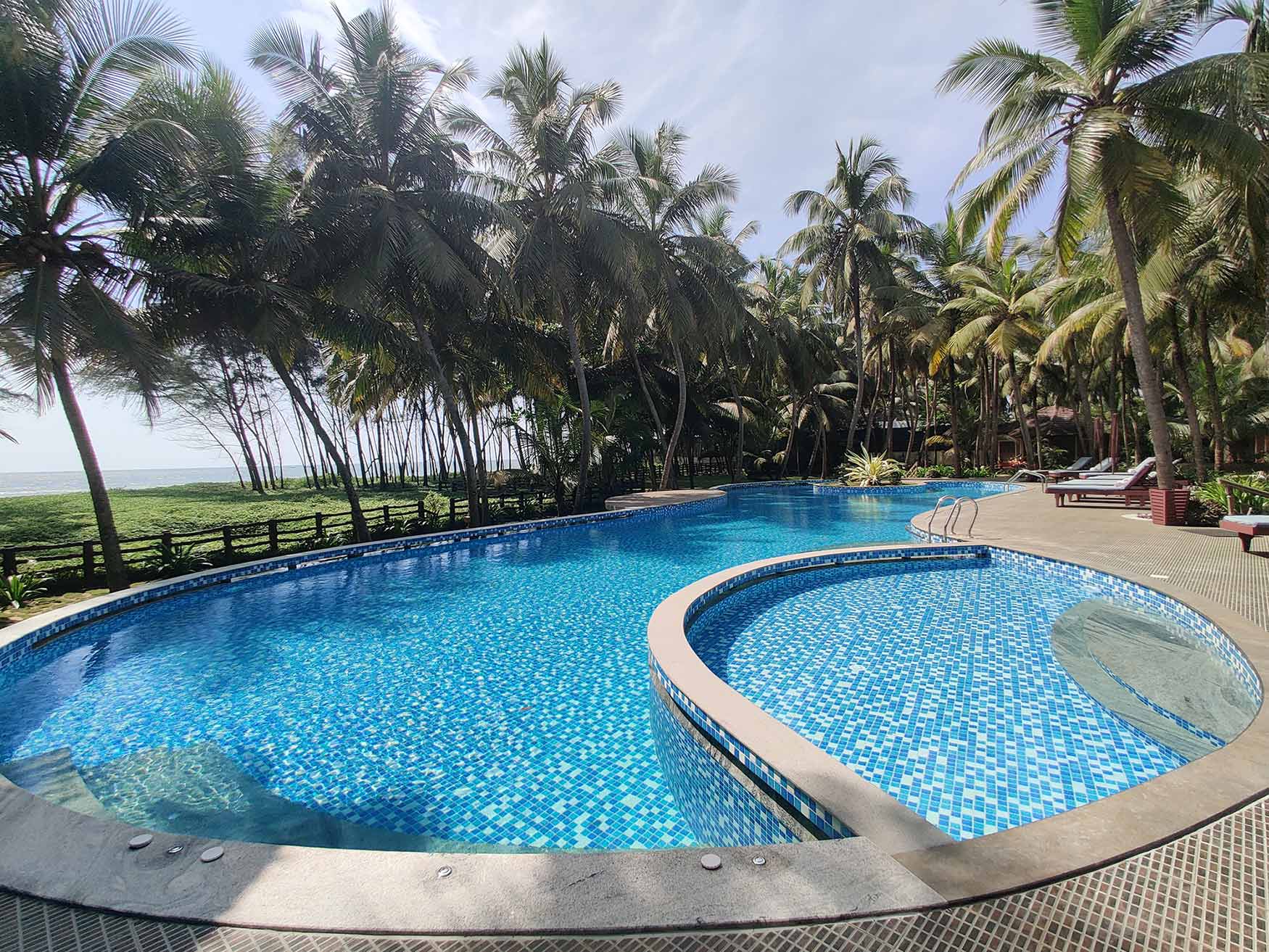
The resort manages its own frontage, with shaded huts along the sand and staff present, and public access to it is minimal. The sea is swimmable in season, however, the guest are requested not to swim at sea as there could be sudden undertows. You are encouraged to make use of their outdoor swimming pool.
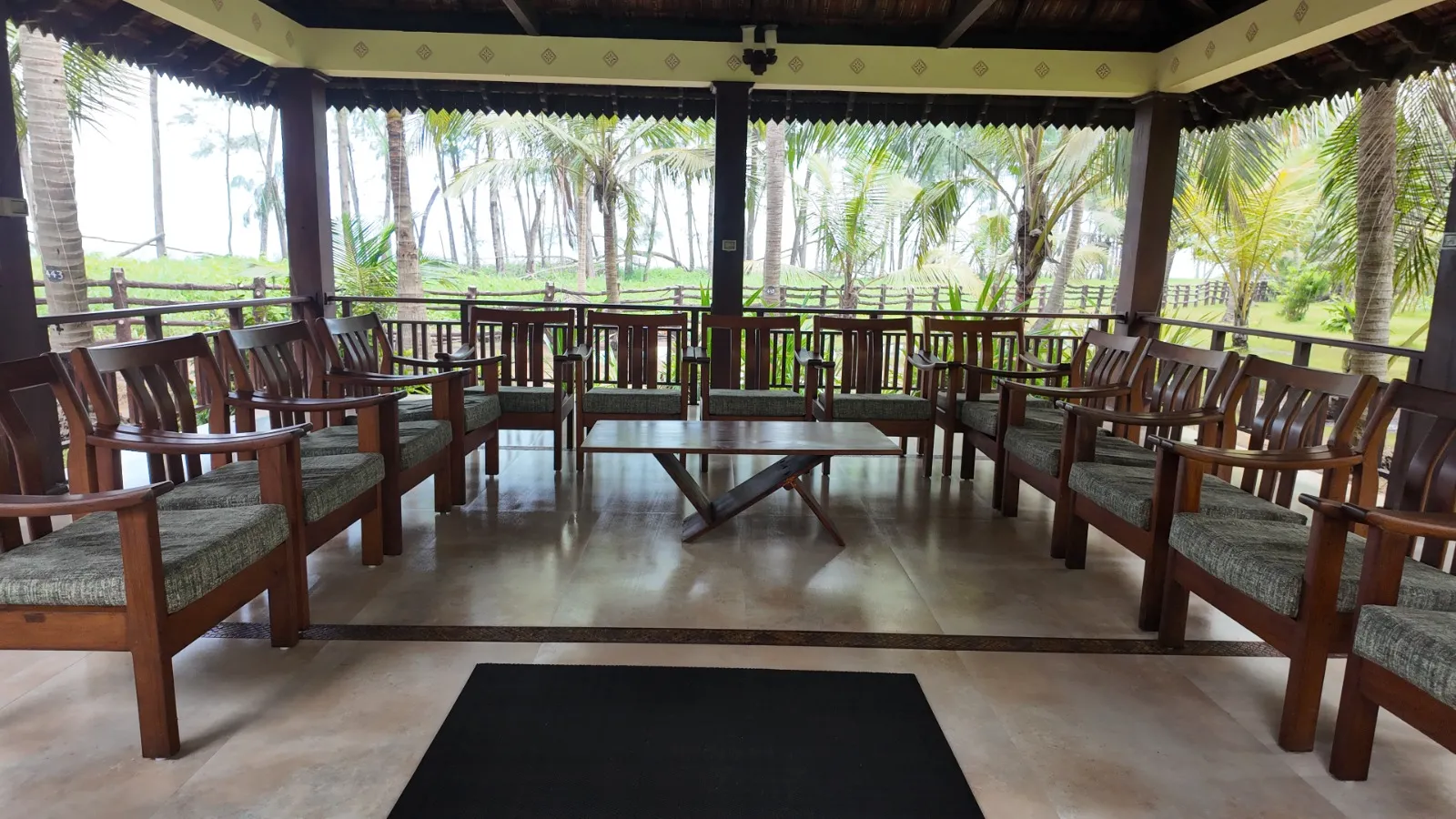
Mornings and evenings are calm, with the sound of waves and birds. The property sits away from construction, road, rail and flight paths.
Cochin International Airport is 65–70 km away, 90 minutes to two hours door to door depending on traffic. The resort operates a complimentary airport shuttle.
Ayurveda Approach
The method follows the classical sequence rather than compressing it. Assessment establishes Prakrithi and Vikrithi, the current state of imbalance. Diagnosis uses the classical triad of darshana (observation), sparshana (touch, including Nadi Pareeksha, pulse reading) and prashna (structured inquiry into digestion, sleep, elimination, energy through the day, menstrual history where relevant, and mental clarity). Treatment then builds in order: stabilise, address accumulation, progress to deeper cleansing once tissues are prepared, and close with a rebuilding phase of nourishing therapy, measured diet and rest. It is a sequence that resists being shortened, which is the argument for a longer stay here rather than a shorter one.
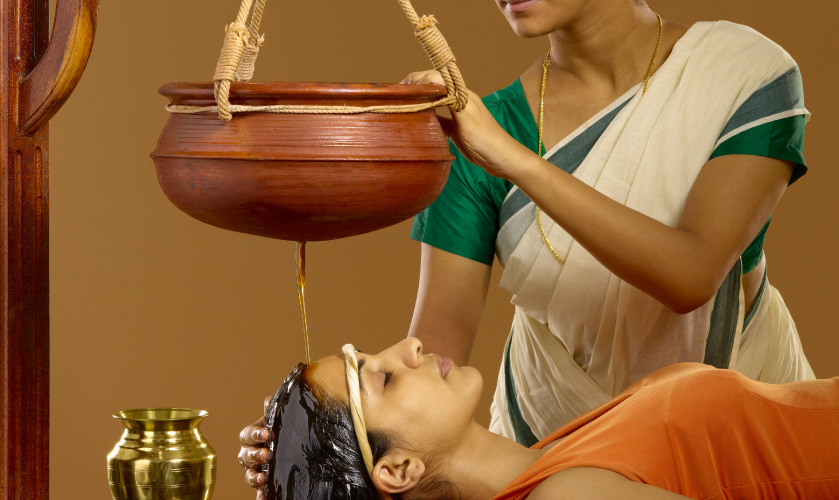
Nattika practices four of the five classical Panchakarma procedures: Vamana (therapeutic emesis, clearing the upper gastrointestinal tract), Virechana (purgation by herbal laxative, clearing the lower tract), Vasti (medicated enema, addressing accumulation in the colon) and Nasya (nasal administration of herbal preparations for the head and neck).
Each is sequenced through Poorva Karma, Pradhana Karma and Paschat Karma, preparation, the procedure itself, and the after-care that consolidates it, according to the patient's condition.
Wi-Fi is free in public areas: reception, the beach lounge. In-room Wi-Fi is granted on a doctor's approval during the health consultation.
17 treatment rooms serve 52 villas, roughly one for every three. Eight actively consulting physicians serve the same 52 villas, a ratio of about 1:6.5.
Experts
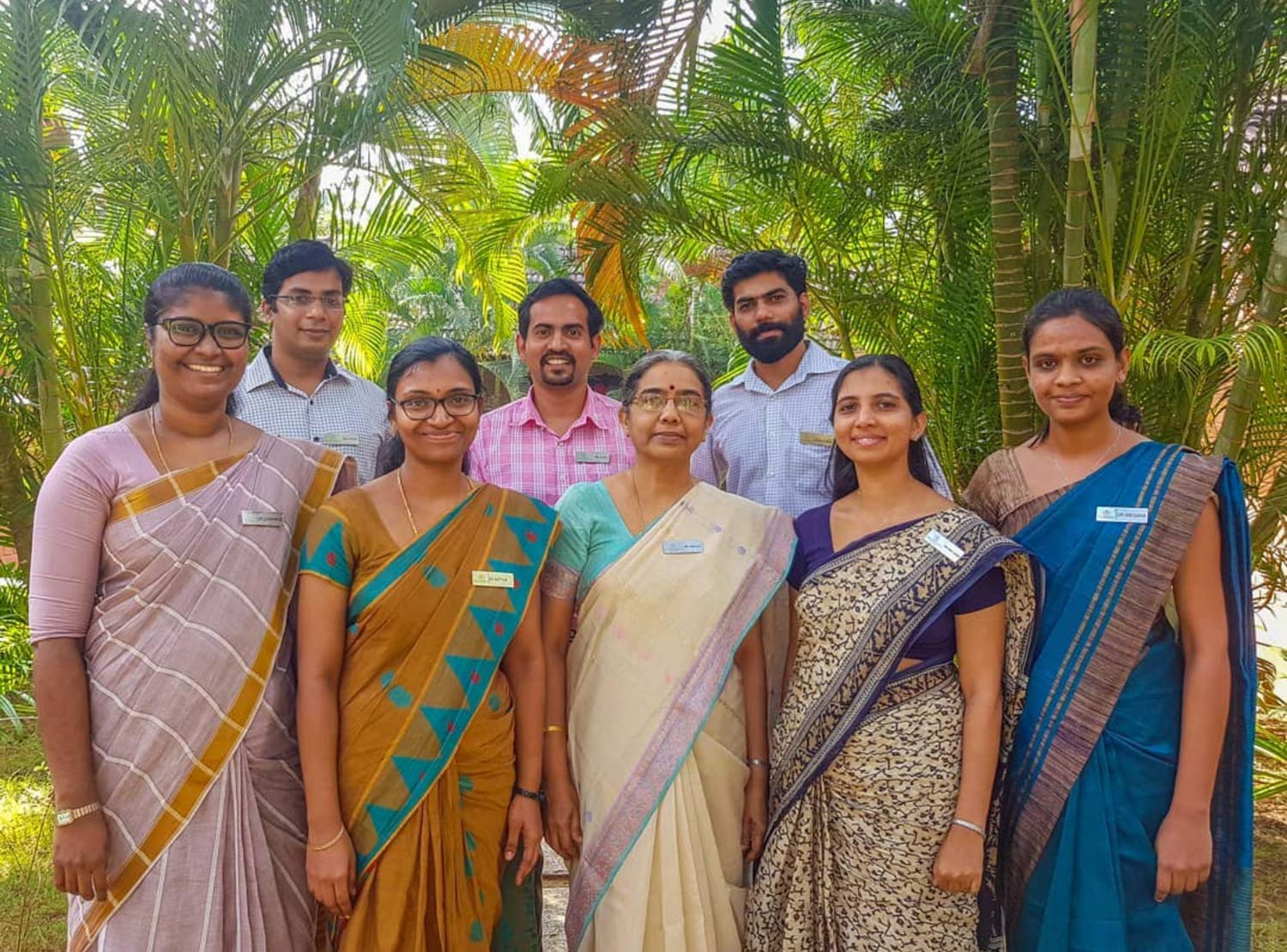
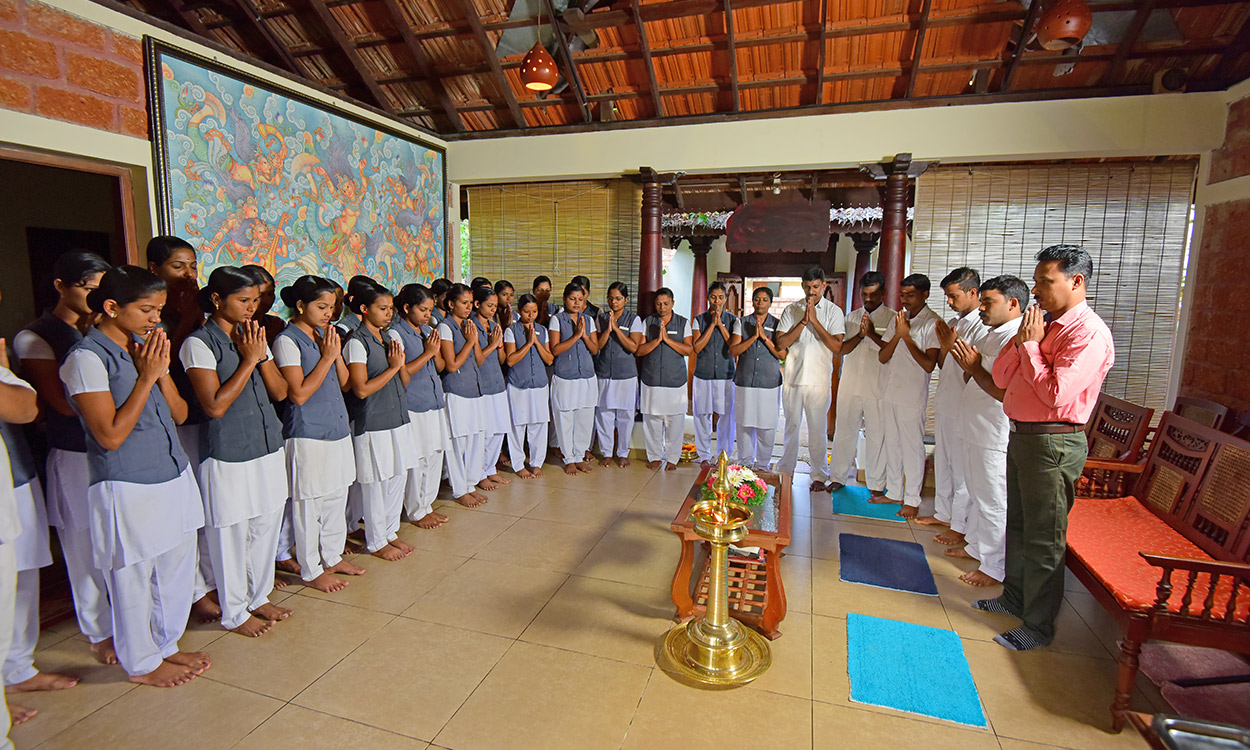
There are twelve doctors on the property, eight who take up consultation with guests daily and the rest are weighted toward dietetics, quality administration and junior roles, the property also has an on-call doctor.
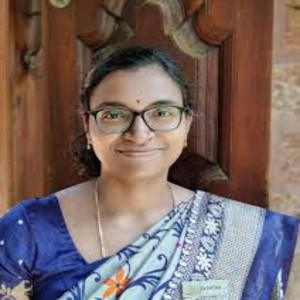
Dr. Hema K.P, Chief Physician, graduated from Trivandrum Ayurveda Medical College, has practised since 1989 and has led the Ayurveda team here since 2012. She was initiated into the tradition in childhood by her grandfather, the physician Vaidyar Govindan Nambiar, and later worked with Dr. P.K.N. Namboodiri developing an Ayurvedic hospital in Thrissur. Dr. Arul Susan George joined in 2012 and trains and supervises the therapist team as well as running the medicinal plant garden. Dr. Suhas S V has been here since 2013. Three senior physicians with more than a decade each at one property is uncommon in Kerala, where turnover is high and the doctor who sets a protocol is often not the one who sees it through.
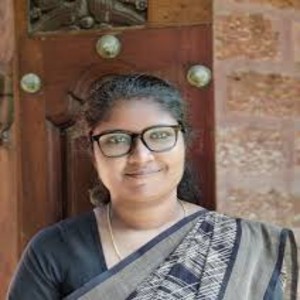
Among the specialisms: Dr. Shaheena S holds a certificate in Ayurvedic gynaecology; Dr. Geethu Prakash has over a decade of practice with particular strength in Nadi Pareeksha and Panchakarma supervision; Dr. Ashley Joji holds a Panchakarma therapy certificate from the National Ayurveda Research Institute of Panchakarma at Cheruthuruthy; Dr. Leshma Vijay a postgraduate diploma in Ayurveda cosmetology and trichology and certification in antenatal care; Dr. Karthik Kannan a stated interest in ophthalmology; Dr. Aksa Anna Abraham a certificate in the management of lifestyle disorders. Dr. Nitha Gopalan is Chief Dietitian and has written two books on Ayurvedic diet.
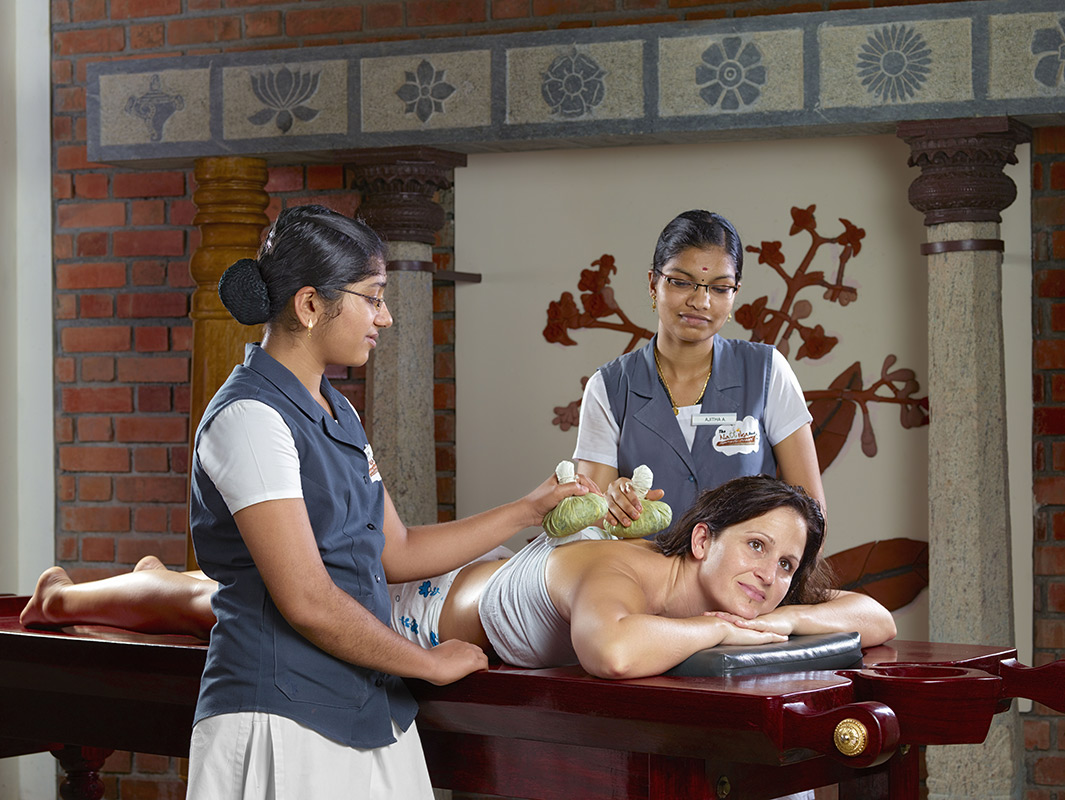
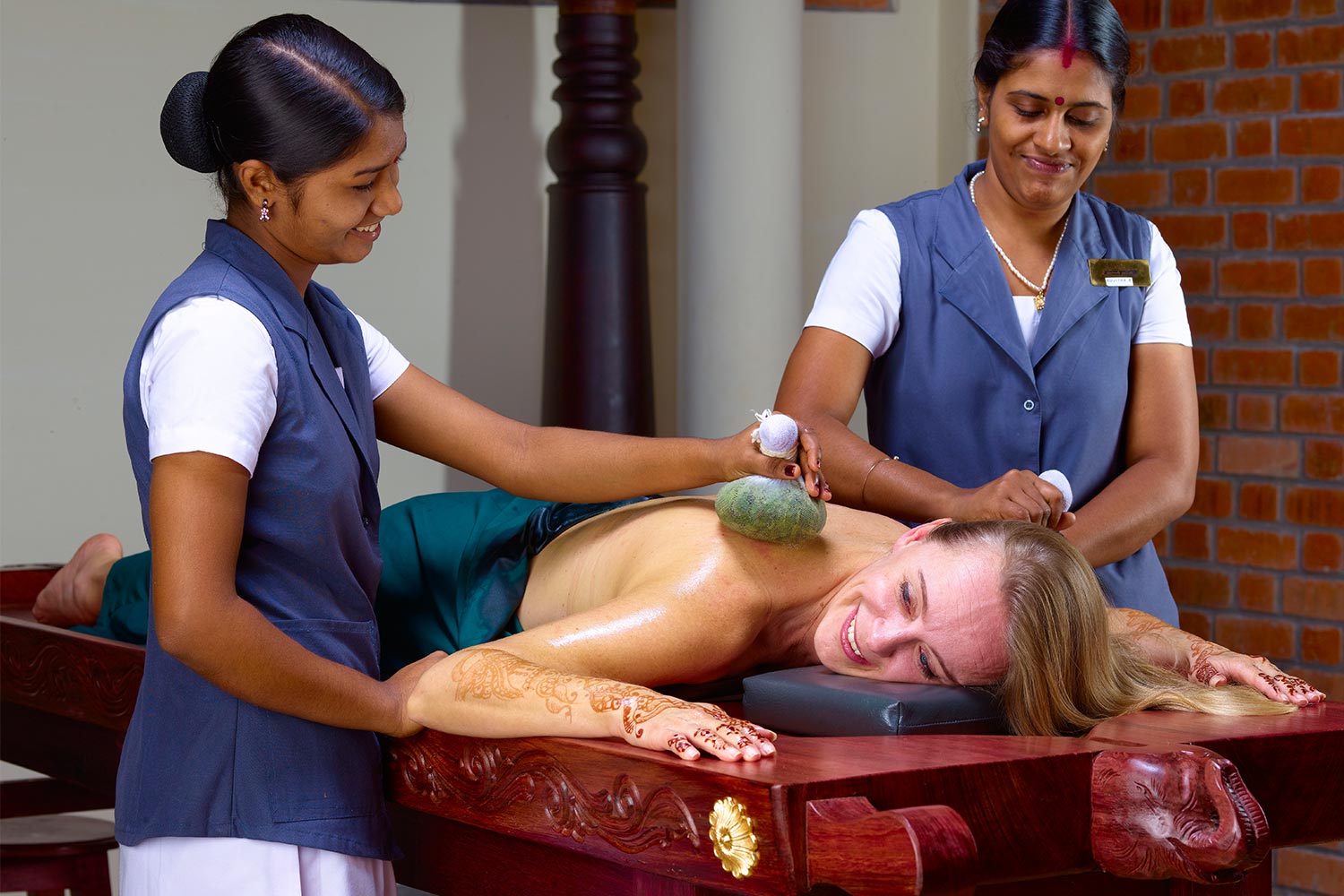
Four-hand therapy is made standard here. Staffing follows from that: 51 therapists, 33 female and 18 male for 52 villas.
Ayurvedic treatment is same-gender by convention, and 33 female therapists cover a guest population that is mostly female.
Treatments
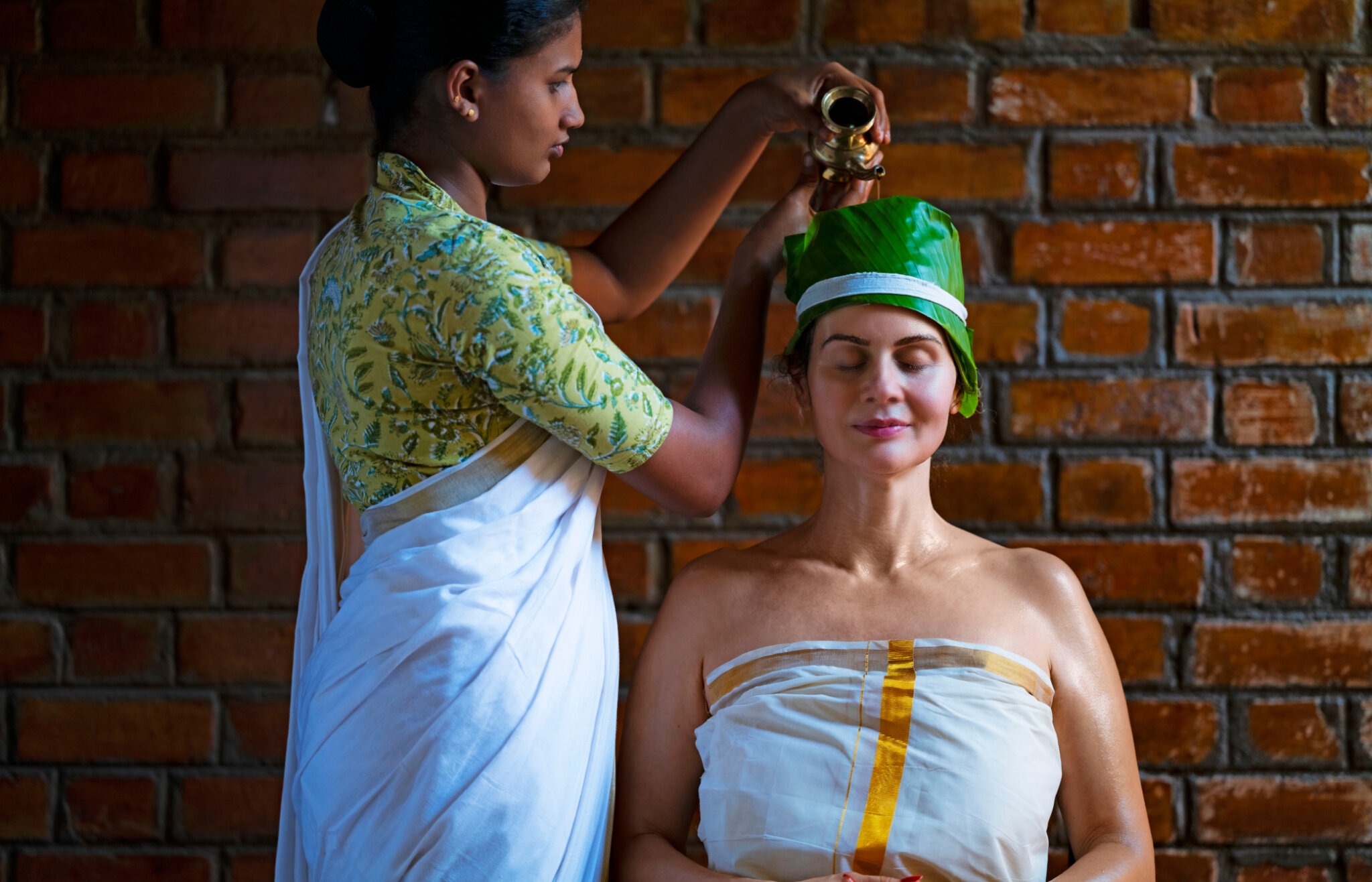
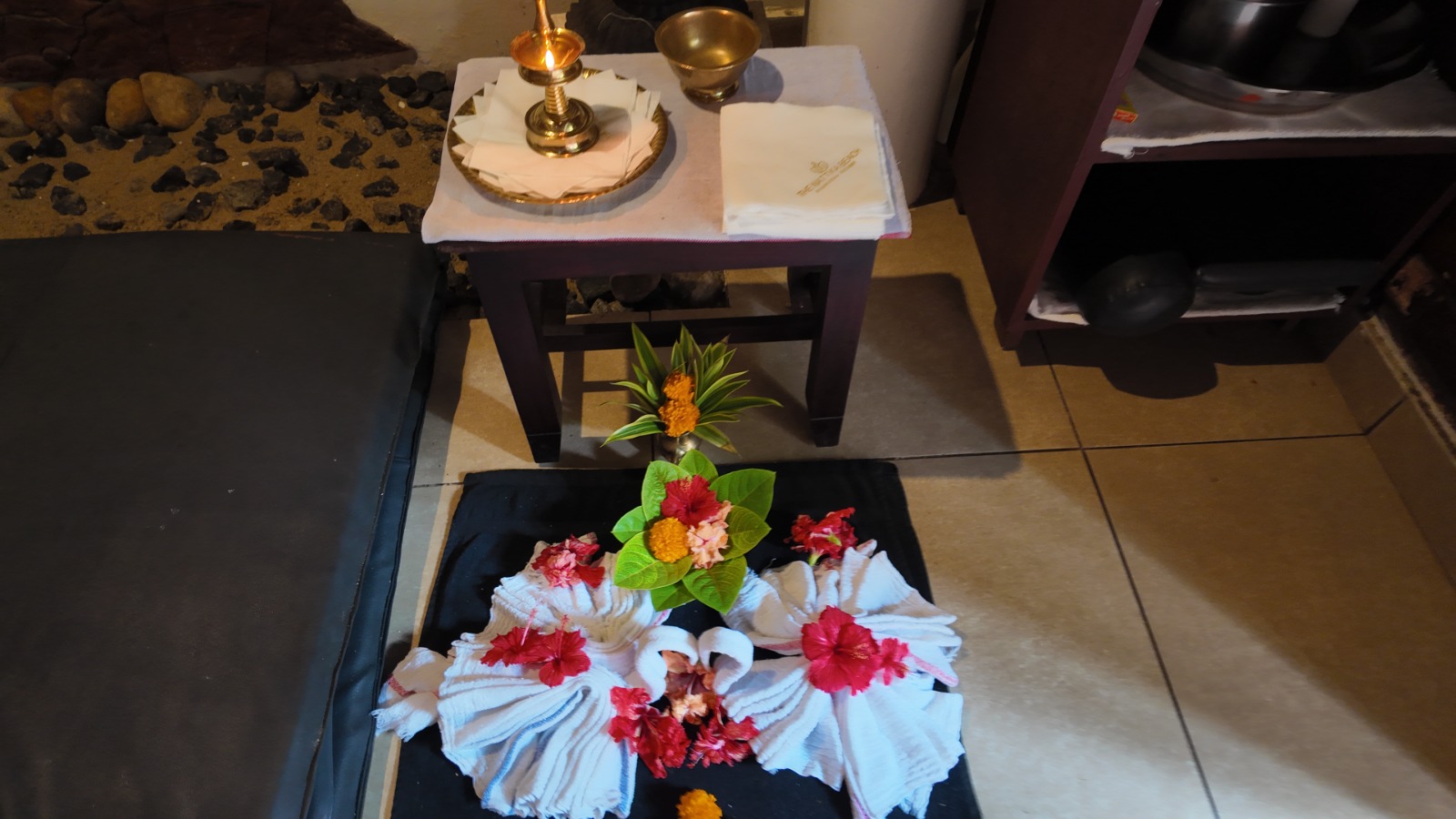
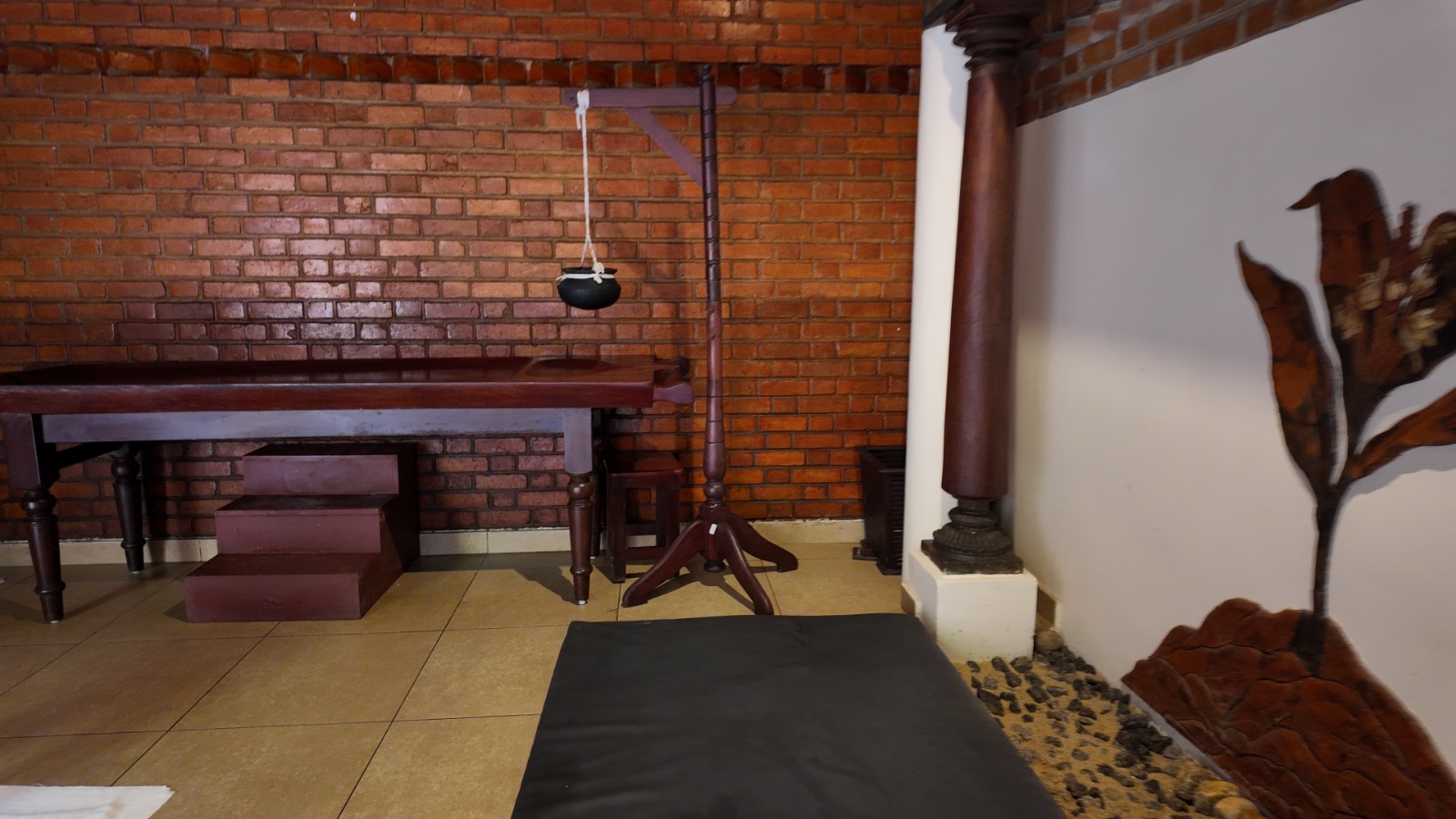
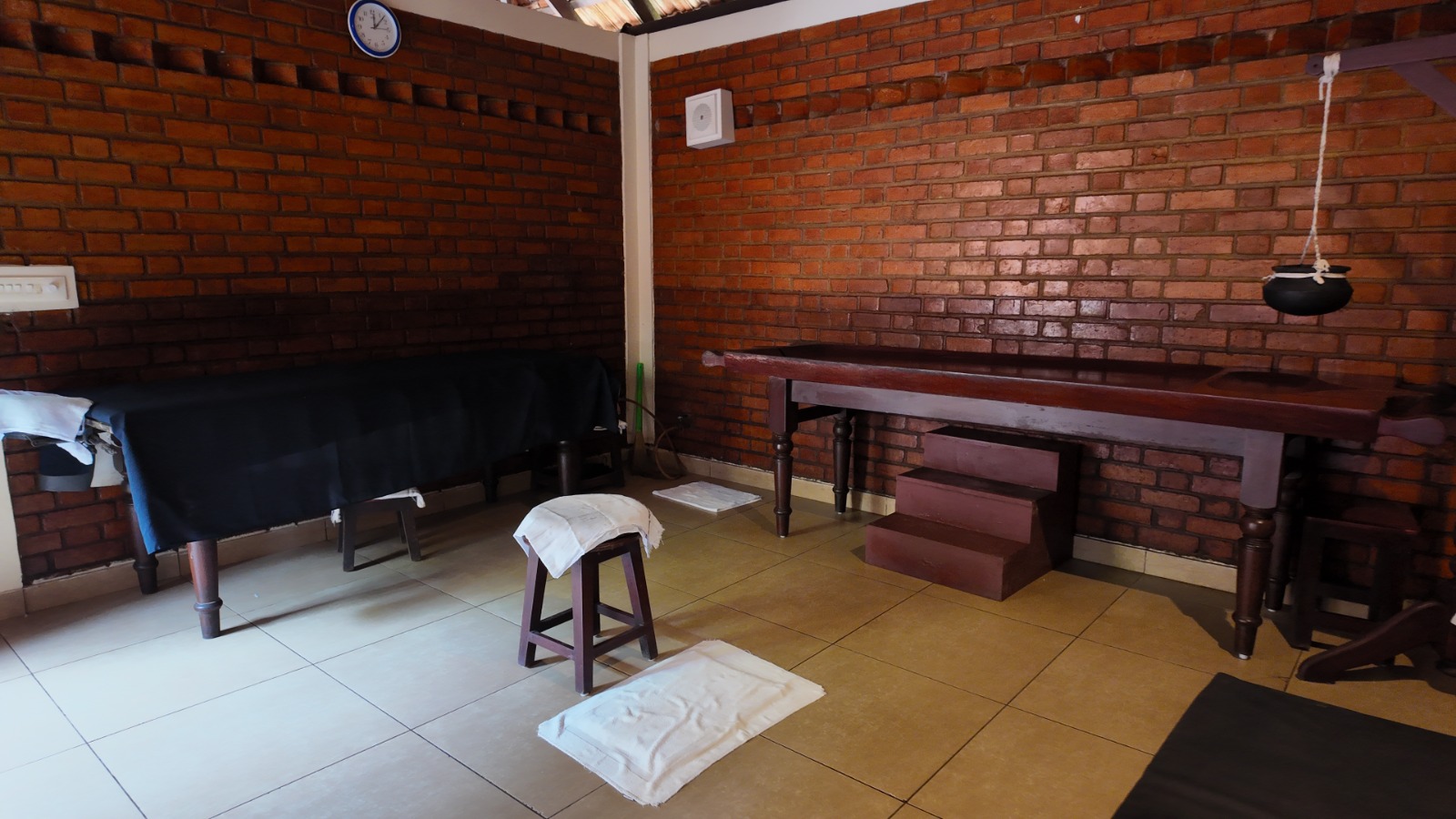
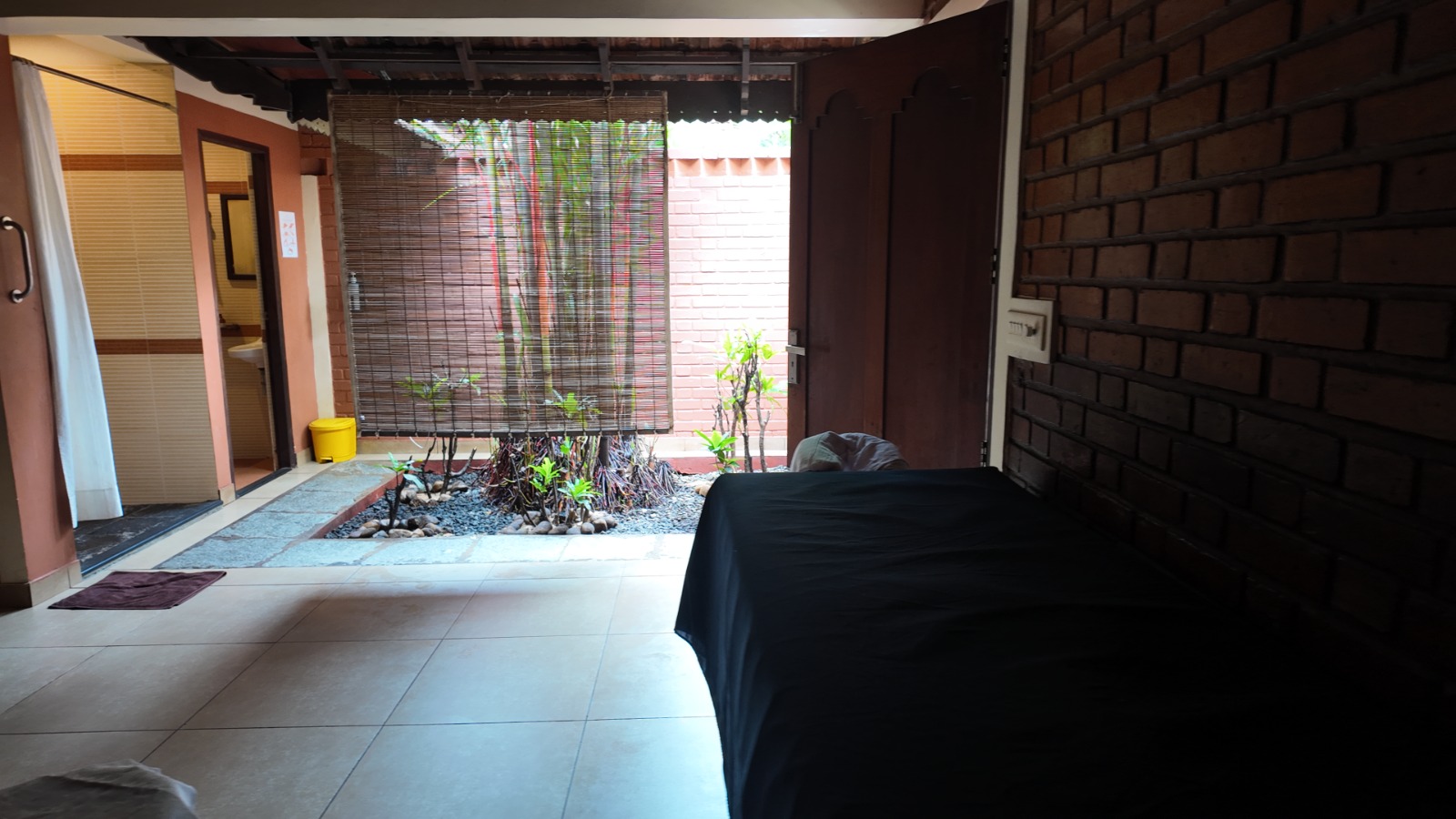
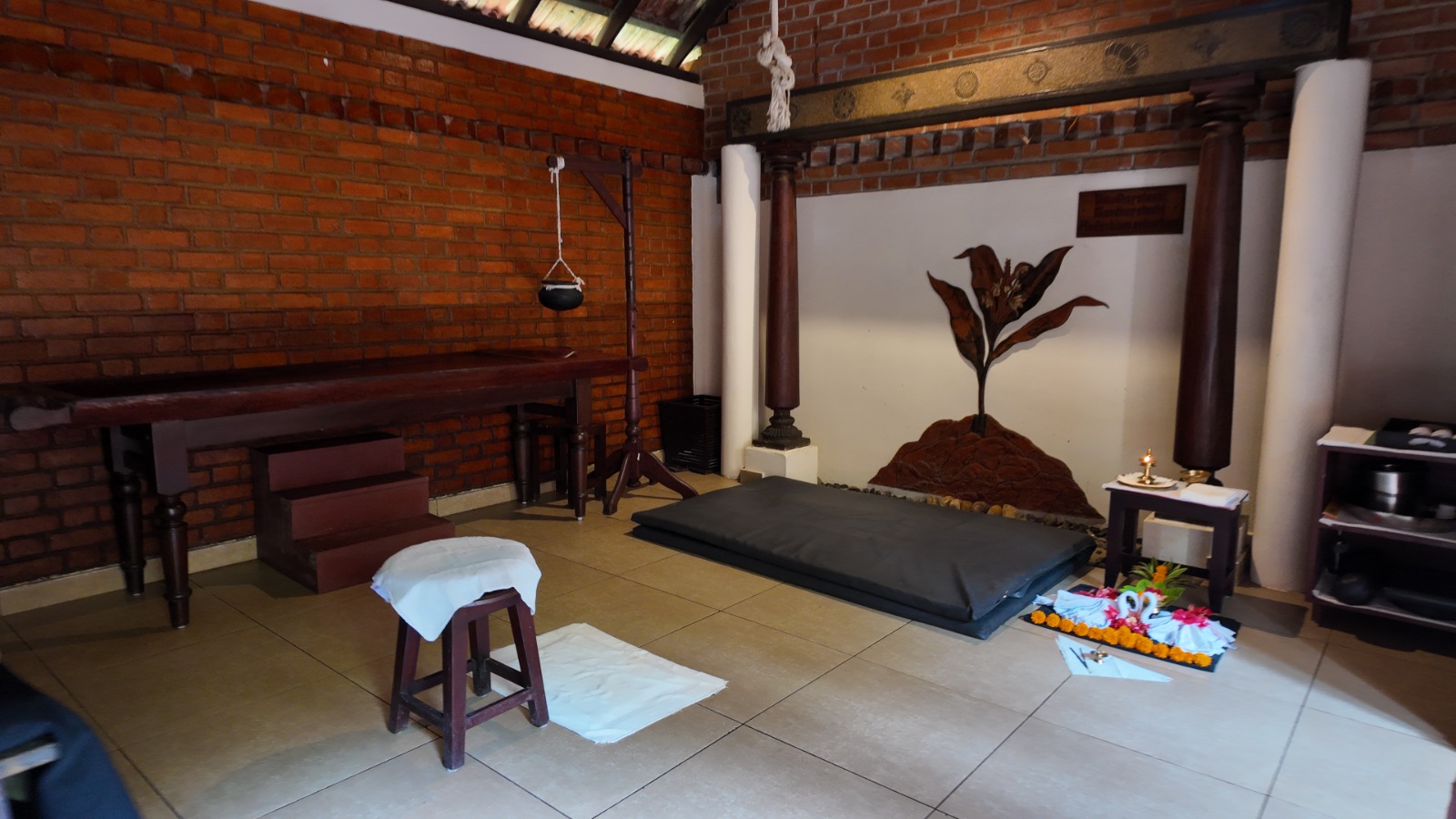
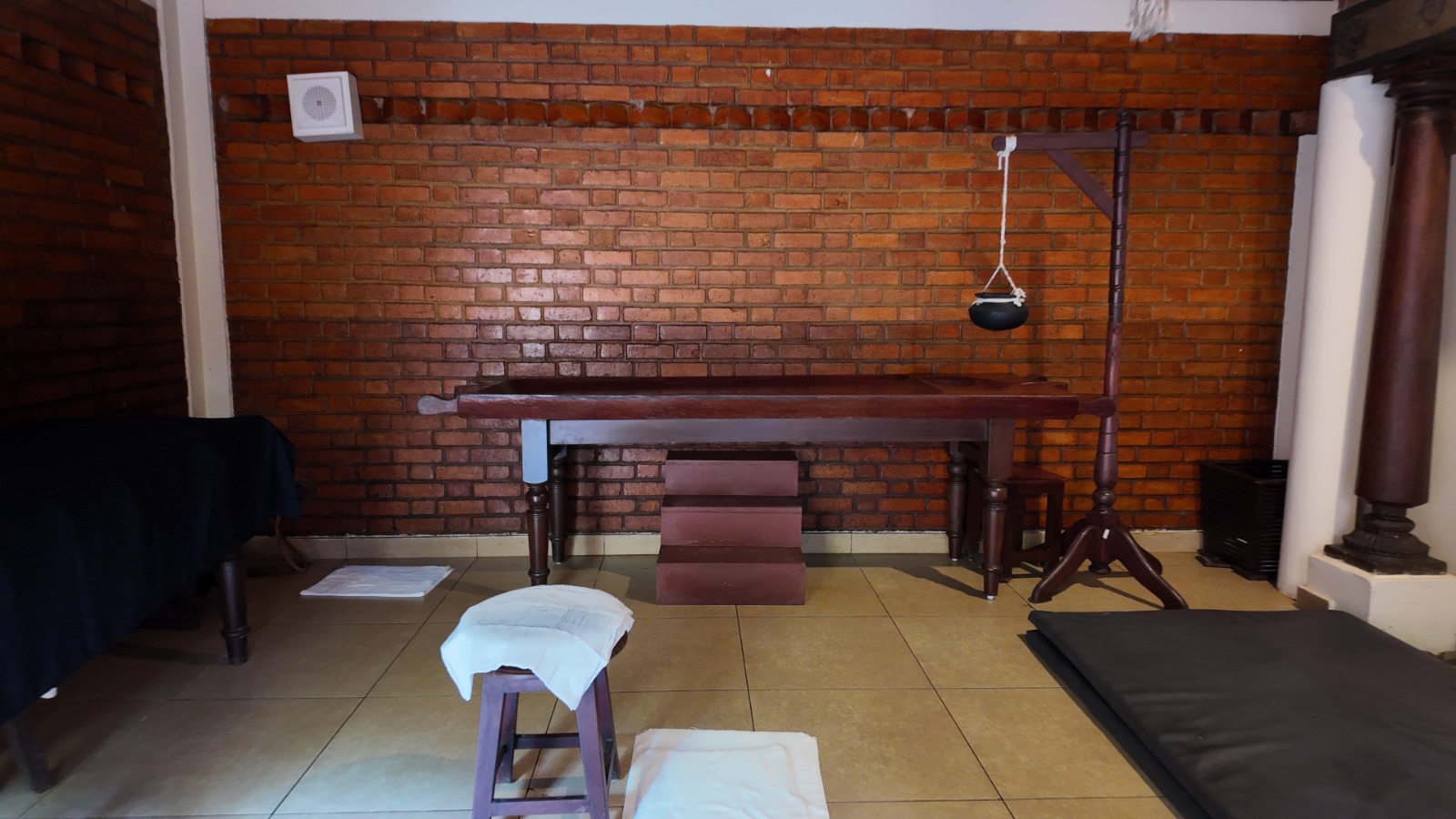
Swastha was purpose-built as a clinical facility: 17 treatment rooms, all single-occupancy; two steam bath chambers; four doctor's consultation rooms; two guest lobbies; and a dedicated medicine dispensing room and pharmacy. Four consultation rooms give eight physicians their own clinical space to work in. Guests receive one to two sessions a day, totalling to 105 minutes per day. That length accommodates the full sequence a classical therapy requires: preparation, treatment, rest.
At the end of the programme the medical team issues personalised recommendations covering diet, daily routine, yoga practice, breathing technique and lifestyle modification, tailored to the condition and to what the treatment achieved.
Best Known For
Nattika's centre of gravity is wellness and rejuvenation, and the programme mix reflects that. The condition-specific work is real and covered below, and the larger share of guests arrive to restore rather than to treat a diagnosis.
Preventive and rejuvenative. Anti-ageing, preventive healthcare, beauty care, body detoxification, Rasayana rejuvenation, and Panchakarma as a standalone programme.
Stress and depletion. Stress, burnout, mental fatigue and general exhaustion, treated as a group with a shared approach.
Alongside these, the centre treats a defined list of conditions, grouped below as the medical team groups them.
Musculoskeletal and pain. Rheumatoid arthritis, osteoarthritis, gout, cervical spondylosis, lumbar spondylosis and back pain. Back pain has the most developed protocol on the list, running localised therapies (Kati Basti, Pichu or Upanaha) alongside Kizhi and Vasti therapies, therapeutic yoga, corrective exercise and posture guidance.
Metabolic and lifestyle. Diabetes mellitus, hypertension, hypercholesterolemia and obesity. The first three carry disease-specific internal medicines alongside the standard therapy sequence.
Digestive. Irritable bowel syndrome and peptic ulcer disease.
Respiratory. Asthma and chronic obstructive pulmonary disease.
How treatment is determined. Daily physician consultation of about 15 minutes, Snehana (oleation), Swedana (sudation), Virechana where indicated, an appropriate Panchakarma procedure, and Rasayana rejuvenation. The diagnosis sets the direction; the physician's daily assessment sets the specifics.
Panchakarma scope. Four of the five procedures are practised: Vamana, Virechana, Vasti and Nasya, sequenced through Poorva Karma, Pradhana Karma and Paschat Karma according to the patient's condition. Raktamokshana sits outside the centre's practice. For skin and blood-related presentations where Raktamokshana carries a defined classical application, the approach here works through the other four procedures with internal medicines.
Programme length and structure. Most programmes run 14 days, with duration adjusted to the condition. Daily treatment comes to roughly one hour forty-five minutes. Internal medicines during the stay are covered by the package; medicines prescribed at discharge are bought separately.
Who the property accepts. Patients above 70 are generally outside the intake. The conditions on the list include progressive neurological diseases, and Ayurvedic treatment here works alongside conventional medical care as supportive management.
Wondering whether Nattika fits your condition? A free consultation with our Ayurveda doctor will tell you honestly.
Food
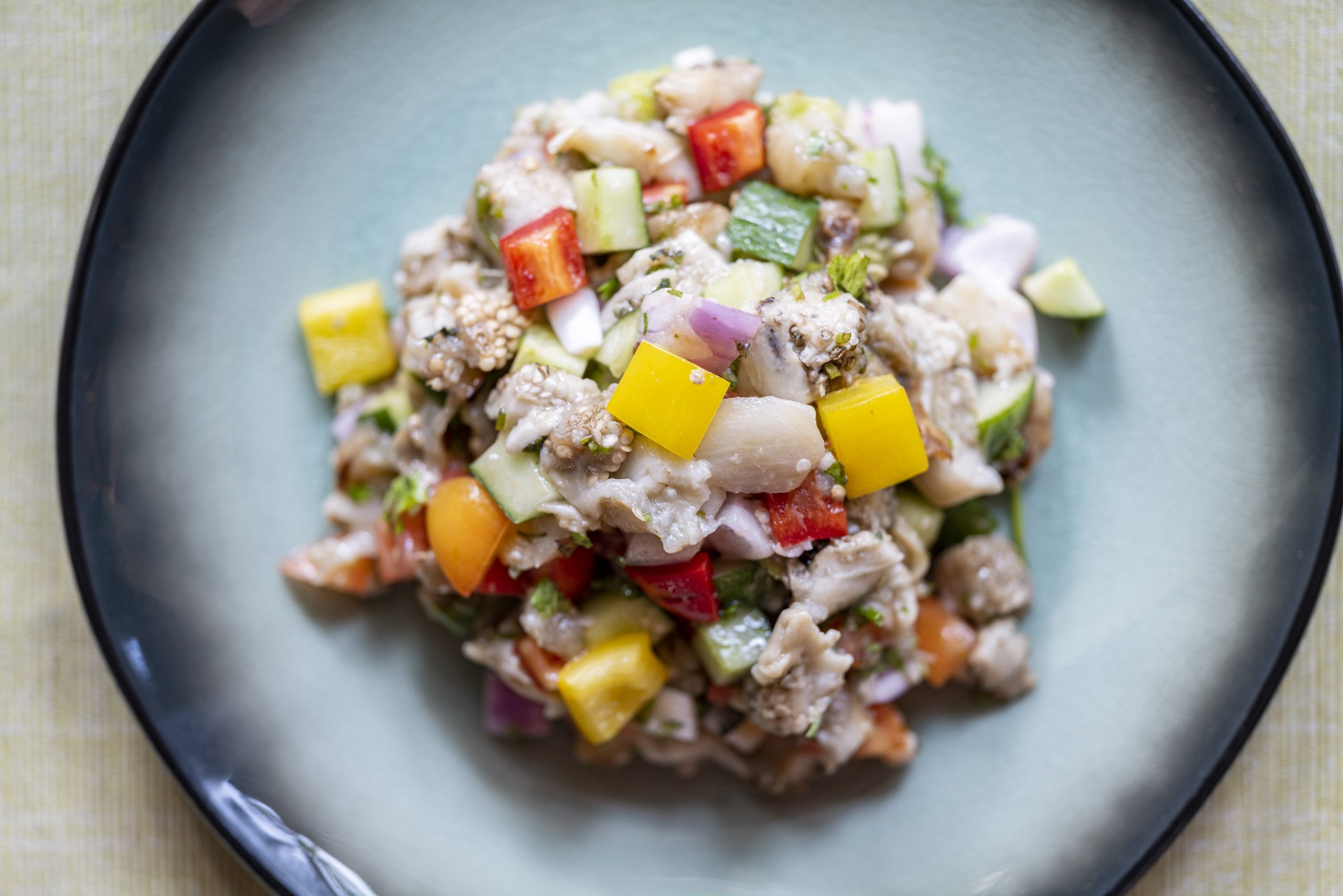
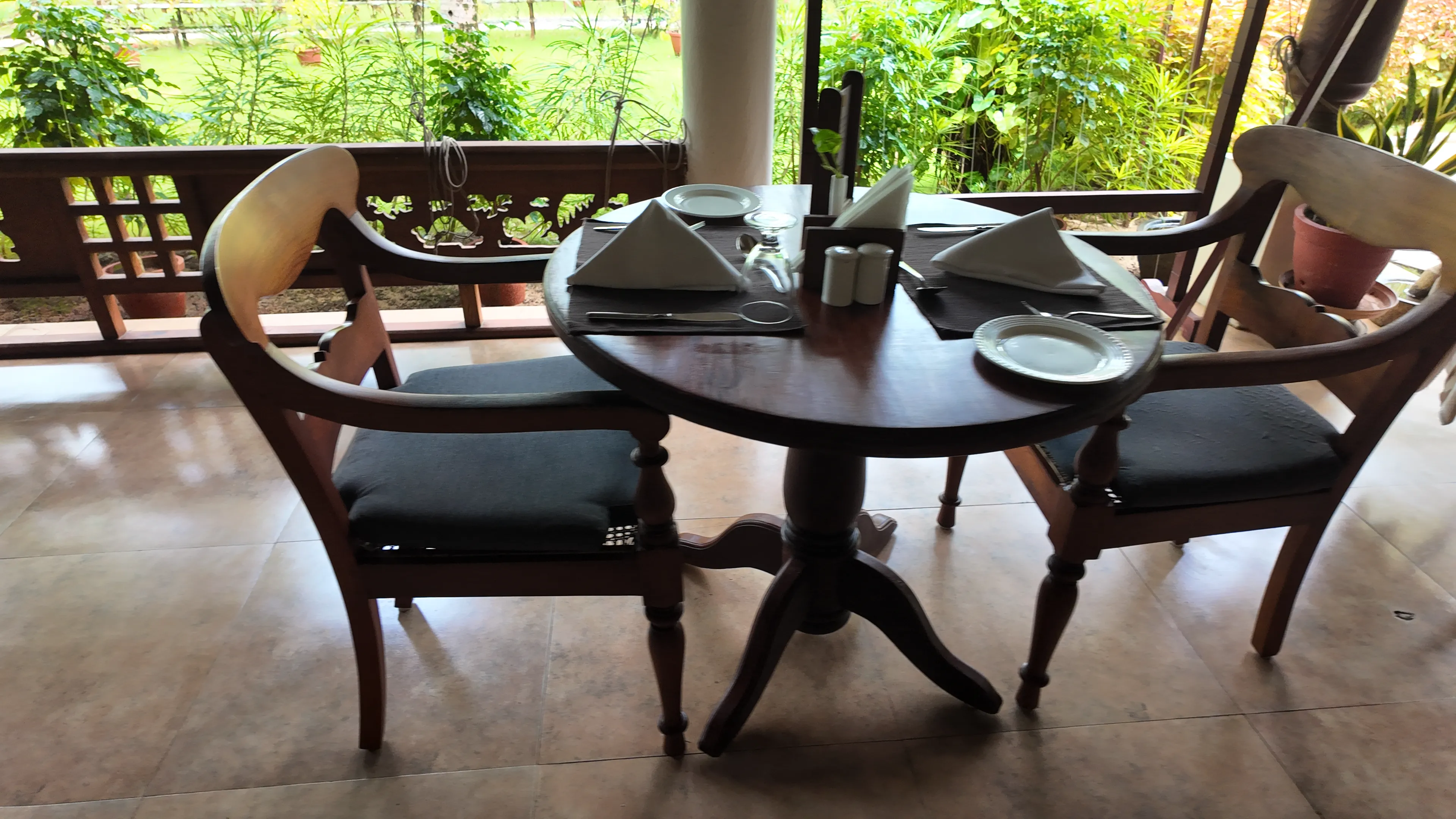
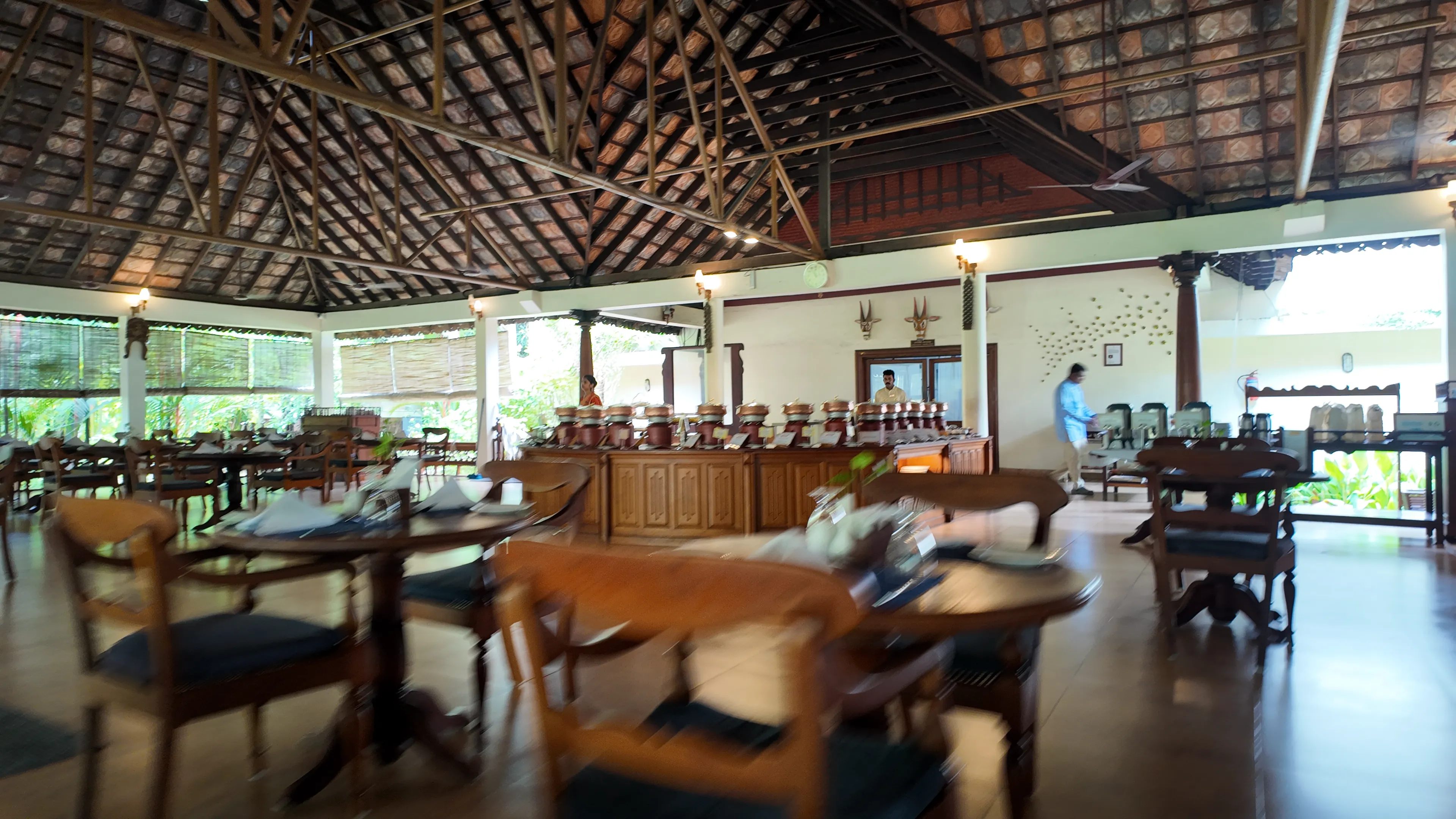
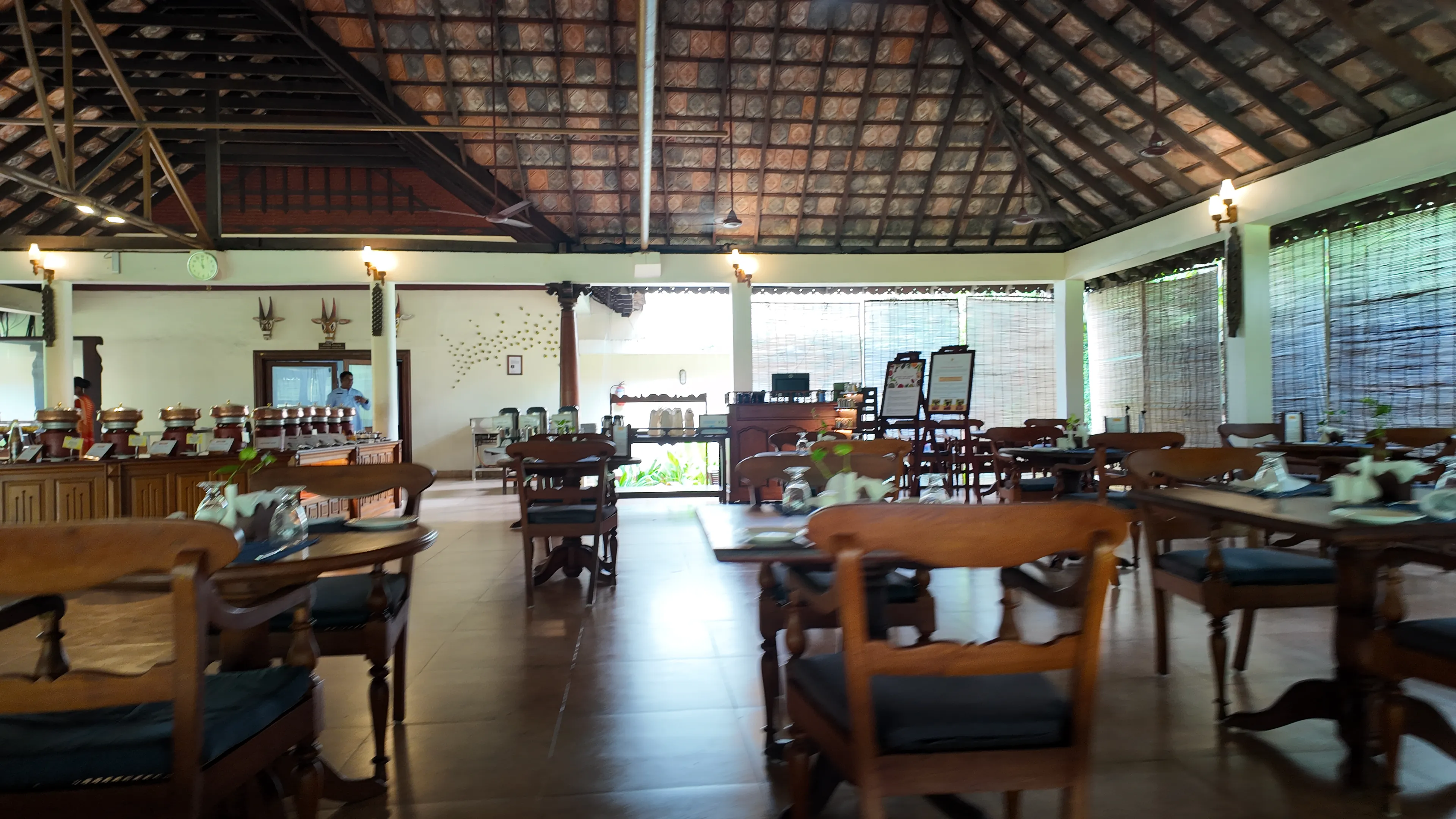
The restaurant is VaPiKa, the name built from Vata, Pitta and Kapha, and the system follows it. Meals are served as a buffet with dishes grouped by dosha. The physicians and dieticians set the guidance during consultation.
VaPiKa is pure vegetarian, and the property is alcohol-free throughout.
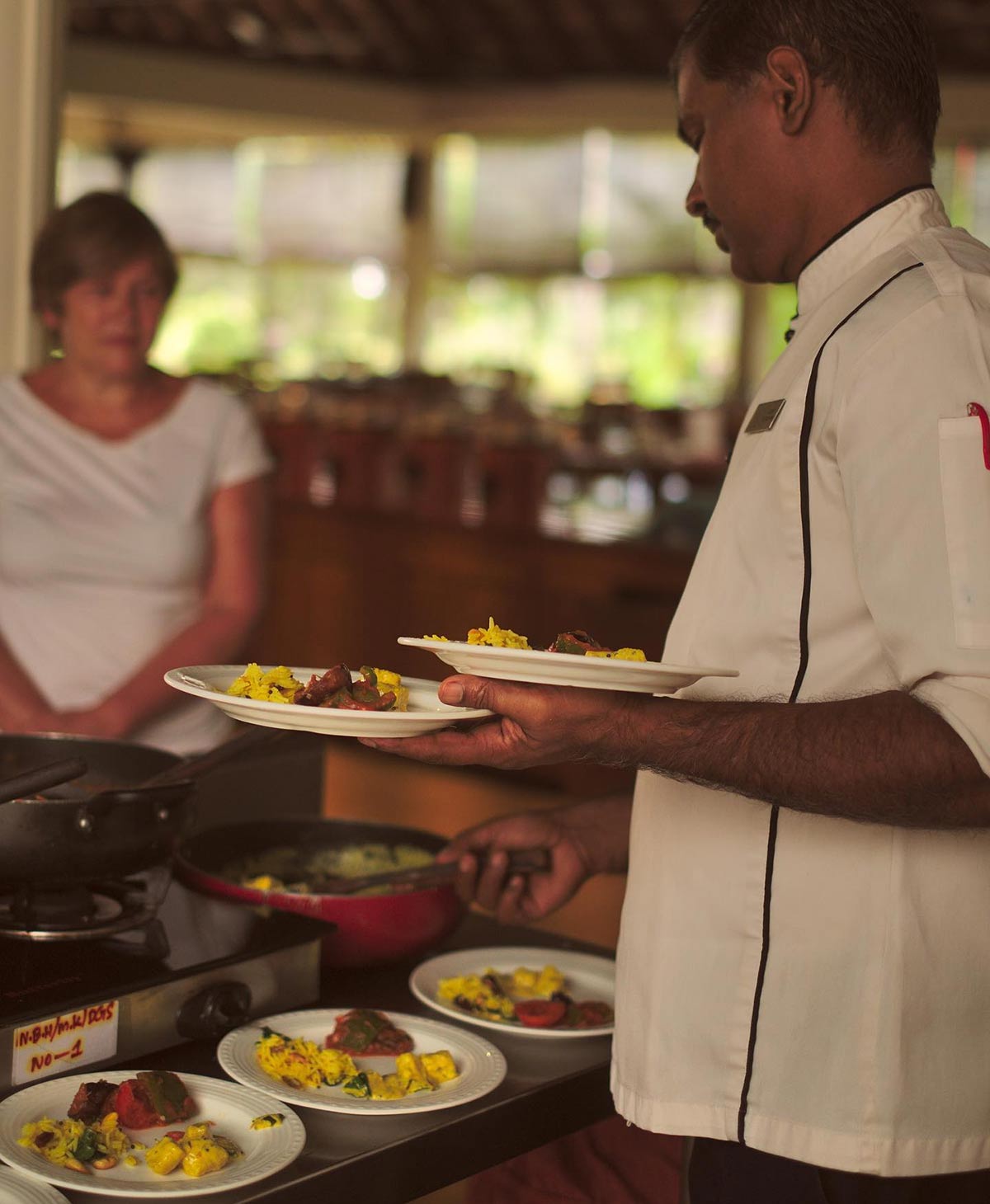
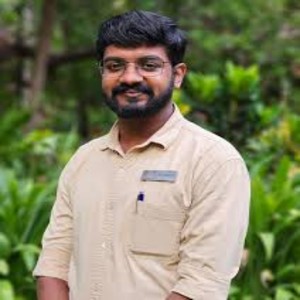
The kitchen is led by Chef Joshy Sebastian, in professional kitchens since 1990 and at Nattika for most of the resort's life, with three published books on Ayurvedic and Kerala cooking. He is credited with developing 1,080 Ayurveda dishes calibrated to different constitutions, and that range appears in working rotation. VaPiKa serves authentic Kerala Ayurvedic cuisine on a four-week menu cycle, so a guest on a fourteen- or twenty-one-day programme eats something different at every meal. The heat of each dish can be adjusted to taste, keeping the food approachable for international palates while staying true to its regional roots.
Breakfast runs 7:00–10:00, lunch 12:00–3:00, dinner 6:45–9:45. The wide windows help when therapy slots are assigned. Personalised preparation is available for allergies and specific dietary requirements. Cooking demonstrations and nutrition sessions run for guests who want to take the principles home. Room service is available.
A vegetarian, regional Kerala diet with no alcohol over three weeks is an adjustment for most European palates. The buffet range is wider than guests expect, and the adjustment is to the cuisine itself.
Cultural & Wellness Activities
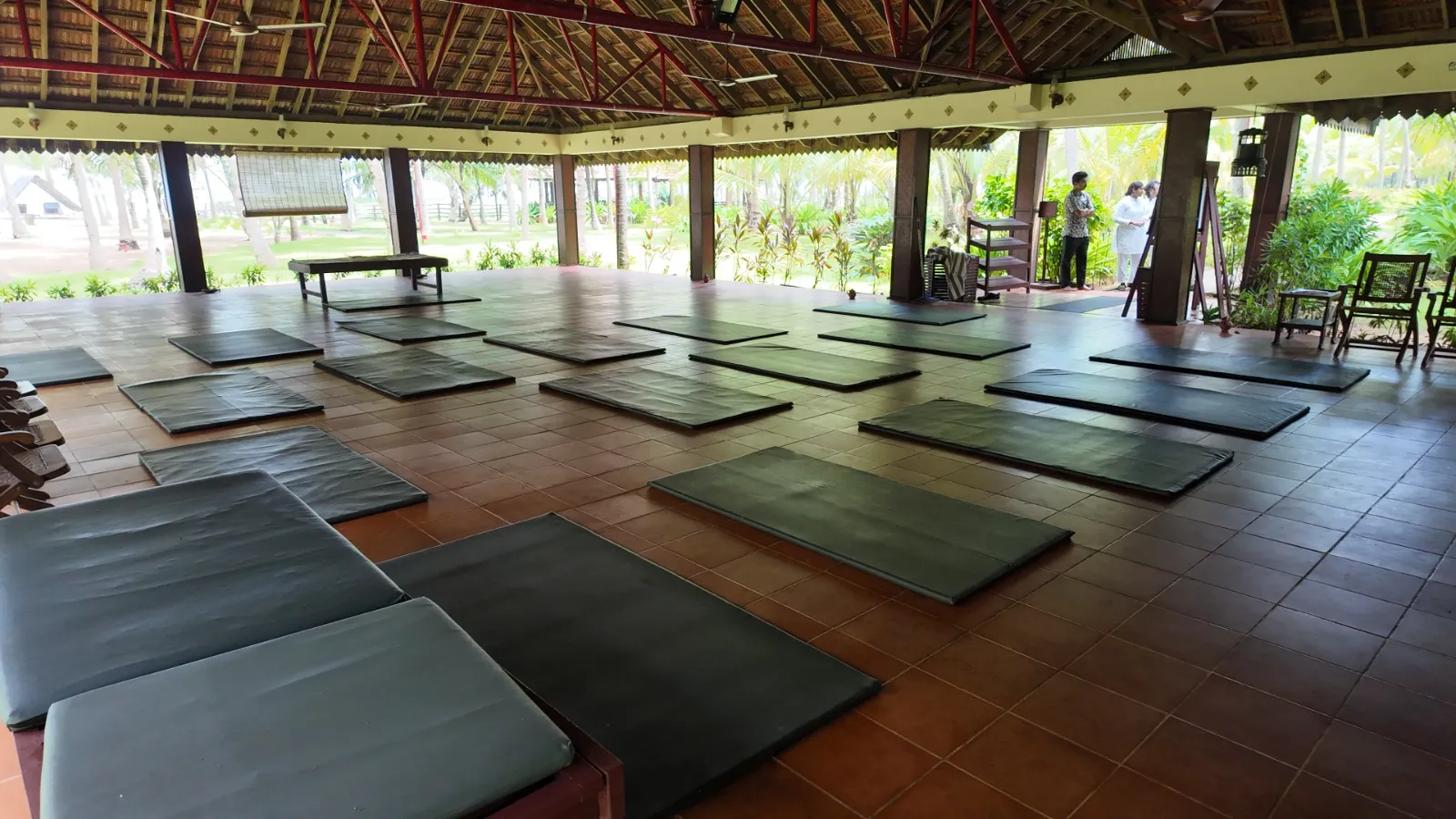
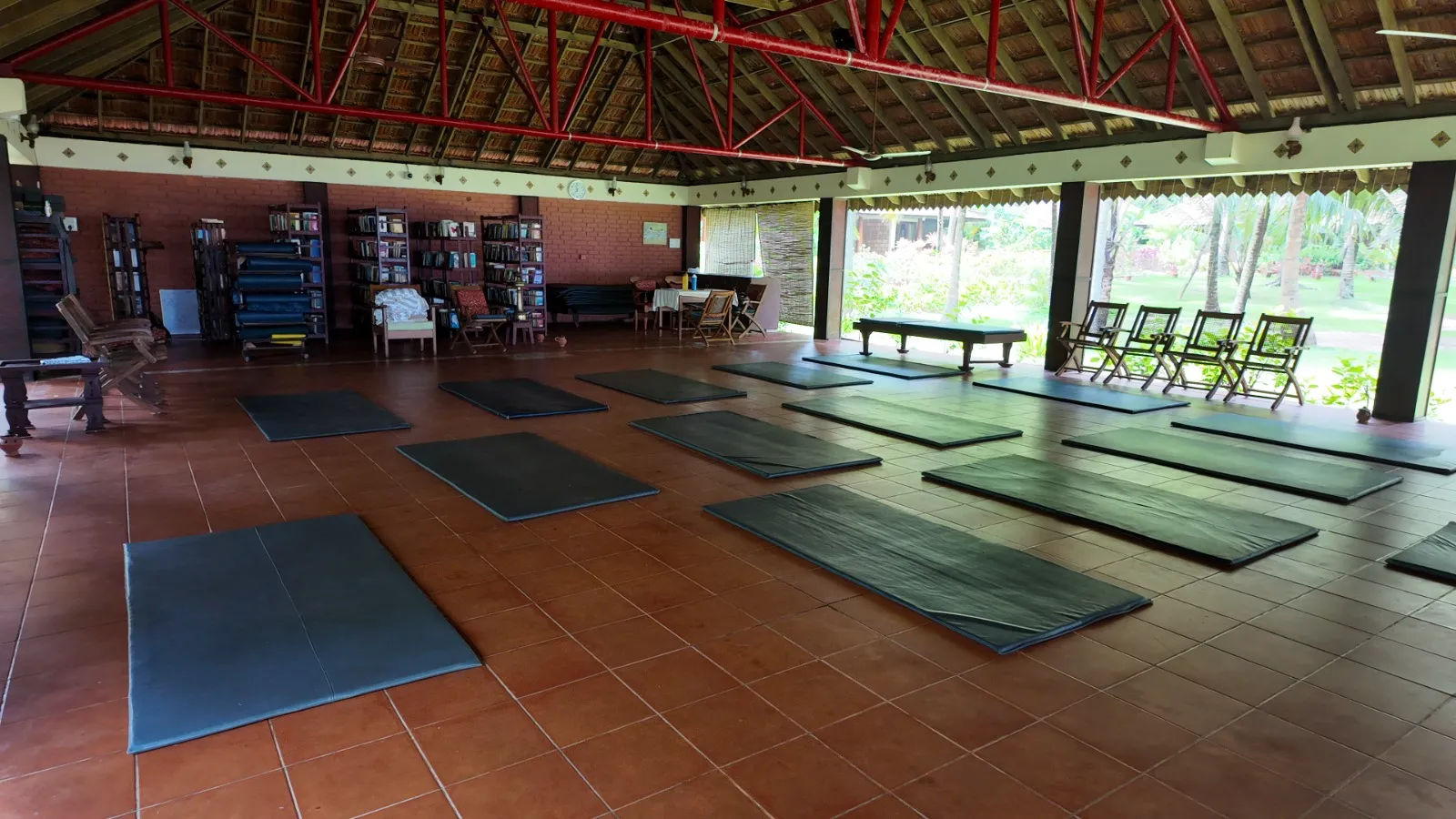
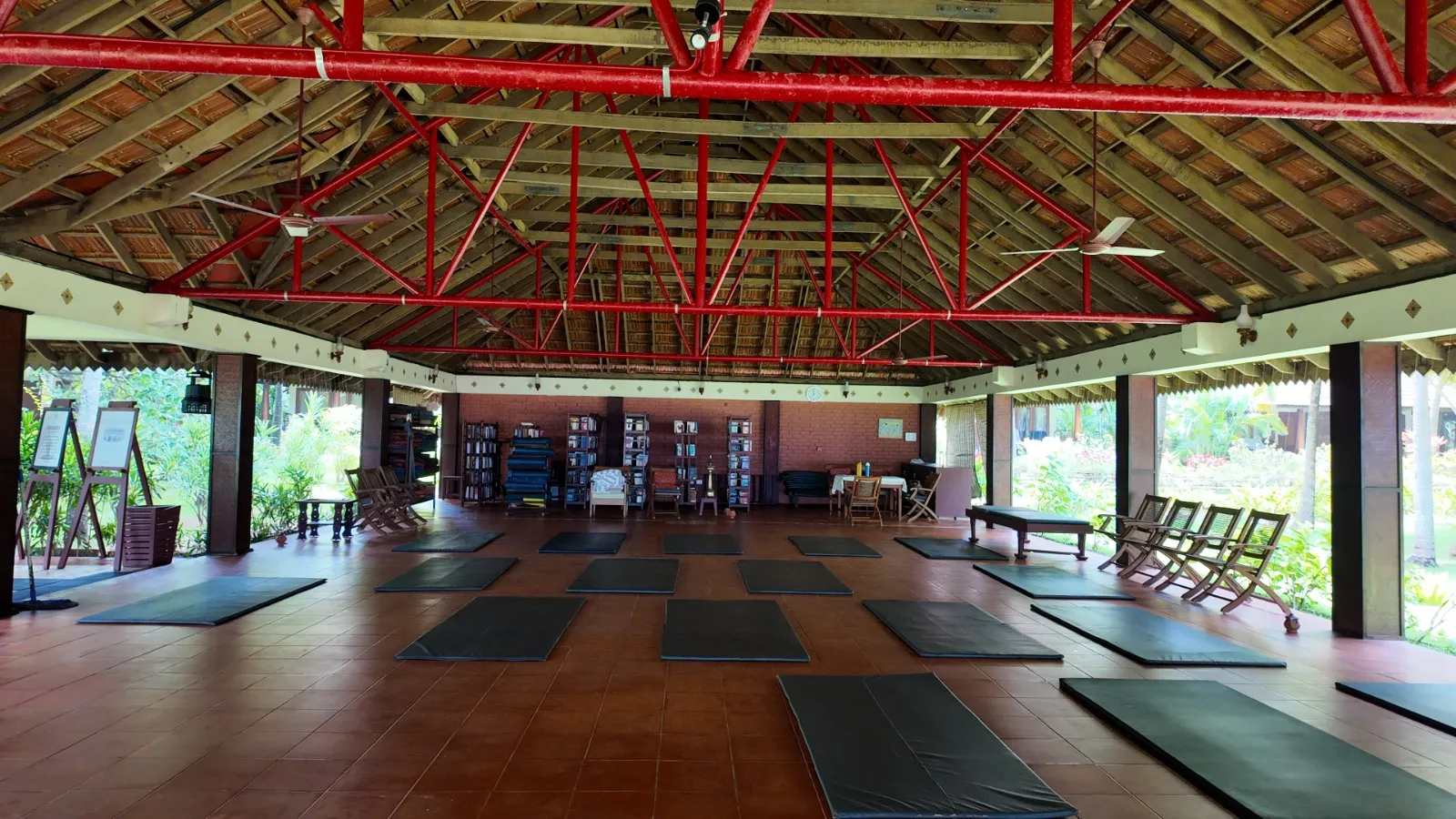
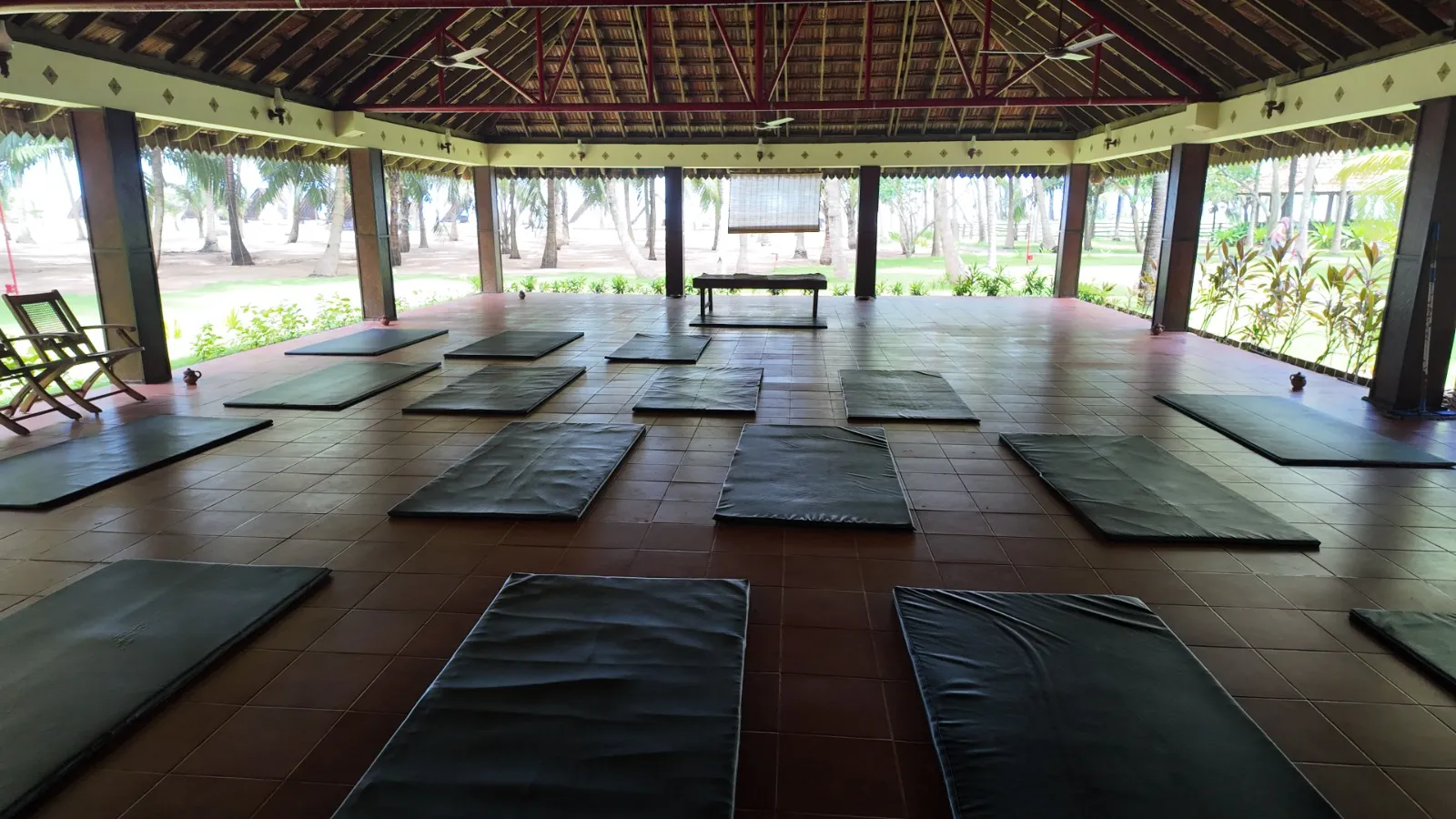
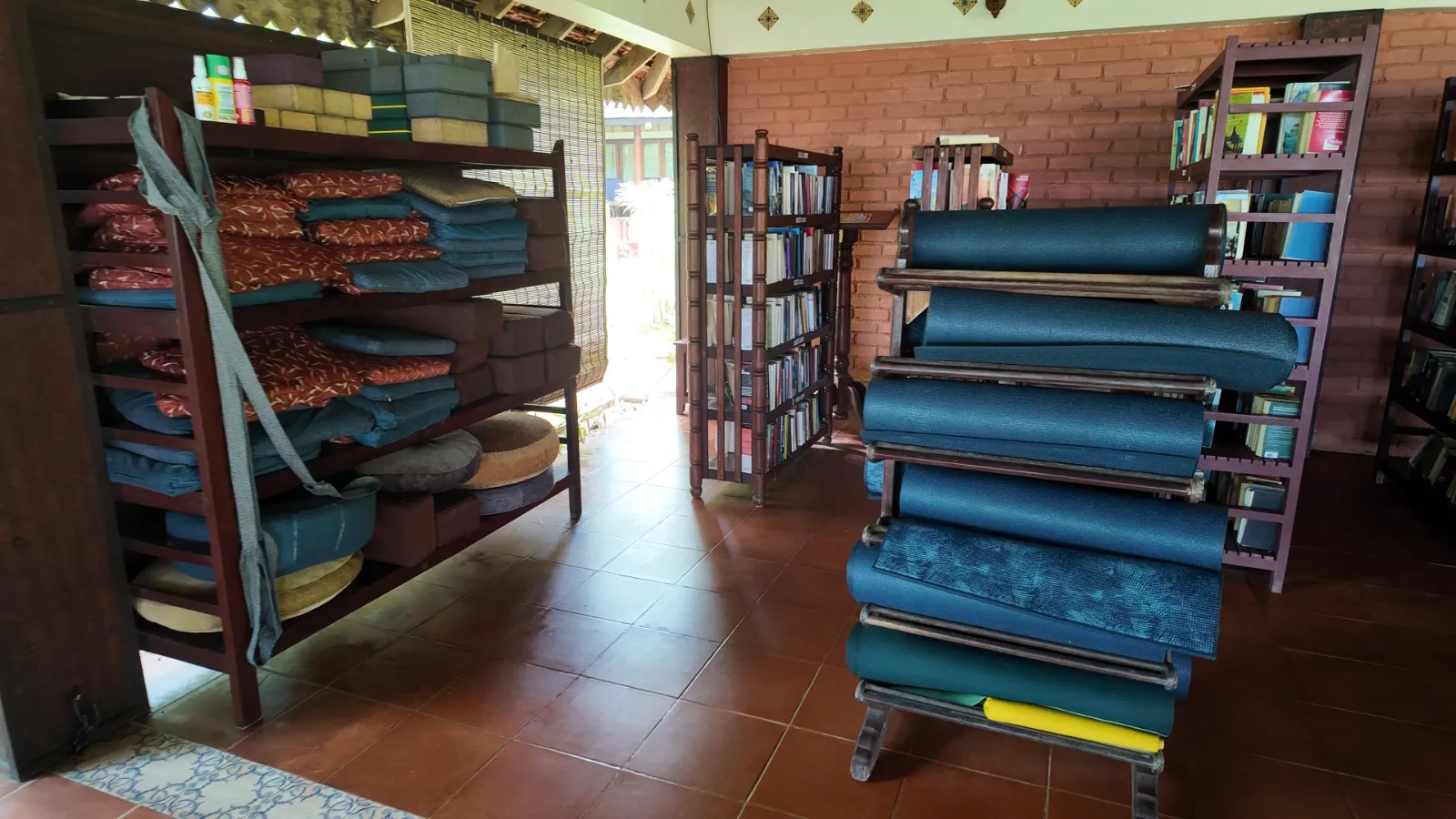
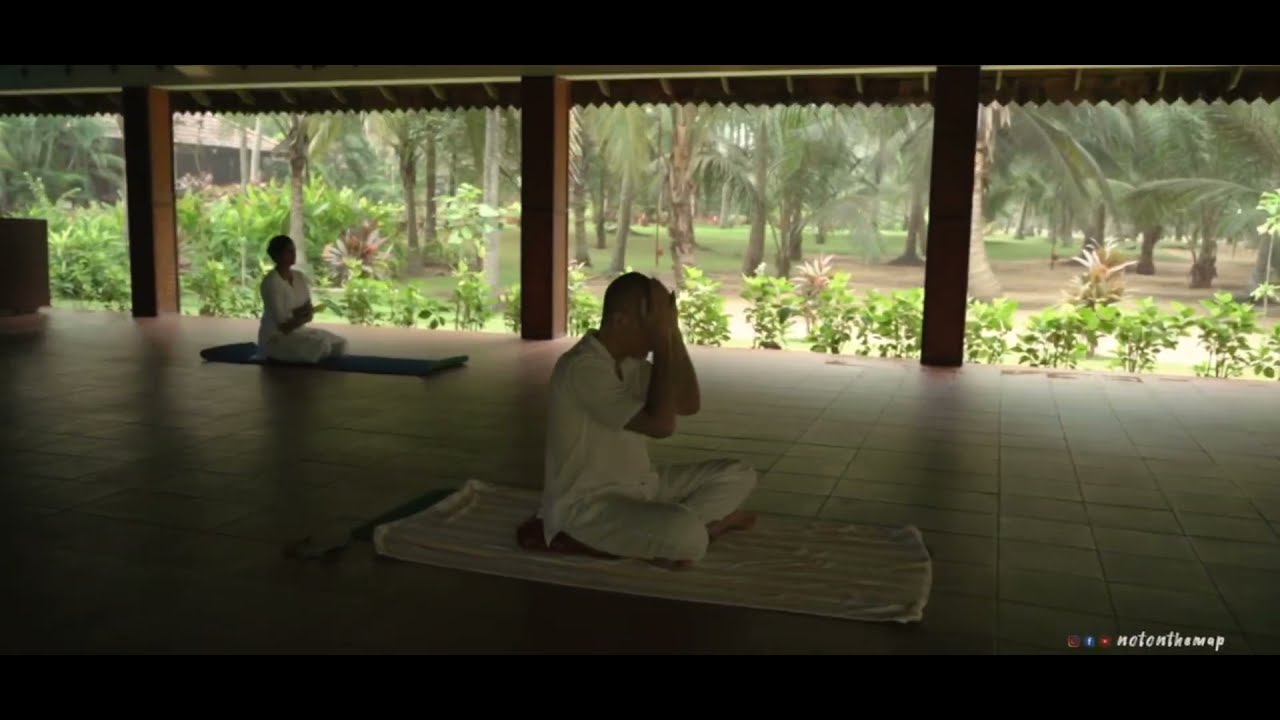
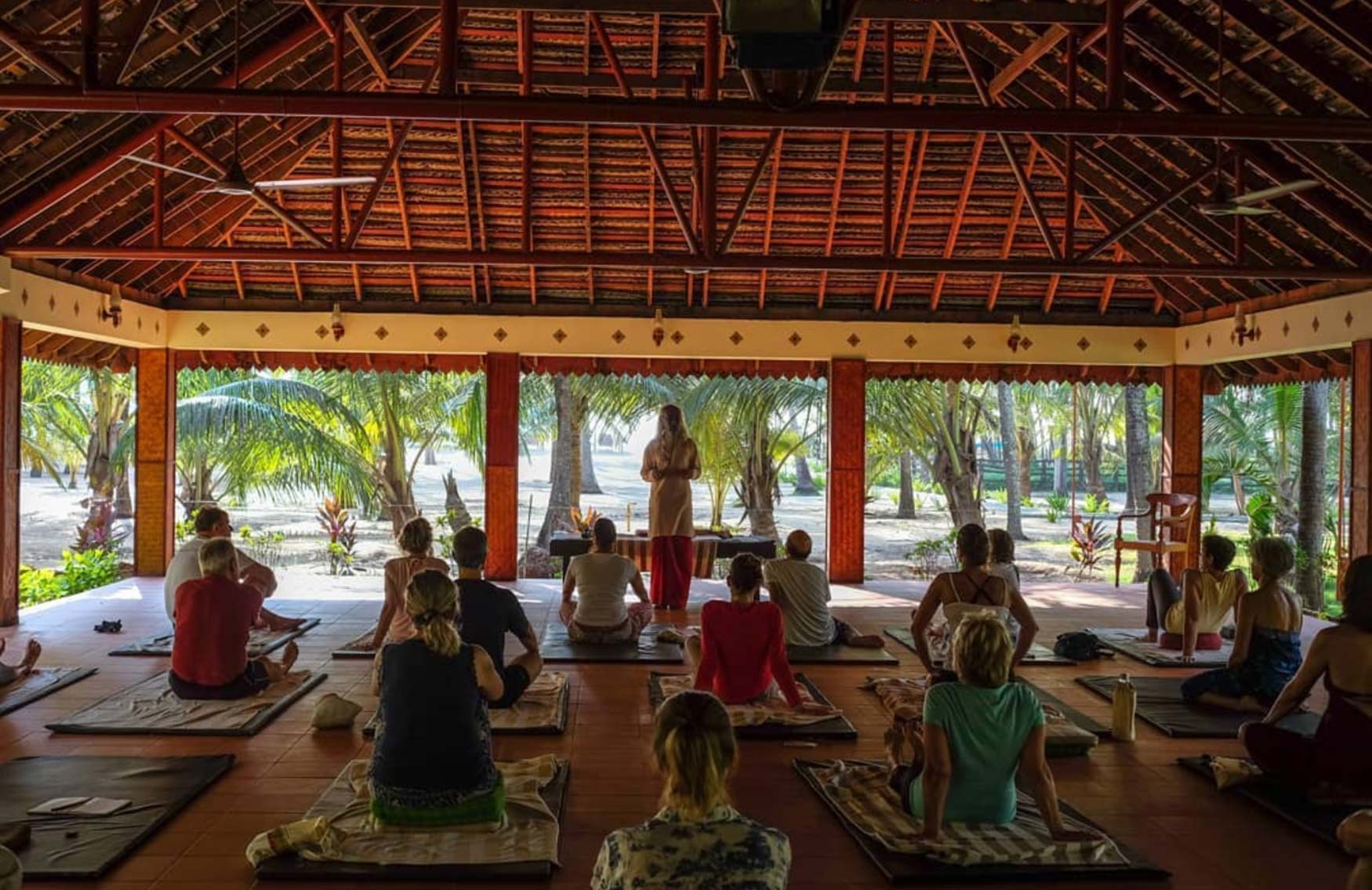
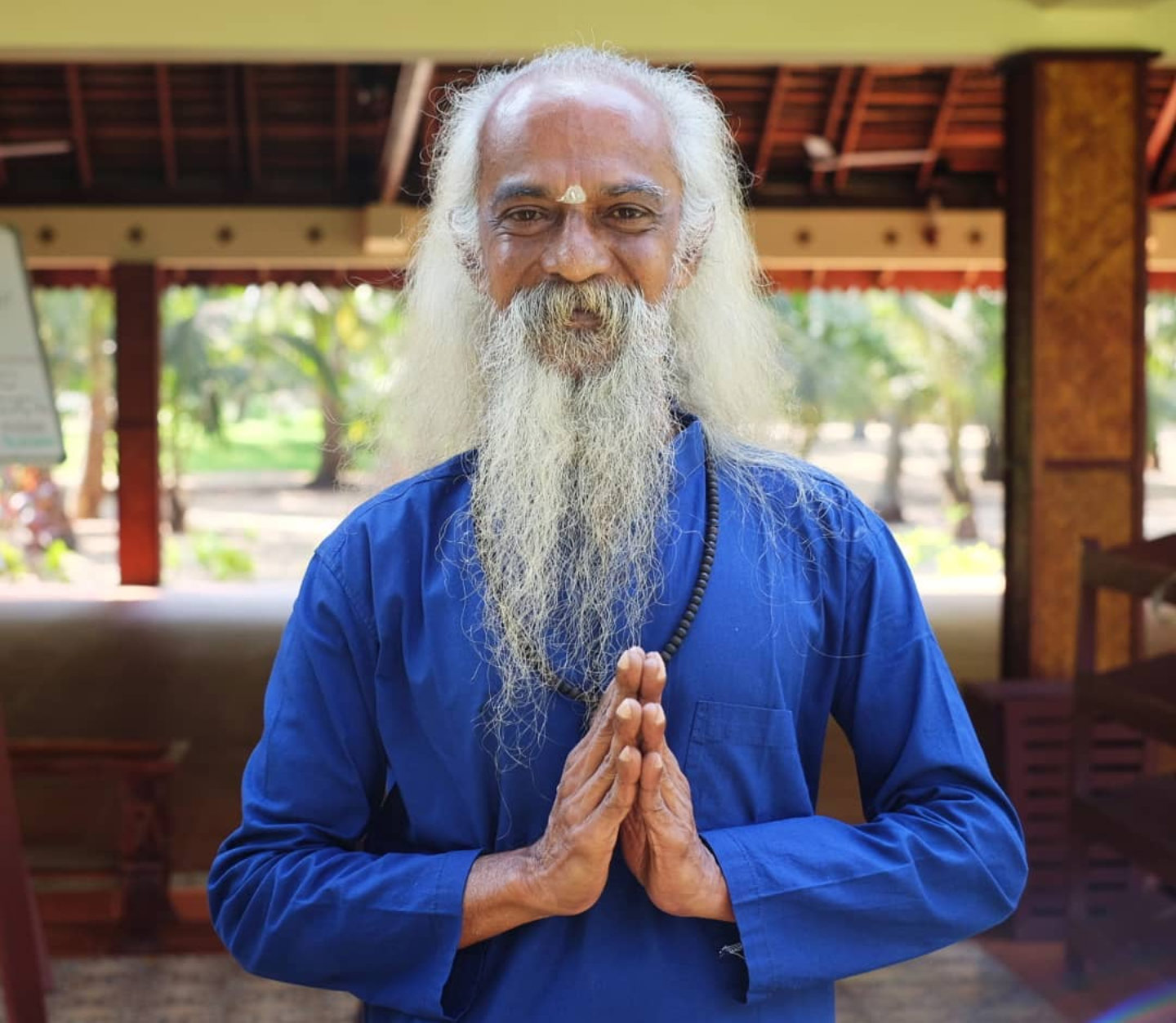
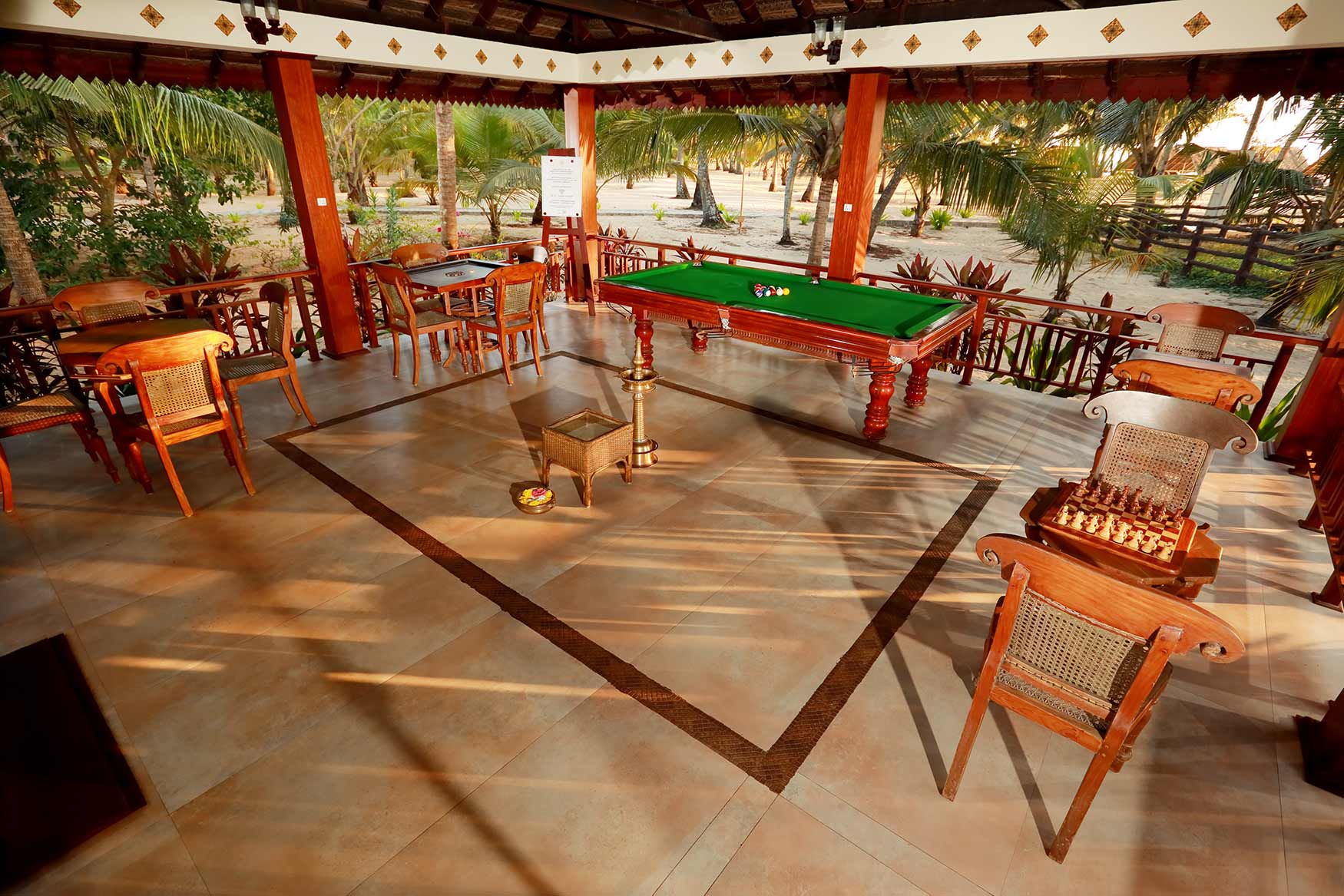
Yoga runs twice daily, morning and evening, taught by one senior instructor and three teachers. The morning begins with half an hour of meditation at 6:00, followed at 6:30 by a progressive session for practitioners already comfortable with yoga. Newcomers go to the Wellness Yoga session, which is pitched for them. Sessions are held in an open-air pavilion overlooking the Arabian Sea.
Nattika offers a varied daily yoga programme alongside its Ayurvedic treatments, including progressive and wellness yoga, meditation, pranayama, mantra chanting, Yoga Nidra, interactive sessions and weekly yoga lectures. The sessions can also be adapted to individual guest needs following consultation between the Ayurveda doctors and yoga masters. Yoga is an important part of the overall routine.
Around the treatment day, the property offers a few interesting wellness and cultural activities:
- Herbal garden tours through the medicinal plant gardens, accompanied by resident Ayurvedic doctors, covering the native healing herbs used in treatment
- Oil factory and organic farm visits on Mondays, showing how the traditional medicinal oils, essential oils and candles are made
- Ayurvedic cooking demonstrations weekly at VaPiKa, working through wellness recipes guests can cook at home
- Cycling and local excursions through the coastal fishing villages nearby, past catamarans and traditional coconut harvesting
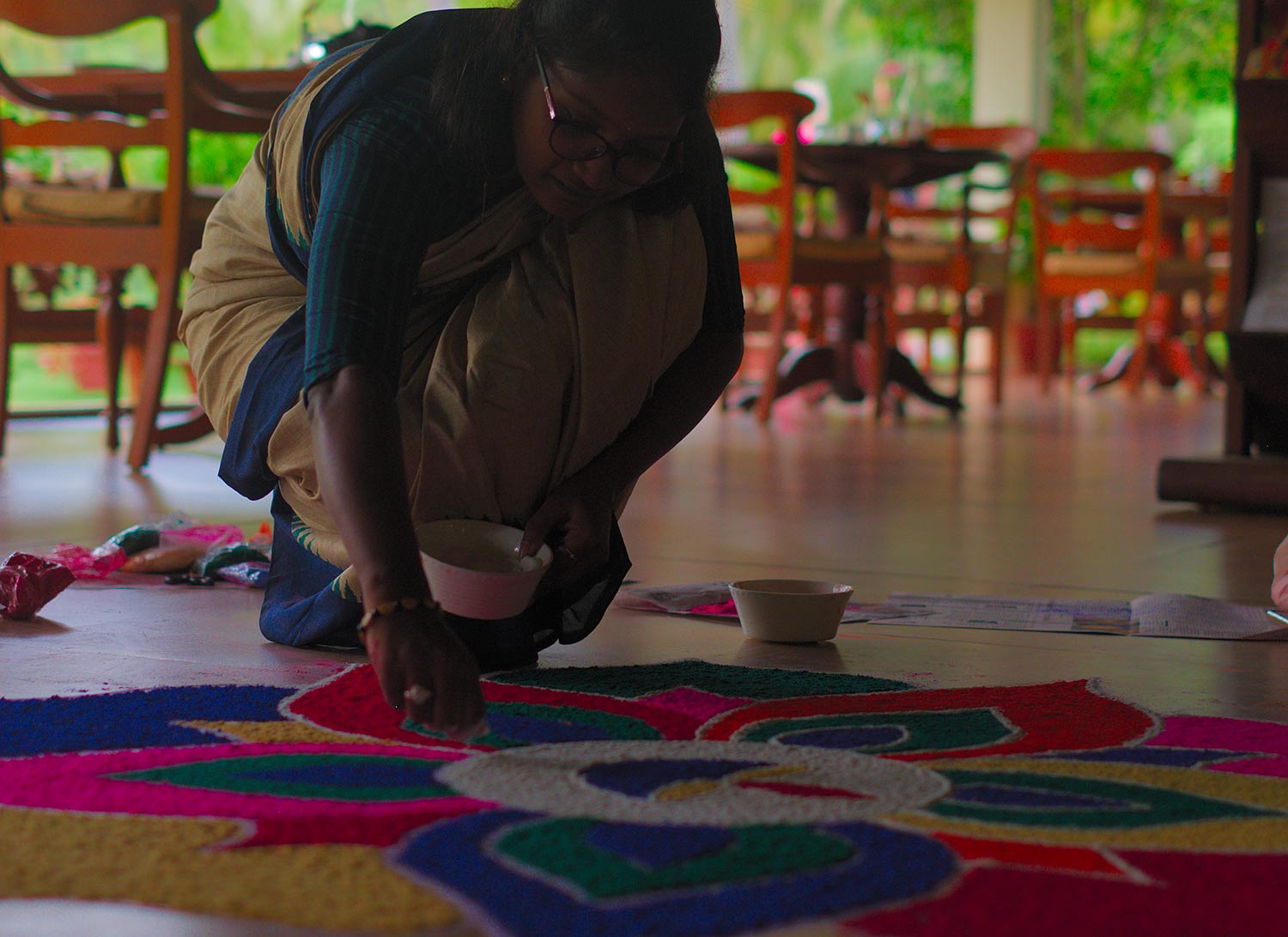
- Art and music evenings, including live traditional concerts, tea-time gatherings and beachside bonfires
Hygiene
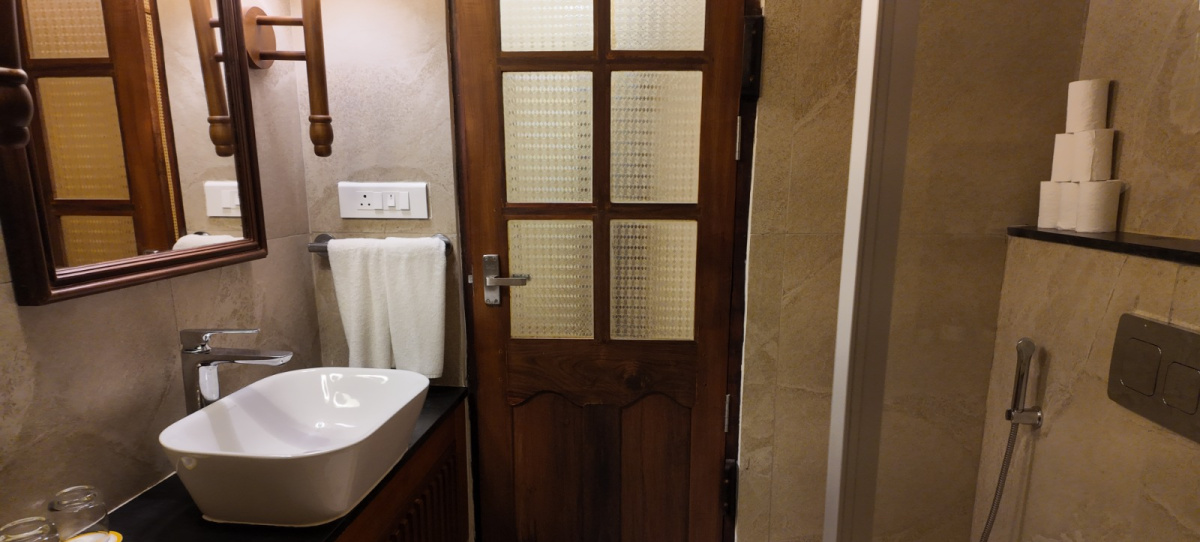
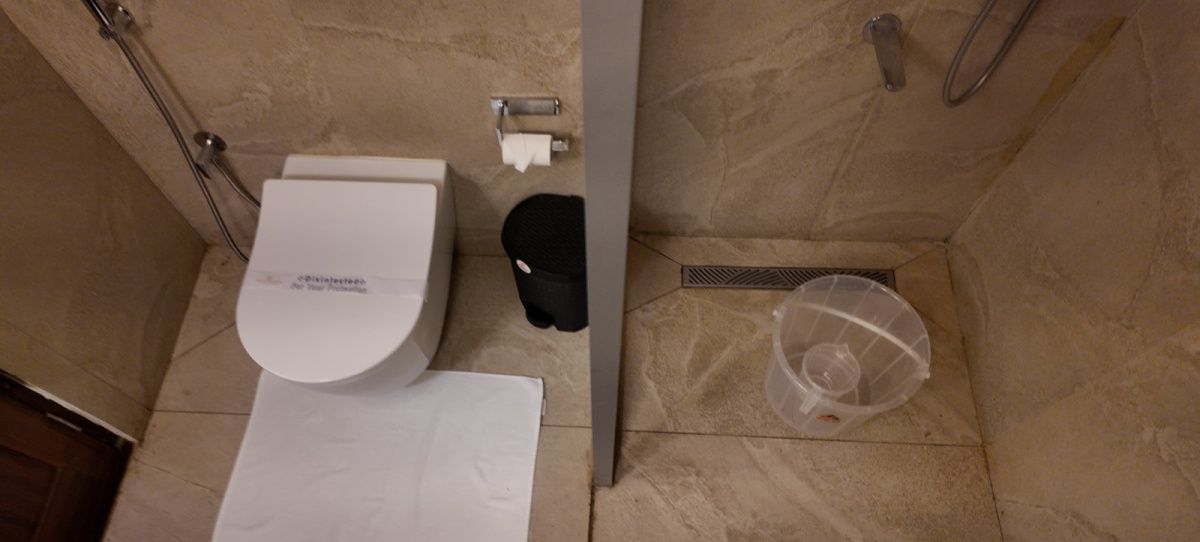
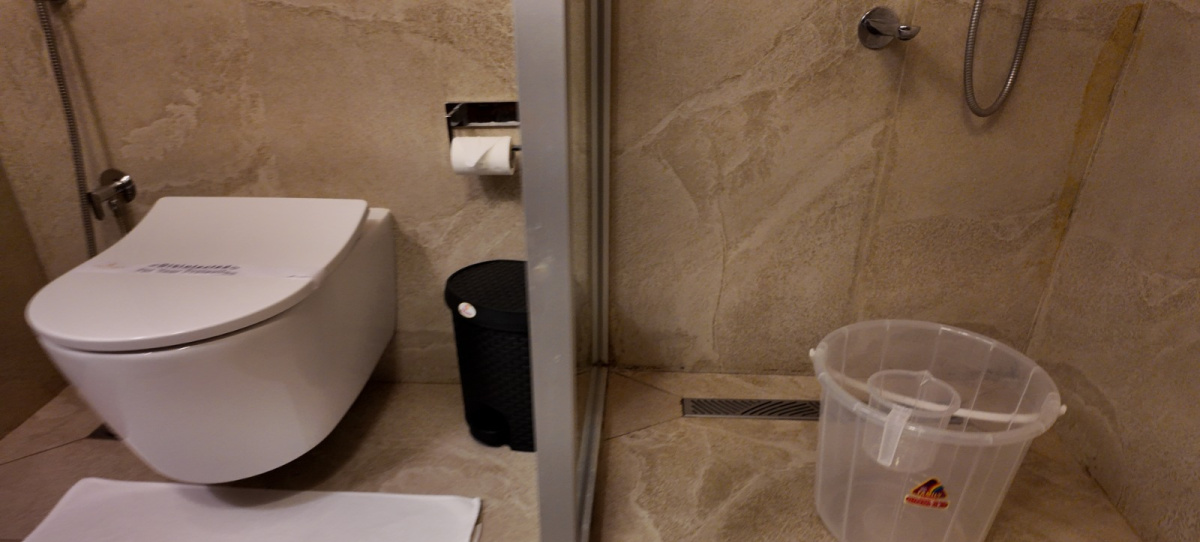
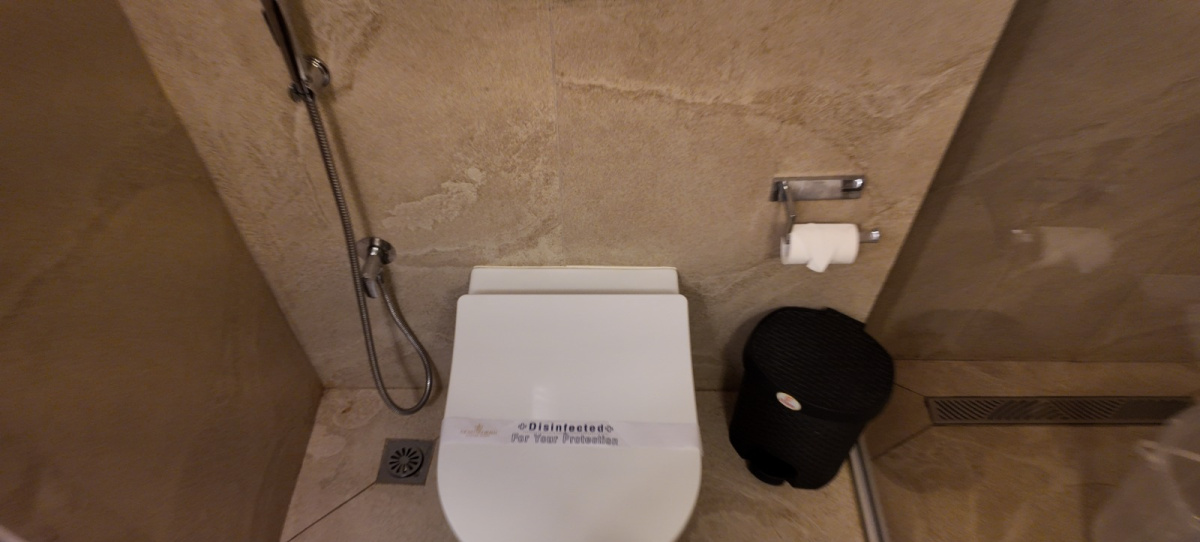
Villa housekeeping is daily and set to a high standard. Laundry runs daily as well, clothes washed and ironed as routine, and on request beyond.
In the treatment centre, linen handling and the cleaning and maintenance of the two steam bath chambers were both well managed. Waste management across the property runs on eco-friendly systems.
Sixteen acres of coconut grove near the coast brings insects, as it does at every Kerala beachside property. The villas have open windows, and rooms are fumigated once or twice daily.
Local Experiences
The resort runs a structured excursion programme at fixed prices. Most guests under treatment take one or two over a stay.
The nearest sit comfortably inside a treatment day. Thriprayar is fifteen minutes away — the Sree Rama Temple and Vishnumaya Temple, two to three hours round trip. Chemmappilly boating is also fifteen minutes out and runs about an hour, The Vaidyaratnam Ayurveda Museum is 45 minutes away, and puts the tradition you're being treated within into historical context.
Guruvayoor is 45 minutes out, four to six hours covering the Sri Krishna Temple and the Punnathur Kotta elephant sanctuary. Thrissur is an hour away, Vadakkumnathan Temple, the Basilica of Our Lady of Dolours, the Mural Painting Museum can be covered in four to six hours
Kochi is an eight-hour trip with two hours of driving each way. Athirapilly waterfalls, Kerala Kalamandalam the classical arts academy where Kathakali and Mohiniyattam are taught — and Chimmini Wildlife Sanctuary each run six to eight hours with a two-hour drive.
The long trips go against a protocol that asks a guest mid-Panchakarma to rest, digest lightly and stay warm. The first two days before the protocol deepens and the last two after it closes are the natural windows for Kochi or Kalamandalam, and the treating physician will have a view on it.
Best Time to Visit
September to May is the conventional window: sunny, dry, comfortable for beach walking and sea swimming. It is also when the property fills, December in particular.
June to August is the monsoon, and for Ayurveda it is the strongest season. Karkidakam, the Malayalam month running roughly mid-July to mid-August, is traditionally the prime treatment period in Kerala — the atmosphere is cool and humid, pores are open, the body absorbs medicated oils more readily, and digestion is naturally lower, which suits the lightened diet a cleansing protocol requires. Kerala families have been treated during Karkidakam for generations. The property is quieter.
The monsoon caveats are real. The sea has undertow and swimming is off. Beach walking is intermittent, days are wet and often grey, and most of the time is spent on the property rather than around it. For treatment, the monsoon months are the better booking. For the coast, September to May.
We can help you plan around the season and your treatment schedule
Practical Considerations
Minimum stays are protocol-driven: seven nights for the Rejuvenation package, fourteen nights or more for Panchakarma. The full sequence (preparation, cleansing, rebuilding) can't be compressed into a week.
The resort doesn't accommodate children under 12, citing both the tranquility of the environment and the fact that young children aren't candidates for Ayurvedic treatment or yoga practice.
There is a large outdoor pool with a jacuzzi, there is no conventional gym; movement here is yoga, beach walking, cycling and tennis. Guests mid-protocol are typically directed away from strenuous exercise in any case.
The single-storey, stand-alone villa layout means almost nothing on the property requires stairs. However, the property provides a wheelchair, accessibility ramps and designated accessible ground rooms on request.
Local primary care and government health centres are three to six kilometres away at Thriprayar, an eleven- to fifteen-minute drive. Advanced multi-specialty hospitals in Thrissur city are about 30 kilometres out, roughly 45 minutes. A minor issue is minutes away; anything requiring a cardiac unit, an intensive care bed or emergency surgery is three quarters of an hour by road. The overnight on-call Ayurvedic physician covers treatment-related concerns within that scope. Guests with a cardiac history, uncontrolled diabetes, recent surgery, or any condition where rapid access to medical care may be important should consider the retreat’s location, around 30 km from the nearest major medical facilities, and disclose their medical history during consultation with WellnessLoka Ayurveda doctor so that an appropriate recommendation can be made
Thrissur is hot for most of the year, and light cotton tends to be the most comfortable choice. Most guests find they pack more than they need, as the property provides robes that are worn through treatment days. There are mosquitoes outdoors and around the villas, and most guests find repellent useful.
Who It's For
The medical depth at Nattika covers chronic cases as readily as wellness programmes, but the property leans toward the guest seeking gentle treatment, a detoxed routine and unhurried time by the Arabian Sea over an intensive clinical course.
Wi-Fi lives in the public areas by design with in-room access granted by your doctor during the health consultation. It's a considered decision: guests arrive to unplug, and the villa is where that happens.Where your stay has to include work, tell your WellnessLoka travel consultant at the outset. It shapes which property we recommend, and if Nattika is the right fit, we'll agree in-room access with the team and doctors ahead of arrival.The yoga keeps the same form daily, which serves the treatment and offers less to someone wanting variety. There are no under-12s, and movement comes from yoga, the beach, cycling and tennis in place of a gym.
Nattika pairs a quiet coastline with serious Ayurvedic practice: single-storey villas among the palms, and a medical team large enough to know how each guest is responding. It suits the traveller who wants restoration more than intensity, and a stay that feels like a retreat from the first morning.
A free consultation with our Ayurveda doctor will tell you honestly whether Nattika fits your case.


 24 * 7 Ayurvedic Doctor
  Basic Ayurveda Toiletries
  Beach View
  Centre's Own Medicine Courier Support
  Cultural Programs
  Dosha Meals Buffet
  Free Wifi
  NABH
NABH  Spa
Spa
 TV
TV  Geyser And Hot Water
  Hair Dryer
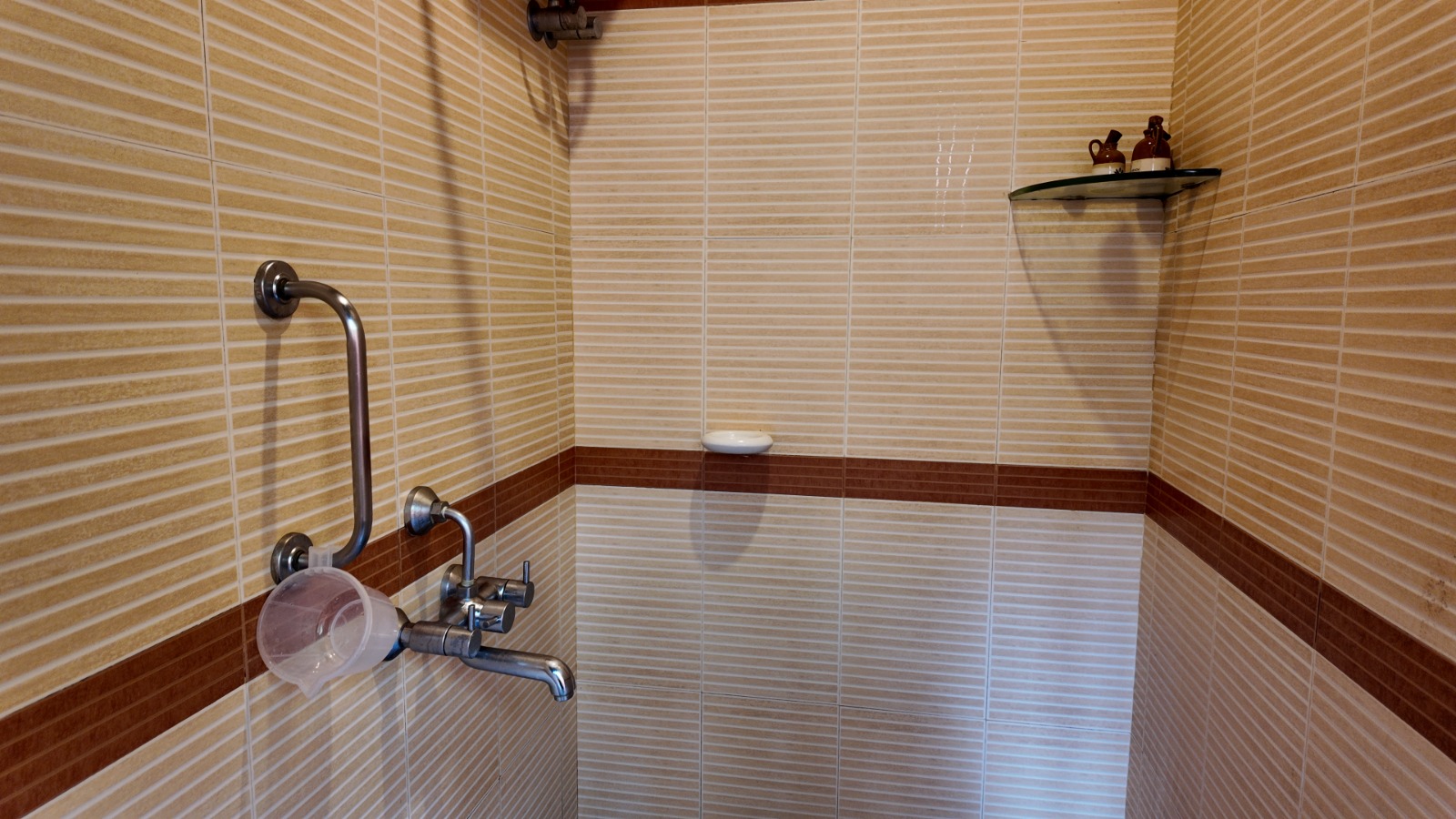
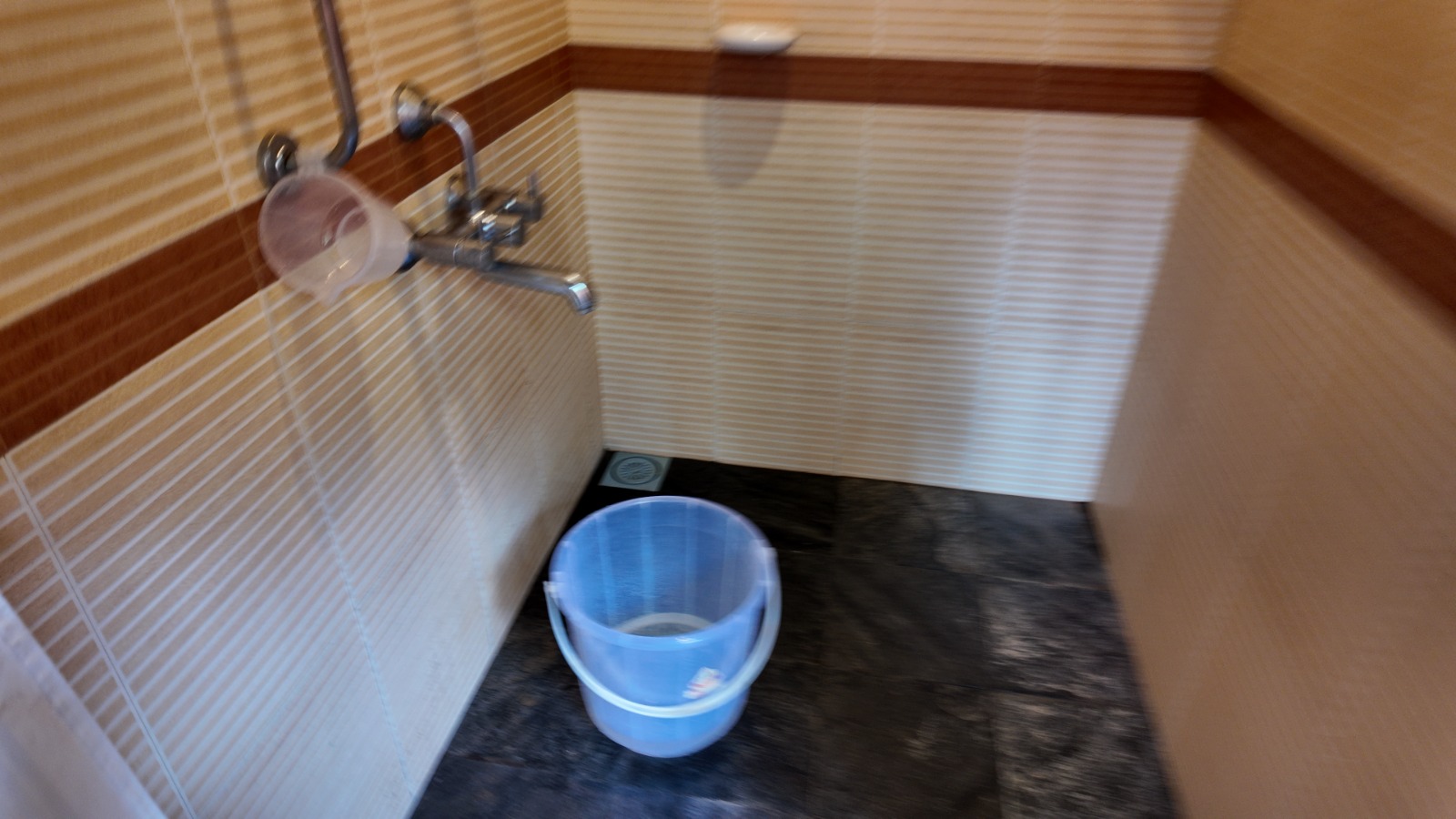
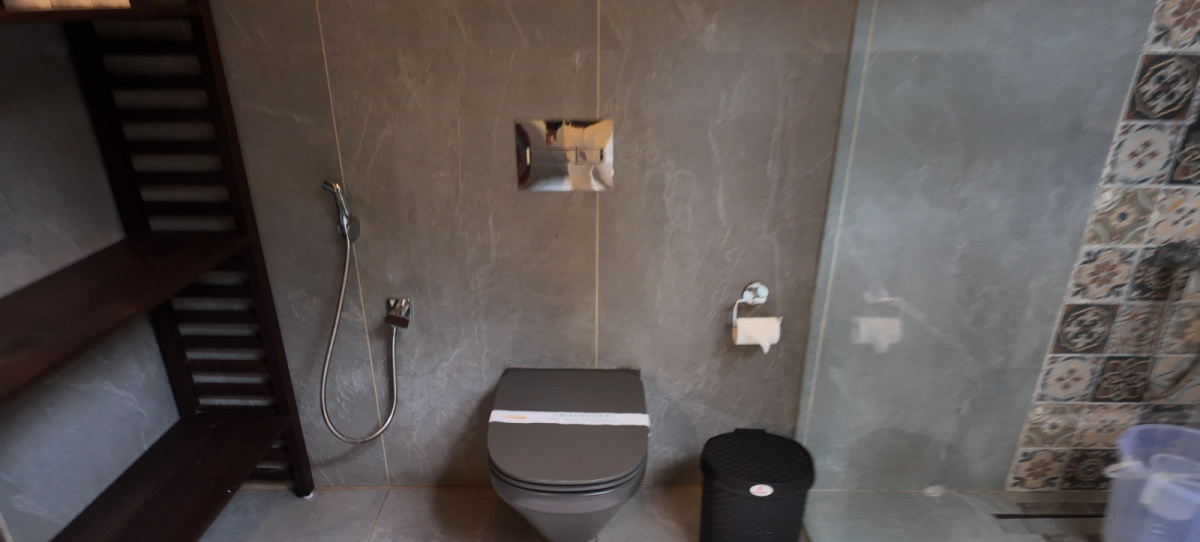
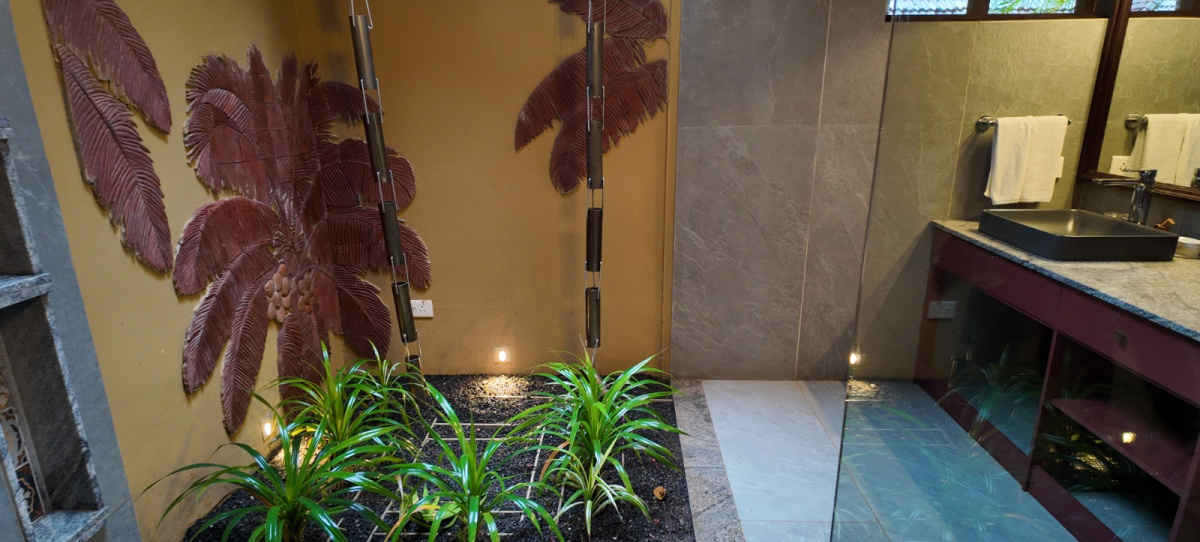
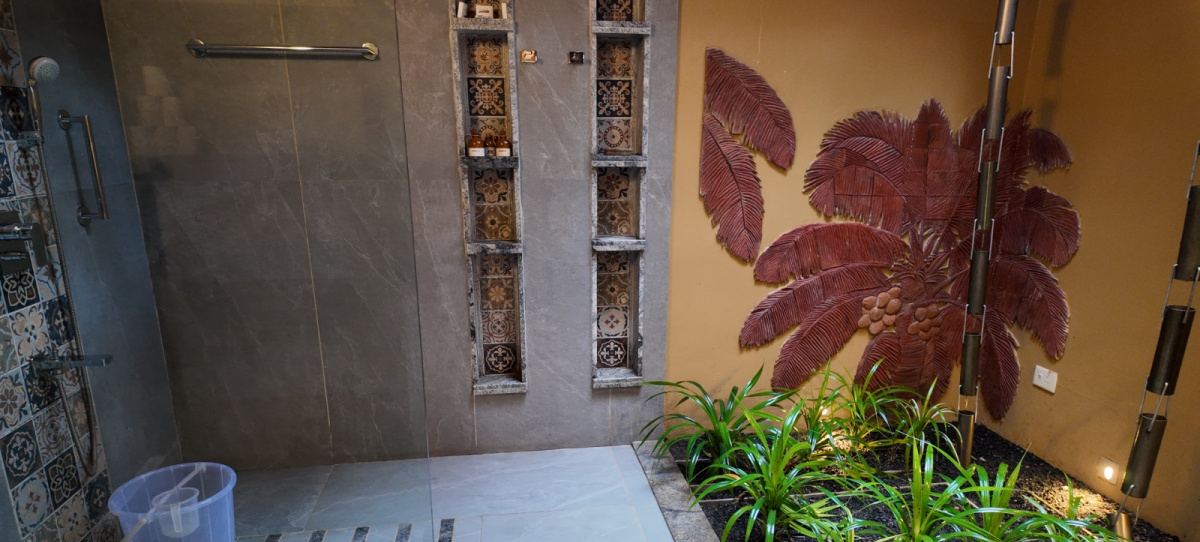
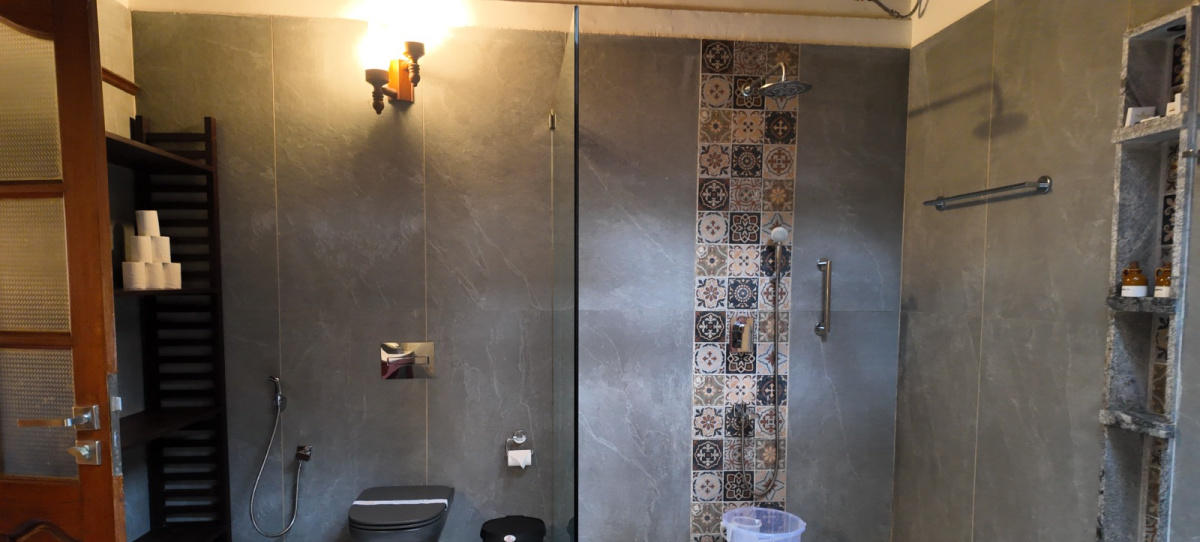
  Open Bathroom
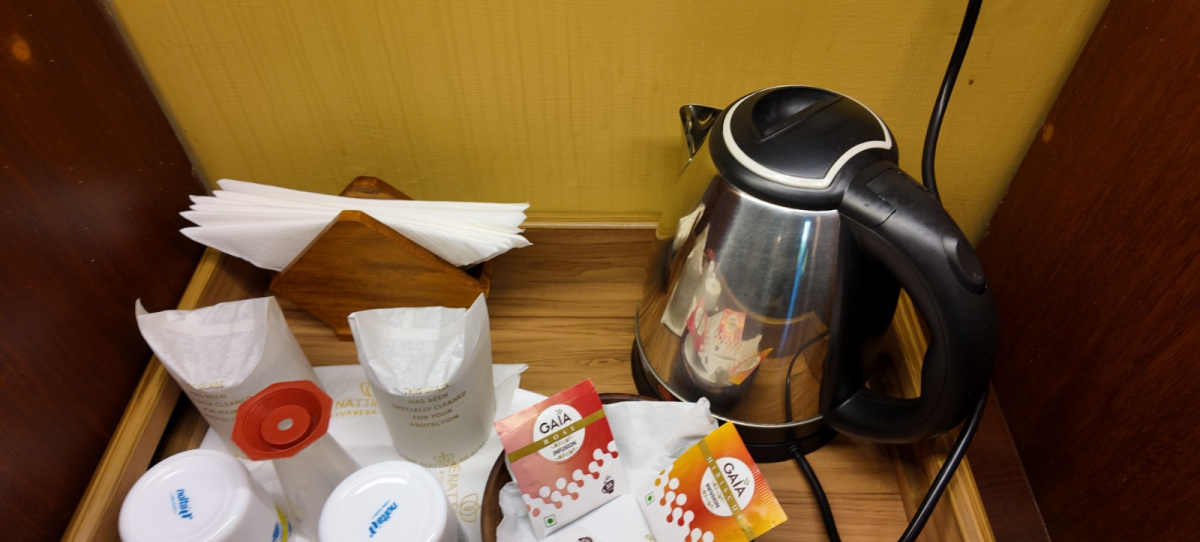
  Electric Kettle
  Air Conditioner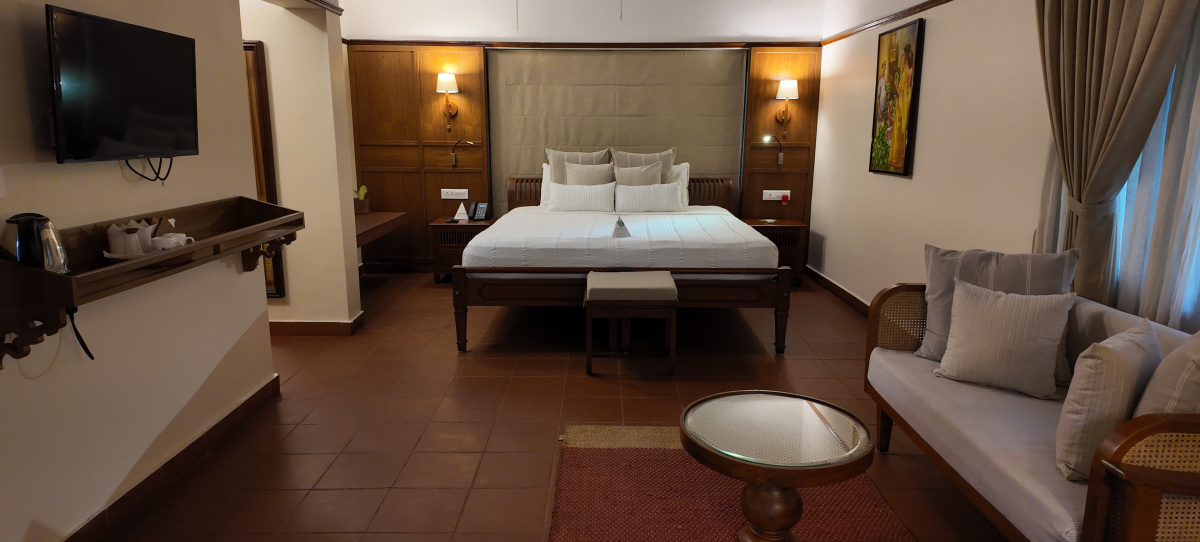
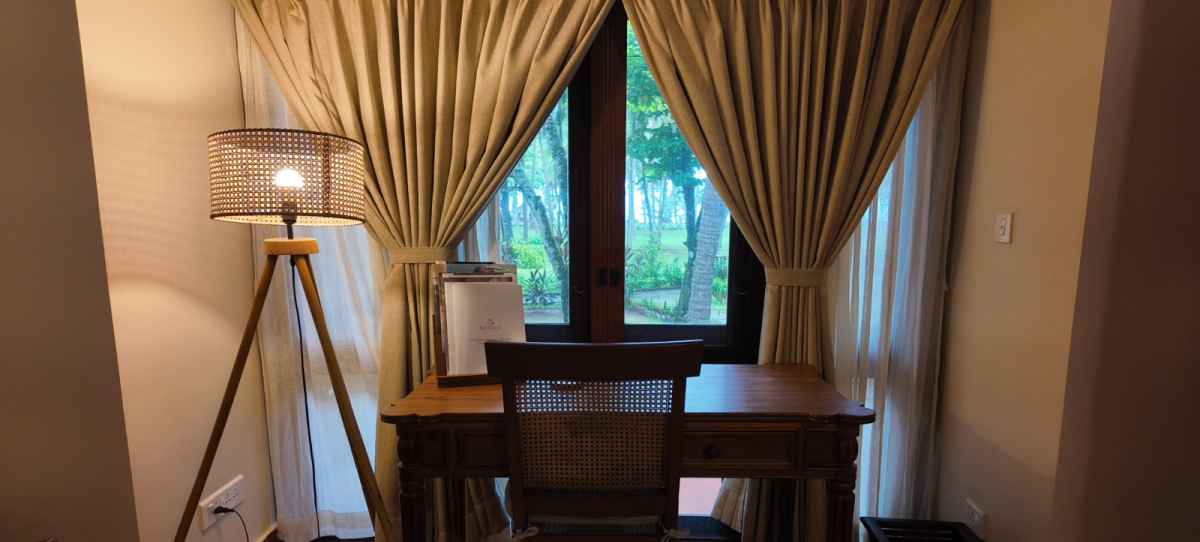
 Work Space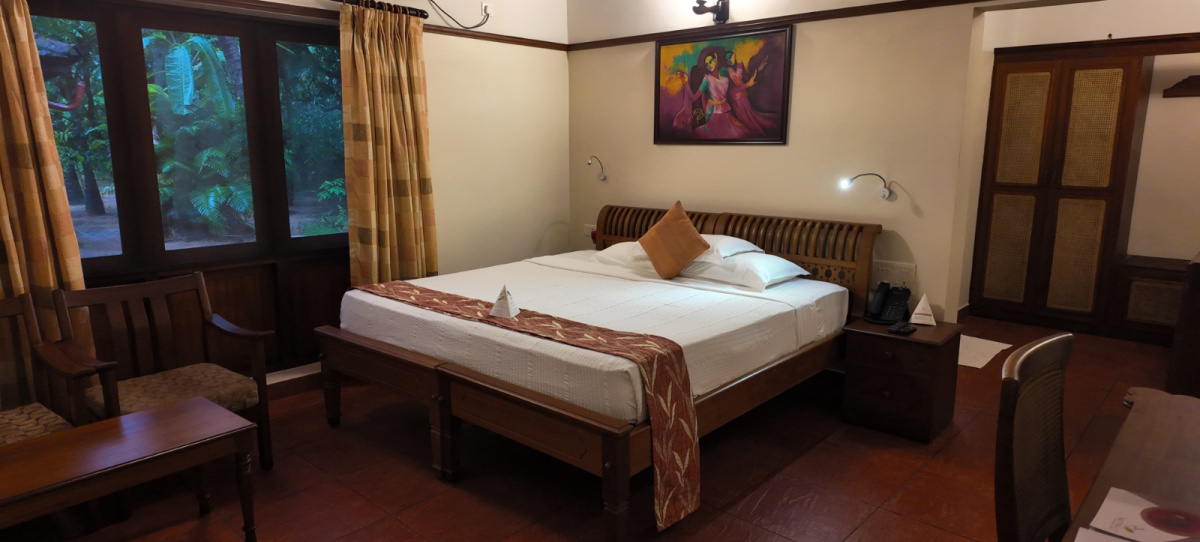
 MichelA
 Yi Ching Hsu
 Diana
Diana Franz Diggelmann

