
Premium Resort

Budget Ayurveda Hospital
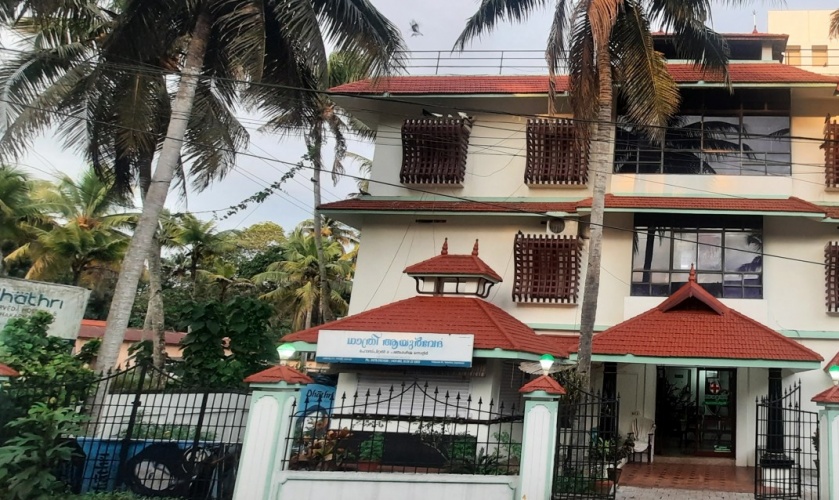
Dhathri Ayurveda Hospital & Panchakarma Centre
India/Kerala/Alleppey
Starting Rate Per Night: ₹ 5,300
Dhathri Ayurveda Hospital & Panchakarma Centre is a residential Ayurveda hospital in Puthiyavila, Velanchira, Kayamkulam, Alappuzha, Kerala, combining a long family tradition of Ayurvedic practice with a structured...
Budget Resort
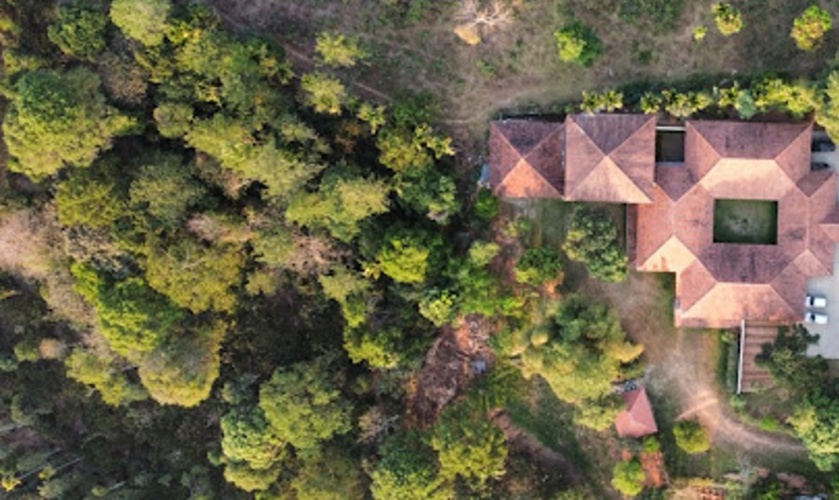
Premium Ayurveda Hospital
Premium Resort
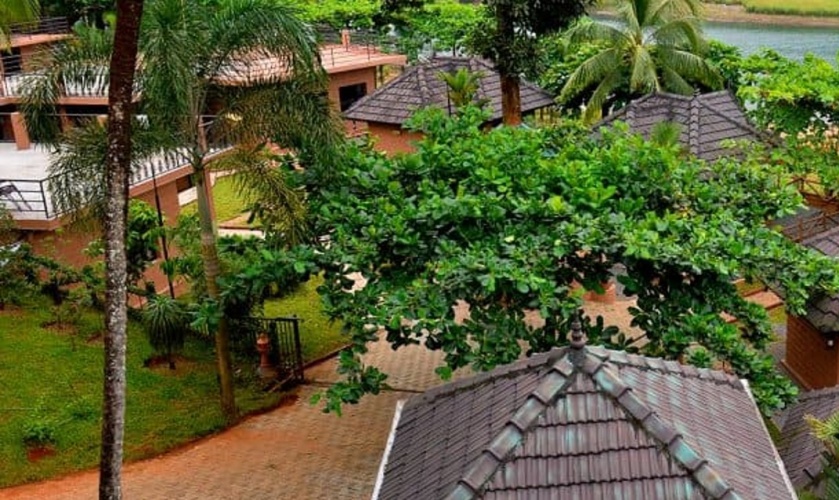
Madukkakuzhy Ayurveda Lake & Mountains
India/Kerala/Kumarakom
Starting Rate Per Night: ₹ 11,700
Madukkakuzhy Ayurveda Lake & Mountains is one of the specialised wellness destinations operated by Madukkakuzhy Ayurveda, a Kerala-based Ayurvedic institution with a nine-generation family tradition of practising Ayurveda....

No more packages to load.
No more packages to load.
Frequently Asked Questions
Irritable Bowel Syndrome (IBS) is a functional digestive disorder characterised by abdominal pain, bloating, gas, constipation, diarrhea, or alternating bowel habits. It is a chronic condition that affects gut function and is often influenced by diet, stress, and lifestyle factors.
IBS is commonly triggered by stress, poor diet, irregular eating habits, and gut sensitivity. In Ayurveda, it is linked to impaired digestion (Agni), toxin accumulation (Ama), and imbalance in Vata, Pitta, or Kapha doshas.
In Ayurveda, IBS is known as Grahani, a condition caused by weak digestive fire (Agni) and improper assimilation of food. This leads to toxin buildup, irregular bowel movements, and digestive discomfort.
Ayurveda provides meaningful integrative value for chronic IBS through the comprehensive classical Grahani Roga and Agni dysfunction framework with sophisticated approach — though "cure" is not the right framing for chronic IBS which often involves sustained management. Comprehensive approach: comprehensive Agni restoration as cornerstone; comprehensive Basti as cornerstone Vata-pacifying Panchakarma; classical Grahani formulations matched to subtype — Kutaja and Bilwa for IBS-D, Triphala for IBS-C, Hingvashtak Churna for Vata-related patterns; comprehensive constitutional dietary approach absolutely essential; Shirodhara for substantial gut-brain axis dimensions; comprehensive stress management essential. Substantial symptom improvement often achievable. WellnessLoka verified centres provide expert comprehensive Grahani Roga care across Kerala, Sri Lanka, and Bali.
Panchakarma is a medically guided Ayurvedic detox program that eliminates accumulated toxins (Ama), restores dosha balance, and improves overall health. It includes personalised therapies, herbal treatments, and a specialised diet under the supervision of qualified Ayurvedic doctors.
Herbs like Bilva and Musta are commonly used to improve digestion, reduce bloating, regulate bowel movements, and strengthen the digestive system, providing relief from IBS symptoms.
A warm, light, and easily digestible diet is recommended, including cooked foods, soups, and herbal drinks. Avoid raw, processed, spicy, and heavy foods that can weaken digestion and aggravate symptoms.
Yes, stress plays a significant role in IBS by affecting gut function and digestion. Ayurvedic practices like yoga, meditation, and breathing exercises help reduce stress and improve digestive health.
The duration depends on symptom severity and individual health, typically ranging from a few weeks to a few months. Consistency in diet, therapy, and lifestyle is essential for long-term relief.
Kerala, India offers the most clinically authentic destination for IBS Ayurvedic care with the deepest preservation of authentic classical Grahani Roga tradition globally. Experienced BAMS and MD Ayurveda physicians provide specialised comprehensive Agni restoration capability as cornerstone, specialised comprehensive Basti capability as cornerstone Vata-pacifying Panchakarma, specialised classical Grahani formulation capability including Kutaja and Bilwa for IBS-D, Triphala for IBS-C, Hingvashtak Churna, Avipattikar Churna, specialised constitutional dietary capability matched to IBS subtype with substantial classical sophistication, specialised Shirodhara capability for gut-brain axis dimensions, capacity for qualified specialist Yoga and Yoga Nidra instruction with substantial benefits for IBS, comprehensive Dinacharya integration absolutely essential, and coordination with continued gastroenterology care when applicable. WellnessLoka verified centres in Alleppey, Kovalam, Kumarakom, Wayanad, and Palakkad provide specialised IBS care across 160+ audited properties spanning Kerala, Sri Lanka, and Bali with customers from 25+ countries.
Yes, Ayurveda provides substantial subtype-matched value for both IBS-D and IBS-C through classical Grahani Roga framework with comprehensive subtype-specific approaches. For IBS-D: Kutaja (Holarrhena antidysenterica) as cornerstone with substantial classical use specifically for diarrhoea-predominant patterns providing comprehensive astringent and antimicrobial-supportive effects; Bilwa (Aegle marmelos) providing comprehensive Grahani-supportive effects; comprehensive Vata-Pitta pacifying approach; warm grounding cooked foods with adequate ghee. For IBS-C: Triphala as cornerstone gentle support with substantial classical use; comprehensive Vata-Kapha pacifying approach; warm cooked foods with appropriate moisture, soaked dates/prunes/figs, adequate hydration. Continued specialist coordination when applicable. WellnessLoka verified centres provide expert subtype-matched IBS care.


