
Autoimmune Disorders
Autoimmune disorders — including rheumatoid arthritis, lupus, Hashimoto's, psoriasis, IBD, multiple sclerosis, and broader conditions — involve immune dysregulation with substantial impact on multiple organ systems and quality of life. In Ayurveda, autoimmune conditions sit within the comprehensive Ama-Vata, Rakta Dushti, and Ojas-immunity framework with substantial classical literature. Ayurvedic care provides comprehensive integrative supportive approach through Ama clearing, immune modulation, Rasayana, and constitutional rebuilding alongside continued specialist care.
Book Consultation
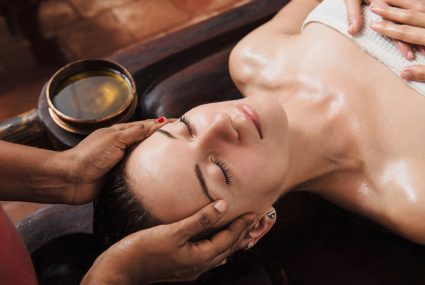
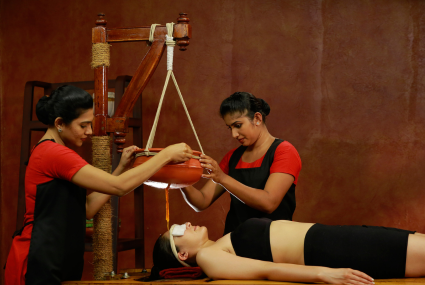
Multiple Sclerosis Management
Multiple Sclerosis (MS) is a chronic neurological condition affecting the brain, spinal cord, and optic nerves, often leading to weakness, numbness, and coordination difficulties. Ayurveda views MS as a disorder involving imbalance in the Vata dosha, affecting nerve function and myelin health. Treatment focuses on restoring balance through Panchakarma therapies, herbal formulations, nourishing diets, and lifestyle guidance. Specialised therapies like Abhyanga (oil massage) and Shirodhara help improve nerve conduction, reduce stress, and support overall vitality. The holistic approach not only aims to ease symptoms but also nurtures long-term well-being by strengthening the body and calming the mind.
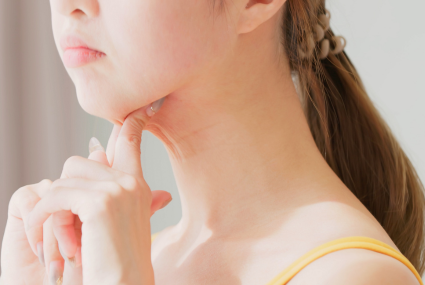
Myastenia Gravis Primary Stage
Myasthenia Gravis is a long-term autoimmune disorder in which communication between nerves and muscles becomes impaired. This leads to weakness in muscles that are responsible for voluntary movements. The condition commonly affects muscles that control eye movements, facial expressions, chewing, swallowing, and speaking, and in some cases the muscles of the arms and legs. Common symptoms include drooping eyelids, double vision, difficulty in speaking or swallowing, weakness in the arms or legs, and fatigue that worsens after activity. Muscle strength may temporarily improve with rest but can worsen again with repeated use. The severity of symptoms can vary from person to person. In Ayurveda, neuromuscular disorders like Myasthenia Gravis are often related to disturbances in Vata dosha, particularly affecting the Majja Dhatu (nervous tissue) and Mamsa Dhatu (muscle tissue). When Vata becomes aggravated, it can disturb nerve impulses and weaken muscle function. Ayurvedic management aims to balance Vata, nourish the nervous and muscular systems, and improve overall strength and vitality. Treatment may include a nourishing diet, strengthening herbal formulations, adequate rest, and stress management. Panchakarma therapies such as Abhyanga (medicated oil massage), Swedana (therapeutic sweating), Shirodhara, and Basti (medicated enema therapy) may be recommended to support nerve function and improve muscle strength. Gentle yoga, breathing

Gullain Barre Syndrome Management
Guillain-Barré Syndrome is a rare but serious neurological disorder in which the immune system mistakenly attacks the peripheral nerves. This damages the protective covering of the nerves and interferes with the transmission of signals between the brain and the rest of the body. The condition often begins with symptoms such as tingling, numbness, or weakness in the legs, which may gradually progress to the arms and upper body. Some individuals may also experience difficulty in walking, loss of balance, muscle weakness, facial weakness, or problems with speaking and swallowing. In severe cases, temporary paralysis can occur and may require medical support. GBS usually develops after certain infections, viral illnesses, or immune reactions. Although the progression can be rapid in the early stages, many people gradually recover with proper treatment and rehabilitation. In Ayurveda, neurological conditions involving nerve weakness and paralysis are often understood as disorders related to aggravated Vata dosha, particularly affecting the Majja Dhatu (nervous tissue) and Mamsa Dhatu (muscle tissue). When Vata becomes imbalanced, it can disturb nerve conduction and muscle coordination. Ayurvedic management focuses on calming Vata, nourishing the nervous system, and gradually restoring strength and mobility. Treatment may include a nourishing and easily digestible diet, strengthening herbal formulations, and therapies aimed at improving nerve and muscle function. Panchakarma procedures such as Abhyanga (medicated oil massage), Swedana (therapeutic sweating), Shirodhara, and Basti (medicated enema therapy) may be recommended to support nerve regeneration and muscle recovery. Gentle physiotherapy, yoga, and breathing exercises can also support rehabilitation and improve overall recovery.

.jpg)
Psoriasis Treatment Program (Sidhma Chikilsa)
While conventional treatments aim to manage symptoms, Ayurveda offers a distinct approach, rooted in ancient wisdom and personalized care. Our Ayurvedic treatment program for psoriasis is tailored to each individual's unique constitution and imbalances. Through careful assessment, we identify the root causes of the condition, often linked to imbalances in the body's doshas—Vata, Pitta, and Kapha. By addressing these imbalances through a combination of dietary modifications, herbal supplements, detoxification techniques, and lifestyle adjustments, we strive to restore harmony within the body. Central to our approach is the use of specific herbs renowned for their anti-inflammatory, detoxifying, and immune-modulating properties. These natural remedies, combined with therapeutic massages and specialized skin treatments, target the underlying pathology of psoriasis while providing relief from symptoms such as itching, scaling, and redness. Moreover, our program emphasizes stress management techniques such as meditation, yoga, and breathing exercises, recognizing the intricate connection between mental well-being and skin health. By promoting relaxation and reducing stress levels, we aim to prevent flare-ups and support long-term healing. Our goal is not merely to alleviate symptoms but to foster holistic wellness, empowering individuals to take control of their health and lead fulfilling lives free from the constraints of psoriasis. Through our comprehensive Ayurvedic approach, we offer hope and healing to those seeking an alternative path to skin rejuvenation and overall well-being.
When the Immune System Calls for Care: An Ayurvedic Path to Immune Balance and Sustained Wellness
Autoimmune disorders represent one of the most complex categories of modern disease — conditions where the immune system mistakenly attacks the body's own tissues — affecting an estimated 50+ million people in the United States alone with substantially higher global prevalence and substantial increase in recent decades. Modern medicine has substantially advanced understanding and treatment with comprehensive specialist care, biologics, DMARDs, and broader sophisticated interventions, yet substantial therapeutic gaps remain particularly around constitutional approaches, lifestyle integration, stress dimensions, and comprehensive supportive care.
Common autoimmune disorders include:
- Rheumatoid arthritis (Amavata) (supportive) — Substantial classical use
- Lupus (SLE) (supportive) — Comprehensive supportive care
- Hashimoto's thyroiditis (supportive) — also see Hormonal Health
- Graves' disease (supportive) — also see Hormonal Health
- Type 1 Diabetes (supportive) — also see Lifestyle & Metabolic
- Multiple sclerosis (supportive) — also see Neurological Health
- Psoriasis (supportive) — Substantial classical use, also see Skin Health
- Psoriatic arthritis (supportive)
- Inflammatory bowel disease (IBD) (supportive) — Crohn's, ulcerative colitis, also see Digestive Health
- Ankylosing spondylitis (supportive) — also see Musculoskeletal
- Sjögren's syndrome (supportive)
- Scleroderma (supportive)
- Vasculitis (supportive)
- Vitiligo (supportive) — Substantial classical use
- Celiac disease (supportive)
- Autoimmune hepatitis (supportive)
- Myasthenia gravis (supportive)
- Autoimmune encephalitis (supportive)
- Antiphospholipid syndrome (supportive)
- Polymyositis and dermatomyositis (supportive)
- Autoimmune hemolytic anemia (supportive)
- ITP (idiopathic thrombocytopenic purpura) (supportive)
- Pernicious anemia (supportive)
- Mixed connective tissue disease (supportive)
- Autoimmune skin conditions broader (supportive)
- Broader autoimmune conditions
Modern medical management has substantially advanced with comprehensive evidence-based framework including specialized rheumatology, gastroenterology, endocrinology, dermatology, and neurology evaluation, DMARDs (methotrexate, hydroxychloroquine, sulfasalazine, leflunomide) with substantial outcomes evidence, biologics with substantial recent advances including TNF inhibitors, IL-6 inhibitors, IL-17 inhibitors, B-cell depletion therapy, JAK inhibitors with substantial outcomes evidence, comprehensive immunosuppression when indicated, corticosteroids for acute management, specific condition-targeted therapies, comprehensive symptomatic management, and substantial recent therapeutic advances transforming outcomes for many autoimmune conditions.
Classical Ayurveda addresses autoimmune conditions through comprehensive framework — recognizing that while the term "autoimmune" is modern, classical Ayurveda has sophisticated framework for understanding these conditions through Ama-Vata, Rakta Dushti, Ojas-immunity, and Manas-immune dimensions with substantial classical literature anticipating modern autoimmune understanding. The classical understanding centers on the principle that autoimmune conditions involve accumulated Ama (toxins from inadequate digestion), vitiated Rakta (blood) in many conditions, disturbed Ojas (immunity-supporting essence), and substantial Agni dysfunction — providing comprehensive integrative supportive framework.
The therapeutic framework provides comprehensive approach through comprehensive Ama clearing as foundational; comprehensive Agni restoration; Rakta Shodhana (blood cleansing) when applicable; Ojas-supportive Rasayana approach; classical condition-specific Ayurvedic formulations matched to specific autoimmune patterns; selective Panchakarma with appropriate care given immune considerations; substantial stress management as central element given substantial stress-autoimmune interconnection; comprehensive lifestyle integration including substantial dietary attention; comprehensive Manas integration; and absolute coordination with continued rheumatology, gastroenterology, endocrinology, dermatology, neurology, and broader specialist care including continued essential medications (biologics, DMARDs, immunosuppressants) which must never be discontinued without specialist guidance.

What is Autoimmune Disorder Care in Ayurveda?
Autoimmune disorder care in Ayurveda represents the comprehensive classical framework addressing the complex spectrum of conditions involving immune dysregulation through integrated Ama-Vata, Rakta Dushti, Ojas, Agni, and Manas dimensions.
Definition and characteristics:
- Comprehensive autoimmune framework
- Centered on Ama, Agni, Rakta, Ojas, Manas integration
- Substantial classical literature foundation
- Strictly supportive integrative role for substantial autoimmune conditions
- Integration with continued conventional specialist care absolutely essential
- Recognition that modern conventional autoimmune treatment provides substantial outcomes evidence
Scope encompasses:
Rheumatological autoimmune:
- Rheumatoid arthritis (Amavata) with substantial classical literature
- Lupus (SLE) supportive
- Ankylosing spondylitis supportive
- Psoriatic arthritis supportive
- Sjögren's syndrome supportive
- Scleroderma supportive
- Vasculitis supportive
- Polymyositis and dermatomyositis supportive
- Mixed connective tissue disease supportive
Endocrine autoimmune:
- Hashimoto's thyroiditis supportive
- Graves' disease supportive
- Type 1 Diabetes supportive
- Addison's disease supportive
Gastrointestinal autoimmune:
- IBD (Crohn's, ulcerative colitis) supportive
- Celiac disease supportive
- Autoimmune hepatitis supportive
- Primary biliary cholangitis supportive
- Primary sclerosing cholangitis supportive
Neurological autoimmune:
- Multiple sclerosis supportive
- Myasthenia gravis supportive
- Autoimmune encephalitis supportive
- Guillain-Barré syndrome post-acute supportive
Dermatological autoimmune:
- Psoriasis supportive
- Vitiligo (Shvitra) supportive
- Autoimmune dermatitis
- Lichen planus supportive
- Pemphigus supportive
- Discoid lupus supportive
Hematological autoimmune:
- Autoimmune hemolytic anemia supportive
- ITP (idiopathic thrombocytopenic purpura) supportive
- Pernicious anemia supportive
- Antiphospholipid syndrome supportive
Broader:
- Mixed connective tissue disease supportive
- Sarcoidosis supportive
- Broader autoimmune conditions
- Stress-related immune dysregulation
Core therapeutic frameworks:
- Comprehensive Ama clearing
- Comprehensive Agni restoration
- Rakta Shodhana (when applicable)
- Ojas-supportive Rasayana approach
- Classical condition-specific formulations
- Selective Panchakarma with appropriate care
- Substantial stress management
- Comprehensive dietary integration
- Comprehensive Manas integration
- Absolute coordination with continued specialist care
Understanding Ama-Vata, Rakta Dushti, and Ojas-Immunity: The Ayurvedic Framework for Autoimmune Conditions
The Ayurvedic understanding of autoimmune conditions sits within sophisticated classical framework with substantial literature.
Key concepts:
Ama as Central:
Ama (toxins from inadequate digestion) considered fundamental in autoimmune pathology — recognition anticipating modern understanding of intestinal permeability, microbiome dysbiosis, molecular mimicry, and broader autoimmune mechanisms.
Ama characteristics:
- Forms from disturbed Agni
- Substantial systemic immune effects
- Underlies multiple chronic autoimmune conditions
- Central to disease pathogenesis
Ama-Vata Framework:
Substantial classical recognition that combined Ama + Vata pathology underlies many autoimmune-like conditions — particularly Amavata (rheumatoid arthritis-like) with sophisticated classical observation anticipating modern autoimmune arthritis understanding.
Rakta Dushti (Blood Vitiation):
Rakta vitiation central to many autoimmune conditions:
- Substantial Pitta dimensions with Ranjaka Pitta
- Inflammatory dimensions
- Specific cutaneous autoimmune (psoriasis, vitiligo, lupus skin)
- Comprehensive framework
Ojas — The Immune Foundation:
Ojas (vital essence underlying immunity) central to immune function:
- Para Ojas — deeper essence in heart
- Apara Ojas — circulating essence
- Ojas Kshaya (depletion) — substantial immune effects
- Comprehensive immunity framework
Vyadhi Kshamatva:
Classical concept of disease-resisting capacity — comprehensive framework for immunity:
- Bala (strength) integration
- Comprehensive immune resilience
Manas-Immune Connection:
Substantial classical recognition of mind-immune interconnection — anticipating modern psychoneuroimmunology with sophisticated framework recognizing substantial impact of stress, emotions, and mental factors on immune function.
Specific Classical Conditions:
Amavata (RA-like):
Detailed classical framework with substantial sophistication:
- Ama + Vata combination
- Specific systemic features
- Comprehensive treatment approach
- Substantial classical literature
Kushtha (Skin Conditions):
Comprehensive framework for autoimmune-like skin conditions:
- Multiple classical types including those corresponding to psoriasis, vitiligo (Shvitra), lupus skin, broader
- Substantial classical observation
- Detailed treatment framework
Specific Autoimmune-like Conditions:
- Numerous classical conditions with autoimmune dimensions
- Comprehensive framework
Agni Dysfunction Central:
Classical recognition that Agni dysfunction with Ama accumulation underlies many autoimmune conditions — sophisticated framework anticipating modern gut-immune axis understanding.
Specific Doshic Patterns:
Vata-Kapha-Ama combinations common in:
- Rheumatoid arthritis (Amavata)
- Specific inflammatory patterns
Pitta-Rakta vitiations common in:
- Inflammatory autoimmune
- Skin autoimmune (psoriasis, lupus skin)
- Specific hepatic autoimmune
Tridoshic patterns common in:
- Complex multi-system autoimmune
- Long-standing combined conditions
- Substantial autoimmune complexity
Predisposing Factors Classical Ayurveda Identifies:
Aharaja (Dietary):
- Viruddha Ahara (incompatible food combinations) with substantial classical recognition
- Excessive Ama-promoting foods
- Inadequate Sattvic dietary patterns
- Specific dietary patterns affecting Agni
Viharaja (Lifestyle):
- Sedentary lifestyle
- Suppression of natural urges
- Inadequate sleep
- Disturbed circadian rhythms
Manasika (Mental):
- Chronic stress with substantial autoimmune impact
- Anxiety
- Emotional suppression
- Substantial classical recognition
Specific Conditions:
- Genetic predisposition (Beejadushti)
- Infections triggering autoimmunity
- Environmental factors including toxin exposure
- Hormonal factors particularly in women
- Microbiome factors
Aging:
- Some autoimmune conditions age-related
- Immune senescence considerations
This shapes the Ayurvedic approach to autoimmune conditions: comprehensive Ama clearing as absolutely foundational; comprehensive Agni restoration; Rakta Shodhana when applicable; Ojas-supportive Rasayana; classical condition-specific approach; selective Panchakarma with appropriate care; substantial stress management central given substantial stress-autoimmune connection; comprehensive dietary integration; comprehensive Manas integration; absolute coordination with continued specialist care.
The 3 Stages of Ayurvedic Treatment for Autoimmune Disorders
1. Preparation (Purva Karma) — Typically 3-7 days
Comprehensive assessment including detailed autoimmune history (specific conditions, duration, current activity, prior treatments and response, current medications including all biologics, DMARDs, immunosuppressants, corticosteroids, broader), current specialist evaluation across applicable disciplines, recent disease activity assessment when applicable, current symptoms, organ involvement assessment, comorbidities, dietary patterns, lifestyle factors with substantial attention to stress, family history, environmental factors, and constitutional profile.
Specialist coordination absolutely essential — rheumatology, gastroenterology, endocrinology, dermatology, neurology as applicable.
Critical screening:
- Stable current condition without acute severe flare
- No active severe organ involvement requiring urgent specialist management
- No active life-threatening complications
- No acute infection that needs management before retreat
- Recent disease activity assessment
- Baseline laboratory and imaging completed
Initial gentle constitutional support with appropriate immune considerations. Initial dietary modifications with substantial attention to Ama-clearing approach. Foundational lifestyle measures including stress management initiation, sleep optimization, gentle activity initiation.
2. Core Treatment (Pradhana Karma) — Typically 14-21 days
Comprehensive Ama Clearing — Absolutely Foundational:
Comprehensive Ama Pachana:
- Light, warm, easily digestible diet
- Specific Ama-clearing herbs including Trikatu, Panchakola, Musta, Vidanga
- Hingvastaka Churna in selected applications
- Specific Ama-clearing formulations matched to condition
- Comprehensive cleansing approach
Comprehensive Agni Restoration:
- Foundational Agni-supportive approach
- Specific digestive optimization
- Comprehensive integration
Comprehensive Rakta Shodhana (When Applicable):
- Manjishtha (Rubia cordifolia) as cornerstone Rakta cleansing herb
- Sariva (Hemidesmus indicus) for substantial Rakta applications
- Khadira (Acacia catechu) for skin autoimmune
- Neem (Azadirachta indica) for broader applications
- Patolakaturohinyadi Kashayam
- Mahamanjishthadi Kashayam as cornerstone
- Specific Rakta-cleansing approach matched to condition
Comprehensive Ojas-Supportive Rasayana Approach:
- Chyavanaprasha as foundational Rasayana with substantial classical use
- Amalaki Rasayana for antioxidant support
- Ashwagandha for adaptogenic immune support
- Guduchi (Tinospora cordifolia) with substantial classical and modern immunomodulatory evidence
- Brahma Rasayana
- Specific Ojas-supportive formulations
Classical Condition-Specific Approaches:
For Amavata (Rheumatoid Arthritis) — Substantial classical use:
- Comprehensive Ama-clearing approach essential first
- Simhanada Guggulu with substantial classical use
- Amavatari Rasa
- Rasna Saptaka Kashayam
- Vatari Guggulu
- Substantial classical Amavata approach
- Continued DMARDs and biologics absolutely essential
For psoriasis (supportive):
- Comprehensive Kushtha approach
- Rakta Shodhana with substantial classical use
- Mahatiktaka Ghrita as cornerstone
- Mahamanjishthadi Kashayam
- Khadirarishtam
- Aragwadhadi Kashayam
- Specific psoriasis approach (also see Skin Health page)
For lupus (SLE) (supportive):
- Comprehensive multi-system supportive approach
- Specific Pitta-Rakta pacifying approach
- Manjishtha, Sariva for Rakta
- Guduchi for immune support
- Comprehensive Ojas-supportive Rasayana
- Substantial caution with multi-system involvement
- Continued hydroxychloroquine and broader essential medications
For Hashimoto's thyroiditis (supportive):
- Comprehensive autoimmune-thyroid approach
- Kanchanara Guggulu for thyroid (also see Hormonal Health)
- Continued thyroid hormone absolutely essential
For Graves' disease (supportive):
- Comprehensive Pitta-pacifying approach
- Continued antithyroid medications absolutely essential
For Type 1 Diabetes (supportive):
- Comprehensive supportive approach (also see Lifestyle & Metabolic)
- Continued insulin absolutely essential
For Multiple Sclerosis (supportive):
- Comprehensive Vata-Pitta approach
- Specific neurological Rasayana
- Brahmi-led approach for Medhya support
- Comprehensive Ojas-supportive Rasayana
- Continued disease-modifying therapy absolutely essential (also see Neurological Health)
For IBD (supportive):
- Comprehensive Pitta-Vata approach
- Kutaja preparations
- Bilva
- Yashtimadhu for mucosal support
- Comprehensive supportive approach
- Continued biologics and mesalamine absolutely essential (also see Digestive Health)
For ankylosing spondylitis (supportive):
- Comprehensive Vata-Kapha approach
- Specific Asthi Majjagata Vata formulations (also see Musculoskeletal)
- Continued biologics absolutely essential
For vitiligo (Shvitra) — Substantial classical use:
- Bakuchi (Psoralea corylifolia) as classical herb
- Manjishtha, Khadira for skin
- Specific vitiligo approach
For Sjögren's, scleroderma, vasculitis (supportive):
- Specific supportive approaches matched to condition
- Comprehensive Ojas-supportive Rasayana
- Continued specialist therapy absolutely essential
For celiac disease (supportive):
- Strict lifelong gluten avoidance absolutely essential — never compromised
- Comprehensive Agni and gut support
- Continued gastroenterology coordination
Selective Panchakarma with Appropriate Care:
Virechana for Pitta-predominant patterns:
- Substantial classical use for psoriasis with substantial classical evidence
- Autoimmune skin conditions
- Inflammatory autoimmune with appropriate selection
- Substantial care given immune considerations
Basti for Vata-predominant patterns:
- Amavata with appropriate sequencing after Ama clearing
- Vata-predominant autoimmune
- Substantial classical Yapana Basti use for chronic conditions
Substantial caution with Panchakarma in active autoimmune flares — appropriate timing essential.
Specialized External Therapies:
- Abhyanga with appropriate oils
- Shirodhara with substantial value for stress dimensions
- Specific localized therapies matched to conditions
Substantial Stress Management as Central:
- Shirodhara with substantial documented cortisol-lowering and substantial autoimmune relevance
- Comprehensive meditation practice
- Yoga Nidra
- Specific Pranayama
- Mindfulness practices
Comprehensive Dietary Integration:
- Anti-inflammatory dietary patterns
- Avoiding Ama-promoting foods
- Specific dietary considerations for each condition
- Gluten avoidance for celiac absolutely
- Specific Amavata dietary approach
Foods to avoid:
- Viruddha Ahara with substantial classical recognition
- Junk and processed foods
- Specific food triggers
- Excessive Ama-promoting foods
Comprehensive Lifestyle Integration:
- Sleep optimization absolutely essential with substantial autoimmune impact
- Comprehensive stress management central
- Regular gentle exercise
- Avoiding triggers
- Smoking absolutely cessation essential
- Toxin exposure minimization
Coordination with Continued Care:
- Continued essential medications absolutely essential — biologics, DMARDs, immunosuppressants, corticosteroids, broader
- Continued specialist appointments
- Continued laboratory monitoring
- Continued disease activity assessment
3. Rejuvenation (Paschat Karma) — Continued home regimen
Sustained Ama-Agni-Ojas approach, continued constitutional approach, continued dietary and lifestyle integration, continued specialist coordination, periodic clinical follow-up. Long-term framework — autoimmune wellness requires sustained integrated approach with substantial ongoing value.
The 5 Core Therapies for Autoimmune Disorders Explained
1. Comprehensive Ama Clearing and Agni Restoration as Foundational Comprehensive Ama clearing and Agni restoration represents the absolute foundational therapeutic approach for autoimmune conditions — recognition that Ama accumulation central to autoimmune pathology with substantial classical literature anticipating modern understanding of intestinal permeability, microbiome dysbiosis, molecular mimicry, and broader autoimmune mechanisms. Comprehensive Ama Pachana approach: light, warm, easily digestible diet essential during Pachana phase; specific Ama-clearing herbs including Trikatu (ginger, pippali, black pepper), Panchakola Churna, Musta (Cyperus rotundus) with substantial classical Ama-clearing applications, Vidanga (Embelia ribes), broader; Hingvastaka Churna in selected applications; specific Ama-clearing formulations matched to condition; comprehensive cleansing approach with substantial care given immune considerations. Comprehensive Agni restoration: foundational Agni-supportive approach essential for all autoimmune conditions; specific digestive optimization; comprehensive integration with substantial recognition that Agni dysfunction underlies Ama accumulation. Critical recognition for Amavata specifically: Ama-clearing must precede nourishing therapies in Amavata — substantial classical recognition that applying nourishing approaches to Ama-laden patient worsens condition; comprehensive Ama clearing essential first before Snehana, Brimhana, or nourishing Rasayana. Mechanisms anticipating modern understanding: comprehensive intestinal mucosal support; potential gut barrier function support; microbiome considerations; broader gut-immune axis effects. Substantial classical and emerging modern evidence: substantial classical use across autoimmune conditions; emerging modern evidence supporting gut-immune approaches for autoimmune wellness. Combined with comprehensive dietary integration essential including avoiding Viruddha Ahara, processed foods, specific Ama-promoting foods. Combined with continued specialist care. WellnessLoka centres emphasize comprehensive foundational Ama-Agni approach.
2. Comprehensive Ojas-Supportive Rasayana for Immune Modulation Comprehensive Ojas-supportive Rasayana represents the cornerstone classical Ayurvedic immune-supportive approach for autoimmune conditions with substantial classical literature and substantial modern evidence base. Critical framing: autoimmune conditions involve immune dysregulation rather than simple immune deficiency — appropriate Ayurvedic approach focuses on immune modulation and balance rather than simple immune stimulation; substantial classical recognition with sophisticated framework. Cornerstone immunomodulatory herbs: Guduchi (Tinospora cordifolia) with substantial classical use and substantial modern evidence base — multiple clinical and pre-clinical studies documenting immunomodulatory effects (not simple immunostimulation but immune balance); Ashwagandha (Withania somnifera) with substantial adaptogenic immune effects; Amalaki (Emblica officinalis) with substantial antioxidant and immune support; Tulsi (Holy Basil) for adaptogenic immune support; specific immunomodulatory preparations matched to needs. Comprehensive Rasayana approach: Chyavanaprasha as foundational Rasayana with substantial classical use providing comprehensive Ojas support; Amalaki Rasayana for antioxidant Ojas support; Brahma Rasayana for comprehensive Rasayana; specific Ojas-supportive formulations. Mechanisms: comprehensive immune modulation rather than simple stimulation; substantial antioxidant effects; comprehensive Ojas building; broader constitutional support. Specific applications: foundational support across autoimmune conditions; particular value for substantial Ojas Kshaya (depletion) patterns; post-flare recovery support; broader autoimmune wellness. Critical considerations: comprehensive medication interaction awareness essential for any herbal additions in patients on biologics and immunosuppressants; substantial caution with immune-stimulating herbs in patients on immunosuppression — immunomodulatory rather than immunostimulatory approach essential; continued essential medications absolutely essential throughout integrative care. Sustained therapy for substantial benefits — Rasayana benefits develop over months. WellnessLoka centres provide authentic Ojas-supportive preparations.
3. Comprehensive Condition-Specific Classical Autoimmune Formulations Comprehensive condition-specific classical formulations provide substantial value across the autoimmune spectrum with substantial classical use. For Amavata (Rheumatoid Arthritis) with substantial classical literature: comprehensive Ama-clearing approach essential first; Simhanada Guggulu with substantial classical use specifically for Amavata providing comprehensive Ama-Vata pacification; Amavatari Rasa with substantial classical use; Rasna Saptaka Kashayam; Vatari Guggulu for specific applications; specific RA-supportive preparations matched to needs; continued DMARDs (methotrexate, hydroxychloroquine, sulfasalazine) and biologics absolutely essential providing substantial outcomes evidence including substantial protection against joint damage. For psoriasis (supportive) with substantial classical use through Kushtha framework: comprehensive Rakta Shodhana; Mahatiktaka Ghrita as cornerstone classical preparation with substantial classical use; Mahamanjishthadi Kashayam for comprehensive Rakta cleansing; Khadirarishtam; Aragwadhadi Kashayam; foundational herbs including Manjishtha, Khadira, Neem, Sariva for Rakta-skin support; specific psoriasis-supportive preparations; comprehensive integration also covered in Skin Health page. For lupus (SLE) (supportive): comprehensive multi-system supportive approach with substantial care; specific Pitta-Rakta pacifying approach; Manjishtha, Sariva for Rakta cleansing; Guduchi for immune support; Shatavari for hormonal-immune support; comprehensive Ojas-supportive Rasayana; continued hydroxychloroquine absolutely essential providing substantial outcomes evidence; continued specialist follow-up essential. For Hashimoto's (also see Hormonal Health): comprehensive autoimmune-thyroid approach with Kanchanara Guggulu; continued thyroid hormone absolutely essential. For Type 1 Diabetes (also see Lifestyle & Metabolic): comprehensive supportive approach; continued insulin absolutely essential. For Multiple Sclerosis (also see Neurological Health): comprehensive Vata-Pitta approach; specific neurological Rasayana with Brahmi-led approach for Medhya support; comprehensive Ojas-supportive Rasayana; continued disease-modifying therapy absolutely essential with substantial recent advances. For IBD (also see Digestive Health): comprehensive Pitta-Vata approach; Kutaja preparations; Bilva; Yashtimadhu for mucosal support; continued biologics and mesalamine absolutely essential. For ankylosing spondylitis (also see Musculoskeletal Health): continued biologics absolutely essential. For vitiligo (Shvitra) with substantial classical use: Bakuchi (Psoralea corylifolia) as cornerstone classical herb with substantial classical use; Manjishtha, Khadira for skin; specific vitiligo-supportive preparations — honest framing about realistic expectations. For Sjögren's, scleroderma, vasculitis, mixed connective tissue disease (supportive): specific supportive approaches matched to condition with substantial care; continued specialist therapy absolutely essential. For celiac disease (supportive): strict lifelong gluten avoidance absolutely essential — never compromised; comprehensive Agni and gut support. Comprehensive individualized selection essential. Critical coordination with continued specialist medications with substantial medication interaction awareness essential particularly given biologic and DMARD interactions. WellnessLoka centres provide authentic preparations.
4. Substantial Stress Management as Central Autoimmune Intervention Substantial stress management represents central element of autoimmune care with substantial classical and modern recognition that chronic stress substantially affects autoimmune function through multiple documented mechanisms including HPA axis dysregulation, autonomic nervous system effects, inflammatory mediation, broader immune impact. Classical recognition: substantial classical literature recognizing Manas-immune connection; comprehensive Manasika Bhava integration with autoimmune care; substantial classical observation of mental factors affecting Ojas. Modern validation: substantial recent advances in psychoneuroimmunology documenting comprehensive bidirectional stress-immune relationship including substantial impact of chronic stress on autoimmune flare risk, disease activity, broader outcomes. Comprehensive Shirodhara approach: Shirodhara with substantial documented cortisol-lowering effects with substantial autoimmune relevance — multiple clinical studies; standard preparations: Ksheerabala Taila for Vata-Pitta predominant, Mahanarayana Taila for Vata-predominant, specific oils matched to needs; standard course: 7-14 daily sessions with substantial cumulative benefits; particularly valuable for stress-related autoimmune flares, anxiety-related immune dysregulation, comprehensive autoimmune wellness applications. Comprehensive meditation practice with substantial evidence base for autoimmune benefits including documented stress reduction, immune modulation; mindfulness-based stress reduction with substantial evidence including specific autoimmune applications. Yoga Nidra with substantial documented deep relaxation benefits with comprehensive autoimmune impact through stress reduction. Comprehensive Pranayama: Anulom Vilom (alternate nostril breathing) with substantial documented benefits; Bhramari for substantial calming; specific Pranayama matched to needs; gentle Pranayama appropriate to condition. Comprehensive Yoga practice with substantial autoimmune evidence: gentle therapeutic yoga matched to condition; specific autoimmune-supportive asanas; avoiding excessive intensity in active disease. Comprehensive lifestyle integration: sleep optimization absolutely essential with substantial autoimmune impact — sleep deprivation substantially affects autoimmune function; circadian rhythm restoration; comprehensive work-life balance; nature exposure with documented benefits; social connection with substantial impact. Specific stress-autoimmune applications: substantial value across autoimmune conditions; particular value for stress-related flares; comprehensive sustained immune balance support. Critical recognition: in autoimmune conditions, addressing chronic stress through comprehensive integration is essential for optimal outcomes alongside continued specialist therapy.
5. Comprehensive Dietary Integration and Absolute Coordination with Continued Specialist Care Comprehensive dietary integration and absolute coordination with continued specialist care provide foundation for sustained autoimmune wellness. Comprehensive autoimmune-supportive dietary integration: substantial classical and modern recognition of dietary impact on autoimmune conditions with comprehensive integration; light, warm, easily digestible foods appropriate to current Agni and condition; Ama-clearing dietary approach essential — avoiding heavy, cold, processed, incompatible food combinations (Viruddha Ahara) with substantial classical recognition; anti-inflammatory dietary patterns with substantial modern evidence for autoimmune conditions; specific autoimmune-supportive foods including turmeric with substantial anti-inflammatory evidence, ginger, abundant vegetables and fruits for antioxidant support; adequate quality protein; healthy fats including ghee in moderation with substantial classical use, omega-3 sources; adequate fiber balanced to specific condition; adequate appropriate hydration. Specific dietary considerations matched to conditions: strict lifelong gluten avoidance for celiac disease absolutely essential; specific dietary modifications for IBD alongside continued conventional therapy; specific Amavata dietary approach with comprehensive Ama-clearing emphasis; specific considerations for individual food sensitivities. Foods to absolutely avoid: Viruddha Ahara (incompatible food combinations) with substantial classical recognition; junk and processed foods; excessive cold and raw foods; specific food triggers matched to individual conditions; excessive alcohol; smoking absolutely with substantial autoimmune impact. Comprehensive sleep optimization absolutely essential: substantial autoimmune impact; circadian rhythm restoration; consistent sleep schedule; adequate duration; sleep apnea consideration when applicable. Comprehensive stress management as central element. Regular gentle exercise with substantial autoimmune evidence appropriate to condition. Smoking cessation absolutely essential when applicable with substantial autoimmune impact. Toxin exposure minimization: substantial recent recognition of environmental factors in autoimmune conditions. Absolute coordination with continued specialist care: continued essential medications absolutely essential — biologics with substantial recent advances including TNF inhibitors, IL-6 inhibitors, IL-17 inhibitors, B-cell depletion, JAK inhibitors providing substantial outcomes evidence — never discontinued without specialist guidance given substantial disease progression risk; DMARDs (methotrexate, hydroxychloroquine, sulfasalazine, leflunomide) with substantial outcomes evidence — never discontinued; immunosuppressants when prescribed — never discontinued; corticosteroids when prescribed (with appropriate consideration of long-term use and side effects under specialist guidance); continued specific medications matched to individual conditions; comprehensive medication interaction awareness essential for any herbal additions given substantial biologic and DMARD interactions. Continued specialist follow-up at appropriate intervals essential including regular disease activity monitoring. Continued comprehensive monitoring including specific laboratory parameters matched to condition (RF, anti-CCP, ANA, complement, inflammatory markers, organ function, thyroid panel as applicable, broader). Critical safety: immediate specialist care for severe flares including acute severe RA flare, severe lupus flare, severe IBD flare, broader acute concerns; never delaying urgent care for retreat-based intervention. Honest framing essential: integrative care provides meaningful supportive value but does not cure autoimmune conditions which require continued specialist treatment; realistic expectations; comprehensive understanding of integrative role. Centres claiming Ayurvedic cures for substantial autoimmune conditions or that biologics/DMARDs are unnecessary should be avoided as dangerous and could lead to serious disease progression including potential irreversible damage. WellnessLoka programs require continued essential specialist care throughout.
How Long Should an Ayurvedic Treatment Program for Autoimmune Disorders Last?
| Duration | Therapeutic Benefit |
| 7–14 days | Initial protocols, established Ama clearing, foundational interventions |
| 14–21 days | Comprehensive constitutional support, established Rasayana approach |
| 21–28 days | Extended program with selective Panchakarma when indicated |
| Continued home regimen | Sustained Ama-Agni-Ojas approach and lifestyle integration essential |
The exact duration is decided after consultation with the Ayurvedic doctor in coordination with continued specialist care, based on specific conditions, disease activity, current treatment, and individual factors. Substantial benefits typically develop over 3-6 months of sustained integrated approach. Critical recognition that autoimmune conditions are lifelong — sustained integrated approach essential with substantial ongoing value.
Book Consultation
Benefits of an Ayurvedic Treatment Retreat for Autoimmune Disorders
| Physical Benefits | Functional Benefits | Long-Term Impact | ||
| Better symptom support | Better energy and vitality | Sustained autoimmune wellness support | ||
| Better immune balance support | Better daily functional capacity |
|
||
| Reduced inflammation support |
|
Better long-term outcomes | ||
| Better overall vitality |
|
Comprehensive integrative care framework |
Why Kerala is the Best Place for Autoimmune Disorder Treatment
An Ayurvedic autoimmune disorder retreat in Kerala, India offers the most clinically authentic environment for comprehensive autoimmune Ayurveda alongside continued essential specialist care.
- Experienced physicians with specific expertise in classical Ama-Vata, Rakta Dushti, and broader autoimmune Ayurveda frameworks
- BAMS and MD Ayurveda-certified doctors with specialised training across the broad autoimmune spectrum
- Specialised practitioner training in comprehensive Ama clearing as absolute foundation for autoimmune care
- Specialised practitioner training in Rakta Shodhana essential for many autoimmune conditions
- Specialised practitioner training in Ojas-supportive Rasayana with appropriate immunomodulatory understanding
- Specialised practitioner training in classical Amavata management with substantial classical use
- Specialised practitioner training in classical Kushtha management for autoimmune skin conditions
- Specialised practitioner training in selective Panchakarma with appropriate care for autoimmune patients
- Specialised practitioner training in Shirodhara for substantial stress dimensions
- Authentic in-house preparation of cornerstone Amavata formulations — Simhanada Guggulu, Amavatari Rasa, Rasna Saptaka Kashayam, Vatari Guggulu
- Authentic in-house preparation of Mahatiktaka Ghrita as cornerstone autoimmune skin preparation
- Authentic preparation of Rakta Shodhana formulations — Mahamanjishthadi Kashayam, Khadirarishtam, Aragwadhadi Kashayam, Patolakaturohinyadi Kashayam
- Authentic preparation of foundational immunomodulatory herbs — Guduchi, Ashwagandha, Amalaki, Tulsi preparations
- Authentic preparation of Rasayana formulations — Chyavanaprasha, Amalaki Rasayana, Brahma Rasayana
- Authentic preparation of foundational autoimmune-relevant herbs — Manjishtha, Sariva, Khadira, Neem, Bakuchi preparations
- Authentic preparation of medicated oils for Abhyanga and Shirodhara
- Capacity for comprehensive monitoring including specialist coordination for disease activity assessment
- Proper Shirodhara facilities with appropriate clinical infrastructure
- Proper Panchakarma facilities with appropriate autoimmune safety considerations
- Capacity for autoimmune-supportive meal preparation including anti-inflammatory dietary patterns, Ama-clearing approach, gluten-free options for celiac
- Calm healing environment essential for autoimmune wellness
- Capacity for emergency medical escalation with clear protocols
- Long-established Kerala tradition of comprehensive autoimmune-relevant Ayurveda
- Coordination capability with continued rheumatology, gastroenterology, endocrinology, dermatology, neurology and broader specialist care including continued essential medications
- Capacity for sustained long-term care relationships through lifelong autoimmune condition management
- Qualified yoga and meditation instruction with experienced teachers specifically trained in autoimmune applications
- Capacity for comprehensive lifestyle integration including autoimmune-supportive dietary preparation, appropriate exercise programs, comprehensive stress management, smoking cessation support
- Discretion and sensitivity throughout treatment
Sri Lanka offers complementary tropical healing environment, while Bali provides wellness-oriented treatment retreats integrating Ayurvedic care with holistic wellness particularly valuable for stable maintenance phases. For specialised autoimmune Ayurveda with comprehensive Ama clearing capability, authentic Mahatiktaka Ghrita and Simhanada Guggulu preparation, and comprehensive constitutional capability, Kerala offers the deepest tradition.
Autoimmune Disorder Treatment Retreats by Location and Recommended Centres
Kerala, India — The most clinically authentic destination for classical autoimmune-relevant Ayurveda with established tradition including specialised comprehensive Ama clearing capability, specialised Rakta Shodhana capability, specialised Ojas-supportive Rasayana capability with appropriate immunomodulatory understanding, specialised classical Amavata management with substantial classical use, specialised classical Kushtha management for autoimmune skin conditions, specialised Shirodhara capability for stress dimensions, authentic in-house preparation of cornerstone autoimmune formulations (Simhanada Guggulu, Amavatari Rasa, Mahatiktaka Ghrita, Mahamanjishthadi Kashayam, Khadirarishtam, broader), authentic preparation of foundational immunomodulatory herbs (Guduchi, Ashwagandha, Amalaki), autoimmune-supportive meal preparation capability, calm healing environment, capacity for emergency medical escalation, and the deepest tradition of comprehensive autoimmune-relevant Ayurveda. Alleppey • Kovalam • Kumarakom • Wayanad • Palakkad
Sri Lanka — Coastal Ayurveda treatment retreats with comprehensive supportive care for autoimmune conditions in serene tropical environment. Wadduwa • Weligama • Sigiriya • Kosgoda • Bentota
Bali, Indonesia — Wellness treatment retreats integrating Ayurvedic care with holistic wellness, particularly valuable for stable maintenance phases of autoimmune conditions. Ubud • Nusa Dua • Candidasa • Lovina
WellnessLoka connects you with verified centres offering genuine autoimmune Ayurvedic expertise, comprehensive Ama-Rakta-Ojas capability, authentic classical formulation preparation, appropriate Panchakarma safety considerations, autoimmune-supportive environment, capacity for emergency medical escalation, absolute commitment to coordination with continued specialist care including continued essential medications (biologics, DMARDs, immunosuppressants) which must never be discontinued without specialist guidance, and clear understanding of the integrative supportive role.
Who Should Consider an Ayurvedic Autoimmune Disorder Treatment Retreat
Critical foundation: All candidates must have established continued comprehensive specialist care with continued essential medications; integrative care is strictly supportive complementary, never replacement for essential autoimmune treatment.
Patients with rheumatoid arthritis on continued treatment (supportive) — Comprehensive Amavata supportive approach alongside continued DMARDs and biologics.
Patients with lupus (SLE) on continued treatment (supportive) — Comprehensive multi-system supportive approach alongside continued hydroxychloroquine and broader.
Patients with ankylosing spondylitis on continued treatment (supportive) — Comprehensive supportive approach (also see Musculoskeletal).
Patients with psoriatic arthritis on continued treatment (supportive) — Comprehensive supportive approach.
Patients with Sjögren's syndrome (supportive) — Comprehensive supportive approach.
Patients with scleroderma (supportive) — Comprehensive supportive approach with substantial care.
Patients with vasculitis (supportive) — Comprehensive supportive approach.
Patients with Hashimoto's thyroiditis (supportive) — Comprehensive supportive approach alongside continued thyroid hormone.
Patients with Graves' disease (supportive) — Comprehensive supportive approach.
Patients with Type 1 Diabetes (supportive) — Comprehensive supportive approach alongside continued insulin.
Patients with multiple sclerosis (supportive) — Comprehensive supportive approach.
Patients with psoriasis (supportive) — Comprehensive Kushtha-Rakta approach (also see Skin Health).
Patients with vitiligo (Shvitra) (supportive) — Comprehensive integrative approach with substantial classical use and honest framing.
Patients with IBD on continued treatment (supportive) — Comprehensive supportive approach (also see Digestive Health).
Patients with celiac disease (supportive) — Comprehensive integrative supportive approach with strict lifelong gluten avoidance.
Patients with autoimmune hepatitis (supportive) — Comprehensive supportive approach.
Patients with myasthenia gravis (supportive) — Comprehensive supportive approach.
Patients with polymyositis or dermatomyositis (supportive) — Comprehensive supportive approach.
Patients with mixed connective tissue disease (supportive) — Comprehensive supportive approach.
Patients with autoimmune hemolytic anemia, ITP (supportive) — Comprehensive supportive approach.
Patients with broader autoimmune conditions on continued treatment (supportive) — Comprehensive supportive approach.
Patients with stress-related autoimmune flare patterns — Comprehensive stress management approach.
Patients seeking constitutional support for autoimmune wellness — Comprehensive integrative framework.
Patients seeking long-term integrative autoimmune wellness philosophy — Holistic sustained approach.
Who Should Approach Treatment with Caution
Ayurvedic care for autoimmune disorders is genuinely valuable but appropriate medical evaluation and continued specialist coordination are absolutely essential. Ayurvedic retreat-based care should be deferred or replaced by urgent specialist care in cases involving:
Active severe autoimmune flare — Requires specialist management with appropriate disease-modifying therapy intensification.
Active severe organ involvement — Including severe renal, cardiac, pulmonary, neurological, or broader severe organ involvement requires urgent specialist care.
Acute life-threatening autoimmune complications — Require urgent specialist care.
Active acute infection in immunosuppressed patient — Requires appropriate antimicrobial management; substantial caution given immunosuppression.
Suspected malignancy — Including immunosuppression-related malignancy risk requires urgent evaluation.
Patients planning to discontinue biologics — Absolutely strongly discouraged without specialist guidance given substantial disease progression risk and potential irreversible damage.
Patients planning to discontinue DMARDs — Absolutely strongly discouraged without specialist guidance given substantial disease progression risk.
Patients planning to discontinue immunosuppressants — Absolutely strongly discouraged without specialist guidance.
Patients planning to discontinue corticosteroids inappropriately — Strongly discouraged without specialist guidance given potential adrenal crisis risk and disease flare risk.
Patients planning to discontinue thyroid hormone in Hashimoto's — Absolutely strongly discouraged.
Patients planning to discontinue insulin in Type 1 Diabetes — Absolutely strongly discouraged — life-threatening.
Patients with substantial unrealistic expectations — Honest counseling absolutely essential.
Patients seeking promised cures — Centres claiming to cure RA, lupus, MS, Type 1 Diabetes, or substantial autoimmune conditions through Ayurveda alone should be absolutely avoided as dangerous and could lead to serious disease progression including potential irreversible damage or death.
Patients without continued specialist care — Integrative care must complement continued essential treatment.
Patients refusing essential immunizations — Strongly discouraged given immunosuppression considerations.
Pregnancy with autoimmune conditions — Requires specialized perinatal coordination.
Choosing the Right Treatment Retreat for Autoimmune Disorders
Qualified physicians with autoimmune Ayurveda expertise — BAMS or MD Ayurveda-credentialed doctors with specialised training.
Specialised practitioner training in comprehensive Ama clearing — Essential.
Specialised practitioner training in Rakta Shodhana — Essential.
Specialised practitioner training in Ojas-supportive Rasayana with appropriate immunomodulatory understanding — Essential.
Specialised practitioner training in classical Amavata and Kushtha management — Essential.
Specialised practitioner training in selective Panchakarma with appropriate care — Essential.
Authentic in-house preparation of cornerstone autoimmune formulations — Across conditions.
Authentic Mahatiktaka Ghrita preparation — Essential for autoimmune skin.
Authentic Simhanada Guggulu preparation — Essential for Amavata.
Capacity for comprehensive monitoring and specialist coordination — Absolutely essential.
Capacity for autoimmune-supportive meal preparation — Including dietary modifications, gluten-free options.
Capacity for emergency medical escalation — Critical for safety.
Coordination capability with continued specialist care — Absolutely essential including continued essential medications.
Capacity for sustained long-term care relationships — For lifelong autoimmune management.
Honest framing — Centres clearly understanding strictly supportive integrative role.
Clear continuity-of-care planning — Detailed home regimens.
How WellnessLoka Helps You Choose the Right Ayurveda Treatment Retreat for Autoimmune Disorders
Choosing the right treatment retreat for autoimmune disorders benefits enormously from genuine guidance with substantial sensitivity to autoimmune context. Autoimmune conditions span substantial spectrum with substantial individual variation in conditions, severity, treatment context, and individual factors — and given the complex nature of these conditions requiring continued specialist care, appropriate framing and coordination is paramount. The right program depends on accurate identification of specific autoimmune conditions, appropriate intervention selection particularly comprehensive Ama clearing as absolute foundation, Ojas-supportive Rasayana with appropriate immunomodulatory understanding, condition-specific classical approaches, comprehensive stress management given substantial stress-autoimmune interconnection, comprehensive dietary integration, and absolute coordination with continued essential specialist care including continued essential medications (biologics, DMARDs, immunosuppressants) which must never be discontinued. WellnessLoka exists to ensure that patients can make this decision with full information, genuine guidance, and complete clinical safety awareness.
Access to Verified Retreat Centres Every centre listed on WellnessLoka for autoimmune disorders has been independently assessed for physician credentials, specific expertise in classical autoimmune-relevant Ayurveda across the broad spectrum including rheumatological autoimmune (rheumatoid arthritis/Amavata with substantial classical use, lupus/SLE supportive, ankylosing spondylitis supportive, psoriatic arthritis supportive, Sjögren's supportive, scleroderma supportive, vasculitis supportive), endocrine autoimmune (Hashimoto's supportive, Graves' supportive, Type 1 Diabetes supportive), gastrointestinal autoimmune (IBD supportive, celiac disease supportive, autoimmune hepatitis supportive), neurological autoimmune (multiple sclerosis supportive, myasthenia gravis supportive), dermatological autoimmune (psoriasis supportive with substantial classical use, vitiligo/Shvitra supportive with substantial classical use, autoimmune dermatitis), hematological autoimmune supportive, broader autoimmune applications, depth of expertise in comprehensive Ama clearing as absolute foundation given classical recognition that Ama accumulation central to autoimmune pathology with substantial classical literature anticipating modern understanding of intestinal permeability and gut-immune axis — with comprehensive Ama Pachana approach including specific Ama-clearing herbs (Trikatu, Panchakola, Musta, Vidanga), Hingvastaka Churna, specific Ama-clearing formulations matched to condition, with critical recognition for Amavata that Ama-clearing must precede nourishing therapies, specialised Rakta Shodhana capability essential for many autoimmune conditions with foundational herbs including Manjishtha (Rubia cordifolia) as cornerstone with substantial classical use, Sariva (Hemidesmus indicus), Khadira (Acacia catechu) for skin autoimmune, Neem for broader applications, classical formulations including Mahamanjishthadi Kashayam as cornerstone, Patolakaturohinyadi Kashayam, specialised Ojas-supportive Rasayana capability with appropriate immunomodulatory understanding given autoimmune conditions involve immune dysregulation rather than simple deficiency requiring immune modulation rather than simple stimulation — with cornerstone immunomodulatory herbs including Guduchi (Tinospora cordifolia) with substantial classical use and substantial modern evidence for immunomodulation (not simple stimulation), Ashwagandha with substantial adaptogenic immune effects, Amalaki with substantial antioxidant immune support, Tulsi, comprehensive Rasayana including Chyavanaprasha as foundational, Amalaki Rasayana, Brahma Rasayana, specialised classical Amavata management with substantial classical use including Simhanada Guggulu specifically for Amavata, Amavatari Rasa, Rasna Saptaka Kashayam, Vatari Guggulu, specialised classical Kushtha management for autoimmune skin conditions including Mahatiktaka Ghrita as cornerstone classical preparation, Mahamanjishthadi Kashayam, Khadirarishtam, Aragwadhadi Kashayam, specialised selective Panchakarma capability with appropriate care for autoimmune patients including Virechana particularly valuable for psoriasis with substantial classical evidence, Basti for Amavata with appropriate sequencing after Ama clearing, substantial caution with Panchakarma in active autoimmune flares, specialised Shirodhara capability with substantial documented cortisol-lowering effects and substantial autoimmune relevance particularly valuable for stress-related autoimmune flares, authentic in-house preparation of cornerstone Amavata formulations including Simhanada Guggulu, Amavatari Rasa, Rasna Saptaka Kashayam using authentic methods, authentic in-house preparation of Mahatiktaka Ghrita as cornerstone autoimmune skin preparation, authentic preparation of Rakta Shodhana formulations including Mahamanjishthadi Kashayam, Khadirarishtam, Aragwadhadi Kashayam, authentic preparation of foundational immunomodulatory herbs including Guduchi, Ashwagandha, Amalaki, Tulsi using authentic methods, authentic preparation of Rasayana formulations for sustained Ojas support, authentic preparation of foundational autoimmune-relevant herbs including Manjishtha, Sariva, Khadira, Neem, Bakuchi preparations, authentic preparation of medicated oils for Abhyanga and Shirodhara, capacity for comprehensive monitoring including specialist coordination for regular disease activity assessment essential, proper Shirodhara facilities, proper Panchakarma facilities with appropriate autoimmune safety considerations, capacity for autoimmune-supportive meal preparation including anti-inflammatory dietary patterns with substantial modern evidence, Ama-clearing approach, gluten-free options for celiac disease absolutely essential, specific dietary modifications matched to conditions, avoiding Viruddha Ahara with substantial classical recognition, calm healing environment essential for autoimmune wellness, capacity for emergency medical escalation with clear protocols for any severe flares — absolutely critical, absolute commitment to coordination with continued specialist care including continued essential medications (biologics with substantial recent advances providing substantial outcomes evidence, DMARDs with substantial outcomes evidence, immunosuppressants, corticosteroids when prescribed, condition-specific medications) which must never be discontinued without specialist guidance given substantial disease progression risk and potential irreversible damage, continued specialist follow-up at appropriate intervals essential, continued comprehensive monitoring including specific laboratory parameters matched to condition, comprehensive medication interaction awareness essential for any herbal additions given substantial biologic and DMARD interactions, capacity for sustained long-term care relationships through lifelong autoimmune condition management, and clear understanding of the strictly supportive integrative role with absolute honesty. We list only centres where authentic autoimmune-relevant Ayurveda is genuinely practised with classical depth, appropriate clinical safety infrastructure, and absolute commitment to coordination with continued essential specialist care.
Free Pre-Retreat Consultation with Our Ayurvedic Doctor Before you choose a retreat, WellnessLoka offers a complimentary consultation with our in-house Ayurvedic consultant approached with substantial sensitivity to autoimmune context. This consultation reviews your specific autoimmune context (specific conditions, duration, current activity, prior treatments and response, current medications including all biologics, DMARDs, immunosuppressants, corticosteroids, broader), current specialist evaluation across applicable disciplines, recent disease activity assessment when applicable, current symptoms, organ involvement assessment, comorbidities, dietary patterns, lifestyle factors with substantial attention to stress, family history, environmental factors, and constitutional profile. A critical part of this consultation is honest screening for any features warranting urgent specialist care including active severe autoimmune flare, active severe organ involvement, acute life-threatening complications, active acute infection in immunosuppressed patient, suspected malignancy, or other concerning features that require urgent specialist intervention rather than retreat-based care; absolute confirmation of continued essential medications and continued specialist care essential throughout integrative care. Based on the assessment, we match you with the retreat centre and program duration best suited for your specific clinical context with substantial sensitivity. It is purely a guidance consultation.
Transparent Centre Comparison WellnessLoka provides clear, honest information about each listed centre — physician qualifications, Ama clearing and Rakta Shodhana capability, condition-specific expertise across autoimmune spectrum, classical formulation preparation, Panchakarma capability with appropriate safety considerations, dietary integration capability, emergency capability, accommodation features, program structure, and pricing — allowing comparison across Kerala, Sri Lanka, and Bali with full clarity.
Best Price Guarantee Through our strong, long-standing relationships with partner centres, you benefit from exclusive partner pricing that is always lower than booking directly. You receive the most authentic care without paying more for it.
Retreats for Every Budget From luxury wellness resorts to affordable, authentic healing centres, WellnessLoka helps you find an autoimmune disorder retreat that aligns perfectly with your comfort level and budget — without ever compromising on the specialised expertise this complex condition spectrum fundamentally benefits from.
Treatment is in Expert Hands Once you arrive at your chosen retreat, your treatment program is fully designed and managed by the qualified Ayurvedic physicians at that centre with deep training in classical autoimmune-relevant Ayurveda and direct, hands-on familiarity with comprehensive Ama clearing, Rakta Shodhana, Ojas-supportive Rasayana with appropriate immunomodulatory understanding, condition-specific classical formulations, selective Panchakarma with appropriate care, and broader classical autoimmune-relevant therapies your program involves. Treatment unfolds under continuous qualified supervision with substantial sensitivity to autoimmune dimensions and unwavering coordination with your continued essential specialist care including continued essential medications.
Local Support Team Our on-ground experts assist you at every step from first enquiry through retreat completion — with substantial sensitivity to autoimmune patient needs.
End-to-End Booking Support Full administrative and logistical support — ensuring smooth process so you focus entirely on preparing for your healing program.
Why Travellers Trust WellnessLoka WellnessLoka is rated 4.9? on Google, with verified reviews from wellness travellers from 28+ countries, backed by over a decade of expertise. Our dedicated support team is available 24×7 with appropriate sensitivity to autoimmune care complexity.
Begin Your Healing Journey
Autoimmune disorders represent one of the most complex categories of modern disease with substantial impact on quality of life, organ function, and broader wellness. Modern medicine has substantially advanced with comprehensive evidence-based framework including substantial recent therapeutic advances particularly with biologics transforming outcomes for many autoimmune conditions, comprehensive DMARDs with substantial outcomes evidence, comprehensive immunosuppression when indicated, and broader specialist care. Yet substantial therapeutic gaps remain for many patients seeking comprehensive integrative approaches alongside continued conventional care particularly around constitutional approaches, lifestyle integration, stress dimensions, and comprehensive supportive care.
Classical Ayurvedic care offers genuinely meaningful integrative supportive contributions through comprehensive framework centered on Ama, Agni, Rakta, Ojas, and Manas with substantial classical literature anticipating modern autoimmune understanding. The therapeutic framework centers on comprehensive Ama clearing and Agni restoration as foundational; comprehensive Ojas-supportive Rasayana with appropriate immunomodulatory understanding; comprehensive condition-specific classical autoimmune formulations; substantial stress management as central autoimmune intervention; comprehensive dietary integration and absolute coordination with continued specialist care.
Ayurvedic care provides strictly supportive complementary value for autoimmune disorders and does not cure these conditions which require continued specialist treatment. Continued essential medications absolutely essential throughout integrative care — biologics with substantial outcomes evidence, DMARDs with substantial outcomes evidence, immunosuppressants, corticosteroids when prescribed, condition-specific medications must never be discontinued without specialist guidance given substantial disease progression risk and potential irreversible damage. Continued specialist follow-up absolutely essential. Acute severe flares require urgent specialist care, never retreat-based intervention. Integrative Ayurvedic care provides meaningful supportive complementary value alongside continued essential treatment with particular strength in constitutional approach, lifestyle integration, stress management, and Ojas-supportive Rasayana.
Whether you choose a treatment retreat in Kerala, Sri Lanka, or Bali — with Kerala offering particular depth in classical autoimmune-relevant Ayurveda — Ayurvedic care for autoimmune disorders offers a thoughtful, deeply integrative supportive path to enhanced immune balance support, inflammation support, sustained wellness, and substantial quality of life enhancement alongside continued essential specialist care.
| Better mood and emotional balance |


Read more >>
Join Now
Koozhampala Solutions Private Limited
Integrated Startup Complex
Kerala Startup Mission
Kerala Technology Innovation Zone
Kinfra Hi-Tech Park Main Rd
HMT Colony P.O
Kochi, Kerala - 683503
GSTIN: 32AAGCK3772L1ZB
+91 8086 040101
[email protected]