
Poonthottam Ayurvedasram
Value Hospital in a Hospital Setting | Healing & Wellness Property
India / Kerala / Palakkad - Country side
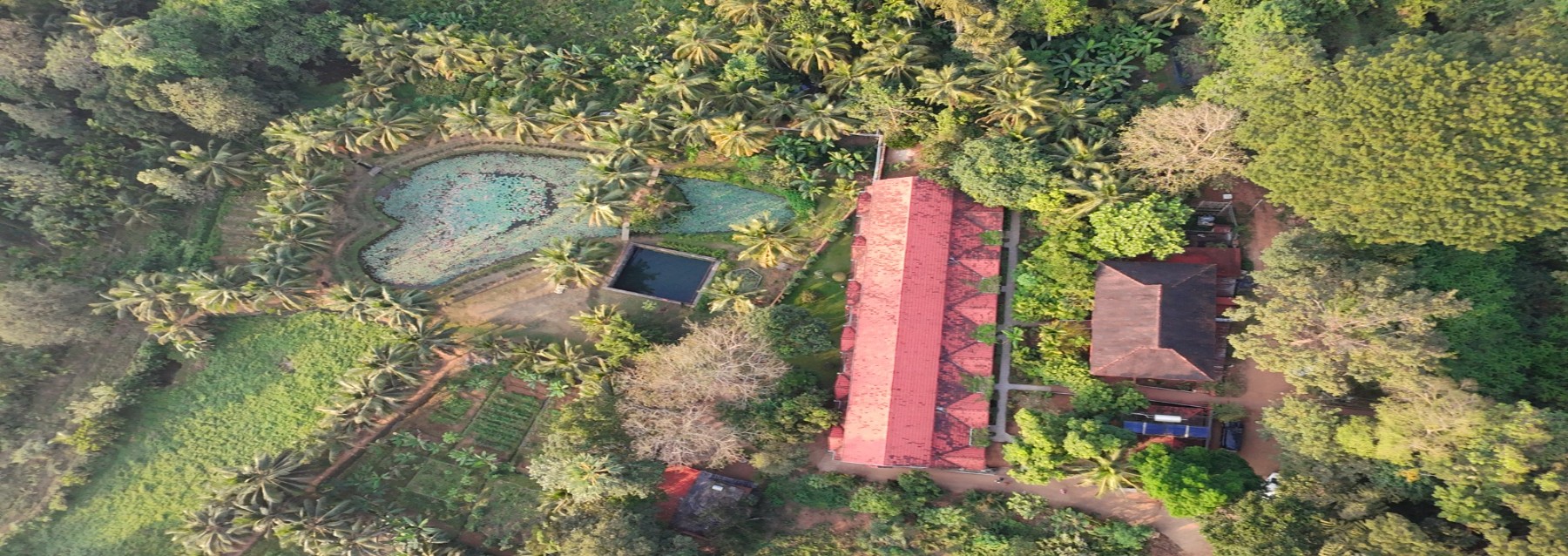
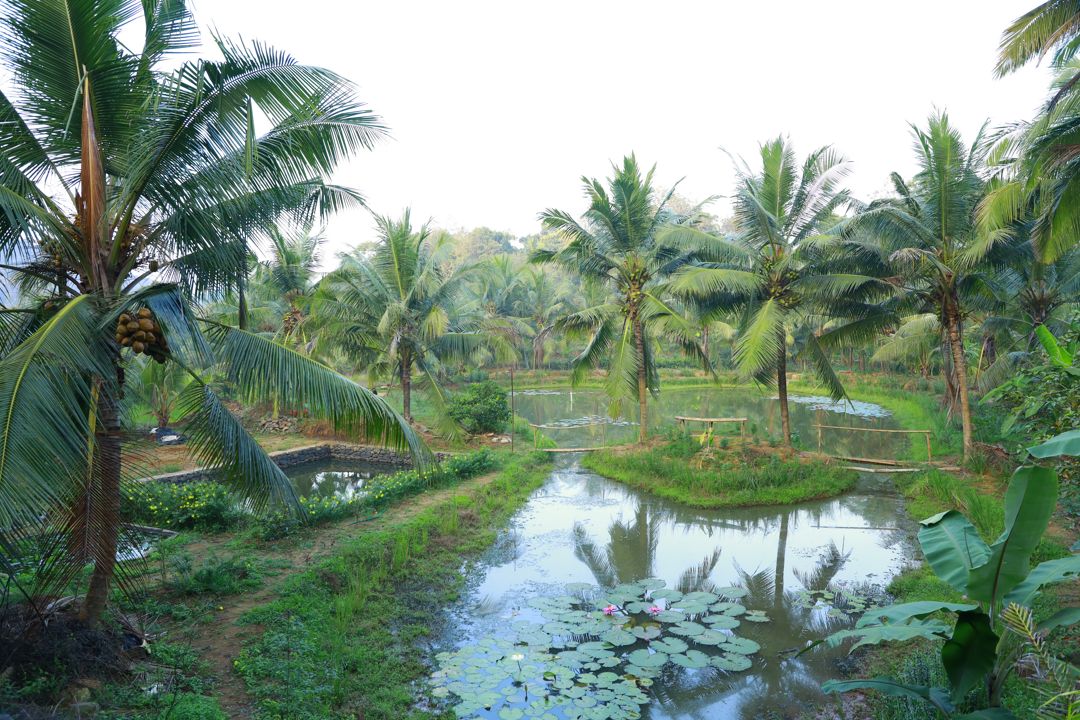
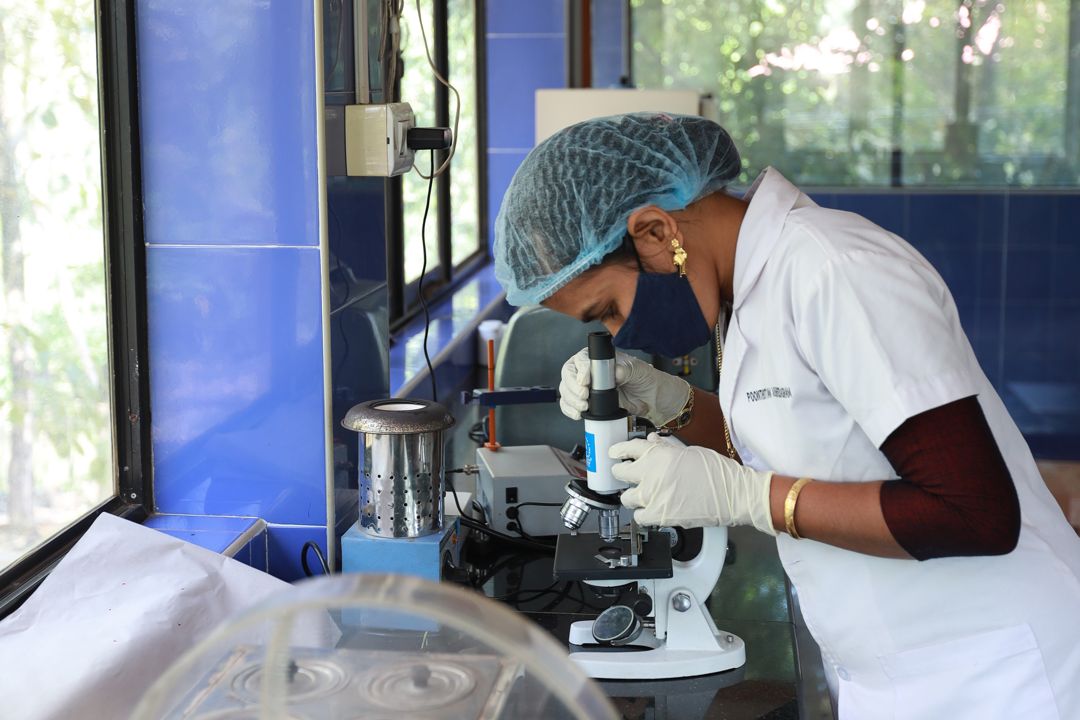
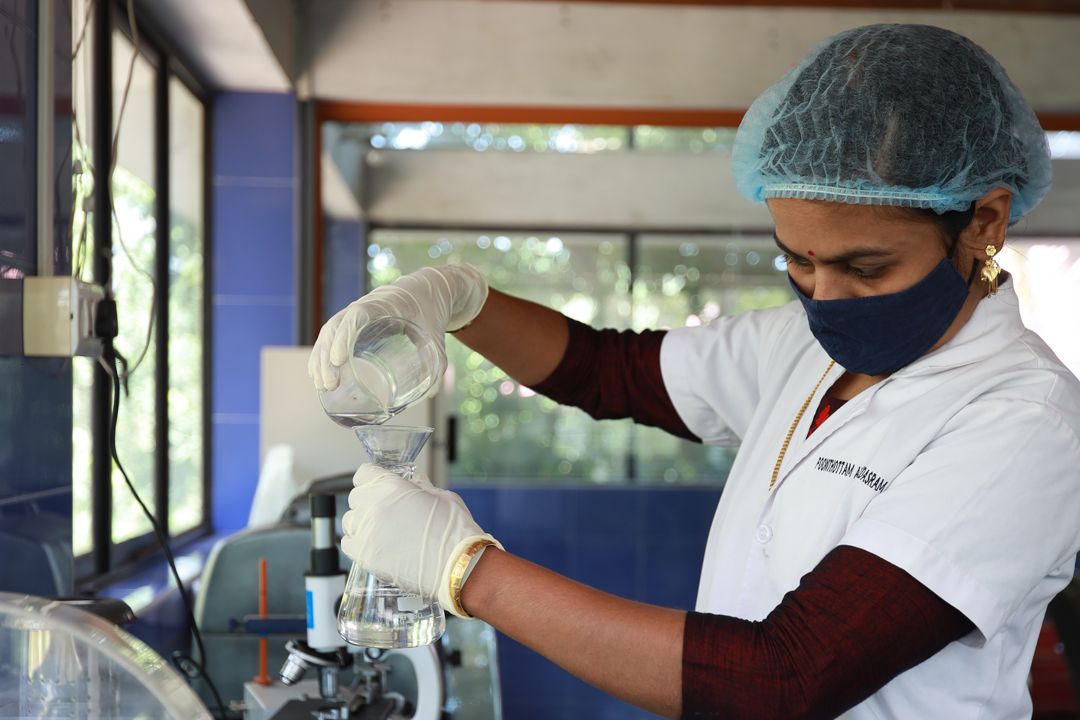
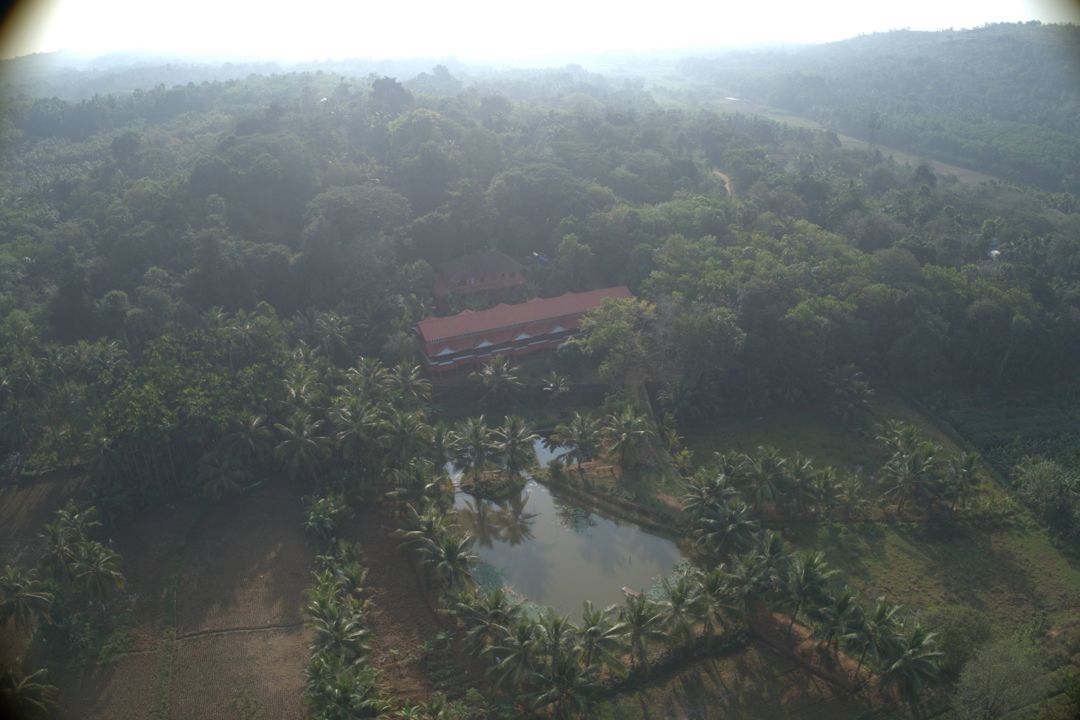
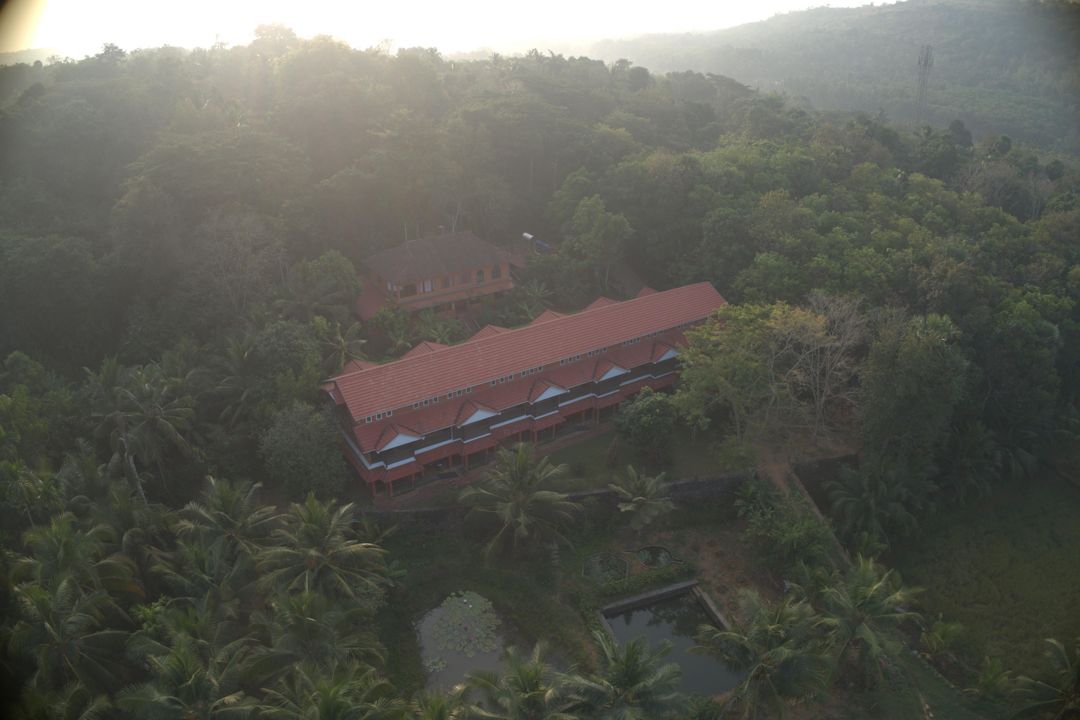
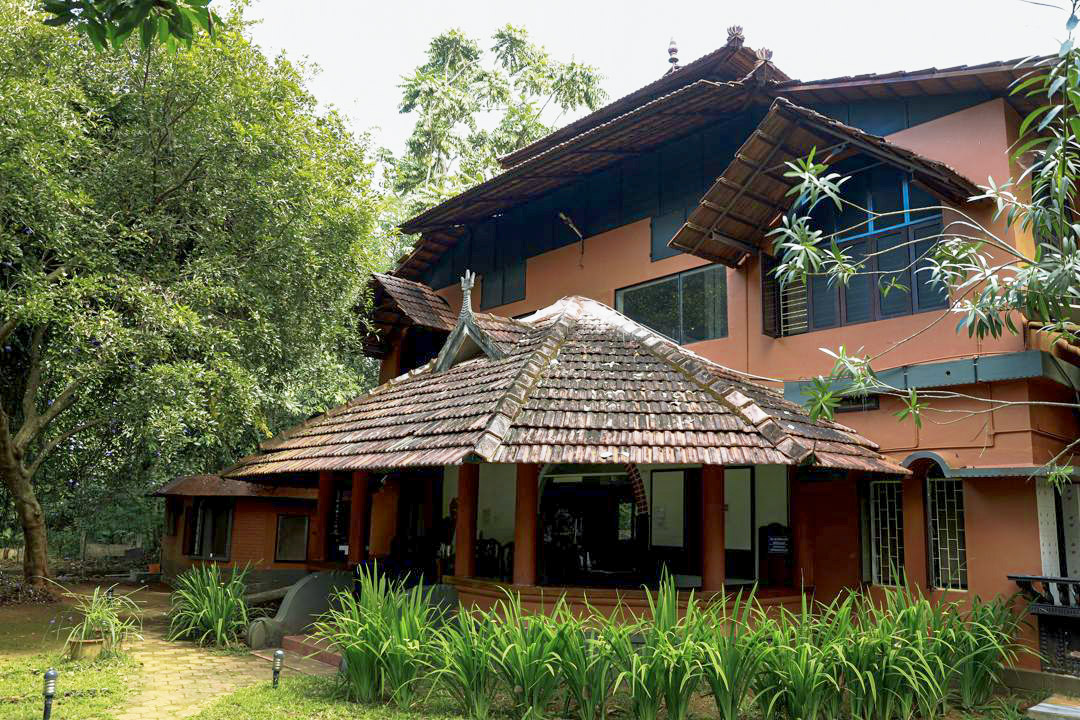
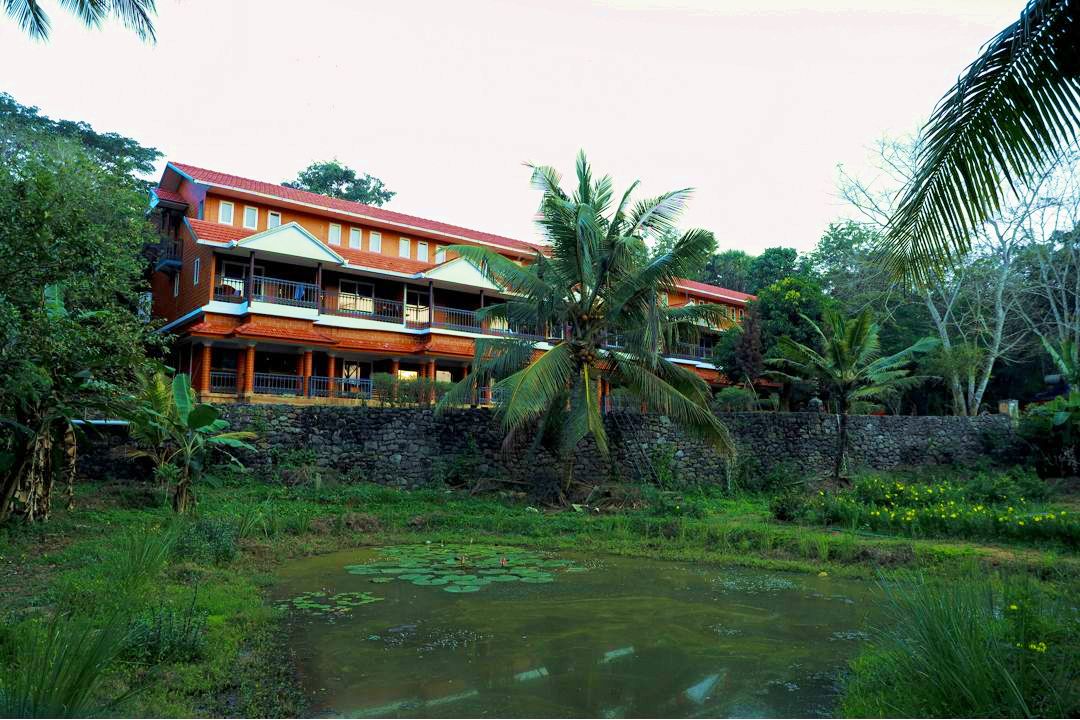
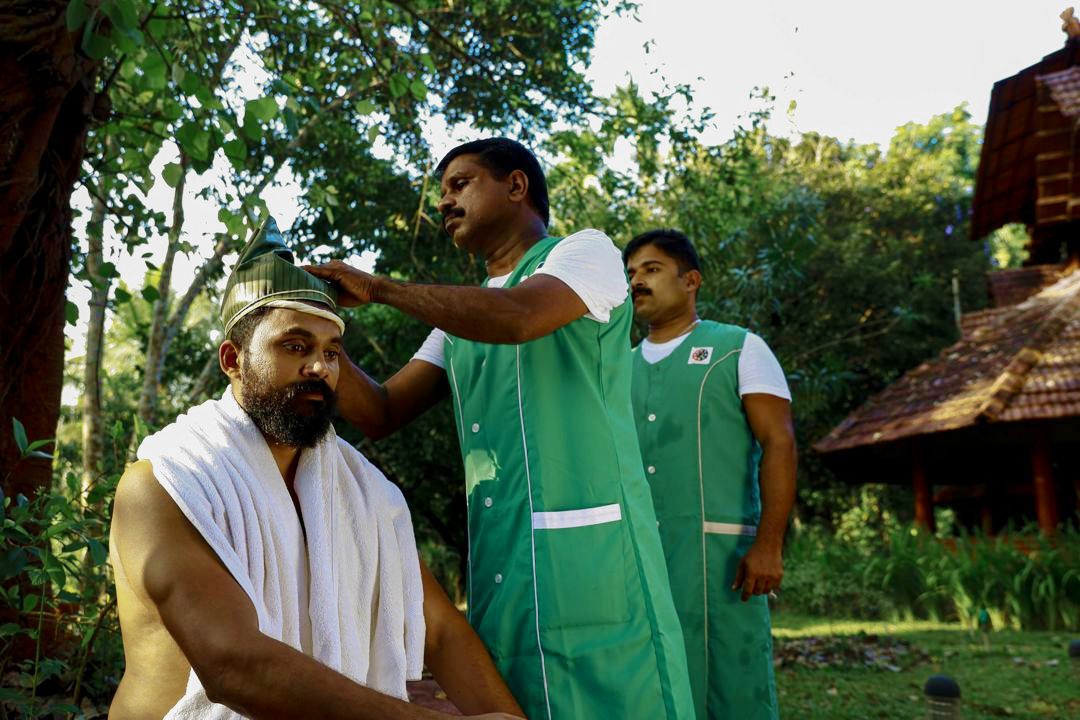
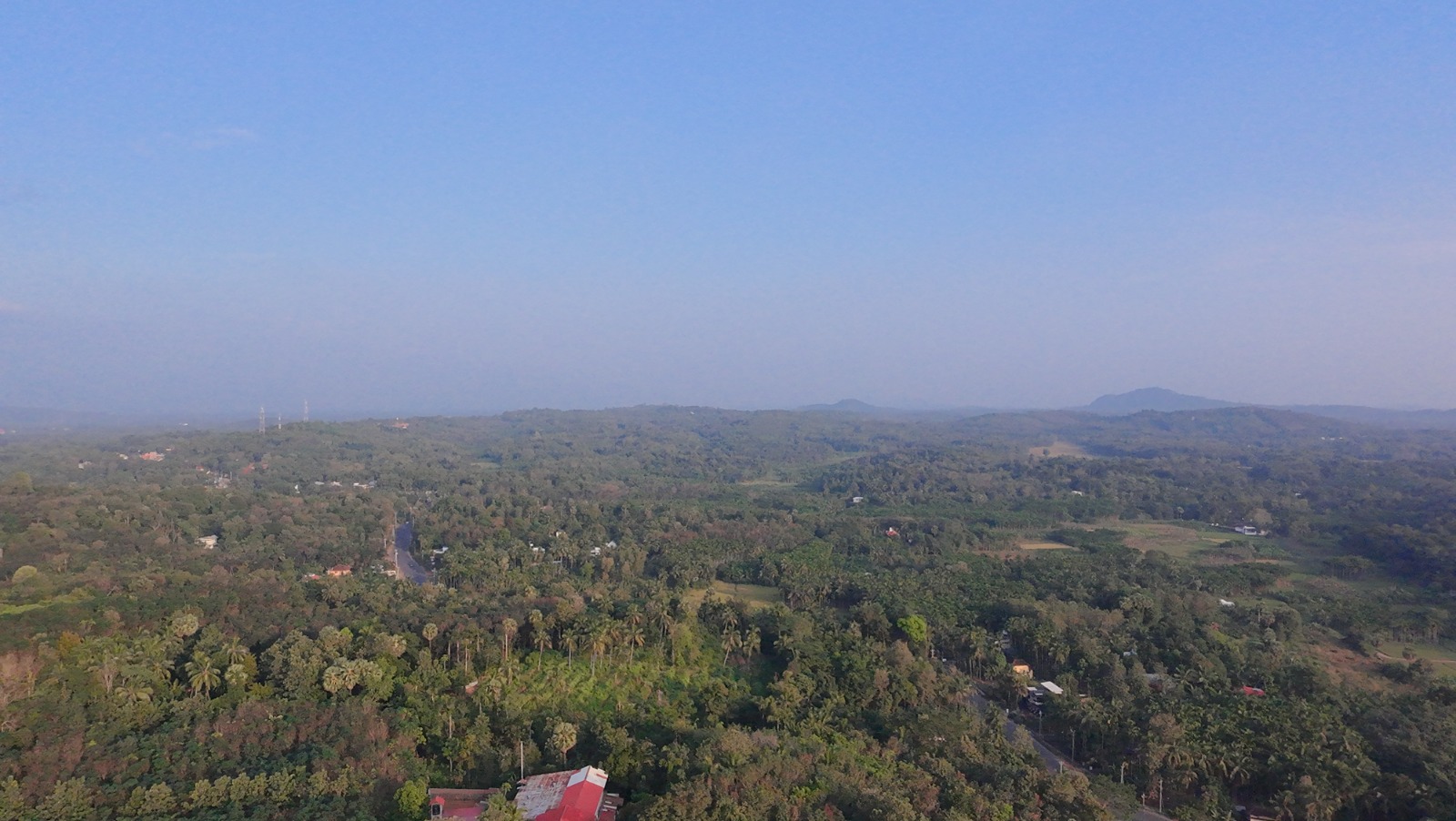
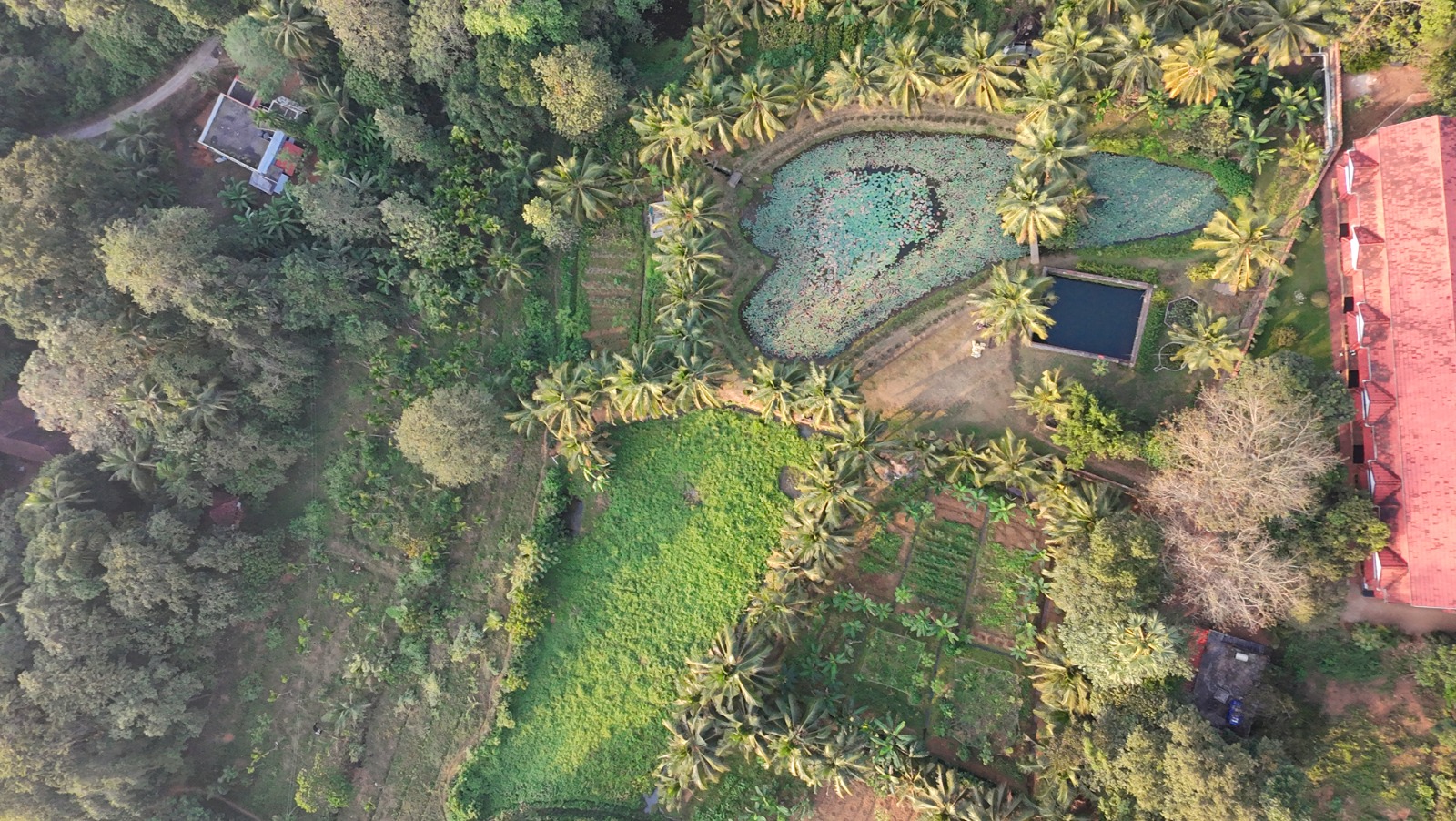
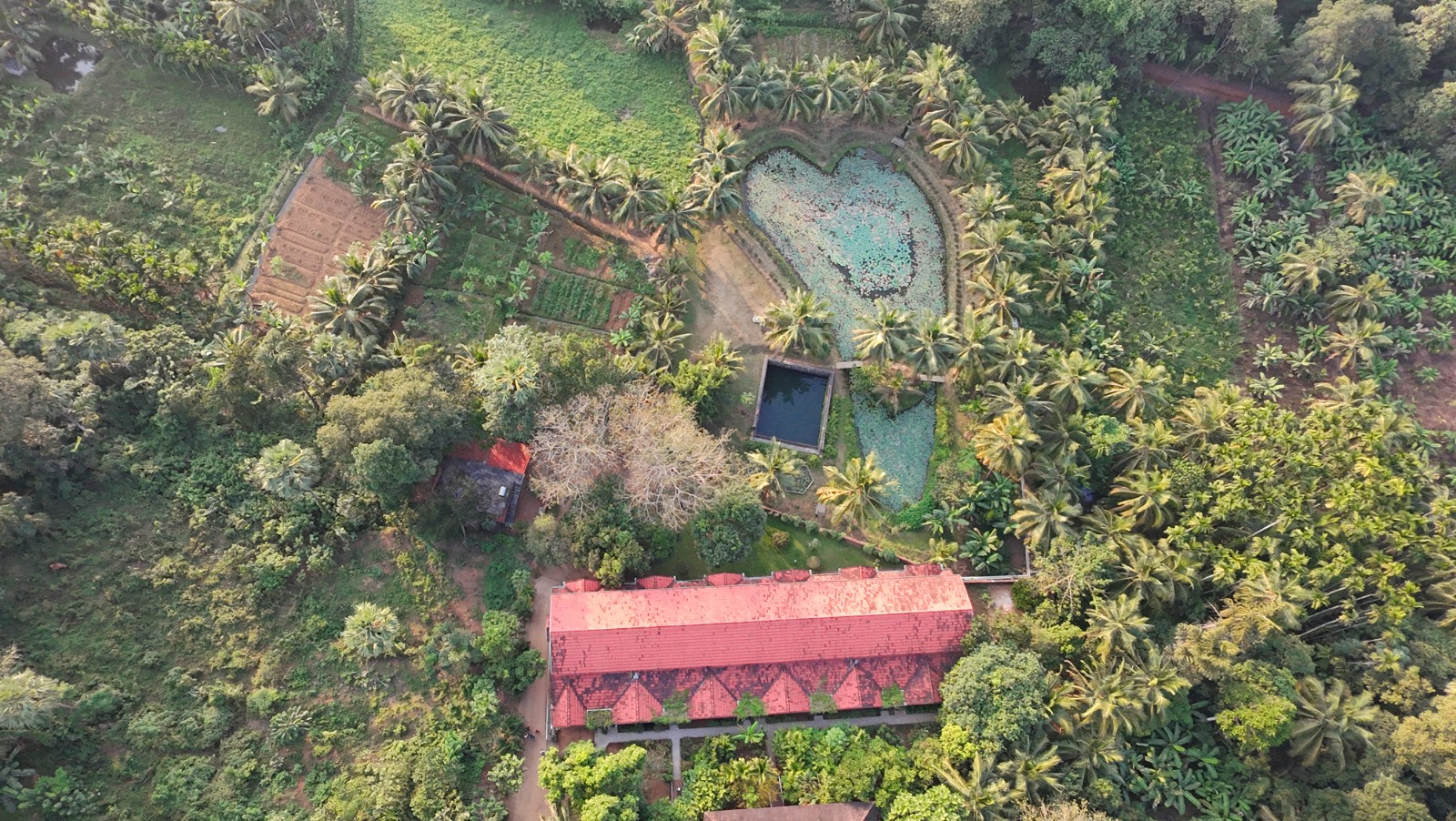
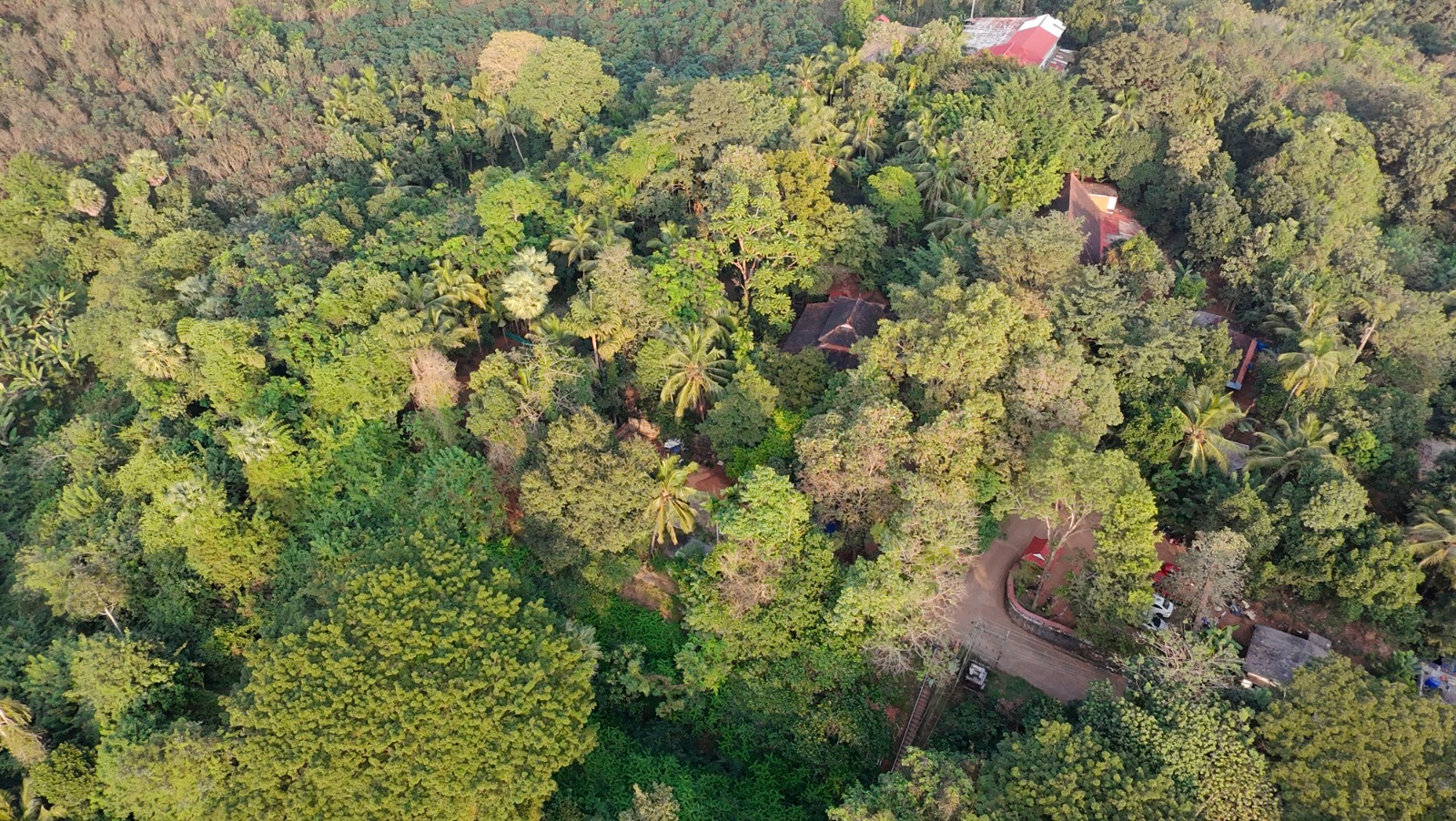
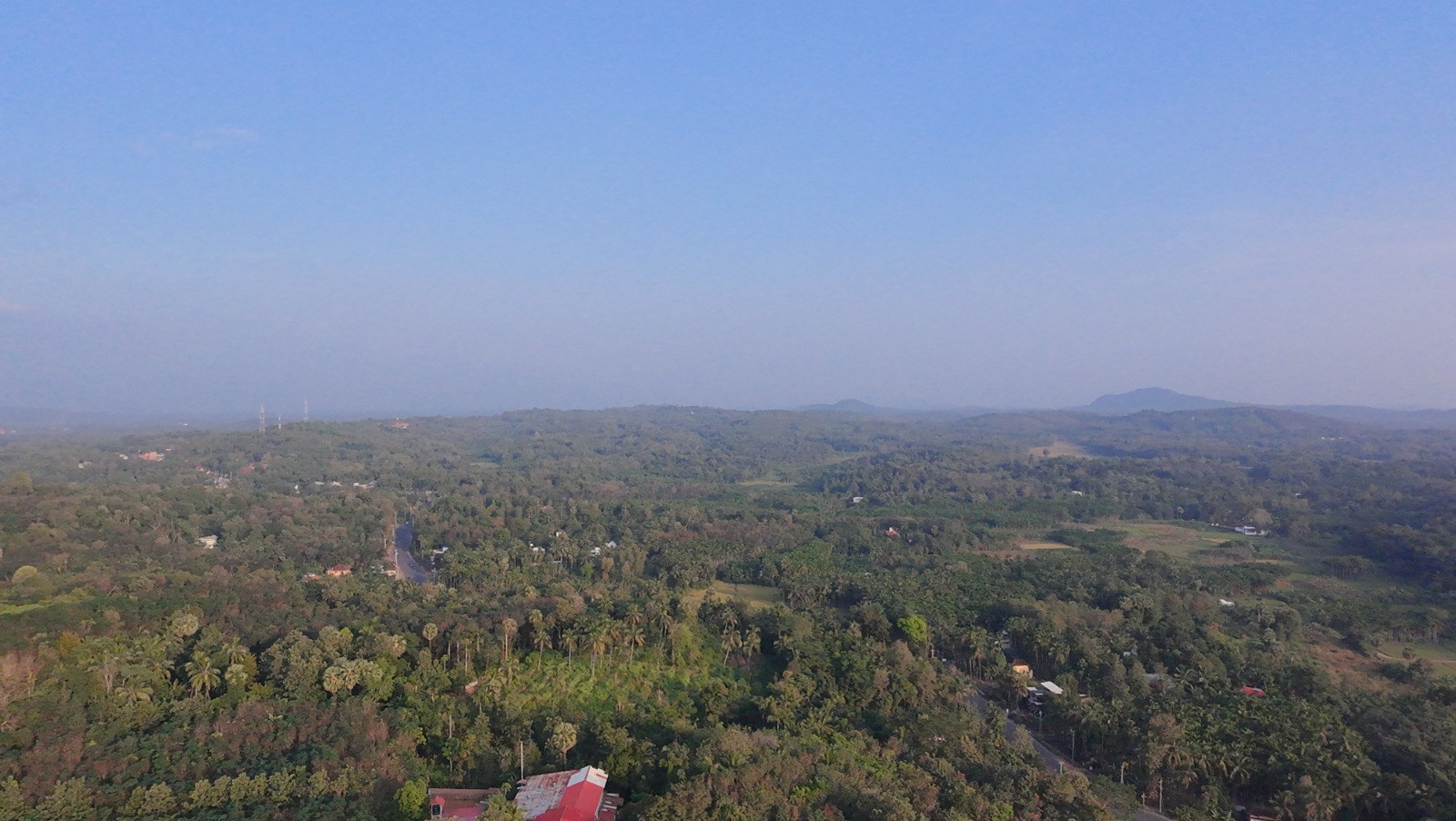
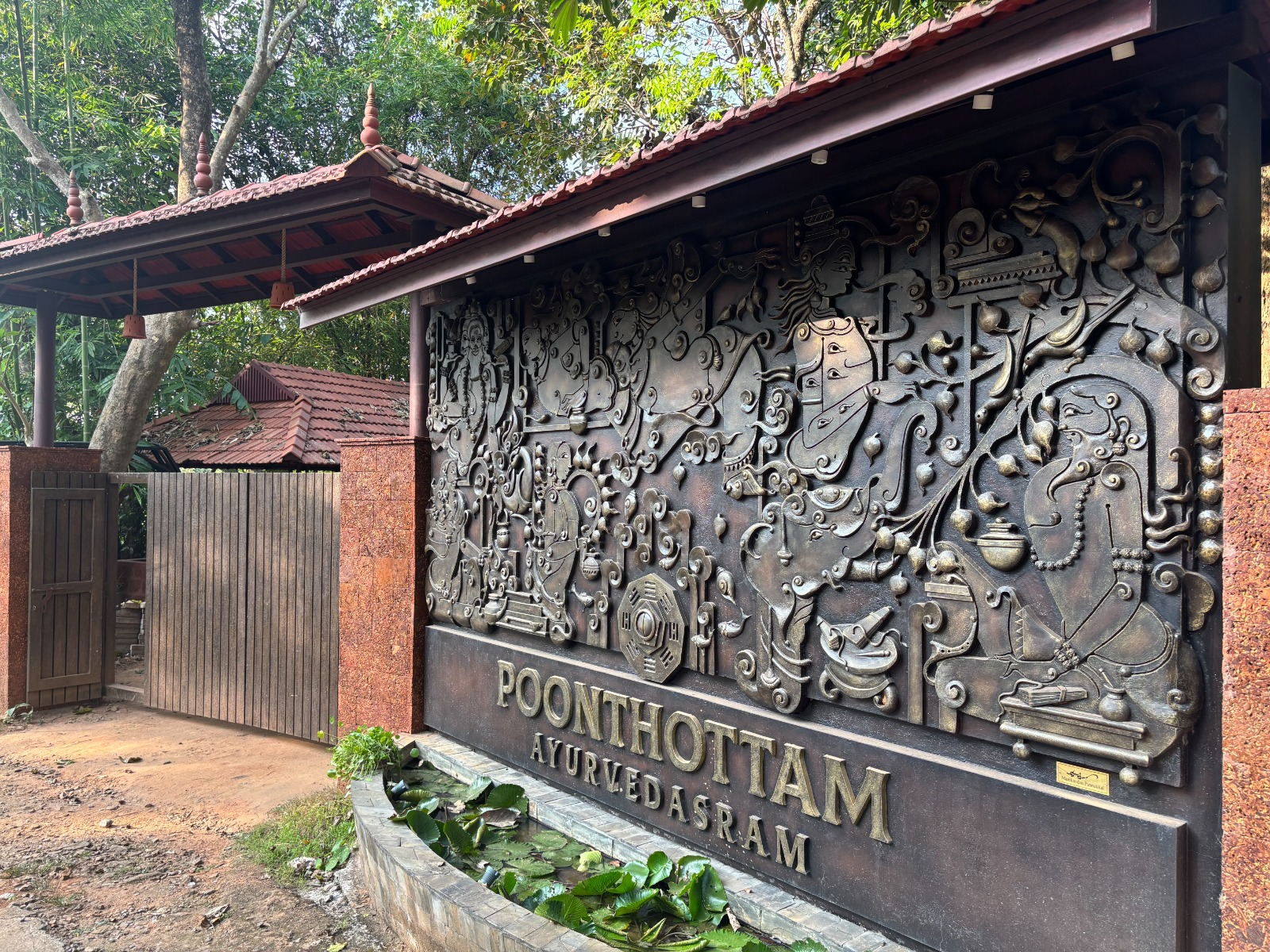
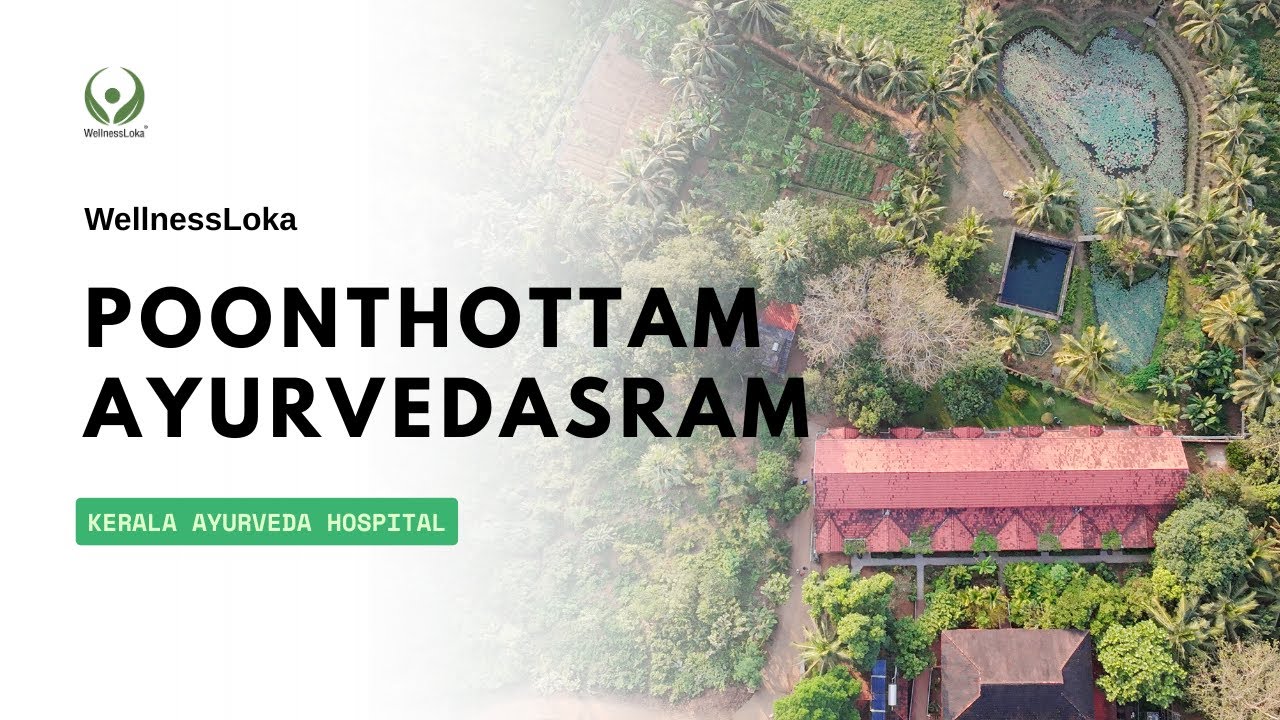
Poonthottam Ayurvedasram is an Ayurveda hospital and ashram located at Kulakkad Post Office, near Cherpulassery, Palakkad District, Kerala – 679503, in the green landscape of the Kulakkad hills. The setting includes paddy fields and plantations of rubber, coconut and banana, while the campus incorporates medicinal-plant cultivation and spaces dedicated to Ayurveda education, treatment and cultural activities. The institution began in 1989 under the guidance of Vaidya P.M.S. Raveendranath, with Panchakarma forming a central part of its clinical approach.
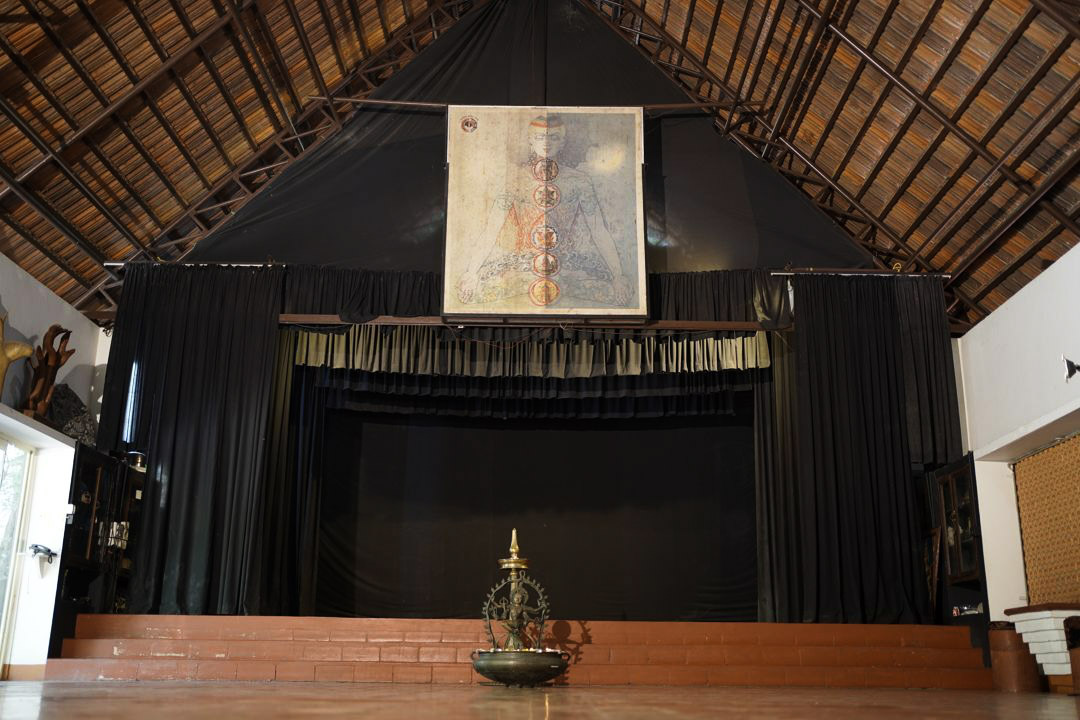
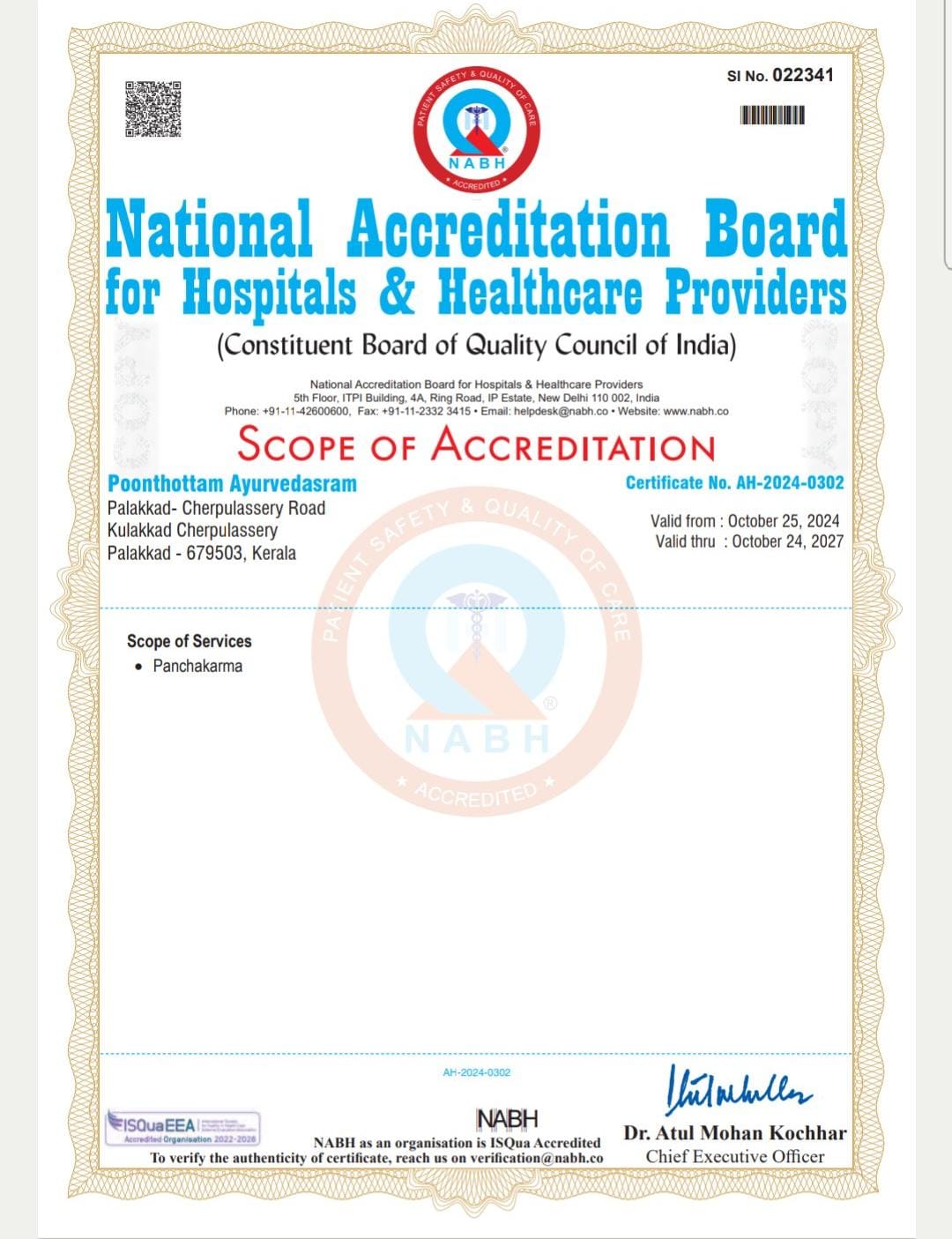
The centre has a 28-room accommodation capacity for up to 45 in-patients, a medicinal garden containing more than 200 species, a yoga and meditation hall, Ayurvedic dining facilities, library and temple. Its clinical focus includes autoimmune, neurological, gynaecological, musculoskeletal and ano-rectal conditions. The institution also operates a GMP-certified Ayurvedic medicine manufacturing unit, established in its present full-scale form in 2007, producing more than 300 medicines. Poonthottam holds NABH accreditation for Panchakarma, with the current certificate valid from 25 October 2024 to 24 October 2027.
Property Design and Landscape
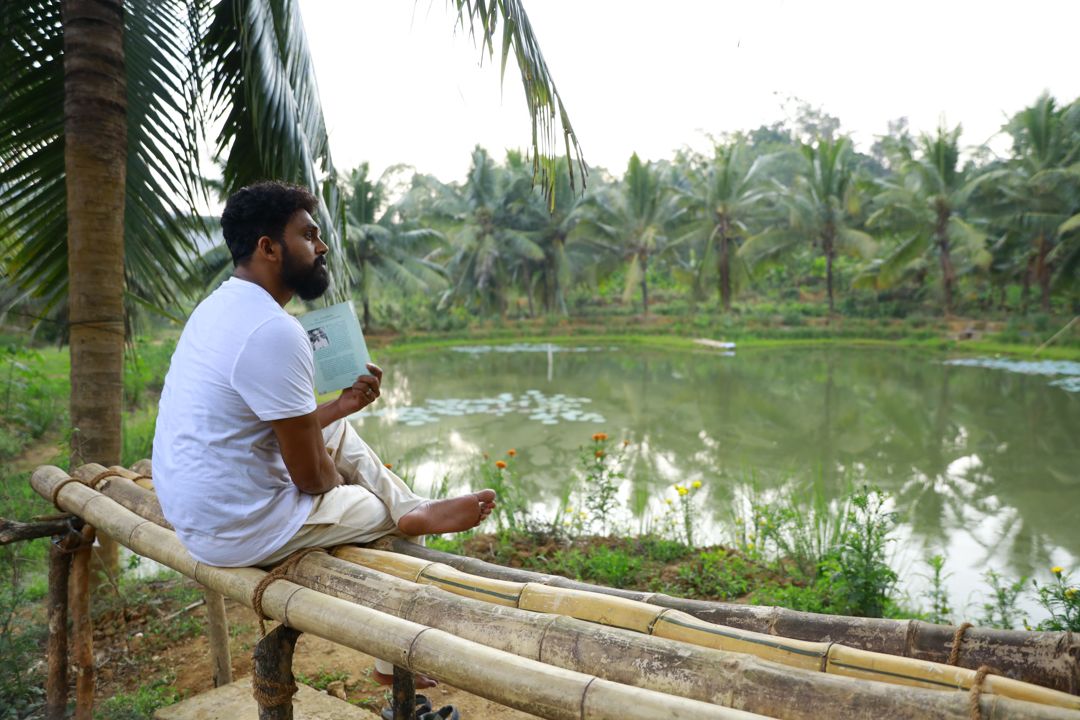
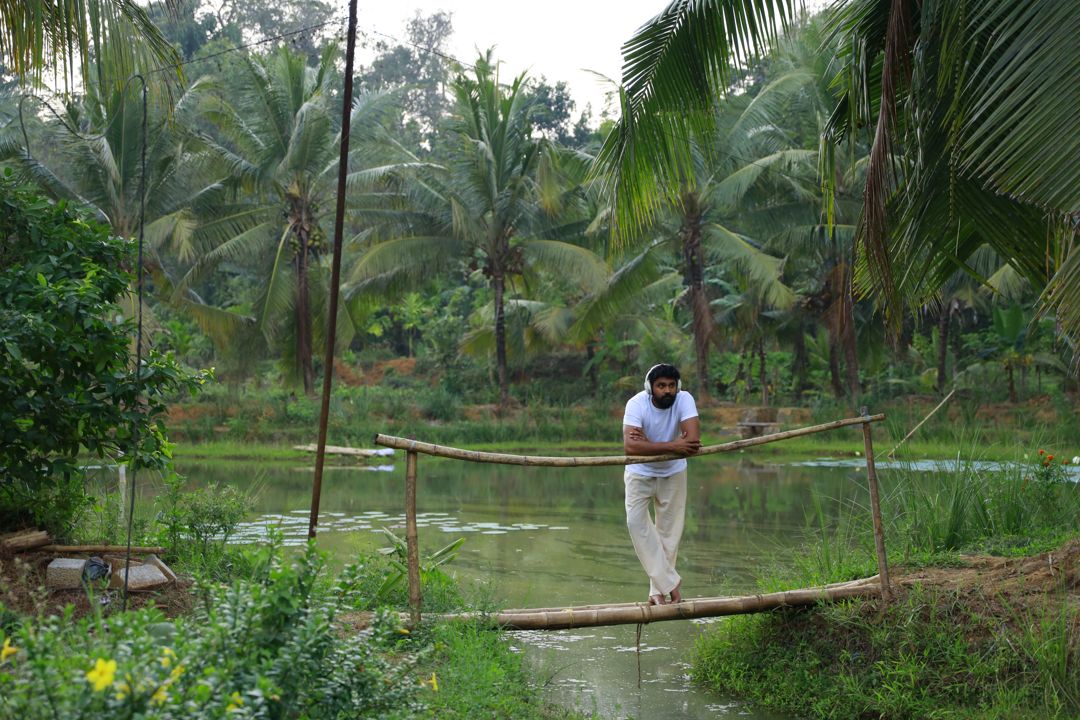
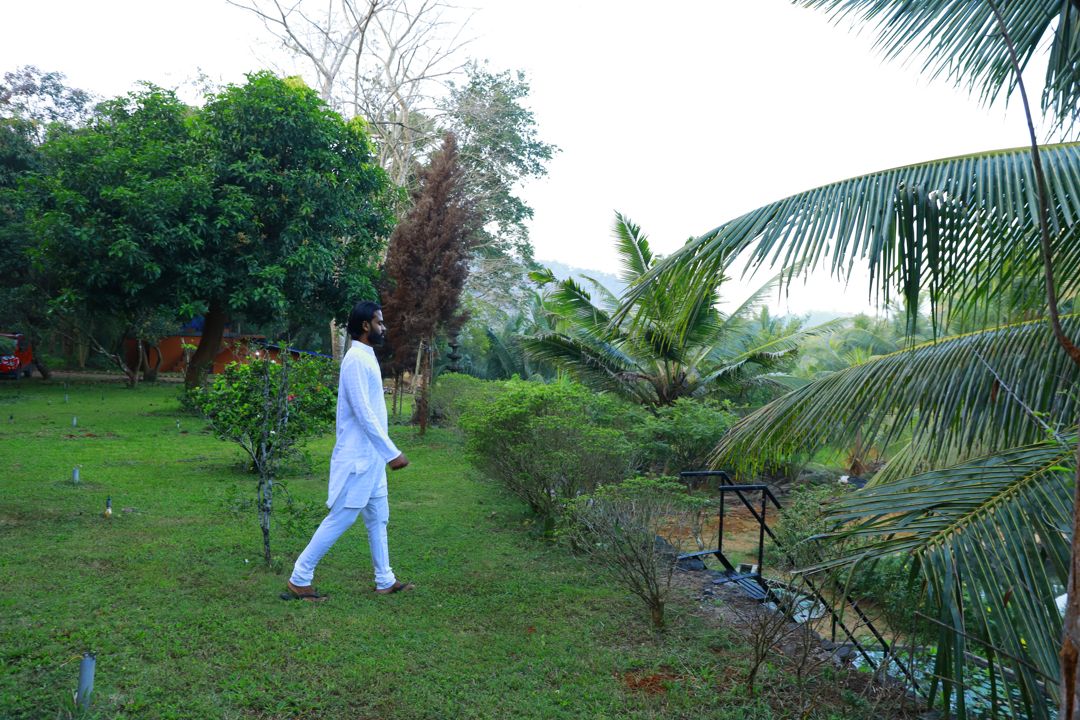
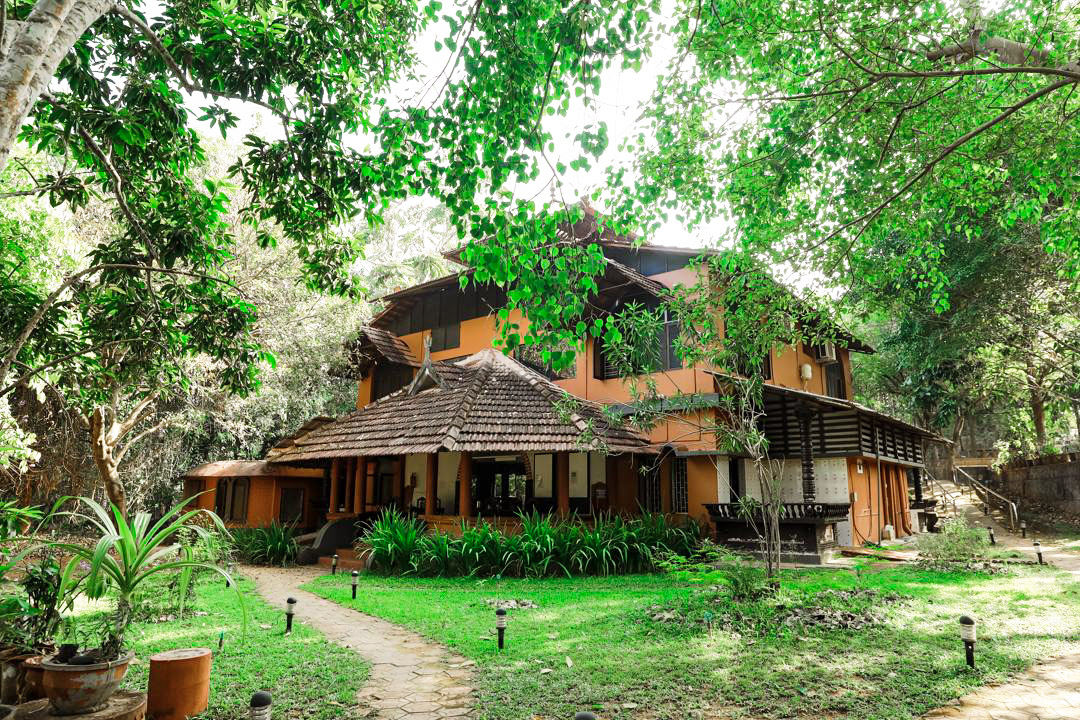
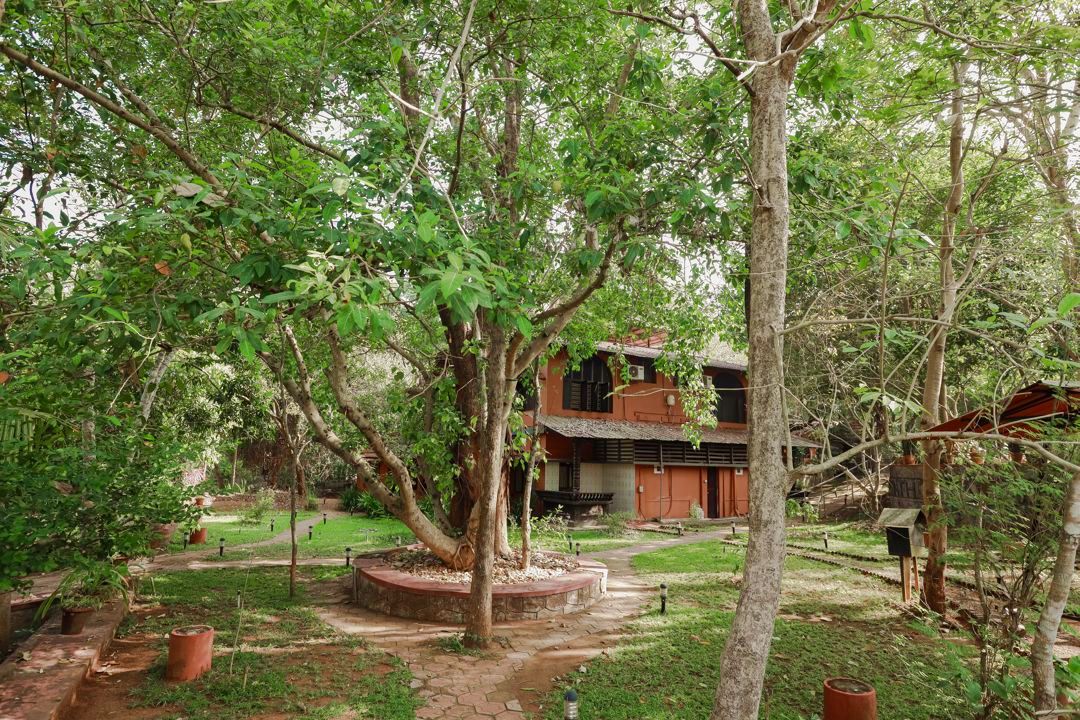
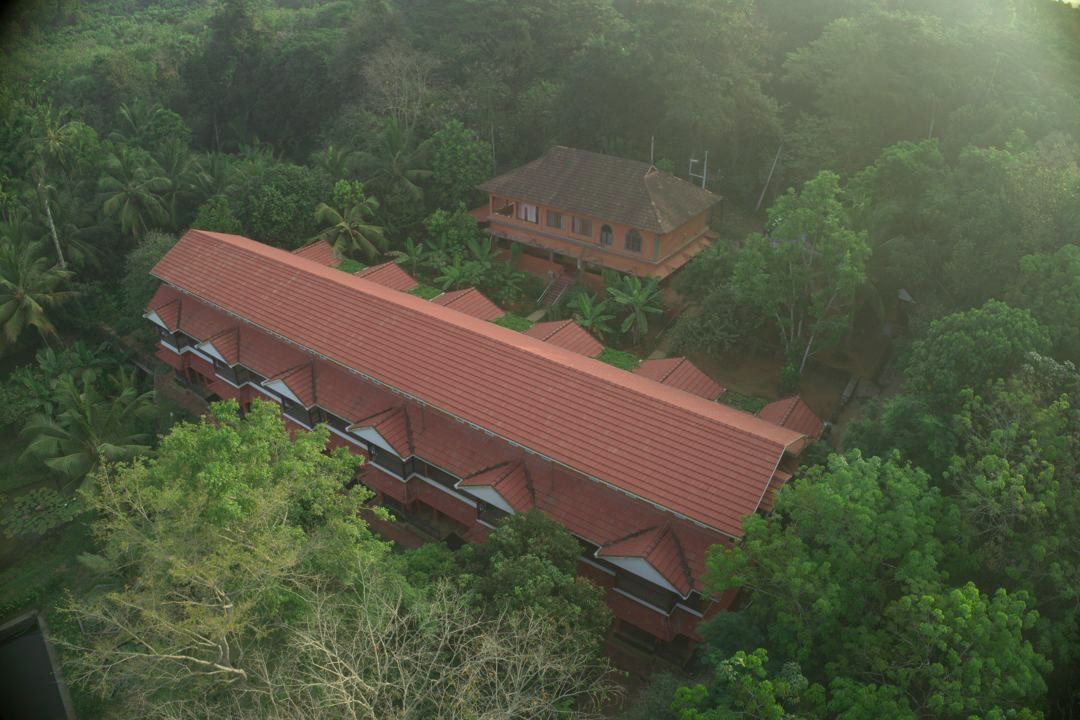
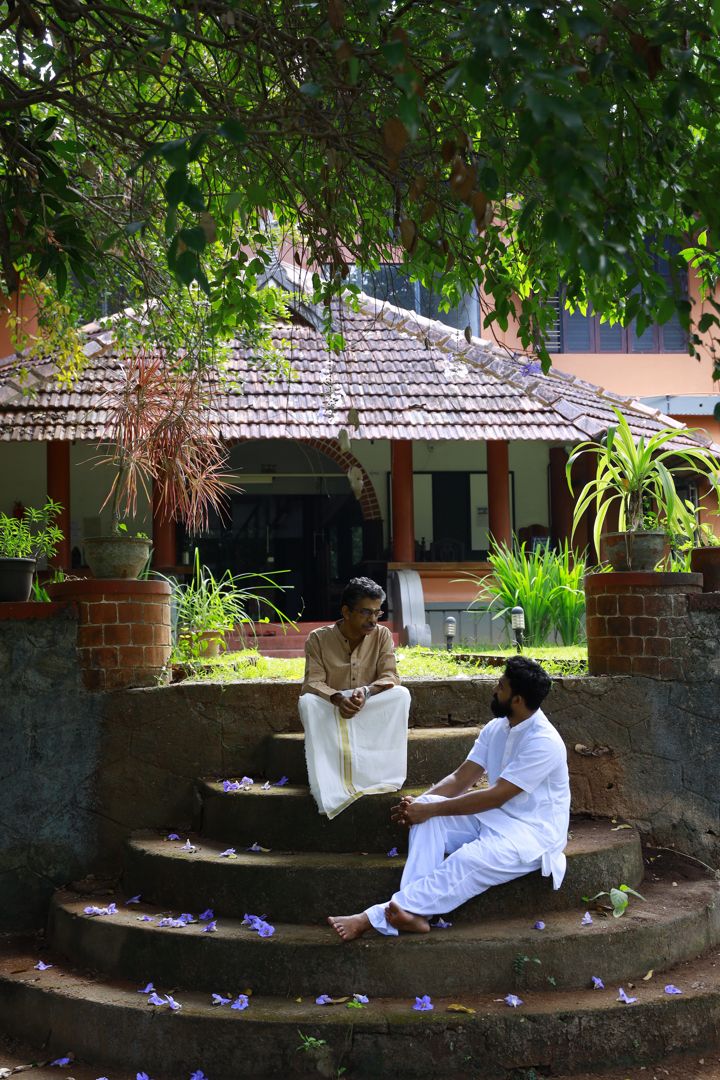
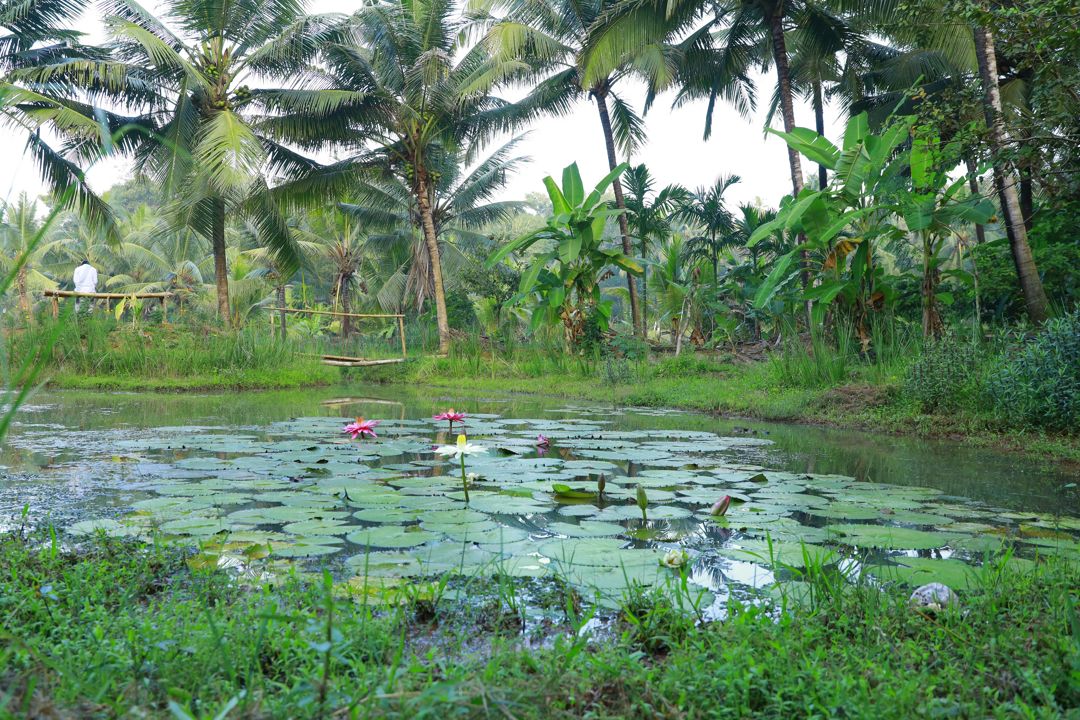
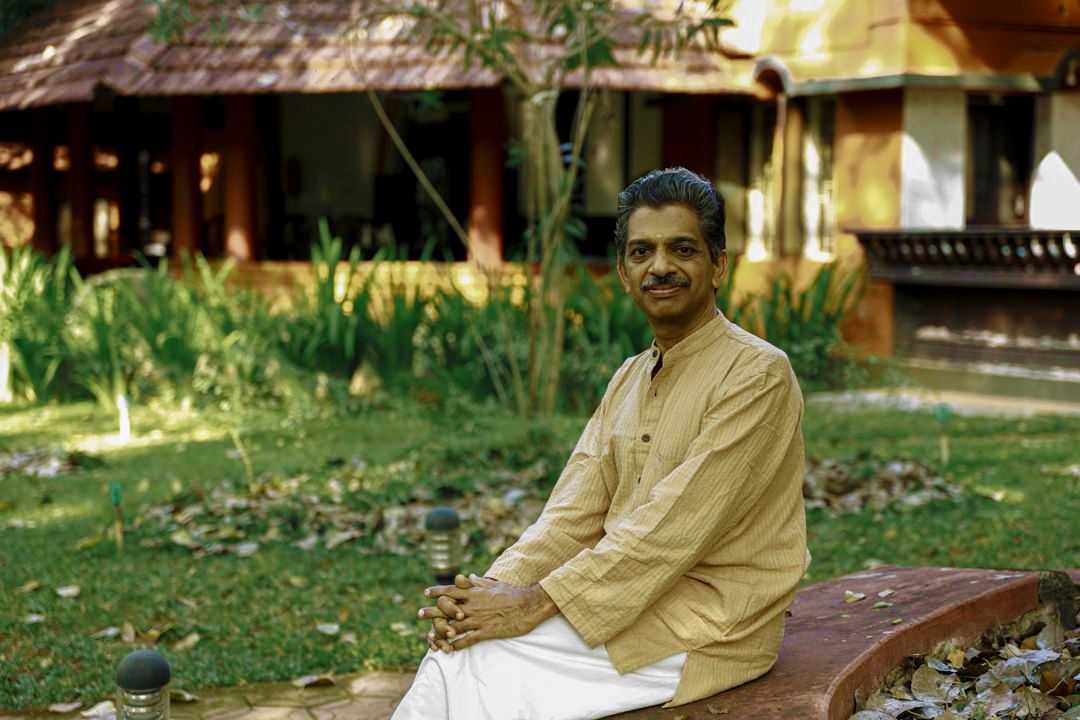
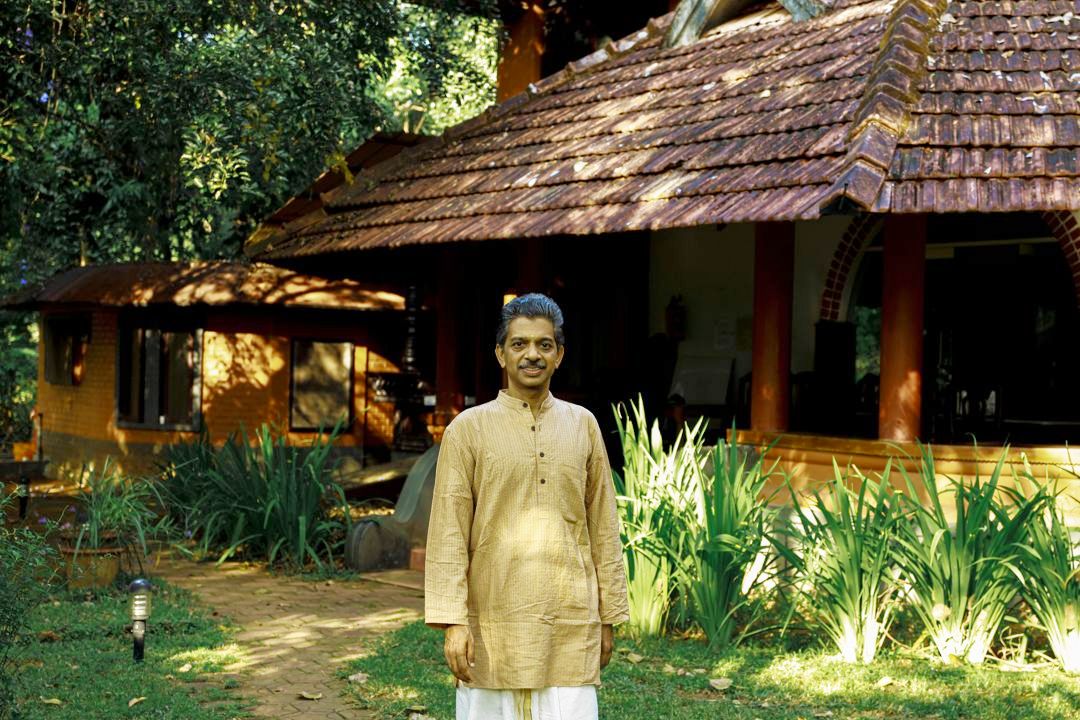
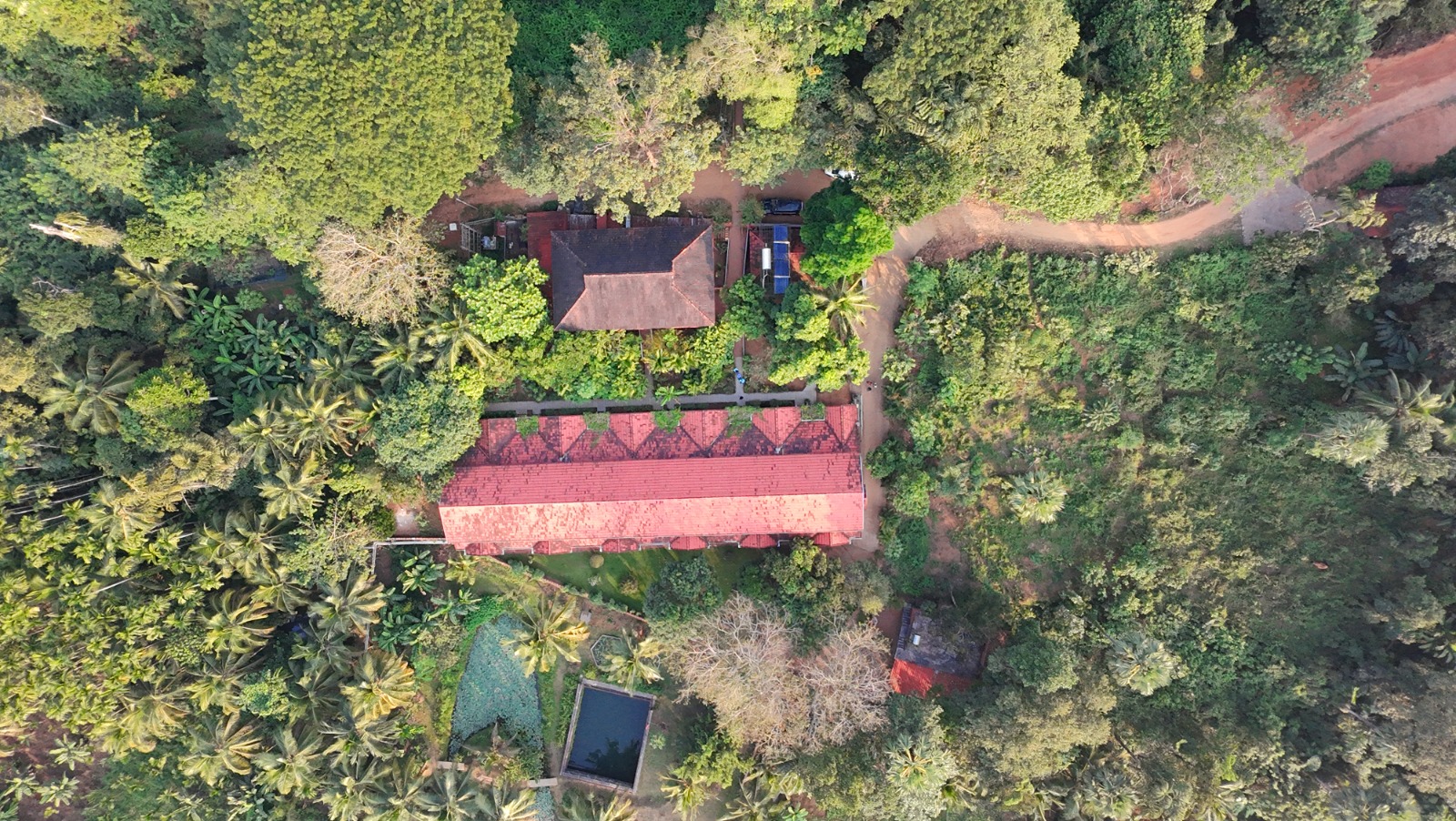
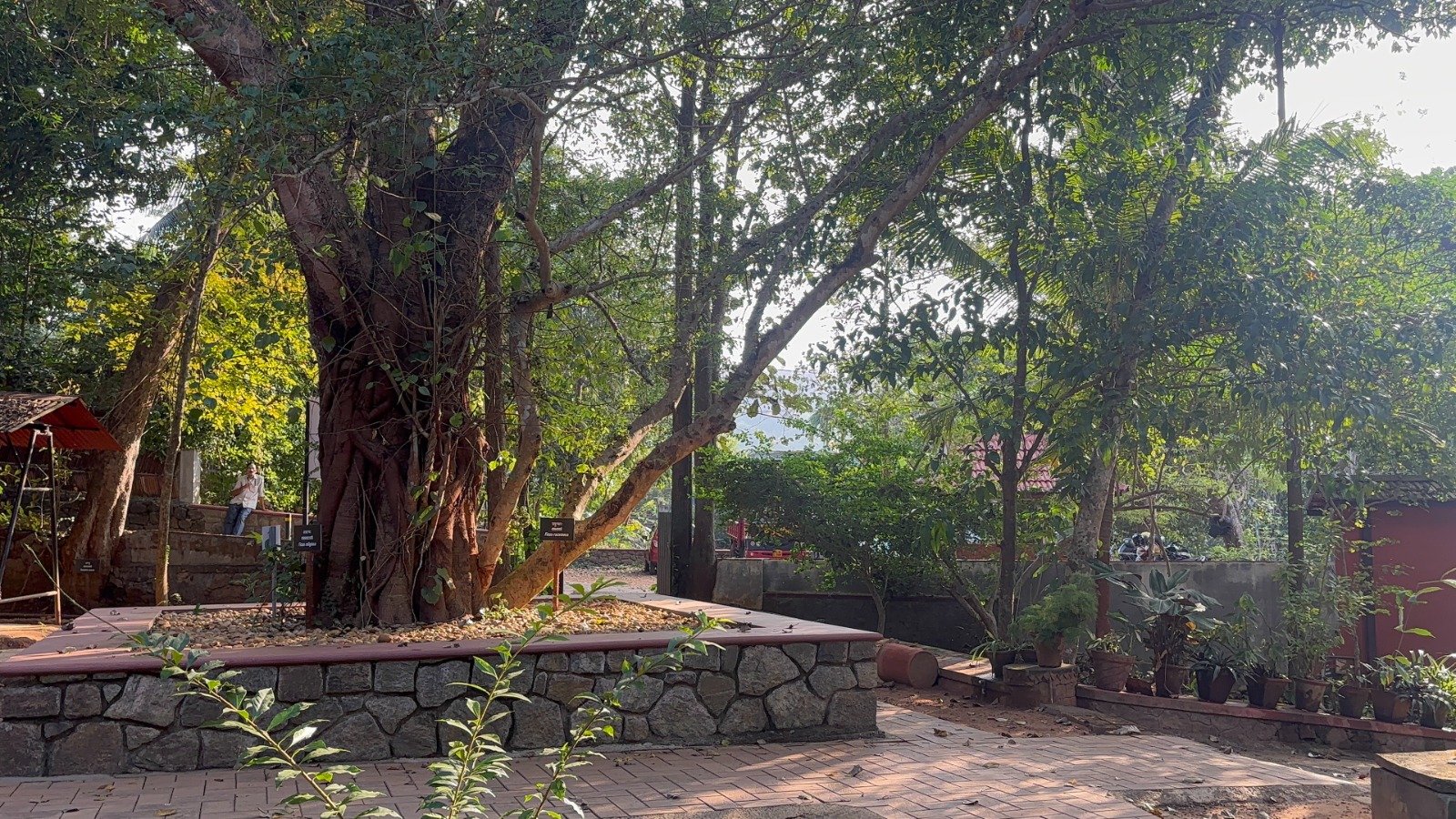
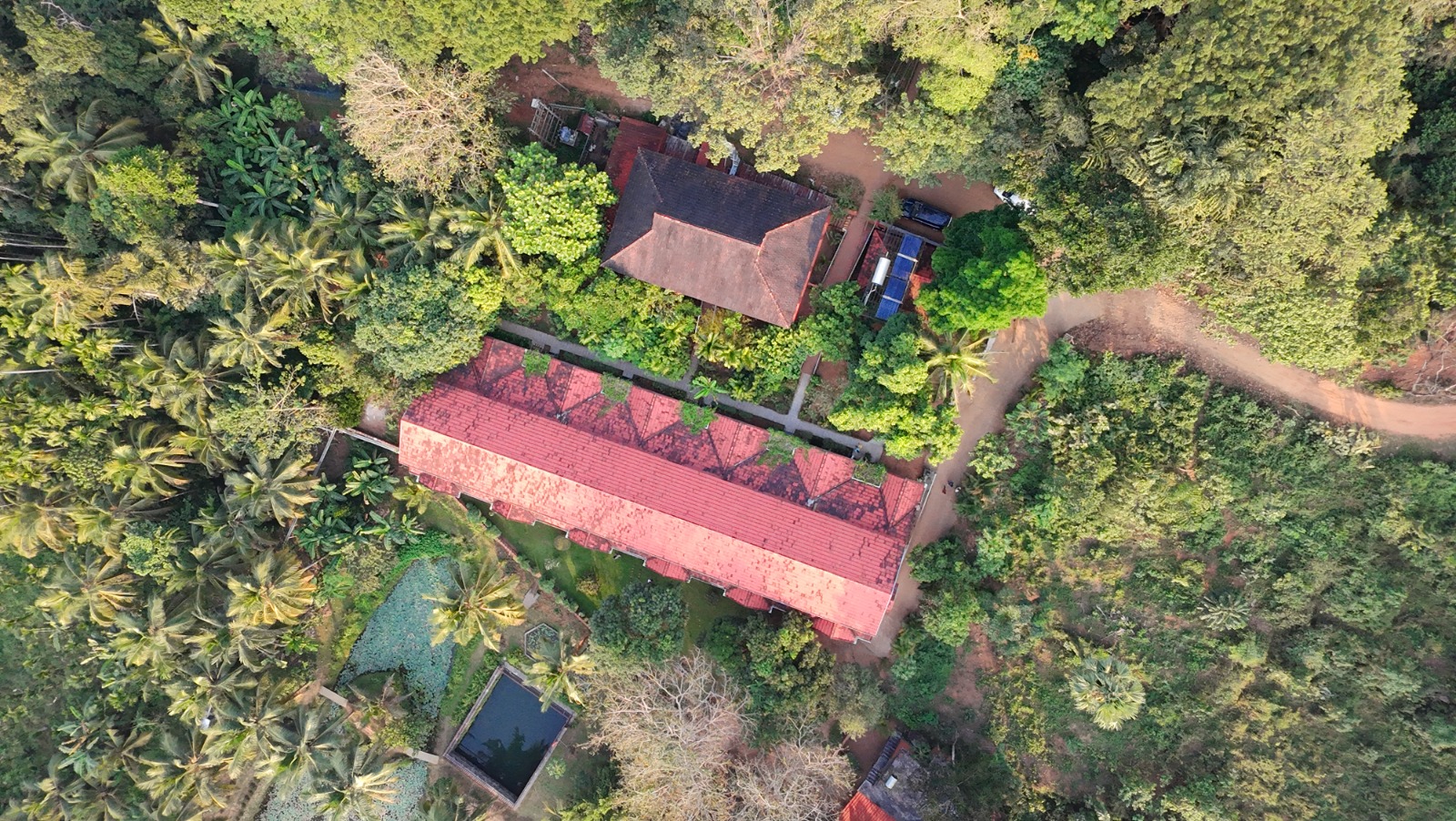
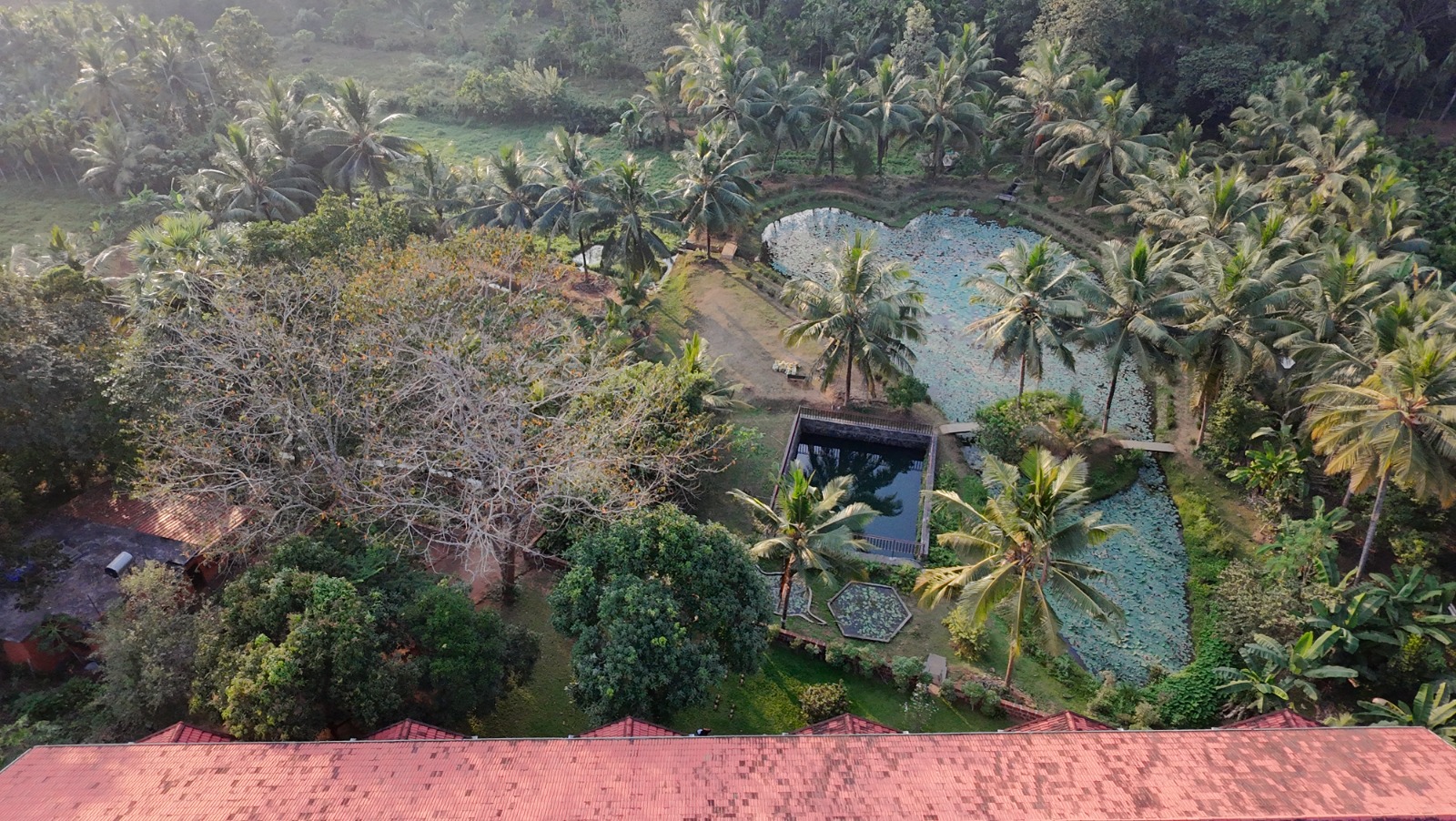
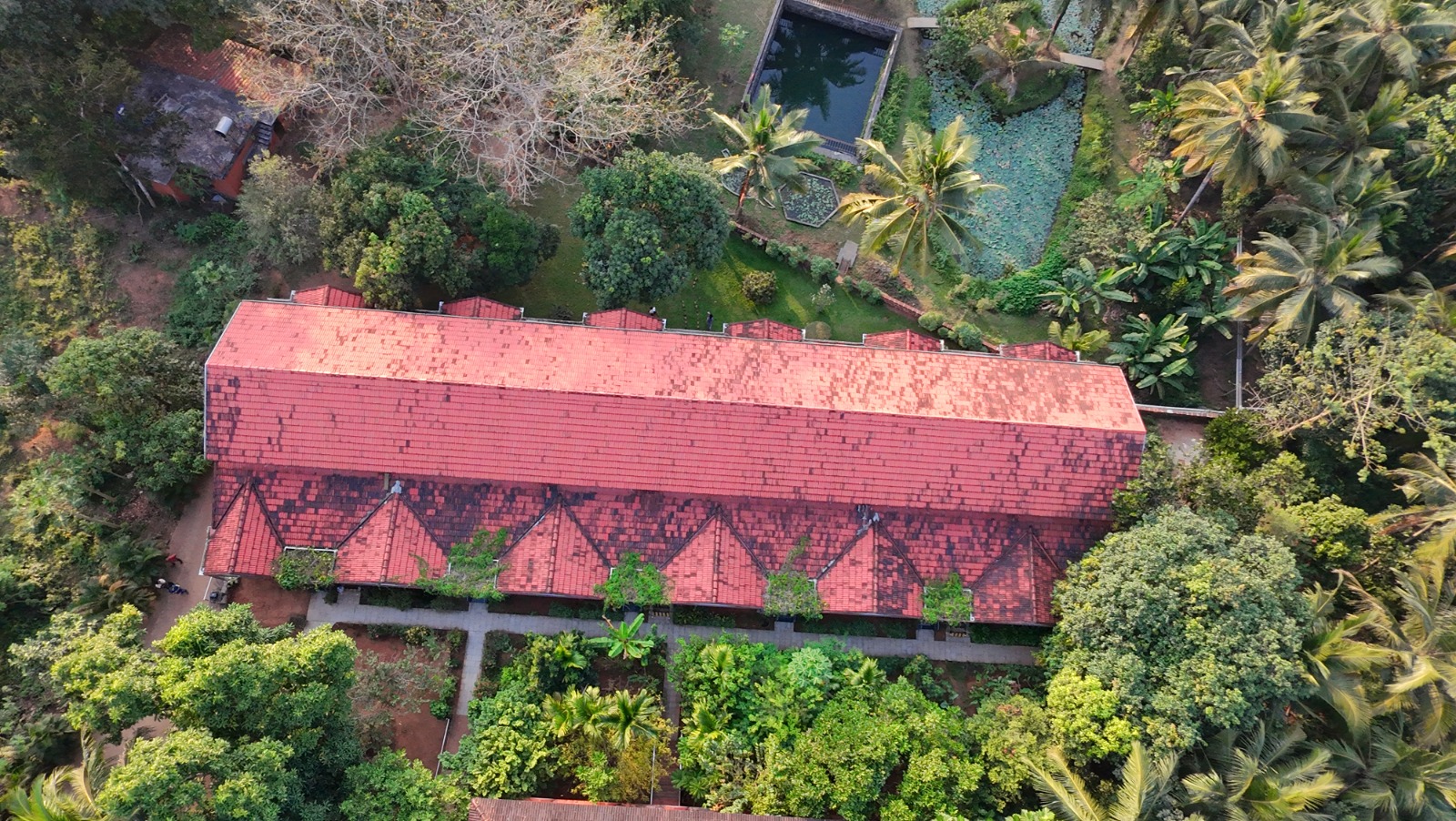
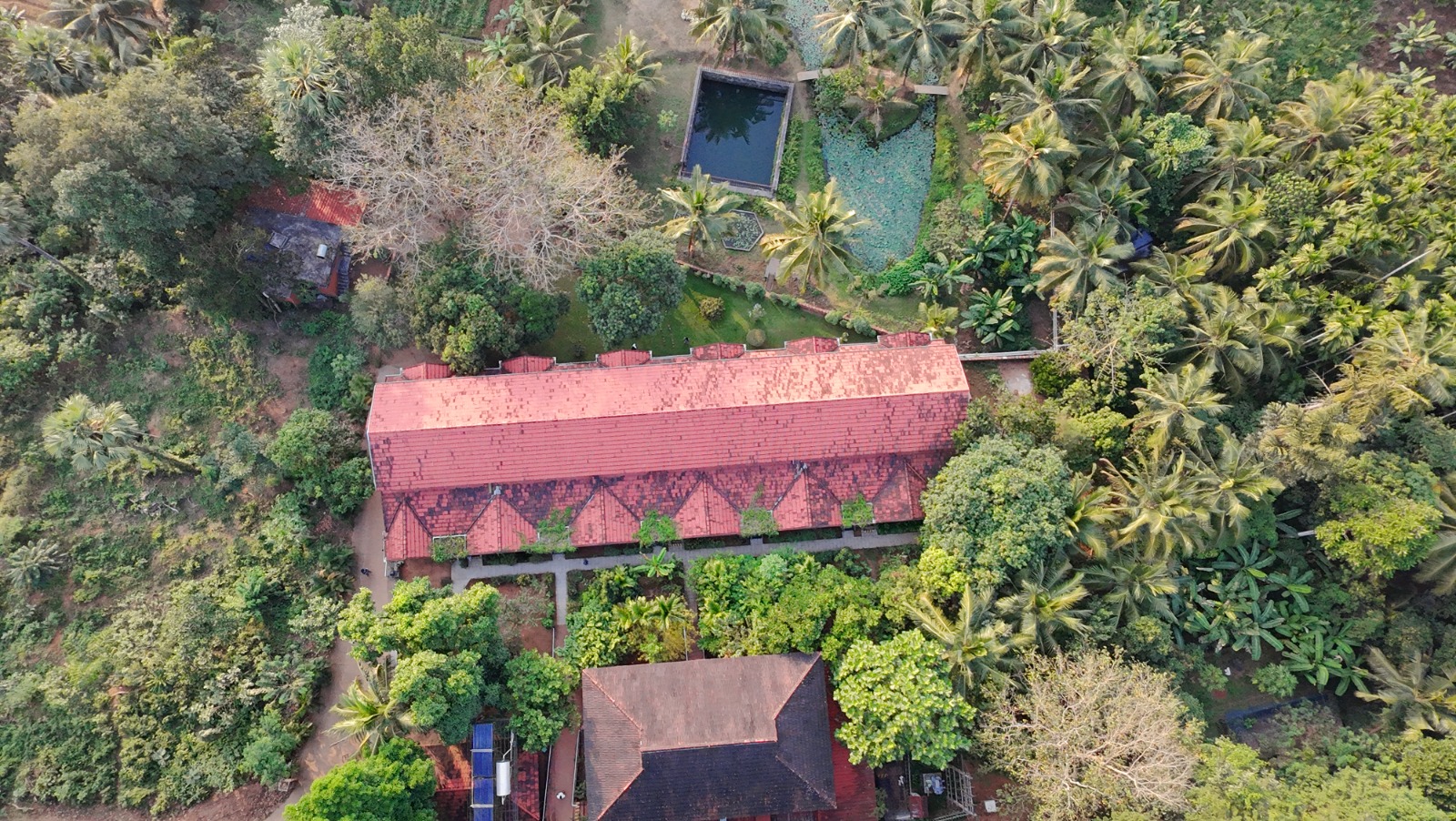
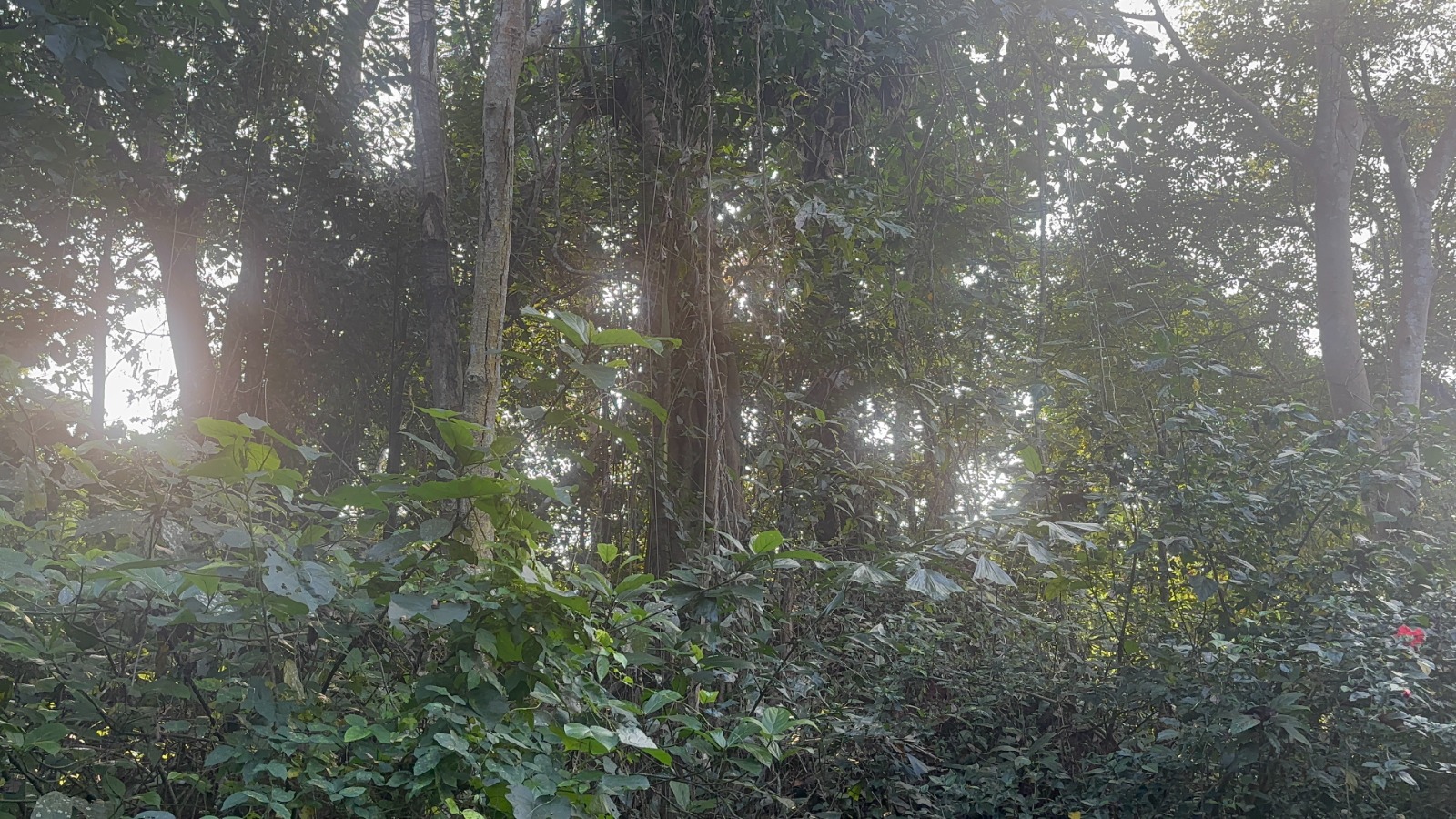
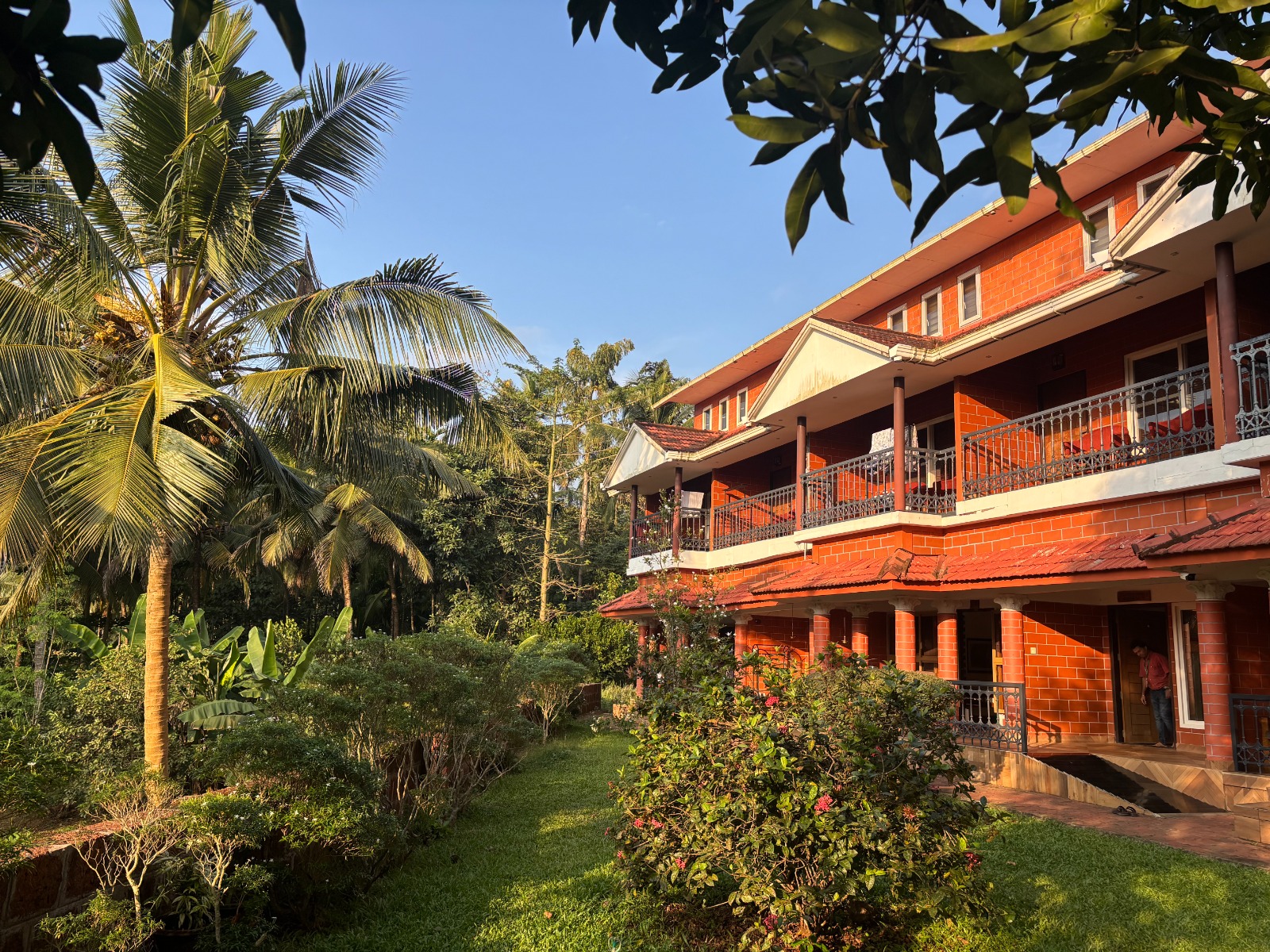
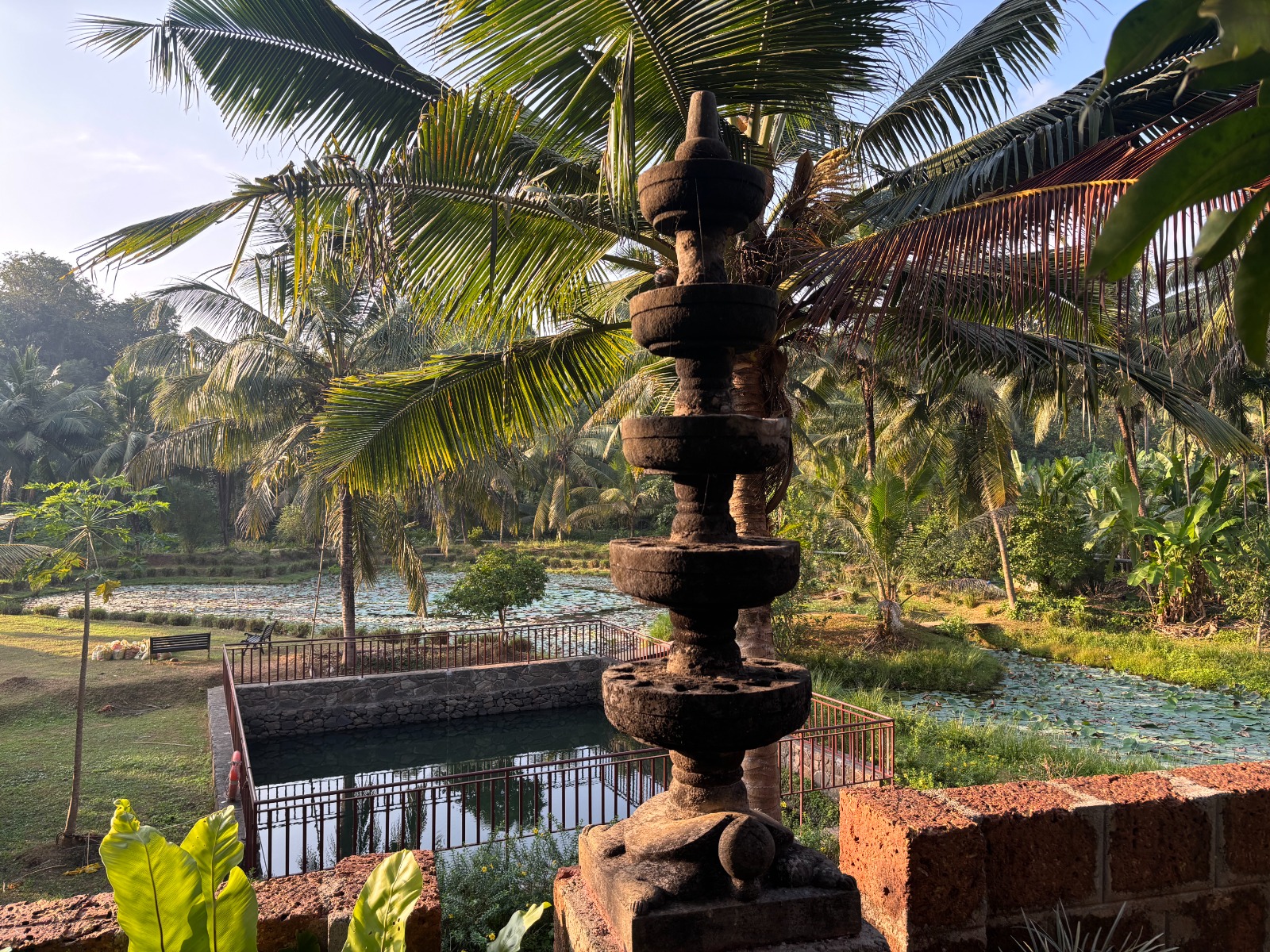
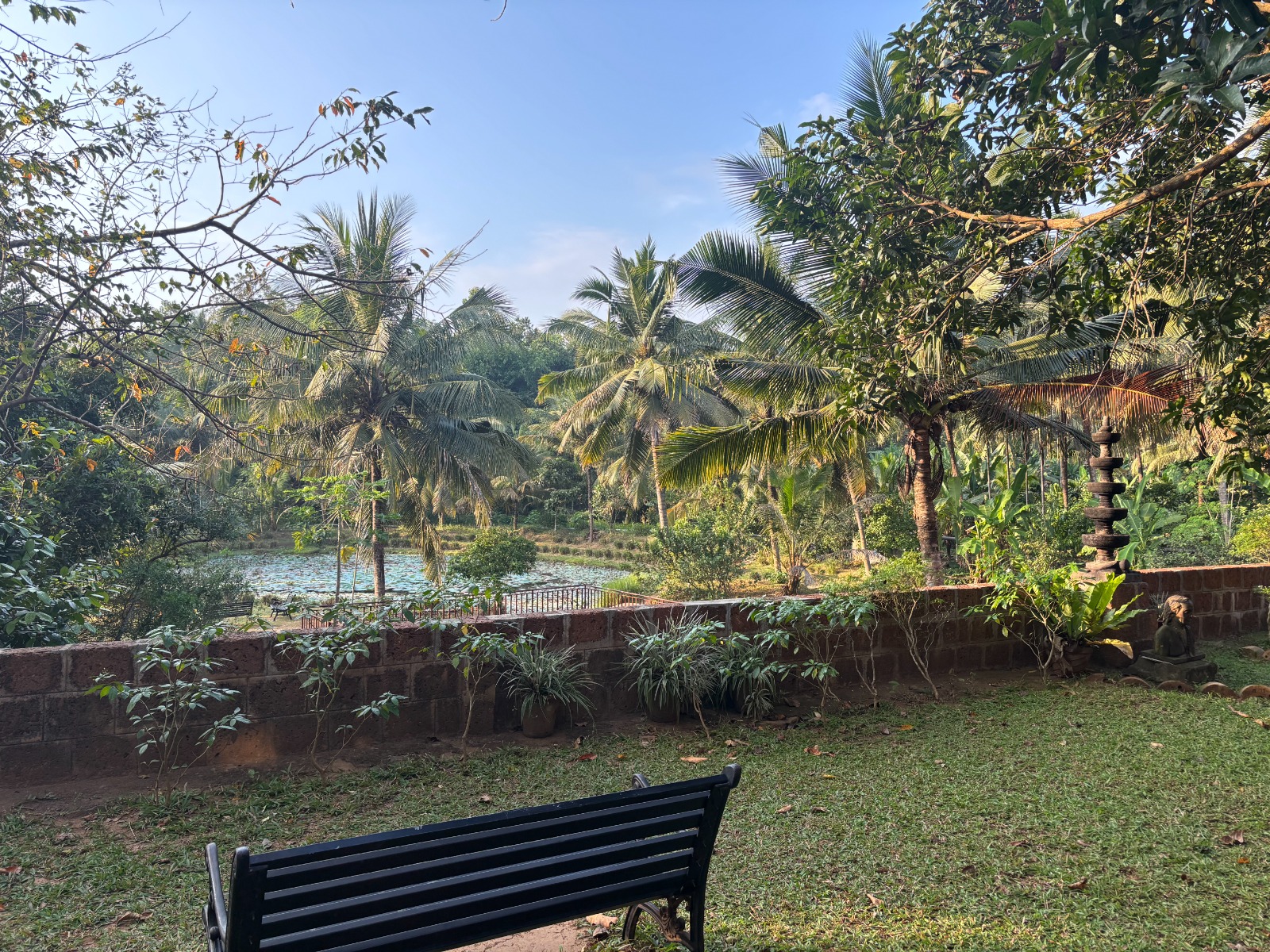
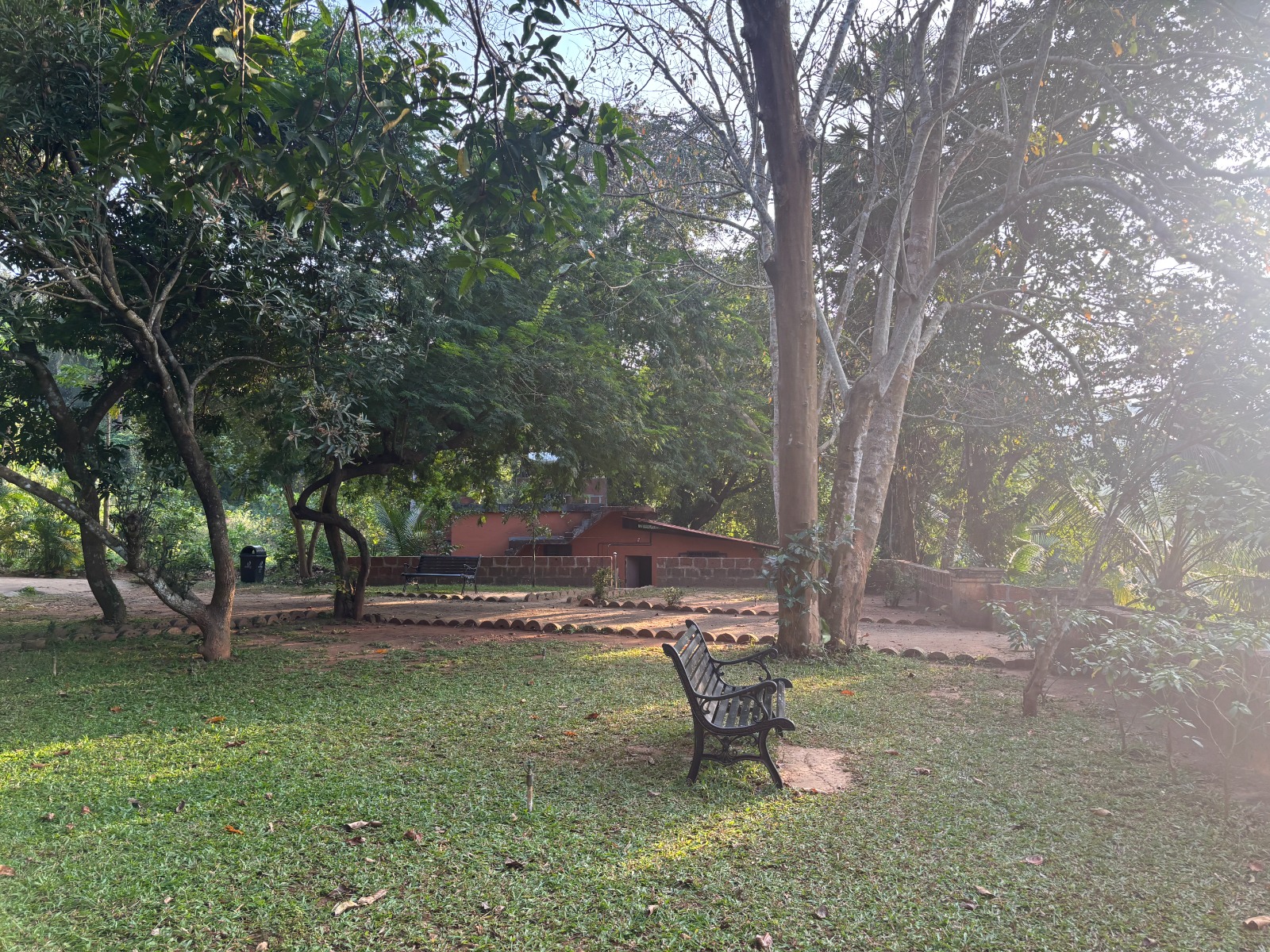
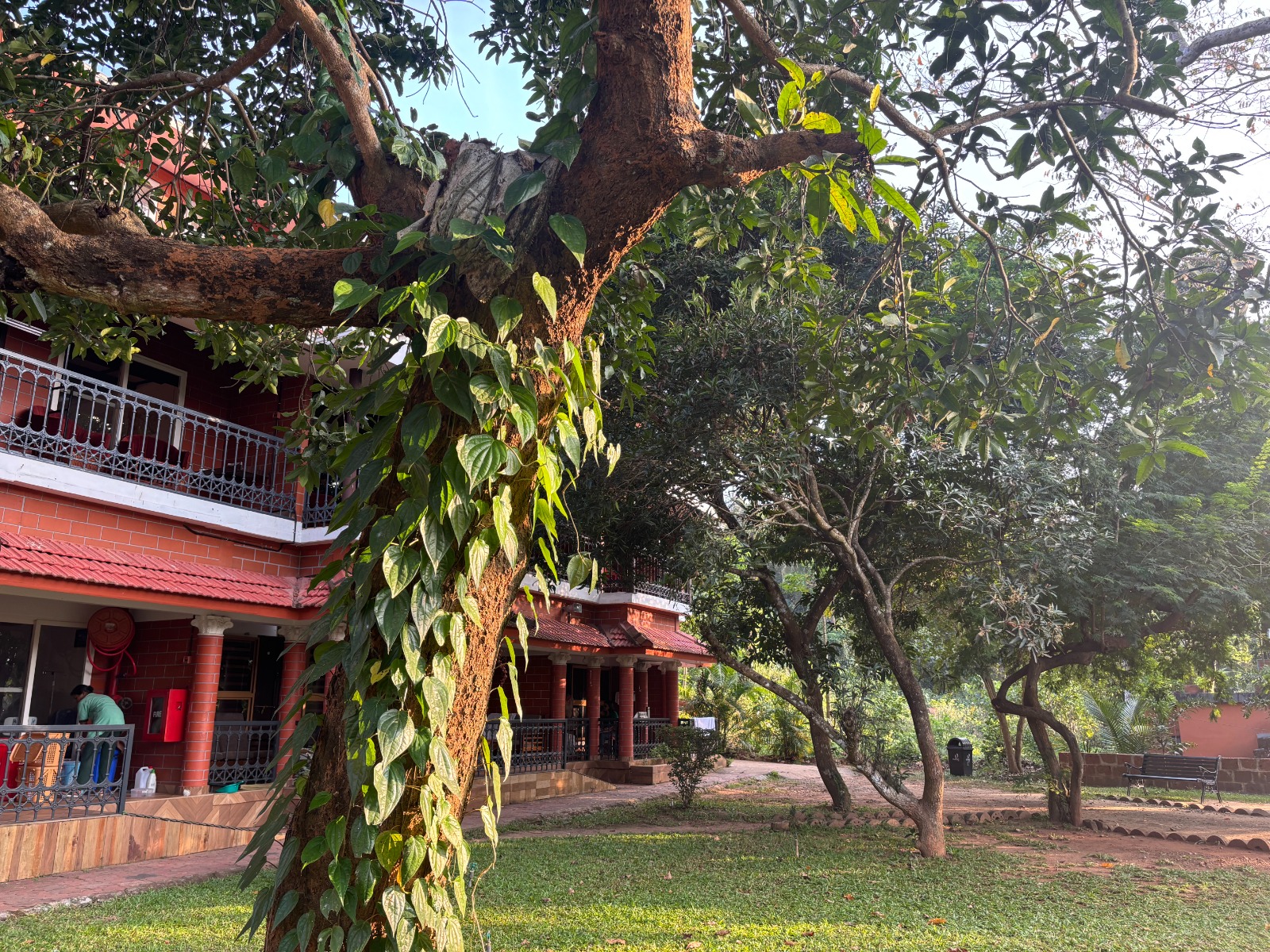
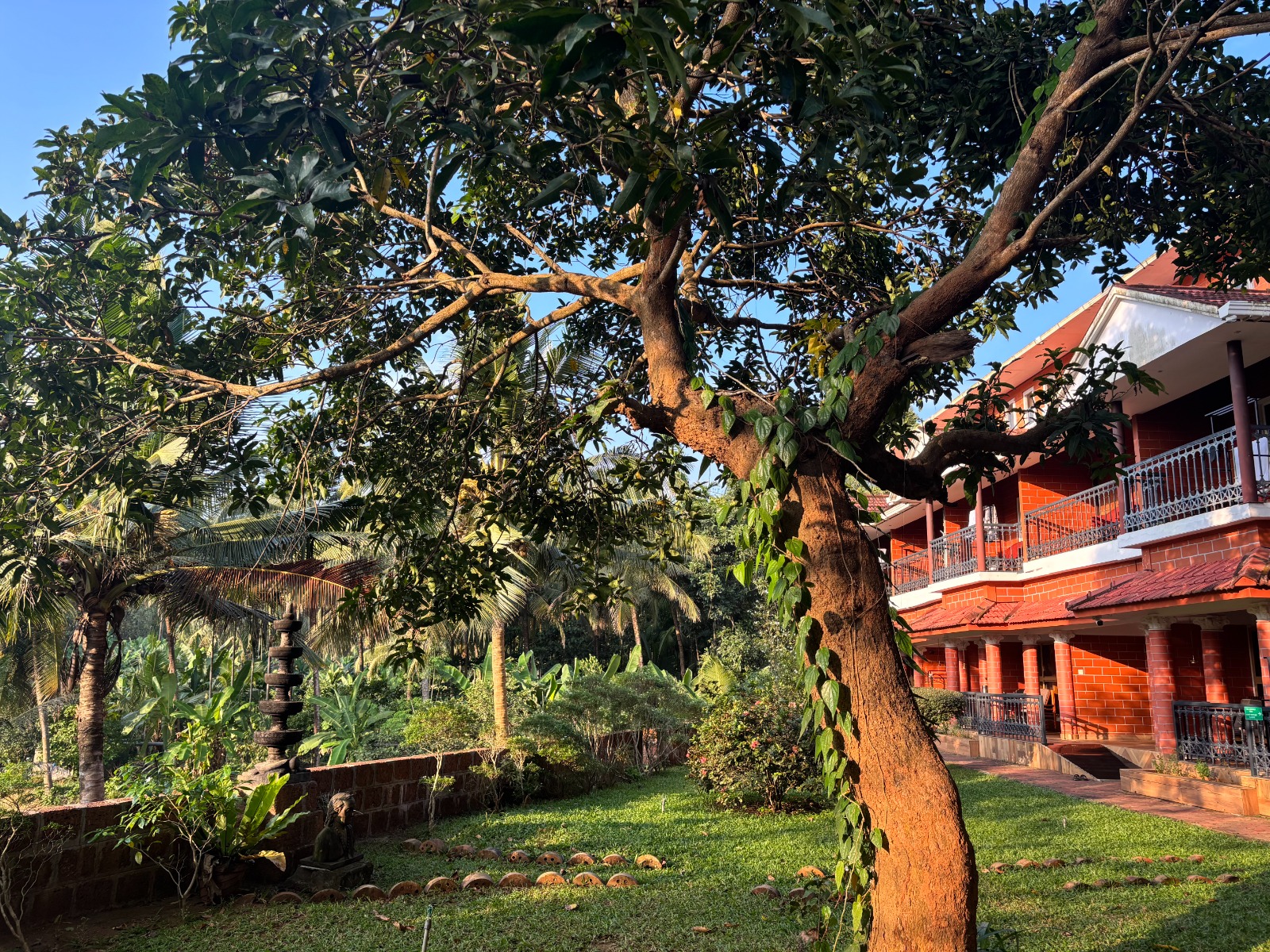
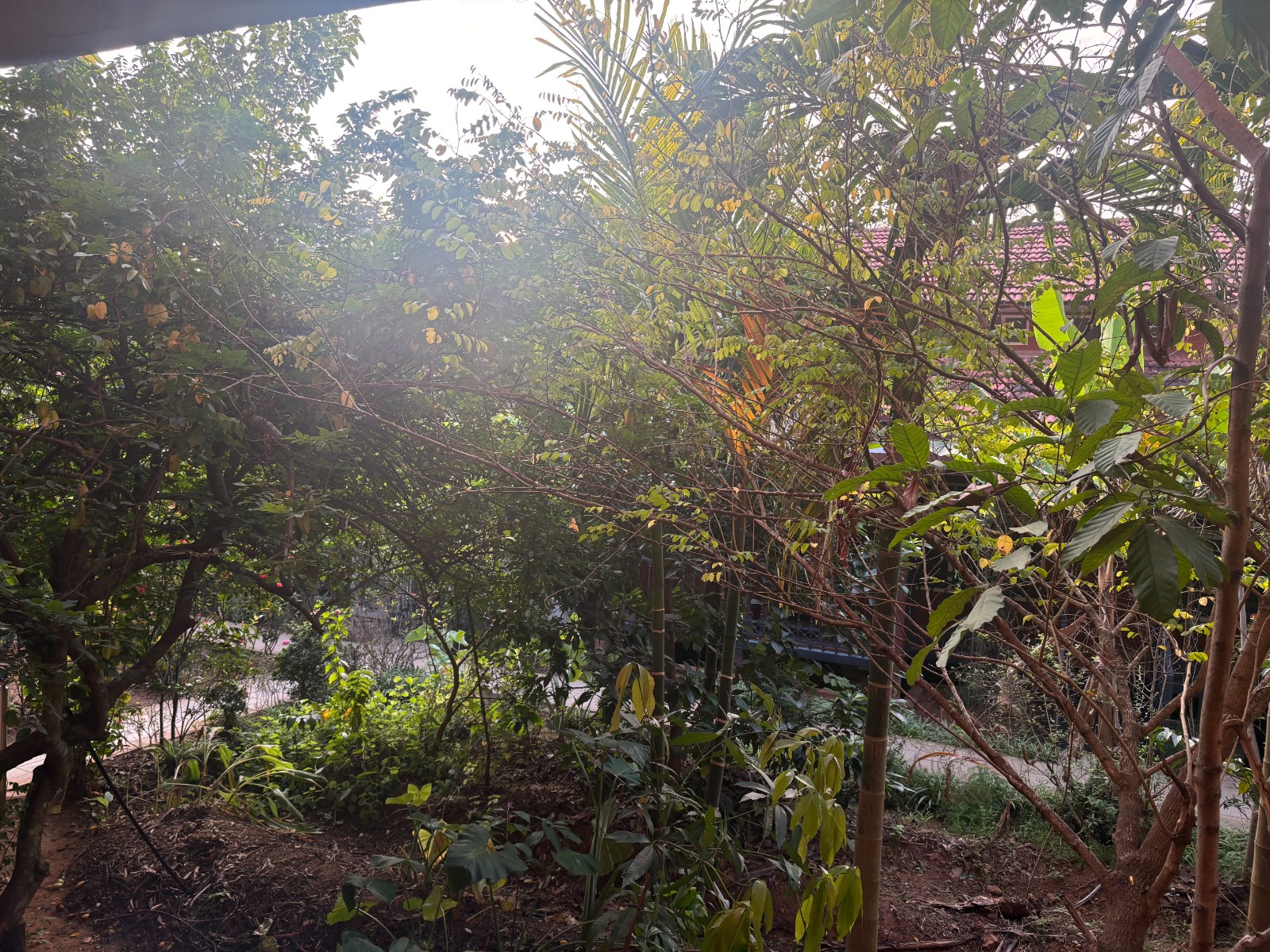
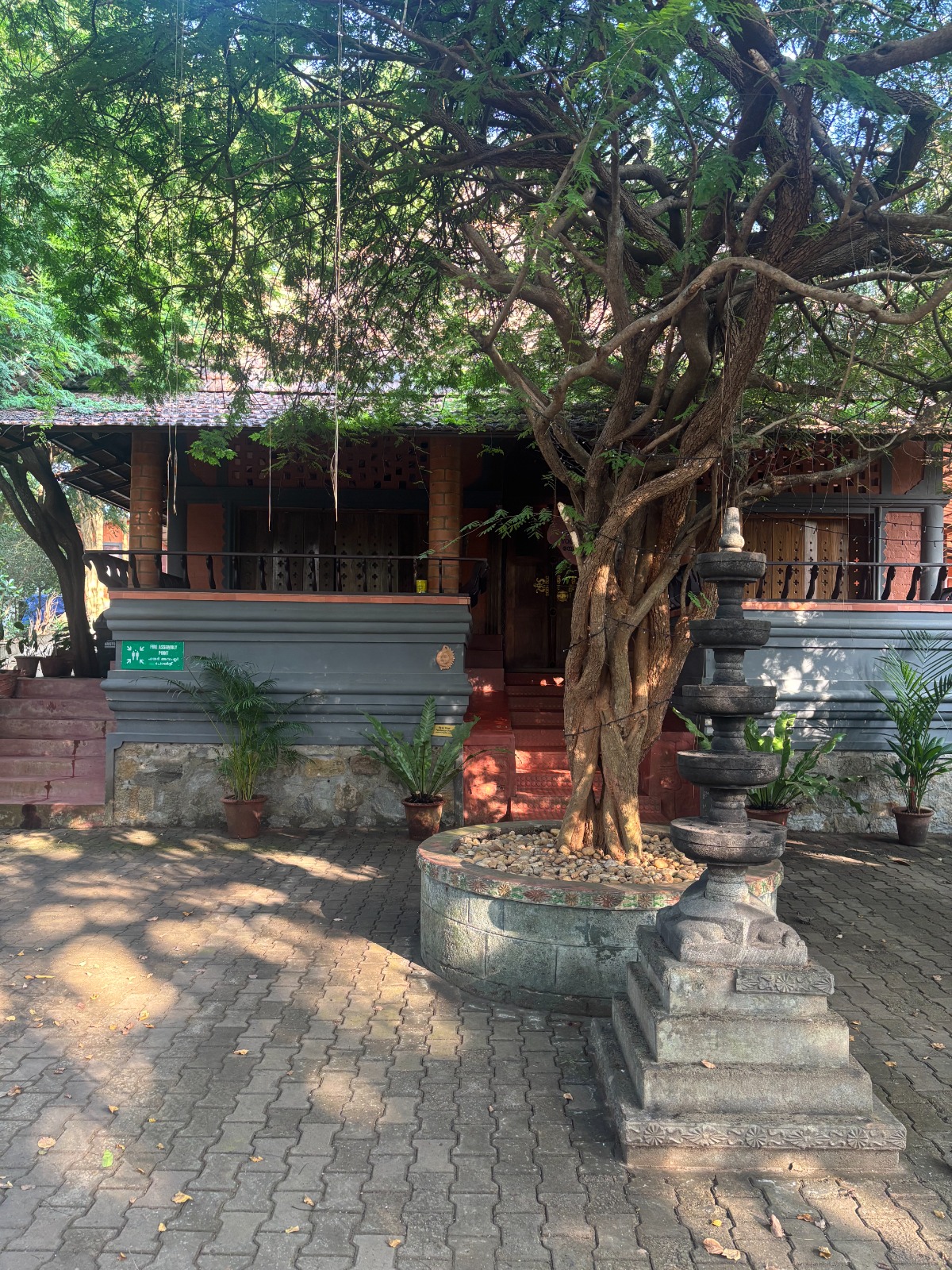
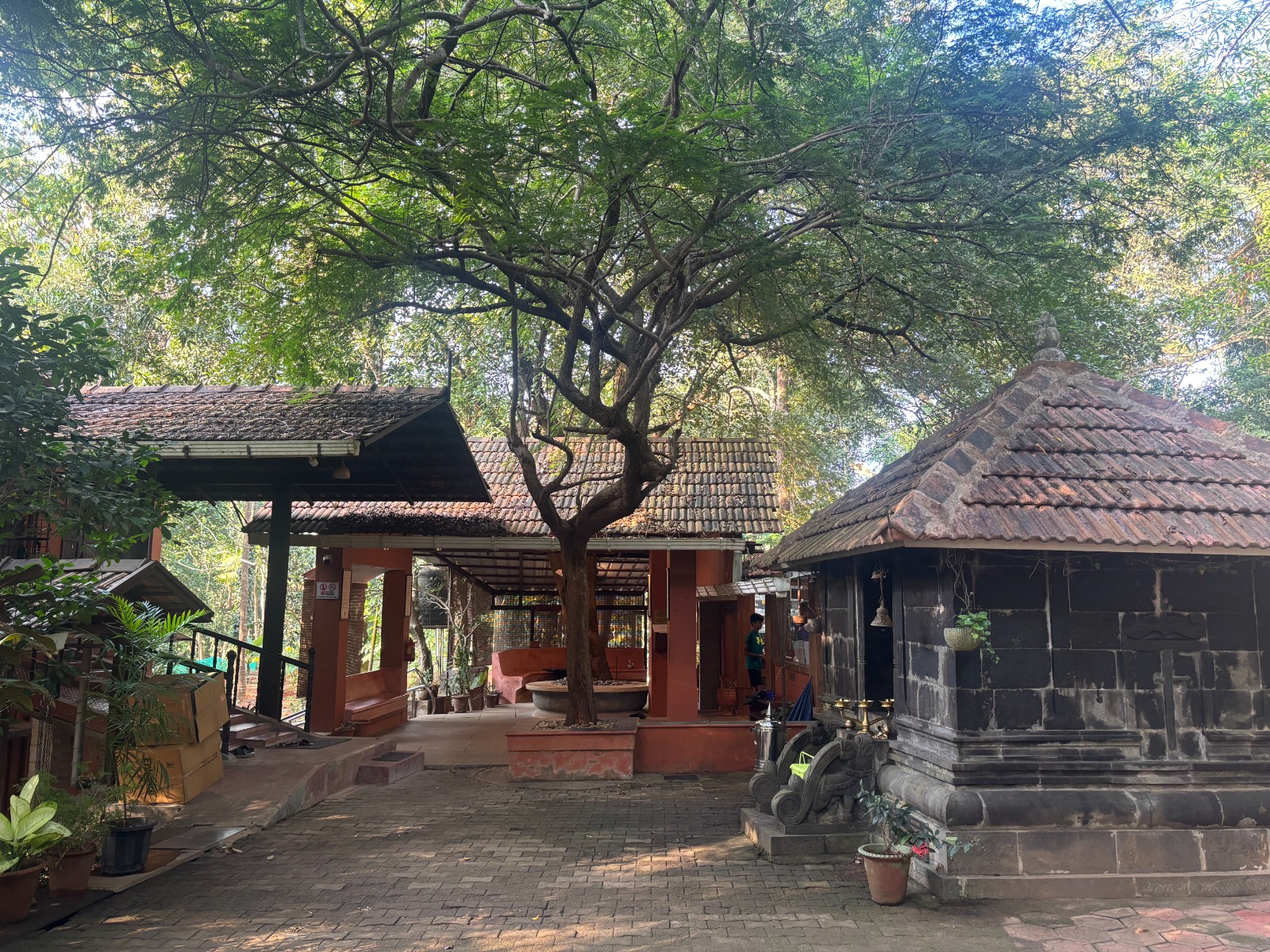
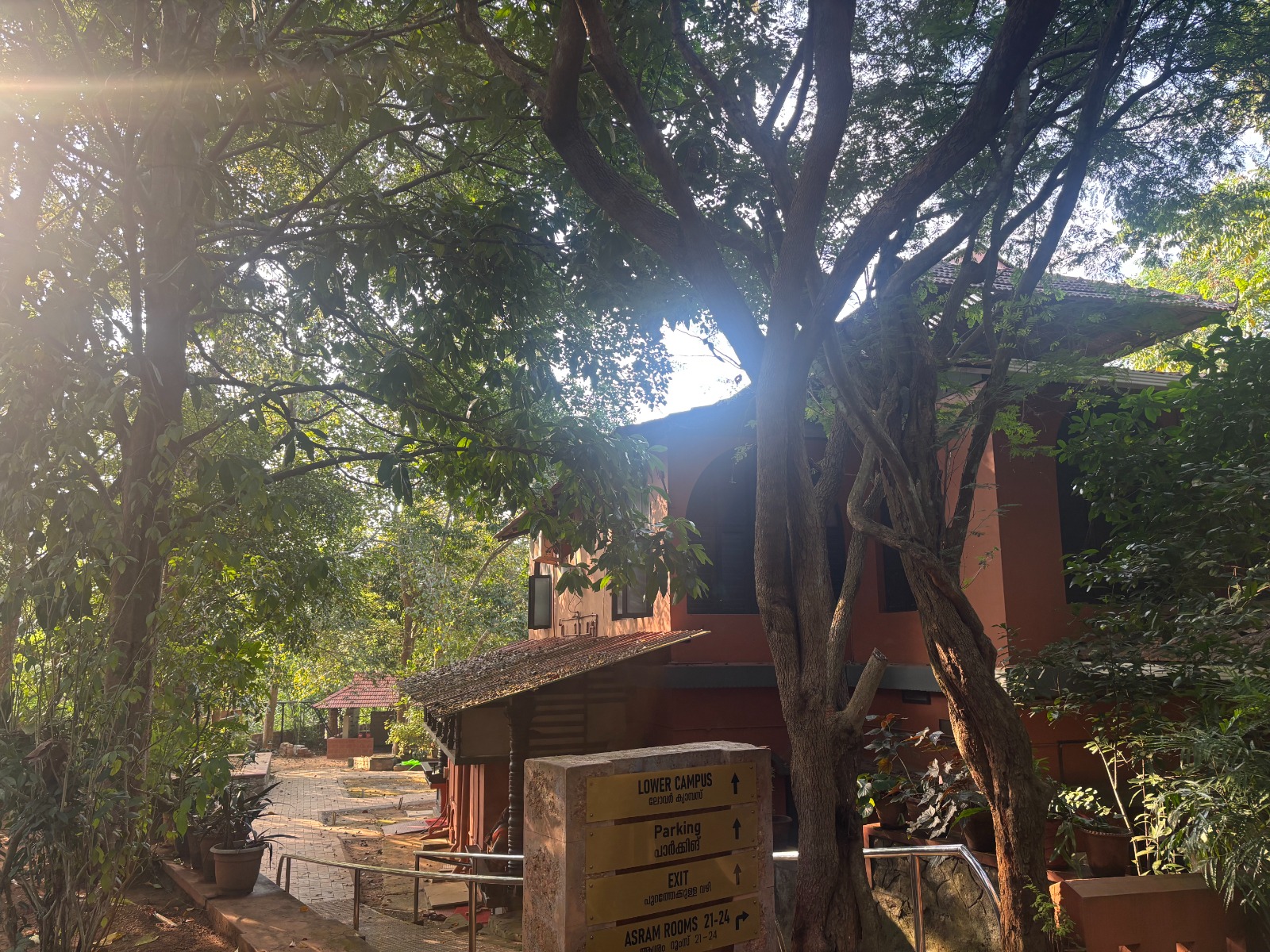
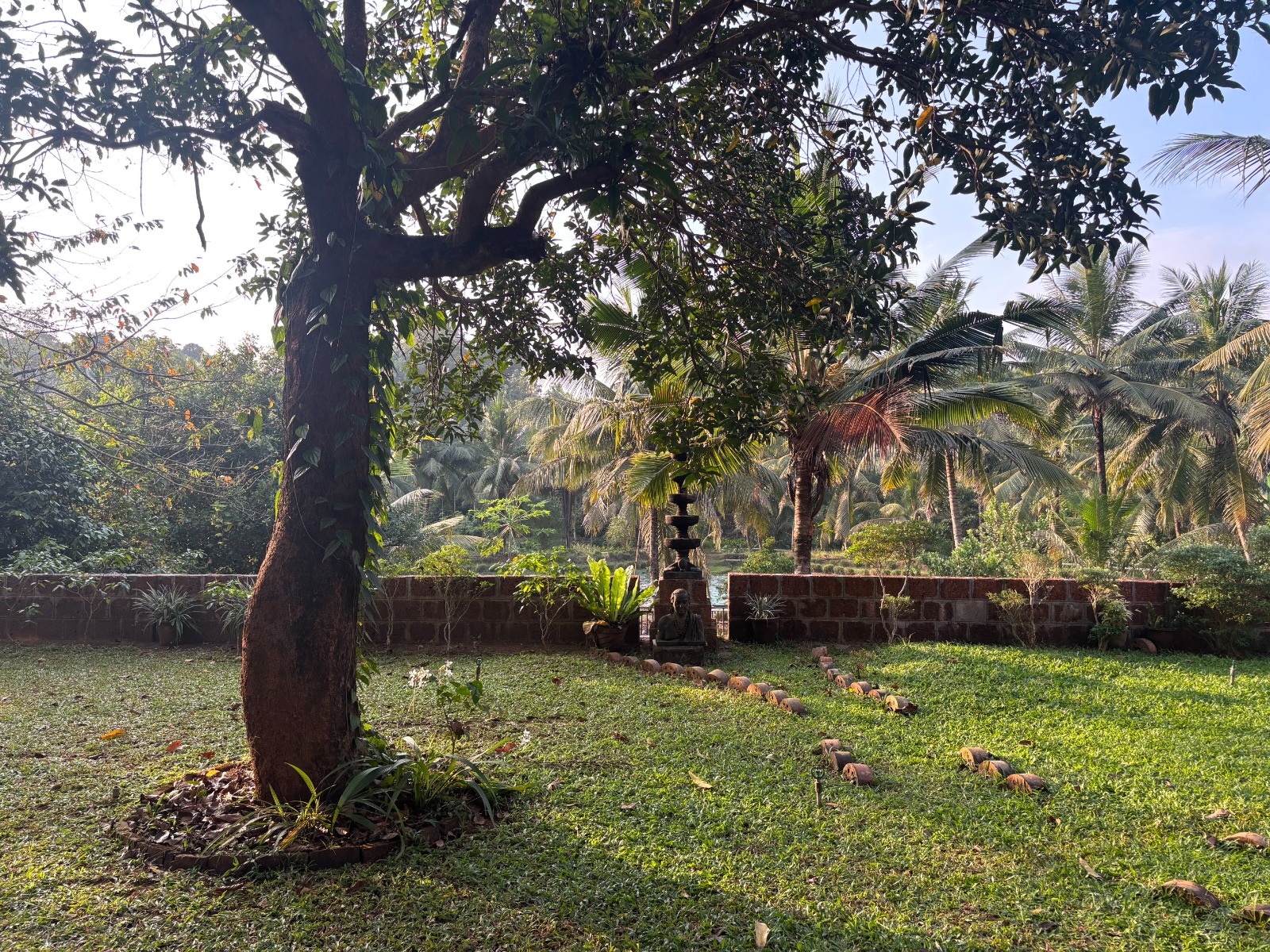
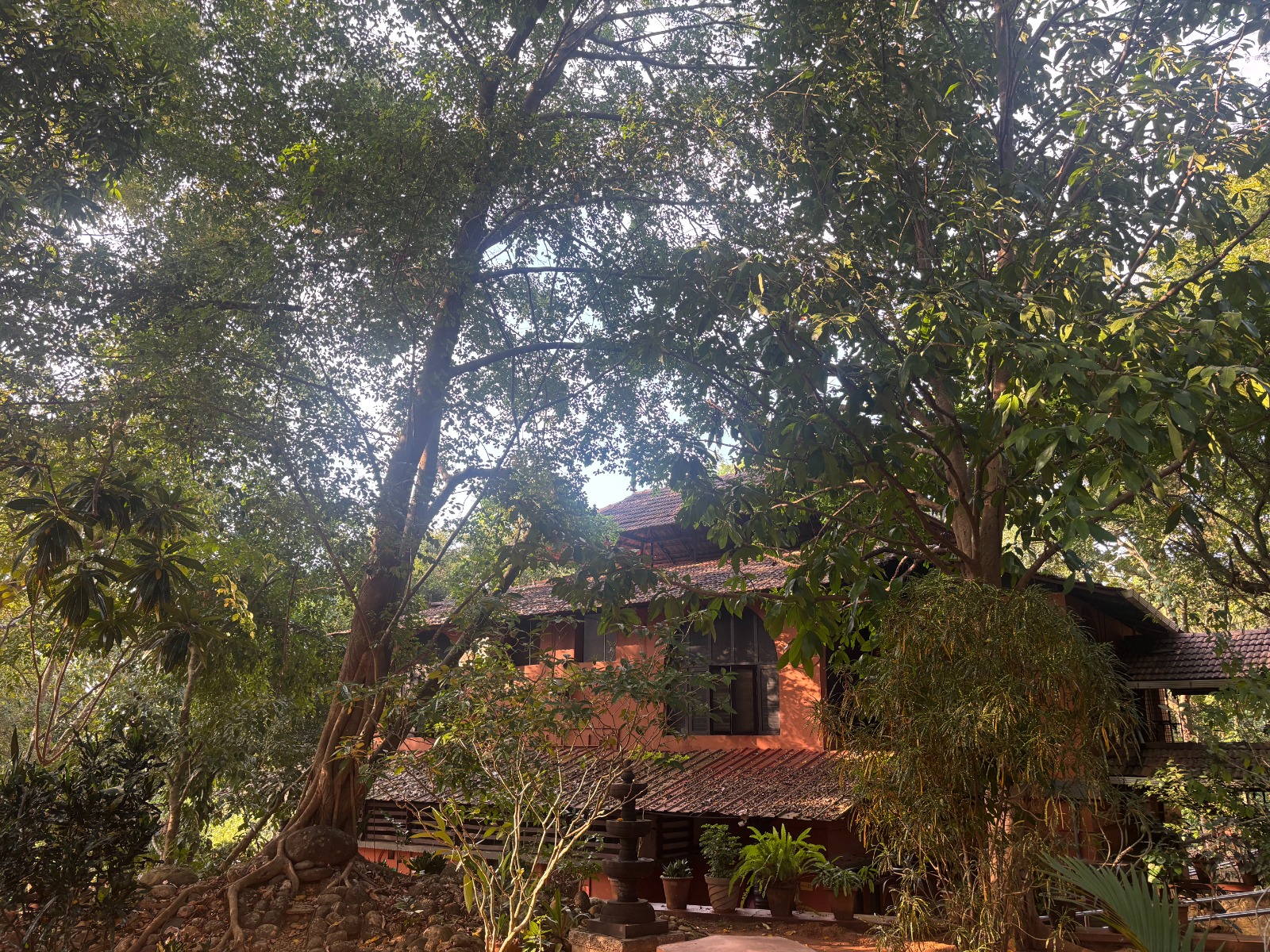
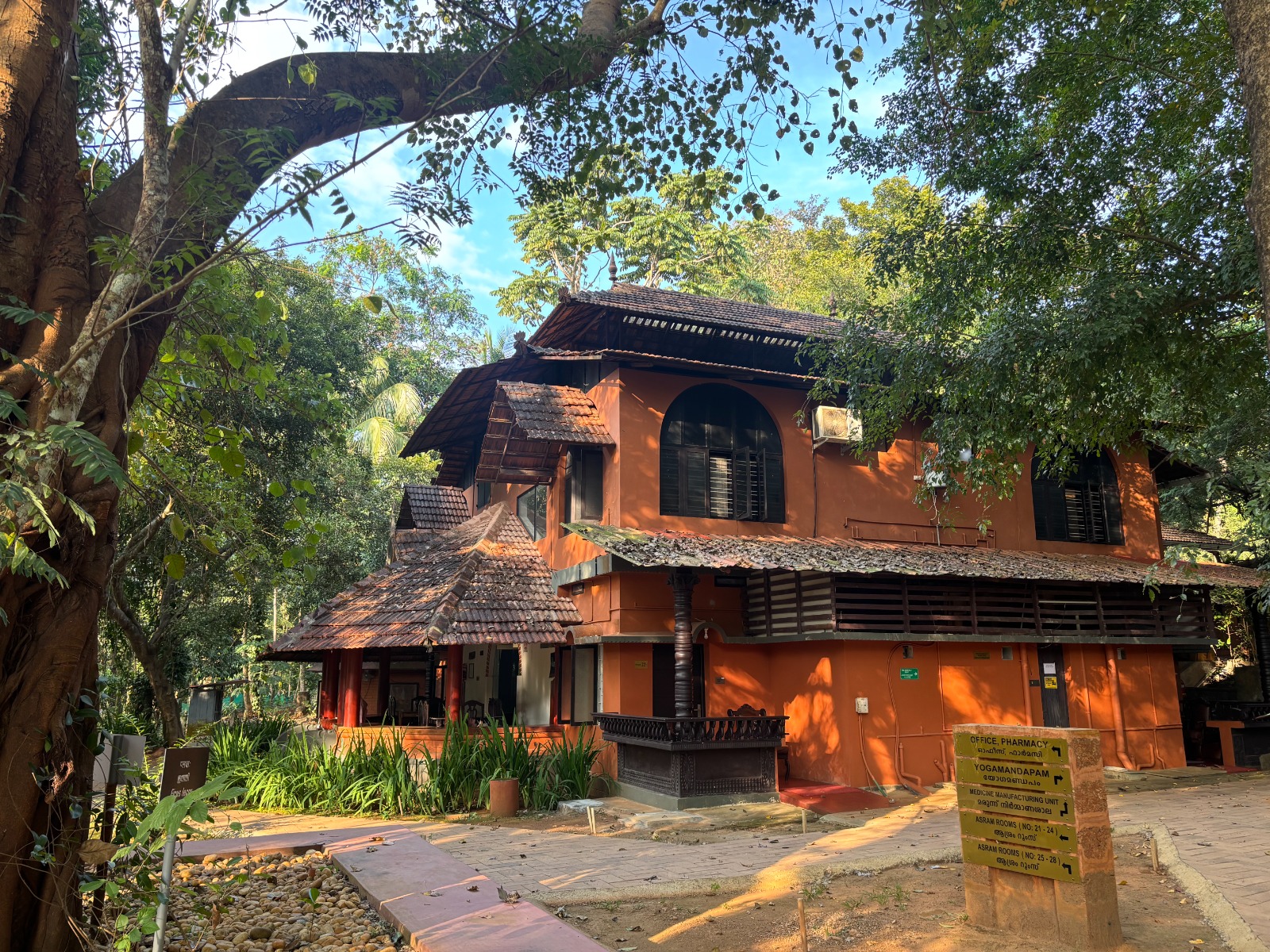
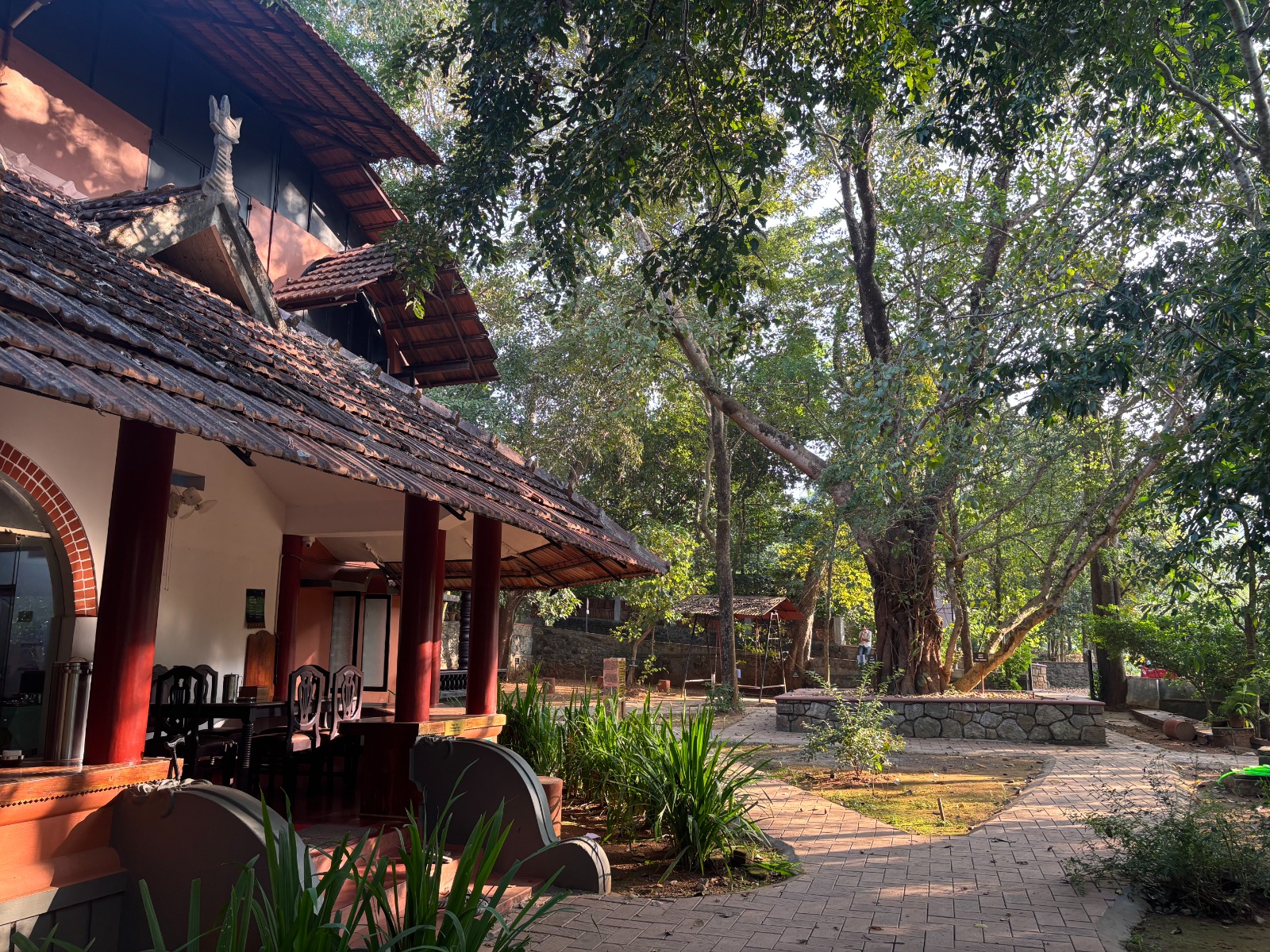
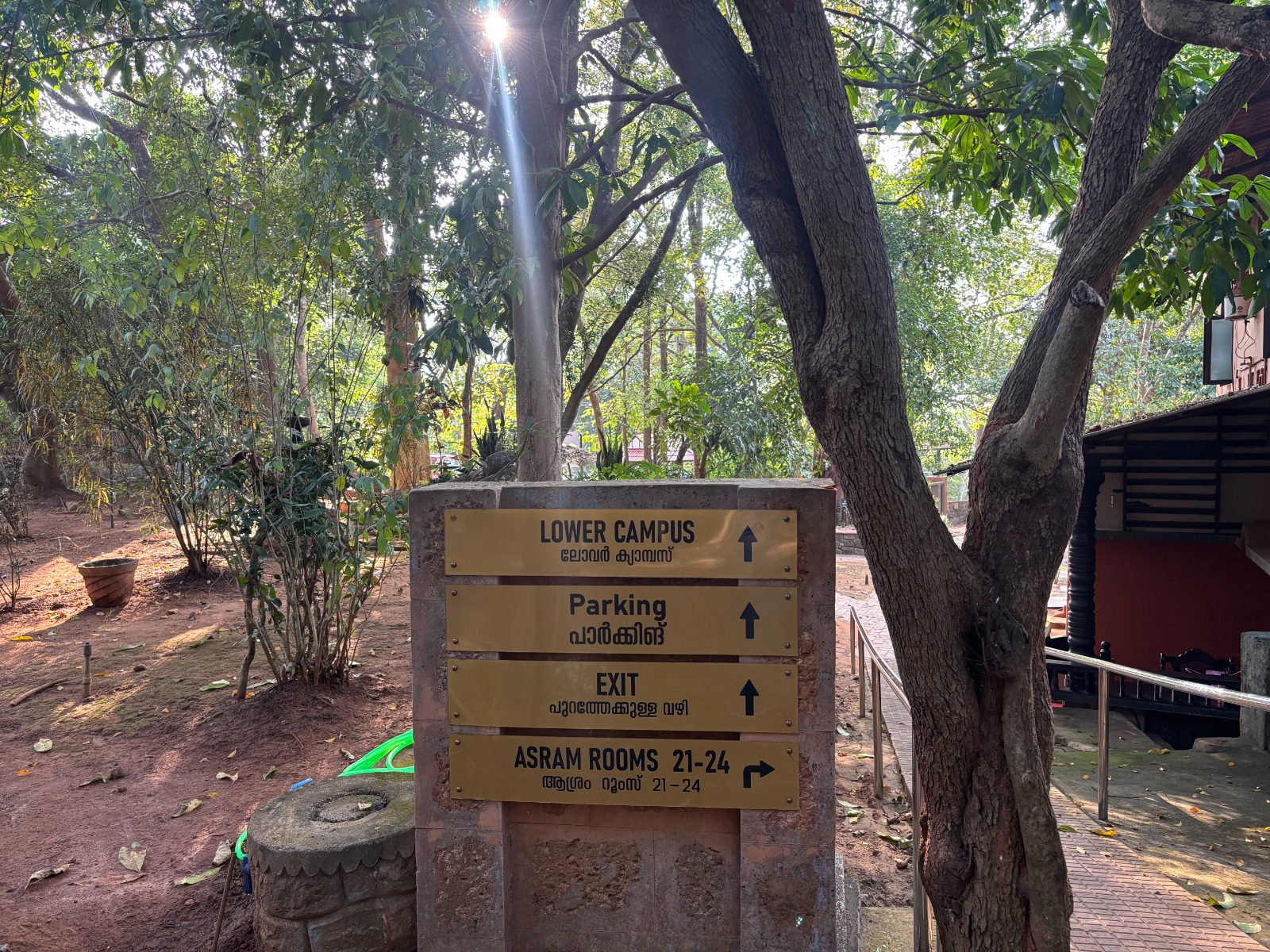
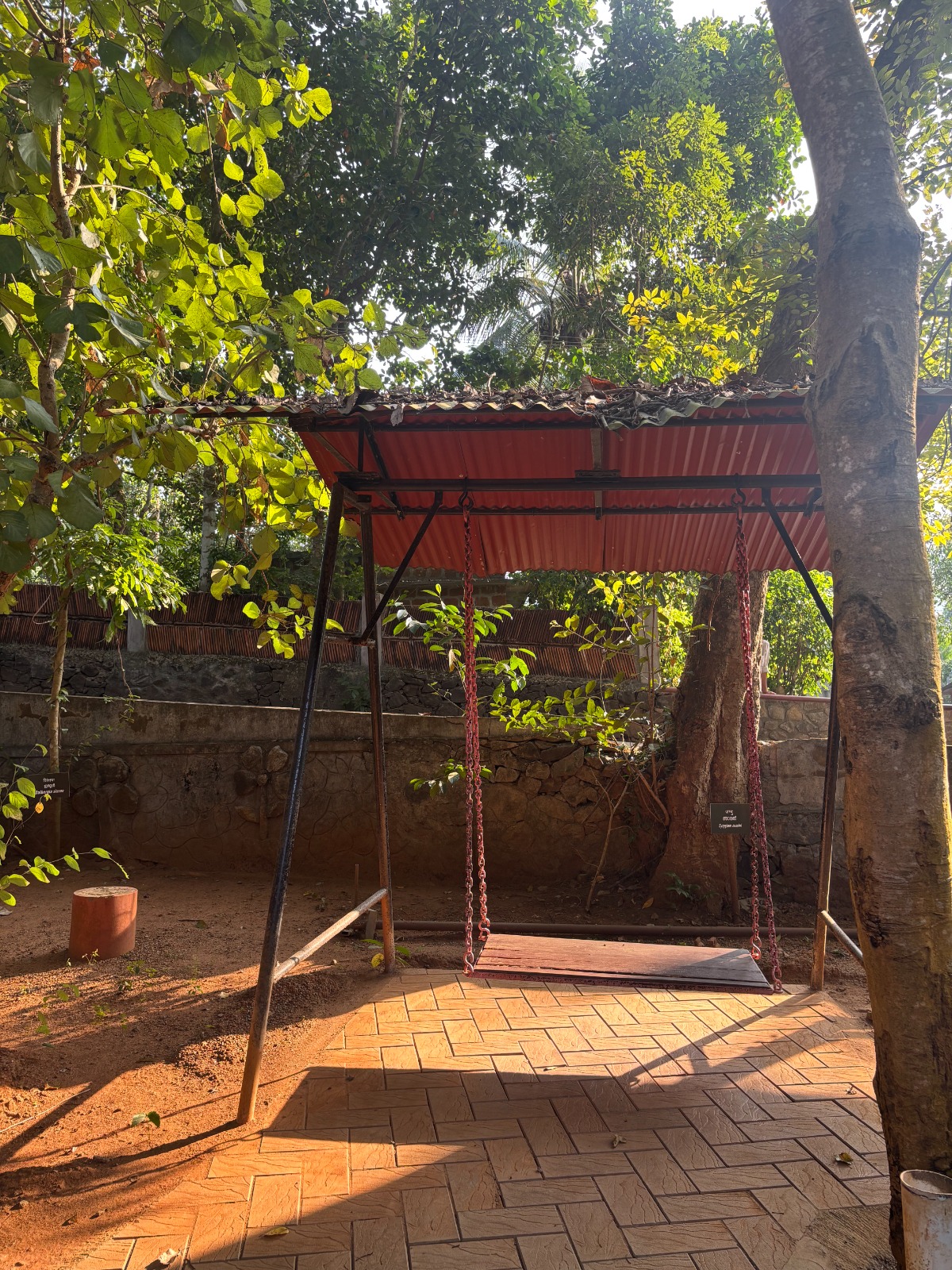
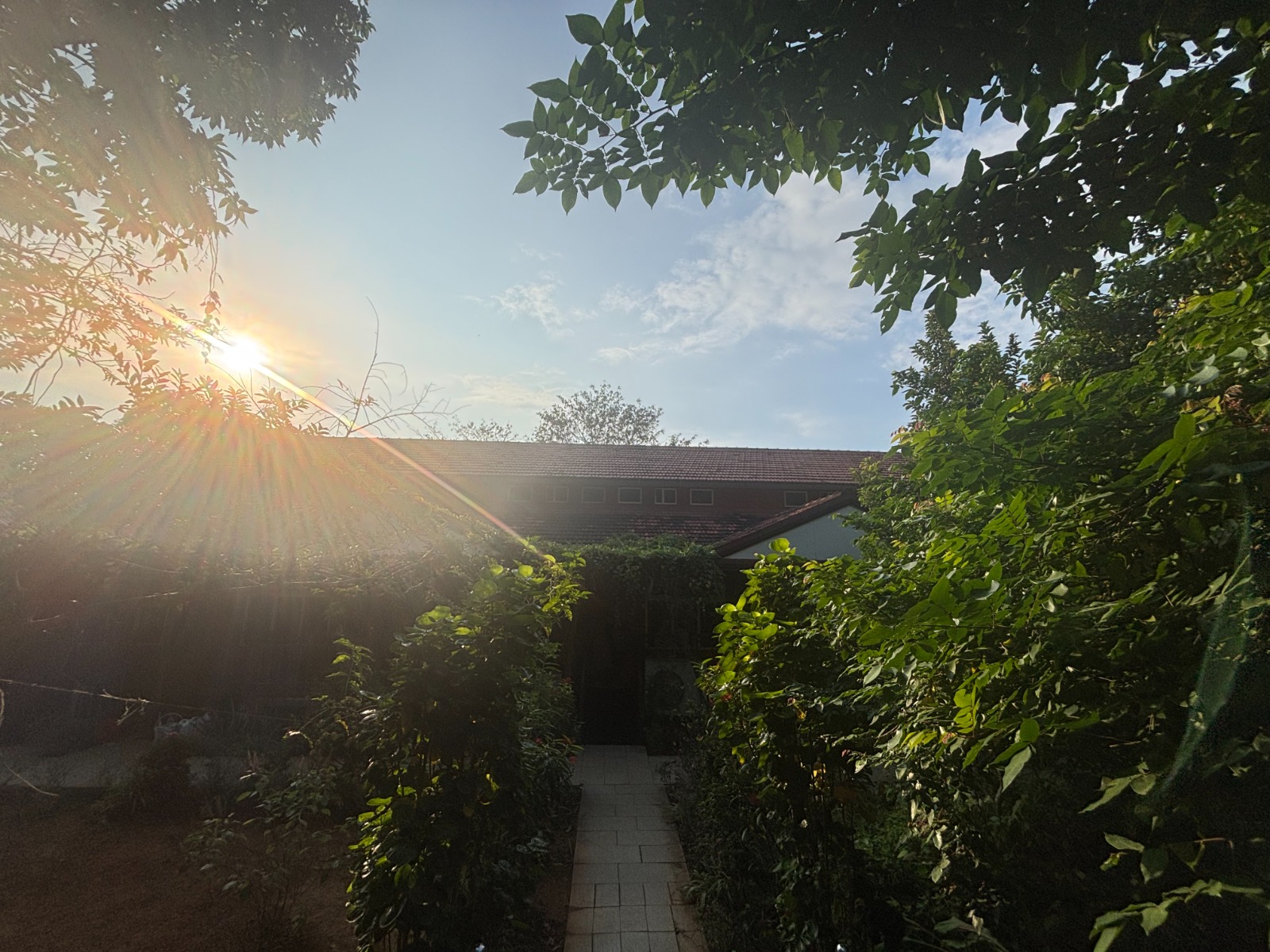
Poonthottam Ayurvedasram is situated in the Kulakkad hills of central Kerala, in a rural setting characterised by greenery, paddy fields and plantations of rubber, coconut and banana. The campus integrates the natural surroundings with its healthcare environment, including a herbal garden and medicinal plantation containing more than 200 species of medicinal plants. These plants provide a source of herbs used in the institution's Ayurvedic activities, while the garden also functions as an educational and contemplative space.
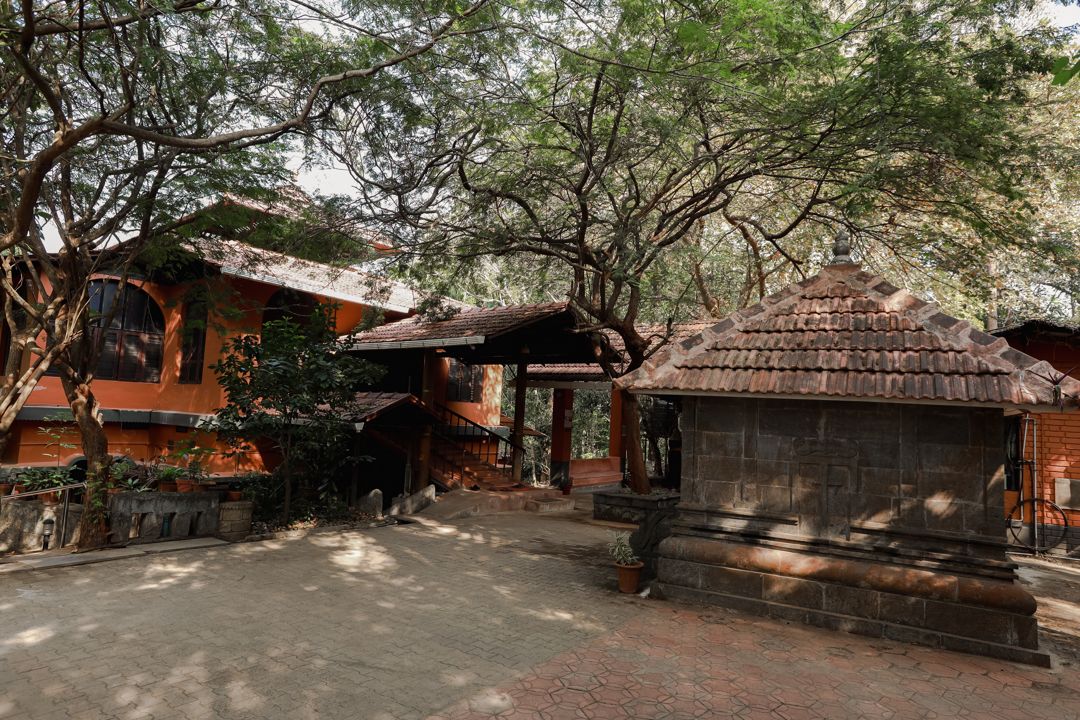
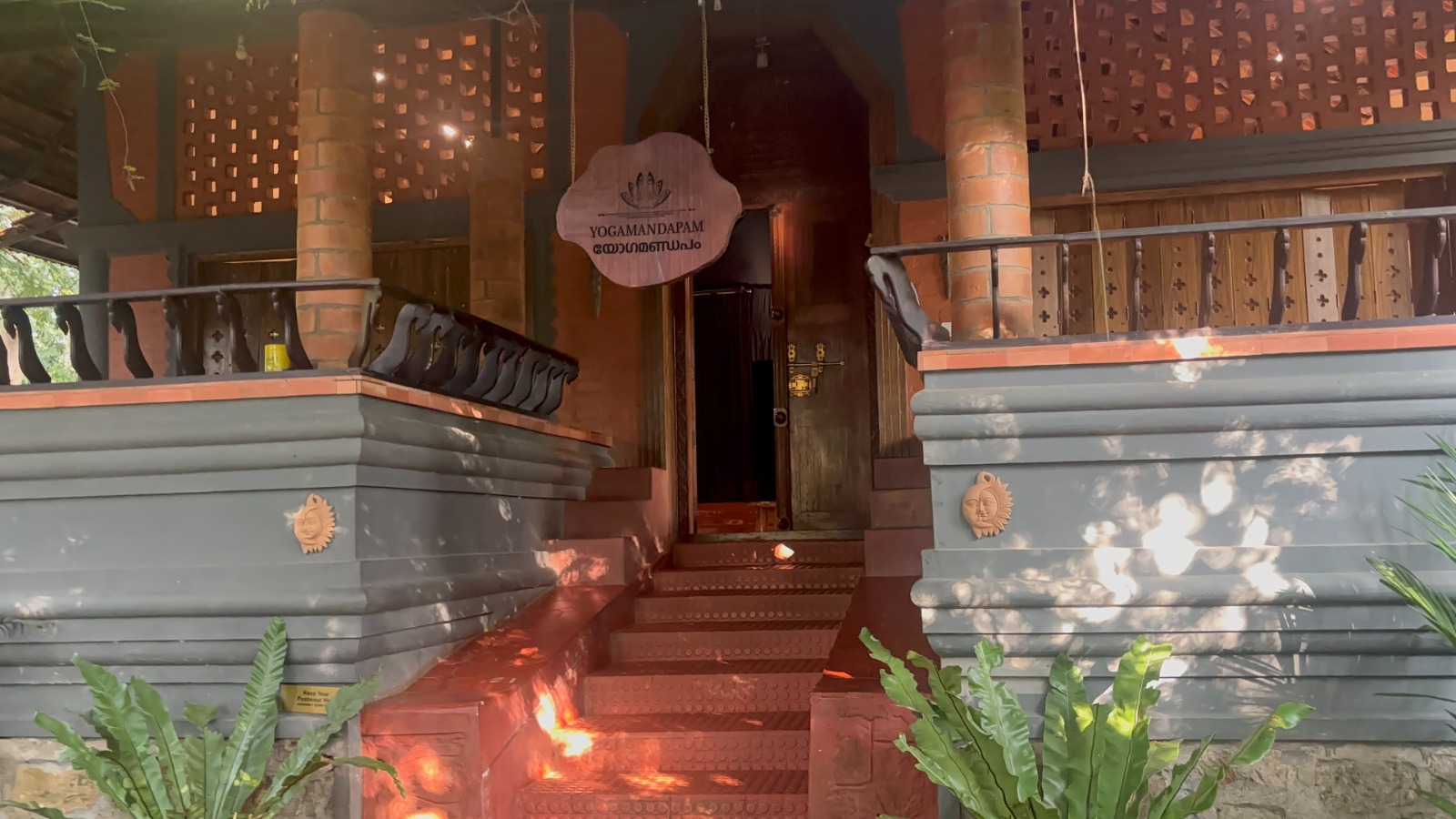
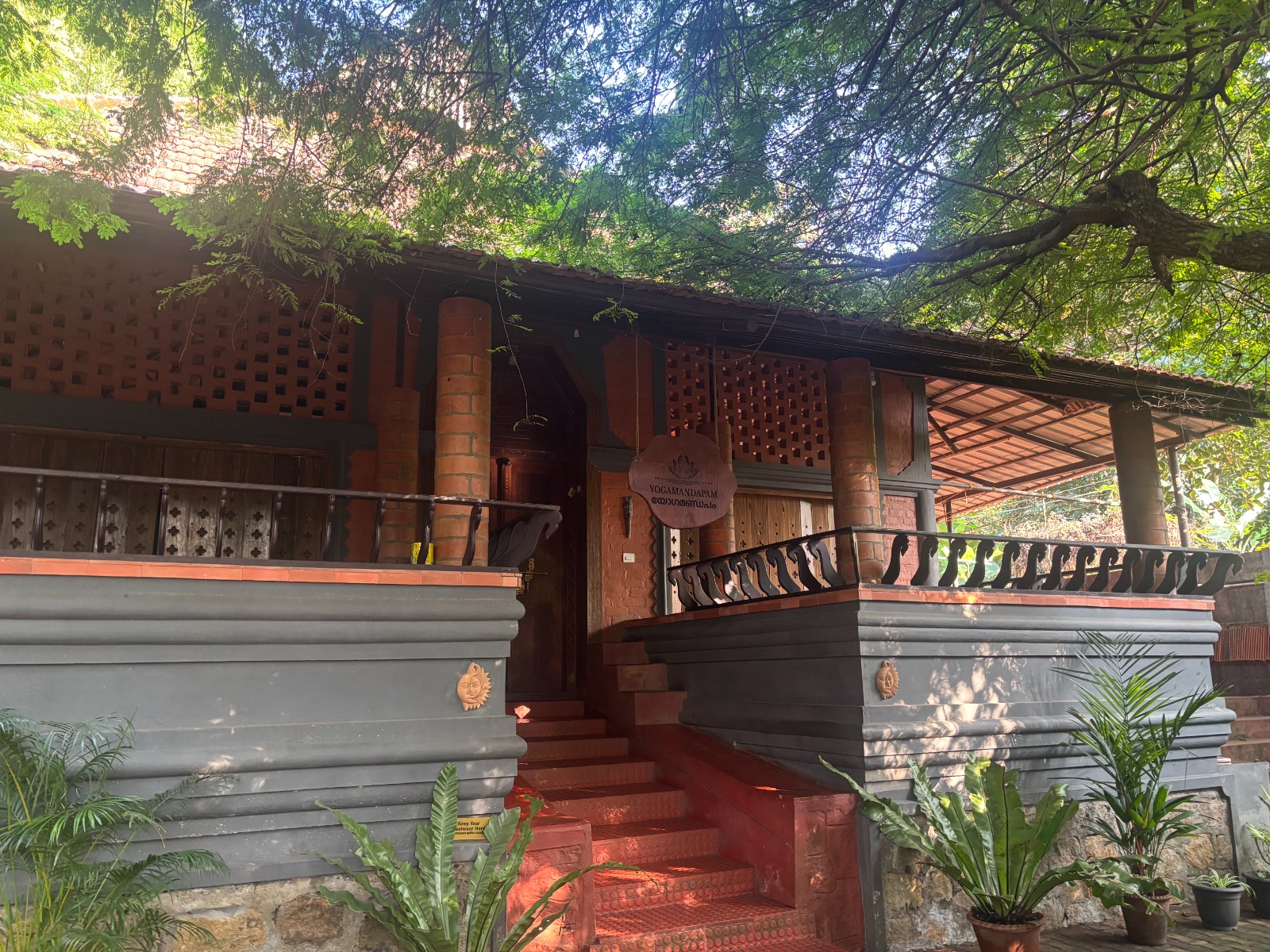
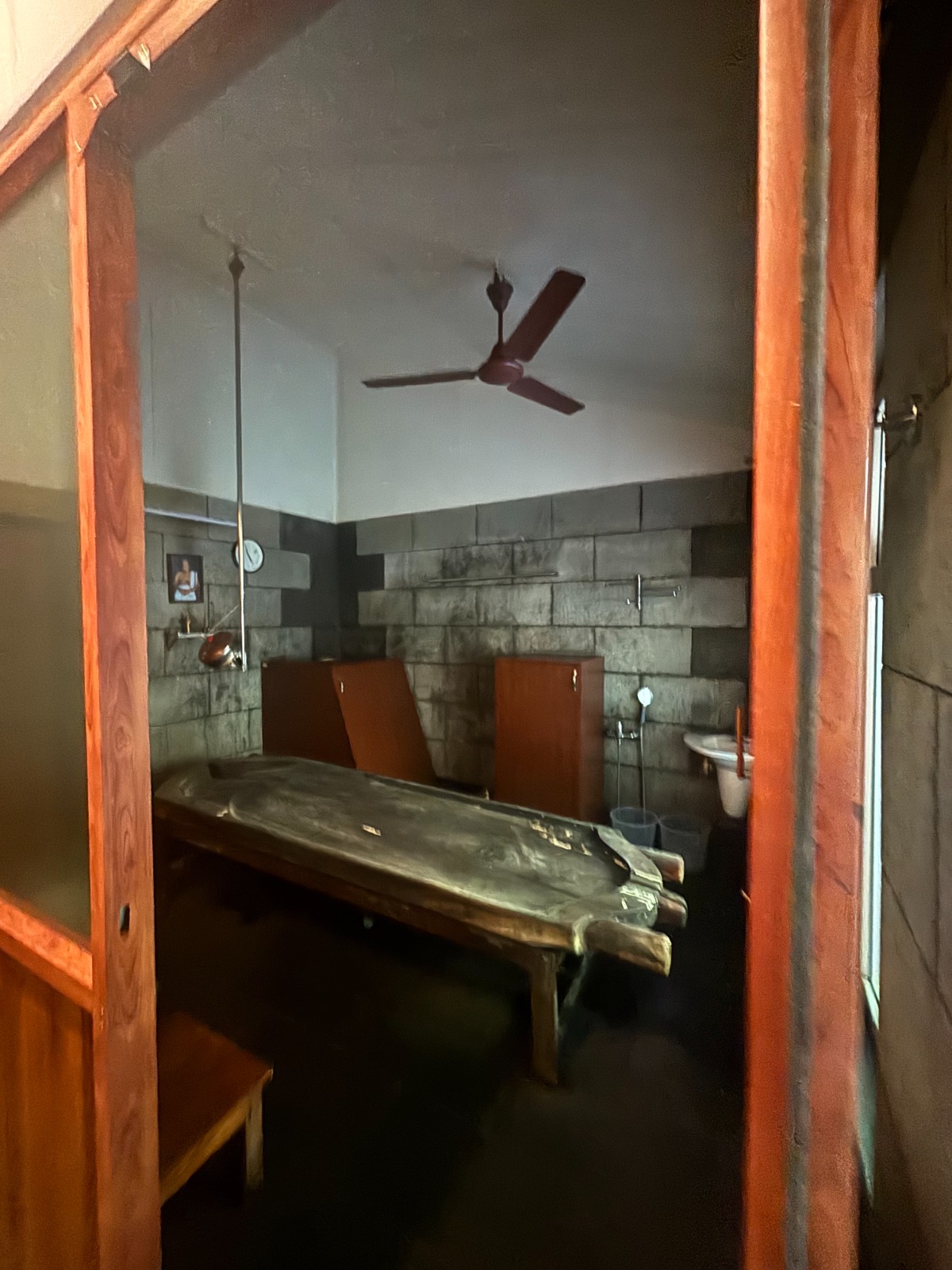
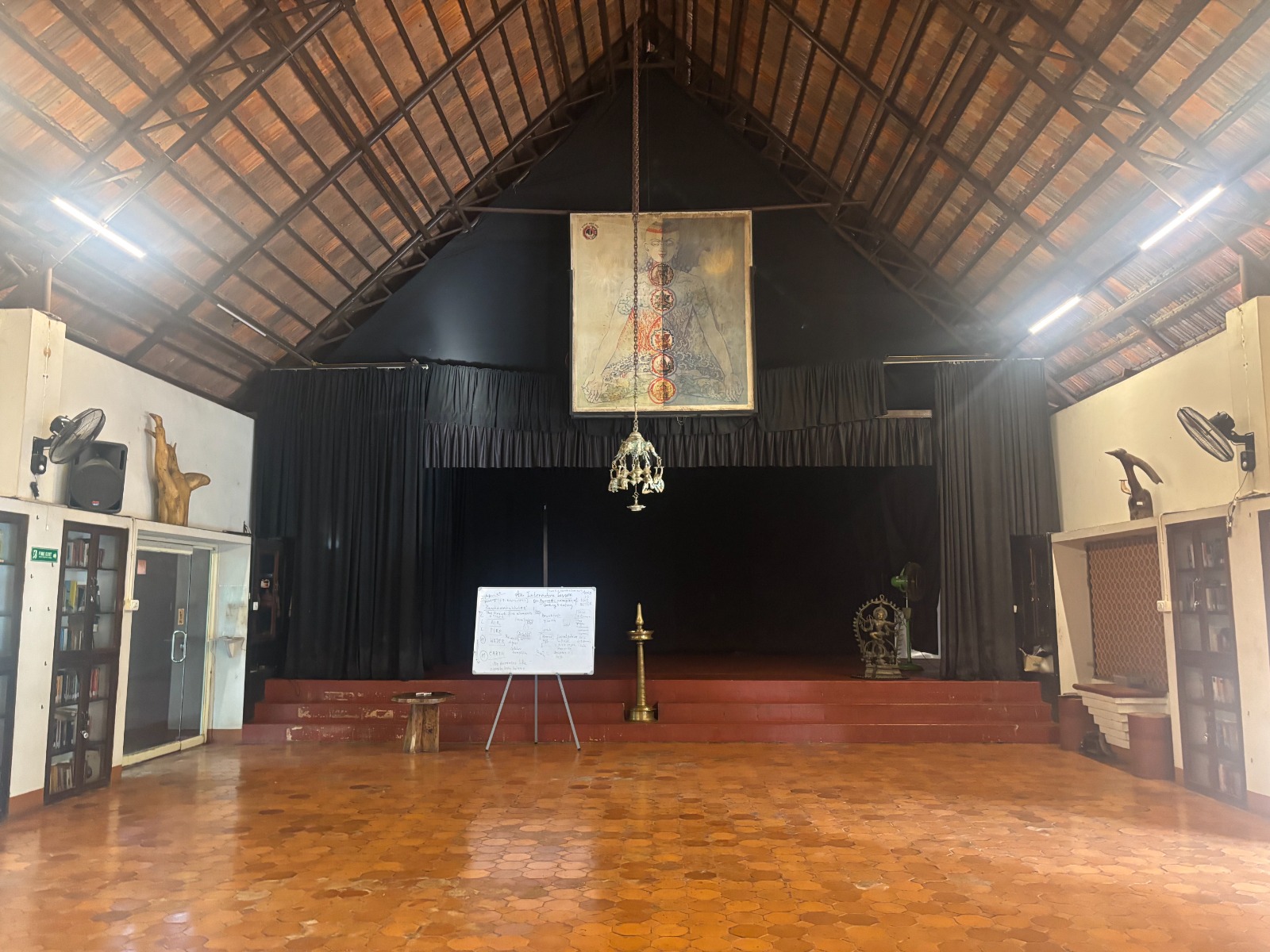
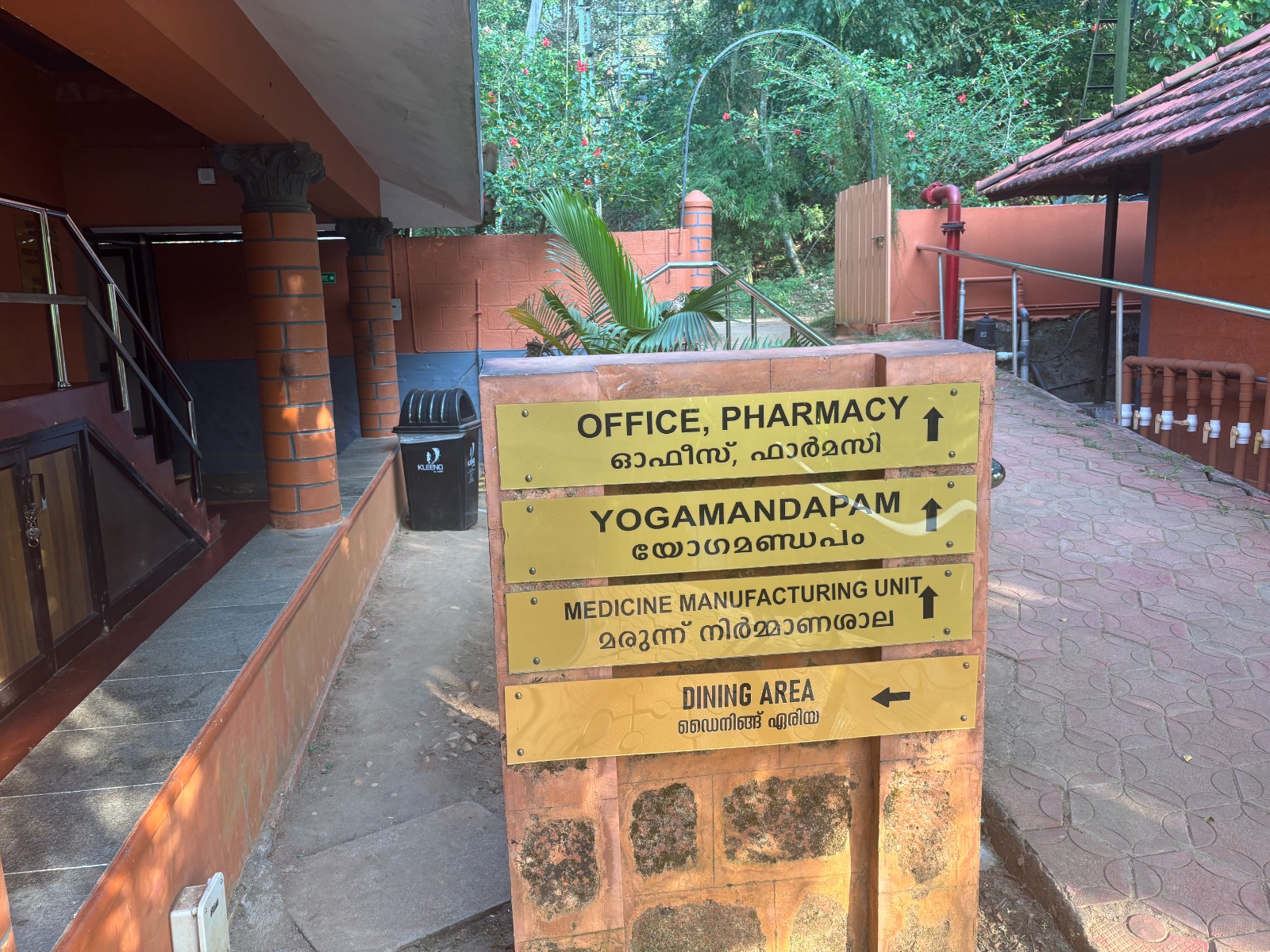
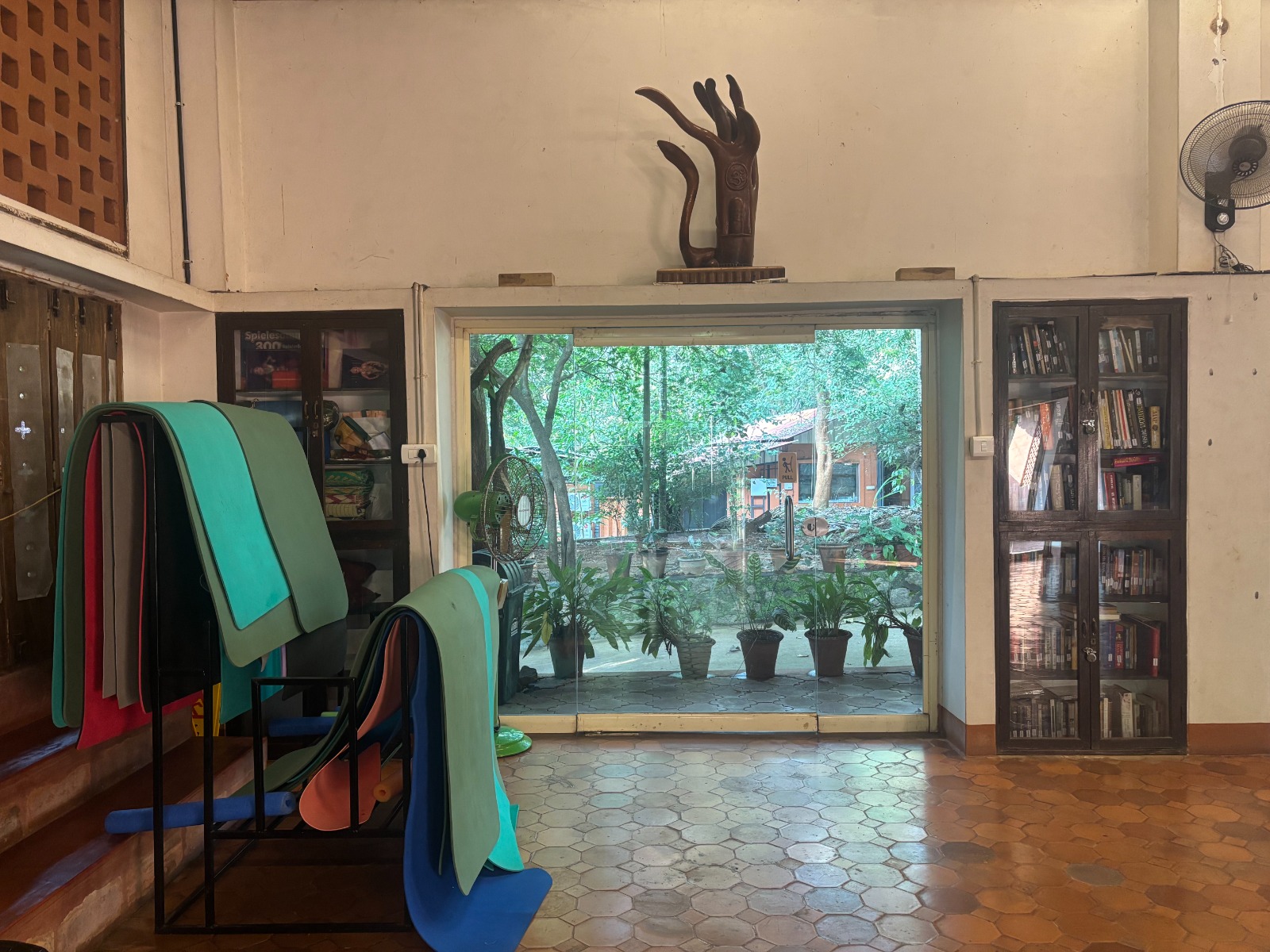
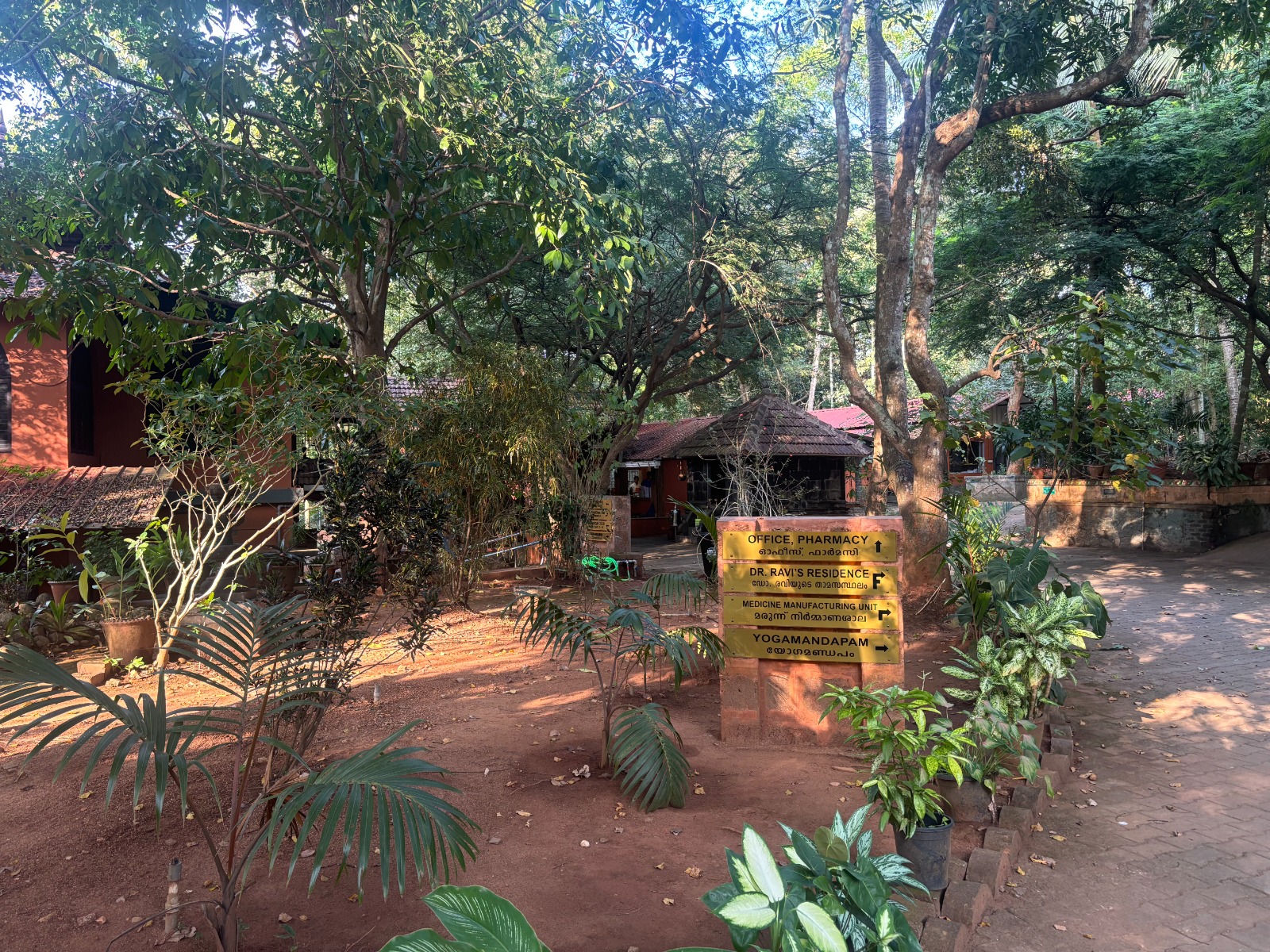
The campus combines an ashram environment with functioning hospital infrastructure. Facilities described for the property include 28 accommodation rooms, a yoga and meditation hall, library, temple, dining hall and medicine-manufacturing facilities. The broader institutional environment also incorporates Poonthottam Kalakshetra, developed for traditional Indian arts including Kathakali, Mohiniyattam and classical music. Earlier institutional documentation records the development of a dedicated Yogamandapam, medicinal-plant cultivation, organic farming and a small dairy farm connected with the hospital and manufacturing activities.
Founders and Ayurvedic Heritage
Vaidya P.M.S. Raveendranath founded Poonthottam Ayurvedasram and remains its principal Ayurvedic figure. His formal Ayurveda education was undertaken at Ayurveda College, Pathanjalipuri, Coimbatore, Tamil Nadu, and his traditional learning was shaped by Vaidyamadhom Valiya Narayanan Namboodiri. The institution's history is traced to 1989, when Vaidya Raveendranath began his practice and medicine preparation, subsequently developing Poonthottam into a larger clinical, educational and manufacturing organisation.
The heritage model combines classical Ayurveda with a guru-shishya tradition, clinical practice, medicine preparation, education and research. Vaidya Raveendranath is identified by Poonthottam as a CRAV Guru under Rashtriya Ayurveda Vidyapeeth, an autonomous body under the Ministry of AYUSH, through which he mentors selected Ayurvedic graduates in classical texts, clinical reasoning, diagnosis and treatment. The institution also operates the Poonthottam School of Ayurveda and the VEDANTA residential Ayurveda excellence program, extending its heritage role beyond patient care into practical education and knowledge transmission.
Ayurveda Philosophy and Approach
Poonthottam's clinical approach is centred on traditional Ayurveda and Panchakarma, with treatment intended to address the individual rather than applying a uniform protocol. The institution describes a five-fold therapeutic framework comprising dietary modifications, lifestyle changes, Panchakarma and external therapies, internal medicines, and therapeutic exercises. Herbal medicines, personalised meals, guided yoga, counselling and external Ayurvedic procedures are incorporated according to individual requirements.
The treatment philosophy extends from physical care into mental and lifestyle dimensions. Individual constitution and health requirements are considered when planning therapies, while the institution's Mindfulness Program integrates self-inquiry, work with energy centres and personalised meditation and exercises alongside Ayurvedic care. The approach is supported by in-house medicine production, with more than 300 Ayurvedic medicines manufactured at the Kulakkad facility and proprietary formulations developed under Vaidya Raveendranath's guidance.
Personalised Treatment Planning
Treatment at Poonthottam is structured around individual clinical assessment and personalised planning. The institution states that treatments are adapted to the patient's constitution, physical condition and health requirements, with Panchakarma, internal medicines, external therapies, dietary regulation, lifestyle modification and therapeutic exercises selected according to individual needs. Treatment schedules can vary according to treatment priority, therapist availability and treatment-room availability.
The personalised model also extends to nutrition and mind-body care. A diet consultation is used to establish an individual meal plan, with allergies and specific dietary practices taken into consideration. Mindfulness sessions are similarly based on individual case assessments and may address stress, anxiety, depression, low self-esteem, lifestyle alignment and habit renewal. A Personal Development Plan can be prepared during mindfulness sessions, with the Mindfulness Coach remaining available for 21 days after treatment through email or WhatsApp for continuity.
Treatment Programs
The clinical portfolio is centred on Panchakarma and traditional Ayurvedic treatment, with particular focus on autoimmune disorders, neurological disorders, gynaecological conditions, musculoskeletal disorders and ano-rectal conditions. The published speciality portfolio identifies conditions including rheumatoid arthritis, SLE, psoriasis, ankylosing spondylitis, Hashimoto thyroiditis, multiple sclerosis, hemiplegia, epilepsy, Parkinson's disease, dementia, infertility, PCOS, dysmenorrhoea, amenorrhoea, hormonal imbalances, impotency, haemorrhoids, condyloma, fistula, fissures, abscess and pilonidal sinus.
The treatment portfolio includes Panchakarma, Rasayana and a broad range of classical Ayurvedic procedures, supported by personalised herbal formulations and therapeutic exercises. A formally integrated Mindfulness Program uses three stages—self-inquiry, energy-centre work and personalised mindfulness interventions—with a minimum of two one-hour sessions and additional sessions where required. The institution also operates VEDANTA, a residential Ayurveda education portfolio comprising Ayurvedic Healing Immersion, Ayurveda for Lifestyle & Preventive Practice, Certificate in Ayurvedic Therapy Immersion, Advanced Certification in Ayurvedic Clinical Practice and the PLANT Fellowship in Clinical Ayurveda.
Doctors and Wellness Experts
The core clinical leadership is headed by Vaidya P.M.S. Raveendranath, Founder and Chief Physician, whose areas of established institutional expertise include Panchakarma, Rasayana therapy and traditional Ayurvedic formulations. Vaidya Mridul Poonthottam is identified as Senior Physician with a focus on general medicine and traditional Ayurvedic treatments. Vaidya EM Vikas Neelakandhan serves as a visiting consultant and Mindfulness Coach; his documented qualifications include BAMS, awarded in 2010, and MD in Ayurveda-Rasa Shastra.
Jishnu Raveendranath serves as CEO and is responsible for institutional operations, education initiatives, product development and global outreach. The wider clinical and educational structure includes experienced vaidyas, therapists, Ayurveda educators and scholars, while professional yoga instruction is also provided. Vaidya Raveendranath's role as a CRAV Guru includes mentoring selected Ayurvedic graduates in advanced clinical reasoning, classical-text interpretation and traditional diagnostic and treatment methods.
Post Treatment Care
Post-treatment care at Poonthottam Ayurvedasram begins with a planned discharge process conducted in consultation with the treating physician. Follow-up consultation and medication instructions are provided at discharge, while patients are advised to maintain the supportive lifestyle measures recommended during treatment. These include adequate rest, avoidance of strenuous activity, regular sleep and adherence to the prescribed dietary regimen. The hospital specifically advises patients to allow a period of rest after treatment equivalent to the duration of the treatment itself, and to plan subsequent travel or commitments accordingly.
For patients participating in the integrated Mindfulness Program, post-treatment continuity can additionally include a Personal Development Plan prepared with the Mindfulness Coach. The Mindfulness Coach remains available for 21 days after treatment through email and WhatsApp to support continuation of the practices established during the stay. Discharge also includes medication guidance, while feedback can be shared with the staff before departure.
Accommodation
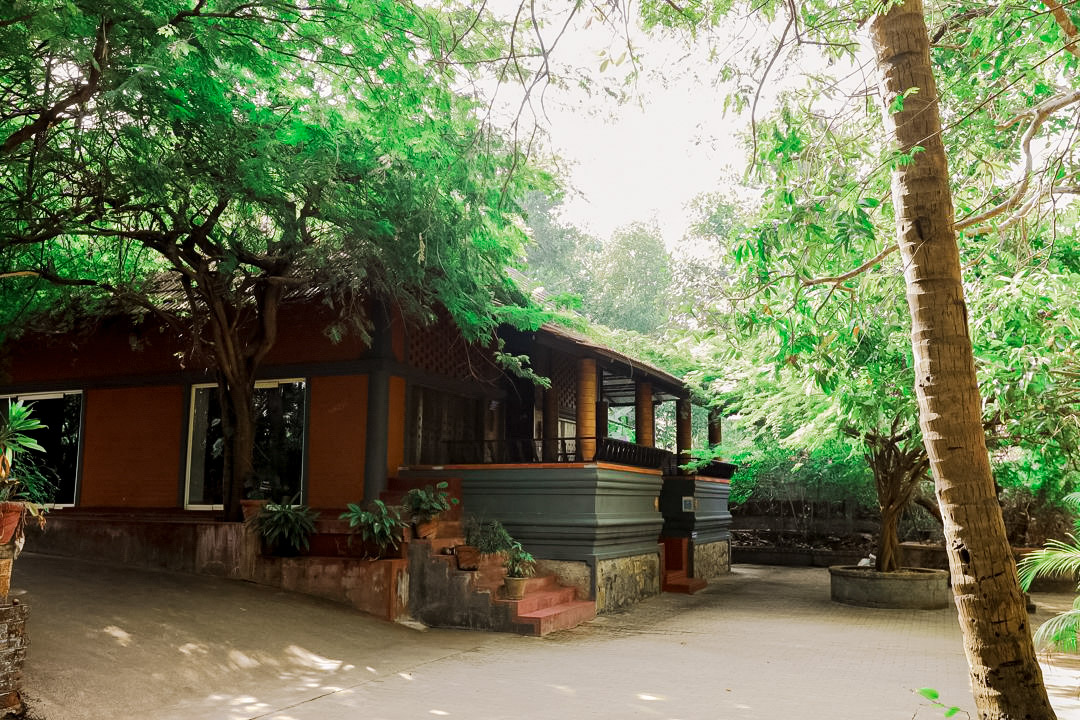
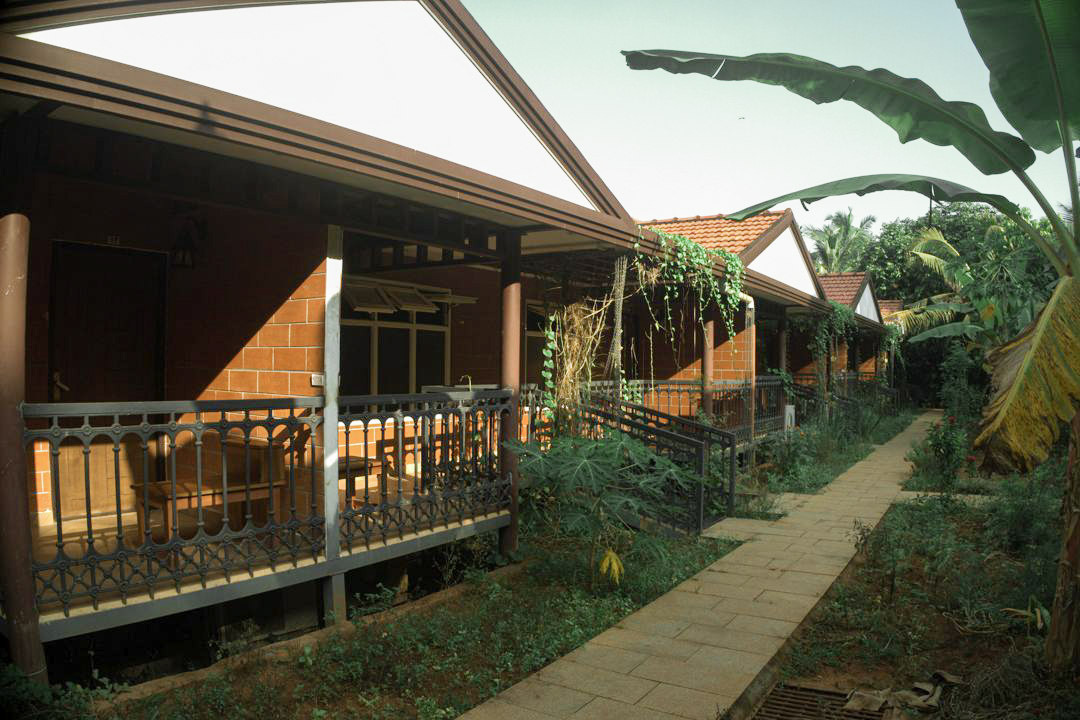
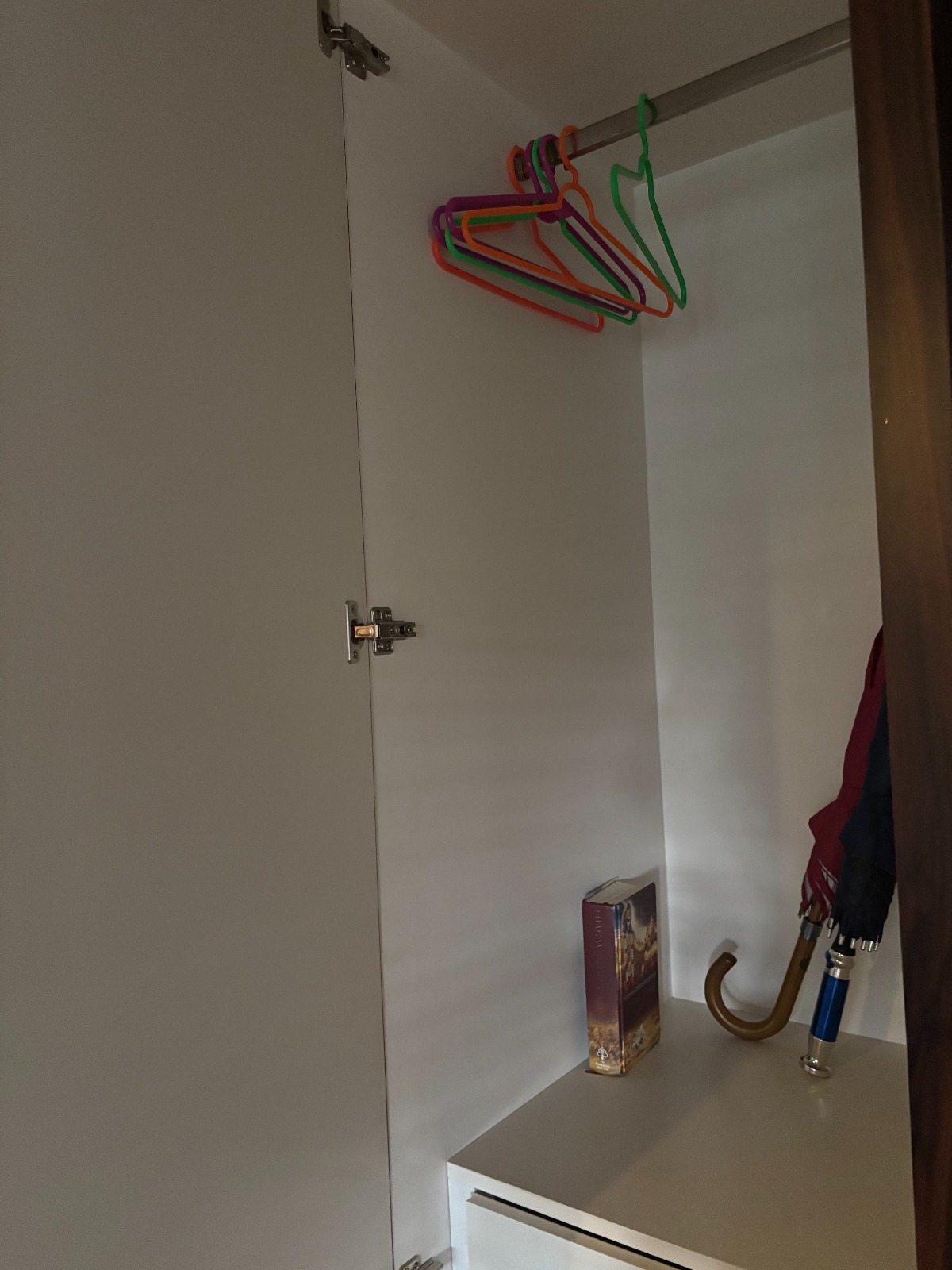
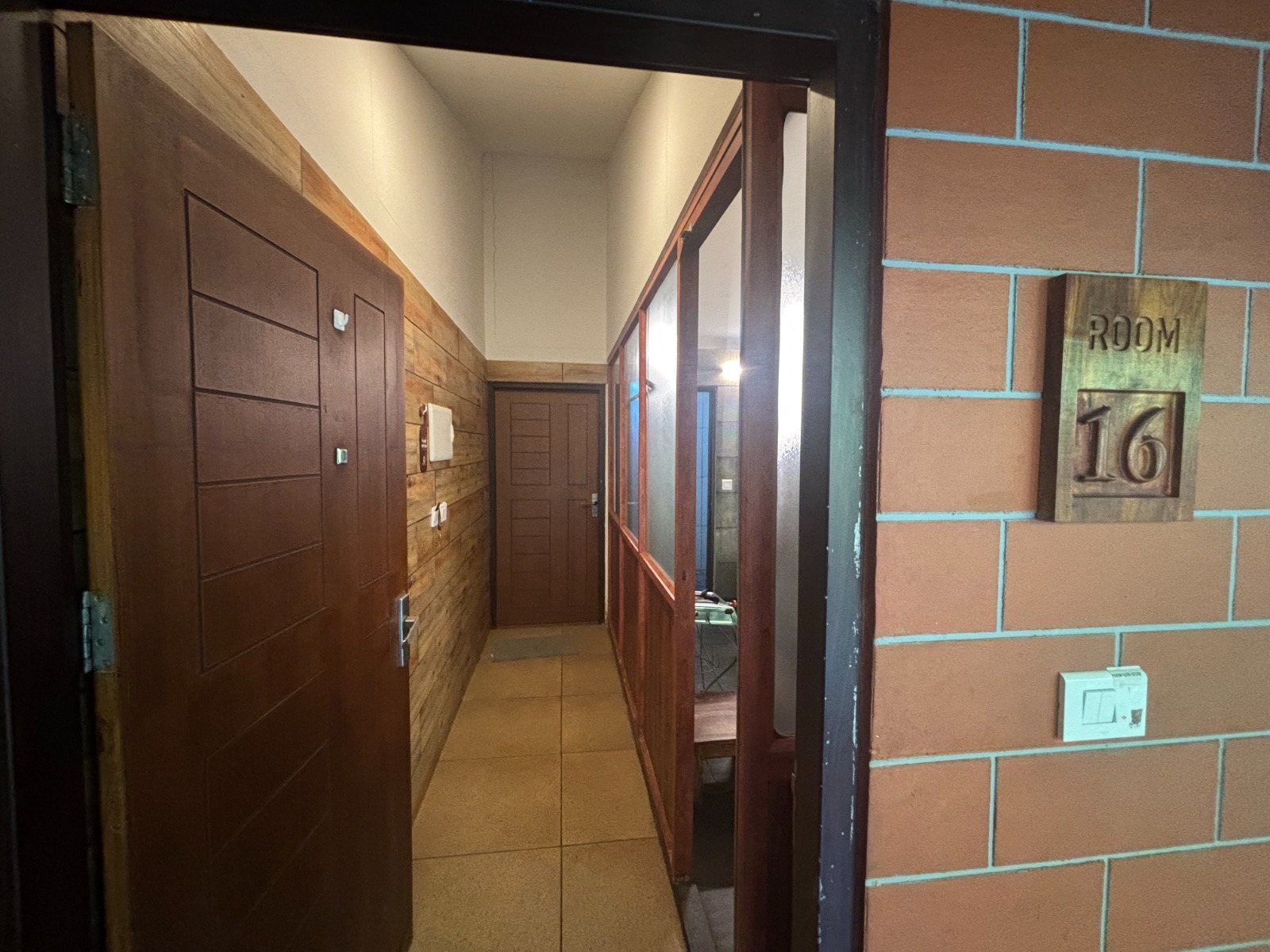
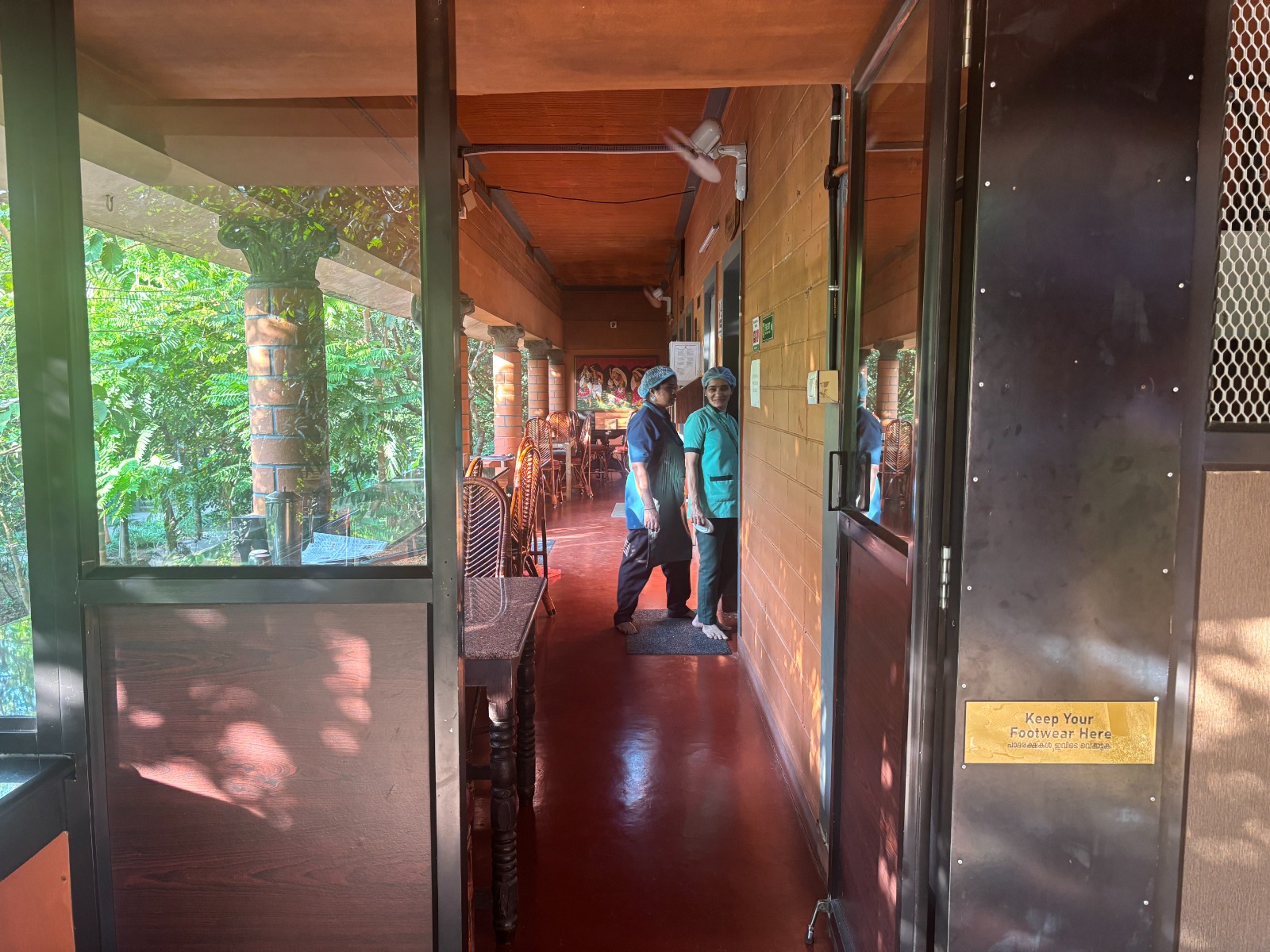
Poonthottam Ayurvedasram provides residential accommodation within its hospital-and-ashram campus, with 28 rooms accommodating up to 45 in-patients at a time. The accommodation environment is integrated with the surrounding herbal gardens and natural landscape, with the property describing the rooms as designed around a calm setting suitable for treatment and recovery. The accommodation portfolio includes Asram Rooms, Deluxe Single Rooms, Deluxe Double Rooms and Suite Rooms.
The current VEDANTA accommodation information additionally identifies Deluxe Single, Deluxe Double and Suite arrangements with single- and shared-occupancy options. The published VEDANTA rates include meals, housekeeping and Wi-Fi for the Deluxe categories, while Suite arrangements include meals and amenities; however, these rates are associated with the VEDANTA offering rather than established as universal accommodation rates for all patients. The property therefore operates accommodation as part of an integrated residential treatment environment rather than as a conventional standalone hotel stay.
Diet and Dining
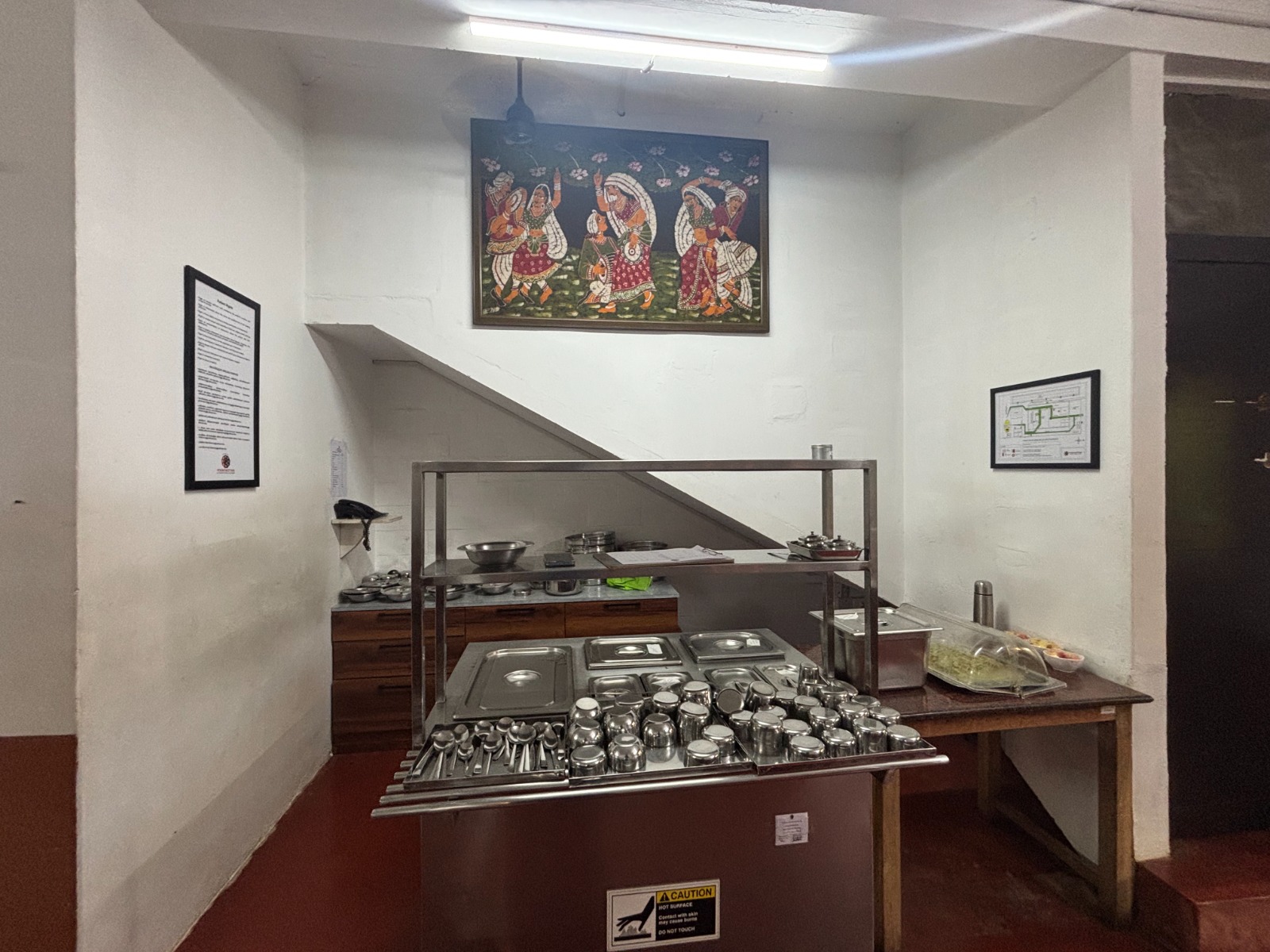
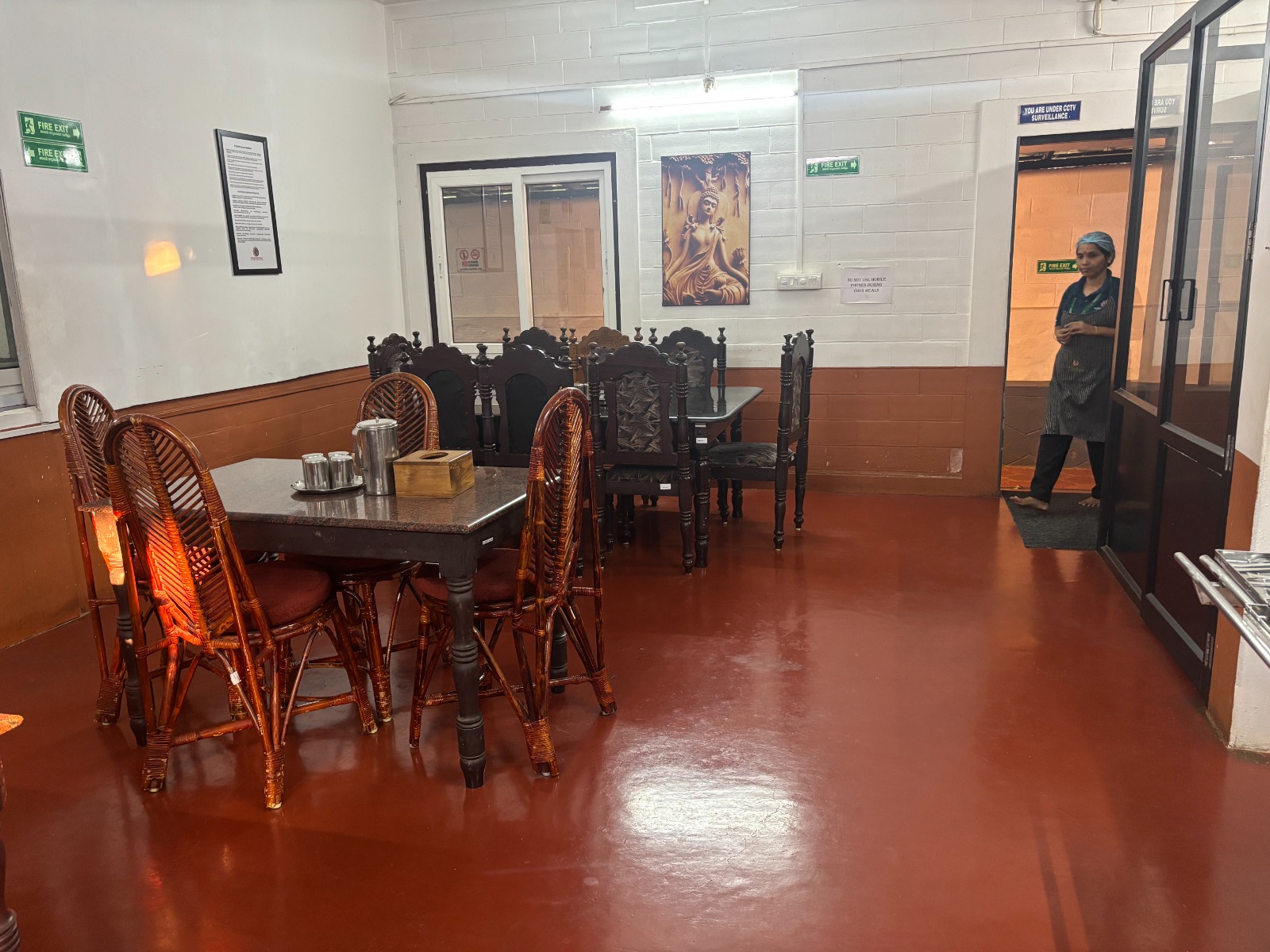
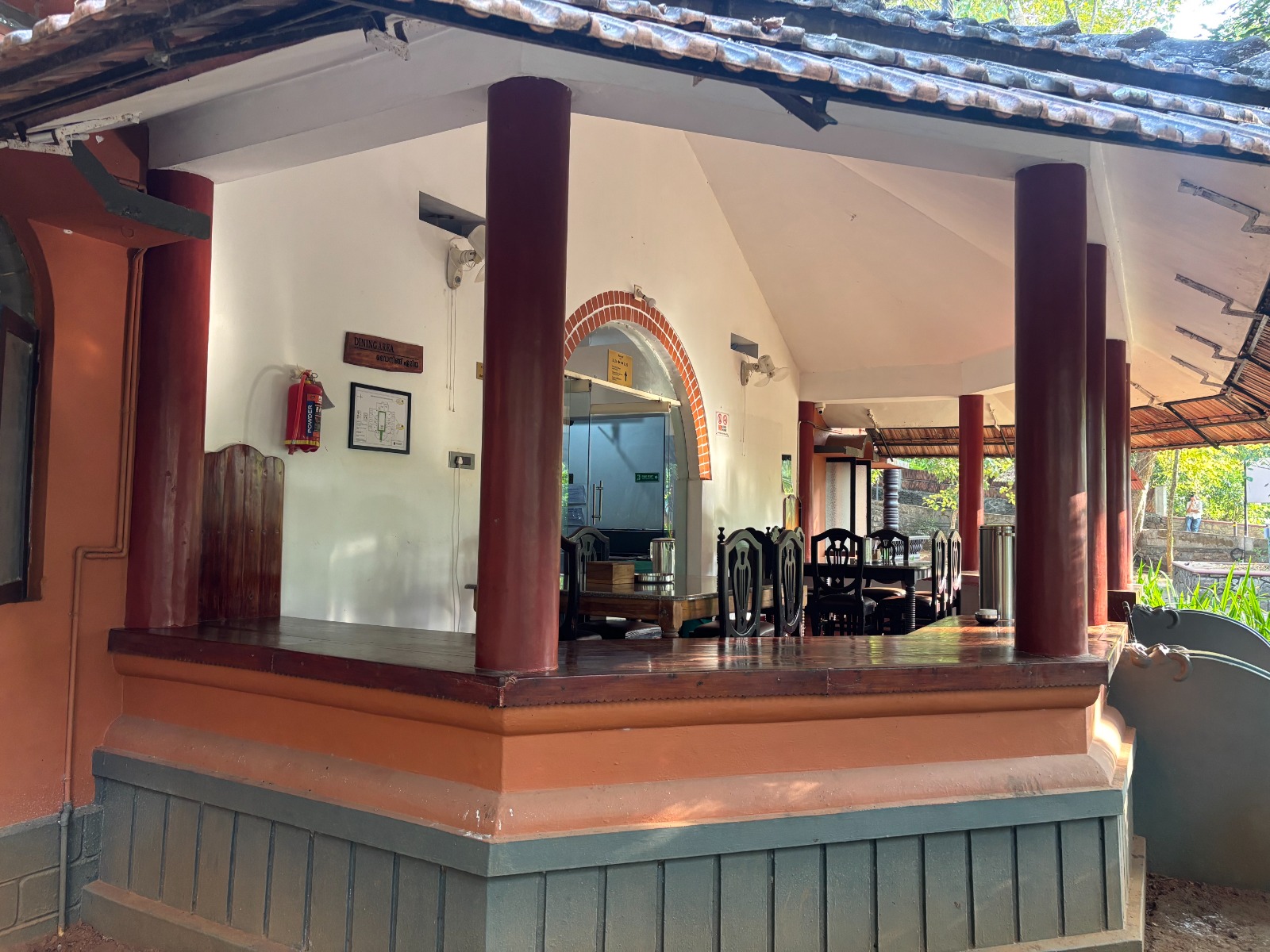
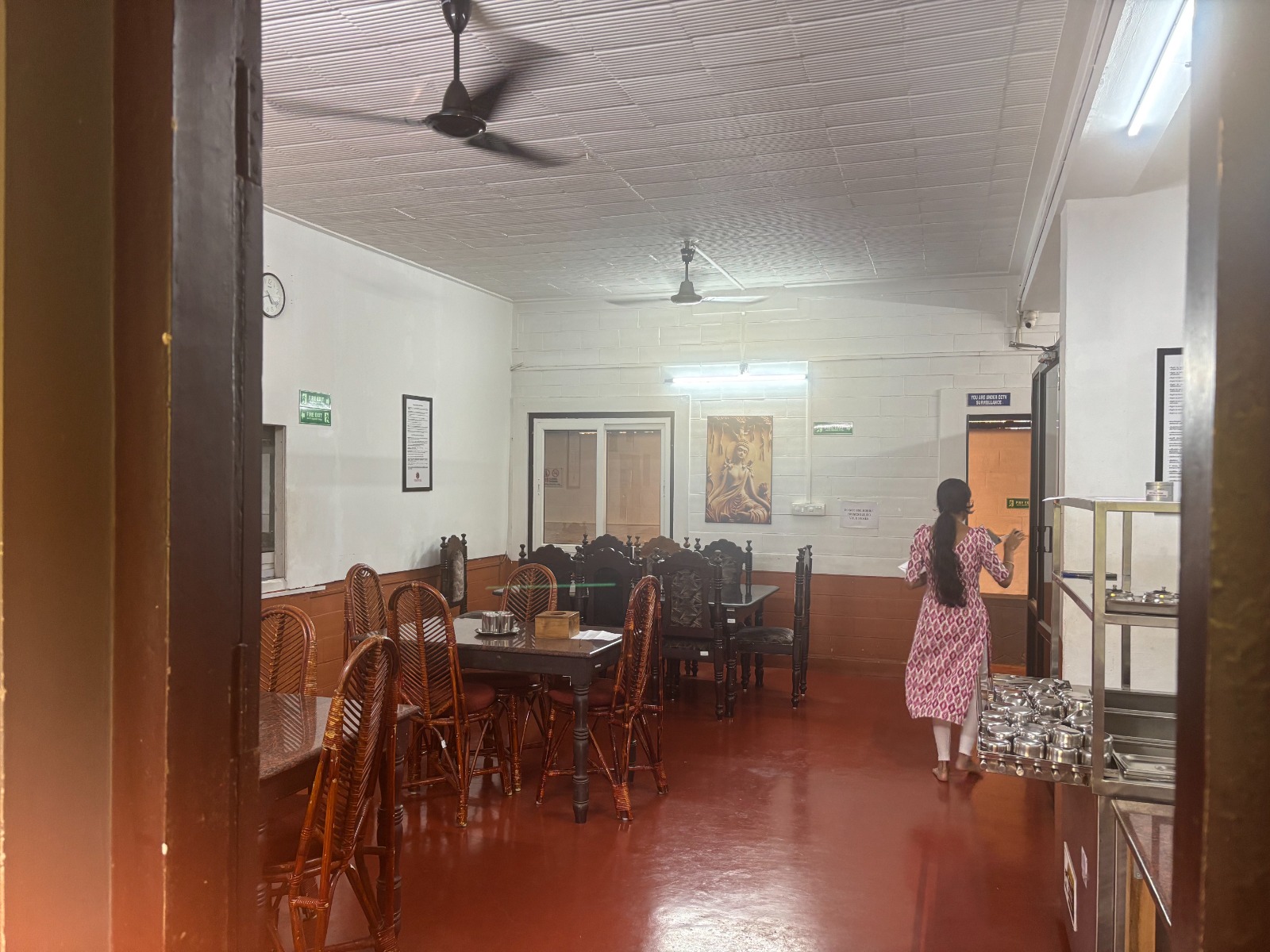
Dining at Poonthottam is integrated directly into the Ayurvedic treatment process. The hospital operates an in-house kitchen where meals are prepared according to individual dietary requirements following a diet consultation. A personalised meal plan is established to support the patient's treatment and overall health, with allergies and specific dietary practices taken into consideration. Outside food is not permitted within the hospital premises.
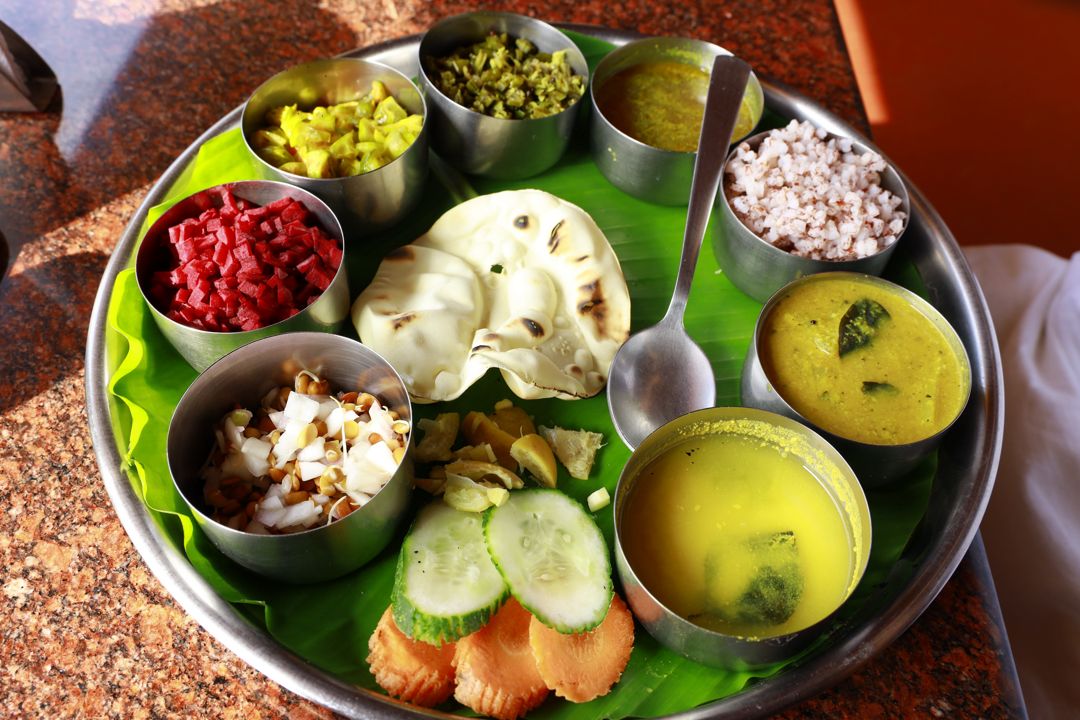
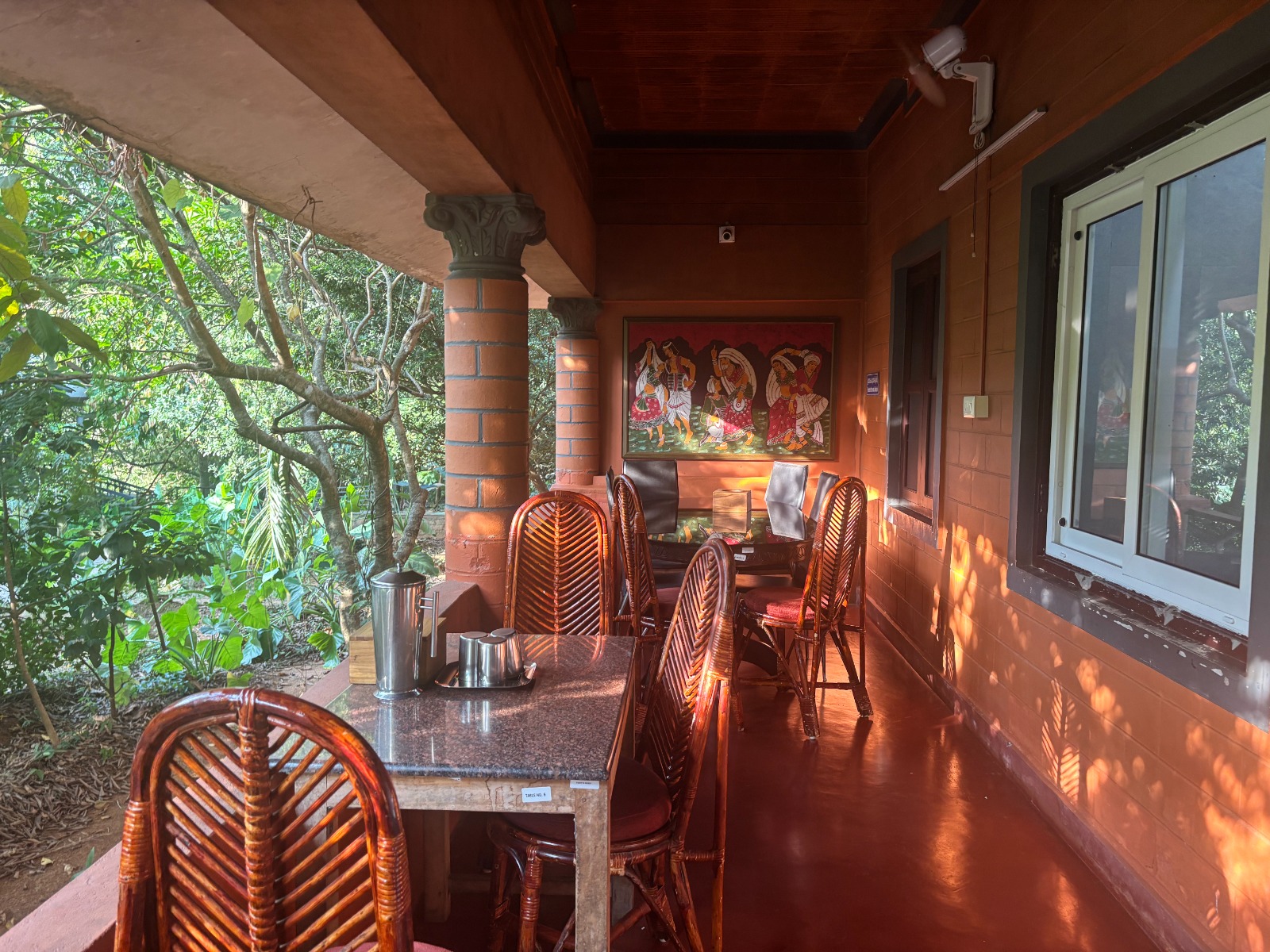
The property describes its dining concept as Ayurvedic, vegetarian and sattvic, with food selected to support digestion, detoxification and rejuvenation. Earlier published dietary guidance specifies Kerala-style vegetarian meals including breakfast options such as idli, upma, appam, rice noodles and rice soup, generally accompanied by coconut chutney and herbal tea; lunch includes boiled rice, rasam, dal, vegetable curry, buttermilk and lemon or Amla pickle, while afternoon refreshments include seasonal fruit and herbal tea. Meals may be taken in the dining area, canteen or guest rooms.
Wellness Activities
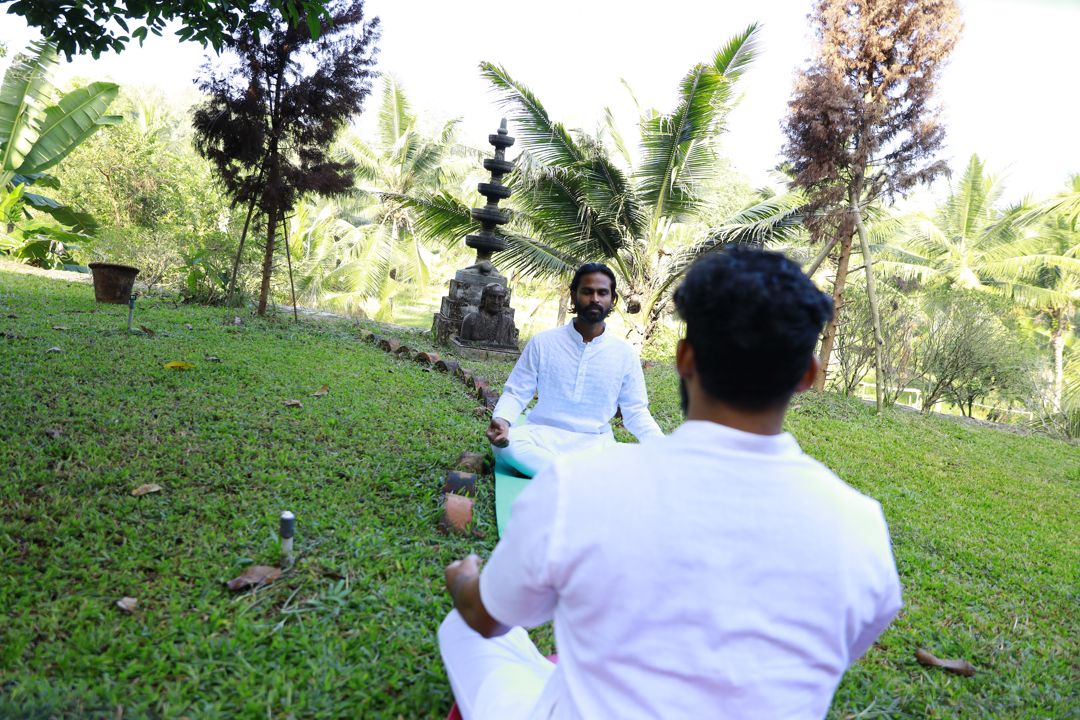
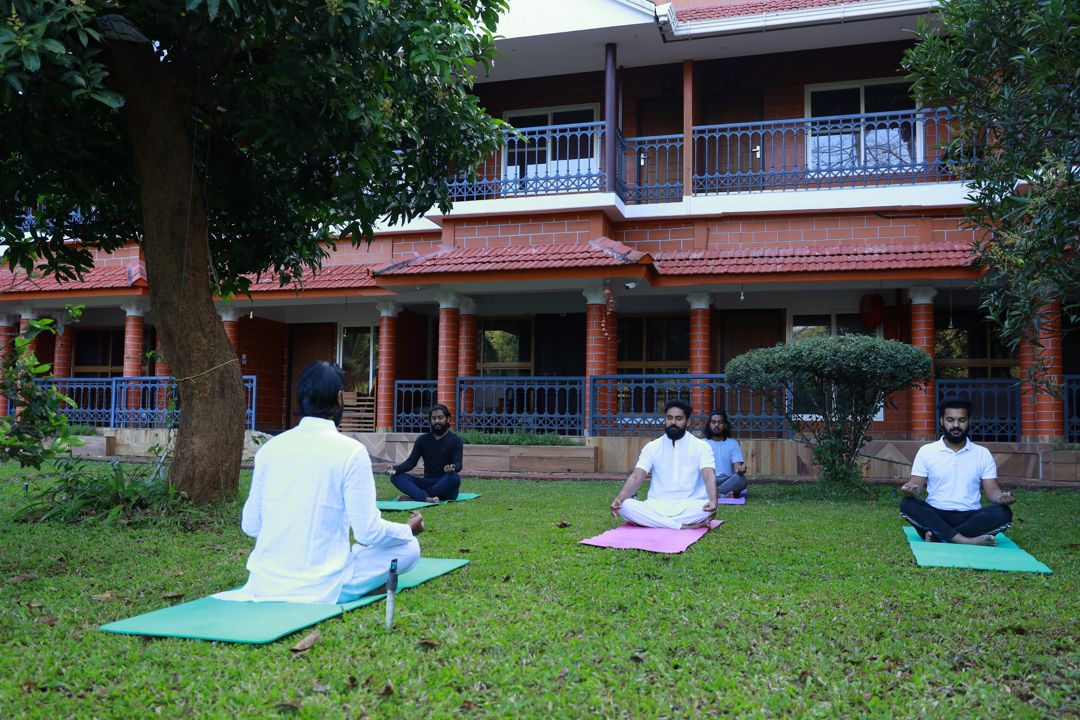
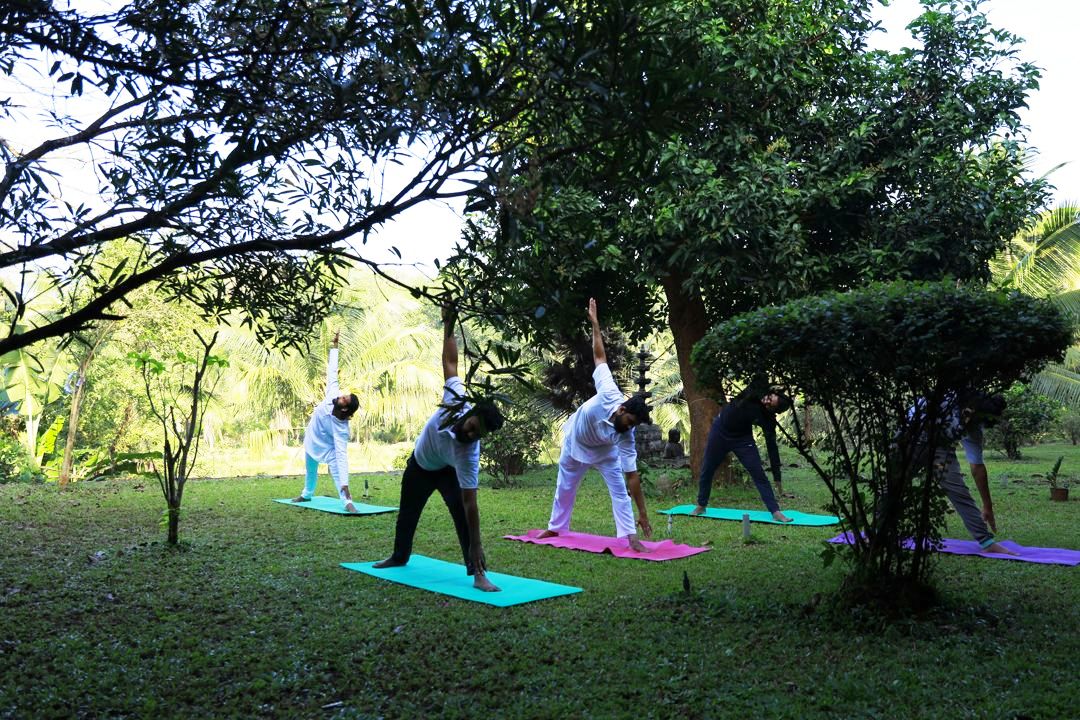
Wellness activities at Poonthottam combine Yoga, meditation, mindfulness, nature engagement, cultural activities and Ayurvedic lifestyle practices. Yoga is not presented as an unrestricted recreational class: the guest guidelines specify that yoga sessions are provided to patients when specifically recommended by their physicians, with the practices tailored to complement the individual treatment plan. Meditation and other relaxation practices may also form part of the stay.
The integrated Mindfulness Program consists of self-inquiry, work with energy centres and personalised mindfulness interventions, including meditation exercises, experiential outdoor activities, action metaphors and lifestyle or personal-development planning. Voluntary group activities include walking meditation and selected meditation exercises. The campus also provides a herbal garden with more than 200 medicinal plant species, a library, temple and cultural space. Poonthottam Kalakshetra supports exposure to Kathakali, Mohiniyattam, classical music, performances, workshops and storytelling.
Facilities and Services
The Poonthottam campus combines clinical, residential, educational and supporting facilities. Core infrastructure includes 28 accommodation rooms with capacity for 45 in-patients, a yoga and meditation hall, herbal garden and medicinal plantation, Ayurvedic dining hall, library, temple and specialised treatment areas. The campus also has an intercom system connecting its areas, Wi-Fi, backup power and telephone facilities, while first-aid and emergency-care arrangements are available. A Resident Medical Officer can be contacted for night medical emergencies, with security responsible for other emergencies.
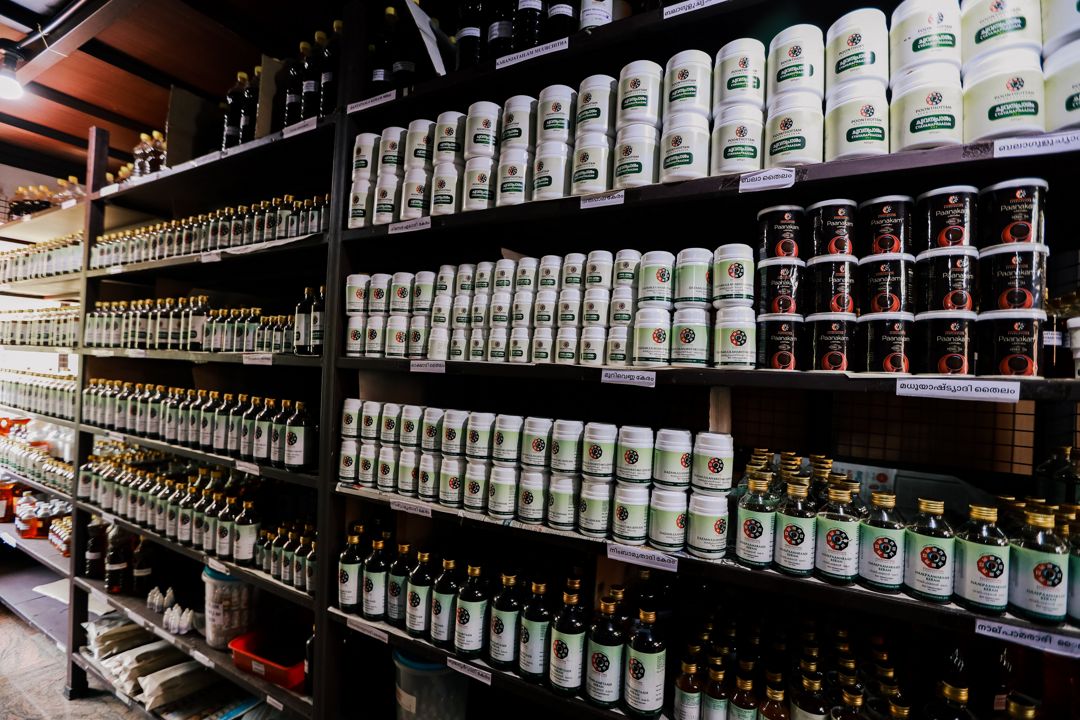
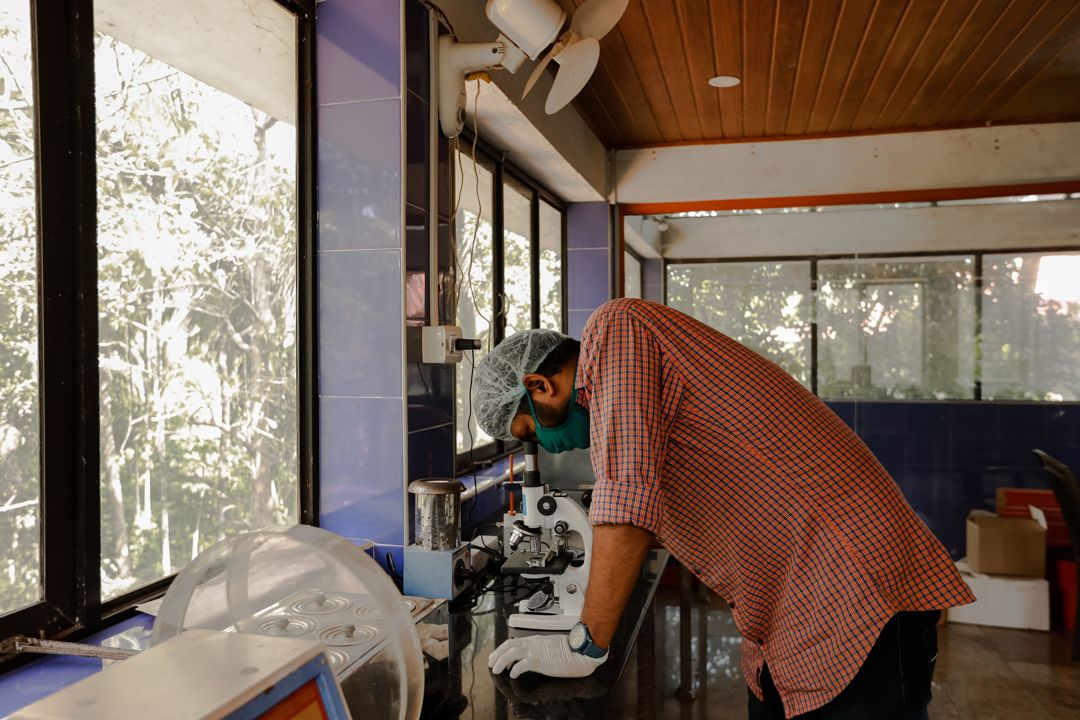
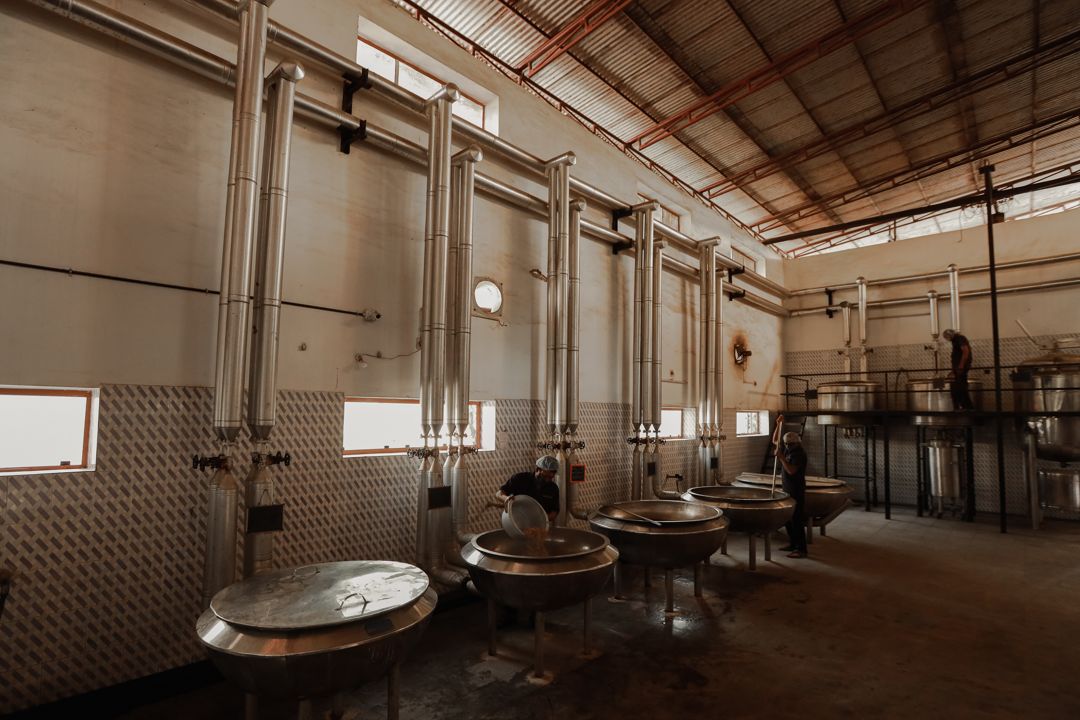
A significant institutional facility is the GMP-certified Poonthottam manufacturing unit, which produces more than 300 Ayurvedic medicines and proprietary formulations developed under Vaidya Raveendranath's guidance. The facility has operated in its current factory form since 2007, with quality-control checks applied to raw materials and finished medicines and an R&D department responsible for product development and modification. Poonthottam also operates the Poonthottam School of Ayurveda, supporting practical training for therapists and Ayurvedic graduates.
Sustainability and Guest Guidelines
Poonthottam's institutional vision includes developing a self-sustainable Ayurvedic centre combining healing, education, research and development. The campus grows medicinal plants and maintains a herbal garden containing more than 200 species. Earlier institutional information also records local collection of medicinal raw materials, quality inspection of purchased materials and disposal of rejected raw-material lots into a compost pit. Seasonal medicinal materials are stored at the manufacturing facility. These measures form part of the property's documented approach to maintaining an integrated Ayurveda ecosystem.
Guest conduct is structured around the requirements of residential Ayurvedic treatment. Smoking, alcohol and drugs are prohibited, while patients are expected to respect staff, fellow patients, treatment schedules and campus rules. Patients are advised not to leave the campus during their treatment course, and visitors are permitted only during designated visiting hours with prior communication to the authorities. Modest clothing is recommended, and the remote green setting means guests should expect insects around the campus. Personal valuables remain the patient's responsibility, while electrical appliances beyond those supplied by the hospital require prior front-office permission.
Guest Experience and Stay Approach
The stay model at Poonthottam is structured around residential Ayurvedic healthcare rather than conventional leisure hospitality. Patients remain within a functioning hospital-and-ashram environment where treatment, diet, rest, lifestyle regulation, yoga where medically recommended, mindfulness and clinical monitoring are coordinated around the individual's treatment plan. The property encourages a quiet atmosphere, limited strenuous activity and adherence to prescribed routines so that the residential environment remains conducive to treatment and recovery.
The experience also incorporates the wider institutional character of Poonthottam through its herbal gardens, library, temple, yoga and meditation spaces, Ayurvedic dining, cultural activities and Ayurveda education facilities. The guest guidelines emphasise peaceful interaction, respect for privacy and hospital rules, informed participation in treatment and communication of complete medical information. Patients have documented rights relating to dignity, privacy, confidentiality, treatment information, informed consent, access to medical records for up to three years, refusal of treatment and the right to raise complaints.
-
 24 * 7 Ayurvedic Doctor
 -
 Ayurvedic Dosha Meals
 -
 Ayush
Ayush -
 Cultural Programs
 -
Garden View
-
 Hindu Temple
 -
 NABH
NABH -
 Paddy Field View
 -
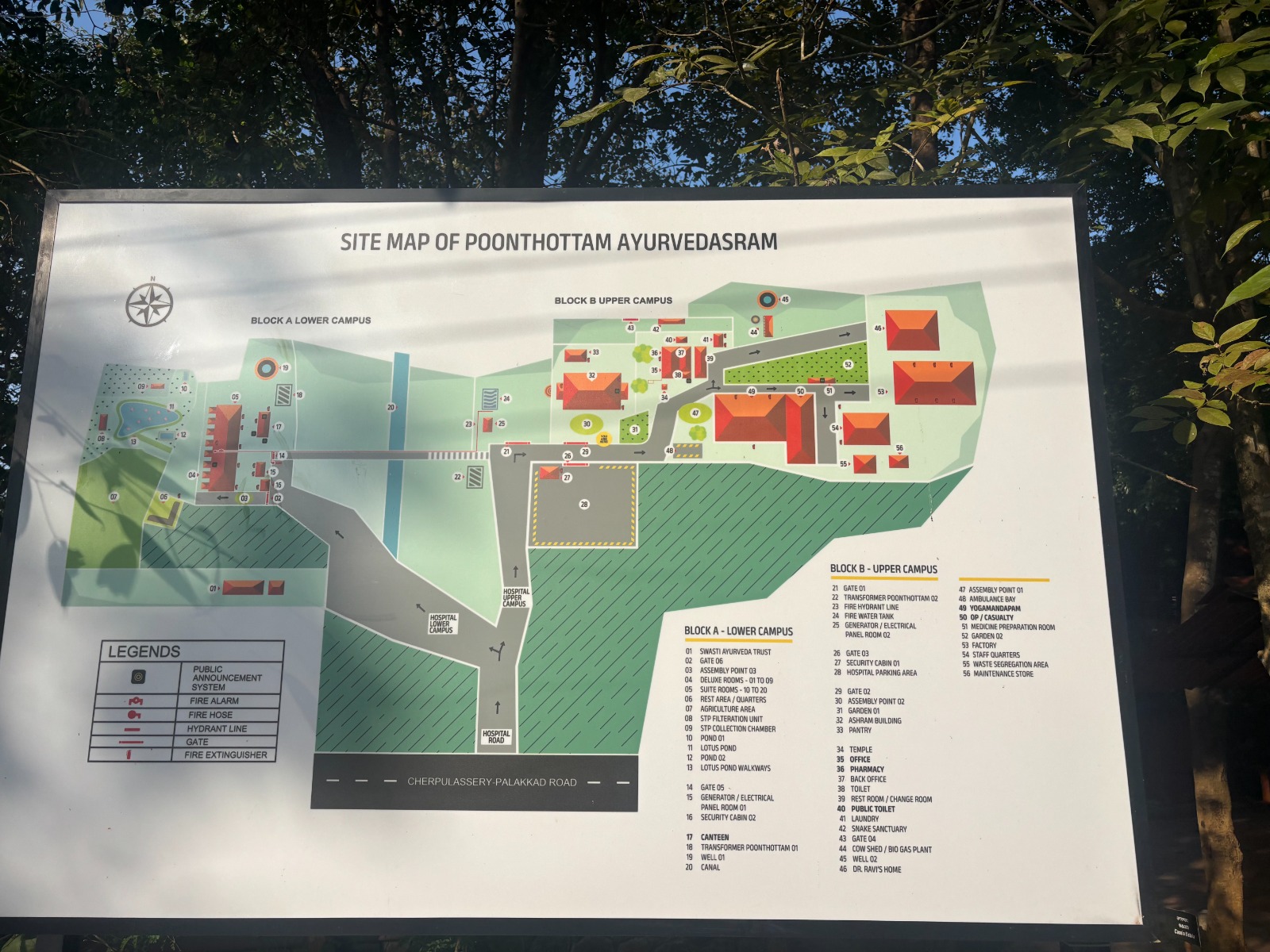
Property Map On Site
-
 Reimbursement Insurance Support
 -
Retreat Size- Medium
More about Poonthottam Ayurvedasram
Poonthottam Ayurvedasram operates an in-house Ayurvedic dining system in which food forms an integral part of the residential treatment process rather than functioning as conventional resort dining. The kitchen prepares healthy vegetarian Kerala cuisine specifically intended to support the digestive system and complement the therapeutic process. Each patient's diet is adjusted by the treating physician according to individual health requirements, while the current property information describes the dining facility as a communal Ayurvedic dining hall serving nutritious, sattvic meals designed around treatment plans. Special dietary recommendations are incorporated where required to support digestion, detoxification and rejuvenation.
The daily meal structure follows a defined Ayurvedic routine, although breakfast timing can vary according to treatment schedules. Breakfast is served between 8:30 am and 11:00 am and may include South Indian preparations such as idli, upma, appam, rice noodles and rice soup, generally accompanied by coconut chutney and herbal tea, which may be served with or without jaggery and milk. Lunch is served from 1:00 pm to 2:00 pm and consists of boiled rice, rasam, dal, a vegetable curry, buttermilk and lemon or Amla pickle. The afternoon refreshment at approximately 4:00 pm includes seasonal Kerala fruits such as apple, orange, pineapple and banana, together with herbal tea.
Meals may be taken in the dining area, canteen or guest rooms, providing flexibility around treatment schedules and individual recovery requirements. The dietary system is personalised through consultation, with guests expected to inform the clinical or kitchen team about food allergies, intolerances or specific dietary practices so that these can be considered when preparing the individual meal plan. The treatment environment does not operate as an unrestricted restaurant model; outside food is not permitted within the hospital premises, supporting adherence to the prescribed dietary regimen during treatment.
The dining philosophy is closely connected with Poonthottam's broader Ayurvedic approach, in which dietary modification is one of the five components of its treatment methodology, alongside lifestyle changes, Panchakarma and external therapies, internal medicines, and therapeutic exercises. Food is therefore planned in relation to the patient's treatment and health requirements rather than offered primarily for culinary variety. The property also incorporates its dining arrangements into its wider residential Ayurveda environment, where meals, treatment schedules, rest and lifestyle practices are coordinated as part of the patient's stay.
For the VEDANTA residential program, meals are included within the published accommodation arrangements, with the current accommodation information specifying meals, housekeeping and Wi-Fi for the Deluxe categories and meals and amenities for Suite accommodation. These published inclusions relate specifically to VEDANTA and should not be interpreted as a separate restaurant or universal accommodation tariff for all Poonthottam treatment stays.
Poonthottam Ayurvedasram provides a quiet, treatment-oriented leisure environment centred on nature, reading, meditation, cultural engagement and gentle recreational activities rather than conventional resort entertainment. The herbal garden and medicinal plantation, containing more than 200 species of medicinal plants, forms an important part of the campus experience. Patients and visitors can explore the botanical area and gain an understanding of the medicinal plants associated with Ayurveda. The surrounding rural landscape of paddy fields and plantations of rubber, coconut and banana further provides a naturally tranquil setting for rest and unhurried time between treatment sessions.
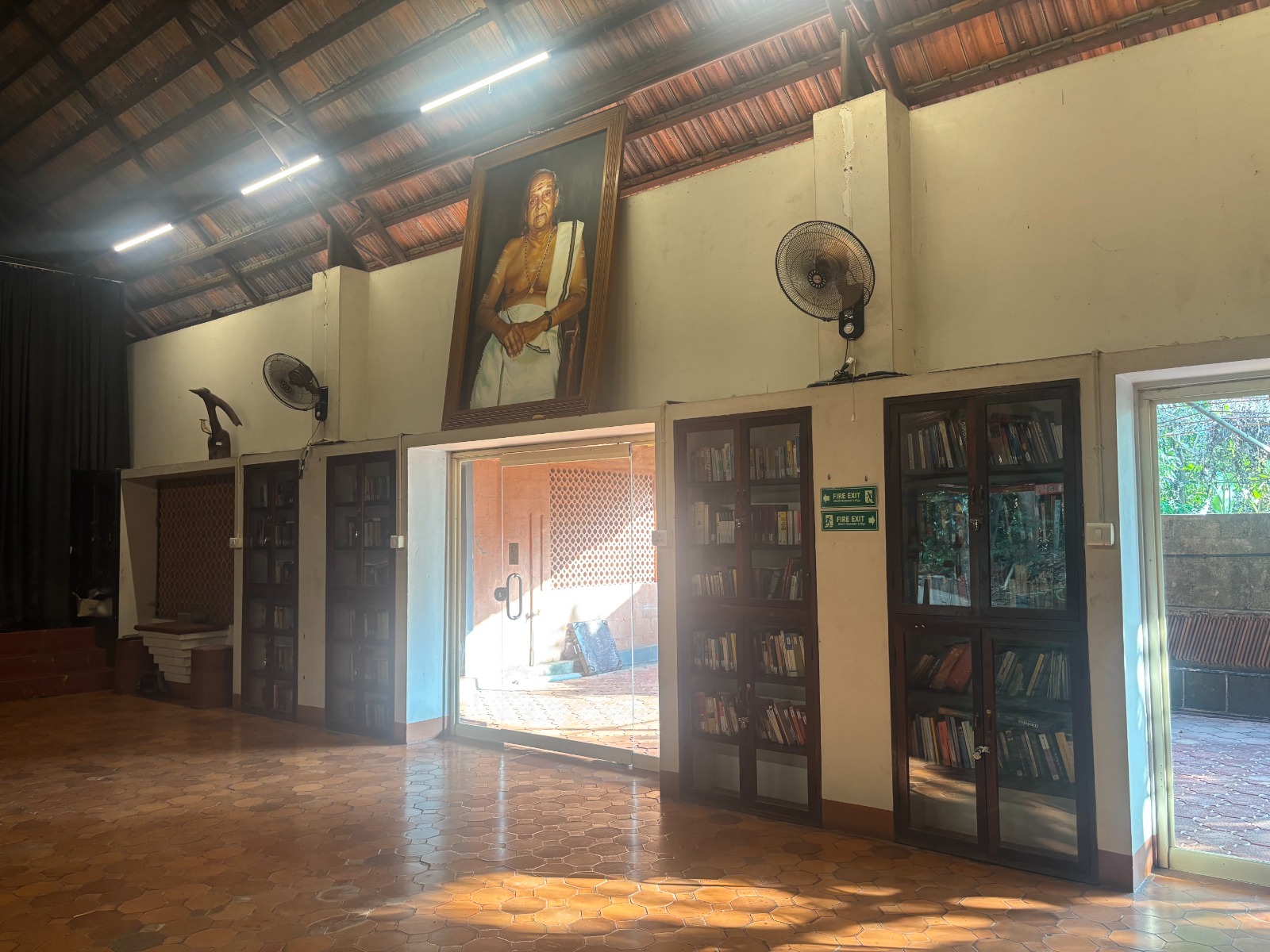
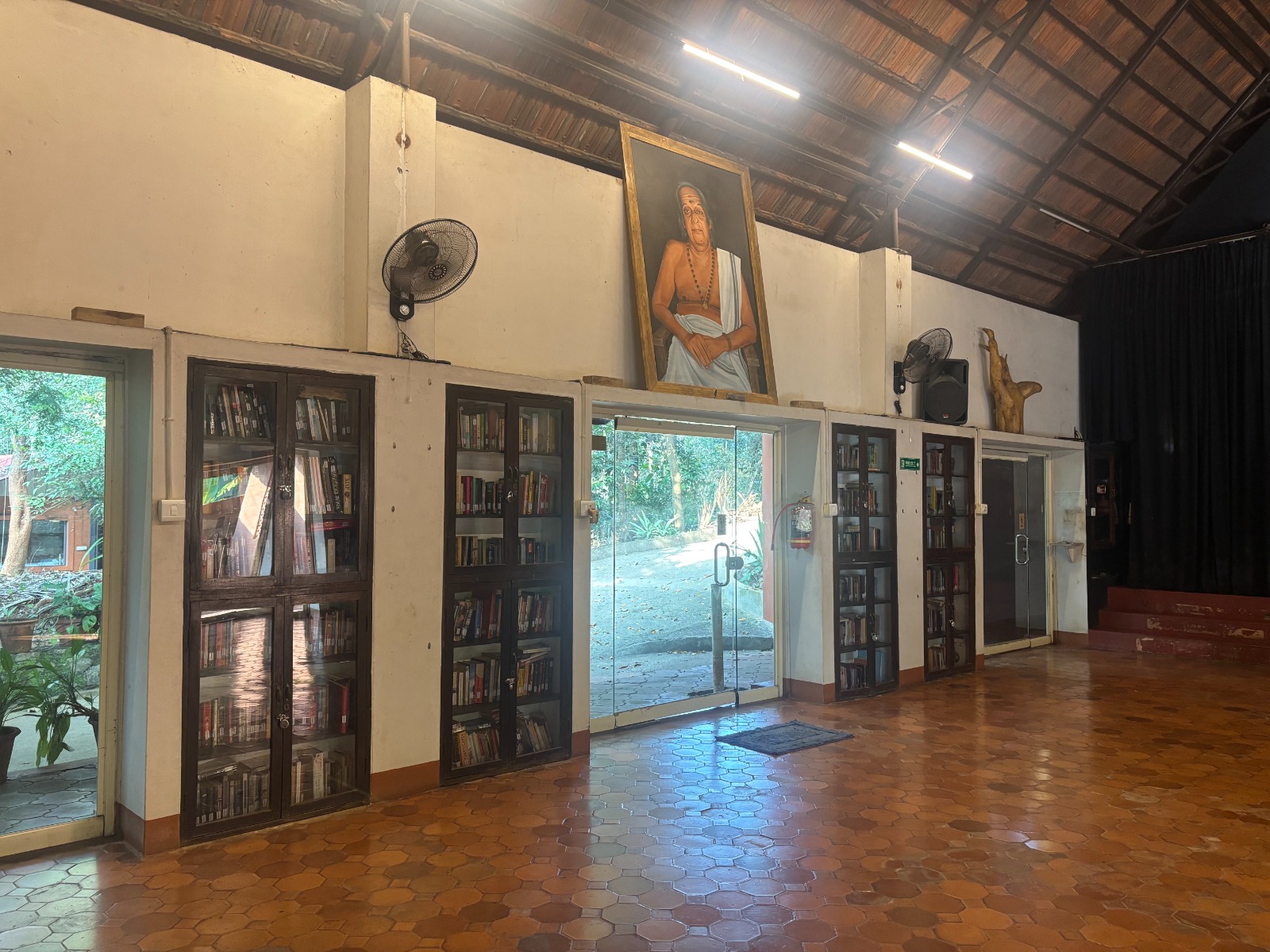
A dedicated library provides books relating to Ayurveda, spirituality and natural healing, creating a quiet space for reading and learning during the stay. Guests are permitted to borrow books, and the property's guidelines also encourage those who wish to contribute to the collection to donate books when leaving. For personal recreation, guests may bring books, crafting materials, board games and similar activities, provided that these are enjoyed without disturbing the peaceful environment maintained for other patients.
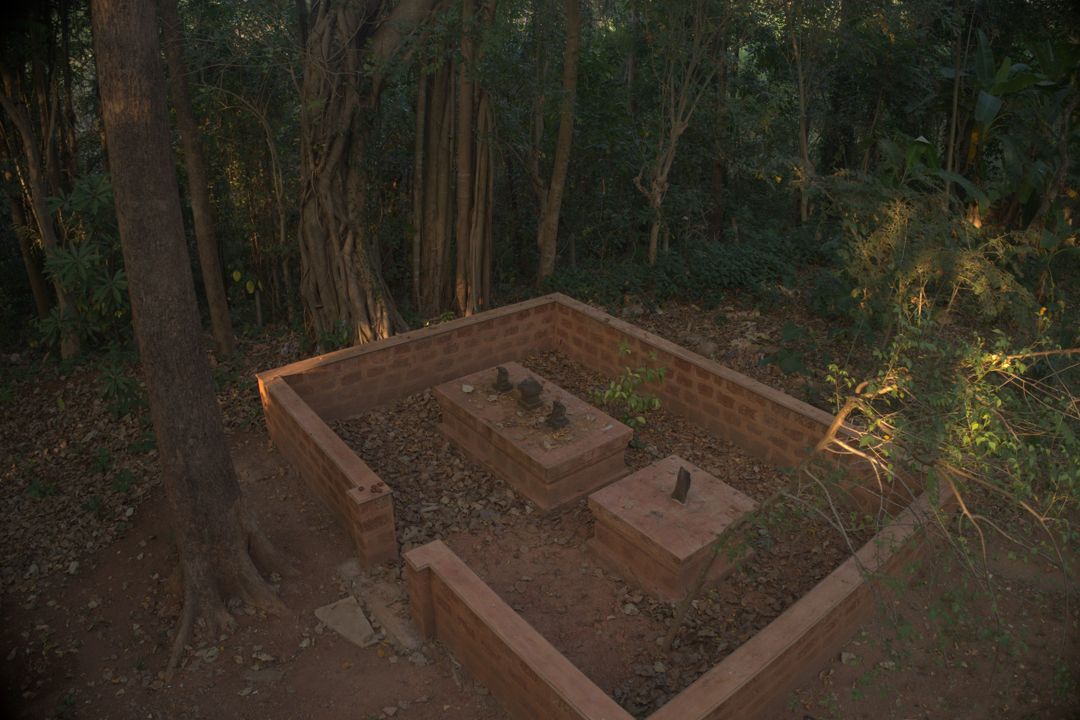
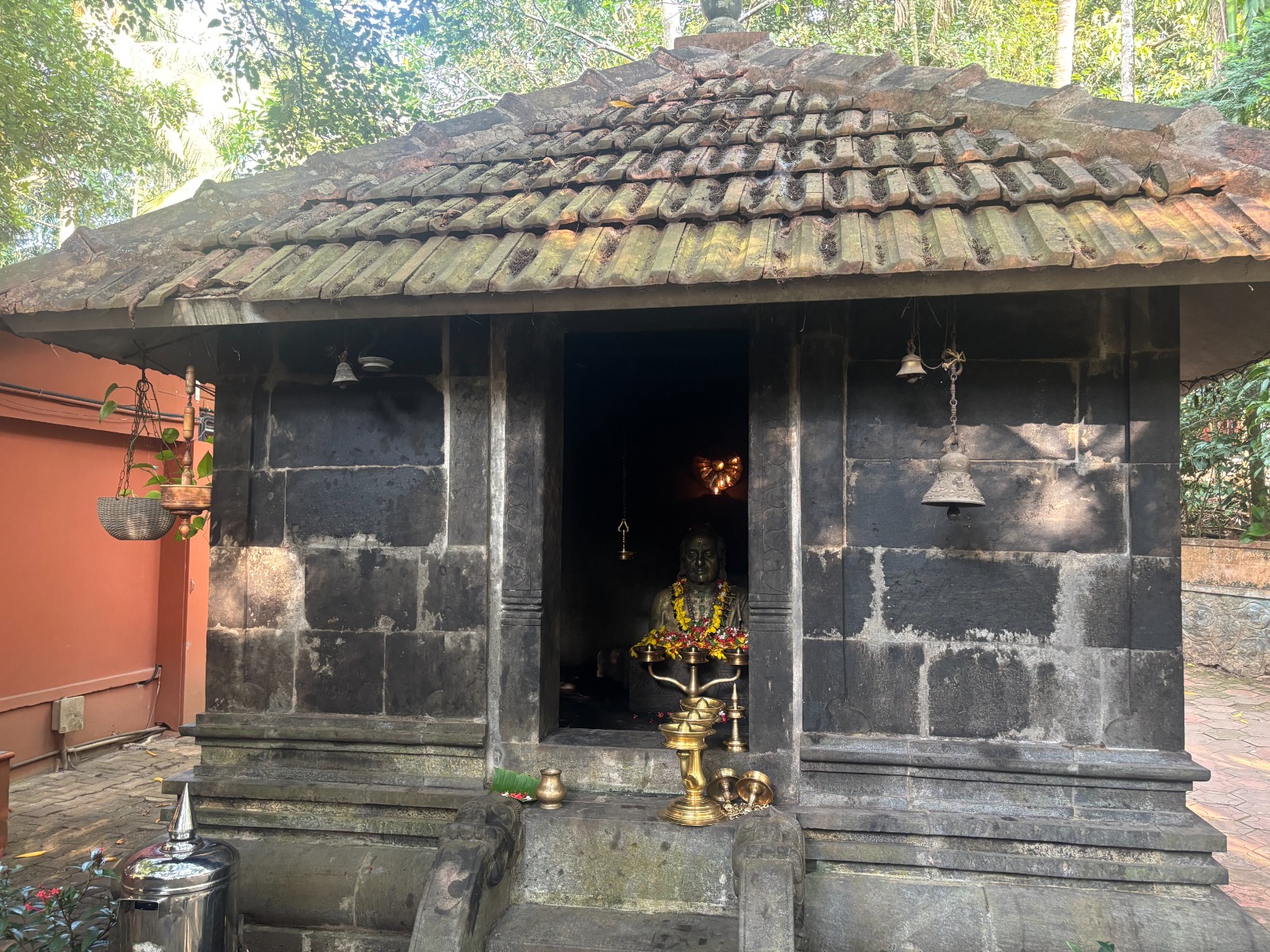
The property also has a dedicated temple, where monthly poojas and prayers are conducted. Patients and visitors may participate in these spiritual activities, which form part of the ashram's traditional environment. The campus further incorporates a Yoga and Meditation Hall, where meditation and relaxation practices can be undertaken; yoga sessions for patients are provided when specifically recommended by their treating physicians and are intended to complement the individual treatment plan.
Poonthottam Kalakshetra adds a cultural dimension to the property's leisure environment, with its focus on traditional Indian performing arts. The institution has been associated with Kathakali, Mohiniyattam and classical music, together with performances, workshops and storytelling activities. The wider educational character of the campus allows guests to encounter aspects of Kerala's traditional arts alongside Ayurveda, while the peaceful surroundings, library, temple, herbal garden and meditation spaces provide alternatives to active recreation during treatment and recovery.
The property's leisure approach remains deliberately compatible with Ayurvedic treatment. Guests are encouraged to maintain a peaceful atmosphere, rest after therapies and avoid strenuous activities during treatment. The guest guidelines also recommend that patients remain on the campus throughout their treatment course, making the gardens, library, meditation spaces, temple and quiet recreational activities particularly relevant to the residential experience. Wi-Fi is available on campus, while mobile phones using Indian service providers generally function well, allowing limited digital connectivity without changing the predominantly restorative character of the stay.
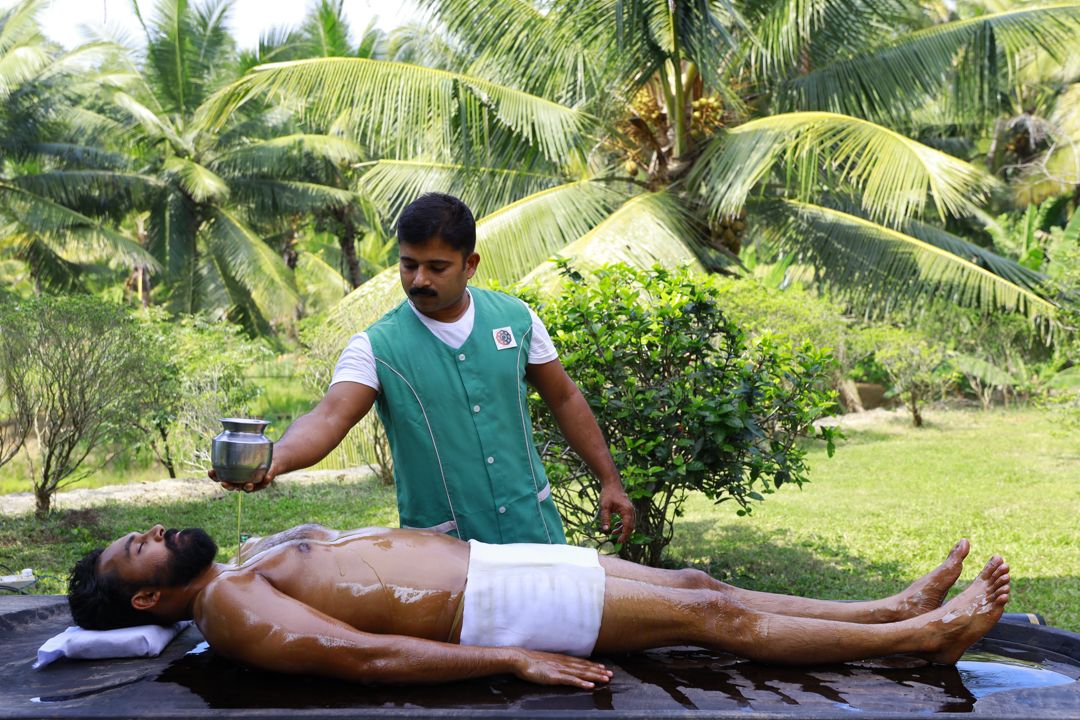
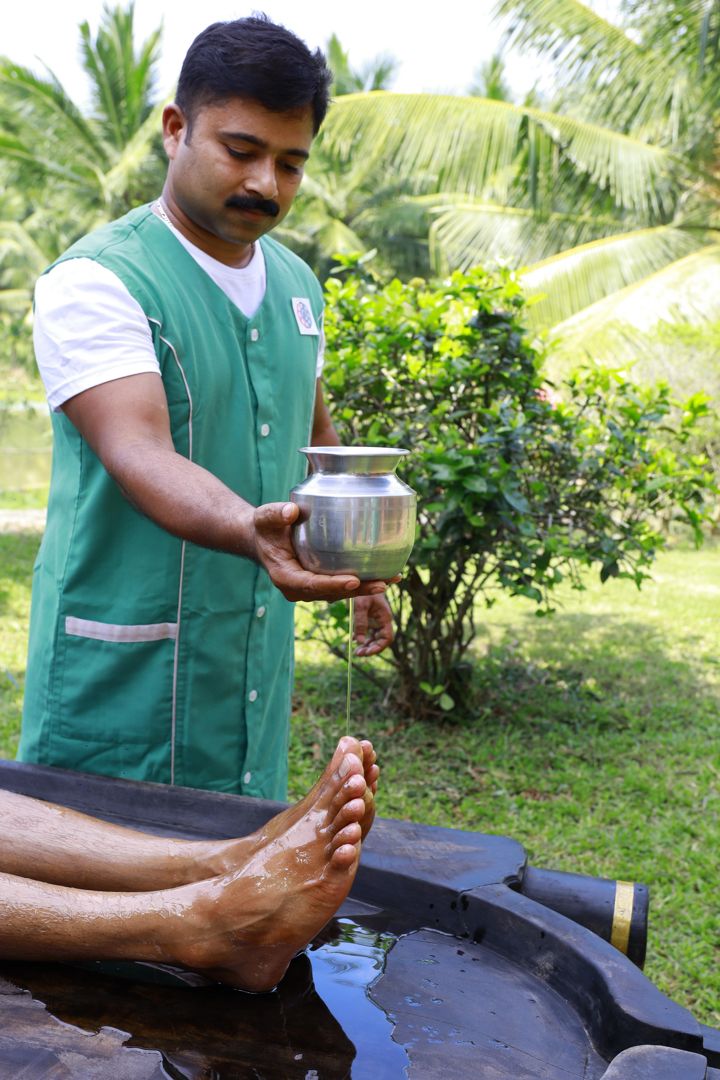
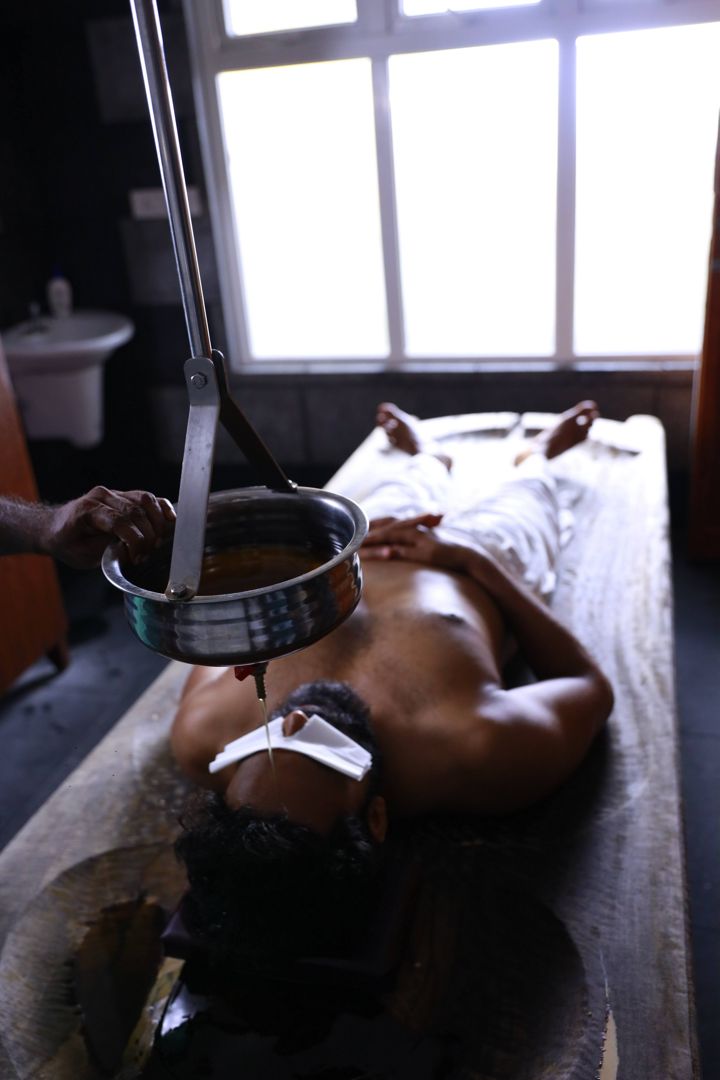
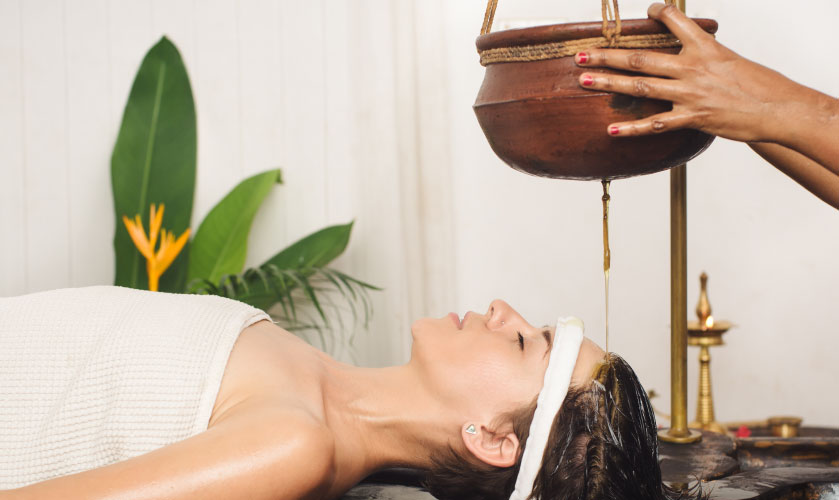
Poonthottam Ayurvedasram follows a traditional Ayurvedic treatment model centred on Panchakarma, supported by dietary modification, lifestyle regulation, internal medicines, external therapies and therapeutic exercises. Treatment is personalised according to the patient's constitution and health condition, with the stated objective of restoring balance and supporting overall wellbeing. The clinical portfolio particularly addresses autoimmune disorders, neurological disorders, gynaecological conditions, musculoskeletal disorders and ano-rectal conditions. The Ayurvedic treatment repertoire includes classical procedures such as Vamana, Virechana, Vasti, Nasya and Raktamoksha, together with Abhyangam, Snehapaanam, Kativasti, Shashtikapindasvedam, Shashtikadhaara, Patrapindasvedam, Takradhaara, Tailadhaara, Kashaayadhaara, Netradhaara, Tarpanam, Lepam, Picu, Zirodhaara, Zirovasti, Zirolepam, Upanaahasvedam and other specialised therapies.
The Ayurvedic approach is supported by in-house herbal medicine production and medicinal-plant cultivation. The campus maintains a herbal garden containing more than 200 species of medicinal plants, while the institution's GMP-certified manufacturing unit produces more than 300 Ayurvedic medicines. The treatment philosophy combines these formulations with personalised therapies, therapeutic exercises, diet and lifestyle guidance. Shashtikadhaara is specifically identified as a therapy developed at Poonthottam as an adaptation of Shashtikapindasvedam, while the institution's broader clinical practice is guided by Vaidya P.M.S. Raveendranath, whose documented areas include Panchakarma, Rasayana therapy and traditional Ayurvedic formulations.
Yoga forms a supportive component of the treatment environment rather than an unrestricted recreational activity. The property has a dedicated Yoga and Meditation Hall, and yoga sessions are provided to patients when specifically recommended by their treating physicians. Such sessions are intended to complement the individual treatment plan, and patients who receive medical recommendation are encouraged to attend regularly. The guest guidelines also encourage complementary relaxation practices such as meditation. The available documentation does not establish a universal daily yoga schedule for every resident, as participation is linked to clinical recommendation.
The dedicated Mindfulness Program provides the property's most structured meditation and mind-body offering. It is organised around three stages: self-inquiry, work with energy centres, and personalised mindfulness practices. The program uses meditation exercises, experiential outdoor activities, action metaphors and lifestyle-oriented practices according to individual requirements. A minimum of two one-hour sessions is specified, with additional sessions possible depending on the participant's needs. Optional group activities include walking meditation, while personalised sessions may address areas such as stress, anxiety, depression, low self-esteem, lifestyle patterns and personal development.
The mindfulness component can also include preparation of a Personal Development Plan, with the participant identifying practical changes and strategies for integrating the practices into everyday life. Following completion of treatment, the Mindfulness Coach remains available for 21 days through email and WhatsApp, providing continuity after departure. Vaidya EM Vikas Neelakandhan, identified as Visiting Consultant and Mindfulness Coach, holds BAMS (2010) and MD in Ayurveda-Rasa Shastra and is documented as incorporating Ayurvedic psychology alongside his clinical training and family traditions in astrology and rituals.
Panchakarma Program
Body Purification
Relaxation And Rejuvenation
Poonthottam Ayurvedasram holds NABH accreditation for Panchakarma under Certificate No. AH-2024-0302, valid from 25 October 2024 to 24 October 2027. The accreditation specifically covers Panchakarma services at the Ayurvedasram in Kulakkad, Palakkad, Kerala
- Reimbursement Insurance Support
.jpg)
Rasayana Chikitsa (Rejuvenation Therapy)
Rasayana Chikitsa occupies a unique place in Ayurveda as the branch dedicated to rejuvenation, regeneration, and longevity science. While commonly understood as a therapy, Rasayana is traditionally described as a discipline that enhances the quality of life by improving tissue integrity, cognitive function, and resistance to ageing. It operates through specialised protocols that support the renewal of body tissues (Dhatus) and optimise the flow of nutrients across physiological systems. One of the defining aspects of Rasayana therapy is its focus on tissue nourishment at successive levels. Ayurveda explains that the body is sustained through a chain of tissue formation—from plasma (Rasa) to reproductive tissue (Shukra). When this chain is disrupted, degeneration, fatigue, and premature ageing begin to appear. Rasayana Chikitsa works by improving this tissue transformation process, ensuring that each layer is properly nourished and regenerated. A key concept associated with Rasayana is Ojas, considered the essence of all bodily tissues and the foundation of immunity, vitality, and mental stability. Depletion of Ojas is linked to chronic fatigue, low immunity, emotional instability, and reduced resilience. Rasayana therapies are designed to rebuild Ojas through targeted herbal formulations, dietary regulation, and restorative treatments that strengthen both physical and psychological endurance. Rasayana Chikitsa is also closely connected to age management in Ayurveda. Classical texts describe different stages of life and recommend Rasayana interventions to slow down degeneration and maintain optimal function. This makes it particularly relevant for individuals seeking healthy ageing, improved cognitive performance, and sustained energy levels rather than symptomatic treatment alone. There are different approaches within Rasayana therapy, including Kutipraveshika Rasayana (a highly controlled and intensive rejuvenation protocol conducted in isolation) and Vatatapika Rasayana (a more practical, lifestyle-integrated approach suitable for retreat settings). While the former is rarely practised in modern environments due to its strict requirements, the latter forms the foundation of most Rasayana Chikitsa retreat programs today. Geographical context plays an important role in the effectiveness of Rasayana therapy. A Rasayana Chikitsa retreat in Kerala, India offers access to traditional Ayurvedic lineages, region-specific herbal preparations, and clinical expertise developed over generations. The natural humidity and temperature of Kerala are considered supportive for therapeutic absorption and tissue nourishment. In comparison, other parts of India offer varied approaches, ranging from clinical Ayurvedic hospitals to wellness-focused retreats. A Rasayana retreat in Sri Lanka shares similar climatic advantages and continues to grow as a complementary Ayurvedic destination. Meanwhile, a rejuvenation retreat in Bali is often positioned within a luxury wellness framework, where the emphasis may lean more towards relaxation and lifestyle enhancement rather than classical Ayurvedic methodology. Rasayana Chikitsa is particularly relevant in conditions involving degeneration and depletion, including low immunity, post-illness recovery, chronic fatigue syndromes, and age-related decline. It is also used to support mental performance, memory, and emotional stability, making it beneficial for individuals experiencing burnout or cognitive strain. A structured Rasayana program involves more than therapies alone. It includes strict adherence to dietary guidelines (Pathya), behavioural discipline, and routine alignment to maximise absorption and effectiveness. Seasonal considerations (Ritucharya) and daily routines (Dinacharya) are often integrated into the program to enhance long-term outcomes. The success of Rasayana therapy depends heavily on consistency, correct sequencing, and the individual’s ability to follow these guidelines. Another important aspect is that Rasayana Chikitsa is often recommended after detoxification therapies such as Panchakarma, as a cleansed body is more receptive to nourishment and regeneration. This sequencing significantly enhances the effectiveness of Rasayana interventions. Choosing the right Rasayana Chikitsa retreat requires attention to medical authenticity and program structure. Key factors include the presence of qualified Ayurvedic physicians, use of classical herbal formulations, personalised protocols, and a controlled environment that supports rest and recovery. Unlike general wellness programs, Rasayana therapy requires a methodical approach to deliver measurable and lasting results. Rasayana Chikitsa ultimately represents Ayurveda’s vision of sustained vitality rather than temporary wellness. By focusing on regeneration, tissue strength, and internal resilience, it provides a pathway to maintain health, delay ageing, and enhance overall quality of life in a structured and scientifically grounded manner.
View 4 Programs
7 Nights Rejuvenation Program
14 Nights Rejuvenation Program
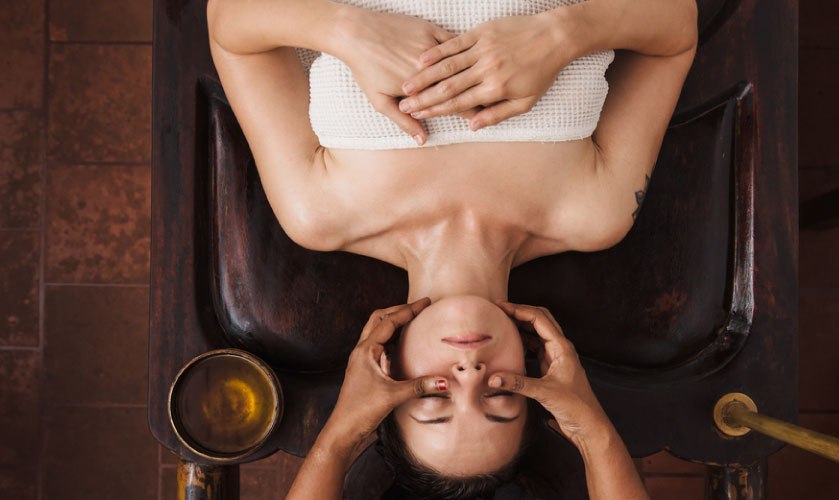
21 Nights Rejuvenation Program
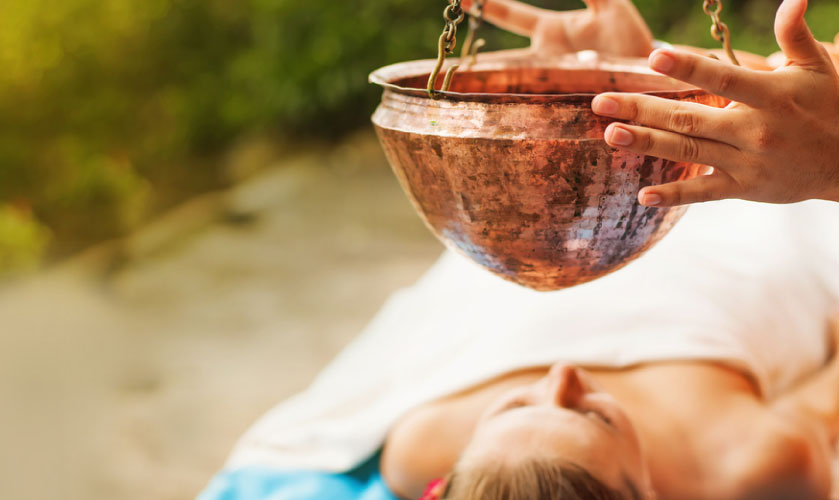
28 Nights Rejuvenation Program
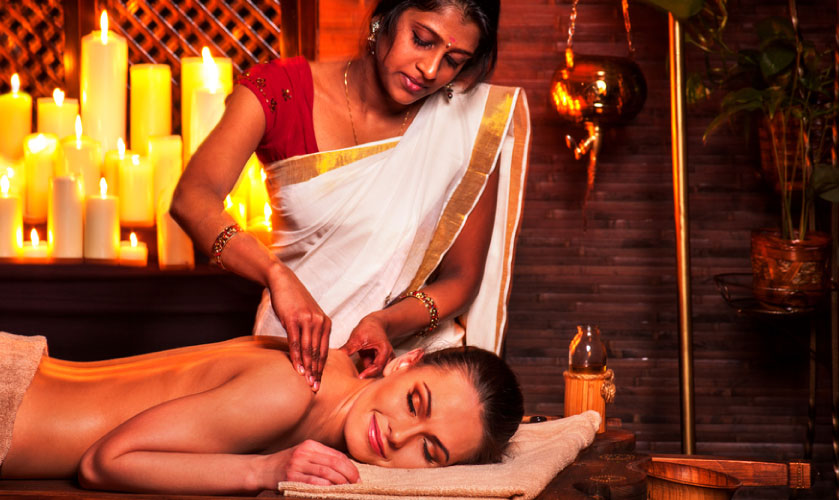
Experts
Ayurveda Doctor | Under Graduate | 35 years of experience
Availablilty 24 X7 Within Property : No
About
Qualification
Disciple of the renowned Vaidyamadhom Valiya Narayanan Namboodiri
Over 35 years of clinical experience in Ayurveda
Specialised expertise in Panchakarma and Rasayana therapies
Mastery in traditional Ayurvedic formulations and treatment protocols
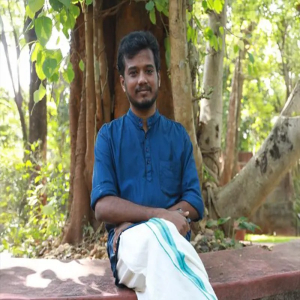
Ayurveda Doctor | Under Graduate | 20 years of experience
Availablilty 24 X7 Within Property : No
About
Qualification
Specialises in general medicine and traditional Ayurvedic treatments
Trained in authentic Ayurvedic healing practices rooted in classical texts
Experienced in providing individualised, holistic treatment plans
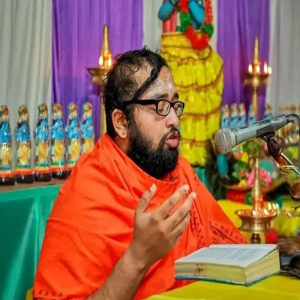
Ayurveda Doctor | Under Graduate | 15 years of experience
Availablilty 24 X7 Within Property : No
About
Qualification
MD in Ayurveda – Rasa Shastra
Specialist in Ayurvedic Psychology and Mindfulness Practices
Deep-rooted family tradition in astrology and Vedic rituals
Visiting Consultant and Mindfulness Coach at Poonthottam Ayurvedasram
Walk-Through Video | 08/10/2026
Preview Video | 2026-10-08
Stay
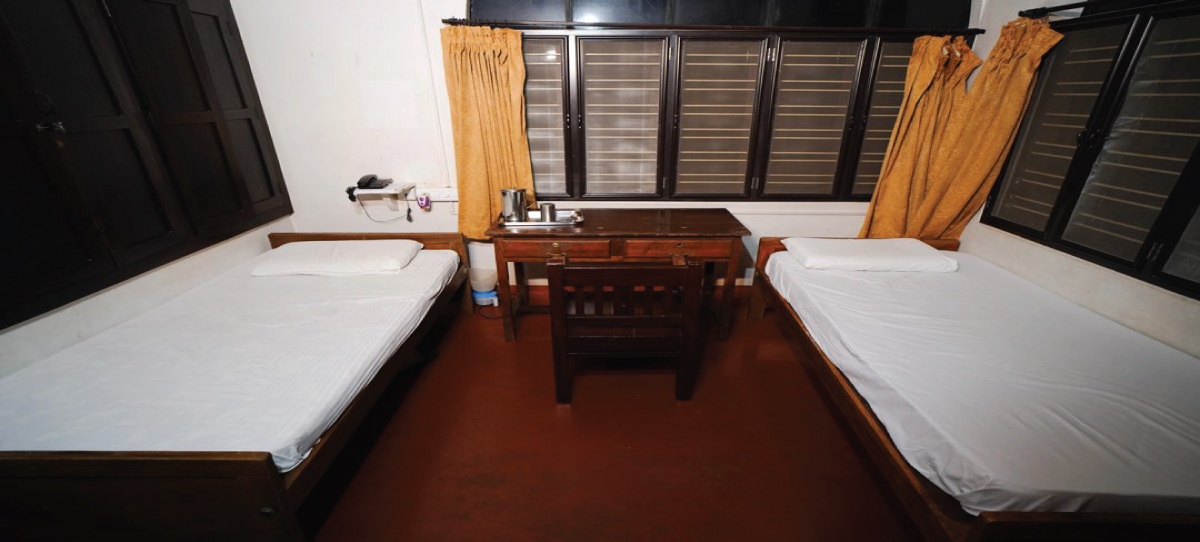
Max. No. of guests : 1 Total Room : 4
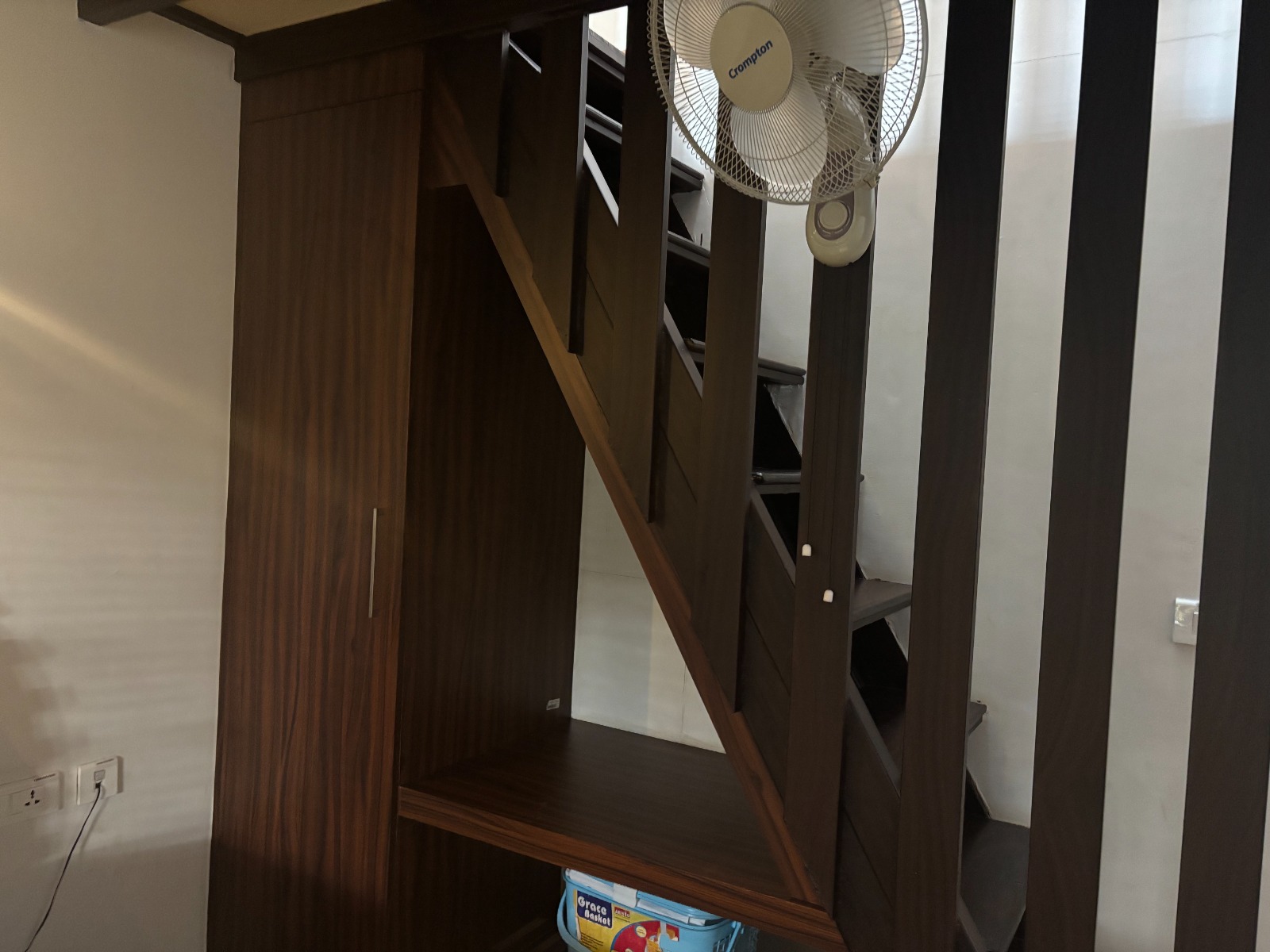
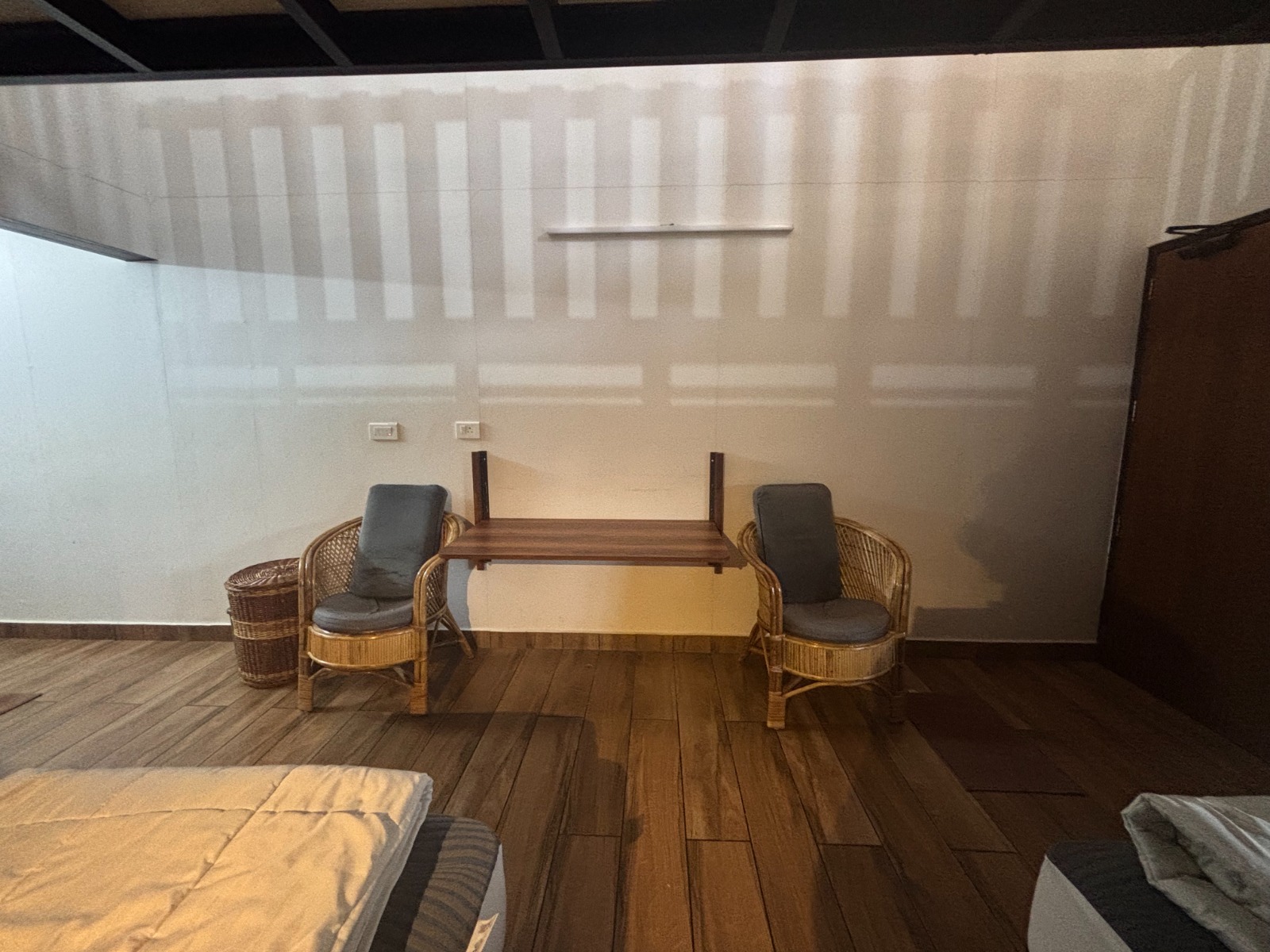
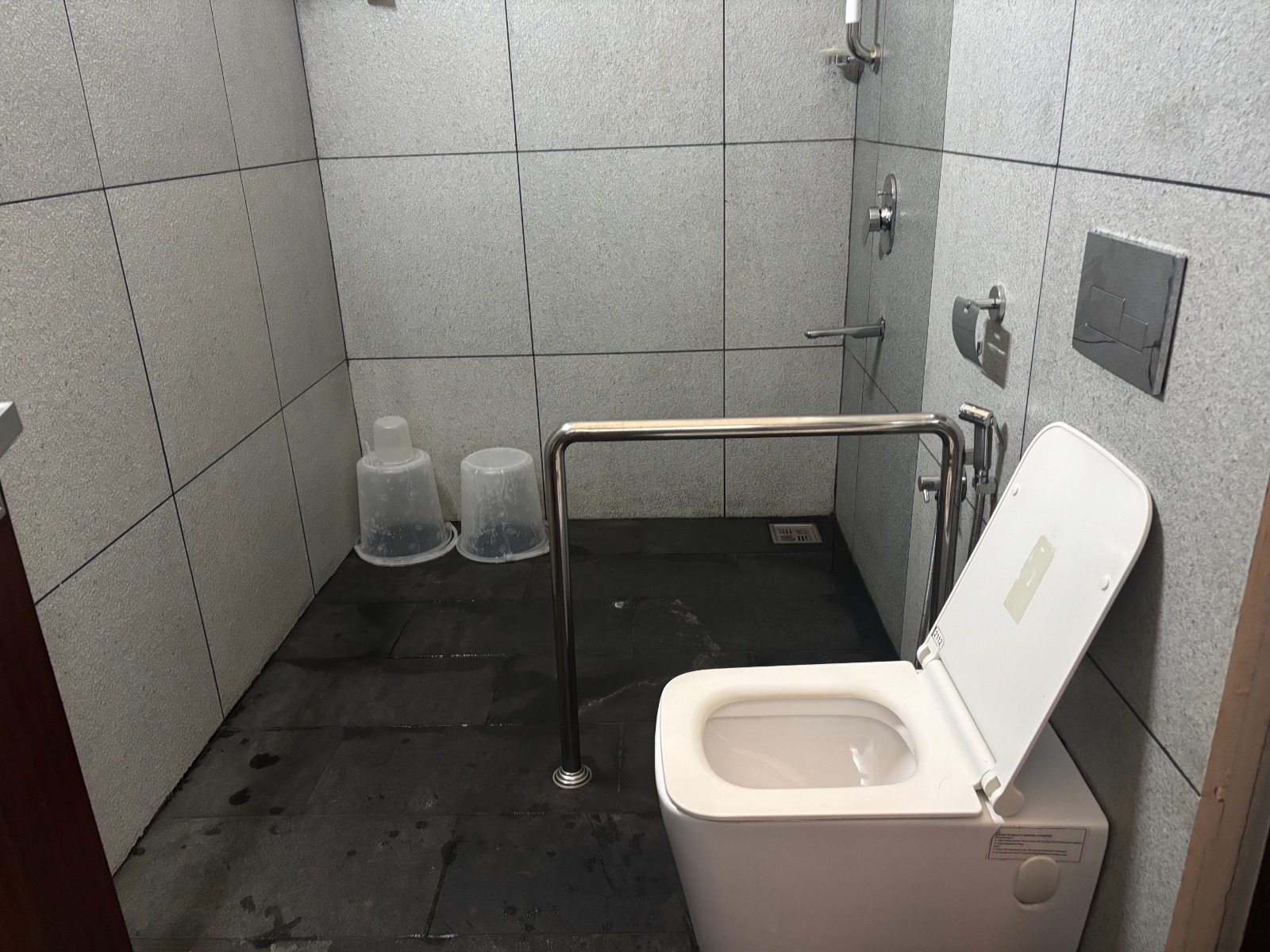
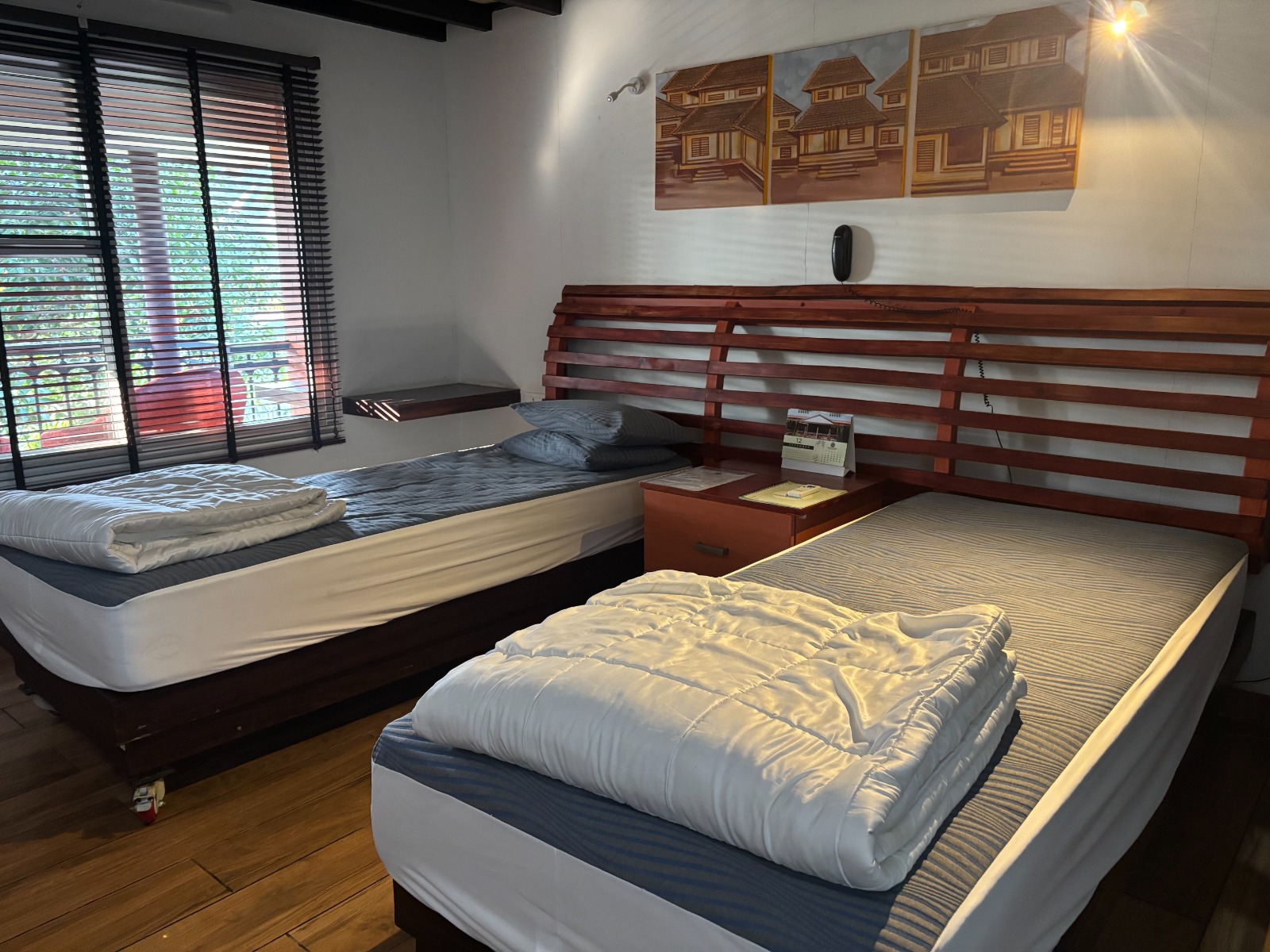
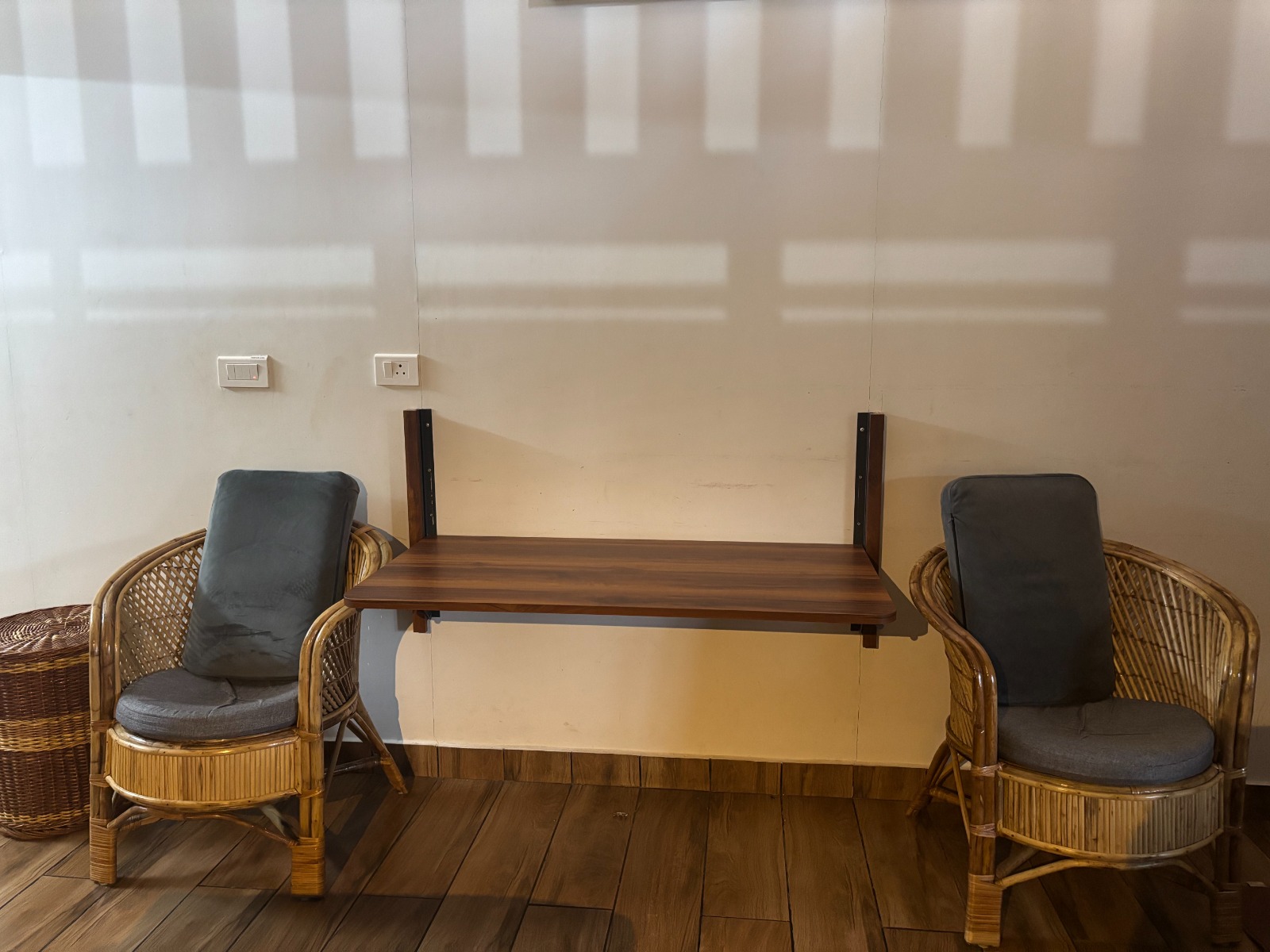
The Asram Rooms (Single Occupancy) at Poonthottam Ayurvedasram offer a quiet, well-appointed space tailored for solo guests on their Ayurvedic healing journey. Each room features a comfortable single bed, a private attached bathroom, a dedicated work space, and a ceiling fan to ensure a restful stay. Blending traditional simplicity with essential amenities, these rooms provide a calm and supportive environment for deep relaxation and rejuvenation.
-
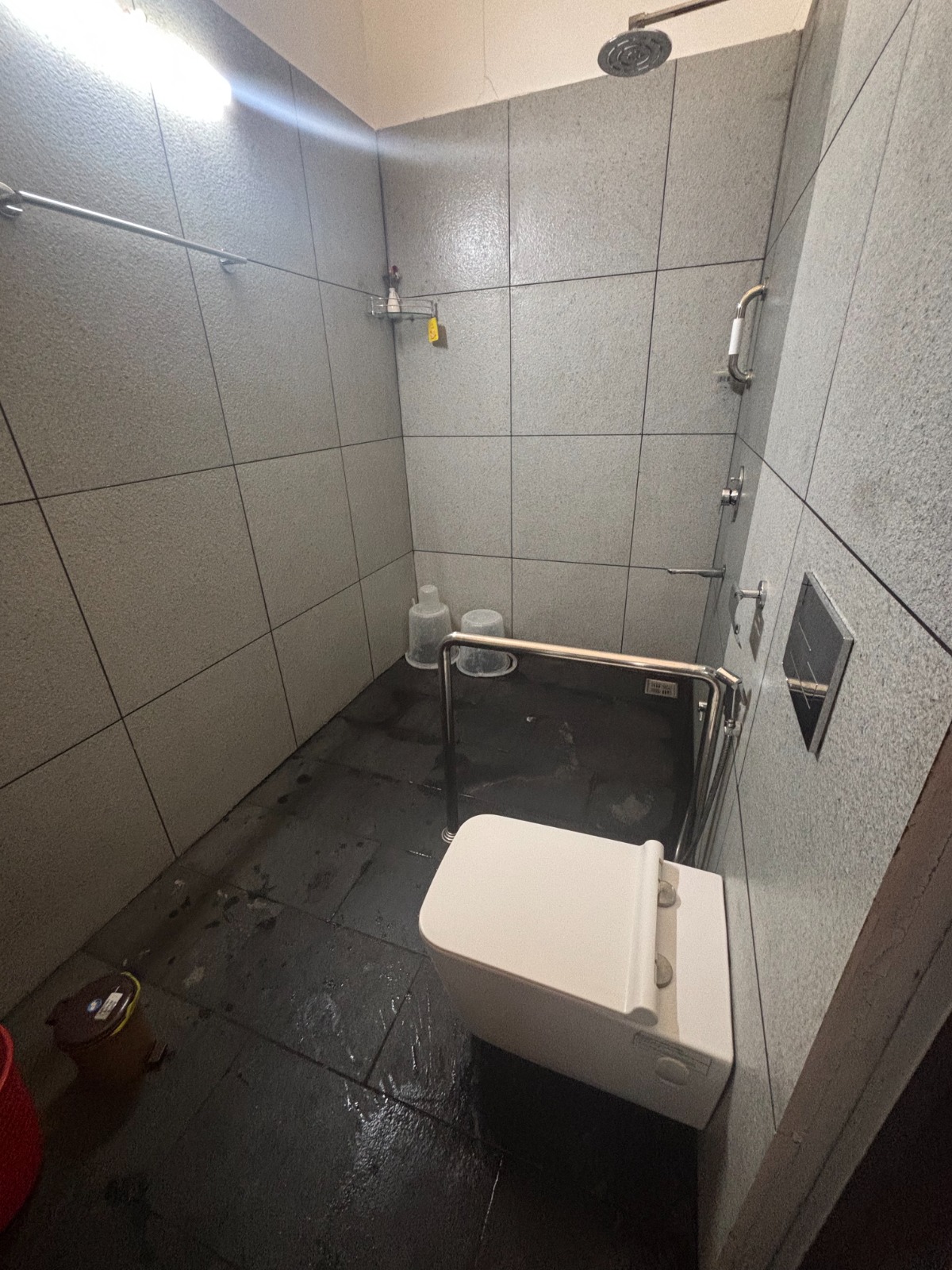
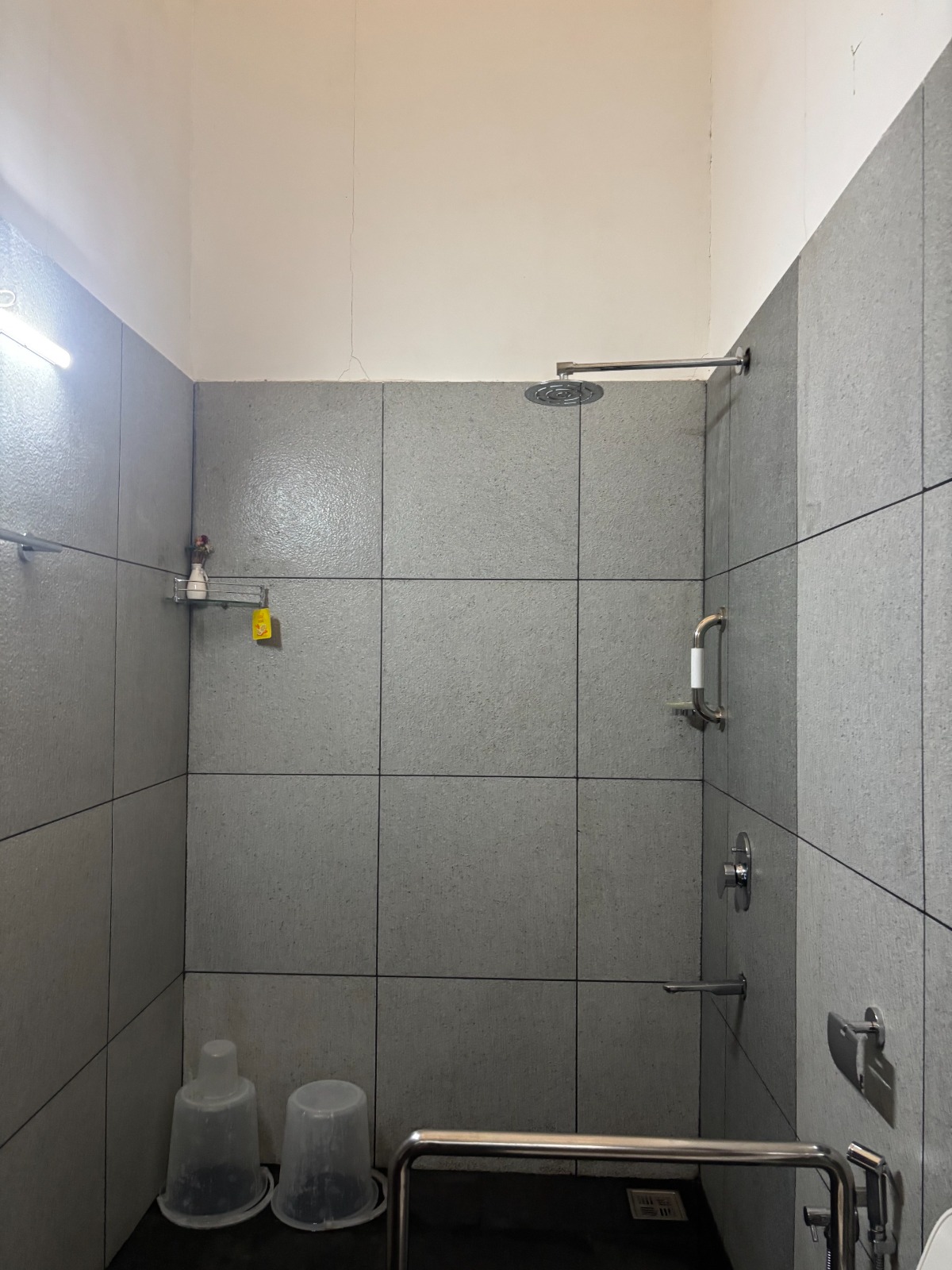
Bathroom Floor Type - Anti Slip Tiles
-
 Geyser And Hot Water
 -
 Safety Locker
 -
 Private Treatment Room
 -
Room Constellation - Multi-storeyed Block
-
Room Type - Regular Room
-
 Work Space
 -
 Free Wifi
 -
Mattress Size- Small
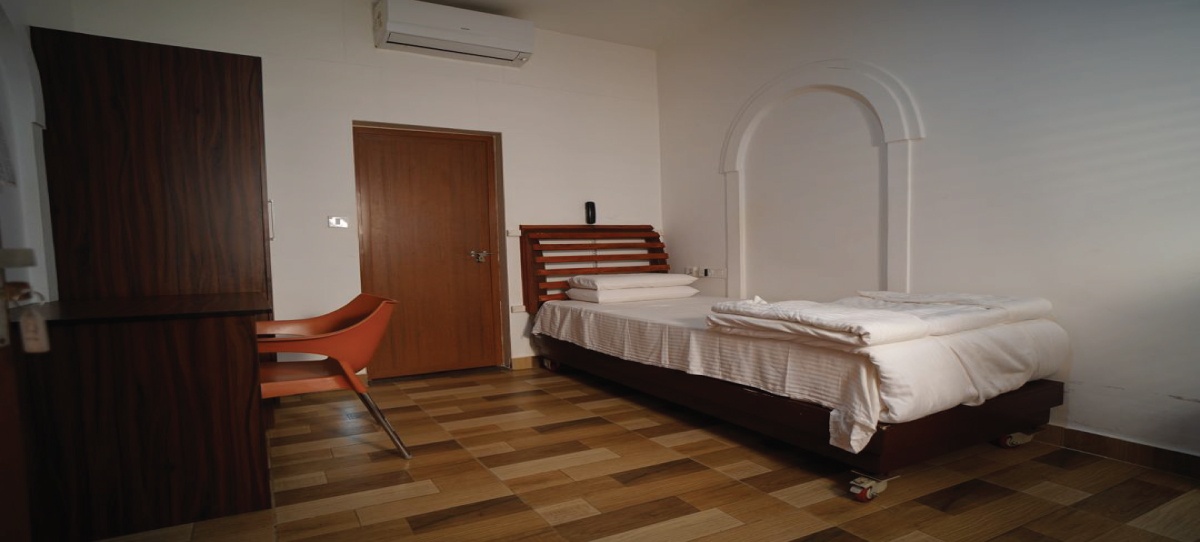
Max. No. of guests : 1 Total Room : 5
The Deluxe Single Room at Poonthottam Ayurvedasram provides a peaceful and private space, ideal for solo travellers on their Ayurvedic healing journey. Elegantly furnished and thoughtfully arranged, the room features a comfortable single bed, a private attached bathroom, a dedicated work space, and a ceiling fan to support a relaxed and undisturbed stay. With essential amenities and a serene setting, the Deluxe Single Room offers the perfect environment for rest, reflection, and deep rejuvenation.
-
Bathroom Floor Type - Anti Slip Tiles
-
Safety Locker
-
Room Constellation - Multi-storeyed Block
-
Room Type - Regular Room
-
Work Space
-
 Air Conditioner
 -
Free Wifi
-
Mattress Size- Medium
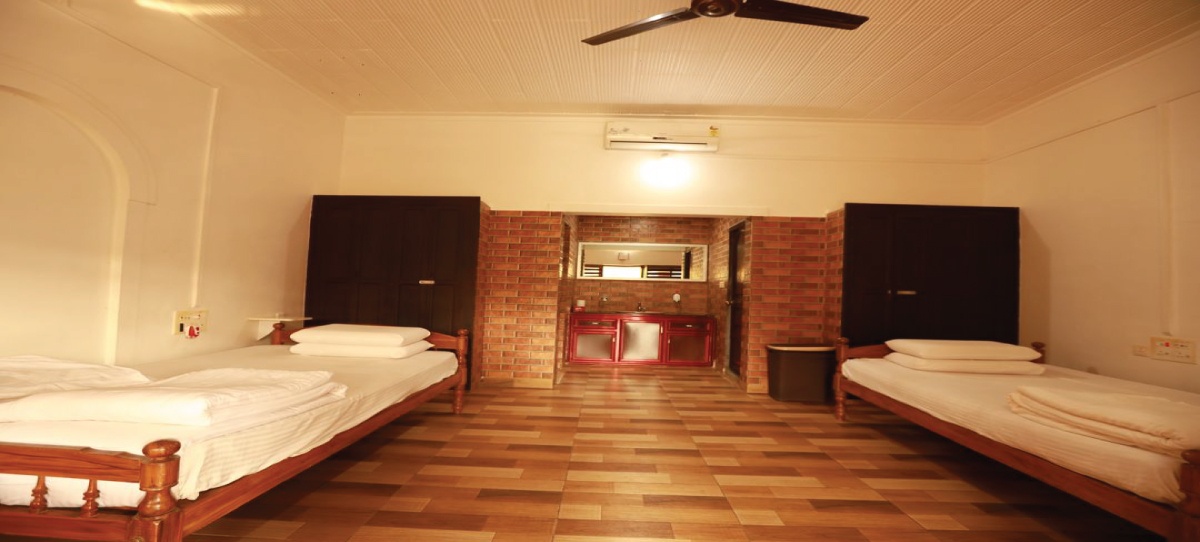
Max. No. of guests : 2 Total Room : 5
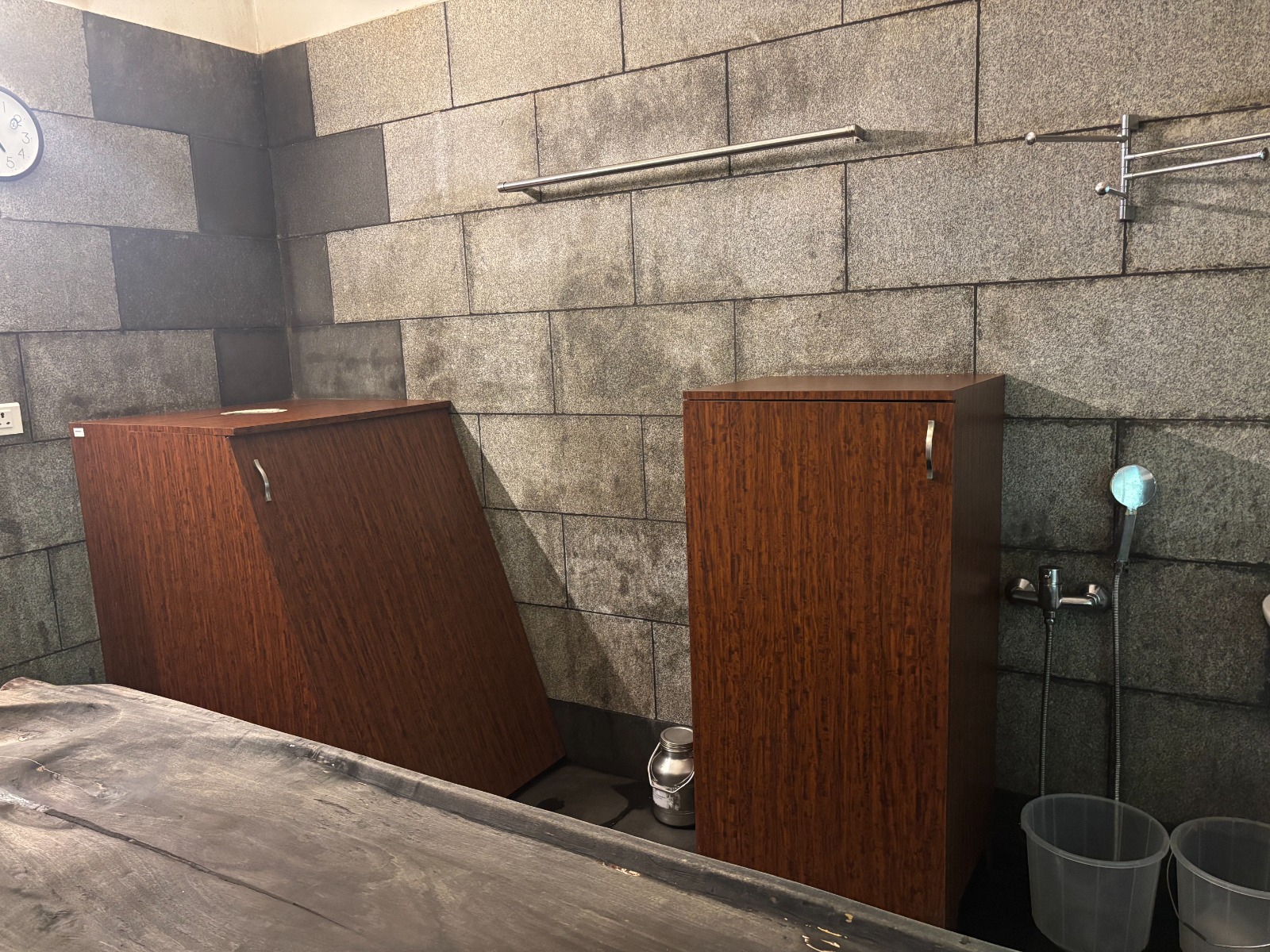
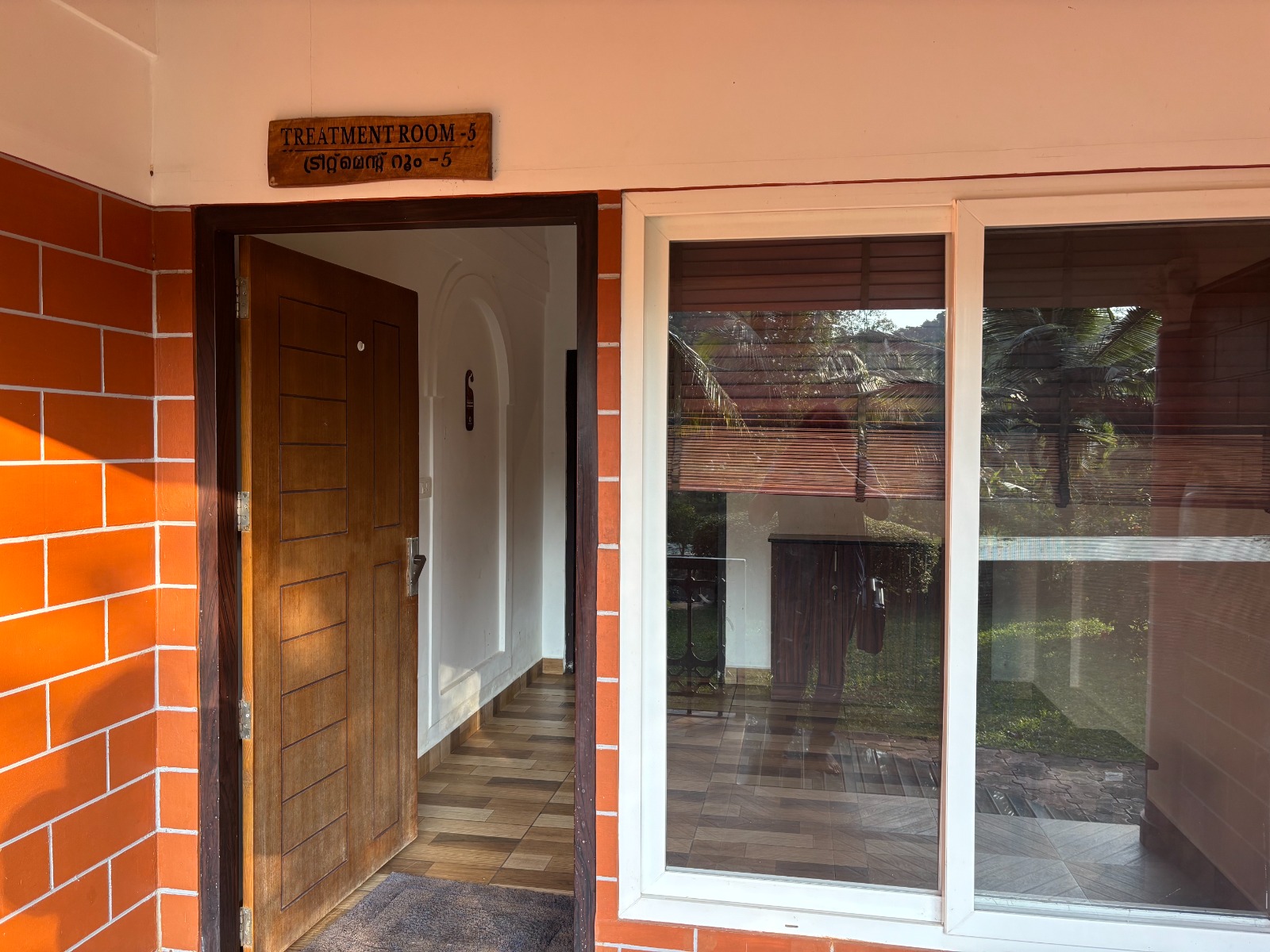
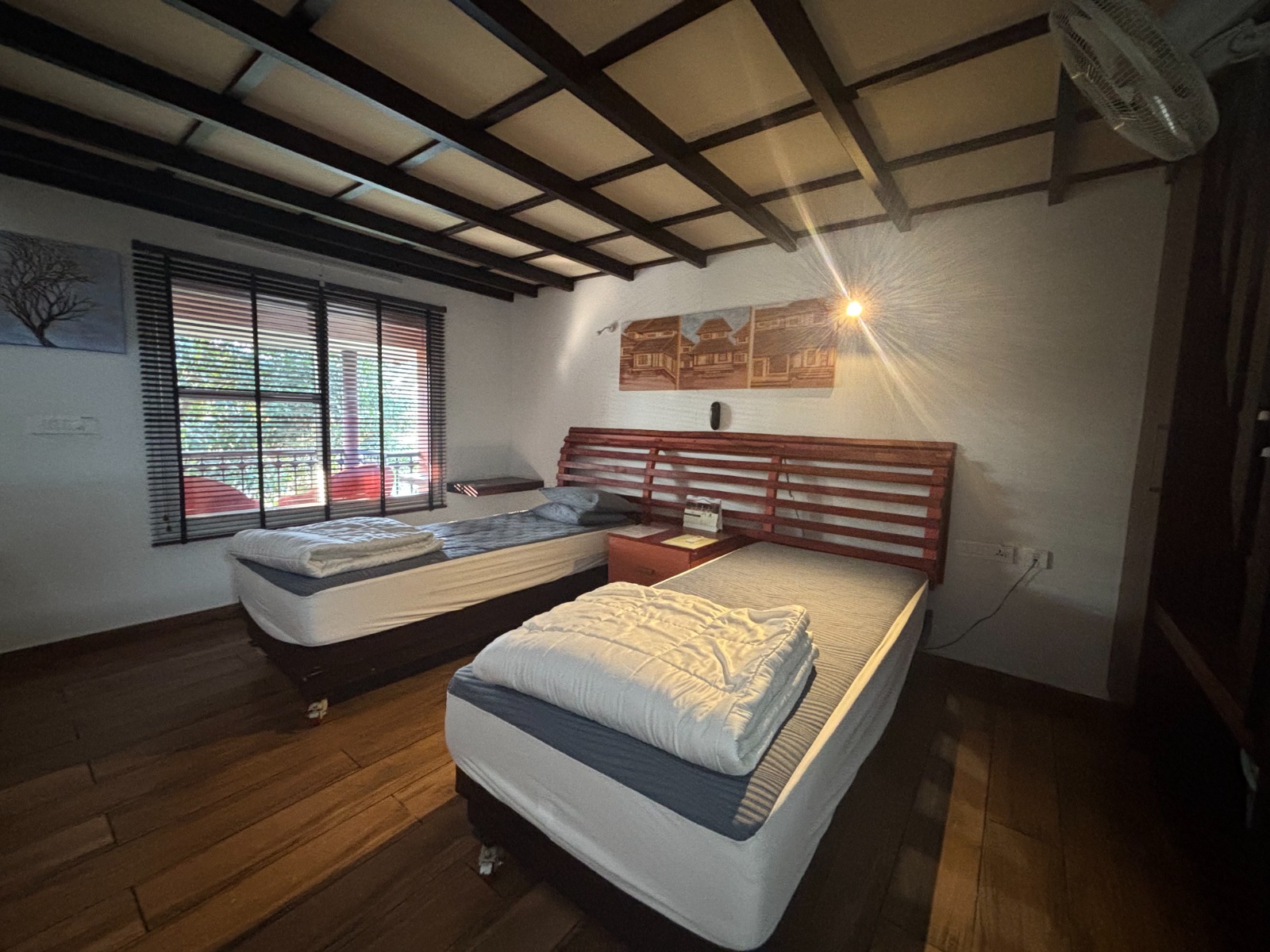
The Deluxe Double Room at Poonthottam Ayurvedasram is designed to offer a harmonious blend of comfort, privacy, and therapeutic convenience. These spacious, well-furnished rooms include twin beds, a private attached bathroom, and a dedicated work space, creating a serene and functional environment for healing. A distinctive feature of this room is the in-room Ayurveda treatment space, allowing guests to receive personalised therapies in the privacy of their own accommodation. With thoughtful amenities like a ceiling fan, clean drinking water, and a calm, natural setting, the Deluxe Double Room is ideal for those seeking a deeply restorative and immersive Ayurvedic experience.
-
Geyser And Hot Water
-
Private Treatment Room
-
Room Constellation - Multi-storeyed Block
-
Room Type - Regular Room
-
Twin Bed In Rooms
-
Work Space
-
Air Conditioner
-
Free Wifi
-
Mattress Size- Medium
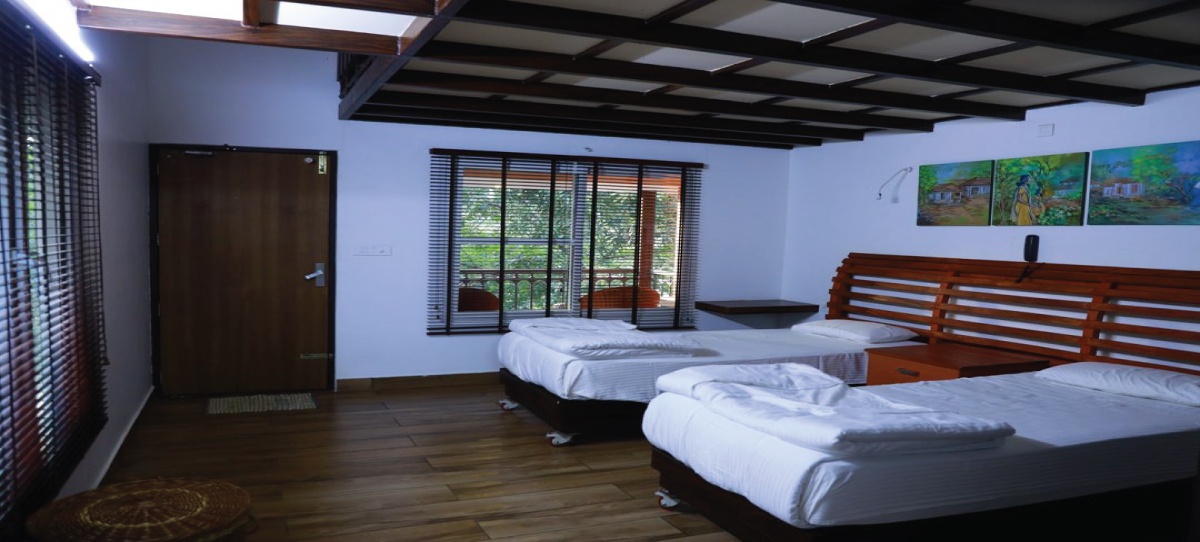
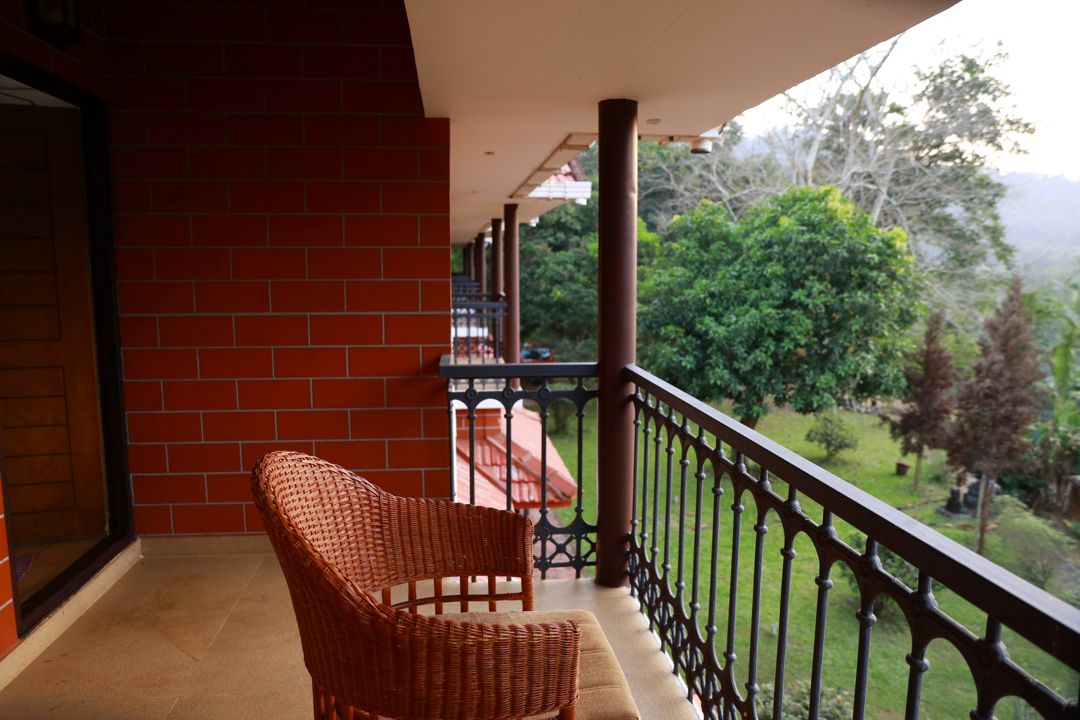
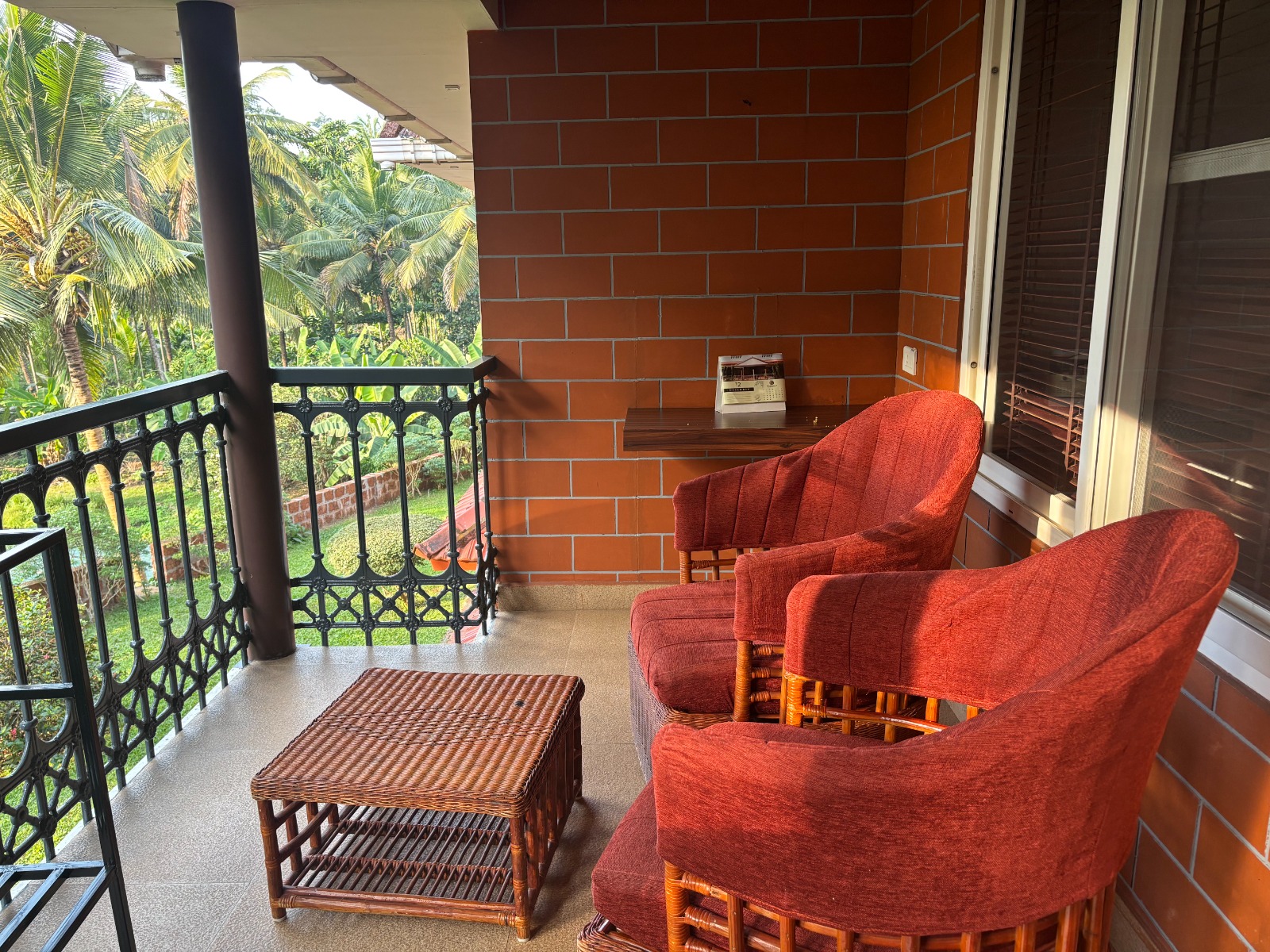
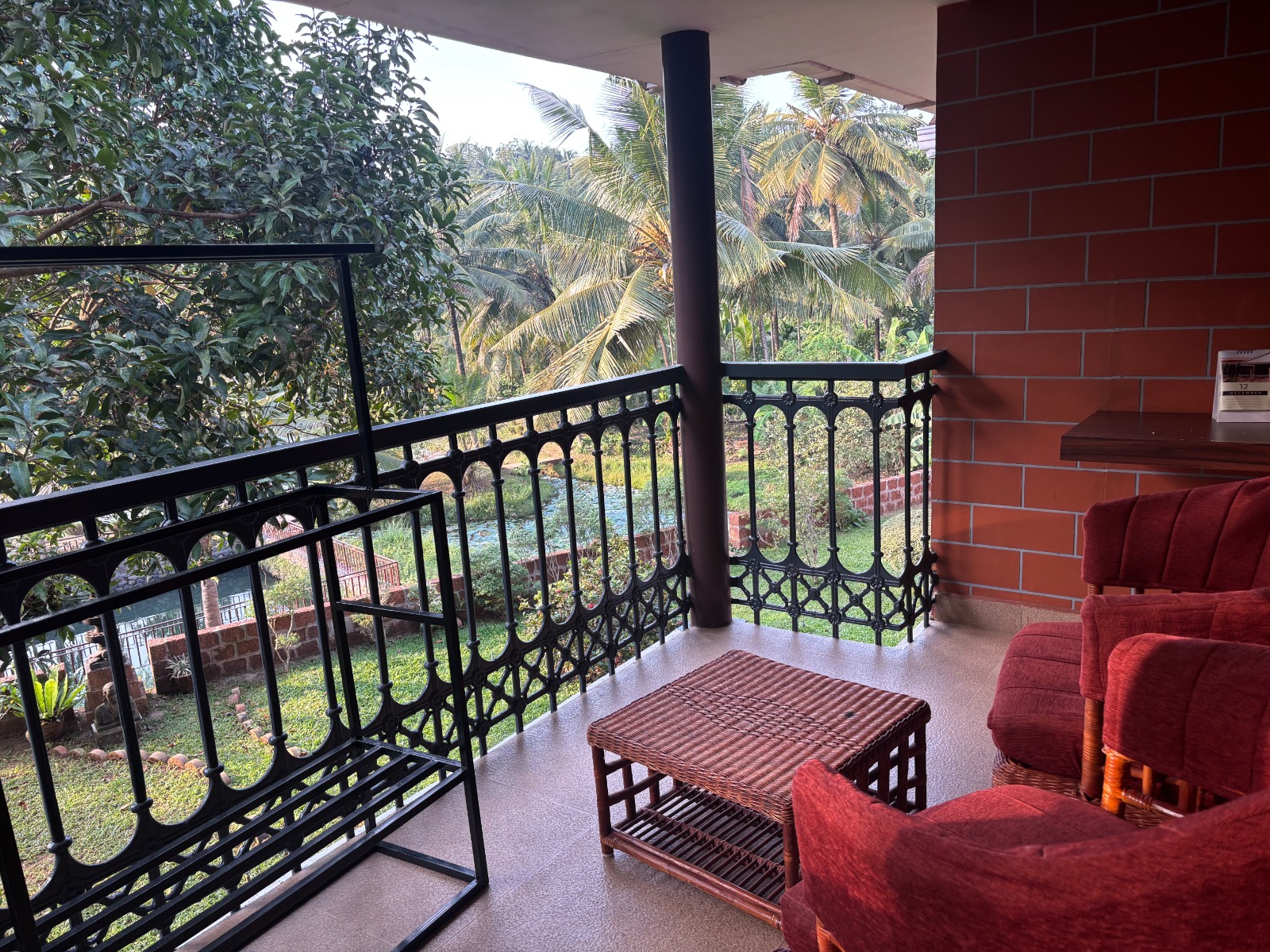
The Suite Rooms at Poonthottam Ayurvedasram offer an elevated level of comfort and tranquillity, ideal for guests seeking a deeper Ayurvedic retreat. These spacious and well-appointed accommodations feature twin or single beds, a private attached bathroom, a dedicated work space, and a private balcony overlooking lush garden views—perfect for moments of rest and reflection. Thoughtfully designed to blend traditional charm with modern convenience, the suites also provide access to clean drinking water and a peaceful ambience, supporting a holistic and rejuvenating healing experience.
-
Air Conditioner
-
Free Wifi
-
Mattress Size- Big
-
Bathroom Floor Type - Anti Slip Tiles
-
Geyser And Hot Water
-
Safety Locker
-
 Balcony
 -
Private Treatment Room
-
Room Constellation - Multi-storeyed Block
-
Room Type - Duplex
-
Room Type - Regular Room
-
Twin Bed In Rooms
-
Work Space
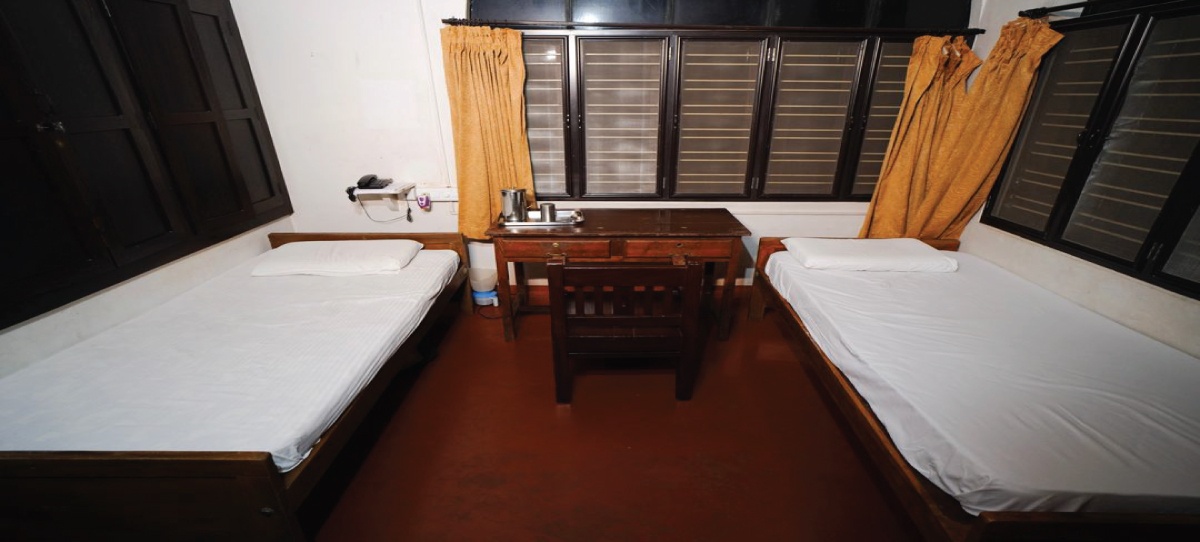
Max. No. of guests : 2 Total Room : 4
At Poonthottam Ayurvedasram, the Asram Rooms – Double Occupancy provide a serene and comfortable setting amidst the calm of nature. Spacious and simply furnished, these rooms are designed to support rest and rejuvenation during one’s wellness journey. Each room is equipped with twin beds, a private attached bathroom, a functional workspace, a ceiling fan, and access to clean drinking water. Balancing traditional simplicity with essential modern comforts, the Asram Rooms offer a peaceful, distraction-free environment—ideal for those seeking authentic Ayurvedic healing.
-
Bathroom Floor Type - Anti Slip Tiles
-
Geyser And Hot Water
-
Safety Locker
-
Private Treatment Room
-
Room Constellation - Multi-storeyed Block
-
Room Type - Regular Room
-
Twin Bed In Rooms
-
Work Space
-
Free Wifi
-
Mattress Size- Small
WellnessLoka Gallery
Wellness Slots
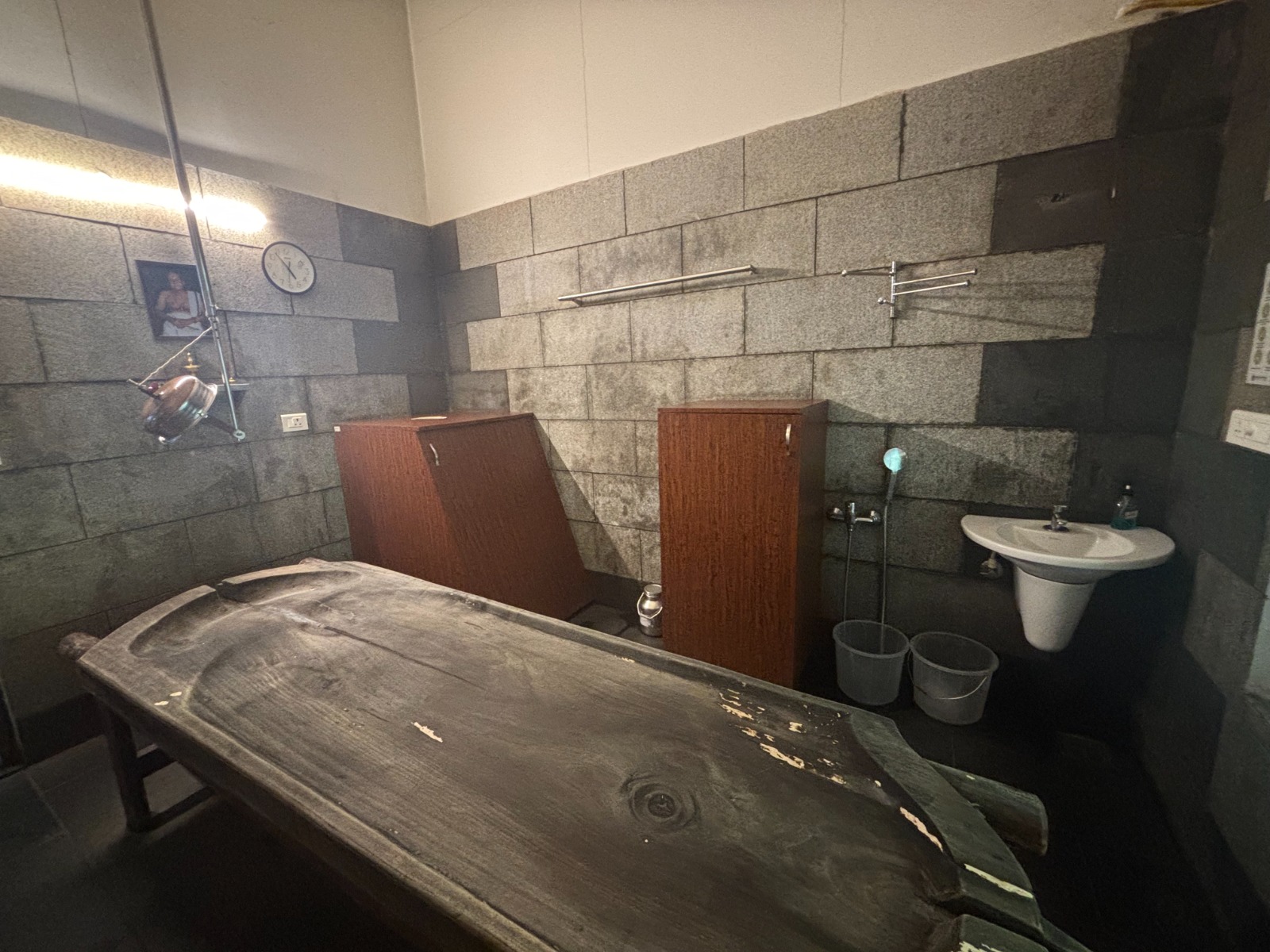
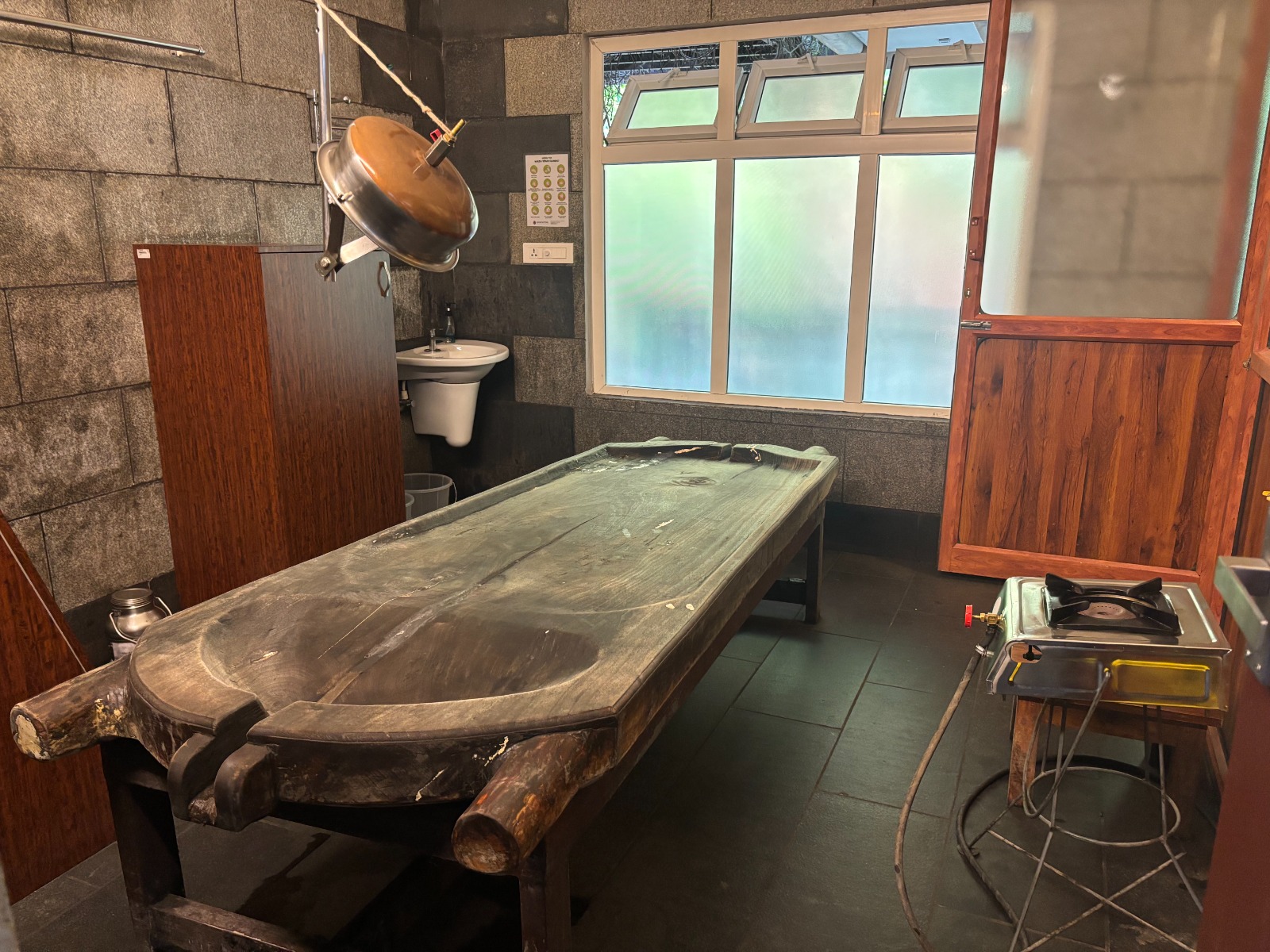
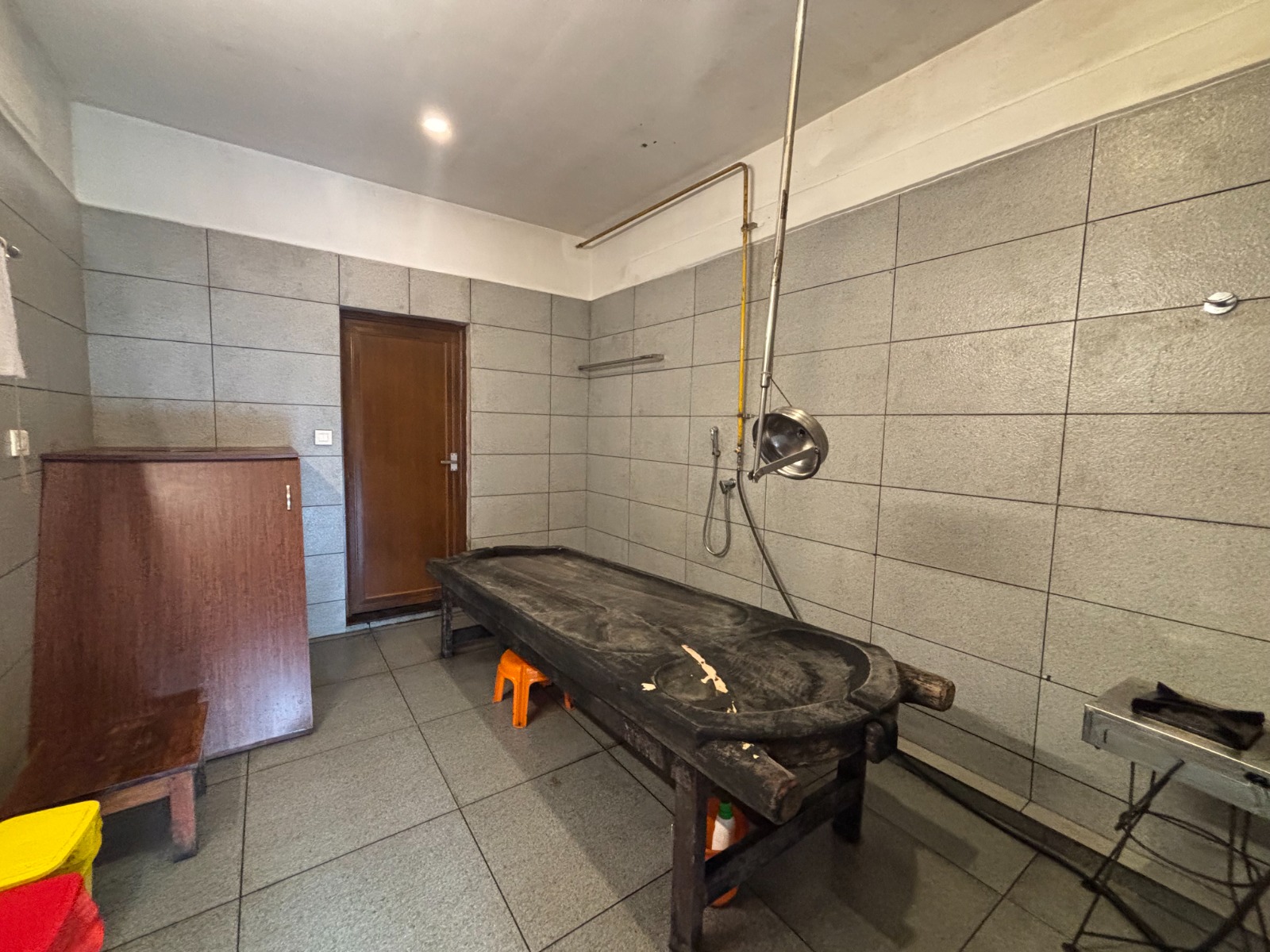
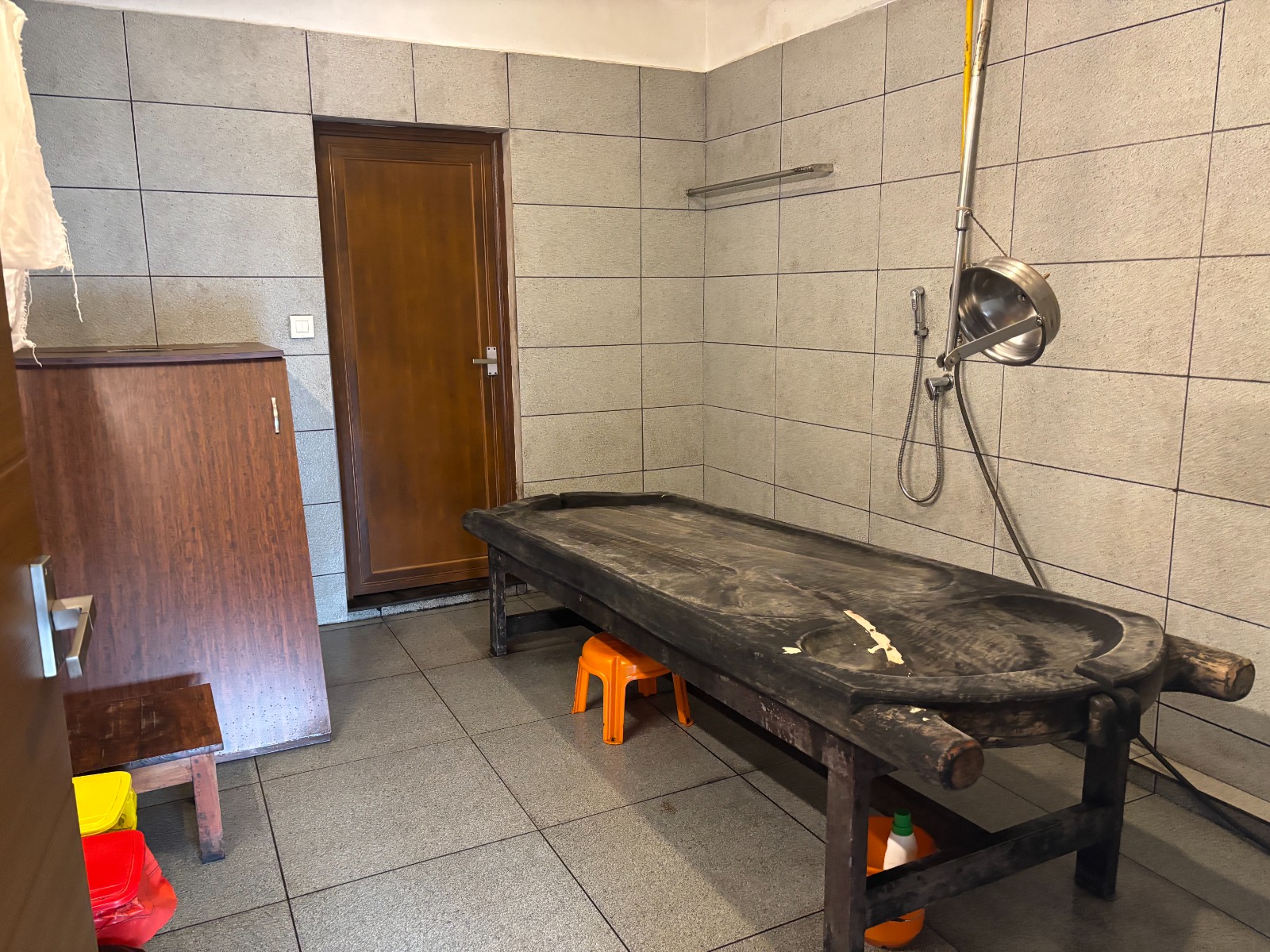
Ayurveda Treatment Room : Ayurveda Treatment Room
Wellness Room Type: Closed
Capacity : 12
Opening Time: 6:00 AM
Closing Time: 6:00 PM
Treatment Room Size : Medium
Total Units : 4
Ayurveda Treatment Room : Ayurveda Treatment Room
Wellness Room Type: Closed
Capacity : 92
Opening Time: 6:00 AM
Closing Time: 8:00 PM
Treatment Room Size : Medium
Total Units : 18
 Andrea de Angelis
01-06-2025
- Overall Rating
- 4.8
 Lori Lesniewski
18-05-2025
- Overall Rating
- 4.9
 Natascha Eitel
18-05-2025
- Overall Rating
- 4.9
 Ramachandran V
11-05-2025
- Overall Rating
- 5
Location & Map
Location
Landmark
Kulakkad alp school
Nearby Attractions
Malampuzha Garden, South India's sole rock-cut garden by Nek Chand, is a serene haven crafted from recycled materials. This picturesque spot features a Yakshi sculpture, gardens, and trekking trails in the lush Western Ghats.
Parambikulam Wildlife Sanctuary
Parambikulam Tiger Reserve in Palakkad, with scenic hill ranges and teak plantations, hosts the world's tallest and oldest teak tree.
Palakkad Fort
Palakkad Fort also known as Tipu's Fort, is a well-preserved historic fort under the Archaeological Survey of India, once used by Mysore rulers and now a popular picnic destination in Palakkad.
Nelliyampathy Hills
Nelliyampathy, accessed via winding roads from Nenmara, offers serene hills, tea estates, and bio farming. Enjoy stunning views of Palakkad district and discover waterfalls and wildlife.
Seethargundu Viewpoint
Seethargundu in Nelliyampathy, Palakkad, is a breathtaking viewpoint with stunning Ramayana-associated scenery, ideal for nature enthusiasts and photographers.
Mavinchode - Malampalla JN : 400 MTR
Railway Connectivity
Vallapuzha Railway Station :17.5 KM
Airway Connectivity
Cochin International Airport : 110 KM
Total Area Of Property (acres)
12.00
Building Free Area (acres)
5.00
Actual Area Of Property (acres)
12.00


