
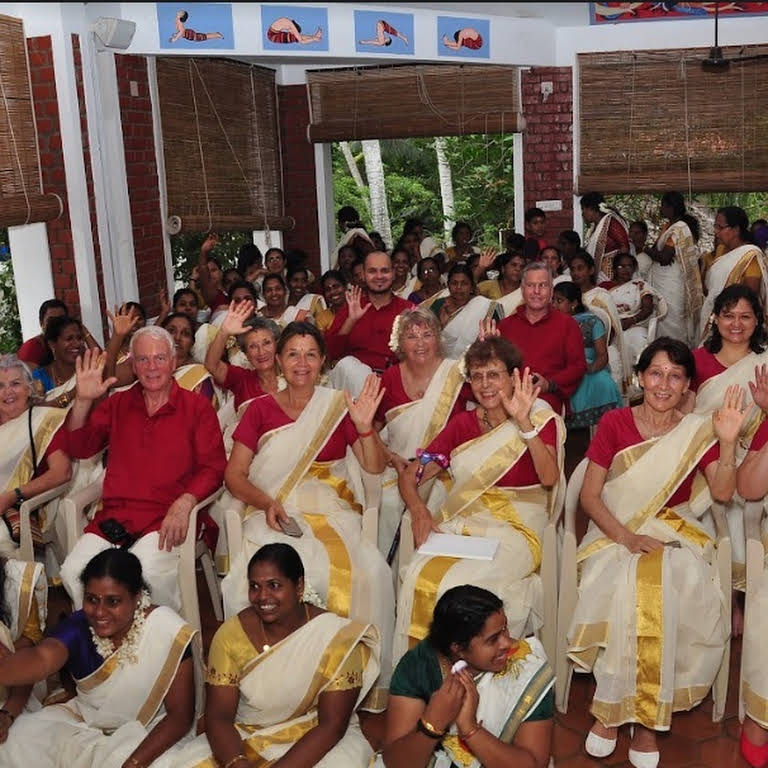

Dr Franklins Panchakarma Institute and Research Centre
Premium Hospital in a Resort Setting | Healing & Wellness Property
India / Kerala / Kovalam - Beach | Country side
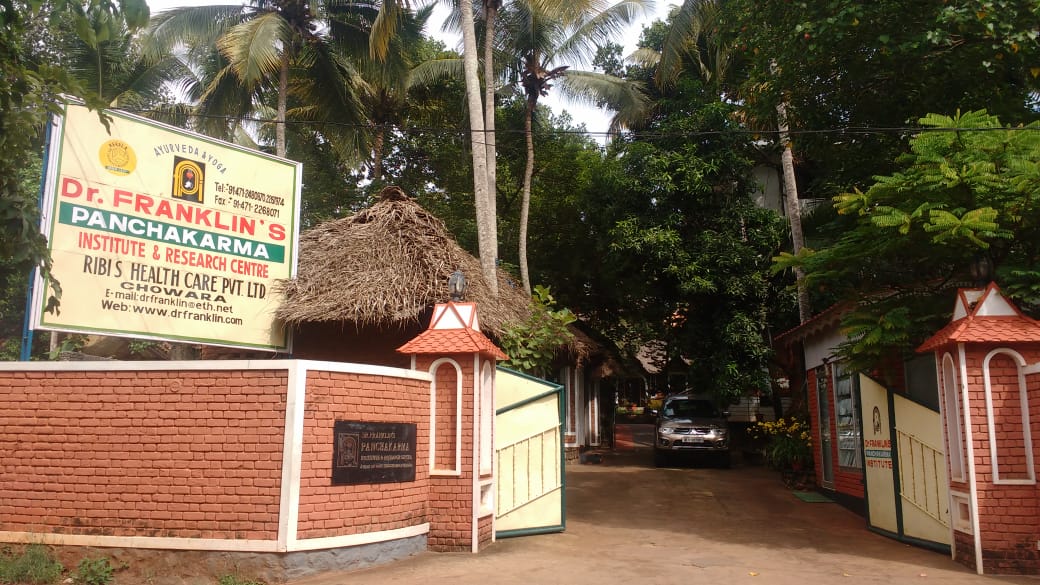
Dr Franklin’s Panchakarma Institute and Research Centre is an Ayurveda-focused treatment and residential centre situated at Chowara, South Kovalam, Thiruvananthapuram, Kerala – 695501, approximately 18 km from Thiruvananthapuram International Airport and about 22 km from Thiruvananthapuram Central Railway Station. Established in 1997 by Dr V. Franklin, the centre was conceived as a dedicated institution for authentic Ayurveda, with Panchakarma forming its principal therapeutic focus. Its medical and wellness offering combines Ayurvedic treatment with Yoga and meditation, residential accommodation, Ayurvedic vegetarian dining, pharmacy services and Ayurveda-related educational activities. The centre is registered as Ribis Health Care Pvt Ltd and has historically held the Green Leaf classification/certification associated with the Government of Kerala’s tourism framework.
The centre follows a doctor-led model in which treatment is intended to be adapted to an individual's health requirements rather than delivered solely as a standardised spa service. Its portfolio encompasses Panchakarma, body purification, rejuvenation, slimming and weight management, spine care, stress management, diabetes care, beauty care and other condition-oriented Ayurvedic therapies. The centre also maintains an Ayurvedic medicine-manufacturing unit and pharmacy, supporting the preparation and supply of oils and herbal formulations used within its treatment system.
Property Design and Landscape
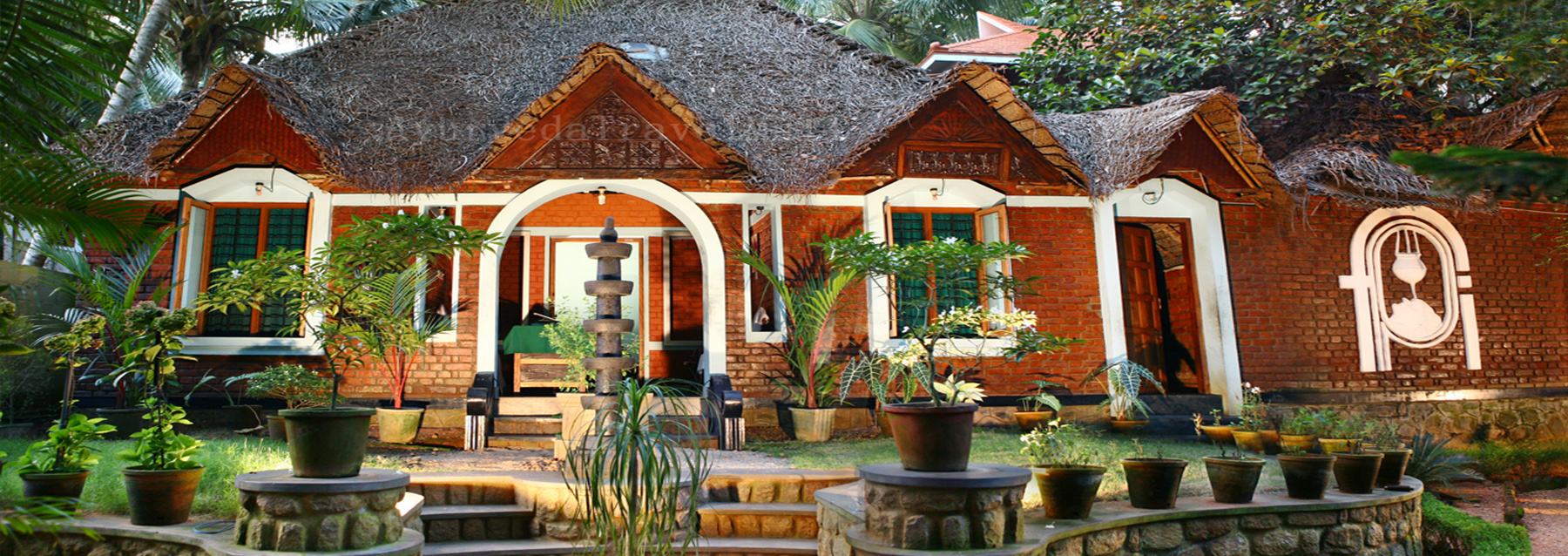
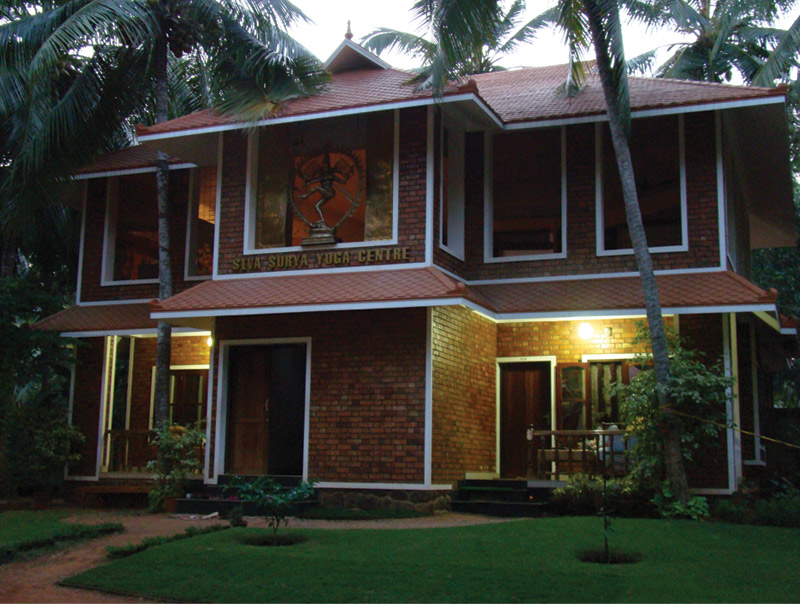
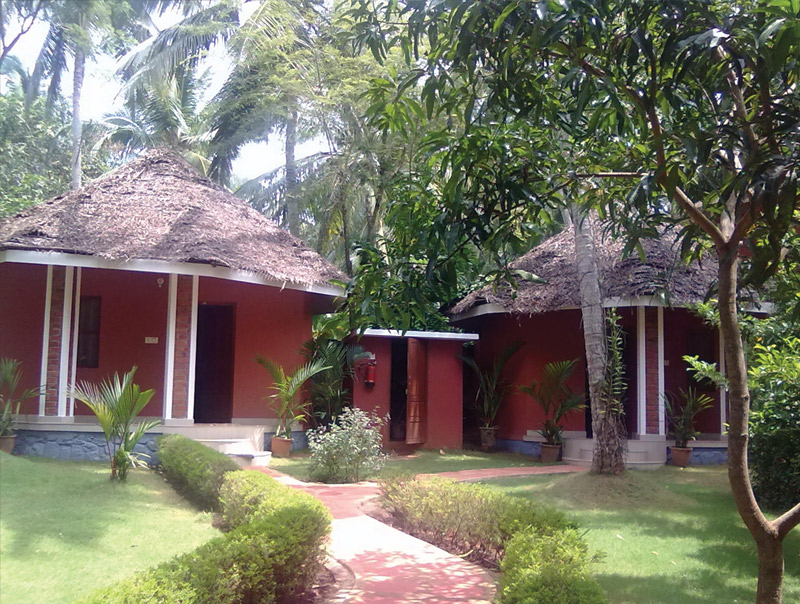
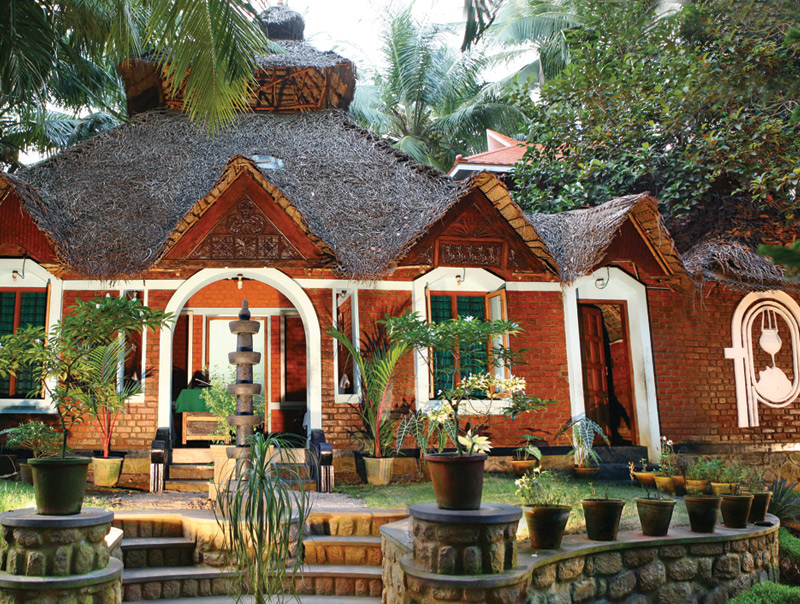
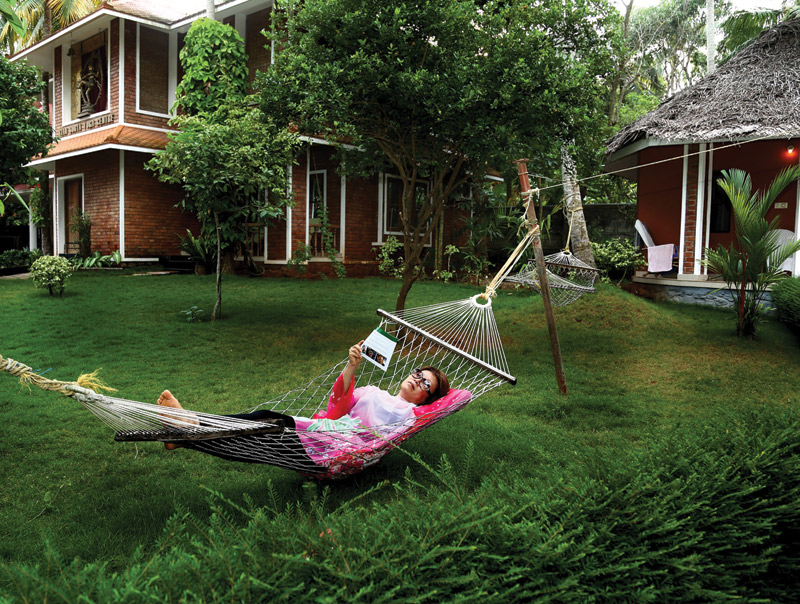
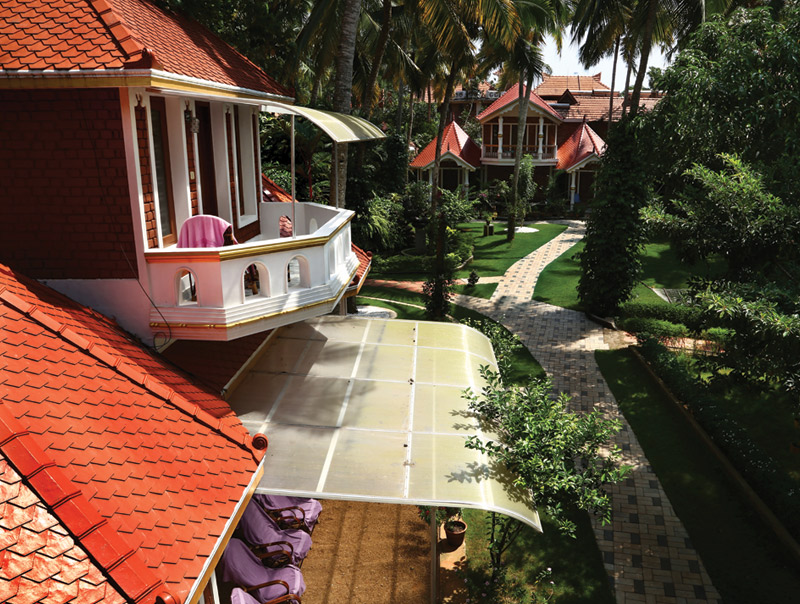
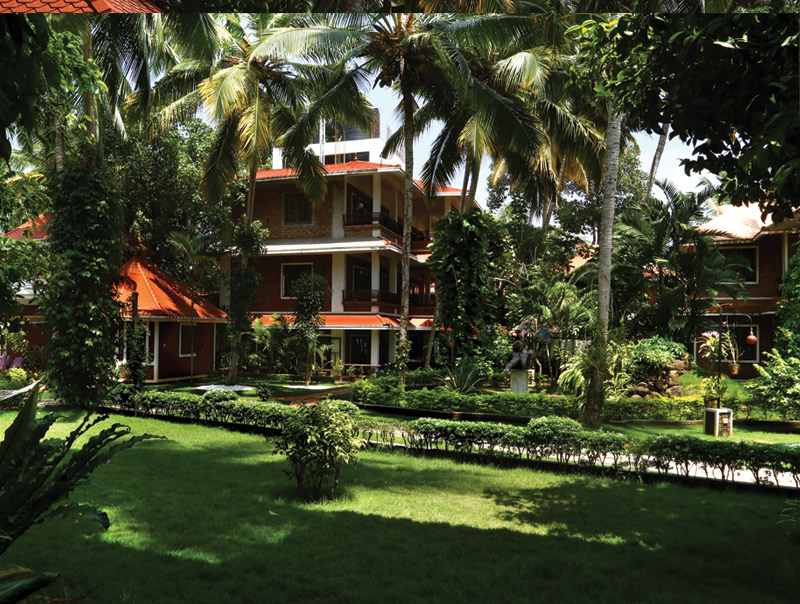
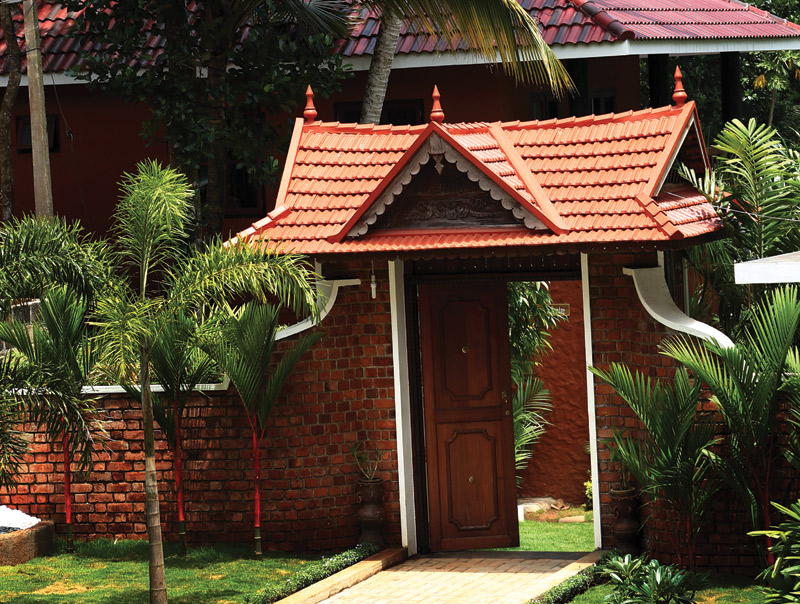
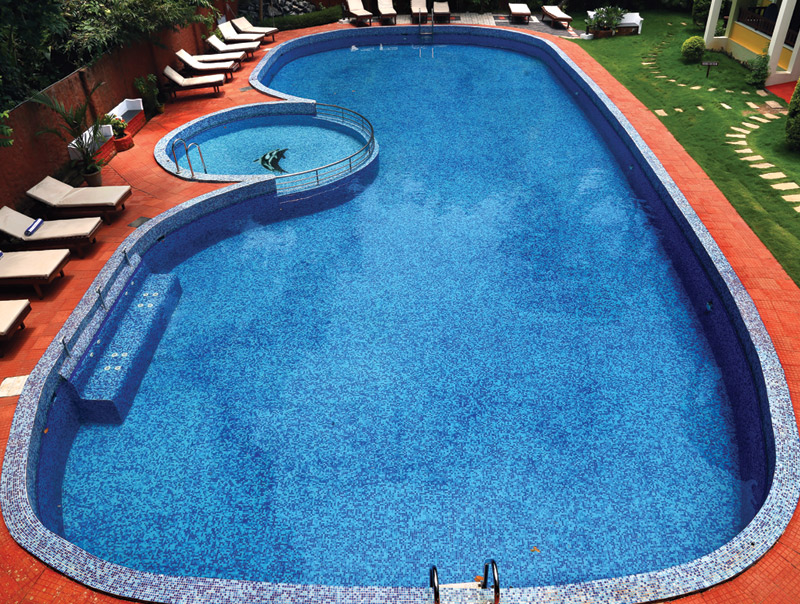
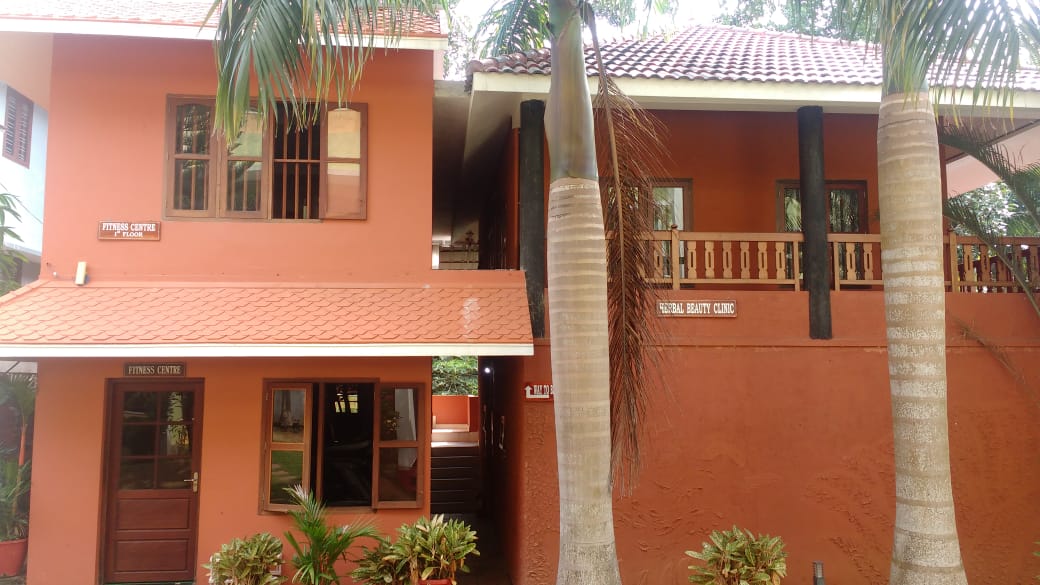
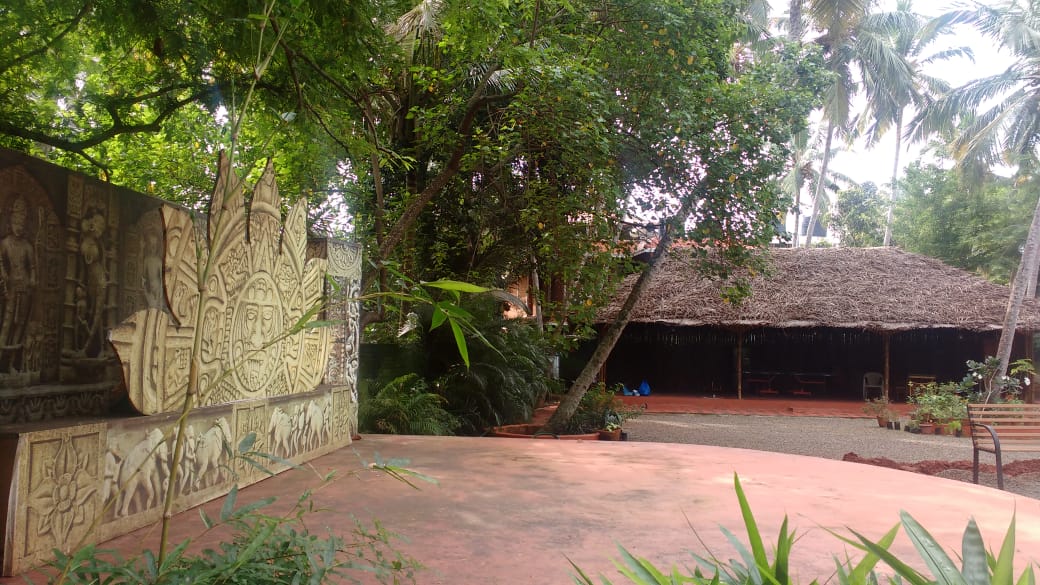
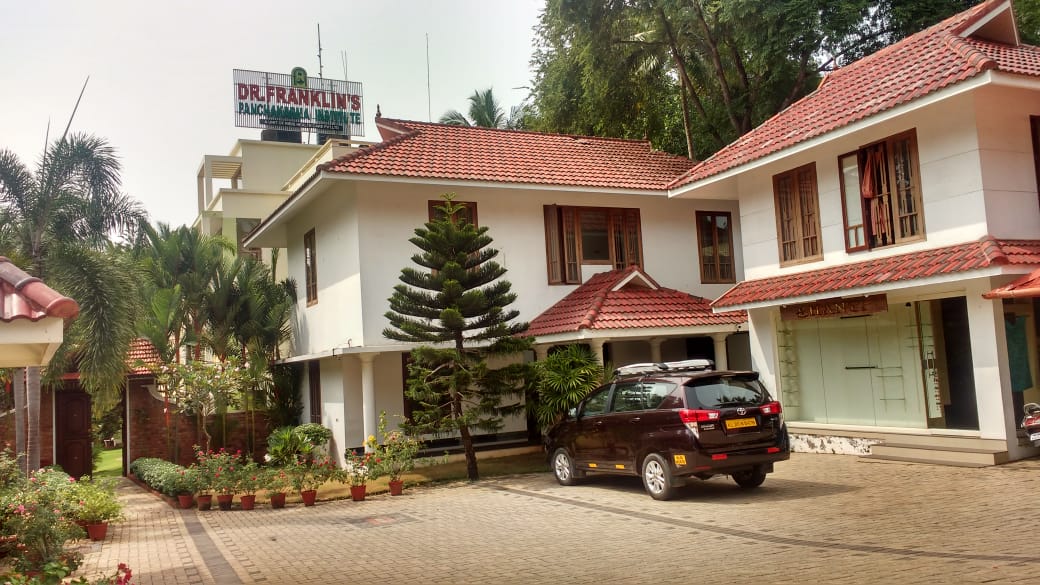
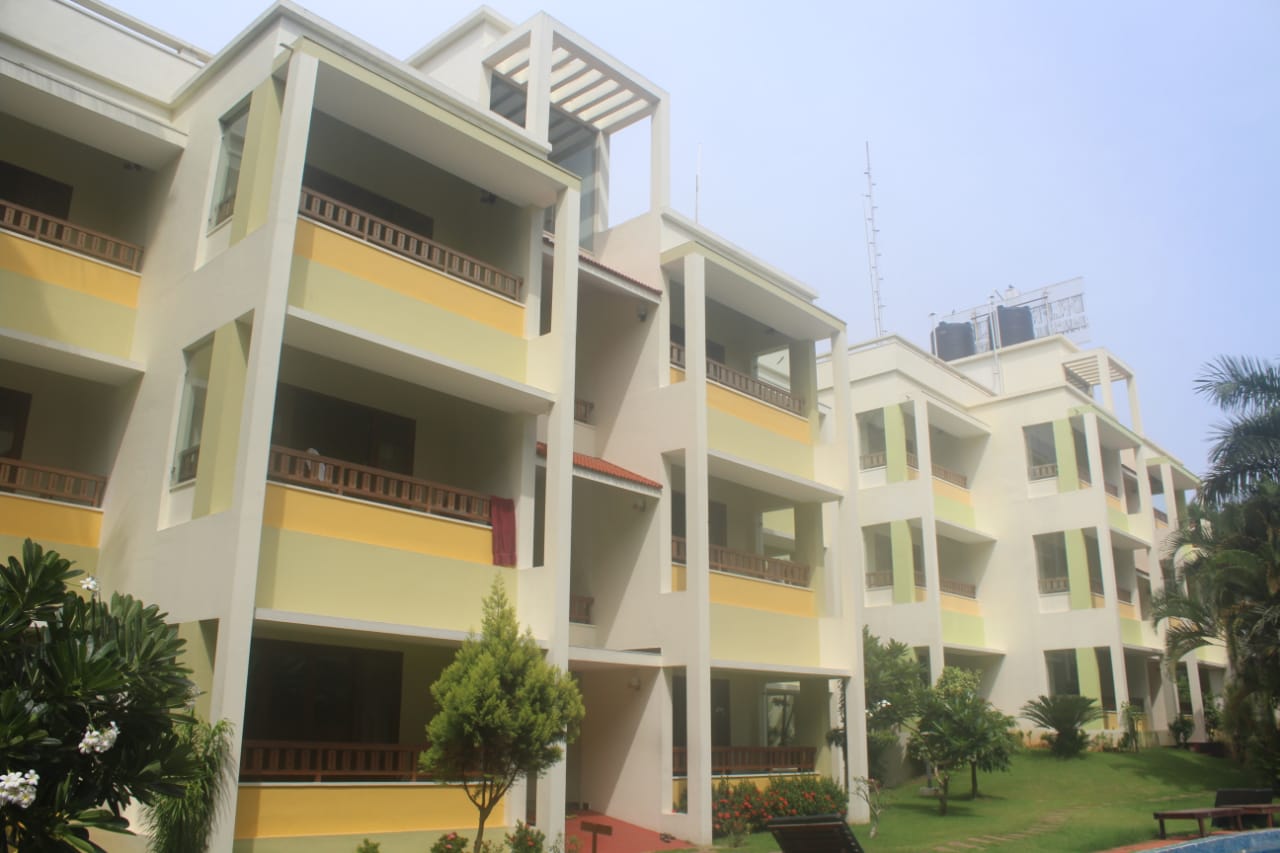
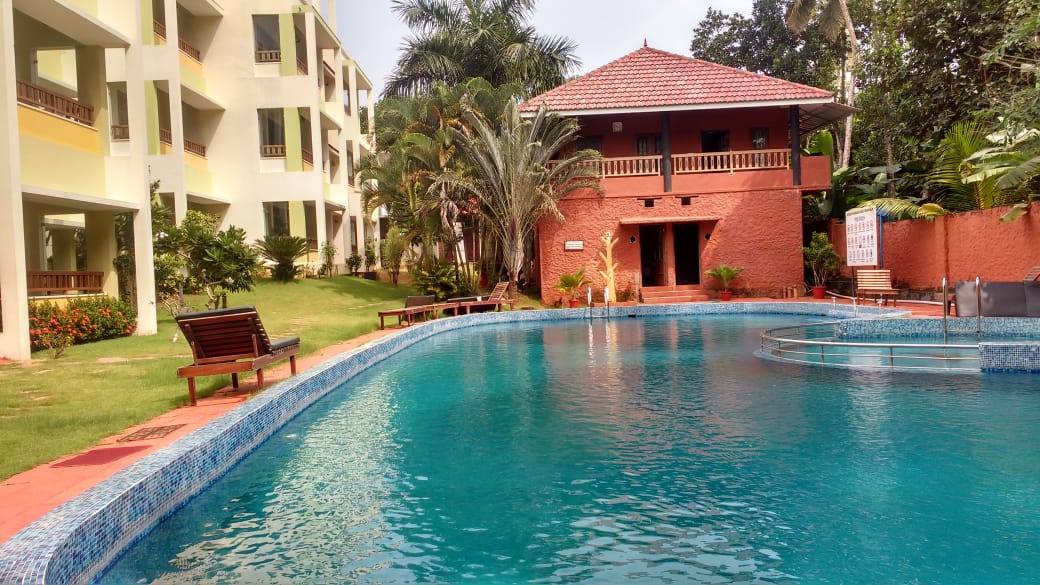
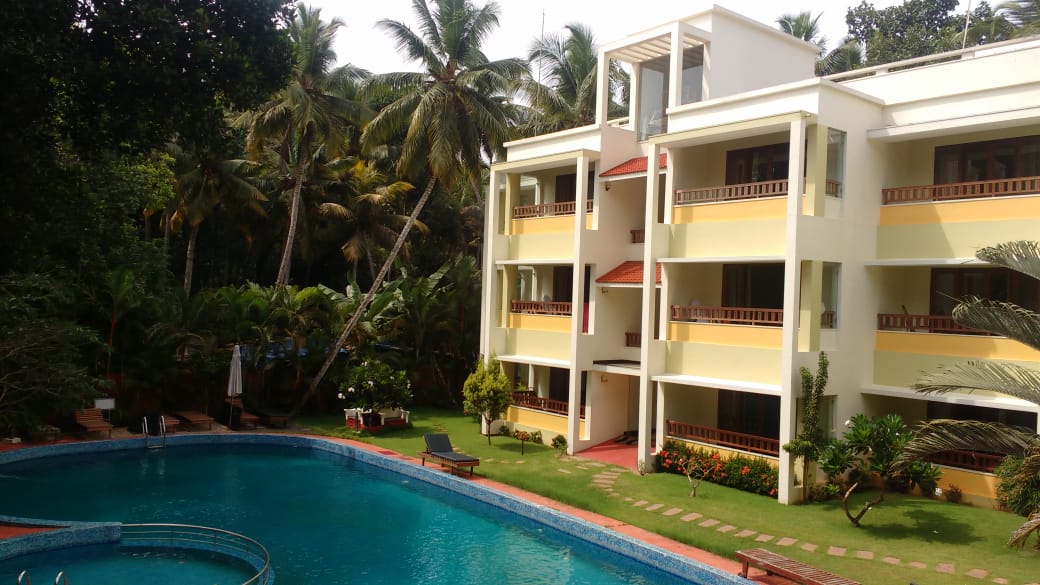
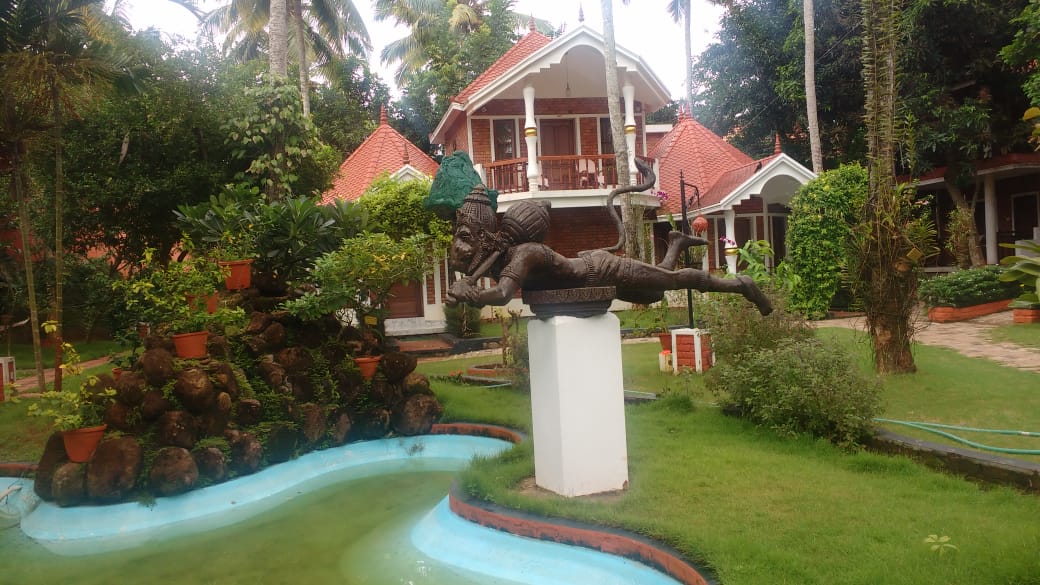
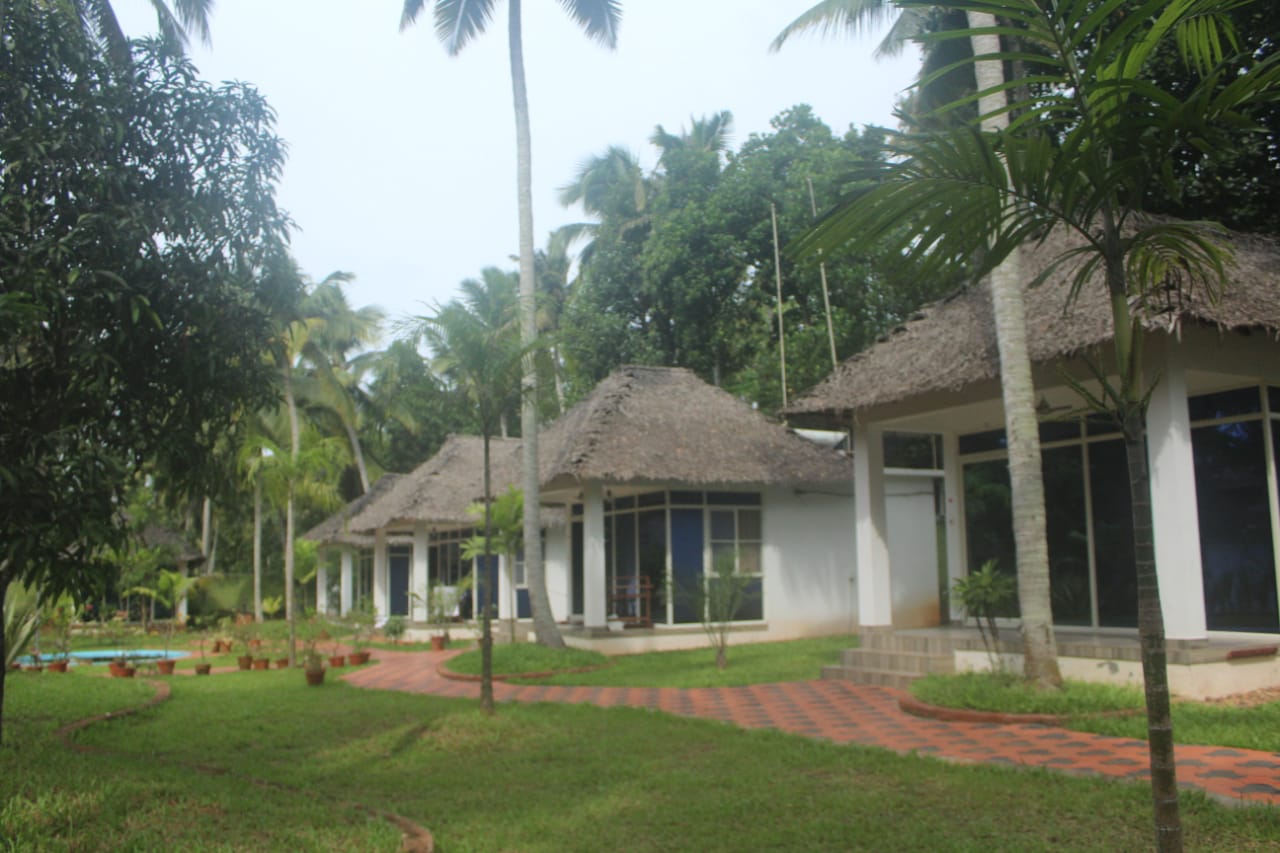
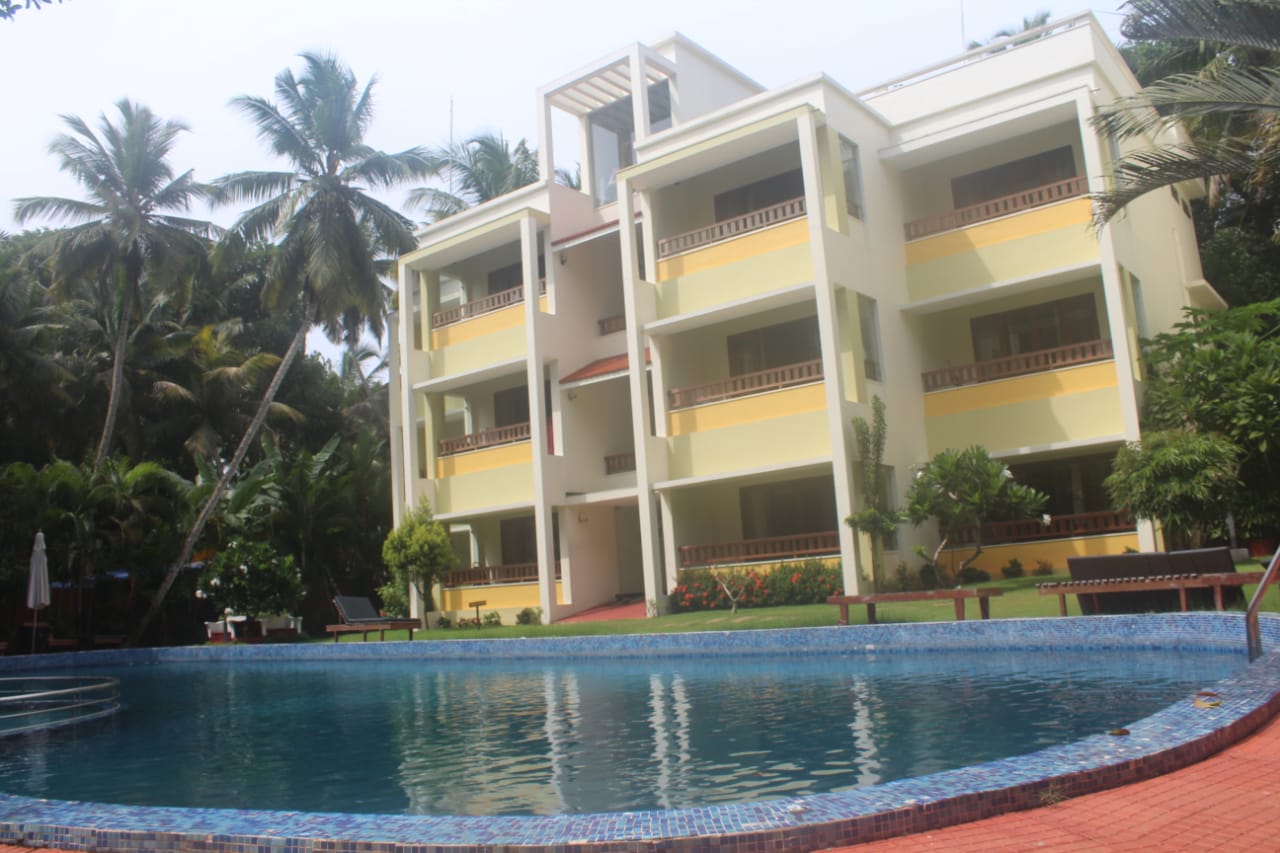
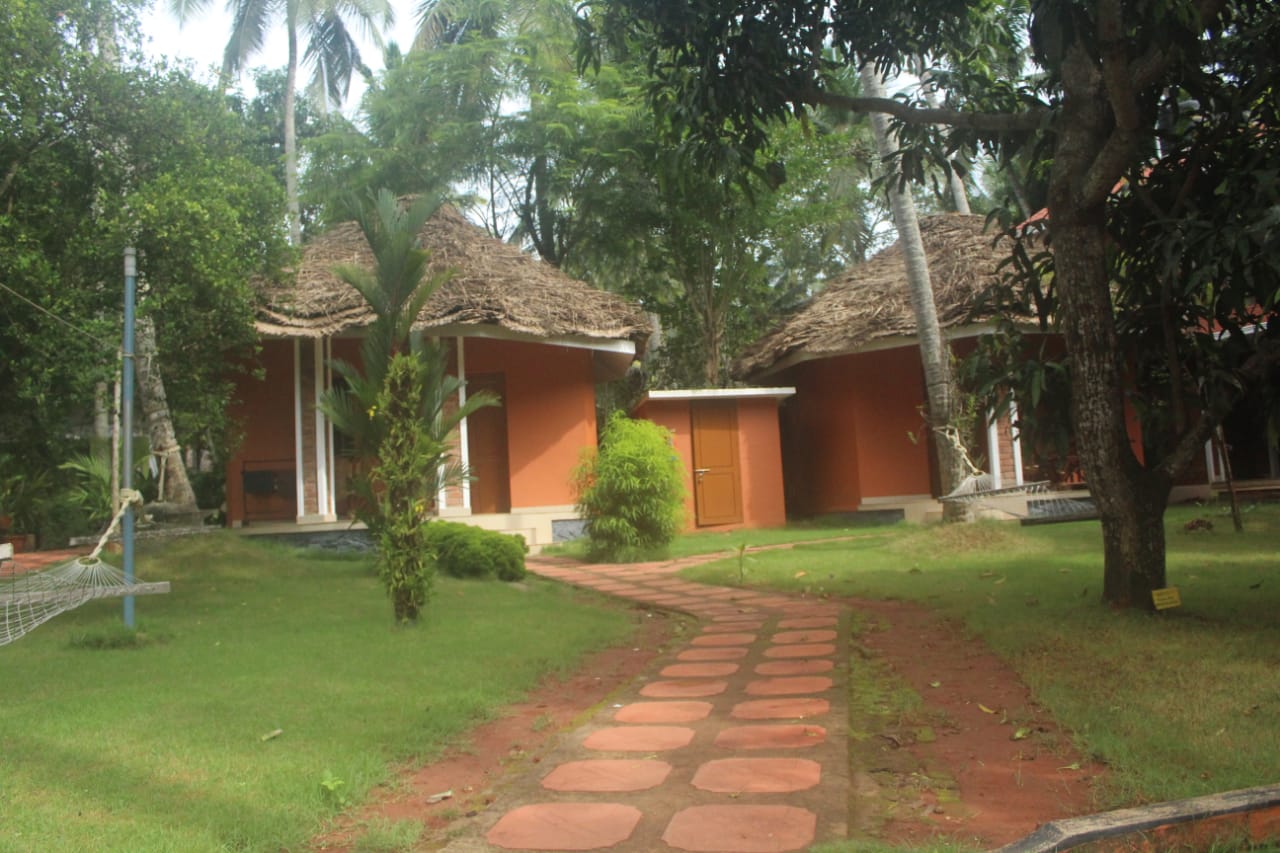
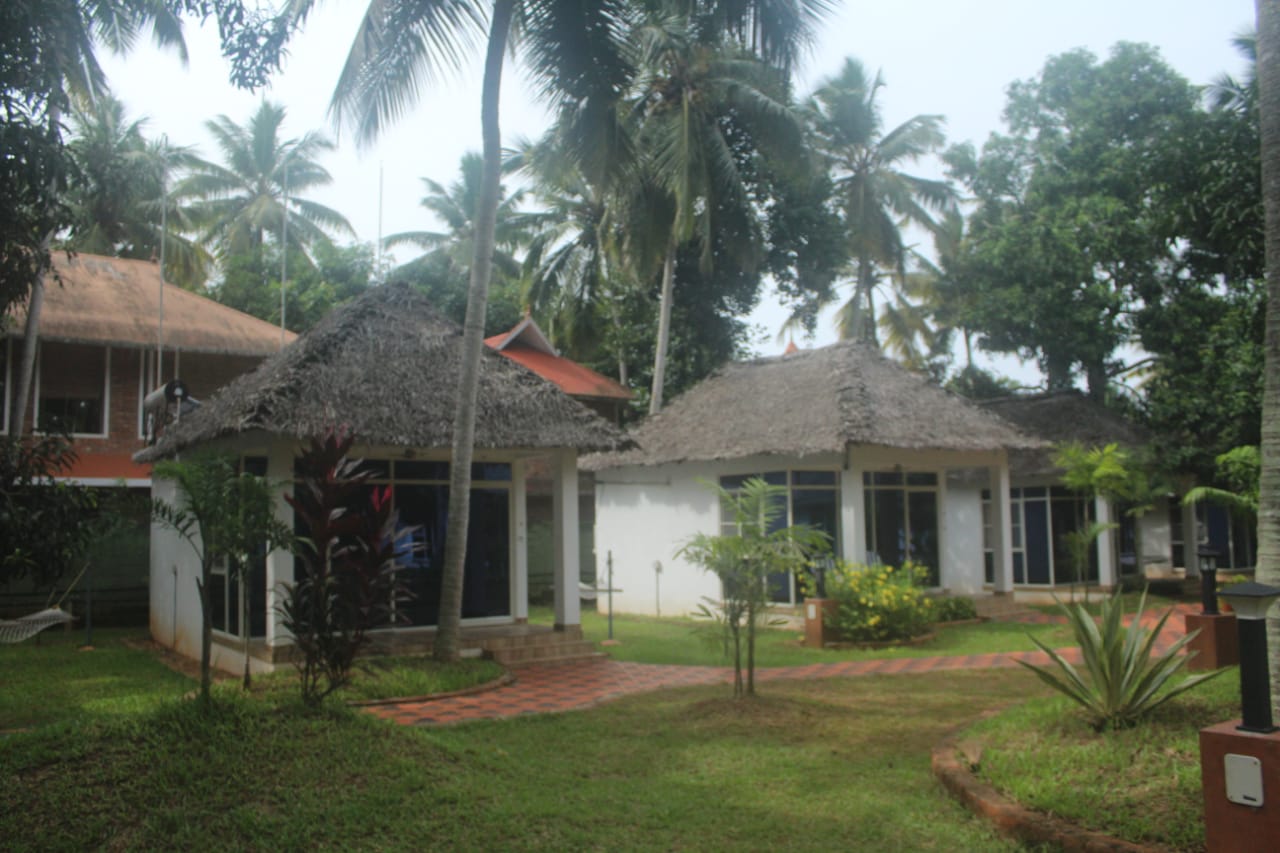
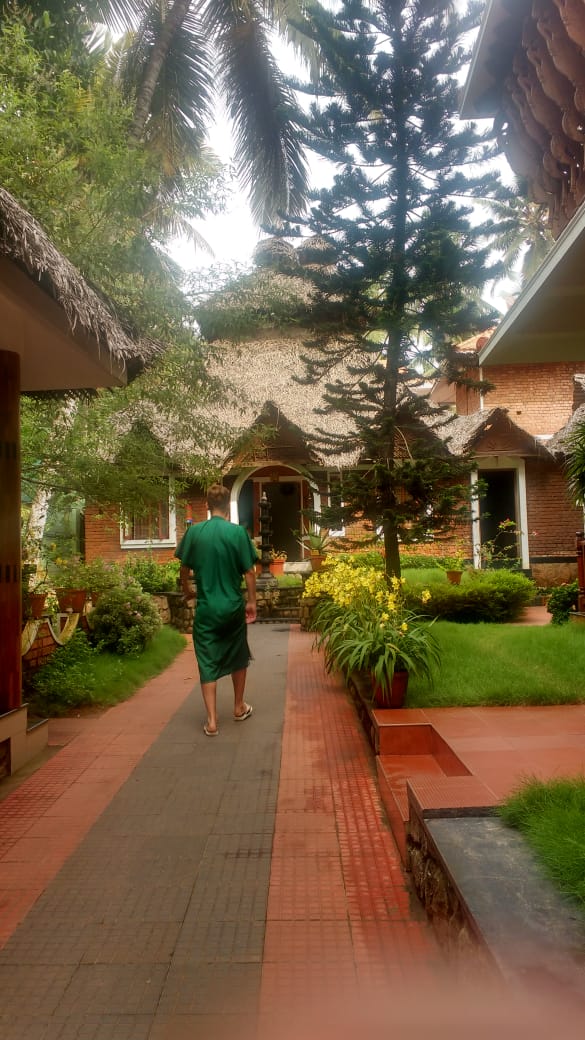
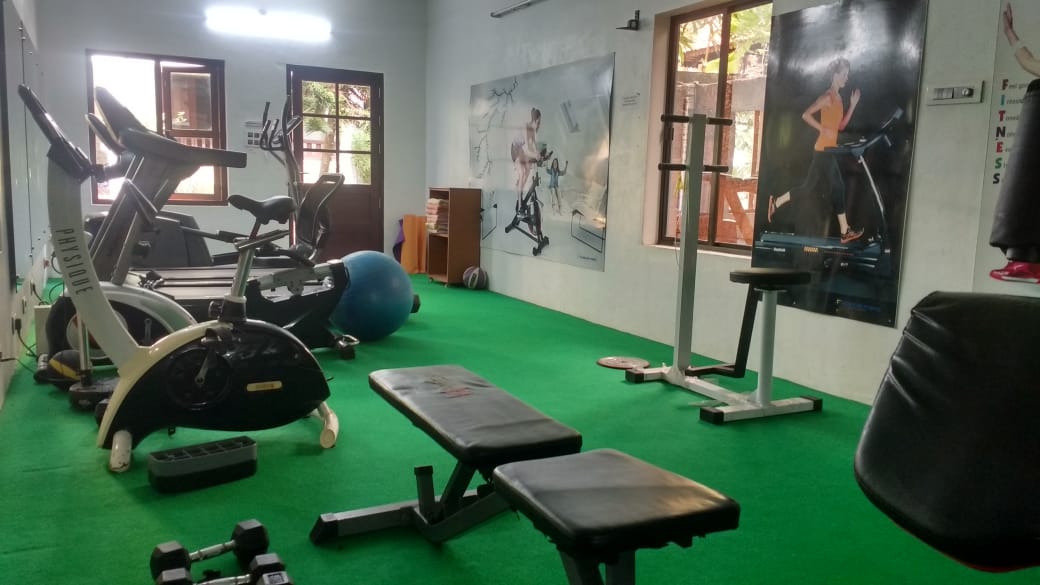
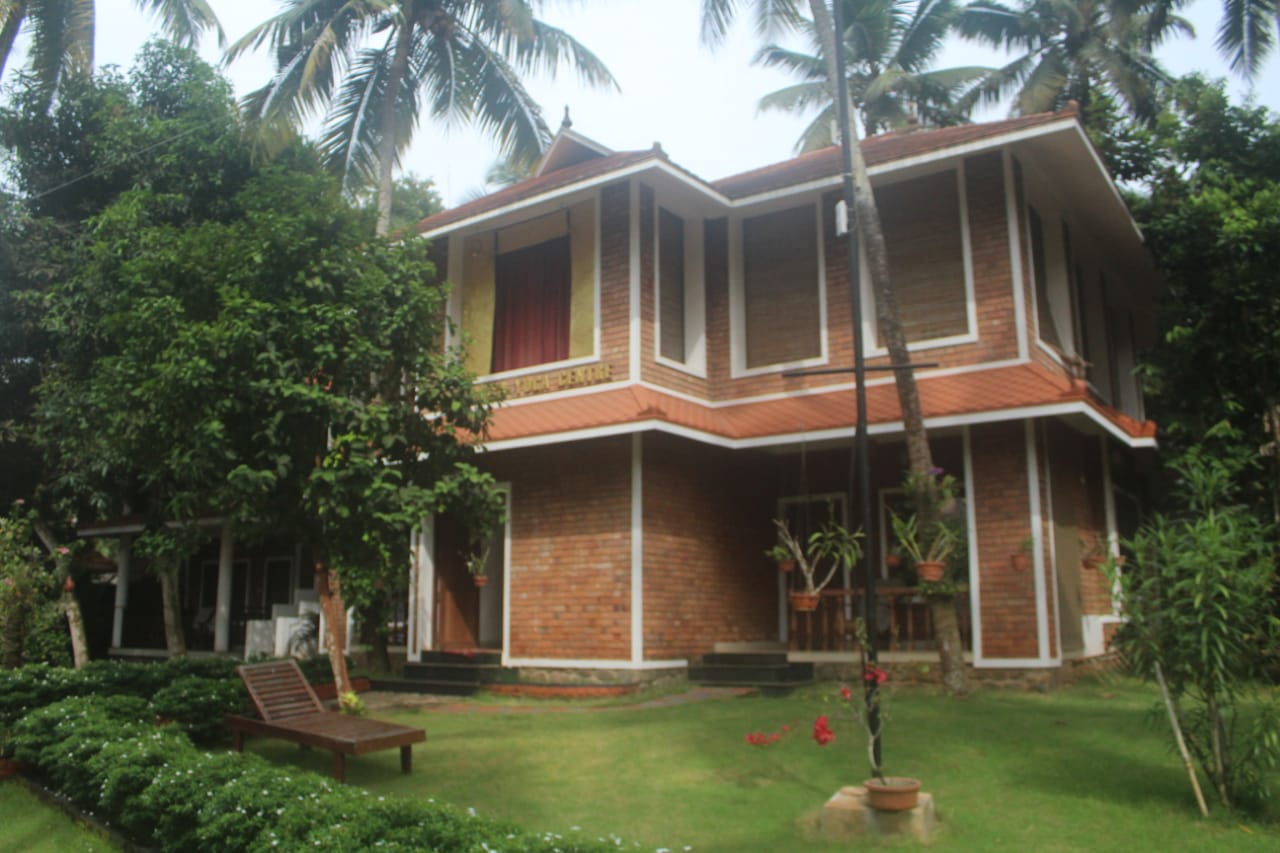
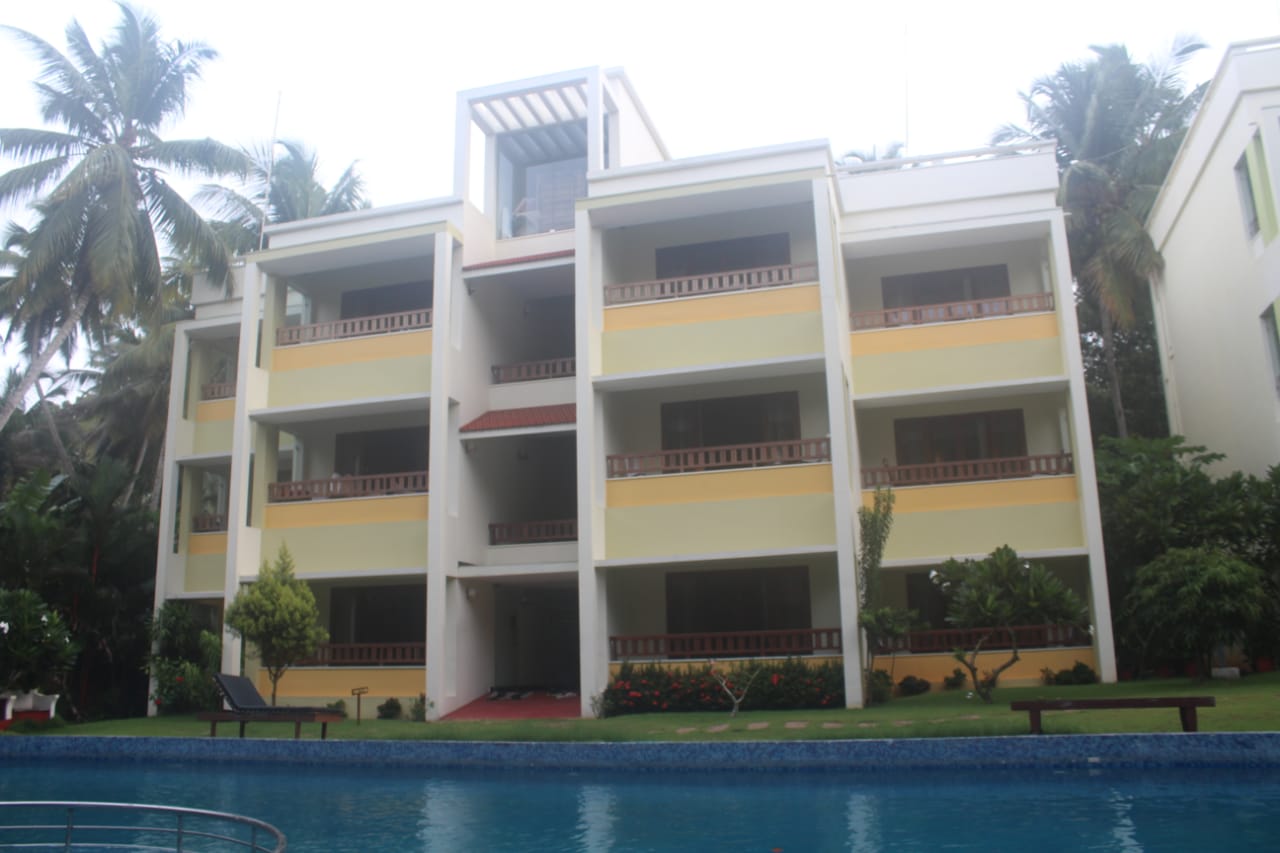
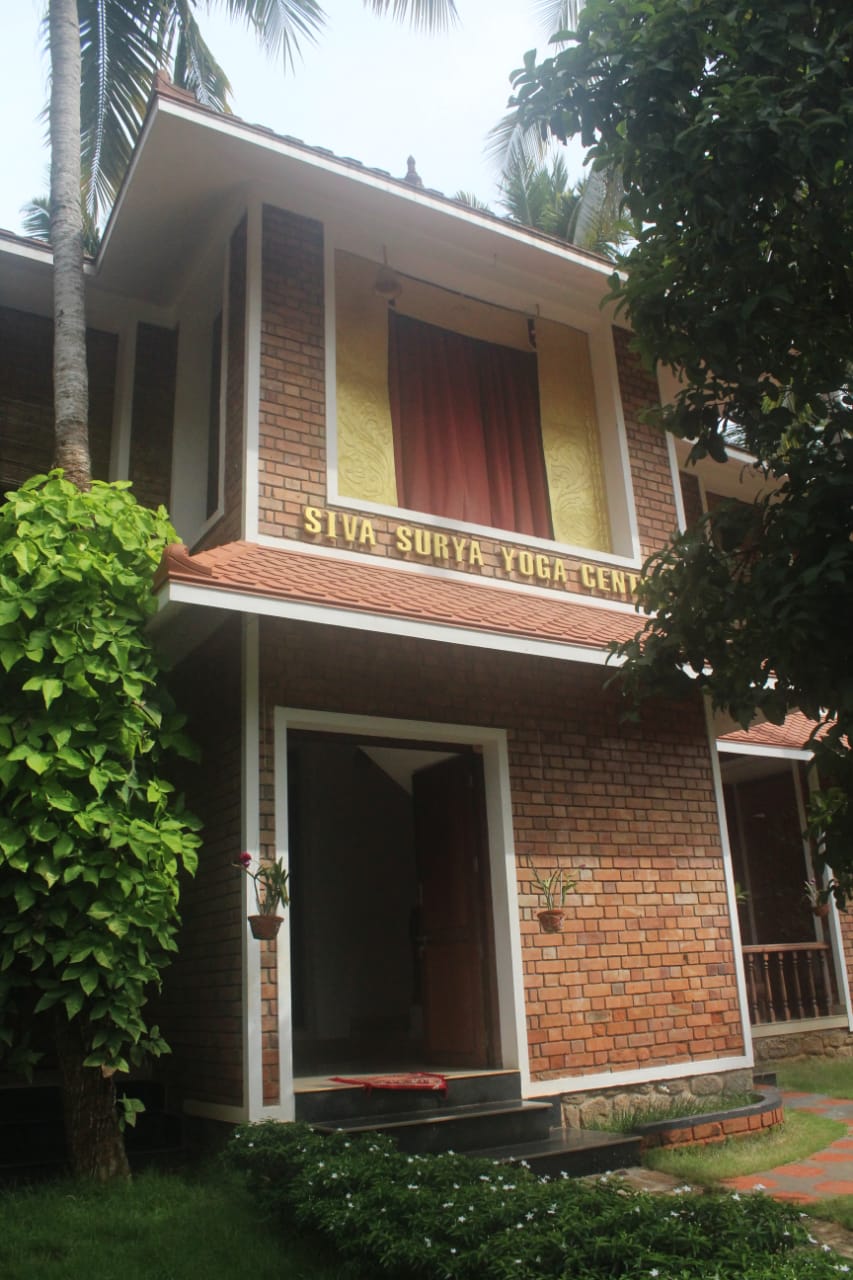
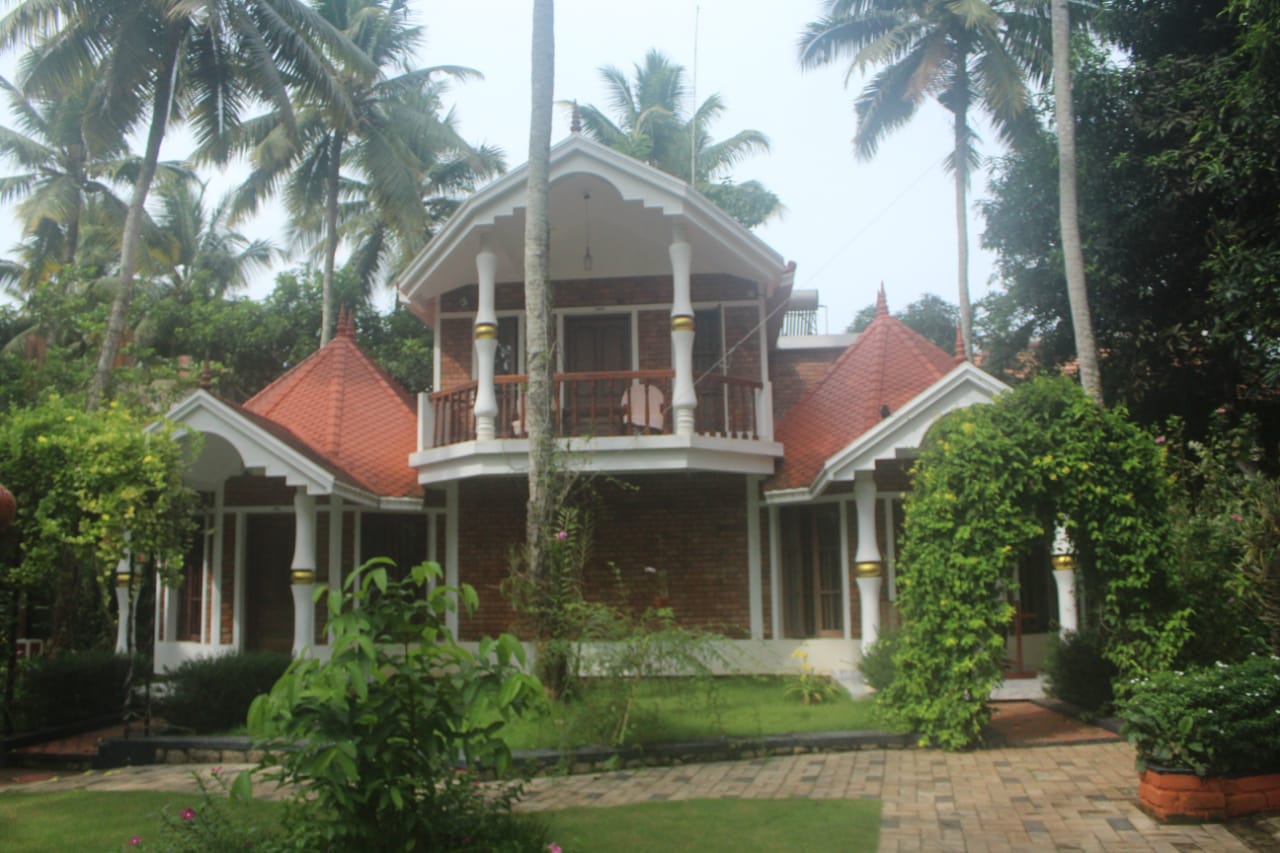
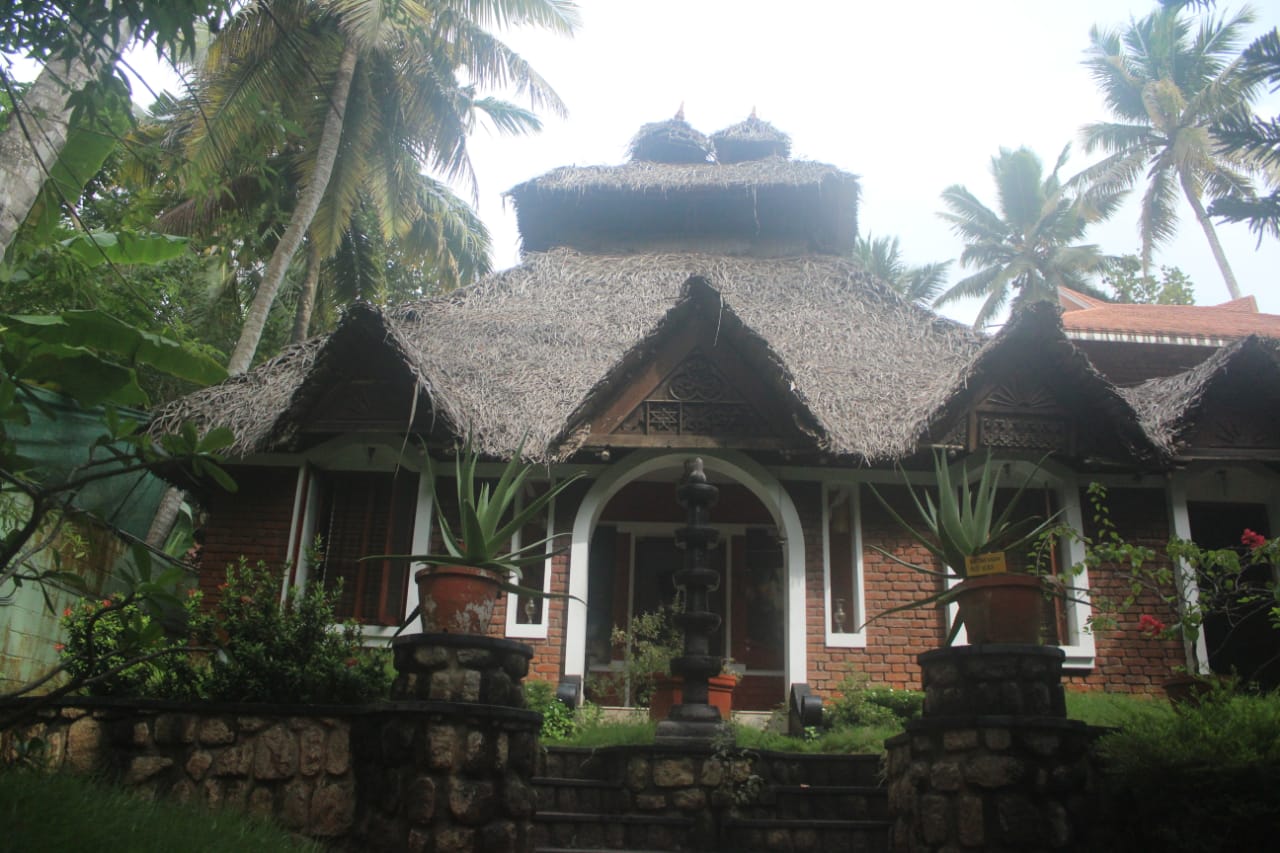
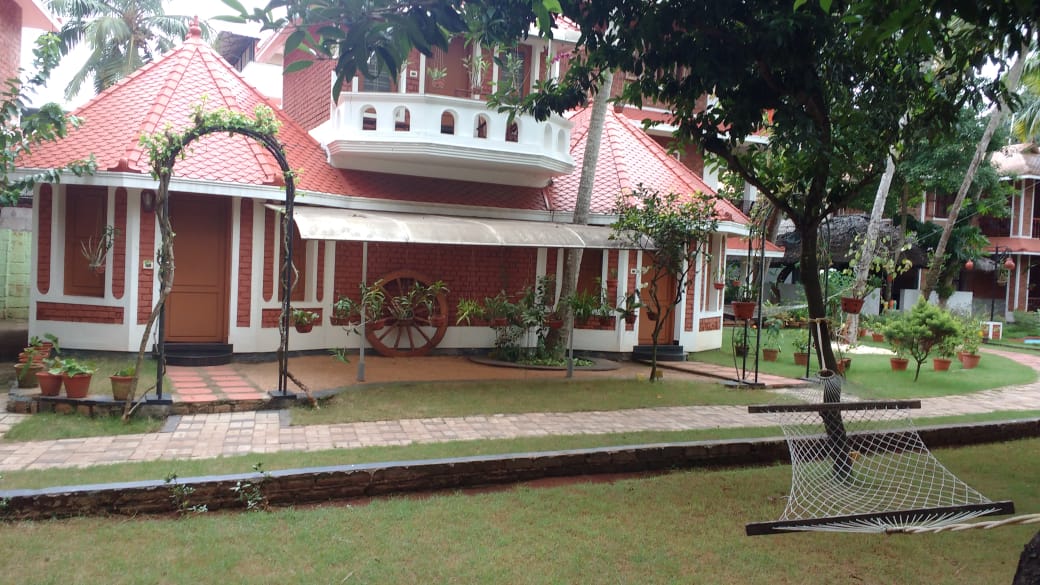
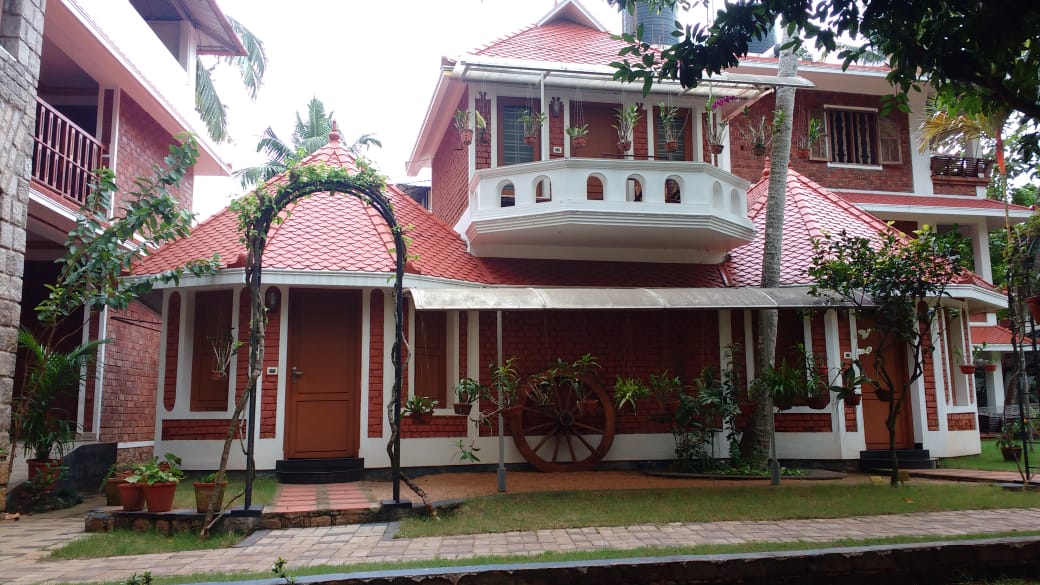
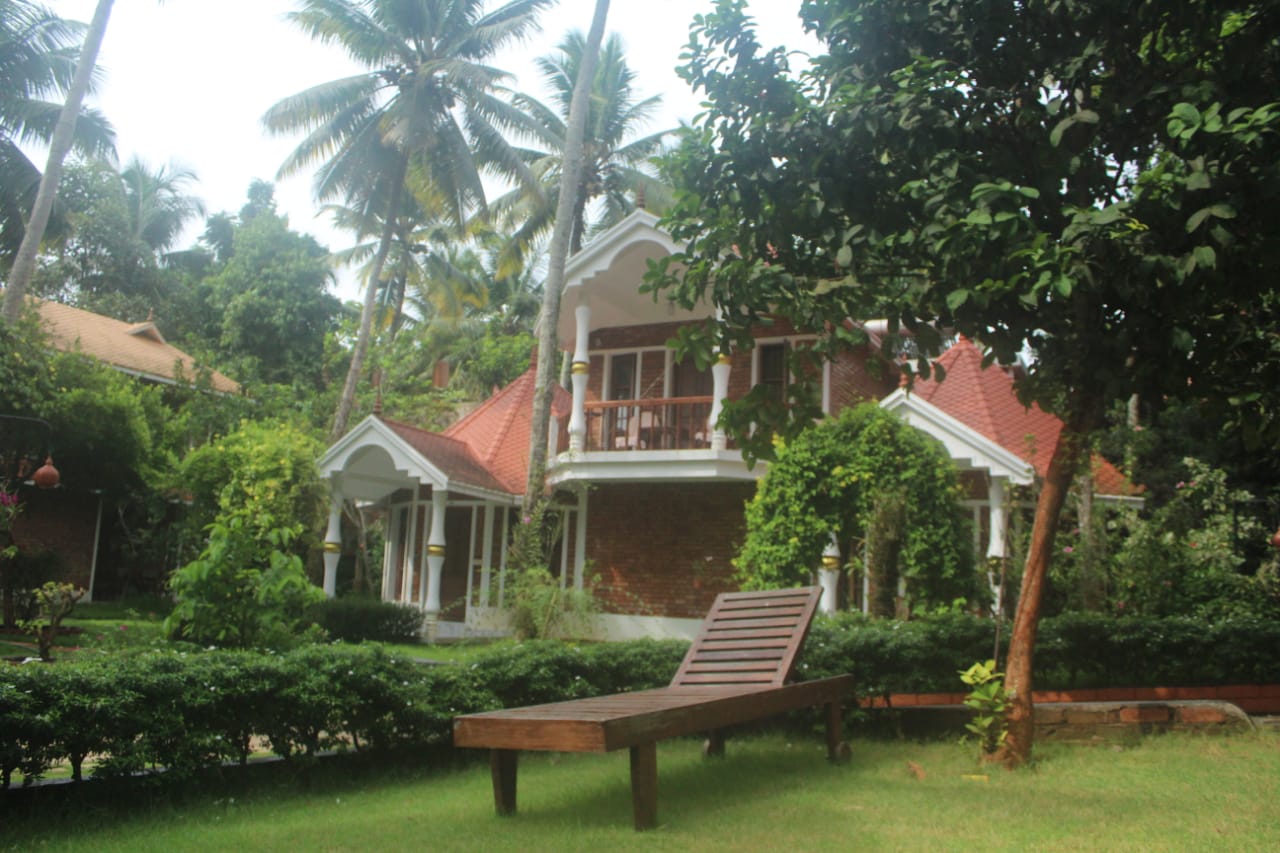
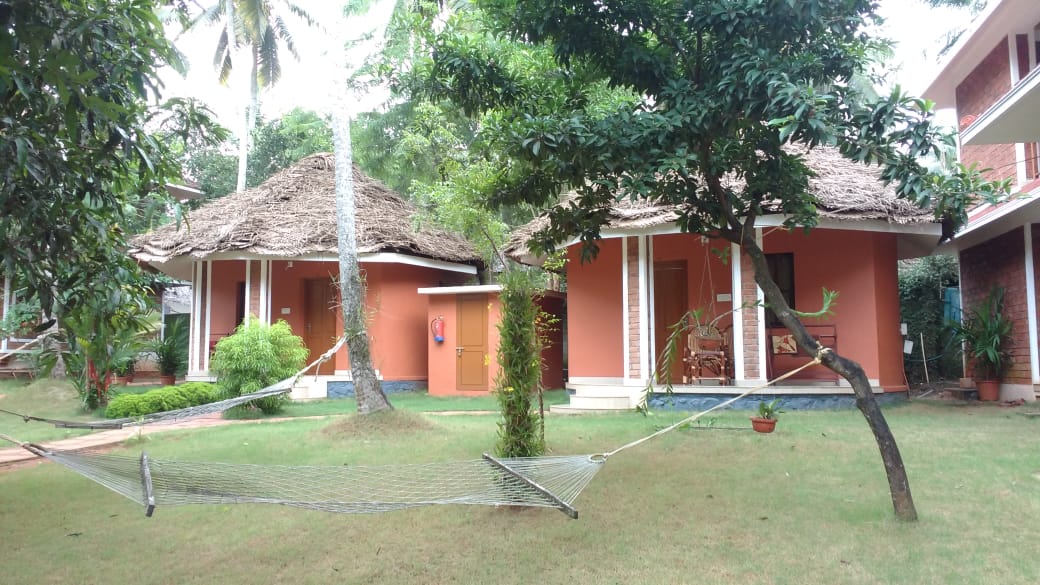
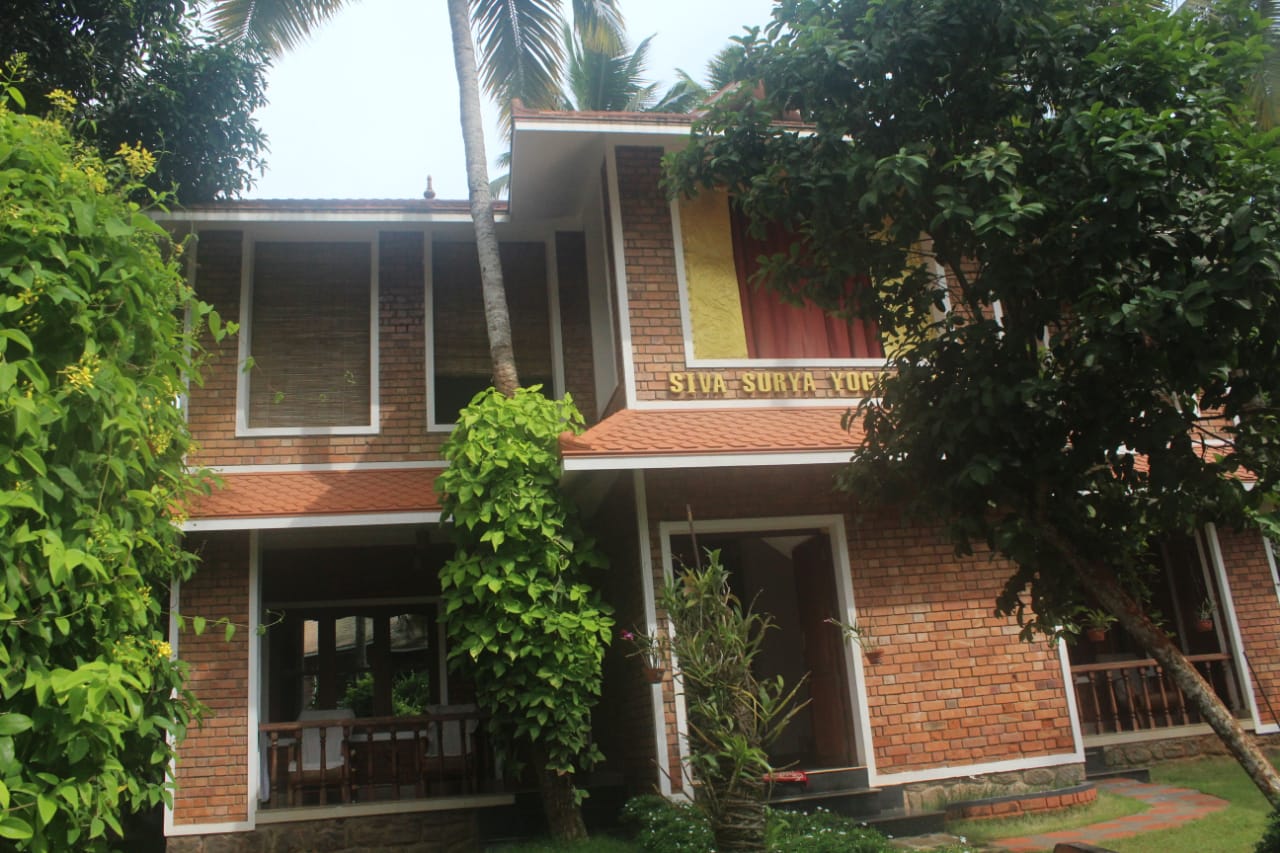
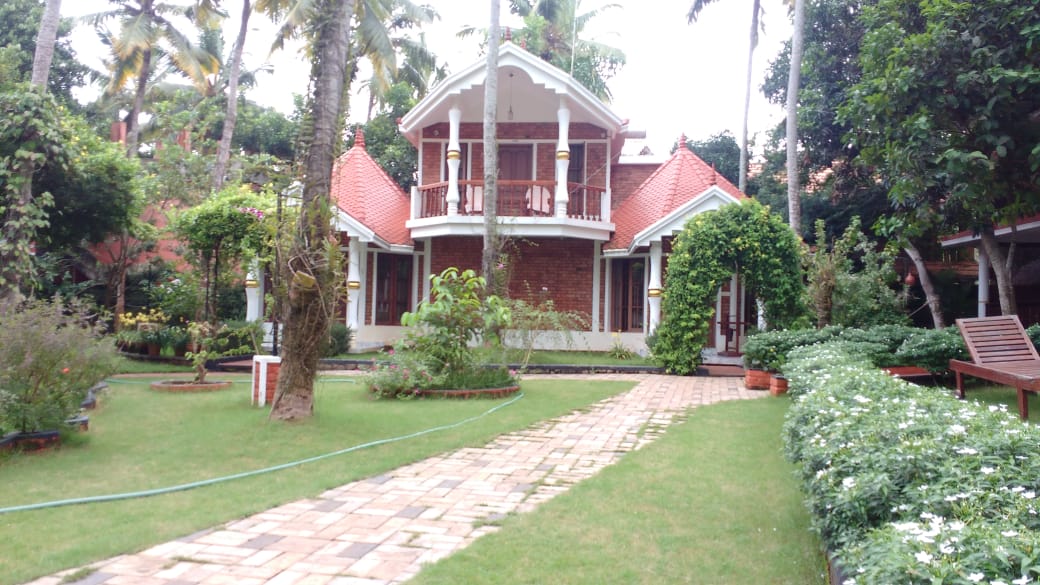
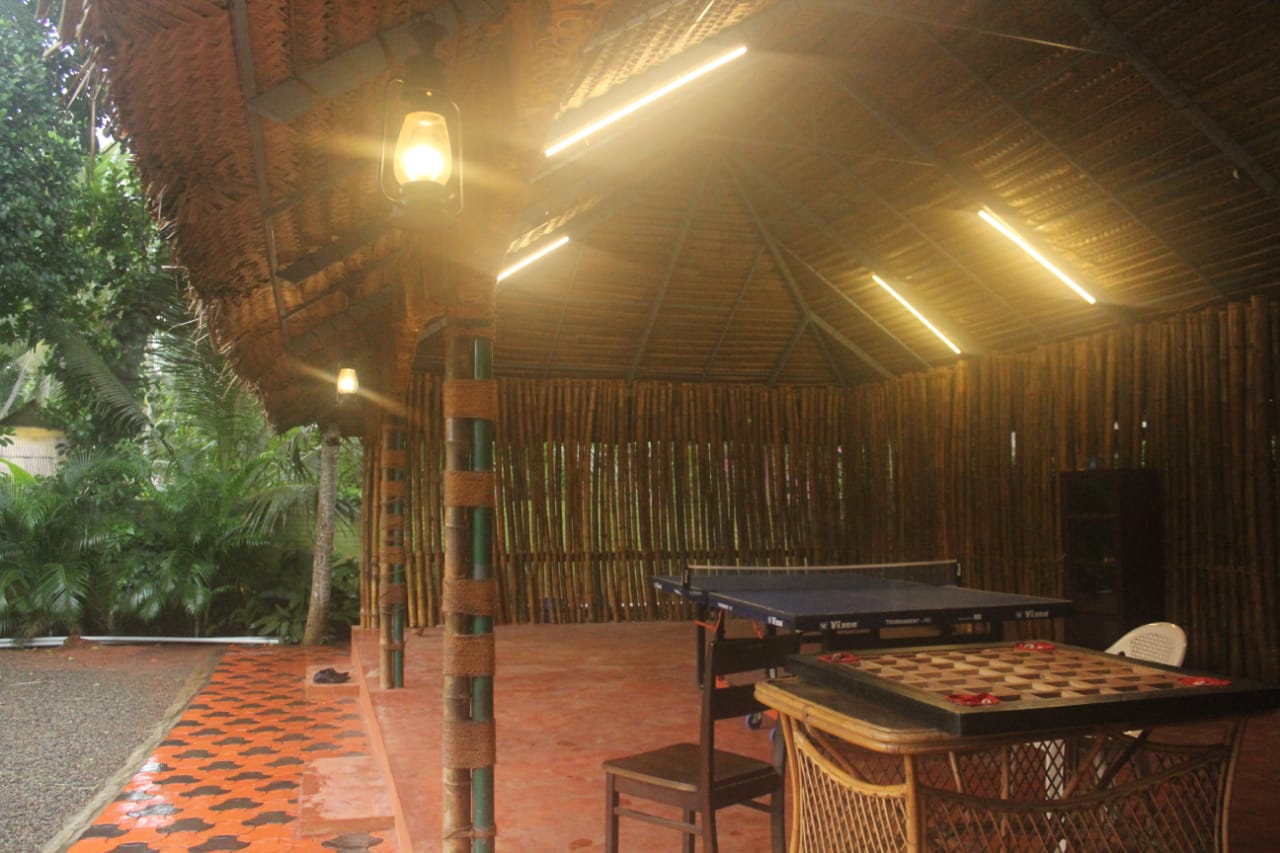
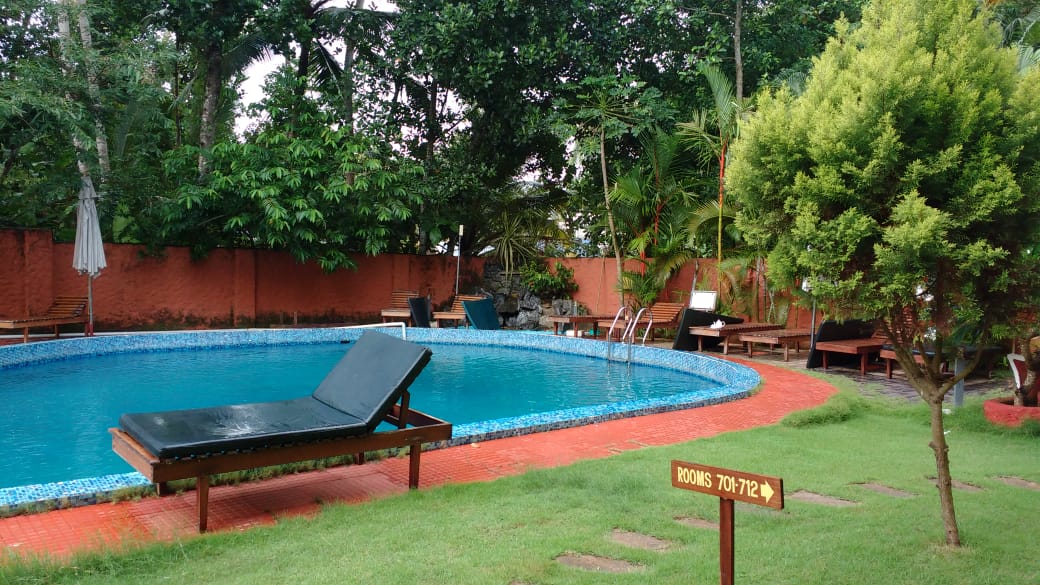
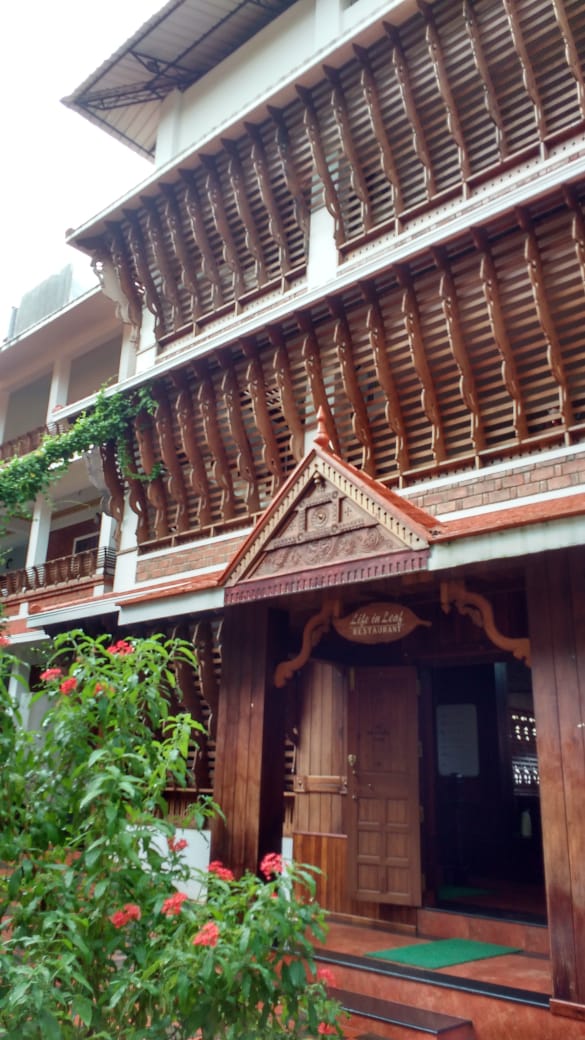
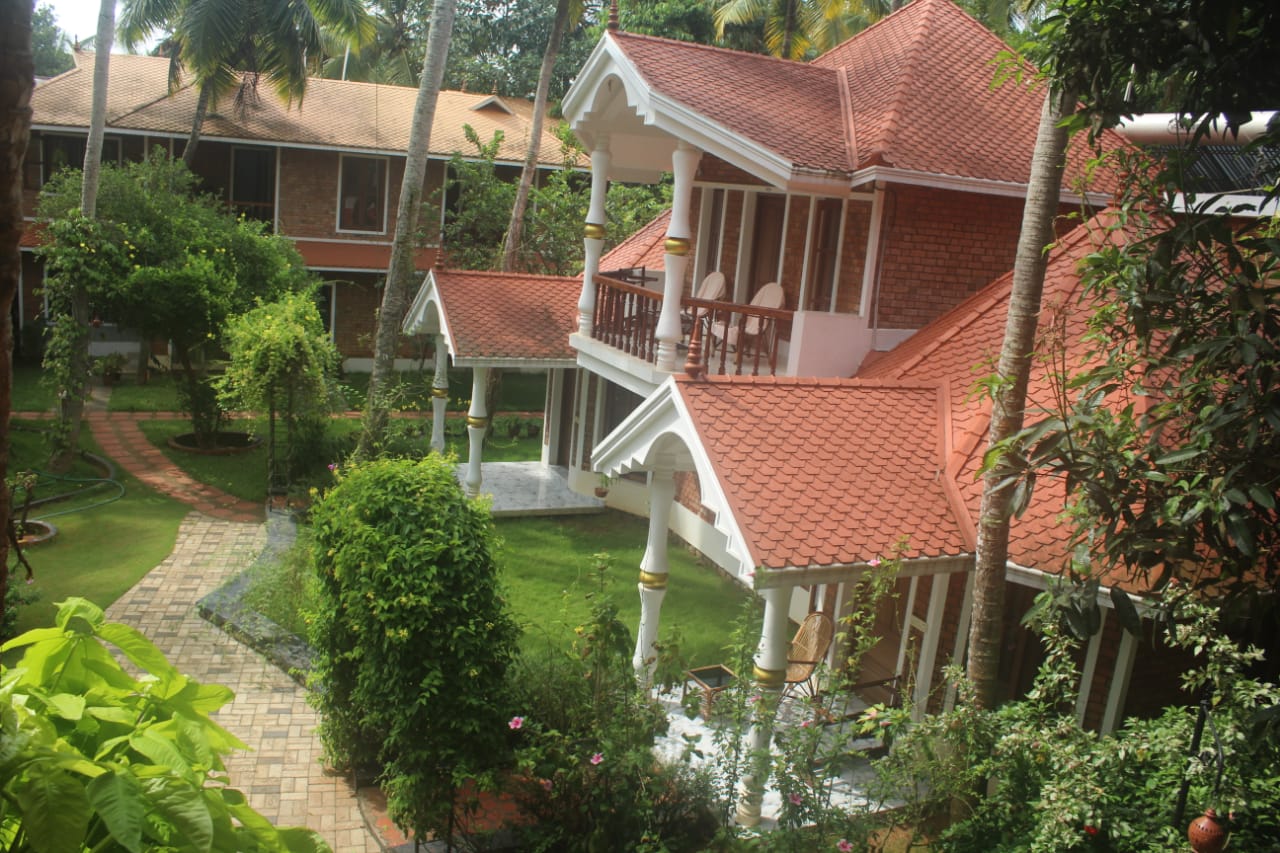
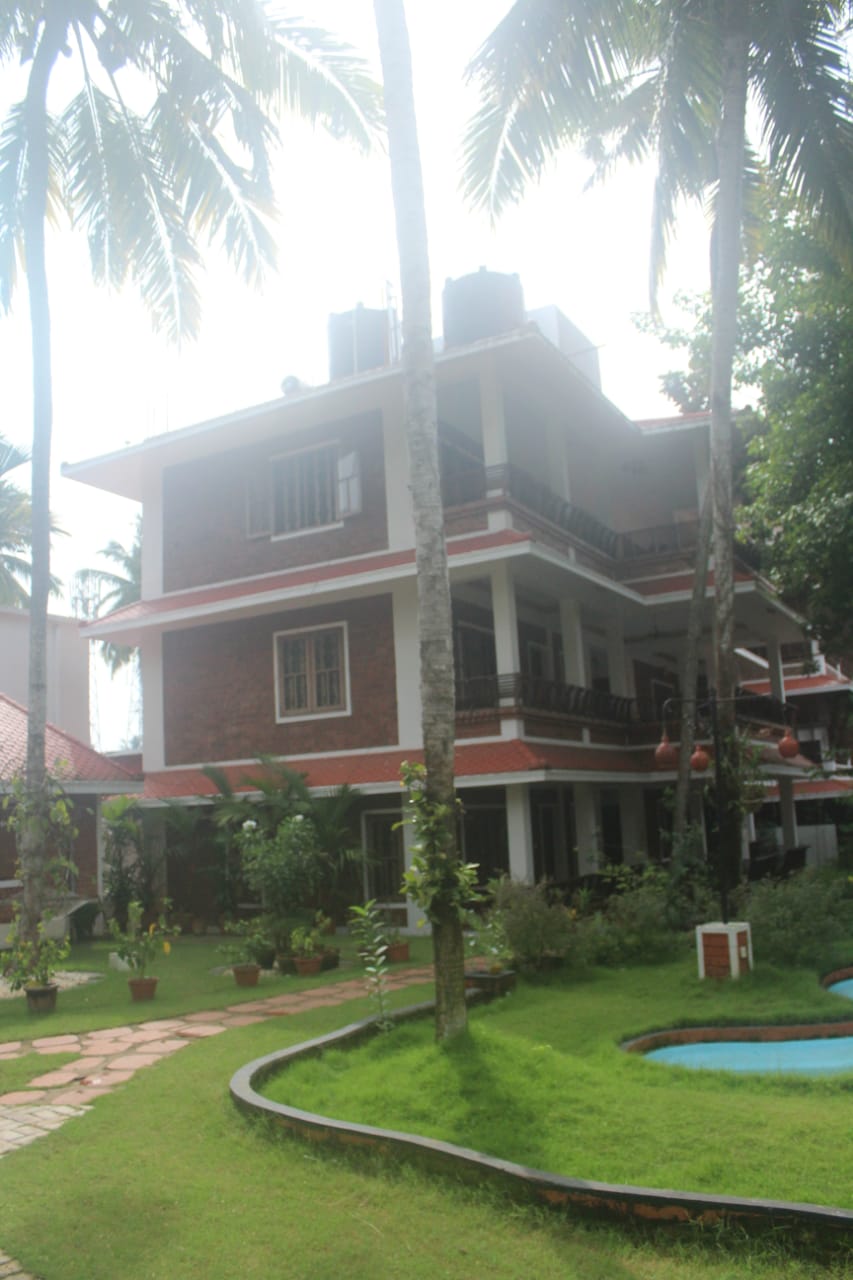
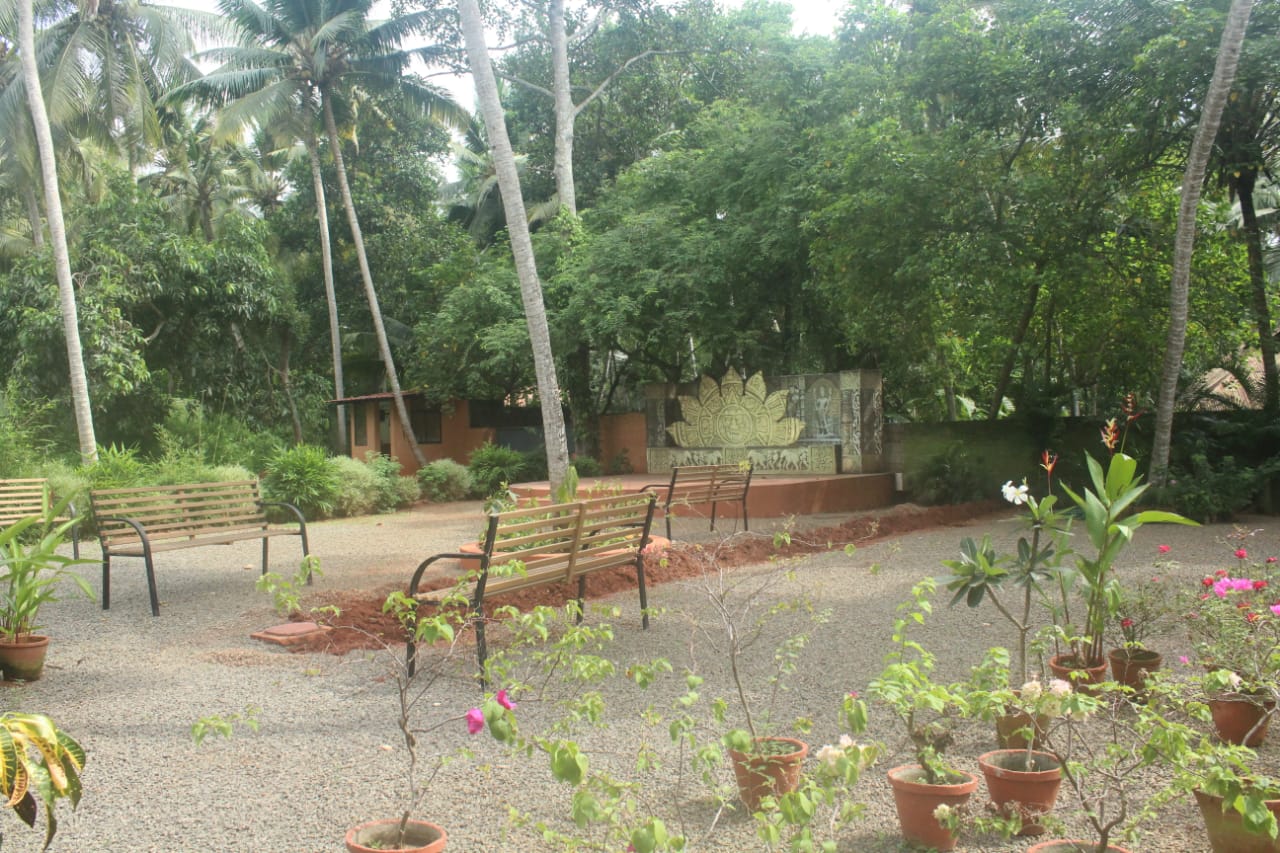
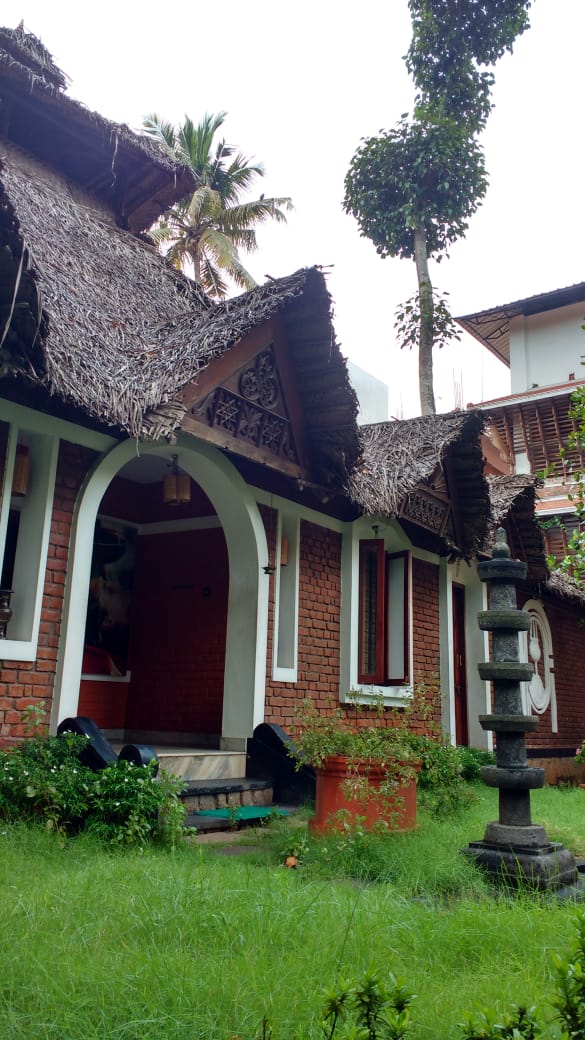
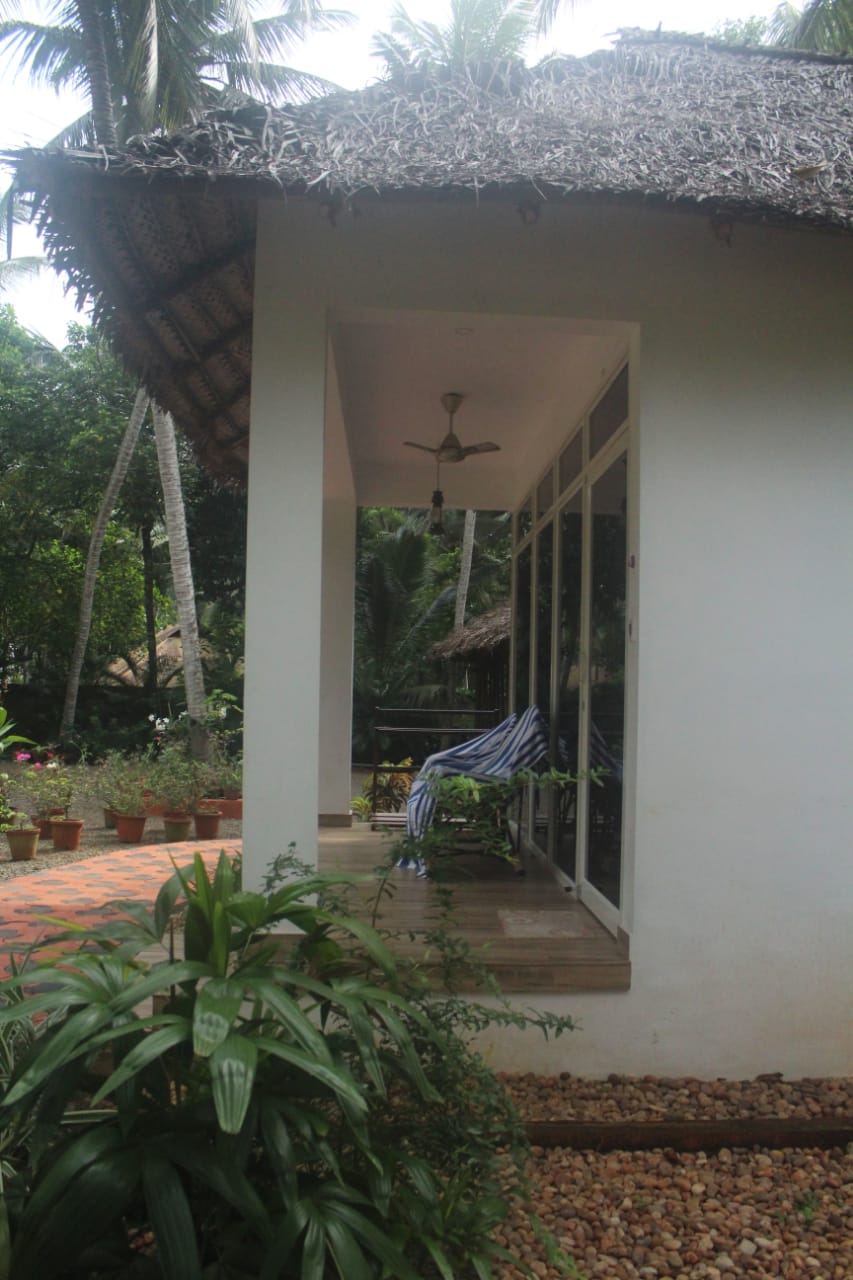
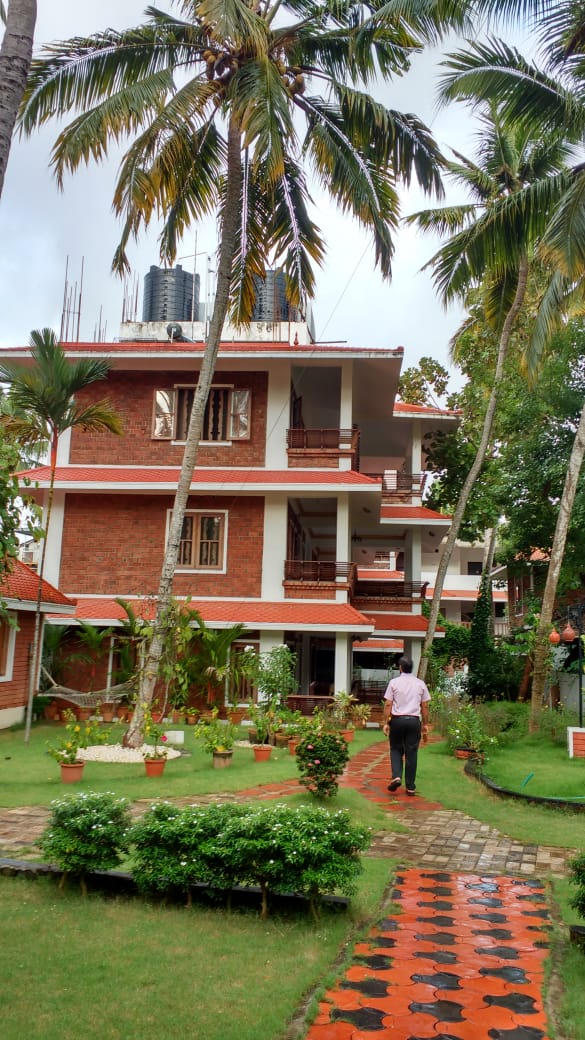
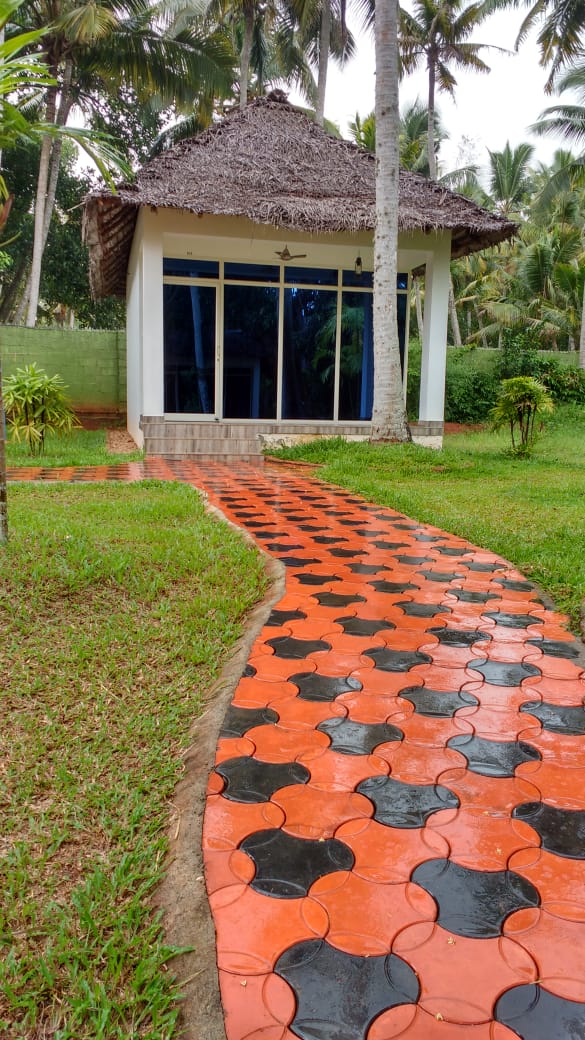
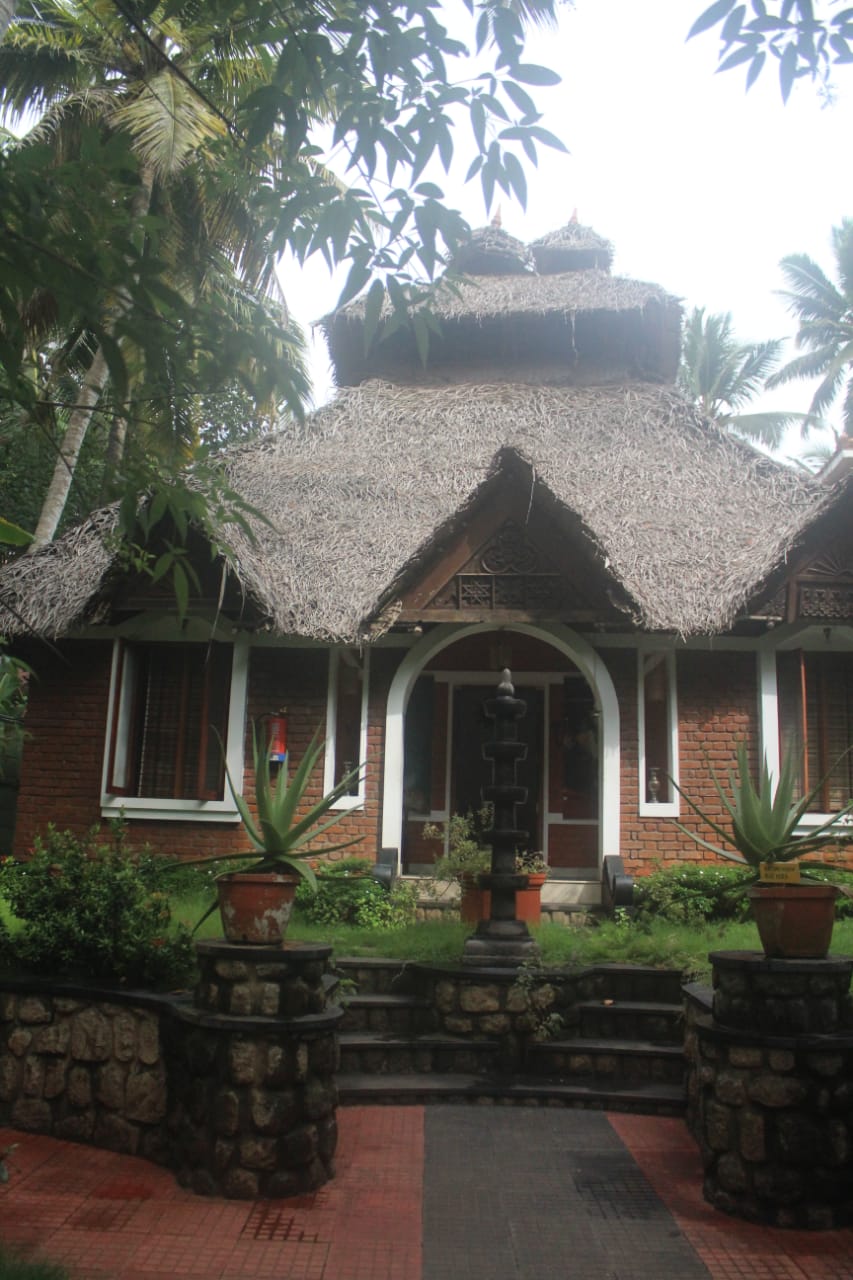
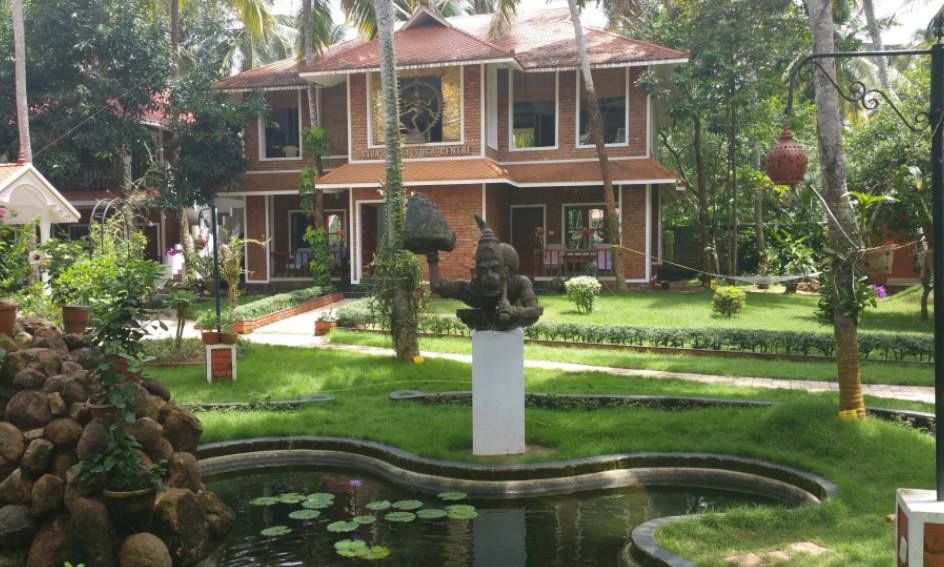
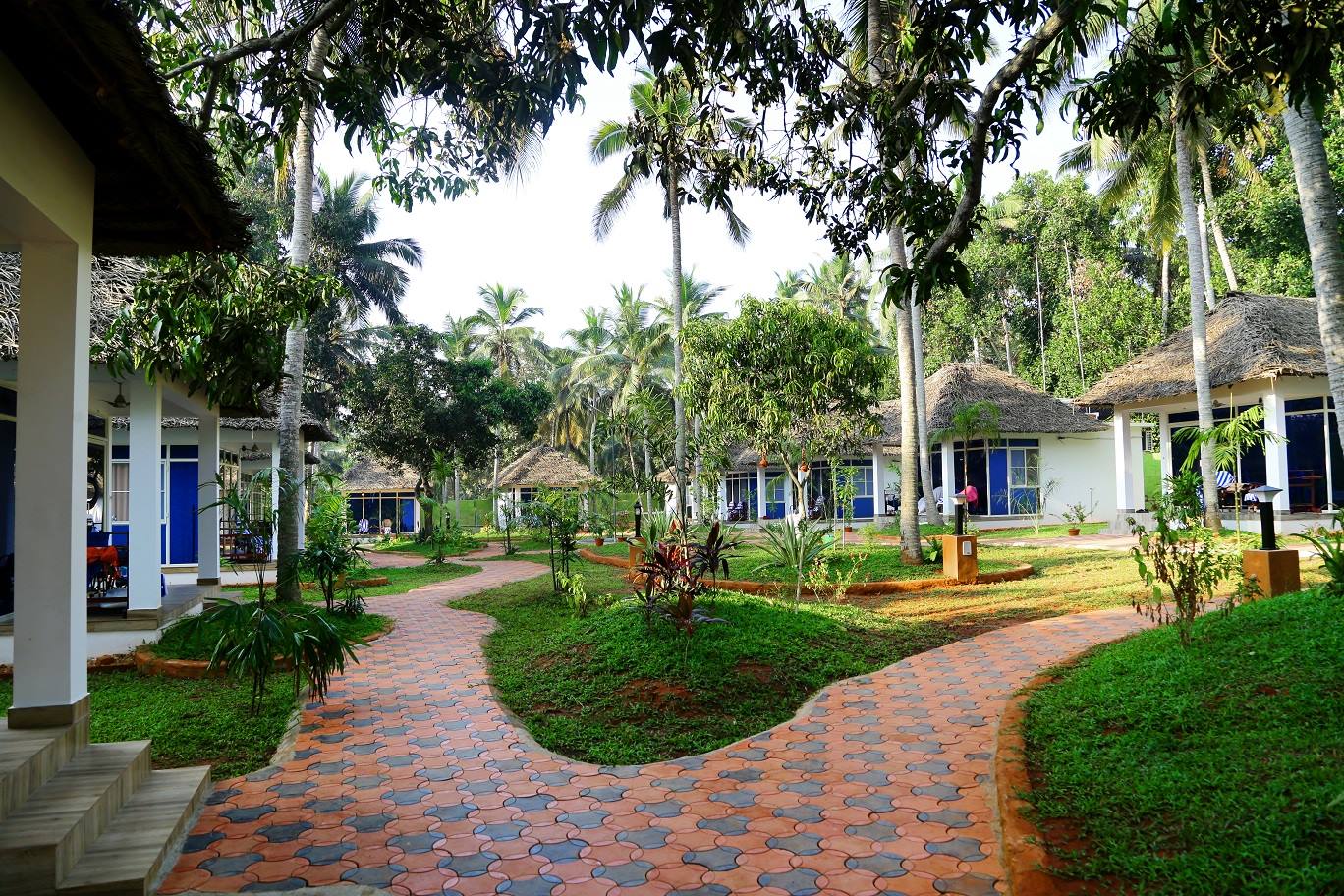
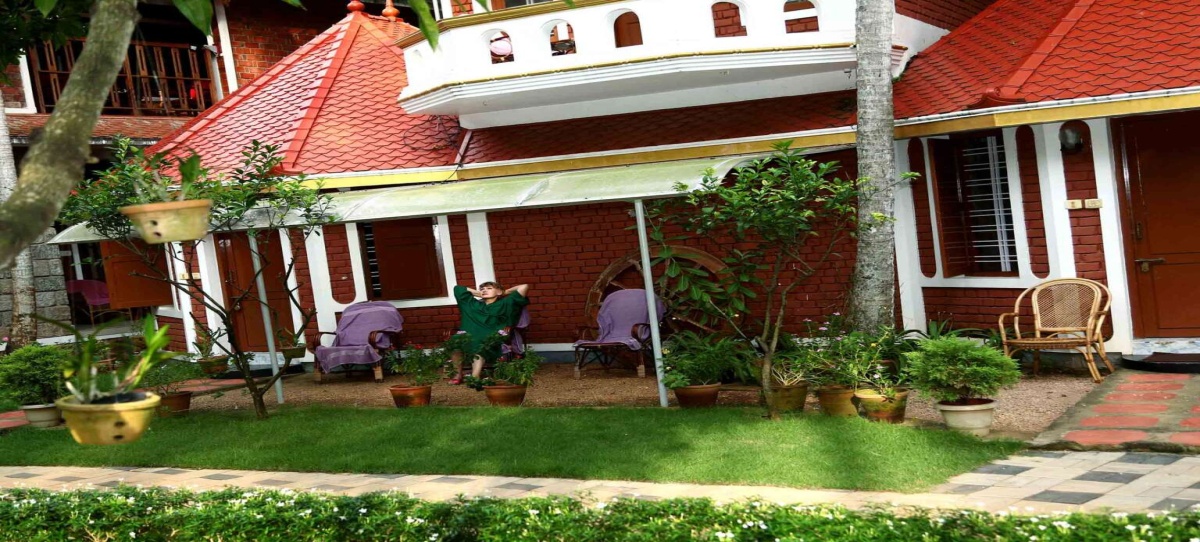
Dr Franklin’s Panchakarma Institute and Research Centre occupies a landscaped coastal setting in Chowara, within the South Kovalam area of Thiruvananthapuram. The property combines residential buildings, treatment areas, gardens and wellness spaces, with the surroundings characterised by tropical vegetation and proximity to the Arabian Sea. The centre is approximately 10 minutes’ walk from the beach, providing a coastal environment while retaining a treatment-oriented setting rather than functioning solely as a leisure resort. Historical property information records separate accommodation areas, gardens and Panchakarma huts, while more recent property information identifies a swimming pool and fitness facilities as part of the wider residential environment.
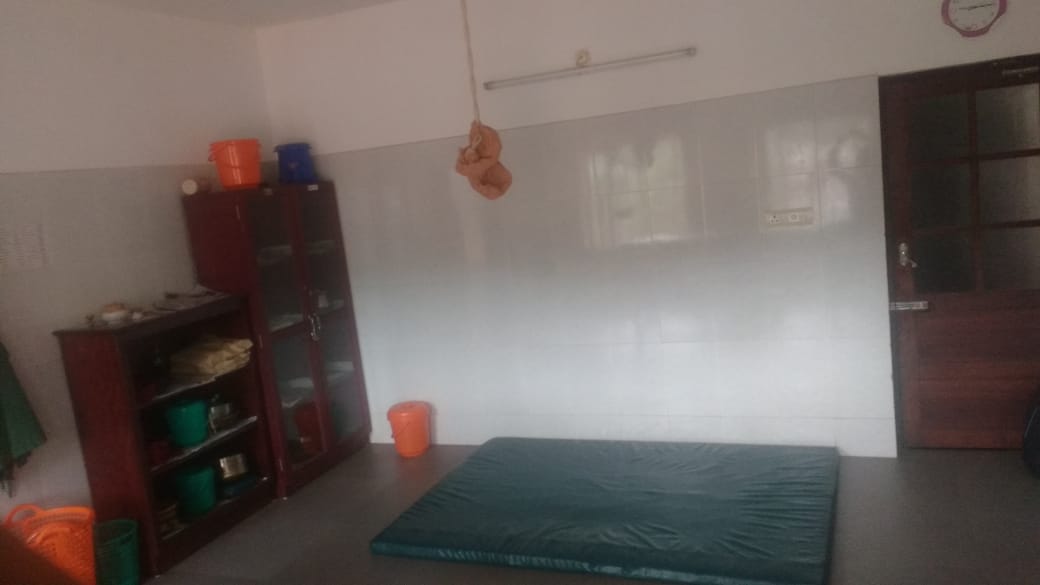
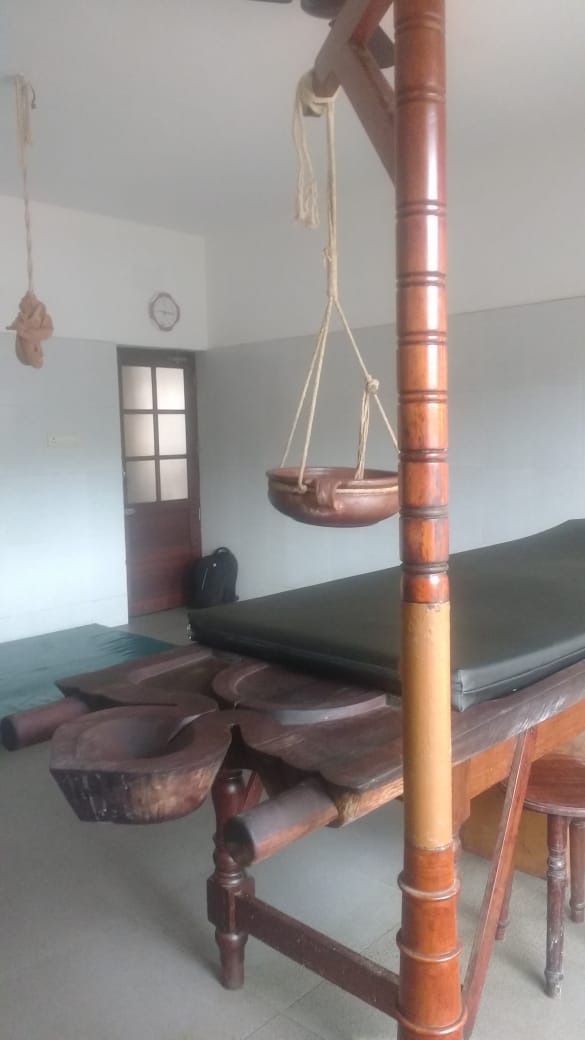
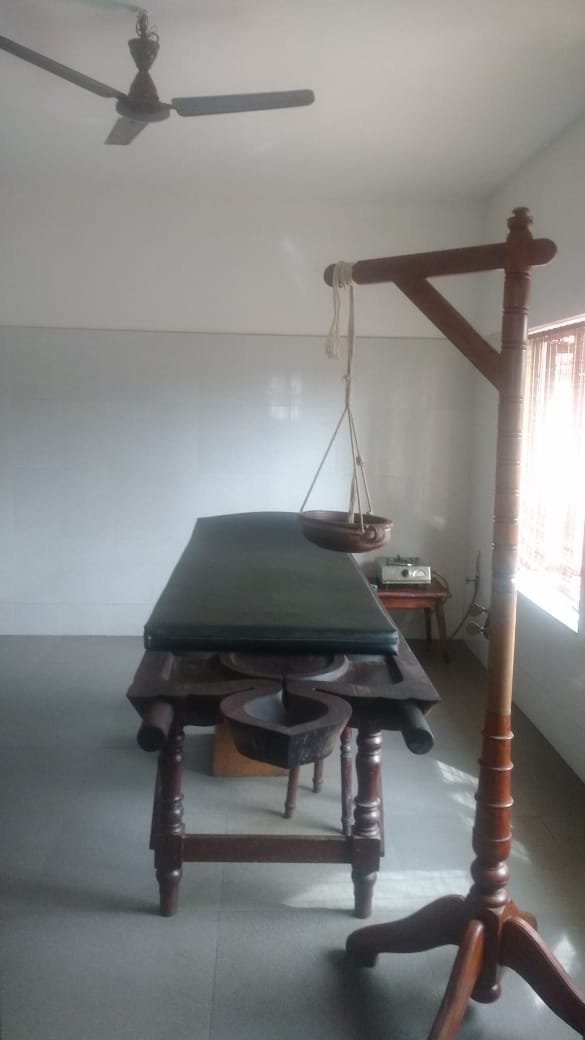
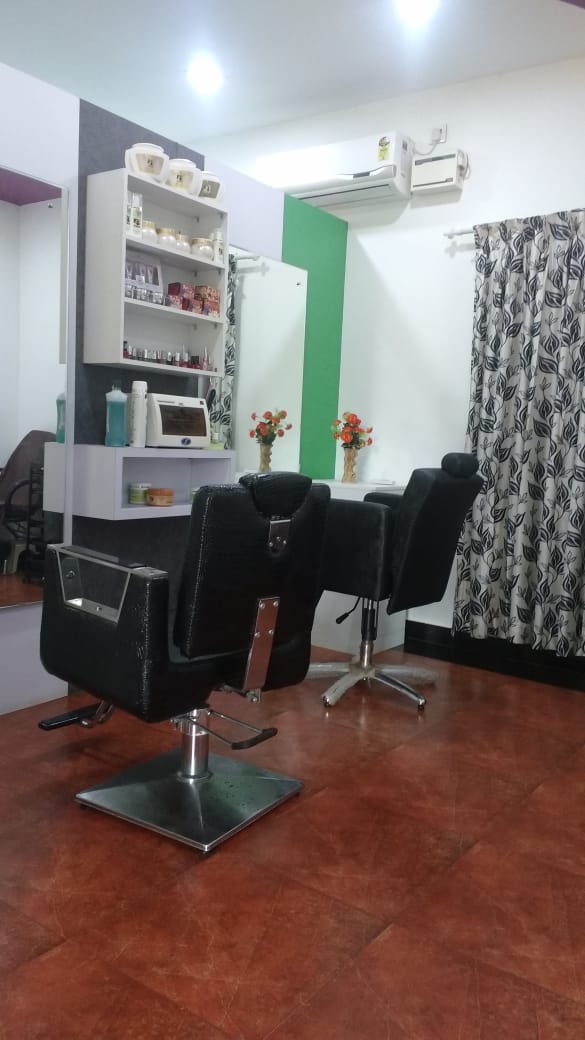
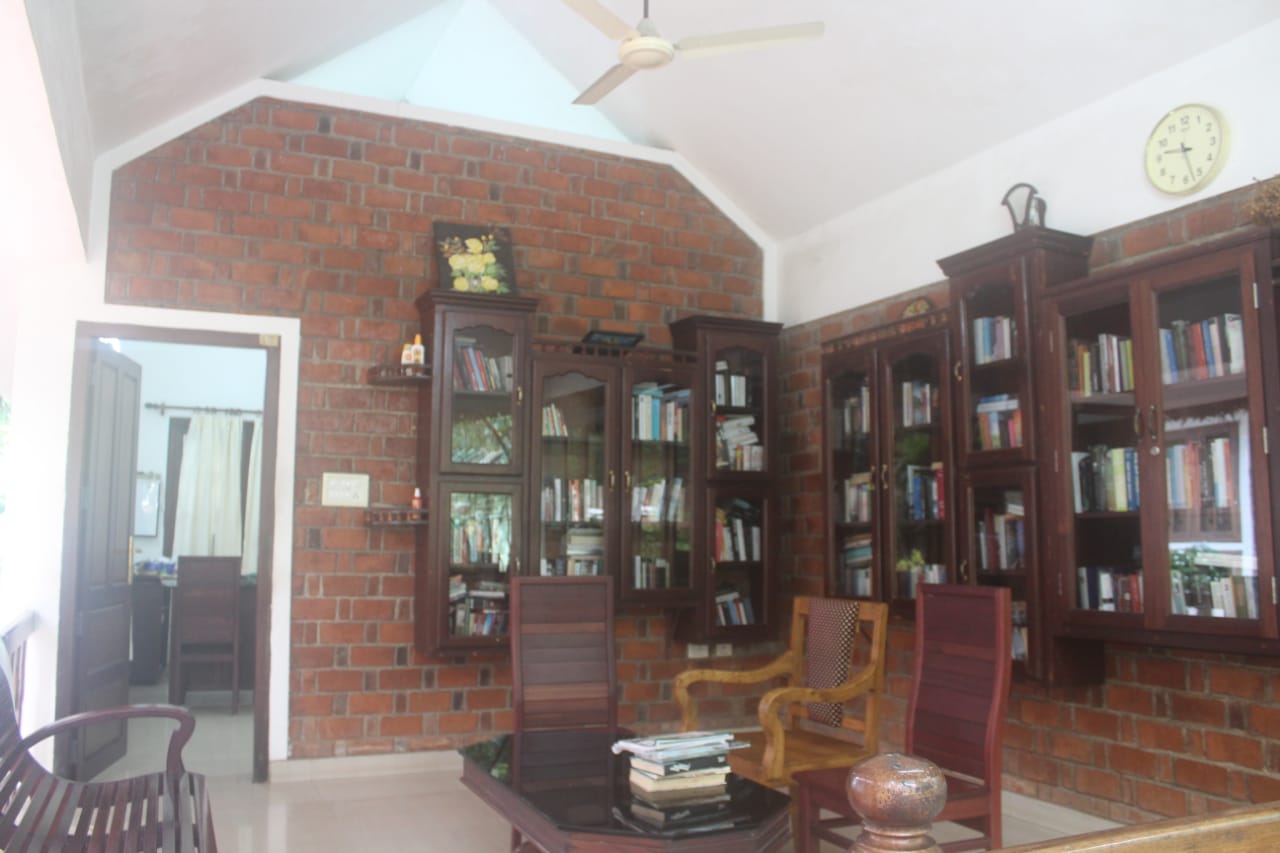
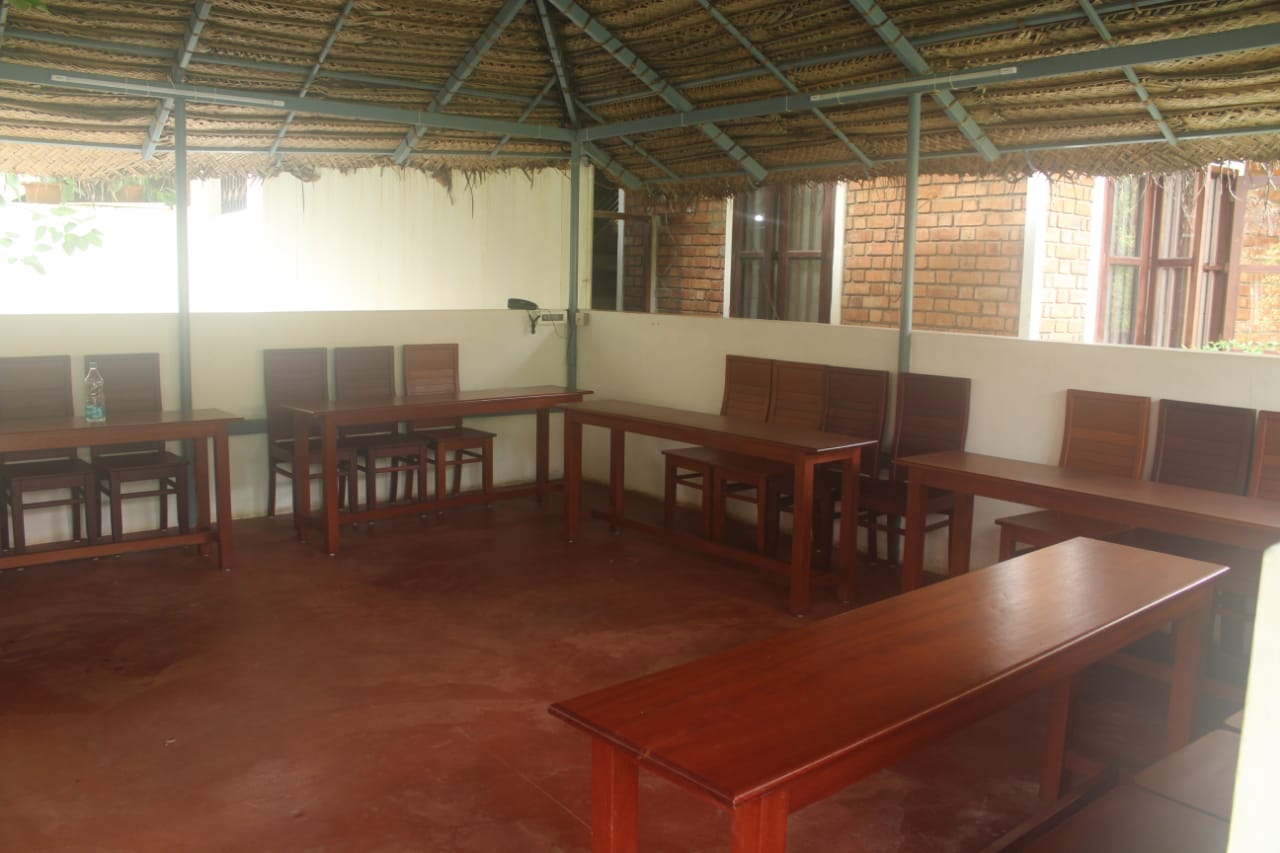
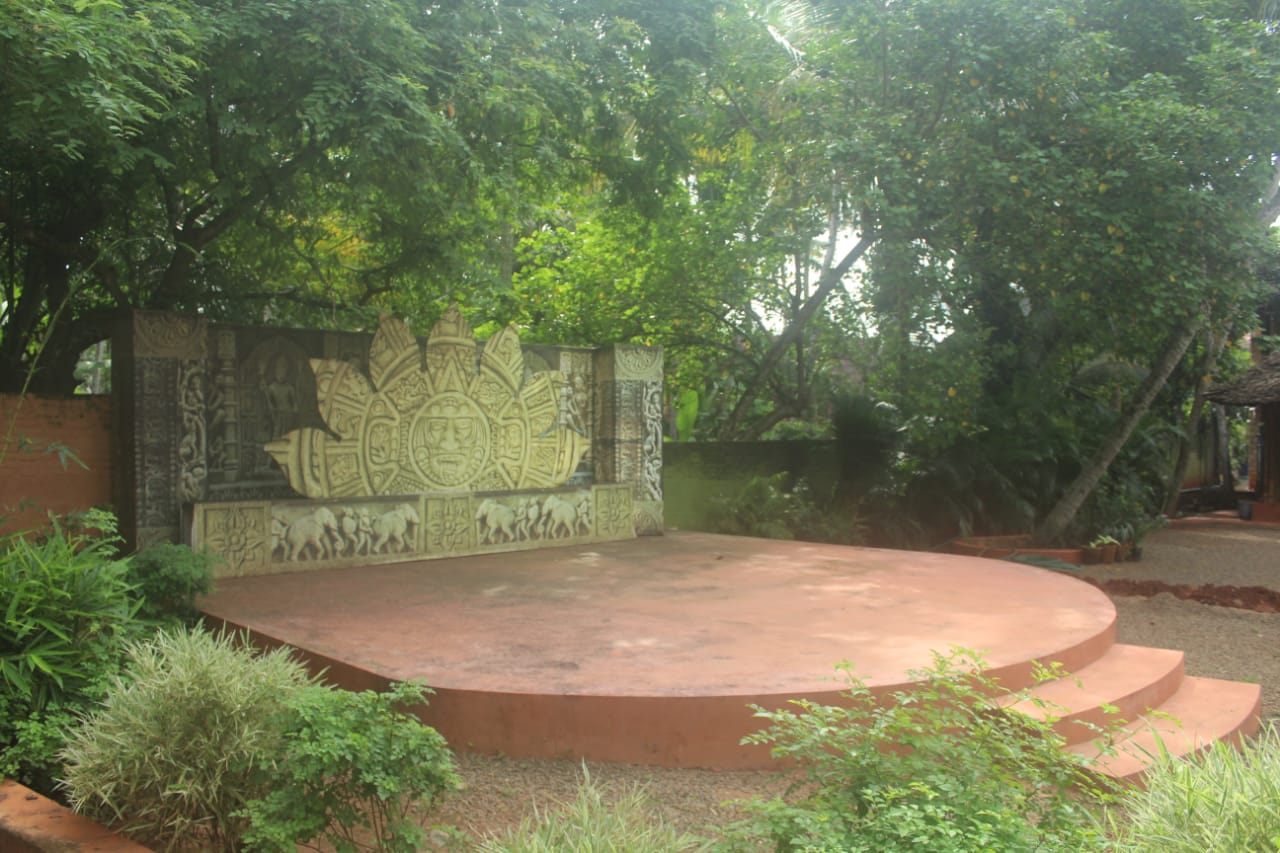
The physical environment supports both intensive treatment and periods of rest, with Ayurveda treatment rooms, Yoga and meditation facilities, landscaped outdoor areas and a swimming pool forming part of the property infrastructure. Kerala Tourism also records the centre as a training institution with facilities including a hostel, library and stage for public performances, reflecting its wider educational and cultural role. The beachside location and tropical landscape provide an external setting for quiet walks and restorative leisure alongside the structured treatment schedule.
Founders and Ayurvedic Heritage
The institution was founded by Dr V. Franklin, who came from a family associated with traditional Ayurvedic practice extending across several generations. The family lineage is described as having practised Ayurveda for more than 400 years, with Dr Franklin receiving formal education in Ayurveda before entering Kerala Government service. He served as a medical officer and subsequently progressed to the position of District Medical Officer in the Government of Kerala’s Ayurveda system. A contemporary profile records his bachelor's education through the University of Kerala and postgraduate training in Physical Medicine and Rehabilitation from Bombay University.
Following his government service, Dr Franklin worked as a physiotherapist for the Qatar Rayyan football team, where he treated international footballers and coaches and developed an interest in introducing Ayurveda to an international audience. He subsequently established an Ayurveda centre for foreign visitors at Hotel Neptune in Kovalam, before inaugurating Dr Franklin’s Panchakarma Institute and Research Centre in 1997. His contribution to Ayurveda and medical tourism was recognised through distinctions including Tourism Man of the Year in 1999, the Kerala Sahridayavedi award for Best Ayurveda Doctor in Tourism in 2005, recognition from LANA in 2008, and an award for Best Ayurveda Doctor in 2008 from Uthradom Thirunal Marthanda Varma.
Ayurveda Philosophy and Approach
The centre's therapeutic philosophy is grounded in the classical Ayurvedic objective of protecting health, prolonging life and managing disease and dysfunction. Its current presentation places particular emphasis on Ayurveda as a holistic medical science and identifies Panchamahabhutha, the five-element principle, as one of the foundational concepts through which bodily balance is understood. The centre also associates many health disturbances with impaired digestion arising from dietary habits, lifestyle patterns and occupational factors, placing digestive correction and restoration of physiological balance within its broader treatment approach.
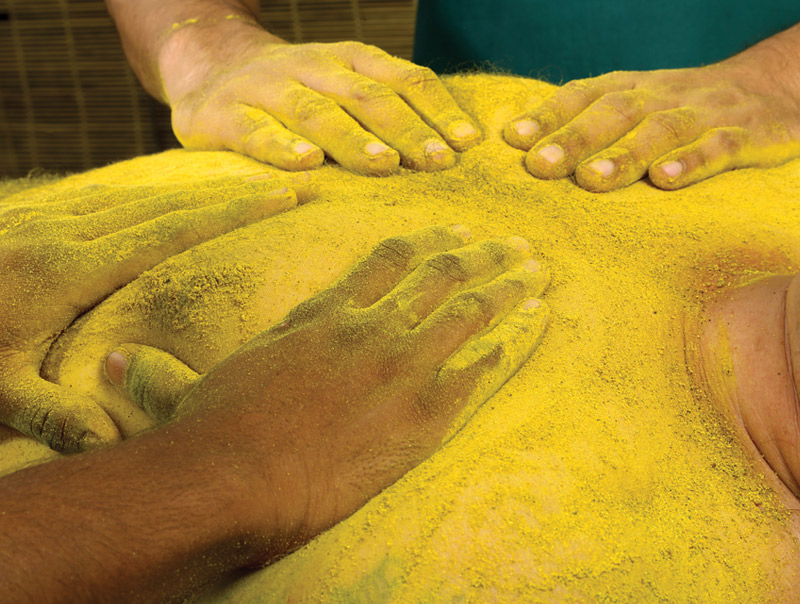
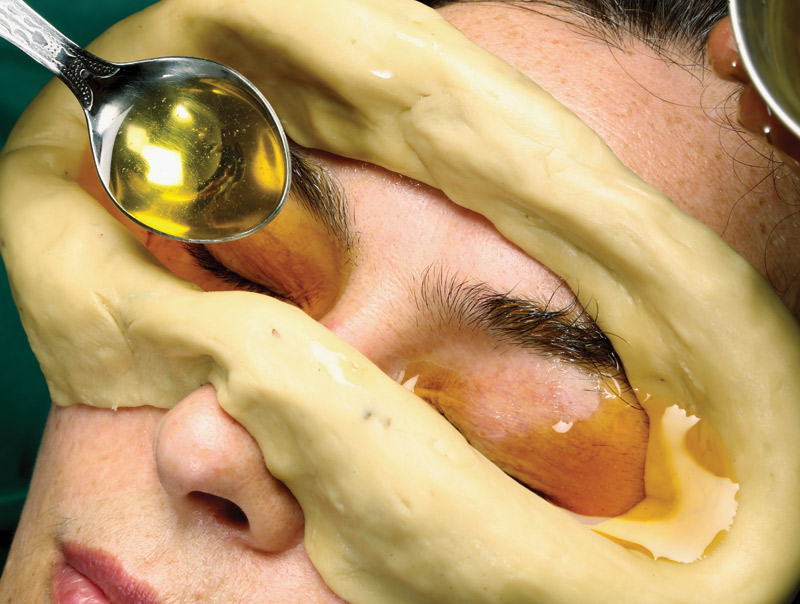
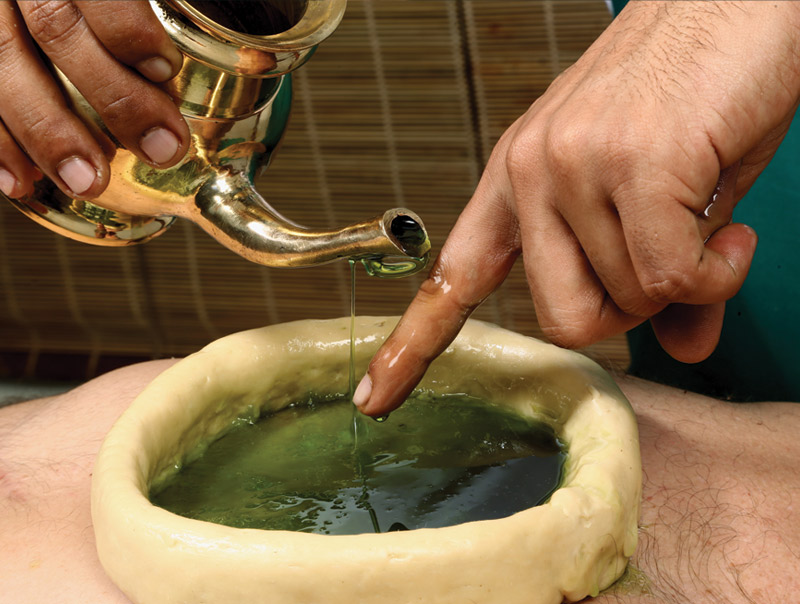
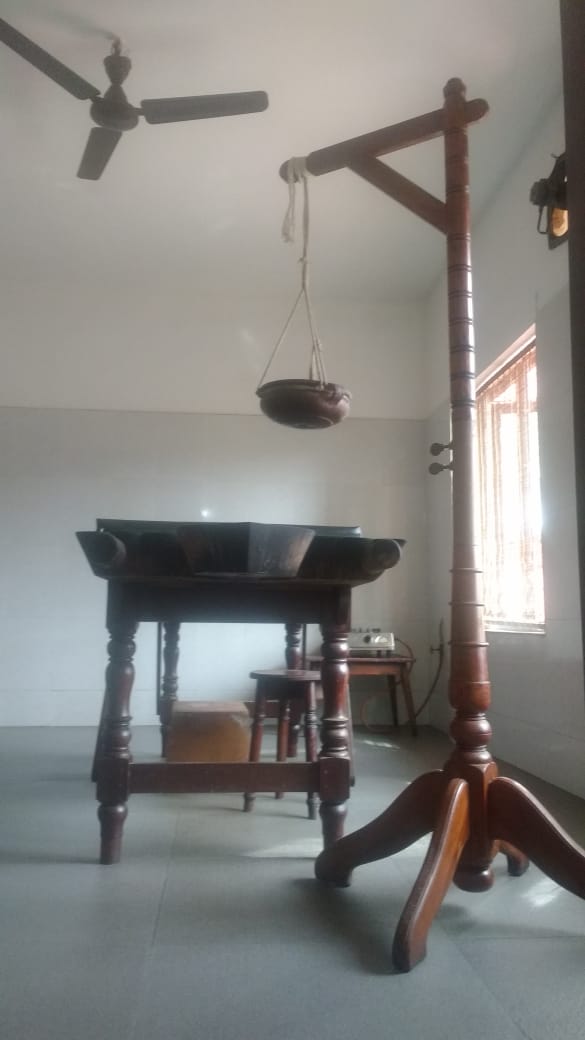
Panchakarma occupies the central position within the institute's therapeutic model. Treatment is structured around preparatory procedures followed by appropriate purification procedures and subsequent restorative care. Documented procedures include Snehana, Swedana, Kizhi, Pizhichil and Dhara during preparatory or supportive stages, followed by procedures such as Vamana, Virechana, Nasya, Sneha Vasthi and Kashaya Vasthi when clinically indicated. Ayurvedic medicines, diet, Yoga and meditation form complementary components of the broader approach. The centre also offers traditional therapies such as Marma massage, rejuvenation treatments and facial care, with treatment selection intended to correspond to the individual's health condition.
Personalised Treatment Planning
Treatment at Dr Franklin’s Panchakarma Institute and Research Centre is initiated through consultation with the Ayurvedic medical team, after which the therapeutic plan is determined according to the individual's health requirements. The centre's programme model allows treatment procedures to be selected or modified according to the guest's condition, with Ayurvedic care incorporating therapies, medicines and dietary recommendations rather than relying on a single fixed sequence for every individual. This approach is particularly relevant to Panchakarma, where preparatory, purification and restorative procedures may be selected according to the patient's constitution and presenting condition.
The centre's treatment portfolio includes both general wellness and rejuvenation-oriented care and condition-specific Ayurvedic management. Documented areas include metabolic and lifestyle concerns, musculoskeletal and spine-related conditions, stress, skin disorders, respiratory complaints and other chronic or functional conditions. The available programme information indicates access to doctors for ongoing review during treatment, while AyurUniverse records that programmes may be customised in duration. The centre also integrates Ayurvedic diet, Yoga and meditation into selected treatment pathways, particularly where lifestyle modification forms part of the therapeutic approach.
Treatment Programs
The institute's programme portfolio is centred on Panchakarma and Ayurvedic purification, supported by rejuvenation and Rasayana care, body purification or Shodhana Chikitsa, slimming and weight management, beauty care, stress management, spine care, diabetes treatment and body, mind and soul wellness programmes. Other documented therapeutic categories include Swasa Kasa Chikitsa for respiratory concerns and body immunisation/longevity treatment. The centre also promotes Karkidaka Chikitsa, a seasonal Ayurvedic treatment approach associated with the Kerala monsoon period and incorporating purification, symptom-management and rejuvenation therapies.
Specific programme listings include Panchakarma, Diabetes Treatment, Anti-Aging, Destress Your Body, Mind and Soul, Ayurveda Slimming, You and Your Spine and Rejuvenation Therapy. Documented durations vary according to programme, with examples including 14-day and 21-day diabetes programmes, a 14-day spine programme, and 15-, 22- and 29-day slimming options. The centre also offers Ayurveda education and professional training, including massage, Ayurvedic principles, Panchakarma and Yoga teaching, with Kerala Tourism recording course durations ranging from 15 days to one month.
Doctors and Wellness Experts
The medical structure is centred on Dr V. Franklin, founder and chief physician, together with Dr Sony Joseph, who has served as Managing Director and senior Ayurvedic consultant. Historical institutional information records a team of seven Ayurvedic doctors and 52 qualified therapists, while later operational sources identify additional physicians including Dr Soumya Franklin, Dr Ajith Kumar, Dr Udayashanker, Dr Janadathan and Dr Ratheesh. Dr Soumya Franklin is identified as Dr Franklin's daughter and part of the medical team.
The wider wellness team includes Ayurvedic therapists, Yoga and meditation instructors and staff supporting the residential and treatment operations. Historical records specifically identify Master Soorya Ravi, associated with the Yoga Teachers Association of South India, as responsible for Yoga and meditation sessions. The centre's medical and wellness structure therefore combines Ayurvedic physicians, Panchakarma therapists and Yoga practitioners within a treatment-led residential model. Individual qualifications, current designations and detailed clinical specialities should be maintained separately within dedicated doctor profiles.
Post Treatment Care
Post-treatment care forms part of the broader Ayurvedic process through dietary regulation, herbal medicines, rejuvenation measures and lifestyle guidance. Panchakarma is presented as a staged process rather than an isolated procedure, with preparatory therapies preceding purification and restorative measures following the principal cleansing stage. Dietary recommendations and Ayurvedic medicines may therefore continue to form part of the therapeutic plan beyond the principal treatment procedures.
The centre's wider wellness philosophy also places importance on Yoga, meditation and lifestyle practices as complementary elements of maintaining balance after treatment. Selected programmes, particularly stress, weight-management and rejuvenation pathways, combine therapeutic procedures with dietary and lifestyle guidance. The exact discharge protocol, duration of post-treatment dietary restrictions, prescribed medicines and formal follow-up mechanism are not sufficiently documented in the currently verified public material and therefore require direct confirmation for programme-specific documentation.
Accommodation
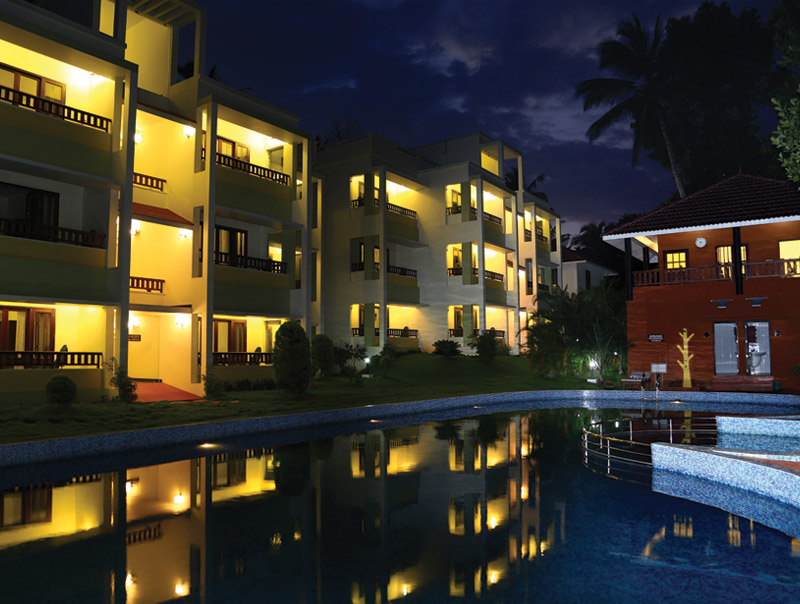
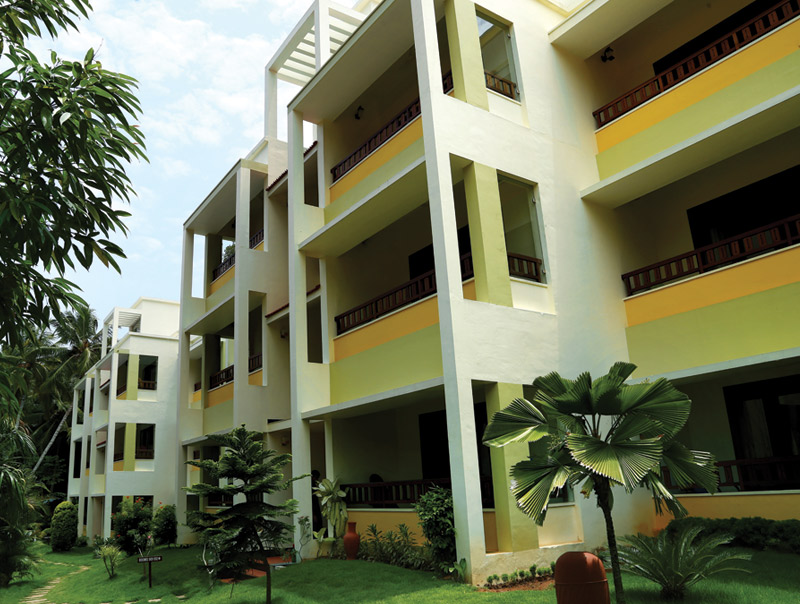
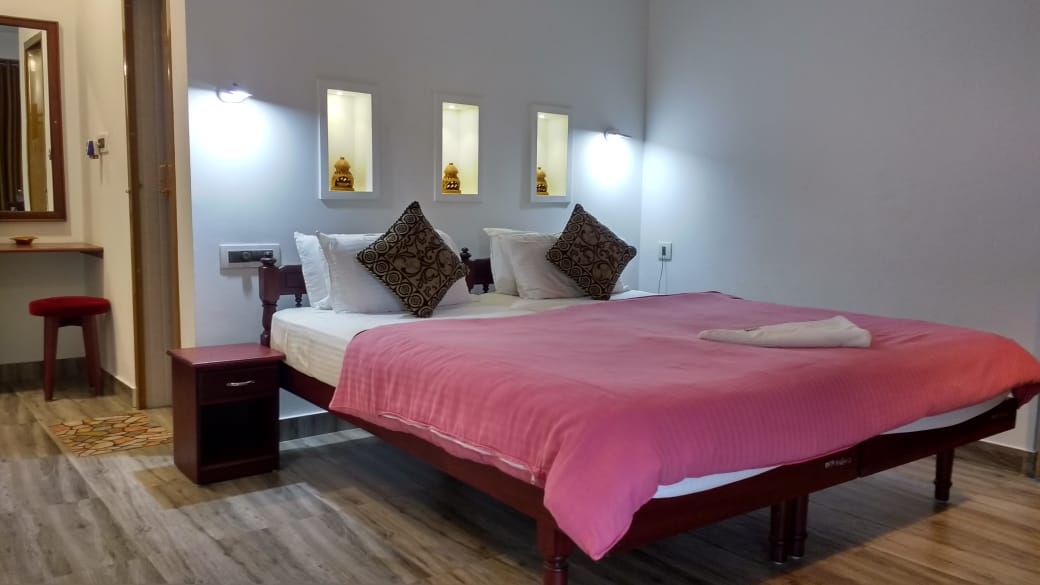
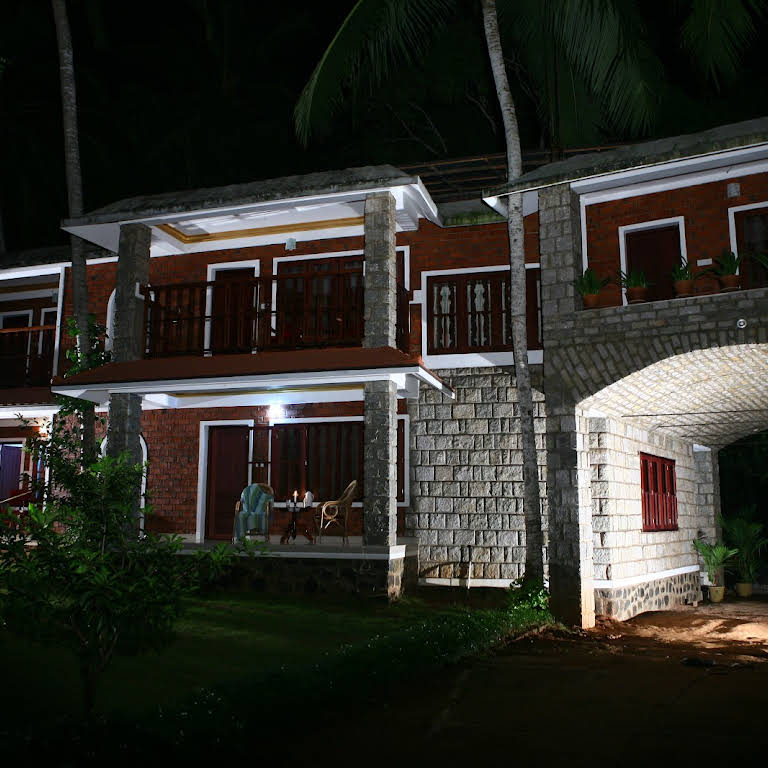
Dr Franklin’s Panchakarma Institute and Research Centre provides residential accommodation integrated with its treatment operations. Documented accommodation categories include Kerala Cottages, Deluxe Rooms, Standard Rooms and Panchakarma Huts, with both air-conditioned and non-air-conditioned options recorded. Earlier accommodation descriptions also identify separate cottage and room areas, while Panchakarma huts are described as independent units intended to provide a more private residential setting.
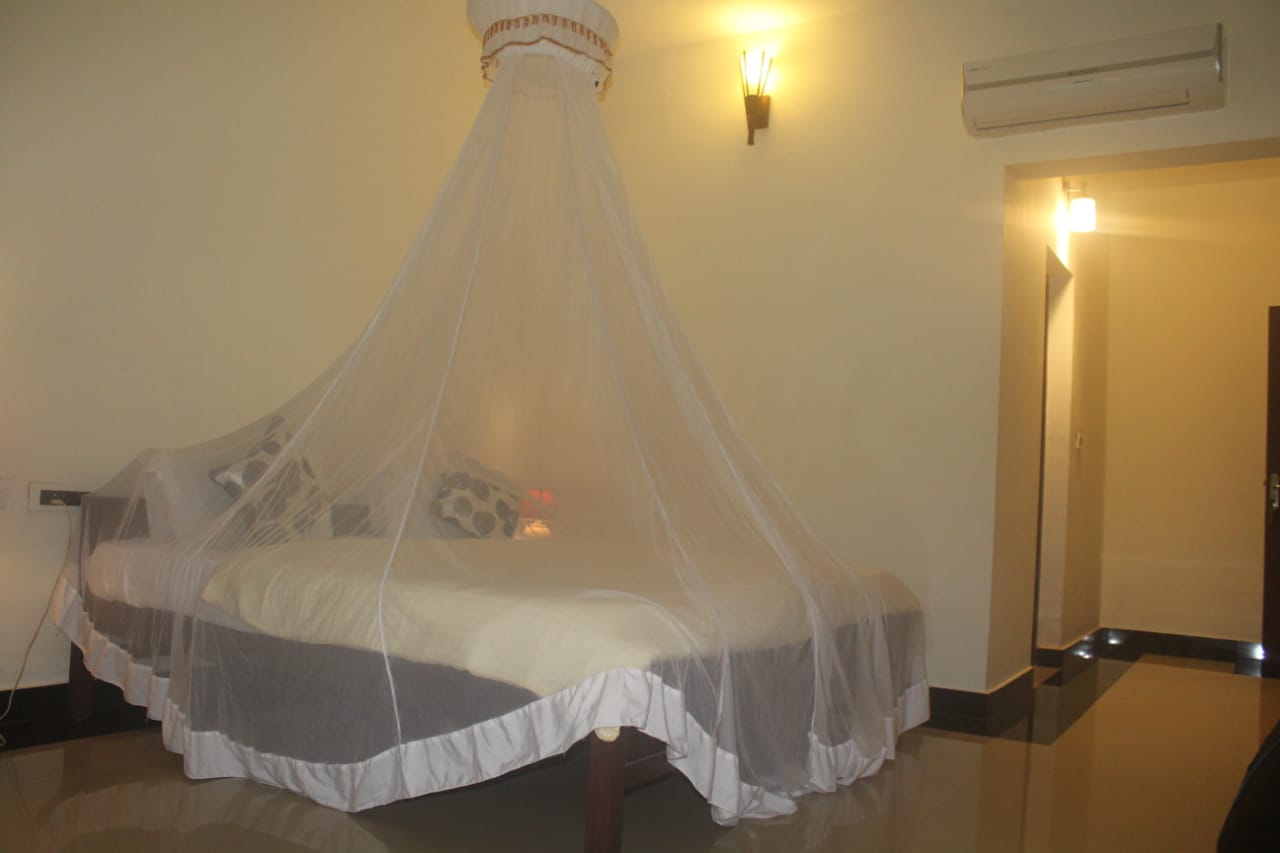
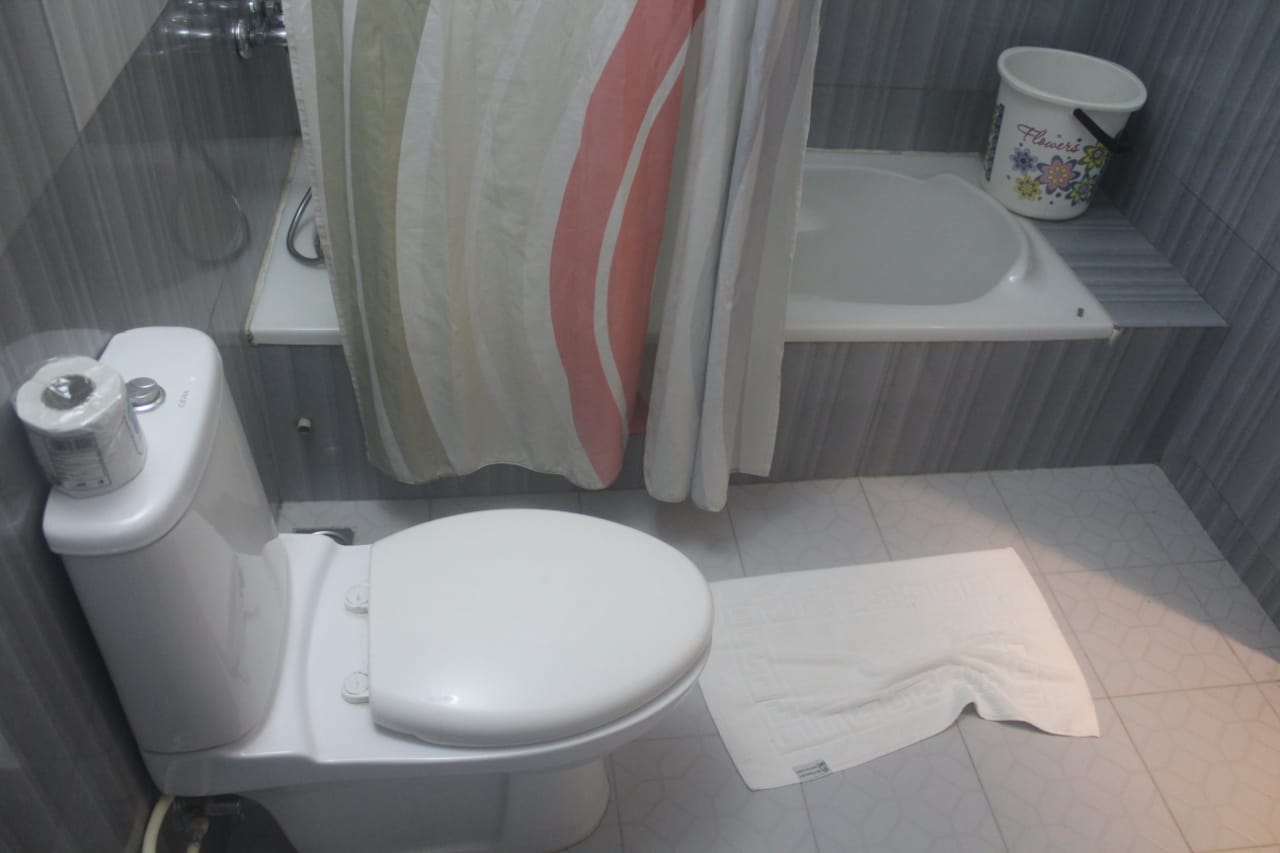
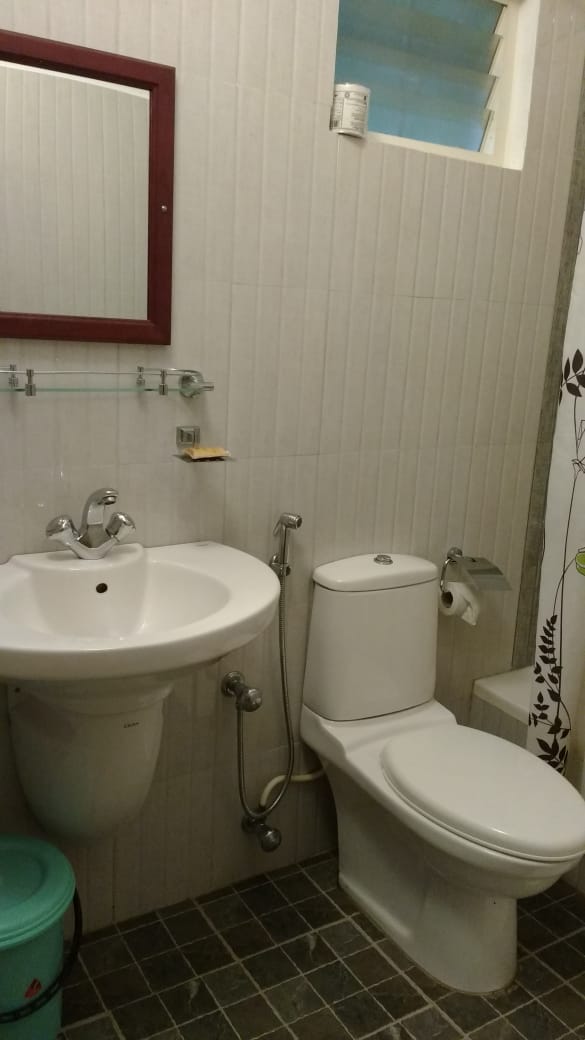
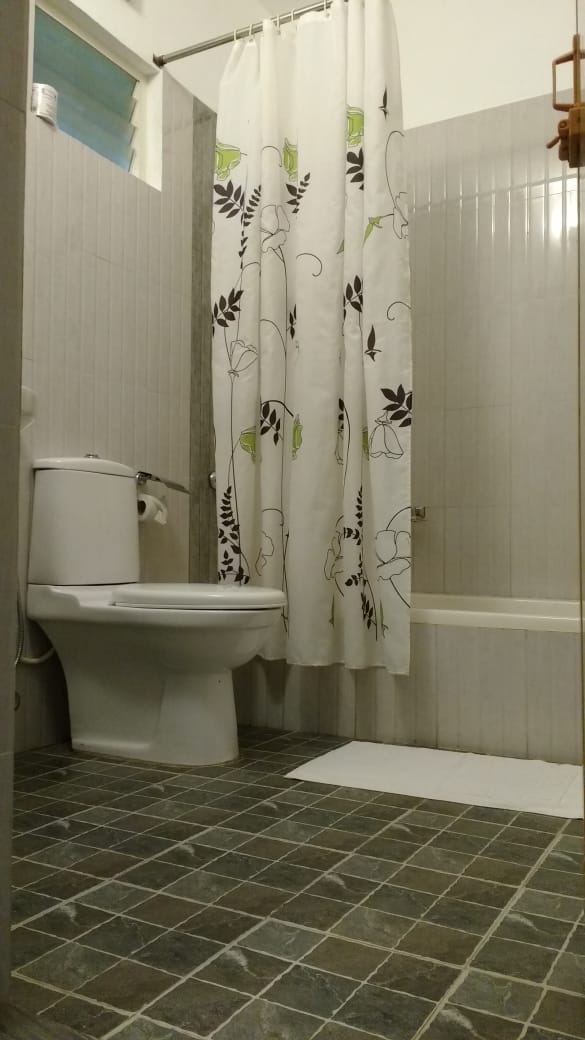
Accommodation is designed around extended treatment stays rather than conventional short-break hospitality. Property information identifies rooms and cottages with ensuite bathrooms, garden-facing surroundings and selected modern conveniences such as television, telephone and Wi-Fi, with air-conditioned options available. Some accommodation areas are associated with garden or pool views. Published sources give differing historical room totals, ranging from 56, 60, 67 and 69 rooms, and therefore no single inventory figure is retained here as an authoritative current total.
Diet and Dining
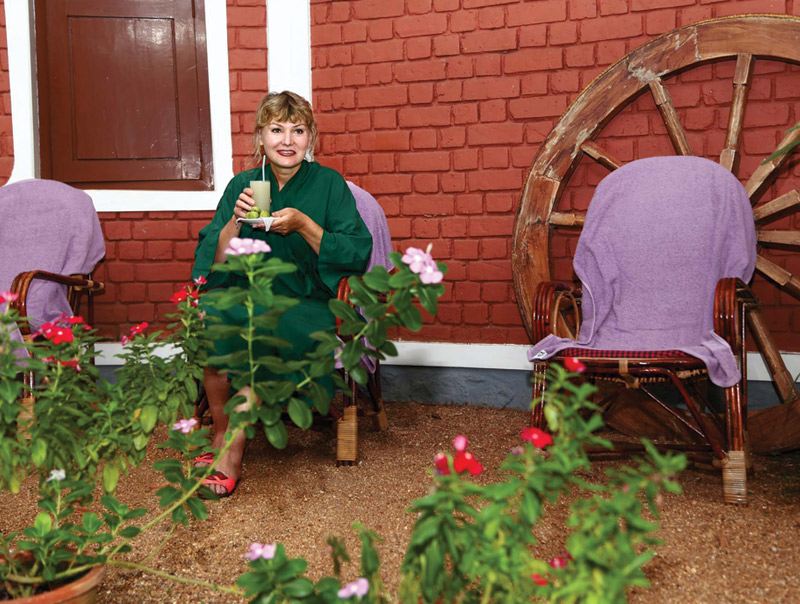
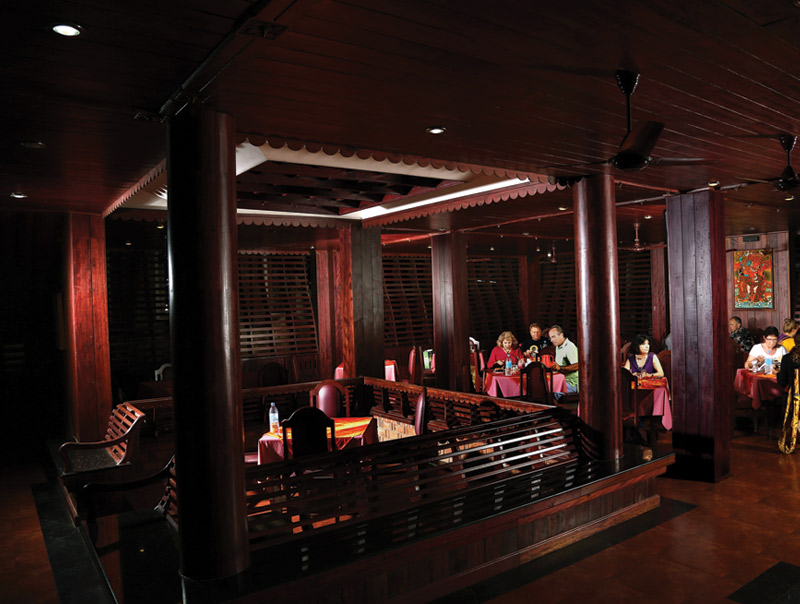
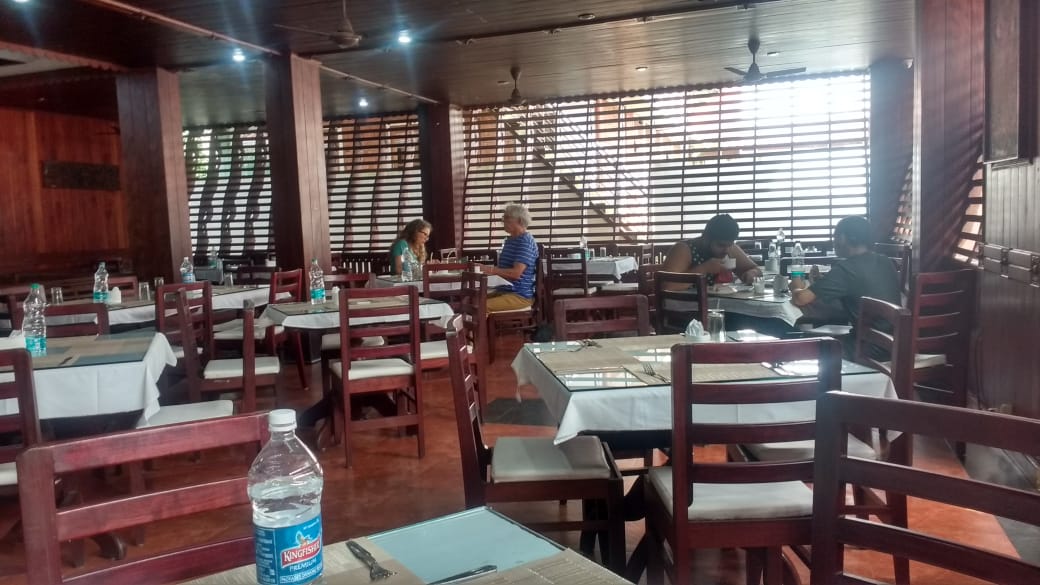
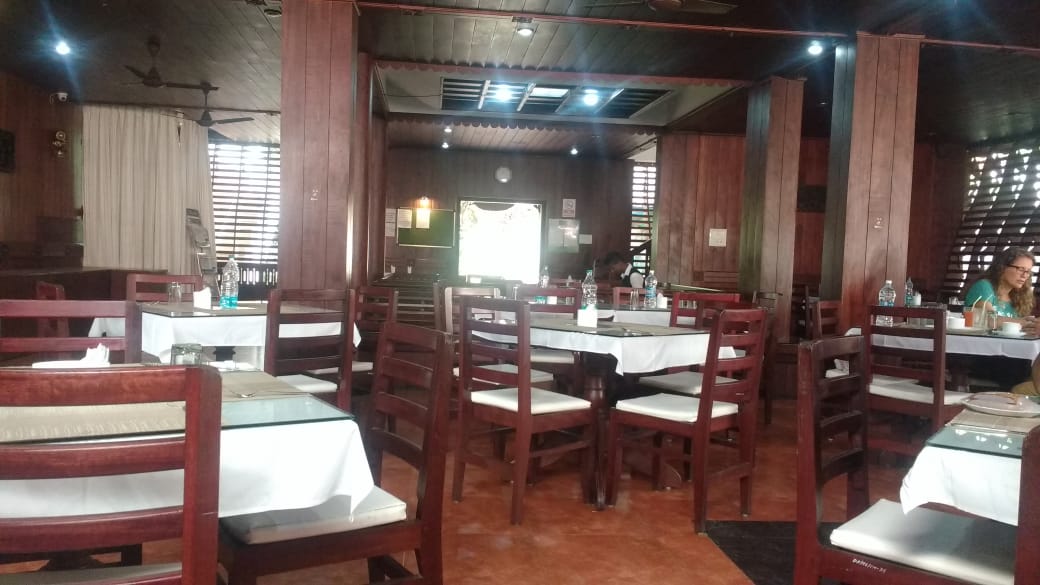
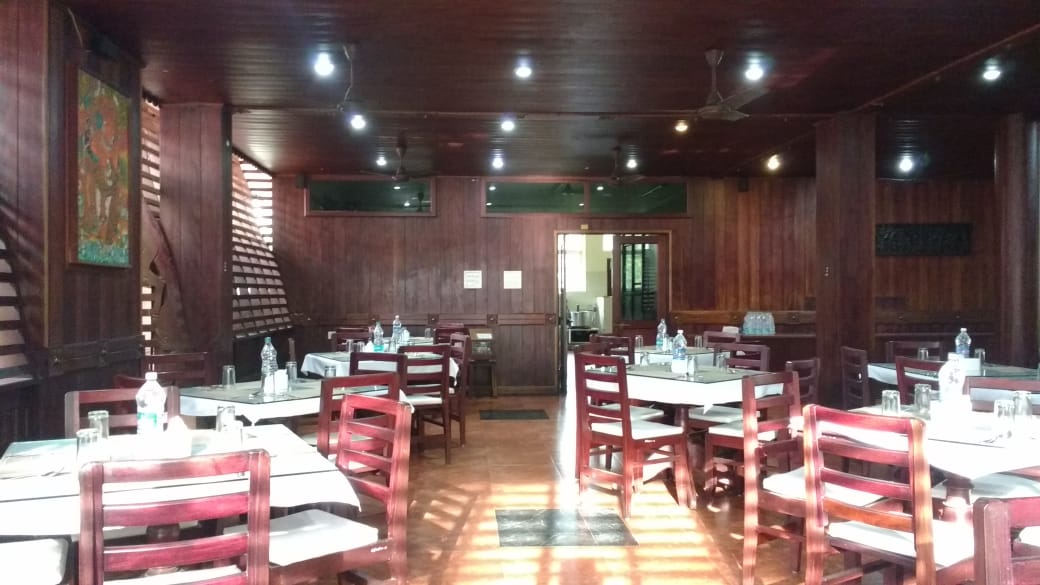
The centre operates an Ayurvedic vegetarian restaurant serving vegetarian meals as part of its residential treatment model. Historical property information identifies breakfast, lunch and dinner within the Ayurvedic vegetarian dining arrangement, while more recent programme information describes full-board Ayurvedic food for residential guests and dietary planning linked to individual treatment requirements. The cuisine is therefore positioned as an integral component of the treatment environment rather than as conventional resort dining.
The dietary approach is associated with Ayurvedic principles and individual requirements, with programme information referring to food adapted according to dosha and treatment needs. The centre has also provided an Ayurvedic cooking course, and Kerala Tourism lists Ayurveda and Yoga education among its institutional activities. Historical property records additionally identify an Ayurvedic vegetarian restaurant as a dedicated facility, supporting the centre's emphasis on food as part of Ayurvedic lifestyle management.
Wellness Activities
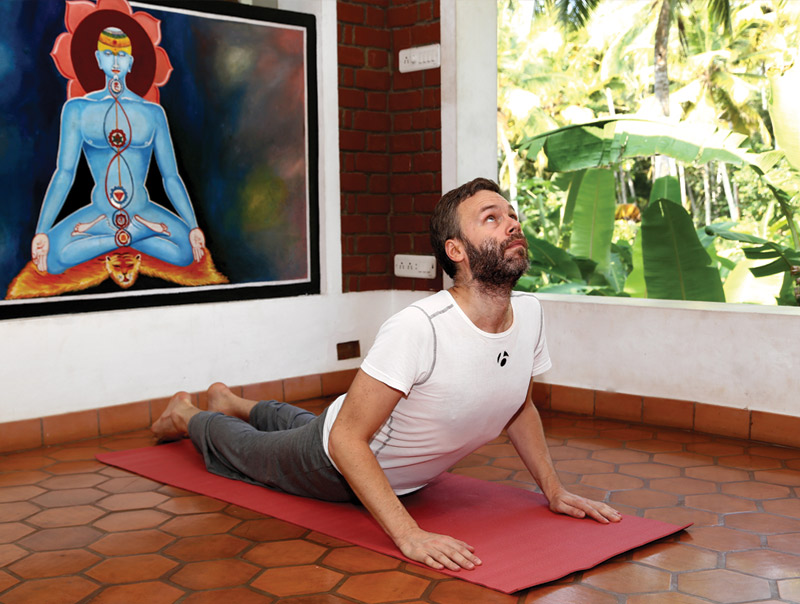
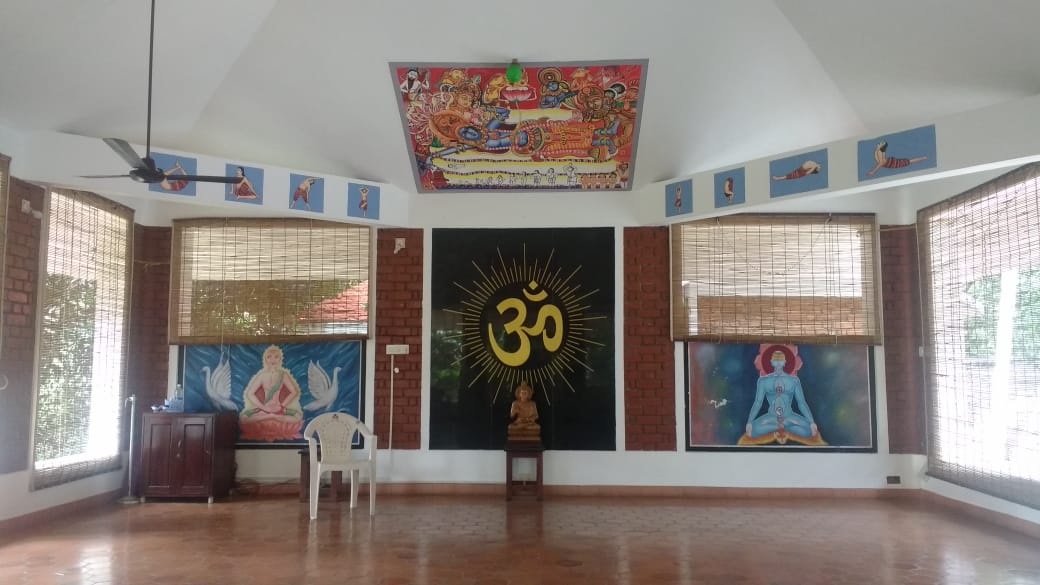
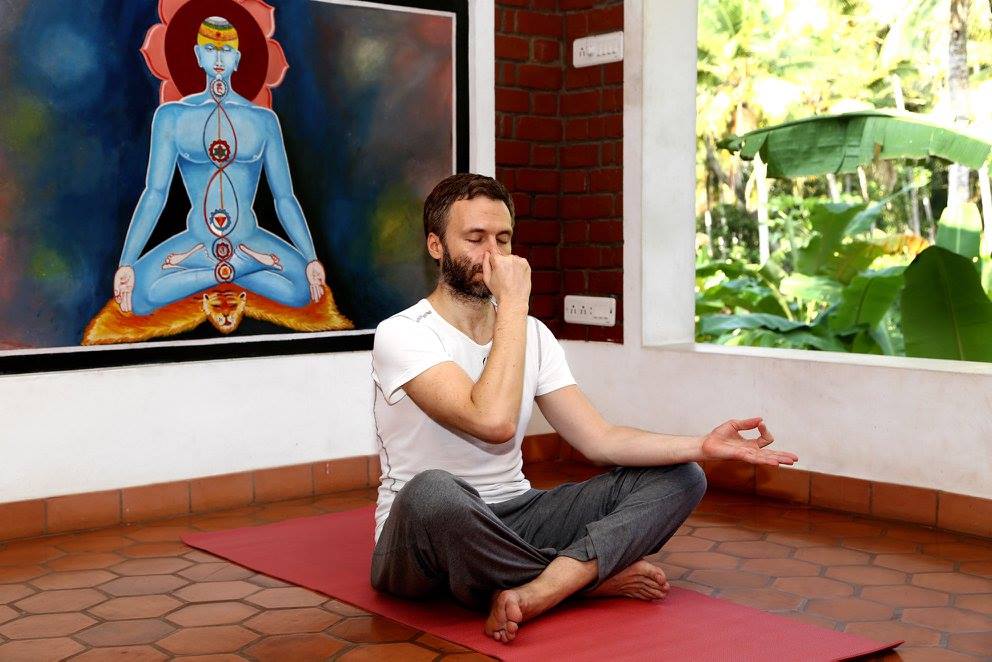
Yoga and meditation are established components of the centre's wellness offering, with regular Yoga sessions conducted in the morning and private Yoga sessions available on request. The current official website identifies Asana, Pranayama, Mantra and Yoga Nidra within its Yoga content. Meditation is integrated with the Yoga offering and with selected treatment programmes, particularly the stress-management pathway.
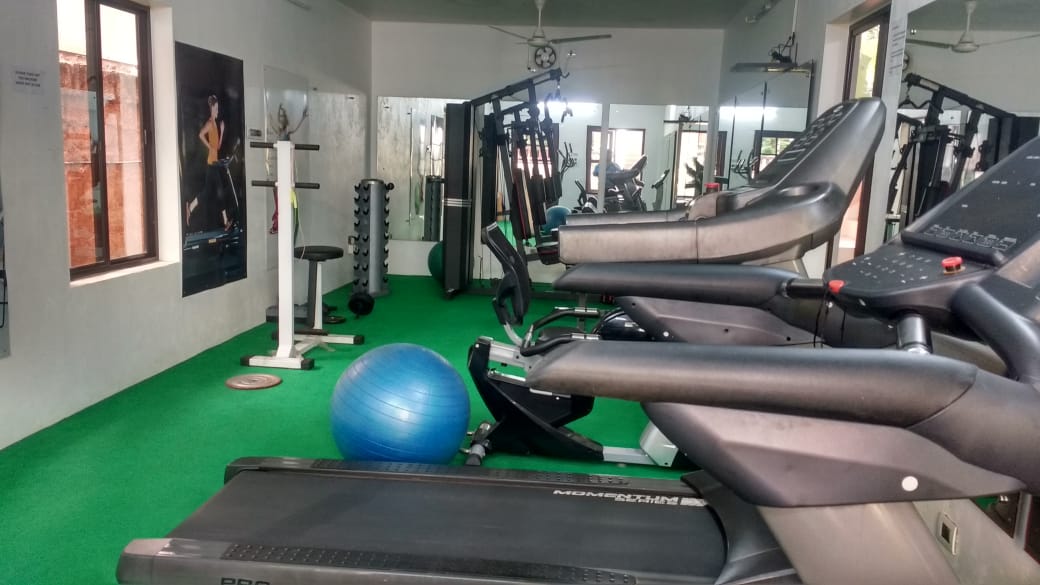
The property also supports wellness activities beyond formal therapy, including access to its swimming pool, walking areas, gardens and fitness facilities. Historical information records cultural programmes, martial arts and traditional art activities, as well as dance and musical-instrument classes on demand. Kerala Tourism additionally recognises the centre as a training institution for Ayurveda and Yoga. The surrounding Chowara environment provides access to the beach, while a travel desk has historically supported sightseeing and backwater excursions for guests whose treatment schedules permit such activities.
Facilities and Services
The centre's core facilities include Ayurvedic treatment rooms, Yoga and meditation facilities, an Ayurvedic vegetarian restaurant, Ayurvedic pharmacy and medicine-manufacturing unit, residential accommodation and a swimming pool. Historical records also identify ECG and laboratory investigation facilities, a library, Internet facilities, a travel desk and cultural activity areas. Separate treatment facilities and Panchakarma huts are associated with the residential and therapeutic infrastructure.
Guest-support services have historically included airport and railway-station transfers, translators on request, international telephone facilities, travel assistance and sightseeing arrangements. The centre's published contact information gives operating hours of 8:00 am to 5:00 pm daily, while historical material records 24-hour doctor availability. The current official website lists Thiruvananthapuram International Airport at approximately 18 km, Thiruvananthapuram Central Railway Station at 22 km, and Kochi International Airport at approximately 238 km from the centre.
Sustainability and Guest Guidelines
The property has been described in external operational listings as incorporating eco-friendly practices, a herbal garden and in-house-grown vegetables, although these details are not currently documented with sufficient specificity on the official website to establish the present scope of the initiatives. The centre's use of its own medicine-manufacturing unit and pharmacy forms part of its traditional treatment infrastructure, enabling selected oils and herbal preparations to be produced for therapeutic use.
Guest conduct is closely connected with the treatment environment. External programme information records restrictions on smoking, alcohol and food brought from outside, reflecting the centre's Ayurvedic residential model. Treatment stays are structured around medical care, prescribed diet and therapeutic activities, and guests are expected to follow the instructions associated with their individual treatment plans. Exact current check-in, check-out, cancellation, visitor, child, accessibility and medical-emergency policies require confirmation directly with the centre before publication as formal WellnessLoka policy information.
Guest Experience and Stay Approach
The stay model at Dr Franklin’s Panchakarma Institute and Research Centre is centred on residential Ayurvedic treatment rather than conventional leisure hospitality. Guests remain within an environment where medical consultation, prescribed therapies, Ayurvedic food, Yoga, meditation and periods of rest form the principal rhythm of the stay. Panchakarma and other therapeutic programmes are designed for extended residential periods, with documented offerings ranging from approximately two weeks to longer customised stays.
The coastal setting of Chowara, proximity to the beach, landscaped grounds, swimming pool and recreational facilities provide opportunities for relaxation between treatments, while the centre's educational activities, cooking courses and cultural programmes add a learning dimension to longer stays. Its distinguishing character lies in the combination of a long-established Ayurvedic family lineage, doctor-led Panchakarma, residential treatment infrastructure, Ayurvedic dining and Yoga-based wellness practices within a single centre.
-
 24 * 7 Ayurvedic Doctor
 -
 24 * 7 Security
 -
 Airport Transfers ( Complimentary )
 -
 Ayurveda Cooking Demo Class
 -
 Basic Ayurveda Toiletries
 -
 Dosha Meals Buffet
 -
 Exclusive Ayurveda Property
 -
 Facilities For Disabled Guests
 -
 Free Wifi
 -
 Green Leaf
 -
 Property Constellation : Mixed
 -
 Reimbursement Indian Insurance Support
 -
Retreat Size- Medium
-
 Swimming Pool
 -
 Therapy: Double Therapist
 -
 TV
TV -
 Vegetarian Restaurant
More about Dr Franklins Panchakarma Institute and Research Centre
Dr Franklin’s Panchakarma Institute and Research Centre follows an Ayurvedic dietary approach in which food forms an integral part of the residential treatment experience rather than functioning simply as a conventional hospitality service. The property operates an Ayurvedic vegetarian restaurant providing the principal meals for residents, with breakfast, lunch and dinner forming the regular dining structure. Meals are prepared according to Ayurvedic principles and are intended to complement the therapeutic process, particularly during Panchakarma and other structured treatment programmes. The dietary approach is centred on vegetarian food, with meal choices adapted where required to the individual's treatment plan, constitution and health requirements.
The dining system is closely connected with the centre's wider Ayurvedic philosophy, which places importance on digestion and appropriate food habits in maintaining physiological balance. During residential programmes, guests follow the prescribed dietary regimen rather than selecting food solely according to conventional restaurant preferences. The centre has also been associated with Ayurvedic cooking education, including instruction in the preparation of traditional health-oriented dishes and the principles underlying Ayurvedic nutrition. The property has historically maintained an Ayurvedic pharmacy and medicine-manufacturing facility, further integrating food, herbal preparations and therapeutic care within its residential Ayurveda model.
Dr Franklin’s Panchakarma Institute and Research Centre provides leisure opportunities that complement its residential Ayurvedic treatment environment, allowing guests to spend restorative periods between consultations and therapies without moving away from the property. The centre features a swimming pool, landscaped outdoor areas and garden spaces that provide opportunities for quiet relaxation. Its location in Chowara, South Kovalam, places the property close to the Arabian Sea and Chowara Beach, with the beach accessible within walking distance. The tropical surroundings support gentle walks and periods of outdoor rest, while the relatively tranquil setting is suited to longer Ayurvedic stays where relaxation is integrated with the treatment schedule.
Leisure activities extend beyond passive relaxation into cultural and wellness-oriented experiences. The property has historically offered cultural programmes, traditional arts, martial arts, dance and musical-instrument activities, with certain activities arranged according to availability or on request. Guests can also participate in Yoga and meditation, which form an established part of the centre's wellness environment rather than being treated solely as recreational activities. A library provides an additional quiet space, while historical guest services have included a travel desk capable of arranging local sightseeing and backwater excursions for guests wishing to explore Kerala between treatment commitments. Leisure activities are intended to remain compatible with the individual's Ayurvedic treatment schedule, particularly during intensive Panchakarma programmes.
Ayurveda forms the central therapeutic and experiential foundation of Dr Franklin’s Panchakarma Institute and Research Centre. The centre follows the traditional Ayurvedic approach to maintaining health, supporting longevity and addressing physical and functional imbalances through personalised treatment, diet, lifestyle and herbal therapies. Its core therapeutic focus is Panchakarma, with treatment planning undertaken after consultation and assessment by an Ayurvedic physician. Depending on the individual’s constitution, health condition and treatment objectives, therapies may incorporate preparatory procedures such as Snehana and Swedana, followed by appropriate Shodhana therapies including Vamana, Virechana, Nasya, Snehavasthi and Kashaya Vasthi. The centre also provides a broad range of classical external therapies, including Abhyanga, Pizhichil, Kizhi, Gnavarakizhi, Dhara, Kadi Vasthi, Sirovasthi, Udwarthanam and medicated steam treatments. Specialised residential programs address objectives such as rejuvenation, body purification, slimming and weight management, diabetes care, spine and musculoskeletal wellness, stress management and general revitalisation. The centre also maintains an Ayurvedic pharmacy and medicine-manufacturing facility, supporting the use of traditional herbal preparations within its treatment approach.
Yoga is integrated into the centre’s broader Ayurvedic wellness environment and is used to complement physical treatment, relaxation and lifestyle correction. Regular morning Yoga sessions are offered, while private Yoga instruction can also be arranged on request. Sessions incorporate traditional practices such as Asana, Pranayama, Mantra and Yoga Nidra, allowing guests to work progressively with physical movement, breath regulation, concentration and deep relaxation. Yoga may be incorporated into residential wellness programs, particularly those addressing stress, weight management and overall physical and mental balance, with the level of practice adapted to the guest’s individual needs and treatment schedule.
Meditation is presented as an important complementary component of the centre’s holistic approach, working alongside Ayurveda and Yoga to encourage mental relaxation, concentration and inner calm. Meditation practices are incorporated into wellness-oriented stays and may be combined with Pranayama, Mantra and Yoga Nidra to create a more complete mind-body relaxation routine. The centre’s approach treats Yoga and meditation as supportive practices within the wider Ayurvedic regimen, helping guests maintain a quieter and more disciplined daily rhythm while undergoing treatment. The combination of physician-guided Ayurveda, therapeutic procedures, Yoga, meditation, appropriate diet and periods of rest creates an integrated wellness environment designed to support both the therapeutic process and longer-term lifestyle awareness.
Rejuvenation Program
Panchakarma Program
Stress Management Program
Body Purification Program
Dr Franklins Panchakarma Institute and Research Centre boasts a strong track record of positive customer feedback, reflecting the exceptional quality of its services and the satisfaction of its patrons.
- Reimbursement Indian Insurance Support
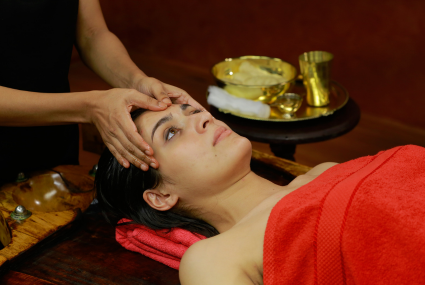
Chronic Headache Treatment
Headache is one of the most universal human experiences. Over 90 percent of adults experience at least one headache in any given year, and for a substantial proportion the experience moves from being an occasional inconvenience to a recurrent or chronic presence shaping daily life. The patterns are many: the dull tight band of a tension-type headache after a long working day; the cervicogenic headache that follows neck strain or hours at a computer; the sinus headache that arrives with seasonal infection or allergic flare; the cluster headache that strikes with devastating intensity in carefully timed attacks; the medication-overuse headache that develops paradoxically from too-frequent analgesic use; the secondary headache pointing to another underlying condition. Migraine, with its distinctive throbbing, photophobia, aura features, and specific pathophysiology, is addressed separately in a dedicated condition page given its specific clinical character. Across the other patterns covered here, the common thread is the disruption of one of the body's most fundamental capacities — clear, comfortable cognition — and the wearying frequency with which the head becomes the focal point of daily distress. The clinical picture varies substantially by type, and accurate identification of the specific headache pattern is the foundation of effective treatment. Tension-type headache — the most common form globally — presents as bilateral, pressing or tightening pain of mild to moderate intensity, often described as a "band around the head" or pressure across the forehead and temples, typically without nausea, marked photophobia, or phonophobia, lasting 30 minutes to several hours, and frequently linked to stress, posture, eye strain, and sleep disturbance. Cervicogenic headache originates from cervical spine and surrounding musculature, with pain often unilateral, radiating from the occiput forward, worse with neck movement or sustained postures, and frequently associated with neck stiffness and tenderness. Sinus headache accompanies acute or chronic sinusitis, with frontal, maxillary, or facial pressure-pain worse on bending forward, typically with nasal congestion and post-nasal drip. Cluster headache, though less common, strikes in distinctive groups of attacks — severe unilateral periorbital pain with autonomic features (lacrimation, nasal congestion, eyelid drooping) lasting 15 minutes to 3 hours, often with circadian timing, predominantly affecting men. Medication-overuse headache develops paradoxically in patients using analgesics or migraine-specific medications more than 10 to 15 days per month, transforming into a chronic daily headache that resolves only with structured medication withdrawal. Secondary headaches signal underlying conditions ranging from benign causes (eye strain, dental issues, sleep apnea, hypertension) through serious causes (raised intracranial pressure, meningitis, vascular disorders, intracranial tumours) that require urgent evaluation. Modern medicine offers a clear and increasingly sophisticated management framework. For acute symptom relief, simple analgesics (paracetamol, NSAIDs) for mild-to-moderate tension-type headache; triptans for cluster headache; oxygen therapy for cluster attacks; specific approaches for each subtype. For chronic patterns, preventive medications including beta-blockers, tricyclic antidepressants (amitriptyline), anti-epileptics (topiramate, sodium valproate), and the newer CGRP monoclonal antibodies have transformed migraine prevention and increasingly support other headache subtypes. Physiotherapy and posture correction for cervicogenic and tension-type patterns. Treatment of underlying causes for sinus headache, hypertension-related headache, and other secondary causes. Structured withdrawal for medication-overuse headache. Sleep apnea evaluation and treatment where indicated. These approaches are essential, often substantially effective, and the foundation of headache management. Critical clinical guidance bears clear statement: any headache with red-flag features — sudden severe "thunderclap" onset, new headache after age 50, progressive worsening rather than stable recurrent pattern, fever or systemic illness, neurological symptoms (weakness, numbness, visual changes, speech difficulty, confusion, seizure), head trauma history, immunocompromised state, severe persistent vomiting, or headache awakening from sleep — requires urgent medical evaluation, not retreat-based care. Yet for many patients with chronic recurrent tension-type, cervicogenic, sinus, and mixed-pattern headaches, treatment plateaus after initial response. The daily analgesics raise concerns about gastric and renal effects and the risk of medication-overuse headache developing on top of the original pattern. The preventive medications often produce side effects — sedation, weight changes, cognitive blunting — that themselves affect quality of life. The trigger avoidance becomes progressively restrictive, narrowing daily life around what the head can tolerate. The broader question — what's driving the underlying pattern, why is my head chronically reactive to triggers that other people tolerate, and how do I rebuild resilience rather than just managing each episode — frequently goes unanswered by surface treatment alone. This is where Ayurveda offers a thoughtful, clinically grounded contribution that integrates particularly well with modern neurological care. Classical Shirashoola (head pain) is described in extraordinary detail across the foundational texts — Sushruta Samhita, Charaka Samhita, Ashtanga Hridaya, and Madhava Nidana — with eleven sub-types distinguished by doshic predominance, clinical presentation, and prognosis. This level of nosological detail represents one of the most sophisticated headache classifications in any ancient medical tradition, and remarkably maps onto the modern subtypes ophthalmology and neurology recognise today. The classical recognition that headache is not one condition but a spectrum of distinct entities — each requiring different therapy — is precisely the framework modern headache medicine has converged upon. By identifying the specific doshic pattern of the individual patient (Vataja, Pittaja, Kaphaja, Sannipataja, or one of the more specific sub-types like Suryavarta or Anantavata), providing direct head-and-nervous-system therapies through Shirodhara, Nasya, Shirolepa, and Shirobasti, addressing the systemic and neurological background through doshic-specific Panchakarma, calming the Vata-driven nervous-system reactivity that underlies much of chronic headache through Medhya Rasayana, clearing the gut-brain-axis Ama contributions, and rebuilding sleep and stress resilience over time, Ayurvedic care offers a meaningful complement to neurological management — particularly for chronic recurrent patterns where surface treatment has plateaued. A Headache treatment retreat is best understood as a comprehensive integrative care program — a medically supervised, deeply personalised period of Ayurvedic care designed for patients with chronic recurrent headache (excluding migraine, which is addressed separately), undertaken after appropriate medical evaluation has clarified the diagnosis and excluded sinister causes, alongside continued neurological care where indicated. What is Headache? Headache (cephalalgia) is pain or discomfort in the head, scalp, or upper neck. The International Classification of Headache Disorders (ICHD-3) categorises headaches systematically into primary headaches — where headache itself is the disorder — and secondary headaches, where headache is symptomatic of another underlying condition. This distinction is foundational to safe and effective management. Principal types covered in this page (excluding migraine, addressed separately in a dedicated condition page) include: Tension-Type Headache (TTH) — The most common primary headache globally. Presents as bilateral, pressing or tightening pain of mild to moderate intensity, typically without nausea, with at most mild photophobia or phonophobia (not both), not aggravated by routine physical activity. Episodic TTH occurs fewer than 15 days per month; chronic TTH occurs 15 or more days per month for more than 3 months. Linked to stress, sleep disturbance, posture, eye strain, dehydration, and missed meals. Cervicogenic Headache — Secondary headache arising from cervical spine and surrounding structures (muscles, joints, ligaments, nerves). Pain is referred to the head from the neck, often unilateral, radiating from the occiput forward to the frontal or orbital region, worse with sustained neck postures, sudden neck movements, or pressure on specific cervical structures. Common in patients with desk-bound occupations, smartphone-related posture issues, and previous neck injury. Sinus Headache — Secondary headache accompanying acute or chronic sinusitis. Frontal, maxillary, or facial pressure-pain worse on bending forward or lying down, typically with associated nasal congestion, post-nasal drip, and often facial tenderness over affected sinuses. Many headaches diagnosed as "sinus" are actually migraine or tension-type with concomitant sinus symptoms — proper ENT evaluation distinguishes true sinus-driven headache from these mimics. Cluster Headache — A trigeminal autonomic cephalalgia producing severe unilateral periorbital, supraorbital, or temporal pain in clustered attacks. Each attack lasts 15 minutes to 3 hours, with autonomic features on the same side as the pain (lacrimation, conjunctival injection, nasal congestion or rhinorrhoea, eyelid oedema, ptosis, miosis, sweating), restlessness or agitation during attacks (distinguishing from migraine where patients seek dark quiet rooms). Episodic cluster headache occurs in cluster periods lasting weeks to months separated by remission; chronic cluster headache has periods of less than one month without attacks. Predominantly affects men. Medication-Overuse Headache (Rebound Headache) — Chronic daily headache developing in patients using simple analgesics for more than 15 days per month, or triptans, ergotamines, opioids, or combination analgesics for more than 10 days per month, over a period exceeding three months. The headache pattern becomes chronic and refractory until the overused medication is withdrawn — itself a difficult process often involving worsening before improvement. Chronic Daily Headache — Headache occurring 15 or more days per month for more than 3 months. Often represents a combination of chronic tension-type headache, medication-overuse headache, or chronic migraine, and requires careful disentanglement of contributing factors. Hypnic Headache — Rare primary headache exclusively awakening patients from sleep, predominantly in older adults. Exertional Headache — Triggered by physical exertion; primary exertional headache is benign but secondary causes must be excluded. Post-Traumatic Headache — Following head injury; can persist as chronic post-traumatic headache requiring specialised management. Headache Attributed to Disorders of Homeostasis — Including hypertensive headache, hypoxia-related headache, sleep apnea headache, and others. Secondary Headaches Requiring Urgent Evaluation — Headache from raised intracranial pressure, meningitis, encephalitis, subarachnoid haemorrhage, intracerebral haemorrhage, stroke, cerebral venous thrombosis, intracranial tumours, temporal arteritis (giant cell arteritis — important to recognise in older patients), idiopathic intracranial hypertension, low CSF pressure headache, and various other serious conditions where headache is the presenting symptom of underlying pathology requiring urgent diagnosis and treatment. Common symptoms vary by type but include head pain (with location, quality, and intensity varying), associated symptoms (nausea, photophobia, phonophobia, autonomic features depending on type), neck stiffness or pain, jaw and facial symptoms in some patterns, sleep disturbance both as cause and consequence of chronic headache, fatigue, cognitive impact ("brain fog" during and between attacks in chronic patterns), and significant impact on work, family, and social life. Risk factors and triggers across the headache spectrum include genetic predisposition (particularly for migraine and cluster headache), stress and emotional disturbance, sleep disruption (both insufficient and excessive), dehydration, missed or delayed meals, hypoglycaemia, eye strain (uncorrected refractive errors, prolonged screen use), poor posture and ergonomics (particularly relevant to cervicogenic and tension-type patterns), neck and shoulder muscle tension, hormonal changes (menstruation, menopause, hormonal medications), weather and atmospheric pressure changes, certain foods (aged cheese, chocolate, processed meats, MSG, alcohol particularly red wine in susceptible individuals), caffeine excess and withdrawal, environmental triggers (strong smells, noise, bright lights), medication overuse, sinus and dental conditions, sleep apnea, hypertension, and individual constitutional factors. Diagnosis is fundamentally clinical, based on detailed history (the single most important diagnostic tool in headache medicine), thorough examination including neurological and musculoskeletal assessment, and where indicated neuroimaging (CT or MRI) to exclude secondary causes, blood tests for inflammatory markers (particularly important to exclude temporal arteritis in patients over 50), and other investigations specific to the suspected cause. The IHS (International Headache Society) ICHD-3 criteria provide systematic frameworks for accurate primary headache diagnosis. Any headache requires medical evaluation when red-flag features are present, when the pattern is new or progressively worsening, or when the diagnosis is unclear. Understanding Shirashoola: The Ayurvedic Root of Headache In Ayurveda, headache is described with remarkable clinical sophistication as Shirashoola (head pain) or under the broader category of Shiroroga (diseases of the head), with classical texts identifying eleven sub-types based on doshic predominance and clinical presentation. The fact that ancient Ayurveda developed an eleven-fold headache classification — when modern neurology took until the 1980s to develop its detailed sub-typing — represents one of the more striking examples of classical clinical observation and is worth pausing on. The recognition that "headache" is not one condition but a spectrum requiring different therapy for different sub-types is precisely the framework modern headache medicine has converged upon. The principal sub-types in classical Ayurveda include: Vataja Shirashoola — Severe pain often described as throbbing, pricking, or tearing in character, frequently affecting one side, worse with cold, dryness, and stress, often eased by warmth, oil application, and rest. Associated features include anxiety, restless sleep, dryness of eyes and mouth, neck stiffness, and a sense of nervous system reactivity. Aggravated by exposure to cold winds, irregular meals, sleep deprivation, suppression of natural urges, and chronic stress. Corresponds clinically to tension-type headache with marked Vata features, anxiety-driven headache, post-fasting headache, dehydration headache, and certain neuralgia-type presentations. Pittaja Shirashoola — Burning, hot, fiery pain often associated with redness of the eyes, marked photophobia and sensitivity to bright light, nausea, dizziness, sweating, a sensation of heat radiating from the head. Significantly aggravated by sun exposure, hot environments, hot and spicy foods, alcohol, and anger. Often worse during midday and summer. Corresponds clinically to sun-related and heat-induced headache, certain inflammatory headache patterns, fever-associated headache, and headache with significant Pitta-driven autonomic features. Kaphaja Shirashoola — Heavy, dull, congested pain with a sensation of fullness or heaviness in the head, often accompanied by nasal blockage, post-nasal mucus, watering of the eyes, and overall heaviness. Aggravated by cold and damp environments, morning hours (when Kapha is naturally elevated), heavy and oily foods, and excessive sleep. Eased by warm applications and Kapha-clearing therapies. Corresponds clinically to sinus headache, allergic rhinitis-driven headache, chronic congestion-related headache, and headache patterns linked to weather changes affecting Kapha balance. Sannipataja Shirashoola — Mixed-dosha presentation with combined features from two or three doshas, often chronic and refractory, requiring multi-pronged therapy addressing each contributing dosha. Raktaja Shirashoola — Blood-vitiation driven headache with intense pain, inflammatory features, fever, and burning sensations. Corresponds to inflammatory and certain vascular headache presentations, headache from elevated blood pressure with marked vascular involvement, and post-viral inflammatory headache. Kshayaja Shirashoola — Depletion-driven headache associated with weakness, malnutrition, post-illness convalescence states, anaemia, or systemic depletion. Often described as a chronic dull aching pain with marked weakness and inability to tolerate normal stimuli. Corresponds to post-illness headache, headache in chronic fatigue patterns, and certain types of medication-overuse and chronic daily headache where depletion has become a dominant factor. Krimija Shirashoola — Worm or parasite-associated headache in classical understanding; broadly corresponds to headache from systemic infections, parasitic infestations, and certain chronic inflammatory conditions where infection contributes. Suryavarta — Headache with a distinctive diurnal pattern: it begins at sunrise, worsens through the morning, peaks around noon, and gradually eases by evening — paralleling the sun's intensity. Corresponds clinically to certain migraine and vascular headache patterns with diurnal rhythms, and headaches significantly aggravated by sun exposure. Anantavata — Severe pain on one side of the head, often extending to the eye, ear, and jaw on the same side, frequently associated with neck involvement. Corresponds to certain unilateral headache patterns including cervicogenic headache with significant trigeminal distribution, and certain trigeminal neuralgia-type presentations. Ardhavabhedaka — Hemicrania, half-side headache, with severe unilateral pain often with associated symptoms. Corresponds principally to migraine, which is addressed in its dedicated condition page given its specific pathophysiology and treatment requirements. Shankhaka — Severe acute headache localised to the temple regions with marked redness, burning, and inflammatory features, classically described as serious and rapidly progressive. Corresponds to severe acute headache with marked Pitta-Rakta features and certain inflammatory conditions requiring urgent attention. The core pathophysiological concepts shaping treatment include: Vata as the Primary Driver — Vata governs nervous-system function, and most chronic and recurrent headache patterns involve Vata aggravation, either alone or in combination with Pitta or Kapha. Vata's qualities of dryness, coldness, mobility, unpredictability, and rapid spread map naturally to the throbbing, fluctuating, triggered, and migratory character of recurrent headache. The widespread modern recognition that nervous-system hyperreactivity underlies much of chronic primary headache aligns directly with this classical Vata understanding. Tridoshic Involvement with Specific Sub-Type Predominance — All three doshas can contribute, and the specific clinical pattern depends on which dominates and how they interact. This dosha-specific sub-typing is essential — Vataja, Pittaja, and Kaphaja Shirashoola require distinctly different therapies, and applying generic headache treatment without sub-type identification produces inferior results. Shirah Dushti and Marma Involvement — The classical understanding involves vitiation of the head channels and disturbance of Shirah Marma (the vital head energy point in classical anatomy), with the broader concept that head pain reflects systemic doshic imbalance expressing through the most sensitive vital area of the body. Manyasthambha and Greeva Involvement (Neck and Cervical Spine) — Classical literature explicitly recognises the role of neck and upper back involvement in many headache patterns, particularly relevant to cervicogenic and tension-type headache where the cervical contribution dominates. The Ayurvedic therapy Greeva Basti specifically addresses this cervical-spine-to-head pain pathway. Ama and Mandagni (The Gut-Head Axis) — Weak digestive fire and metabolic toxin accumulation contribute to chronic headache patterns in classical understanding. The modern recognition of gut-brain axis contributions to chronic headache — particularly through inflammatory mediators, gut microbiome alterations, and food sensitivities — aligns precisely with this classical framework. Many patients with chronic headache experience meaningful improvement when gut function is restored through Deepana-Pachana, dietary correction, and Virechana. Manasika Bhava (Mental-Emotional Drivers) — Classical Ayurveda specifically identifies stress, anxiety, suppressed emotions, anger, grief, and chronic mental strain as drivers of Shirashoola — corresponding precisely to the well-documented stress-headache connection in modern neurology and the role of cognitive-behavioural therapy in chronic headache management. Ojas Kshaya in Chronic Disease — Years of chronic recurrent headache, disturbed sleep, repeated medication courses, and the systemic burden of chronic pain deplete Ojas — the body's vital essence and resilience reserve — contributing to the progressive worsening and reduced trigger tolerance many chronic headache patients describe. Specific Predisposing Nidana (Causes) — Classical texts identify factors that produce Shirashoola: excessive sun and heat exposure, exposure to cold winds and damp environments, suppression of natural urges (especially tears, sneezing, yawning — clinically relevant to headache provocation), dietary indiscretions and Viruddha Ahara (incompatible food combinations), excessive screen use and visual strain (described in classical terms as "atyaakshi-vyaapaara" — excess eye work), irregular daily routine and Dinacharya disturbance, emotional disturbance, and physical strain on the head and neck. The overlap with modern headache triggers is remarkable and supports the clinical relevance of classical dietary and lifestyle guidance. This comprehensive understanding shapes a thoughtful Ayurvedic approach to headache: identify the specific doshic sub-type as the foundation of all treatment selection — Vataja, Pittaja, and Kaphaja Shirashoola require fundamentally different therapeutic approaches; provide direct head-and-nervous-system therapies through Shirodhara (the cornerstone), Nasya, Shirolepa, and Shirobasti; address Vata-driven nervous-system reactivity through sustained Medhya Rasayana; clear Ama and address gut-brain dimensions through Deepana-Pachana and dietary correction; identify and modify specific Nidana (triggers, dietary factors, postural and ergonomic issues); address the stress and sleep dimensions through Shirodhara and structured practices; build long-term constitutional resilience through Rasayana — always alongside appropriate neurological evaluation and continued conventional care where indicated. The 3 Stages of Ayurvedic Treatment for Headache Ayurvedic care for Headache follows a carefully sequenced three-stage approach, adapted at every step to the specific Shirashoola sub-type, chronicity, severity, current medications, identified triggers, and overall constitution. The approach is consistently integrative — undertaken after appropriate medical evaluation has clarified the diagnosis and excluded sinister causes, alongside continued conventional care where indicated. 1. Preparation (Purva Karma) The preparatory stage begins with Deepana-Pachana (kindling the digestive fire and digesting Ama) to address the metabolic and gut-brain background that contributes substantially to chronic recurrent headache. Internal Snehana (oleation) with carefully selected medicated ghees appropriate to the doshic pattern provides systemic support and prepares the body for clearing therapies: Brahmi Ghrita for Vata-Pitta and Medhya support, Kalyanaka Ghrita for broad neurological balance, Mahatiktaka Ghrita for Pitta-dominant presentations with marked inflammation, Triphala Ghrita for general balancing. Gentle external Abhyanga with particular attention to the head, neck, shoulders, and upper back addresses the cervical and Vata-Kapha dimensions. Mild Swedana where appropriate to the doshic state. Foundational lifestyle measures established during this stage: ensuring adequate sleep, proper hydration, regular meal timing, identification and elimination of obvious triggers, and stress reduction. For patients with significant medication-overuse headache, the preparation stage includes structured planning for the medication withdrawal that core treatment will support. 2. Core Treatment (Pradhana Karma) Primary therapies focus on three coordinated lines of action: direct head-and-nervous-system therapy, doshic-specific systemic clearing, and Medhya Rasayana herbal therapy. Direct head therapies form the cornerstone: Shirodhara — The rhythmic, sustained pouring of medicated oil, buttermilk, or herbal decoctions over the forehead for a specified duration (typically 30 to 45 minutes per session, 7 to 14 sessions over the course of the retreat) is the single most important Ayurvedic therapy for chronic recurrent headache, particularly Vata-driven patterns. Oil selection is doshic-specific: Ksheerabala Taila or Brahmi Taila for Vata-Pitta presentations with anxiety and sleep disturbance; medicated buttermilk (Takradhara) for Pitta-dominant presentations with marked heat, irritability, and inflammation; specific medicated decoctions for Kapha-dominant presentations; Mahanarayana Taila for cases with significant musculoskeletal cervical contribution. The therapy produces profound nervous-system regulation, reduces sympathetic outflow, lowers chronic stress reactivity, and directly addresses the brain-headache connection that drives much of chronic primary headache. Nasya — Administration of medicated oils through the nasal passage provides direct access to the head channels. Marsha Nasya with appropriate medicated oils (Anu Taila, Shadbindu Taila for sinus involvement, specific medicated ghees for Vata-Pitta presentations) is performed in courses of 7 to 14 days. Pratimarsha Nasya (a gentler daily-use form) supports maintenance. Particularly valuable for sinus-related headache, chronic congestion-driven headache, and the broader Shirah Dushti dimension. Shirolepa — Medicated paste applications to the head with appropriate herbs (cooling sandalwood, Manjistha, Yashtimadhu-based pastes for Pitta-driven headache; warming Vata-pacifying pastes for cold-aggravated Vataja presentations) deliver direct local therapeutic action. Shirobasti — Retention of medicated oil on the head within a contained ring constructed on the scalp, typically used for refractory chronic headache and Vata-dominant presentations. The procedure provides deep, sustained therapy directly to the head over 30 to 45 minutes per session. Pichu — Medicated oil-soaked cotton pad applications to specific head Marma points, particularly Bhruh Madhya (between the eyebrows), provide targeted relief. Greeva Basti — Retention of medicated oil on the cervical spine and back of the neck addresses the cervicogenic and tension-type components, with particular value where neck involvement is significant. Doshic-specific Panchakarma runs alongside the direct head therapies. Virechana (therapeutic purgation) is the central clearing therapy for Pittaja Shirashoola, sun-aggravated headache, and any presentation with significant Pitta-Rakta involvement. Basti (medicated enema) is the central clearing therapy for Vataja Shirashoola, with Yapana Basti, Anuvasana Basti, and Niruha Basti protocols providing systemic Vata pacification. Vamana (therapeutic emesis) is selectively used for Kaphaja Shirashoola with significant Kapha-driven congestive presentation, in suitably strong patients under careful supervision. Cooling, Medhya, anti-inflammatory internal herbal formulations are administered throughout this stage based on doshic profile. 3. Rejuvenation (Paschat Karma) The final stage focuses on long-term resilience-building and prevention of recurrence through sustained Medhya Rasayana therapy with the classical nervous-system tonics — Brahmi (Bacopa monnieri), Mandukaparni (Centella asiatica), Shankhpushpi (Convolvulus pluricaulis), Jatamansi (Nardostachys jatamansi), Ashwagandha (Withania somnifera), and Yashtimadhu — that modulate nervous-system function, reduce stress reactivity, support sleep, and build long-term resilience to recurrent headache. Strict dietary discipline addressing identified triggers including Viruddha Ahara avoidance. Sleep restoration with structured sleep hygiene practices. Structured stress reduction and meditation, with pranayama practices (Bhramari particularly valuable for headache, Anulom Vilom for autonomic balance, Sheetali for Pitta cooling) taught for home practice. Posture correction and ergonomic education for cervicogenic and tension-type patterns. Eye care, screen-time management, and visual hygiene. For patients with medication-overuse headache, structured continuation of the withdrawal program with Ayurvedic support. Ongoing maintenance with prescribed Rasayana medicines and herbal formulations at preventive doses, with a clear home regimen designed to consolidate retreat gains over the months and years that follow. The 5 Core Therapies for Headache Explained 1. Shirodhara (The Cornerstone Therapy for Chronic Headache) Shirodhara is the single most important Ayurvedic therapy for chronic recurrent headache and represents the most clinically valuable component of an integrative Headache treatment program. The continuous, rhythmic pouring of medicated oil, buttermilk, or herbal decoctions over the forehead at a precise temperature and rate produces profound nervous-system regulation that directly addresses the brain-headache connection underlying much of chronic primary headache. The mechanism operates through several documented pathways: reduction of sympathetic nervous system outflow and stress reactivity; modulation of the HPA axis and cortisol-driven physiology; deep relaxation response affecting brain-wave patterns; direct soothing of cranial nerves and the trigeminal-vascular system implicated in many headache patterns; and progressive recalibration of the chronic hyperreactive nervous-system state that predisposes to recurrent headache. Oil selection is doshic-specific and clinically critical: Ksheerabala Taila or Brahmi Taila for Vata-Pitta presentations with anxiety and sleep disturbance; medicated buttermilk (Takradhara) for Pitta-dominant presentations with marked inflammatory features and heat; specific medicated decoctions for Kapha-dominant presentations; Mahanarayana Taila variants for cases with significant cervical-musculoskeletal contribution. Course typically 7 to 14 sessions over a retreat, with each session 30 to 45 minutes. Performed only in properly equipped centres with trained therapists, with appropriate temperature control and precise pouring technique. 2. Nasya (Nasal Administration of Medicated Substances) and Direct Head Channel Therapy Nasya supports the head-neck-sinus ecosystem and provides direct access to the channels of the head, addressing both local pathology and broader systemic dimensions. The nasal route is particularly valued in Ayurveda because the substances administered reach the head channels directly and have both local and systemic effects. Marsha Nasya with appropriate medicated oils delivered in courses provides primary therapy. Pratimarsha Nasya (gentler daily-use form) supports maintenance and home practice. Oil selection: Anu Taila for general head support and Vata-pacifying action; Shadbindu Taila particularly valuable for sinus-related headache and chronic congestion; specific medicated ghees and Bala-based preparations for Vata-Pitta presentations and Medhya support. The procedure clears the broader head and sinus channels, addresses any chronic allergic or post-nasal contributions to headache, and provides direct nervous-system support through the cranial-nerve and limbic connections accessed via the nasal route. 3. Doshic-Specific Panchakarma (Virechana, Basti, or Vamana as Appropriate) Unlike conditions where one Shodhana therapy dominates, headache care requires careful matching of the systemic clearing therapy to the specific Shirashoola sub-type — this differentiation is one of the most important clinical judgments in authentic Ayurvedic headache management. Virechana (therapeutic purgation) is the central therapy for Pittaja Shirashoola, sun-aggravated headache, and presentations with significant Pitta-Rakta involvement including certain hypertension-related headache. Performed with classical herbal purgatives carefully selected for Pitta-pacifying action, it clears systemic Pitta from the gut, liver, and circulation, reduces inflammatory mediator burden, and addresses the metabolic-inflammatory dimensions. Basti (medicated enema) is the central therapy for Vataja Shirashoola — providing deep systemic Vata pacification through a route that does not stress the nervous system or trigger headache during the procedure. Yapana Basti provides nourishing rejuvenative action, Anuvasana Basti with appropriate medicated oils nourishes deeply, and Niruha Basti with Vata-pacifying decoctions provides broader balancing. Vamana (therapeutic emesis) is selectively used for Kaphaja Shirashoola with significant Kapha-driven congestive presentation, in patients of suitable strength under careful supervision, to clear accumulated Kapha from the upper respiratory and head channels. 4. Shirolepa, Shirobasti, and Direct Head Applications Beyond Shirodhara, classical Ayurveda offers several specialised direct head therapies tailored to the specific clinical presentation. Shirolepa (medicated paste applications to the head) uses cooling preparations of sandalwood, Manjistha, Yashtimadhu, and neem for Pitta-driven headache with heat and burning, or appropriate warming Vata-pacifying preparations for cold-aggravated Vataja presentations. Shirobasti (retention of medicated oil on the scalp within a contained ring) is particularly valuable for refractory chronic Vataja headache and presentations not responding to Shirodhara alone — the deep, sustained therapy directly to the scalp over 30 to 45 minutes provides intensive nervous-system regulation. Pichu (medicated oil-soaked cotton pad applications to specific head Marma points, particularly Bhruh Madhya between the eyebrows) provides targeted relief and is well-tolerated even during acute headache episodes. Greeva Basti (retention of medicated oil on the cervical spine and back of the neck) is essential for cervicogenic headache and tension-type headache with significant cervical contribution, addressing the muscular tension, postural drivers, and neck-to-head pain pathway directly. These specialised procedures require physician selection based on clinical presentation and proper performance by trained therapists. 5. Medhya Rasayana and Long-Term Nervous-System Support Medhya Rasayana therapy is the cornerstone of long-term headache resilience and recurrence reduction, and represents the deepest contribution Ayurvedic care offers for chronic recurrent headache. Classical Medhya Rasayanas — herbs specifically classified by Ayurveda as supporting cognitive function and nervous-system balance — work over months to modulate nervous-system function, reduce chronic stress reactivity, support quality sleep, build long-term resilience to triggers, and meaningfully reduce headache frequency and severity. The principal Medhya herbs include Brahmi (Bacopa monnieri) — premier nervous-system support with substantial modern research evidence for cognitive enhancement, anxiolytic action, and stress reduction; Mandukaparni (Centella asiatica) — supports nervous-system regeneration, vascular health, and Vata-Pitta balance; Shankhpushpi (Convolvulus pluricaulis) — sedative and Medhya properties particularly valuable for sleep disturbance and chronic stress patterns; Jatamansi (Nardostachys jatamansi) — premier anxiolytic and sleep-supportive herb, particularly valuable for stress-driven headache and disturbed sleep; Ashwagandha (Withania somnifera) — adaptogenic action supporting the HPA axis and chronic stress recovery; Yashtimadhu (Glycyrrhiza glabra) — adrenal support and broader Pitta-pacifying action. Classical formulations integrating these herbs include Saraswatarishtam, Brahmi Ghrita, Kalyanaka Ghrita, Mahakalyanaka Ghrita, Brahma Rasayana, and Ashwagandharishtam, prescribed individually based on doshic profile and clinical pattern. Combined with sustained low-dose maintenance of these herbs at preventive doses, Medhya Rasayana delivers what acute analgesics and preventive medications alone cannot reach: a genuine shift in the underlying nervous-system reactivity that drives chronic recurrent headache, developing over months and years of consistent care. How Long Should an Ayurvedic Treatment Program for Headache Last? Duration Therapeutic Benefit 7–14 days Initial relief, completed first Shirodhara course, calmer nervous system, improved sleep 14–21 days Moderate doshic clearance, established Medhya Rasayana foundation, fewer episodes 21–28 days Complete treatment protocol — recommended for chronic recurrent headache patients 28+ days Refractory chronic daily headache, medication-overuse withdrawal, complex multi-type The exact duration of your Headache treatment is decided after consultation with the Ayurvedic doctor, based on the specific Shirashoola sub-type, chronicity, frequency and severity, current medications including any preventive headache medications or analgesics being used at problematic frequency, identified triggers, associated conditions including sleep disturbance and anxiety, and overall strength. As a general guide, 14 to 21 days supports meaningful improvement for most chronic recurrent presentations, with longer programs of 28 days or more recommended for refractory chronic daily headache, structured medication-overuse withdrawal, and complex multi-type presentations. Because chronic recurrent headache is fundamentally a long-term nervous-system pattern, a consistent home regimen of prescribed Medhya Rasayana medicines, dietary discipline addressing identified triggers, sleep hygiene, structured stress management, posture and ergonomic correction, and pranayama practices after the retreat is what genuinely shifts the underlying susceptibility over the months that follow — always alongside continued neurological follow-up where indicated. Benefits of an Ayurvedic Treatment Retreat for Headache Physical Benefits Headache and Nervous System Benefits Long-Term Impact Reduced headache frequency and intensity Calmer Vata-driven nervous reactivity Significantly reduced chronic headache pattern Improved sleep quality and depth Reduced medication dependence Sustained nervous-system balance through Rasayana Reduced neck and shoulder muscle tension Cleared sinus and head channel obstruction Restored Medhya function and cognitive clarity Better digestion and reduced Ama burden Restored Shirah Dushti balance Improved trigger tolerance and resilience over time Why Kerala is the Best Place for Headache Treatment An Ayurvedic Headache treatment retreat in Kerala, India offers the most clinically authentic environment for the integrative care chronic recurrent headache requires. Experienced physicians with specific expertise in Shirashoola sub-typing — the foundation of effective Ayurvedic headache management — and the integrative management of chronic neurological conditions BAMS and MD Ayurveda-certified doctors trained in classical Shirodhara, Nasya, Shirolepa, Shirobasti, Pichu, Greeva Basti, and the full range of head-specific therapies In-house preparation of classical head-supportive formulations — Brahmi Ghrita, Kalyanaka Ghrita, Mahakalyanaka Ghrita, Mahatiktaka Ghrita, Ksheerabala Taila, Mahanarayana Taila, Saraswatarishtam, Anu Taila, Shadbindu Taila — using authentic methods and fresh herbs Proper facilities for safe, technically demanding head therapies with appropriate temperature control, trained therapists, and clinical monitoring Integrated monitoring of headache pattern, frequency, severity, and treatment response throughout the program A long-established Kerala tradition of Marma-aware head and neck care, with particular depth in chronic neurological condition management Clear understanding that red-flag headache requires neurological evaluation, with appropriate referral pathways and willingness to coordinate with the patient's neurologist Sri Lanka offers a comparable tropical healing environment with growing Ayurvedic expertise in chronic neurological conditions, while Bali provides wellness-oriented treatment retreats integrating Ayurvedic head care with holistic stress management and lifestyle correction. For specialised classical head therapies and Shirashoola expertise, Kerala remains the destination of choice. Headache Treatment Retreats by Location and Recommended Centres Kerala, India — The most clinically authentic destination for Ayurvedic Headache treatment, with experienced physicians and the rich Kerala tradition of classical head therapy including Shirodhara, Nasya, Shirobasti, and Greeva Basti. Alleppey • Kovalam • Kumarakom • Wayanad • Palakkad Sri Lanka — Coastal Ayurveda treatment retreats offering systemic doshic clearing and head-supportive therapies in a serene environment suited to chronic headache recovery. Wadduwa • Weligama • Sigiriya • Kosgoda • Bentota Bali, Indonesia — Wellness treatment retreats integrating Ayurvedic head care with holistic stress management, meditation, and lifestyle correction in scenic tropical surroundings. Ubud • Nusa Dua • Candidasa • Lovina WellnessLoka connects you with verified centres across these destinations — with particular care to match patients with centres that have genuine Shirashoola sub-typing expertise and clear understanding that headache requires medical evaluation before retreat-based care for any red-flag features. Who Should Consider an Ayurvedic Headache Treatment Retreat Patients with chronic recurrent tension-type headache — Individuals dealing with frequent or chronic daily tension-type headache that has not adequately responded to acute treatment and lifestyle measures, seeking deeper systemic care that addresses the underlying nervous-system reactivity. Patients with cervicogenic headache and neck-driven patterns — Those whose headache is clearly linked to neck involvement, sustained postures, or musculoskeletal patterns, seeking integrative care combining Greeva Basti, Abhyanga, posture correction, and broader nervous-system regulation. Chronic sinus headache patients seeking integrative care — Individuals with chronic recurrent sinus-driven headache, particularly those with frequent antibiotic courses or chronic decongestant use, seeking integrative care addressing the underlying Kapha and immune dimensions. Patients with medication-overuse (rebound) headache — Those caught in the cycle of chronic daily headache from analgesic or specific headache medication overuse, seeking structured withdrawal support through integrative Ayurvedic care during the medication taper. Chronic stress-driven headache patients — Individuals whose headache clearly worsens with stress, anxiety, work pressure, or emotional upheaval, seeking to address the brain-skin-headache axis through Shirodhara, Medhya Rasayana, and structured stress management. Patients with mixed-pattern chronic daily headache — Those experiencing chronic daily headache with overlapping features of tension-type, medication-overuse, and other patterns, seeking comprehensive disentanglement and integrative treatment. Post-viral persistent headache patients — Including post-COVID-19 headache and other post-viral chronic headache, where conventional acute treatment has resolved the infection but persistent headache remains. Patients seeking alternatives to long-term preventive medications — Individuals on chronic preventive headache medications experiencing side effects, or those wishing to explore reducing dependence in coordination with their neurologist. Patients with associated sleep disturbance, anxiety, and stress-related comorbidities — Where headache is one component of broader nervous-system dysregulation including chronic insomnia, anxiety, and stress-pathway conditions. Patients with posture-driven headache from occupational factors — Including knowledge workers, desk-bound professionals, and those with significant screen exposure, seeking integrative care alongside ergonomic correction. Patients with eye-strain and visual-pathway-driven headache — Those whose headache is linked to uncorrected refractive errors, prolonged screen time, or convergence issues — Ayurvedic care alongside ophthalmological optimisation supports the broader head ecosystem. Patients seeking long-term Medhya Rasayana-based nervous-system care — Those drawn to the depth of classical Ayurvedic care, wanting to anchor long-term nervous-system health with sustained Brahmi, Mandukaparni, Jatamansi, and Ashwagandha-based therapy supervised by experienced physicians. Who Should Approach Treatment with Caution Ayurvedic care for headache is genuinely valuable for chronic recurrent presentations and offers important integrative depth, but the absolute clinical priority is ensuring that any headache with concerning features has had appropriate medical evaluation. A thorough consultation is essential, and Ayurvedic retreat-based care should be deferred or replaced by urgent medical evaluation in cases involving: Any headache with red-flag features — Immediate medical evaluation, not retreat-based care, is mandatory for: sudden severe "thunderclap" headache reaching maximum intensity within seconds to minutes (suggests subarachnoid haemorrhage); new headache after age 50 (raises concern for temporal arteritis, intracranial pathology, and other serious causes); progressive worsening rather than stable recurrent pattern; fever or systemic illness (suggests meningitis, encephalitis, or other infection); neurological symptoms including weakness, numbness, dysarthria, dysphagia, diplopia, visual changes, confusion, or seizure; head trauma history; immunocompromised state including HIV, post-transplant, or on immunosuppressive therapy; severe persistent vomiting accompanying headache; headache awakening patient from sleep; or worsening headache with Valsalva manoeuvres or position changes. Suspected migraine — Migraine has specific pathophysiology, distinct from the headache types covered in this page, and is addressed in a dedicated condition page. Patients with characteristic migraine features (unilateral throbbing, photophobia, phonophobia, nausea, aura) should consult that page. Acute severe headache without prior medical evaluation — Any new severe headache requires medical evaluation before any integrative care. Suspected temporal arteritis — In patients over 50 with new headache, particularly with scalp tenderness, jaw claudication, visual symptoms, or systemic symptoms, this requires urgent ESR/CRP testing and rheumatological evaluation — temporal arteritis is a medical emergency requiring high-dose steroids to prevent blindness. Pregnancy with significant headache — Pregnant women with significant headache require obstetric and neurological co-management; certain Ayurvedic therapies and herbs are deferred in pregnancy. Paediatric headache — Children with significant headache require paediatric specialist evaluation. Paediatric Ayurvedic headache care can be considered in selected cases with full specialist coordination but requires particular caution and age-appropriate protocols. Patients on complex medication regimens including preventive headache medications — Those on multiple preventive medications (beta-blockers, antidepressants, anti-epileptics, CGRP antibodies) need careful coordination with the prescribing neurologist; some Ayurvedic herbs may interact with these medications. Severely depressed or actively suicidal patients with headache — Where headache is one component of severe psychiatric illness, primary psychiatric care must take precedence; integrative care can be considered only with full mental-health-team coordination. Patients with active substance use disorders contributing to headache — Alcohol, opioid, or other substance use contributing to chronic daily headache requires primary addiction management. Patients without realistic expectations — Those expecting rapid dramatic improvement may benefit from clear pre-treatment counselling about realistic timelines and the gradual nature of chronic headache improvement. Choosing the Right Treatment Retreat for Headache Qualified physicians with neurological and Shirashoola expertise — BAMS or MD Ayurveda-credentialed doctors with demonstrated experience in chronic headache and the specific sub-typing skill that effective Ayurvedic headache management requires, not generalists applying&
View 3 Programs
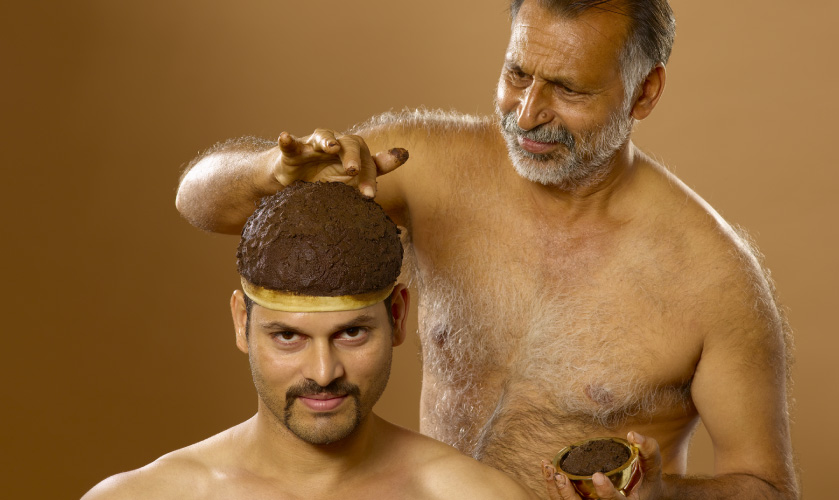
14 Nights Headache Treatment Program
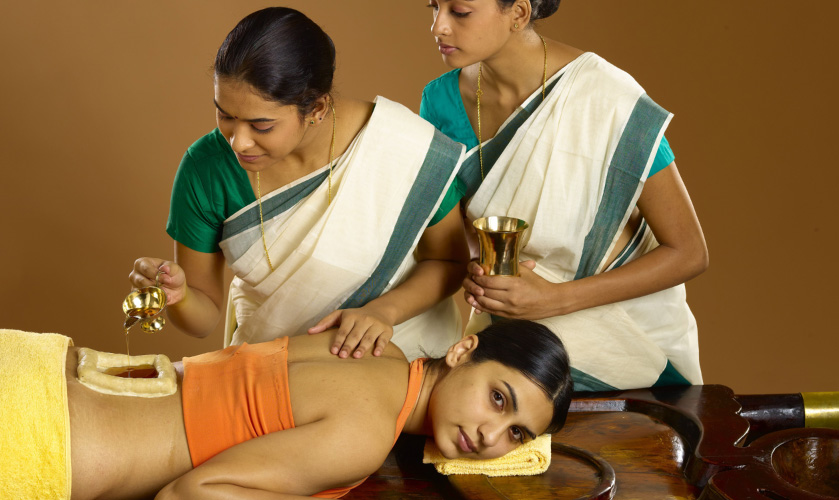
21 Nights Headache Treatment Program
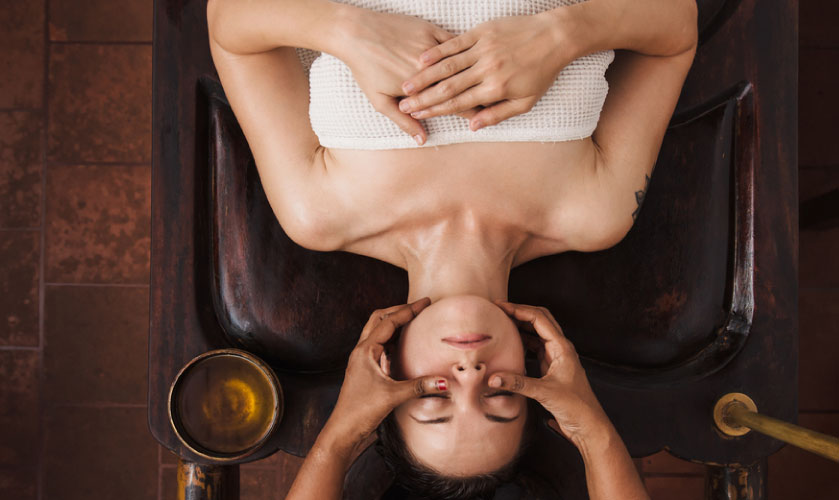
28 Nights Headache Treatment Program
Experts
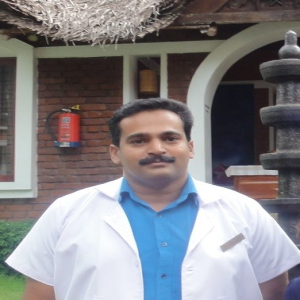
Ayurveda Doctor | Under Graduate | 15 years of experience
Availablilty 24 X7 Within Property : Yes
About
Renowned for his deep understanding of classical Ayurvedic principles and his compassionate approach to patient care, Dr. Sony Joseph has played a pivotal role in upholding the retreat’s reputation for excellence. Under his leadership, Ayuryogashram continues to provide personalised Ayurvedic treatments and rejuvenation programs that combine traditional wisdom with modern therapeutic insights. His commitment to holistic healing and his patient-centred philosophy ensure that every guest receives the utmost attention and care throughout their wellness journey.
Qualification
Walk-Through Video | 20/7/2026
Stay
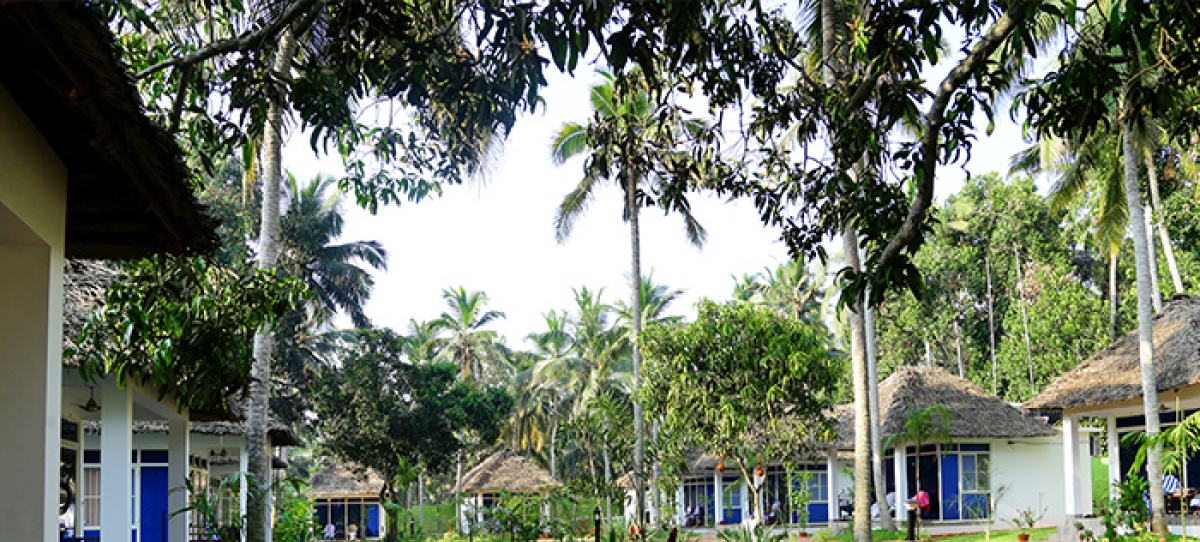
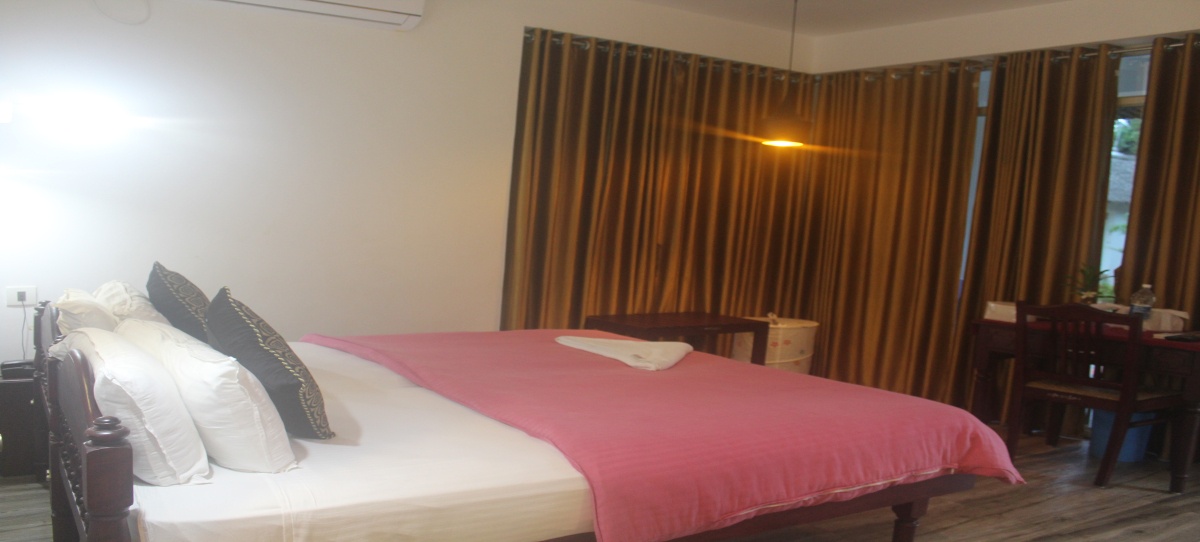
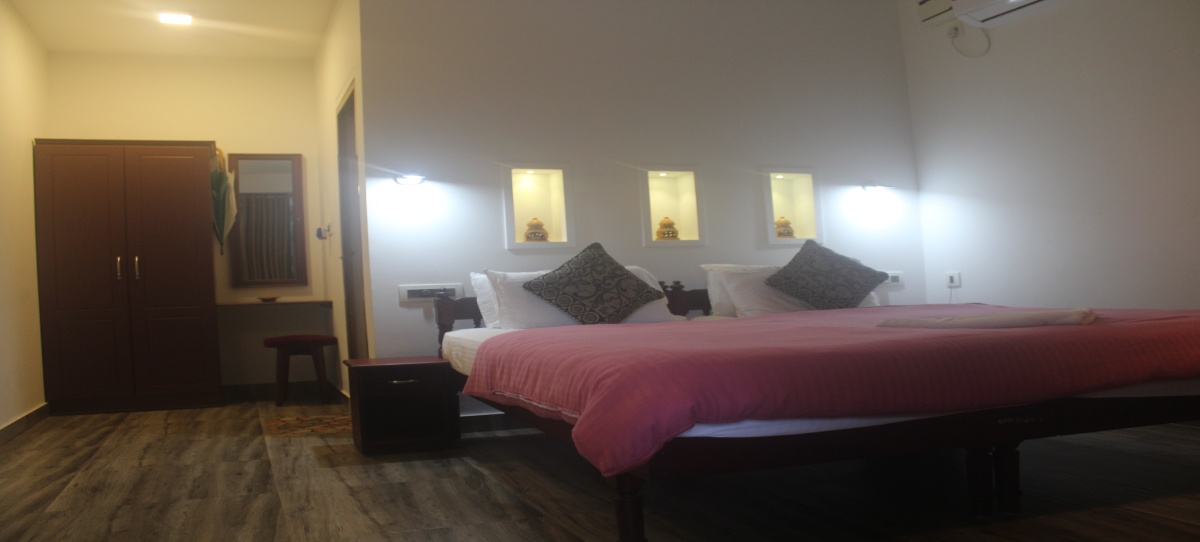
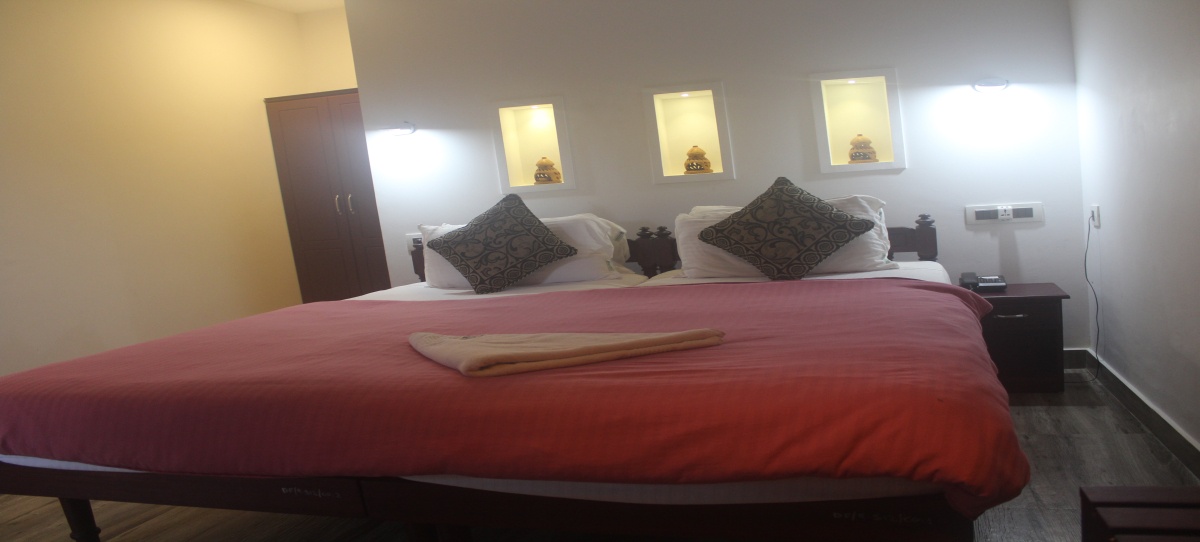
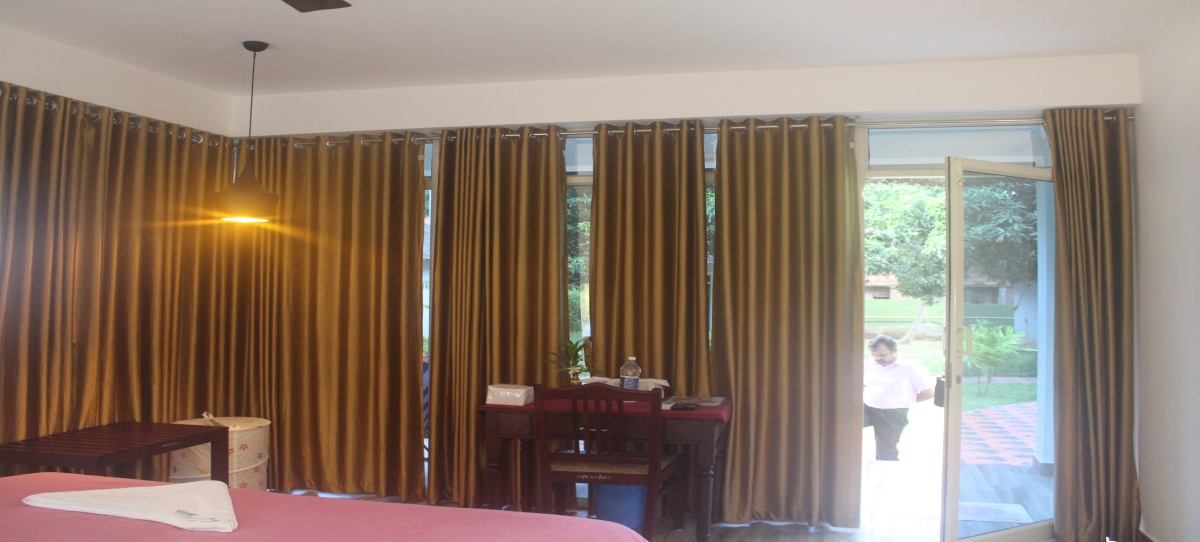
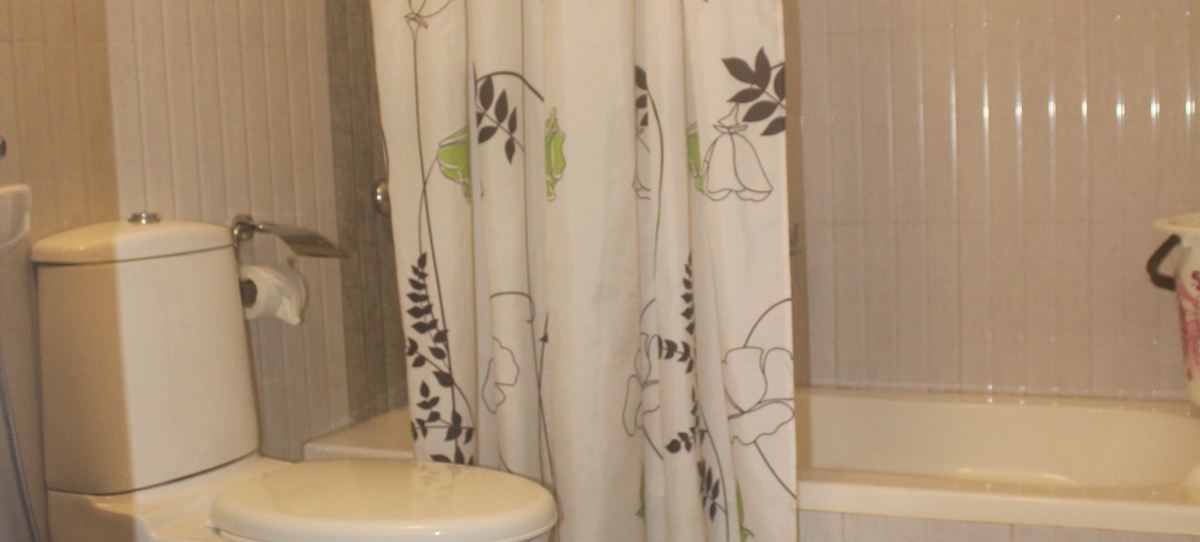
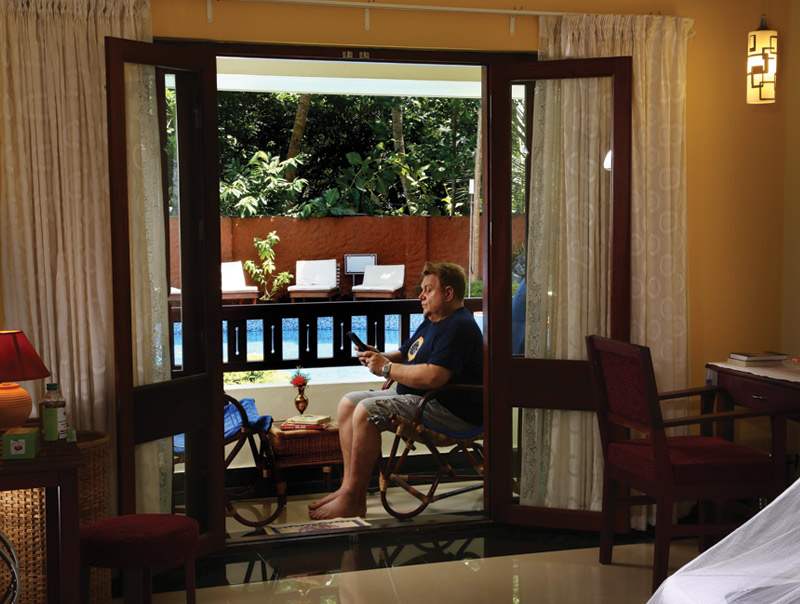
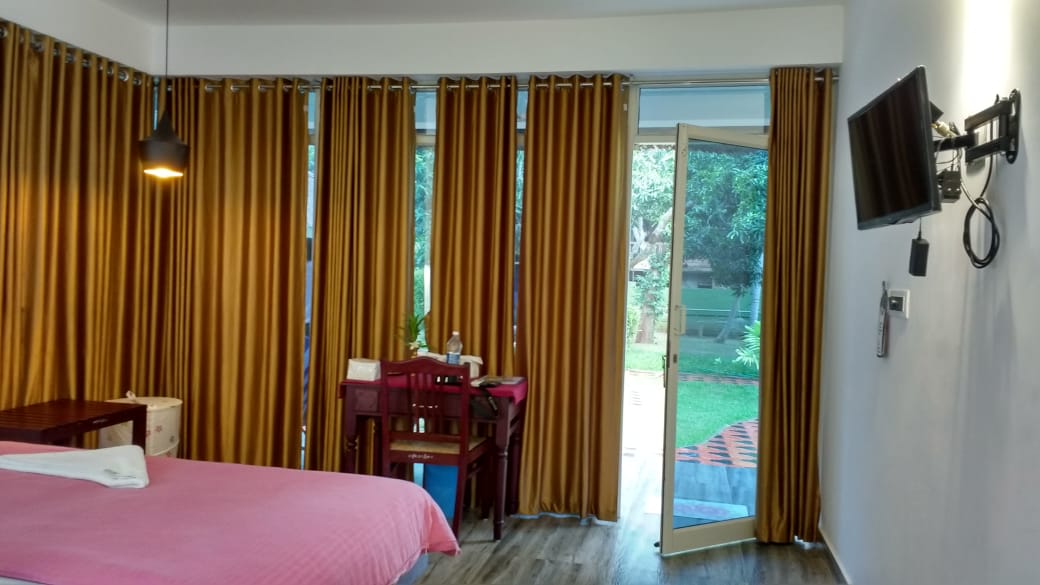
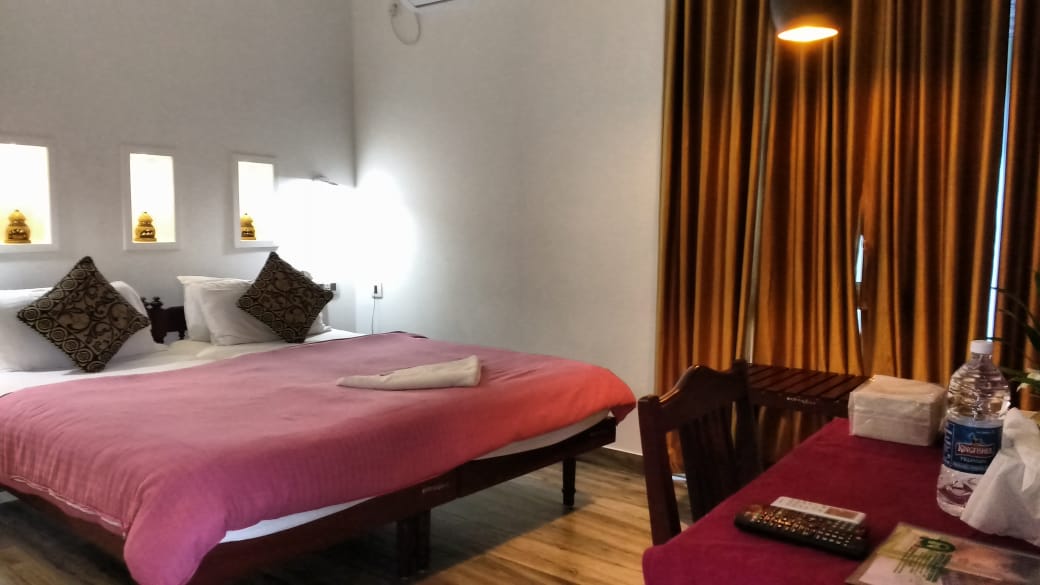
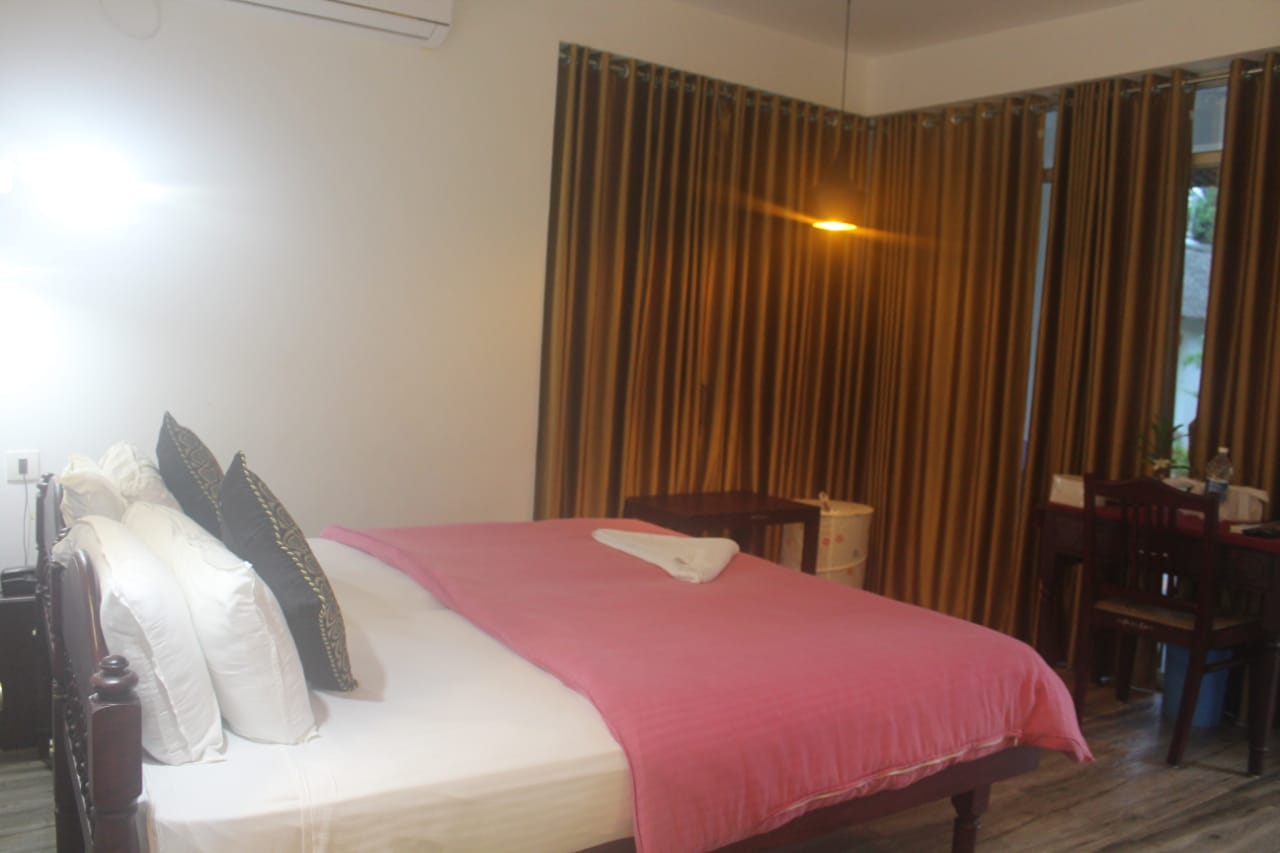
Discover serenity and comfort in Kerala Cottage A/C (new) at Dr. Franklin's Panchakarma Institute and Research Centre. This spacious and well-appointed cottage is designed to enhance your stay. It features a luxurious double bed and a private, en-suite bathroom with a soothing bathtub. Enjoy the beauty of the outdoors from your private patio, overlooking lush gardens. Stay connected with modern amenities such as a television and telephone, all within the tranquility of this delightful cottage. Experience relaxation and convenience in one harmonious package.
One Spacious Double Bedded Independent Cottage With Air-Condition
Suite Spacious Bathroom With Bathtub
Patio For Each Room
Garden
Television
Telephone
WiFi
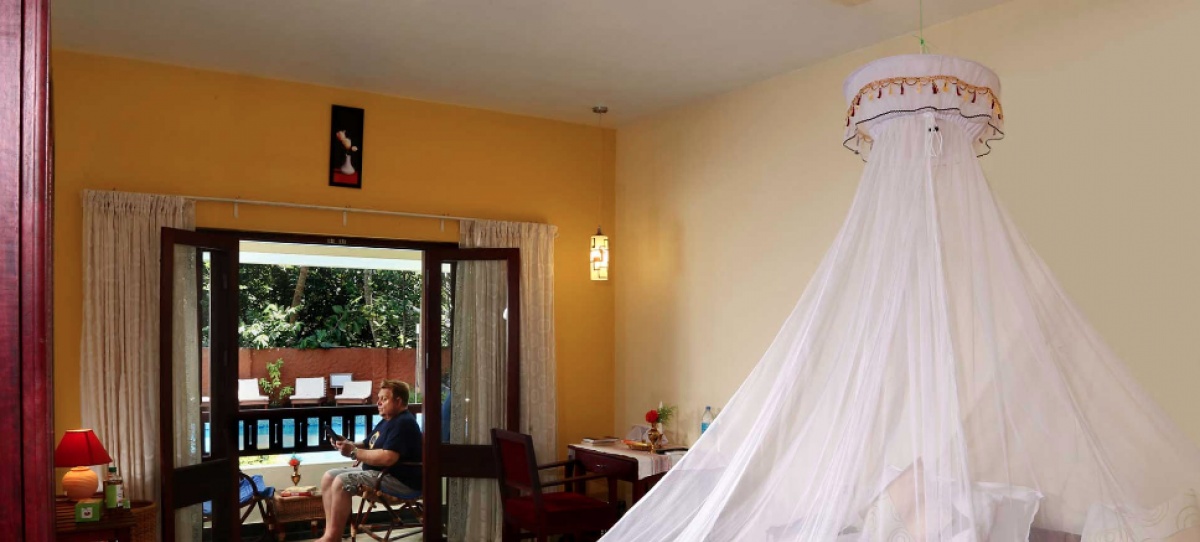
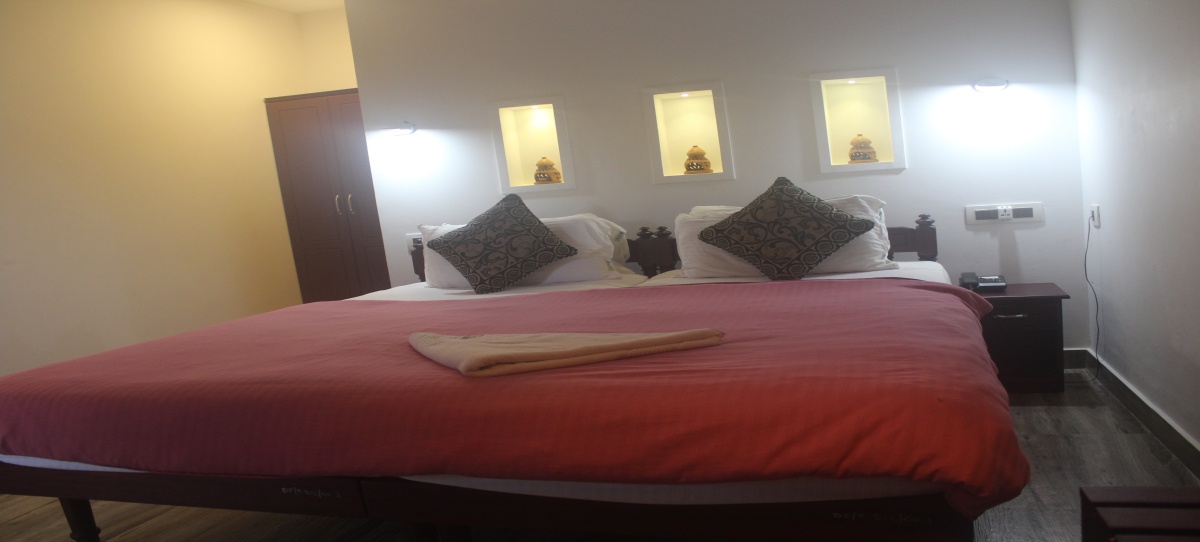
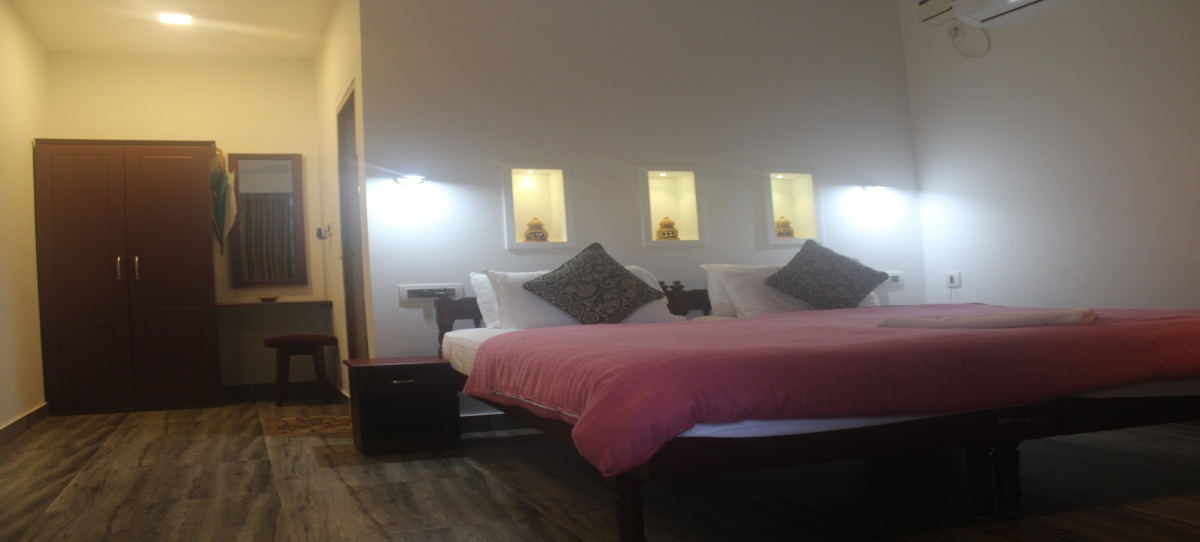
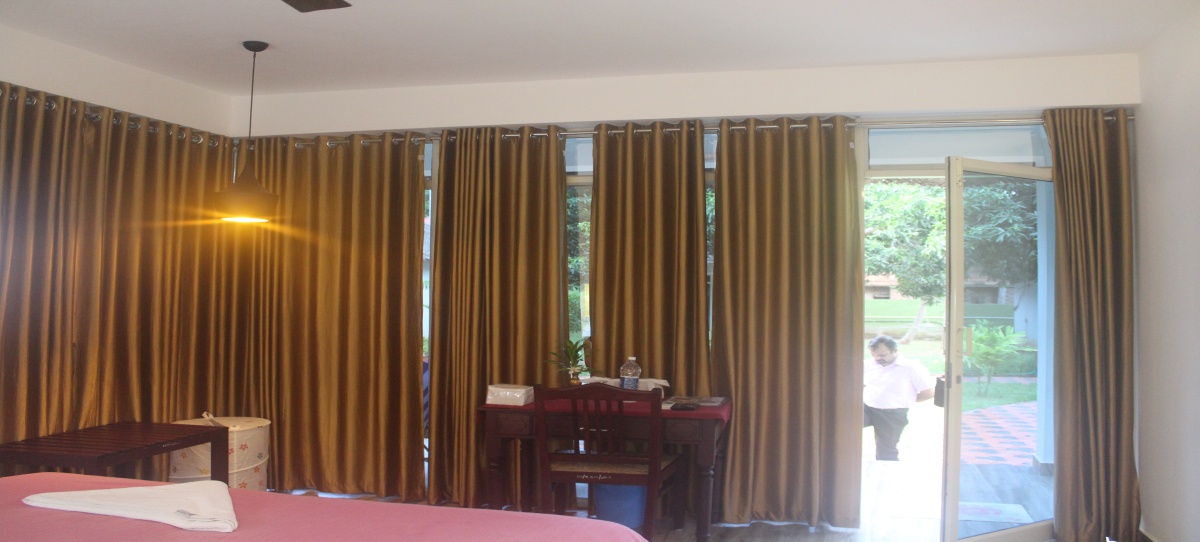
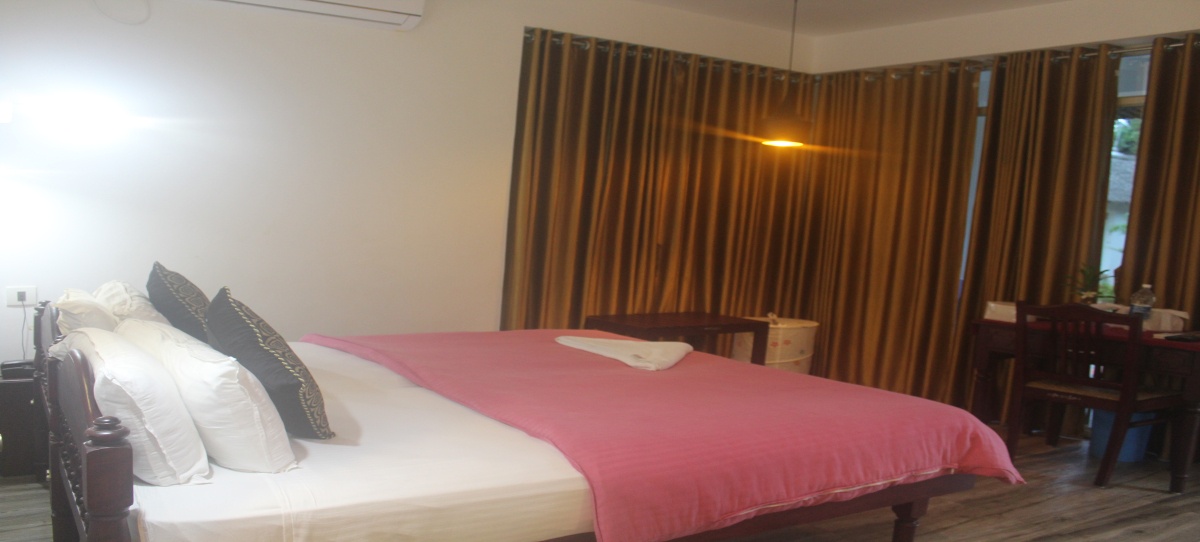
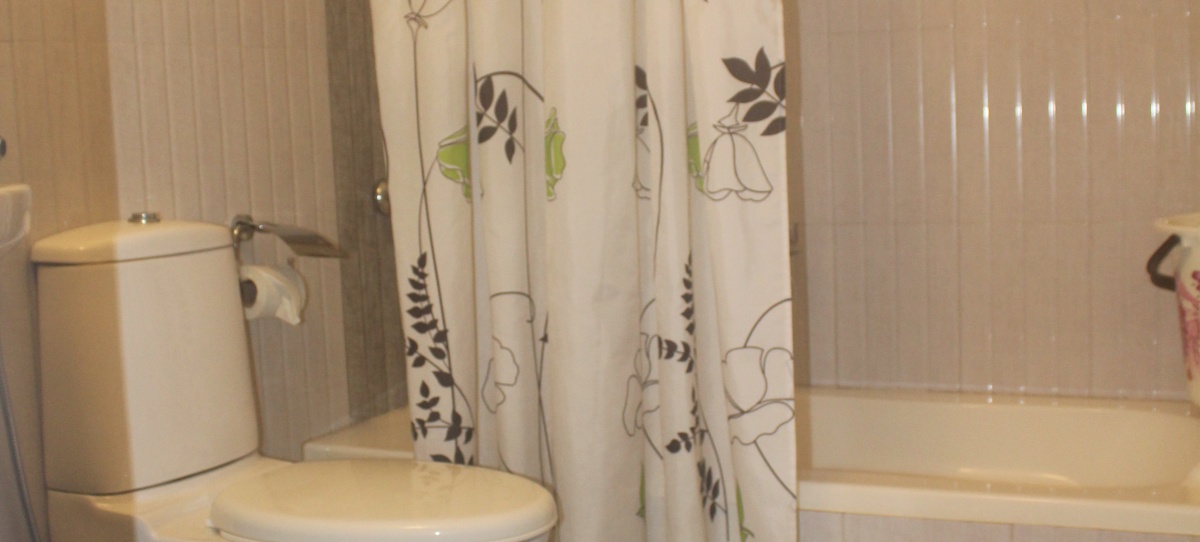
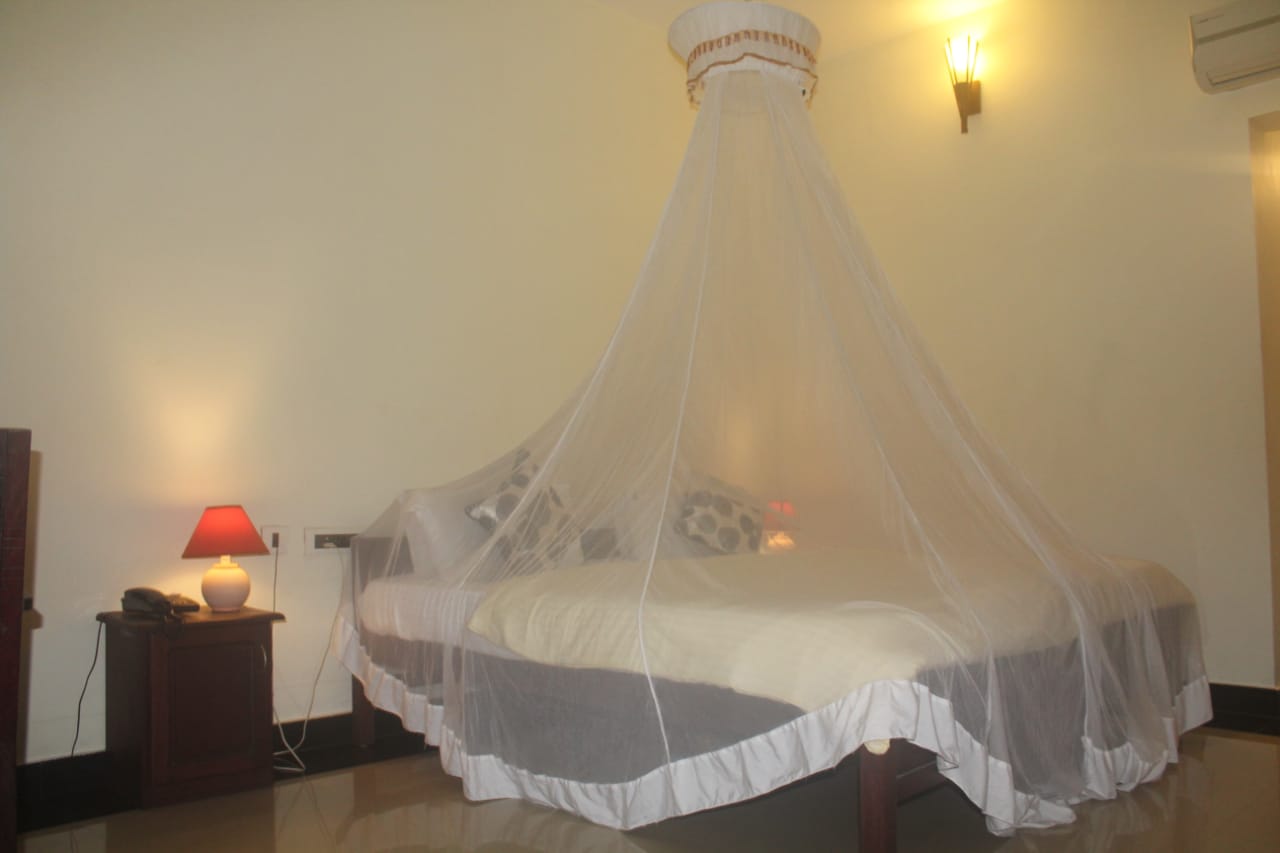
Discover serenity and comfort in Kerala Cottage Non AC at Dr. Franklin's Panchakarma Institute and Research Centre. This spacious and well-appointed cottage is designed to enhance your stay. It features a luxurious double bed and a private, en-suite bathroom with a soothing bathtub. Enjoy the beauty of the outdoors from your private patio, overlooking lush gardens. Stay connected with modern amenities such as a television and telephone, all within the tranquility of this delightful cottage. Experience relaxation and convenience in one harmonious package.
One Spacious Double Bedded Independent Cottage With Out Air-Condition
Suite Spacious Bathroom With Bathtub
Patio For Each Room
Garden
Television
Telephone
WiFi
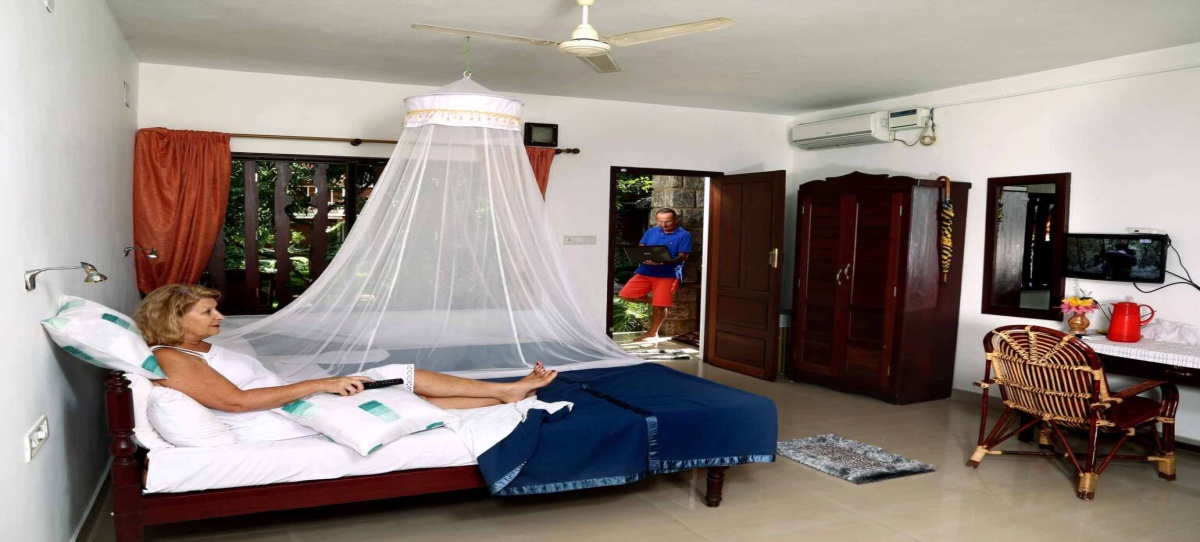
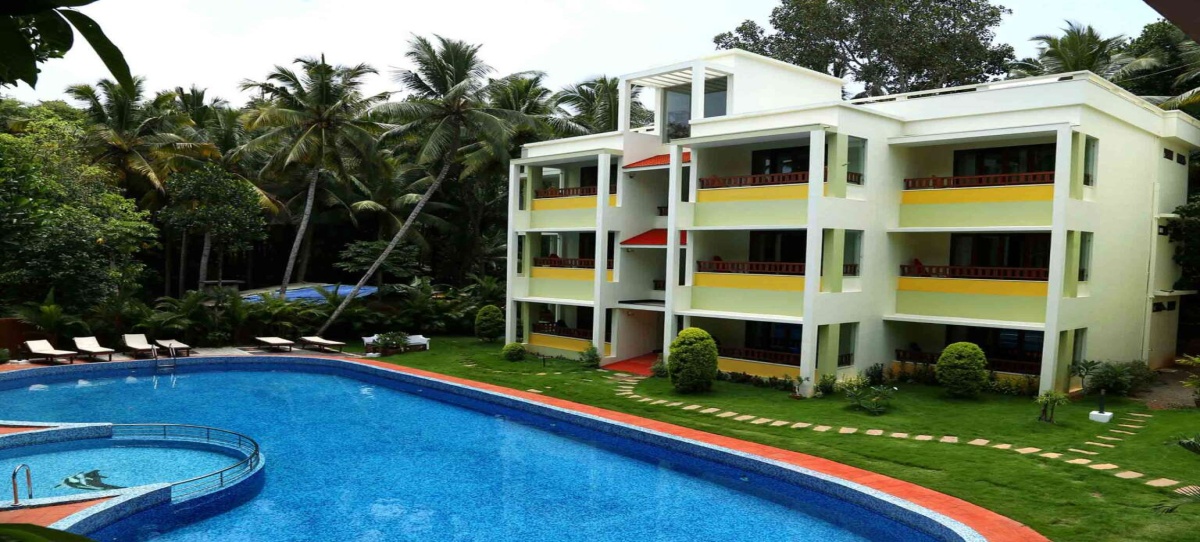
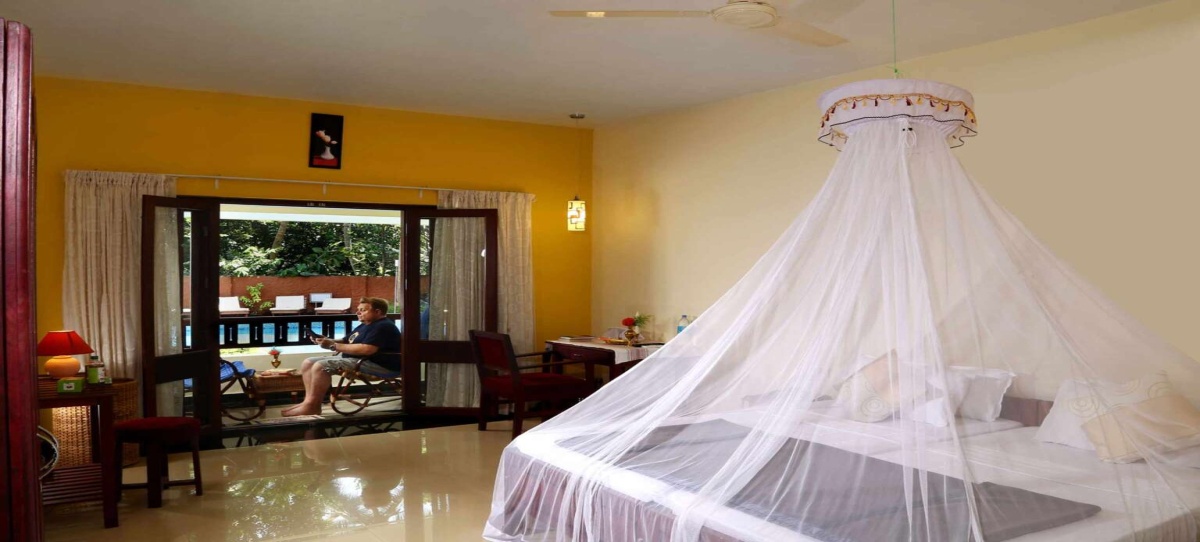
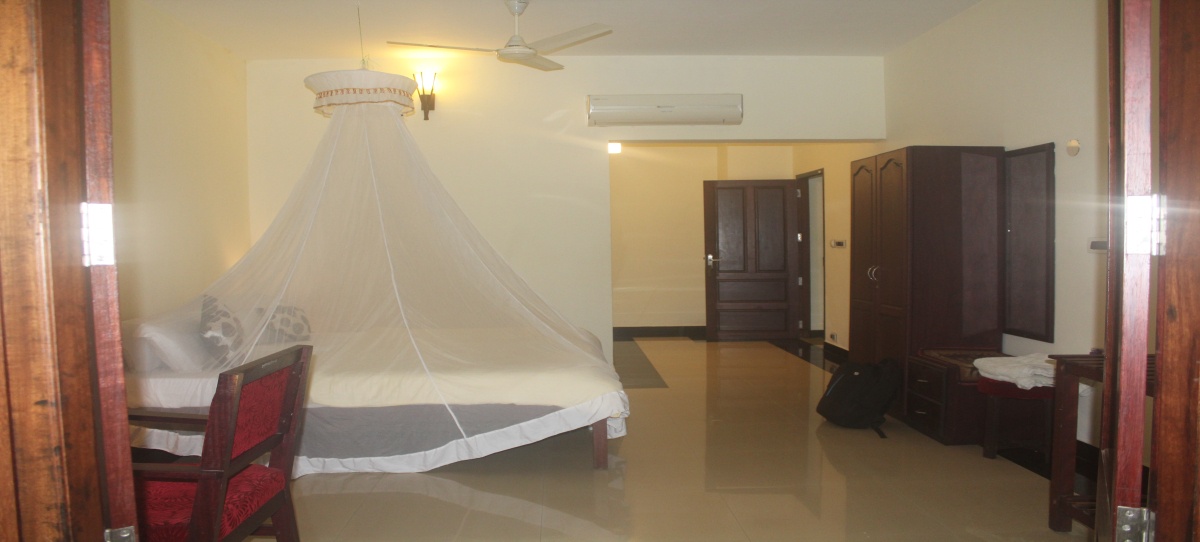
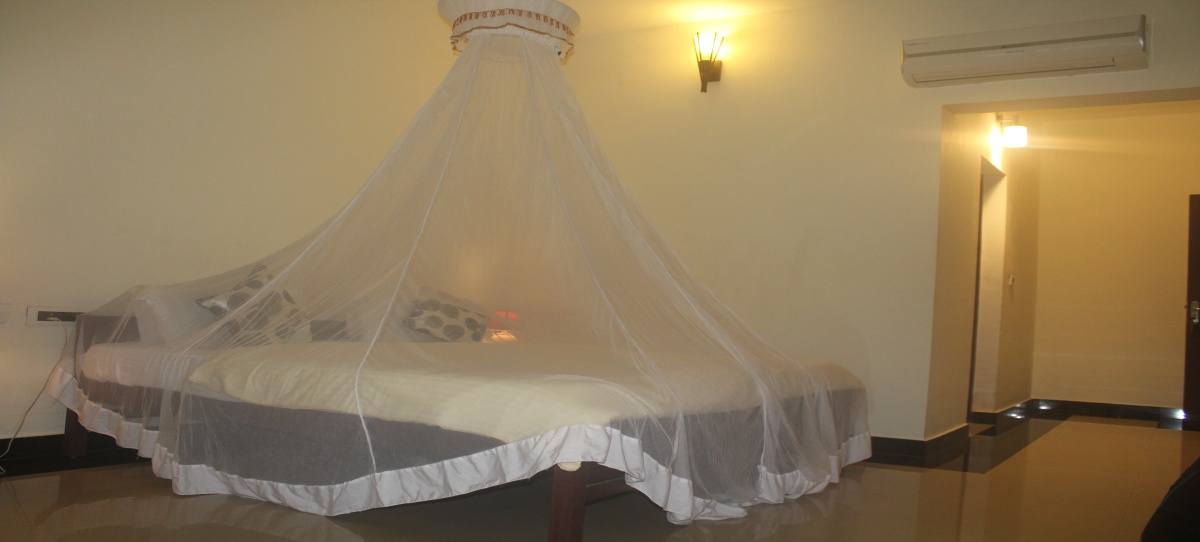
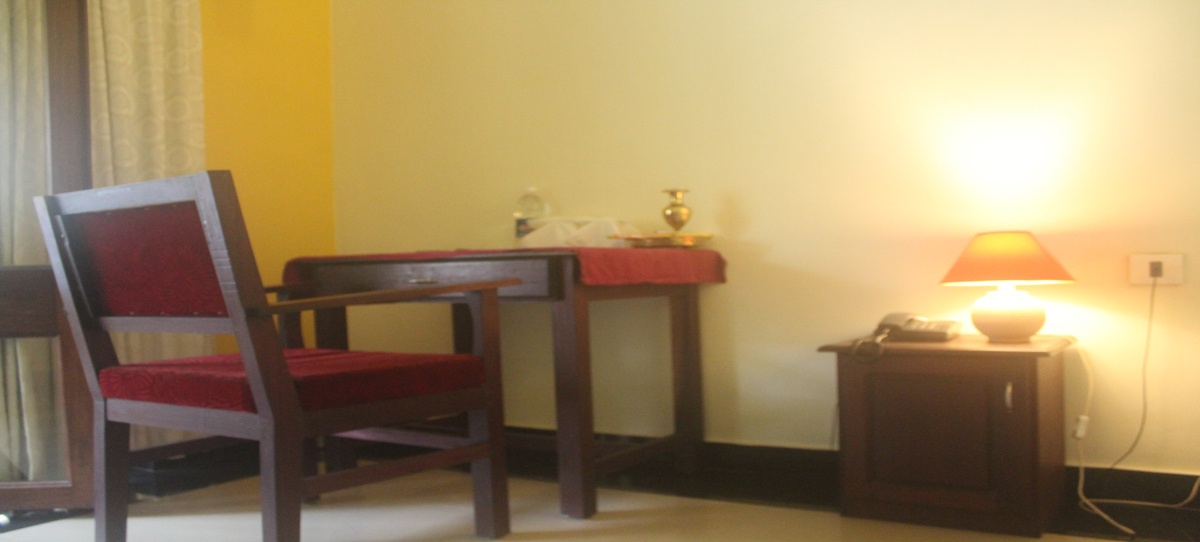
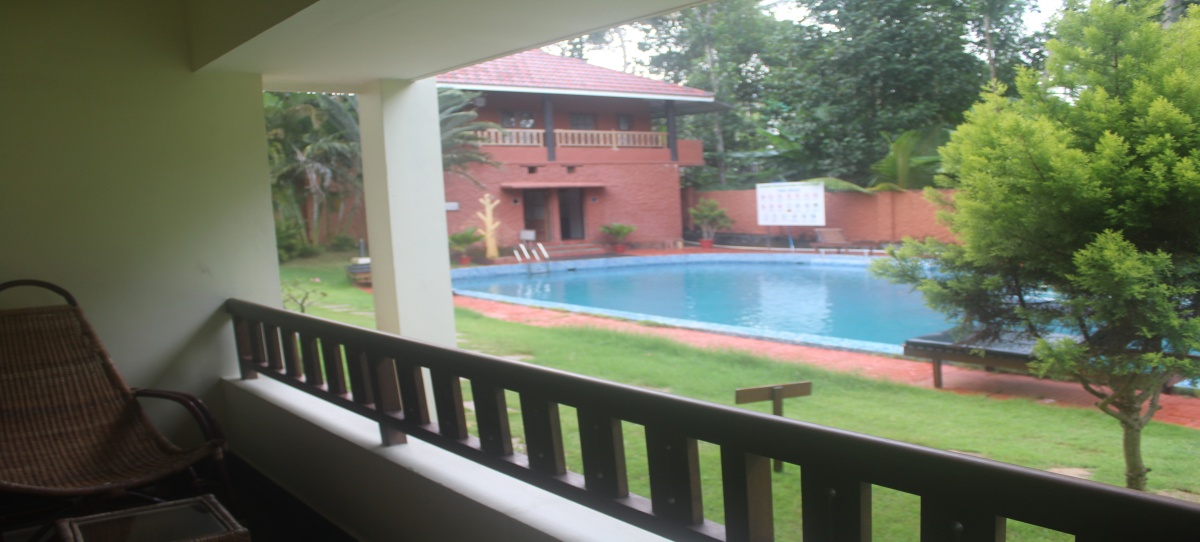
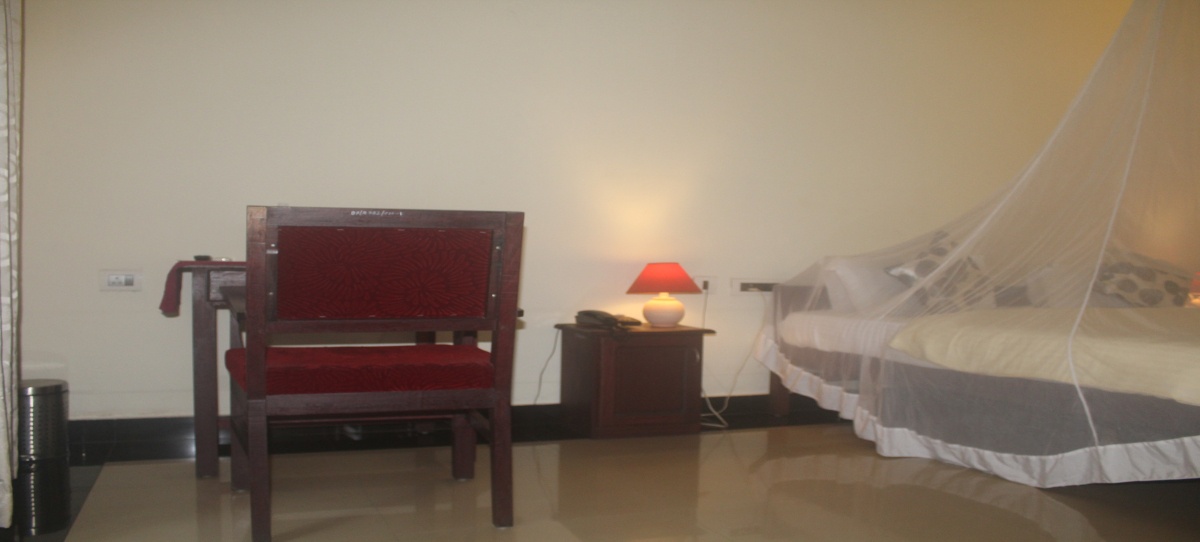
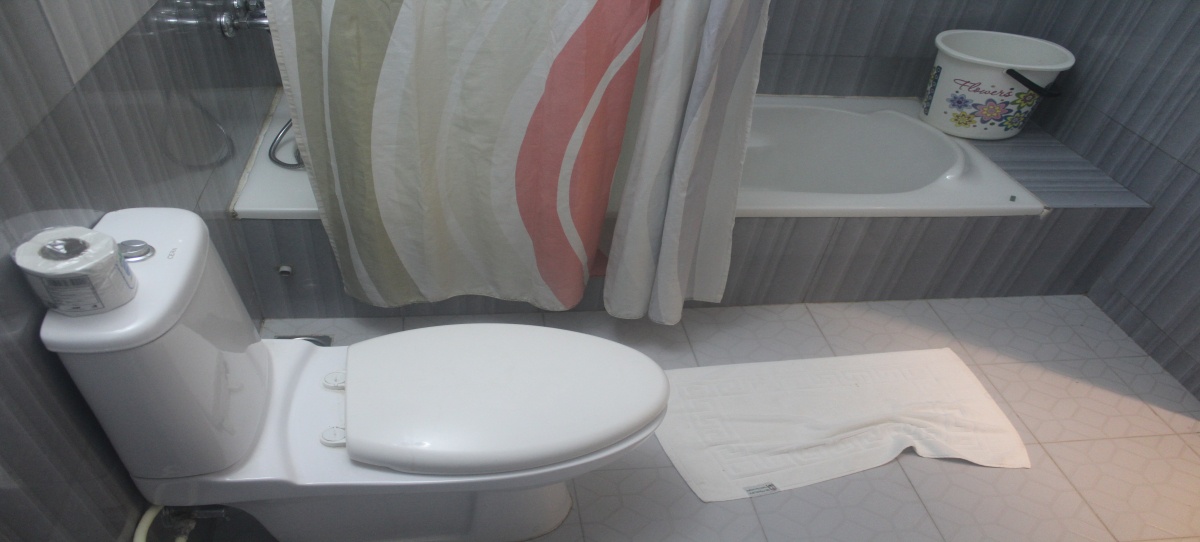
Welcome to Deluxe Rooms A/C at Dr. Franklin's Panchakarma Institute and Research Centre. Experience comfort and tranquility in these spacious, double-bedded rooms with tastefully tiled floors. Your en-suite bathroom is generously sized and equipped with a soothing bathtub for your relaxation. Step outside onto your private patio, where you can savor the serene ambiance of the communal garden. Modern amenities, including a television and telephone, are provided to ensure a pleasant and convenient stay.
Spacious Double Bedded Room With Tiled Floor
Suite Spacious Bathroom With Bathtub
AC Room
Patio For Each Room
Communal Garden
Television
Telephone
WiFi
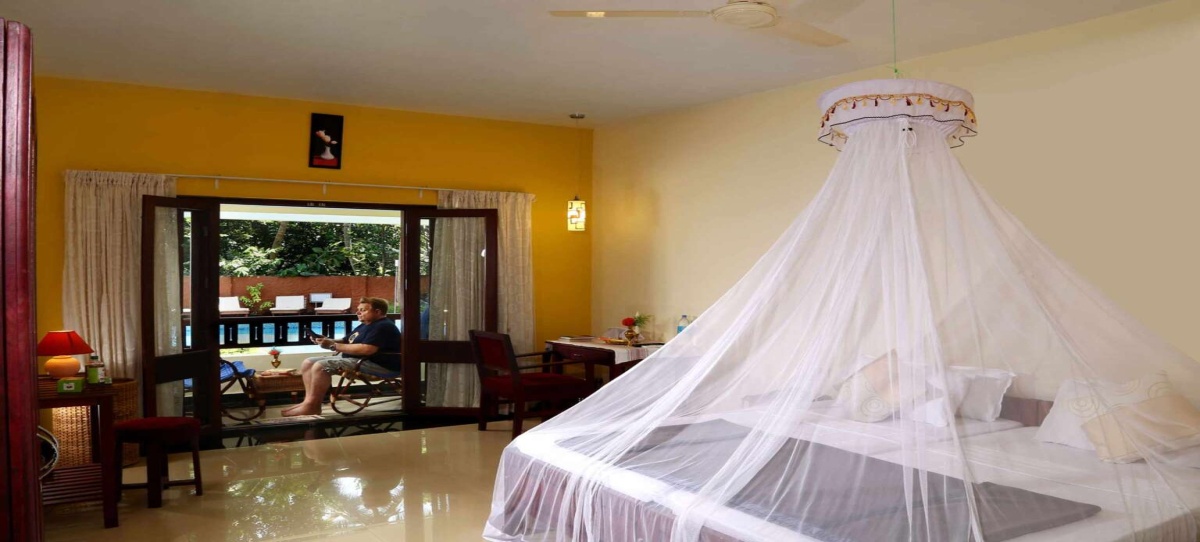
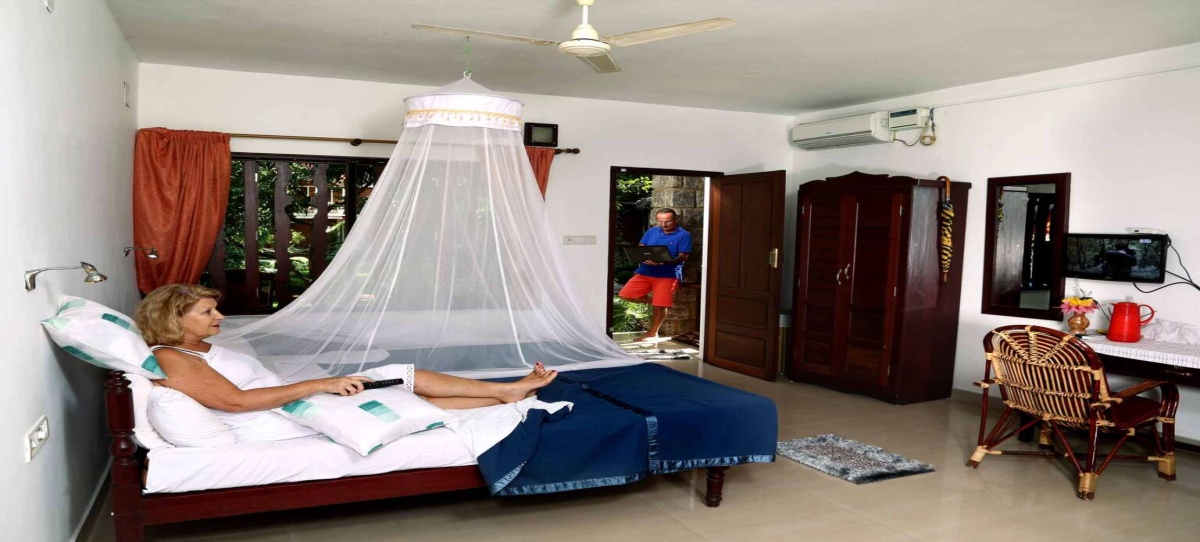
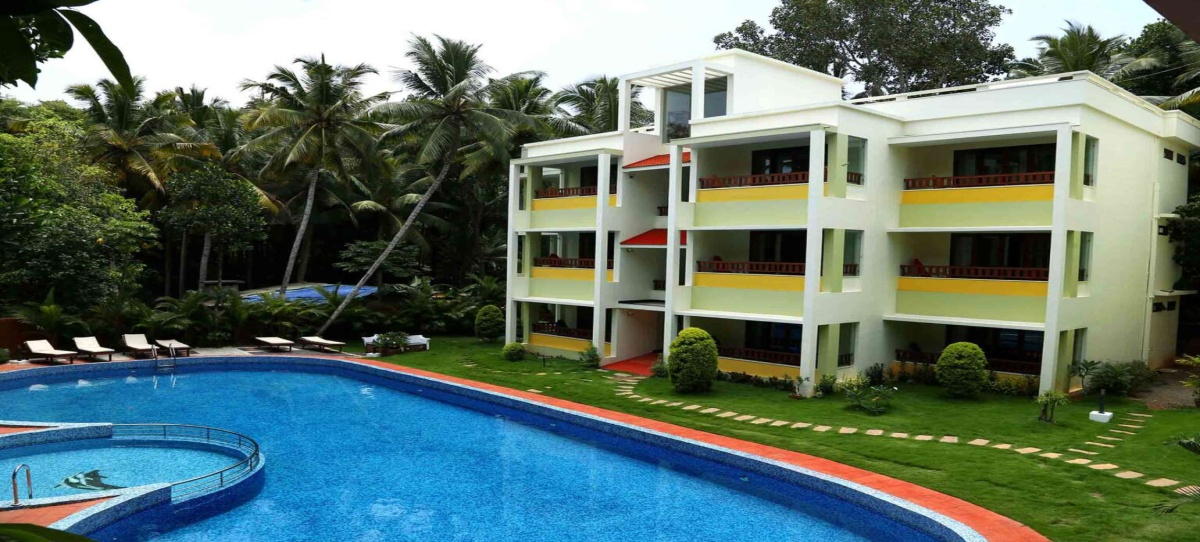
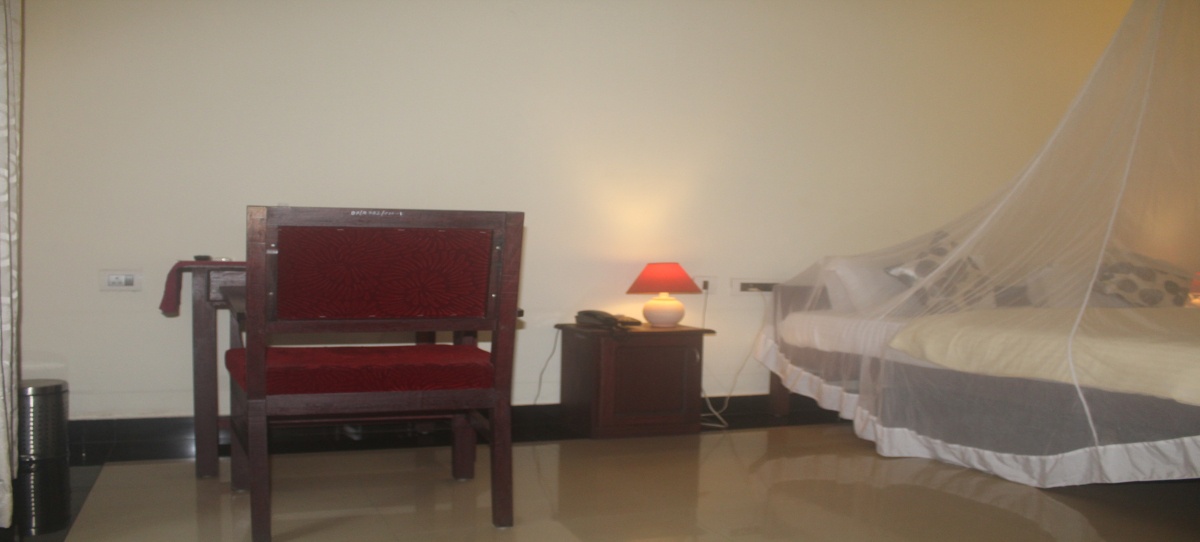
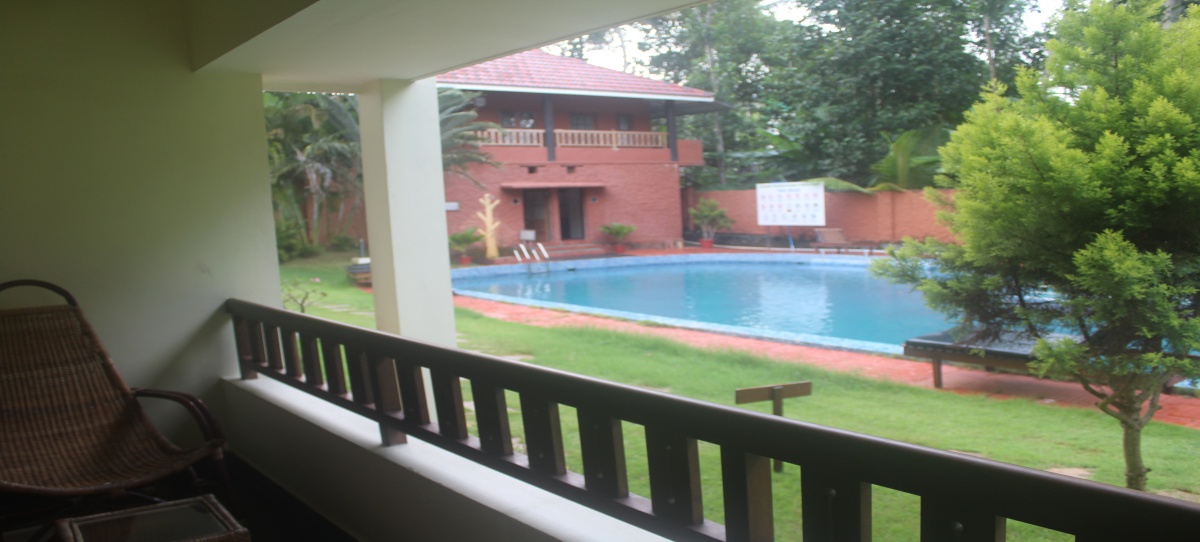
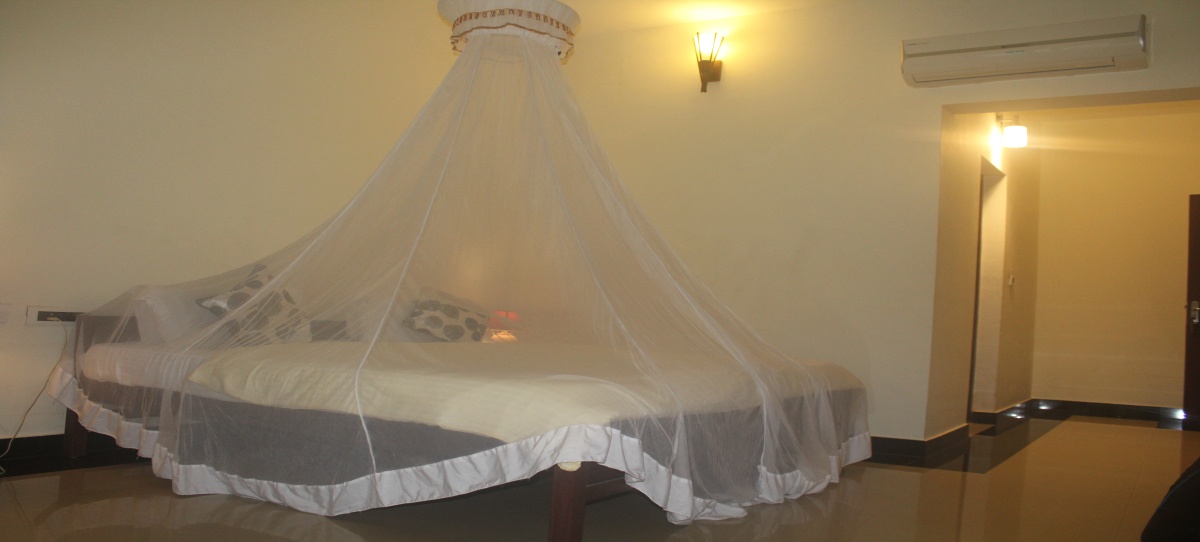
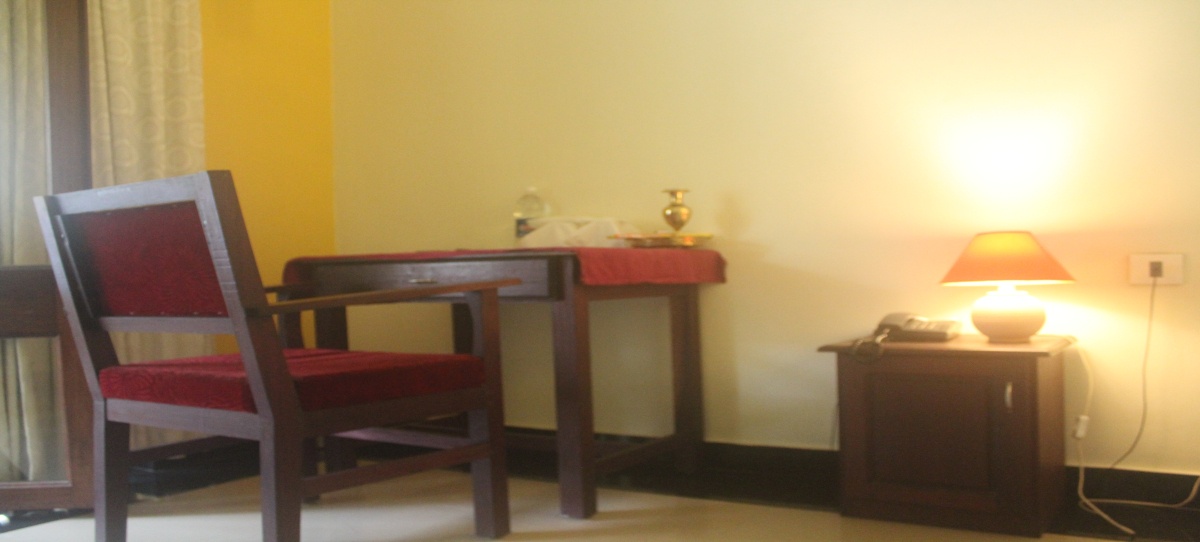
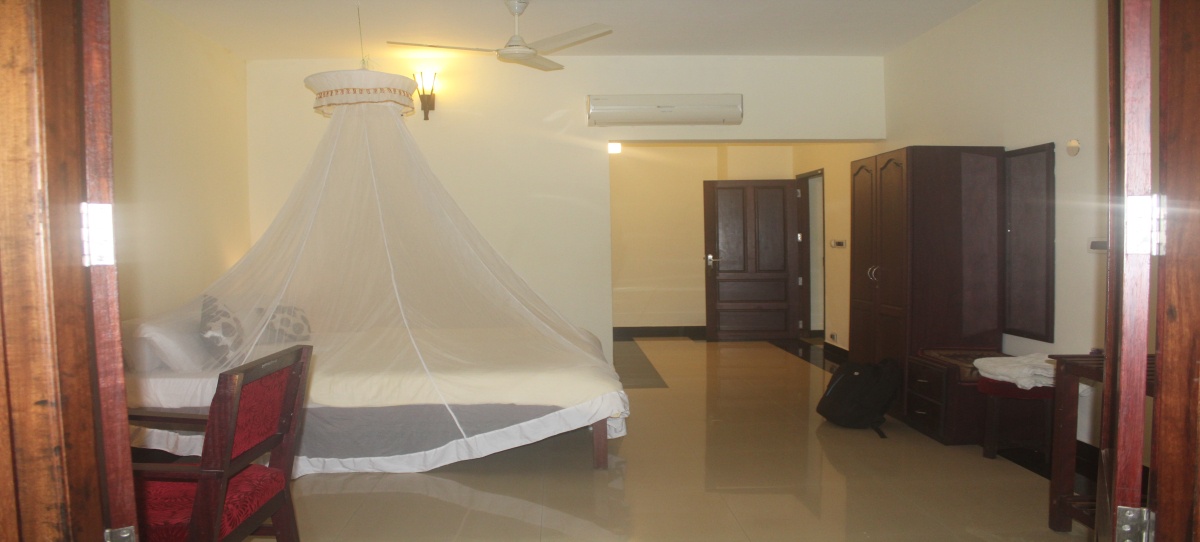
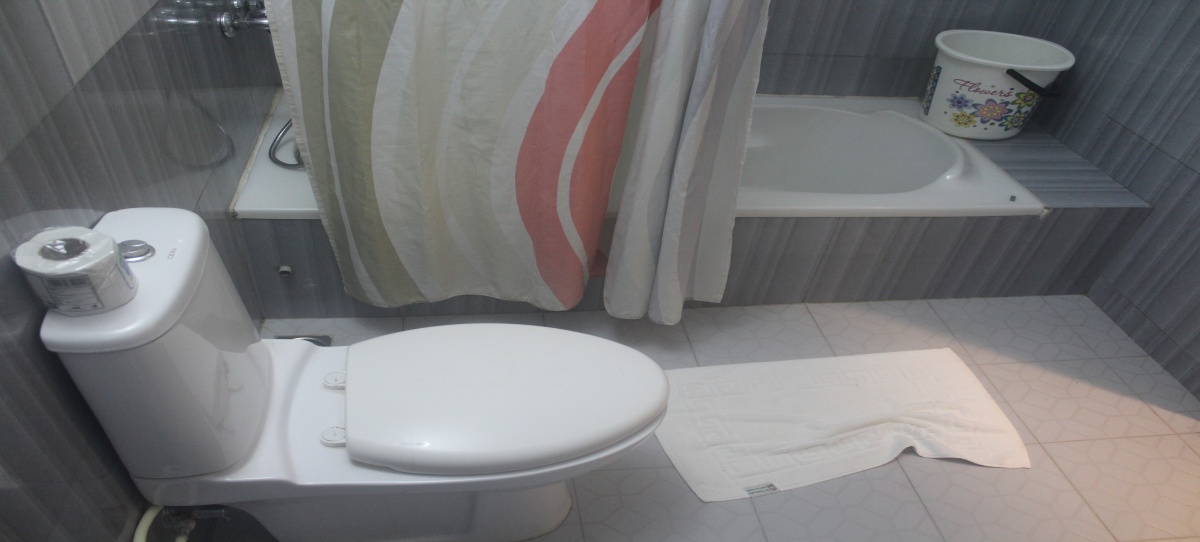
Welcome to Deluxe Rooms Non A/C at Dr. Franklin's Panchakarma Institute and Research Centre. Experience comfort and tranquility in these spacious, double-bedded rooms with tastefully tiled floors. Your en-suite bathroom is generously sized and equipped with a soothing bathtub for your relaxation. Step outside onto your private patio, where you can savor the serene ambiance of the communal garden. Modern amenities, including a television and telephone, are provided to ensure a pleasant and convenient stay.
Spacious Double Bedded Room With Tiled Floor
Suite Spacious Bathroom With Bathtub
Non AC Room
Patio For Each Room
Communal Garden
Television
Telephone
WiFi
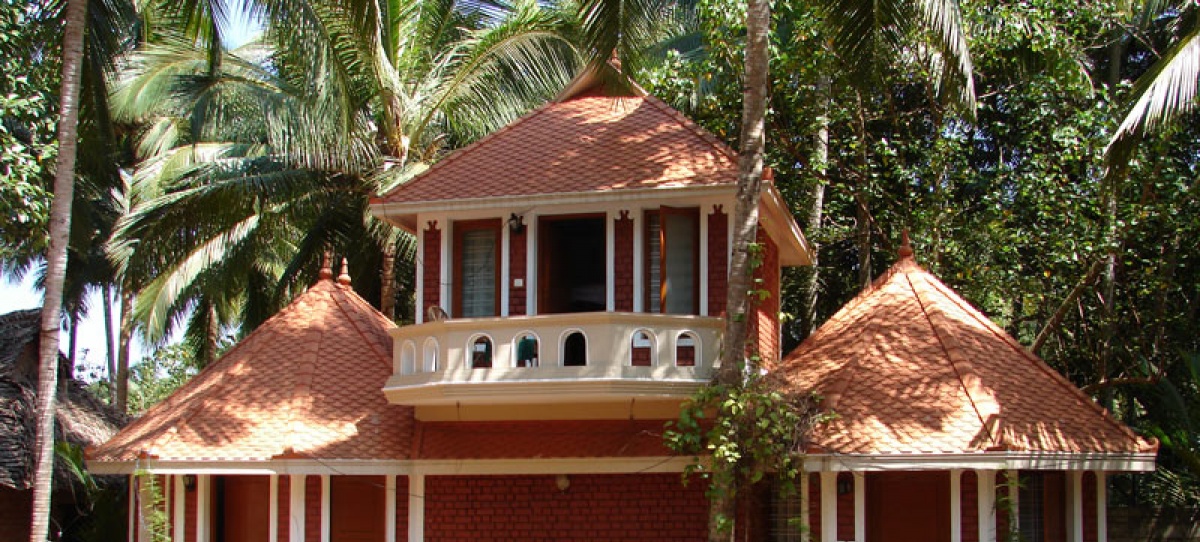
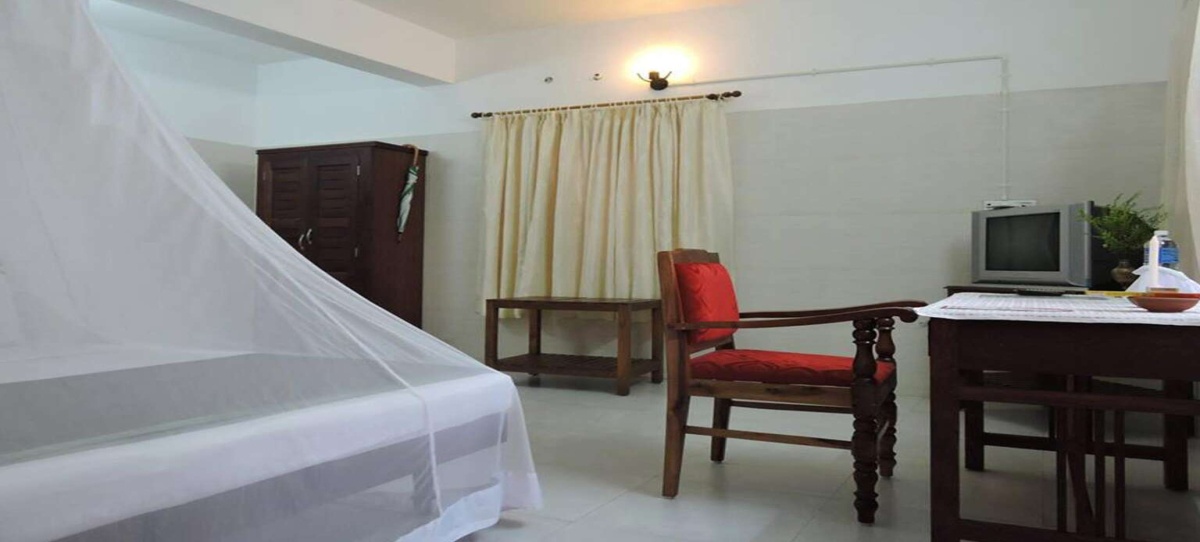
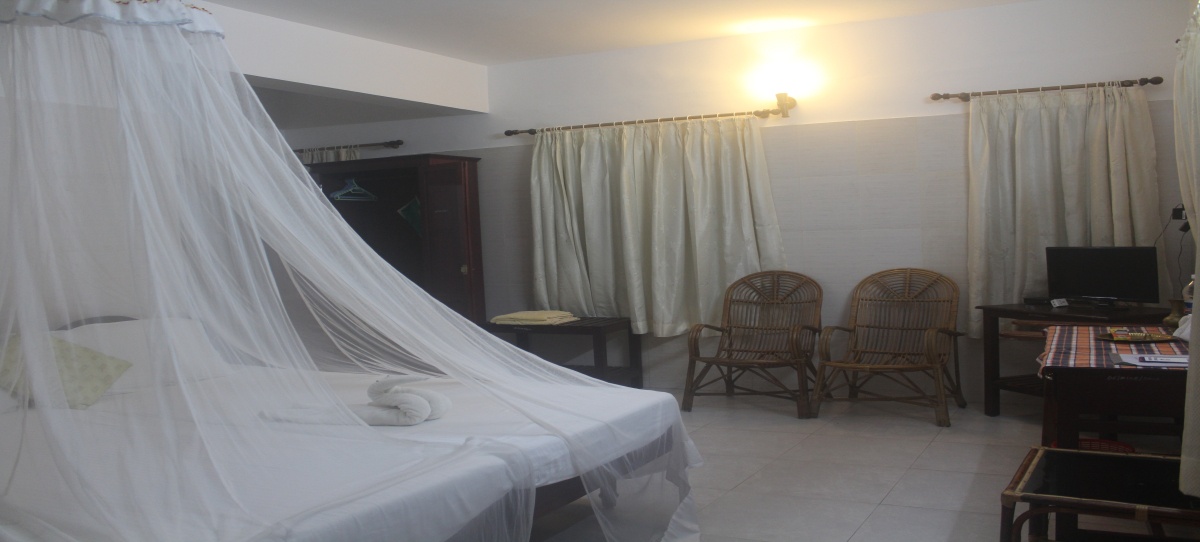
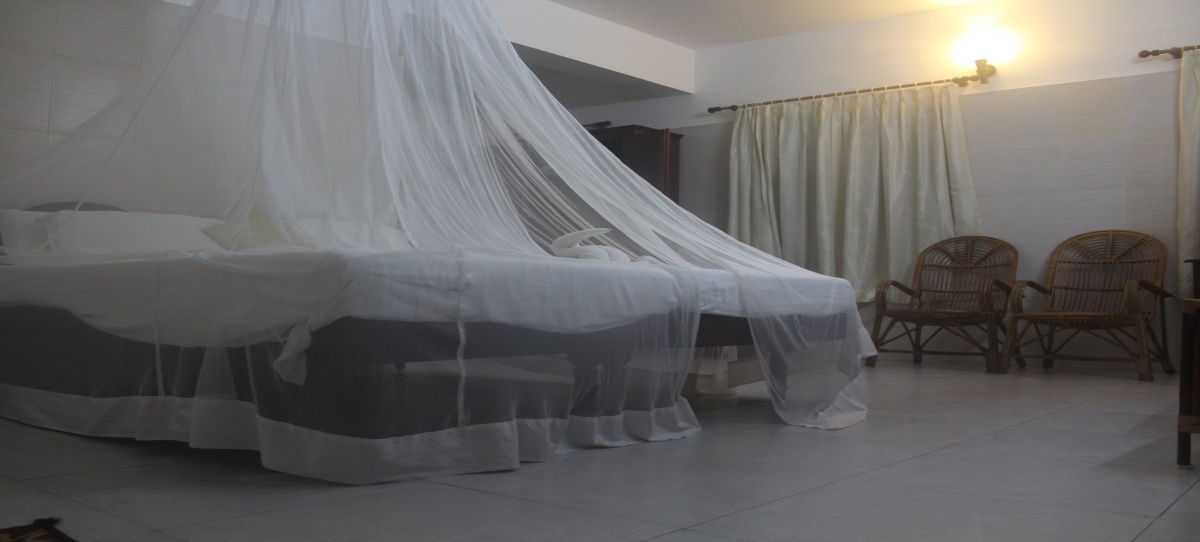
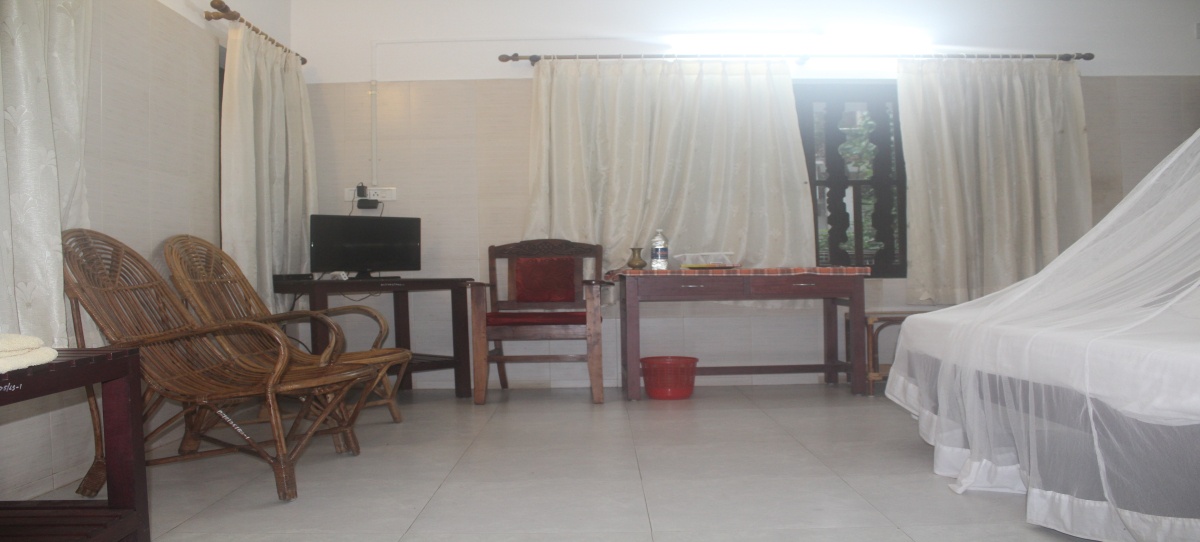
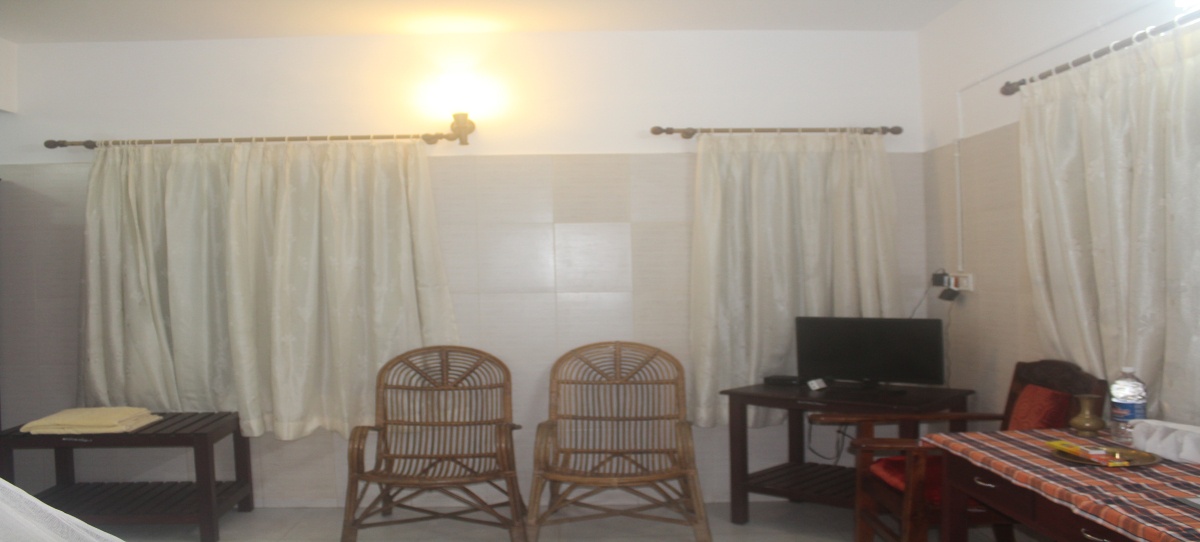
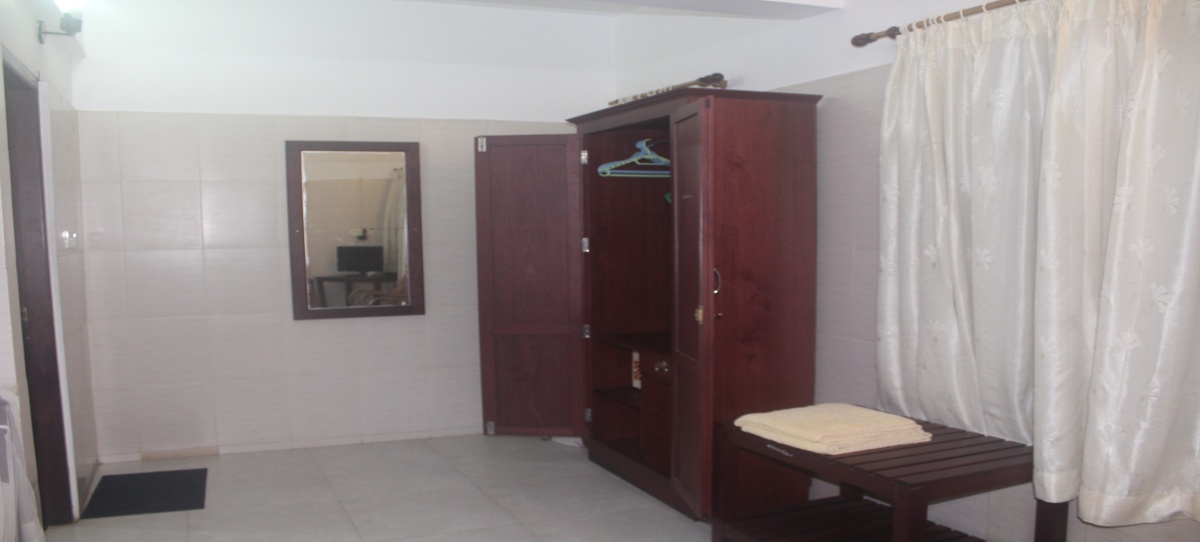
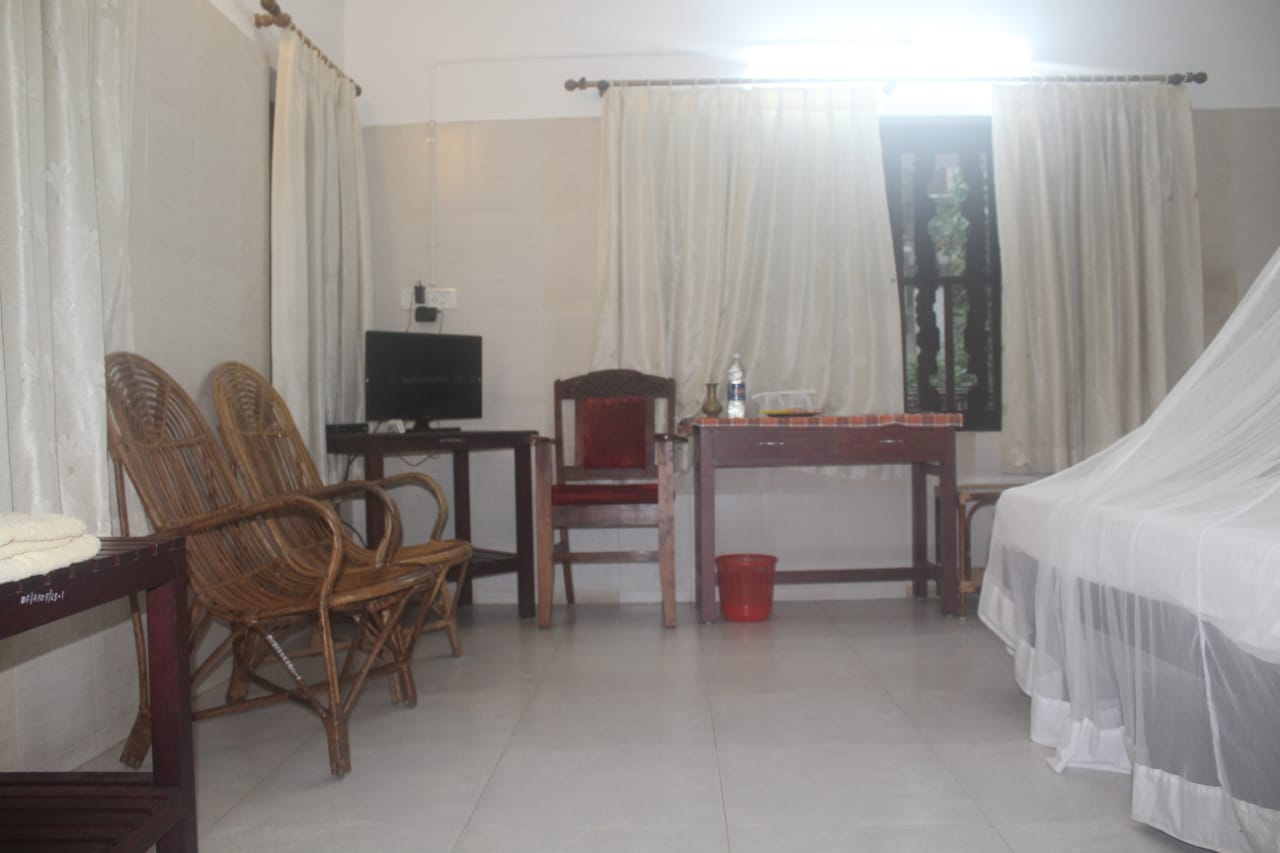
Welcome to Standard Rooms Non A/C at Dr. Franklin's Panchakarma Institute and Research Centre. These rooms feature a spacious double bed and tastefully tiled floors, creating a comfortable and inviting atmosphere. The en-suite bathroom provides convenience, and you can step outside to enjoy the serene communal garden. For your entertainment and communication needs, each room is equipped with a television and telephone. The centre aims to provide the guests a pleasant and relaxing stay in these cozy accommodations.
-
 Fan
Fan -
Free Wifi
-
Mattress Size- Medium
-
Wardrobe - Medium
-
Attached Bathroom
-
 Chair
Chair -
Room Constellation - Multi-storeyed Block
-
Room Type - Regular Room
-
Wardrobe
-
 Work Space
 -
 Shower
 -
Digital Safety Locker
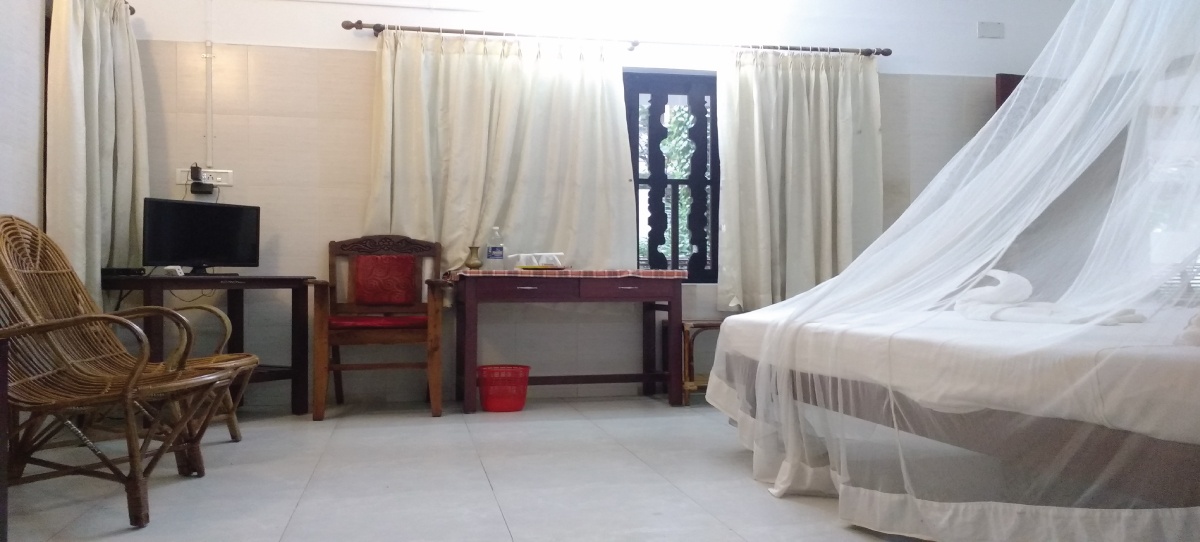
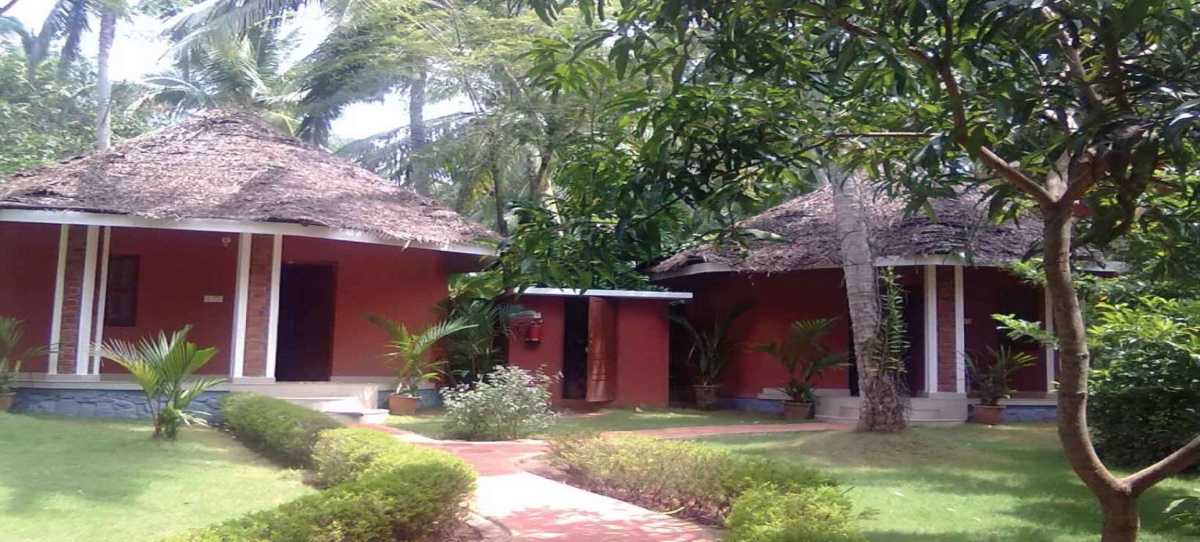
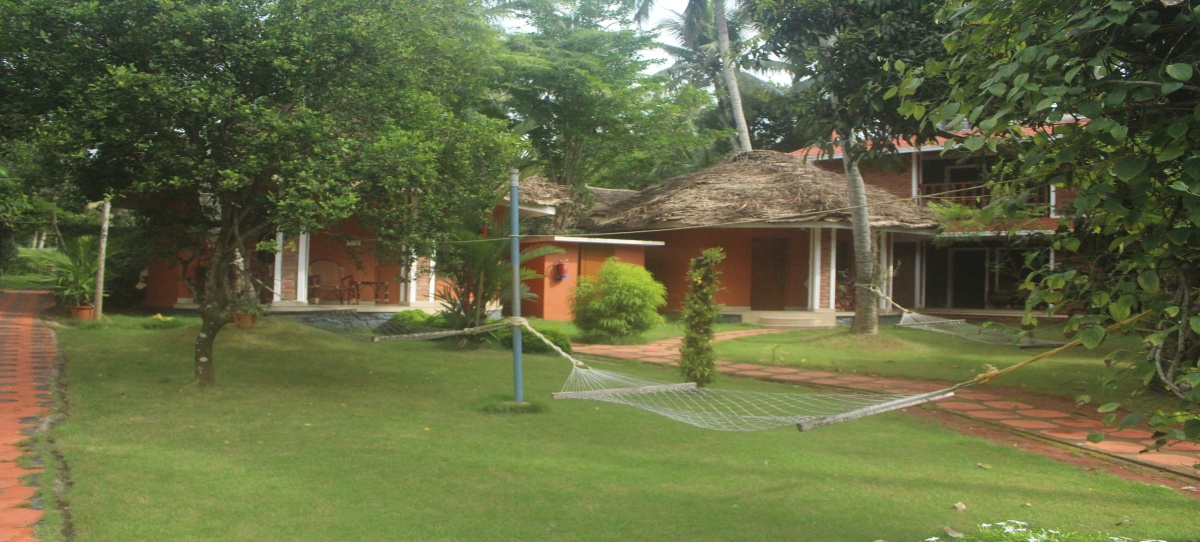
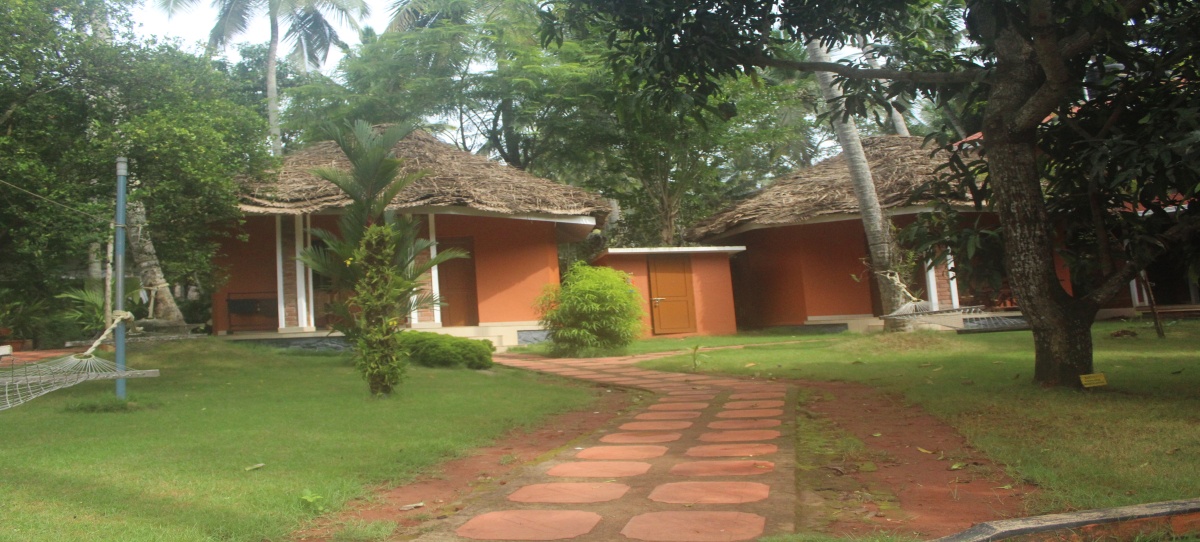
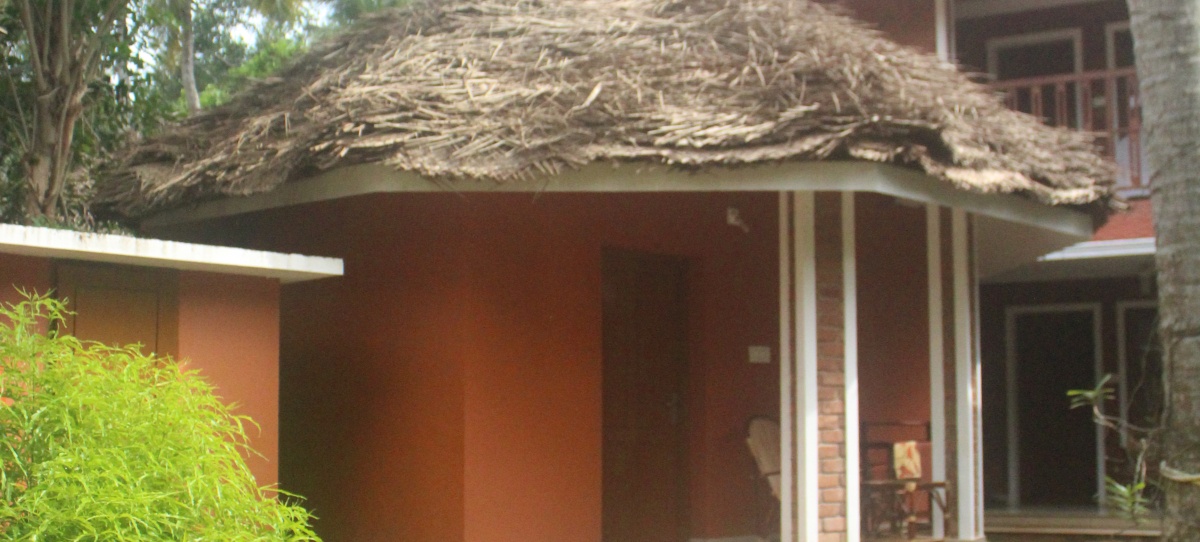
Experience the serene and rustic charm of Huts Non A/C at Dr. Franklin's Panchakarma Institute and Research Centre. These independent rounded huts are designed for an authentic and peaceful Ayurvedic retreat. Each hut features a well-ventilated, two-bedded sleeping room with tiled floors, an attached bathroom, a cozy sit-out area, and a small garden. Please note that only two of these huts are available, ensuring an intimate and tranquil stay for the guests. Unplug and unwind in these simple yet comfortable huts, and immerse yourself in the natural surroundings of this Ayurvedic heaven.
-
 Air Conditioner
 -
Fan
-
Free Wifi
-
Mattress Size- Medium
-
Wardrobe - Medium
-
Attached Bathroom
-
Chair
-
Room Type - Cottage
-
Wardrobe
-
Work Space
-
Digital Safety Locker
-
 Electric Kettle
 -
TV
WellnessLoka Gallery
Wellness Slots
Ayurveda Treatment Room : Ayurveda Treatment Room
Wellness Room Type: Closed
Capacity : 27
Opening Time: 7:30 AM
Closing Time: 6:00 PM
Treatment Room Size : Medium
Total Units : 8
 Nesrin Tahiroglu
24-12-2024
- Overall Rating
- 5
 Diana Nicolau
09-11-2022
- Overall Rating
- 5
 Diana Mordora
24-09-2019
- Overall Rating
- 4.9
 duji n
16-06-2018
- Overall Rating
- 5
Location & Map
Location
Landmark
State Bank Of India Chowara
Nearby Attractions
Located just 12 km from Thiruvananthapuram, Veli Tourist Village offers a serene escape at the confluence of Veli Lake and the Arabian Sea, perfect for picnics and boating.
Poovar Island
At the southern tip of Thiruvananthapuram, offers boat rides to mangrove forests, an elephant-shaped rock, golden sand beaches, and a floating restaurant.
Vizhinjam Lighthouse
Vizhinjam Lighthouse is near Kovalam Beach, Kerala, stands as the town's tallest lighthouse, guiding seafarers since 1972.
Padmanabhapuram Palace
Padmanabhapuram Palace, a 16th-century marvel in Thuckalay, Kerala, showcases indigenous Kerala architecture.
Chowara Jn 170 : MTR
Railway Connectivity
Thiruvananthapuram Railway station : 20 km
Airway Connectivity
Trivandrum International Airport : 22 km
Total Area Of Property (acres)
2.20
Building Free Area (acres)
1.00
Actual Area Of Property (acres)
2.20


