
Daksha Ayurveda Chikitsalayam
Value Hospital in a Hospital Setting | Wellness Property
India / Kerala / Palakkad - Country side
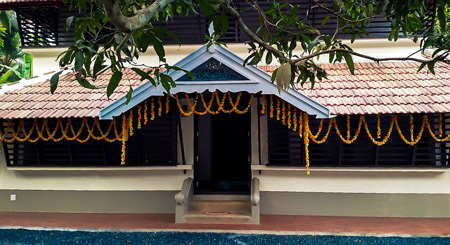
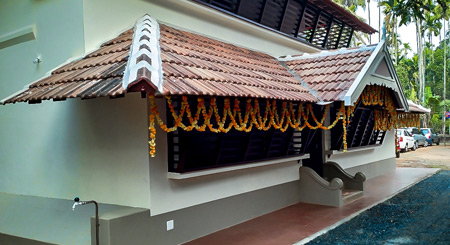
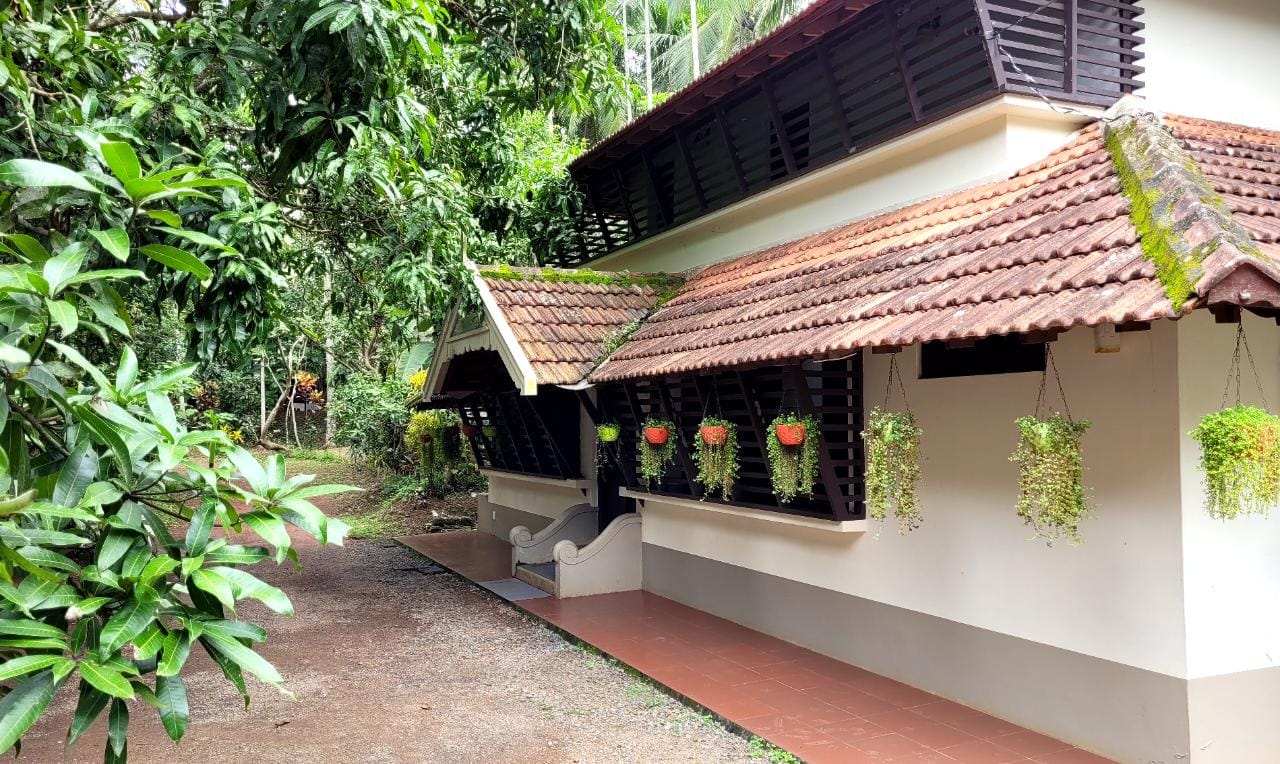
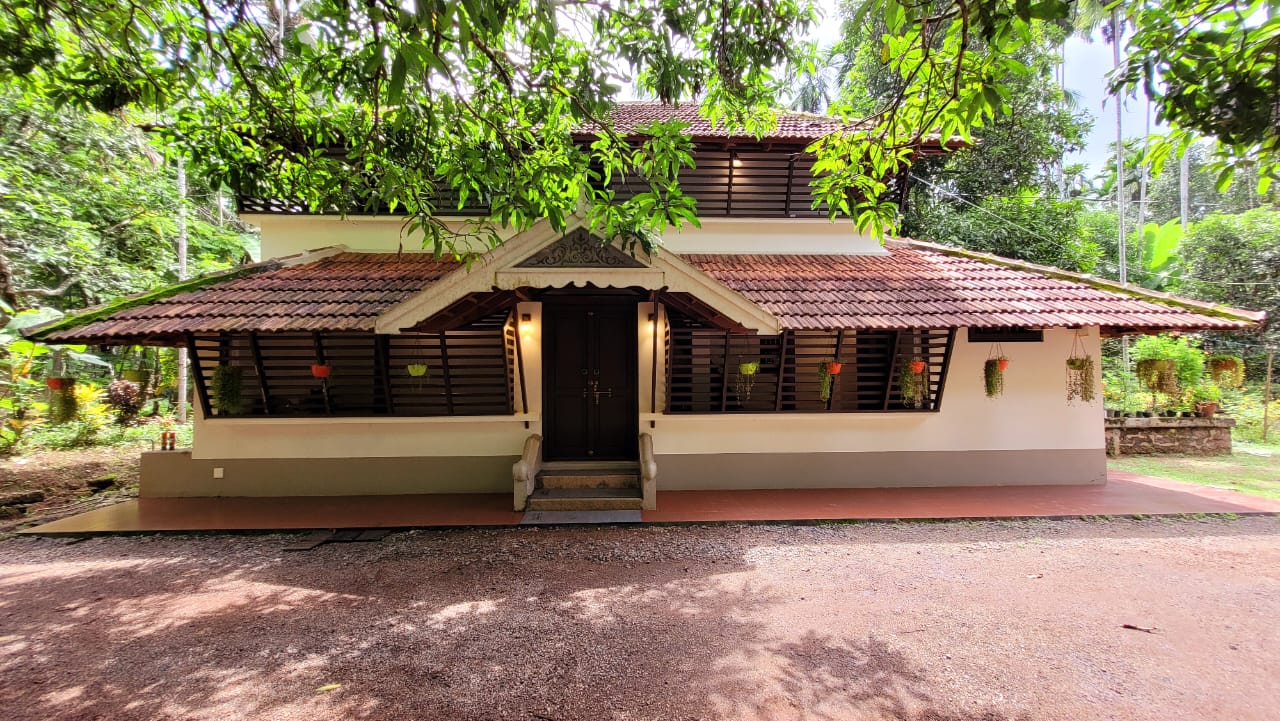
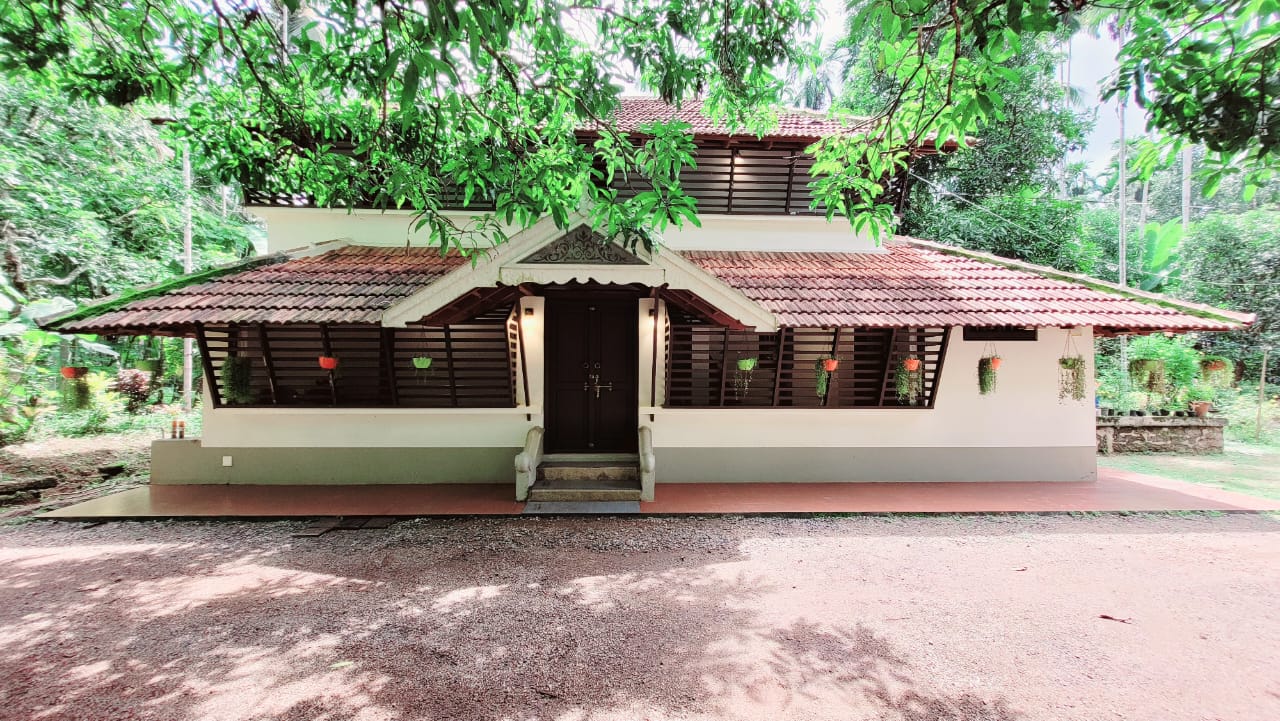
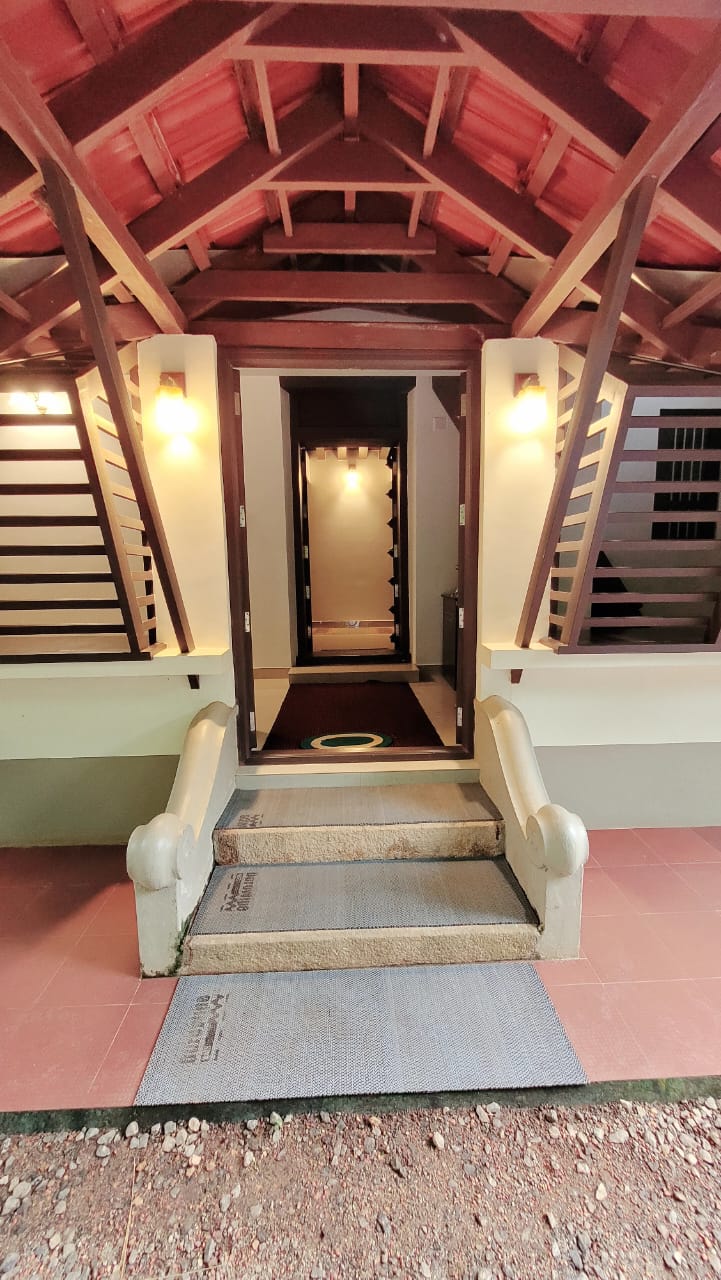
Daksha Ayurveda Chikitsalayam is an Ayurvedic inpatient treatment centre located at Munjakkanni, Karakurissi, Palakkad District, Kerala 678595, in a rural Kerala village setting characterised by mango groves, natural ponds, paddy fields and traditional temple structures. The centre positions itself as a heritage home for traditional therapeutic Ayurveda, with an emphasis on personalised treatment rather than resort-style hospitality. Its heritage is associated with the Munjakkanni Tharavadu and a claimed history of more than 200 years, with Ayurvedic traditions connected to the Valluvanadan cultural region. The property describes its approach as an eco-friendly Ayurveda and Panchakarma centre where accommodation is provided specifically for people undergoing Ayurvedic medical treatment.
Daksha's medical model combines physician-led consultation, individually determined therapies, internal medicines, prescribed Pathya diet, rest, yoga and basic Ayurveda education. Treatment durations are generally structured around 7, 11, 14, 21 or 28 days, although the actual treatment plan is determined after consultation and may depend on the patient's condition and response. The centre's published treatment portfolio covers Panchakarma, detoxification and rejuvenation, stress management, weight reduction, Karkidaka Chikitsa and a broad range of disease-focused Ayurvedic care.
Property Design and Landscape
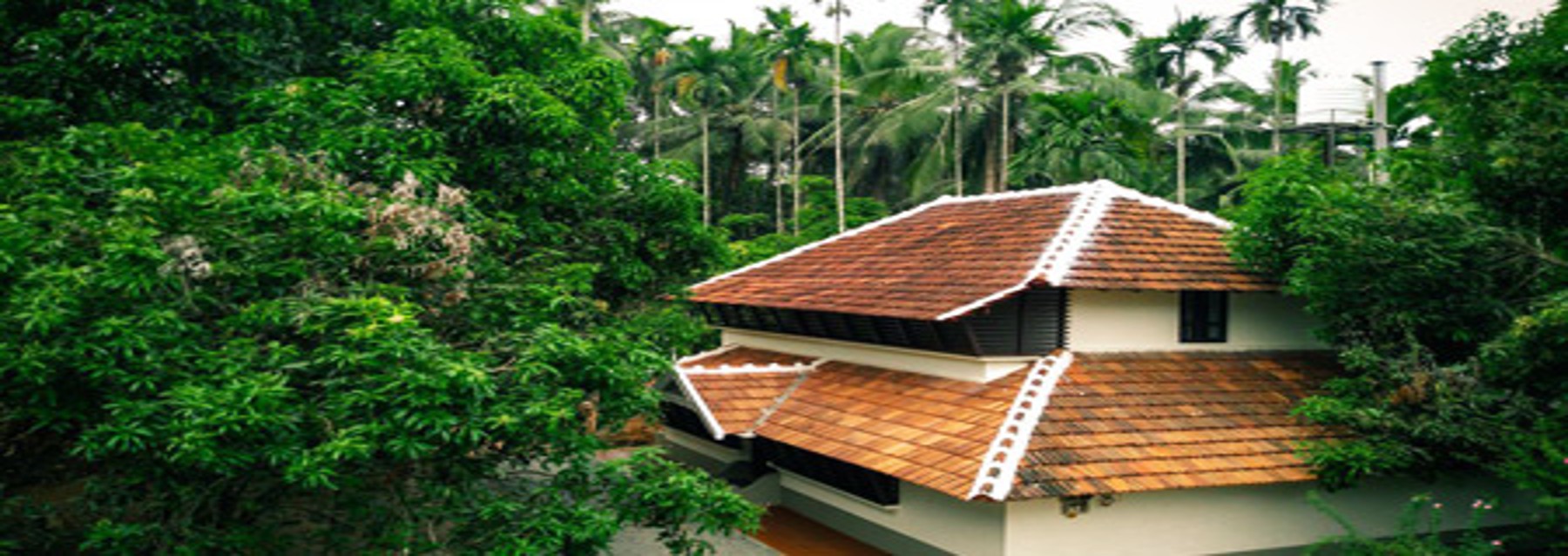
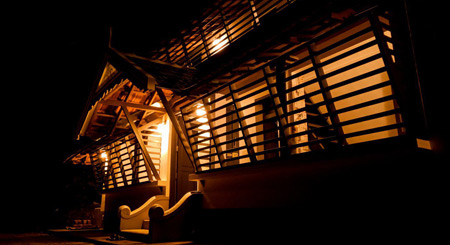
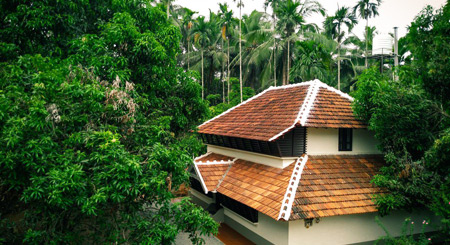
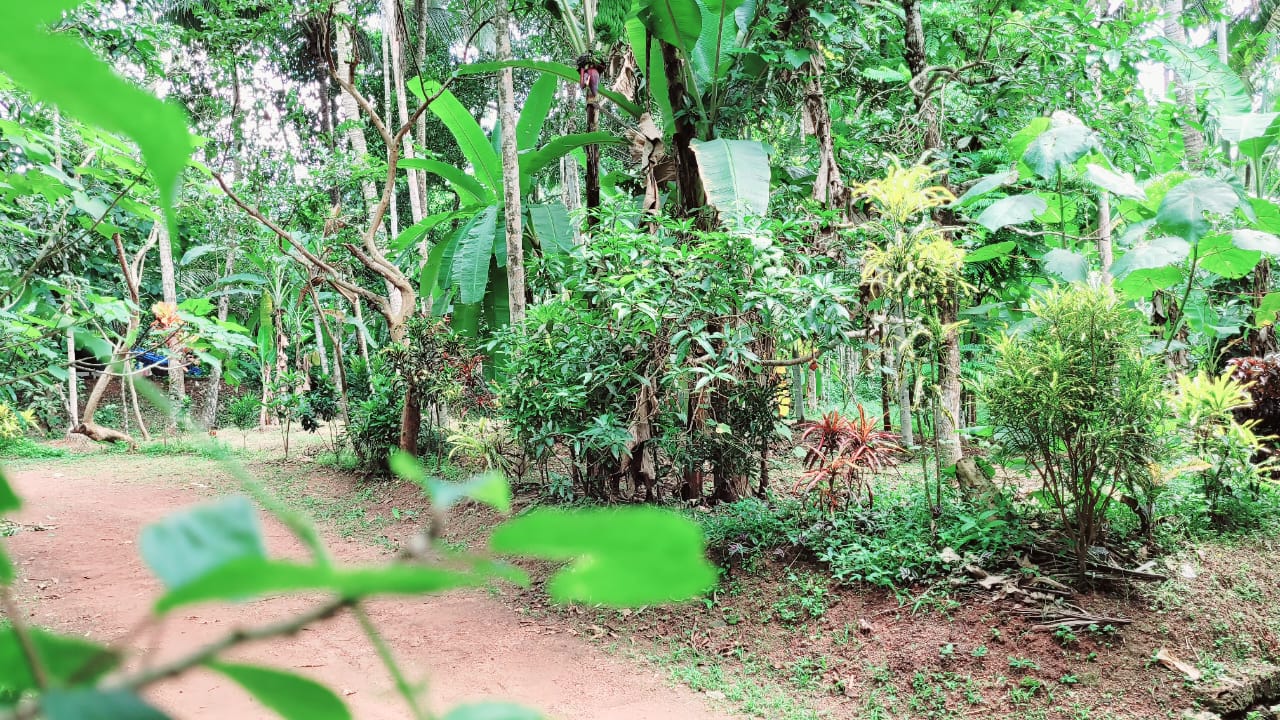
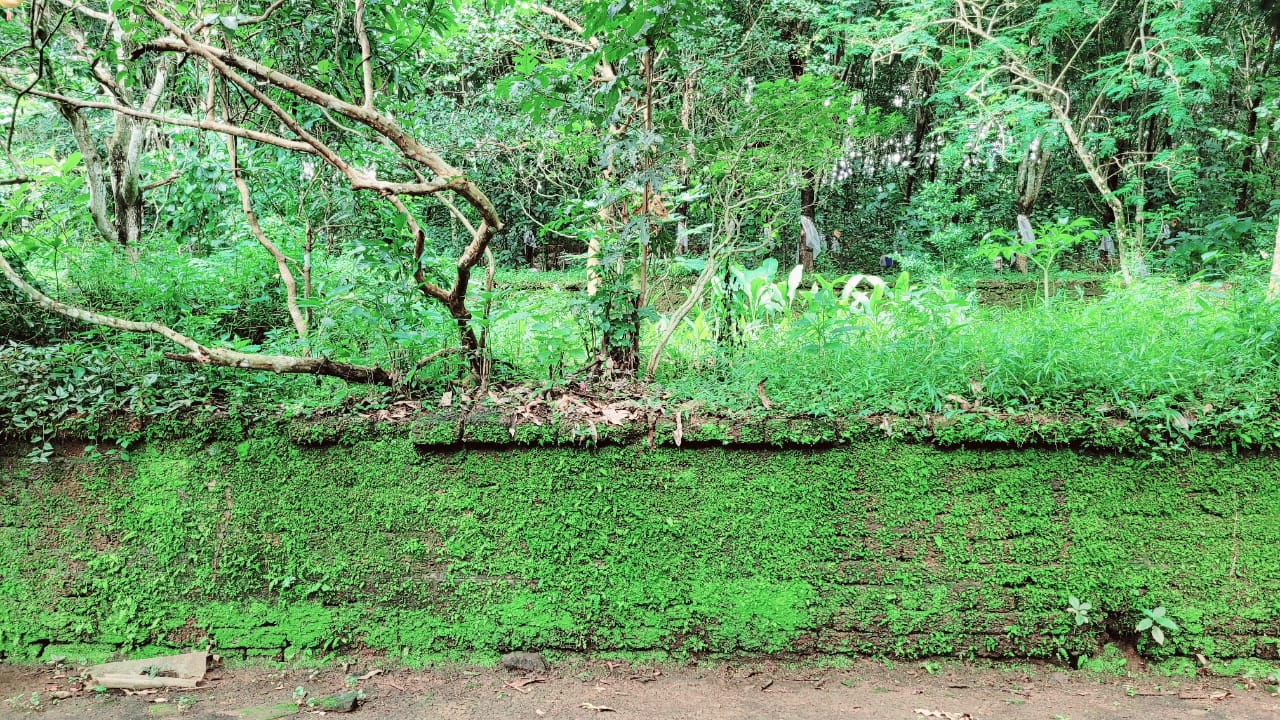
Daksha is situated within the Karakurissi village landscape of Palakkad, rather than a conventional resort environment. Its setting incorporates the character of rural Kerala, with mango trees, natural ponds, verdant paddy fields and traditional temple structures forming part of the surrounding environment. The property describes itself as an eco-friendly Ayurvedic centre, with the natural surroundings intended to provide the quiet and soothing environment considered appropriate for therapeutic treatment. The centre's operational philosophy consequently prioritises rest, restricted activity and remaining on the premises during treatment rather than sightseeing or resort recreation.
The property also maintains a herbal and medicinal plant environment, with documented examples including bilwa, mustha, vibhithaki, asoka, brahmi, ardraka, haridra, punarnava and jathi. The landscape and botanical surroundings form part of the centre's traditional therapeutic setting. Available information does not establish a formal architectural certification or specific construction methodology, so these aspects are not classified as verified architectural features beyond the documented heritage-home character and existing accommodation infrastructure.
Founders and Ayurvedic Heritage
The heritage of Daksha Ayurveda Chikitsalayam is connected to the Munjakkanni Tharavadu, a family lineage associated with traditional therapeutic Ayurveda. The centre records a heritage of more than 200 years and identifies the traditional Ayurvedic lineage of Munjakkanni, Pathinettam Kandam, Eyyala and Thalapully as having been transmitted through generations. This lineage is particularly associated with the continued practice of traditional Panchakarma and the preparation of Ayurvedic medicines within the family tradition.
Dr Deepak M D, BAMS, is identified as the physician associated with Daksha and as part of the Munjakkanni family. The centre places considerable emphasis on the family's involvement in both Ayurvedic care and hospitality, describing the treatment environment as homely rather than resort-oriented. A registered DAKSHA trademark in Class 44 identifies Daksha Ayurveda Chikitsalayam as an Ayurvedic treatment centre and medical-services provider, with Deepak M.D. recorded as proprietor and use claimed from 31 January 2013.
Ayurveda Philosophy and Approach
Daksha follows a traditional, personalised Ayurvedic approach based on the assessment of an individual's condition and Ayurvedic constitution before treatment is selected. Its published philosophy explains health through classical concepts including Prakruti, Purusha, Panchamaha Bhootha, Tridosha, Saptha Dhathu and Tri Mala, with equilibrium among the functional principles of Vata, Pitta and Kapha forming a central component of its understanding of health. Ayurveda is presented as both preventive and therapeutic, with emphasis on maintaining physical and mental wellbeing rather than addressing symptoms in isolation.
The centre's treatment philosophy gives particular importance to traditional Panchakarma, physician-selected therapies and medicines prepared or prescribed according to the patient's requirements. Its heritage includes continued attention to homemade Ayurvedic medicine preparation, while treatment may incorporate oral medicines, external therapies, prescribed diet, rest and lifestyle discipline. Yoga and basic Ayurveda education are also incorporated into the inpatient experience.
Personalised Treatment Planning
Treatment planning begins with a direct physician consultation at admission. The doctor determines the appropriate therapies, medicines and diet after assessing the patient, and the treatment plan may be modified according to the individual's response to treatment and medication. Patients undergoing inpatient treatment are specifically advised to bring relevant medical investigation reports and details of current medication to support the consultation and treatment-planning process.
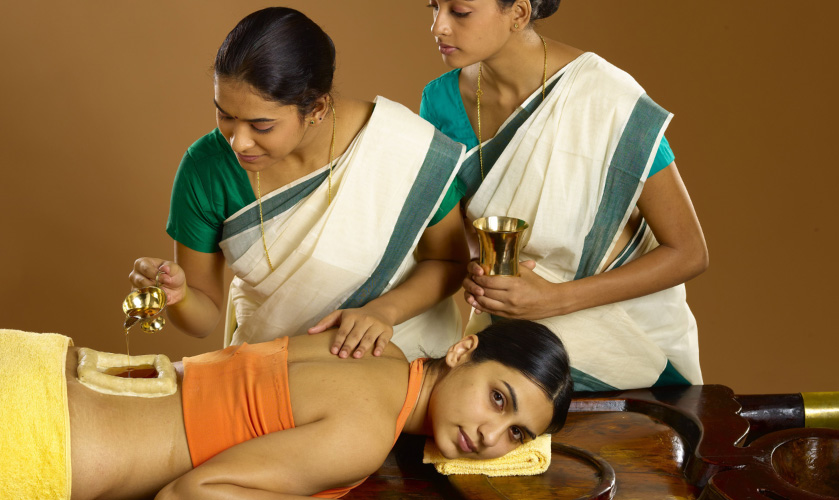
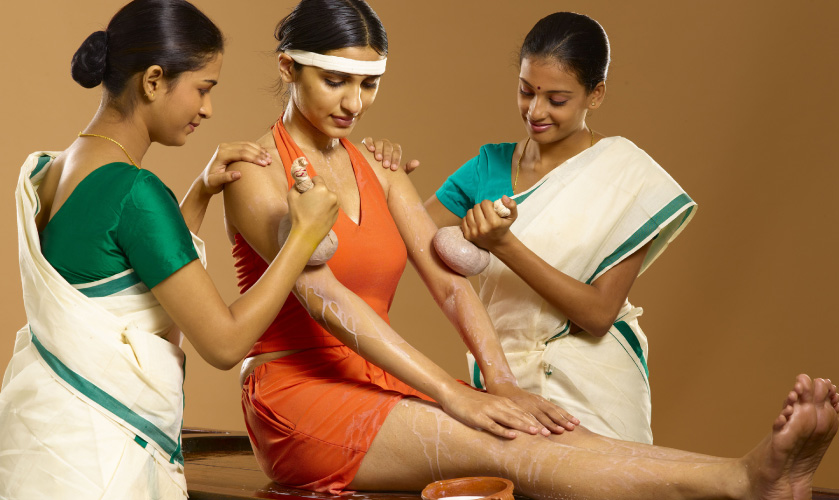
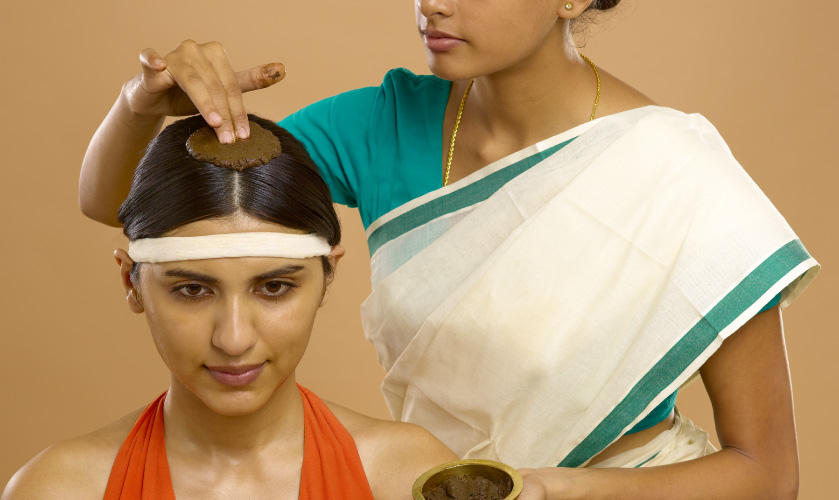
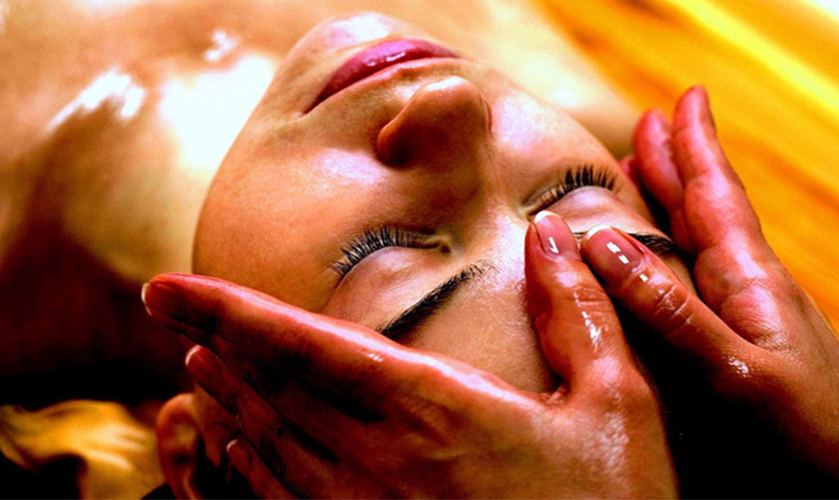
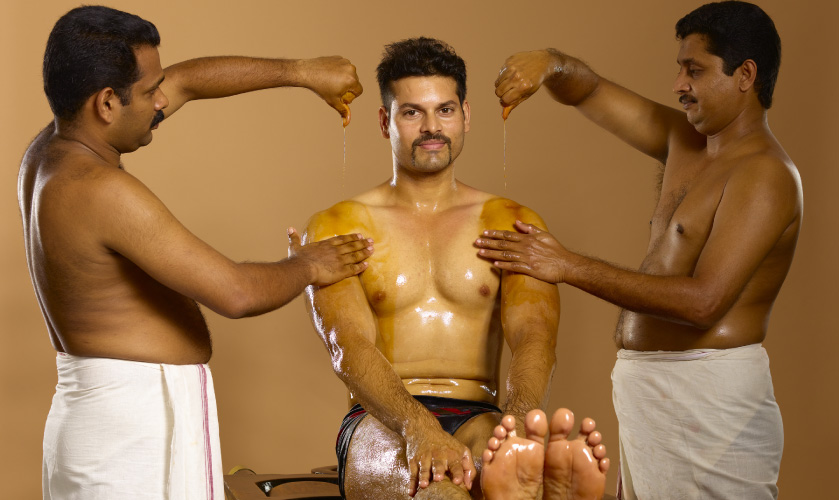
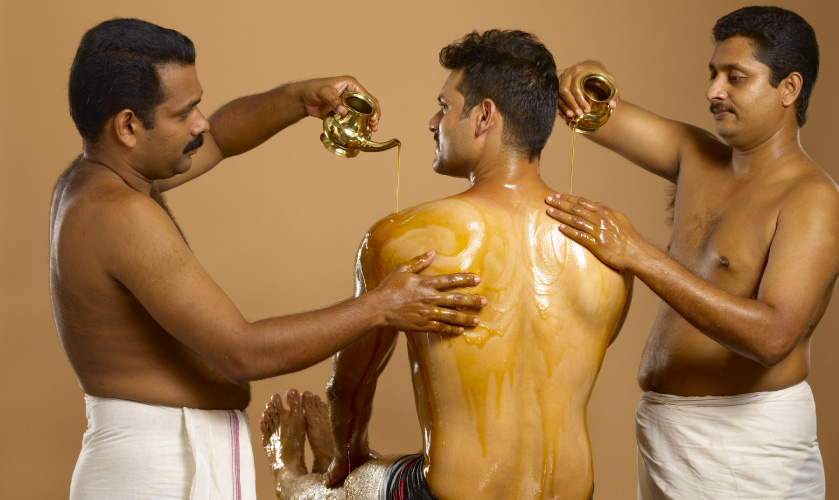
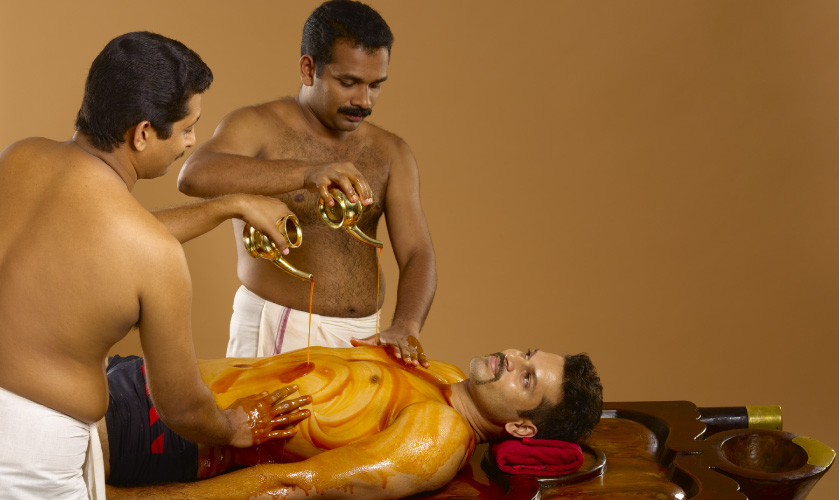
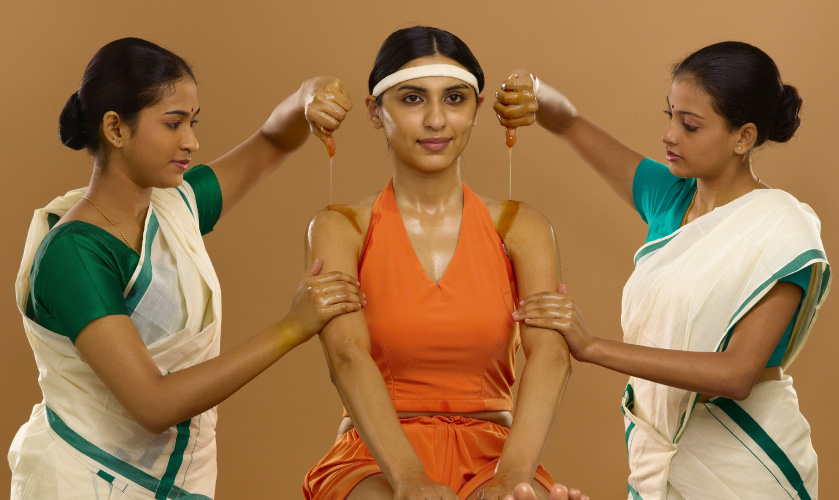
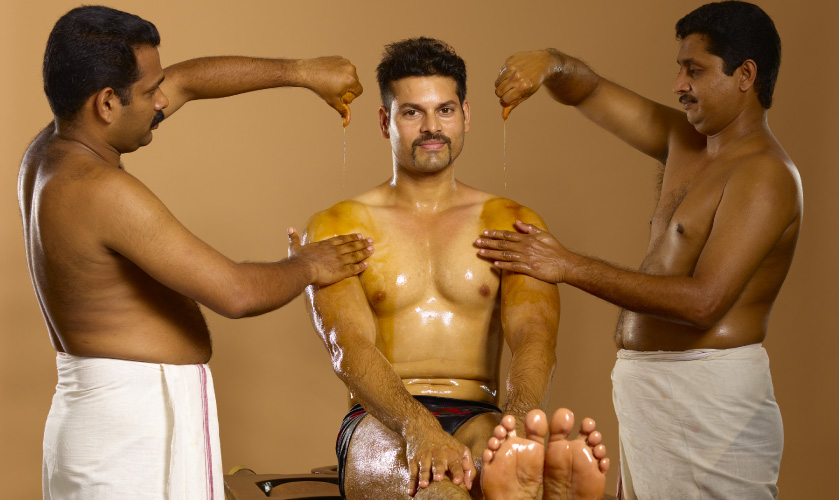
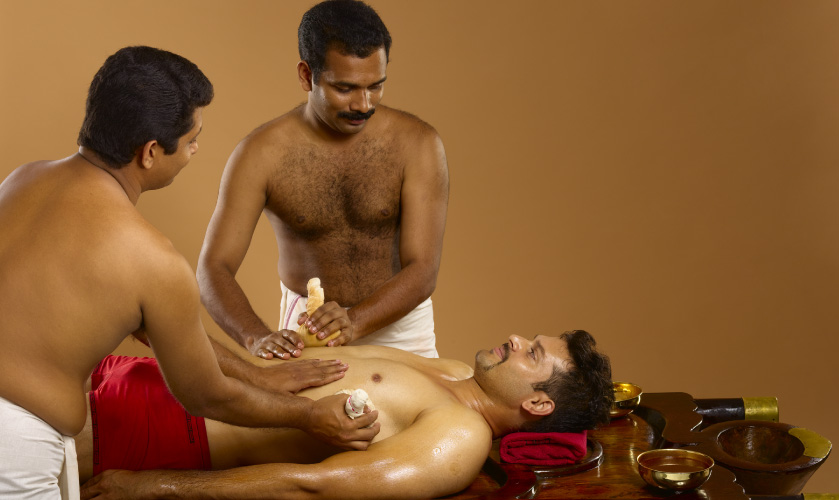
Daksha states that treatment is not selected solely from a fixed package description; the physician determines suitable therapies according to the individual's condition. Published therapies include Abhyangam, Swedanam, Kizhi, Dhara, Udwarthanam, Pizhichil, Nasyam, Shirodhara, Thakradhara, Sirovasthi, Vasthi, Vamanam, Virechanam, Rasayana Chikitsa, Sneha Panam, Pichu and Tharpanam, with the precise combination and duration determined clinically. Treatments are generally administered in one or two sessions daily, normally in the morning or evening.
Treatment Programs
Daksha's documented program portfolio includes Panchakarma, Body Purification, Relaxation and Rejuvenation, Stress Management, Weight Reduction/Obesity Care and Karkidaka Chikitsa. The centre also identifies disease-focused Ayurvedic care covering bone, joint and arthritic disorders; muscle, ligament and tendon conditions; spinal disorders; digestive diseases; neurological disorders; urinary disorders; ENT conditions; skin diseases; liver diseases; hair-related problems; respiratory diseases; women's health conditions; allergic conditions; ano-rectal disorders; diabetes; psychiatric and psychosomatic conditions; circulatory disorders; infertility; endocrine disorders and sleep disorders.
Published program durations generally include 7, 11, 14, 21 and 28 days, depending on the case. Current WellnessLoka programme records additionally document 7-, 14-, 21- and 28-night formats for Relaxation and Rejuvenation, Body Purification and Stress Management, together with 14-, 21- and 28-night Panchakarma programs and longer disease-focused programmes such as obesity care. These portfolio records are useful for programme cataloguing, while individual protocols remain subject to physician assessment.
Doctors and Wellness Experts
The documented medical structure centres on Ayurvedic physician-led care, with Dr Deepak M D (BAMS) identified as the principal doctor associated with Daksha Ayurveda Chikitsalayam and the Munjakkanni family tradition. The centre's model requires the physician to conduct the admission consultation and determine the patient's treatment therapies, internal medicines and diet. Daily clinical oversight forms part of the inpatient treatment model, with the treatment programme adjusted according to clinical response.
The property also provides Ayurvedic therapies administered by treatment staff, together with yoga instruction and basic Ayurveda education. Publicly available information does not provide sufficiently detailed, independently verified biographies or qualification records for a wider named medical team, so individual specialist profiles are not expanded here. The verified structure is therefore an Ayurvedic physician-led service supported by therapists and wellness instruction rather than a multidisciplinary hospital model.
Post Treatment Care
Post-treatment care forms part of the centre's Ayurvedic approach. At discharge, the doctors provide further medication and dietary guidance where required, and prescribed medicines may be supplied by Daksha at a nominal cost. The centre advises patients to continue a lifestyle similar to the treatment environment after departure and to avoid strenuous exercise and extensive travel immediately following treatment. The recommended post-treatment period of reduced activity is stated to be at least equivalent to the duration of the treatment.
The centre also emphasises continued availability for guidance after treatment, reflecting its family-based and personalised care model. During the inpatient period, guests are encouraged to maintain regular sleep, avoid excessive physical and mental exertion, and follow the physician-prescribed diet and daily routine. These measures are treated as integral to completing the therapeutic process rather than as optional resort activities.
Accommodation
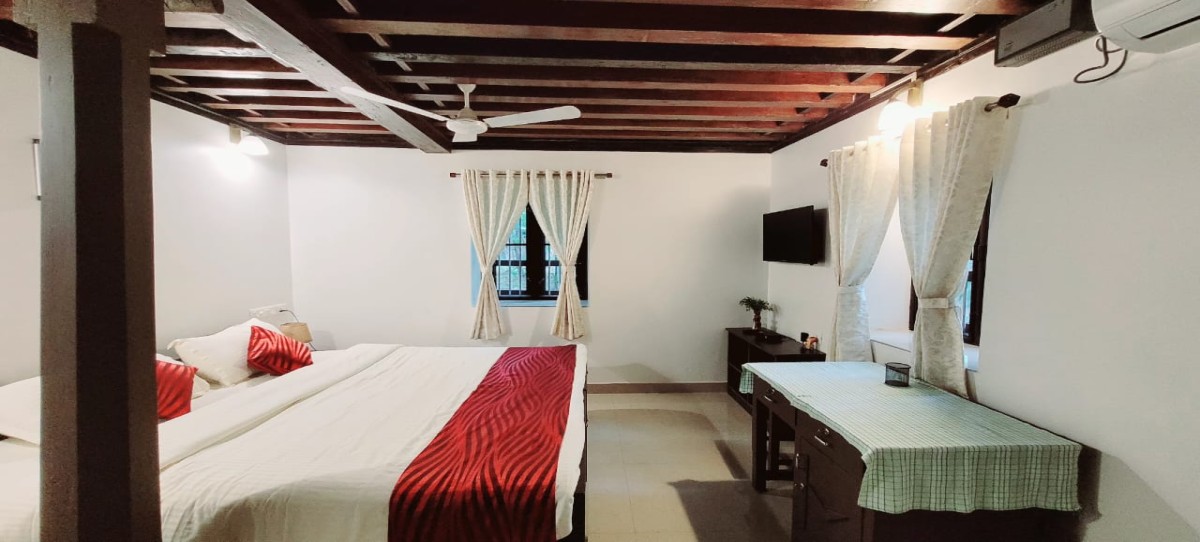
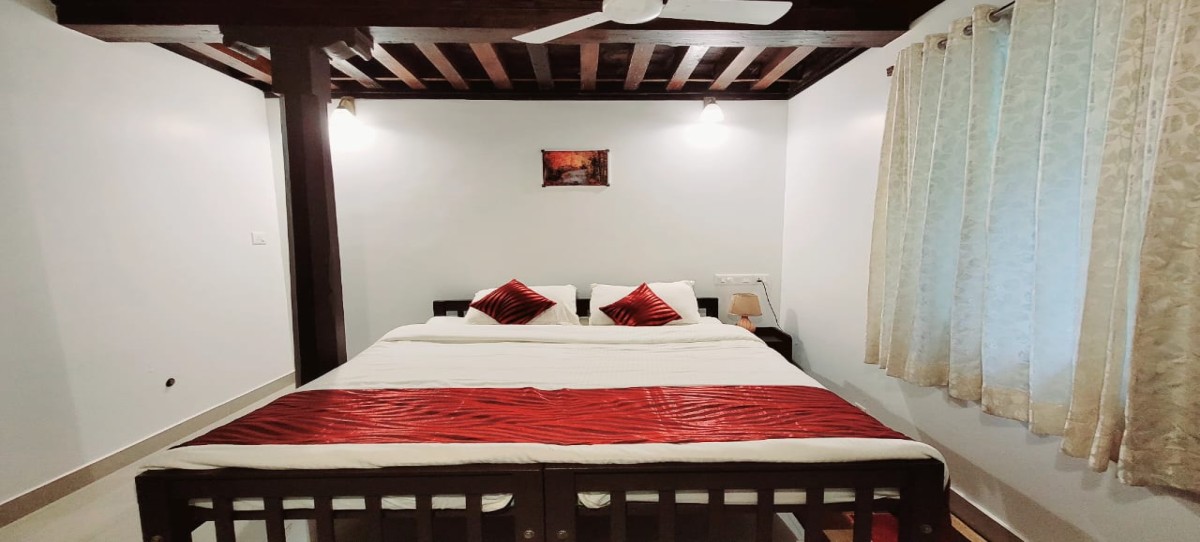
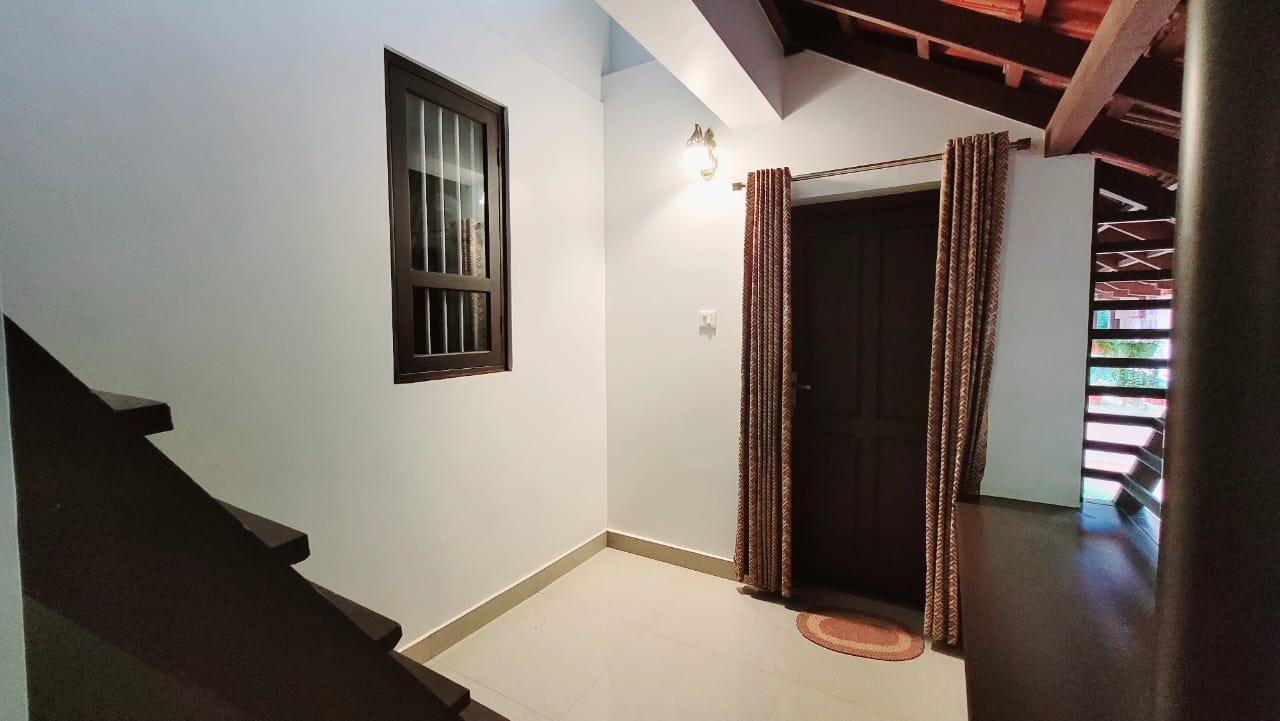
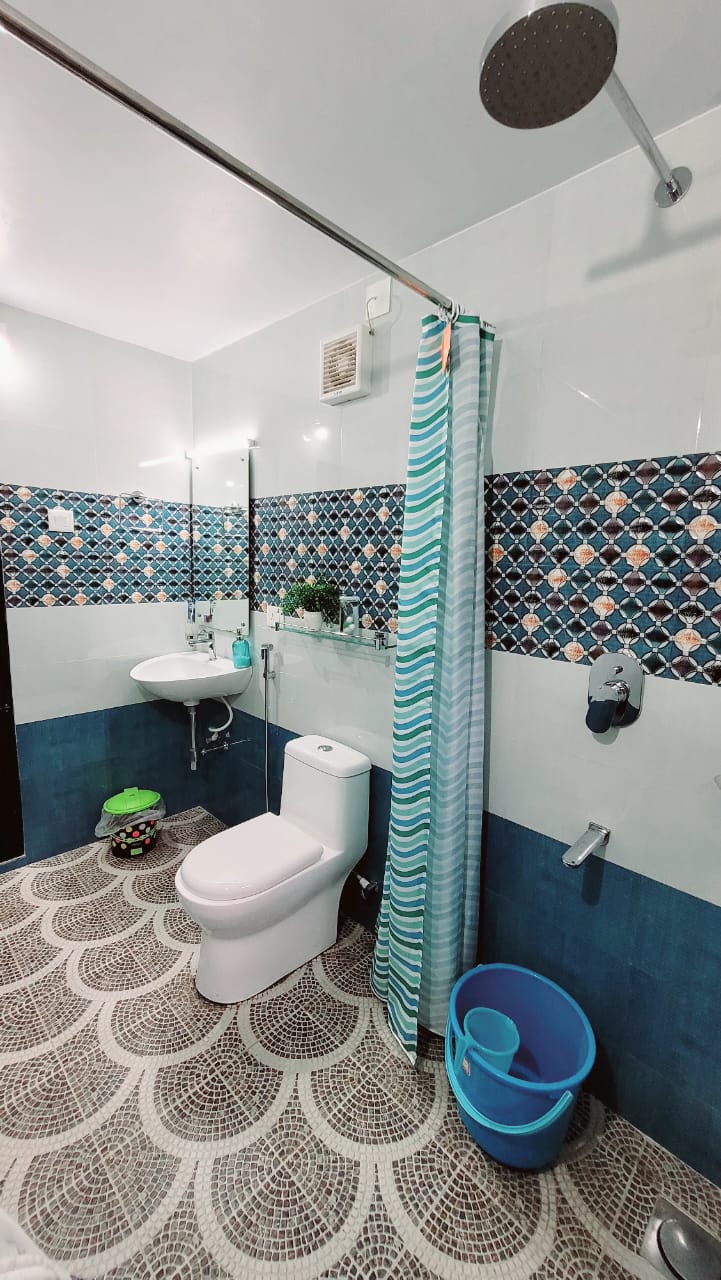
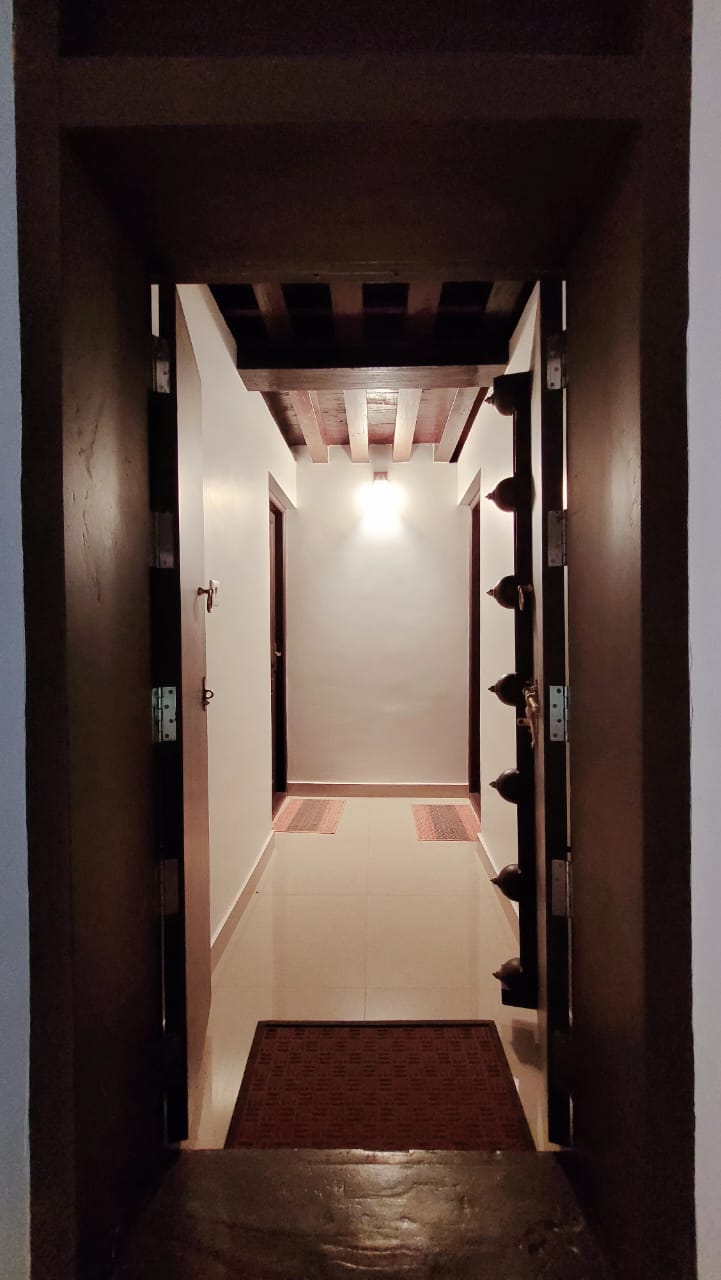
Accommodation at Daksha is intended specifically for patients receiving Ayurvedic medical treatment, rather than for independent leisure stays. The property describes its inpatient accommodation as part of an eco-friendly therapeutic environment, and published information records spacious bedrooms with wooden furniture, king-size beds that can be separated into twin beds, television and attached bathrooms with hot and natural water. Wi-Fi is available in rooms, while air conditioning is intended for minimal or emergency use during hot weather rather than as a central feature of the treatment environment.
The accommodation model supports the centre's treatment philosophy by keeping patients on the premises and encouraging rest throughout the programme. Advance reservation is required for inpatient treatment, with the standard treatment-stay framework built around 7, 11, 14, 21 or 28 days. The property explicitly distinguishes itself from a conventional resort and expects patients to prioritise therapeutic routines over leisure-oriented facilities.
Diet and Dining
Dining at Daksha is structured as physician-prescribed Ayurvedic vegetarian diet, with food treated as part of the therapeutic programme. Guests are instructed not to consume outside food or drinks and are advised to follow the diet provided by the centre. Meals commonly use rice, wheat, pulses and coconut, while medicated drinking water is supplied daily in guest rooms. Dietary quantities, timing and composition may be adjusted according to treatment requirements.
The published general dining schedule comprises breakfast from 8:30–10:30 am, lunch from 1:00–2:00 pm, an afternoon snack, seasonal fruit juice or herbal drink from 4:00–5:00 pm, and dinner from 7:00–8:00 pm, although timings may change according to treatment schedules. Daksha operates as a strictly vegetarian, non-alcoholic and tobacco-restricted treatment centre, rather than as a conventional resort with unrestricted dining.
Wellness Activities
Yoga and basic Ayurveda education are provided during the inpatient stay. These activities complement the physician-led treatment model, but the centre's primary emphasis remains therapeutic care, rest and adherence to the prescribed routine rather than an extensive recreational wellness programme.
The daily environment is intentionally low-stimulation. Patients are advised to remain on the premises, avoid strenuous exercise and physical work, limit excessive travel and prolonged sitting, and minimise activities such as excessive television, internet use, reading, writing and intense discussion. Sleep is preferably maintained between 9:00 pm and 6:00 am, while only a short approximately 20-minute nap is recommended during the day and only after a suitable interval following lunch.
Facilities and Services
The documented facilities include Ayurvedic treatment rooms, herbal garden, Ayurvedic medicines, physician-prescribed Ayurvedic diet, yoga instruction, Wi-Fi, laundry service and backup power generation. The treatment environment includes dedicated bathing arrangements associated with the treatment rooms, and the centre provides basic toiletries including towel, natural soap, toothpaste and brush, shampoo, bed linen, blanket, tissues and toilet paper.
Operational services include airport transfers for a fee, assistance with foreign-currency conversion through an external exchange arrangement, acceptance of major credit and debit cards, internet banking and QR-code payments, and required identity documentation procedures for Indian and foreign patients. Mobile connectivity from major service providers is available for emergency inpatient use. The centre maintains its own generator because of the property's rural location and potential power interruptions.
Sustainability and Guest Guidelines
Daksha presents its setting as an eco-friendly Ayurvedic centre surrounded by medicinal plants and a green rural environment. The documented herbal surroundings include several Ayurvedic plants, while the treatment philosophy encourages reduced environmental and sensory stimulation during therapy. The centre does not document a formal sustainability certification in the reviewed sources, so its sustainability positioning is limited to the verified environmental setting and operational descriptions.
Guest guidelines are closely linked to treatment compliance. Patients are expected to remain on the premises, avoid strenuous activity, minimise exposure to excessive sun, heat, cold water and wind, and follow prescribed food and sleep routines. Oil-based treatments or medication are not administered during the first three days of menstruation, and female patients are advised to plan their arrival accordingly. Daksha also requests modest practical clothing and maintains a vegetarian, non-alcoholic and tobacco-restricted environment.
Guest Experience and Stay Approach
The Daksha stay is structured around inpatient Ayurvedic treatment rather than conventional resort hospitality. The property explicitly advises guests not to expect resort-style facilities and instead centres the experience on physician consultation, therapies, prescribed food, rest, yoga, medicines and recovery within a quiet rural environment. The family involvement associated with the Munjakkanni heritage contributes to a homely treatment setting, while the centre's own philosophy emphasises personal attention and customised care.
The treatment experience requires active participation in the prescribed routine. Guests are expected to follow dietary restrictions, remain on the premises, limit physical and mental exertion, respect treatment timings and observe post-treatment recommendations. The combination of traditional family Ayurveda lineage, personalised Panchakarma-oriented treatment, rural Kerala surroundings and a clinically focused inpatient routine defines the property's distinctive stay model.
-
 Ayurvedic Dosha Meals
 -
 Common Treatment Room
 -
 Exclusive Ayurveda Property
 -
 Free Wifi In Common Areas
 -
 Garden View
 -
Kids Allowed : Always
-
 Property Constellation : Multi Storied Building
 -
Retreat Size- Small
-
 Therapy : Single Therapist
 -
 Vegetarian Meals
More about Daksha Ayurveda Chikitsalayam
Daksha Ayurveda Chikitsalayam follows a strictly therapeutic approach to dining, with food considered an integral part of the Ayurvedic treatment process rather than a separate hospitality service. Meals are strictly vegetarian and are prepared according to the dietary requirements prescribed by the consulting Ayurvedic physician. The diet is adjusted to complement the individual's treatment, health condition and therapeutic objectives, making adherence to the prescribed food routine an important component of the inpatient programme. Guests are required to consume the food provided by the centre and are advised not to bring or consume outside food or drinks during treatment.
The daily meal routine generally includes breakfast between 8:30 am and 10:30 am, lunch from 1:00 pm to 2:00 pm, an afternoon snack, a seasonal fruit juice or herbal drink between 4:00 pm and 5:00 pm, and dinner from 7:00 pm to 8:00 pm. Meal timings may be modified according to the individual's treatment schedule. The cuisine commonly incorporates rice, wheat, pulses and coconut, while medicated drinking water is provided daily in guest rooms. The dietary regime is designed around traditional Ayurvedic principles, with food choices and quantities determined according to therapeutic needs rather than unrestricted culinary preference. Alcohol and tobacco are not permitted within the treatment environment, reinforcing the centre's controlled dietary and lifestyle approach.
Daksha Ayurveda Chikitsalayam follows a deliberately quiet and treatment-oriented approach to leisure, with recreational activities kept secondary to Ayurvedic therapy, rest and recovery. The property is set within a rural Kerala environment characterised by greenery, mango trees, natural ponds, paddy fields and traditional temple surroundings, allowing guests to spend their non-treatment periods in a calm natural setting. The centre is not positioned as a conventional leisure resort and does not promote an extensive programme of entertainment or recreational facilities.
During the treatment stay, guests are encouraged to prioritise rest, relaxation and therapeutic recovery rather than sightseeing or physically demanding activities. Patients are advised to remain within the property during treatment, avoid strenuous exercise, excessive physical work and prolonged travel, and minimise activities that may interfere with the prescribed Ayurvedic routine. Excessive television, internet use, reading, writing and intense conversations are also discouraged as part of the low-stimulation environment. Yoga and basic Ayurveda education are incorporated into the stay as supportive wellness activities, while the surrounding natural landscape provides opportunities for quiet contemplation and relaxation.
The property's leisure philosophy therefore centres on slow living, rest and immersion in a traditional rural environment rather than conventional resort recreation. Guests are expected to maintain an appropriate sleep routine, generally retiring around 9:00 pm and waking around 6:00 am, with daytime rest permitted in moderation. The overall experience is designed to give the body and mind sufficient time to respond to the prescribed Ayurvedic therapies, making leisure an extension of the therapeutic process rather than an independent recreational offering.
Ayurveda at Daksha Ayurveda Chikitsalayam is rooted in the traditional Ayurvedic lineage of the Munjakkanni Tharavadu, with the centre maintaining an approach based on personalised assessment, classical Ayurvedic principles and traditional Panchakarma practices. The property describes Ayurveda as a holistic science of life founded on concepts including Panchamaha Bhootha, Tridosha, Saptha Dhathu, Tri Mala, Prakruti and Purusha. Treatment planning is undertaken following direct consultation with the resident physician, with therapies, internal medicines, diet and daily routines determined according to the individual’s condition and response to treatment. The centre follows a traditional Panchakarma-oriented approach and retains the practice of preparing Ayurvedic medicines within its own heritage tradition. Treatment may include therapies such as Abhyangam, Swedanam, Kizhi, Dhara, Shirodhara, Pizhichil, Nasyam, Sirovasthi, Vasthi, Vamanam, Virechanam, Sneha Panam, Pichu, Tharpanam and Rasayana Chikitsa, with the actual combination selected by the physician rather than following a fixed treatment schedule.
Yoga forms part of the supportive wellness routine offered during the Ayurvedic stay. Guests are provided with yoga and basic Ayurveda guidance as complementary components of their treatment experience, helping them maintain a disciplined and restorative daily routine alongside prescribed therapies, medication and Pathya dietary practices. Yoga is positioned within the broader therapeutic environment rather than as a standalone recreational activity, and the property's emphasis on rest, reduced physical exertion and controlled daily routines means that activities are expected to remain appropriate to the guest's treatment condition.
Meditation and mental relaxation are approached primarily through the centre's quiet, low-stimulation therapeutic environment and its emphasis on rest and mental calm. Guests are encouraged to maintain a positive mindset, avoid emotional provocation and reduce activities that create unnecessary mental or physical strain. The natural surroundings, including greenery, mango groves, paddy fields and traditional village landscapes, complement this restorative atmosphere. While the property does not provide a separately documented, fixed meditation curriculum on its official information, the overall Ayurvedic stay is structured to support mental relaxation, reduced stress, adequate sleep and inward-focused recovery alongside the prescribed therapies and yoga practices.
Panchakarma Program
Body Purification
Relaxation And Rejuvenation
Daksha Ayurveda Chikitsalayam boasts a strong track record of positive customer feedback, reflecting the exceptional quality of its services and the satisfaction of its patrons.
Panchakarma
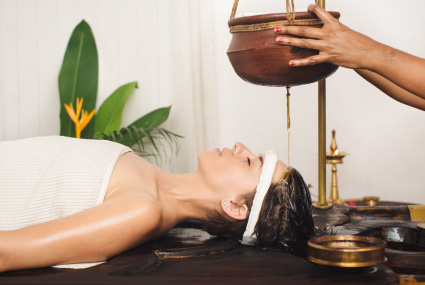
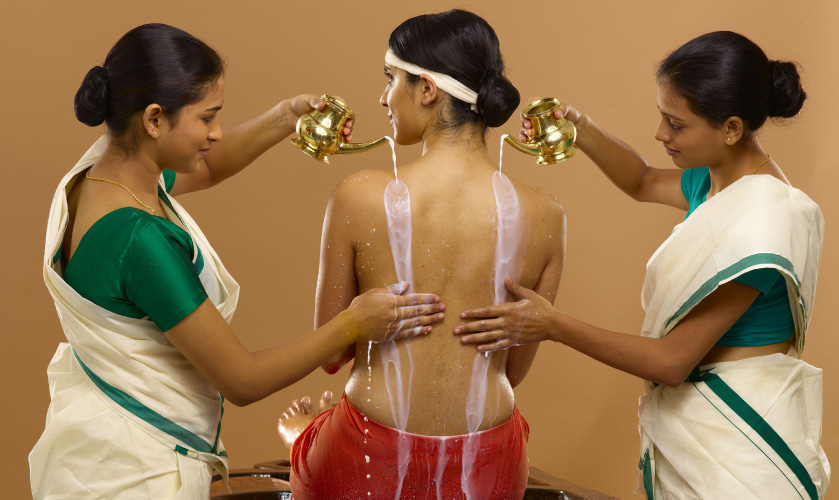
A Panchakarma retreat is a deeply transformative Ayurvedic detox and healing program designed to eliminate accumulated toxins, restore internal balance, and rejuvenate the body and mind. Rooted in the ancient science of Ayurveda, Panchakarma meaning “five actions” is a medically guided process that works at a cellular level to remove toxins (Ama), strengthen digestion (Agni) and balance the three doshas: Vata, Pitta and Kapha. Unlike modern detox programs or wellness retreats that focus only on relaxation, a Panchakarma retreat is a structured therapeutic process aimed at long-term health, disease prevention and complete physiological reset. In today’s fast-paced lifestyle, the body is constantly exposed to stress, processed foods, environmental pollutants and irregular routines. These factors weaken digestion and lead to the accumulation of Ama, a toxic byproduct that obstructs bodily channels and disrupts normal functioning. Over time, this imbalance manifests as fatigue, weight gain, poor digestion, hormonal issues, joint pain, skin disorders, and mental stress. A Panchakarma retreat addresses these root causes by mobilising and eliminating toxins from deep tissues, allowing the body to restore its natural intelligence and healing capacity. A traditional Panchakarma treatment follows a carefully structured three-stage process to ensure safety and effectiveness. The first stage, known as preparation (Purva Karma), involves therapies such as Snehana (internal and external oiling) and Swedana (herbal steam therapy), which help loosen and mobilise toxins from the tissues. The second stage, the main detox phase (Pradhana Karma), includes specialised treatments such as Virechana (therapeutic purgation), Basti (medicated enemas), Nasya (nasal detox), and in specific cases, Vamana or Raktamokshana. These therapies are selected based on individual diagnosis and are performed under the supervision of qualified Ayurvedic doctors. The final stage, rejuvenation (Paschat Karma), focuses on restoring strength, rebuilding immunity, and stabilising the body through herbal medicines, a specialised Ayurvedic diet, and lifestyle guidance. A Panchakarma retreat offers a wide range of benefits that go beyond physical detoxification. It improves digestion and metabolism, supports sustainable weight management, enhances immunity, reduces stress and anxiety, improves sleep quality, and promotes clearer skin and increased energy levels. One of the most profound effects of Panchakarma is its impact on mental clarity and emotional balance. As toxins are eliminated from the body, the nervous system becomes more stable, allowing the mind to shift from a state of stress to a state of calm and focus. Many individuals experience a deep sense of reset, both physically and mentally, after completing a Panchakarma program. When choosing a Panchakarma retreat, location plays a crucial role in the effectiveness of the treatment. A Panchakarma retreat in Kerala, India is widely considered the most authentic and effective option due to its strong Ayurvedic lineage, ideal tropical climate, and access to medicinal herbs. Kerala is home to highly trained BAMS-certified Ayurvedic doctors who follow classical treatment protocols, ensuring a medically accurate and personalised approach. The warm and humid climate of Kerala supports detoxification by opening the body’s channels, making treatments more effective compared to colder regions. For this reason, Kerala has become the global centre for authentic Panchakarma therapy. Across India, Panchakarma retreats are available in various formats, ranging from traditional Ayurvedic hospitals to luxury wellness resorts. While India offers a wide range of options, the quality and authenticity of treatment can vary significantly, making it important to choose centres that provide personalised care and medical supervision. A Panchakarma retreat in Sri Lanka offers a similar tropical environment and is emerging as a destination for Ayurvedic healing, often combining traditional therapies with a more relaxed retreat experience. Meanwhile, a Panchakarma retreat in Bali is popular for its scenic beauty and luxury wellness offerings, although treatments may be adapted and may not always follow classical Ayurvedic protocols as practised in India. A typical Panchakarma retreat includes an initial consultation with an Ayurvedic doctor, personalised treatment planning, daily therapies, herbal medications, and a specialised Ayurvedic diet designed to support detoxification. Many retreats also incorporate yoga, meditation, and lifestyle guidance to enhance overall well-being. The duration of a Panchakarma program can vary depending on individual health goals, with 7-day programs offering mild detox, 14-day programs providing moderate cleansing, and 21 to 28-day programs delivering deep detoxification and long-term healing benefits. For chronic conditions and deeper imbalances, longer programs are generally recommended. Choosing the right Panchakarma retreat is essential for achieving safe and effective results. A genuine retreat should offer qualified Ayurvedic doctors, personalised treatment protocols, daily medical supervision, authentic Panchakarma therapies, and a structured dietary plan. It is important to understand that Panchakarma is not a spa treatment or a relaxation package—it is a medical healing process rooted in Ayurvedic science. A Panchakarma retreat is ultimately an investment in long-term health and well-being. It is ideal for individuals seeking to address chronic health issues, improve digestion, reduce stress, enhance immunity, or simply reset the body and mind. By removing deep-rooted toxins and restoring balance, Panchakarma allows the body to function optimally and maintain a state of natural harmony. Whether you choose a Panchakarma retreat in Kerala, India, Sri Lanka, or Bali, the experience offers a powerful opportunity to reconnect with your health, restore vitality, and experience true holistic healing.
View 3 Programs
14 Nights Panchakarma Program
21 Nights Panchakarma Program
28 Nights Panchakarma Program
.jpg)
Rasayana Chikitsa (Rejuvenation Therapy)
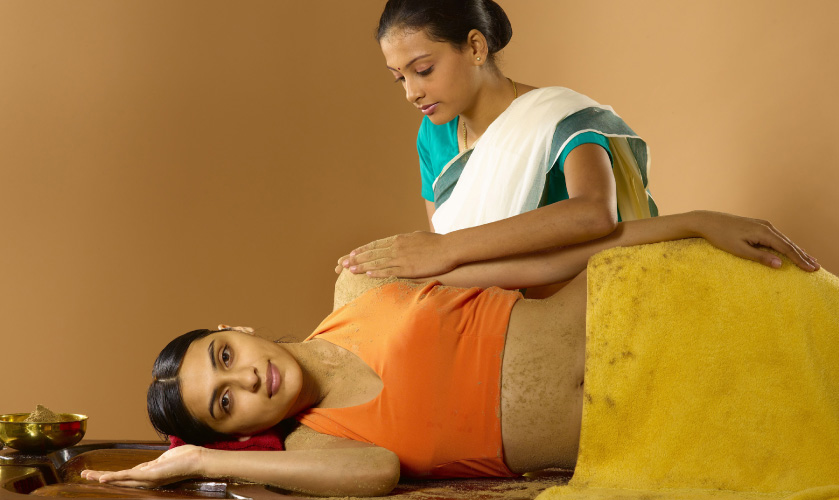
Rasayana Chikitsa occupies a unique place in Ayurveda as the branch dedicated to rejuvenation, regeneration, and longevity science. While commonly understood as a therapy, Rasayana is traditionally described as a discipline that enhances the quality of life by improving tissue integrity, cognitive function, and resistance to ageing. It operates through specialised protocols that support the renewal of body tissues (Dhatus) and optimise the flow of nutrients across physiological systems. One of the defining aspects of Rasayana therapy is its focus on tissue nourishment at successive levels. Ayurveda explains that the body is sustained through a chain of tissue formation—from plasma (Rasa) to reproductive tissue (Shukra). When this chain is disrupted, degeneration, fatigue, and premature ageing begin to appear. Rasayana Chikitsa works by improving this tissue transformation process, ensuring that each layer is properly nourished and regenerated. A key concept associated with Rasayana is Ojas, considered the essence of all bodily tissues and the foundation of immunity, vitality, and mental stability. Depletion of Ojas is linked to chronic fatigue, low immunity, emotional instability, and reduced resilience. Rasayana therapies are designed to rebuild Ojas through targeted herbal formulations, dietary regulation, and restorative treatments that strengthen both physical and psychological endurance. Rasayana Chikitsa is also closely connected to age management in Ayurveda. Classical texts describe different stages of life and recommend Rasayana interventions to slow down degeneration and maintain optimal function. This makes it particularly relevant for individuals seeking healthy ageing, improved cognitive performance, and sustained energy levels rather than symptomatic treatment alone. There are different approaches within Rasayana therapy, including Kutipraveshika Rasayana (a highly controlled and intensive rejuvenation protocol conducted in isolation) and Vatatapika Rasayana (a more practical, lifestyle-integrated approach suitable for retreat settings). While the former is rarely practised in modern environments due to its strict requirements, the latter forms the foundation of most Rasayana Chikitsa retreat programs today. Geographical context plays an important role in the effectiveness of Rasayana therapy. A Rasayana Chikitsa retreat in Kerala, India offers access to traditional Ayurvedic lineages, region-specific herbal preparations, and clinical expertise developed over generations. The natural humidity and temperature of Kerala are considered supportive for therapeutic absorption and tissue nourishment. In comparison, other parts of India offer varied approaches, ranging from clinical Ayurvedic hospitals to wellness-focused retreats. A Rasayana retreat in Sri Lanka shares similar climatic advantages and continues to grow as a complementary Ayurvedic destination. Meanwhile, a rejuvenation retreat in Bali is often positioned within a luxury wellness framework, where the emphasis may lean more towards relaxation and lifestyle enhancement rather than classical Ayurvedic methodology. Rasayana Chikitsa is particularly relevant in conditions involving degeneration and depletion, including low immunity, post-illness recovery, chronic fatigue syndromes, and age-related decline. It is also used to support mental performance, memory, and emotional stability, making it beneficial for individuals experiencing burnout or cognitive strain. A structured Rasayana program involves more than therapies alone. It includes strict adherence to dietary guidelines (Pathya), behavioural discipline, and routine alignment to maximise absorption and effectiveness. Seasonal considerations (Ritucharya) and daily routines (Dinacharya) are often integrated into the program to enhance long-term outcomes. The success of Rasayana therapy depends heavily on consistency, correct sequencing, and the individual’s ability to follow these guidelines. Another important aspect is that Rasayana Chikitsa is often recommended after detoxification therapies such as Panchakarma, as a cleansed body is more receptive to nourishment and regeneration. This sequencing significantly enhances the effectiveness of Rasayana interventions. Choosing the right Rasayana Chikitsa retreat requires attention to medical authenticity and program structure. Key factors include the presence of qualified Ayurvedic physicians, use of classical herbal formulations, personalised protocols, and a controlled environment that supports rest and recovery. Unlike general wellness programs, Rasayana therapy requires a methodical approach to deliver measurable and lasting results. Rasayana Chikitsa ultimately represents Ayurveda’s vision of sustained vitality rather than temporary wellness. By focusing on regeneration, tissue strength, and internal resilience, it provides a pathway to maintain health, delay ageing, and enhance overall quality of life in a structured and scientifically grounded manner.
View 4 Programs
7 Nights Relaxation And Rejuvenate Program
14 Nights Relaxation And Rejuvenate Program
21 Nights Relaxation And Rejuvenate Program
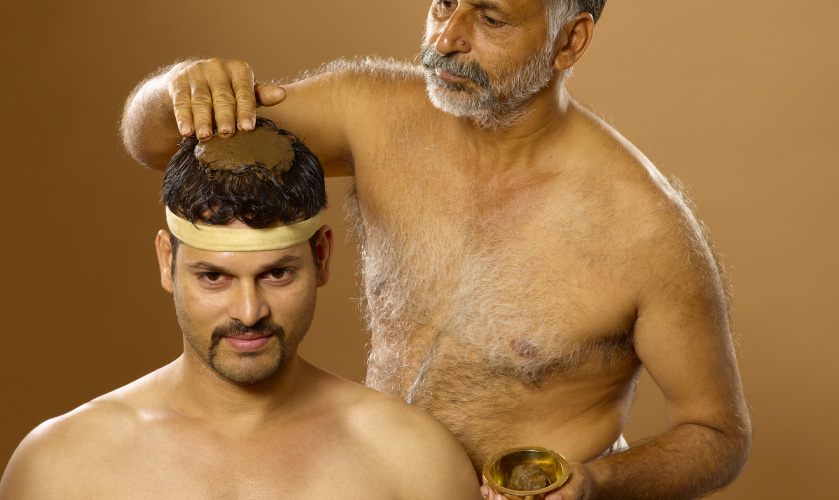
28 Nights Relaxation And Rejuvenate Program
.jpg)
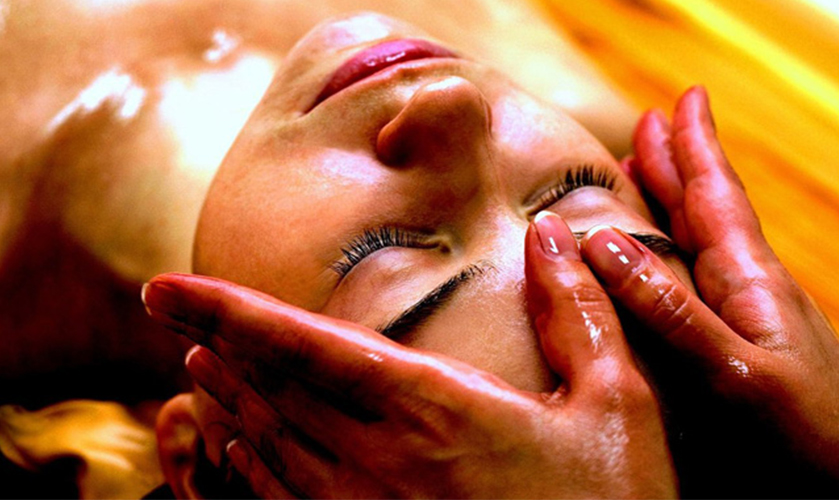
Shodhana Chikitsa (Body Detoxification)
Shodhana Chikitsa represents the purificatory branch of Ayurveda, focusing on the systematic elimination of accumulated waste and restoring physiological balance. It is a clinically structured approach that works through specialised procedures designed to cleanse different systems of the body, including the digestive tract, circulatory pathways, and deeper tissue channels (Srotas). In Ayurveda, the body’s internal transport system plays a crucial role in maintaining health. When these channels become obstructed due to improper digestion, lifestyle factors, or environmental influences, it can lead to stagnation, inflammation, and the progression of disease. Shodhana therapies are designed to clear these pathways, allowing nutrients to circulate effectively and supporting the body’s natural regulatory functions. A core component of Shodhana Chikitsa is its integration with the classical detoxification framework commonly associated with Panchakarma. Depending on individual requirements, purification methods such as Virechana (therapeutic purgation), Vamana (controlled emesis), and Basti (medicated enema therapy) may be incorporated to target specific imbalances. These procedures are not applied uniformly but are carefully selected and sequenced based on the individual’s constitution and clinical condition. Before the main purification procedures, the body undergoes preparatory processes that enhance the effectiveness of detoxification. These include Snehana (internal and external oleation) to loosen deeply seated toxins and Swedana (herbal steam therapy) to mobilise them into the digestive tract for elimination. This preparatory phase ensures that the purification process is both effective and controlled. Following detoxification, a structured post-therapy phase is introduced to stabilise the body and restore digestive strength. This includes gradual dietary progression, digestive support, and lifestyle regulation to ensure that the system adapts smoothly after the cleansing process. Without this phase, the benefits of detoxification may not be sustained. A Shodhana Chikitsa retreat in Kerala, India offers a highly authentic setting for these therapies due to the region’s long-standing Ayurvedic tradition, availability of trained practitioners, and use of classical treatment protocols. Kerala’s climate supports sweating and metabolic activity, which enhances the efficiency of detoxification procedures. Across India, detox programs are available in both clinical and retreat formats, while destinations such as Sri Lanka and Bali provide alternative wellness-focused experiences that may combine Ayurvedic principles with broader spa and relaxation approaches. Shodhana Chikitsa is particularly relevant for individuals dealing with chronic imbalances, inflammatory conditions, metabolic disorders, and skin-related concerns, where toxin accumulation and channel obstruction play a significant role. It is also used as a preparatory step before deeper rejuvenation therapies, as a cleansed system responds more effectively to nourishment and restorative treatments. This form of Ayurvedic detoxification is not a general wellness trend but a medically guided process that requires precision, sequencing, and professional supervision. Its effectiveness lies in its ability to address the root level of imbalance, making it a foundational therapy within the broader Ayurvedic system of healing.
View 4 Programs

Weight Management
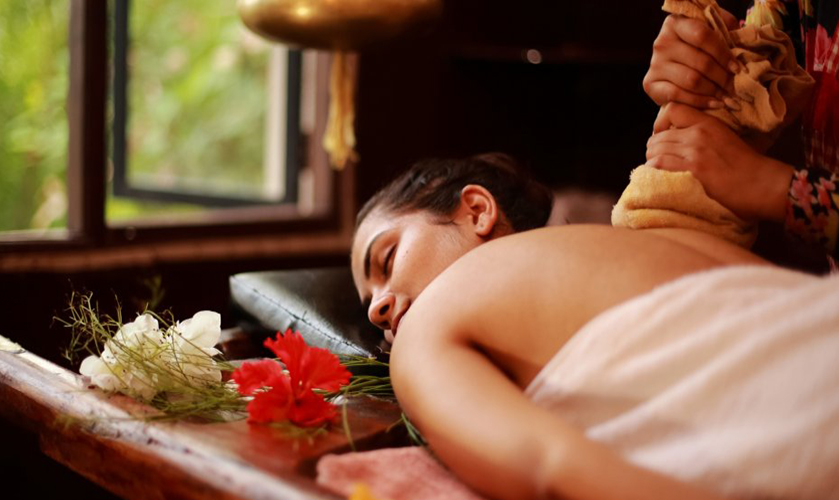
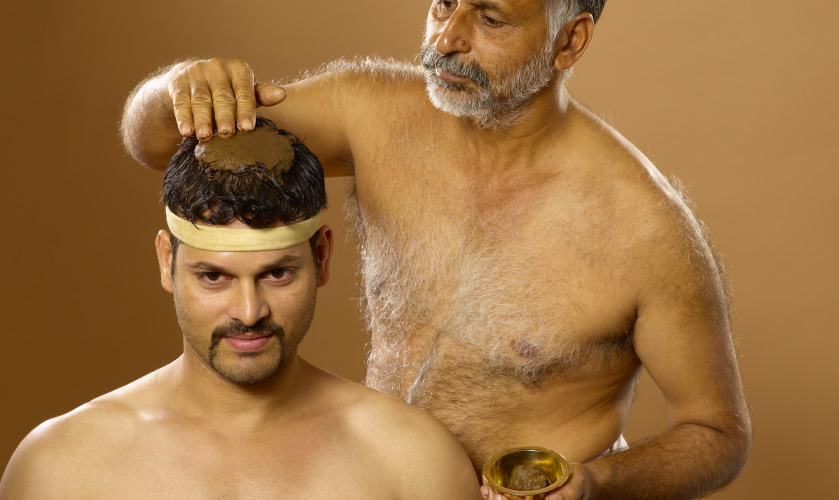
Ayurvedic weight management is based on the principle that sustainable weight balance is achieved through metabolic correction, hormonal regulation, and lifestyle alignment, rather than temporary calorie restriction. It focuses on restoring the body’s natural ability to process, absorb, and utilise nutrients efficiently, ensuring that weight loss occurs gradually and remains stable over time. One of the key factors addressed in Ayurvedic weight management is the role of metabolic toxins (Ama) and impaired digestive fire, which can lead to the accumulation of excess body fat and fluid retention. When metabolic pathways are inefficient, the body tends to store rather than utilise energy, resulting in persistent weight gain despite dietary control. Ayurvedic therapies are designed to stimulate these metabolic processes and improve the body’s ability to eliminate waste effectively. A structured weight management retreat in Kerala, India includes a combination of specialised therapies that actively support fat metabolism and circulation. Treatments such as Udwarthanam, a herbal powder massage, help break down subcutaneous fat and improve lymphatic drainage, while Swedana (therapeutic steam) enhances sweating and supports toxin elimination. In certain cases, detox-oriented procedures may also be incorporated to reset metabolic function and improve treatment outcomes. Diet plays a central role in the success of a weight management program. Rather than restrictive eating, Ayurveda emphasises digestive efficiency and food compatibility, prescribing meals that are easy to metabolise and aligned with the individual’s constitution. This approach helps regulate appetite, reduce cravings, and improve nutrient absorption without creating nutritional deficiencies. Lifestyle correction is another essential component. Daily routines (Dinacharya), sleep regulation, and physical activity such as yoga are integrated into the program to support metabolic balance and long-term weight stability. These practices ensure that the results achieved during the retreat can be maintained beyond the treatment period. A weight management retreat in Kerala offers a distinct advantage due to its combination of authentic Ayurvedic expertise, climate, and access to high-quality herbal preparations. Across India, programs may vary between clinical centres and wellness retreats, while destinations such as Sri Lanka and Bali offer similar experiences with a stronger emphasis on relaxation and wellness tourism rather than classical Ayurvedic protocols. This approach is particularly beneficial for individuals dealing with stubborn weight gain, metabolic slowdown, fluid retention, or post-diet weight rebound. It is also suitable for those seeking a structured and medically guided program that goes beyond conventional weight loss methods. Ayurvedic weight management ultimately focuses on retraining the body’s internal systems, allowing it to maintain balance naturally. By combining therapies, diet, and lifestyle practices, it provides a comprehensive and sustainable pathway to achieving optimal body weight and long-term metabolic health.
View 3 Programs
14 Nights Obesity Care Program
21 Night Obesity Care Program
28 Nights Obesity Care Program
Stress Management
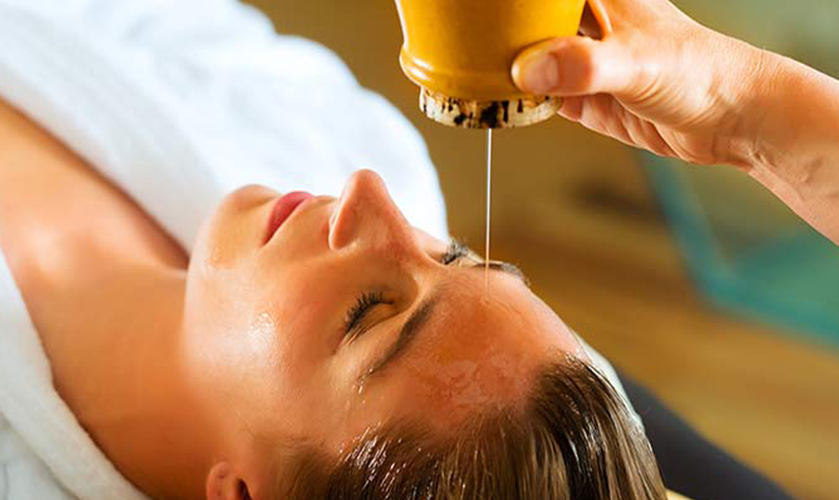
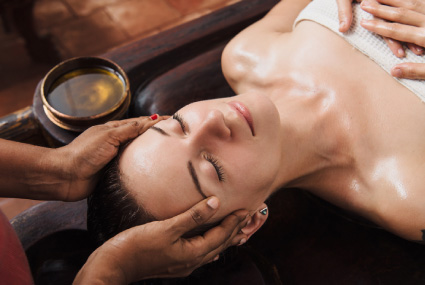
Ayurvedic stress management is centred on the understanding that mental strain and nervous system imbalance are closely linked to physiological disruption. When the body remains in a prolonged state of stimulation, it affects sleep patterns, digestion, hormonal balance, and cognitive function. Ayurveda approaches this condition by stabilising the nervous system, regulating internal rhythms, and restoring the body’s ability to shift between activity and recovery. A key factor in stress-related conditions is the imbalance of Vata dosha, which governs movement, nerve impulses, and mental activity. When aggravated, it can lead to restlessness, anxiety, irregular sleep, and mental fatigue. Ayurvedic therapies focus on grounding and stabilising this imbalance through consistent, rhythm-based treatments that calm the system and reduce overstimulation. A structured stress management retreat in Kerala, India incorporates therapies specifically designed to regulate the nervous system. Treatments such as Shirodhara, where warm medicated oil is poured over the forehead, help reduce mental hyperactivity and improve sleep patterns. Abhyanga (synchronised oil massage) supports circulation and induces a state of deep relaxation, while Nasya (nasal therapy) is used to clear the head region and improve mental clarity. These therapies work together to shift the body from a heightened stress response to a more stable and balanced state. In addition to treatments, herbal formulations are prescribed to support the nervous system and improve the body’s adaptive response to stress. These are combined with structured daily routines, breathing practices, and meditation techniques that help regulate mental activity and improve focus. The environment plays a significant role in the effectiveness of stress management programs. A stress management retreat in Kerala provides a setting that supports recovery through natural surroundings, consistent climate, and access to experienced Ayurvedic practitioners. Across India, programs may vary between clinical and retreat-based formats, while Sri Lanka offers a similar tropical setting with a growing focus on Ayurvedic relaxation therapies. In contrast, Bali positions stress management within a wellness tourism framework, often blending Ayurveda with yoga and spa-based experiences. This approach is particularly beneficial for individuals experiencing burnout, chronic stress, sleep disturbances, anxiety, or cognitive fatigue. It is also relevant for those whose work or lifestyle involves prolonged mental engagement, irregular routines, or high levels of responsibility. A typical program begins with a detailed consultation, followed by a personalised treatment plan that integrates therapies, diet, and daily routine adjustments. Emphasis is placed on consistency and gradual regulation rather than quick relief, ensuring that the nervous system stabilises over time. Ayurvedic stress management ultimately focuses on retraining the body’s response to stress, allowing it to function without constant overstimulation. By combining therapeutic interventions with lifestyle correction, it offers a structured and sustainable method to improve mental clarity, sleep quality, and overall cognitive function.
View 4 Programs
Walk-Through Video | 11/10/2026
Preview Video | 2026-10-11
Stay
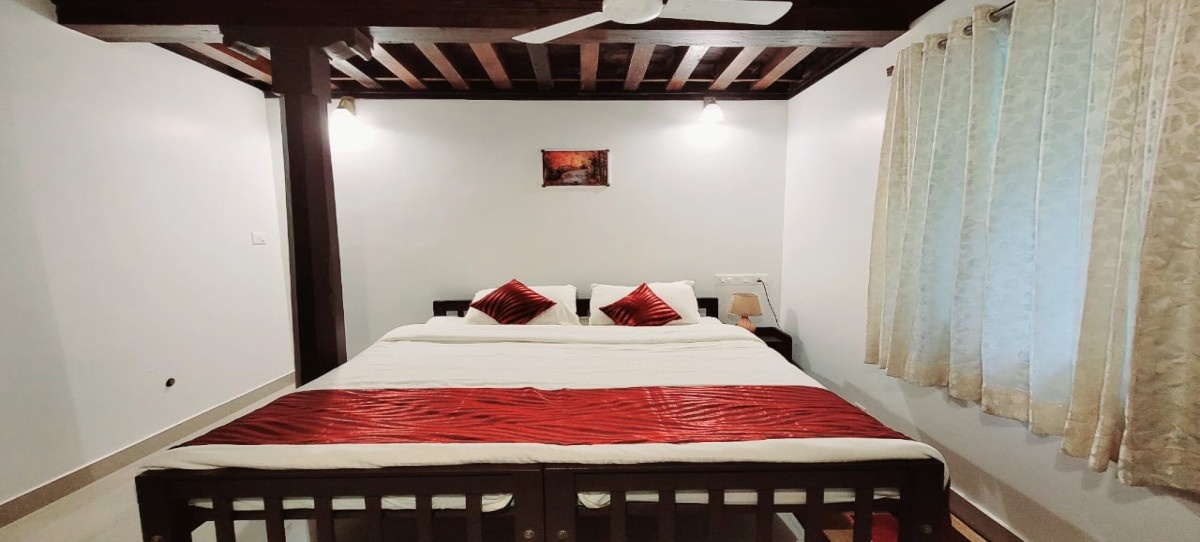
Max. No. of guests : 2 Total Room : 2
Spacious bed rooms, wooden furniture, king size bed (twin separable) and television with attached bathroom cum toilet with Hot water & Natural water in the toilets – which is a necessity during Ayurvedic treatment days.
-
 Air Conditioner
 -
 Fan
Fan -
 Free Wifi
 -
Mattress Size- Medium
-
Wardrobe - Medium
-
Manual Door Lock
-
Non-Electric Kettle
-
 TV
TV -
Attached Bathroom
-
Room Constellation - Multi-storeyed Block
-
Room Type - Regular Room
-
Wardrobe
-
 Work Space
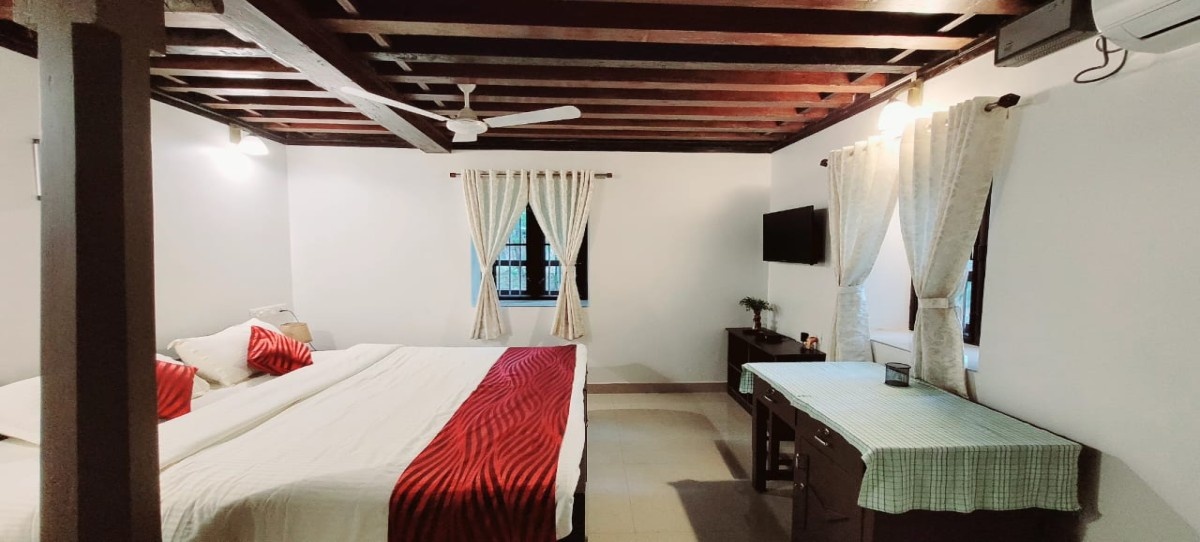
Max. No. of guests : 2 Total Room : 2
Spacious bed rooms, wooden furniture, king size bed (twin separable) and television with attached bathroom cum toilet with Hot water & Natural water in the toilets – which is a necessity during Ayurvedic treatment days.
-
Fan
-
Free Wifi
-
Mattress Size- Medium
-
Wardrobe - Medium
-
Manual Door Lock
-
TV
-
Attached Bathroom
-
Room Type - Regular Room
-
Wardrobe
-
Work Space
Wellness Slots
Capacity : 5
Opening Time: 08:00 AM
Closing Time: 06:00 PM
Location & Map
Location
Landmark
Munjakkanni stadium, Karakurissi
Nearby Attractions
Koramankadavu Bus Waiting shed 2.5 KM
Railway Connectivity
Ottappalam Railway Station 34 KM
Airway Connectivity
Cochin International Airport 132 KM
Actual Area Of Property (acres)
0.00
Check-in & Check-out
Check-in: 12:00 PM Check-out: 11:00 AM
The Ayurvedic Treatment Packages include :Consultation with the Ayurvedic doctor and daily check up and Accommodation.
-
Full refund after deduction of Payment Gateway Service Charges if there is more than 30 days to check-in date.
-
No refund if there is less than 30 days to check-in date.
| Extra Amenities | Rate |
|---|---|
| Bystander ( Extra-person without treatment ) Per Night Per Person Rate | ₹ 700 |


