



Rajah Beach / 28 Nights Rejuvenation Program
Premium Hospital in a Resort Setting | Healing & Wellness Property
India / Kerala / Thrissur - Beach | Country side
Year of Establishment: 2008
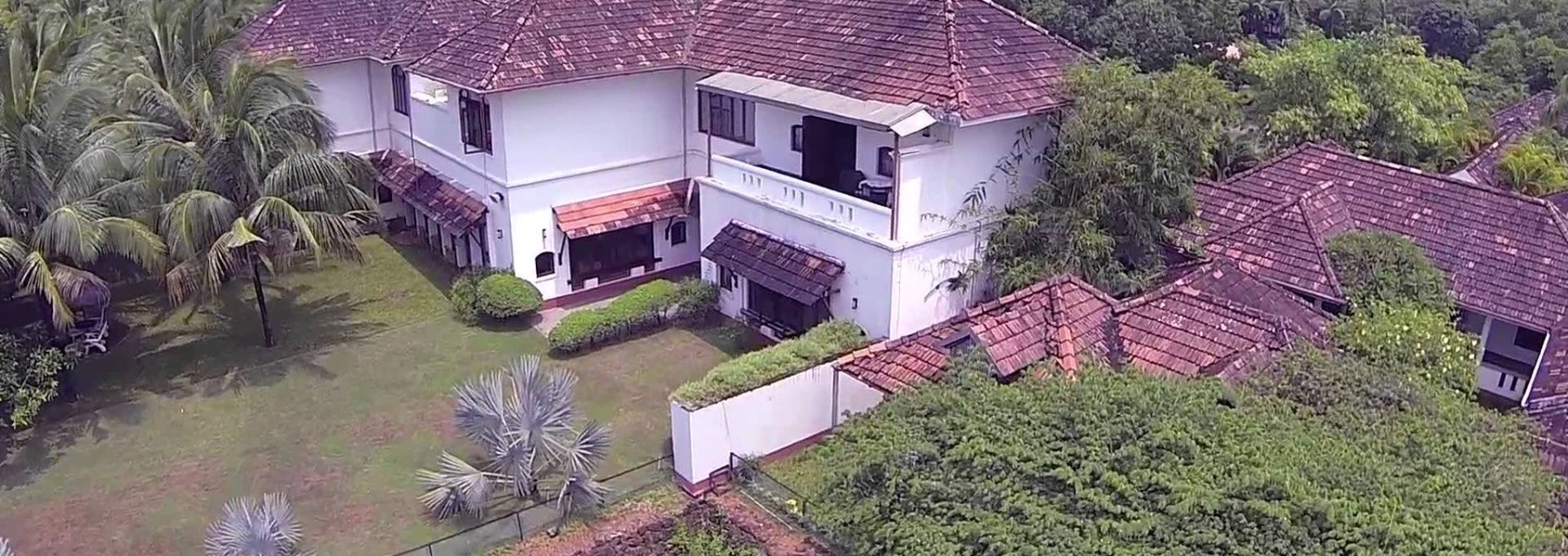
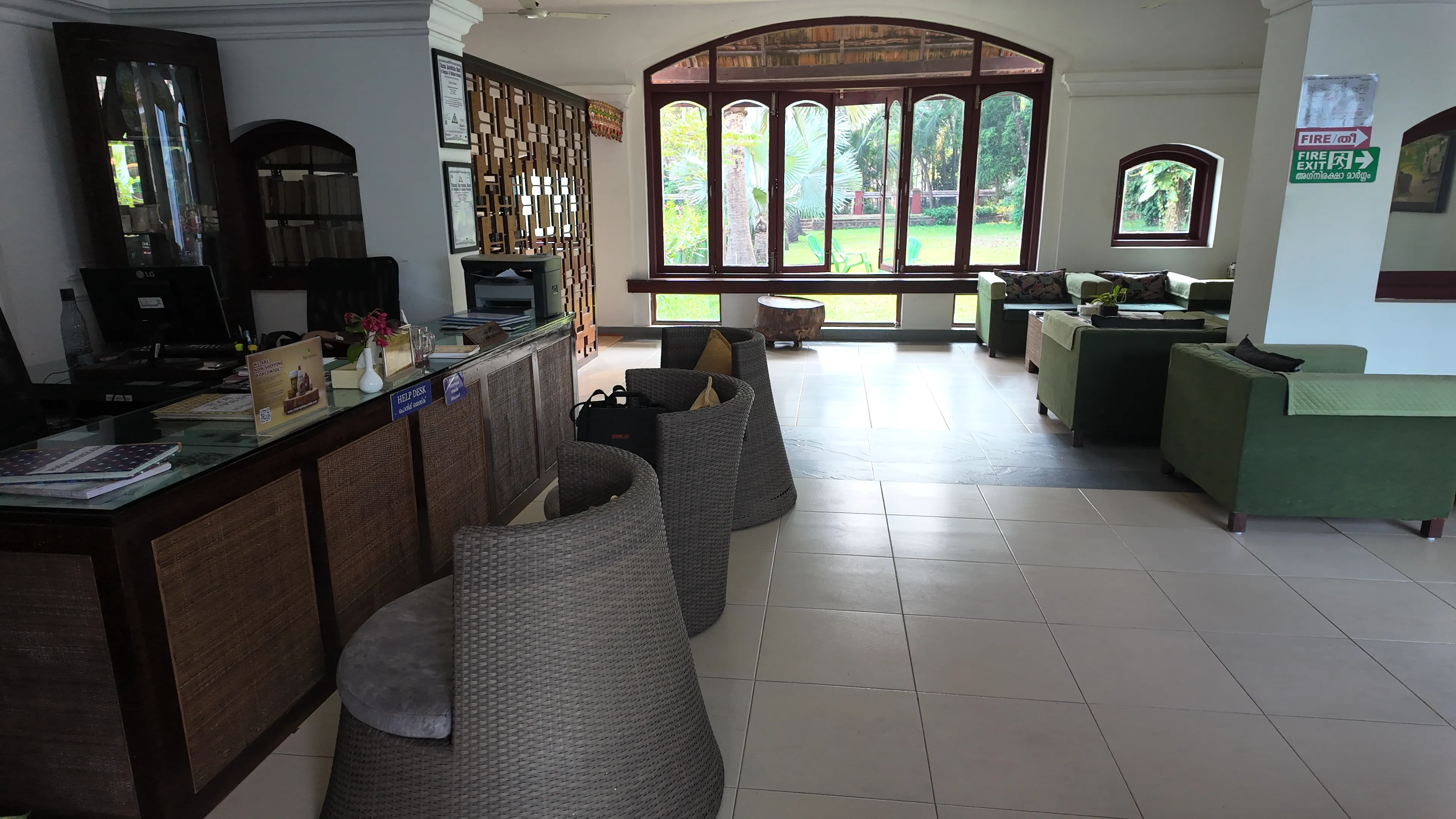
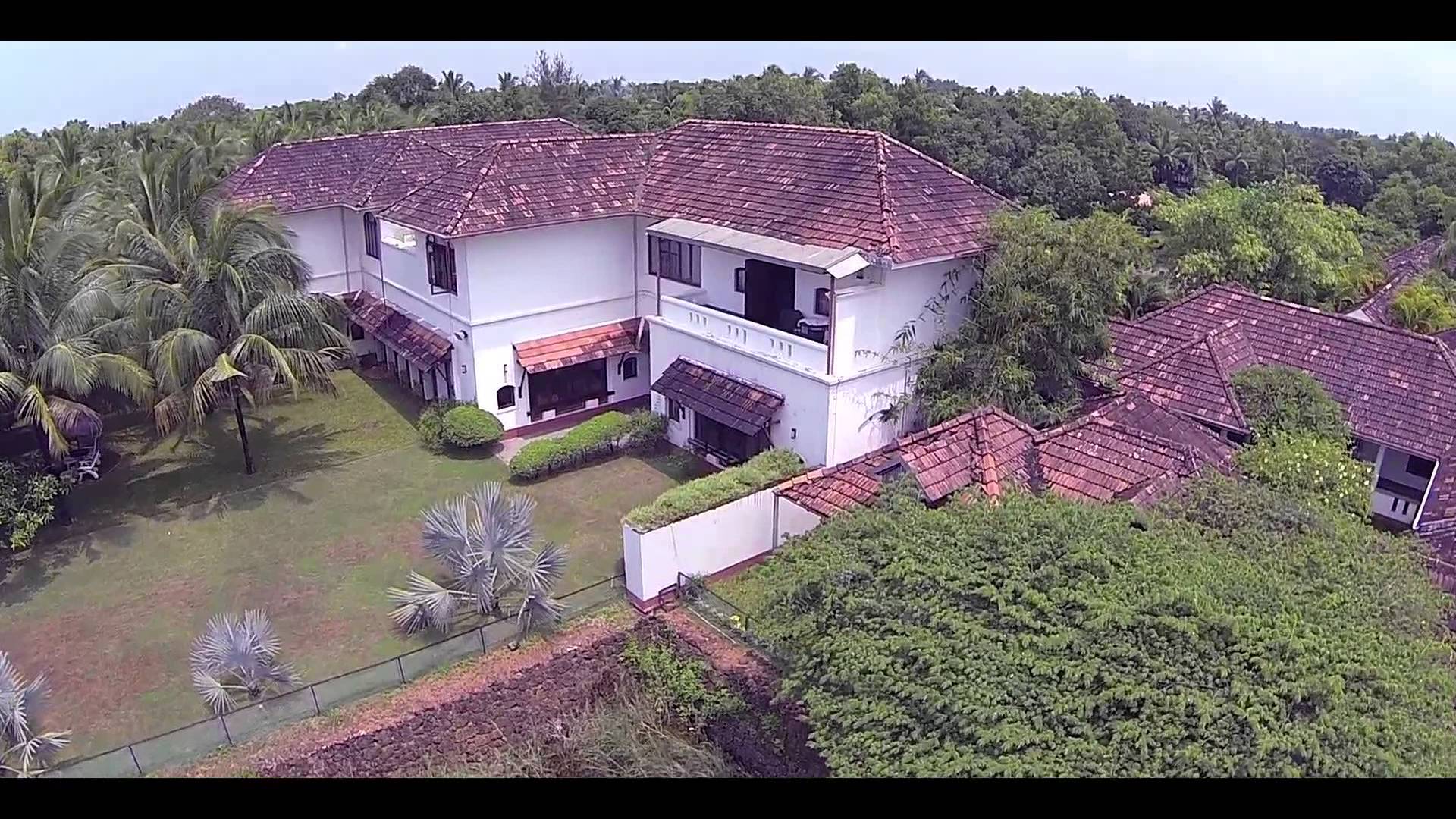
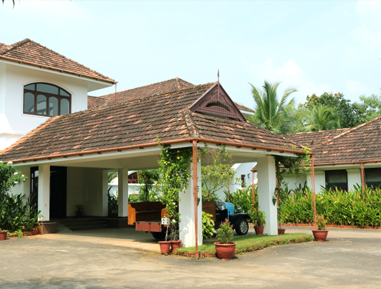
Rajah Beach is an Ayurvedic hospital and residential treatment centre established in 2008 at Akalad, Thrissur, Kerala, within the Rajah Ayurveda Hospitals group. The property occupies approximately 20 acres, has a 15,000 sq.ft. built-up area, provides 10 rooms and cottages, and has a stated maximum capacity of 20 patients. It is positioned in a quiet coastal setting, with the beach situated across the road and the property surrounded by gardens, plantations and open spaces. The hospital is recognised by Rajah Ayurveda as having received NABH accreditation in 2011 as Kerala’s first and India’s third NABH-accredited Ayurvedic hospital.
Rajah Beach operates within a wider institutional framework established by Rajah Ayurveda in 1996, combining classical Ayurvedic treatment, preventive care and rejuvenation with structured medical supervision. Its approach is oriented towards doctor-prescribed therapeutic care rather than a conventional spa experience, with treatment planning based on individual constitution, dosha imbalance, health condition, diet and lifestyle. The hospital also draws on the group's own Ayurvedic pharmaceutical infrastructure at Rajah Healthy Acres, where medicines and oils used across the centres are manufactured.
Property Design and Landscape
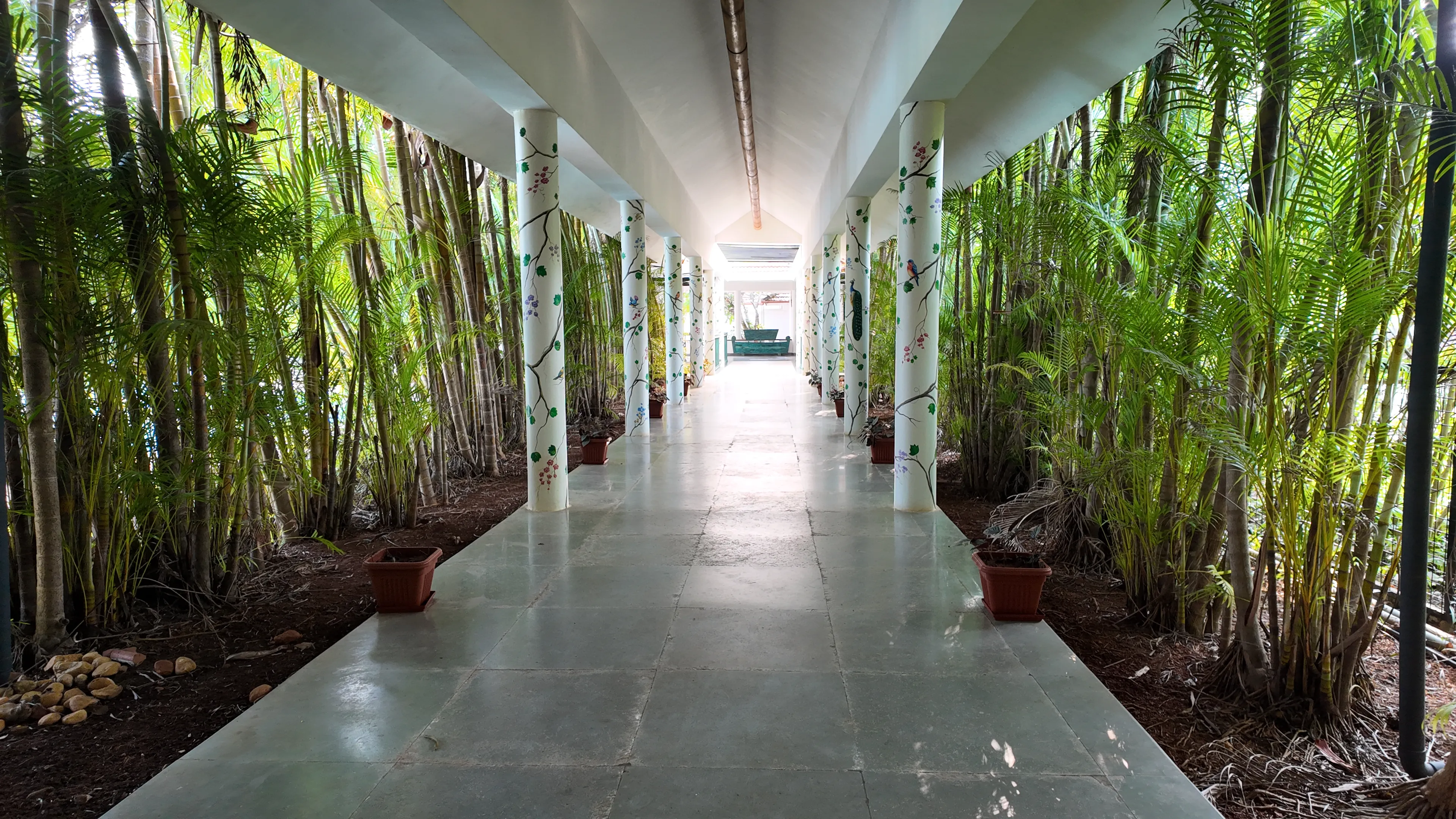
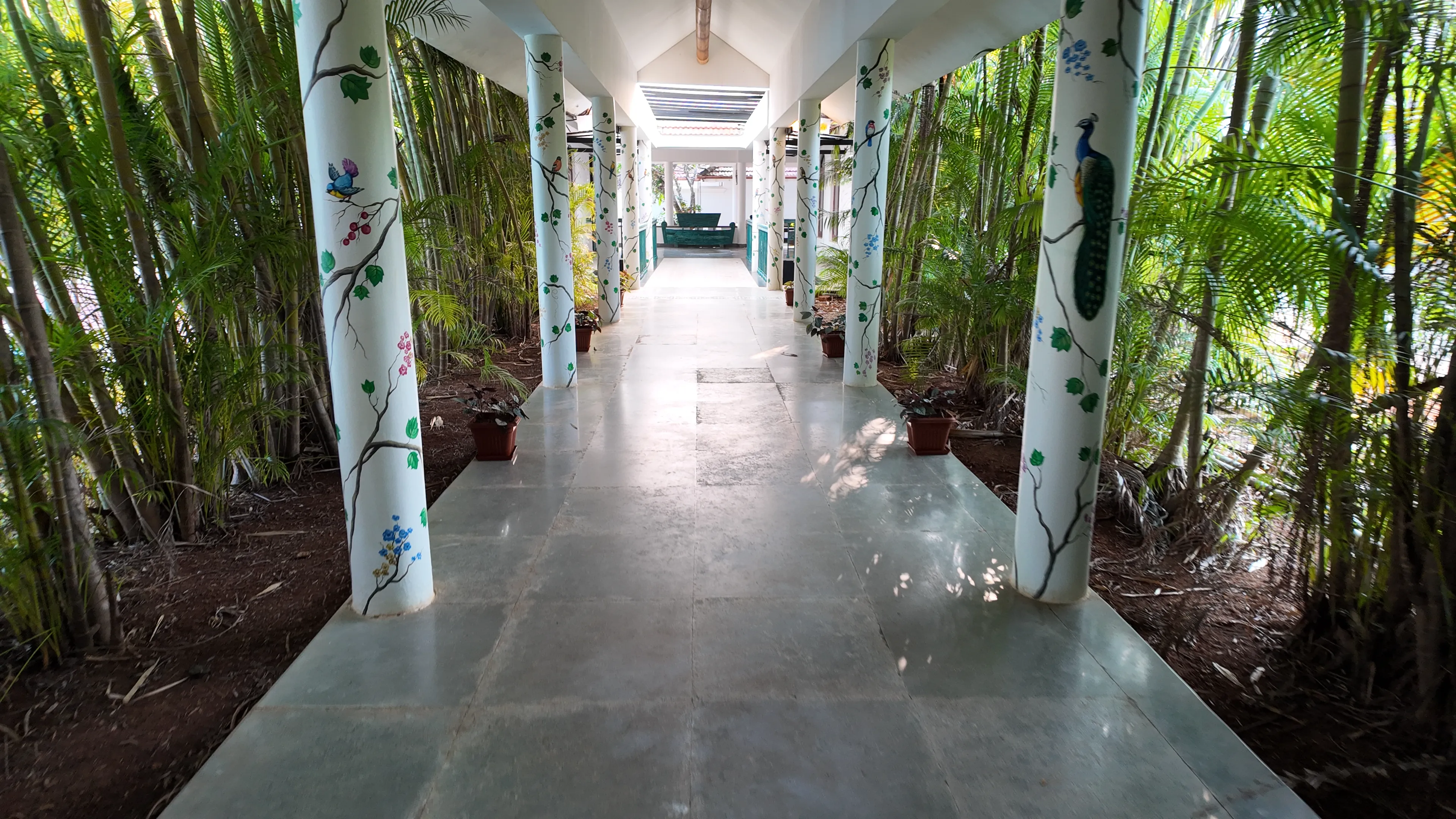
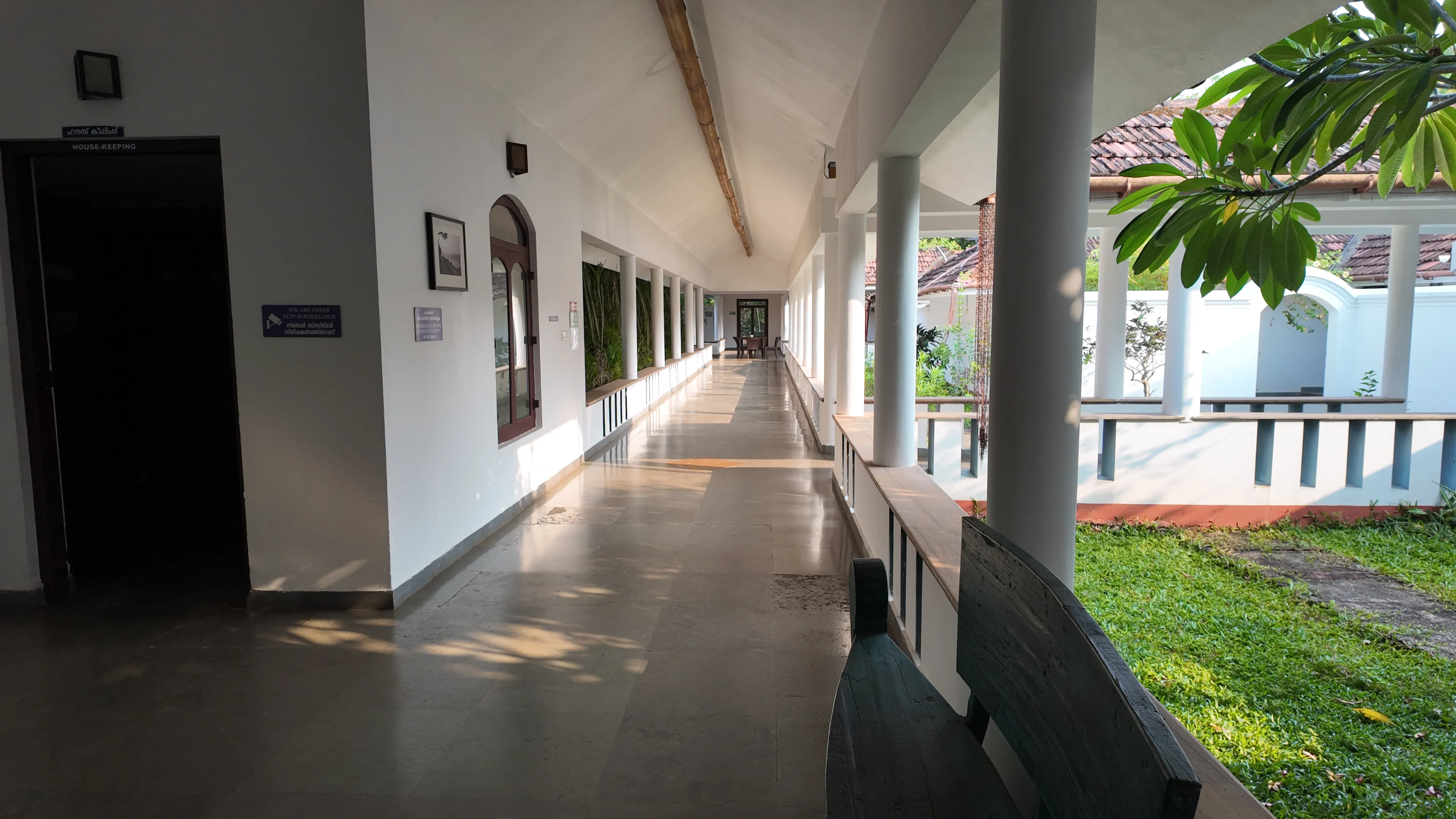
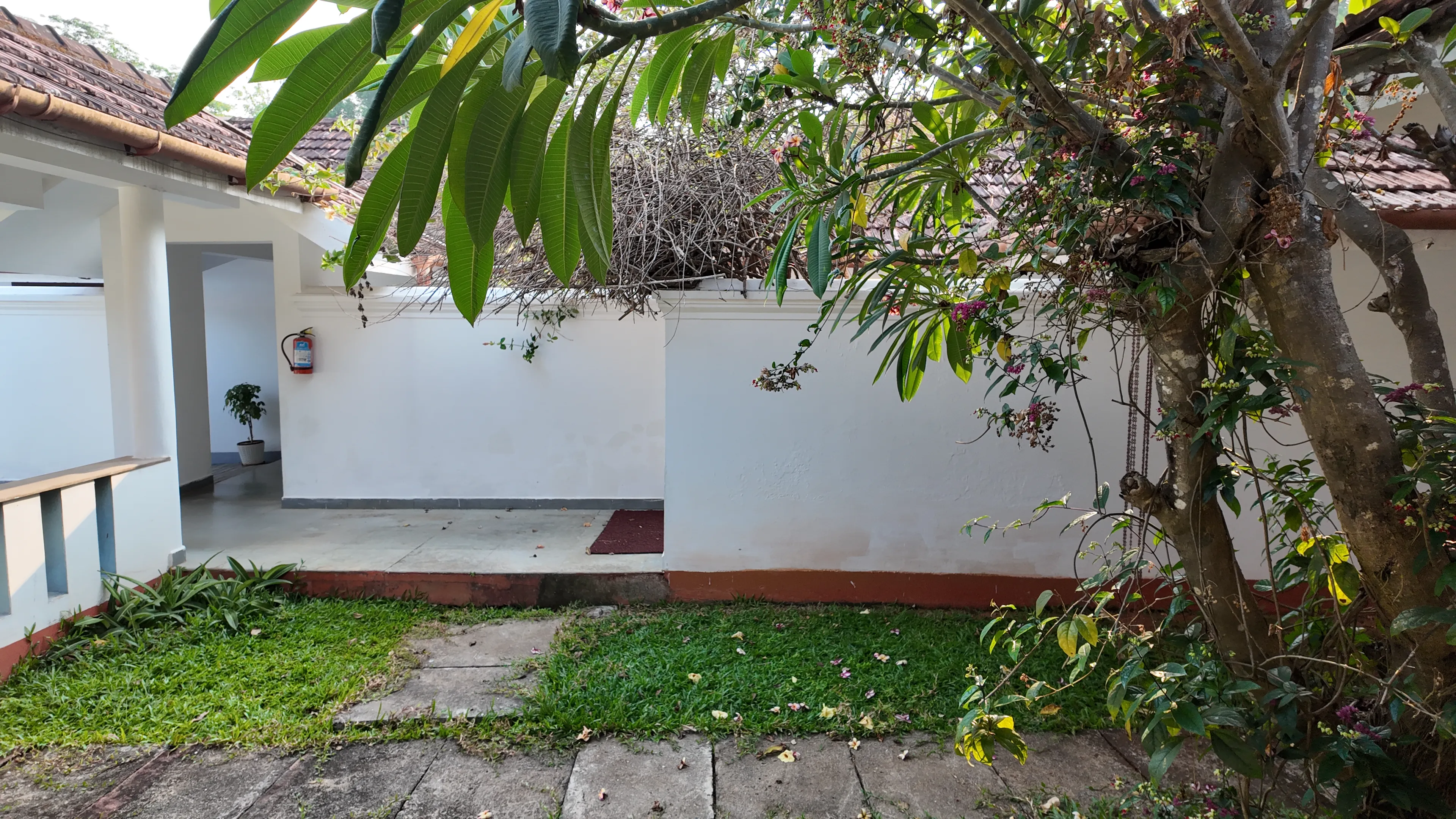
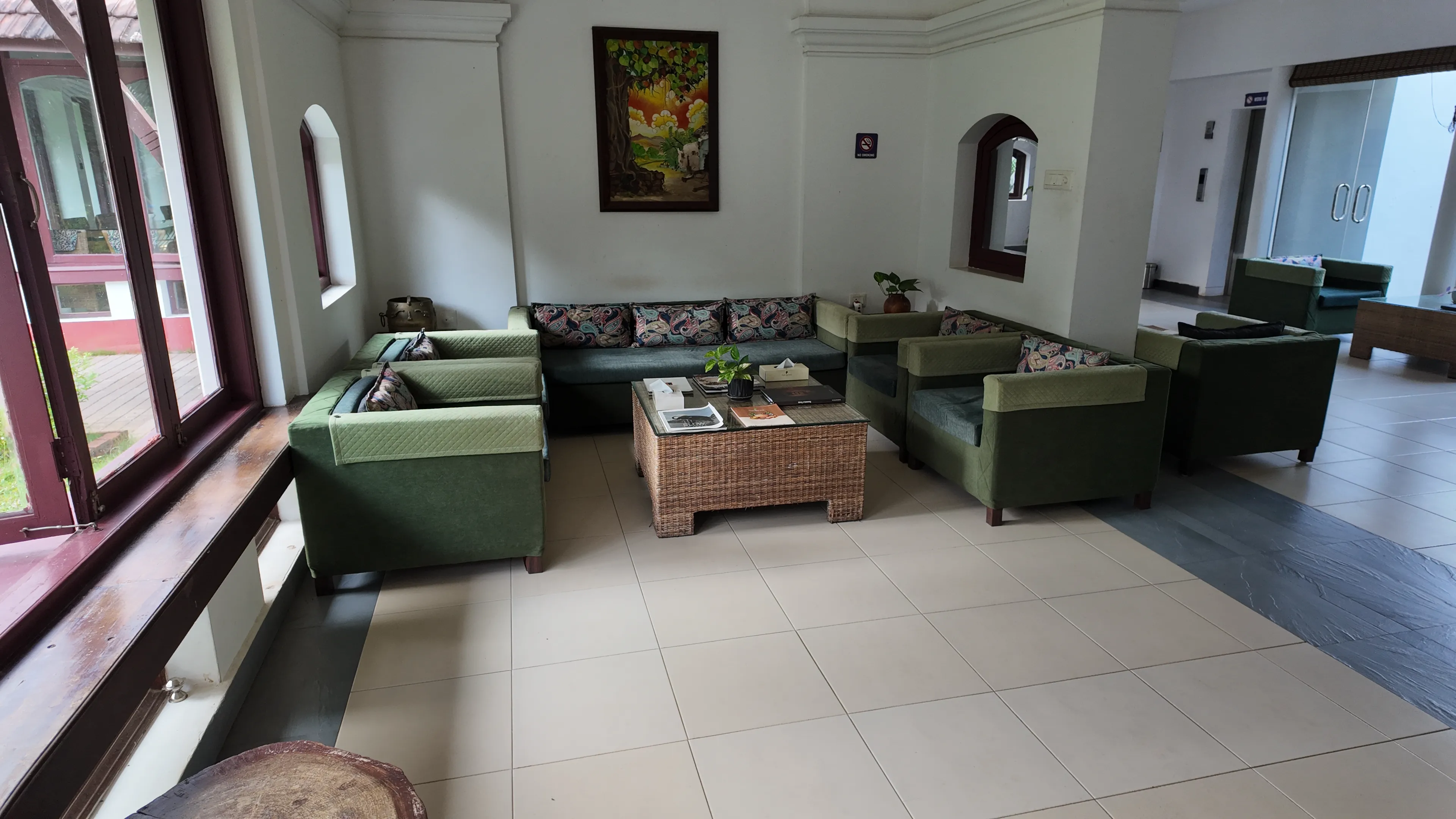
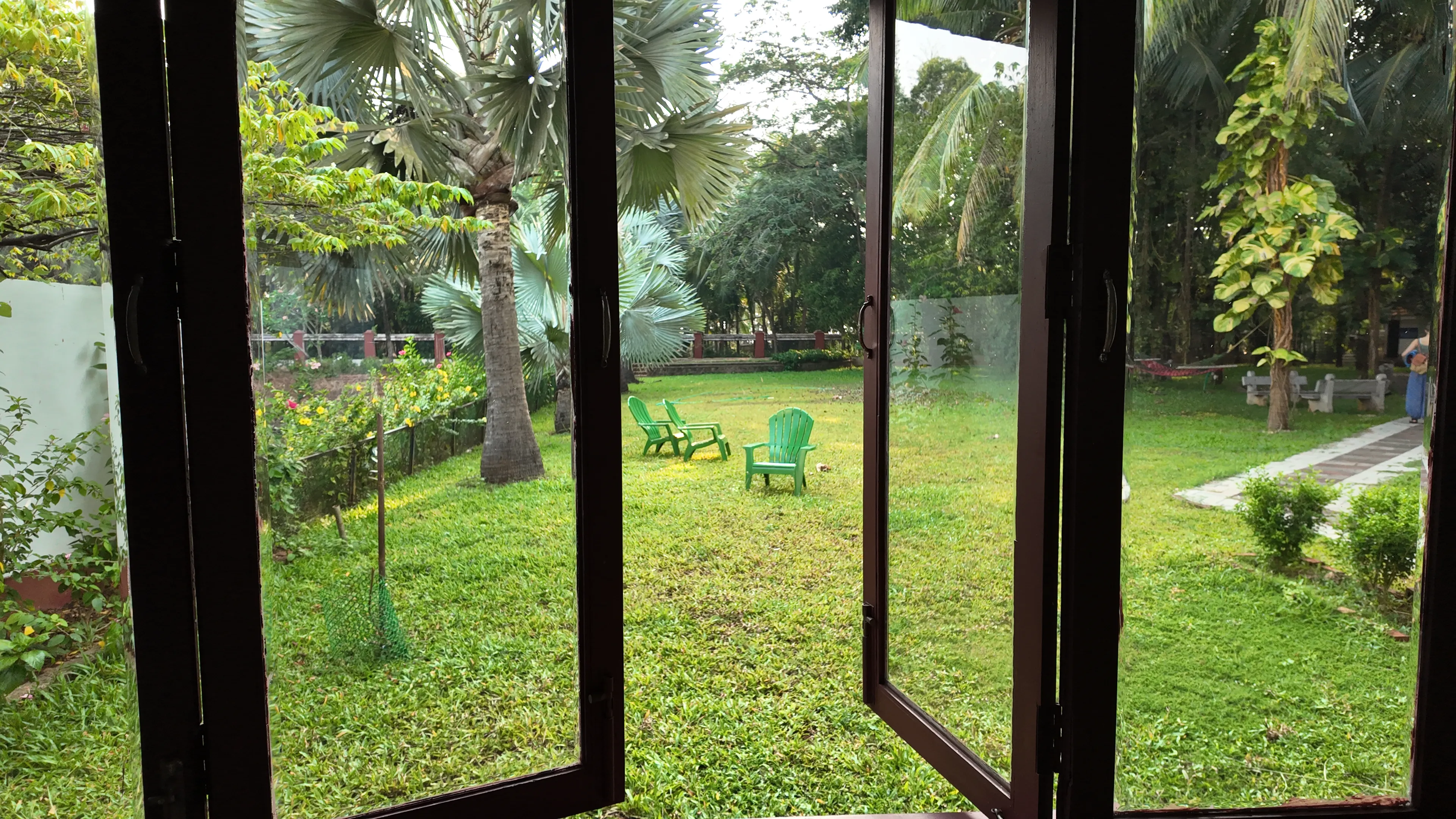
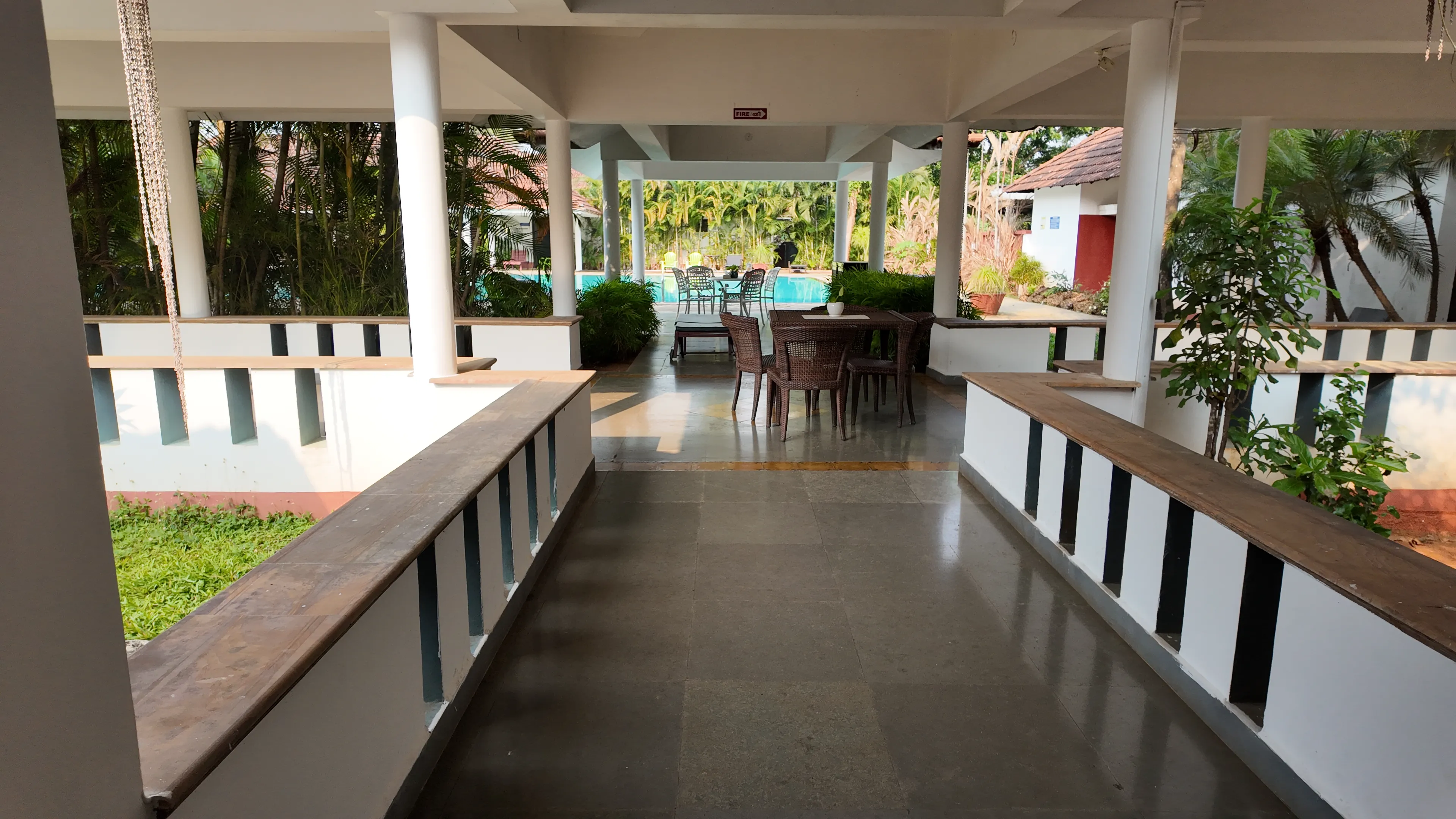
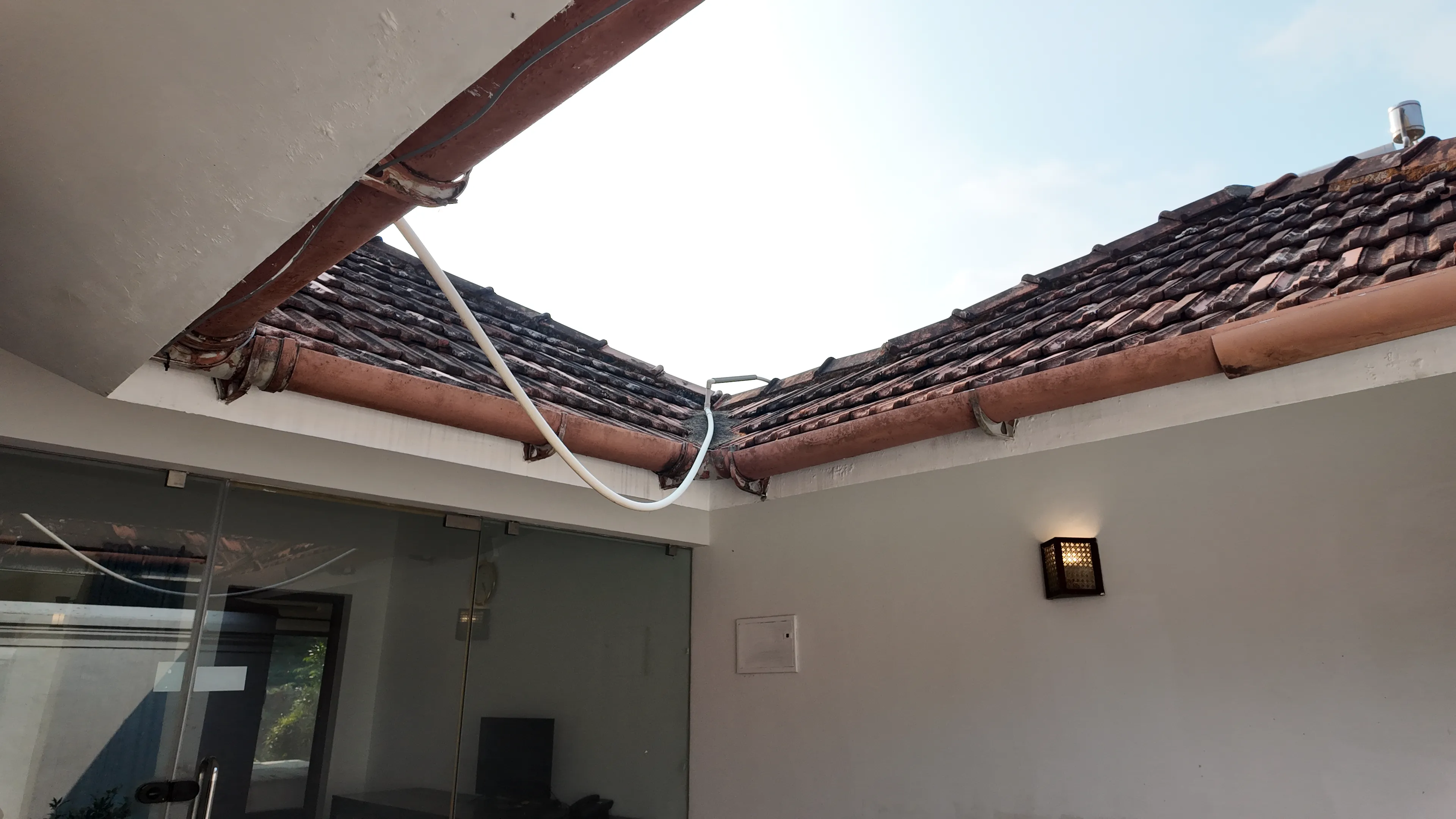
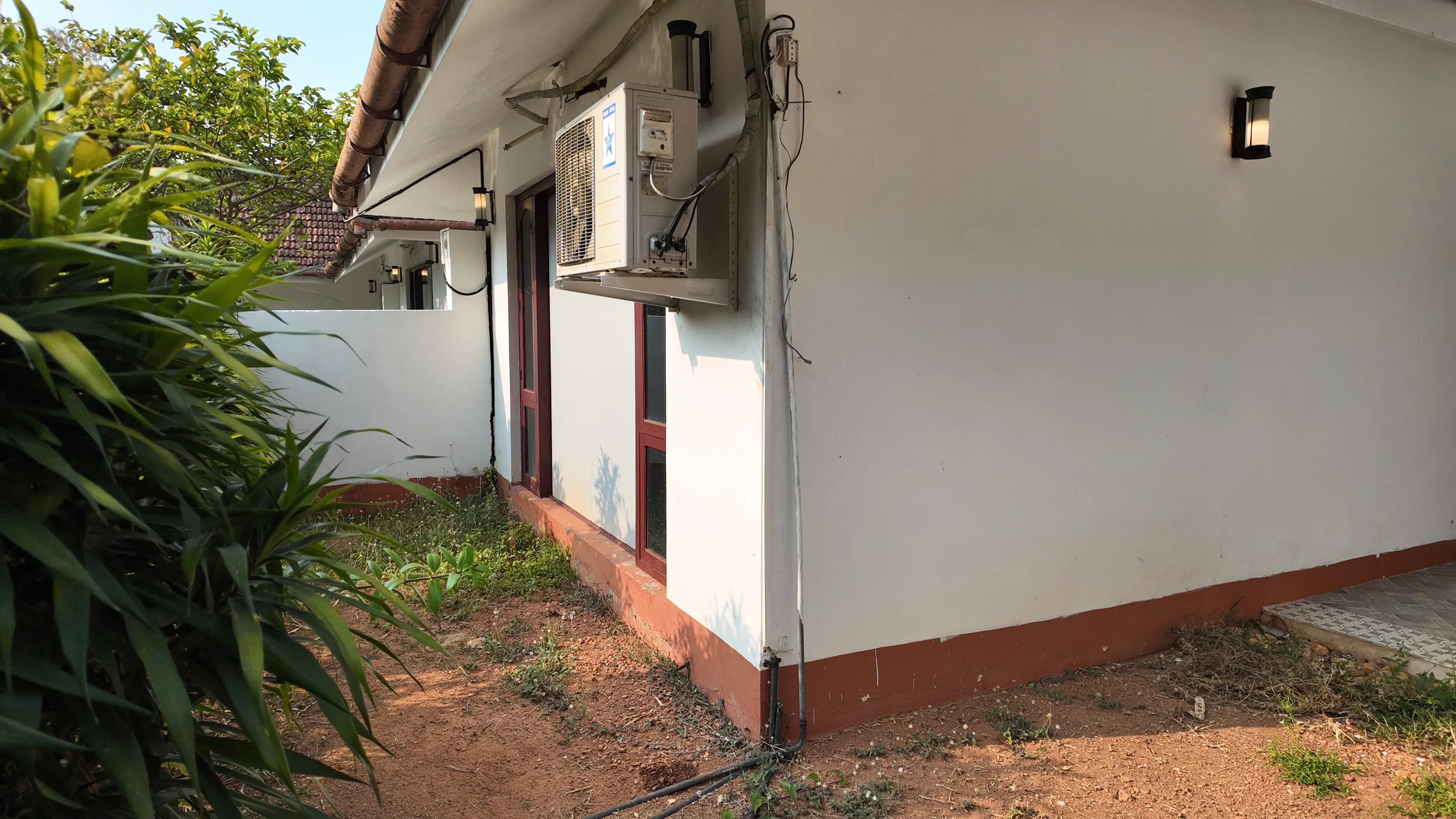
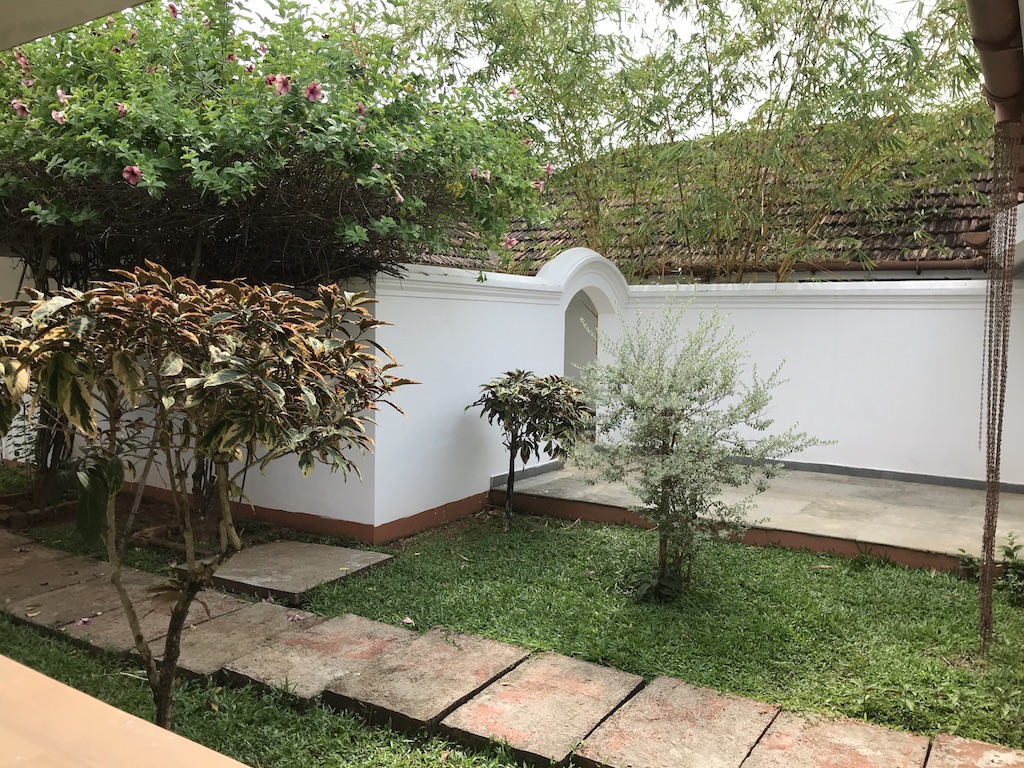
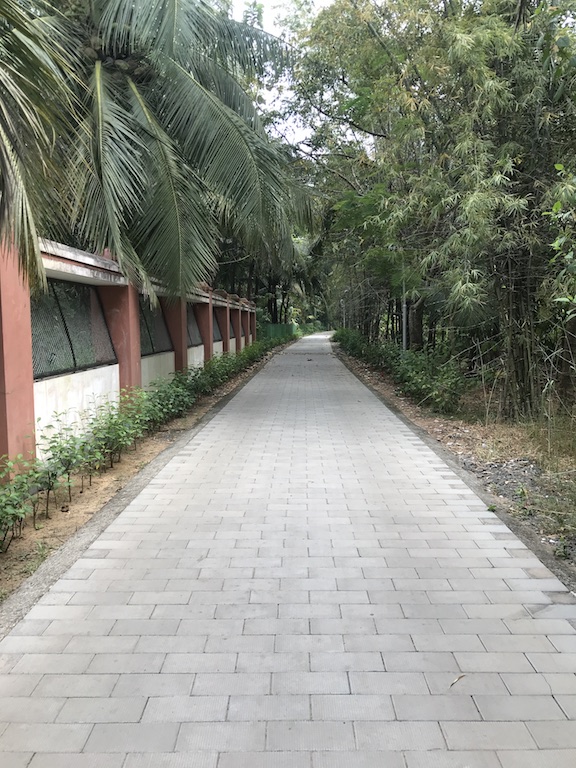
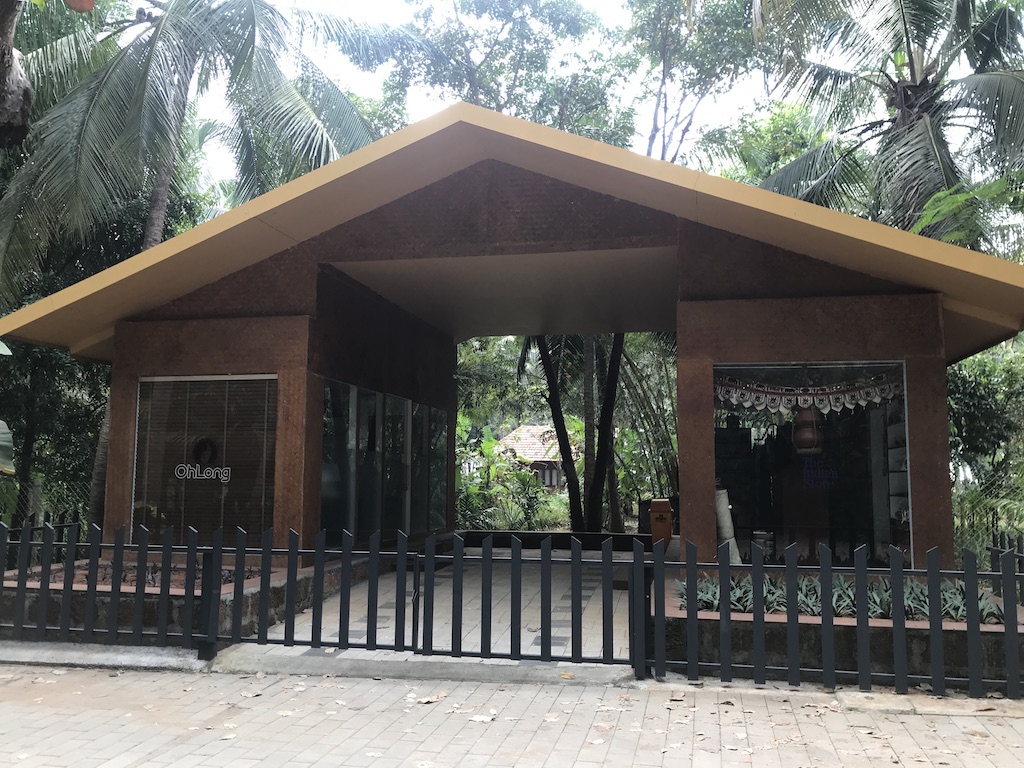
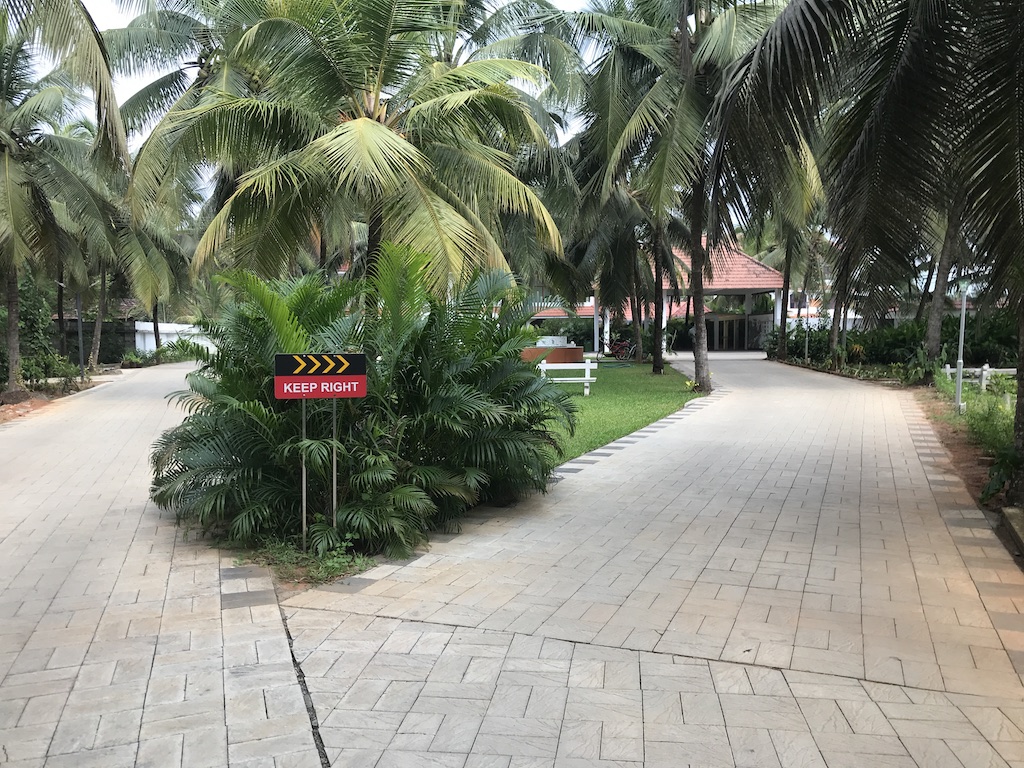
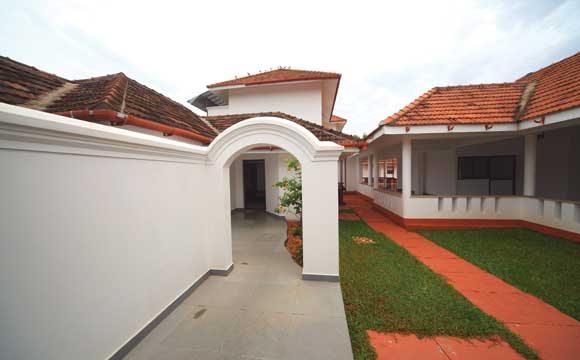
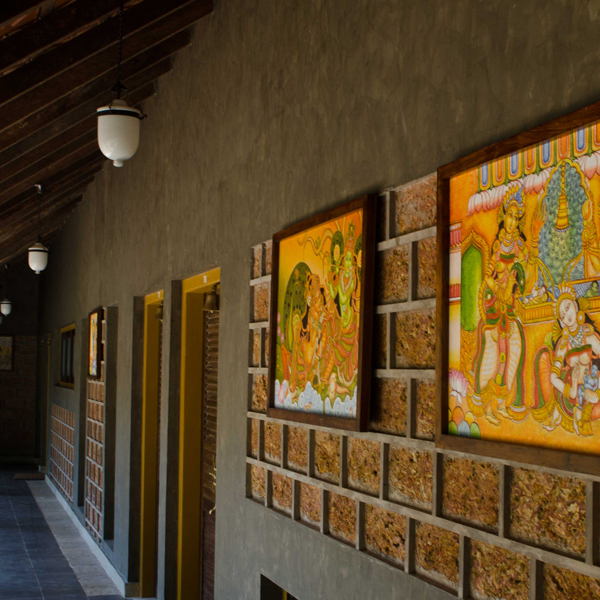
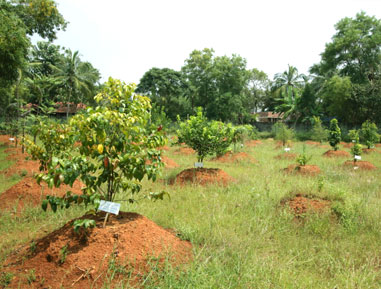
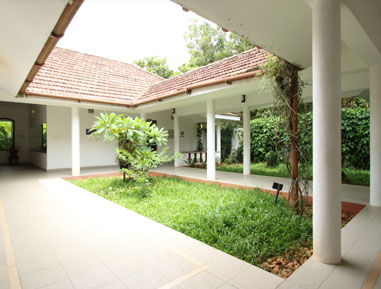
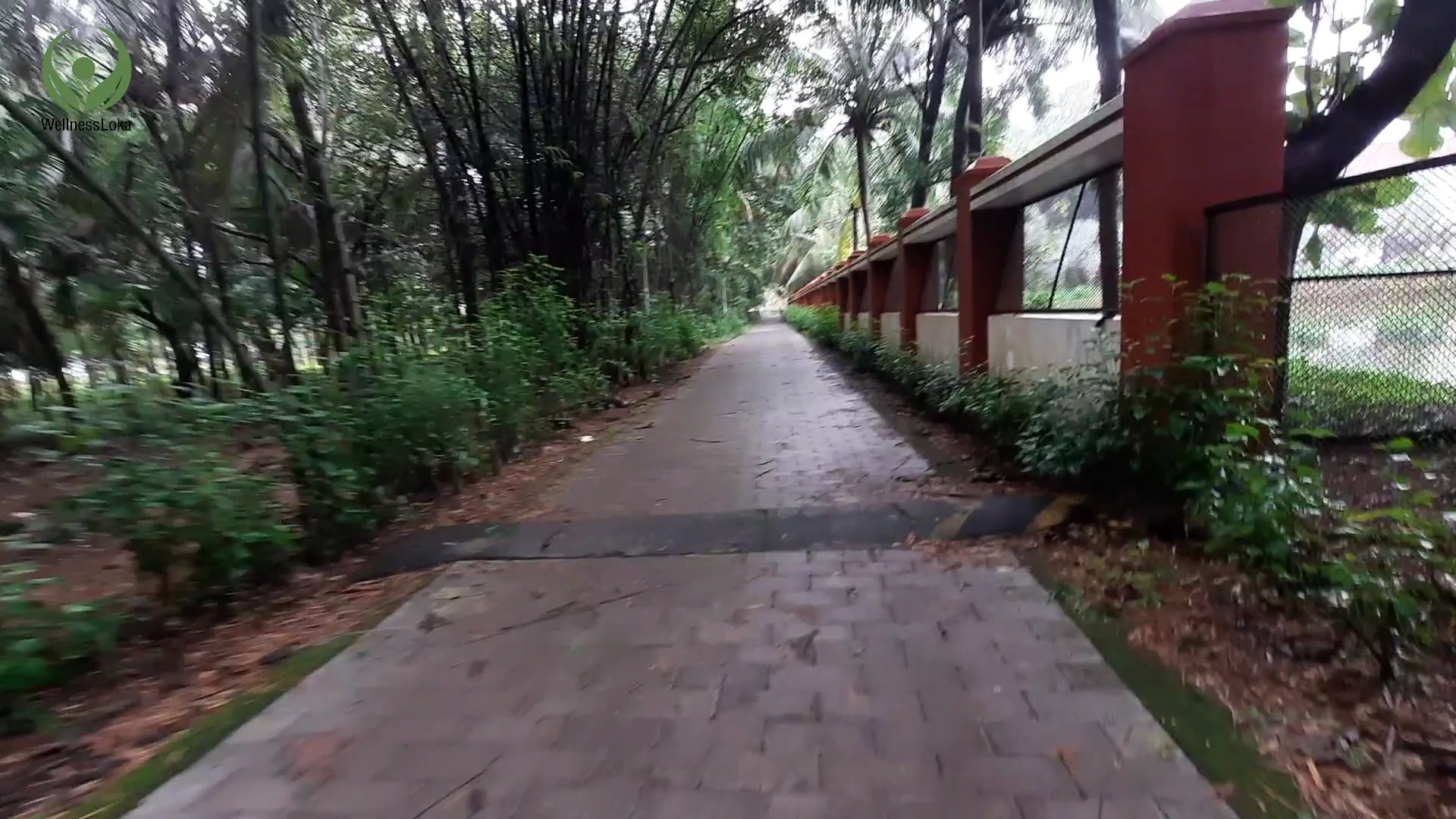
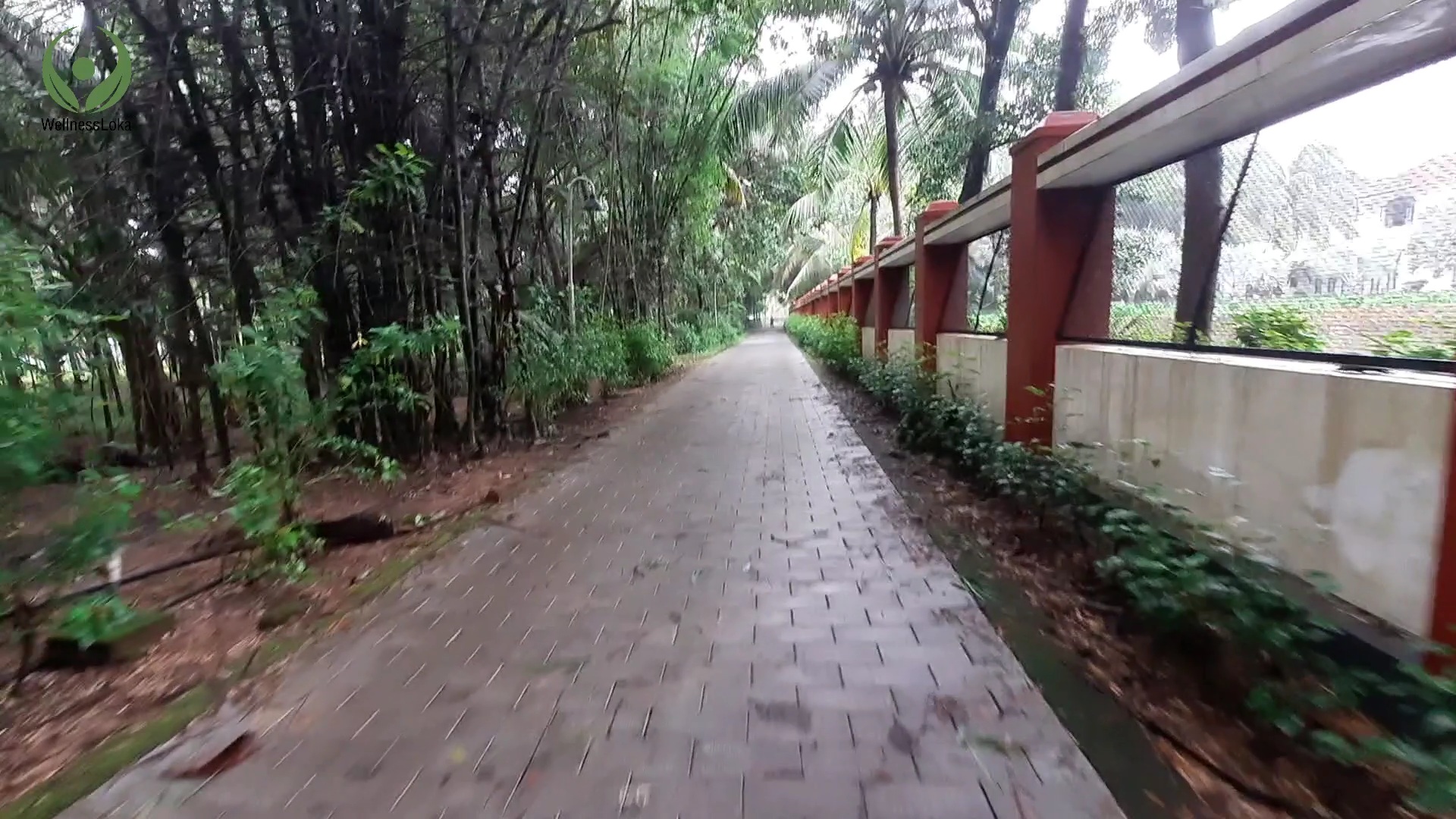
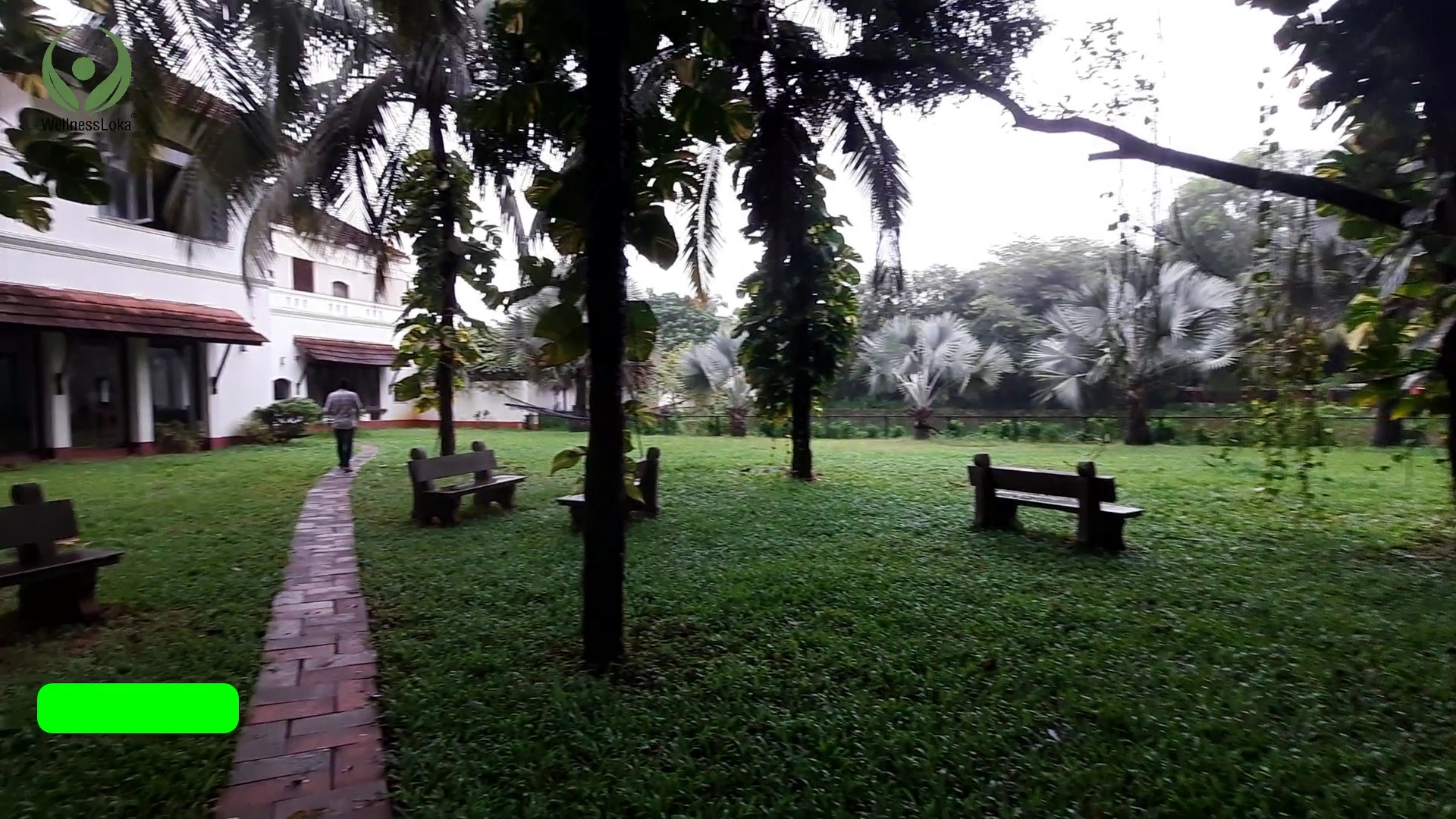
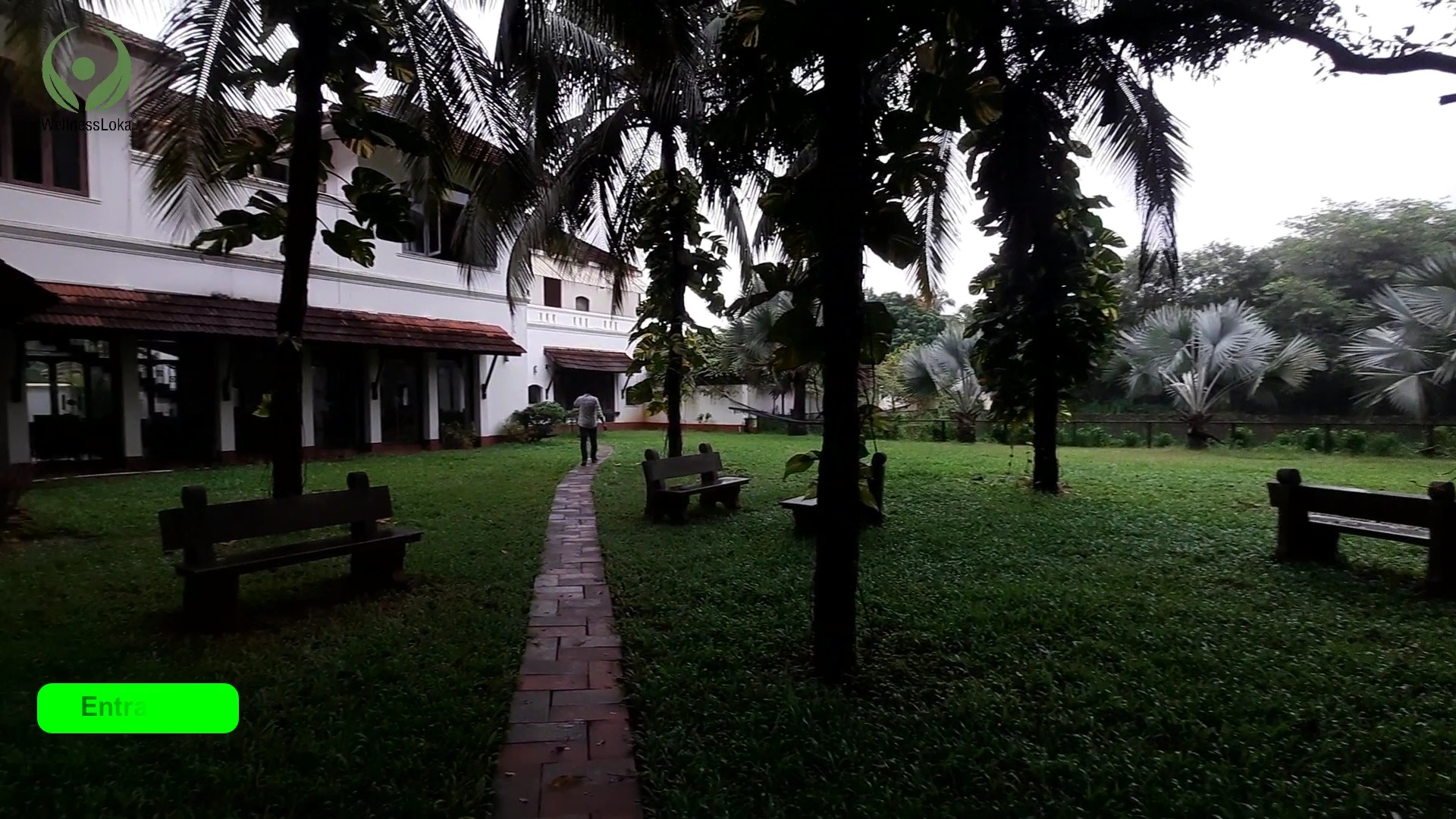
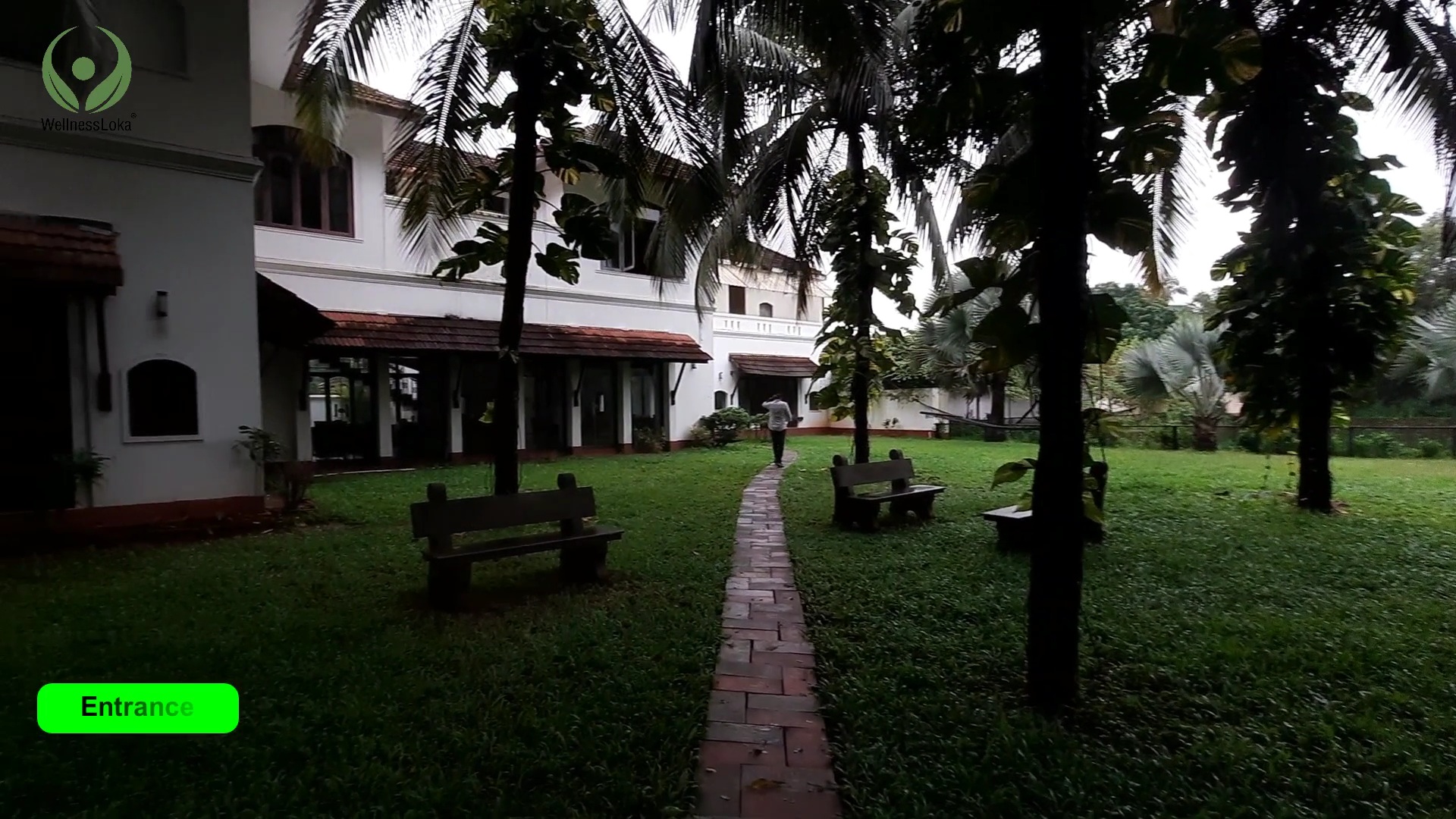
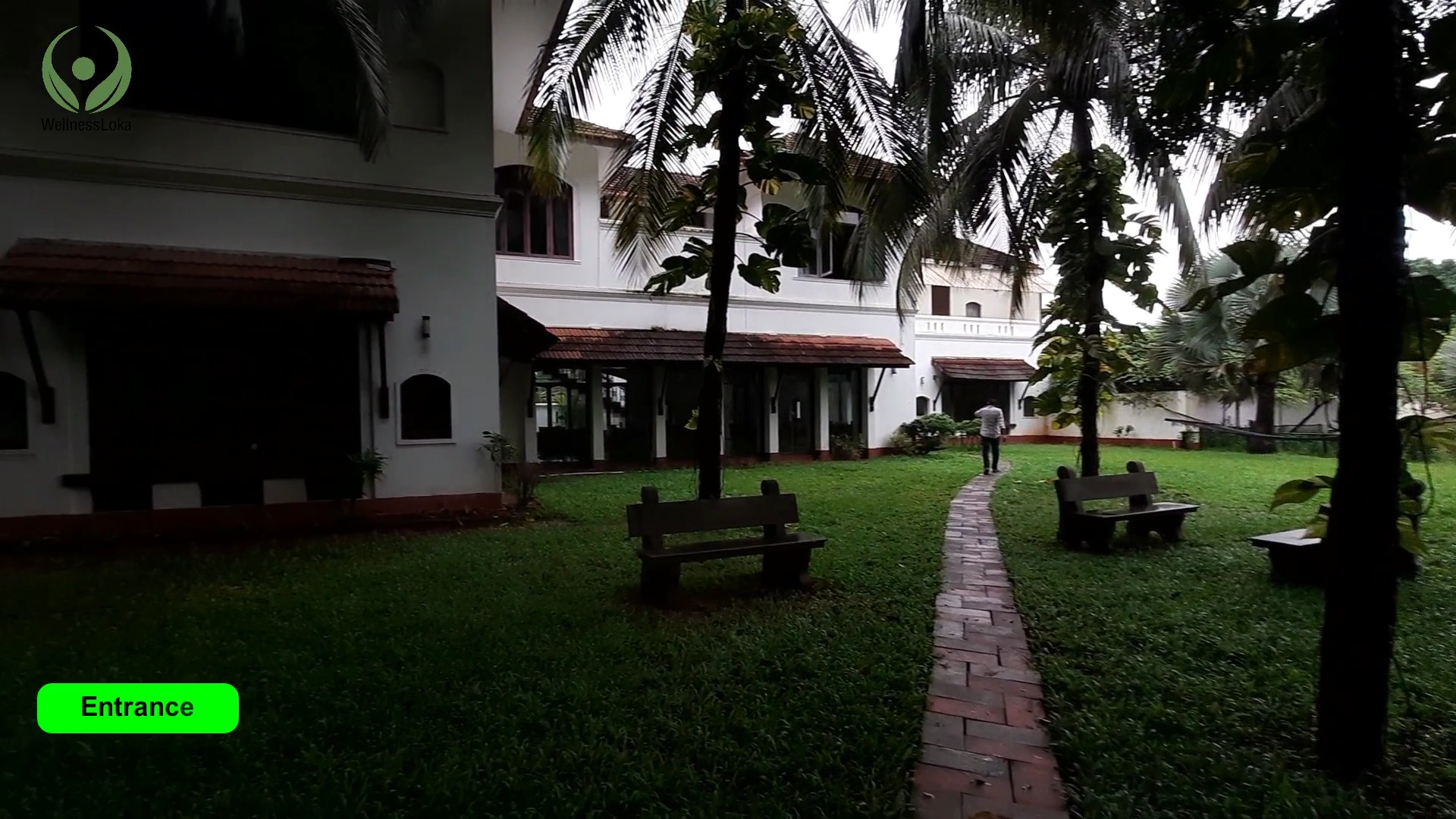
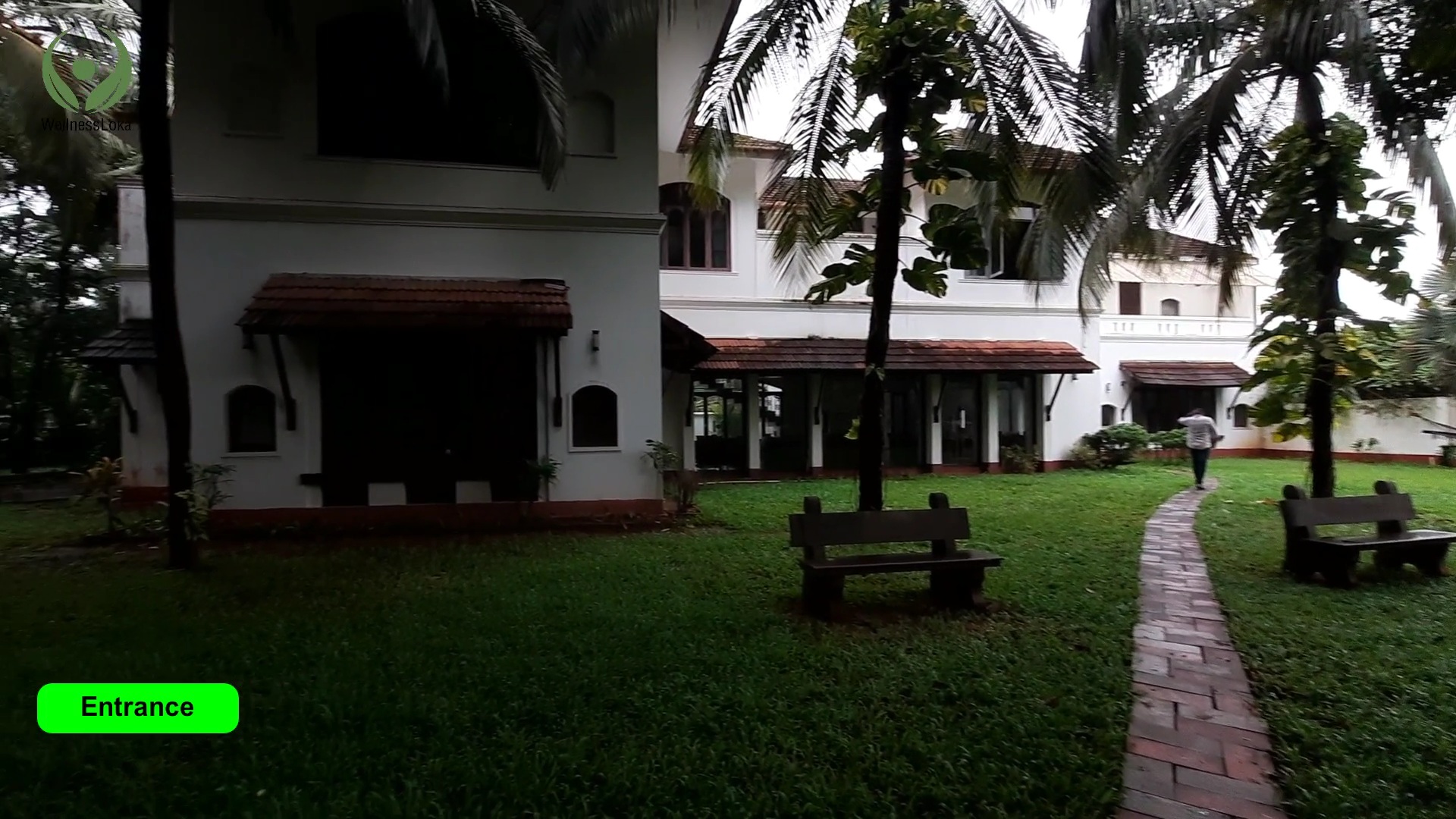
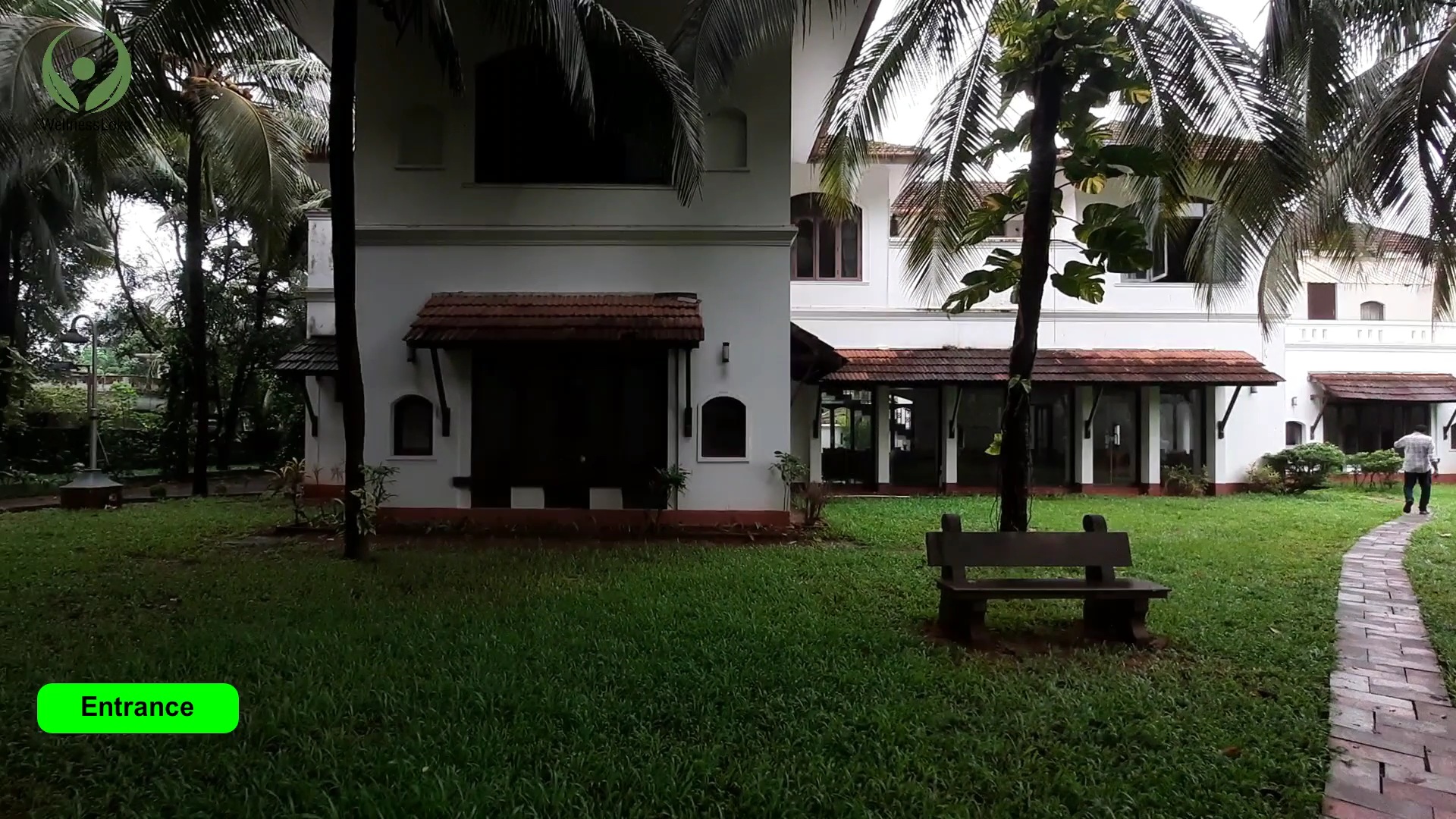
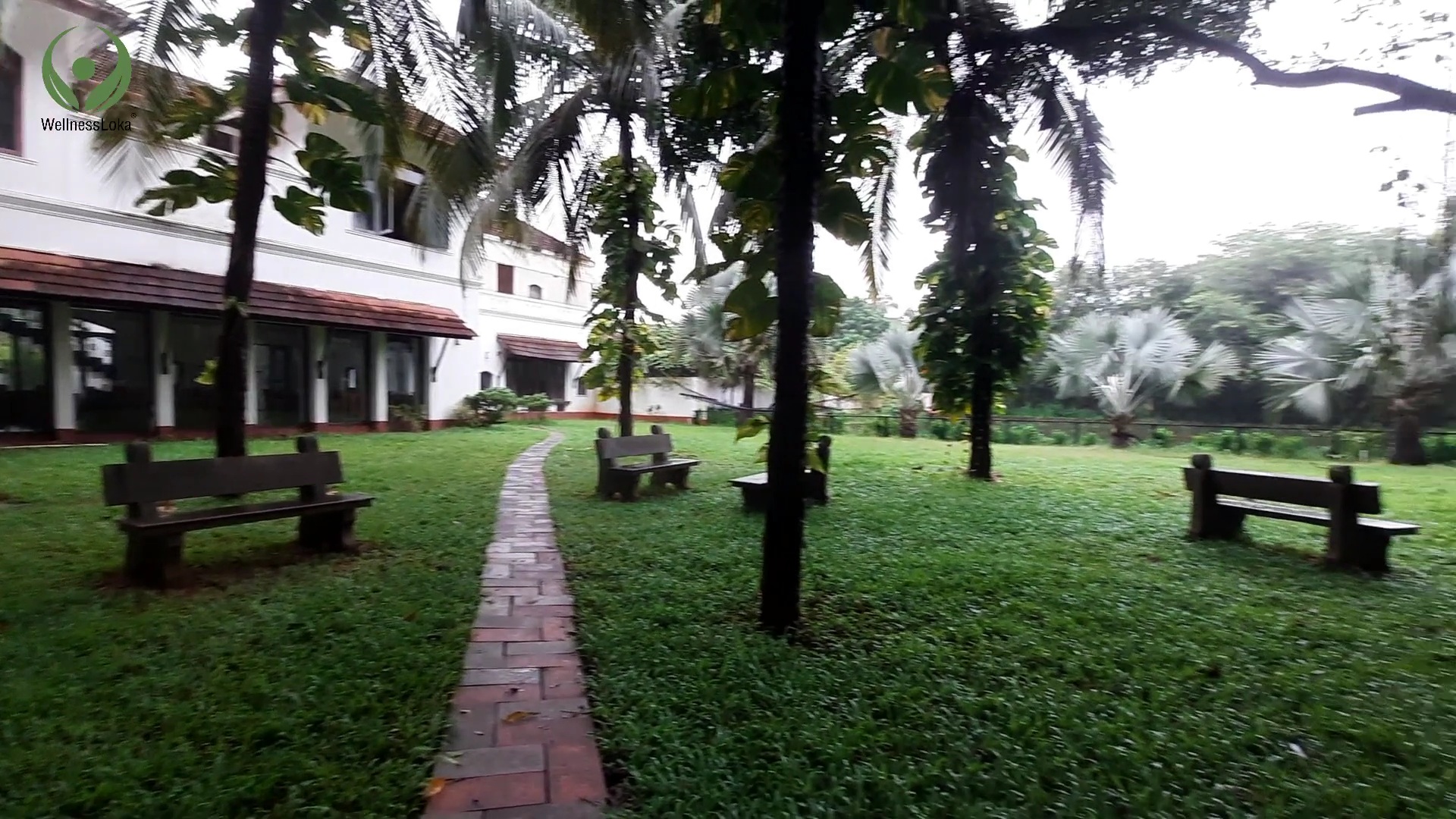
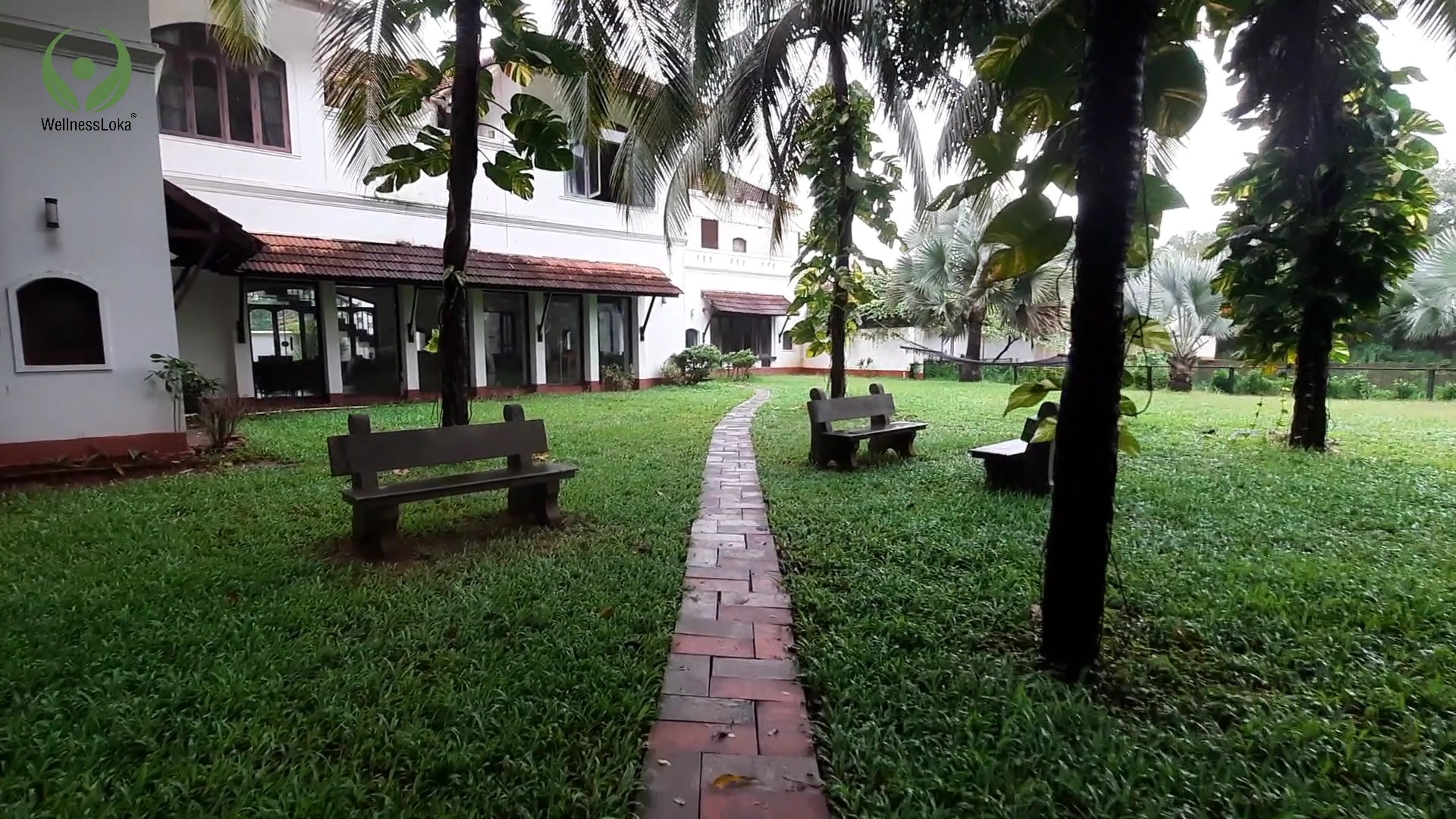
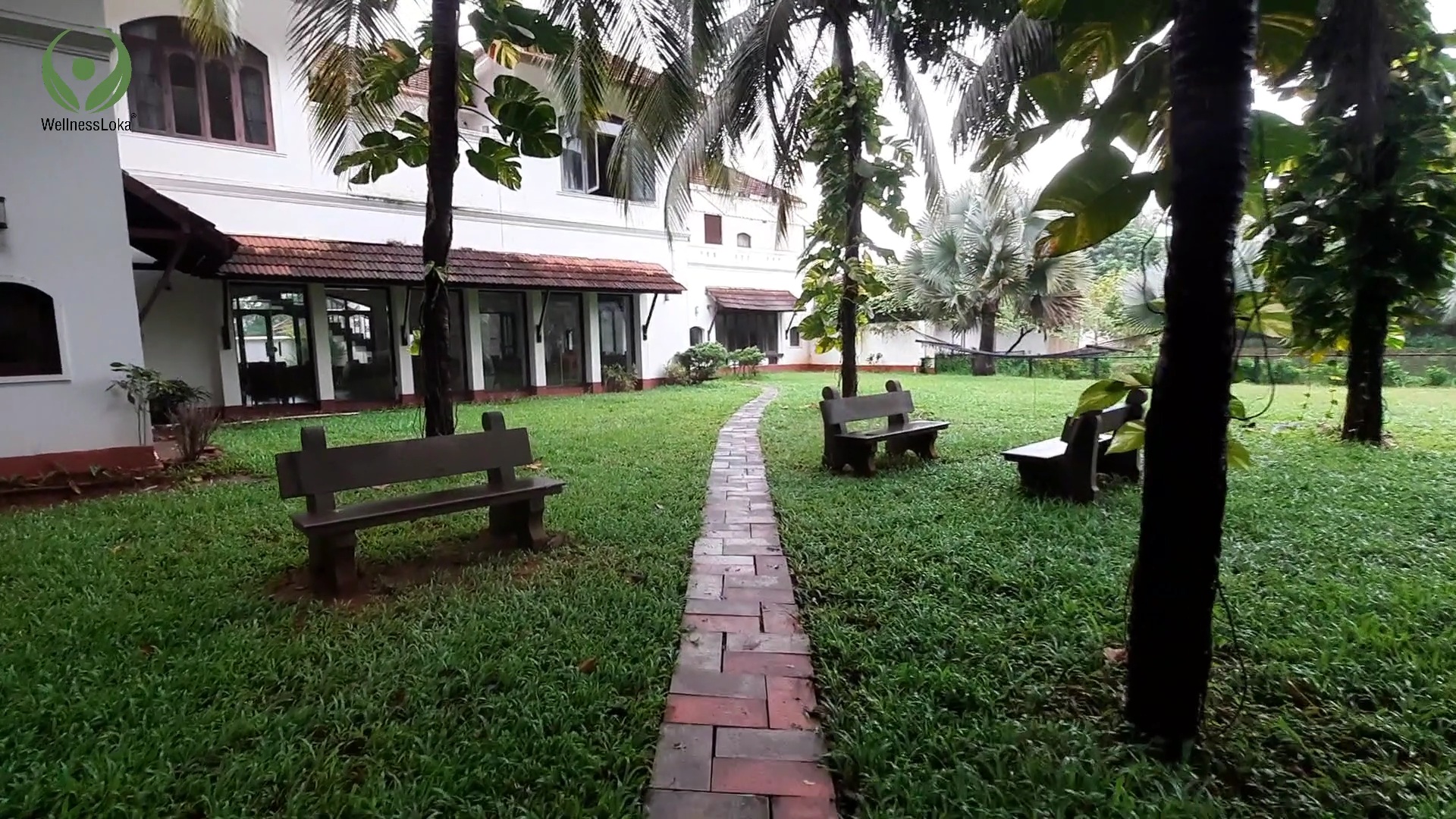
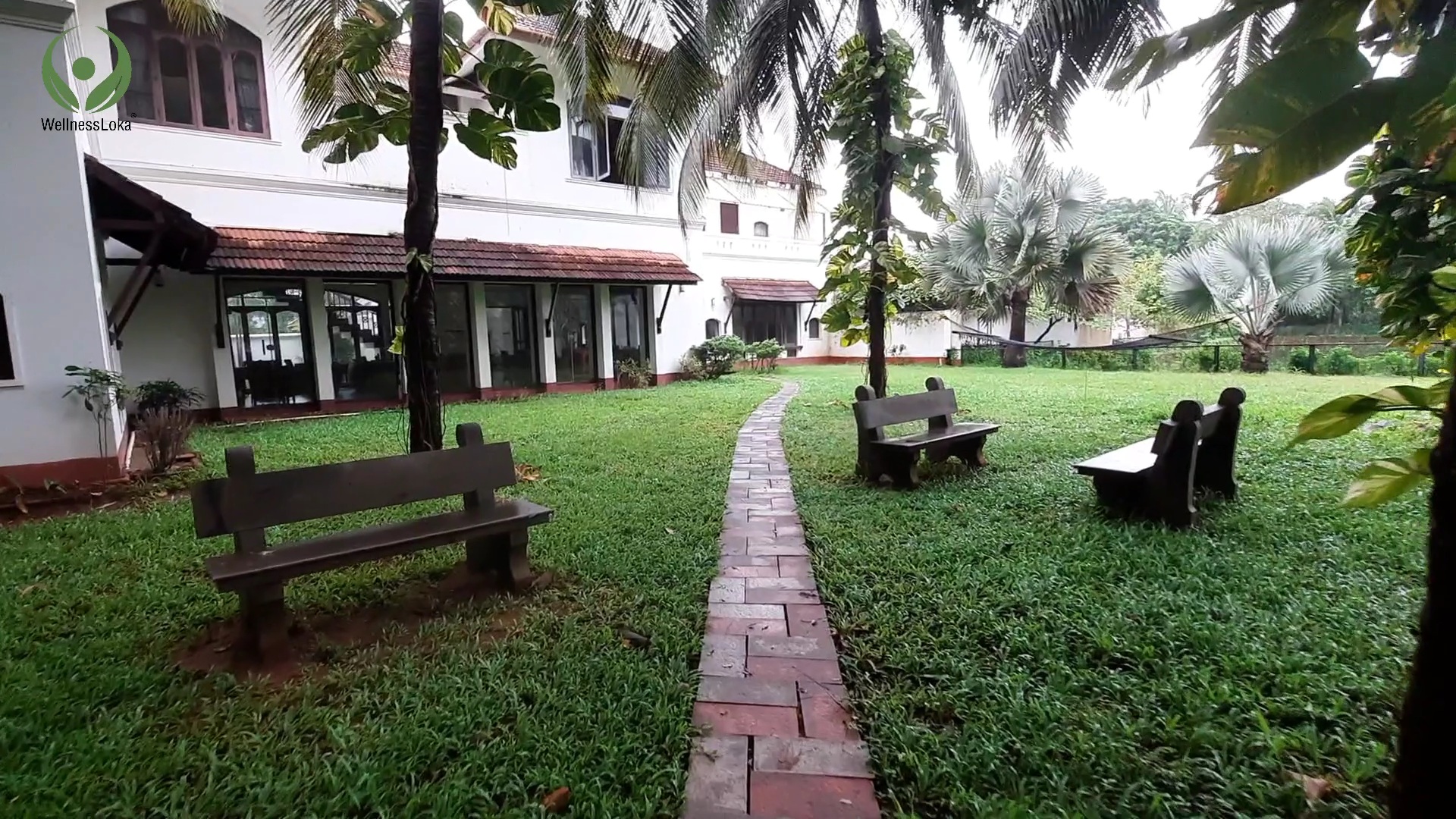
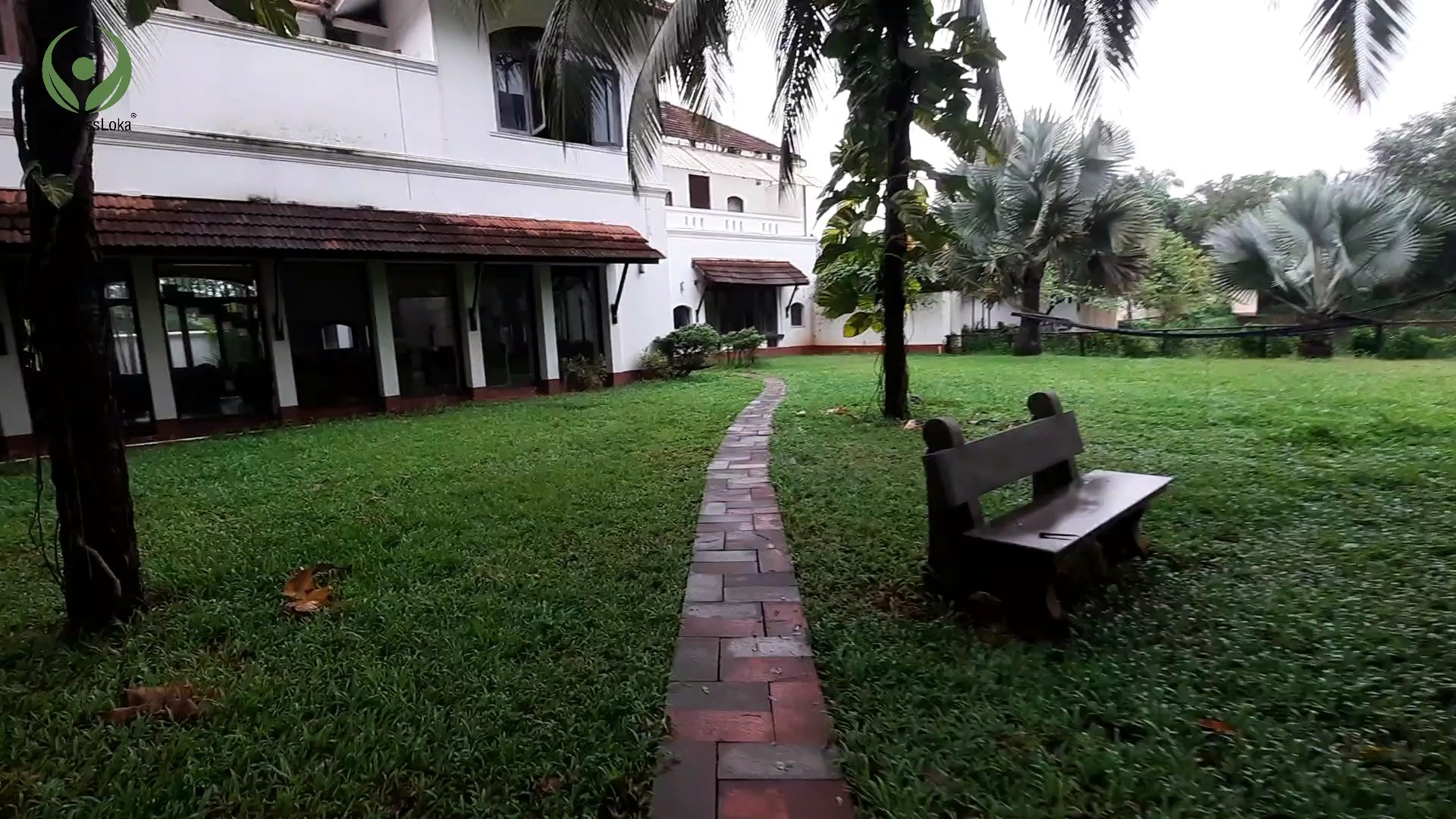
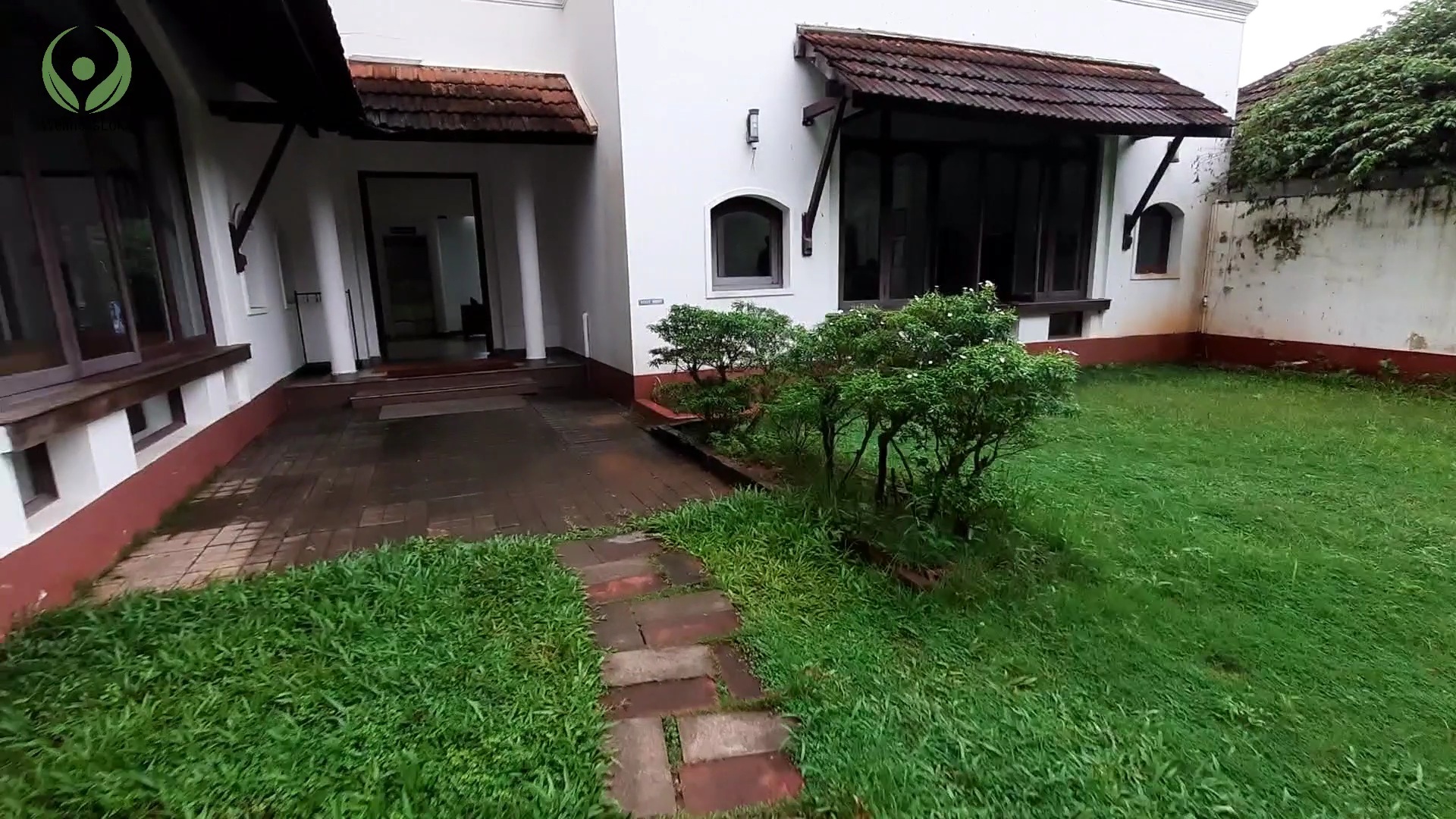
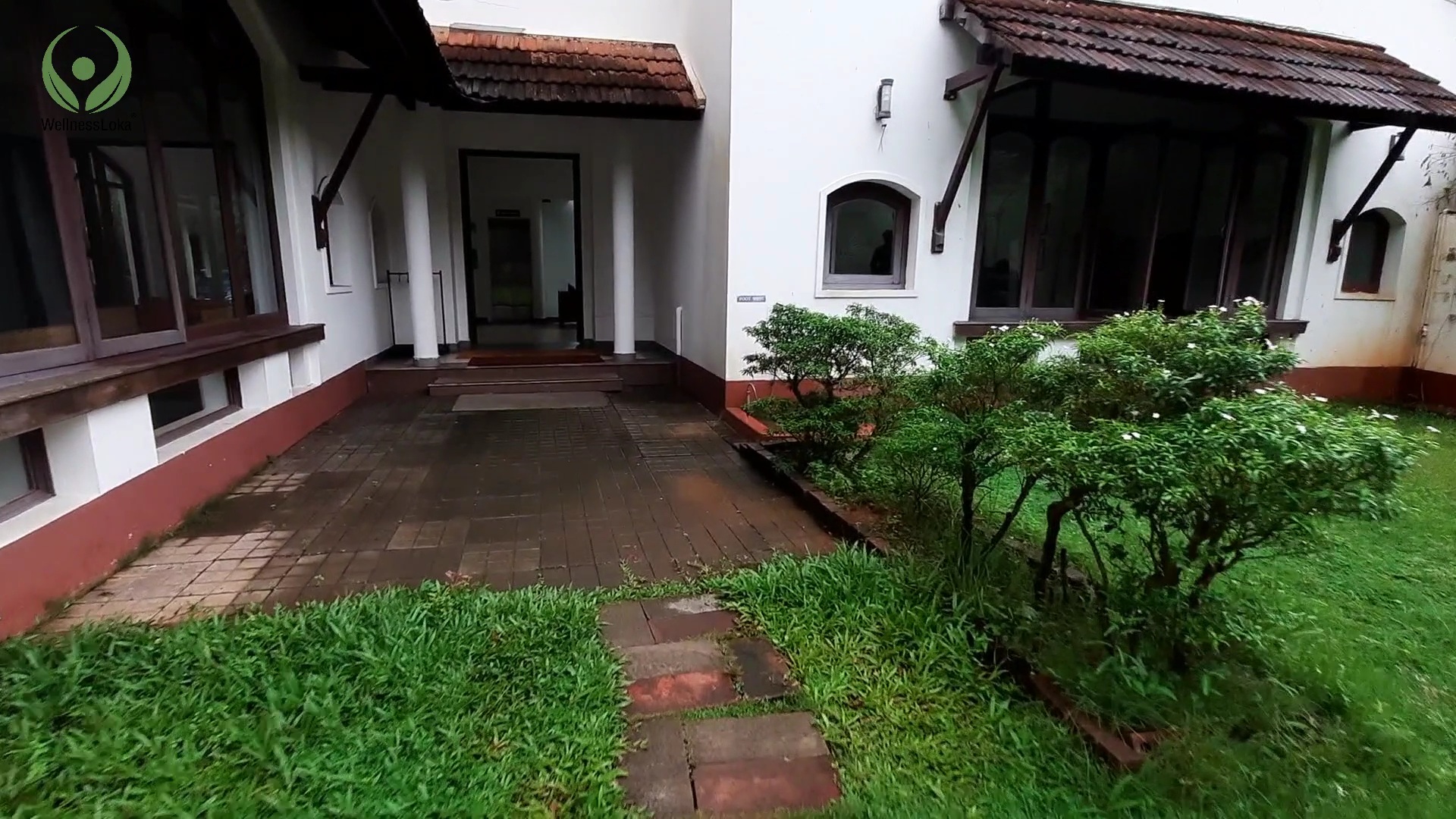
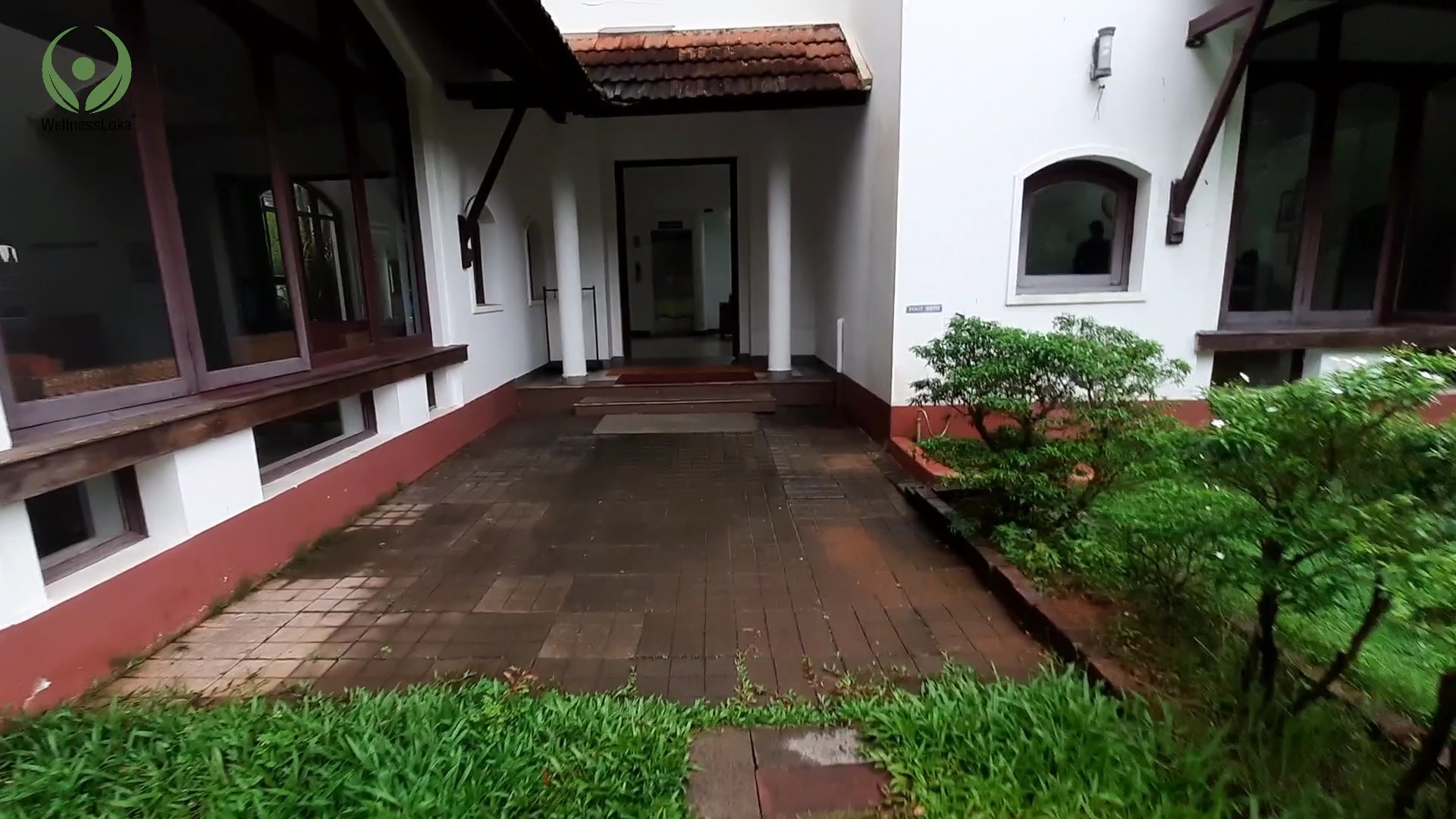
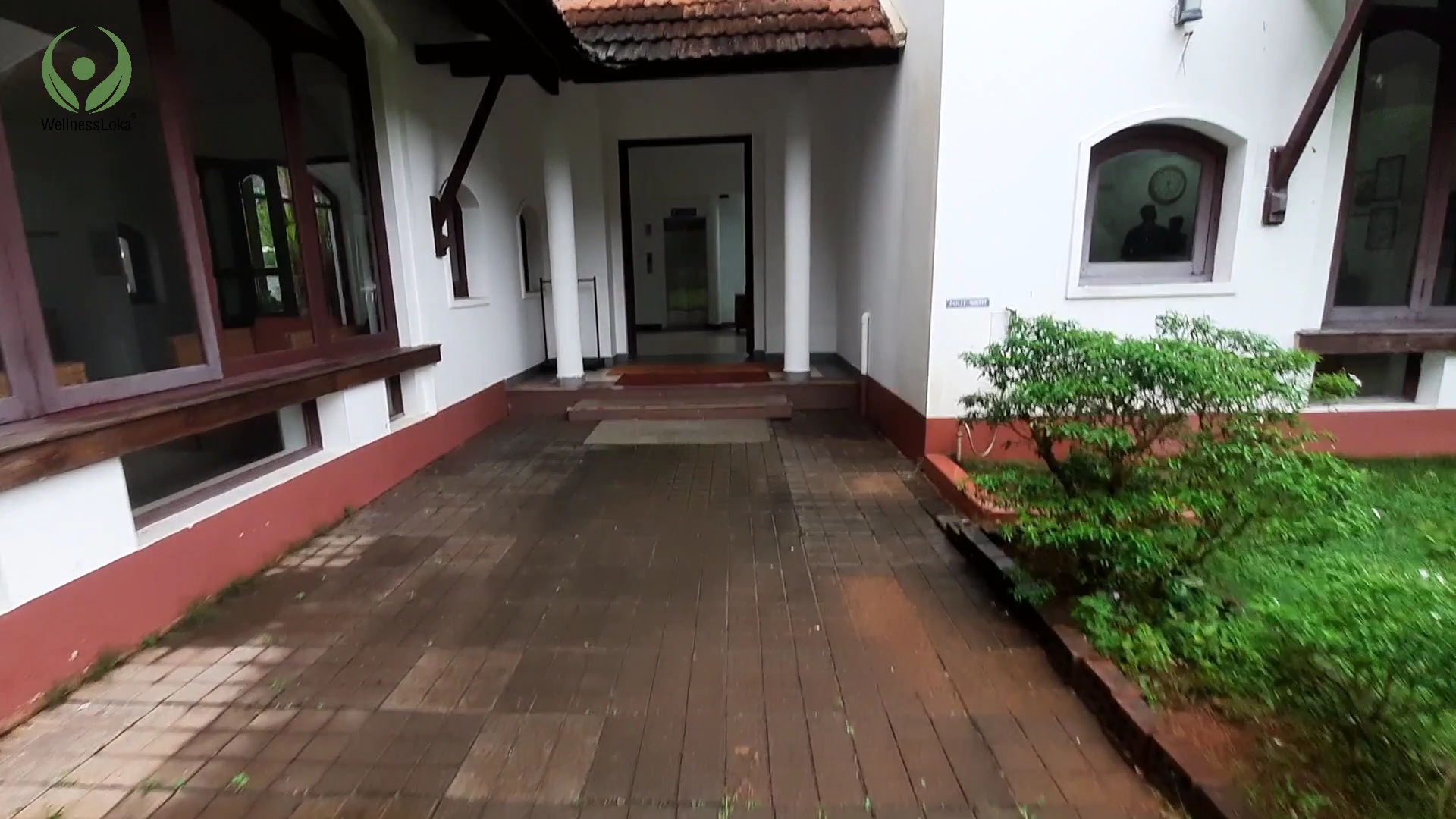
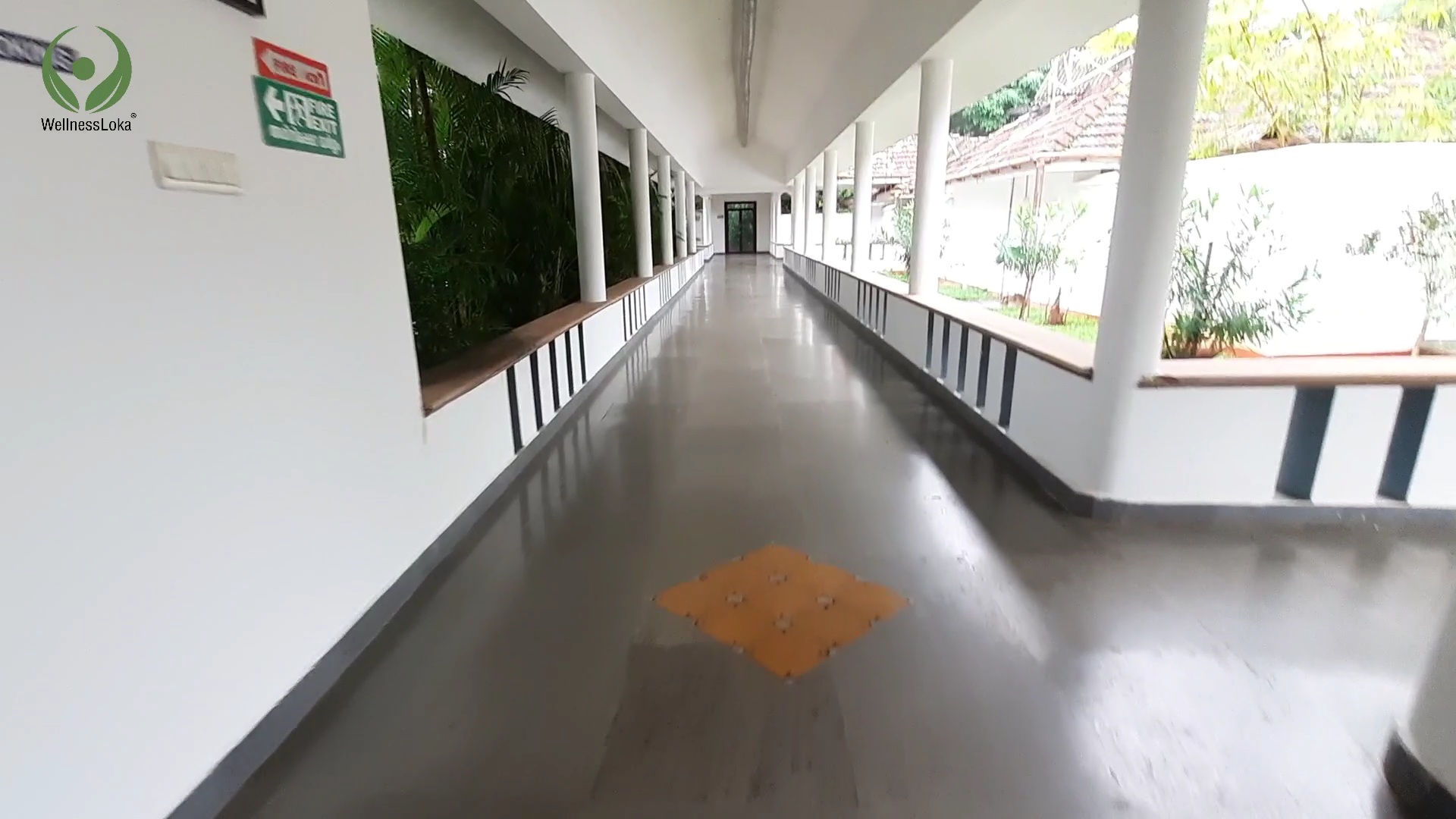
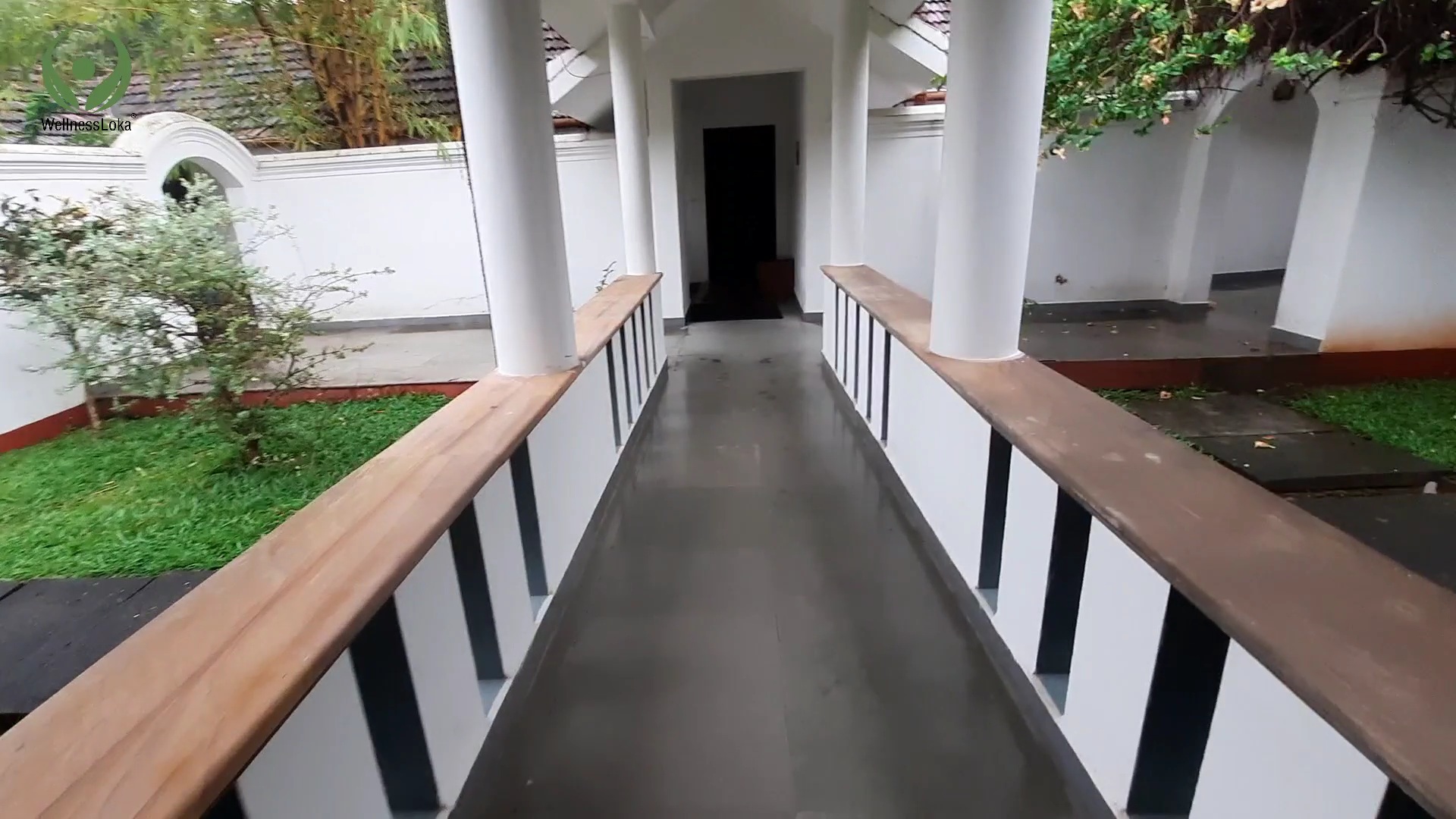
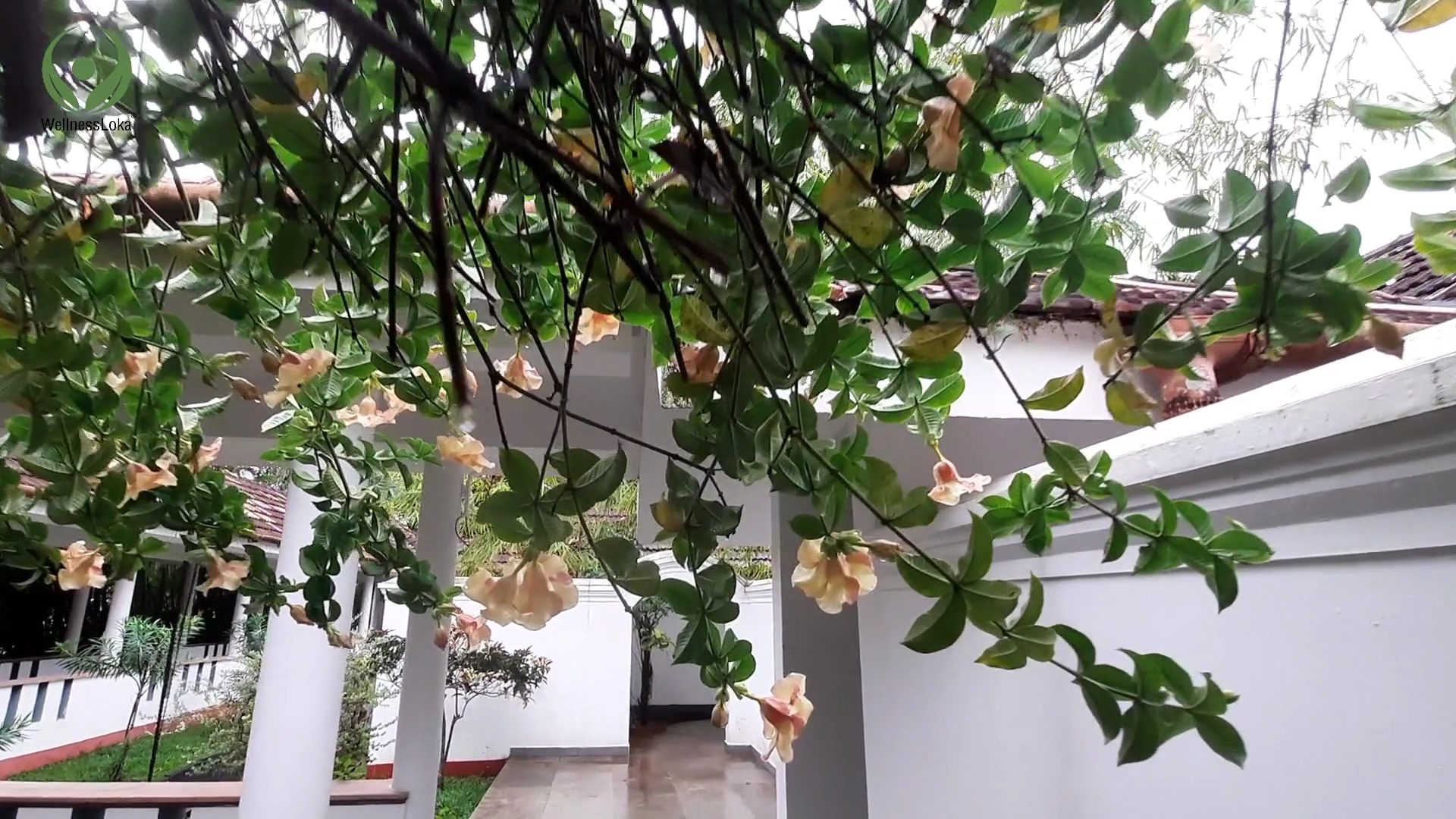
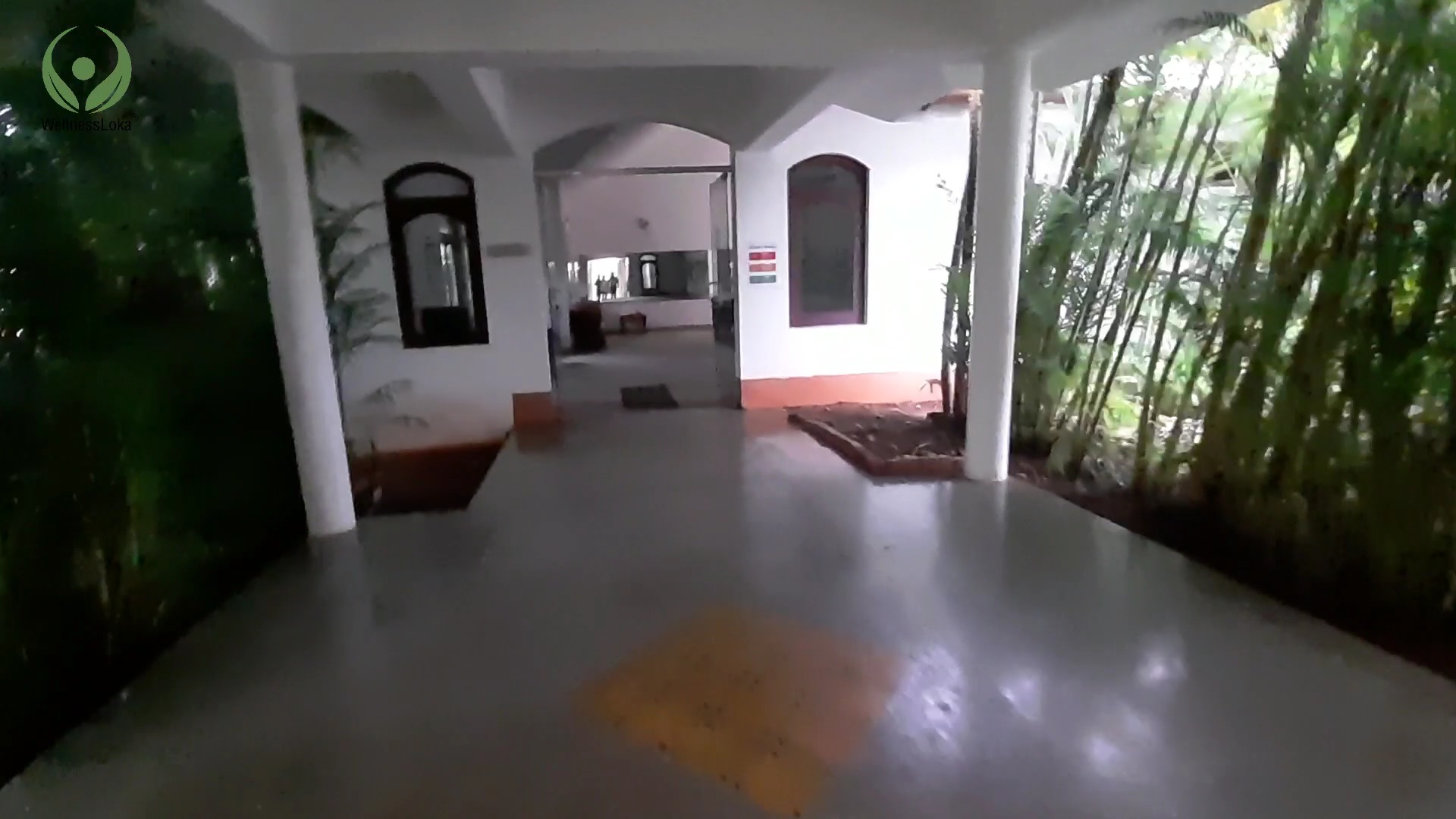
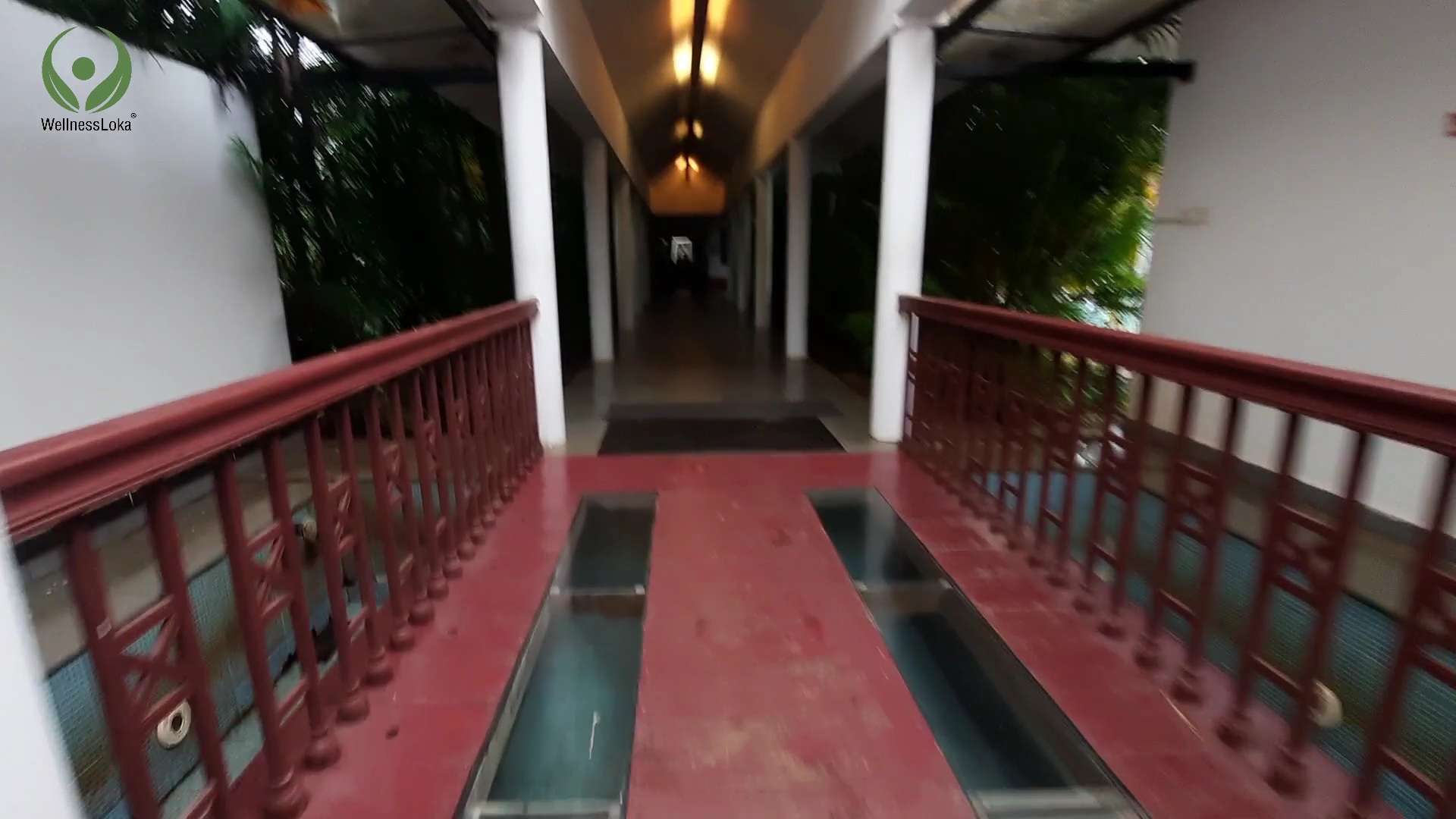
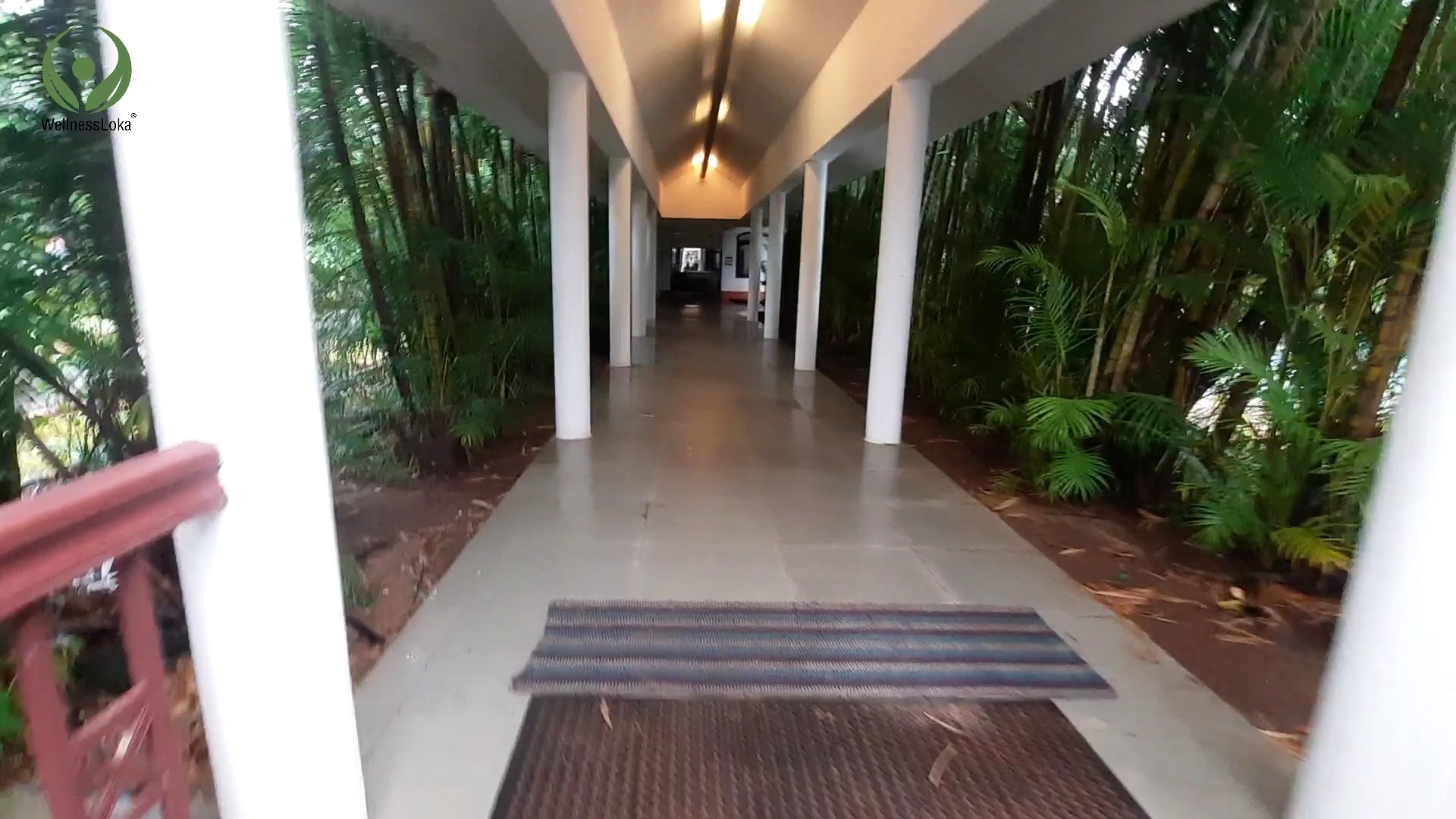
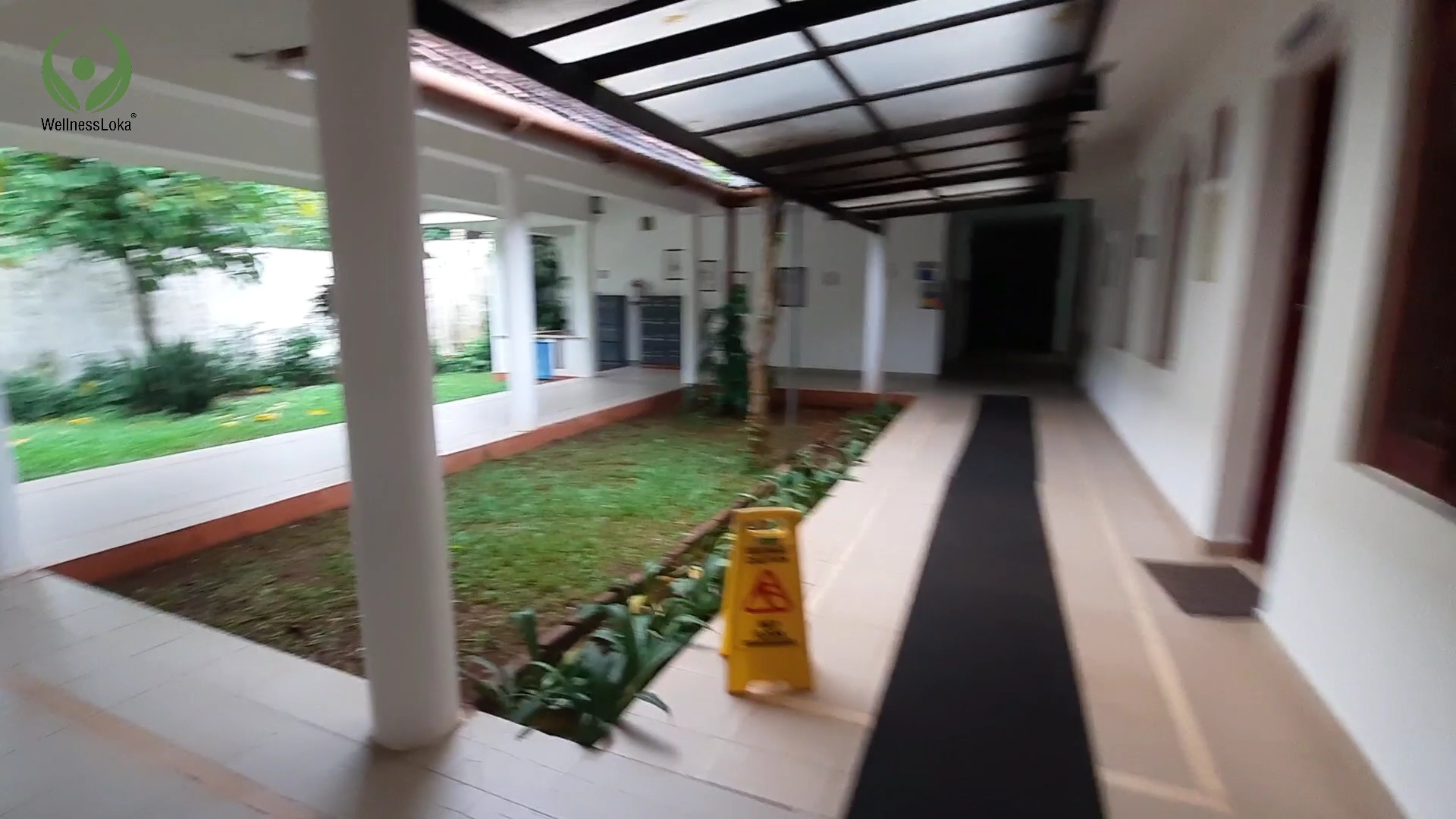
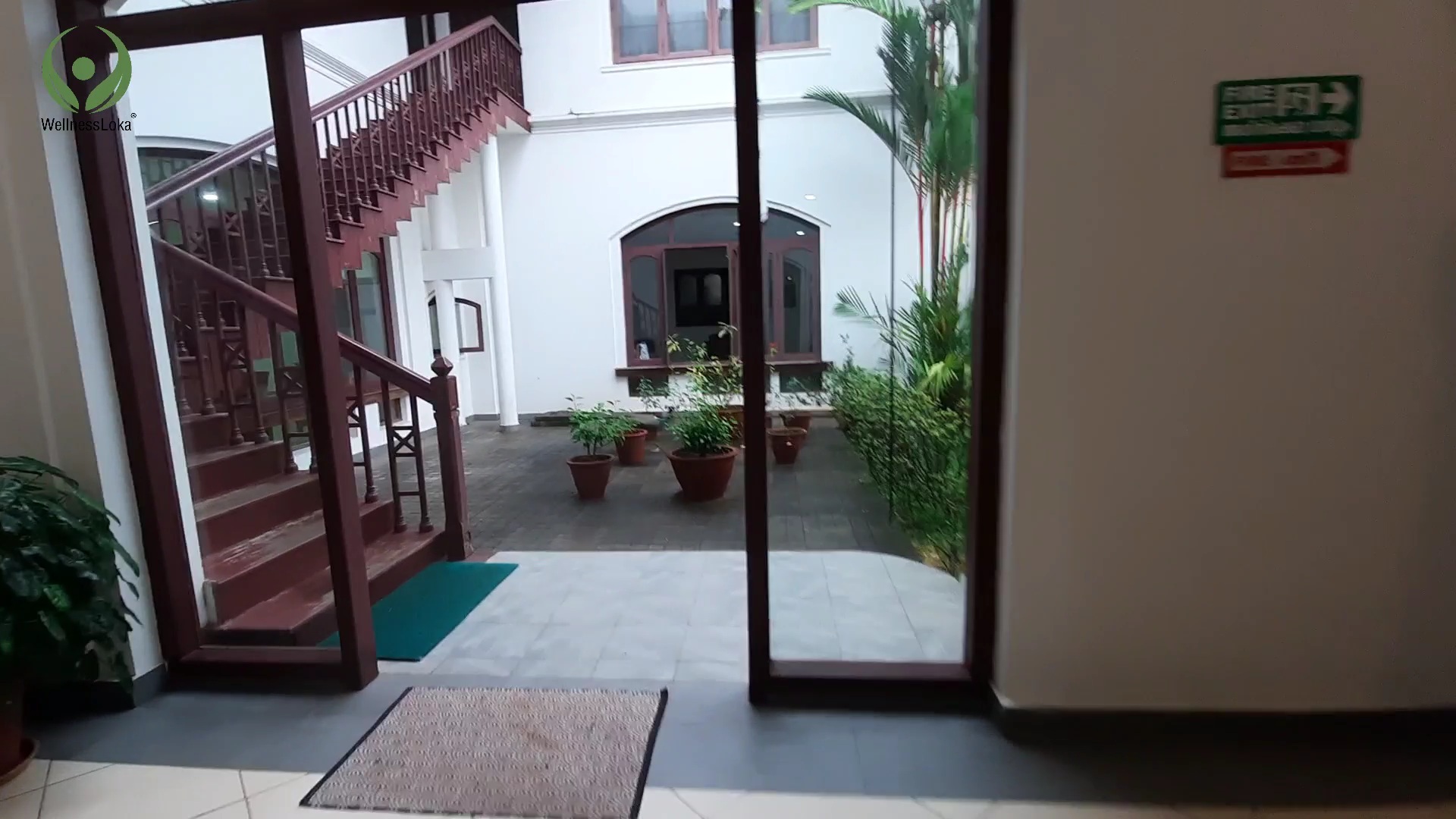
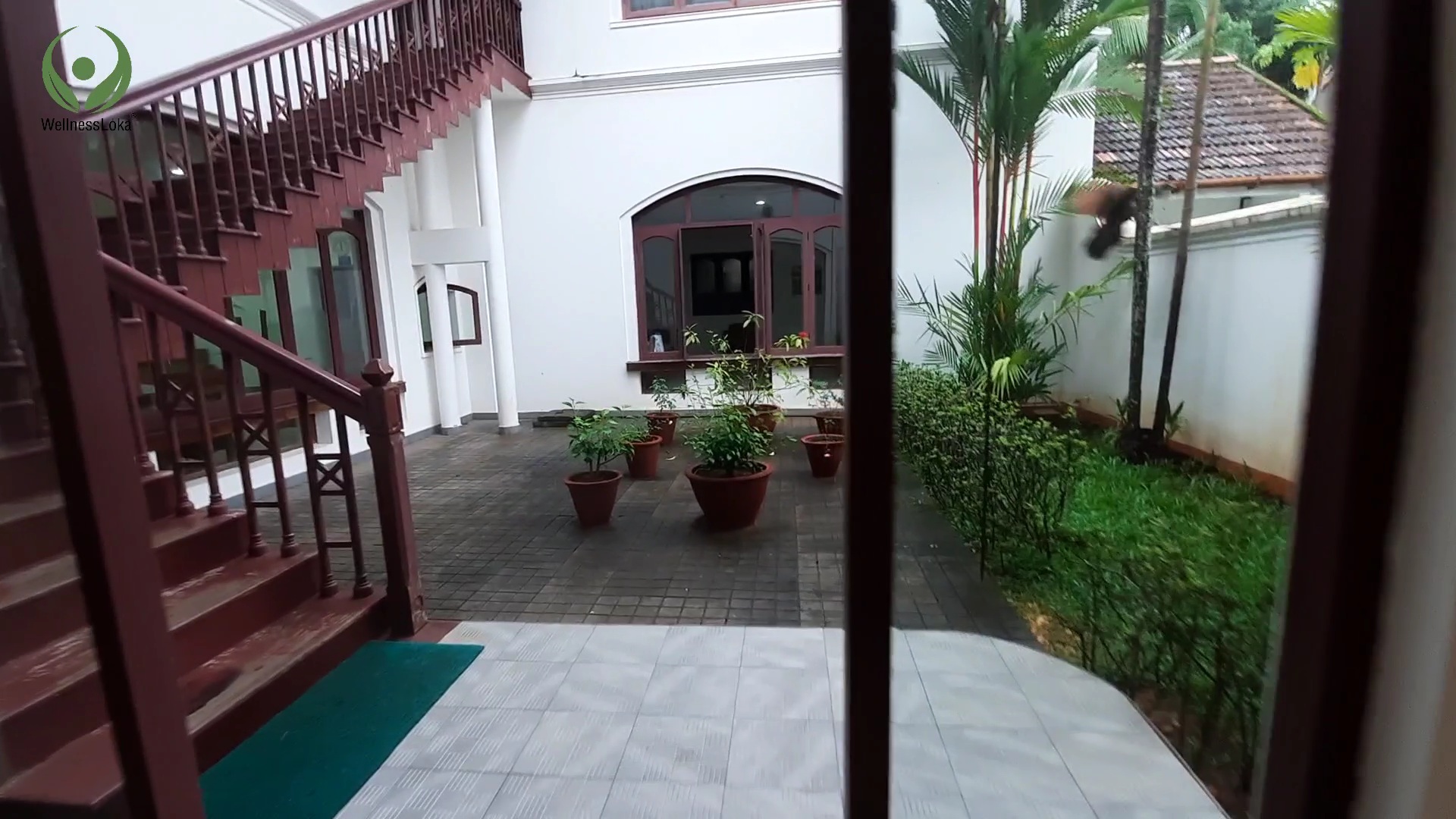
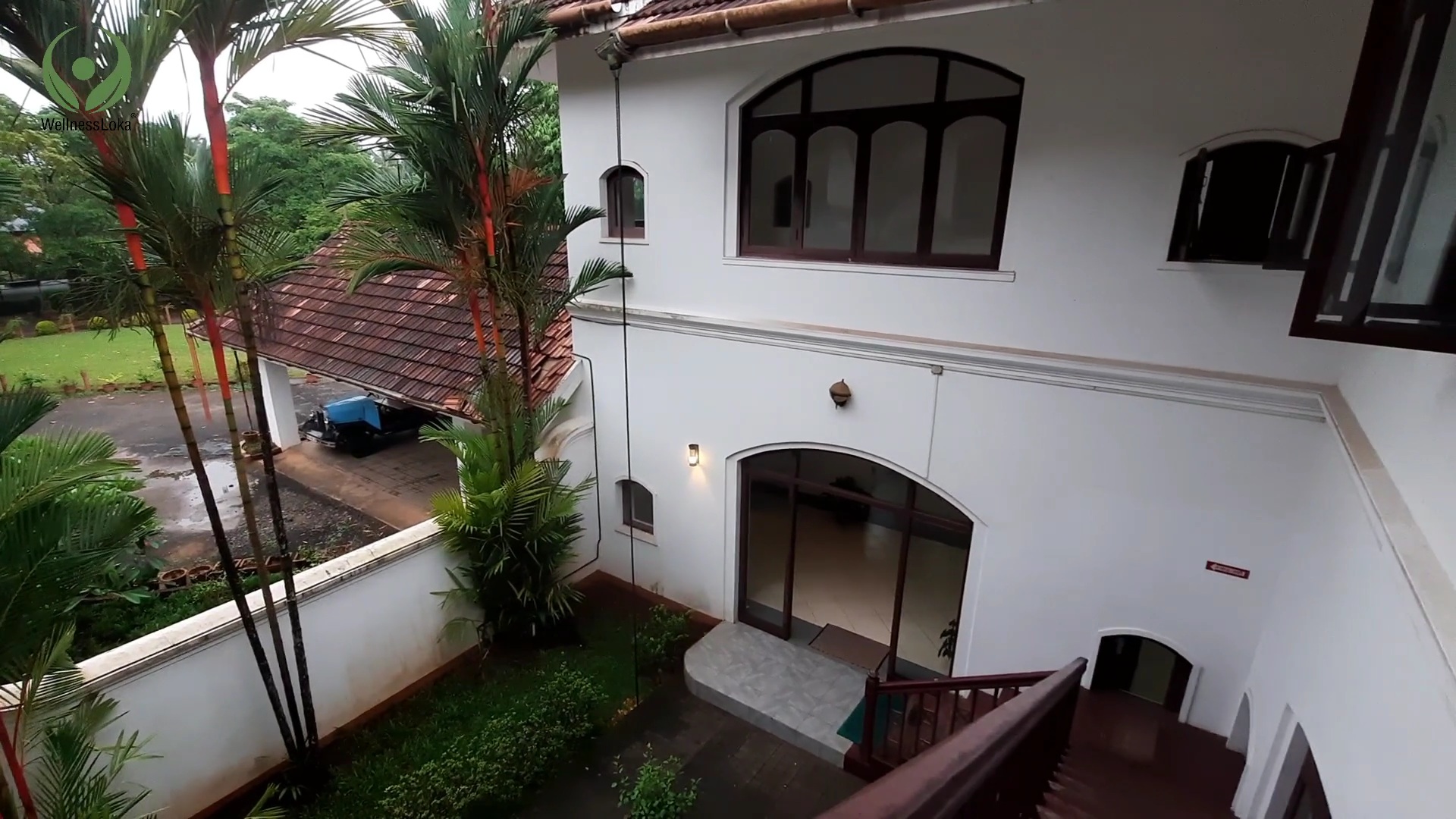
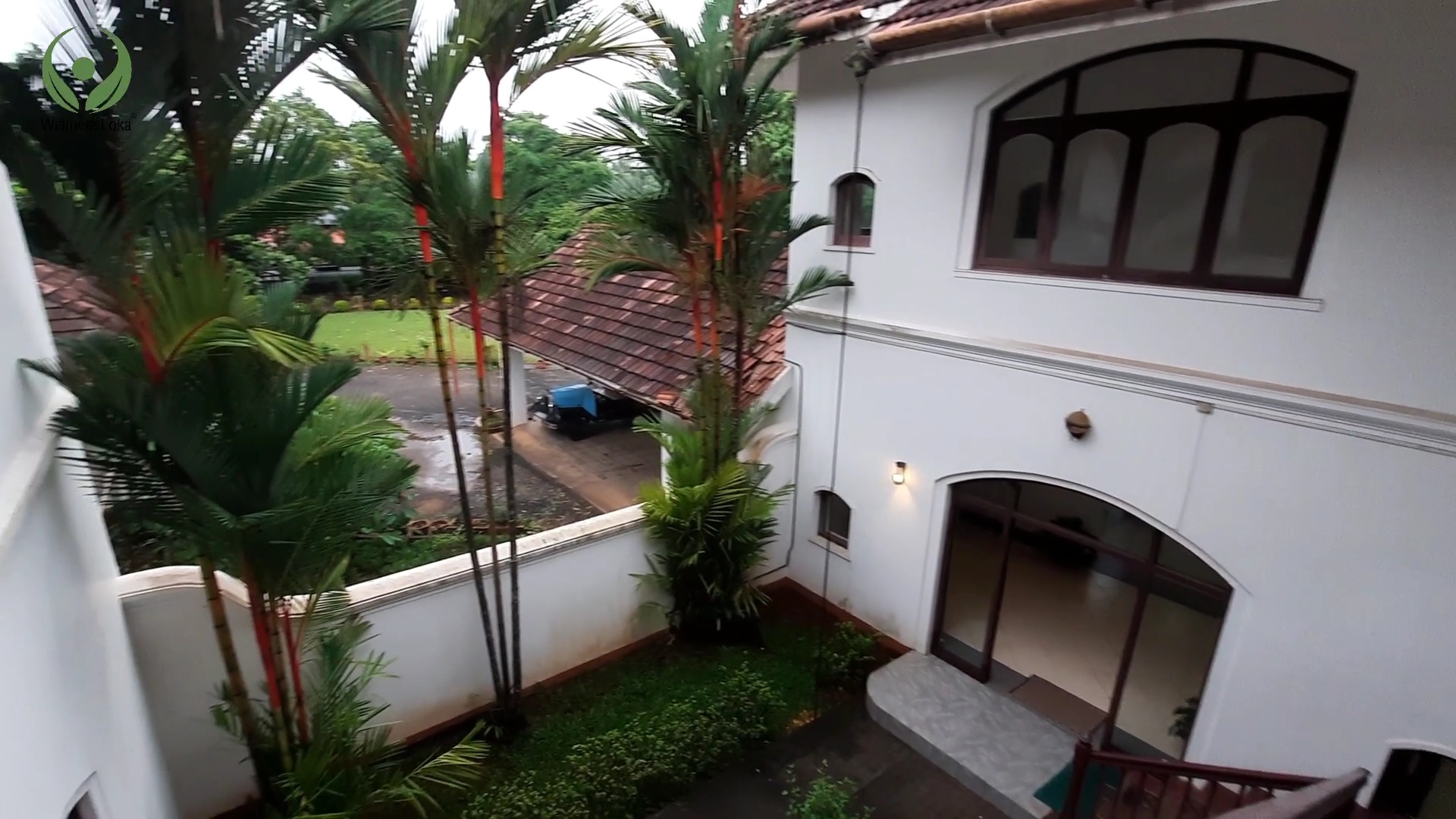
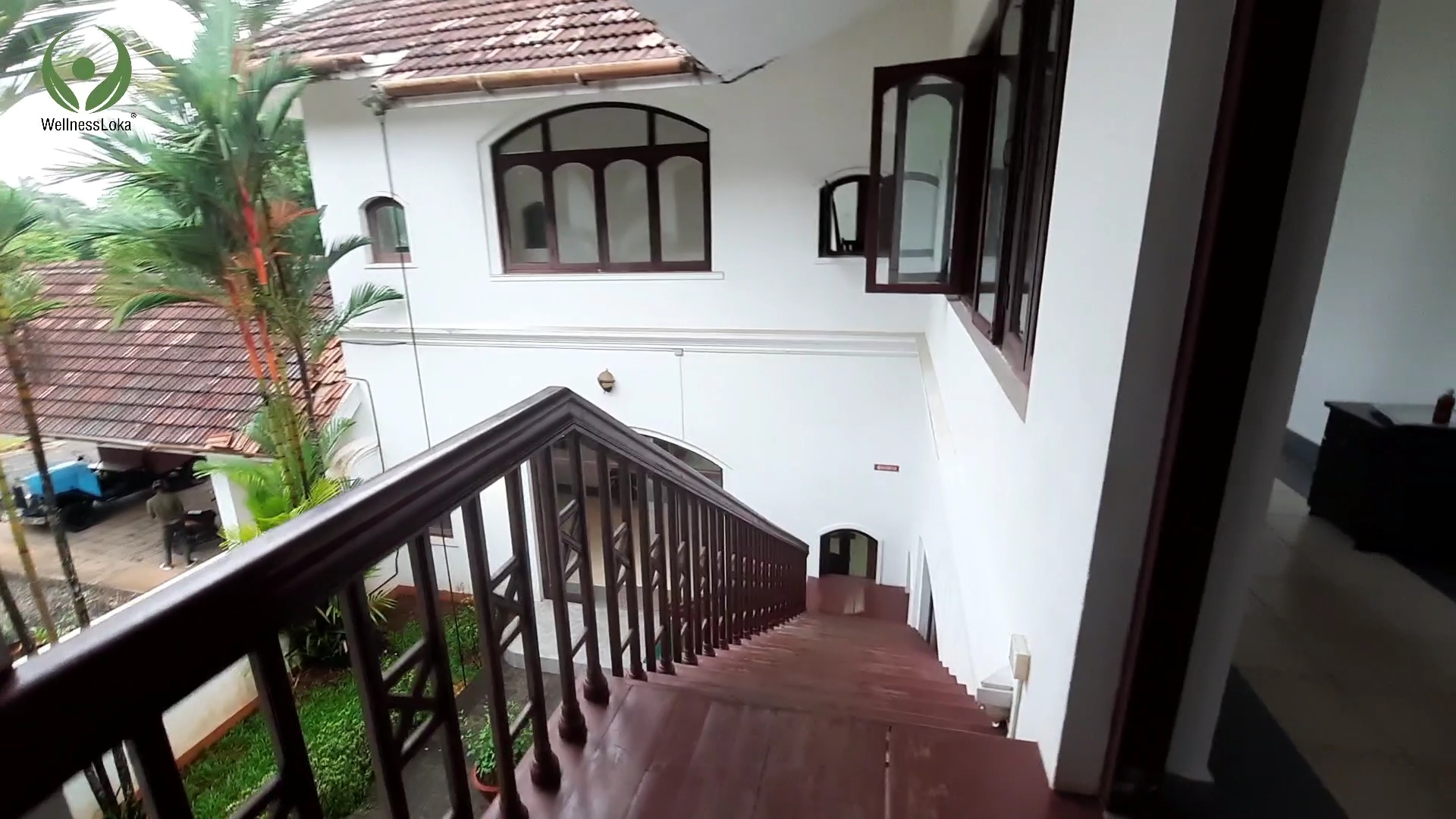
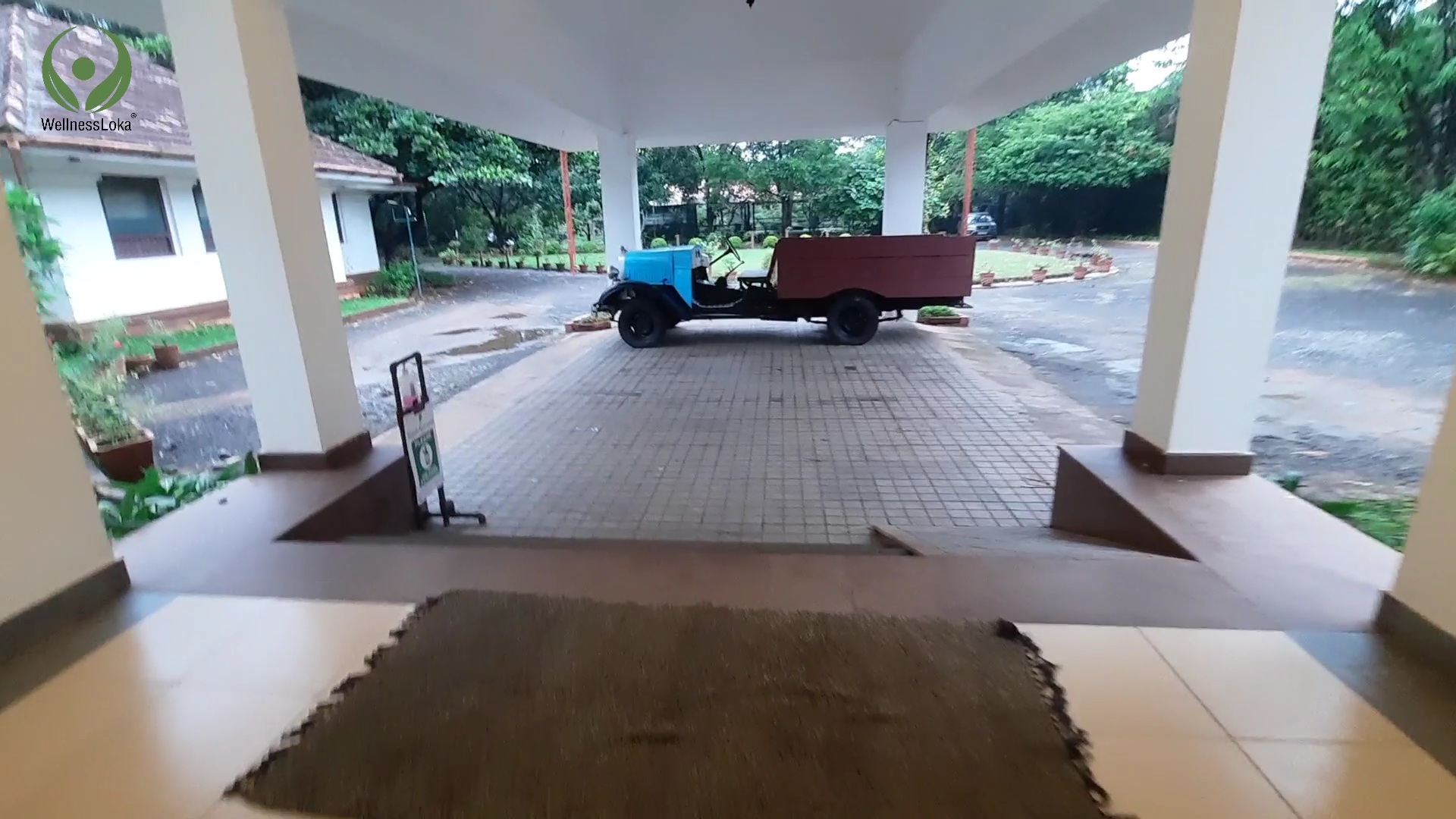
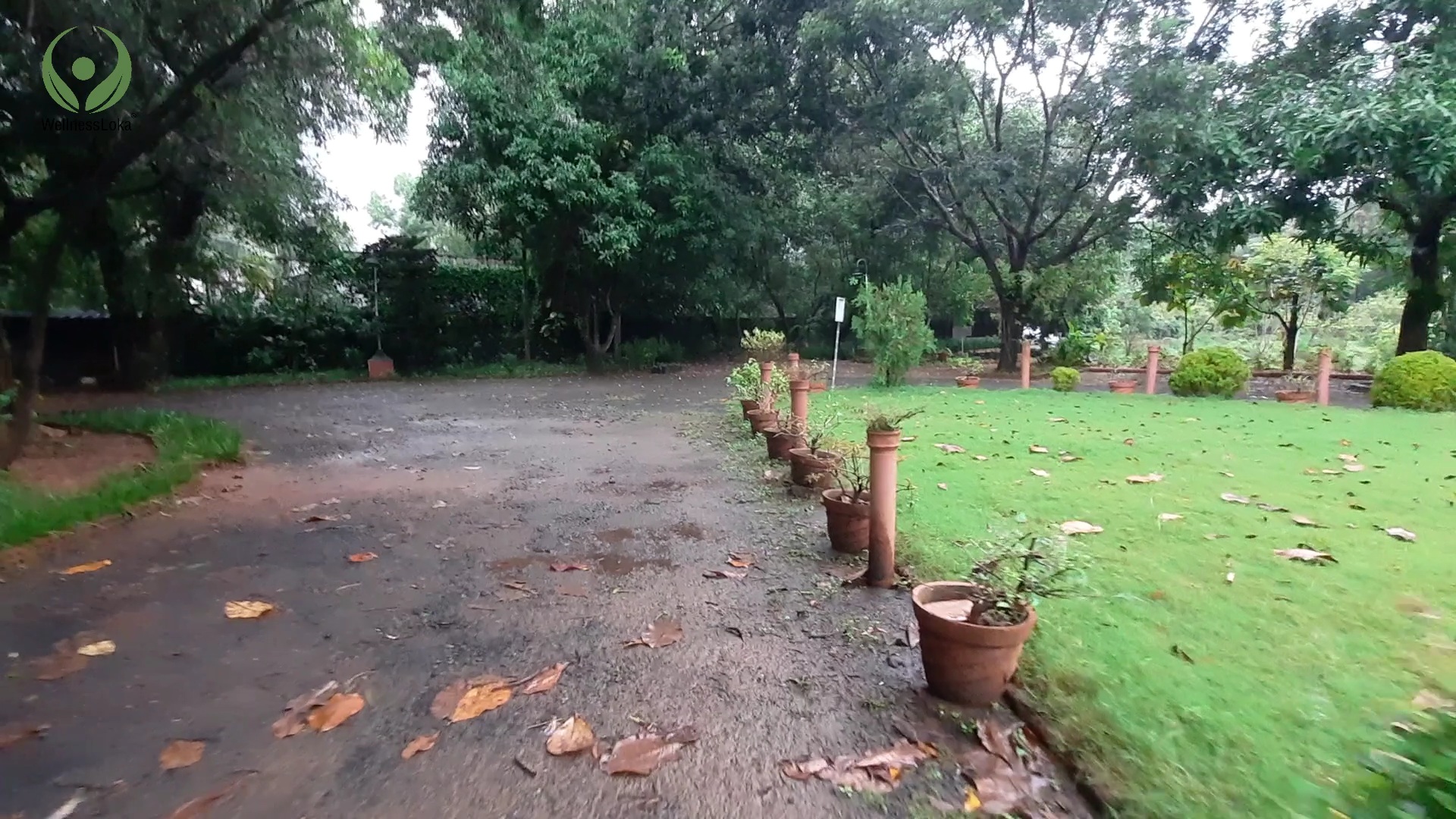
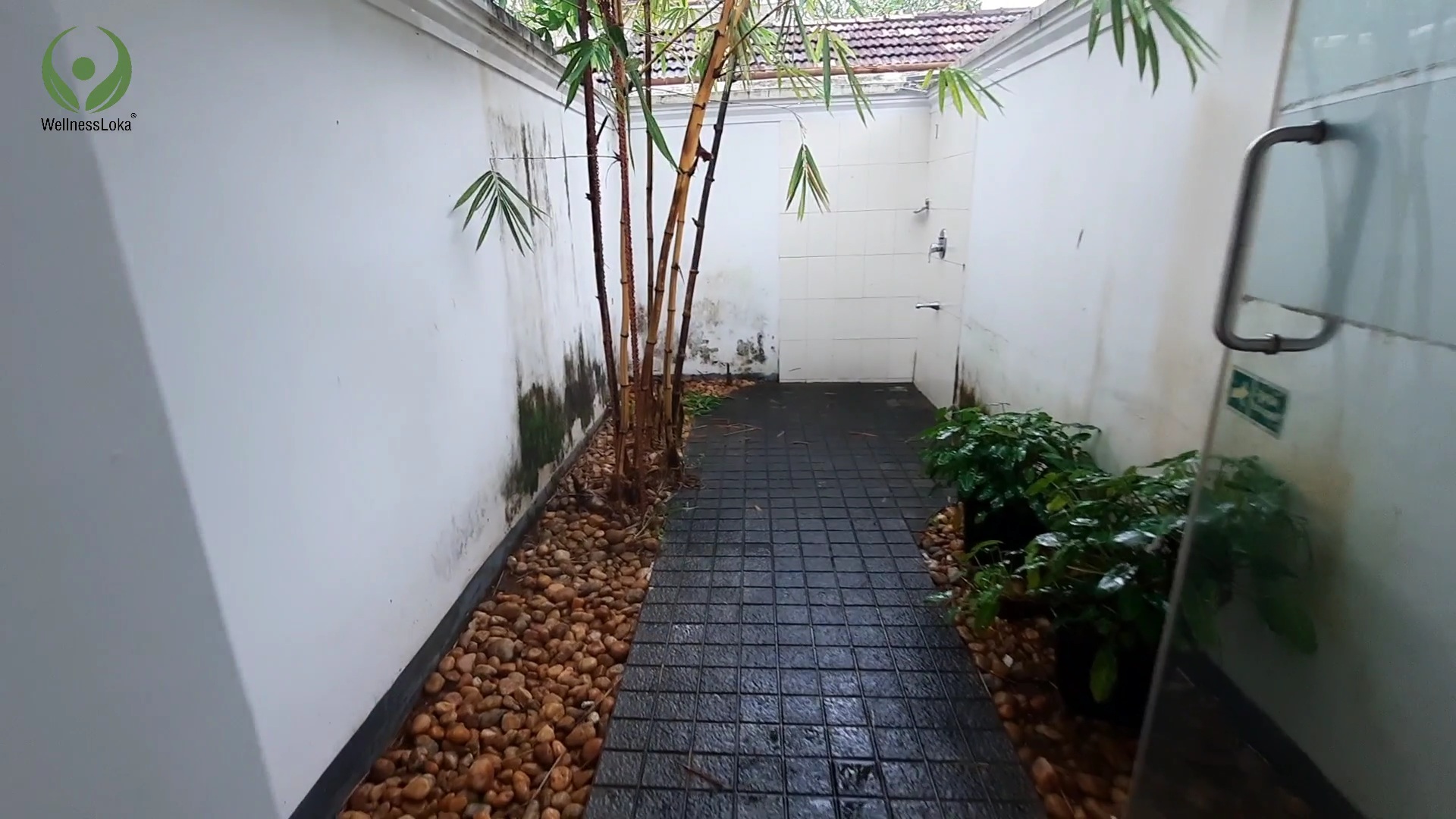
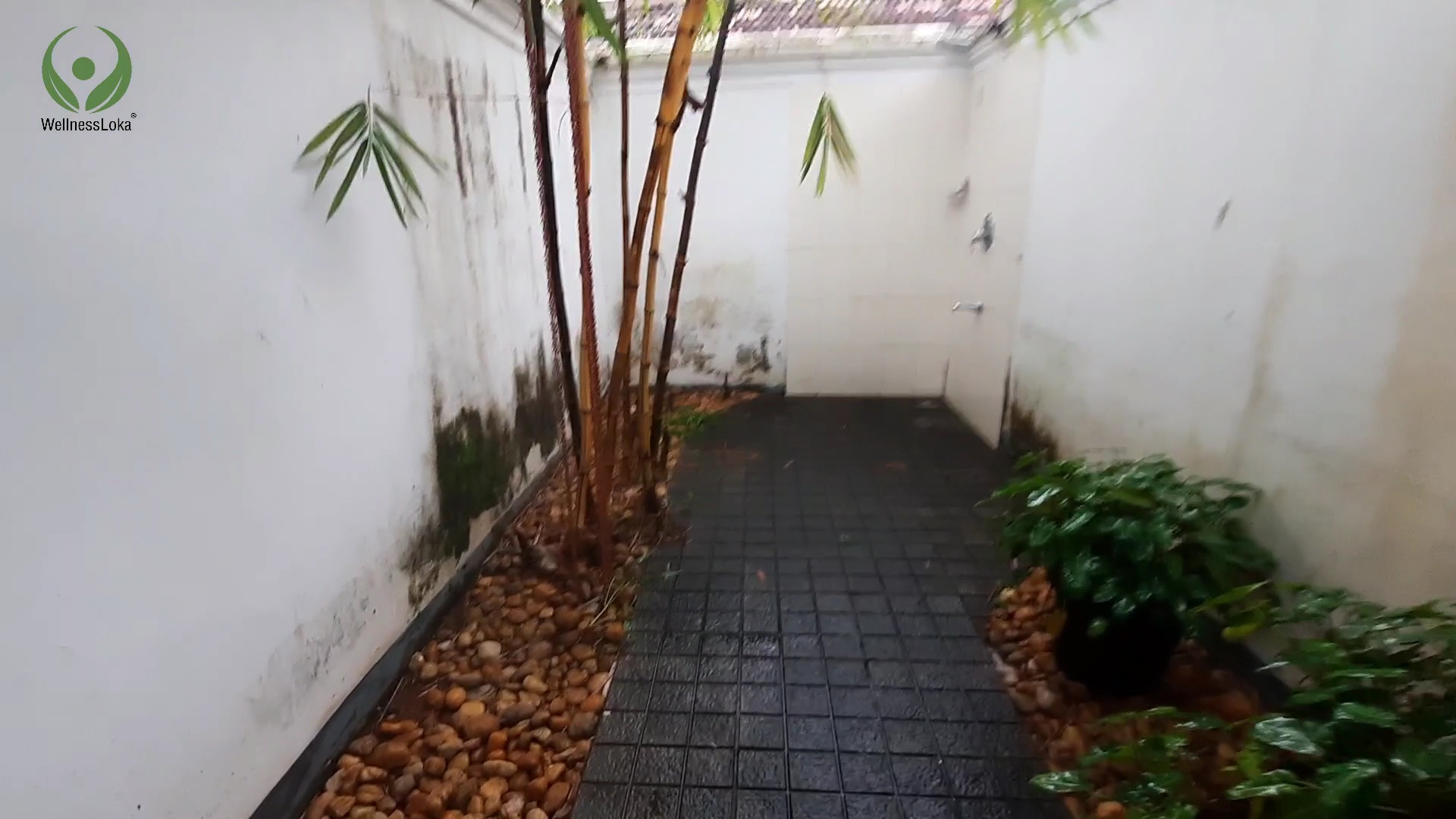
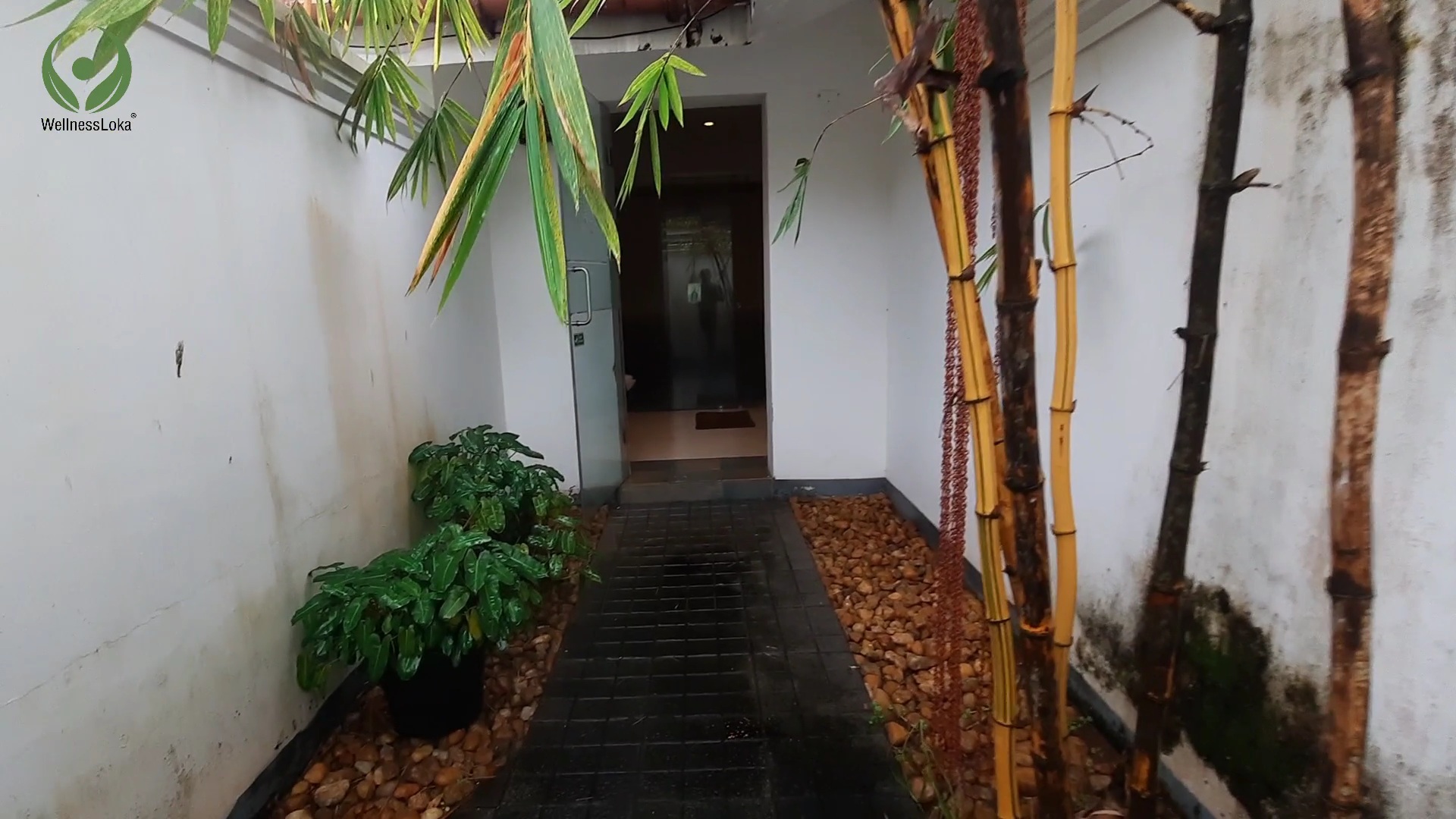
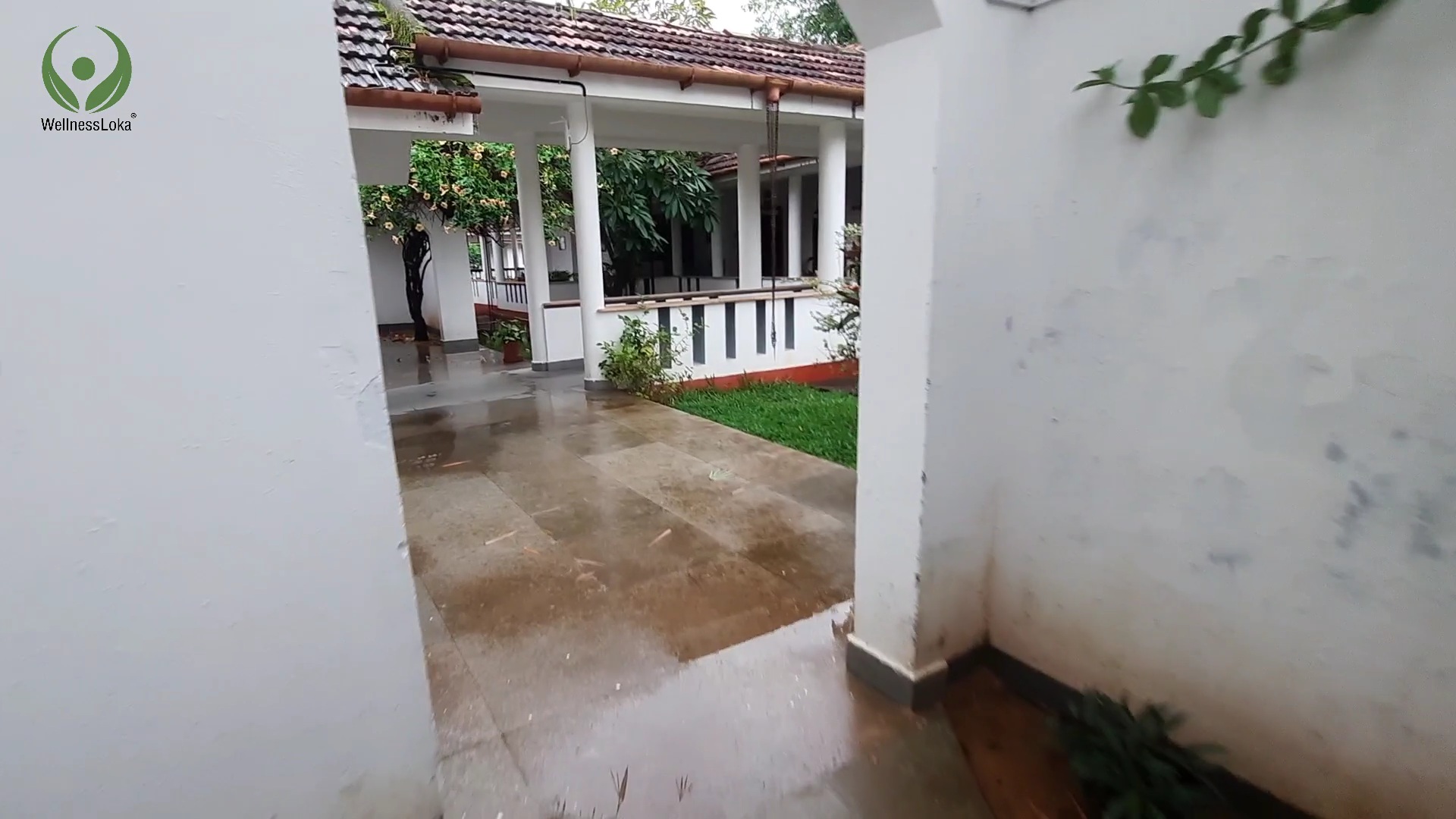
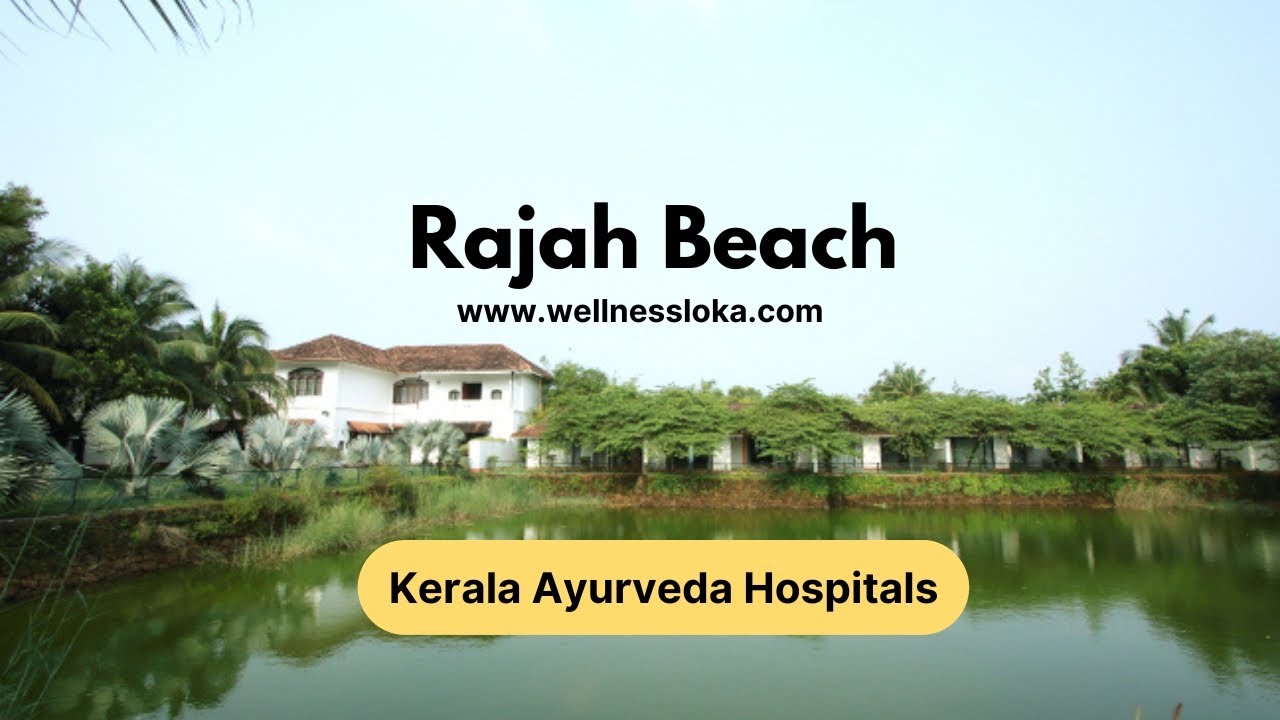
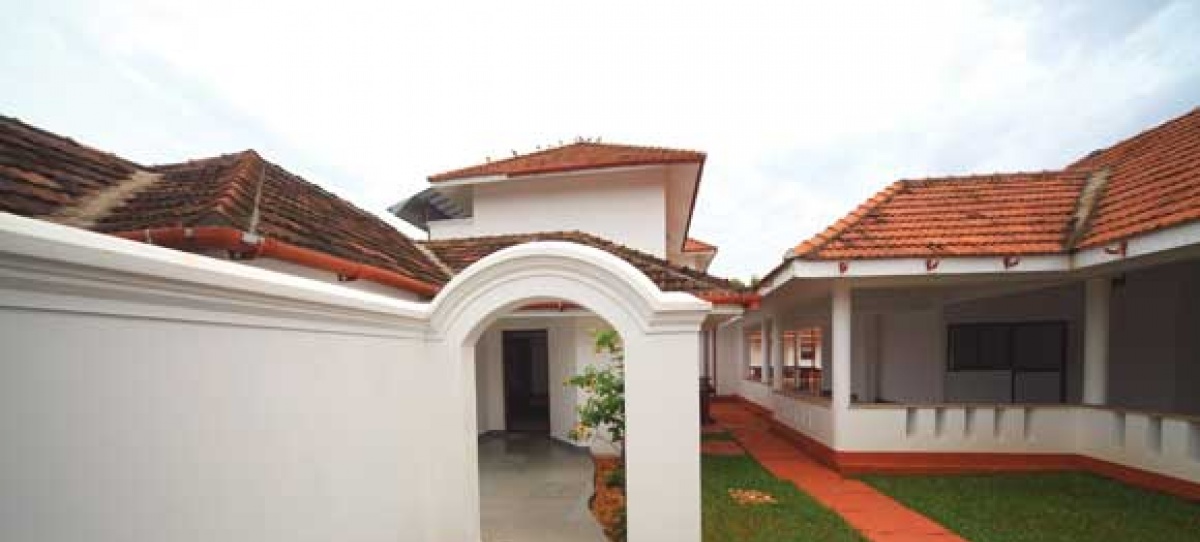
Rajah Beach is designed as a compact, treatment-oriented coastal property within approximately 20 acres of landscaped and planted grounds. The setting combines the quiet atmosphere of Akalad with a nearby stretch of beach described by the property as a one-kilometre virgin beach. The campus includes lawns, gardens, coconut and other coastal vegetation, an internal fruit garden and cultivated areas that contribute to the property's natural setting.
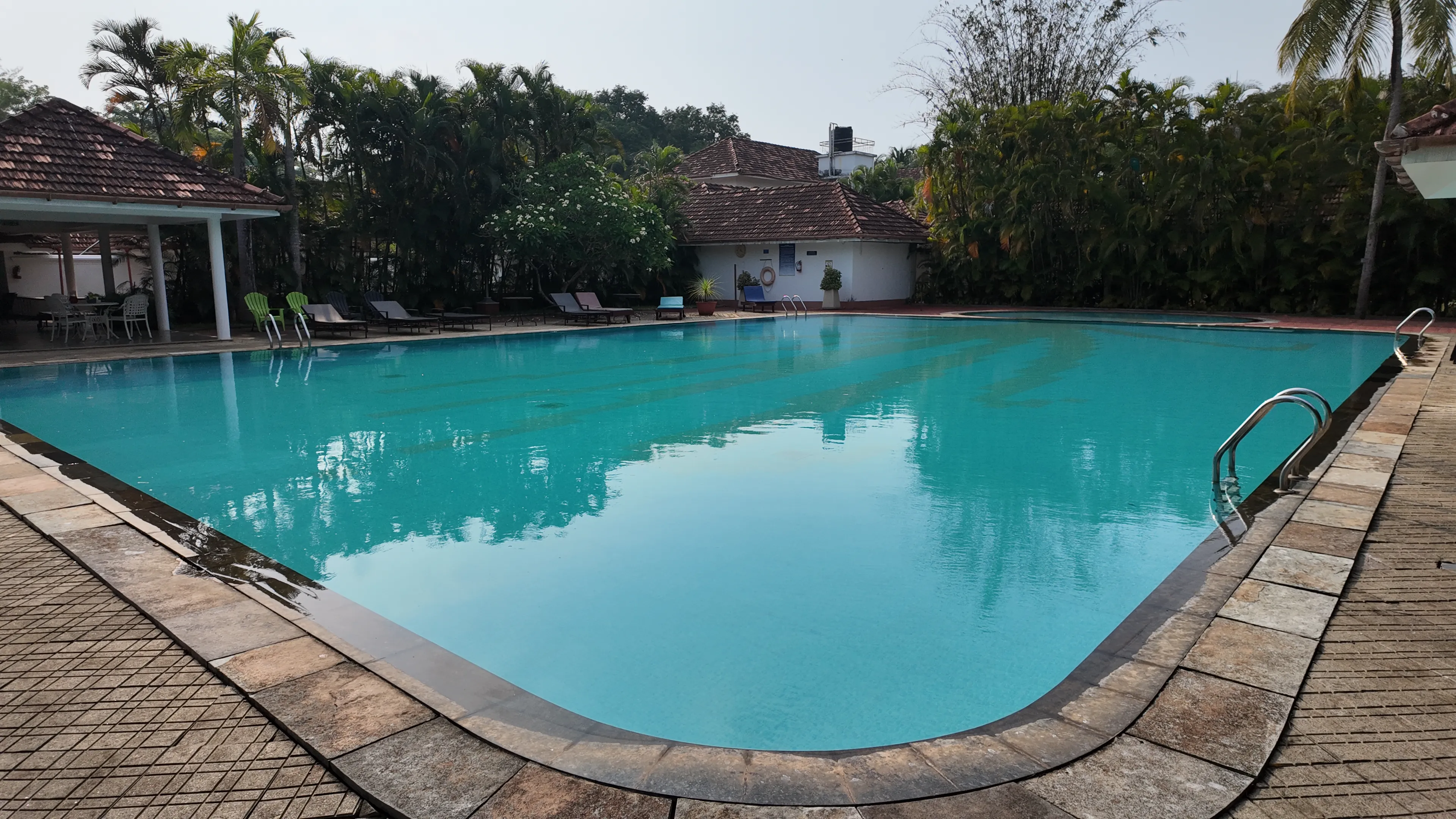
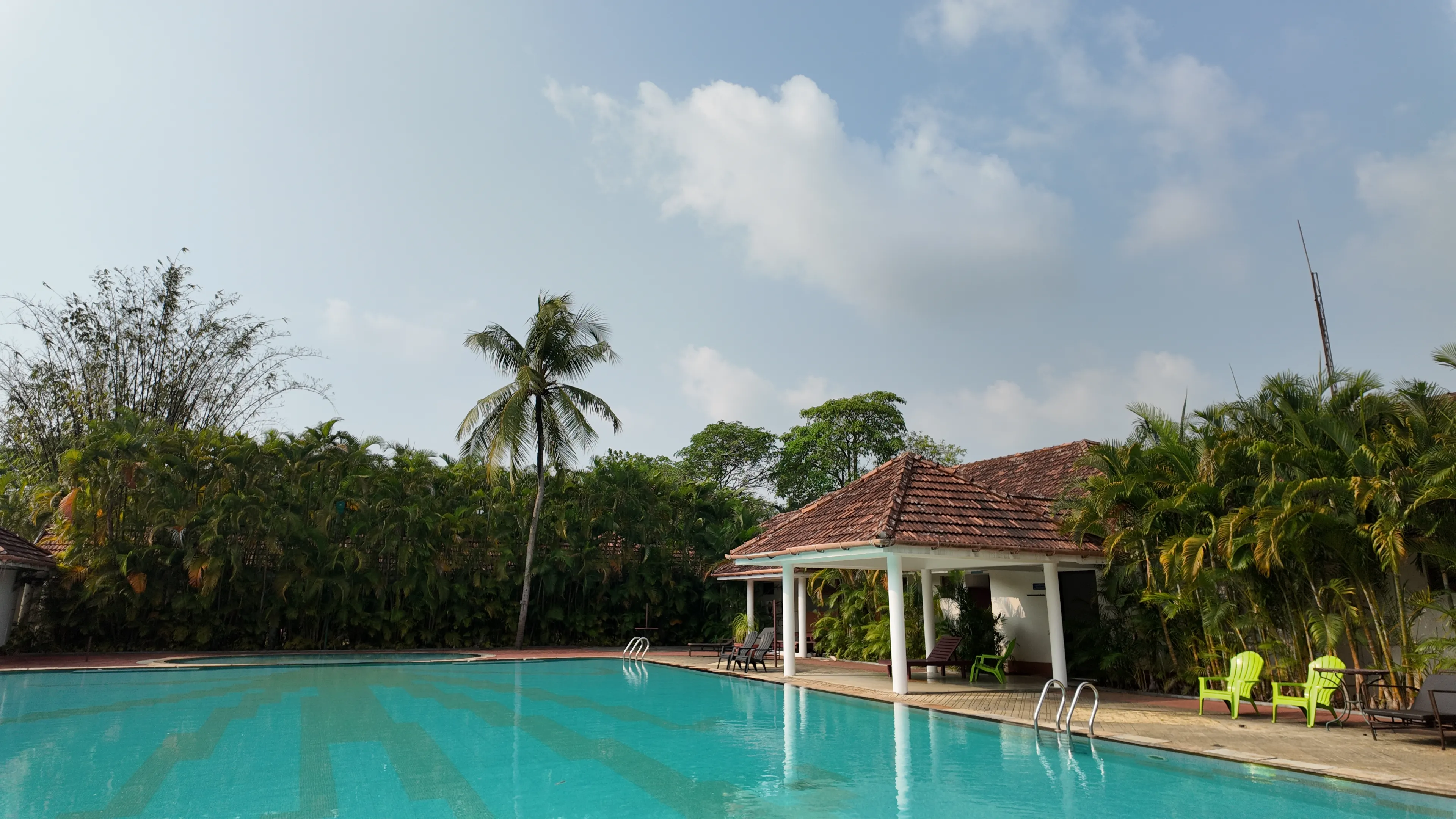
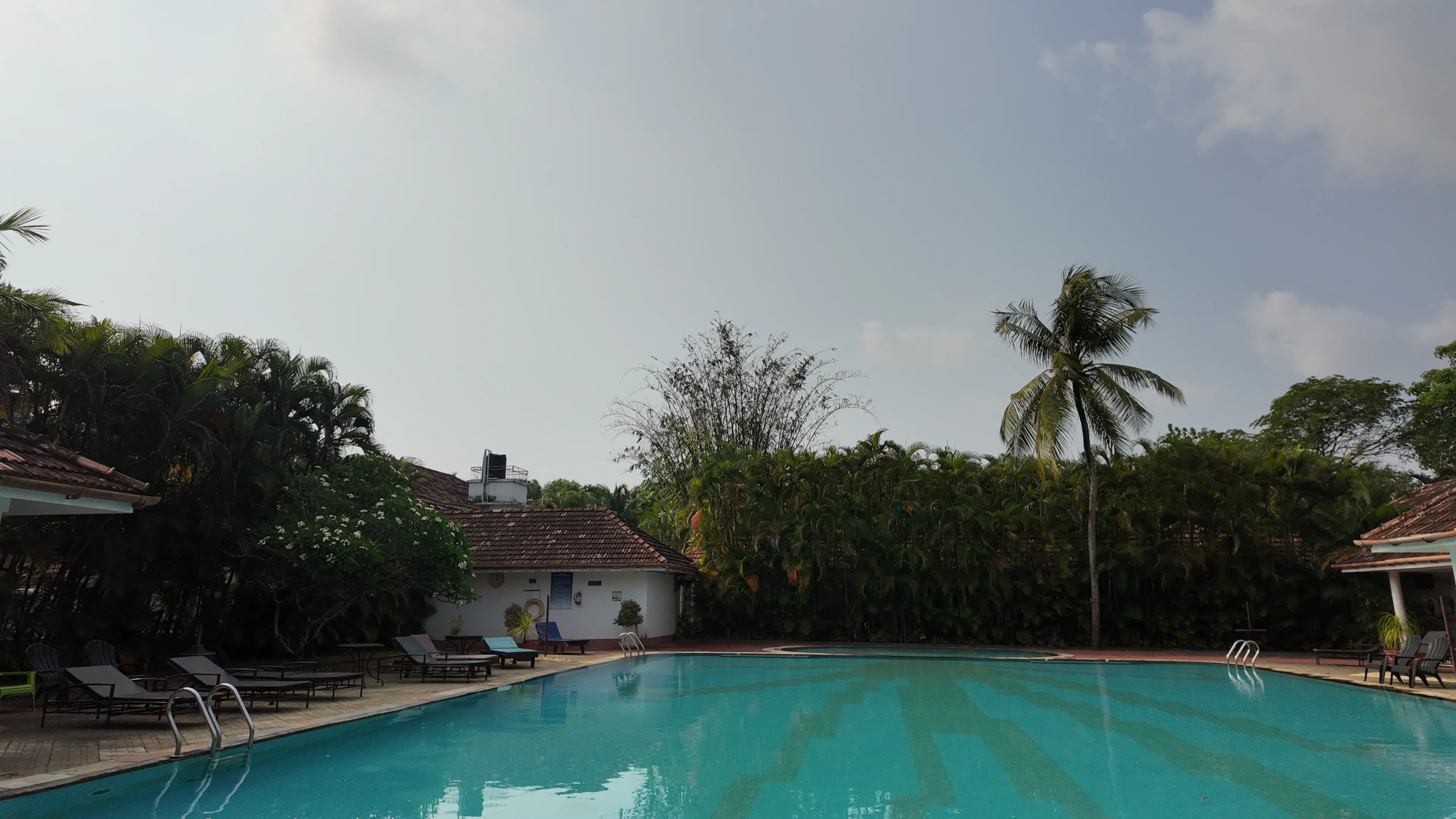
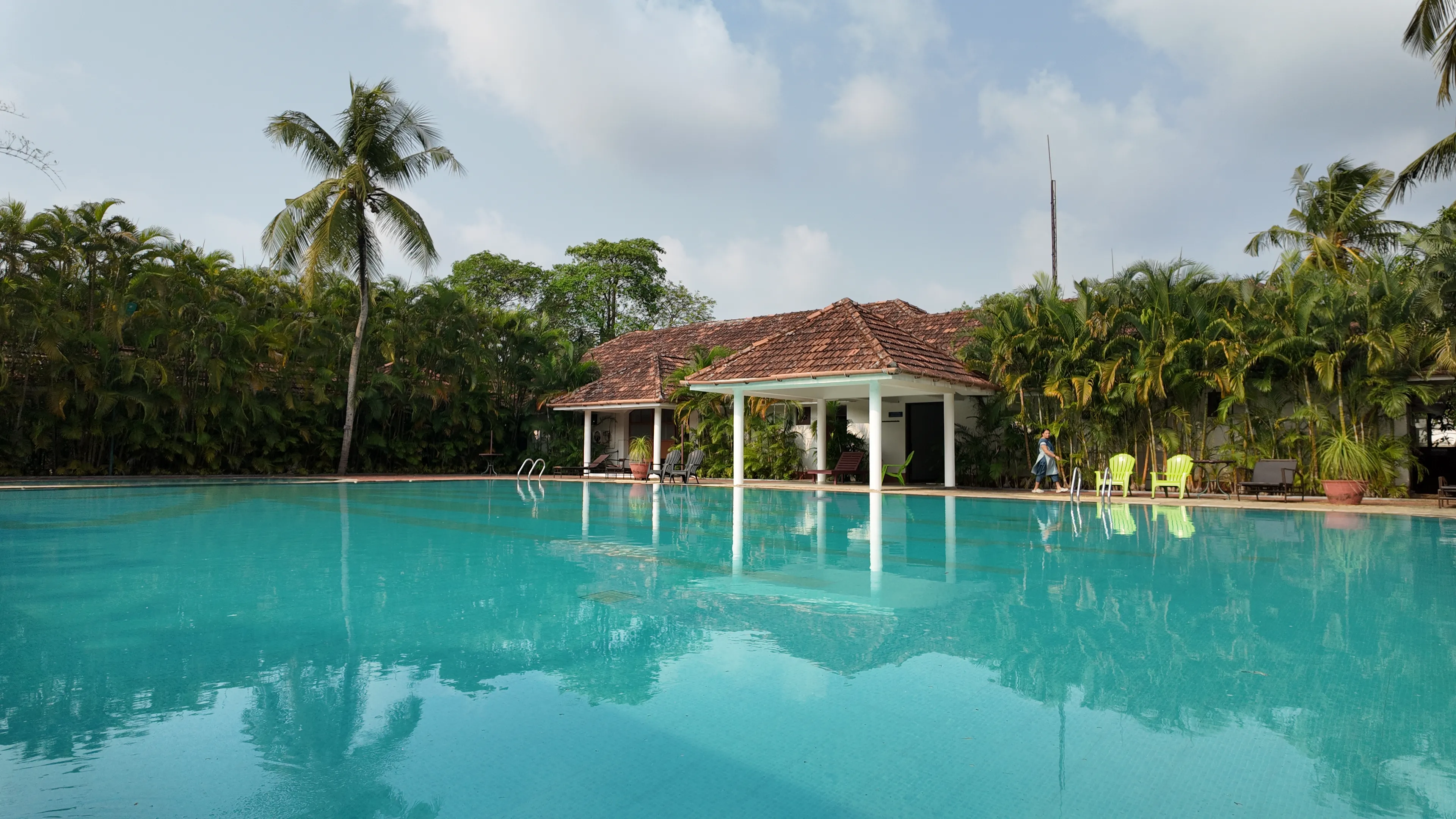
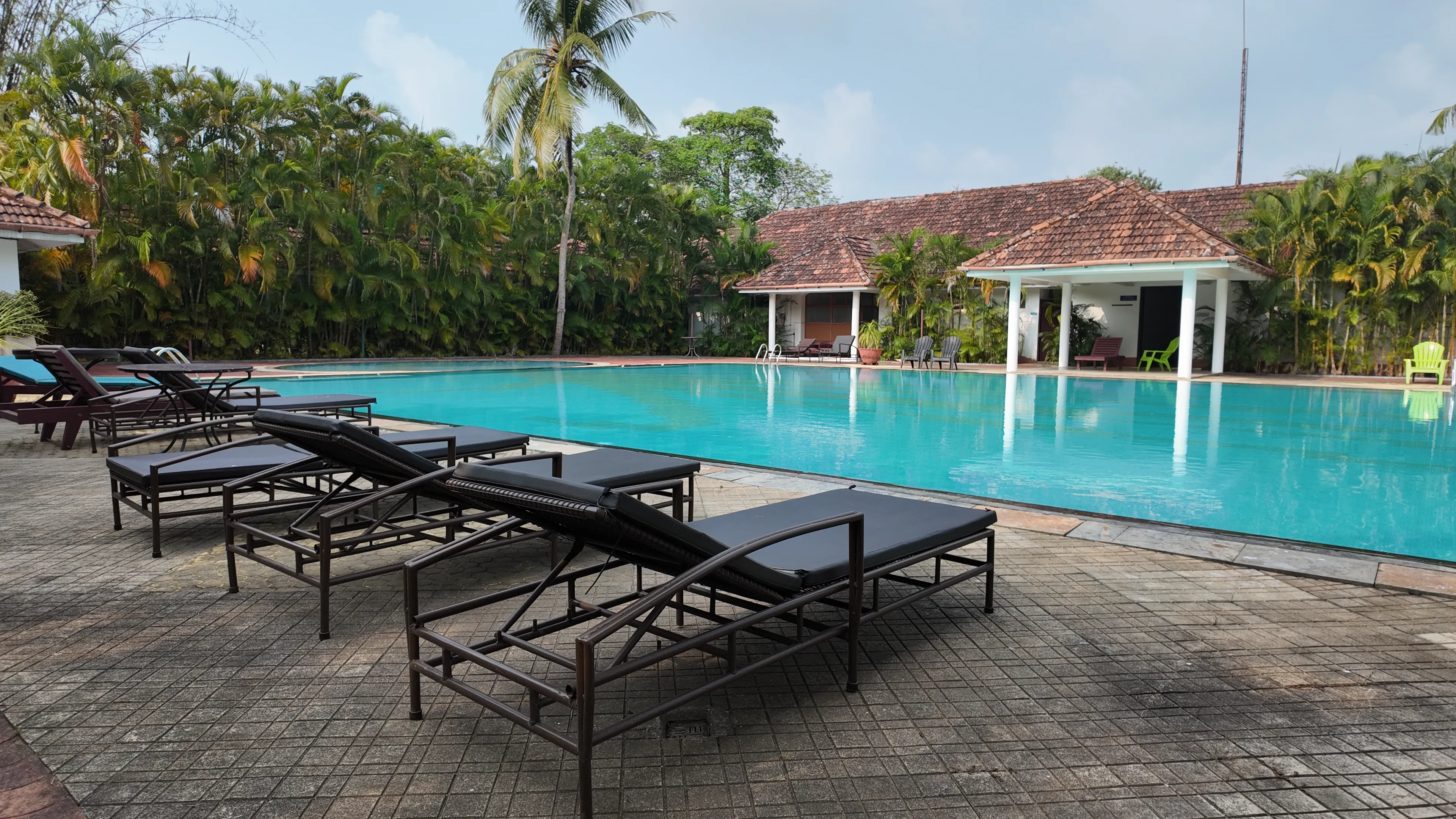
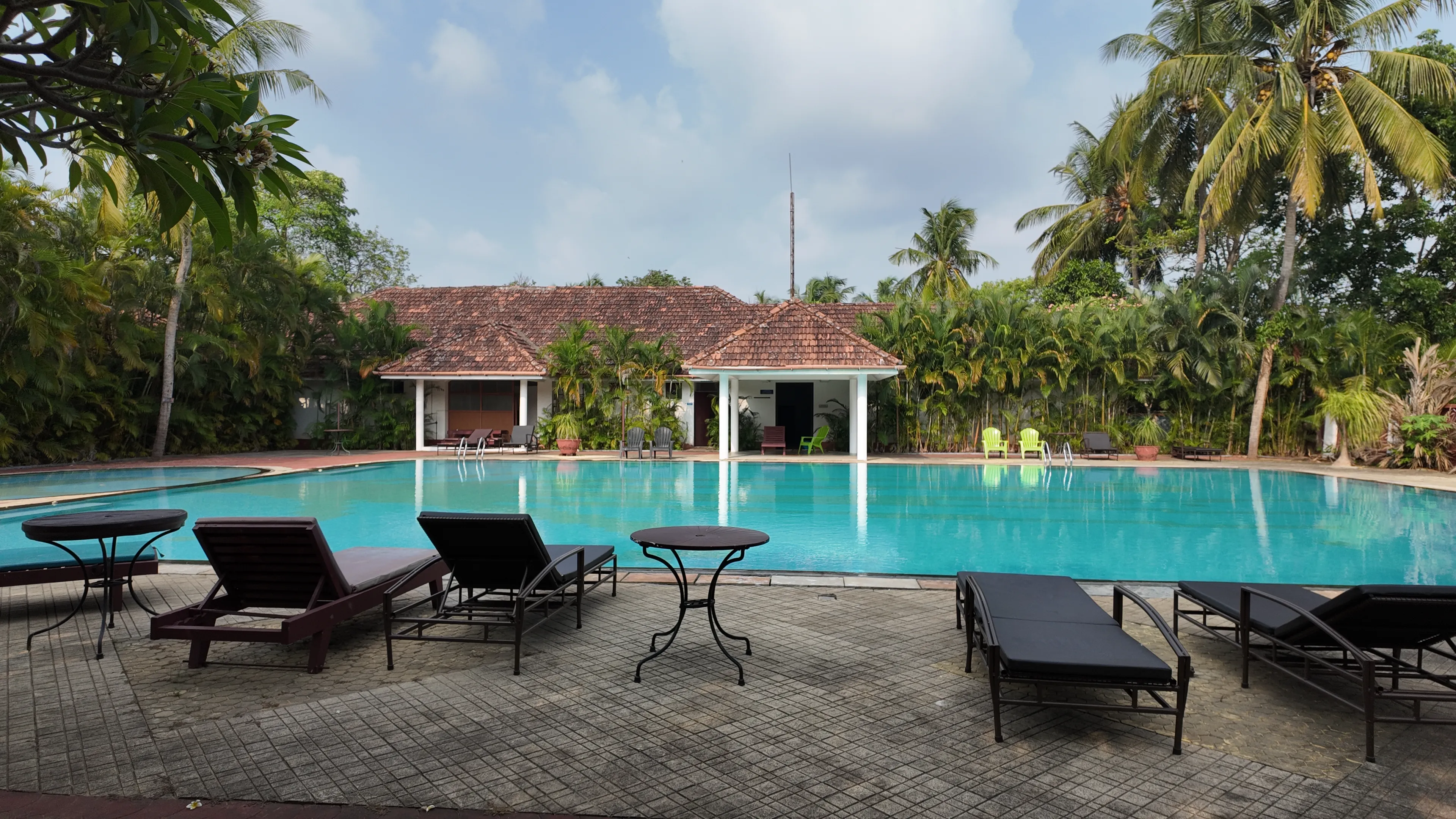
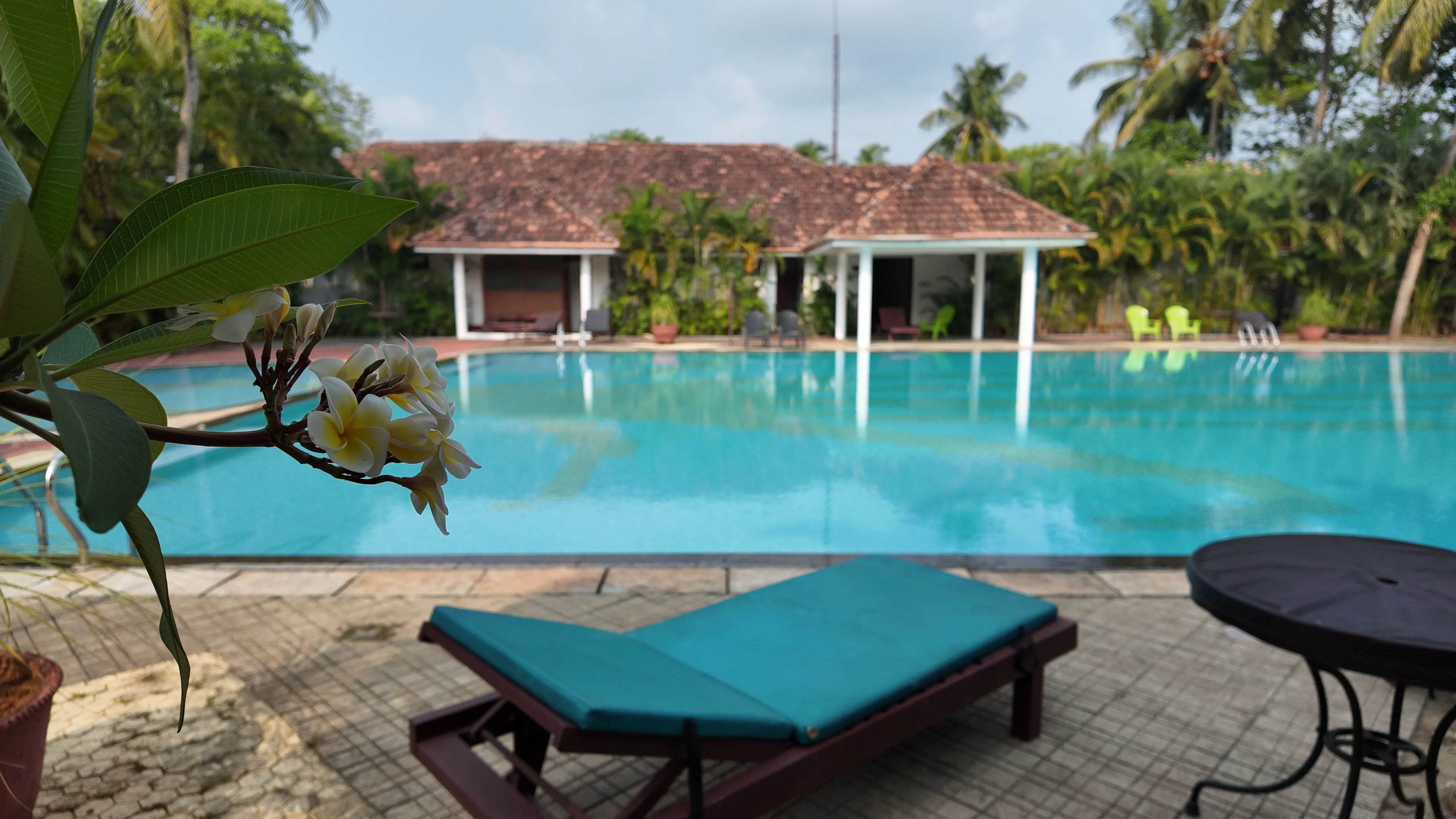
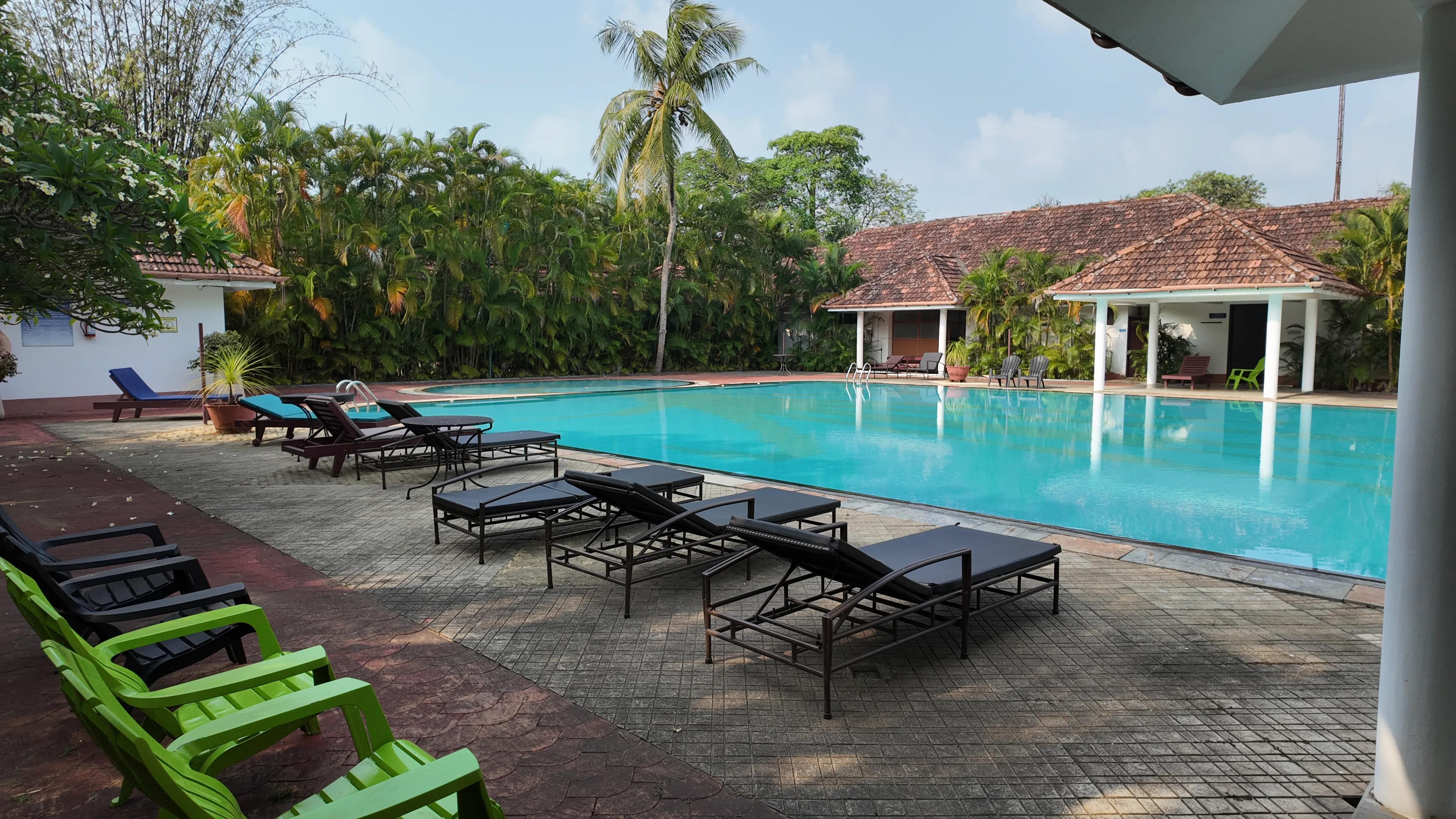
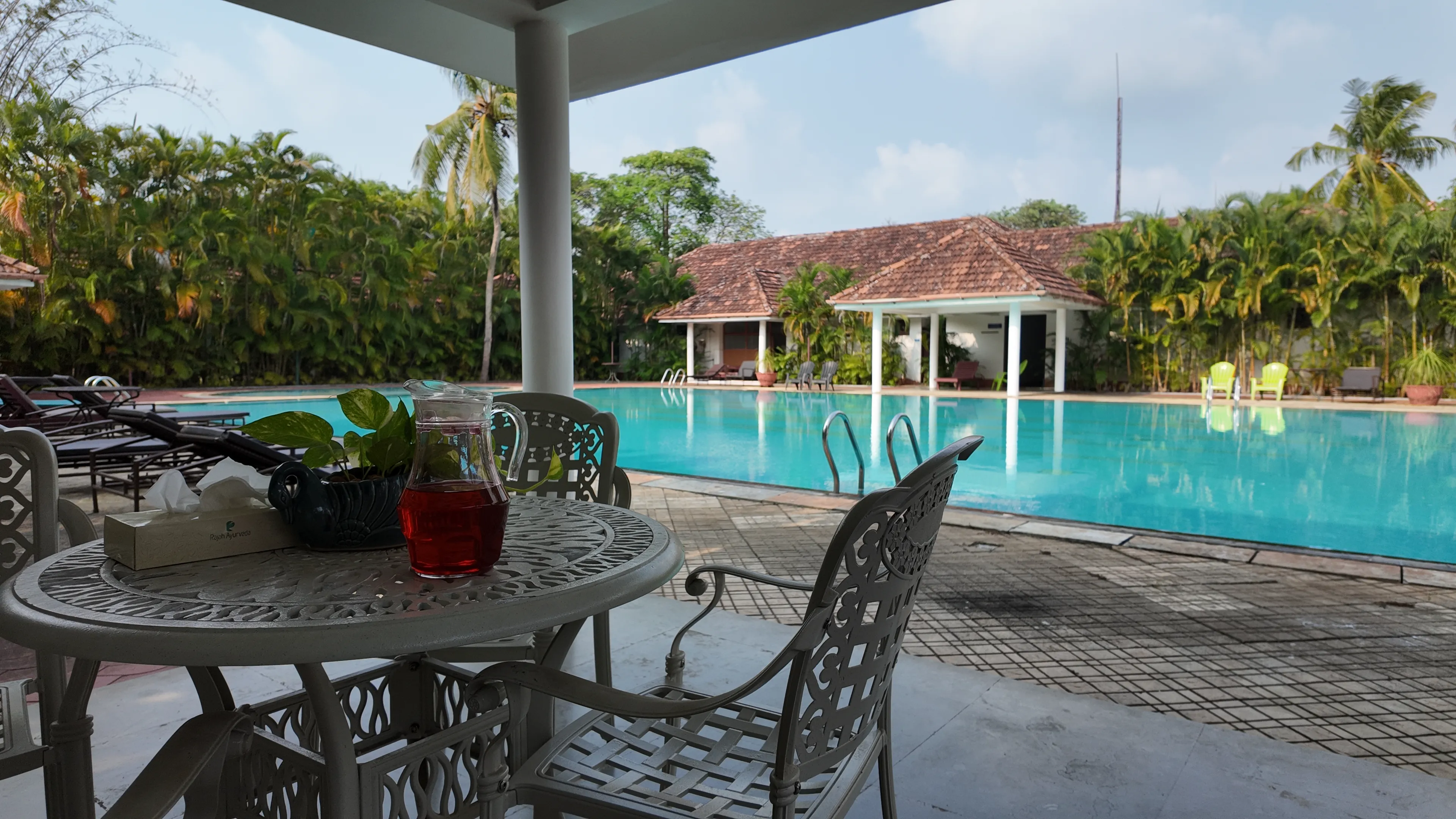
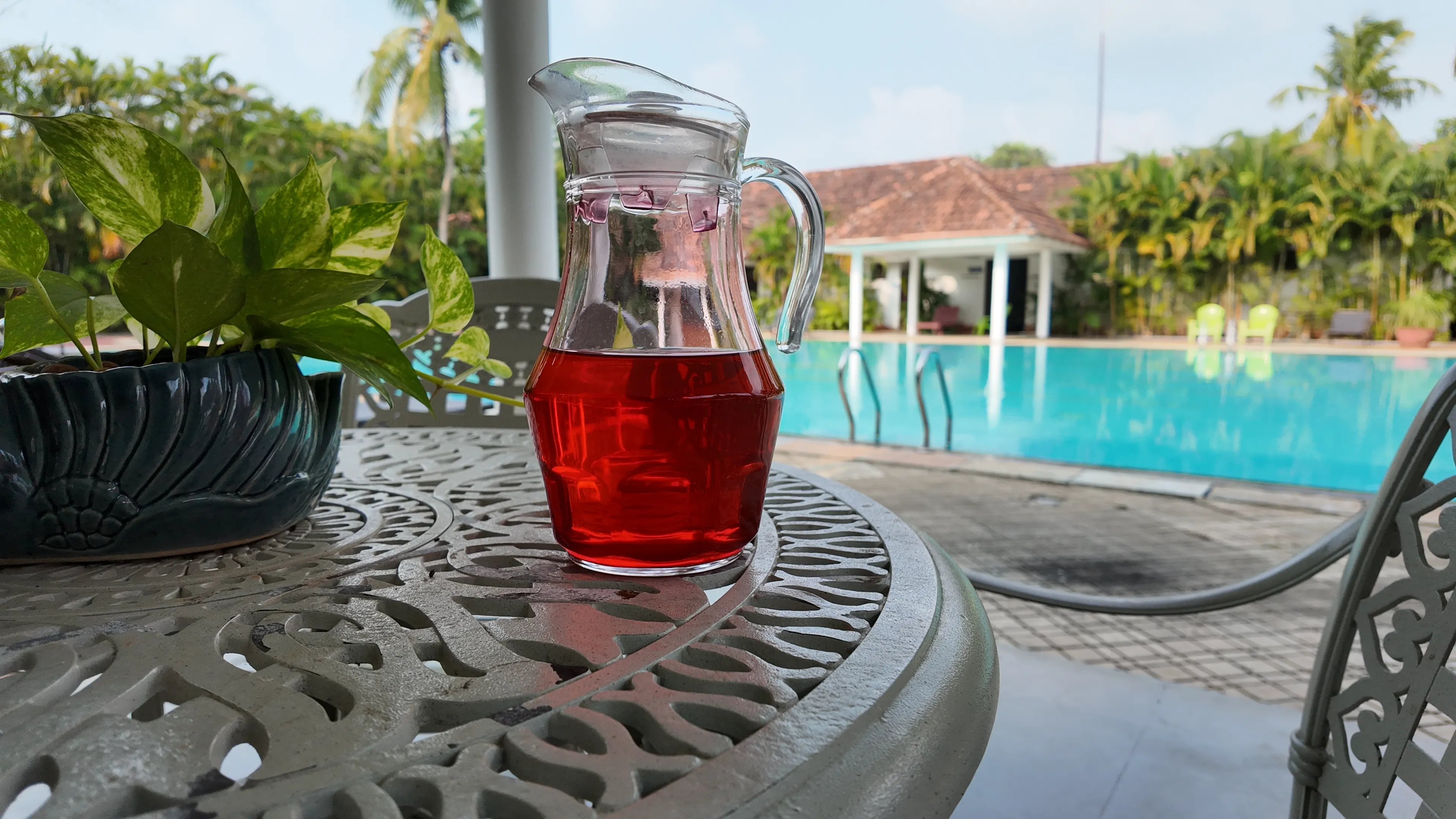
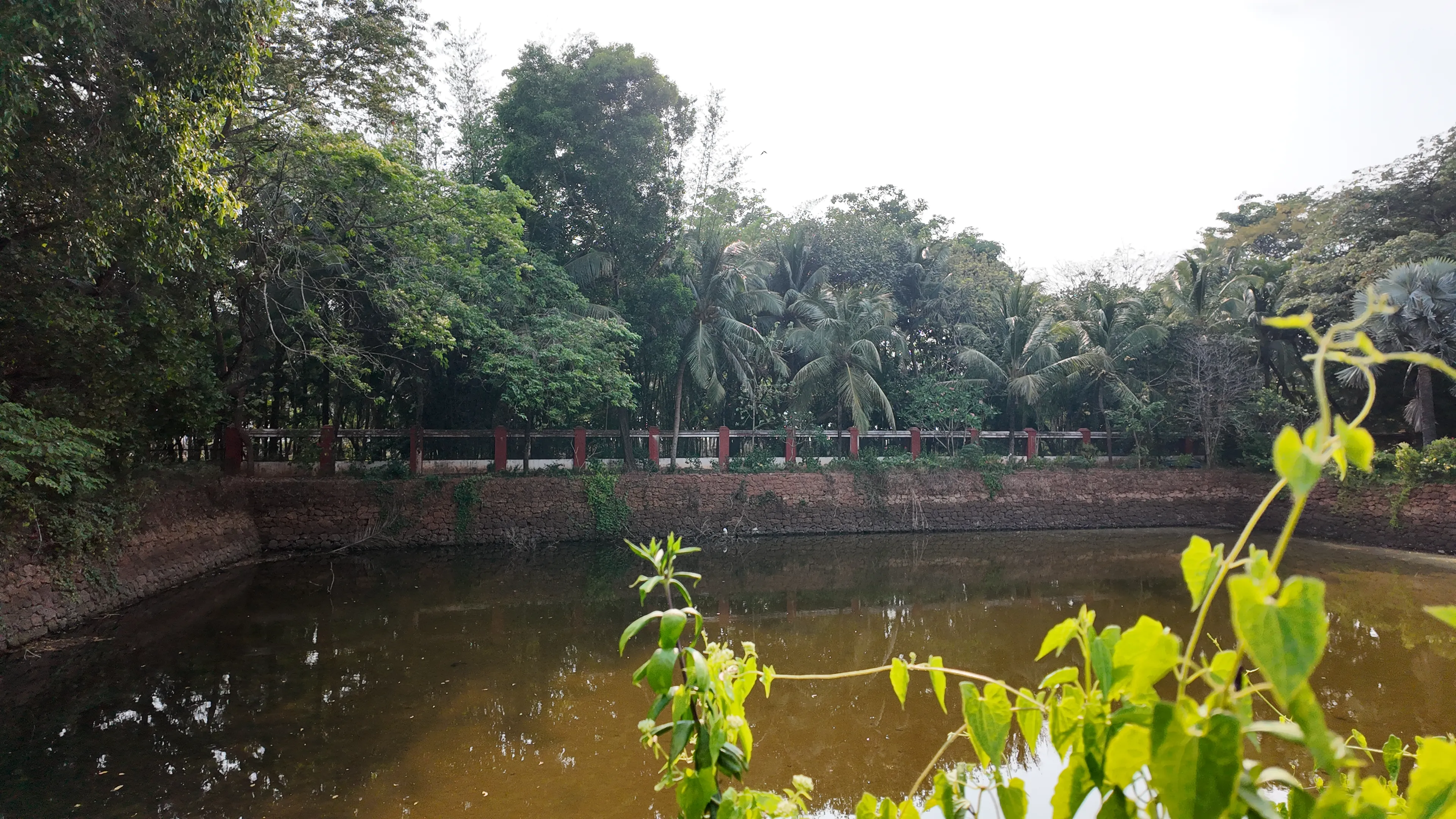
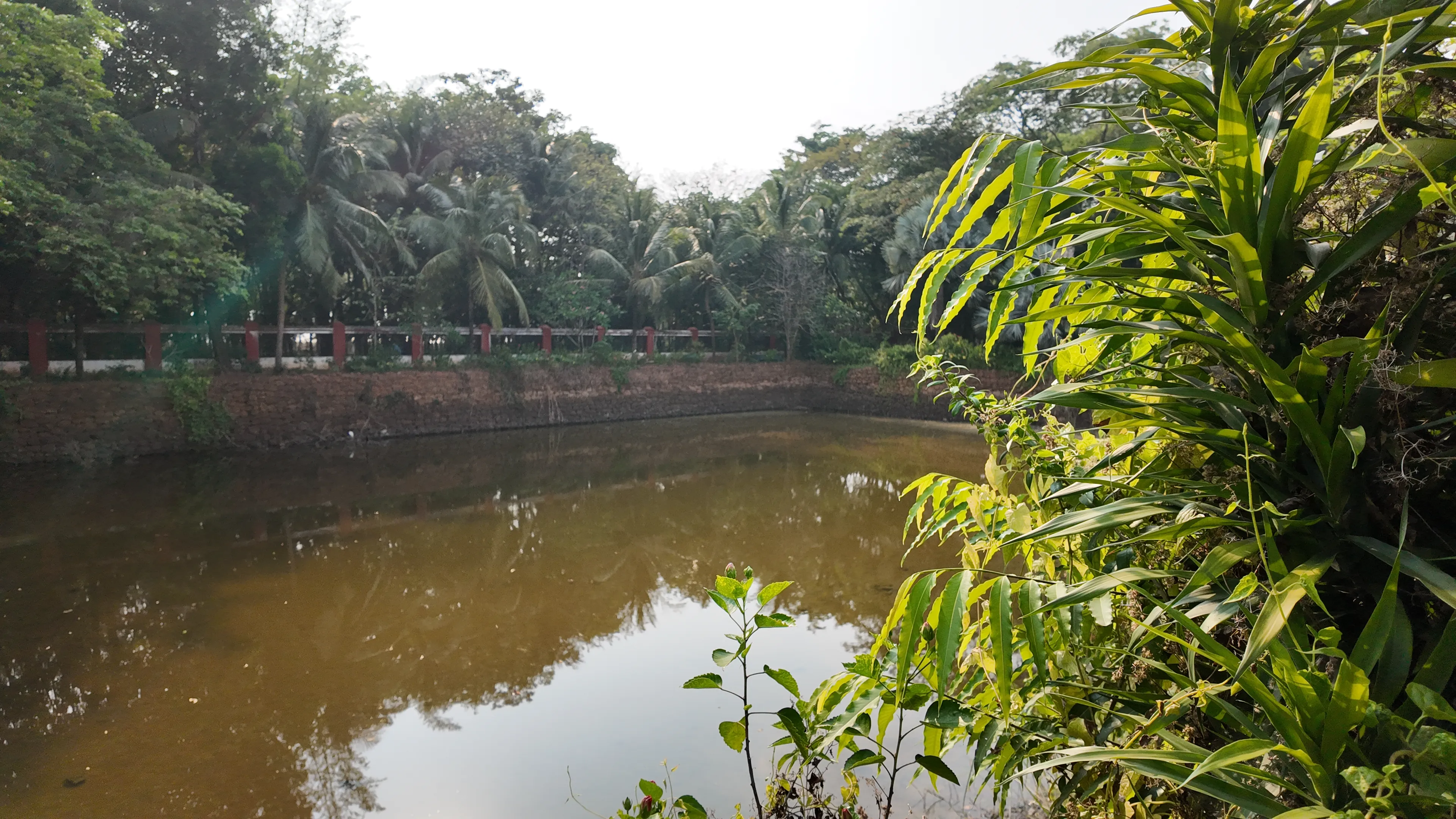
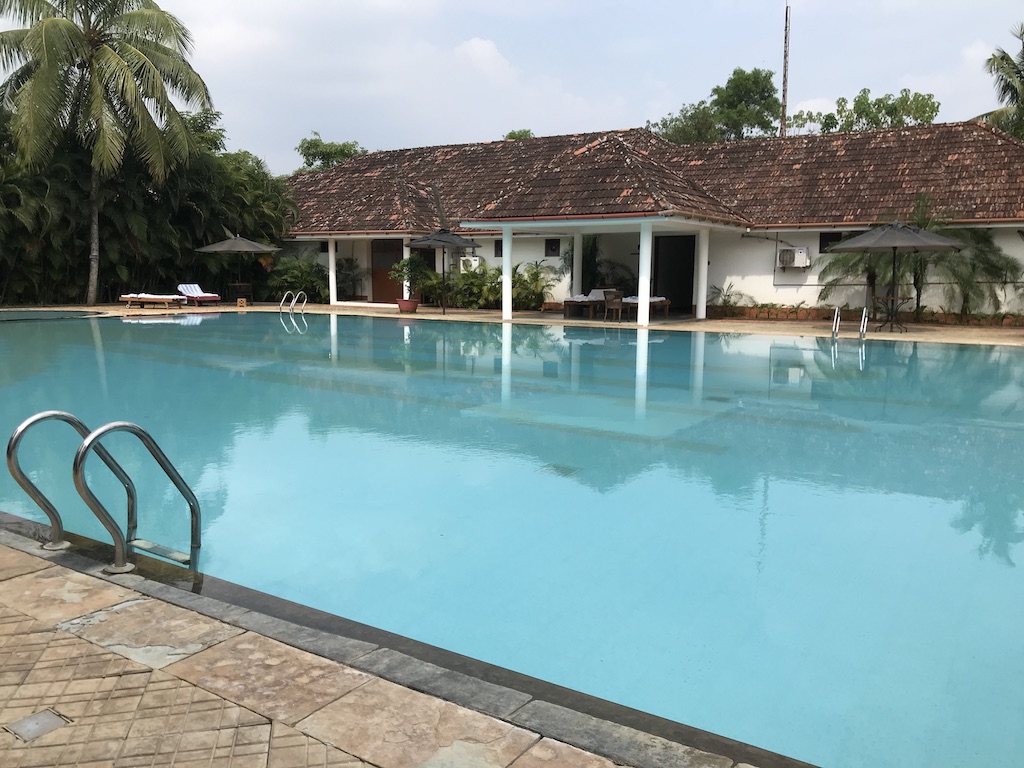
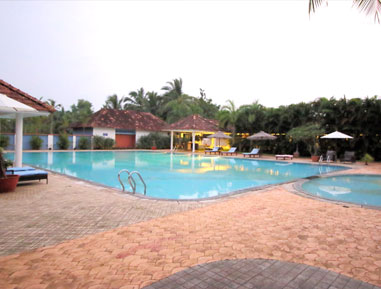
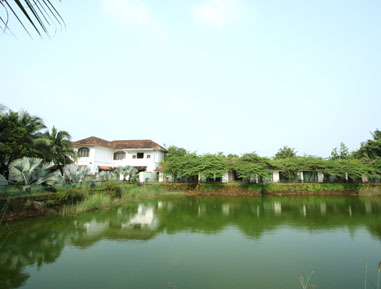
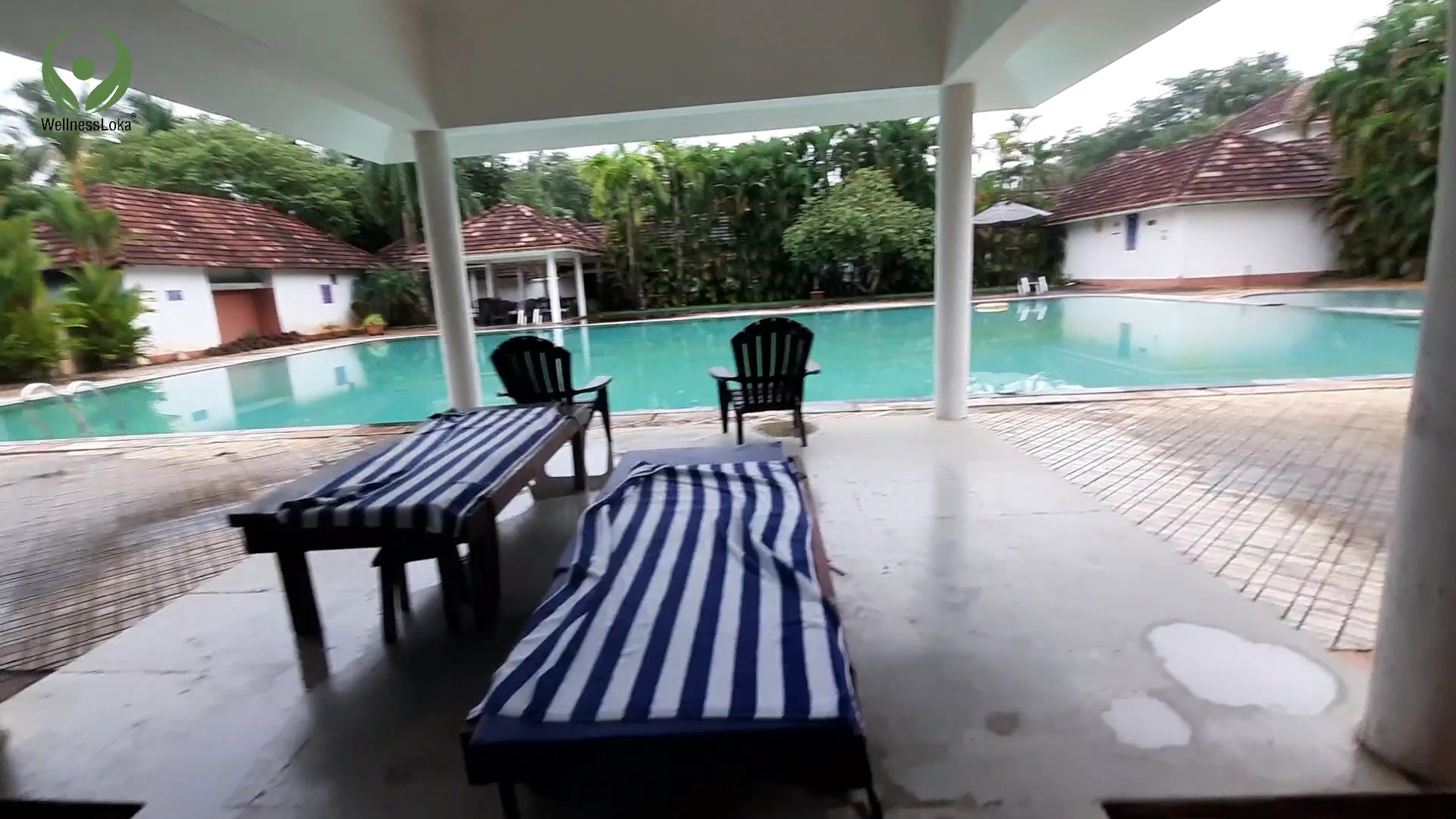
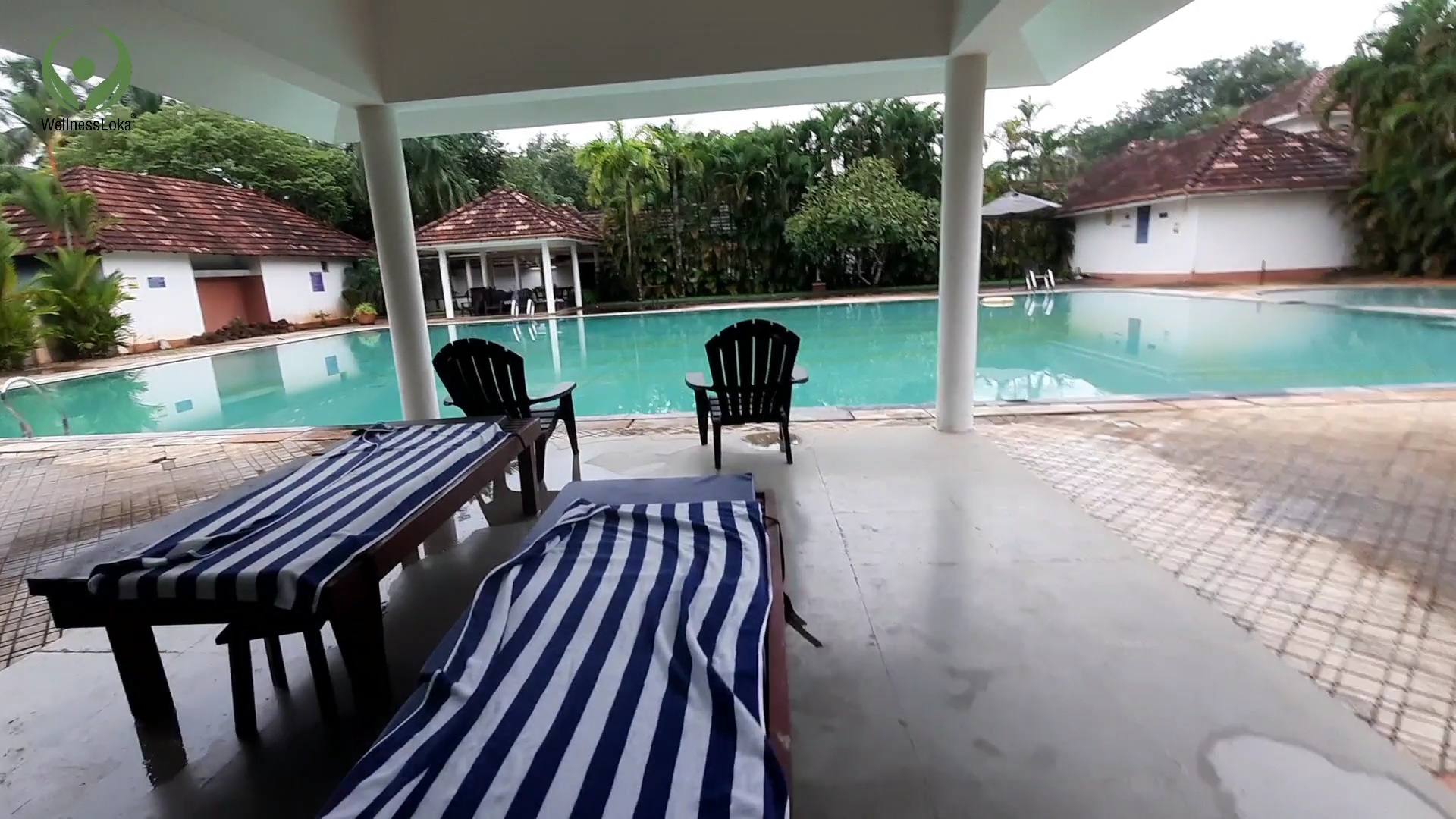
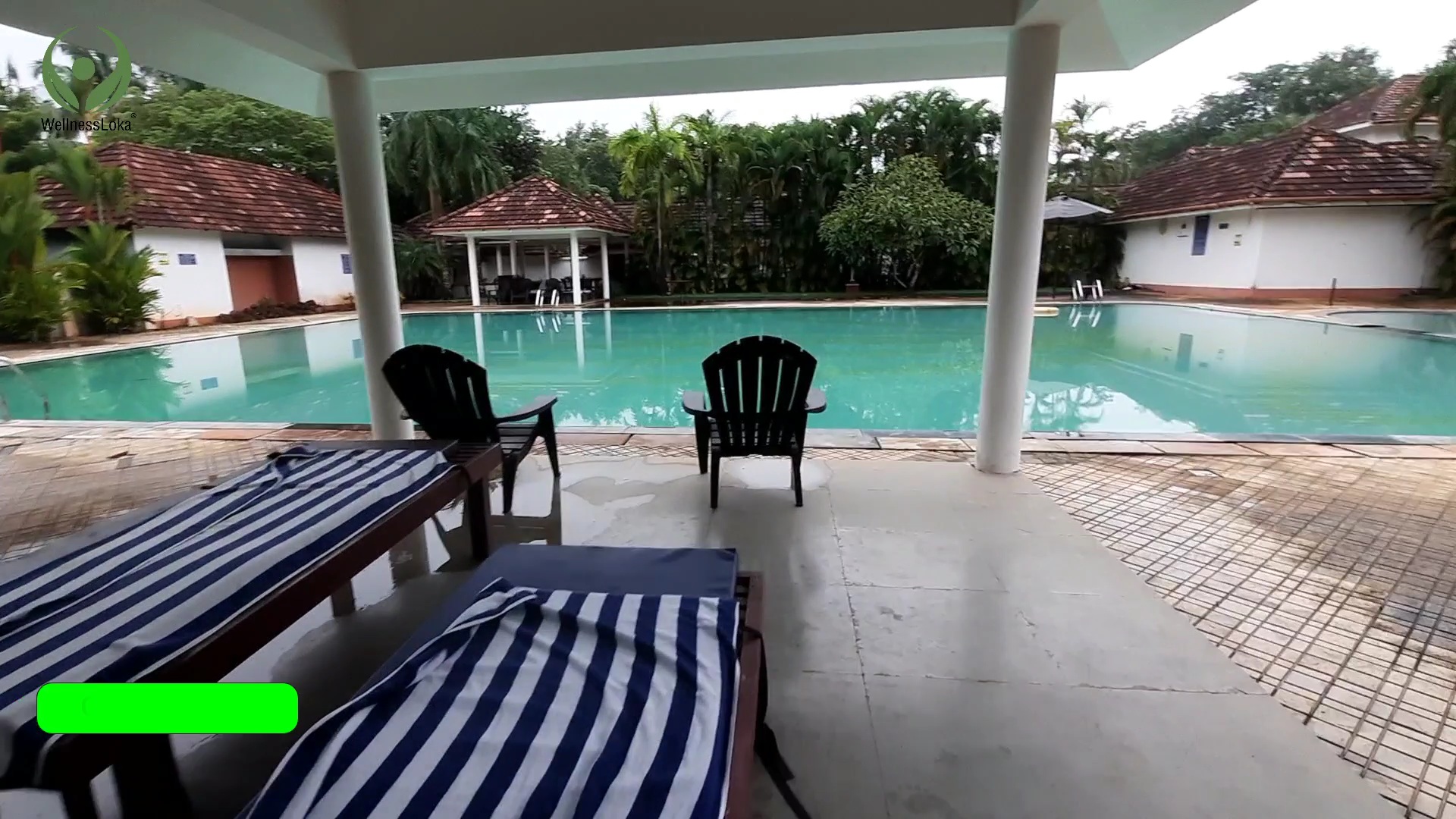
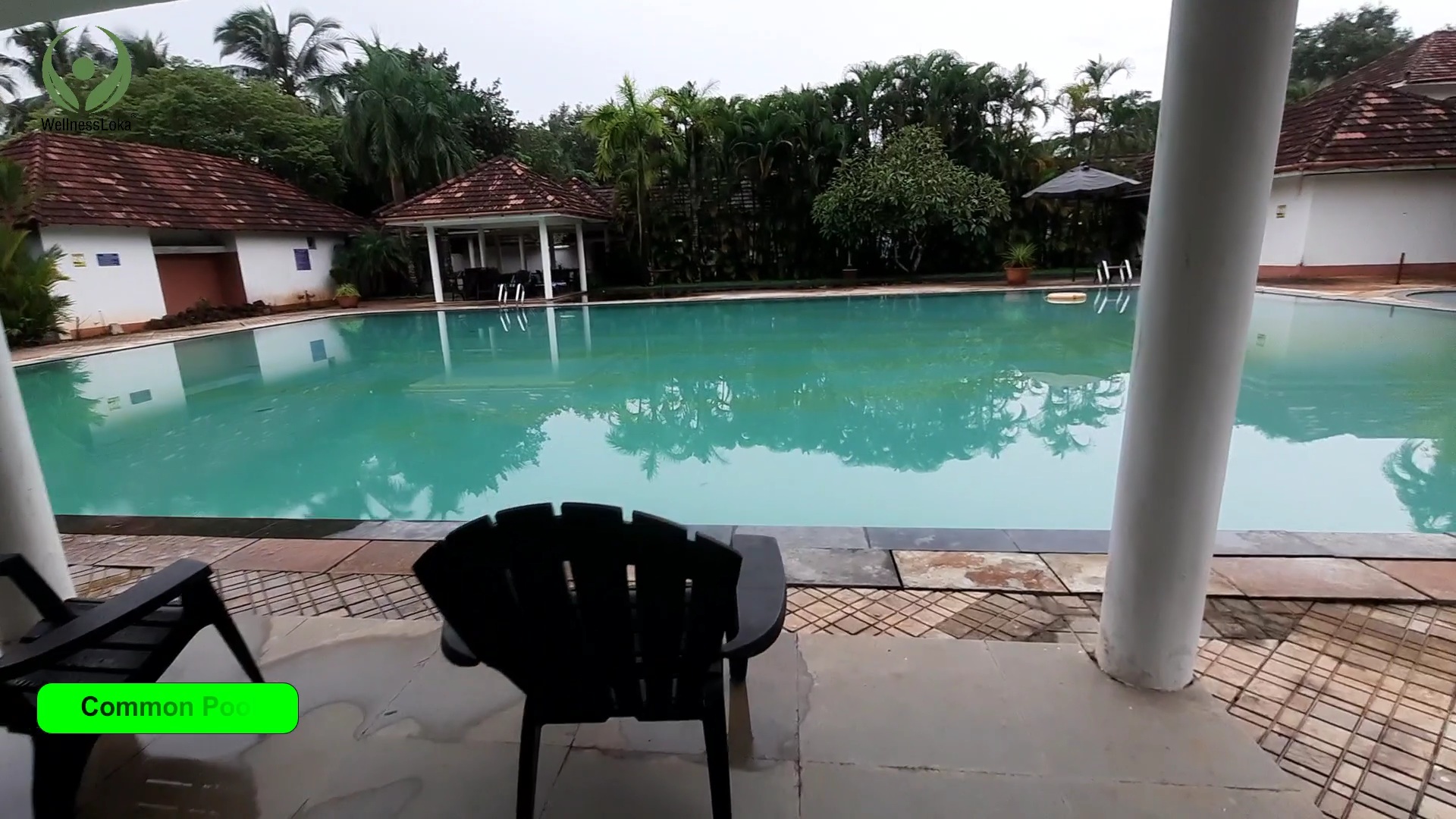
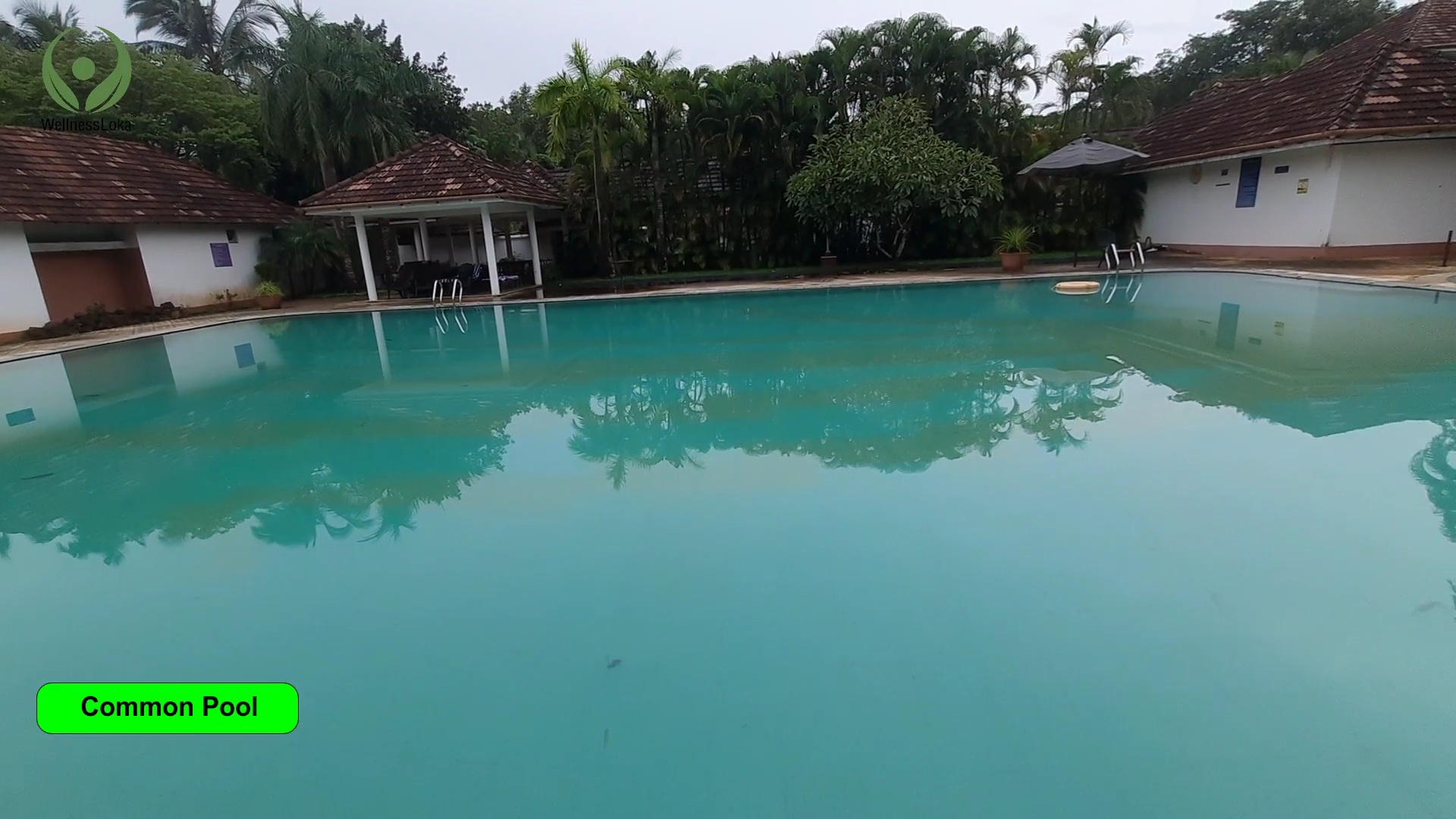
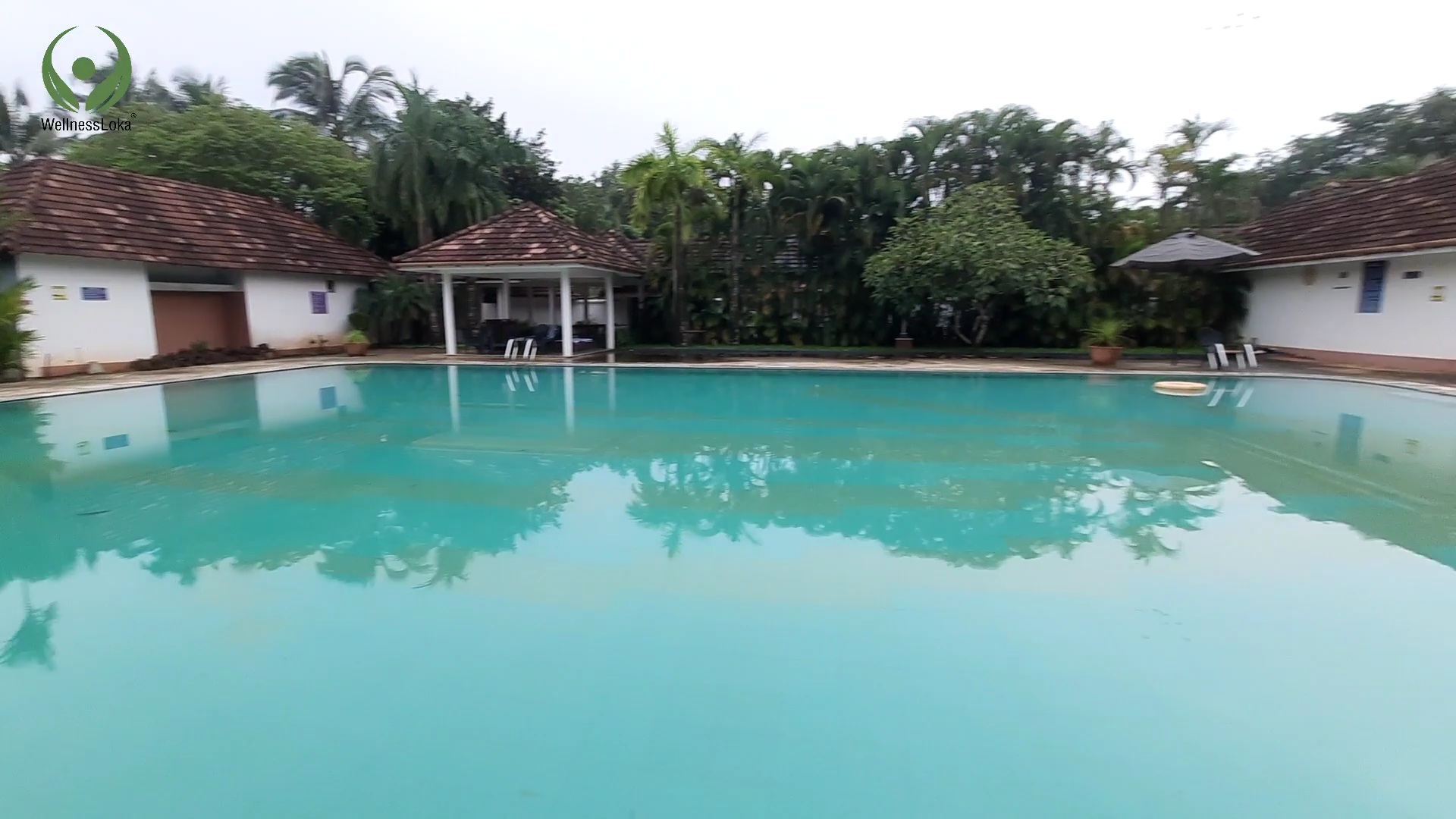
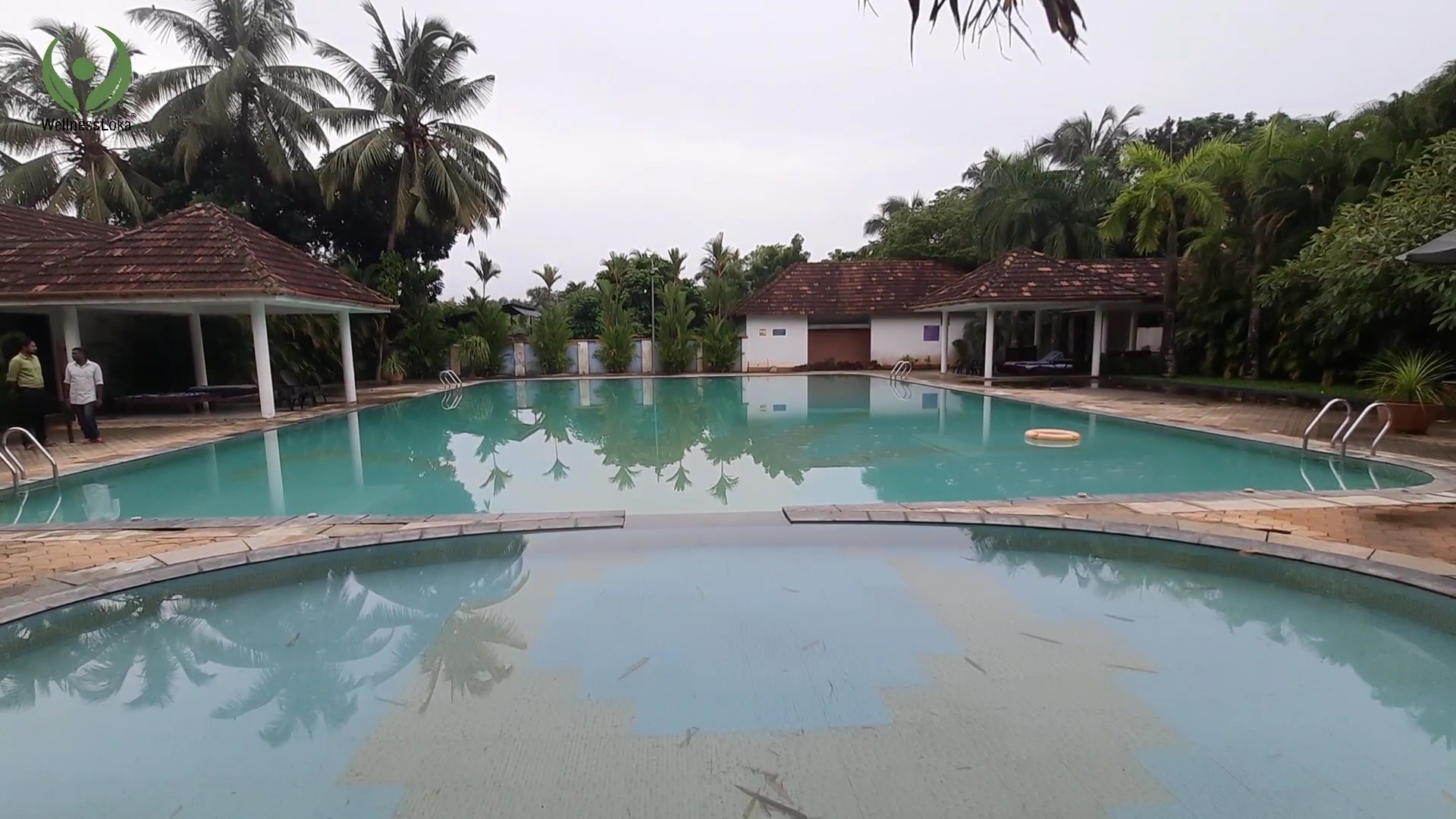
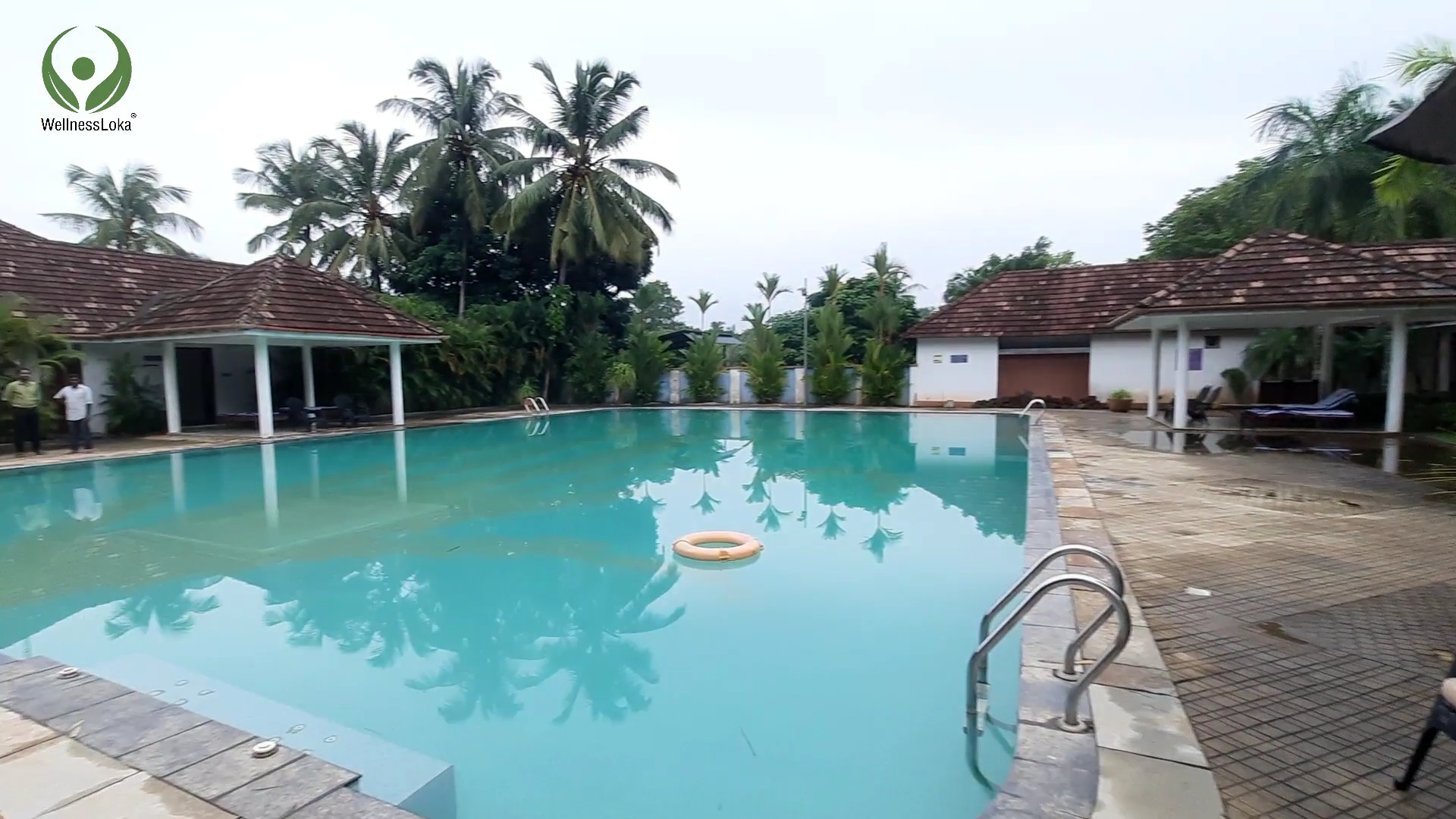
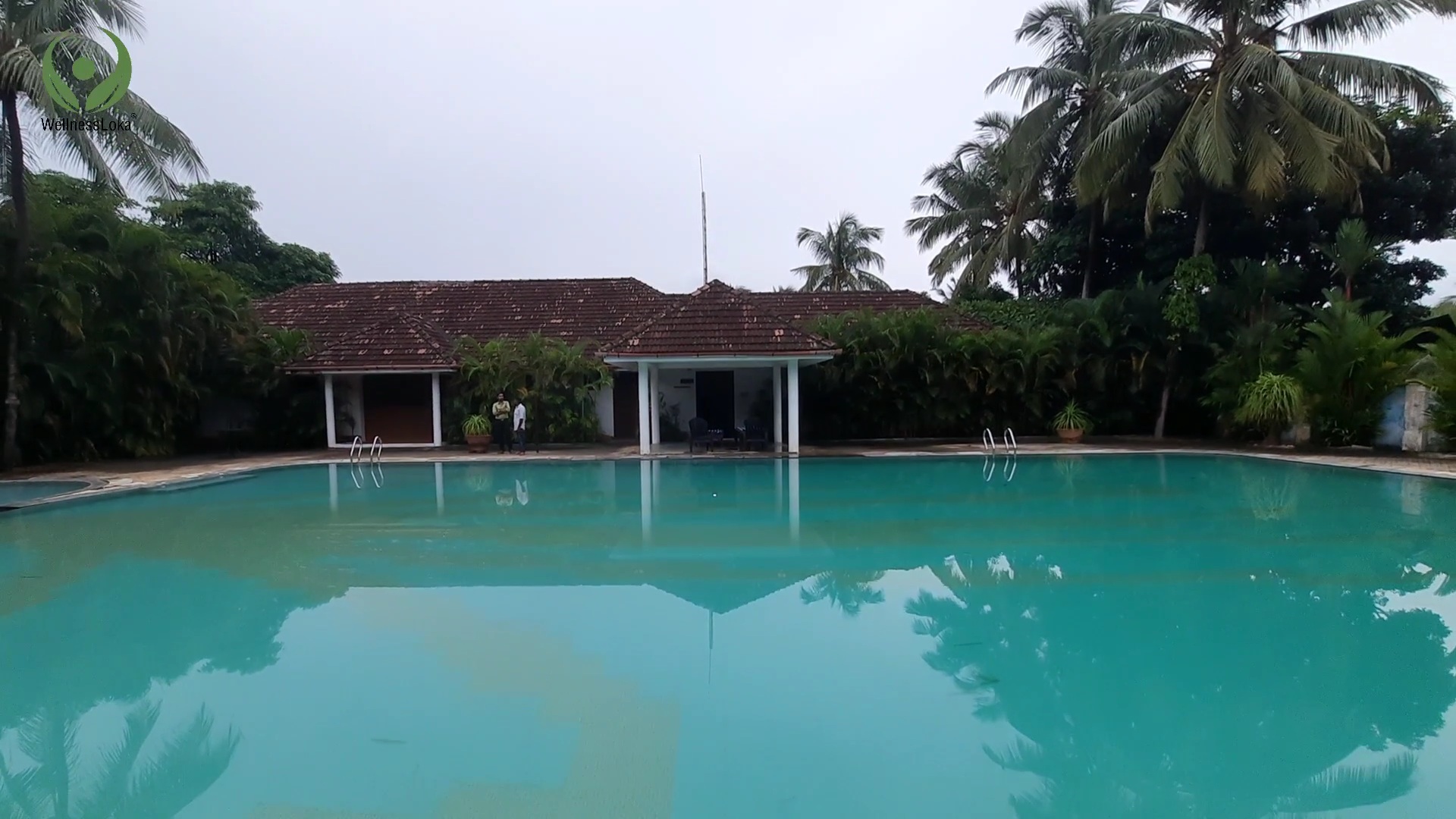
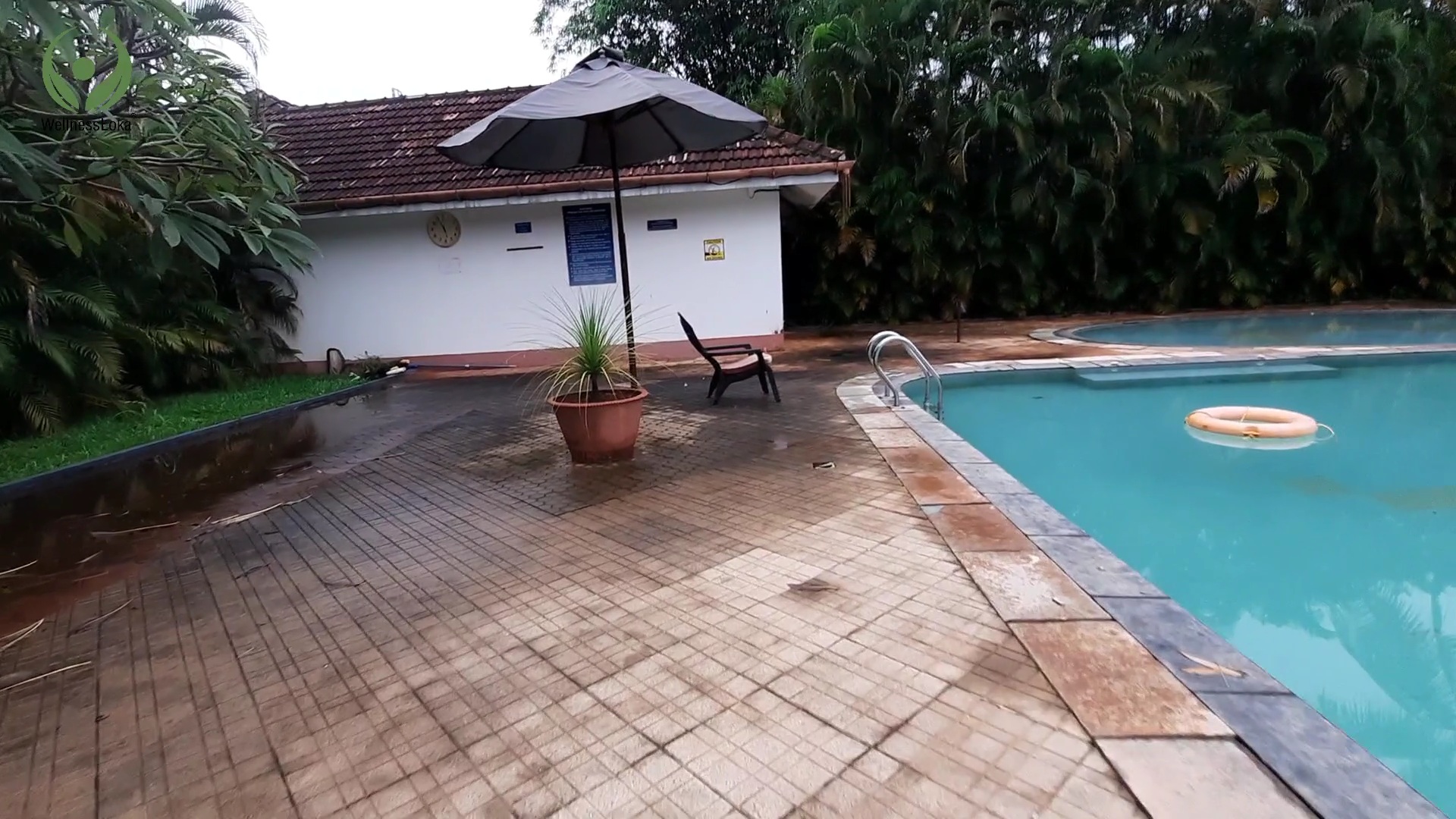
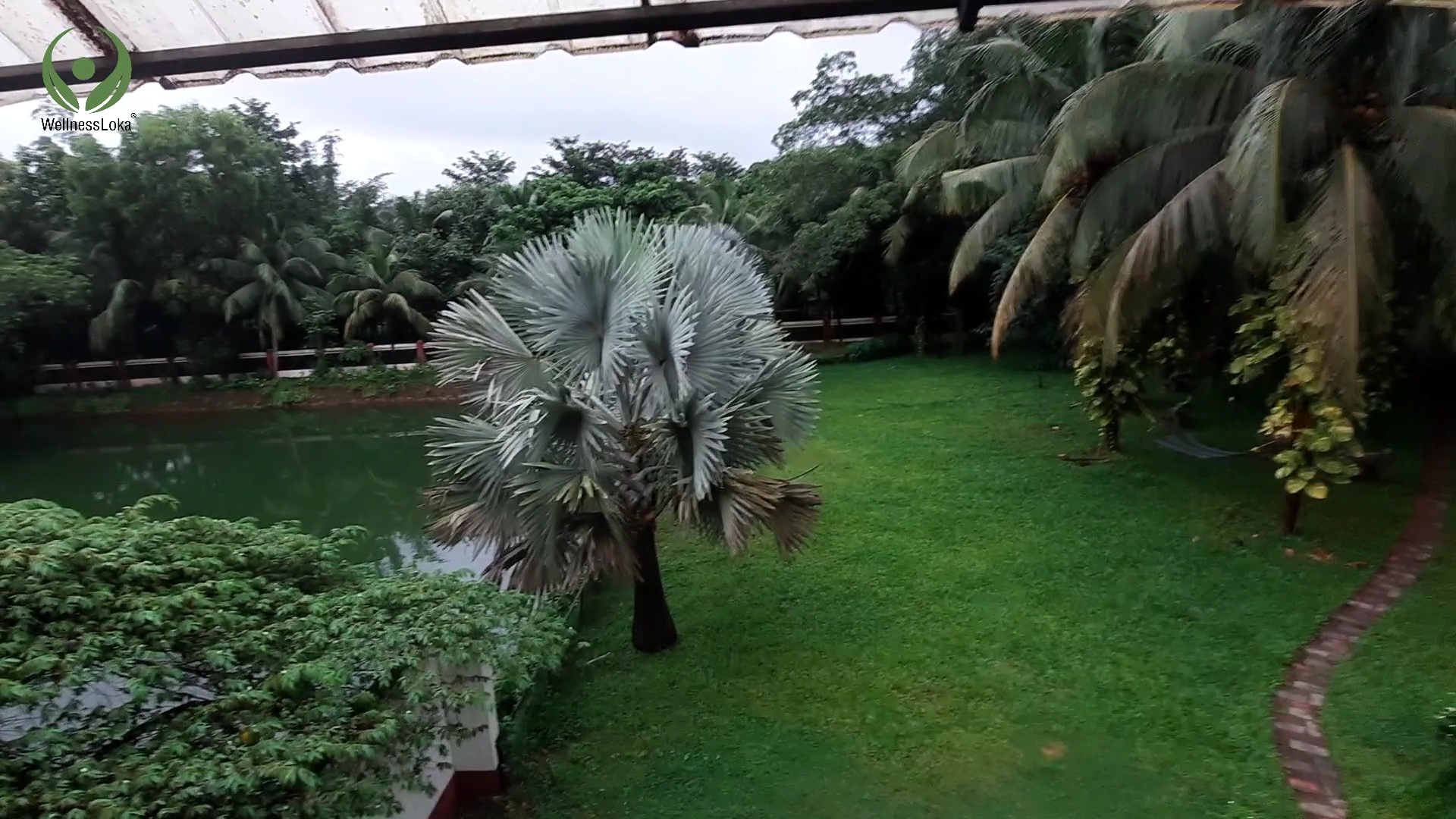
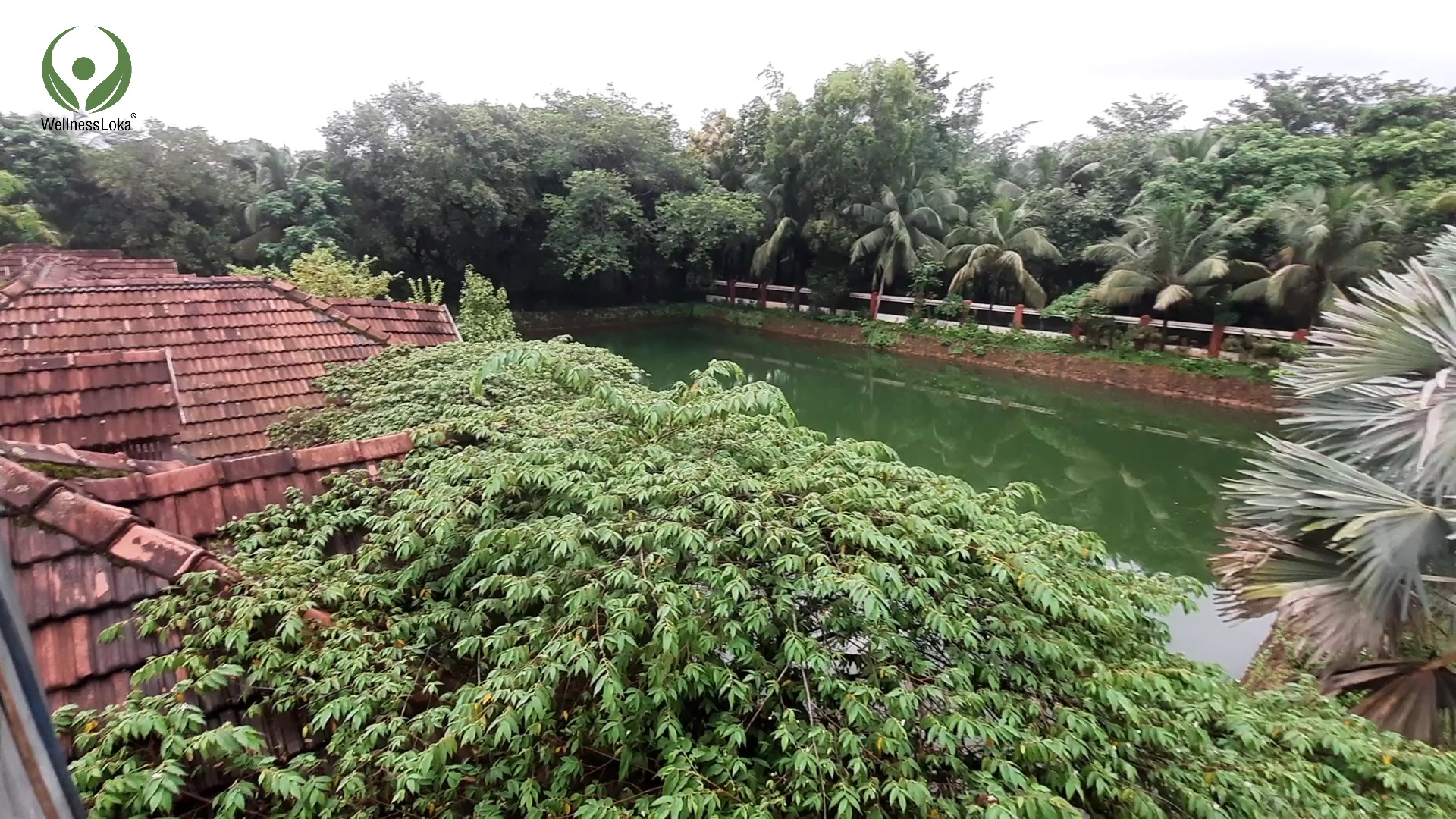
A rainwater harvesting pond forms part of the landscape and is used for collecting water for garden irrigation. A private swimming pool provides an alternative to the sea, while relaxation spaces and a dedicated yoga area support the treatment environment. The property has a relatively small accommodation inventory of 10 rooms and cottages, creating a low-capacity setting compared with larger Ayurvedic centres within the Rajah group. The combination of coastal proximity, planted grounds, water features and limited patient capacity supports a setting centred on quiet treatment, rest and structured daily routines rather than entertainment-led resort activity.
Founders and Ayurvedic Heritage
The institutional heritage behind Rajah Beach begins with the Rajah Group, established by A. Abdul Kader Sahib in 1935. The group began as a business venture in Sri Lanka before shifting its operations to India. Rajah Ayurveda was established in 1996 to extend the principles of Ayurveda internationally, with Rajah Healthy Acres becoming its first treatment centre. A medicine manufacturing unit was subsequently established at Rajah Healthy Acres in 1999, converted into a GMP-certified medicine factory in 2003, and the manufacturing unit received ISO certification in 2012. Rajah Island followed in 2001, while Rajah Beach was established in 2008 and Rajah Eco Beach in 2018.
The group's Ayurvedic heritage is built around applying traditional principles to daily living rather than treating Ayurveda solely as a series of therapies. Rajah Ayurveda's stated philosophy combines traditional treatment methods, personalised medical care and attention to the body, mind and soul. Its pharmaceutical infrastructure was developed to provide traditional formulations for its own treatment centres, integrating Ayurvedic knowledge with modern manufacturing processes. The group also maintains a publication initiative dating from 2002, including the Roots Quarterly Journal and Mahanasam, a collection of more than 125 Ayurvedic recipes used within its institutions.
Ayurveda Philosophy and Approach
The therapeutic philosophy at Rajah Beach is founded on the Ayurvedic understanding that health depends on equilibrium among Vata, Pitta and Kapha, while disease develops when one or more doshas become imbalanced. The centre's broader Ayurvedic framework distinguishes between Shodhana Chikitsa, particularly Panchakarma-based cleansing procedures, and Shamana Chikitsa, which uses appropriately planned diet, lifestyle measures and internal medicines for pacification. Rasayana therapy forms another component of the approach, with an emphasis on supporting vitality and countering degeneration associated with ageing.
Rajah Ayurveda does not treat the same diagnosis identically in every individual. Treatment selection considers the person's Prakruthi or constitutional type, dosha imbalance, condition and overall health status, meaning two patients with the same diagnosis may receive different therapeutic regimens. The treatment framework combines herbal medicines, external therapies, diet, lifestyle modification, Panchakarma and rejuvenation measures where clinically appropriate. Modern diagnostic methods, including blood tests, may also be used to obtain a broader understanding of a patient's condition, with referral to a nearby hospital when required for investigations.
Personalised Treatment Planning
Treatment at Rajah Beach begins with detailed medical assessment by an Ayurvedic physician, followed by development of an individual treatment plan. Rajah Ayurveda's consultation process includes Ayurvedic assessment, evaluation of Prakruthi and dosha imbalance, consideration of medical history and lifestyle, and dietary planning. After consultation, patients may receive an explanatory counselling session covering Ayurvedic principles, prescribed medicines, planned treatments and their intended role. The property's treatment model allows the physician to determine which procedures are appropriate rather than applying a fixed sequence to every patient.
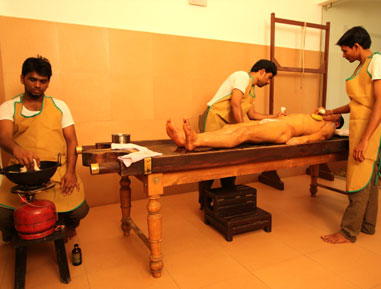
Panchakarma is therefore not automatically delivered as all five procedures to every patient. The physician selects the appropriate Karma according to the patient's health condition and doshic status, with preparatory procedures undertaken when required. Treatment plans can incorporate internal medicines, external therapies, specialised procedures, diet and lifestyle adjustments, yoga and meditation. Treatments are normally provided twice daily, with a major procedure of approximately one hour followed by a secondary localised procedure of 30–45 minutes, although the duration may be modified according to the patient's condition and treatment stage.
Treatment Programs
The Rajah Beach treatment portfolio combines general Ayurvedic programs with condition-specific therapeutic care. Core program categories include Panchakarma or body detoxification, immune support, weight management and rejuvenation, while the wider clinical portfolio covers digestive, respiratory, metabolic, musculoskeletal, neurological, dermatological, reproductive, vascular and mental-health conditions. Documented conditions include acid reflux/GERD, allergic rhinitis, anorexia, atopic and contact dermatitis, addiction, ovarian cysts and PCOD, dementia and Alzheimer’s disease, Guillain-Barré syndrome, menorrhagia, scabies, acne, anxiety, back pain, dandruff, depression, endometriosis, infertility, restless leg syndrome, sciatica, acute respiratory distress syndrome, anaemia, ascites, bipolar disorder, deep vein thrombosis, diabetes, intervertebral disc prolapse, osteoarthritis, rheumatic fever, sprains and cramps, ankylosing spondylitis, asthma, chronic fatigue syndrome, diarrhoea, gout, Lyme disease, Paget’s disease, rheumatoid arthritis and vertigo.
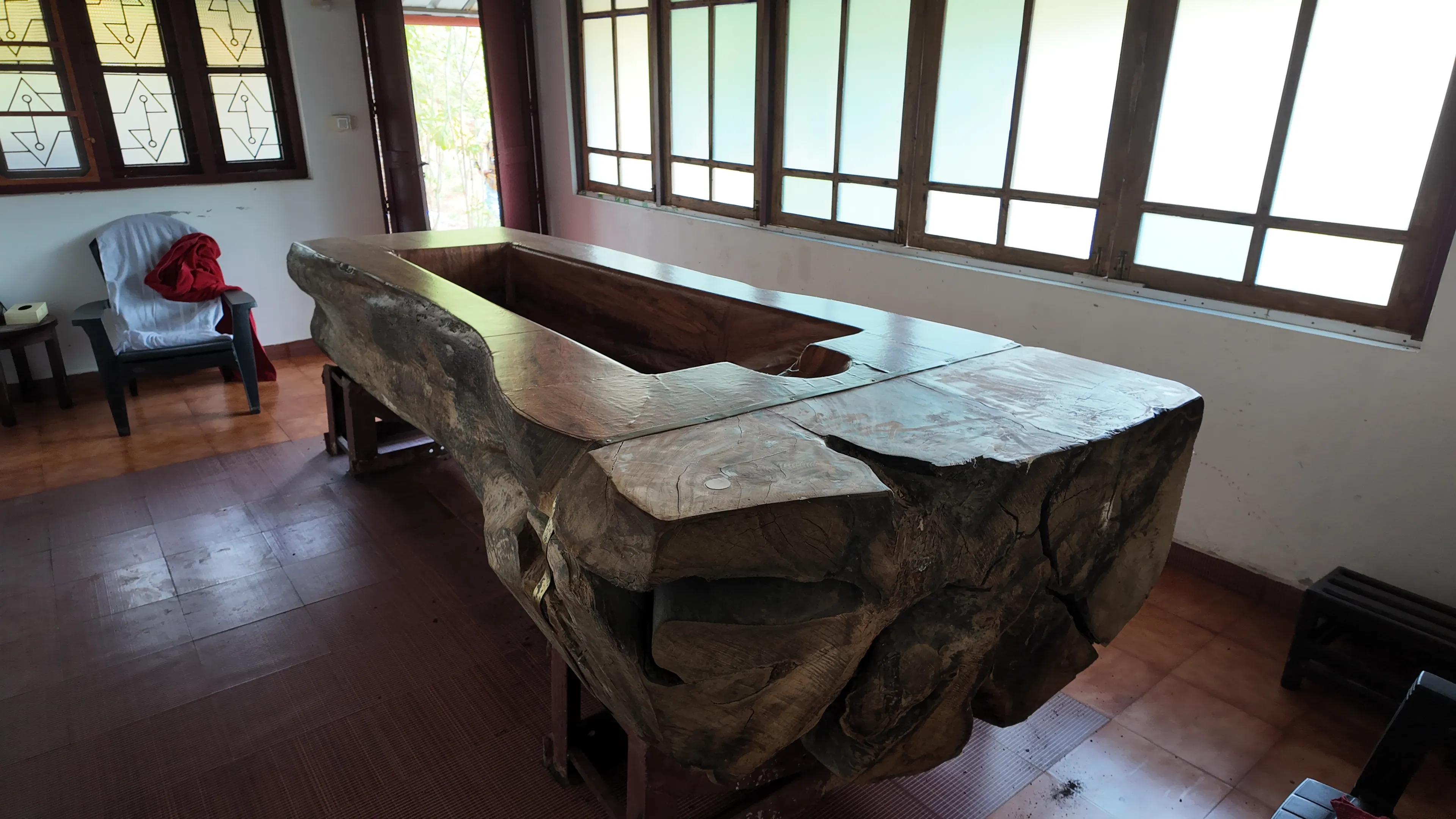
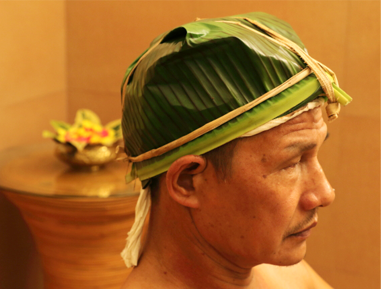
The treatment repertoire includes Panchakarma procedures, Snehapanam, Vamanam, Virechanam, Nasyam, Snehavasthy, Kashayavasthy, Rasayana therapy, Abhyanga, Kizhi therapies, Pizhichil, Shirodhara, Shirovasthy, Kativasti, Lepanam, Pichu, Udwarthanam, Upanaha Swedam, Valuka Swedam and specialised local therapies. Acupuncture and acupressure may also be prescribed where considered appropriate by the doctor. The available clinical material makes clear that individual procedures, treatment combinations and stay duration are determined according to the patient's condition rather than through a universal protocol.
Doctors and Wellness Experts
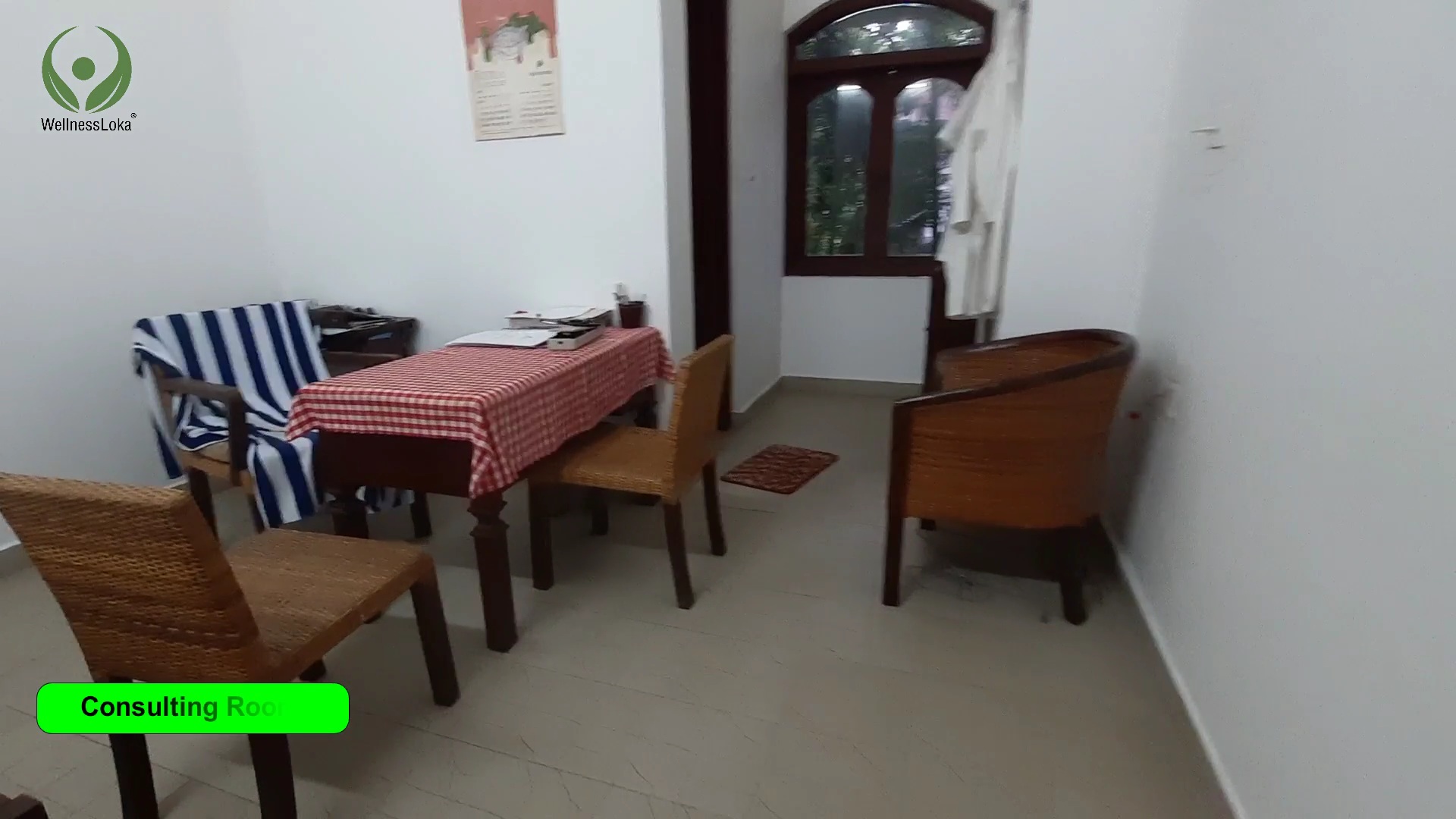
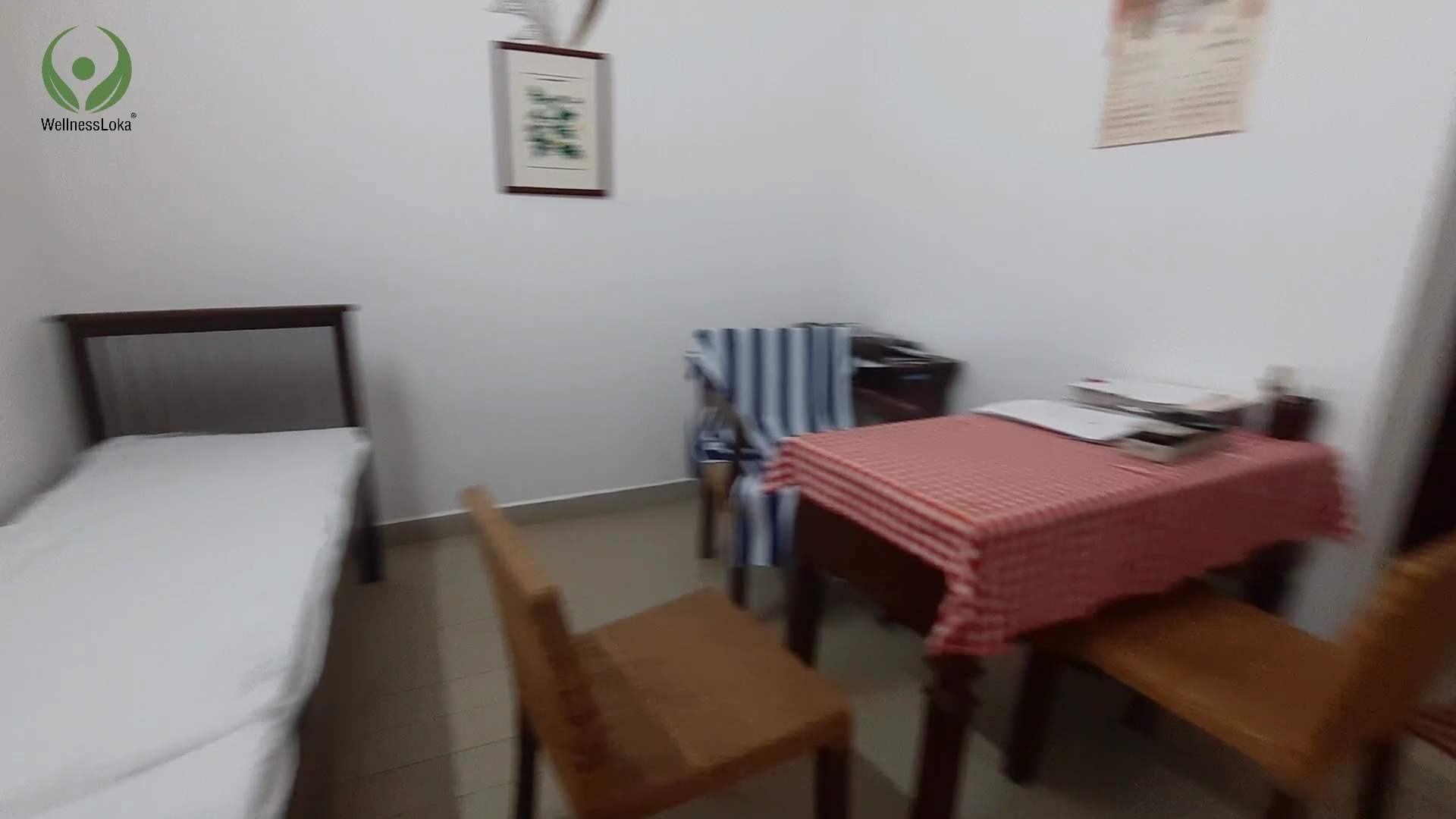
Rajah Beach operates with a dedicated Ayurvedic medical and therapy team responsible for consultation, treatment planning, supervision and day-to-day monitoring. The most recent property-specific operational material identifies four Ayurvedic doctors and 16 therapists, supported by consultation rooms, treatment facilities, a medicinal kitchen and pharmacy. Current WellnessLoka records identify the medical team as Dr Jayarajan T, Dr Thushara M, Dr Achuthan P and Dr Deepa P
The wider Rajah Ayurveda medical model places physicians at the centre of treatment selection, with therapies, internal medicines, diet and daily routines adjusted according to each patient's condition. The centre also has a Grievance Redressal Officer, identified in the supplied hospital services documentation as Dr Deepa, with patient grievance procedures forming part of the hospital's administrative framework.
Post Treatment Care
Post-treatment guidance at Rajah Beach centres on maintaining the dietary and lifestyle measures recommended by the Ayurvedic physicians after completion of treatment. Rajah Ayurveda advises patients to prepare for treatment by reducing or avoiding smoking and alcohol and following a vegetarian diet for at least two weeks before treatment where appropriate. After treatment, patients are expected to continue following the doctor's recommendations concerning diet and lifestyle.
The treatment philosophy also recognises that recovery and longer-term health depend on maintaining appropriate daily routines rather than treating the residential stay as an isolated intervention. Dietary planning is personalised following the initial consultation, and the daily schedule is adjusted when medically required. Patients are expected to provide accurate health information, cooperate with healthcare providers, follow prescribed treatment plans, respect scheduled appointments and comply with hospital safety, hygiene and infection-control requirements.
Accommodation
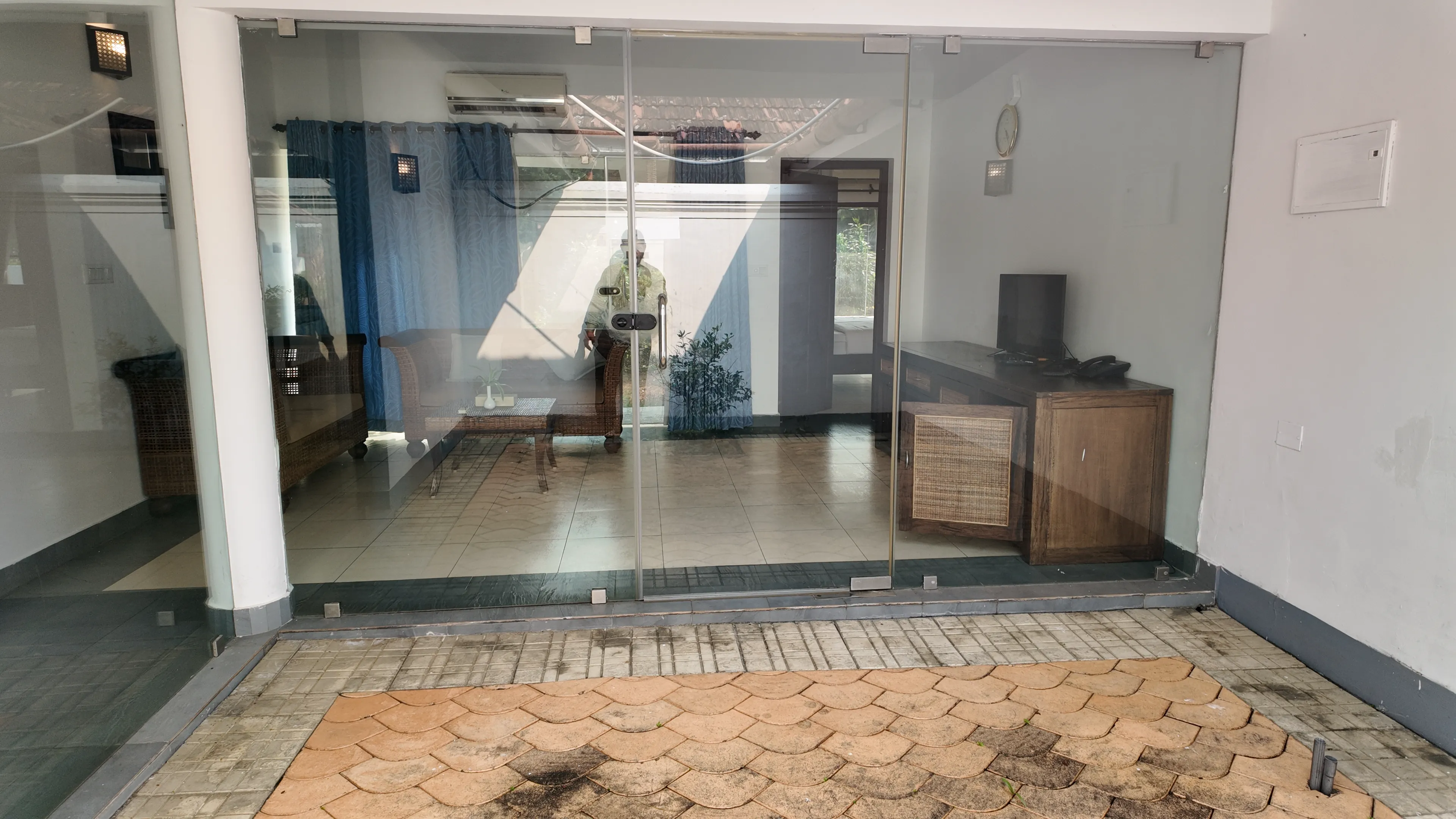
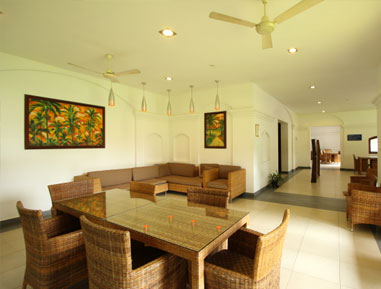
Rajah Beach provides 10 rooms and cottages with a maximum stated capacity of 20 patients, within a 20-acre property. The accommodation is positioned as part of the therapeutic environment rather than as an independent leisure hotel operation, with spacious air-conditioned rooms and cottages set within landscaped grounds near the coast. The accommodation inventory includes different levels of residential provision, while the property-level documentation identifies the overall capacity rather than presenting the stay solely as conventional hotel accommodation.
The limited inventory is an important operational characteristic of the centre, and the supplied material recommends advance booking because of the small number of units. The property accommodates treatment patients and has arrangements for accompanying persons, subject to its applicable policies and availability.
Diet and Dining
Diet forms an integral part of the Ayurvedic treatment process at Rajah Beach, with food prescribed according to the patient's constitution, health condition and physician's recommendations. The treatment package documentation specifically includes food advised by the doctors according to the individual's body constitution. The wider Rajah Ayurveda approach generally recommends a vegetarian diet during treatment because digestive capacity may be reduced while the body is undergoing therapeutic procedures.
The property provides vegetarian Ayurvedic cuisine, with ingredients including produce from its own orchards and vegetable and fruit cultivation areas. Meals form part of the structured daily treatment routine, alongside doctor-prescribed juices and herbal beverages. Rajah Ayurveda also conducts Ayurvedic cooking demonstrations, intended to introduce patients to Indian culinary practices and healthier food preparation principles. The group's culinary knowledge is further documented through Mahanasam, a collection of more than 125 recipes served at its institutions and informed by classical Ayurvedic food and cooking principles.
Wellness Activities
Yoga and meditation form part of the wider Rajah Ayurveda therapeutic approach and are incorporated according to the patient's condition and compatibility with the prescribed Ayurvedic treatment. The general daily routine includes a morning yoga session from 6:30 am to 7:30 am and an evening session from 5:00 pm to 6:00 pm, with the programme subject to modification on medical advice.
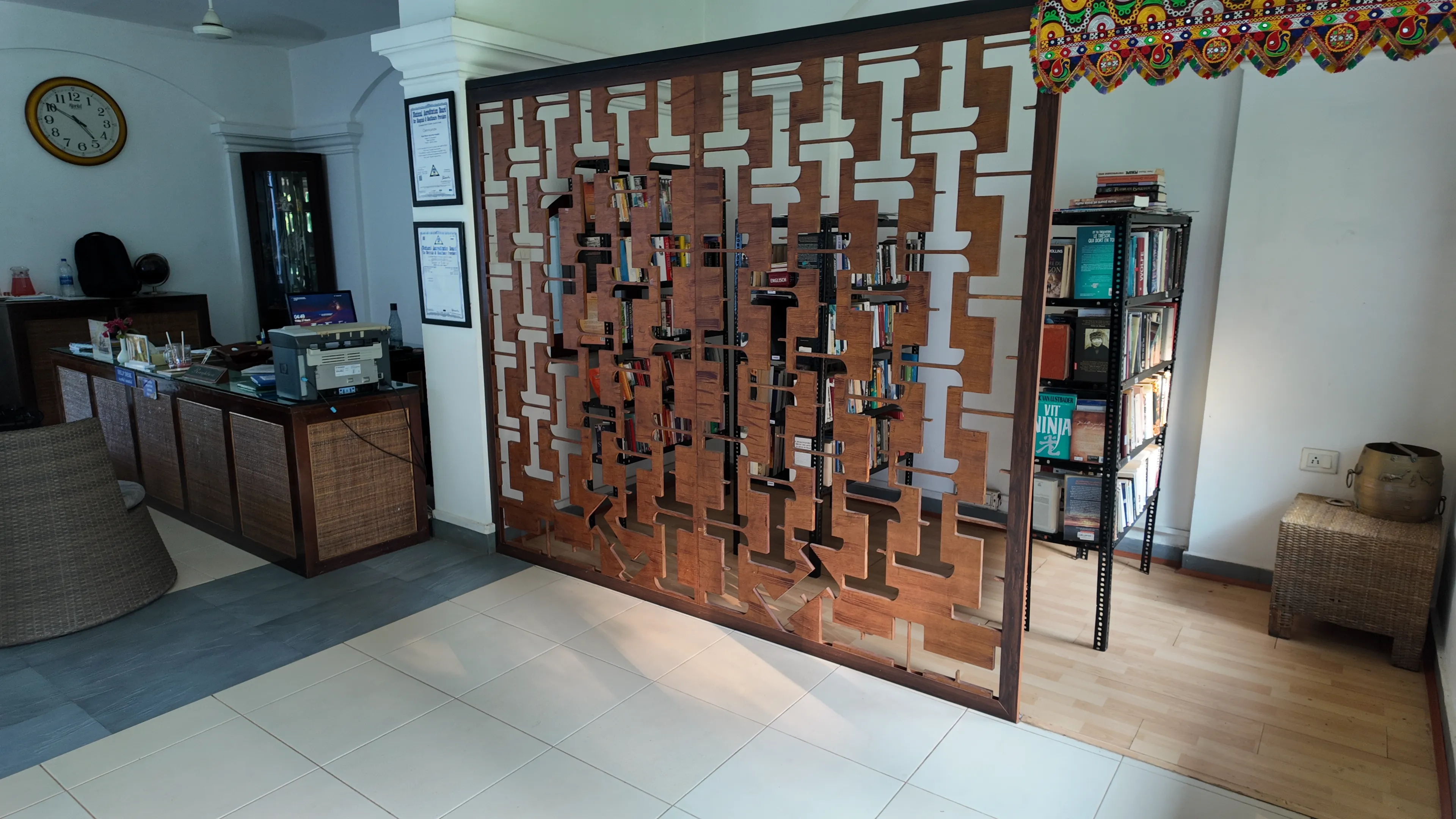
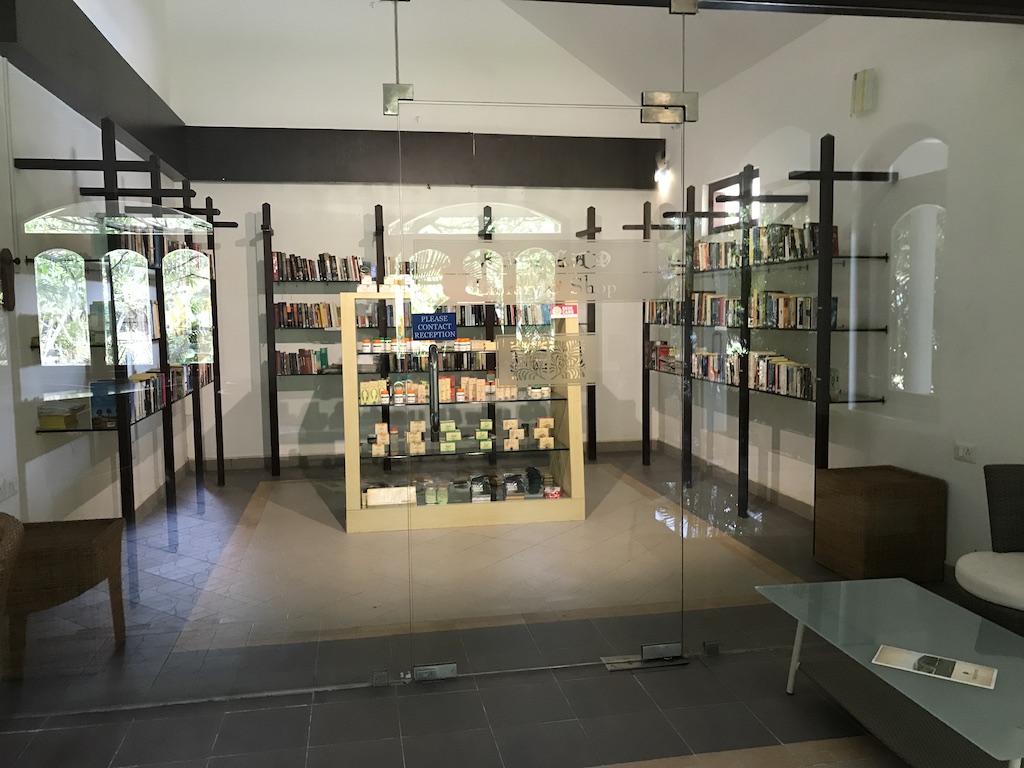
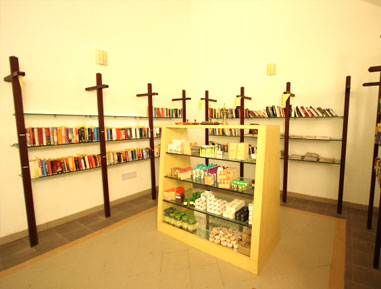
Outside treatment hours, Rajah Beach provides opportunities for quiet recreation within its coastal setting. The property has a private swimming pool, gardens, relaxation areas and a library, while bicycles and other leisure options are available within the wider Rajah Ayurveda operational framework. Cultural and educational activities include Ayurvedic cooking demonstrations, and cultural programmes may introduce guests to Kerala's traditional performing arts. The nearby beach provides an additional setting for peaceful walks, although physical exertion is restricted during certain Ayurvedic treatments.
Facilities and Services
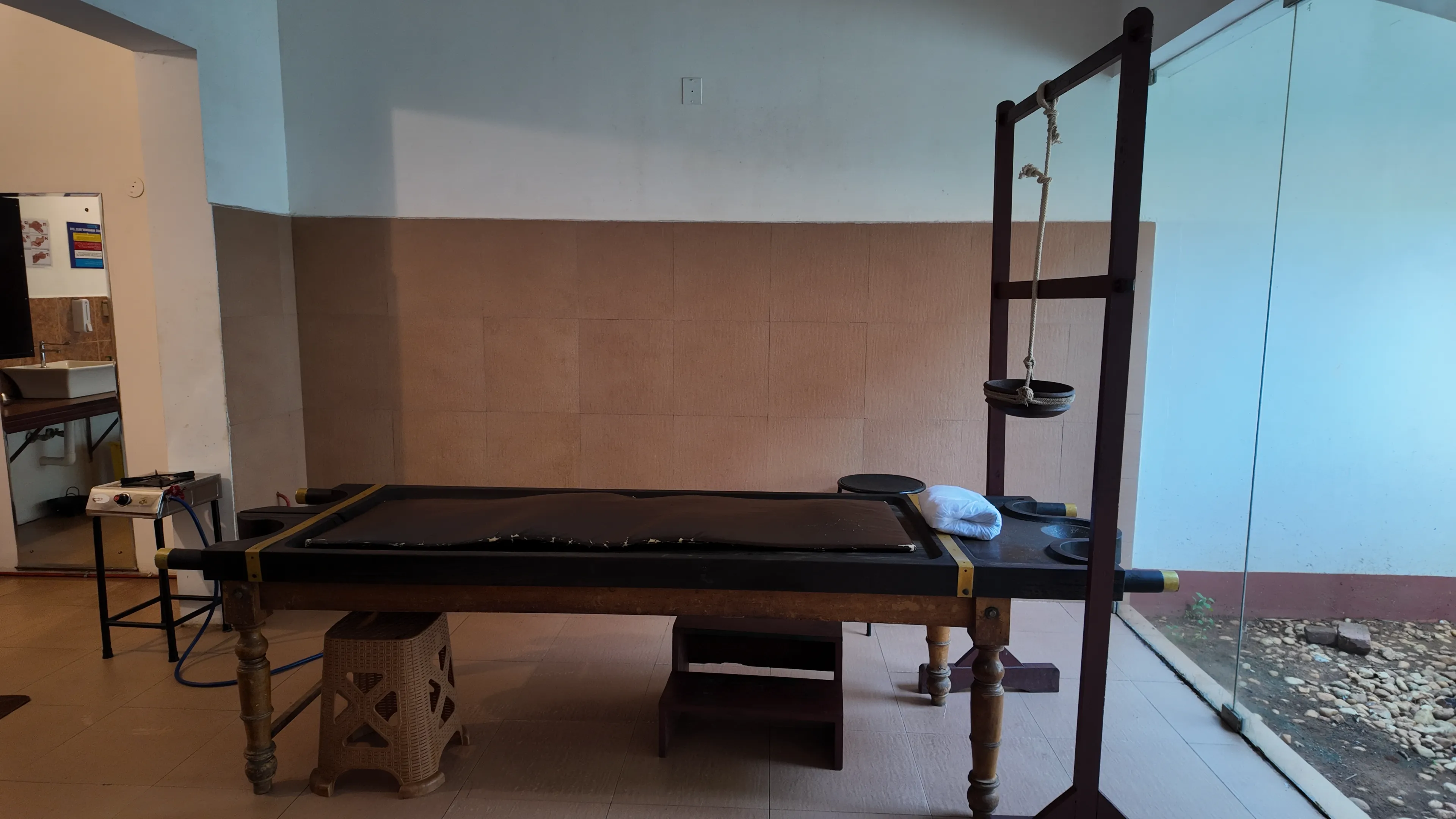
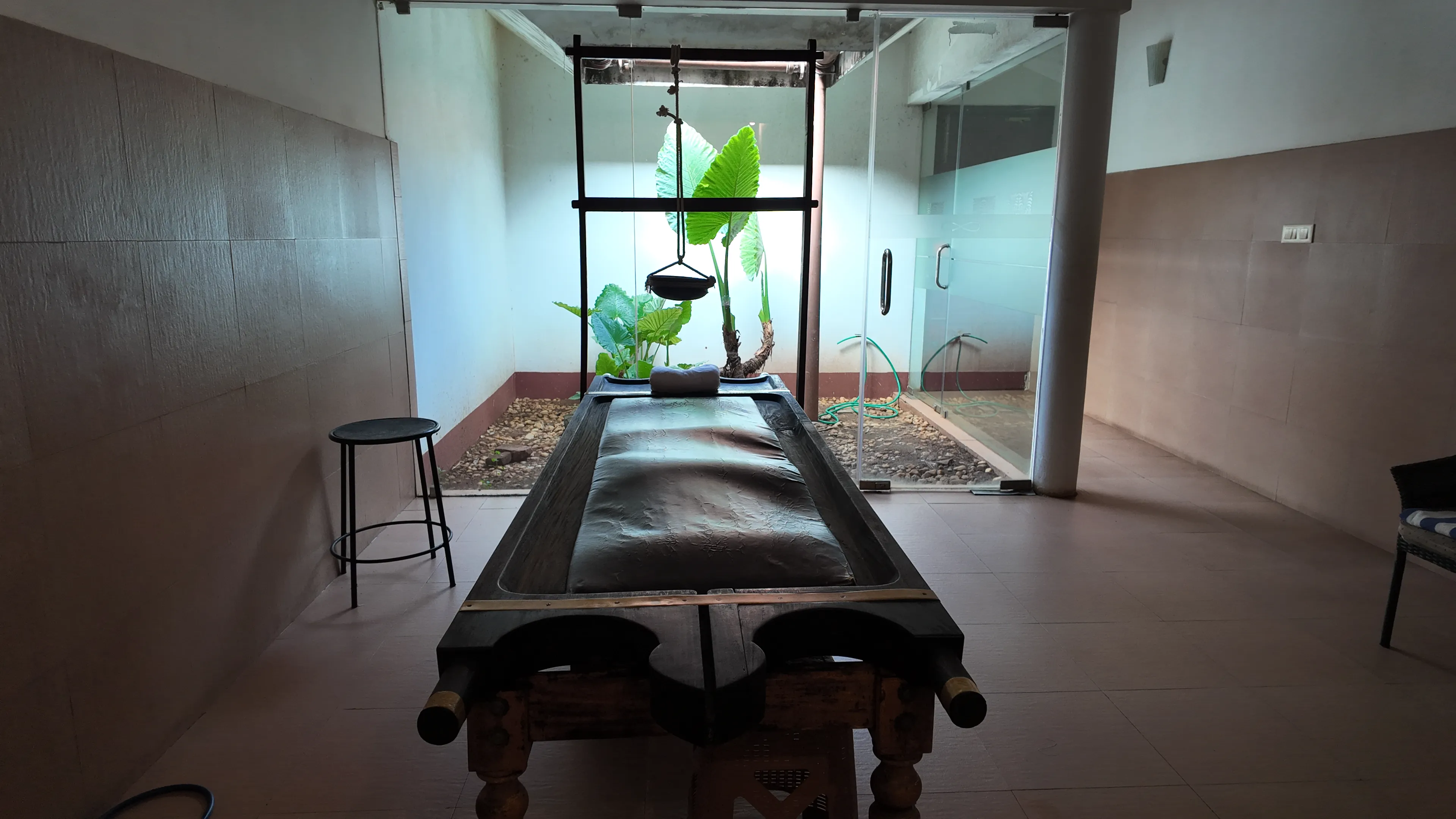
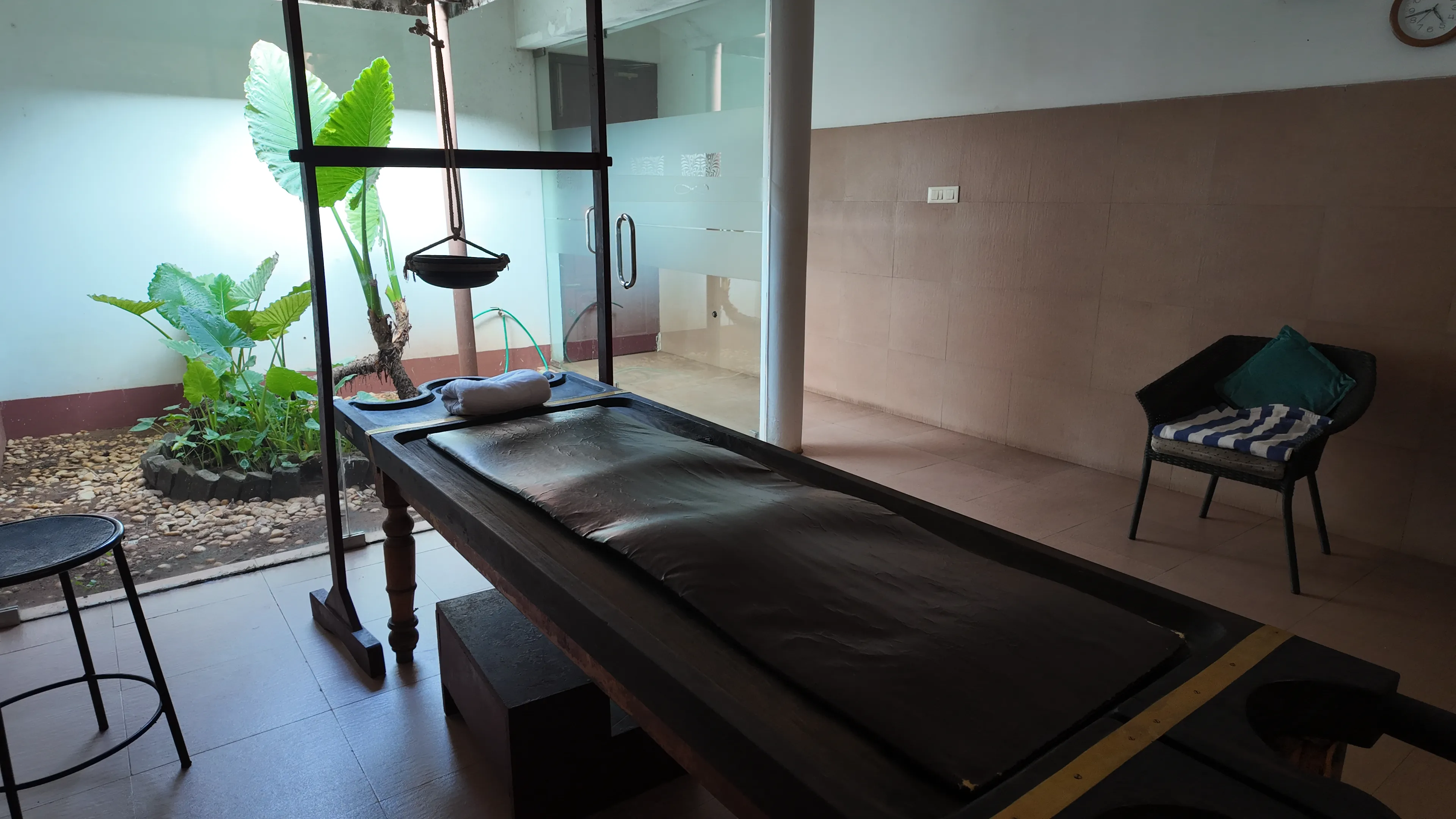
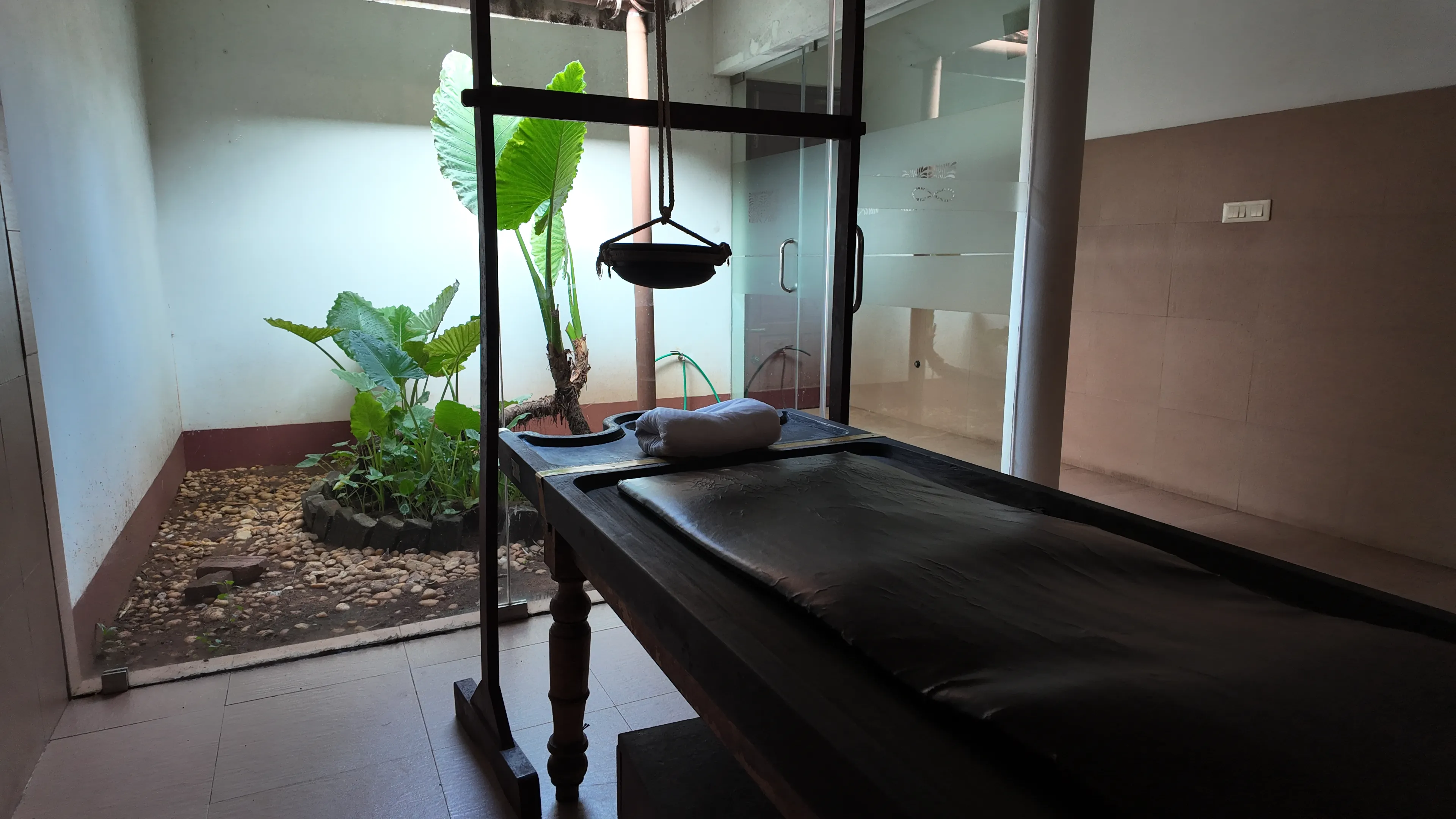
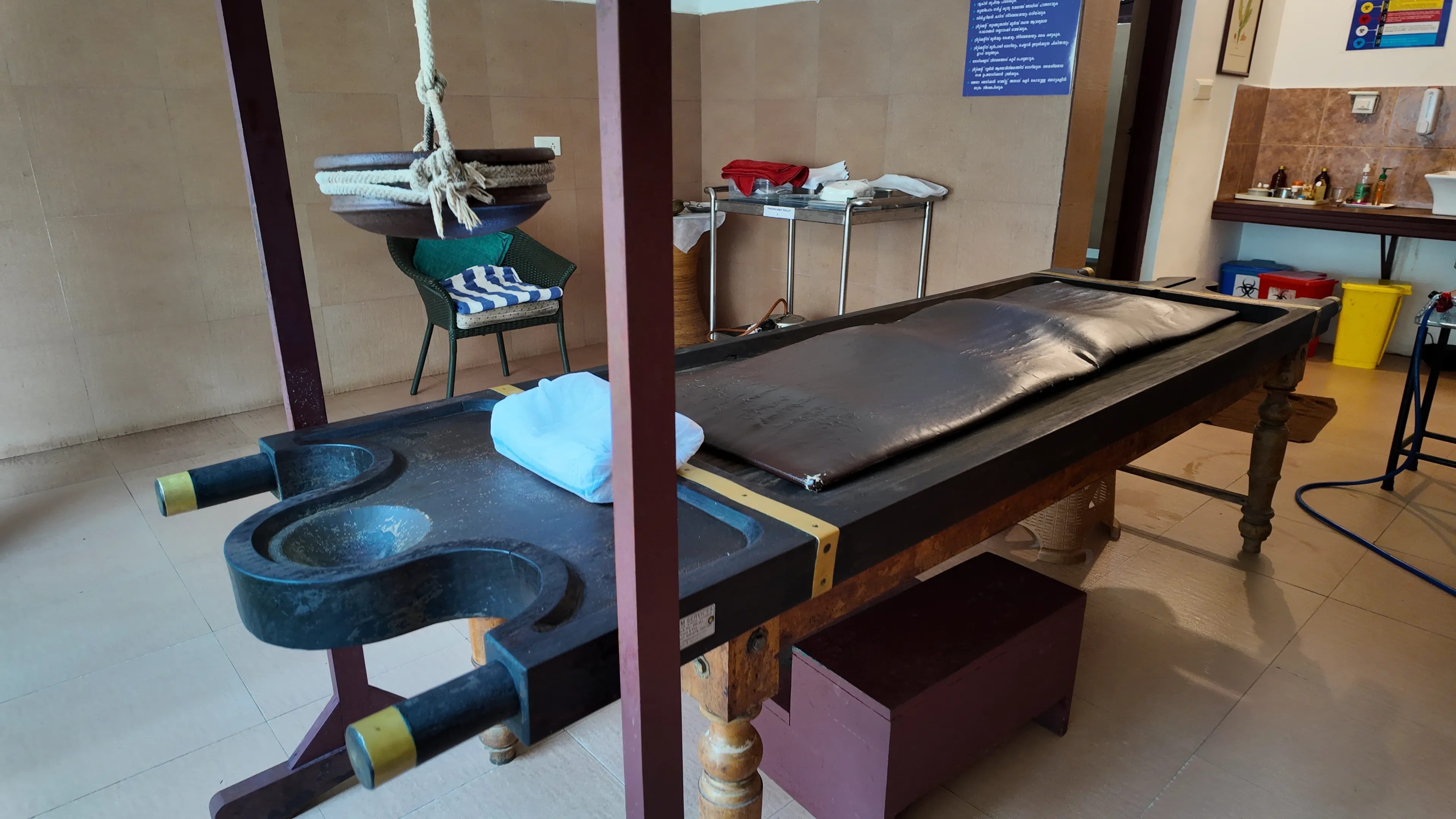
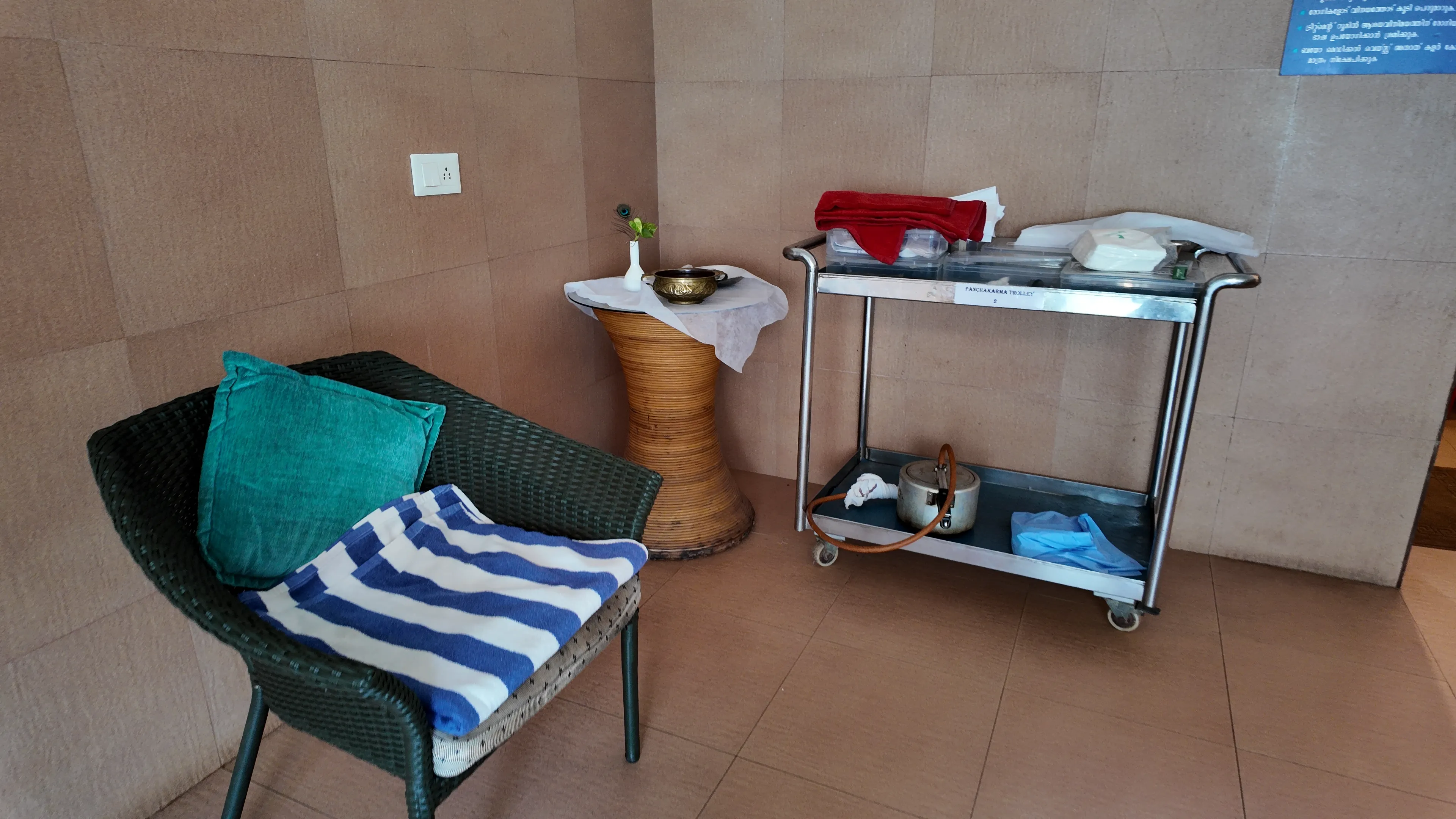
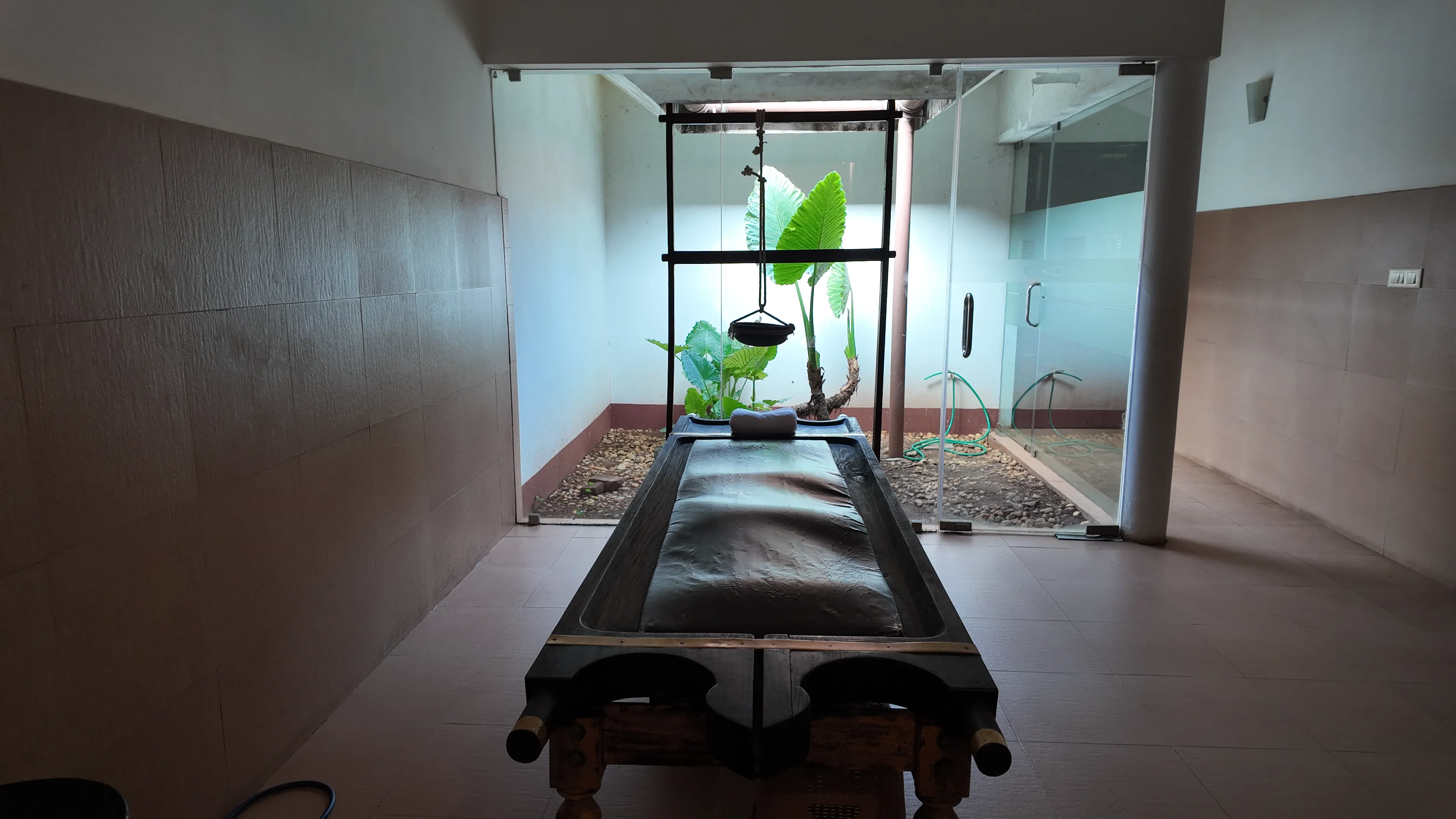
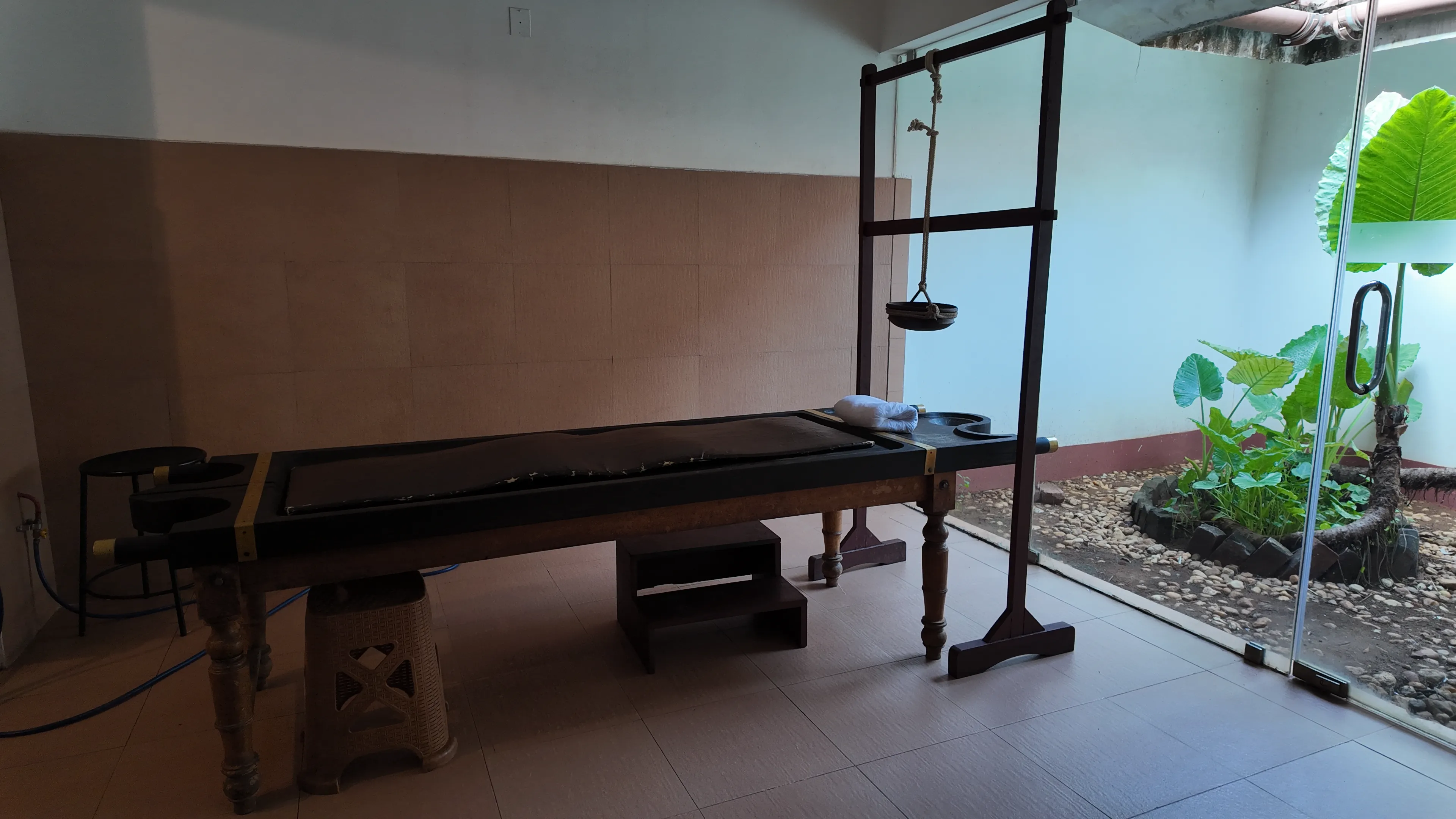
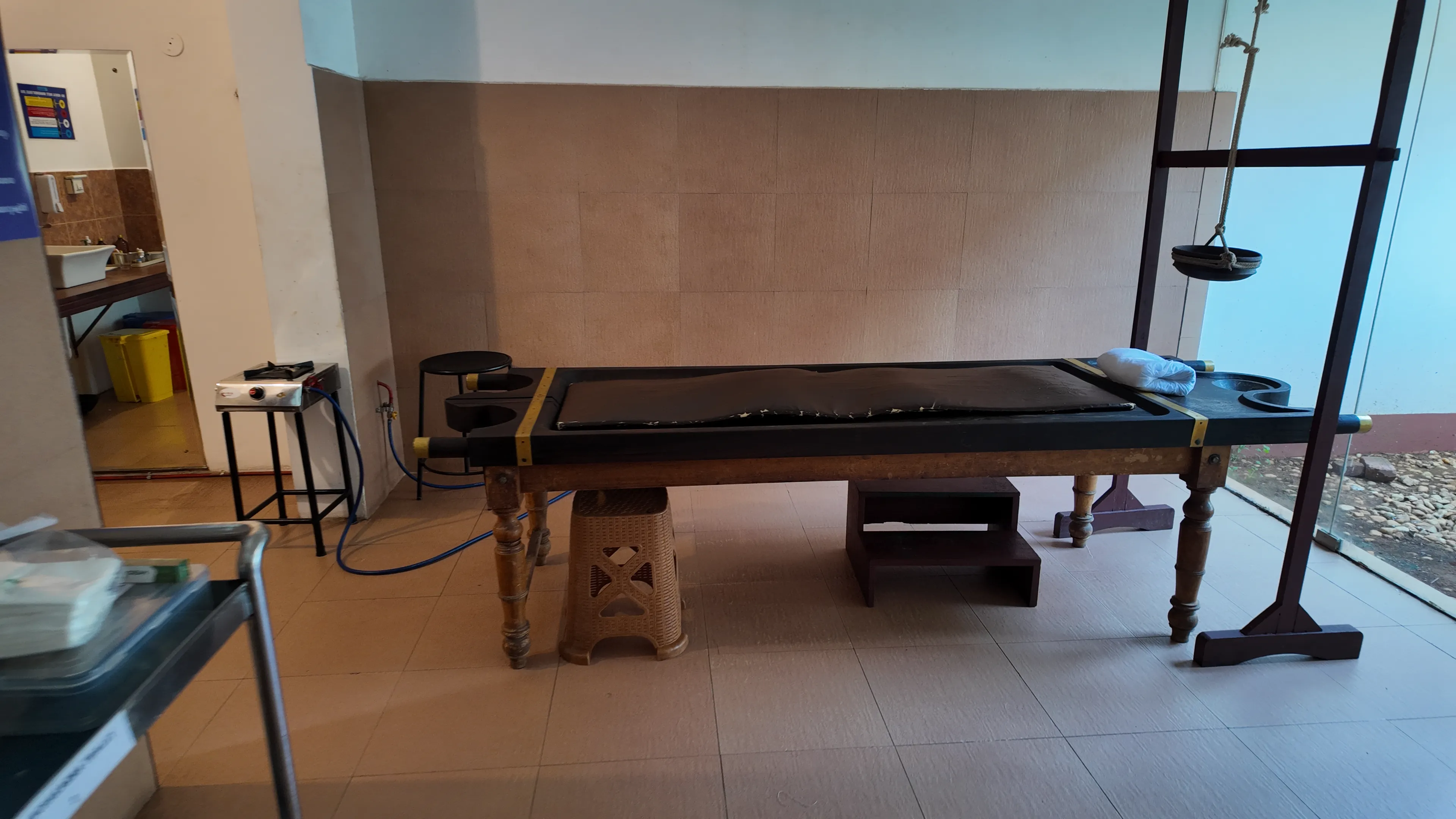
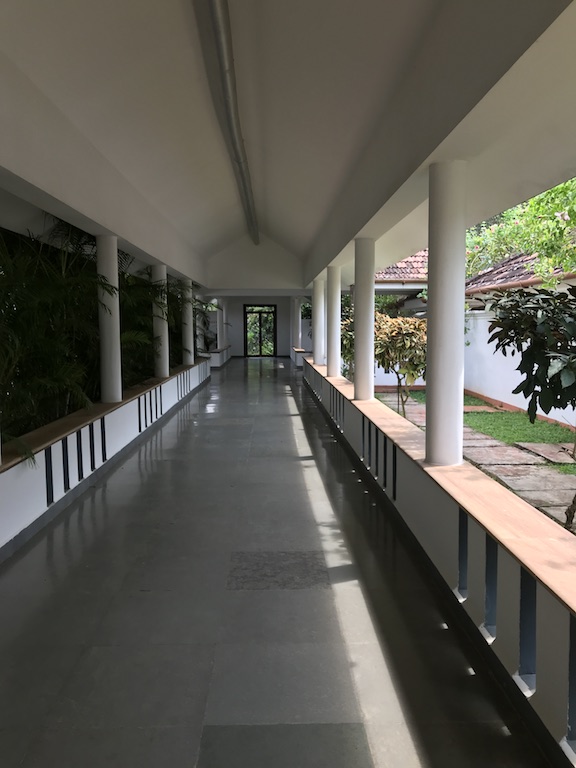
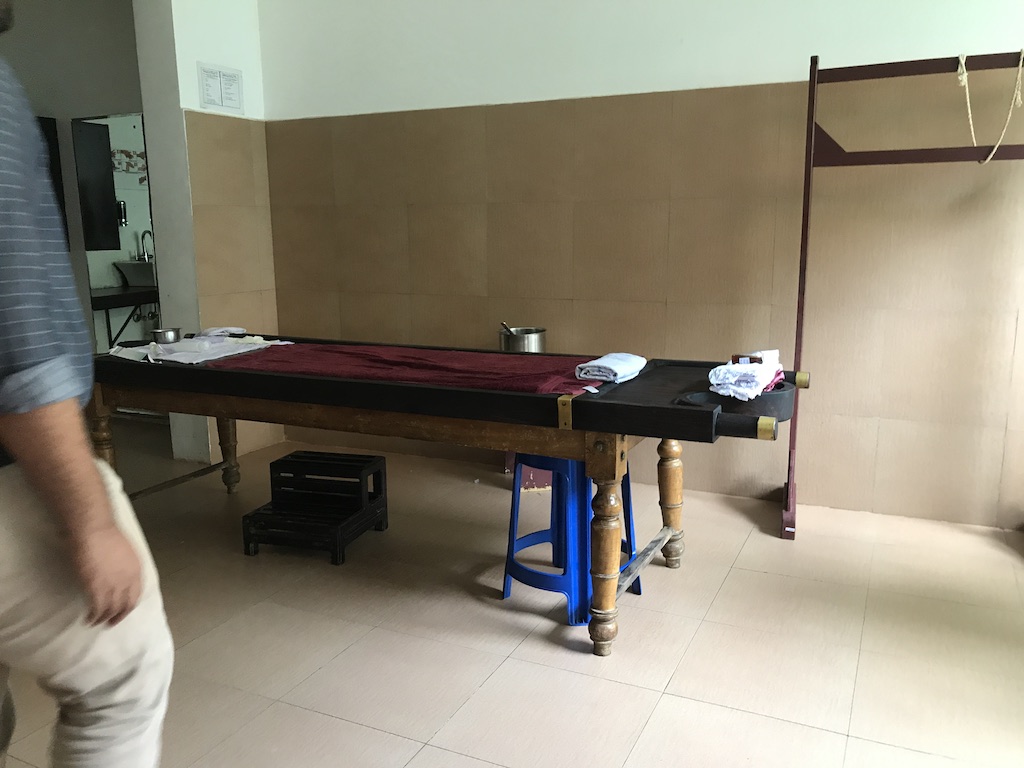
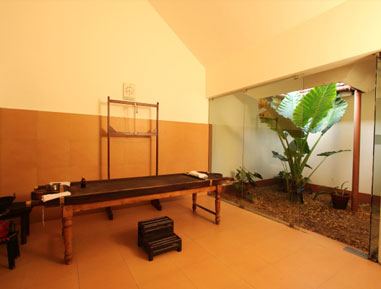
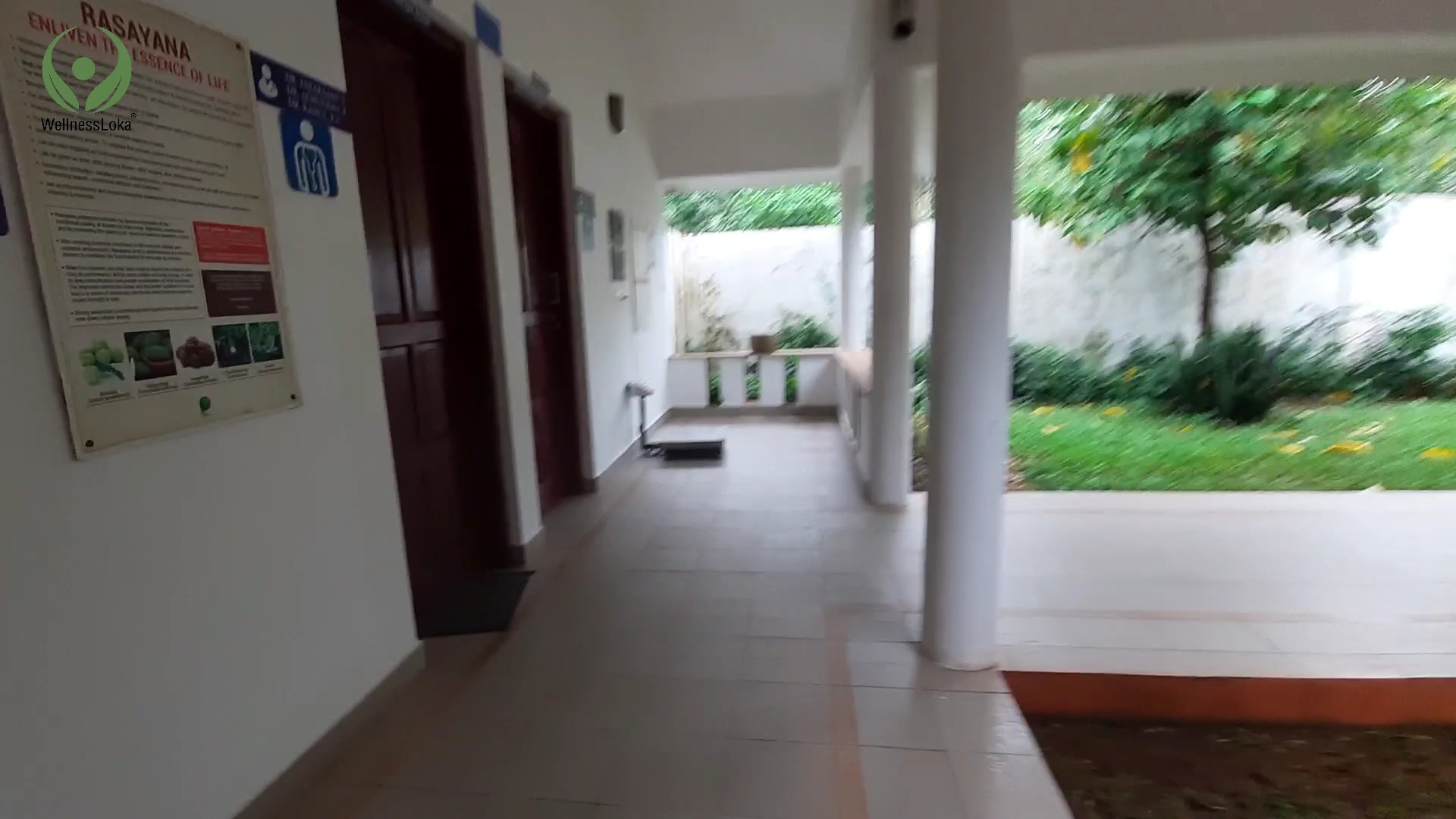
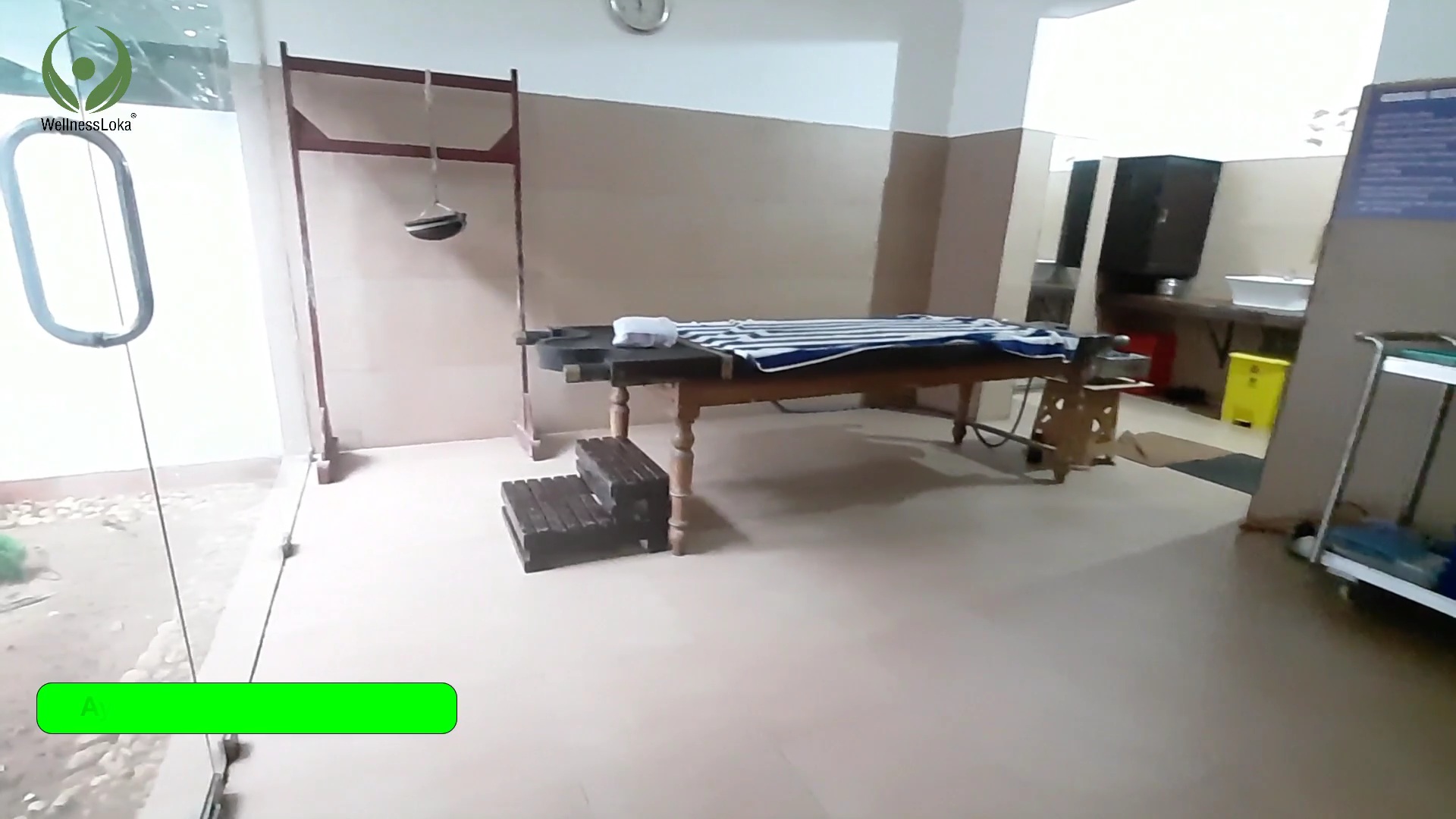
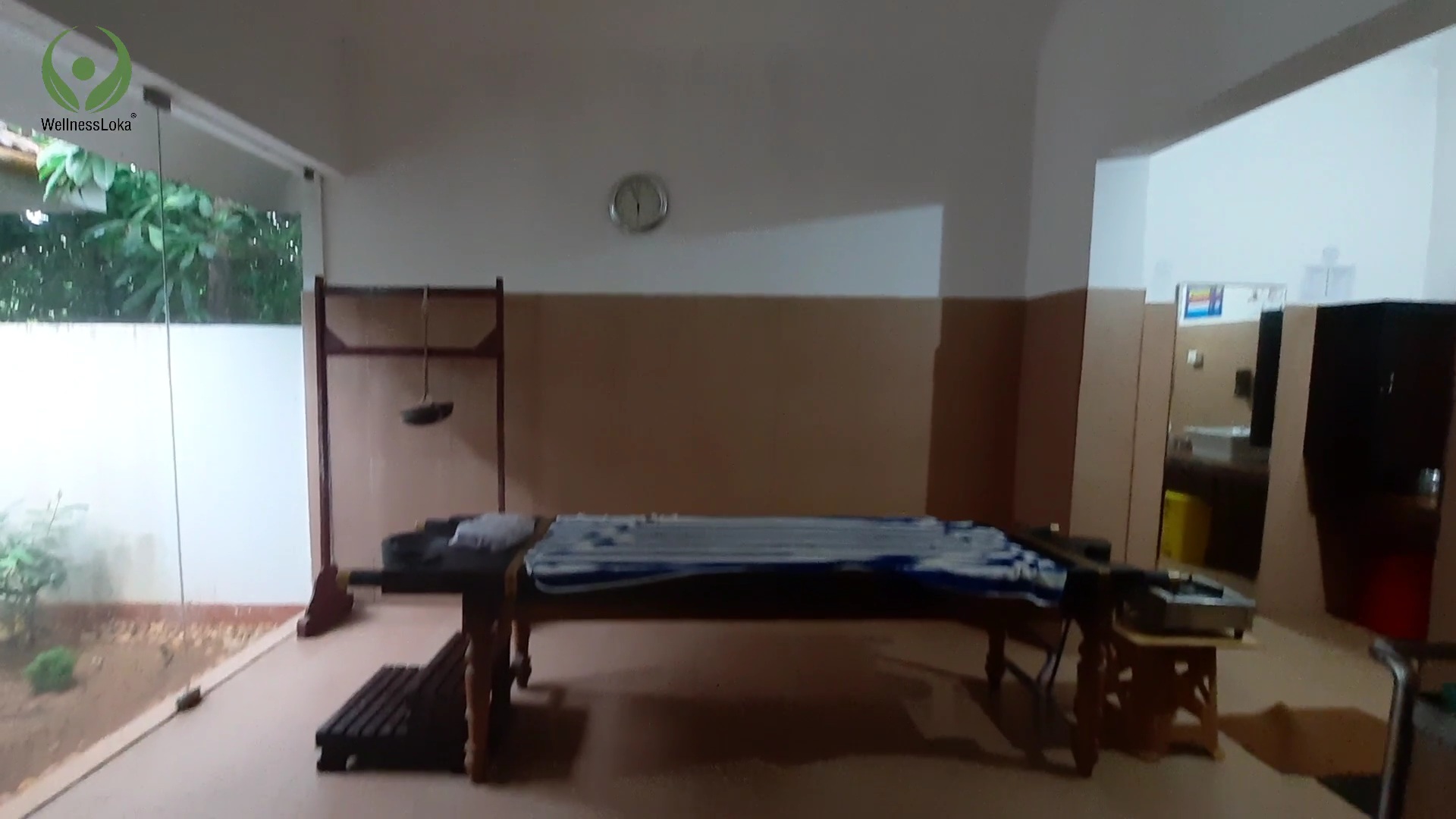
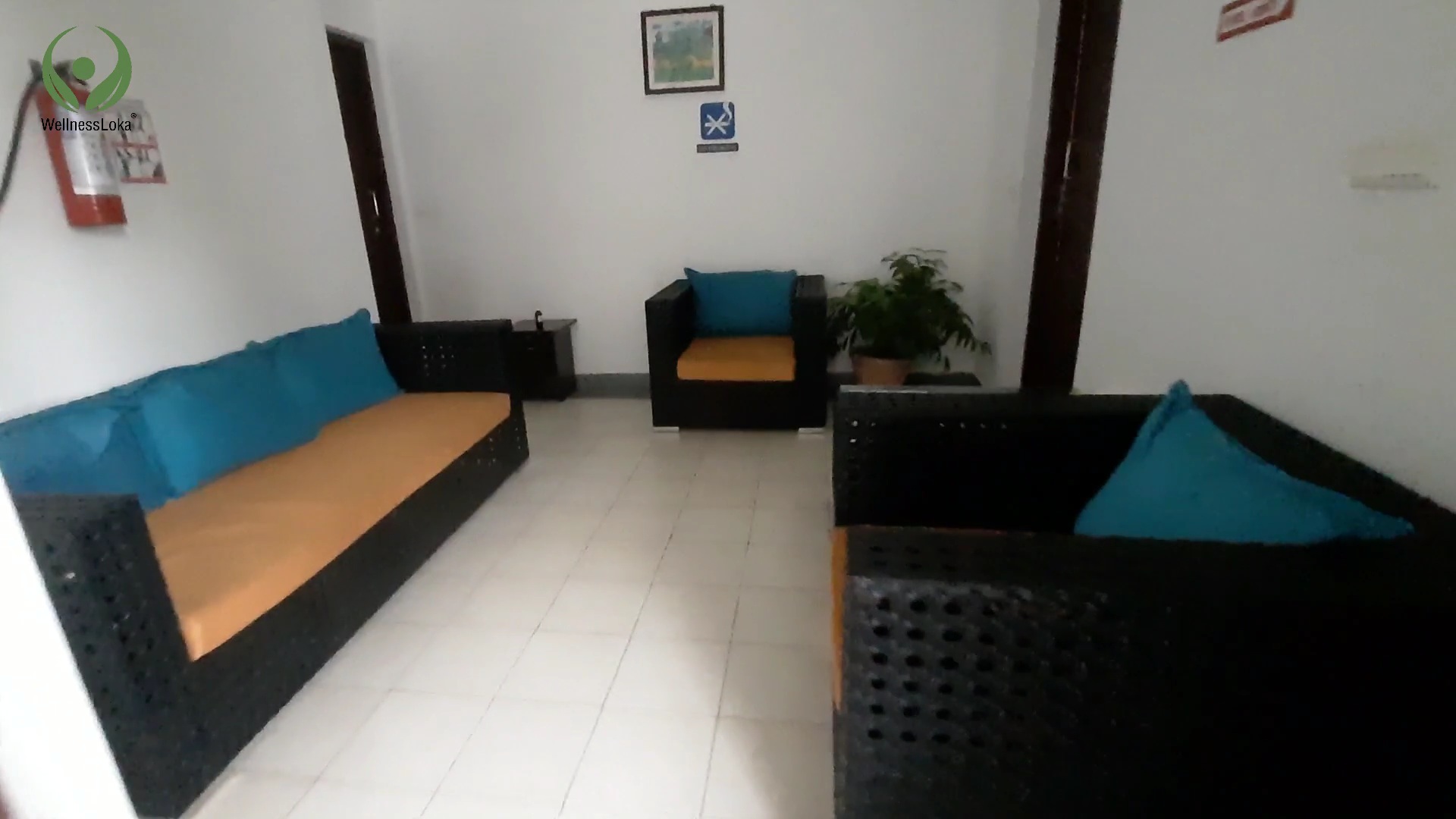
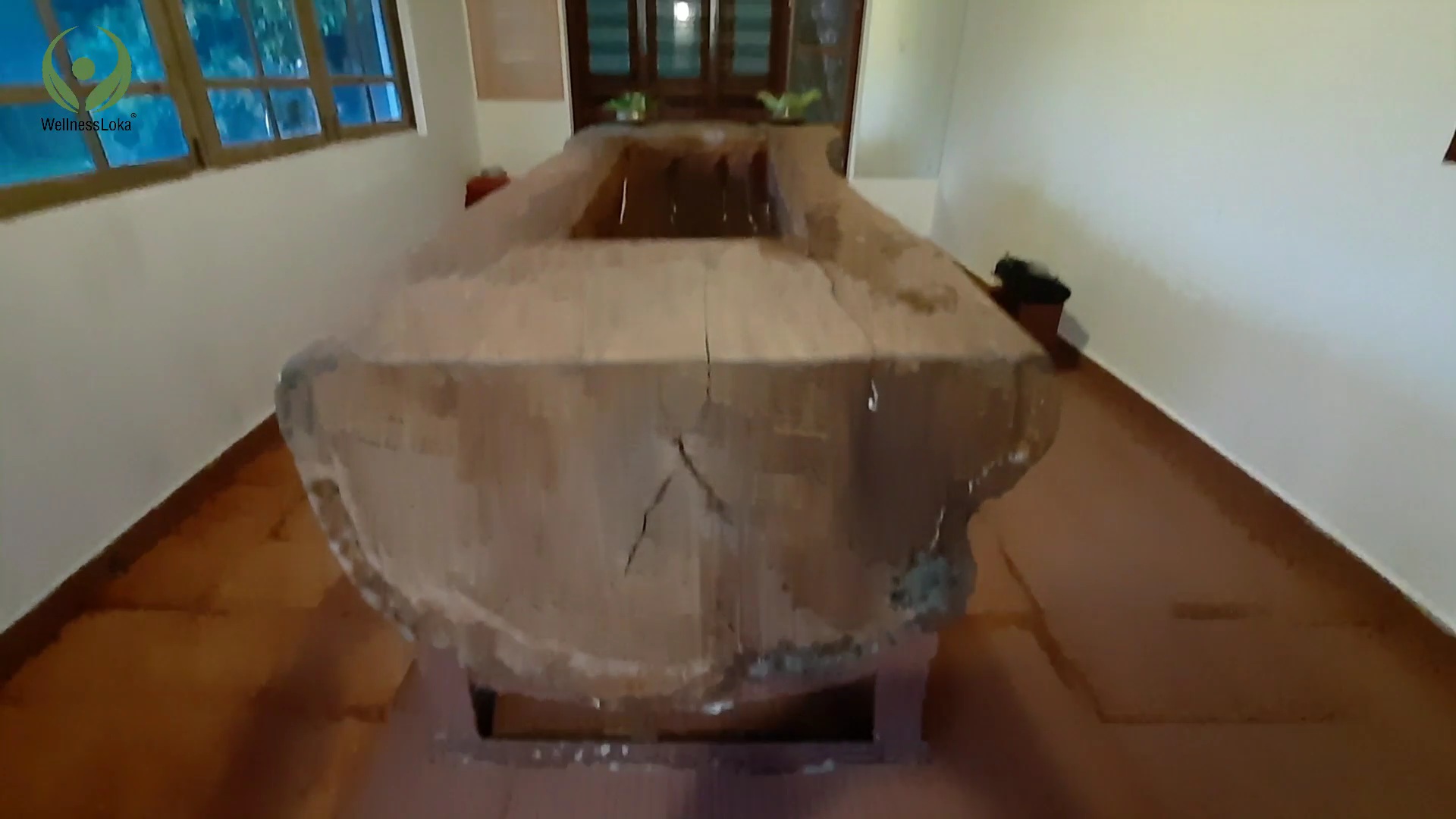
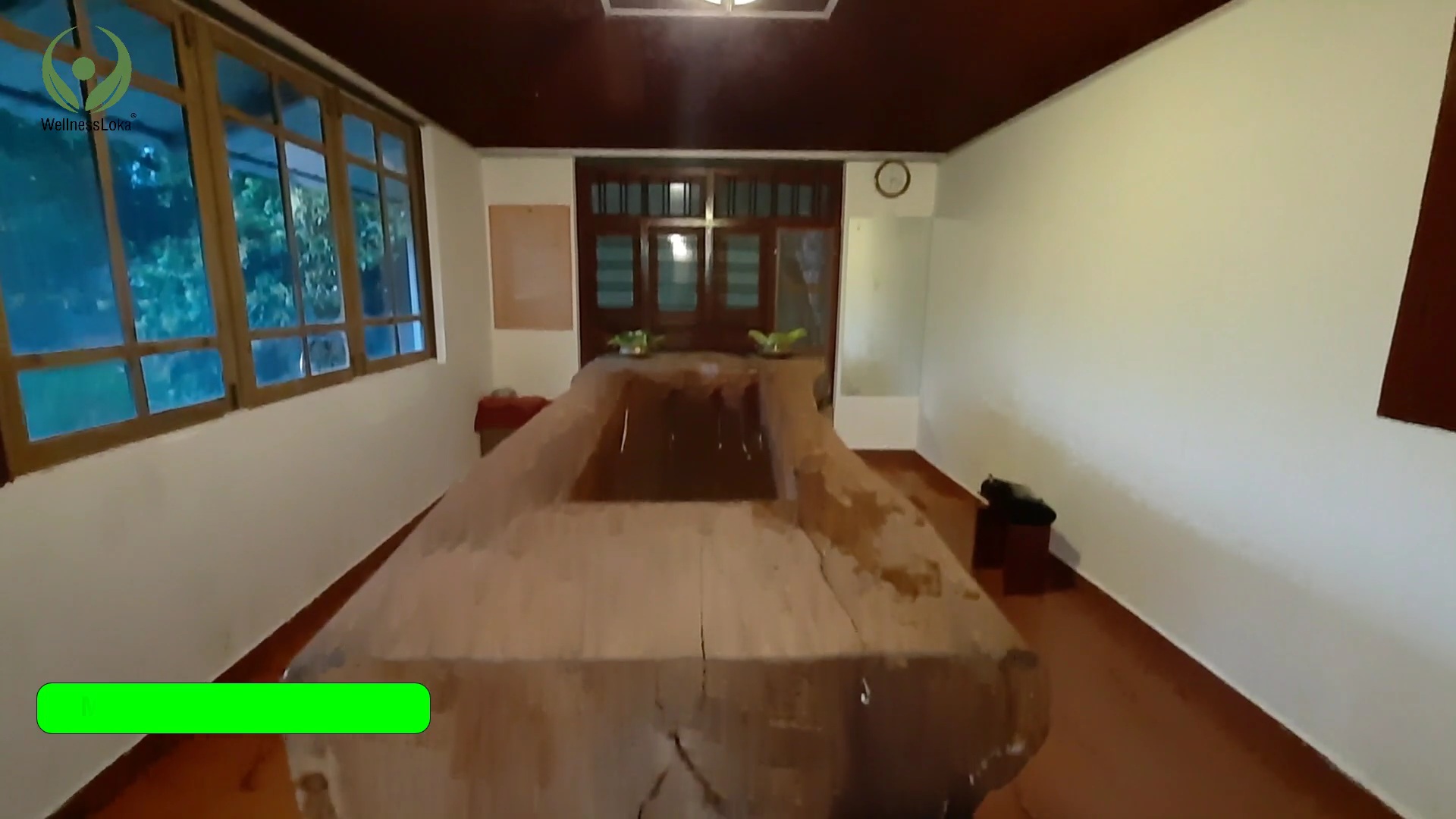
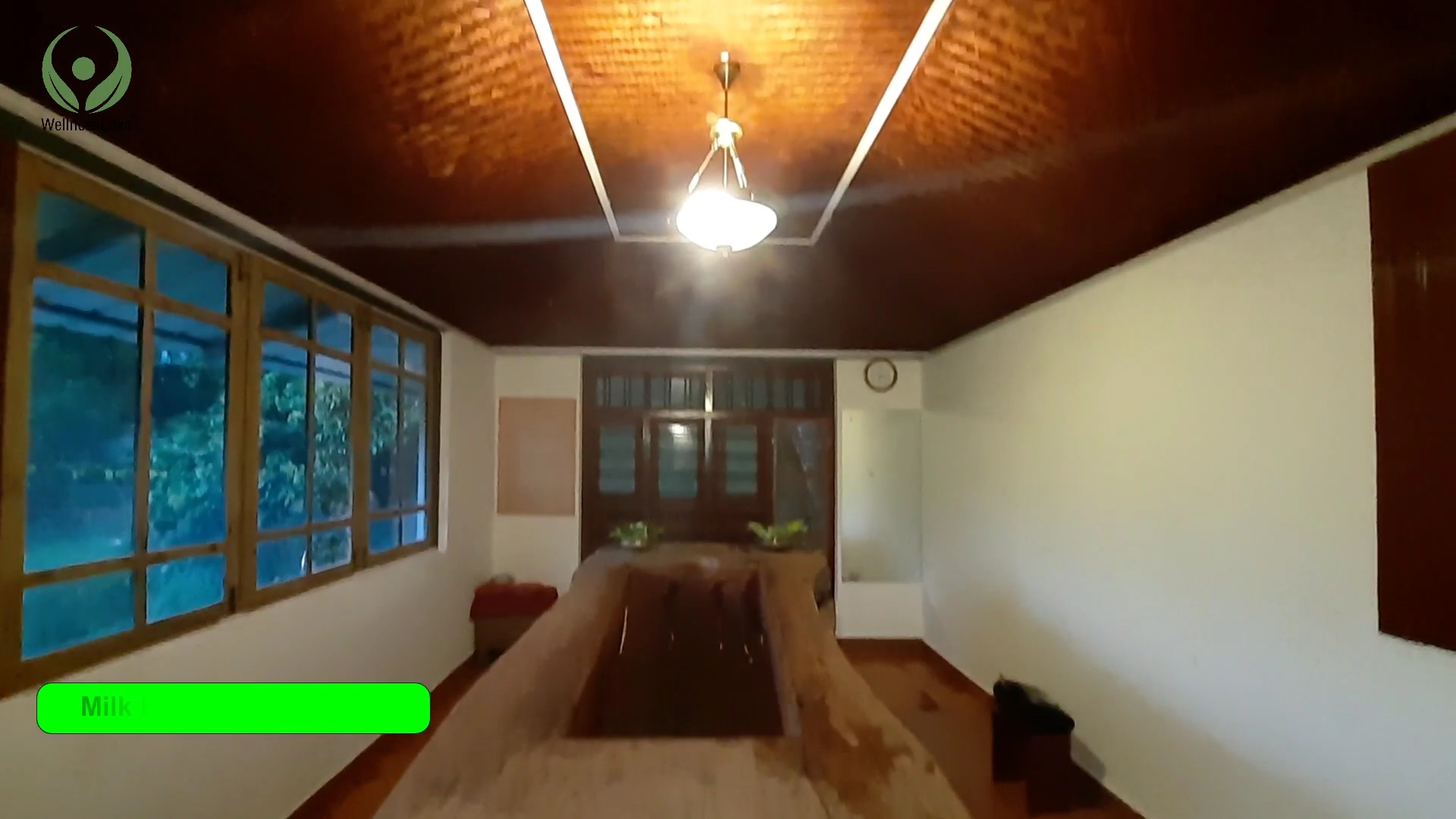
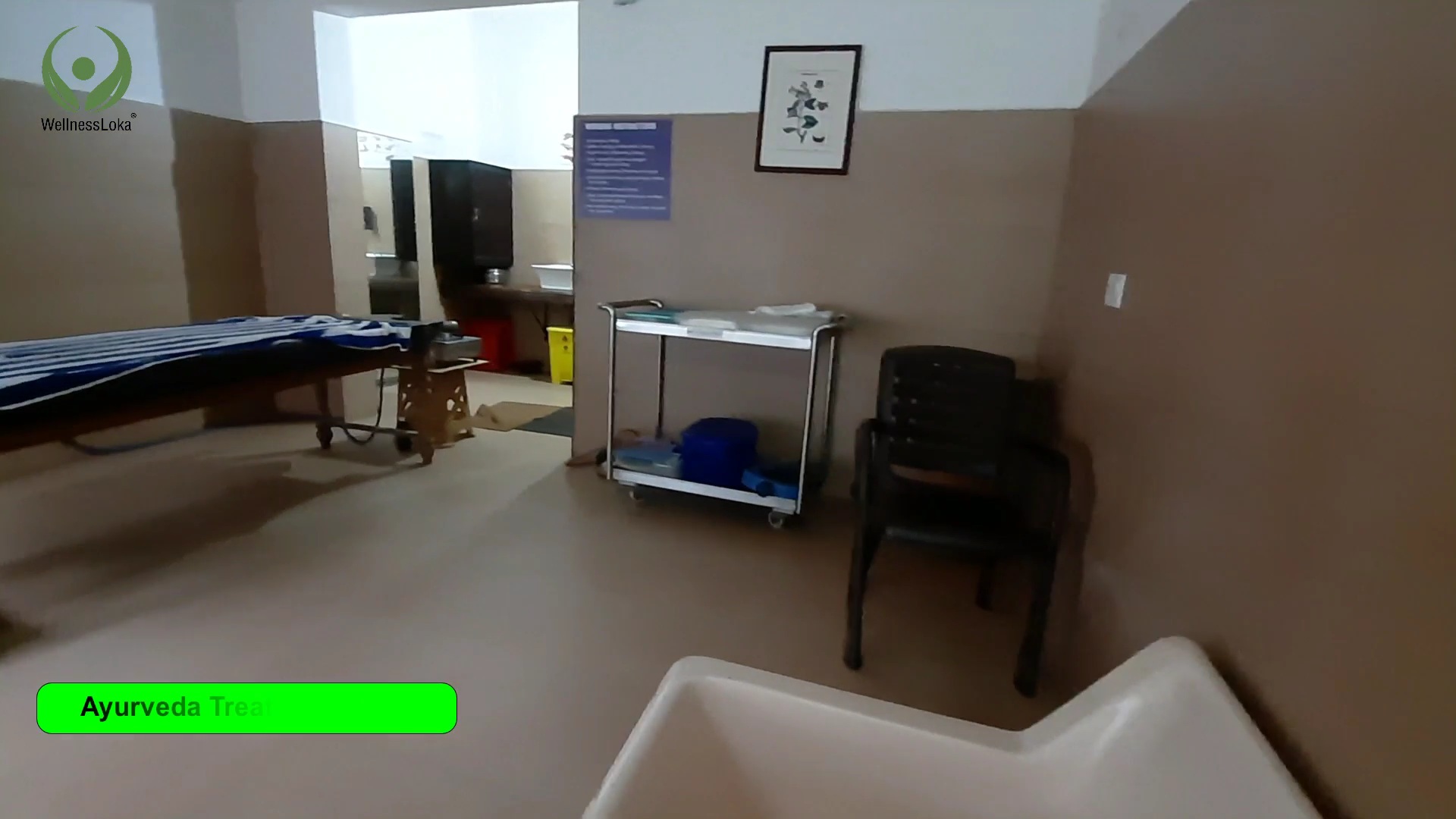
The clinical infrastructure at Rajah Beach includes Ayurvedic consultation facilities, treatment rooms, a medicinal kitchen and pharmacy, a relaxation area and facilities for a range of classical Ayurvedic procedures. The supplied hospital service document identifies Panchakarma, dietary services, preventive medicine or Swasthavritta and Yoga, together with specialised procedures including Kativasti, Matravasti, Mukhalepam, Navarakizhi, Parisheka Swedam, Pathrapinda Swedam, Pichu, Pizhichil, Shirovasti, Shirodhara, Udwarthanam, Upanaha Swedam and Valuka Swedam.
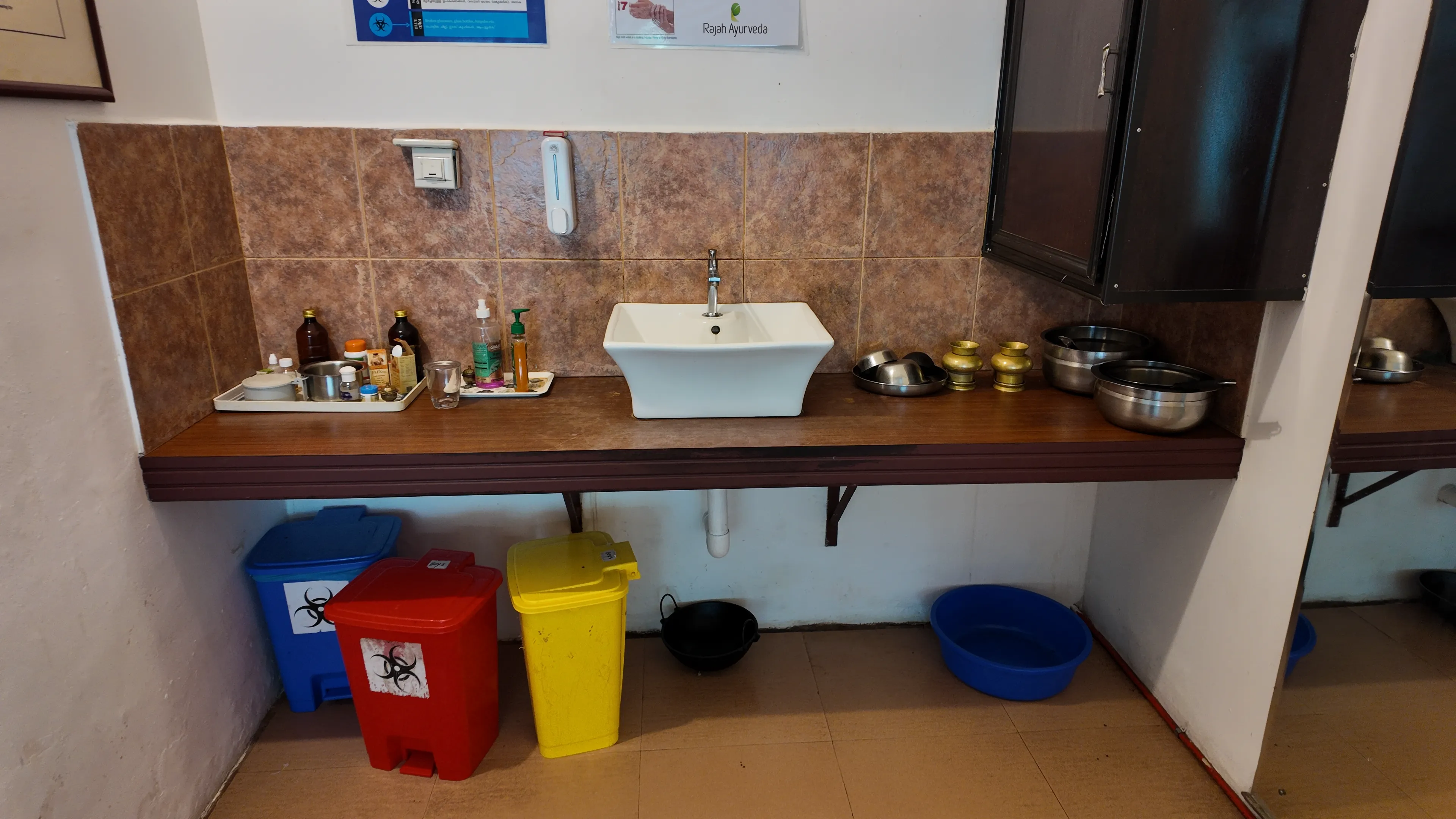
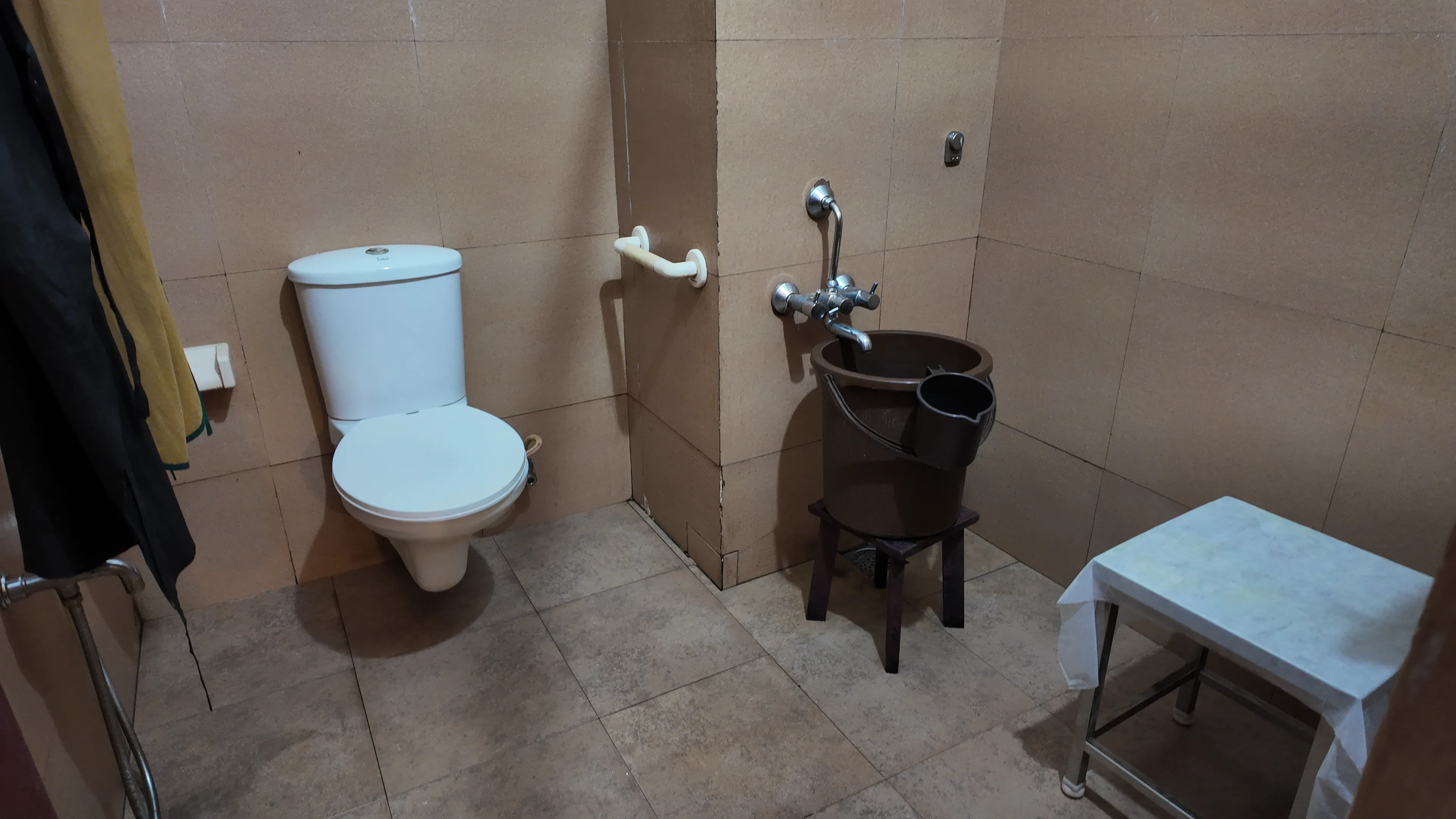
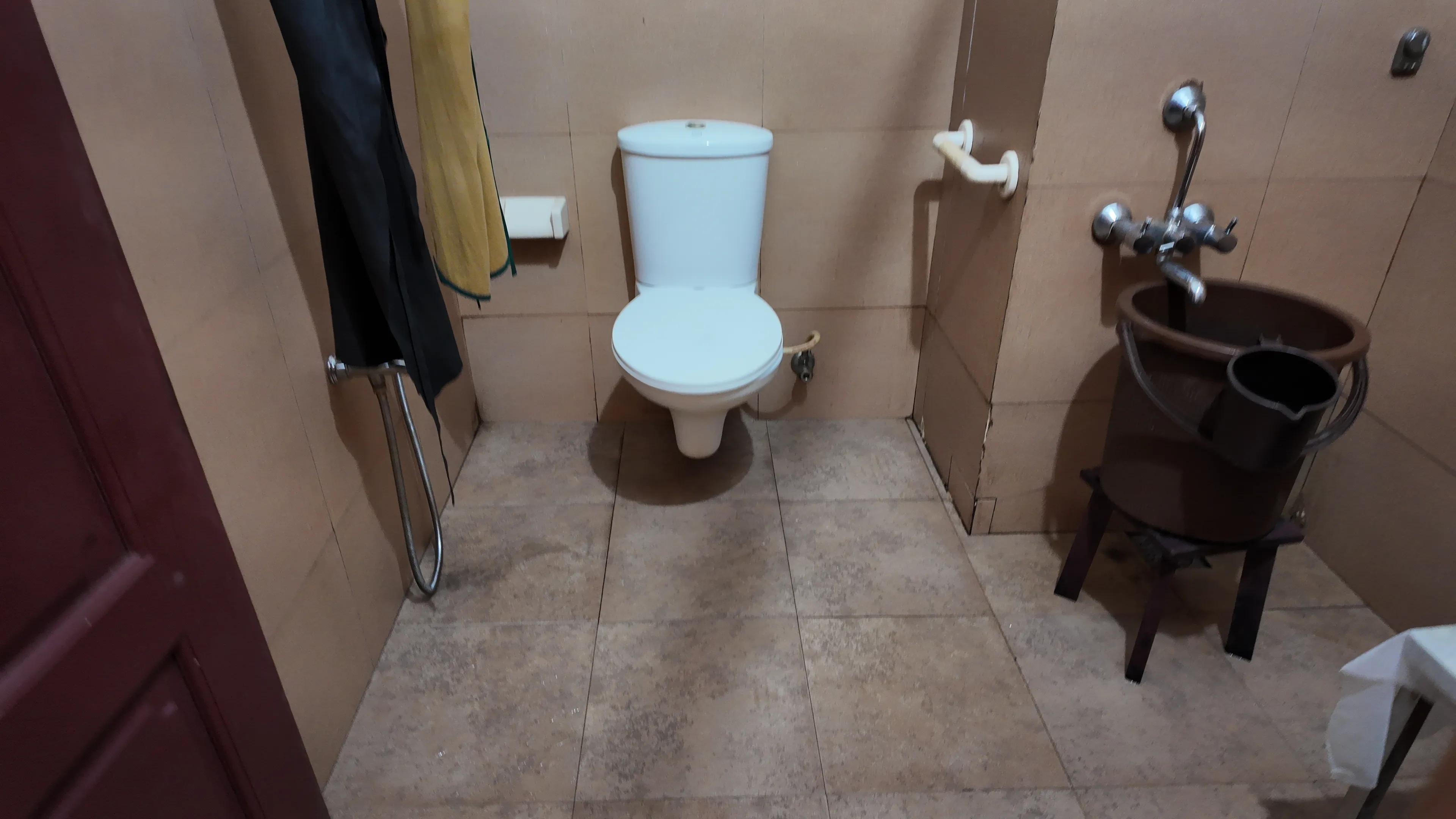
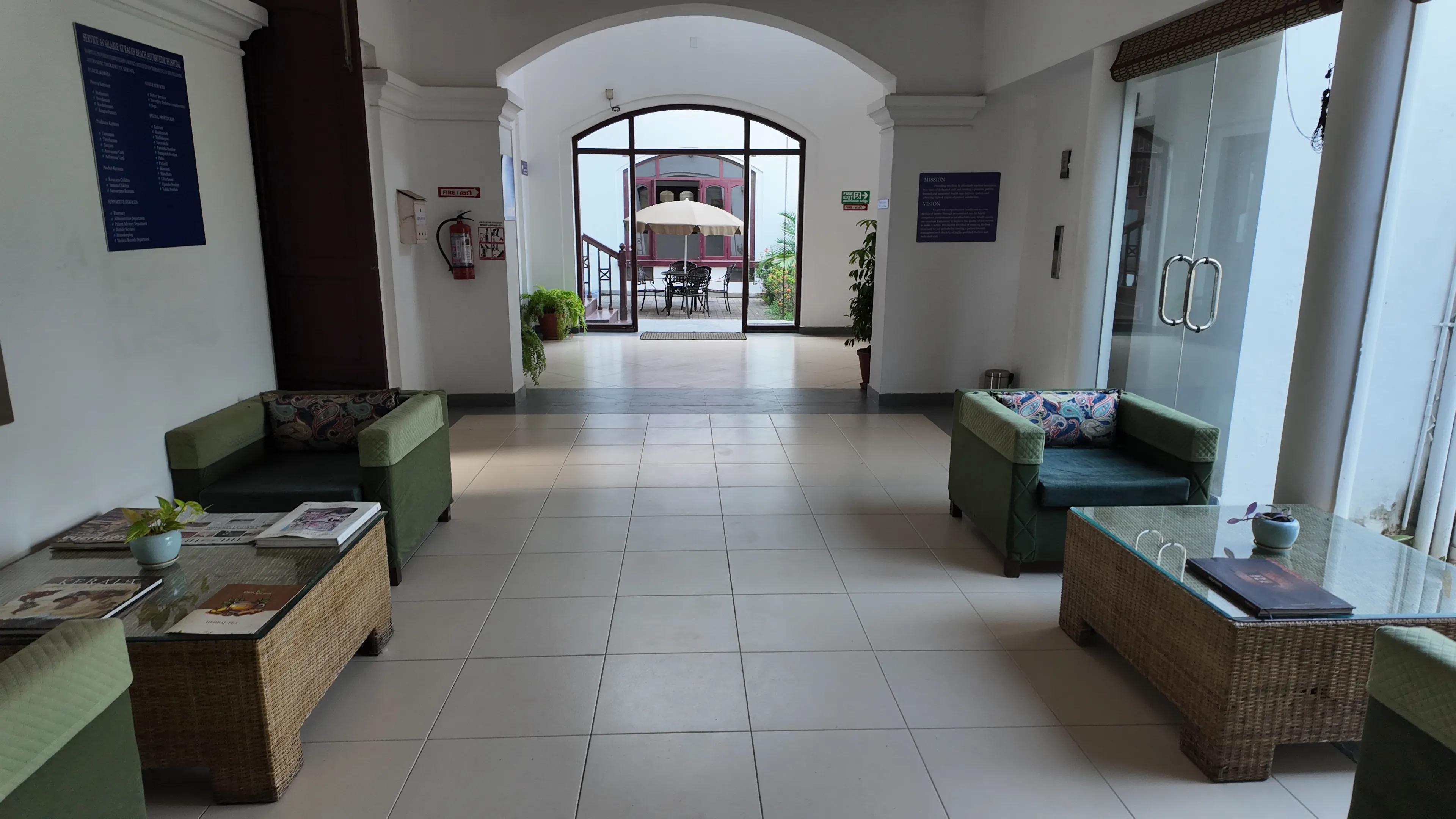
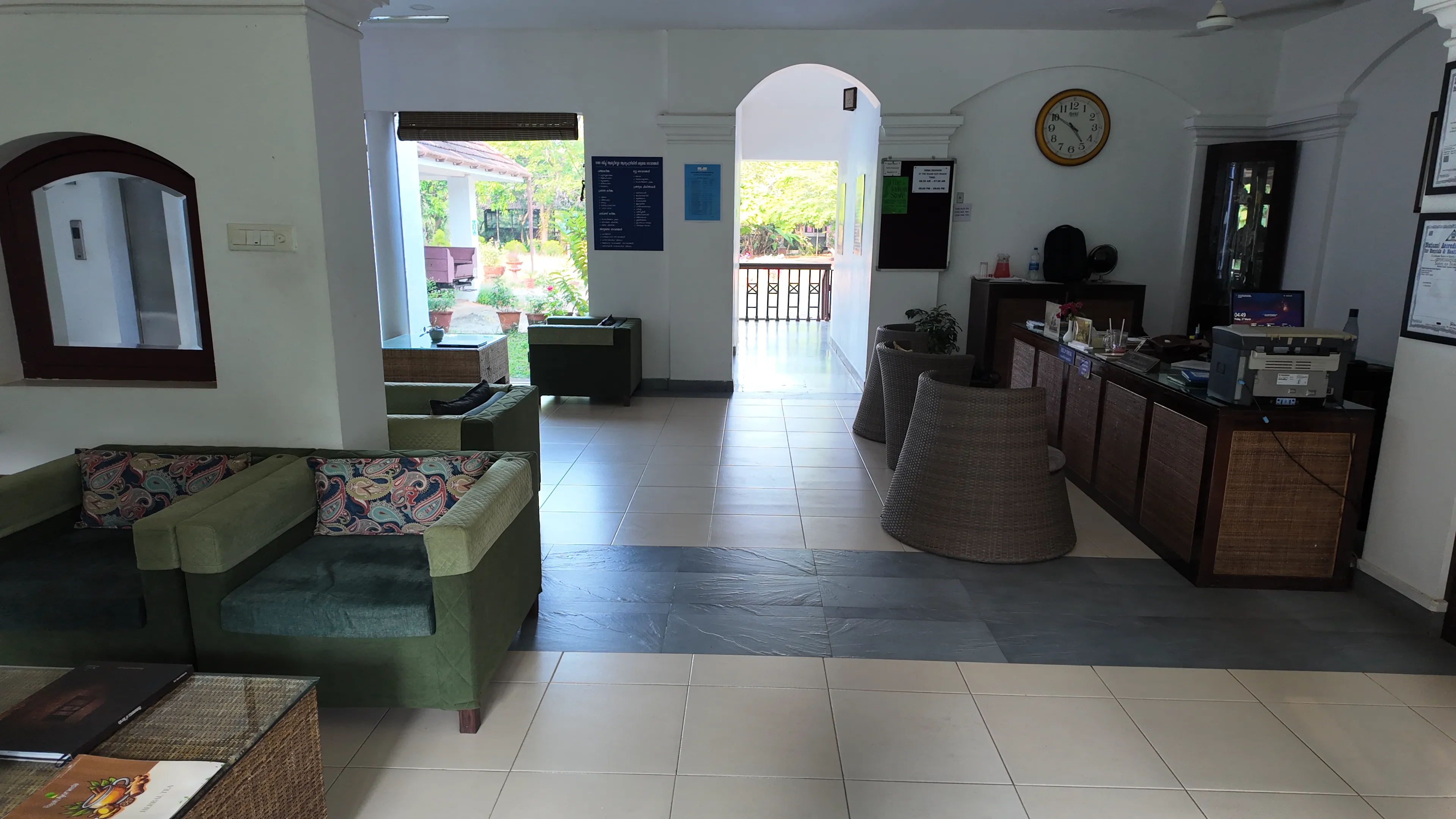
Supporting services include a pharmacy, administrative department, patient advisory department, dietetic services, housekeeping and medical records department. The property also provides a private swimming pool, landscaped areas, a rainwater harvesting pond and spaces for yoga and relaxation. Accessibility support documented within the Rajah Ayurveda material includes wheelchairs and crutches for disabled patients. The hospital does not provide tertiary or emergency care and does not accept several categories requiring specialist emergency, surgical, obstetric, paediatric or intensive medical intervention.
Sustainability and Guest Guidelines
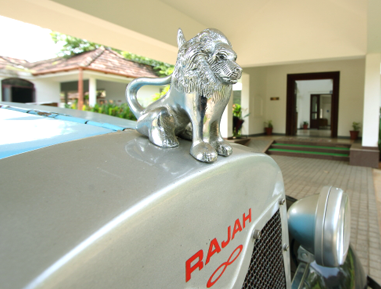
Environmental responsibility forms part of Rajah Ayurveda's wider operational approach. The group documents the use of solar panels, windmills, electric motor vehicles, earthworm composting and rainwater harvesting ponds as measures intended to reduce dependence on fossil fuels and support resource conservation. At Rajah Beach specifically, the rainwater harvesting pond is used to collect water for garden irrigation. The property also maintains fruit and other plant cultivation within its grounds, including mango, papaya, cashew, pineapple and medicinal or traditional Kerala vegetation.
Guest participation in treatment requires adherence to the centre's medical and operational guidelines. Physical and mental exertion should be minimised during Ayurvedic treatment, and vigorous activities such as jogging, swimming, cycling and weight training may be restricted during certain therapies. Major Ayurvedic treatments are not advised during menstruation. Patients must provide complete medical information, obtain informed consent before procedures, respect privacy and hospital rules, and cooperate with prescribed treatment plans.
Guest Experience and Stay Approach
Rajah Beach is structured primarily around residential Ayurvedic treatment rather than conventional resort recreation. Its small capacity, coastal location, doctor-led treatment planning and twice-daily therapeutic schedule create a disciplined stay centred on consultation, treatment, prescribed diet, rest, Yoga and gradual recovery. The property is approximately 86 km from Cochin International Airport, with the official website identifying the nearest railway station as Thrissur, approximately one hour away. The beach is situated across the road from the property, while the surrounding Akalad area provides a relatively quiet coastal environment.
-
 24 * 7 Ayurvedic Doctor
 -
 24 * 7 Security
 -
 Airport Transfers ( Payable )
 -
 Allopathy Doctor
 -
 Allopathy Hospital Assistance
 -
 Ayurveda Cooking Demo Class
 -
 Ayurveda Education Sessions
 -
 Ayurvedic Doctor
 -
 Ayurvedic Dosha Meals
 -
 Beachfront View
 -
 Beachside View
 -
 Beauty Service
 -
Complaint and suggestion box
-
Consultation in English
-
 Currency Exchange
 -
 Daily House Keeping
 -
 Day And Night Help Desk
 -
 Dosha Meals Buffet
 -
Fish Pond
-
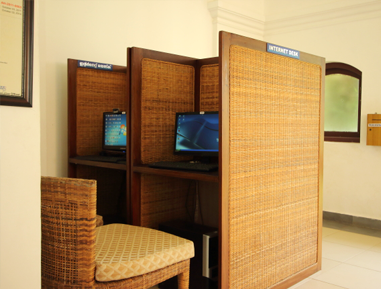
 Free Wifi
 -
Garden View
-
 NABH
NABH -
 Reimbursement Insurance Support
More about Rajah Beach
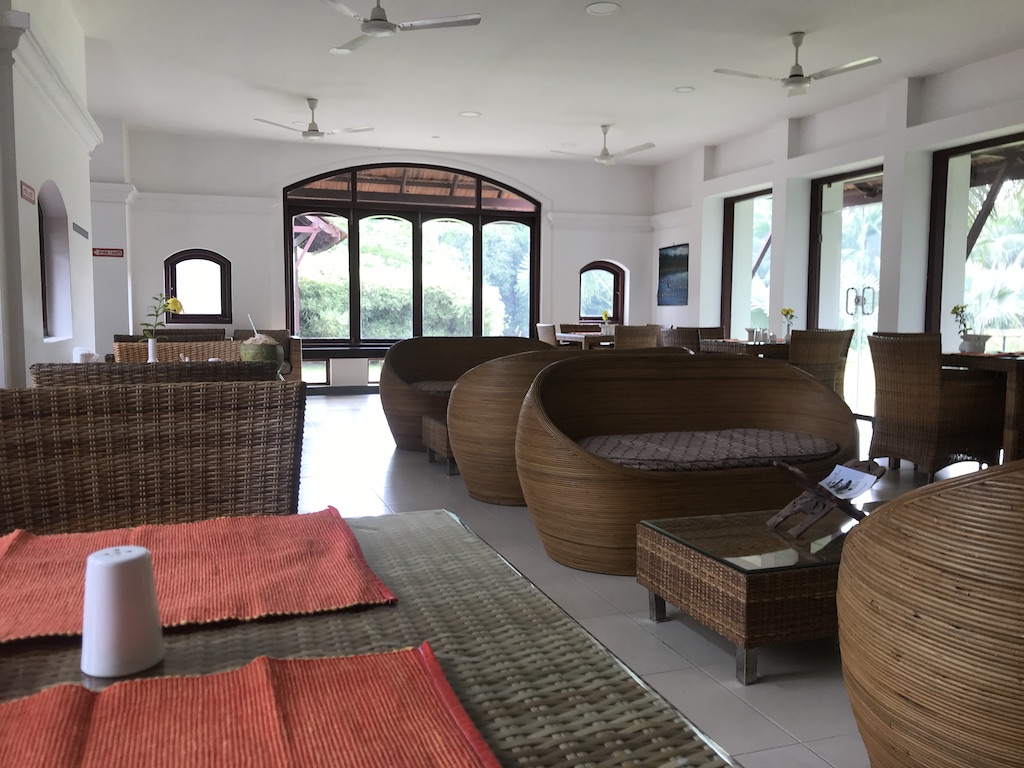
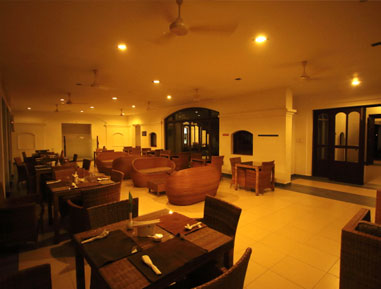
Rajah Beach Ayurvedic Hospital follows a food philosophy in which Ayurvedic nutrition is an integral part of the treatment process, rather than functioning as conventional resort dining. The spacious dining restaurant serves exclusively vegetarian cuisine, with meals planned according to the individual recommendations of the Ayurvedic physician. Dietary requirements are determined as part of the patient's personalised treatment plan, taking into consideration the individual's constitution, health condition and therapeutic needs. The approach is intended to ensure that food complements the prescribed Ayurvedic treatments and the patient's overall recovery process.
The dining routine extends beyond the three principal meals. A typical treatment day includes morning juice or herbal tea, doctor-advised vegetarian breakfast between 7:00 am and 9:00 am, a prescribed juice at approximately 11:00 am, vegetarian lunch from 12:30 pm to 2:00 pm, and herbal tea or juice accompanied by Indian snacks around 4:00 pm. Dinner is served between 7:00 pm and 9:00 pm, with the exact dietary composition determined by the treating physician. These beverages and meals form part of the structured daily rhythm alongside internal medicines, Ayurvedic treatments and Yoga.
A distinctive feature of the dining approach is the use of fresh ingredients cultivated within the property. Rajah Beach maintains its own fruit and vegetable-growing areas, with the campus including pomegranate, chikoo and avocado, as well as mango, papaya and other traditional vegetation and a substantial pineapple plantation. The current Rajah Ayurveda property information states that most ingredients used by the restaurant are sourced from the clinic's own orchards and vegetable gardens, supporting the connection between cultivation, food preparation and Ayurvedic care.
The property also conducts Ayurvedic cooking demonstrations, giving patients an opportunity to understand the principles behind Indian culinary practices and healthy food preparation. This educational element complements the personalised diet followed during treatment and reflects Rajah Ayurveda's wider emphasis on applying Ayurvedic principles to everyday living. The group's culinary knowledge is additionally represented through Mahanasam, a collection of more than 125 recipes served across its institutions and based on food and cooking principles described in classical Ayurvedic texts.
Rajah Beach Ayurvedic Hospital follows a physician-led, individualised Ayurvedic treatment approach, with treatment plans determined according to the patient's Prakruthi (individual constitution), Vata, Pitha and Kapha balance, health condition and therapeutic requirements. The hospital's approach recognises that two people presenting with the same condition may require different treatment protocols. Ayurvedic assessment is supported, where necessary, by modern diagnostic investigations such as blood tests, and patients may be referred to a nearby hospital for investigations when required. The centre combines classical Ayurveda with structured daily supervision, personalised diet, internal medicines, external therapies, Yoga and meditation. Rajah Beach is also a NABH-accredited Ayurvedic hospital, recognised as Kerala's first and India's third Ayurvedic hospital to receive NABH accreditation.
Medical Team and Doctor-Led Care
The Ayurvedic department at Rajah Beach includes four Ayurvedic doctors and 16 therapists, supported by consultation rooms, a medicinal kitchen, pharmacy, four treatment rooms and a relaxation area. Daily doctor consultations form part of the Ayurvedic treatment stay, allowing the treatment plan to be monitored and adjusted according to the patient's progress. The current WellnessLoka medical-team records identify Dr Jayarajan T, Dr Thushara M, Dr Achuthan P and Dr Deepa P as the four physicians associated with Rajah Beach. Dr Jayarajan T is an Ayurveda physician with approximately 23 years of clinical experience and graduated from Vaidyaratnam P. S. Varier Ayurveda College, Kottakkal, affiliated with the University of Calicut. Dr Thushara M has approximately 18 years of experience and graduated from Government Ayurveda Medical College, Kannur, affiliated with Kannur University. Dr Achuthan P has approximately 18 years of experience and graduated from Vaidyaratnam P. S. Varier Ayurveda College, Kottakkal, affiliated with the University of Calicut. Dr Deepa P has approximately 18 years of experience and graduated from Vaidyaratnam P. S. Varier Ayurveda College, Kottakkal, affiliated with the University of Calicut. The available sources do not provide sufficiently detailed, doctor-specific speciality information for these four physicians, so no additional specialisations are assigned here.
Ayurvedic Treatment Philosophy
The therapeutic framework incorporates Shodhana Chikitsa, Shamana Chikitsa and Rasayana. Shodhana Chikitsa forms the basis of Panchakarma and includes Vamanam, Virechanam, Nasyam, Snehavasthy and Kashayavasthy. Appropriate preparatory measures are undertaken before cleansing procedures, while post-treatment care can include internal medicines, dietary restrictions and lifestyle guidance. Shamana Chikitsa uses appropriately planned diet, lifestyle measures and internal medicines, while Rasayana therapy is used within the Ayurvedic rejuvenation framework, with the treatment material identifying Kutipraveshika and Vathatapika approaches. The hospital's Ayurvedic medicines and oils are produced through the Rajah Group's own manufacturing facility at Rajah Healthy Acres, which developed into a GMP-certified medicine manufacturing unit.
Ayurvedic Treatments and Therapies
Rajah Beach's documented treatment repertoire encompasses a broad range of classical Ayurvedic external therapies, cleansing procedures, nourishing therapies and specialised applications. These include Uzhichil, Thalapothichil, Sirovasthy, Elakizhi, Thailadhara, Kativasti, Podikizhi, Ksheeradhara, Avagaham, Narangakizhi, Thakradhara, Upanaham, Navarakizhi, Kashayadhara, Thalam, Udwarthanam, Lepanam, Nellikkathalam, Pizhichil, Pichu and Tharpanam. Additional documented procedures include Dhanyamladhara, Siropichu, Putapakam, Ksheera Dhoomam, Snehapanam, Vamanam, Virechanam, Nasyam, Snehavasthy, Kashayavasthy, Rakthamoksham, medicated milk bath, herbal steam bath, mudpack and mineral bath, beauty treatments and other simple treatments. The exact combination is selected by the treating physician rather than being uniformly applied to every patient.
Panchakarma is an important component of the treatment portfolio, particularly for programmes involving cleansing and systemic therapeutic management. Depending on the condition, Panchakarma may be combined with therapies such as Abhyangam, Udwarthanam, Navarakizhi, Thakradhara, Thalam, Padabhyangam, Virechanam, Nasyam, Snehavasthy and Kashayavasthy. The clinical treatment material also records condition-specific use of therapies including Kati Vasti, Sarvangadhara, Patrapinda Swedana, Pizhichil, Mamsakizhi, Shirodhara, Swedanam, Avagaham and various localised applications. Treatments are normally conducted twice daily, with the principal treatment lasting approximately one hour and a secondary localised treatment generally taking 30–45 minutes, resulting in approximately 1.5–2 hours of treatment per day.
Treatment Areas and Therapeutic Programmes
The centre's treatment portfolio includes Panchakarma and detoxification, immune support, weight management and rejuvenation, alongside condition-oriented Ayurvedic care. The documented medical scope includes diabetes, obesity, gastric ulcers, male and female infertility, eye disorders, dystonia, hemiplegia, hypertension, asthma, musculoskeletal disorders, sclerosis, peripheral neuritis, psoriasis and other skin diseases, rheumatic joint pain, rheumatoid arthritis and neurological disorders. The treatment documentation further covers conditions and therapeutic areas including allergies, anxiety, back pain, ankylosing spondylitis, neurological weakness, heavy menstrual bleeding, endometriosis, infertility, addiction and other chronic disorders. Individual treatment duration depends on the condition and physician's assessment; the clinical material records examples ranging from two to three weeks for some conditions to three to four weeks or longer for others, while certain fertility and chronic-care protocols require continuing medicines and follow-up after the residential treatment period.
For mental and emotional wellbeing, the treatment documentation describes an Ayurvedic approach involving Satvavajaya Chikitsa, Vata-pacifying therapies, internal medicines, meditation, breathing practices and Yoga. For anxiety-related conditions, the documented therapies include Snehapanam, Abhyangam, Sirodhara, Sirovasthy, Nasyam, Snehavasthy, Kashayavasthy, Thalam and Thalapothichil, alongside meditation and relaxation practices. For neurological conditions, protocols can incorporate Uzhichil, Pizhichil, Mamsakizhi, Thailadhara, Nasyam, Shirodhara, Navarakizhi and Swedanam, together with Vata-pacifying and nourishing medicines. For diabetes, the documented treatment approach combines external therapies such as Abhyangam, Udwarthanam, Navarakizhi, Thakradhara, Thalam and Padabhyangam with selected Panchakarma procedures according to individual condition.
Yoga, Pranayama and Meditation
Yoga is integrated into the daily treatment routine, with two sessions each day and meditation forming part of the sessions. The standard schedule places the morning Yoga session at 6:30–7:30 am and the evening session at 5:00–6:00 pm. The clinical material also recognises Pranayama, meditation, relaxation techniques and Yoga postures as supportive practices, particularly in programmes addressing mental wellbeing and nervous-system balance. Meditation is specifically incorporated into the documented approach for anxiety and emotional health, while Yoga and meditation are also identified as useful supportive practices in addiction-management protocols.
Daily Ayurvedic Routine
The structured treatment day begins at 6:00 am with doctor-prescribed internal medicines, followed by morning Yoga from 6:30–7:30 am. Doctor-advised juice or herbal tea is provided around 7:00 am, with vegetarian breakfast between 7:00 and 9:00 am. Major Ayurvedic treatments are conducted during the 8:00 am–12:00 pm period. A prescribed juice is provided around 11:00 am, followed by doctor-advised vegetarian lunch from 12:30–2:00 pm. A secondary Ayurvedic treatment is scheduled during the afternoon, generally lasting 30–45 minutes, followed by herbal tea or juice with Indian snacks. Evening Yoga takes place from 5:00–6:00 pm, internal medicines are given again at 6:00 pm, dinner is served between 7:00 and 9:00 pm, and bedtime is scheduled for 9:30 pm. The daily routine is subject to modification by the treating physicians according to individual treatment requirements.
Ayurvedic Diet and Lifestyle
Diet is treated as an integral component of Ayurvedic care at Rajah Beach. The restaurant provides exclusively vegetarian food, with the daily diet determined according to the treating doctor's recommendations and the patient's therapeutic requirements. Most ingredients are sourced from the property's own orchards and vegetable gardens. The treatment documentation similarly links dietary restrictions and lifestyle recommendations to individual conditions, with guidance potentially covering food selection, meal timing, physical activity, rest, sleep and other daily habits. The centre also conducts Ayurvedic cooking demonstrations, helping patients understand Indian culinary traditions and healthier food preparation.
Pranayama and lifestyle regulation.The treatment programme is not a fixed spa protocol: the therapies, medicines, dietary restrictions, treatment intensity and duration are determined according to the patient's individual assessment and ongoing response to treatment
- Female Infertility Treatment
- Infertility
- Intervertebral Disc Prolapse Treatment
- Ligament Injuries Primary Grade Management
- Male Infertility Treatment
- Mechanical Back Syndrome Treatment
- Osteo Arthritis Treatment
- Rheumatoid Arthritis Treatment
- Sciatica Treatment
- Skin Diseases In Children Treatment
- Tennis Elbow (Lateral Epicondylitis) Treatment
- Treatment For Back Pain
Rajah Beach Ayurvedic Hospital holds the distinction of being Kerala’s first and India’s third Ayurvedic hospital to receive accreditation from the National Accreditation Board for Hospitals & Healthcare Providers (NABH). This recognition reflects the hospital’s adherence to nationally established standards of quality, patient safety and clinical excellence within the field of Ayurveda.
NABH accreditation is awarded following a comprehensive evaluation of hospital processes, including patient care protocols, treatment safety, hygiene standards, infrastructure, staff qualifications and overall operational transparency. For an Ayurvedic institution, this certification represents a significant benchmark, as it ensures that traditional healing practices are delivered within a structured and regulated healthcare framework.
At Rajah Beach, this translates into well defined treatment procedures, consistent monitoring of therapies, proper documentation and a strong emphasis on patient wellbeing throughout the healing journey. The integration of classical Ayurvedic methods with modern quality standards allows the hospital to maintain authenticity while ensuring reliability and trust.
This recognition reinforces Rajah Beach’s position as a clinically credible Ayurvedic centre, offering guests confidence in both the effectiveness and safety of the treatments provided.
- Reimbursement Insurance Support
-
Description
In the Ayurvedic text books, rejuvenation has been termed as ‘Rasayana’. A definition of Rasayana in Ayurveda is described as: “That which destroys the old age and disease is called Rasayana”. Special drugs called as ‘Rasayan’ are administered in this therapy for example ‘Chyavanprash’. According to Ayurveda, rejuvenation is taken so that you become healthy and give your services for others. It is taken so that you can explore the spiritual aspect of life and help the society, the sick, the hungry, the poor and the disabled. The Rasayana or rejuvenation therapy aims at keeping the enzymes in the tissue cells in their normal functioning condition. These cells are revitalized with this therapy. The tranquility of the mind is promoted and the nerves as well as bones are kept soft and soothened. This prevents the process of ageing and makes the individual free from any disease even during an advanced age.
-
Daily Schedule
Items From To Internal Medicines 06:00 AM 06:30 AM Yoga Sessions 06:30 AM 07:30 AM Breakfast 07:00 AM 09:00 AM Treatment Session 08:00 AM 05:00 PM Herbal Tea / Medicated Butter Milk 11:00 AM 11:30 AM Lunch Time 01:00 PM 02:00 PM Evening Yoga 05:00 PM 06:00 PM Dinner 07:00 PM 09:00 PM Bed Time 9:30 PM 6:00 AM Please Note: This is a general outline, the exact schedule depends on Treatment plan decided by the Doctor. *: Please note that this is a general outline. Programmes will be offered based on an expert Ayurvedic physician’s assessment of the guest and clinical conditions. Specifics may vary from case to case. -
Major Benefits
The rasayana therapy nourishes and rejuvenates body tissues. This therapy helps to slow down ageing process, increases memory, boosts body immunity, and enhances complexion and youthfulness of skin. Sense organs and voice regain their sharpness.
-
Inclusions
- Initial consultation
- Treatment and Food as advised by doctors
- Daily visit by Ayurvedic Doctor
- Accommodation
- Medicines manufactured at Rajah Ayurveda
- Yoga / Meditation session
-
Starting Rate
₹ 451661 -
Airport Transfers
No -
Duration Of Therapy
90 Minutes per day -
Treatment Sessions Per Day
2 -
Number of Days
29 Days -
Languages
English, Malayalam -
Food
Ayurveda prioritizes personalized, organic, vegetarian meals carefully tailored to your body type and health. At Rajah Beach, Ayurvedic physician and expert chef work in tandem to create a wellness menu that boosts digestion and absorption while emphasizing the importance of freshness for your overall well-being. Each meal is individually prepared, with a recommendation for a vegetarian diet in line with the doctor's guidance. For breakfast, you'll relish Kerala-style vegetarian food as prescribed by the doctor, and at Rajah Beach, they conduct Ayurvedic cooking demonstrations to provide patients with valuable insights into Indian culinary traditions and healthy eating habits.
-
Exclusions
- Telephone
- Laundry
- Trips
- Transportation
- Lab test (if advised)
- Medicines to be taken home.
Experts
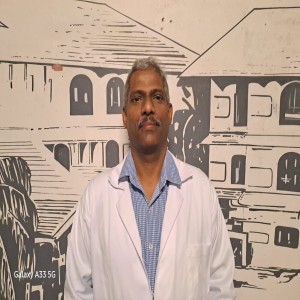
Ayurveda Doctor | Under Graduate, PG Dipolma | 23 years of experience
Availablilty 24 X7 Within Property : No
About
Dr. Jayarajan T is a senior member of the medical team at Rajah Beach Ayurvedic Hospital, with approximately 23 years of clinical experience in Ayurveda. He graduated from Vaidyaratnam P. S. Varier Ayurveda College, Kottakkal, affiliated with the University of Calicut, gaining a strong academic foundation in traditional Ayurvedic medicine.
His clinical role focuses on personalised, doctor-led Ayurvedic care, with treatment plans developed according to each patient's Prakruthi (individual constitution), dosha balance and specific health requirements. He is involved in guiding prescribed therapies, monitoring patient progress and adapting treatment recommendations when required. His approach combines classical Ayurvedic principles with structured and attentive patient care, supporting the disciplined therapeutic environment at Rajah Beach.
Qualification
BAMS
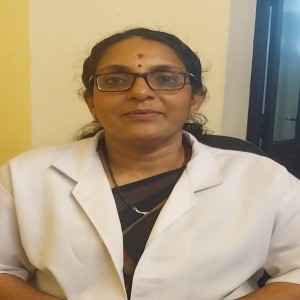
Ayurveda Doctor | Under Graduate | 18 years of experience
Years Of Experience In This Property : 18 Year
Availablilty 24 X7 Within Property : Yes
About
Dr. Thushara M is a member of the medical team at Rajah Beach Ayurvedic Hospital, with approximately 18 years of clinical experience in Ayurveda. She graduated from Government Ayurveda Medical College, Kannur, affiliated with Kannur University, providing her with a strong academic foundation in traditional Ayurvedic medicine.
Her clinical approach centres on personalised Ayurvedic care, with treatment plans developed according to each patient's Prakruthi (individual constitution), dosha balance and specific health requirements. She is involved in guiding prescribed therapies, monitoring patient progress and providing continuing medical supervision throughout the treatment stay. Her approach combines classical Ayurvedic principles with practical and attentive patient care, supporting the structured, doctor-led treatment environment at Rajah Beach.
Qualification
BAMS
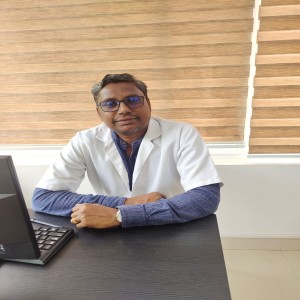
Ayurveda Doctor | Under Graduate | 18 years of experience
Years Of Experience In This Property : 18 Year
Availablilty 24 X7 Within Property : Yes
About
Dr. Achuthan P is a valued member of the medical team at Rajah Beach Ayurvedic Hospital, with approximately 18 years of clinical experience in Ayurveda. He graduated from Vaidyaratnam P. S. Varier Ayurveda College, Kottakkal, affiliated with the University of Calicut, providing a strong foundation in traditional Ayurvedic medicine and clinical practice.
His role focuses on personalised Ayurvedic treatment planning, with therapies and medical recommendations guided by the patient's Prakruthi (individual constitution), dosha balance and specific health requirements. He contributes to monitoring patient progress and ensuring that prescribed treatments remain aligned with individual needs. His clinical approach combines classical Ayurvedic principles with practical, disciplined and patient-focused care, supporting the doctor-led treatment environment at Rajah Beach.
Qualification
BAMS
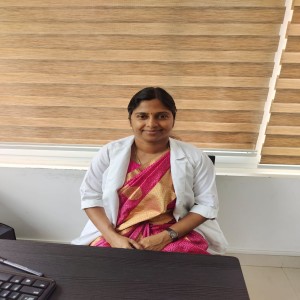
Ayurveda Doctor | Under Graduate | 18 years of experience
Years Of Experience In This Property : 18 Year
Availablilty 24 X7 Within Property : Yes
About
Dr. Deepa P is a key member of the medical team at Rajah Beach Ayurvedic Hospital, with approximately 18 years of clinical experience in Ayurveda. She graduated from Vaidyaratnam P. S. Varier Ayurveda College, Kottakkal, affiliated with the University of Calicut, gaining a strong foundation in traditional Ayurvedic principles and clinical practice.
Her role centres on personalised, doctor-led Ayurvedic care, with treatment plans developed according to each patient's Prakruthi (individual constitution), dosha balance and health condition. She contributes to the supervision of prescribed Ayurvedic therapies, internal medicines, diet and lifestyle measures, while monitoring patient progress and adapting treatment when required. Her approach supports the wider Rajah Beach philosophy of individualised treatment, attentive medical supervision and authentic Ayurvedic care throughout the residential stay.
The available verified information confirms her qualification and approximately 18 years of experience, but does not establish a specific medical speciality or additional postgraduate qualification.
Qualification
BAMS
Walk-Through Video | 10/10/2023
Stay
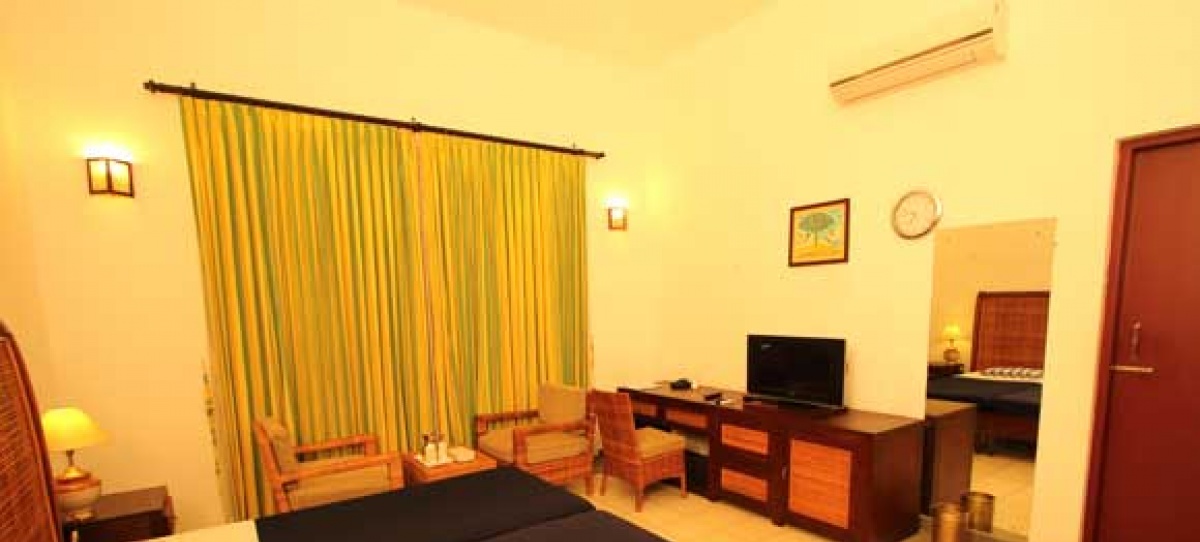
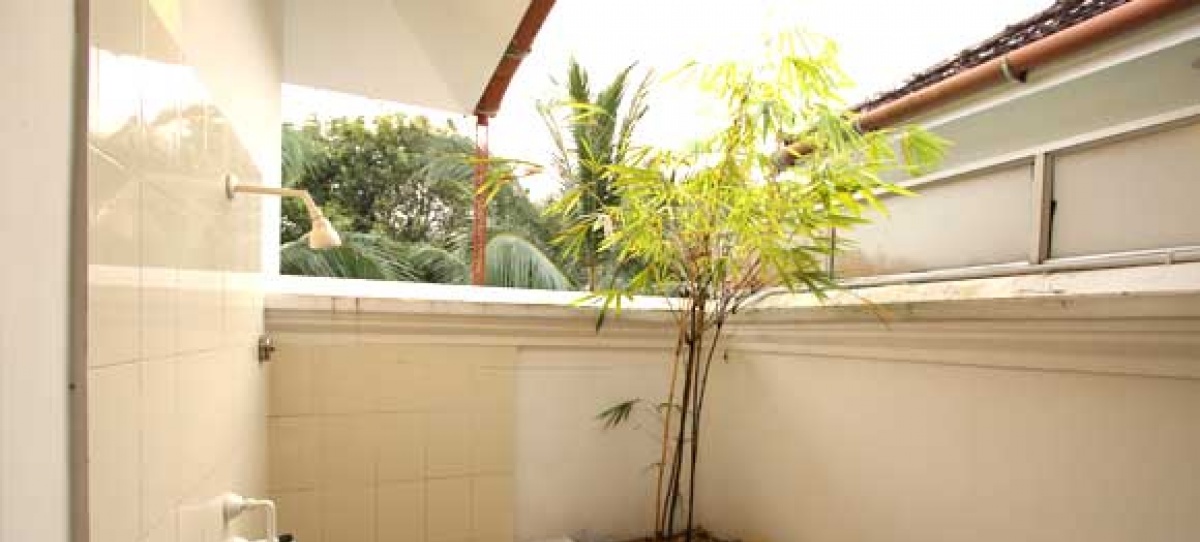
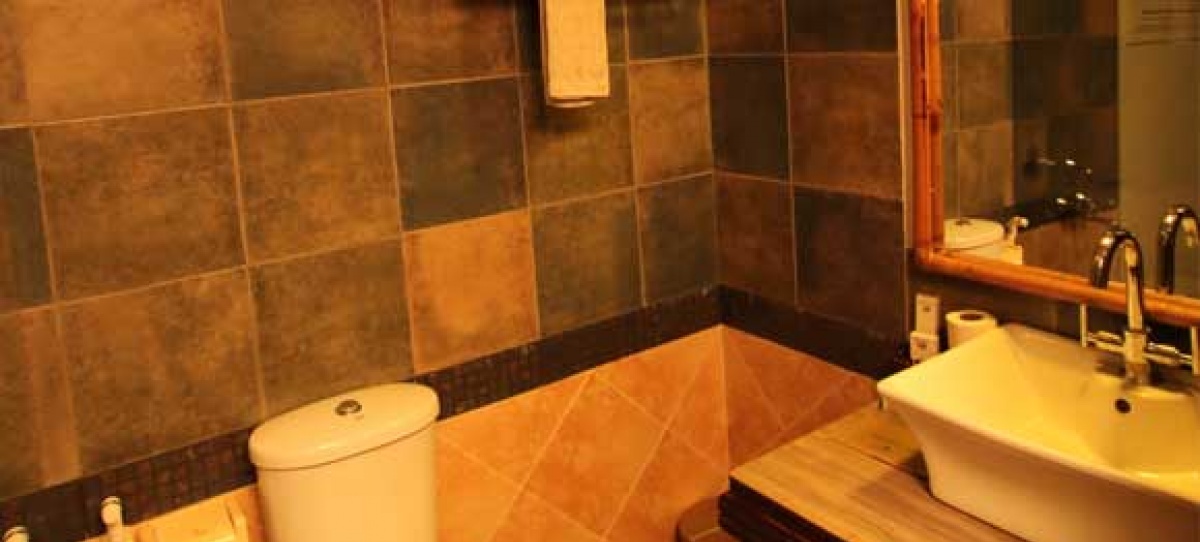
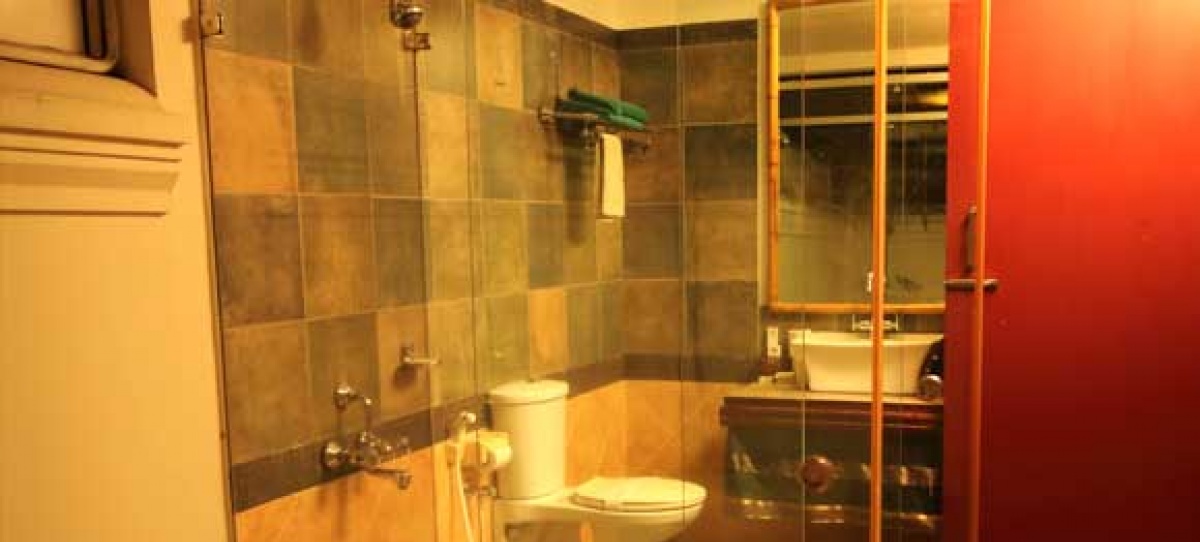
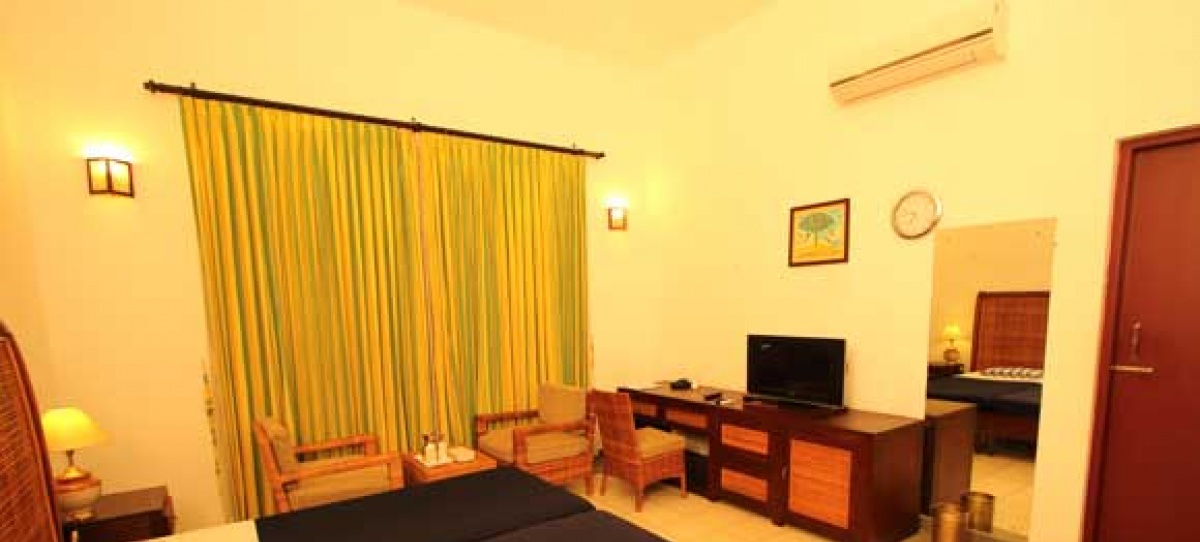
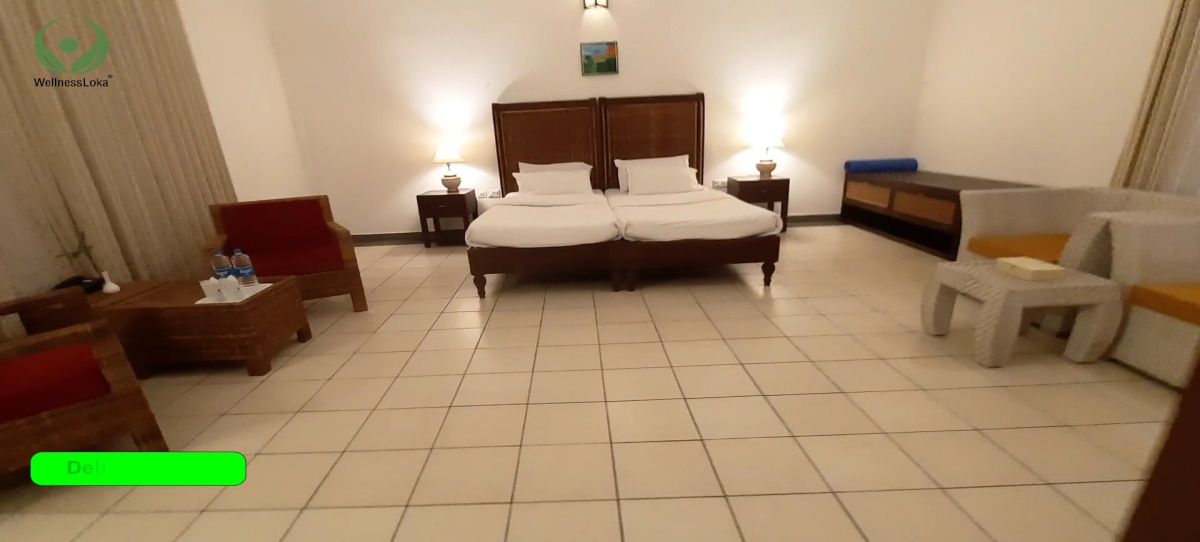
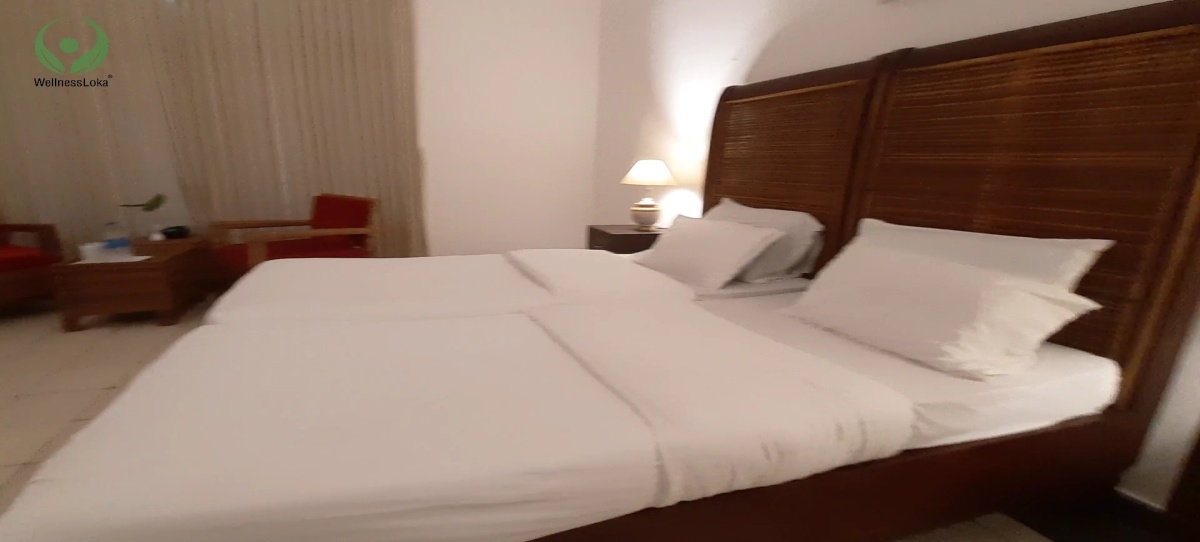
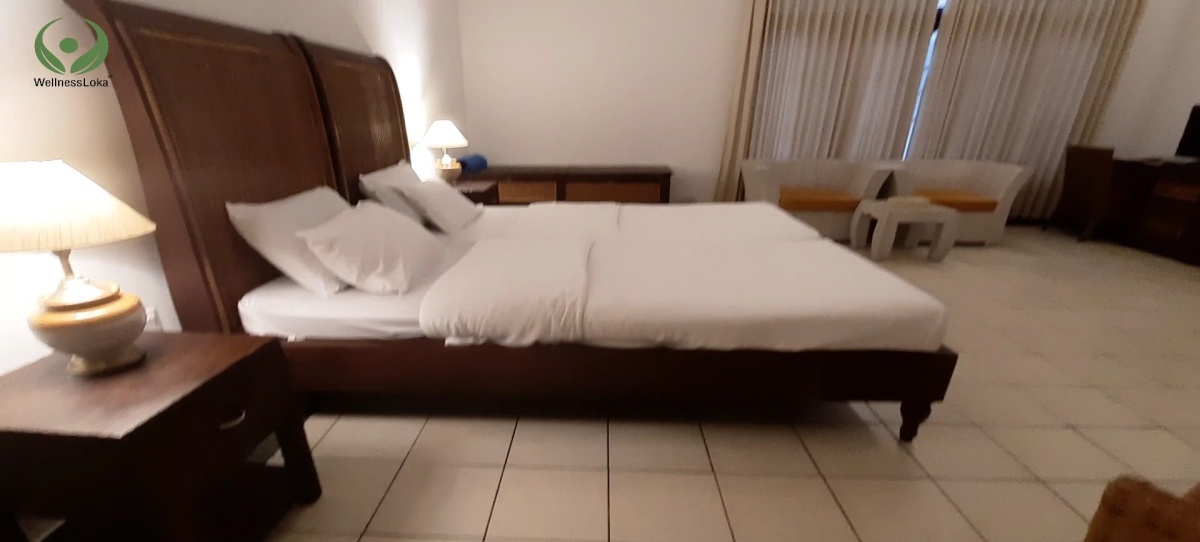
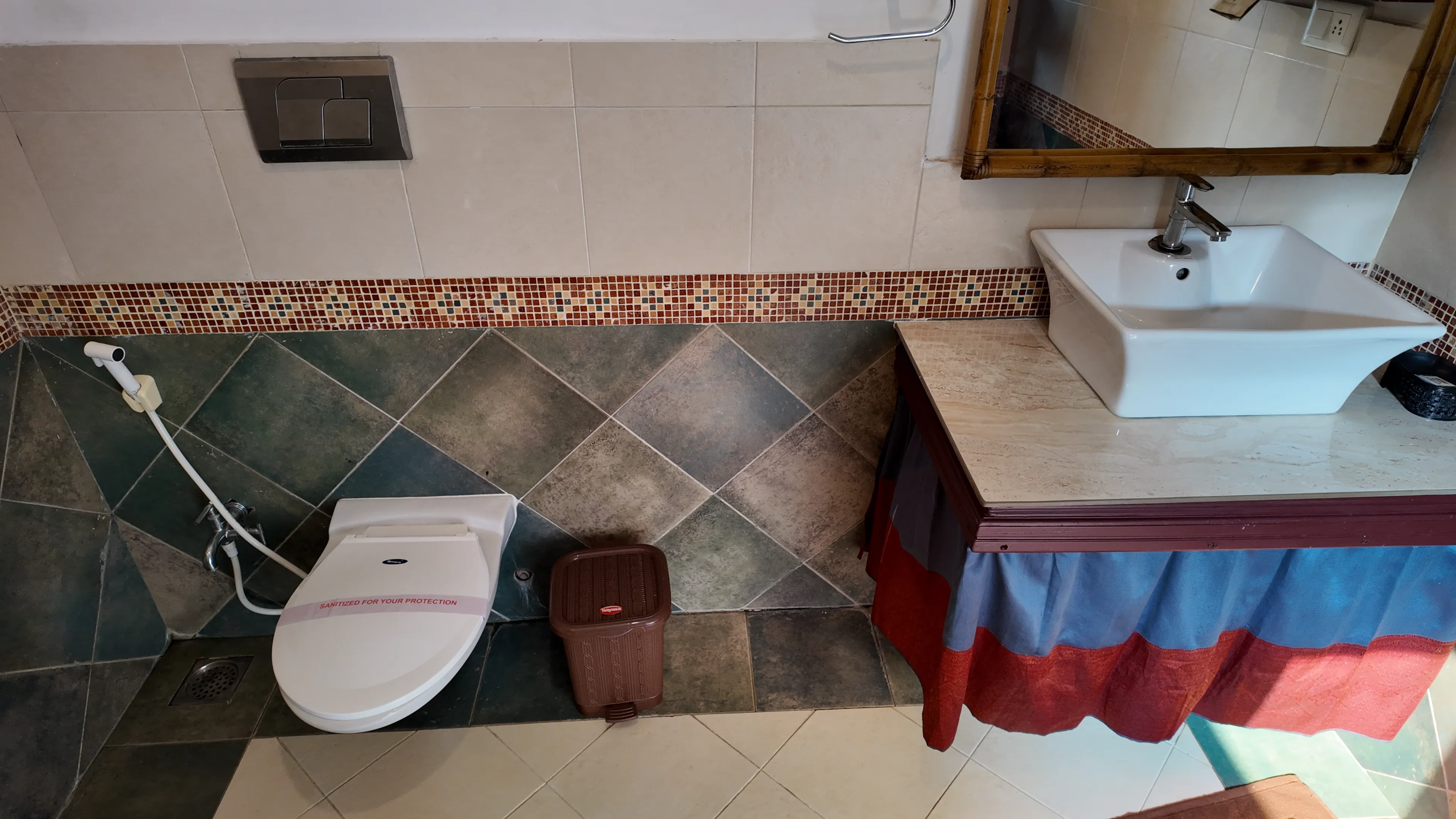
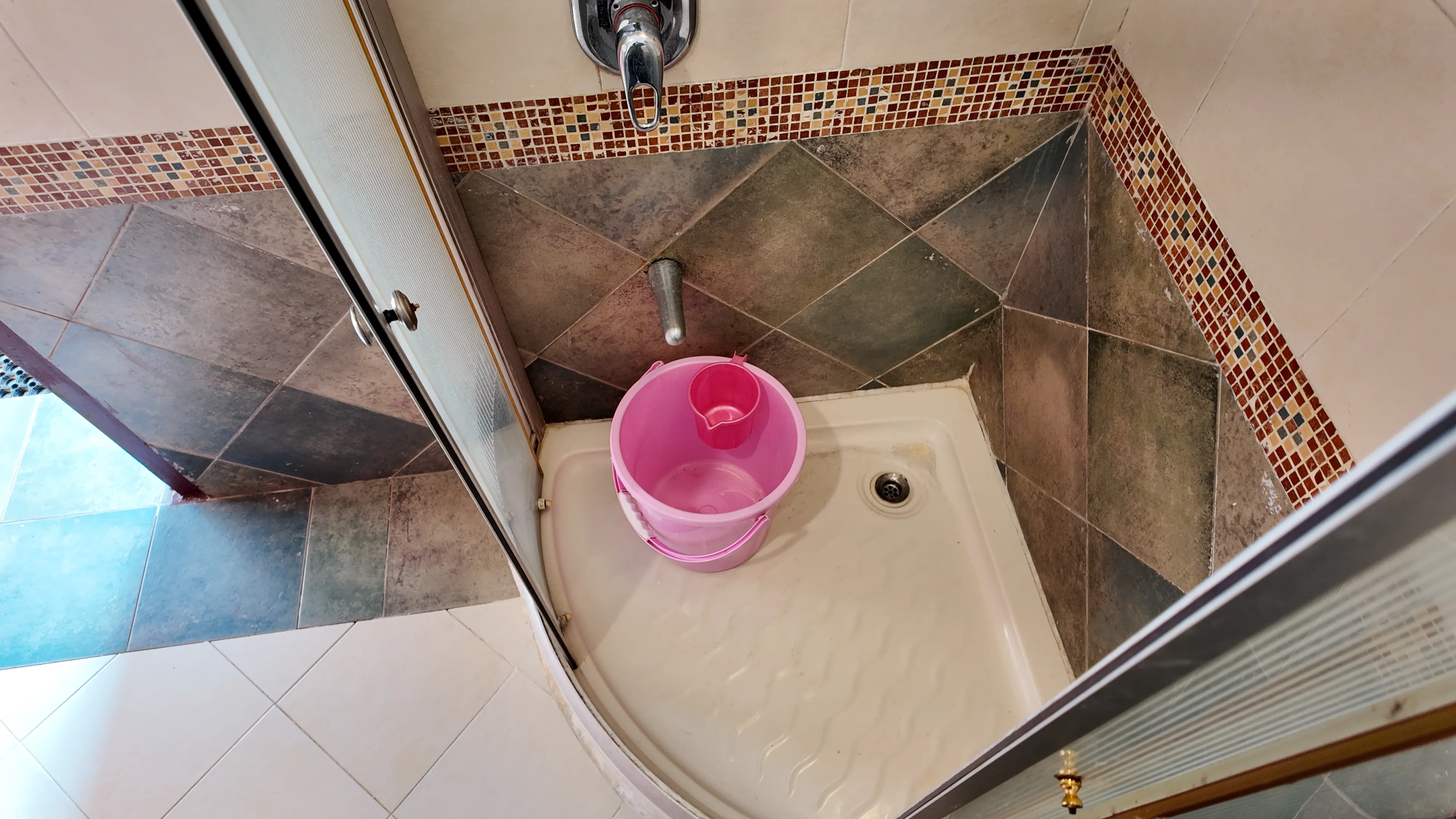
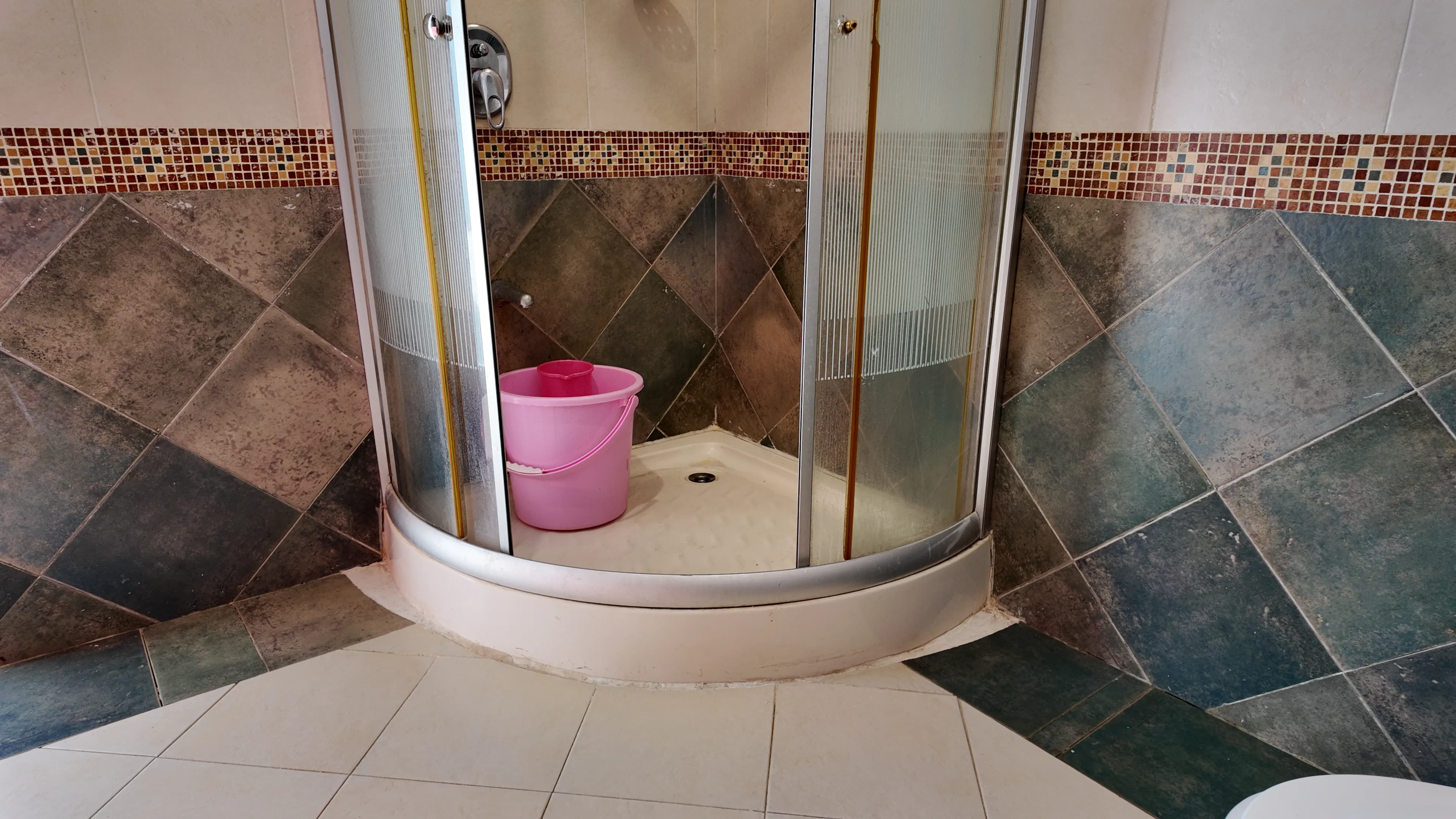
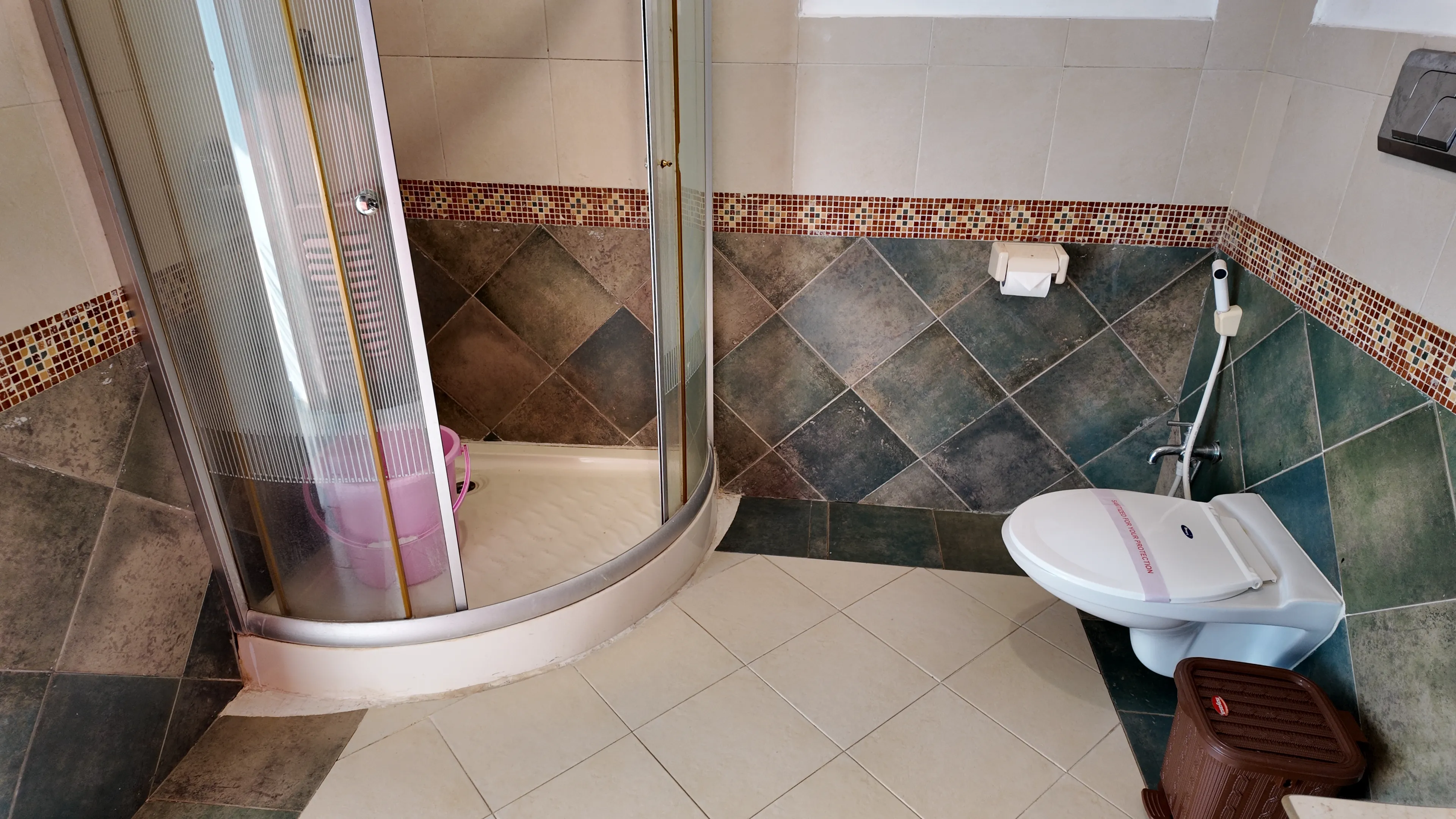
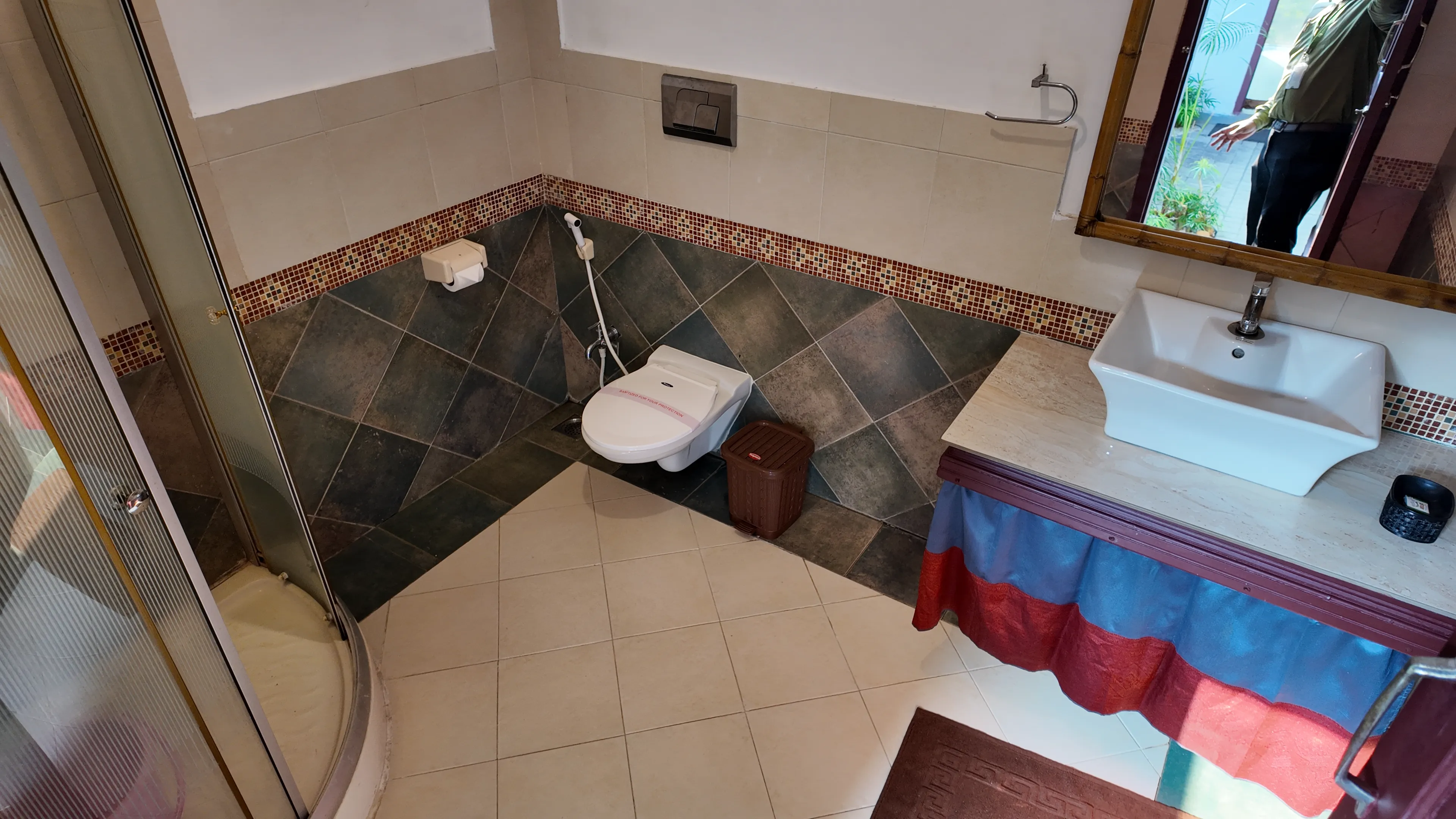
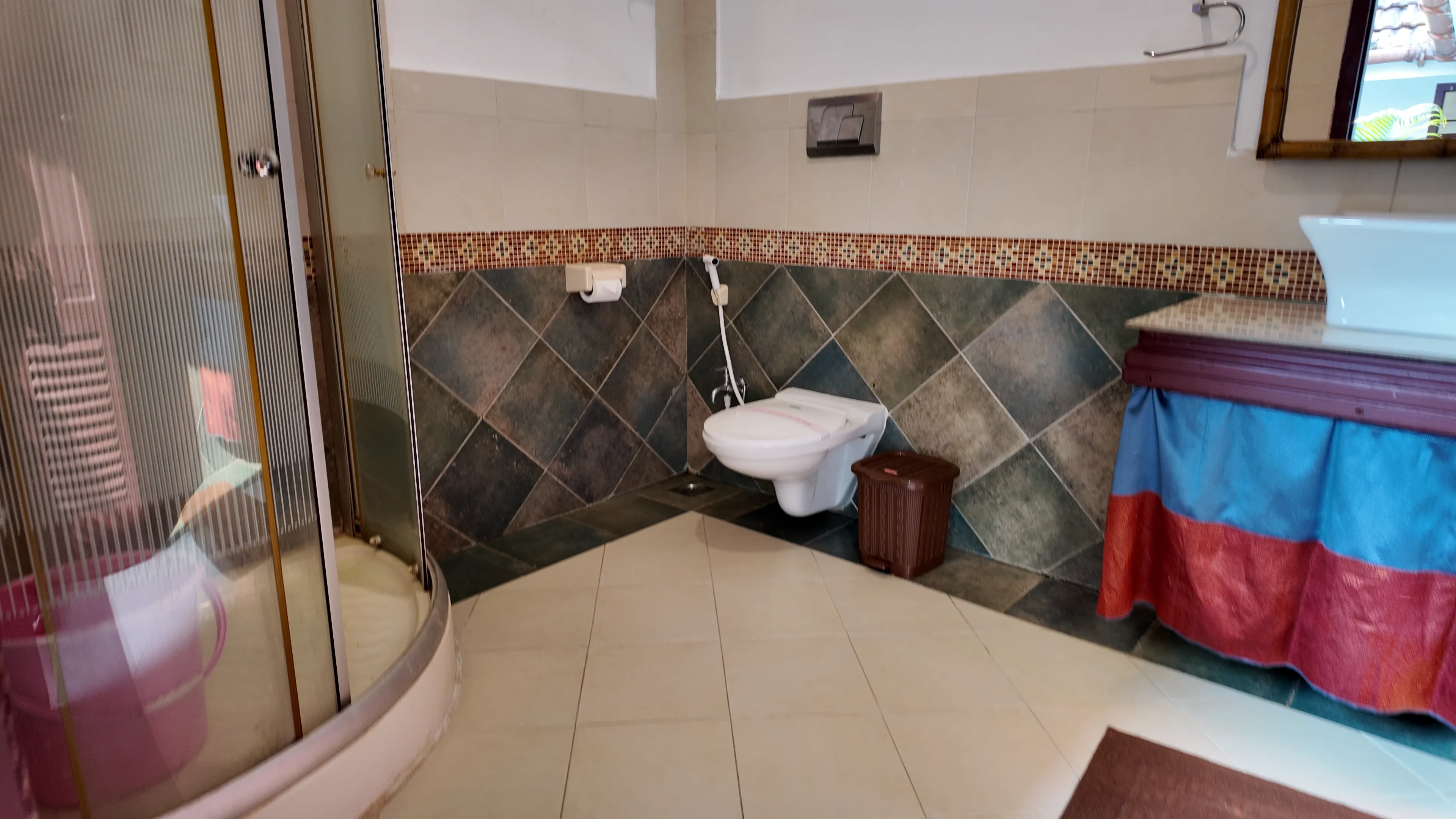
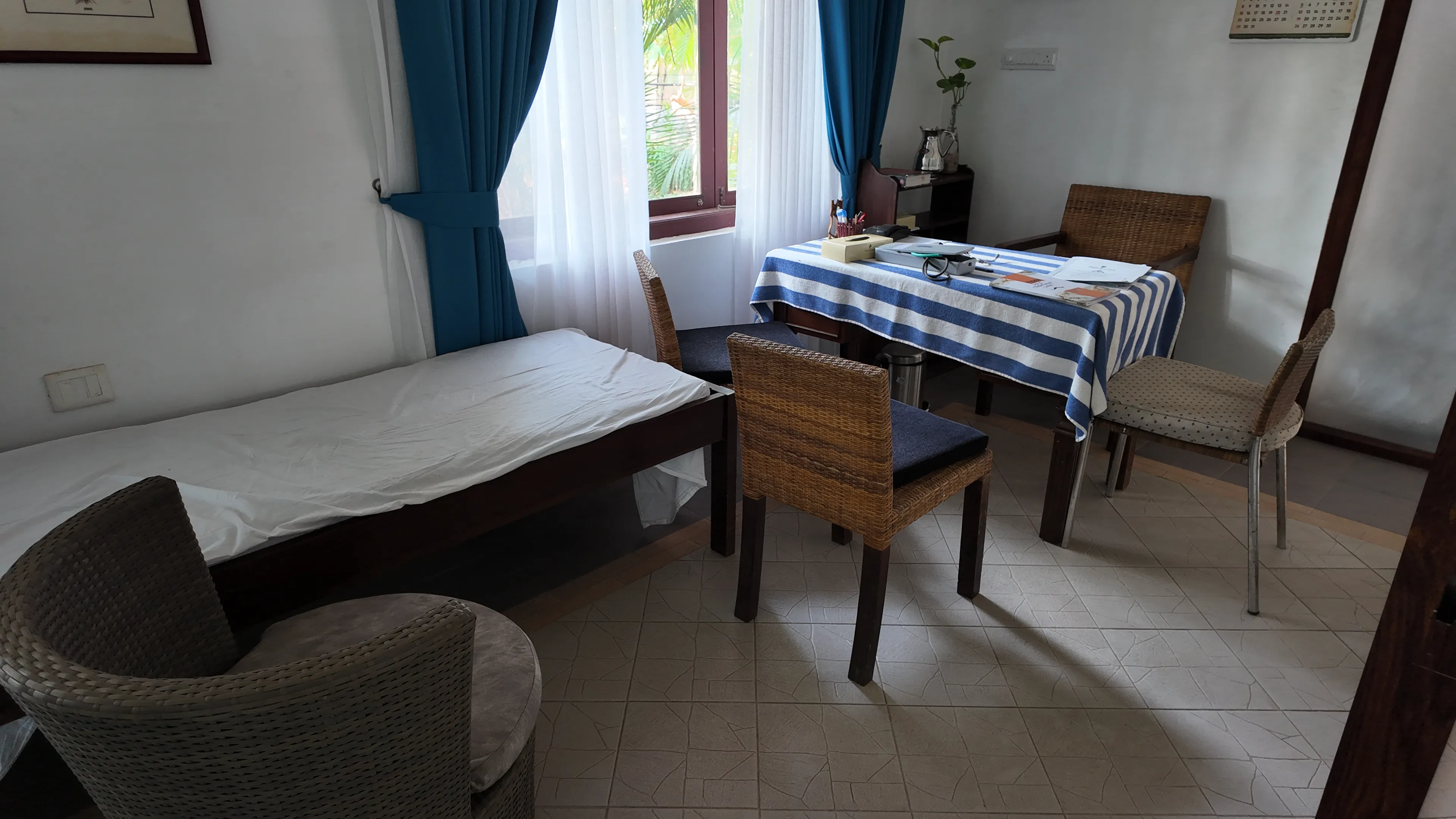
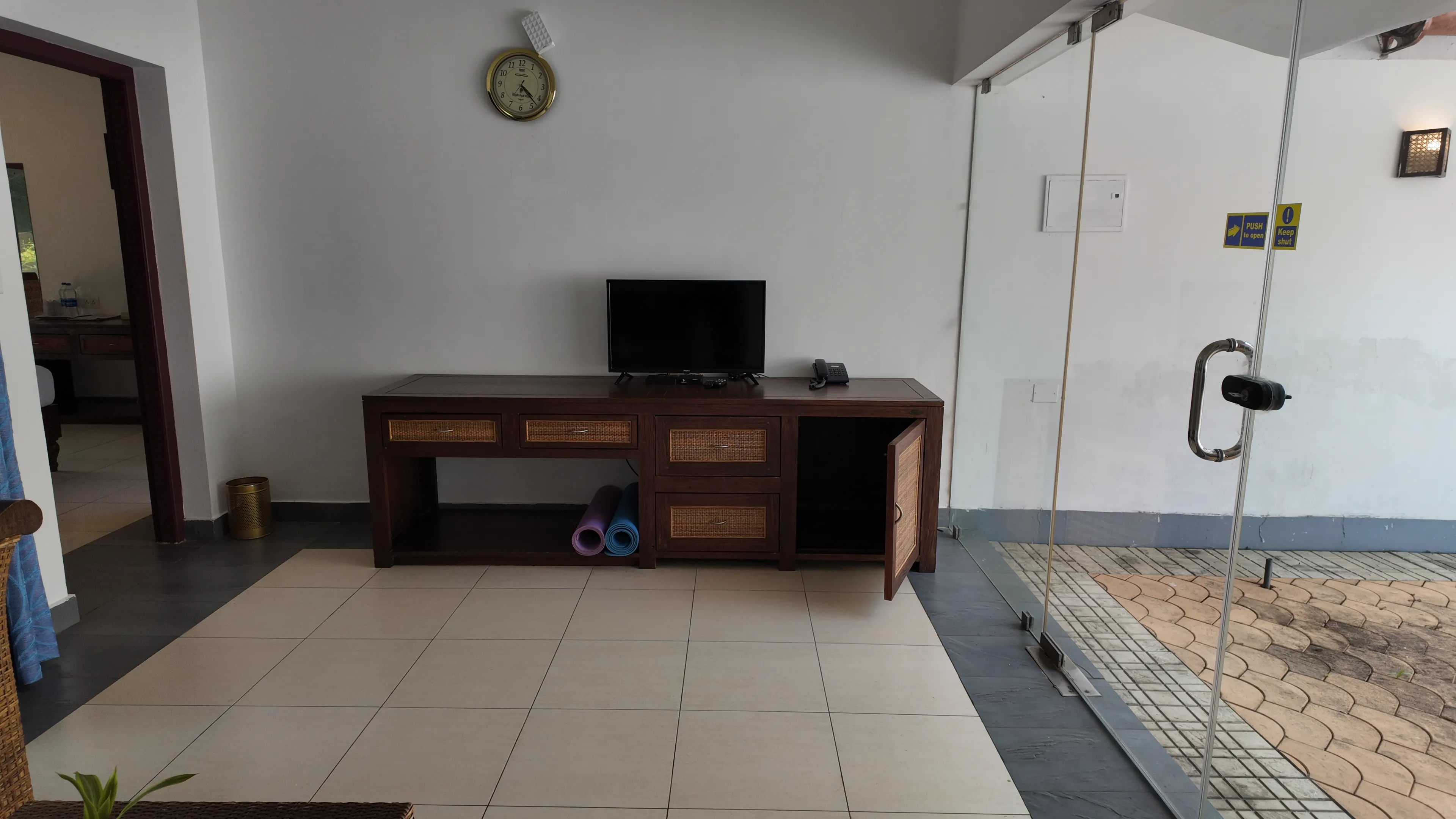
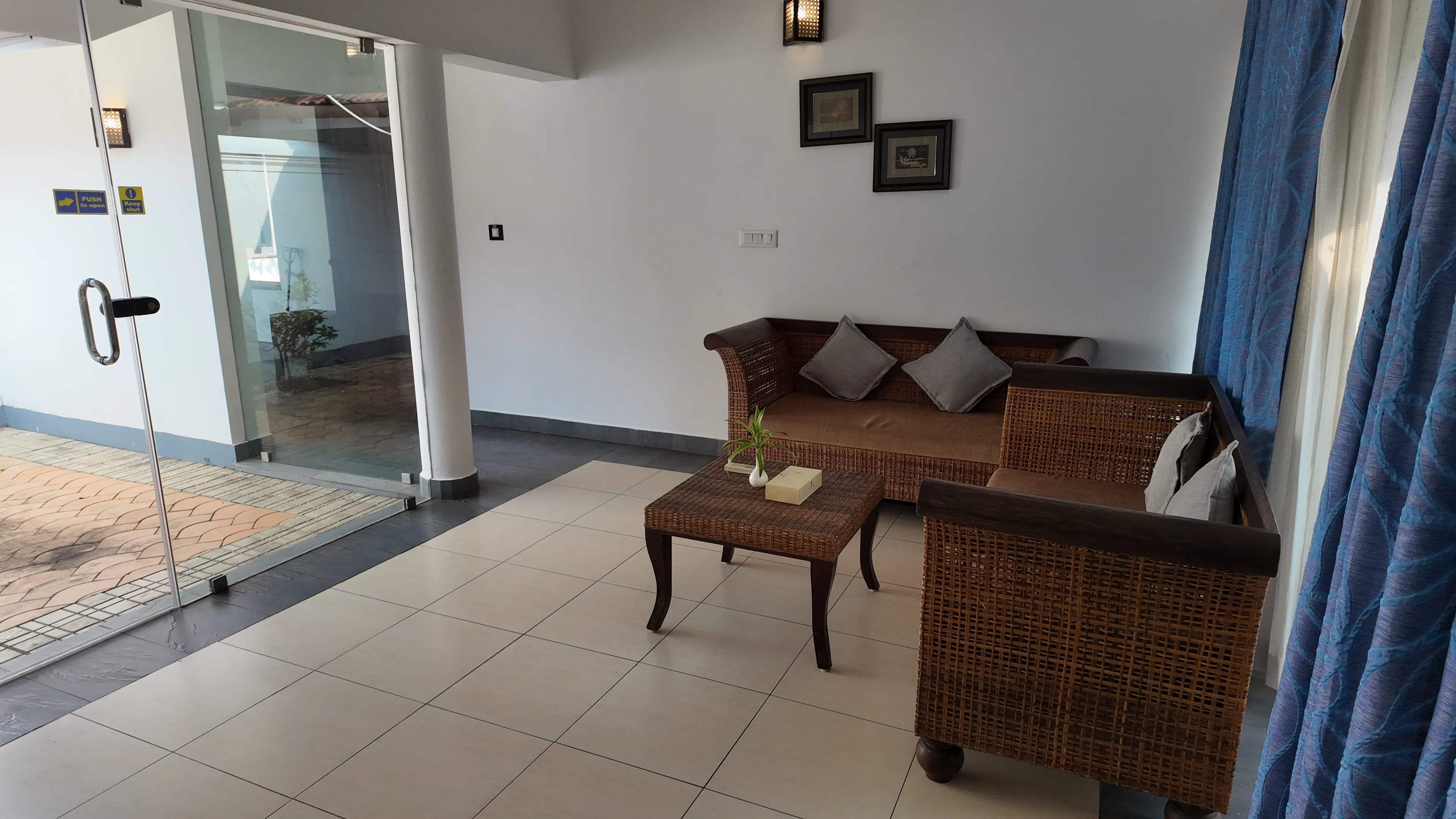
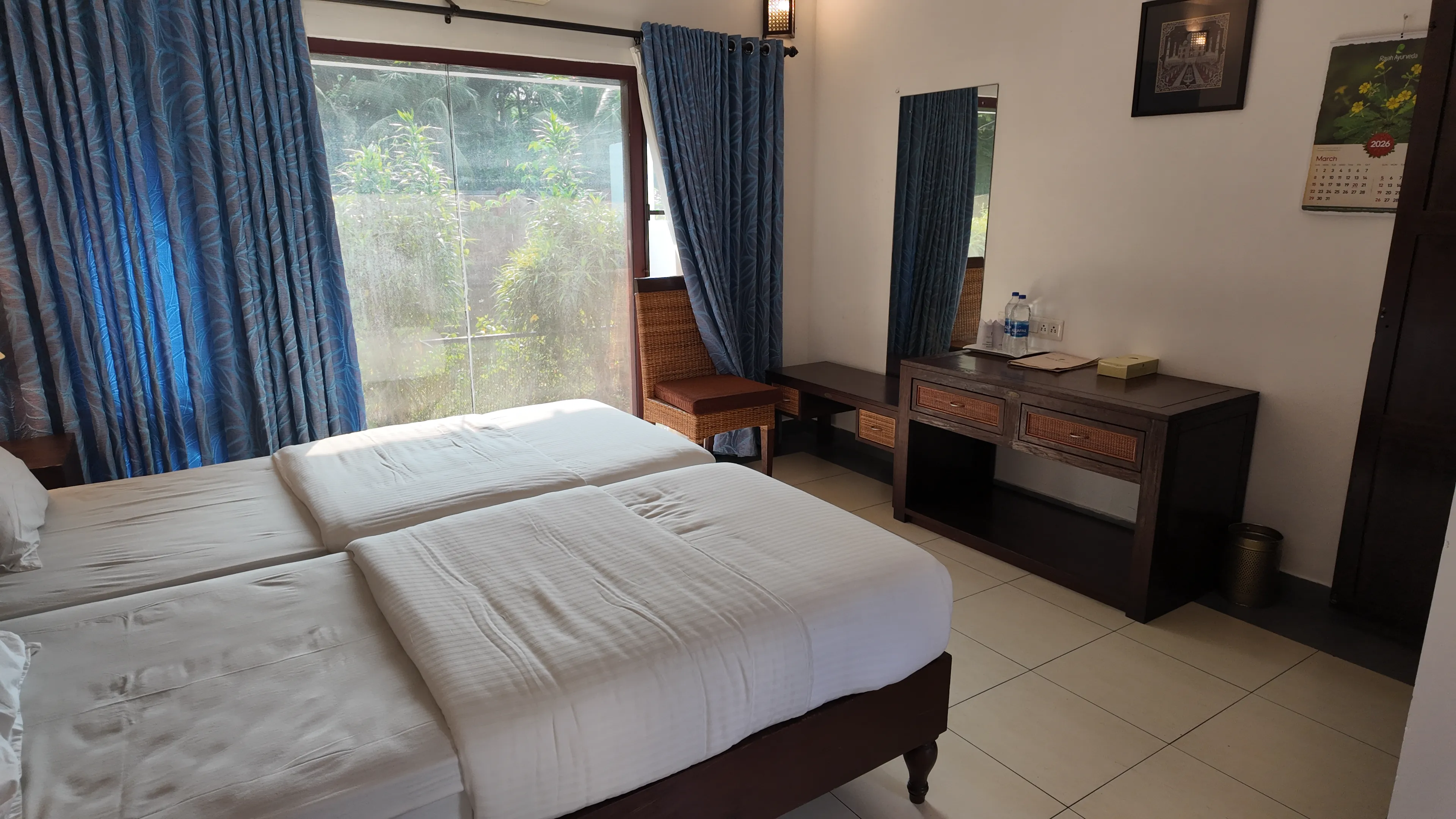
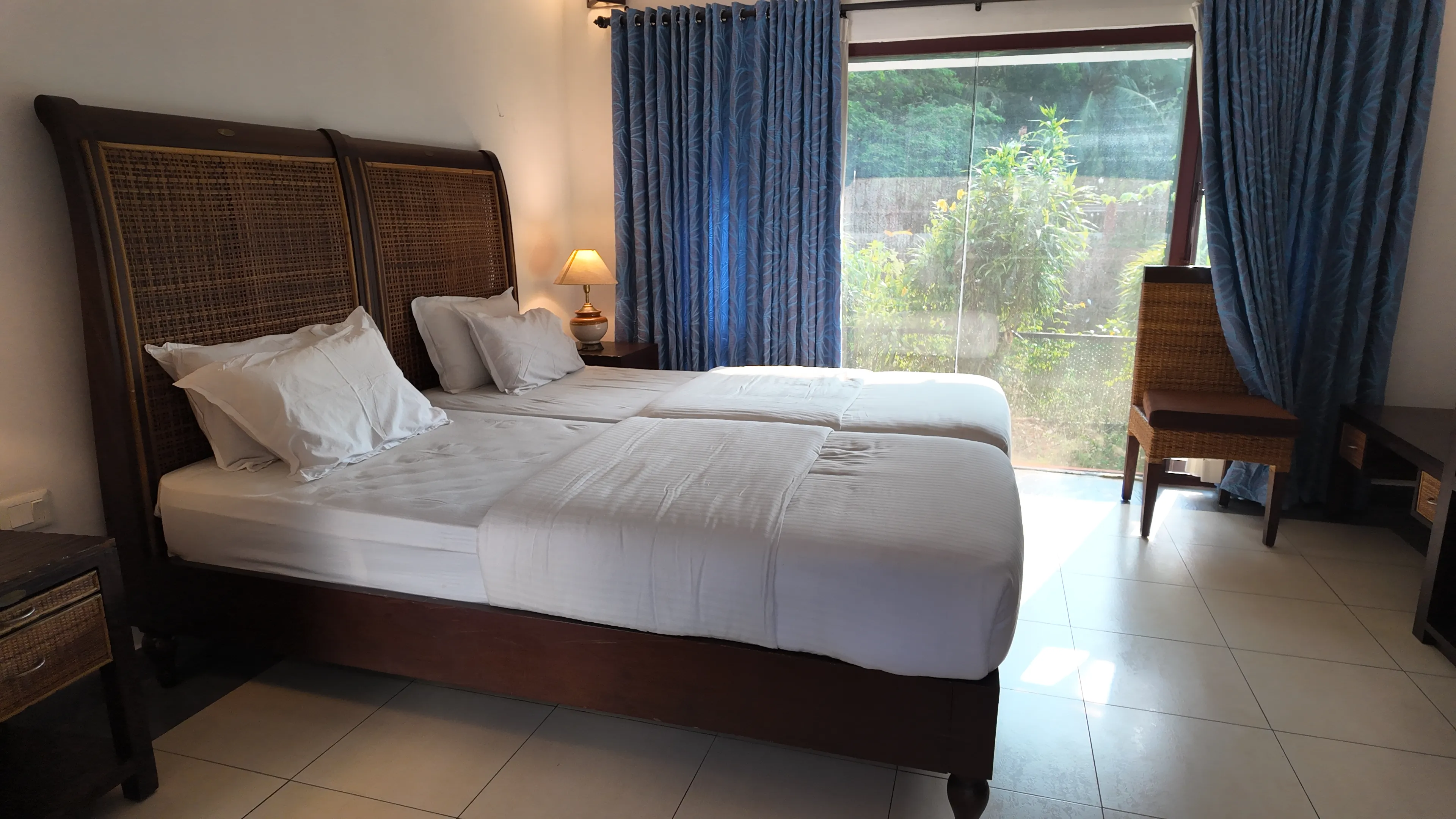
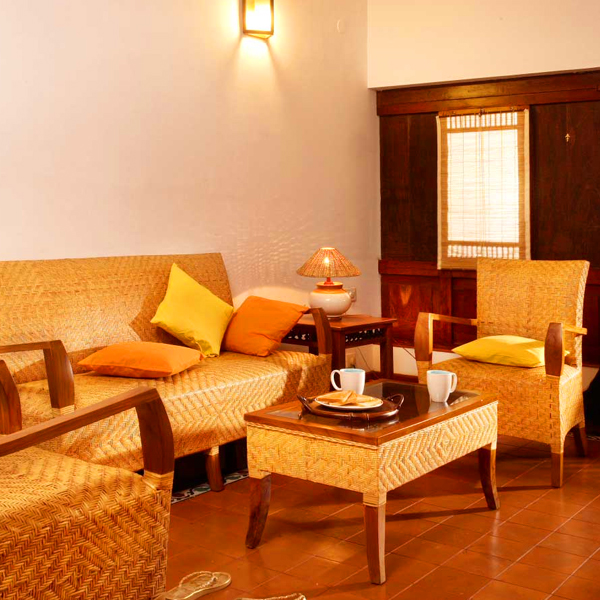
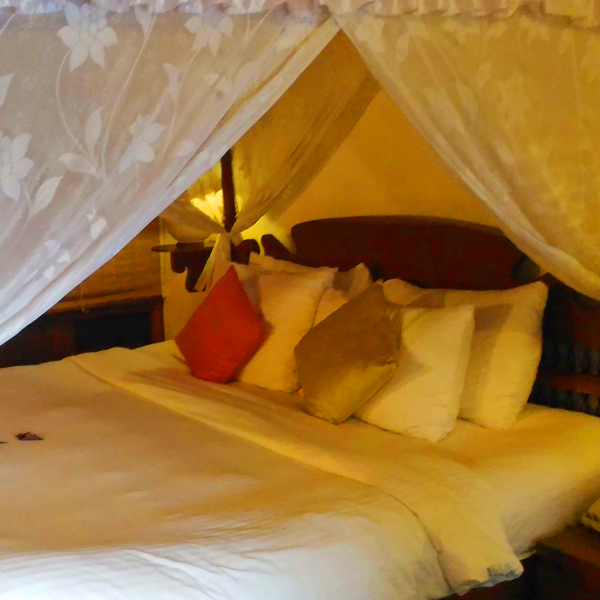
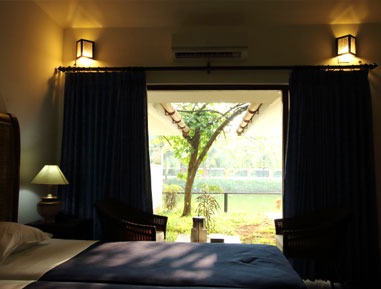
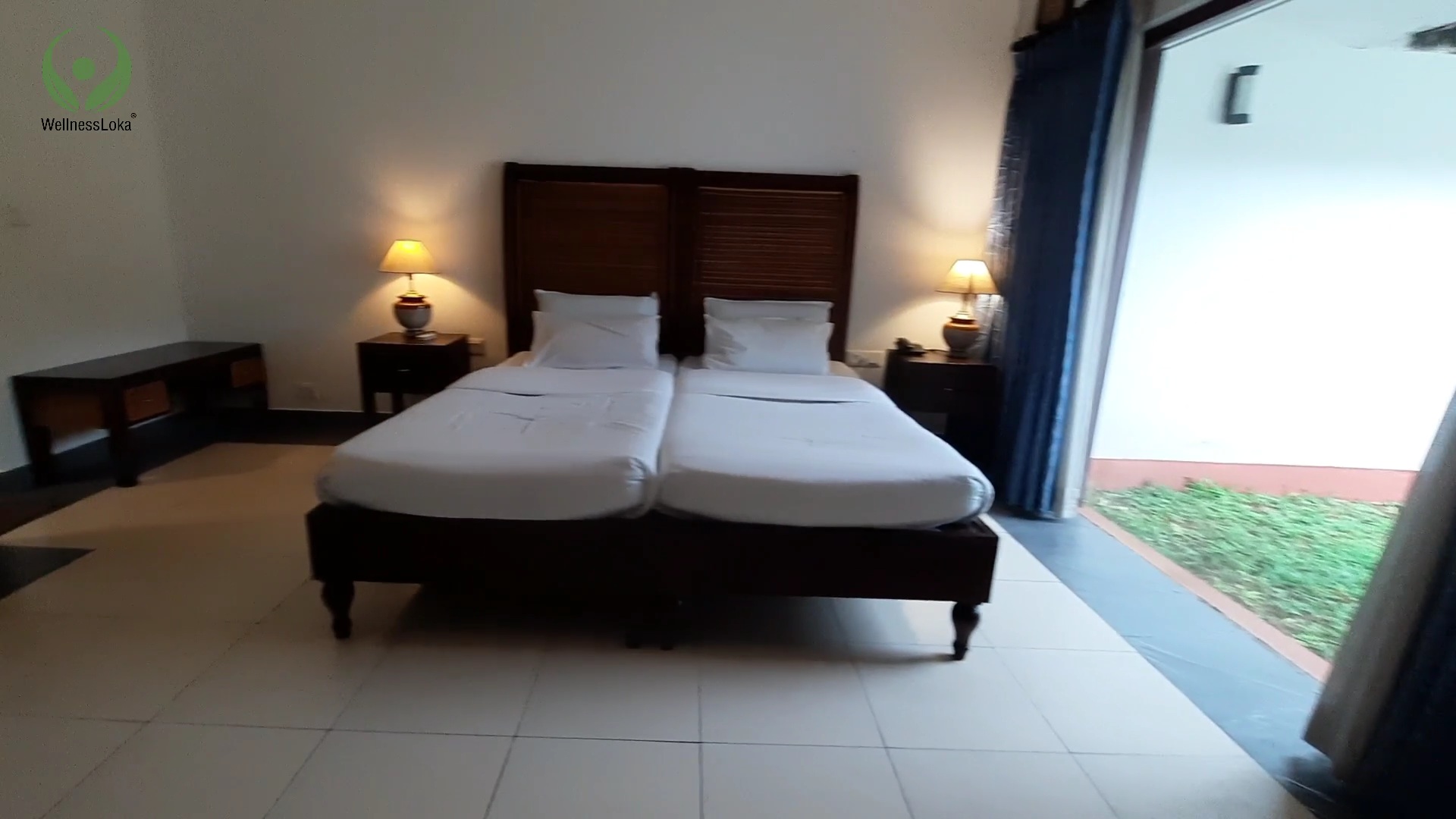
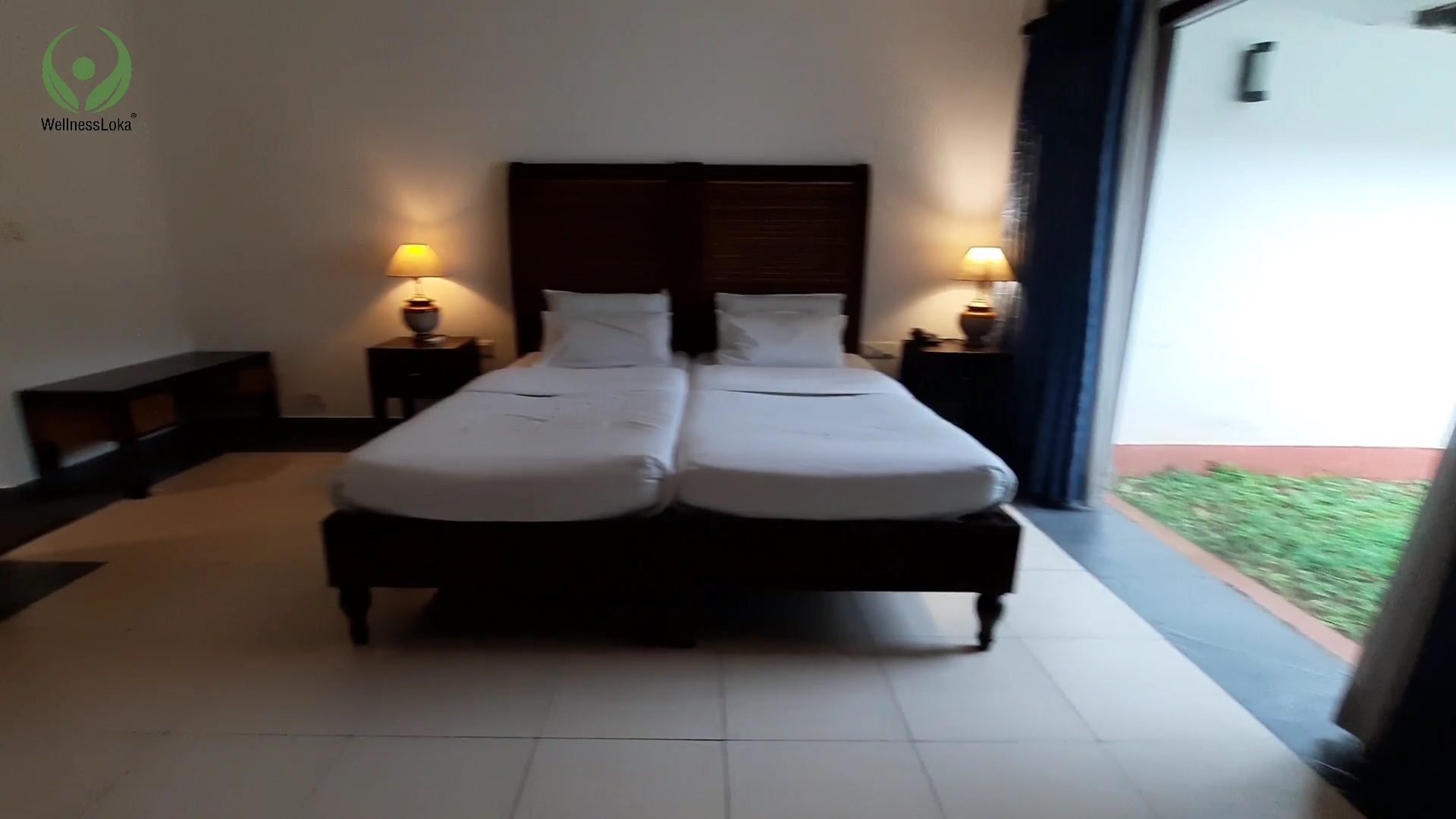
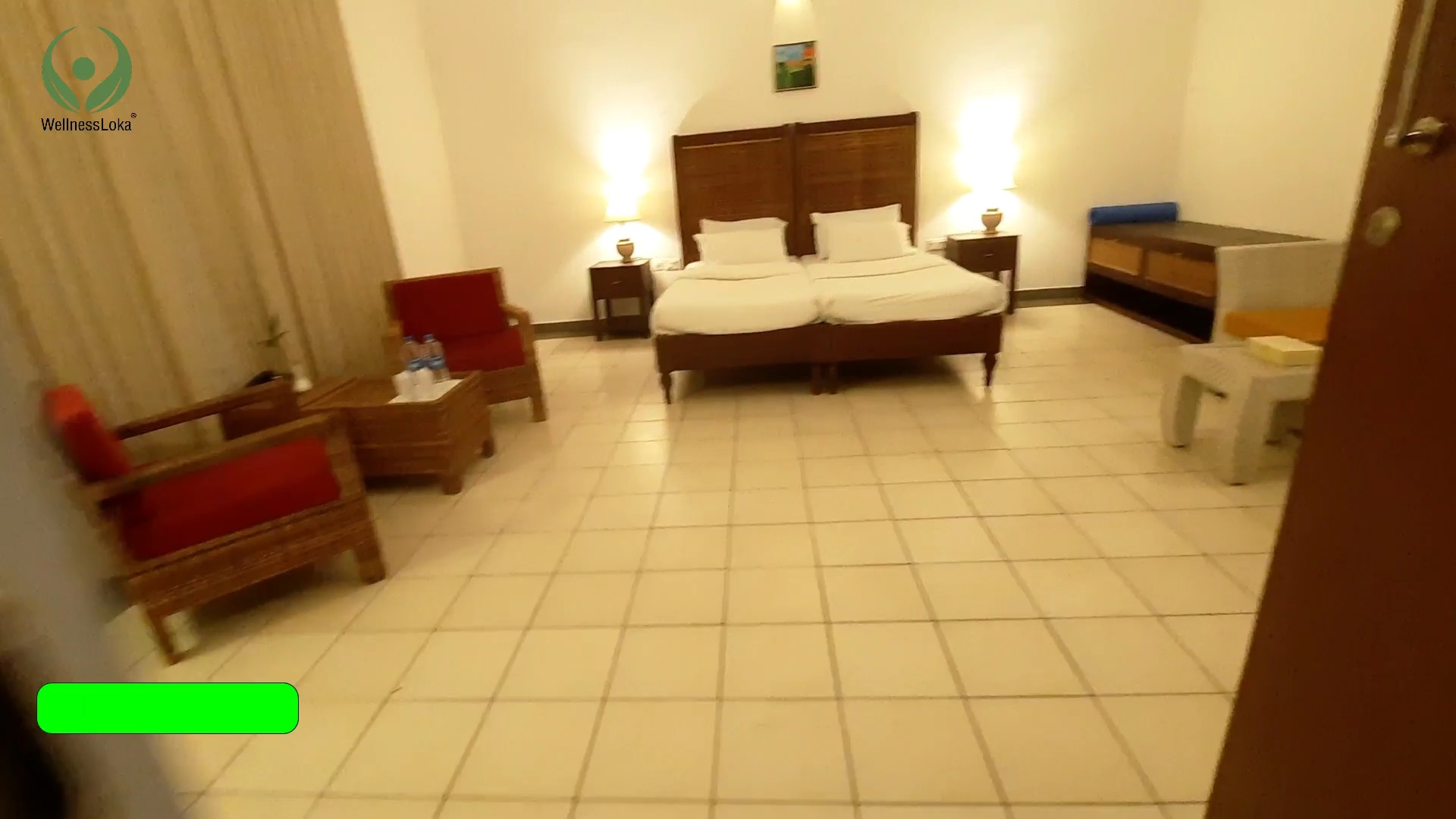
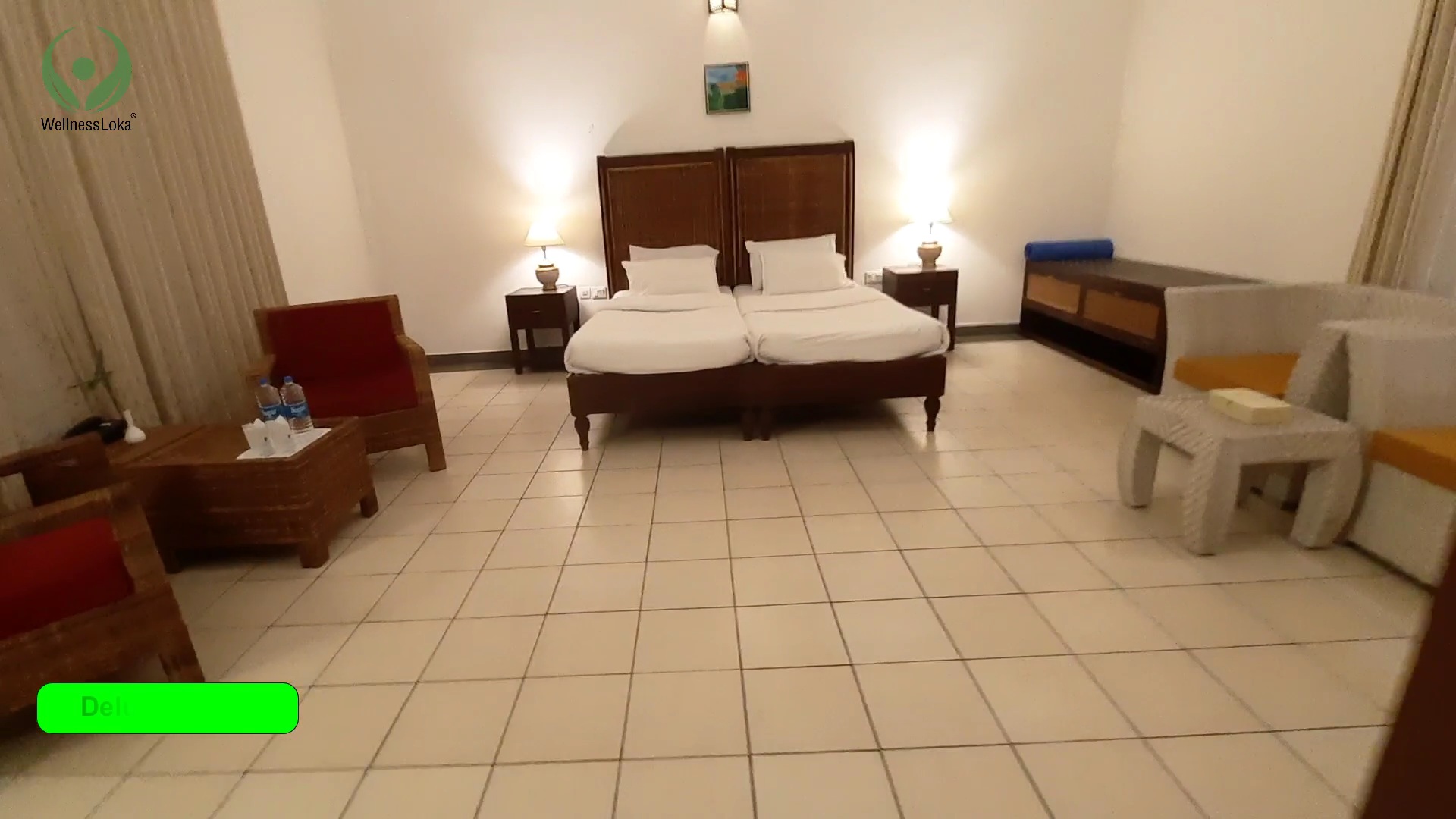
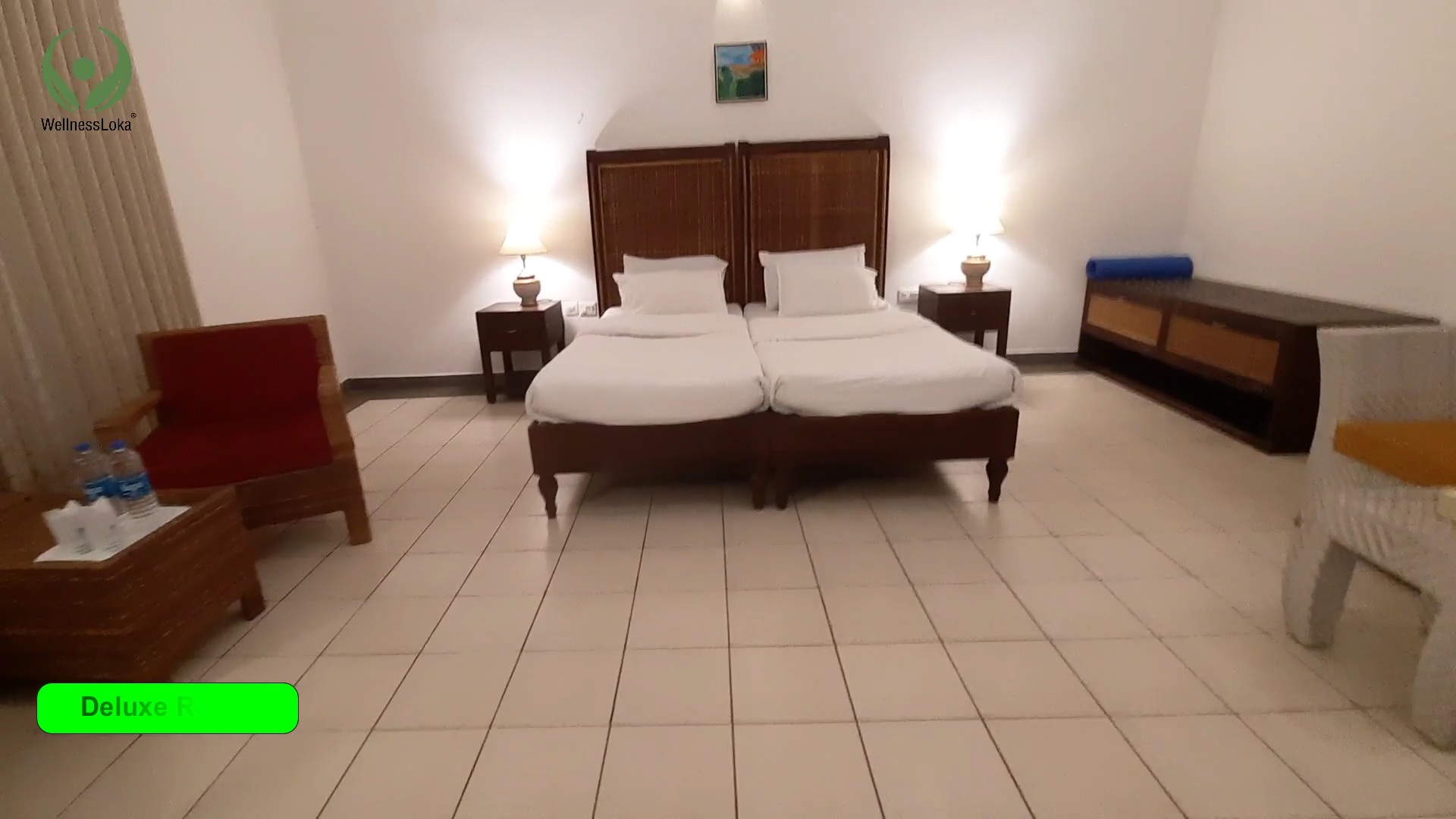
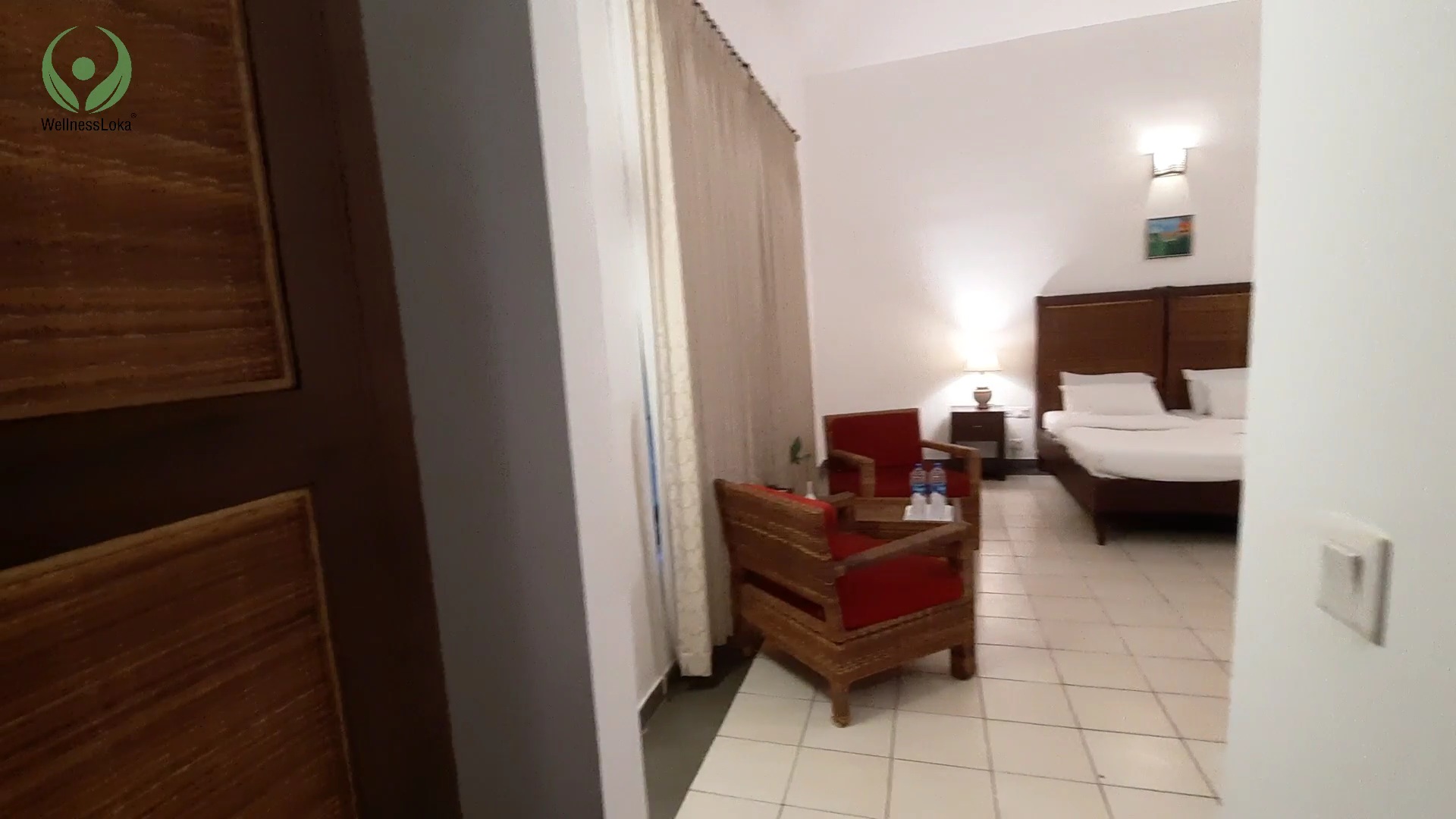
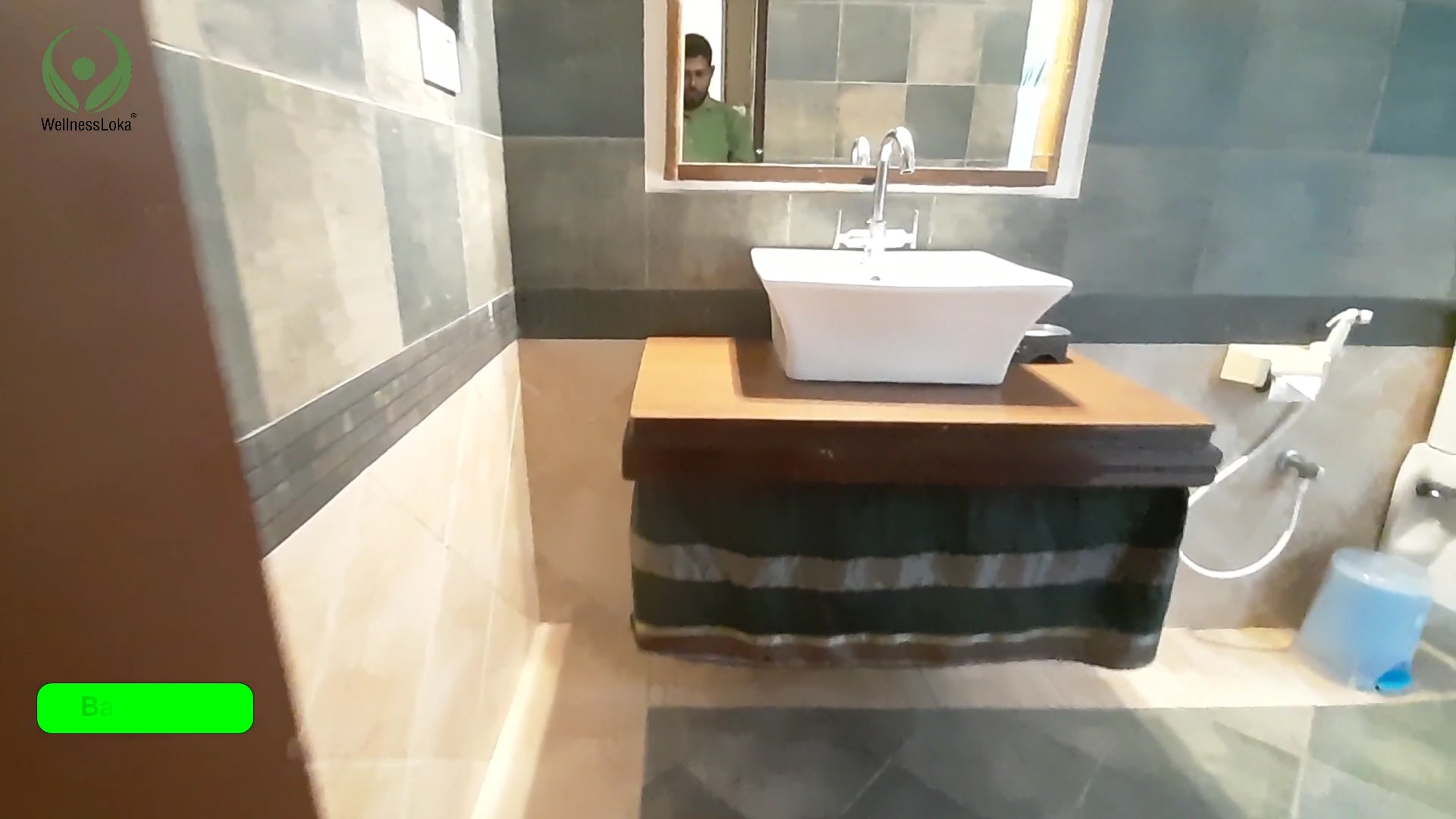
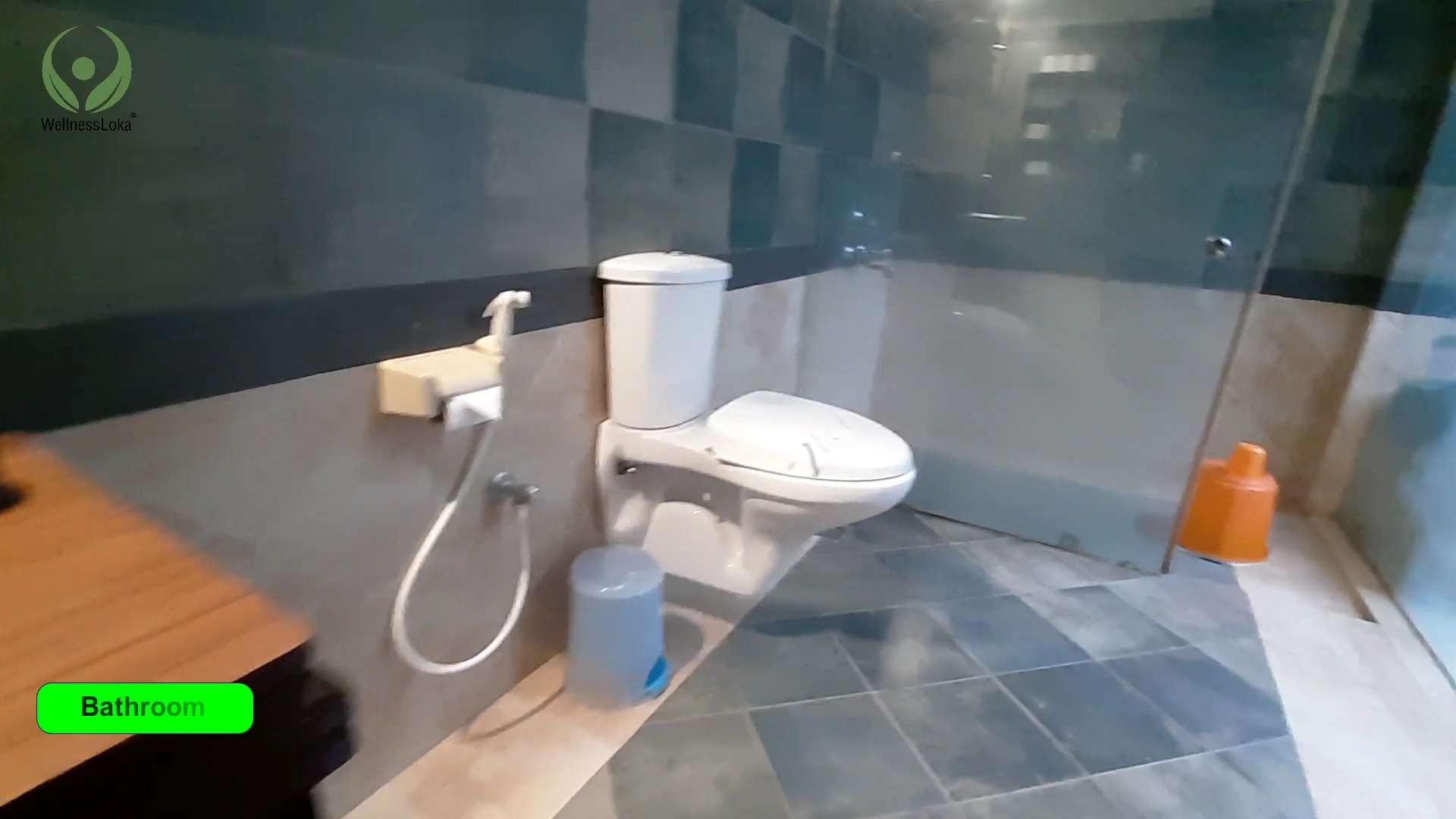
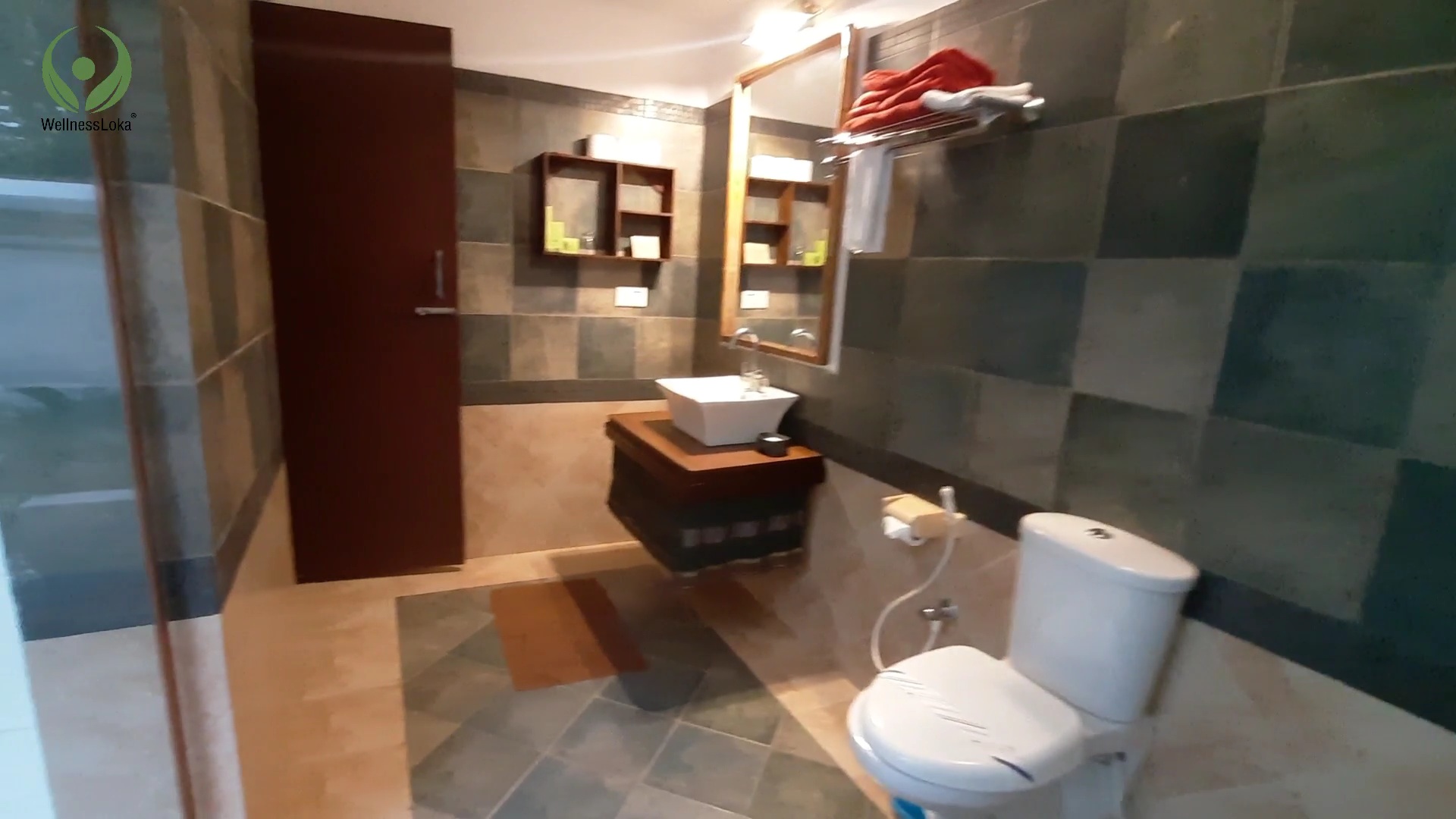
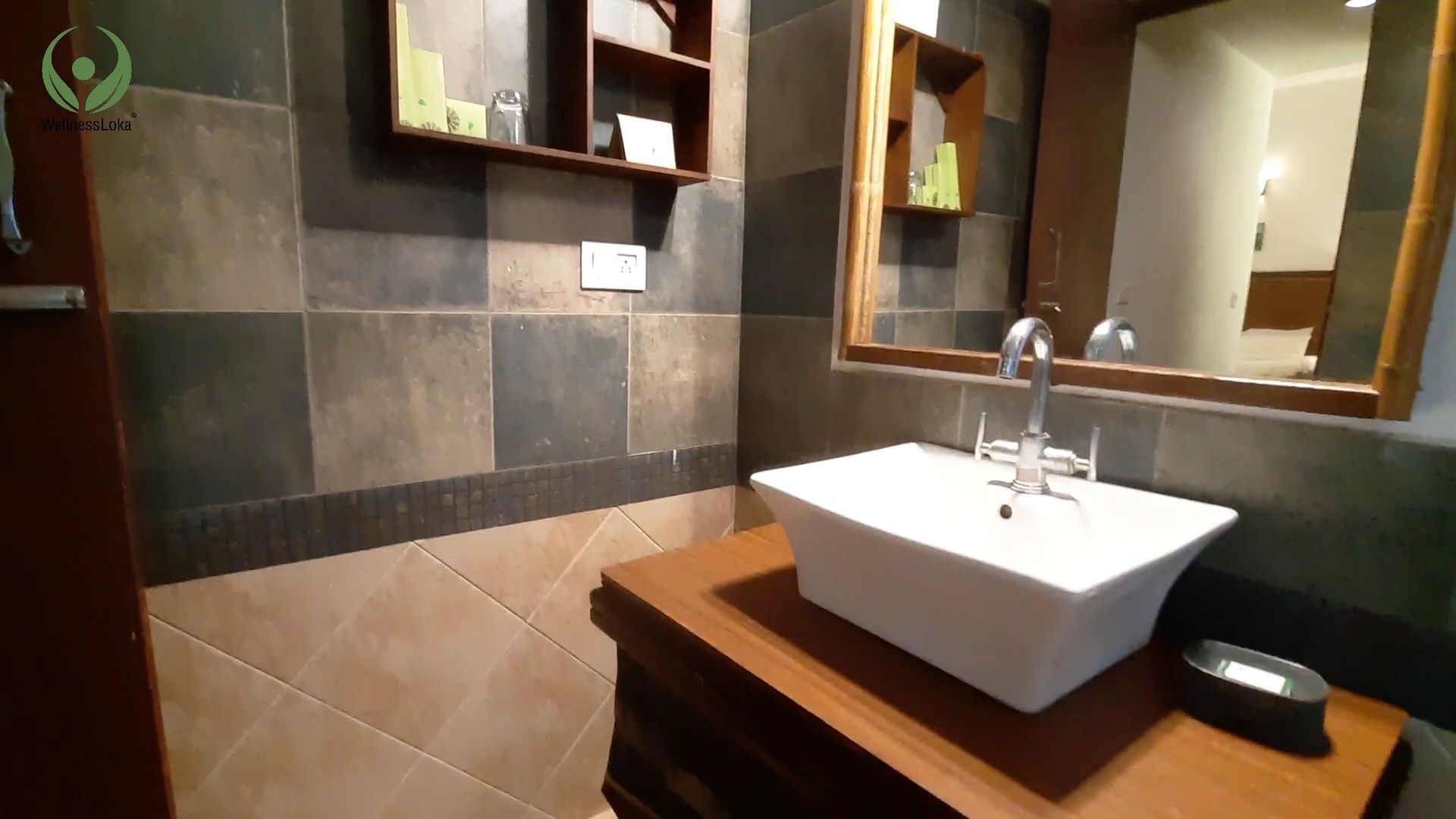
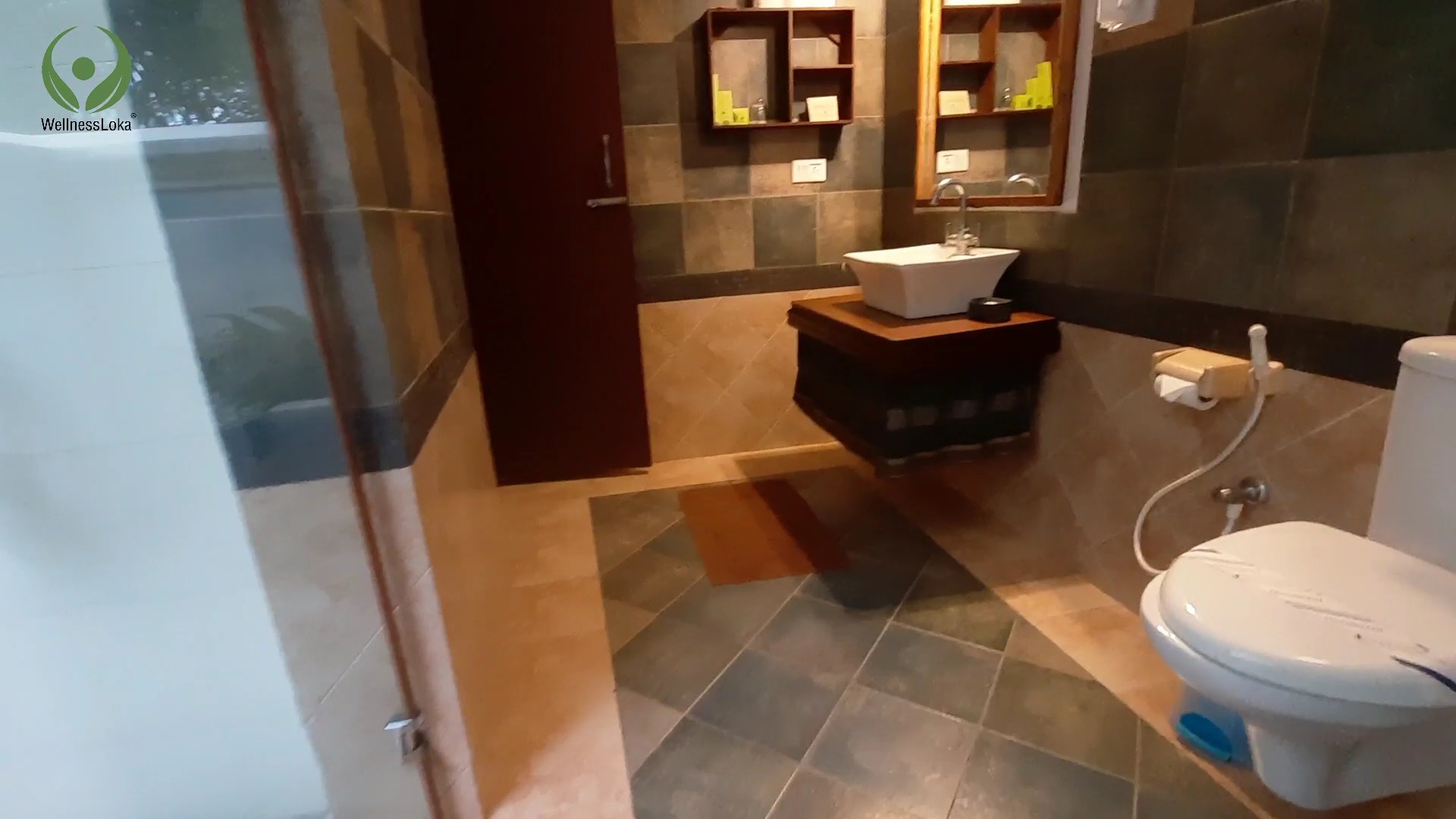
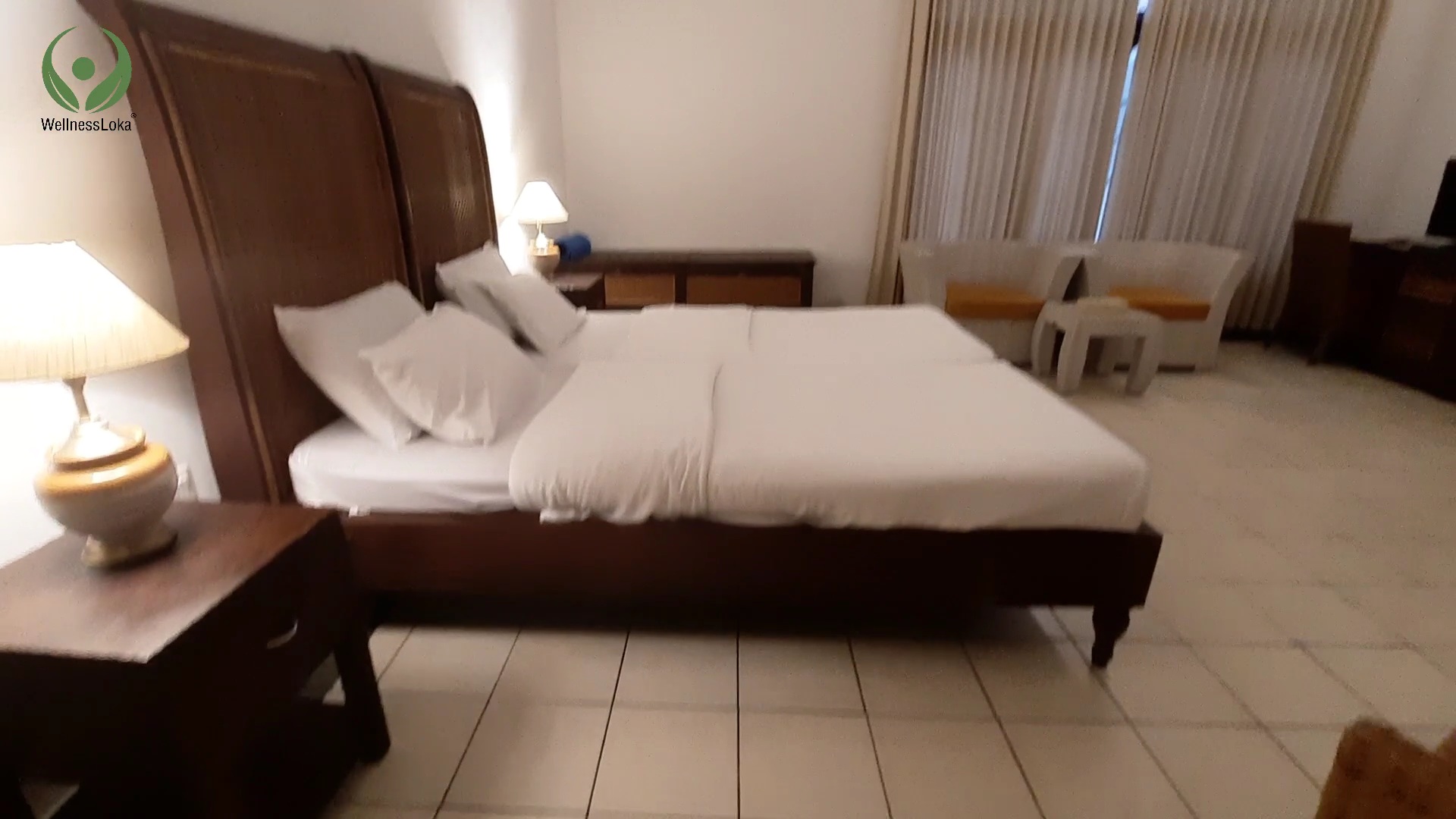
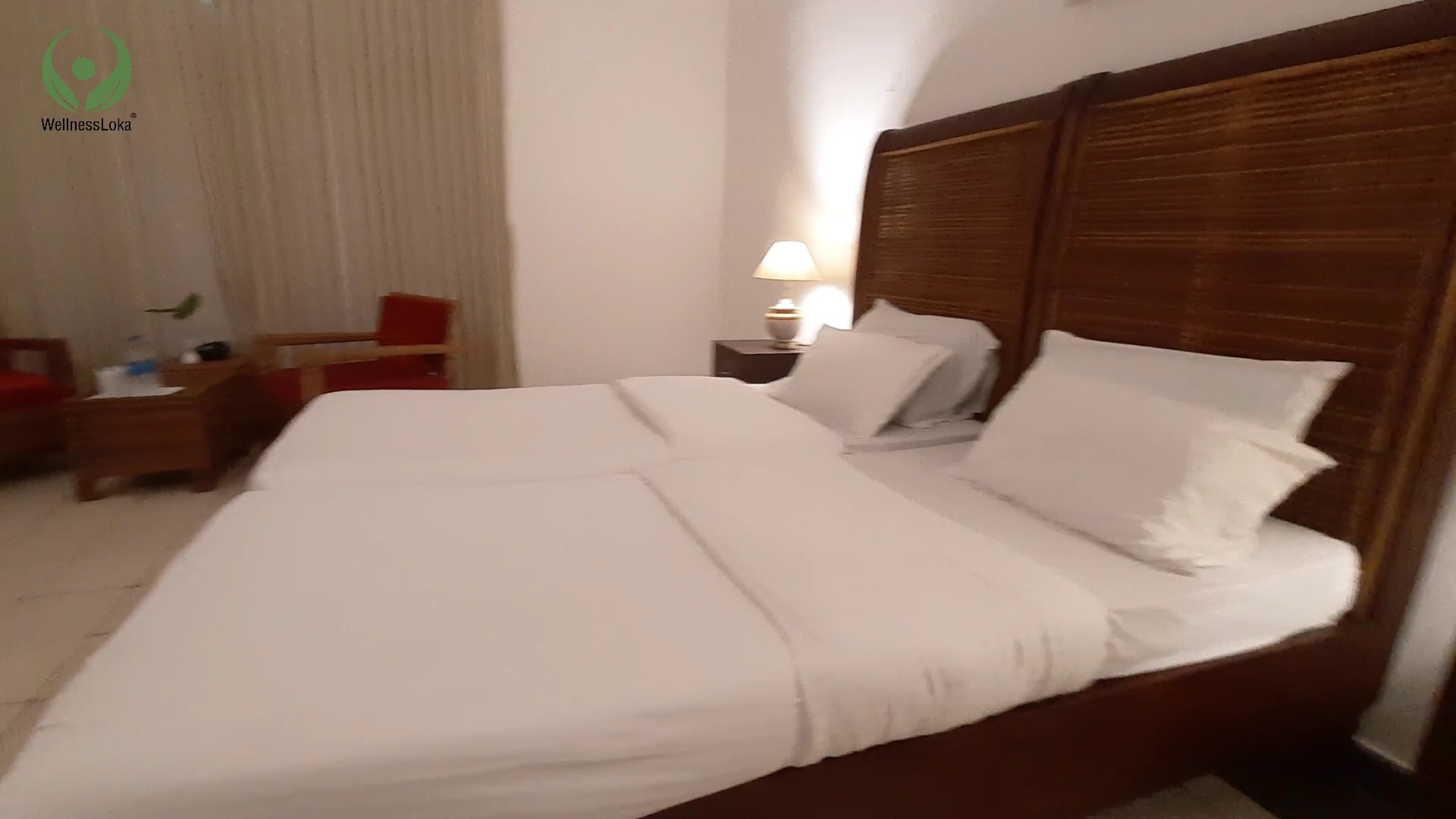
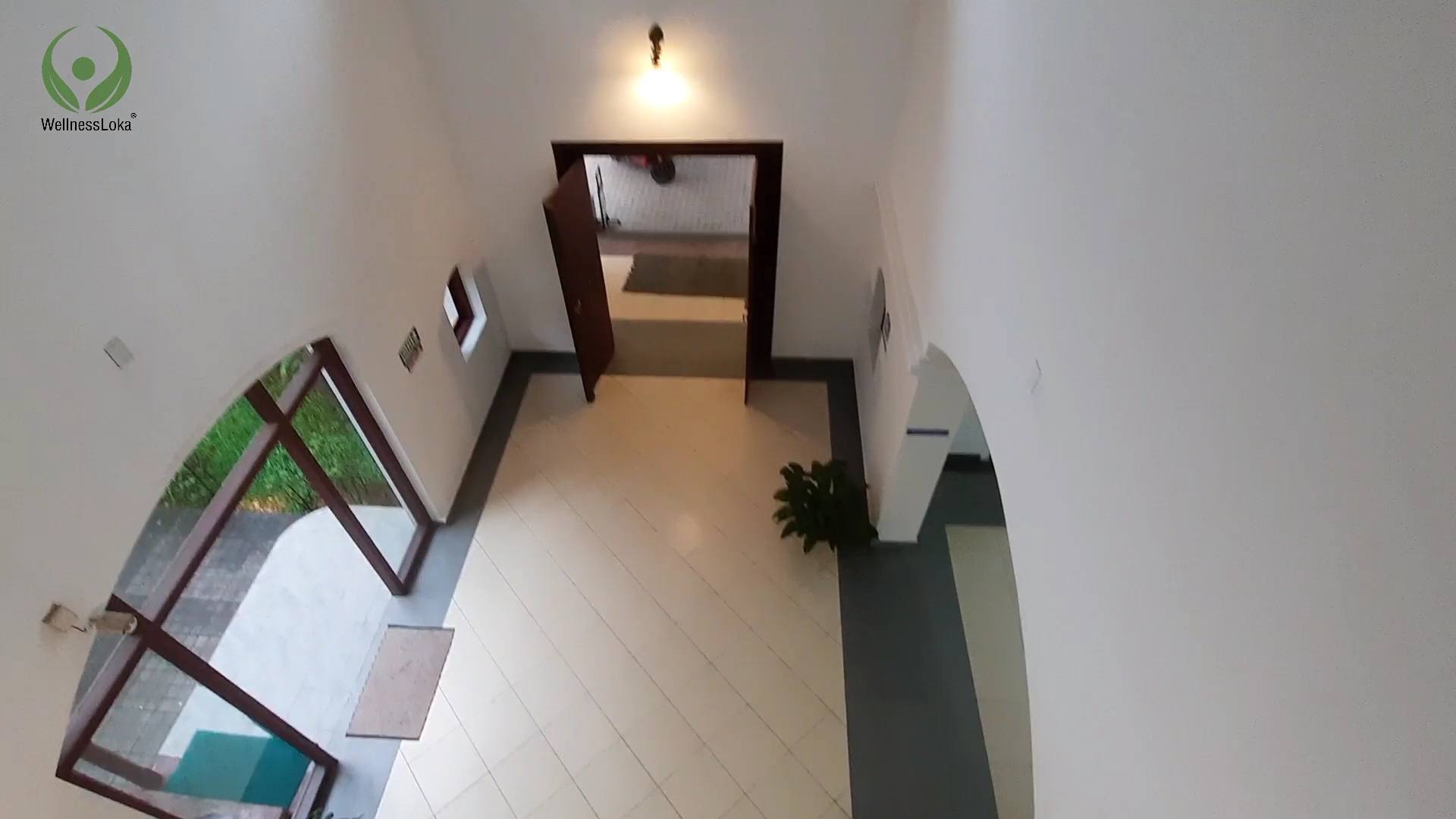
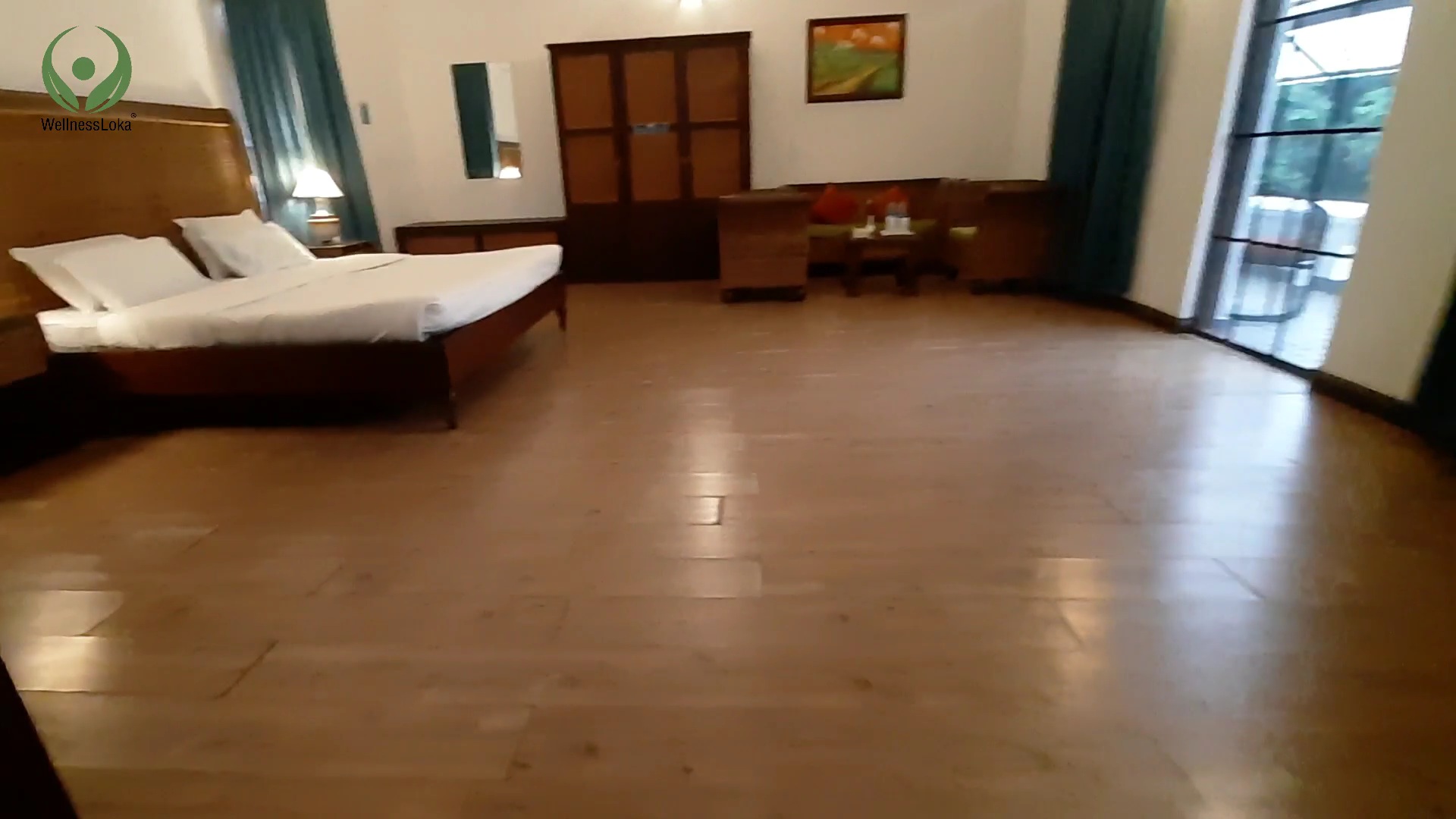
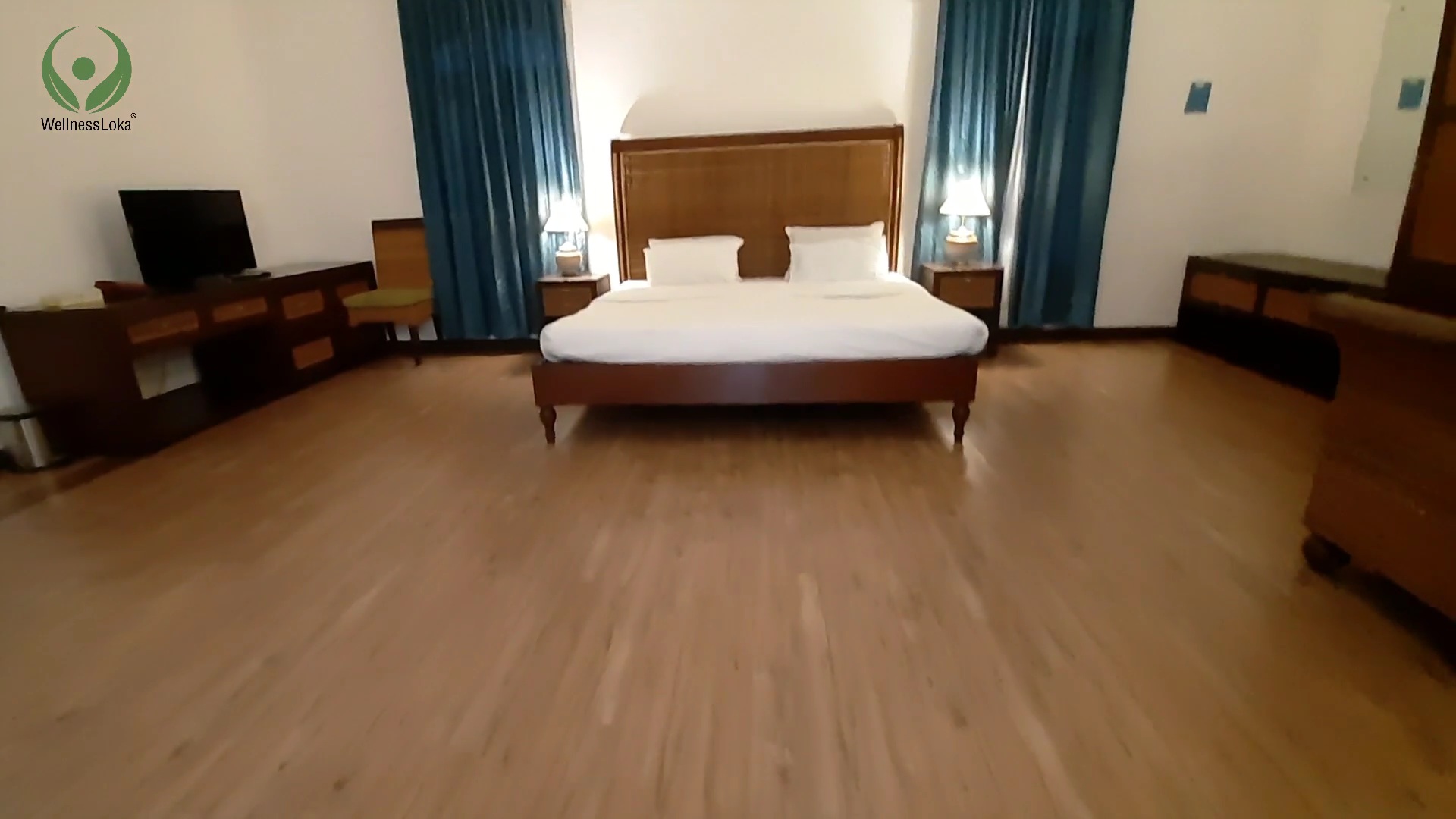
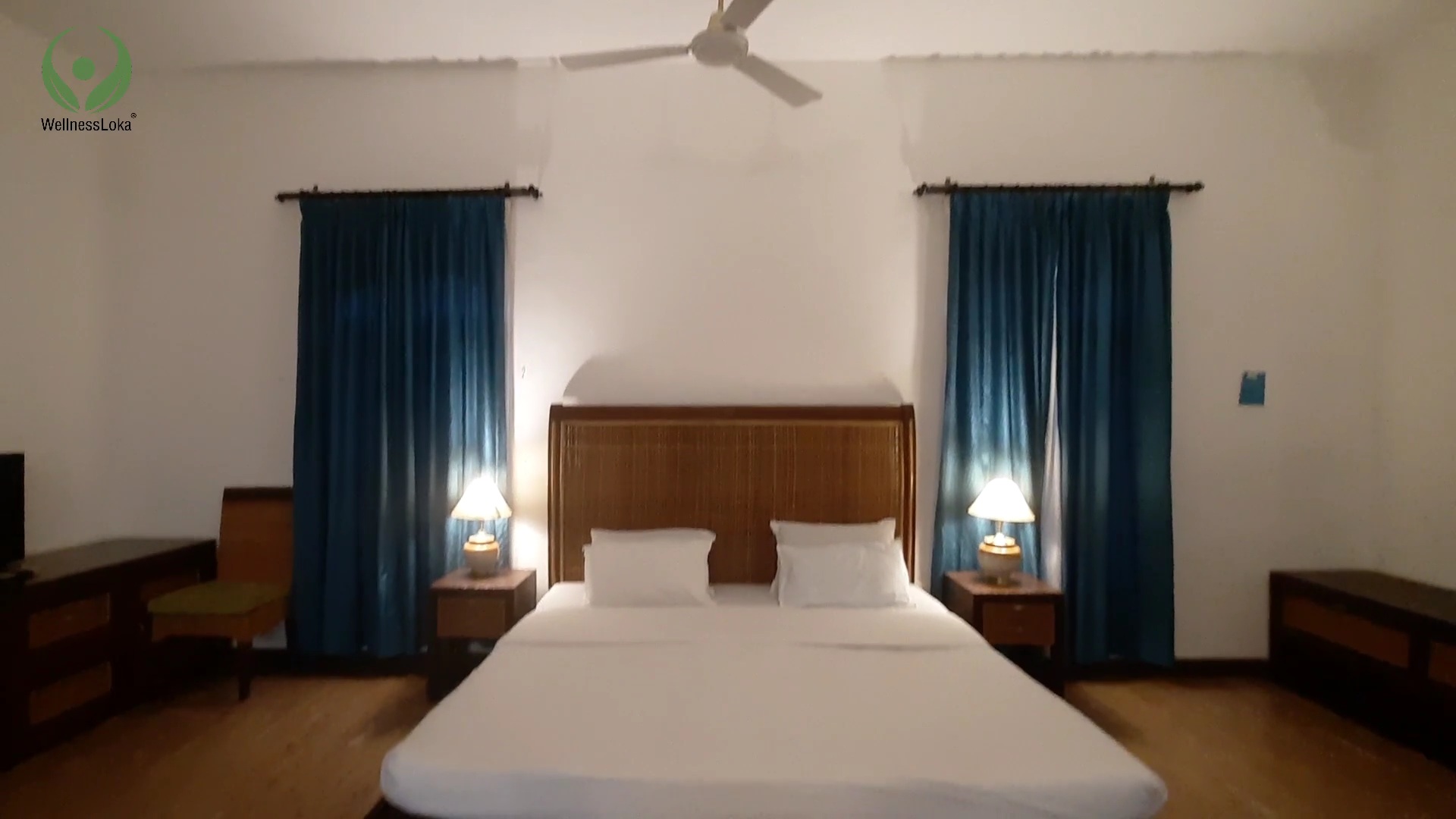
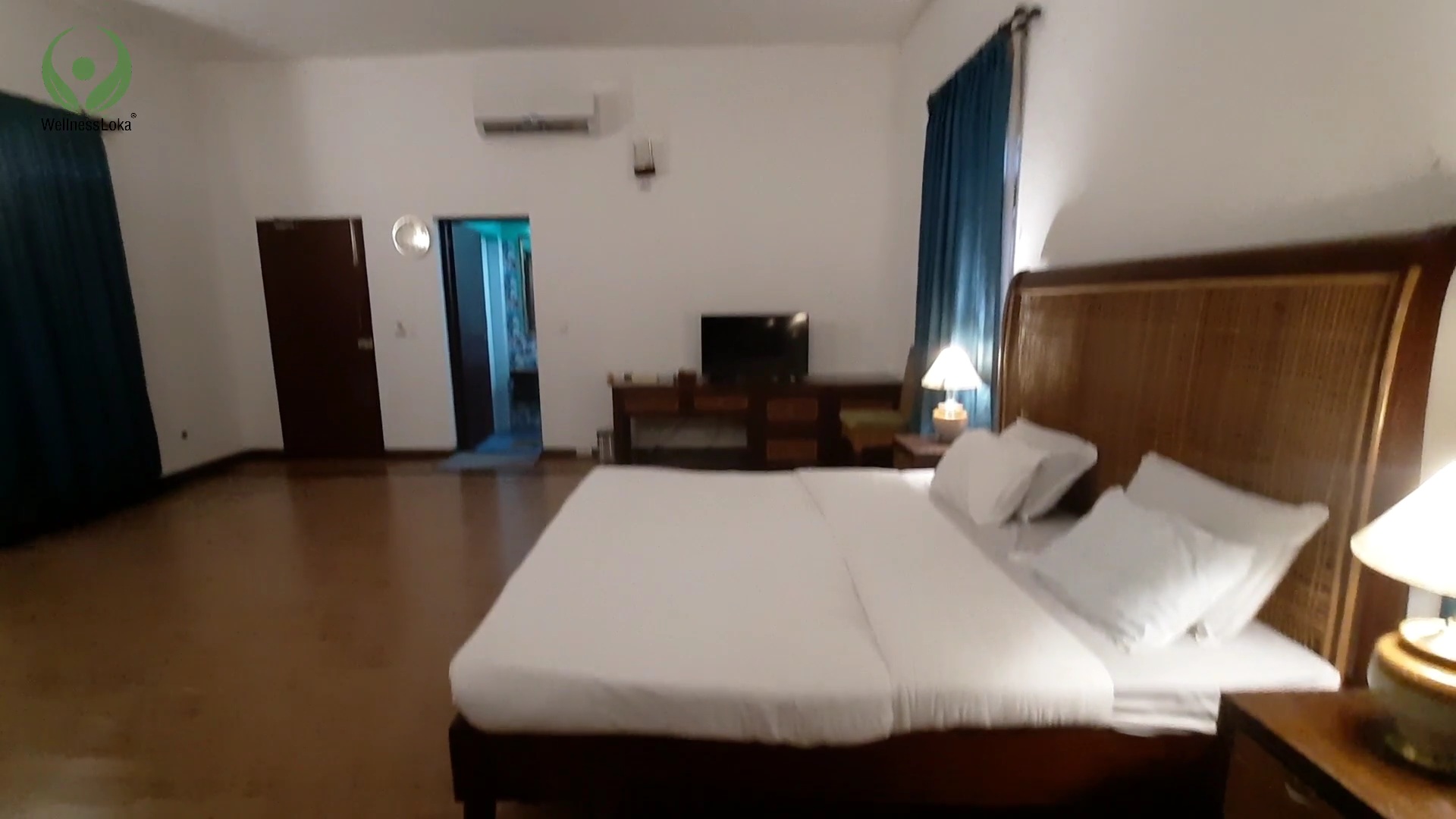
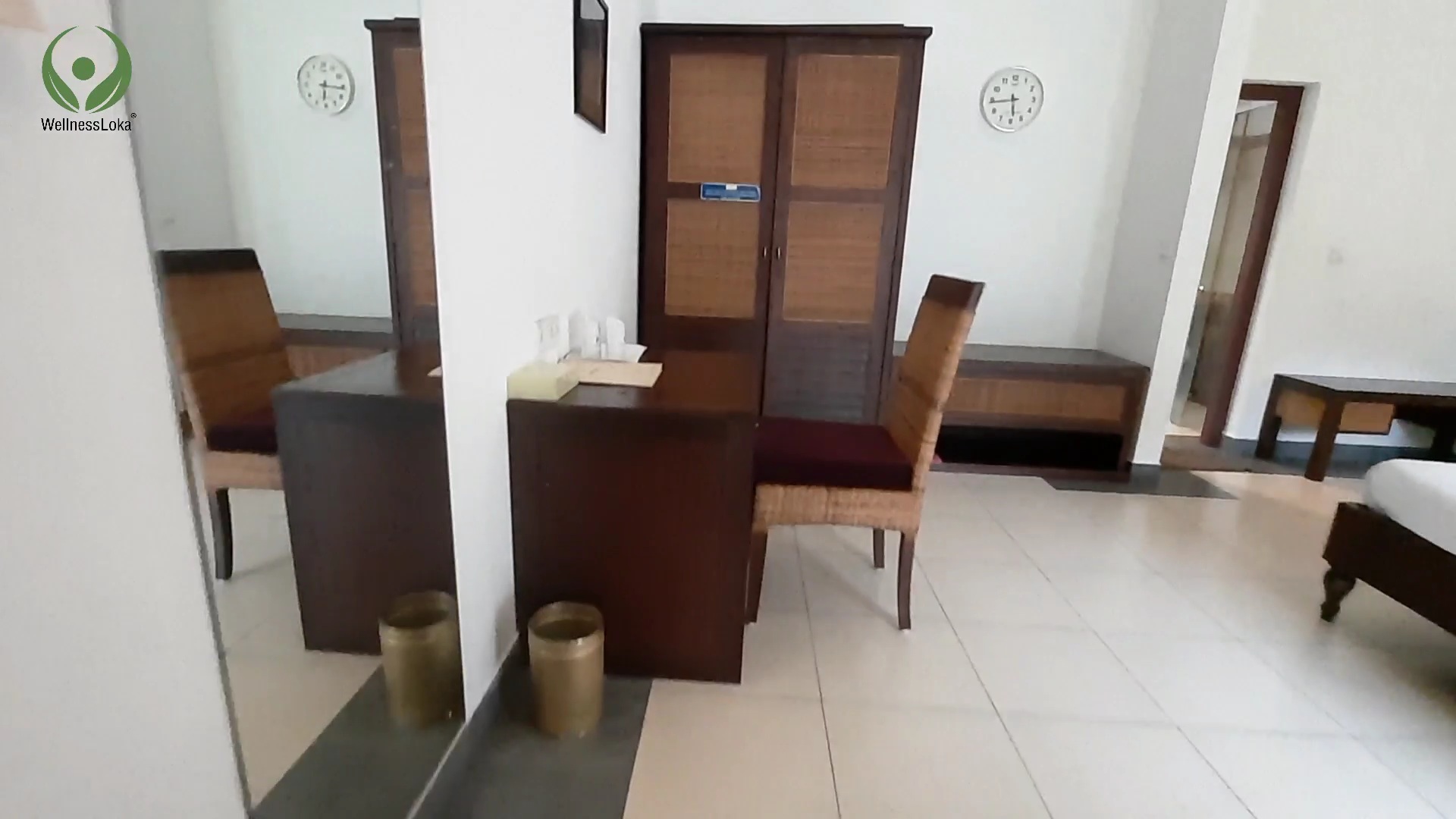
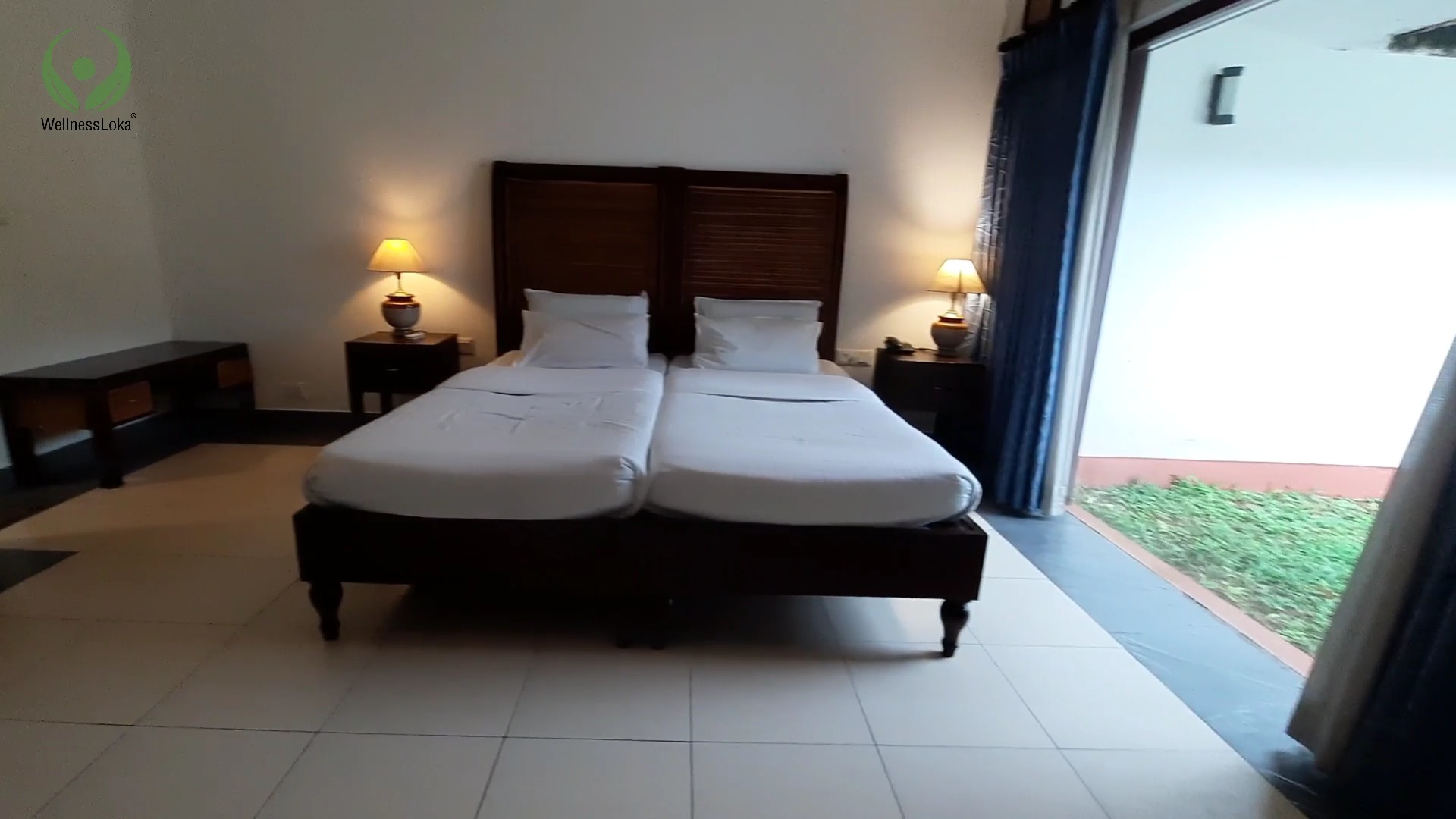
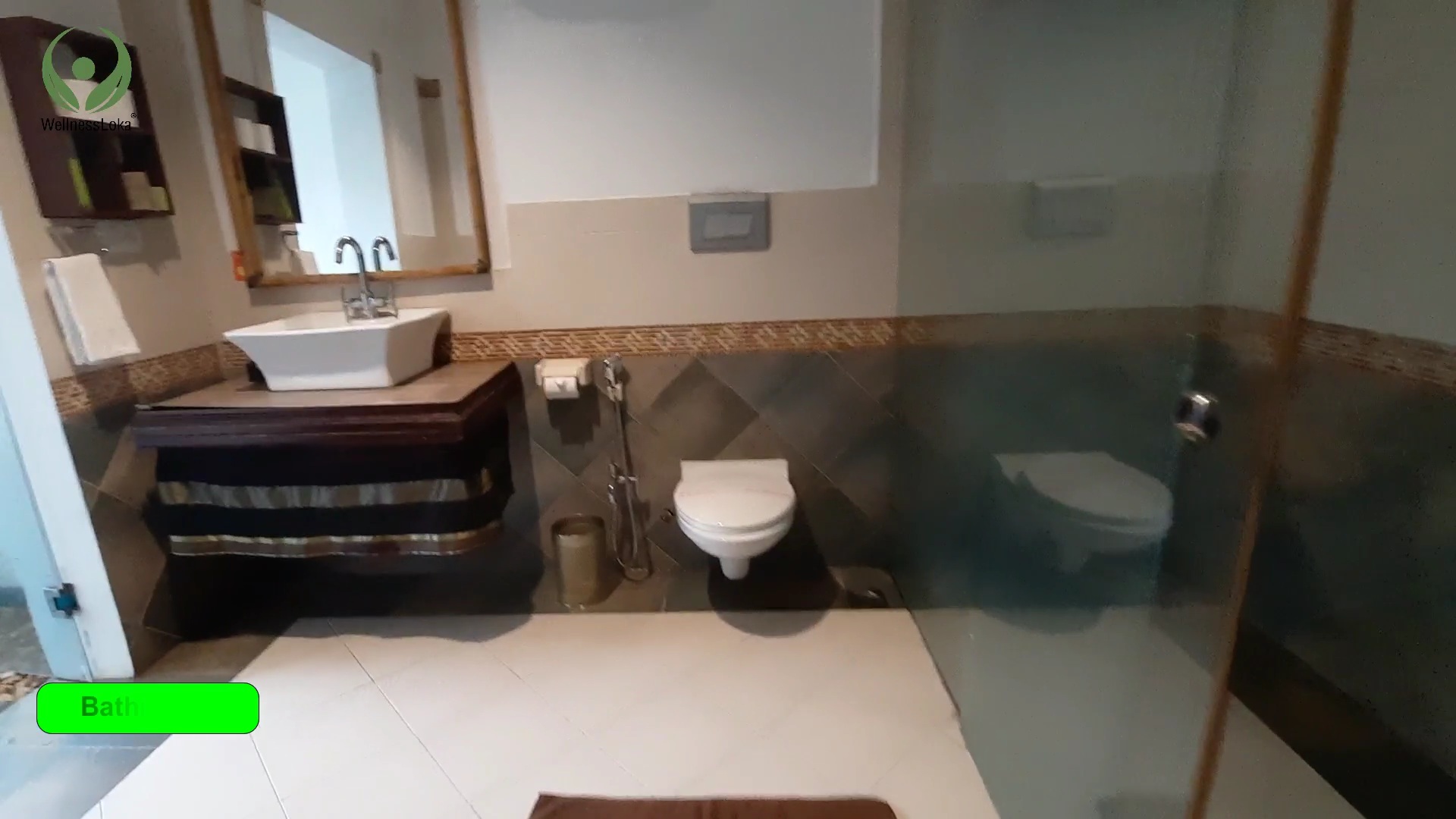
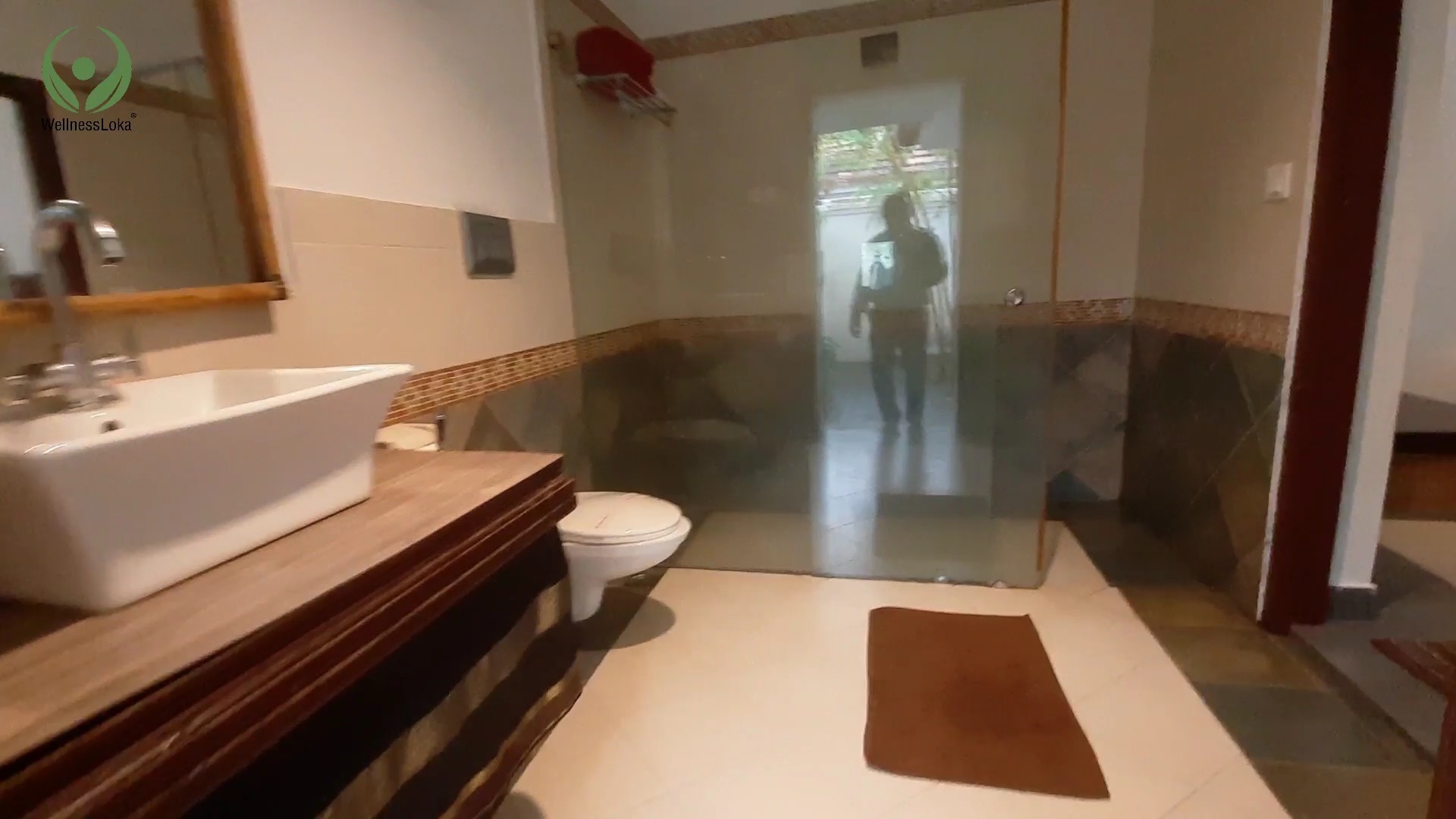
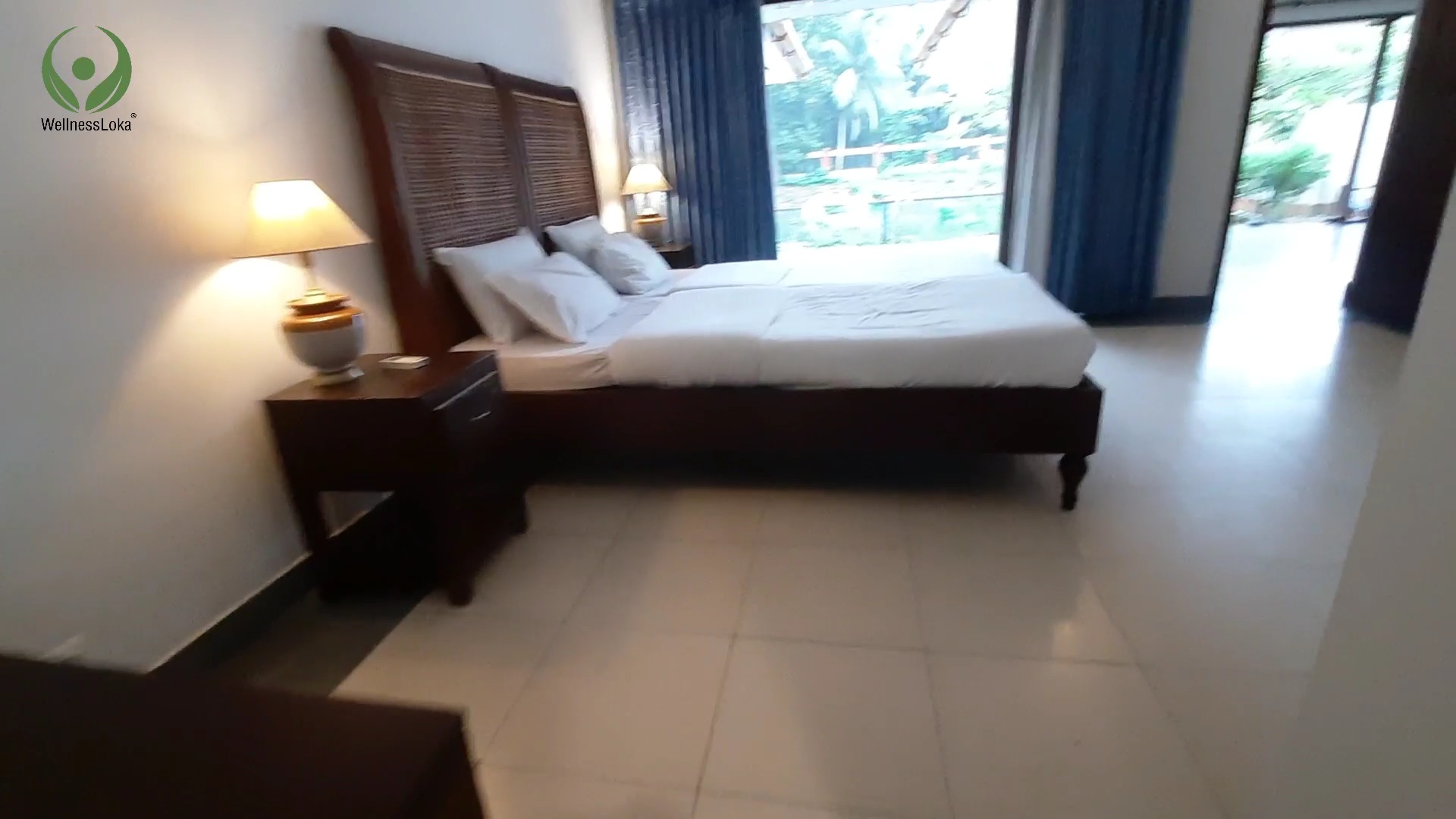
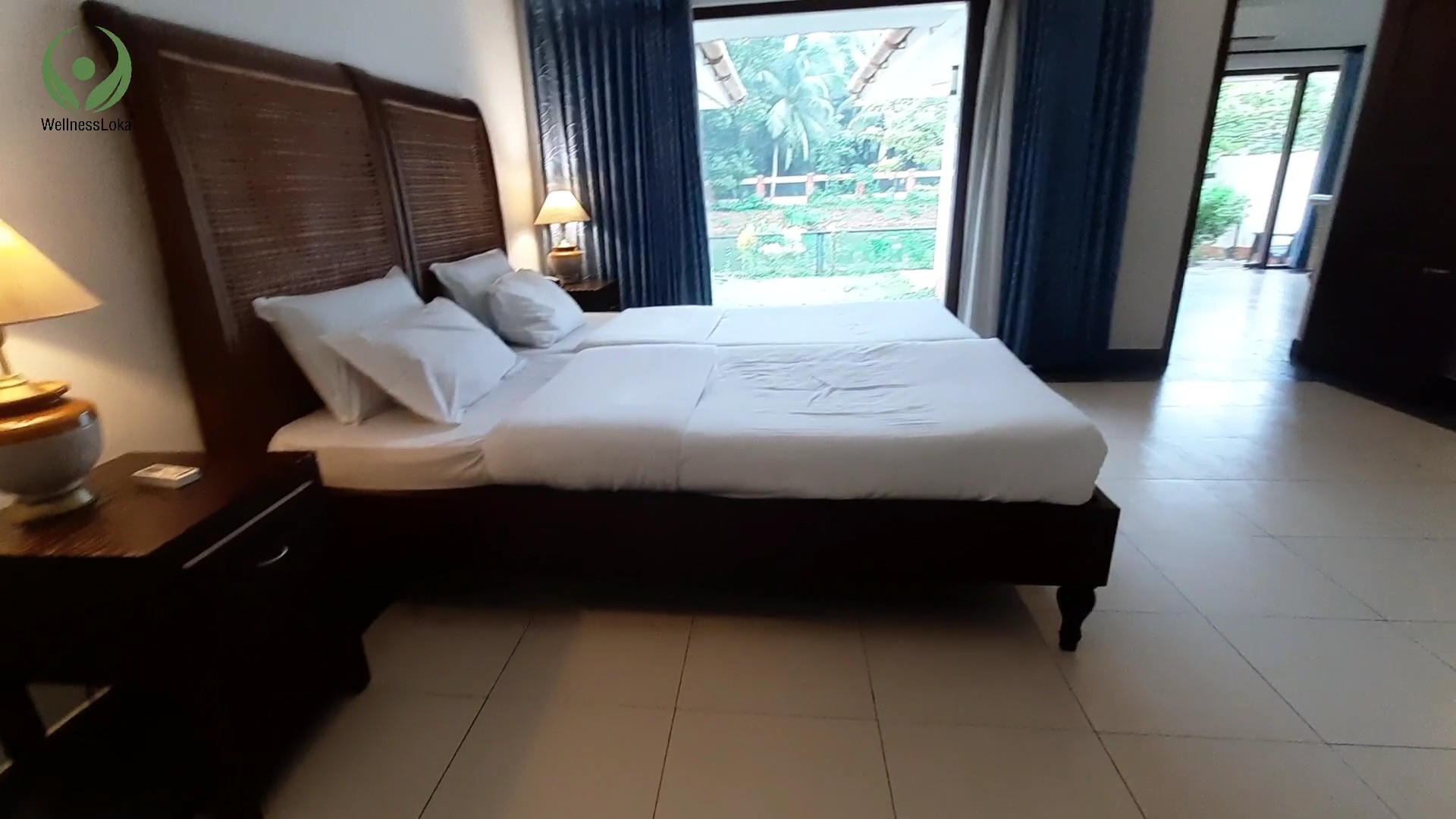
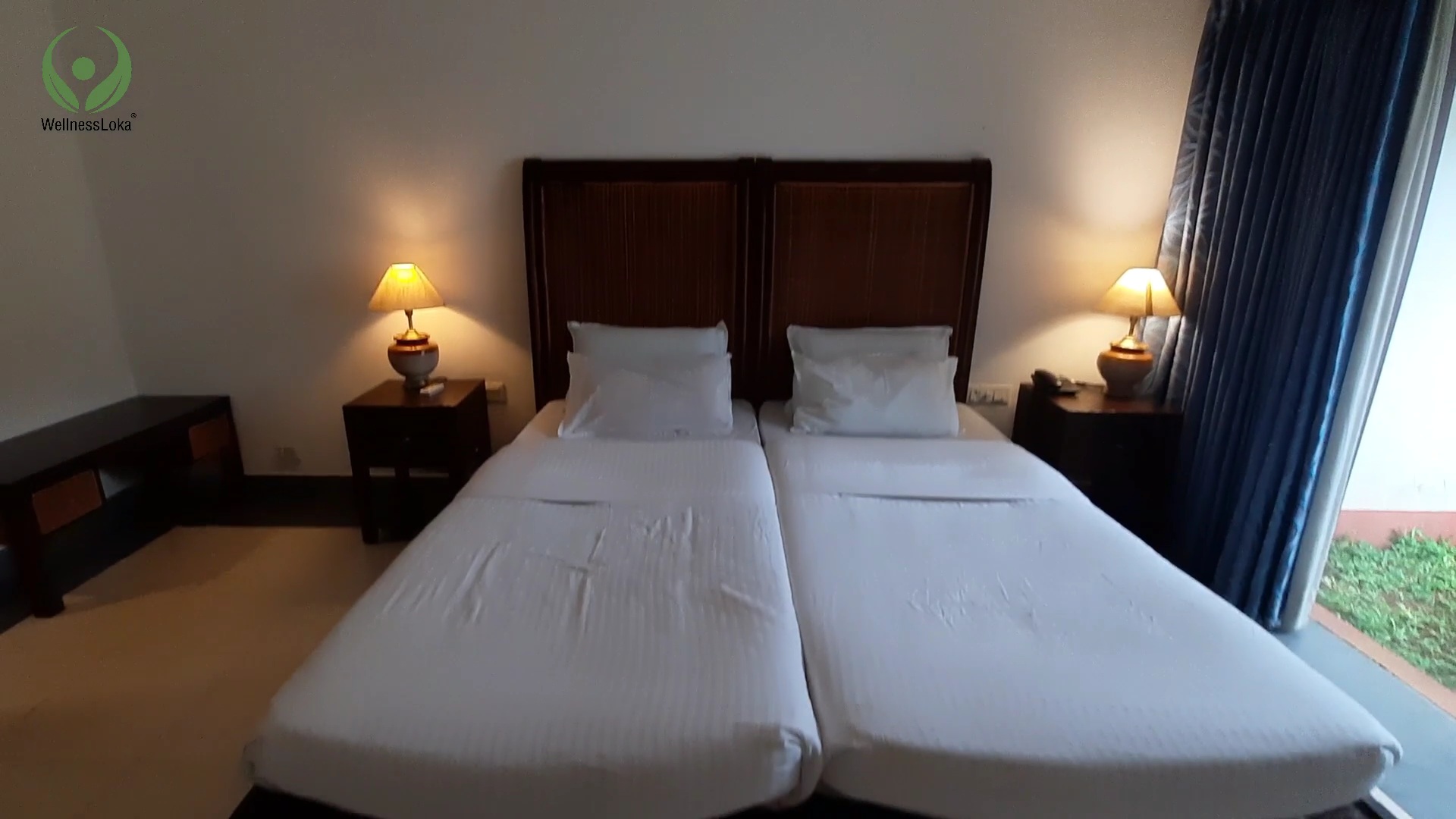
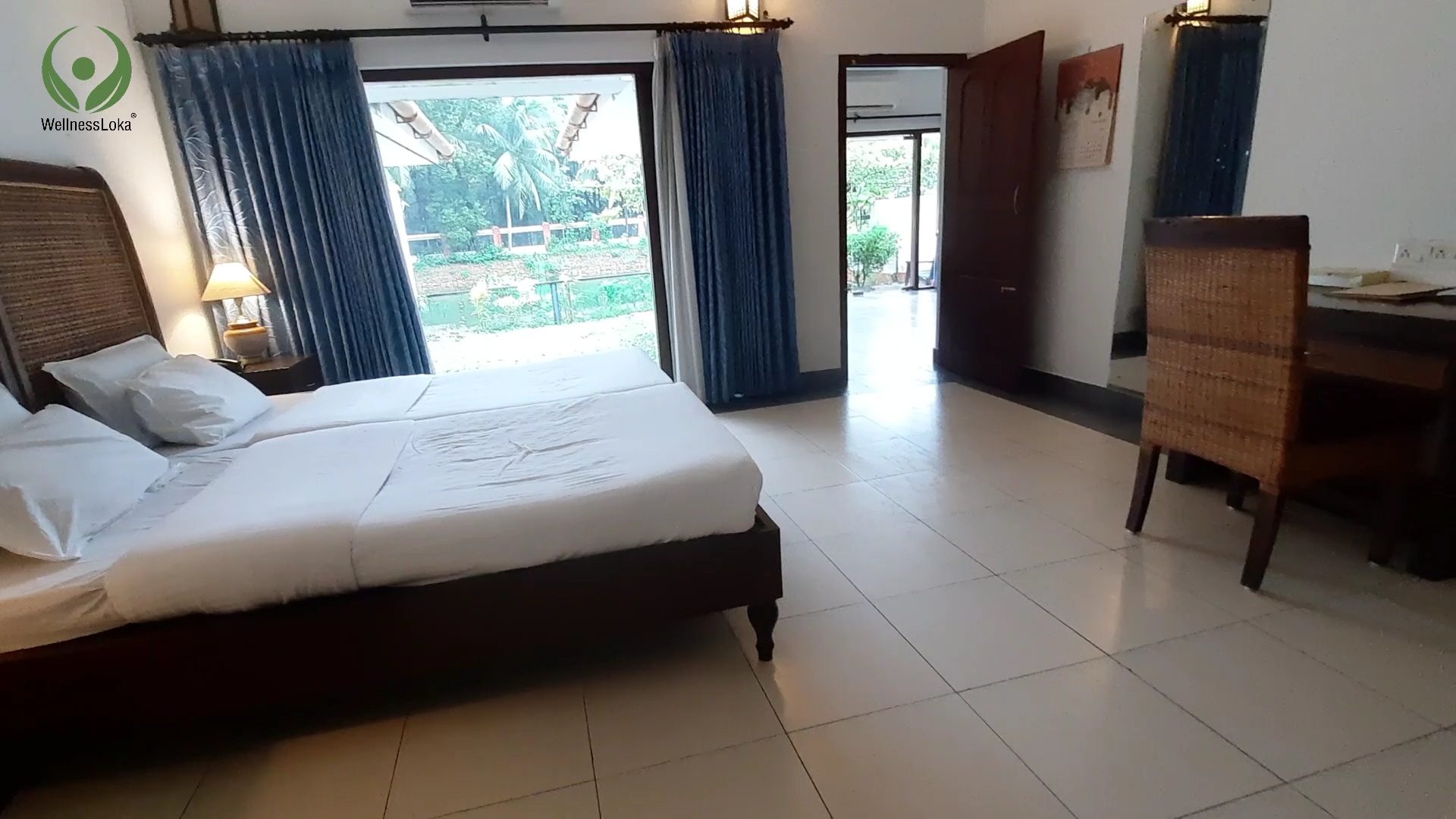
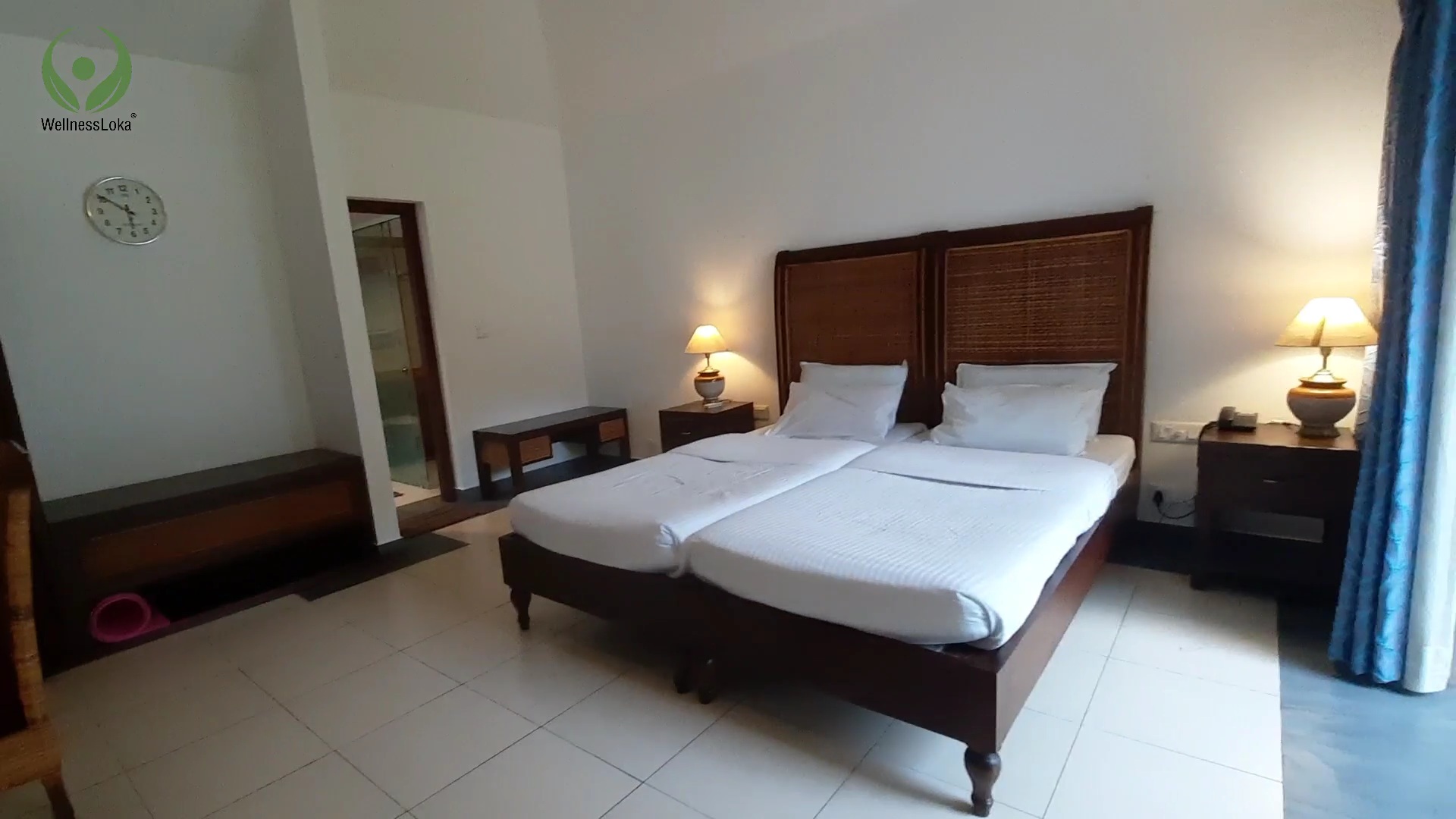
The Deluxe Room at Rajah Beach Ayurvedic Hospital provides a comfortable residential setting within the property's Ayurvedic treatment environment. The accommodation is designed for guests undergoing doctor-supervised Ayurvedic treatment, allowing the residential stay to remain closely connected with the centre's structured therapeutic routine. The room category forms part of Rajah Beach's limited accommodation inventory, with the property maintaining a small-scale setting rather than operating as a large conventional resort. The surrounding grounds provide a quiet natural environment, while the coastal location places Akalad Beach close to the property.
-
 Ayurveda Conditioner
 -
Manual Door Lock
-
Satellite Channels
-
 Air Conditioner
 -
Bed Side Lamp
-
Bedside Socket
-
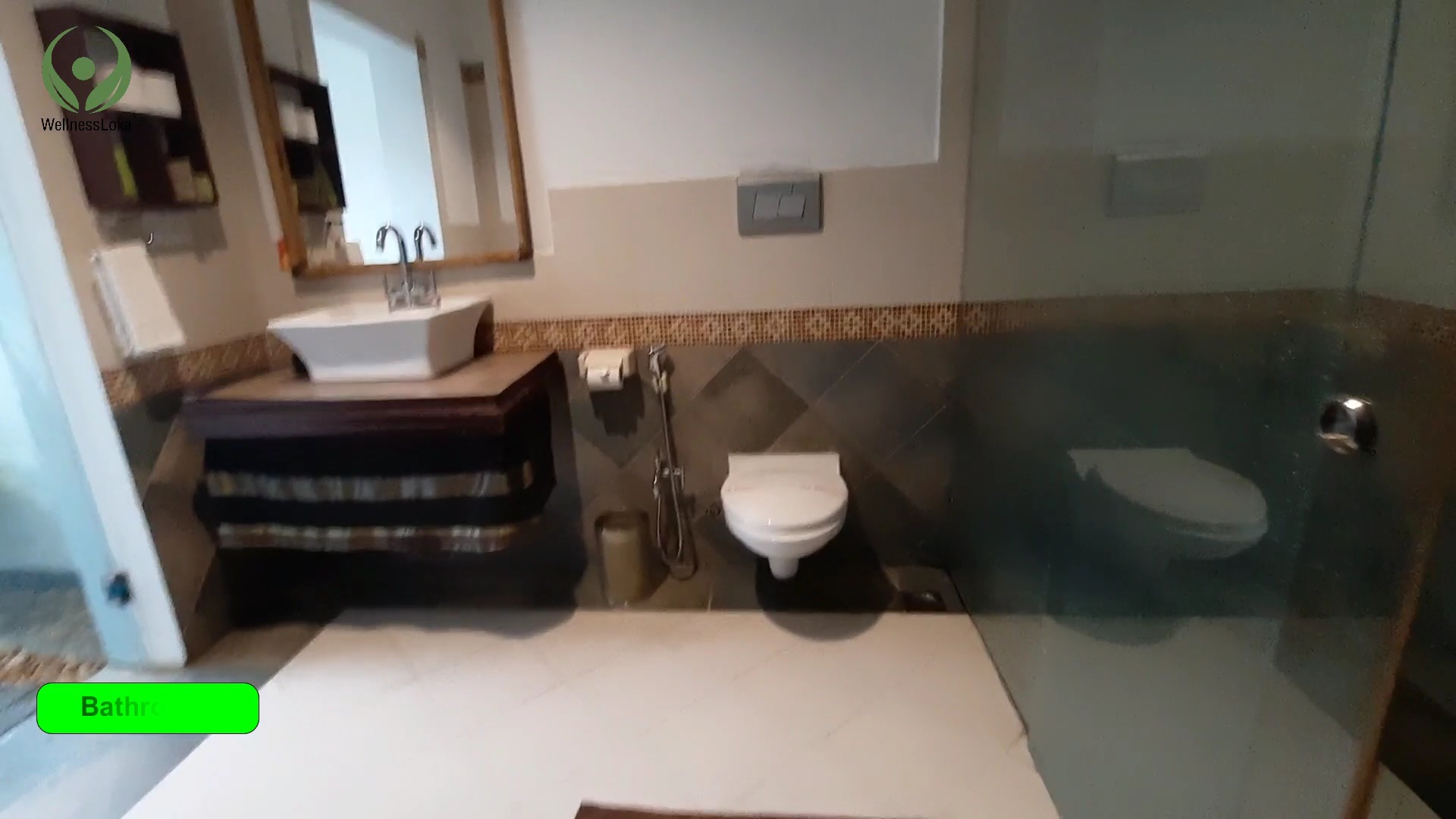
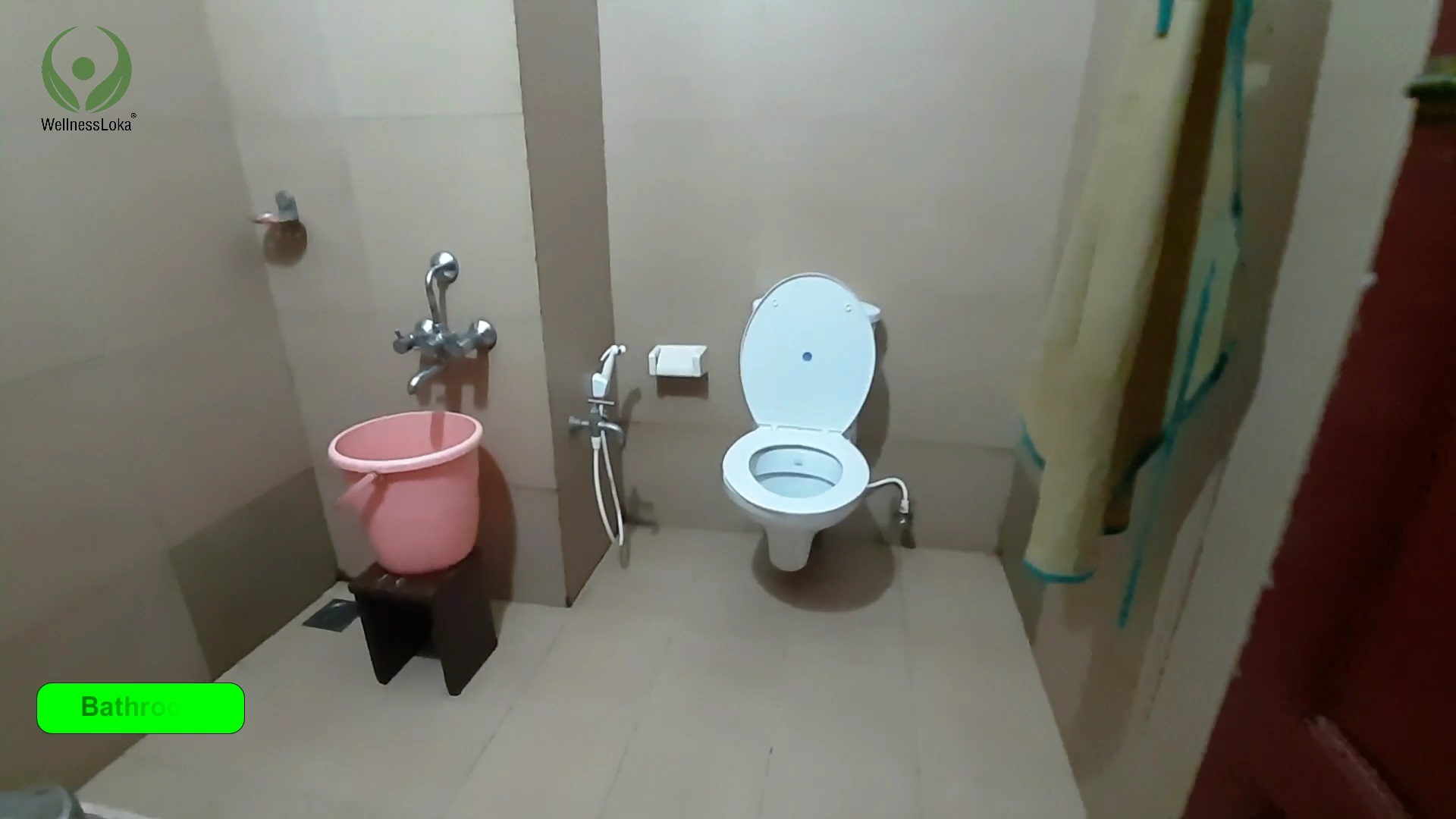
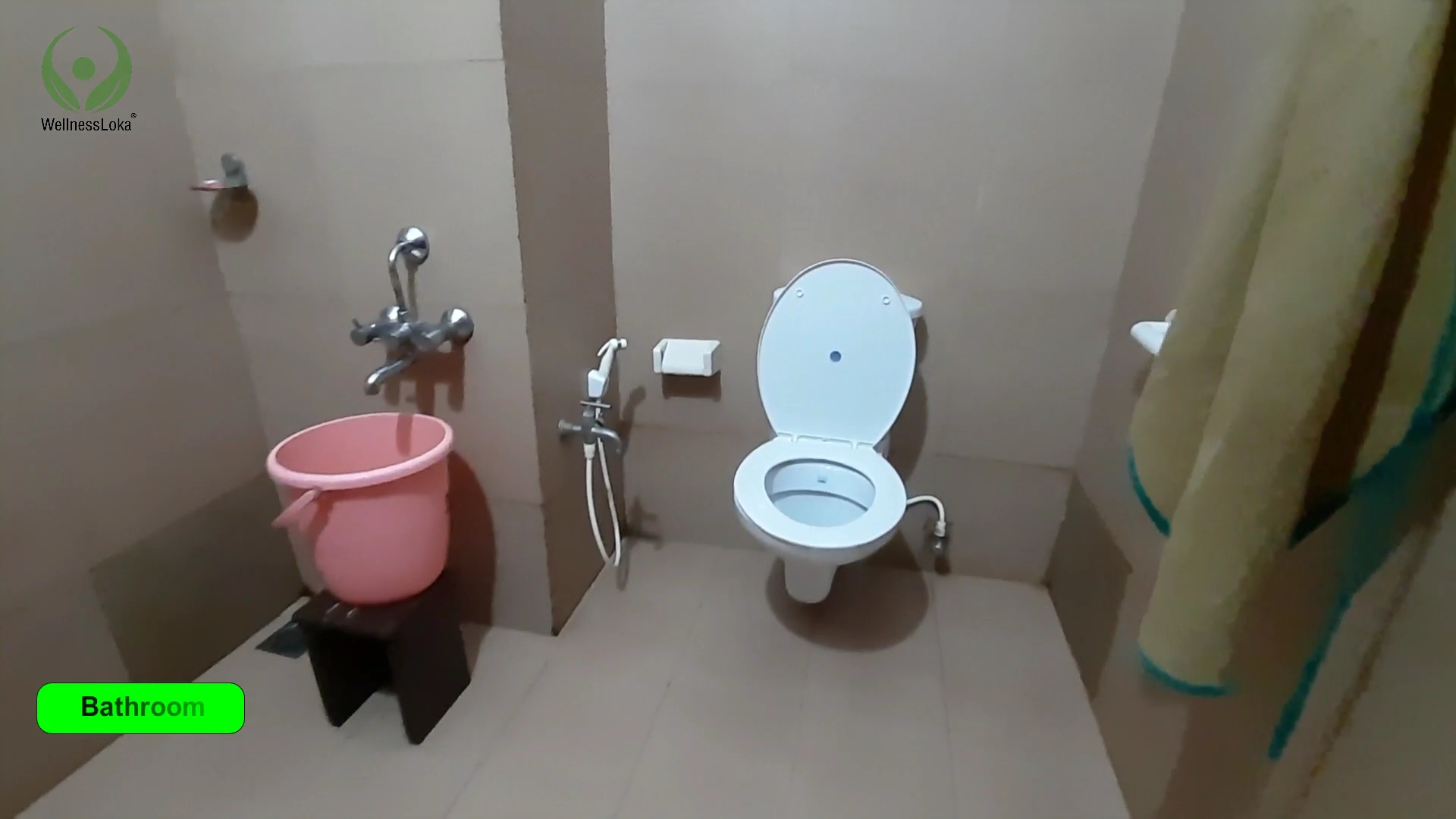
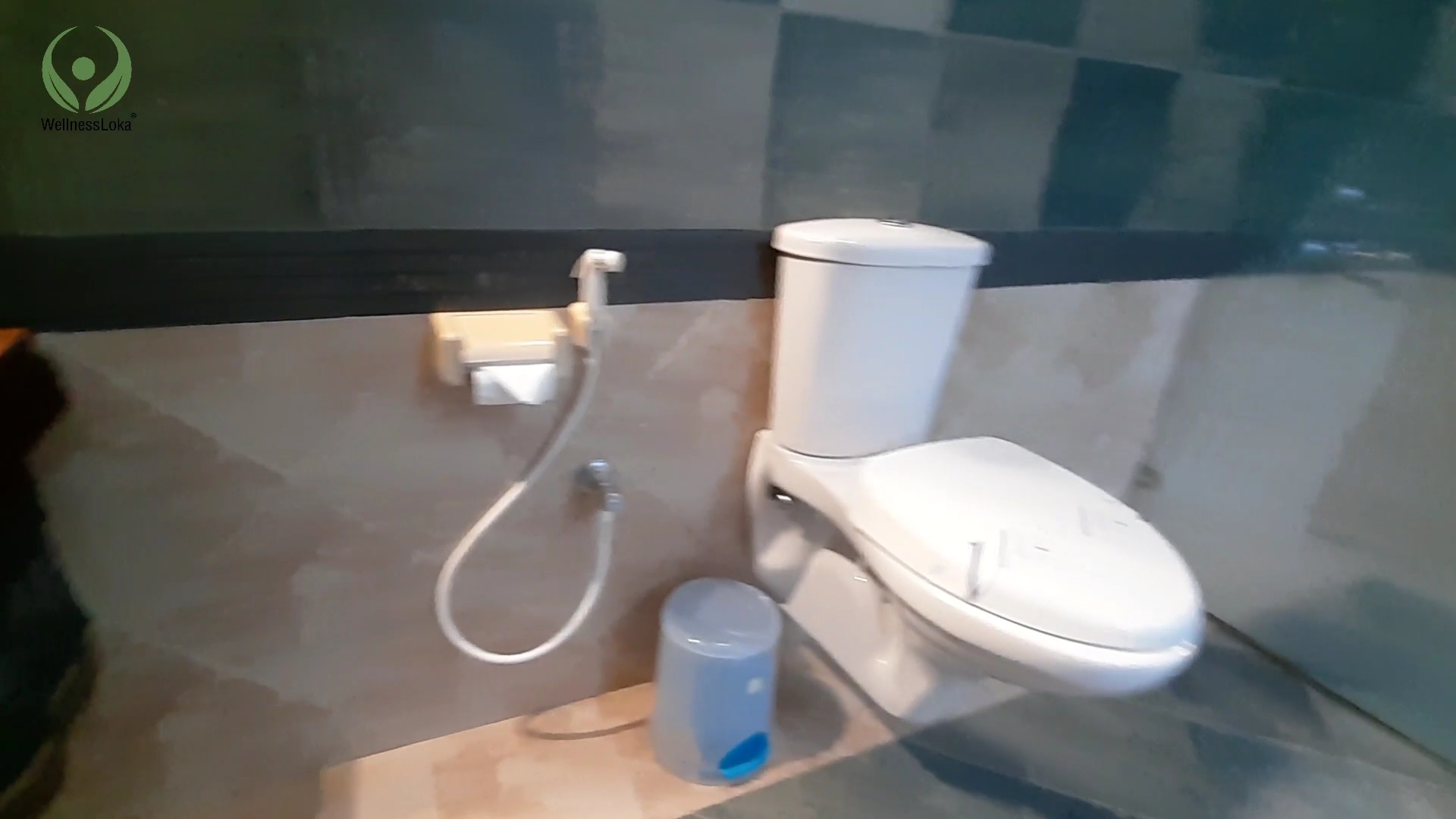
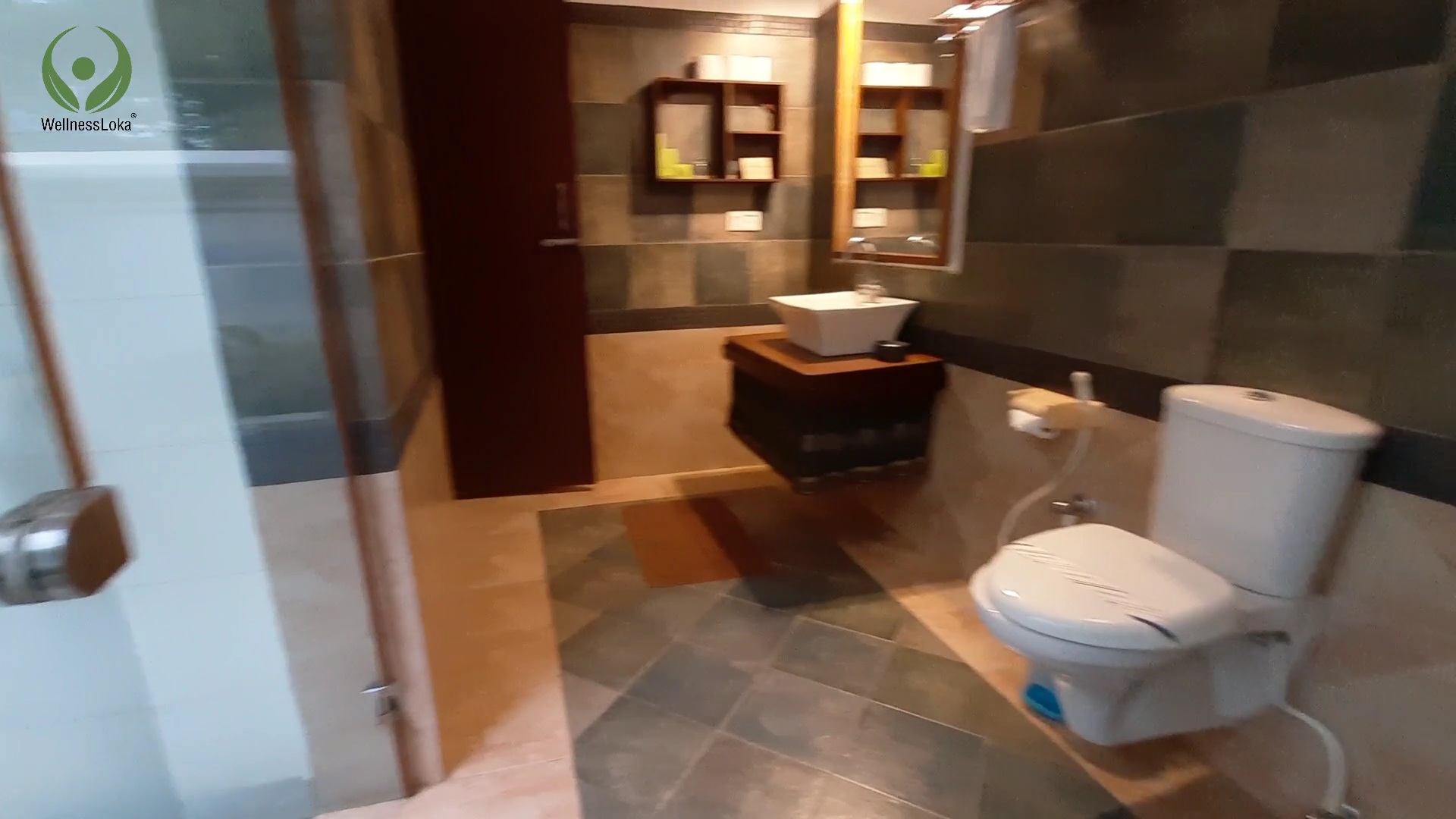
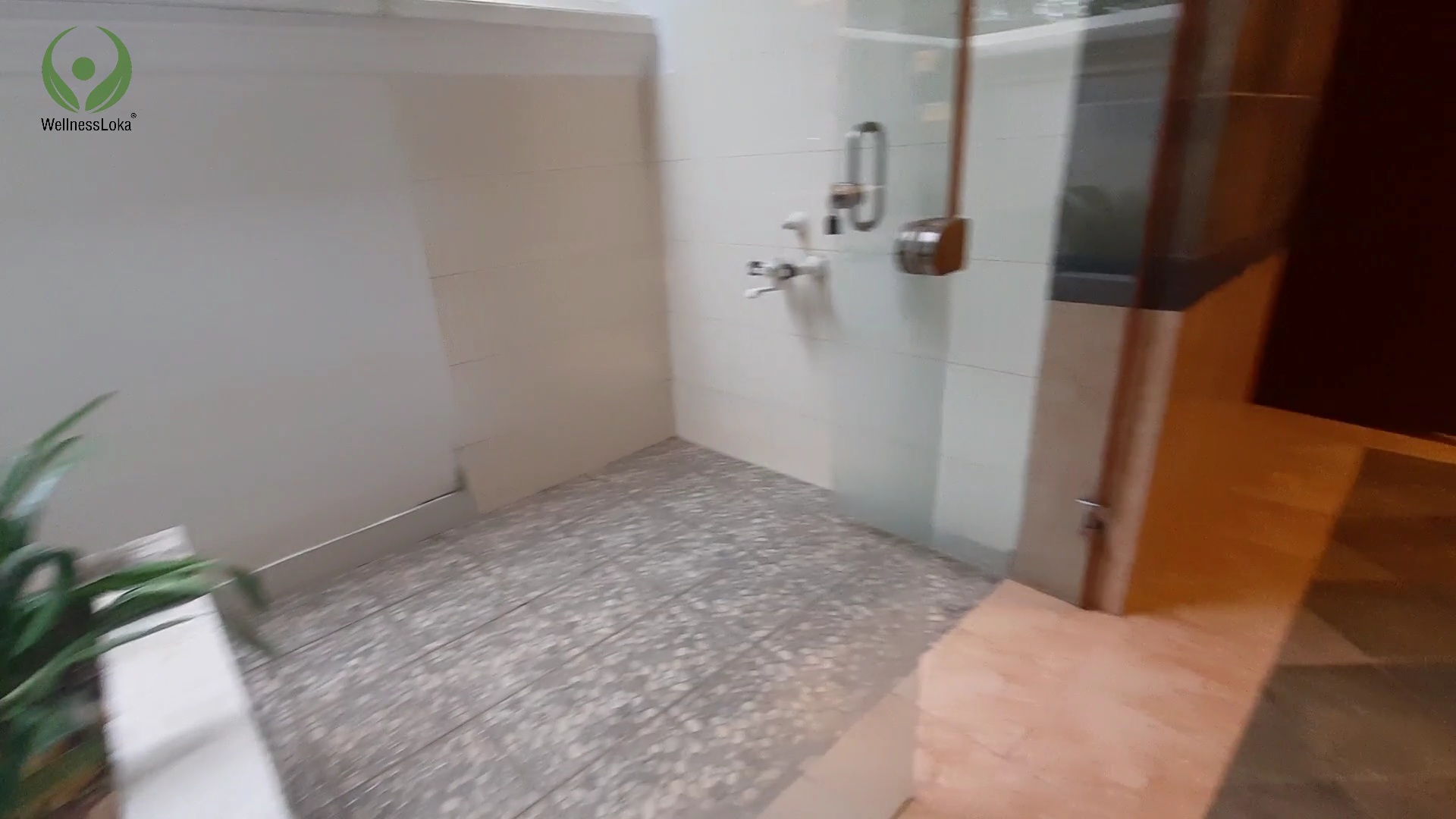
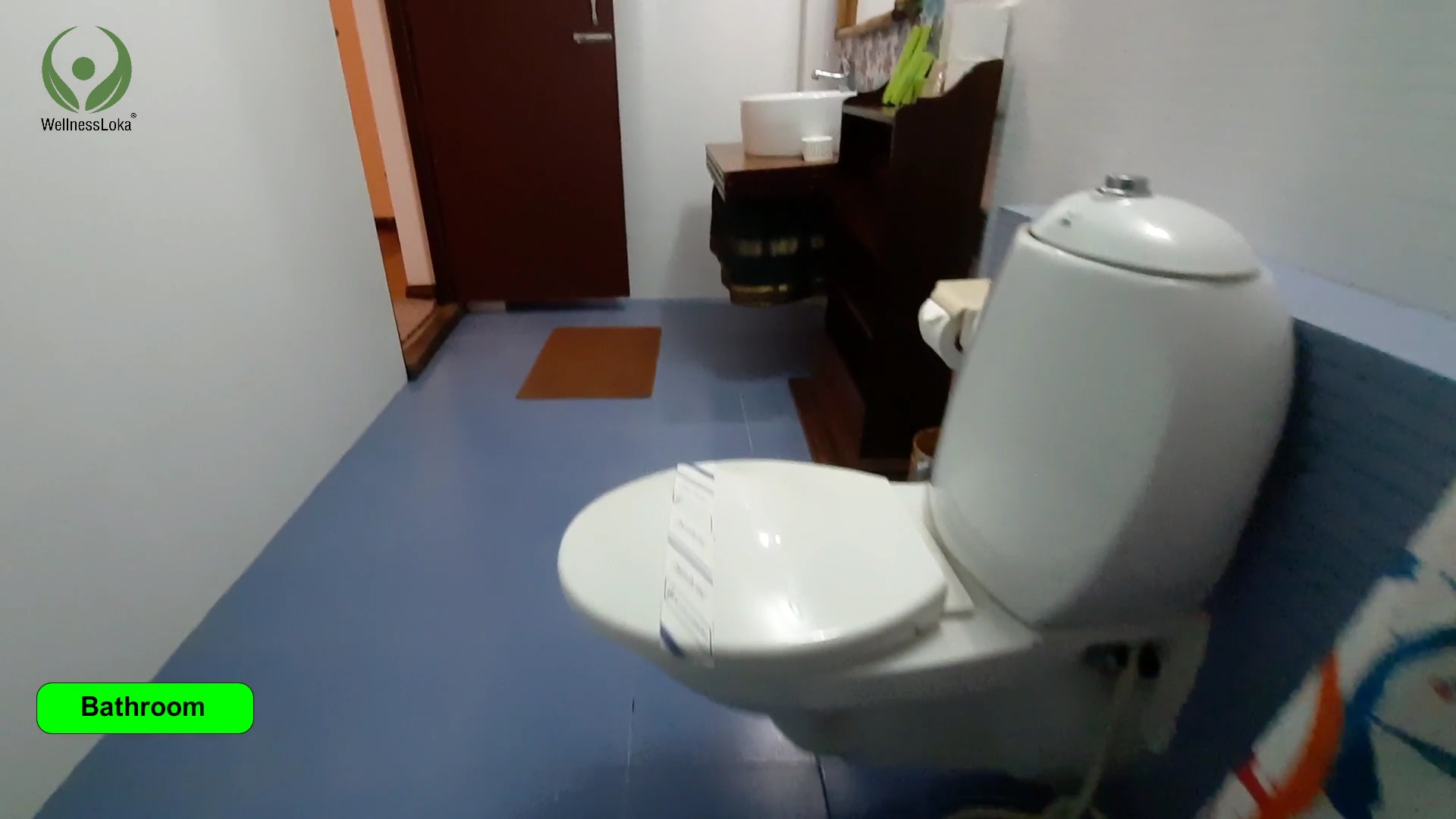
Attached Bathroom
-
 Chair
Chair -
Natural Lighting- Very Good
-
Reading Light
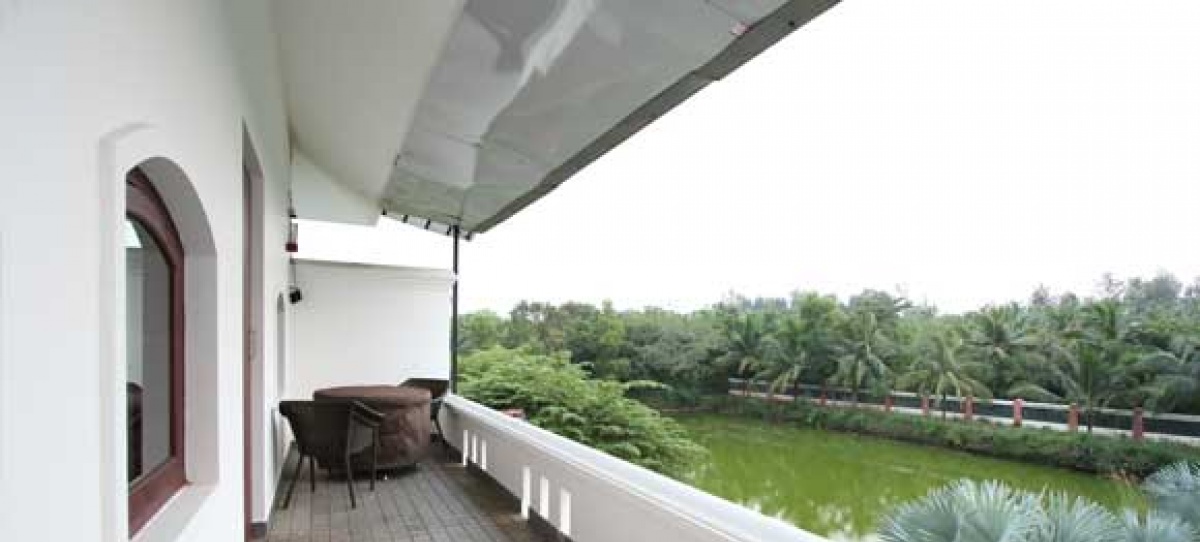
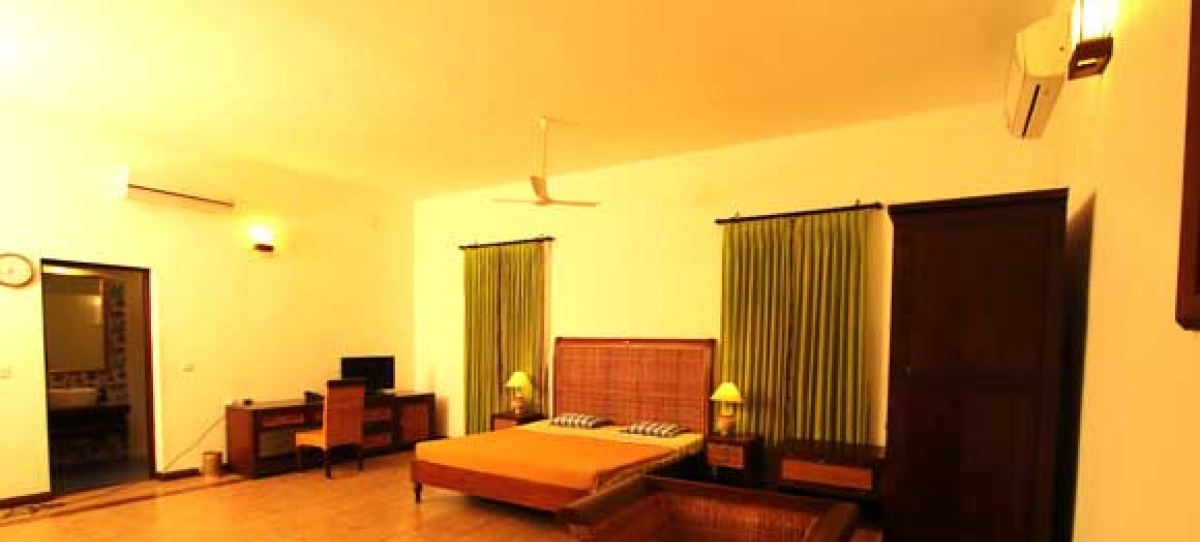
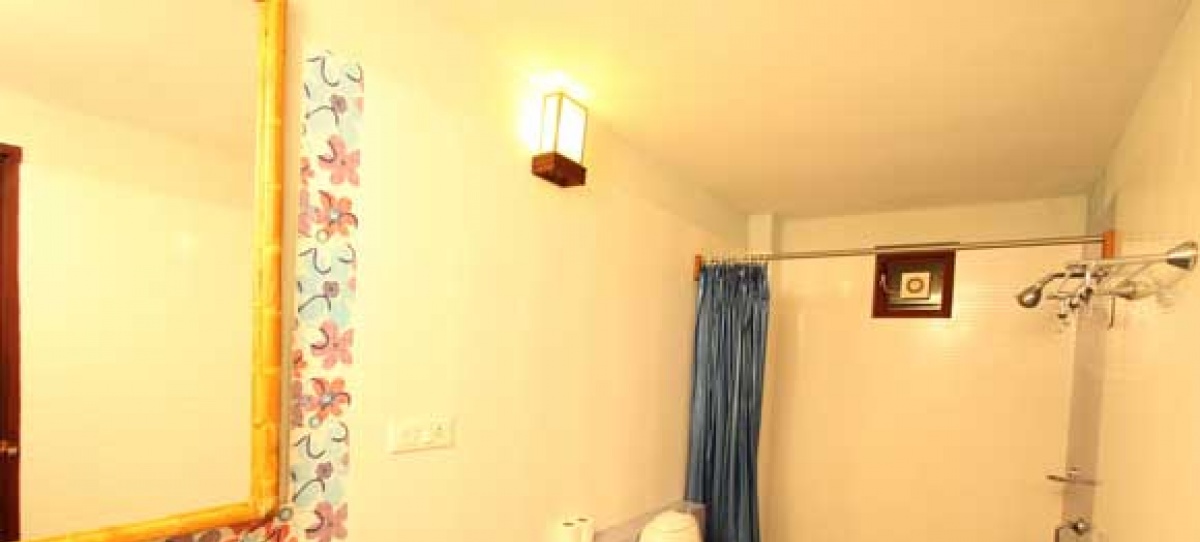
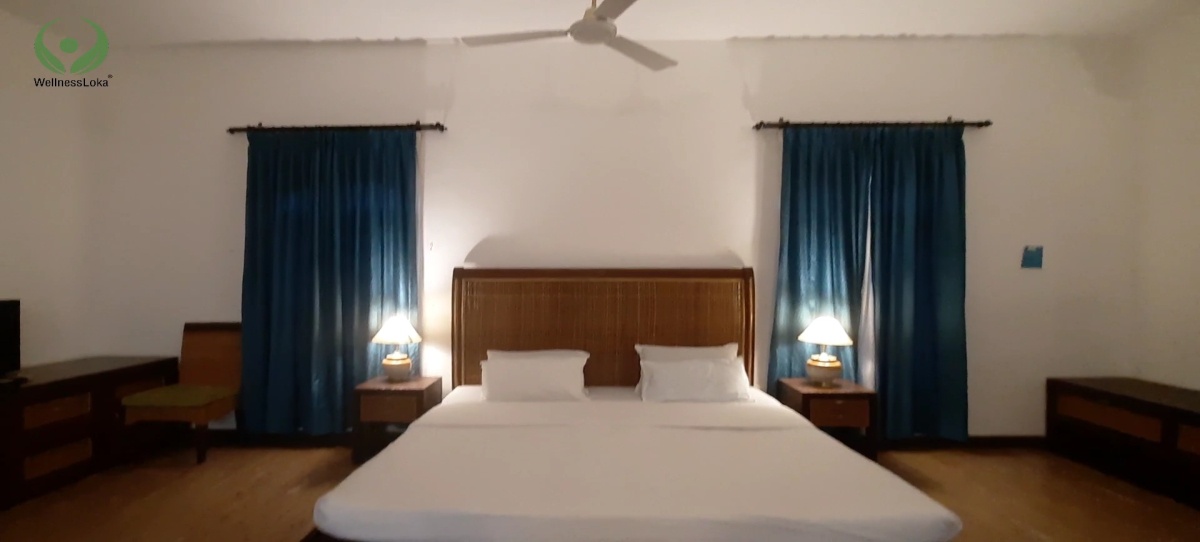
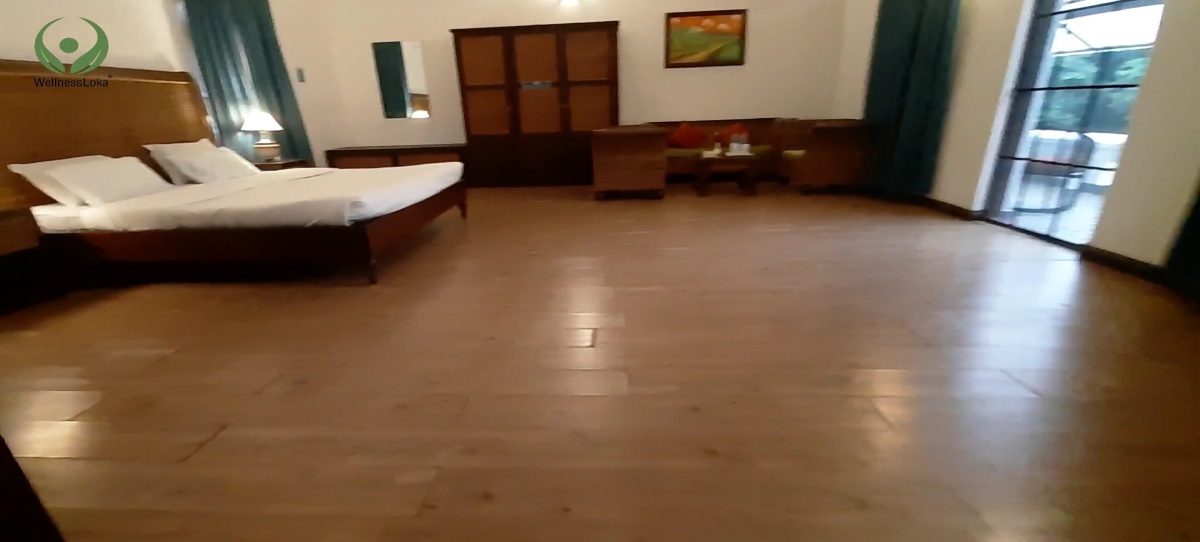
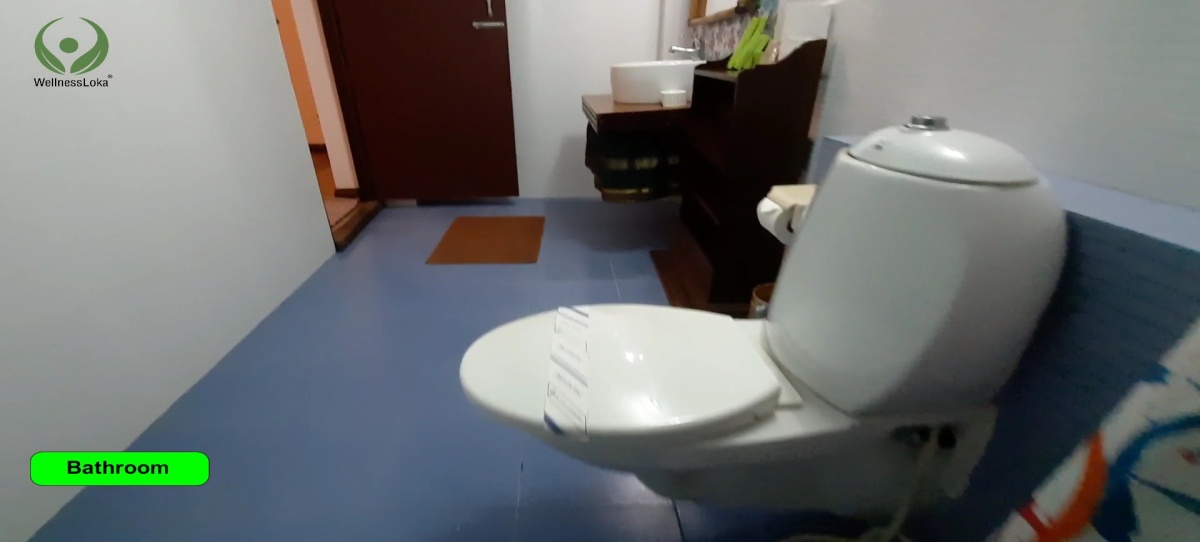
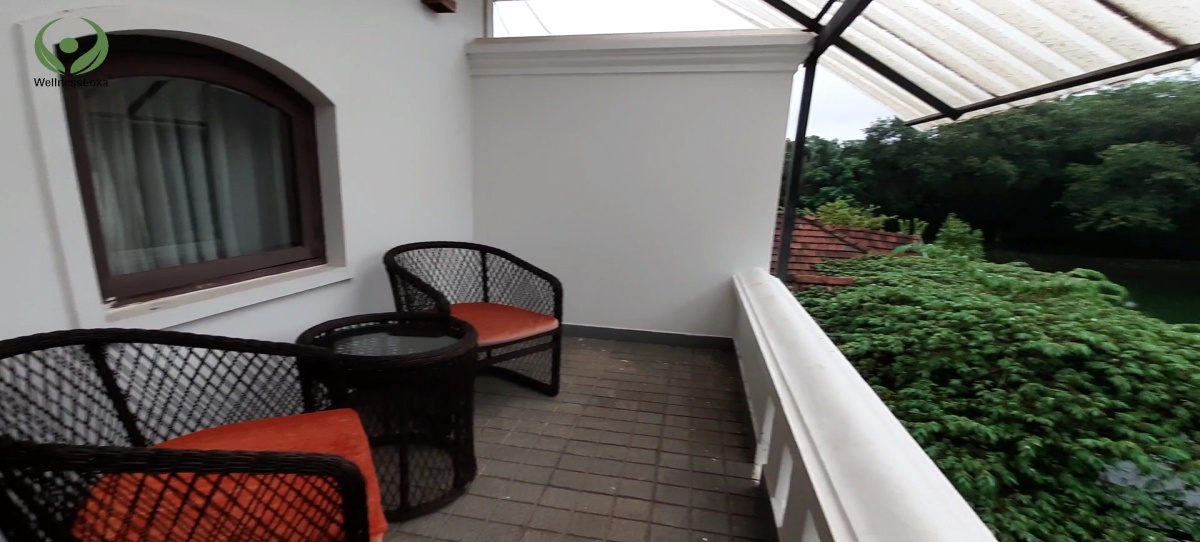
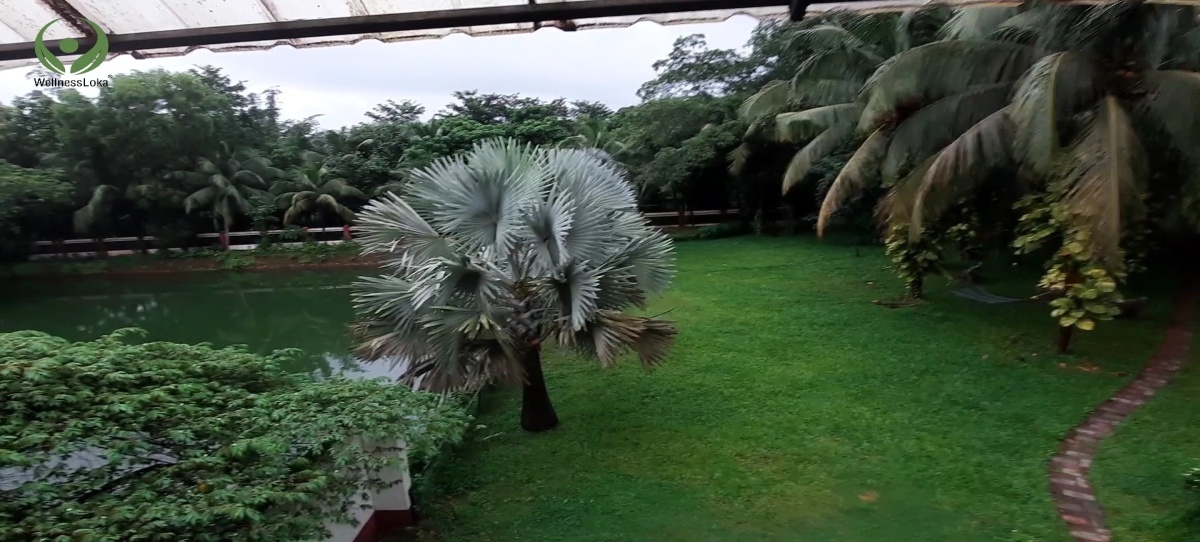
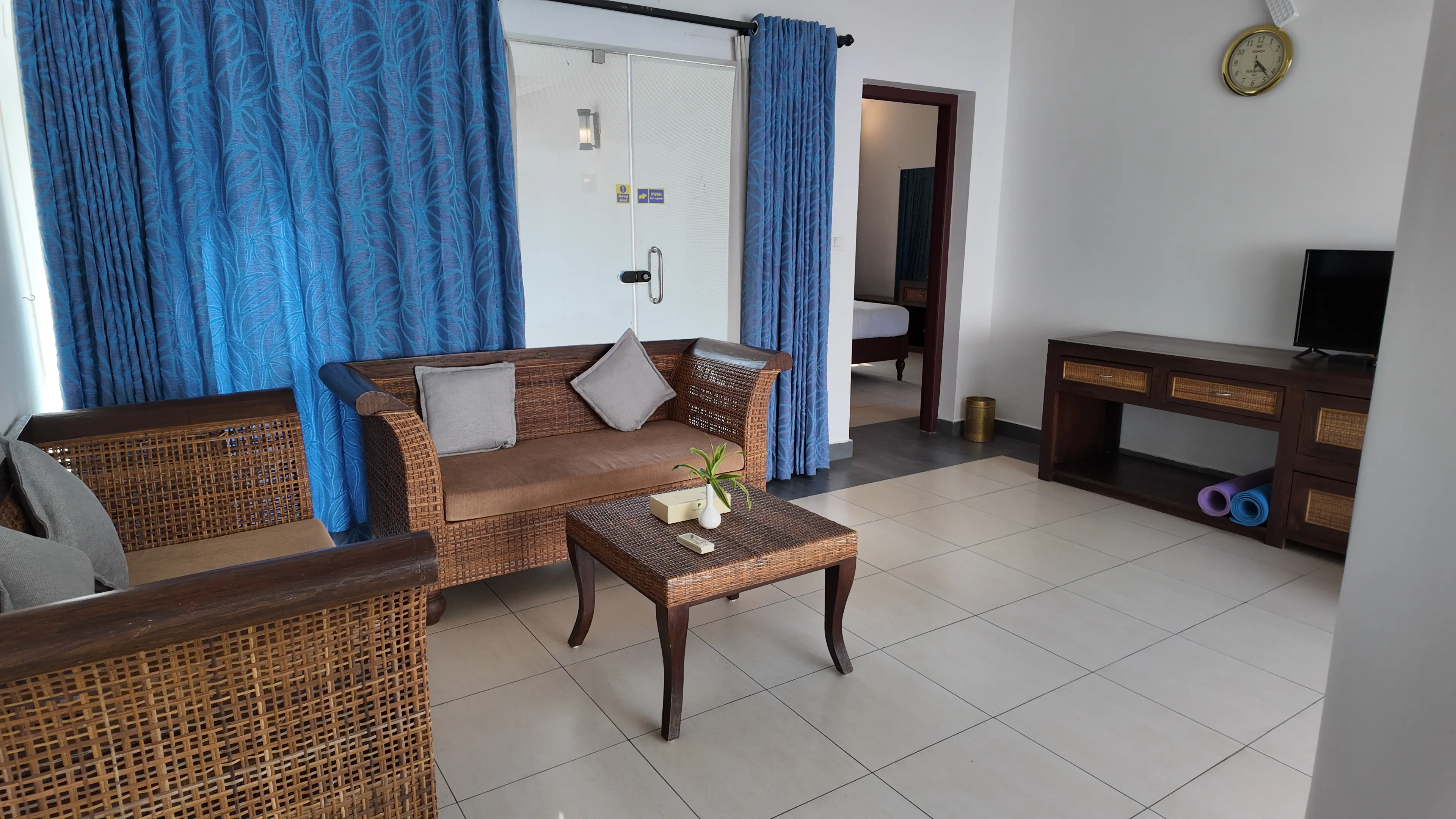
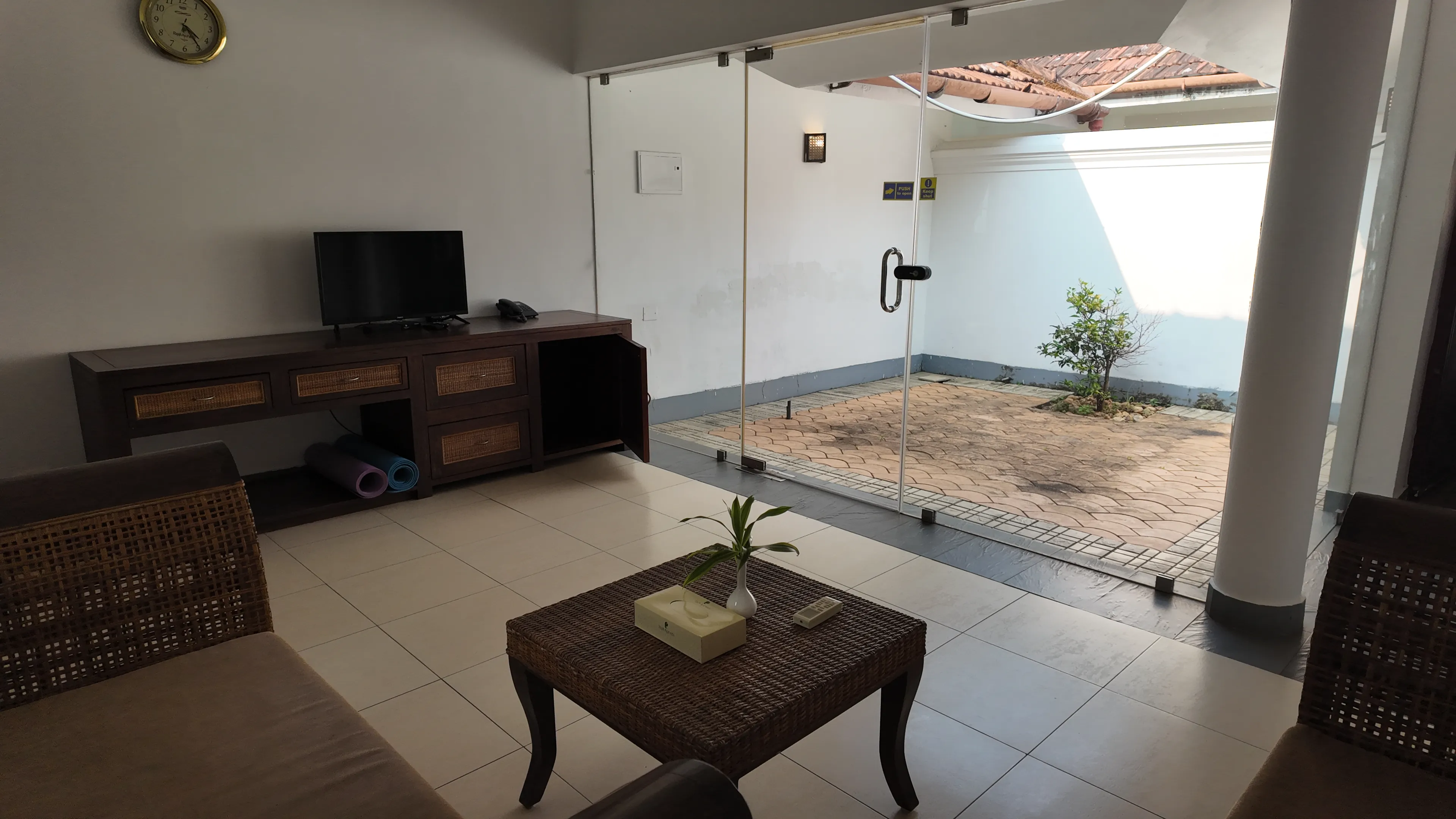
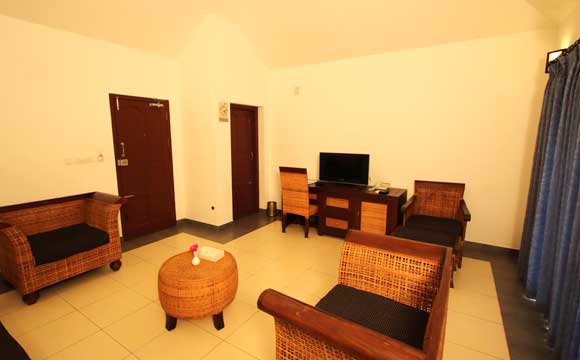
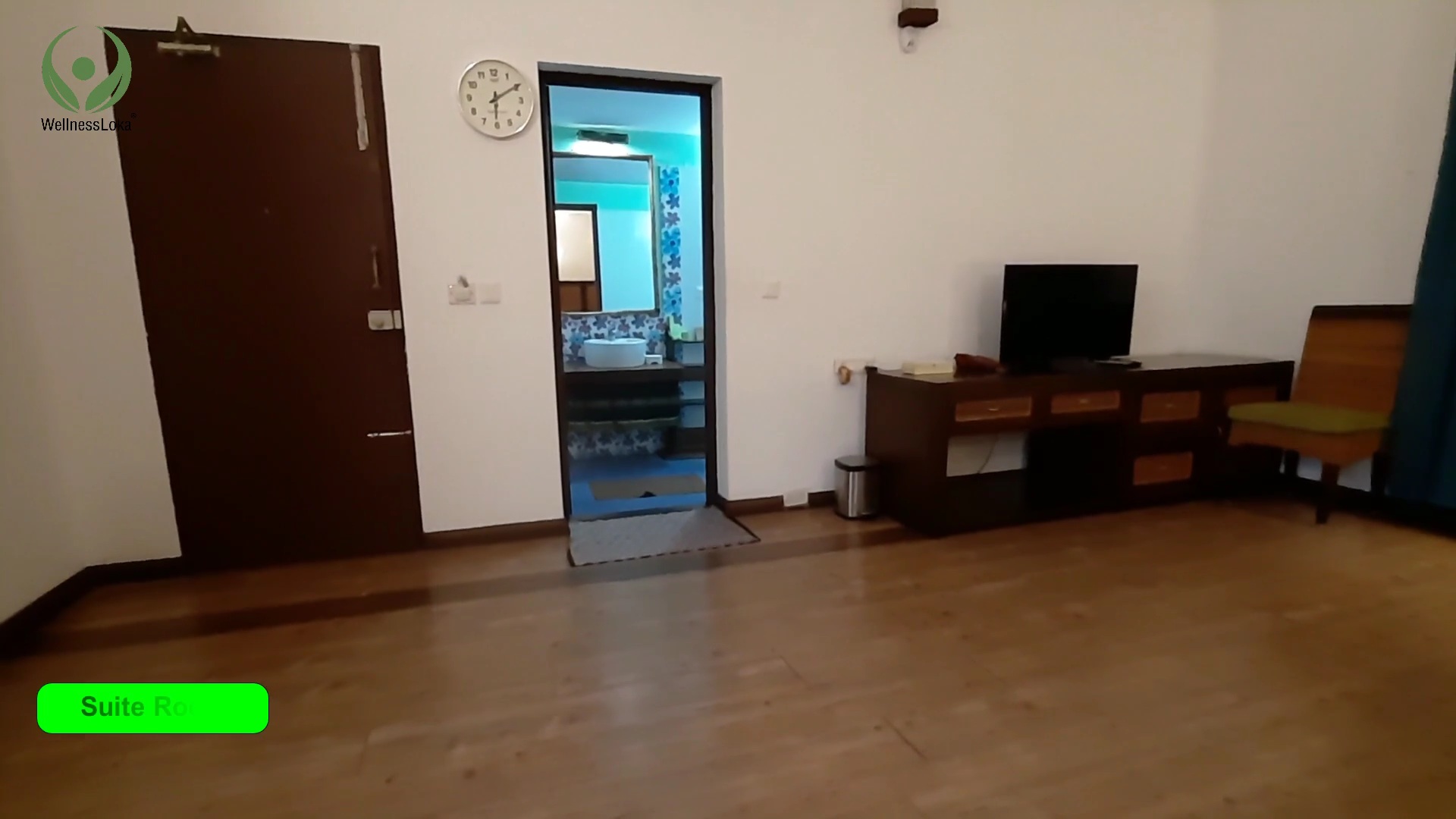
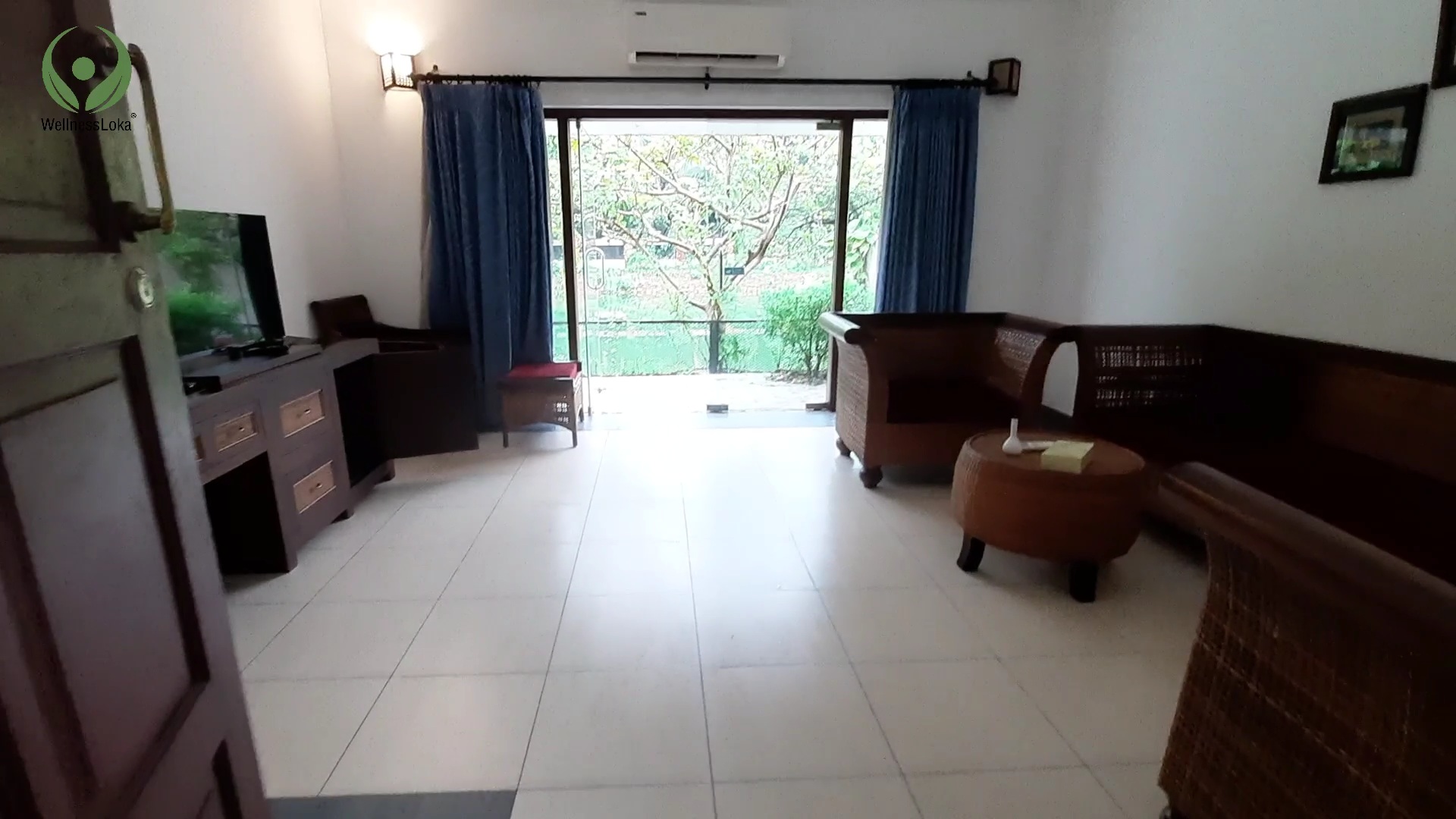
The Suite Room at Rajah Beach Ayurvedic Hospital provides a more spacious residential setting for guests undergoing an Ayurvedic treatment stay, with an emphasis on privacy, comfort and a calm connection with the surrounding natural environment. The room is air-conditioned and incorporates a dedicated sitting area, creating separate space for relaxation and quiet personal time beyond the sleeping area. Its simple and inviting character complements the overall treatment-oriented atmosphere of Rajah Beach, where accommodation is intended to support periods of rest between consultations, Ayurvedic therapies, meals, Yoga and other prescribed activities.
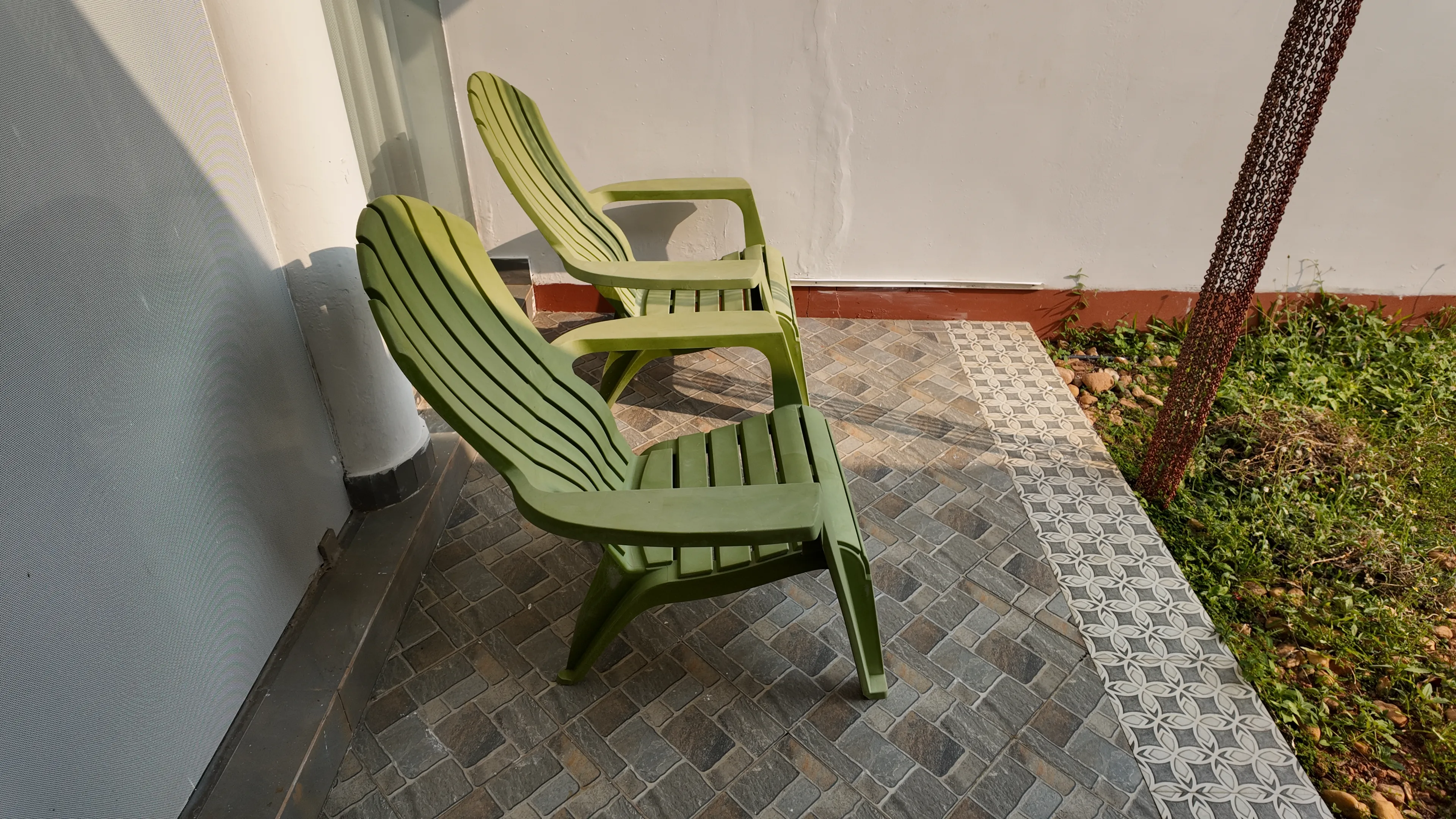
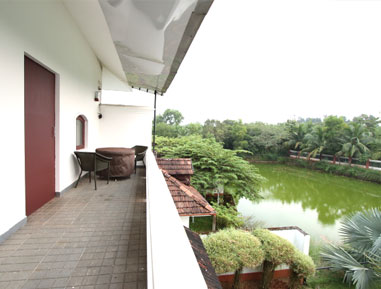
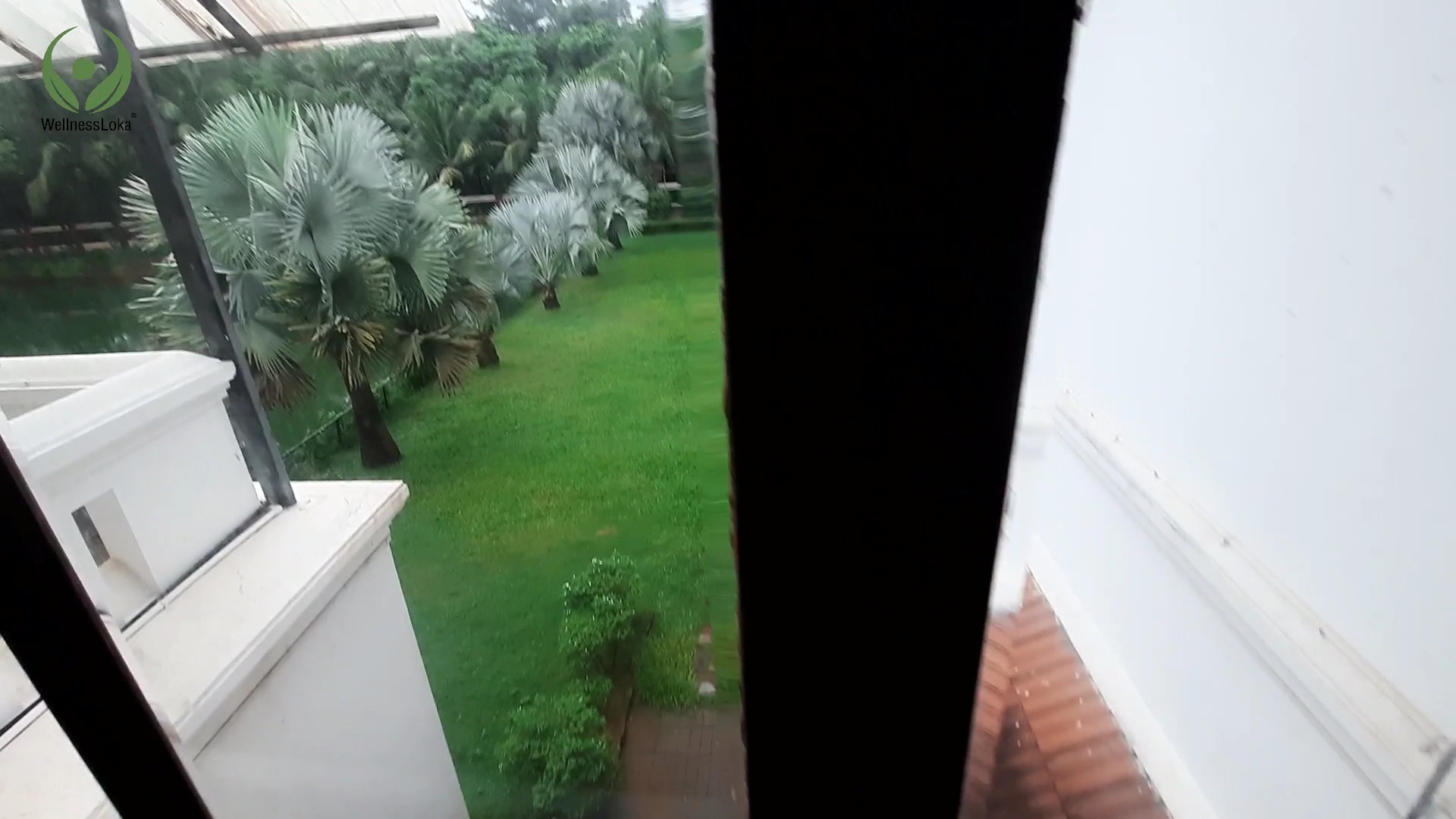
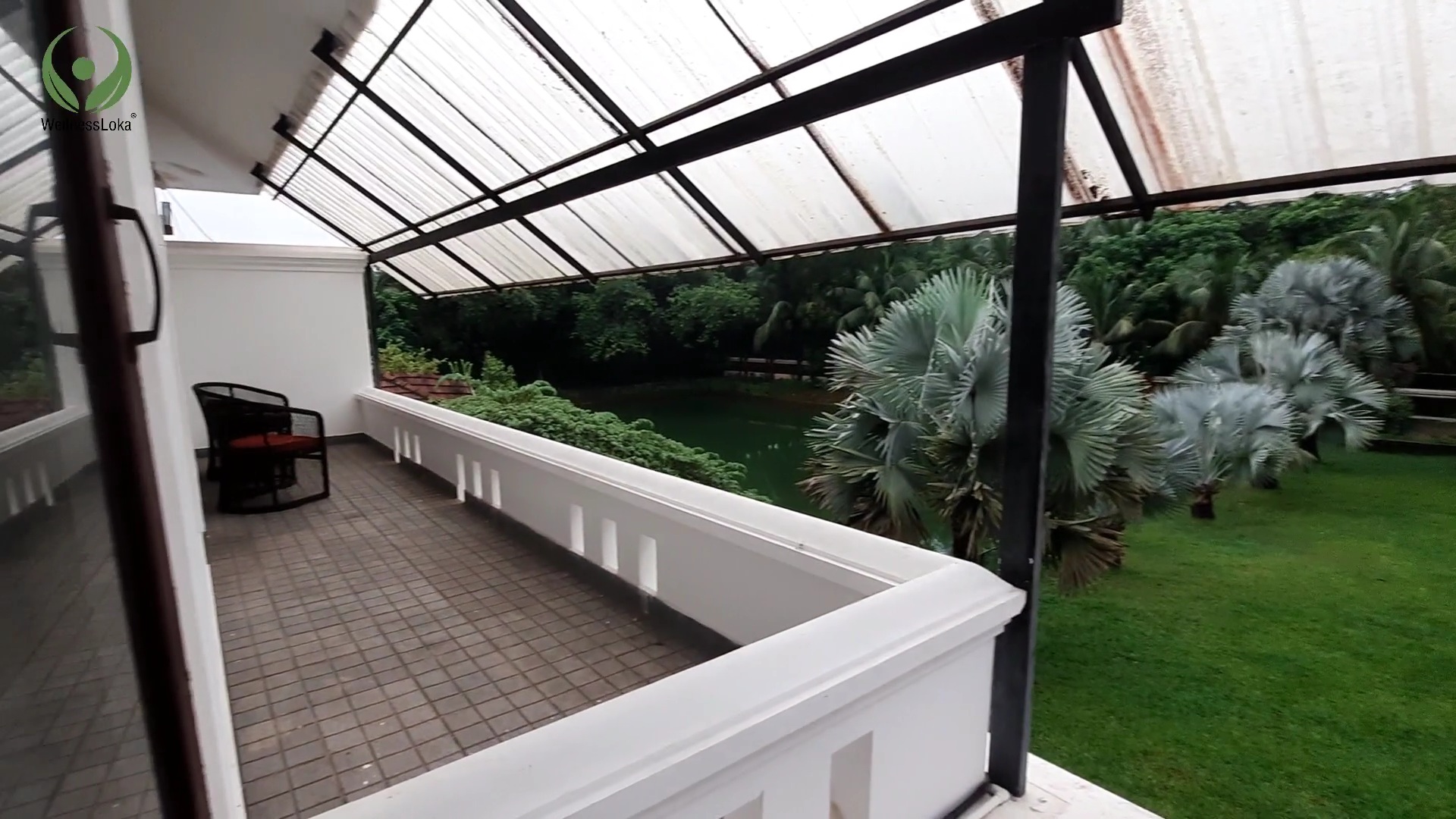
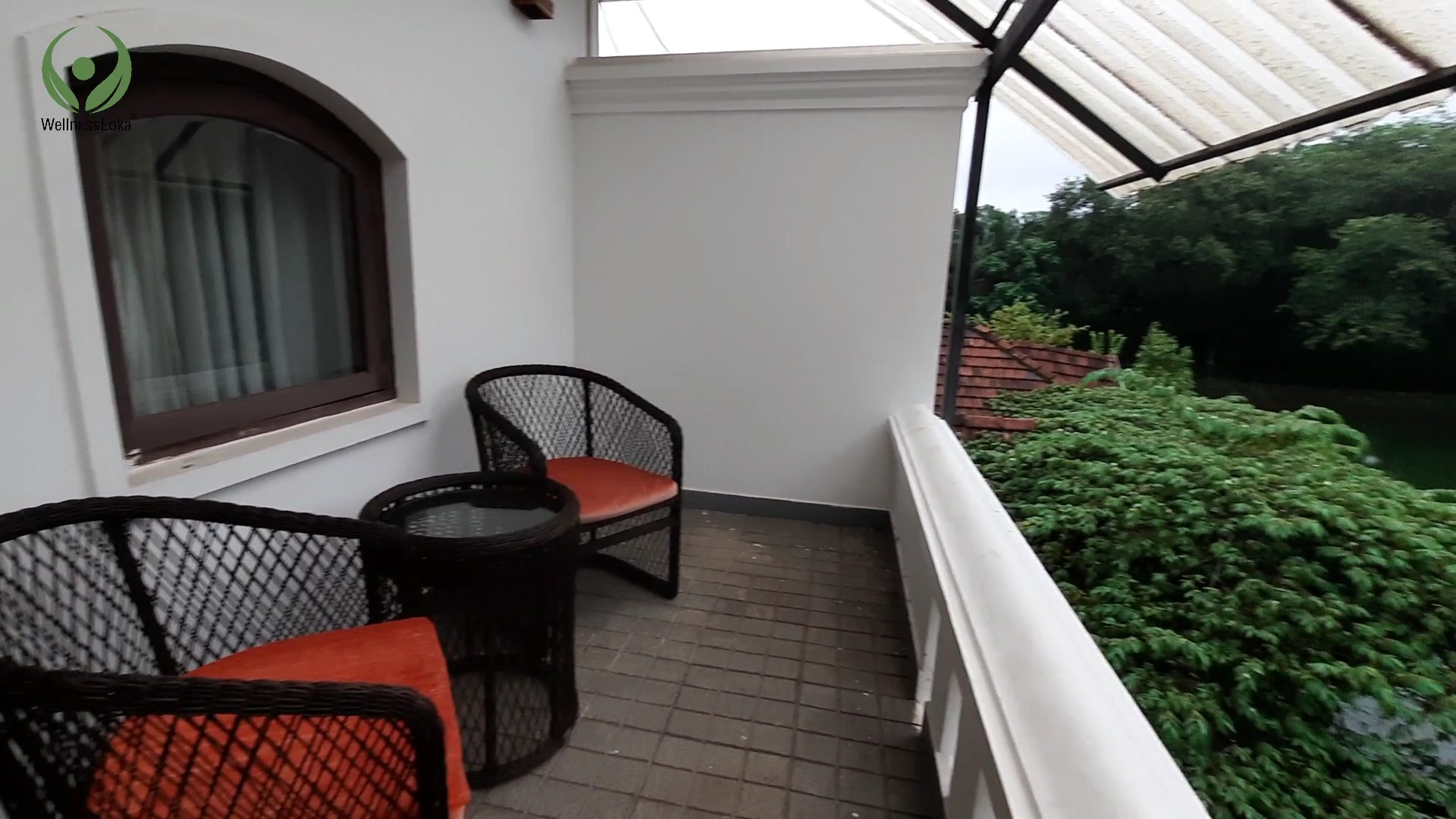
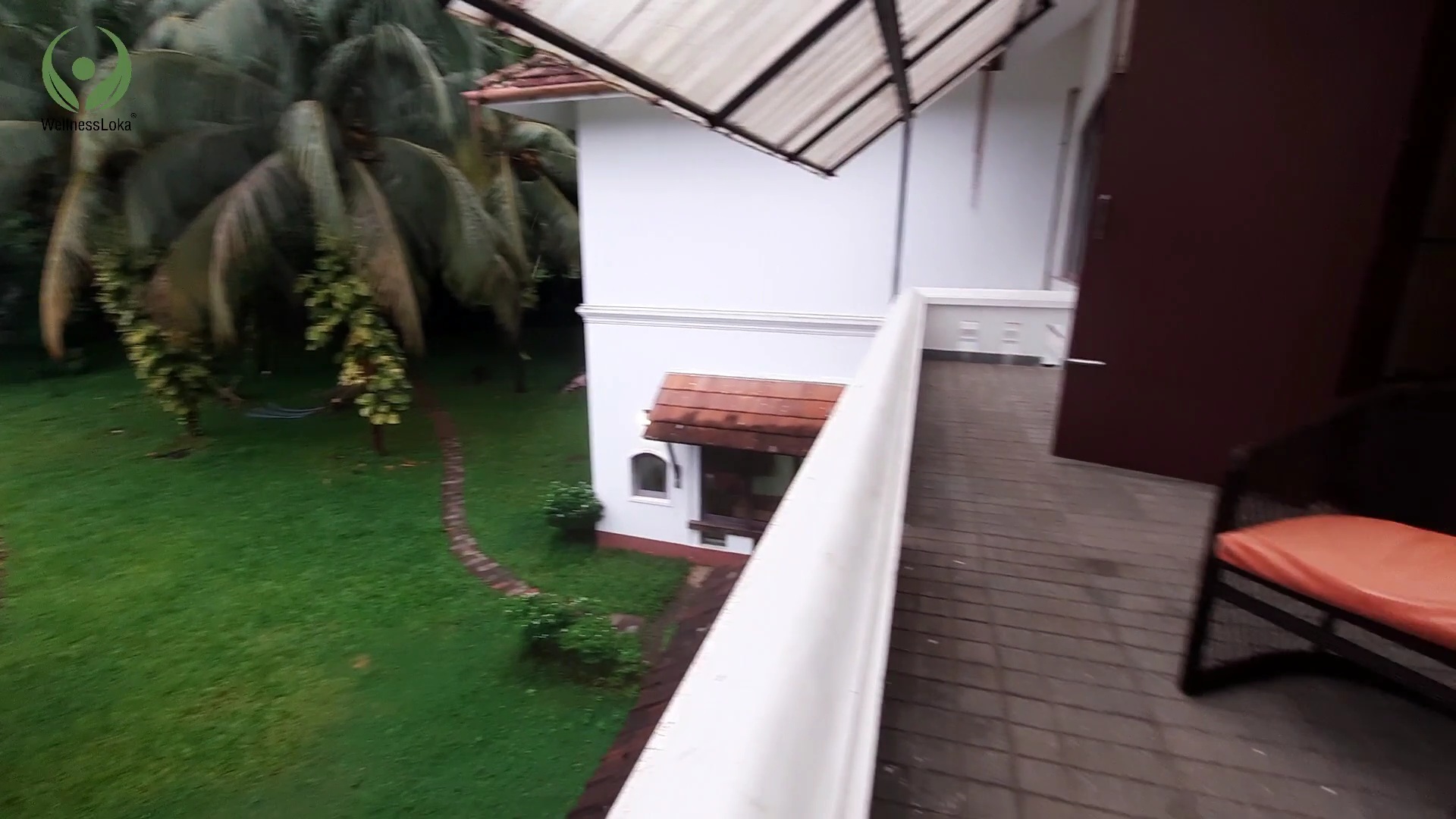
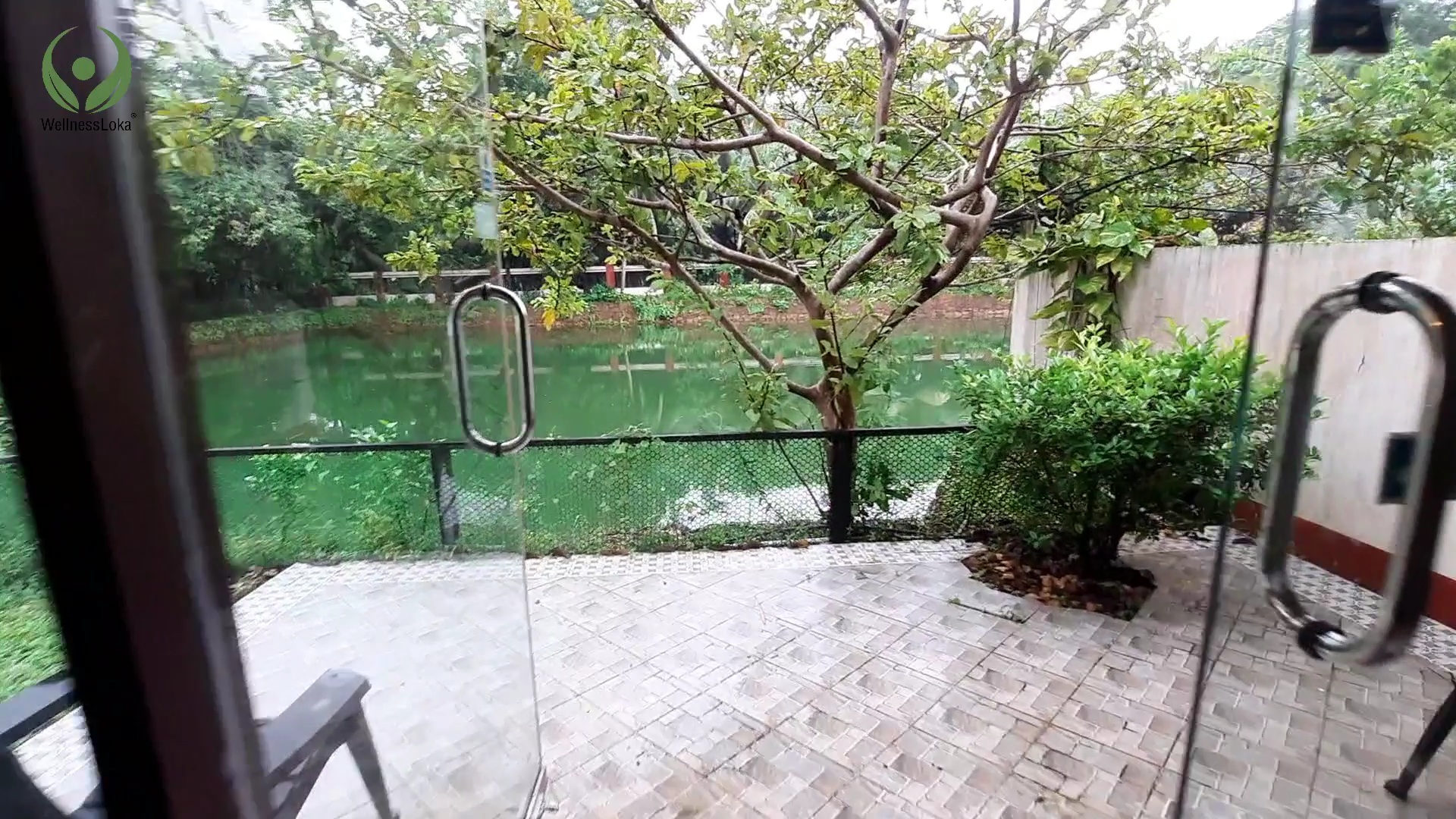
A notable feature of the Suite Room is its private balcony, which extends the usable living space outdoors and provides views towards a scenic pond and surrounding greenery. This outdoor space offers a peaceful setting for sitting and relaxation while maintaining a sense of connection with the property's landscaped environment. The combination of an air-conditioned interior, dedicated sitting area and private balcony makes the Suite Room particularly suitable for longer residential Ayurvedic stays, where adequate personal space and a restful environment form an important part of the overall treatment experience.
-
Manual Door Lock
-
Satellite Channels
-
Air Conditioner
-
Bed Side Lamp
-
Bedside Socket
-
Ayurveda Conditioner
-
Attached Bathroom
-
 Balcony
 -
Balcony Chair
-
Balcony Table
-
Chair
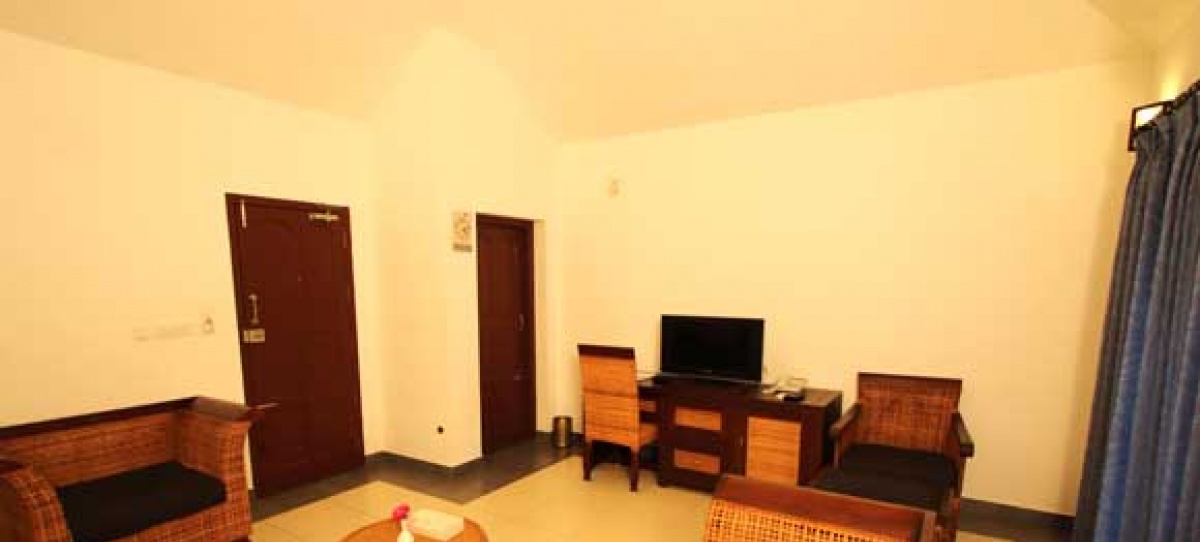
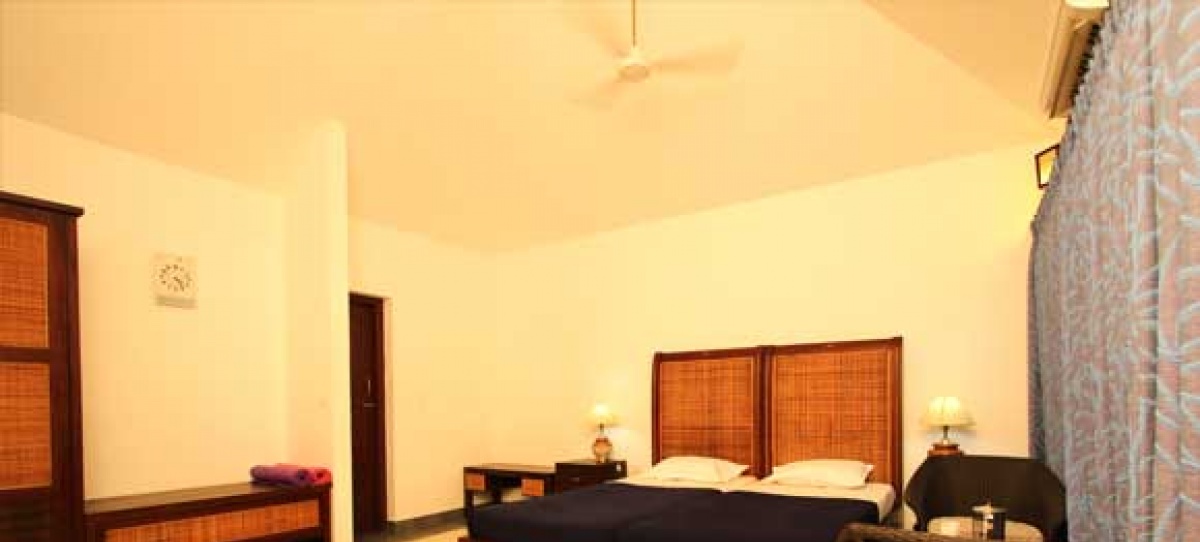
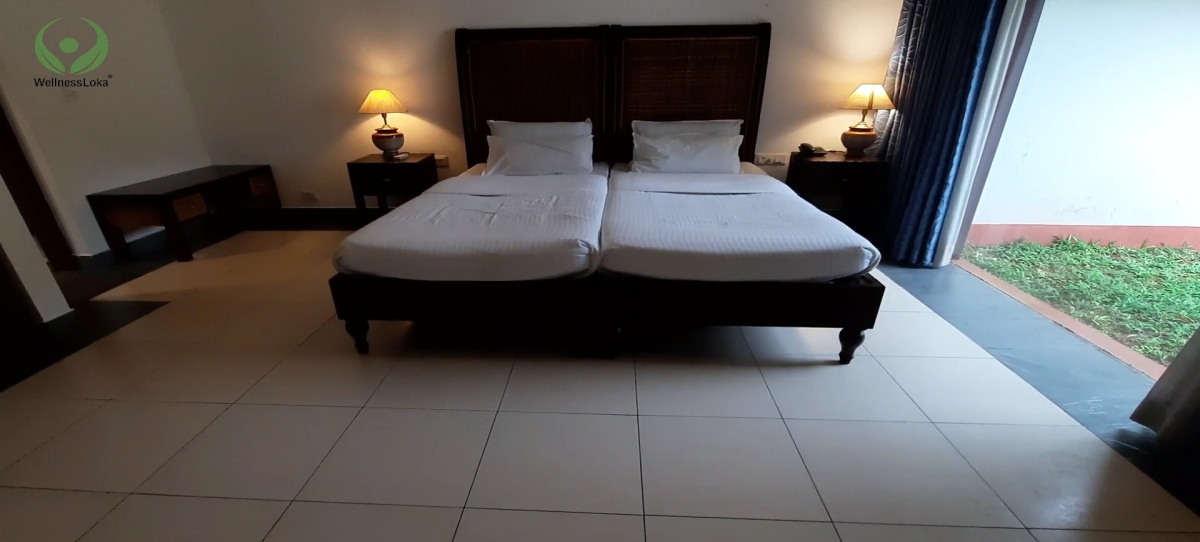
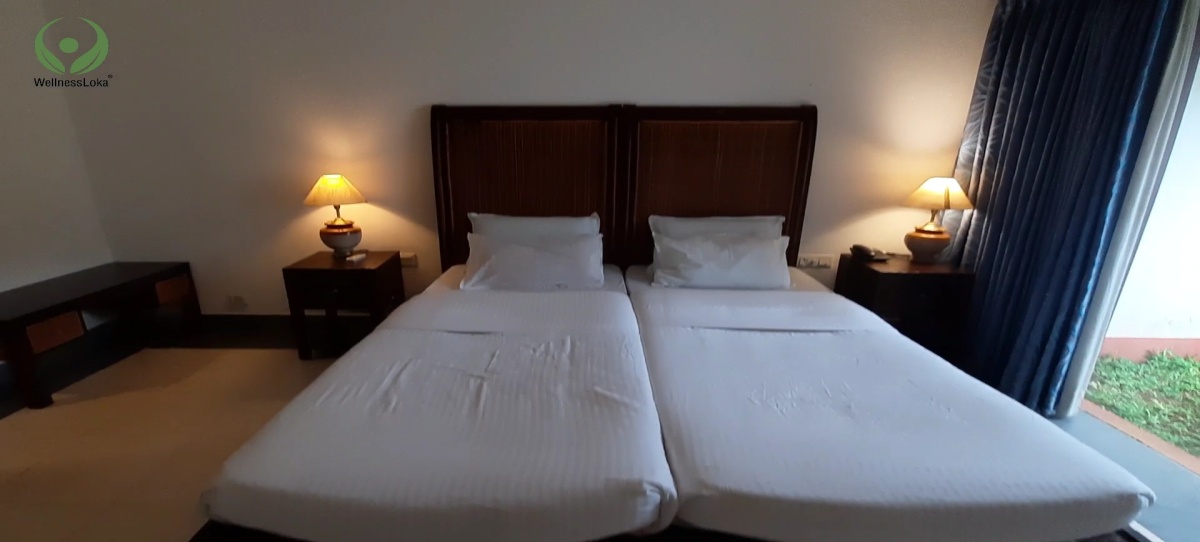
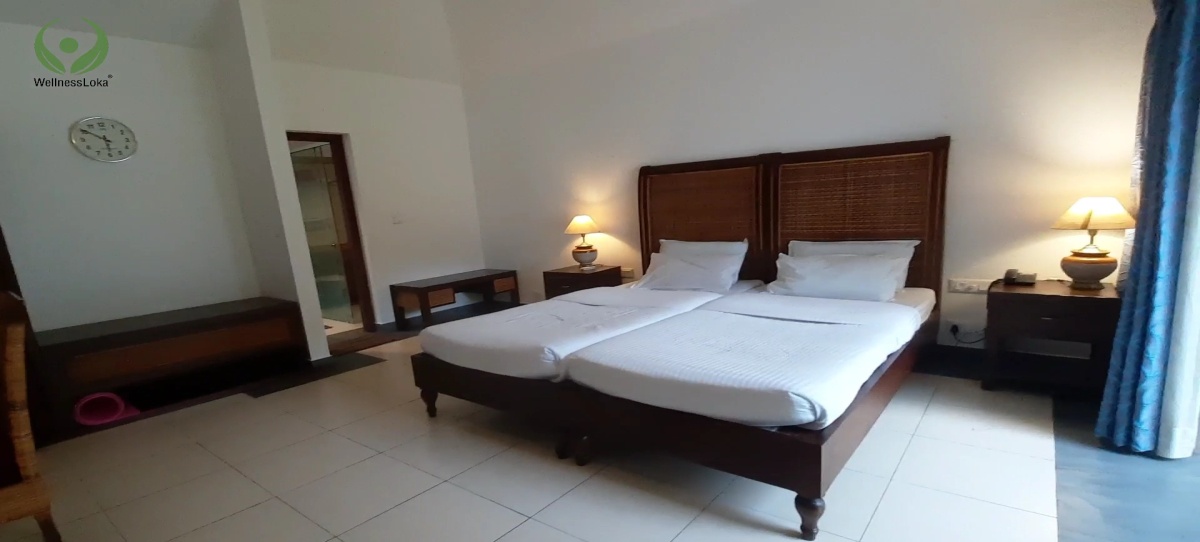
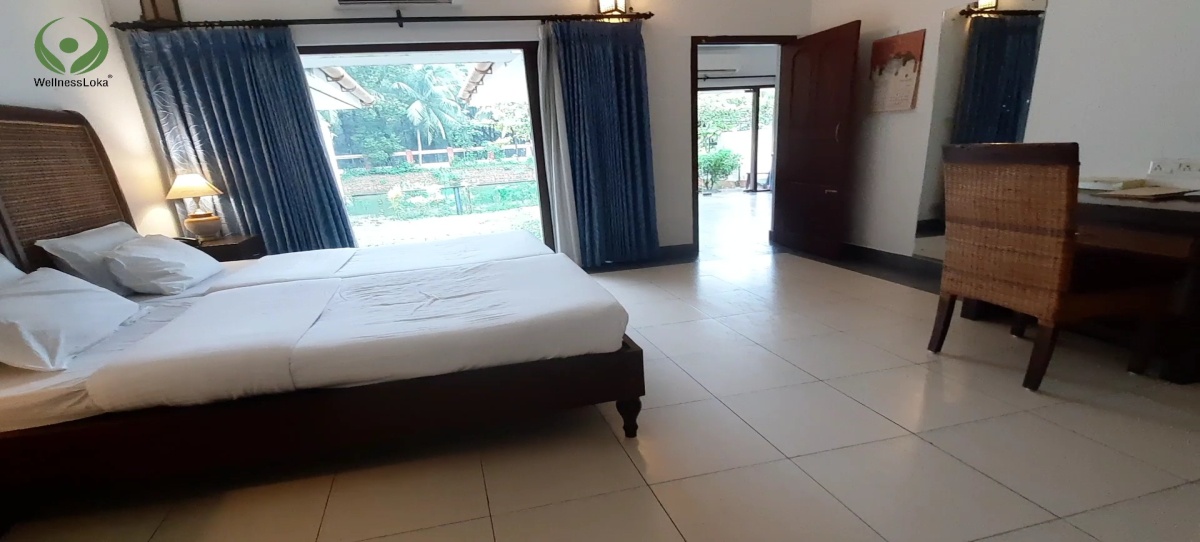
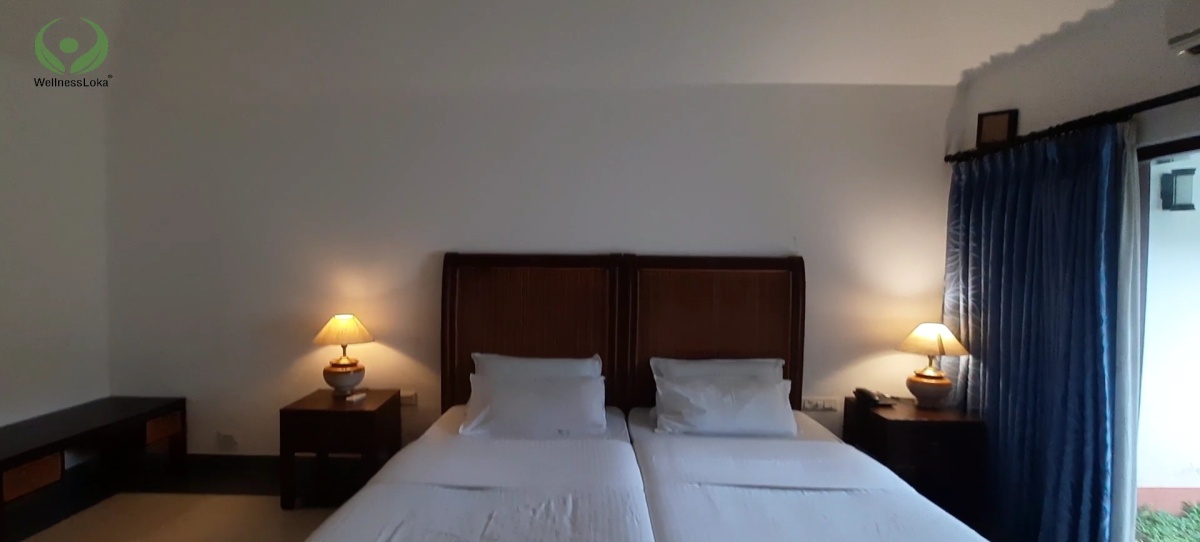
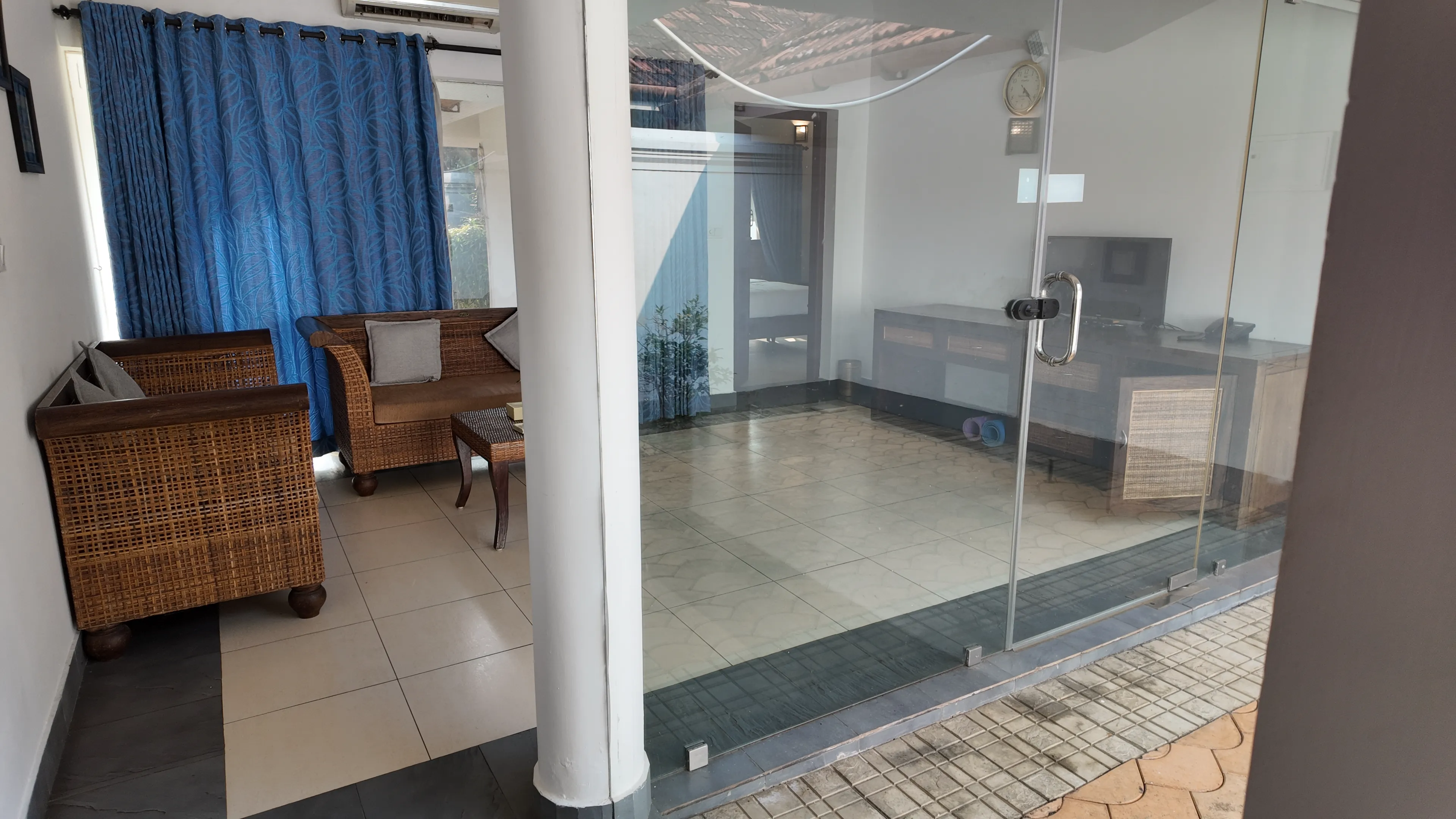
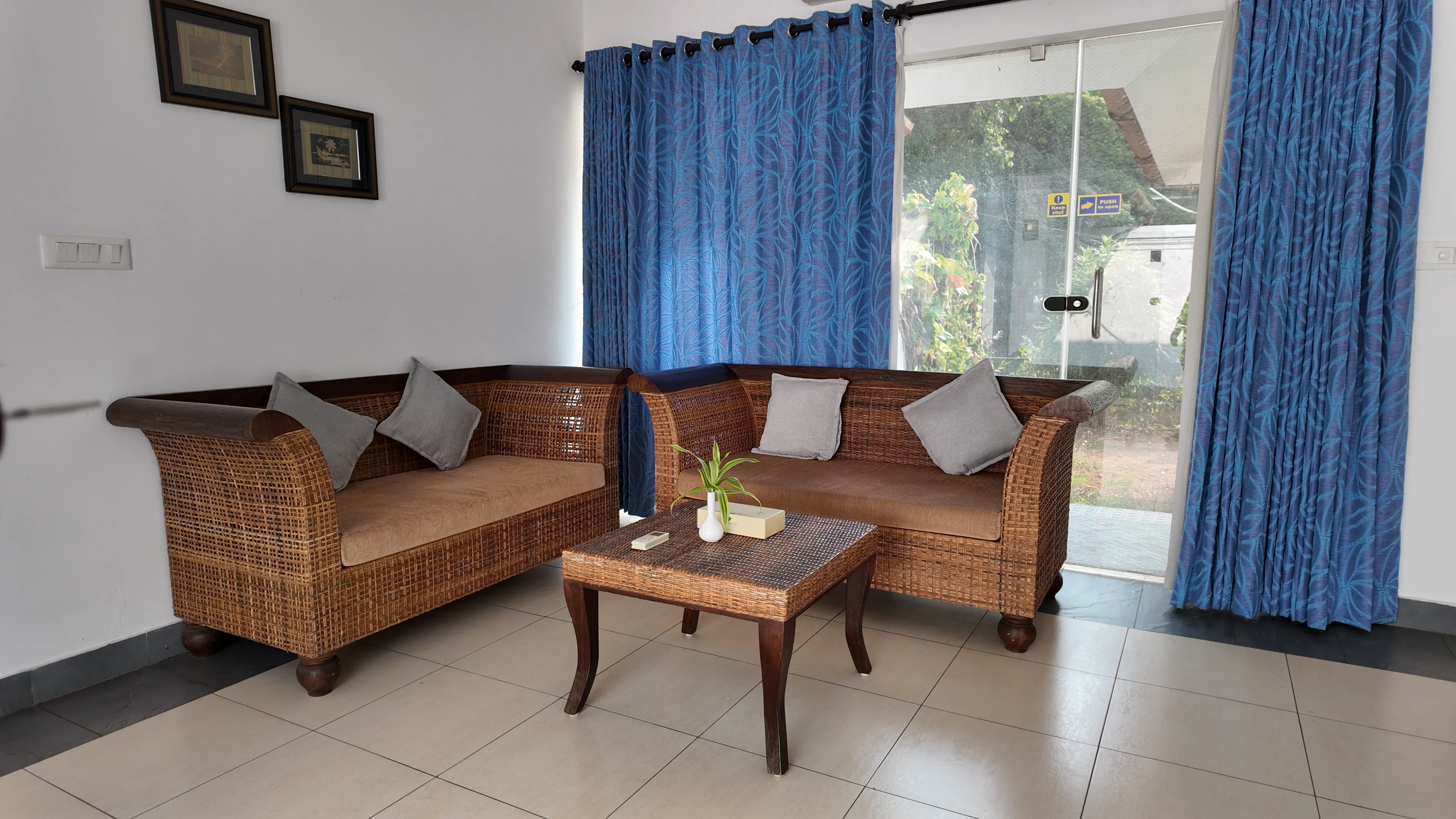
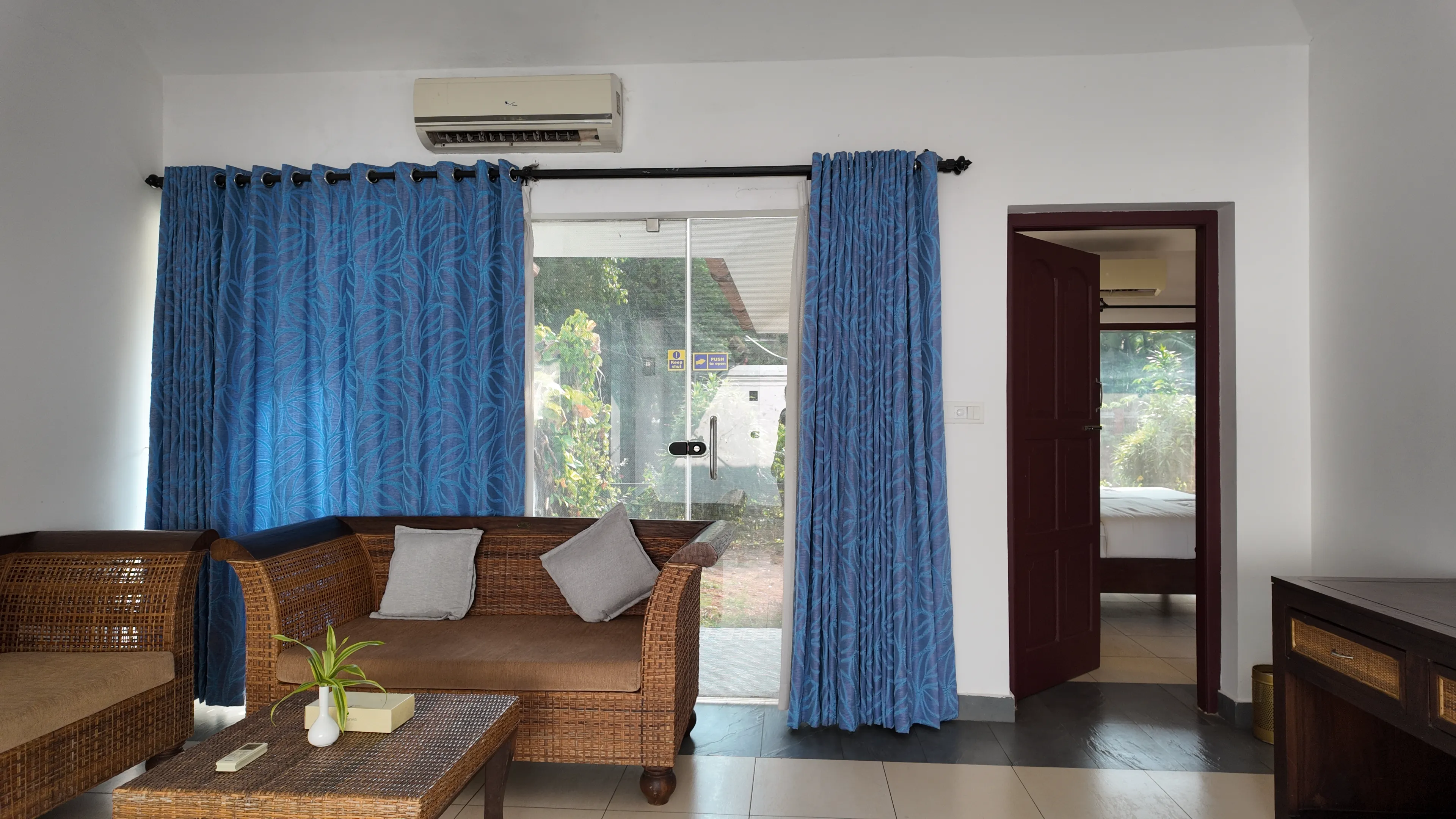
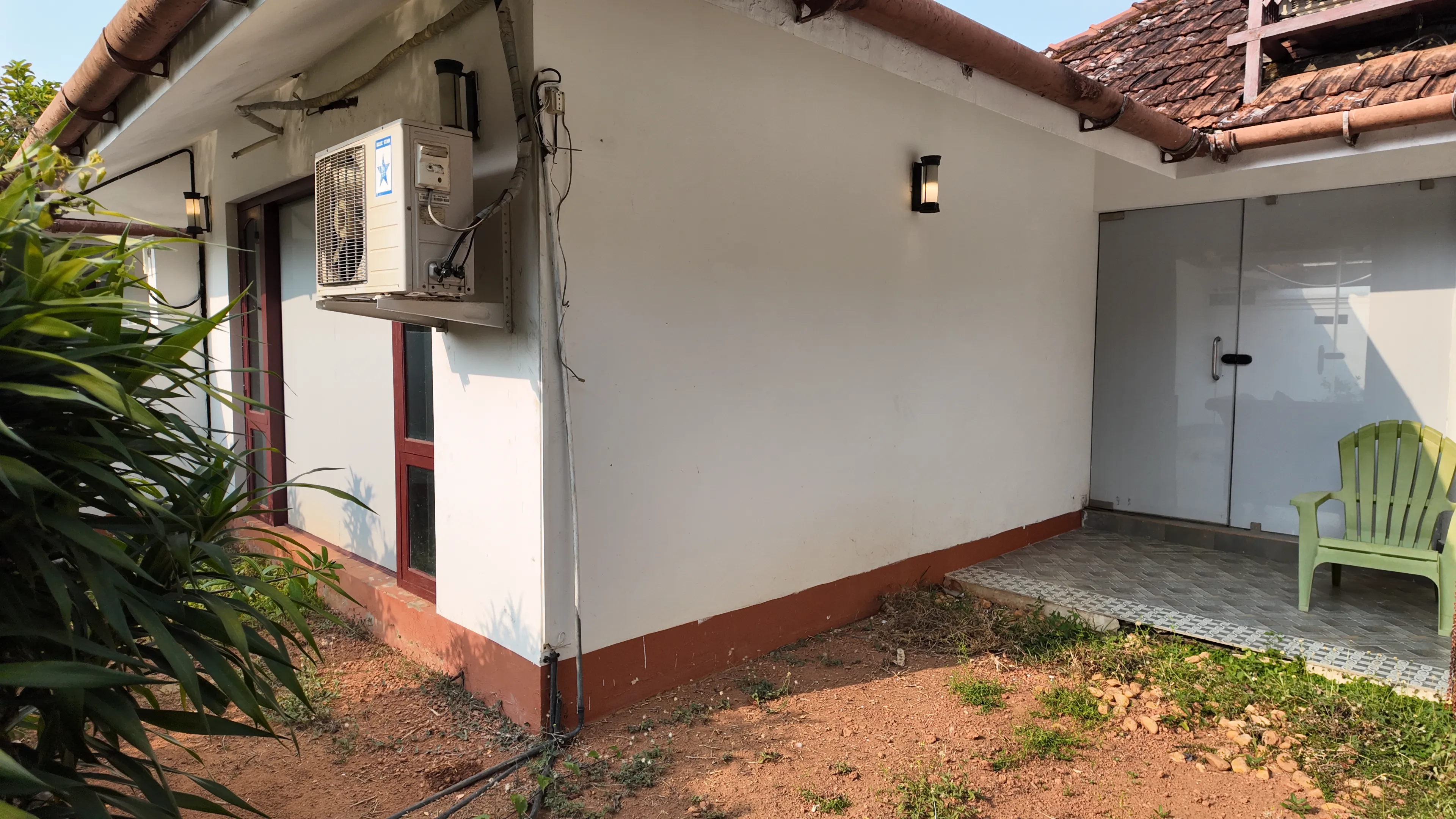
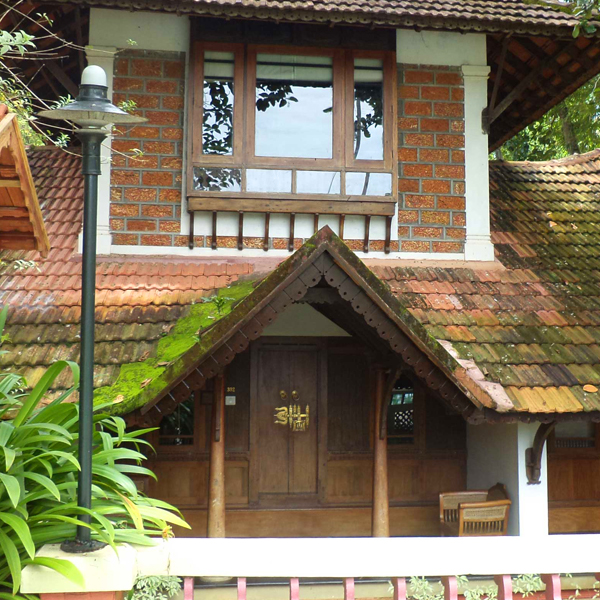
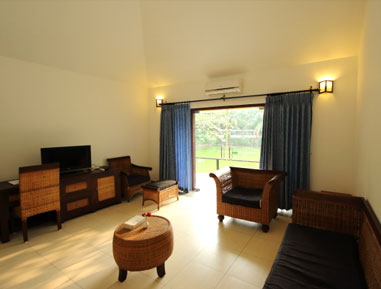
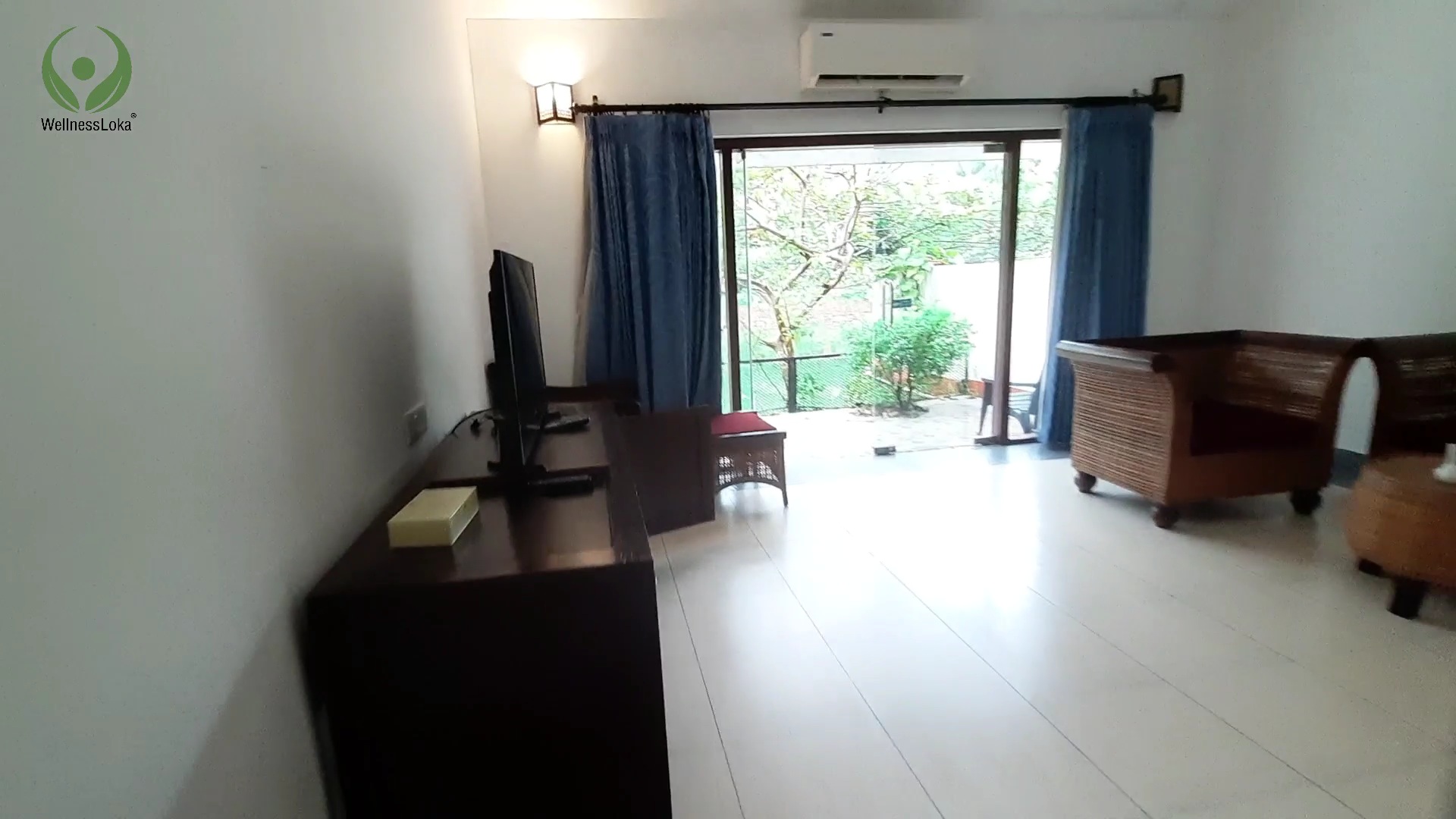
The Cottage Room at Rajah Beach Ayurvedic Hospital offers a spacious and private accommodation setting designed to provide comfort, tranquillity and a close connection with nature during an Ayurvedic treatment stay. With a generous 500-square-foot layout, the cottage provides greater separation between living and sleeping spaces, making it particularly suitable for guests undertaking longer residential treatment programs where adequate room for rest and relaxation is important. The air-conditioned bedroom provides a comfortable private space for relaxation, while the separate living area creates additional space for quiet sitting and personal time between Ayurvedic treatments and other scheduled activities.
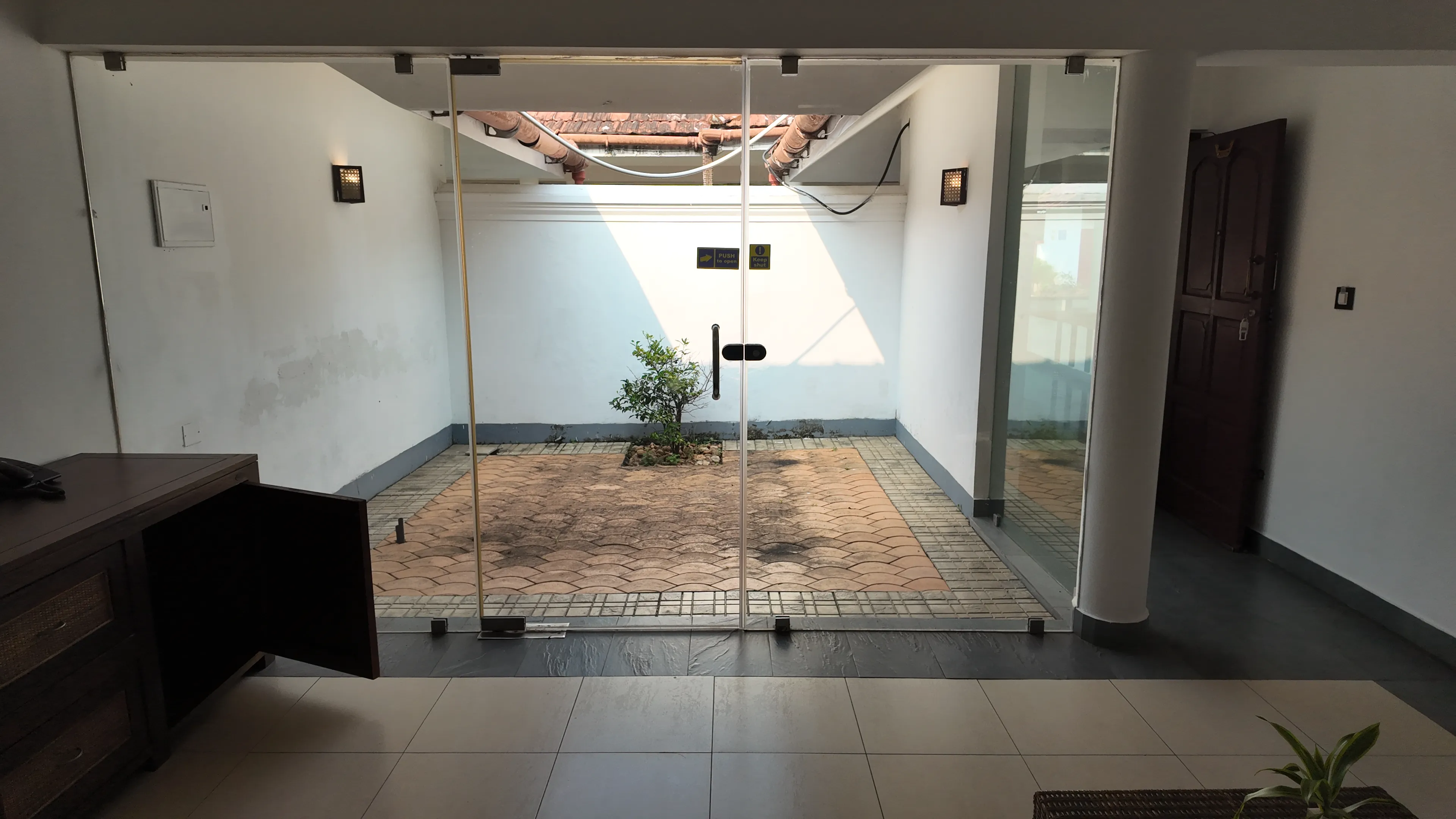
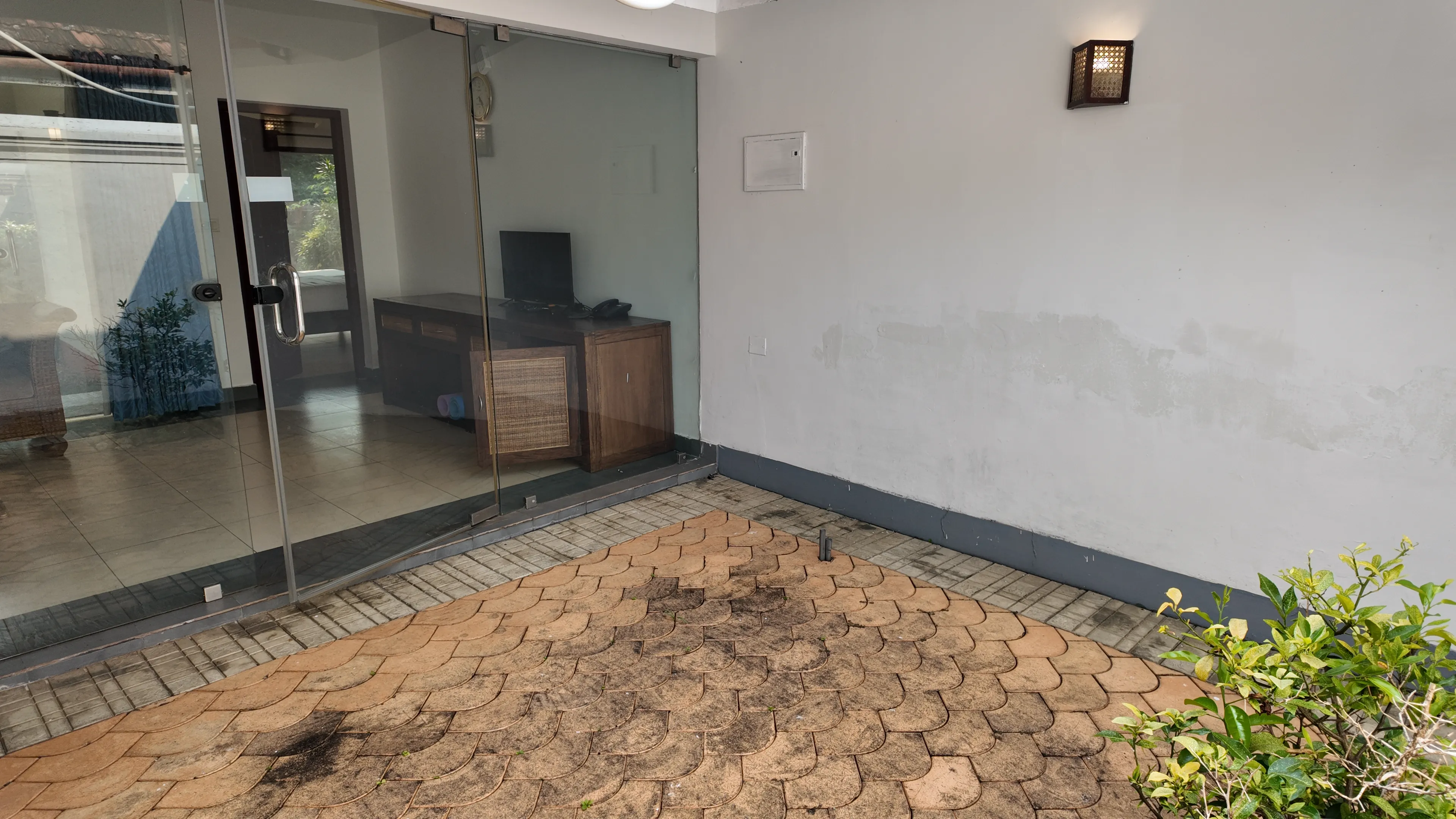
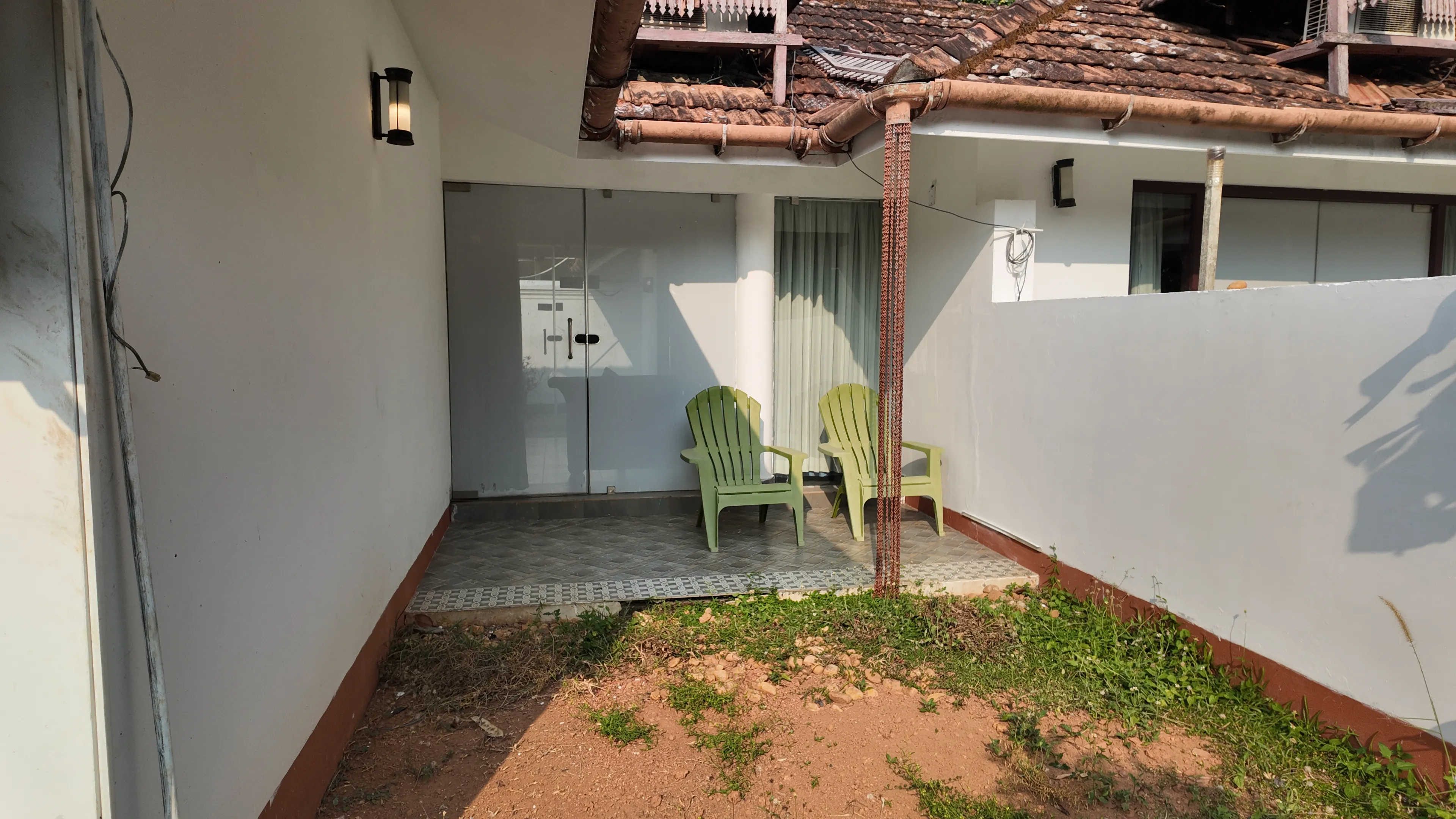
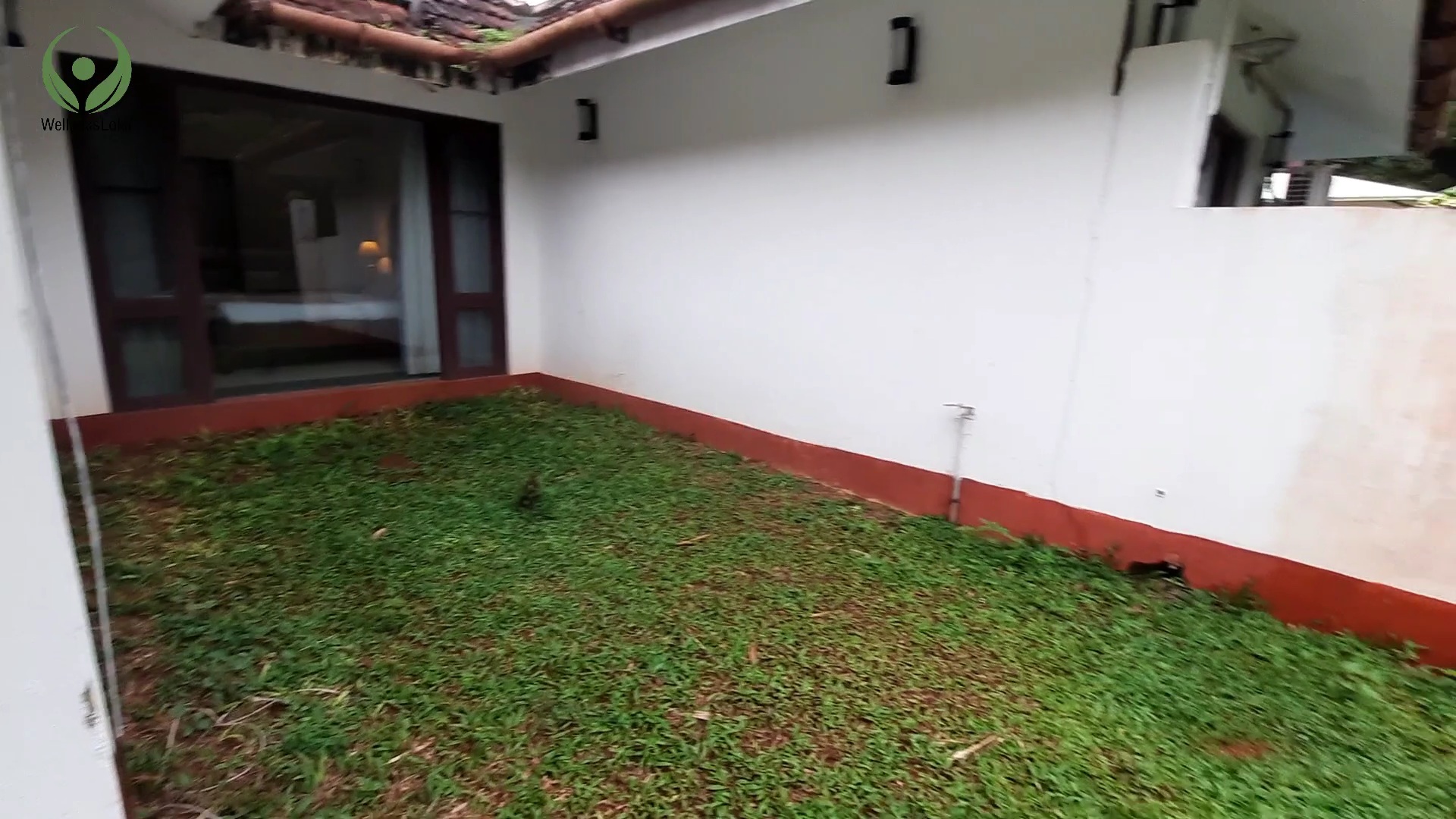
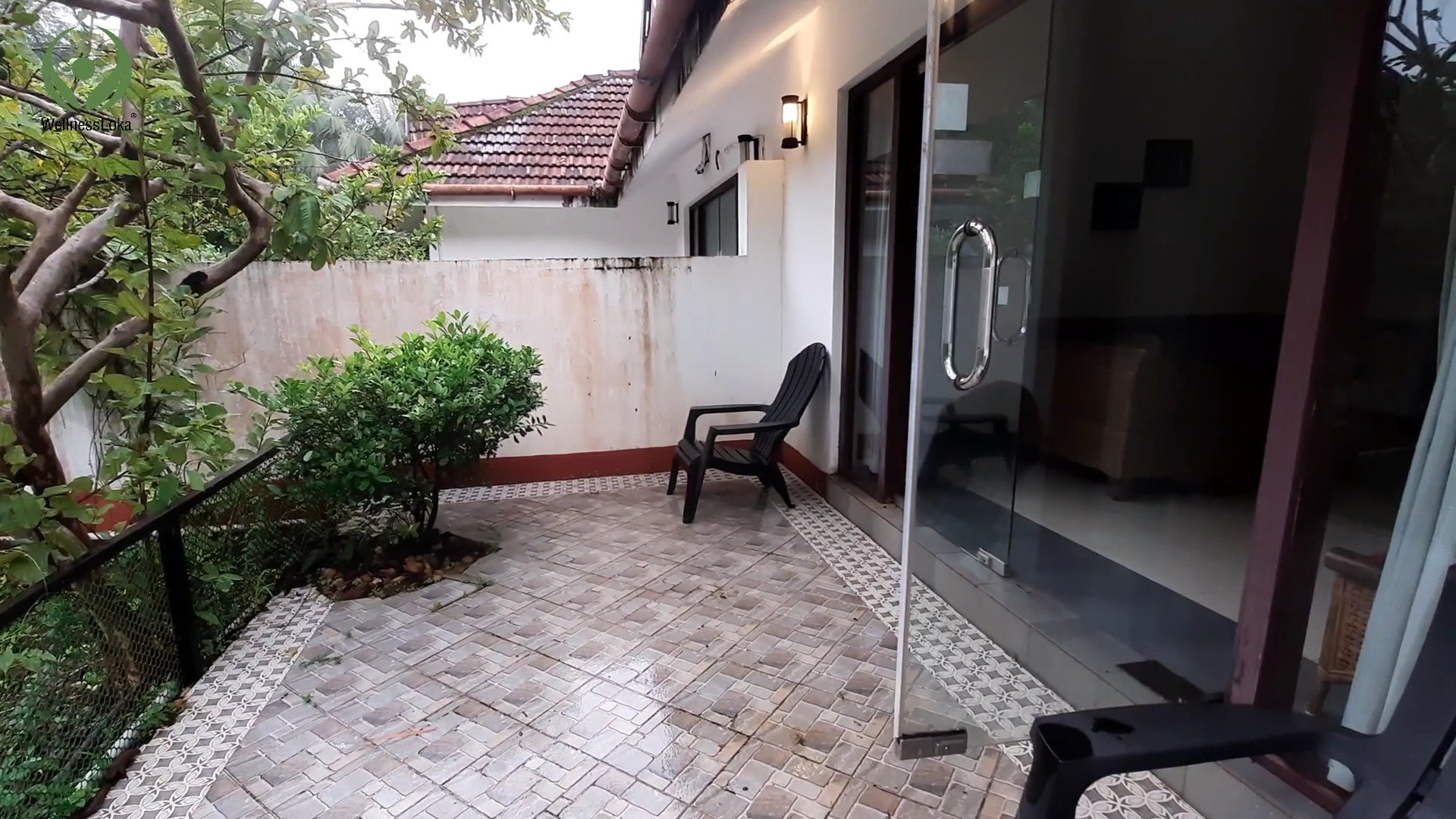
The cottage overlooks a serene pond and landscaped lawns, creating a peaceful natural outlook from the accommodation. A dedicated sit-out area extends the living environment outdoors and provides a private space where guests can sit, relax and enjoy the surrounding greenery. The overall design remains simple and functional, while the generous proportions, separate living area and outdoor sit-out create a greater sense of openness and privacy than a conventional room. The Cottage Room is therefore well suited to guests seeking a secluded, nature-connected and calming residential environment while following the structured Ayurvedic treatment routine at Rajah Beach.
The accommodation forms part of Rajah Beach's limited residential inventory, allowing guests to remain within the property's treatment-oriented environment while having a more spacious private living arrangement. The cottage's combination of 500 sq. ft. of space, air-conditioned bedroom, separate living area, pond and lawn views, and private sit-out makes it an appropriate accommodation category for longer Ayurvedic stays focused on rest, recovery and therapeutic care.
-
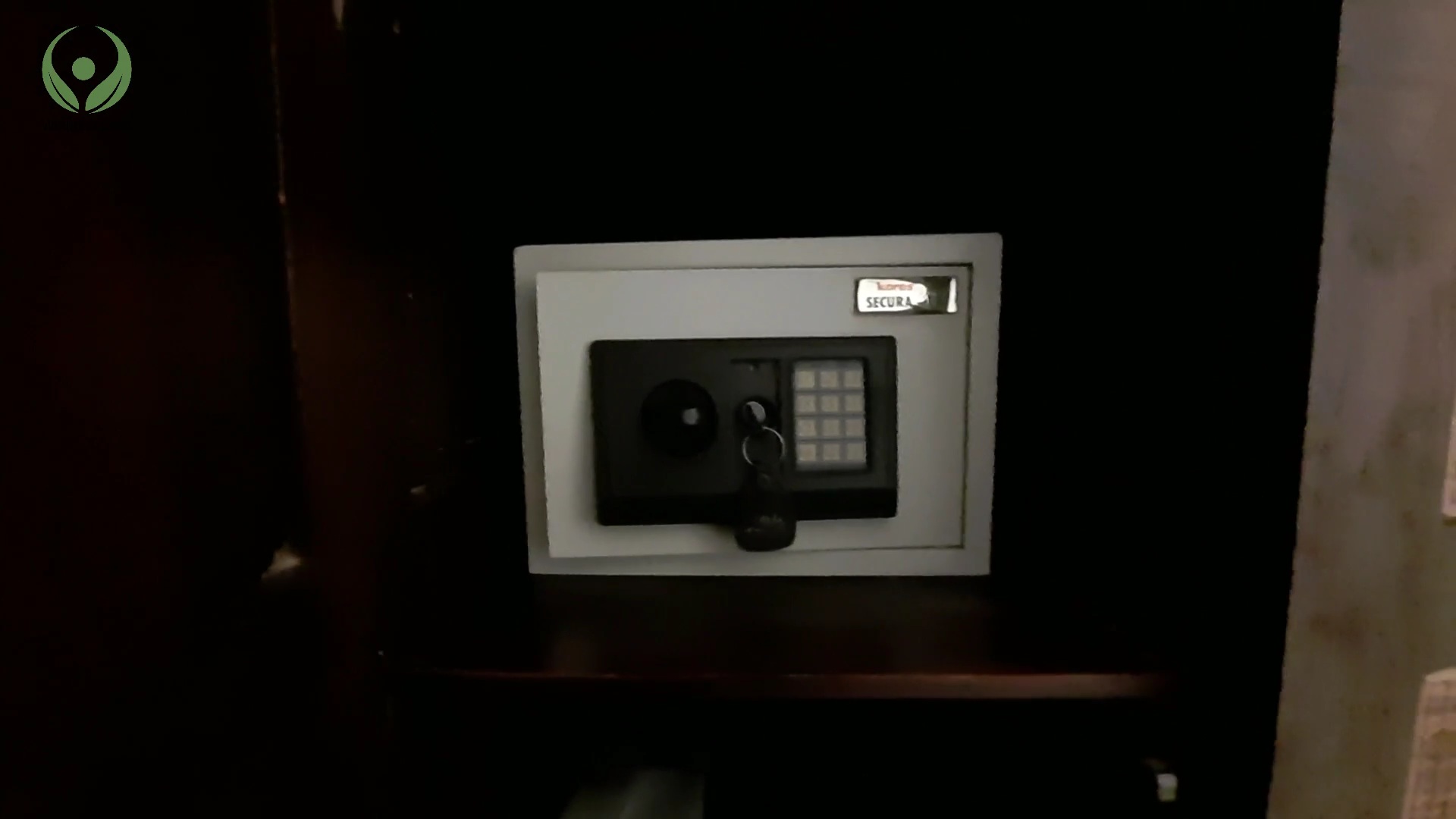
Digital Safety Locker
-
Satellite Channels
-
Ayurveda Conditioner
-
 Ayurveda Shampoo
 -
Air Conditioner
-
Bed Side Lamp
-
Bedside Socket
-
Blankets Type-Simple Sheet
-
Attached Bathroom
-
Bed Room
-
Chair
-
Glass Window
-
Living Room
-
Natural Lighting- Very Good
WellnessLoka Gallery
Wellness Slots
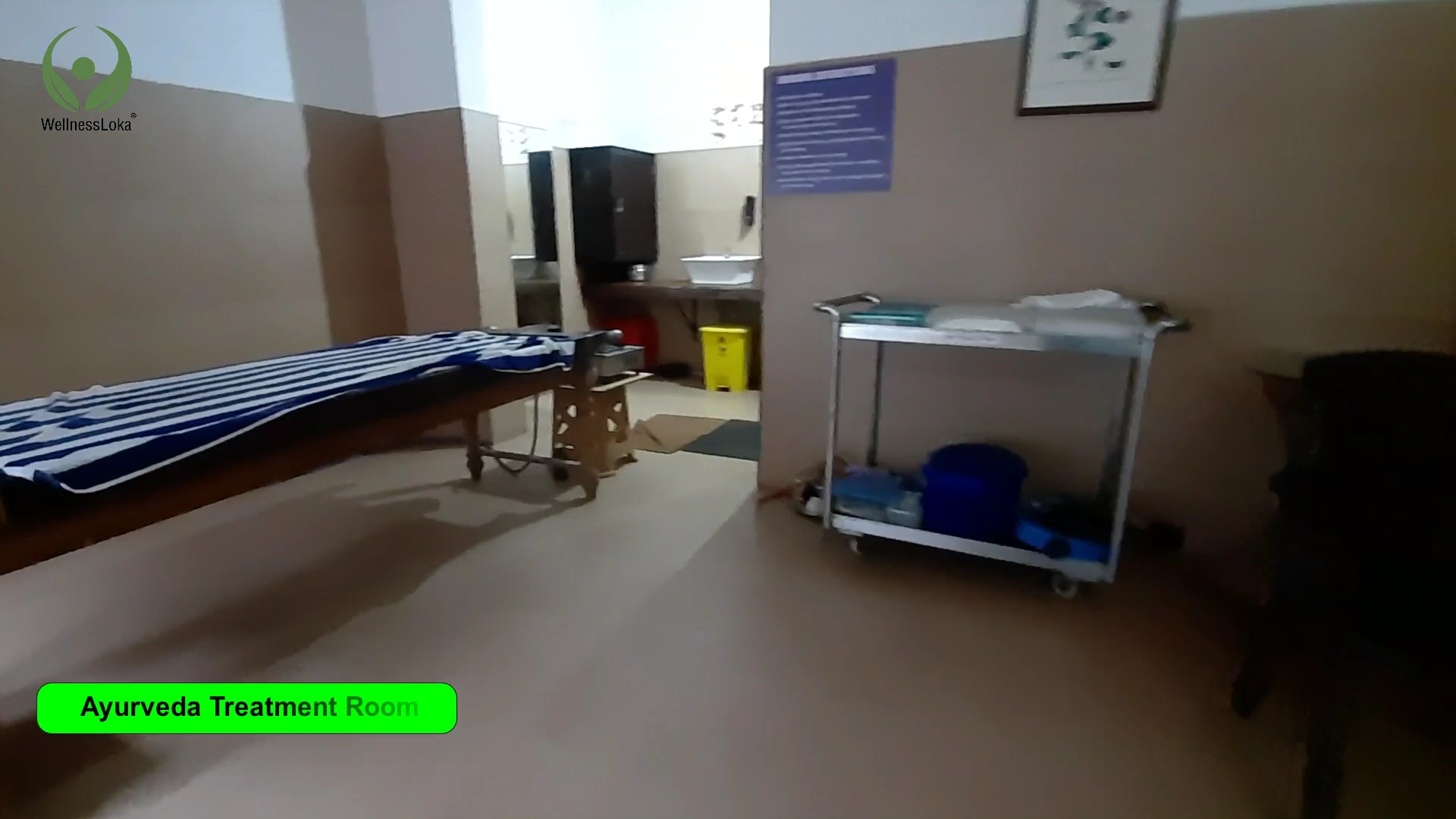
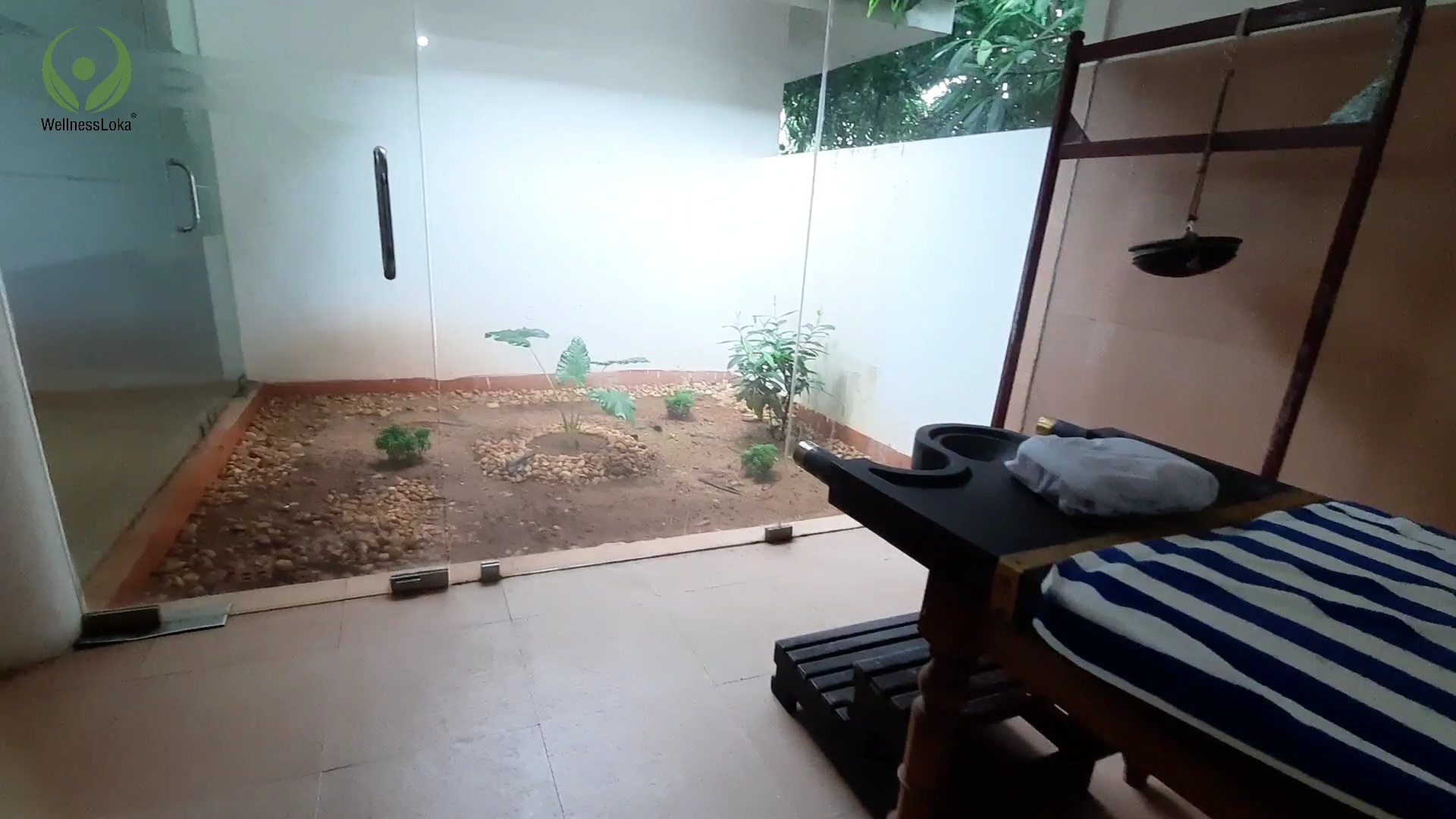
Ayurveda Treatment Room : Ayurveda Treatment Room
Wellness Room Type: Closed
Capacity : 5
Opening Time: 6:00 AM
Closing Time: 6:15 PM
Treatment Room Size : Medium
Total Units : 5
 olga
olga02-09-2025
- Overall Rating
- 5
 Swjatoslav Cicer
01-09-2025
- Overall Rating
- 4.7
 Vijay P
03-03-2025
- Overall Rating
- 4.9
 SUNDAR S
16-02-2025
- Overall Rating
- 5
Location & Map
Location
Landmark
Edakkara Juma Masjid
Nearby Attractions
Chettuva Mangrove Forest is one of Kerala’s largest mangrove ecosystems, nourished by the Conolly Canal and nearby backwaters. The area provides a unique opportunity to experience Kerala’s coastal biodiversity in a quiet and scenic setting.
Nattika Beach
Nattika Beach is known for its calm shoreline and traditional fishing community, offering a more authentic and less commercial coastal experience.
Snehatheeram Beach,
Snehatheeram Beach, often referred to as Love Shore, is a well maintained beach destination recognised for its natural beauty and relaxed atmosphere.
Thrissur Zoo
For those interested in wildlife and local history, Thrissur Zoo, one of the oldest zoos in India, houses a variety of animals, reptiles and birds within a centrally located green space.
Vadakkunnathan Temple
Cultural exploration can include a visit to Vadakkunnathan Temple, an ancient and architecturally significant temple that stands at the heart of the city and reflects Kerala’s rich spiritual heritage.
Athirappilly Waterfalls
Nature enthusiasts may also explore Athirappilly Waterfalls, the largest waterfall in Kerala, along with the nearby Vazhachal Waterfalls, both set within the lush Sholayar forest ranges.
Ilanjippara Waterfalls
For a more offbeat experience, Ilanjippara Waterfalls offers a secluded setting within forested terrain, particularly appealing during the monsoon season.
Akalad Juma Masjid Bus Stop : 1.5 KM
Railway Connectivity
Thrissur Railway Station : 35 KM
Airway Connectivity
Cochin International Airport : 86 km
Total Area Of Property (acres)
20.00
Building Free Area (acres)
1.00
Actual Area Of Property (acres)
20.00
Check-in & Check-out
Check-in: 12:00 PM Check-out: 11:00 AM
Things to Remember
-
If the Ayurvedic treatment is part of a journey across India, it is advisable to undergo the treatment at the end, as rest is required afterwards.
-
For female patients, major treatments are not carried out during menstruation.
-
Guests should bring all relevant medical reports when visiting.
-
Liquor is strictly prohibited during the treatment period.
-
Any laboratory tests or specialist consultations, if required, will incur extra charges.
-
Disposable cotton underwear will be provided during treatment.
-
Cotton clothes are recommended throughout the treatment period.
-
Guests may bring long trousers for yoga sessions and walking shoes.
-
Bath towels will be provided in every room.
-
If taking regular medications or supplements, guests may bring them and consult the doctor before continuing or stopping.
-
Only Indian vegetarian food, recommended by doctors, will be provided.
-
Foreign nationals must bring a valid passport and visa. Indian nationals must carry a valid photo ID (PAN card, national ID, driving licence, etc.).
Ayurvedic Treatment Packages Include
-
Consultation with the Ayurvedic doctor and daily check-up.
-
Accommodation.
-
Two Ayurvedic treatments daily – one major treatment (Elakkizhi, Sirodhara, Uzhichil, etc.) and one minor treatment (Lepanam, Pichu, etc.), as advised by the doctors.
-
Meals as recommended by the doctors, tailored to body constitution.
-
Yoga sessions.
-
Acupuncture/Acupressure, if advised by doctors.
ID Card Policy
-
Indian nationals must provide photo identity proof (driving licence, voter ID, or passport) at check-in.
-
Foreign nationals must present a passport with a valid entry visa. For those on employment or permanent residence, a residential permit must be included. This is required for registration at check-in and preparation of the C Form.
Child Policy
-
Children are allowed.
Program & Diet Policies
-
Ayurveda programs are prescribed based solely on the doctor’s assessment.
-
The major program lasts 1 hour, while the assistive therapy lasts 30–45 minutes. During detox days or certain conditions, durations may be shorter.
-
Major programs may be cancelled in cases of illness (fever, flu, etc.).
-
Major programs are not carried out during menstruation; doctors will suggest the best alternative program.
-
Therapists are assigned at the discretion of the doctors.
-
A strict vegetarian diet is followed, tailored to body constitution and health condition.
-
Outside food is not permitted during the program.
-
Herbal medicines must be taken on time for maximum benefit.
-
Extensive physical activity, including strenuous yoga, is not recommended during treatment, as the body remains sensitive and vulnerable.
-
Sightseeing, excursions, and swimming are allowed only after a doctor’s assessment.
-
The maximum benefits of Ayurveda programs are achieved by following the prescribed treatments, diet, medication, and rest, both during and after the stay.
Room Service Policy
-
Wellness meals based on body constitution are included.
-
In-room dining is available only on the doctor’s recommendation after certain treatments.
Wi-Fi Policy
-
Complimentary Wi-Fi is available.
Visitor Policy
-
Visitor access is subject to management approval.
Alcohol Policy
-
Alcohol, smoking, and tobacco chewing are strictly prohibited during the Ayurveda program and across all Rajah premises.
Mobile Policy
-
Mobile phone usage is permitted.
Pet Policy
-
Pets are not allowed.
Cards Accepted
-
Payments must be made in advance.
-
Rajah accepts cash and credit cards (Amex, Visa, MasterCard).
- Cancellation made prior to one month of the booking date will be eligible for a full refund, excluding any bank charges.
- Cancellation made before 15 days from the booking date will qualify for a 50% refund of the payment.
- In cases of cancellation occurring within one week before the booking date, a 25% refund of the payment will be provided.
- Even if the booking is cancelled within the grace period and qualifies for a refund, payment gateway charges will be deducted from the refunded amount.
| Extra Amenities | Rate |
|---|---|
| Price for Pick-up- Innova Vehicle : From Cochin Airport | ₹ 5745 |
| Price for Drop-off - Innova Vehicle : From Cochin Airport | ₹ 5745 |
| Price for Pick-up & Drop-off - Innova Vehicle : From Cochin Airport | ₹ 11490 |
| Price for Pick-up- Sedan Cars : From Cochin Airport | ₹ 4309 |
| Price for Drop-off- Sedan Cars : From Cochin Airport | ₹ 4309 |
| Pick-up & Drop-off - Sedan Cars : From Cochin Airport | ₹ 8618 |
| Private Yoga Per Session Per Person Charge | ₹ 958 |
| Bystander ( Extra-person without treatment ) Per Night Rate | ₹ 2298 |
| INR Bystander ( Extra-person without treatment ) Per Night Rate | ₹ 143628 |


