
Marmmayogi Ayurveda Hospital / 28 Nights Rejuvenation Program
in a Setting | Healing & Wellness Property
India / Kerala / Idukki - Country side
Year of Establishment: 2000
Marmmayogi Ayurveda Hospital is in Kanjiramattom, Thodupuzha East, Idukki district, Kerala, near Urumbil Bridge. The Hospital combines Ayurvedic treatment with Marma Ayurveda, Marma Yoga and Marma Meditation.
Its residential care model brings together physician-led treatment, accommodation, vegetarian dining and instruction in practices that patients can continue at home. The riverside setting and medicinal garden form part of the treatment environment. Chief Physician Dr Manoj Chandrasekharan leads a practice rooted in his family’s Ayurveda and Marma tradition.
Design and Landscape
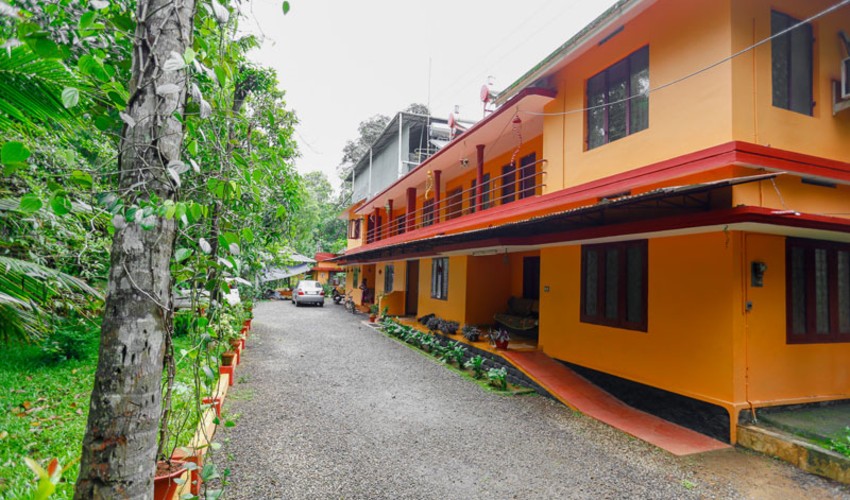
The Hospital occupies a riverside setting with a garden. Accommodation connects with verandas overlooking the river and garden.
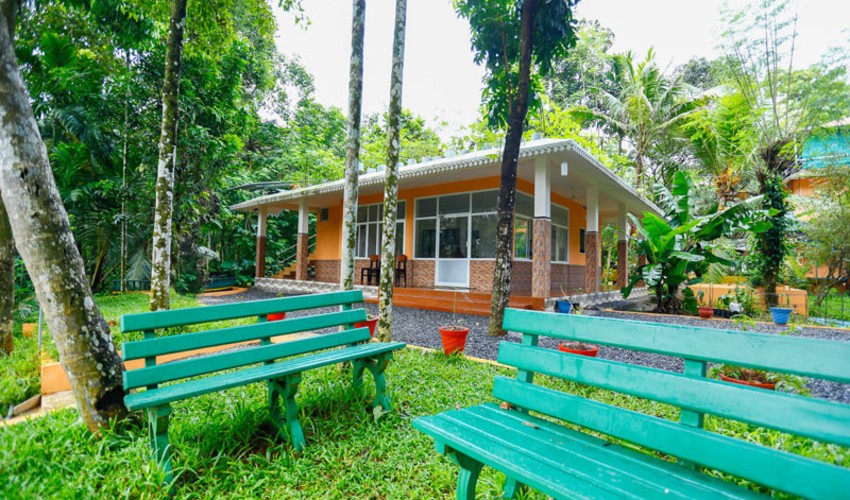
A yoga hall stands apart from the main building, providing a separate space for practice, meditation and reading.
Founders and Ayurvedic Heritage
The Hospital’s heritage is connected with Shri Keshavan Nair, a practitioner of Marma, Ayurveda and Yoga whose training was associated with Ovoor Kalari. He combined these disciplines with the Kalari tradition in developing his approach to treatment.
Shri Keshavan Nair established Sree Ramakrishna Ayurveda Yogasramam. The institution was subsequently renamed Marmmayogi in his memory, adopting the name by which patients knew him.
Dr Manoj Chandrasekharan continues the family’s Marma practice and has run Marmmayogi in Thodupuzha since 2000.
Ayurveda Philosophy and Approach
Marma Ayurveda is central to the Hospital’s approach. It combines Ayurvedic therapies with Marma practice, using a traditional framework of connections between mind, body and energy.
This approach has three practical components: individual Marma treatment by the Chief Physician, Marma-oriented yoga and meditation, and selected practices taught for continuation at home.
Treatment also draws on medicinal formulations passed down within the family. The Hospital integrates these traditions with its physician-led selection of therapies and patient-specific guidance.
Personalised Treatment Planning
The care pathway begins with consultation with the Chief Physician. Telephone and video consultations provide a means of discussing health concerns and receiving treatment, medication and lifestyle guidance.
Treatment planning considers the patient’s health concerns, constitution and lifestyle. Panchakarma procedures are selected according to individual circumstances.
Dr Manoj personally performs the specialised Marma component of care, while therapists deliver Ayurvedic treatments. The Hospital maintains a small residential scale to support this direct physician involvement.
Treatment Programs
The Hospital includes condition-focused Ayurvedic care, Panchakarma and seasonal monsoon treatment.
Condition-focused care covers:
-
Back and neck concerns, including disc prolapse, spondylosis, spondylitis, sciatica and osteoporosis.
-
Joint and muscle concerns, including osteoarthritis, rheumatoid arthritis, gout, frozen shoulder and tennis elbow.
-
Migraine and related headache concerns.
-
Sleep disorders, including insomnia.
-
Skin concerns, including psoriasis, eczema, dermatitis and allergic skin conditions.
-
Obesity and weight management, with associated consultation areas including PCOS/PCOD, thyroid dysfunction and high blood pressure.
These are areas of clinical service rather than promises of treatment outcomes.
Panchakarma for detoxification and rejuvenation follows an individually selected course, with a treatment-duration range of 10–21 days. Its structure includes preparatory treatment, selected procedures, subsequent strengthening measures and home-care guidance.
Monsoon Ayurveda Treatment — Karkidaka Chikitsa combines Ayurveda, Marma and Yoga through 7-, 15- or 21-day options.
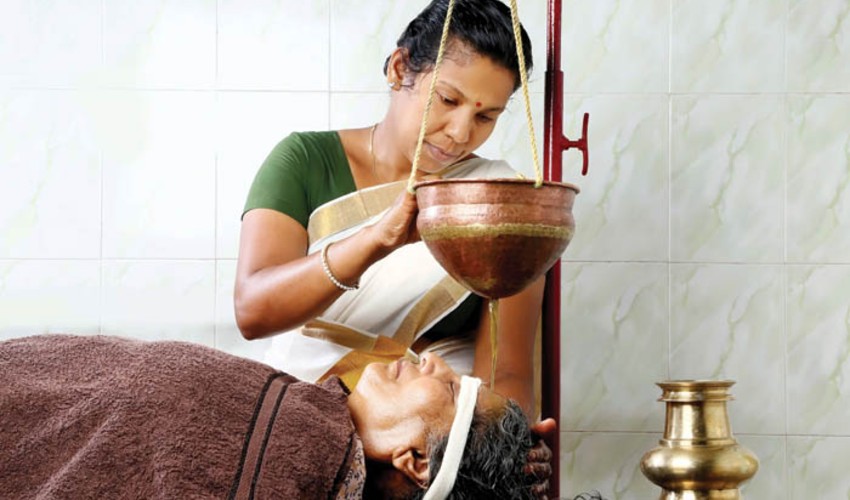
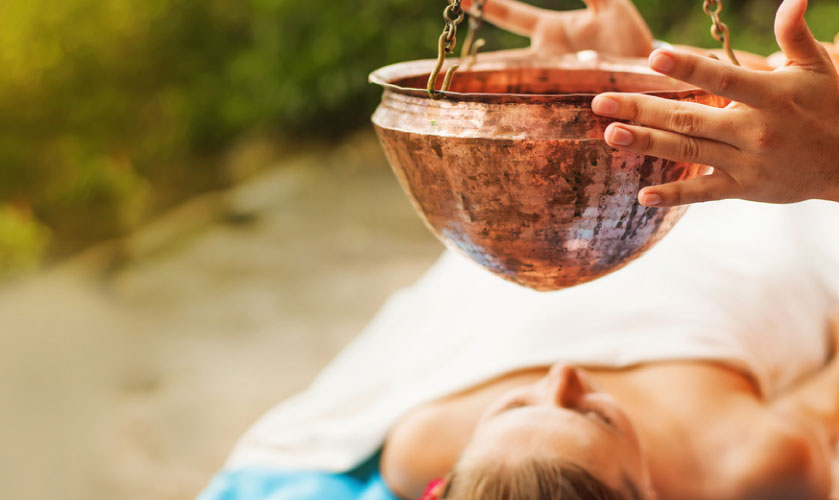
The individual treatment portfolio includes Kizhi, Pizhichil, Njavara/Njavarakizhi, Sirodhara, Marma Abhyangam, Udwardhanam, Kativasti, Karna pooranam, Upanaham, Swedanam and Snehapanam. Panchakarma procedures include Vamanam, Virechanam, Nasyam, Sneha Vasti and Kashaya Vasti. These procedures form a treatment repertoire; their selection depends on the individual plan.
Doctors and Wellness Experts
Dr Manoj Chandrasekharan — Chief Physician
Dr Manoj holds BAMS and MSc Yoga qualifications. He graduated in Ayurvedic medicine from Dr M G R Medical University, Tamil Nadu, and completed postgraduate study in Yoga at Annamalai University, Chidambaram. His education also includes Marma training under his grandfather.
His clinical interests include musculoskeletal conditions, neurological conditions such as stroke and paralysis, and lifestyle disorders.
His teaching experience includes seminars and workshops in Germany, Switzerland, Austria, Slovakia and Russia, alongside Ayurvedic seminars in the Middle East and Malaysia. He presented a paper on paraplegia at the Indian Ayurvedic Congress in 2015.
The therapy team is selected and trained by Dr Manoj. Male therapists attend male patients, and female therapists attend female patients.
Post Treatment Care
Post-treatment guidance extends care beyond the residential stay. The Chief Physician teaches selected, condition-specific Marma practices for patients to continue at home.
Depending on the treatment plan, aftercare includes prescribed internal medicines, dietary and lifestyle guidance, exercise, yoga and pranayama. Guidance associated with skin treatment also includes meditation and stress management.
Accommodation
The Hospital provides residential accommodation on a small scale. Rooms have access to a veranda overlooking the river and garden, alongside a shared dining or recreation space.
Accommodation supports stays organised around treatment and physician contact.
Diet and Dining
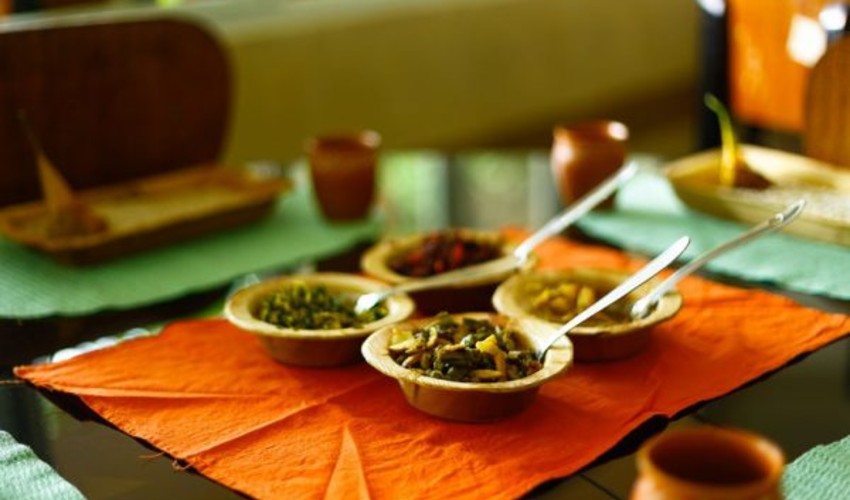
The dining approach follows vegetarian Ayurvedic principles. Food preparation can be observed, and interested guests can learn about the background and preparation of the Hospital’s Ayurvedic meals.
Dietary guidance also forms part of individual treatment planning and post-treatment care.
Wellness Activities
Marma Yoga adapts asana practice to people with health concerns within the Hospital’s traditional Marma framework. Marma Meditation uses focused attention in relation to that same framework. Yoga, pranayama and meditation accompany the broader treatment approach.
Additional activities include introductory classes and discussions on Indian spirituality, reading and learning about Ayurvedic food preparation.
Temple visits and introductions to seasonal festivals and art forms can be arranged. The Hospital also offers to arrange a meeting with an astrology practitioner for interested guests; this is a separate optional service.
Facilities and Services
The Hospital provides Ayurvedic therapy rooms and a yoga hall accessible throughout the day. The hall also contains books on Indian spirituality.
Transportation and assistance with local shopping or sightseeing can be arranged on request.
Sustainability and Guest Guidelines
The medicinal garden supplies plants used in treatment.
Individual therapies may involve dietary restrictions. Snehapanam, for example, is accompanied by a regulated diet, with administration determined by the patient’s health and treatment needs.
Guest Experience and Stay Approach
The Chief Physician and his family live on the premises. This residential arrangement, together with the Hospital’s small scale, supports a personal style of interaction.
The stay combines treatment, vegetarian meals, yoga, meditation and opportunities to learn about Ayurveda and the family’s Marma tradition. The riverside surroundings provide the setting for this treatment-centred routine.
More about Marmmayogi Ayurveda Hospital
Marmmayogi Ayurveda Hospital serves fully vegetarian, South Indian-style food prepared according to Ayurvedic principles. Dining forms part of the Hospital’s treatment-centred stay, connecting everyday meals with the dietary guidance given during care. Non-vegetarian food is not permitted at the Hospital.
The dietary approach supports individual treatment requirements. Patients receive guidance on food as part of their care plan, and particular therapies may involve specific dietary restrictions. This allows dining to remain aligned with the treatment being undertaken, rather than assuming the same dietary routine suits every patient.
A shared dining space provides a setting for meals within the Hospital’s residential environment. Guests interested in Ayurvedic cooking can observe food preparation and learn about the principles and methods used in the Hospital’s kitchen. This offers an opportunity to understand the food they eat during their stay and become more familiar with Ayurvedic meal preparation.
Dietary guidance also extends beyond the stay, forming part of the Hospital’s advice on continuing appropriate food and lifestyle practices at home.
Leisure at Marmmayogi Ayurveda Hospital includes quiet indoor pursuits, learning opportunities and optional cultural outings. The riverside setting, garden and verandas provide surroundings for time between treatments, while a separate yoga hall offers space for yoga, meditation and reading. The hall is accessible throughout the day and contains a selection of books on Indian spirituality.
Guests interested in the Hospital’s traditions can take part in introductory classes and discussions on Indian spirituality. They can also explore the background and preparation of Ayurvedic food, including observing cooking and learning about the methods used in the kitchen.
For those interested in local culture, the Hospital can arrange temple visits and introductions to seasonal festivals and traditional art forms. Assistance with local shopping, sightseeing and transportation is also available on request, allowing guests to explore the surrounding area during their stay.
These activities provide opportunities for reflection, cultural learning and exploration alongside the Hospital’s treatment-centred routine.
Ayurveda at Marmmayogi Ayurveda Hospital centres on the integration of traditional Ayurvedic treatment, Marma therapy, yoga and meditation. The Hospital’s approach draws on a family tradition of Marma practice and brings together physician-led care, individual therapies, dietary guidance and practices for continuation at home.
Marma Ayurveda is a defining part of this approach. Within the Hospital’s traditional philosophy, Marma practice focuses on points and channels understood to connect the mind and body. It accompanies Ayurvedic treatments rather than functioning as an isolated service. Chief Physician Dr Manoj Chandrasekharan, BAMS, MSc Yoga, personally performs the specialised Marma component, while trained therapists administer the other prescribed Ayurvedic therapies.
Treatment planning begins with a consultation and considers the patient’s health concerns, constitution and lifestyle. The selection of therapies varies according to individual requirements. The Hospital provides Ayurvedic care for musculoskeletal concerns, including back, neck, joint and muscle problems, alongside consultation and treatment for migraine, sleep disorders, skin conditions, obesity and other lifestyle-related concerns.
Panchakarma forms part of the treatment portfolio, with individually selected courses described over 10–21 days. Care encompasses preparatory therapies, selected procedures, subsequent strengthening measures and guidance for home practice. The Panchakarma repertoire includes Vamanam, Virechanam, Nasyam, Sneha Vasti and Kashaya Vasti; their use depends on the physician’s treatment plan.
Other therapies include Kizhi, Pizhichil, Njavarakizhi, Sirodhara, Marma Abhyangam, Udwardhanam, Kativasti, Karna pooranam, Upanaham, Swedanam and Snehapanam. Together, these provide a range of oil-based treatments, herbal applications, fomentation and other Ayurvedic procedures from which individual care is planned. Medicinal formulations inherited through the family’s practice and plants from the Hospital’s medicinal garden also contribute to treatment.
The seasonal Karkidaka Chikitsa offering combines Ayurveda, Marma and Yoga through 7-, 15- or 21-day options. These monsoon treatment options are distinct from the individually planned Panchakarma course.
Marma Yoga and Marma Meditation complement the physical therapies. Yoga practices are adapted to health concerns within the Hospital’s Marma framework, while meditation incorporates focused attention. Dietary and lifestyle guidance accompanies treatment, with specific restrictions where required by the prescribed therapy.
Continuity after discharge is another element of the approach. Patients may receive instruction in selected Marma practices, yoga, pranayama, dietary habits and lifestyle measures for use at home, together with prescribed medication guidance. This extends the care plan beyond the residential treatment period.
-
Description
The 29 Nights Rejuvenation Program at Marmmayogi Ayurveda Hospital centres on Ayurvedic rejuvenation and the interconnected wellbeing of body and mind. Its wellness objective reflects the Hospital’s emphasis on individual constitution, lifestyle and the relationship between physical and mental health. The underlying philosophy brings Ayurveda and the family’s Marma tradition together, approaching rejuvenation as personalised care that considers the individual’s health concerns rather than a uniform experience.
Longer-term wellbeing is supported through dietary and lifestyle guidance intended to continue beyond the stay. The emphasis is on developing appropriate everyday habits and maintaining continuity between residential care and life at home, without promising a fixed recovery outcome within seven nights. Following consultation and assessment by the Ayurvedic physician, the treatment plan is tailored to the individual’s constitution, presenting health concerns and lifestyle.
-
Major Benefits
-
Physical Wellbeing: Supports the overall objective of Ayurvedic rejuvenation.
-
Mind–Body Awareness: Encourages attention to the relationship between physical and mental wellbeing.
-
Individualised Care: Tailors the care plan to constitution, health concerns and lifestyle.
-
Physician Guidance: Provides professional direction when planning appropriate Ayurvedic care.
-
Dietary Awareness: Helps guests understand food choices suited to their treatment needs.
-
Healthier Lifestyle Habits: Encourages everyday changes that support ongoing wellbeing.
-
Post-Stay Self-Care: Provides guidance on suitable practices to continue at home.
-
-
Inclusions
- Daily Consultations: Daily consultations with the Ayurveda physician throughout the stay.
- Accommodation: Accommodation for the duration of the Program.
- Ayurvedic Vegetarian Meals: Daily vegetarian meals prepared according to Ayurvedic dietary principles.
- Daily Ayurvedic Treatments: Daily Ayurvedic treatments as advised by the expert Ayurveda physician based on the individual’s requirements.
- Group Yoga or Meditation: Daily group yoga or meditation sessions.
- Herbal Medication: Specially prepared herbal medication provided during the stay, prepared by traditional Ayurveda practitioners with GMP certification.
- Library and Wi-Fi: Access to the on-site library and Wi-Fi facilities.
-
Starting Rate
₹ 252000 -
Airport Transfers
No -
Duration Of Therapy
90 Minutes per day -
Treatment Sessions Per Day
1 -
Number of Days
29 Days -
Languages
English, Malayalam -
Food
Marmmayogi Ayurveda Hospital serves fully vegetarian, South Indian-style food prepared according to Ayurvedic principles, with dietary guidance tailored to individual treatment needs. Non-vegetarian food is not permitted, keeping dining consistent with the Hospital’s approach to care.
-
Exclusions
- Airport Transfer & Taxi
- Telephone
- Laundry
- Trips
- Lab test (if advised)
- Medicines to be taken home.
Experts
Ayurveda Doctor | Under Graduate, PG Dipolma | 26 years of experience
Years Of Experience In This Property : 26 Year
Availablilty 24 X7 Within Property : Yes
About
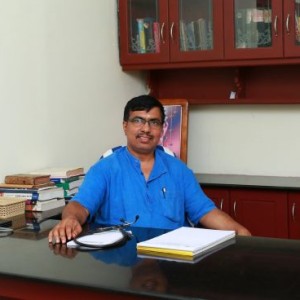
Dr Manoj Chandrasekharan, BAMS, MSc Yoga, is the Chief Physician at Marmmayogi Ayurveda Hospital, Thodupuzha, Kerala. He combines Ayurveda, Marma therapy, yoga and meditation in individually planned care.
He graduated in Ayurvedic medicine from Dr M G R Medical University, Tamil Nadu, and completed postgraduate study in Yoga at Annamalai University, Chidambaram. His formal education is complemented by traditional Marma training under his grandfather.
His clinical areas of focus include back and neck pain, joint conditions, hip and knee pain, neurological conditions and lifestyle disorders. He personally performs the Hospital’s specialised Marma therapy, supported by a team of Ayurvedic therapists.
Dr Manoj has led Marmmayogi Hospital since 2000. His teaching experience includes seminars and workshops on Ayurveda and Marma Yoga across Germany, Switzerland, Austria, Slovakia and Russia, alongside Ayurvedic seminars in the Middle East and Malaysia. He also presented a paper on paraplegia at the Indian Ayurvedic Congress in 2015.
Qualification
BAMS
MSc Yoga
Stay
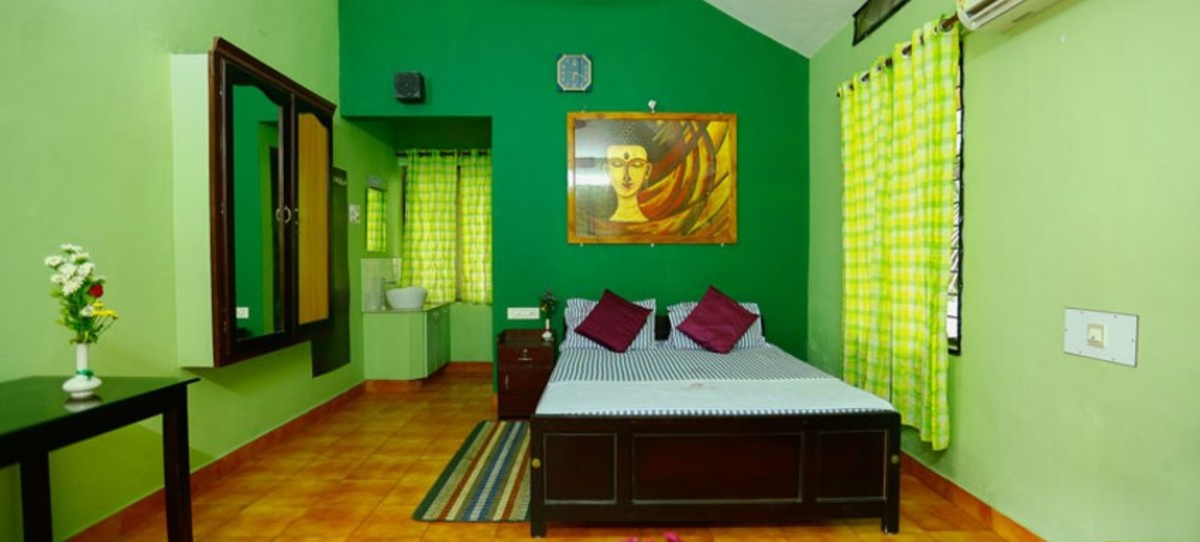
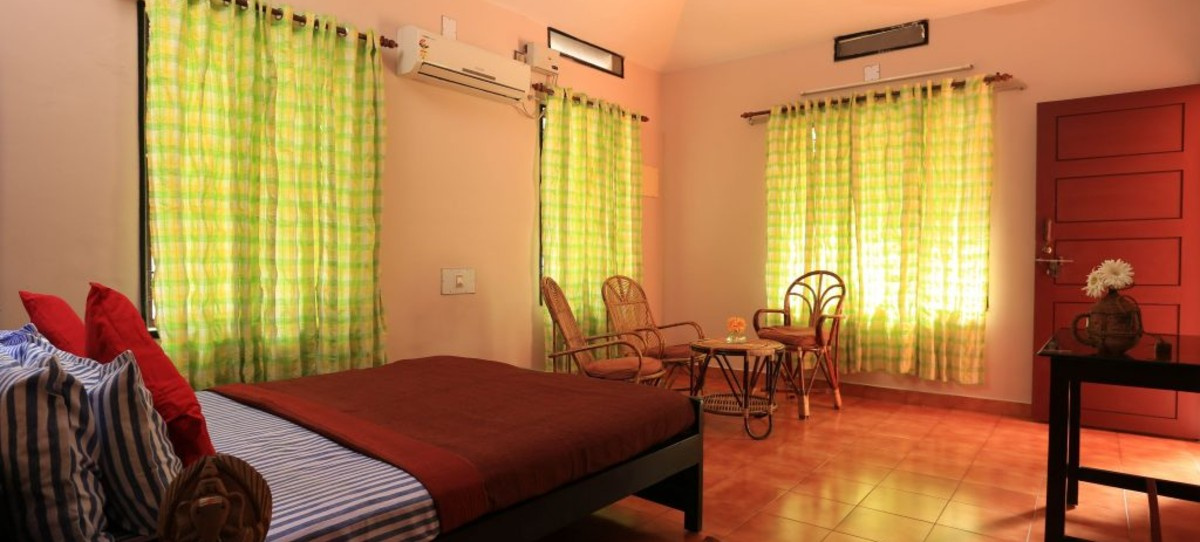
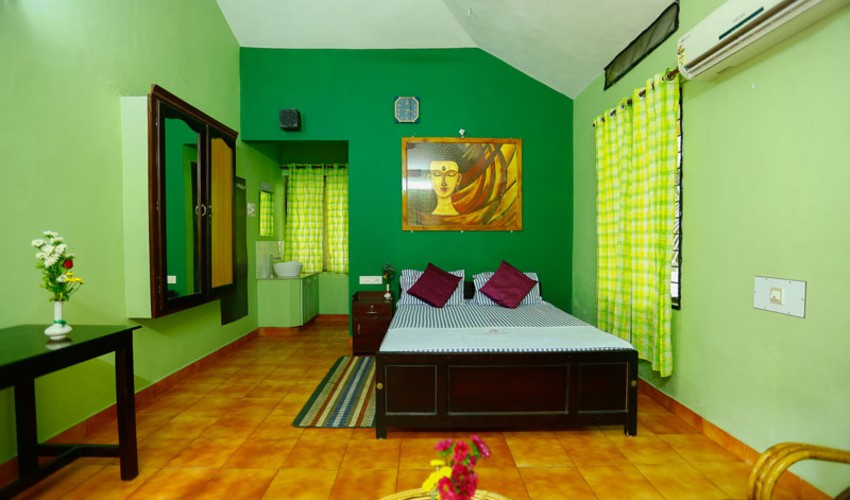
The Standard Room at Marmmayogi Ayurveda Hospital provides accommodation for a treatment-focused residential stay. Access to a veranda overlooking the river and garden connects the room with the Hospital’s surrounding landscape and offers a place to spend time between scheduled therapies.
The accommodation includes a private bathroom with a Western-style toilet. Guests also have access to a shared dining or recreation space, with vegetarian Ayurvedic meals forming part of the Hospital’s residential care experience.
The room serves as a base for patients following their prescribed treatment routine, with Ayurvedic care, dietary guidance and wellness practices provided within the Hospital.
Private bathroom
Western-style toilet
Fan or air conditioning — varies by room
High-speed internet connection
Access to a veranda overlooking the river and garden
Shared dining or recreation room
Wellness Slots
Ayurveda Treatment Room : Ayurveda Treatment Room
Wellness Room Type: Closed
Capacity : 1
Opening Time: 06:00 AM
Closing Time: 06:00 PM
Treatment Room Size : Medium
Total Units : 4
Location & Map
Location
Landmark
Kalarinada Temple Kanjiramattom Thodupuzha
Nearby Attractions
KSRTC Bus Stand Thodupuzha : 1.1 KM
Railway Connectivity
Piravom Road Railway Station : 40.3 KM
Airway Connectivity
Cochin International Airport : 53.6 KM
Actual Area Of Property (acres)
0.00
Check-in & Check-out
Check-in: 2:00 PM Check-out: 11:00 AM
Program Details
- The Ayurvedic Treatment Packages include Consultation with the Ayurvedic doctor, daily check-ups and accommodation.
- Accommodation with all meals, an Ayurveda Program and complimentary experiences during your stay.
Pre-Arrival Guidelines
- You are requested to produce the following information along with the health declaration form:
- Recent medical history for each guest
- Valid ID and address proof
- Carry breathable and flexible clothes for Yoga
ID Card Type
- Indian nationals are requested to provide photo identity proof in the form of a driver’s license, voter’s ID or passport. This is mandatory for completing the registration process at the time of check-in.
- Foreign nationals are requested to produce their passport with a valid entry visa. For those on employment or permanent residence, passports must include a residential permit.
Child Policy
- Children are allowed
Pet Policy
- Pets are not allowed in the retreat
Visitors Policy
- Right to admission of visitors into the retreat premises and guest areas remains solely with the management
Alcohol Policy
- Alcohol, smoking and tobacco chewing are not permitted during your Ayurveda program
- Cancellation within 30 days of arrival : 50% of the total booking amount will be charged
- Cancellation within less than 30 days of arrival : 100% of the total booking amount will be charged


