- Supports the removal of toxins arising from incomplete digestion
- Helps restore balanced Doshas through traditional Ayurvedic methods
- Promotes sound cellular nourishment and improved metabolic function
- Encourages proper elimination to enhance overall vitality
- Provides 2–2.5 hours of personalised daily treatments under direct medical supervision
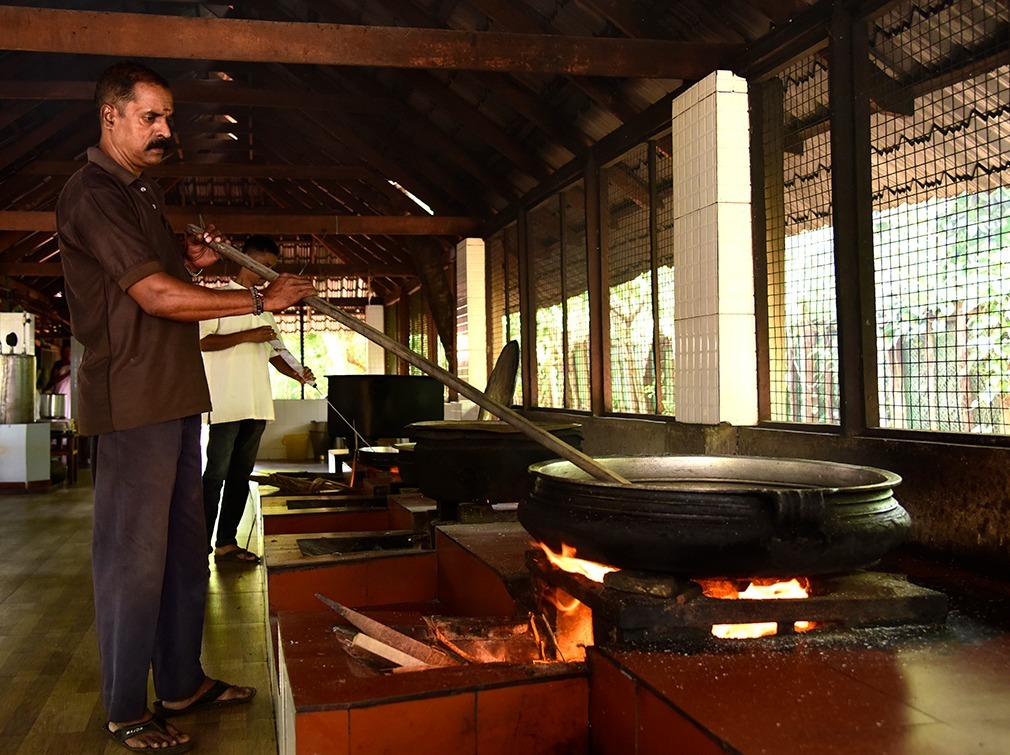
- Ensures therapeutic purity through in-house preparation of medicines and medicated oils
- Offers treatments administered by 32 trained therapists with continuous guidance from four doctors
- Utilises traditional treatment rooms designed according to classical Ayurvedic guidelines
- Enhances respiratory ease through naturally ventilated, non–air-conditioned spaces with high ceilings
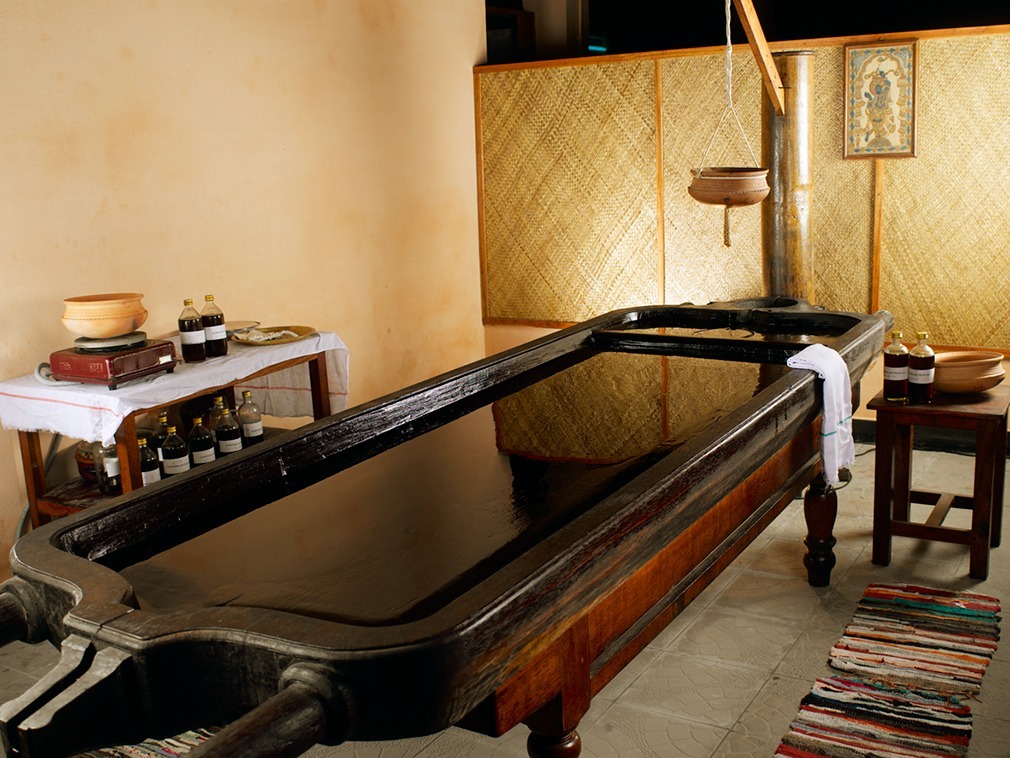
- Supports deeper therapeutic effectiveness with treatments conducted on traditional single-plank wooden tables
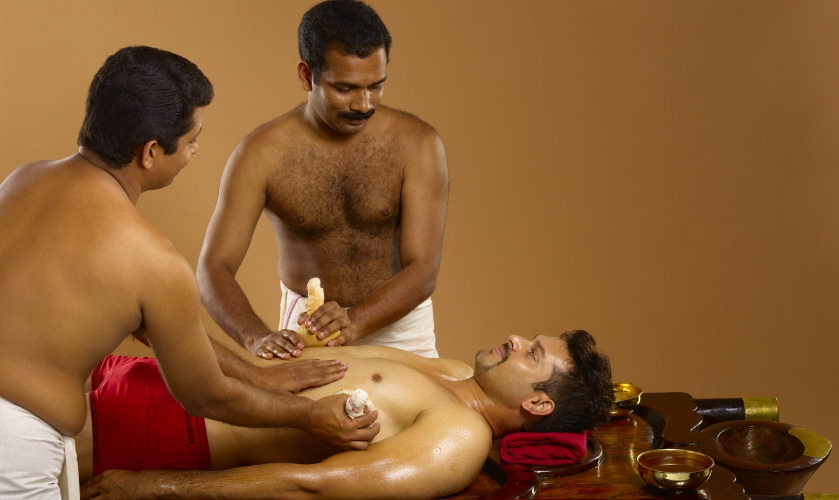
- Provides attentive care with 2–3 therapists present throughout each session
- Complements therapies with yoga and meditation sessions guided by medical recommendations
- Encourages meaningful results through a minimum stay of fourteen days

s
Kadappuram Beach Resorts / 21 Nights Rejuvenation Program
Kadappuram Beach Resorts / 21 Nights Rejuvenation Program
Premium Hospital in a Resort Setting | Healing & Wellness Property
India / Kerala / Thrissur - Beach
Year of Establishment: 2013
Premium Hospital in a Resort Setting | Healing & Wellness Property
India / Kerala / Thrissur - Beach
Year of Establishment: 2013
Summary
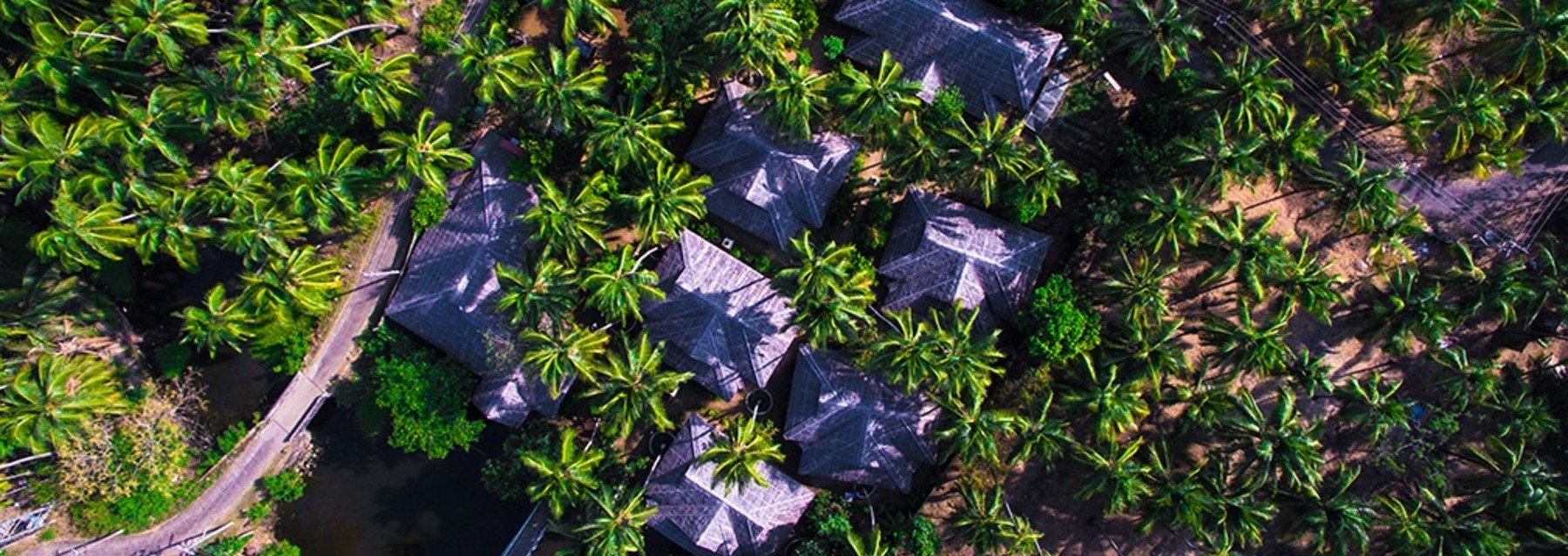
Kadappuram Beach Resort is a small coastal Ayurveda retreat at Nattika Beach, Thrissur, Kerala, with cottage accommodation set beside the Arabian Sea. Established in 1999, it developed as an early tourism retreat on Nattika Beach with classical Ayurveda as a central part of the stay. The retreat has 23 rooms in 12 cottages, arranged within a palm-filled, low-rise setting that combines beach access, water features and traditional Kerala-style construction. Its scale and design favour a quiet residential routine rather than a large conventional resort format.
The Ayurveda operation is substantial in relation to the size of the retreat, with four doctors, 32 therapists and eight self-contained treatment rooms. Daily treatment time is generally 2 to 2.5 hours, with treatment selection and review led by the doctors. Medicines and medicated oils are prepared within the centre under medical supervision. Yoga and meditation are available as part of the wellness routine under doctor guidance. The Ayurveda Centre is listed by Kerala Tourism under the Green Leaf classification, placing the retreat within Kerala's recognised Ayurveda tourism framework.
Design and Landscape
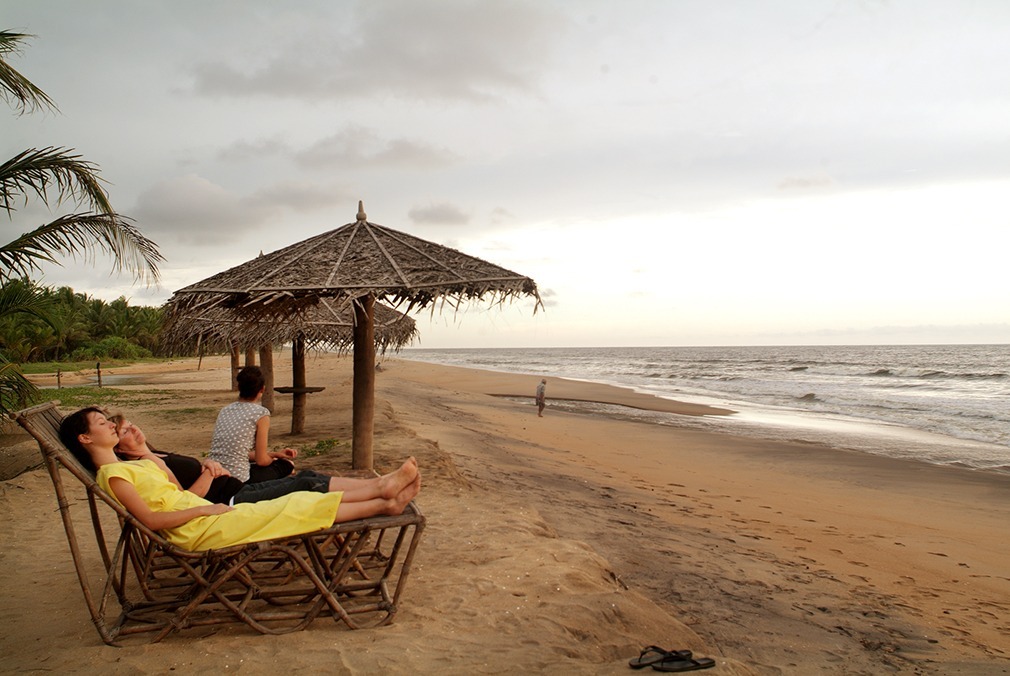
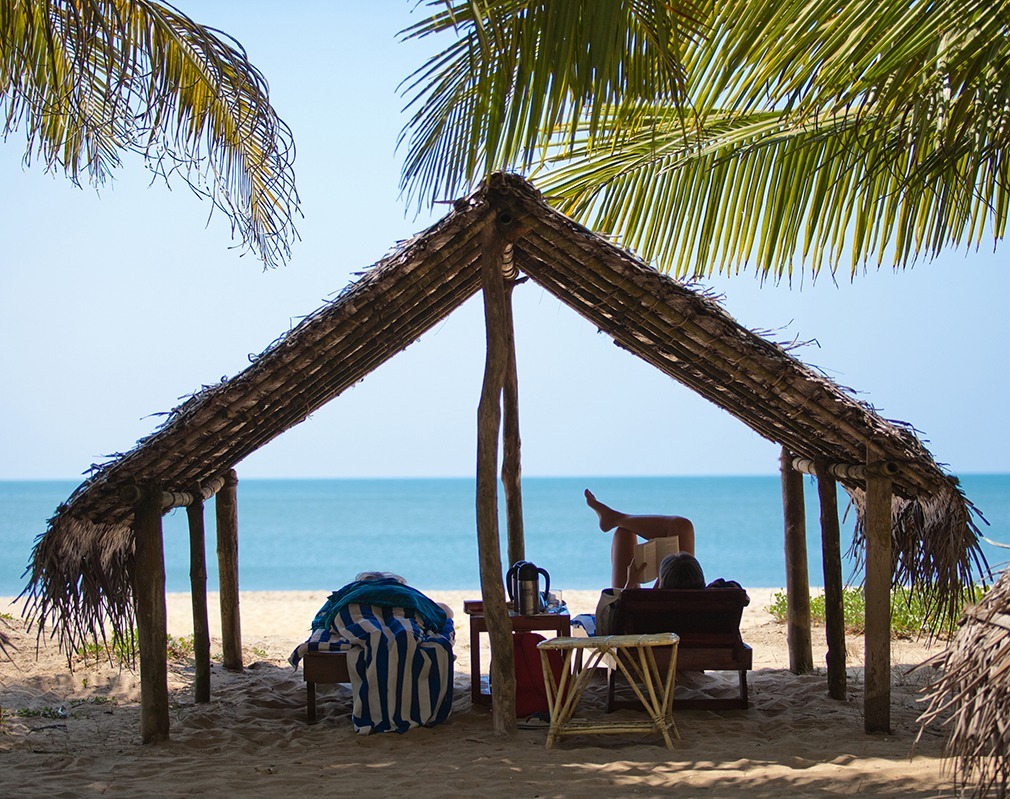
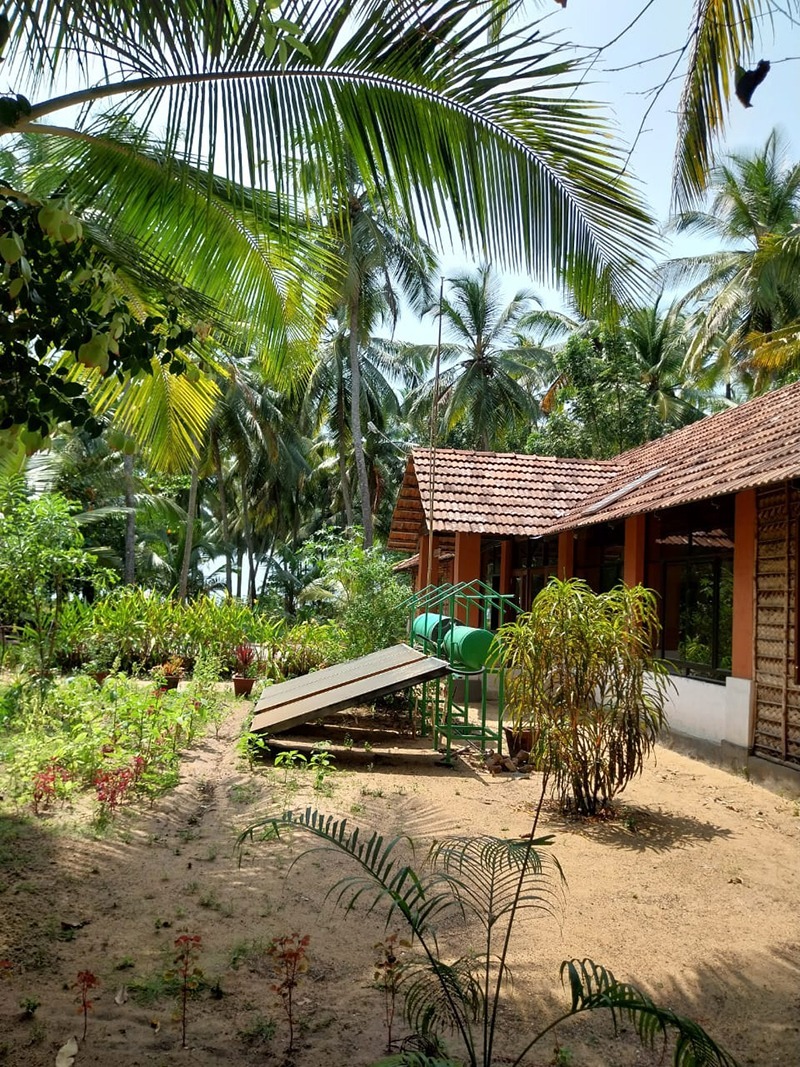
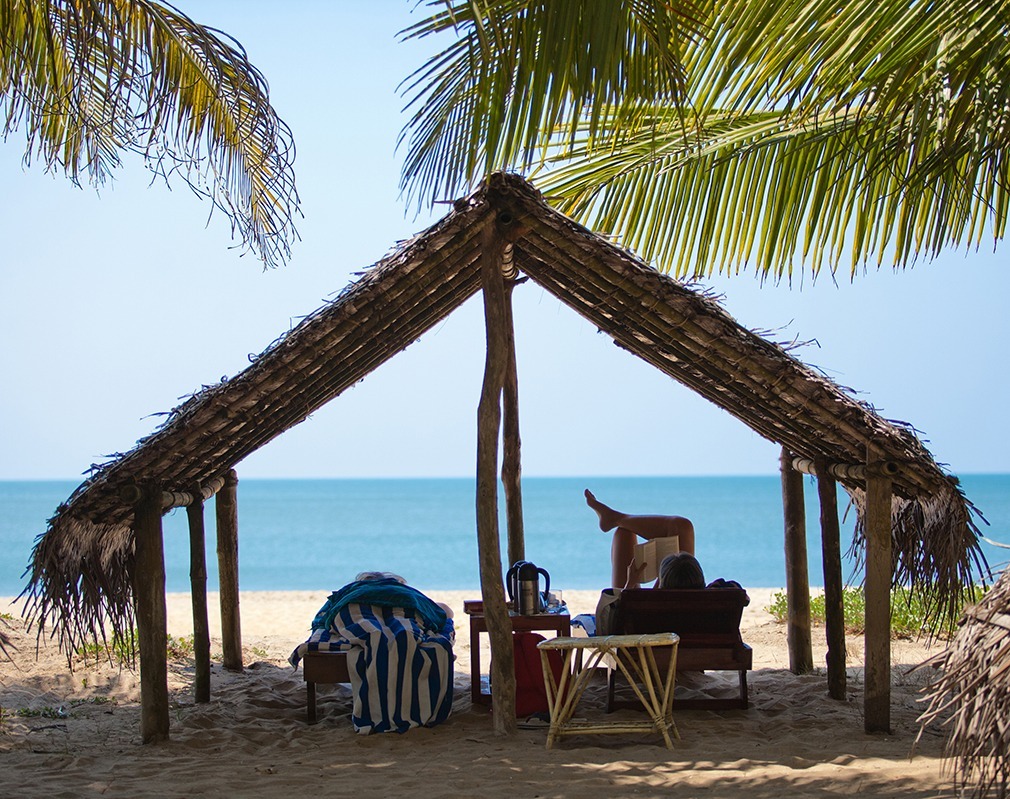
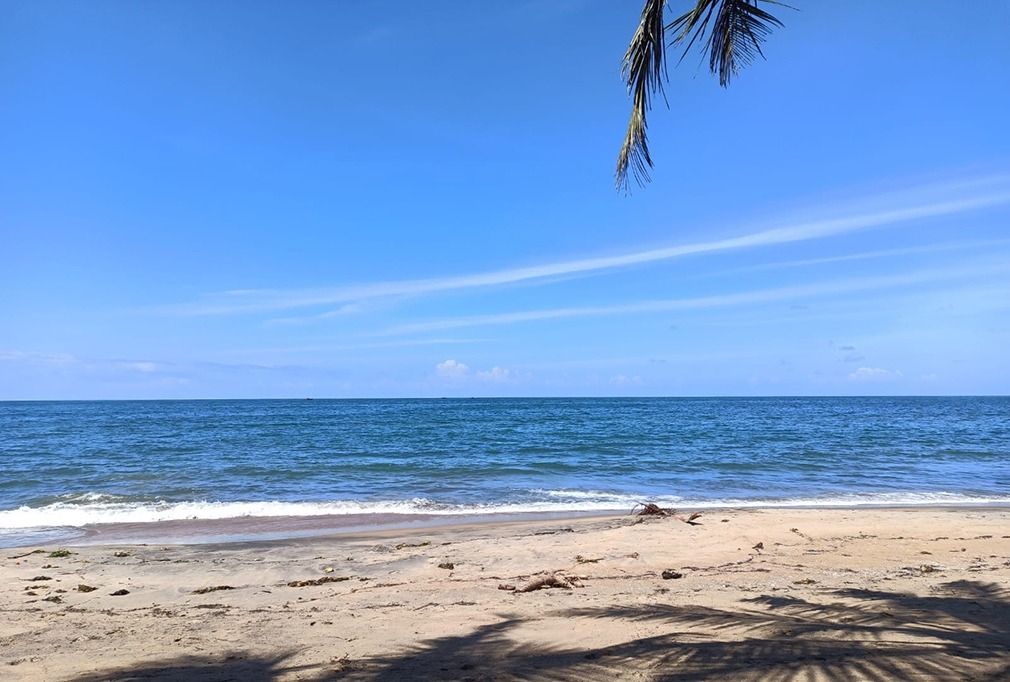
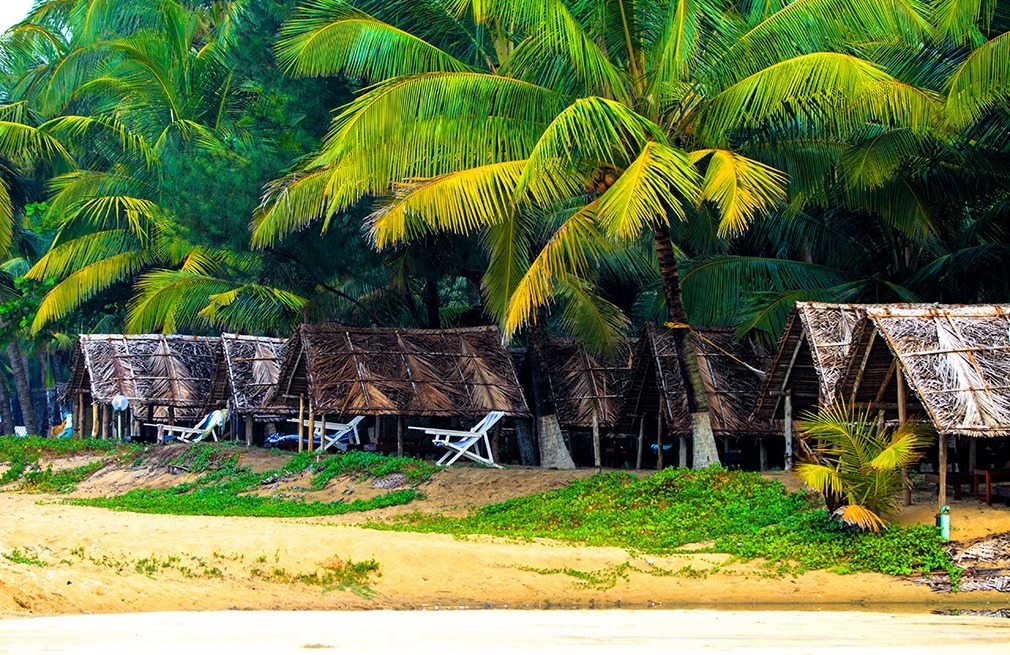
The retreat follows a low-density, nature-led layout beside Nattika Beach. Coconut palms and tropical planting provide shade around the cottages, while ponds, narrow water channels and lagoon-like areas introduce a wetland character through parts of the grounds. The accommodation is positioned in relation to these natural features, with Garden View, Lagoon View and Beach View categories reflecting where each unit sits within the retreat rather than major differences in room equipment. Beach-facing areas extend the setting towards the long sandy shoreline, while hammocks, shaded resting places and verandas support unhurried outdoor use between treatments.
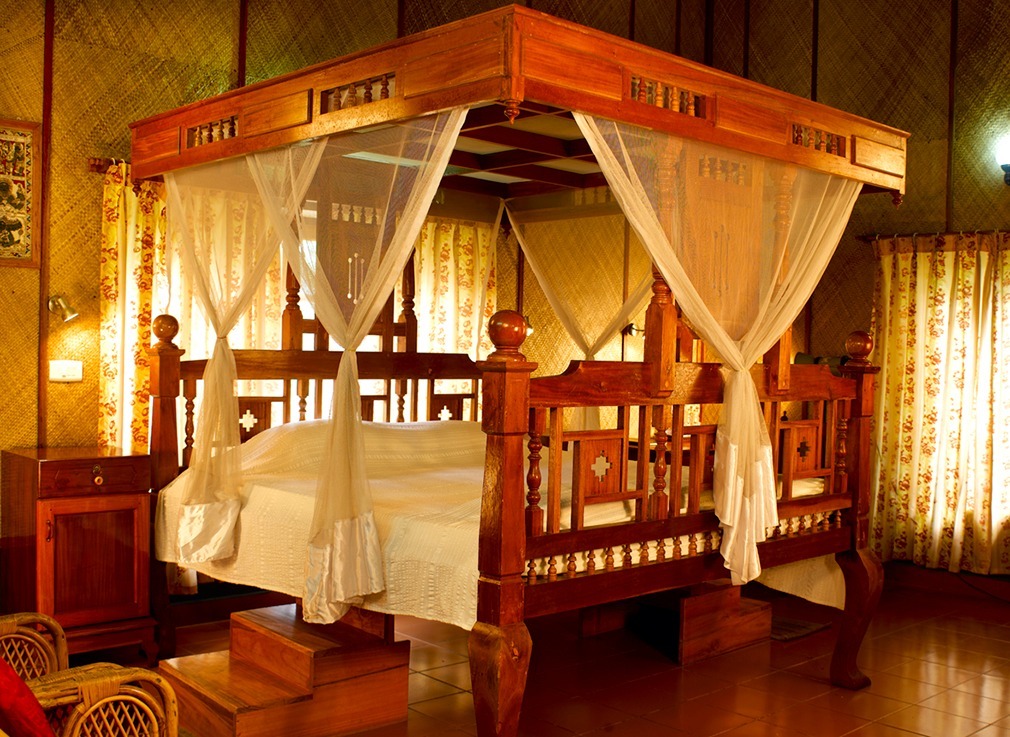
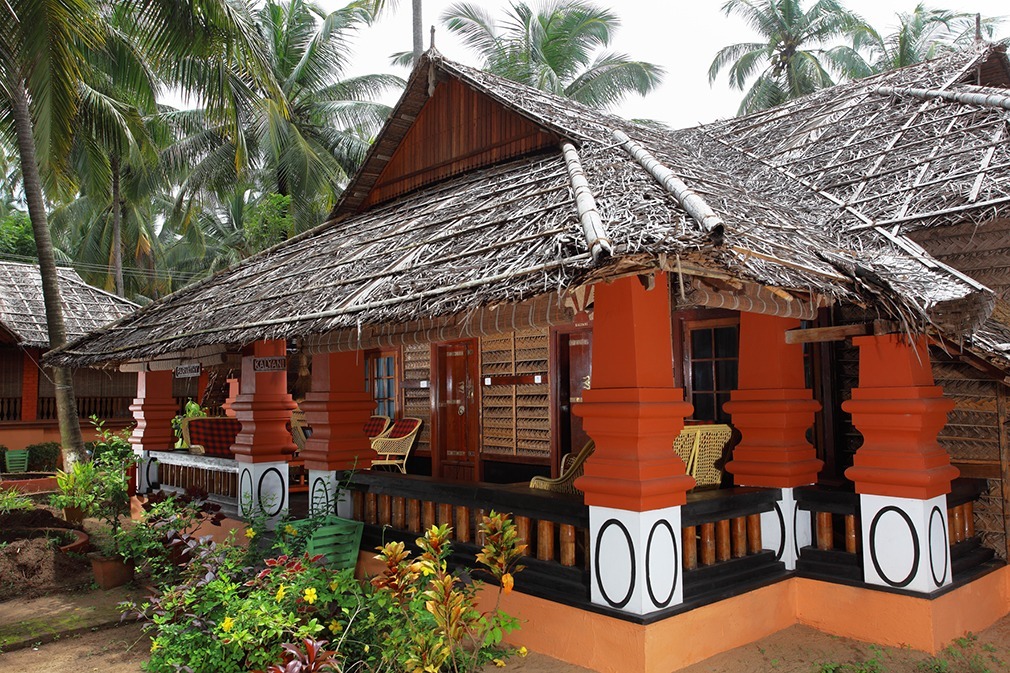
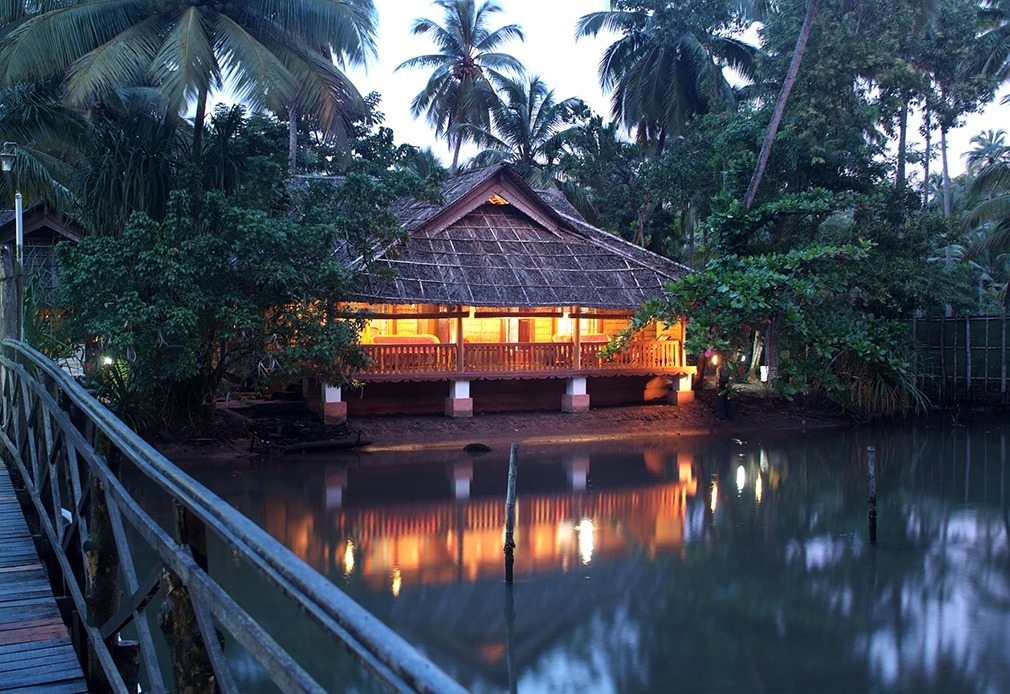
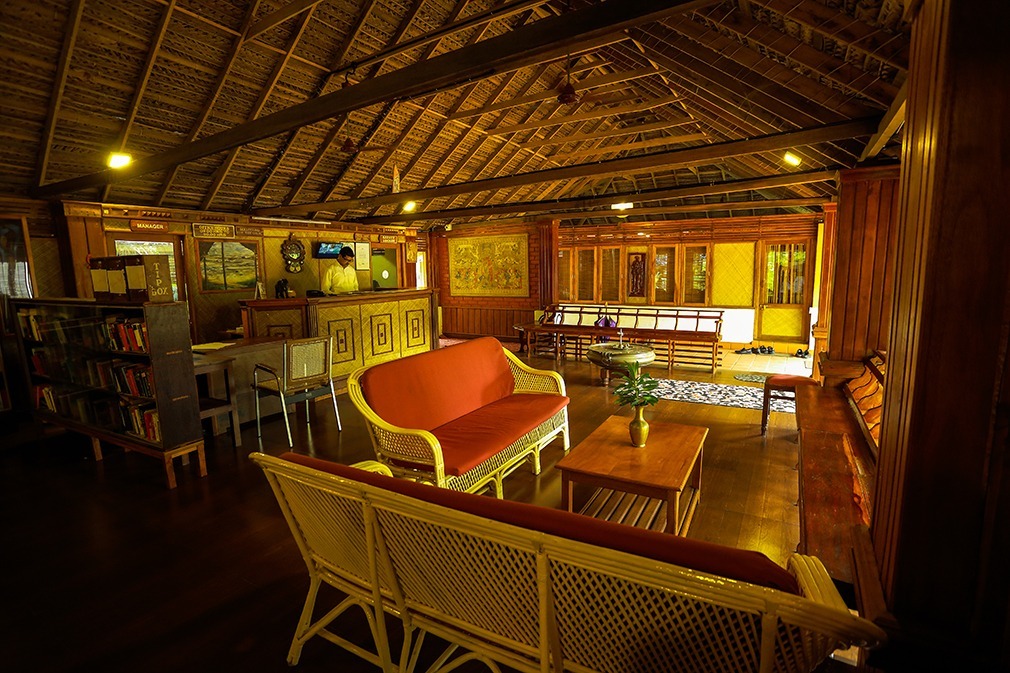
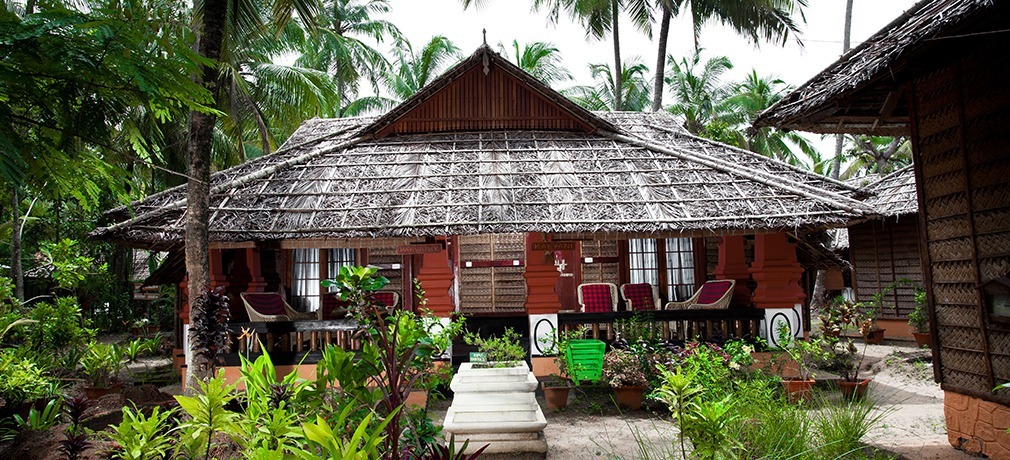
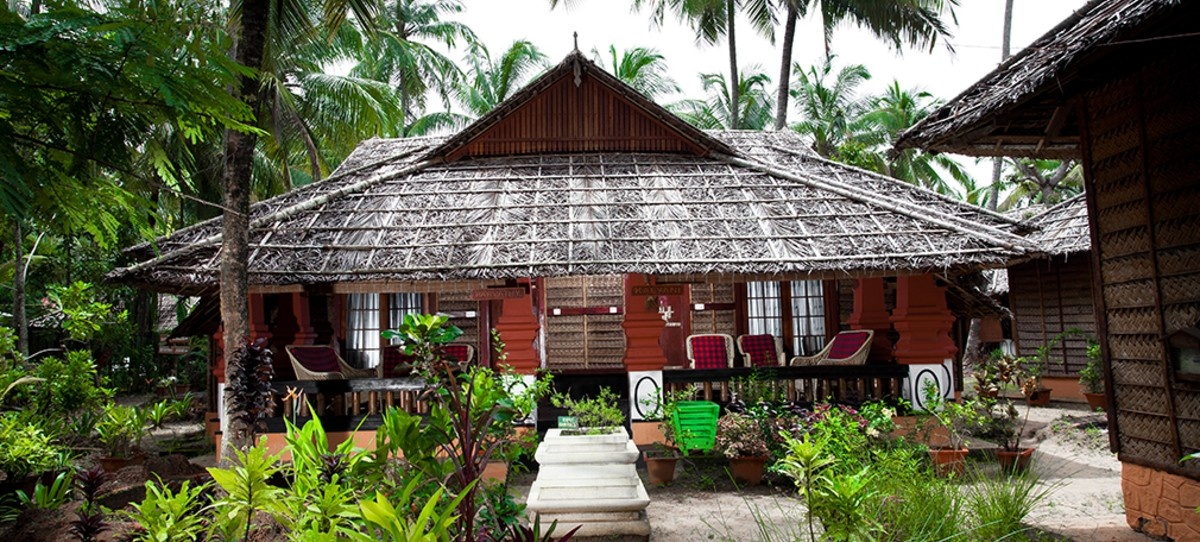
The cottages draw on local Kerala building methods and make extensive use of materials such as coconut timber, bamboo, earth, sand and woven palm elements. Interiors are deliberately simple, with locally made wooden furniture and natural ventilation supported by ceiling fans rather than air conditioning. Covered verandas form an important part of the living space, and some accommodation incorporates woven palm-frond wall finishes and Ramacham in the roof construction. The overall architectural approach keeps buildings visually modest and closely connected to the tropical landscape.
Founders and Ayurvedic Heritage
Kadappuram Beach Resort was established in 1999 and was described in Kerala Travel Mart material as the first tourist resort on Nattika Beach. From its early operation, the retreat combined beach-based residential hospitality with classic Ayurveda treatment, including care designed for international visitors. This long-running integration of accommodation and Ayurveda remains central to its identity, with the treatment centre operating as a dedicated component of the retreat rather than as an incidental spa service.
Its Ayurvedic heritage is expressed through a deliberately traditional treatment environment: physician-led planning, extended residential treatment, in-house preparation of medicines and medicated oils, non-air-conditioned treatment rooms with high ceilings, and solid single-plank wooden treatment tables. The retreat also maintains a doctor-guided yoga and meditation component. A current founder identity or detailed ownership chronology has not been established strongly enough for inclusion in the public narrative.
Ayurveda Philosophy and Approach
The retreat presents its clinical philosophy as traditional classical Ayurveda, with emphasis on preserving established Ayurvedic treatment methods rather than adapting them into a general spa format. Within its own Ayurvedic framework, the approach links wellbeing with digestion, elimination, cellular nourishment and restoration of dosha balance. Treatment is therefore organised around an individual medical assessment and extended residential routine rather than around a fixed menu of massages selected by the guest.
A notable operational feature is the preparation of medicines and medicated oils within the Ayurveda centre under doctor supervision. The physical treatment environment is intentionally traditional: rooms are large and high-ceilinged, air conditioning is avoided, and the treatment tables are made from a single solid wooden plank without rubber mats or cushions. Treatments remain under direct doctor oversight, while yoga, meditation and diet are positioned as supporting parts of the same physician-guided stay.
Personalised Treatment Planning
Ayurveda care begins with a doctor consultation on arrival. The medical team considers the guest's body condition and health history before deciding the treatment course, and assessment of constitution also forms part of the planning. The treatment plan is therefore individual rather than identical for every resident. Doctors remain available for review whenever required, and the course can be adjusted according to the guest's condition and progress during the stay.
The daily Ayurveda routine generally allocates 2 to 2.5 hours for treatment. Treatment is carried out under doctor supervision, with two to three attendants involved during treatment where the retreat's classical operating model requires it. The same medical direction extends to the wider wellness routine: yoga, meditation and food are coordinated with the treatment plan, creating a residential schedule in which therapy, meals, rest and supporting practices are managed around the individual Ayurveda course.
Treatment Programs
The retreat's core wellness offering is an extended Classic Ayurveda residential course, with Panchakarma-oriented cleansing and rejuvenation care forming the principal treatment model. The official Ayurveda description sets a minimum treatment duration of 14 days, reinforcing the emphasis on sustained physician-supervised care rather than short spa visits. Treatment content is selected by the doctors after consultation and is not presented as a standard procedure list that applies equally to every resident.
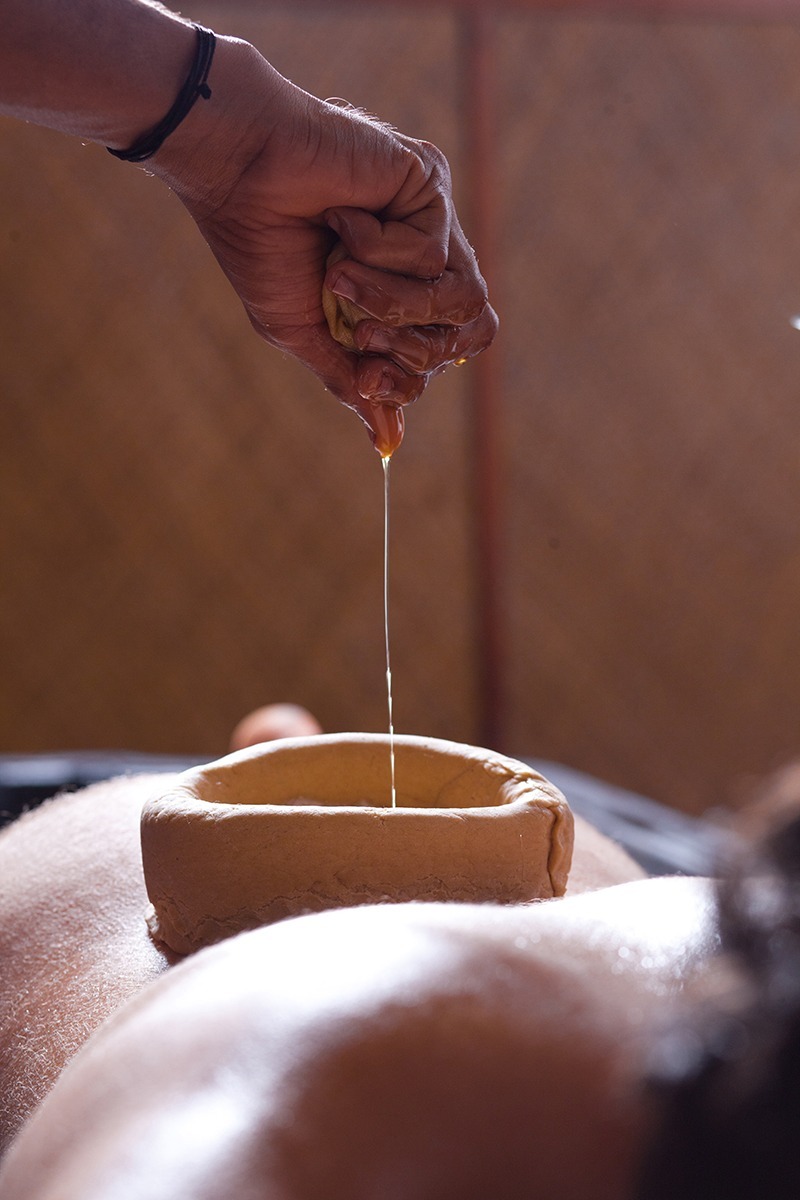
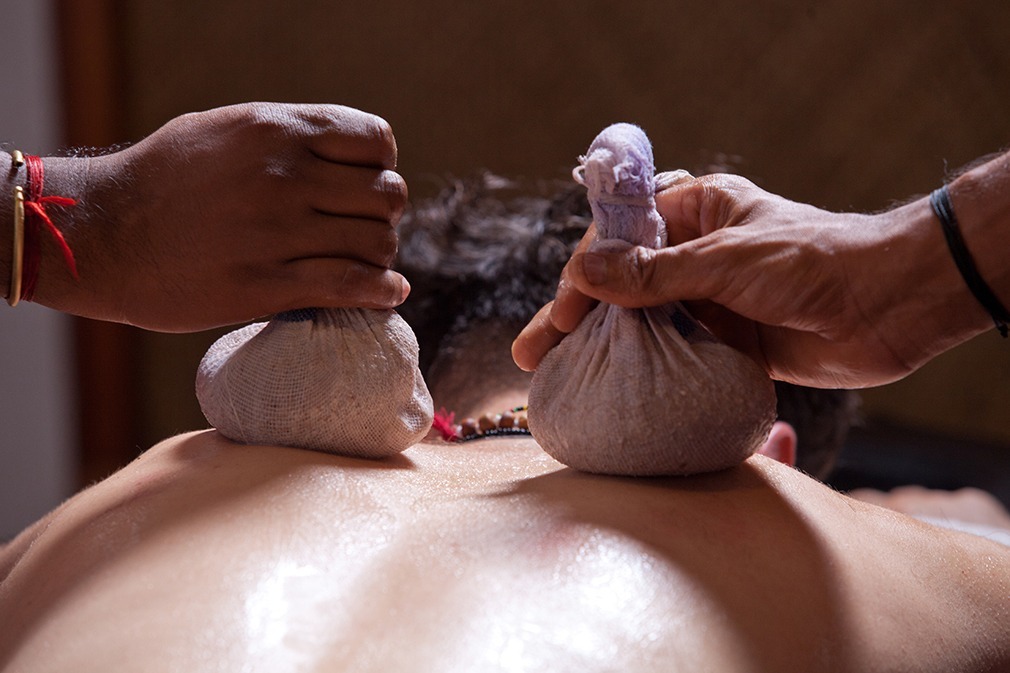
Daily therapy generally lasts 2 to 2.5 hours and may combine oil-based treatments, herbal applications, heat or steam-related procedures and other classical interventions when clinically selected. Medicines and medicated oils required for the course are prepared within the centre under medical supervision. Rejuvenation and purification are recurring themes, while yoga, meditation and doctor-guided food form complementary parts of the stay. Exact procedures, sequencing and intensity remain dependent on the individual plan and medical review.
Doctors and Wellness Experts
The Ayurveda centre operates with a team of four doctors — two male and two female — and 32 therapists. This staffing structure supports continuous residential treatment and allows the doctors to remain involved in consultation, treatment selection and review throughout the stay. The medical team determines the treatment plan on arrival and is available for further consultation whenever required, while therapies are carried out under direct doctor supervision.
The treatment model is labour-intensive, with two to three attendants involved with a guest during treatment according to the retreat's stated classical practice. Yoga and meditation are delivered through the yoga centre and integrated according to medical guidance rather than positioned as independent fitness classes. Individual doctor names, qualifications, registration details and present clinical roles are not sufficiently established for publication.
Post Treatment Care
Continuity during the residential course is supported through repeated physician review rather than a single arrival consultation. The doctors monitor the treatment course, can reassess the guest when required and coordinate therapy with the wider daily routine. The treatment course is also recorded in writing, allowing the previous treatment history to be referred to if a guest returns for another Ayurveda stay.
No sufficiently verified property-wide remote follow-up service, teleconsultation arrangement or formal post-departure monitoring Program has been established. Accordingly, the retreat's verified continuity model is best understood as doctor-led monitoring during the stay and preservation of treatment records for future visits.
Accommodation
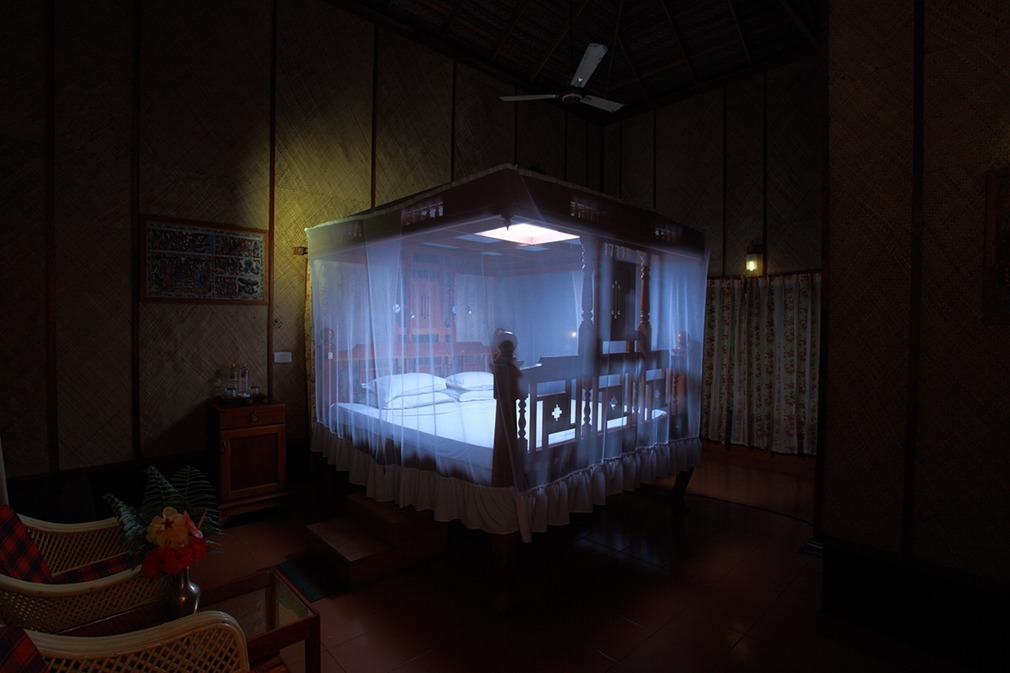
The retreat has 23 rooms distributed across 12 cottages. Accommodation categories comprise 3 Garden View, 10 Lagoon View and 10 Beach View units, with the principal difference being their position within the grounds and proximity to the beach or lagoon areas. The cottages are built in a local Kerala style using natural and locally available materials, and the accommodation is intentionally modest in scale so that rooms remain integrated with the surrounding palms, water features and shoreline.
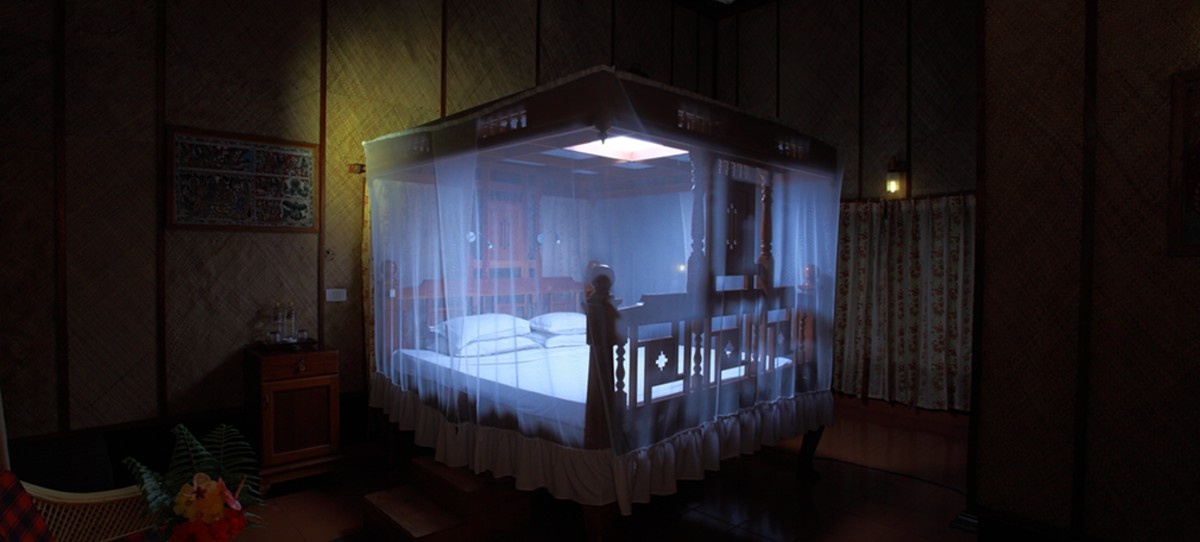
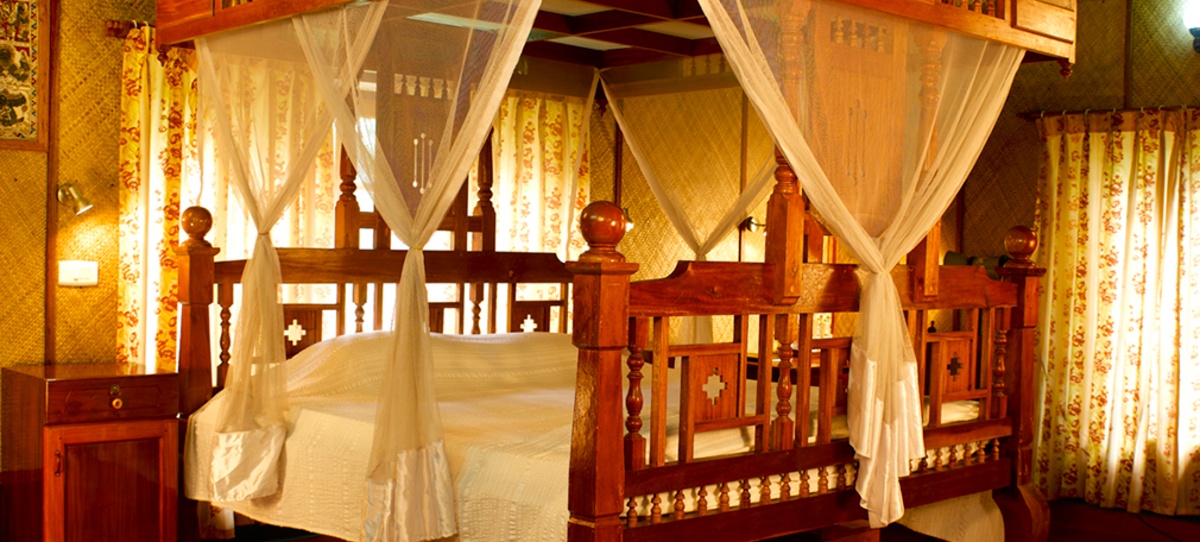
Rooms are spacious and non-air-conditioned, relying on traditional building style, shade and ceiling fans for ventilation. Commonly described room features include a private modern bathroom, mosquito nets, broad double bed, wardrobe, writing desk and chairs, together with a covered veranda furnished for sitting and resting outdoors. Local carpentry, woven palm-frond finishes and Ramacham incorporated into roof construction reinforce the natural aesthetic.
Diet and Dining
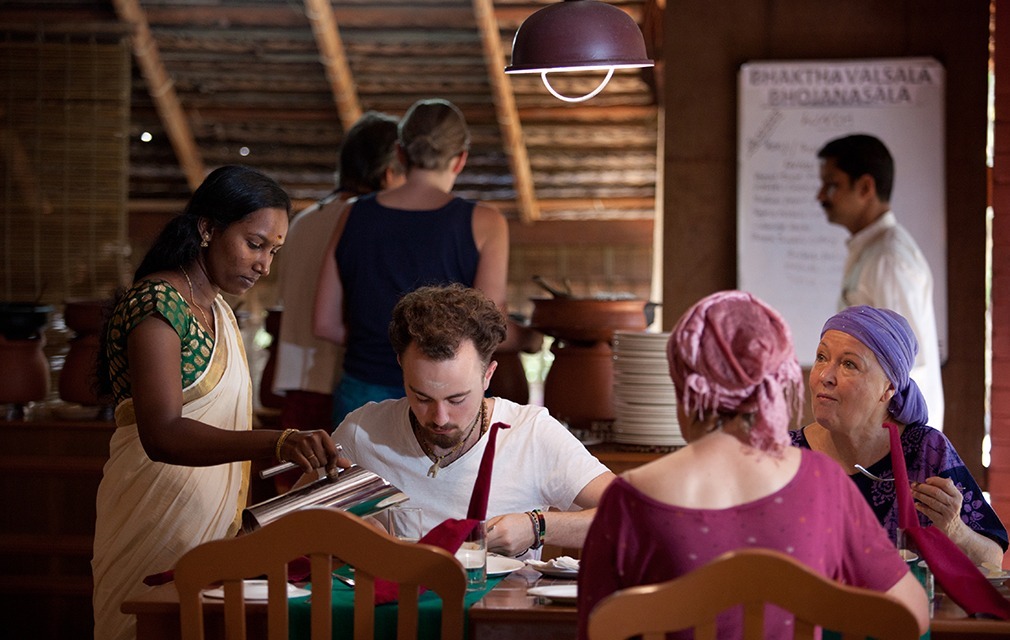
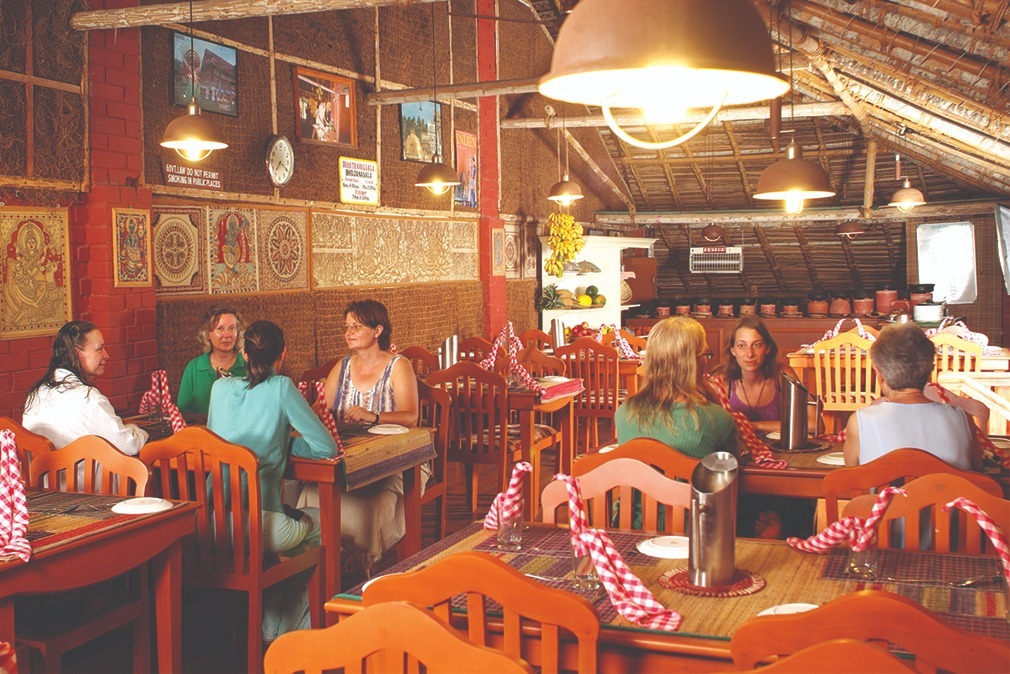
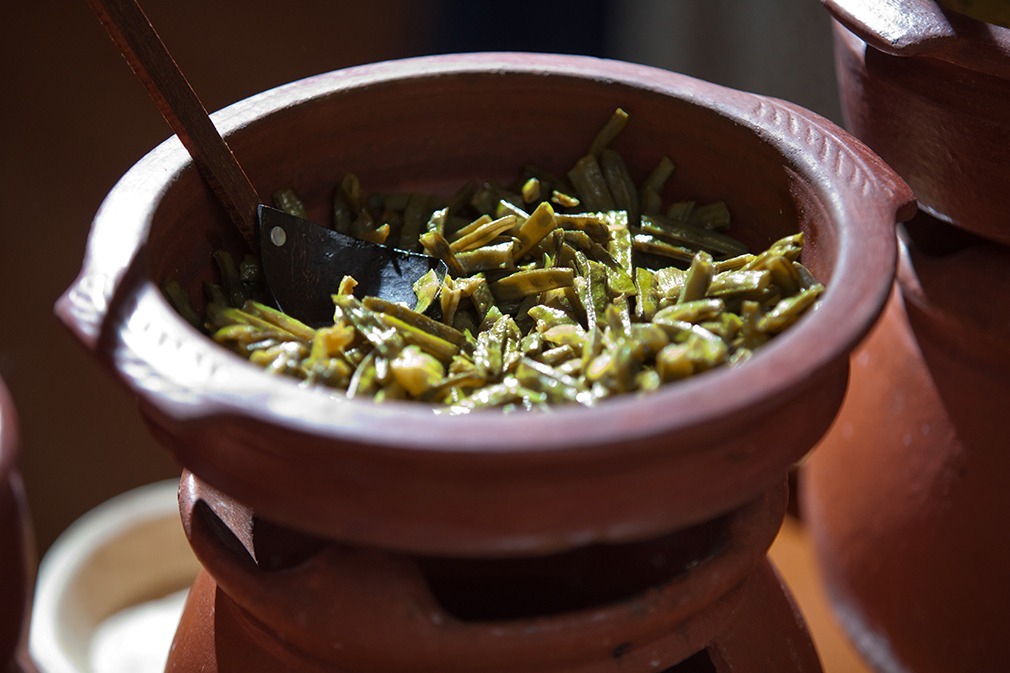
Dining is organised primarily for resident guests and is closely connected with the Ayurveda routine. The retreat serves buffet breakfast, lunch and dinner, with South Indian and traditional Kerala-style dishes forming the main culinary focus. A common buffet is arranged in the Ayurveda restaurant, with meals prepared in accordance with Ayurvedic principles and doctor guidance. Fresh fruits and salads are included in the menu, providing lighter accompaniments alongside the principal dishes.
The dining approach remains integrated with the residential treatment schedule, with food intake guided according to the requirements of the Ayurveda stay. The retreat also has a separate Tea Shop offering tea, coffee and snacks, together with a beach-side refreshment point for evening tea and coffee. Herbal waters are also associated with the Ayurveda meal service. The dining model is therefore centred on common Ayurveda-oriented buffet meals, South Indian cuisine, fruits, salads and medically guided food intake rather than unrestricted resort dining.
Wellness Activities
Yoga and meditation are the principal structured practices outside the treatment rooms. They are available through the retreat's yoga centre and are undertaken according to doctor guidance so that participation fits the guest's treatment condition and daily Ayurveda schedule. Group yoga and meditation sessions support a rhythm in which physical practice, quiet time and treatment are coordinated rather than scheduled independently.
The beach and grounds provide additional low-intensity leisure between treatments. Guests can enjoy shoreline walks, cycling, volleyball and badminton, while deep-sea fishing and other outings may be arranged when they do not conflict with treatment. During higher-season periods, cultural evenings have included Kalaripayattu, Kerala folk and classical dance, and music performances. Bike rides, local market visits, boat experiences and organised day excursions may also form part of the leisure offering.
Facilities and Services
The principal wellness facilities are the Ayurveda centre with eight treatment rooms and a separate yoga centre. The wider retreat also identifies an in-house restaurant, Tea Shop, beach-side refreshment point, Fitness Gym and Lexuary Spa. Outdoor guest areas include the beach, shaded palm-grove spaces, verandas, hammocks and resting areas.
Practical services associated with the stay include laundry, bicycle hire and excursion assistance. Day trips can be arranged on request to regional destinations such as Thrissur, Kochi, Athirappilly, Guruvayur and Kerala backwater areas, with transport and guiding arranged where applicable. The establishment also markets itself as a wedding and event venue, which forms a separate hospitality function from the physician-led Ayurveda operation.
Sustainability and Guest Guidelines
The retreat's physical design and operating model place substantial emphasis on environmentally conscious construction and resource use. Cottages use locally available natural materials including coconut timber, bamboo, earth, sand and woven palm elements. Electricity is described as being supplied mainly through solar power, while wastewater and organic waste are utilised through a biogas system. Natural ventilation and ceiling fans are used in the guest accommodation instead of air conditioning.
A no-smoking rule is associated with the retreat. Guests undertaking Ayurveda are also expected to organise leisure around the medical routine, with treatment timing, doctor review, yoga and meditation participation, food intake and more strenuous activities subject to the needs of the individual course. Sea bathing and outdoor activities are naturally affected by monsoon and local conditions.
Guest Experience and Stay Approach
The stay approach combines a small-scale beach retreat with an intensive, structured Ayurveda routine. Guests live in simple non-air-conditioned cottages distributed among palms, water features and the shoreline, while daily treatment, medical review, meals, yoga, meditation and rest create the principal rhythm of the day. Verandas, beach walks, hammocks and shaded outdoor areas provide places to rest between scheduled care.
The treatment centre is clinically more substantial than a conventional hotel spa, with four doctors, 32 therapists, eight treatment rooms and extended daily therapy. Leisure remains available, including cultural activities, cycling and excursions, but it is secondary to the treatment plan. The overall character is therefore a residential Ayurveda stay in which beach life and Kerala-style hospitality support the medical wellness Program.
More about Kadappuram Beach Resorts
Kadappuram Beach Resort offers a distinctive dining experience through its private restaurants, designed exclusively for in-house guests. With an impressive spread of around 40 varieties, guests can enjoy buffet-style breakfast, lunch and dinner crafted with care and authenticity. A dedicated tea shop is available throughout the day for tea, coffee and light snacks, while the beachside tea counter provides the perfect setting for enjoying evening refreshments. Meals are served generously, though for guests undergoing Ayurvedic therapies, portions and selections follow the guidance of the resort’s doctors to support their treatment plan. The resort’s in-house restaurant presents a flavourful array of dishes prepared using the freshest local ingredients. Every plate reflects the richness of Kerala’s culinary traditions while incorporating global influences to create a wholesome and satisfying dining experience. Guests are invited to savour the exquisite flavours of Kerala and beyond, thoughtfully curated to offer a delightful balance of taste, freshness and nourishment. Dining at Kadappuram Beach Resort becomes a memorable part of the stay, where every meal celebrates both authenticity and culinary finesse.
Kadappuram Beach Resort invites guests to experience true indulgence at the Lexuary Spa, where opulence meets tranquillity. The spa offers a serene environment dedicated to relaxation and rejuvenation, allowing guests to unwind through a range of luxurious treatments designed to restore balance and well-being. The resort’s fully equipped fitness gym provides an inspiring space for guests to maintain their health and wellness routines. Whether beginning a fitness journey or continuing an established regimen, visitors can enjoy a refreshing and energising workout surrounded by the calm ambience of the resort.
Kadappuram Beach Resort offers an eco-sensitive sanctuary dedicated to authentic, classical Ayurveda, where healing, health, and beauty are nurtured through time-honoured principles. The Ayurveda philosophy here focuses on eliminating toxins caused by incomplete digestion, restoring proper cellular nourishment, supporting complete elimination, and re-establishing the balance of the Doshas.
The resort follows 100% traditional, uncompromised classical Ayurveda, without adapting to modern shortcuts. The centre is supported by a highly qualified team of four Ayurvedic doctors—two male and two female—along with 32 skilled therapists. Eight self-contained treatment rooms ensure privacy and comfort, while daily treatment sessions of 2 to 2.5 hours provide deep therapeutic benefits. Guests receive a free consultation with the doctors upon arrival, and treatments are tailored according to individual body conditions. Every therapy is conducted under the direct supervision of doctors, ensuring safety, precision, and effectiveness.
All medicines and medicated oils used for treatments are prepared in-house under the supervision of the doctors to maintain purity and avoid any form of adulteration. The treatment centre itself is designed strictly according to Ayurvedic architectural principles, featuring spacious rooms
Panchakarma Program
Body Purification
Rejuvenation
Kadappuram Beach Resort stands distinguished for its unwavering commitment to excellence, sustainability, and authentic hospitality. Over the years, the resort has earned recognition for its dedication to preserving Kerala’s cultural heritage while delivering world-class service to guests from around the globe. These accolades reflect not only the resort’s exceptional standards but also the passion and integrity with which its team operates each day.
The resort’s achievements highlight its continuous efforts to maintain a harmonious balance between luxury and eco-conscious living. Its recognition in the hospitality sector underscores its focus on quality, guest comfort, and environmentally responsible practices. Each award serves as a testament to the resort’s vision of offering a serene, nature-inspired sanctuary where well-being, authenticity, and tradition come together seamlessly.
21 Nights Rejuvenation Program
-
Description
The Rejuvenation Program at Kadappuram Beach Resorts is grounded in classical Ayurvedic principles that view healing, vitality and natural beauty as outcomes of a body free from accumulated toxins and supported by balanced Doshas. Set within the serene coastal landscape, the program aligns guests with the rhythm of nature while restoring clarity and ease through traditional therapeutic practices.
Deeply rooted in time-honoured Ayurveda, the centre follows an authentic, uncompromised approach to treatment. A team of four doctors—two male and two female—and thirty-two therapists guide the process, supported by eight self-contained treatment rooms designed according to Ayurvedic guidelines. The centre produces its own medicines and medicated oils under close medical supervision, ensuring purity by avoiding externally sourced preparations. Treatment rooms feature high ceilings for natural airflow, no air conditioning, and traditional wooden tables crafted from single solid planks, with two to three attendants present throughout each session to maintain precision and care.
Daily therapies span approximately 2 to 2.5 hours and are personalised following a complimentary consultation on arrival. Treatments are adjusted whenever required, and each step is administered under the direct supervision of the doctors. The program emphasises complete digestion, proper elimination and sound cellular nourishment, allowing the body to regain equilibrium through methods that have been refined over centuries.
Yoga and meditation sessions in the resort’s yoga centre complement the therapeutic routine and are offered in accordance with medical guidance. A minimum stay of fourteen days is recommended to allow the body sufficient time to respond to the treatments and to support the gradual re-establishment of balance and vitality.
-
Major Benefits
-
Inclusions
- Airport Transfer
- Accommodation
- Full-board Ayurveda meals
- Daily One Ayurveda treatments
- Daily Yoga except on arrival and detoxification days (in group)
- Doctor’ consultation
- Internal medicines
- Complimentary Wi-Fi
- All applicable taxes
-
Starting Rate
₹ 346205 -
Airport Transfers
Yes -
Duration Of Therapy
120 Minutes per day -
Treatment Sessions Per Day
1 -
Number of Days
22 Days -
Languages
English, Malayalam -
Food
-
Exclusions
- Telephone
- Laundry
- Trips
- Lab test (if advised)
- Medicines to be taken home
- Translator
Walk-Through Video | 08/09/2026
Preview Video | 2026-10-08
Stay
Garden View Category
Max. No. of guests : 2 Total Room : 5
Max. No. of guests : 2 Total Room : 5
Description
Facilities
The Garden Category Room at Kadappuram Beach Resorts is set within the resort’s serene green landscape, surrounded by swaying palms and thoughtfully maintained pathways. Its calm, nature-aligned setting allows the room to feel seamlessly connected to the beauty of its outdoor surroundings, creating a gentle sense of retreat.
Designed with simplicity and comfort in mind, the room features natural materials, soft tones and an uncluttered layout that reflects the resort’s grounded hospitality philosophy. A private sit-out opens into the gardens, offering a quiet place to pause, read or enjoy the stillness of the coastal environment.
Essential amenities support a relaxed stay, including comfortable bedding, a well-kept bathroom, wardrobe space, drinking water provisions and regular housekeeping. With its tranquil ambience and close relationship to the landscape, the Garden Category Room provides an inviting residential experience for guests seeking rest and quiet within the resort’s natural greenery.
Lagoon View Category
Max. No. of guests : 2 Total Room : 5
Max. No. of guests : 2 Total Room : 5
Description
Facilities
The Lagoon Category Room at Kadappuram Beach Resorts is set close to the resort’s calm internal waterways, offering a peaceful atmosphere shaped by the beauty of its natural surroundings. Gentle reflections from the lagoon and the soft rustle of coastal vegetation create a serene backdrop, allowing the room to feel seamlessly connected to the landscape.
Designed with simplicity and comfort in mind, the room features warm, natural materials and an uncluttered layout that complements the resort’s nature-focused philosophy. A private sit-out provides space to unwind while overlooking the lagoon or nearby gardens, enhancing the sense of quiet retreat.
Essential amenities are thoughtfully arranged to support a relaxed stay, including comfortable bedding, a well-maintained bathroom, wardrobe space, drinking water provisions and regular housekeeping. The tranquil ambience and proximity to the lagoon make this category particularly appealing for guests seeking stillness and gentle immersion in the resort’s coastal environment.
Beach View Category
Max. No. of guests : 2 Total Room : 5
Max. No. of guests : 2 Total Room : 5
Description
Facilities
The Beach Category Room at Kadappuram Beach Resorts is thoughtfully designed to reflect the calm and simplicity of its coastal surroundings. Set close to the shoreline, the room invites gentle sea breezes and soft natural light, creating an atmosphere that feels harmoniously aligned with the rhythm of the beach. Interiors are crafted with natural materials and warm, earthy tones, offering a comfortable space that blends seamlessly with the beauty of the resort’s landscape.
Each room provides practical comforts to support a relaxed stay, featuring well-appointed sleeping areas, clean and functional bathrooms, and a private sit-out that allows guests to enjoy views of the gardens or catch glimpses of the coastline. The uncluttered layout enhances a sense of ease, making it an appealing retreat for those seeking quiet moments of rest between Ayurveda treatments or leisurely walks along the beach.
Designed to complement Kadappuram’s tranquil setting, the Beach Category Room offers a serene residential experience rooted in simplicity, comfort, and an appreciation for the natural charm of the coast.
Wellness Slots
Ayurveda Treatment Room
Ayurveda Treatment Room : Ayurveda Treatment Room
Wellness Room Type: Closed
Capacity : 10
Opening Time: 06:00 AM
Closing Time: 06:00 PM
Treatment Room Size : Medium
Total Units : 10
Ayurveda Treatment Room : Ayurveda Treatment Room
Wellness Room Type: Closed
Capacity : 10
Opening Time: 06:00 AM
Closing Time: 06:00 PM
Treatment Room Size : Medium
Total Units : 10
Location & Map
Address
Location
Landmark
Nattika Beach
Nearby Attractions
C3CM+MHR, Nattika Beach Rd, Thrissur, Kerala 680566
Location
Nattika Beach, located in Thrissur, Kerala, is a serene coastal destination on the west coast of India, bordered by the historic Conolly Canal. Known for its tranquil setting and vibrant fishing community, it offers visitors a unique blend of natural beauty, cultural charm, and peaceful ambience, making it an ideal destination for relaxation and rejuvenation.
Landmark
Nattika Beach
Nearby Attractions
Chettuva Mangrove Forest
Chettuva hosts Kerala's largest Mangrove forest, nourished by the Cannoli Canal and Enamuvu Lake in the backwaters.
Snehatheeram Beach
Snehatheeram Beach Or Love Shore, is a tranquil destination in Thalikulam, Thrissur District, Kerala, India, renowned for its natural beauty. Located about 25 km from Thrissur, it was honored as the best beach tourism spot in 2010 by the Department of Tourism.
Thrissur Zoo
Thrissur Zoo, established in 1885 and situated 2 km from the heart of Thrissur City, is one of India's oldest zoos, covering 13.5 acres and featuring diverse animals, reptiles, and birds.
The Vadakkumnathan Temple
The Vadakkumnathan Temple, located in the heart of Thrissur town, is one of Kerala's oldest and most architecturally distinct Hindu temples.
Athirappilly Waterfalls
Athirappilly Waterfalls, a stunning natural wonder, is Kerala's largest waterfall, soaring to a majestic height of 81.5 feet and located 63 km from Thrissur district.
Vazhachal Waterfalls
Vazhachal Falls, nestled in Thrissur district, Kerala, is a captivating natural attraction, located just 5 km from the entrance of Athirappilly Falls, and is part of the stunning Sholayar Forest ranges.
Ilanjippara Waterfall
Ilanjippara Waterfalls, hidden within the Marottichal forest in Thrissur district, is a trekkers' heaven, particularly enchanting in the monsoon season.
Road Connectivity
Thalikulam Beach Rd Jn : 1.4 KM
Railway Connectivity
Thrissur Railway Station : 24.1 KM
Airway Connectivity
Cochin International Airport : 60.6 KM
Total Area Of Property (acres)
8.50
Building Free Area (acres)
4.00
Actual Area Of Property (acres)
8.00
Thalikulam Beach Rd Jn : 1.4 KM
Railway Connectivity
Thrissur Railway Station : 24.1 KM
Airway Connectivity
Cochin International Airport : 60.6 KM
Total Area Of Property (acres)
8.50
Building Free Area (acres)
4.00
Actual Area Of Property (acres)
8.00
Insurance
No Insurance Available
Extras & Prices
| Extra Amenities | Rate |
|---|---|
| Bystander ( Extra-person without treatment ) Per Night Rate | ₹ 5318 |
| Pick-up & Drop-off - Sedan Cars : From Cochin Airport | ₹ 744527 |
| Price for Drop-off- Sedan Cars : From Cochin Airport | ₹ 319083 |
| Price for Pick-up- Sedan Cars : From Cochin Airport | ₹ 319083 |


