
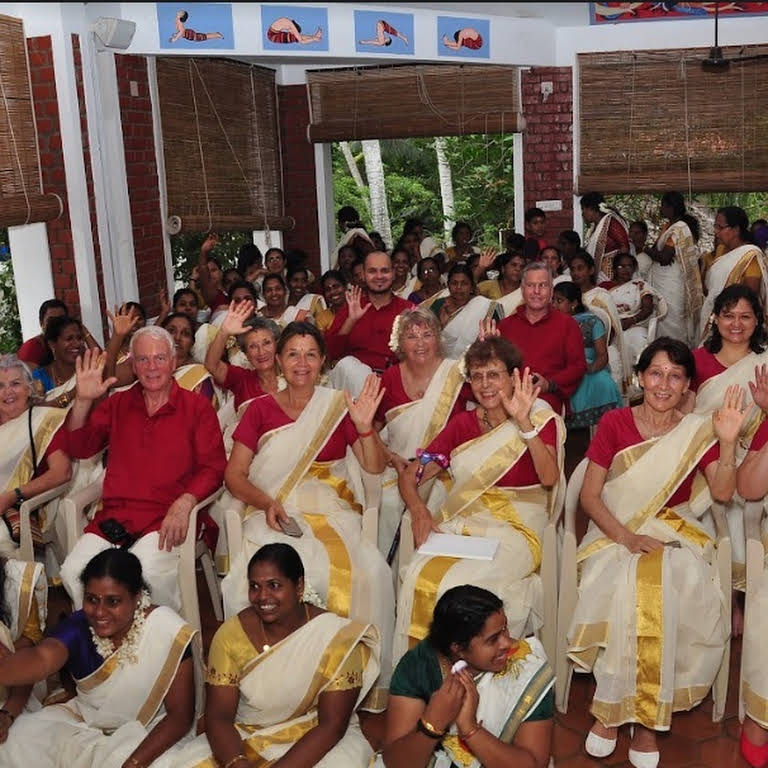
Dr Franklins Panchakarma Institute and Research Centre / 21 Nights Post Cancer Supportive Care Treatment Program
Premium Hospital in a Resort Setting | Healing & Wellness Property
India / Kerala / Kovalam - Beach | Country side
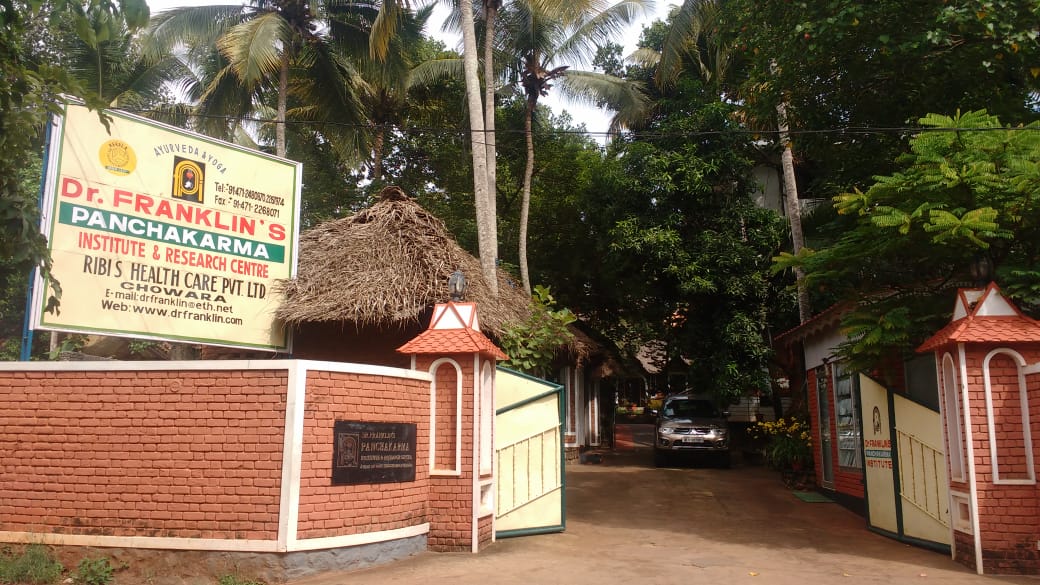
Dr Franklin’s Panchakarma Institute and Research Centre is an Ayurveda-focused treatment and residential centre situated at Chowara, South Kovalam, Thiruvananthapuram, Kerala – 695501, approximately 18 km from Thiruvananthapuram International Airport and about 22 km from Thiruvananthapuram Central Railway Station. Established in 1997 by Dr V. Franklin, the centre was conceived as a dedicated institution for authentic Ayurveda, with Panchakarma forming its principal therapeutic focus. Its medical and wellness offering combines Ayurvedic treatment with Yoga and meditation, residential accommodation, Ayurvedic vegetarian dining, pharmacy services and Ayurveda-related educational activities. The centre is registered as Ribis Health Care Pvt Ltd and has historically held the Green Leaf classification/certification associated with the Government of Kerala’s tourism framework.
The centre follows a doctor-led model in which treatment is intended to be adapted to an individual's health requirements rather than delivered solely as a standardised spa service. Its portfolio encompasses Panchakarma, body purification, rejuvenation, slimming and weight management, spine care, stress management, diabetes care, beauty care and other condition-oriented Ayurvedic therapies. The centre also maintains an Ayurvedic medicine-manufacturing unit and pharmacy, supporting the preparation and supply of oils and herbal formulations used within its treatment system.
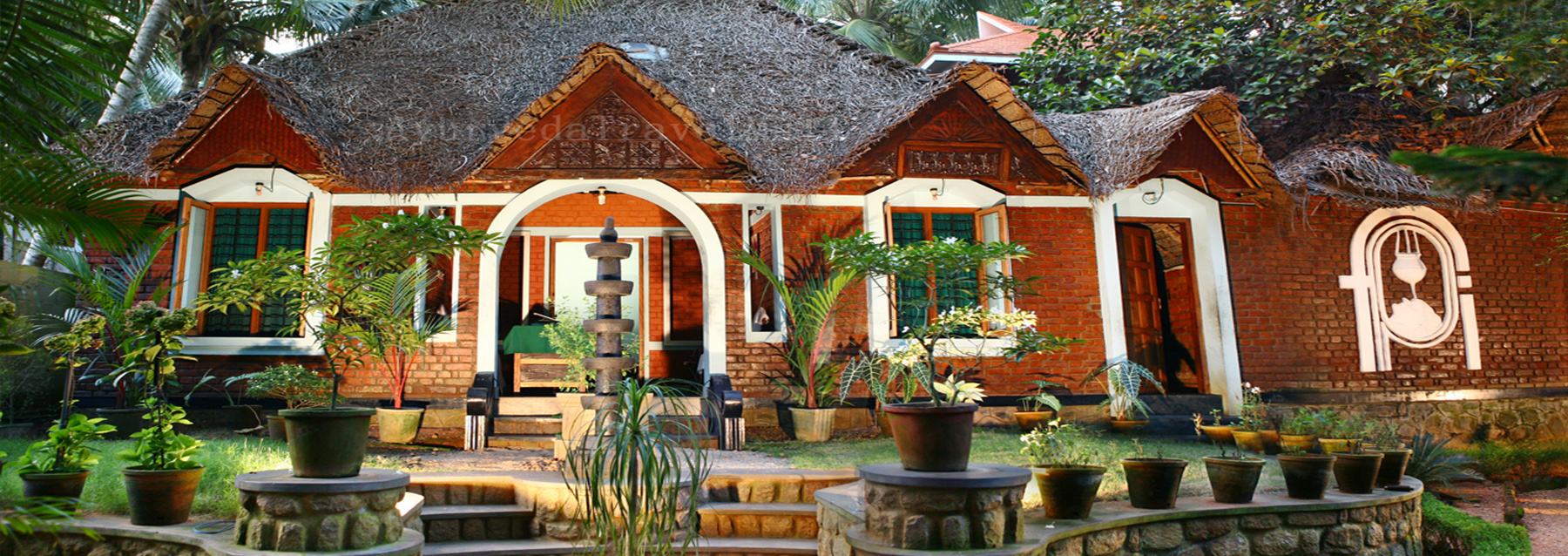
Property Design and Landscape
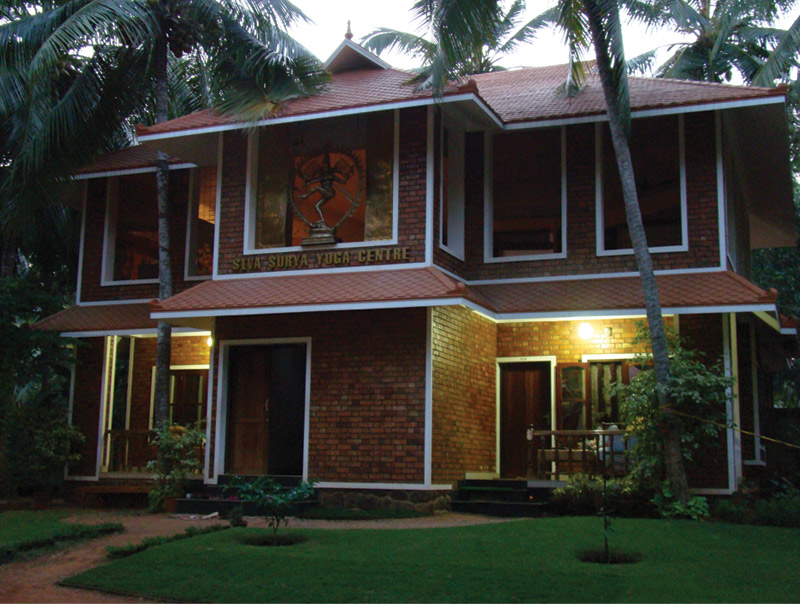
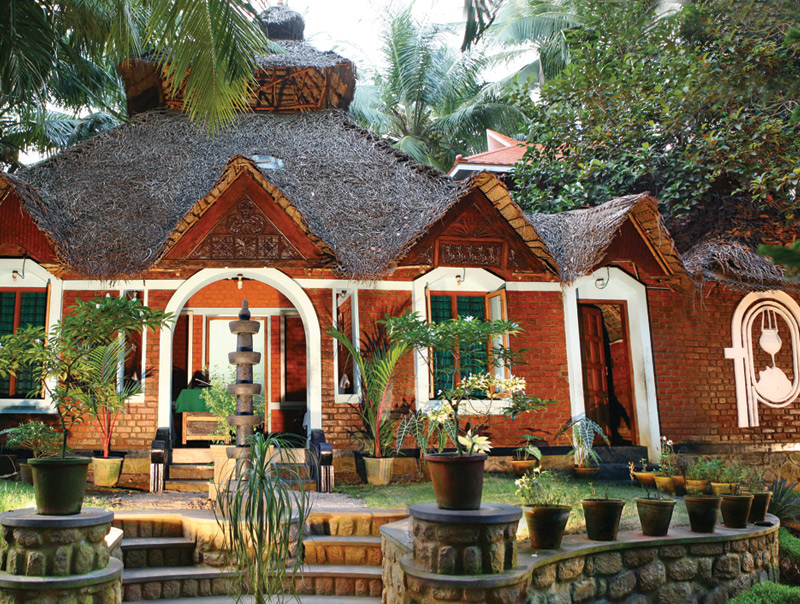
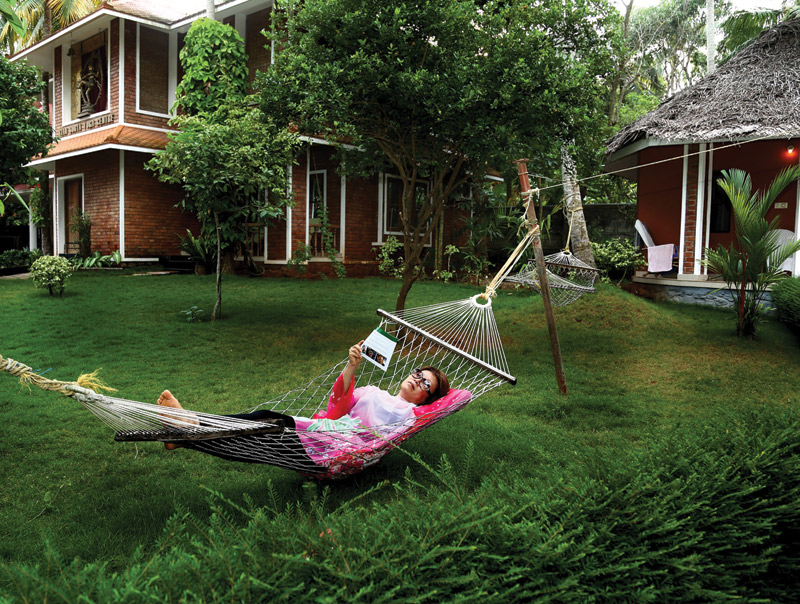
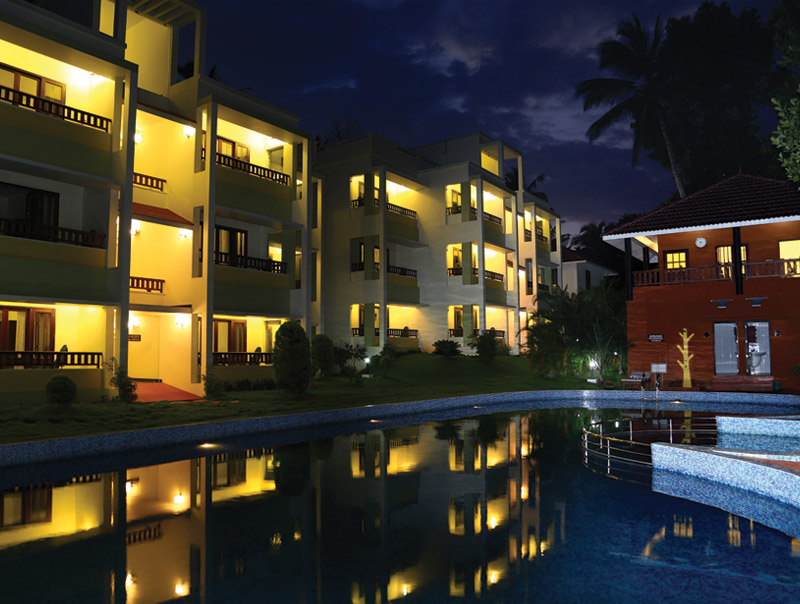
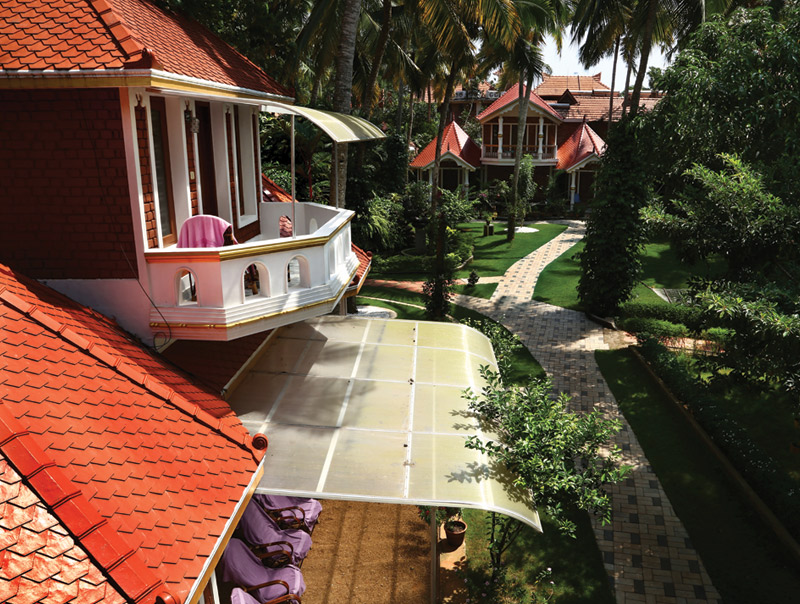
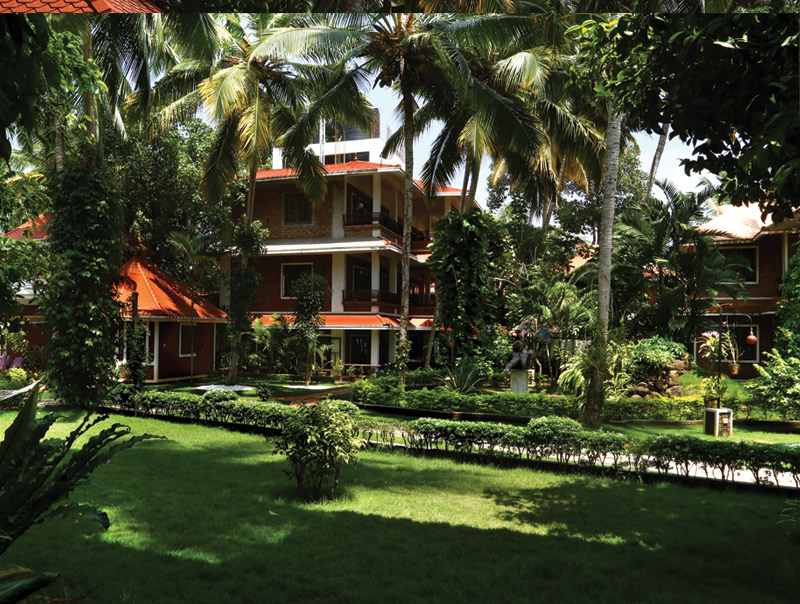
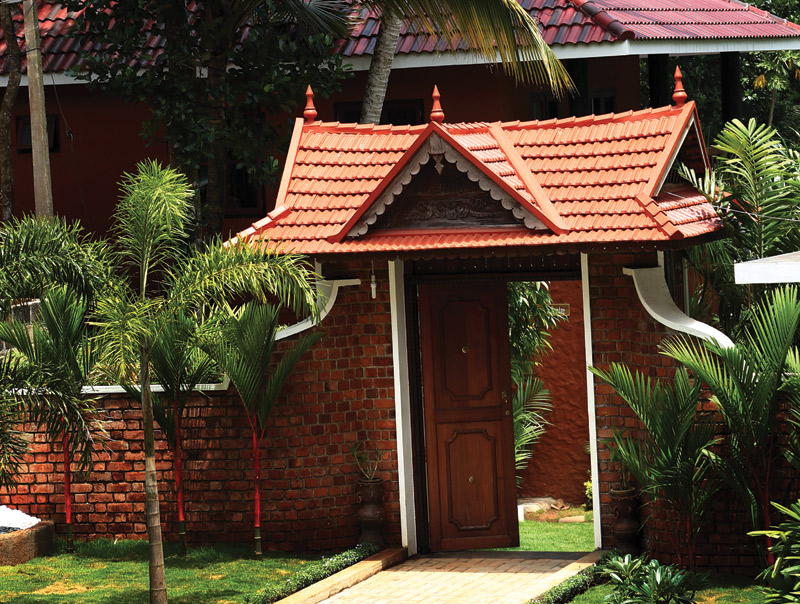
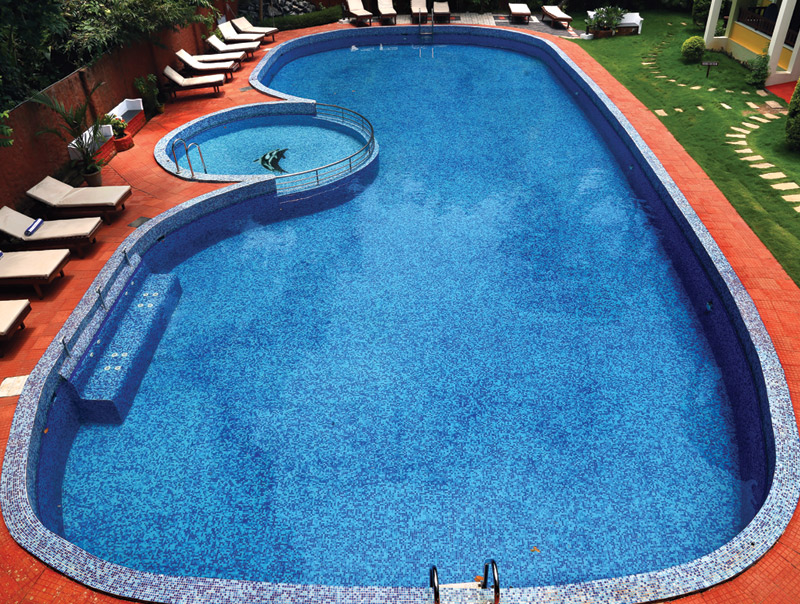
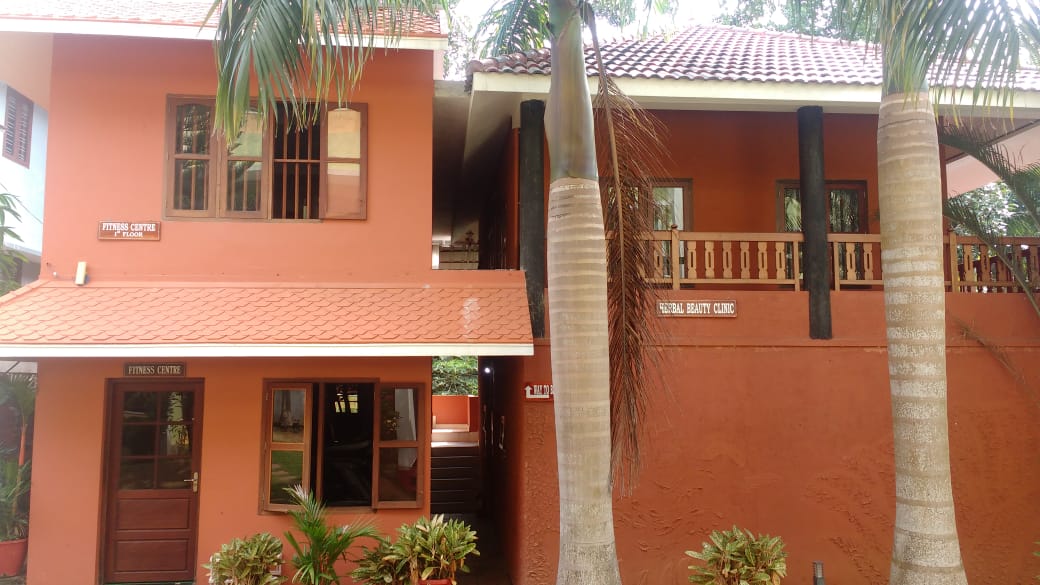
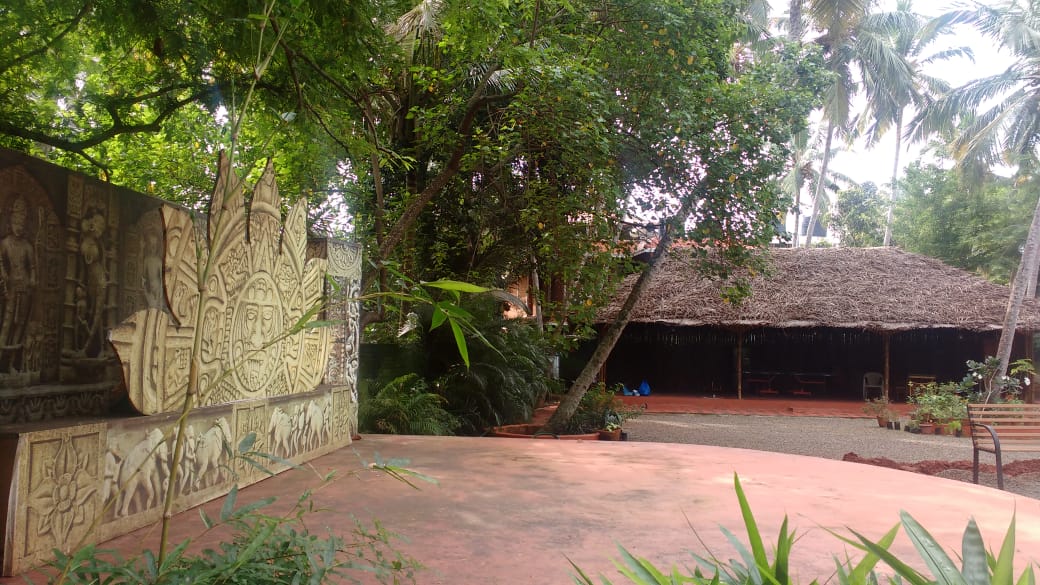
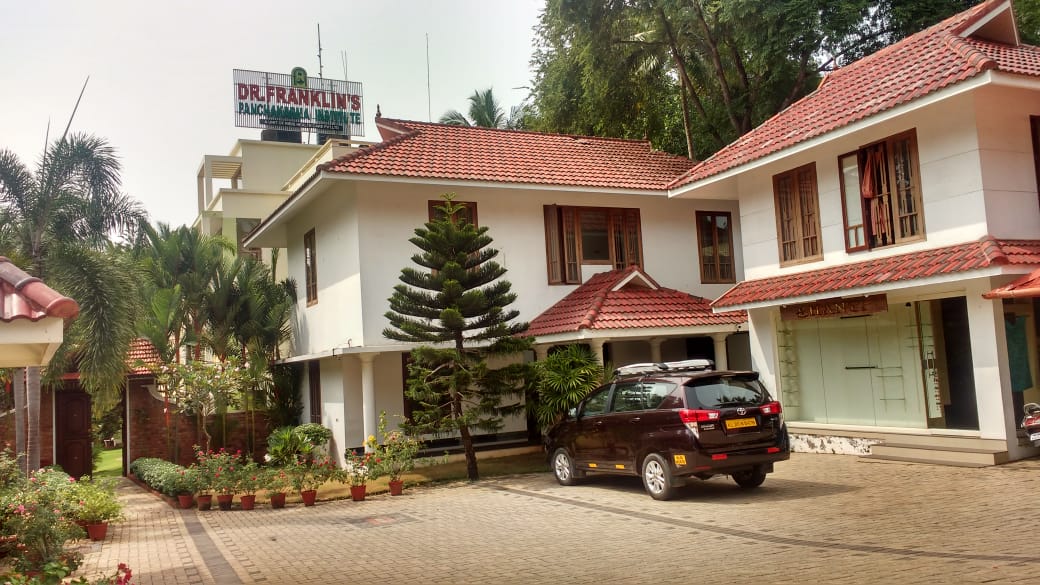
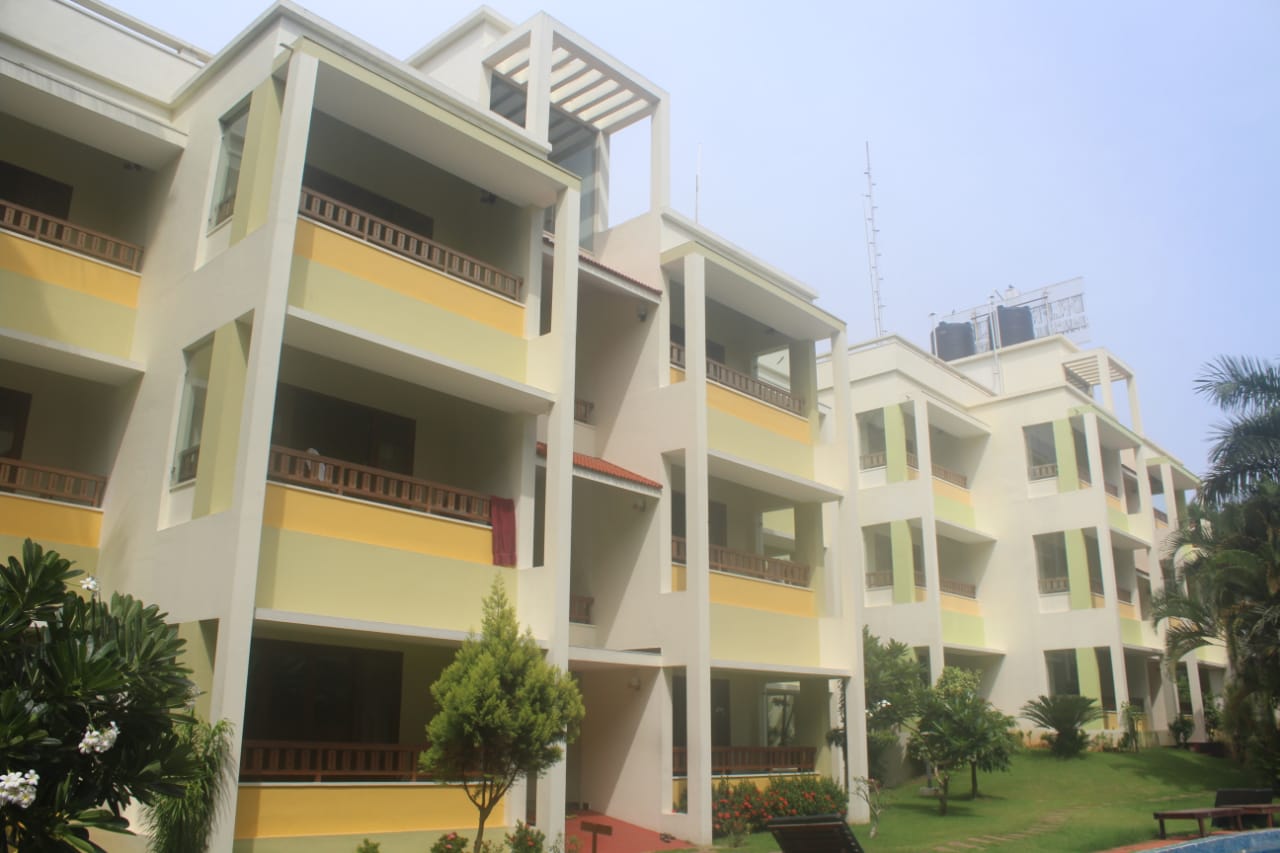
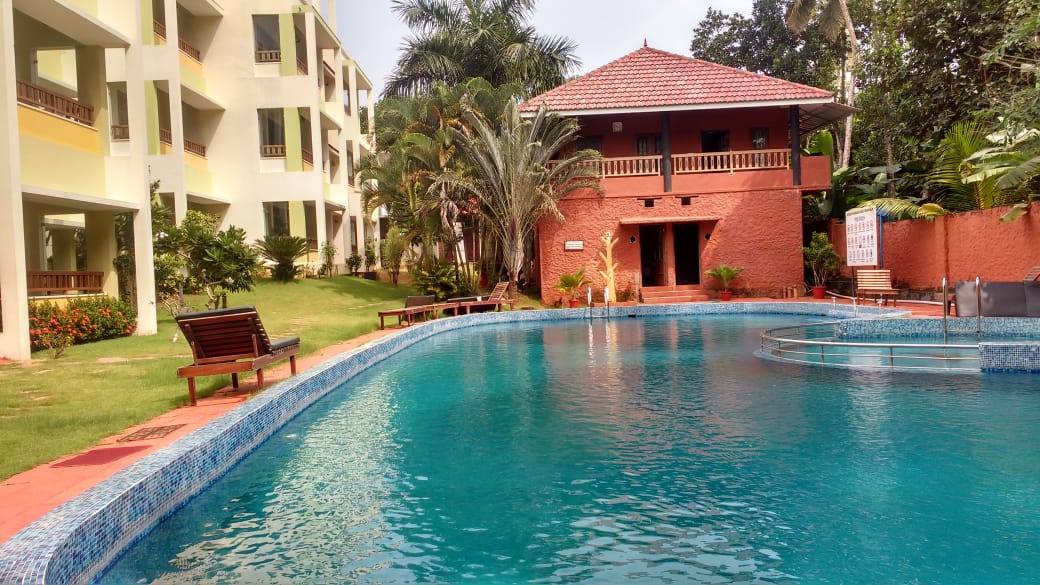
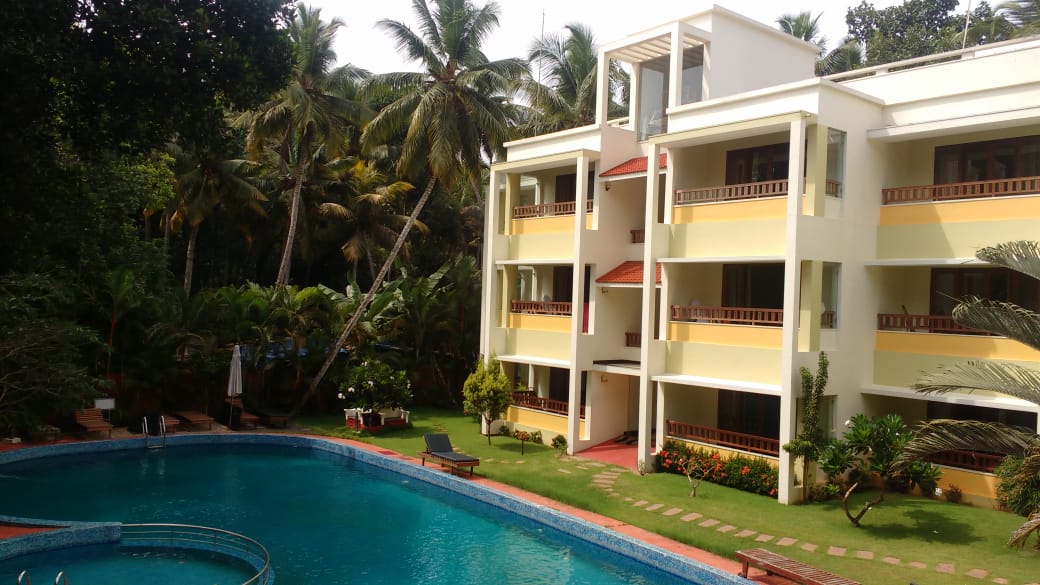
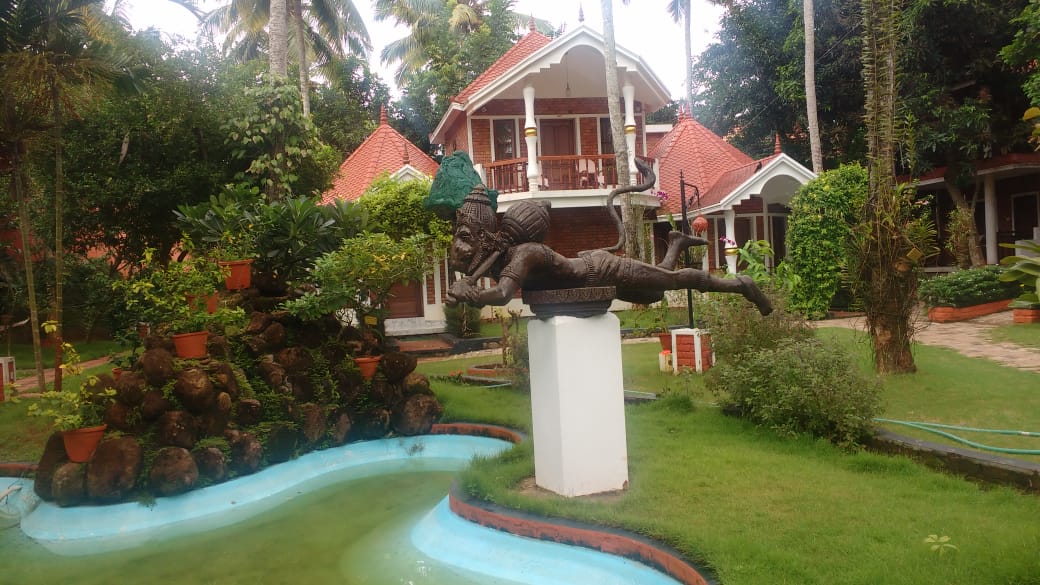
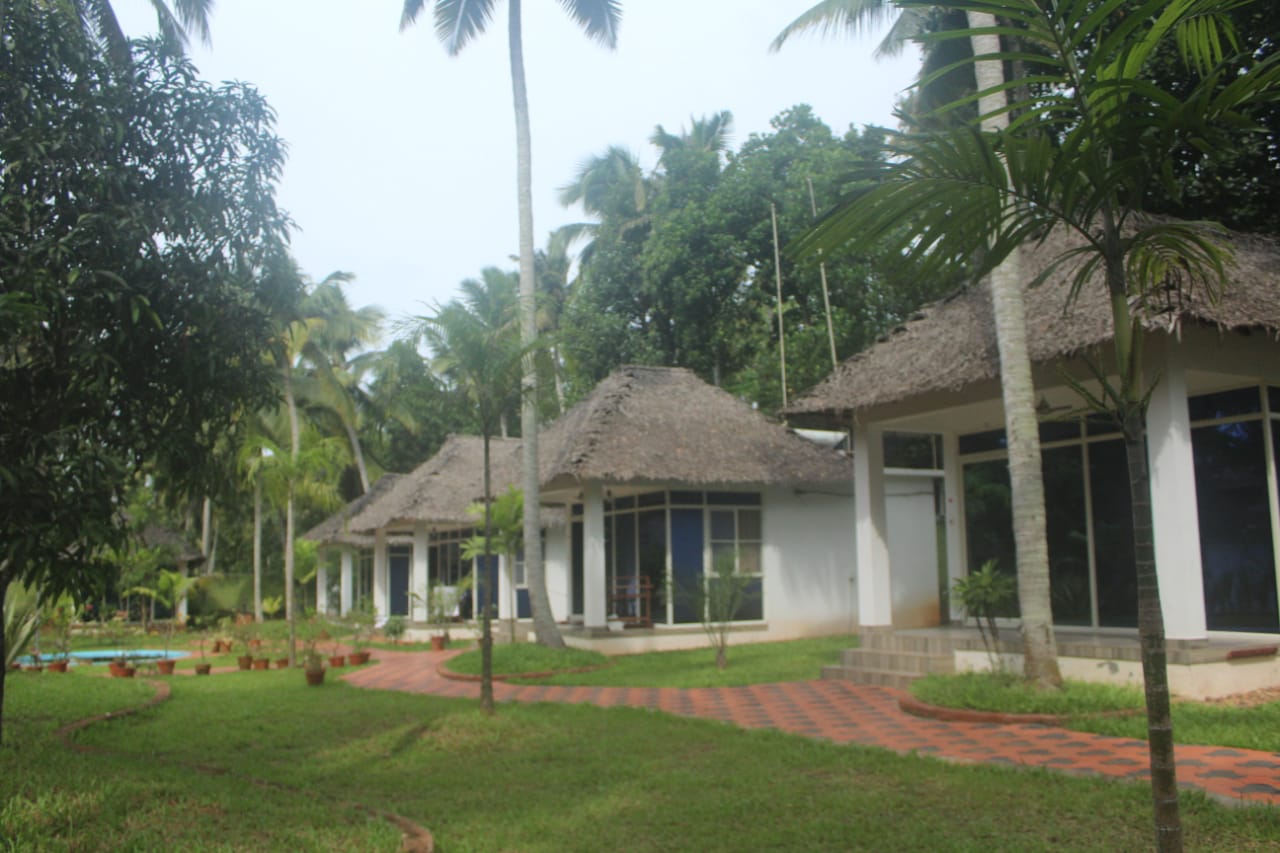
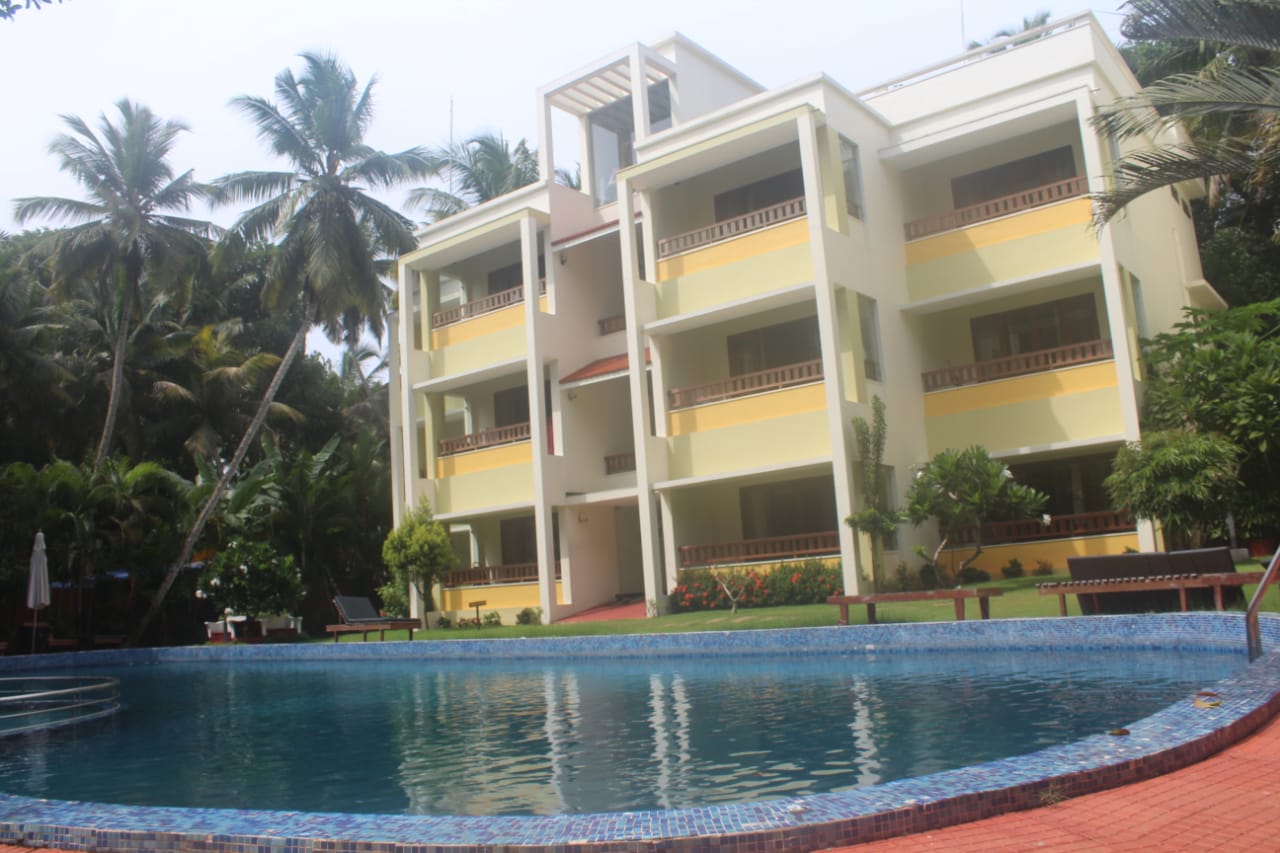
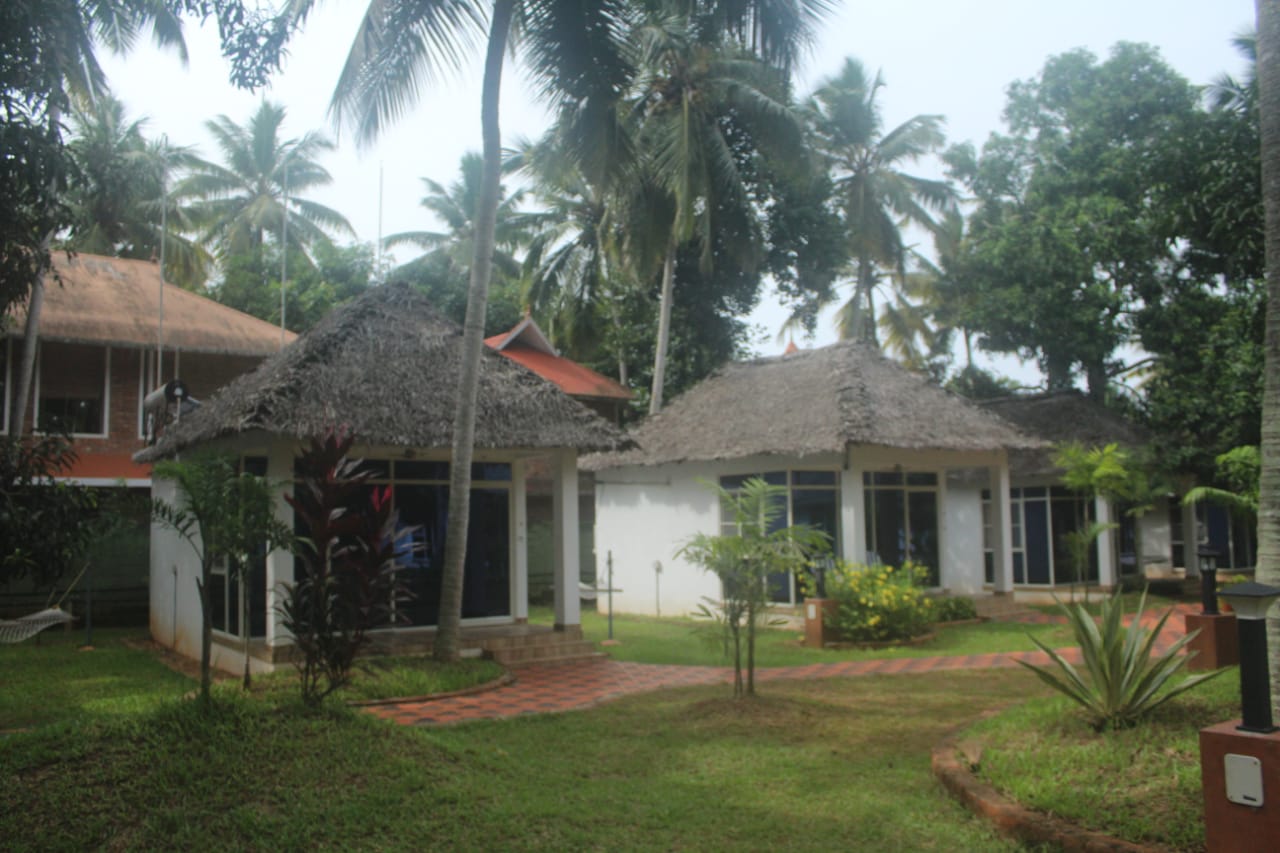
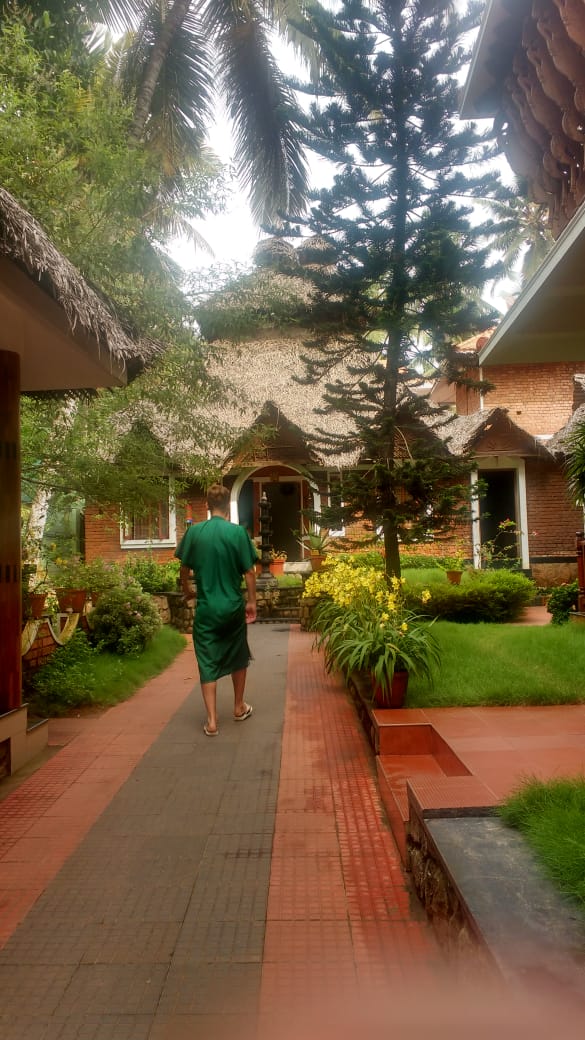
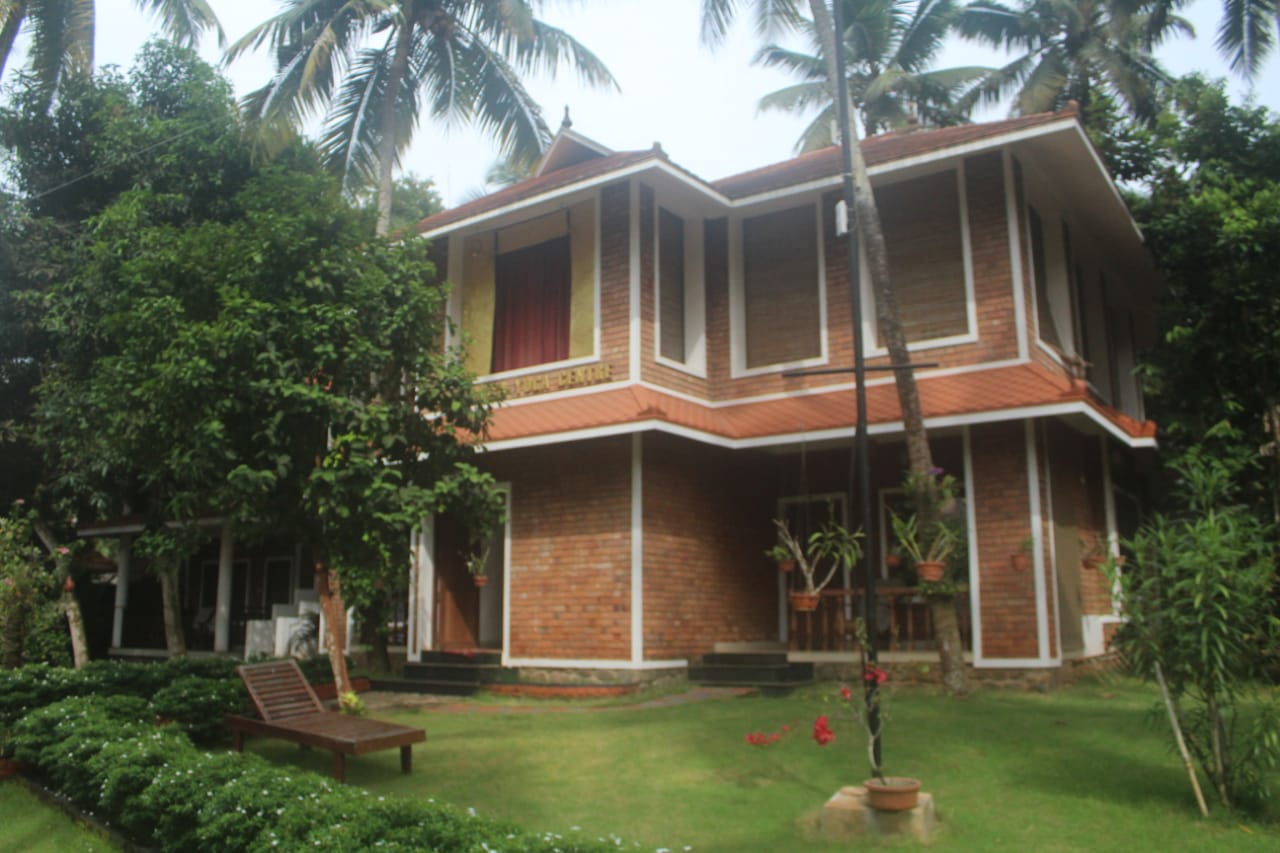
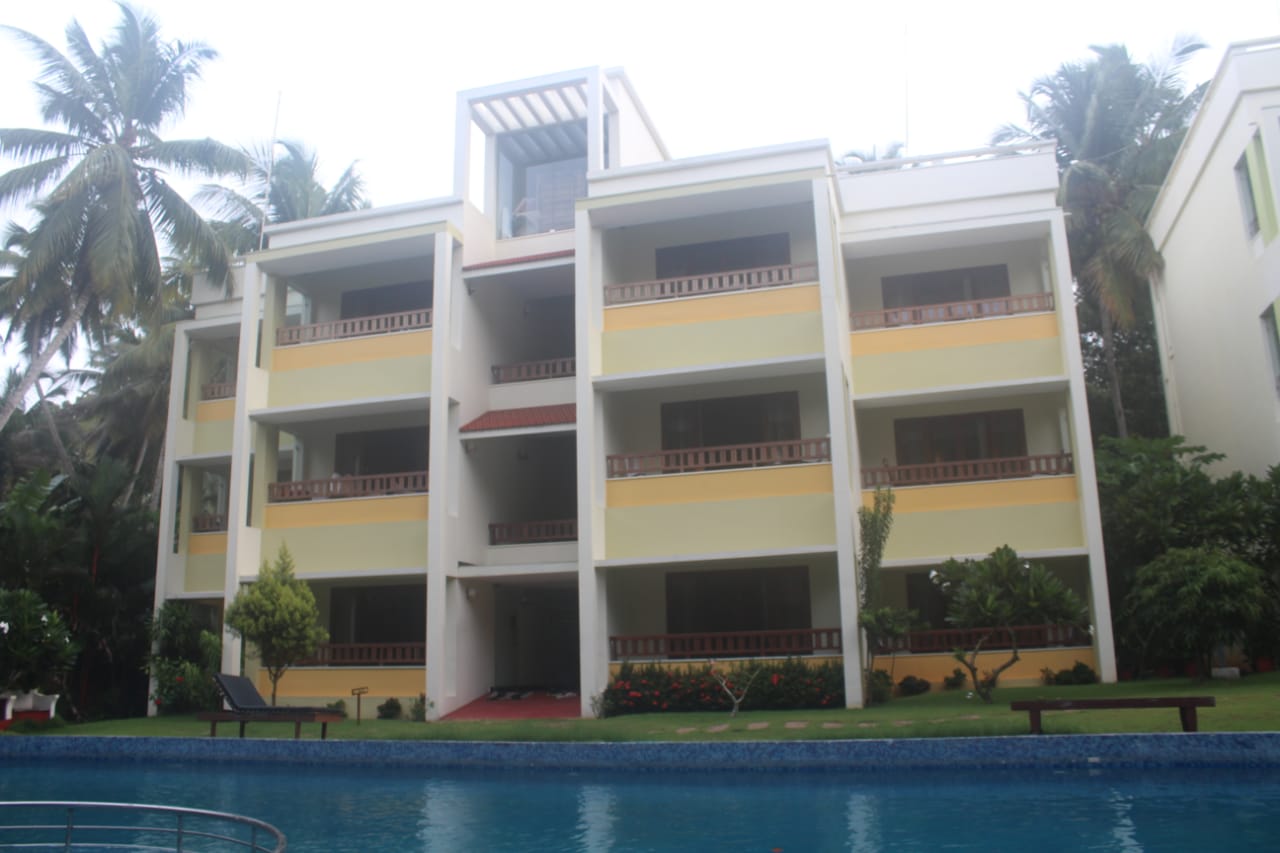
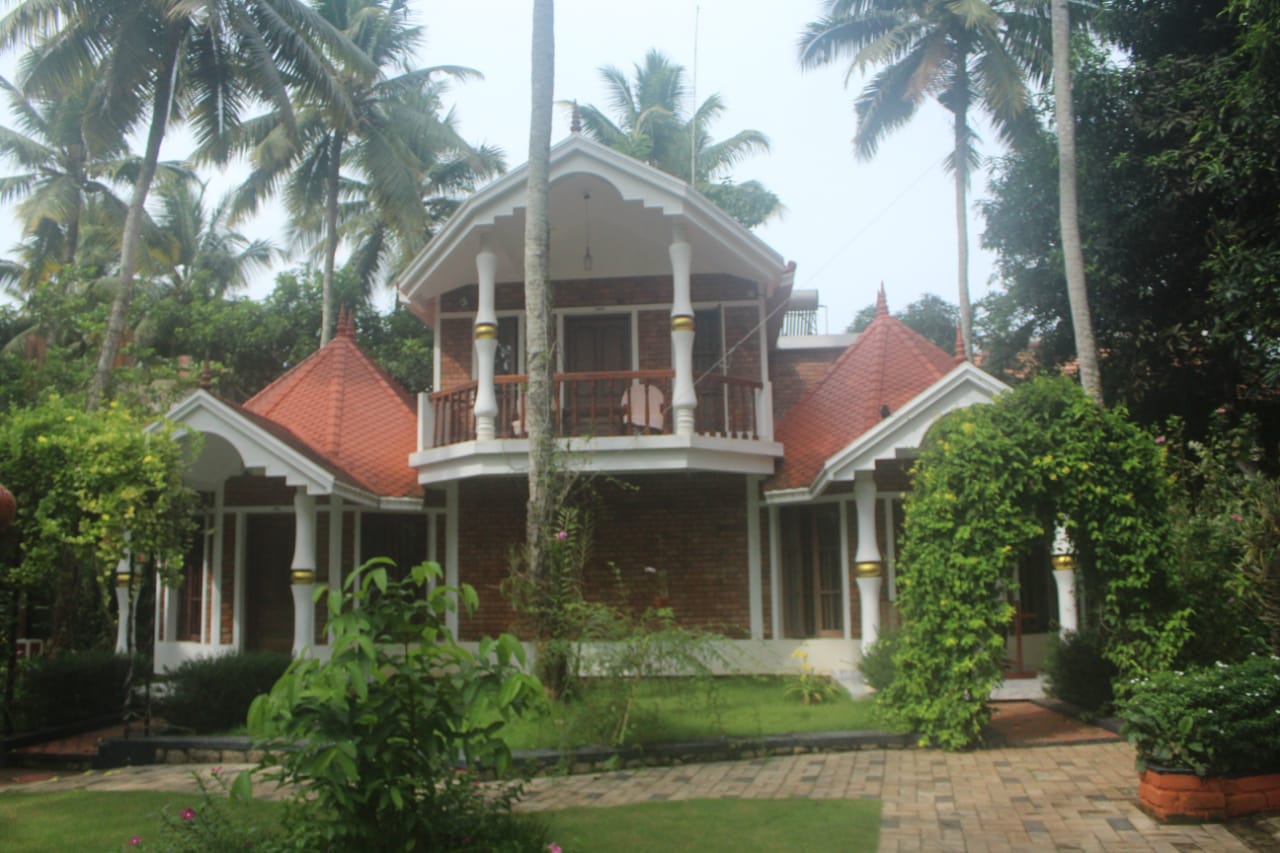
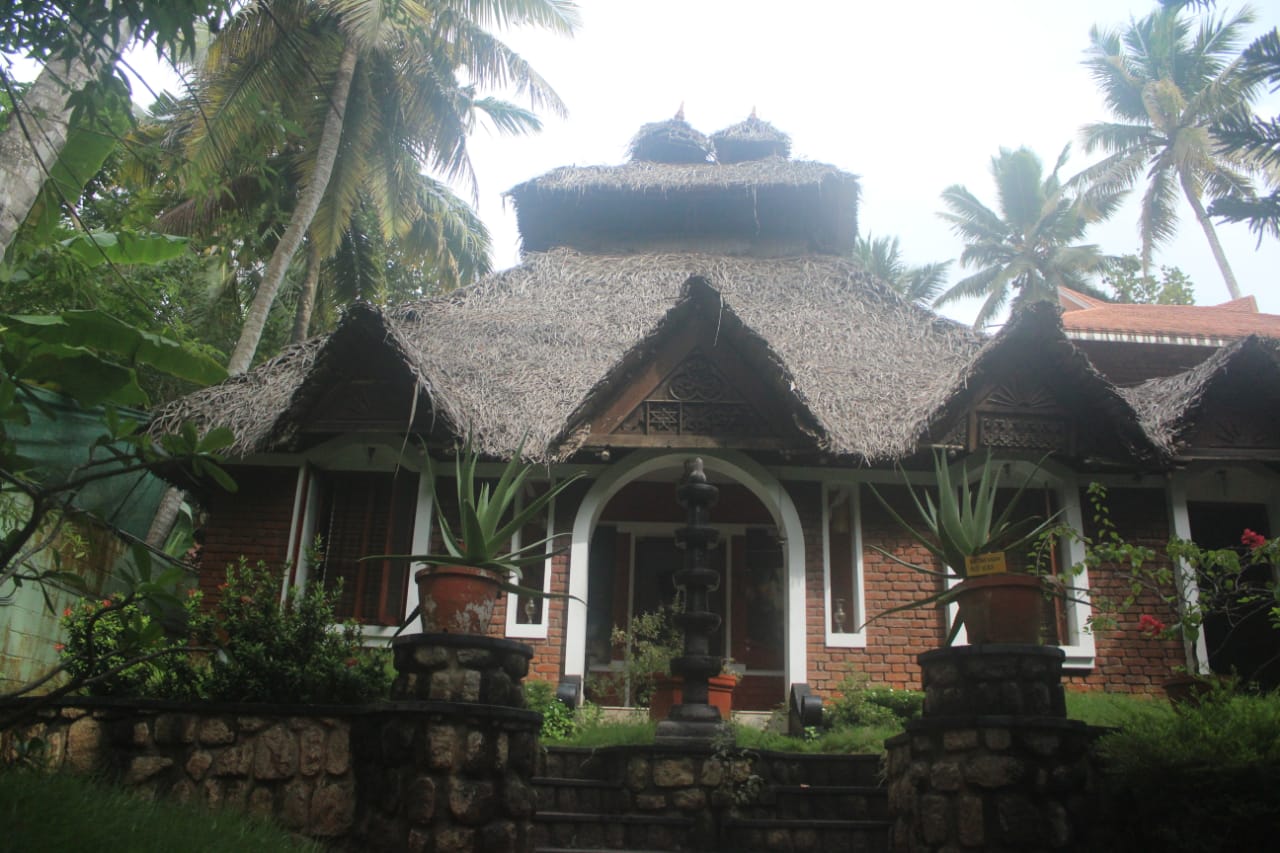
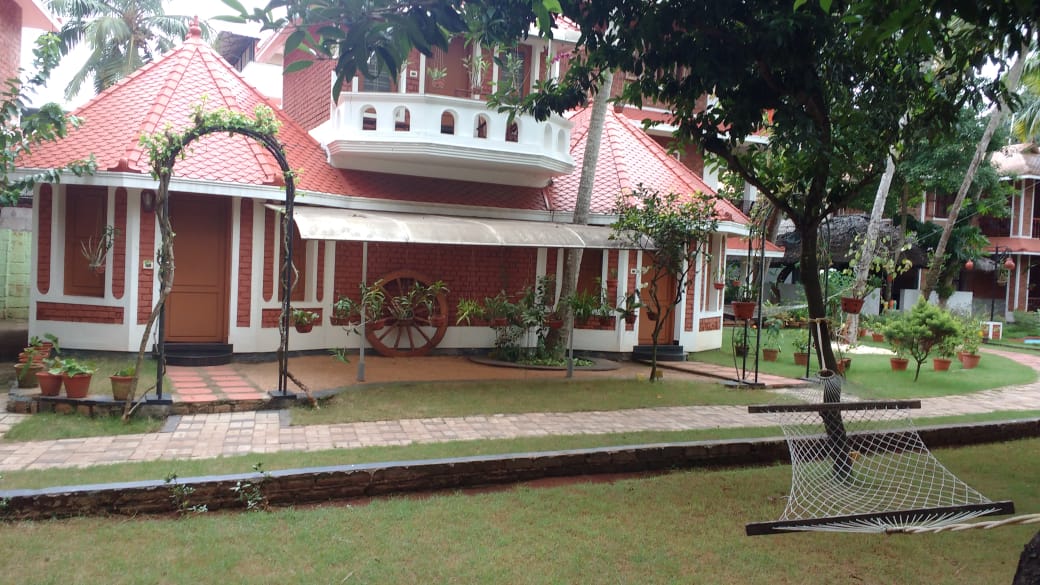
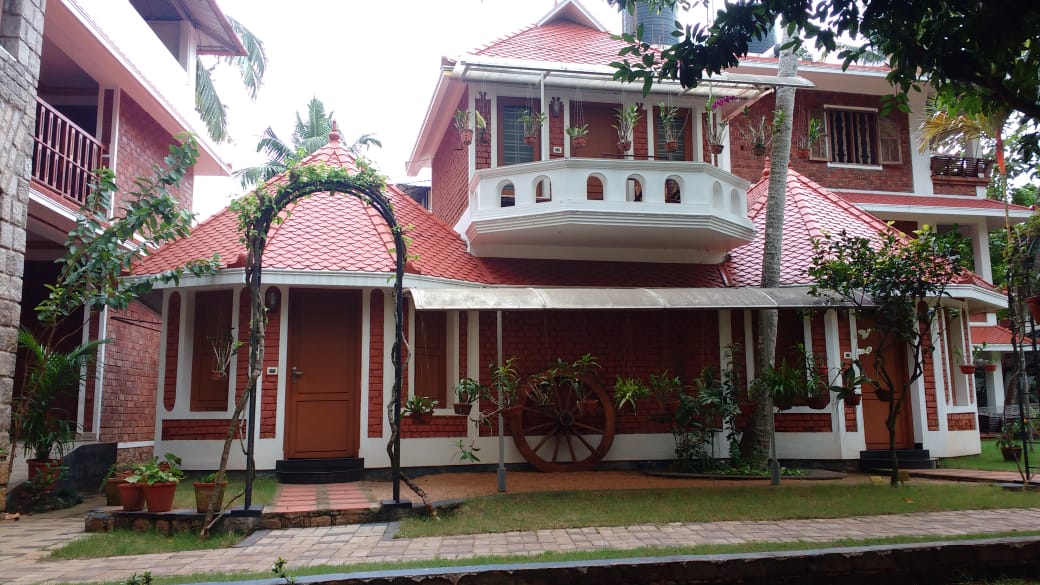
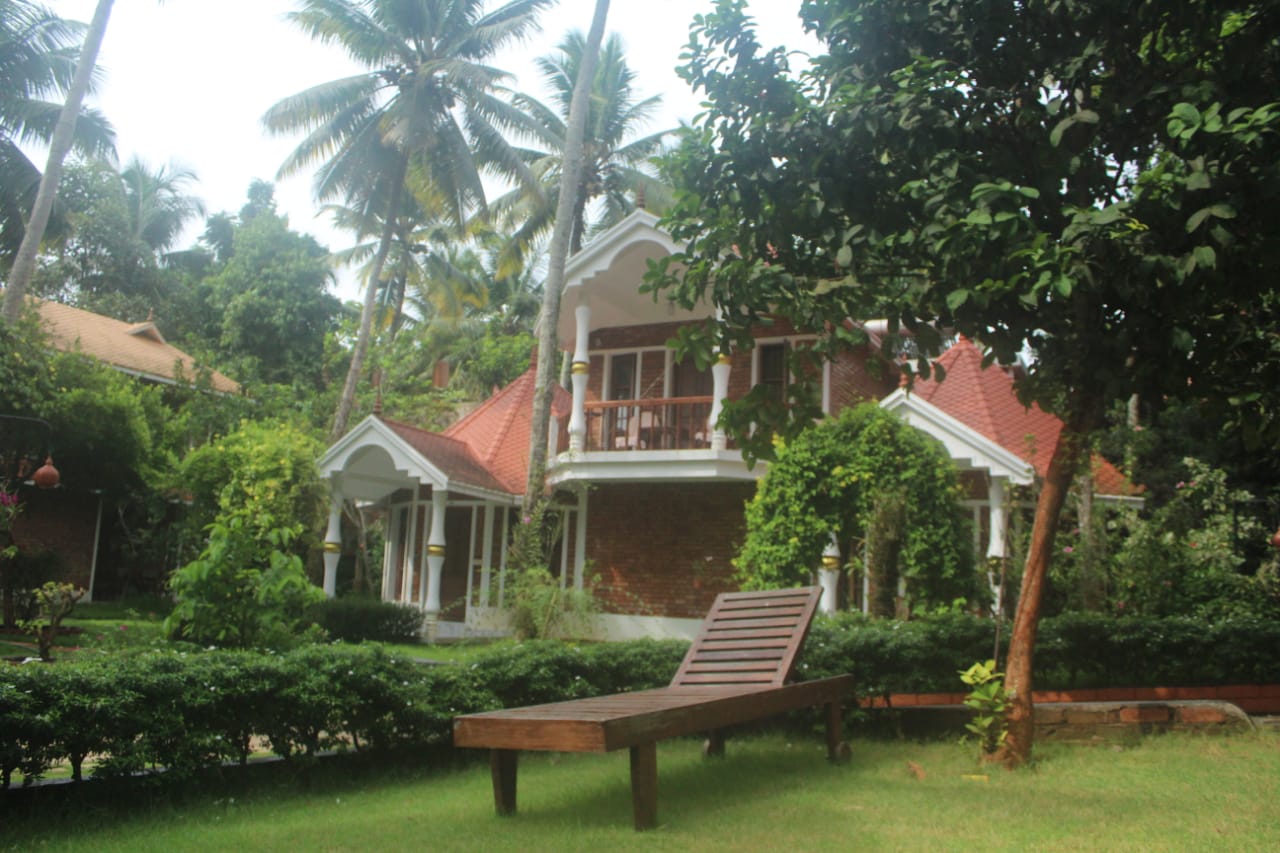
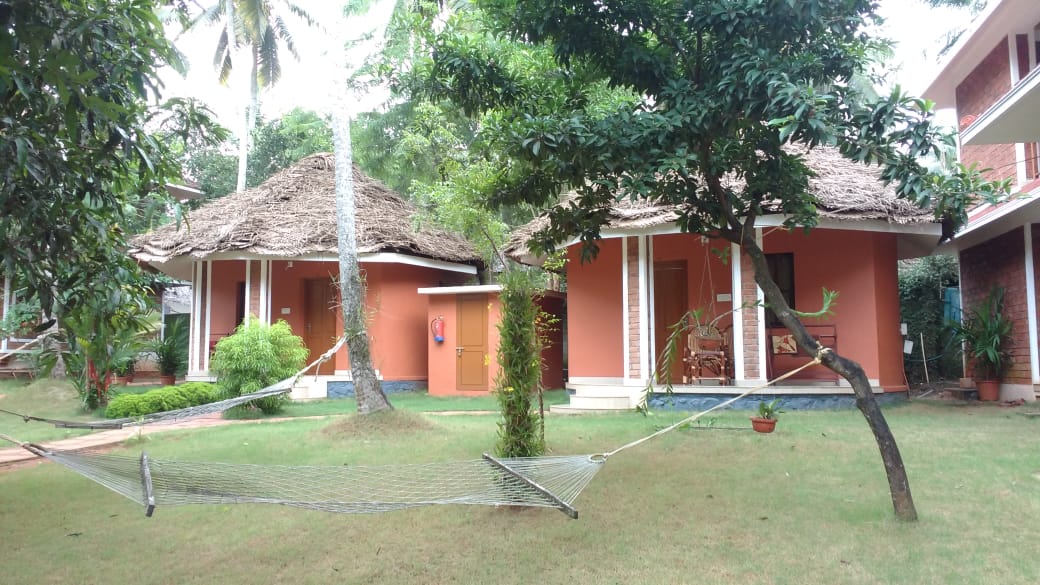
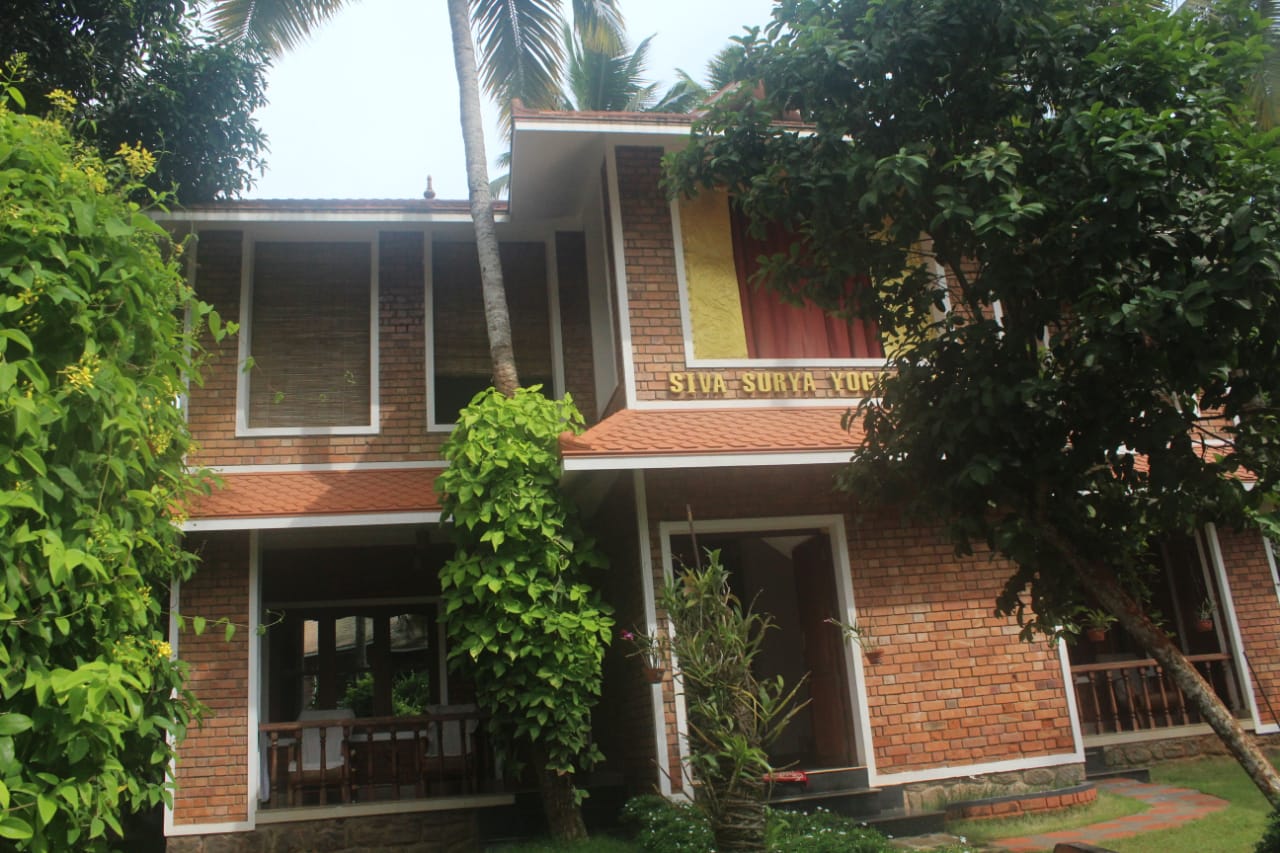
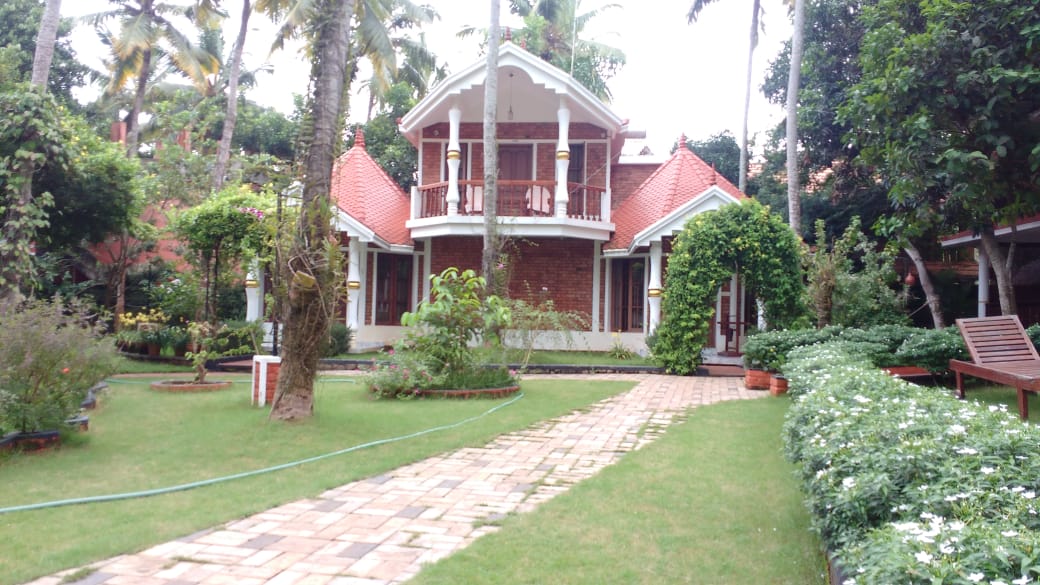
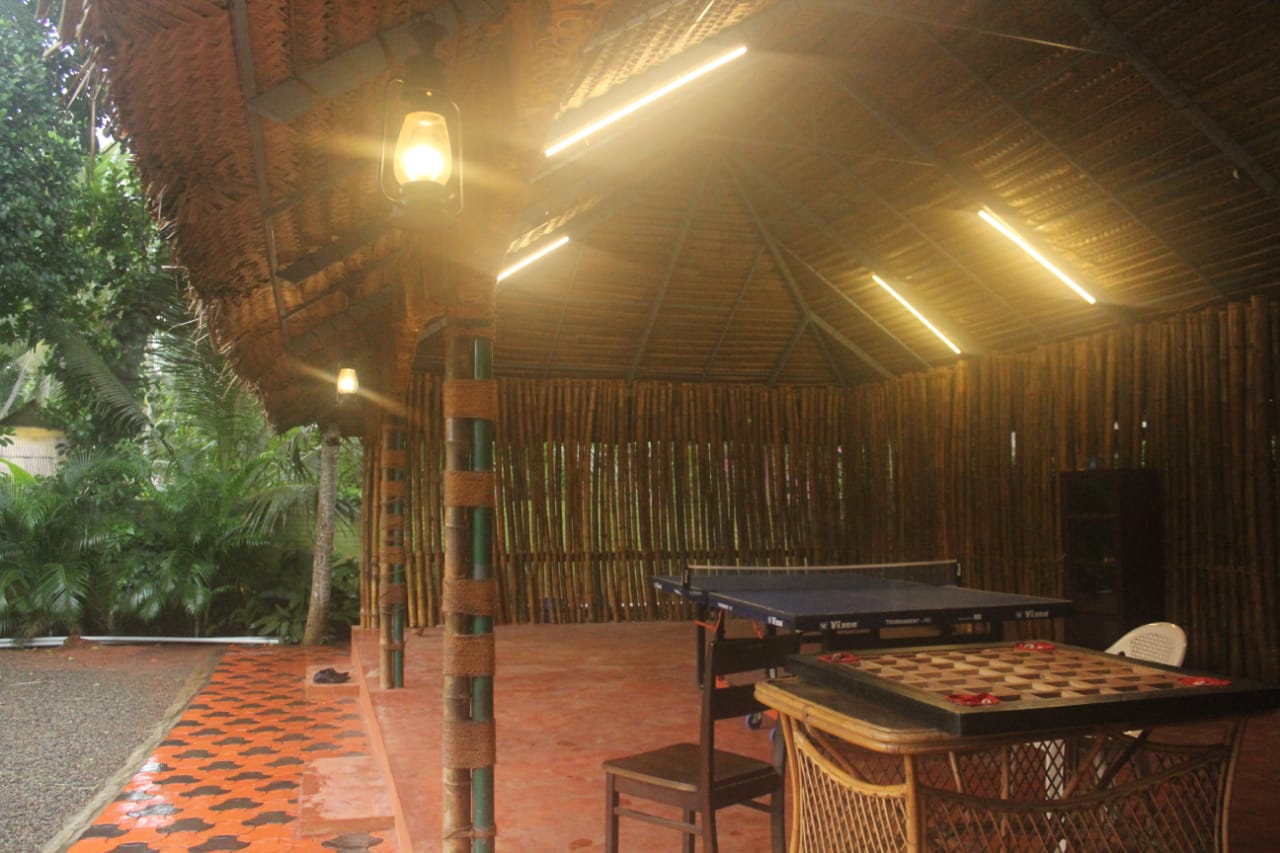
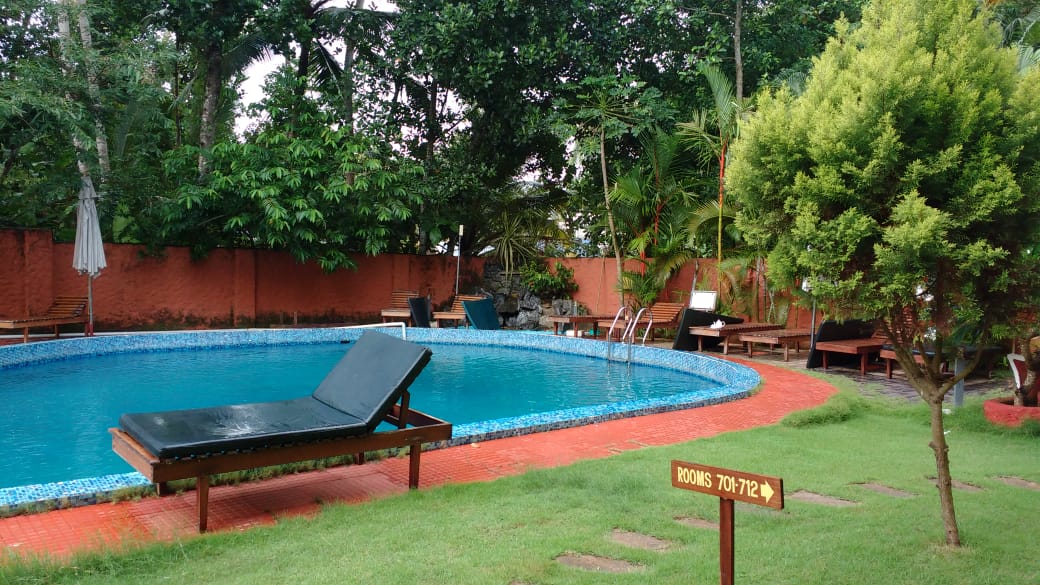
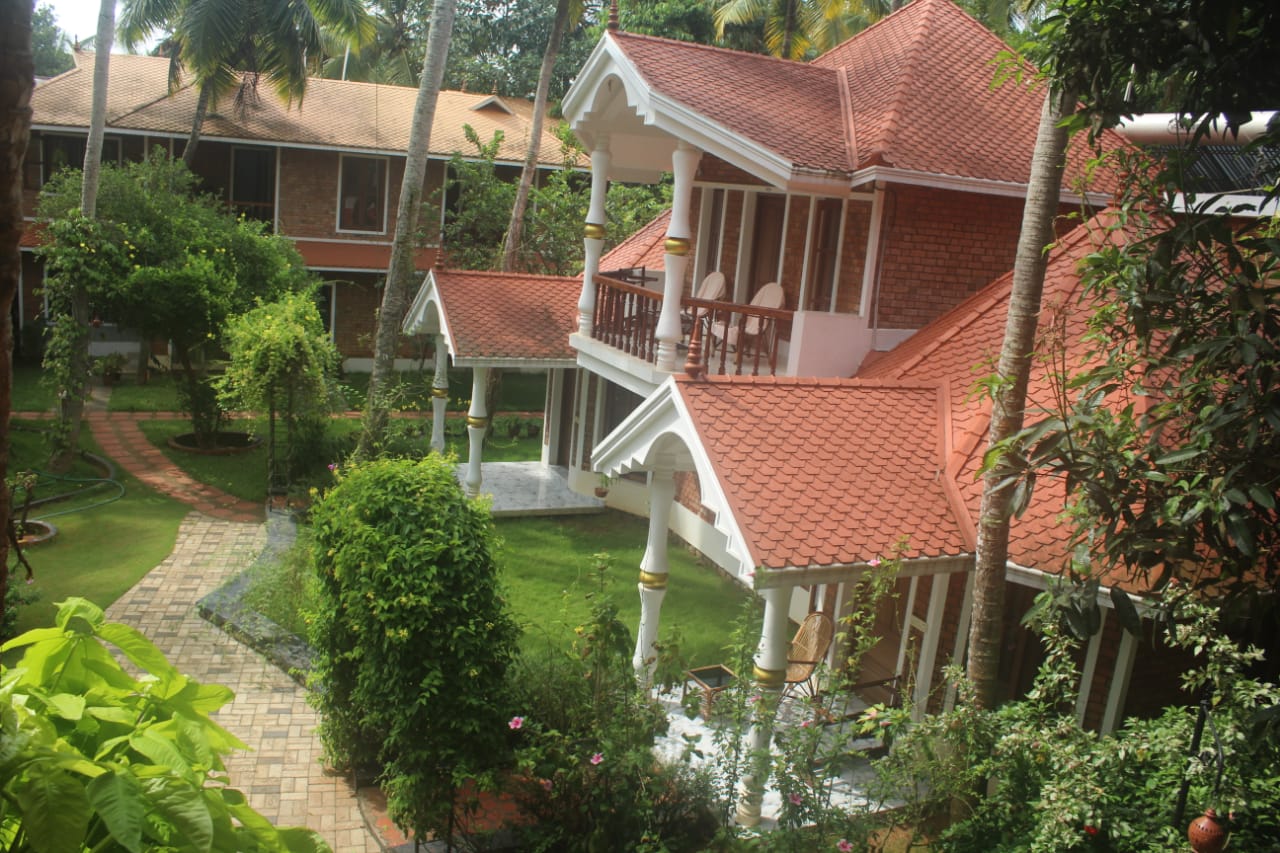
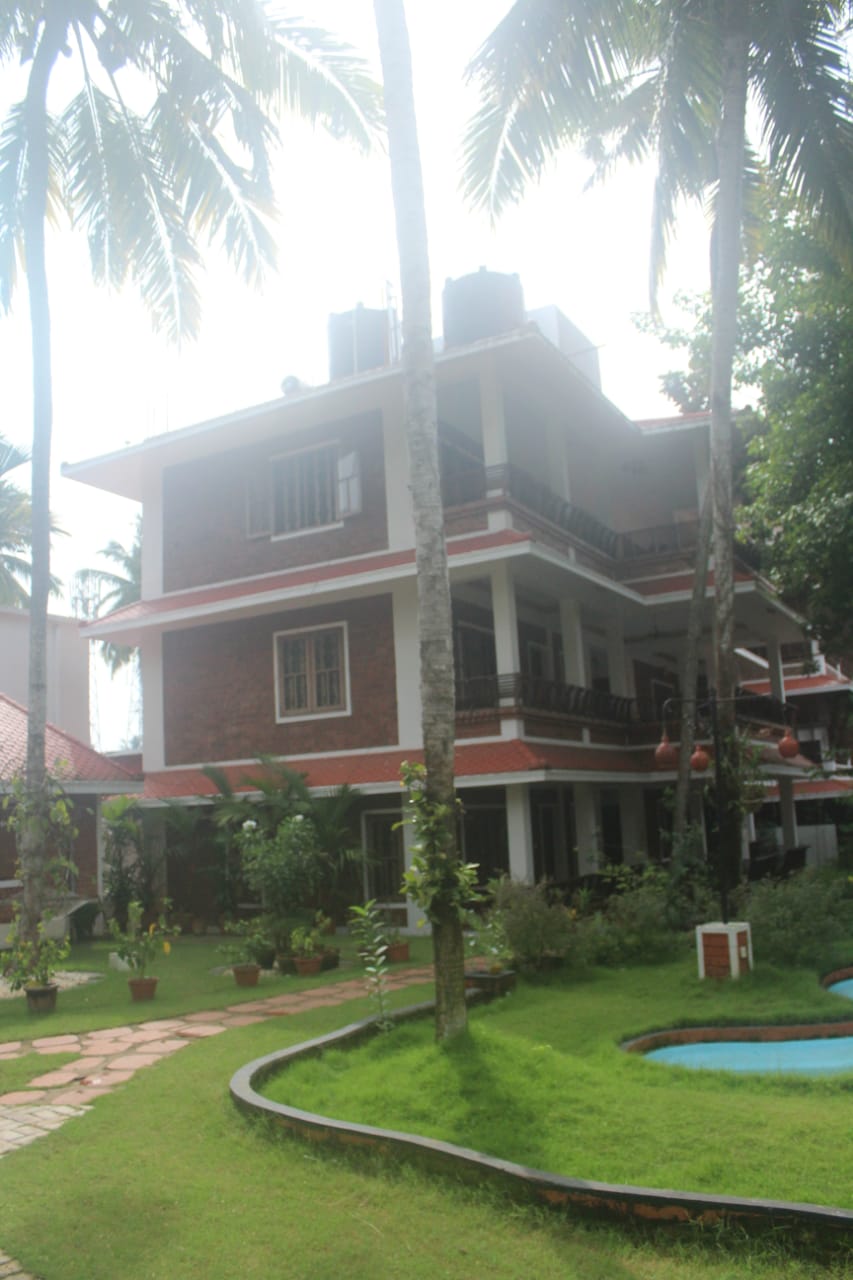
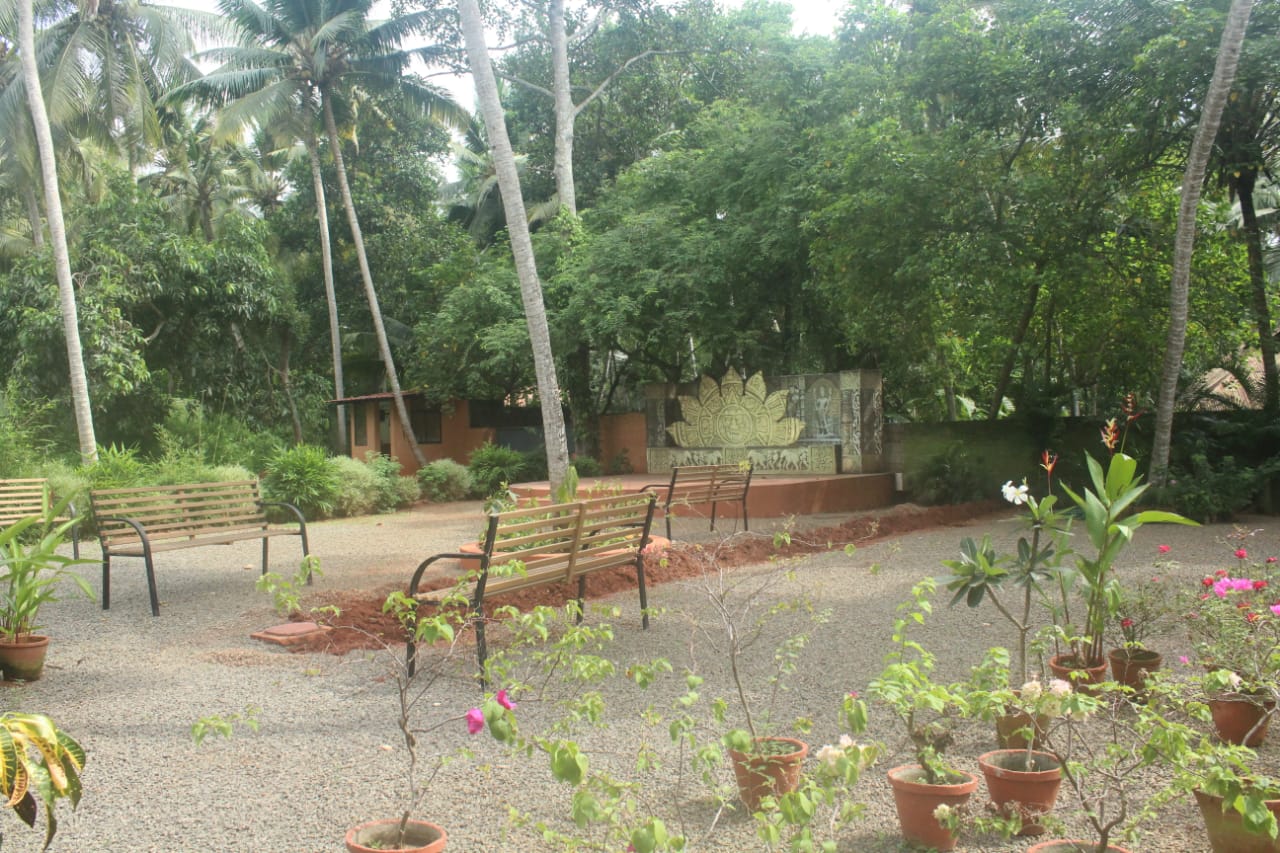
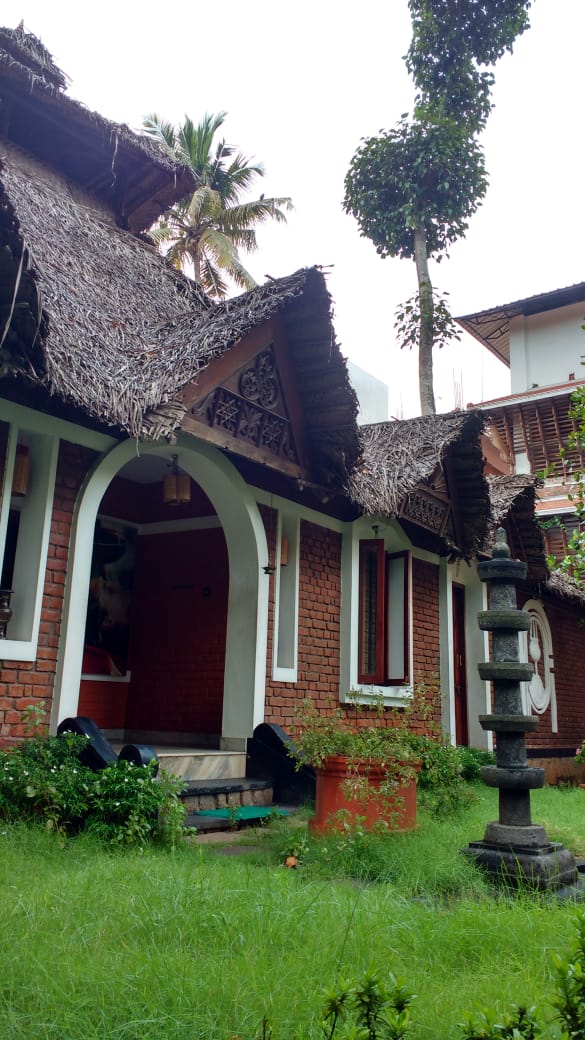
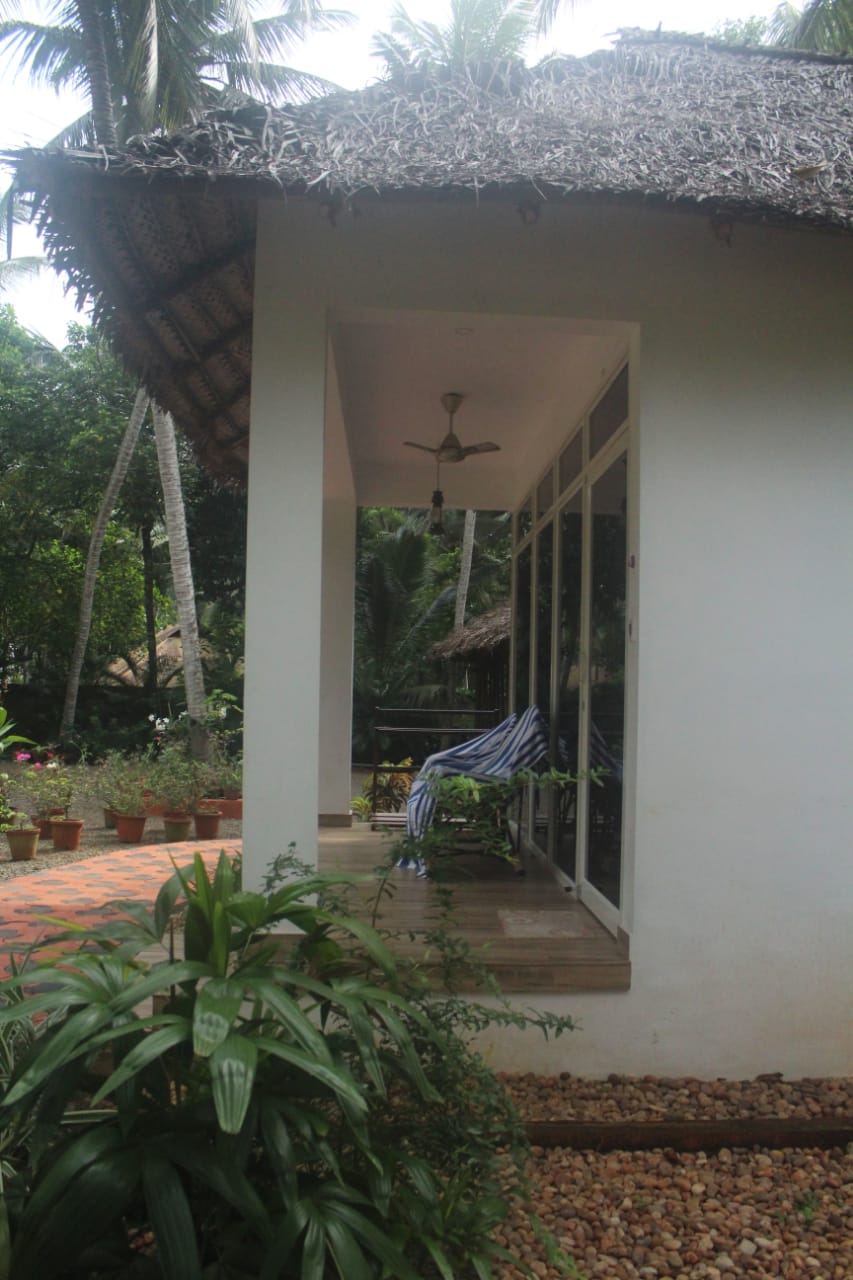
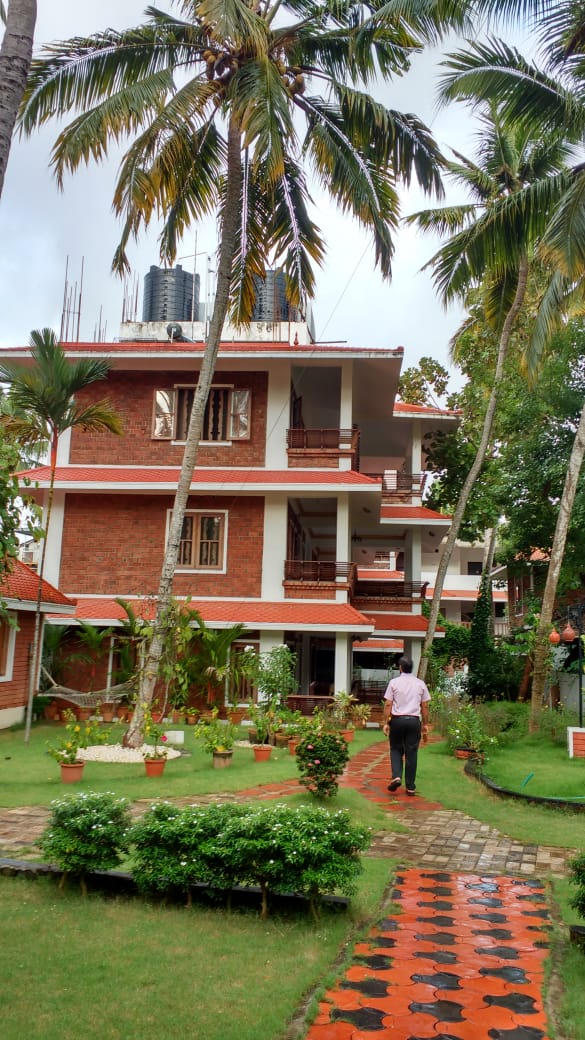
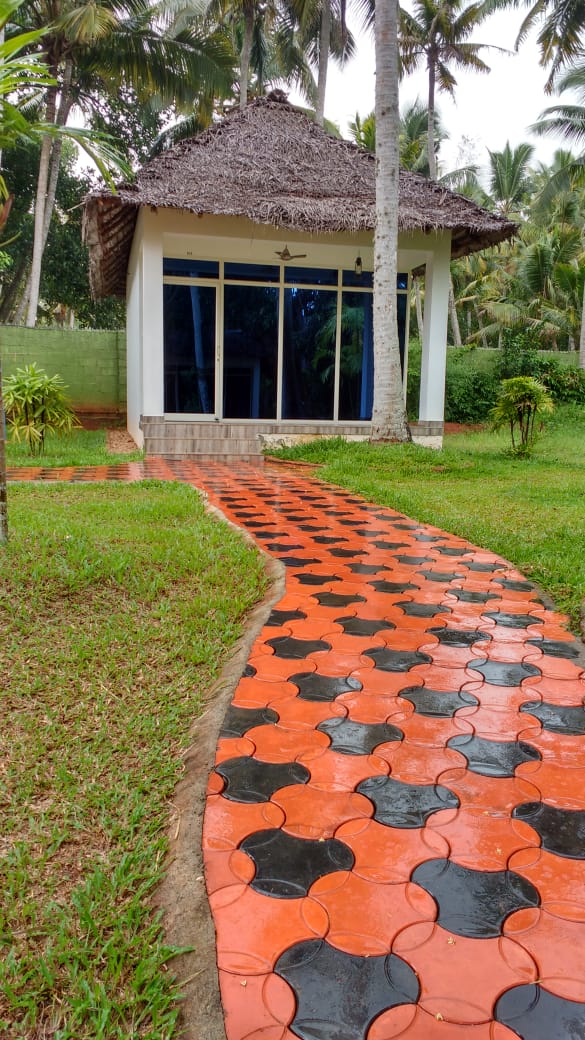
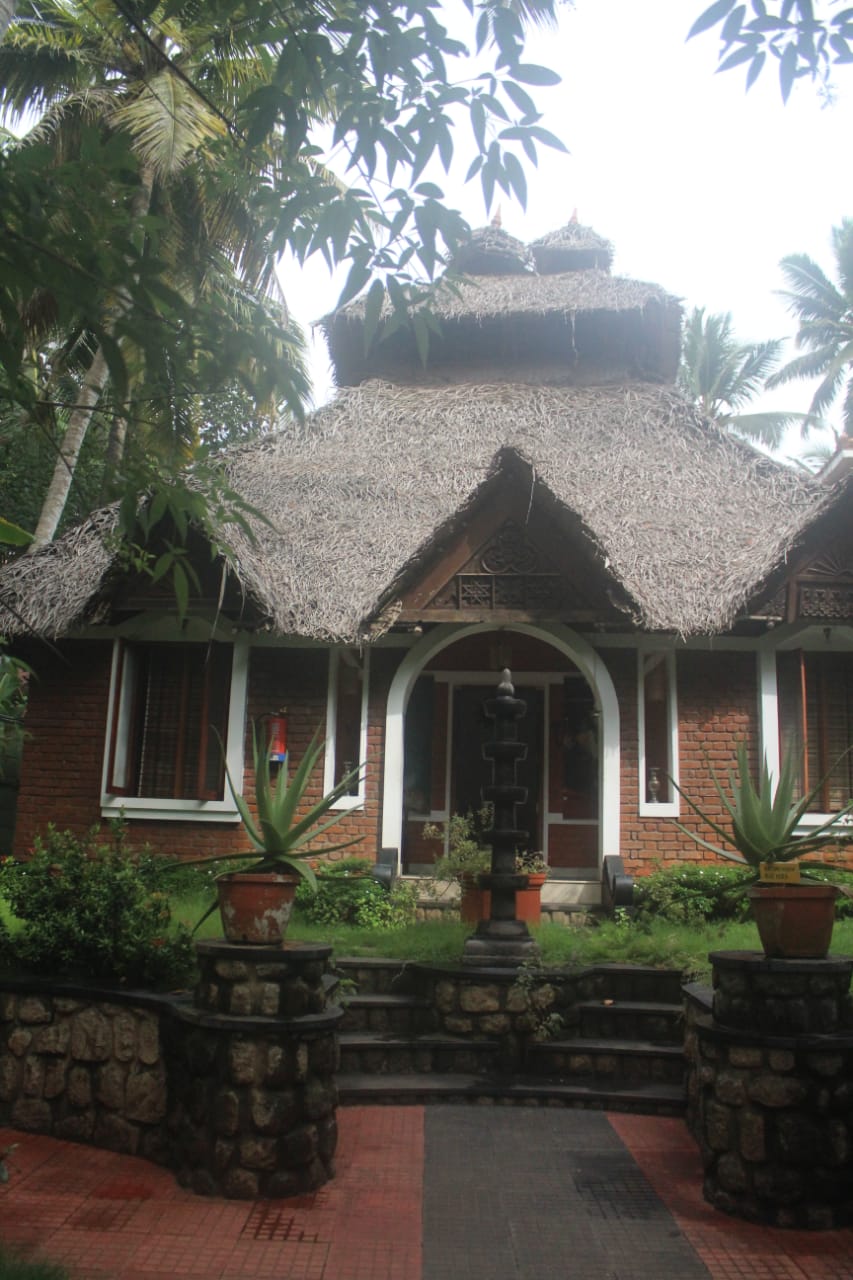
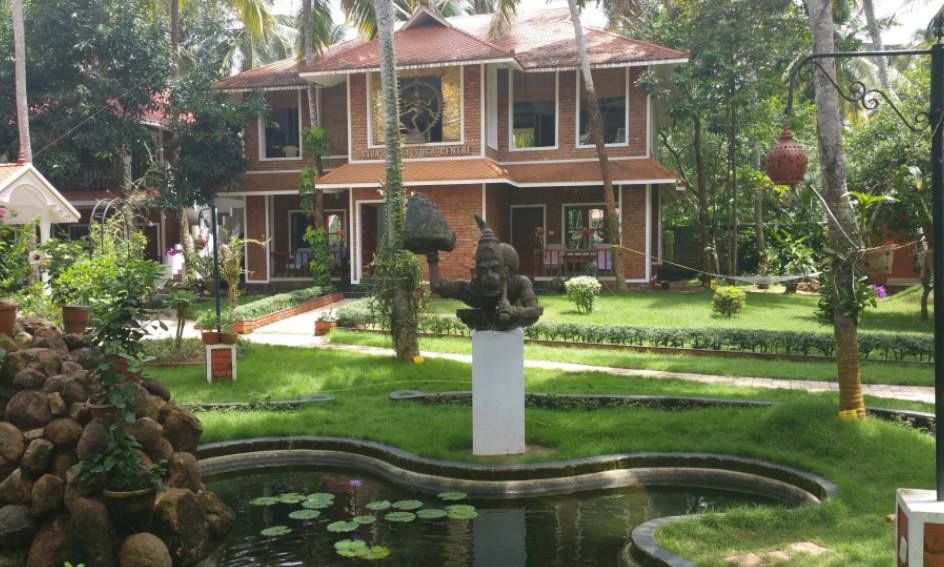
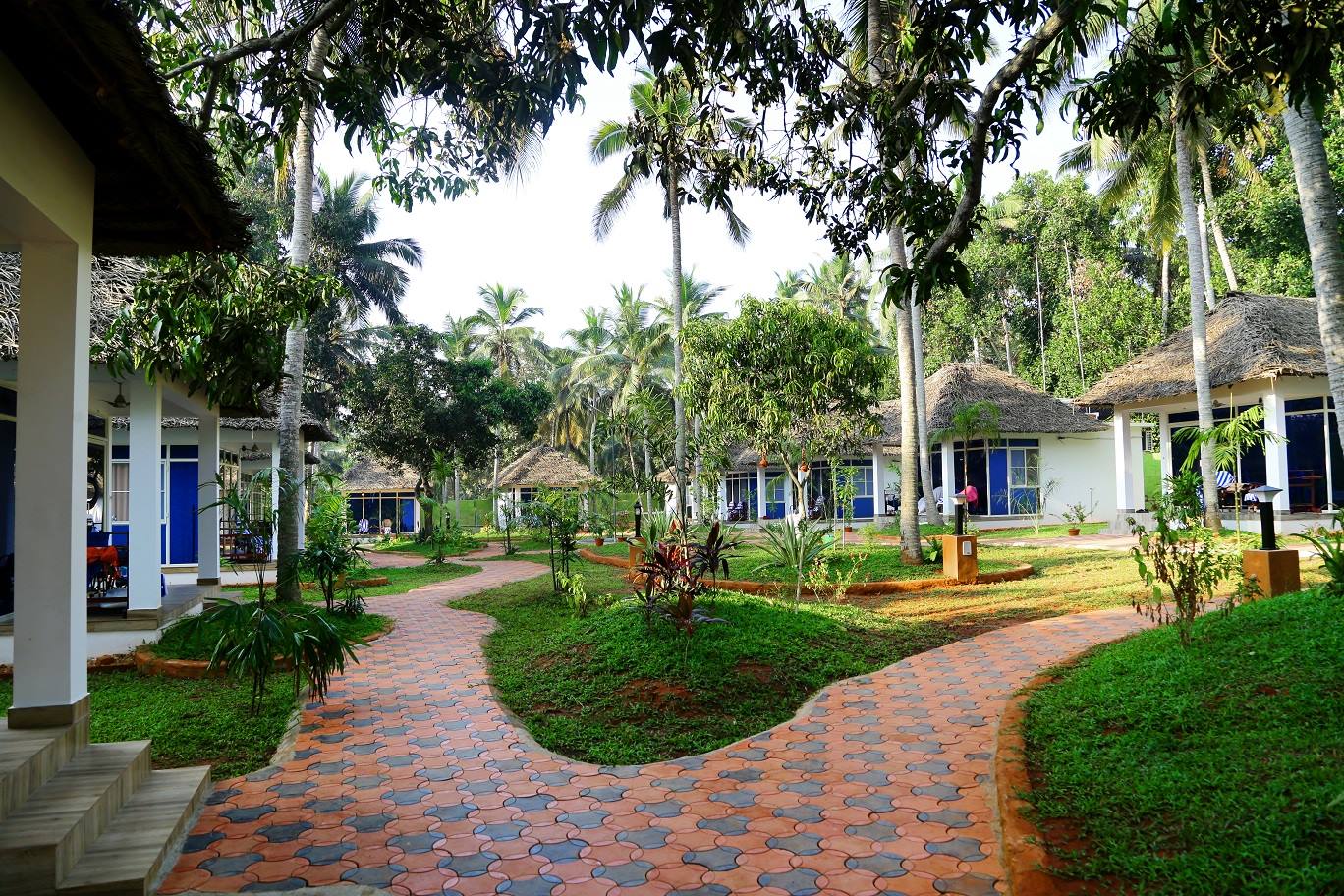
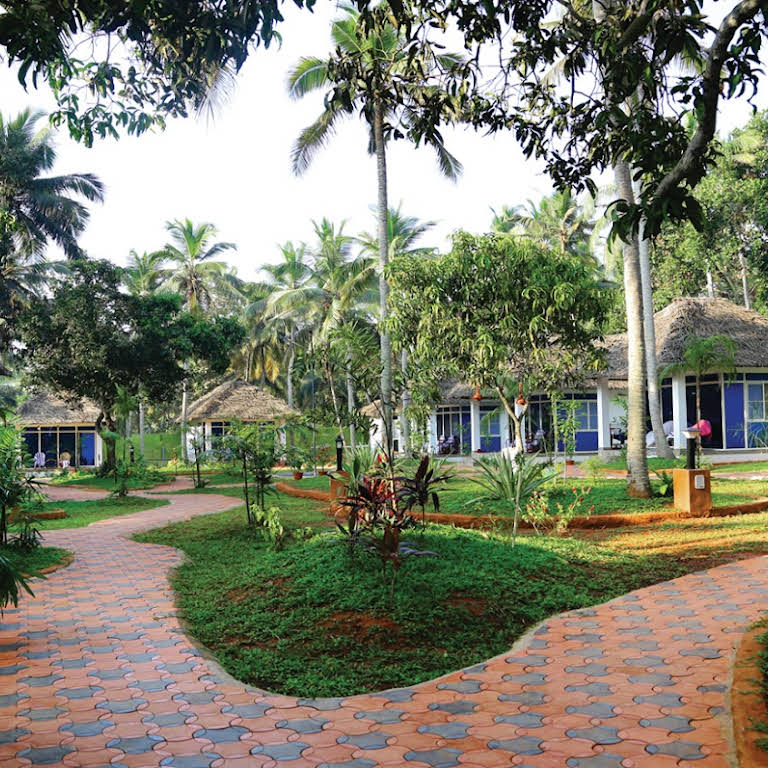
Dr Franklin’s Panchakarma Institute and Research Centre occupies a landscaped coastal setting in Chowara, within the South Kovalam area of Thiruvananthapuram. The property combines residential buildings, treatment areas, gardens and wellness spaces, with the surroundings characterised by tropical vegetation and proximity to the Arabian Sea. The centre is approximately 10 minutes’ walk from the beach, providing a coastal environment while retaining a treatment-oriented setting rather than functioning solely as a leisure resort. Historical property information records separate accommodation areas, gardens and Panchakarma huts, while more recent property information identifies a swimming pool and fitness facilities as part of the wider residential environment.
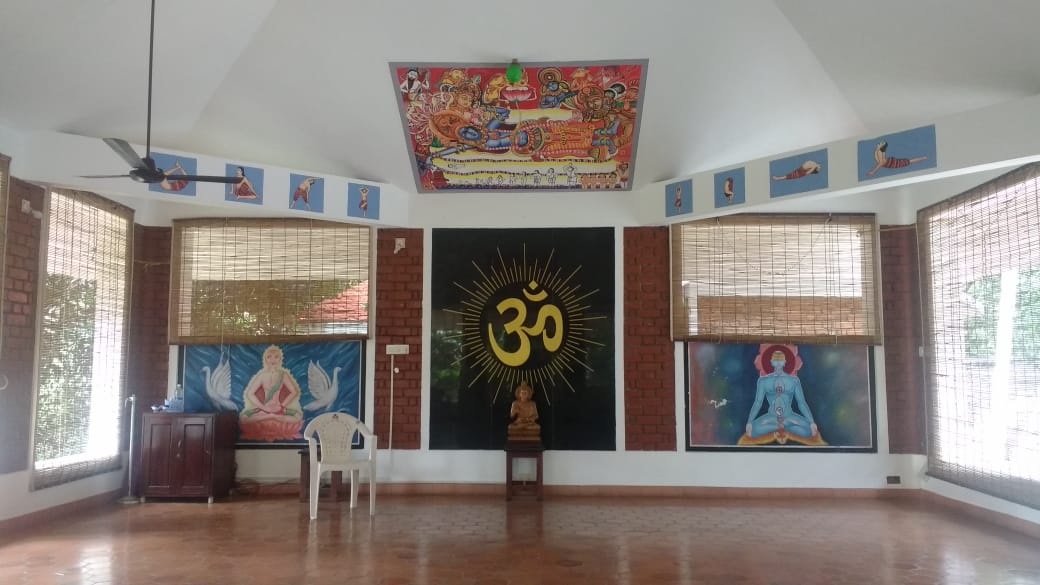
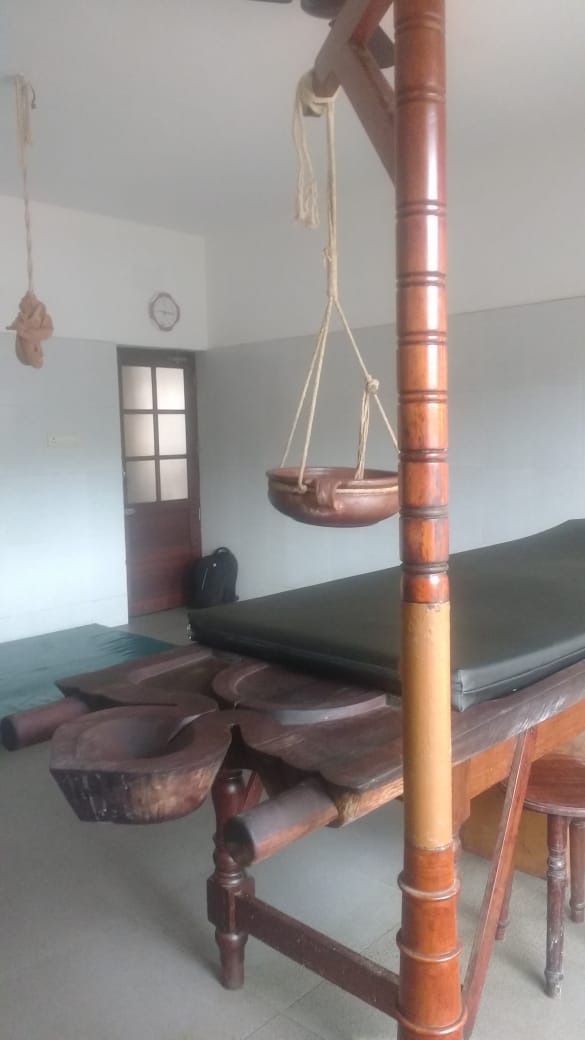
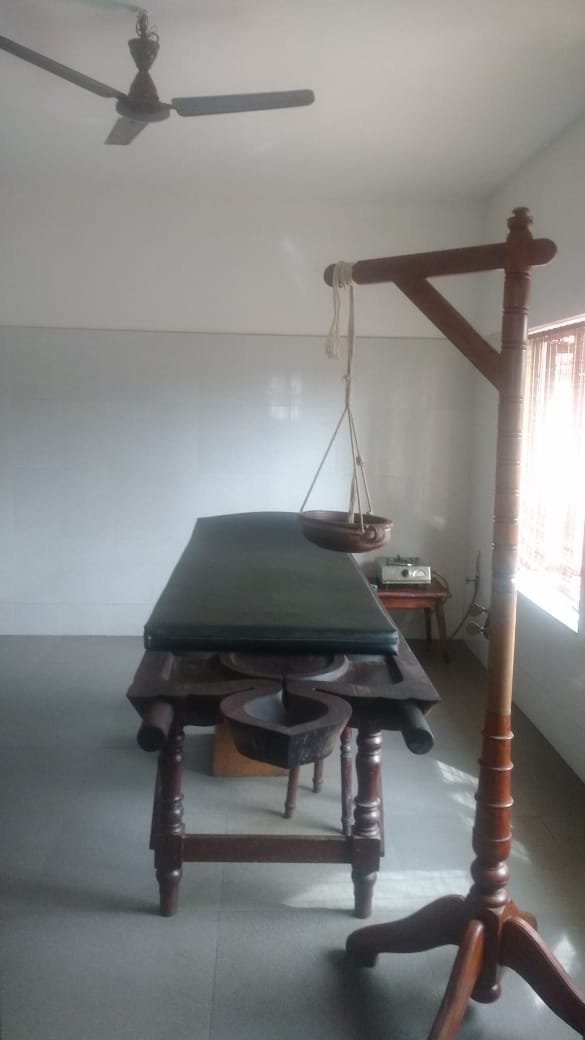
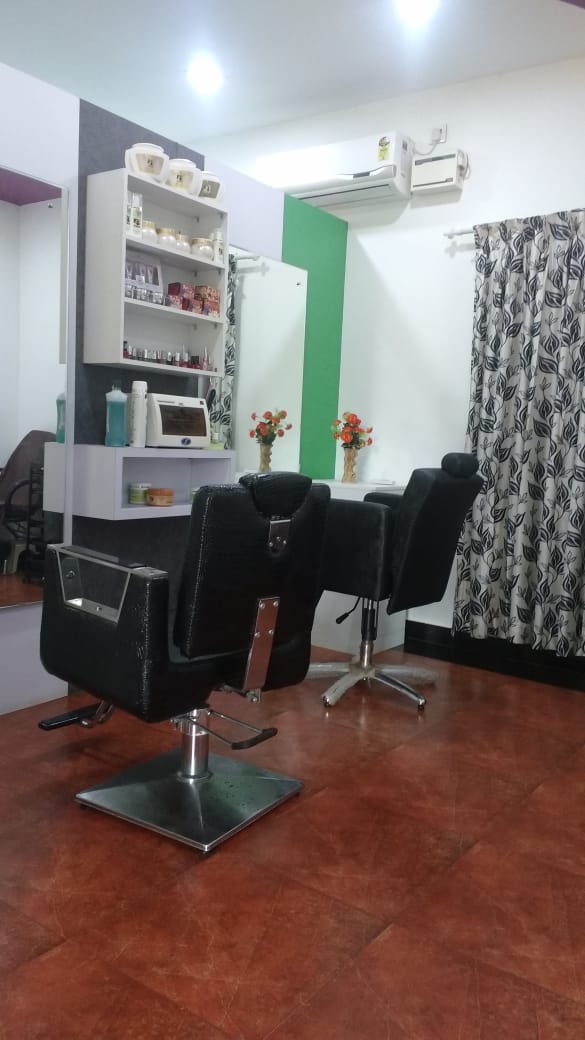
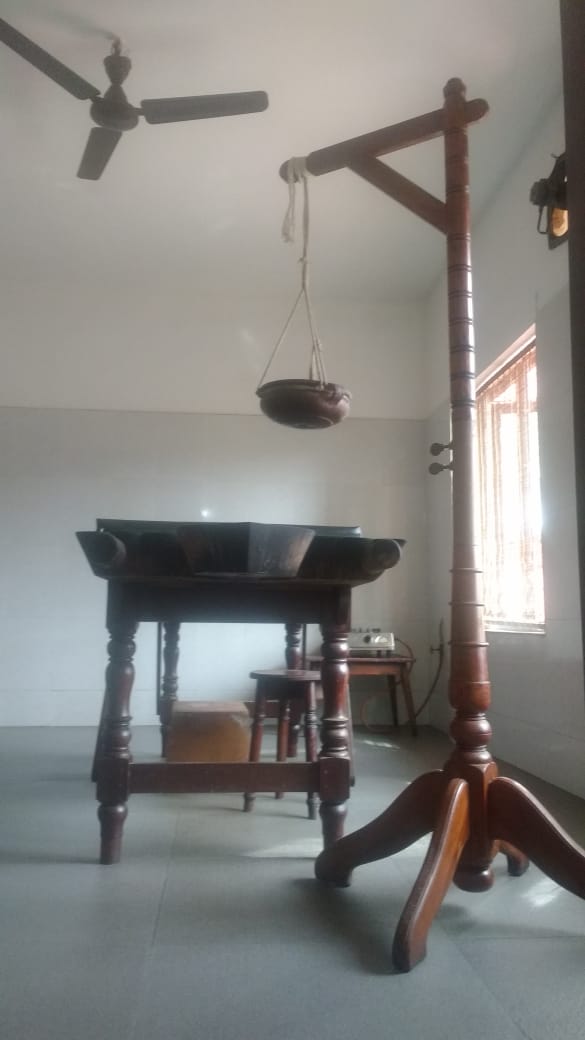
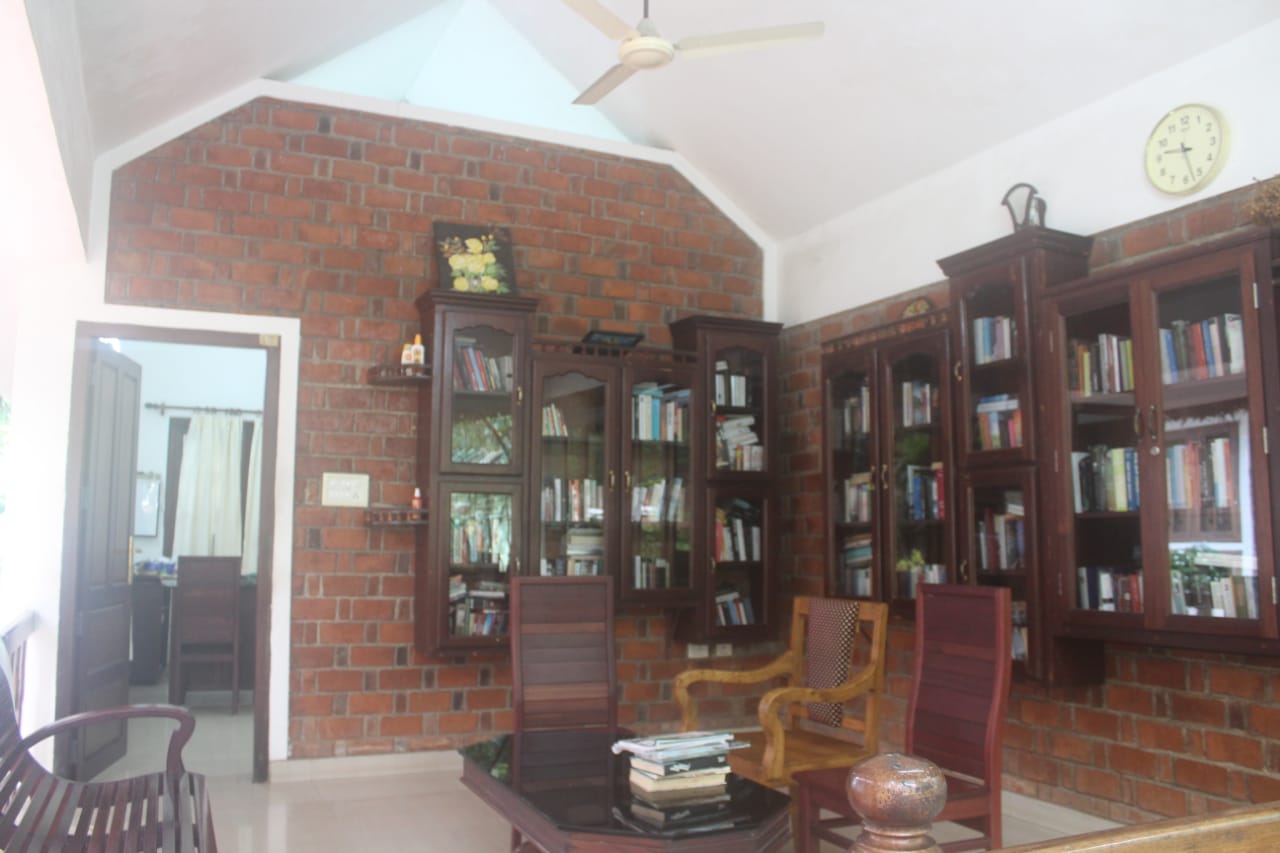
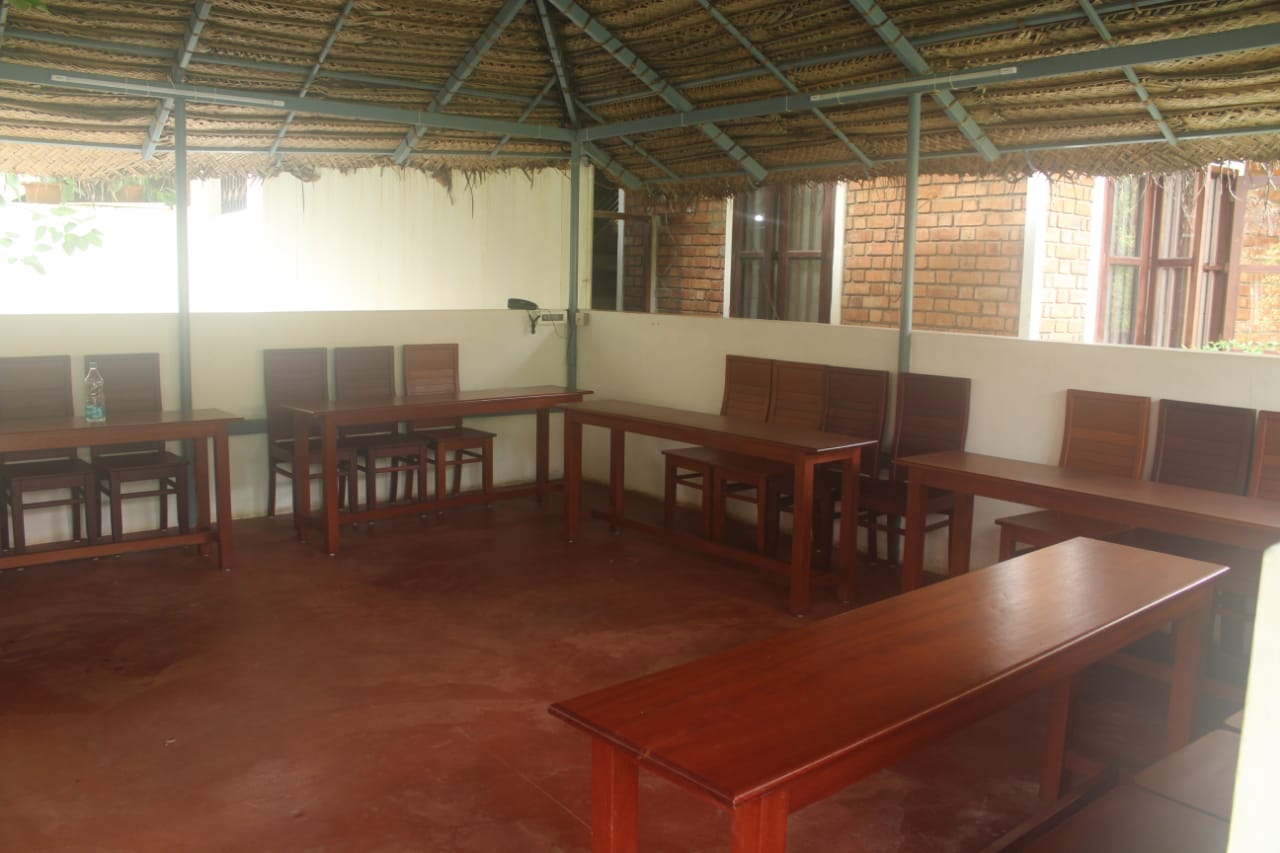
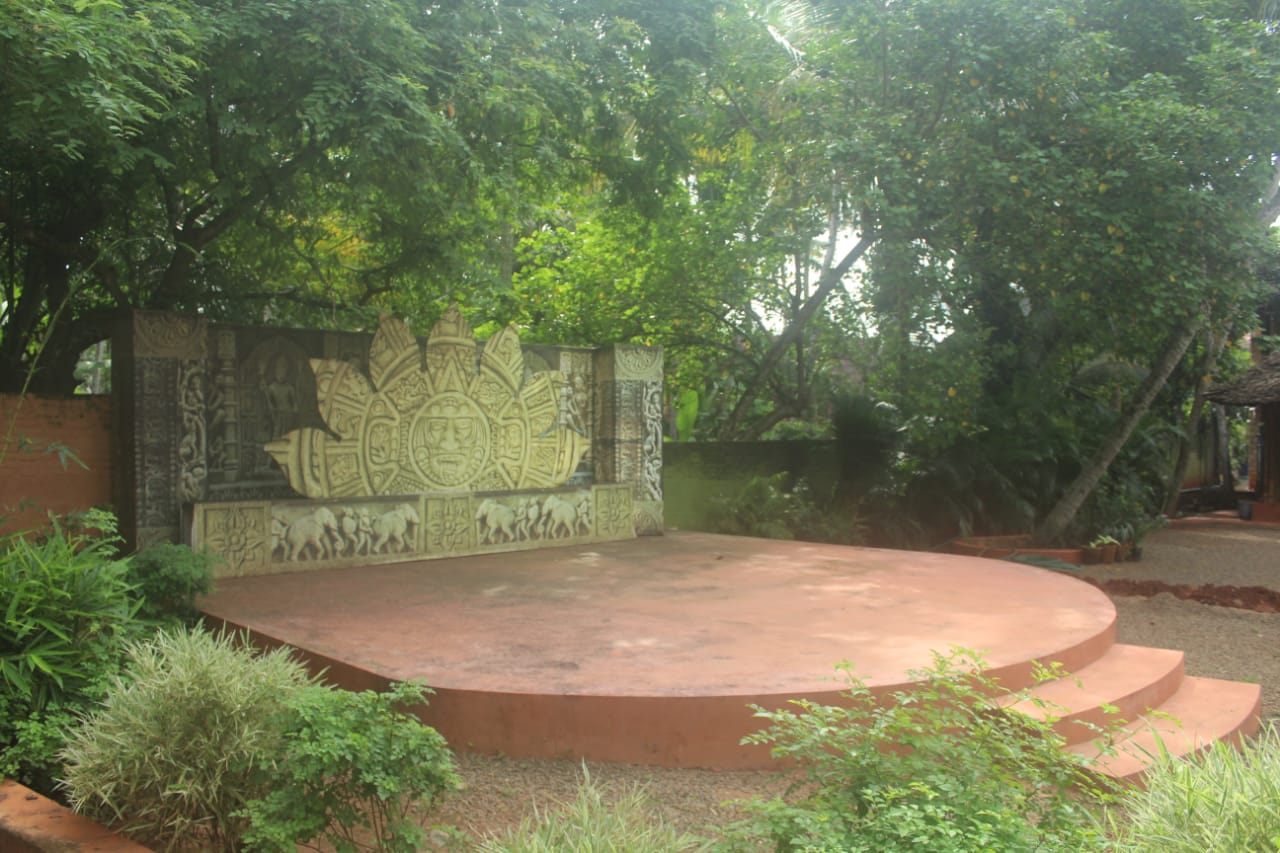
The physical environment supports both intensive treatment and periods of rest, with Ayurveda treatment rooms, Yoga and meditation facilities, landscaped outdoor areas and a swimming pool forming part of the property infrastructure. Kerala Tourism also records the centre as a training institution with facilities including a hostel, library and stage for public performances, reflecting its wider educational and cultural role. The beachside location and tropical landscape provide an external setting for quiet walks and restorative leisure alongside the structured treatment schedule.
Founders and Ayurvedic Heritage
The institution was founded by Dr V. Franklin, who came from a family associated with traditional Ayurvedic practice extending across several generations. The family lineage is described as having practised Ayurveda for more than 400 years, with Dr Franklin receiving formal education in Ayurveda before entering Kerala Government service. He served as a medical officer and subsequently progressed to the position of District Medical Officer in the Government of Kerala’s Ayurveda system. A contemporary profile records his bachelor's education through the University of Kerala and postgraduate training in Physical Medicine and Rehabilitation from Bombay University.
Following his government service, Dr Franklin worked as a physiotherapist for the Qatar Rayyan football team, where he treated international footballers and coaches and developed an interest in introducing Ayurveda to an international audience. He subsequently established an Ayurveda centre for foreign visitors at Hotel Neptune in Kovalam, before inaugurating Dr Franklin’s Panchakarma Institute and Research Centre in 1997. His contribution to Ayurveda and medical tourism was recognised through distinctions including Tourism Man of the Year in 1999, the Kerala Sahridayavedi award for Best Ayurveda Doctor in Tourism in 2005, recognition from LANA in 2008, and an award for Best Ayurveda Doctor in 2008 from Uthradom Thirunal Marthanda Varma.
Ayurveda Philosophy and Approach
The centre's therapeutic philosophy is grounded in the classical Ayurvedic objective of protecting health, prolonging life and managing disease and dysfunction. Its current presentation places particular emphasis on Ayurveda as a holistic medical science and identifies Panchamahabhutha, the five-element principle, as one of the foundational concepts through which bodily balance is understood. The centre also associates many health disturbances with impaired digestion arising from dietary habits, lifestyle patterns and occupational factors, placing digestive correction and restoration of physiological balance within its broader treatment approach.
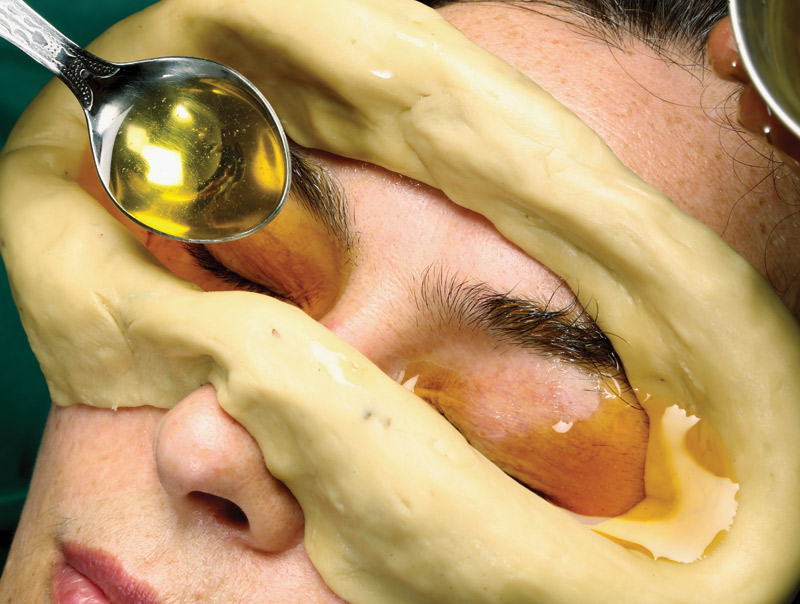
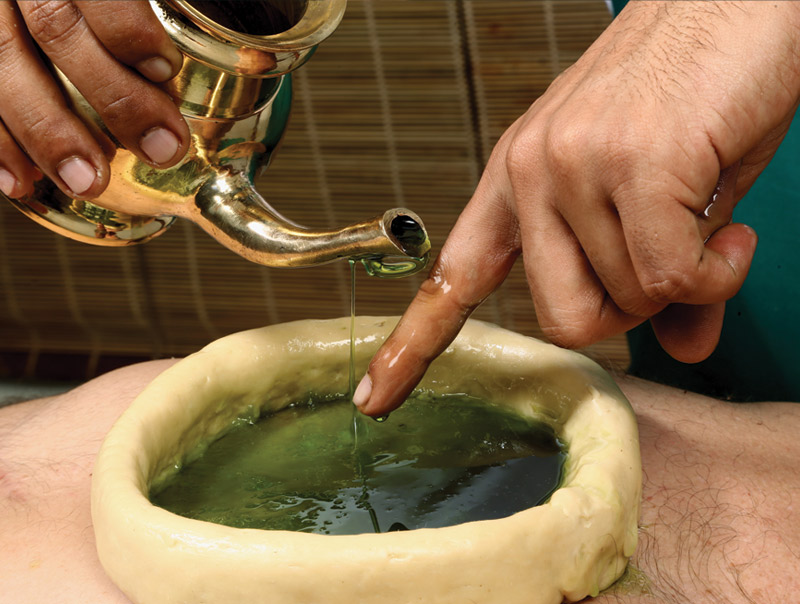
Panchakarma occupies the central position within the institute's therapeutic model. Treatment is structured around preparatory procedures followed by appropriate purification procedures and subsequent restorative care. Documented procedures include Snehana, Swedana, Kizhi, Pizhichil and Dhara during preparatory or supportive stages, followed by procedures such as Vamana, Virechana, Nasya, Sneha Vasthi and Kashaya Vasthi when clinically indicated. Ayurvedic medicines, diet, Yoga and meditation form complementary components of the broader approach. The centre also offers traditional therapies such as Marma massage, rejuvenation treatments and facial care, with treatment selection intended to correspond to the individual's health condition.
Personalised Treatment Planning
Treatment at Dr Franklin’s Panchakarma Institute and Research Centre is initiated through consultation with the Ayurvedic medical team, after which the therapeutic plan is determined according to the individual's health requirements. The centre's programme model allows treatment procedures to be selected or modified according to the guest's condition, with Ayurvedic care incorporating therapies, medicines and dietary recommendations rather than relying on a single fixed sequence for every individual. This approach is particularly relevant to Panchakarma, where preparatory, purification and restorative procedures may be selected according to the patient's constitution and presenting condition.
The centre's treatment portfolio includes both general wellness and rejuvenation-oriented care and condition-specific Ayurvedic management. Documented areas include metabolic and lifestyle concerns, musculoskeletal and spine-related conditions, stress, skin disorders, respiratory complaints and other chronic or functional conditions. The available programme information indicates access to doctors for ongoing review during treatment, while AyurUniverse records that programmes may be customised in duration. The centre also integrates Ayurvedic diet, Yoga and meditation into selected treatment pathways, particularly where lifestyle modification forms part of the therapeutic approach.
Treatment Programs
The institute's programme portfolio is centred on Panchakarma and Ayurvedic purification, supported by rejuvenation and Rasayana care, body purification or Shodhana Chikitsa, slimming and weight management, beauty care, stress management, spine care, diabetes treatment and body, mind and soul wellness programmes. Other documented therapeutic categories include Swasa Kasa Chikitsa for respiratory concerns and body immunisation/longevity treatment. The centre also promotes Karkidaka Chikitsa, a seasonal Ayurvedic treatment approach associated with the Kerala monsoon period and incorporating purification, symptom-management and rejuvenation therapies.
Specific programme listings include Panchakarma, Diabetes Treatment, Anti-Aging, Destress Your Body, Mind and Soul, Ayurveda Slimming, You and Your Spine and Rejuvenation Therapy. Documented durations vary according to programme, with examples including 14-day and 21-day diabetes programmes, a 14-day spine programme, and 15-, 22- and 29-day slimming options. The centre also offers Ayurveda education and professional training, including massage, Ayurvedic principles, Panchakarma and Yoga teaching, with Kerala Tourism recording course durations ranging from 15 days to one month.
Doctors and Wellness Experts
The medical structure is centred on Dr V. Franklin, founder and chief physician, together with Dr Sony Joseph, who has served as Managing Director and senior Ayurvedic consultant. Historical institutional information records a team of seven Ayurvedic doctors and 52 qualified therapists, while later operational sources identify additional physicians including Dr Soumya Franklin, Dr Ajith Kumar, Dr Udayashanker, Dr Janadathan and Dr Ratheesh. Dr Soumya Franklin is identified as Dr Franklin's daughter and part of the medical team.
The wider wellness team includes Ayurvedic therapists, Yoga and meditation instructors and staff supporting the residential and treatment operations. Historical records specifically identify Master Soorya Ravi, associated with the Yoga Teachers Association of South India, as responsible for Yoga and meditation sessions. The centre's medical and wellness structure therefore combines Ayurvedic physicians, Panchakarma therapists and Yoga practitioners within a treatment-led residential model. Individual qualifications, current designations and detailed clinical specialities should be maintained separately within dedicated doctor profiles.
Post Treatment Care
Post-treatment care forms part of the broader Ayurvedic process through dietary regulation, herbal medicines, rejuvenation measures and lifestyle guidance. Panchakarma is presented as a staged process rather than an isolated procedure, with preparatory therapies preceding purification and restorative measures following the principal cleansing stage. Dietary recommendations and Ayurvedic medicines may therefore continue to form part of the therapeutic plan beyond the principal treatment procedures.
The centre's wider wellness philosophy also places importance on Yoga, meditation and lifestyle practices as complementary elements of maintaining balance after treatment. Selected programmes, particularly stress, weight-management and rejuvenation pathways, combine therapeutic procedures with dietary and lifestyle guidance. The exact discharge protocol, duration of post-treatment dietary restrictions, prescribed medicines and formal follow-up mechanism are not sufficiently documented in the currently verified public material and therefore require direct confirmation for programme-specific documentation.
Accommodation
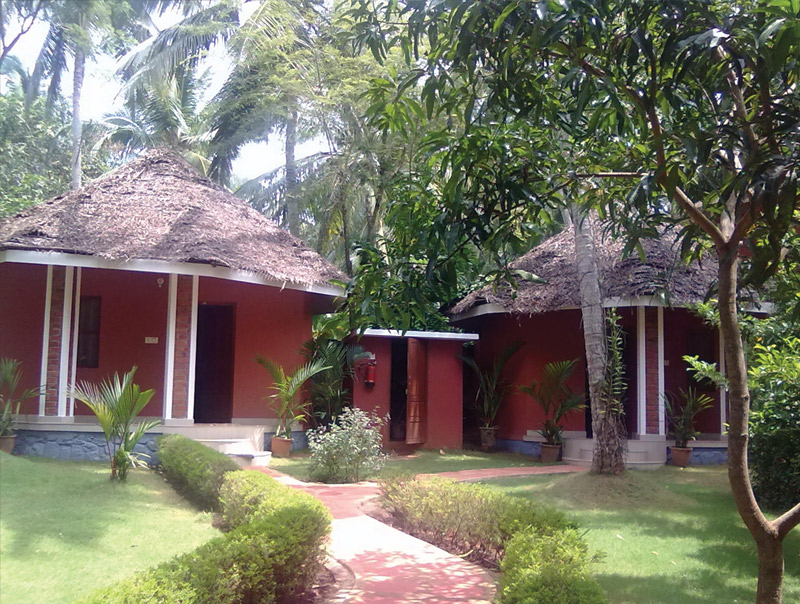
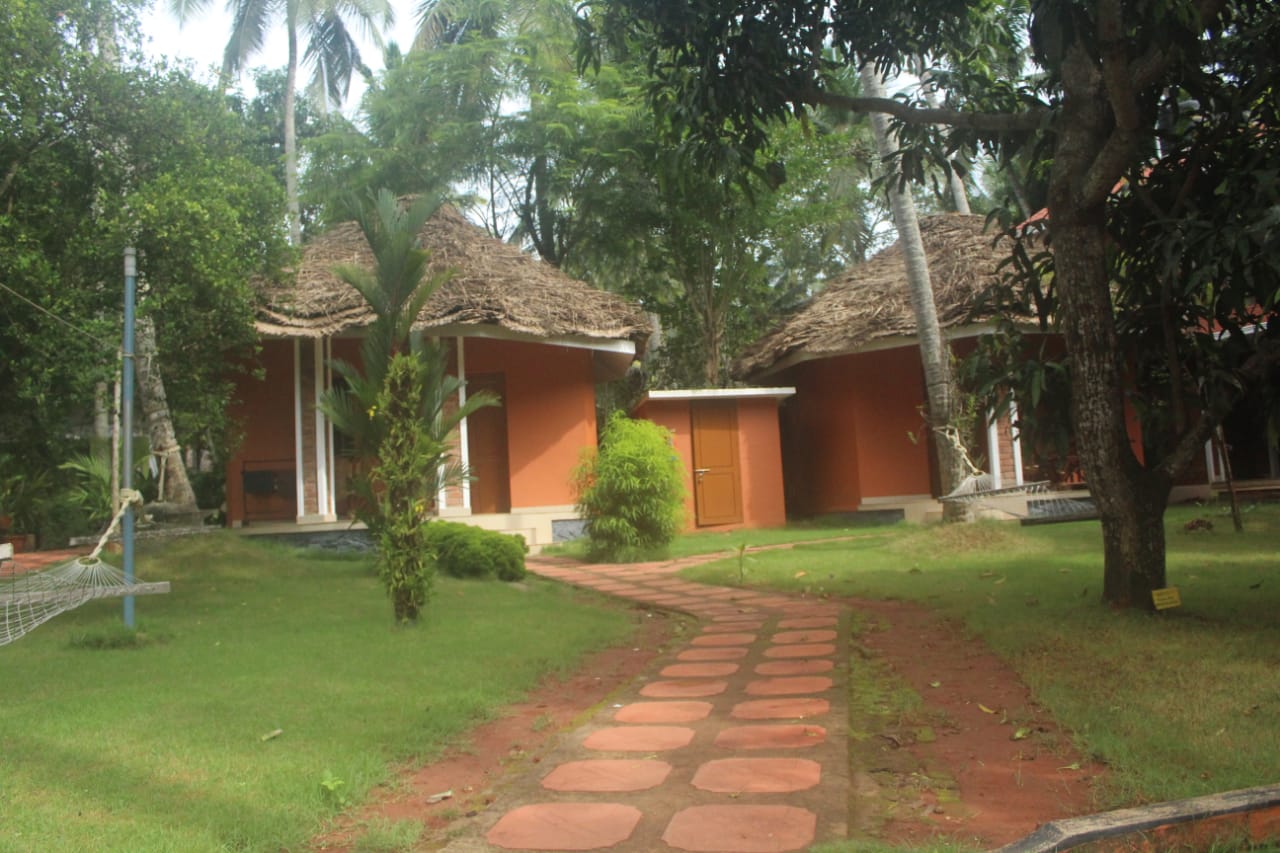
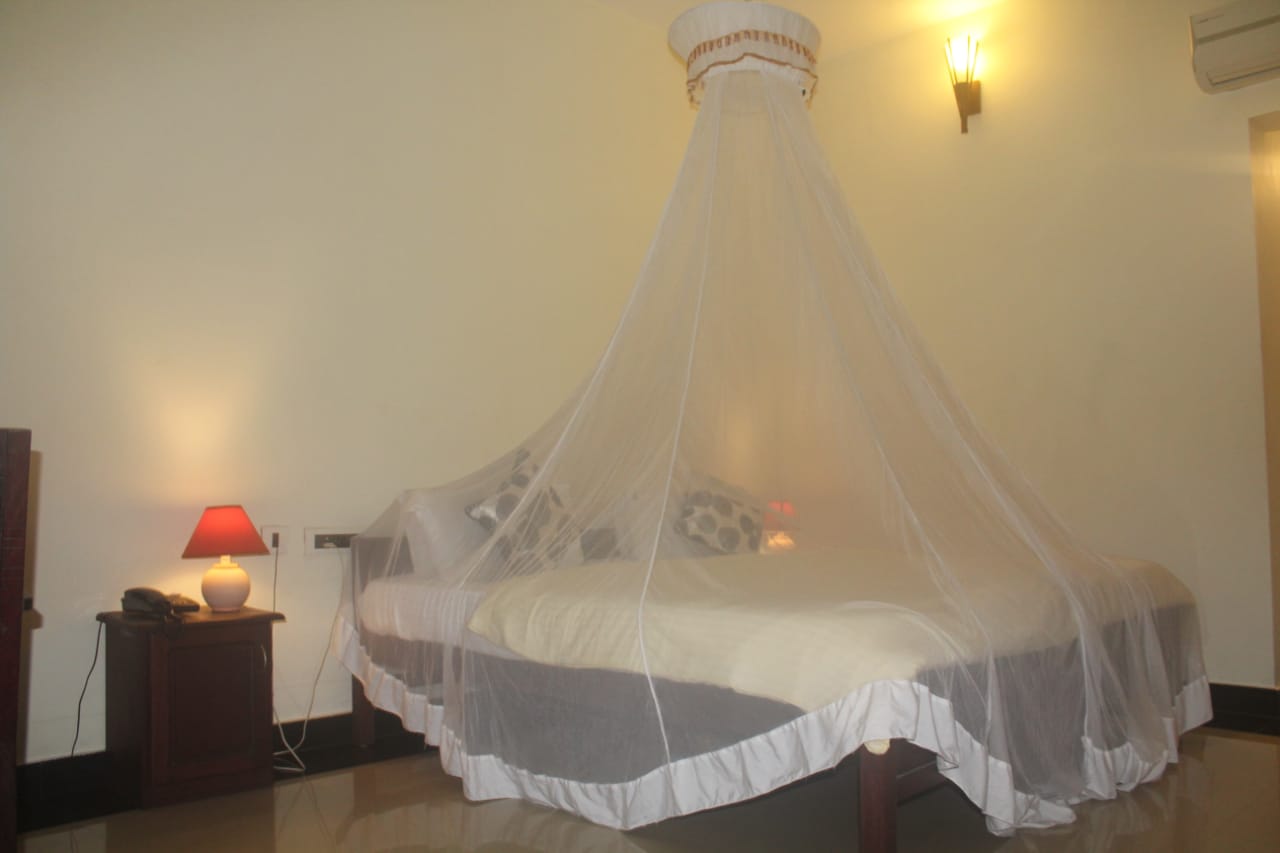
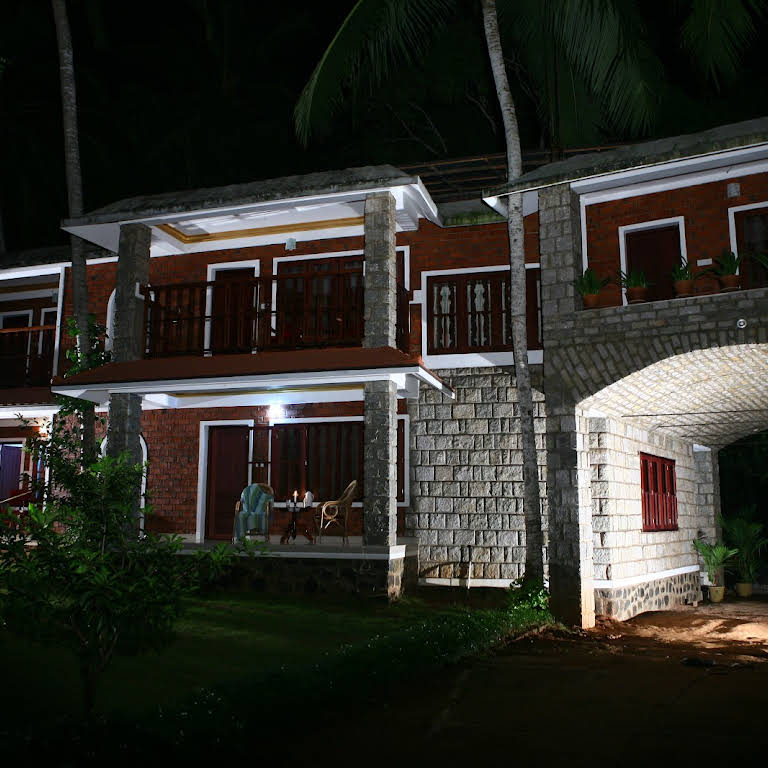
Dr Franklin’s Panchakarma Institute and Research Centre provides residential accommodation integrated with its treatment operations. Documented accommodation categories include Kerala Cottages, Deluxe Rooms, Standard Rooms and Panchakarma Huts, with both air-conditioned and non-air-conditioned options recorded. Earlier accommodation descriptions also identify separate cottage and room areas, while Panchakarma huts are described as independent units intended to provide a more private residential setting.
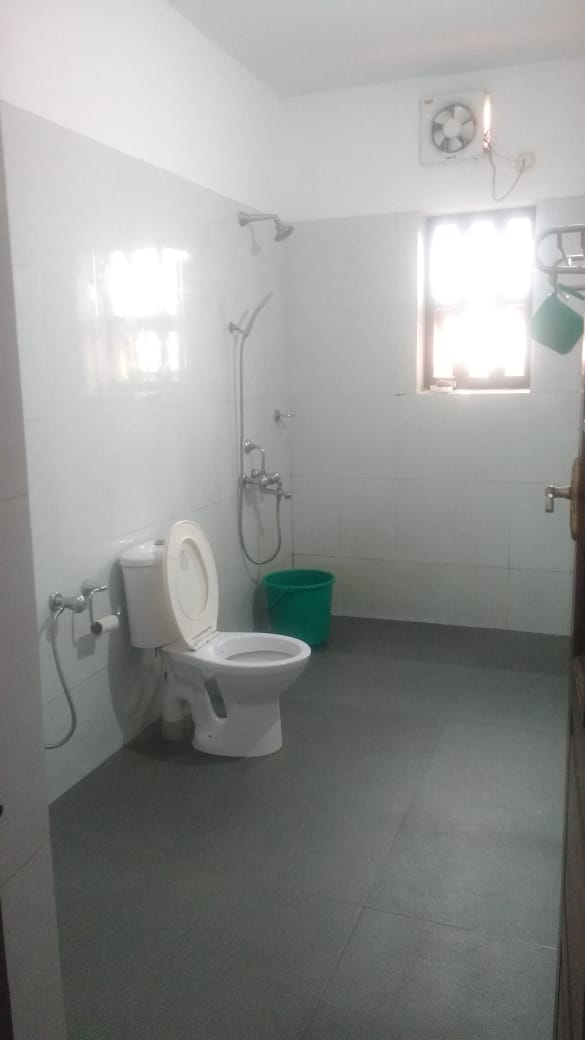
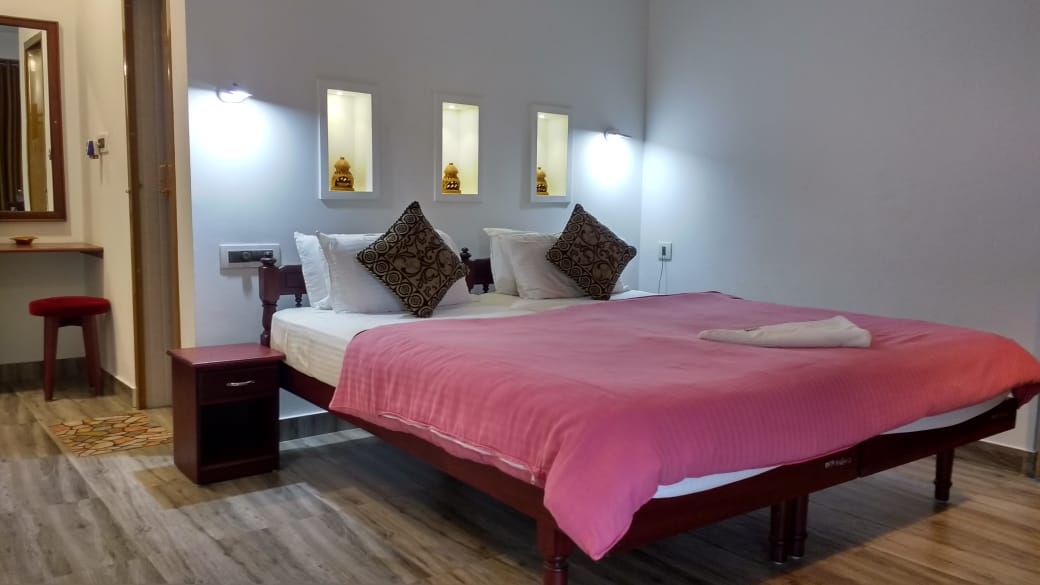
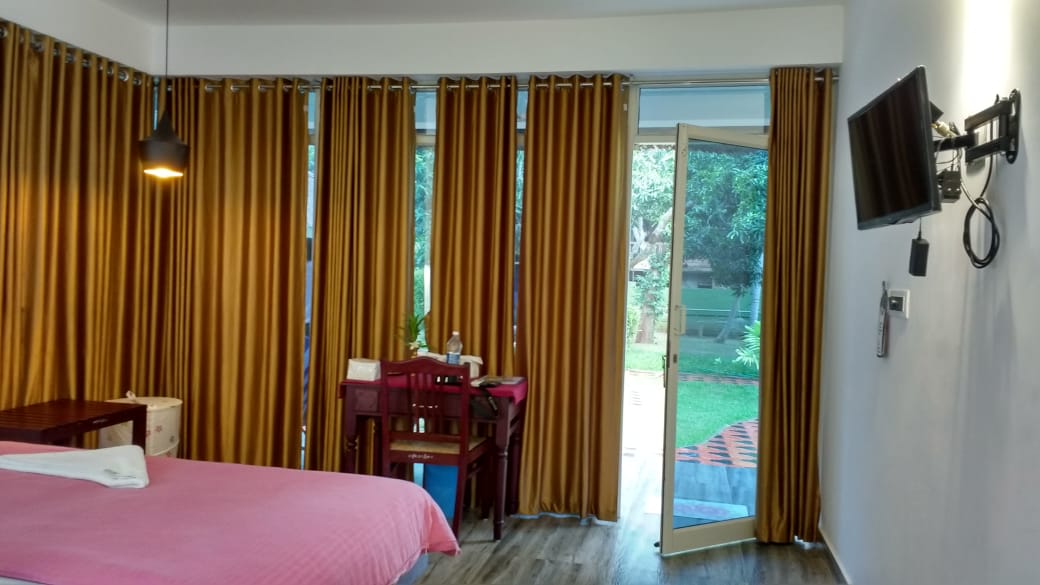
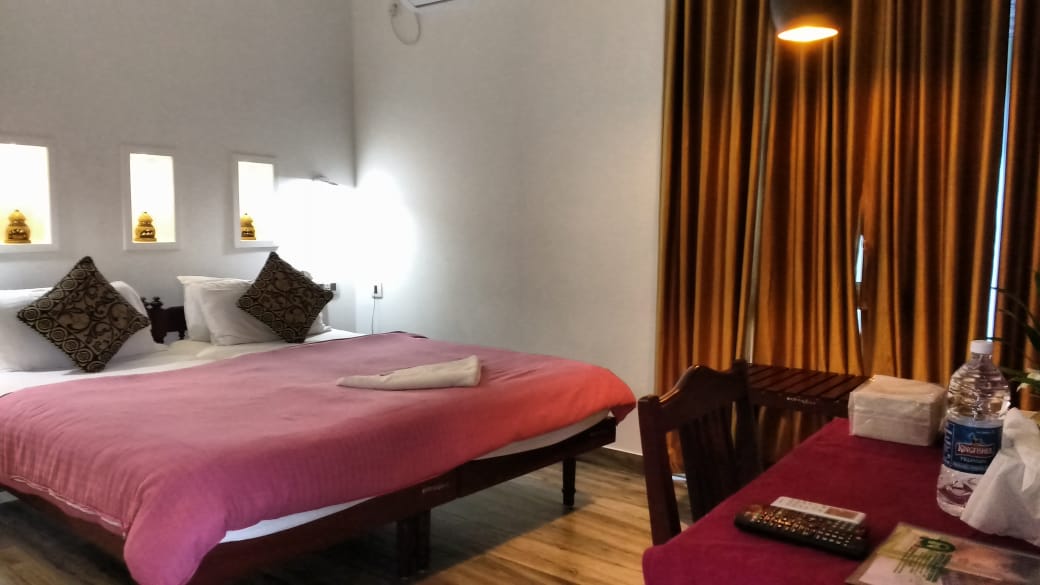
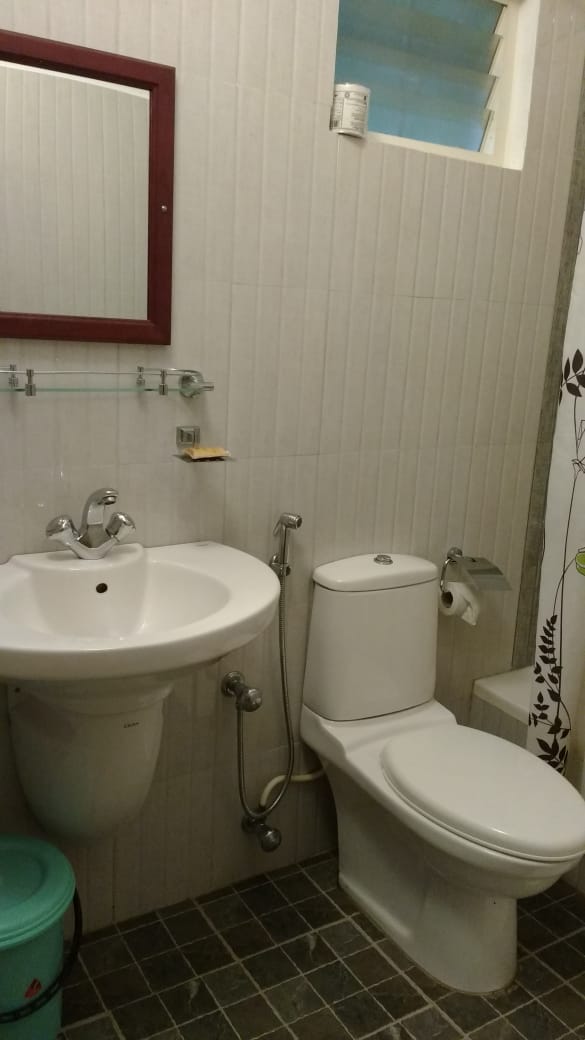
Accommodation is designed around extended treatment stays rather than conventional short-break hospitality. Property information identifies rooms and cottages with ensuite bathrooms, garden-facing surroundings and selected modern conveniences such as television, telephone and Wi-Fi, with air-conditioned options available. Some accommodation areas are associated with garden or pool views. Published sources give differing historical room totals, ranging from 56, 60, 67 and 69 rooms, and therefore no single inventory figure is retained here as an authoritative current total.
Diet and Dining
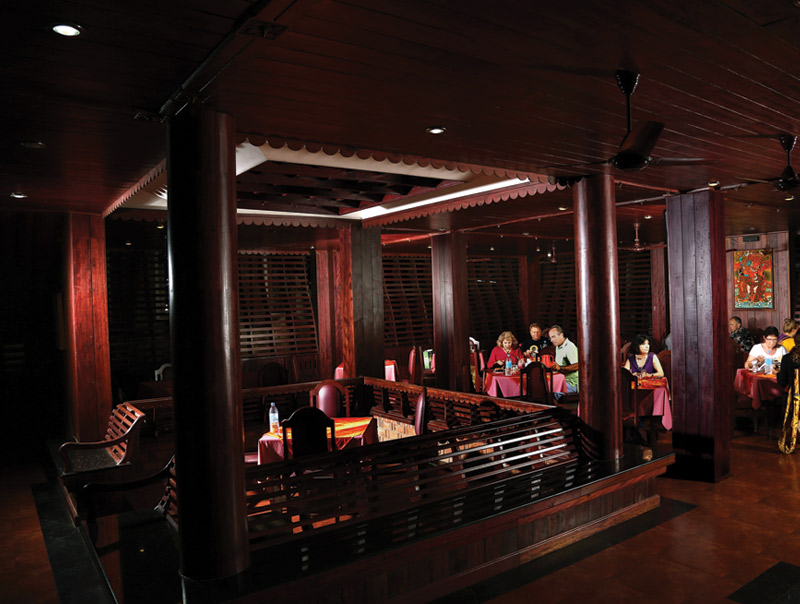
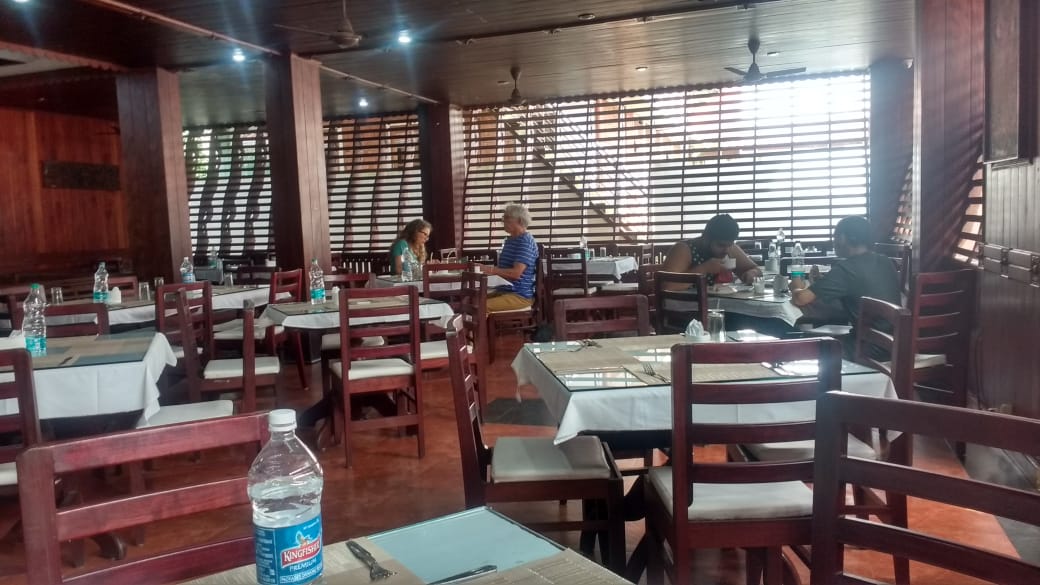
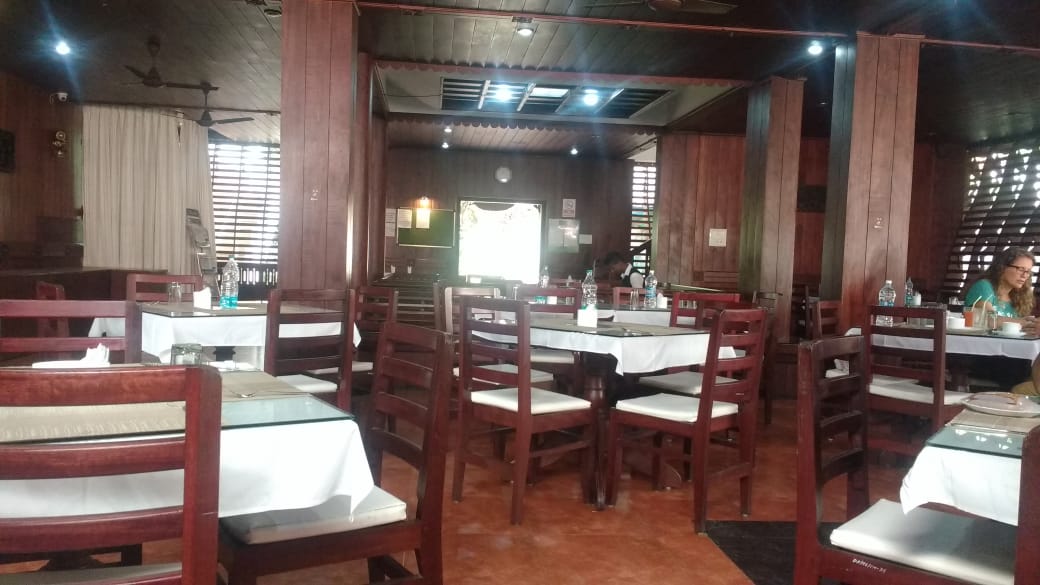
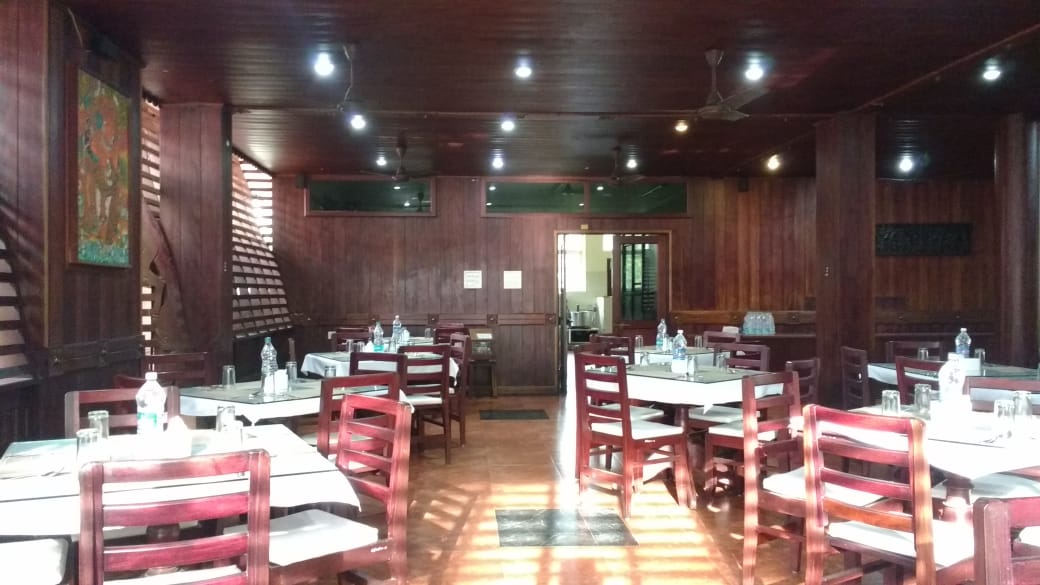
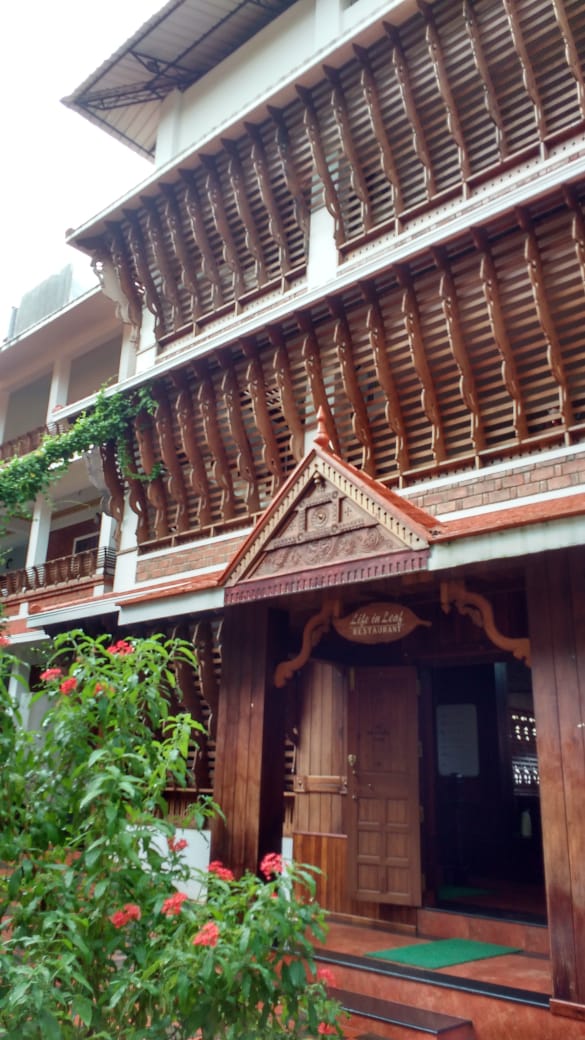
The centre operates an Ayurvedic vegetarian restaurant serving vegetarian meals as part of its residential treatment model. Historical property information identifies breakfast, lunch and dinner within the Ayurvedic vegetarian dining arrangement, while more recent programme information describes full-board Ayurvedic food for residential guests and dietary planning linked to individual treatment requirements. The cuisine is therefore positioned as an integral component of the treatment environment rather than as conventional resort dining.
The dietary approach is associated with Ayurvedic principles and individual requirements, with programme information referring to food adapted according to dosha and treatment needs. The centre has also provided an Ayurvedic cooking course, and Kerala Tourism lists Ayurveda and Yoga education among its institutional activities. Historical property records additionally identify an Ayurvedic vegetarian restaurant as a dedicated facility, supporting the centre's emphasis on food as part of Ayurvedic lifestyle management.
Wellness Activities
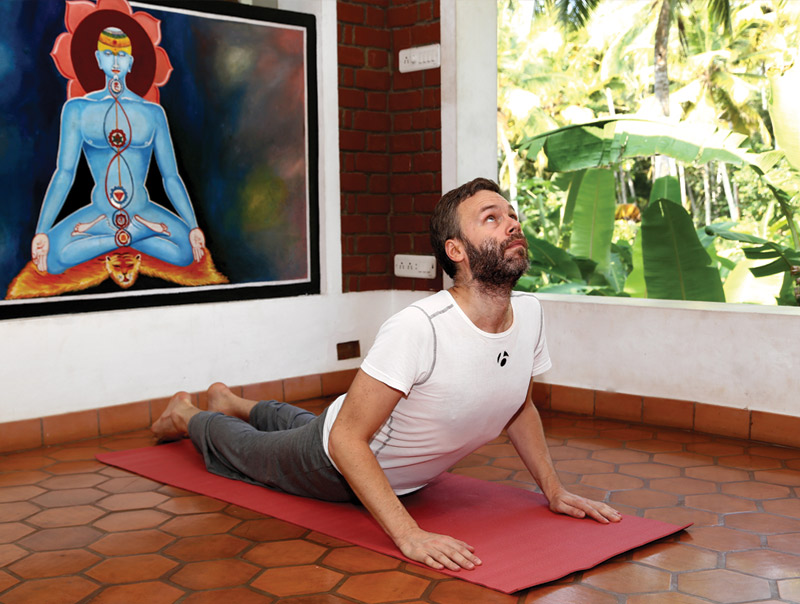
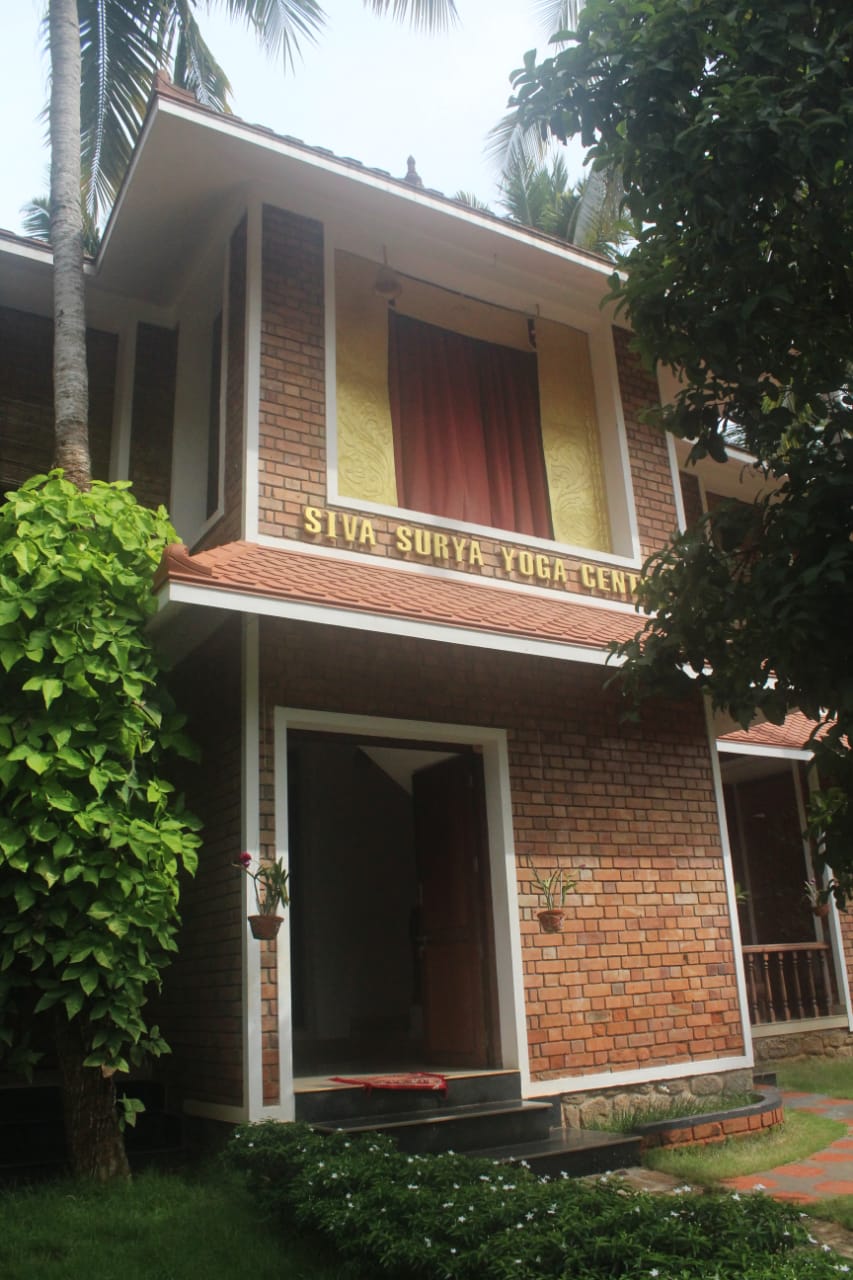
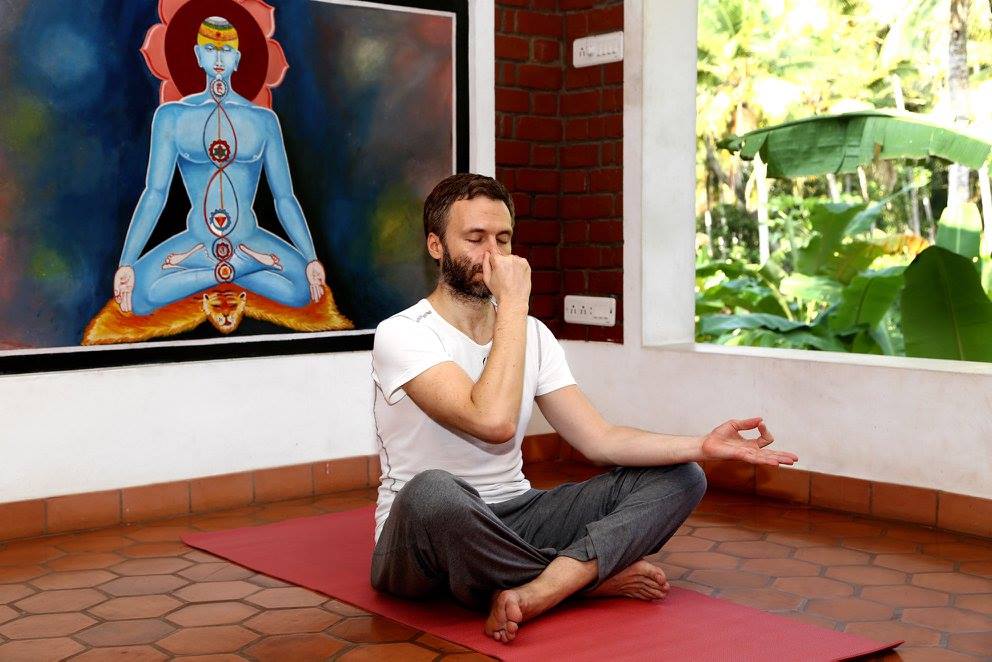
Yoga and meditation are established components of the centre's wellness offering, with regular Yoga sessions conducted in the morning and private Yoga sessions available on request. The current official website identifies Asana, Pranayama, Mantra and Yoga Nidra within its Yoga content. Meditation is integrated with the Yoga offering and with selected treatment programmes, particularly the stress-management pathway.
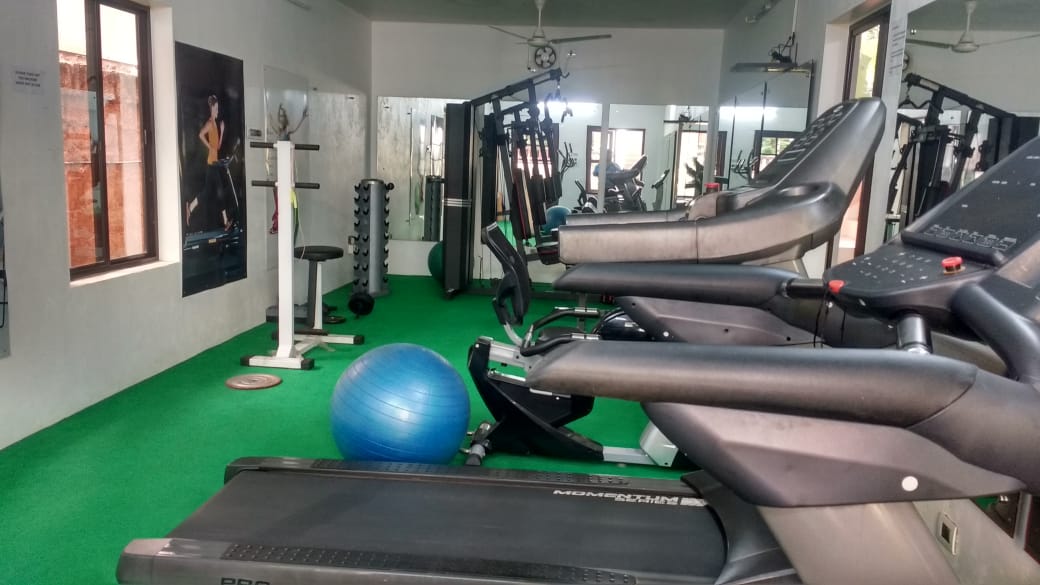
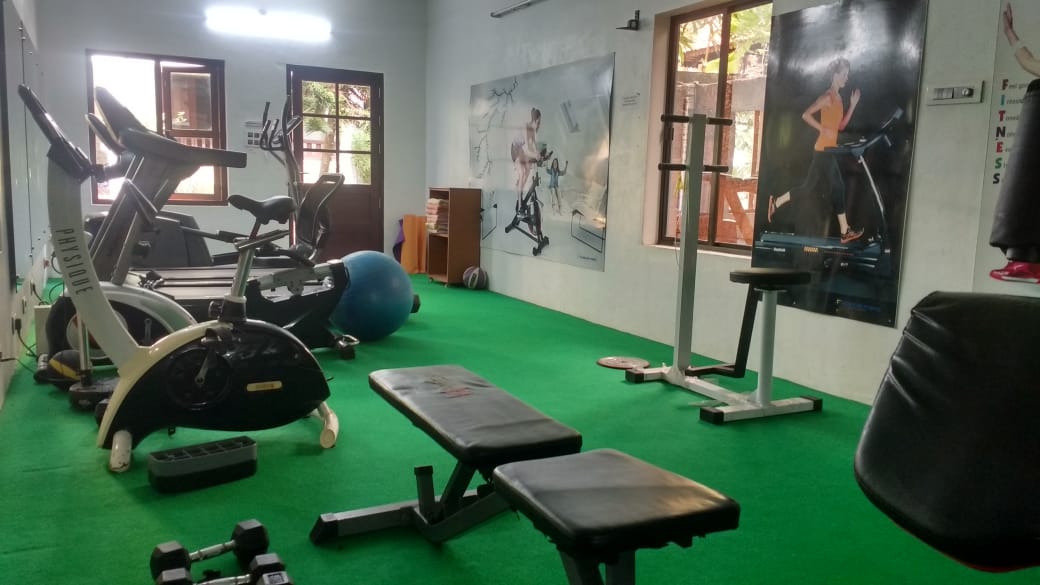
The property also supports wellness activities beyond formal therapy, including access to its swimming pool, walking areas, gardens and fitness facilities. Historical information records cultural programmes, martial arts and traditional art activities, as well as dance and musical-instrument classes on demand. Kerala Tourism additionally recognises the centre as a training institution for Ayurveda and Yoga. The surrounding Chowara environment provides access to the beach, while a travel desk has historically supported sightseeing and backwater excursions for guests whose treatment schedules permit such activities.
Facilities and Services
The centre's core facilities include Ayurvedic treatment rooms, Yoga and meditation facilities, an Ayurvedic vegetarian restaurant, Ayurvedic pharmacy and medicine-manufacturing unit, residential accommodation and a swimming pool. Historical records also identify ECG and laboratory investigation facilities, a library, Internet facilities, a travel desk and cultural activity areas. Separate treatment facilities and Panchakarma huts are associated with the residential and therapeutic infrastructure.
Guest-support services have historically included airport and railway-station transfers, translators on request, international telephone facilities, travel assistance and sightseeing arrangements. The centre's published contact information gives operating hours of 8:00 am to 5:00 pm daily, while historical material records 24-hour doctor availability. The current official website lists Thiruvananthapuram International Airport at approximately 18 km, Thiruvananthapuram Central Railway Station at 22 km, and Kochi International Airport at approximately 238 km from the centre.
Sustainability and Guest Guidelines
The property has been described in external operational listings as incorporating eco-friendly practices, a herbal garden and in-house-grown vegetables, although these details are not currently documented with sufficient specificity on the official website to establish the present scope of the initiatives. The centre's use of its own medicine-manufacturing unit and pharmacy forms part of its traditional treatment infrastructure, enabling selected oils and herbal preparations to be produced for therapeutic use.
Guest conduct is closely connected with the treatment environment. External programme information records restrictions on smoking, alcohol and food brought from outside, reflecting the centre's Ayurvedic residential model. Treatment stays are structured around medical care, prescribed diet and therapeutic activities, and guests are expected to follow the instructions associated with their individual treatment plans. Exact current check-in, check-out, cancellation, visitor, child, accessibility and medical-emergency policies require confirmation directly with the centre before publication as formal WellnessLoka policy information.
Guest Experience and Stay Approach
The stay model at Dr Franklin’s Panchakarma Institute and Research Centre is centred on residential Ayurvedic treatment rather than conventional leisure hospitality. Guests remain within an environment where medical consultation, prescribed therapies, Ayurvedic food, Yoga, meditation and periods of rest form the principal rhythm of the stay. Panchakarma and other therapeutic programmes are designed for extended residential periods, with documented offerings ranging from approximately two weeks to longer customised stays.
The coastal setting of Chowara, proximity to the beach, landscaped grounds, swimming pool and recreational facilities provide opportunities for relaxation between treatments, while the centre's educational activities, cooking courses and cultural programmes add a learning dimension to longer stays. Its distinguishing character lies in the combination of a long-established Ayurvedic family lineage, doctor-led Panchakarma, residential treatment infrastructure, Ayurvedic dining and Yoga-based wellness practices within a single centre.
-
 24 * 7 Ayurvedic Doctor
 -
 24 * 7 Security
 -
 Airport Transfers ( Complimentary )
 -
 Ayurveda Cooking Demo Class
 -
 Basic Ayurveda Toiletries
 -
 Dosha Meals Buffet
 -
 Exclusive Ayurveda Property
 -
 Facilities For Disabled Guests
 -
 Free Wifi
 -
 Green Leaf
 -
 Property Constellation : Mixed
 -
 Reimbursement Indian Insurance Support
 -
Retreat Size- Medium
-
 Swimming Pool
 -
 Therapy: Double Therapist
 -
 TV
TV -
 Vegetarian Restaurant
More about Dr Franklins Panchakarma Institute and Research Centre
Dr Franklin’s Panchakarma Institute and Research Centre follows an Ayurvedic dietary approach in which food forms an integral part of the residential treatment experience rather than functioning simply as a conventional hospitality service. The property operates an Ayurvedic vegetarian restaurant providing the principal meals for residents, with breakfast, lunch and dinner forming the regular dining structure. Meals are prepared according to Ayurvedic principles and are intended to complement the therapeutic process, particularly during Panchakarma and other structured treatment programmes. The dietary approach is centred on vegetarian food, with meal choices adapted where required to the individual's treatment plan, constitution and health requirements.
The dining system is closely connected with the centre's wider Ayurvedic philosophy, which places importance on digestion and appropriate food habits in maintaining physiological balance. During residential programmes, guests follow the prescribed dietary regimen rather than selecting food solely according to conventional restaurant preferences. The centre has also been associated with Ayurvedic cooking education, including instruction in the preparation of traditional health-oriented dishes and the principles underlying Ayurvedic nutrition. The property has historically maintained an Ayurvedic pharmacy and medicine-manufacturing facility, further integrating food, herbal preparations and therapeutic care within its residential Ayurveda model.
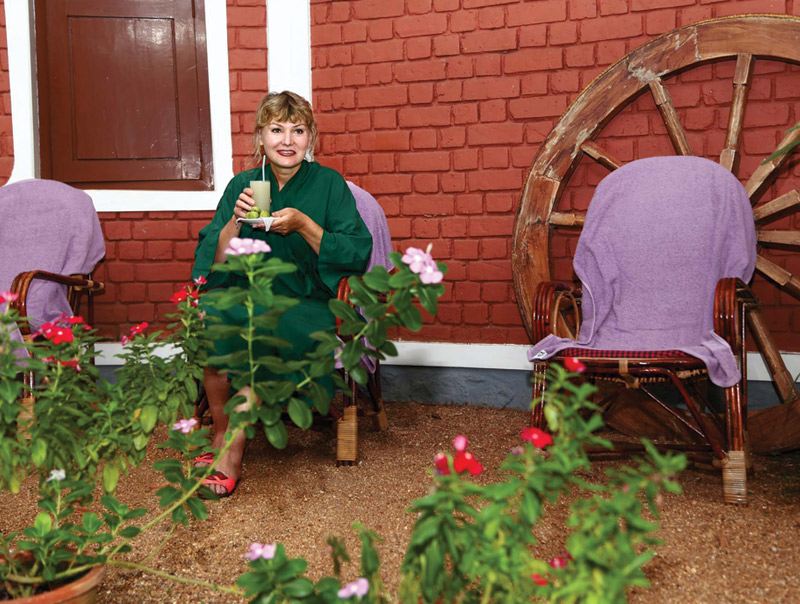
Dr Franklin’s Panchakarma Institute and Research Centre provides leisure opportunities that complement its residential Ayurvedic treatment environment, allowing guests to spend restorative periods between consultations and therapies without moving away from the property. The centre features a swimming pool, landscaped outdoor areas and garden spaces that provide opportunities for quiet relaxation. Its location in Chowara, South Kovalam, places the property close to the Arabian Sea and Chowara Beach, with the beach accessible within walking distance. The tropical surroundings support gentle walks and periods of outdoor rest, while the relatively tranquil setting is suited to longer Ayurvedic stays where relaxation is integrated with the treatment schedule.
Leisure activities extend beyond passive relaxation into cultural and wellness-oriented experiences. The property has historically offered cultural programmes, traditional arts, martial arts, dance and musical-instrument activities, with certain activities arranged according to availability or on request. Guests can also participate in Yoga and meditation, which form an established part of the centre's wellness environment rather than being treated solely as recreational activities. A library provides an additional quiet space, while historical guest services have included a travel desk capable of arranging local sightseeing and backwater excursions for guests wishing to explore Kerala between treatment commitments. Leisure activities are intended to remain compatible with the individual's Ayurvedic treatment schedule, particularly during intensive Panchakarma programmes.
Ayurveda forms the central therapeutic and experiential foundation of Dr Franklin’s Panchakarma Institute and Research Centre. The centre follows the traditional Ayurvedic approach to maintaining health, supporting longevity and addressing physical and functional imbalances through personalised treatment, diet, lifestyle and herbal therapies. Its core therapeutic focus is Panchakarma, with treatment planning undertaken after consultation and assessment by an Ayurvedic physician. Depending on the individual’s constitution, health condition and treatment objectives, therapies may incorporate preparatory procedures such as Snehana and Swedana, followed by appropriate Shodhana therapies including Vamana, Virechana, Nasya, Snehavasthi and Kashaya Vasthi. The centre also provides a broad range of classical external therapies, including Abhyanga, Pizhichil, Kizhi, Gnavarakizhi, Dhara, Kadi Vasthi, Sirovasthi, Udwarthanam and medicated steam treatments. Specialised residential programs address objectives such as rejuvenation, body purification, slimming and weight management, diabetes care, spine and musculoskeletal wellness, stress management and general revitalisation. The centre also maintains an Ayurvedic pharmacy and medicine-manufacturing facility, supporting the use of traditional herbal preparations within its treatment approach.
Yoga is integrated into the centre’s broader Ayurvedic wellness environment and is used to complement physical treatment, relaxation and lifestyle correction. Regular morning Yoga sessions are offered, while private Yoga instruction can also be arranged on request. Sessions incorporate traditional practices such as Asana, Pranayama, Mantra and Yoga Nidra, allowing guests to work progressively with physical movement, breath regulation, concentration and deep relaxation. Yoga may be incorporated into residential wellness programs, particularly those addressing stress, weight management and overall physical and mental balance, with the level of practice adapted to the guest’s individual needs and treatment schedule.
Meditation is presented as an important complementary component of the centre’s holistic approach, working alongside Ayurveda and Yoga to encourage mental relaxation, concentration and inner calm. Meditation practices are incorporated into wellness-oriented stays and may be combined with Pranayama, Mantra and Yoga Nidra to create a more complete mind-body relaxation routine. The centre’s approach treats Yoga and meditation as supportive practices within the wider Ayurvedic regimen, helping guests maintain a quieter and more disciplined daily rhythm while undergoing treatment. The combination of physician-guided Ayurveda, therapeutic procedures, Yoga, meditation, appropriate diet and periods of rest creates an integrated wellness environment designed to support both the therapeutic process and longer-term lifestyle awareness.
Rejuvenation Program
Panchakarma Program
Stress Management Program
Body Purification Program
Dr Franklins Panchakarma Institute and Research Centre boasts a strong track record of positive customer feedback, reflecting the exceptional quality of its services and the satisfaction of its patrons.
- Reimbursement Indian Insurance Support
-
Description
The 21 Nights Post Cancer Supportive Care Treatment Program at Dr Franklin’s Panchakarma Institute and Research Centre provides an Ayurvedic wellness approach for individuals seeking supportive care and restoration following cancer treatment. It is intended for guests looking to strengthen overall wellbeing during the post-treatment phase, with Ayurveda’s broader objective of protecting health, supporting recovery and addressing bodily dysfunctions forming the underlying philosophy. The centre also associates health disturbances with factors such as dietary habits, lifestyle and inefficient digestion, providing a framework in which post-cancer wellbeing can be considered as part of the individual’s overall physical condition rather than as an isolated concern.
The Program seeks to support physical recovery, vitality, general wellbeing and healthier daily functioning after cancer-related treatment, while encouraging appropriate dietary and lifestyle practices that can contribute to sustained health. Its emphasis is supportive rather than a substitute for conventional oncology care, with long-term wellbeing centred on maintaining healthier habits and ongoing preventive attention. The program residential period provides a structured setting for individualised Ayurvedic support, without implying a fixed clinical outcome. Care is personalised after comprehensive consultation and clinical assessment by the Ayurvedic physician, with the proposed plan taking account of the guest’s Prakriti (body constitution), Vikriti (current imbalance), health condition, age, physical strength and therapeutic goals.
Note:
All treatments and program components are personalised following the initial consultation with the retreat's Ayurveda doctor and the guest's health condition. Therapy protocols may vary accordingly.
-
Daily Schedule
Items From To Yoga Session 07:00 AM 08:00 AM Breakfast 06:00 AM 10:00 AM Consultation Time 09:00 AM 06:00 PM Treatment Session 08:00 AM 06:00 PM Lunch Time 12:00 PM 02:00 PM Dinner 06:00 PM 08:30 PM Sleep 09:00 PM 06:00 AM For yoga session additional charge is applicable. *: Please note that this is a general outline. Programmes will be offered based on an expert Ayurvedic physician’s assessment of the guest and clinical conditions. Specifics may vary from case to case. -
Treatment Methodology
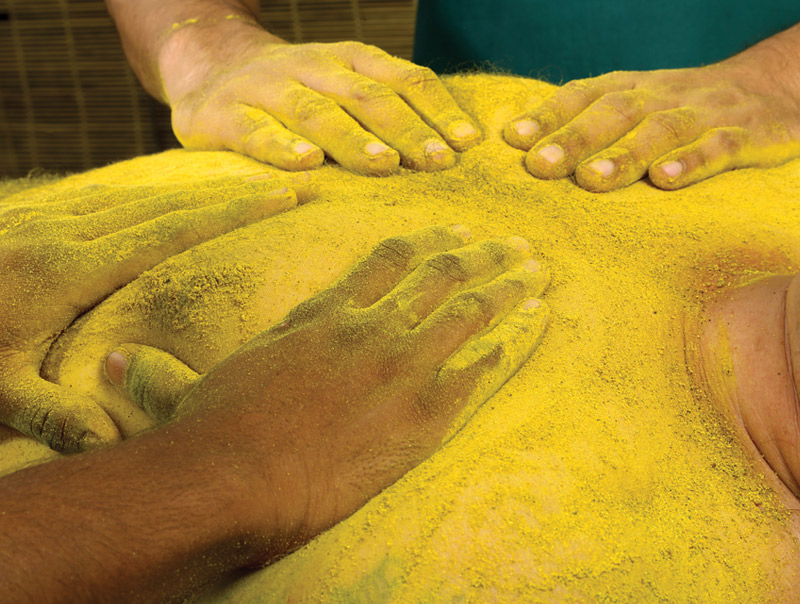
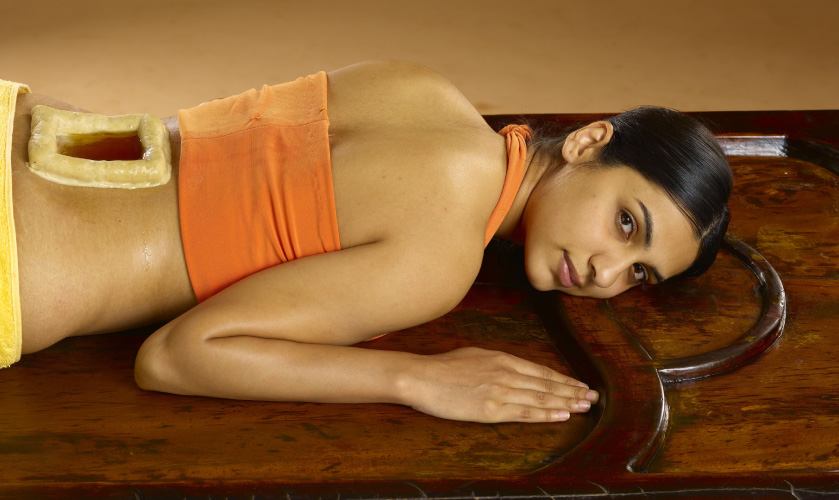
For post-cancer supportive care, they are using medicated treatments involving Guggulu and turmeric-based formulations.
-
Major Benefits
- Supports post-cancer recovery and overall wellbeing by providing a structured period of Ayurvedic supportive care following conventional cancer treatment.
- Promotes restoration of vitality and physical wellbeing, helping guests focus on maintaining strength, balance and healthier daily functioning during the recovery phase.
- Encourages personalised Ayurvedic care based on the guest’s individual constitution, current health condition and therapeutic requirements.
- Supports healthy dietary and lifestyle practices through appropriate Ayurvedic guidance intended to complement longer-term wellness and recovery.
- Encourages preventive health and sustainable wellbeing by helping guests develop healthier practices that can be continued beyond the residential Program.
- Provides a structured 14-night wellness period for individual attention, recovery support and ongoing focus on post-treatment health and quality of life.
-
Retreat Experience
Program Overview
Medical Guidance
- Detailed Ayurvedic consultation on arrival
- Daily physician interactions and health monitoring during the stay
Ayurvedic Therapies
- 2 Personalised ayurvedic therapy sessions per day (150 minutes )
Additional Elements
- Personalised detox therapies prescribed by Ayurvedic physicians
- Daily group Yoga and meditation sessions are available at an additional cost.
- Herbal medicines prepared by traditional Ayurvedic practitioners with GMP certification
- Dietary and lifestyle guidance to support continued detoxification after the stay
During Treatment- Your Ayurvedic physician monitors progress and adjusts treatments as your body responds.Treatments run approximately 150 minutes daily, customised throughout to the physician's recommendations.
-
Inclusions
- Daily Consultations: Daily Ayurvedic consultations throughout the stay.
- Daily Treatments: Ayurvedic treatment provided every day, with a treatment duration of approximately 2.5 to 3 hours per day.
- Personalised Ayurvedic Diet: An Ayurvedic diet is issued following consultation, featuring a variety of Ayurvedic foods.
- Complimentary Wi-Fi: Free Wi-Fi access throughout the stay.
- Swimming Pool & Health Club: Complimentary use of the swimming pool and health club.
- Airport Transfers: Complimentary Trivandrum Airport transfers for guests booking a minimum of 7 days of treatment with room accommodation.
- Individual Safe Locker: An individual safe locker is available in every room.
- Library: Access to the on-site library.
-
Starting Rate
₹ 250162 -
Airport Transfers
Yes -
Duration Of Therapy
150 Minutes per day -
Treatment Sessions Per Day
1 -
Number of Days
22 Days -
Languages
English, Malayalam -
Food
Dining at Dr. Franklin’s Panchakarma Institute and Research Centre is integrated into the Ayurvedic wellness experience, with meals prepared as vegetarian, predominantly sattvic cuisine intended to support the treatment and overall wellbeing of guests. The centre offers Ayurveda-based Dosha meals through a common buffet, providing a selection of suitable vegetarian dishes while allowing dietary choices to be aligned with the guest’s individual requirements. Meal guidance is provided under the supervision of the Ayurvedic physicians, who may recommend appropriate foods according to the guest’s Prakriti (body constitution), health condition and treatment requirements. The cuisine is designed to remain compatible with Ayurvedic care, with emphasis on wholesome nourishment and digestive support rather than conventional resort-style dining. Guests can therefore follow a structured Ayurvedic dietary routine throughout their stay, while the buffet format provides variety and convenience. The dining approach complements the centre’s broader therapeutic philosophy by combining appropriate nourishment with physician-guided dietary practices.
-
Exclusions
- Telephone
- Laundry
- Trips
- Lab test (if advised)
- Medicines to be taken home.
- Yoga
Experts
Ayurveda Doctor | Under Graduate | 15 years of experience
Availablilty 24 X7 Within Property : Yes
About
Renowned for his deep understanding of classical Ayurvedic principles and his compassionate approach to patient care, Dr. Sony Joseph has played a pivotal role in upholding the retreat’s reputation for excellence. Under his leadership, Ayuryogashram continues to provide personalised Ayurvedic treatments and rejuvenation programs that combine traditional wisdom with modern therapeutic insights. His commitment to holistic healing and his patient-centred philosophy ensure that every guest receives the utmost attention and care throughout their wellness journey.
Qualification
Walk-Through Video | 20/7/2026
Stay
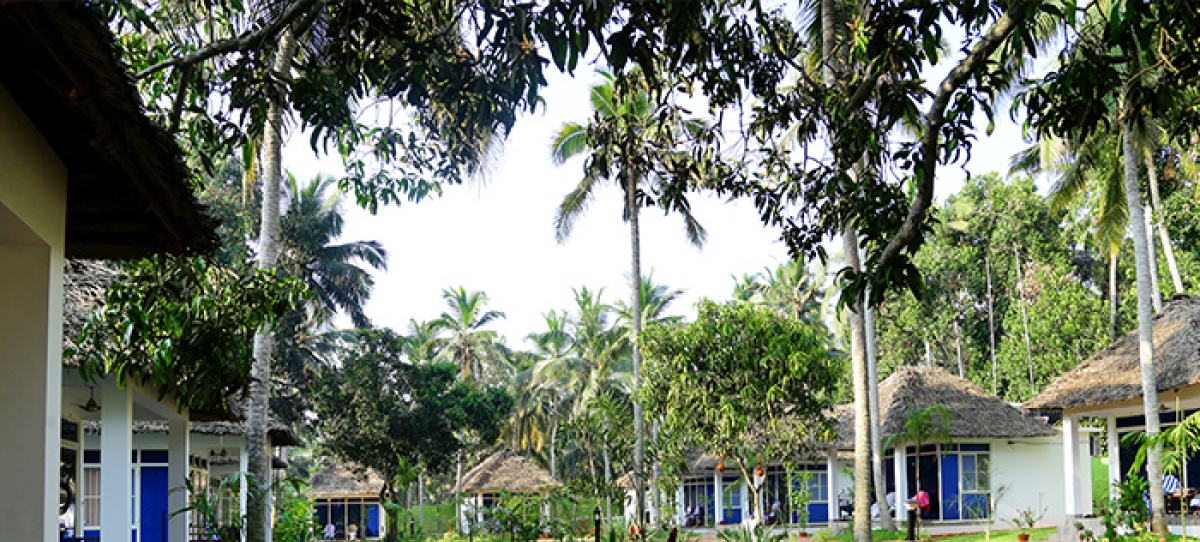
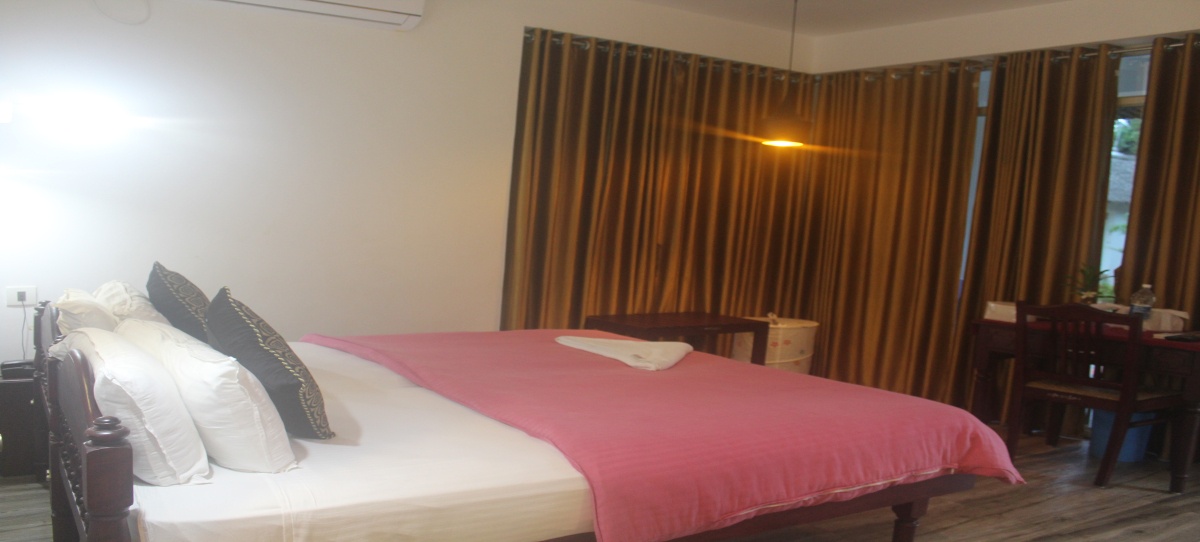
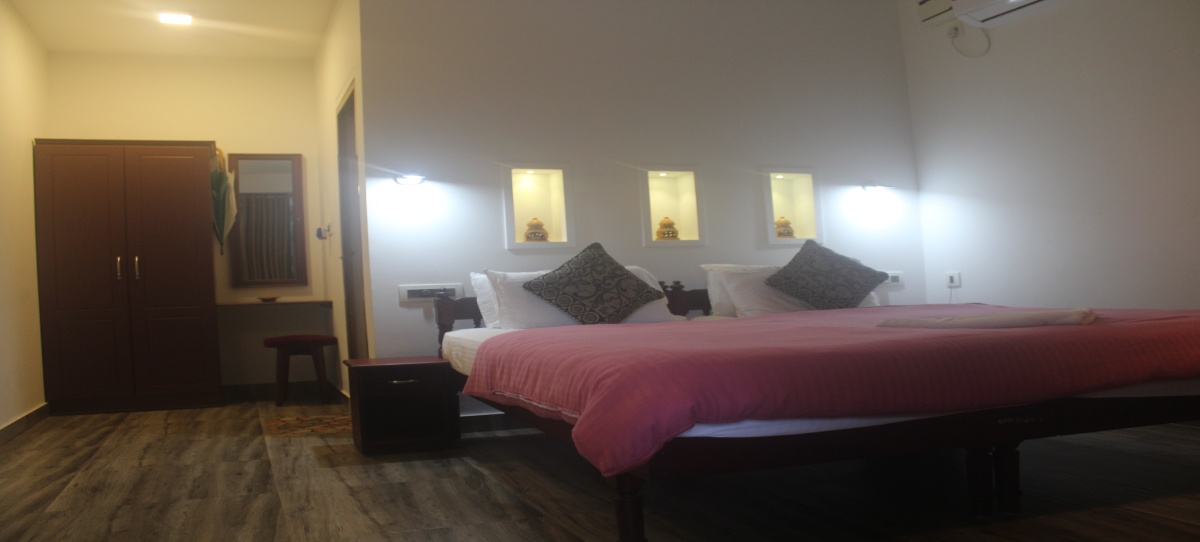
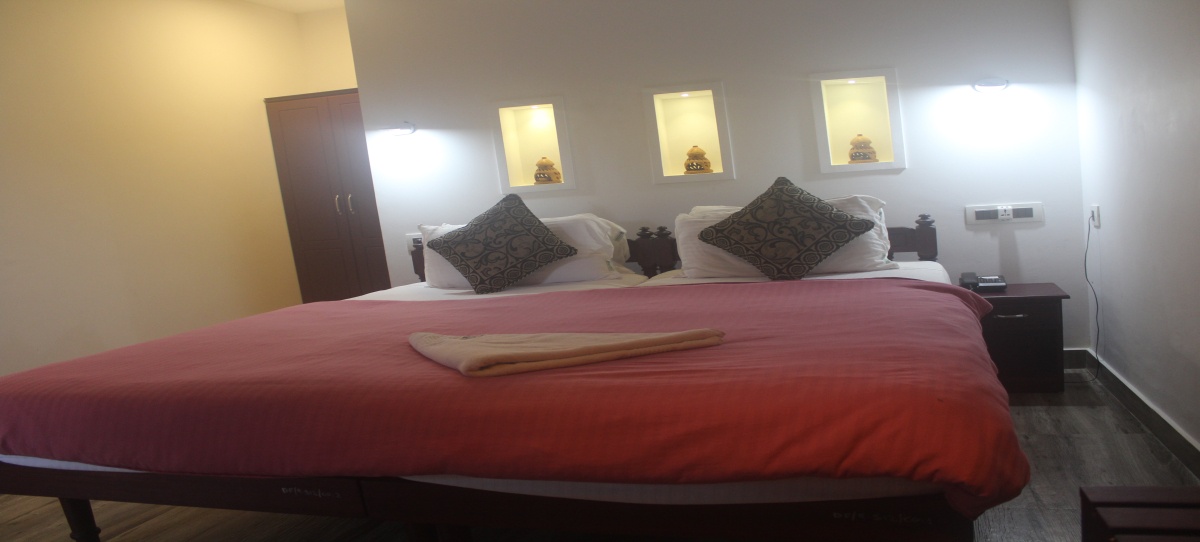
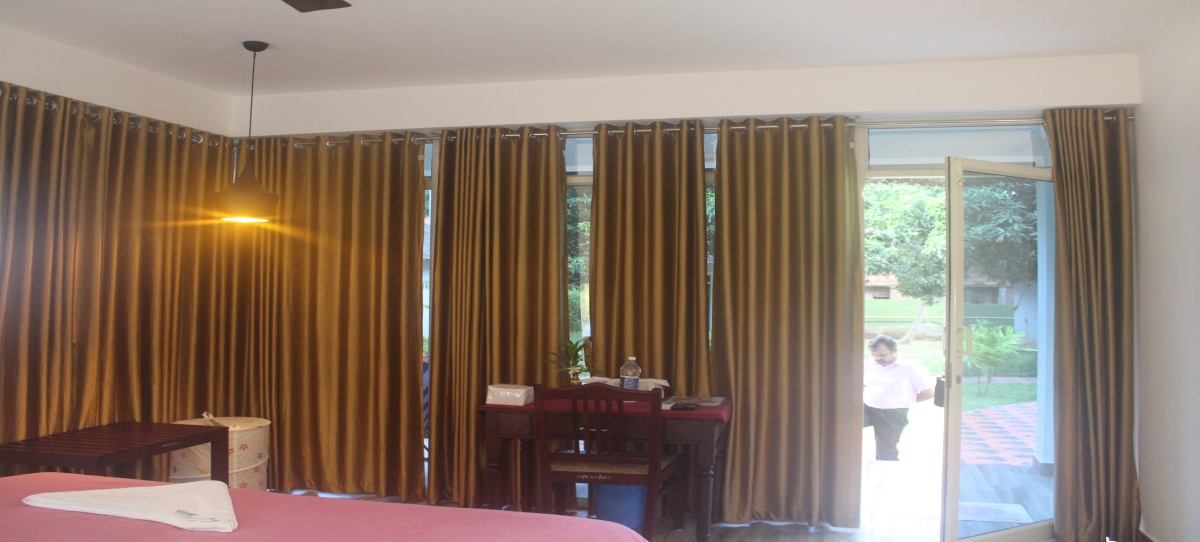
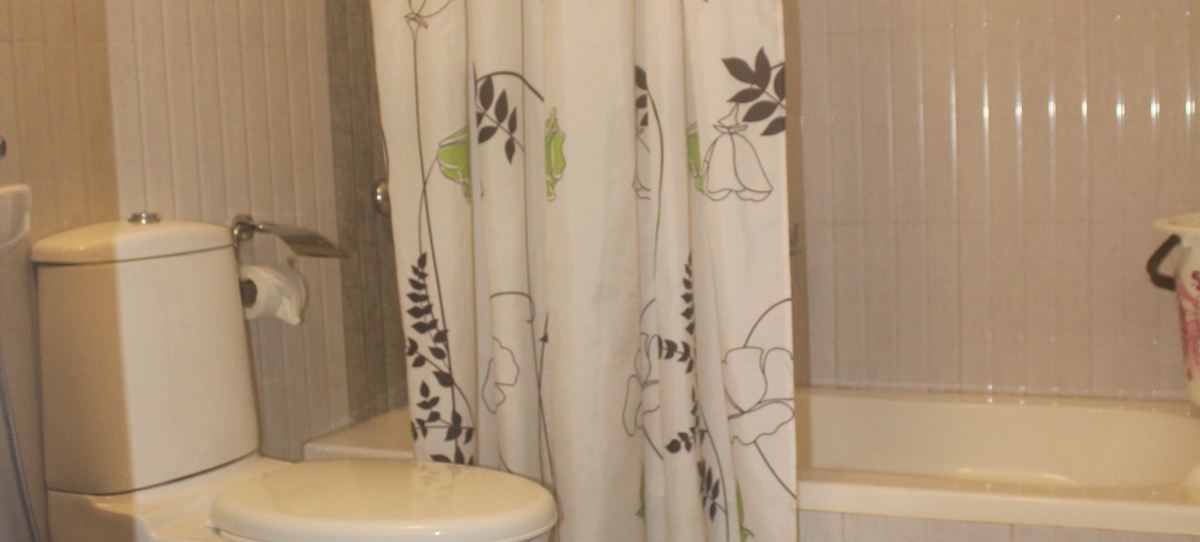
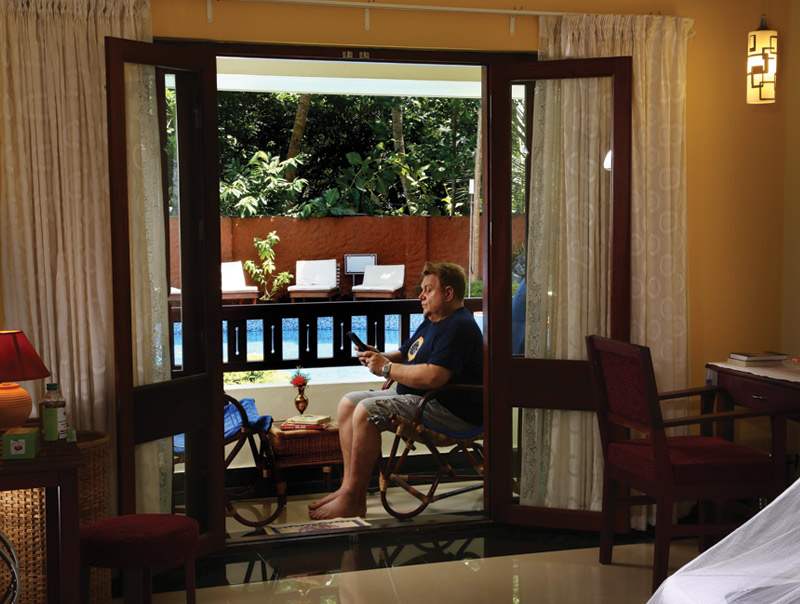
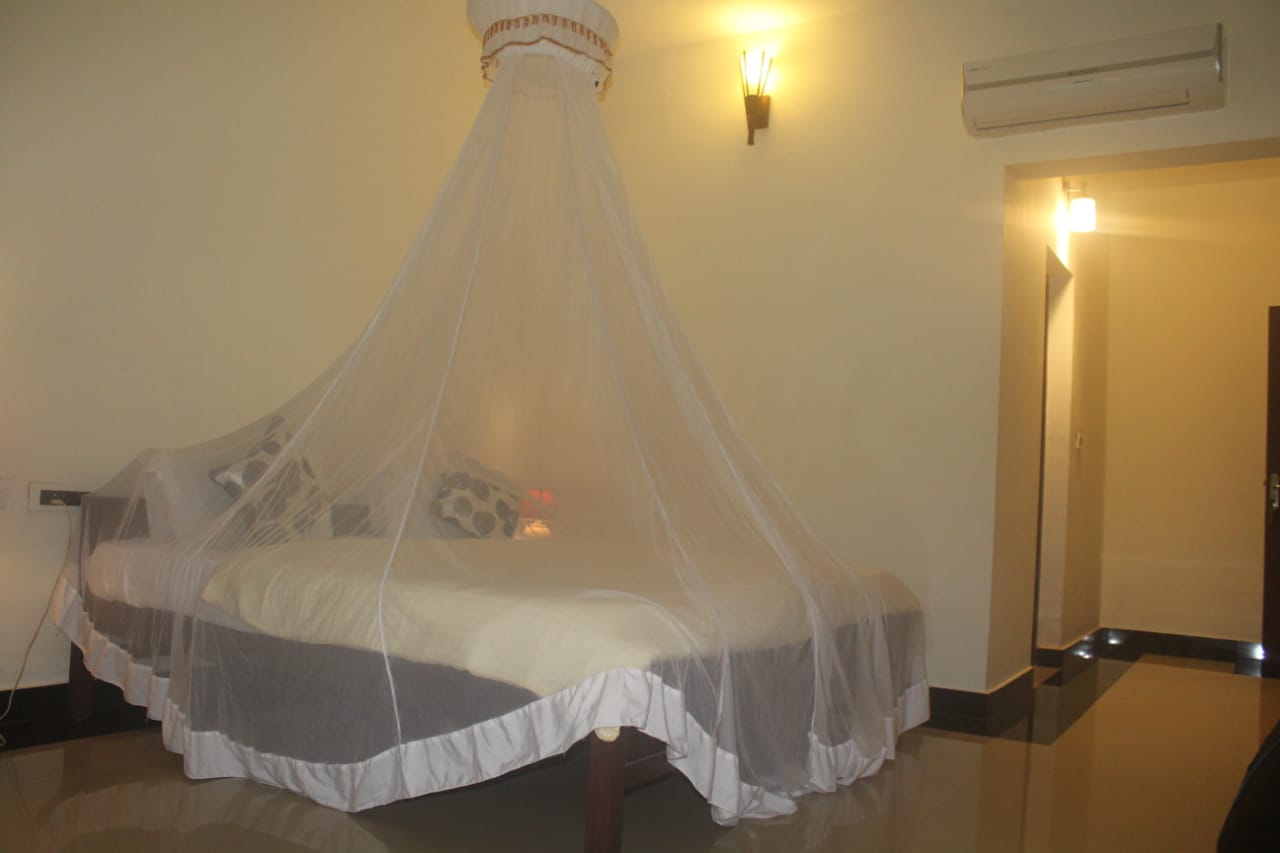
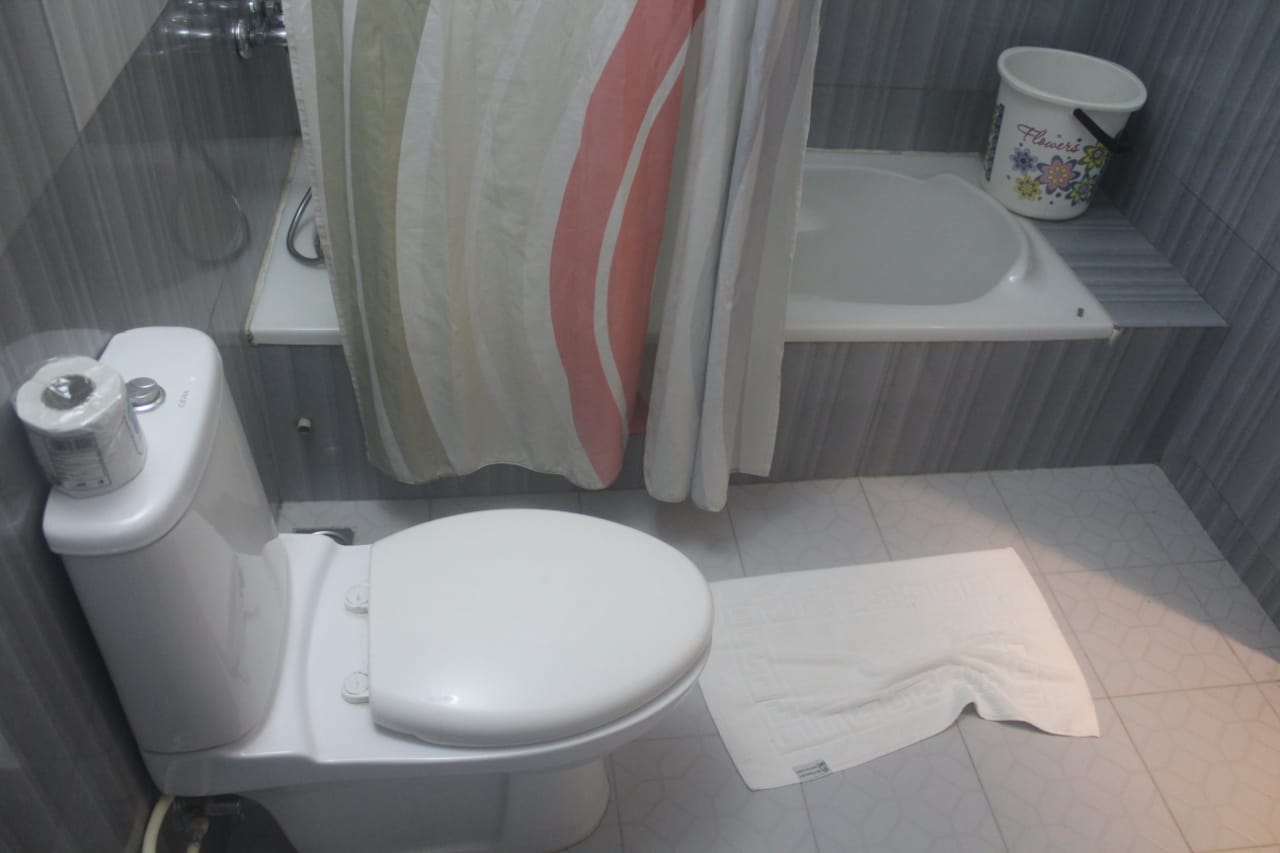
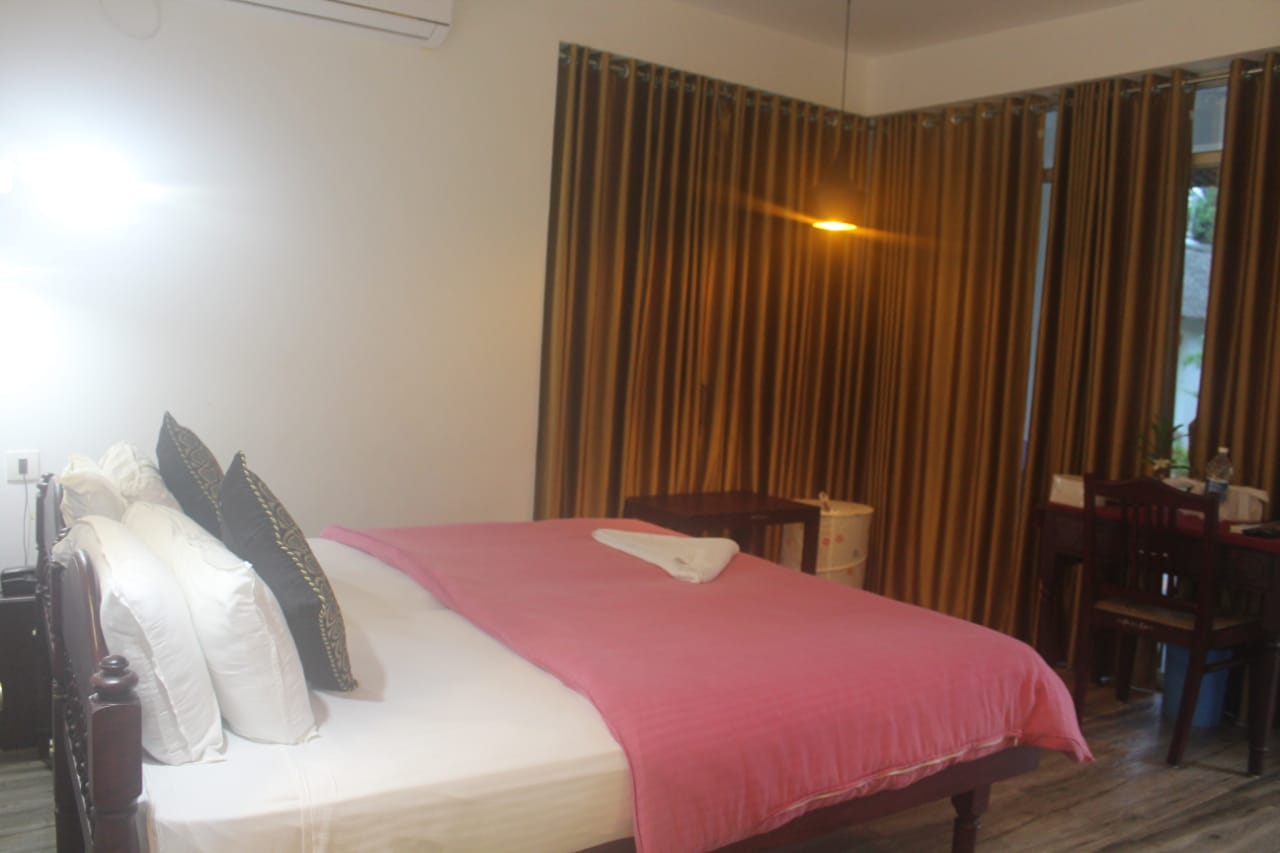
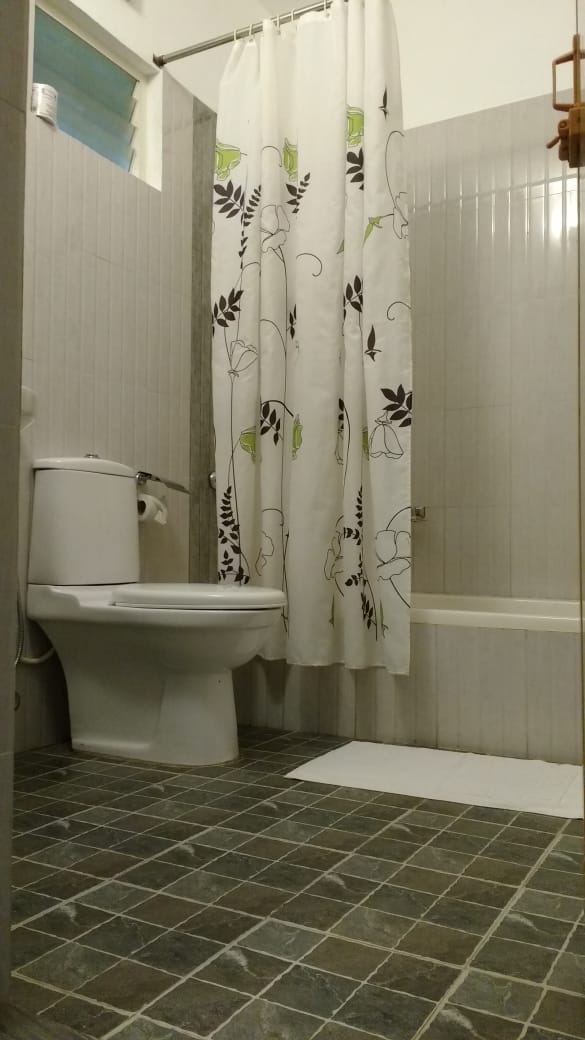
Discover serenity and comfort in Kerala Cottage A/C (new) at Dr. Franklin's Panchakarma Institute and Research Centre. This spacious and well-appointed cottage is designed to enhance your stay. It features a luxurious double bed and a private, en-suite bathroom with a soothing bathtub. Enjoy the beauty of the outdoors from your private patio, overlooking lush gardens. Stay connected with modern amenities such as a television and telephone, all within the tranquility of this delightful cottage. Experience relaxation and convenience in one harmonious package.
One Spacious Double Bedded Independent Cottage With Air-Condition
Suite Spacious Bathroom With Bathtub
Patio For Each Room
Garden
Television
Telephone
WiFi
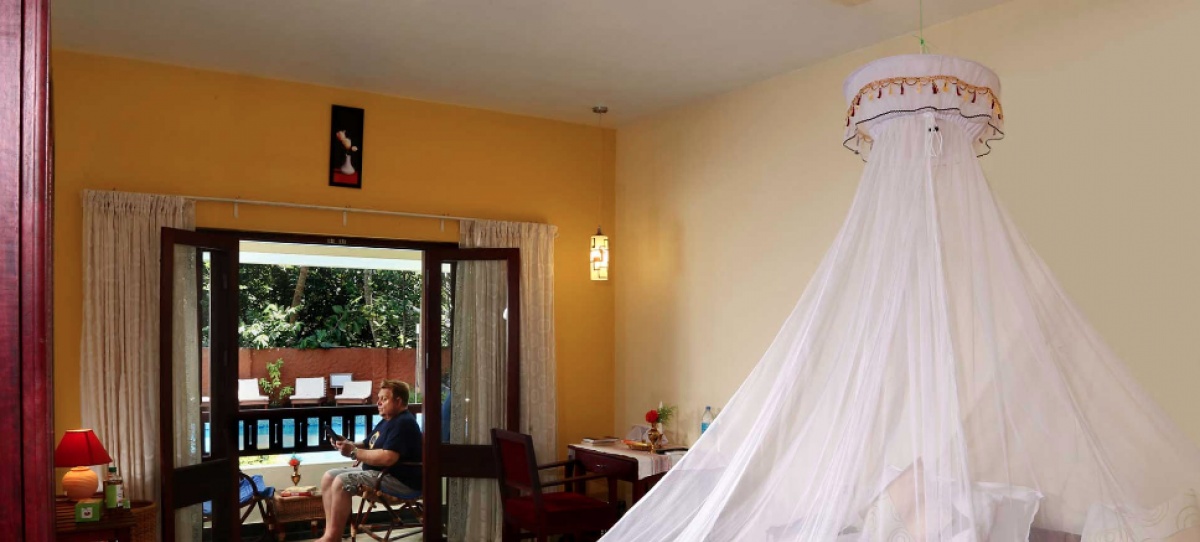
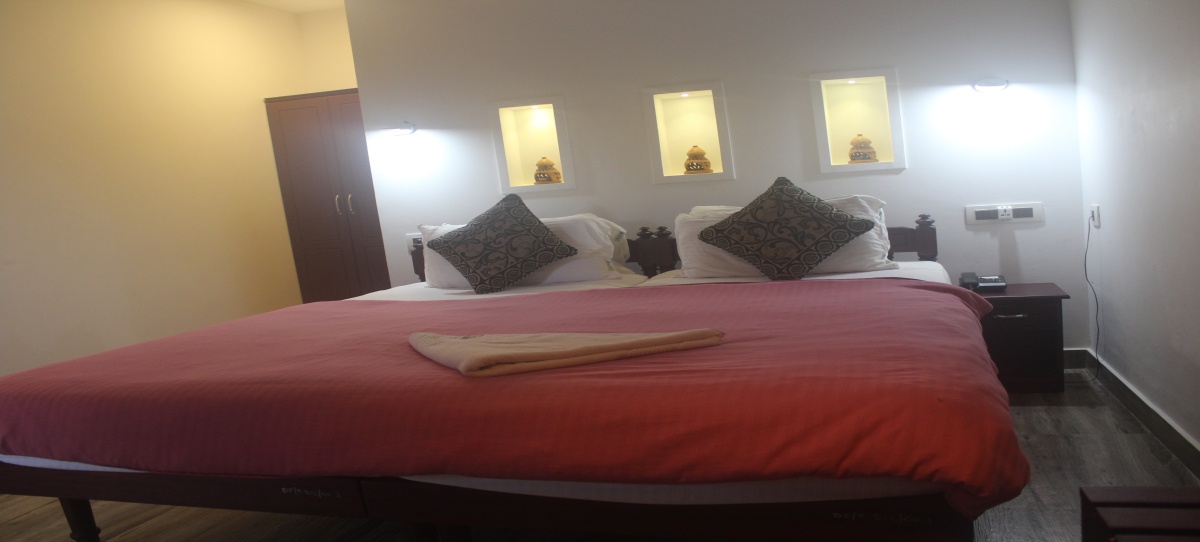
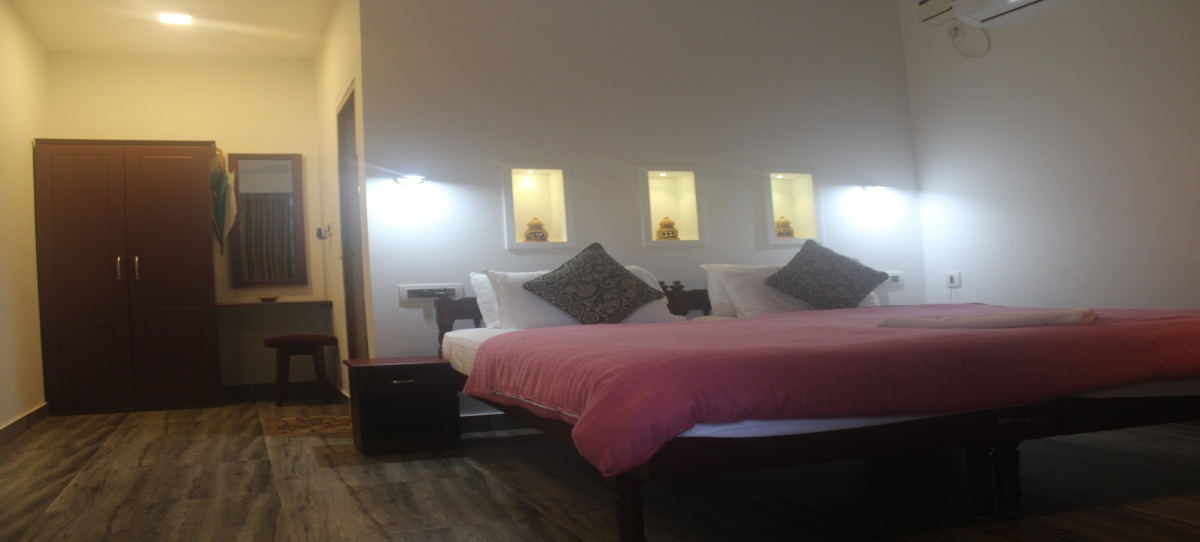
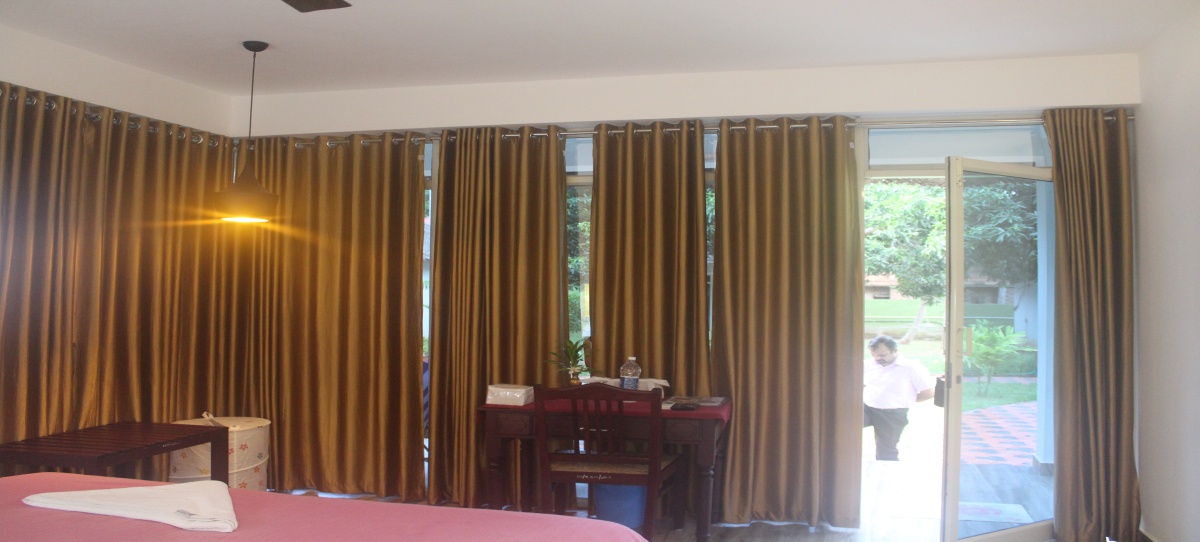
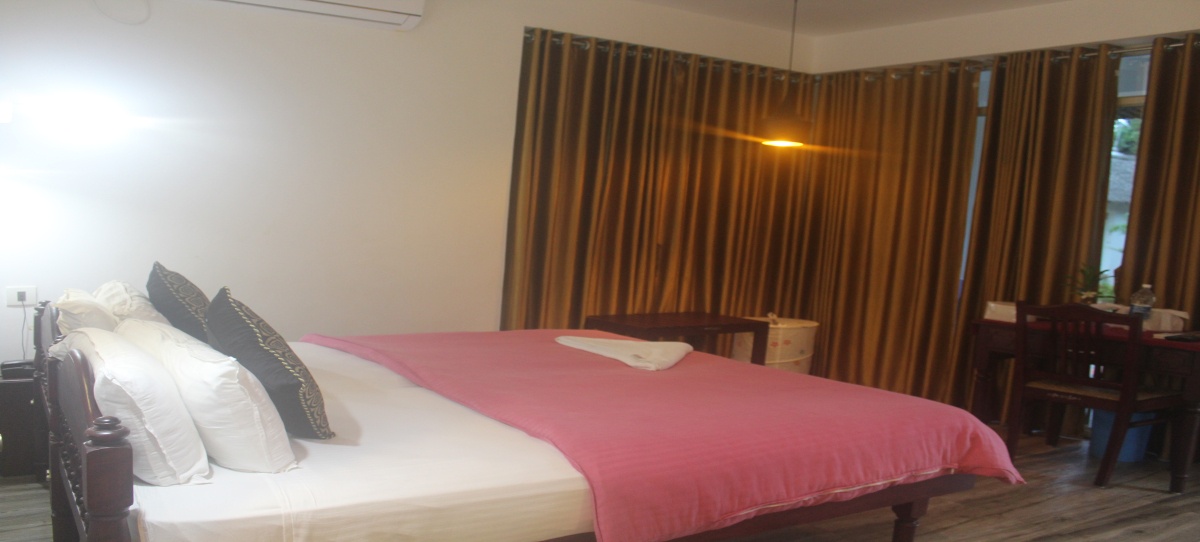
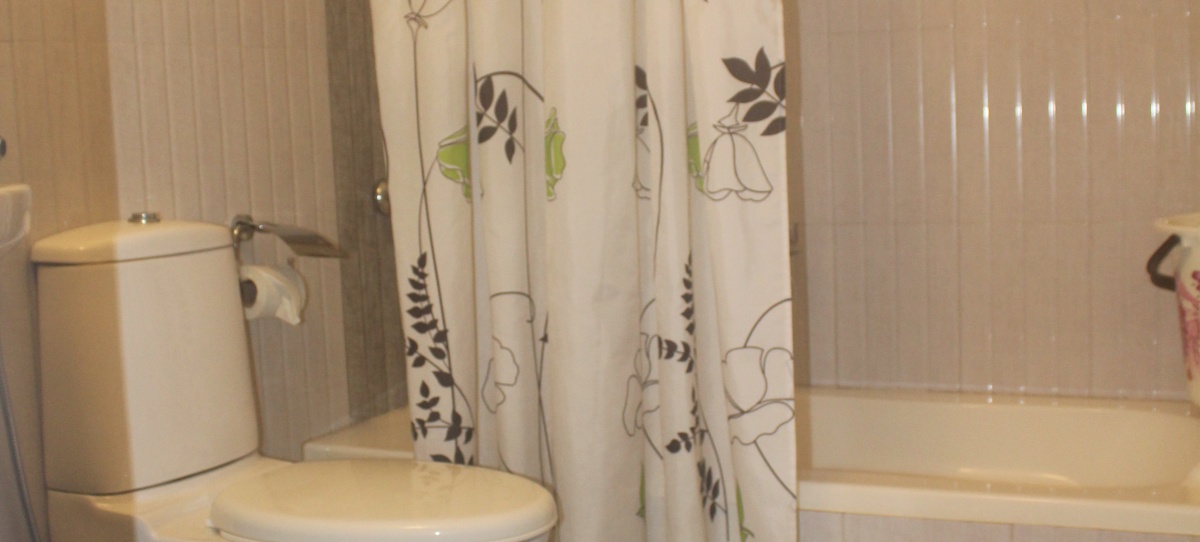
Discover serenity and comfort in Kerala Cottage Non AC at Dr. Franklin's Panchakarma Institute and Research Centre. This spacious and well-appointed cottage is designed to enhance your stay. It features a luxurious double bed and a private, en-suite bathroom with a soothing bathtub. Enjoy the beauty of the outdoors from your private patio, overlooking lush gardens. Stay connected with modern amenities such as a television and telephone, all within the tranquility of this delightful cottage. Experience relaxation and convenience in one harmonious package.
One Spacious Double Bedded Independent Cottage With Out Air-Condition
Suite Spacious Bathroom With Bathtub
Patio For Each Room
Garden
Television
Telephone
WiFi
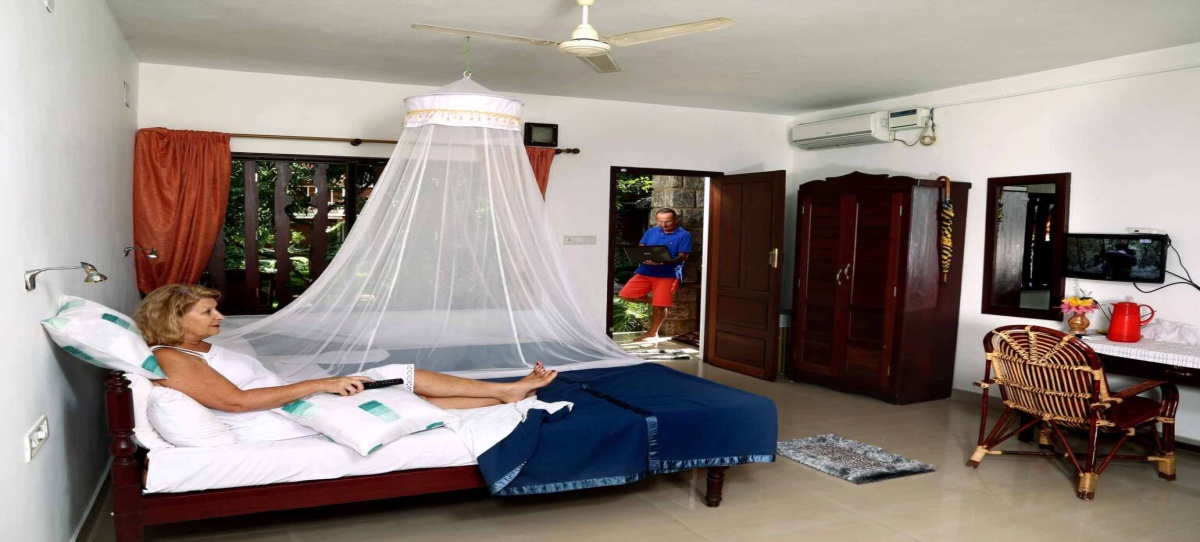
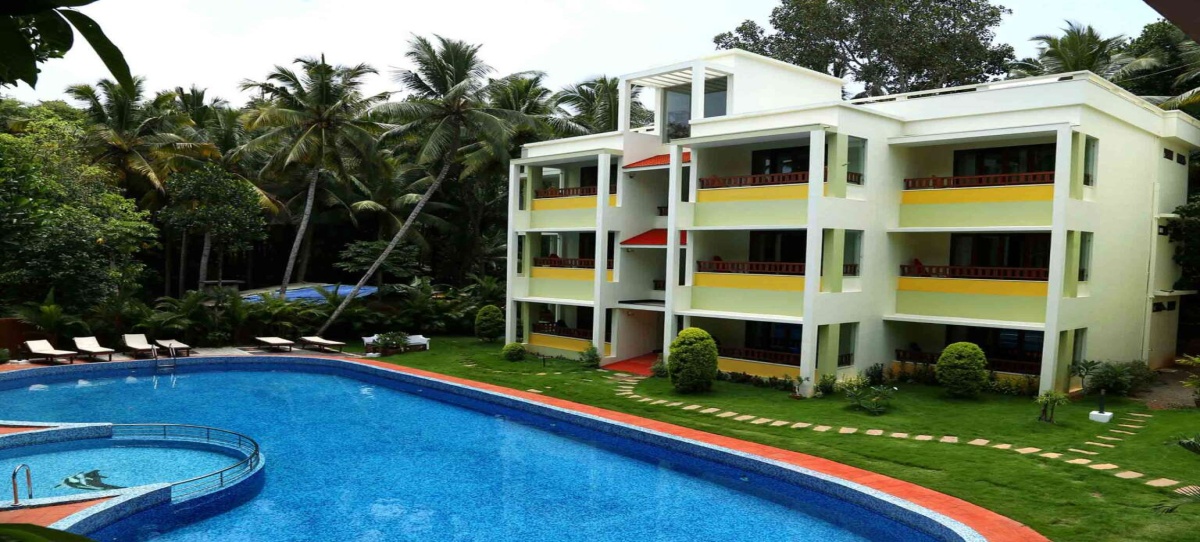
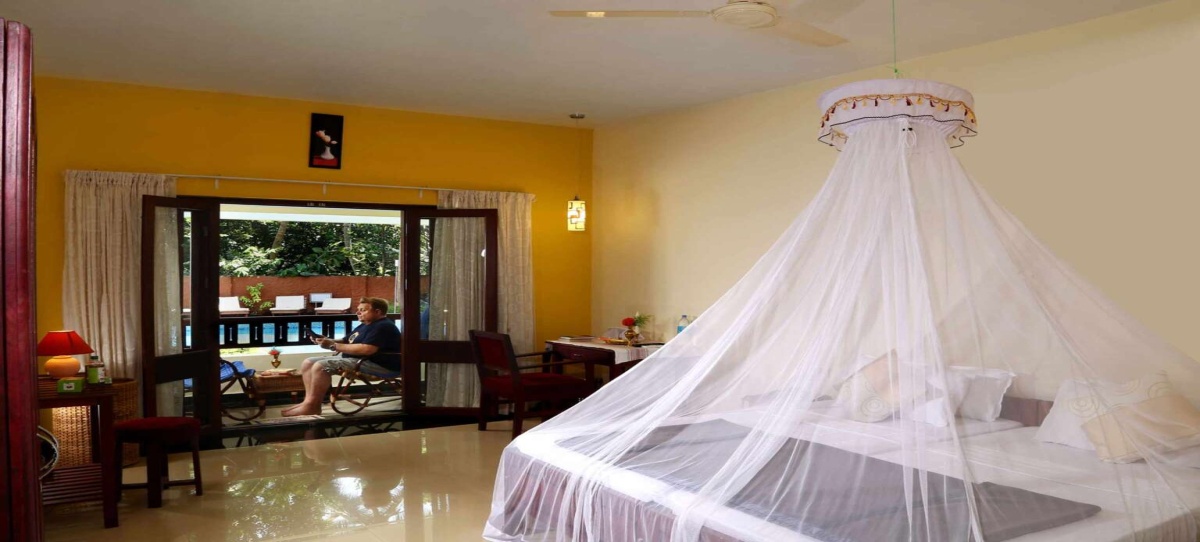
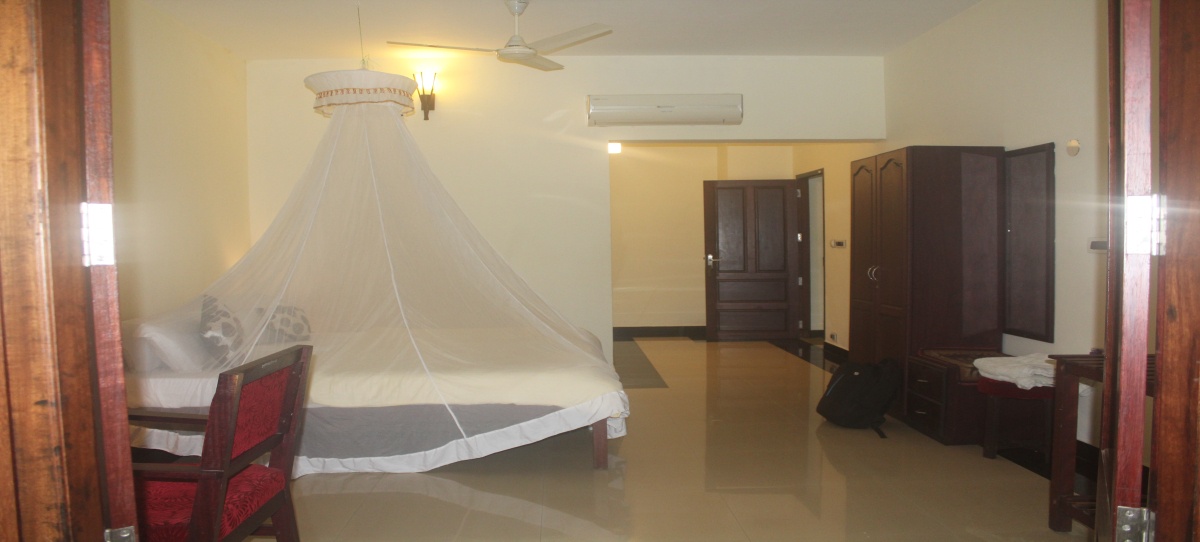
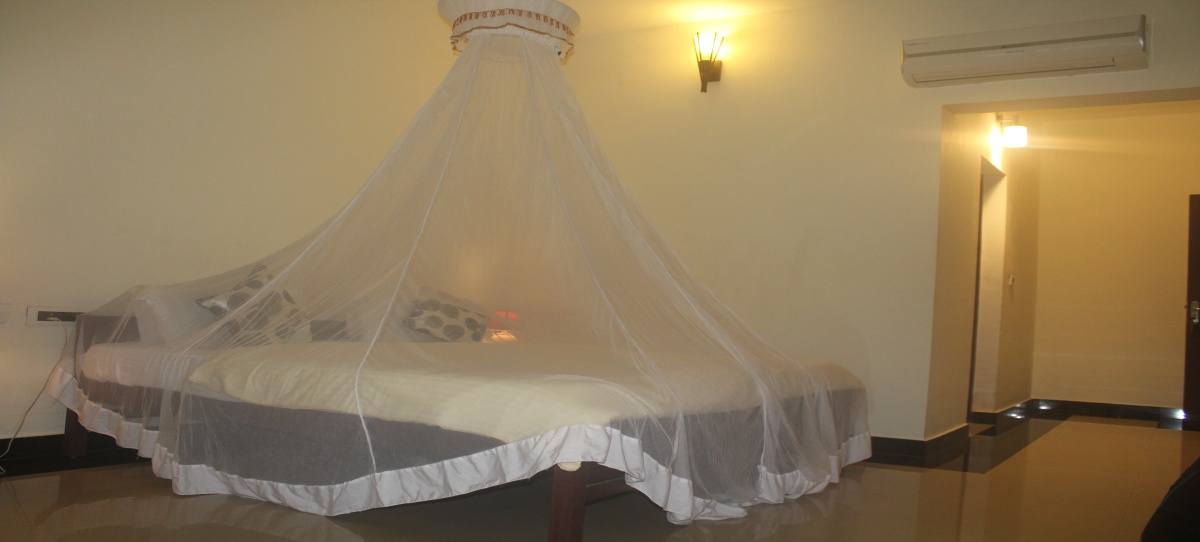
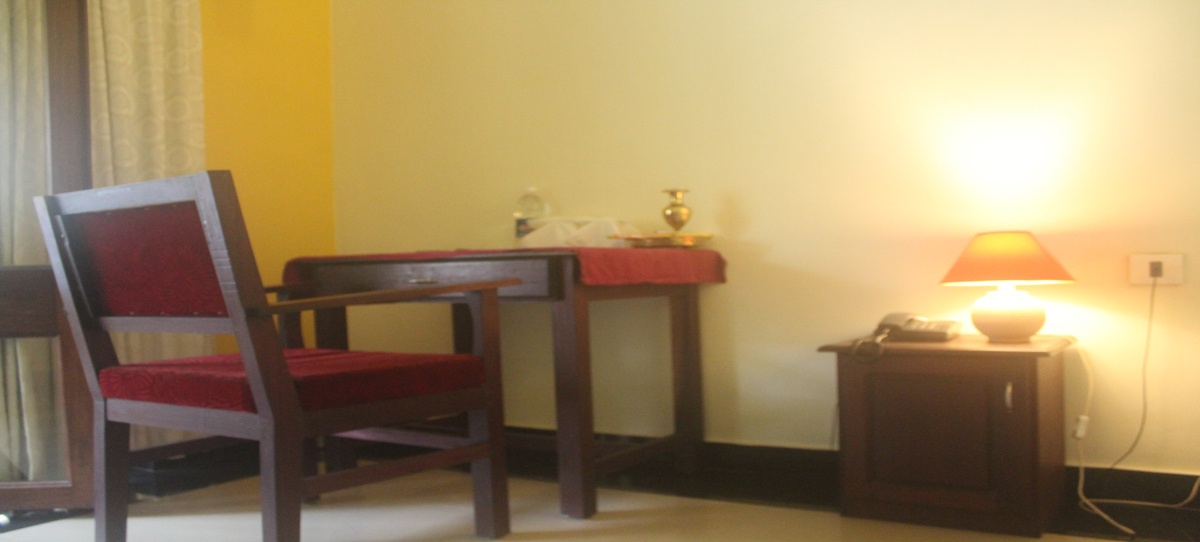
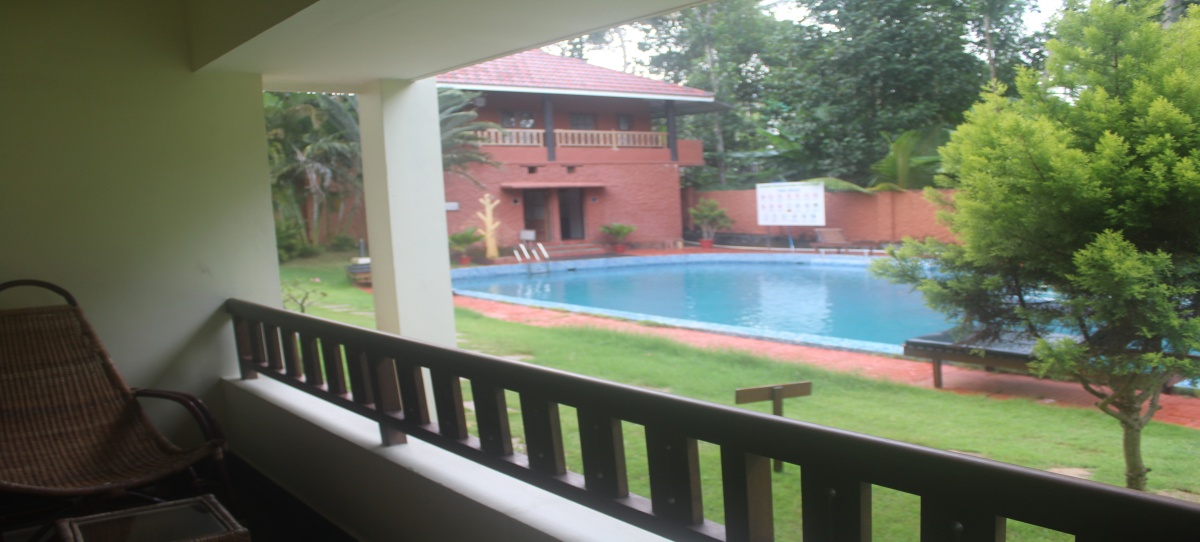
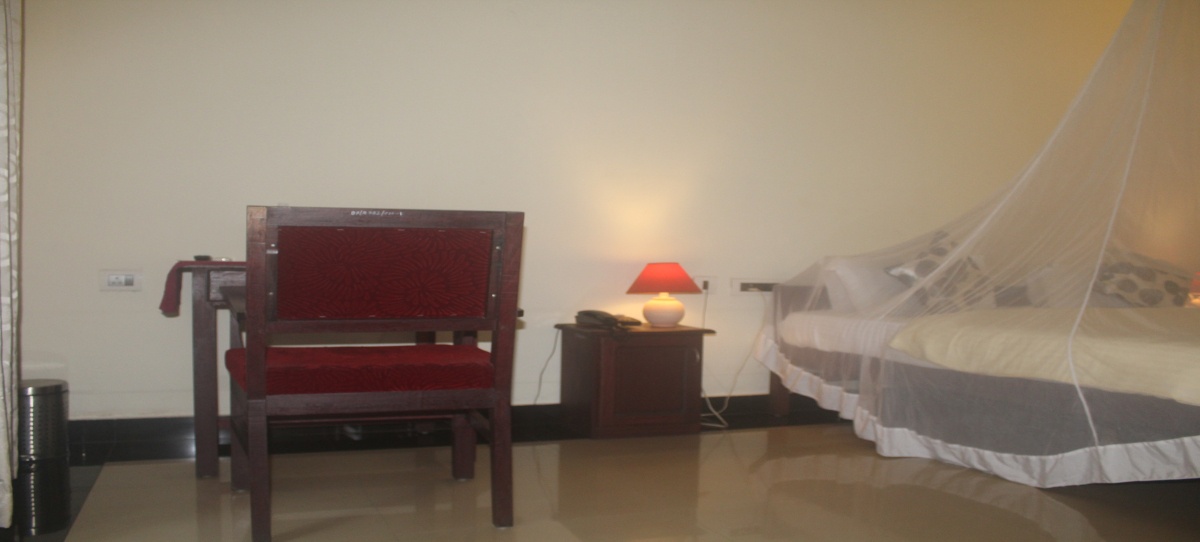
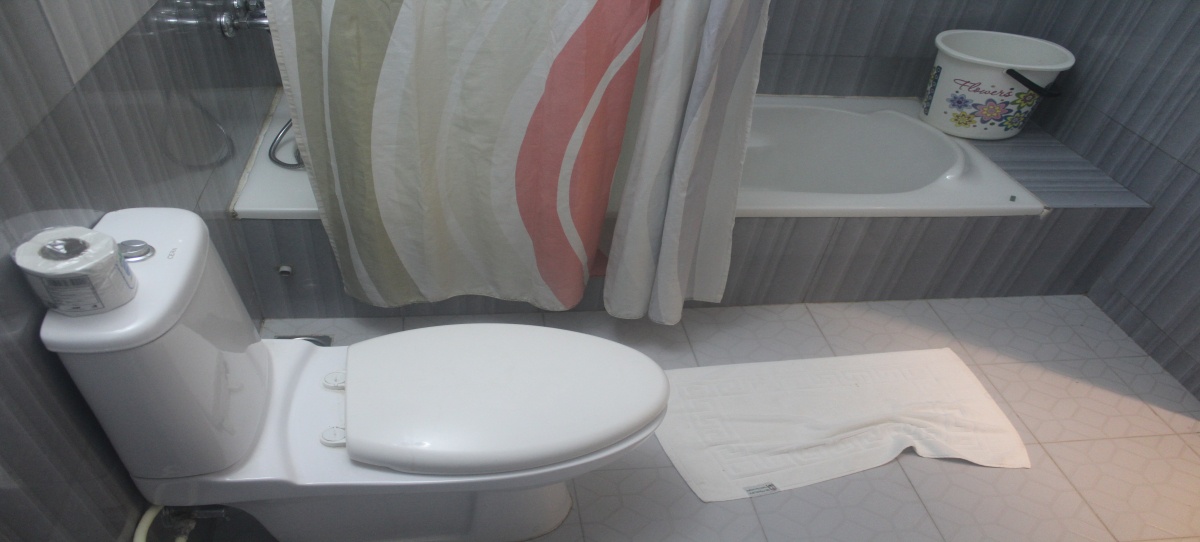
Welcome to Deluxe Rooms A/C at Dr. Franklin's Panchakarma Institute and Research Centre. Experience comfort and tranquility in these spacious, double-bedded rooms with tastefully tiled floors. Your en-suite bathroom is generously sized and equipped with a soothing bathtub for your relaxation. Step outside onto your private patio, where you can savor the serene ambiance of the communal garden. Modern amenities, including a television and telephone, are provided to ensure a pleasant and convenient stay.
Spacious Double Bedded Room With Tiled Floor
Suite Spacious Bathroom With Bathtub
AC Room
Patio For Each Room
Communal Garden
Television
Telephone
WiFi
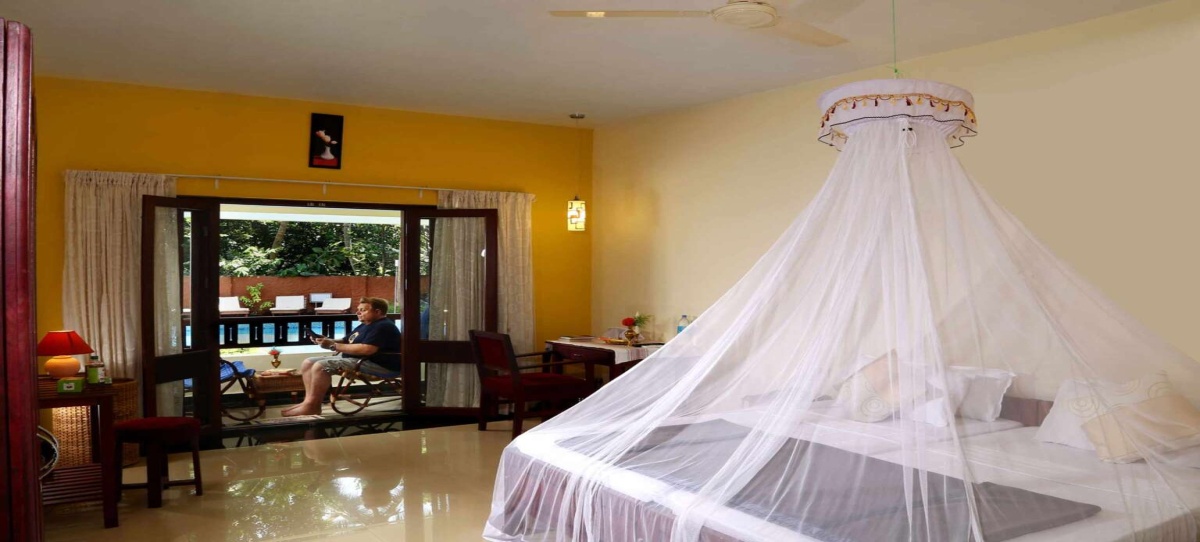
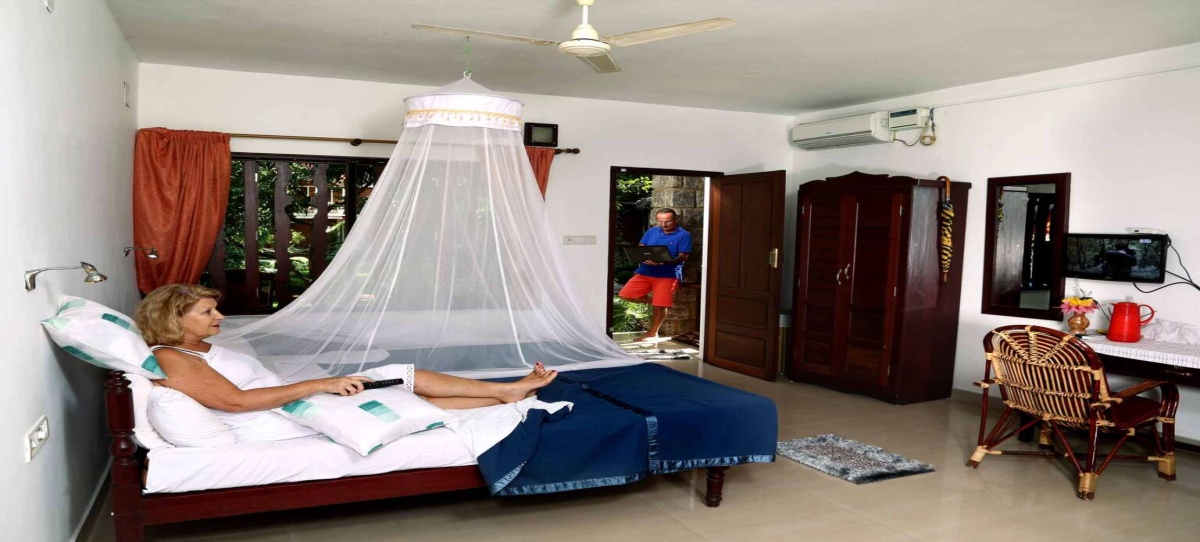
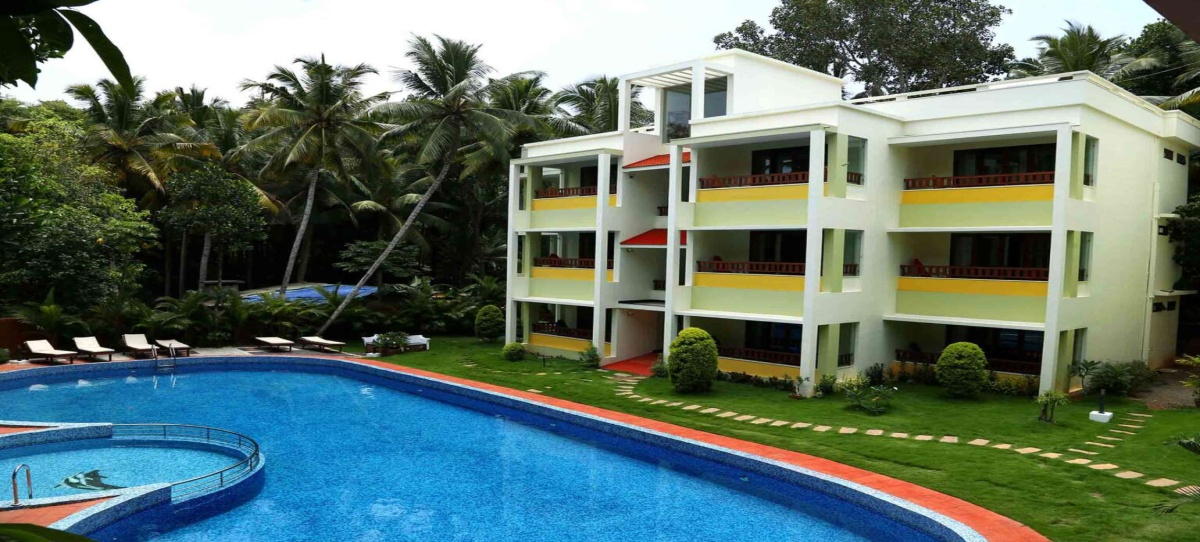
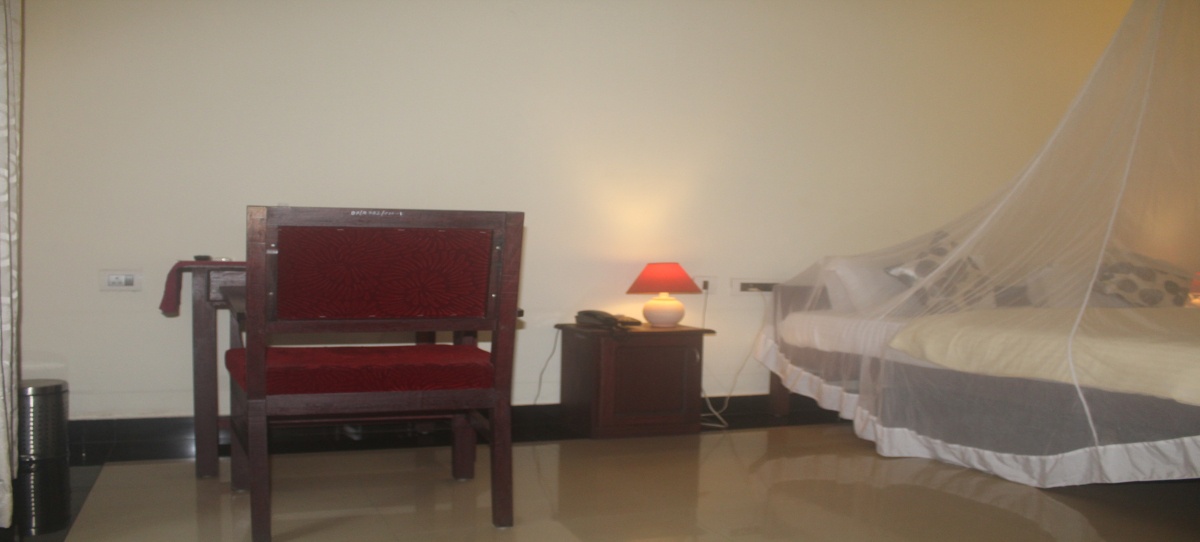
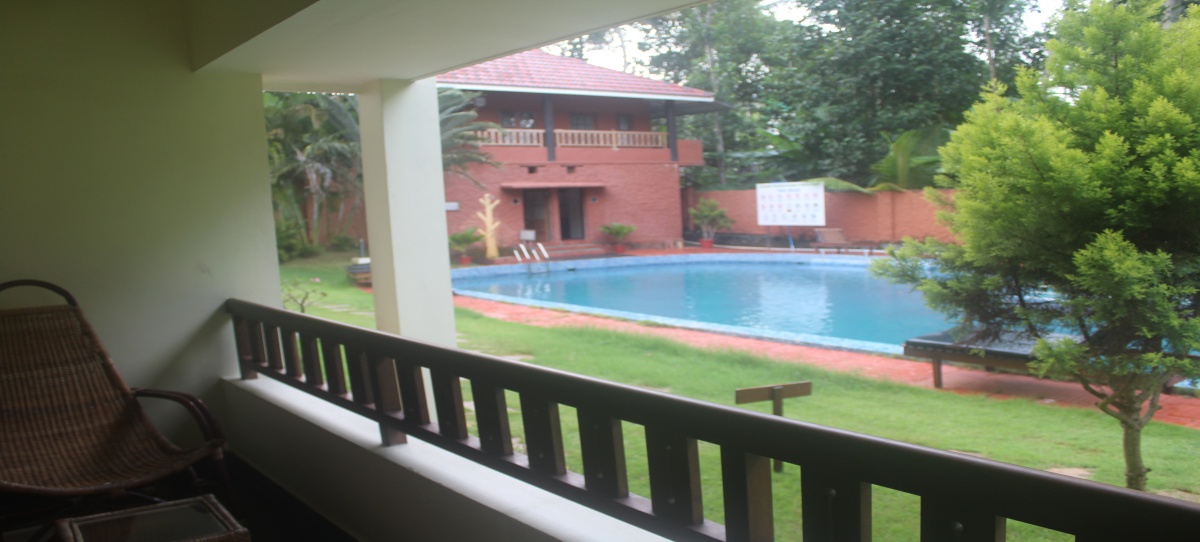
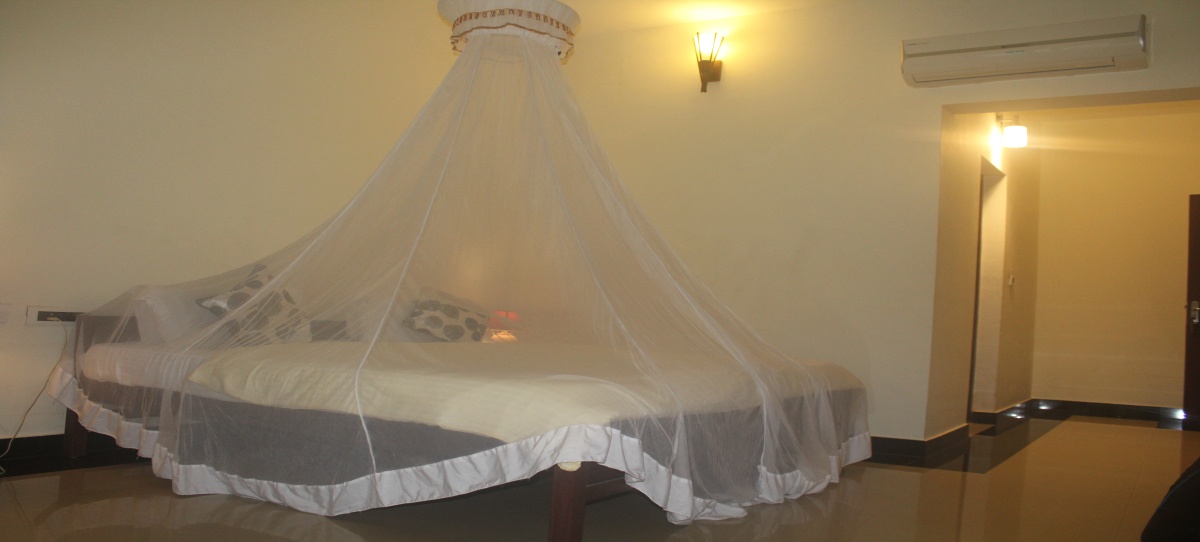
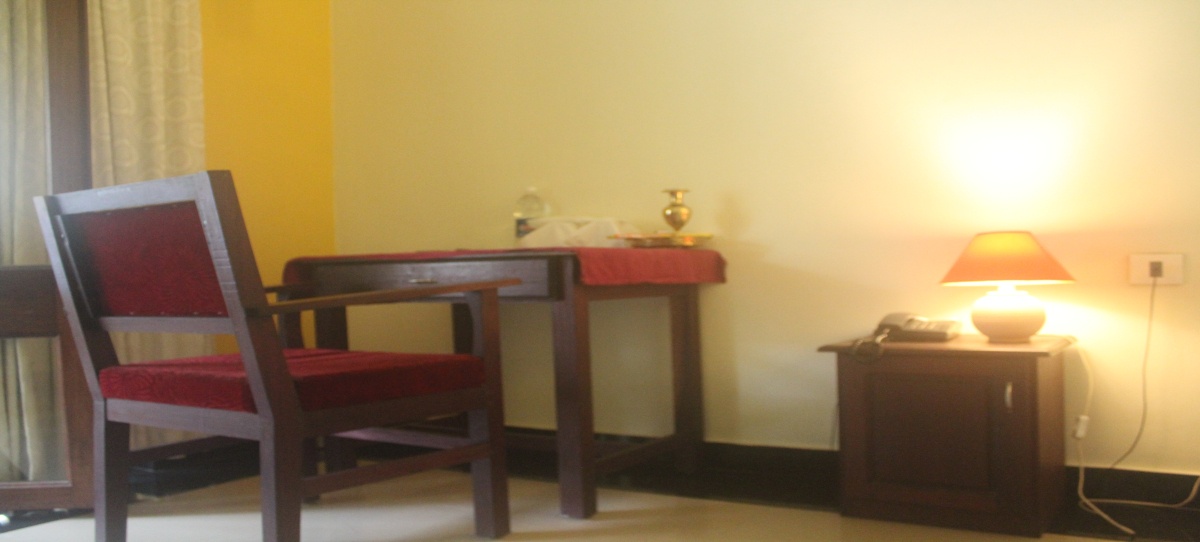
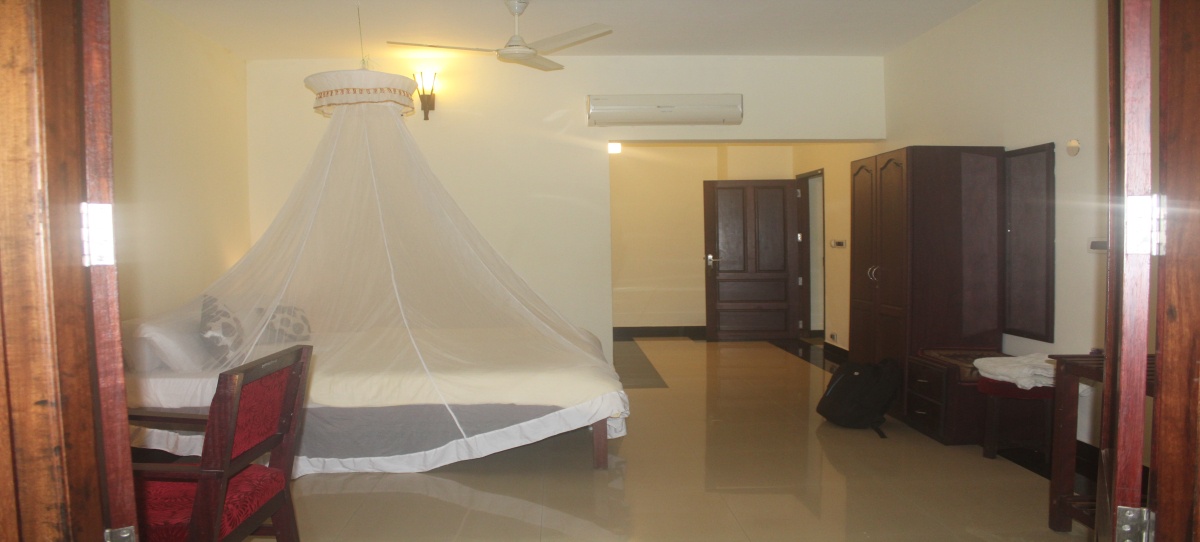
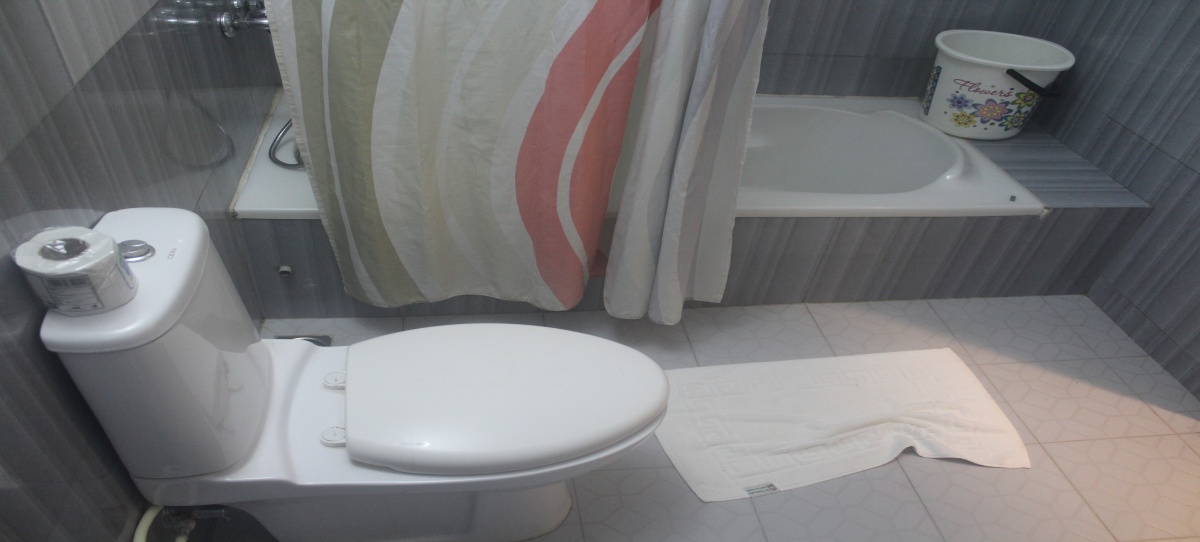
Welcome to Deluxe Rooms Non A/C at Dr. Franklin's Panchakarma Institute and Research Centre. Experience comfort and tranquility in these spacious, double-bedded rooms with tastefully tiled floors. Your en-suite bathroom is generously sized and equipped with a soothing bathtub for your relaxation. Step outside onto your private patio, where you can savor the serene ambiance of the communal garden. Modern amenities, including a television and telephone, are provided to ensure a pleasant and convenient stay.
Spacious Double Bedded Room With Tiled Floor
Suite Spacious Bathroom With Bathtub
Non AC Room
Patio For Each Room
Communal Garden
Television
Telephone
WiFi
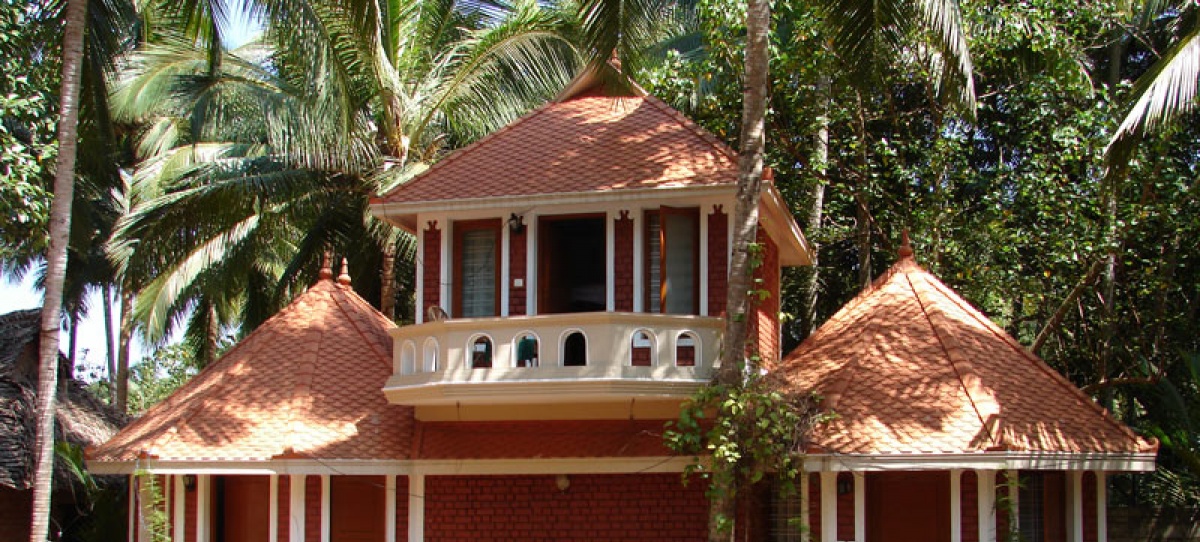
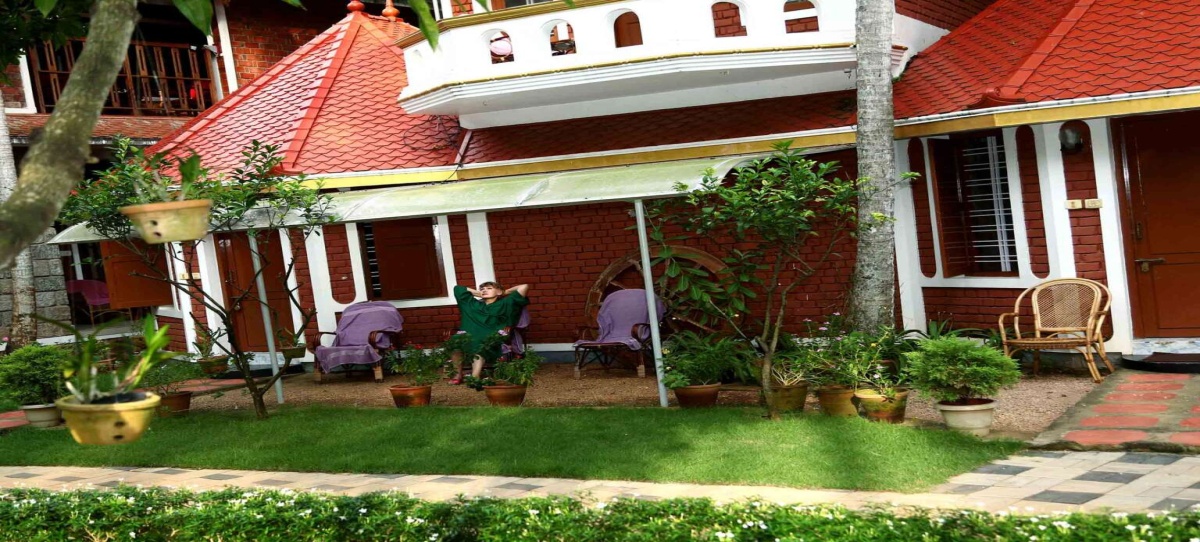
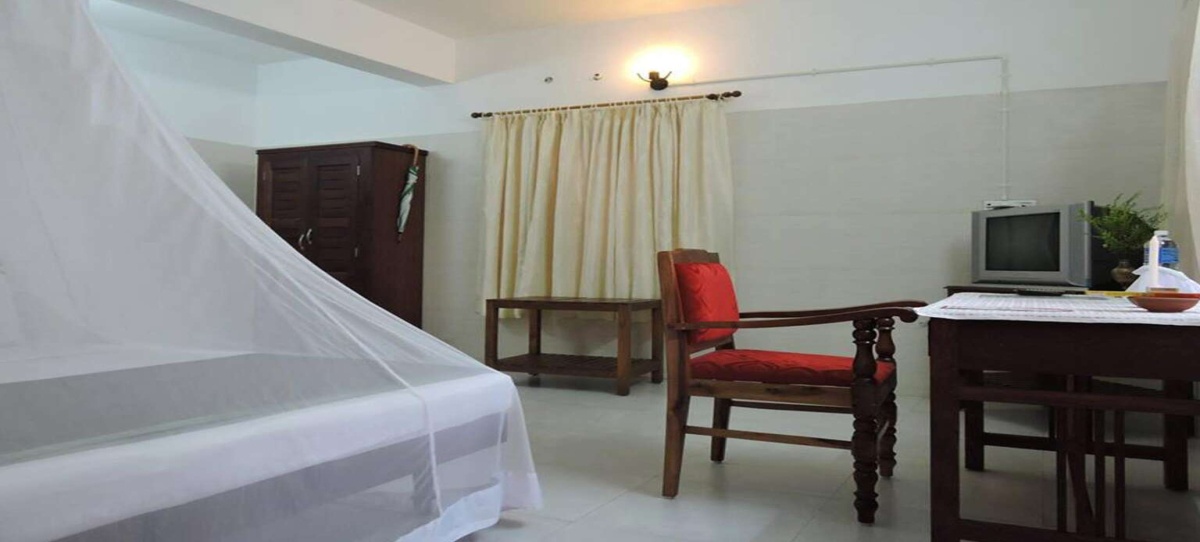
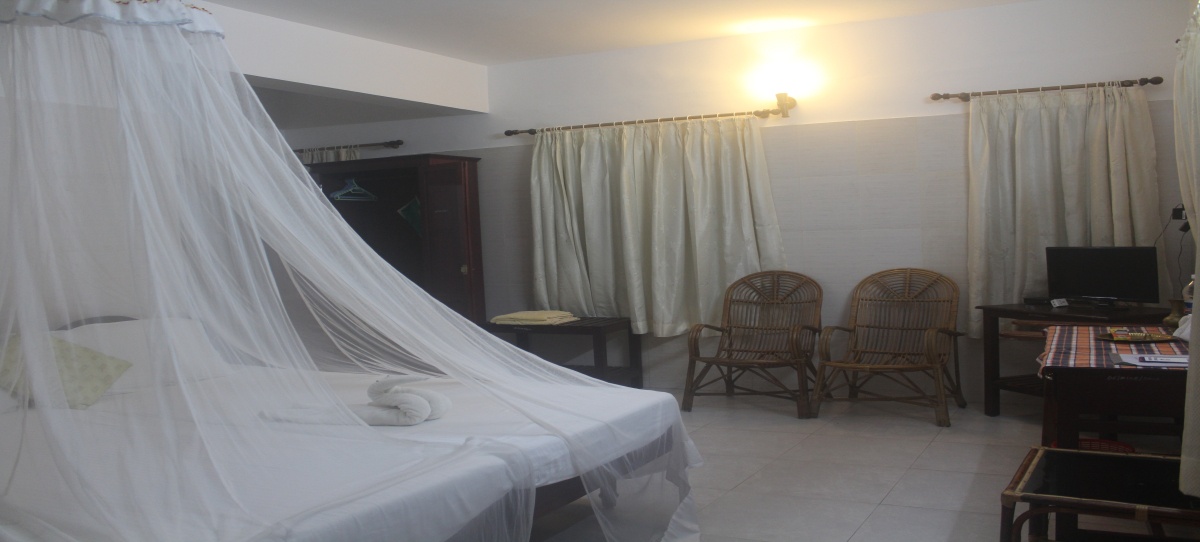
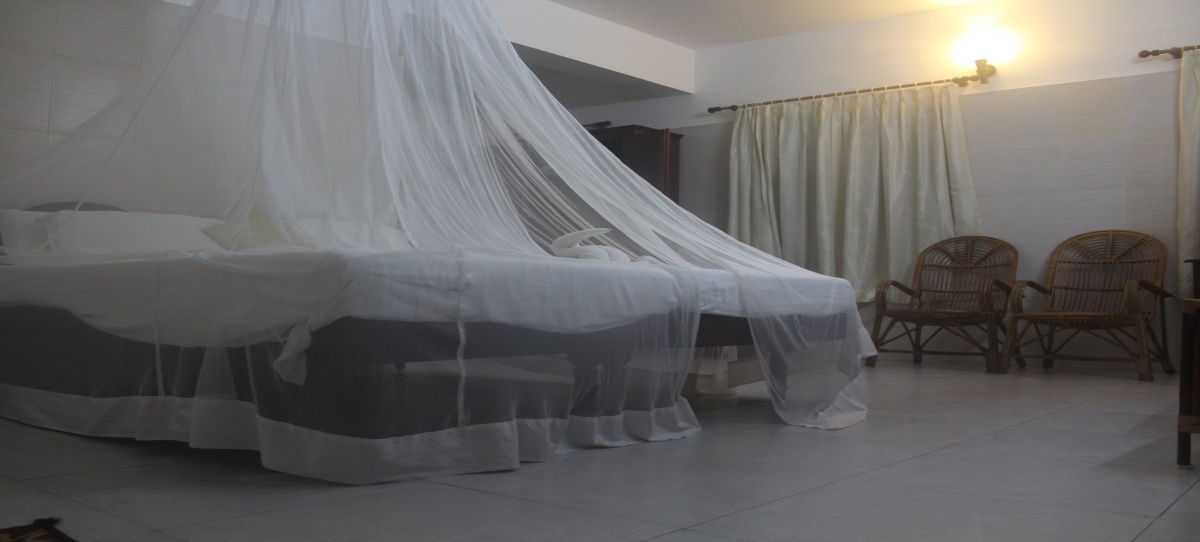
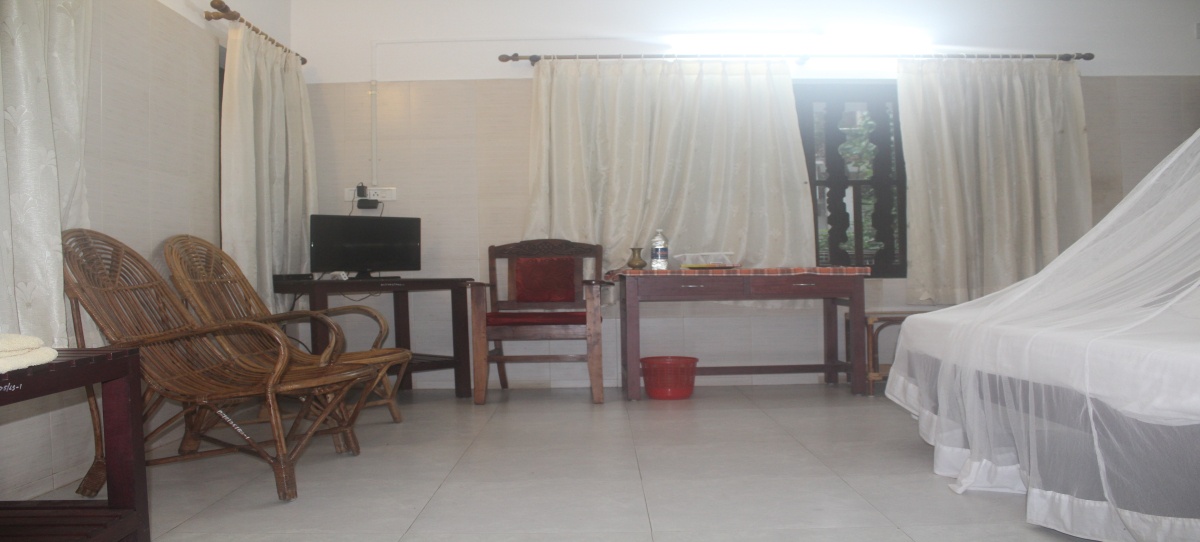
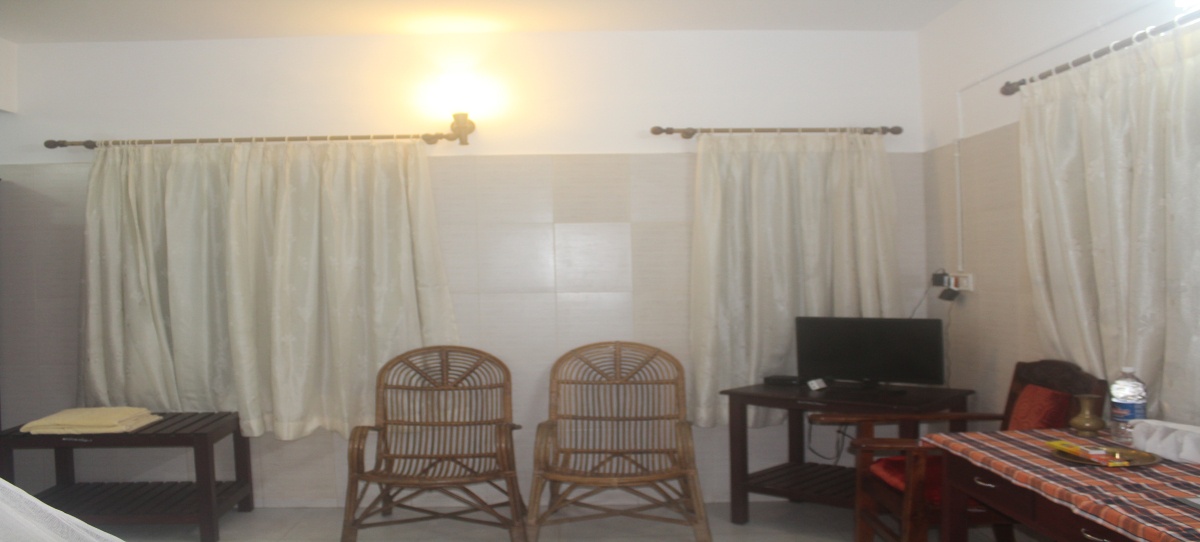
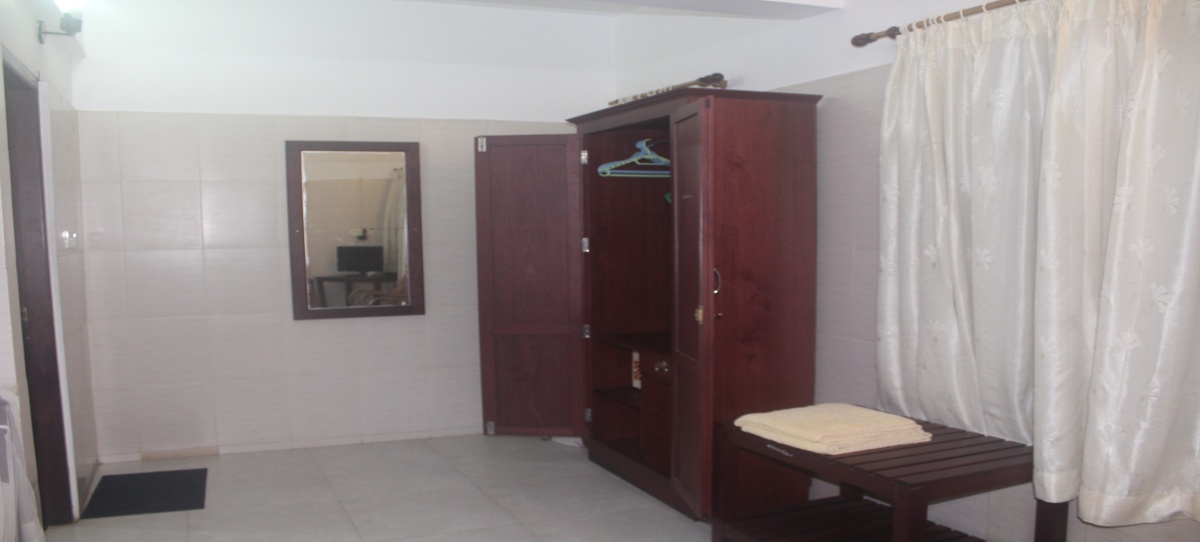
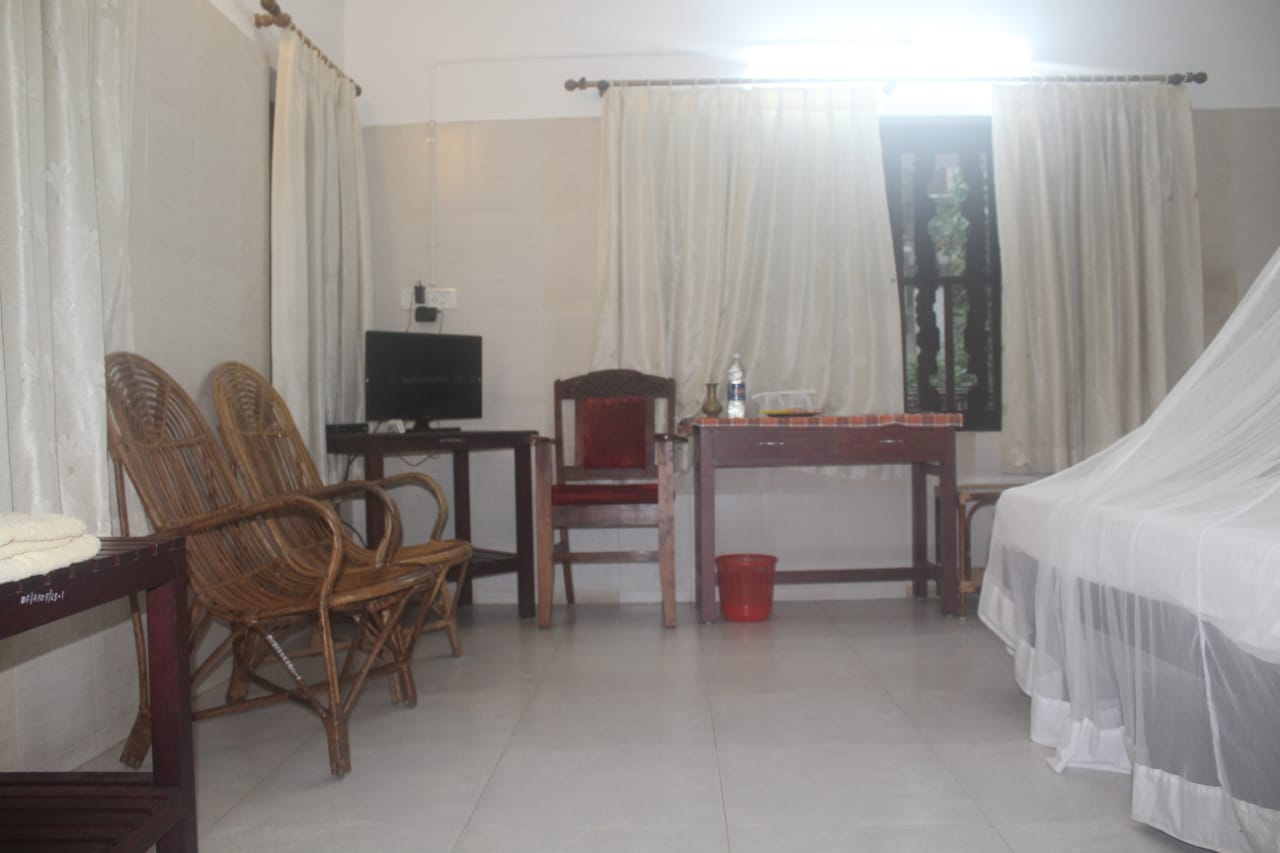
Welcome to Standard Rooms Non A/C at Dr. Franklin's Panchakarma Institute and Research Centre. These rooms feature a spacious double bed and tastefully tiled floors, creating a comfortable and inviting atmosphere. The en-suite bathroom provides convenience, and you can step outside to enjoy the serene communal garden. For your entertainment and communication needs, each room is equipped with a television and telephone. The centre aims to provide the guests a pleasant and relaxing stay in these cozy accommodations.
-
 Fan
Fan -
Free Wifi
-
Mattress Size- Medium
-
Wardrobe - Medium
-
Attached Bathroom
-
 Chair
Chair -
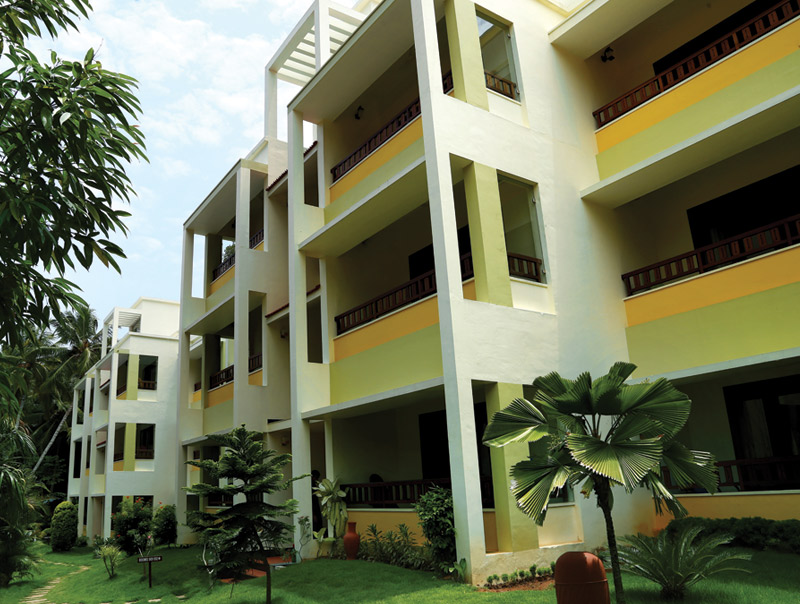
Room Constellation - Multi-storeyed Block
-
Room Type - Regular Room
-
Wardrobe
-
 Work Space
 -
 Shower
 -
Digital Safety Locker
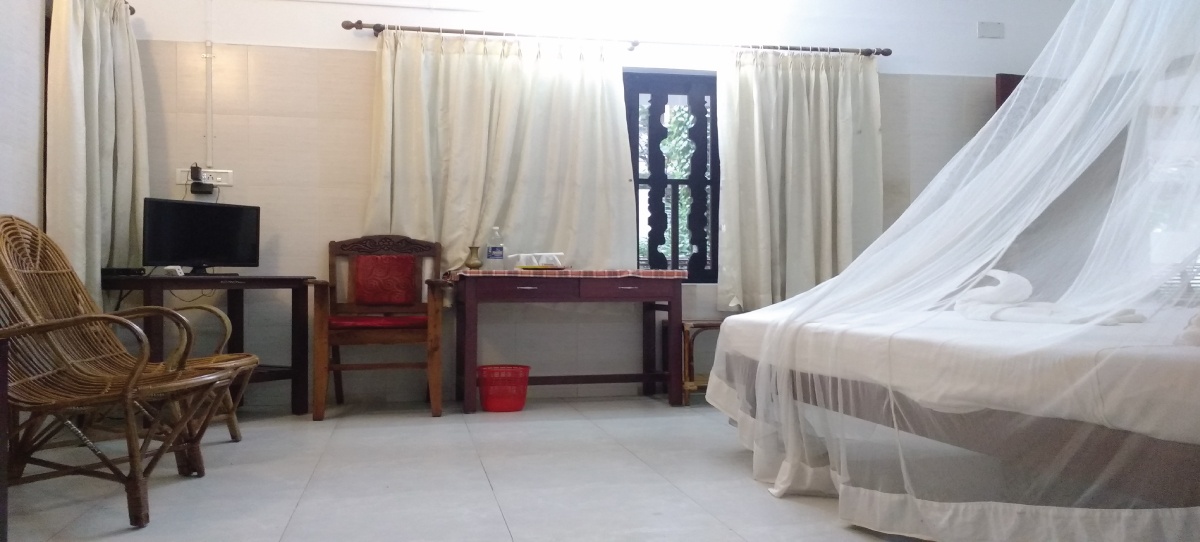
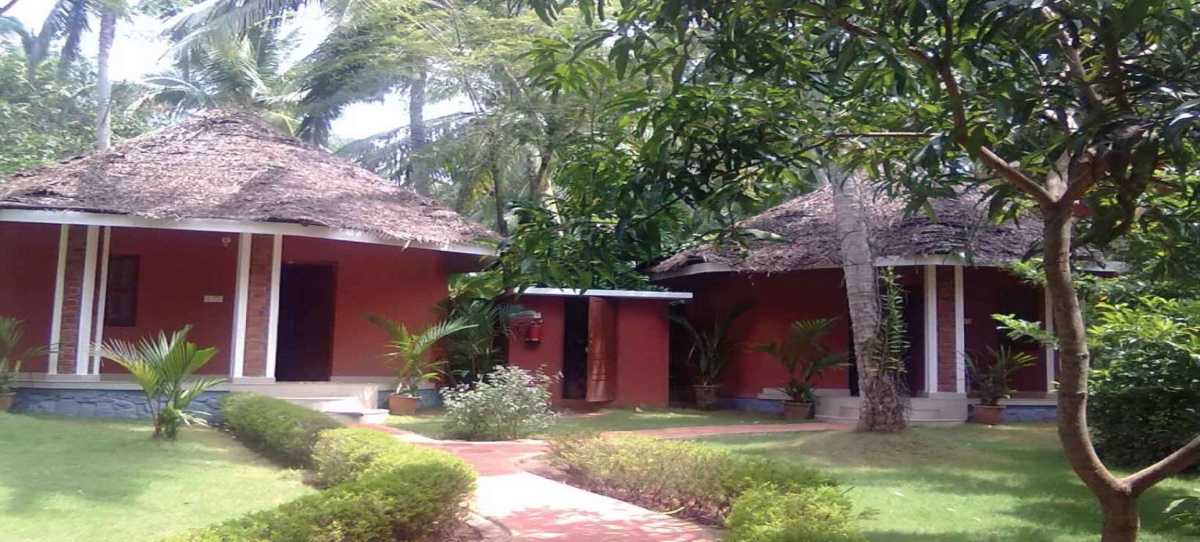
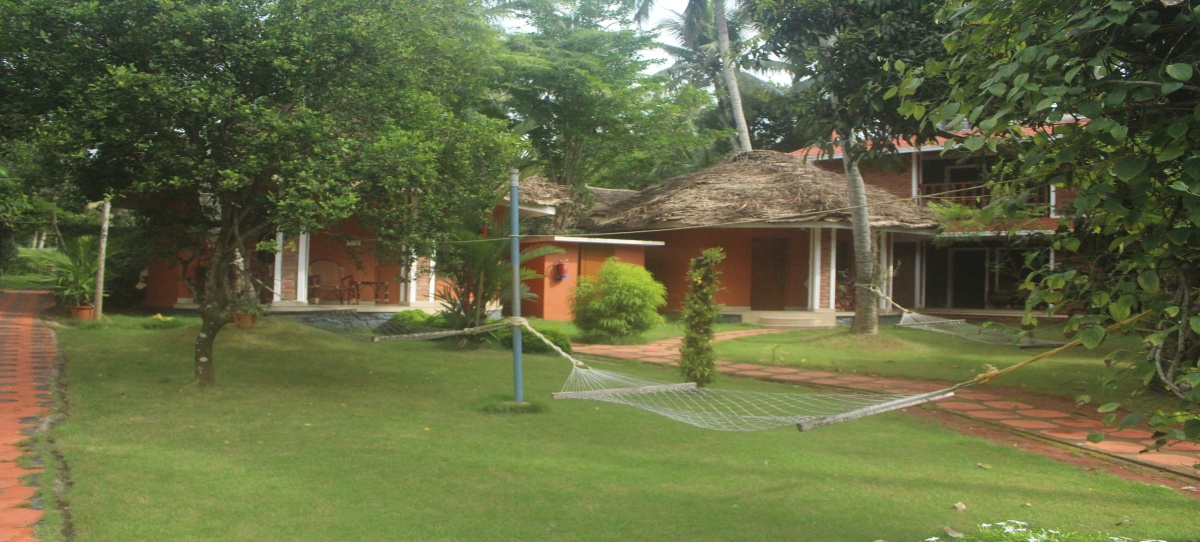
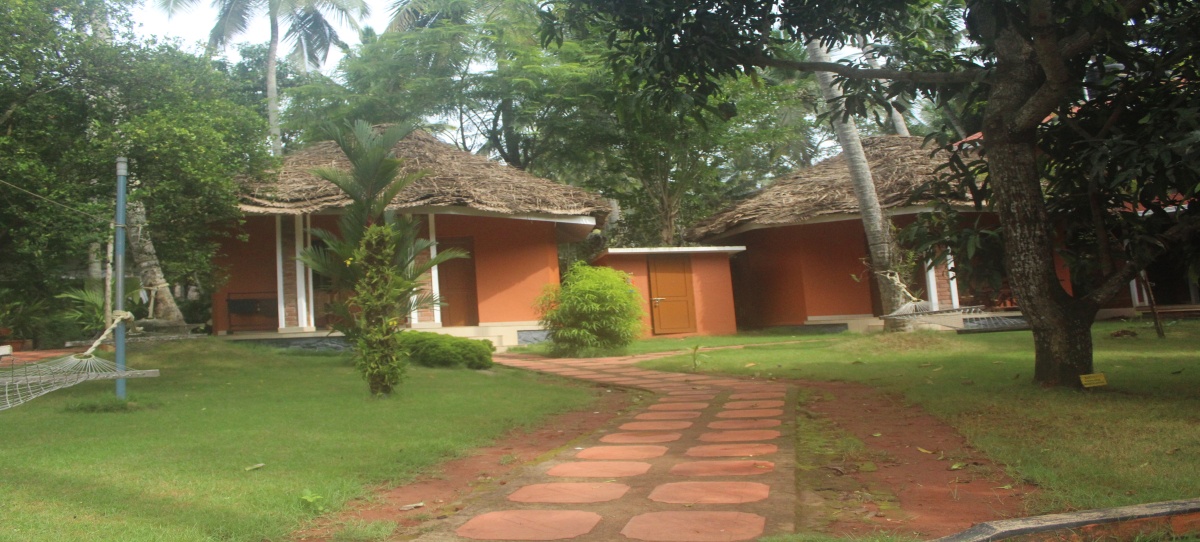
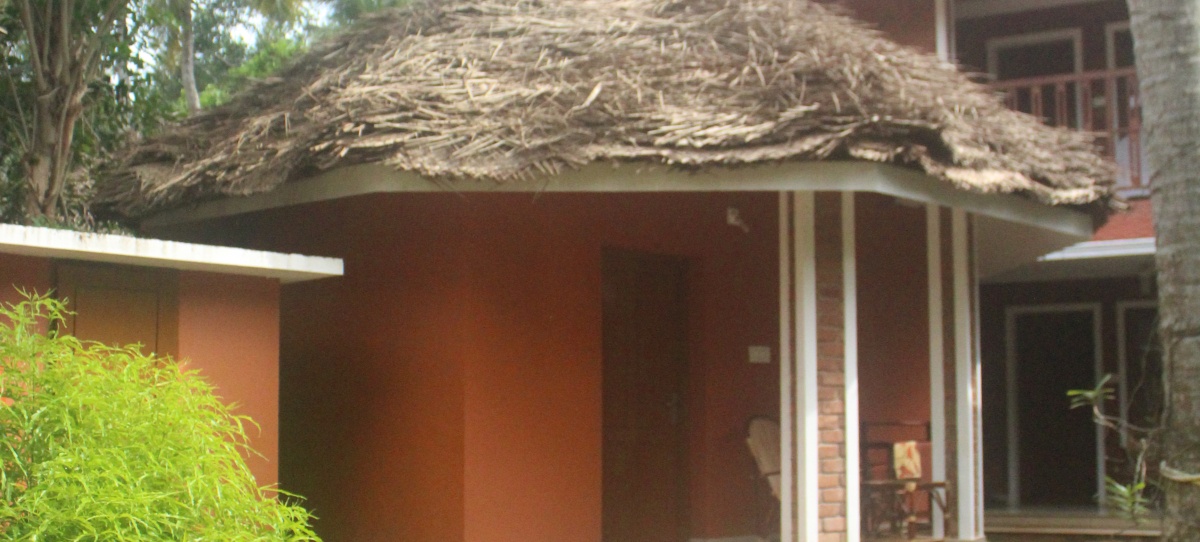
Experience the serene and rustic charm of Huts Non A/C at Dr. Franklin's Panchakarma Institute and Research Centre. These independent rounded huts are designed for an authentic and peaceful Ayurvedic retreat. Each hut features a well-ventilated, two-bedded sleeping room with tiled floors, an attached bathroom, a cozy sit-out area, and a small garden. Please note that only two of these huts are available, ensuring an intimate and tranquil stay for the guests. Unplug and unwind in these simple yet comfortable huts, and immerse yourself in the natural surroundings of this Ayurvedic heaven.
-
 Air Conditioner
 -
Fan
-
Free Wifi
-
Mattress Size- Medium
-
Wardrobe - Medium
-
Attached Bathroom
-
Chair
-
Room Type - Cottage
-
Wardrobe
-
Work Space
-
Digital Safety Locker
-
 Electric Kettle
 -
TV
WellnessLoka Gallery
Wellness Slots
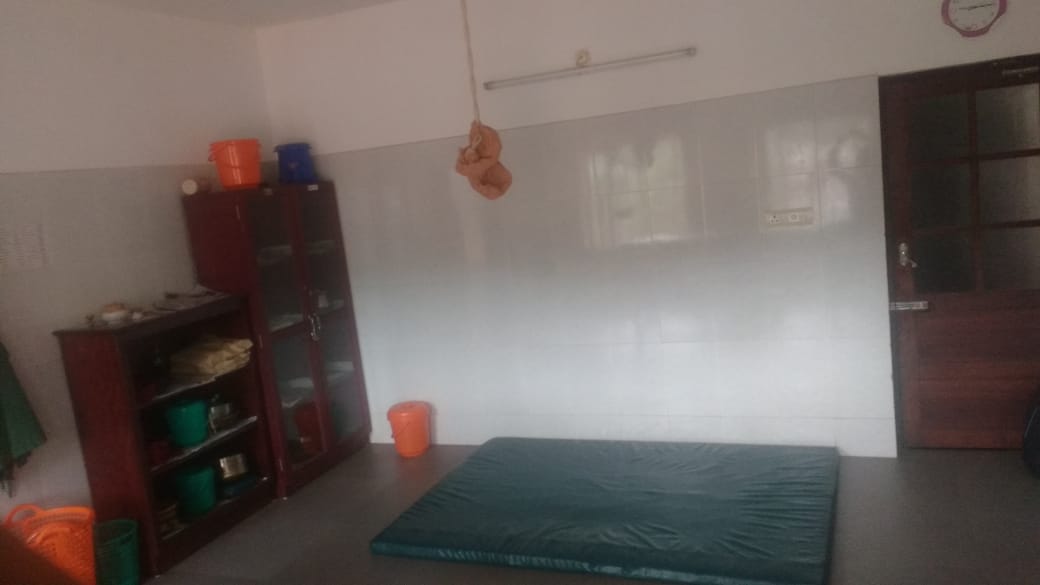
Ayurveda Treatment Room : Ayurveda Treatment Room
Wellness Room Type: Closed
Capacity : 27
Opening Time: 7:30 AM
Closing Time: 6:00 PM
Treatment Room Size : Medium
Total Units : 8
 Nesrin Tahiroglu
24-12-2024
- Overall Rating
- 5
 Diana Nicolau
09-11-2022
- Overall Rating
- 5
 Diana Mordora
24-09-2019
- Overall Rating
- 4.9
 duji n
16-06-2018
- Overall Rating
- 5
Location & Map
Location
Landmark
State Bank Of India Chowara
Nearby Attractions
Located just 12 km from Thiruvananthapuram, Veli Tourist Village offers a serene escape at the confluence of Veli Lake and the Arabian Sea, perfect for picnics and boating.
Poovar Island
At the southern tip of Thiruvananthapuram, offers boat rides to mangrove forests, an elephant-shaped rock, golden sand beaches, and a floating restaurant.
Vizhinjam Lighthouse
Vizhinjam Lighthouse is near Kovalam Beach, Kerala, stands as the town's tallest lighthouse, guiding seafarers since 1972.
Padmanabhapuram Palace
Padmanabhapuram Palace, a 16th-century marvel in Thuckalay, Kerala, showcases indigenous Kerala architecture.
Chowara Jn 170 : MTR
Railway Connectivity
Thiruvananthapuram Railway station : 20 km
Airway Connectivity
Trivandrum International Airport : 22 km
Total Area Of Property (acres)
2.20
Building Free Area (acres)
1.00
Actual Area Of Property (acres)
2.20
Check-in & Check-out
Check-in: 11:00 AM Check-out: 12:00 PM
Program Details
The Ayurvedic Treatment Packages include Consultation with the Ayurvedic doctor and daily check-ups and Accommodation.
Accommodation with all meals, an Ayurveda program, and complimentary experiences during your stay
Pre-Arrival Guidelines
You are requested to produce the following information along with health declaration form:
- Recent medical history for each guest
- Recent lab reports, if any
- Valid ID and address proof
- Carry breathable and flexible clothes for Yoga
ID Card Type
- Indian nationals are requested to provide photo-identity proof in the form of a driver’s license, voter’s ID or passport. This is mandatory for completing the registration process at the time of check-in
- Foreign nationals are requested to produce their passport with a valid entry visa. For those on employment or permanent residence, passports must include a residential permit
Child Policy
Children are allowed
Pet Policy
Pets are not allowed in the retreat
Visitors Policy
Right to admission of visitors into the retreat premises and guest areas remain solely with the management
Alcohol Policy
Alcohol, smoking and tobacco chewing is not permitted during your Ayurveda programme and is strictly prohibited across the Dr Franklins Panchakarma Institute and Research Centre premises
Cancellations made earlier than 3 weeks of check-in date deposits for accommodations can be applied to another stay within two years /transferable to your friend's new bookings on your recommend. OR will be charged one night's room rent and taxes, and the remaining amount shall be refunded.
In case of cancellations made within 14 to 21 days of check-in date, the deposits for accommodations can be applied to another stay within two years/ transferable to your friend's new bookings on your recommend. OR the amount deducting 50 per cent of the room rent+ bank charge shall be refunded.
In the case of cancellations made later than 14 days of check-in date 50 per cent of the amount can be applied to another stay within two years/ transferable to your friend's new bookings on your recommend.
| Extra Amenities | Rate |
|---|---|
| Group Yoga Per Session | ₹ 745 |
| Private Yoga Per Session | ₹ 1595 |
| Russian Translator Service | ₹ 1808 |
| French Translator Service | ₹ 2446 |
| German Translator Service | ₹ 2127 |
| Bystander ( Extra-person without treatment ) Per Night Rate | ₹ 1915 |
| Price for Pick-up- Sedan Cars : From Trivandrum International Airport (TRV) | ₹ 191450 |
| Price for Drop-off- Sedan Cars : From Trivandrum International Airport (TRV) | ₹ 191450 |
| Pick-up & Drop-off - Sedan Cars : From Trivandrum International Airport (TRV) | ₹ 382901 |


