
Dhathri Ayurveda Hospital & Panchakarma Centre / 21 Nights Sciatica Treatment Program
Value Hospital in a Hospital Setting | Wellness Property
India / Kerala / Alleppey - Country side
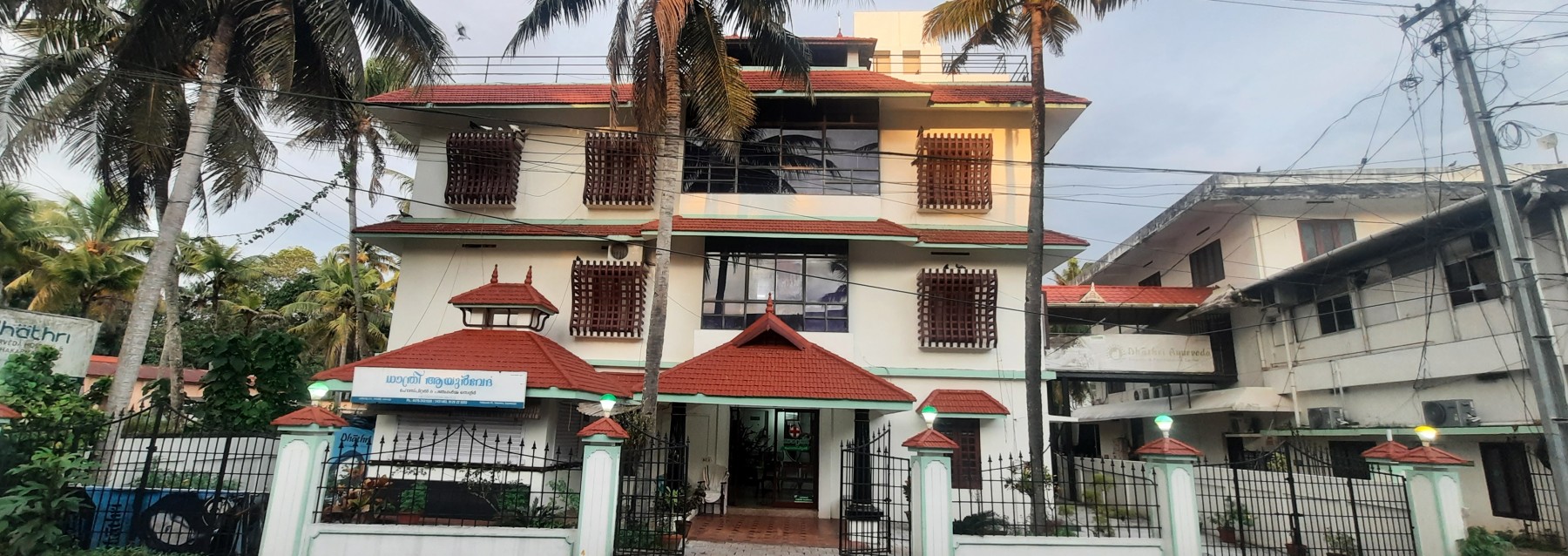
Dhathri Ayurveda Hospital & Panchakarma Centre is a residential Ayurveda hospital in Puthiyavila, Velanchira, Kayamkulam, Alappuzha, Kerala, combining a long family tradition of Ayurvedic practice with a structured clinical treatment setting. The institution traces its heritage to the Vaidya lineage of Shri Parameswaran Vaidyar, later carried forward by Shri Kumaran Vaidyar and Dr S. Sajikumar, while the present hospital evolved from the former Warrier's Hospital & Panchakarma Centre established in Kayamkulam in the early 1990s. Its principal areas of care include spine and joint concerns, skin disorders, hair and scalp conditions, lifestyle-related health concerns, Panchakarma and general wellness.
Treatment is physician-led and centred on assessment of the individual's health concerns, lifestyle and Prakriti, followed by a personalised plan that may combine classical Ayurvedic therapies, Panchakarma, herbal medicines, diet guidance, yoga, meditation and pranayama. The property is positioned as a health-focused hospital stay rather than a conventional leisure resort, with residential rooms, treatment spaces and supportive services arranged around the treatment routine. The hospital currently holds NABH Entry Level AYUSH Hospital certification for Panchakarma and Yoga, with the current certification cycle valid from 11 September 2025 to 10 September 2027.
Design and Landscape
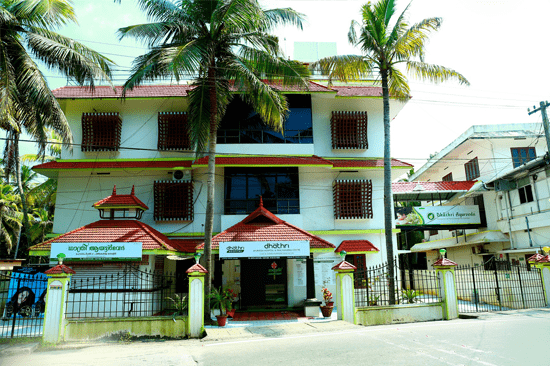
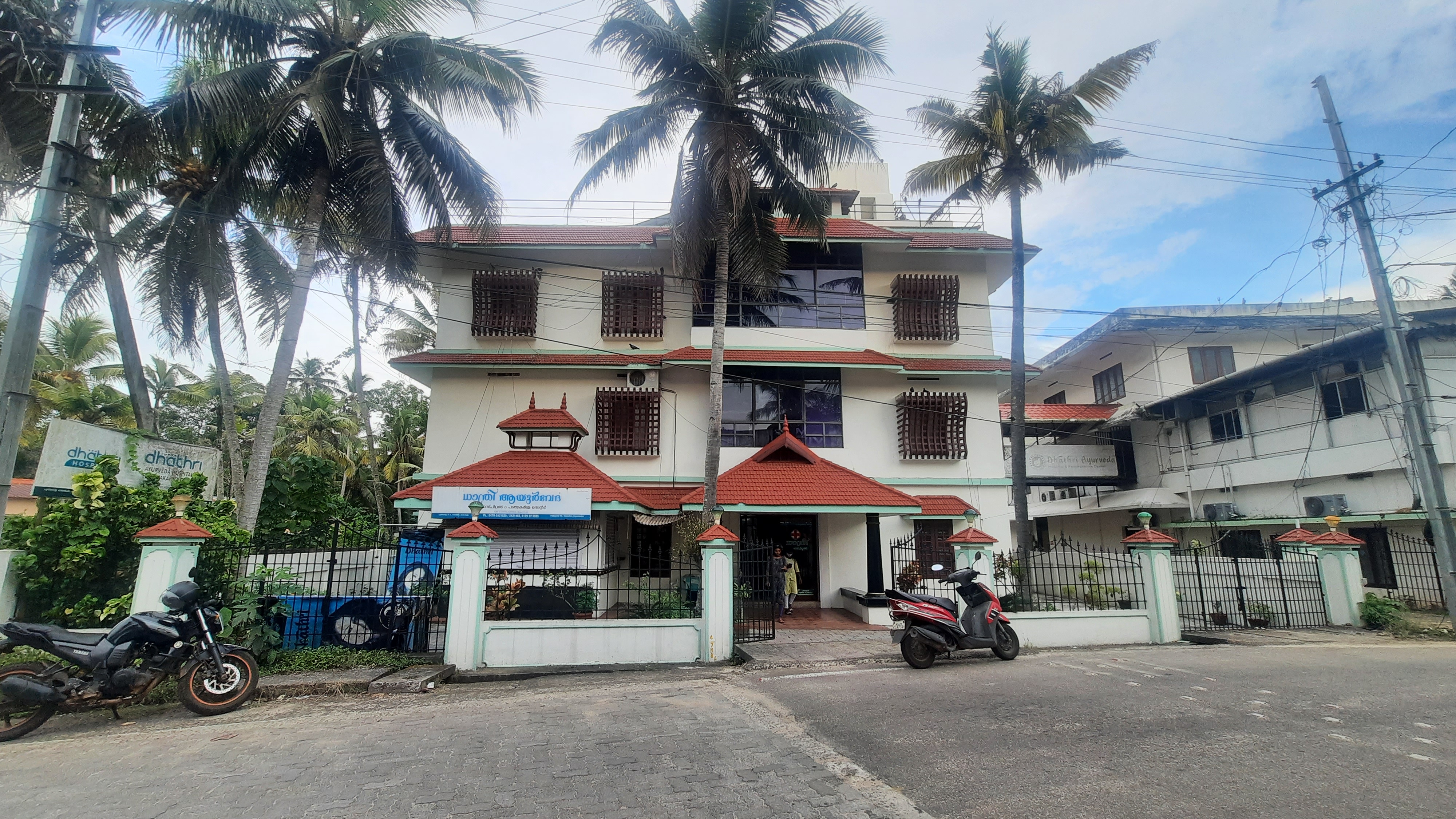
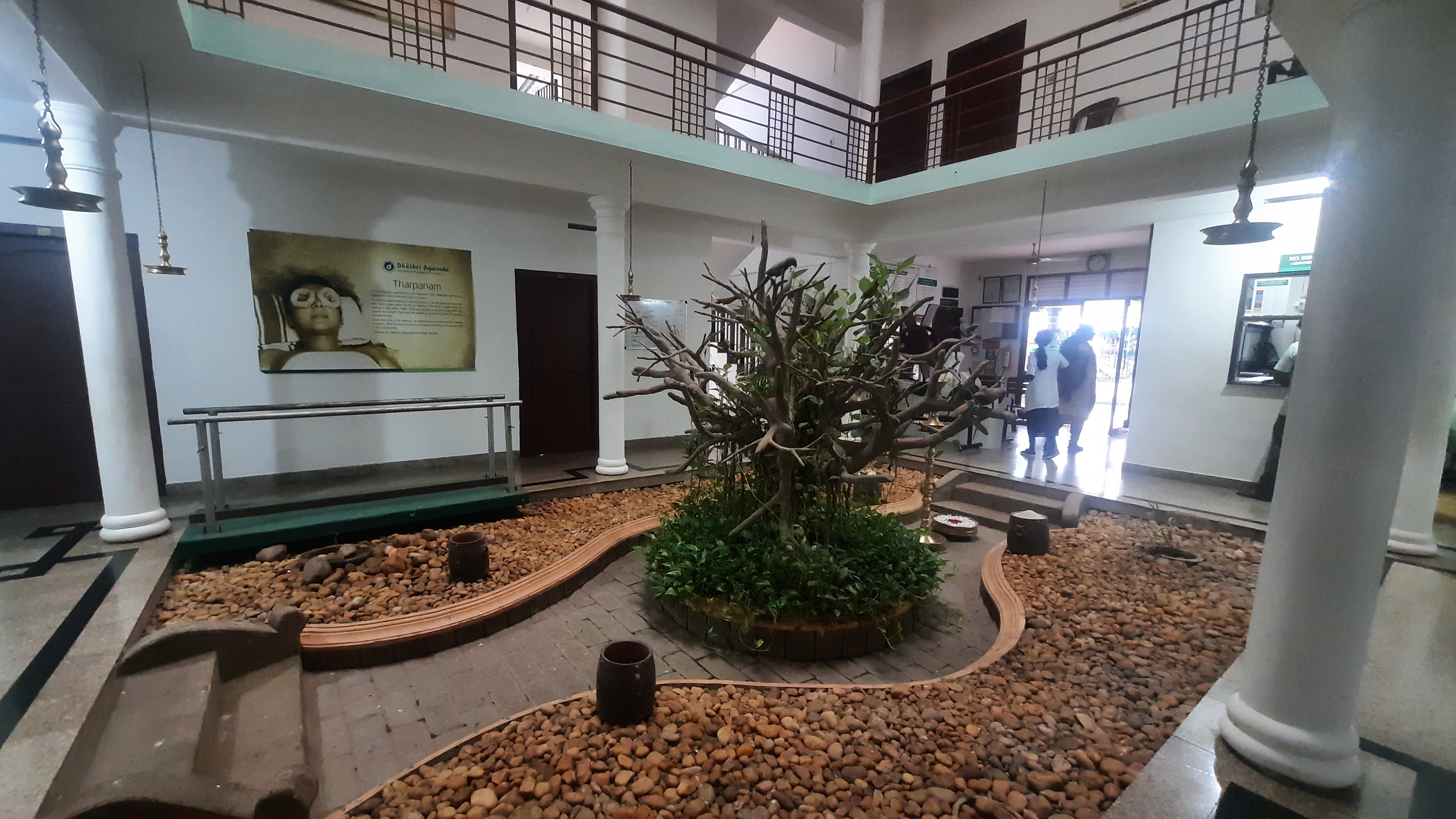
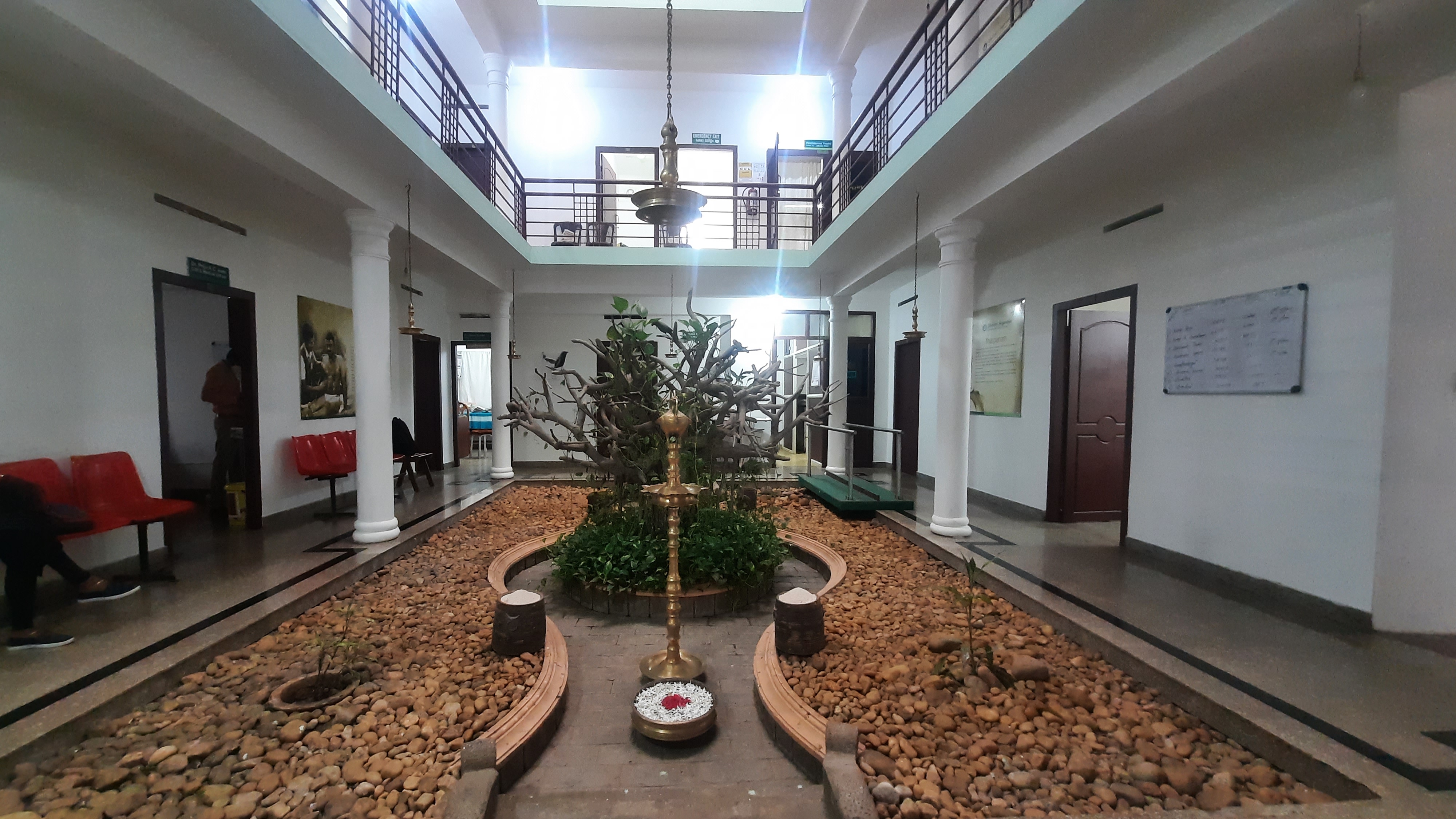
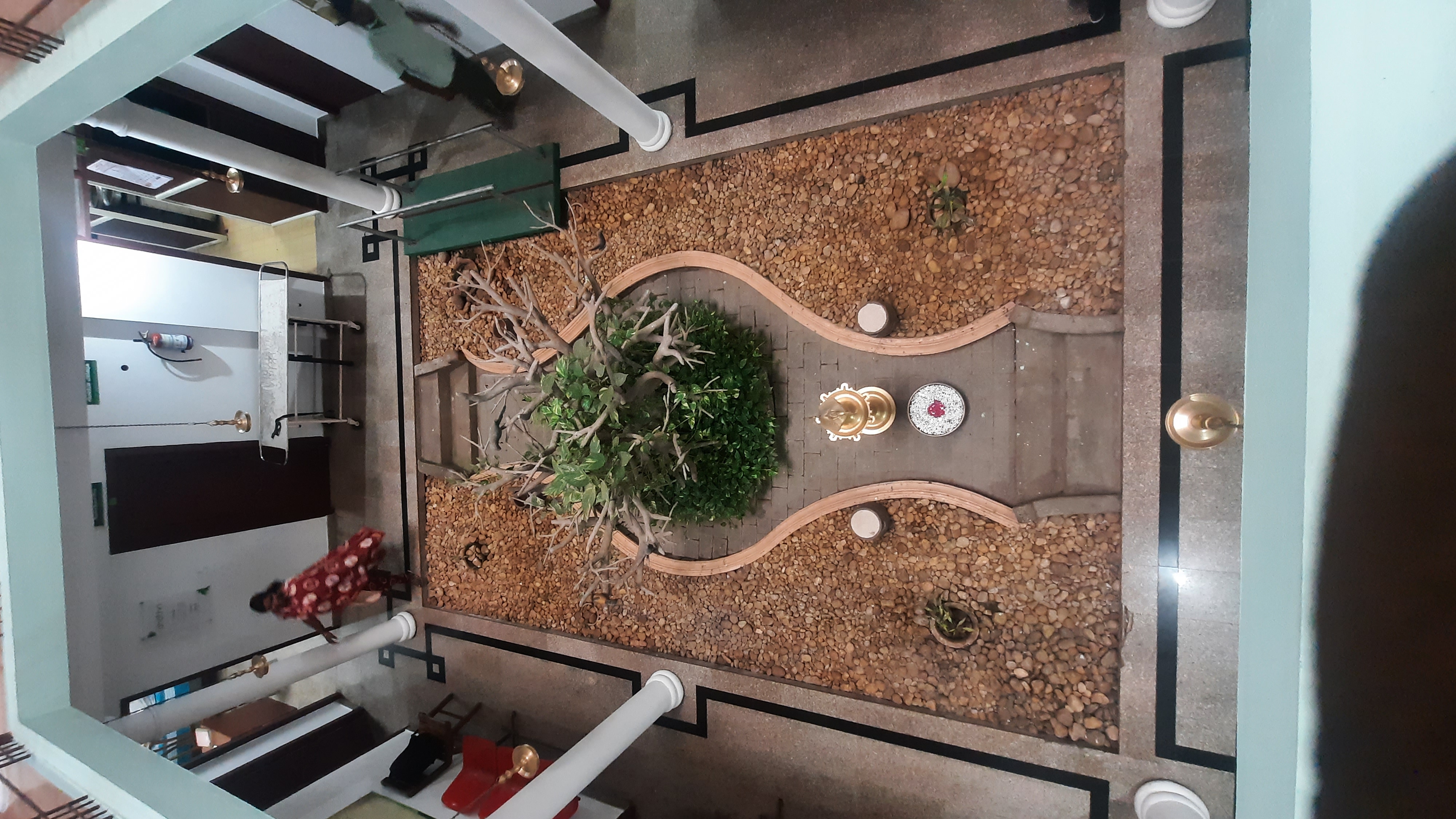
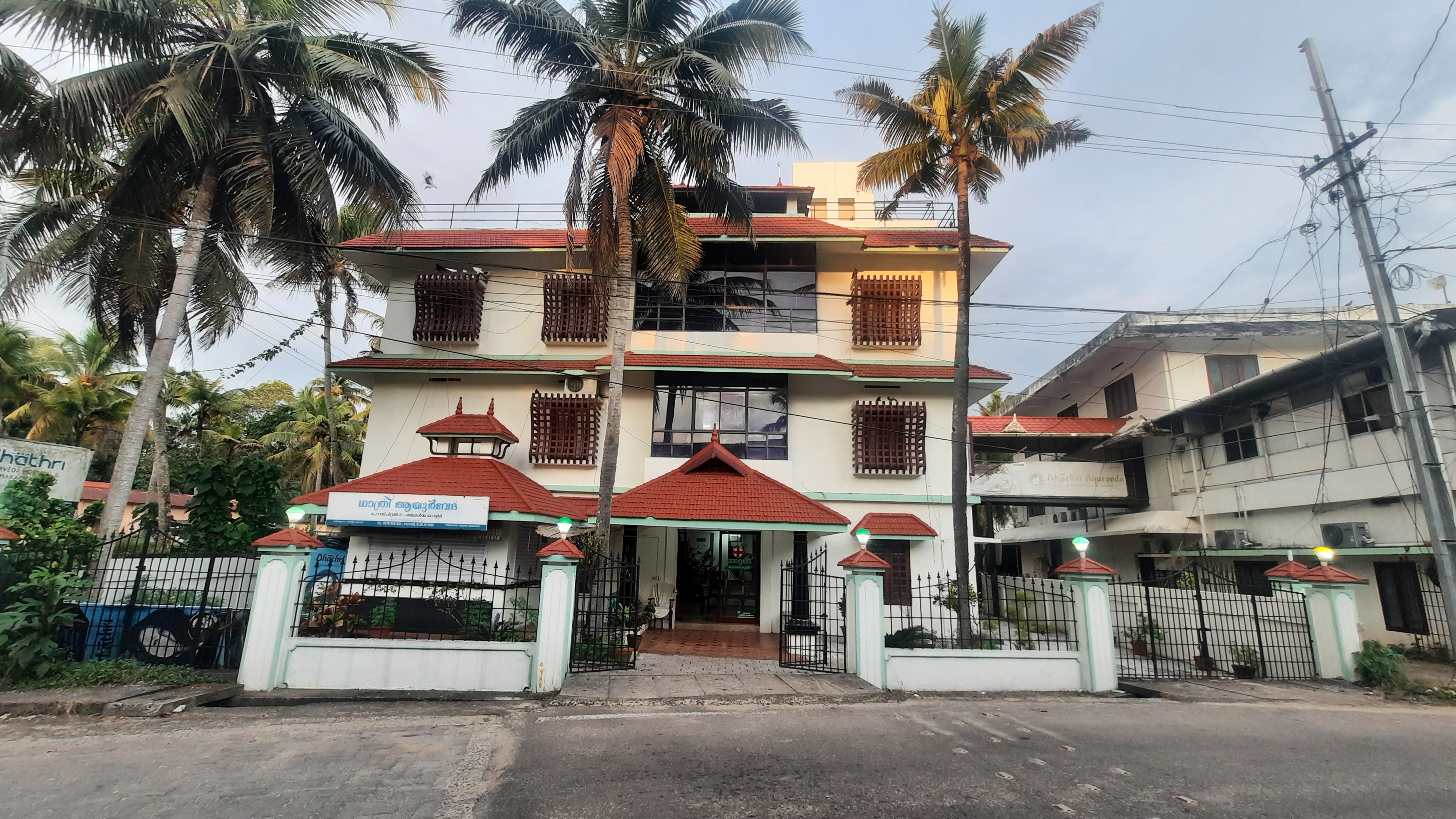
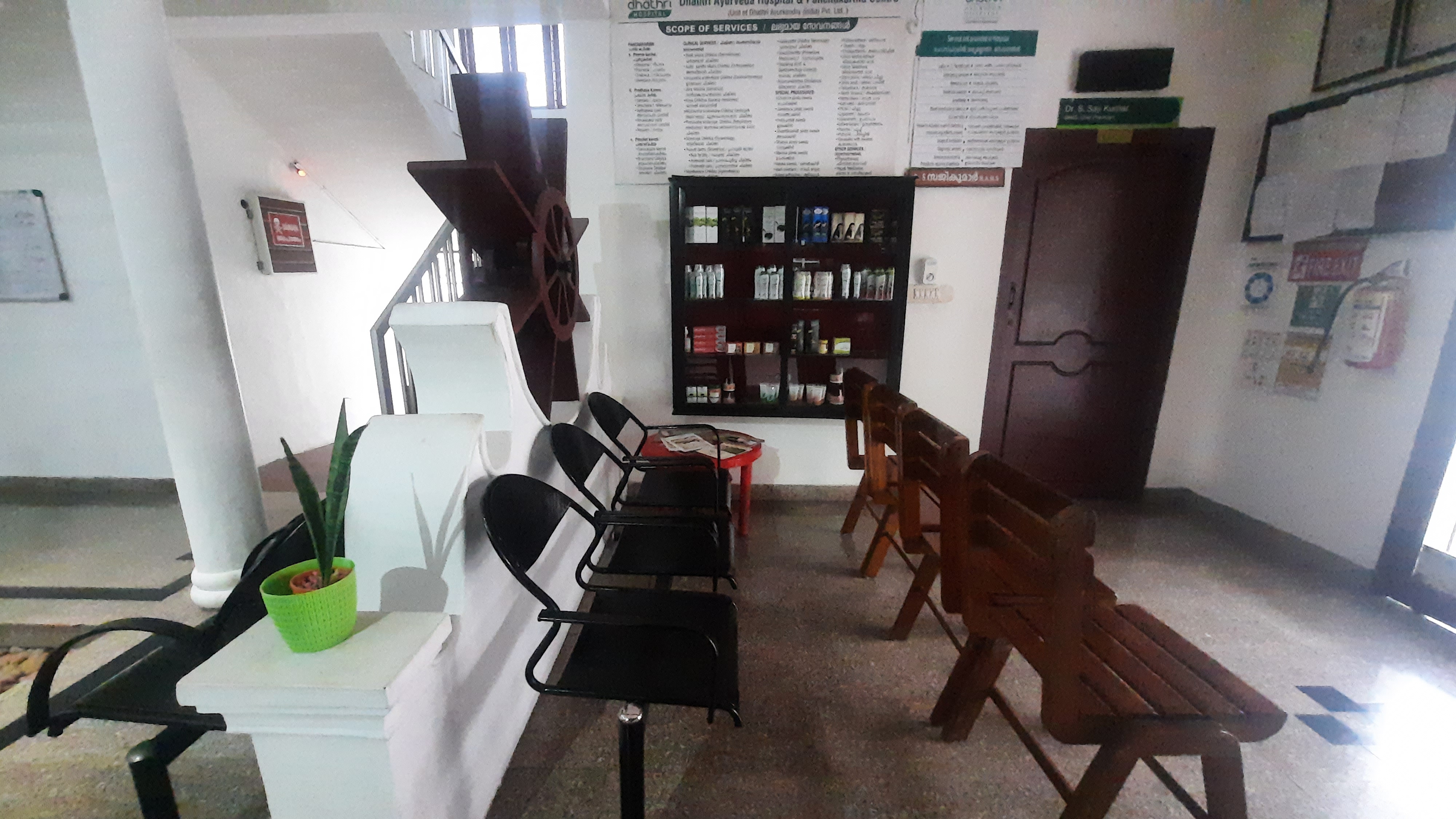
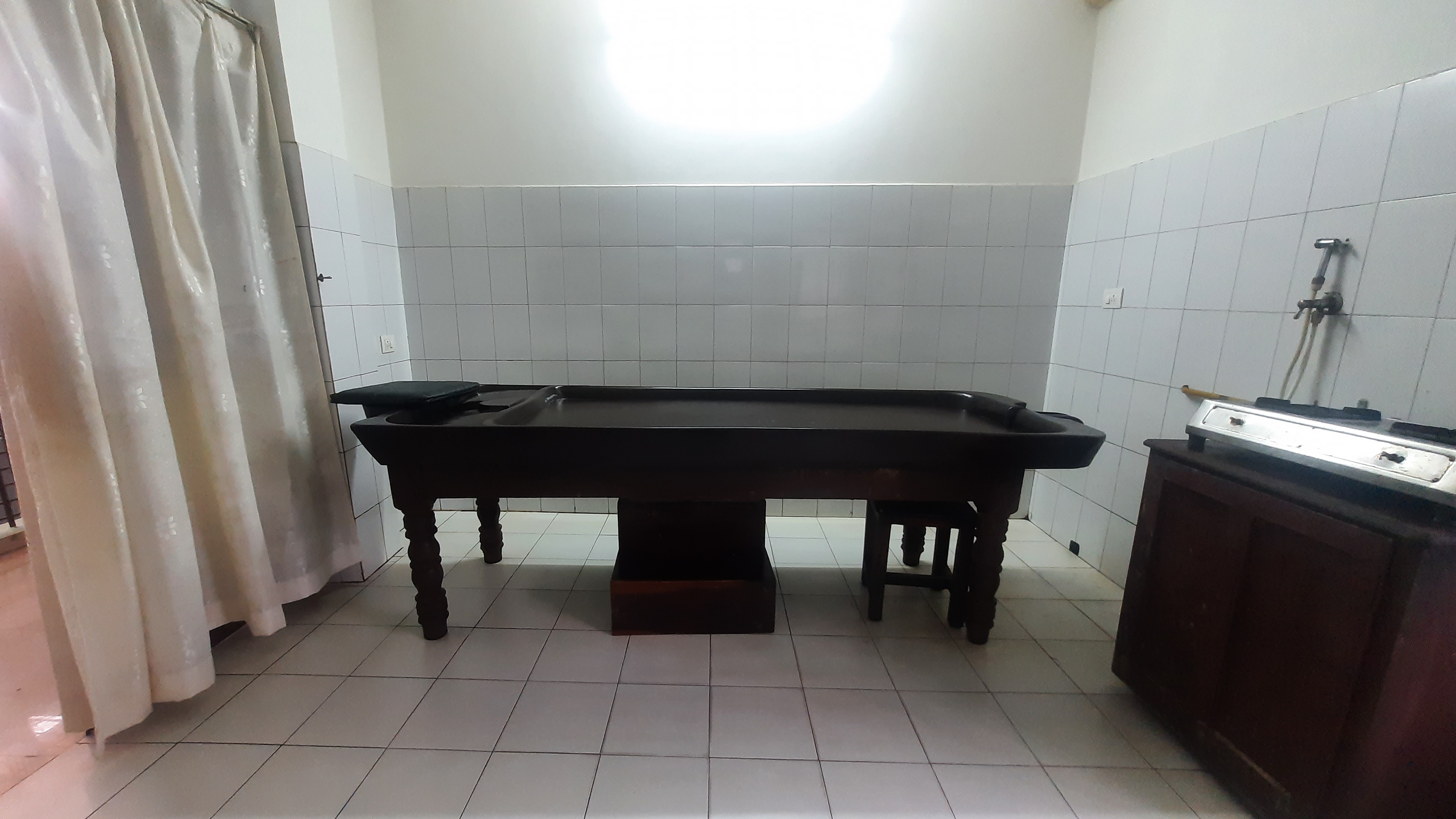
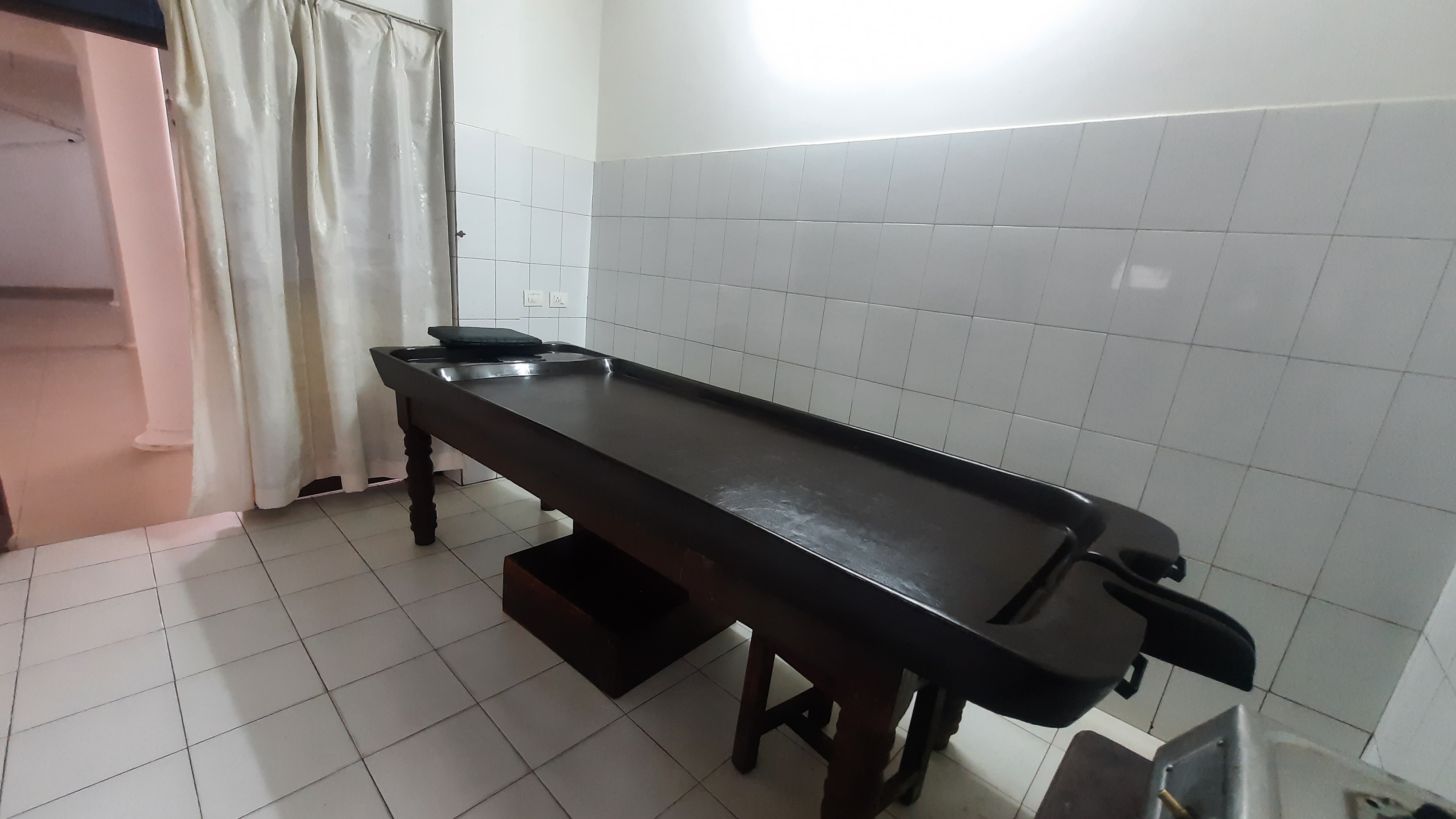
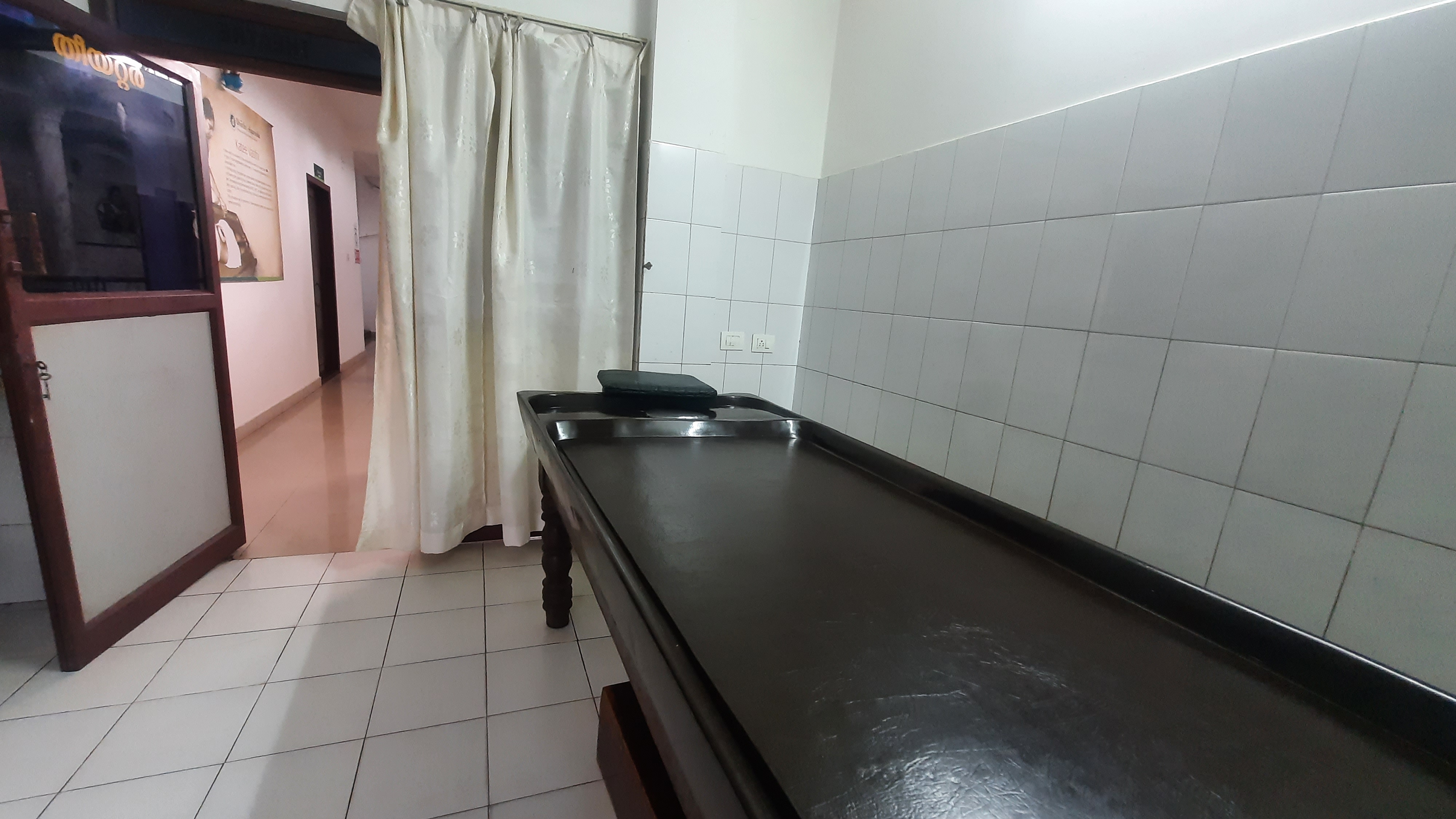
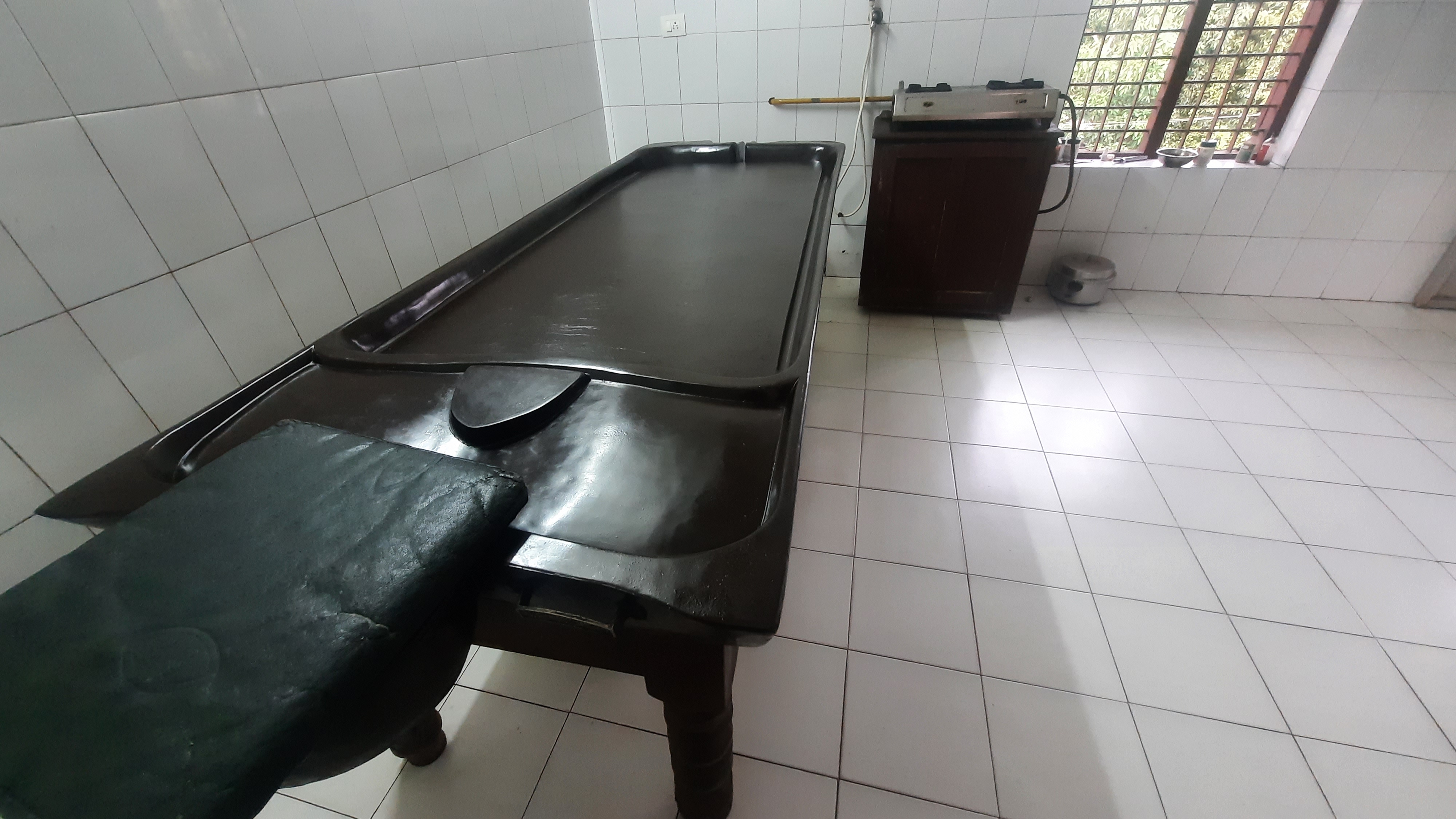
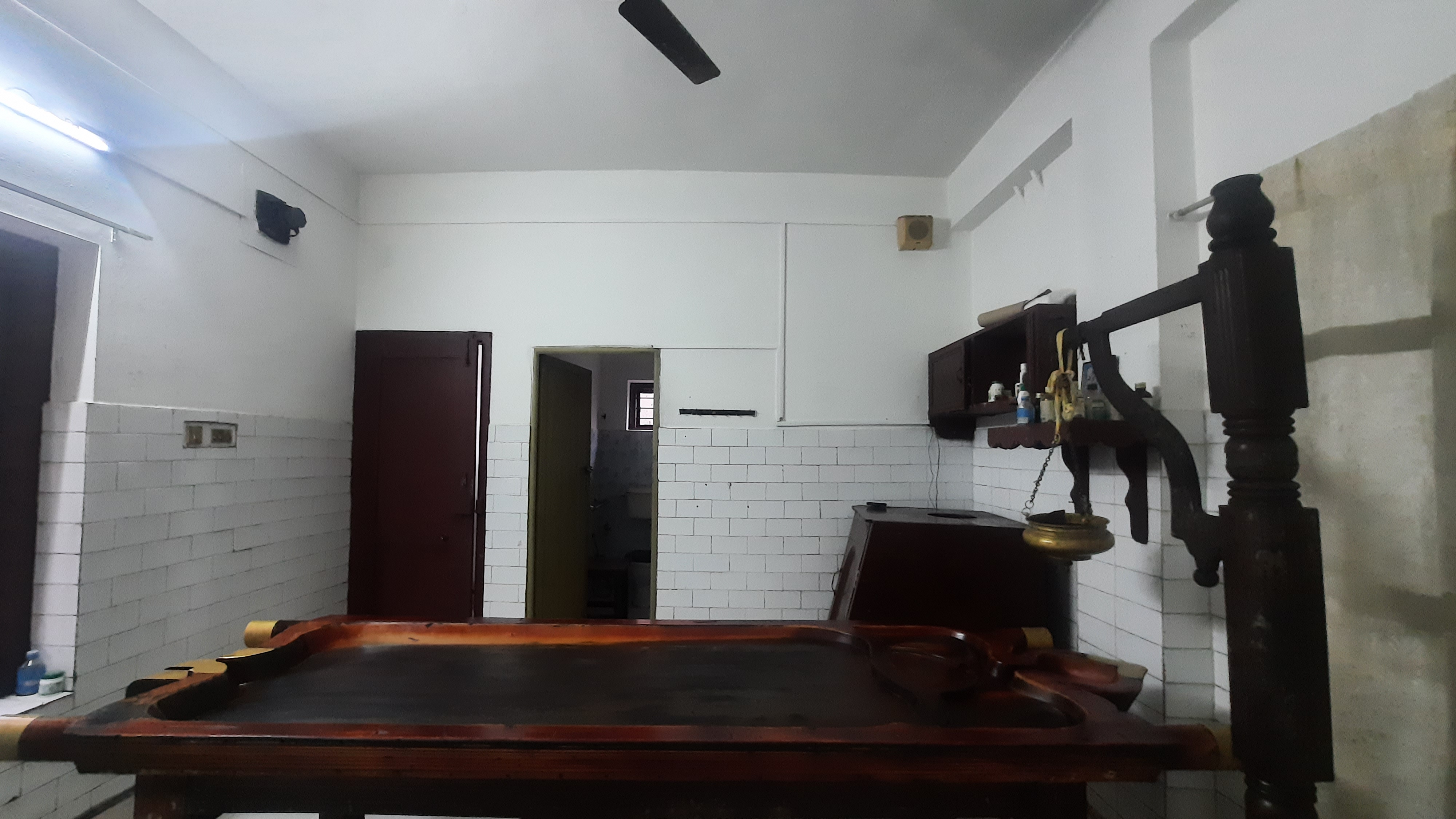
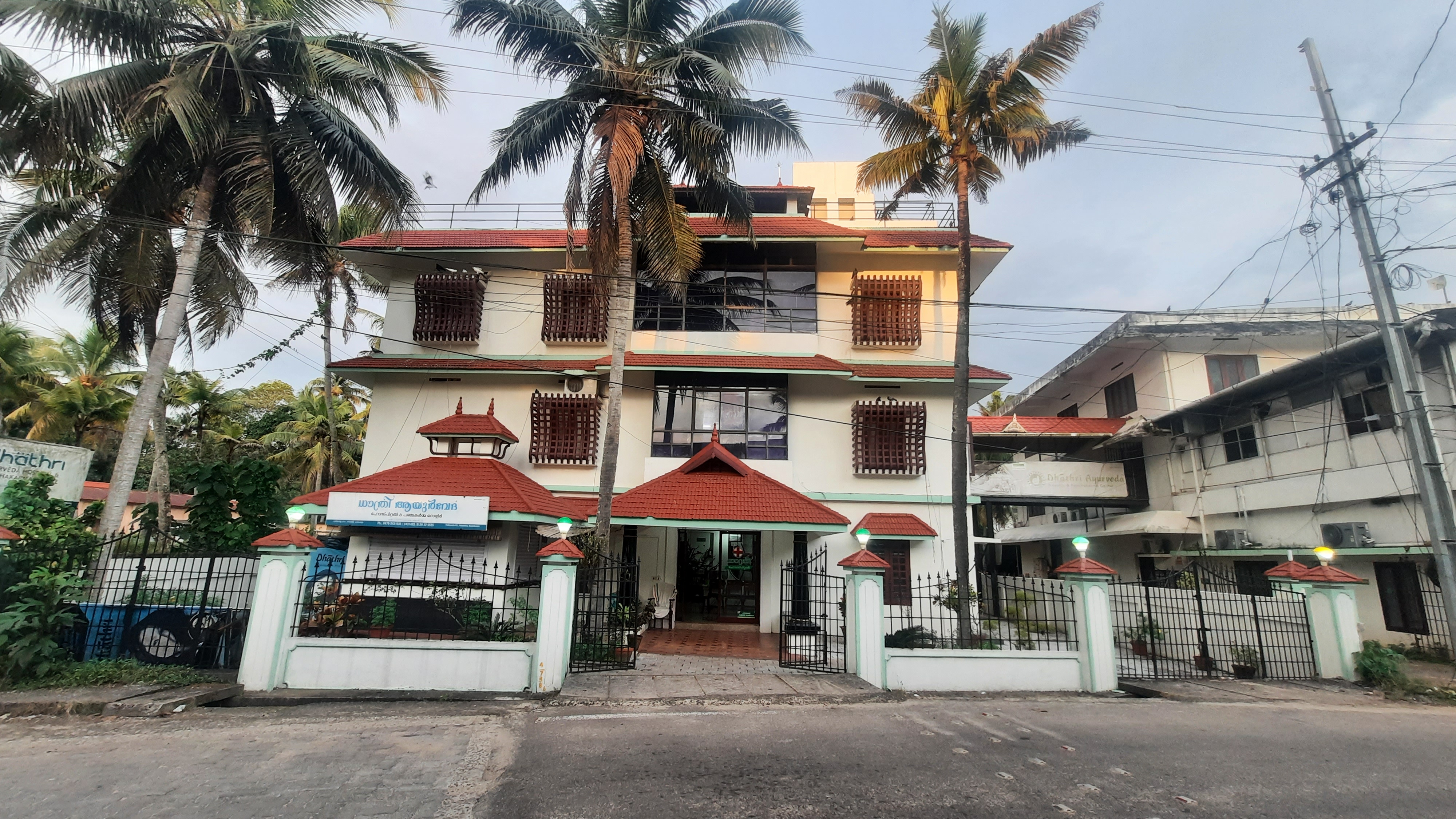
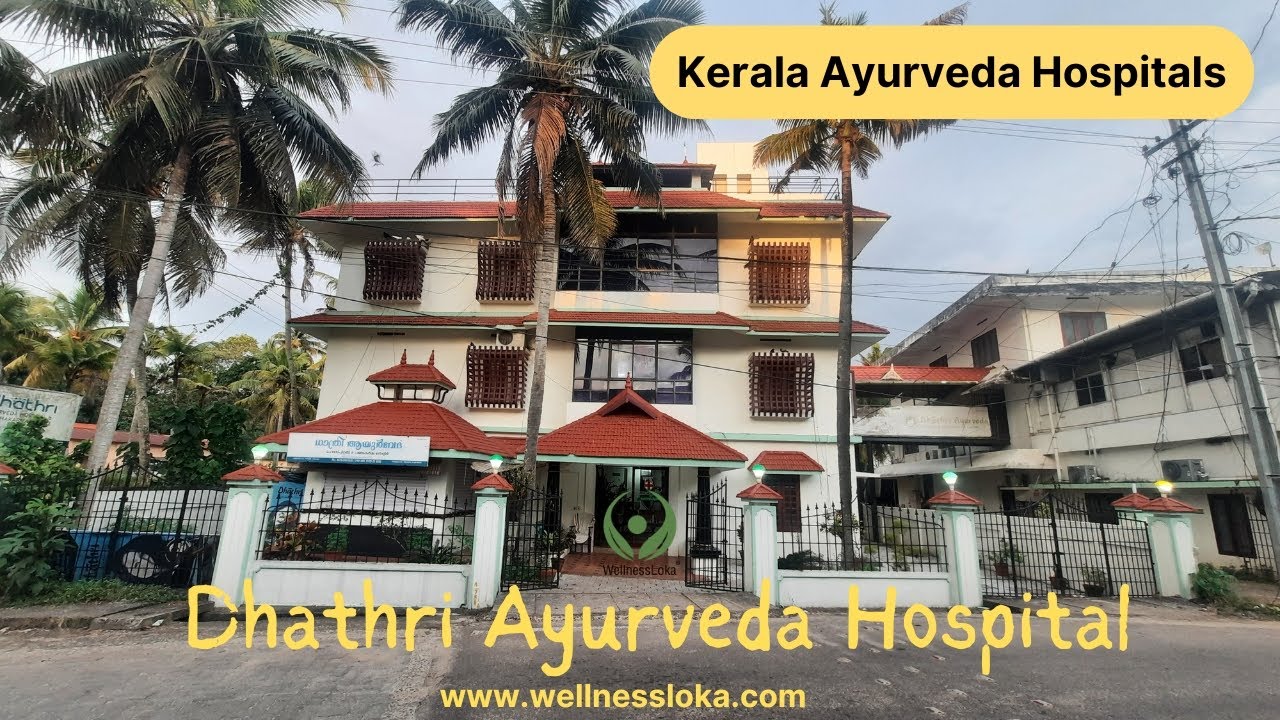
The hospital is set in the Kayamkulam countryside, and its public presentation emphasises a calm, green and riverside environment intended to support rest during residential treatment. The physical setting is organised primarily around clinical Ayurveda care, with consultation areas, dedicated therapy rooms and residential accommodation located within the treatment campus. Publicly available property imagery shows a simple, functional main block with internal circulation around treatment and guest areas rather than a resort-style design centred on entertainment facilities.
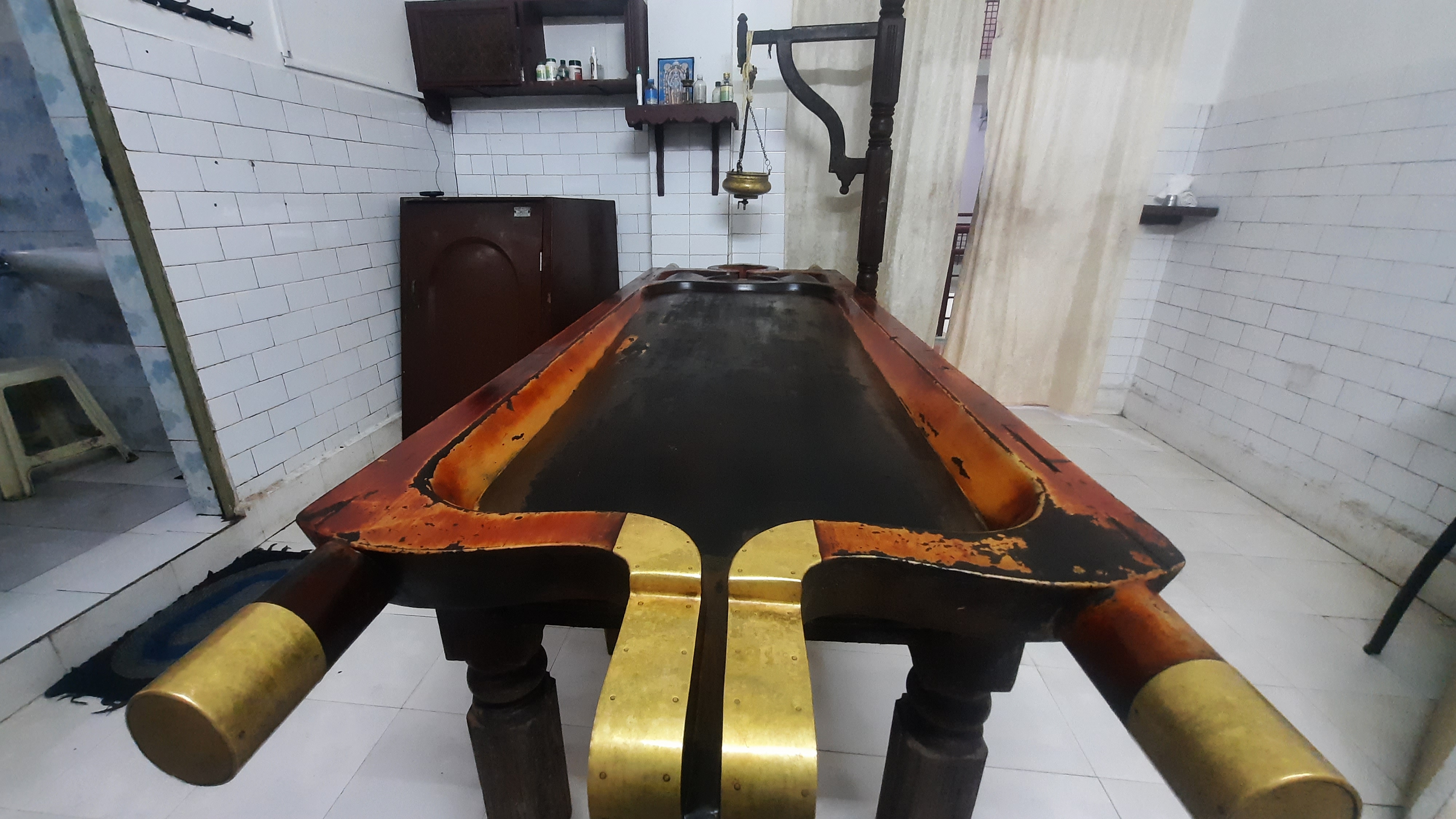
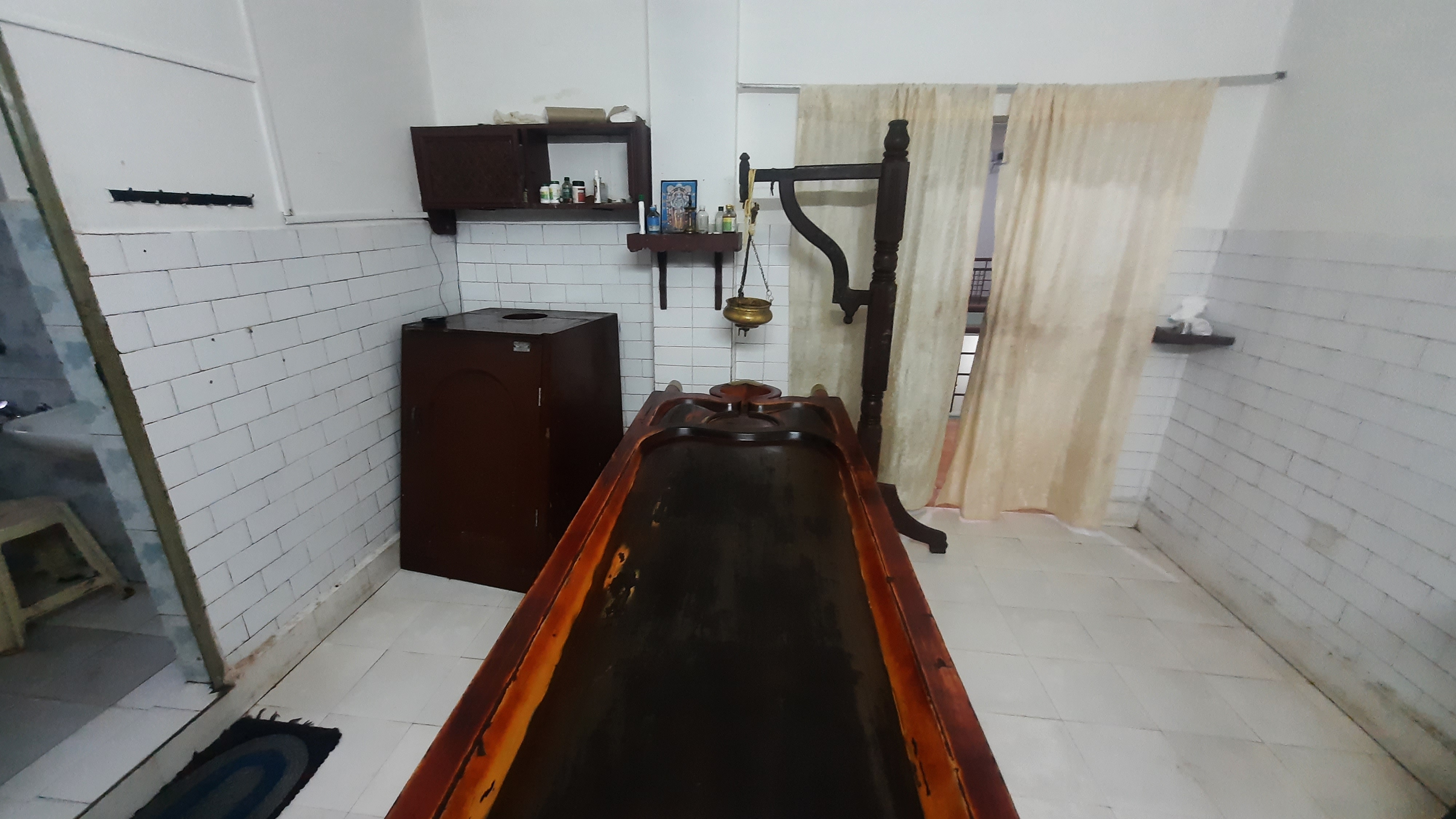
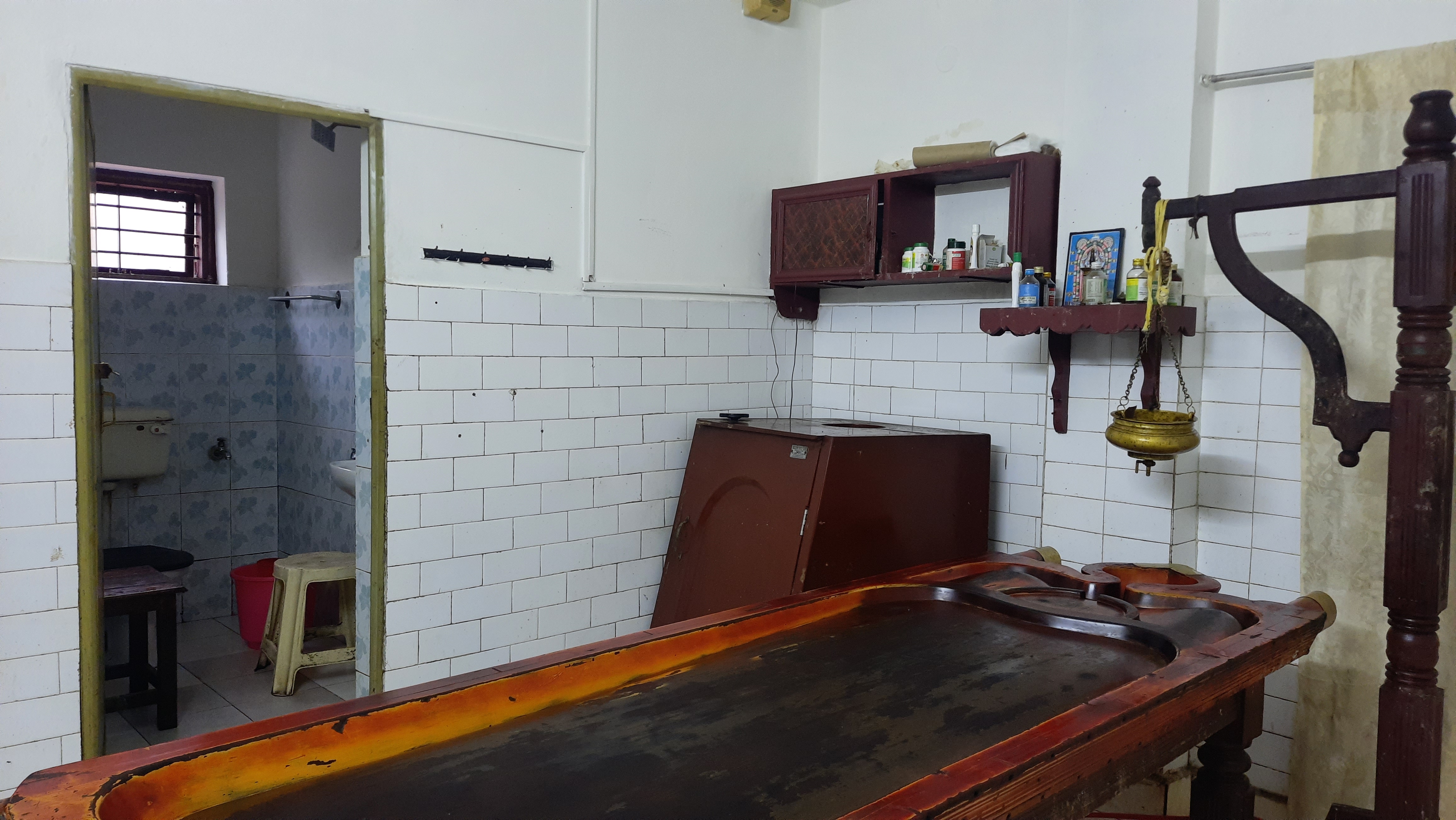
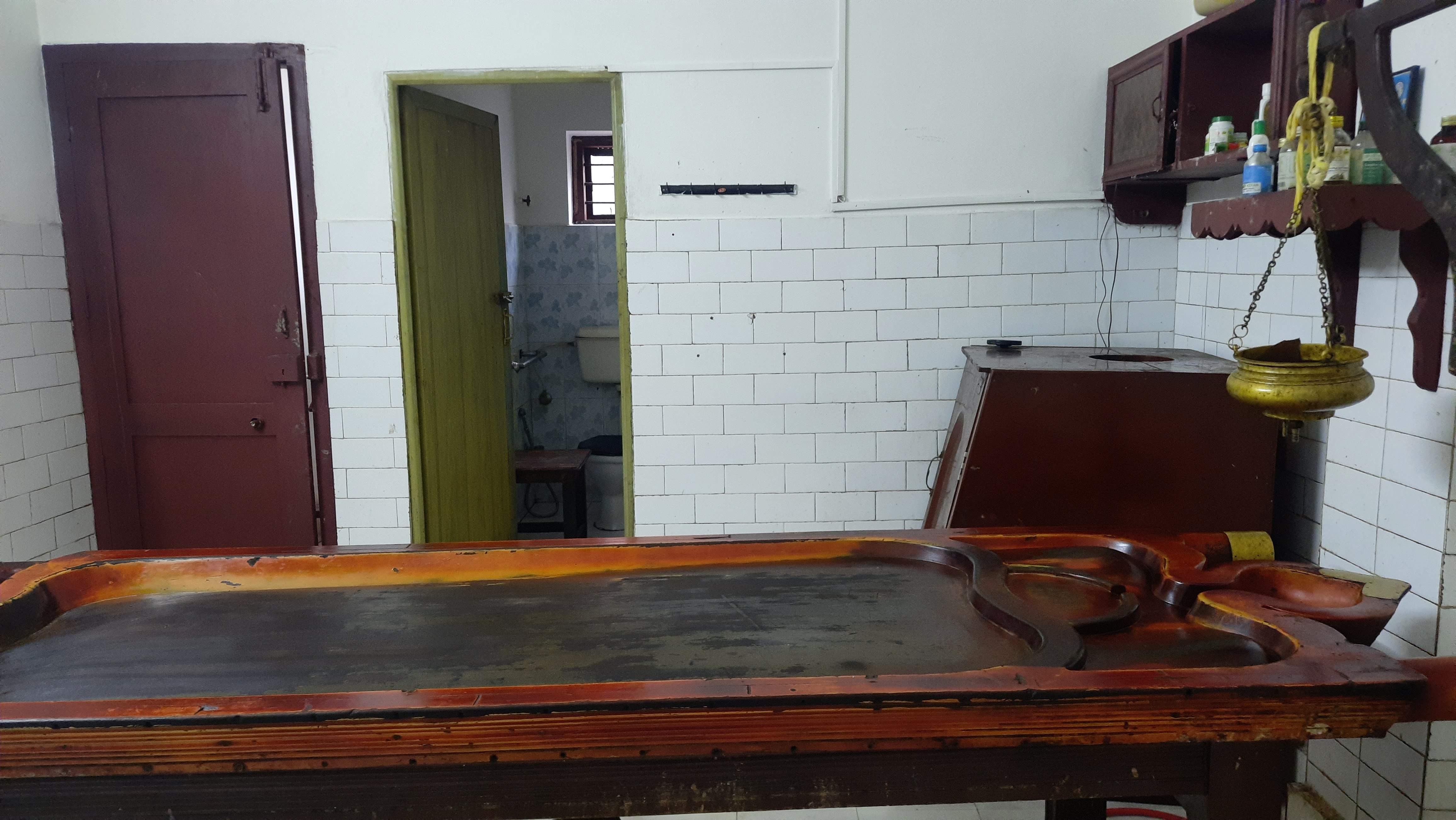
The setting therefore supports a treatment-first stay, where movement between the room, doctor consultation, therapy areas and yoga-related spaces remains central to the daily rhythm. The wider locality is associated with the waterways and lowland landscape of the Kayamkulam-Alappuzha region, while the hospital itself describes its environment as serene and connected with nature. The design and landscape are best understood as part of the therapeutic setting: quiet surroundings, natural light, greenery and a contained residential campus complement the structured medical schedule without shifting the focus away from Ayurveda care.
Founders and Ayurvedic Heritage
Dhathri's heritage is presented as a family Ayurveda lineage extending for more than three centuries in and around Kayamkulam. The tradition is associated with Shri Parameswaran Vaidyar, remembered within the family's history for preparing distinctive combinations of Ayurvedic medicines and for establishing a local reputation as a traditional practitioner. The knowledge was subsequently carried by Shri Kumaran Vaidyar and later by Dr S. Sajikumar, representing the succeeding generation of the family tradition.
Dr Sajikumar completed his BAMS education at Government Ayurveda College, Thiruvananthapuram and developed the institutional side of the family's practice through Warrier's Hospital & Panchakarma Centre, which later became Dhathri Ayurveda Hospital & Panchakarma Centre. The current institution retains a strong emphasis on inherited Ayurvedic methods while also referring to clinical observation, research and modern healthcare systems in the way care is organised. This combination of traditional Vaidya heritage and formal Ayurveda medical practice is central to the hospital's identity and differentiates the historical lineage from the present-day clinical institution.
Ayurveda Philosophy and Approach
The hospital follows an Ayurveda philosophy based on identifying and addressing the underlying imbalance behind a health concern, rather than applying a uniform therapy plan. Clinical planning begins with understanding the individual's symptoms, constitution, lifestyle and broader health context. Prakriti assessment, traditional Ayurvedic diagnostic reasoning and physician consultation are used to guide the selection of therapies, medicines, food and supportive wellness practices.
Dhathri places particular emphasis on preserving classical treatment procedures and traditional herbal formulations inherited through its Vaidya lineage. Panchakarma, external therapies, internal medicines, diet guidance, yoga, pranayama and meditation may be combined where clinically appropriate. The hospital also describes its contemporary approach as a meeting point between traditional Ayurveda and modern clinical systems, with organised documentation, safety processes and quality standards forming part of the care environment. The overall method remains individualised: Ayurveda is treated as a structured way of living and recovery, with treatment, rest, diet and daily routine expected to work together rather than as isolated services.
Personalised Treatment Planning
Treatment planning is led by Ayurvedic physicians and begins with a detailed consultation covering the patient's current concerns, health history, lifestyle and body constitution. The medical team uses this assessment to determine whether the individual is suited to Panchakarma, condition-focused treatment, rejuvenation or a more supportive wellness approach. The therapies, medicines, diet and duration are then selected according to the diagnosed condition and the individual's response during the stay.
For Panchakarma, the hospital commonly presents 14 to 21 days as a preferred treatment period for a more complete course, although the actual duration and sequence are decided only after physician evaluation. Therapies may be modified, postponed or shortened when a person's clinical condition makes a planned procedure unsuitable. Medical supervision continues through the residential period, and treatment is intended to be coordinated with prescribed food, medication, rest and appropriate yoga or meditation. This physician-directed model is particularly important for purification procedures and condition-based programs, where the intensity of treatment cannot be standardised in advance for every guest.
Treatment Programs
The hospital offers a broad portfolio of condition-focused and wellness-oriented Ayurveda programs. Current public program categories include Karkidaka Chikitsa, Back Pain Treatment, Knee Pain Treatment, Shoulder Pain Treatment, Neck Pain Treatment (Grivagraham), Psoriasis Treatment, Hair & Scalp Treatment (Kesa Soundarya), Anti-Stress & Relaxation (Jeeva Chaitanya Chikitsa), Rejuvenation, Obesity Treatment (Akara Soundaryam), SHE 40+ Care, Post Natal Care, Anti-Ageing (Kaaya Kalpam), Eczema care and Lifestyle Disorder programs. Panchakarma is also offered as an individualised treatment pathway rather than a fixed identical protocol for every patient.
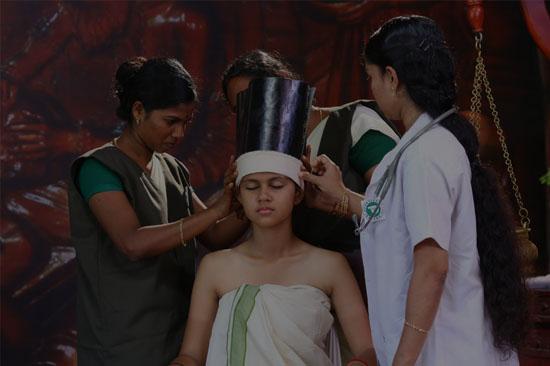
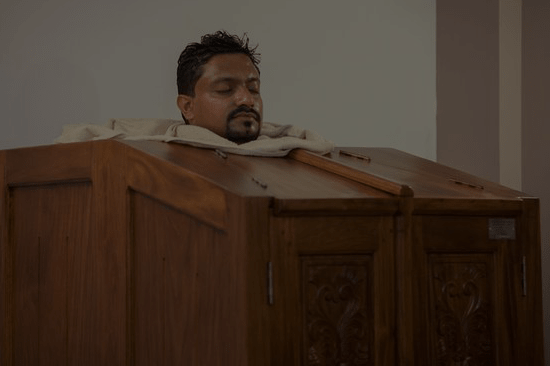
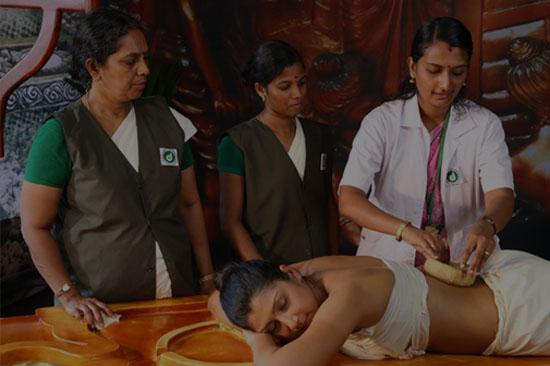
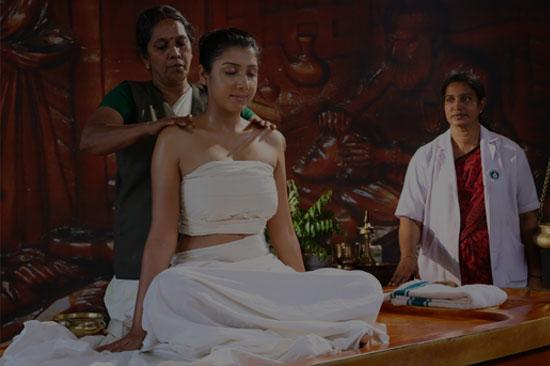
The therapy repertoire includes classical procedures such as Abhyangam, Kativasthi, Karnapooranam, herbal steam bath, Tharpanam, Thalapodichil, Lepanam, Nasyam, Njavarakizhi, Pizhichil, Sirovasthi, Kizhi, Udvarthanam, Shirodhara, Mukhalepanam, Upanaham, Virechanam, Vasthy, Kashayadhara and Snehapanam. Panchakarma may involve preparatory, cleansing and post-procedure phases, selected according to the physician's assessment. Program names indicate the principal therapeutic focus, but the actual combination of procedures, medicines, diet and supportive practices remains personalised to the patient's constitution, condition, age, strength and treatment goals.
Doctors and Wellness Experts
The medical team is led by Dr S. Sajikumar, BAMS, Chief Physician & Managing Director, who comes from the family's traditional Ayurveda lineage and has more than three decades of clinical experience. Dr Beenakumari S., BAMS, Senior Medical Officer, has extensive experience in Panchakarma and a wide range of chronic and lifestyle-related conditions. Dr Priju A.C., BAMS, Senior Medical Officer, has specialist training in Panchakarma and experience in chronic disease care and telemedicine.
Dr Dhanya Bhaskaran, BAMS, Senior Ayurveda Physician, works particularly with joint and spine disorders, skin conditions, and hair and scalp concerns. Dr Harshad Damodaran, BAMS, Senior Medical Officer, has more than 16 years of Ayurvedic practice and focuses on pain management, chronic joint and muscle conditions and Panchakarma-based care; he has also completed training in geriatric care. Dr Amala Ajayan, BAMS, Resident Medical Officer, has clinical interests in skin, hair, spine and joint-related conditions and also holds a one-year diploma in Yoga Teaching. Yoga, meditation and pranayama are supported by Mrs Valsalakumary, who holds qualifications in Yoga TTC and Yoga Naturopathy and conducts group or individual sessions with attention to posture, breathing, flexibility, relaxation and stress management.
Post Treatment Care
Post-treatment support is designed to maintain continuity after the residential stay. The hospital offers online Ayurveda consultations by audio or video, allowing patients to reconnect with Ayurvedic physicians for review, follow-up guidance or a second opinion without returning immediately to Kayamkulam. Follow-up consultations can be used to discuss progress, ongoing symptoms, lifestyle adjustments, medicine use and whether an in-person reassessment is advisable.
Where medicines are prescribed following an online consultation, Dhathri also provides a prescription-based medicine delivery service. The hospital states that medicines are dispatched on the basis of the doctor's prescription rather than sold as a substitute for consultation. This continuation model is relevant for guests completing Panchakarma or longer condition-focused treatment, because the post-therapy period may require continued dietary discipline, medication and lifestyle modification. The emphasis is therefore on extending the physician relationship beyond discharge and helping the patient follow the recommended routine after returning home.
Accommodation
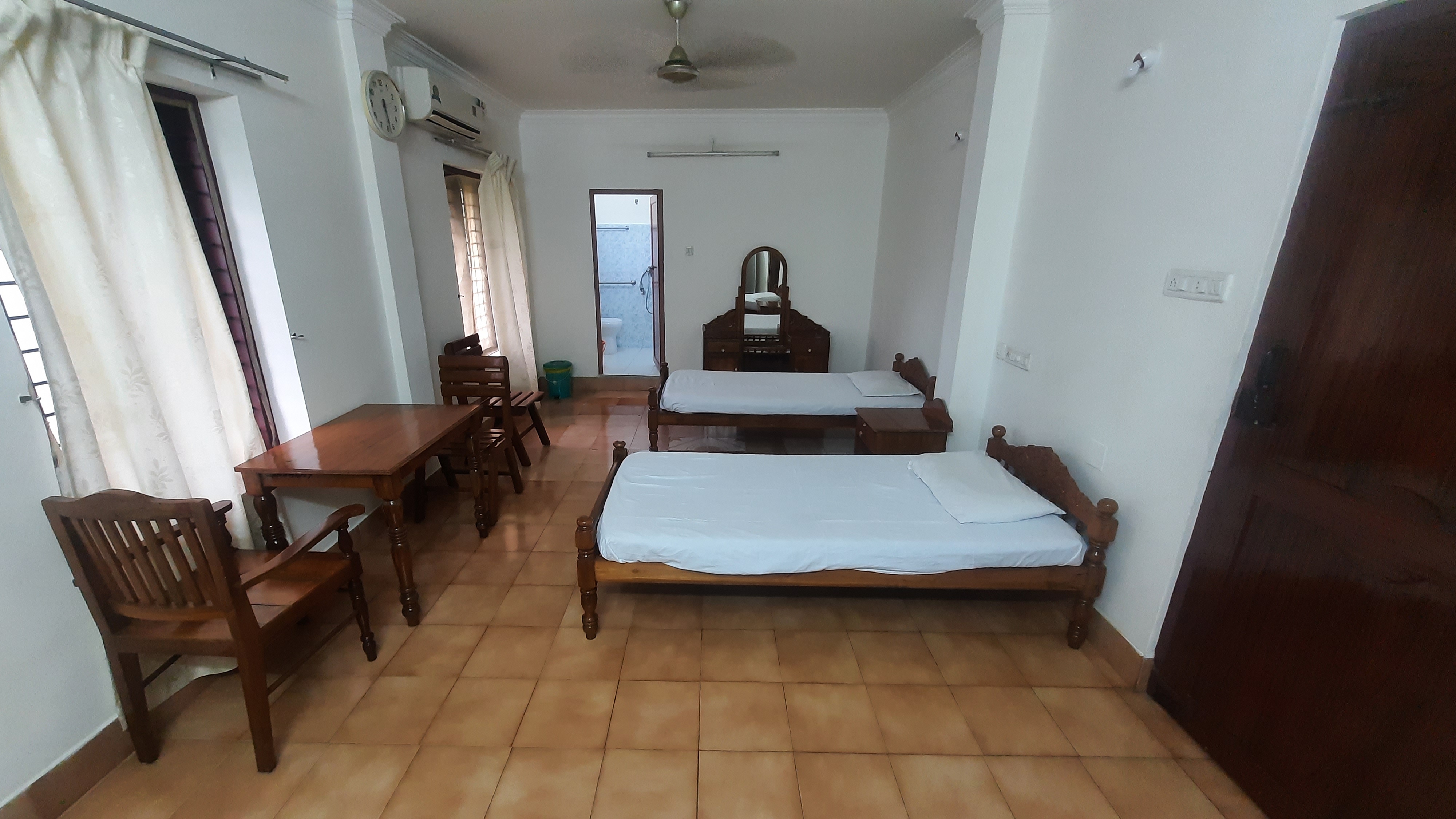
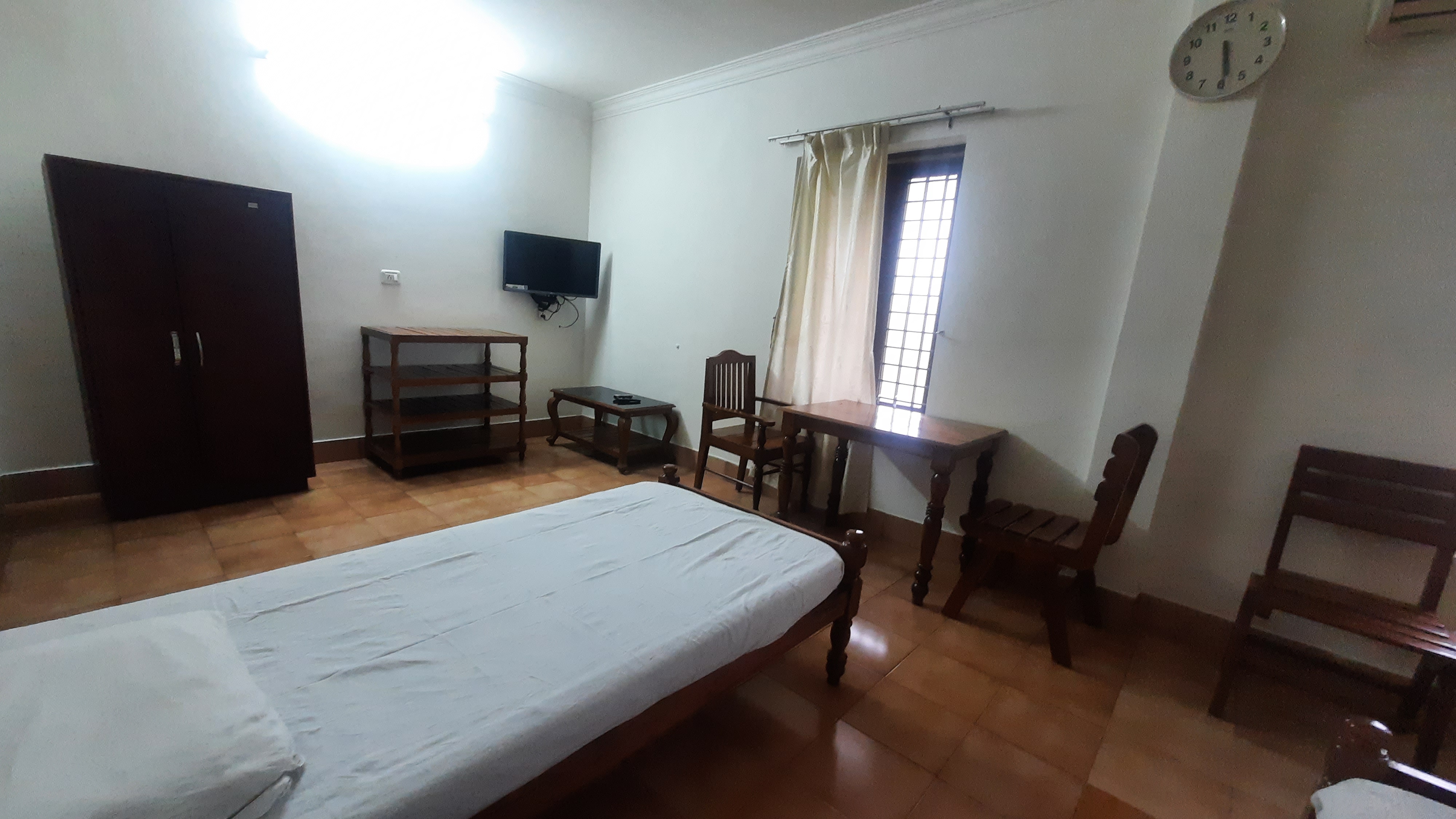
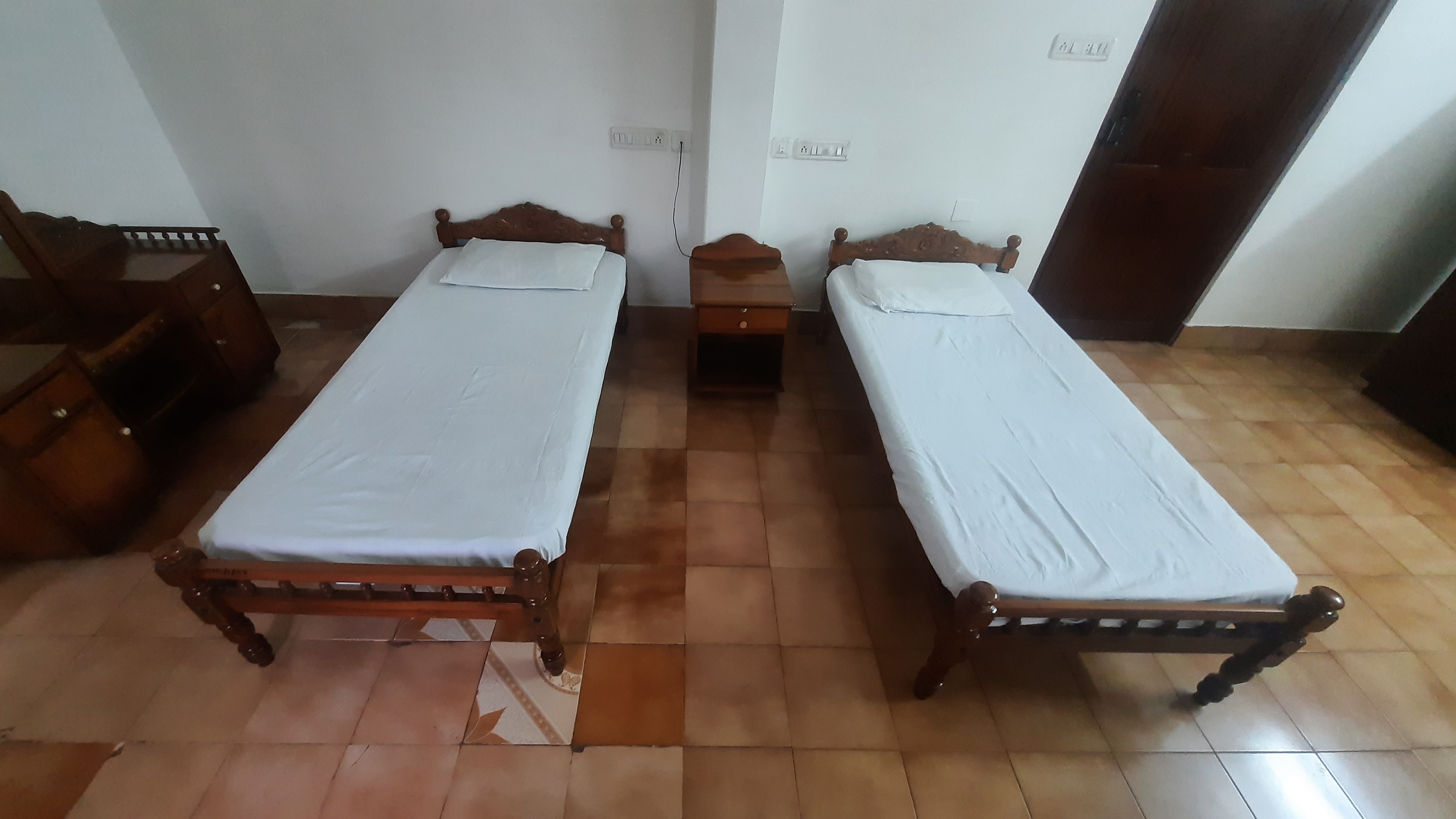
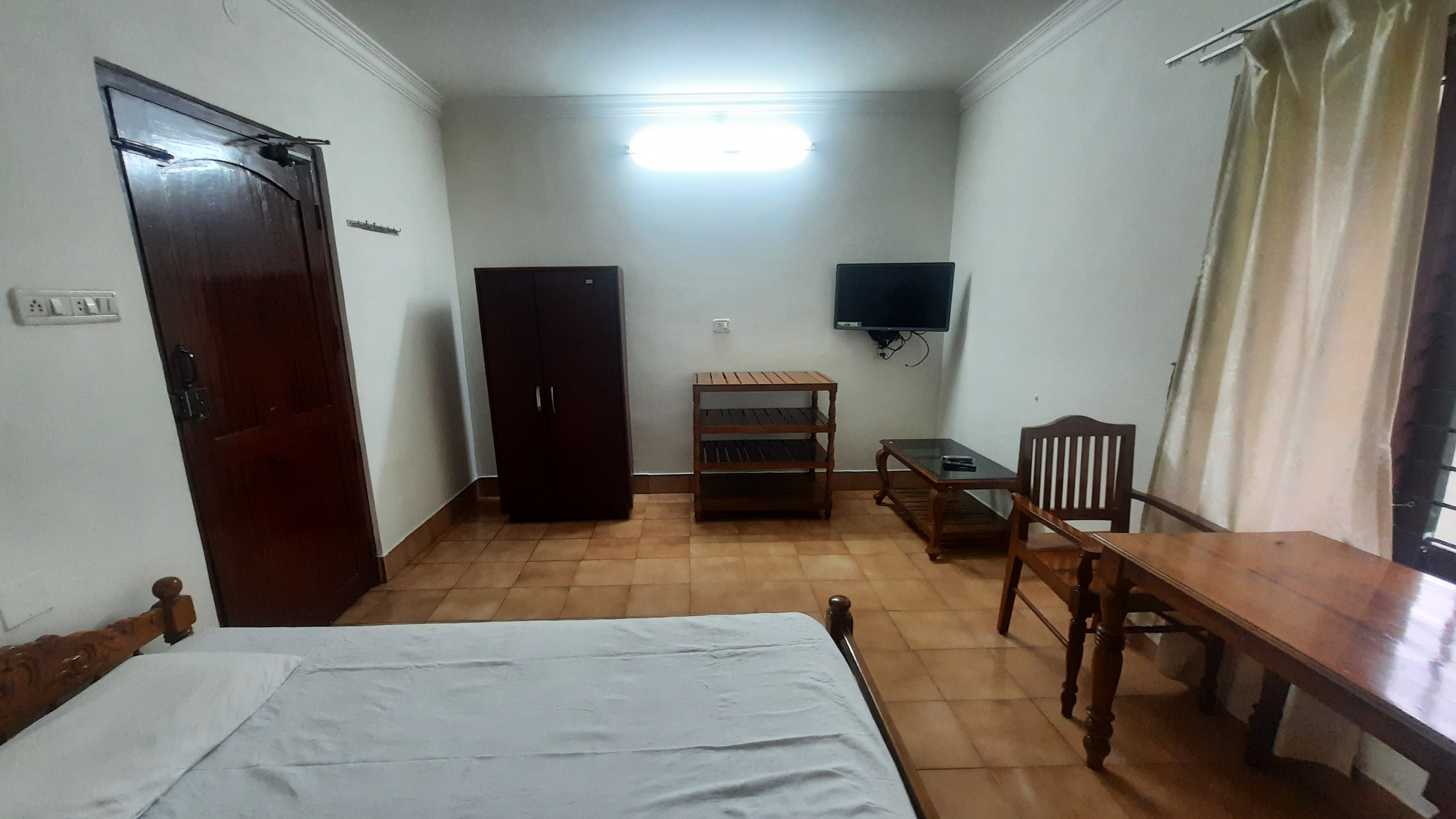
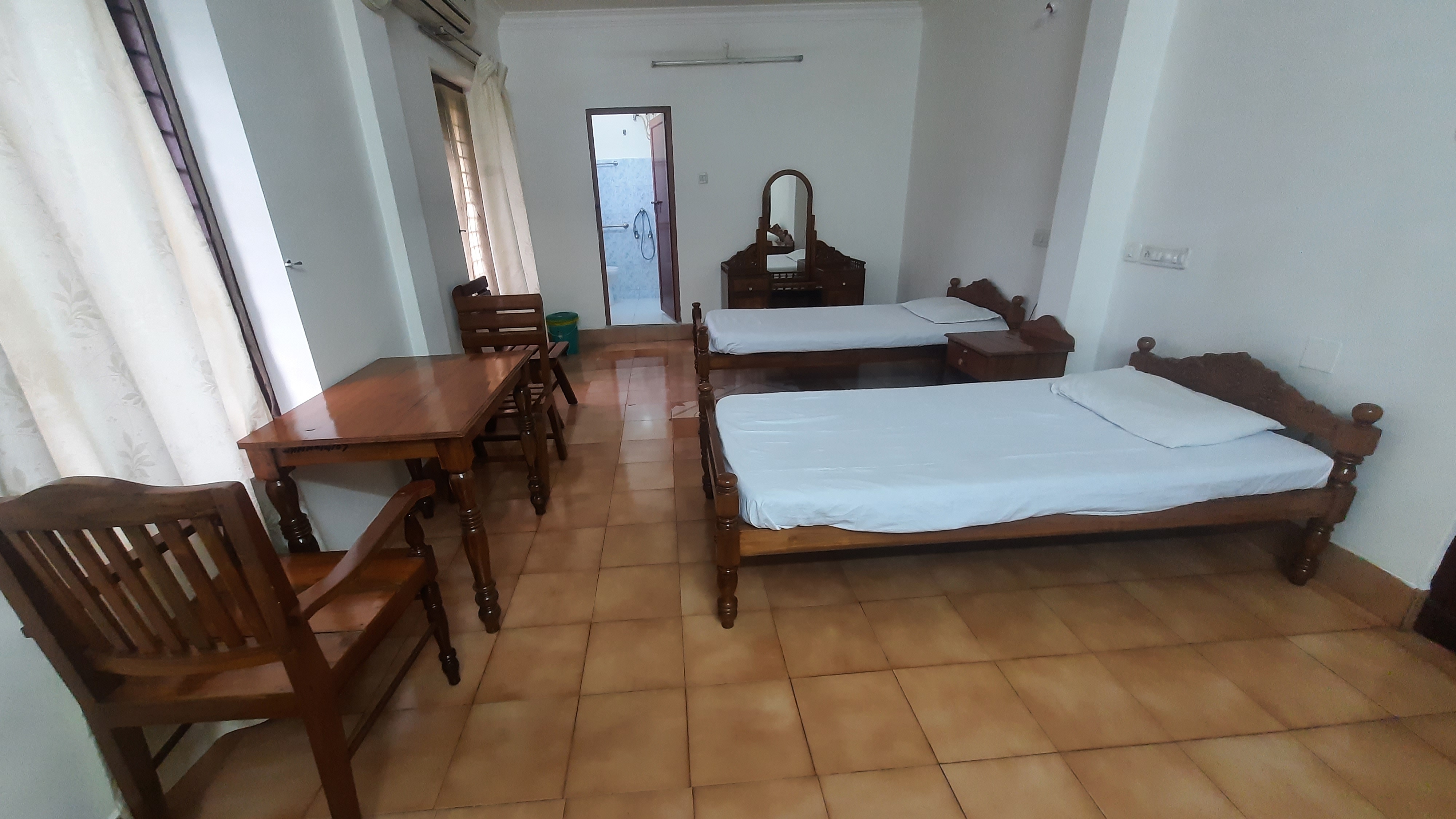
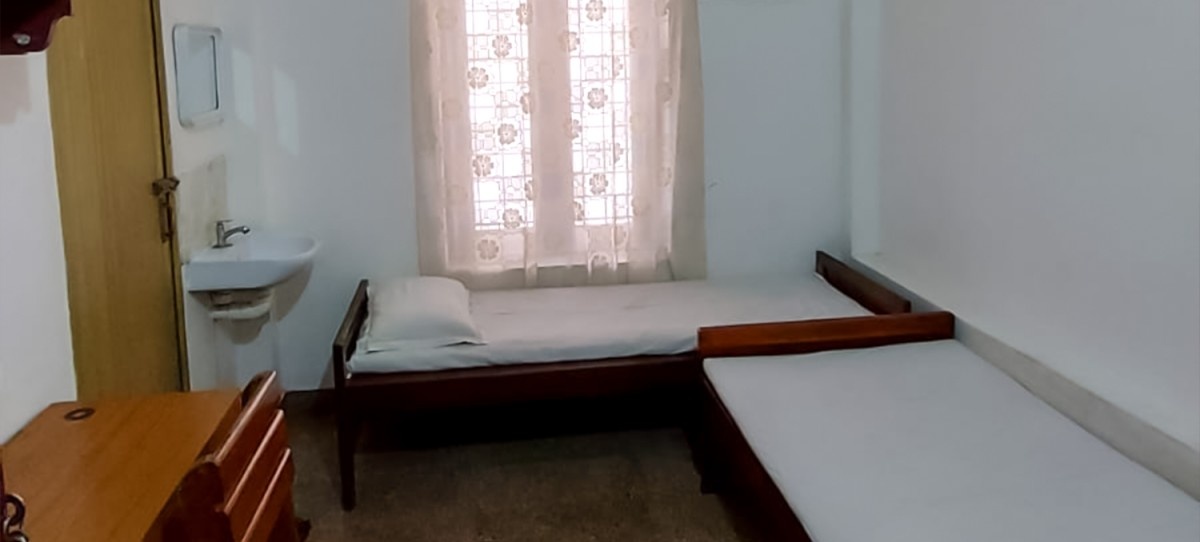
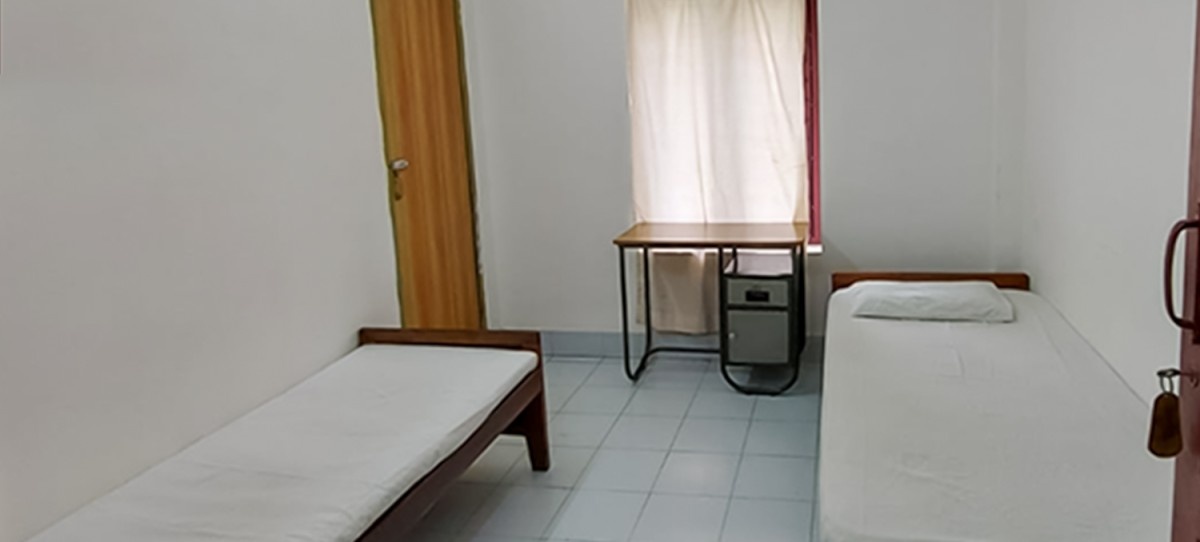
Accommodation is integrated with the hospital's residential treatment model, enabling patients to remain close to consultations and therapy areas throughout the stay. The current room mix includes Budget Non-AC, Non-AC Standard, Non-AC Semi Deluxe, AC Semi Deluxe, Non-AC Deluxe and AC Deluxe categories, allowing a choice between basic treatment-oriented rooms and more comfortable air-conditioned options. The Budget Non-AC Room is approximately 200 sq. ft., while the Non-AC Standard Room is listed at approximately 350 sq. ft.
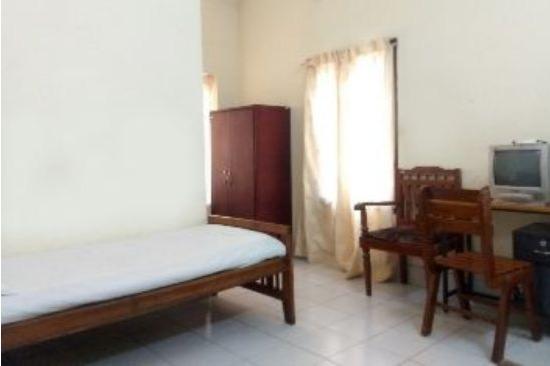
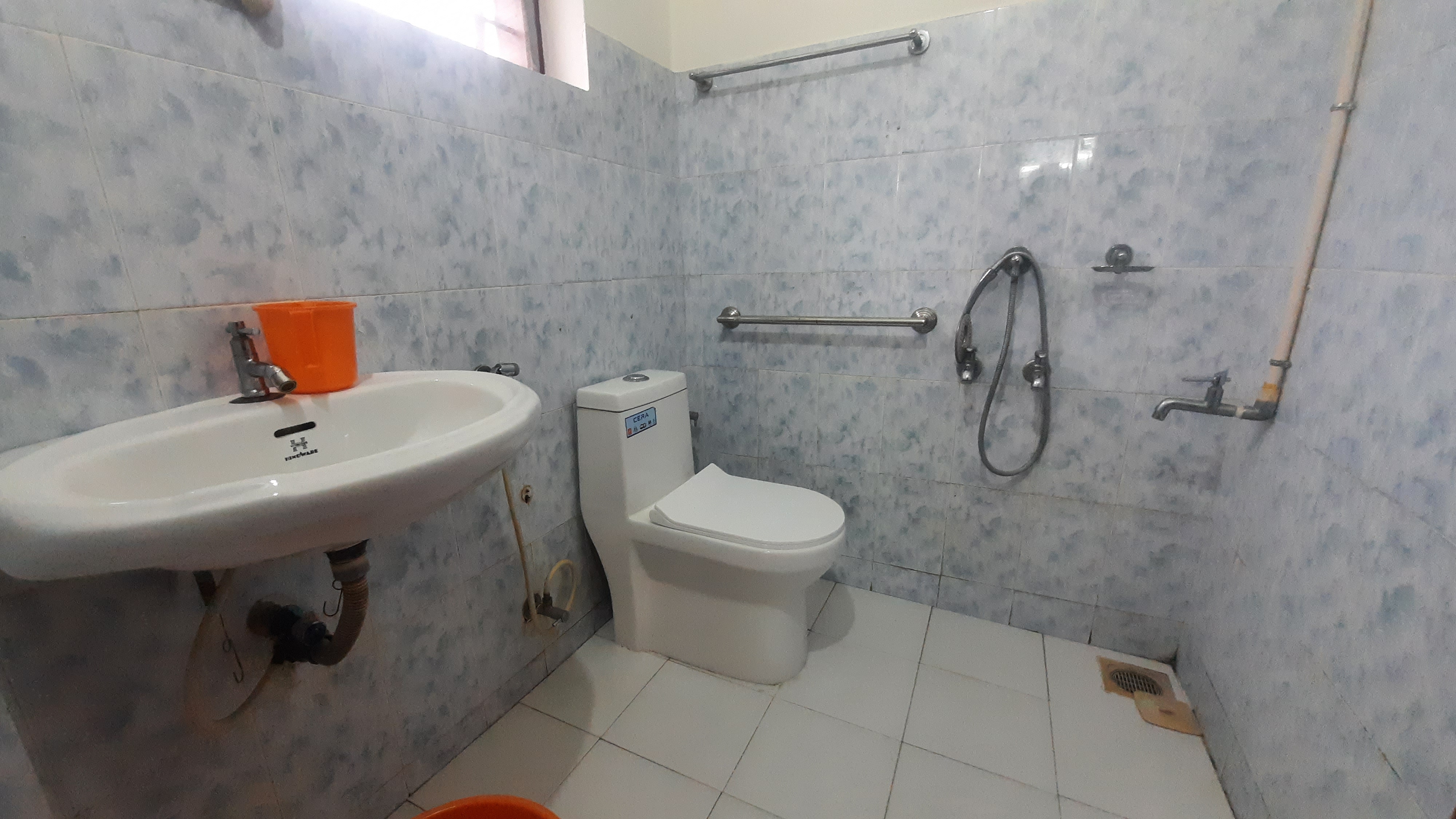
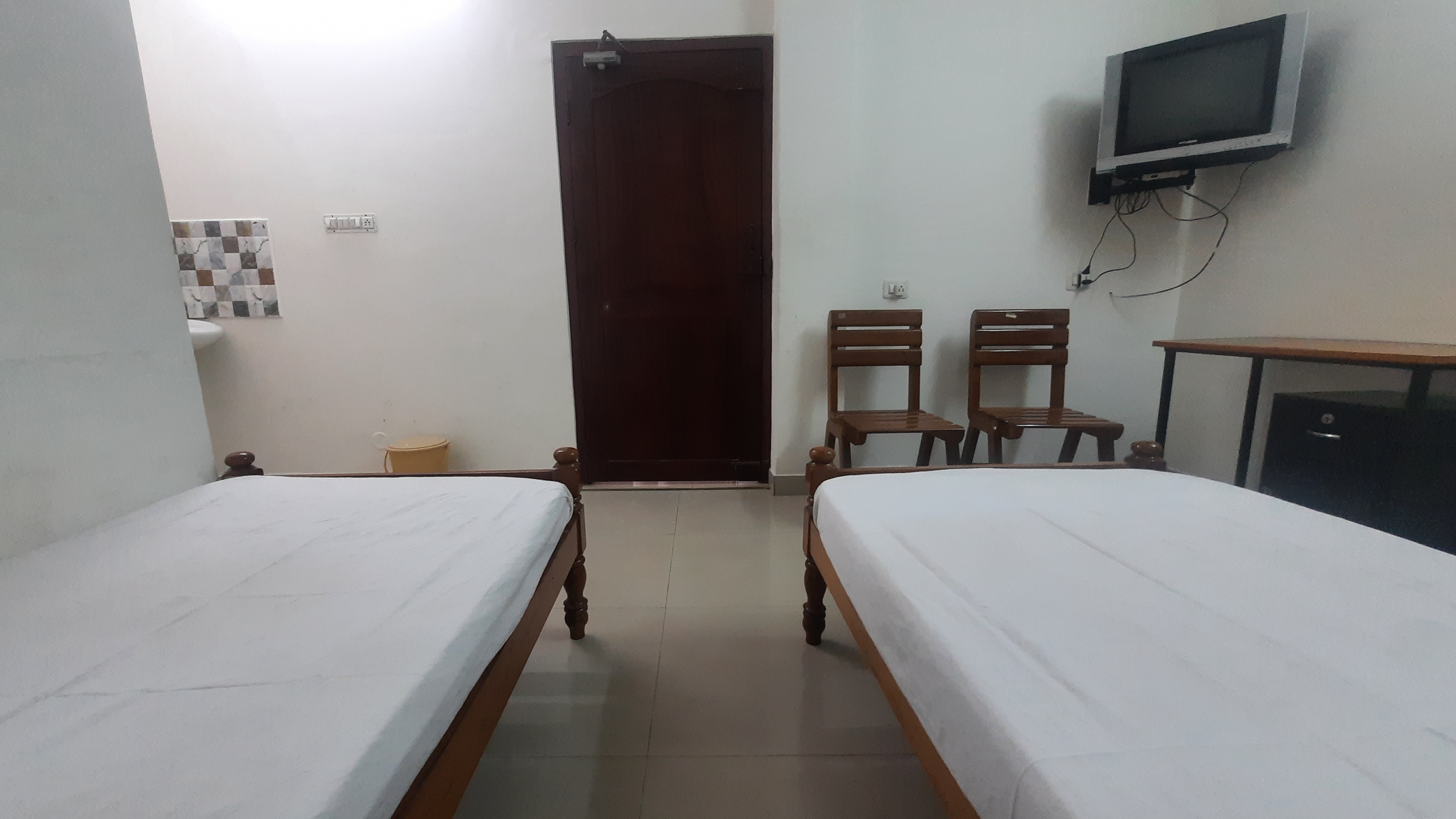
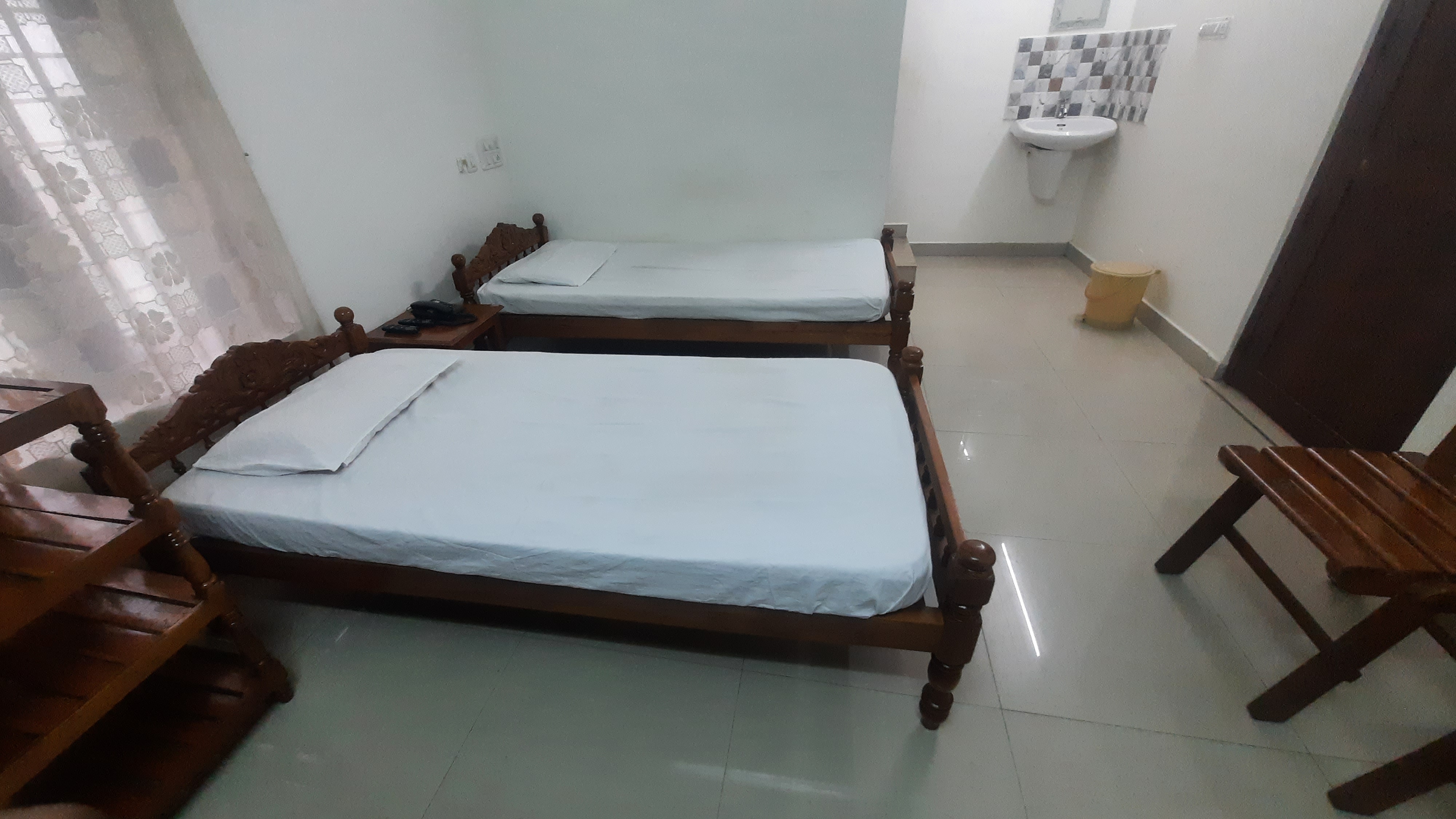
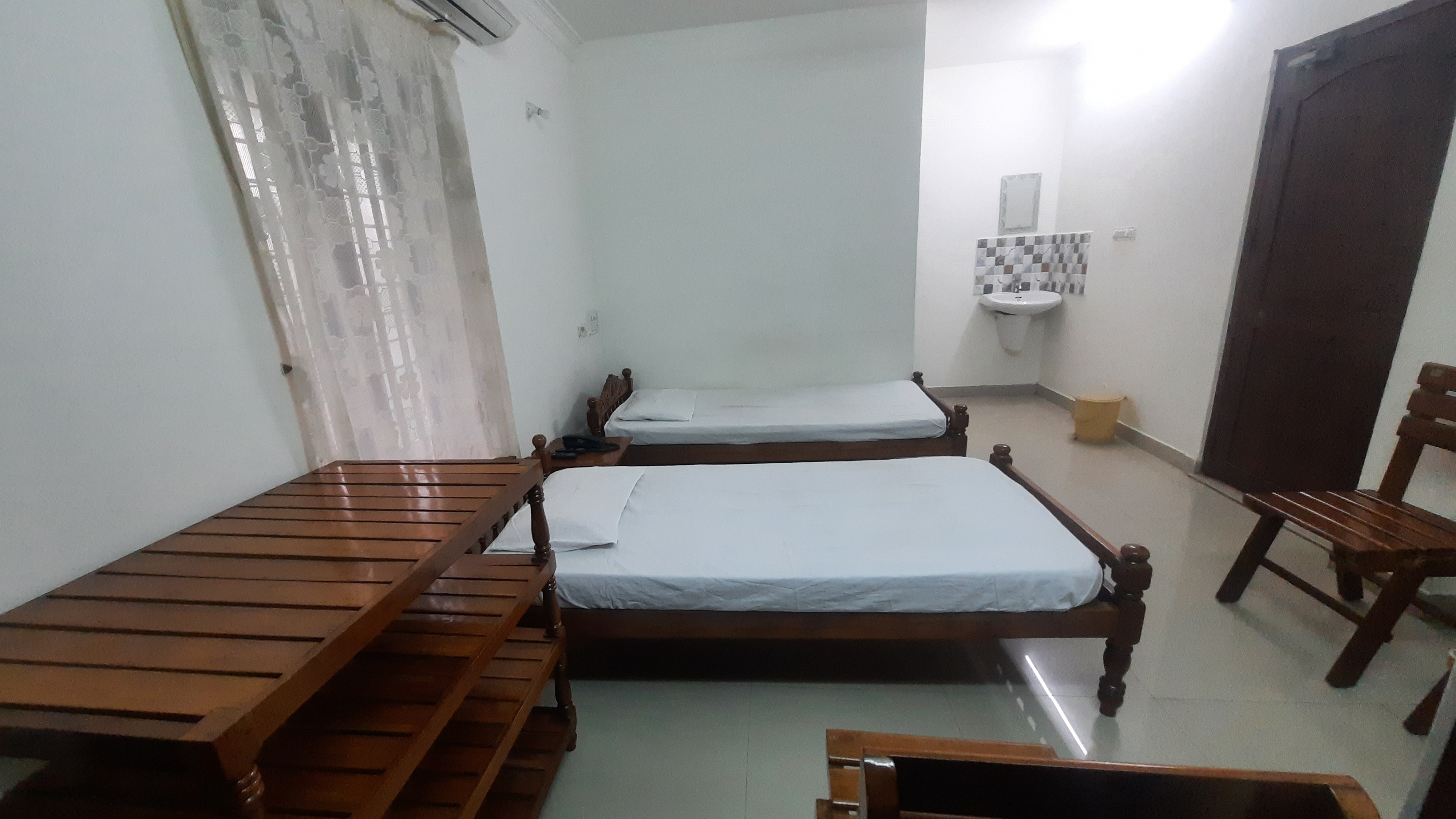
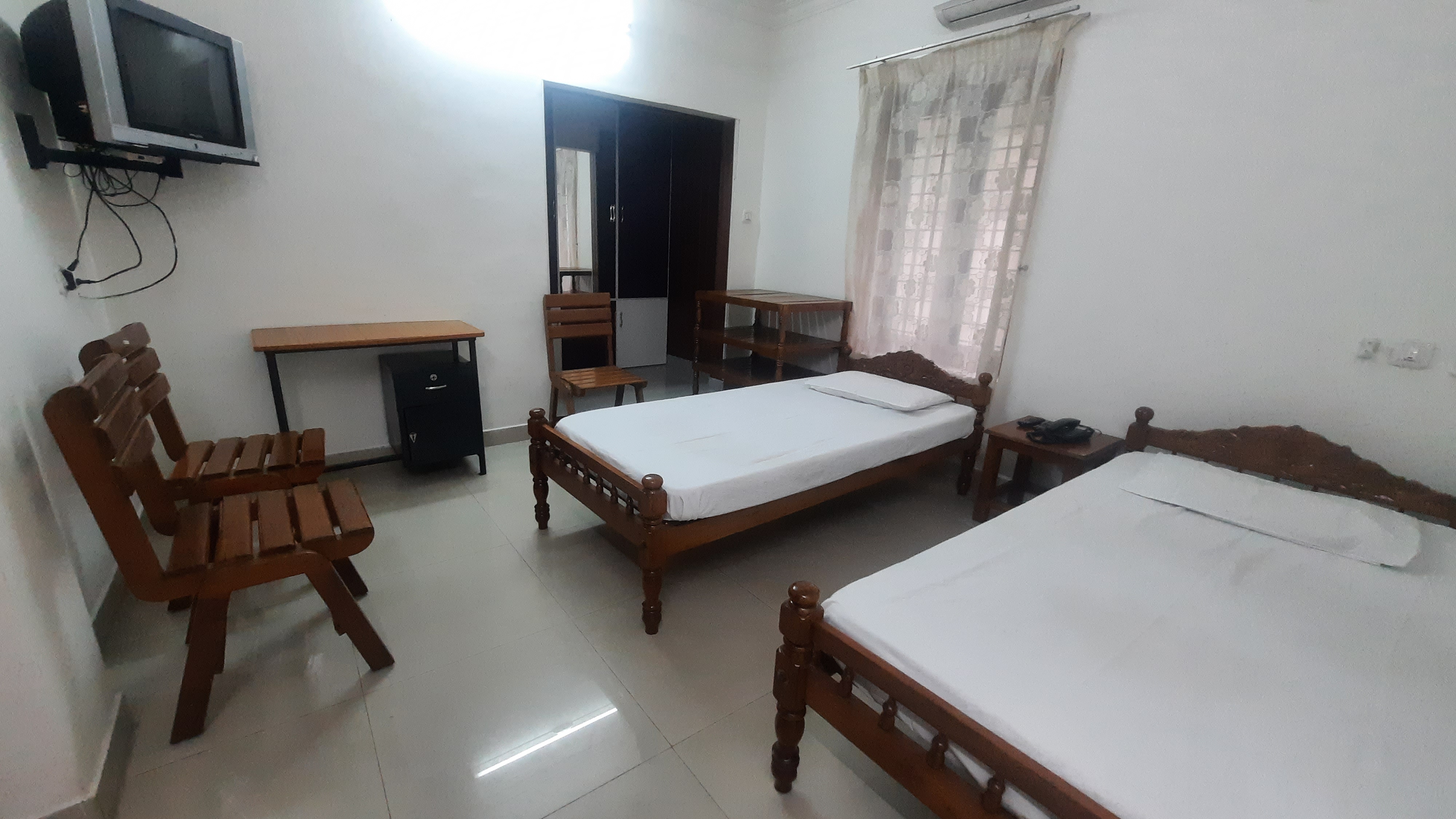
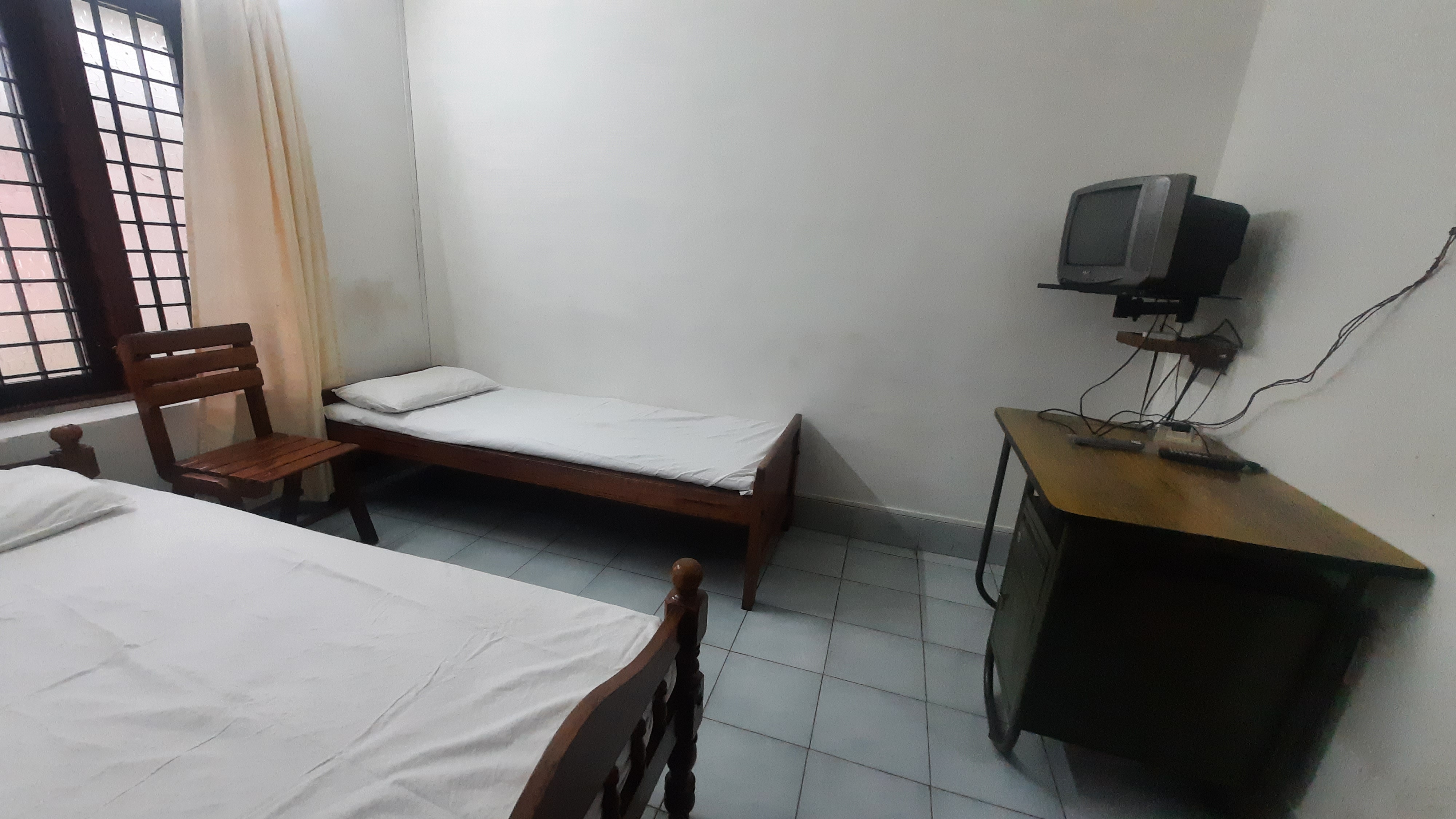
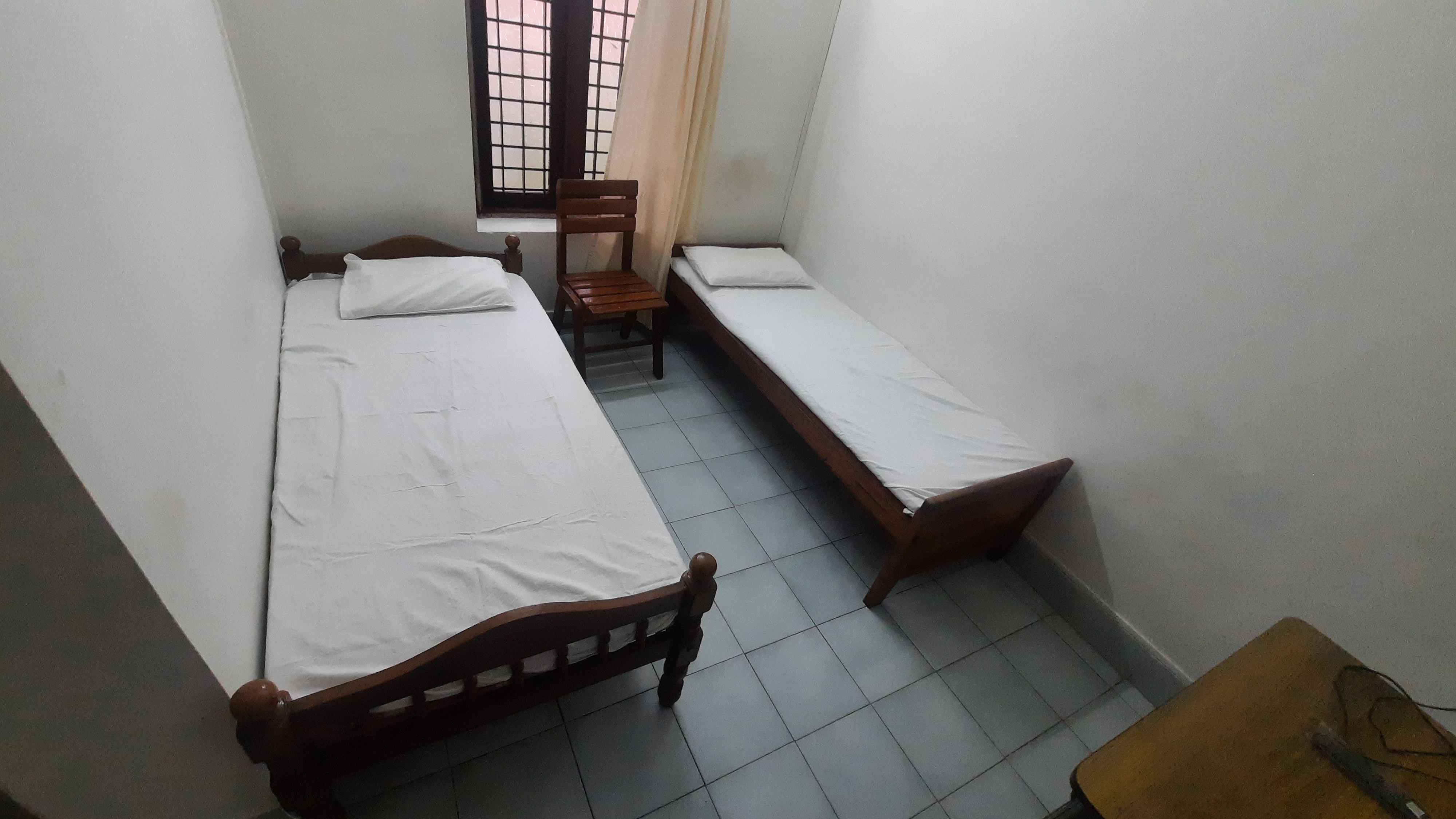
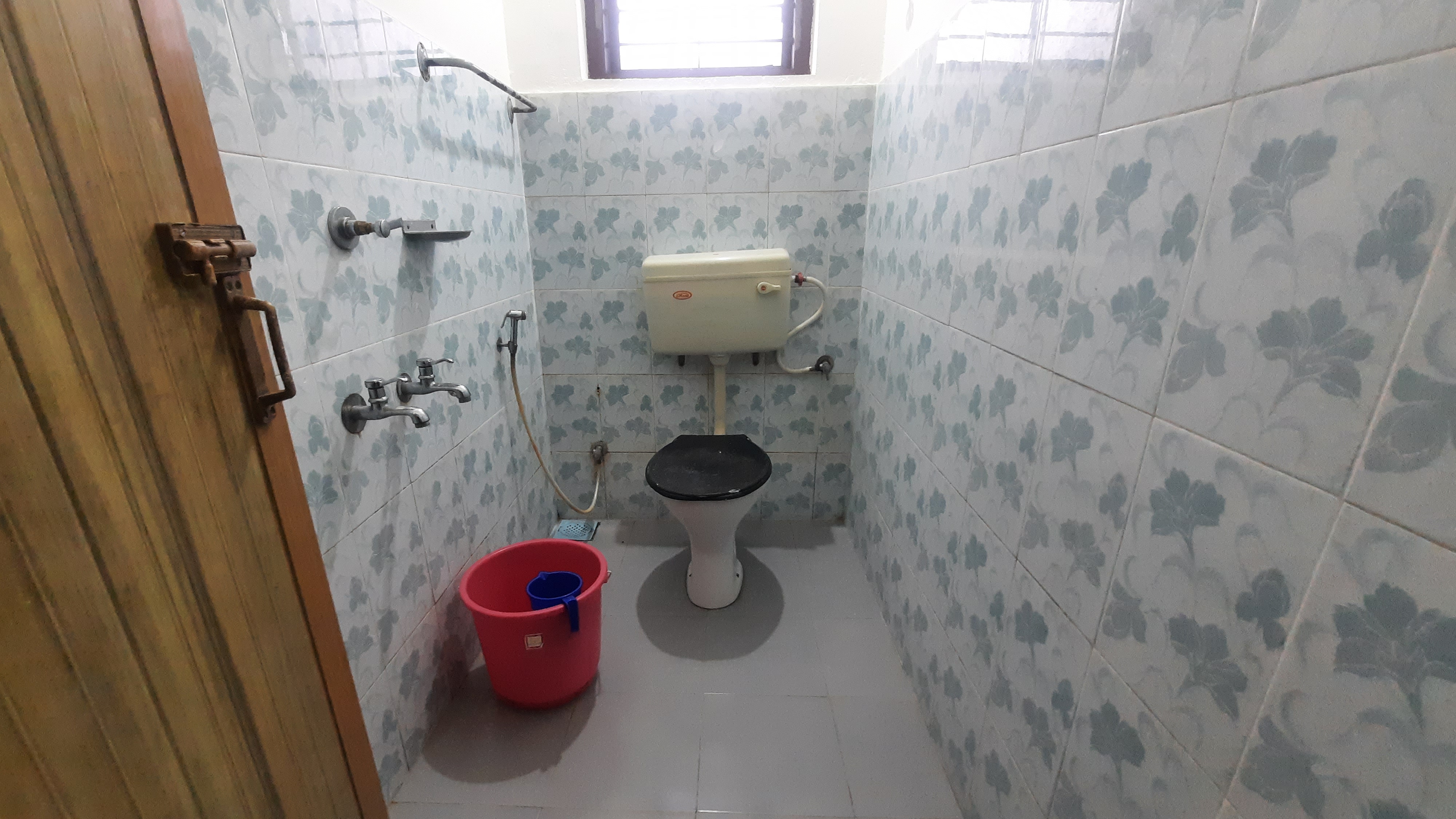
Rooms are designed for practical inpatient use rather than conventional resort luxury. Depending on category, published amenities include attached bathrooms, television or satellite channels, fans, air-conditioning in AC categories, Wi-Fi/internet access and basic in-room furnishings. The budget category includes a patient bed and an attendant's couch, reflecting the hospital-oriented character of the stay. Kerala Tourism also lists both AC and non-AC rooms, room service, internet, laundry and in-room safe facilities for the property. Guests choosing a category should therefore consider the required level of comfort alongside the length and intensity of the Ayurveda treatment.
Diet and Dining
Food forms part of the treatment plan rather than functioning as an independent restaurant experience. Residential treatment follows a strict vegetarian Ayurvedic diet, with meals adjusted to the individual's body constitution and health condition and coordinated with the doctor's treatment recommendations. Panchakarma information also identifies a customised Ayurvedic diet as part of the treatment pathway, while specialised seasonal care such as Karkidaka Chikitsa includes a structured food regimen and traditional preparations such as Karkidaka Kanji.
The dietary approach is intended to support digestion, treatment tolerance and the physician's therapeutic objectives. Outside food is discouraged during the program, and adherence to the prescribed meal routine is treated as part of the overall Ayurveda regimen. Current residential information indicates that wellness meals are included with treatment packages and that in-room dining may be arranged when recommended by the doctor. Detailed public information on buffet or table-service formats, restaurant design, fixed meal timings or a standard cuisine rotation is not part of the confirmed treatment information, reinforcing the hospital's emphasis on medically guided food rather than leisure dining.
Wellness Activities
Yoga, meditation and pranayama are the principal structured wellness activities available alongside Ayurveda treatment. The hospital's yoga-meditation program combines physical and mental practices and is guided by a qualified instructor, with sessions that may be conducted in groups or individually. The approach places emphasis on correct posture, breathing alignment, flexibility, relaxation, stress management and meditative practice rather than high-intensity fitness.
Participation is expected to remain compatible with the treatment plan. During intensive Panchakarma or purification periods, extensive physical activity and strenuous yoga may be restricted because rest is considered part of the therapeutic process. Sightseeing or external excursions are also intended to take place only when the treating doctor considers the patient's condition suitable. This creates a restrained wellness schedule in which Ayurveda treatment, rest, gentle yoga, pranayama and meditation take priority over recreational programming. The property is therefore better suited to guests seeking a clinically guided wellness routine than to those expecting a full resort activity calendar.
Facilities and Services
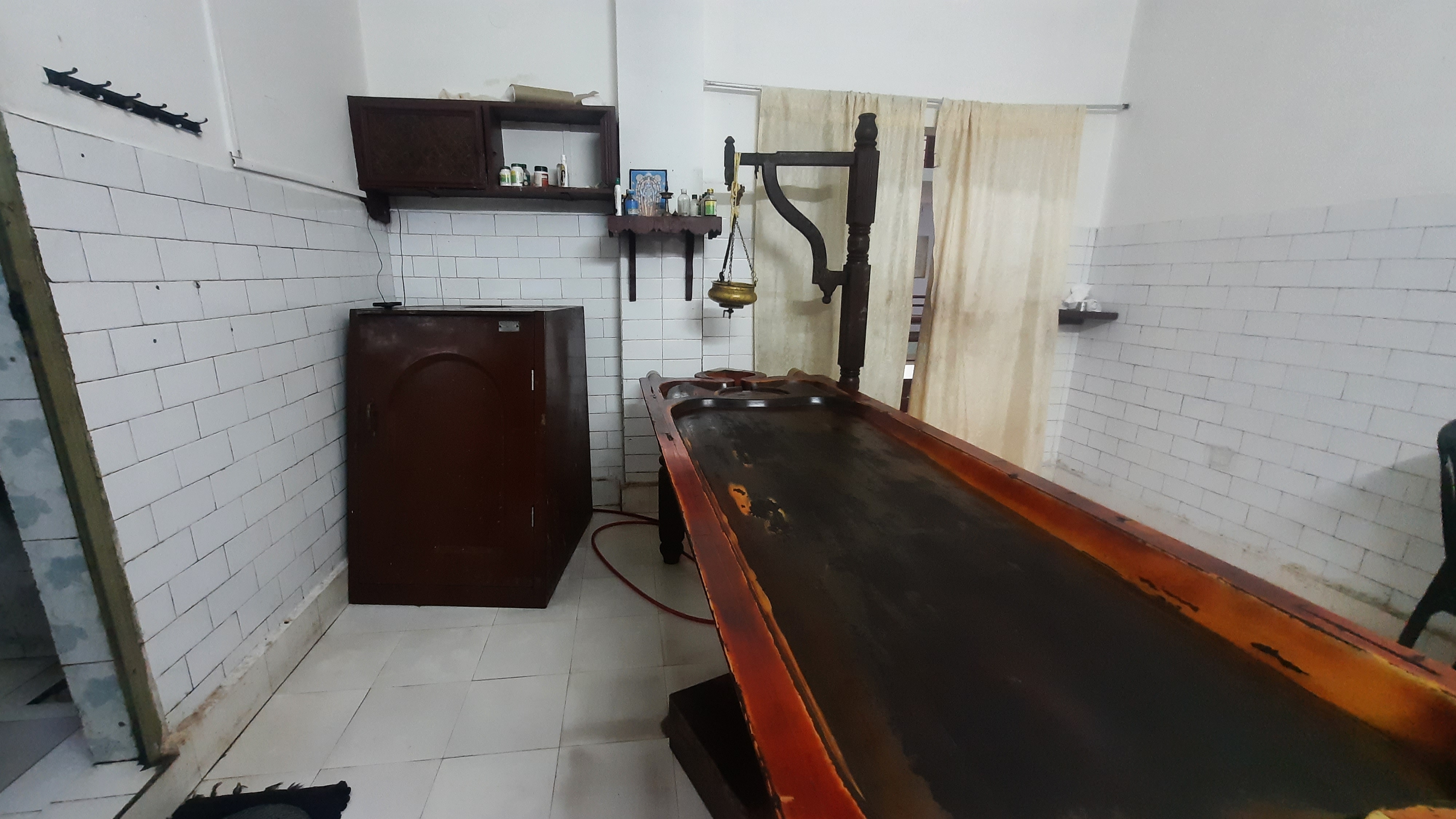
The hospital combines clinical and residential support services required for longer Ayurveda stays. Published facilities include doctor-on-call support, a Yoga Centre, food service, room service, internet access, laundry, car parking, car-hire assistance, a conference hall, television facilities, in-room safes and both AC and non-AC accommodation. The treatment infrastructure supports a wide range of classical Ayurveda procedures and includes dedicated consultation and therapy areas.
A dedicated insurance support service assists eligible inpatients with policy verification, treatment eligibility guidance, documentation, insurer or TPA coordination, approval updates and claim settlement support. Depending on the policy, support may involve cashless processing or reimbursement claims; coverage remains subject to the insurer's terms, pre-authorisation requirements and treatment eligibility. The hospital is approximately 7 km from Kayamkulam Railway Station, while the official travel guidance places it about 107 km from Thiruvananthapuram International Airport and 125 km from Cochin International Airport. These transport distances make advance transfer planning useful for residential guests.
Sustainability and Guest Guidelines
Dhathri identifies eco-friendliness, authenticity, humanism and social responsibility among its institutional values. Its environmental positioning is linked to reducing unnecessary environmental impact and promoting nature-based health practices; the organisation has also supported initiatives encouraging organic vegetable cultivation and awareness of pesticide-free food. These values sit alongside its stated commitment to preserving traditional Ayurveda procedures and the careful use of herbal medicines.
Residential guests are expected to follow the medical routine closely. Prescribed medicines should be taken on time, outside food is discouraged, strenuous physical activity may be restricted, and sufficient physical and mental rest is recommended during treatment. Planned therapies may be changed if fever, acute illness or another temporary condition makes them unsuitable. Certain major procedures may also be modified during menstruation according to the doctor's decision. Sightseeing and excursions are secondary to treatment and should be undertaken only after medical assessment. These guidelines reflect the hospital's view that results depend not only on individual therapies but also on adherence to diet, rest, medication and the recommended post-therapy regimen.
Guest Experience and Stay Approach
A stay at Dhathri is structured around Ayurvedic medical care rather than conventional holiday hospitality. The typical experience begins with physician consultation and assessment, followed by an individual treatment schedule, prescribed medicines, vegetarian Ayurvedic meals and a daily routine shaped around therapy, rest and supportive yoga or meditation. This format is particularly relevant for guests seeking longer Panchakarma, pain and musculoskeletal care, skin-related treatment, lifestyle support or rejuvenation under medical supervision.
The hospital setting provides practical accommodation and access to doctors, therapists and treatment spaces without requiring guests to travel between separate facilities during the core program. The calm Kayamkulam environment and riverside positioning contribute to a quieter residential atmosphere, while leisure activity remains deliberately secondary to recovery and routine. The stay is therefore best approached as a disciplined Ayurveda retreat with clinical oversight, where comfort supports treatment but does not replace it. Guests planning an inpatient course should be prepared to follow the physician's guidance on therapies, food, medication, activity and rest throughout the residential period and after discharge.
-
 24 * 7 Ayurvedic Doctor
 -
 24 * 7 Security
 -
 Ayurvedic Dosha Meals
 -
 Complimentary Meditation Classes
 -
 Exclusive Ayurveda Property
 -
 Free Wifi
 -
 NABH
NABH -
 Physical Key
 -
 Toilet Paper
 -
 Translators : English
 -
 Vegetarian Meals
More about Dhathri Ayurveda Hospital & Panchakarma Centre
Dining at Dhathri Ayurveda Hospital & Panchakarma Centre is organised as part of the therapeutic routine rather than as a conventional resort dining experience. Residential Ayurveda programs follow a strict vegetarian diet, with meals planned around the guest's body constitution, health condition and the requirements of the prescribed treatment. Food therefore works alongside medicines, therapies, rest and daily medical supervision, particularly during Panchakarma and longer condition-focused stays. Wellness meals are included within residential treatment packages, while outside food is discouraged so that the dietary regimen remains consistent with the physician's plan. In-room dining may be arranged when specifically recommended by the doctor, allowing the meal routine to be adapted when rest or a treatment phase requires it.
The dietary approach can become more specific according to the treatment being undertaken. Panchakarma is accompanied by a customised Ayurvedic diet, and the seasonal Karkidaka Chikitsa program combines therapies, yoga, meditation and a carefully planned food regimen. During this monsoon program, Karkidaka Kanji forms part of the dietary tradition; it is prepared as a medicinal porridge using grains, herbs and spices associated with the seasonal regimen. The emphasis throughout the stay is on simple, disciplined and treatment-compatible nourishment rather than rich or unrestricted eating, helping the prescribed food pattern remain aligned with the guest's Ayurveda program and recovery schedule.
Leisure at Dhathri Ayurveda Hospital & Panchakarma Centre is intentionally quiet and treatment-compatible, reflecting the hospital's focus on recovery rather than a conventional resort activity schedule. The property is associated with a calm waterfront and riverside setting in Kayamkulam, creating an environment suited to rest between consultations and therapies. The principal structured wellness activities are yoga, guided meditation and pranayama, which may be integrated with Panchakarma and other residential programs according to the guest's condition and the doctor's guidance.
Yoga sessions place emphasis on posture, flexibility, breath awareness and controlled movement, while meditation and mindfulness practices support relaxation and mental quiet. Pranayama instruction may include Anulom Vilom, Kapalabhati, Bhramari and deep diaphragmatic breathing, and Suryanamaskar may also be practised under guidance when suitable. Sessions can be delivered in group or individual formats by the hospital's trained yoga instructor, with the approach adjusted so that wellness activity does not interfere with medical treatment. During intensive purification or recovery phases, guests may be advised to reduce strenuous exercise, including extensive yoga, because physical and mental rest forms part of the therapeutic routine. Sightseeing and excursions are therefore secondary to treatment and are recommended only after the medical team has assessed whether the guest's condition and treatment schedule allow them.
The Ayurveda Centre at Dhathri Ayurveda Hospital & Panchakarma Centre operates as a physician-led clinical treatment environment rooted in the institution's long family tradition of Ayurveda. Care begins with consultation and assessment of the guest's health concerns, lifestyle and Prakriti or body constitution. The medical team then develops an individual plan that may combine classical therapies, Panchakarma procedures, herbal medicines, therapeutic diet, rest and supportive yoga or meditation. Treatment is not applied as a fixed sequence for every patient; the selection, intensity and duration are adjusted according to the diagnosed condition, individual strength and response during the stay.
Panchakarma is one of the centre's principal areas of practice, with 14 to 21 days commonly recommended for a more complete residential course, subject to physician evaluation. The treatment repertoire includes Abhyangam, Kativasthi, Karnapooranam, herbal steam bath, Tharpanam, Thalapodichil, Lepanam, Nasyam, Njavarakizhi, Pizhichil, Sirovasthi, Kizhi, Udvarthanam, Shirodhara, Mukhalepanam, Upanaham, Virechanam, Vasthy, Kashayadhara and Snehapanam, together with other condition-specific procedures. Panchakarma may involve preparatory, cleansing and post-procedure phases, and the daily schedule is monitored by Ayurvedic physicians so that therapies can be modified when required.
The centre supports a broad clinical scope including spine and joint concerns, skin conditions, hair and scalp concerns, lifestyle-related disorders, stress management, rejuvenation and preventive wellness. Yoga, meditation and pranayama can be incorporated as supportive practices, while dietary instructions and prescribed medicines remain part of the same therapeutic plan. The hospital's current NABH Entry Level AYUSH Hospital certification specifically covers the Ayurveda services of Panchakarma and Yoga, reinforcing the centre's structured focus on clinical processes, patient safety and organised Ayurveda care.
Spine Joint Disorders
Skin Conditions
Hair & Scalp Ailments
The principal current institutional recognition verified for Dhathri Ayurveda Hospital & Panchakarma Centre is its certification from the National Accreditation Board for Hospitals & Healthcare Providers (NABH), a constituent board of the Quality Council of India. The hospital holds Entry Level AYUSH Hospital certification, Certificate No. EAH-2023-0042, with the present certification cycle valid from 11 September 2025 to 10 September 2027. The certified Ayurveda services are Panchakarma and Yoga.
-
Description
The 21 Nights Sciatica Treatment Program at Dhathri Ayurveda Hospital & Panchakarma Centre addresses radiating pain that may travel from the lower back through the buttock and into one or both legs. Dhathri’s clinical approach to back pain links sciatica with aggravated Vata and recognises that lower-back strain, poor posture and related spinal concerns can contribute to this pattern of pain. The Program is intended for guests experiencing radiating discomfort, stiffness, reduced walking tolerance or difficulty with sitting and routine movement.
The therapeutic objectives include supporting pain relief, lower-back mobility, nerve-related comfort and safer functional movement, while reducing mechanical factors that may aggravate symptoms. Posture awareness, gentle activity, stretching and avoidance of prolonged sitting may be incorporated as part of recurrence management. The final care plan is prepared after comprehensive consultation and clinical assessment by the Ayurvedic physician, taking account of pain distribution, neurological symptoms where present, medical history, Prakriti, strength, age and individual functional goals.
.Note:
All treatments and program components are personalised following the initial consultation with the retreat's Ayurveda doctor and the guest's health condition. Therapy protocols may vary accordingly.
-
Daily Schedule
Items From To Meditation/Pranayama Session 06:00 AM 08:00 PM Breakfast 8:30 AM 9:30 AM Lunch 12:30 PM 01:30 PM Consultation Time 09:00 AM 06:00 PM Treatment Session 08:00 AM 06:00 PM *: Please note that this is a general outline. Programmes will be offered based on an expert Ayurvedic physician’s assessment of the guest and clinical conditions. Specifics may vary from case to case. -
Treatment Methodology
Treatment Protocol
Abhyangam
Kizhi / Patra Pottali Sweda
Kati Vasti
Lepanam / Pichu
Pizhichil when indicated
Vasti
Gentle stretching
Physiotherapy
Yoga
Main focus: Reduction of pain, stiffness and radiating symptoms followed by Vatahara and strengthening therapies.
-
Major Benefits
- Radiating Pain Support: Seeks to reduce pain extending from the lower back into the leg.
- Lower-Back Mobility: Supports more comfortable spinal and hip movement.
- Functional Walking: Encourages improved tolerance for standing and walking.
- Posture Management: Addresses sitting and movement habits that may worsen symptoms.
- Muscle and Nerve Comfort: Supports reduction of associated tightness and irritation.
- Recurrence Prevention: Promotes appropriate stretching, movement breaks and long-term back-care habits.
-
Pre-Arrival
- Detailed Ayurvedic Consultation: Individual consultation with the Ayurveda physician to understand the guest’s health concerns, requirements and wellness objectives.
- Diet Consultation: Personalised dietary guidance based on the guest’s Ayurvedic requirements and health assessment.
- Body Analysis: Ayurvedic body analysis to understand individual characteristics and support personalised treatment planning.
- Health Assessment: A detailed assessment of the guest’s overall health status to help the Ayurveda physician determine an appropriate course of care.
-
Retreat Experience
Program Overview
Medical Guidance
- Detailed Ayurvedic consultation on arrival
- Daily physician interactions and health monitoring during the stay
Ayurvedic Therapies
- 1 Personalised ayurvedic therapy sessions per day ( 90 minutes )
Yoga & Meditation
• 1 guided group yoga sessions per day (60 minutes each)
Additional Elements
• Personalised detox therapies prescribed by Ayurvedic physicians
• Daily group yoga and meditation practices
• Herbal medicines prepared by traditional Ayurvedic practitioners with GMP certification
• Dietary and lifestyle guidance to support continued detoxification after the stayDuring Treatment- Your Ayurvedic physician monitors progress and adjusts treatments as your body responds.Treatments run approximately 90 minutes daily, customised throughout to the physician's recommendations.
-
Inclusions
- Accommodation: Room rent for the complete Program duration
- Ayurvedic Therapies: All therapies prescribed as part of the treatment plan
- Ayurvedic Medicines: Medicines used during the therapies
- Daily Treatments: Ayurvedic treatments conducted daily as advised by the expert Ayurveda physician
- Doctor Consultations: Daily consultations throughout the stay
- Doctor Fees: Ayurveda physician consultation and professional fees
- Nursing Care: Nursing fees during the treatment stay
- Food: Meals provided throughout the Program
- Meditation & Pranayama: Meditation and Pranayama sessions for 2 patients
- Library & Wi-Fi: Access to library facilities and Wi-Fi
-
Starting Rate
₹ 111300 -
Airport Transfers
No -
Duration Of Therapy
90 Minutes per day -
Treatment Sessions Per Day
1 -
Number of Days
22 Days -
Languages
English, Malayalam -
Food
Dhathri Ayurveda Hospital & Panchakarma Centre serves predominantly Kerala-style vegetarian Ayurvedic food, prepared commonly and served individually at the table in the common canteen. Meals are generally mild, less oily and less spicy, following familiar Kerala-style preparations suited to a residential Ayurveda treatment routine. Guests visit the canteen at meal timings allocated by the doctor, and prescribed internal Ayurvedic medicines may also be administered there as part of the daily schedule.
On specific treatment days, the doctor may prescribe dietary modifications according to the therapy being undertaken. During such periods, regular meals may be replaced or adjusted with special therapeutic preparations such as Ayurvedic kanji and other treatment-specific foods, ensuring that the diet remains aligned with the individual treatment plan.
-
Exclusions
- Airport Transfer
- Products or Internal medicines
- Lab investigations(if any),
- Physiotherapy (if any)
- Personalised Yoga Sessions (if any)
- Food items/ Fruits/any other item which is purchased on your demand will be charged separately
- Laundry
- Telephone
- Trips
- Medicines to be taken home.
Walk-Through Video
Stay
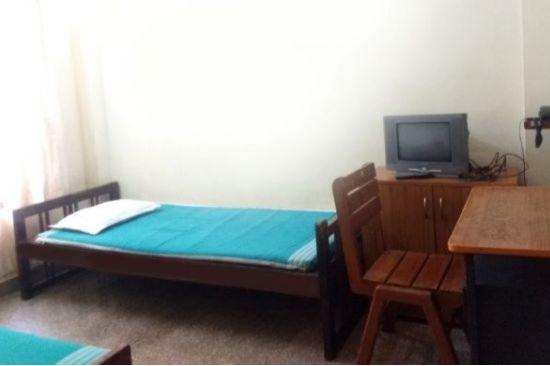
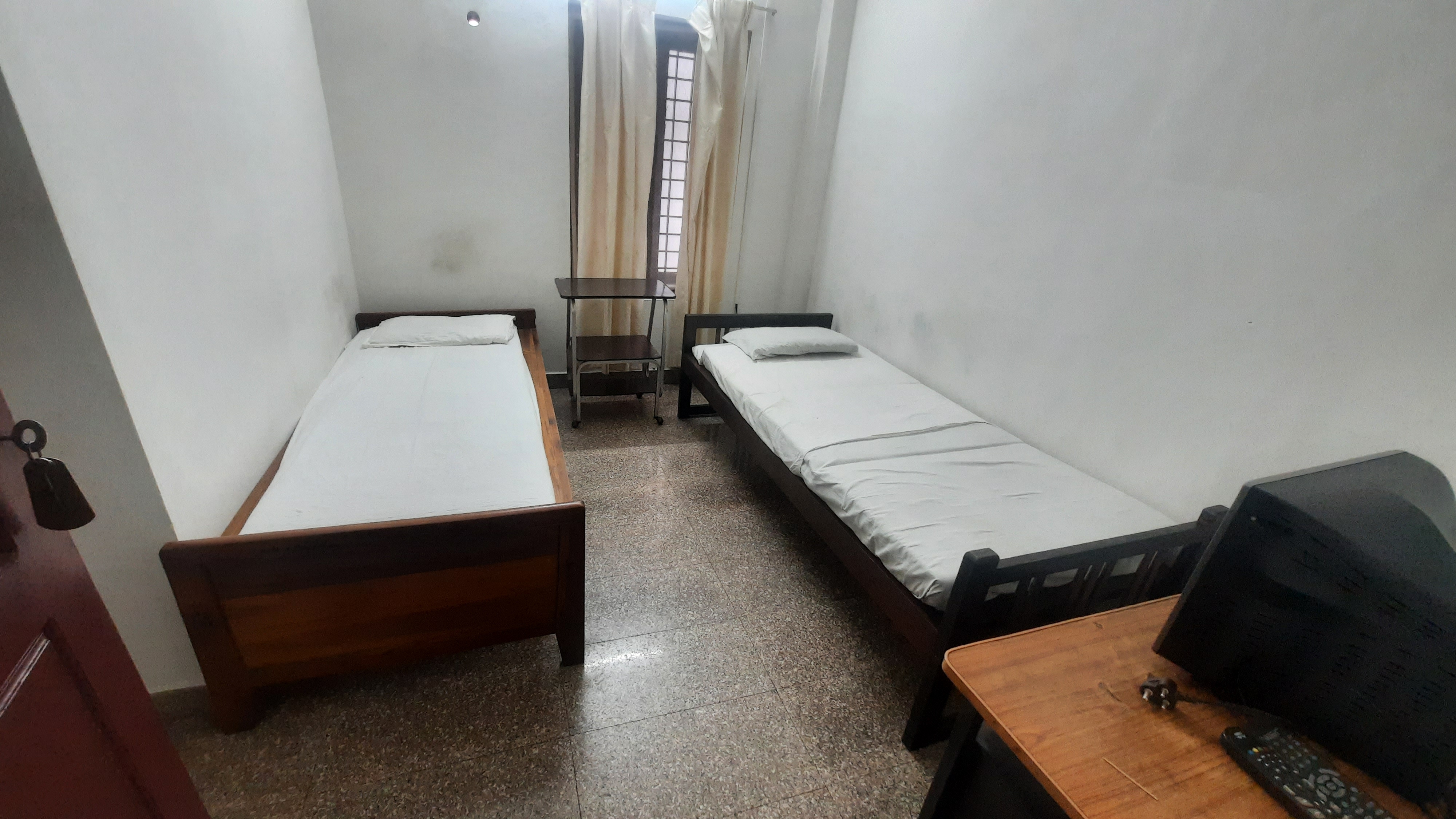
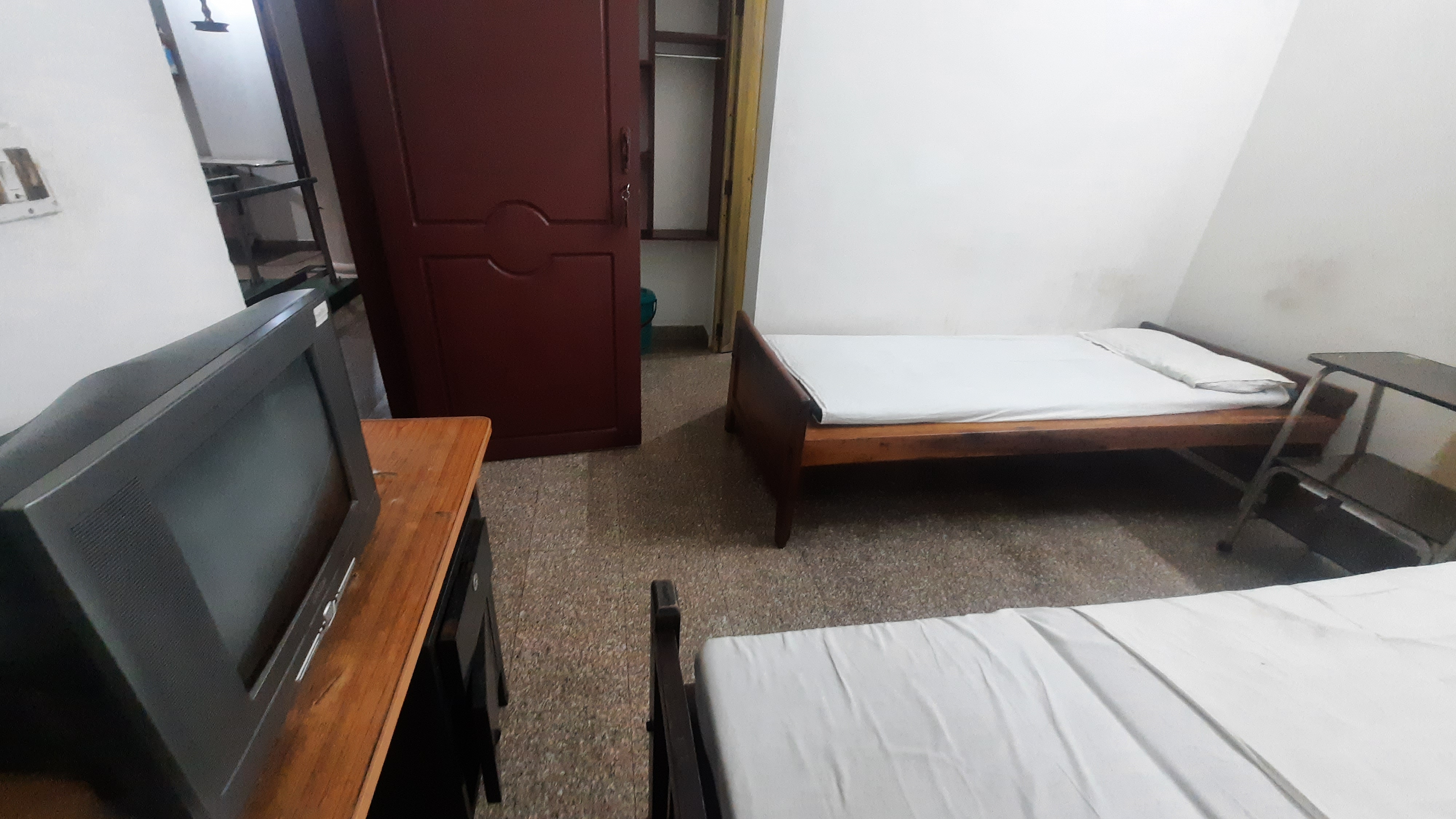
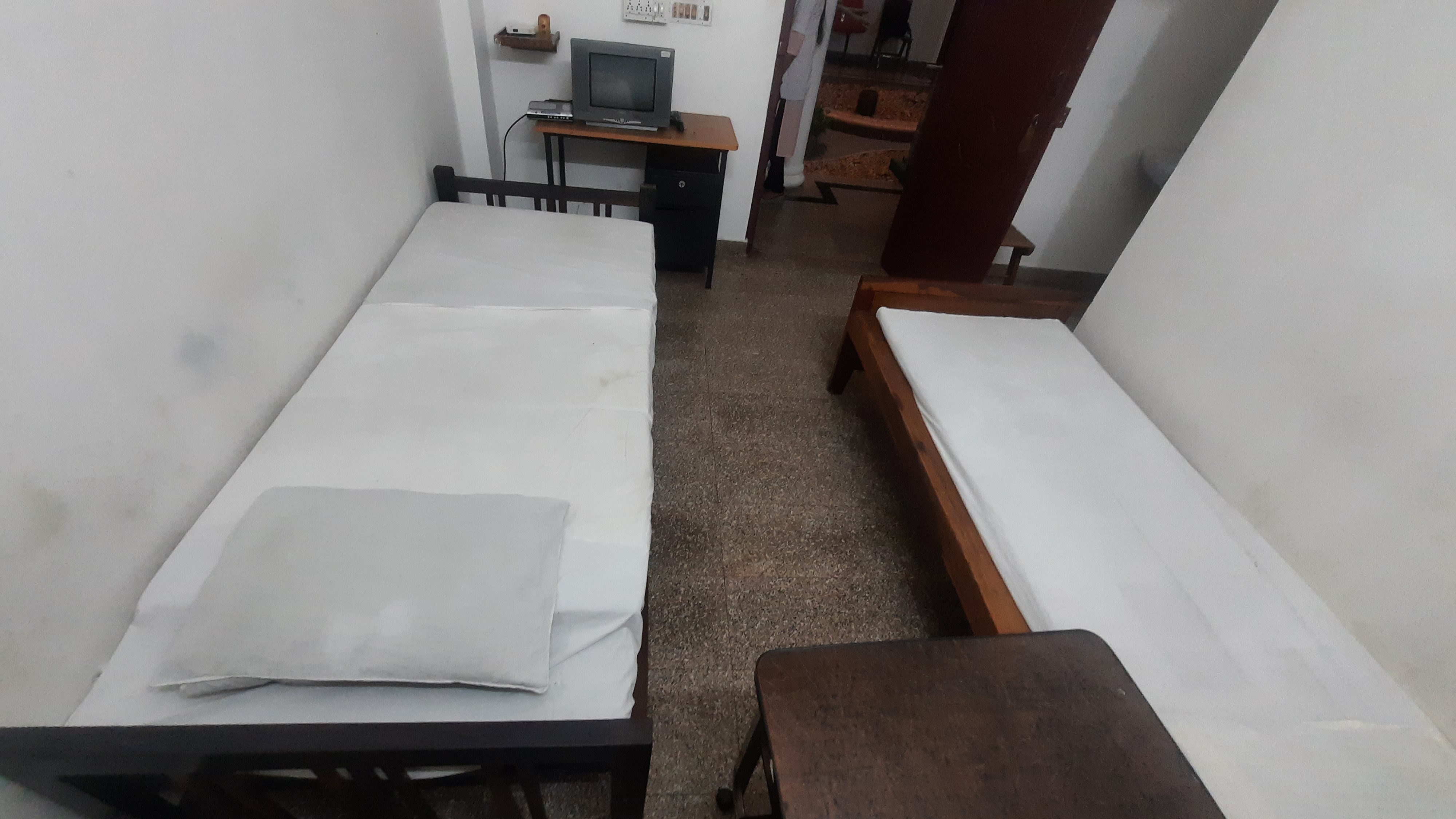
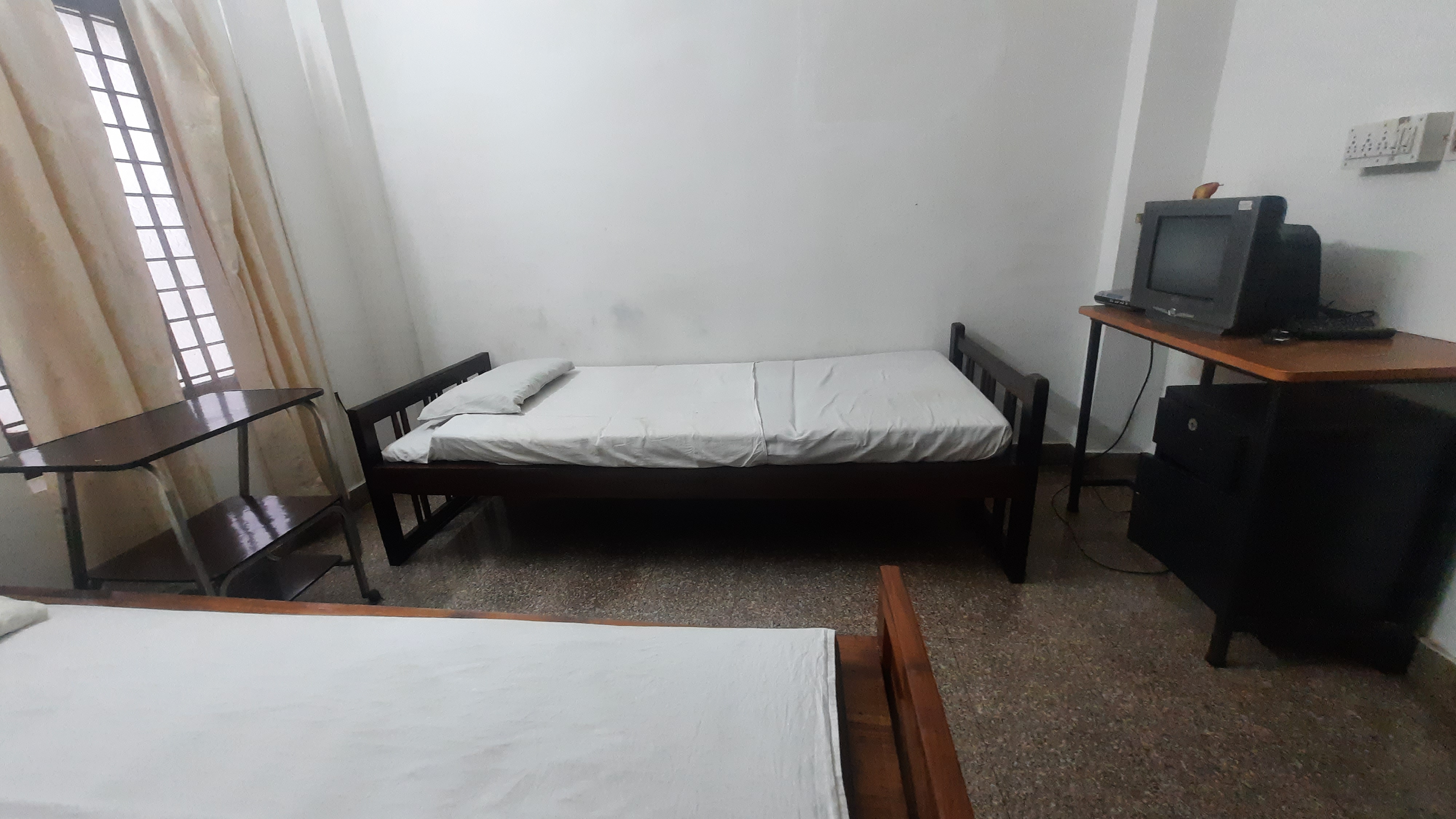
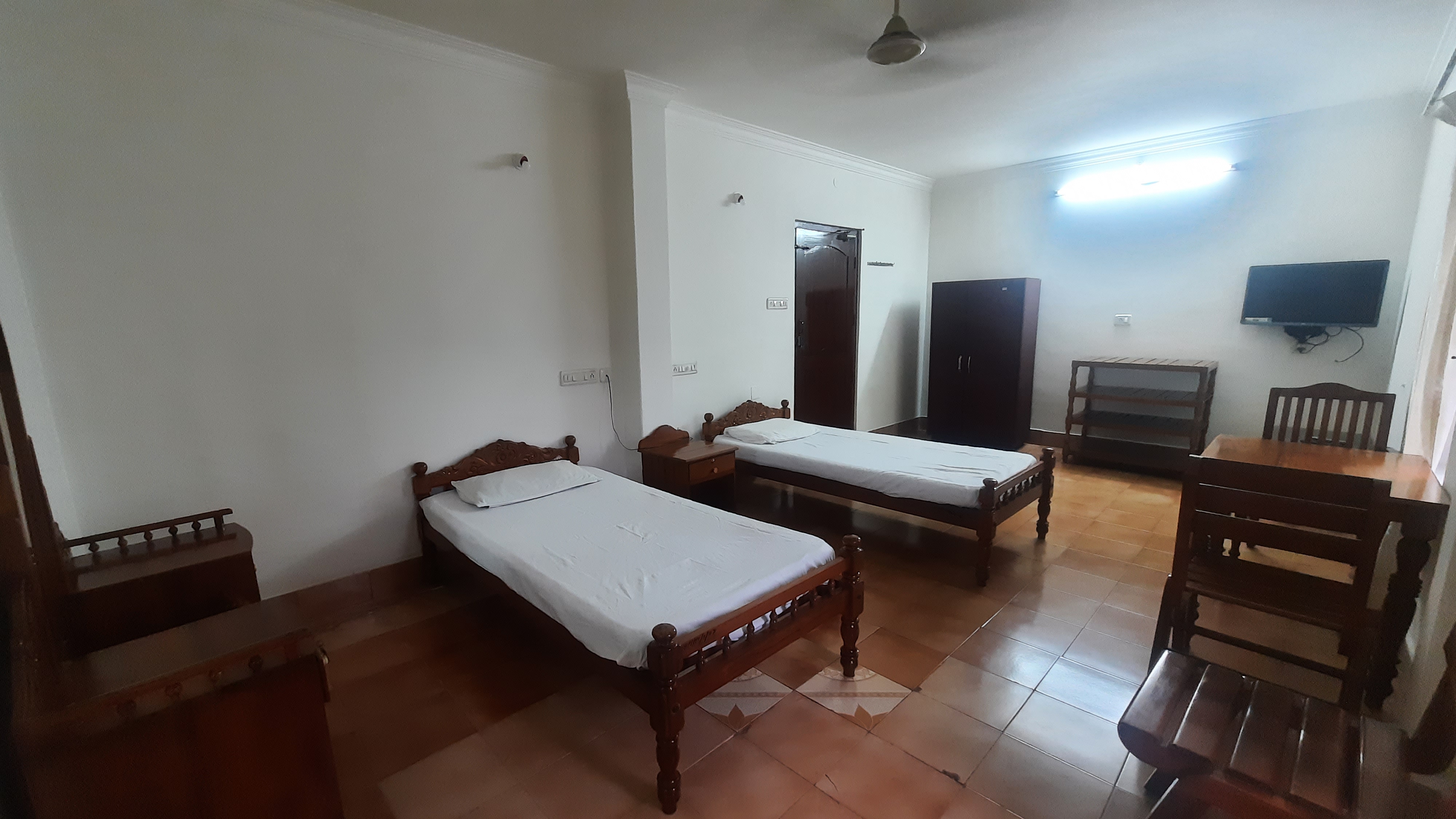
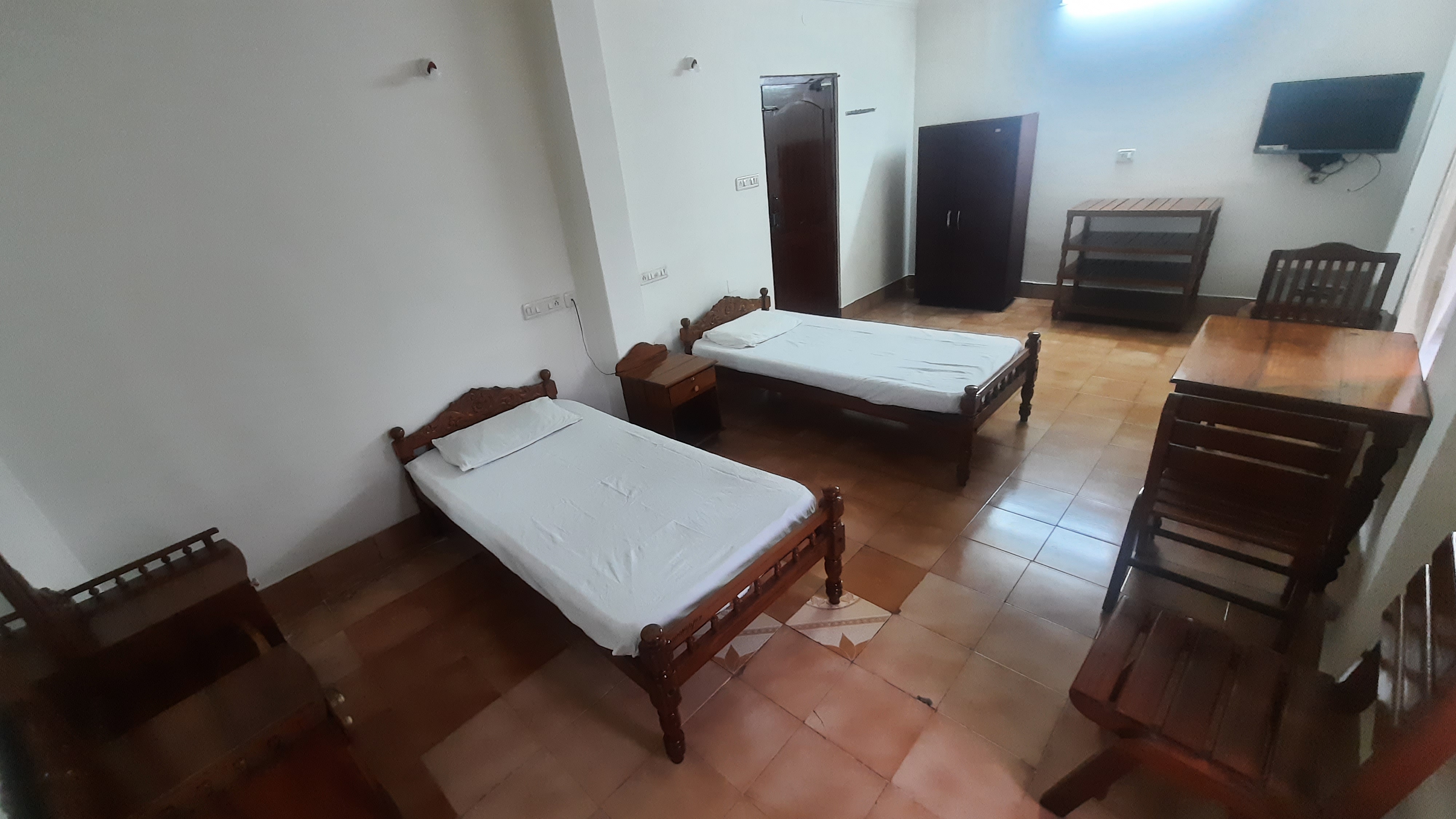
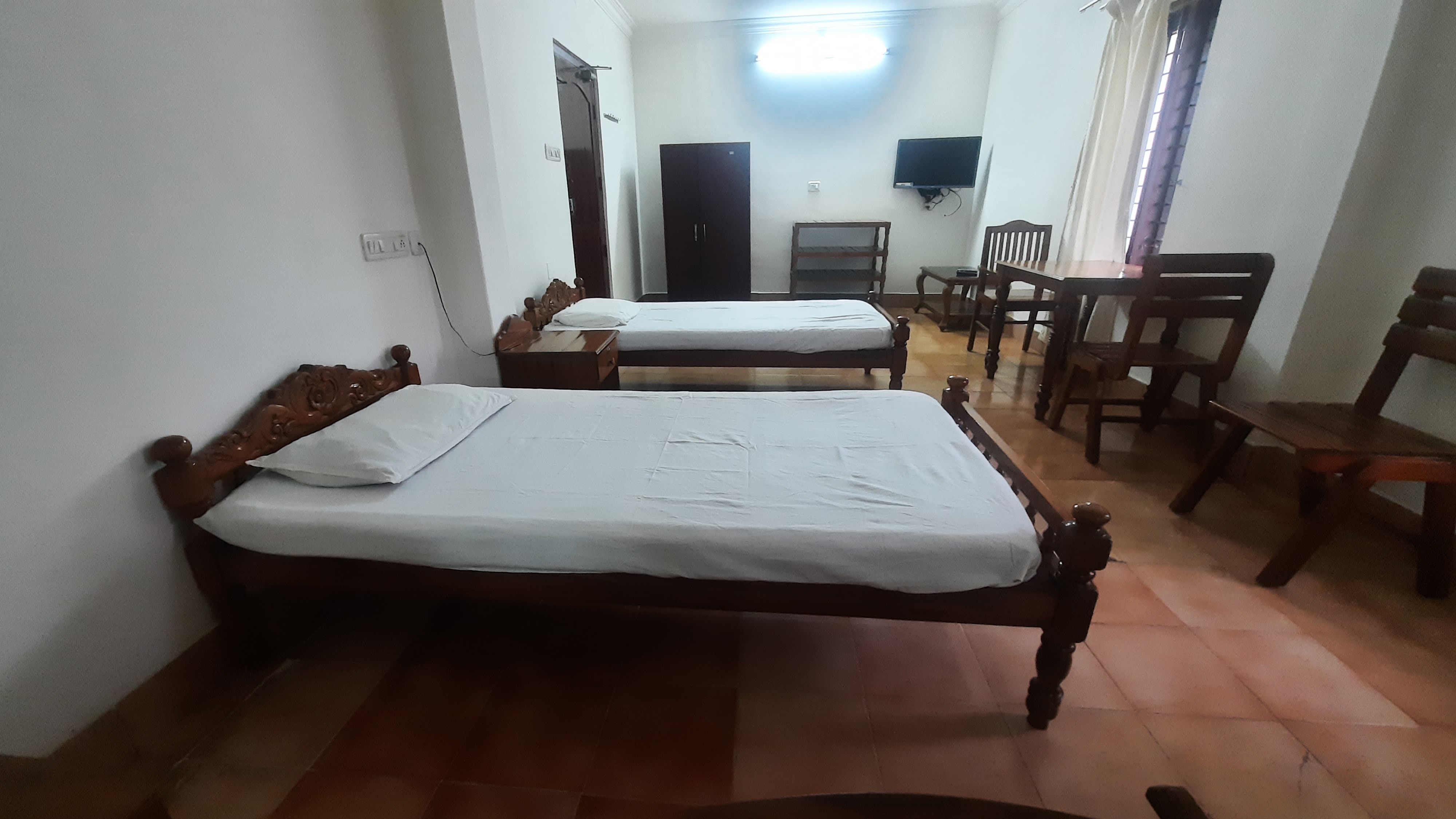
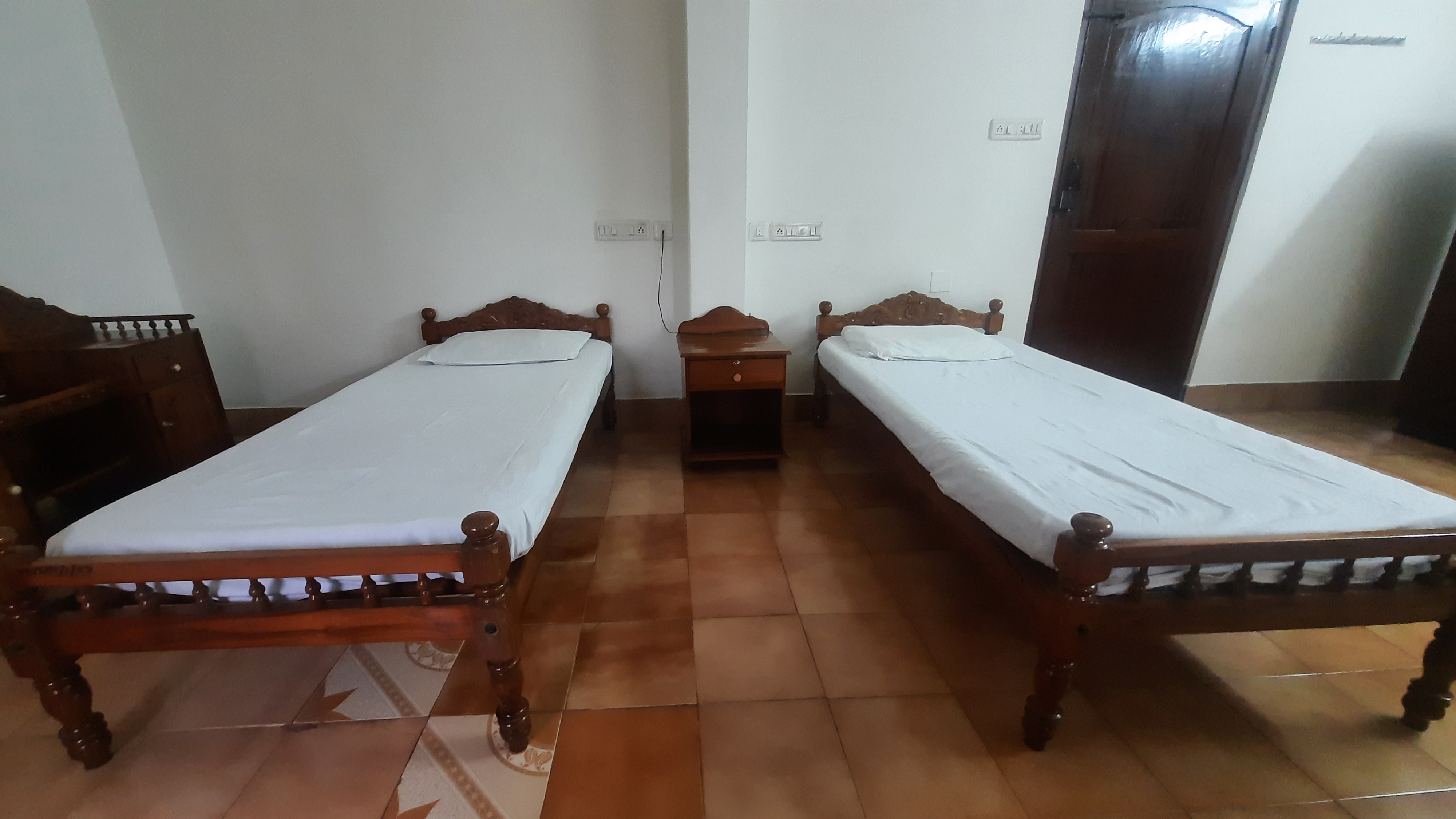
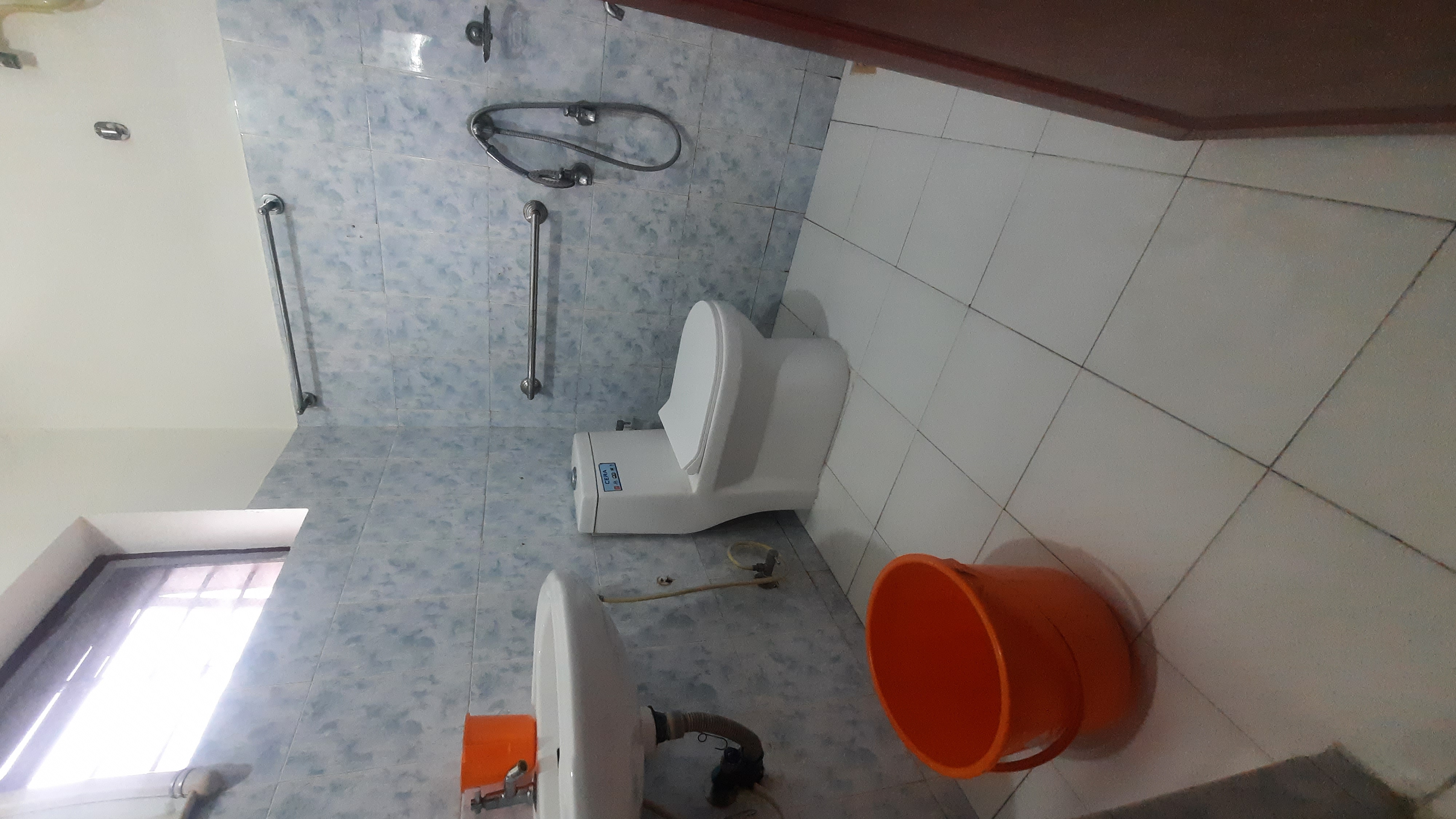
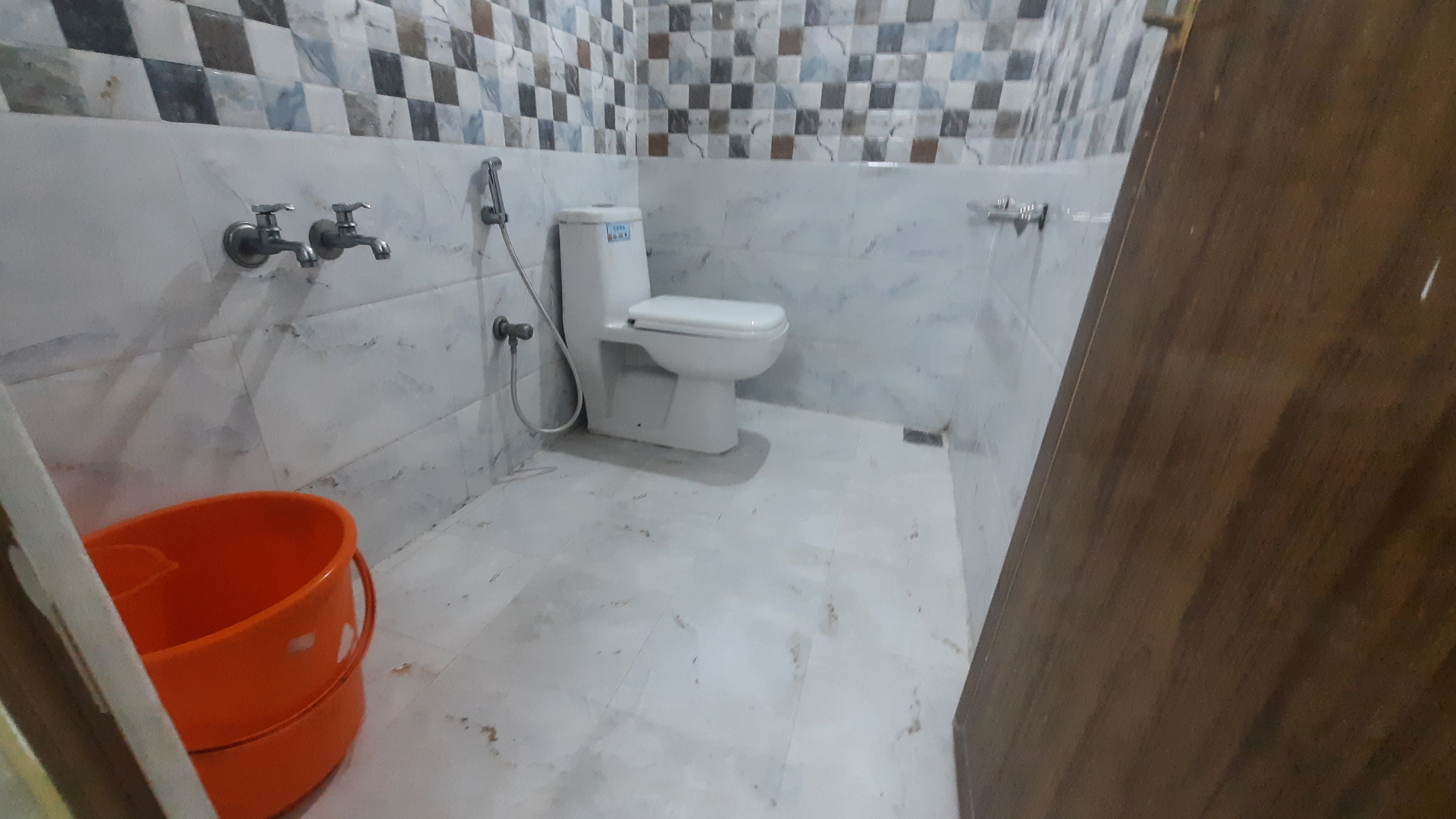
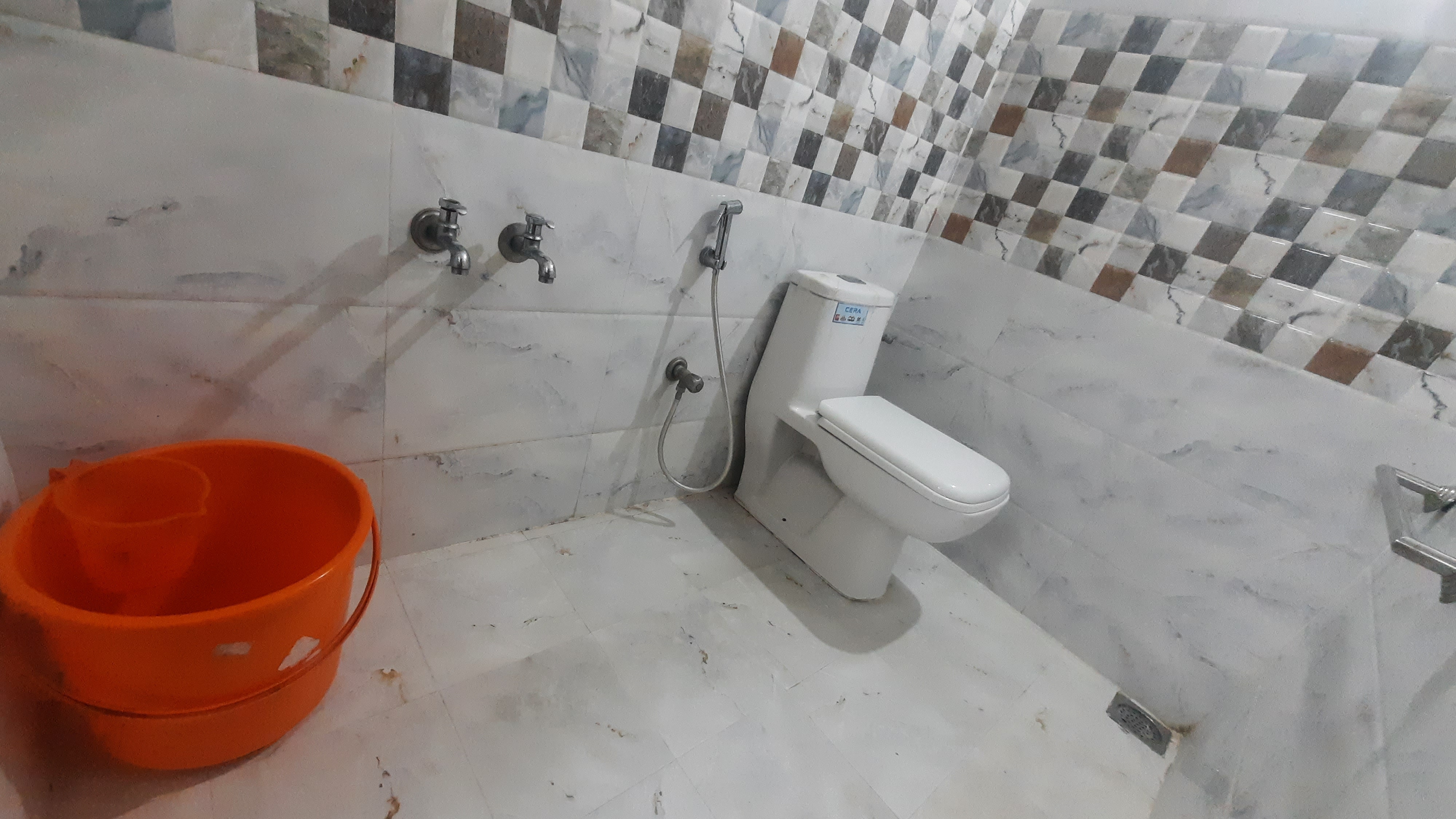
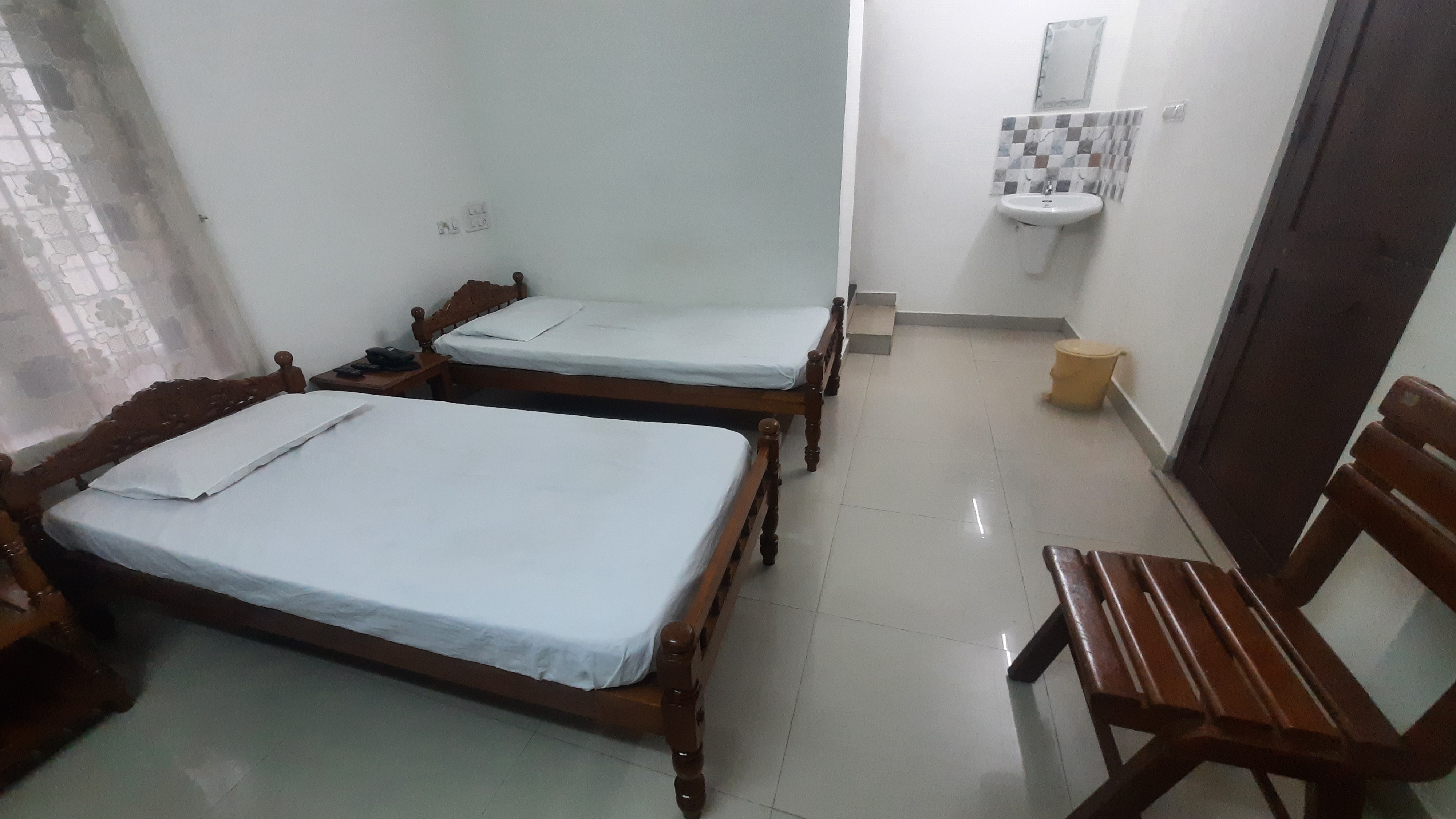
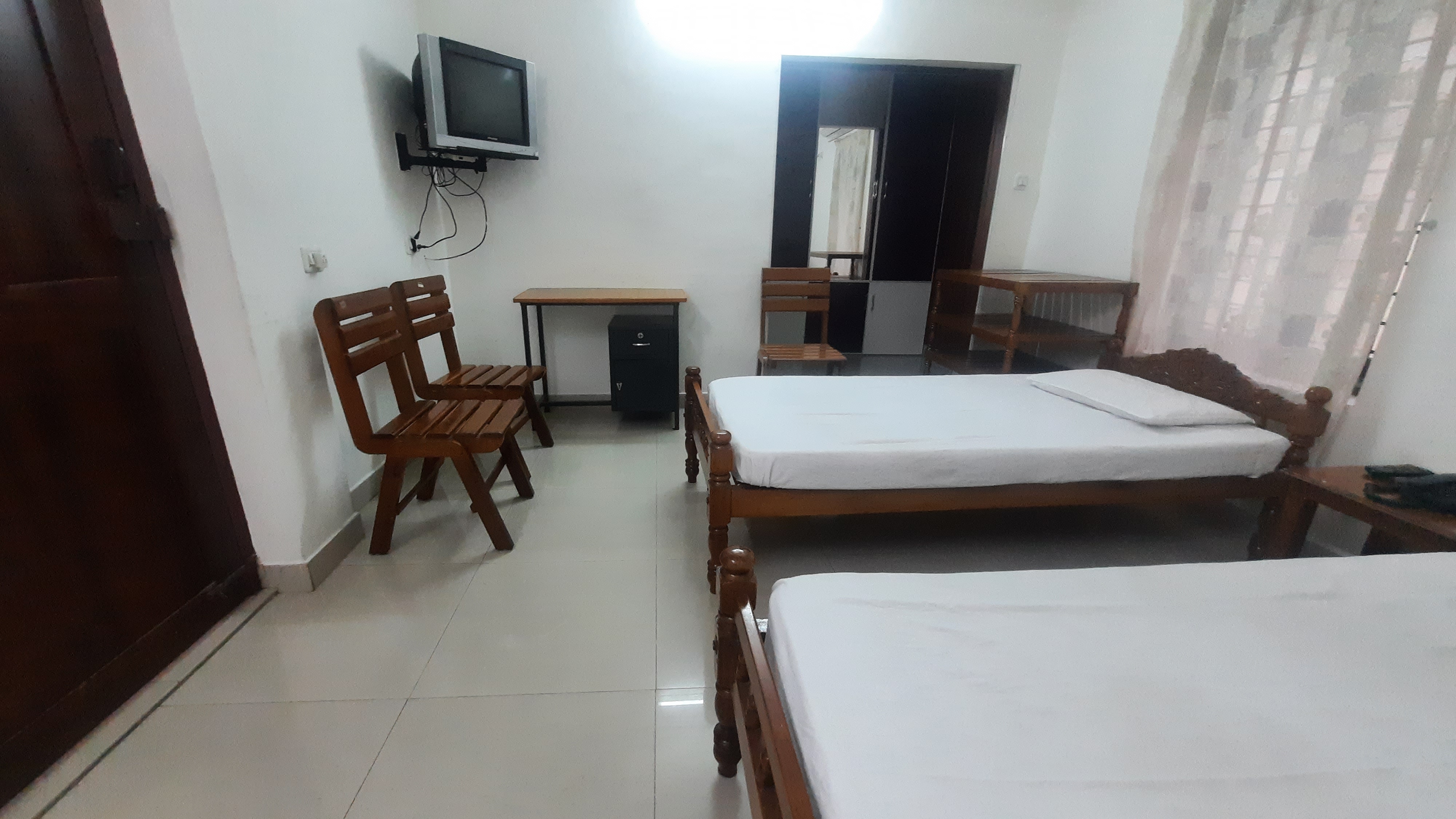
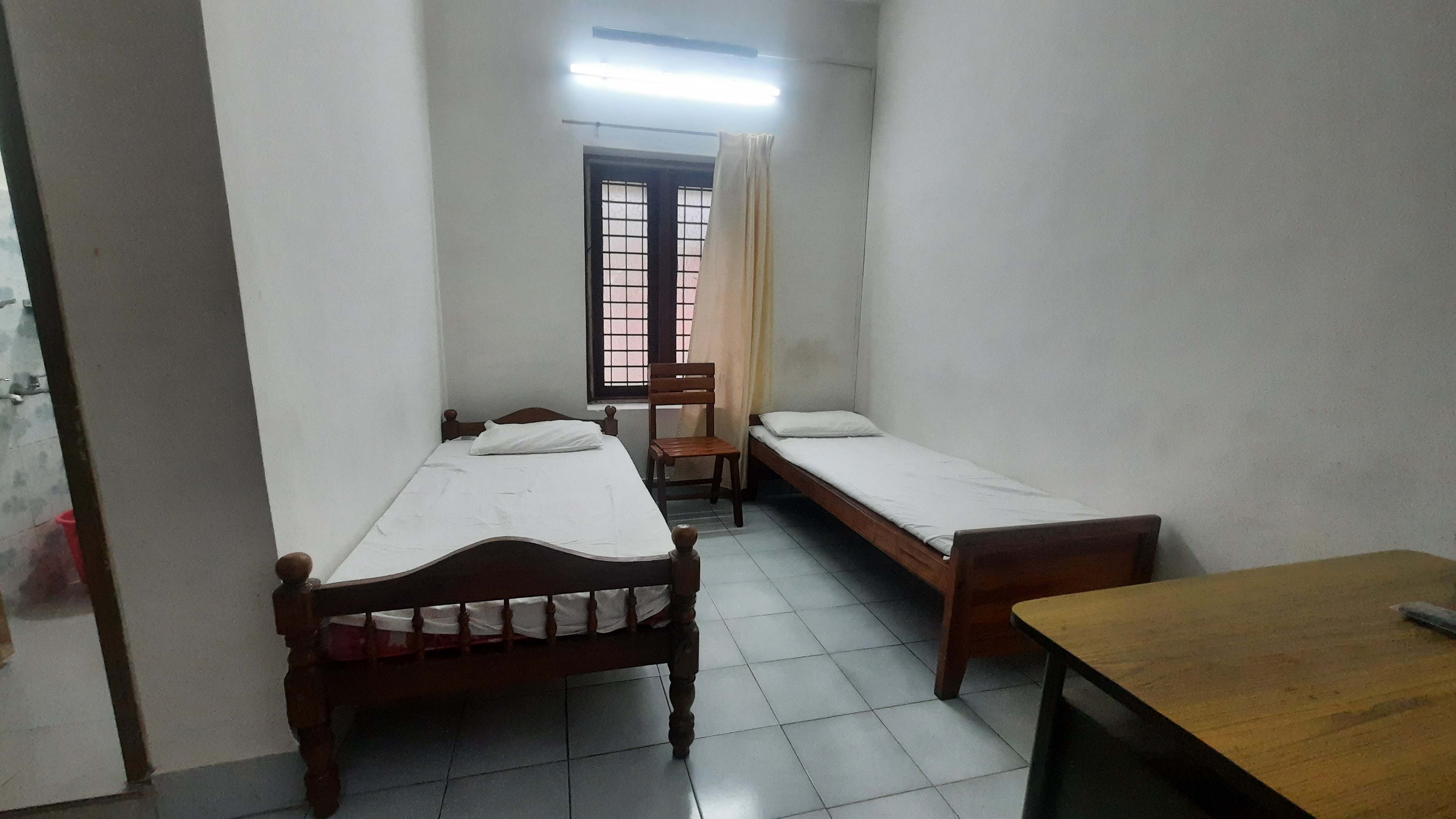
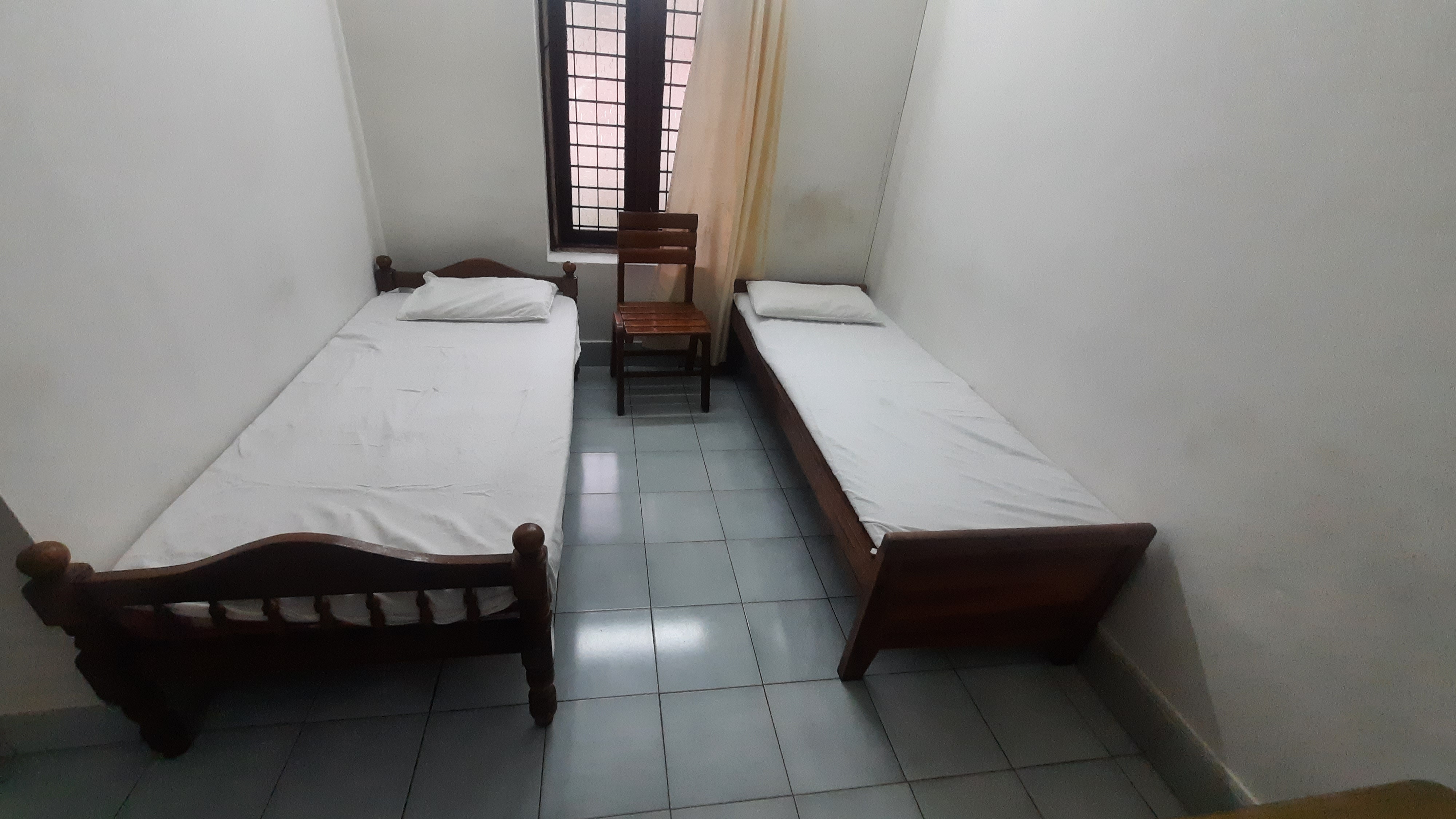
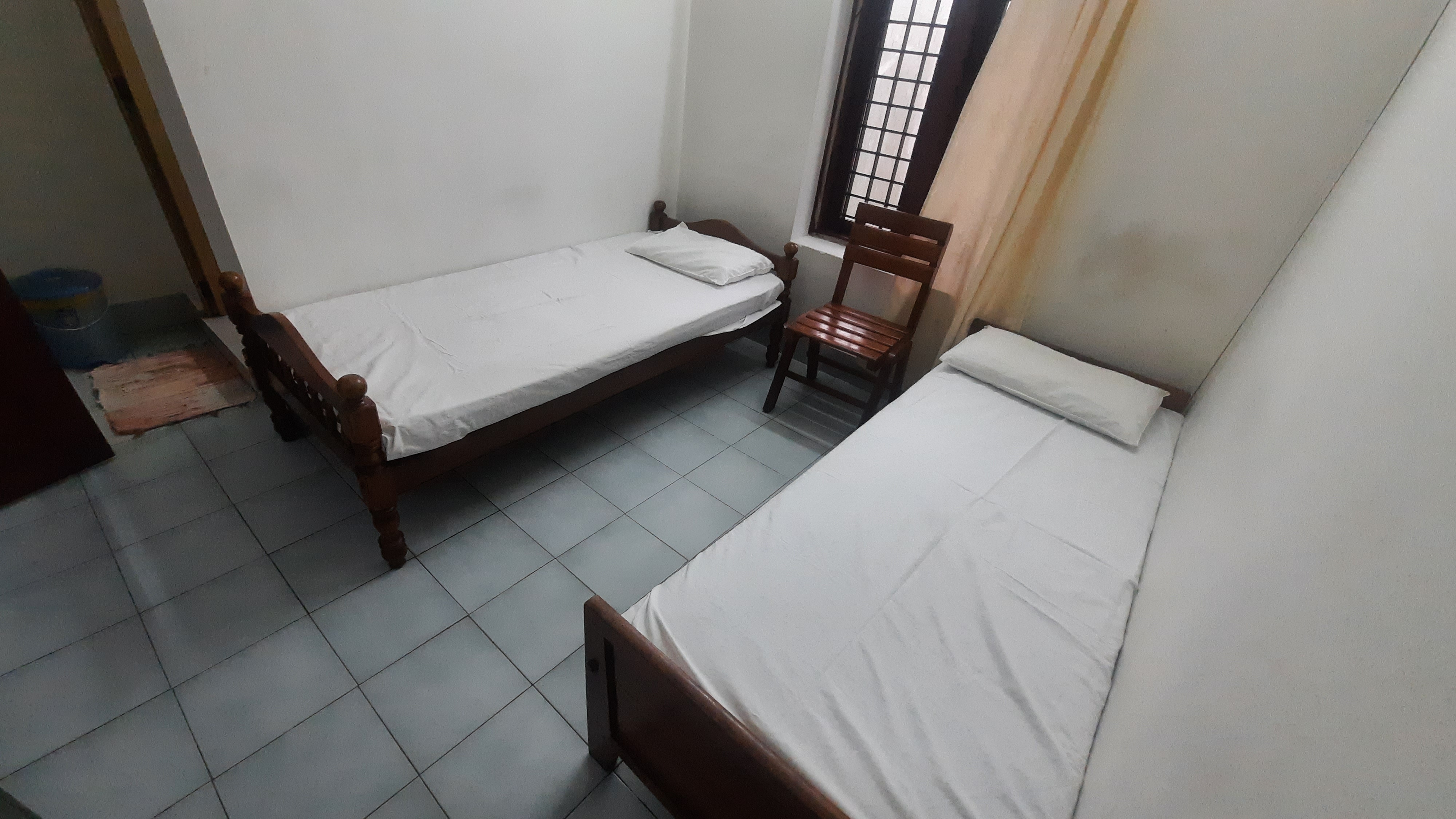
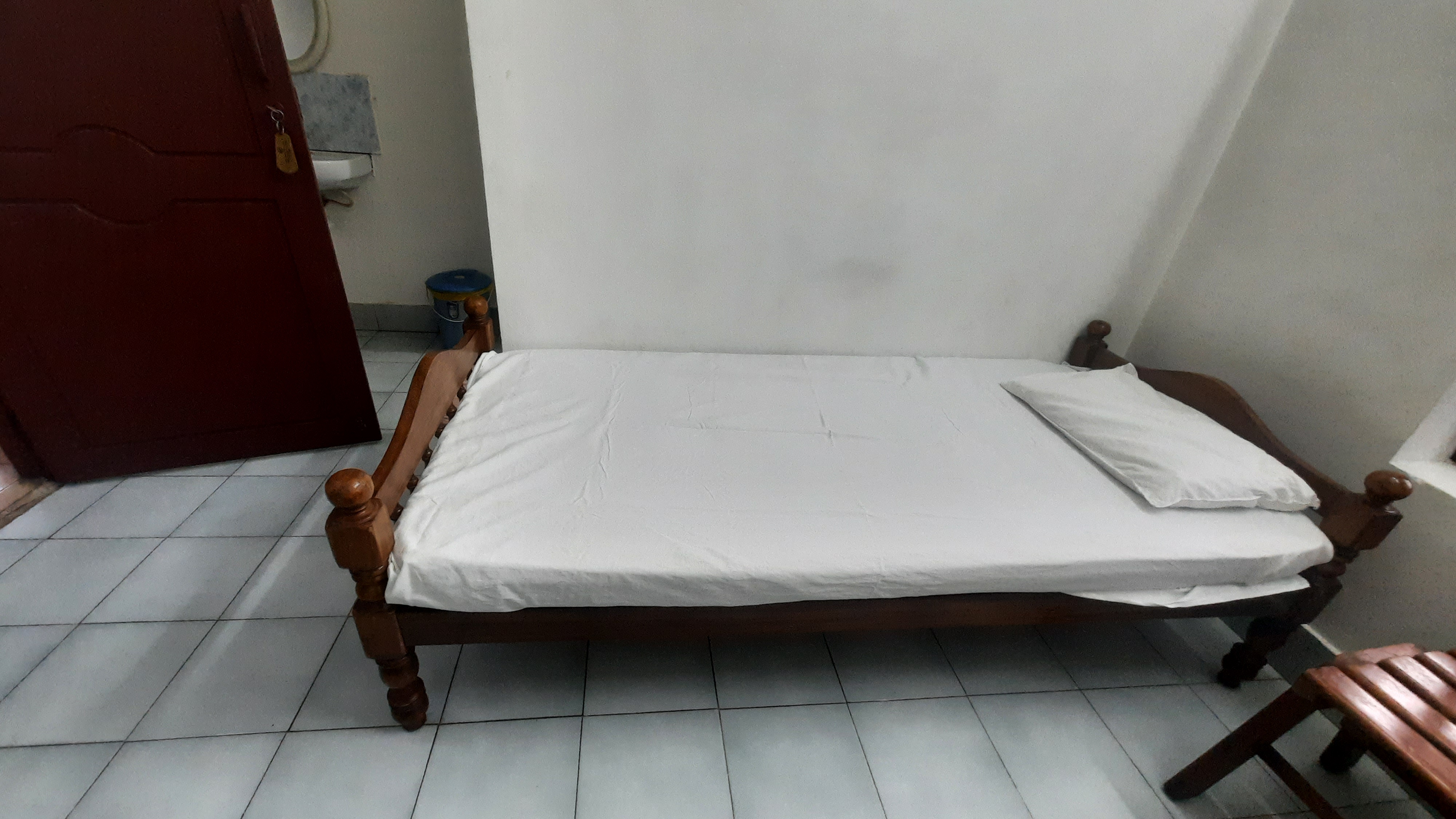
The Budget Non-AC Room is for those who seek core treatments and not comforts. The room consists of attached, Washroom, Patient bed and Attendant’s couch.
-
 Satellite Channels
 -
 TV
TV -
Manual Door Lock
-
 Geyser And Hot Water
 -
Room Constellation - Multi-storeyed Block
-
Twin Bed In Rooms
-
 Work Space
 -
 Fan
Fan -
Free Wifi
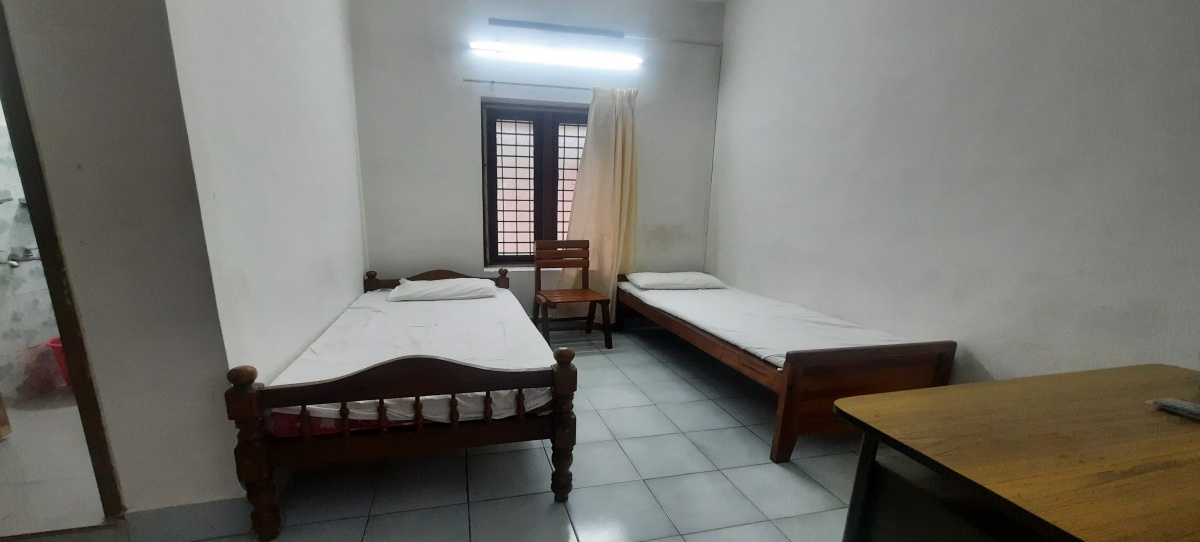
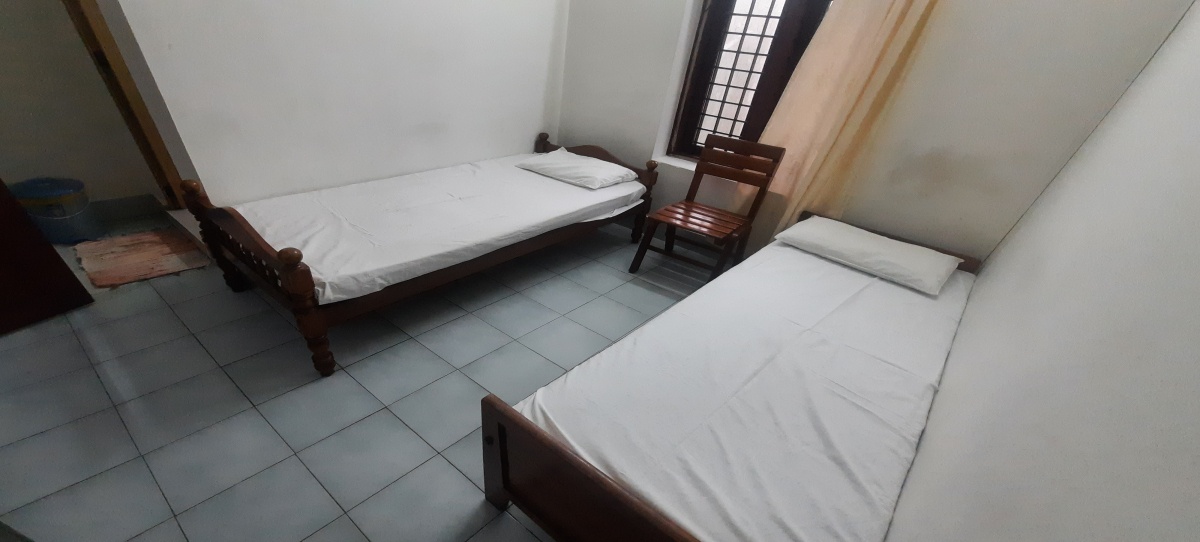
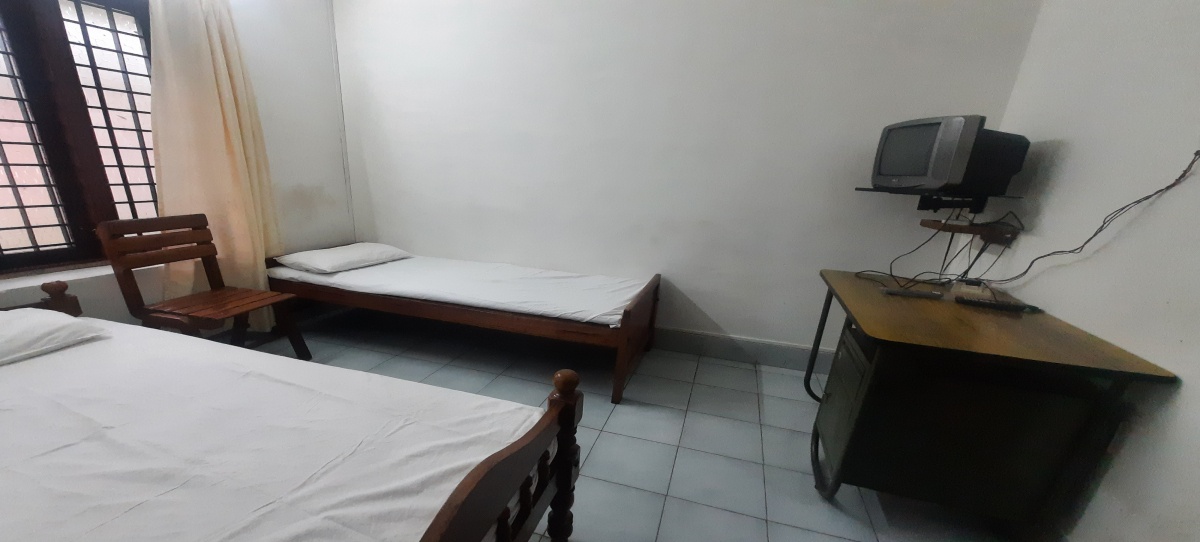
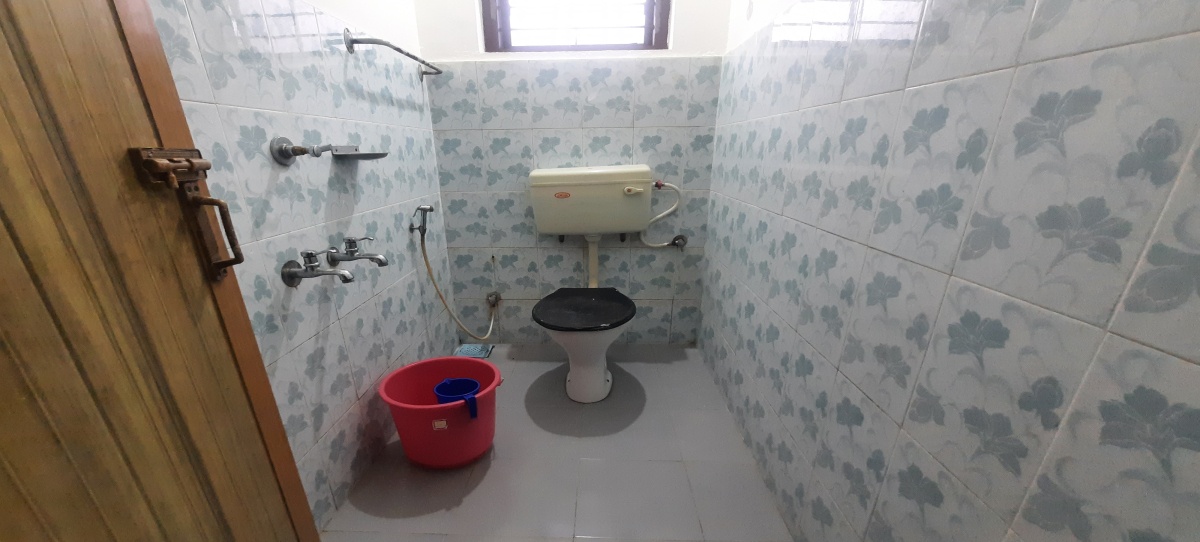
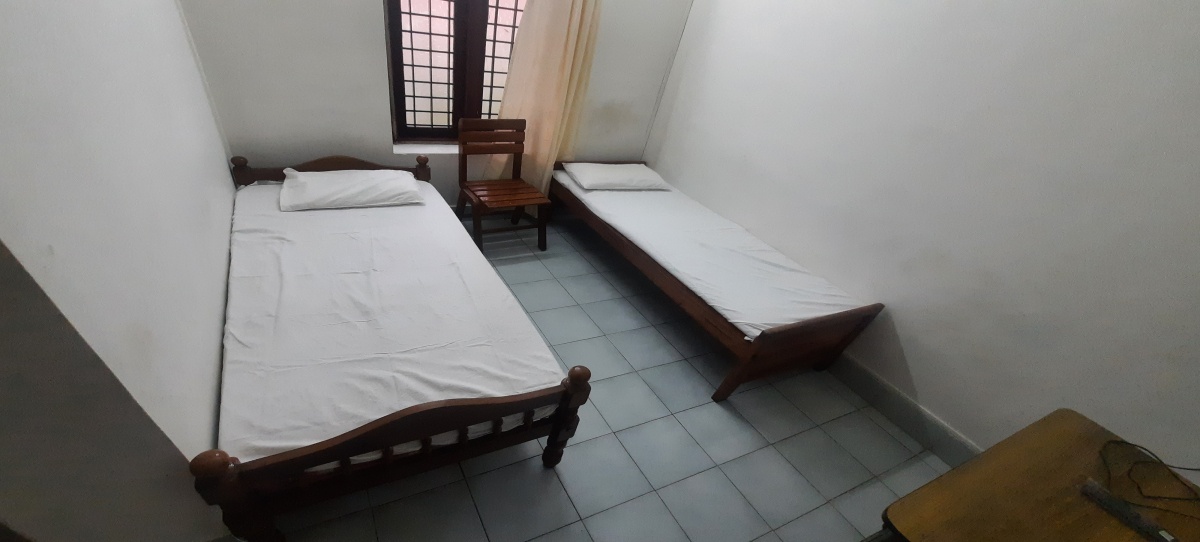
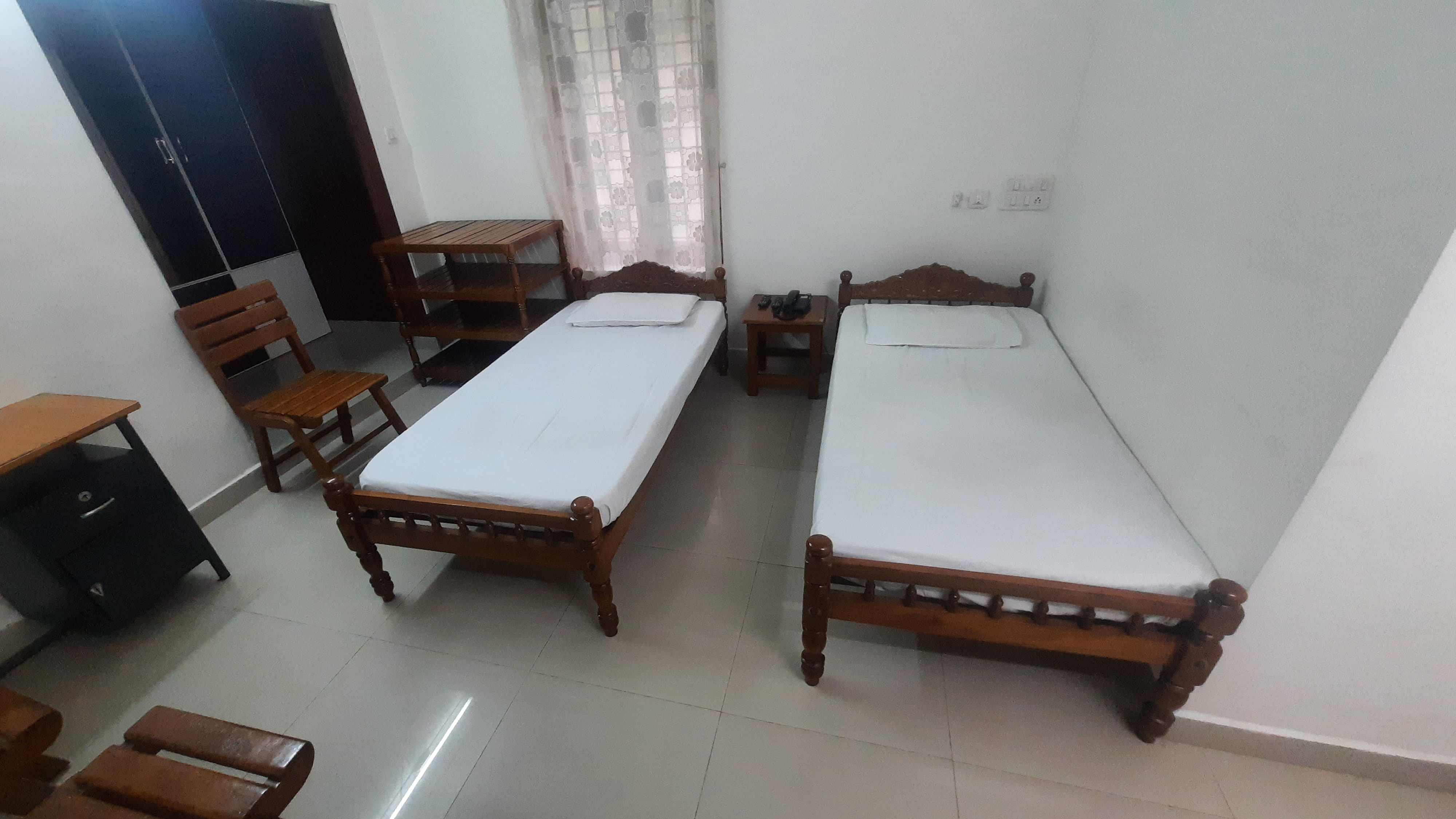
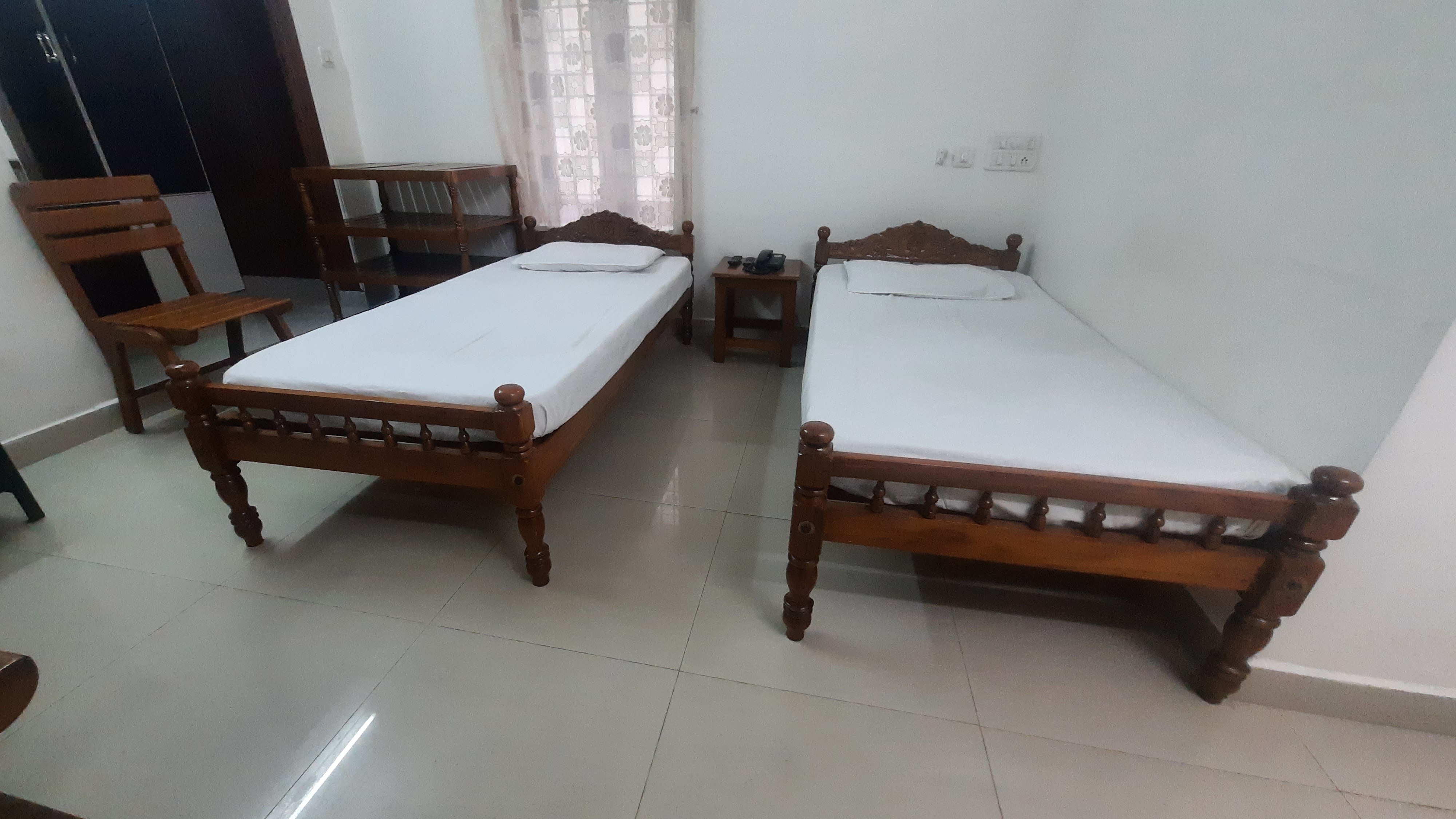
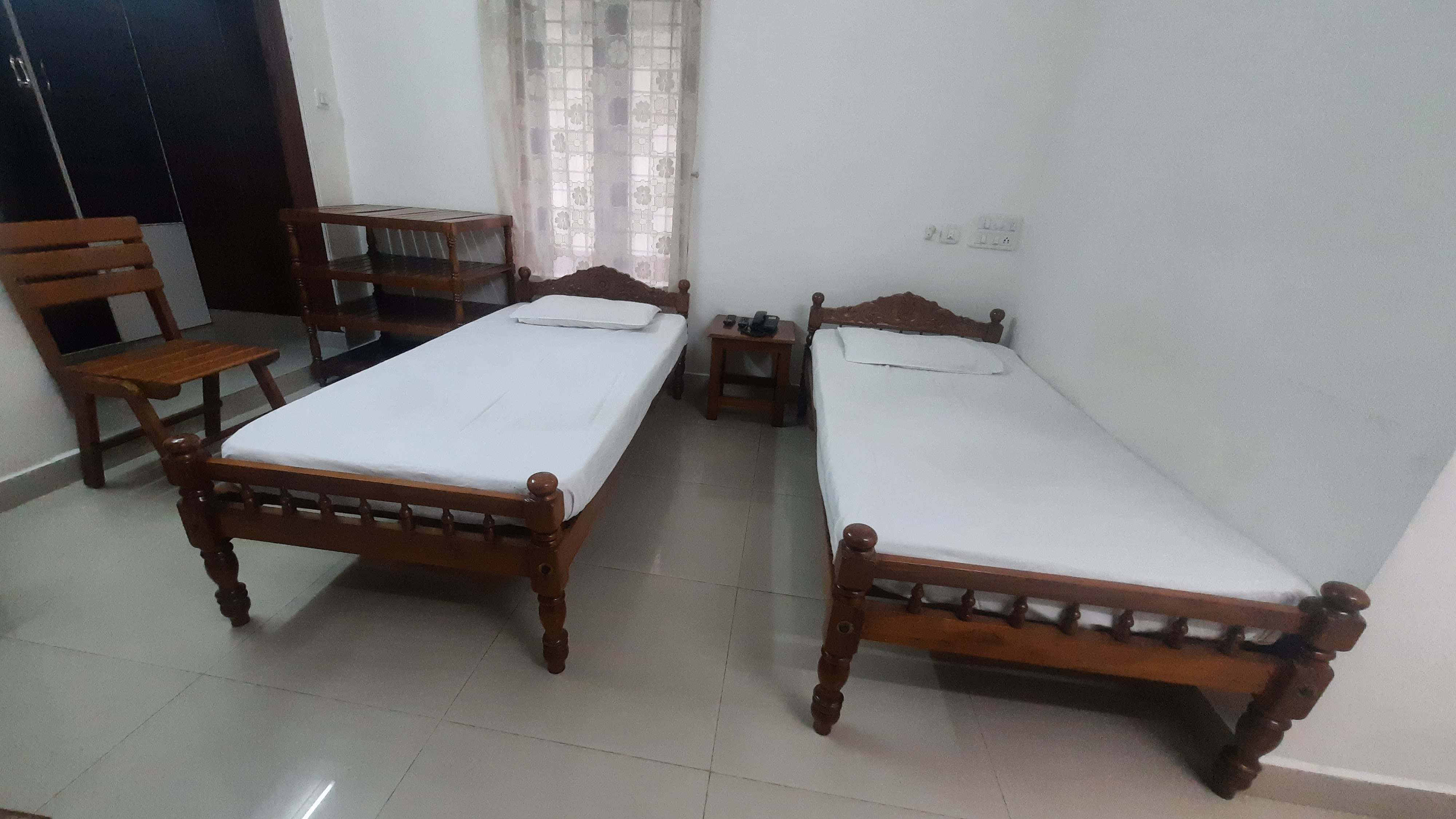
Dhathri Ayurveda Hospital & Panchakarma Centre offers Standard Rooms that are thoughtfully designed and well-furnished, providing all the modern amenities to ensure your stay is peaceful, enjoyable, and memorable. These rooms feature attached washrooms, comfortable twin beds, television, and WiFi connectivity. They are ideal for patients looking for a certain standard of living during their stay, combining comfort with a healing environment.
-
Satellite Channels
-
TV
-
Manual Door Lock
-
Geyser And Hot Water
-
Room Constellation - Multi-storeyed Block
-
Twin Bed In Rooms
-
Work Space
-
Fan
-
Free Wifi
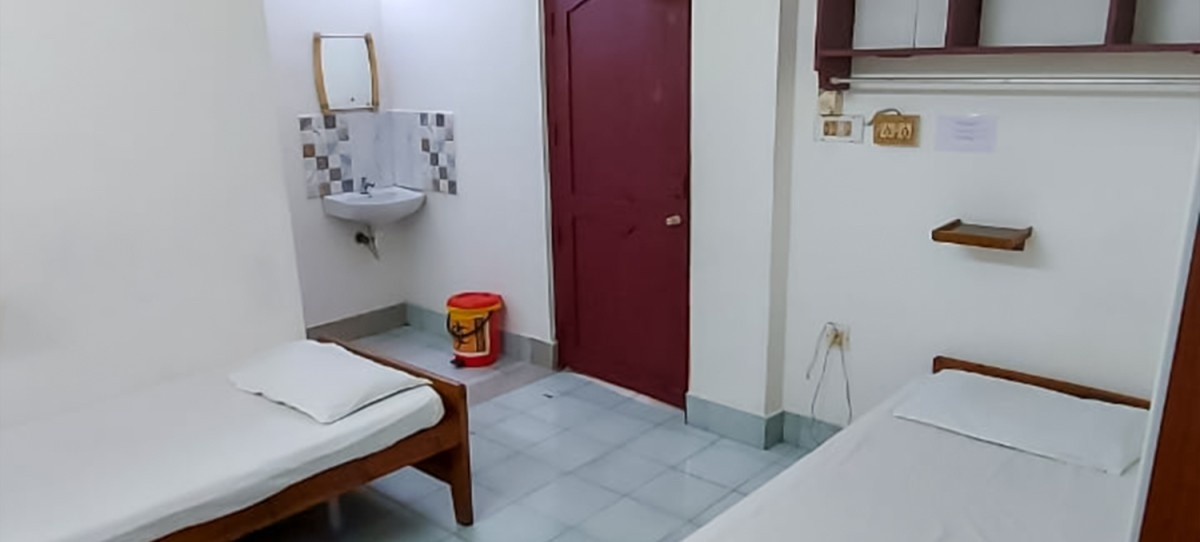
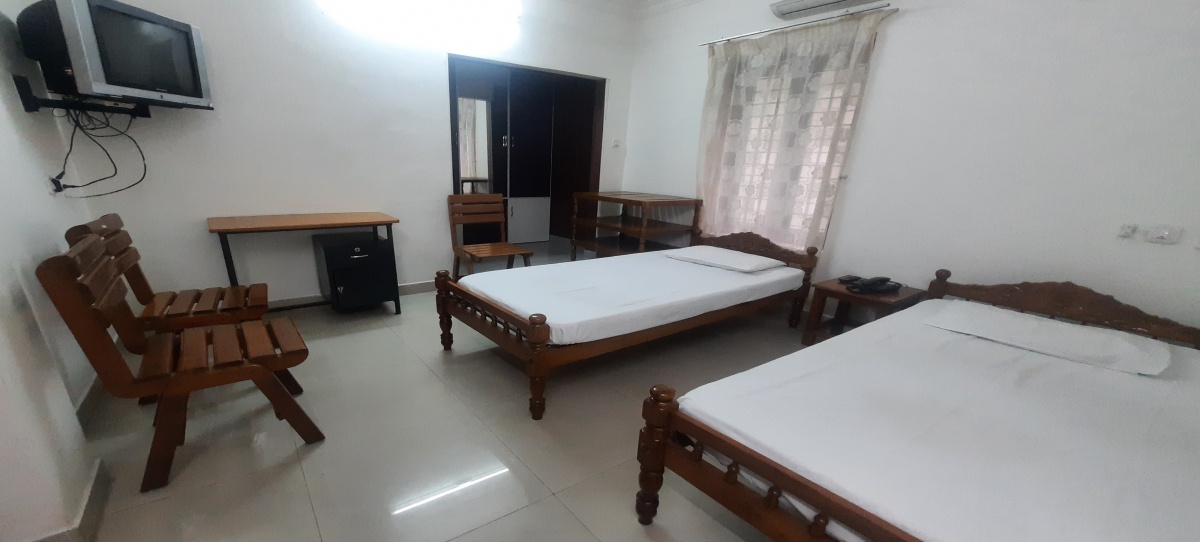
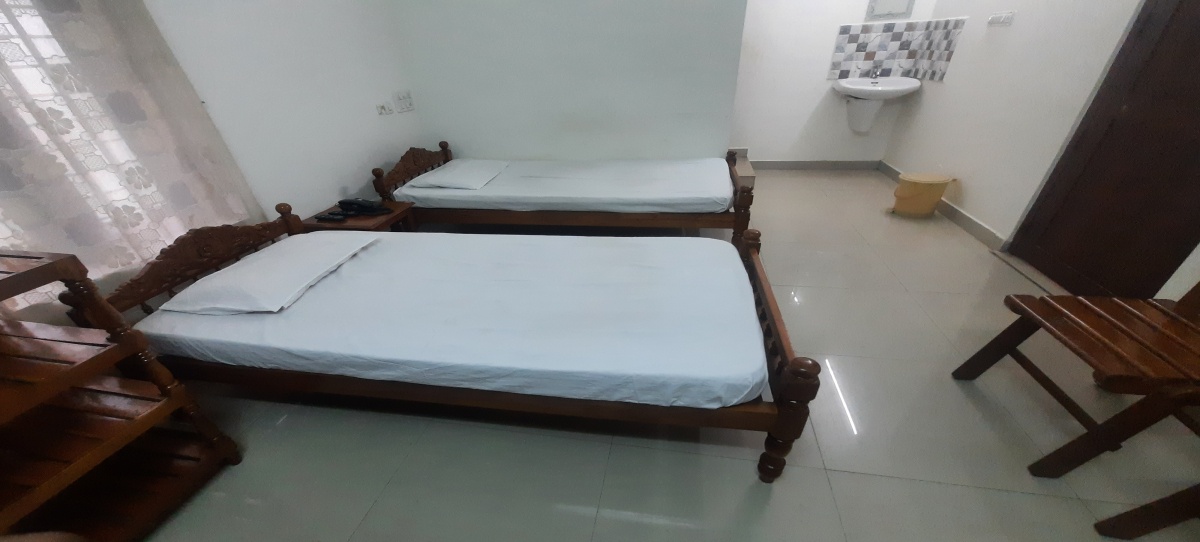
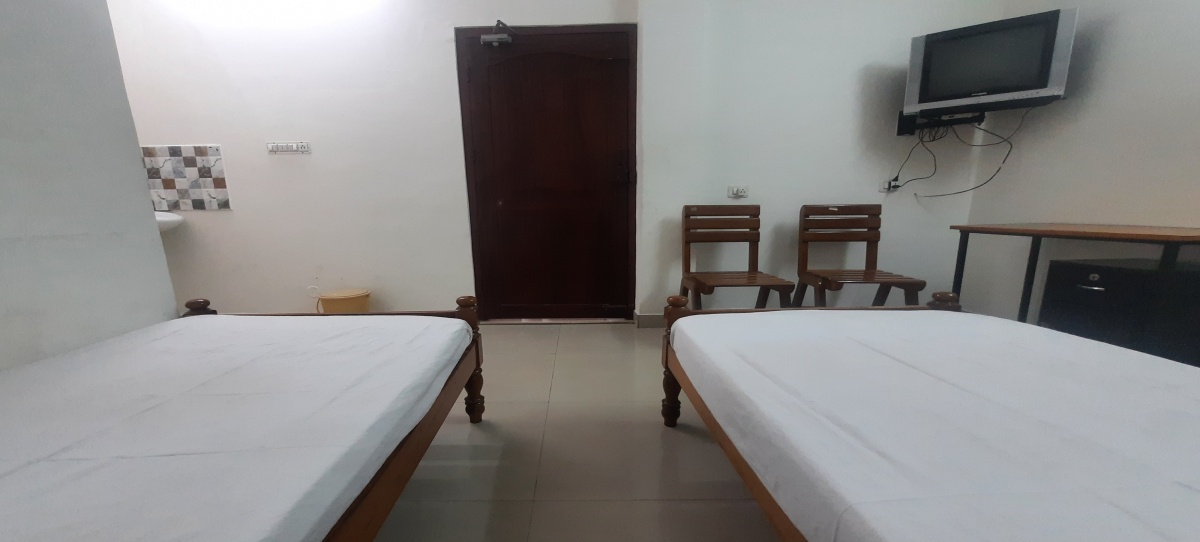
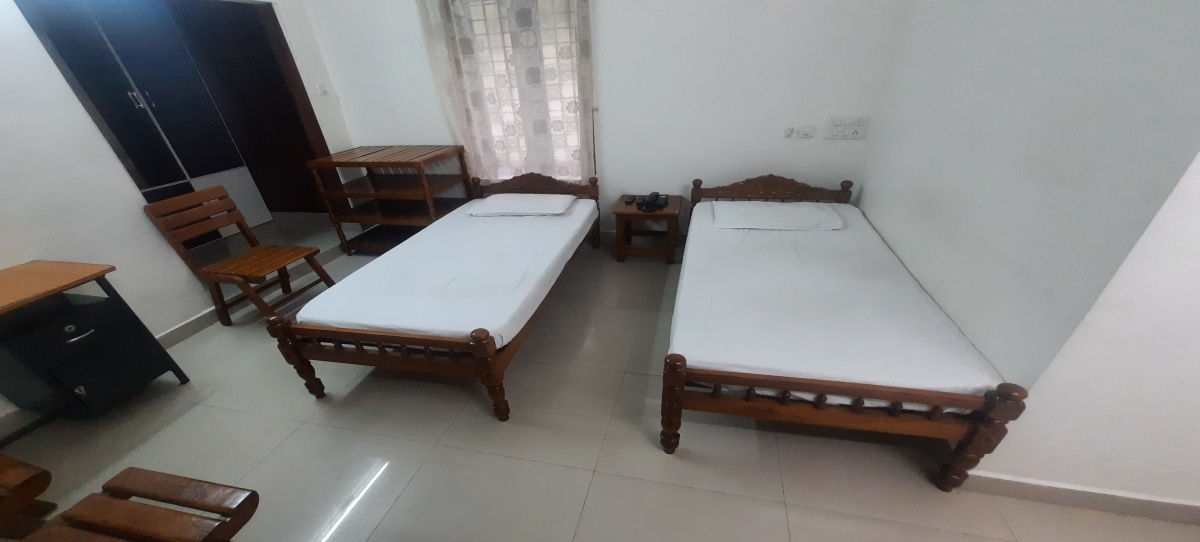
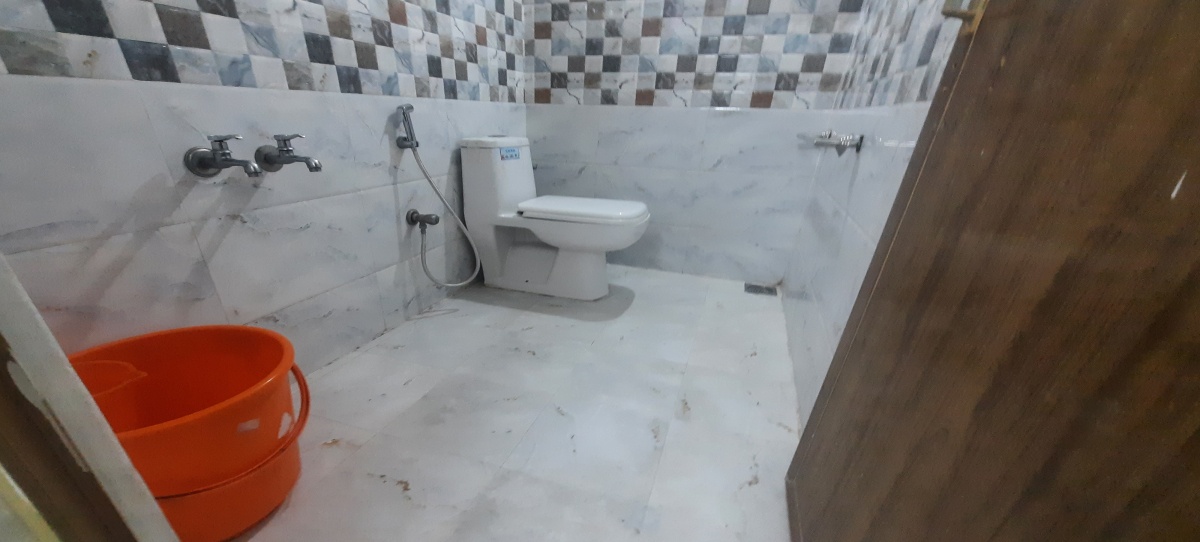
Hospital has well furnished rooms with all modern amenities make your stay peaceful, enjoyable and memorable.Non AC Semi Deluxe rooms offer a high standard of living,
-
Satellite Channels
-
TV
-
Manual Door Lock
-
Geyser And Hot Water
-
Work Space
-
Fan
-
Free Wifi
-
Wardrobe - Small
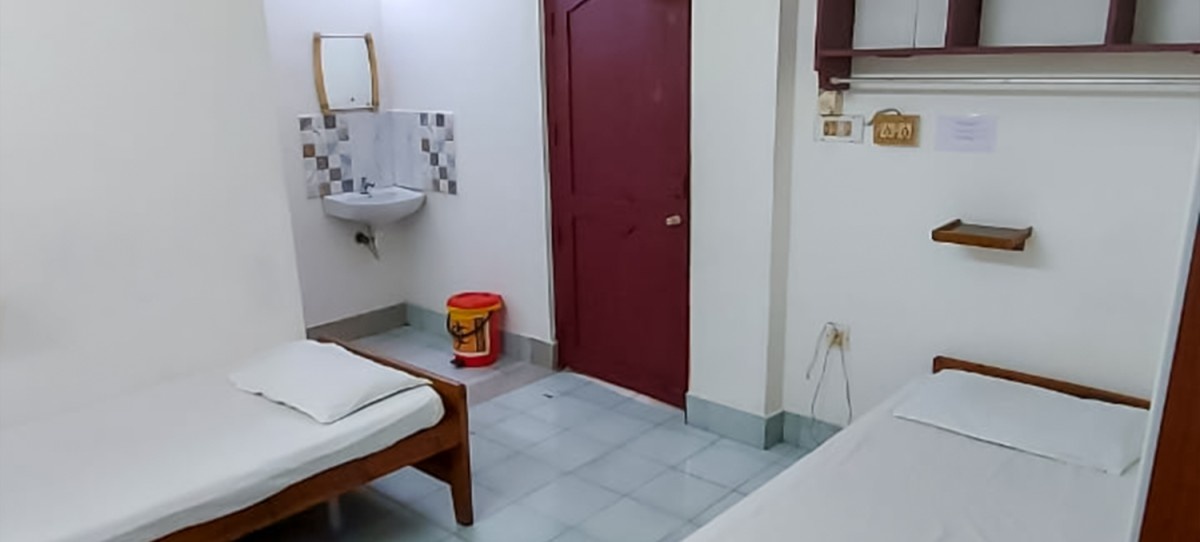
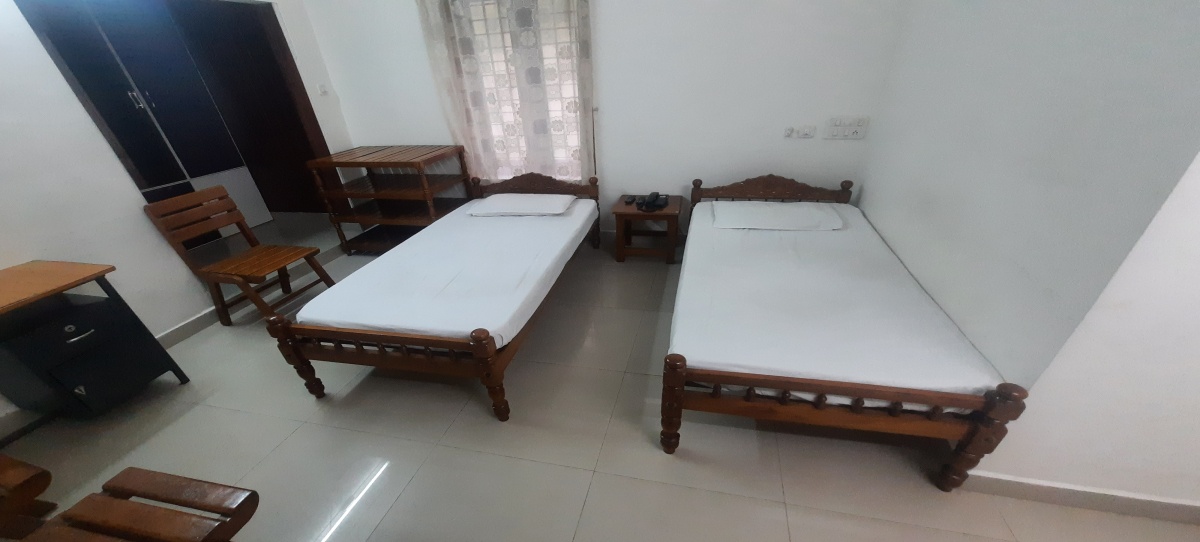
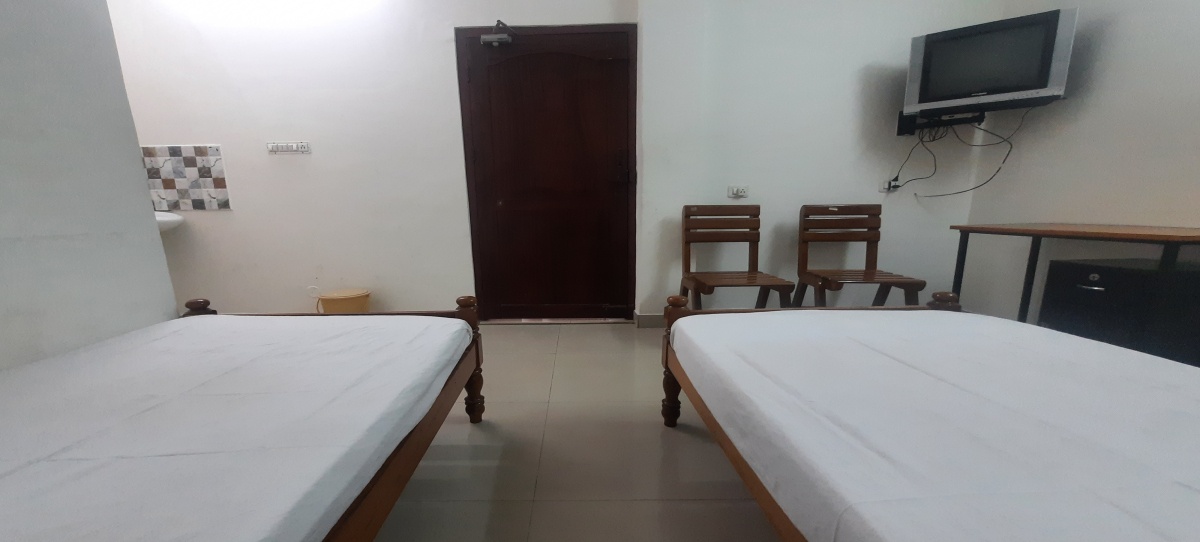
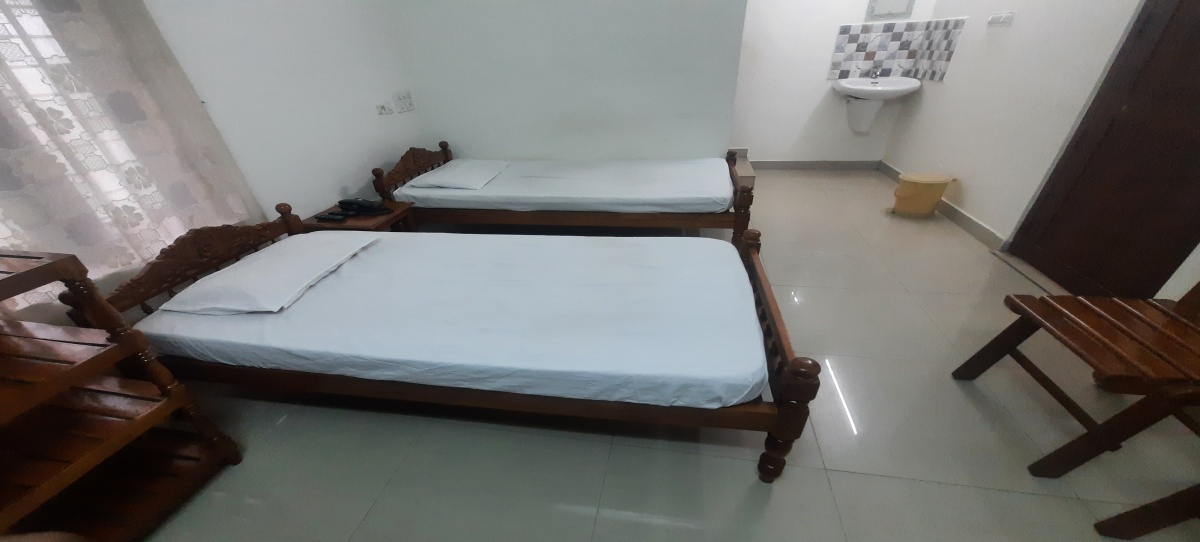
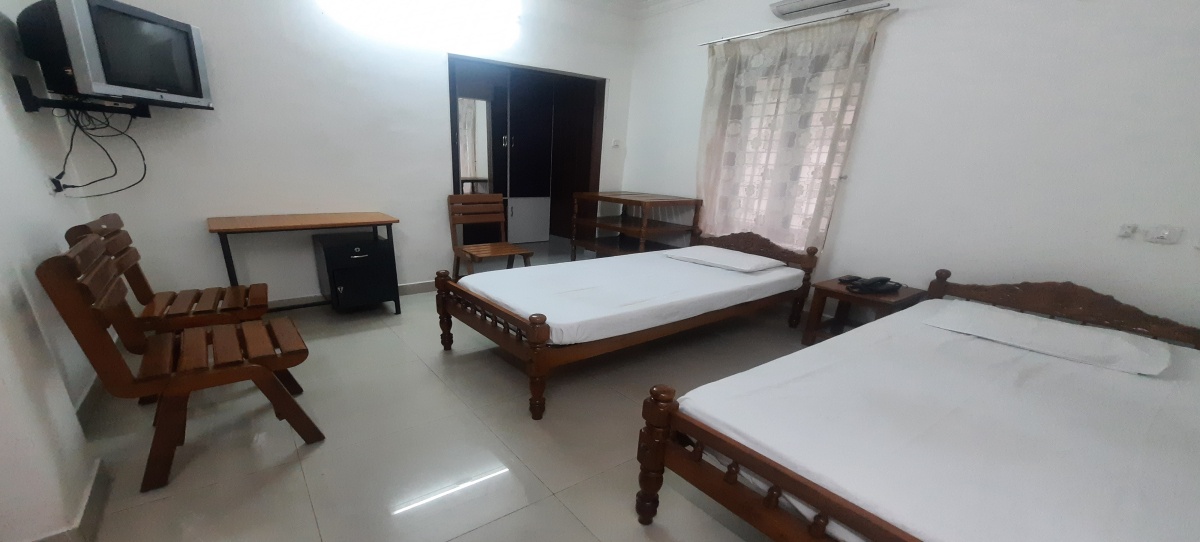
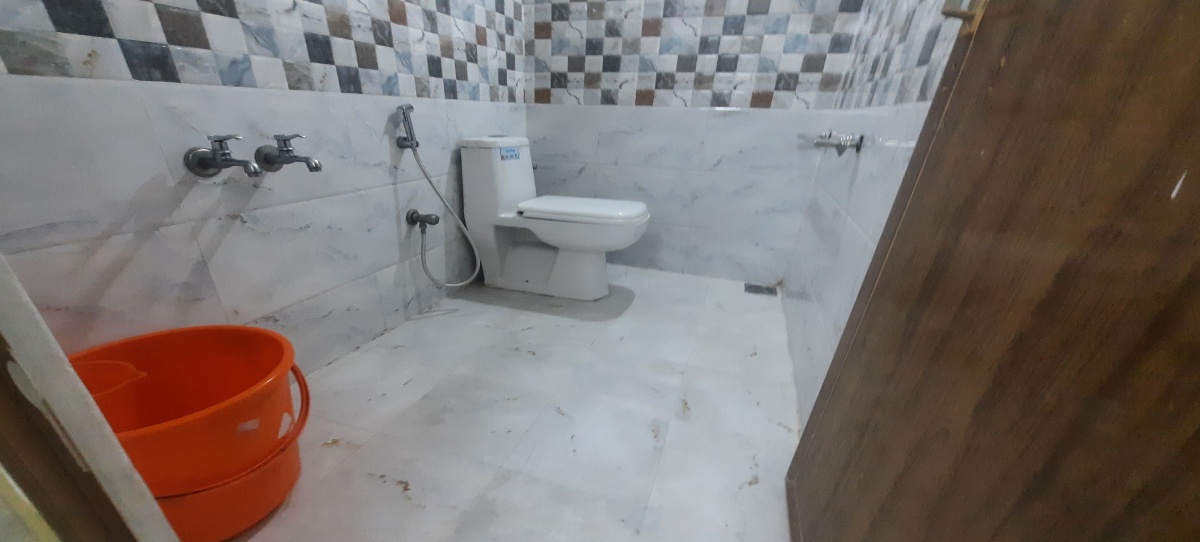
Hospital has well furnished rooms with all modern amenities make your stay peaceful, enjoyable and memorable. AC Semi Deluxe rooms offer a high standard of living,
-
Satellite Channels
-
TV
-
Manual Door Lock
-
Geyser And Hot Water
-
Twin Bed In Rooms
-
Work Space
-
Fan
-
Free Wifi
-
Mattress Size- Small
-
Wardrobe - Small
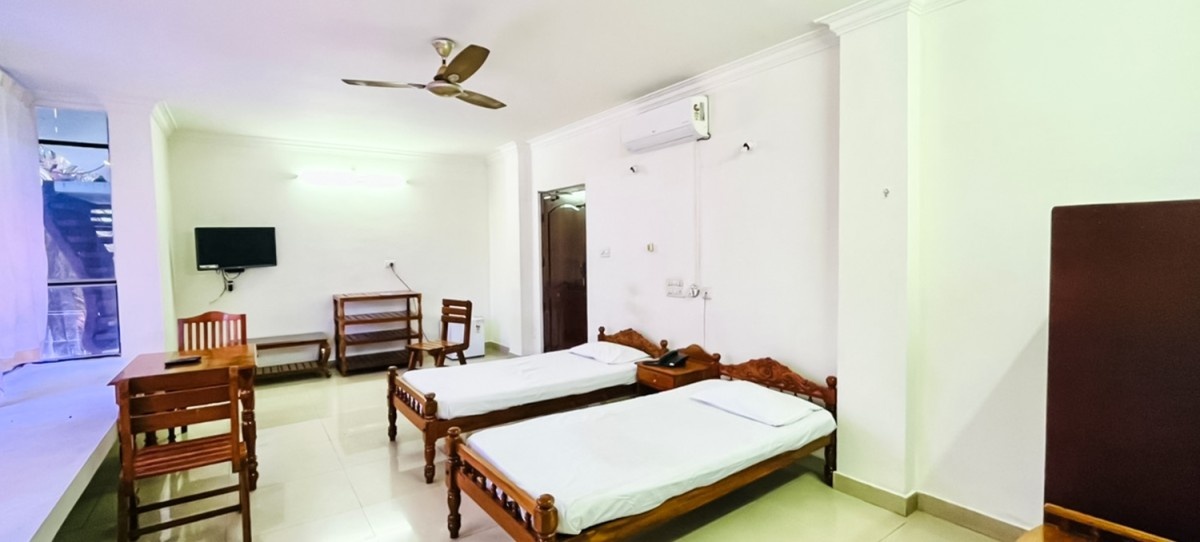
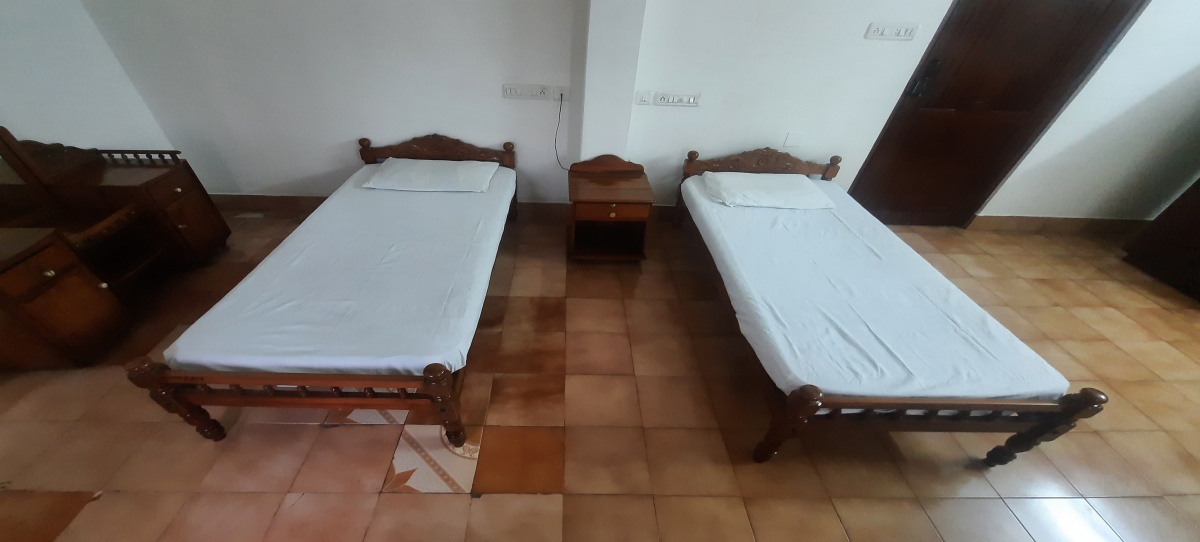
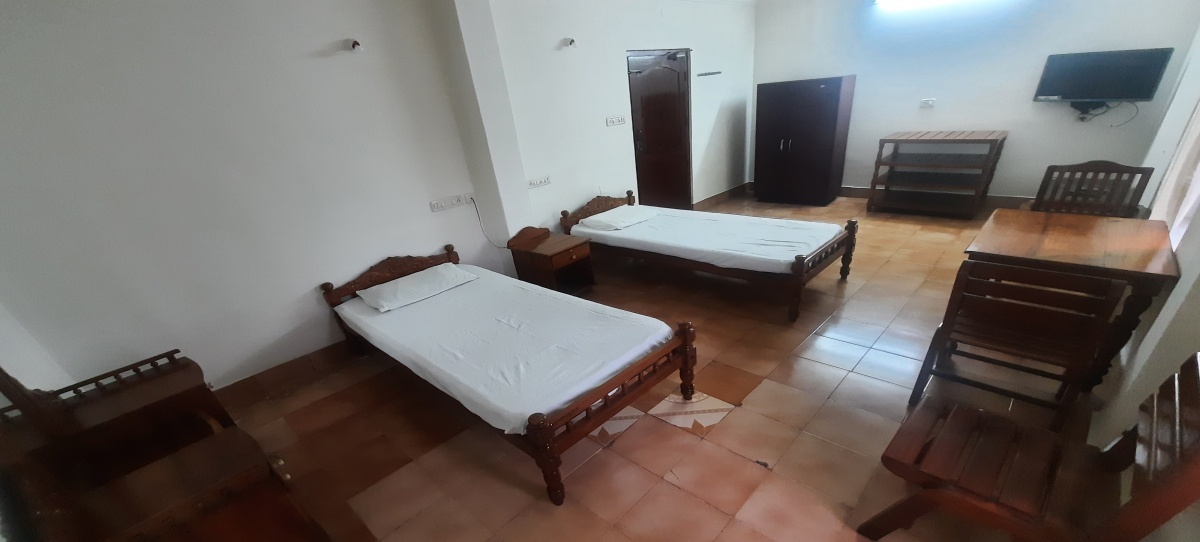
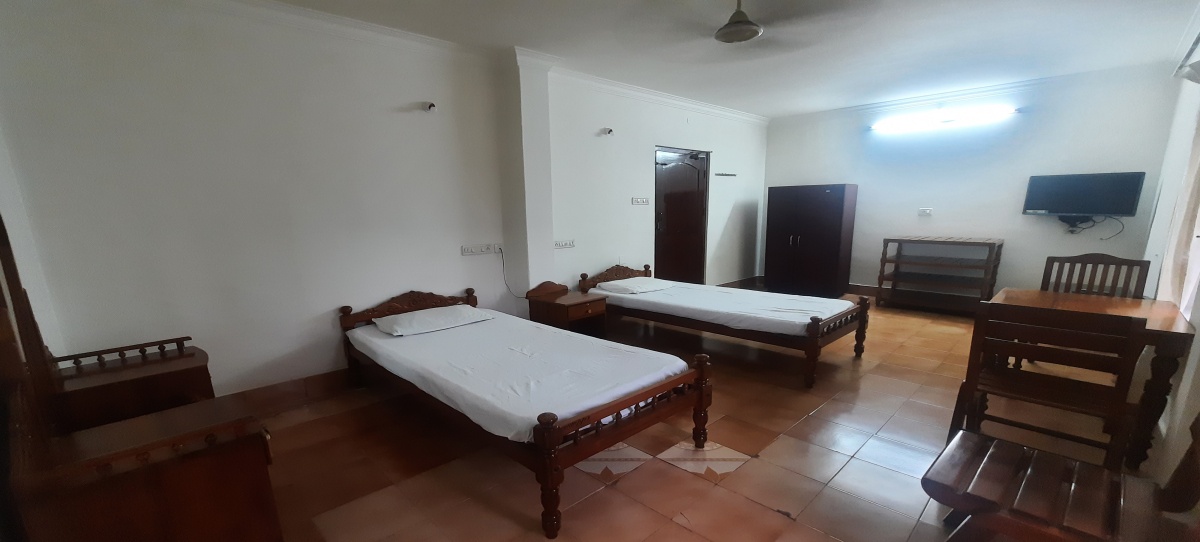
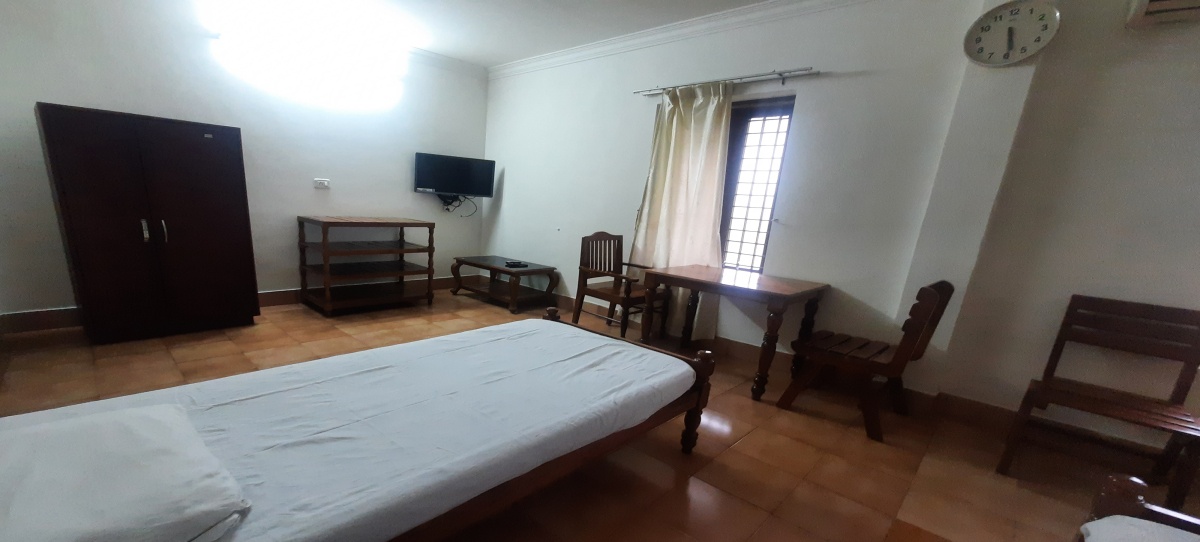
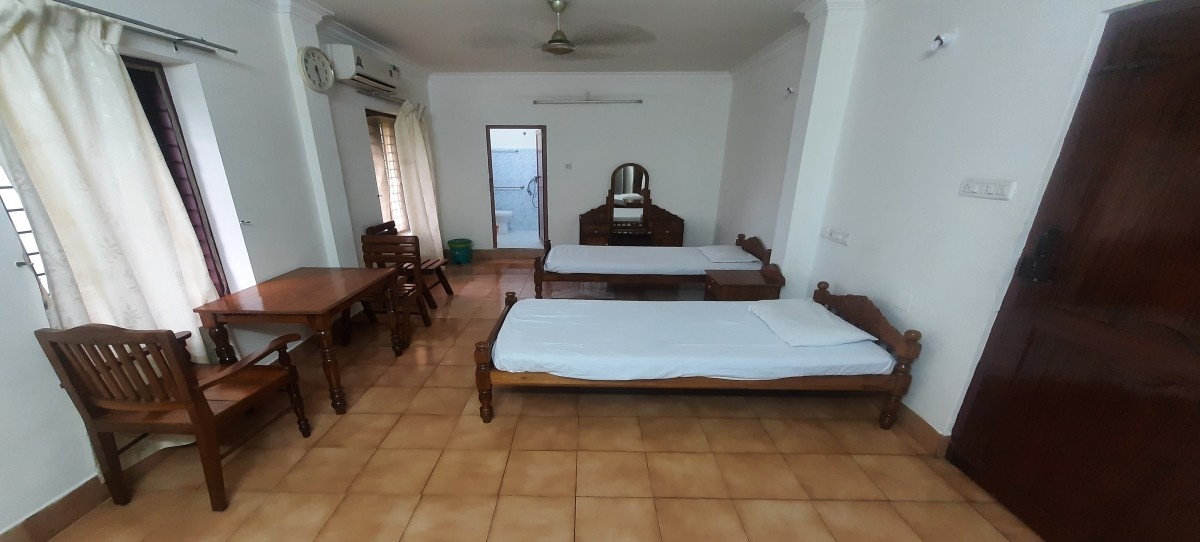
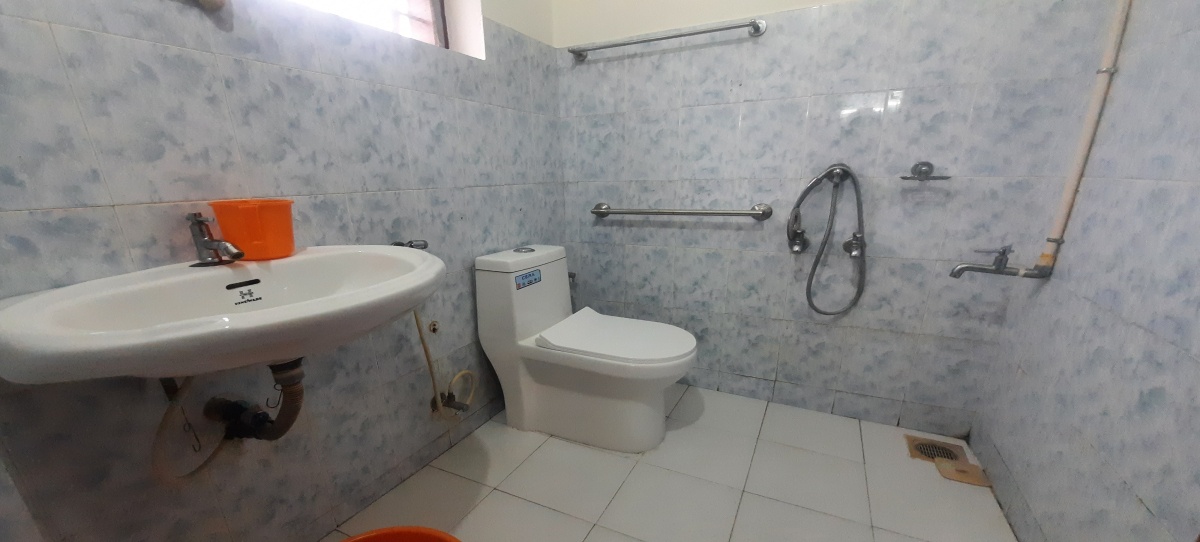
Dhathri Ayurveda Hospital & Panchakarma Centre provides well-furnished rooms with modern amenities to enhance your stay, ensuring it's peaceful, enjoyable, and memorable. Among the premium room categories, the Non Ac Deluxe rooms offer a high standard of living, catering to patients seeking elevated comfort during their stay.
-
Satellite Channels
-
TV
-
Manual Door Lock
-
Geyser And Hot Water
-
Twin Bed In Rooms
-
Work Space
-
Fan
-
Free Wifi
-
Wardrobe - Small
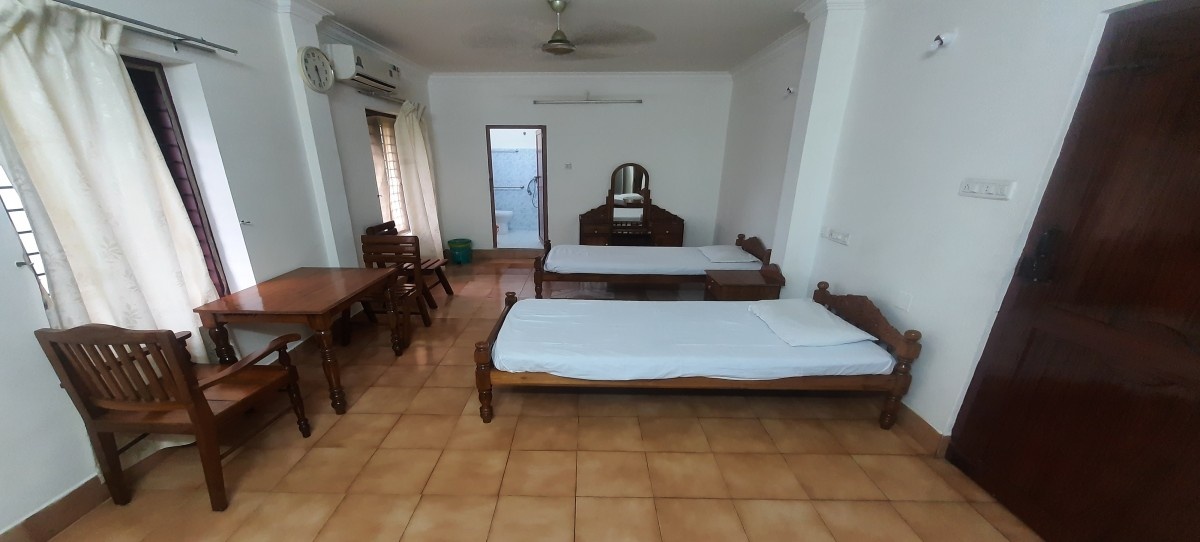
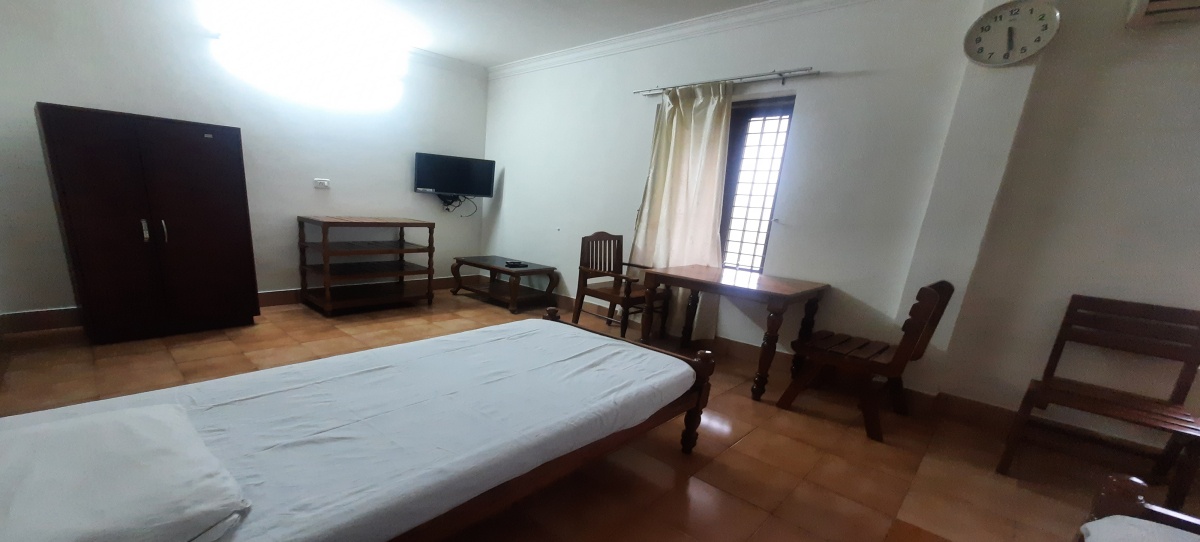
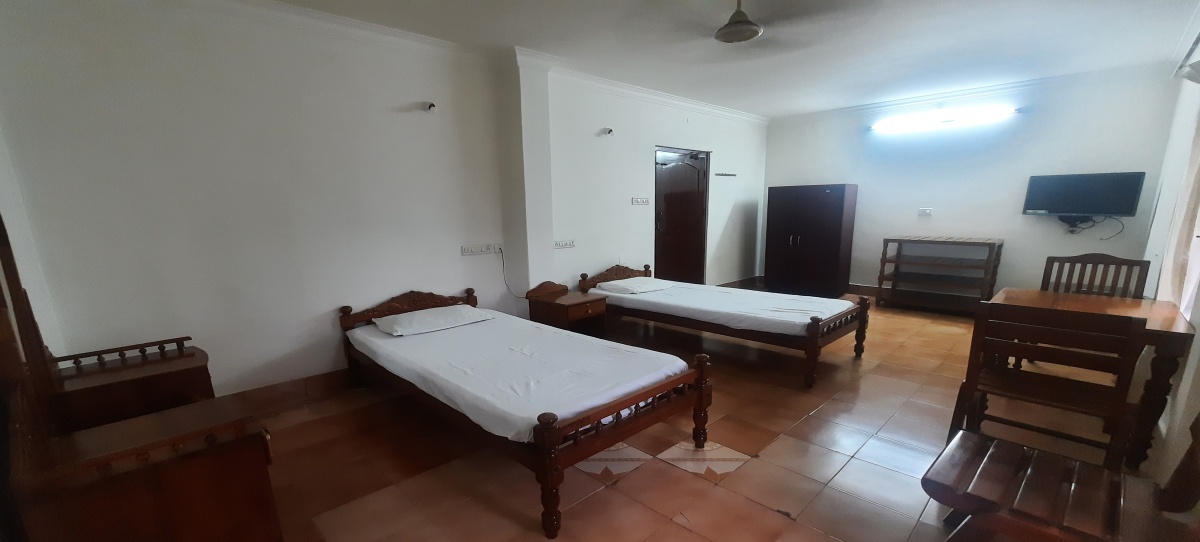
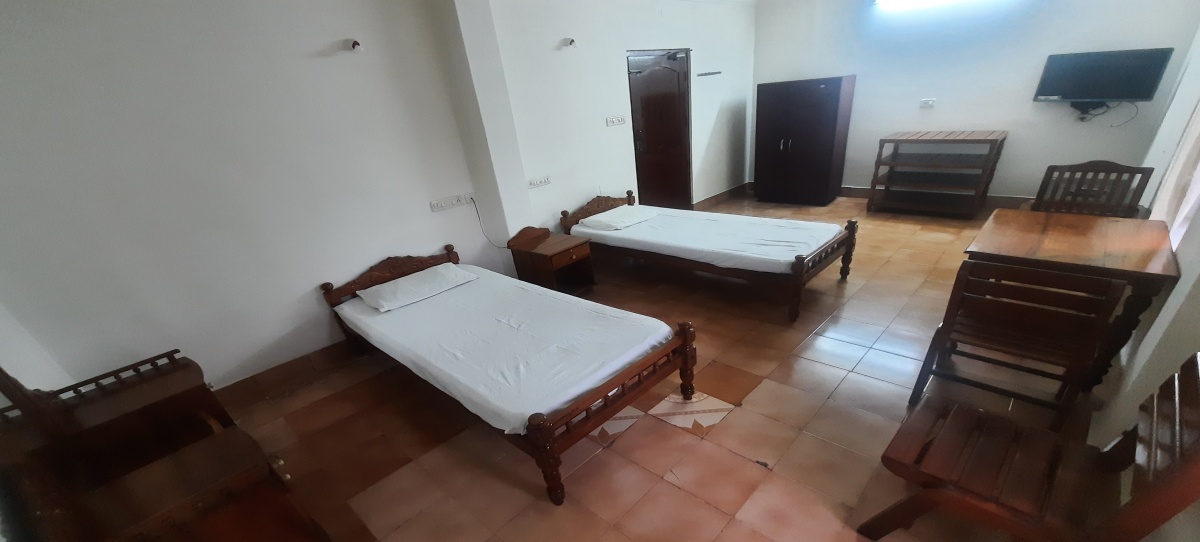
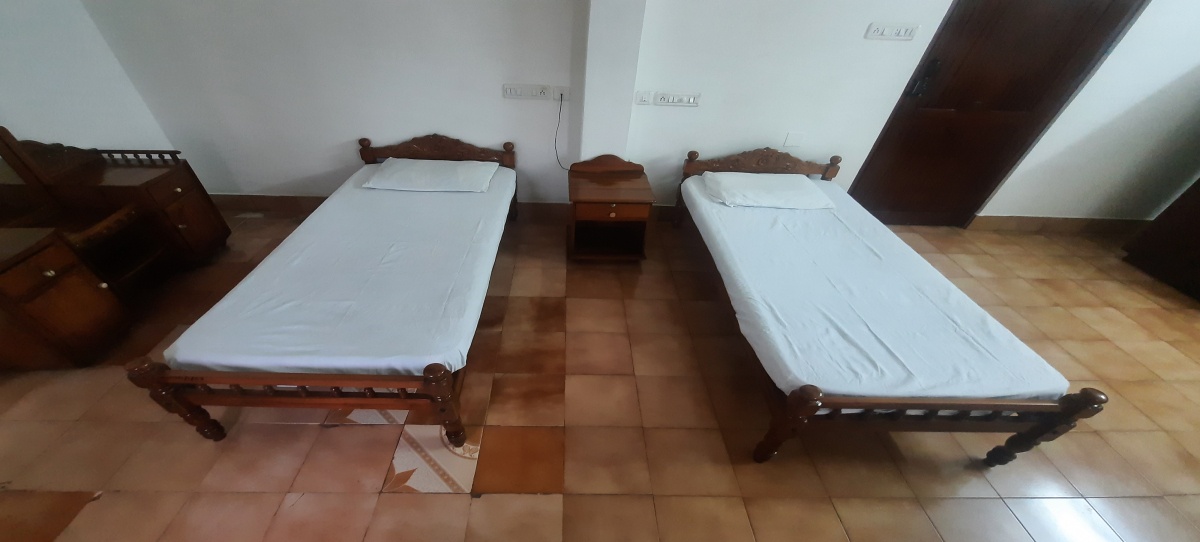
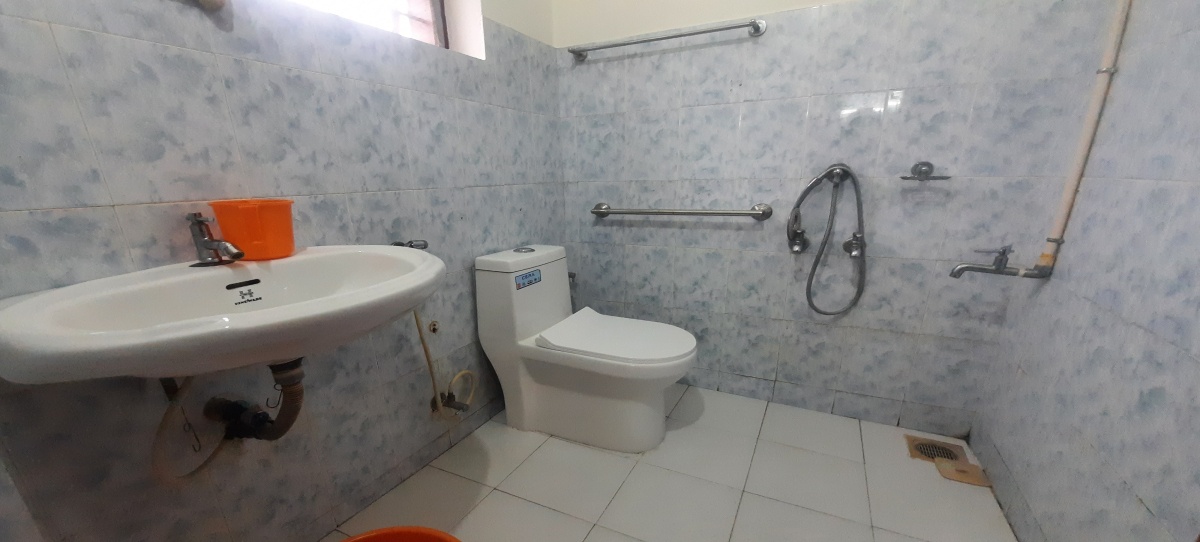
Dhathri Ayurveda Hospital & Panchakarma Centre provides well-furnished rooms with modern amenities to enhance your stay, ensuring it's peaceful, enjoyable, and memorable. Among the premium room categories, the Ac Deluxe rooms offer a high standard of living, catering to patients seeking elevated comfort during their stay.
-
Satellite Channels
-
TV
-
Manual Door Lock
-
Geyser And Hot Water
-
Twin Bed In Rooms
-
Work Space
-
Fan
-
Free Wifi
WellnessLoka Gallery
Wellness Slots
Capacity : 5
Opening Time: 06:00 AM
Closing Time: 08:00 PM
 Laasya Pratti
21-11-2023
- Overall Rating
- 4.9
 Sudheer Veturu
27-11-2022
- Overall Rating
- 5
 Padmanabha D Shetty
28-11-2021
- Overall Rating
- 4.9
 Vipul Sharma
09-11-2020
- Overall Rating
- 4.9
Location & Map
Location
Landmark
LP School Puthiyavila
Nearby Attractions
Kerala's and India's largest lake, is a prime backwater tourism destination, notably in Kumarakom and Alleppey
Alappuzha Beach
One of Alappuzha's most popular picnic spots, entices visitors with its historic pier, lighthouse, and vibrant events
Pathiramanal
A 10-acre island in Kerala's Alappuzha district, is a bird lover's paradise. Situated in the middle of Lake Vembanad, this enchanting island is home to numerous rare migratory bird species from around the world. Accessible by boat, it's a must-visit for bird enthusiasts.
Andhakaranazhi Beach
An extension of the tiny village of Andhakaranazhi, remains a pristine and undiscovered gem where the river meets the sea.
The Revi Karunakaran Memorial Museum
In Alappuzha features classic artworks and Swarovski crystal collections, highlighting the legacy of Revi Karunakaran, the pioneer of Kerala's modernized coir industry.
Kumarakom
Famous for backwaters and bird sanctuary, part of Kuttanad near Kottayam.Visitors can explore canals via houseboats and enjoy birdwatching at the Kumarakom Bird Sanctuary.
Kuttanad
Kerala region famous for extensive paddy fields and backwaters in Alappuzha
Krishnapuram Palace
A historic 18th-century marvel near Kayamkulam, Kerala, houses Kerala's largest mural, the Gajendra Moksha
Malarikkal
A charming destination in Kottayam, Kerala, boasts vast paddy fields adorned with water lilies and lotus flowers. Don't miss the enchanting season between September and October when these blooms flourish.
Velanchira Bus Stop 230 MTR
Railway Connectivity
Kayamkulam Railway Station 7.5 KM
Airway Connectivity
Trivandrum International Airport 108 KM
Total Area Of Property (acres)
0.60
Building Free Area (acres)
0.00
Actual Area Of Property (acres)
0.60
Check-in & Check-out
Check-in: 12:00 PM Check-out: 12:00 PM
Program Details
The Ayurvedic Treatment Packages include Consultation with the Ayurvedic doctor and daily check-ups and Accommodation.
Meditation/Pranayama and Food Available in Room
Pre-Arrival Guidelines
You are requested to produce the following information along with the health declaration form:
- Recent medical history for each guest
- Recent lab reports, if any
- Valid ID and address proof
ID Card Type
- Indian nationals are requested to provide photo identity proof in the form of a driver’s license, voter’s ID, or passport. This is mandatory for completing the registration process at the time of check-in
- Foreign nationals are requested to produce their passport with a valid entry visa. For those on employment or permanent residence, passports must include a residential permit.
Child Policy
Children below 12 years are not allowed
Program & Diet Policies
Different Ayurveda programs will be offered based solely on the doctor’s assessment of the condition of the patient
- The major session of your program is a duration of 1 hour, and assistive therapy 30 to 45 minutes. In case of certain clinical conditions and also on detox days the program duration will be less than 1 hour.
- Major programs may be canceled if there is an unexpected illness such as fever, flu, or any disorder that may not be conducive to the programs to be done.
- Major programs cannot be done for female guests’ during the menstrual cycle. However, the best-suited program will be done as per the doctors’ decision.
- Therapists will be assigned based on doctors’ discretion.
- Dhathri Ayurveda Hospital & Panchakarma Centre follows a strict vegetarian menu based on your body constitution and health condition.
- Outside food during the program is not recommended.
- Timely intake of herbal medications is required for the efficacy of the program
- Dhathri Ayurveda Hospital & Panchakarma Centre recommends you abstain from any extensive physical activity including extensive Yoga during the program as your body will be vulnerable during this period.
- Sightseeing, excursions are allowed only after an assessment of your condition by doctors. Dhathri Ayurveda Hospital & Panchakarma Centre prioritizes your healing.
- The maximum benefit of each Ayurveda program can be obtained only by following the recommended program, medications, diet, and regime during the program and post-therapy period. You will need to ensure complete physical and mental rest during the program
Room Service Policy
All wellness meals as per body constitution are included in the package. In-room dining service is available on doctors’ recommendation
Wi-Fi Policy
Complimentary.
Visitors Policy
the right to admission of visitors into the retreat premises and guest areas remains solely with the management
Alcohol Policy
Alcohol, smoking, and tobacco chewing are not permitted during your Ayurveda program and are strictly prohibited across the Dhathri Ayurveda Hospital & Panchakarma Centre premises
Mobile Policy
Usage of mobile phones is allowed only inside guest rooms
Pet Policy
Pets are not allowed in the retreat
- Dhathri Ayurveda Hospital & Panchakarma Centre permit you to reschedule your appointment from 1st booking date to the next 180 days.
- For cancellation, 25% of the booking fee + applicable bank transfer charges will be deducted.
- After cancellation of the appointment, we will refund the balance amount to your bank account within 7 working days.
Please note: The refund will be made through a Bank Account only.
| Extra Amenities | Rate |
|---|---|
| Bystander ( Extra-person without treatment ) Per Night Per Person Rate | ₹ 500 |
| Price for Pick-up- Sedan Cars : From Cochin Airport | ₹ 5000 |
| Price for Drop-off- Sedan Cars : From Cochin Airport | ₹ 5000 |
| Pick-up & Drop-off - Sedan Cars : From Cochin Airport | ₹ 10000 |
| Price for Pick-up- Innova Cars : From Cochin Airport | ₹ 5100 |
| Price for Drop-off- Innova Cars : From Cochin Airport | ₹ 5100 |
| Pick-up & Drop-off - Innova Cars : From Cochin Airport | ₹ 10200 |
| Price for Pick-up- Sedan Cars : From Trivandrum International Airport (TRV) | ₹ 5000 |
| Price for Drop-off- Sedan Cars : From Trivandrum International Airport (TRV) | ₹ 5000 |
| Pick-up & Drop-off - Sedan Cars : From Trivandrum International Airport (TRV) | ₹ 10000 |
| Price for Pick-up- Innova Cars : From Trivandrum International Airport (TRV) | ₹ 5100 |
| Price for Drop-off- Innova Cars : From Trivandrum International Airport (TRV) | ₹ 5100 |
| Pick-up & Drop-off - Innova Cars : From Trivandrum International Airport (TRV) | ₹ 10200 |


