
Post Covid Care
Post-COVID recovery often leaves individuals fatigued, with lingering respiratory issues, weakened immunity, and mental stress. Ayurveda addresses these through a holistic healing approach that revitalizes the body and mind. Treatments include Rasayana therapies to boost immunity and restore vitality, Panchakarma detoxification to eliminate toxins, and breathing techniques like Pranayama to enhance lung function. Herbal formulations such as Ashwagandha, Guduchi, and Chyawanprash help rebuild strength. Tailored diets, yoga, and meditation further support emotional well-being and energy restoration, ensuring complete rehabilitation and protection against future illnesses.
Asthma Treatment
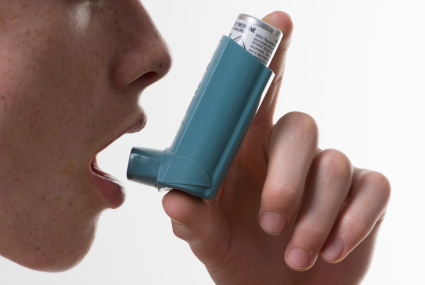
Asthma is a long-term condition in which the airways become inflamed, sensitive, and narrowed, making it difficult for air to pass freely. It often occurs in episodes or attacks, triggered by allergens, dust, cold air, infections, or stress. Common symptoms include wheezing (whistling sound while breathing), shortness of breath, chest tightness, persistent cough (especially at night or early morning), and difficulty in breathing during physical activity or exposure to triggers. Risk factors include family history, allergies, environmental pollution, smoking, respiratory infections, and exposure to dust or cold climate. In Ayurveda, asthma is described as Tamaka Shwasa, caused by aggravation of Kapha dosha leading to mucus accumulation and obstruction, along with Vata dosha causing difficulty in breathing and spasms of airways. Impaired digestion (Agni) and accumulation of Ama (toxins) contribute to blockage of respiratory channels (Srotorodha). Ayurvedic management focuses on clearing Kapha, balancing Vata, and strengthening the respiratory system. Treatment includes Deepana-Pachana (improving digestion), Shodhana (detoxification) such as Vamana (therapeutic emesis) in suitable patients, and supportive therapies. Internal herbal medicines commonly include Vasaka, Tulsi, Pippali, Yashtimadhu, and Ginger, which help reduce inflammation, clear mucus, and ease breathing. External therapies such as Swedana (steam therapy) and Nasya (nasal therapy) help in relieving congestion and improving airflow. Diet should be warm, light, and easy to digest. Avoid cold foods, dairy in excess, fried items, and exposure to allergens that may trigger symptoms. Warm herbal drinks and spices like turmeric and ginger are beneficial. Lifestyle practices such as avoiding dust and cold exposure, practicing gentle breathing exercises, maintaining a clean environment, stress management, and regular routine are important in preventing attacks. This holistic Ayurvedic approach helps in reducing the frequency and severity of asthma attacks, improving lung function, and enhancing overall quality of life.
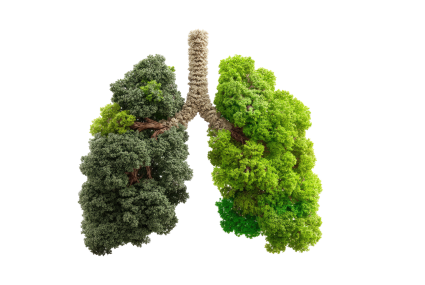
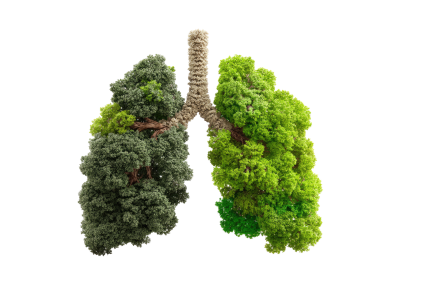
When Breath Calls for Care: An Ayurvedic Path to Lung Wellness and Sustained Respiratory Health
Respiratory and allergy conditions represent some of the most common and impactful health challenges globally, affecting breathing, lung function, immune resilience, and substantial dimensions of daily life. The spectrum ranges from acute respiratory infections through chronic conditions like asthma and COPD to allergic conditions affecting respiratory and broader systems. Globally, asthma affects an estimated 339 million people, COPD affects over 200 million people, and allergic rhinitis affects 10-30% of adults worldwide — making respiratory and allergy care substantial public health priority.
Common respiratory and allergy conditions include:
- Bronchial asthma (Tamaka Shwasa) — Chronic episodic airway condition
- Chronic bronchitis (Kasa) — Persistent productive cough and inflammation
- COPD (Chronic Obstructive Pulmonary Disease) — Progressive airflow limitation
- Allergic rhinitis (Pratishyaya) — Common allergic upper respiratory condition
- Chronic sinusitis (Dushta Pratishyaya) — Persistent sinus inflammation
- Chronic cough (Kasa) — Persistent cough across various etiologies
- Respiratory allergies — Allergic airway conditions
- Post-COVID respiratory recovery
- Recurrent respiratory infections
- Bronchiectasis (supportive care)
- Interstitial lung disease (supportive care)
- Pulmonary fibrosis (supportive care)
- Pneumonia recovery
- Allergic conditions with respiratory dimensions
Modern medical management has substantially advanced across respiratory conditions with comprehensive evidence-based framework including specialized pulmonology evaluation and treatment, inhaled corticosteroids and bronchodilators for asthma (substantial evidence as foundation), long-acting bronchodilators (LABA, LAMA) and combinations for COPD, biologics for severe asthma with specific phenotypes (omalizumab, mepolizumab, dupilumab, others), antihistamines and intranasal corticosteroids for allergic rhinitis, immunotherapy for selected allergic conditions, oxygen therapy for advanced COPD when indicated, pulmonary rehabilitation, and comprehensive supportive care.
Classical Ayurveda addresses respiratory and allergy conditions through the comprehensive Pranavaha Srotas Chikitsa framework — recognition that the respiratory system encompasses sophisticated channel system carrying Prana (vital life force through respiration) with substantial classical literature in Charaka Samhita, Sushruta Samhita, and Ashtanga Hridaya describing detailed framework for respiratory disorders. The classical understanding centers on Pranavaha Srotas (respiratory channels), Prana Vata governing inhalation and respiratory rhythm, Kapha Dosha providing airway protection and mucus regulation, and Agni ensuring proper oxygen utilization and tissue metabolism.
The therapeutic framework provides comprehensive approach through Nidana Parivarjana (avoiding causative factors); Vamana as gold-standard Panchakarma for Kapha-dominant respiratory conditions; Nasya for direct upper respiratory and Pranavaha Srotas access; Dhoomapana (medicated smoking therapy) for specific applications; Swedana for opening airways; herbal bronchodilators and expectorants including substantial classical pharmacopeia; Pranayama and breathing exercises; comprehensive lifestyle integration; and absolute coordination with continued pulmonology care including continued essential medications such as inhalers which must never be discontinued without specialist guidance.

What is Respiratory & Allergy Care in Ayurveda?
Respiratory and allergy care in Ayurveda — known classically as Pranavaha Srotas Chikitsa (treatment of respiratory channels) and Shwasa Tantra (science of respiration) — represents the comprehensive Ayurvedic framework for respiratory health, lung function support, and management of respiratory and allergy conditions.
Definition and characteristics:
- Classical comprehensive respiratory care framework
- Centered on Pranavaha Srotas (respiratory channels)
- Substantial classical literature foundation
- Comprehensive preventive and therapeutic approach
- Both acute and chronic respiratory condition applications
- Integration with continued conventional pulmonology care
Scope of conditions addressed:
Chronic obstructive conditions:
- Bronchial asthma (Tamaka Shwasa) — Episodic breathlessness, wheezing, chest tightness with characteristic Kapha-Vata imbalance
- COPD (Chronic Obstructive Pulmonary Disease) — Progressive airflow limitation with severe Vata-Kapha involvement
- Chronic bronchitis — Persistent productive cough with Kapha-Pitta dominance
Allergic conditions:
- Allergic rhinitis (Pratishyaya) — Common allergic upper respiratory
- Allergic asthma
- Respiratory allergies
- Environmental allergies with respiratory dimensions
- Food allergies with respiratory dimensions
Cough conditions:
- Acute cough
- Chronic cough (Kasa) — Dry, productive, allergic, post-infectious
- Post-viral cough
Sinus and upper respiratory:
- Chronic sinusitis
- Recurrent sinus infections
- Chronic nasal congestion
- Upper respiratory recurrent infections
Restrictive lung conditions (supportive care):
- Interstitial lung disease
- Pulmonary fibrosis
- Reduced lung expansion conditions
Post-infection recovery:
- Post-COVID respiratory recovery
- Post-pneumonia recovery
- Post-tuberculosis recovery (supportive)
- Post-viral respiratory recovery
Other respiratory:
- Bronchiectasis (supportive care)
- Recurrent respiratory infections
- Smoking-related respiratory conditions
- Occupational lung conditions (supportive care)
- Vocal cord disorders (with respiratory dimensions)
Common features across conditions:
- Breathlessness (Shwasa)
- Cough (Kasa)
- Wheezing
- Chest tightness
- Mucus production and clearance issues
- Reduced exercise tolerance
- Sleep disturbances
- Allergic symptoms
- Substantial quality of life impact
Modern medical management:
- Specialized pulmonology evaluation
- Inhaled corticosteroids as foundation
- Bronchodilators (SABA, LABA, LAMA)
- Combination inhalers
- Biologics for severe asthma
- Antihistamines and intranasal corticosteroids for allergies
- Immunotherapy for selected allergic conditions
- Oxygen therapy when indicated
- Pulmonary rehabilitation
Understanding Pranavaha Srotas, Prana Vata, and Kapha: The Ayurvedic Framework for Respiratory Health
The Ayurvedic understanding of respiratory health sits within the comprehensive Pranavaha Srotas framework with substantial classical literature providing sophisticated framework for respiratory function and dysfunction.
Key concepts:
Pranavaha Srotas (Respiratory Channels): Classical recognition of the comprehensive channel system carrying Prana (vital life force through respiration). The main organs involved are Hrudaya (heart — functional center of Prana) and Maha Srotas (thoracic cavity and lungs). Pranavaha Srotas patency is essential for free breathing and respiratory health.
Prana Vata as Central: Prana Vata is the sub-dosha governing:
- Inhalation and respiratory rhythm
- Nervous regulation of breathing
- Airflow and chest movement
- Connection between body and breath
- Mental wellness and Prana flow
Prana Vata balance is fundamental to respiratory health.
Kapha Dosha Regulation: Kapha Dosha in the respiratory system:
- Provides mucus lining of airways
- Maintains protective secretions
- Prevents dryness and irritation
- Provides structural integrity
Kapha balance is essential — excessive Kapha produces congestion and obstruction, while inadequate Kapha produces dryness and irritation.
Agni and Tissue Oxygenation: Agni (digestive and metabolic fire) ensures proper oxygen utilization and tissue metabolism — recognition that respiratory function involves not just airway dynamics but proper cellular oxygen utilization.
Specific Doshic Patterns in Respiratory Conditions:
Vata-Predominant Respiratory Conditions:
- Dry cough
- Bronchospasm
- Hyperreactive airways
- Anxiety-related breathing difficulties
- Chest wall tightness
Kapha-Predominant Respiratory Conditions:
- Excessive mucus production
- Congestion
- Productive cough
- Chronic bronchitis
- Chronic sinusitis
Pitta-Predominant Respiratory Conditions:
- Inflammatory dimensions
- Burning sensations
- Acute infections
- Allergic inflammation
Combined Doshic Patterns:
- Kapha-Vata in asthma (Tamaka Shwasa) and COPD
- Kapha-Pitta in inflammatory bronchitis and allergic conditions
- Tridoshic in complex chronic conditions
Tamaka Shwasa (Bronchial Asthma) Classical Framework: One of the most detailed classical condition descriptions — recognition of:
- Episodic nature with characteristic exacerbations
- Kapha-Vata combined pathology
- Triggering factors including cold exposure, dust, allergens
- Specific symptoms including wheezing, breathlessness, chest tightness
- Time-related patterns with night-time worsening recognized classically
Kasa (Cough) Classical Framework: Detailed classical categorization including:
- Vataja Kasa (dry cough)
- Pittaja Kasa (with inflammation)
- Kaphaja Kasa (productive)
- Kshataja Kasa (post-traumatic)
- Kshayaja Kasa (debility-related)
Predisposing Factors Classical Ayurveda Identifies:
Aharaja (Dietary):
- Excess cold, heavy, mucus-forming foods
- Dairy excess (substantial Kapha aggravation)
- Improper food combinations
- Fried and oily foods
- Cold drinks
Viharaja (Lifestyle):
- Sedentary habits
- Exposure to cold, dust, pollution
- Suppression of cough and breath urges (substantial classical recognition)
- Irregular breathing patterns
- Smoking and tobacco use
- Inadequate physical activity
Manasika (Mental):
- Stress and anxiety affecting Prana Vata
- Emotional suppression
- Chronic worry
Environmental:
- Air pollution
- Smoke exposure
- Allergens
- Seasonal changes (Ritu Vikriti)
Infectious:
- Recurrent respiratory infections
- Chronic inflammation
This shapes the Ayurvedic approach to respiratory and allergy care: comprehensive Nidana Parivarjana; Pranavaha Srotas optimization; Prana Vata regulation; Kapha management through Shamana and Shodhana; Vamana as gold-standard Shodhana for Kapha-predominant conditions; Nasya for direct upper respiratory access; Dhoomapana for specific applications; Swedana for opening airways; classical herbal bronchodilators and expectorants; Pranayama integration; comprehensive lifestyle modification; absolute coordination with continued pulmonology care.
The 3 Stages of Ayurvedic Treatment for Respiratory and Allergy Conditions
1. Preparation (Purva Karma) — Typically 3-7 days
Comprehensive assessment including detailed respiratory history (specific condition, duration, severity, exacerbation patterns, triggers), current respiratory status with attention to baseline lung function and current symptoms, current pulmonology evaluation and treatment context including all medications (inhaled corticosteroids, bronchodilators, biologics, antihistamines, oral steroids, oxygen therapy), specific allergen identification when known, comorbidities, environmental factors, smoking history, and constitutional profile.
Pulmonology coordination essential — current treatment confirmed, sharing of treatment approach, continued essential inhalers and medications confirmed throughout.
Critical screening:
- Stable current respiratory status without acute exacerbation requiring urgent care
- No acute severe asthma exacerbation requiring emergency management
- No acute respiratory failure or compromise
- No active pneumonia or acute respiratory infection
- No acute COPD exacerbation
- No active pulmonary embolism suspected
- Adequate baseline lung function for retreat-based care
- Stable oxygen status when applicable
Deepana-Pachana for digestive function with respiratory-aware approach. Initial constitutional support matched to doshic patterns. Initial dietary modifications — anti-Kapha for Kapha-predominant, Vata-pacifying for Vata-predominant, anti-Pitta for Pitta-predominant patterns. Foundational lifestyle measures including environmental modifications, smoking cessation absolutely essential when applicable, allergen avoidance when identified.
2. Core Treatment (Pradhana Karma) — Typically 14-21 days
Primary therapies focus on five coordinated lines:
Comprehensive Doshic-Specific Approach:
Kapha-predominant conditions (chronic bronchitis, productive asthma, sinusitis):
- Vamana as gold-standard intervention (when appropriate clinical assessment)
- Kapha-pacifying dietary integration
- Light, warm, easily digestible foods
- Kapha-clearing herbs
Vata-predominant conditions (dry cough, bronchospasm, anxiety-related breathing):
- Snehana (oleation) approach
- Vata-pacifying herbs
- Warm, moist, nourishing dietary patterns
- Steam therapy and lubrication
Pitta-predominant conditions (inflammatory bronchitis, allergic inflammation):
- Cooling, anti-inflammatory approach
- Pitta-pacifying herbs
- Avoiding aggravating triggers
Vamana as Gold-Standard Panchakarma for Kapha Conditions:
- Vamana (therapeutic emesis) considered gold-standard Shodhana for Kapha-predominant respiratory conditions
- Substantial classical use for chronic asthma, chronic bronchitis, allergic conditions
- Direct elimination of vitiated Kapha and Ama from upper gastrointestinal tract with substantial respiratory benefits
- Requires qualified practitioner expertise and appropriate clinical infrastructure
- Specific contraindications including pregnancy, severe weakness, cardiac conditions, severe hypertension
- Substantial preparation (Purva Karma) essential
Nasya for Direct Upper Respiratory and Pranavaha Srotas Access:
- Nasya considered particularly valuable providing direct access to upper respiratory tract and broader Pranavaha Srotas
- Anu Taila as classical foundational Nasya oil with substantial respiratory applications
- Shadbindu Taila with substantial sinus and respiratory benefits
- Specific medicated Nasya preparations matched to individual conditions
- Substantial value for chronic sinusitis, allergic rhinitis, chronic cough, post-COVID recovery, broader upper respiratory conditions
Dhoomapana (Medicated Smoking Therapy) in selected applications:
- Classical therapy for Pranavaha Srotas clearing
- Specific medicated preparations under expert practitioner guidance
- Critical safety considerations — must not be confused with tobacco smoking which is absolutely contraindicated
- Selected applications with appropriate expertise
Swedana (Sudation Therapy):
- Steam inhalation with specific herbs
- Opens blocked airways
- Reduces congestion
- Particularly valuable in Kapha-predominant conditions
Comprehensive Internal Herbal Therapy:
Foundational respiratory herbs:
- Vasaka (Adhatoda vasica) — substantial classical and modern evidence for respiratory benefits with documented bronchodilator and expectorant effects
- Pippali (Piper longum) — substantial Pranavaha Srotas applications
- Tulsi (Ocimum sanctum) — respiratory and adaptogenic effects
- Kantakari (Solanum xanthocarpum) — bronchial support
- Yashtimadhu (Licorice) — broader respiratory support
- Haridra (Turmeric) — anti-inflammatory
- Ginger for Kapha pacification
- Black pepper and pippali for respiratory support
Classical formulations:
- Sitopaladi Churna — comprehensive classical respiratory formulation with substantial use
- Talisadi Churna — classical respiratory preparation
- Vasa preparations (Vasakasava, Vasarishta, Vasavaleha)
- Trikatu Churna for Kapha pacification
- Chyavanaprasha for Rasayana with respiratory benefits
- Kanakasava for bronchial support
- Pippalyasava for Pranavaha Srotas
- Specific Bhasma preparations matched to individual presentation
Comprehensive Lifestyle Integration:
Pranayama (Breathing Exercises):
- Anulom Vilom (alternate nostril breathing) with substantial documented respiratory benefits
- Bhastrika for specific applications (with appropriate selection — avoid in acute asthma)
- Bhramari for relaxation and respiratory wellness
- Kapalabhati for Kapha clearing (with appropriate selection)
- Specific Pranayama protocols matched to condition
Yoga practices with appropriate selection for respiratory wellness.
Environmental modifications:
- Avoiding identified allergens
- Indoor air quality optimization
- Avoiding pollution exposure
- Avoiding cold exposure when triggering
Smoking cessation absolutely essential when applicable.
Comprehensive Stress Management:
- Stress affects Prana Vata substantially
- Meditation
- Mindfulness practices
Coordination with Continued Pulmonology Care:
- Continued essential medications absolutely essential throughout
- Continued inhalers — never discontinued without pulmonology guidance
- Continued biologics when prescribed
- Continued oxygen therapy when prescribed
- Continued allergy management medications
3. Rejuvenation (Paschat Karma) — Continued home regimen
Sustained Pranavaha Srotas support, continued constitutional approach, Rasayana therapy with respiratory benefits including Chyavanaprasha with substantial classical use for respiratory wellness, continued lifestyle integration including Pranayama practice, periodic clinical follow-up, continued pulmonology coordination. Seasonal Rasayana approach with appropriate timing.
The 5 Core Therapies for Respiratory and Allergy Conditions Explained
1. Vamana as Gold-Standard Panchakarma for Kapha-Predominant Respiratory Conditions Vamana (therapeutic emesis) represents the most clinically valuable Ayurvedic intervention specifically for Kapha-predominant respiratory conditions with substantial classical use as gold-standard Shodhana for chronic asthma, chronic bronchitis, and Kapha-predominant allergic conditions. Following appropriate Purva Karma preparation (Pachana, Snehana with Ghrita Pana, Swedana), the patient receives specific medicated emetic preparations classically based on Madanaphala (Randia dumetorum) combined with other supportive substances. The therapy is conducted in morning under direct medical supervision with monitoring throughout. Mechanisms: direct elimination of vitiated Kapha and Ama from upper gastrointestinal tract with substantial respiratory benefits through clearing of Kapha that contributes to airway congestion and obstruction; substantial doshic clearing; long-lasting respiratory improvement following authentic Vamana. Specific indications: chronic Tamaka Shwasa (bronchial asthma) particularly Kapha-predominant patterns, chronic bronchitis with substantial mucus, chronic Kapha-predominant allergic conditions, chronic Kapha-predominant sinusitis. Critical contraindications: pregnancy, very young or very elderly, severe weakness, severe cardiovascular conditions, severe hypertension, recent surgery, certain specific medical conditions. Requires substantial practitioner expertise including patient selection, preparation, procedure conduct, and aftercare. Conducted only in qualified Panchakarma facilities with appropriate emergency capability. Continues alongside continued essential inhalers and respiratory medications — never replacing them. WellnessLoka Kerala centres provide expert Vamana capability.
2. Nasya Therapy for Direct Upper Respiratory and Pranavaha Srotas Access Nasya therapy (medicated nasal administration) represents one of the most clinically valuable Ayurvedic interventions for respiratory conditions providing direct access to upper respiratory tract and broader Pranavaha Srotas. Classical Ayurveda recognizes the nose as direct doorway to head and respiratory system — Nasya therapy provides direct therapeutic access. Standard preparations: Anu Taila as classical foundational Nasya oil with substantial respiratory applications including chronic sinusitis, allergic rhinitis, chronic respiratory conditions; Shadbindu Taila with substantial sinus and respiratory benefits; specific medicated Nasya preparations matched to individual needs including various oils and powders. Administration: typically 2-6 drops in each nostril; classical Nasya procedure under practitioner guidance with specific positioning and timing; daily course typically 7-14 days. Mechanisms: direct action on nasal, sinus, and upper respiratory tissues; substantial effects on Pranavaha Srotas through nasal route; reduces nasal and sinus inflammation; supports mucociliary function; broader systemic effects through nasal-head connection. Specific indications: chronic sinusitis with substantial classical and emerging modern evidence, allergic rhinitis, chronic cough, post-COVID respiratory recovery, recurrent upper respiratory infections, vocal cord disorders, broader upper respiratory and Pranavaha Srotas applications. Sustained practice essential with cumulative benefits. Continues alongside continued essential pulmonology care. WellnessLoka centres provide expert Nasya capability.
3. Comprehensive Herbal Therapy with Classical Respiratory Pharmacopeia Comprehensive herbal therapy with classical respiratory pharmacopeia provides substantial value across respiratory condition spectrum with documented mechanisms and emerging modern evidence base. Foundational respiratory herbs with substantial evidence: Vasaka (Adhatoda vasica) — one of the most clinically valuable respiratory herbs with substantial classical use and modern evidence including documented bronchodilator effects through vasicine and related alkaloids, expectorant effects, anti-inflammatory effects, broader respiratory benefits; Pippali (Piper longum) — substantial classical Pranavaha Srotas applications with bronchodilator and expectorant properties; Tulsi (Ocimum sanctum) — adaptogenic respiratory support with substantial evidence including immunomodulatory effects; Kantakari (Solanum xanthocarpum) — bronchial support with substantial classical use; Yashtimadhu (Licorice) — broader respiratory and inflammation support; Haridra (Turmeric) — anti-inflammatory with substantial respiratory applications; Ginger for Kapha pacification and broader respiratory benefits; Black pepper and pippali (Trikatu) for respiratory support. Classical formulations: Sitopaladi Churna as comprehensive classical respiratory formulation with substantial use for cough, congestion, and broader respiratory conditions; Talisadi Churna as classical respiratory preparation; Vasa preparations including Vasakasava (fermented preparation), Vasarishta, Vasavaleha (semi-solid) with substantial Vasaka-based respiratory applications; Trikatu Churna for Kapha pacification; Chyavanaprasha as foundational Rasayana with substantial respiratory benefits — classical preparation specifically valuable for respiratory wellness; Kanakasava for bronchial support; Pippalyasava for Pranavaha Srotas; specific Bhasma preparations matched to individual presentation. Dosha-specific selection essential: comprehensive matching to individual doshic patterns. Combined with continued essential medications — Ayurvedic herbs strictly complement rather than replace inhalers and prescribed pulmonology treatment. WellnessLoka centres provide authentic preparations.
4. Pranayama, Breathing Exercises, and Comprehensive Lifestyle Integration Pranayama and breathing exercises represent fundamental dimension of Ayurvedic respiratory care with substantial classical literature and emerging modern evidence base specifically for respiratory conditions. Pranayama with substantial respiratory benefits: Anulom Vilom (alternate nostril breathing) with substantial documented respiratory benefits including improved lung function, reduced airway hyperreactivity, and broader respiratory wellness — appropriate for most respiratory conditions; Bhramari for relaxation and respiratory wellness particularly valuable for anxiety-related breathing difficulties; Bhastrika for specific applications providing energizing effects (with appropriate selection — generally avoided in acute asthma exacerbation); Kapalabhati for Kapha clearing in Kapha-predominant conditions (with appropriate selection and not during exacerbation); Ujjayi for sustained respiratory wellness; specific Pranayama protocols matched to individual conditions. Yoga practices with appropriate selection for respiratory wellness — specific asanas supporting chest expansion, diaphragmatic breathing, and respiratory function; gentle backbends; supported chest-opening postures; appropriate selection avoiding aggravating positions. Comprehensive lifestyle integration: environmental modifications essential — avoiding identified allergens, indoor air quality optimization, HEPA filtration when appropriate, avoiding pollution exposure when possible, humidity management; smoking cessation absolutely essential for any smoking-related respiratory conditions with substantial impact on outcomes; regular gentle exercise appropriate to condition with substantial respiratory benefits; comprehensive stress management — stress substantially affects Prana Vata and respiratory function; specific dietary integration — anti-Kapha for Kapha-predominant conditions, Vata-pacifying for Vata-predominant, anti-inflammatory across patterns, avoiding cold/heavy/mucus-forming foods; sleep optimization. Vocal and breathing rehabilitation when applicable.
5. Comprehensive Lifestyle Integration and Absolute Coordination with Continued Pulmonology Care Comprehensive lifestyle integration with absolute coordination with continued pulmonology care provides foundation for sustained respiratory condition management. Continued essential medications absolutely essential: continued inhaled corticosteroids (budesonide, fluticasone, beclomethasone, others) — never discontinued without pulmonology guidance given substantial evidence for airway inflammation management; continued bronchodilators including SABA (albuterol/salbutamol) for rescue use, LABA (salmeterol, formoterol), and LAMA (tiotropium, others); continued combination inhalers; continued biologics for severe asthma (omalizumab, mepolizumab, dupilumab, others); continued antihistamines and intranasal corticosteroids for allergic conditions; continued immunotherapy when prescribed; continued oxygen therapy when prescribed; continued allergy management; never discontinued or modified without specialist guidance. Continued comprehensive pulmonology care: continued pulmonary function testing as scheduled; continued specialist appointments; action plan adherence for asthma — continued use of asthma action plans and recognition of warning signs; emergency planning for severe exacerbations; pulmonary rehabilitation when prescribed. Comprehensive environmental approach: allergen identification and avoidance essential; indoor air quality optimization through appropriate filtration; avoiding triggers specific to individual; avoiding cold exposure when triggering; avoiding occupational exposures when applicable; pollution awareness with appropriate protective measures. Smoking cessation absolutely essential with substantial impact on all respiratory conditions. Specific dietary integration matched to doshic patterns and individual triggers. Regular gentle exercise with substantial respiratory benefits — walking, swimming when not triggered, yoga, gentle aerobic activity. Comprehensive stress management — stress affects Prana Vata substantially. Sleep optimization essential. Vaccination considerations including influenza, pneumococcal vaccines per pulmonology recommendations. Honest framing — recognition that integrative care provides meaningful supportive value but does not replace continued essential medications for asthma and COPD; realistic expectations essential. Long-term framework: Chronic respiratory conditions typically require sustained lifelong care with comprehensive integrated approach providing ongoing supportive value within continued essential treatment framework.
How Long Should an Ayurvedic Treatment Program for Respiratory Conditions Last?
| Duration | Therapeutic Benefit |
| 7–14 days | Initial protocols, established Nasya, foundational interventions, dietary establishment |
| 14–21 days | Comprehensive constitutional support, sustained therapy, Pranayama integration |
| 21–28 days | Extended program including complete Vamana when indicated with comprehensive Paschat Karma |
| Continued home regimen | Sustained therapy with continued lifestyle integration |
The exact duration is decided after consultation with the Ayurvedic doctor in coordination with continued pulmonology care, based on specific respiratory condition, severity, current stability, treatment goals, and individual factors. Vamana programs require minimum 21-28 days for adequate Purva Karma preparation, the procedure, and comprehensive Paschat Karma. Recognition that chronic respiratory conditions require sustained comprehensive care with Ayurvedic supportive care providing ongoing complementary value within continued essential pulmonology framework. Seasonal Vamana (spring) with classical timing recommended for Kapha-predominant respiratory conditions.
Benefits of an Ayurvedic Treatment Retreat for Respiratory and Allergy Conditions
| Physical Benefits | Functional Benefits | Long-Term Impact | ||
| Better lung function support | Better breathing capacity and ease | Sustained respiratory wellness | ||
| Reduced mucus and congestion |
|
Foundation for sustained respiratory health | ||
|
Better sleep quality | Better long-term outcomes | ||
| Better immune function | Better quality of life | Comprehensive integrative care framework |
Why Kerala is the Best Place for Respiratory and Allergy Treatment
An Ayurvedic respiratory and allergy treatment retreat in Kerala, India offers the most clinically authentic environment for comprehensive Pranavaha Srotas Chikitsa this complex condition spectrum fundamentally benefits from alongside continued essential pulmonology care.
- Experienced physicians with specific expertise in classical Pranavaha Srotas Chikitsa and the comprehensive respiratory Ayurveda tradition
- BAMS and MD Ayurveda-certified doctors with specialised training across the broad spectrum of respiratory and allergy conditions including chronic asthma (Tamaka Shwasa), chronic bronchitis, COPD supportive care, allergic rhinitis, chronic sinusitis, and broader Pranavaha Srotas disorders
- Specialised practitioner training in Vamana — the gold-standard Panchakarma for Kapha-predominant respiratory conditions with appropriate clinical expertise and substantial classical training
- Specialised practitioner training in Nasya therapy essential for direct upper respiratory and Pranavaha Srotas access with substantial classical respiratory applications
- Specialised practitioner training in Swedana (sudation therapy) for airway opening
- Specialised practitioner training in Dhoomapana (medicated smoking therapy) where applicable with appropriate safety protocols
- Authentic in-house preparation of foundational Nasya preparations — Anu Taila and Shadbindu Taila — following classical methodology essential for respiratory Nasya applications
- Authentic in-house preparation of classical respiratory formulations — Sitopaladi Churna and Talisadi Churna as foundational classical respiratory preparations, Vasa preparations (Vasakasava, Vasarishta, Vasavaleha), Trikatu Churna, Kanakasava, Pippalyasava, broader respiratory pharmacopeia — using authentic methods and fresh herbs
- Authentic preparation of Chyavanaprasha — the foundational classical Rasayana preparation with substantial respiratory benefits
- Authentic preparation of respiratory-supportive Bhasma preparations with appropriate Shodhana (purification) and Marana (incineration) processes following classical methodology
- Authentic preparation of foundational respiratory herbs — Vasaka preparations, Tulsi preparations, Kantakari preparations, Pippali preparations, Yashtimadhu preparations, Haridra preparations using authentic methods and fresh herbs
- Proper facilities for comprehensive Vamana with appropriate clinical infrastructure including dedicated Panchakarma rooms with emergency capability
- Proper facilities for Nasya, Swedana, and broader respiratory therapies
- Capacity for comprehensive Purva Karma including Ghrita Pana, daily Abhyanga, and appropriate Swedana essential for safe authentic Vamana
- Capacity for comprehensive Paschat Karma including critical Sansarjana Krama with graduated diet preparation
- Capacity for qualified Pranayama instruction with experienced yoga teachers specifically trained in respiratory applications including Anulom Vilom, Bhramari, Kapalabhati, Bhastrika with appropriate condition-specific selection
- Capacity for environmental modifications essential for respiratory patients including air quality awareness, allergen-conscious accommodation when needed, smoke-free environment, appropriate humidity management
- Capacity for asthma action plan integration and continued essential inhaler management throughout treatment
- Capacity for emergency respiratory escalation with clear protocols for any acute exacerbations
- Long-established Kerala tradition of comprehensive Pranavaha Srotas Chikitsa
- Coordination capability with continued pulmonology care including continued essential medications and biologics management
- Capacity for sustained long-term care relationships through chronic respiratory condition management
- Calm environment essential for respiratory wellness with reduced stress dimensions
- Capacity for comprehensive lifestyle integration including environmental modifications, smoking cessation support, dietary integration matched to doshic patterns, exercise programs appropriate to respiratory status, stress management
- Capacity for seasonal Vamana (Vasanta Vamana) with appropriate classical timing for Kapha-predominant respiratory conditions
- Discretion and sensitivity throughout treatment
Sri Lanka offers complementary tropical healing environment with Ayurvedic respiratory care expertise in serene coastal settings particularly valuable given climate considerations for some respiratory patients, while Bali provides wellness-oriented retreats integrating Ayurvedic care with holistic wellness particularly valuable for stable maintenance phases and broader lifestyle integration. For specialised Pranavaha Srotas Chikitsa with comprehensive Vamana capability and authentic Sitopaladi Churna, Talisadi Churna, and broader classical respiratory formulation preparation, Kerala offers the deepest tradition.
Respiratory and Allergy Treatment Retreats by Location and Recommended Centres
Kerala, India — The most clinically authentic destination for classical Pranavaha Srotas Chikitsa with established tradition including specialised Vamana capability as gold-standard Panchakarma for Kapha-predominant respiratory conditions, specialised Nasya expertise for direct upper respiratory access, authentic preparation of foundational Nasya preparations including Anu Taila and Shadbindu Taila, authentic preparation of classical respiratory formulations including Sitopaladi Churna, Talisadi Churna, Vasa preparations, authentic Chyavanaprasha preparation with substantial respiratory Rasayana benefits, qualified Pranayama instruction, allergen-conscious infrastructure when needed, asthma action plan integration capability, emergency respiratory escalation capability, and the deepest tradition of comprehensive Pranavaha Srotas Chikitsa. Alleppey • Kovalam • Kumarakom • Wayanad • Palakkad
Sri Lanka — Coastal Ayurveda treatment retreats with comprehensive supportive care for respiratory conditions in serene tropical environment. Wadduwa • Weligama • Sigiriya • Kosgoda • Bentota
Bali, Indonesia — Wellness treatment retreats integrating Ayurvedic care with holistic wellness restructuring, particularly valuable for stable maintenance phases and broader lifestyle integration. Ubud • Nusa Dua • Candidasa • Lovina
WellnessLoka connects you with verified centres across these destinations offering genuine Pranavaha Srotas Chikitsa expertise, comprehensive Vamana capability essential for Kapha-predominant respiratory care, specialised Nasya expertise for direct upper respiratory access, authentic classical respiratory formulation preparation including Sitopaladi Churna and Talisadi Churna, qualified Pranayama instruction, allergen-conscious infrastructure, asthma action plan integration capability, emergency respiratory escalation capability, absolute commitment to coordination with continued pulmonology care including continued essential inhalers and respiratory medications which must never be discontinued, and clear understanding of the integrative role.
Who Should Consider an Ayurvedic Respiratory and Allergy Treatment Retreat
Critical foundation: All candidates must have established continued comprehensive pulmonology care when applicable; integrative care is strictly complementary, never replacement for essential respiratory treatment.
Patients with chronic bronchial asthma (Tamaka Shwasa) — Comprehensive integrative approach alongside continued inhaled corticosteroids and bronchodilators.
Patients with chronic bronchitis — Comprehensive integrative approach for chronic productive cough and Kapha-predominant patterns.
Patients with COPD on continued treatment — Comprehensive integrative supportive approach alongside continued bronchodilators and broader treatment.
Patients with allergic rhinitis — Comprehensive Nasya-led approach particularly valuable.
Patients with chronic sinusitis — Comprehensive Nasya approach with substantial value.
Patients with chronic cough — Comprehensive integrative approach matched to specific cough pattern.
Patients with allergic asthma — Comprehensive approach addressing both allergic and asthmatic dimensions.
Patients post-COVID seeking respiratory recovery — Comprehensive respiratory rehabilitation support.
Patients with recurrent respiratory infections — Comprehensive immune and respiratory rebuilding approach.
Patients with chronic respiratory allergies — Comprehensive integrative approach.
Patients with smoking-related respiratory conditions — Comprehensive integrative approach with substantial smoking cessation support.
Patients with stress-related respiratory dimensions — Comprehensive Prana Vata regulation through Pranayama and broader approach.
Patients with chronic respiratory conditions seeking constitutional approach — Comprehensive Pranavaha Srotas Chikitsa framework.
Patients with substantial Kapha-predominant respiratory patterns — Particularly valuable for Vamana-based comprehensive approach.
Patients seeking seasonal cleansing for respiratory health (Vasanta Vamana) — Classical seasonal Panchakarma timing.
Patients with post-pneumonia and post-tuberculosis recovery — Supportive respiratory rebuilding.
Patients seeking long-term integrative respiratory wellness philosophy — Holistic approach.
Who Should Approach Treatment with Caution
Ayurvedic care for respiratory and allergy conditions is genuinely valuable but appropriate medical evaluation and continued pulmonology coordination are essential. Ayurvedic retreat-based care should be deferred or replaced by urgent specialist care in cases involving:
Acute severe asthma exacerbation — Requires urgent pulmonology emergency care.
Acute respiratory failure — Requires urgent emergency care.
Acute COPD exacerbation — Requires urgent pulmonology management.
Acute pneumonia or severe respiratory infection — Requires appropriate antimicrobial treatment.
Suspected pulmonary embolism — Requires urgent evaluation.
Active tuberculosis — Requires specialized TB treatment.
Severe respiratory compromise — Requires specialized management.
Patients on continuous oxygen therapy with substantial requirements — May require modified approach with appropriate coordination.
Patients planning to discontinue inhalers — Absolutely strongly discouraged — discontinuation creates substantial risks including severe exacerbations.
Patients planning to discontinue biologics — Strongly discouraged without pulmonology guidance.
Pregnancy with respiratory conditions — Requires specialized obstetric-pulmonology coordination.
Patients with substantial unrealistic expectations — Honest counseling about realistic outcomes; no claims of curing chronic asthma or COPD through Ayurveda.
Patients seeking promised cures for asthma or COPD — Centres claiming to cure these conditions through Ayurveda should be avoided — such claims are dangerous and could lead to discontinuation of essential inhalers.
Patients without continued comprehensive pulmonology care — Integrative care must complement continued essential treatment.
Patients with severe untreated comorbidities — Significant medical conditions require stabilisation.
Patients with smoking continuation — Comprehensive smoking cessation essential before substantial respiratory care benefits.
Choosing the Right Treatment Retreat for Respiratory and Allergy Conditions
Qualified physicians with Pranavaha Srotas Chikitsa expertise — BAMS or MD Ayurveda-credentialed doctors with specialised training across the broad respiratory and allergy condition spectrum.
Specialised practitioner training in Vamana — Essential for gold-standard Kapha-predominant respiratory care.
Specialised practitioner training in Nasya — Essential for direct upper respiratory access.
Specialised practitioner training in Swedana and Dhoomapana — For comprehensive respiratory approach.
Authentic in-house Sitopaladi Churna, Talisadi Churna preparation — Following classical methodology essential.
Authentic in-house Anu Taila and Shadbindu Taila preparation — For foundational Nasya.
Authentic in-house Vasa preparations and broader classical respiratory pharmacopeia — With quality assurance.
Proper facilities for Vamana with appropriate clinical infrastructure — Essential for safe authentic Vamana.
Capacity for emergency respiratory escalation — Critical for respiratory patients.
Qualified Pranayama instruction — With appropriate condition-specific selection expertise.
Allergen-conscious infrastructure when needed — For allergic patients.
Smoke-free environment — Essential for respiratory care.
Capacity for asthma action plan integration — Essential for continued safe asthma care.
Coordination capability with continued pulmonology care — Essential including continued inhalers and biologics.
Capacity for sustained long-term care relationships — For chronic respiratory conditions.
Honest framing — Centres clearly understanding integrative role.
Clear continuity-of-care planning — Detailed home regimens and ongoing coordination.
How WellnessLoka Helps You Choose the Right Ayurveda Treatment Retreat for Respiratory and Allergy Care
Choosing the right treatment retreat for respiratory and allergy conditions benefits enormously from genuine guidance. Respiratory conditions span substantial spectrum from stable allergic rhinitis through severe chronic asthma and COPD requiring comprehensive lifelong care, with substantial individual variation in condition severity, doshic patterns, allergen profiles, comorbidities, and treatment context. The right program depends on accurate identification of the specific Pranavaha Srotas pattern, appropriate procedure selection (particularly Vamana when indicated for Kapha-predominant patterns), and matching to centres with genuine expertise particularly Vamana capability for Kapha-predominant conditions and absolute coordination with continued essential pulmonology care including continued inhalers which must never be discontinued. WellnessLoka exists to ensure that patients can make this decision with full information, genuine guidance, and complete confidence.
Access to Verified Retreat Centres Every centre listed on WellnessLoka for respiratory and allergy treatment has been independently assessed for physician credentials, specific expertise in classical Pranavaha Srotas Chikitsa across the broad respiratory condition spectrum, depth of expertise in Vamana as gold-standard Panchakarma for Kapha-predominant respiratory conditions including chronic asthma and chronic bronchitis with appropriate clinical capability for safe expert practice, specialised Nasya capability essential for direct upper respiratory and Pranavaha Srotas access with substantial classical respiratory applications, specialised Swedana capability for airway opening, authentic in-house preparation of foundational Nasya preparations including Anu Taila and Shadbindu Taila following classical methodology, authentic in-house preparation of classical respiratory formulations including Sitopaladi Churna and Talisadi Churna as cornerstone classical respiratory preparations, Vasa preparations (Vasakasava, Vasarishta, Vasavaleha), Trikatu Churna, Kanakasava, Pippalyasava, authentic Chyavanaprasha preparation with substantial respiratory Rasayana benefits, authentic preparation of foundational respiratory herbs including Vasaka, Tulsi, Kantakari, Pippali, Yashtimadhu, Haridra preparations, proper facilities for Vamana with appropriate clinical infrastructure essential for safe Vamana practice including dedicated Panchakarma rooms and emergency capability, capacity for comprehensive Purva Karma including Ghrita Pana, daily Abhyanga, and appropriate Swedana, capacity for comprehensive Paschat Karma including critical Sansarjana Krama, capacity for qualified Pranayama instruction with experienced yoga teachers specifically trained in respiratory applications, allergen-conscious infrastructure when needed for allergic patients, smoke-free environment essential, capacity for asthma action plan integration and continued essential inhaler management throughout treatment, capacity for emergency respiratory escalation with clear protocols for any acute exacerbations, absolute commitment to coordination with continued pulmonology care including continued essential inhalers, biologics, and respiratory medications which must never be discontinued, capacity for sustained long-term care relationships through chronic respiratory condition management, and clear understanding of the integrative role. We list only centres where Pranavaha Srotas protocols are genuinely practised with classical depth, appropriate clinical infrastructure, and clear understanding of the integrative role alongside continued essential pulmonology care.
Free Pre-Retreat Consultation with Our Ayurvedic Doctor Before you choose a retreat, WellnessLoka offers a complimentary consultation with our in-house Ayurvedic consultant. This consultation reviews your specific respiratory context (specific condition, duration, severity, exacerbation patterns, triggers, current symptoms, prior treatments and response, current medications including all inhalers, biologics, antihistamines, and other respiratory medications, current asthma action plan), current pulmonology evaluation including recent pulmonary function tests and specialist visits, specific allergen identification when known, comorbidities, environmental factors, smoking history with substantial focus on cessation when applicable, family situation, individual treatment goals, and constitutional profile with attention to specific doshic patterns. A critical part of this consultation is screening for any features warranting urgent specialist evaluation including acute severe asthma exacerbation, suspected pneumonia or severe infection, acute COPD exacerbation, suspected pulmonary embolism, or other concerning features that may make retreat-based care inappropriate currently. Based on the assessment, we match you with the retreat centre and program duration best suited for your specific clinical context with particular attention to whether Vamana-inclusive program is appropriate for your specific Kapha-predominant pattern. It is purely a guidance consultation.
Transparent Centre Comparison WellnessLoka provides clear, honest information about each listed centre — physician qualifications, Vamana and Nasya capability, classical formulation preparation, Pranayama instruction quality, allergen-conscious infrastructure, asthma action plan integration capability, emergency respiratory escalation capabilities, accommodation, program structure, and pricing — allowing comparison across Kerala, Sri Lanka, and Bali with full clarity.
Best Price Guarantee Through our strong, long-standing relationships with partner centres, you benefit from exclusive partner pricing that is always lower than booking directly. You receive the most authentic care without paying more for it.
Retreats for Every Budget From luxury wellness resorts to affordable, authentic healing centres, WellnessLoka helps you find a respiratory and allergy treatment retreat that aligns perfectly with your comfort level and budget — without ever compromising on the specialised Pranavaha Srotas Chikitsa expertise this condition spectrum fundamentally benefits from.
Treatment is in Expert Hands Once you arrive at your chosen retreat, your respiratory treatment program is fully designed and managed by the qualified Ayurvedic physicians at that centre with deep training in classical Pranavaha Srotas Chikitsa and direct, hands-on familiarity with the specialised Vamana when applicable, Nasya, Swedana, qualified Pranayama instruction, and broader classical respiratory therapies your program involves. Treatment unfolds under continuous qualified supervision with appropriate sensitivity to respiratory condition dimensions and unwavering coordination with your continued essential pulmonology care including continued inhalers and respiratory medications.
Local Support Team Our on-ground experts assist you at every step from first enquiry through retreat completion — resolving any issues and ensuring smooth, safe experience with appropriate sensitivity to respiratory patient needs including allergen awareness and emergency planning.
End-to-End Booking Support Full administrative and logistical support with appropriate sensitivity to respiratory patient needs — ensuring smooth process so you focus entirely on preparing for your healing program.
Why Travellers Trust WellnessLoka WellnessLoka is rated 4.9? on Google, with verified reviews from wellness travellers from 28+ countries, backed by over a decade of expertise. Our dedicated support team is available 24×7 with appropriate sensitivity to respiratory care complexity.
Begin Your Healing Journey
Respiratory and allergy conditions represent substantial impact across daily life affecting breathing, lung function, immunity, exercise tolerance, sleep, and broader quality of life. Modern pulmonology has substantially advanced with comprehensive evidence-based framework including inhaled corticosteroids as foundation for asthma, comprehensive bronchodilator approach for COPD, biologics for severe asthma, antihistamines and immunotherapy for allergic conditions, and substantial recent therapeutic advances. Yet substantial therapeutic gaps remain for many patients seeking comprehensive integrative approaches alongside continued conventional care.
Classical Ayurvedic care offers genuinely meaningful integrative contributions through the Pranavaha Srotas Chikitsa framework with substantial classical literature describing detailed respiratory disorder framework. The therapeutic framework centers on Vamana as gold-standard Panchakarma for Kapha-predominant respiratory conditions with substantial classical use; Nasya therapy for direct upper respiratory and Pranavaha Srotas access; comprehensive herbal therapy with classical respiratory pharmacopeia including Sitopaladi Churna, Talisadi Churna, and Vasaka-led preparations; Pranayama and breathing exercises with substantial classical literature and emerging modern evidence; comprehensive lifestyle integration and absolute coordination with continued pulmonology care.
Ayurvedic care does not cure chronic asthma or COPD which require continued essential pulmonology care including inhaled corticosteroids and bronchodilators. Continued essential medications absolutely essential throughout integrative care — inhalers must never be discontinued without pulmonology guidance given substantial risk of severe exacerbations. Integrative Ayurvedic care provides meaningful supportive complementary value for many respiratory and allergy conditions.
Whether you choose a treatment retreat in Kerala, Sri Lanka, or Bali — with Kerala offering particular depth in classical Pranavaha Srotas Chikitsa — Ayurvedic care for respiratory and allergy conditions offers a thoughtful, deeply integrative path to enhanced lung function support, breath balance, symptom relief, and substantial quality of life enhancement alongside continued essential pulmonology care.


