
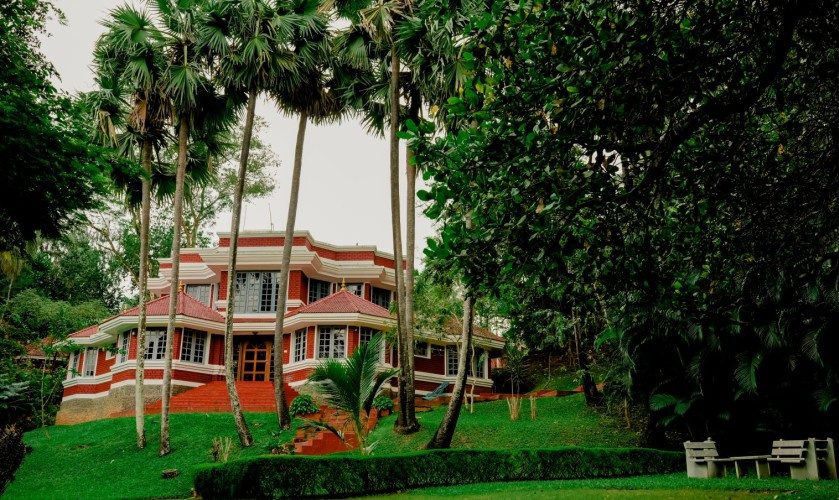
Vertigo Treatment Retreat for Restored Balance and Lasting Steadiness

Vertigo is the false sensation of movement — usually spinning — caused by disturbances in the vestibular system, including BPPV, Meniere's disease, vestibular neuritis, labyrinthitis, vestibular migraine, persistent postural-perceptual dizziness, and central causes. In Ayurveda, it is known as Bhrama, predominantly a Vata-Pitta disorder. Ayurvedic care supports vestibular recovery, calms Vata-driven dizziness, and rebuilds balance through Shirodhara, Basti, Nasya, Karna Purana, and Medhya Rasayana alongside ENT and neurological care.

Book Consultation
Search
Filter by:   
Sort by:   
Sorry! No packages found in this category.

No more packages to load.

When the Ground Won't Hold Still: An Ayurvedic Path to Restored Balance and Lasting Steadiness

Balance is one of those quiet capacities we never think about until it falters. The vestibular system — that intricate fluid-filled inner-ear apparatus housed within the temporal bone, the delicate semicircular canals registering rotational movement, the utricle and saccule sensing linear acceleration and gravity, the vestibular nerves carrying signals to the brainstem, and the cerebellum and cortex integrating these signals with vision and proprioception — works invisibly to maintain our orientation in three-dimensional space. When it falters, the world tilts. The room spins around us, or we spin within a stable room, or the floor seems to roll like the deck of a ship. Standing becomes precarious. Walking requires conscious negotiation with gravity. Turning the head suddenly produces an unwelcome reminder of how much we normally take for granted. For the substantial portion of the population who experience vertigo at some point — over 20 percent of adults annually with significant dizziness, and over 5 percent with episodic vertigo — the experience is genuinely disorienting in both the literal and metaphorical senses of the word.

The causes are diverse, and the clinical pattern varies substantially with cause. Benign Paroxysmal Positional Vertigo (BPPV) — the most common cause of vertigo across all populations — produces brief, intense vertigo triggered by specific head positions (rolling over in bed, looking up, bending forward), caused by displaced otoconia (tiny calcium crystals normally embedded in the utricle) that have migrated into the semicircular canals where they disturb the fluid dynamics with each head movement. Meniere's disease combines episodic vertigo (lasting 20 minutes to several hours) with fluctuating sensorineural hearing loss, tinnitus, and a sensation of ear fullness, attributed to endolymphatic hydrops (fluid accumulation in the inner-ear endolymphatic system). Vestibular neuritis produces acute severe vertigo following viral infection, lasting days, without hearing involvement, often with significant disability during the acute phase. Labyrinthitis is similar but involves hearing as well as vestibular symptoms. Vestibular migraine combines migraine features with episodic vertigo, often without headache during the vertigo episode itself, and is increasingly recognised as one of the more common causes of recurrent vertigo. Persistent Postural-Perceptual Dizziness (PPPD) is a chronic functional dizziness condition that often develops after an initial vestibular insult and persists despite resolution of the original peripheral pathology, characterised by chronic unsteadiness, visual motion sensitivity, and worsening with upright posture. Central vertigo from brainstem or cerebellar causes (stroke, multiple sclerosis, tumour, vestibular paroxysmia from neurovascular compression) is rarer but more serious. Cervicogenic vertigo arises from cervical spine pathology affecting balance signals. Drug-induced vertigo from ototoxic medications (aminoglycosides, certain chemotherapy agents, high-dose loop diuretics) and from medications affecting vestibular function. Mal de débarquement, motion sickness, post-traumatic vertigo, and various other causes complete the picture.

Modern management follows clear, well-established pathways. Detailed history — by far the most important diagnostic tool in vertigo — distinguishes vertigo from non-vertigo dizziness (lightheadedness, presyncope, imbalance) and characterises the pattern. Vestibular examination including the Dix-Hallpike test (highly specific for BPPV), the head impulse test, the head shake test, and observation for nystagmus directs further evaluation. Audiometry where hearing is involved. MRI for suspected central causes. Specific tailored treatment: Epley manoeuvre and other canalith repositioning manoeuvres for BPPV (often immediately curative — among the most rewarding interventions in medicine when properly performed); vestibular suppressants (antihistamines, anticholinergics) for acute symptomatic relief but used short-term only as they impair vestibular compensation; specific medications for Meniere's disease (low-salt diet, diuretics, intratympanic steroids in selected cases, surgical interventions for refractory disease); vestibular rehabilitation therapy as the cornerstone of recovery for many chronic and post-acute vestibular conditions, with structured exercises promoting central compensation; migraine-preventive medications for vestibular migraine; treatment of any identified underlying cause. These approaches are essential, often highly effective, and the foundation of vertigo management.

Critical clinical guidance bears clear statement: vertigo with neurological features beyond the vestibular symptoms themselves — weakness, numbness, dysarthria, dysphagia, diplopia, severe headache, gait ataxia disproportionate to the vertigo, loss of consciousness — requires urgent evaluation for stroke and other central causes. Posterior-circulation stroke can present with vertigo as a prominent symptom and is a time-critical diagnosis. Retreat-based care is never appropriate for vertigo with these features.

Yet for many patients with chronic recurrent vertigo, post-vestibular-insult persistent dizziness, vestibular migraine, Meniere's disease between episodes, and the slow incomplete recovery often following vestibular neuritis or labyrinthitis, conventional treatment plateaus. The acute episodes are managed but the underlying recurrence pattern persists. Vestibular rehabilitation helps but recovery is often slow and incomplete. Vestibular suppressant medications can be used only short-term. The chronic Vata-driven nervous-system reactivity, anxiety from unpredictability, and depleted constitutional resilience that underlie much of chronic dizziness remain unaddressed by peripheral vestibular interventions alone.

This is where Ayurveda offers a thoughtful, clinically grounded contribution that complements modern vestibular care. Classical Bhrama (literally "spinning" or "rotation" — the sensation of vertigo) is described in the foundational texts — Charaka Samhita, Sushruta Samhita, Madhava Nidana — as a Vata-Pitta disorder with detailed clinical descriptions of presentations matching modern vertigo categories. The related classical conditions of Murcha (fainting and presyncope), Tamaka (darkness or blackout sensation), Sannyasa (severe collapse and altered consciousness), and the broader spectrum of disturbances in Pranavaha and Manovaha Srotas (channels of vital force and mind) provide a comprehensive framework for the various dizziness presentations. By identifying the doshic pattern, providing Vata-pacifying nervous-system therapies through Shirodhara, Basti, and Nasya, supporting the Karna (ear) and Shabdavaha Srotas (auditory channels) where ear involvement is present through Karna Purana, building Medhya function for cognitive-vestibular integration through Brahmi-led Rasayana, addressing the systemic and metabolic background, and rebuilding overall constitutional resilience, Ayurvedic care offers genuine integrative support — particularly for chronic recurrent vertigo where peripheral treatment has plateaued.

A Vertigo treatment retreat is best understood as integrative care for chronic recurrent or persistent vertigo, undertaken after appropriate medical evaluation has clarified the cause and excluded central pathology, alongside continued ENT and neurological care where indicated.


What is Vertigo?

Vertigo is the false perception of self-motion or environmental motion — typically described as a sensation of spinning, rotation, tilting, or swaying — caused by disturbances in vestibular system function. It is fundamentally distinguished from non-vertigo forms of dizziness (lightheadedness from cardiovascular causes, presyncope, generalised imbalance, anxiety-related dizziness, visual vertigo) by its specific motion-illusion quality and its origin in vestibular pathology.

The vestibular system has peripheral components (the inner-ear vestibular apparatus and vestibular nerves) and central components (brainstem vestibular nuclei, cerebellum, cortical integration). Disturbance at any level can produce vertigo, with the pattern of vertigo and associated features helping localise the source.

Principal causes:

Benign Paroxysmal Positional Vertigo (BPPV) — The most common cause of vertigo overall. Brief (typically less than one minute), intense, position-triggered vertigo from displaced otoconia in the semicircular canals (most commonly the posterior canal). Diagnosed by the Dix-Hallpike test producing characteristic positional nystagmus. Typically responds dramatically to canalith repositioning manoeuvres (Epley manoeuvre being the most established). Recurrence is common.

Meniere's Disease — Episodic vertigo lasting 20 minutes to several hours, with fluctuating sensorineural hearing loss (low frequencies typically affected first), tinnitus, and aural fullness. Attributed to endolymphatic hydrops. Course is unpredictable with periods of frequent episodes and periods of remission. Eventually hearing loss may become permanent and vertigo less prominent as vestibular function declines.

Vestibular Neuritis — Acute severe vertigo following viral infection (often respiratory or gastrointestinal), lasting hours to days at peak severity then gradually improving over weeks. No hearing involvement. Recovery often incomplete in the short term, with central compensation completing recovery over weeks to months. Vestibular rehabilitation is the cornerstone of recovery.

Labyrinthitis — Similar acute presentation to vestibular neuritis but with hearing involvement (sensorineural hearing loss), suggesting involvement of the cochlea as well as the vestibular nerve.

Vestibular Migraine — Episodic vertigo with migraine features, often without headache during the vertigo episode (though headache may occur before, during, or after). Increasingly recognised as one of the more common causes of recurrent vertigo, affecting an estimated 1 percent of the general population. Diagnosis is clinical based on consensus criteria including the temporal association with migraine and exclusion of other causes.

Persistent Postural-Perceptual Dizziness (PPPD) — Chronic dizziness lasting more than three months, often developing after an initial vestibular insult (BPPV, vestibular neuritis, vestibular migraine) and persisting despite resolution of the original peripheral pathology. Characterised by chronic unsteadiness, visual motion sensitivity (worsening in busy visual environments like supermarkets or scrolling on screens), and worsening with upright posture. Represents a functional disorder of central vestibular processing.

Central Vertigo — From brainstem or cerebellar pathology including posterior-circulation stroke (a medical emergency that can present with vertigo), multiple sclerosis affecting brainstem, cerebellar tumours, vertebrobasilar insufficiency, and certain medications affecting central vestibular function. Typically associated with neurological features beyond the vertigo itself, gait ataxia disproportionate to vertigo, or distinctive nystagmus patterns (vertical nystagmus, direction-changing nystagmus).

Cervicogenic Vertigo — Vertigo originating from cervical spine pathology, with proprioceptive signals from the upper cervical spine disturbing balance integration. Controversial as a distinct entity but recognised in patients with cervical pathology and concurrent dizziness.

Vestibular Paroxysmia — Brief, frequent vertigo attacks from neurovascular compression of the vestibulocochlear nerve.

Mal de Débarquement — Persistent rocking or swaying sensation after disembarking from a boat, plane, or other travel, typically resolving within hours to days but occasionally persisting as chronic mal de débarquement syndrome.

Drug-Induced Vertigo — From ototoxic medications (aminoglycosides like gentamicin, certain chemotherapy agents like cisplatin, high-dose loop diuretics, salicylates in toxic doses) or medications affecting vestibular function.

Post-Traumatic Vertigo — Following head injury, with several possible mechanisms including post-traumatic BPPV, labyrinthine concussion, perilymph fistula, and post-concussion syndrome.

Other Causes — Acoustic neuroma (vestibular schwannoma), superior semicircular canal dehiscence, perilymph fistula, autoimmune inner ear disease, and various rarer aetiologies.

Common symptoms include the sensation of spinning, rotation, tilting, or swaying motion (the cardinal symptom defining vertigo), nausea and vomiting (often severe in acute vestibular crisis), nystagmus (involuntary rhythmic eye movements visible on examination), imbalance and unsteadiness particularly when standing or walking, falls (a serious complication particularly in elderly patients), headache (especially in vestibular migraine), hearing changes (in inner-ear causes including Meniere's and labyrinthitis), tinnitus, ear fullness or pressure, autonomic symptoms (sweating, palpitations), and anxiety that often develops as the recurrent unpredictability of vertigo wears down confidence in daily activities.

Diagnosis is fundamentally clinical, based on detailed history characterising the vertigo pattern (duration of episodes, triggers, associated features, course over time), examination including vestibular tests (Dix-Hallpike, head impulse test, head shake test, observation for nystagmus), audiometry where hearing is involved, MRI for suspected central causes or specific peripheral lesions (acoustic neuroma), and specific investigations directed by the clinical pattern. Any vertigo with neurological features beyond the vestibular symptoms themselves requires urgent neurological evaluation.


Understanding Bhrama: The Ayurvedic Root of Vertigo

In Ayurveda, vertigo is described as Bhrama — literally "rotation" or "spinning" — recognised in the classical texts as a Vata-Pitta disorder with detailed clinical observations matching modern vertigo presentations. The Charaka Samhita and Sushruta Samhita describe Bhrama within the broader framework of disturbances affecting the head, the special sense organs, and the integration of perception and movement. The closely related classical conditions include Murcha (fainting and presyncope), Tamaka (darkness or blackout sensation), Sannyasa (severe collapse with altered consciousness), and the broader spectrum of disturbances in Pranavaha Srotas (channels of breath and vital life-force), Manovaha Srotas (channels of mind and cognition), and the specific Karna (ear) involvement seen in inner-ear-driven vertigo.

The core pathophysiological concepts include:

Vata as the Primary Driver — Vata governs nervous-system function, movement, equilibrium, and the integration of perception. Aggravated Vata produces the cardinal features of chronic vertigo: the spinning sensation reflecting disturbed equilibrium, the instability and unsteadiness, the anxiety from the unpredictability of episodes, the triggered character of attacks. Most vertigo presentations involve significant Vata aggravation, and Vata-pacifying therapy is foundational to Ayurvedic vertigo management regardless of the specific peripheral cause.

Pitta Involvement — Pitta contributes the heat, irritability, nausea, sweating, and burning sensations that often accompany vertigo, particularly in inflammatory vestibular conditions (vestibular neuritis, labyrinthitis), in Meniere's disease where fluid-pressure pathology has Pitta-fluid dimensions, and in cases with significant autonomic involvement.

Kapha in Specific Contexts — Meniere's-pattern presentations with endolymphatic hydrops (fluid accumulation in the inner ear) involve Kapha-Ama features classically. The fluid pathology of Meniere's aligns with classical descriptions of pathological fluid accumulation in the ear-head region.

Karna Roga (Ear Disease) Involvement — Inner-ear-driven vertigo overlaps substantially with Karna Roga in classical Ayurveda, with detailed descriptions of conditions involving the inner ear and the integrative role of the ear in balance. The therapy of Karna Purana (warm medicated oil retention in the external auditory canal) directly addresses this dimension and is particularly valuable for Meniere's-pattern presentations, post-viral persistent ear symptoms, and chronic inner-ear-driven vertigo.

Shabdavaha Srotas Dushti — Vitiation of the auditory channels, addressed alongside ear-specific therapy in patients with hearing involvement.

Shirah and Manovaha Srotas Dushti — Vitiation of head channels and mind channels, central to chronic vertigo with cognitive components (the "brain fog" many chronic vertigo patients describe), to PPPD where central processing dysfunction dominates, and to the anxiety-vertigo connection that develops as recurrent episodes erode confidence.

Pranavaha Srotas Involvement — Disturbance of the vital-force channels, reflecting the broader systemic dimension of chronic vestibular pathology.

Ama and Mandagni — Weak digestion and metabolic toxin accumulation contributing to systemic background, particularly relevant in chronic recurrent presentations and in vestibular migraine where the gut-brain axis dimension has substantial modern recognition.

Manasika Bhava (Mental-Emotional Drivers) — Stress, anxiety, fear, suppressed emotions, and chronic mental strain are explicitly identified in classical texts as drivers of Bhrama and Murcha — corresponding precisely to the well-documented stress-vertigo connection, the anxiety component of PPPD, and the role of cognitive-behavioural therapy in modern vertigo rehabilitation. The vicious cycle — vertigo triggering anxiety, anxiety lowering threshold for further vertigo — is precisely the Vata-aggravation-Manas-vitiation loop classical Ayurveda describes.

Ojas Kshaya in Chronic Disease — Years of recurrent vertigo episodes, disturbed sleep, repeated vestibular suppressant medication use, and the chronic systemic burden deplete Ojas and reduce overall vestibular and constitutional resilience.

Specific Predisposing Nidana (Causes) — Classical texts identify factors producing Bhrama: excessive head motion and travel (corresponding to motion-related vertigo and modern travel-induced patterns), suppression of natural urges, dietary indiscretions including Viruddha Ahara, fasting and dehydration, exposure to extreme heat or cold, emotional stress and anxiety, sleep deprivation, head trauma, exposure to loud noise (relevant to inner-ear pathology), and excessive alcohol or substance use. The overlap with modern vertigo triggers and risk factors is substantial.

This comprehensive understanding shapes the Ayurvedic approach to vertigo: calm aggravated Vata through systemic Vata-pacifying care as the foundation, particularly through Basti and Shirodhara; provide direct head and ear therapies including Shirodhara as the cornerstone, Nasya for head channel support, and Karna Purana specifically for inner-ear-driven and Meniere's-pattern presentations; address Pitta or Kapha components when clinically dominant; support Medhya function and cognitive-vestibular integration through sustained Brahmi-Mandukaparni-Jatamansi-led Rasayana; clear Ama and address gut-brain dimensions particularly important in vestibular migraine; address the stress-anxiety-vertigo cycle through structured stress management; build vestibular and overall constitutional resilience over months of sustained care — always alongside appropriate ENT and neurological evaluation and continued vestibular rehabilitation where indicated.


The 3 Stages of Ayurvedic Treatment for Vertigo

Ayurvedic care for Vertigo follows a carefully sequenced three-stage approach, adapted at every step to the specific cause of vertigo, severity, chronicity, current ENT and neurology management, vestibular rehabilitation status, and overall constitution. The approach is consistently integrative — undertaken after appropriate medical evaluation has clarified the diagnosis and excluded central pathology, alongside continued conventional care.

1. Preparation (Purva Karma) The preparatory stage begins with Deepana-Pachana (kindling the digestive fire and digesting Ama) to address the metabolic background, particularly important in vestibular migraine and chronic recurrent presentations where gut-brain-axis dimensions contribute. Internal Snehana (oleation) with Vata-pacifying medicated ghees appropriate to the clinical pattern: Kalyanaka Ghrita for broad Vata-Pitta balance and Medhya support; Brahmi Ghrita for nervous-system support and chronic recurrent patterns; Mahakalyanaka Ghrita for more complex presentations; Saraswatarishtam-supportive preparations for cases with significant cognitive and anxiety components. Gentle external Abhyanga with focus on head, neck, shoulders, and upper back, addressing both Vata pacification and any cervical contribution. Mild Swedana where appropriate. Foundational lifestyle measures established during this stage include adequate hydration, regular meal timing, sleep stabilisation, identification and elimination of obvious triggers (excess caffeine, alcohol, dietary triggers in vestibular migraine), and structured stress management. For patients on vestibular suppressant medications used long-term, the preparation stage may include planning for the gradual reduction these medications often need (in coordination with the treating ENT or neurologist), as long-term vestibular suppressants impair central compensation and may perpetuate chronic dizziness.

2. Core Treatment (Pradhana Karma) Primary therapies focus on three coordinated lines of action: systemic Vata pacification through Basti, direct head-and-ear therapy through Shirodhara and ear-specific procedures, and sustained Medhya Rasayana herbal therapy.

Basti is the central Panchakarma for Vata-driven vertigo and represents the foundational systemic clearing-and-balancing therapy. Unlike many conditions where multiple Panchakarma procedures compete for emphasis, Vertigo is fundamentally a Vata disorder and Basti is fundamentally the Panchakarma for Vata. Multiple Basti protocols are employed: Yapana Basti (specialised nourishing rejuvenative enema) provides deep systemic Vata pacification with rejuvenative effect, particularly valuable in chronic and depleted presentations; Anuvasana Basti (oil-based enema) with appropriate medicated oils nourishes deeply; Niruha Basti (decoction-based enema) with Vata-pacifying decoctions provides broader balancing. The Basti course is performed in sequences over multiple days according to classical Karma Basti, Kala Basti, or Yoga Basti protocols based on clinical need. Crucially, Basti delivers deep systemic balancing through a route that does not stress the vestibular system or trigger vertigo during the procedure — making it one of the most clinically valuable therapies for active vertigo presentations.

Direct head and ear therapies form the second cornerstone:

Shirodhara — Particularly with Vata-pacifying preparations (Ksheerabala Taila, Brahmi Taila, Mahanarayana Taila for cases with cervical contribution) — provides profound nervous-system regulation, reduces sympathetic hyperreactivity that amplifies chronic dizziness, addresses the brain-vestibular integration dimensions, and is particularly valuable for chronic recurrent vertigo, PPPD, vestibular migraine, and the anxiety-vertigo cycle. Course typically 7 to 14 sessions during the retreat.

Nasya — Marsha Nasya with Anu Taila, Shadbindu Taila, or appropriate medicated oils supports the broader head-ear-sinus ecosystem, with particular value where post-viral vestibular neuritis recovery or chronic sinus contribution is present.

Karna Purana — Warm medicated oil retention in the external auditory canal is the specific Ayurvedic therapy for ear-driven vertigo, particularly valuable for Meniere's disease, post-viral persistent ear symptoms, chronic recurrent labyrinthitis patterns, and presentations with significant tinnitus or aural fullness. The medicated oil (typically Bilwadi Taila, sesame oil with appropriate herbs, or specific Karna Purana preparations) is gently warmed and retained in the ear canal for 15 to 30 minutes per session, providing direct therapeutic action on the inner-ear apparatus. Performed by trained physicians with appropriate aseptic technique and after ENT clearance to confirm intact tympanic membrane and no active infection.

Shirobasti — Retention of medicated oil on the scalp within a contained ring, used for refractory chronic Vata-driven vertigo and PPPD presentations not responding to Shirodhara alone.

Greeva Basti — Retention of medicated oil on the cervical spine, addressing cervicogenic vertigo and presentations with significant cervical contribution.

Doshic-specific systemic therapy runs alongside. For Pitta-dominant presentations (Meniere's, certain inflammatory presentations), gentle Virechana may be added. For Kapha-dominant Meniere's-pattern with significant fluid accumulation, Kapha-clearing protocols are integrated. Sustained Medhya Rasayana herbal therapy throughout this stage builds the foundation for long-term outcomes.

3. Rejuvenation (Paschat Karma) The final stage focuses on long-term resilience-building and prevention of recurrence through sustained Medhya Rasayana therapy with the classical nervous-system tonics — Brahmi (Bacopa monnieri), Mandukaparni (Centella asiatica), Shankhpushpi (Convolvulus pluricaulis), Jatamansi (Nardostachys jatamansi) (particularly valuable for anxiety-driven and chronic recurrent presentations), Ashwagandha (Withania somnifera), and Yashtimadhu — that modulate nervous-system function, reduce stress reactivity, support sleep, and build long-term resilience. Vestibular rehabilitation integration — the structured exercises of vestibular rehabilitation therapy (the conventional cornerstone of vestibular recovery) integrate excellently with classical Ayurvedic practices including gentle yoga balance poses adapted to vestibular sensitivity, Trataka where appropriate, slow controlled head movements (Greeva Sanchalana), and Surya Namaskar adapted to current vestibular tolerance. Strict dietary discipline including avoidance of identified triggers, low-salt diet for Meniere's patients, avoidance of vestibular-migraine triggers in vestibular migraine patients. Sleep restoration with structured sleep hygiene. Structured stress management with pranayama (Bhramari particularly valuable, Anulom Vilom for autonomic balance, Sheetali for cooling) and meditation. Posture and ergonomic correction for cervicogenic patterns. Ongoing maintenance with prescribed Medhya Rasayana medicines and herbal formulations at preventive doses, with a clear home regimen designed to consolidate retreat gains over the months that follow — always alongside continued ENT and neurology follow-up.
 

The 5 Core Therapies for Vertigo Explained

1. Shirodhara (The Cornerstone Therapy for Chronic Vertigo) Shirodhara is the most clinically valuable Ayurvedic therapy for chronic recurrent vertigo and represents the cornerstone of an integrative Vertigo treatment program. The continuous, rhythmic pouring of medicated oil over the forehead at precise temperature and rate produces profound nervous-system regulation that directly addresses the brain-vestibular integration dimensions and the chronic Vata-driven hyperreactivity underlying much of chronic dizziness. The mechanism operates through several pathways: reduction of sympathetic nervous-system outflow and stress reactivity; modulation of the HPA axis and cortisol-driven physiology; deep relaxation response affecting central vestibular processing; soothing of the brain-vestibular and brain-anxiety circuits implicated in PPPD, vestibular migraine, and chronic recurrent vertigo; and progressive recalibration of the chronic hyperreactive nervous-system state that perpetuates dizziness even after peripheral pathology has resolved. Oil selection is clinically important: Ksheerabala Taila for Vata-Pitta presentations with anxiety; Brahmi Taila for chronic recurrent patterns with significant cognitive-vestibular components; Mahanarayana Taila for cases with significant cervical contribution. Course typically 7 to 14 sessions over the retreat, each session 30 to 45 minutes. Performed only in properly equipped centres with trained therapists.

2. Basti (Therapeutic Enema for Systemic Vata Pacification) Basti is the single most important Panchakarma therapy for Vata disorders generally, and Vertigo specifically. For chronic recurrent vertigo — fundamentally a Vata-driven nervous-system pattern even where peripheral pathology initiated it — Basti provides deep systemic Vata pacification through a route that does not stress the vestibular system, does not trigger vertigo during the procedure, and reaches the deep tissue and nervous-system dimensions that surface therapy cannot. Yapana Basti (a specialised nourishing rejuvenative enema combining oil, decoction, and additional medicaments) is particularly valued for chronic vertigo as it provides both Vata pacification and the Rasayana-rejuvenative effect that depleted chronic patients need. Anuvasana Basti with appropriate medicated oils (Mahanarayana Taila-based, Bala Taila-based) nourishes deeply. Niruha Basti with Vata-pacifying decoctions provides broader balancing. The Basti course is performed in classical sequences (Karma Basti, Kala Basti, or Yoga Basti) over multiple days based on clinical need. Crucially, Basti reaches the systemic Vata that drives chronic vertigo regardless of the peripheral cause — making it equally valuable for post-vestibular-neuritis recovery, vestibular migraine, PPPD, Meniere's between episodes, and chronic recurrent vertigo of multiple causes.

3. Nasya and Karna Purana (Direct Head-Ear Therapies) These two specialised therapies provide direct therapeutic action on the head-ear ecosystem that is the seat of vertigo pathology. Nasya with appropriate medicated oils — Anu Taila for general head support and Vata pacification, Shadbindu Taila for sinus involvement, specific medicated ghees for Vata-Pitta presentations — clears the broader head channels and supports the broader head ecosystem through which both auditory and vestibular function depend. Karna Purana (warm medicated oil retention in the external auditory canal) is the specific Ayurvedic therapy for inner-ear pathology and is particularly valuable for ear-driven vertigo presentations. The medicated oil — Bilwadi Taila, appropriate sesame-based preparations, or specific Karna Purana formulations — is gently warmed to body temperature and retained in the ear canal for 15 to 30 minutes per session, providing direct therapeutic action on the inner-ear apparatus through the proximity of the middle and inner ear structures to the external canal. Particularly indicated for: Meniere's disease (between episodes, with appropriate ENT coordination); post-viral persistent ear symptoms following labyrinthitis; chronic tinnitus and aural fullness; recurrent ear symptoms in chronic recurrent vertigo. Always performed after ENT clearance to confirm intact tympanic membrane and no active infection, with appropriate aseptic technique, by trained therapists. Course typically 7 to 14 days during the retreat.

4. Medhya Rasayana and Brahmi-Led Internal Herbal Therapy Medhya Rasayana therapy is the cornerstone of long-term vertigo resilience-building and represents the deepest contribution Ayurvedic care offers for chronic recurrent vertigo. The classical Medhya herbs work over months to modulate nervous-system function, reduce chronic stress reactivity, support quality sleep, build cognitive-vestibular integration, address the anxiety-vertigo cycle, and meaningfully reduce episode frequency and recovery time. The principal Medhya herbs include Brahmi (Bacopa monnieri) — premier nervous-system support with substantial modern research evidence for cognitive enhancement, anxiolytic action, and stress reduction; Mandukaparni (Centella asiatica) — supports nervous-system regeneration, vascular health, and Vata-Pitta balance, particularly valuable in post-vestibular-insult recovery; Shankhpushpi (Convolvulus pluricaulis) — sedative and Medhya properties for sleep disturbance and chronic stress patterns; Jatamansi (Nardostachys jatamansi) — premier anxiolytic herb particularly valuable for the anxiety-vertigo cycle that develops in chronic recurrent presentations and PPPD; Ashwagandha (Withania somnifera) — adaptogenic action supporting the HPA axis and chronic stress recovery; Yashtimadhu — adrenal support. Classical formulations integrating these herbs include Saraswatarishtam (particularly valuable for chronic vertigo with cognitive and anxiety components), Brahmi Ghrita, Kalyanaka Ghrita, Mahakalyanaka Ghrita, Brahma Rasayana, and Ashwagandharishtam, prescribed individually. For ear-specific support, classical formulations like Sarivadyasava and Dashamoolarishtam provide additional dimensions.

5. Vestibular Rehabilitation Integration and Lifestyle Restoration The fifth therapeutic dimension is the integration of vestibular rehabilitation principles with classical Ayurvedic lifestyle practices, recognising that central compensation — the brain's adaptation to vestibular dysfunction — is the fundamental mechanism of vertigo recovery for most causes and that this compensation is supported by graded controlled movement and visual-vestibular-proprioceptive integration. Vestibular rehabilitation exercises (as prescribed by ENT or physiotherapy) continue uninterrupted during the retreat and form an integrated component of the program. Yoga and traditional balance practices adapted to current vestibular tolerance support central compensation: gentle balance poses (Vrikshasana, Tadasana with eyes-closed progression), slow controlled head movements (Greeva Sanchalana), Surya Namaskar adapted to vestibular state. Trataka (steady gaze meditation) where appropriate supports visual-vestibular integration. Pranayama — Bhramari particularly valuable for the autonomic and stress dimensions; Anulom Vilom for broader autonomic balance; Sheetali for Pitta cooling. Sleep restoration with structured sleep hygiene. Dietary discipline including avoidance of identified triggers, low-salt diet for Meniere's, vestibular migraine trigger avoidance. Adequate hydration. Stress management through meditation and structured practices. These lifestyle dimensions, when sustained beyond the retreat, are what consolidate the gains achieved during the intensive treatment period.


How Long Should an Ayurvedic Treatment Program for Vertigo Last?
 

Duration
Therapeutic Benefit
   
7–14 days
 
Initial vestibular calming, reduced acute episodes, established Shirodhara course
14–21 days Moderate Vata clearance, completed Basti course, established Medhya Rasayana foundation
21–28 days Complete treatment protocol — recommended for chronic recurrent vertigo patients
28+ days PPPD, refractory Meniere's between episodes, post-viral persistent vertigo, complex

The exact duration of your Vertigo treatment is decided after consultation with the Ayurvedic doctor, based on the specific cause of vertigo (BPPV, Meniere's, vestibular neuritis recovery, vestibular migraine, PPPD, or other), severity and chronicity, current ENT and neurology management including any vestibular suppressant medications, vestibular rehabilitation status, associated conditions including anxiety and sleep disturbance, and overall strength. As a general guide, 14 to 28 days supports meaningful improvement for most chronic recurrent presentations, with longer programs of 28 days or more recommended for refractory PPPD, chronic Meniere's between episodes, post-viral persistent vertigo with slow recovery, and complex multi-factor presentations. Because chronic recurrent vertigo is fundamentally a long-term nervous-system and vestibular-integration pattern, a consistent home regimen of prescribed Medhya Rasayana medicines, vestibular rehabilitation continuation, dietary discipline, sleep hygiene, structured stress management, and pranayama practices after the retreat is what genuinely shifts the underlying pattern over the months that follow — always alongside continued ENT and neurology follow-up.
Book Consultation


Benefits of an Ayurvedic Treatment Retreat for Vertigo
 

Physical Benefits Vestibular and Nervous System Benefits Long-Term Impact
Reduced episode frequency and severity Improved balance and steadiness in daily life Reduced vertigo recurrence pattern over time
Reduced nausea and associated symptoms Calmer vestibular reactivity and central processing Sustained nervous-system balance through Rasayana
Better sleep and reduced fatigue Improved confidence in daily activities and travel Restored Medhya function and cognitive clarity
Reduced anxiety from unpredictability Cleared head-ear channel involvement Resilient vestibular function alongside conventional care

Why Kerala is the Best Place for Vertigo Treatment

An Ayurvedic Vertigo treatment retreat in Kerala, India offers the most clinically authentic environment for the integrative care chronic recurrent vertigo requires.

  • Experienced physicians with specific expertise in Bhrama, Karna Roga, and the broader Salakya Tantra (ENT) tradition in Ayurveda, with deep familiarity in both vestibular and ear-specific pathology
  • BAMS and MD Ayurveda-certified doctors trained in classical Shirodhara, Basti, Nasya, Karna Purana, Shirobasti, and Greeva Basti — the specialised therapies vertigo management depends upon
  • In-house preparation of classical Vata-pacifying and vertigo-relevant formulations — Kalyanaka Ghrita, Mahakalyanaka Ghrita, Brahmi Ghrita, Saraswatarishtam, Ksheerabala Taila, Bilwadi Taila for Karna Purana, Anu Taila, Shadbindu Taila, Dashamoolarishtam — using authentic methods and fresh herbs
  • Proper facilities for the technically demanding Karna Purana procedure with appropriate aseptic technique, trained therapists, and clinical monitoring
  • Capacity for full Basti course protocols (Yapana Basti, Anuvasana Basti, Niruha Basti) in classical Karma Basti, Kala Basti, or Yoga Basti sequences
  • Integrated monitoring of vertigo frequency, vestibular status, and treatment response throughout the program
  • A long-established Kerala tradition of Marma-aware head and ear care, with particular depth in chronic vestibular condition management
  • Capacity for vestibular rehabilitation integration alongside classical Ayurvedic care
  • Clear understanding that central vertigo requires neurological evaluation, with appropriate referral pathways and willingness to coordinate with treating ENT and neurology teams

Sri Lanka offers a comparable tropical healing environment with growing Ayurvedic expertise in chronic ENT and vestibular conditions, while Bali provides wellness-oriented treatment retreats integrating Ayurvedic vertigo care with holistic stress management and lifestyle correction. For specialised classical head and ear therapies and Bhrama-specific expertise, Kerala remains the destination of choice.


Vertigo Treatment Retreats by Location and Recommended Centres

Kerala, India — The most clinically authentic destination for Ayurvedic Vertigo treatment, with experienced Salakya Tantra physicians and the rich Kerala tradition of classical head-ear therapy including Shirodhara, Karna Purana, Basti, and Greeva Basti. Alleppey • Kovalam • Kumarakom • Wayanad • Palakkad

Sri Lanka — Coastal Ayurveda treatment retreats offering systemic Vata pacification and head-ear-supportive therapies in a serene environment suited to chronic vertigo recovery. Wadduwa • Weligama • Sigiriya • Kosgoda • Bentota

Bali, Indonesia — Wellness treatment retreats integrating Ayurvedic vertigo care with holistic stress management, meditation, and lifestyle correction in scenic tropical surroundings. Ubud • Nusa Dua • Candidasa • Lovina

WellnessLoka connects you with verified centres across these destinations — with particular care to match patients with centres that have genuine Bhrama and Karna Roga expertise, the technical capability for Karna Purana where indicated, and clear understanding that central vertigo requires neurological evaluation before retreat-based care.


Who Should Consider an Ayurvedic Vertigo Treatment Retreat

Patients with chronic recurrent BPPV — Individuals experiencing frequent BPPV recurrence after initial Epley manoeuvre success, seeking integrative care to reduce recurrence pattern, address Vata-driven nervous-system reactivity, and build long-term vestibular resilience.

Meniere's disease patients in inter-episode phase — Patients with established Meniere's disease seeking integrative care between acute episodes, particularly valuable for chronic ear symptoms, tinnitus, and the broader Vata-Kapha imbalance underlying Meniere's. Acute Meniere's flares require ENT management.

Post-viral vestibular neuritis or labyrinthitis recovery patients — Individuals with slow or incomplete recovery from acute vestibular neuritis or labyrinthitis, where peripheral pathology has resolved but persistent unsteadiness, fatigue, and reduced confidence remain. Particularly valuable when integrated with vestibular rehabilitation.

Vestibular migraine patients — Those with recurrent episodic vertigo with migraine features, seeking integrative care addressing both the migraine pathway and the vestibular reactivity, often with reduction in episode frequency through combined Shirodhara, Medhya Rasayana, and dietary trigger management.

Persistent Postural-Perceptual Dizziness (PPPD) patients — Patients with chronic functional dizziness lasting more than three months, often after an initial vestibular insult, where vestibular rehabilitation has plateaued and central processing dysfunction dominates. PPPD responds particularly well to the Vata-pacifying nervous-system regulation Shirodhara and Medhya Rasayana provide.

Patients with chronic recurrent vertigo of multiple types — Those experiencing mixed-pattern vertigo with overlapping features (e.g., BPPV plus chronic anxiety-driven dizziness plus mild PPPD), benefiting from comprehensive integrative care.

Cervicogenic vertigo patients — Those with vertigo linked to cervical spine pathology, benefiting from Greeva Basti, focused Abhyanga, posture correction, and broader Vata pacification.

Cervicogenic vertigo patients — Those with vertigo linked to cervical spine pathology, benefiting from Greeva Basti, focused Abhyanga, posture correction, and broader Vata pacification.

Patients with significant anxiety-driven dizziness component — Where chronic anxiety contributes substantially to dizziness, with the anxiety-vertigo cycle established. Medhya Rasayana with Brahmi, Jatamansi, and Ashwagandha, combined with Shirodhara and structured stress management, addresses this dimension as core treatment.

Post-recovery patients seeking long-term protection — Patients who have recovered from acute vestibular illness but want to build long-term resilience against future episodes through sustained Rasayana and lifestyle integration.

Patients seeking alternatives to long-term vestibular suppressants — Those concerned about chronic use of vestibular suppressant medications (which impair central compensation when used long-term), wishing to explore integrative approaches in coordination with their ENT or neurologist.

Patients with associated chronic conditions — Sleep disturbance, chronic stress, anxiety, headache patterns coexisting with vertigo, benefiting from comprehensive integrative care.


Who Should Approach Treatment with Caution

Ayurvedic care for Vertigo is genuinely valuable for chronic recurrent presentations and offers important integrative depth, but the absolute clinical priority is ensuring that any vertigo with concerning features has had appropriate medical evaluation. A thorough consultation is essential, and Ayurvedic retreat-based care should be deferred or replaced by urgent medical evaluation in cases involving:

Vertigo with neurological features beyond the vestibular symptoms themselves — Immediate medical evaluation, not retreat-based care, is mandatory for vertigo accompanied by: weakness or numbness of face, arm, or leg; dysarthria (slurred speech) or dysphagia (difficulty swallowing); diplopia (double vision) or other visual symptoms beyond visual disturbance during vertigo; severe headache with the vertigo (particularly new or different from usual); gait ataxia disproportionate to the vertigo; loss of consciousness or near-syncope; confusion or altered mental status; vertical nystagmus or direction-changing nystagmus on examination. These features raise concern for posterior-circulation stroke, brainstem or cerebellar pathology, or other serious central causes.

Acute severe vertigo crisis — Patients in acute severe vertigo crisis (unable to stand, severe vomiting, marked nystagmus) need medical evaluation in an appropriate setting first.

Suspected central vertigo without prior neurological evaluation — Any vertigo where the pattern, examination findings, or associated features suggest central origin requires neurological evaluation including MRI before any integrative care.

Active Meniere's flare with severe symptoms — Acute severe Meniere's episodes need ENT specialist management; integrative care is for the inter-episode phase.

Untreated BPPV — Where BPPV has not yet had Epley manoeuvre attempted, this should be performed first by an ENT specialist or trained physiotherapist — it is often immediately curative for BPPV and should not be delayed for retreat-based care.

New unilateral hearing loss with vertigo — Requires urgent ENT evaluation to exclude acoustic neuroma and other serious causes.

Pregnancy with significant vertigo — Pregnant women with significant vertigo require obstetric and ENT/neurology co-management; certain Ayurvedic therapies and herbs are deferred in pregnancy.

Paediatric vertigo — Children with vertigo require paediatric specialist evaluation; vertigo in children has a different differential and requires specialist assessment.

Patients on ototoxic medications — Where current medications may be contributing to vertigo, the prescribing physician must be consulted regarding medication review.

Recent head injury with vertigo — Post-traumatic vertigo requires medical evaluation to exclude serious post-traumatic complications.

Patients on complex medication regimens — Those on multiple medications including vestibular suppressants, migraine preventives, and anti-anxiety medications need careful coordination with prescribing physicians.

Patients without realistic expectations — Those expecting rapid dramatic improvement may benefit from clear pre-treatment counselling about realistic timelines.


Choosing the Right Treatment Retreat for Vertigo

Qualified Salakya Tantra (ENT) trained Ayurvedic physicians — BAMS or MD Ayurveda-credentialed doctors with demonstrated experience in vertigo and the broader ear-head specialty, not generalists applying standard wellness protocols to complex vestibular conditions.

Proper facilities for safe head-ear therapies — Including the specific equipment, trained therapists, and clinical environment required for safe and technically correct Shirodhara, Basti, Nasya, Karna Purana (with appropriate aseptic technique), Shirobasti, and Greeva Basti.

Personalised Bhrama and cause-specific protocols — Treatment plans matched to the specific cause of vertigo (BPPV, Meniere's, post-vestibular-neuritis, vestibular migraine, PPPD), severity, chronicity, current medications, and constitutional profile.

Clear understanding of indications and contraindications — Centres whose physicians clearly understand which vertigo presentations are appropriate for retreat-based integrative care and which require immediate neurological evaluation, with appropriate referral pathways.

Authentic in-house herbal preparations — Classical formulations including Kalyanaka Ghrita, Mahakalyanaka Ghrita, Brahmi Ghrita, Saraswatarishtam, Ksheerabala Taila, Bilwadi Taila for Karna Purana, Anu Taila, Shadbindu Taila, Dashamoolarishtam, and Medhya Rasayanas prepared on-site using traditional methods.

Capacity for vestibular rehabilitation integration — Centres that work alongside conventional vestibular rehabilitation rather than replacing it, recognising that central compensation is fundamental to vertigo recovery.

ENT examination capability or clear coordination — For procedures like Karna Purana, ENT clearance to confirm intact tympanic membrane and no active infection is essential.

Willingness to coordinate with the patient's ENT and neurology teams — Centres whose physicians understand that chronic vertigo often involves both Ayurvedic and conventional care.

Clear continuity-of-care planning — Centres providing detailed written guidance on continued Medhya Rasayana, vestibular rehabilitation exercises, dietary management, sleep hygiene, pranayama practice, and trigger management for the post-retreat period.


How WellnessLoka Helps You Choose the Right Ayurveda Treatment Retreat for Vertigo

Choosing the right treatment retreat for Vertigo benefits enormously from genuine guidance. Vertigo encompasses many distinct conditions requiring different approaches — BPPV, Meniere's, vestibular neuritis recovery, vestibular migraine, PPPD, and others — and excluding central pathology is absolutely essential before integrative care. WellnessLoka exists to ensure that patients can make this decision with full information, genuine guidance, and complete confidence.

Access to Verified Retreat Centres Every centre listed on WellnessLoka for Vertigo treatment has been independently assessed for physician credentials, clinical experience with vestibular conditions and Bhrama, technical capability for the specialised head-ear therapies vertigo care depends upon (particularly Karna Purana), and clear understanding that central vertigo requires neurological evaluation before retreat-based care. We list only centres where genuine Bhrama-specific protocols are practised and where the boundaries with conventional ENT and neurological care are clearly understood.

Free Pre-Retreat Consultation with Our Ayurvedic Doctor Before you choose a retreat, WellnessLoka offers a complimentary consultation with our in-house Ayurvedic consultant. This consultation reviews your specific vertigo pattern (cause if known, episode characteristics, triggers, associated symptoms), prior ENT and neurology evaluation including any imaging, current medications including vestibular suppressants and migraine preventives, vestibular rehabilitation status, associated conditions including anxiety and sleep disturbance, doshic profile, and overall health. A critical part of this consultation is screening for any concerning features — if neurological features are identified or appropriate medical evaluation has not been completed, we will recommend the necessary specialist evaluation before retreat-based care. Based on the assessment, we match you with the retreat centre and program duration best suited for your specific vertigo cause and clinical context. It is purely a guidance consultation to help you make an informed, medically sound decision before you travel.

Transparent Centre Comparison WellnessLoka provides clear, honest information about each listed centre — physician qualifications including Salakya Tantra expertise, therapy protocols, program structure, monitoring capabilities, accommodation, and pricing — allowing you to compare options across Kerala, Sri Lanka, and Bali with full clarity and confidence.

Best Price Guarantee Through our strong, long-standing relationships with partner centres, you benefit from exclusive partner pricing that is always lower than booking directly. You receive the most authentic care for your Vertigo treatment program without paying more for it.

Retreats for Every Budget From luxury wellness resorts to affordable, authentic healing centres, WellnessLoka helps you find a Vertigo treatment retreat that aligns perfectly with your comfort level and budget — without ever compromising on the specialised Bhrama and Karna Roga expertise this condition benefits from.

Treatment is in Expert Hands Once you arrive at your chosen retreat, your Vertigo treatment program is fully designed and managed by the qualified Ayurvedic physicians at that centre. From your first in-person consultation onwards, all clinical decisions, daily monitoring, therapeutic adaptation, and medical management are guided by experienced doctors on the ground — physicians with deep training in Bhrama management and direct, hands-on familiarity with the specialised classical head-ear therapies your program involves. Your treatment unfolds under continuous, qualified supervision, with protocols adapted to your response day by day.

Local Support Team Our on-ground experts assist you at every step, from your first enquiry through to the completion of your retreat — resolving any issues that arise and ensuring your entire Vertigo healing journey runs smoothly and safely.

End-to-End Booking Support From your first enquiry to confirmed booking, WellnessLoka provides full administrative and logistical support — ensuring a smooth, stress-free process so that you can focus entirely on preparing for your healing program.

Why Travellers Trust WellnessLoka WellnessLoka is rated 4.9? on Google, with verified reviews from wellness travellers who have experienced authentic Ayurveda healing through us. We are trusted by hundreds of travellers from 28+ countries across Europe, the Americas, Asia, Australia, and Africa, backed by over a decade of expertise in curating authentic Ayurveda retreats across trusted centres. Our dedicated support team is available 24×7 to assist you before, during, and after your Vertigo treatment retreat.


Begin Your Healing Journey

Chronic recurrent vertigo is one of those conditions where the surface treatment works to a point and then plateaus. The Epley manoeuvre relieves today's BPPV but the otoconia displace again next month. The vestibular suppressant medication helps the acute episode but cannot be used long-term without impairing the very central compensation that recovery depends upon. The vestibular rehabilitation exercises support recovery but only reach a certain depth. The underlying Vata-driven nervous-system reactivity, the chronic stress-vertigo cycle, the depleted constitutional resilience that develops after months or years of recurrent episodes — these often remain beyond what peripheral vestibular treatment alone can reach.

Gentle, restorative Ayurvedic care offers what may be a meaningful contribution to this deeper picture: providing systemic Vata pacification through Basti — reaching the foundational doshic driver of chronic vertigo regardless of peripheral cause; delivering profound nervous-system regulation through Shirodhara — addressing the brain-vestibular integration dimensions and the chronic hyperreactivity perpetuating dizziness; offering direct ear-specific therapy through Karna Purana for Meniere's-pattern and chronic inner-ear-driven presentations; supporting the broader head channels through Nasya; integrating vestibular rehabilitation principles with classical balance practices; addressing the anxiety-vertigo cycle and stress dimensions through structured care; and building genuine long-term nervous-system resilience through sustained Medhya Rasayana with Brahmi, Mandukaparni, Jatamansi, and Ashwagandha. Whether you choose a treatment retreat in Kerala, Sri Lanka, or Bali, Ayurvedic care for Vertigo offers a thoughtful, deeply personalised path to restored balance, fewer episodes, and the steadiness that allows daily life to return — always alongside the ENT and neurological care that remain the foundation of management for any vertigo where central pathology must be excluded or where peripheral treatment requires specialist input.


Frequently Asked Questions

Ayurveda can meaningfully reduce chronic recurrent Vertigo through Vata-pacifying Bhrama treatment, but complete cure depends substantially on the underlying cause. For BPPV, the Epley manoeuvre is often immediately curative and should be performed first; Ayurveda then supports prevention of recurrence. For Meniere's disease, vestibular migraine, PPPD, and post-viral persistent Vertigo, integrative Ayurvedic care offers meaningful reduction in episode frequency, improved vestibular resilience, calmer nervous-system reactivity, and better daily function — alongside continued ENT and neurology care.
The most clinically valuable Ayurvedic therapies for chronic recurrent Vertigo are Shirodhara with Ksheerabala or Brahmi Taila for nervous-system regulation, Basti (particularly Yapana Basti) for systemic Vata pacification, Nasya for head channel support, Karna Purana for ear-driven vertigo and Meniere's-pattern presentations, and sustained Medhya Rasayana with Brahmi, Mandukaparni, Jatamansi, and Ashwagandha. Comprehensive Bhrama care combines all these dimensions based on individual presentation.
Karna Purana — the warm medicated oil retention in the external auditory canal — provides direct therapeutic action on the inner-ear apparatus through the proximity of the middle and inner ear structures to the external canal. It is particularly valuable for Meniere's-pattern Vertigo, post-viral persistent ear symptoms, chronic tinnitus and aural fullness, and presentations with significant inner-ear involvement. The procedure is performed by trained physicians with appropriate aseptic technique and after ENT clearance to confirm intact tympanic membrane. WellnessLoka specifically verifies safe Karna Purana facilities when matching patients to centres.
Yes — vestibular rehabilitation (the conventional cornerstone of vestibular recovery) combines excellently with Ayurvedic Vertigo care, as the two work on complementary layers. Vestibular rehabilitation drives central compensation through structured exercise; Ayurvedic care addresses the underlying Vata-driven nervous-system reactivity, the anxiety-vertigo cycle, the constitutional resilience, and the broader head-ear ecosystem through Shirodhara, Basti, Karna Purana, and Medhya Rasayana. WellnessLoka asks patients to share their vestibular rehabilitation status and medications during the pre-retreat consultation.
Immediate medical evaluation is mandatory for Vertigo with any of the following: neurological features beyond vestibular symptoms (weakness, numbness, dysarthria, dysphagia, diplopia, severe headache, confusion); gait ataxia disproportionate to vertigo; loss of consciousness; vertical or direction-changing nystagmus; sudden new severe vertigo; new unilateral hearing loss with vertigo; recent head injury; or any vertigo where central pathology has not been excluded. These features can signal posterior-circulation stroke, brainstem or cerebellar pathology, or other serious causes requiring urgent specialist evaluation, not retreat-based care.
Yes — though the Epley manoeuvre performed by an ENT specialist or trained physiotherapist is often immediately curative for BPPV and should not be delayed for retreat-based care, Ayurvedic Vertigo treatment helps prevent recurrence (common in BPPV), addresses the associated Vata-driven nervous reactivity, supports overall vestibular resilience, and is particularly valuable for patients with frequent BPPV recurrence after multiple successful Epley manoeuvres. The combination of immediate Epley for acute episodes plus integrative Ayurvedic care for recurrence prevention often produces better long-term outcomes than either alone.
A Vata-pacifying regular diet supports chronic Vertigo recovery — warm freshly-cooked foods, regular meal timing, adequate hydration, and avoidance of excessive caffeine and alcohol. For Meniere's disease, strict salt restriction is essential (recommended by both Ayurvedic and conventional management). For vestibular migraine, identification and avoidance of individual trigger foods (often chocolate, aged cheese, processed meats, MSG, alcohol, certain food additives) is important. Avoidance of Viruddha Ahara (incompatible food combinations) and irregular eating patterns supports overall doshic balance.
Yes, particularly between episodes — Meniere's disease (endolymphatic hydrops) responds meaningfully to integrative Ayurvedic care during the inter-episode phase, combining Kapha-Ama clearance addressing the fluid-pathology dimension, Karna Purana for direct inner-ear support, Vata-pacifying systemic care including Basti and Shirodhara, and sustained Medhya Rasayana for nervous-system resilience and tinnitus management. Acute Meniere's flares require ENT management. Strict salt restriction and continued conventional management remain essential alongside the integrative care.
Yes — chronic stress significantly amplifies Vata-driven vestibular reactivity and is well-documented in vertigo flares, particularly in vestibular migraine, PPPD, and chronic recurrent Vertigo with anxiety component. Shirodhara, Medhya Rasayana with Jatamansi and Brahmi, pranayama (Bhramari particularly valuable), meditation, and structured stress management address this dimension as core treatment rather than peripheral support. The anxiety-vertigo cycle that develops in chronic recurrent presentations responds particularly well to this combined approach.
Most patients begin noticing reduced episode frequency, calmer general state, improved sleep, and reduced anxiety within the first 7 to 14 days of a structured Vertigo treatment retreat. Substantial improvement in chronic recurrent patterns typically develops over 2 to 4 months, supported by continued home Medhya Rasayana, vestibular rehabilitation continuation, dietary discipline, and stress management. Chronic refractory Vertigo including long-standing PPPD or refractory Meniere's may require multiple retreat programs over 1 to 2 years alongside continued ENT and neurology care to fully shift the underlying pattern.
About WellnessLoka

WellnessLoka is established with the aim of making the world a happier and a healthier place. Based in Kerala, Gods' Own Country, WellnessLoka seeks to help wellness enthusiasts find and book different wellness options in a hassle free manner.

Read more >>


Join Our Network

Let us help you to get more guests to experience the unique wellness services provided at your property.

Join Now


Contact

WellnessLoka
Koozhampala Solutions Private Limited
Integrated Startup Complex
Kerala Startup Mission
Kerala Technology Innovation Zone
Kinfra Hi-Tech Park Main Rd
HMT Colony P.O
Kochi, Kerala - 683503
GSTIN: 32AAGCK3772L1ZB
+91 8086 040101
[email protected]

     
© 2016 - 2026 WellnessLoka. All Rights Reserved