

When the Bladder Won't Wait: An Ayurvedic Path Back to Confidence and Control
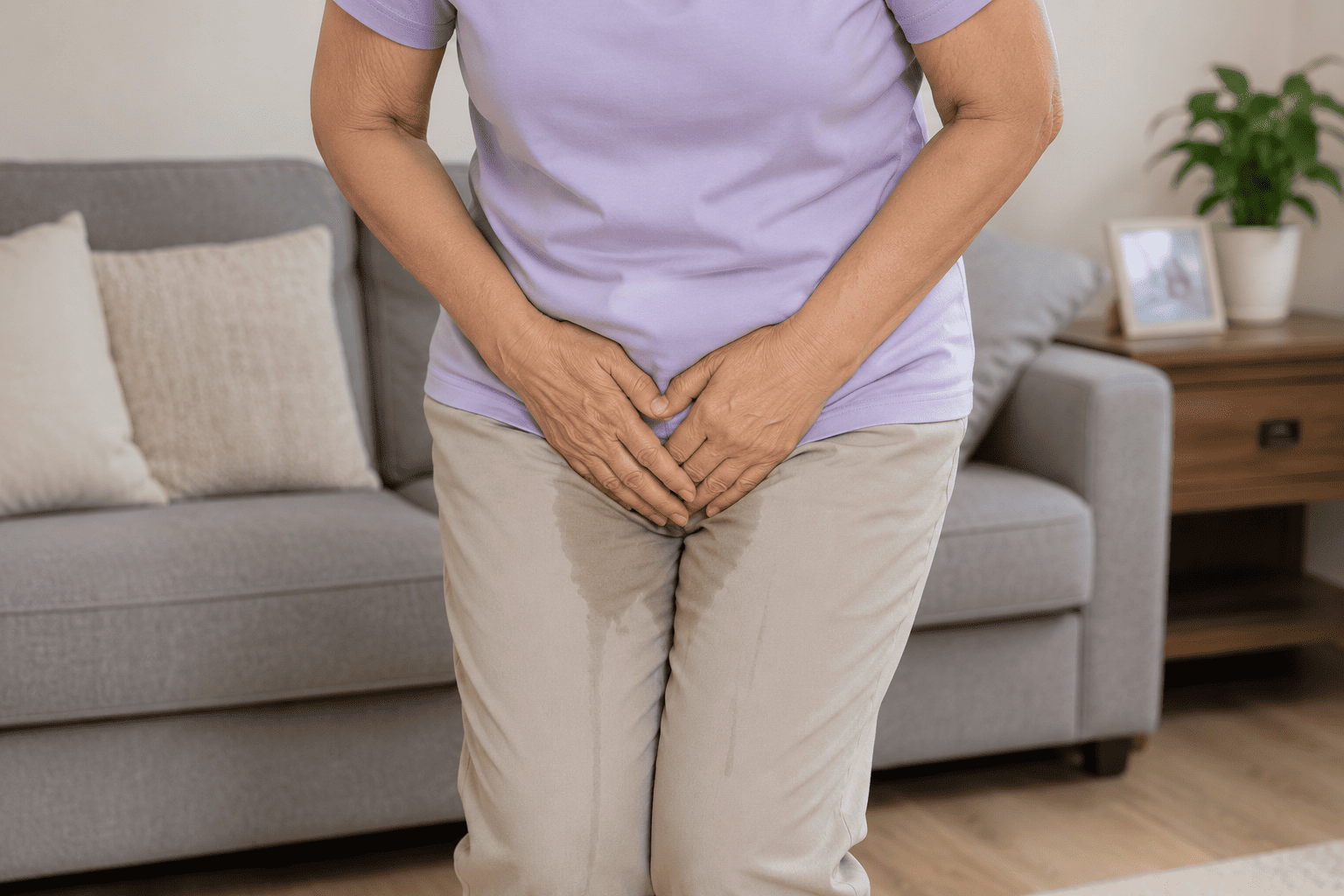
Urinary Incontinence is one of the most under-spoken, under-treated conditions in adult life. Behind the quiet statistics — affecting hundreds of millions globally, more than half of all women over fifty, men following prostate surgery, and millions of older adults of every kind — sits a deeply personal reality that few people speak about openly. The sudden, urgent need to find a bathroom. The leakage on a cough or a laugh. The careful planning of every outing around the location of toilets. The slow, often unspoken erosion of confidence that comes with no longer trusting one's own body. It is not, as many patients privately fear, simply "part of getting older" — it is a treatable medical condition, and one that genuinely responds to thoughtful, integrative care.
Modern medicine has built a clear, conservative-first approach to Urinary Incontinence. The American Urological Association and European Association of Urology both recommend behavioural therapy — bladder training, voiding schedules, fluid management, and pelvic floor muscle training (Kegel exercises) — as the first-line treatment for most patients. For overactive bladder and urge incontinence, second-line medications including anticholinergics and beta-3 agonists may be added. Pessaries, neuromodulation, and surgical options including sling procedures are reserved for cases that don't respond to conservative measures. These approaches are genuinely effective and form an important foundation. Yet many patients find themselves in the gap between conservative measures alone and more invasive intervention — looking for an approach that strengthens the system at a deeper level.
This is where Ayurveda contributes a thoughtful and clinically grounded perspective. By understanding Urinary Incontinence as a disorder of Apana Vata (the sub-dosha governing the downward movement and expulsion of urine), addressing the weakened pelvic Mamsa Dhatu (muscle tissue) and Mutravaha Srotas (urinary channels) at the heart of the condition, soothing any Pitta-driven bladder irritation, and rebuilding pelvic strength through Basti therapy, specialised Uttara Basti, classical urinary herbs, and sustained Rasayana, Ayurvedic care offers a meaningful complement to conservative urological treatment. It does not replace pelvic floor exercises or prescribed medications — it works alongside them, supporting bladder control at a tissue and functional level that the body's own healing mechanisms can sustain.
A Urinary Incontinence treatment retreat offers a medically supervised, deeply personalised program of Ayurvedic care designed to ease symptoms, restore bladder control, strengthen pelvic tissues, and gently rebuild the confidence that this quietly disruptive condition so often erodes.
What is Urinary Incontinence?
Urinary Incontinence is the involuntary leakage of urine — a loss of bladder control significant enough to cause a problem in everyday life. It is not a disease in itself but a symptom of underlying dysfunction in the complex coordination between the bladder muscle, the urethral sphincter, the pelvic floor muscles, and the nervous system that regulates them. While more common in women than men and increasingly common with age, Urinary Incontinence can affect adults of any age and either sex, and is highly treatable when properly diagnosed.
Clinicians recognise several distinct types:
Stress Urinary Incontinence — Leakage of urine during activities that increase abdominal pressure, such as coughing, sneezing, laughing, lifting, or exercising. It is caused by weakened pelvic floor muscles or a poorly functioning urethral sphincter, and is most common in women after childbirth or menopause, and in men after prostate surgery.
Urge Urinary Incontinence — A sudden, intense urge to urinate followed by involuntary leakage, often with frequent urination and nocturia. It is associated with overactive bladder, where the bladder muscle (detrusor) contracts inappropriately.
Overflow Incontinence — Frequent or constant dribbling of urine due to a bladder that does not empty completely, often associated with bladder outlet obstruction (such as enlarged prostate in men) or weakened bladder muscle.
Mixed Incontinence — A combination of stress and urge incontinence, common in women.
Functional Incontinence — Inability to reach the toilet in time due to physical or cognitive limitations rather than urinary tract dysfunction itself.
Risk factors include pregnancy and childbirth, menopause and the resulting decline in oestrogen that weakens urethral tissue, ageing, prostate surgery in men, neurological conditions (stroke, Parkinson's disease, multiple sclerosis, spinal cord injury), diabetes, obesity, chronic cough, urinary tract infections, constipation, and certain medications including diuretics and sedatives. Diagnosis includes a careful history, voiding diary, physical examination, urinalysis, and where needed urodynamic testing to define the precise type and guide treatment. While Urinary Incontinence is rarely dangerous, its impact on quality of life, social engagement, and emotional wellbeing is significant — and addressing it meaningfully can transform daily life.
Understanding Mutra Atipravritti and Apana Vata Dushti: The Ayurvedic Root of Urinary Incontinence
In Ayurveda, urinary disorders are classified into two broad categories: Mutra Apravritti (conditions of reduced or obstructed urine flow, including Mutraghata and Mutrakriccha) and Mutra Atipravritti (conditions of excessive or involuntary urine flow). Urinary Incontinence falls clearly within Mutra Atipravritti — a condition where the downward movement of urine has lost its control and proper rhythm. The classical descriptions of urinary disorders in texts such as Ashtanga Hridaya describe the bladder (Basti) being filled and emptied through Mutravaha Siramukha (urinary channels), all governed by Apana Vayu.
Apana Vata Dushti (Disturbance of the Downward-Moving Sub-Dosha) — Apana Vata is the sub-dosha of Vata that governs all downward physiological movement in the pelvis — the expulsion of urine, stool, menstrual flow, and reproductive function. When Apana Vata becomes disturbed through ageing, childbirth, menopause, chronic stress, prolonged sitting, suppression of natural urges, or a Vata-aggravating lifestyle, its normal coordinated outflow becomes erratic and uncontrolled. This corresponds remarkably closely to the dysregulated bladder activity and impaired sphincter coordination at the core of Urinary Incontinence.
Mamsa Dhatu Kshaya (Pelvic Muscle Tissue Depletion) — The pelvic floor muscles that support the bladder and urethra correspond in Ayurvedic terms to local Mamsa Dhatu. When this tissue is weakened by childbirth, ageing, hormonal change, surgery, or chronic depletion, the structural support of the lower urinary tract is lost — directly paralleling the weakened pelvic floor that drives stress urinary incontinence in modern pathology.
Mutravaha Srotas Dushti (Vitiation of the Urinary Channels) — The combined effect of disturbed Apana Vata and weakened pelvic tissues produces dysfunction in the Mutravaha Srotas (channels governing urinary formation, storage, and expulsion). In Mutra Atipravritti, this manifests as Atipravritti — excess or involuntary flow — rather than the obstruction (Sanga) seen in conditions like BPH.
Pitta Aggravation in Urge Incontinence — In urge incontinence and overactive bladder presentations, aggravated Pitta within the urinary channels contributes to bladder irritability, burning, urgency, and inflammatory features. This explains the burning and irritation that often accompany the sudden urgency many patients describe.
Mandagni and Ama (Metabolic Contribution) — Weak digestive fire and the accumulation of Ama (metabolic toxins) compound urinary channel dysfunction and contribute to the inflammatory background that worsens bladder irritability and symptoms.
Ojas Kshaya (Depleted Vitality in Older Adults) — In elderly patients and those after long-standing chronic disease, depletion of Ojas (vital essence) compounds Apana Vata aggravation, slowing tissue repair and progressive recovery of pelvic function.
This understanding shapes a clear Ayurvedic approach to Urinary Incontinence: calm and regulate disturbed Apana Vata, strengthen depleted pelvic Mamsa Dhatu, restore the integrity of Mutravaha Srotas, soothe any Pitta-driven irritation, and rebuild overall vitality through sustained Rasayana — addressing both the functional and structural roots of the condition.
The 3 Stages of Ayurvedic Treatment for Urinary Incontinence
Authentic Ayurvedic treatment for Urinary Incontinence follows a carefully sequenced three-stage approach, adapted at every step to the type of incontinence, severity, the patient's age, hormonal status, post-surgical or post-childbirth context, and any neurological or metabolic comorbidity.
1. Preparation (Purva Karma) The preparatory stage begins with Deepana-Pachana (kindling the digestive fire and digesting Ama) to address the metabolic background, alongside internal Snehana (oleation) with medicated ghees suited to pelvic Vata and tissue nourishment. Gentle external Abhyanga (oil application) over the lower abdomen and pelvis, with mild Swedana (sudation), helps pacify Apana Vata and prepare the pelvic region for deeper therapies. This stage establishes the foundation of tissue receptivity and metabolic balance before core interventions begin.
2. Core Treatment (Pradhana Karma) Primary therapies in Urinary Incontinence centre on Basti and pelvic-supportive interventions. Anuvasana Basti (oil-based enema) and Niruha Basti (decoction-based enema) directly calm and regulate Apana Vata, nourish pelvic tissues, and form the cornerstone of treatment. Where clinically appropriate and under specialist supervision, Uttara Basti — a specialised therapy delivering medicated substances directly into the urinary tract — may be employed for its powerful local action on bladder and urethral function. Pelvic-region Abhyanga, lower abdomen oil compresses with preparations such as Dhanwantaram Taila, and gently calibrated Swedana support pelvic muscle tone and circulation. Urinary tonic herbal formulations are administered throughout this stage.
3. Rejuvenation (Paschat Karma) The final stage focuses on rebuilding pelvic strength and bladder control over the long term through Rasayana medicines with specific Mamsa- and urinary-system-strengthening properties, a Vata-pacifying and bladder-friendly Ayurvedic diet, supervised pelvic floor strengthening practices including Kegel exercises and Mula Bandha, breathing practices, and comprehensive lifestyle guidance. This phase consolidates improvements in bladder control and supports sustained recovery of confidence and continence over the months that follow.
The 5 Core Therapies for Urinary Incontinence Explained
1. Basti (Medicated Enema Therapy) Basti is the foundational therapy in Urinary Incontinence and is described in Ayurveda as the single most important intervention for Apana Vata disorders. Because Urinary Incontinence is fundamentally a condition of disturbed Apana Vata and weakened Mutravaha Srotas, Basti acts directly at the root of the pathology. Anuvasana Basti with medicated oils nourishes the pelvic tissues and calms erratic Vata movement, while Niruha Basti with urinary-supportive herbal decoctions including Gokshura, Punarnava, and Varuna clears any obstructive elements and supports the normal rhythmic function of the bladder and urethra. Together, these calm urge and frequency, restore coordinated outflow, and gently rebuild pelvic function — a deep, supportive correction that conservative pelvic floor exercises alone cannot achieve.
2. Uttara Basti (Specialised Urethral/Bladder Therapy) Uttara Basti is considered in Ayurveda among the most effective interventions for disorders of the Mutravaha Srotas. The procedure involves the careful instillation of specially prepared medicated oils or decoctions directly into the urinary passage under strict aseptic, specialist supervision. In Urinary Incontinence, it acts locally on the bladder neck, urethral lining, and surrounding tissues — supporting their tone, easing irritability, and improving the coordinated control of urinary outflow. Because Uttara Basti is a precise para-surgical procedure with specific clinical indications and contraindications, it is performed only by trained physicians in properly equipped centres, with careful patient selection.
3. Pelvic Abhyanga, Swedana and Dhanwantaram Oil Compress (Local Pelvic Therapy) Warm medicated oils applied through Abhyanga over the lower abdomen, pelvis, and sacral region help pacify aggravated Apana Vata, improve circulation to pelvic muscles, and nourish weakened tissues. A traditional warm compress using Dhanwantaram Taila placed over the lower abdomen for 20 to 30 minutes daily is specifically valued for restoring the normal flow of Apana Vata and gently strengthening pelvic function. Mild Swedana further supports muscle tone and circulation, easing the chronic Vata-driven tightness or weakness that contributes to bladder dysfunction.
4. Urinary and Pelvic-Supportive Herbal Therapy (Shamana Chikitsa) A personalised regimen of classical urinary tonic herbs forms the pharmacological backbone of treatment. Gokshura (Tribulus terrestris) is the premier Ayurvedic urinary herb, with specific tonifying action on bladder muscle and the urinary tract. Varuna (Crataeva nurvala) is particularly well-documented for urinary disorders and has been the subject of focused research in Ayurvedic uropathy management. Shatavari (Asparagus racemosus) acts as a nervine tonic and is especially valuable in post-menopausal women, calming Vata, supporting pelvic floor tissue, and offering gentle hormonal support. Punarnava (Boerhaavia diffusa) reduces inflammation and supports healthy urinary function. Ashwagandha provides Mamsa-strengthening Rasayana support to pelvic tissues. Bala (Sida cordifolia) tonifies muscle tissue and calms Vata. Classical formulations such as Chandraprabha Vati, Gokshuradi Guggulu, Punarnavadi Kashayam, Ashwagandha Churna, and Varunadi Kashayam are prescribed individually based on the type of incontinence and patient profile.
5. Rasayana Therapy (Pelvic Strengthening and Long-Term Restoration) Rasayana therapy works at a deep tissue level to strengthen the pelvic Mamsa Dhatu, support healthy ageing of the urinary tract, calm the chronic Vata aggravation that drives recurrent symptoms, and rebuild overall vitality. Ashwagandha-based Rasayanas, Shatavari Rasayana, Gokshura Rasayana, and Chyawanprash form the foundation, with Bala-based preparations particularly valuable for rebuilding muscle tone. In Urinary Incontinence — particularly the stress-incontinence and post-menopausal forms — sustained Rasayana therapy over several months delivers the most meaningful long-term benefit, working alongside pelvic floor exercise to genuinely restore strength and function.
How Long Should an Ayurvedic Treatment Program for Urinary Incontinence Last?
|
Therapeutic Benefit | ||||
|
|
||||
| 14–21 days | Moderate Apana Vata regulation, improved bladder control, reduced leakage episodes | ||||
| 21–28 days | Complete treatment protocol — recommended for most types of Urinary Incontinence | ||||
| 28+ days | Long-standing or severe incontinence, post-menopausal or post-prostatectomy patients |
The exact duration of your Urinary Incontinence treatment is decided after consultation with the Ayurvedic doctor, based on the type and severity of your incontinence, age, hormonal and post-surgical status, and overall strength. As a general guide, 21 to 28 days supports meaningful improvement in bladder control and pelvic strength, with longer programs for long-standing cases. Because pelvic recovery is a gradual process, a consistent home regimen of prescribed Rasayana medicines, pelvic floor exercises, dietary care, and lifestyle measures is strongly recommended after the retreat to consolidate and deepen the gains.
Book Consultation
Benefits of an Ayurvedic Treatment Retreat for Urinary Incontinence
| Physical Benefits | Urinary and Pelvic Benefits | Long-Term Impact |
| Improved energy and reduced fatigue | Reduced leakage and urgency episodes | Strengthened pelvic floor and bladder control |
| Better digestion and reduced bloating | Reduced frequency and nocturia | Restored confidence in daily activities |
| Improved sleep quality | Calmed Apana Vata and bladder rhythm | Sustained urinary tract support through Rasayana |
| Reduced inflammatory burden | Strengthened pelvic Mamsa Dhatu | Reduced reliance on protective pads over time |
Why Kerala is the Best Place for Urinary Incontinence Treatment
An Ayurvedic Urinary Incontinence treatment retreat in Kerala, India offers the most clinically authentic environment for managing this delicate and personal condition.
- Experienced physicians with specific expertise in Mutra Atipravritti, Apana Vata disorders, and the integrative management of pelvic floor and urinary tract conditions
- BAMS and MD Ayurveda-certified doctors trained in Basti therapy and the specialised Uttara Basti procedure performed under proper aseptic conditions
- In-house preparation of classical urinary formulations — Gokshuradi Guggulu, Chandraprabha Vati, Punarnavadi Kashayam, Varunadi Kashayam, Dhanwantaram Taila — using authentic methods and fresh herbs
- Integrated monitoring of symptoms, leakage episodes, and pelvic recovery throughout the program
- A tradition of women's health and men's pelvic health care with the dignity and discretion this condition deserves
- Warm, restorative climate conducive to Vata pacification and pelvic recovery
Sri Lanka offers a comparable tropical healing environment with growing Ayurvedic expertise in urinary and pelvic health conditions, while Bali provides wellness-oriented treatment retreats integrating Ayurvedic urinary support with holistic lifestyle correction and stress management.
Urinary Incontinence Treatment Retreats by Location and Recommended Centres
Kerala, India — The most clinically authentic destination for Ayurvedic Urinary Incontinence treatment, with physicians experienced in Mutra Atipravritti, Apana Vata disorders, and the specialised Basti and Uttara Basti procedures. Alleppey • Kovalam • Kumarakom • Wayanad • Palakkad
Sri Lanka — Coastal Ayurveda treatment retreats offering traditional urinary and pelvic-supportive therapies in a serene, restorative environment ideal for gentle pelvic recovery. Wadduwa • Weligama • Sigiriya • Kosgoda • Bentota
Bali, Indonesia — Wellness treatment retreats integrating Ayurvedic urinary support with holistic lifestyle correction, stress management, and pelvic strengthening practices in scenic tropical surroundings. Ubud • Nusa Dua • Candidasa • Lovina
WellnessLoka connects you with verified centres across these destinations, ensuring Urinary Incontinence treatment programs are physician-guided, appropriate for the type and severity of your incontinence, and personalised to your individual profile with the discretion this condition deserves.
Who Should Consider an Ayurvedic Urinary Incontinence Treatment Retreat
Women with stress urinary incontinence after childbirth — Mothers experiencing post-partum leakage on coughing, sneezing, lifting, or exercise, seeking gentle, structured strengthening of pelvic tissues that have been weakened by pregnancy and delivery.
Post-menopausal women with stress or mixed incontinence — Individuals dealing with the urinary effects of declining oestrogen — urethral thinning, weakened pelvic support, increased urgency — who want a holistic program combining Ayurvedic care with pelvic floor restoration and gentle hormonal balance.
Patients with urge incontinence and overactive bladder — Those troubled by sudden, hard-to-defer urges, frequent urination, nocturia, and occasional leakage, seeking to calm bladder irritability through Vata-Pitta-pacifying care alongside conservative urological treatment.
Men after prostate surgery — Individuals recovering from prostatectomy or other prostate procedures who are dealing with post-surgical stress incontinence and wish to strengthen residual sphincter and pelvic function through sustained Ayurvedic care.
Patients with mild to moderate mixed incontinence — Those experiencing a combination of urge and stress incontinence who want an integrative program addressing both dimensions through Basti, urinary herbs, and pelvic strengthening.
Older adults seeking to restore confidence and quality of life — Individuals for whom Urinary Incontinence has begun to limit social activities, travel, exercise, or sleep, and who want a supervised, dignified program to genuinely improve daily function.
Patients drawn to long-term pelvic Rasayana support — Those who recognise that pelvic recovery is a sustained process and want to anchor their care with a residential program followed by ongoing home-based Rasayana, pelvic exercises, and lifestyle correction.
Who Should Approach Treatment with Caution
Ayurvedic care for Urinary Incontinence is supportive and integrative, working alongside conservative urological management and any prescribed medications. A thorough consultation with the treating urologist or urogynaecologist is essential, and Ayurvedic retreat-based care is generally not suitable in cases involving:
Severe neurological incontinence — Patients whose incontinence arises from significant neurological disease (advanced multiple sclerosis, spinal cord injury, severe stroke, dementia) where the underlying neurological condition requires primary specialist management.
Active urinary tract infection — Those with current UTIs presenting with burning, fever, or other infectious symptoms, who need infection-targeted treatment before any retreat-based Ayurvedic care.
Acute or unstable post-surgical conditions — Individuals who have undergone recent pelvic, prostate, or urological surgery and have not yet been cleared by their treating surgeon for restorative care.
Severe overflow incontinence with retention — Patients with significant urinary retention or post-void residual volumes that require urological evaluation and intervention before pelvic-strengthening therapies are appropriate.
Significant underlying urological pathology — Those with suspected or untreated bladder stones, severe prostate enlargement, structural abnormalities, or any clinical suspicion of urological cancer, which require full evaluation by a urologist before integrative care.
Pregnancy — Women who are pregnant and experiencing urinary symptoms should defer retreat-based care until the post-partum period, when properly designed restorative programs become appropriate.
Choosing the Right Treatment Retreat for Urinary Incontinence
Qualified physicians with pelvic and urinary expertise — BAMS or MD Ayurveda-credentialed doctors with demonstrated experience in Mutra Atipravritti, women's pelvic health, and post-surgical urological recovery, not generalists applying standard wellness protocols.
Proper facilities for specialised procedures — Centres with appropriate aseptic facilities and trained personnel for safely performing Basti and, where indicated, the specialised Uttara Basti procedure on properly selected patients.
Personalised type-specific protocols — Treatment plans designed around the specific type of incontinence (stress, urge, mixed, post-surgical) rather than a generic urinary program, with clear understanding of the very different therapeutic emphasis each type requires.
Daily medical supervision and dignified care — Regular review of symptoms, leakage episodes, and pelvic recovery, delivered with the discretion and respect this deeply personal condition deserves.
Authentic in-house herbal preparations — Classical formulations including Gokshuradi Guggulu, Chandraprabha Vati, Punarnavadi Kashayam, Varunadi Kashayam, and Dhanwantaram Taila prepared on-site using traditional methods and fresh herbs.
Integration with pelvic floor exercise and lifestyle correction — Centres that combine Ayurvedic care with structured pelvic floor muscle training, dietary correction, breathing practices, and the lifestyle elements that conservative urological treatment also emphasises.
How WellnessLoka Helps You Choose the Right Ayurveda Treatment Retreat for Urinary Incontinence
Choosing the right treatment retreat for Urinary Incontinence is a decision that carries both clinical weight and deeply personal sensitivity. The condition demands not just Ayurvedic expertise but a specific understanding of the different types of incontinence, the specialised procedures involved, and the discretion this private matter deserves. WellnessLoka exists to ensure that patients can make this decision with full information, genuine guidance, and complete confidence.
Access to Verified Retreat Centres Every centre listed on WellnessLoka for Urinary Incontinence treatment has been independently assessed for physician credentials, clinical experience with pelvic and urinary disorders, and the facilities to safely perform specialised urinary procedures under aseptic conditions. We list only centres where protocols are genuinely adapted to the type and severity of incontinence and where care is delivered with the dignity and discretion this condition requires.
Free Pre-Retreat Consultation with Our Ayurvedic Doctor Before you choose a retreat, WellnessLoka offers a complimentary consultation with our in-house Ayurvedic consultant. This consultation reviews the type and severity of your Urinary Incontinence, hormonal and post-surgical context, current medications, and overall health, and based on this assessment, matches you with the retreat centre and program duration best suited and safest for your situation — connecting you with centres whose physicians have specific experience managing the type of incontinence you are dealing with. It is purely a guidance consultation to help you make an informed, medically sound decision before you travel, and does not involve prescribing or directing your treatment.
Transparent Centre Comparison WellnessLoka provides clear, honest information about each listed centre — physician qualifications, therapy protocols, program structure, monitoring capabilities, accommodation, and pricing — allowing you to compare options across Kerala, Sri Lanka, and Bali with full clarity and confidence before making any commitment.
Best Price Guarantee Through our strong, long-standing relationships with partner centres, you benefit from exclusive partner pricing that is always lower than booking directly. You receive the most authentic care for your Urinary Incontinence treatment program without paying more for it.
Retreats for Every Budget From luxury wellness resorts to affordable, authentic healing centres, WellnessLoka helps you find a Urinary Incontinence treatment retreat that aligns perfectly with your comfort level and budget — without ever compromising on the clinical quality and discretion this condition requires.
Treatment is in Expert Hands Once you arrive at your chosen retreat, your Urinary Incontinence treatment program is fully designed and managed by the qualified Ayurvedic physicians at that centre. From your first in-person consultation onwards, all clinical decisions, daily monitoring, therapeutic adaptation, and medical management are guided by experienced doctors on the ground — physicians with deep training in pelvic and urinary care and direct, hands-on familiarity with the therapies your program involves. Your treatment unfolds under continuous, qualified supervision, with protocols adapted to your response day by day.
Local Support Team Our on-ground experts assist you at every step, from your first enquiry through to the completion of your retreat — resolving any issues that arise and ensuring your entire Urinary Incontinence healing journey runs smoothly, comfortably, and with the discretion it deserves.
End-to-End Booking Support From your first enquiry to confirmed booking, WellnessLoka provides full administrative and logistical support — ensuring a smooth, stress-free process so that you and your family can focus entirely on preparing for your healing program.
Why Travellers Trust WellnessLoka WellnessLoka is rated 4.9? on Google, with verified reviews from wellness travellers who have experienced authentic Ayurveda healing through us. We are trusted by hundreds of travellers from 28+ countries across Europe, the Americas, Asia, Australia, and Africa, backed by over a decade of expertise in curating authentic Ayurveda retreats across trusted centres. Our dedicated support team is available 24×7 to assist you before, during, and after your Urinary Incontinence treatment retreat.
Begin Your Healing Journey
Urinary Incontinence is one of those quietly disruptive conditions that can shrink a life in small, daily ways — the trip avoided, the laugh held back, the long walk shortened, the night's sleep broken yet again. It is not, however, a condition you are meant to simply live with. It responds to treatment. It responds particularly well to integrative care that addresses both the structural and functional roots of the dysfunction.
Gentle, restorative Ayurvedic care offers genuine support: calming the disturbed Apana Vata that drives erratic bladder function, strengthening the pelvic Mamsa Dhatu through Basti, Uttara Basti, Dhanwantaram oil therapy, and Rasayana herbs, soothing any Pitta-driven bladder irritation, and rebuilding the confidence that comes with feeling once again in control of one's own body. Whether you choose a treatment retreat in Kerala, Sri Lanka, or Bali, Ayurvedic care for Urinary Incontinence offers a thoughtful, dignified, and deeply personalised path back to comfort, control, and confidence — always as a complement to, and never a replacement for, your conservative urological care and any prescribed treatment.


