
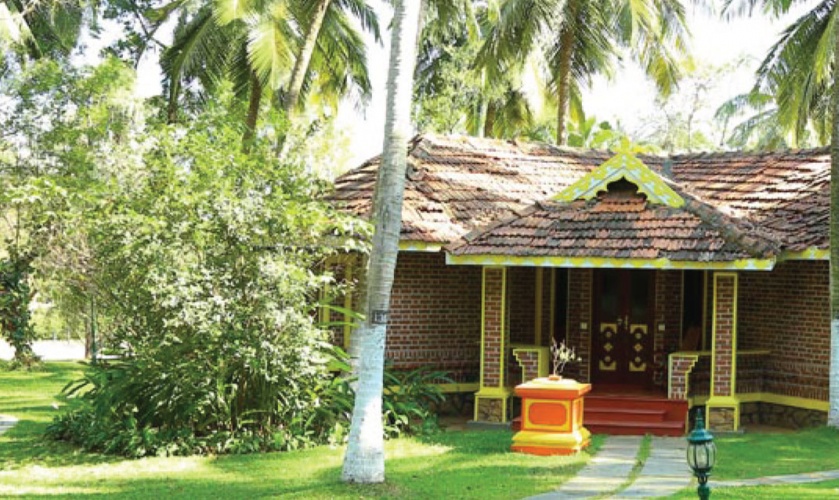
Kairali The Ayurvedic Healing Village
India/Kerala/Palakkad
Starting Rate Per Night: ₹ 16,264

Nestled in the verdant heart of Kerala, Kairali Ayurvedic Group presents the world’s first Ayurvedic Health Farm, acclaimed as Asia’s leading Ayurvedic retreat. Recipient of the World Luxury Spa Award for a record...
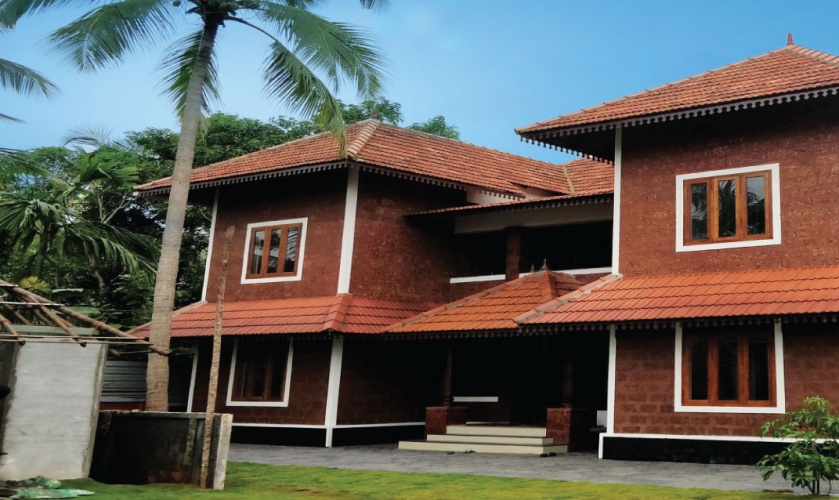
Sree Chithra Ayur Yoga Theeram
India/Kerala/Thrissur
Starting Rate Per Night: ₹ 13,295
Sree Chithra Ayur Yoga Theeram is a beachside Ayurveda and Yoga retreat at Manathala, Chavakkad, Thrissur, Kerala, near Guruvayur. Set beside the Chavakkad coast, it combines residential Ayurvedic care with Yoga, meditation...

Sree Chithra Ayurhome
India/Kerala/Thrissur
Starting Rate Per Night: ₹ 0
Sree Chithra Ayurhome is an Ayurvedic treatment and wellness centre located at Manathala, Chavakkad, Thrissur, Kerala, near Guruvayoor and beside the Canoli Canal. The centre was established in 1990 by Dr P. V. Madhusudhanan...
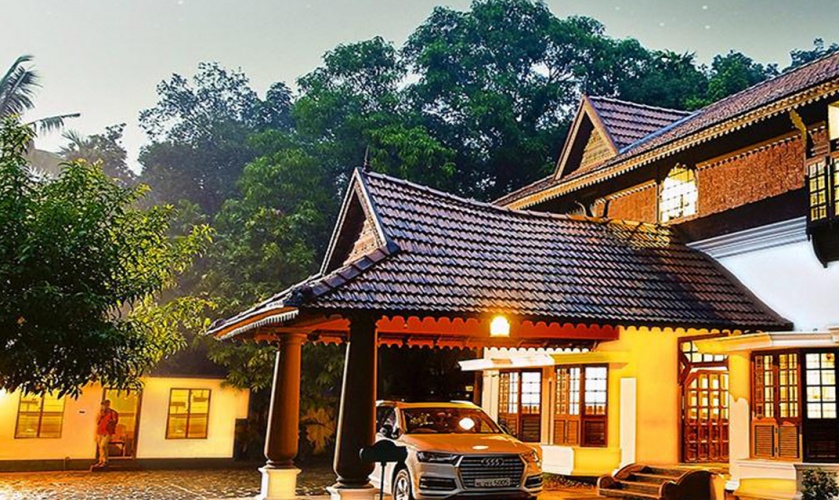
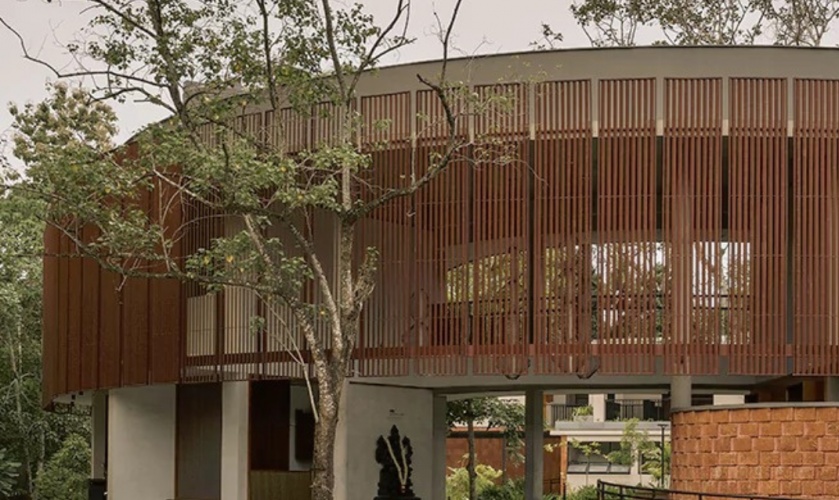
Nirava Holistic Centre
India/Kerala/Alleppey
Starting Rate Per Night: ₹ 10,300
Nirava Holistic Centre is the premium inpatient and residential wellness wing associated with Chingoli Ayurveda Hospital, located at Chingoli, Karthikappally, Alappuzha, Kerala. The institution traces its Ayurvedic lineage to...
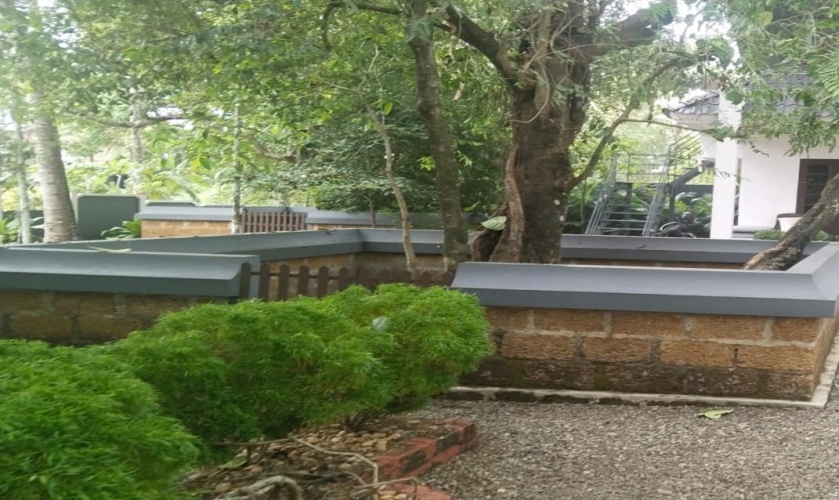
Nagath Ayurveda Hospital
India/Kerala/Thrissur
Starting Rate Per Night: ₹ 11,868
Nagath Ayurveda Hospital, located in the heart of Kerala, is a trusted name in traditional Ayurvedic healing with over a decade of experience. This family-run wellness centre has successfully treated more than 700 patients,...
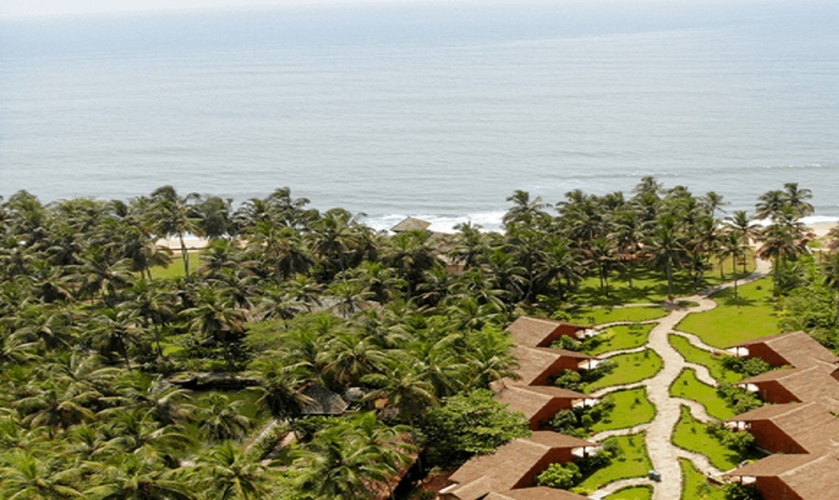
Sitaram Ayurveda Beach Retreat
India/Kerala/Thrissur
Starting Rate Per Night: ₹ 22,336
Sitaram Ayurveda Beach Retreat is a tranquil coastal sanctuary nestled along the Arabian Sea in Kerala, blending over a century of Ayurvedic heritage with nature-integrated wellness. Founded in 1921 with royal blessings,...

When Half the Head Goes Dark: An Ayurvedic Path to Lasting Migraine Relief and Restored Quality of Life
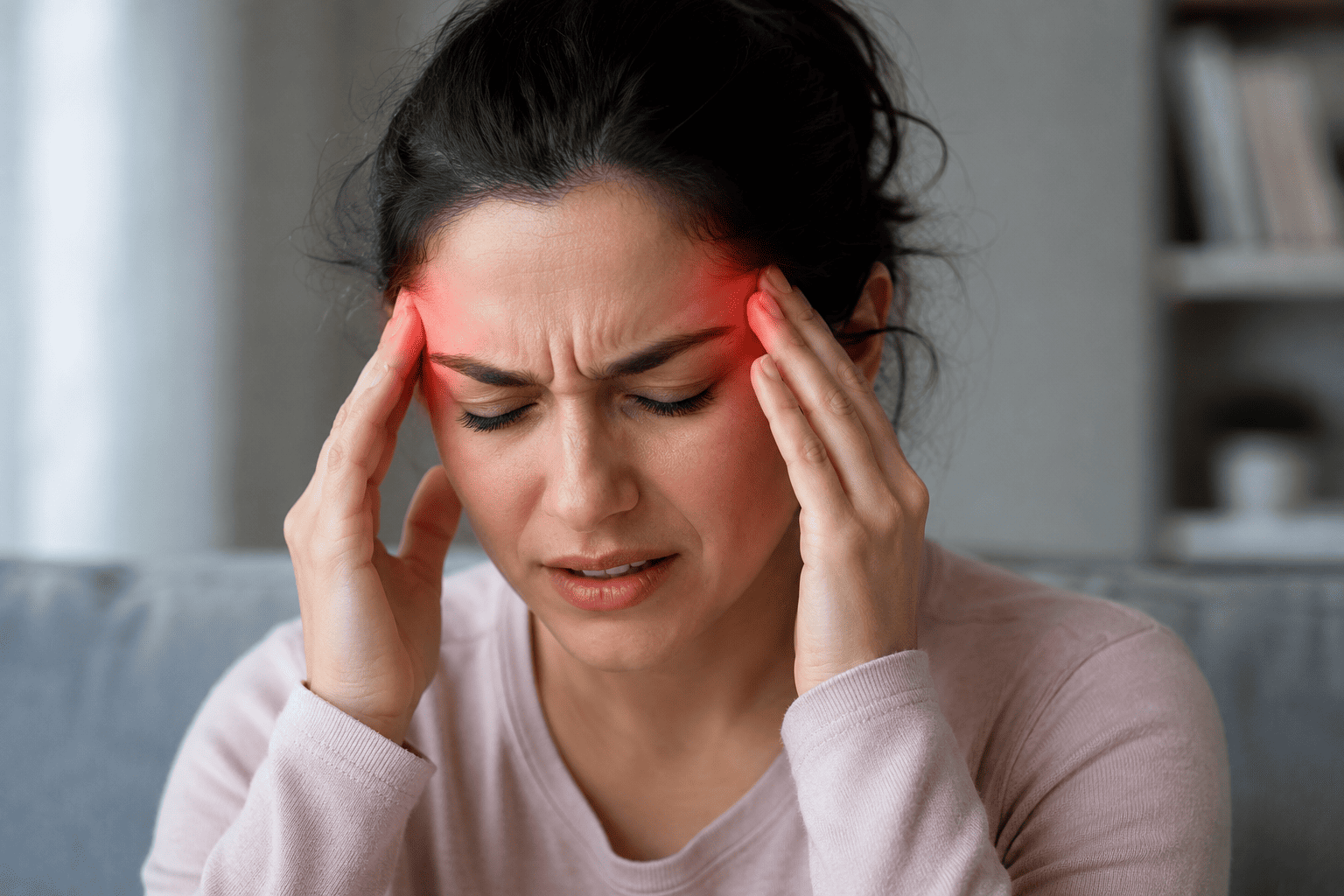
Migraine is among the most disabling conditions in the world. The Global Burden of Disease studies consistently rank migraine among the top causes of years lived with disability globally, affecting an estimated one billion people worldwide and disproportionately affecting working-age adults during the years of greatest career and family responsibility. Yet despite its prevalence and burden, migraine remains widely misunderstood, frequently undertreated, and often dismissed as "just a bad headache" — a characterisation that fails to capture either the neurobiological complexity of the disorder or the profound impact it has on the lives of those who experience it. For the patient with migraine, an attack is not simply head pain but a multi-system neurological event: the throbbing, often unilateral head pain that intensifies with movement; the nausea that progresses to vomiting in many attacks; the photophobia that drives the patient into a dark room; the phonophobia that makes ordinary sounds unbearable; the osmophobia that turns familiar smells into triggers; the cognitive fog that makes concentration impossible; and, for the third of migraine patients with aura, the visual disturbances or sensory phenomena that precede the headache and add their own distinctive dimension. An attack typically lasts 4 to 72 hours, often requiring complete withdrawal from normal activities, and is followed by the post-drome period of fatigue, malaise, and cognitive blunting that can persist for another day or more after the headache itself has resolved.
The neurobiological complexity of migraine has been progressively clarified over the past three decades. Migraine is now understood not as a simple vascular headache but as a primary brain disorder involving abnormal sensory processing, cortical hyperexcitability, trigeminal-vascular system activation, neurogenic inflammation, and the central sensitisation that explains why migraine attacks often spread, intensify, and produce the characteristic constellation of symptoms beyond head pain itself. The role of the calcitonin gene-related peptide (CGRP) pathway has been particularly well-established and has driven one of the most significant therapeutic advances in headache medicine — the CGRP monoclonal antibodies and gepants that have transformed prevention and acute treatment respectively over the past 5 to 8 years. Cortical spreading depression explains the aura phenomenon. Central sensitisation explains the allodynia (when ordinary touch, light, sound become painful) that develops in many attacks. The trigeminocervical complex explains the neck involvement common in migraine. Migraine is increasingly understood as a chronic, recurrent, sensory-processing disorder of the brain — with the head pain being one prominent feature rather than the entire condition.
The clinical patterns are well-characterised but substantially heterogeneous between individuals. Migraine without aura (the most common form, accounting for approximately 75% of migraine) presents with the characteristic features: unilateral throbbing pain of moderate to severe intensity, aggravated by routine physical activity, lasting 4 to 72 hours, accompanied by nausea and/or vomiting and/or photophobia and phonophobia. Migraine with aura (approximately 25%, with some patients experiencing both aura and non-aura attacks) adds the aura phenomenon — usually visual (scintillating scotomas, fortification spectra, zigzag lines, visual field defects) but sometimes sensory (tingling spreading across face or arm), motor (weakness — in the rare hemiplegic migraine), language (aphasic features), or brainstem (vertigo, dysarthria, diplopia in basilar migraine). Aura typically lasts 5 to 60 minutes and precedes or accompanies the headache. Chronic migraine is defined as headache occurring on 15 or more days per month for more than 3 months, with at least 8 days fulfilling migraine criteria — representing a transformed pattern where episodic migraine has converted to a chronic daily-headache pattern, often with medication overuse contribution. Vestibular migraine (addressed in the dedicated Vertigo page) combines migraine features with episodic vertigo. Menstrual migraine is a specific subtype with strong hormonal patterning. Hemiplegic migraine, basilar migraine, ophthalmic migraine, retinal migraine, status migrainosus (migraine attack lasting more than 72 hours), and probable migraine complete the classification spectrum.
The trigger landscape is remarkably broad and substantially individual. Hormonal triggers in women (menstruation, ovulation, hormonal contraceptives, pregnancy, perimenopause, menopause) — perhaps the most consistent trigger category with female-to-male preponderance reaching 3:1 in adult migraine. Dietary triggers (aged cheese, chocolate, processed meats containing nitrites, MSG, artificial sweeteners particularly aspartame, alcohol especially red wine and beer, caffeine excess and withdrawal, fermented foods, certain food additives) — though individual variation is substantial and many "classic" triggers do not actually trigger most patients. Environmental triggers (weather changes particularly barometric pressure drops, bright or flickering light, strong smells, loud noise, high altitude). Sleep triggers (both sleep deprivation and excessive sleep, irregular sleep schedules, jet lag). Stress triggers including both acute stress and the "let-down headache" pattern after stress resolution. Physical triggers (intense exercise, dehydration, missed meals, hypoglycaemia, neck strain). Medication triggers including medication overuse and certain medications producing migraine as side effect.
Modern management of migraine has advanced substantially over the past decade and offers genuinely effective options across both acute treatment and prevention. Acute treatment of individual attacks employs NSAIDs for mild to moderate attacks, triptans (sumatriptan, rizatriptan, eletriptan, zolmitriptan, and others) for moderate to severe attacks with substantial efficacy in approximately 60-70% of patients when taken early in attacks, gepants (rimegepant, ubrogepant, zavegepant — small-molecule CGRP receptor antagonists) as newer acute options without the cardiovascular contraindications of triptans, ditans (lasmiditan) as another newer option, antiemetics (metoclopramide, prochlorperazine) for nausea, and various combination approaches. Preventive treatment for patients with frequent attacks (typically considered at 4+ attacks per month or significant disability from attacks at lower frequency) includes beta-blockers (propranolol, metoprolol — long-established), antidepressants (amitriptyline particularly), anti-epileptics (topiramate, sodium valproate), calcium channel blockers (flunarizine in some countries), botulinum toxin injections for chronic migraine, and the transformative CGRP monoclonal antibodies (erenumab, fremanezumab, galcanezumab, eptinezumab) and oral gepants for prevention (rimegepant, atogepant) that have substantially improved preventive treatment over the past 5-8 years. Lifestyle interventions including regular sleep, regular meals, hydration, identified trigger avoidance, stress management, regular exercise, and structured headache diary use.
These approaches are essential, often substantially effective, and the foundation of migraine management.
Yet despite these advances, real therapeutic gaps remain for many migraine patients. The patient with high-frequency episodic migraine on multiple preventive medications still experiences attacks. The patient with chronic migraine and medication overuse faces difficult withdrawal. The patient with prominent autonomic and gut symptoms during attacks struggles with quality of life between attacks. The patient experiencing side effects from preventive medications (sedation, weight gain, cognitive blunting, depression) seeks alternatives. The patient whose migraines have transformed into a chronic daily pattern wonders how to reverse this trajectory. The deeper questions — what's driving the underlying brain hyperexcitability, why have my migraines progressed over the years, how do I rebuild the underlying nervous-system resilience that determines migraine trajectory — remain substantially beyond what acute and preventive medications can address.
This is where Ayurveda offers a thoughtful, clinically grounded contribution that integrates particularly well with modern neurological care. Classical Ardhavabhedaka — literally "half-head pain" or hemicrania — is described with remarkable clinical precision in the foundational texts: Sushruta Samhita, Charaka Samhita, Madhava Nidana, and Ashtanga Hridaya. The classical descriptions detail the unilateral head pain, the cyclical recurrent pattern, the triggers, the associated features including nausea and visual disturbances, and the doshic understanding — making Ardhavabhedaka one of the most clearly mapped classical Ayurvedic conditions to a specific modern diagnosis. The condition is classically described as a Vata-Pitta disorder (with some classical sources including Kapha involvement in specific presentations), reflecting the precise pathophysiological understanding modern medicine has converged upon — the Vata dimension corresponding to the nervous-system hyperexcitability and recurrent triggered pattern, the Pitta dimension corresponding to the vascular-inflammatory neurogenic dimensions. By identifying the doshic pattern in the individual patient, providing direct head-and-nervous-system therapies through Shirodhara (the cornerstone Ayurvedic therapy for migraine), Nasya, Shirolepa, and Shirobasti, addressing the systemic and metabolic background through Virechana (particularly important given migraine's strong Pitta dimension and the gut-brain axis recognition), calming Vata-driven nervous-system reactivity through sustained Medhya Rasayana, addressing trigger management with classical depth around dietary, sleep, and lifestyle factors, and building long-term constitutional resilience over months, Ayurvedic care offers genuine integrative depth particularly for chronic recurrent migraine where conventional treatment has plateaued.
A Migraine treatment retreat is best understood as a comprehensive integrative care program — undertaken after appropriate neurological evaluation has clarified the diagnosis and excluded sinister causes, alongside continued neurological care including any preventive medications and acute treatment regimens, for patients with chronic recurrent migraine seeking to address the deeper underlying patterns that medication alone does not reach.
What is Migraine?
Migraine is a primary headache disorder characterised by recurrent attacks of moderate to severe head pain with characteristic associated features, classified by the International Classification of Headache Disorders (ICHD-3) as one of the principal primary headaches. It is fundamentally a neurological disorder involving abnormal sensory processing in the brain, cortical hyperexcitability, trigeminal-vascular system activation, and neurogenic inflammation, with the head pain representing one prominent feature of the broader neurological event.
Principal migraine subtypes:
Migraine without aura — Most common form (approximately 75%). Diagnostic criteria require at least five attacks with the characteristic features: pain lasting 4-72 hours; at least two of unilateral location, pulsating quality, moderate to severe intensity, aggravation by routine physical activity; at least one of nausea/vomiting or photophobia and phonophobia.
Migraine with aura — Approximately 25%, with some patients having both aura and non-aura attacks. Aura precedes or accompanies the headache, typically lasting 5-60 minutes with full reversibility. Aura types: visual (most common — scintillating scotomas, fortification spectra, zigzag lines, visual field defects), sensory (tingling spreading across face or arm in characteristic pattern), motor (weakness — defining hemiplegic migraine), language (aphasia or speech difficulty), and brainstem (vertigo, dysarthria, diplopia in basilar migraine).
Chronic migraine — Headache occurring on 15 or more days per month for more than 3 months, with at least 8 days fulfilling migraine criteria. Often develops from transformation of episodic migraine, frequently with medication overuse contribution.
Vestibular migraine — Episodic vertigo with migraine features, addressed in the dedicated Vertigo condition page given its specific vestibular focus.
Menstrual migraine — Pure menstrual migraine (attacks only with menstruation) and menstrually-related migraine (attacks both with menstruation and at other times). Strong hormonal patterning with predictable timing in relation to menstrual cycle.
Hemiplegic migraine — Rare migraine variant with motor aura (weakness or hemiplegia) during attacks. Familial hemiplegic migraine has identified genetic causes (CACNA1A, ATP1A2, SCN1A genes).
Basilar migraine (migraine with brainstem aura) — Aura with brainstem features (vertigo, dysarthria, diplopia, tinnitus, ataxia, decreased consciousness).
Retinal migraine — Aura with monocular visual disturbance.
Ophthalmoplegic migraine — Now classified as recurrent painful ophthalmoplegic neuropathy rather than migraine variant.
Status migrainosus — Debilitating migraine attack lasting more than 72 hours.
Migrainous infarction — Stroke occurring during a migraine with aura attack, with aura features persisting and brain imaging showing infarction in clinically relevant territory.
Probable migraine — Attacks fulfilling all but one criterion for migraine diagnosis.
Common symptoms across migraine attacks: Head pain — typically unilateral (60-70% of attacks), pulsating or throbbing in quality, moderate to severe intensity, aggravated by routine physical activity (the patient seeks rest and stillness rather than the agitation seen in cluster headache). Nausea and vomiting — present in majority of attacks, often severe. Photophobia — sensitivity to light, often driving patients into dark rooms. Phonophobia — sensitivity to sound, with ordinary sounds becoming unbearable. Osmophobia — sensitivity to smell, with strong smells triggering or worsening attacks. Allodynia — when ordinary touch, light, sound become painful, reflecting central sensitisation in established attacks. Cognitive symptoms — "brain fog," difficulty concentrating, slowed thinking. Autonomic features — particularly facial flushing or pallor, conjunctival injection, lacrimation. Premonitory symptoms (prodrome) — yawning, food cravings, mood changes, neck stiffness, fatigue often beginning hours to a day before the attack. Postdrome symptoms — fatigue, malaise, cognitive blunting, mood changes persisting for hours to days after headache resolution.
Trigger landscape is broad and individual: hormonal (menstruation particularly), dietary (aged cheese, chocolate, processed meats, MSG, aspartame, alcohol, caffeine excess/withdrawal, fermented foods), environmental (weather changes, barometric pressure drops, bright/flickering light, strong smells, loud noise, altitude), sleep (deprivation, excess, irregular schedule, jet lag), stress (acute, let-down post-stress), physical (intense exercise, dehydration, missed meals, hypoglycaemia, neck strain), medications, and individual constitutional factors.
Risk factors and epidemiology: female sex (3:1 female-to-male predominance in adults, less marked in children), age (peak prevalence in 30s-40s, often improving after menopause), family history (strong genetic component), associated conditions (depression, anxiety, sleep disorders, irritable bowel syndrome, fibromyalgia, cardiovascular disease — migraine particularly with aura is associated with modest cardiovascular and cerebrovascular risk increase).
Diagnosis is clinical, based on detailed history and ICHD-3 criteria. Imaging (MRI, CT) is generally not required for typical migraine but is indicated for atypical features, red-flag features (new headache, progressive worsening, neurological signs, immunocompromise, age over 50 with new headache), or to exclude secondary causes. Diagnostic principles: typical migraine in a patient with consistent recurrent pattern over years rarely requires extensive workup; atypical features warrant comprehensive evaluation.
Understanding Ardhavabhedaka: The Ayurvedic Root of Migraine
The Ayurvedic understanding of migraine through the classical condition Ardhavabhedaka represents one of the most precise mappings between an ancient medical classification and a modern diagnostic entity. The classical Sanskrit term itself — Ardha (half) + Abhedaka (splitting) — literally describes "half-head splitting pain," capturing the characteristic unilateral severe pain that defines migraine. The classical texts including Sushruta Samhita, Charaka Samhita, Madhava Nidana, and Ashtanga Hridaya describe Ardhavabhedaka with clinical features that map remarkably onto modern migraine: unilateral severe throbbing or splitting head pain, cyclical recurrent pattern with attack-free intervals, association with specific triggers, visual disturbances accompanying some attacks (corresponding to aura), nausea and gastrointestinal symptoms, and the substantial impact on quality of life. This level of clinical precision in describing migraine 2000+ years ago represents one of the more striking achievements of classical Ayurvedic clinical observation.
The classical doshic understanding identifies Ardhavabhedaka as primarily a Vata-Pitta disorder, with some classical sources including Tridoshic involvement in specific presentations. This Vata-Pitta framework aligns precisely with modern migraine pathophysiology — the Vata dimension corresponding to the nervous-system hyperexcitability, the recurrent triggered pattern, the cyclic nature, and the autonomic involvement; the Pitta dimension corresponding to the inflammatory-vascular component, the neurogenic inflammation, the heat sensation many patients describe during attacks, and the photosensitivity. The doshic understanding shapes treatment, with the Vata-Pitta combination requiring specific therapeutic emphasis distinct from Vata-alone or Pitta-alone conditions.
The core pathophysiological concepts in classical Ayurvedic migraine understanding include:
Vata as the Primary Nervous-System Driver — Vata governs nervous-system function, and migraine fundamentally represents a Vata disorder of the nervous system at its core. Vata's qualities of mobility, rapid spread, unpredictability, and sensitivity to triggers map naturally to the migraine pattern. The recurrent triggered character, the rapid evolution of attacks, the unpredictable timing, and the broad symptom spread beyond the head all reflect Vata-driven nervous-system reactivity. Modern research on cortical hyperexcitability and central sensitisation in migraine aligns directly with this classical Vata understanding.
Pitta as the Inflammatory-Vascular Dimension — Pitta contributes the inflammatory and vascular components — the throbbing pulsatile pain reflecting vascular involvement, the photophobia (Pitta's strong association with vision and heat sensitivity), the inflammatory neurogenic process, the heat sensation, and the nausea-vomiting where Pitta drives gastric irritation. The CGRP pathway and neurogenic inflammation that modern research has identified as central to migraine biology align conceptually with Pitta-Rakta vitiation.
Shirah Dushti and Marma Involvement — Vitiation of the head channels with disturbance of the Shirah Marma (vital head energy point), particularly affecting the unilateral pattern through hemilateral channel involvement.
Manyasthambha and Greeva Involvement (Cervical Spine) — Classical recognition of neck involvement in head conditions, relevant to the trigeminocervical complex modern medicine has identified in migraine, the prodromal neck stiffness many patients experience, and the cervicogenic component in some patients.
Ama and Mandagni — The Gut-Brain Axis — Weak digestion and metabolic toxin accumulation contributing to migraine, recognised in classical understanding and aligning with modern research on the gut-brain axis in migraine including the IBS-migraine comorbidity, food sensitivity contributions, gut microbiome alterations, and inflammatory contributions from gut origin. Many migraine patients experience substantial improvement when gut function is addressed through Deepana-Pachana, dietary correction, and Virechana.
Manasika Bhava — Mental-Emotional Drivers — Stress, anxiety, suppressed emotions, and chronic mental strain explicitly identified in classical texts as drivers of Ardhavabhedaka, corresponding precisely to the well-documented stress-migraine connection and the role of cognitive-behavioural approaches in modern migraine management. The "let-down headache" pattern (attacks after stress resolution rather than during stress) is particularly interesting from the Ayurvedic perspective as it reflects the Vata aggravation that follows sustained Pitta-stress activation.
Ojas Kshaya in Chronic Migraine — Years of chronic recurrent migraine attacks, disturbed sleep, repeated medication courses, and the systemic burden of chronic pain deplete Ojas — the body's vital essence — contributing to the progressive worsening, transformation from episodic to chronic patterns, and reduced trigger tolerance many migraine patients describe over years.
Hormonal Pitta-Vata Patterns — The female predominance of migraine and the hormonal patterning particularly in menstrual migraine align with classical understanding of Pitta-Vata fluctuations in the female reproductive cycle and the Apana Vayu dysfunction that contributes to menstrual symptoms broadly.
Specific Predisposing Nidana (Causes) — Classical texts identify factors producing Ardhavabhedaka: exposure to cold winds particularly on one side of the head (the classical "cold wind on neck" trigger that aligns with weather-trigger patterns); excessive sun and heat exposure; suppression of natural urges (especially yawning, tears, sneezing — clinically relevant trigger factors); dietary indiscretions including Viruddha Ahara, fermented foods, aged foods, excessive sour foods; excessive eye strain and screen use; irregular daily routine and Dinacharya disturbance; emotional stress and Manasika strain; sleep disruption; and excessive Atyaahara (overeating) or fasting. The substantial overlap between classical Nidana identification and modern migraine triggers supports the clinical relevance of classical lifestyle guidance.
This comprehensive understanding shapes a thoughtful Ayurvedic approach: identify the doshic pattern (Vata-predominant, Pitta-predominant, or balanced Vata-Pitta — with treatment selection adapted to predominance); provide direct head-and-nervous-system therapies with Shirodhara as the cornerstone (particularly valuable for migraine given its Vata-Pitta pacifying action on the nervous system); address the systemic and Pitta-Rakta dimensions through Virechana — particularly valuable in migraine given the strong Pitta component, the gut-brain axis dimensions, and the inflammatory neurogenic pathway; clear Ama and address gut-brain dimensions through Deepana-Pachana and dietary correction; identify and modify specific Nidana through structured trigger management with classical depth; address Vata-driven nervous-system reactivity through sustained Medhya Rasayana (the foundational long-term intervention for chronic migraine recurrence reduction); address stress and sleep dimensions; build long-term constitutional resilience through Rasayana — always alongside continued neurological care including preventive medications and acute treatment regimens.
The 3 Stages of Ayurvedic Treatment for Migraine
Ayurvedic care for Migraine follows a carefully sequenced three-stage approach, adapted at every step to the migraine subtype (with or without aura, chronic vs episodic, menstrual, vestibular), frequency and severity, current acute and preventive medications, identified triggers, associated conditions including sleep disturbance and anxiety, and overall constitutional state. The approach is consistently integrative — undertaken after appropriate neurological evaluation has clarified the diagnosis, alongside continued conventional care.
1. Preparation (Purva Karma) The preparatory stage begins with comprehensive migraine assessment: detailed headache diary review covering frequency, severity, characteristics, triggers, response to acute treatment, and impact; current acute medication use (particularly important screening for medication overuse headache contribution where acute medications are used more than 10-15 days per month); current preventive medications including any CGRP antibodies, oral preventives, and Botox; identified triggers including hormonal, dietary, environmental, sleep, and stress patterns; associated conditions including IBS (highly comorbid with migraine and important for the gut-brain dimension), anxiety, depression, sleep disorders; family history; and overall constitutional state. Deepana-Pachana addresses the gut-brain axis dimension and Ama contribution that is particularly important in migraine given the well-recognised IBS-migraine comorbidity and gut-inflammation contributions. Internal Snehana with appropriate medicated ghees: Brahmi Ghrita for foundational Vata-Pitta balance and Medhya support; Kalyanaka Ghrita for broad neurological balance; Mahatiktaka Ghrita for Pitta-dominant presentations with significant inflammation and photophobia; Mahakalyanaka Ghrita for chronic refractory presentations; Triphala Ghrita for general supportive effect. Gentle external Abhyanga with attention to head, neck, shoulders, and upper back addresses the cervical contribution and Vata pacification. Foundational trigger management begins during preparation — establishing regular sleep schedule, regular meal timing, adequate hydration, identification and elimination of obvious dietary triggers (often a focused elimination diet identifies individual sensitivities), and structured stress management. For patients with significant medication-overuse contribution, structured planning for medication withdrawal that the core treatment will support.
2. Core Treatment (Pradhana Karma) Primary therapies focus on three coordinated lines of action: direct head-and-nervous-system therapy with Shirodhara as cornerstone, systemic Pitta-Rakta clearance through Virechana, and sustained Medhya Rasayana herbal therapy.
Shirodhara is the cornerstone therapy for migraine — perhaps no other Ayurvedic intervention is as specifically valuable for chronic recurrent migraine. The continuous rhythmic pouring of medicated oil over the forehead at precise temperature and rate produces profound nervous-system regulation that directly addresses the brain hyperexcitability, central sensitisation, and chronic Vata-Pitta hyperreactivity underlying migraine. Oil selection is doshic-specific: Ksheerabala Taila for Vata-Pitta presentations particularly when anxiety and sleep disturbance dominate; Brahmi Taila for chronic refractory patterns with significant cognitive-visual components; Chandanadi Taila for Pitta-dominant presentations with marked heat and photophobia; Mahanarayana Taila for cases with significant cervical-musculoskeletal contribution. Course typically 14 sessions during the retreat, each 30 to 45 minutes. The therapy progressively recalibrates the chronic hyperreactive nervous-system state, reduces sympathetic outflow, lowers stress reactivity, and provides the deep regulation that is foundational to long-term migraine outcomes.
Virechana (therapeutic purgation) is particularly valuable in migraine and represents one of the more clinically important Panchakarma applications. Performed with classical Pitta-pacifying purgatives (Trivrit Lehyam being foundational, with Avipattikara Churna-based and other selections matched to clinical state), Virechana addresses the strong Pitta dimension of migraine; clears systemic Pitta-Kapha-Ama from gut, liver, and circulation; addresses the gut-brain axis with substantial impact on the IBS-migraine comorbidity; reduces inflammatory mediator burden contributing to neurogenic inflammation; and creates an optimised systemic background for subsequent therapy. Many migraine patients experience substantial reduction in attack frequency following Virechana — particularly those with Pitta-predominant presentations, food triggers, and gastrointestinal comorbidities.
Direct head therapies beyond Shirodhara:
Nasya — Marsha Nasya with Anu Taila, Shadbindu Taila, or specific medicated ghee preparations provides direct access to head channels and is particularly valuable for migraine. Course typically 7 to 14 days during retreat.
Shirolepa — Cooling medicated paste applications to the head (sandalwood, Manjistha, Yashtimadhu, Chandana, Mukta Shukti combinations) particularly valuable for Pitta-dominant migraine with heat and photophobia.
Shirobasti — Retention of medicated oil on the scalp within a contained ring, particularly valuable for refractory chronic migraine and Vata-dominant presentations.
Pichu — Medicated oil-soaked cotton applications to specific head Marma points, particularly Bhruh Madhya (between eyebrows), well-tolerated even during active attacks.
Greeva Basti — Retention of medicated oil on the cervical spine, addressing the trigeminocervical contribution prominent in many migraine patients.
Karna Purana — Where ear symptoms accompany migraine (vestibular migraine features, tinnitus).
Medhya Rasayana herbal therapy runs throughout core treatment and continues into rejuvenation:
Brahmi (Bacopa monnieri) — Premier nervous-system support with substantial modern evidence for cognitive function, stress reduction, and anxiolytic action.
Mandukaparni (Centella asiatica) — Nervous-system regenerative properties.
Shankhpushpi (Convolvulus pluricaulis) — Sedative and Medhya properties for sleep disturbance and chronic reactivity.
Jatamansi (Nardostachys jatamansi) — The premier anxiolytic herb, particularly valuable for stress-driven migraine patterns.
Ashwagandha (Withania somnifera) — Adaptogenic action for HPA axis support and chronic stress recovery.
Yashtimadhu (Glycyrrhiza glabra) — Cooling Pitta-pacifying action with adrenal support.
Migraine-specific additional herbs: Pippali for Vata-pacifying action and digestive-Agni support; Vacha (Acorus calamus) for nervous-system support; Mukta Shukti Pishti (pearl preparation) for cooling Pitta-pacifying action particularly in Pitta-dominant migraine; Praval Pishti (coral preparation) for similar action; Godanti Bhasma (specific mineral preparation traditionally used for headache); Pathyadi Kashayam as classical migraine-specific formulation; Vyaghri Haritaki for combined gut-Medhya effect.
Classical formulations: Saraswatarishtam, Brahmi Ghrita, Kalyanaka Ghrita, Mahakalyanaka Ghrita, Mahatiktaka Ghrita (Pitta-pacifying), Sutshekhar Rasa (classical Pitta-pacifying headache formulation), and Pathyadi Kashayam (specific to head pain). Prescribed individually based on doshic profile.
Trigger management with classical depth — Beyond general lifestyle advice, structured trigger management addresses: dietary triggers with elimination-reintroduction approach where appropriate; sleep regularisation with Vata-pacifying evening routine; hormonal triggers for menstrual migraine with Apana Vayu-supporting interventions; weather and environmental factor planning; stress management through structured practices; and screen and light exposure modification.
Throughout core treatment, the patient's current preventive medications continue unchanged unless coordinated with the neurologist for adjustment. Acute medications continue as needed for breakthrough attacks, with attention to medication-overuse contribution.
3. Rejuvenation (Paschat Karma) The final stage focuses on long-term resilience-building through sustained Medhya Rasayana therapy — the deepest contribution Ayurvedic care offers for chronic recurrent migraine. Continued Brahmi, Mandukaparni, Jatamansi, Ashwagandha, and Shankhpushpi over months to years modulates nervous-system function, reduces chronic stress reactivity, supports sleep, builds long-term resilience, and meaningfully reduces migraine frequency over time. Structured trigger management continues as integrated daily practice. Dietary discipline with Vata-Pitta-pacifying patterns and identified individual trigger avoidance. Sleep restoration with continued sleep hygiene as non-negotiable foundation. Structured stress management with daily meditation, pranayama (Bhramari particularly valuable, Anulom Vilom, Sheetali for Pitta cooling), and yoga adapted to constitutional pattern. Hormonal management for menstrual migraine with continued Apana Vayu support. Posture and ergonomic correction. Continued neurological care with the neurologist on preventive medications and acute treatment regimens. For medication-overuse migraine, structured continuation of the withdrawal program. Home maintenance regimen with prescribed Rasayana medicines designed to consolidate retreat gains over months and years.
The 5 Core Therapies for Migraine Explained
1. Shirodhara (The Cornerstone Therapy for Chronic Migraine) Shirodhara is the single most important Ayurvedic therapy for chronic recurrent migraine and represents the most clinically valuable component of an integrative Migraine treatment program. The continuous rhythmic pouring of medicated oil over the forehead at precise temperature and rate produces profound nervous-system regulation that directly addresses the brain hyperexcitability, central sensitisation, and chronic Vata-Pitta hyperreactivity that drive migraine pathophysiology. Modern research has documented effects including reduction in sympathetic outflow, modulation of HPA axis and cortisol-driven physiology, deep relaxation response affecting brain-wave patterns, soothing of trigeminal-vascular and limbic circuits, and progressive recalibration of the chronic hyperreactive nervous-system state. Oil selection is clinically critical: Ksheerabala Taila for Vata-Pitta presentations with anxiety and sleep disturbance; Brahmi Taila for chronic refractory patterns with cognitive-visual prominence; Chandanadi Taila for Pitta-dominant migraine with marked heat and photophobia; Mahanarayana Taila for cervical-musculoskeletal contribution. Course typically 14 sessions over the retreat, each 30-45 minutes. Many migraine patients describe Shirodhara as transformative for their underlying nervous-system state.
2. Virechana and Systemic Pitta-Rakta-Ama Clearance Virechana is particularly valuable in migraine treatment given the strong Pitta dimension classical Ayurveda identified and modern research has confirmed through CGRP-pathway and neurogenic inflammation understanding. The procedure clears systemic Pitta from gut, liver, and circulation; addresses the gut-brain axis dimensions with substantial impact on IBS-migraine comorbidity that affects 30-50% of migraine patients; reduces inflammatory mediator burden contributing to neurogenic inflammation; addresses the food-trigger dimension by clearing systemic Pitta-Ama background; and creates an optimised state for subsequent therapy. Performed with classical Pitta-pacifying purgatives carefully matched to constitution. Many migraine patients — particularly those with food triggers, gut comorbidities, and Pitta-predominant presentations — experience substantial improvement following well-conducted Virechana, with reduction in attack frequency that develops over the weeks following the procedure as the systemic Pitta clearance produces sustained effect.
3. Nasya and Direct Head Channel Therapy Nasya provides direct access to head channels and is particularly valuable for migraine, addressing both local head pathology and broader systemic dimensions through the nasal-limbic-trigeminal connections. Marsha Nasya with Anu Taila in courses of 7 to 14 days provides primary therapy. Specific medicated preparations — Pathyadi-based formulations, Bala-based preparations, specific Pitta-pacifying ghee preparations — are selected based on doshic pattern. Pratimarsha Nasya with gentler preparations supports daily home maintenance. The procedure clears the head channels, addresses any chronic allergic or post-nasal contributions, provides direct nervous-system support through cranial-nerve and limbic connections, and is particularly valued for the Vata-Pitta head pathology of migraine. Performed by trained therapists with appropriate technique, typically with the patient supine and head positioned for proper oil delivery to the broader nasal-pharyngeal region.
4. Shirolepa, Shirobasti, and Specialised Direct Head Therapies Beyond Shirodhara, classical Ayurveda offers several specialised direct head therapies particularly valuable for migraine. Shirolepa with cooling medicated pastes (sandalwood, Manjistha, Yashtimadhu, Chandana, Mukta Shukti, Praval combinations) is particularly valuable for Pitta-dominant migraine with heat, throbbing, and photophobia — the cooling local application provides direct symptomatic relief and addresses the Pitta-vascular dimension. Shirobasti (retention of medicated oil on the scalp within a contained ring) provides intensive deep therapy for refractory chronic migraine and Vata-dominant presentations, with each session 30-45 minutes providing sustained nervous-system regulation. Pichu (medicated oil-soaked cotton applications to specific head Marma points, particularly Bhruh Madhya between the eyebrows) is well-tolerated even during active migraine attacks and provides targeted relief. Greeva Basti (retention of medicated oil on the cervical spine) addresses the trigeminocervical complex contribution prominent in many migraine patients and is particularly valuable for those with neck tension prodromes or significant cervical components. These specialised procedures require physician selection based on the specific migraine pattern and proper performance by trained therapists.
5. Medhya Rasayana and Long-Term Nervous-System Resilience Medhya Rasayana therapy is the cornerstone of long-term migraine recurrence reduction and represents the deepest contribution Ayurvedic care offers for chronic recurrent migraine. The classical Medhya herbs work over months to modulate nervous-system function, reduce chronic stress reactivity, support quality sleep, build long-term resilience, and meaningfully reduce migraine frequency and severity over time. Brahmi (Bacopa monnieri) provides foundational nervous-system support with substantial modern evidence for stress reduction, anxiolytic action, and cognitive support. Mandukaparni (Centella asiatica) supports nervous-system regeneration. Shankhpushpi (Convolvulus pluricaulis) addresses sleep disturbance. Jatamansi (Nardostachys jatamansi) is the premier anxiolytic herb with substantial modern evidence for HPA-axis modulation — particularly valuable for stress-driven migraine. Ashwagandha (Withania somnifera) provides adaptogenic action for chronic stress recovery. Yashtimadhu provides cooling Pitta-pacifying support. Classical formulations: Saraswatarishtam, Brahmi Ghrita, Kalyanaka Ghrita, Mahakalyanaka Ghrita, Mahatiktaka Ghrita, Sutshekhar Rasa (specifically formulated for Pitta-driven head pain), Pathyadi Kashayam (classically indicated for head pain), and Vyaghri Haritaki (for combined gut-Medhya effect important in migraine given IBS comorbidity). Prescribed individually based on doshic profile, with sustained administration over months providing what acute and preventive medications alone cannot reach — a genuine shift in the underlying nervous-system reactivity that drives chronic recurrent migraine.
How Long Should an Ayurvedic Treatment Program for Migraine Last?
|
Therapeutic Benefit | |||
|
Initial relief, completed first Shirodhara course, calmer nervous system, improved sleep | |||
| 14–21 days | Moderate doshic clearance through Virechana, established Medhya Rasayana foundation | |||
| 21–28 days | Complete treatment protocol — recommended for chronic recurrent migraine patients | |||
| 28+ days |
|
The exact duration of your Migraine treatment is decided after consultation with the Ayurvedic doctor, based on migraine subtype (episodic vs chronic, with vs without aura, menstrual, vestibular), frequency and severity, current preventive medications including any CGRP antibodies or other newer agents, identified triggers, medication-overuse component if present, associated conditions including IBS, anxiety, sleep disorders, and overall constitutional state. As a general guide, 14 to 21 days supports meaningful improvement for most chronic recurrent presentations, with longer programs of 28 days or more recommended for chronic migraine, structured medication-overuse withdrawal, and refractory complex presentations. Because chronic recurrent migraine is fundamentally a long-term nervous-system pattern, a consistent home regimen of prescribed Medhya Rasayana medicines, structured trigger management, dietary discipline, sleep hygiene, stress management, and pranayama practices after the retreat is what genuinely shifts the underlying pattern over months — always alongside continued neurological care including any preventive medications.
Book Consultation
Benefits of an Ayurvedic Treatment Retreat for Migraine
| Physical Benefits | Migraine and Nervous System Benefits | Long-Term Impact | |
| Reduced attack frequency and severity |
|
Significantly reduced chronic migraine pattern | |
| Improved sleep quality and depth | Reduced acute medication dependence | Sustained nervous-system balance through Rasayana | |
| Improved gut function and reduced IBS comorbidity | Cleared Pitta-Rakta inflammatory burden | Restored Medhya function and cognitive clarity | |
| Better neck and shoulder muscle relaxation | Reduced photophobia and sensory sensitivity | Improved trigger tolerance over time |
Why Kerala is the Best Place for Migraine Treatment
An Ayurvedic Migraine treatment retreat in Kerala, India offers the most clinically authentic environment for the integrative care chronic recurrent migraine requires.
- Experienced physicians with specific expertise in Ardhavabhedaka classification and the Vata-Pitta migraine framework, with depth in the integrative management of chronic neurological conditions
- BAMS and MD Ayurveda-certified doctors trained in classical Shirodhara, Virechana, Nasya, Shirolepa, Shirobasti, Pichu, and Greeva Basti — the full range of head-specific therapies migraine management depends upon
- In-house preparation of classical migraine-specific formulations — Brahmi Ghrita, Kalyanaka Ghrita, Mahakalyanaka Ghrita, Mahatiktaka Ghrita, Ksheerabala Taila, Chandanadi Taila, Mahanarayana Taila, Saraswatarishtam, Sutshekhar Rasa, Pathyadi Kashayam, Mukta Shukti Pishti, Godanti Bhasma — using authentic methods and fresh herbs
- Proper facilities for safe head therapies with appropriate temperature control, trained therapists, and clinical monitoring
- Integrated capacity for gut-brain-axis care given the IBS-migraine comorbidity that affects 30-50% of migraine patients
- A long-established Kerala tradition of Marma-aware head and neck care with particular depth in chronic Vata-Pitta neurological condition management
- Clear understanding of indications and limitations, with appropriate willingness to coordinate with the patient's neurologist on preventive medications, acute treatment regimens, and any CGRP antibody therapy
- Capacity for sustained Medhya Rasayana-based long-term care relationships extending beyond the retreat
-
Sri Lanka offers a comparable tropical healing environment with growing Ayurvedic expertise in chronic neurological conditions, while Bali provides wellness-oriented treatment retreats integrating Ayurvedic head care with holistic stress management and trigger modification. For specialised classical migraine therapies and Ardhavabhedaka expertise, Kerala remains the destination of choice.
Migraine Treatment Retreats by Location and Recommended Centres
Kerala, India — The most clinically authentic destination for Ayurvedic Migraine treatment, with experienced physicians and the rich Kerala tradition of classical head therapy including Shirodhara, Virechana, Nasya, Shirobasti, and the broader Ardhavabhedaka-specific protocols. Alleppey • Kovalam • Kumarakom • Wayanad • Palakkad
Sri Lanka — Coastal Ayurveda treatment retreats offering systemic doshic clearing and head-supportive therapies in serene environment suited to chronic migraine recovery. Wadduwa • Weligama • Sigiriya • Kosgoda • Bentota
Bali, Indonesia — Wellness treatment retreats integrating Ayurvedic head care with holistic stress management, meditation, and trigger modification in scenic tropical surroundings. Ubud • Nusa Dua • Candidasa • Lovina
WellnessLoka connects you with verified centres across these destinations — with particular care to match patients with centres that have genuine Ardhavabhedaka expertise, the technical capability for the full range of head therapies migraine management requires, and clear understanding of the integrative role alongside neurological care.
Who Should Consider an Ayurvedic Migraine Treatment Retreat
Patients with chronic episodic migraine — Individuals with frequent migraine attacks (4 or more per month) on preventive medications still experiencing meaningful disease activity, seeking integrative care to reduce attack frequency and address the underlying nervous-system reactivity.
Chronic migraine patients — Those with 15 or more headache days per month meeting chronic migraine criteria, seeking comprehensive integrative care addressing the transformed pattern, often with medication overuse contribution.
Medication-overuse migraine patients — Those caught in chronic daily headache from acute migraine medication overuse (triptans, combination analgesics, opioids), seeking structured withdrawal support through integrative Ayurvedic care during the medication taper.
Patients with migraine plus IBS or other gut-brain comorbidities — Where the substantial IBS-migraine overlap means addressing the gut-brain dimension through Virechana, Deepana-Pachana, and gut-Medhya care produces benefit for both conditions simultaneously.
Menstrual migraine patients — Those with strong hormonal patterning to attacks, seeking integrative care addressing the Apana Vayu and hormonal dimensions alongside continued neurological management.
Patients with stress-driven migraine — Where stress is the dominant trigger, with prominent let-down headache or chronic-stress-driven patterns benefiting from Shirodhara, Medhya Rasayana, and structured stress management.
Patients experiencing side effects from preventive medications — Those on beta-blockers, antidepressants, anti-epileptics, or other preventives experiencing sedation, weight gain, cognitive blunting, depression, or other side effects, seeking alternatives or complementary approaches in coordination with the neurologist.
Patients on CGRP antibodies or gepants seeking integrative support — Those on newer preventive therapies seeking additional integrative care to address the broader nervous-system and lifestyle dimensions.
Patients with migraine plus insomnia or anxiety comorbidity — Common comorbidities benefiting from integrated Medhya Rasayana approach.
Patients with persistent migraine after specific triggers — Post-viral persistent migraine, post-concussion migraine in stable phase, post-COVID migraine seeking integrative recovery support.
Patients seeking long-term Medhya Rasayana-based migraine care — Those drawn to classical Ayurvedic depth, wanting to anchor long-term nervous-system health with sustained Brahmi, Jatamansi, Ashwagandha-based therapy.
Patients planning pregnancy with migraine history — Those with migraine history concerned about pregnancy management (where many preventives are contraindicated), seeking integrative care to optimise underlying pattern before conception.
Who Should Approach Treatment with Caution
Ayurvedic care for migraine is genuinely valuable for chronic recurrent presentations, but appropriate neurological evaluation and continued conventional care are essential. A thorough consultation is essential, and Ayurvedic retreat-based care should be deferred or replaced by neurological evaluation in cases involving:
New or substantially changed headache pattern — Requires neurological evaluation before assuming the pattern is migraine. New severe headache, progressive worsening, or headache substantially different from prior pattern needs assessment.
Headache with red-flag features — Sudden severe "thunderclap" onset, new headache after age 50, neurological symptoms (weakness, numbness, dysarthria, visual changes beyond aura, confusion), fever, immunocompromise, head trauma, severe persistent vomiting — these require urgent medical evaluation, not retreat-based care.
Suspected secondary headache — Where the diagnosis of migraine has not been established or features suggest secondary cause.
Hemiplegic migraine with motor aura — Requires neurological co-management given the genetic component, stroke-mimicking features, and specific treatment considerations.
Migraine with prolonged aura or atypical aura features — Requires neurological evaluation to exclude stroke or other secondary causes.
Pregnancy with active migraine — Pregnant women require obstetric and neurological co-management; specific Ayurvedic herbs and procedures are deferred or modified in pregnancy. Migraine often improves in pregnancy but management changes are needed.
Paediatric migraine — Children with migraine require paediatric specialist evaluation; paediatric Ayurvedic care can be considered with full specialist coordination.
Status migrainosus — A migraine attack lasting more than 72 hours that has not responded to acute treatment requires medical evaluation and possibly hospital management.
Migraine with significant cardiovascular comorbidity — Particularly migraine with aura in patients with cardiovascular risk factors, where coordination with cardiology may be needed.
Patients on complex preventive medication regimens — Multiple preventives (CGRP antibodies, oral preventives, Botox combinations) require careful coordination of any Ayurvedic herbs with prescribing neurologist.
Severely depressed or actively suicidal patients with migraine — Where migraine is one component of severe psychiatric illness, primary psychiatric care must take precedence.
Patients with unrealistic expectations — Those expecting complete cure or rapid dramatic improvement may benefit from clear pre-treatment counselling about realistic timelines.
Choosing the Right Treatment Retreat for Migraine
Qualified physicians with Ardhavabhedaka expertise — BAMS or MD Ayurveda-credentialed doctors with demonstrated experience in chronic migraine and the specific Vata-Pitta head-pathology framework, not generalists applying standard wellness protocols.
Capacity for Vata-Pitta differentiated protocols — The Vata-predominant versus Pitta-predominant migraine distinction is clinically important and centres whose physicians clearly differentiate produce better outcomes.
Proper facilities for the full range of head therapies — Shirodhara, Virechana, Nasya, Shirolepa, Shirobasti, Pichu, Greeva Basti — with appropriate equipment, trained therapists, and clinical monitoring.
Authentic in-house herbal preparations — Including the migraine-specific classical formulations: Brahmi Ghrita, Kalyanaka Ghrita, Mahakalyanaka Ghrita, Mahatiktaka Ghrita, Ksheerabala Taila, Chandanadi Taila, Saraswatarishtam, Sutshekhar Rasa, Pathyadi Kashayam, Mukta Shukti Pishti.
Integrated capacity for gut-brain-axis care — Given the substantial IBS-migraine comorbidity, centres able to address both dimensions provide better outcomes.
Clear understanding of indications and contraindications — Centres whose physicians clearly understand which migraine presentations are appropriate for retreat-based care.
Stress and sleep management integration — Centres taking the brain-migraine axis seriously with proper Shirodhara, structured meditation and pranayama, and sleep restoration as integrated components.
Willingness to coordinate with the patient's neurologist — Particularly for patients on preventive medications, CGRP antibodies, or in structured medication-overuse withdrawal.
Clear continuity-of-care planning — Centres providing detailed written guidance on continued Medhya Rasayana, trigger management, dietary protocols, sleep hygiene, pranayama practice, and lifestyle measures for the post-retreat period — recognising long-term outcomes depend heavily on what continues after.
How WellnessLoka Helps You Choose the Right Ayurveda Treatment Retreat for Migraine
Choosing the right treatment retreat for Migraine benefits enormously from genuine guidance. Migraine is a complex neurological condition with substantial individual variation in subtype, triggers, and presentation — and the right program depends on accurate identification of the specific pattern and matching to centres with genuine Ardhavabhedaka expertise. WellnessLoka exists to ensure that patients can make this decision with full information, genuine guidance, and complete confidence.
Access to Verified Retreat Centres Every centre listed on WellnessLoka for Migraine treatment has been independently assessed for physician credentials, clinical experience with chronic migraine and Ardhavabhedaka, depth of expertise in the full range of head therapies migraine care requires, capacity for gut-brain-axis care, and clear understanding of the integrative role alongside neurological care. We list only centres where Vata-Pitta differentiated migraine protocols are genuinely practised.
Free Pre-Retreat Consultation with Our Ayurvedic Doctor Before you choose a retreat, WellnessLoka offers a complimentary consultation with our in-house Ayurvedic consultant. This consultation reviews your specific migraine pattern (subtype, frequency, severity, triggers, aura features if present), prior neurological evaluation, current preventive and acute medications including any CGRP antibodies, identified triggers, associated conditions including IBS, anxiety, sleep disorders, doshic profile, and overall health. A critical part of this consultation is screening for any red-flag features that would warrant neurological evaluation before retreat-based care. Based on the assessment, we match you with the retreat centre and program duration best suited for your specific migraine presentation. It is purely a guidance consultation to help you make an informed decision before you travel.
Transparent Centre Comparison WellnessLoka provides clear, honest information about each listed centre — physician qualifications, therapy protocols, program structure, monitoring capabilities, accommodation, and pricing — allowing you to compare options across Kerala, Sri Lanka, and Bali with full clarity and confidence.
Best Price Guarantee Through our strong, long-standing relationships with partner centres, you benefit from exclusive partner pricing that is always lower than booking directly. You receive the most authentic care for your Migraine treatment program without paying more for it.
Retreats for Every Budget From luxury wellness resorts to affordable, authentic healing centres, WellnessLoka helps you find a Migraine treatment retreat that aligns perfectly with your comfort level and budget — without ever compromising on the specialised Ardhavabhedaka expertise this condition benefits from.
Treatment is in Expert Hands Once you arrive at your chosen retreat, your Migraine treatment program is fully designed and managed by the qualified Ayurvedic physicians at that centre. From your first in-person consultation onwards, all clinical decisions, daily monitoring, therapeutic adaptation, and medical management are guided by experienced doctors on the ground — physicians with deep training in Ardhavabhedaka management and direct, hands-on familiarity with the specialised classical head therapies your program involves. Your treatment unfolds under continuous, qualified supervision.
Local Support Team Our on-ground experts assist you at every step, from your first enquiry through to the completion of your retreat — resolving any issues that arise and ensuring your entire Migraine healing journey runs smoothly and safely.
End-to-End Booking Support From your first enquiry to confirmed booking, WellnessLoka provides full administrative and logistical support — ensuring a smooth, stress-free process so that you can focus entirely on preparing for your healing program.
Why Travellers Trust WellnessLoka WellnessLoka is rated 4.9? on Google, with verified reviews from wellness travellers who have experienced authentic Ayurveda healing through us. We are trusted by hundreds of travellers from 28+ countries across Europe, the Americas, Asia, Australia, and Africa, backed by over a decade of expertise in curating authentic Ayurveda retreats across trusted centres. Our dedicated support team is available 24×7 to assist you before, during, and after your Migraine treatment retreat.
Begin Your Healing Journey
Chronic recurrent migraine is one of the most disabling conditions in the world — substantially under-recognised, frequently dismissed, often inadequately treated, and consistently ranked among the leading global causes of years lived with disability. The modern advances in migraine medicine over the past decade have been genuinely transformative — particularly the CGRP monoclonal antibodies and gepants that have provided substantially better preventive and acute treatment options for many patients. Yet even with these advances, real therapeutic gaps remain for the patient still experiencing frequent attacks despite multiple preventives, for the patient with chronic transformed migraine and medication overuse, for the patient experiencing side effects from preventive medications, and for the patient seeking to address the deeper nervous-system reactivity that determines migraine trajectory over years.
Gentle, restorative Ayurvedic care offers what may be a meaningful contribution to this deeper picture: identifying the Vata-Pitta doshic pattern through classical Ardhavabhedaka clinical assessment; providing direct head-and-nervous-system therapy through the cornerstone Shirodhara with appropriate doshic-specific preparations, alongside Nasya, Shirolepa, Shirobasti, Pichu, and Greeva Basti as clinically indicated; addressing the strong Pitta dimension and gut-brain axis through Virechana with substantial impact on both migraine and IBS comorbidity; building genuine long-term nervous-system resilience through sustained Medhya Rasayana with Brahmi, Jatamansi, Ashwagandha, Mandukaparni, and the specific migraine formulations of classical Ayurveda; addressing trigger management with classical depth; and supporting the constitutional rebuilding that determines long-term migraine trajectory. Whether you choose a treatment retreat in Kerala, Sri Lanka, or Bali, Ayurvedic care for Migraine offers a thoughtful, deeply personalised path to fewer attacks, reduced severity, and the freedom from the chronic pattern that defines successful migraine outcomes — always alongside the neurological care that remains the foundation of modern migraine management.


