Natural Pain Relief for Tennis Elbow with Ayurveda

Tennis Elbow, also known as Lateral Epicondylitis, is a painful condition caused by repetitive strain and overuse of the forearm muscles, leading to inflammation and microtears in the elbow tendons. In Ayurveda, it is correlated with Snayugata Vata, where aggravated Vata Dosha affects the tendons and joints, causing pain, stiffness, and restricted movement. Ayurvedic treatment focuses on reducing inflammation, strengthening tendons, improving circulation, and restoring mobility through therapies such as Abhyanga, Elakizhi, Njavarakizhi, Pizhichil, Agnikarma, herbal medicines, diet, and lifestyle modifications. This holistic approach helps relieve pain naturally and prevents recurrence.

Book Consultation
Search
Filter by:   
Sort by:   

Tennis Elbow Healing Through Ayurveda

Tennis Elbow, medically known as Lateral Epicondylitis, is a common musculoskeletal condition caused by repetitive strain and overuse of the forearm muscles and tendons. It commonly affects individuals involved in repetitive hand movements, sports activities, computer work, or manual labor.

The condition causes pain and tenderness on the outer side of the elbow and can significantly affect daily activities such as lifting, gripping, typing, or wrist movement.

Ayurveda approaches Tennis Elbow holistically by addressing the underlying Vata imbalance, reducing inflammation, improving circulation, and strengthening the tendons and surrounding tissues naturally.


What is Tennis Elbow?

Tennis Elbow is an inflammatory condition affecting the tendons attached to the outer side of the elbow.

Common symptoms include:

  • Pain on the outer side of the elbow
  • Tenderness around the elbow joint
  • Pain during gripping or lifting
  • Weak grip strength
  • Stiffness and restricted movement
  • Discomfort during wrist extension

If left untreated, the condition may become chronic and interfere with normal daily activities.


Understanding the Root Cause: Vata Imbalance & Tendon Strain

In Ayurveda, Tennis Elbow is correlated with Snayugata Vata, where aggravated Vata Dosha affects the Snayu (tendons and ligaments) around the elbow joint.

This leads to:

  • Tendon inflammation
  • Dryness and degeneration of tissues
  • Restricted movement
  • Pain and stiffness
  • Reduced joint flexibility

Repetitive strain, improper ergonomics, overuse of muscles, stress, and Vata-aggravating lifestyle habits contribute to the condition.


The Ayurvedic Approach to Tennis Elbow

Ayurveda focuses on pacifying Vata, reducing inflammation, nourishing tendons, improving circulation, and restoring normal joint function through a comprehensive and personalised treatment approach.


Key Components of Treatment

1. Abhyanga (Medicated Oil Massage)

Warm medicated oils are applied over the affected area to:

  • Improve circulation
  • Reduce stiffness and pain
  • Relax muscles and tendons
  • Improve flexibility

2. Swedana Therapies (Herbal Heat Therapies)

Elakizhi (Patra Pinda Sweda)

Herbal leaf bolus therapy helps reduce inflammation and pain.

Njavarakizhi

A nourishing rice bolus therapy that strengthens muscles and tendons.

Choorna Pottali Sweda

Heated herbal powder bolus therapy used to reduce swelling and improve mobility.

Pizhichil

Warm medicated oil therapy that helps pacify Vata and improve tissue nourishment.


3. Agnikarma (Thermal Therapy)

Agnikarma is considered highly effective for chronic tendon pain and Vata disorders.

Benefits include:

  • Deep pain relief
  • Improved circulation
  • Reduced stiffness and inflammation
  • Better range of motion

4. Herbal Medicines

Internal Ayurvedic medicines help strengthen tissues, reduce inflammation, and support healing.

Commonly used herbs include:

  • Ashwagandha
  • Guggulu
  • Dashamoola
  • Bala
  • Shallaki

5. Diet & Nutrition (Ahara)

A Vata-pacifying diet supports tissue healing and reduces inflammation.

Recommended:

  • Warm and nourishing meals
  • Ghee and healthy oils
  • Easily digestible foods

Avoid:

  • Dry and cold foods
  • Excess processed foods
  • Excess fasting

6. Lifestyle & Rehabilitation (Vihara)

Lifestyle management is essential to prevent recurrence.

Recommendations include:

  • Avoid repetitive strain
  • Maintain proper ergonomics
  • Gentle stretching and strengthening exercises
  • Adequate rest and recovery
  • Stress management

Treatment Duration & Program Structure

Recovery depends on the severity and duration of the condition.

  • 7–14 days → Initial pain relief and inflammation reduction
  • 14–21 days → Improved mobility and tendon healing
  • 21–28 days → Strengthening and better joint flexibility
  • 28+ days → Long-term rehabilitation and recurrence prevention

Benefits of Ayurvedic Treatment for Tennis Elbow

Physical Benefits

  • Reduced pain and inflammation
  • Improved grip strength
  • Better joint flexibility and mobility
  • Strengthened tendons and muscles

Mental & Emotional Benefits

  • Reduced discomfort and stress
  • Improved confidence in daily activities

Long-Term Impact

  • Prevention of recurrence
  • Improved tissue health
  • Better joint function and mobility

Why Kerala is Ideal for Tennis Elbow Healing

Kerala is known for authentic Ayurvedic musculoskeletal therapies due to:

  • Experienced Ayurvedic doctors
  • Traditional Panchakarma therapies
  • Specialized Vata treatments
  • Fresh herbal medicines
  • Supportive healing environment

Sri Lanka offers coastal healing settings, while Bali provides wellness-focused rehabilitation programs.


Tennis Elbow Treatment by Location

Kerala, India

  • Alleppey
  • Kovalam
  • Kumarakom
  • Wayanad

Sri Lanka

  • Weligama
  • Bentota
  • Beruwala

Bali, Indonesia

  • Ubud
  • Nusa Dua

Best Ayurvedic Centres for Tennis Elbow Care

Kerala, India

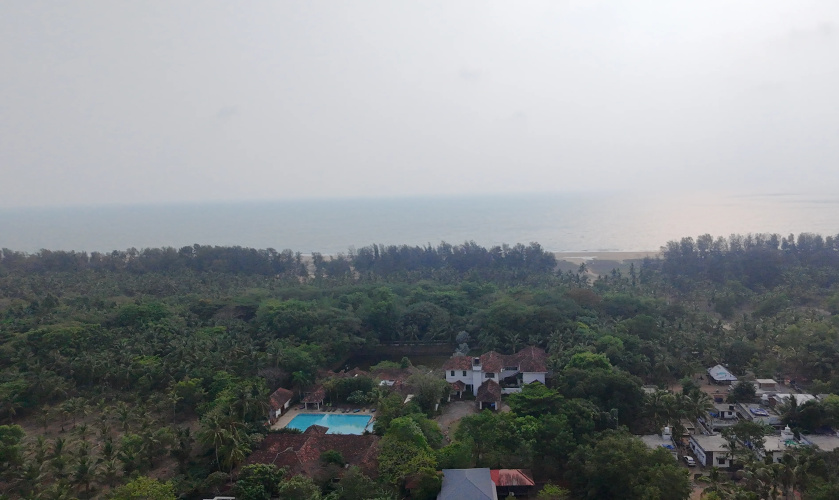
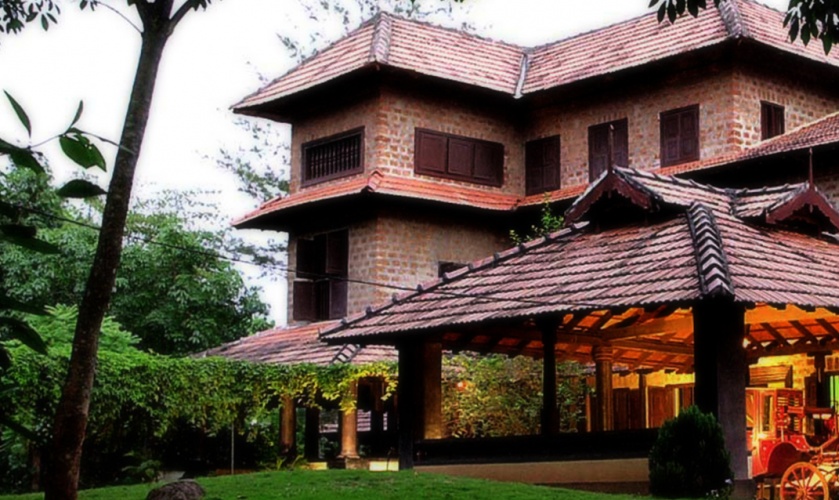
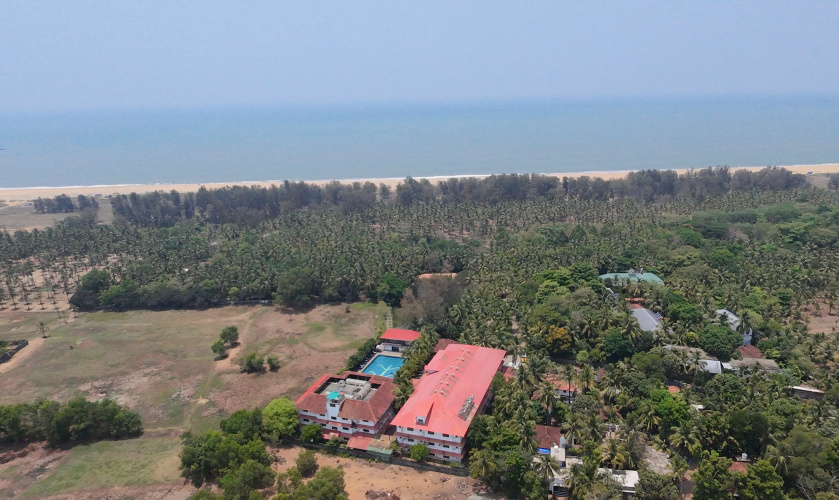
  • Nattika Beach Ayurveda Resort
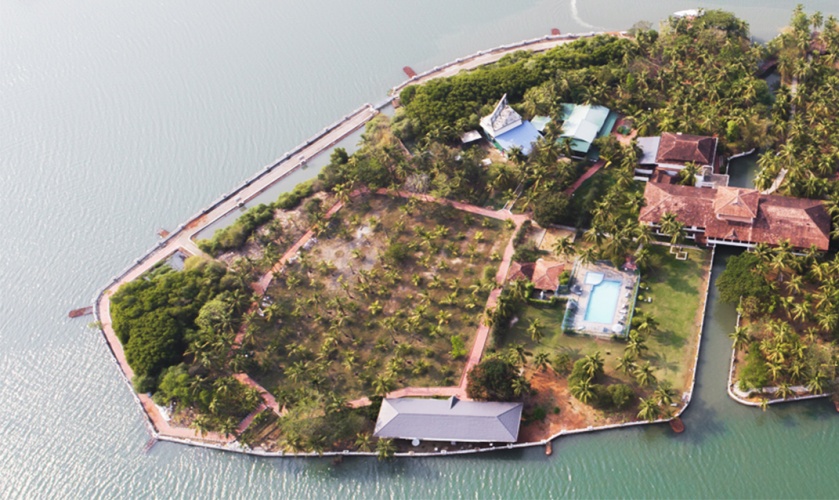
  • Amal Tamara
  • Kairali – The Ayurvedic Healing Village

Sri Lanka

  • Barberyn Reef Ayurveda Resort
  • Ayurvie Weligama

Bali, Indonesia

  • Oneworld Ayurveda Ubud
  • Ayurvedagram Bali

Who Should Consider This Treatment?

Ideal for individuals experiencing:

  • Tennis Elbow
  • Repetitive strain injuries
  • Elbow tendon pain
  • Forearm muscle stiffness
  • Reduced grip strength

Who Should Avoid Detox Programs?

Consult a doctor if:

  • Acute fractures or severe injuries
  • Severe inflammatory joint conditions
  • Critical medical conditions

Choosing the Right Centre

Ensure the centre provides:

  • Qualified Ayurvedic doctors
  • Specialized musculoskeletal therapies
  • Personalised rehabilitation plans
  • Proper physiotherapy support

Why Book Through WellnessLoka

  • Verified Ayurvedic centres
  • Personalised healing programs
  • Trusted Ayurvedic care
  • Multiple destination options

Begin Your Healing Journey

Tennis Elbow is not just a tendon injury—it reflects deeper imbalance in movement, strain, and tissue health.

With the support of Ayurveda and therapies like Abhyanga, Elakizhi, Njavarakizhi, and Agnikarma, it is possible to reduce pain, restore flexibility, and strengthen the affected tissues naturally.

True healing begins when the body regains balance, mobility, and strength.

Frequently Asked Questions

Tennis Elbow is a painful condition caused by repetitive strain and inflammation of the tendons attached to the outer side of the elbow.
Ayurveda treats Tennis Elbow through herbal therapies, medicated oil massages, heat therapies, Panchakarma, diet correction, and lifestyle management.
Snayugata Vata is a condition where aggravated Vata affects tendons and ligaments, causing pain, stiffness, and restricted movement.
Abhyanga, Elakizhi, Njavarakizhi, Pizhichil, Choorna Pottali Sweda, and Agnikarma are commonly used therapies.
Yes, Ayurvedic therapies help reduce inflammation, improve circulation, strengthen tendons, and relieve pain naturally.
Selected Panchakarma and Vata-balancing therapies help improve circulation, reduce pain, and support tissue healing.
Ashwagandha, Bala, Dashamoola, Shallaki, and Guggulu are commonly used to reduce inflammation and strengthen tissues.
Dry, cold, processed foods and excessive fasting should be avoided as they aggravate Vata Dosha.
Mild cases may improve within 1–2 weeks, while chronic tendon conditions may require several weeks of therapy and rehabilitation.
Kerala is known for authentic Panchakarma therapies, experienced Ayurvedic doctors, and specialised musculoskeletal healing programs.
About WellnessLoka

WellnessLoka is established with the aim of making the world a happier and a healthier place. Based in Kerala, Gods' Own Country, WellnessLoka seeks to help wellness enthusiasts find and book different wellness options in a hassle free manner.

Read more >>


Join Our Network

Let us help you to get more guests to experience the unique wellness services provided at your property.

Join Now


Contact

WellnessLoka
Koozhampala Solutions Private Limited
Integrated Startup Complex
Kerala Startup Mission
Kerala Technology Innovation Zone
Kinfra Hi-Tech Park Main Rd
HMT Colony P.O
Kochi, Kerala - 683503
GSTIN: 32AAGCK3772L1ZB
+91 8086 040101
[email protected]

     
© 2016 - 2026 WellnessLoka. All Rights Reserved