Ayurvedic Care for Sports Injuries

"Sports injury" covers a wide range of harm to the muscles, tendons, ligaments, joints, and bones from physical activity (pulled hamstring or sprained ankle to overuse conditions like tennis elbow and jumper's knee). Most sports injuries are soft-tissue injuries that, with the right care, recover well: the keys are getting the injury properly diagnosed, managing the acute phase, rehabilitating thoroughly, and returning to activity gradually rather than too soon. Ayurveda has a genuine, centuries-old tradition of injury care, it understands these injuries through the Snayu (ligaments/tendons), Mamsa (muscle), and Sandhi (joints), with local Vata aggravation and, in the acute stage, the heat and bruising of Pitta and Rakta, and offers stage-appropriate therapies alongside the rehabilitation an injured body needs to return to full performance.

Book Consultation
Search
Filter by:   
Sort by:   

What Are Sports Injuries?

Sports injuries are injuries that arise from exercise, training, or competition. They fall broadly into two kinds, and the distinction is useful:

  • Acute injuries happen suddenly, a sprained ankle, a pulled or torn muscle, a bruise (contusion), a wrenched joint, or, more seriously, a fracture, dislocation, or complete ligament tear.
  • Overuse injuries build up gradually from repetitive strain, tendinopathies (such as tennis elbow, golfer's elbow, or Achilles and patellar tendon problems), stress-related bone injuries, and chronic joint irritation.

Most sports injuries involve the soft tissues and most of these recover well with proper management. Some, however, are more serious and need specialist or surgical care. This is why the very first step with any sports injury is making sure you know what it actually is.

For several specific injuries, we have dedicated pages with fuller detail; including [ligament injuries and sprains], [tendinitis], [tennis elbow], [golfer's elbow], [frozen shoulder], and [osteoarthritis].

Common Types and Symptoms

  • Sprains — overstretched or torn ligaments (the bands connecting bone to bone), causing pain, swelling, and bruising, most often at the ankle or knee.
  • Strains — pulled or torn muscles or tendons (a "pulled hamstring" or calf strain), causing pain, tightness, and weakness.
  • Contusions — bruising from a direct blow, with pain, swelling, and discolouration.
  • Overuse injuries — gradual-onset pain, stiffness, and tenderness in a tendon or joint from repetitive strain.
  • Joint injuries — pain, swelling, and reduced or unstable movement in a joint.

When to Get Checked First

Because "sports injury" ranges from trivial to serious, proper assessment is the essential first step. Seek prompt medical assessment (and often imaging) if:

  • You cannot bear weight on the injured part, or there is bone tenderness or obvious deformity, possible fracture.
  • You felt or heard a "pop" at the moment of injury, or the joint gives way or feels very unstable, possible complete ligament tear.
  • You experienced any head injury, or symptoms like confusion, dizziness, headache, nausea, or memory problems — a possible concussion, which is a medical matter and must never be ignored or "played through."

The Conventional Medical Approach

Modern sports medicine follows a clear arc. Acute management protects the injury and controls swelling, guided by principles often summarised as protection, optimal loading, ice, compression, and elevation. Importantly, the current understanding favours early, gentle, protected movement over prolonged rest, because tissues heal better when appropriately loaded.

Rehabilitation is then the heart of recovery followed by a graded return to sport that rebuilds capacity progressively. Rushing this stage is one of the commonest causes of re-injury. Serious injuries are managed medically and sometimes surgically.

How Ayurveda Understands Sports Injuries

Ayurveda has a long and practical tradition of injury care, most famously in Kerala, where the martial art Kalaripayattu developed an entire system of injury treatment (Kalari Chikitsa) for its warriors and athletes, built around marma (the body's vital points) and skilled hands-on therapy. This heritage sits behind much of Ayurvedic musculoskeletal and sports care today.

In Ayurvedic terms, sports injuries are Abhighataja (trauma-induced) conditions affecting the Snayu (ligaments and tendons), Mamsa (muscle), Sandhi (joints), and sometimes Asthi (bone). The trauma aggravates Vata locally, producing pain and impaired movement. In the acute stage, the swelling, heat, and bruising reflect Pitta and Rakta (heat and blood) involvement.

This shapes the whole approach, and the stage is central: the acute, hot, swollen, bruised injury is cooled and settled, while the later stage is warmed, nourished, and strengthened. Recognising and treating the correct stage is a hallmark of skilled injury care.

The Ayurvedic Treatment Approach

For the acute stage cooling and settling. Cooling medicated herbal pastes (Lepa) over the injury reduce swelling, heat, and pain, and supportive bandaging (Bandhana) protects and stabilises the area. Cooling, calming local care settles the acute inflammation before any warming work.

For the healing and later stage warming, nourishing, and mobilising. Once the acute swelling has settled, Abhyanga (warm medicated oil massage) with oils such as Mahanarayana Taila or Ksheerabala Taila improves circulation and eases stiffness, and localised Swedana (warmth and herbal poultices) relieves tightness and supports recovery. Traditional marma-informed hands-on therapy, in the Kalari lineage, is part of this tradition for musculoskeletal injuries.

Connective-tissue, muscle, and anti-inflammatory herbs. Asthishrinkhala (Cissus quadrangularis, or Hadjod), traditionally the "bone-setter" and studied for bone and connective-tissue healing; Guggulu preparations and Shallaki (Boswellia) for pain and inflammation; and Ashwagandha and Bala to strengthen and support muscle and tissue.

Rehabilitation and graded retur. This is where full recovery and return to performance are secured. Local therapies ease symptoms and support healing, but strength, flexibility, joint stability, and fitness are rebuilt only through progressive, guided rehabilitation and a gradual return to activity. Ayurvedic care works best as part of a plan that includes this, in coordination with physiotherapy or sports rehabilitation.

What Treatment Involves

Duration What it achieves
Acute phase (first days) Cooling therapies, protection and support, swelling and pain reduced
7–14 days Transition to healing support, gentle mobilisation begun
14–28 days Warming, nourishing therapies and progressive strengthening
Ongoing at home Strengthening, flexibility, balance work, and graded return to sport

Your programme is decided with the Ayurvedic doctor based on the type of injury, its severity and stage, and your activity goals. Because full recovery and safe return depend on rehabilitation and graded loading, the strengthening and conditioning you continue is what secures a lasting return to performance and guards against re-injury.

What Ayurveda Can and Cannot Do

Most soft-tissue sports injuries recover well. For sprains, strains, contusions, and overuse injuries, stage-appropriate Ayurvedic care combined with proper rehabilitation leads to full recovery for most people. Ayurveda's injury tradition, and the Kerala Kalari lineage in particular, is genuinely well suited to musculoskeletal recovery.

Serious injuries need specialist, sometimes surgical, care. Fractures, complete ligament tears, dislocations, and concussion are not soft-tissue injuries to be managed conservatively. This is exactly why getting the injury correctly diagnosed first is so important, and why a responsible centre confirms what it's dealing with.

Recovery is about rebuilding, and returning gradually. The biggest avoidable problem in sports injury is returning too soon, or incompletely rehabilitating. Real recovery rebuilds strength, stability, and fitness and returns to sport in stages. Ayurvedic therapy supports this; it doesn't replace the rehabilitation and graded return that secure it.

Tissues heal at their own pace. Ligaments and tendons in particular heal slowly, and a moderate injury can take weeks to months. Patience and progressive loading matter; anyone promising to return you to full sport in days is overstating it.

Is This Right for You?

An Ayurvedic sports-injury programme may suit you well if you have a diagnosed soft-tissue injury (a sprain, strain, contusion, or overuse injury) and want comprehensive recovery care; if you're past the acute phase and want to support healing and rebuild strength and stability; if you have a nagging overuse injury that hasn't resolved; if recurrent injuries suggest incomplete rehabilitation; or if you want to combine recovery with conditioning and injury prevention.

Seek medical assessment first, and set a retreat aside for now, if:

  • You cannot bear weight, there is bone tenderness or deformity, or you felt a "pop" at injury possible fracture or complete tear.
  • A joint is dislocated or very unstable, or there is numbness or a cold, pale limb.
  • You have had any head injury or concussion symptoms this is a medical matter and must be assessed before anything else.
  • The injury isn't improving as expected, which warrants reassessment.

A centre worth trusting will confirm what the injury is, coordinate with physiotherapy or sports medicine, and send you for assessment when a more serious injury is possible.

Where to Go: Kerala

Kerala, India is the strongest destination for this care, home to the Kalari tradition of injury treatment and the deepest expertise in musculoskeletal and Snayu/Marma therapy, with stage-appropriate local therapies, authentic in-house oils and connective-tissue formulations, and the ability to integrate strengthening and rehabilitation.

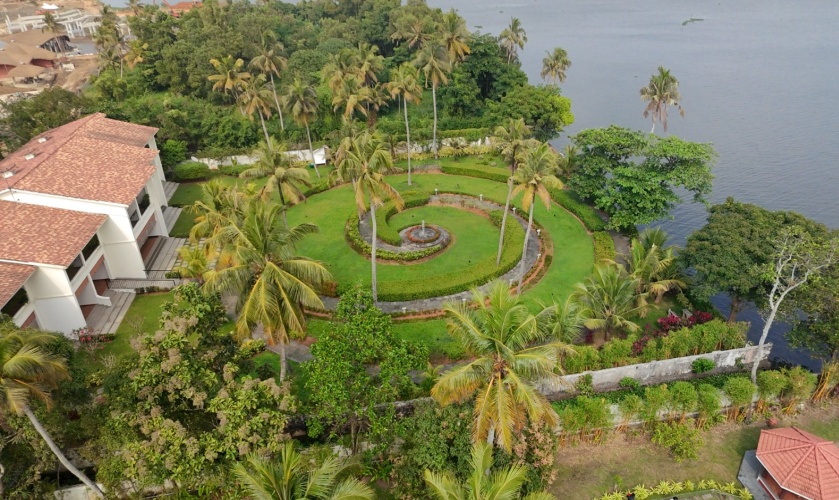
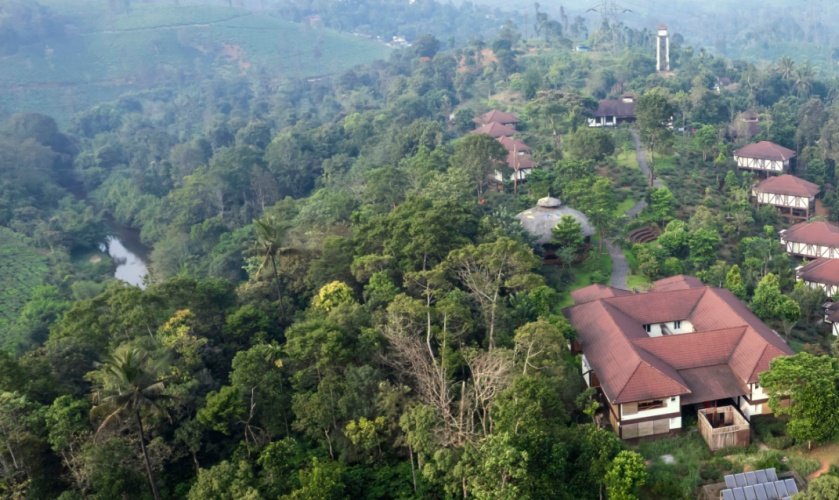
Recommended areas: Alleppey, Kovalam, Kumarakom, Wayanad, Palakkad.

For the authentic Kalari injury tradition, marma-informed therapy, and integrated rehabilitation, Kerala is the strongest choice.

How WellnessLoka Helps

Verified centres. Every centre we list has been independently assessed for physician credentials and genuine expertise in musculoskeletal and injury care (including, in Kerala, the Kalari and marma tradition), the judgement to treat acute and healing stages differently, authentic in-house preparation of oils and connective-tissue formulations, the ability to integrate strengthening and rehabilitation, clear protocols for recognising a fracture, dislocation, complete tear, or concussion needing referral, and a commitment to working alongside.

A free consultation with our Ayurvedic doctor. Before you choose anything, speak with our in-house consultant. They'll review the type, severity, and stage of your injury, any imaging or diagnosis, and your activity and return-to-sport goals.

Transparent comparison and support. Clear, honest information on every centre credentials, injury-care and Kalari capability, rehabilitation integration, programme structure, accommodation, and pricing across Kerala, Sri Lanka, and Bali. Our partner pricing is lower than booking directly, across a range of budgets, and our team supports you from first enquiry to the end of your programme.

Begin Your Healing Journey

Every athlete, from weekend runner to serious competitor, knows the frustration of an injury — and knows, too, that how you recover determines whether you come back stronger or keep breaking down.

Modern sports medicine and rehabilitation are the foundation, and alongside them, Ayurveda offers one of the world's oldest traditions of injury care with stage-appropriate therapies to cool a fresh injury, warm and nourish it as it heals, and hands-on and herbal support to help you return to full, confident movement.

Book Free Consultation


Frequently Asked Questions

Ayurvedic therapies like Abhyanga, Pizhichil, Kizhi, Panchakarma, and herbal medicines such as Ashwagandha and Guggulu are commonly used for sports injury recovery.
Yes, Ayurveda supports natural healing by reducing inflammation, improving circulation, and strengthening muscles and connective tissues.
Abhyanga, Njavarakizhi, Elakizhi, Marma therapy, and Panchakarma therapies are highly beneficial for rehabilitation and recovery.
Ayurvedic therapies improve circulation, reduce inflammation, relax muscles, and balance Vata Dosha to relieve pain naturally.
Yes, Panchakarma helps detoxify the body, improve tissue nourishment, reduce stiffness, and accelerate recovery.
Ashwagandha, Shallaki, Guggulu, Dashamoola, and Guduchi are commonly used for healing and strengthening muscles and joints.
Gentle yoga improves flexibility, circulation, mobility, and muscle balance during rehabilitation.
Yes, Ayurveda strengthens muscles, improves flexibility, enhances endurance, and reduces the risk of recurring injuries.
Warm, nourishing, protein-rich foods with healthy fats and easy digestion support tissue repair and recovery.
Yes, Ayurveda can support athletes by enhancing recovery, improving stamina, reducing stress, and promoting long-term physical wellbeing.
Yes, Ayurveda provides meaningful integrative supportive value for sports injuries in appropriate recovery phases through the comprehensive classical Vata Vyadhi affecting Snayu-Kandara-Mamsa-Sandhi and Bala framework — strictly supportive alongside continued essential sports medicine, orthopedic, and physical therapy specialist care. Comprehensive approach: comprehensive specialised external therapies as cornerstone with Pizhichil and Shashtika Shali Pinda Sweda particularly valuable for athletic recovery; comprehensive Vata-pacifying with Ashwagandha with substantial documented athletic benefits and Bala particularly valuable; comprehensive Chyavanaprasha and Ashwagandha Rasayana essential for sustained tissue and Bala support; comprehensive rehabilitation integration essential. Continued specialist coordination essential. WADA compliance essential for competitive athletes. WellnessLoka verified centres provide expert integrative supportive care across Kerala, Sri Lanka, and Bali.
Yes, Pizhichil (medicated oil pouring) is particularly valuable for sports injury recovery in appropriate phases with substantial classical use providing comprehensive Vata pacification and Mamsa-Majja support with substantial documented benefits in musculoskeletal recovery contexts — one of most clinically valuable specialised therapies for athletic recovery providing comprehensive full-body oil pouring with substantial Vata-pacifying and constitutional benefits particularly valuable for athletic contexts. Comprehensive benefits: comprehensive Vata-pacifying effects, comprehensive Mamsa-Majja-supportive effects, comprehensive constitutional support, comprehensive integration with broader Vata Vyadhi approach including Shashtika Shali Pinda Sweda particularly valuable for Mamsa-supportive effects. Continued sports medicine coordination essential. WellnessLoka verified centres provide authentic Pizhichil capability essential for comprehensive sports injury integrative supportive care.
Kerala, India offers the most clinically authentic destination for sports injury Ayurvedic supportive care with the deepest preservation of authentic classical Vata Vyadhi and Bala-restoring tradition globally with substantial care principles throughout. Experienced BAMS and MD Ayurveda physicians provide specialised comprehensive specialised external therapies capability essential including Pizhichil and Shashtika Shali Pinda Sweda particularly valuable, specialised comprehensive Vata-pacifying and Mamsa-Majja-supportive capability, specialised comprehensive Rasayana capability essential with Ashwagandha Rasayana particularly valuable, comprehensive constitutional dietary capability with substantial athletic sophistication, comprehensive rehabilitation integration essential, coordination with continued sports medicine specialist care essential, WADA compliance awareness essential. WellnessLoka verified centres in Alleppey, Kovalam, Kumarakom, Wayanad, and Palakkad provide specialised sports injury care across 160+ audited properties spanning Kerala, Sri Lanka, and Bali with customers from 25+ countries.
About WellnessLoka

WellnessLoka is established with the aim of making the world a happier and a healthier place. Based in Kerala, Gods' Own Country, WellnessLoka seeks to help wellness enthusiasts find and book different wellness options in a hassle free manner.

Read more >>


Join Our Network

Let us help you to get more guests to experience the unique wellness services provided at your property.

Join Now


Contact

WellnessLoka
Koozhampala Solutions Private Limited
Integrated Startup Complex
Kerala Startup Mission
Kerala Technology Innovation Zone
Kinfra Hi-Tech Park Main Rd
HMT Colony P.O
Kochi, Kerala - 683503
GSTIN: 32AAGCK3772L1ZB
+91 8086 040101
[email protected]

     
© 2016 - 2026 WellnessLoka. All Rights Reserved