Sciatica- Ayurvedic Care

Sciatica is pain that radiates along the sciatic nerve, from the lower back, through the buttock, and down the leg. It is usually felt on one side, and can range from a dull ache to a sharp, shooting pain, often accompanied by numbness, tingling, or weakness. It is one of the most common musculoskeletal-neurological conditions, affecting a substantial proportion of adults at some point in life. Ayurveda understands the condition as Gridhrasi, a disorder of aggravated Vata affecting the lower back and leg, and approaches it through targeted therapies to relieve pain, calm the nerve, and restore mobility alongside continued orthopedic and physiotherapy care.

Book Consultation
Search
Filter by:   
Sort by:   

What Is Sciatica?

Sciatica is not a disease in itself but a symptom nerve pain caused by irritation or compression of the sciatic nerve. The pain typically follows the path of the nerve: beginning in the lower back or buttock and travelling down the back of the leg, usually on one side. Because sciatica is a symptom of an underlying problem, identifying that underlying cause is central to treating it well.

Signs and Symptoms

  • Radiating pain from the lower back or buttock down one leg, sometimes to the foot
  • Numbness or tingling along the path of the nerve
  • Weakness in the affected leg or foot
  • Pain that worsens with coughing, sneezing, or prolonged sitting
  • Reduced mobility and disturbed sleep in more persistent cases

Sciatica is almost always one-sided. Pain affecting both legs, or accompanied by the warning signs described later on this page, needs urgent medical assessment rather than retreat-based care.

Causes and Diagnosis

Sciatica arises whenever something presses on or irritates the sciatic nerve. The most common cause is a herniated ("slipped") disc in the lower spine. Other causes include age-related narrowing of the spinal canal (spinal stenosis), spinal degeneration (spondylosis), a tight buttock muscle compressing the nerve (piriformis syndrome), sacroiliac joint dysfunction, and pregnancy, where posture changes and added weight strain the lower back. A sedentary lifestyle, prolonged sitting, poor posture, and heavy lifting are frequent contributors.

Diagnosis is made through clinical examination including tests of movement, sensation, and reflexes supported by imaging such as MRI or X-ray where a structural cause is suspected.

The Conventional Medical Approach

Most sciatica improves with conservative care, and physiotherapy is the foundation of it. Alongside this, conventional management may include anti-inflammatory medication, muscle relaxants, nerve-pain medications such as gabapentin or pregabalin where appropriate, and, in specific cases, epidural corticosteroid injections. Surgery is reserved for significant or persistent nerve compression, or for the emergency situations described below.

How Ayurveda Understands Sciatica

Ayurveda has one of its most thoroughly described conditions here. It calls sciatica Gridhrasi: it derives from gridhra, the vulture, because the pain forces the affected person into a bird's walk stature.

Gridhrasi is understood as a Vata Vyadhi, the dosha governing movement, nerve impulses, and pain sensation. When Vata is aggravated and settles along the lower back and the path of the sciatic nerve, it produces dryness, constriction, and the erratic, shooting pain.

The predisposing causes Ayurveda identifies map closely onto modern risk factors: cold, dry and irregular food; sedentary living, prolonged sitting, poor posture, and heavy lifting; chronic stress and anxiety.

The Ayurvedic Treatment Approach

Treatment aims to pacify aggravated Vata, ease the pressure and irritation along the nerve, nourish the tissues, and restore mobility. A few therapies form the core:

Kati Basti; the signature therapy for the lower back. This is the treatment most associated with sciatica care. A dam of dough is built over the lumbar spine and filled with warm medicated oil, which is held in place for a sustained period, bathing the lower back in therapeutic oil. Using oils such as Mahanarayana Taila and Sahacharadi Taila, it relieves pain, relaxes the muscles, improves local circulation, and calms Vata directly where the trouble sits.

Basti; medicated enema therapy. In Ayurveda, Basti is regarded as the single most effective treatment for Vata disorders, because it acts at Vata's primary seat in the body. For chronic and recurrent sciatica it provides deep, systemic Vata pacification and nourishment, and can be tailored in strength from gentle to more intensive courses depending on the individual.

External oil therapies; Daily Abhyanga (warm medicated oil massage), focused on the lower back and affected leg, is fundamental to ease stiffness and improve circulation particularly useful in the Vata-Kapha type, while Pizhichil (a continuous warm oil bath) offers deeper Vata pacification and tissue nourishment.

Herbal support; These complementthe physician prescribed medication.

Yoga, posture, and lifestyle is where lasting results are made. Gentle, appropriately chosen yoga can genuinely help, but the selection matters enormously: certain postures (deep forward bends, aggressive twists) can worsen disc-related sciatica, so qualified, sciatica-aware instruction is essential rather than a generic class.

What Treatment Involves

Chronic and recurrent sciatica responds to ongoing management rather than a one-time fix.

Duration

What it achieves

7–14 days

Foundational protocols, an established Kati Basti course, initial pain relief

14–21 days

Fuller constitutional support and established external therapies

21–28 days

Extended program with comprehensive Basti and Panchakarma

Ongoing at home

Sustained oil massage, posture correction, gentle movement, and physiotherapy

The exact program is decided with the Ayurvedic doctor based on your specific cause, severity, and and posture correction and continued physiotherapy at home are what hold the gains in place.

What Ayurveda Can and Cannot Do

Ayurvedic care can offer real relief. For most people with sciatica, sustained Ayurvedic treatment meaningfully reduces pain, improves mobility, eases stiffness, restores sleep, and supports a return to normal activity. Kati Basti in particular has a long track record for lumbar pain when combined with physiotherapy, the results are often better than either approach alone.

Ayurvedic care supports structural problems; it does not reverse them. Where sciatica is caused by a herniated disc or spinal narrowing, that structural change remains a structural change. Ayurveda can calm the inflammation and Vata aggravation around it, relieve the pain substantially, and improve function.

Seek urgent medical care immediately if you experience any of the following, which can signal a serious condition called cauda equina syndrome:

  • Loss of bladder or bowel control (difficulty passing urine, or incontinence)
  • Numbness in the groin, buttocks, or inner thighs (the area a saddle would touch)
  • Significant or rapidly worsening weakness in the leg or foot
  • Severe, escalating pain that conservative treatment isn't touching

These are rare, but they are emergencies in which delay can cause permanent damage. During and after ayurvedic treatment you must continue any prescribed medication and physiotherapy with your specialist's guidance.

Is This Right for You?

An Ayurvedic sciatica retreat may suit you well if you have chronic or recurrent sciatica and want a comprehensive approach alongside your existing care.

Seek specialist care first, and set a retreat aside for now, if:

  • You have any of the red-flag symptoms above — bladder or bowel changes, saddle numbness, significant or worsening weakness.
  • You have severe or rapidly worsening nerve symptoms, which need neurological evaluation before anything else.
  • You are in an acute, severe flare that may settle better with initial conservative medical management before intensive therapy.
  • You are pregnant, which calls for gentle, obstetrician-coordinated care.

A centre worth trusting will screen for these honestly, and will tell you when specialist care must come first.

Where to Go: Kerala

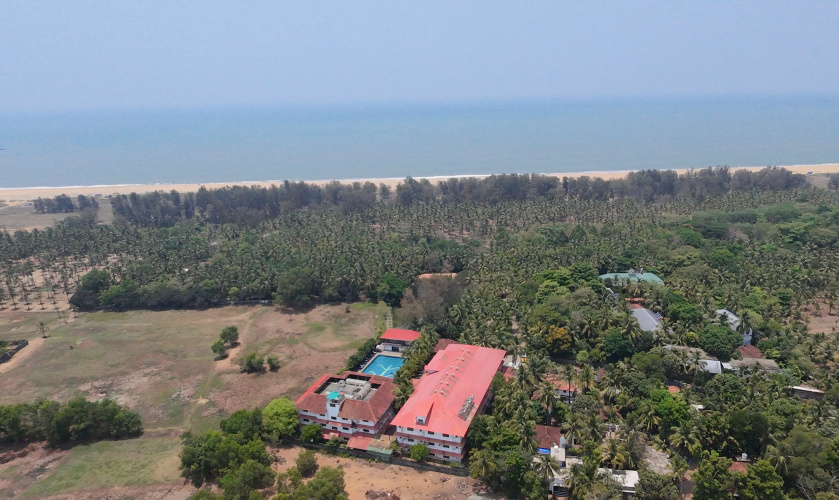
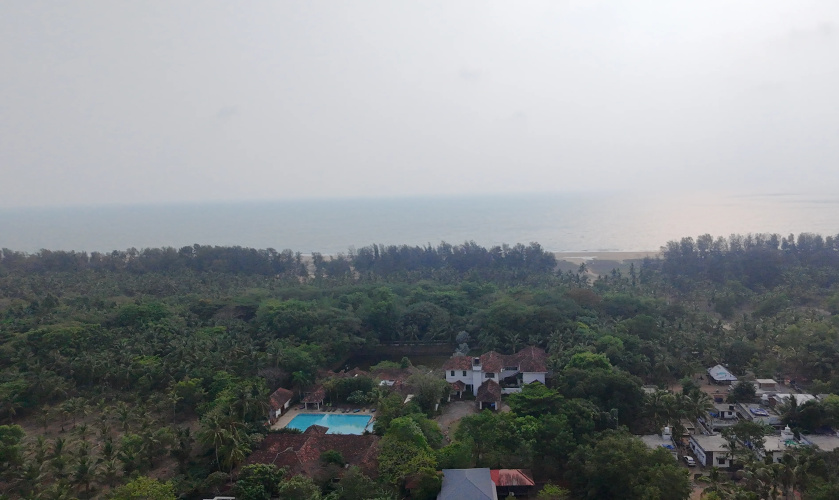
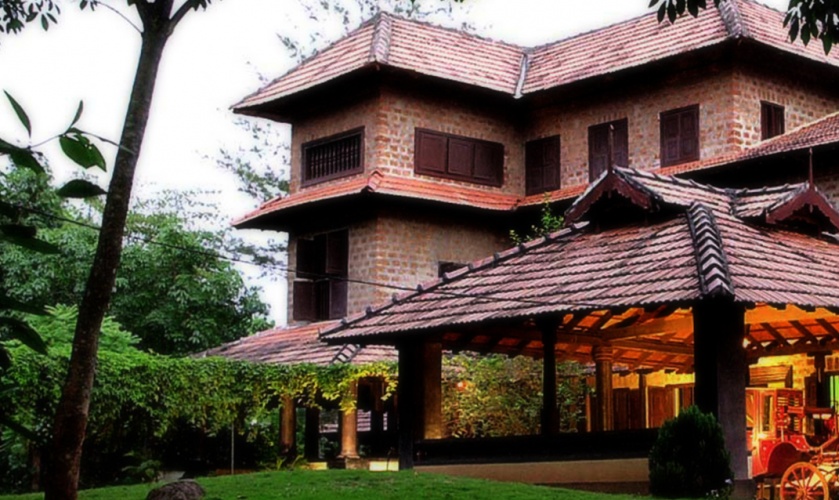
Kerala, India offers the deepest tradition for Gridhrasi, with genuine classical expertise, specialised Kati Basti and Panchakarma capability, authentic in-house preparation of the key oils, sciatica-aware therapeutic yoga instruction, and the ability to coordinate with physiotherapy and escalate to emergency care when needed.

Recommended areas: Alleppey, Kovalam, Kumarakom, Wayanad, Palakkad.

For the specialised Kati Basti therapy and authentic Vata-pacifying formulations this condition benefits from, Kerala is the strongest choice.

How WellnessLoka Helps

Verified centres. Every centre we list has been independently assessed for physician credentials and genuine Gridhrasi expertise, specialised Kati Basti and Basti capability, authentic in-house preparation of the key oils and formulations, sciatica-aware therapeutic yoga instruction, the ability to integrate with physiotherapy, clear emergency-escalation protocols for red-flag symptoms, and an absolute commitment to working alongside orthopedic and physiotherapy care.

A free consultation with our Ayurvedic doctor. Before you choose anything, speak with our in-house consultant. They'll review your specific sciatica its cause, pattern, severity, any imaging, your current treatment and physiotherapy, and your posture and lifestyle and identify your Gridhrasi type. Crucially, they screen for the warning signs that need a specialist rather than a retreat, and set honest expectations about what integrative care can achieve.

Transparent comparison and support. Clear, honest information on every centre credentials, Kati Basti and Basti capability, therapies, yoga and physiotherapy integration, program structure, and pricing across Kerala, Sri Lanka and Bali. Our partner pricing is lower than booking directly, across a range of budgets, and our team supports you from first enquiry to the end of your program.

Begin Your Healing Journey

Sciatica can dominate daily life, disrupting work, sleep, and the simple freedom to move without pain. Authentic Ayurvedic care offers something genuinely valuable: targeted relief for the pain, deep Vata-pacifying therapies for the nerve, and the posture and lifestyle changes that keep it from returning.

Relief is realistic. Sustained, it changes everything.

Frequently Asked Questions

Ayurveda provides particularly valuable comprehensive integrative approach for sciatica through classical Gridhrasi framework with substantial classical literature. Cure depends on cause: functional sciatica often substantially improves with sustained integrated approach; structural disc-related sciatica may benefit substantially supportive while underlying structural changes remain. Comprehensive approach: Kati Basti as cornerstone, comprehensive Basti Panchakarma, classical Gridhrasi formulations including Yogaraj Guggulu and Dashamoolarishtam, specialised external therapies, gentle therapeutic Yoga, comprehensive lifestyle integration including posture optimization, continued physiotherapy integration absolutely essential. Substantial pain relief and functional improvement often achievable. Acute neurological symptoms require urgent specialist care.
Gridhrasi is one of the most extensively described classical Ayurvedic Vata Vyadhi conditions corresponding to sciatica with substantial classical literature. Name derivation: "Gridhrasi" derives from "Gridhra" (vulture) reflecting classical observation that affected individuals walk with characteristic posture resembling vulture's gait due to substantial pain. Two classical types: Vataja Gridhrasi with pure Vata predominance characterised by substantial pain, stiffness, throbbing along sciatic distribution; Vata-Kaphaja Gridhrasi with combined Vata-Kapha characterised by additional heaviness, drowsiness, swelling dimensions. Causes: Vata aggravation in lumbar Srotas with multiple contributing factors. Treatment framework: comprehensive Vata-pacifying approach with Kati Basti cornerstone, comprehensive Basti, classical formulations.
Yes, Kati Basti is the cornerstone classical Ayurvedic specialised localised therapy for sciatica with substantial classical use specifically for lumbar conditions. Standard procedure: medicated oil retention over lumbar spine through circular dam created with dough placed over lumbar region filled with warm medicated oil providing direct localised therapeutic effects. Standard preparations: Mahanarayana Taila as foundational, Sahacharadi Taila with substantial classical Vata Vyadhi applications, Ksheerabala Taila for nervous system applications, specific oils matched to needs.
Most commonly used classical Ayurvedic formulations for sciatica (Gridhrasi) include: Yogaraj Guggulu as foundational classical formulation with substantial classical Gridhrasi use providing comprehensive Vata Vyadhi pacification; Dashamoolarishtam for foundational Vata support with substantial classical use; Maharasnadi Kashayam with substantial classical use for Vata Vyadhi; Trayodashang Guggulu for specific Vata Vyadhi applications; Vatari Guggulu; foundational Vata-pacifying herbs including Dashamoola, Rasna, Ashwagandha, Bala. External applications: Mahanarayana Taila for Abhyanga, Sahacharadi Taila specifically valuable. Selection should be individualised based on specific patterns. Combined with Kati Basti and comprehensive integrative approach. Continues alongside continued orthopedic care.
Substantial benefits typically develop over 2-6 months of sustained integrated approach. Initial benefits often noted within first 1-2 weeks of comprehensive Kati Basti course and internal therapy. Comprehensive resolution for functional sciatica often achievable with sustained integrated approach including continued home Abhyanga, lifestyle integration, posture optimization, continued physiotherapy integration. Chronic recurrent sciatica may require periodic retreats annually with substantial sustained value. Structural disc-related sciatica provides substantial supportive benefits while underlying structural changes remain. Acute neurological symptoms require urgent specialist care, not retreat-based intervention.
Yes, gentle therapeutic Yoga provides substantial value for sciatica with substantial evidence base — but requires substantial care with appropriate asana selection. Beneficial practices: specific Pawanmuktasana for gentle joint mobilization; gentle Setu Bandhasana; specific cat-cow movements; gentle therapeutic Yoga matched to condition; comprehensive Pranayama; meditation. Asanas requiring substantial care or avoidance in acute disc-related sciatica: forward bends, intense twists, deep backbends initially; specific aggravating positions matched to individual; gradual progression essential. Qualified therapeutic Yoga instruction essential — generic Yoga inappropriate. Combined with comprehensive Ayurvedic integrative approach and continued physiotherapy. Substantial benefits with sustained appropriate practice.
Qualified therapeutic Yoga with appropriate asana selection provides substantial value. Substantial care or avoidance in acute disc-related sciatica: deep forward bends, intense twists, deep backbends initially, specific aggravating positions; advanced practices without qualified guidance. Beneficial practices with appropriate selection: gentle Pawanmuktasana for joint mobilization; gentle Setu Bandhasana; cat-cow movements; comprehensive Pranayama; meditation. Qualified therapeutic Yoga instruction essential — generic Yoga classes often inappropriate; specialist sciatica-aware instruction provides substantial value. Gradual progression matched to symptom evolution. Combined with comprehensive integrative approach.
Foods to avoid in sciatica include those substantially aggravating Vata: excessive cold, dry, hard foods; excessive raw foods; excessive processed and junk foods; excessive caffeine with substantial care; excessive alcohol; Viruddha Ahara (incompatible food combinations); excessive bitter and astringent foods; carbonated beverages. Foods beneficial for sciatica: warm grounding nourishing foods; adequate quality protein; healthy fats including ghee with substantial classical Vata-pacifying use; warm cooked vegetables; specific anti-inflammatory spices including turmeric with substantial evidence, ginger, cumin; warm milk with appropriate spices in selected applications; adequate hydration. Combined with comprehensive integrative approach.
Kerala, India offers the most clinically authentic destination for sciatica Ayurvedic care with the deepest tradition, experienced BAMS and MD Ayurveda physicians with specialised training in classical Gridhrasi Ayurveda, established specialised Kati Basti capability as cornerstone specialised localised therapy with substantial classical use, specialised comprehensive Basti capability as cornerstone Vata Vyadhi Panchakarma, specialised Patra Pinda Sweda capability, specialised Pizhichil capability, authentic preparation of cornerstone Vata-pacifying medicated oils (Mahanarayana Taila as foundational, Sahacharadi Taila, Ksheerabala Taila), authentic preparation of cornerstone Gridhrasi formulations (Yogaraj Guggulu, Dashamoolarishtam, Maharasnadi Kashayam), capacity for qualified therapeutic Yoga instruction, capacity for physiotherapy integration, capacity for emergency medical escalation, and absolute commitment to coordination with continued orthopedic and physiotherapy care. WellnessLoka verified centres in Alleppey, Kovalam, Kumarakom, Wayanad, and Palakkad provide specialised sciatica care.
About WellnessLoka

WellnessLoka is established with the aim of making the world a happier and a healthier place. Based in Kerala, Gods' Own Country, WellnessLoka seeks to help wellness enthusiasts find and book different wellness options in a hassle free manner.

Read more >>


Join Our Network

Let us help you to get more guests to experience the unique wellness services provided at your property.

Join Now


Contact

WellnessLoka
Koozhampala Solutions Private Limited
Integrated Startup Complex
Kerala Startup Mission
Kerala Technology Innovation Zone
Kinfra Hi-Tech Park Main Rd
HMT Colony P.O
Kochi, Kerala - 683503
GSTIN: 32AAGCK3772L1ZB
+91 8086 040101
[email protected]

     
© 2016 - 2026 WellnessLoka. All Rights Reserved