Traditional Ayurvedic Treatment for Myopia and Eye Fatigue

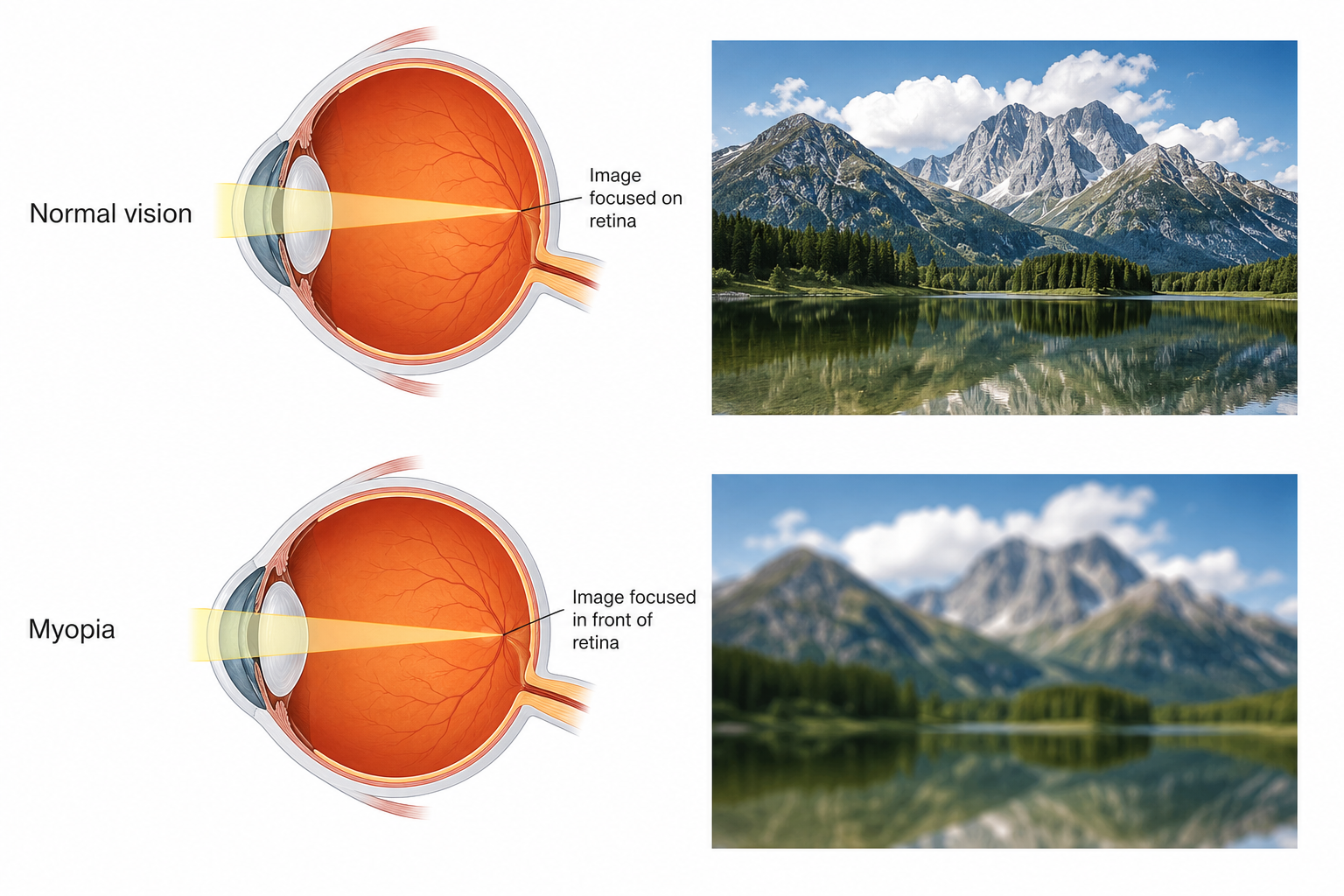
Myopia, or nearsightedness, is a common vision condition where distant objects appear blurred due to elongation of the eyeball or weakness in ocular muscles. In Ayurveda, myopia is associated with imbalance of Vata and Pitta doshas affecting visual function and ocular tissues. Ayurvedic treatment focuses on strengthening and nourishing the eyes through therapies like Netra Tarpana, Nasya, herbal formulations such as Triphala and Saptamrita Lauha, along with diet correction, eye exercises, and lifestyle modifications. This holistic approach helps reduce eye strain, support visual clarity, nourish optic tissues, and promote long-term eye health naturally.

Book Consultation
Search
Filter by:   
Sort by:   

Myopia Ayurvedic Treatment for Natural Vision Improvement and Eye Strength

Myopia, commonly known as nearsightedness or short-sightedness, is a refractive error in which distant objects appear blurred while near vision remains relatively clear.

It is one of the most common visual disorders worldwide, especially among children, adolescents, and young adults. Increasing screen exposure, excessive near work, stress, poor visual habits, and lifestyle factors have contributed to the growing prevalence of myopia globally.

According to Ayurveda, visual disturbances are described under Drishtigata Rogas, particularly within the spectrum of Timira. Early-stage Timira can be correlated with refractive conditions like myopia.

Ayurvedic management focuses on preserving vision, nourishing ocular tissues, reducing eye strain, strengthening eye muscles, and maintaining long-term visual wellness naturally.

Understanding the Root Cause: Vata–Pitta Imbalance and Ocular Weakness

In Ayurveda, myopia is primarily associated with aggravation of Vata dosha affecting the structural stability and muscular coordination of the eyes. Pitta imbalance may additionally affect visual clarity and ocular function.

Weakness in ocular tissues, excessive visual strain, stress, nutritional deficiencies, and improper lifestyle habits can further contribute to deterioration in visual strength.

Common symptoms may include:

  • Blurred distance vision
  • Eye strain and fatigue
  • Headaches after prolonged reading or screen use
  • Difficulty focusing on distant objects
  • Burning sensation or dryness in the eyes
  • Reduced visual comfort during prolonged visual activity

Ayurvedic care therefore focuses on balancing doshas, nourishing ocular tissues, improving circulation, and strengthening visual function.

The Ayurvedic Approach to Myopia

Ayurveda combines specialised eye therapies, Panchakarma procedures, herbal medicines, dietary guidance, and lifestyle modifications to support visual health and reduce progression of eye strain and weakness.

Treatment programs are personalised based on Dosha imbalance, severity of symptoms, lifestyle factors, age, stress levels, and visual demands.

Key Components of Ayurvedic Treatment for Myopia

Netra Tarpana (Eye Rejuvenation Therapy)

Netra Tarpana is one of the most important Ayurvedic therapies for visual nourishment and ocular strengthening.

In this therapy, medicated ghee is retained around the eyes to deeply nourish and rejuvenate ocular tissues.

Benefits may include:

  • Improved lubrication and nourishment
  • Reduced eye strain and fatigue
  • Better ocular muscle strength
  • Support for visual clarity
  • Improved comfort during prolonged visual activity

Nasya Therapy

Nasya is an important Panchakarma therapy for disorders affecting the head and sensory organs.

Medicated oils administered through the nasal passages help improve circulation and nourishment to ocular tissues and cranial structures.

Benefits may include:

  • Better nourishment to the eyes
  • Improved circulation
  • Reduction in Vata aggravation
  • Support for sensory and visual function

Panchakarma & Detoxification Therapies

Panchakarma therapies help remove accumulated toxins (Ama), balance doshas, improve metabolism, and support systemic correction contributing to ocular health.

Recommended therapies may include:

  • Mild detoxification procedures
  • Nasya
  • Abhyanga
  • Swedana
  • Netra therapies

These therapies help support overall visual wellness and reduce eye fatigue.

Herbal Medicines & Internal Support

Ayurvedic formulations help nourish ocular tissues, improve circulation, and support long-term visual health.

Treatment may focus on:

  • Strengthening ocular tissues
  • Supporting visual clarity
  • Improving metabolism and tissue nourishment
  • Reducing visual fatigue and stress

Herbal formulations like Triphala and Saptamrita Lauha are traditionally used to support eye health and visual comfort.

Eye Exercises & Visual Hygiene

Specific eye exercises and healthy visual habits help reduce strain and improve muscular coordination.

Recommended practices may include:

  • Gentle eye exercises
  • Palming and blinking techniques
  • Regular breaks from screen exposure
  • Proper lighting during reading or computer use
  • Reduced continuous near work

These measures help support visual comfort and reduce strain-related symptoms.

Diet & Lifestyle Correction

Nutrition and lifestyle play an important role in maintaining healthy vision and reducing progression of eye strain.

Recommended measures may include:

  • Antioxidant-rich fruits and vegetables
  • Healthy fats and nourishing foods
  • Adequate hydration
  • Proper sleep and stress management
  • Reduced excessive screen exposure
  • Avoidance of excessively dry, spicy, and processed foods

These practices help support ocular nourishment and long-term visual health.

Yoga & Stress Management

Stress and prolonged mental strain may worsen visual fatigue and ocular discomfort.

Supportive practices may include:

  • Yoga and meditation
  • Breathing exercises
  • Relaxation techniques
  • Proper sleep and daily routines

These help calm the nervous system and improve overall visual wellness.

Treatment Duration and Program Structure

Visual wellness programs require consistent nourishment and eye care support.

  • 7–14 days → Initial eye relaxation and reduced strain
  • 14–21 days → Improved ocular comfort and nourishment
  • 21–28 days → Better visual strength and reduced fatigue
  • 28+ days → Long-term support for eye health and visual wellness

Longer wellness programs may provide deeper rejuvenation and sustained ocular benefits.

Benefits of Ayurvedic Treatment for Myopia

Physical Benefits

  • Reduced eye strain and fatigue
  • Better ocular nourishment
  • Improved visual comfort
  • Strengthened eye muscles
  • Support for visual clarity

Mental & Emotional Benefits

  • Reduced stress-related visual fatigue
  • Better concentration and focus
  • Improved comfort during work and study

Long-Term Impact

  • Support for long-term eye health
  • Improved ocular resilience
  • Better visual wellness and comfort
  • Slower progression of strain-related symptoms

Ayurvedic Eye Wellness Retreats by Location & Recommended Centres

Discover authentic Ayurvedic eye wellness retreats across Asia offering specialised therapies focused on visual nourishment, eye rejuvenation, stress reduction, and long-term ocular wellness.

Kerala

Known for its clinically structured and authentic Ayurvedic eye care therapies, Kerala offers doctor-led wellness programs focused on Netra Tarpana, Panchakarma, and ocular rejuvenation.

Alleppey • Kovalam • Kumarakom • Wayanad • Thekkady

Sri Lanka

Offers coastal Ayurvedic retreats combining traditional therapies with calming healing environments ideal for stress reduction and visual wellness.

Weligama • Bentota • Beruwala • Wadduwa • Sigiriya

Bali

Focuses on wellness-oriented programs integrating Ayurveda, relaxation therapies, lifestyle correction, and holistic rejuvenation experiences.

Ubud • Nusa Dua • Candidasa • Lovina

Recommended Ayurvedic Centres for Myopia Care

Kerala

  • Amal Tamara
  • Nattika Beach Ayurveda Resort
  • Kairali – The Ayurvedic Healing Village

Sri Lanka

  • Barberyn Reef Ayurveda Resort
  • Ayurvie Weligama
  • Suvarivi Ayurveda Boutique Hotel

Bali

  • Oneworld Ayurveda Ubud
  • Ayurvedagram Bali

Choosing the right wellness retreat is important for structured and long-term visual care. WellnessLoka connects you with verified Ayurvedic centres across these destinations, ensuring authentic doctor-guided programs tailored to individual eye health and wellness needs.

Who Should Consider This Treatment?

This program may be suitable for individuals experiencing:

  • Nearsightedness (Myopia)
  • Eye strain and fatigue
  • Blurred distance vision
  • Excessive screen-related discomfort
  • Visual stress due to prolonged reading or computer use

Who Should Avoid Intensive Therapies?

Medical consultation is advised for individuals with:

  • Acute eye infections
  • Severe retinal disorders
  • Recent ocular surgery requiring specialised care
  • Emergency eye conditions needing immediate medical attention

Begin Your Healing Journey

Myopia is not simply a refractive condition—it also reflects deeper imbalance involving visual strain, ocular nourishment, stress, and lifestyle habits.

With the support of Ayurveda and personalised therapies, it is possible to nourish ocular tissues, reduce eye strain, support visual comfort, and promote long-term eye wellness naturally.

A structured Ayurvedic wellness program helps strengthen the eyes, calm visual fatigue, improve comfort, and support healthier vision through authentic holistic care.


Frequently Asked Questions

Myopia is understood as a condition caused by imbalance of Vata and Pitta doshas affecting eye structure and function. It leads to blurred distant vision, and Ayurveda focuses on strengthening eye tissues and improving visual clarity naturally.
Ayurveda attributes myopia to aggravated Vata and Pitta, leading to weakened eye muscles and structural changes. Excessive screen time, poor diet, and eye strain can worsen the condition.
Treatment includes Netra Tarpana, herbal support, eye exercises, diet, and lifestyle changes to strengthen eye muscles, nourish tissues, and improve vision gradually
Netra Tarpana is an Ayurvedic therapy where medicated ghee is retained over the eyes. It nourishes eye tissues, strengthens optic nerves, reduces strain, and supports visual clarity.
Triphala and other eye-supportive herbs help improve vision, reduce strain, and nourish ocular tissues. They also support long-term eye health and visual strength.
Yes. Regular eye exercises help strengthen eye muscles, improve focus, reduce strain, and support better visual function when combined with Ayurvedic treatments.
A diet rich in antioxidants, fresh fruits, vegetables, and healthy fats supports eye health. Avoid excessive processed foods and maintain balanced nutrition for better visual function.
Ayurveda may not completely reverse structural changes but can slow progression, improve eye strength, reduce strain, and enhance overall visual comfort with consistent care.
Mild cases may show improvement within weeks, while long-term management may require continuous therapies, exercises, and lifestyle adjustments for sustained benefits.
Authentic Ayurvedic care is available in Kerala, Sri Lanka, and Bali at verified centres offering specialised eye therapies, herbal care, and personalised treatment programs.
About WellnessLoka

WellnessLoka is established with the aim of making the world a happier and a healthier place. Based in Kerala, Gods' Own Country, WellnessLoka seeks to help wellness enthusiasts find and book different wellness options in a hassle free manner.

Read more >>


Join Our Network

Let us help you to get more guests to experience the unique wellness services provided at your property.

Join Now


Contact

WellnessLoka
Koozhampala Solutions Private Limited
Integrated Startup Complex
Kerala Startup Mission
Kerala Technology Innovation Zone
Kinfra Hi-Tech Park Main Rd
HMT Colony P.O
Kochi, Kerala - 683503
GSTIN: 32AAGCK3772L1ZB
+91 8086 040101
[email protected]

     
© 2016 - 2026 WellnessLoka. All Rights Reserved