Lumbar Spondylosis- Ayurvedic Care

Lumbar spondylosis is the age-related wear and degeneration of the lower spine its discs, joints, and vertebrae and one of the most common causes of chronic lower back pain, affecting most adults at some point in life. It brings persistent back pain, morning stiffness, reduced flexibility, and restricted movement, and can sometimes press on nearby nerves to cause pain radiating down the leg. Modern medicine manages it largely through physiotherapy and conservative care, which remain the foundation. Ayurveda understands the condition through the framework of Kati Graha and Asthi-Majja Vata Vyadhi, and offers supportive care to relieve pain, nourish the depleted spinal tissues, restore mobility, and always alongside continued orthopedic and physiotherapy care.

Book Consultation
Search
Filter by:   
Sort by:   

No more packages to load.

What Is Lumbar Spondylosis?

Lumbar spondylosis is the gradual, degenerative wear of the lower (lumbar) spine that comes with age and years of use. The discs that cushion the vertebrae lose moisture and height, the joints wear, and the body may form small bony growths (osteophytes) as it tries to stabilise the area.

The result is chronic mechanical lower back pain, stiffness and reduced flexibility. In some people, the degenerative changes narrow the spaces where nerves exit the spine, producing pain, tingling, or weakness that travels into the buttock or leg (see also our page on sciatica).

While age is the main driver, lumbar spondylosis increasingly appears earlier in life, driven by sedentary work, prolonged sitting, and poor posture. It is a very common condition, and for most people a very manageable one.

Signs and Symptoms

  • Chronic, aching lower back pain
  • Stiffness, especially in the morning or after rest
  • Reduced flexibility and restricted movement
  • Pain that worsens with prolonged sitting or standing
  • Pain that eases with gentle movement, then returns
  • In some cases, pain, tingling, or weakness radiating into the leg
  • Muscle tightness and fatigue in the lower back

Causes and Diagnosis

Lumbar spondylosis is fundamentally a condition of wear and degeneration, and its causes reflect that. Age is the primary factor, but it is accelerated by a sedentary lifestyle, prolonged sitting, poor posture, repetitive strain and heavy lifting, previous injury, excess body weight, and a degree of genetic predisposition.

Diagnosis is made through clinical examination and, where needed, imaging such as X-ray or MRI to assess the degree of degeneration and to check whether any nerve is involved. Accurate assessment matters, because it distinguishes ordinary mechanical back pain from the less common situations involving significant nerve compression that need specialist attention.

The Conventional Medical Approach

Most lumbar spondylosis is managed conservatively, and physiotherapy is the foundation, with a strong evidence base. Alongside it, conventional care includes activity modification, ergonomic and postural correction, anti-inflammatory or pain-relieving medication when needed, muscle relaxants, and pain medication or, occasionally, injections. Surgery is reserved for significant nerve compression or for cases that don't respond to conservative care.

Combined with continued physiotherapy, integrative Ayurvedic treatment often produces better results than either approach alone, and physiotherapy should continue throughout.

How Ayurveda Understands Lumbar Spondylosis

Ayurveda understands lower back pain through Kati Graha (kati meaning the lower back, graha meaning a catching or stiffness that holds you) and Kati Shoola (lower back pain), and places the condition within Vata Vyadhi disorders of aggravated Vata.

Vata is the principle of movement, dryness, and degeneration. When balanced, movement is smooth and effortless; when aggravated by age, sedentary habits, strain, and cold, dry influences it dries and wears the tissues, bringing the stiffness, restriction, and pain of the condition.

What's distinctive about lumbar spondylosis, compared with a simple strain, is the depth of tissue involvement. Ayurveda understands the degeneration as reaching the deeper tissues the Asthi Dhatu (bone) and Majja Dhatu (marrow) and, crucially, as involving Dhatu Kshaya: a genuine depletion and thinning of these tissues, exactly as one would expect in age-related degeneration. This is why treatment here is not only about calming Vata and easing pain, but also about nourishing and rebuilding depleted tissue a more restorative emphasis than in many other back conditions.

The Ayurvedic Treatment Approach

Treatment works to pacify aggravated Vata, relieve pain and stiffness, and nourish the depleted spinal tissues. A few therapies form the core:

Kati Basti- the signature therapy for the lower back. A ring of dough is built over the lumbar spine and filled with warm medicated oil, held in place for a sustained period so the lower back is bathed in therapeutic oil. Using oils such as Mahanarayana Taila and Sahacharadi Taila, it relieves pain, relaxes the muscles, improves circulation, and calms Vata directly where the degeneration sits. It is typically given as a course over several days, and is the cornerstone therapy for chronic lower back conditions.

Tissue-nourishing therapies. Because Dhatu Kshaya is central here, nourishing treatments are especially important. Shashtika Shali Pinda Sweda a warm bolus of medicated rice cooked in milk, applied over the body is particularly valued for nourishing the depleted bone and marrow tissue in age-related degeneration. Pizhichil, a continuous warm oil bath, provides deep Vata pacification and constitutional rebuilding.

Basti and daily oil massage. Basti (medicated enema therapy) is Ayurveda's most powerful tool for Vata disorders, acting at Vata's own seat in the body and providing both systemic pacification and deep nourishment valuable for the depleted tissues of chronic spondylosis. Daily Abhyanga (warm oil massage) of the lower back supports circulation and eases stiffness, and continues at home.

Herbal support, including bone-supportive formulations. Classical Vata-pacifying preparations such as Yogaraj Guggulu, Dashamoolarishtam, and Maharasnadi Kashayam are used alongside bone-supportive formulations like Lakshadi Guggulu and Hadjod (Cissus quadrangularis), all selected individually. These complement, never replace, any prescribed medication.

Yoga, posture, and lifestyle, where lasting results are made. Gentle, appropriately chosen yoga helps, but selection is critical: deep forward bends and aggressive twists can worsen the condition, so qualified, spondylosis-aware instruction matters far more than a generic class.

What Treatment Involves

Care usually begins with an intensive retreat phase, followed by a sustained home routine, not fixed in one course.

Duration What it achieves
7–14 days Foundational protocols, an established Kati Basti course, initial pain relief
14–21 days Fuller constitutional support, tissue-nourishing external therapies established
21–28 days Extended program with comprehensive Basti and Panchakarma
Ongoing at home Sustained oil massage, posture correction, gentle movement, and physiotherapy
 

Initial relief is often felt within the first week or two of a Kati Basti course, but substantial, lasting improvement usually develops over two to six months of consistent, integrated care. Your program is decided with the Ayurvedic doctor based on your severity, chronicity, and constitution and posture correction and continued physiotherapy at home are what hold the gains in place.

What Ayurveda Can and Cannot Do

Lumbar spondylosis responds genuinely well to integrative care, and honesty here requires two clear points.

Ayurvedic care can offer real, lasting relief. For most people, sustained Ayurvedic treatment meaningfully reduces back pain and stiffness, improves mobility and flexibility, nourishes the depleted tissues, restores sleep, and supports a return to comfortable daily activity. Kati Basti has a long track record for lower back pain, and combined with physiotherapy, the results are often better than either approach alone. The tissue-nourishing emphasis is a genuine strength in age-related degeneration.

Ayurvedic care supports the degeneration; it does not reverse it. The structural changes of lumbar spondylosis the worn discs, the bony growths, the narrowed spaces are largely permanent. Ayurveda can calm the Vata aggravation and inflammation around them, nourish and strengthen the surrounding tissues, relieve the pain substantially, and slow further wear but it will not restore a degenerated disc to new or dissolve an osteophyte. Anyone promising to reverse spinal degeneration through Ayurveda is overpromising.

Some back symptoms are a medical emergency. Seek urgent medical care immediately if you experience loss of bladder or bowel control, numbness in the groin or inner thighs (the saddle area), or significant or rapidly worsening weakness in the legs.

And as always: continue any prescribed medication and physiotherapy, and don't stop them without your specialist's guidance.

Is This Right for You?

An Ayurvedic lumbar spondylosis retreat may suit you well if you have chronic mechanical lower back pain from spondylosis and want a comprehensive approach alongside your existing care; if age-related degeneration and tissue depletion are part of your picture and you're seeking restorative, nourishing therapy; if a sedentary or desk-based lifestyle is driving recurring back pain; or if you're recovering from an acute episode or from surgery (with your surgeon's clearance) and want supportive rehabilitation.

Seek specialist care first, and set a retreat aside for now, if:

  • You have any red-flag symptoms; bladder or bowel changes, saddle numbness, significant or worsening leg weakness. This is an emergency; go to a doctor now.
  • You have unexplained weight loss alongside back pain, which needs investigation.
  • You are in an acute, severe flare that may settle better with initial conservative medical management before intensive therapy.
  • You are expecting a single retreat to permanently reverse the degeneration. The realistic goal is substantial relief and better function, sustained through ongoing care.

A centre worth trusting will screen for these honestly and tell you when specialist care must come first.

Where to Go: Kerala

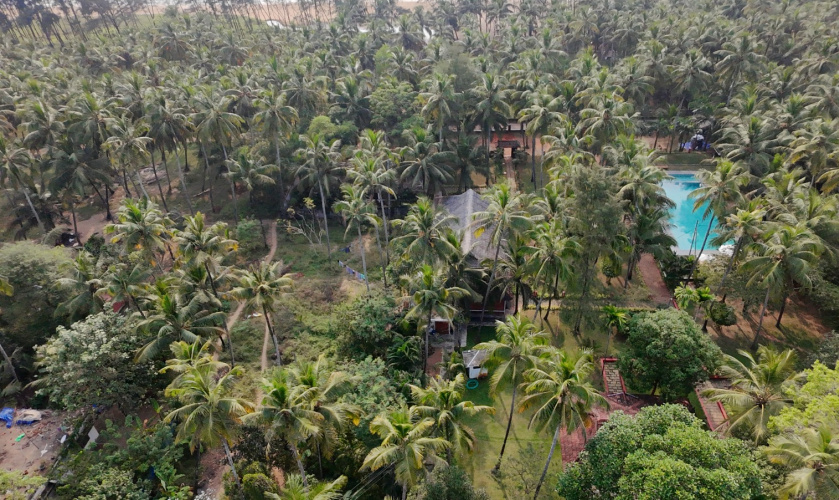
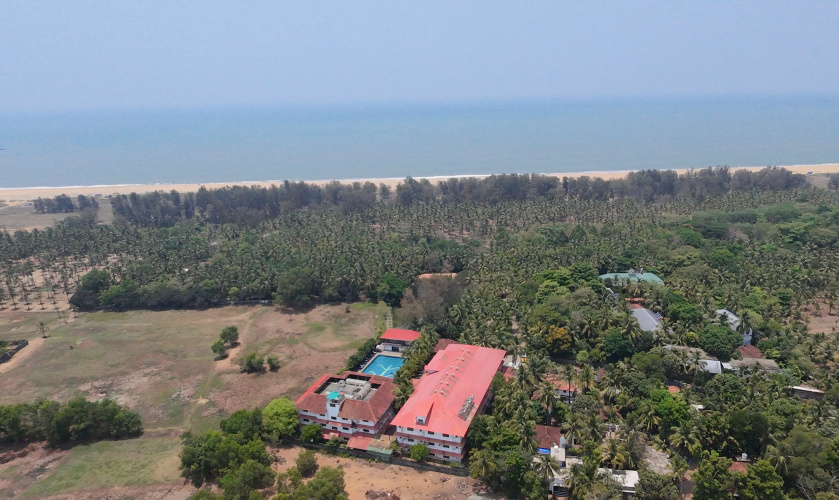
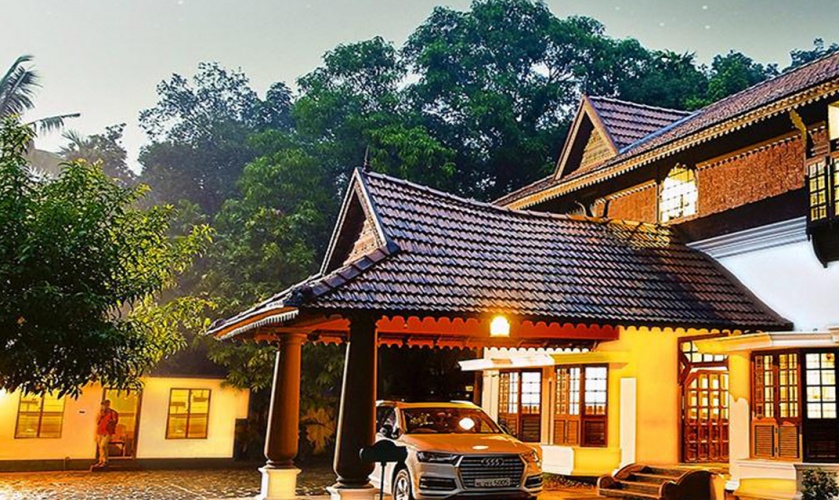
Kerala, India offers the deepest tradition for degenerative spinal conditions, with genuine Asthi-Majja Vata Vyadhi expertise, specialised Kati Basti and Panchakarma capability, the tissue-nourishing therapies (Shashtika Shali Pinda Sweda, Pizhichil) this condition benefits from, authentic in-house oils and formulations, spondylosis-aware yoga instruction, and coordination with physiotherapy and emergency escalation when needed.

Recommended areas: Alleppey, Kovalam, Kumarakom, Wayanad, Palakkad.

For the specialised Kati Basti therapy, tissue-nourishing treatments, and authentic Vata-pacifying formulations this condition benefits from, Kerala is the strongest choice.

How WellnessLoka Helps

Verified centres. Every centre we list has been independently assessed for physician credentials and genuine Asthi-Majja Vata Vyadhi expertise, specialised Kati Basti and Basti capability, the tissue-nourishing therapies this condition needs, authentic in-house preparation of oils and formulations (including bone-supportive ones), spondylosis-aware yoga instruction (which matters, since the wrong postures worsen the condition), the ability to integrate with physiotherapy, clear emergency-escalation protocols for red-flag symptoms, and an absolute commitment to working alongside your orthopedic and physiotherapy care.

A free consultation with our Ayurvedic doctor. Before you choose anything, speak with our in-house consultant. They'll review your specific back condition its severity, chronicity, any imaging, your current treatment and physiotherapy, and your posture and lifestyle and identify your constitutional pattern. Crucially, they screen for the warning signs that need a specialist rather than a retreat, and set honest expectations. Sometimes the right answer is "see a specialist first," and we'll say so. Purely guidance, no obligation.

Transparent comparison and support. Clear, honest information on every centre credentials, Kati Basti and Basti capability, tissue-nourishing therapies, yoga and physiotherapy integration, program structure, and pricing across Kerala, Sri Lanka, and Bali. Our partner pricing is lower than booking directly, across a range of budgets, and our team supports you from first enquiry to the end of your program.

Begin Your Healing Journey

Lumbar spondylosis is one of the most common conditions there is and while the wear itself is part of ageing, the pain and stiffness it brings need not define your days. Modern physiotherapy and medical care remain the essential foundation, and alongside them, authentic Ayurvedic care offers something genuinely valuable: targeted relief for the pain, nourishing therapies for the depleted tissues, and the posture and lifestyle changes that keep it from returning.

Relief is realistic. Sustained, it changes how you move through your days.

Frequently Asked Questions

Ayurveda can meaningfully relieve lumbar spondylosis reducing back pain and stiffness, improving mobility, and nourishing the depleted spinal tissues — and for many people the improvement is substantial and lasting. However, the structural degeneration itself (worn discs, bony growths) is largely permanent, so Ayurveda supports and slows it rather than reversing it. Combined with physiotherapy, results are often better than either approach alone.
The signature therapy is Kati Basti, in which warm medicated oil is held over the lower back within a dough dam to relieve pain and calm Vata. Because the condition involves tissue depletion, nourishing therapies like Shashtika Shali Pinda Sweda (a medicated-rice bolus) are especially valuable, alongside Basti, oil massage, and herbal formulations such as Yogaraj Guggulu and bone-supportive Lakshadi Guggulu all selected to the individual.
Most people feel initial relief within the first one to two weeks of a Kati Basti course, but substantial, lasting improvement usually develops over two to six months of consistent, integrated care. Programs typically begin with a two-to-four week retreat, followed by an ongoing home routine of oil massage, posture correction, gentle movement, and continued physiotherapy.
Diagnosis involves physical exams, range-of-motion tests, and neurological assessment. Imaging such as X-rays, MRI, or CT scans confirms disc degeneration, bone spurs, or nerve compression. Not all imaging changes cause pain, so clinical evaluation and symptom correlation are critical for accurate diagnosis.
Yes. Nerve compression from disc degeneration or bone spurs can cause sciatica — pain, tingling, or numbness radiating down the legs. Symptoms may worsen with prolonged sitting or activity. Early management with physical therapy, medications, or injections reduces nerve irritation and discomfort.
Often mild, lumbar spondylosis can be managed with exercise, posture correction, and therapy. However, severe nerve compression can lead to leg weakness, numbness, or bladder issues, requiring urgent medical care. Most patients maintain normal activity with proper management.
Treatment includes physical therapy, pain medications, lifestyle modifications, and exercises. In severe cases, epidural injections or surgery may be required. Core strengthening, posture improvement, and low-impact exercise help relieve pain and improve mobility, making long-term management more effective.
Yes, gentle therapeutic Yoga provides substantial value for lumbar spondylosis with substantial care and qualified specialist instruction essential. Beneficial practices: specific Pawanmuktasana for gentle joint mobilization; gentle Setu Bandhasana matched to condition; specific cat-cow movements for gentle spinal mobilization; gentle therapeutic Yoga matched to condition; comprehensive Pranayama including Anulom Vilom, Bhramari for calming; meditation with substantial stress reduction benefits relevant to chronic pain; restorative Yoga particularly valuable in chronic spondylosis. Practices requiring substantial care or avoidance: deep forward bends with substantial care given potential aggravation; aggressive twists; substantial backward extensions in specific contexts; inversions without qualified guidance; specific aggravating positions matched to individual. Qualified specialist instruction essential — generic Yoga inappropriate and potentially harmful. Combined with comprehensive Ayurvedic integrative approach and continued physiotherapy integration. WellnessLoka verified centres provide qualified specialist therapeutic Yoga instruction with lumbar spondylosis expertise.
While ageing can’t be stopped, you can reduce symptoms and slow progression by exercising, maintaining posture, staying active, and managing weight. Avoiding heavy lifting, sitting long periods, and smoking helps protect spinal health. Early care minimizes chronic pain and preserves mobility.
Consult a doctor if pain is persistent, worsening, or causes leg numbness or weakness. Seek immediate attention for bladder/bowel changes or severe mobility issues. Early evaluation allows diagnosis, targeted treatment, and prevention of nerve damage, improving outcomes and quality of life.
Kerala, India offers the most clinically authentic destination for lumbar spondylosis Ayurvedic care with the deepest preservation of authentic classical Asthi-Majja Vata Vyadhi tradition globally. Experienced BAMS and MD Ayurveda physicians with specialised training in classical Vata Vyadhi affecting lumbar spine provide established specialised Kati Basti capability as cornerstone specialised localised therapy, specialised comprehensive Basti capability as cornerstone Vata Vyadhi Panchakarma including Yapana Basti for chronic Dhatu Kshaya, specialised classical Vata Vyadhi formulation capability, specialised Pizhichil capability for constitutional rebuilding, specialised Shashtika Shali Pinda Sweda capability for substantial Asthi-Majja Dhatu nourishing essential in chronic spondylosis, authentic in-house preparation of cornerstone Vata-pacifying medicated oils (Mahanarayana Taila, Sahacharadi Taila particularly valuable for lumbar conditions, Ksheerabala Taila, Bala Taila, Dhanwantharam Taila), authentic preparation of classical Vata Vyadhi formulations (Yogaraj Guggulu, Dashamoolarishtam, Maharasnadi Kashayam, Trayodashang Guggulu) and Asthi-supportive formulations (Lakshadi Guggulu, Hadjod), capacity for qualified specialist therapeutic Yoga instruction with lumbar expertise, capacity for physiotherapy integration, and absolute commitment to coordination with continued orthopedic and physiotherapy care.
Yes, Kati Basti is the cornerstone classical Ayurvedic specialised localised therapy specifically for lumbar conditions including lumbar spondylosis with substantial classical use. Standard procedure: medicated oil retention over lumbar spine through circular dam created with dough placed over lumbar region filled with warm medicated oil providing direct localised therapeutic effects. Standard preparations: Mahanarayana Taila as foundational with substantial classical Vata Vyadhi use, Sahacharadi Taila particularly valuable for lumbar conditions, Ksheerabala Taila for nervous system applications. Substantial documented benefits: substantial back pain relief support; improved circulation in lumbar region; comprehensive muscle relaxation; comprehensive Vata pacification in lumbar region central to spondylosis management; broader lumbar spondylosis benefits including improved mobility and reduced stiffness. Standard course: 7-14 daily sessions providing substantial cumulative benefits. Combined with comprehensive Basti, classical Vata Vyadhi formulations, specialised external therapies, comprehensive lifestyle integration, and continued physiotherapy integration absolutely essential. WellnessLoka verified centres provide expert Kati Basti capability essential for comprehensive lumbar spondylosis care.
About WellnessLoka

WellnessLoka is established with the aim of making the world a happier and a healthier place. Based in Kerala, Gods' Own Country, WellnessLoka seeks to help wellness enthusiasts find and book different wellness options in a hassle free manner.

Read more >>


Join Our Network

Let us help you to get more guests to experience the unique wellness services provided at your property.

Join Now


Contact

WellnessLoka
Koozhampala Solutions Private Limited
Integrated Startup Complex
Kerala Startup Mission
Kerala Technology Innovation Zone
Kinfra Hi-Tech Park Main Rd
HMT Colony P.O
Kochi, Kerala - 683503
GSTIN: 32AAGCK3772L1ZB
+91 8086 040101
[email protected]

     
© 2016 - 2026 WellnessLoka. All Rights Reserved