
Premium Resort
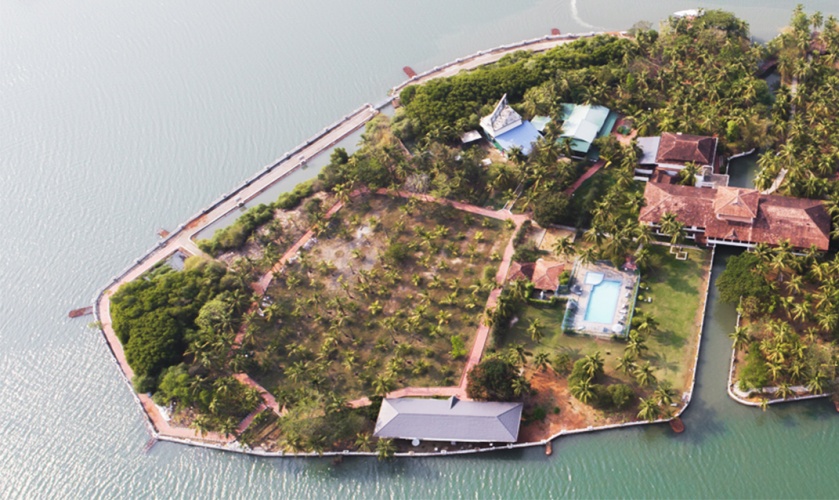
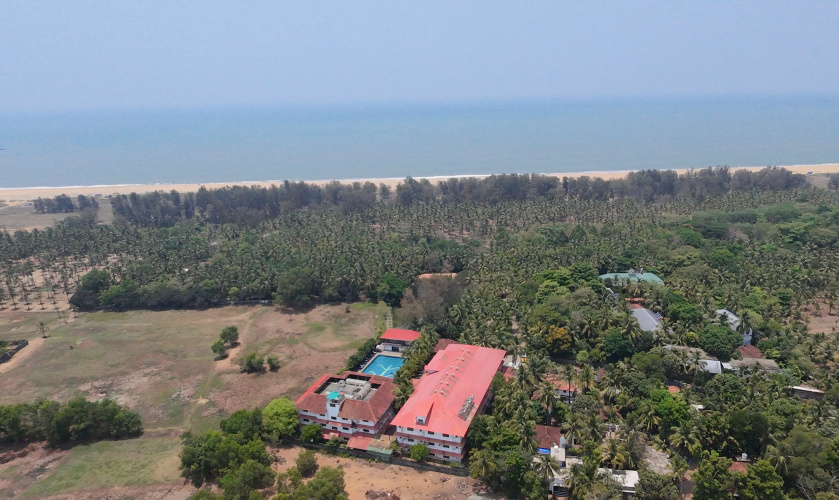
Premium Ayurveda Hospital
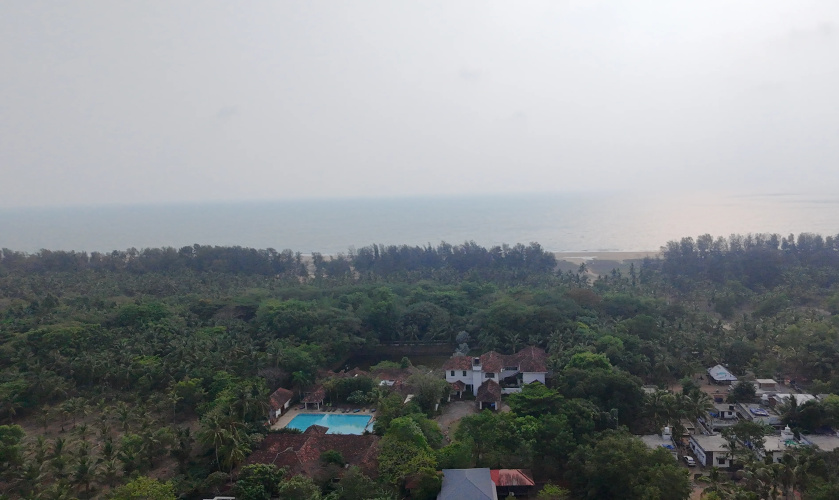
Premium Resort
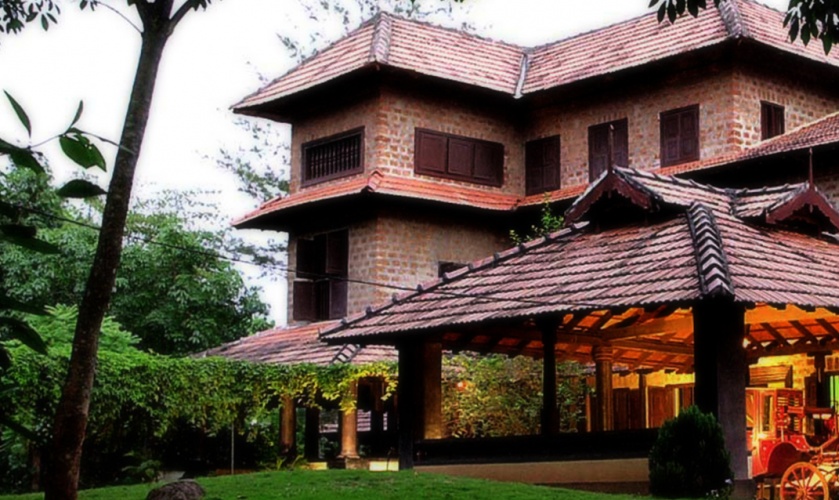
Rajah Healthy Acres
India/Kerala/Palakkad
Starting Rate Per Night: ₹ 6,710
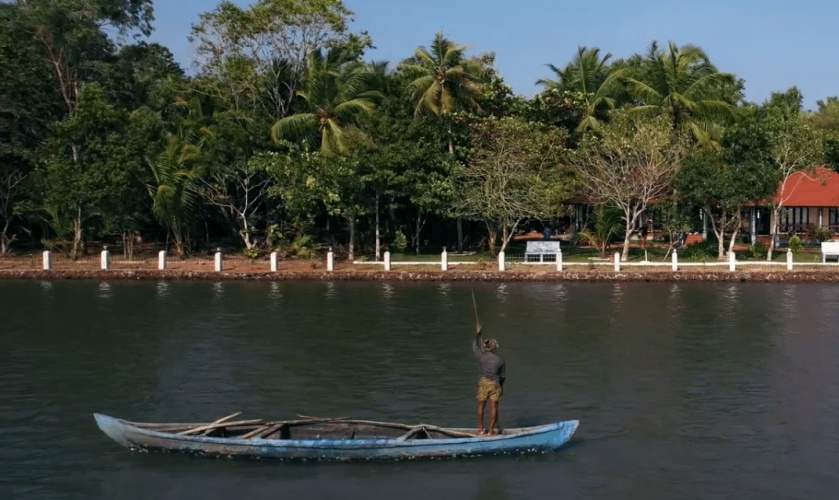
Rajah Healthy Acres is an Ayurvedic hospital and residential treatment centre at Perumanoor, Chalissery, Koottanad, Palakkad, Kerala, established in 1996 as the first treatment centre of Rajah Ayurveda. The centre is situated...
Premium Resort
Budget Ayurveda Hospital
Dhathri Ayurveda Hospital & Panchakarma Centre
India/Kerala/Alleppey
Starting Rate Per Night: ₹ 5,300
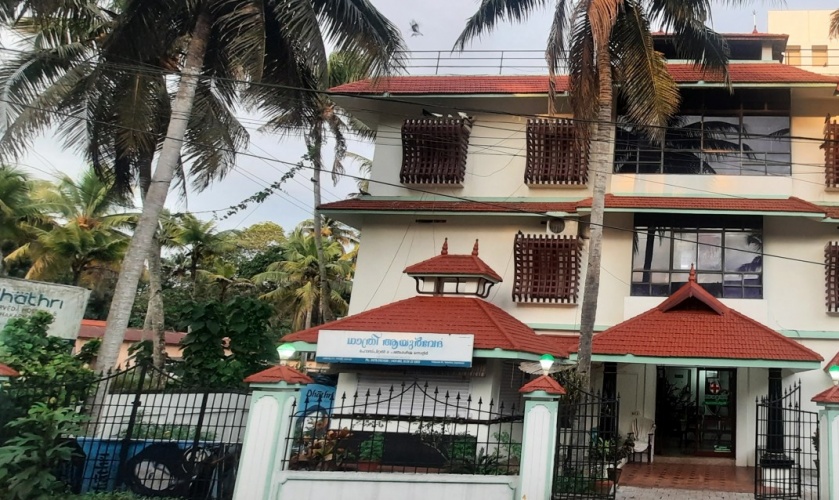
Dhathri Ayurveda Hospital & Panchakarma Centre is a residential Ayurveda hospital in Puthiyavila, Velanchira, Kayamkulam, Alappuzha, Kerala, combining a long family tradition of Ayurvedic practice with a structured...

No more packages to load.
No more packages to load.
Frequently Asked Questions
Ayurvedic therapies like Abhyanga, Pizhichil, Njavarakizhi, Basti, and herbal medicines such as Ashwagandha and Guggulu are commonly used to support ligament healing naturally.
Ayurveda provides meaningful integrative supportive value for ligament tears in appropriate recovery phases through the comprehensive classical Vata Vyadhi affecting Kandara-Snayu framework with substantial classical sophistication — strictly supportive alongside continued essential orthopedic and physical therapy specialist care. Acute ligament injuries require prompt orthopedic evaluation essential. Comprehensive approach: comprehensive specialised external therapies as cornerstone in appropriate phases with Mahanarayana Taila and Patra Pinda Sweda; comprehensive Vata-pacifying with Yogaraj Guggulu; comprehensive Ashwagandha and Bala with documented Mamsa-supportive dimensions; comprehensive Chyavanaprasha and Ashwagandha Rasayana essential for sustained tissue support; comprehensive rehabilitation integration essential. Continued specialist coordination essential. WellnessLoka verified centres provide expert integrative supportive care across Kerala, Sri Lanka, and Bali.
Healing time depends on the severity of the injury. Mild injuries may improve within weeks, while severe tears may require longer rehabilitation and supportive therapies.
Ashwagandha, Shallaki, Guggulu, Dashamoola, and Guduchi are commonly used for tissue repair and inflammation reduction.
Yes, Panchakarma therapies help detoxify the body, balance Vata, improve circulation, and support tissue healing.
Avoid cold, dry, processed, and excessively spicy foods that can aggravate Vata and slow tissue healing.
Yes, therapies like Swedana, Abhyanga, and herbal poultices help improve flexibility and reduce stiffness.
Gentle yoga and stretching practices can help improve flexibility, circulation, and muscle support during recovery.
Ayurveda strengthens muscles, ligaments, and joints while improving mobility and balance, helping reduce recurrence risk.
Abhyanga, Elakizhi, Njavarakizhi, Pizhichil, and Basti therapies are commonly recommended for sports injury rehabilitation.
Yes, Ashwagandha Rasayana is particularly valuable for ligament recovery given documented Mamsa-supportive dimensions specifically for musculoskeletal recovery — one of most classically renowned Rasayanas with substantial classical use for Vata Vyadhi and Mamsa Dhatu support and substantial documented evidence base for muscle recovery and adaptation particularly relevant to ligament injury recovery contexts. Comprehensive benefits: comprehensive adaptogenic support, comprehensive Mamsa-supportive effects, comprehensive Ojas support, comprehensive integration with broader Vata Vyadhi and Rasayana approach including Chyavanaprasha cornerstone. Continued orthopedic and physical therapy coordination essential — Ayurvedic care never replaces essential specialist care. WellnessLoka verified centres provide authentic Ashwagandha Rasayana preparations essential for comprehensive ligament tear integrative supportive care.
Kerala, India offers the most clinically authentic destination for ligament tear Ayurvedic supportive care with the deepest preservation of authentic classical Vata Vyadhi Kandara-Snayu tradition globally with substantial care principles throughout. Experienced BAMS and MD Ayurveda physicians provide specialised comprehensive specialised external therapies capability essential as cornerstone in appropriate phases, specialised comprehensive Vata-pacifying and Mamsa-Majja-supportive capability, specialised comprehensive Rasayana capability essential for sustained tissue support, specialised comprehensive Ama-pacifying capability when applicable, specialised comprehensive constitutional dietary capability with substantial protein and tissue-supportive sophistication, comprehensive phase-appropriate approach essential, comprehensive rehabilitation integration essential, coordination with continued orthopedic and physical therapy specialist care essential. WellnessLoka verified centres in Alleppey, Kovalam, Kumarakom, Wayanad, and Palakkad provide specialised ligament tear supportive care across 160+ audited properties spanning Kerala, Sri Lanka, and Bali with customers from 25+ countries.


