

When the Voice Loses Its Clarity: An Ayurvedic Path to Restored Vocal Health and Lasting Throat Resilience
The voice is one of the body's most underappreciated instruments. From the first morning greeting to the last evening conversation, through the meetings, calls, presentations, lectures, songs, prayers, and exchanges of daily life, it works quietly and faithfully — until, sometimes suddenly and sometimes gradually, it doesn't. The voice that emerged this morning was not quite the voice that left yesterday. It is rougher, breathier, weaker, lower-pitched, more effortful to produce, or simply absent. For most of us, this experience is temporary — a brief acute laryngitis from a winter cold that resolves within a week. But for the substantial portion of the population who experience persistent or recurrent hoarseness — affecting up to one-third of adults at some point in life and a particularly large burden among teachers, singers, public speakers, call-centre workers, lawyers, clergy, and others whose livelihoods depend on the voice — the experience is more weighing. Communication becomes effortful. Professional capacity is affected. Social confidence drops. And the underlying question of why the voice keeps breaking down often goes unanswered by short courses of voice rest alone.
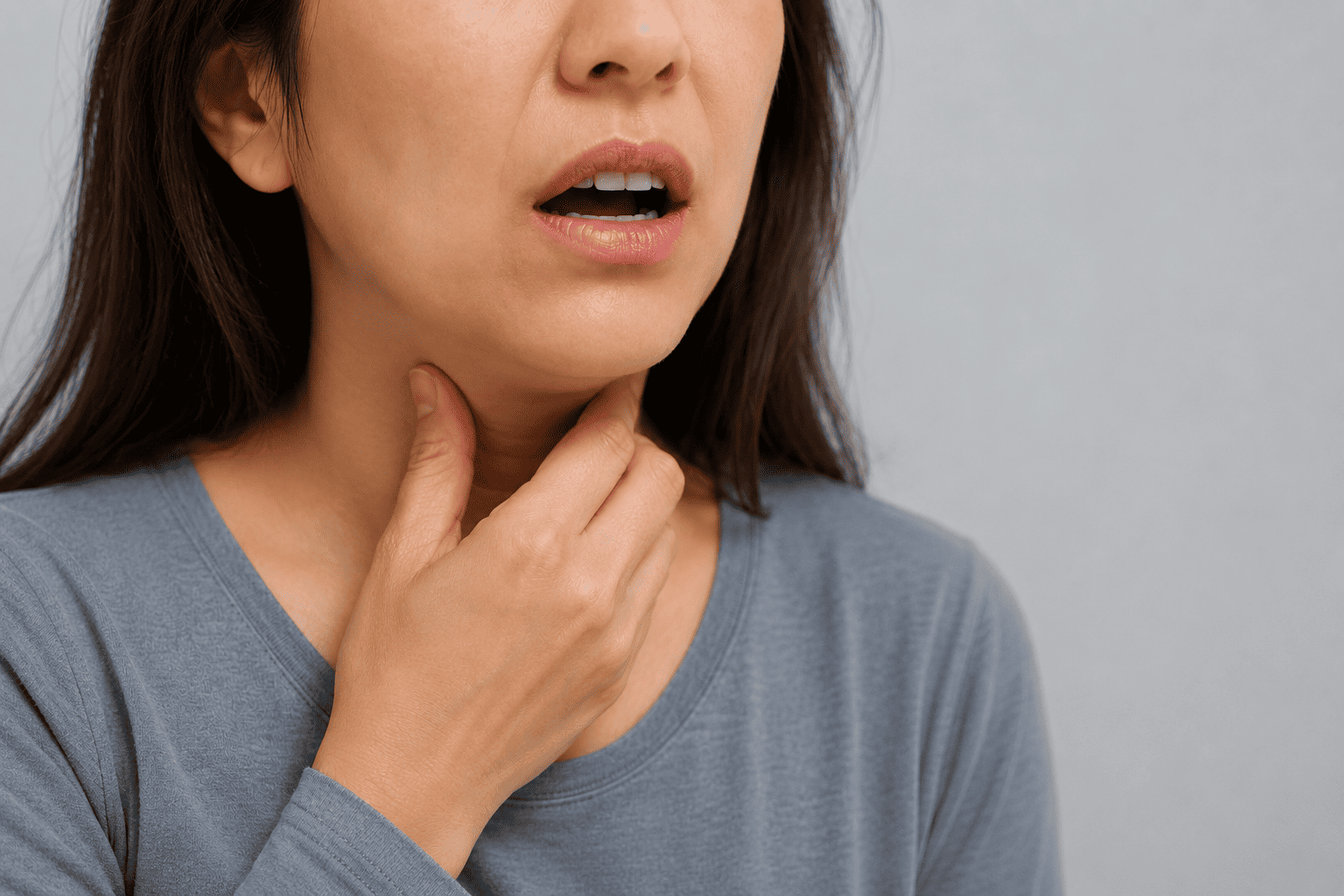
Hoarseness of voice (dysphonia) is altered vocal quality reflecting some change in how the vocal folds vibrate. The vocal folds — two delicate bands of mucosa-covered muscle within the larynx — produce voice through their rapid, synchronised vibration as air passes between them. Anything that disrupts that vibration produces hoarseness: inflammation (laryngitis), swelling (oedema), structural lesions (nodules, polyps, cysts, granulomas), neurological dysfunction (vocal fold paresis or paralysis), increased bulk (tumours), mucosal changes (scarring, irritation, dryness), or combinations of these. The causes are diverse:
Acute Laryngitis — Inflammation of the larynx, usually from viral upper respiratory infections, sometimes from voice strain or screaming, typically resolving over 1 to 3 weeks with rest and supportive care.
Chronic Laryngitis — Inflammation persisting beyond 3 weeks, often driven by laryngopharyngeal reflux (LPR), smoking, chronic alcohol use, environmental irritants, recurrent voice abuse, or chronic allergy.
Voice Strain and Vocal Misuse — Excessive talking, shouting, singing without technique, throat clearing, or whispering (paradoxically straining), producing fatigue and breakdown of vocal quality.
Vocal Cord Nodules and Polyps — Benign growths on the vocal folds caused by chronic vocal trauma. Nodules typically affect chronic voice users (teachers, singers, coaches) bilaterally; polyps tend to be unilateral and may follow a single severe vocal event.
Laryngopharyngeal Reflux (LPR) — Acid reflux reaching the larynx, producing chronic throat clearing, posterior laryngeal redness, voice changes (often worse in the morning), and globus sensation.
Vocal Cord Paresis and Paralysis — Partial or complete loss of vocal fold movement from injury to the recurrent laryngeal nerve (often from thyroid surgery, cardiothoracic surgery, neurological disease, or idiopathic causes).
Vocal Cord Granulomas and Contact Ulcers — Often from chronic reflux, chronic throat clearing, or intubation injury.
Functional and Muscle Tension Dysphonia — Voice changes from abnormal muscle patterns during phonation, often linked to stress and tension.
Spasmodic Dysphonia — A focal dystonia of the laryngeal muscles producing strained, strangled voice.
Presbylaryngis — Age-related vocal fold atrophy producing a thin, breathy voice in older adults.
Endocrine and Hormonal Causes — Hypothyroidism (producing a deeper, husky voice), menstrual cycle changes, hormone replacement effects.
Allergic and Environmental Causes — Allergic laryngitis, exposure to pollutants and irritants.
Serious Pathology Requiring Urgent Evaluation — Including laryngeal cancer (particularly important to consider in smokers, alcohol users, and any patient with hoarseness persisting beyond 4 weeks), thyroid pathology, neurological disease, and other significant structural lesions.
Modern ENT practice has clear guidance. For acute laryngitis from viral infection, voice rest, adequate hydration, humidification, and time are the foundation — antibiotics are not needed as the cause is overwhelmingly viral. For hoarseness persisting beyond 2 to 4 weeks, formal ENT evaluation with laryngoscopy is essential — this is non-negotiable, because the same symptom that signals minor laryngitis in one patient signals laryngeal cancer in another, and only direct visualisation can clarify the cause. Voice therapy with a speech-language pathologist is the mainstay of treatment for vocal nodules, muscle tension dysphonia, and most chronic functional voice disorders. Laryngopharyngeal reflux is treated with lifestyle modification, dietary changes, and proton pump inhibitors. Vocal cord lesions may require microsurgical removal. Vocal fold paralysis is managed by injection medialisation or surgical procedures. Laryngeal cancer requires oncological management. These approaches are essential, often curative, and absolutely cannot be substituted by alternative care.
Yet for the patient with chronic recurrent hoarseness, with vocal nodules in a voice-using profession, with chronic laryngitis from reflux that responds incompletely to acid suppression, with chronic vocal fatigue and the wearying recovery from each flare, the broader question remains: how do I rebuild the resilience of my voice over the long term, support the laryngeal tissue and its surrounding ecosystem, address the systemic contributors (reflux, allergies, repeated infections, stress, vocal misuse) that keep producing hoarseness, and prevent the next breakdown rather than just managing this one?
This is where Ayurveda offers a thoughtful, clinically grounded contribution that integrates particularly well with conventional ENT care. Classical Ayurveda described Swarabheda (literally "alteration of voice") as an independent clinical entity in the same texts that detailed laryngeal anatomy and identified the multiple doshic patterns producing different voice changes — recognised that the voice arises from the coordinated function of Shabdavaha Srotas (the channels of speech), that Kanthya (voice-promoting) herbs have specific affinity for laryngeal tissue, and that comprehensive voice care requires both local throat-specific therapies (Gandusha, Kavala, Nasya, Dhumapana) and systemic dosha-balancing care. By identifying and addressing the doshic predominance of the specific hoarseness pattern, providing direct throat-soothing therapies, calming aggravated Vata in voice strain, clearing Kapha in chronic accumulated mucosa, calming Pitta in reflux-related laryngitis, supporting vocal tissue through medicated ghees and Kanthya herbs, addressing the systemic background (gut for reflux, immunity for recurrent infections, stress for tension dysphonia), and rebuilding vocal resilience through sustained Rasayana, Ayurvedic care offers what may be a meaningful complement to conventional voice care.
A Hoarseness of Voice treatment retreat is best understood as a comprehensive voice and throat restoration program — a medically supervised, deeply personalised period of Ayurvedic care designed for patients with chronic recurrent hoarseness, voice professionals seeking resilience-building care, patients with vocal nodules and benign vocal cord lesions undergoing voice therapy, patients with chronic reflux laryngitis, and patients seeking long-term vocal health — always alongside ENT evaluation that has clarified the diagnosis and excluded sinister causes.
What is Hoarseness of Voice?
Hoarseness of Voice (dysphonia) is altered vocal quality reflecting underlying changes in how the vocal folds vibrate during phonation. The voice may be rough, breathy, strained, weak, lower or higher in pitch than usual, fatigued with use, or in severe cases nearly absent. While hoarseness itself is a symptom rather than a diagnosis, the specific quality of the voice change often provides clinical clues to the underlying cause.
The clinical patterns include:
Rough, Raspy Voice — Often indicates vocal cord oedema, inflammation, or surface irregularity (nodules, polyps, granulomas).
Breathy Voice — Suggests incomplete vocal fold closure, commonly seen in vocal cord paresis, paralysis, presbylaryngis, or large lesions preventing complete closure.
Strained, Effortful Voice — Suggests muscle tension dysphonia, spasmodic dysphonia, or compensatory effort in underlying pathology.
Pitch Changes — Lower pitch may suggest hypothyroidism, smoking-related changes, or oedema; higher pitch may suggest tension or specific vocal fold pathology.
Fluctuating, Inconsistent Voice — Often functional, stress-related, or muscle tension-driven.
Vocal Fatigue — Voice quality that is acceptable at the start of the day but progressively deteriorates with use, common in vocal nodules and muscle tension dysphonia.
Loss of Voice (Aphonia) — Complete or near-complete inability to produce voice, ranging from severe acute laryngitis to vocal fold paralysis to functional aphonia.
Common causes by category include infectious (viral laryngitis being most common, occasionally bacterial or fungal), inflammatory (allergic laryngitis, autoimmune laryngitis in rare conditions), traumatic (vocal strain, intubation injury, external neck trauma), structural (nodules, polyps, cysts, granulomas, papillomas, cancer), neurogenic (vocal fold paresis, paralysis, spasmodic dysphonia, neurological disease), functional (muscle tension dysphonia, conversion aphonia), reflux-related (laryngopharyngeal reflux), systemic (hypothyroidism, autoimmune conditions, neurological disease), age-related (presbylaryngis), lifestyle-related (smoking, alcohol, dehydration, voice abuse), and hormonal.
Diagnosis begins with detailed history (onset, duration, pattern, voice use demands, associated symptoms, medical conditions, medications, smoking and alcohol history) and physical examination. Laryngoscopy — direct visualisation of the larynx using flexible fibreoptic laryngoscopy or videostroboscopy — is the essential diagnostic procedure for any hoarseness persisting beyond 2 to 4 weeks, allowing identification of structural lesions, mucosal changes, and movement abnormalities. Additional investigations including thyroid function tests, imaging (CT, MRI), pH studies for suspected reflux, and biopsy where indicated may be needed depending on the laryngoscopic findings.
Critical clinical guidance from the AAO-HNS: hoarseness lasting more than 4 weeks, hoarseness in any current or former smoker, hoarseness with associated symptoms (neck mass, dysphagia, odynophagia, weight loss, haemoptysis), and hoarseness with progressive worsening rather than improvement absolutely require ENT evaluation with laryngoscopy. This is the most important single point in the management of hoarseness, and no integrative or alternative care should delay or substitute for this evaluation.
Understanding Swarabheda and Shabdavaha Srotas Dushti: The Ayurvedic Root of Hoarseness of Voice
In Ayurveda, hoarseness of voice is described with remarkable clinical sophistication as Swarabheda — literally "alteration or breakdown of voice" — recognised as an independent clinical entity in Charaka Samhita, Sushruta Samhita, Ashtanga Hridaya, and Madhava Nidana. Synonymous terms in classical literature include Swarasada, Swaradosha, Karkasha Dhwani (rough voice), and Swara Kshaya (weakened voice). Sushruta describes Swarabheda as a condition where there is clear alteration of voice — variations in pitch, audibility, and clarity — distinguished by the doshic pattern producing the change. The classical descriptions identify the cardinal features and the differentiation by doshic predominance with clinical precision that maps onto modern clinical observations.
The voice itself is understood in Ayurveda as arising from the coordinated function of Shabdavaha Srotas (the channels of speech and sound production), which involves not just the local laryngeal apparatus but also the Pranavaha Srotas (channels of breath), Rasavaha Srotas (channels of plasma and nourishment carrying support to the vocal apparatus), and the broader Manovaha Srotas (channels of mind, since voice carries thought and emotion). Vitiation of any of these channels can produce voice changes.
The classical taxonomy distinguishes five sub-types of Swarabheda by doshic predominance, each with distinct clinical features:
Vataja Swarabheda — Characterised by hoarse, rough, broken, or weak voice with dryness of the throat, difficulty in producing sound, sometimes pain on speaking, and a quality classical texts describe as resembling the sound of a "broken vessel" or "crow's cry." Corresponds clinically to vocal cord paresis, presbylaryngis, functional dysphonia, dry chronic laryngitis, and post-viral vocal cord changes.
Pittaja Swarabheda — Burning sensation in the throat, fever-associated voice changes, voice with a harsh, hot character. Corresponds clinically to inflammatory laryngitis, reflux laryngitis with associated burning, and infectious laryngitis with systemic symptoms.
Kaphaja Swarabheda — Voice with a sticky, congested, mucous-laden quality, throat feeling blocked, productive cough often accompanying, voice clearing partially with throat clearing. Corresponds clinically to chronic laryngitis with mucosal thickening, vocal cord nodules (with their underlying Kapha-driven mucosal changes), allergic laryngitis with mucus, and post-infectious mucosal accumulation.
Sannipataja Swarabheda — Combined doshic involvement producing complex, severe presentations. Corresponds to multi-factorial chronic dysphonia.
Kshataja Swarabheda — Voice changes following injury or trauma to the throat. Corresponds clinically to voice changes from vocal abuse, intubation injury, vocal cord scarring, and post-surgical voice changes.
Medoja Swarabheda — Voice changes associated with Meda (adipose tissue) excess, with a heavy, deep quality. Corresponds to voice changes in obesity-related laryngeal changes and certain endocrine conditions including hypothyroidism.
The core pathophysiological concepts include:
Dosha-Specific Pathogenesis — Each doshic sub-type reflects a distinct pathway. Vataja Swarabheda involves Vata aggravation drying the laryngeal mucosa and disturbing vocal cord movement. Pittaja involves Pitta-driven inflammation. Kaphaja involves Kapha accumulation thickening the mucosa and producing congestion. Sannipataja involves combined patterns.
Shabdavaha Srotas Dushti — Vitiation of the channels of sound production, with Sanga (obstruction) producing the heavy, muffled, congested voice of Kapha pathology and Atipravritti (excessive flow disturbance) producing the unstable, broken character of Vata pathology.
Vag-vyaharana Sanga — Specific classical description of obstruction in voice production, capturing the disturbance of the coordinated phonatory mechanism.
Ama and Mandagni in Chronic Cases — Weak digestive fire generates Ama (metabolic toxins) that compounds chronic laryngeal inflammation and contributes to the chronic recurrent hoarseness pattern that conventional acute treatment alone cannot resolve. The connection between gastrointestinal function and chronic laryngeal conditions — recognised by classical Ayurveda — aligns closely with modern understanding of the laryngopharyngeal reflux contribution to chronic hoarseness.
Specific Predisposing Nidana (Causes) — Classical texts identify factors that produce Swarabheda: excessive talking and vocal use (Atyukta — over-speaking), exposure to cold and cold drinks, suppression of natural urges, dietary indiscretions (excessive cold, dry, heavy, or stale foods), Viruddha Ahara (incompatible food combinations), excessive screaming or shouting, vomiting and other depleting events, head and neck trauma, exposure to dust and toxins, and emotional disturbance. The overlap with modern hoarseness causes — vocal abuse, environmental irritation, reflux from dietary factors, trauma, stress — is remarkable.
Manasika Bhava (Mental-Emotional Drivers) — Classical Ayurveda specifically identified emotional disturbance and stress as drivers of voice changes, corresponding precisely to the modern recognition of muscle tension dysphonia, functional aphonia, and the stress-voice connection.
This understanding shapes a thoughtful Ayurvedic approach to hoarseness: identify the doshic sub-type (essential for selecting appropriate therapy — Vataja, Pittaja, Kaphaja, and Sannipataja Swarabheda require distinctly different protocols); provide direct local laryngeal therapy through Gandusha, Kavala, Nasya, and where appropriate Dhumapana; support Shabdavaha Srotas through Kanthya (voice-promoting) herbs with specific affinity for laryngeal tissue; address the systemic background (gut for reflux, immunity for recurrent infections, hormonal for endocrine contributions, stress for tension dysphonia); ensure proper voice rest and rebuilding of vocal habits; and rebuild vocal resilience through sustained Rasayana — always alongside ENT evaluation that has clarified the diagnosis.
The 3 Stages of Ayurvedic Treatment for Hoarseness of Voice
Ayurvedic care for Hoarseness of Voice follows a carefully sequenced three-stage approach, adapted at every step to the specific doshic sub-type of Swarabheda, the underlying cause (chronic laryngitis, vocal nodules, reflux, voice strain, presbylaryngis), severity and duration, current ENT management, voice use demands, and overall constitution.
1. Preparation (Purva Karma) The preparatory stage begins with Deepana-Pachana (kindling the digestive fire and digesting Ama) — particularly important in reflux-driven and chronic Kaphaja Swarabheda where systemic and gastric factors underlie the laryngeal manifestation. Internal Snehana (oleation) with voice-supportive medicated ghees — particularly Kantakari Ghrita, Bala Ghrita, Kalyanaka Ghrita, and Triphala Ghrita based on doshic predominance — prepares the body for clearing therapies while providing direct vocal support. Gentle external Abhyanga and mild Swedana focused on the neck and chest region (where appropriate to doshic state) support broader balance. Critical foundation: structured voice rest during this stage is essential — vocal rest is not optional but central, regardless of how mild the therapy appears.
2. Core Treatment (Pradhana Karma) Primary therapies focus on three coordinated lines of action: direct local laryngeal-throat therapy, doshic-specific Panchakarma where appropriate, and Kanthya (voice-promoting) herbal therapy.
Direct local laryngeal therapies — Including Gandusha (retention of medicated oils or decoctions in the mouth for a specified duration, providing direct soaking action on the throat tissues) using preparations such as Yashtimadhu decoction, Triphala Kashaya, sesame oil, or specific Swarya formulations. Kavala (active gargling with medicated preparations, slightly more vigorous than Gandusha). Nasya (administration of medicated oils through the nasal passage, supporting the broader head-neck-throat ecosystem) using preparations such as Anu Taila, or Marsha Nasya with appropriate medicated ghee or oil. Dhumapana (medicated smoking with specific herbs, classically used for chronic Kaphaja Swarabheda and chronic mucosal accumulation) used selectively under physician supervision in appropriate cases. Pratisarana (direct application of medicated paste or honey-based preparations to the throat) in selected cases.
Doshic-specific Panchakarma — Vamana (therapeutic emesis) is the central Shodhana for Kaphaja Swarabheda and Sannipataja with significant Kapha component (such as vocal nodules with Kapha-driven mucosal thickening), helping to clear accumulated Kapha that obstructs the Shabdavaha Srotas. Performed only in suitably strong patients under careful supervision, with appropriate dosing. Virechana (therapeutic purgation) addresses Pittaja Swarabheda and reflux-related laryngitis through systemic Pitta clearance. Basti therapy supports Vataja Swarabheda where Vata-driven vocal cord changes require systemic Vata pacification.
Kanthya herbal therapy — Internal administration of Kanthya (voice-promoting) and Swarya herbs forms the pharmacological backbone of treatment, prescribed individually based on doshic profile. Voice rest continues throughout this stage, with structured guidance on permitted versus restricted vocal use.
3. Rejuvenation (Paschat Karma) The final stage focuses on long-term vocal resilience and prevention of recurrence through sustained Rasayana therapy with voice-supportive medicines, dietary discipline addressing the doshic factors and any reflux contribution, structured voice care education (proper hydration, voice rest practices, voice warm-up exercises, recognition of early voice fatigue, modifying vocal habits and use patterns), gradual return to normal voice use with awareness, stress management for muscle tension dysphonia and functional voice disorders, and ongoing maintenance with Kanthya herbs at preventive doses. For voice professionals — teachers, singers, public speakers — this stage is particularly important and ideally continues with periodic maintenance care.
The 5 Core Therapies for Hoarseness of Voice Explained
1. Gandusha and Kavala (Therapeutic Oral Retention and Gargling) Gandusha (retention of medicated preparations in the mouth without spitting or moving them) and Kavala (active gargling with medicated preparations) are among the most clinically valuable Ayurvedic therapies for throat conditions and have direct, localised therapeutic action on the laryngeal and pharyngeal mucosa. The preparations are selected based on doshic profile: Yashtimadhu Kashaya Gandusha (licorice decoction) for its profound mucosal-soothing and anti-inflammatory action — particularly valuable in Pittaja and inflammatory laryngitis. Triphala Kashaya Gandusha for broader doshic balancing and astringent action. Tila Taila (sesame oil) Gandusha for Vataja conditions and dry throat. Khadira-based preparations for chronic Kaphaja accumulation. Lavangadi (clove-based) preparations for sharp Vata-Kapha clearing. The medicated material remains in contact with the throat tissues for the prescribed duration (typically 5 to 15 minutes), allowing direct absorption of active principles into the mucosa. Performed under physician guidance with appropriate selection and duration.
2. Nasya (Nasal Administration of Medicated Substances) Nasya — administration of medicated oils, ghees, or powders through the nasal passage — is a cornerstone Ayurvedic therapy for head, neck, and throat conditions including Swarabheda. The nasal route allows direct access to the head and neck channels including the throat, with both local and systemic effects. Anu Taila Nasya is the classical choice for general head-neck support. Marsha Nasya with appropriate medicated oils provides deeper therapy. Pratimarsha Nasya is a gentler daily-use form suitable for maintenance. Specific oils including Bala Taila, Ksheerabala, and Mahanarayana Taila are selected based on the doshic profile. Nasya supports the broader voice ecosystem, addresses any chronic sinus or allergic contribution to laryngitis, and provides Vata-pacifying effect particularly valuable in Vataja Swarabheda.
3. Dosha-Specific Panchakarma (Vamana, Virechana, or Basti as Appropriate) Unlike many conditions where a single Panchakarma dominates, Swarabheda care requires careful matching of the Shodhana (clearing therapy) to the specific doshic sub-type. Vamana (therapeutic emesis) is the central clearing therapy for Kaphaja Swarabheda — including chronic Kaphaja laryngitis, vocal nodules with significant Kapha-driven mucosal changes, and Kapha-dominant Sannipataja presentations. The procedure clears accumulated Kapha from the upper respiratory tract and Shabdavaha Srotas, often producing meaningful improvement in chronic Kaphaja voice conditions. Virechana (therapeutic purgation) addresses Pittaja Swarabheda, reflux-driven laryngitis (laryngopharyngeal reflux corresponds to Pitta excess), and inflammatory laryngeal conditions through systemic Pitta clearance. Basti therapy addresses Vataja Swarabheda where systemic Vata pacification supports vocal recovery, particularly valuable in presbylaryngis, post-viral voice fatigue, and vocal cord paresis presentations. The correct identification of doshic sub-type and selection of appropriate Shodhana is the most important clinical judgment in Swarabheda management.
4. Kanthya and Swarya Internal Herbal Therapy (Shamana Chikitsa) A personalised regimen of classical Kanthya (throat-promoting) and Swarya (voice-promoting) herbs forms the pharmacological backbone of Swarabheda treatment. These herbs have specific traditional and increasingly research-supported affinity for laryngeal and pharyngeal tissue. Yashtimadhu (Glycyrrhiza glabra, licorice) is the premier Kanthya herb, with profound mucosal-soothing, anti-inflammatory, and demulcent properties. Kantakari (Solanum xanthocarpum) is the central herb for chronic throat conditions and is the basis of the classical Kantakari Ghrita formulation specifically described for Swarabheda. Pippali (Piper longum) supports Kapha clearing and respiratory function. Vasaka (Adhatoda vasica) offers bronchodilatory and expectorant action. Bharangi supports respiratory and throat health. Bala supports Vata pacification and tissue strengthening. Madhuyashti and Sariva for cooling Pitta-driven inflammation. Triphala for broader doshic balancing. Classical formulations widely used in Swarabheda include Kantakari Ghrita, Bala Ghrita, Kalyanaka Avaleha, Vyoshadi Vati (chewing tablet specifically for throat clearing), Lavangadi Vati (clove-based chewing tablet), Eladi Vati, Khadiradi Vati, Sitopaladi Churna, Talisadi Churna, Pippalyasava, Bhringarajasava, and Mridvikadi Kashayam. Chewing preparations (Vati format) are specifically valued in Swarabheda because the prolonged contact with the oral and pharyngeal mucosa allows direct local therapeutic action at the site of pathology.
5. Rasayana and Long-Term Vocal Resilience Building Rasayana therapy is the cornerstone of long-term vocal resilience and the prevention of recurrent hoarseness. Classical Rasayanas including Chyawanprash (excellent for respiratory and voice resilience), Amalaki Rasayana, Brahma Rasayana, Kantakari-based Rasayanas, Pippali Rasayana, and Bala-based preparations work over months to strengthen vocal tissue, support Shabdavaha Srotas, build Ojas and immunity reducing recurrent infections, address the broader systemic background, and rebuild the resilience that prevents the next breakdown. For voice professionals particularly, sustained Rasayana support — combined with proper voice technique, vocal hygiene, hydration, and recognition of early warning signs — meaningfully reduces the frequency and severity of voice problems over years. Combined with sustained low-dose maintenance of Yashtimadhu, Pippali, and other Kanthya herbs at preventive doses, Rasayana therapy delivers what acute treatment alone cannot reach: a genuine shift toward sustainable vocal health.
How Long Should an Ayurvedic Treatment Program for Hoarseness of Voice Last?
|
Therapeutic Benefit | |
| 7–14 days | Initial vocal rest and recovery, soothed acute laryngeal inflammation, eased throat | |
| 14–21 days | Moderate doshic clearance, completed Gandusha-Nasya courses, restored basic clarity | |
| 21–28 days | Complete treatment protocol — recommended for chronic recurrent or nodule presentations | |
| 28+ days | Long-standing chronic Swarabheda, vocal nodules with marked involvement, professional voice users |
The exact duration of your Hoarseness of Voice treatment is decided after consultation with the Ayurvedic doctor — undertaken only after ENT evaluation has clarified the diagnosis and excluded sinister causes — and based on the specific doshic sub-type and underlying cause of your hoarseness, severity and chronicity, current ENT management including voice therapy, your voice use demands, and overall strength. As a general guide, 14 to 21 days supports meaningful improvement in chronic recurrent presentations, with longer programs for vocal nodules and professional voice users seeking deeper resilience. A consistent home regimen of prescribed Kanthya herbs, Rasayana medicines, proper voice care, dietary discipline, hydration, and lifestyle measures after the retreat is essential to consolidate the recovery and prevent recurrence.
Book Consultation
Benefits of an Ayurvedic Treatment Retreat for Hoarseness of Voice
| Physical Benefits | Voice and Throat Benefits | Long-Term Impact |
| Improved digestion and reduced reflux | Restored vocal clarity and quality | Significantly reduced recurrence of hoarseness |
| Reduced systemic inflammation | Soothed laryngeal mucosa | Sustained vocal resilience through Rasayana |
| Better sleep and reduced fatigue | Reduced vocal fatigue with use | Reduced reliance on repeated voice rest periods |
| Improved immune resilience | Cleared Shabdavaha Srotas obstruction | Better long-term vocal capacity for voice users |
Why Kerala is the Best Place for Hoarseness of Voice Treatment
An Ayurvedic Hoarseness of Voice treatment retreat in Kerala, India offers the most clinically authentic environment for the integrative voice care this condition requires.
- Experienced Salakya Tantra (Ayurvedic head, neck, and ENT specialty) physicians with specific expertise in Swarabheda and related throat conditions
- BAMS and MD Ayurveda-certified doctors trained in classical Gandusha, Kavala, Nasya, Dhumapana, and doshic-specific Panchakarma protocols (Vamana, Virechana, Basti) for voice conditions
- In-house preparation of classical voice-supportive formulations — Kantakari Ghrita, Bala Ghrita, Kalyanaka Avaleha, Vyoshadi Vati, Lavangadi Vati, Eladi Vati, Khadiradi Vati, Sitopaladi Churna, Pippalyasava — using authentic methods and fresh herbs
- Integrated monitoring of voice quality, throat symptoms, and treatment response throughout the program
- A long-established Kerala tradition of Salakya Tantra ENT care including specialised voice condition expertise
- Clear understanding that hoarseness requires ENT evaluation, with willingness to coordinate with the patient's ENT specialist
Sri Lanka offers a comparable tropical healing environment with growing Ayurvedic expertise in respiratory and throat conditions, while Bali provides wellness-oriented treatment retreats integrating broader Ayurvedic care with voice support. For specialised Salakya Tantra voice expertise, Kerala remains the destination of choice.
Hoarseness of Voice Treatment Retreats by Location and Recommended Centres
Kerala, India — The most clinically authentic destination for Ayurvedic Hoarseness of Voice treatment, with experienced Salakya Tantra physicians and the rich Kerala tradition of classical voice care including Gandusha, Kavala, Nasya, and doshic-specific Panchakarma. Alleppey • Kovalam • Kumarakom • Wayanad • Palakkad
Sri Lanka — Coastal Ayurveda treatment retreats offering systemic doshic clearing and throat-supportive therapies in a serene environment ideal for voice recovery and resilience-building. Wadduwa • Weligama • Sigiriya • Kosgoda • Bentota
Bali, Indonesia — Wellness treatment retreats integrating broader Ayurvedic care with voice support, dietary correction, and stress management in scenic tropical surroundings. Ubud • Nusa Dua • Candidasa • Lovina
WellnessLoka connects you with verified centres across these destinations — with particular care to match patients with centres that have genuine Salakya Tantra voice expertise and clear understanding that ENT evaluation must come first.
Who Should Consider an Ayurvedic Hoarseness of Voice Treatment Retreat
Patients with chronic recurrent hoarseness post-ENT evaluation — Individuals whose ENT evaluation has clarified the diagnosis (typically chronic laryngitis, mild nodules, reflux-related, or functional dysphonia) and excluded sinister causes, seeking integrative care for the chronic recurrent pattern that voice rest and conventional measures alone have not resolved.
Voice professionals with chronic vocal fatigue — Teachers, singers, public speakers, lawyers, clergy, call-centre workers, actors, and others whose livelihoods depend on the voice and who experience chronic vocal fatigue or recurrent breakdown, seeking comprehensive resilience-building care.
Patients with vocal cord nodules in voice therapy — Individuals diagnosed with vocal cord nodules who are undergoing speech-language pathology voice therapy and want complementary integrative care addressing the broader doshic and tissue dimensions.
Chronic laryngopharyngeal reflux (LPR) patients — Those with chronic LPR-driven hoarseness whose symptoms respond incompletely to proton pump inhibitors and lifestyle measures, seeking integrative care addressing both the reflux and the laryngeal recovery.
Post-viral voice changes — Patients with persistent voice changes following viral upper respiratory infection (such as post-COVID-19 dysphonia or other post-viral presentations) where laryngeal recovery has been slow.
Patients with muscle tension dysphonia and functional voice disorders — Those with stress-linked, tension-driven voice problems where the brain-voice connection is central, seeking integrative care combining Shirodhara and Medhya Rasayana with direct voice therapy.
Patients with allergic chronic laryngitis — Those whose hoarseness is part of broader allergic disease (chronic allergic rhinitis with post-nasal drip, atopic background), seeking integrative care addressing both the allergic background and the laryngeal manifestation.
Patients with mild presbylaryngis — Older adults experiencing age-related vocal fold thinning and breathy voice, seeking integrative tissue-strengthening care alongside conventional voice therapy.
Patients with chronic smoker's voice seeking to support cessation and recovery — Former smokers in the recovery phase, seeking support for laryngeal tissue recovery alongside smoking cessation.
Patients with hypothyroid voice changes — Those whose hoarseness is linked to thyroid dysfunction, seeking integrative care addressing both thyroid health and voice recovery alongside endocrine treatment.
Patients seeking long-term vocal Rasayana support — Voice professionals and others drawn to the depth of classical Ayurvedic care, who want to anchor their long-term vocal health with sustained Kantakari, Yashtimadhu, and Bala-based therapy.
Who Should Approach Treatment with Caution
Ayurvedic care for hoarseness of voice is genuinely valuable for chronic and recurrent presentations and offers important integrative depth, but the absolute clinical priority is ensuring that any patient with hoarseness has had appropriate ENT evaluation to identify or exclude sinister causes. A thorough consultation is essential, and Ayurvedic retreat-based care should be deferred or never substituted for proper evaluation in cases involving:
Hoarseness lasting more than 4 weeks without ENT evaluation — This is the single most important point in hoarseness management. Per the American Academy of Otolaryngology–Head and Neck Surgery, any hoarseness persisting beyond 4 weeks requires laryngoscopy to clarify the cause. No Ayurvedic care should delay or substitute for this evaluation, because the same symptom that signals laryngitis in one patient signals laryngeal cancer in another.
Hoarseness in current or former smokers — Smokers and former smokers with hoarseness require ENT evaluation with laryngoscopy regardless of duration, given the substantially elevated risk of laryngeal cancer.
Hoarseness with associated red-flag symptoms — Any hoarseness accompanied by neck mass, difficulty swallowing, painful swallowing, weight loss, blood in sputum or saliva, breathing difficulty, or progressive worsening requires immediate ENT evaluation.
Suspected vocal fold paralysis — Sudden severe hoarseness suggesting vocal fold paralysis requires urgent ENT evaluation to identify the underlying cause (recent surgery, neurological disease, mass effect, idiopathic).
Hoarseness following thyroid or cardiothoracic surgery — Post-surgical hoarseness suggesting recurrent laryngeal nerve injury requires specialist evaluation and often specialist voice therapy or surgical management.
Acute severe hoarseness with breathing difficulty — Stridor, severe breathing difficulty, or airway compromise are medical emergencies requiring immediate hospital evaluation, never appropriate for retreat-based care.
Suspected laryngeal cancer or significant structural lesions — Patients with suspected or confirmed laryngeal malignancy require oncological management; Ayurvedic care has no role in treating or substituting for cancer care, though general supportive care during and after oncological treatment can be considered with the oncology team's coordination.
Acute infectious laryngitis (especially bacterial or fungal) — Acute bacterial laryngitis (rare but serious), epiglottitis, and fungal laryngitis require specific antimicrobial treatment.
Pregnancy with significant hoarseness — Pregnant women with hoarseness require careful selection of safe therapies and avoidance of certain Panchakarma procedures.
Children with significant hoarseness — Paediatric voice disorders require specialist paediatric ENT evaluation; Ayurvedic care in children requires careful paediatric specialist supervision.
Patients without willingness to undertake voice rest and behavioural modification — Voice care fundamentally requires the patient's active participation in voice rest, behavioural modification, and lifestyle change. Patients seeking herbal treatment alone without willingness to address voice use patterns are unlikely to benefit meaningfully.
Choosing the Right Treatment Retreat for Hoarseness of Voice
Qualified Salakya Tantra physicians — Centres with BAMS or MD Ayurveda-credentialed doctors with specific training and demonstrated experience in Salakya Tantra (Ayurvedic ENT and head-neck specialty), with documented expertise in Swarabheda and voice conditions.
Proper facilities for specialised procedures — Centres with the proper environment, equipment, and trained personnel for safely performing Gandusha, Kavala, Nasya, Dhumapana, Vamana, Virechana, and Basti on appropriately selected patients.
Personalised doshic-sub-type-specific protocols — Treatment plans built around the specific doshic sub-type of Swarabheda (Vataja, Pittaja, Kaphaja, Sannipataja, Kshataja, Medoja) — this differentiation is essential because the same diagnosis of "hoarseness" requires distinctly different therapy depending on doshic predominance.
Clear understanding of indications and limits — Centres whose physicians clearly understand that hoarseness requires ENT evaluation, that they will refuse to undertake care without prior ENT clarification of diagnosis, and that they will refer immediately for ENT evaluation if any concerning features develop during treatment.
Authentic in-house herbal preparations — Classical formulations including Kantakari Ghrita, Bala Ghrita, Kalyanaka Avaleha, Vyoshadi Vati, Lavangadi Vati, Eladi Vati, Sitopaladi Churna, Pippalyasava prepared on-site using traditional methods and fresh herbs.
Capacity for voice rest enforcement — Centres that take voice rest seriously as central therapy rather than peripheral advice, with structured environments supporting actual vocal rest during the retreat.
Voice care education and post-retreat continuity planning — Centres providing structured education on proper voice technique, vocal hygiene, hydration, warm-up exercises, recognition of early voice fatigue, and dietary management for reflux contributors, with clear post-retreat home guidance.
Willingness to coordinate with the patient's ENT specialist — Centres whose physicians understand that comprehensive voice care often involves both Ayurvedic and ENT input, particularly for patients with vocal nodules in voice therapy or chronic LPR on PPIs, and who are willing to communicate openly with treating teams.
How WellnessLoka Helps You Choose the Right Ayurveda Treatment Retreat for Hoarseness of Voice
Choosing the right treatment retreat for Hoarseness of Voice is a decision that benefits from clear, honest guidance — both about what Ayurvedic care can genuinely contribute and about its absolute prerequisite that ENT evaluation has clarified the diagnosis. WellnessLoka exists to ensure that patients can make this decision with full information, genuine guidance, and complete confidence.
Access to Verified Retreat Centres Every centre listed on WellnessLoka for Hoarseness of Voice treatment has been independently assessed for Salakya Tantra physician credentials, clinical experience with Swarabheda and voice conditions, and clear understanding that ENT evaluation must come first. We list only centres whose physicians refuse to undertake care without prior ENT clarification of diagnosis and who will refer immediately for ENT evaluation if any concerning features develop.
Free Pre-Retreat Consultation with Our Ayurvedic Doctor Before you choose a retreat, WellnessLoka offers a complimentary consultation with our in-house Ayurvedic consultant. This consultation reviews your hoarseness pattern and duration, prior ENT evaluation including laryngoscopy findings, any diagnosed condition (chronic laryngitis, vocal nodules, LPR, functional dysphonia, presbylaryngis, post-viral changes), current ENT management including voice therapy, voice use demands, doshic profile, associated conditions, and overall health. A key part of this consultation is ensuring you have had appropriate ENT evaluation — if you have not, we will recommend that this happens before retreat-based care, regardless of how much you may want to proceed. Based on the assessment, we match you with the retreat centre and program duration best suited for your specific Swarabheda sub-type and clinical context. It is purely a guidance consultation to help you make an informed, medically sound decision before you travel, and does not involve prescribing or directing your treatment.
Transparent Centre Comparison WellnessLoka provides clear, honest information about each listed centre — physician qualifications including specific Salakya Tantra training, therapy protocols, program structure, monitoring capabilities, accommodation, and pricing — allowing you to compare options across Kerala, Sri Lanka, and Bali with full clarity and confidence before making any commitment.
Best Price Guarantee Through our strong, long-standing relationships with partner centres, you benefit from exclusive partner pricing that is always lower than booking directly. You receive the most authentic care for your Hoarseness of Voice treatment program without paying more for it.
Retreats for Every Budget From luxury wellness resorts to affordable, authentic healing centres, WellnessLoka helps you find a Hoarseness of Voice treatment retreat that aligns perfectly with your comfort level and budget — without ever compromising on the specialised Salakya Tantra voice expertise this care benefits from.
Treatment is in Expert Hands Once you arrive at your chosen retreat, your Hoarseness of Voice treatment program is fully designed and managed by the qualified Salakya Tantra physicians at that centre. From your first in-person consultation onwards, all clinical decisions, daily monitoring, therapeutic adaptation, and medical management are guided by experienced doctors on the ground — physicians with deep training in Ayurvedic ENT and direct, hands-on familiarity with the specialised classical voice therapies your program involves. Your treatment unfolds under continuous, qualified supervision, with protocols adapted to your response day by day.
Local Support Team Our on-ground experts assist you at every step, from your first enquiry through to the completion of your retreat — resolving any issues that arise and ensuring your entire Hoarseness of Voice healing journey runs smoothly and safely.
End-to-End Booking Support From your first enquiry to confirmed booking, WellnessLoka provides full administrative and logistical support — ensuring a smooth, stress-free process so that you can focus entirely on preparing for your healing program.
Why Travellers Trust WellnessLoka WellnessLoka is rated 4.9 on Google, with verified reviews from wellness travellers who have experienced authentic Ayurveda healing through us. We are trusted by hundreds of travellers from 28+ countries across Europe, the Americas, Asia, Australia, and Africa, backed by over a decade of expertise in curating authentic Ayurveda retreats across trusted centres. Our dedicated support team is available 24×7 to assist you before, during, and after your Hoarseness of Voice treatment retreat.
Begin Your Healing Journey
The voice is one of those quiet capacities of the body that we rarely notice until it falters — and once it does, we discover just how much depends on it. For voice professionals especially, chronic hoarseness is not merely an inconvenience but a livelihood matter, and the recurring pattern of voice rest, return, breakdown, and rest again can wear down both vocal capacity and professional confidence over years.
Gentle, restorative Ayurvedic care offers what may be a meaningful contribution to this pattern — undertaken with clear understanding of its role, only after ENT evaluation has clarified the diagnosis, only as integrative care alongside conventional voice therapy and treatment of any reflux or specific cause. The contribution it offers is real: identifying the specific doshic sub-type of Swarabheda and matching therapy accordingly, providing direct local laryngeal care through Gandusha, Kavala, and Nasya with classical preparations that have specific affinity for throat tissue, supporting voice quality through Kanthya herbs led by Yashtimadhu, Kantakari, and Pippali, addressing the broader systemic background (reflux, immunity, stress, hormones) that perpetuates recurrent hoarseness, ensuring genuine voice rest as central rather than peripheral therapy, and building long-term vocal resilience through sustained Rasayana. Whether you choose a treatment retreat in Kerala, Sri Lanka, or Bali, Ayurvedic care for Hoarseness of Voice offers a thoughtful, integrative path to restored vocal clarity and long-term throat health — always alongside the ENT evaluation and conventional voice care that is, and remains, the absolute foundation of management for any hoarseness lasting more than a few weeks.


