
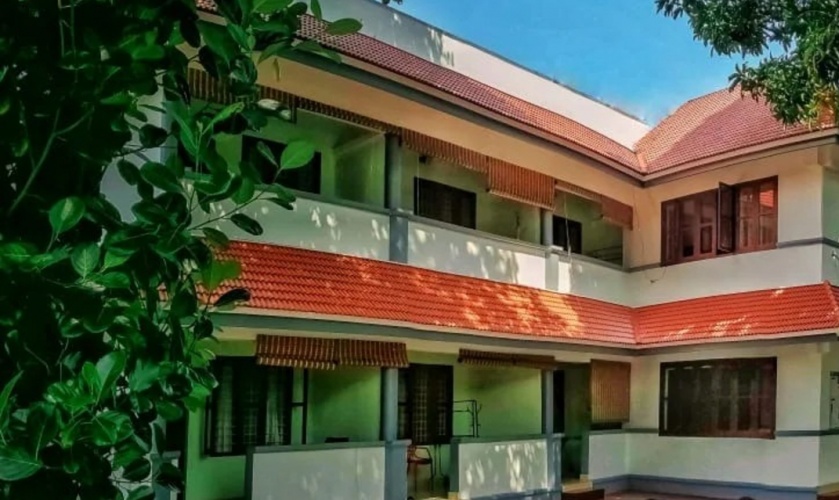
Sarathy Ayurvedic Hospital
India/Kerala/Kochi
Starting Rate Per Night: ₹ 7,000

Sarathy Ayurvedic Hospital is an Ayurveda and Panchakarma healthcare institution established in 2004 by Dr. P. K. Lathika at Elookkara, Aluva, Ernakulam, Kerala, on the banks of the Periyar River. The hospital combines...

Ayur Village Retreat
India/Kerala/Kochi
Starting Rate Per Night: ₹ 10,000
Ayur Village Retreat is an Ayurveda and Yoga sanctuary cradled in the tranquil embrace of the Periyar River, with a vast waterfront, lush greenery and birdsong creating a serene, pollution-free countryside ambience. Guests may...

Nilayoram Ayurveda Retreat
India/Kerala/Thrissur
Starting Rate Per Night: ₹ 9,495
Nilayoram Ayurveda Retreat is a riverside Ayurveda property at Painkulam, near Cheruthuruthy in Thrissur district, Kerala. The retreat occupies approximately two acres on the banks of the Bharathapuzha, or Nila River, about 34...

When a Small Tear Brings Great Pain: An Ayurvedic Path to Lasting Healing and Restored Comfort
Fissure-in-Ano is one of the most painful conditions affecting the anorectal region — a small linear tear in the anal canal lining that produces pain remarkably disproportionate to the apparent size of the lesion. The condition affects an estimated 11% of adults at some point in life with peak incidence in young to middle-aged adults, affecting men and women approximately equally, and substantially impacting quality of life when chronic or recurrent. For affected patients, the experience is qualitatively defined by a characteristic and unforgettable pain pattern: severe, sharp, cutting pain during defecation often described as "passing broken glass" or "razor blades," followed by sustained throbbing or burning pain that can persist for hours after each bowel movement, with the anticipation and dread of the next bowel movement producing substantial anxiety, behavioural avoidance of defecation that paradoxically worsens the condition, and progressive impact on daily activities, work performance, relationships, and overall psychological wellbeing. Many patients suffer in silence due to embarrassment about discussing anorectal symptoms, attempting various self-treatments before seeking medical care, often allowing what could be an acute self-limiting condition to progress into chronic disease requiring intervention.
The clinical presentation has characteristic features that allow accurate diagnosis. The cardinal symptom is severe pain during and after defecation — typically described as sharp, cutting, or tearing during the act itself, often followed by sustained burning or throbbing pain that can persist for several hours afterward (sometimes called "sphincter spasm pain"). Bright red bleeding with defecation is common — typically small amounts noticed on toilet paper or coating the stool surface, distinguishable from the darker bleeding of higher gastrointestinal sources or the heavier bleeding sometimes seen with hemorrhoids. Sentinel pile (skin tag at the external end of the fissure) is characteristic of chronic fissures, often mistaken by patients for hemorrhoids. Hypertrophied anal papilla at the internal end develops in chronic cases. Anal sphincter spasm is a defining pathophysiological feature, with the involuntary spasm of the internal anal sphincter both contributing to pain and impairing healing through reduced blood flow to the fissure. Constipation is frequently both cause and consequence — initial constipation precipitates fissure development, then pain leads to defecation avoidance, leading to worsening constipation in a self-perpetuating cycle. Itching, discharge, and chronic irritation in chronic cases.
The pathophysiology centers on the unique anatomical and physiological features of the anal canal that explain both why fissures develop and why they often fail to heal. The anal canal is lined by sensitive squamous epithelium below the dentate line — the same type of tissue that lines the skin externally — making this area highly sensitive to mechanical and chemical irritation. The internal anal sphincter maintains involuntary tonic contraction providing baseline continence, with relaxation during defecation under autonomic and voluntary control. Posterior midline location is the site of approximately 90% of anal fissures due to specific anatomical and vascular factors at this location — the posterior commissure has the poorest blood supply in the anal canal (the posterior arteries from the inferior rectal vessels reach this area inadequately), making it both more vulnerable to injury and less able to heal once injured. Initial fissure formation typically follows passage of hard, dry stool or occasionally large stool causing mechanical trauma to the anal lining. The sphincter response — involuntary contraction in response to pain — produces increased anal canal pressure that further reduces blood flow to the already-poorly-vascularised posterior commissure. This ischemia prevents normal healing of the fissure, with the persistent fissure causing continued pain and continued sphincter spasm in a self-perpetuating ischemic cycle. The chronic high-pressure low-blood-flow state explains why anal fissures often fail to heal spontaneously despite the apparently superficial nature of the tissue defect, and why treatment approaches centered on reducing sphincter pressure (calcium channel blockers, nitrates, botulinum toxin, lateral internal sphincterotomy) have proven effective.
The classification distinguishes important clinical categories. Acute fissure — Recently developed (less than 6-8 weeks duration), often heals with conservative measures, characterised by a clean linear tear without secondary chronic changes. Chronic fissure — Persistent more than 6-8 weeks, characterised by the development of secondary chronic features including sentinel pile externally, hypertrophied anal papilla internally, visible internal sphincter fibres at the base, and indurated edges. Chronic fissures typically do not heal without active intervention. Atypical fissure — Located at sites other than posterior or anterior midline, multiple fissures, or with features suggesting underlying disease (Crohn's disease, tuberculosis, HIV/AIDS, syphilis, malignancy) requires investigation for the underlying condition rather than typical fissure management.
The risk factors are well-characterised. Constipation is the most common precipitating factor — hard, dry stool producing mechanical trauma during passage initiates most fissures. Hard stool from inadequate dietary fiber, inadequate water intake, medication-induced constipation (opioid analgesics, iron supplements, calcium channel blockers, anticholinergic medications), postponement of defecation urges producing harder stool over time, anal trauma from various causes including childbirth (particularly traumatic deliveries with anal injury), anorectal procedures, anal intercourse, and other causes. Chronic diarrhea paradoxically also predisposes — repeated frequent defecation causing chronic irritation. Pregnancy and postpartum period with specific risk factors. Inflammatory bowel disease — Crohn's disease particularly produces atypical fissures. HIV/AIDS and other immunocompromise. Anal stenosis or other anatomical abnormalities. Sedentary lifestyle with contributory effects on bowel function. Stress with its effects on bowel function.
Diagnosis is fundamentally clinical based on history and gentle visual examination of the perianal region typically revealing the characteristic linear fissure in posterior or anterior midline. Digital rectal examination is generally deferred during acute painful presentation as it can cause severe pain and provide limited diagnostic information when the fissure is already visible. Anoscopy or proctoscopy may be considered in selected cases for further evaluation, often performed after initial treatment when patient can tolerate examination. Investigation for underlying causes for atypical fissures including assessment for inflammatory bowel disease, HIV testing in appropriate populations, syphilis testing, and other relevant investigations.
Modern management offers a range of approaches with substantial evidence:
Conservative management is foundational and successfully treats the majority of acute fissures:
- Dietary modification with increased fiber (25-35 grams daily) and adequate fluid intake (2-3 liters daily) to produce softer stools
- Stool softeners and bulk-forming laxatives as needed
- Sitz baths in warm water for 15-20 minutes 2-3 times daily and after each bowel movement (foundational symptomatic management)
- Topical analgesics for symptom relief
- Avoidance of straining and prolonged toileting
- Lifestyle modifications addressing contributing factors
Topical medical therapy for fissures not responding to conservative measures alone or for chronic fissures:
- Topical glyceryl trinitrate (GTN) 0.2-0.4% — Reduces internal sphincter pressure and increases blood flow to the fissure; effective but limited by headache side effects in many patients
- Topical calcium channel blockers (diltiazem 2% or nifedipine 0.2-0.3%) — Similar mechanism to GTN with fewer side effects, increasingly preferred first-line topical therapy
- Topical local anesthetics for symptomatic relief
Botulinum toxin injection into the internal anal sphincter provides temporary chemical sphincterotomy with healing rates around 60-80%, particularly useful for patients who fail topical therapy or want to avoid surgery.
Lateral internal sphincterotomy (LIS) — The gold-standard surgical treatment with healing rates above 90%, involving controlled division of the lower portion of the internal anal sphincter to reduce pressure and improve blood flow. Concerns about minor continence disturbance limit its use in some populations (women of childbearing age particularly).
Anal advancement flap — For selected complex cases or patients with concerns about sphincterotomy.
Fissurectomy with topical therapy or other approaches for selected cases.
Treatment of underlying conditions for atypical fissures including inflammatory bowel disease management, infectious disease treatment, or other condition-specific care.
These approaches provide effective treatment for most patients and remain the foundation of fissure-in-ano management.
Within this framing, where might integrative Ayurvedic care fit? Substantial therapeutic gaps and complementary roles exist where Ayurveda offers genuine value:
Patients with acute fissures seeking comprehensive natural management — Acute fissures often respond to conservative measures, and integrative Ayurvedic care provides comprehensive supportive approach including dietary regulation, sitz baths, topical applications, and constitutional support.
Patients with chronic fissures who have not responded to topical therapy — Where the next step in conventional care would be botulinum toxin or surgery, integrative Ayurvedic care offers comprehensive alternative approach combining the classical wound healing modalities with constitutional rebuilding.
Patients seeking to avoid surgical intervention — Some patients have legitimate concerns about lateral internal sphincterotomy particularly regarding continence implications, with integrative care offering substantive alternative.
Patients with recurrent fissures after previous treatment — Where recurrent pattern suggests underlying contributing factors (chronic constipation, dietary factors, lifestyle factors) that comprehensive integrative care can address.
Post-surgical patients seeking recovery support — Those who have undergone sphincterotomy or other procedures seeking comprehensive integrative care during recovery.
Patients with associated chronic constipation requiring comprehensive management — Recognising that fissure recurrence prevention depends substantially on resolving underlying constipation, with integrative Ayurvedic care offering particularly strong contribution through Avipattikara Churna and broader Vata-Pitta digestive regulation.
Patients with constitutional Pitta excess and digestive instability — Recognising the Pitta-Vata dimensions of chronic fissure pathology and the constitutional vulnerabilities that perpetuate the condition.
Pregnant and postpartum patients — Those with fissures developed during or after pregnancy seeking gentle natural approaches appropriate for these specific life phases.
Patients with combined anorectal conditions — Those with fissure alongside hemorrhoids, chronic constipation, or other anorectal conditions benefiting from comprehensive integrative management.
This is where classical Ayurvedic care offers a meaningful contribution that integrates well with modern proctology. Classical Ayurveda addresses anal fissure within the framework of Parikartika (literally "cutting around" — referring to the cutting/tearing pain characteristic of anal fissure) with substantial classical literature in Charaka Samhita, Sushruta Samhita, and Madhava Nidana. The classical recognition of this specific condition as a distinct clinical entity with characteristic features (severe cutting pain during and after defecation, bleeding, association with constipation) reflects sophisticated clinical observation. The classical understanding involves Vata-Pitta vitiation with chronic Apana Vayu dysfunction (Apana Vayu being the specific sub-type of Vata governing downward movement and elimination), Pitta-Rakta dimensions producing the inflammatory and bleeding features, and the chronic Vata vitiation patterns that perpetuate the condition. The classical therapeutic approach through Avagaha (sitz baths) with medicated decoctions, Jatyadi Taila classical wound-healing oil application, Triphala-based wound care, Avipattikara Churna as the foundational classical formulation for digestive regulation and Pitta-Vata pacification with substantial relevance to fissure management, internal herbal therapy addressing the constitutional dimensions, dietary regulation addressing the underlying digestive patterns, and comprehensive lifestyle integration provides comprehensive care for fissure-in-ano alongside continued conventional management where indicated.
A Fissure-in-Ano treatment retreat is best understood as integrative care — undertaken for patients across the spectrum from acute fissures seeking comprehensive natural management to chronic fissures considering alternatives to surgery, recurrent disease, post-surgical recovery, and patients with underlying chronic constipation requiring sustained management — alongside continued surgical specialist coordination where indicated.
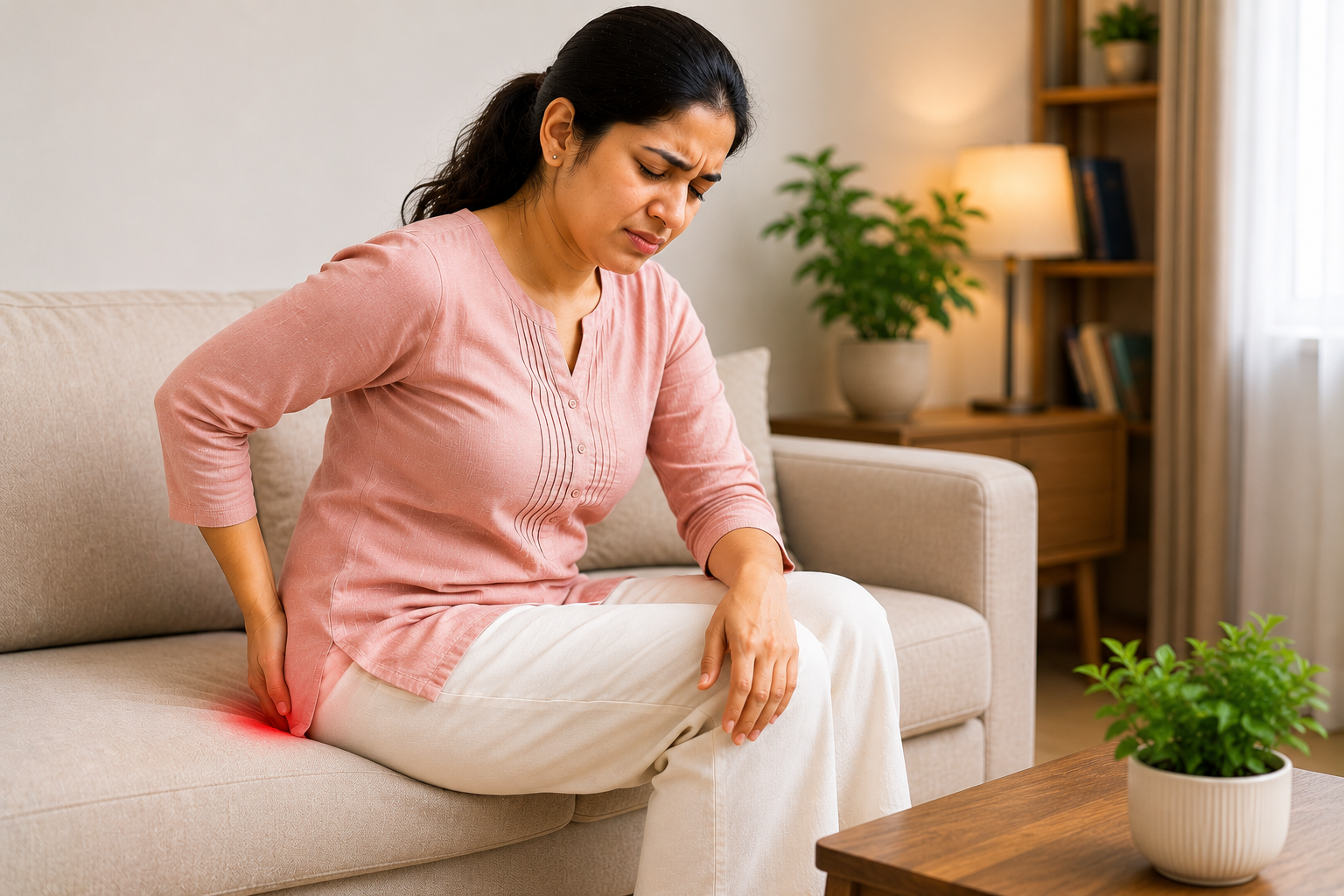
What is Fissure-in-Ano?
Fissure-in-Ano is a linear tear or split in the lining of the anal canal, typically located in the posterior or anterior midline, producing severe pain during and after defecation, bleeding, and chronic discomfort. The condition is fundamentally a wound healing disorder where chronic anal sphincter spasm reduces blood flow to the already-poorly-vascularised posterior commissure, preventing normal healing of what would otherwise be a minor tear.
Anatomy and pathophysiology:
The anal canal extends from the dentate line (also called pectinate line) where rectal mucosa transitions to anal squamous epithelium, down to the anal verge externally. The dentate line marks an important transition — above this point is rectal mucosa with autonomic nerve supply (relatively pain-insensitive), below this point is squamous epithelium with somatic nerve supply (highly pain-sensitive, similar to skin). Anal fissures occur below the dentate line in the highly pain-sensitive squamous epithelium, explaining the characteristic severe pain. The internal anal sphincter is the involuntary smooth muscle providing baseline anal canal closure, with the external anal sphincter providing voluntary control. Both contribute to anal canal pressure and continence.
Vascular anatomy explains the predilection for posterior midline location — the posterior commissure has the poorest blood supply in the anal canal, making it both more vulnerable to injury and less able to heal once injured. The internal sphincter spasm response to fissure pain further reduces blood flow to this already-compromised area, creating the self-perpetuating ischemic cycle that characterises chronic fissures.
Pathogenesis:
- Initial fissure formation typically follows passage of hard dry stool or large stool causing mechanical trauma to the anal lining
- The fissure produces pain
- Pain triggers involuntary internal sphincter spasm
- Sphincter spasm increases anal canal pressure
- Increased pressure further reduces blood flow to the poorly-vascularised posterior commissure
- Ischemia prevents normal fissure healing
- Persistent fissure causes continued pain and continued sphincter spasm
- The cycle perpetuates indefinitely without intervention
- Chronic fissures develop secondary features (sentinel pile, hypertrophied anal papilla, fibrosis)
Common symptoms:
- Severe pain during defecation — Sharp, cutting, tearing quality, often described as "passing broken glass" or "razor blades"
- Persistent pain after defecation — Sustained burning or throbbing pain that can persist for hours
- Bright red bleeding — Typically small amounts on toilet paper or coating stool surface
- Anal sphincter spasm — Involuntary spasm contributing to pain and impairing healing
- Constipation — Often both cause and consequence
- Behavioural avoidance of defecation due to pain anticipation
- Anxiety and dread about bowel movements
- Itching and chronic irritation around the anal area
- Discharge in chronic cases
- Sentinel pile — Skin tag at external end of fissure (chronic cases)
- Hypertrophied anal papilla — At internal end (chronic cases)
- Sleep disturbance from anticipation and discomfort
- Quality of life impact that can be substantial
Classification:
Acute fissure — Less than 6-8 weeks duration:
- Clean linear tear without chronic features
- Often heals with conservative measures (60-80% spontaneous healing rate with appropriate conservative management)
Chronic fissure — Persistent more than 6-8 weeks:
- Secondary chronic features (sentinel pile, hypertrophied papilla, exposed sphincter fibres at base, indurated edges)
- Typically does not heal without active intervention
- Requires more aggressive treatment
Atypical fissure — Sites other than posterior/anterior midline, multiple fissures, or unusual features:
- Requires investigation for underlying disease (Crohn's disease, infection, malignancy)
- Specific management based on underlying cause
Risk factors:
- Constipation and hard stool (most common)
- Inadequate dietary fiber
- Inadequate fluid intake
- Medication-induced constipation
- Postponement of defecation urges
- Chronic diarrhea
- Pregnancy and postpartum
- Childbirth trauma (particularly traumatic deliveries)
- Anorectal trauma from various causes
- Inflammatory bowel disease (particularly Crohn's)
- HIV/AIDS and other immunocompromise
- Anal stenosis
- Sedentary lifestyle
- Stress
Diagnosis:
- Clinical history — Characteristic pain pattern (severe pain during and after defecation), bleeding, constipation history, duration, prior treatments
- Gentle visual examination — Spreading buttocks to visualise the fissure, typically revealing characteristic linear tear in posterior or anterior midline
- Digital rectal examination — Generally deferred during acute painful presentation; may be performed when patient can tolerate
- Anoscopy — In selected cases, often after initial treatment when patient can tolerate
- Investigation for underlying causes — For atypical fissures including IBD assessment, HIV testing, syphilis testing where indicated
Understanding Parikartika: The Ayurvedic Root of Fissure-in-Ano
The Ayurvedic understanding of fissure-in-ano sits within the framework of Parikartika with substantial classical literature in Charaka Samhita, Sushruta Samhita, Ashtanga Hridaya, and Madhava Nidana. The term "Parikartika" derives from "Pari" (around) and "Kartika" (cutting), literally meaning "cutting around" — capturing precisely the characteristic cutting pain pattern that defines anal fissure. The classical recognition of this specific condition as a distinct clinical entity with characteristic features, doshic understanding, and treatment principles represents remarkable clinical observation that anticipates many modern understandings.
The core pathophysiological concepts include:
Parikartika as Vata-Pitta Pathology with Apana Vayu Dysfunction — The classical recognition that Parikartika represents combined Vata-Pitta vitiation with specific dysfunction of Apana Vayu (the Vata sub-type governing downward movement, elimination, and lower abdominal functions). Vata contributes the sharp cutting pain quality, the sphincter spasm, and the chronic dysfunctional healing patterns. Pitta contributes the burning quality, bleeding, inflammatory features, and the warm-discharge dimensions. The Vata-Pitta combination produces the characteristic fissure presentation with both cutting pain (Vata) and burning bleeding (Pitta).
Apana Vayu Dysfunction — Specifically Apana Vayu — one of the five sub-types of Vata governing the lower abdominal and pelvic region with primary functions including elimination of feces and urine, menstrual function, ejaculation, and parturition — is centrally involved in fissure pathology. The chronic Apana Vayu dysfunction underlies the constipation that initiates fissures, the sphincter dysfunction that perpetuates them, and the broader lower-pelvic dysfunction that often accompanies chronic anorectal conditions. Restoration of normal Apana Vayu function is foundational to comprehensive fissure management and represents one of the most clinically valuable applications of Apana Vayu-specific therapy.
Pitta-Rakta Dimensions — The bleeding, inflammatory, and burning features involve Pitta-Rakta vitiation requiring specific Pitta-pacifying and Rakta-shodhaka approaches. Classical recognition that anorectal bleeding represents specific Pitta-Rakta pathology guides therapeutic selection.
Vrana (Wound) Pathology — The fissure as a wound requires application of classical wound care principles including the broader Vrana management framework with attention to wound type (Parikartika as specific anorectal wound), wound phase, contributing factors, and healing requirements.
Krimi Considerations — Classical recognition of potential microbial contributions to chronic anorectal conditions, with appropriate antimicrobial herbs relevant to broader management.
Mansika Bhava (Mental-Emotional Dimensions) — Classical recognition that chronic anorectal conditions produce substantial mental-emotional dimensions including the anxiety and dread of defecation, the behavioural avoidance patterns, and the broader psychological impact — with appropriate Manasika Chikitsa providing supportive integration.
Predisposing Nidana (Causes) Classical Ayurveda Identifies:
- Vishtambha (constipation) — Recognised as primary causative factor, remarkably consistent with modern understanding
- Excessive intake of dry, hard, cold, spicy, and Vata-Pitta aggravating foods
- Suppression of natural urges including bowel urges (recognised classical cause matching modern recognition)
- Excessive intake of alcohol
- Sedentary lifestyle and prolonged sitting
- Improper bowel habits (straining, prolonged toilet sitting)
- Chronic stress and Manasika Bhava disturbance
- Pregnancy-related vulnerabilities (recognised in classical texts)
- Hot climate exposure aggravating Pitta
- Constitutional predisposition (Pitta-Vata Prakriti particularly vulnerable)
- Aging-related Dhatu Kshaya
This comprehensive understanding shapes the Ayurvedic approach to fissure-in-ano: address Vata-Pitta vitiation through targeted internal and external therapy; restore Apana Vayu function as foundational element through Avipattikara Churna, dietary regulation, and Vata-pacifying support; address Pitta-Rakta dimensions through cooling Pitta-pacifying and Rakta-shodhaka herbs; support wound healing through classical Vrana management with sitz baths, Jatyadi Taila application, and Triphala-based wound care; manage constipation as essential element through comprehensive digestive regulation; address Mansika Bhava through appropriate supportive care; comprehensive lifestyle integration addressing modifiable factors particularly dietary, bowel habit, and stress dimensions — alongside continued surgical specialist coordination where indicated for complex or refractory disease.
The 3 Stages of Ayurvedic Treatment for Fissure-in-Ano
Ayurvedic care for Fissure-in-Ano follows a carefully sequenced three-stage approach, adapted to the specific clinical scenario (acute fissure, chronic fissure, recurrent fissure, post-surgical recovery), severity and chronicity, presence of secondary features, prior treatment history, contributing factors particularly constipation pattern, comorbidities, and overall constitutional state.
1. Preparation (Purva Karma) The preparatory stage begins with comprehensive assessment including detailed history of fissure development, duration (acute versus chronic), pain pattern, bleeding pattern, current bowel pattern with particular attention to constipation, prior treatment history including any topical medications or procedural interventions, contributing factors particularly dietary and lifestyle, comorbidities, and constitutional profile. Surgical specialist coordination where appropriate, particularly for chronic fissures, atypical fissures requiring evaluation, or patients who have failed previous medical management.
Deepana-Pachana addresses metabolic background with appropriate digestive support. Internal Snehana (oleation) with appropriate medicated ghees: Triphala Ghrita as foundational with wound-supportive properties; Tiktaka Ghrita for chronic inflammatory dimensions; Mahatiktaka Ghrita for Pitta-Rakta dominant patterns. Internal Snehana provides systemic Vata-Pitta pacification and the broader constitutional preparation.
Sitz bath protocol establishment — Foundational symptomatic management beginning immediately during preparation: warm water sitz baths for 15-20 minutes after each bowel movement and 2-3 additional times daily, ideally with medicated decoctions including Triphala Kashayam, Panchavalkala Kashayam (decoction of five barks with specific wound-healing properties), or other appropriate herbal preparations matched to clinical pattern. Sitz baths provide immediate symptomatic relief, support local hygiene, reduce sphincter spasm through gentle warmth, and create optimal local healing environment.
Local applications — Jatyadi Taila application after sitz bath and bowel movements as foundational wound-healing oil with substantial classical and emerging modern evidence for anorectal wound healing.
Dietary modifications initiated during preparation:
- High fiber intake (25-35 grams daily) through fruits, vegetables, whole grains
- Adequate fluid intake (2-3 liters daily)
- Avoidance of constipating foods, excessive spicy foods, alcohol, refined foods
- Inclusion of specific bowel-supportive foods (figs, prunes, papaya, leafy greens)
Bowel habit modification:
- Responding promptly to bowel urges
- Avoiding prolonged toilet sitting
- Appropriate toilet positioning (squatting position support)
- Avoiding straining
- Regular timing for bowel movements
Foundational lifestyle measures — Regular exercise particularly walking, stress management initiation, addressing prolonged sitting where occupationally relevant.
2. Core Treatment (Pradhana Karma) Primary therapies focus on three coordinated lines: comprehensive local wound care, internal herbal therapy addressing Vata-Pitta and Apana Vayu dimensions, and digestive regulation as essential foundation.
Comprehensive local wound care:
Avagaha (sitz baths) continue as cornerstone of local management — warm water sitz baths with appropriate medicated decoctions multiple times daily and after each bowel movement, providing the foundational local healing environment.
Jatyadi Taila application — The classical medicated oil containing Jati (Jasminum officinale), Triphala, Karaveera, Karanja, and other specific wound-healing herbs in sesame oil base, with substantial classical use and emerging modern evidence specifically for anorectal wound healing. Applied gently to the fissure after sitz baths and bowel movements multiple times daily, providing antimicrobial, anti-inflammatory, and tissue-supportive effects directly to the affected area.
Triphala paste application in appropriate phases providing direct wound-supportive effect.
Yashtimadhu (Glycyrrhiza glabra) preparations in various local applications for the substantial soothing, anti-inflammatory, and wound-healing properties of licorice with established evidence in anorectal applications.
Aloe vera applications as supportive local treatment with cooling Pitta-pacifying and wound-supportive effects.
Pratisarana (specific medicated paste applications) in selected cases requiring specialised local therapy.
Internal herbal therapy addressing Vata-Pitta and Apana Vayu dimensions:
Avipattikara Churna — The cornerstone classical formulation for Pitta-Vata digestive disorders with foundational application in fissure management. The formulation contains Trivrit (Operculina turpethum), Trikatu (Pippali-Maricha-Shunthi), Triphala, Vidanga, Mustha, Tejabala, Lavanga, Karpoora, Patra in specific proportions, providing combined Pitta-pacifying, mild laxative, digestive-regulating, and Apana Vayu-supportive effects. Avipattikara Churna is particularly clinically valuable for fissure-in-ano addressing simultaneously the constipation (through its mild laxative action), the Pitta-Rakta dimensions (through its Pitta-pacifying components), and the Apana Vayu dysfunction (through its broader digestive regulating effects). Administered at appropriate doses adjusted to individual bowel response.
Triphala — Foundational antioxidant, antimicrobial, wound-supportive, and gentle laxative formulation with multiple relevant actions for fissure management.
Yashtimadhu internally for anti-inflammatory and tissue-supportive effects.
Haridra (Turmeric) in various preparations for anti-inflammatory action.
Guggulu preparations including Kaishore Guggulu for chronic inflammatory dimensions and Triphala Guggulu for combined Triphala and Guggulu actions.
Manjistha for Rakta Vaha Srotas support and chronic inflammatory dimensions.
Cooling Pitta-pacifying herbs including Sariva (Hemidesmus indicus), Chandana, and Usheera for the Pitta-Rakta dimensions.
Bilwa (Aegle marmelos) with substantial classical use for digestive regulation, particularly in chronic diarrhea-related fissures.
Bowel-supportive formulations:
- Sat Isabgol (psyllium husk) for bulk-forming gentle laxative effect
- Ghritakumari (Aloe vera) internally
- Castor oil in appropriate doses for severe constipation under guidance
- Eranda Bhrishta Haritaki as classical preparation for Vata-pacifying laxative action
Classical formulations: Avipattikara Churna, Triphala Churna, Yashtimadhu Churna, Kaishore Guggulu, Triphala Guggulu, Sat Isabgol preparations, Eranda Bhrishta Haritaki, Pilex and similar proprietary preparations, Saraswatarishtam for stress dimensions, and various other preparations prescribed individually.
Digestive regulation as essential foundation — Comprehensive approach throughout core treatment including dietary regulation, bowel habit modification, identified trigger management, and broader Apana Vayu-supportive practices. This dimension is absolutely central to fissure management — without effective constipation management, even successful initial fissure healing typically results in recurrence.
Yoga and pranayama supportive practices:
- Pavanamuktasana (wind-relieving pose) and other digestive-supportive asanas
- Ardha Matsyendrasana (half lord of the fishes pose) for digestive stimulation
- Anulom Vilom pranayama for autonomic balance
- Bhramari pranayama for nervous system regulation
- Mula Bandha practice in appropriate cases for pelvic floor awareness and tone (with appropriate guidance distinguishing therapeutic from contraindicated phases)
Stress management with meditation, structured stress reduction practices, and lifestyle modifications addressing chronic stress dimensions.
3. Rejuvenation (Paschat Karma) The final stage focuses on long-term healing, recurrence prevention, and constitutional rebuilding:
Sustained dietary patterns — High fiber intake as long-term pattern, adequate fluid intake, avoidance of constipating foods, inclusion of bowel-supportive foods, regular meal timing supporting bowel rhythm.
Sustained internal herbal therapy — Continued Avipattikara Churna or appropriate alternatives at adjusted doses, Triphala for ongoing support, constitutional Rasayana.
Continued bowel habit practices — Responding to urges, appropriate timing, posture, avoiding straining.
Continued local care — Periodic sitz baths if recurrence symptoms develop, Jatyadi Taila for any irritation or early signs.
Sustained stress management and lifestyle modifications.
Constitutional Rasayana — Sustained Chyawanprash, Brahma Rasayana, and constitutional Rasayana addressing the broader constitutional dimensions affecting recurrence risk.
Continued surgical specialist follow-up where appropriate for complex or recurrent disease.
Family education about recurrence prevention and warning signs.
Home maintenance regimen with prescribed medicines and lifestyle practices designed for sustained long-term outcomes recognising recurrence prevention as the key challenge in fissure management.
The 5 Core Therapies for Fissure-in-Ano Explained
1. Avagaha (Sitz Baths with Medicated Decoctions) Avagaha — therapeutic sitz baths — is the most clinically valuable single intervention for fissure-in-ano and the foundational symptomatic and healing modality, with substantial classical use and strong modern evidence. The technique involves the patient sitting in warm water (38-40°C, comfortable warm but not hot) covering the perineal and anal region, typically in a basin specifically designed for sitz baths or in a bathtub, for 15-20 minutes per session. Frequency: After each bowel movement (essential for both symptomatic relief and healing support) plus 2-3 additional sessions throughout the day. Medicated decoctions used in WellnessLoka retreat programs: Triphala Kashayam (decoction of Amalaki, Bibhitaki, Haritaki) providing antimicrobial, antioxidant, and wound-healing properties; Panchavalkala Kashayam (classical decoction of five medicinal barks — Vata, Udumbara, Ashwattha, Parisha, Plaksha) with substantial wound-healing reputation in classical anorectal applications; Yashtimadhu Kashayam for soothing anti-inflammatory effect; Neem Kashayam for antimicrobial action; simple warm water as basic accessible alternative. Mechanism of action: The warm water sitz bath provides multiple therapeutic effects — direct soothing and pain relief, reduction of sphincter spasm through gentle warmth (addressing the central pathophysiological feature), improved blood flow to the affected area (countering the ischemic state that prevents healing), gentle cleansing without trauma, herbal medication delivery through the decoction, and the broader relaxation response. Mechanism specific to fissure pathology: The sphincter spasm reduction is particularly valuable because it directly addresses the self-perpetuating ischemic cycle — the warm water induces sphincter relaxation, blood flow to the poorly-vascularised posterior commissure improves, healing is supported, and the cycle is interrupted. This is one of the few non-invasive interventions that directly addresses the central pathophysiological mechanism of chronic fissure persistence.
2. Jatyadi Taila Application and Local Wound Care Jatyadi Taila is the most clinically important classical medicated oil for anorectal wound healing, with substantial classical use and emerging modern evidence specifically for fissure-in-ano applications. The formulation contains Jati (Jasminum officinale) as principal ingredient providing antimicrobial and wound-healing properties, combined with Triphala (Amalaki, Bibhitaki, Haritaki), Karaveera (Nerium indicum), Karanja (Pongamia pinnata), Yashtimadhu (Glycyrrhiza glabra), Haridra (Curcuma longa), Neem, Madhuyashti, and other specific wound-healing herbs in a sesame oil base, prepared through classical methodology to produce a medicated oil with combined antimicrobial, anti-inflammatory, granulation tissue-promoting, and tissue-supportive properties. Application technique: Gentle external application to the fissure area after sitz baths and bowel movements, multiple times daily (typically 3-4 times). For internal application reaching deeper into the anal canal, specific applicator techniques may be used with appropriate medical guidance. Modern evidence: Multiple published clinical studies including some randomised controlled trials supporting Jatyadi Taila for fissure healing with outcomes comparable to or sometimes better than topical glyceryl trinitrate (GTN) or topical calcium channel blockers, with substantially better tolerability — no headache (the limiting side effect of GTN), no flushing, no other significant systemic effects. Combined therapy synergy: Jatyadi Taila combined with Avagaha sitz baths and dietary regulation provides comprehensive local management that often substitutes for topical medical therapy in conventional management. The combination represents one of the most successful examples of classical Ayurvedic local therapy with rigorous modern validation.
3. Avipattikara Churna and Digestive Regulation Avipattikara Churna is the cornerstone classical formulation for the Pitta-Vata digestive disorders central to fissure-in-ano pathology, with foundational application in comprehensive fissure management addressing the constipation that initiates and perpetuates the condition. The formulation contains Trivrit (Operculina turpethum) as principal ingredient providing mild reliable laxative action, combined with Trikatu (Pippali, Maricha, Shunthi — the three pungents) for digestive stimulation, Triphala (Amalaki, Bibhitaki, Haritaki) for broader digestive support, Vidanga (Embelia ribes) for digestive parasites and broader digestive regulation, Mustha (Cyperus rotundus) for digestive support, Tejabala (Zanthoxylum armatum), Lavanga (clove), Karpoora (camphor), Patra (Cinnamomum tamala) in specific proportions following classical formulation principles. Therapeutic effects: The formulation provides combined mild reliable laxative action addressing the constipation central to fissure pathology — typically producing one or two soft formed bowel movements daily without the harsh action of stimulant laxatives that can worsen the condition; Pitta-pacifying action addressing the Pitta-Rakta dimensions of fissure pathology including the burning quality and bleeding tendency; Apana Vayu-supportive action restoring normal downward movement and elimination patterns central to fissure resolution; digestive regulation addressing the broader digestive dysfunction common in chronic fissure patients. Clinical use: Administered at appropriate doses (typically 3-5 grams once or twice daily, adjusted to individual bowel response) with warm water before meals or before bedtime. Critical clinical value: Avipattikara Churna addresses simultaneously the constipation, Pitta-Rakta dimensions, and Apana Vayu dysfunction — providing comprehensive internal therapy that complements the local wound care, distinguishing integrative Ayurvedic fissure management from purely symptomatic approaches.
4. Comprehensive Dietary and Lifestyle Management The fourth therapeutic dimension addresses the fundamental contributing factors to fissure-in-ano through comprehensive dietary and lifestyle management, recognising that without effective constipation management even successful initial fissure healing typically results in recurrence. Dietary patterns supporting bowel health: High fiber intake (25-35 grams daily for adults) through diverse sources — vegetables (leafy greens, root vegetables, cabbage family), fruits (particularly figs, prunes, papaya, ripe banana, pears, apples with skin), whole grains (oats, brown rice, whole wheat, millet), legumes (lentils, beans), nuts and seeds. Adequate fluid intake (2-3 liters daily including water, herbal teas, soups, fresh fruit juices). Bowel-supportive specific foods: Triphala water (Triphala decoction or simply soaked Triphala) for ongoing gentle bowel support; figs and prunes as classical natural laxatives; papaya for digestive support; leafy greens for fiber and Pitta-pacifying effects; ghee in appropriate quantities for Vata pacification and bowel lubrication; warm cooked foods rather than cold raw foods particularly in Vata-predominant patients. Foods to limit or avoid: Constipating foods — refined flour products, fried foods, excessive cheese and dairy in constipation-prone individuals, excessive red meat, low-fiber processed foods; Pitta-aggravating foods — excessive spicy, sour, salty foods, excessive coffee, alcohol particularly during active fissure phase; dehydrating foods — excessive caffeine, alcohol. Bowel habit modification: Respond promptly to urges — never postpone defecation when urge arises (recognised classical Ayurvedic principle of avoiding Vega Dharana); avoid prolonged toileting — 5 minutes maximum, exit if no bowel movement and try later; appropriate posture — squatting position more natural than sitting; avoid straining absolutely (recognised as major fissure-worsening factor); regular timing — establish consistent timing supporting bowel rhythm, typically morning after warm water; adequate privacy and unhurried time for proper bowel function. Physical activity: Regular walking (30 minutes daily minimum) substantially supports bowel function; structured exercise appropriate to individual capacity; yoga practices particularly digestive-supportive asanas (Pavanamuktasana, Ardha Matsyendrasana, Vajrasana after meals). Stress management: Chronic stress substantially affects bowel function and contributes to fissure pathology — structured stress management through meditation, pranayama (Bhramari particularly valuable, Anulom Vilom), yoga adapted to constitutional pattern. Avoiding prolonged sitting — periodic movement breaks for occupational situations involving prolonged sitting.
5. Constitutional Rebuilding, Recurrence Prevention, and Long-Term Integrative Care The fifth therapeutic dimension provides sustained constitutional rebuilding and comprehensive recurrence prevention recognising fissure-in-ano as often chronic-recurring condition requiring sustained integrated management. Sustained Rasayana therapy with Chyawanprash, Brahma Rasayana, Ashwagandharishtam, Saraswatarishtam addressing the broader constitutional dimensions affecting tissue healing capacity and recurrence vulnerability. Pitta-pacifying constitutional management for Pitta-predominant individuals with particular vulnerability to fissure recurrence — including dietary patterns appropriate for Pitta constitution, cooling lifestyle practices particularly in hot seasons, and broader Pitta-balancing approaches. Apana Vayu support as long-term focus — continued attention to dietary and lifestyle factors supporting Apana Vayu function, periodic short courses of Avipattikara Churna or appropriate alternatives if early symptoms develop. Stress management as essential element recognising the substantial chronic stress dimensions of recurring fissure patients and the bidirectional relationship between stress and bowel function. Sleep restoration with structured sleep hygiene supporting overall tissue recovery and immune function. Continued local hygiene practices without becoming obsessive — appropriate gentle cleansing after bowel movements, avoiding harsh soaps or irritating products, proper drying. Sexual practices considerations with appropriate gentle care for those whose practices contribute to anorectal trauma. Pregnancy and postpartum considerations for women planning pregnancy or in postpartum period — specific attention to bowel function during these phases, appropriate dietary and lifestyle modifications, gentle integrative care. Periodic clinical follow-up with awareness of recurrence warning signs (return of pain during defecation, bleeding, sphincter spasm) and early intervention if recurrence develops. Continued integrative care with periodic retreat visits annually for ongoing support, treatment refinement, and constitutional rebuilding. Surgical specialist relationship maintenance for those with complex or recurrent disease ensuring continuity of comprehensive care.
How Long Should an Ayurvedic Treatment Program for Fissure-in-Ano Last?
|
Therapeutic Benefit | ||
| 7–14 days | Initial pain relief, established Avagaha protocols, completed Jatyadi Taila local therapy course, established Avipattikara Churna therapy | ||
| 14–21 days | Moderate healing, established comprehensive dietary and lifestyle modifications, constitutional support foundation | ||
| 21–28 days |
|
||
| 28+ days | Severe chronic fissure, post-surgical recovery, complex multi-comorbid presentations with recurrent disease |
The exact duration of your Fissure-in-Ano treatment is decided after consultation with the Ayurvedic doctor in coordination with surgical specialist where appropriate, based on the specific clinical scenario (acute fissure, chronic fissure, recurrent disease, post-surgical recovery), severity, presence of secondary chronic features, prior treatment history, contributing factors particularly constipation pattern, comorbidities, and treatment goals. As a general guide, 14 to 28 days supports meaningful healing for most fissure presentations, with longer programs of 28 days or more recommended for chronic refractory disease, complex multi-comorbid presentations, and post-surgical recovery requiring extensive constitutional rebuilding. For acute fissures specifically, often 7-14 days of intensive integrative care produces substantial healing with continued home regimen consolidating outcomes. Because fissure-in-ano has substantial recurrence rates without comprehensive management of underlying constipation and lifestyle factors, the home regimen of prescribed herbal medicines, continued dietary patterns supporting bowel health, sustained bowel habit modifications, stress management, and continued integrative care after the retreat is what genuinely prevents recurrence over the months and years that follow.
Book Consultation
Benefits of an Ayurvedic Treatment Retreat for Fissure-in-Ano
| Physical Benefits | Healing and Symptom Benefits | Long-Term Impact | ||||
|
Effective fissure healing through comprehensive approach | Sustained recurrence prevention through lifestyle integration | ||||
| Reduced sphincter spasm through warm sitz baths | Resolved bleeding and inflammatory symptoms | Restored normal Apana Vayu function and bowel patterns | ||||
| Improved bowel patterns and reduced constipation |
|
Better quality of life with restored confidence | ||||
| Better sleep through reduced symptoms | Improved sitting comfort and daily function | Sustained constitutional health through Rasayana |
Why Kerala is the Best Place for Fissure-in-Ano Treatment
An Ayurvedic Fissure-in-Ano treatment retreat in Kerala, India offers the most clinically authentic environment for the comprehensive integrative care this condition benefits from.
- Experienced physicians with specific expertise in Parikartika and the classical framework for anorectal Vata-Pitta conditions with Apana Vayu dysfunction
- BAMS and MD Ayurveda-certified doctors trained in classical Avagaha protocols, Jatyadi Taila application, and the comprehensive approach to chronic anorectal conditions
- In-house preparation of classical fissure-supportive formulations — Jatyadi Taila, Triphala Kashayam, Panchavalkala Kashayam, Avipattikara Churna, Triphala Churna, Yashtimadhu preparations, Kaishore Guggulu, Triphala Guggulu, Eranda Bhrishta Haritaki — using authentic methods and fresh herbs
- The signature Jatyadi Taila with substantial classical and emerging modern evidence for anorectal wound healing, prepared on-site using authentic methodology
- Proper facilities for safe Avagaha protocols with appropriate equipment, trained therapists, and clinical monitoring
- Capacity for integrated assessment and surgical specialist coordination where complex or refractory disease requires conventional intervention
- A long-established Kerala tradition of classical anorectal condition management
- Capacity for comprehensive dietary and lifestyle integration recognising fissure recurrence prevention requires sustained behavioural change
- Clear understanding of indications and limitations with appropriate willingness to coordinate with surgical specialists
- Capacity for sustained long-term care relationships extending beyond the retreat
Sri Lanka offers comparable tropical healing environment with growing Ayurvedic expertise in chronic anorectal conditions, while Bali provides wellness-oriented treatment retreats integrating Ayurvedic care with holistic lifestyle restructuring. For specialised Parikartika expertise and the Kerala-specific therapies including authentic Jatyadi Taila preparation, Kerala remains the destination of choice.
Fissure-in-Ano Treatment Retreats by Location and Recommended Centres
Kerala, India — The most clinically authentic destination for Ayurvedic Fissure-in-Ano treatment, with experienced physicians and the rich Kerala tradition of classical anorectal therapy including Avagaha protocols, Jatyadi Taila application, comprehensive internal therapy, and sustained constitutional support. Alleppey • Kovalam • Kumarakom • Wayanad • Palakkad
Sri Lanka — Coastal Ayurveda treatment retreats offering systemic Vata-Pitta pacification and supportive therapies in serene environment suited to chronic anorectal condition recovery. Wadduwa • Weligama • Sigiriya • Kosgoda • Bentota
Bali, Indonesia — Wellness treatment retreats integrating Ayurvedic anorectal care with holistic lifestyle restructuring and stress management in scenic tropical surroundings. Ubud • Nusa Dua • Candidasa • Lovina
WellnessLoka connects you with verified centres across these destinations — with particular care to match patients with centres that have genuine Parikartika expertise, capacity for the specialised local therapies fissure management requires, willingness to coordinate with surgical specialists where indicated, and clear understanding of the integrative role alongside continued conventional care.
Who Should Consider an Ayurvedic Fissure-in-Ano Treatment Retreat
Patients with acute fissures seeking comprehensive natural management — Those with recent-onset fissure (less than 6-8 weeks duration) seeking effective natural management with high likelihood of healing through comprehensive integrative care without progression to chronic disease.
Patients with chronic fissures who have not responded to topical therapy — Those whose fissures have persisted more than 6-8 weeks despite topical glyceryl trinitrate, calcium channel blockers, or other medical therapy, seeking alternative comprehensive approach before progressing to botulinum toxin or surgery.
Patients seeking to avoid surgical intervention — Those with legitimate concerns about lateral internal sphincterotomy particularly regarding continence implications (especially women of childbearing age), seeking comprehensive alternative approach.
Patients with recurrent fissures after previous treatment — Those experiencing recurrence after prior medical or surgical treatment, recognising the importance of comprehensive integrative management addressing underlying contributing factors.
Post-surgical patients seeking recovery support — Those who have undergone sphincterotomy or other procedures seeking comprehensive integrative care during recovery and to address underlying constitutional and lifestyle dimensions reducing recurrence risk.
Patients with chronic constipation as primary contributor — Those whose fissures clearly relate to chronic constipation patterns requiring comprehensive bowel management through Avipattikara Churna, dietary regulation, and lifestyle modifications — addressing the root cause rather than just symptoms.
Patients with combined hemorrhoids and fissure — Those with combined anorectal conditions benefiting from comprehensive integrative management addressing both conditions and the shared underlying factors.
Pregnant and postpartum patients — Those with fissures developed during or after pregnancy seeking gentle natural approaches appropriate for these specific life phases, with careful consideration of pregnancy-appropriate therapies.
Patients with anxiety and behavioural avoidance of defecation — Those whose psychological response to fissure pain has produced behavioural avoidance worsening the underlying condition, benefiting from comprehensive approach addressing both physical and psychological dimensions.
Patients with substantial quality-of-life impact — Those for whom the chronic fissure has substantially affected work, sleep, relationships, and daily function seeking comprehensive integrative approach.
Patients with chronic stress contributing to bowel dysfunction — Those whose chronic stress, sleep disturbance, and lifestyle patterns contribute to bowel dysfunction and fissure persistence.
Patients seeking long-term integrative philosophy — Those drawn to classical Ayurvedic depth wanting to anchor long-term anorectal health through sustained integrative care.
Patients with Pitta-predominant constitutional patterns — Those with constitutional Pitta excess and digestive instability particularly vulnerable to fissure recurrence, benefiting from comprehensive Pitta-balancing constitutional management.
Who Should Approach Treatment with Caution
Ayurvedic care for Fissure-in-Ano is genuinely valuable but appropriate medical evaluation and continued conventional care coordination are essential. A thorough consultation is essential, and Ayurvedic retreat-based care should be deferred or replaced by urgent medical care in cases involving:
Atypical fissures requiring underlying disease evaluation — Fissures at locations other than posterior or anterior midline, multiple fissures, or fissures with unusual features may indicate underlying Crohn's disease, tuberculosis, HIV/AIDS, syphilis, or rarely malignancy. These require appropriate medical evaluation before retreat-based care.
Suspected inflammatory bowel disease — Patients with diarrhea, bleeding, weight loss, family history, or other features suggesting IBD require gastroenterology evaluation before fissure-focused care.
Suspected anal malignancy — Rare but important consideration; chronic anal lesions with unusual features (irregular borders, induration, mass effects, fixed lesions, regional lymphadenopathy) require surgical evaluation and biopsy.
Active acute abscess — Anorectal abscess requires drainage and antibiotic treatment, not retreat-based care.
Suspected fistula-in-ano — Different condition with different management approach requiring surgical evaluation.
Severe persistent rectal bleeding — Substantial or persistent bleeding requires medical evaluation to exclude other sources including colorectal pathology.
Patients with anal stenosis — Anatomical narrowing of the anal canal may require surgical evaluation and may not respond adequately to conservative measures alone.
Patients with severe immunocompromise — HIV, transplant immunosuppression, or severe immune dysfunction require specialised management.
Severe diabetes affecting wound healing — Patients with HbA1c above 10% benefit from diabetes optimisation before any healing-focused intervention.
Patients with bleeding disorders or on anticoagulation — Require careful coordination given the bleeding aspects of fissure pathology.
Pregnancy with significant fissure complications — Specific timing and treatment considerations require obstetric coordination; some herbs require careful consideration in pregnancy.
Patients with unrealistic expectations — Honest counselling about expected outcomes, recurrence risk despite optimal treatment, and the importance of long-term lifestyle modifications is essential.
Patients unwilling to address underlying constipation and lifestyle factors — Successful long-term outcomes require comprehensive lifestyle changes; patients unwilling to commit to dietary and behavioural modifications have substantially limited outcomes.
Patients with severe untreated comorbidities — Severely uncontrolled diabetes, severe heart failure, or other significant medical conditions require stabilisation before retreat-based care.
Patients without surgical evaluation for chronic refractory disease — Should have appropriate surgical evaluation for fissures persistent more than several months despite optimal medical management before considering retreat-based care as primary treatment.
Choosing the Right Treatment Retreat for Fissure-in-Ano
Qualified physicians with Parikartika expertise — BAMS or MD Ayurveda-credentialed doctors with demonstrated experience in chronic anorectal conditions and the specific Vata-Pitta-Apana Vayu framework relevant to fissure management.
Proper facilities for Avagaha protocols — Including appropriate equipment for safe sitz baths with medicated decoctions, trained therapists, and clinical monitoring.
Authentic in-house herbal preparations — Including the fissure-specific classical formulations particularly Jatyadi Taila with authentic preparation methodology and quality assurance.
Comprehensive dietary and lifestyle integration capacity — Centres providing structured dietary modifications, lifestyle counselling, and behavioural support beyond just symptomatic treatment.
Clear understanding of indications and contraindications — Centres whose physicians clearly understand which fissure presentations are appropriate for retreat-based care and which require surgical specialist evaluation.
Willingness to coordinate with surgical specialist — Particularly important for complex cases, atypical fissures, recurrent disease, or post-surgical patients.
Capacity for integrated comorbidity management — Particularly important for chronic constipation comprehensive management, diabetes care, and other contributing conditions.
Capacity for sustained long-term care relationships — Recognising fissure management as often requiring long-term integrated approach with recurrence prevention focus.
Clear continuity-of-care planning — Centres providing detailed written guidance on continued herbal therapy, sitz bath protocols, dietary patterns, bowel habit modifications, stress management, and lifestyle measures for the post-retreat period.
How WellnessLoka Helps You Choose the Right Ayurveda Treatment Retreat for Fissure-in-Ano
Choosing the right treatment retreat for Fissure-in-Ano benefits from informed guidance about the integrative role of Ayurveda in this often chronic-recurring condition. WellnessLoka exists to ensure that patients can make this decision with full information, genuine guidance, and complete confidence.
Access to Verified Retreat Centres Every centre listed on WellnessLoka for Fissure-in-Ano treatment has been independently assessed for physician credentials, Parikartika and chronic anorectal condition expertise, capacity for specialised local therapies including Avagaha protocols and Jatyadi Taila applications, comprehensive dietary and lifestyle integration capability, willingness to coordinate with surgical specialists where indicated, and clear understanding of the integrative role alongside continued conventional management. We list only centres where chronic anorectal care protocols are genuinely practised with classical depth.
Free Pre-Retreat Consultation with Our Ayurvedic Doctor Before you choose a retreat, WellnessLoka offers a complimentary consultation with our in-house Ayurvedic consultant. This consultation reviews your specific fissure pattern (acute, chronic, recurrent), duration, severity, pain pattern, bleeding pattern, current bowel pattern with attention to constipation, prior treatment history including any medical or surgical interventions, contributing factors particularly dietary and lifestyle, comorbidities, and treatment goals. A critical part of this consultation is screening for any features warranting medical evaluation (atypical fissures, suspected underlying disease, complex disease requiring surgical assessment) before retreat-based care. Based on the assessment, we match you with the retreat centre and program duration best suited for your specific presentation. It is purely a guidance consultation to help you make an informed decision before you travel.
Transparent Centre Comparison WellnessLoka provides clear, honest information about each listed centre — physician qualifications, therapy protocols, program structure, monitoring capabilities, accommodation, and pricing — allowing you to compare options across Kerala, Sri Lanka, and Bali with full clarity and confidence.
Best Price Guarantee Through our strong, long-standing relationships with partner centres, you benefit from exclusive partner pricing that is always lower than booking directly. You receive the most authentic care for your Fissure-in-Ano treatment program without paying more for it.
Retreats for Every Budget From luxury wellness resorts to affordable, authentic healing centres, WellnessLoka helps you find a Fissure-in-Ano treatment retreat that aligns perfectly with your comfort level and budget — without ever compromising on the specialised Parikartika expertise this condition benefits from.
Treatment is in Expert Hands Once you arrive at your chosen retreat, your Fissure-in-Ano treatment program is fully designed and managed by the qualified Ayurvedic physicians at that centre. From your first in-person consultation onwards, all clinical decisions, daily monitoring, therapeutic adaptation, and medical management are guided by experienced doctors on the ground — physicians with deep training in chronic anorectal condition management and direct, hands-on familiarity with the specialised classical therapies your program involves. Your treatment unfolds under continuous, qualified supervision.
Local Support Team Our on-ground experts assist you at every step, from your first enquiry through to the completion of your retreat — resolving any issues that arise and ensuring your entire Fissure-in-Ano healing journey runs smoothly and safely.
End-to-End Booking Support From your first enquiry to confirmed booking, WellnessLoka provides full administrative and logistical support — ensuring a smooth, stress-free process so that you can focus entirely on preparing for your healing program.
Why Travellers Trust WellnessLoka WellnessLoka is rated 4.9? on Google, with verified reviews from wellness travellers who have experienced authentic Ayurveda healing through us. We are trusted by hundreds of travellers from 28+ countries across Europe, the Americas, Asia, Australia, and Africa, backed by over a decade of expertise in curating authentic Ayurveda retreats across trusted centres. Our dedicated support team is available 24×7 to assist you before, during, and after your Fissure-in-Ano treatment retreat.
Begin Your Healing Journey
Fissure-in-Ano is one of those conditions where the pain experienced by patients is profoundly disproportionate to the apparent size of the lesion — a small linear tear producing severe cutting pain, sustained throbbing discomfort, anticipatory dread of bowel movements, behavioural avoidance that paradoxically worsens the condition, and substantial impact on work, relationships, and overall psychological wellbeing. The modern understanding has advanced substantially — the recognition of the self-perpetuating ischemic cycle driving chronic fissure persistence, the development of topical sphincter-relaxing medications, botulinum toxin chemical sphincterotomy, and the evolution of lateral internal sphincterotomy as gold-standard surgical treatment — providing genuinely effective treatment options for the majority of patients. Yet real therapeutic gaps remain: patients seeking effective natural management of acute fissures before progression to chronic disease, patients with chronic fissures not responding to topical therapy facing decisions about more aggressive interventions, patients with legitimate concerns about surgery particularly continence implications, patients with recurrent disease despite previous treatment requiring comprehensive approach to underlying contributing factors, and patients seeking to address the deeper constitutional and lifestyle dimensions that determine long-term outcomes.
Gentle, restorative Ayurvedic care offers what may be a meaningful contribution to this picture, with particular strength in the comprehensive classical approach to Parikartika. The integrative care begins with foundational Avagaha (sitz baths) with medicated decoctions providing immediate symptomatic relief, sphincter spasm reduction, improved blood flow countering the ischemic state, and the optimal local healing environment — addressing the central pathophysiological mechanism through non-invasive accessible therapy. Jatyadi Taila application provides the classical wound-healing oil with substantial classical and emerging modern evidence specifically for anorectal wound healing, with substantially better tolerability than topical pharmaceuticals like glyceryl trinitrate. Avipattikara Churna serves as cornerstone internal therapy addressing simultaneously the constipation central to fissure pathology, the Pitta-Rakta inflammatory dimensions, and the Apana Vayu dysfunction underlying the broader pelvic-bowel dysfunction. Comprehensive dietary and lifestyle management addresses the fundamental contributing factors — high fiber intake, adequate fluid intake, bowel habit modification, structured exercise, stress management, and the broader lifestyle integration that prevents recurrence after initial healing. Constitutional rebuilding through sustained Rasayana provides the broader long-term support recognising fissure-in-ano as often chronic-recurring condition requiring sustained integrated management.
Whether you choose a treatment retreat in Kerala, Sri Lanka, or Bali — with Kerala offering particular depth in Parikartika expertise and authentic Jatyadi Taila preparation — Ayurvedic care for Fissure-in-Ano offers a thoughtful, deeply integrative path to effective healing, substantially reduced recurrence through long-term lifestyle integration, restored normal bowel function, and the genuine restoration of comfort and quality of life that defines successful long-term outcomes. The integrative approach is undertaken alongside continued surgical specialist coordination where indicated for complex or refractory disease, recognising that comprehensive care includes both classical Ayurvedic depth and modern surgical expertise where each genuinely benefits the patient.
| Reduced anxiety and dread around defecation |


