
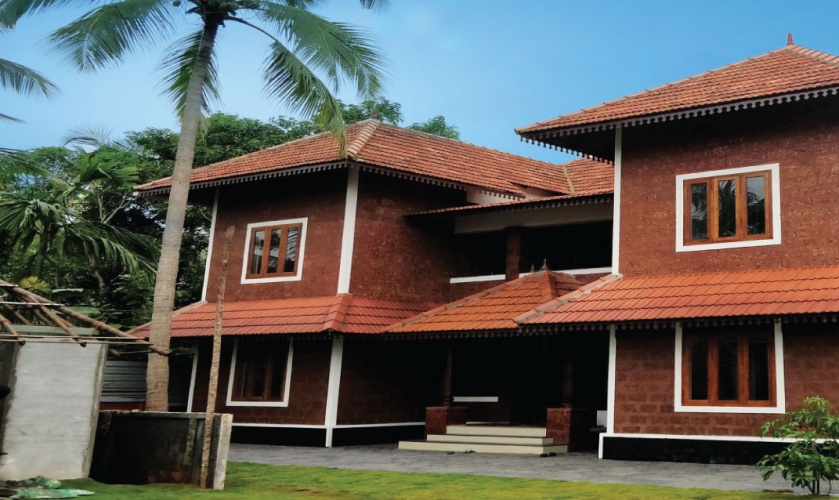
Sree Chithra Ayur Yoga Theeram
India/Kerala/Thrissur
Starting Rate Per Night: ₹ 13,295

Sree Chithra Ayur Yoga Theeram is a beachside Ayurveda and Yoga retreat at Manathala, Chavakkad, Thrissur, Kerala, near Guruvayur. Set beside the Chavakkad coast, it combines residential Ayurvedic care with Yoga, meditation...

Sree Chithra Ayurhome
India/Kerala/Thrissur
Starting Rate Per Night: ₹ 0
Sree Chithra Ayurhome is an Ayurvedic treatment and wellness centre located at Manathala, Chavakkad, Thrissur, Kerala, near Guruvayoor and beside the Canoli Canal. The centre was established in 1990 by Dr P. V. Madhusudhanan...
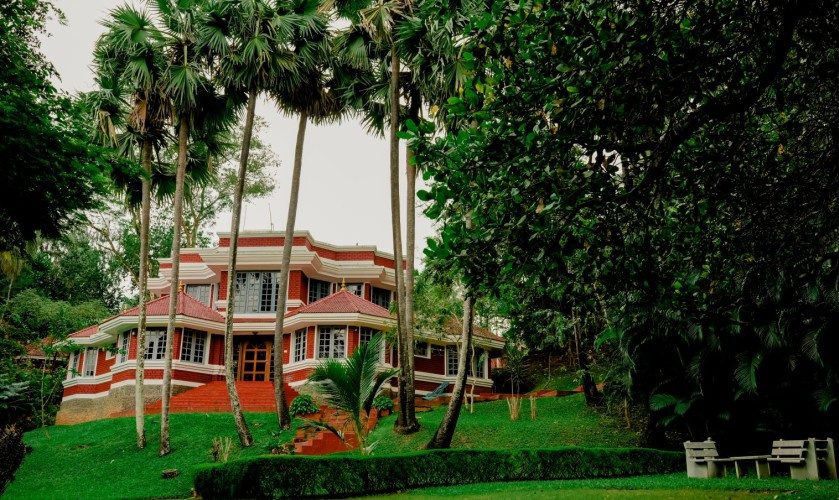
Nilayoram Ayurveda Retreat
India/Kerala/Thrissur
Starting Rate Per Night: ₹ 9,495
Nilayoram Ayurveda Retreat is a riverside Ayurveda property at Painkulam, near Cheruthuruthy in Thrissur district, Kerala. The retreat occupies approximately two acres on the banks of the Bharathapuzha, or Nila River, about 34...

When Milestones Take Longer: An Ayurvedic Path to Supporting Children with Developmental Delay
Watching a child grow is one of the most quietly profound experiences in family life — the first smile, the first steady gaze, the rolling over, the sitting, the crawling, the cruising, the first steps, the first words, the first sentences, the social reciprocity that makes the child progressively more recognisable as the person they are becoming. Each milestone marks a step in the extraordinary process of neurodevelopment by which a newborn transforms over months and years into a walking, talking, socially-engaged young human being. For most children, these milestones arrive in the expected windows with reassuring regularity. For some children, however, the milestones come more slowly — the rolling over delayed, the words slow to emerge, the social engagement less ready, the self-care skills lagging behind same-age peers — and the family begins to notice, often before the formal medical recognition, that something is different about their child's developmental trajectory.
Developmental Delay is the clinical term for when a child does not achieve developmental milestones at the expected age, with the term encompassing a broad spectrum from mild specific delays in a single domain (isolated speech delay, isolated motor delay) to global developmental delay (significant delays across multiple developmental domains) to the more severe and persistent delays that may indicate underlying neurodevelopmental conditions including intellectual disability, autism spectrum disorder, cerebral palsy, or specific genetic syndromes. The developmental domains conventionally assessed include gross motor (rolling, sitting, crawling, walking, running, balance), fine motor (reaching, grasping, manipulating objects, drawing, writing), language and communication (receptive language understanding, expressive language production, conversational reciprocity), cognitive (attention, memory, problem-solving, learning, academic skills), social-emotional (attachment, social reciprocity, peer interaction, emotional regulation), and self-care/adaptive (feeding, dressing, toileting, daily living skills appropriate to age). Delays in any of these domains, or particularly delays across multiple domains, warrant evaluation.
The clinical recognition of Developmental Delay typically begins with parental concern about a specific milestone (often speech delay being the most commonly noticed), routine surveillance during well-child visits revealing concerns, or recognition during nursery or preschool that the child differs from same-age peers. Early recognition matters substantially — the developing brain has its greatest plasticity in the first years of life, and early intervention during these critical windows produces substantially better long-term outcomes than later intervention. The window between 0-3 years is particularly important, with the 0-5 year period broadly representing the time of maximum intervention benefit, though meaningful intervention remains valuable at all ages.

The causes of Developmental Delay are diverse and identifying the specific cause guides both prognosis and intervention strategy. Genetic causes include chromosomal abnormalities (Down syndrome, Fragile X syndrome, Williams syndrome, Prader-Willi syndrome, and many others), single-gene disorders, and copy number variants increasingly identified through chromosomal microarray analysis. Metabolic and inborn errors of metabolism including phenylketonuria, hypothyroidism, mucopolysaccharidoses, and others — many of which are now identified through newborn screening allowing early treatment that can prevent or reduce developmental delay. Prenatal causes including maternal infections during pregnancy (TORCH infections, Zika), maternal substance exposure (alcohol leading to fetal alcohol spectrum disorders, prescribed medications, illicit substances), maternal medical conditions, and various placental and intrauterine factors. Perinatal causes including premature birth (particularly very premature and extremely premature infants), birth asphyxia and hypoxic-ischemic encephalopathy, neonatal infections including meningitis, neonatal stroke, severe jaundice with kernicterus, and birth trauma. Postnatal causes including head trauma, central nervous system infections (meningitis, encephalitis), severe malnutrition, severe environmental deprivation, lead poisoning, and other toxic exposures. Neurological conditions including cerebral palsy (motor delay particularly), epilepsy and developmental encephalopathies, brain malformations, and acquired brain injuries. Sensory impairments including significant hearing loss (commonly causing speech delay) and visual impairment (affecting motor and cognitive development). Autism spectrum disorder which produces characteristic social-communication delays alongside other features. Specific learning disorders that may present as developmental delay before specific learning difficulties become apparent at school age. Idiopathic developmental delay where no specific cause is identified despite thorough evaluation — representing a meaningful proportion of cases.
Diagnosis involves comprehensive paediatric and developmental assessment: detailed developmental and medical history; physical examination including neurological assessment; standardised developmental screening tools (Ages and Stages Questionnaires, Denver Developmental Screening Test, Modified Checklist for Autism in Toddlers) and standardised developmental assessment (Bayley Scales of Infant and Toddler Development, Mullen Scales of Early Learning, others); hearing and vision assessment to exclude sensory contributions; investigations based on clinical pattern including chromosomal microarray analysis (recommended for unexplained developmental delay), Fragile X testing, metabolic screening, thyroid function tests, lead levels, brain imaging (MRI) where indicated, EEG if seizures suspected, and specific tests for suspected conditions; referral to specialists including developmental paediatrician, paediatric neurologist, clinical genetics, speech and language therapy, occupational therapy, physiotherapy, audiology, and others as appropriate.
Modern intervention is fundamentally multidisciplinary, evidence-based, and time-sensitive. The cornerstone of management is early intervention through structured therapy programs: physiotherapy for motor delays addressing gross motor development, balance, posture, and physical function; occupational therapy for fine motor skills, sensory processing, self-care skills, and adaptive functioning; speech and language therapy for receptive language, expressive language, articulation, and communication; special education and developmental pre-schools providing structured learning environments; behavioural therapy including Applied Behaviour Analysis for autism spectrum and behavioural concerns; psychology and family support. Medical management addresses any underlying treatable conditions — thyroid replacement for hypothyroidism, dietary management for metabolic disorders, anticonvulsants for seizure disorders, hearing aids or cochlear implants for hearing loss, glasses or visual aids for visual impairment. Special equipment and assistive technology including AAC (augmentative and alternative communication) devices, mobility aids, and sensory equipment.
These approaches are essential, evidence-based, and have transformed outcomes for children with developmental delay over the past several decades. The intensity and quality of early intervention substantially determines long-term functional outcomes.
Within this framing, where does integrative Ayurvedic care fit? This is a question that requires particular honesty given the vulnerability of children with developmental delay and their families, the substantial and well-documented evidence base for conventional therapy-based intervention, and the unfortunate history of unproven interventions being marketed to families of children with developmental delay through emotional appeals that prey on family hope. Ayurveda offers a thoughtful supportive contribution within clear limits — never as a substitute for evidence-based conventional intervention, never as a "cure" for conditions like Down syndrome or autism that have no cure, but as an adjunct that may support the broader picture of the child's health, nervous-system development, and family wellbeing alongside the foundational therapy-based interventions.
The Ayurvedic framework for Developmental Delay sits within Bala Roga (paediatric medicine) — one of the eight classical branches of Ayurveda, with substantial classical literature dedicated to paediatric care. Classical Ayurvedic texts including Charaka Samhita, Sushruta Samhita, Kashyapa Samhita (the principal classical paediatric text), and Ashtanga Hridaya describe paediatric conditions with surprising sophistication, including developmental conditions classified within the broader framework of Bala-Graha (paediatric afflictions affecting development) and disturbances of the Indriyas (sensory and motor faculties), Manas (mind), and Buddhi (intellect). The doshic framework for developmental concerns identifies Vata-Kapha imbalance as the principal pattern in many developmental delays — Vata governing the nervous system and movement, Kapha governing the structural and tissue-building dimensions, with disturbed development reflecting imbalance in this dynamic. Medhya Dushti — disturbance of the cognitive-intellectual faculty — is the specific classical concept relevant to cognitive and language developmental delays. The classical Medhya Rasayana category of herbs — herbs specifically classified for supporting cognitive function and nervous-system development — provides the pharmacological backbone for paediatric Ayurvedic developmental support, with herbs including Brahmi, Mandukaparni, Shankhpushpi, and Ashwagandha offering classical-to-modern continuity.
The integrative role for Ayurvedic care includes: supportive Medhya Rasayana alongside conventional therapy programs, providing herbal nutritional support for the developing nervous system; gentle paediatric Panchakarma (particularly Abhyanga and gentle Basti, not all classical procedures appropriate for children) supporting the broader physical-developmental picture; Shirodhara for older children where the procedure can be tolerated, providing nervous-system regulation valuable for children with significant Vata-driven reactivity, sleep disturbance, and behavioural dysregulation; Nasya for selected indications; dietary and lifestyle guidance with classical Bala Roga depth around feeding, sleep, daily routine (Dinacharya adapted to children), and the broader developmental environment; family support addressing the substantial parental stress, sleep deprivation, and quality-of-life challenges that families of children with developmental delay face; integrative coordination that complements rather than competes with conventional therapy programs.
A Developmental Delay treatment retreat — for families of children with developmental delay — is best understood as integrative supportive care alongside continued evidence-based conventional intervention, with clear understanding of what Ayurvedic care can and cannot offer, with appropriate paediatric coordination, and with realistic expectations matched to the child's specific underlying condition and clinical pattern.
What is Developmental Delay?
Developmental Delay is a clinical descriptor for when a child does not achieve developmental milestones at the expected age across one or more developmental domains. The term spans a broad spectrum from mild specific delays to global delay, and is itself a description of presentation rather than a specific diagnosis — accurate identification of the underlying cause guides intervention and prognosis.
Developmental domains conventionally assessed:
Gross motor — Rolling, sitting, crawling, pulling to stand, cruising, walking, running, jumping, balance, coordination. Typical milestones: rolling over by 4-6 months, sitting unsupported by 6-9 months, crawling by 9-12 months, walking by 12-18 months.
Fine motor — Reaching, grasping, transferring objects, pincer grasp, manipulating small objects, scribbling, drawing, writing, using utensils. Typical milestones: grasp by 3-4 months, pincer grasp by 9-12 months, holding a crayon by 18-24 months.
Language and communication — Receptive language (understanding what is said), expressive language (producing speech), articulation (clarity of speech), conversational reciprocity. Typical milestones: cooing by 2-3 months, babbling by 6-9 months, first words by 12-15 months, two-word phrases by 18-24 months, sentences by 2-3 years.
Cognitive — Attention, memory, problem-solving, cause-and-effect understanding, learning, pre-academic and academic skills. Assessed through standardised testing and developmental observation.
Social-emotional — Attachment, social smile, joint attention, social reciprocity, peer interaction, emotional regulation, theory of mind, empathy. Typical milestones: social smile by 2-3 months, joint attention by 9-12 months, parallel play in toddlerhood, cooperative play by 3-4 years.
Self-care/adaptive — Feeding, dressing, toileting, hygiene, daily living skills appropriate to age. Typical milestones: self-feeding with utensils by 18-24 months, toilet training around 2-3 years, dressing skills emerging through 3-5 years.
Classification of Developmental Delay severity:
Mild delay — Skills delayed by approximately 25% relative to chronological age; some children with mild delay catch up while others have persistent delays.
Moderate delay — Skills delayed by 25-50% relative to chronological age.
Severe delay — Skills delayed by more than 50% relative to chronological age.
Global Developmental Delay (GDD) — Significant delays in two or more developmental domains, typically used for children under 5 years before formal cognitive testing can establish intellectual disability diagnosis.
Specific Delays — Delay in a single domain (isolated speech delay, isolated motor delay).
Causes include:
Genetic conditions — Chromosomal abnormalities (Down syndrome being most common), Fragile X syndrome, deletion/duplication syndromes, single-gene disorders, and many others. Genetic causes account for approximately 30-50% of identified causes of global developmental delay.
Metabolic disorders and inborn errors of metabolism — Many treatable if identified early through newborn screening.
Prenatal causes — Maternal infections (TORCH, Zika), maternal substance exposure (alcohol producing fetal alcohol spectrum disorders, prescribed medications, illicit drugs), maternal medical conditions, placental insufficiency.
Perinatal causes — Premature birth (particularly very premature), birth asphyxia and hypoxic-ischemic encephalopathy, neonatal infections, neonatal stroke, kernicterus, birth trauma.
Postnatal causes — Head trauma, CNS infections (meningitis, encephalitis), severe malnutrition, environmental deprivation, toxic exposures (lead).
Neurological conditions — Cerebral palsy, epilepsy and developmental encephalopathies, brain malformations.
Sensory impairments — Hearing loss (commonly causing speech delay), visual impairment.
Autism Spectrum Disorder — With characteristic social-communication delays alongside other features.
Idiopathic — No identifiable cause despite thorough evaluation; meaningful proportion of cases.
Warning signs by age that warrant evaluation:
By 6 months: not making eye contact, not smiling at people, not reaching for objects.
By 12 months: not sitting without support, not babbling, no response to name.
By 18 months: not walking, no words spoken, not pointing at objects of interest.
By 24 months: not combining two words, not following simple instructions, loss of previously acquired skills (regression — concerning for autism or neurodegenerative conditions).
By 3 years: difficult to understand speech, no pretend play, doesn't speak in sentences.
Diagnosis: detailed developmental history, physical and neurological examination, standardised developmental screening and assessment, hearing and vision testing, investigations as clinically indicated (chromosomal microarray analysis recommended for unexplained developmental delay, Fragile X testing, metabolic screening, thyroid function, lead level, MRI brain where indicated, EEG if seizures suspected), and specialist referrals to developmental paediatrician, paediatric neurologist, clinical genetics, audiology, speech-language therapy, occupational therapy, and physiotherapy as appropriate.
Understanding Bala Roga and Medhya Dushti: The Ayurvedic Root of Developmental Delay
The Ayurvedic understanding of paediatric development sits within Bala Roga — one of the eight classical branches (Ashtanga Ayurveda) of the medical system, with substantial dedicated classical literature including the Kashyapa Samhita as the principal paediatric text along with extensive paediatric sections in Charaka Samhita, Sushruta Samhita, and Ashtanga Hridaya. The classical paediatric framework recognises the unique constitutional and physiological characteristics of children, the importance of the Garbha (intrauterine) period and Sutika (postnatal) period for laying developmental foundations, and the specific therapeutic adaptations required for children — recognising that paediatric Ayurvedic care is not simply adult care in smaller doses but requires its own clinical framework.
Within Bala Roga, developmental concerns are understood through several interlocking concepts:
Vata-Kapha Constitutional Dynamics in Childhood — Childhood is classically described as a Kapha-predominant developmental phase, with the building, growing, and tissue-formation aspects of Kapha dominating the first years of life. However, the nervous-system development and motor-language acquisition involve substantial Vata dimensions, as Vata governs all movement, the nervous system, sensory function, and the integrative neurological aspects of development. Developmental Delay often involves disturbance in this Vata-Kapha dynamic — with Vata-dominant patterns showing delays in nervous-system functions (language, fine motor, cognitive, sensory processing), Kapha-dominant patterns showing delays in motor milestones and overall physical development, and combined Vata-Kapha patterns showing global delays.
Medhya Dushti — Cognitive-Intellectual Disturbance — The classical concept of Medha refers to the cognitive-intellectual faculty including memory, learning capacity, attention, and intelligence. Medhya Dushti — disturbance of Medha — is the specific classical concept relevant to cognitive and language developmental delays. The Medhya Rasayana category of herbs — herbs specifically classified for supporting Medha — provides the pharmacological backbone for cognitive-developmental support and includes Brahmi, Mandukaparni, Shankhpushpi, Jatamansi, Yashtimadhu, and Ashwagandha.
Indriya Dushti — Sensory-Motor Faculty Disturbance — The Indriyas (sensory and motor faculties) are central to Ayurvedic understanding of development, with the Jnanendriya (sensory faculties — vision, hearing, smell, taste, touch) and Karmendriya (motor faculties — speech, hand, foot, excretory, reproductive) representing the channels through which the child engages with and acts on the world. Disturbances in specific Indriyas correspond to specific developmental delays — hearing-related speech delay, vision-related motor and cognitive delay, motor faculty disturbance in cerebral palsy patterns.
Manas Dushti — Mental-Behavioural Dimensions — Disturbances of Manas (the mind) including attention, behavioural regulation, social engagement, and emotional development. The autism-spectrum-pattern conditions involve substantial Manas dimensions in classical understanding.
Ojas Considerations in Childhood — Bala (strength) and Ojas (vital essence) in childhood are dynamic and developing rather than static. Bala Kshaya (depletion of childhood strength and vitality) underlies many paediatric vulnerability patterns, including the constitutional weakness often seen in children born prematurely, those with chronic illnesses, and those with developmental delays.
Garbha-Sutika Considerations — Classical Ayurveda places substantial emphasis on the Garbha (intrauterine) period and Sutika (postnatal period for both mother and child) as foundational for developmental trajectory. The maternal nutrition, emotional state, lifestyle, and care during pregnancy and the postnatal period substantially influence the child's developmental potential — a recognition that aligns precisely with modern understanding of prenatal and perinatal influences on neurodevelopment. For children with established developmental delay, while the Garbha-Sutika windows have passed, the broader principle of supporting the developing nervous system through appropriate care remains relevant.
Specific Predisposing Nidana (Causes) for Developmental Concerns — Classical Ayurvedic texts identify factors during pregnancy and infancy that can produce developmental concerns: maternal Garbha-Vikriti (intrauterine disturbances) from various causes; maternal Vata aggravation during pregnancy; inadequate or inappropriate maternal nutrition during pregnancy; Sutika period inadequacies; birth-related factors including difficult labour and birth trauma; Stanya Dushti (vitiation of breast milk) in early infancy; dietary inadequacies during the formative years; environmental factors including inadequate stimulation, excessive sensory overstimulation, or developmental neglect; illnesses and fevers during developmental periods; and the constitutional predisposition corresponding to genetic and individual factors. The substantial overlap between classical Ayurvedic identification of perinatal and developmental risk factors and modern medical understanding supports the clinical relevance of the framework while recognising that classical Ayurveda did not have specific knowledge of conditions like Down syndrome or autism that are now understood at biological levels.
This comprehensive understanding shapes the Ayurvedic approach to Developmental Delay: support overall constitutional development through sustained Bala Roga care; provide Medhya Rasayana as the foundational pharmacological backbone supporting cognitive-nervous-system development; address Vata-Kapha balance appropriate to the child's specific delay pattern; support Indriya function through appropriate sensory care; gentle paediatric Panchakarma with Abhyanga as the most universal therapy and gentle Basti for selected indications, with most other classical procedures inappropriate for young children; Shirodhara for older children where the procedure can be tolerated; Nasya with appropriate paediatric protocols for selected indications; dietary and lifestyle guidance with classical Bala Roga depth; family support addressing parental wellbeing; integrative coordination that complements conventional therapy-based intervention — always recognising that conventional therapy-based intervention is the foundation of Developmental Delay care and Ayurveda's role is genuinely supportive rather than substitutive, with appropriate paediatric coordination and realistic expectations matched to the child's specific underlying condition.
The 3 Stages of Ayurvedic Treatment for Developmental Delay
Ayurvedic care for Developmental Delay — for the child with developmental delay and the family supporting them — follows a carefully sequenced three-stage approach, adapted at every step to the child's age, specific developmental profile, underlying diagnosis if identified, current conventional intervention status including therapy programs and medical management, and family circumstances. The approach is consistently and explicitly integrative — undertaken alongside continued evidence-based therapy programs and paediatric medical care, with all conventional interventions maintained as the primary foundation.
1. Preparation (Purva Karma) The preparatory stage begins with comprehensive paediatric assessment integrating developmental history (pregnancy, birth, milestones, current functional level), medical history including any diagnosed conditions, current therapy programs and intensity (physiotherapy, occupational therapy, speech-language therapy, behavioural therapy, special education), current medications, sensory profile, sleep patterns, feeding patterns, behavioural patterns, family circumstances and parental wellbeing, and the child's constitutional profile (Prakriti). The Ayurvedic physician works in clear coordination with the child's paediatrician, developmental paediatrician, and therapy team.
Gentle Bala-appropriate Deepana-Pachana addresses any Ama and digestive concerns — particularly relevant for children with feeding difficulties, gut comorbidities, and the gut-brain dimensions increasingly recognised in developmental conditions. Mild internal Snehana (oleation) with paediatric-appropriate medicated ghees in age-appropriate small doses: Brahmi Ghrita as the foundational Medhya ghrita with substantial classical use in paediatric developmental support; Kalyanaka Ghrita for broad neurological-developmental support; Saraswata Ghrita specifically formulated for cognitive-language support; Phala Ghrita for general developmental support. External Abhyanga is the cornerstone paediatric therapy — gentle warm oil massage with appropriate medicated oils (Bala Taila, Ksheerabala Taila, Mahanarayana Taila for motor patterns, specific paediatric formulations) provides systemic nervous-system support, Vata pacification, parent-child bonding through the daily massage, sensory integration support, and the broader physical-developmental benefit that has been a foundational paediatric practice in Indian families for centuries.
Foundational lifestyle measures established during preparation: regular daily routine adapted to the child (Dinacharya for children); structured sleep schedule with appropriate sleep duration for age; appropriate nutrition matched to constitutional pattern and any feeding concerns; sensory environment optimisation (appropriate stimulation, avoidance of overstimulation, screen time management); family routines supporting the child's developmental work.
2. Core Treatment (Pradhana Karma) Primary therapies focus on three coordinated lines: Medhya Rasayana herbal therapy as the pharmacological backbone, paediatric-appropriate external therapies, and integration with conventional therapy programs.
Medhya Rasayana herbal therapy is the foundational pharmacological backbone for Ayurvedic developmental support, providing sustained nervous-system and cognitive support over the months and years that meaningful integrative care for developmental conditions requires. The classical Medhya herbs work over time to support nervous-system development, cognitive function, language emergence, behavioural regulation, and the broader developmental trajectory. Brahmi (Bacopa monnieri) is foundational, with substantial modern research evidence for cognitive function support, learning enhancement, and nervous-system development. Mandukaparni (Centella asiatica) supports nervous-system development and tissue regeneration. Shankhpushpi (Convolvulus pluricaulis) provides Medhya support particularly valuable for sleep disturbance and behavioural reactivity. Jatamansi (Nardostachys jatamansi) provides nervous-system calming particularly valuable for children with significant Vata-driven reactivity and behavioural regulation difficulties. Yashtimadhu (Glycyrrhiza glabra) provides cooling Pitta-pacifying action and broader supportive effect. Ashwagandha (Withania somnifera) provides adaptogenic and tissue-supportive action, particularly valuable for children with poor weight gain, weakness, and general Bala Kshaya. Vacha (Acorus calamus) is the classical specific herb for speech and language development, with traditional indication for speech delay. Saraswata Churna is a classical formulation specifically indicated for speech and cognitive development. Other supportive herbs: Pippali for digestive support, Triphala for general health, Guduchi for immunomodulation, Amalaki for antioxidant and Rasayana support.
Classical paediatric formulations: Saraswatarishtam (cognitive-language support), Brahmi Ghrita, Kalyanaka Ghrita, Saraswata Ghrita, Phala Ghrita, Smruti Sagar Rasa, Saraswata Churna, Brahmi Vati, and Vacha-based preparations. All paediatric herbal therapy must be prescribed by an Ayurvedic physician with paediatric experience, with age-appropriate dosing, quality assurance of preparations (particularly given concerns about heavy metal contamination in some Ayurvedic preparations), avoidance of preparations with known toxicity concerns, and clear coordination with the child's paediatrician.
Paediatric-appropriate external therapies:
Abhyanga (gentle warm oil massage) is the cornerstone paediatric Ayurvedic therapy — universally appropriate, well-tolerated, and providing substantial supportive benefit through systemic nervous-system support, Vata pacification, sensory integration, parent-child bonding, and the broader benefits of structured daily care. Performed daily with appropriate medicated oils selected for the child's constitutional pattern and developmental profile.
Shirodhara is appropriate for older children who can lie still for the procedure (typically age 4-5 years and older, with substantial individual variation in tolerance). For children where it can be performed, Shirodhara provides nervous-system regulation particularly valuable for those with significant Vata-driven reactivity, sleep disturbance, behavioural dysregulation, attention difficulties, and autism-spectrum patterns. Oil selection adapted to paediatric protocols. Shorter durations than adult Shirodhara, typically 15-20 minutes with progressive tolerance building.
Gentle Basti is appropriate for selected paediatric indications under careful physician supervision — particularly Matra Basti (small-volume oil enema) which is well-tolerated, gentle, and provides Vata pacification valuable in many developmental conditions. Larger volume Bastis and aggressive Panchakarma procedures are generally not appropriate for young children.
Nasya is performed selectively in older children under careful protocol, typically not in very young children. Pratimarsha Nasya (very gentle daily nasal oil application with 1-2 drops of appropriate oil) can be appropriate as gentle daily practice for older children.
Karna Purana (warm medicated oil retention in the ear) can be appropriate for selected indications.
Padabhyanga (foot massage) provides nervous-system regulation, sleep support, and is particularly well-tolerated in young children.
Aggressive Panchakarma procedures including Vamana, Virechana, and adult-style Basti are generally not appropriate for young children and should be avoided. Adolescents with developmental concerns may, with paediatric coordination, undergo selected procedures appropriate to their age and condition.
Integration with conventional therapy programs runs throughout the core treatment stage. The child's physiotherapy, occupational therapy, speech-language therapy, and special education programs continue uninterrupted as the foundation of intervention. The Ayurvedic care complements these by supporting the broader physical-developmental picture, addressing sleep and behavioural concerns that affect therapy participation, supporting the child's overall constitutional state and resilience, and providing the family with structured supportive care during what is often an exhausting time.
Family support is an explicit component of the core treatment — addressing parental sleep deprivation, exhaustion, anxiety, and the substantial quality-of-life challenges families of children with developmental delay face. Parents may undertake their own concurrent care during the retreat where appropriate.
3. Rejuvenation (Paschat Karma) The final stage focuses on long-term sustainable integration of Ayurvedic supportive care into the family's life alongside continued conventional intervention. Sustained Medhya Rasayana with continued Brahmi, Mandukaparni, Shankhpushpi, and Ashwagandha-based therapy over months and years provides the long-term nervous-system support that meaningful developmental support requires. Continued daily Abhyanga as integrated family practice — this is genuinely transformative when sustained as daily care, providing the child with consistent nervous-system support and the family with structured bonding routine. Dietary discipline with Sattvic, nourishing, age-appropriate patterns supporting development. Daily routine establishment with appropriate Dinacharya for children. Continued conventional intervention — physiotherapy, occupational therapy, speech-language therapy, special education, behavioural therapy, paediatric medical care — absolutely essential and continuing uninterrupted. Regular paediatric and developmental follow-up with the child's medical team. Family support measures — addressing parental wellbeing, sibling support, community resources, respite care where available, and the broader family system. Home maintenance regimen with prescribed Medhya Rasayana medicines, daily practices, and lifestyle measures designed to integrate seamlessly with the family's continued therapy and medical regimen for the long-term developmental care that meaningful outcomes require.
The 5 Core Therapies for Developmental Delay Explained
1. Medhya Rasayana Herbal Therapy (The Pharmacological Backbone) Medhya Rasayana therapy is the foundational pharmacological dimension of Ayurvedic developmental support, providing sustained herbal support for nervous-system development and cognitive function over the months and years that meaningful developmental care requires. The classical Medhya herbs work gradually but durably to support the developing nervous system. Brahmi (Bacopa monnieri) is the cornerstone, with extensive classical use and substantial modern research evidence for cognitive enhancement, learning support, anxiolytic action, and nervous-system development. Mandukaparni (Centella asiatica) supports nervous-system regeneration and development. Shankhpushpi (Convolvulus pluricaulis) provides Medhya support and is particularly valuable for sleep disturbance and behavioural reactivity common in developmental conditions. Jatamansi (Nardostachys jatamansi) provides nervous-system calming valuable for children with Vata-dominant reactivity, autism-spectrum behavioural patterns, and dysregulation. Yashtimadhu provides supportive Pitta-pacifying action. Ashwagandha (Withania somnifera) is the adaptogenic and tissue-building herb valuable for children with poor weight gain, weakness, immune vulnerability, and constitutional depletion. Vacha (Acorus calamus) is the classical specific herb for speech and language development, with substantial traditional use for speech delay. Saraswata Churna is a classical formulation specifically indicated for speech and cognitive development. Classical formulations include Saraswatarishtam, Brahmi Ghrita, Kalyanaka Ghrita, Saraswata Ghrita, Phala Ghrita, Smruti Sagar Rasa, and Brahmi Vati. All paediatric herbal therapy must be prescribed by an Ayurvedic physician with specific paediatric experience, with age-appropriate dosing matched to the child's weight and developmental level, quality-assured preparations from reputable manufacturers, and clear coordination with the paediatrician. The administration is typically sustained over years rather than weeks, recognising that developmental support operates on developmental timescales.
2. Abhyanga (The Cornerstone Paediatric Therapy) Daily Abhyanga — gentle warm oil massage with appropriate medicated oils — is the cornerstone paediatric Ayurvedic therapy and represents one of the most universally beneficial interventions in Bala Roga. For children with developmental delay, daily Abhyanga provides multiple integrated benefits: systemic nervous-system support through tactile stimulation, oil absorption, and the broader effects of structured daily care; Vata pacification addressing the nervous-system reactivity component of many developmental conditions; sensory integration support through structured, predictable, gentle tactile input — particularly valuable for children with autism-spectrum sensory processing differences and sensory integration concerns; musculoskeletal benefit for motor development support, particularly valuable for children with motor delays and cerebral palsy patterns; parent-child bonding through the daily ritual of touch, presence, and attentive care — itself developmentally supportive and emotionally important for both parent and child; sleep support when performed in the evening as part of bedtime routine; circulation and tissue development support; and family routine establishment that supports the broader picture of structured care. Oil selection is matched to the child's constitutional pattern and specific concerns: Bala Taila as the foundational paediatric oil; Ksheerabala Taila for Vata-Pitta presentations particularly with sleep and behavioural concerns; Mahanarayana Taila for motor patterns particularly cerebral palsy; specific paediatric formulations for autism-spectrum, attention concerns, and other patterns. Parents are taught the technique during the retreat for home continuation, with the practice becoming a sustainable daily family routine that provides ongoing developmental support for years. The integration into family life — rather than as a periodic clinical procedure — is what makes Abhyanga so clinically valuable in paediatric Ayurvedic developmental care.
3. Shirodhara for Older Children Where Appropriate Shirodhara — the rhythmic pouring of medicated oil over the forehead — provides profound nervous-system regulation that is particularly valuable for older children with developmental conditions involving significant Vata-driven reactivity, sleep disturbance, behavioural dysregulation, attention difficulties, and autism-spectrum sensory processing patterns. Shirodhara is appropriate for children typically age 4-5 years and older who can lie still for the procedure, with substantial individual variation in tolerance — some younger children with appropriate temperament tolerate the procedure well, while some older children with sensory processing differences find it difficult. Modified paediatric protocols are used: shorter duration than adult Shirodhara (typically 15-20 minutes initially, building tolerance over the course); gentler oil flow rate; appropriate temperature carefully verified; oil selection adapted to paediatric protocols (Ksheerabala Taila most commonly, with alternative selections for specific patterns); and progressive introduction over multiple sessions for children who initially have difficulty with the procedure. For children where Shirodhara can be performed, the effects include marked improvement in sleep, reduced behavioural reactivity, calmer overall state, and better receptivity to ongoing therapy programs. The therapy is particularly valued for children with autism-spectrum patterns where the deep nervous-system regulation addresses the autonomic dysregulation, sensory processing differences, and behavioural reactivity that characterise much of the daily functional challenge in these children.
4. Gentle Basti and Nasya for Selected Indications Matra Basti (small-volume oil enema, typically 30-50 ml of appropriate medicated oil) is the gentlest Basti form and is appropriate for selected paediatric indications under careful physician supervision. Particularly valuable for children with significant Vata-driven concerns, motor delays with stiffness or spasticity patterns (cerebral palsy), sleep and behavioural concerns, and the broader nervous-system pacification benefit. Performed by trained therapists with appropriate paediatric protocols, with the procedure typically well-tolerated. Larger volume Bastis and aggressive enema protocols are not appropriate for young children. Nasya with paediatric protocols can be selectively used in older children — Pratimarsha Nasya (1-2 drops of appropriate oil in each nostril) as a very gentle daily practice can be appropriate for older children, supporting the head channels and providing Vata pacification. Marsha Nasya in formal protocols is typically used only in adolescents and selected older children, not in young children. Karna Purana (warm medicated oil retention in the ear) can be appropriate for selected indications particularly where ear or speech concerns predominate. Padabhyanga (foot massage) provides nervous-system regulation and sleep support and is universally well-tolerated. Aggressive Panchakarma procedures including Vamana, Virechana, and large-volume Bastis are generally not appropriate for young children with developmental delay and should be avoided — Ayurvedic paediatric care emphasises gentle, sustained, supportive interventions rather than the more aggressive Shodhana (cleansing) procedures appropriate for adult patients.
5. Dietary, Lifestyle, and Family Support Integration The fifth therapeutic dimension — and perhaps the most clinically important for sustained outcomes — is the comprehensive dietary, lifestyle, and family support integration that distinguishes effective paediatric Ayurvedic care from isolated procedural interventions. Dietary guidance addresses age-appropriate Sattvic nourishing foods supporting development: warm freshly-cooked meals; appropriate dairy (cow's milk, ghee) where tolerated; fruits, vegetables, whole grains, legumes in age-appropriate forms; specific paediatric supportive foods (Amla, dates, almonds, ghee with herbs for older children); avoidance of processed foods, excess sugar, packaged foods, artificial additives, and known dietary triggers; appropriate hydration; and individualised guidance for children with specific feeding concerns including selective eating, food sensitivities, and feeding difficulties common in autism-spectrum and other developmental conditions. Daily routine (Dinacharya for children) with regular sleep schedule, regular meal timing, structured daily activities, appropriate physical activity (free play, structured movement matched to ability), screen time management, outdoor time and natural light exposure, and consistent bedtime routine including the daily Abhyanga that provides both developmental support and family bonding. Sensory environment optimisation — appropriate stimulation matched to the child's processing capacity, avoidance of overstimulation, attention to the home environment that surrounds developmental progress. Family support addressing parental sleep deprivation, exhaustion, marital strain, sibling needs, financial concerns, and the substantial quality-of-life impact on families. Parents may undertake their own concurrent retreat care where appropriate, with Medhya Rasayana, Shirodhara, and broader supportive care addressing parental wellbeing — itself developmentally important for the child. Integration with therapy team — coordinating with the child's physiotherapy, occupational therapy, speech-language therapy, and special education teams to ensure the integrative Ayurvedic care complements rather than competes with the foundational therapy-based interventions. Continued paediatric medical care — clear coordination with the child's paediatrician and any specialist physicians, with appropriate medical management of underlying conditions continuing uninterrupted. Sustained engagement over years rather than weeks recognises that meaningful developmental support operates on developmental timescales and that the family-care integration is what genuinely supports the long-term picture.
How Long Should an Ayurvedic Treatment Program for Developmental Delay Last?
|
Therapeutic Benefit | ||
| 7–14 days | Initial assessment, parent training in Abhyanga, established Medhya Rasayana foundation | ||
| 14–21 days | Moderate integrated care, completed initial therapy sessions, family routine establishment | ||
| 21–28 days |
|
||
| 28+ days | Complex multi-domain delays, severe motor patterns, autism-spectrum with significant features |
The exact duration of your child's Developmental Delay treatment is decided after consultation with the Ayurvedic doctor, based on the child's age, specific developmental profile and severity, underlying diagnosis if identified (Down syndrome, autism, cerebral palsy, others), current conventional intervention status including therapy programs and medications, family circumstances and capacity for travel, and treatment goals. As a general guide, 14 to 28 days supports meaningful initial integrative care including parent training, established Medhya Rasayana, and family routine integration. Because Developmental Delay is fundamentally a long-term developmental condition where meaningful outcomes develop over years of sustained intervention, the home regimen of prescribed Medhya Rasayana medicines, daily Abhyanga, dietary discipline, structured routine, continued conventional therapy programs, and ongoing paediatric medical care after the retreat is what genuinely supports developmental trajectory over the years that follow. Periodic retreats (annually or biannually for many families) support ongoing care, parent renewal, and treatment refinement as the child develops.
Benefits of an Ayurvedic Treatment Retreat for Developmental Delay
| Physical Benefits | Developmental and Behavioural Benefits | Long-Term Impact |
| Improved sleep quality | Supported nervous-system development | Sustained Medhya support over developmental years |
| Better appetite and digestion | Calmer behavioural state in reactive children | Family routine integration with daily practices |
| Improved muscle tone and motor function | Improved sensory integration | Parental capacity restoration and family wellbeing |
| Better immunity and reduced illness frequency | Better engagement with therapy programs | Enhanced complement to ongoing conventional care |
Why Kerala is the Best Place for Developmental Delay Treatment
An Ayurvedic Developmental Delay treatment retreat in Kerala, India offers the most clinically authentic environment for the gentle integrative care families of children with developmental delay seek.
- Experienced Bala Roga (paediatric Ayurveda) physicians with specific expertise in paediatric developmental conditions and the Vata-Kapha-Medhya framework these conditions require
- BAMS and MD Ayurveda-certified doctors with paediatric experience trained in appropriate paediatric protocols — recognising that paediatric Ayurvedic care requires its own clinical framework distinct from adult care
- In-house preparation of classical paediatric Medhya formulations — Brahmi Ghrita, Kalyanaka Ghrita, Saraswata Ghrita, Phala Ghrita, Smruti Sagar Rasa, Saraswata Churna, Bala Taila, Ksheerabala Taila — using authentic methods, appropriate paediatric standards, and rigorous quality assurance
- Proper facilities for safe paediatric therapies with age-appropriate adaptations
- Long-established Kerala tradition of paediatric Ayurvedic care with multi-generational family knowledge of daily Abhyanga and Bala Roga practices
- Capacity for parent training in home care techniques particularly daily Abhyanga
- Clear understanding that conventional therapy-based intervention is the foundation of developmental delay care and willingness to coordinate openly with the child's paediatrician, developmental paediatrician, and therapy team
- Family-supportive accommodation suitable for parents and children together
- Sustainable approach focused on long-term family integration rather than short-term clinical intervention
Sri Lanka offers a comparable tropical healing environment with growing Ayurvedic expertise in paediatric care, while Bali provides wellness-oriented treatment retreats integrating Ayurvedic paediatric care with holistic family support. For specialised Bala Roga expertise, authentic classical paediatric preparations, and the deep family-care tradition Kerala embodies, the Kerala destination remains the choice of many families.
Developmental Delay Treatment Retreats by Location and Recommended Centres
Kerala, India — The most clinically authentic destination for Ayurvedic Developmental Delay treatment, with experienced Bala Roga physicians and the rich Kerala tradition of paediatric Ayurvedic care including daily Abhyanga, Medhya Rasayana, and family-integrated developmental support. Alleppey • Kovalam • Kumarakom • Wayanad • Palakkad
Sri Lanka — Coastal Ayurveda treatment retreats offering paediatric supportive care in serene family-friendly environments supporting the family-care integration developmental support requires. Wadduwa • Weligama • Sigiriya • Kosgoda • Bentota
Bali, Indonesia — Wellness treatment retreats integrating Ayurvedic paediatric care with holistic family support, parental wellbeing, and integrative coordination in scenic tropical surroundings. Ubud • Nusa Dua • Candidasa • Lovina
WellnessLoka connects you with verified centres across these destinations — with particular care to match families with centres that have genuine paediatric Ayurvedic expertise, appropriate paediatric protocols, family-supportive accommodation, and clear understanding that conventional therapy-based intervention continues alongside the integrative care.


