Nurture Healthy Growth with Gentle Guidance: An Ayurvedic Treatment Retreat for Childhood Obesity

Childhood obesity is a growing global health concern with substantial impact on children's physical, metabolic, and emotional wellbeing — arising from complex interplay of genetic, dietary, activity, environmental, and psychological factors. In Ayurveda, childhood obesity correlates with Balaroga considerations, Medovaha Srotas dushti with Kapha predominance, Ama accumulation, and substantial constitutional factors patterns. Ayurvedic care provides comprehensive integrative supportive approach with substantial family-centred and body-positive focus.

Book Consultation
Search
Filter by:   
Sort by:   

What Is Childhood Obesity?


Childhood obesity is an excess of body fat that harms a child's health. It is defined as a BMI at or above the 95th percentile for the child's age and sex, while a BMI between the 85th and 95th percentile counts as overweight. It is driven by diet, inactivity, screen time, emotional eating, genetics, and sometimes hormonal or medication-related causes. Paediatric care, with family-based changes to eating, activity, and sleep, is the medical foundation. Ayurveda correlates childhood obesity with Sthaulya. It offers gentle, age-appropriate support through diet, daily routine, yoga, Udvartana, and herbal care, alongside paediatric care, not instead of it.

Childhood obesity has become one of the most common health concerns of childhood. It matters because excess weight in childhood can lead to type 2 diabetes, high blood pressure, joint problems, and sleep apnoea, sometimes while the child is still young. It can also weigh on a child's self-esteem and friendships.

Ayurveda places childhood obesity within three related concepts:

  • Sthaulya — the classical term for obesity, meaning excess accumulation of body fat.

  • Medoroga — the broader category of disorders of fat metabolism, to which Sthaulya belongs.

  • Santarpanajanya Vikara — a disorder of over-nourishment, caused by taking in more than the body can digest and use.

Early intervention is crucial. Habits formed in childhood shape health in adulthood, and children who receive timely, supportive care are far better placed to avoid long-term complications. [LINK: metabolic disorders hub page]

Signs and Symptoms: The Distinctive Pattern

Childhood obesity shows up in the body, in energy levels, and in mood. Ayurveda reads these signs as Kapha aggravation and an increase of Medo Dhatu (fat tissue).

  • Excess body fat — collecting mainly around the abdomen, hips, and chest.

  • Excessive sweating and body odour — classical Ayurvedic signs of increased Medo Dhatu.

  • Increased hunger and thirst — frequent snacking or eating beyond fullness.

  • Breathlessness on exertion — tiring quickly during play, sport, or climbing stairs.

  • Weakness, lethargy, and low enthusiasm — reduced energy and interest in activity, reflecting heavy, sluggish Kapha.

  • Low self-esteem or withdrawal — avoiding sport, social situations, or being seen, which is often a sign that weight is affecting emotional wellbeing.

The Warning Signs to Never Ignore

Some signs in a child with obesity point to a complication or an underlying medical cause that needs prompt assessment by a paediatrician. See a doctor promptly if your child has:

  • Loud snoring with pauses in breathing during sleep, or severe daytime sleepiness. These are possible signs of sleep apnoea.

  • Excessive thirst, frequent urination, or unexplained tiredness. These are possible signs of type 2 diabetes.

  • Dark, velvety skin patches on the neck, armpits, or groin. This is a sign of insulin resistance.

  • Hip or knee pain, or a new limp. This needs urgent assessment, because it can signal a serious hip joint problem.

  • Severe or persistent headaches, especially with changes in vision.

  • Rapid weight gain with slowed growth in height. This can point to a hormonal cause.

  • Signs of depression, extreme dieting, skipping meals, or secretive eating.

These signs need medical evaluation before any retreat or Ayurvedic programme.

Causes

Childhood obesity is multifactorial, meaning diet, lifestyle, emotions, and genetics usually combine rather than act alone.

Modern/clinical causes (often the primary trigger):

  • Family history of obesity

  • Hormonal disorders such as hypothyroidism

  • Medications such as steroids and sedatives

  • Prenatal factors, including maternal obesity or diabetes during pregnancy

Ayurvedic contributing factors:

  • Dietary (Aharaja Nidana): an excess of sweet (Madhura), oily (Snigdha), and heavy (Guru) foods. These include fast food, processed food, sugary drinks, and low-fibre, high-fat, high-carbohydrate meals.

  • Overeating and frequent eating, especially before the previous meal is digested.

  • Psychological: emotional eating, low self-esteem, and comfort eating under stress.

Lifestyle factors (Viharaja Nidana) that aggravate rather than cause:

  • Lack of exercise (Avyayama)

  • Excessive screen time with television, mobile phones, and gaming

  • Daytime sleep (Divaswapna)

  • Too little outdoor play

Complications

Untreated childhood obesity raises the risk of physical and emotional complications.

  • Physical: type 2 diabetes, high blood pressure, high cholesterol (hyperlipidaemia), joint and bone problems, and sleep apnoea.

  • Psychological: low self-esteem, social isolation, and emotional distress.

Diagnosis is made by a paediatrician, who plots BMI on age- and sex-specific growth charts. Screening tests may include blood sugar, cholesterol, liver function, and thyroid tests, depending on the child's age and risk factors.

The Conventional Medical Approach

Paediatric care treats childhood obesity through supportive, family-wide changes to eating, activity, and sleep, and it remains the essential foundation of care.

  • Paediatric assessment — BMI tracking on growth charts, screening for complications, and checking for hormonal or medication-related causes.

  • Family-based behavioural treatment — the whole family changes habits together, rather than singling out the child.

  • Nutrition guidance — balanced, growth-appropriate eating led by a paediatrician or dietitian, not restrictive dieting.

  • Physical activity, sleep, and screen-time goals — practical daily targets adapted to the child's age.

  • Treating complications — managing blood sugar, blood pressure, cholesterol, or sleep apnoea where present.

  • Specialist treatment for older adolescents — in some cases of severe obesity, a specialist may consider medication or other interventions.

Ayurvedic care supports these changes and the child's overall wellbeing alongside paediatric care. It does not replace paediatric assessment, treatment of complications, or a doctor's nutrition guidance.

How Ayurveda Understands Childhood Obesity

Ayurveda understands childhood obesity as Sthaulya, a Kapha-dominant disorder of over-nourishment in which weak digestion leads to excess fat tissue (Medo Dhatu).

  • Kapha is the heavy, stable dosha. It is aggravated by sweet, oily, and heavy food and by inactivity.

  • Agni is the digestive and metabolic fire. It becomes weak (Agnimandya), so food is not fully digested or used.

  • Ama is the undigested metabolic residue that forms when Agni is weak.

  • Medo Dhatu is fat tissue. It accumulates in excess when nourishment exceeds what the body uses.

The Ayurvedic disease process (Samprapti) follows a clear sequence. Excess intake and a sedentary lifestyle aggravate Kapha. Aggravated Kapha weakens Agni, and Ama forms. Ama and excess Medo Dhatu block the body's channels (Srotorodha), which drives further fat deposition and leads to Sthaulya. This parallels the modern understanding of energy imbalance combined with metabolic changes that make further weight gain easier.

The treatment direction follows from this: remove the causes, rekindle Agni, clear Ama, reduce excess Medo Dhatu, and build lasting habits of movement and balanced eating, always alongside paediatric care.

The Ayurvedic Supportive Approach

Ayurvedic care for childhood obesity combines avoiding causes, a healthy diet and routine, gentle purification therapies, Medohara (fat-reducing) herbs, and yoga. Every element is adapted to the child's age, strength, and stage of growth by a qualified Ayurvedic physician.

Avoiding causes (Nidana Parivarjana). The first and most important step is changing what drives weight gain:

  • replace junk food and sugary drinks

  • stop overeating

  • reduce screen time

  • avoid daytime sleep

  • encourage daily physical activity

These changes work best when the whole family makes them together.

Shodhana (purification) therapies, adapted to age and used only at the physician's discretion:

  • Udvartana (dry herbal powder massage) — a gentle, Kapha-reducing massage with herbal powders. It is the most commonly used purification-type therapy for obesity.

  • Vamana (therapeutic emesis), Virechana (therapeutic purgation), and Basti (medicated enema) — used in Sthaulya to clear excess Kapha and Medas. Classical Ayurveda is cautious with strong purification in children, so these are considered only for suitable older children, in mild forms, under close physician supervision.

Herbs and formulations (Shamana), selected individually. Medohara herbs traditionally used for Sthaulya include Triphala, Guggulu, Musta, and ginger (Zingiber officinale). Children need age-appropriate doses and forms. These herbs should only ever be prescribed by a qualified physician, never given at home without guidance.

Diet (Pathya Ahara). Favour light, high-fibre, low-fat meals at regular times, with warm water before meals. Meals should still be balanced and nourishing enough for a growing child. Reduce sweet, oily, and heavy foods, fast food, processed snacks, and sugary drinks, and avoid frequent snacking between meals. Growing children should not be placed on restrictive diets without paediatric guidance.

Lifestyle (Vihara). Daily outdoor play and regular physical activity are essential. An early, consistent bedtime and limited screen time support healthy metabolism.

Yoga. Practices traditionally used for Sthaulya include Surya Namaskar, Bhujangasana, Dhanurasana, and Pavanamuktasana. They are taught as fun, regular movement suited to the child's age, not as exercise for punishment or weight alone.

All of this supports healthy habits and metabolism. It is never a substitute for paediatric assessment, treatment of complications, or medical nutrition guidance.

What Treatment Involves

The exact duration of an Ayurvedic programme for childhood obesity is decided after consultation with the Ayurvedic doctor. It depends on the child's age, BMI, any complications, and what the family can realistically sustain at home. A parent or guardian accompanies the child throughout.

Duration

What It Achieves

[Days – to be confirmed]

Assessment, a family routine for meals, sleep, and screen time, Udvartana begun, and yoga introduced

[Days – to be confirmed]

Digestion (Agni) strengthened, Medohara herbs where appropriate, and activity built up

[Days – to be confirmed]

Age-appropriate purification where suitable, and habits consolidated for home

Ongoing at home

Family-based diet and activity routine, yoga, limited screen time, and continued paediatric follow-up

What Ayurveda Can and Cannot Do

Parents deserve a clear and honest picture of what Ayurvedic care can offer a child with obesity.

Ayurveda has genuine strengths here. Its emphasis on daily routine (Dinacharya), digestion, mindful eating, and yoga helps families build lasting habits. Gentle therapies such as Udvartana and well-chosen Medohara herbs support healthier metabolism. The approach treats the child as a whole person, including mood, energy, and confidence, not only as a number on a scale.

But it cannot replace paediatric care. Hormonal causes such as hypothyroidism, medication side effects, and complications such as type 2 diabetes, high blood pressure, or sleep apnoea need medical diagnosis and treatment. Strong purification therapies are used cautiously, if at all, in children. Herbs must be dosed for a child's age and prescribed by a physician. No retreat replaces the everyday changes a family makes at home.

A reassuring note, and a caution. Children who receive early, supportive care often make lasting improvements, because their habits are still forming. Weight should never be addressed through shame, pressure, or extreme dieting. Any sign of disordered eating or low mood needs prompt professional support.

Is This Right for You?

Ayurvedic supportive care may suit your family well in any of these situations:

  • Your child is overweight or obese, has been assessed by a paediatrician, and you want a holistic way to change eating, activity, and routine together.

  • Your child has low energy, poor digestion, or emotional eating, and you want an approach that supports both body and mind.

  • Your family wants a structured reset of daily habits, with expert guidance you can carry home.

Seek medical care first, and set a retreat aside for now, if:

  • Your child shows any warning sign, such as breathing pauses in sleep, excessive thirst, hip or knee pain, or severe headaches.

  • Your child has not yet had a paediatric assessment, or a hormonal or medication-related cause is suspected.

  • Your child shows signs of disordered eating, depression, or severe distress about their body.

  • You are planning a restrictive diet or weight-loss product for your child without medical guidance. We strongly discourage this.

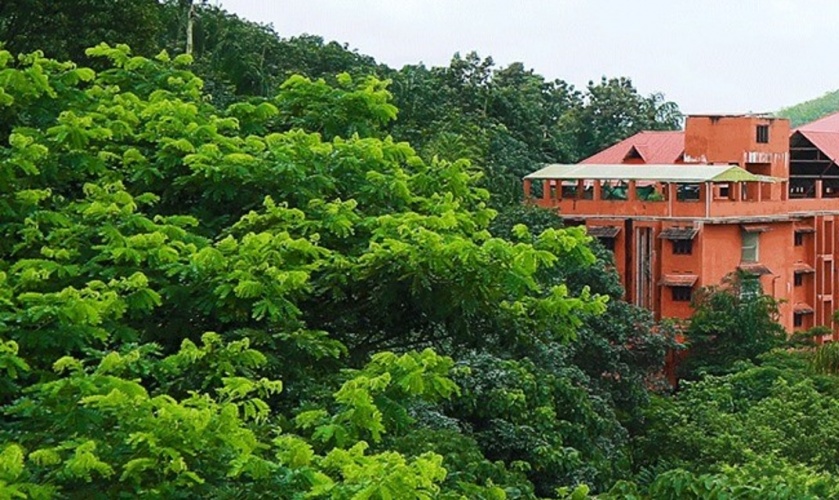
Where to Go: Kerala

Whichever destination you choose, look for a family-friendly centre with physicians experienced in treating children (Kaumarabhritya, the Ayurvedic branch of paediatrics) and space for safe outdoor activity. The centre should also be able to adapt meals and therapies to a child's age.

How WellnessLoka Helps

Verified centres. Every centre WellnessLoka lists is independently assessed for its physicians' credentials, authentic Medohara formulations, and Udvartana capability. For families with children, we also look for experience treating children and the judgement to adapt therapies and doses to a child's age. Centres must insist on paediatric assessment and work alongside your child's doctor.

A free consultation with our Ayurvedic doctor. Before you commit to anything, speak with WellnessLoka's in-house Ayurvedic consultant. They will review your child's age, growth history, any medical findings, and your family's routine, then recommend a suitable, family-centred programme. If your child needs paediatric evaluation first, we will say so plainly. This is guidance only, with no obligation.

Transparent comparison and support. You get clear information on every centre's credentials, suitability for children, programme structure, family accommodation, and pricing. WellnessLoka's partner pricing is lower than booking directly, and our team supports your family from first enquiry to the end of your programme.

Begin Your Healing Journey

Watching your child struggle — tiring before their friends do, avoiding the playground, quietly comparing themselves to others — is hard for any parent. Paediatric care keeps your child's health monitored and any complications treated.

Alongside that care, Ayurveda offers something genuine: a daily rhythm the whole family can share, food that nourishes without excess, and movement that feels like play rather than punishment. Together, they can help your child grow up stronger, lighter on their feet, and more confident in their own body.

Book Free Consultation


Frequently Asked Questions

In Ayurveda, childhood obesity is correlated with Sthaulya or Medoroga, caused by aggravated Kapha Dosha, weak digestion (Agnimandya), and accumulation of toxins (Ama), leading to excess fat accumulation and metabolic imbalance.
Yes, Ayurveda offers a holistic approach through Panchakarma therapies, herbal support, dietary correction, yoga, and lifestyle changes to support healthy weight management naturally and safely.
Common causes include unhealthy eating habits, junk food consumption, sugary drinks, lack of physical activity, excessive screen time, emotional eating, hormonal imbalance, and genetic factors.
Ayurveda recommends a light, balanced, high-fiber diet with fresh vegetables, fruits, whole grains, warm water, and easily digestible meals while avoiding processed, oily, sugary, and heavy foods.
Ayurvedic treatments are generally gentle and personalized when supervised by qualified Ayurvedic doctors. Therapies and herbal medicines are selected according to the child’s age, body type, and health condition.
The duration depends on the child’s weight, metabolism, lifestyle, and associated health conditions. Consistent diet, exercise, and Ayurvedic therapies help achieve gradual and sustainable results over time.
Ayurveda provides meaningful integrative supportive value for childhood obesity through the comprehensive classical Kaumarabhritya and Medovaha Srotas framework — strictly supportive alongside continued essential pediatrician care with substantial body-positive weight-neutral approach essential. Focus is on family wellness and health-supportive behaviours, not weight loss per se. Comprehensive supportive approach: comprehensive gentle Medovaha Srotas-supportive and Ama-pacifying with Triphala and Guduchi with age-appropriate dosing; comprehensive Chyavanaprasha Bala Rasayana; comprehensive family-centred dietary integration with substantial body-positive focus essential; comprehensive joyful physical activity integration essential; comprehensive family-centred care essential. Restrictive dieting for children is absolutely inappropriate and can precipitate eating disorders. WellnessLoka verified centres provide expert integrative supportive care with body-positive approach across Kerala, Sri Lanka, and Bali.
Kerala, India offers the most clinically authentic destination for childhood obesity Ayurvedic supportive care with the deepest preservation of authentic classical Kaumarabhritya and Medovaha Srotas tradition globally with substantial care principles and body-positive weight-neutral approach throughout. Experienced BAMS and MD Ayurveda physicians provide specialised classical Kaumarabhritya training essential, specialised comprehensive gentle Medovaha Srotas-supportive and Ama-pacifying capability with age-appropriate dosing, specialised comprehensive Chyavanaprasha Bala Rasayana capability, comprehensive family-centred dietary integration essential, comprehensive joyful physical activity integration essential, comprehensive family-centred care essential, comprehensive body-positive approach essential, coordination with continued pediatrician care essential. WellnessLoka verified centres in Alleppey, Kovalam, Kumarakom, Wayanad, and Palakkad provide specialised childhood obesity supportive care across 160+ audited properties spanning Kerala, Sri Lanka, and Bali with customers from 25+ countries.
About WellnessLoka

WellnessLoka is established with the aim of making the world a happier and a healthier place. Based in Kerala, Gods' Own Country, WellnessLoka seeks to help wellness enthusiasts find and book different wellness options in a hassle free manner.

Read more >>


Join Our Network

Let us help you to get more guests to experience the unique wellness services provided at your property.

Join Now


Contact

WellnessLoka
Koozhampala Solutions Private Limited
Integrated Startup Complex
Kerala Startup Mission
Kerala Technology Innovation Zone
Kinfra Hi-Tech Park Main Rd
HMT Colony P.O
Kochi, Kerala - 683503
GSTIN: 32AAGCK3772L1ZB
+91 8086 040101
[email protected]

     
© 2016 - 2026 WellnessLoka. All Rights Reserved